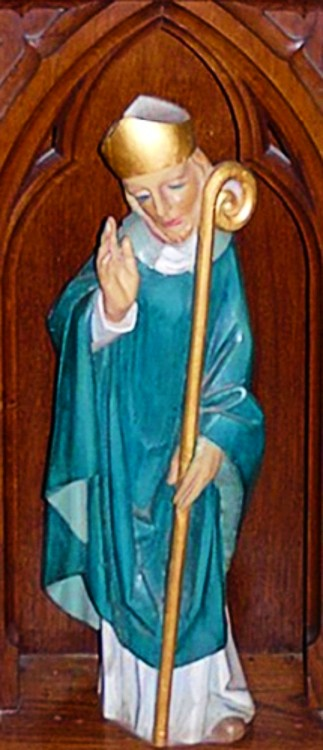
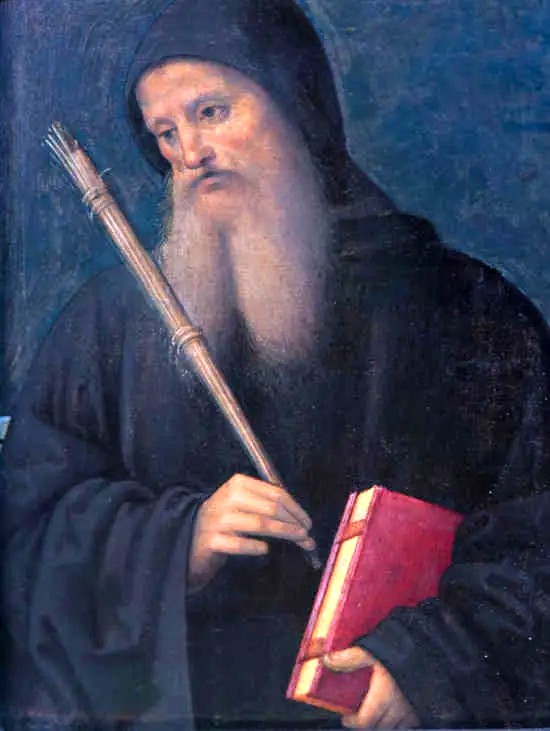
Saint of the Day – 4 March – St Leodevaldus (Died c614) Bishop and Confessor of Avranches in France, Penitent. Patronages – farmers and farm labourers. Also known as – Leonard, Léodowald, Keidevakdi, Leudeuald,
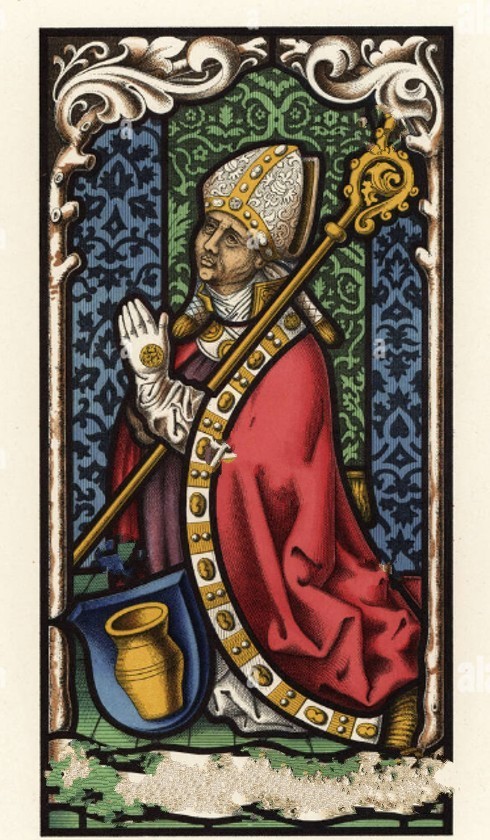
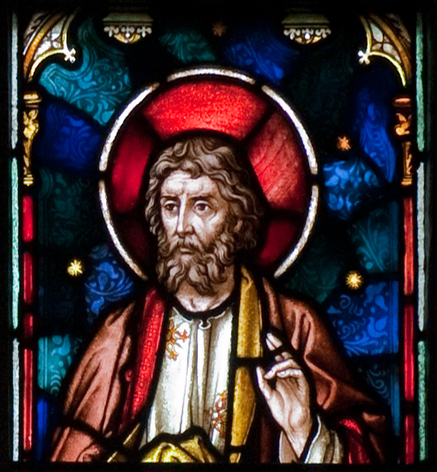
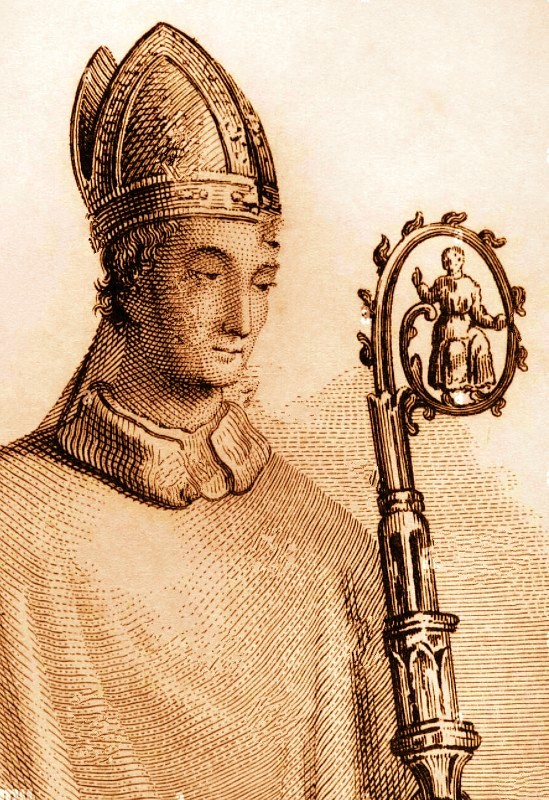
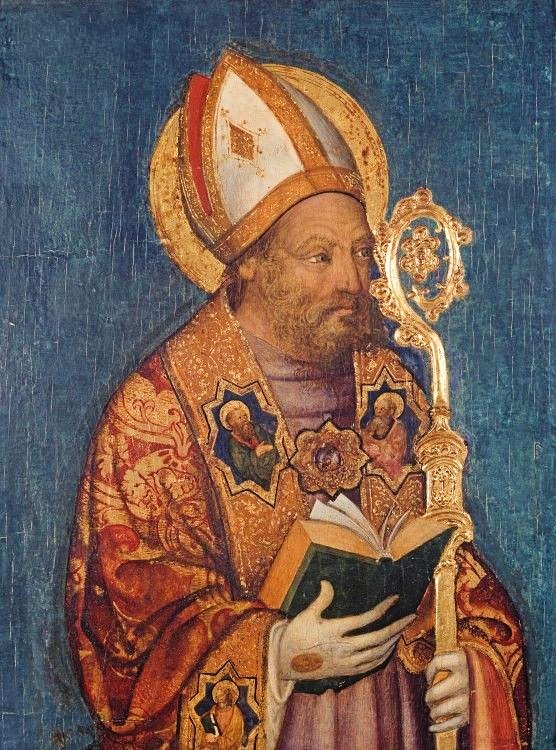
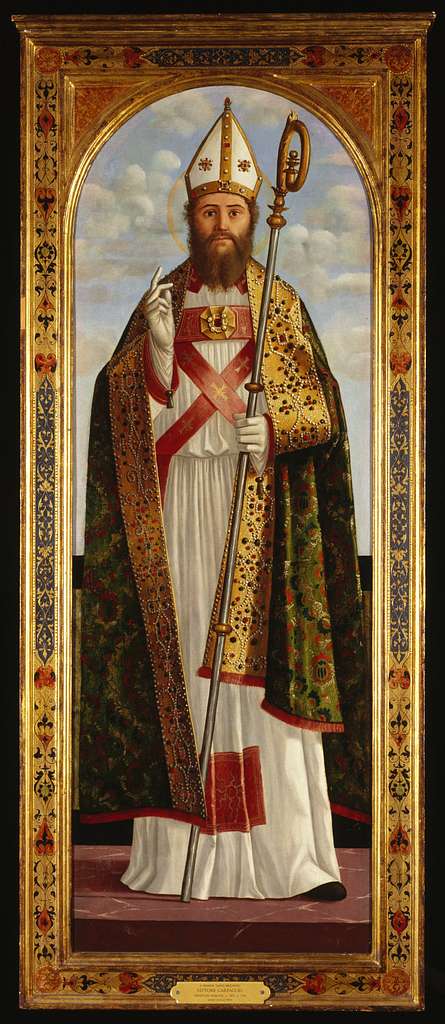
Unknown Bishop or Abbot
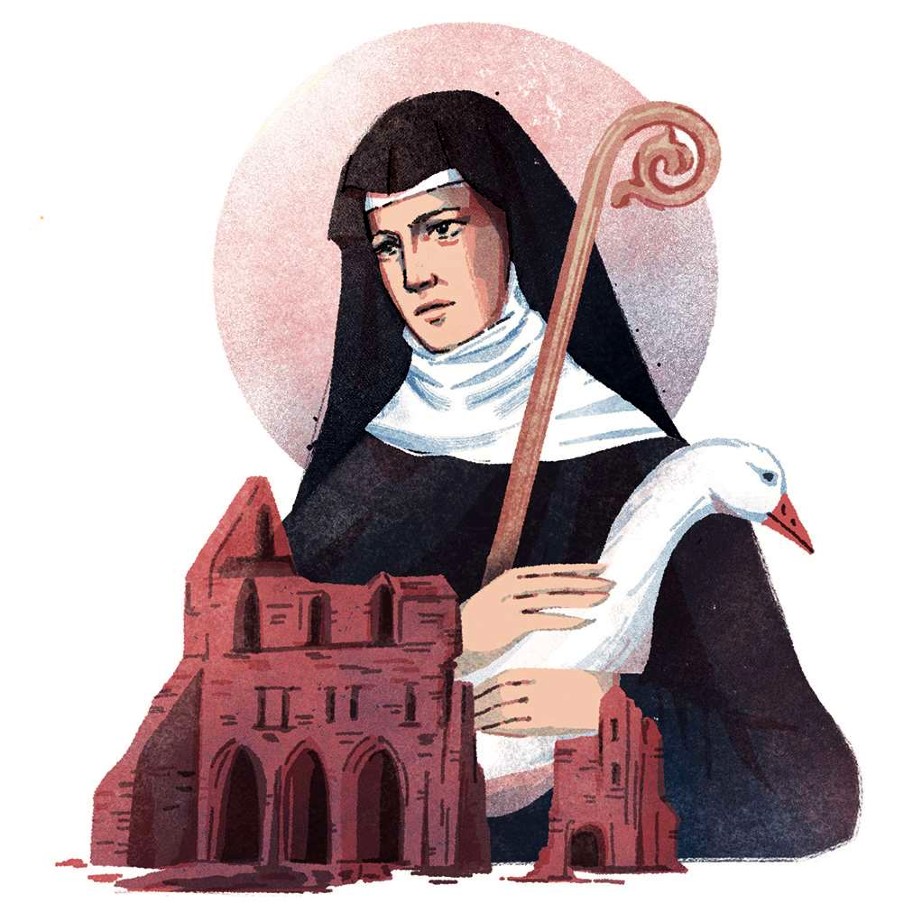
Leodovaldus was a Bishop of Avranches who lived between the 6th and 7th Centuries, remembered as a tireless Confessor.
In the list of Bishops, he is ranked 7th (or in some cases 8th) after Saint Synerius and before Ildoald.
Although some 12th Century manuscripts contain a very deficient and imprecise Episcopal catalogue of the Diocese of Avranches, regarding Bishops before the end of the 10th Century, Saint Leodevaldus is mentioned by St Gregory of Tours in the text ‘Virtutes Martini II’.
We know very little about his birth and Episcopate. Tradition holds that he led a reckless life during his youth, so much so that his excesses frightened good people. At a certain point in his life, he converted and repented, completely changing his ways, became a Priest, and was then appointed as a Bishop.
His devotion to Saint Martin is proverbial and his cult spread throughout Normandy, to which region he dedicated as many as 31 Churches.
Saint Leodevaldus, is mentioned after 576, in some cases gives the year of his death as 630, while others more likely date it to 614.
St Lucius I (Died 254) Pope and Martyr. The 22nd Bishop of Rome from 25 June 253 to his death on 5 March 254. He was banished soon after his consecration but gained permission to return. Patronage – Copenhagen, Denmark. Lucius I’s Tombstone is still extant in the Catacomb of Callixtus. His Relics were later brought to the Church of Santa Cecilia in Trastevere, along with the Relics of St Cecilia and others. His head is preserved in a reliquary in St. Ansgar’s Cathedral in Copenhagen, Denmark. This Relic was brought to Roskilde around the year 1100, after Lucius had been declared Patron Saint of the Danish region Zeeland. The Roman Martyrology reads today: “At Rome, on the Appian Way. during the persecution of Valerian, the birthday of St Lucius, Pope and Martyr, who was first exiled for the Faith of Christ but, being permitted by Divine Providence to return to his Church, he suffered Martyrdom by decapitation, after having combated the Novatians. His praises have been published by the blesseed Saint Cyprian, Bishop of Carthage(200-258).” His Life and Death: https://anastpaul.com/2023/03/04/saint-of-the-day-4-march-st-lucius-i-died-254-pope-and-martyr/
St Adrian of May St Adrian of Nicomedia Bl Alexander Blake St Appian of Comacchio St Arcadius of Cyprus St Basinus of Trier Bl Christopher Bales
Blessed Humbert III Count of Savoy (1136–1189) Layman Prince. It is recorded of Humberto “who, forced to leave the cloister to deal with public affairs, practiced the monastic life with greater dedication, to which he later returned.” Born in 1136 in Avigliana, Italy and died on 4 March 1189 in Chambéry, France of natural causes. Beatified in 1838 by Pope Gregory XVI. Holy Humbert: https://anastpaul.com/2024/03/04/saint-of-the-day-4-march-blessed-humbert-iii-count-of-savoy-1136-1189/
St Leodevaldus (Died c614)Bishop and Confessor of Avranches Bl Nicholas Horner St Nestor the Martyr St Owen Bl Paolo of Brescia
Martyrs on the Appian Way – 900 Saints: Group of 900 Martyrs buried in the Catacombs of Saint Callixtus on the Appian Way, Rome.
Martyrs of Nicomedia – 20 Saints: A group of 20 Christians murdered together for their faith. The only details about them to survive are three of their names – Archelaus, Cyrillos and Photius. Nicomedia, Bithynia (in modern Turkey)
Martyrs of the Crimea – 7 Saints: A group of 4th century missionary Bishops who evangelised in the Crimea and southern Russia and were Martyred for their work. We know little else beyond the names – Aetherius, Agathodorus, Basil, Elpidius, Ephrem, Eugene and Gapito.
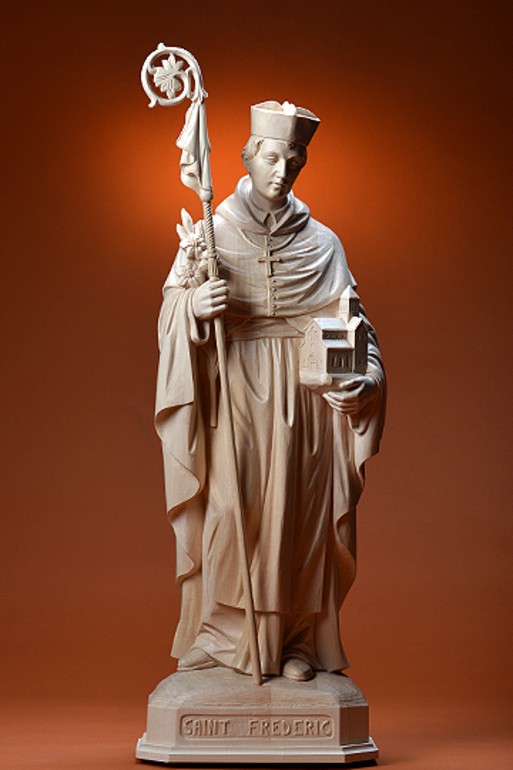
Saint of the Day – 3 March – St Frederick (c1121-1175) O.Praem of Hallum Priest and Regular Canon, the Founder and 1st Abbot of Mariengaarde Abbey in Friesland in the Netherlands. Born in Münster, Germany in 1121 and died in Hallum in Holland in 1175, Patronages – against Rheumatism and Paralysis. Also known as – Frederick Feikone, Frederick of Mariengaarde, Friederich, Federico.
Frederick was a Premonstratensian Priest and Abbot who, thanks to his piety, charity and attention to the poor and sick, was prominent as an example of Christian virtue.
He was the son of a nobleman and received a religious education and was Ordained a Priest. After serving for several years as Parish Priest in the Town of Hallum, he was elected as the Abbot of the Premonstratensian Monastery of Mariengaarde, where he fervently devoted himself to the spiritual care of the Monks and the evangelisation of the Faith.
His charity was boundless and he did his utmost to help the poor and needy, donating money and his time to alleviate their suffering. He was also a man of great piety and spent long hours in prayer and meditation.
In 1175, Frederick visited the Monastery of Bethlehem, where he was struck by a serious illness. He returned to Hallum, where he died on 3 March of the same year. He was buried in a Chapel he had built himself. So many miracles were reported at his Tomb that it became a site of pilgrimage and he was soon venerated as a Saint. In 1938 his Relics were transferred to Leffe, Dinant, Belgium.
He was Canonised on 8 March 1728 by Pope Benedict XIII. and St Frederick is invoked against rheumatics and paralytics.
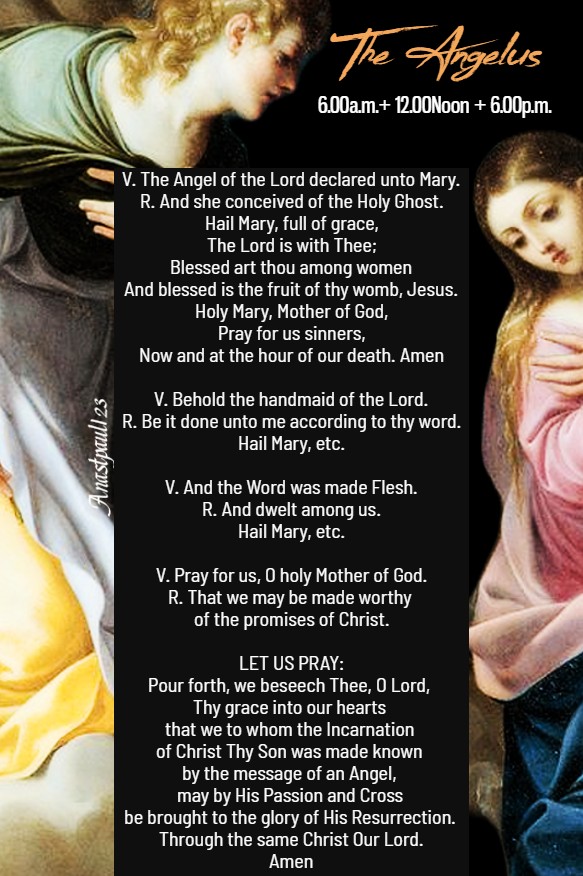
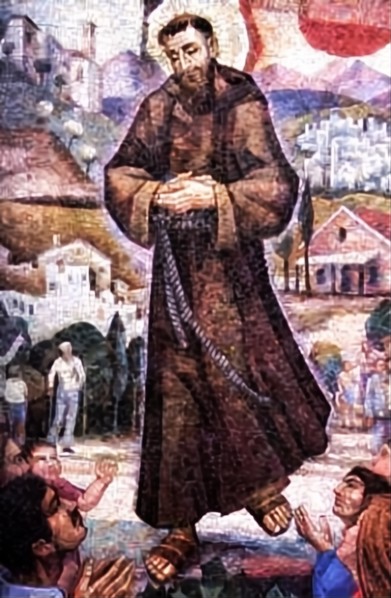
Blessed Benedetto Sinigardi da Arezzo OFM (1190-1282) Friar of the Order of Friars Minor, who received the Habit directly from St Francis of Assisi. Although rarely mentioned, Blessed Benedetto is the Author of the Angelus! Furthermore, the beautiful custom of reciting the Marian Antiphon “The Angelus Domini” is attributed to Blessed Benedetto, meditating on the saving Mystery of the Incarnation of the Son of God in Mary’s virginal womb. The Angelus Domini became a pious practice firstly to the entire Franciscan Order, then to the whole Church, as it still is today. Lovely Fr Benedetto!: https://anastpaul.com/2023/03/03/saint-of-the-day-3-march-blessed-benedetto-sinigardi-da-arezzo-ofm-c1190-1282-the-author-of-the-angelus/
St Anselm of Nonantola St Arthelais of Benevento St Calupan St Camilla St Cele-Christ
St Cunegundes (c975-1040) Empress of the Holy Roman Empire, Nun, she took a vow of Virginity before her marriage, which, after a miracle was upheld by her husband, the King (also a Saint). Founder of Monasteries and Churches, Nun in one of her Convents, Apostle of Charity. Born in c 975 and died in 1040 of natural causes. Her Fervent Life: https://anastpaul.com/2022/03/03/saint-of-the-day-3-march-st-cunegundes-c-975-1040/
St Foila St Frederick (c1121-1175) O.Praemof Hallum Priest, Abbot St Gervinus
40 Martyrs in North Africa – A group of Christians Martyred together in North Africa, date unknown. No details have survived, but we know these names – Antonius, Artilaus, Asclipius, Astexius, Basil, Bosimus, Carissimus, Castus, Celedonius, Claudianus, Cyricus, Donata, Emeritus, Emeterius, Euticus, Felix, Fortunatus, Frunumius, Gajola, Georgius, Gorgonius, Hemeterus, Isicus, Janula, Julius, Luciola, Luciolus, Marcia, Marinus, Meterus, Nicephorus, Papias, Photius, Risinnius, Sabianus, Savinianus and Solus
Martyrs of Pontus – 3+ Saints – A large group of Christians Martyred together in the persecutions of Emperor Maximian Galerius and governor Ascleopiodato. We have some details on three of them – Basiliscus, Cleonicus and Eutropius. 308 in Pontus (in modern Turkey) Martyrs of Caesarea; Asterius Marinus
Martyrs of Calahorra: Cheledonius Emeterius
Martyrs of Gondar, Ethiopia: Bl Antonio Francesco Marzorati Bl Johannes Laurentius Weiss Bl Michele Pío Fasol
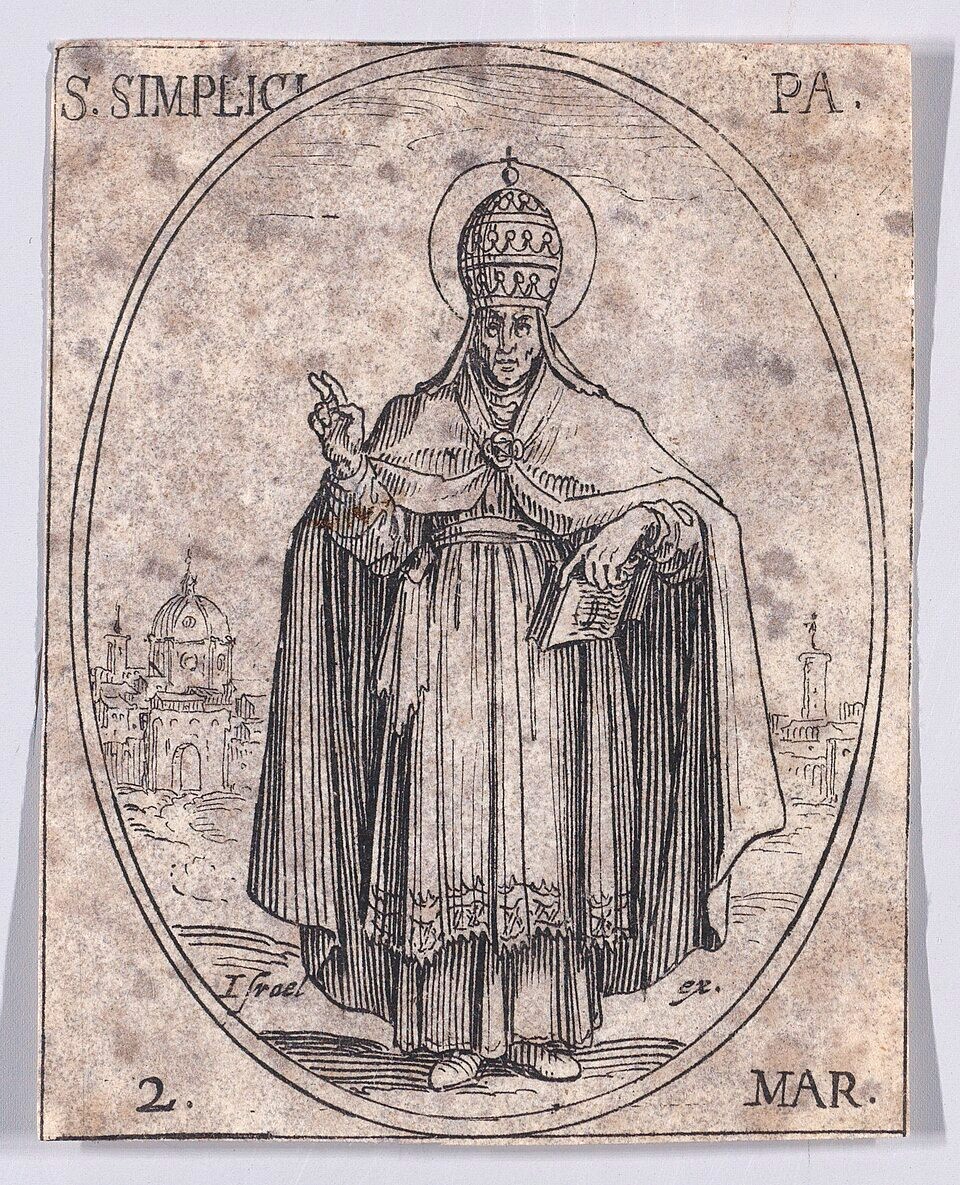
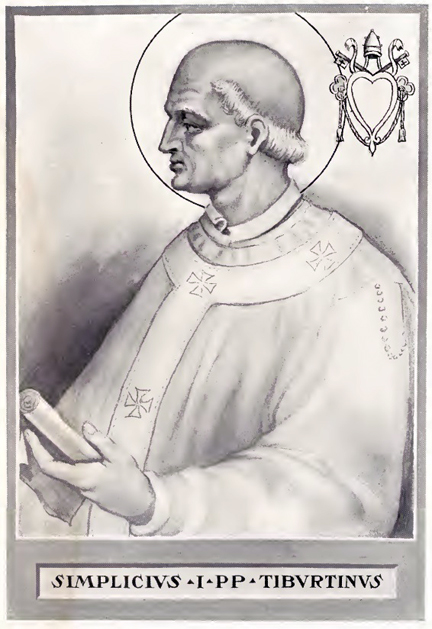
Saint of the Day – 2 March – St Simplicius (c395-483) Pope and Confessor. His Papacy began on 25 February 468 and ended on 2 or 10 March 483. He combated the Eutychian heresy, ended the practice of Consecrating bBshops only in December and sought to offset the effects of Germanic invasions and contain the rebellion of Eastern Prelates who sought private power.
The Roman Martyrology reads today: “At Rome, St Simplicius, Pope and Confessor.”
Etching of Pope Simplicius, 1636
SIMPLICIUS was the ornament of the Roman Clergy under Sts Leo the Great (400-461) and Hilarius (Died 468) and succeeded the latter as Pontiff in 468.
He was raised by God to comfort and support His Church amidst the greatest storms. All the Provinces of the Western Empire, had fallen into the hands of barbarians. The Emperors for many years, were rather shadows of power than sovereigns and, in the 8h year of the Pontificate of Simplicius, Rome itself fell a prey to foreigners. Italy, by oppressions and the ravages of barbarians, was left almost a desert without inhabitants and the Imperial armies consisted chiefly of barbarians, hired under the name of auxiliaries. These soon saw that their masters were in their power.
The Heruli demanded one third of the Italian lands and upon refusal chose for their leader Odoacer, one of the lowest extraction but a resolute and intrepid man, who was proclaimed King of Rome in 476. He put to death Orestes, who was Regent of the Empire for his son Augustulus, whom the Senate had advanced to the Imperial throne. Odoacer spared the life of Augustulus, appointed him a salary of six thousand pounds of gold and permitted him to live at full liberty near Naples.
Pope Simplicius was wholly taken up in comforting and relieving the afflicted and in sowing the seeds of the Catholic Faith among the barbarians. The East gave his zeal no less employment and concern. Peter Cnapheus, a violent Eutychian heretic, was made Patriarch of Antioch by the heretics and Peter Mengus, one of the most profligate men, Patriarch of Alexandria.
Acacius, the Patriarch of Constantinople, supported Mengus against Pope Simplicius and the Catholic Church. Pope Simplicius, at length discovered his artifices and redoubled his zeal to maintain the Holy Faith, which he saw betrayed on every side, whilst the patriarchal Sees of Alexandria and Antioch were occupied by furious wolves and there was not one Catholic King in the whole world.
St Simplicius, having reigned in faithful strife for 15 years, 11 months and 6 days, went to receive the reward of his labours in 483. He was buried in St Peter’s Basilica.
Blessed Charles the Good (c1083-1127) Martyr, Duke, Apostle, protector and defender of the poor, selling his and his kingdom’s riches to help those in need, wherever he could, a fair and just Ruler who made laws to accommodate the poor rather than the rich (the eventual cause of his Martyrdom), Knight who assisted in Secomd Crusade. Blessed Charles cultus was officially confirmed by his Beatification in 1883 by Pope Leo XIII. His Life and Death: https://anastpaul.com/2023/03/02/saint-of-the-day-2-march-blessed-charles-the-good-c1083-1127-martyr/
St Cynibild of Laestingaeu St Felix of Treves St Fergna the White
Martyrs of Campania – Approximately 400 northern Italian Christians Martyred for their faith by pagan Lombards. Their story was recorded by Pope Saint Gregory the Great, who reports that they people spent their final days supporting each other with prayer. c 579 in Camnpania, Italy.
Martyrs of Porto Romano – 4 Saints – Group of Christians Martyred in the persecution of Diocletian. The only other information that survives are the names of four of them – Heraclius, Januaria, Paul and Secondilla. c305 at Porto Romano at the mouth of the River Tiber, Rome.
DISCLAIMER: Please note: I cannot control the content of the Advertisements on this Site, or of pop-ups which may appear, The revenue from the Advertisements, however, does provide a little assistance in the support of the Site. I do apologise for any inappropriate content.
Saint of the Day – 1 March – St Siviard (Died 687) Priest and the 5th Abbot of the Moinastery of Saint-Calais in Maine, France, Author, a man of great humility and leadership skills. Also known as – Siard, Siviardus, Siviardo.
The Roman Martyrology reads today: “At Le Mans, St Siviard, Abbot.”
Siviard’s biographer, Jean-Barthélemy Hauréau, was one of his contemporaries, a 7th-century Monk.
According to the narrator, he had known the holy Abbot ,not only in the Monastery, where he had had him as his father but during his childhood and, therefore, in his native village.
Siviard’s father was Sigiram, a Frankish noble and his mother was Adda. Since Bertrand du Mans, the Bishop of Le Mans, had donated lands to his beloved nephew Sigiram in the Diablintic region. It is assumed that Sigiram was himself a Cleric and Abbot.
In Siviard’s life, he tells us only of his childhood passion for study, his vocation to religious life, where he wished to be buried among the most obscure Monks, the choice of his superiors who elevated him to the Priesthood, the virtues he practiced, worthy of all the praise that Scripture bestows on the holy ministers of the Lord and his eventual election to the Abbatial chair after his father’s death.
King Thierry III, who named Siviard, confirmed his possession of the Monastery’s property in 676. Siviard built the house of God magnificently, both in material structure and spiritual discipline. Siviard received the places of Villiers and Lantion from Bishop Aigilbert and built a villa and probably a small Monastery on the grounds of Saint-Georges-de-la-Coué.
St Siviard died without sadness, without regret, on the first day of March 687. One of the Monks was warned of this death, by a vision in which the Abbot was shown to him in celestial light accompanied by Saints Peter and Paul and recommended that he carry to his sister the Eulogies he had prepared.
A diploma of Charlemagne from 774 expressly states that Siviard’s body rests in the villa of Savonnières in Saint-Georges-db-la-Coué, the last foundation of the holy Abbot. It was here that his bones were removed and then transported to Sens during the Norman invasions. The Church of Laval has occupied a significant part of the site since 1883.
At the behest of several Bishops, Siviard wrote the life of Saint Calais, founder of the Abbey he had governed.
St David of Wales (c542-c601) Bishop, Prince, Monk, Confessor, Missionary, Founder of Monasteries. Uncle of King Arthur. David studied under Saint Paul Aurelian. Worked with Saint Columbanus, Saint Gildas the Wise and Saint Finnigan. He was officially Canonised in 1120 by Pope Callistus II. Beloved St David: https://anastpaul.com/2017/03/01/saint-of-the-day-1-march-st-david-of-wales/
St Abdalong of Marseilles St Adrian of Numidia St Agapios of Vatopedi St Agnes Cao Guiying
St Albinus of Vercelli St Amandus of Boixe St Antonina of Bithynia Bl Aurelia of Wirberg Bl Bonavita of Lugo St Bono of Cagliari Bl Christopher of Milan Bl Claudius Gabriel Faber St Domnina of Syria St Domnina of Syria St Donatus of Carthage St Eudocia of Heliopolis Bl George Biandrate Bl Giovanna Maria Bonomo Bl Gonzalo de Ubeda St Hermes of Numidia St Jared the Patriarch St Leo of Rouen
St Leolucas OBas (c815-c915) Abbot of the Basilian Order, Mystic, Ascetic, Miracle-worker. He lived as a Monk for more than 80 years. The Roman Martyrology reads: “In the Monastery of Avena between the slopes of Mount Mercurio in Calabria, St Leone Luca, Abbot of Monte Mula, who shone in the hermitic life, as in the cenobitic life, following the rules of the oriental Monks.” His Life of Grace: https://anastpaul.com/2023/03/01/saint-of-the-day-1-march-saint-leolucas-of-corleone-obas-c815-c915-abbot/
St Lupercus St Marnock St Monan Bl Pietro Ernandez Bl Roger Lefort St Rudesind St Simplicius of Bourges St Siviard (Died 687) Abbot
Martyrs of Africa – A group of 13 Christians executed together for their faith in Africa. The only details about them to survive are ten names – Abundantius, Adrastus, Agapius, Charisius, Donatilla, Donatus, Fortunus, Leo, Nicephorus and Polocronius. c290
Martyrs of Antwerp – A group of 14 Christians Martyred together, buried together and whose Relics were transferred and enshrined together. We know nothing else but their names – Benignus, Donatus, Felician, Fidelis, Filemon, Herculanus, Julius, Justus, Maximus, Pelagius, Pius, Primus, Procopius and Silvius. Died in the 2nd Century in Rome. They are buried in the St Callixtus Catacombs and their Relics were enshrined in the Jesuit Church in Antwerp on 28 February 1600.
Martyrs of the Salarian Way – A group of 260 Christians who, for their faith, were condemned to road work on the Salarian Way in Rome, Italy during the persecutions of Claudius II. When they were no longer needed for work, they were publicly murdered in the amphitheatre. Martyrs. c269 in Rome.
Martyrs Under Alexander – A large but unspecified number of Christians Martyred in the persecutions of Emperor Alexander Severus and the praefect Ulpian who saw any non-state religion to be a dangerous treason. c 19.
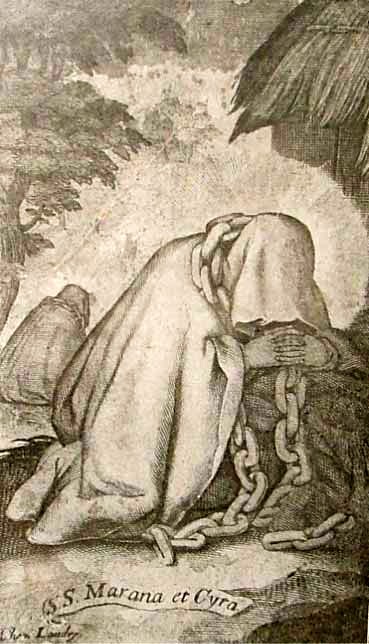
Saint/s of the Day – 28 February – St Cyra AND St Marana (Circa Mid 5th Century) Virgins and Hermits of Beroea in Syria. Two female Syrian Hermits of noble lineage who led an austere life of fasting, prayer, and silence for 42o years. They also made pilgrimages to holy places in Jerusalem and Isauria.
St Theodoret (c393-c457) devotes a Chapter (the 29th) of his Religiosa Historia to Marana and Cyra, who were still alive when he wrote his work in around 440.
In his word: “Their country is Beroea (modern Aleppo), where they descended from an illustrious race and were educated according to their condition and birth. But despising all the advantages granted them by nature, they shut themselves up in a small site near the City, having the gate walled up.
Wishing to imitate them in this way of life, some of their female servants built them a small house, adjacent to the hermitage, in which they ordered them to live; observing their actions through a small window, they often made them do prayer exercises and inflamed them with the love of God…
Instead of the door, they had a small window through which they received what was necessary for their life and spoke with the women who came to visit them only during the time of the ‘cinquantin’ (= Easter time), spending the rest of the year in constant silence, I mean with regard to Marana, the only one who speaks to these women. As for Cyra, in fact, no one has ever heard her utter the slightest word.
Cyra, who is of a more delicate constitution than the other, is always bent to the ground, unable to stand up. They wear dresses so long that they cover their feet and in front they have a kind of veil that comes down to the waist and completely covers the face, hands and stomach.”
When Teodoreto wrote these lines, Marana and Cyra had already been leading this life of Hermits for 42 years, making it even more painful by wearing heavy chains and sometimes prolonging the fast up to forty days.
“Driven by the desire to see the holy places whichJesus Christ honoured with His sufferings, they went fasting to Jerusalem, eating only after worshiping God. On their return, they resumed fasting, even though it would have taken them no less than 20 days to make such a long journey.”
Another time, they similarly travelled to Isauria to visit the Church of Saint Thecla, the first Martyr of that region. As time passed, Marana and Cyra did not slow domn in this way of life; on the contrary, they continued with ever-renewed ardour toward the crown which Christ would place upon their heads after their victory.
We do not know the date of Marana and Cyra’s death, since Theodoret is our only source.
Martyrs of Alexandria – A number of clerics and layman who died as Martyrs of charity for ministering to the sick during a plague that ravaged Alexandria, Egypt in 261.
Martyrs of Antwerp – 14 Christians who were Martyred together. We know nothing about them but the names Alexander, Anicetus, Cyriacus, Eulalia, Faustus, Genesius, Hirena, Macarius, Mauritius, Modestus, Placidus, Rochus, Symforian and Victorinus. Died in Rome, Italy, date unknown. Their Relics were transferred and enshrined in Antwerp, Belgium.
Martyrs of Corinth – A group of Christians Martyred together in Corinth, Greece. The only information we have about them are the names Basilia, Betha, Caius, Claudius, Diodorus, Donatus, Enuclus, Felix, Hermes, Januaria, Januarius, Maccaris, Maninlia, Mansuetus, Nicophorus, Papias, Quinquianus, Rufunia, Serapion, Servilia, Silvana, Stercola, Tella, Veneria, Victor and Victorinus.
Saint/s of the Day – 27 February – St Basil (8th Century) Monk of Constantinople AND St Procopius (8th Century) Monk of Decapolis defenders of Sacred images. Both struggled against and were tortured and imprisoned in their fight against those who denied the veneration of Sared images. Some sources declare them as Martyrs but the Martyrology quoted below does not. Basil did probably die of his sufferings, having survived only a short time after their cessation but Procopius survived to carry on his work as a servant of Christ.
The Roman Martyrology reads today: “At Constantinople, in the time of the Emperor Leo, the holy Confessors Basil and Procoppius, who fought courageously for the worship of holy images.”
Saints Basil and Procopius were Monks, who lived in Constantinople in the 8th Century, during the reign of Emperor Leo III the Isaurian.
Basil was from a noble family, while Procopius was a Soldier who, after leaving the army, had retired to monastic life.
The two Monks were united by a deep devotion to Christ and the belief that the veneration of Sacred images was a fundamental tool and element in the growth of the Christian Faith.
In 726, Emperor Leo III issued an Edict prohibiting the veneration of Sacred images. This decision was strongly contested by the Church, which considered Sacred images a way to honour God and the Saints.
Basil and Procopius joined the fight against the Imperial Edict. They were arrested and subjected to harsh torture but never renounced their Faith. They were eventually imprisoned, where they spent several years.
Upon the death of Leo III in 741, Basil Procopius were freed. Basil died shortly thereafter, while Procopius continued to live and preach the Gospel of Christ.
In the 8th Century, the veneration of Sacred images was the subject of a controversy that divided the Church. Emperor Leo III and his supporters considered Sacred images a form of idolatry, while the Church maintained that they were a legitimate way to honour God and the Saints.
The controversy ended with the Second Council of Nicaea, which in 787 established that the veneration of Sacred images was devotional and in accordance with theteachings of Holy Church.
The Feast of the Sacred Lance and Nails – Friday after the 1st Sunday in Lent: The Supreme Pontiff, Innocent VI, in his Decree establishing the Feast and Office of the Lance and Nails which pierced the Body of our Crucified Lord Jesus Christ, exhorts all the faithful to have a special veneration for and devotion to, all the Sacred Instruments of our Saviour’s Passion. The following are the Holy Father’s words: “We should honour the most holy Passion of our Lord and Redeemer, Jesus Christ, in such manner that, meditating on all the mysteries and merits of the same Passion, we venerate also each Sacred Instrument thereof.” Then this holy and zealous Pontiff, coming more directly to the honour due to the Lance and Nails, says: “Although the Lance and Nails and the other Sacred Instruments of the Passion, should be enerated everywhere, by the faithful of Christ and although every year the Church celebrates the Solemn Offices of the same Passion, yet, we deem it proper and fitting, that a special Solemn Feast should be instituted and celebrated in honour of those particular Instruments of the Passion, more especially, in those places wherein these salutary Instruments are preserved. Hence, we wish to encourage this devotion by a special Office and privileges.” (Innocent VI in Decret. de Fest. Lane, et Clav. Domini).
The Lance, also known as “The Spear of Longinus” is kept in the Vatican Basilica, given to Innocent VIII in 1492. The Nails were kept with the Crown of Thorns, along with a small piece of the Lance of Longinus at Saint Chapelle, France and were subsequently lost during the French Revolution. The Crown of Thorns was the only Relic saved and is now kept at Notre Dame Cathedral.
St Basil (8th Century) Monk of Constantinople AND St Procopius (8th Century) Monk of Decapolis St Comgan Bl Emmanuel of Cremona Bishop St Fortunatus of Rome St Herefrith of Lindsey St Honorina
Blessed William Richardson (1572–1603) English Priest, Martyr. He was Beatified on 15 December 1929 by Pope Pius XI. Born in Yorkshire and died by being hanged, drawn and quartered on 27 February 1603 at Tyburn, London, aged just 31. William owns the dubious honour of being the last Martyr under Elizabeth I’s barbaric policy of murdering Catholics and especially Priests, in this manner. His Life and Death: https://anastpaul.com/2023/02/27/saint-of-the-day-27-february-blessed-william-richardson-1572-1603-english-priest-martyr/
Saint of the Day – 26 February – St Andrew (9th Century) Bishop and Confessor of Florence. Also known as – Andrea.
The Roman Martyrology reads today: “At Florence, St Andrew, Bishop and Confessor.”
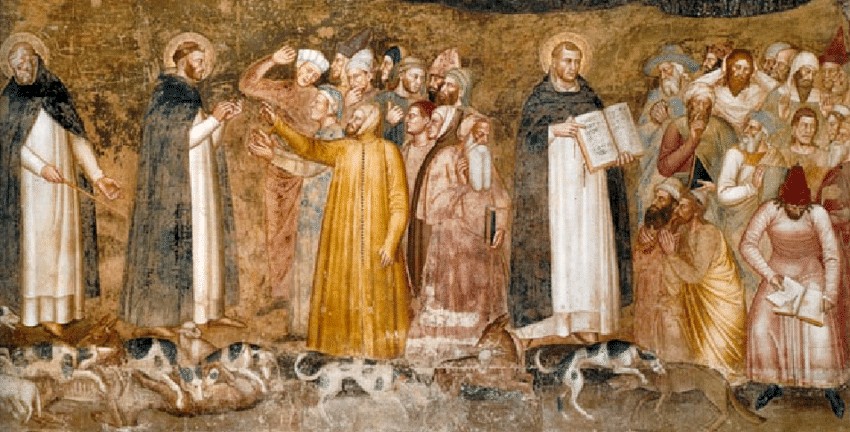
Andrea da Firenze, Spanish Chapel, Santa Maria Novella, Florence, Fresco, 1365-1367.
Information regarding St Andrew’s life is scarce and fragmentary. According to tradition, he lived in the 9th Century and was the Bishop of Florence.
The first documented record dates to 18 December 871, when he is mentioned as an Imperial Envoy attended at Court with Margrave Adalbert. In 874, he obtained from Emperor Louis II the German, the privilege of immunity for the Bishop’s property. On 1 March 893, his Envoys are reported to have handed his niece to Bertha, Abbess of the Abbey of Sant’Andrea, to be educated and trained to succeed the Abbess.
This scant information does not allow us to reconstruct Saint Andrew’s life. However, it is possible to hypothesise that he was a man of great faith and profound culture. His presence in Florence is attested by several documents and by his Liturgical Feast celebrated today.
Saint Andrew is considered the protector of the City of Florence. His figure has been depicted in several works of art, including a 15th Century Altarpiece preserved in the Church of Sant’Andrea in Florence.
A Church dedicated to him existed as early as the 13th Century, located in the Square of the same name in the historic center of the City. This Church was replaced and today, the memory of Saint Andrew is preserved in the Cathedral of Florence. A Chapel is also dedicated to him in the Church of San Lorenzo, where the Relics of his predecessor, Saint Zenobius, are preserved.
St Alexander of Alexandria (Died c326) Bishop of Alexandria, Confessor, Defender of the True Faith against heresies, in particular the Arians. The Roman Martyrology states of him today: “At Alexandria, the Bishop St Alexander, an aged man held in great honour who was a successor of the blessed Peter as Bishop of the City. He expelled from the Church, Arius, one of his Priests, tainted with heretical impiety and convicted by Divine Truth and, subsequently, was one of the three hundred and eighteen Fathers, who condemned him at the Council of Nicea.” Holy Father St Alexander: https://anastpaul.com/2022/02/26/saint-of-the-day-26-february-st-alexander-of-alexandria-died-c-326/
St Andrew (9th Century) Bishop and Confessor of Florence St Dionysius of Augsburg
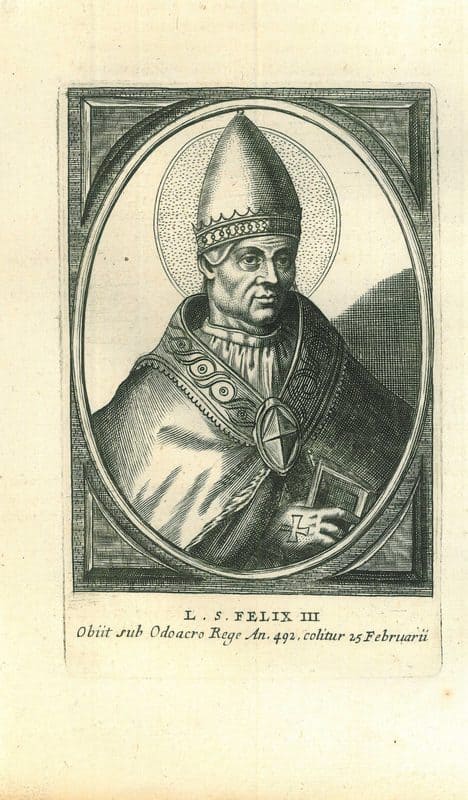
Saint of the Day – 25 February – Saint Pope Felix III (Died 492) Papacy from 13 March 483 to his death on 1 March 492. He was the great-grandfather of St Pope Gregory the Great.
The Roman Martyrology reads today: “At Rome, the birthday of Pope St Felix III, great-grandfather of St Pope Gregory the Great, who relates of him that he appeared to St Tharsilla, his niece and called her to the Kingdom of Heaven.”
Felix III Descendant of aristocrats and the son of a Priest, was ahimself a widower with 2 children when he was elected to the papacy in 483.
He was the first Pope to announce his election to the Emperor in Constantinople. The following year, he excommunicated Patriarch Acacius of Constantinople, who was a monothelite.
The Catholics appealed to Felix, who convened a Synod in 487 and sent a letter to the Bishops of Africa, expounding the conditions under which the unwilling apostates were to be allowed to return to the Church. Felix addressed the issue of readmitting to the Church of those who through fear, the Arians had forcibly re-baptised i.e. members of the flock were allowed to return to the fold of the Church after penance and Clergy were allowed to return only on their deathbed.
Felix died in 492 and was buried in the Basilica of St Paul Outside the Walls in Rome.
Saint of the Day – 24 February – St Praetextatus (Died 586) Bishop and Martyr of Rouen who spent a large part of his long 35 year Espicopate in exile, was murdered by the orders of the Queen of the time whilst he celebrated Holy Mass. Also known as – Pretextat, Pretextatus.
The Roman Martyrology reads today: “At Rouen, the Passion of St Praetextatus, Bishop and Martyr.”
The 35 years during which he occupied the position of Bishop, were riddled with troubles involving the Frankish Monarchy, a result of which was a time of exile for the Saint.
Among the players of this political drama. was Fredegund, mistress of King Chilperic, a murderous woman responsible for several deaths in the Royal family.
Fredegund despised Praetextatus and opposed his return from exile but a Council in Rouen overruled her interference and reinstated the holy Bishop to his sSe.
“The time is coming when you shall revisit the place of your exile.” She threatened the Saint shortly before his death.
“I was a Bishop always, whether in exile or out of exile and a Bishop I shall remain but as for you, you shall not always enjoy your crown!” he said, as he urged the Queen to convert.
The wicked Queen refused to reform her life,and in 586 as Praetextatus was offering Holy Mass, Fredegund had an assassin stab him under the arm.
The mortally wounded Bishop managed to drag himself to the Altar and receive Holy Communion before he died.
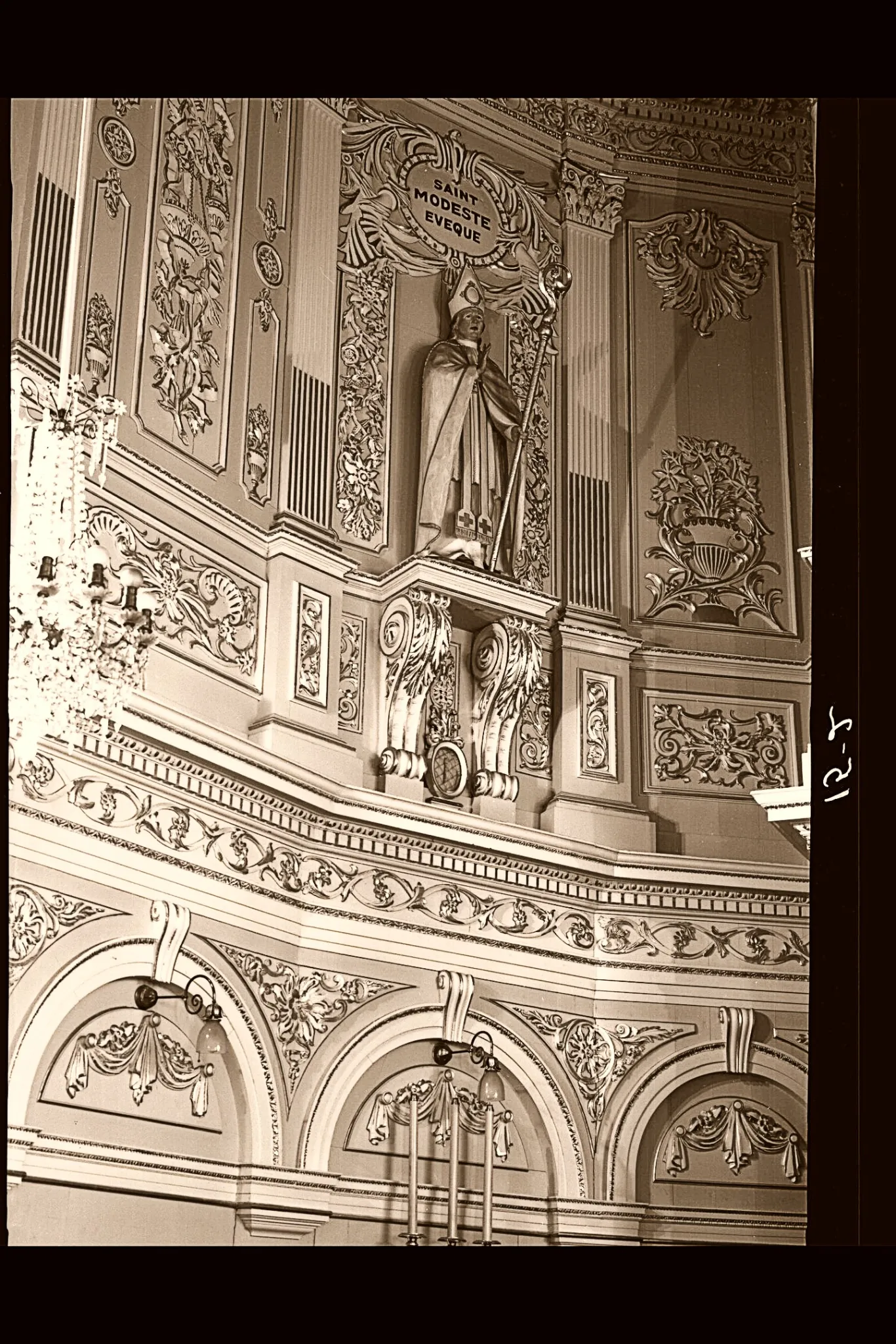
St Modestus (Died c486) Bishop and Confessor. He was a man assiduous in prayer who systematically practiced fasting. Modestus fought against the discouragement and poverty of all his people. He was also tireless in the fight against the indiscipline of the Clergy and in the fight against all forms of corruption. His Holy Life: https://anastpaul.com/2025/02/24/saint-of-the-day-24-february-saint-modestus-died-c486-bishop-and-confessor/
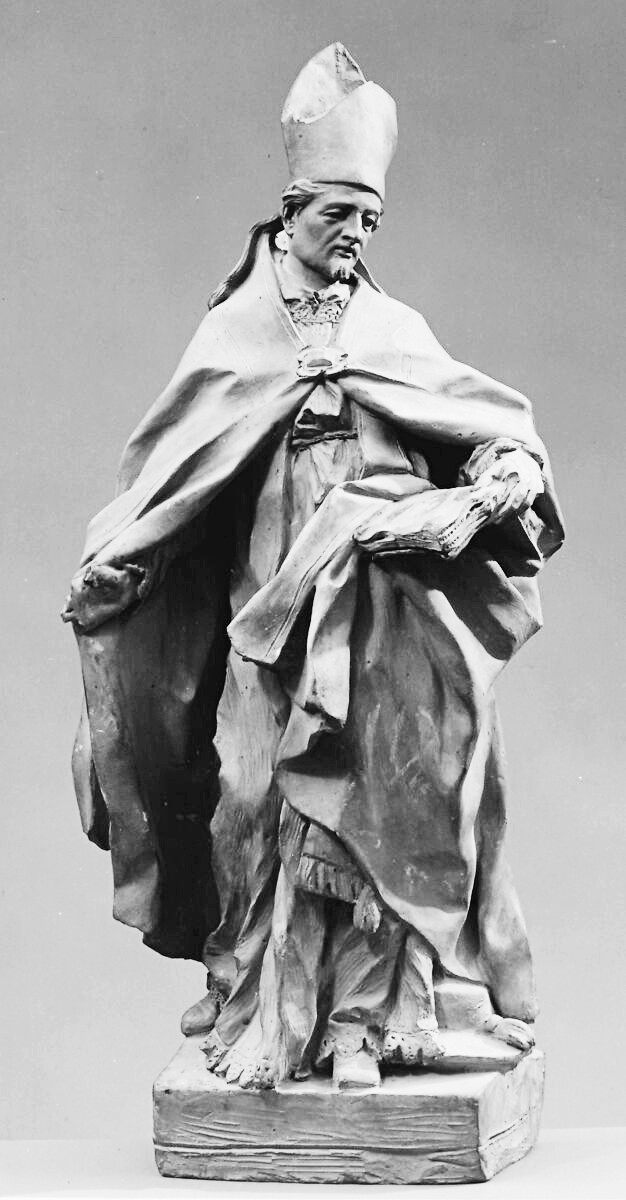
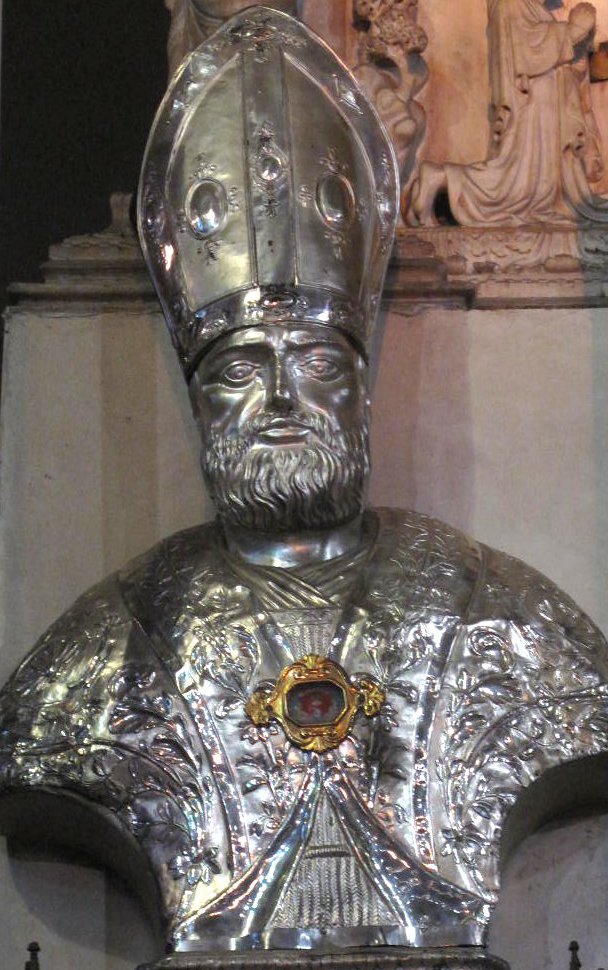
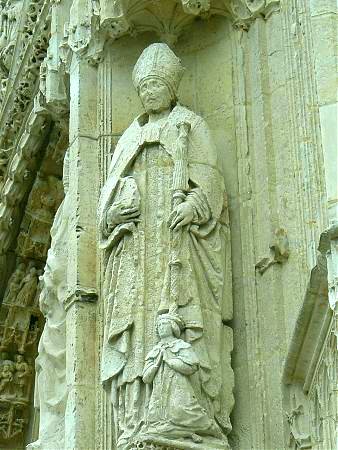
Statue of Saint Modestus, Bishop of Trier, in Notre-Dame-de-Bonsecours Church, L
St Peter the Librarian St Praetextatus (Died 586) Bishop and Martyr of Rouen St Primitiva St Sergius of Caesarea Bl Simon of Saint Bertin
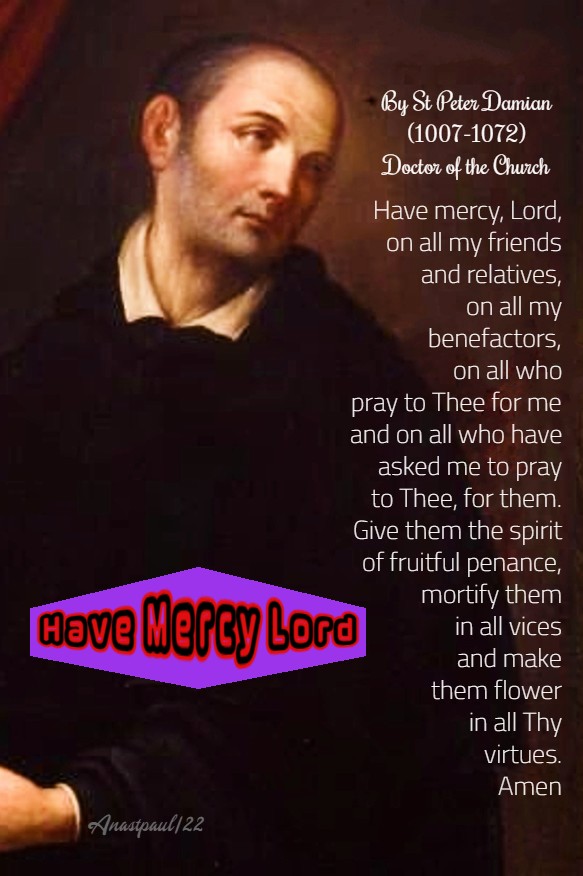
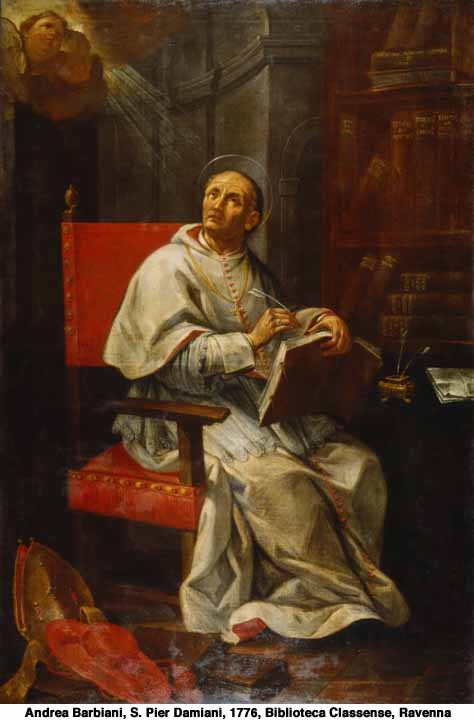
Our Morning Offering – 23 February – The Feast of St Peter Damian (1007-1072) Cardinal Bishop, Confessor, Father and Doctor of the Church
Have Mercy, Lord By St Peter Damian (1007-1072) Father & Doctor of the Church
Have mercy, Lord, on all my friends and relatives, on all my benefactors, on all who pray to Thee for me and on all who have asked me to pray to Thee, for them. Give them the spirit of fruitful penance, mortify them in all vices and make them flower in all Thy virtues. Amen
Saint of the Day – 23 February – St Felix (Died c650)Bishop of Brescia, Italy in the 7th Century, a zealous shepherd and a strenuous opponent of the Lombard Arians.
The Roman Martyrology reads today: “At Brescia, St Felix, Bishop,”
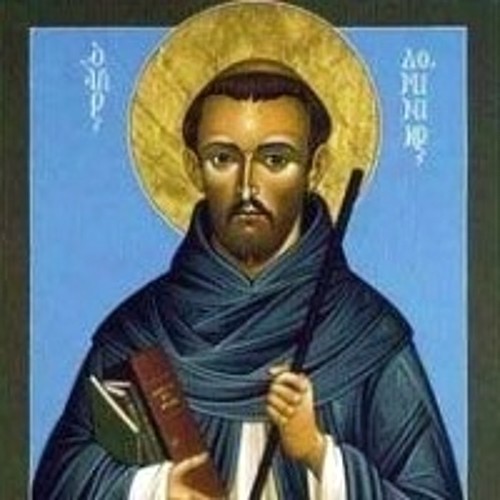
Unknown Bishop Saint
We have no information on his life bar the fact that he was appointed as the Bishop of Brescia and that he governed this See for more than 40. This fact alone certainly adds a great lustre to his sanctity as a good and holy shepherd of his flock.
Added to this, Felix was an ardent opponent of the Lombard Arians. He protected the Faith of Christ and his flock from the serious incursions of heresy levied by the Arians.
St Alexander Akimetes St Boswell St Dositheus of Egypt St Felix (Died c650) Bishop of Brescia St Florentius of Seville St Giovanni Theristi (1049–1129) Monk Bl John of Hungary
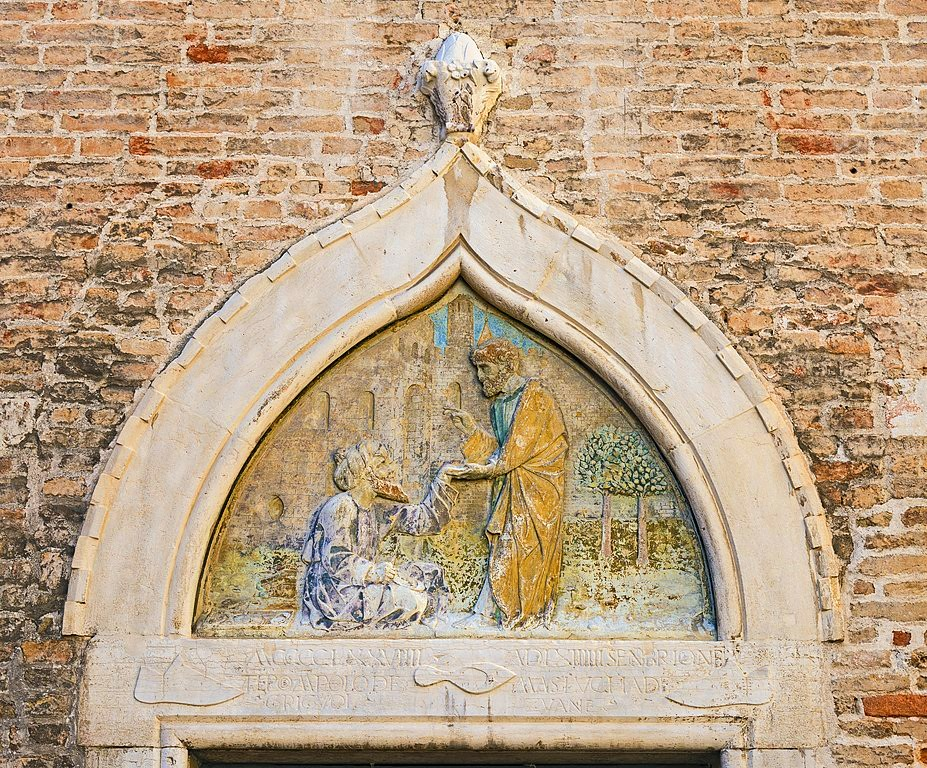
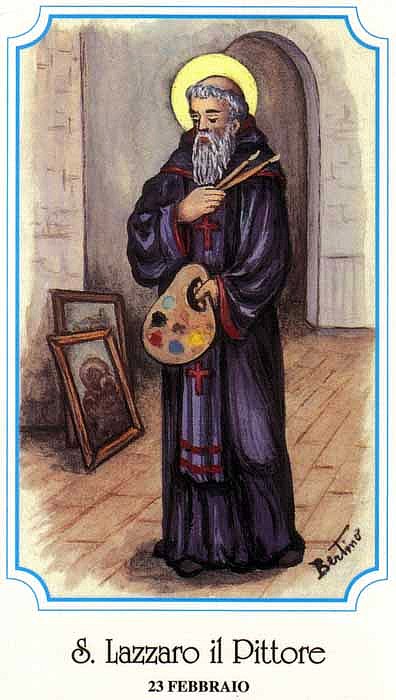
St Lazarus Zographos (c810-c 867) Priest, Monk known as “the Painter and the Iconographer.” Lazarus lived before and during the second period of Byzantine Iconoclasm. The Roman Martyrology states of him today: “St Lazarus, a Monk, whom the Iconoclast Emperor Theophilus ordered to be put to torture for having painted holy images. His hand was burned with a hot iron but, being healed by the power of God, he painted anew the holy images which had been defaced and finally rested in peace.” The Painter Saint: https://anastpaul.com/2022/02/23/saint-of-the-day-23-february-st-lazarus-zographos-810-865/
St Serenus the Gardener (Died 307) Martyr. Serenus was by birth a Grecian. He left his family estate, friends and country to serve God in celibacy, penance and prayer. With this design he bought a garden in Sirmium in Pannonia, which he cultivated with his own hands and lived on the fruits and herbs it produced. His Life and Death: https://anastpaul.com/2019/02/23/saint-of-the-day-23-february-st-serenus-the-gardener-died-307-martyr/
Martyrs of Syrmium – 73 Christians who were Martyred together in the persecutions of Diocletian. We know no details about them, and only six of their names – Antigonus, Libius, Rogatianus, Rutilus, Senerotas and Syncrotas.
DISCLAIMER: Please note: I cannot control the content of the Advertisements on this Site, or of pop-ups which may appear, The revenue from the Advertisements, however, does provide a little assistance in the support of the Site. I do apologise for any inappropriate content.
Saint of the Day – 22 February – St Paschasius (Died c441) Bishop of Vienne, in modern France, a learned man of great erudition but equally a man celebrated for his holy and virtuuous life. Also known as – Paschase, Pascase, Pascasio.
The Roman Martyrology reads today: “At Vienne, St Paschasius, the Bishop, celebrated for his learning and holy life,”
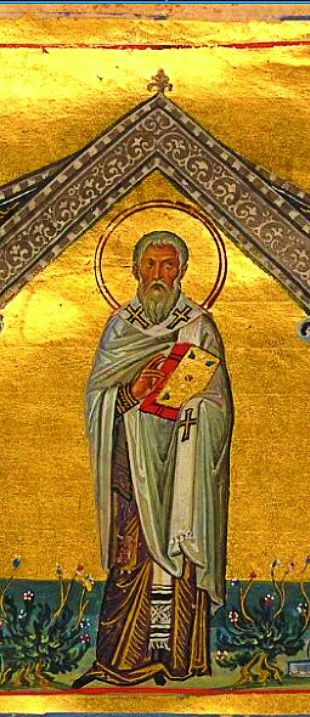
Unknown Bishop Saint
Paschasius appointed as the Bishop and governed the See of Vienne in the early 5th Century.
In the official chronology of the Diocese’s Bishops, he is listed 11th, as indicated by Adonis’ “Universal Chronicle.”
He was part of that first group of ancient Bishops of Vienne, all of whom are considered Saints.
There is no certain date of his reign. We know that he succeeds Saint Simplicius, mentioned in 400 and precedes Saint Claudius, the Bishop before 441.
He is remembered for his integrity and erudition. Furthermore, Saint Paschasius is known as a famous confessor.
Around the 10th Century, a false privilege was invented about him, according to which Pope Sylvester, in an autograph letter, appointed him Primate of all the Bishops of Gaul.
The Chair of Saint Peter at Antioch – where the disciples were first entitled “Christians.” The Chair/Throne or Cathedra itself is a Relic conserved in St Peter’s Basilica although it seems not to be the original Chair.This Antioch is where the disciples were first called CHRISTIANS. https://anastpaul.com/2022/02/22/the-feast-of-the-chair-of-saint-peter-at-antioch-22-february/
St John the Saxon St Limnaes Bl Mohammed Abdalla St Papias of Heirapolis St Paschasius (Died c441) Bishop of Vienne St Raynerius of Beaulieu St Thalassius
Martyrs of Arabia – A memorial for all the unnamed Christians Martyred in the desert and mountainous areas south of the Dead Sea during the persecutions of Emperor Valerius Maximianus Galerius.
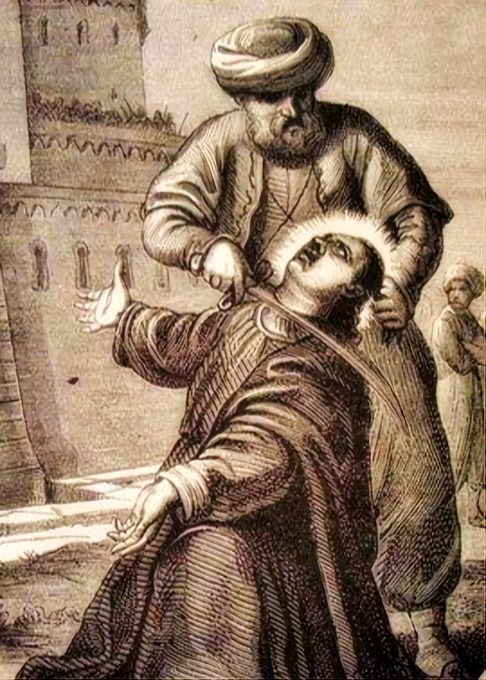
Saint of the Day – 21 February – St Peter Mavimenus (Died c737) Martyr and probably the Bishop of Damascus.
The Roman Martyrology reads today: “At Damascus, St Peter Mavinemus, who was killed by some Arabs who visited him in his sickness because he said to them “Whoever does not embrace the Christian and Catholic Faith is lost, like your false prophet, Mahomet.”
We have little confirmed information on our Saint today but have gleaned that he was probably the Bishop of Damascus.
Peter was Martyred in Damascus (in modern Syria) by the Muslims who, visiting him when he was on a sickbed, had openly said to them : “Whoever does not embrace the Christian and Catholic Faith is lost, like your false prophet, Mahomet.”
Writing on his life one historian states:
“Peter, the most holy Bishop of Damascus, killed at the orders of Valid, Prince of the Arabs; imitator and namesake Peter willingly underwent a famous Martyrdom at Maiuma in these times.”
St Avitus II of Clermont Bl Claudio di Portaceli St Daniel of Persia Bl Eleanora St Ercongotha St Felix (4th Century) Bishop of Metz St George of Amastris St Germanus of Granfield St Gundebert of Sens
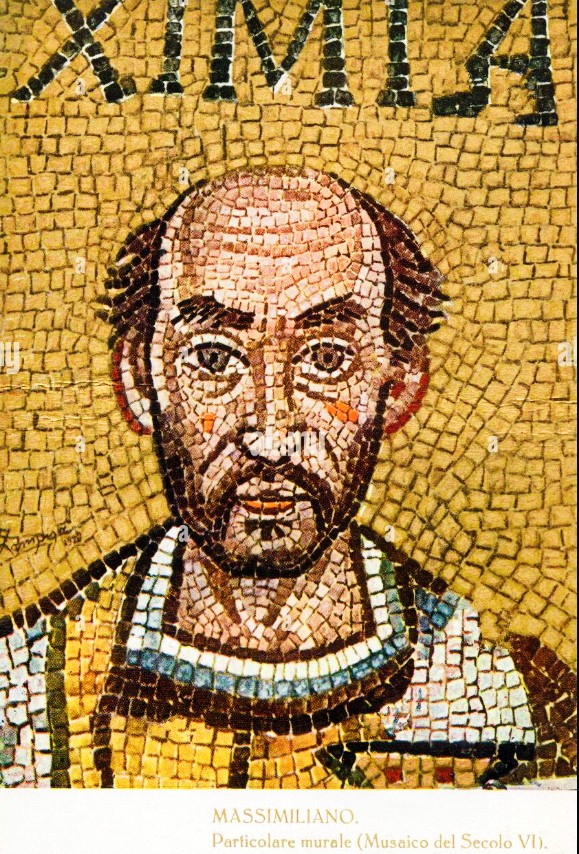
St Maximian of Ravenna (c499-556) Archbishop of Ravenna and Confessor. completor of the immensely renowned Basilica of St Vitalis and many more Churches. He was a man of creative talents who ordered the creation of many famous and very beautiful artworks of various types, for his See, as well as, a great lover of Books and literature, (being a prolific Writer himself) ensuring the acquisition of many illuminated manuscripts. Maximian may have been the first Latin Bishop to use the title ‘Archbishop.’ Biography – his Feast Day was changed after 1969 to 22 February. Being rather confused, I have revisted him today again: Talented St Maximian: https://anastpaul.com/2024/02/21/saint-of-the-day-21-february-saint-maximian-of-ravenna-c499-556-bishop-and-confessor/ AND: https://anastpaul.com/2023/02/22/saint-of-the-day-22-february-saint-maximian-of-ravenna-499-556-bishop/
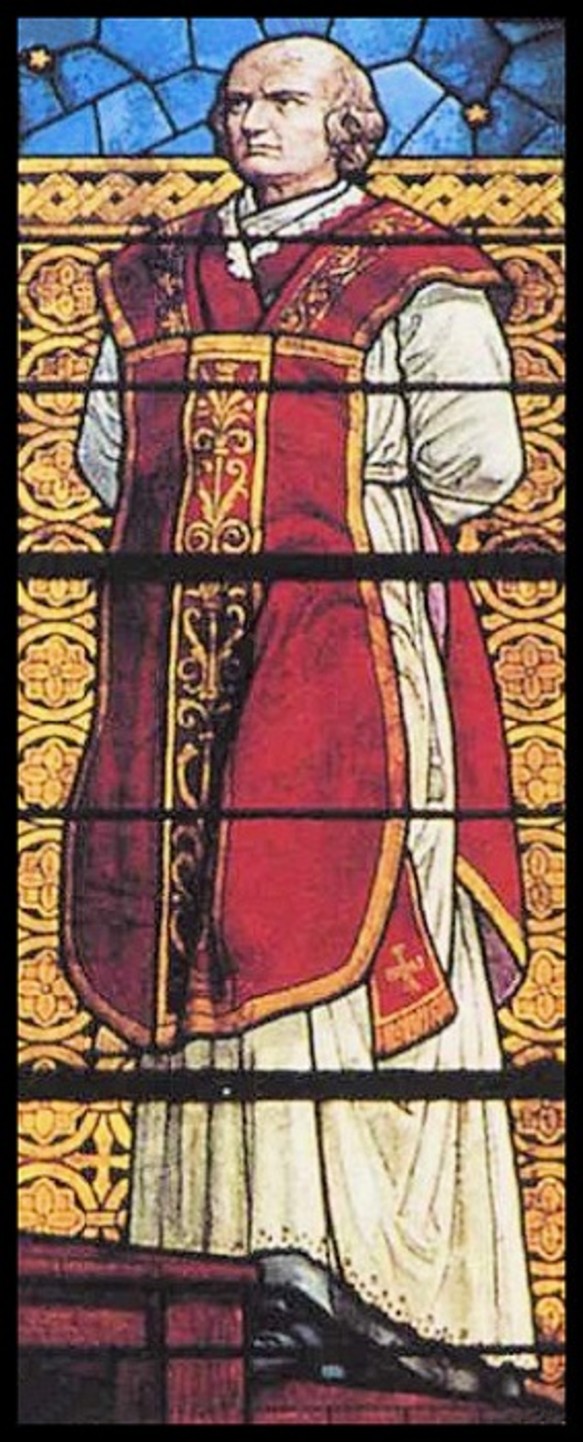
Blessed Noel Pinot (1747-1794) Priest and Martyr. During the French Revolution, he refused to take the oath of the Civil Constitution of the Clergy unlike his superio! He wore his Mass Vestments to execution and died reciting the opening words of the Mass. He was Beatified by Pope Pius XI on 31 October 1926. His Life and Death: https://anastpaul.com/2020/02/21/saint-of-the-day-21-february-blessed-noel-pinot-1747-1794-priest-and-martyr/
St Valerius of San Pedro de Montes St Verda of Persia
Martyrs of Sicily – 79 Saints: Sevent nine Christians Martyred together in the persecutions of Diocletian. They were Martyred in c 303 on Sicily.
Martyrs of Hadrumetum – A group of 26 Christians Martyred together by Vandals. We know little more than eight of their names – Alexander, Felix, Fortunatus, Saturninus, Secundinus, Servulus, Siricius and Verulus. c 434 at Hadrumetum (modern Sousse, Tunisia).
Friday after Ash Wednesday – FASTING and ABSTINENCE
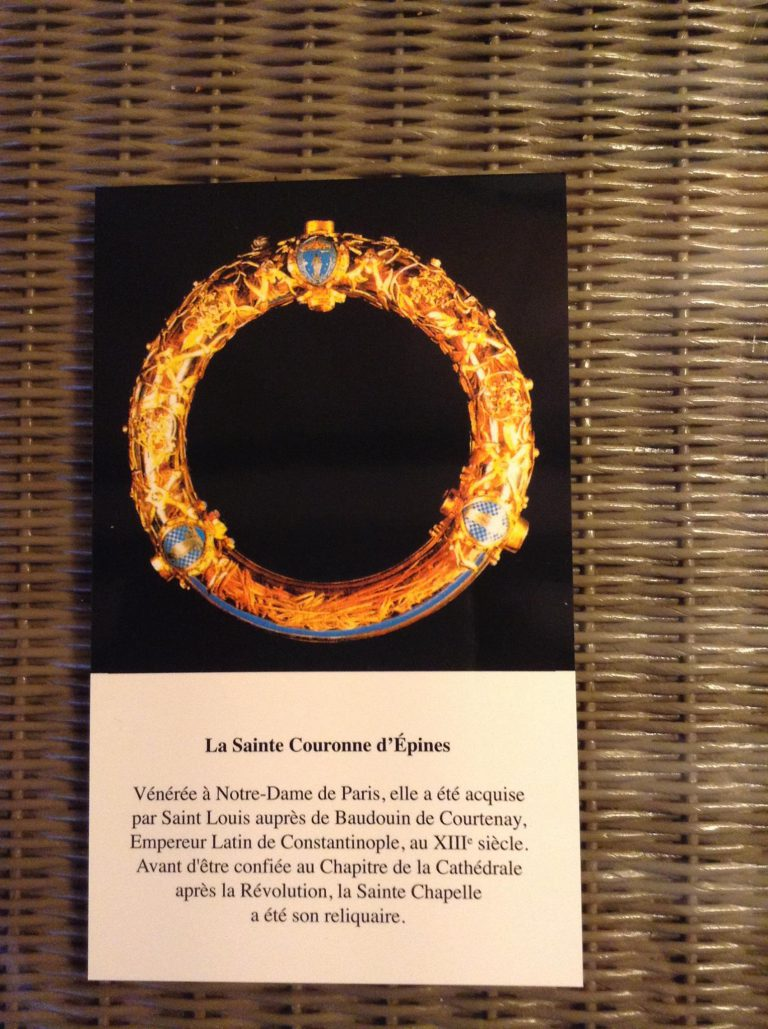
THE FEAST OF THE SACRED CROWN OF THORNS One of the “Seven Passion Feasts” – celebrated on the the Friday after Ash Wednesday. The first Feast in honour of the Sacred Crown of Thorns (Festum susceptionis coronae Domini) was instituted at Paris in 1239, when Saint Louis IX of France brought there the Relic of the Crown of Thorns which was deposited later in the Royal Chapel, erected in 1241–1248 to guard this and other Relics of the Passion. https://anastpaul.com/2024/02/16/feast-of-the-sacred-crown-of-thorns-of-our-lord-jesus-christ-friday-after-ash-wednesday/
St Leo of Catania (c720-789) Bishop, Defender of Sacred Images for which opposition he was forced to flee into exile for some years, Hermit. Born in c720 in Ravenna, Italy and died on 20 February 789 in Etna, Sicily, Italy, natural causes. St Leo was the 15th Bishop of Catania, Sicily, famed for his love and care for the poor, his brave opposition to the iconoclastic Government of the time and for his Miracles. Courageous St Leo: https://anastpaul.com/2024/02/20/saint-of-the-day-20-february-st-leo-of-catania-c720-789-bishop/ St Nemesius of Cyprus
Saint of the Day – 19 February – St Zamudas (Died 3rd/4th Century) Bishop of Jerusalem Also known as –Zambdas, Zabdas, Bazas
The Roman Martyrology reads today: “At Jerusalem, St Zamudas, Bishop.”
Unknown Bishop
Zamudas was the 37th Bishop of Jerusalem. There are divergent dates on the period of his Episcopate, with some sources placing it between 276 and 283, while one source dates it to as late as 302.
He succeeded Hymenaeus as Bishop. He is connected with the legend of the Theban Legion as being the one who brought them to Christ and Baptised them.
St Quodvultdeus (Died c450) Bishop, Confessor, Father of the Church, Writer and Theologian, spiritual student, friend and correspondent of St Augustine, who dedicated some of his works to St Quodvultdeus. Name Meaning – “What God wants.” The Roman Martyrology reads: “In Naples, deposition of St Quodvultdeus, Bishop of Carthage, who was sent into exile together with his clergy by the Arian king Genseric and placed on disused ships without sails or oars. Against all hope he landed in Naples, where he died. Confessor of the faith.” His Holy Life: https://anastpaul.com/2022/02/19/saint-of-the-day-19-february-saint-quodvultdeus-died-c-450-f/
St Valerius of Antibes St Zamudas (Died 3rd/4th Century) Bishop of Jerusalem
Saint of the Day – 18 February – Saint Angilbert (c750-814) Abbot of Saint-Riquier at Centula, Poet, Official, Advisor and close friend at the Court of Charlemagne, Count of Ponthieu. He married Charlemagne’s daughter but by mutual consent both entered the Religious Life. Born in Aachen, Kingdom of the Franks [now in Germany] around 750 and died on 18 February 814 at the Monastery at Centula, Picardy, France. Also known as – Angilbert of Saint-Riquier, Angilberto…Enghelberto…Homer… (this latter name relates to his great talent as a Poet).
Angilbert, born into a noble family, became an important figure at Charlemagne’s Court. Educated at the Court by the great St Alcuin, he became the Emperor’s friend, confidant, advisor and secretary.
In 781, when the young Pepin was crowned King of Italy, Angilbert became his Attaché, with the title of Primicerius (Chief Administrator) of the Palace. Later, he was named Count of Ponthieu and Abbot of Saint-Riquier.
Angilbert led a dissolute life and fell in love with Princess Bertha, Charlemagne’s daughter. The two had two children, Armida and Nithard. Charlemagne, who was not a paragon of morality, did not at first allow the two lovers to marry but granted Angilbert the commendation of the Abbey of Saint-Riquier.
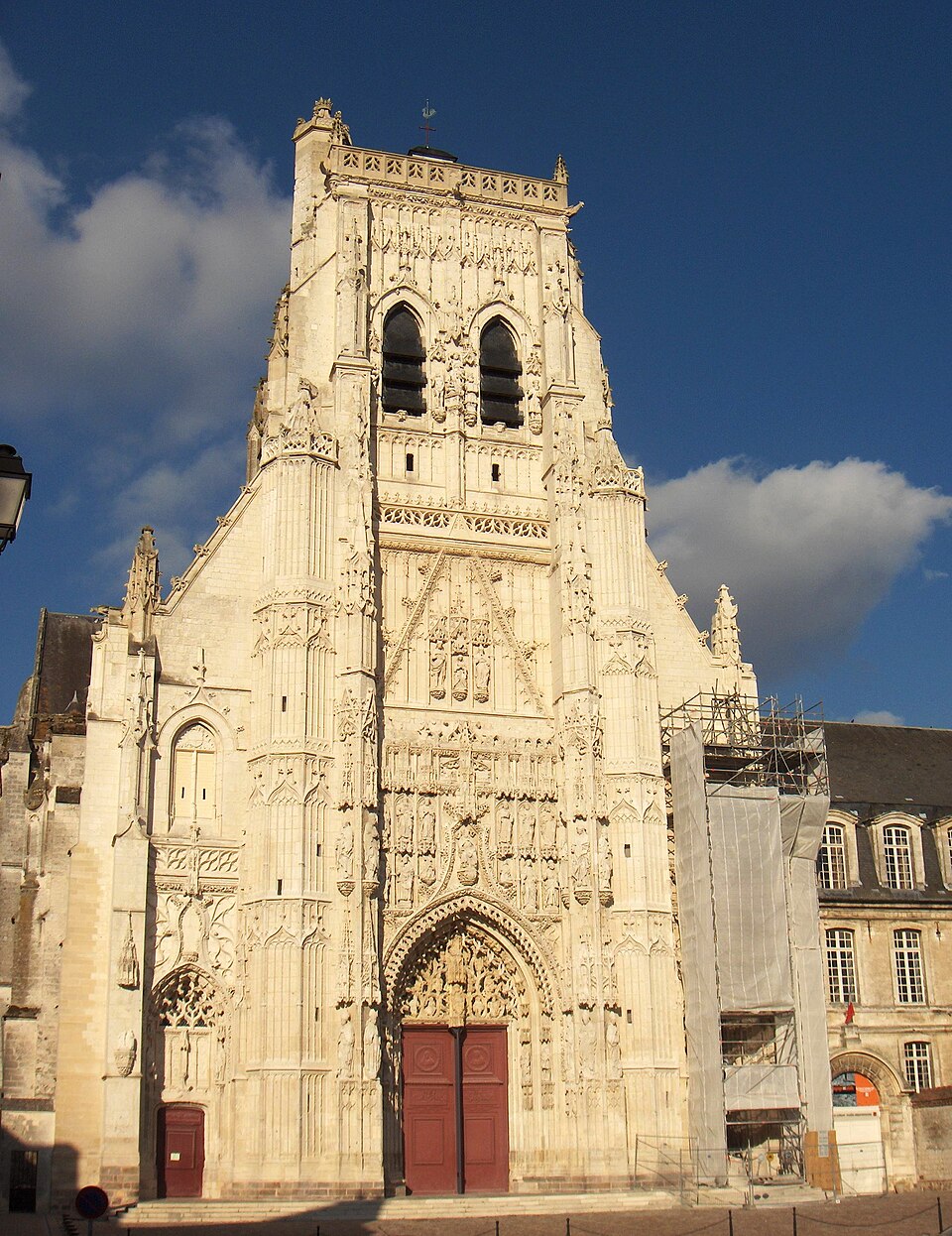
Abbey of Saint-Riquier
After a serious illness and a victory over the Danes, Angilbert decided to embrace Religious life. He became a Priest and then Abbot of Saint-Riquier.
In 792, Angilbert brought Felix, Bishop of Urgel, condemned for heresy, to Rome. In 794, he submitted the “Carolingian Books” to the Pope which reiterated the condemnation of iconoclasm. In 796, he presented to the Pope, part of the treasures captured by the Frankish army.
After his last mission to Rome, Angilbert retired to his Abbey, where he devoted himself to religious life and the reconstruction of the building.
In 800, Angilbert followed Charlemagne to Rome for his Coronation as Emperor.
Angilbert died on18 February 814, 22 days after Charlemagne’s death. He was buried before the main door of the Basilica of Saint-Riquier. In 1100, Pope Paschal II Canonised him.
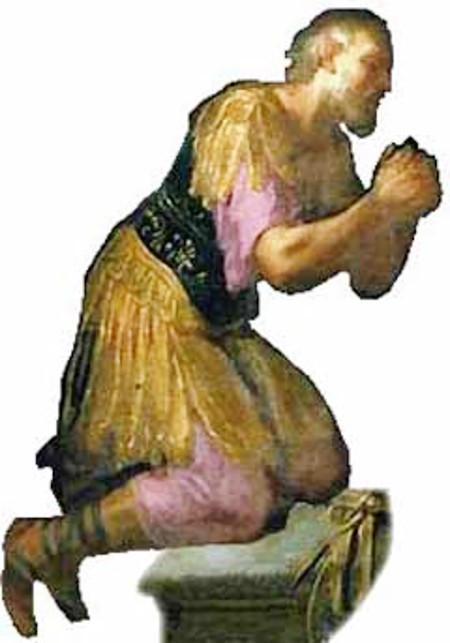
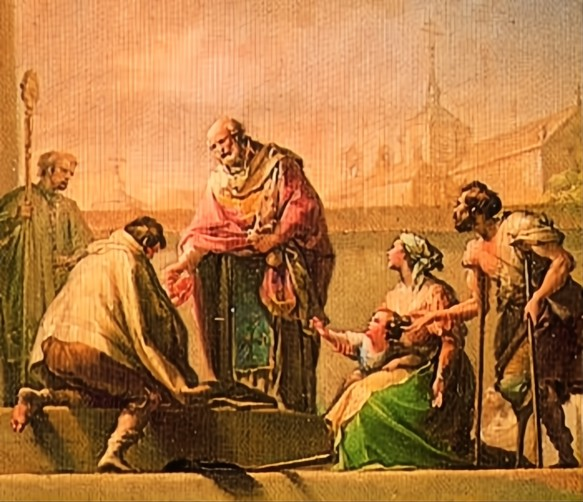
Almsgiving of Saint Helladius (Eladius), oil painting by Francisco Bayeu c1770.
Bl John Pibush – one of the Martyrs of Douai St Leo of Patera St Paregorius of Patara St Sadoth of Seleucia St Tarasius of Constantinople
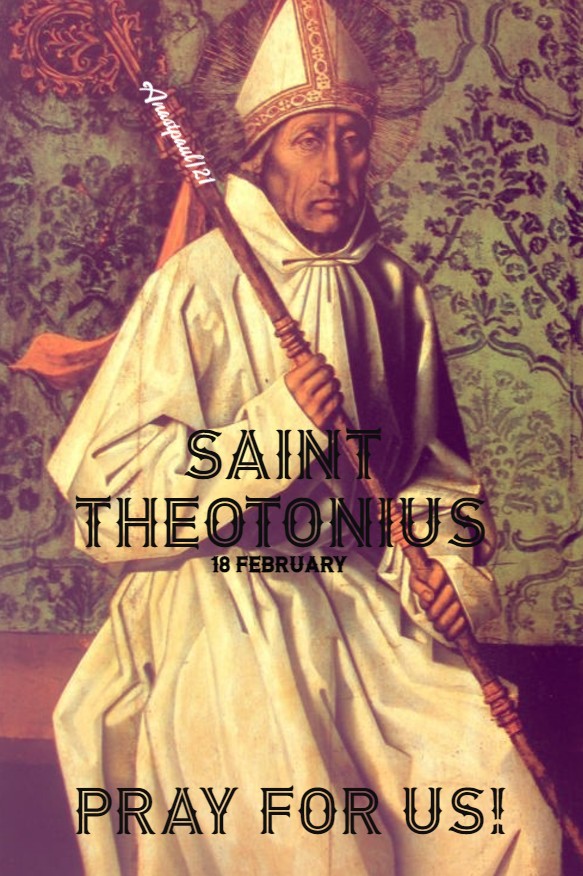
St Theotonius OSC (1082-1162) Priest of the Canons Regular, Reformer of religious life in Portugal, Royal Counsellor,, Apostle of the poor, Founder of the Canons Regular of the Holy Cross, now known as “The Crosiers.” He is the first Portuguese Saint. His Life Story: https://anastpaul.com/2021/02/18/saint-of-the-day-18-february-saint-theotinius-1082-1162/
Bl William Harrington
Martyrs of North Africa – 7 Saints: Group of Christians who were Martyred together, date unknown. We know nothing else but seven of their names – Classicus, Fructulus, Lucius, Maximus, Rutulus, Secundinus and Silvanus. They were born and martyred in North Africa.
Martyrs of Rome – 5 Saints: A group of Christians Martyred together in the persecutions of Diocletian. We know nothing else but their names – Alexander, Claudius, Cutias, Maximus and Praepedigna. They were martyred in 295 in Rome, Italy.
Saint of the Day – 17 February – St Theodulus (Died 309) Martyr of Caesarea in Palestine. He confessed Christ with great constancy and love and was granted the grace of dying as his Master had done.
The Roman Martyrology reads today: “At Caesarea in Palestine, Theodulus, an aged man in the service of the Governor, Firmilian, Moved by the example of the Martyrs, he confessed Christ with constancy, was fastened to a cross and thus by a noble victory, merited the Palm of Martyrdom.”
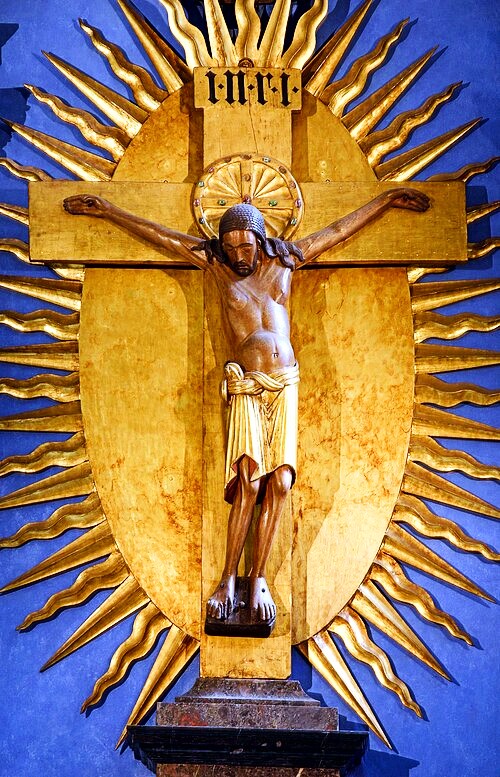
Gero Cross, late 10th Century, Cologne Cathedral, Germany
Theodulus was a member of the household of the governor of Palestine. When the governor learned of Theodulus’s Christianity, he ordered his execution.




















 AnaStpaul
You must be logged in to post a comment.