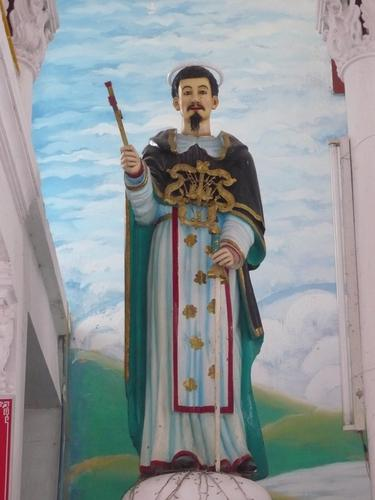
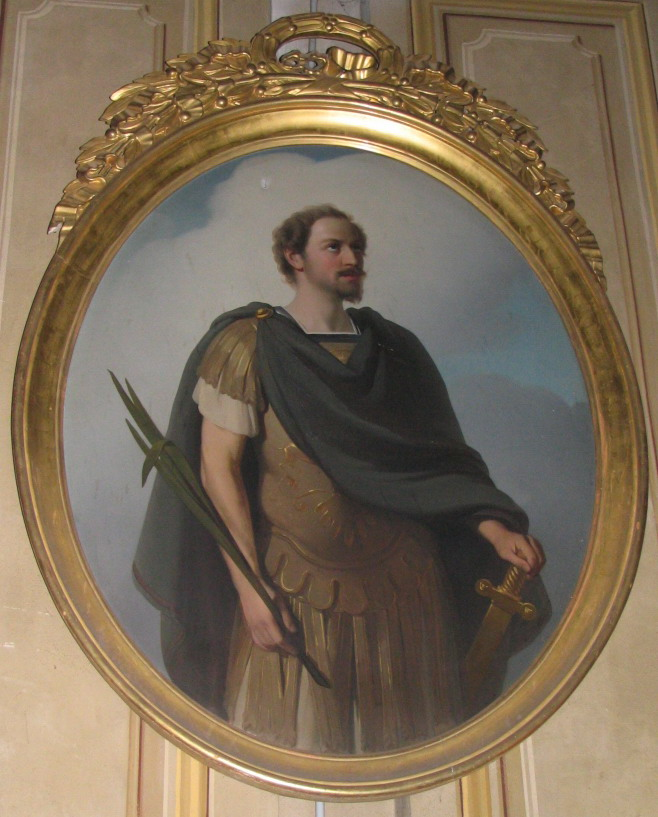
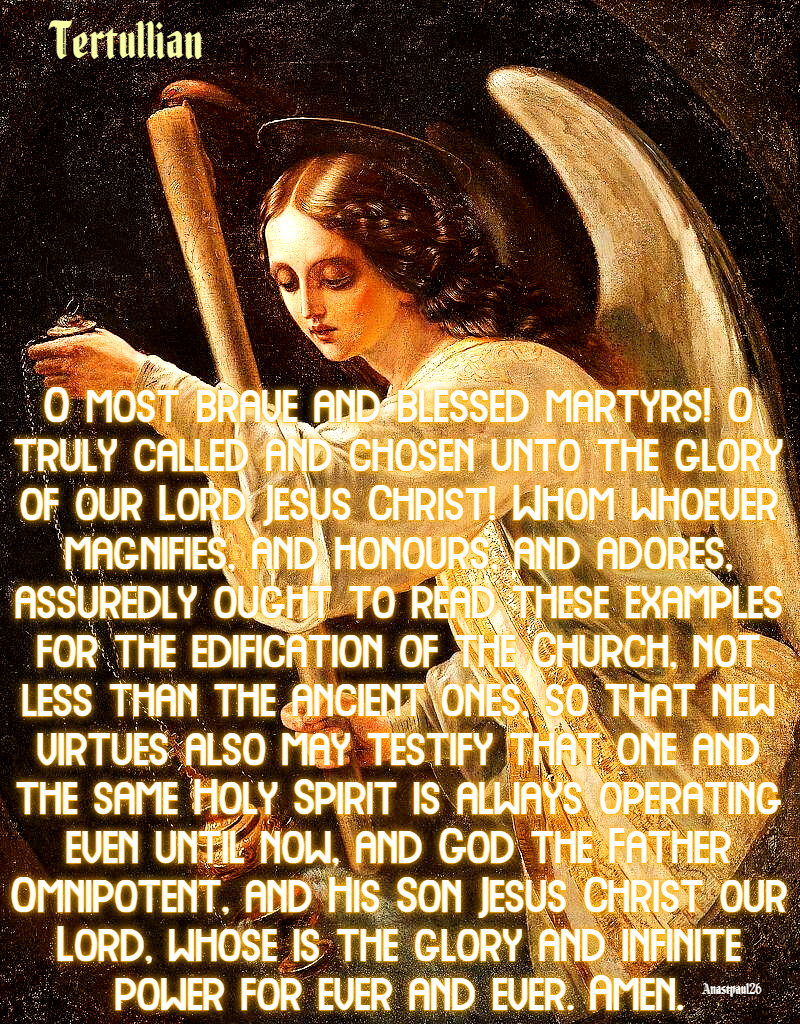
Saint of the Day – 27 April – Saint Tertullian (Died c490) Bishop and Confessor of Bologna Italy.
The Roman Martyrology reads today: “At Bologna, St Tertullian, Bishop and Confessor.”
sS Peter’s Cathedral in Bologna
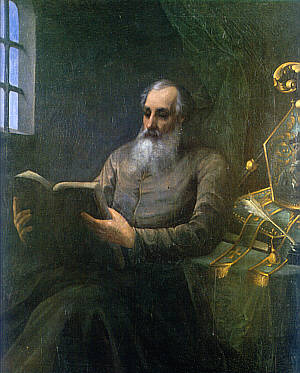
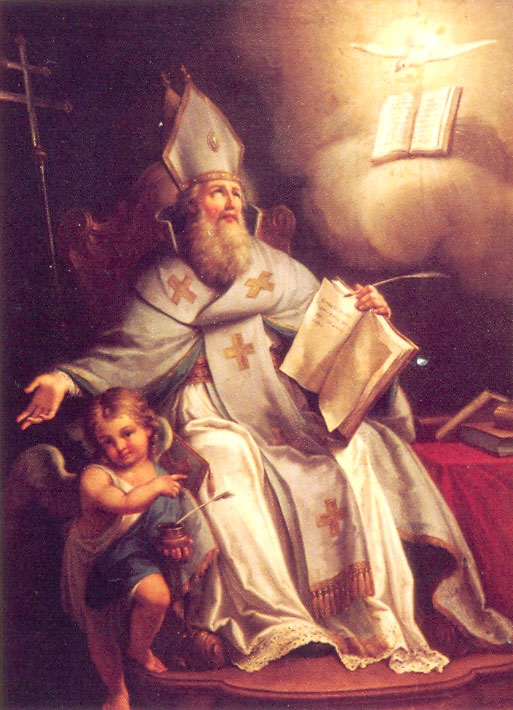
St Tertullian was the 8th Bishop of Bologna in Italy.
We have not received any information of his Ecclesiastical or his personal history except the approximate date of his death and the fact that he served during the time of the collapse of the Roman Empire.
He was called to protect the Church within his See from the harsh conditions ensuing from the tumultuous times which he fulfilled with zeal and faithful courage thus earning the triumphant title of Confessor.
St Peter Canisius SJ (1521-1597) – Known as “The Hammer of Protestantism,” “Second Apostle of Germany” – Confessor, Doctor of the Church, Dutch Priest of the Society of Jesus, Reformer, Teacher, Writer, Apostle of Charity. Patronages – Catholic Press, Germany, Catechists. The restoration of the Catholic Church in Germany after the Protestant Reformation is largely attributed to the work there of the Society of Jesus, which he led. “Peter Canisius was the first publisher, the first author, the first editor of the Society of Jesus. By now, Jesuits have followed in his footsteps to the tune of having published in 400 years, thousands of books. From the time of Canisius, and his name is first in the bibliography of Jesuit writers, from Peter Canisius to the end of the l9th century, that is to 1900, there are about twenty volumes of bibliography, each volume about two inches thick, stands about eighteen inches high, filled just with authors and titles, thousands and thousands and thousands, no other religious institute in the Church publishes as much as members of the Society. It was all started by Peter Canisius.” (Ven Servan of God Fr John A Hardon SJ) His Feast day is 27 April (General Roman Calendar, 1926–1969. Biography: https://anastpaul.com/2017/12/21/saint-of-the-day-21-december-st-peter-canisius-s-j-1521-1397-doctor-of-the-church/ AND: https://anastpaul.com/2018/12/21/saint-of-the-day-21-december-st-peter-canisius-s-j-1521-1397-the-second-apostle-of-germany-doctor-of-the-church/
St Adelelmus of Le Mans St Asicus of Elphin St Castor of Tarsus St Enoder St Floribert of Liege
Blessed Jakov Varingez OFM (c1400–1496) Croatian professed religious of the Order of Friars Minor, Apostle of charity, Mystic with a great devotion to the Cross of Christ, Marian devotee, he was noted as a miracle worker and levitated. He was Beatified on 29 December 1700 by Pope Clement XIH.His body is incorrupt. His Life: https://anastpaul.com/2019/04/27/saint-of-the-day-27-april-blessed-jakov-varingez-ofm-c-1400-1496/
St Peter Armengol OdeM (c1238-1304) “The Martyr who Wasn’t,” “The Unconquerable Martyr of Jesus Christ,” “The Gangster Saint,”Spanish Priest of the Mercedarian Friars, Penitent, Mystic. Beatified on 28 March 1686, by Pope Innocent XI and Canonised on 8 April 1687, by the same Pope. His body was incorrupt until it was destroyed during the horrors of the Spanish Civil War. A Miraculous Life: https://anastpaul.com/2022/04/27/saint-of-the-day-27-april-saint-peter-armengol-odem-c-1238-1304-the-martyr-who-wasnt/
St Pollio of Cybalae St Simeon of Jerusalem St Stephen of Tarsus St Tertullian (Died c490-) Bishop and Confessor of Bologna St Theophilus of Brescia St Winewald of Beverley
St Zita of Lucca (1212-1272) Virgin, Laywoman, Apostle of the Poor. – Her reputation was such that Dante in the Inferno referred to the City of Luccam, her birthplace and home, as “Santa Zita.” Patronages – housewives, butlers, housemaid, domestic servants (proclaimed by Pope Pius XII), housemaid, eys, manservants, people ridiculed for their piety, rape victims, servers, single laywomen, waiters, Lucca, Italy. Her body is incorrupt. Lovely St Zita:. https://anastpaul.wordpress.com/2017/04/27/saint-of-the-day-27-april-st-zita-of-lucca/
Martyrs of Nicomedia: A group of Christians murdered together for their faith. In most cases all we have are their names – Dioscurus, Evanthia, Felicia, Felix, Germana, Germelina, Johannes, Julius, Laetissima, Nikeforus, Papias, Serapion and Victorinus. They died at Nicomedia, Bithynia, Asia Minor (modern Izmit, Turkey).
DISCLAIMER: Please note: I cannot control the content of the Advertisements on this Site, or of pop-ups which may appear, The revenue from the Advertisements, however, does provide a little assistance in the support of the Site. I do apologise for any inappropriate content.
Saint of the Day – 26 April – Saint Lucidius (4th Century) Bishop of Verona in Italy. A holy and Zealous shepherd particularly dedicated to teaching the Faith to his flock.
The Roman Martyrology reads today: “At Verona, St Lucidius, Bishop.”
Verona Basilica of St Stephen
We have little knowledge of our Saint’s life and history or his personal life.
Ecclesiastical records do however reveal that he is revered for his holiness and learning, devoting himself in a tirelessly to study and prayer, in order to be the better fitted to instruct his flock.
Lucidius’ Relics are enshrined in the Basilica of Saint Stephen in Verona where he is venerated and honoured particularly on his Feast today.
St Pope Marcellinus (Died 304) Martyr, Bishop of Rome from 30 June 296 to his death in 304. The Roman Martyrology reads: “In the same City [Rome], in the time of Maximian, St Marcellinus, Pope and Martyr, who was beheaded for the Faith of Christ, with Claudius, Cyrinus and Antoninus. So great was the persecution at this time that, within a month, seventeen thousand Christians were crowned with Martyrdom.” His Life and Death: https://anastpaul.com/2023/04/26/saint-of-the-day-26-april-saint-pope-marcellinus-died-304-martyr/
Bl Alda of Siena St Antoninus of Rome St Basileus of Amasea (Died c319) Martyr Bishop
St Claudius of Rome St Cyrinus of Rome St Exuerantia Virgin of Troyes. Her relics are venerated in Troyes, France. No other information has survived. Bl Gregory of Besians St Lucidius (4th Century) Bishop of Verona in Italy
Saint of the Day – 25 April – St Stephen (Died c471) Bishop Martyr of Antioch, Defender of the Truth and the Church of Christ. Born in Antioch and died their by drowing. Bishop of Antioch from 451 to 471. The image below is St Stepehn the Fiorst Martyr with the Palm of Martyrdom.
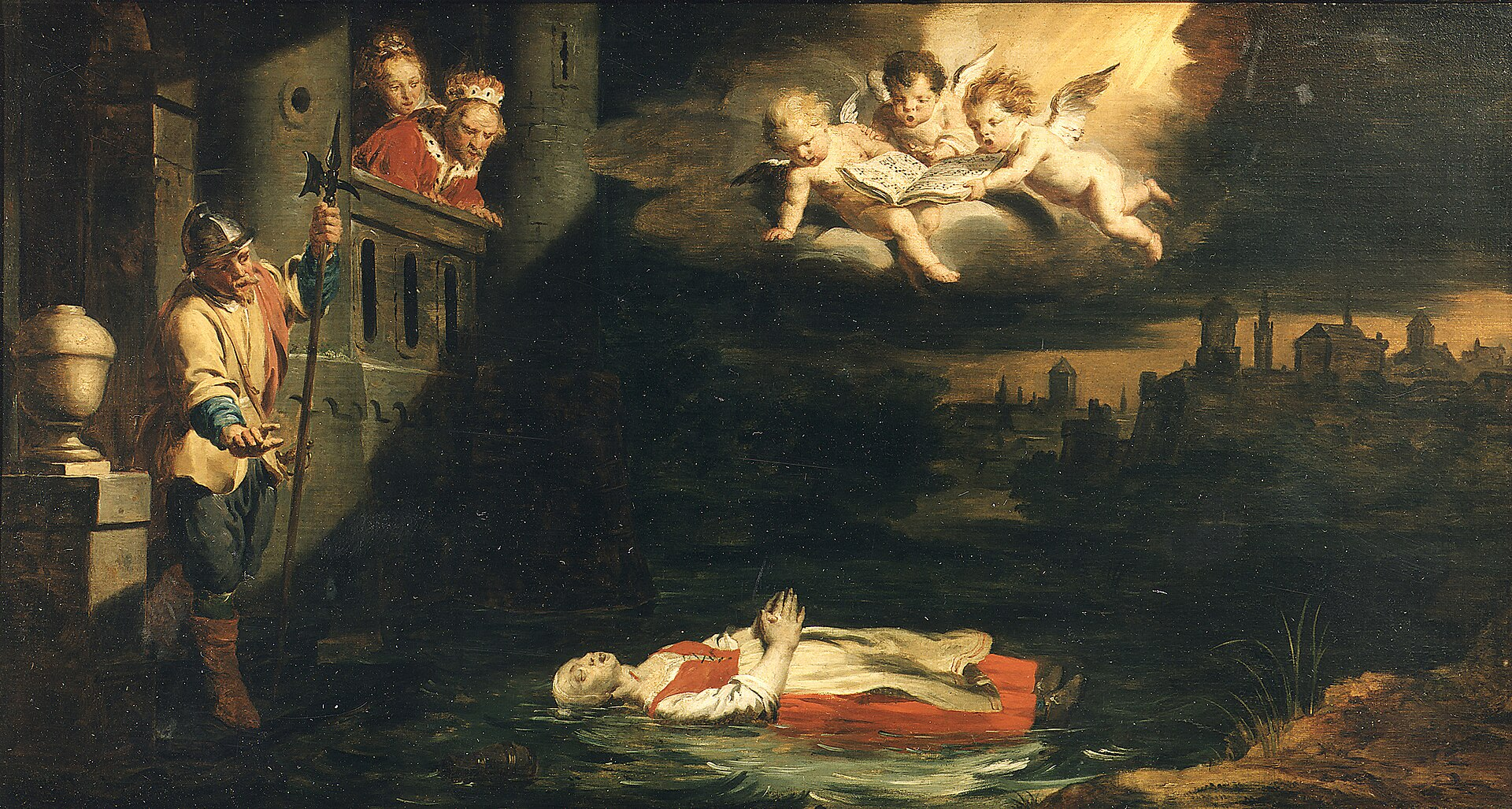
The Roman Martyrology reads today: “At Antioch, St Stephen, Bishop and Martyr, who suffered much from the heretics opposed to the Council of Chalcedon and was precipitated into the River Orontes in the time of the Emperor Zeno.”
Information about Stephen’s birth and youth is fragmentary. We know that he was born in Antioch in Syria, at the time an important cultural and religious centre, into a fervent Christian family.
His theological education likely took place in Antioch itself, where he distinguished himself by his intellectual acumen and profound knowledge of the Scriptures.
In 451, Stephen was Consecrated as the Bishop of Antioch, succeeding Maximus II. His Episcopate coincided with a period of Ecclesiastical turmoil, marked by the Monophysite heresy which divided the Church.
Stephen firmly supported the orthodox doctrine, defined at the Council of Chalcedon in 451 which condemned Monophysitism and affirmed the dual natures of Christ, human and divine.
His theological positions attracted opposition from Monophysite heretics, who persecuted him bitterly. Stephen faced slander, violence and even exile. In 471, under Emperor Zeno, who favoured Monophysitism, his suffering reached its peak and he was arrested, tortured and finally thrown into the Orontes River, where he died by drowning.
Saint Stephen is venerated as a Martyr and his liturgical Feast is celebrated on today.
St Anianus (Died c 86) 2nd Bishop of Alexandria, after St Mark and succeeding him. Consecrated by St Mark and disciple of St Mark. He was Ordained by St Mark and was also the first convert Mark won for Christ in the region, in c 48. As St Mark was entering Rakotis, a suburb of Alexandria, the strap of his sandal broke. He found a cobbler, St Anianus, to repair it. While he was working on the sandal, the awl slipped in Anianus’ hand, piercing it. Anianus cried ‘“He is ho Theos” (“God is one”) in response to the pain. Mark took the opportunity to preach the Gospel of Christ to him, at the same time. https://anastpaul.com/2021/04/25/saint-of-the-day-25-april-st-anianus-of-alexandria-died-c-86-sucessor-and-disciple-of-st-mark-the-evangelist/
St Heribaldus of Auxerre St Hermogenes of Syracuse St Kebius St Macaille St Macedonius St Mario Borzaga St Pasicrate of Mesia St Phaebadius of Agen St Philo of Antioch St Robert of Syracuse Bl Robert Anderton St Stephen (Died c471) Bishop Martyr of Antioch St Valenzio of Mesia Bl William Marsden
Saint of the Day – 24 April – Saint Gregory (Died c394) Bishop and Confessor of Elvira (near modern Granada) in Spain, Defender of the True Faith against heresies, an writer of extremely elegant and exegetical literary and doctrinal ability, many of his writings and sermons have come down to us. Also known as – Gregory Baeticus.
The Roman Martyrology reads today: “At Elvira in Spain, St Gregory, Bishop and Confessor.”
Unknown Spanish Bishop
St Gregory was the first known Bishop of Elvira (Illiberis) near Granada. He was a great defender of the Council of Nicaea and preached against Hosius of Cordova during the disputes on the formulas of Sirmium (357).
He is said to have died around 394. His status in the history of Bishops has been greatly enhanced following research which discovered or identified his writings, often handed down under different names.
Gregory was a writer of great literary and doctrinal skill and his influence is clearly traceable in later writers such as Apringius of Beja, Saint Isidore of Seville, Beatus of Liebàna, etc. His sermons reflect great pastoral zeal and profound piety which lead him to emphasise spiritual and moral themes. St Gregory’s devotion to the humanity of Christ is distinguished.
In 961, his Feast appeared for the first time in the Calendar of Cordoba and Usuard, after his journey to Spain, introduced it into his Martyrology; on the same date (24 April) he is commemorated in the Roman Martyrology.
St Fidelis of Sigmaringen OFM Cap (1577-1622) Priest of the Capuchins of the Friar’s Minor and Martyr, Lawyer, Philosopher, Teacher, Apostle of Eucharistic Adoration and charity Known as “The Poor Man’s Lawyer” St Fidelis was Beatified on 24 March 1729 by Pope Benedict XIII and Canonised on 29 June 1746, Rome by Pope Benedict XIV His Life and Death: https://anastpaul.wordpress.com/2017/04/24/saint-of-the-day-24-april-st-fidelis-of-sigmaringen/
St Alexander of Lyon St Anthimos of Nicomedia St Authairius of La Ferté St Bova of Rheims St Deodatus of Blois St Diarmaid of Armagh St Doda of Rheims St Dyfnan of Anglesey
St Egbert (c639-c729) Confessor, Priest, Monk, Reformer, Missionary, Teacher. The Roman Martyrology reads: “On the Island of Iona in Scotland, Saint Egbert, Priest and Monk, who worked with dedication for the evangelisation of many regions of Europe and, now, advanced in years, reconciled the Monks of Iona, with the use Roman of the Paschal Rectum, celebrating his eternal Easter, immediately after having officiated its Solemnity.” His Fervent Life of Service: https://anastpaul.com/2023/04/24/saint-of-the-day-24-april-st-egbert-c639-c729-confessor-priest/
St Eusebius of Lydda St Gregory (Died c394) Bishop and Confessor of Elvira in Spain St Honorius of Brescia Bishop
St Mary Euphrasia Pelletier (1796-1868) Nun, Foundress of the Congregation of Our Lady of Charity of the Good Shepherd. Patronages – Good Shepherd Sisters, travellers. On 11 December 1897, Pope Leo XIII declared her “Venerable.” She was Beatified on 30 April 1933 and Canonised on 2 May 1940 by Venerable Pope Pius XII. About St Mary Euphrasia: https://anastpaul.wordpress.com/2018/04/24/saint-of-the-day-24-april-st-mary-euphrasia-pelletier-1796-1868/
Saint of the Day – 23 April – Saint Marolus (Died 423) Bishop and Confessor of Milan. A learned and erudite man of deep charity and ascetric and penential devotions. His fasting and penances he presented as a means of assisting his flock. He zealously taught and guided them and ensured he assisted by all means possible, those in need, thus earninmg the title of ‘Apostle of Charity’ Born and raised in Mesopotanua and died in Milan, Italy. Also known as – Marole, Marolo.
The Roman Martyrology reads today: “At Milan, St Marolus, Bishop and Confessor.”
Today, in Milan especially, the Ambrosian Church celebrates the memory of Saint Marolus, the 14th Bishop of Milan, who distinguished the 5th Century by his example of erudition and sanctity.
His Eastern origins are shrouded in mystery, as his name itself suggests which refers to a marine etymology (“one who comes from the sea” or “dweller on the coast”).
St Ennodius (c473-521), a Milanese Deacon and later Bishop of Pavia, in his “Life of Saint Marolus” describes him as a native of the region of Babylon, a land “kissed by the Tigris” and among the first “illuminated” by the Gospel and the blood of Martyrs.
Perhaps to escape the persecutions of Shapur II, St Marolus took refuge in Antioch in Syria and, later, in Rome, where he befriended Pope Innocent I.
His reputation as a cultured and zealous man preceded him to Milan, where in 408, he was Consecrated as the Bishop of that great City.
St Ennodius paints a vivid portrait of his Episcopate, emphasising Marolus’ attention to his pastoral mission, his tireless commitment and his dedication to fasting and penance as instruments of intercession for his flock. His apostolic zeal was combined with a profound charity for the poor, so much so that, Ennodius states: “He was ardent in his provision for the poor.”
His charitable works proved providential in a period marked by barbarian invasions, particularly of the Visigoths. As a testament to his concern for the vulnerable, Marolus promoted the construction of a a place of welcome for the needy.
After his death in 423, Saint Marolus’ body was buried in the Basilica of San Nazaro in Milan, where it remains to this day. His memory is highly preserved by the Ambrosian Church, which venerates him as a model of a learned and saintly Bishop, capable of combining doctrine with charity, a love of culture with dedication to his beloved sheep.
Blessed Giles of Assisi OFM (c1190-1262) Friar and Missionary of the Order of Friars Minor, Friend and the 3rd follower of St Francis. Giles held a leading place among the original Franciscans and St Francis called him “The Knight of our Round Table.” Giles was unlearned but a man of great wisdom, so much so, that all social classes came to learn aat his feet., he was a Mystic and man of deep contemplation and prayer. Wonderful Giles “The Knight of our Round Table:” https://anastpaul.com/2024/04/23/saint-of-the-day-23-april-blessed-giles-of-assisi-ofm-c1190-1262-the-third-follower-of-st-francis/
Bl Giles of Saumur
St Giorgio di Suelli (Died 1117) Italian Bishop of Suelli, Apostle of the poor, Miracle-worker. For the Diocese he was a true shepherd, a lover of the poor whom he helped and of whom he had a list. He was devoted to prayer and fasting and lived a life of penitence and poverty. A Shepherd’s Life: https://anastpaul.com/2021/04/23/saint-of-the-day-23-april-saint-giorgio-di-suelli-died-1117/
St Ibar of Meath St Marolus (Died 423) Bishop and Confessor of Milan St Pusinna of Champagne
Martyrs of Africa: A group of Christians murdered for their faith in northern Africa. Little information has survived but their names. The ones we know are – Catulinus, Chorus, Faustinus, Felicis, Felix, Nabors, Plenus, Salunus, Saturninus, Silvius, Solutus, Theodora, Theodorus, Theon, Ursus, Valerius, Venustus, Victorinus, Victurus, Vitalis.
Saint of the Day – 22 April – St Leo (Died c547) Bishop and Confessor of Sens, in France. A shepherd of great wisdom and graced with diplomatic skills, he protected and defender his flock in Sens, reformed the Clergy and refused to allow even the King and fellow Bishops to deny the rights of the Church and his faithful sheep. This zealous Prelate served within his See for around 22 years.
The Roman Martyrology reads today: “At Sens, St Leo, Bishop and Confessor.”
Sens Cathedral Stained Glass
Leo was the 16th Bishop of Sens after Paul and was a a prominent figure in 6th Century Gaul. Leo emerges from the mists of time as a wise and zealous Prelate.
His presence at the Councils of Orléans in 533 and 538 testifies to the authority he enjoyed while his impassioned letter to King Childebert I, aimed at preventing the creation of a Diocese in Melun at the expense of Sens, reveals his diplomatic skill and concern for the good of his Church.
An intriguing letter of remonstrance to Saint Remigius of Reims, co-signed by 2 further Bishops, offers a glimpse of his intransigence in the face of internal disciplinary issues within the Clergy.
His death which occurred around 547, is commemorated today, a date found in the Roman and and in the Hieronymian Martyrologies and too, in ancient litanies of the Abbey of Saint-Germain-des-Prés.
The Solemnity of the Patronage of St Joseph Wednesday preceding the Third Sunday after Easter: Few Catholics are likely familiar with the Eastertide Solemnity of St Joseph. According to Father Francis Xavier Lasance (1860-1946) it was instituted during the hostile occupation of Rome by the Troops of the Italian King, Victor Emmanuel II. The Pope proclaimed St Joseph the Patron of the oppressed Household of the Faith, entrusting to St Joseph, the defence of Holy Mother Church.In the beginning, this Feast Day was observed on the Third Sunday after Easter but when Pope St Pius X reformed the Liturgical Calendar to restore the Sunday Offices to prominence over those of the Saints, the second Feast of St Joseph was moved to the Wednesday preceding the Third Sunday after Easter. In 1911, the Feast was raised to a Double of the First Class and it was assigned an Octave after it was moved to the Wednesday before the Third Sunday after Easter. It is a Common Octave, so the Octave may or may not be commemorated on the intra Octave days depending on the rank of the Feasts which occur during the Octave. While this Feast day is not in the 1962 Missal, it is still kept by Priests who celebrate Holy Mass according to the pre-1955 reforms.
Notre-Dames de Betharam / Our Lady of Betharam, France (1503) – 22 April: Saint Bernadette Soubirous frequently visited the Shrine of Betharram. In fact, the rosary beads that Bernadette used when praying with the Blessed Virgin during the first apparition at Lourdes had come from the Betharram Shrine and the priest to whom she was sent after the apparitions, was Saint Michel Garicoïts (1797-1863) the Priest of Betharram. He it was who alone believed Bernadette’s accounts of the apparitions at Lourdes. He was Canonised in 1947. About St Michel Garicoits here: https://anastpaul.com/2019/05/14/saint-of-the-day-14-may-saint-michel-garicoits-1797-1863/ HERE: https://anastpaul.com/2021/04/22/notre-dames-de-betharam-our-lady-of-betharam-france-1503/
St Pope Caius I (Died 296) Martyr, Bishop of Rome from 17 December 283 to his death in 296. Christian tradition makes him a native of the Dalmatian city of Salona, today Solin near Split, the son of a man also named Caius and a member of a noble family related to the Emperor Diocletian. Biography: https://anastpaul.com/2019/04/22/saint-of-the-day-22-april-saint-pope-caius-i-died-613/
Saint Altfried(Died 849) the Third Bishop of Münster from (839–849) and Abbot of Essen-Werden and Helmstedt. Born in the 9th Century, n Friesland (in modern Netherlands) and died on 22 April 849 of natural causes. Altfried was a nephew of St Ludger (c 742-809) and his second successor in the See of Münster, as well as a successor as Abbot of the Abbey of Essen-Werden (founded by St Ludger). The second successor was also a close relative, St Gerfried of Münster. Altfried also wrote a comprehensive Vita of St Ludger. St Altfried’s Life: https://anastpaul.com/2023/04/22/saint-of-the-day-22april-saint-altfried-of-munster-died-849/
St Apelles of Smyrna St Arwald St Epipodius of Lyon St Euflamia
Martyrs of Persia: Bishops, Priests, Deacons and Laity who were Martyred in Persia and celebrated together. Several of them have their stories related in the Acta of Saints Abdon and Sennen.
REFLECTION – “I shall always love and reverence the Apostles sent by Christ and their successors, in sowing the seed of the Gospel, those zealous and tireless co-operators in propagating the Word, who may justly say of themselves: Let a man so account of us as the ministers of Christ and the dispensers of the Mysteries of God. For Christ, like a most watchful and most faithful householder, wished that the Gospel lamp should be lit by such ministers and delegates, with fire sent down from Heaven and once lit, should not be put under a measure but set upon a candlestick, so that it may spread its brightness far and wide and put to flight, all darkness and error, rife among both Jews and Gentiles.
Now it is not enough for the Gospel teacher to be a brilliant speaker in the eyes of the people; he must also be as a voice crying in the desert and endeavour, by his eloquence, to help many to lead good lives, lest, if he omit his duty of speaking, he be called the dumb dog that is not able to bark, spoken of by the prophet. Yes, he should also burn, in such a way, that, equipped with good works and love, he may adorn his evangelical office and follow the leadership of Paul. He indeed was not satisfied with bidding the Bishop of the Ephesians: This command and teach: conduct thyself in work as a good soldier of Christ Jesus but he unflaggingly preached the Gospel to friend and foe alike and, said with a good conscience to the Bishops gathered at Ephesus: You know how I have kept back nothing that was for your good but have declared it to you and taught you in public and from house to house, urging Jews and Gentiles to turn to God in repentance and to believe in our Lord Jesus Christ.
Such should be the shepherd in the Church who, like Paul, becomes all things to all men, so that the sick may find healing in him; the sad, joy; the desperate, hope; the ignorant, instruction; those in doubt, advice; the penitent, forgiveness and comfort and finally, everyone, whatever is necessary for salvation. And so Christ, when He wished to appoint the chief teachers of the world and of the Church, did not limit Himself to saying to His disciples: You are the light of the world but also added these words: A city seated on a mountain cannot be hid. Neither do men light a candle and put it under a measure but upon a candlestick, that it may shine to all who are in the house. Those churchmen err, who imagine that it is by brilliant preaching, rather than by holiness of life and all-embracing love, they fulfil their office.” – St Peter Canisius SJ (1521-1597) Doctor of the Church (Sermon excerpt).
PRAYER – O God, Who didst give blessed Anselm to be Thy people’s minister in eternal salvation, grant we pray, that we, who have him for teacher of life here on earth, may also deserve now that he is in Heaven, to have him for an advocate. Through Jesus Christ, Thy Son our Lord, Who lives and reigns with Thee, in the unity of the Holy Ghost, God, world without end. Amen (Collect).
Saint of the Day – 21 April – Saint Anastasius Sinaita (Died c700) Abbot, Exegesis, writer, a staunch Defender of the One True Faith in all its Truths. Born in Alexandria and died at his Monastery on Mount Sinai. Also known as – Anastasius the Sinaite, … of Sinai.
The Roman Martyrology reads today: “At Antioch, St Anastasius Sinaita, Abbot.”
Anastasius’ life, between the 7th and 8th Centuries, unfolded between Alexandria and Mount Sinai, where he led a community of Monks on the path to perfection.
His tireless pen gave rise to works of polemical and exegetical discourse, combating the heresies of the time with the wisdom of the patristic tradition.
Among his writings, his ‘Guide Against Monophysitism’ is highly esteemed, rich in quotations, which testify to his vast erudition. The ‘Commentary of the Hexameron’ of which only the last book has survived intact, offers an allegorical interpretation of Genesis from a Christological perspective.
The ‘Questions and Answers’ although not in their original form, offer a glimpse of his profound knowledge of Sacred Scripture and the Church Fathers.
Five surviving Sermons allow us to grasp his eloquence and pastoral fervour.
On 20 April, in the Emperor Basil’s Calendar, St Anastasius is mentioned who, overcome by the love of Christ, left the world and, having gone, firstly to Jerusalem, then retired to Mount Sinai, where he lived humbly until his death, after having guided many Hermit Monks on the path of virtue. This Eulogy is passed into the Martyrology of Constantinople on 21 April.
St Conrad of Parzham OFM Cap (1818-1894) Franciscan Religious Lay Friar, Devotee of Blessed Sacrament and Marian, Apostle of Charity, Miracle worker with the charism of prophecy. His heroic virtues and the miracles he performed won for him the distinction to be ranked among the Blessed by Pope Pius XI in 1930. Four years later, the same pope, approving additional miracles which had been performed, solemnly inscribed his name in the list of Saints. Biography: https://anastpaul.com/2018/04/21/saint-of-the-day-21-april-st-conrad-of-parzham-ofm-cap-1818-1894/
St Crotates of Nicomedia St Cyprian of Brescia St Felix of Alexandria St Fortunatus of Alexandria St Frodulphus St Isacius of Nicomedia St Maelrubba of Applecross
St Silvius of Alexandria St Simeon of Ctesiphon St Vitalis of Alexandria Bl Vitaliy Bayrak
Saint of the Day – 20 April – St Theodore Trichinas (5th Century) Confessor, Hermit and Monk of Constantinople (modern Istanbul), Miracle-worker, graced with the charims of dispelling demons. After his death, a holy oil secreted from his tomb, had the property of curing illness.
The Roman Martyrology reads today: “The same day, St Theodore, Confessor, surnamed Trichinas, from the rough hair garment which he wore. He was renowned for many miracles but especially for his power over the demons. From his body issued a liquid which imparts health to the sick.”
Theodore is one of the great Saints of the first centuries of Christianity in the East. Although there are no dates whic confirm the lifetime of St Theodore Trichinas it is known that he lived in the 5th Century.
Theodore, a young man from Constantinople, was attracted by the austere and intense spiritual life of Monks, who, following the example of the St Anthony Abbot (250-356), were increasingly abandoning their hermitage in the desert, to live in prayerful communities, hosted in permanent Monasteries.
Tradition reports that our Saint led an austere life, dedicating much of his time to prayer. He left the world and retired to a Monastery located at the foot of Mount St Absinthe beyond Chalcedon on the Bosphorus.
This Monastery later took its name from his nickname ‘Trichinas.’ This name was given to Theodore because of the long-haired tunic which was his only clothing.
Theodore’s sanctity soon enabled him to cast out demons and perform many miracles. After his death, his tomb became a place of pilgrimage, also because a miraculous ointment supposedly leaked from his tomb and his body, had the power to curing illnesses.
The cult of St Theodore Trichinas was completely unknown until the 16th Century, when the learned hagiographer, Cardinal Cesare Baronio, introduced him into the Roman Martyrology, on 20 April.
Bl Catwallon St Domninus of Digne Bl Gerald of Salles Bl Harduin
Blessed Hildegun O.Cist. (Died 1188) Virgin, Cistercian Monk of Schönau – yes! she was disguised as a boy as a child, for her own safety and after many frightening trials, decided to retain the identity in order to enter the Cistercian Monastery as Brother Joseph. Her true identity remained a secret until her death. Or Brother Joseph!: https://anastpaul.com/2023/04/20/saint-of-the-day-20-april-blessed-hildegun-of-schonau-died-1188-virgin/
St Marcian of Auxerre St Margaret of Amelia Bl Maurice MacKenraghty St Michel Coquelet Bl Oda of Rivreulle St Sara of Antioch St Secundinus of Córdoba St Servilian
Blessed Simon Rinalducci OSA (Died 1322) Priest, Friar of the Order of the Hermits of St Augustine, noted for his theological studies, Prior of several houses, renowned Preader, Miracle-worker. Blessed Simon was a model of humility and obedience, even in the face of great trials and obvious injustices. Simon was Beatified on 19 March 1833 by Pope Gregory XVI (cultus confirmed). His Ardent Life: https://anastpaul.com/2021/04/20/saint-of-the-day-blessed-simon-rinalducci-osa-died-1322/
St Sulpicius St Theodore Trichinas (5th Century) Confessor St Theotimus of Tomi St Vincent of Digne St Wiho of Osnabrück
DISCLAIMER: Please note: I cannot control the content of the Advertisements on this Site, or of pop-ups which may appear, The revenue from the Advertisements, however, does provide a little assistance in the support of the Site. I do apologise for any inappropriate content.
Saint of the Day –19 April – St Ursmar (644-713) Bishop and Abbot of Lobbes in Belgium, Ascetic and Penitent, renowned Preacher which led him to be appointed as an itinerant missionary Bishop In France, Belfgum and Germany. Born in 644 in Belgium and died there at his See on 18 April 713. Patronages – Binche, Lobbes and Luxembourg.
The Roman Martyrology reads today: “At the Monastery of Lobbes, St Ursmar, Bishop.”
St Ursmarwas born near Avesne, in Haynault (in the Fremch-speaking region of Belgium) and grew up from his cradle, a model of all virtues, in which he made continual progress by a life of humility, patience and penance and by an assiduous application to prayer, in which he usually shed abundance of tears.
What he most earnestly asked of God was the gift of an ardent charity, in order that all his thoughts and actions, and those of all men, might, with the most pure and fervent intention and in the most perfect manner, be directed in all things, to fulfil His Holy and adorable Will.
In his conversation it was his earnest desire to induce persons of a secular life to fix their thoughts, as much as the condition of their state would allow, on heavenly things. Also, to accompany even their worldly business with such aspirations and thoughts and to study to withdraw their hearts from all attachment to creatures.
St Landelin had then lately founded the Abbey of Lobes, on the Sambre, in a territory which is now subject to the Prince of Liege, although in the diocese of Cambray. Ursmar here put on the monastic habit. When, in 686, St Landelin retired into a closer solitude, where he soon after built the Monastery of Crespin, he left Ursmar as the Abbot of Lobes.
Our Saint redoubled his fervour in all the exercises of penance in this dignity. He never tasted any flesh-meat or fish and for 10 years never once touched bread, not even in a dangerous illness.
He finished the building of his Abbey and Church and founded several other Monasteries. He often left his dear cell to preach the Faith to idolaters and sinners. He became the apostle of several districts in Cambrai, Arras, Tournay, Noyon, Terouanne, Laon, Metz, Triers, Cologne and Maestricht.
By virtue of a commission from the Holy See, he exercised the functions of a Bisho,: his predecessor, St Landelin and his 2 successors, Sts Ermin and Theodulph, were invested with the same character.
St Ursmar receives holy orders as Abbot of Lobbes Abbey in 691, probably by Saint Lambertus, the Bishop of Maastricht (19th Century relief in the Church of Saint Ursmar in Lobbes)
In his old age he resigned his Abbacy to St Ermin and died in retirement in 713, being almost sixty-nine years old, on the 18th day of April, on which he is honoured as principal Patron at Binche, Lobbes and Luxembourg but is named today, on the 19th which was the day of his burial, in the Roman and several other Martyrologies.
His Relics are venerated at Binche, 4 leagues from Mons. See his original life by a disciple, with the notes of Henschenius, also in 981, Folcuin, Abbot of Lobbes, in his accurate history of The Gests of the Abbots of Lobbes.
St Apollonius the Priest St Aristonicus of Melitene
Blessed Bernard (Died 1182) Penitent, Pilgrim, Hermit. Patronages – of sinners, convicts, prisoners, penitents, pilgrims. The Roman Martyrology: “At the Monastery of Saint-Bertin in the territory of France in Thérouanne, lies the tomb of Blessed Bernard, penitent, who, eager to atone for the sins of his youth with an austere penitence, voluntarily chose exile and, barefooted, wearing rough garments, was a tireless pilgrim to the holy places.” Dear Blessed Bernard, pray for us!: https://anastpaul.com/2023/04/19/saint-of-the-day-19-april-blessed-bernard-of-sithiu-died-1182-layman-penitent/
St Crescentius (Died c396)Deacon and Confessor of Florence, Italy. The image below shows St Zenobius seated with his Deacons, St Crescentius and St Eugenius kneeling at either side. Painting on a pillar in the Duomo Santa Maria del Fiore, Florence. The Roman Martyrology reads today: “At Florence, Crescent, Confessor, disciple of the blessed Bishop St Zenobius.” His Holy Life: https://anastpaul.com/2025/04/19/saint-of-the-day-19-april-saint-crescentius-died-c396-deacon-and-confessor/
Our dear Martyr and protector, Saint Expeditus, You who know what is necessary and what is urgently needed. I beg you to intercede before the Blessed Trinity that by your intercession, my request will be granted. …………………… (Clearly express your needs and ask him to find a way to help you.) May I receive your blessings and favours. Through our Lord Jesus Christ, in the unity of the Holy Ghost, One God with the Almighty Father. Amen.
If Saint Expeditus grants your request, place an advertisement in the local Catholic newspaper and/or your Parish Bulletin or Notice Board, thanking Saint Expeditus, so that his name and fame will grow
St Gaius of Melitene St Galata of Melitene St George of Antioch
St Pope Leo IX (1002-1054) known as “The Apostolic Pilgrim” When the German Pope Damasus II died in 1048, Bishop Bruno was selected by the Emperor, Henry III, to succeed him. Bruno agreed to go to Rome and to accept the Papacy if freely elected thereto by the Roman people. He wished, at least, to rescue the See of Peter from its servitude to the German Emperors. When, in company with Hildebrand, he reached Rome and presented himself to its people clad in pilgrim’s guise and barefooted but still tall and fair to look upon, they cried out with one voice that him and no other would they have as Pope. Assuming the name of Leo, he was solemnly enthroned on 12 February, 1049. The Apostolic Pilgrim: https://anastpaul.wordpress.com/2018/04/19/saint-of-the-day-19-april-st-pope-leo-ix-1002-1954/
St Martha of Persia St Rufus of Melitene St Timon Deacon Martyr St Ursmar (644-713) Bishop and Abbot of Lobbes in Belgium
St Vincent of Collioure
Martyrs of Carthage – 17 Saints: A group of Christians Martyred in the persecutions of Decius. We know little more than the names – Aristo, Basso, Credula, Donato, Ereda, Eremio, Fermo, Fortunata, Fortunio, Frutto, Julia, Mappalicus, Martial, Paul, Venusto, Victorinus and Victor. Died in the year 250 in prison in Carthage, North Africa (modern Tunis, Tunisia).
Saint of the Day – 18 April – Saint Amideus (Died 1265) OSM Servite Founder and Friar of the Order of the Servants of Mary. Also known as – Bartolomeo degli Amidei, Amadeus. Additional Feast on as the Seven Holy Founders.
The Roman Martyrology reads today: “In Tuscany, on Mount Senario, the blessed St Amideus, one of the Seven Holy Founders of the Order of the Servants of the Blessed Virgin Mary, very celebrated for an ardent love of God.”
Fresco of Bartolomeus Amidei (Saint AmIdeus degli Amidei)
Amideus was born to the wealthy Amidei Family in Florence. He, together with his six brother Friars founded the Order in 1233.
The Order was founded in 1233 by The Seven Holy Founders, each a member of a Patrician family of Florence, Italy.
These cloth merchants left their City, families and professions and withdrew to Monte Senario, a mountain outside Florence, for a life of poverty and penance.
The seven were: Bonfilius of Florence, born Bonfilius Monaldi (Buonfiglio dei Monaldi); Alexis of Florence, born Alexis Falconieri (Italian: Alessio Falconieri) (1200 – 17 February 1310); Manettus of Florence, born Benedict dell’Antella (Benedetto dell’ Antella); Amideus, born Bartholemew Amidei (died 1266) (also known as Bartolomeo degli Amidei); Hugh of Florence, born Ricovero Uguccioni (Hugh dei Lippi Uggucioni (Ricovero dei Lippi-Ugguccioni)); Sostene of Florence, born Gerardino Sostegni (Gherardino di Sostegno); and Buonagiunta of Florence, born John Manetti (Giovanni di Buonagiunta (Bonajuncta)). They were Cnonised by Pope Leo XIII on 15 January 1888.
St Gebuinus of Lyons St Genocus St Hermogenes of Melitene
Blessed Idesbald O.Cist (c1095-1167) Cistercian Priest and Abbot of Ten Duinen Abbey, Our Lady of the Dunes. The Roman Martyrology states: “In Bruges in Flanders, in today’s Belgium, Blessed Idesbald, Abbot, who, soon became a widower and exercised for another thirty years, duties in the palace of the Counts, entered the Monastery of Dune at a mature age, which he held holy, as the third Abbot for twelve years.” His Body is Incorrupt. His Life of Grace: https://anastpaul.com/2021/04/18/saint-of-the-day-18-april-blessed-idesbald-of-dunes-o-cist-c-1095-1167/
St Perfectus (Died 850) Priest and Martyr of Córdobain Spain. His Martyrdom was recorded by Saint Eulogius in the Memoriale Sanctorum. The Roman Martyrology reads today: “At Córdoba, St Perfect, Priest and Martyr, killed by the Moors for inveighing against the followers of Mohammed.” His Life and Death: https://anastpaul.com/2025/04/18/saint-of-the-day-18-april-st-perfectus-died-850-priest-and-martyr/
St Pusicio St Ursmar of Lobbes St Wigbert of Augsburg
Saint of the Day – 17 April – St Innocent (c285-c353) Bishop and Confessor of Tortona in Italy. Born and died in his See of Tortona. A brave and holy shepherd who underwent all manner of evil for the Faith of Christ.
The Roman Martyrology reads today: “At Tortona, St Innocent, Bishp[ and Confessor.”
St Innocent was born into one of the noble families of Tortona who protected the local Christians and were exterminated during the ferocious persecution of Emperor Diocletian, who left the City without a Bishop until 318.
In 303, Innocent, at the age of 22, was imprisoned and his family property confiscated. Only after 313 did he go to Rome to recover his father’s property. There he gained the suport of Pope Sylvester, who first Ordained himas a Deacon and then sent him to Tortona as the Bishop after Consecrating him on 24 September 325.
Thus began a pastoral care which led to the reorganisation of the local community and was characterised by the fight against paganism. During St Innocent’s Eepiscopate, the Relics of the 1st Bishop of Tortona, Saint Marzianus of Tortona , were found on the left bank of the Scrivia River.
The family property was donated by St Innocent’s to his See and by the proceeds thereof the construction of several Churches began, including a Basilica on the hill overlooking the City (later destroyed by fire in 1609).
St Innocent’s body, who died on 17 April c353, was buried at the Basilica he had built. His sister is credited with founding what would later become the Monastery of Sant’Eufemia.
Bl essed Andrés Hibernón Real OFM (1534-1602) Religious Friar, Apostle of the Holy Eucharist, the Blessed Virgin and the Holy Rosary, Apostle of the poor. He predicted the date of his death four years before the fact, which was 18 April 1602 in Gandia, Valencia, Spain of natural causes immediately after having prayed a rosary. He was Beatified on 22 May 1791 by Pope Pius VI. His body is incorrupt. A Life of Love: https://anastpaul.wordpress.com/2018/04/17/saint-of-the-day-17-april-blessed-andres-hibernon-real-o-f-m-1534-1602/
St Agia of Hainault St Anthia of Illyria St Athanasia of Aegina St Bitheus St Calocerus of Brescia St Cogitosus St Corebus
St Eleuterius of Illyria St Elpidius of Melitene St Eusebius of Fano St Galdinus of Milan St Gebuinus of Lyons St Genocus St Hermogenes of Melitene St Innocent (c285-c353) Bishop and Confessorof Tortona Bl Idesbald of Dunes Blessed James of Cerqueto OSA (1285-1366)
Blessed Mariana of Jesus OdeM (c1565-1624) “The Lily of Madrid” Tertiary Sister of the Mercadarian Order (the Servants of Mary) Mystic and Ecstatic, graced with Visions of Our Lord and His Mother and granted the ability, by her intercession, to be responsible for many miracles, Spiritual Director and Apostle of the poor and the sick. In addition, Mariana was known to bilocate and levitate during her ecstasies. Patronages – of Madrid, Mercedarian Tertiaries Mercedarian Lay Fraternities and Apostolates. Her body is Incorrupt. “The Lily of Madrid”: https://anastpaul.com/2024/04/17/saint-of-the-day-17-april-blessed-mariana-of-jesus-odemc1565-1624-the-lily-of-madrid/
St Pantagathus of Vienne Bishop St Perfecto of Córdoba St Pusicio
St Robert de Turlande/Chaise-Dieu OSB (c1000-1067) Priest, professed religious of the Order of St Benedict, Monk, Abbot, Apostle of Charity, Marian devotee. He was of noble stock, was related to Saint Gerald of Aurillac (c855–c909) and was a descendant of St Caesarius of Arles (470-543). He is best known for the establishment of the Benedictine Convent of La Chaise-Dieu (‘Home of God’) and for his total commitment to the poor. He became a spiritual inspiration for Pope Clement VI (1291–1352) – whose own origin,s in the religious life were based at that Convent – and it was Pope Clement who confirmed the Canonisation of the Benedictine Abbot on 19 September 1351 in Avignon. His Devoted Life: https://anastpaul.com/2019/04/17/saint-of-the-day-17-april-st-robert-de-chaise-dieu-osb-c-1000-1067/
Saint of the Day – 16 April – Blessed William Gnoffi (1256-1317) Hermit, Ascetic and visionary of our Blessed Mother, builder of Churches and founder of communities. Patronage – Co-Patron of the City of of Castelbuono. Also known as https://www.santiebeati.it/dettaglio/99487 Guglielmo
William Gnoffi was born in Polizzi Generosa in Sicily 1256, into a noble family. At the age of just 15, he retreated to pray in the caves near the ruins of the former Norman Monastery of Saints Cosmos and Damian.
Although William did not entered any Religious Order, he gained many converts by his own sanctity in living and preaching the Gospel of Christ which is, after all which is necesssary.
We know Blessed William travelled throughout the villages of the Madonie mountains to beg and preach the Gospel and that the Madonna appeared to him several times during his life.
He is also credited with restoring the mountain sanctuary of the Madonna dell’Alto, where he lived as a Hermit.
During his 5th year of solitary life, he one day reached Gonato, near Geraci Siculo, where he built a small Church and remained there for 11 years in penance. After forming a community of ascetics around himself, who followed him to Castelbuono, with the help of Alduino Ventimiglia, Count of Geraci, he built a Church and hermitage.
In 1288, the sacred building was named Santa Maria del Parto, in the district once called ‘Favare’ and now called San Guglielmo.
Blessed William’s life was adorned with miracles which occurred thanks to his intercession. On 16 April 1317, Bl William Gnoffi died at the age of 61. He was buried at the Abbey of Santa Maria del Parto.
In 1500, his body was recognised and placed in a silver urn, now kept in a niche in the Matrice Nuova Church of Castelbuono. In 1613, the Beatification proceedings were drawn up by the Bishop of Cefalù.
Blessed William Gnoffi is the Co-Patron Saint of the City of Castelbuono.
The urn containing his Relics is carried in procession every year during the Feast of Saint Anne, along with the silver urn containing the Saint’s skull and the image of Our Lady of Mount Carmel.
Saint of the Day – 15 April – Saint Waltmann O.Praem. (Died 1138) Abbot, a disciple of St Norbert (c1080-1134). a renowned Preacher and Defender of the Faith against heresy, Founder of new Monasteries. He entered the Premonstratensian Order, also knopwn as the Norbertines or White Canons. Also known as – Gualtmannus, Waltmann of Antwerp, of Cambrai.
In around 1120, when Tanchelm, a layman, proved effective in spreading his new heretical movement in Antwerp, the local Bishop, Burchard of Cambrai, sought the assistance of St Norbert of Xanten and his newly formed Premonstratensians in combating the heresy.
St Norbert’s success over Tanchelm (commemorated in a stained glass window of the Cathedral) led the Canons of historic St Michaels in Antwerp, to move to Notre-Dame and give St Michaels to St Norbert as the site of the first Premonstratensian foundation in Antwerp.
St Waltmann, one of St Norbert’s talented Preachers in Antwerp, became the first Abbot. During his 14 years in that Office St Waltmann made St Michaels the centre of re-established religious unity in Antwerp.
He also founded, as daughter-houses, the Premonstratensian Abbeys of Averbode and Tongerloo, both of which still exist today, alhough St Michael’s was suppressed during the French Revolution.
Saint Anastasia of Rome (Died c 68) Martyr, Spiritual Student of St Peter the Apostle AND: St Basilissa of Rome (Died c 68) Martyr, Spiritual Student of St Peter the Apostle. put to death during the reign of Nero. They were among the first converts to Christianity in the 1st century after Christ. The Roman Martyrology states today: “At Rome, the Saints Basilissa and Anastasia. Of noble families, they were disciples of the Apostles and, as they persevered courageously in the profession of their faith, in the time of the Emperor Nero, they had their tongues and feet cut off, were put to the sword and thus obtained the Crown of Martyrdom.” Their Life and Death: https://anastpaul.com/2022/04/15/saint-s-of-the-day-15-april-saints-anastasia-and-st-basilissa-died-c-68-martyrs/
St Crescens Martyr of Myra No further information has survived bar the method of his Martyrdom, being by fire. St Eutyches of Rome St Eutychius Martyr of Ferentino. No further information has survived.
Bl Laurentinus Sossius St Maro of Rome St Maximus of Persia St Mundus St Nidger of Augsburg St Olympiades of Persia
St Ortarius (Died c580) Priest, Abbotof Landelles, near Vire in Normandy, France. A man of great wisdom, austerity and devotion, a renowned and rivetting Preacher, a skilled and beloved leader as well as the benefactor of all the poor and the sick within his reach. Also known as “The Apostle of Normandy.” The Roman Martyrology states: “In the Monastery of Landelles in the territory of Bayeux in Normandy, France, Saint Ortarius, the Abbot, dedicated to a life of austerity and prayer and assiduous in caring for the sick and assisting the poor.” “The Apostle of Normandy:” https://anastpaul.com/2024/04/15/saint-of-the-day-15-april-saint-ortarius-of-landelles-died-c580-priest-abbot/
St Theodore of Thrace St Victorinus of Rome St Waltmann O.Praem. (Died 1138) Abbot
Mercedarian Martyrs of Africa: A group of Mercedarian Monks sailing to Africa as on a mission to redeem capture Christians. Captured by Moors, they were tortured and executed for their faith. Martyrs. 1393.
Saint of the Day – 14 April – Saint Lambert (c625-c688), Bishop and Confessor of Lyons. Previously he had been the Abbot at Fontenelle Monastery. Born in France and died there in Lyons. Also known as – Lambertus, Landebert, Landebertus.
The Roman Martyrology reads today: “At Lyons, St Lambert, Bishop and Confessor.”
St Lambert’s life was written by a Monk of Saint-Wandrille’s Monastery at the beginning of the 8th or 9th Centuries, according to different sources.
It is a precious document composed with the assistance of the Abbey’s records, unfortunately, it is incomplete and is interrupted before St Lambert’s promotion to the elevated Ecclesiastical office of the Bishop of Lyons.
Lambert belonged to a wealthy family in Therouanne, Not unlike all young men of his station, he was sent to the King’s Court to complete his education. Instead of choosing a lay career, he entered the Monastery of Fontenelle which had been founded by St Wandrille, who was still in office and governed over St Lambert from 664-668.
Upon the death of St Wandrille in 668, Lambert succeeded him and governed the Abbey for 10 years and five months, until 678. During this period the Abbey experienced a significant increase in assets. King Childeric II donated the properties of Ulmirus and Warinn, in the Arques valley, together with a part of the forest of Gemmeticus. King Theodoric III, also donated a property located in Donzère in Provence where, thanks to the work of the Monks of Fontenelle, a dependent Monastery was founded.
Another Monk of Fontenelle founded the Monastery of Indre on an Island in the Loire, to which the Motherhouse reserved the right to send the Abbot.
In 675, finally, the English Priest Condedus, who had founded a Monastery on an Island in the Seine, annexed it to Fontenelle.
On 1 November 678, Bishop Genesius of Lyons died and St Lambert was called to succeed him, while at Fontenelle he was replaced by Saint Abietta. There is no information about Lambert’s Episcopate; he appears in 683 with his title as a signatory to a document from Aiglibert, Bishop of Le Mans.
St Lambert died not many years thereafter, as his successor, Godinus, was already in office on 30 October 688. His Feast Day is celebrated today on 14 April, a date on which he already appears in several codices of the Martyrology of St Jerome and is recorded in the Roman Martyrology.
St Bernard (1046-1117) Monk, Abbot, Founder of the the Tiron Abbey and the Tironensian Order. St Bernard had a deep devotion to the Passion of Christ, teaching and instruction his disciples in the love of the Holy Cross. The Roman Martyrology reads: “In the Monastery of Tiron near Chartres in France, Saint Bernard, Abbot, who on several occasions gave himself up to a hermit life in the woods and on the Island of Chausey but also dedicated himself to instructing and guiding the disciples, who in great numbers, flocked to him.” St Bernard’s Life of Grace: https://anastpaul.com/2022/04/14/saint-of-the-day-14-april-st-bernard-of-tiron-c-1046-1117/
St Domnina of Terni St Fronto of Nitria Abbot Bl Hadewych O.Praem. (c1150-c1200) Nun
Saint of the Day – 13 April – Blessed Edward Catherick (c1605-1642) Priest Martyr. Born around 1605 in York, England and died in York, by being hung, drawn and quartered during the reign of Charles I. Also known as – Edmund.
Edward Catherick was born in 1605 in York. Drawn to the priestly life from a young age, he went to the continent to study and receive Ordination which took place in 1634.
Upon returning to England, he devoted himself fervently to his ministry, preaching the Word of God and administering the Sacraments to persecuted Catholics.
He was arrested in 1641, imprisoned in York along with John Lockwood. Despite the pressure and torture they endured during their imprisonment, both Priests remained steadfast in their faith. Lockwood, although eighty-seven years old and having already escaped capital punishment twice, chose to precede the younger Catherick to the scaffold, to encourage him to pursue his glorious Martyrdom. On 13 April 1642, the two Priests were led to the scaffold and hanged.
In 1929, Edward Catherick and John Lockwood were Beatified by Pope Pius XI. Their Liturgical memory is celebrated today 13 April, the day of their Martyrdom.
St Hermengild (Died 585) Martyr, Confessor, King. The Roman Martyrology reads: “At Seville in Spain, St Hermenegild, son of Leovigild, Arian King of the Visigoths, who was incarcerated for the confession of the Catholic Faith. By order of his wicked father, he was beheaded because he had refused to receive communion from an Arian Bishop, on the Paschal Solemnity and thus exchanging an earthly for a heavenly Kingdom, he entered the abode of the blessed, both as a King and as a Martyr.” His Life and Death: https://anastpaul.com/2023/04/13/saint-of-the-day-13-april-st-hermenegild-died-585-martyr-confessor/
St Carpus of Pergamus Blessed Edward Catherick (c1605-1642) Priest Martyr Bl Francis Dickenson St Guinoc
St Ida(c1040-1113) Widow, Countess, Apostle of charity to the poor and needy, a lady of pious devotion and love for the Church to which she extended donations and assistance wherever needed. She supported and became a friend and correspondent of St Anselm of Canterbury who was deeply involved in the Cluniac reform in France. Born in c1040 in Ardennes, France and died on 13 April 1113 of natural causes. Patronage – of widows. Devoted St Ida: https://anastpaul.com/2024/04/13/saint-of-the-day-13-april-saint-ida-of-boulogne-c1040-1113/
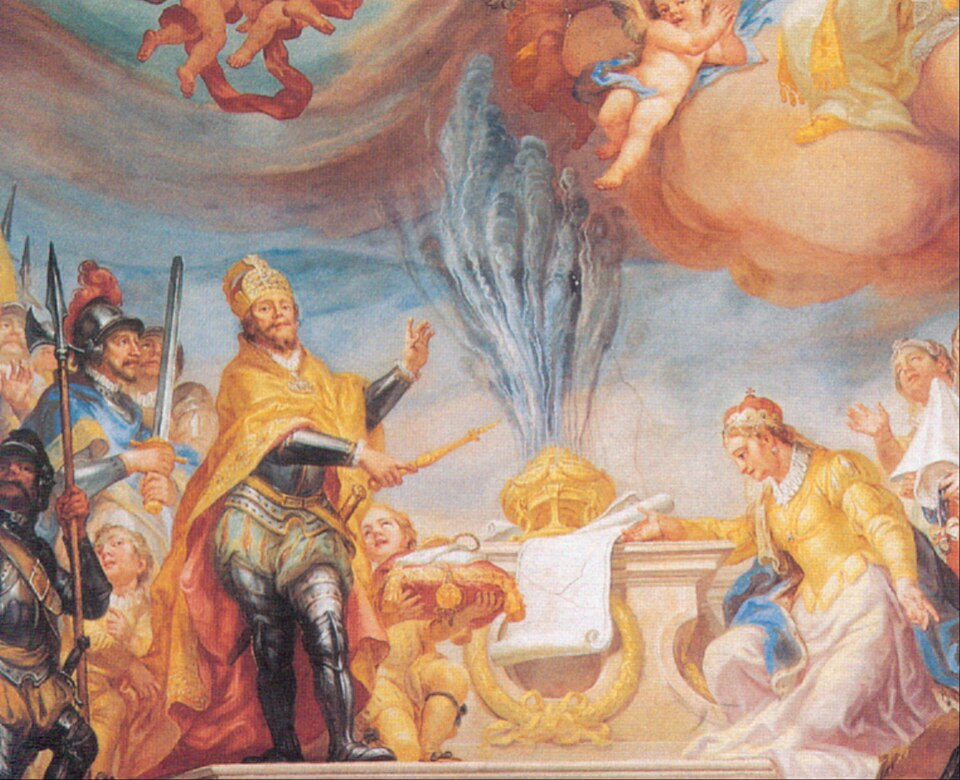
Bl Ida of Louvain Bl James of Certaldo Bl John Lockwood
St Martius of Auvergne Bl Miles Gerard St Papylus of Pergamus St Proculus of Terni
St Ursus (Died c425) Bishop of Ravenna, in which Office he remained for 26 years. Born in Sicily in Italy and died in Ravenna, Italy of natural causes on 13 April in around 425. Patronages – of Furriers and Tanners, against kidney diseases, against fainting. A Shepherd’s Life: https://anastpaul.com/2025/04/13/saint-of-the-day-13-april-saint-ursus-died-c425-bishop-of-ravenna/
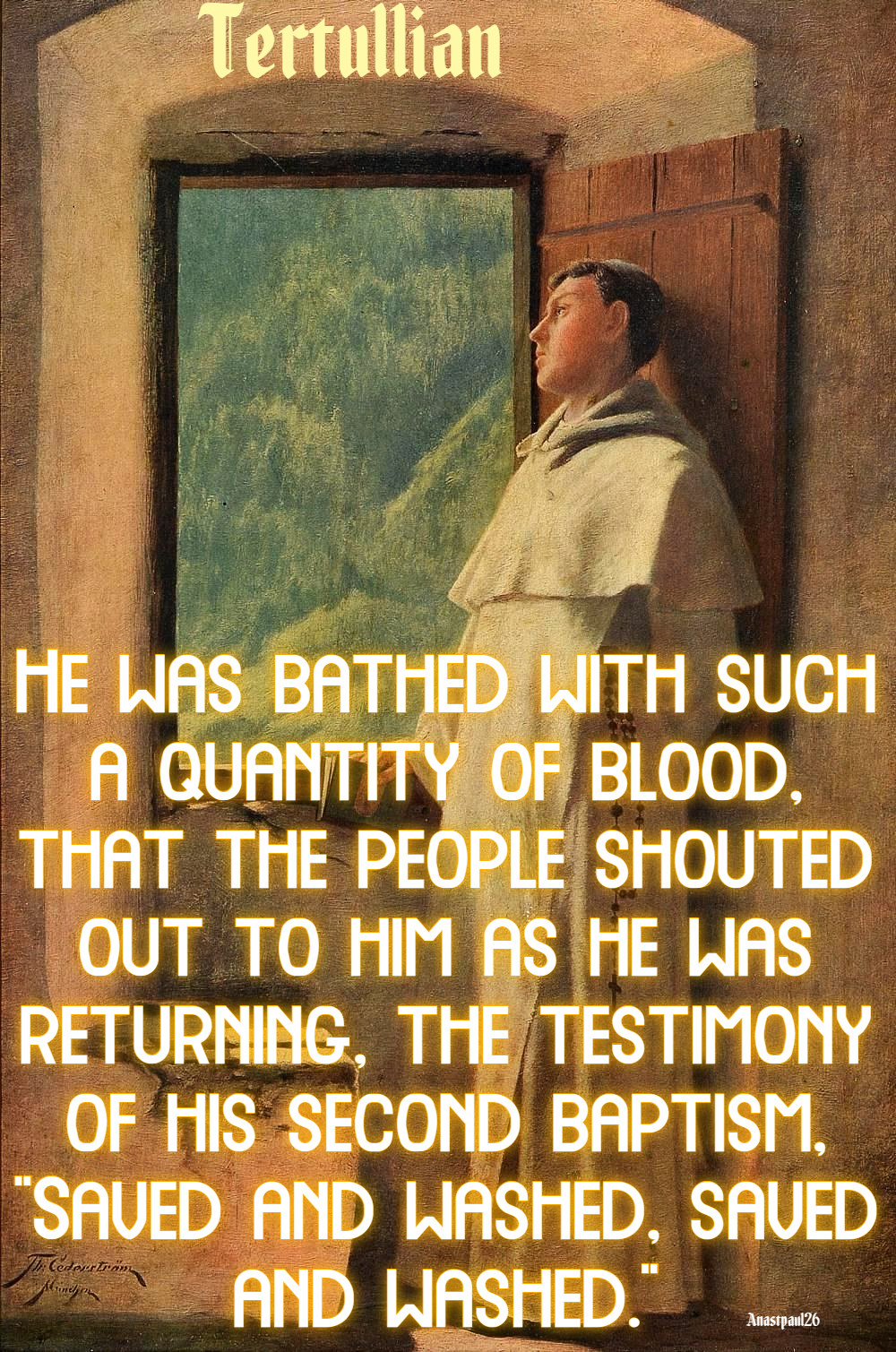
Martyrs of Dorostorum – 3 Saints: A lector and two students Martyred together in the persecutions of Diocletian – Dadas, Maximus and Quinctillianus. Beheaded c303 in Dorostorum, Lower Mysia (modern Sillistria, Bulgaria.
DISCLAIMER: Please note: I cannot control the content of the Advertisements on this Site, or of pop-ups which may appear, The revenue from the Advertisements, however, does provide a little assistance in the support of the Site. I do apologise for any inappropriate content.
You must be logged in to post a comment.