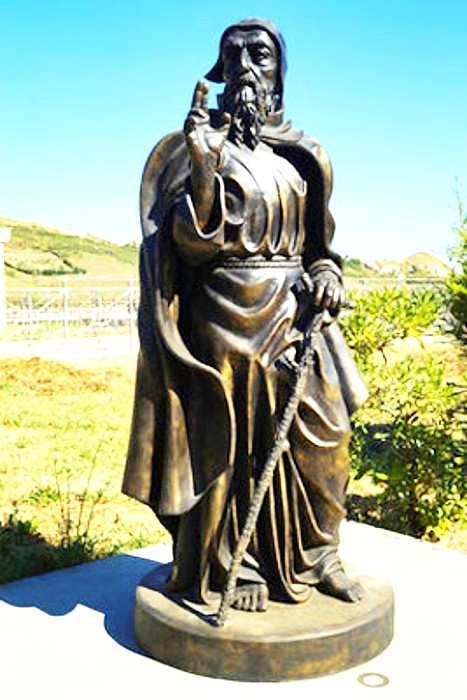
Saint of the Day – 16 April – Blessed William Gnoffi (1256-1317) Hermit, Ascetic and visionary of our Blessed Mother, builder of Churches and founder of communities. Patronage – Co-Patron of the City of of Castelbuono. Also known as https://www.santiebeati.it/dettaglio/99487 Guglielmo
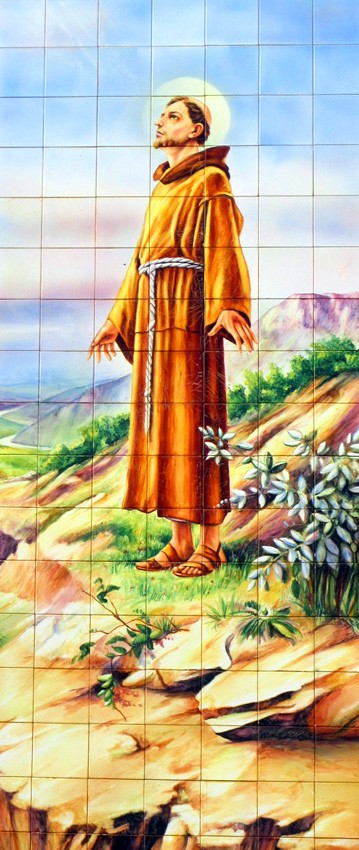
William Gnoffi was born in Polizzi Generosa in Sicily 1256, into a noble family. At the age of just 15, he retreated to pray in the caves near the ruins of the former Norman Monastery of Saints Cosmos and Damian.
Although William did not entered any Religious Order, he gained many converts by his own sanctity in living and preaching the Gospel of Christ which is, after all which is necesssary.
We know Blessed William travelled throughout the villages of the Madonie mountains to beg and preach the Gospel and that the Madonna appeared to him several times during his life.
He is also credited with restoring the mountain sanctuary of the Madonna dell’Alto, where he lived as a Hermit.
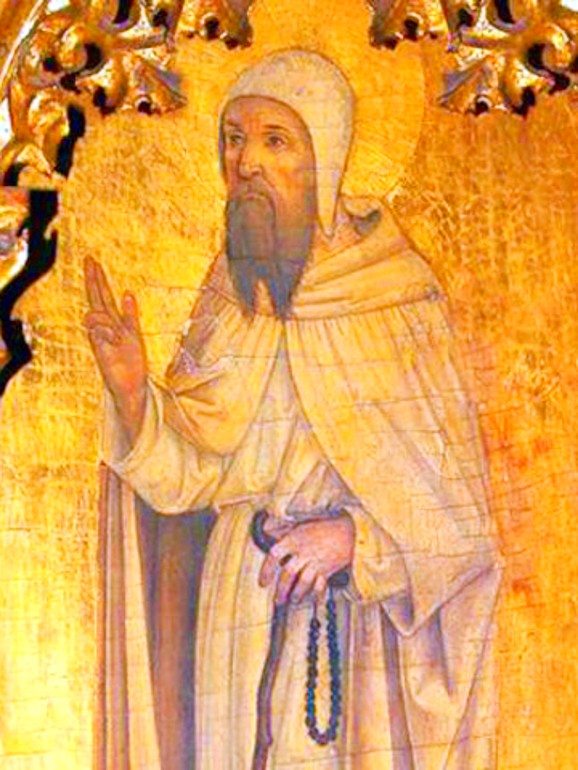
During his 5th year of solitary life, he one day reached Gonato, near Geraci Siculo, where he built a small Church and remained there for 11 years in penance.
After forming a community of ascetics around himself, who followed him to Castelbuono, with the help of Alduino Ventimiglia, Count of Geraci, he built a Church and hermitage.
In 1288, the sacred building was named Santa Maria del Parto, in the district once called ‘Favare’ and now called San Guglielmo.
Blessed William’s life was adorned with miracles which occurred thanks to his intercession. On 16 April 1317, Bl William Gnoffi died at the age of 61. He was buried at the Abbey of Santa Maria del Parto.
In 1500, his body was recognised and placed in a silver urn, now kept in a niche in the Matrice Nuova Church of Castelbuono. In 1613, the Beatification proceedings were drawn up by the Bishop of Cefalù.
Blessed William Gnoffi is the Co-Patron Saint of the City of Castelbuono.
The urn containing his Relics is carried in procession every year during the Feast of Saint Anne, along with the silver urn containing the Saint’s skull and the image of Our Lady of Mount Carmel.