Vigil of All Saints Day or All Hallow’s Eve: Eve of the Feast of All Hallows, that is, All Saints Day. Halloween is a day on which many quaint customs are revived. It is popular in the United States and Scotland and in the US has become the second largest secular holiday of the year.
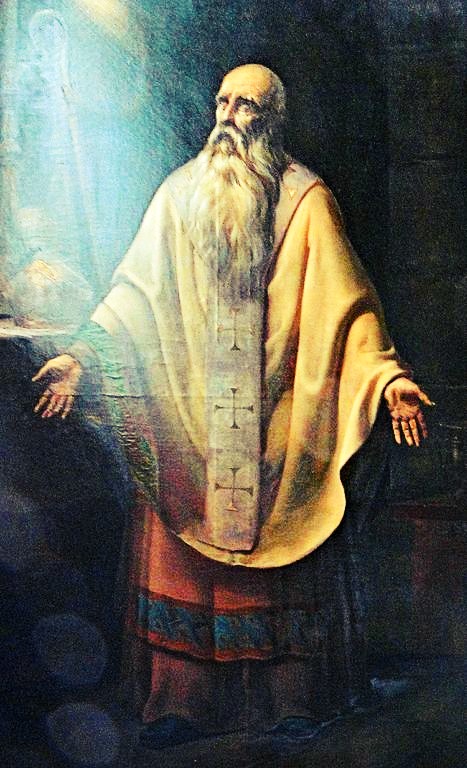
St Wolfgang of Regensburg (c934 –994) “The Great Almoner,” Bishop, Monk, Missionary, Ascetic, Apostle of Charity. He is regarded as one of the three great German Saints of the 10th Century, the other two being Saint Ulrich and Saint Conrad of Constance. He was Canonised in 1052 by Pope Leo IX. St Wolfgang’s life: https://anastpaul.com/2019/10/31/saint-of-the-day-31-october-saint-wolfgang-of-regensburg-c-934-994/
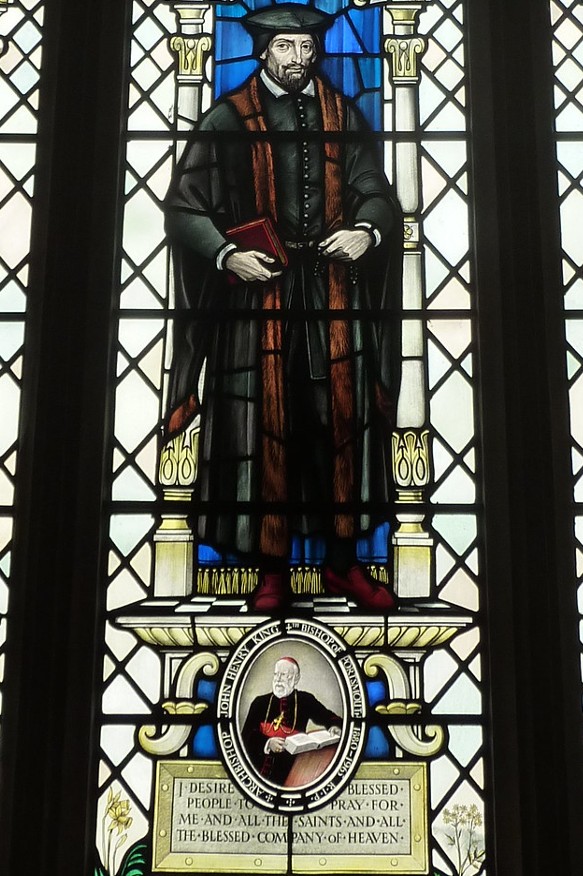
Saint of the Day – 30 October – Blessed John Slade (Died 1583) Layman Martyr, Tutor. Born in Manston, Dorsetshire, England and died by being hanged, drawn and quartered on 30 October 1583 at Winchester, England. Beatified on 15 December 1929 by Pope Pius XI. Additional Memorials – 29 October as one of the Martyrs of Douai, 1 December as one of the Martyrs of Oxford University.
The Roman Martyrology: “At Winchester in England, blessed John Slade, Martyr, who was hanged on the gallows and cruelly disemboweled for having refused the power of Queen Elizabeth I in spiritual matters.”
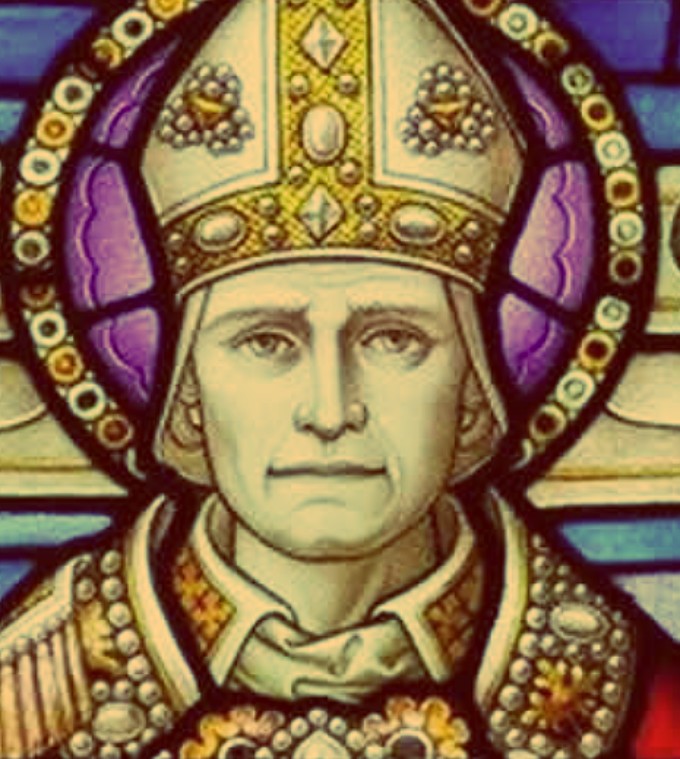
This window resides at the Winchester Catholic Cathedral. Below is Archbishop John Henry King – Photographer “Granpic” on Flickr
John Slade attended the New College, Oxford until, being expelled for being Catholic, he travelled to Douai to continue his study of Civil Law. However, since as a Catholic he was not permitted to practice the role of a Lawyer in England, he became a Tutor to the children of a gentleman’s household in Dorset.
On 30 October 1583, the Blessed John Slade, a Tutor from Dorset, was arrested as a “very dangerous Papist” and imprisoned in Winchester prison with Blessed John Bodey (1549-1583). They were held in iron shackles as “dangerous” prisoners. They were condemned in April, 1583 accused of High Treason for denying the Royal Supremacy over the Church of Our Lord Jesus Christ. There was, apparently, a protest against this Sentence claiming it to be unjust and illegal, leading to a retried. But, the two holy men were condemned again—at Andover, Hampshire, in August 1583.
After the Second Trial – Blessed John Bodey wrote, on behalf of Blessed John Slade and himself to a leading protestant theologian, one with whom he had prior discussions and debates:
“We consider that iron for this cause, borne on earth, shall surmount gold and precious stones in Heaven. This is our mark this is our desire. In the mean season we are threatened daily and do look still, when the hurdle shall be brought to the door. I beseech you, for God’s sake that we want not the good prayers of you all for our strength, our joy and our perseverance unto the end. … From our school of patience the 16th September 1583.”
Our Martyr today, Blessed John Slade, led from Winchester Prison to the public Square, knelt beside the Gallows which had been erected there, drew the Sign of the Cross on it, kissed it and then said, as he climbed the steps:
“I have come here to die for the Faith of all generations!”
A few days later the Blessed John Bodey too was hanged. Before dying he kissed the rope that had been placed around his neck exclaiming: “Jesus! Jesus! Jesus!”
St Germanus of Capua (Died c 541) Bishop of Capua, Italy, Confessor, Papal Legate. St Germanus was a close friend of St Benedict of Nursia. The Roman Martyrology states: St Germanus, Bishop and Confessor, a man of great sanctity, whose soul, at the hour of death, was seen by St Benedict taken to heaven by angels. His Life: https://anastpaul.com/2020/10/30/saint-of-the-day-30-october-saint-germanus-of-capua-died-c-541/
St Herbert of Tours Blessed John Slade (Died 1583) Layman Martyr
St Lucanus of Lagny St Marcellus the Centurion St Marcian of Syracuse St Maximus of Cumae St Nanterius of Saint-Mihiel Bl Raymond of Cardona St Saturninus of Cagliari St Serapion of Antioch St Talarica of Scotland Bl Terrence Albert O’Brien St Theonestus of Philippi (Died 425) Bishop, Martyr St Zenobia of Aegea St Zenobius of Aegea
Martyrs in Africa: A group of 100 to 200 Christians murdered in the early persecutions and about whom we know nothing except that they died for their faith.
Christ the King: “Therefore, by our Apostolic authority, we appoint the Feast of Our Lord Jesus Christ the King, annually, on the last Lord’s day in the Month of October, that is to say, on the Sunday which immediately precedes the Feast of All Saints, to be observed everywhere in the world. Likewise we enjoin, that the dedication of the human race to the Most Sacred Heart of Jesus be annually renewed upon that selfsame day.”
St Abraham of Rostov St Anne of Mount Olympus St Colman of Kilmacduagh St Dodone of Wallers-en-Fagne St Donatus of Corfu St Ermelinda of Meldaert St Eusebia of Bergamo St Felician of Carthage St Honoratus of Vercelli St John of Autun St Kennera St Mary of Edessa St Narcissus of Gerona
St Sigolinus of Stavelot St Stephen of Cajazzo St Terence of Metz St Theodore of Vienne (Died c575) Abbot St Zenobius of Sidon
Martyrs of Douai – 160 Saints and Beati: 160 Priests, Laymen and Religious who studied at the English College in Douai, France, then returned to minister to covert Catholics in England during a period of government persecution of the Church and were murdered for their work.
Martyrs of Lucania – 4 Saints: A group of Christians executed together for their faith. Only their names have survived – Felician, Hyacinth, Lucius and Quintus. Their Martyrdom occurred in Lucania, southern Italy.
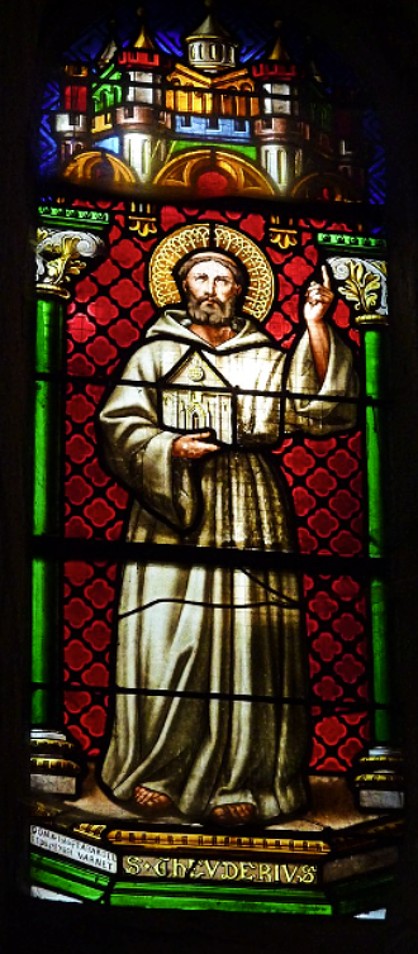
Saint of the Day – 29 October – Saint Theodore of Vienne (Died c575) Priest, Monk, Founder Abbot of the Monastery of Saint Laurence , Recluse, Miracle-worker. Spiritual student of Saint Caesarius of Arles (470-542). Born in Arcisse, near Saint-Chef, Dauphiné, France and died in c575 in the Church of Saint Lawrence, in Vienne, France of natural causes. Also known as – Chef, Theudère, Theudar, Teuderio, Teodario, Theuderius, Theodorius.
The Roman Martyrology states: “At Vienne, the departure from this world of blessed Theodore, Abbot.”
Theodore, a young man of one of the best families of the City of Vienne, by the interior call of the Holy Ghost, forsook the world and. having long exercised himself in the most perfect practices of a monastic life. under the direction of Saint Cæsarius at Arles, returned to his own country and, being joined by several disciples, built for them first cells and afterwards a Monastery near the City of Vienne in Dauphine.
It was a custom in the most regular Monasteries that the Hebdomadarian Priest who celebrated the community Mass, spent the week in which he discharged that function, in the closest retirement in his cell and in holy contemplation and austere penance, both that he might be better prepared to offer daily, the tremendous Sacrifice, and that he might more faithfully, acquit himself of his mediatorship, between God and his people.
It was also a peculiar custom in the sixth Century at Vienne that a Monk was chosen, of whose sanctity the people entertained a high opinion, who should voluntarily lead the life of a recluse, being walled up in a cell and spending his whole time in fasting, praying and weeping, to implore the Divine mercy in favour of himself and his country. This practice would have been an abuse and superstition, if any person, relying on the prayers of others, were themselves more remiss in prayer or penance. Saint Theodore was chosen for this penitential state, which obligation he willingly took upon himself and discharged with so much fervour as to seem desirous to set no bounds to his tears and mortifications. An extraordinary gift of miracles made his name famous in the whole country.
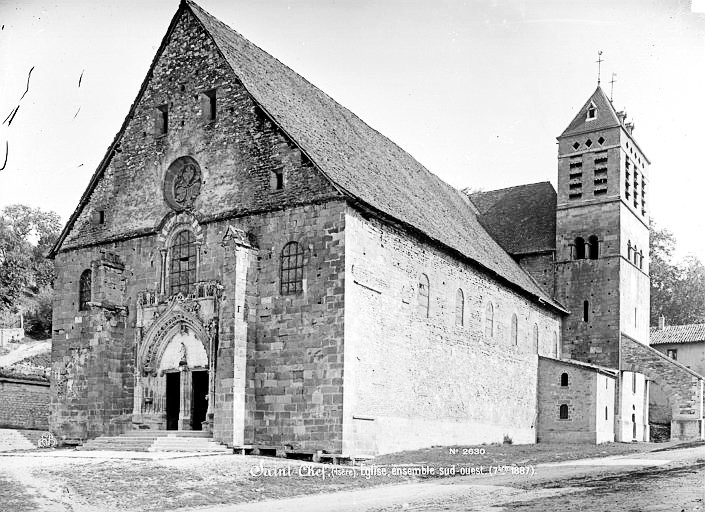
Theodore died about the year 575 and was buried in the Monastery of Saint Laurence which he had founded. His Relics were translated to a collegiate Church of which he is the Titular Patron and which gives the name of Saint Chef to the Village where it stands, eight leagues from Vienne. This Saint is named in the Roman Martyrology.
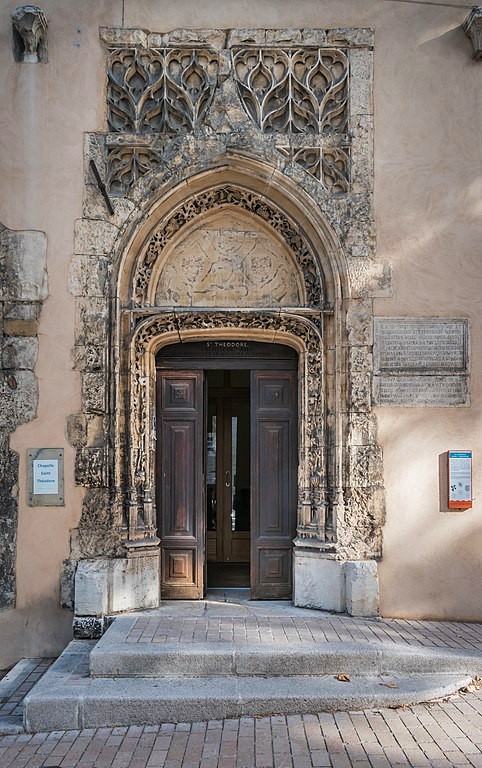
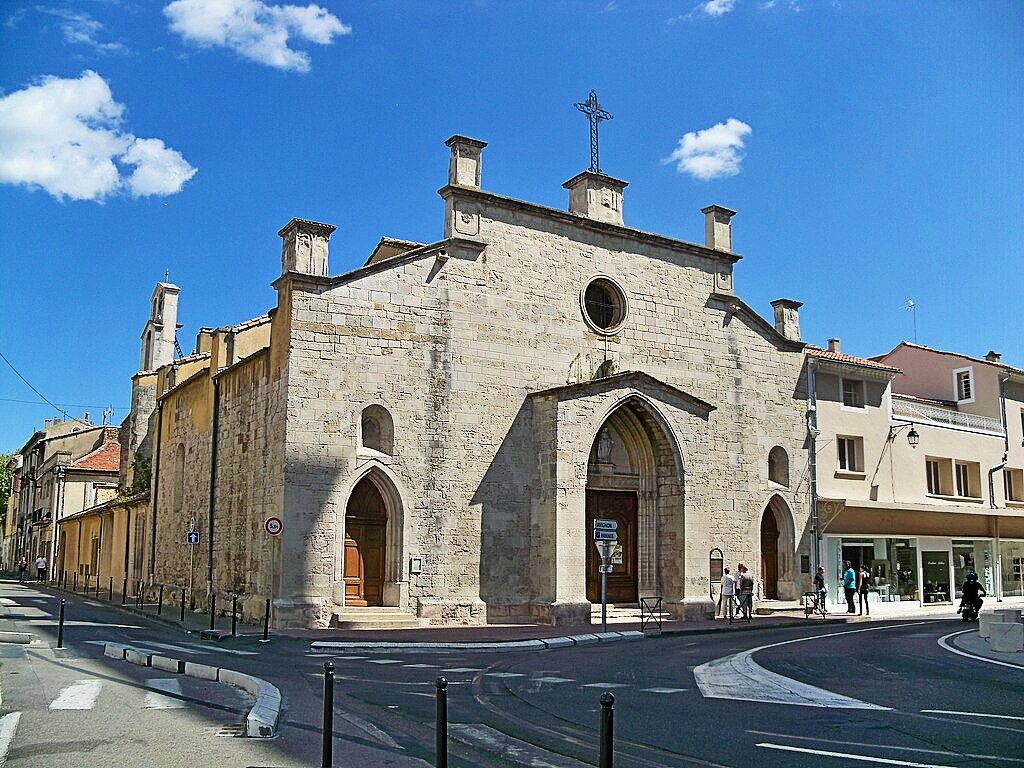
Entrance to the Church of St Theodore
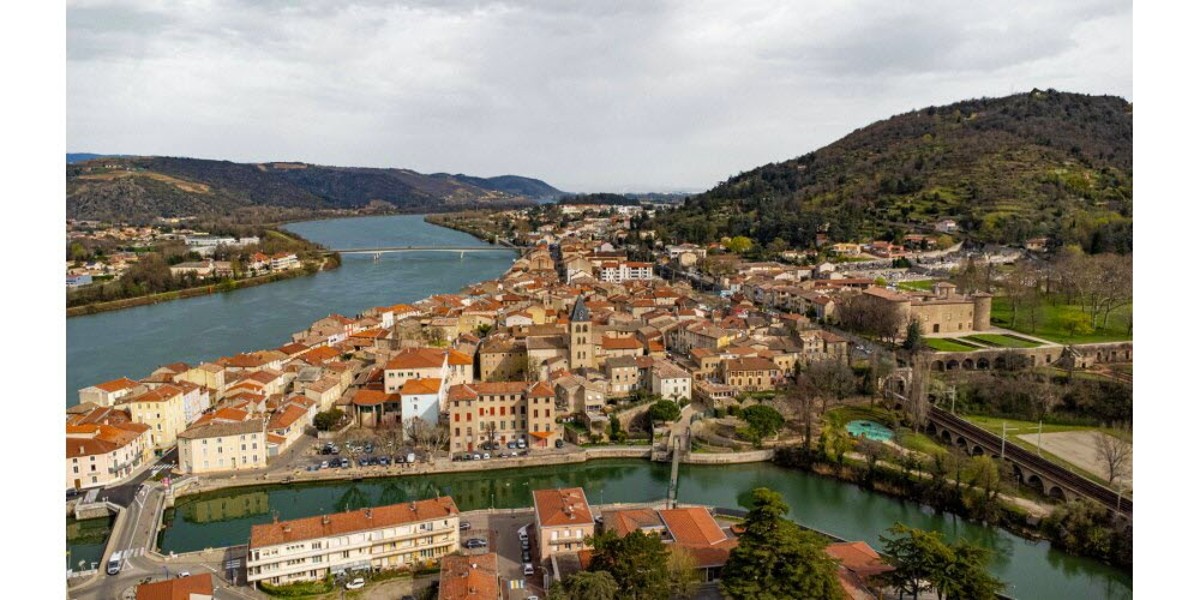
Saint Theodore is celebrated in the Diocese of Grenoble-Vienne on 29 October. The Village of Sainte-Chef was originally called Sainte-Theudère but the Village may be called Sainte-Chef today because of a tradition that the head (The French word ‘chef’ comes from Latin ‘caput’ [head]) of the Saint was kept there.
Saint of the Day – 28 October – Saint Gaudiosus of Naples (Died c453) Bishop of Abitinae in North Africa, Monk and founder of a Monastery where he introduced the Rule of St Augustine. Born Septimius Celius Gaudiosus in Tunisia, North Africa and died in exile in c455 at Naples in Italy of natural causes. Also known as – Gaudiosus of Abitinae, Gaudiosus the African.The image often used for our Saint is actually St Guadiosus of Brescia. I have found no image of today’s Saint.
The Roman Martyrology reads: “At Naples, St Gaudiosus, an African Bishop, who came to Campania because of the persecution of the Vandals and closed his holy career peacefully in a Monastery near that City.”
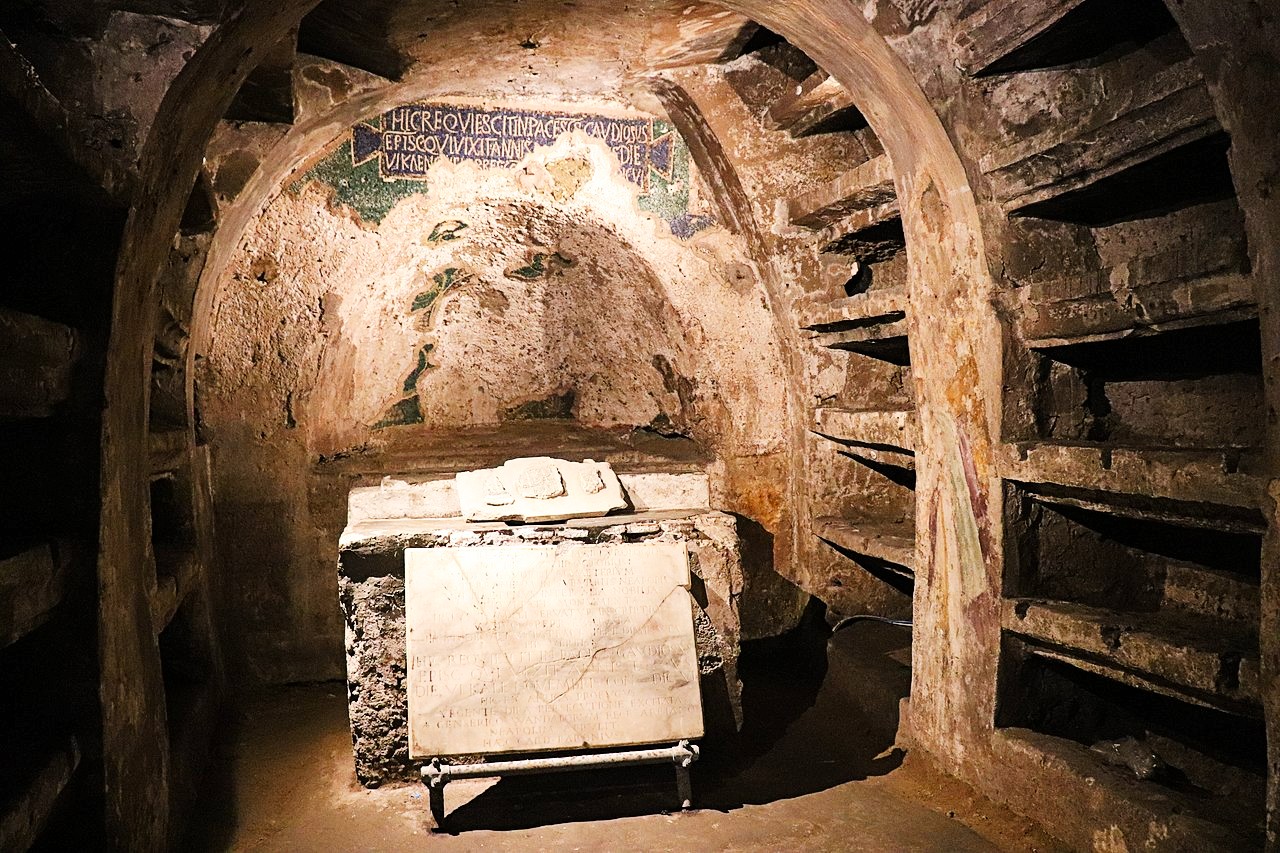
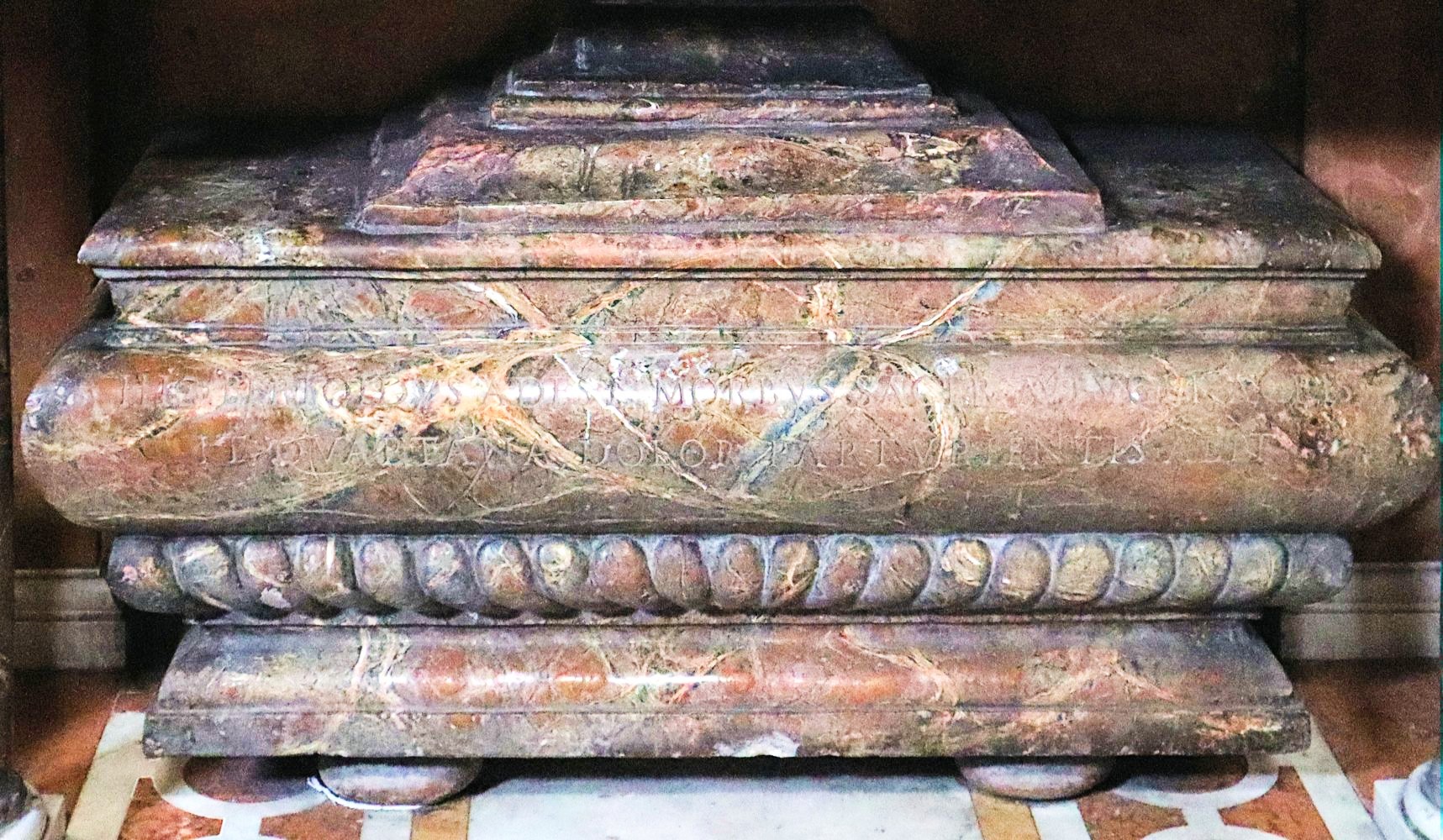
Tomb of St Gaudiosus
Gaudiosus, fled North Africa during the persecutions of Genseric, King of the Vandals, in a ship without sails or oars but which miraculously arrived safely in Naples carrying the precious cargo of other exiled Clergy, including the Bishop of Carthage, St Quodvultdeus and arriving in Naples in around 439,
Gaudiosus settled on the hill of Capodimonte, where he built a Monastery named the Caponapoli Monastery where he introduced the Rule of St Augustine. He is accredited with bringing to his new home, part of the Relics of St Restituta, the Virgin Martyr of Tunisia which are now kept in the early Basilica dedicated to her and which has been incorporated into the Naples Cathedral.
When Gaudiosus died between 451 and 45, he was buried in the Cemetery outside the City walls of Naples. His tomb soon began to arouse devotion. From that time onwards, the early Christian underground Cemetery expanded and gradually became the Catacombs of St Gaudiosus.
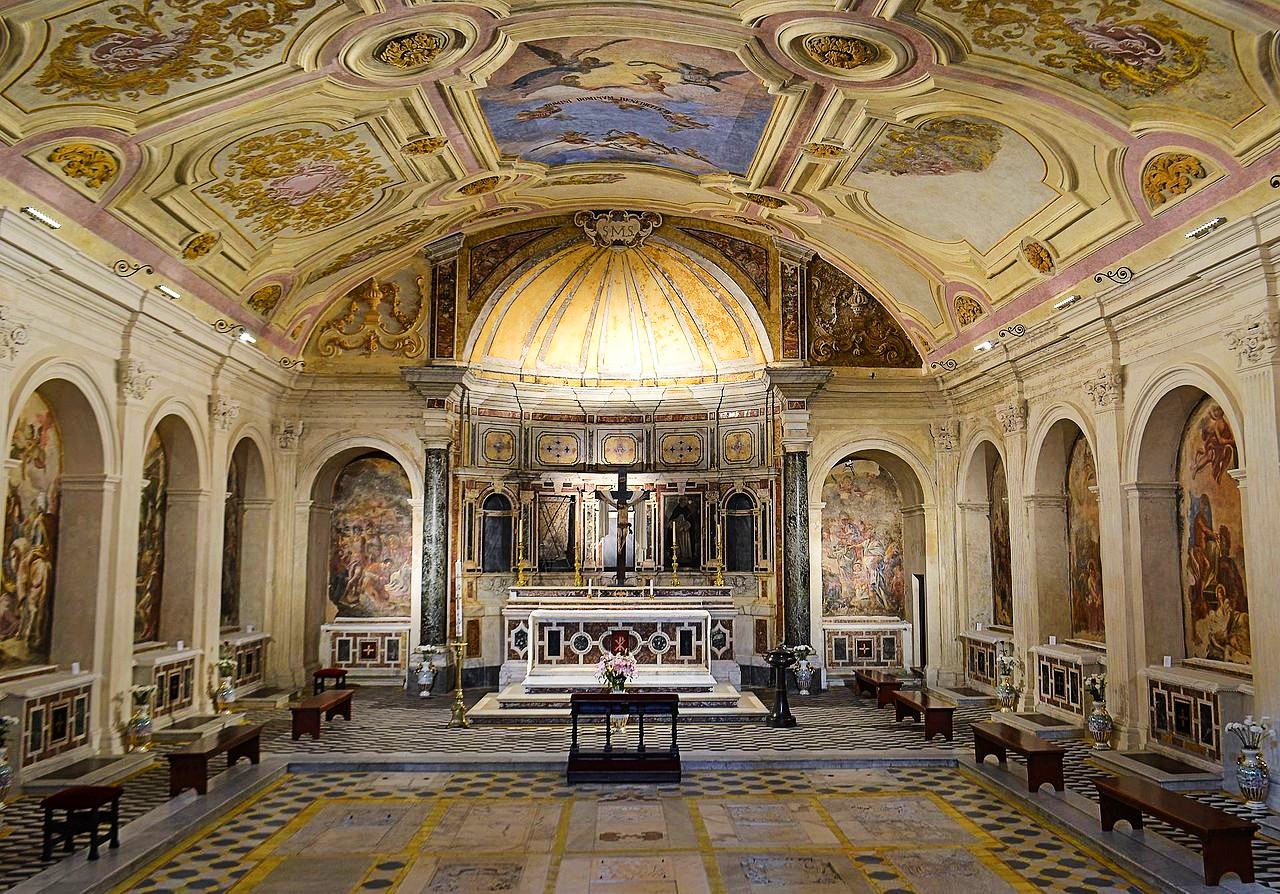
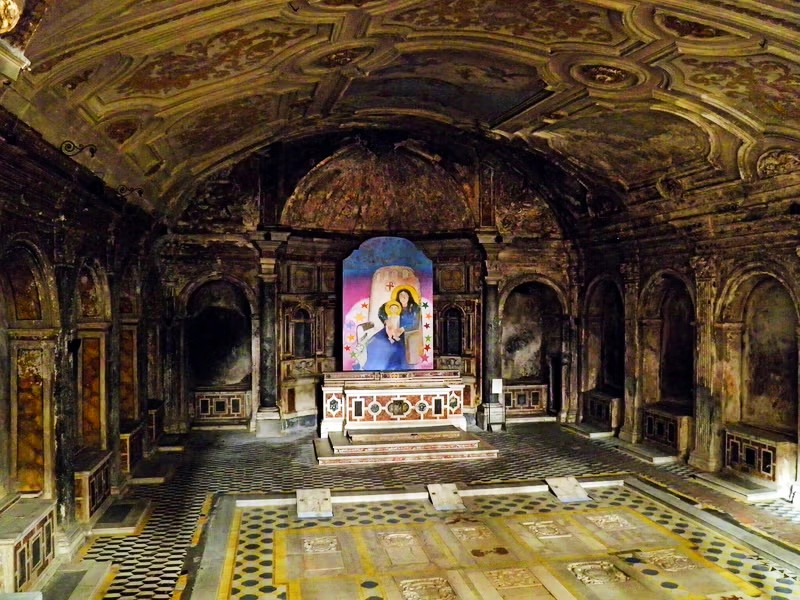
The Catacombs of San Gaudiosus are the second largest in Naples and includes both early Christian and 17th Century elements. The entrance to the underground burial site is inside the Basilica St Maria della Sanità, beneath the High Altar.
Main crypt below the High Altar of Santa Maria della Sanità.
On one side of the Catacombs there is the intensity of the early Christian elements, such as the Tombs of St Gaudiosus and Quodvultdeus. The walls are decorated with valuable frescoes and mosaics of the 5th and 6th Centuries which feature widely used Symbols in the early Christian era, such as the fish, the lamb and grapes with branches. On the other side are the special graves reserved for nobles, dating to the 17th Century, when the Catacombs resumed the function of a burial site.
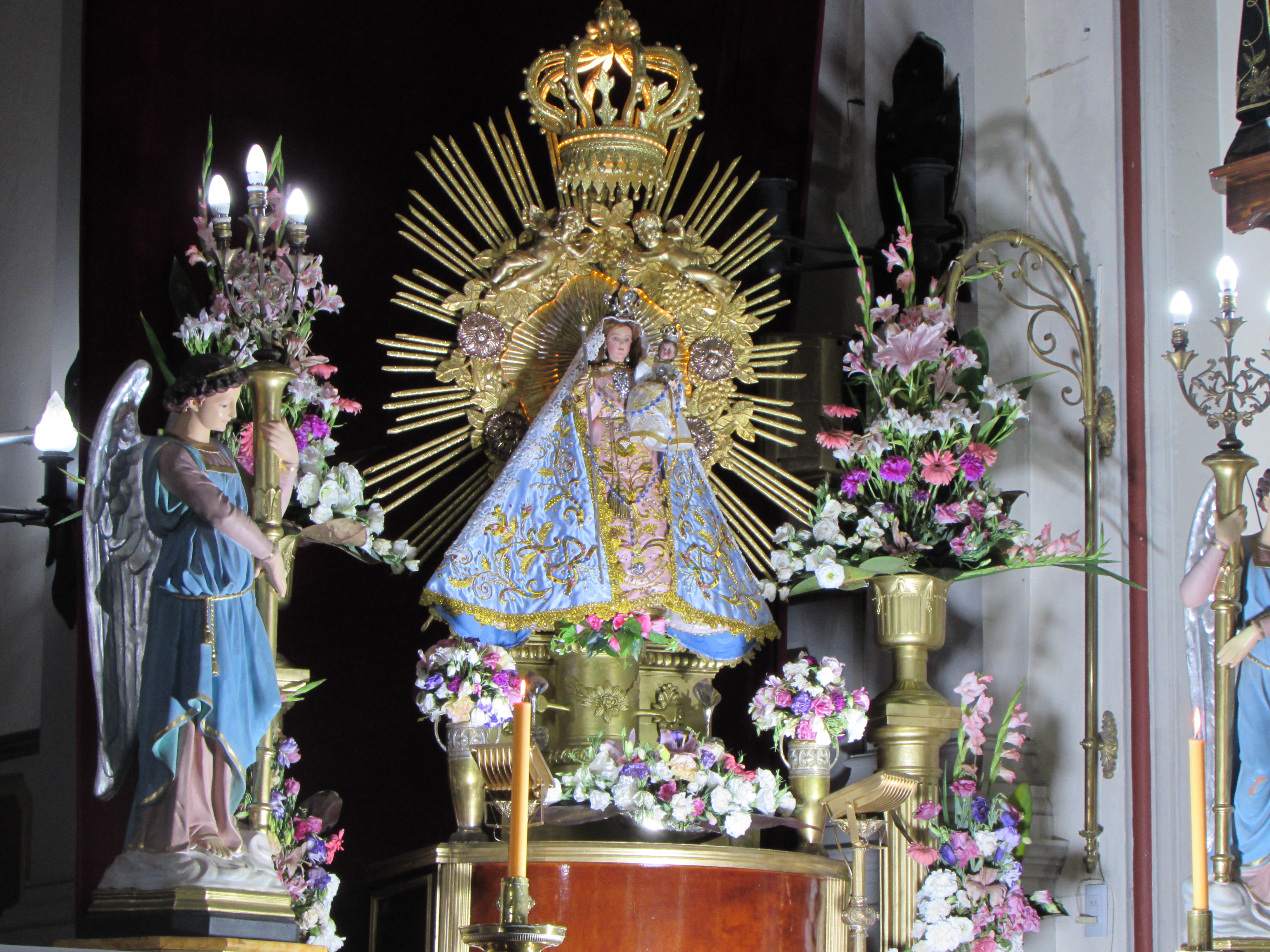
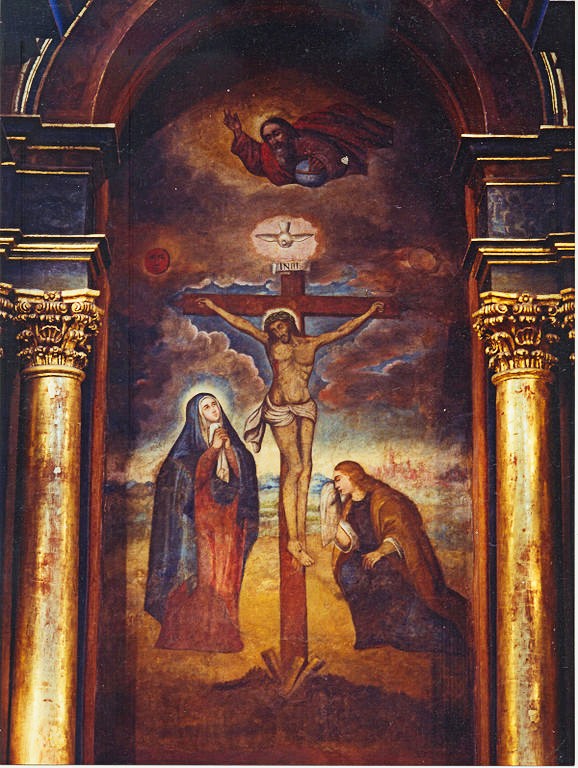
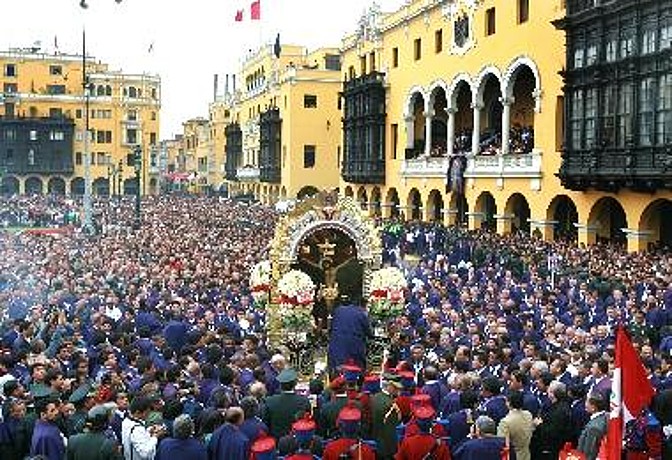
Lord of Miracles/Señor de los Milagros de Nazarenas – A mid-17th-century painting of the Crucifixion that is venerated in Lima, Peru and its celebration involves one of the largest processions in the world. It was painted by an unnamed African taken to Peru as a slave from what is now Angola. Above the Cross is the Holy Spirit and God the Father. Below and to the right of Jesus, is His mother, the Virgin Mary with her heart pierced by a sword of sorrow. Kneeling and weeping at the foot of the cross is St Mary Magdalene. The name originated on 13 November 1655 when everything around it was destroyed in an earthquake that left the painting standing and undamaged. Christ is shown enduring the pain of Crucifixion. Every year in October, hundreds of thousands of devotees from all races and economic backgrounds participate in a procession honouring the image through the streets of Lima. Boulevards are decorated in purple on 18,19 and the final Feast 28 October to celebrate the Lord of Miracles.
St Abdias of Babylon St Abraham of Ephesus St Alberic of Stavelot St Anastasia the Elder St Anglinus of Stavelot St Cyril of Rome St Cyrilla of Rome St Diomedes the Younger St Dorbhene of Iona
St Ferrutius St Gaudiosus of Naples (Died c453) Bishop St Genesius of Thiers Bl Germain of Talloires St Godwin of Stavelot St Maria Ascuncion St Remigius of Lyons St Rodrigo Aguilar Aleman St Salvius of Amiens
Martyrs of Avila – 3 Saints: Two sisters and a brother who, during a period of persecution, fled Talavera de la Reina, Spain, were caught and executed. Martyrs: Christeta, Sabina and Vincent. 303 in Avila, Spain.
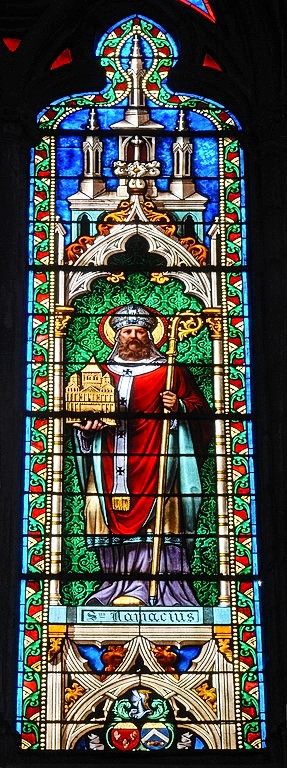
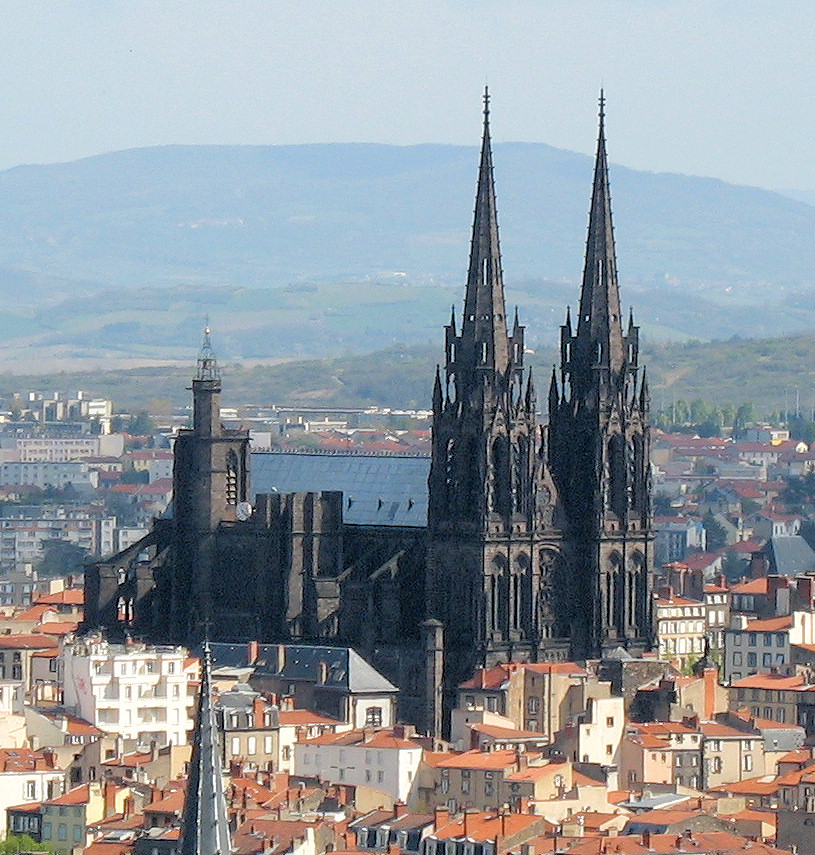
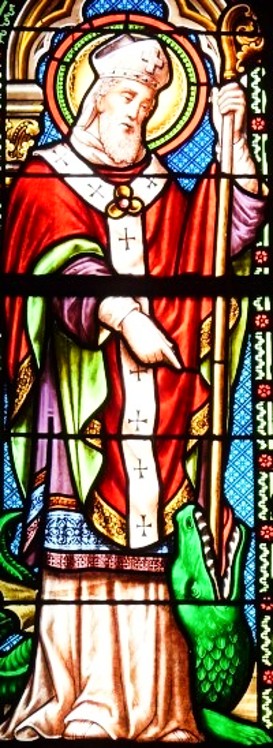
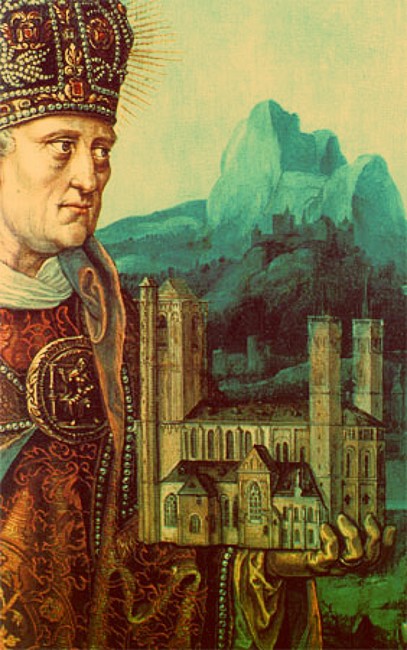
Saint of the Day – 27 October – Saint Namatius of Clermont (Died c462) Bishop, the Eighth or Ninth Bishop of Clermont (then called Arvernis) from 446 until his death in 462 and founded Clermont’s first Cathedral, bringing the Relics of Saints Vitalis and Agricola from Bologna, Italy, to enshrined therein.dedicating the Cathedral to them. Also known as – Namace, Namazio.
Namatius was a wise and good man, happily married. He lived in France (New Aquitaine), in the 5th Century. Despite having married, Namatius was elected Bishop of Clermont. In fact, in those days, the Bishop was chosen from among the City’s men who demonstrated that they had many virtues and qualities to put to good use for the entire community and, that they were capable of the sacrifices necessary in order to become the shepherd of the flock of Christ.
Even the Bishop’s wife had to demonstrate that she possessed great virtues, like Namatius’ wife, a woman with a truly golden heart, as well as being very cultured. Namatius and his wife joyfully accepted the new role. From that moment on, they no longer lived together as before – each one lived separately at the service of the Lord.
A stained glass window (see right) in the Saint-Eutrope Church in Clermont shows the Saint carrying the first Cathedral of Clermont.
Of this construction project, St Gregory of Tours in his Historia Francorum writes:
“He undertook the task of building the older Church which is still standing and is contained within the walls of the City, one hundred and fifty feet in length, sixty in width,-that is, the nave, fifty in height to the vault, with a round apse in front and on each side aisles finely built, the whole building is laid out in the form of a cross; it has forty-two windows, seventy columns, eight doors. The fear of God is in it and a great brightness is seen and, in the spring, a very pleasant fragrance, as if of spices, is perceived there by the devout. It has, near the Altar, walls of variegated work, adorned with many kinds of marble. The blessed Bishop on finishing the building in the twelfth year, sent Priests to Bologna in Italy, to procure Relics of Saints Agricola and Vitalis, who we know, very certainly, were crucified in the name of Christ our God.”
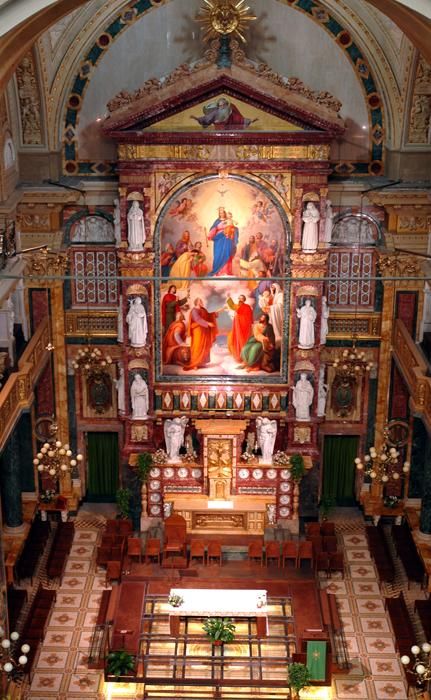
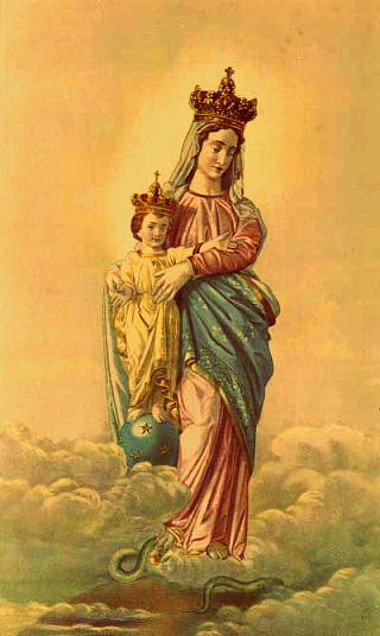
Dedication of the Basilica of Auxilium Christianorum / Our Lady Help of Christians, Turin, Italy, built by St John Bosco (1868) – 27 October: HERE: https://anastpaul.com/2021/10/27/88503/
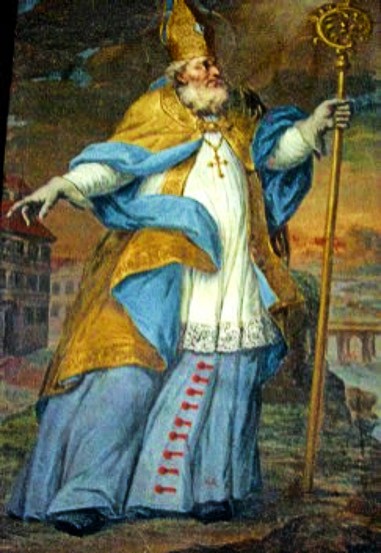
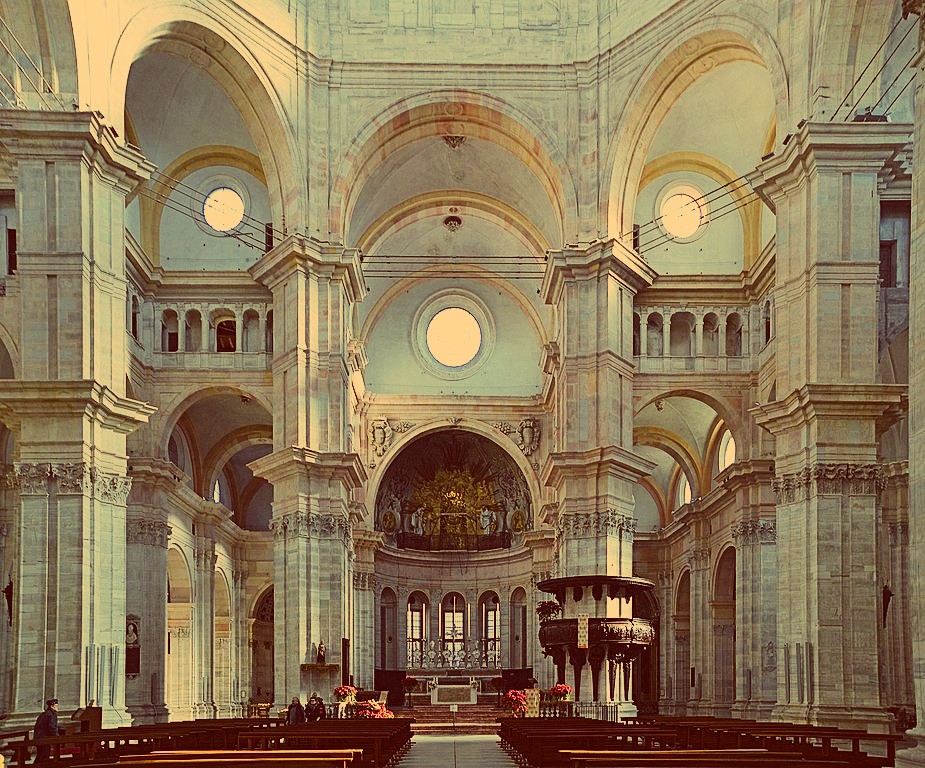
Saint of the Day – 26 October – Saint Fulk of Pavia (1164-1229) Bishop, Confessor, Peacemaker, Protector of the poor and educator of their children, Religious Reformer and Social Reformer, Defender of the Church and its rights. Born 1164 in Piacenza, Italy and died on 16 December 1229 of natural causes in Pavia, Italy aged 65. Co-Patron of Pavia. Fulk’s forefathers originally came from Ireland, hence the family name Scotti or Scotus but by the time of his arrival into the world, his family name had become one of the richest and most influential in the region. Scotia was originally the Latin name for Ireland (also called Hibernia by the Romans). Our Saint is known too as – Fulk of Piacenza, Folco Scotti, Foulques… Additional Memorial 21 May in Pavia and 16 December on some calendars.
The Roman Martyrology reads: “In Pavia, Saint Fulk, Bishop, man of peace, full of zeal and charity”
Nothing is known of Fulk’s birth or childhood, except that his parents were members of a greatly influential and immensely wealthy family, originally the descendants of Irish emigrants. In 1186, aged 22, he entered the Regular Canons of the Parish of St Eufemia, and later (1491) Fulk joined the Renana Congregation of the Most Holy Saviour..
Fulk was so talented that he was sent to Paris to complete his studies in theology. In 1194, at the age of 30, he had to return to Piacenza as he had been appointed Prior of St Eufemia. Bishop Grimerius (1199-1210) depended to a large extent on Fulk’s assistance and, in 1207, he gave him the responsibility of delivering the opening speech at the Synod. The following year, Fulk was appointed Canon at the Cathedral and Archpriest. He was also appointed Lecturer in theology at the Seminary in Piacenza.
When, in 1210, Bishop Grimerius died, Fulk was elected his successor as Bishop of Piacenza. This election was not confirmed by Pope Innocent III (1198-1216) but, nevertheless, he administered the Diocese for six years before being officially Consecrated in 1216, by Pope Honorius III (1216-1227).
In the same year,1216, the electors of Pavia Diocese elected Fulk as the City’s 49th Bishop and he held the office of Bishop of Pavia for thirteen years.
At that time, there was strong enmity between the Cities of Pavia and Piacenza, which was not unusual for neighbouring Cities. Even today, the rivalry between the two Cities lives on in colourful traditions and competitions. But, in the Middle Ages, the rivalry was not colourful folklore but violent and bloody and entailed great sorrow and ruin. Bishop Fulk, who was from Piacenza and was the Bishop of Pavia, became the foremost peacemaker between the two Cities. He first worked for internal peace in the Cities which were also characterised by violent factional battles. He then worked for peace between them.
Bishop Fulk founded a number of social institutions which, among other things, provided food for the poor and free education for their children. He also reformed religious houses, including the Monastery of San Pietro in Ciel d’Oro, and he defended the freedom of the Church against the Civil authorities.
Fulk died on 16 December 1229 and was buried in the Cathedral. He was succeeded by Saint Rodobald II de’ Cipolla. His memorial day is 26 October. In the Cathedral of Pavia he is celebrated on 21 May. He was Canonised by Pope Gregory IX.
Our Saint Fulk goes down in history as an extraordinary peacemaker. Supported by his unshakable faith and the teachings of Jesus, the Bishop often managed to restore peace, so much so that he is loved by both the people of his own birthplace, Piacenza and the people of his beloved See, Pavia.
St Adalgott of Einsiedeln St Alanus of Quimper St Albinus of Buraburg
St Alfred the Great (849-899) King of Wessex, Confessor, Scholar, Writer and Translator, negotiator. He administered justice with insight and fairness, protected the poor, and encouraged art and the crafts. He tried in all that he did, to rule as a model Christian King. For all this, he alone among the rulers of England is called “the Great.” This Great Saint’s Life: https://anastpaul.com/2021/10/26/saint-of-the-day-26-october-saint-alfred-the-great-849-899/
St Alorus of Quimper St Amandus of Strasburg St Amandus of Worms St Aneurin St Aptonius of Angouleme St Arnold of Queralt St Bean of Mortlach St Bernard de Figuerols
St Felicissimus of Carthage St Florius Martyr of Nicomedia and Companions St Fulk of Pavia (1164-1229) Bishop St Gaudiosus of Salerno St Gibitrudis St Gwinoc St Humbert St Lucian Martyr of Nicomedia and Companions St Marcian St Quadragesimus of Policastro St Quodvultdeus St Rogatian of Carthage St Rusticus of Narbonne St Sigibald of Metz
Saint of the Day – 25 October – Saint Fronto of Périgueux (1st-2nd Centuries) Bishop consecrated by St Peter Apostle, Confessor, Missionary, Miracle-worker. Born at an unknown date in Lycaonia, Asia Minor and died in Périgueux, France of natural causes. Also known as – Fron, Frontón, Frontone, Front. Name means: the clever one (Old High German).
The Roman Martyrology reads today: “At Périgueux in France, St Fronto, who, being made Bishop by the blessed Apostle Peter, with a Priest named George, converted to Christ a large number of the people of that place and renowned for miracles, rested in peace.”
Fronto actually lived but at an unknown time. According to tradition, he first lived as a Hermit and then became the first Bishop of Périgueux .
Together with his assistant, the Priest named George, Fronto is believed to have been sent to Gaul by St Peter and Ordained as the first Bishop of Périgueux . George died on the way to France and Fronto returned to Rome. But St Peter gave him a rod, saying: “When you place this rod of mine, on the body of this assistant, say, Arise in Christ’s Name! and carry out the commission which you have received from the Apostle.” So it happened, together they converted the Citizens of Périgueux.
When Fronto fell asleep in his chair one day after the Epistle, Christ appeared to him and caused him to go with Him to Tarascon, to hold the funeral service for St Martha of Bethany, who died there and to help Him to lay her in the grave. In the meantime, when the singing was over in Périgueux and the Deacon was waiting for the Bishop’s blessing, to read the Gospel and woke him, the Bishop sent him away to fetch the ring and gloves which he had left at Martha’s graveside. And thus the Deacon was a witness to the miracle of his bilocation and dual presence.
Fragments of Fronto’s tomb are exhibited in the Museum in Périgueux . The tomb supposedly consisted of a pyramid-shaped roof and many figures dating to antiquity. The first mention of a veneration of Fronto can be found incidentally in the life story of St Gaugericus the Bishop of Cambrai, from the middle of the 7th Century, who prayed at the grave of the Confessor Fronto. It tells of Fronto as a student of St Peter and in the 9th Century, Fronto was included in the Martyrology of Lyon and that of St Rabanus Maurus . In the 10th and 11th Centuries, his life story was revised several times and elements from the legends of Martialis of Limoges and Martha of Bethany were incorporated.
Authentications of his Relics took place in 1261 and 1463. These were largely destroyed by Protestants in 1575. When Périgueux was liberated in 1581, St Fronto’s Cathedral was badly damaged and Saint-Fronto’s was left untouched and in a state of disrepair for decades.
Listen to the chiming of the bells of St Fronto Cathedral, it’s as if you were there!
In 1852 the Architect Paul Abadie, undertook major restoration work to the Cathedral to save it from ruin. He brought it back to life, stone by stone, a colossal project lasting some fifty years. Abadie managed to retain the original plan and volumes of the Cathedral as well as re-designing certain aspects to harmonise the architecture. He used the same architectural model for Saint-Fronto’s as he later used for the Sacré Coeur BaSILICA in Paris.
St Cyrinus of Rome St Dulcardus St Fronto of Périgueux (1st-2nd Centuries) Bishop consecrated by St Peter Apostle St Fructus of Segovia
St Gaudentius of Brescia (Died 410) Bishop, renowned Preacher, Theologian, Diplomatic Mediator, The Roman Martyrology states today: “In Brescia, Saint Gaudentius, Bishop, who, Ordained by Saint Ambrose, shone among the prelates of his time for doctrine and virtue, instructed his people with words and writings and founded a Basilica which he called the ‘Council of Saints.‘” Biography: https://anastpaul.com/2021/10/25/saint-of-the-day-25-october-st-gaudentius-of-brescia-died-410/
St George of Périgueux (1st-2nd Centuries) Priest, assistant to St Fronto St Goeznoveus of Leon St Guesnoveus Bl Henry of Segusio St Hilary of Javols St Hilary of Mende St Hildemarca of Fecamp St Januarius of Sassari St Lucius of Rome St Lupus of Bayeux St Mark of Rome
Saint of the Day – 24 October – Saint Maglorius of Wales (Died 575) Bishop of Dol and Solitaire in France, Confessor, Monk, Missionary, Abbot, Miracle-worker, “Apostle to Guernsey and Sark” (Sark, French “Sercq” one of the Channel Islands, a dependency of Guernsey, located in the English Channel, south of England’s coast. Sark lies 11 km east of Guernsey and about 40 km west of the Cherbourg Peninsula of France). Maglorius was born in southern Wales and died in 575 at the Monastery he had founded on the Island of Sark. Patronage – of Sark. Also known as – Maglorious,, Maglorius of Dol, Maglorius of Maelor, Maghorus… Magloire… Maelor… Maglorio…
The Roman Martyrology states: “In Bretagne, the departure from this life of St Maglorious, Bishop, whose body rests in Paris.”
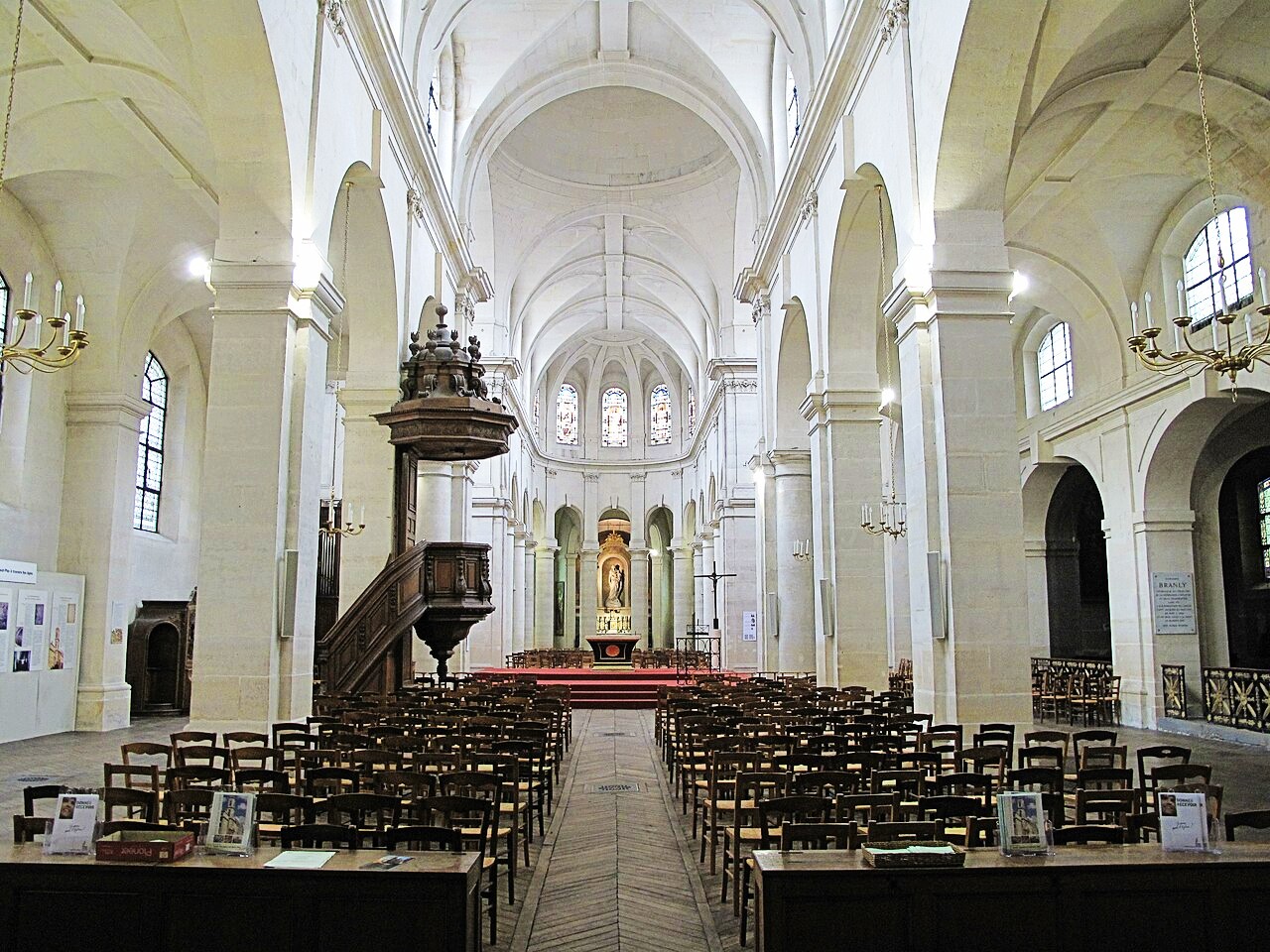
St Maglorius – oil painting by Eugène Goyet (1798–1846), Church Saint-Maglorius-du-Haut-Pas in Paris where his Relics are enshrined.
Saint Maglorius was born inWales at the end of the 5th Century. He was first cousin of Saint Samson (c490–565). They were both placed under the guidance of Abbot Iltut, disciple of Saint Germanus of Auxerre, who took particular care to train them in science and piety. When they were old enough to decide on the choice of a state of life, Samson retired to a Monastery. Maglorius returned to his parents and continued to practice all Christian virtues at home.
Amon, Samson’s father, was attacked by a dangerous illness some time later. He sent for his son and humbled himself before God, from whom he implored mercy. When his health was restored, he renounced his possessions to devote himself solely to the Lord, with his entire family.
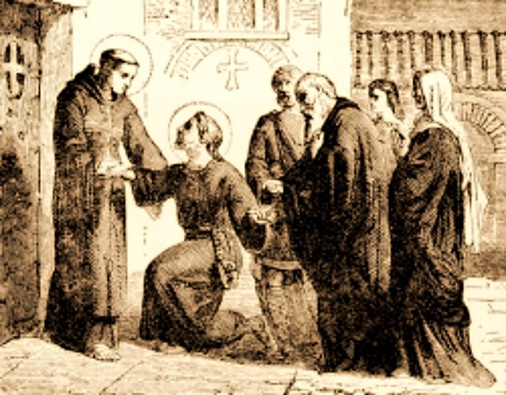
St Maglorius and his family entreat St Samson to receive them into the Monastery
This example had very happy consequences for Maglorius for, he was so touched that he came to Samson with Umbrafel his own father, Afrèle his mother and his two brothers. They all resolved to leave the world and immediately distributed their goods to the poor and to the Churches. Maglorius and his father became particularly attached to Samson, adopting the position of disciples and they obtained permission from him, to take the monastic Habit in the same house. Umbrafel was subsequently sent to Ireland and charged with the government of the Monasteries of that country.
When St Samson was consecrated regional Bishop, he associated himself with Maglorius , who had been elevated to the Diaconate. He took him with him to Armorica, to help him in his Apostolic work and to contribute with his zeal, to the propagation of the Gospel. King Childebert supported the holy missionaries, who were soon able to found Monasteries. Samson made his residence in that of Dol and gave the leadership of that of Kerfunt, or Kerfuntée, to Maglorius, whom he Ordained Priest, so that he could succeed him in the exercise of Episcopal functions.
Maglorius, following the example of his predecessor, preached the Gospel to the Breton,s who lived on the coasts. These peoples were Christians, at least for the most part but the misfortune of wars and the scourges which followed, had weakened the knowledge of Jesus Christ in them and had almost entirely erased it in many. The Saint continued to live with his Monks, as in the past. Under his clothing, he wore a hair shirt. He only ate barley bread and vegetables and a little fish on Sundays and holidays. His zeal and his charity left him almost no moment of rest and he was sometimes without being able to stop to eat for an entire day.
After three years of Episcopate, he formed the plan of going to live in solitude. This project was inspired by the divisions which reigned between the Counts of Brittany. He also believed that God desired of him, this complete separation from the world. After having obtained the consent of the people but without having consulted the neighbouring Bishops. Maglorius, was replaced by Bishop Budoc, whose zeal, enlightenment and virtues were well known by Maglorius. But the Bishops of France disapproved of such conduct and the Second Council of Tours forbade the Bretons from following it in the future.
Maglorius redoubled his austerities and burning with the desire to be united with God in the most intimate way, he avoided, as much as possible, conversing with men. But the reputation of holiness which he enjoyed soon led to the discovery of the place of his retirement. People went there from all sides to find relief from the needs of the soul and the body. If he found himself obliged to accept a few small gifts, it was to distribute them to the poor. Finally, no longer able to bear this influx of people who came to visit him, he resolved to retire into some solitude, where he could be entirely unknown to the world. But Bishop Budoc, whom he consulted, reassured him by making him understand that the good works he was carrying out, should make him sacrifice his particular taste for retirement. He, therefore, remained in the state in which he was and his miracles made his name more famous day-by-day.
The Count of Loiescon, whom he had cured of leprosy, having given him land on the Island of Geurnsey, he built a Church there and founded a Monastery where he gathered more than sixty Monks. During the famine which followed the death of King Chilperic, the monastery provided for countless people who were in need. Although the Monastery’s provisions were exhausted, Maglorius did not reduce the number of his Monks, as was advised. He placed his trust in God and he soon reaped the fruits – a ship loaded with provisions landed on the Island and broughtall the relief needed by all!
It was on Easter night, of the following year that the Maglorius was warned by Heaven, of the proximity of the day of his death. He no longer left the Church, unless he was forced to do so by necessity or by the utility of his neighbour. He often repeated these words of the Psalmist: “I ask only one thing of the Lord and that is, to dwell in His house all the days of my life.”
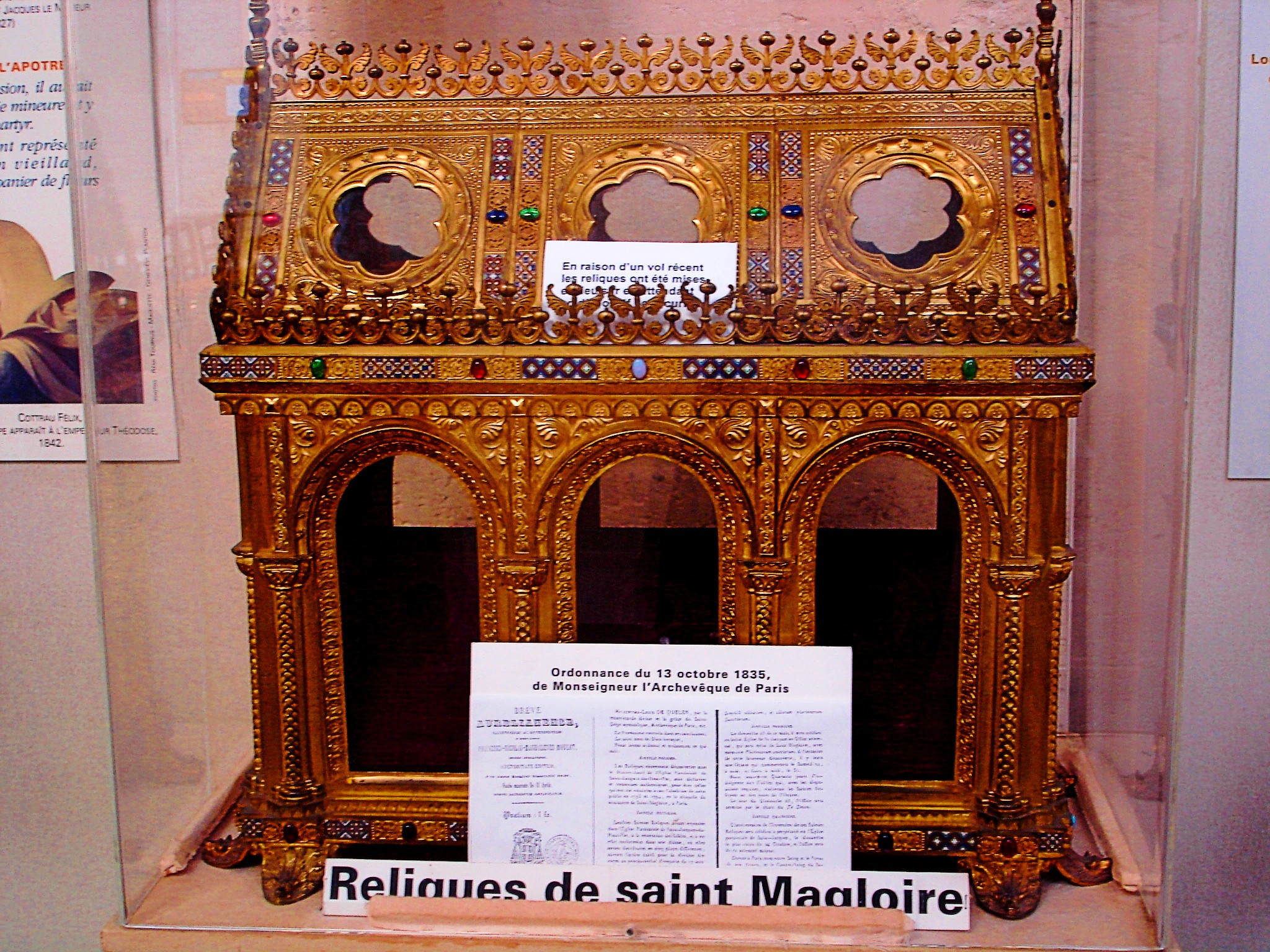
He died six months later, on 24 October 575. He was around eighty years old. During the Norman wars, his Relics and those of several other Saints, were brought to Paris for safety and deposited in the Church of Saint- Barthélemy, then in the Chapel of Saint-Georges, located outside the City walls. They were then transferred to the Church of Saint-Jacques, since called Saint-Maglorius. In the same place, also rested the Relics of Saints Samson and Louthiern, Bishops and of Saints Guinganthon and Escuiphle, Abbots.
The Church of St Maglorius in Paris which contains his Relics and those of St Samson and others
One of the most well-known and detailed Miracles of St Maglorius concerns his rescue of a group of children. The children were playing in an abandoned wreck on the beach below the Monastery in Sark, when a sudden violent storm swept them out to sea. Maglorius swam out to sea when he heard their cries and saved them and the wreched boat, steering it to the safety of the shore, before vanishing.
Other miracles include – the destruction of a dragon on the Island of Jersey; the resurrected a drowned fisherman of Sark and that the putting to flight a fleet of Vikings.
Posthumous miracles of St. Maglorius are also included in the surviving texts. After his death, Sark was attacked again by Vikings, who sacked the Monastery and killed the Monks. When seven of the Vikings attempted to open St Magllorius’ tomb, they were blinded and many of the others turned and began to kill each other!
Saint Raphael the Archangel The Feast day of Saint Raphael was included for the first time in the General Roman Calendar in 1921, for celebration on 24 October. With the 1969 revision of the General Roman Calendar, the Feast was transferred to 29 September for celebration together with Archangels Saints Michael and Gabriel. St Raphael: https://anastpaul.com/2021/10/24/saint-of-the-day-24-october-st-raphael-the-archangel/
Bl Amado García Sánchez St Audactus of Thibiuca St Cadfarch St Ciriacus of Hierapolis St Claudian of Hierapolis St Ebregislus of Cologne St Felix of Thibiuca St Fortunatus of Thibiuca St Fromundus of Coutances St Maglorius of Wales (Died 575) Bishop
St Marcius of Monte Cassino St Mark of Campania Hermit
St Senoch St Senócus of Tours St Septimus of Thibiuca
Martyrs of Ephesus – 3 Saints: Three Christians Martyred together. All we know about them are the names Mark, Sotericus and Valentina. They were stoned to death near Ephesus, Asia Minor (in modern Turkey). Their relics are enshrined on the island of Tasos.
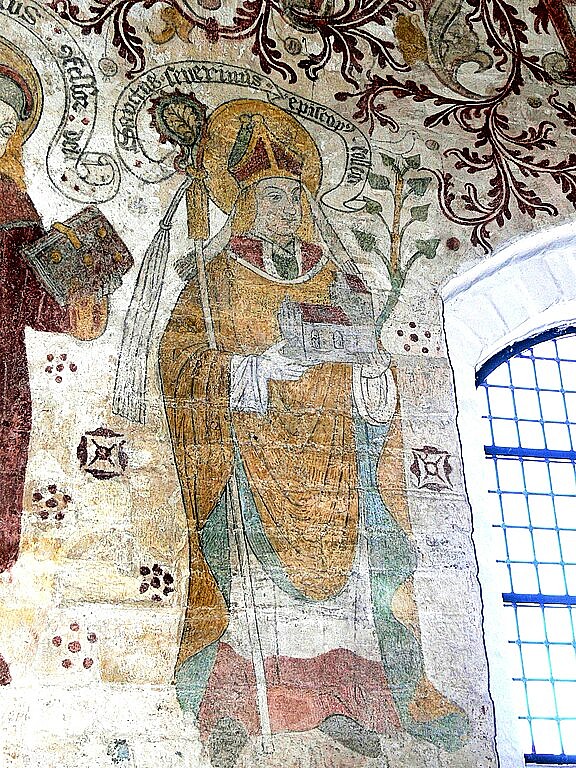
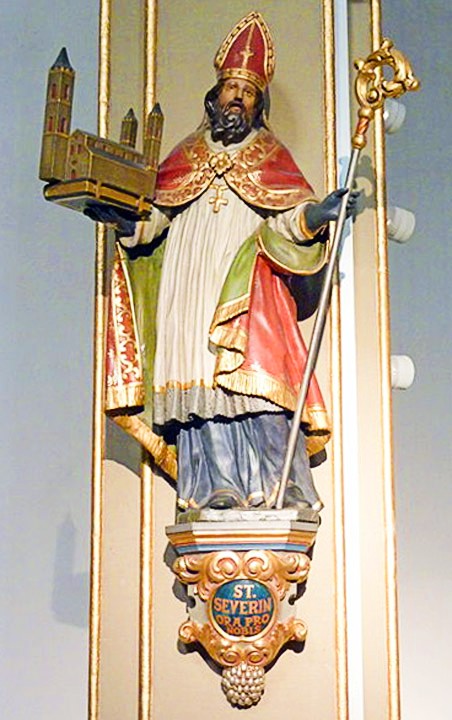
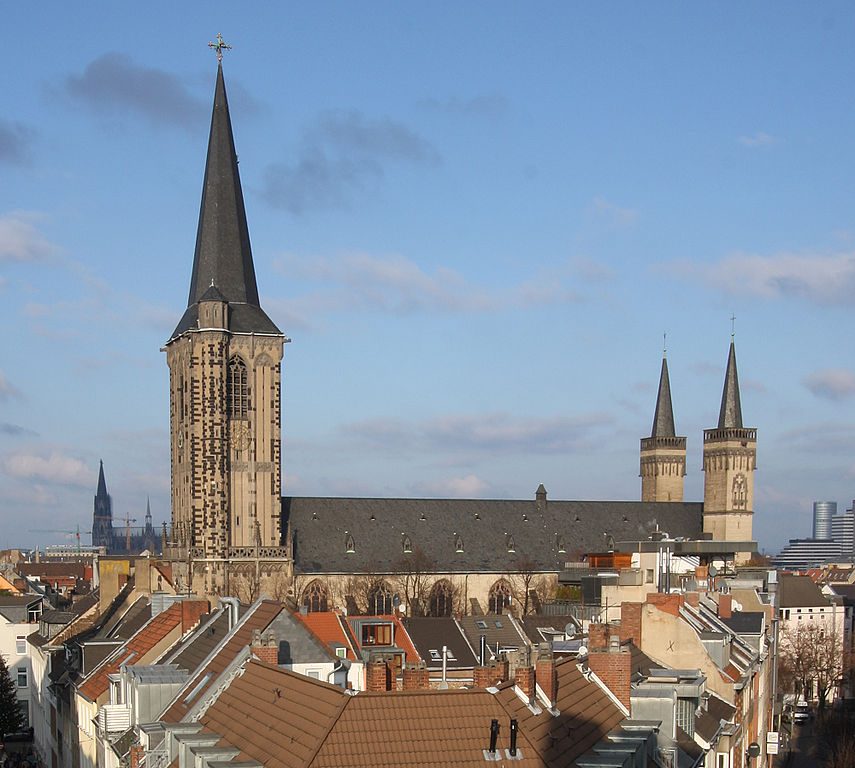
Saint of the Day – 23 October – Saint Severinus of Cologne (c330-c400) the third Bishop of Cologne, Confessor, Defender of the Faith against heretics, Miracle-worker. He heard about the death of St Martin of Tours by the message of Angels’ voices. He founded a Monastery in honour of the Martyrs, Saints Cornelius and Cyprian, which is nowadays the Basilica of St. Severinus. Born in Bordeaux, France and died in c400 of natural causes. Patronages – of Cologne, of weavers, for rain, against natural misfortunes and drought.Also known as – Severin, Severino.
The Roman Martyrology reads: “At Bordeaux, St Severinus, Bishop of Cologne and Confessor.”
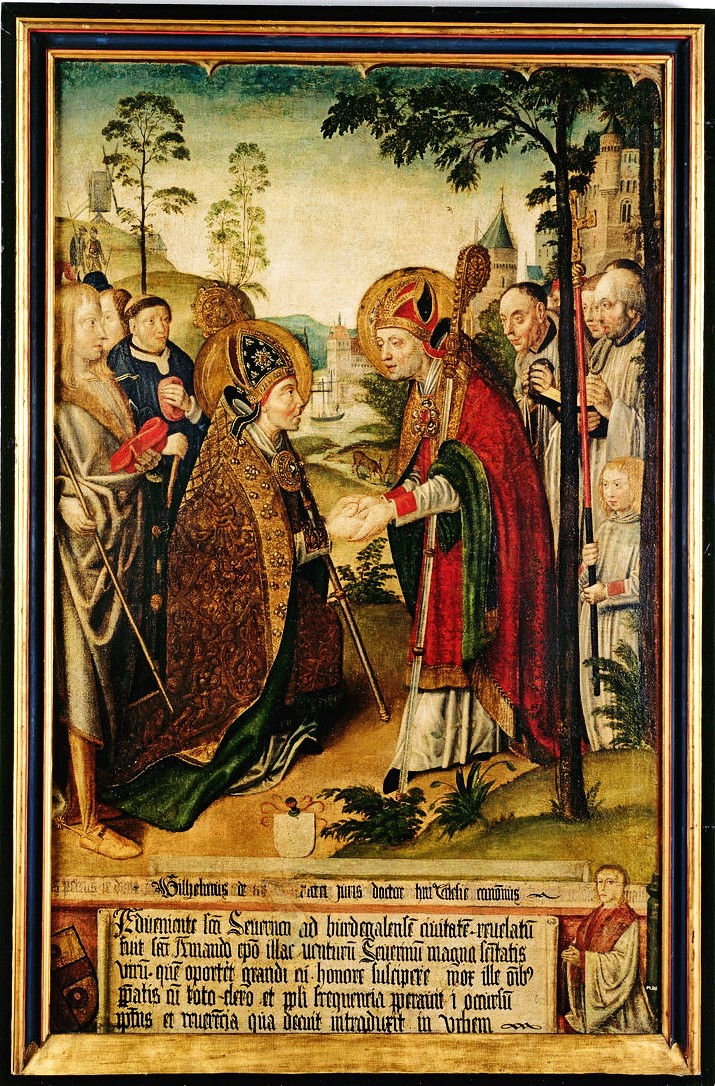
Severinus was taking a walk in a field while still a Priest when he heard a voice tell him he would one day be appointed as the Bishop of Cologne. When he asked when that would happen, he was told when his staff produced buds and flowers. Immediately, he ‘planted’ his staff into the ground, it budded and he was called to Cologne.
The arrival of St Severinus
There are only two written sources which provide clues about Severinus’ life and tenure – ‘The Cologne Bishops’ Lists,‘ which have been created in the early Middle Ages, list him as the third incumbent after St Maternus and St Euphrates.
Furthermore, Saint Severinus is remembered as a great opponent of the spread of the heretical Christological doctrine developed by the Monk and theologian, Arius, commonly called Arianism and condemned in 325 by the Council of Nicaea.
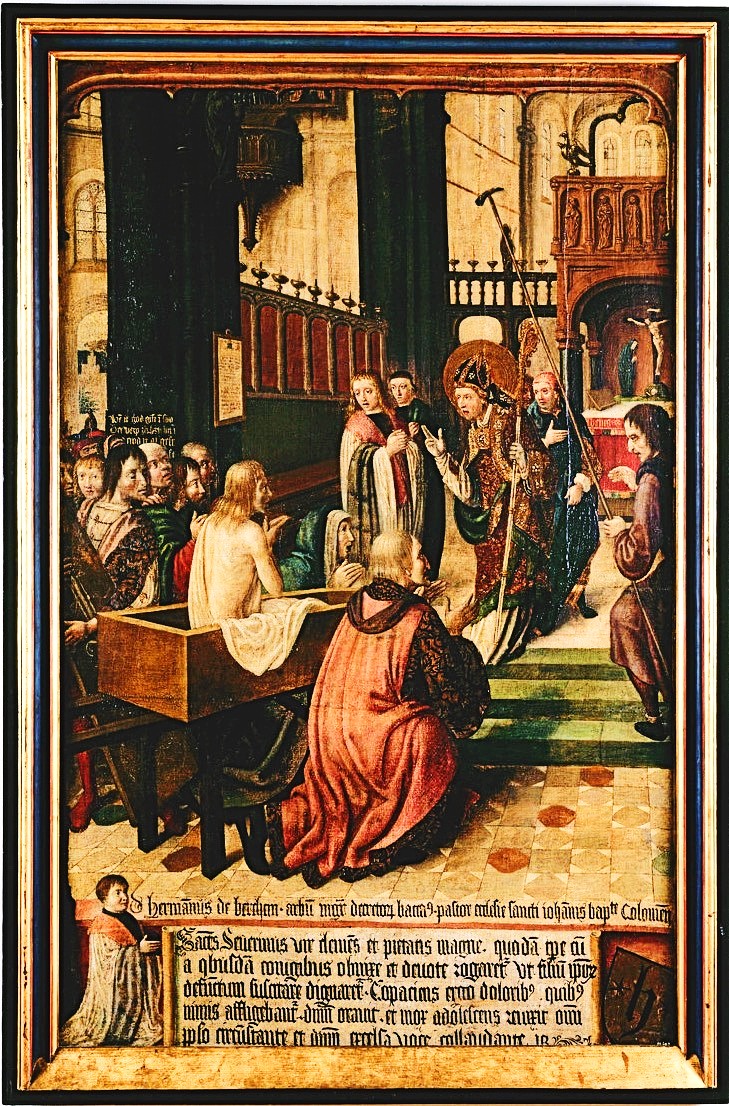
Around 580, Bishop St Gregory of Tours (Episcopate 573-594). also describes the life of his predecessor, St Martin, who died in 396 or 397. It mentions Martin’s death and his soul’s ascension into Heaven, which the Cologne Bishop Severinus experienced in a vision, when he visited the holy sites of his Episcopal City of Cologne with Clerics. From this miraculous record, it can be concluded that Severinus was the Bishop in Cologne at the time of St Martin of Tours’ death. The image below shows one of the many miracles of St Severinus – raising a man from the dead, although we have no account of this great prodigy.
A miracle of St Severinus – the resurrection of a man from the dead
From his death, St Severinus was highly venerated in Cologne. The shrine of St Severinus, built in 1819, is raised in the rear area of the High Choir. In it are the bones of the Saint. Furthermore, a Crucifixsbelonging to our Saint, is preserved in the Church..
In 1999, a reconnaissance of his remains was carried out, during which a document was confirmed which asserts the transfer of the bones of Saint Severino by Bishop Wigfried of Cologne (924-953).
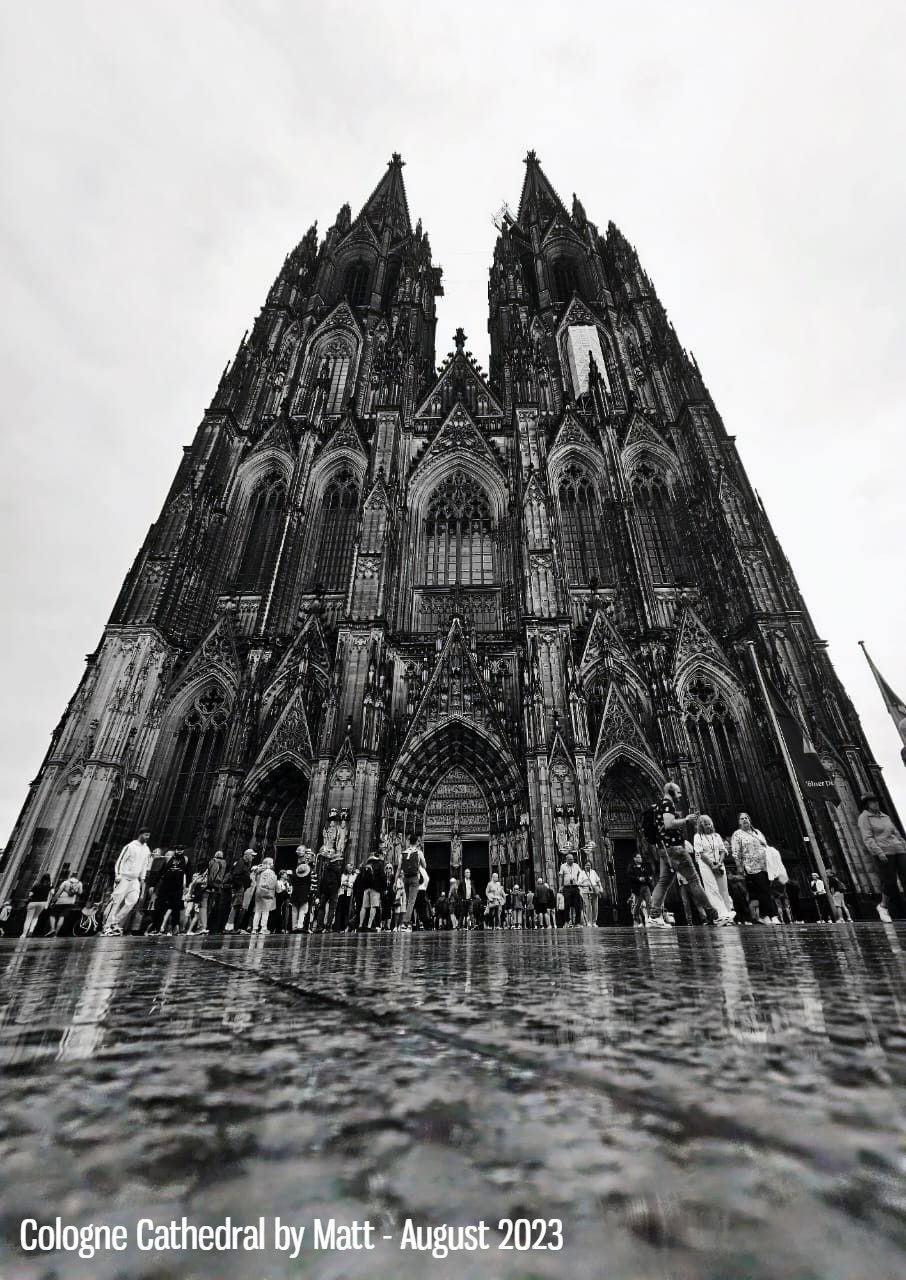
Cologne Cathedral Image by Matt Stenvert August 2023
Feast of the Most Holy Redeemer – The Feast of the Most Holy Redeemer is a Catholic Liturgical Feast. It is celebrated in Venice as the Festa del Redentore. It is also celebrated by the Redemptorists and was celebrated in the City of Rome. The Feast is found only in the special calendar of some Diocese and religious Orders and is celebrated with proper Mass and Office either on the third Sunday of July or on 23 October. https://anastpaul.com/2019/10/23/the-feast-of-the-most-holy-redeemer-23-october/
St Anthony Mary Claret CMF (1807-1870) Known as “The Spiritual Father of Cuba.” In the first years, records show, that he Confirmed 100,000 people and performed 9,000 Sacramental Marriages.Archbishop of Cuba, one of the Fathers of the First Vatican Council,Confessor to the Queen of Spain, Missionary, Founder of the Congregation of Missionary Sons of the Immaculate Heart of Mary, commonly called the Claretians, Confessor, Mystic, Social Reformer, Spiritual Director, Writer, Publisher, Preacher, Apostle of Charity. He was declared venerable by Pope Leo XIII in 1899. He was Beatified in 1934 and in 1950, Canonised by Pope Pius XII. His heart is incorrupt. The 1969 revision of the calendar moved St Anthony Feast to the day of his death, 24 October (from the 23rd) but the 24th is and had been the Feast of Saint Raphael the Archangel since 1921. About St Anthony Mary here: https://anastpaul.wordpress.com/2017/10/24/saint-of-the-day-24-october-st-anthony-mary-claret-1807-1870-cmf/
St Amo of Toul St Arethas of Negran St Benedict of Sebaste St Clether St Domitius St Elfleda St Ethelfleda Sts Germanus and Servandus of Cadiz St Gratien of Amiens Bl Henry of Cologne OP (Died 1225) Priest and Friar of the Order of Preachers, one of the first Disciples of St Dominic St Ignatius of Constantinople
St Severinus of Cologne (c330-c400)Bishop Confessor
St Syra of Faremoutiers St Theodoret of Antioch Blessed Thomas Thwing Priest Martyr Beatified on 15 December 1929 by Pope Pius XI St Verus of Salerno
Martyrs of Nicaea – 3 Saints Euerotas Socrates Theodota
Martyrs of Valenciennes – 6 Beati: A group of Urusuline and Briggittine nuns murdered together in the anti-Christian excesses of the French Revolution. They were guillotined on 23 October 1794 in Valenciennes, Nord, France and Beatified on 13 June 1920 by Pope Benedict XV. Anne-Joseph Leroux Clotilde-Joseph Paillot •Jeanne-Louise Barré Marie-Augustine Erraux Marie-Liévine Lacroix Marie-Marguerite-Joseph Leroux
Saint of the Day – 22 October – Saint Valerius of Langres (Died c411) Archdeacon Martyr. Valerius worked under the saintly Bishop Desiderius of Langres (c307-c356). Died by being beheaded on 22 October c411 near Besancon, France. Also known as – Valière, Valier, Vallier, Valerio. Celebrated on 23 October in the Town named after him, Saint-Vallier
There are different opinions regarding the timescale of the Martyrdom of our Saint . Some believed that it was during the invasion uner Emperor Gallienus (253-68), when the Germanic King Crocus (c260-306) invaded Gaul. Crocus is described as the King of the Vandals. In 260 he led a revolt against the Roman Empire and advanced to Clermont, possibly as far as Ravenna.
The Church historian Louis de Tillemont (1637-1698) believes that St Desiderius was killed on 23 May 411 and his Deacon, St Valerius a few months later, at a time when the country was subject to violence and plundering by invading forces.
After the death of Bishop St Desiderius, Valerius hurriedly gathered the remnants of the Christian congregation and fled by night to the banks of the river Saône. After several months of wandering through the forests, he arrived at Port-Abucin or Port-sur-Saône. This trading Town had made a fortune because it was the last port when going up the Saône.
As soon as the barbarians crossed the Rhine, the Roman road from the Rhine to Langres via Belfort, Luxeuil and Purgerot enabled them to reach Langres and thence to the heart of Gaul in less than four days. The Vandals under Crocus occupied this place, after the conquest of Langres and there they seized Archdeacon Valerius. He was beaten with sticks, pierced with iron nails and finally beheaded on 22 October 411.
The Christians nearby buried his body in the place where he had suffered Martyrdom. His cult spread rapidly in the region. St Desiderius’ successor, as the Bishop of Langres, heard of all the miraculous events which occurred at Valerius’ intercession and immediately proceeded to build a Church on the site of his Martyrdom at Port-sur-Saône.
Saint-Vallier
The Church was remarkable for its size and beneath it lay a crypt which became famous throughout the Country because of all the miracles which happened there. This old Basilica from the 5th Century disappeared and was first replaced by a modest Chapel and in 1836 the current three-nave Basilica was built in the village now called Saint-Vallier. Every year his Feast is celebrated with a great festival on 23 October.
Many Parishes in the Diocese of Chaumont and Langres chose Valerius as their Patron Saint – in Franche-Comté there are three of them, in Doubs and eight in Haute-Saône, among them Barges, Semmadon and Saint-Vallier near Beaujeu.
St Abericus Marcellus St Alodia of Huesca St Apollo of Bawit St Benedict of Macerac St Bertharius of Monte Cassino St Cordula
St Donatus of Fiesole (Died 874) Bishop of Fiesole, Confessor, Irish Nobleman, Monk, Priest, Poet, Writer, Scholar, Professor, Adviser to Emperors Louis the Pious and Lothair I, Founder of San Martino a Mensola Abbey and leader of two military expeditions against the Saracens. His Life: https://anastpaul.com/2020/10/22/saint-of-the-day-22-october-st-donatus-of-fiesole-died-874/
Bl Esclaramunda of Majorca St Hermes of Adrianople St Ingbert St Leothade of Auch
St Moderan of Rennes St Nepotian of Clermont St Nunctus of Mérida St Nunilo of Huesca St Philip of Adrianople St Philip of Fermo St Rufus of Egypt St Symmachus of Capua St Valerius of Langres (Died c411) Archdeacon Martyr St Verecundus of Verona
Martyrs of Heraclea – 4 Saints: A group of four clerics in Heraclea (modern Marmara Ereglisi, Turkey) who were arrested in the persecutions of Diocletian. They were imprisoned, abused and ordered to turn over all the Scriptures they had hidden from authorities; they refused and were executed together. Martyrs. – Eusebius, Hermes, Philip and Severus. They were burned at the stake in 304 in Adrianople (modern Edirne, Turkey).
Martyrs of Adianople: Blessed Alexander Blessed Anna Blessed Elisabeth Blessed Glyceria Blessed Heraclius Blessed Theodota
Saint of the Day – 21 October – Saint Berthold of Parma OSB (c1072-c1106) Lay Brother or “Regular Oblate” Sacristan, Sexton, Guardian of the Relics. Berthold died in c1106 in his early thirties, of natural causes. Also known as – Bertold, Bertoldo. Our Saint’s name from an ancient Germanic source means “famous, illustrious, shining” – is not the only one with this name in the Calendars – lived in Parma.Italy and died in c1106.
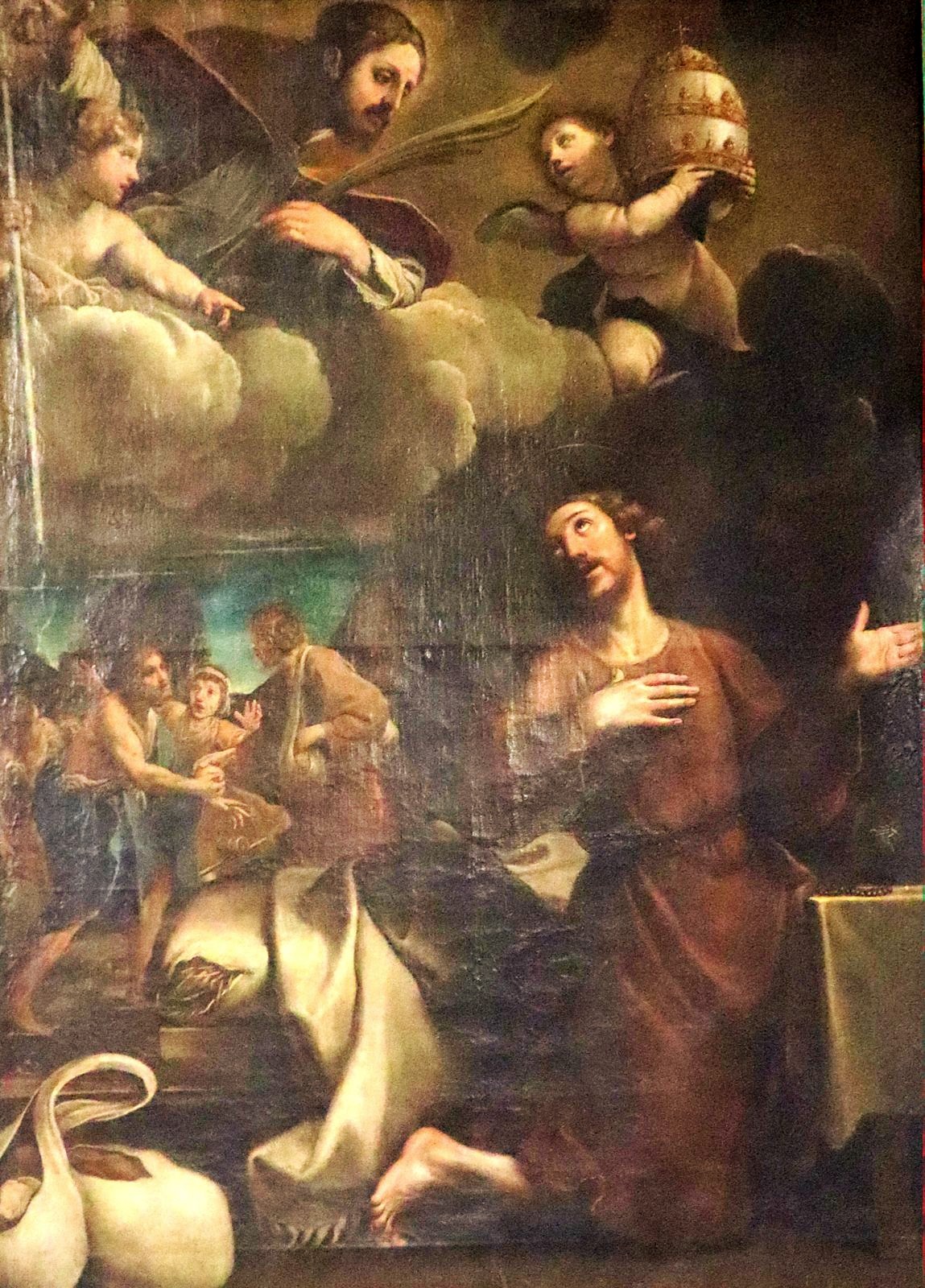
Altarpiece of St Berthold, by Alessandro Tiarini in 1628, in the Church of Sant’Alessandro in Parma
Berthold, was descended from a foreign family – his father, Abbondius, was English, his mother, Berta, was a Briton. They had arrived in Italy, very poor artisans, fleeing the Norman invasion of England in 1066 and initially settled in Milan, where Abbondius practiced the shoemaker’s trade but with little or no success.
They then crossed the Po River, settling in Parma, where their only son, Berthold, was born around 1072. At seven years old, the boy was already working in his father’s shop, helping in the difficult trade. But, at twelve, Berthold abandoned his awl and his blade, to serve the Lord with equal zeal and unchanged humility.
He had to overcome the resistance of his parents, especially his father, who perhaps wished for that only son, the ambition of everything that had been denied to himself in his life. But Berthold’s vocation, despite its simplicity, was stronger than his father’s ambitions and the boy was thus able to change the shoemaker’s shop for the Parma Church of St Alexander, near which there was a Monastery of Benedictine Nuns. Bishop Bernard of Parma commissioned him to serve as a Sexton and Guard the Relics of St Alexander in the Church of the Benedictine Nuns.
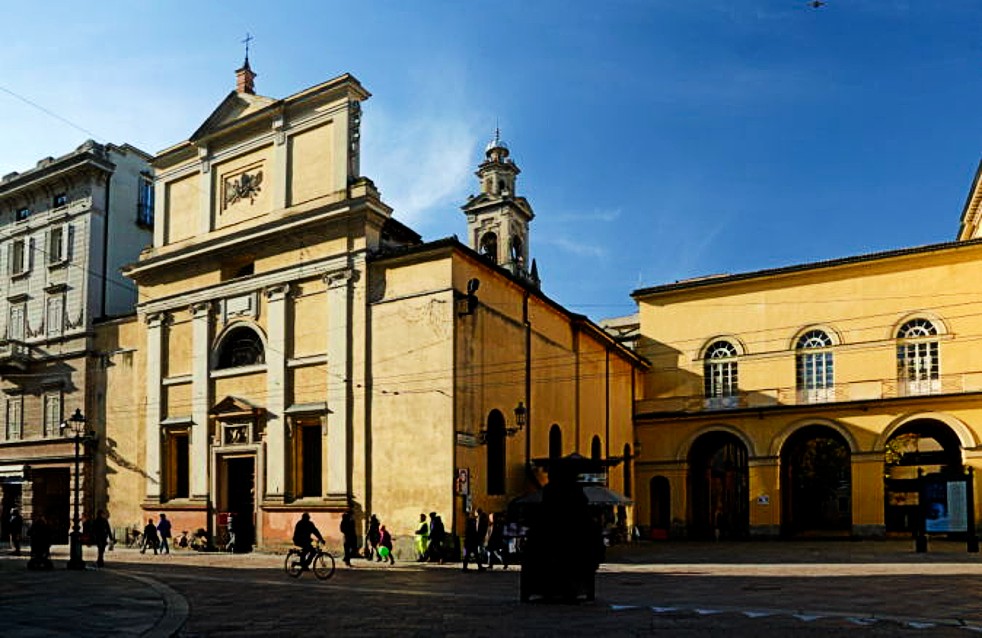
A more comprehensive image of the Church of St Alexander in Parma, showing the Bell Tower and the Convent at the back and side
In the history of religious Orders, Berthold is thus considered a precursor of those Lay Brothers, called Regular Oblates, who later became a normal occurrence – and still are – in Benedictine Abbeys and Monasteries. His duties, in the Church of St Alexander, were those of a Sacristan – a Sacristan who was part of the community and lived its Rule with great zeal.
He lived at the base of the Bell Tower and was awake before dawn, to pray in front of the Altar, after having prepared everything for the first Masses. He wore sackcloth and every Friday he flagellated himself. Always obedient, humble and serene, the Nuns even pointed him out as a model, to the young Novices.
St Alexander’s Church in Parma
With the permission of the Superior, he undertook a pilgrimage to Rome and then to France, where he visited the tomb of St Anthony Abbot, where miracles were attributed to our Saint. And humble, touching miracles were also attributed to him after his return to Parma, where he died still young, while praying, greeted by an insistent flock of bells.
Dear beloved Berthold was buried at his Convent Church of St Alexander, where his Relics still now reside.
Saint Ursula and Companions: (Died c238) Virgin Martyrs This Amazing Story: https://anastpaul.com/2022/10/21/saint-of-the-day-21-october-saint-ursula-and-companions-died-c-238-virgin-martyr/ There are other Saints closely associated with Ursula and her story – travelling companions who were Martyred with her. They are: Antonia of Cologne Cesarius of Cologne Cyriacus of Cologne Daria Fiolanus of Lucca Ignatius of Cologne James of Antioch Mauritius of Cologne Pontius of Cologne Sulpitius of Ravenna Vincent of Cologne Travelling companion, but escaped the massacre: Cunera Led by a dove to the lost tomb of St Ursula: Cunibert of Cologne.
St Agatho the Hermit St Asterius of Périgord St Asterius of Rome St Berthold of Parma OSB (c1072-c1106) Lay Brother or “Regular Oblate” St Celina of Meaux St Cilinia St Condedus St Domnolus of Pouilly St Finian Munnu St Gebizo St Hilarion of Moglena St Hugh of Ambronay St Letizia St Maurontus of Marseilles St Malchus of Syria
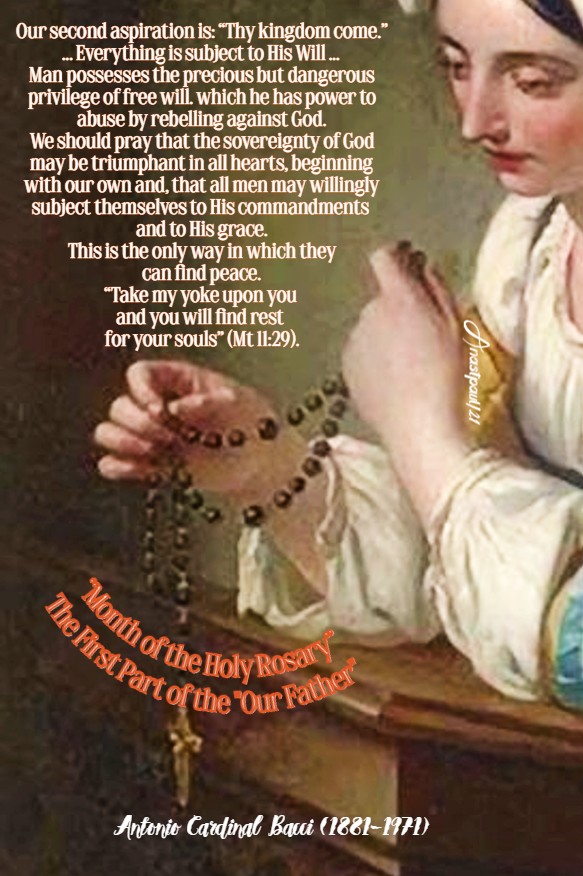
Thought for the Day – 20 October – Meditations with Antonio Cardinal Bacci (1881-1971)
“Month of the Holy Rosary” The First Part of the “Our Father”
“Our second aspiration is: “Thy kingdom come.” It is true, that God reigns over Heaven, earth and the infernal regions. Everything is subject to His Will – the sun, the stars, the birds of the air, the fishes of the sea and the tiniest insects carry out His commands. Even the demons of Hell, who He has condemned to eternal punishment, are obedient to His Will. But what about the human race?
Man possesses the precious but dangerous privilege of free will which he has power to abuse by rebelling against God. We should pray that the sovereignty of God may be triumphant in all hearts, beginning with our own and, that all men may willingly subject themselves to His commandments and to His grace. This is the only way in which they can find peace. “Take my yoke upon you and you will find rest for your souls” (Mt 11:29).
We should pray, moreover, for the Church, which is the Kingdom of God upon earth. We should pray for her peaceful victory over her enemies, who persecute her and impede her work for the salvation of souls. We should love the Church even as we love Jesus Christ, for the Church is His handiwork and the fruit of His Precious Blood.”
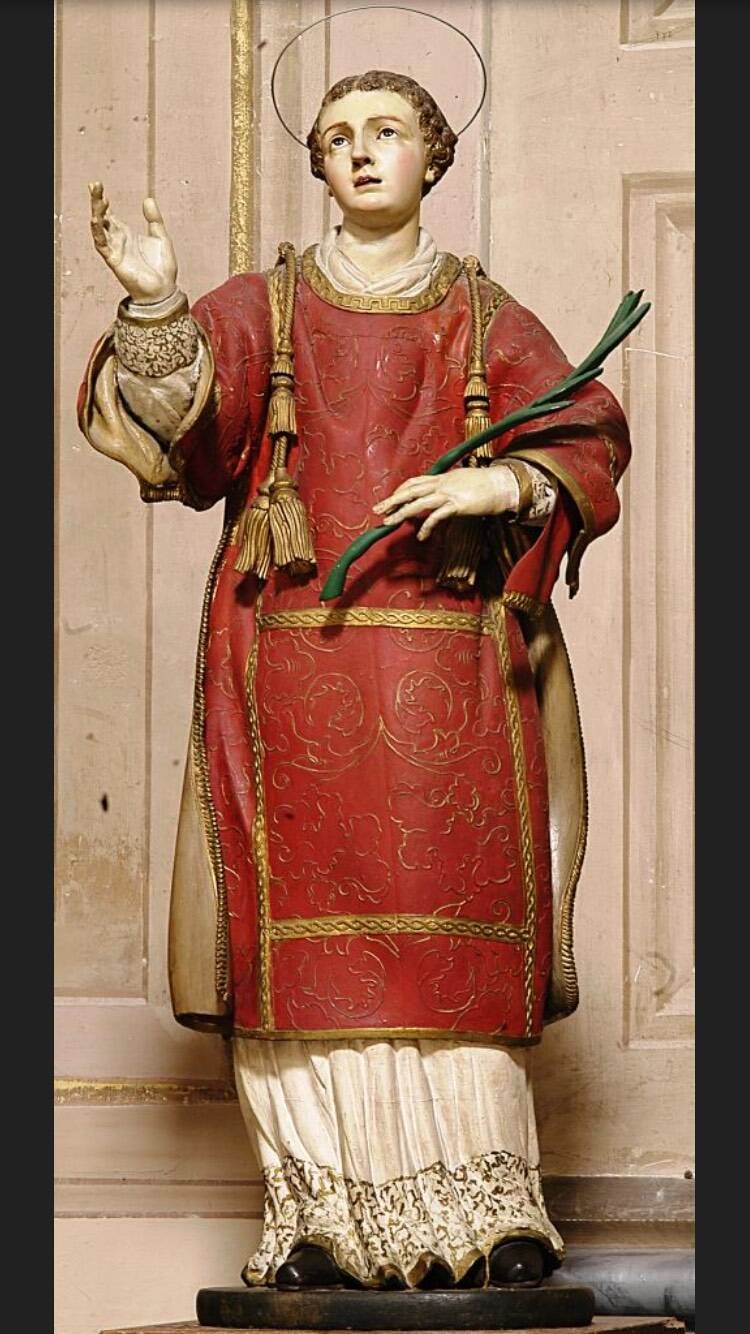
Saint of the Day – 20 October – Saint Maximus of Aquila (c228-c250) Deacon Martyr. Born in c228 in Aveia, Italy and died by being cast off a cliff in Aveia, Italy in c250. Also known as – Maximus of Aveia, Maximus of Naples, Massimo… Additional Memorial – 10 June on which date he is celebrated by a Festival in Aquila (translation of Relics). Maximus is the Main Patron of both the City and Archdiocese of Aquila, L’Aquila and of Penne – Italy.
The Roman Martyrology reads: “At Aveia, near Aquila in Abruzzo, Italy, the birthday of blessed Maximus, Deacon and Martyr, who, through the desire of suffering, presented himself to the persecutors who sought him. After answering with great constancy, he was racked and tortured, then beaten with rods and finally, he died by being precipitated from an elevated place.”
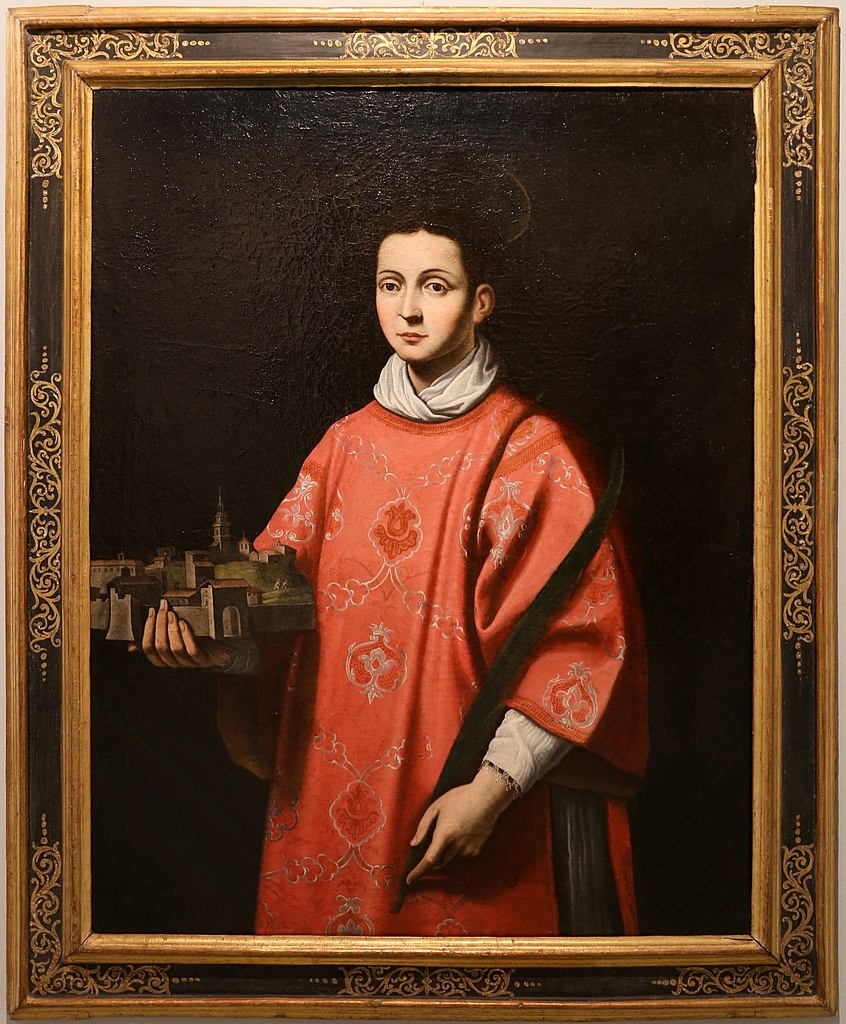
Giulio Cesare Bedeschini, San Massimo, before 1613, from the Archbishopric of L’Aquila.
Maximus was born in the ancient City of Aveia (surrounding L’Aquila) in the first half of the 3rd Century (c228). It seems that he was born into a Christian family as demonstrated by his status as an aspirant to the Priesthood, the Relics of his father, also Maximus and his deposition before the Prefect of Aveia.
During the persecution of Decius which lasted from October 249 to November 251, he was Martyred. From a ‘Passio,’ we know that after various questions from the Governor of the City and the answers of loyalty to Jesus Christ, he was stretched out on the rack and tortured for a long time. The long torture was of no use, however. To dissuade him, the Governor even promised him his daughter, Cesaria, as a bride. The exasperated persecutor ordered Maximus to be thrown from the highest peak, which was called Temple Circle and Tower. Perhaps it was due to this Martyrdom that the City of Aveia (today Fossa) became a Bishopric.
Statue of St Maximus of the Cathedral in L’Aquila (1153)
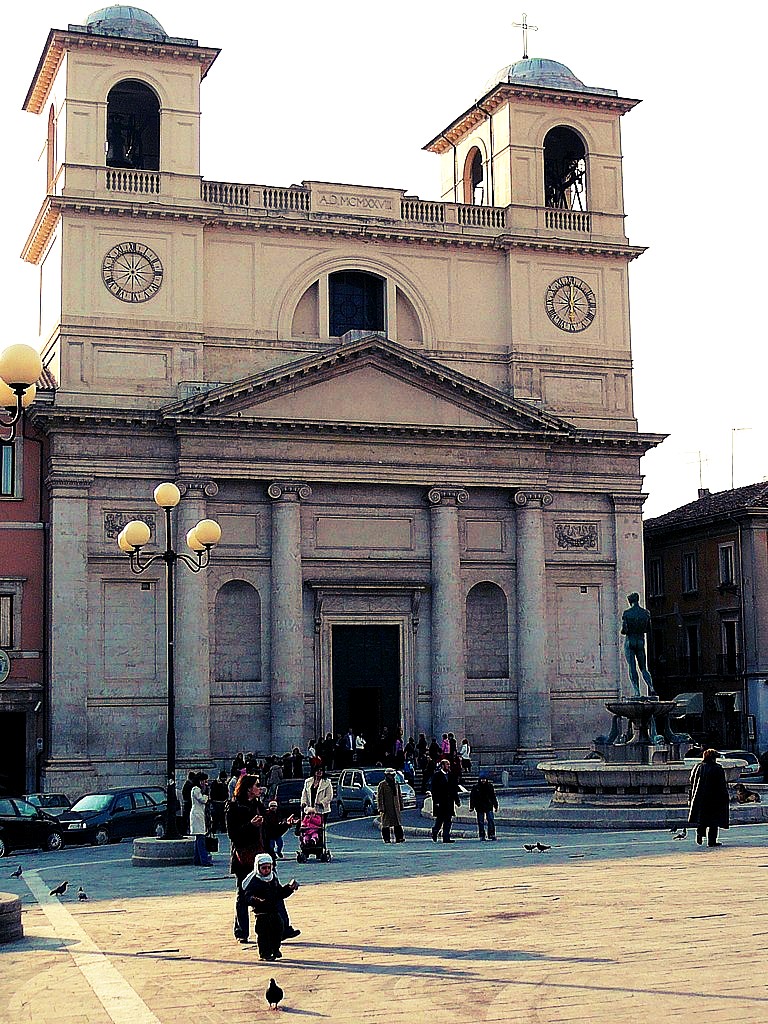
Upon the destruction of Aveia, during an invasion, Maximus’ Relics were taken to a nearby City “City of St Maximus” and, it was here that on 10 June 956, Emperor Otto I the Great and Pope John XII came to venerate the Relics of our Saint. In 1256 the See and the Relics were moved to the newly built City of L’Aquila and were placed in the new Cathedral there which was also dedicated to him.
Note from the local Daily News of L’Auila on some of the Festival Celebrations: Saturday 10 June, at 11am, Holy Chapter Mass at the Church of the Anime Sante, presided over by Canon Sergio Maggioni , Archdeacon of the L’Aquila Chapter, while in the evening, at 9.45pm, the musical event “Galileo Queen Tribute band & DJ set Lorenzo Baglioni” in Piazza San Basilio, with a food and drink area from 7pm organised by Anbra brewery and Bivacco.
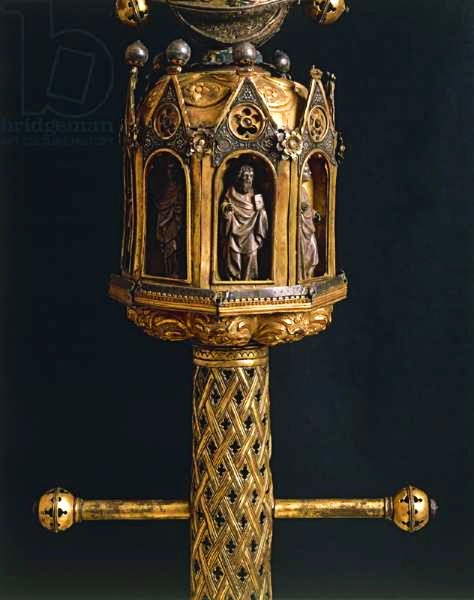
This is the St Maximus’ Processional Cross, in silver, enamel and copper. by Nicola Gallucci da Guardiagrele (1385-1462).
Blessed James Strepar OFM (c 1340-1409) Archbishop of Halicz, Poland from 1392 until his death Religious Priest of the Order of Friars Minor, Missionary. St Pius X proclaimed Blessed James, along with St Anthony of Padua, the Patrons of the Conventual Franciscan Order of Krakow Province. He was given the title of “Protector of the Kingdom, Defender and Guardian of the Homeland,” for his exceptional merits, including civil ones. Such was he considered by all. He was Canonised by by Pope Pius VI on 11 September 1791. His body is incorrupt. His Life: https://anastpaul.com/2020/10/20/saint-of-the-day-20-october-blessed-james-strepar-ofm-c-1340-1409/
St Leopardo of Osimo St Lucas Alonso Gorda St Martha of Cologne + Virgin Martyr St Maximus of Aquila (c228-c250) Deacon Martyr St Orora St Saula of Cologne + Virgin Martyr St Sindulphus of Rheims St Usthazanes St Vitalis of Salzburg
Saint of the Day – 19 October – Saint Varus and Six Companions (Died c307) Martyrs, Soldier. Died in c307 by being tortured and then hanged from a tree on 19 October 307 in Kemet, Upper Egypt. Also known as – Uaros.
The Roman Martyrology reads: “In Egypt, St Varus, Solder under the Emperor Maximinus. He used to visit and comfort seven saintly Monks, detained in prison, when one of them happening to die, he wished to take his place and having suffered cruel afflictions, with them, he obtained the Palm of Martyrdom.”
At the time of Emperor Maximian Valerius (c250-c310), the soldier Varus took an interest in the fate of six Hermit Monkss in Egypt, who had been imprisoned due to the ongoing persecution of Christians.
It seems that initially, there were seven Hermits but one of them died upon arrest, or according to other sources, he died during harsh imprisonment. It is known, however, that Varus, who went to comfort them, declared himself a Christian and expressed the desire to replace the seventh deceased hermit. For this reason, he was immediately condemned to be flagellated and then torn to pieces with hooks, it was around 307.
The next day, it was the turn of the six Hermits, whose names are unknown. After having refused to make sacrifices to the gods, they were subjected to various torments, in particular, to a long and bloody flagellation which caused their death. Another source says that after the flagellation, they were led outside the City to be beheaded.
The cult of Saint Varus and the six Hermits remained unknown in the West and their names were absent in the various medieval Martyrologies. However, they were inserted on 19 October in the Roman Martyrology, compiled in the 16th Century.
The body of the Soldier Varus, was collected by a pious woman named Cleopatra, also a Saint, who buried him in a safe place at her home. Once the persecution passed, she left for her home country of Palestine, secretly taking the Relics of the Martyr with her, for which she had a Church built at Mount Thabor. In that same place, Cleopatra had her son, buried, who had died shortly after arriving in Palestine and arranged to be buried there herself.
St Altinus St Aquilinus of Evreux St Asterius of Ostia St Beronicus of Antioch St Desiderius of Longoret St Ednoth St Ethbin St Eusterius of Salerno St Frideswide St Laura of Cordoba St Lucius of Rome St Lupus of Soissons St Pelagia of Antioch
Saint of the Day – 18 October – Saint Gwen of Talgarth (463-c492) Widow, mother, founder of a Church in Talgarth. Born in 463 and died in c492 murdered by pagan Saxons at Talgarth, Wales. Also known as – Wenna (Cornish), Gwen of Tagarth, Gwen of Teirbron, Wite, Blanche, Candida, Genuissa, Wenna, Wenn. The name ‘Gwen’ means ‘white, pure, holy’ hence the derivatives of her name most meaning ‘white.’ (The name stands alone, i.e. it is not necessarily a short form of Gwendolyne and other versions of this name.) Her story, however. is greatly confused with another Saint of the same name.
Gwen is said to have been one of the many daughters of the famous, semi-legendary Saint King Brychan of Brycheiniog (Brecknock) (5th Century), King of the Christian Kingdom of Brecknock in south Wales. She was thus the sister of Saint Cledwyn (Clydwyn) and a number of other Saints. She is on both the older and later lists of Brychan’s children.
In the Life of St Brychan, she is unmarried but other sources list her as the wife of Llyr Merini and mother of Caradog Freichfras. She founded the Church at Talgarth in Brecknockshire. She is said to have been the Queen of Elmet, a Kingdom centered in Loidis, nortbern England (Leeds) and was a widow when, according to the various recprds, she was “killed by the heathen Saxons” around the year 492 in Talgarth. She was buried at Talgarth. Her memorial day is 18 October.
Another Saint of the same name who also lived at the same time is celebrated on the same day, namely Saint Gwen of Cornwall, who was the sister of Saint Non of Wales and thus the aunt of Saint David , the Patron Saint of Wales. She was married to Saint Selyf, King of Cornwall and it is claimed that she was the mother of Saint Cybi of Holyhead and, according to one version, also Saint Cadfan. Clodfaith, an alleged daughter of Brychan, is also said to have been a Saint in Talgarth as well as in Emlyn. Browne Willis and others have a Gwendeline in Talgarth but the real dedication is to our St Gwen.
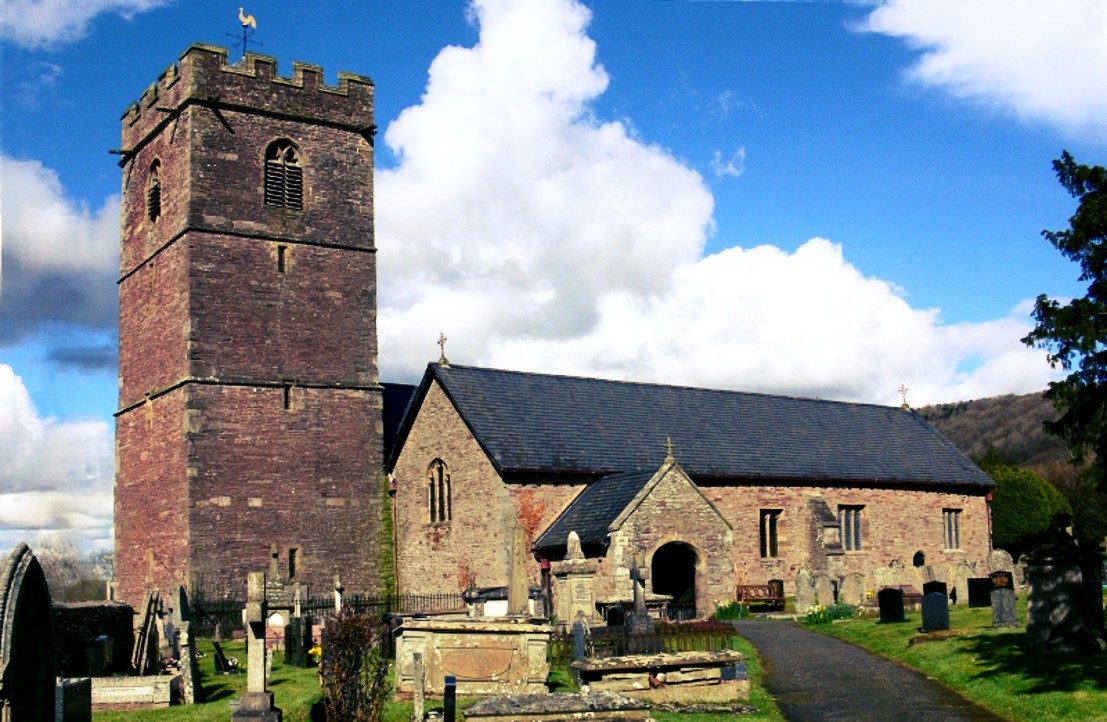
The medieval St Gwendoline’s Church, Talgarth, is said to occupy the site where St Gwen was buried.
St Asclepiades of Antioch St Athenodorus (Died c269) Bishop Martyr the brother of St Gregory Thaumaturgus. St Brothen Bl Burchard I St Cadwaladr of Brittany Bl Domenico of Perpignano St Eutychius of Pozzuoli St Gwen St Gwen of Talgarth (463-c492) Widow St Gwendoline
Bl Margherita Tornielli St Monon of Nassogne St Proculus of Pozzuoli Bl Theobald of Narbonna St Tryphonia of Rome
Martyrs of Africa – 9 Saints: A group of Christians Martryed together in Africa. The only details that have survived are the names – Beresus, Dasius, Faustinus, Leucius, Lucius, Martialis, Victoricus, Victrix and Viktor. They were Martyred in c300 in Africa.
Saint of the Day – 17 October – Saint Florentinus of Orange (Died c526) Bishop of Orange in in Vaucluse, France now in the Diocese of Avignon, between c527-524, Miracle-worker. Born on an unknown date in Tours, France and died in c526 in Orange, Provence, France of natural causes. Also known as – Florent, Florentius, Fiorenzo, Florence, Florencio. Patronages – Fiorenzuola d’Arda, in Italy and Orange.
The Roman Martyrology reads: “At Orange, in France, St Florentinus, Bishop, who died leaving a reputation for many virtues.”
Florentinus was born in the 5th Century and received monastic training. He was undoubtedly Abbot of the Clastre Monastery in a suburb of Orange (on the site of the current Convent of the Nativity).
He was elected Bishop of this City after the year 500. He continued the restoration of the Diocese, damaged by incessant barbarian invasions and the reconstruction of its Churches.
In 509 the City was taken by the Ostrogoths and its inhabitants deported with their Bishop to Fidentia near Piacenza in Italy. But this captivity was short-lived, thanks to the intervention of BishopSt Caesarius of Arles (470-542) with King Theodoric.
In 517, Florentinus was present at the Council of Epaone (Albon) against Arianism and at the Councils of Lyon and Arles of 524. He died before 527.
The people of Orange have always preserved the memory of his holiness and his pastoral zeal, his goodness, his self-sacrifice and his charity, as have the people of Fiorenzuola d’Arda, in Italy, who chose him as their Patron in recognition of his benefits. This relates to the miracle worked there during his pilgrimage to Rome, when he stopped in Fiorenzuola d’Arda, where he performed the extraordinary miracle of bringing a deceased child back to life
Florentinus’ Relics are shared between the Cathedral of Avignon and that of Puy and between the Churches of Fiorenzuola, Laussonne (Haute-Loire) and Saint-Florent d’Orange, where he is venerated as one of the protectors of the City and the former Diocese.
St Ethelbert of Eastry St Ethelred of Eastry St Florentinus of Orange (Died c526) Bishop Bl Gilbert the Theologian St Heron of Antioch Bl Jacques Burin St John the Short/Dwarf St Louthiern St Mamelta of Persia St Nothelm of Canterbury St Richard Gwyn St Rudolph of Gubbio St Rufus of Rome St Serafino of Montegranaro St Solina of Chartres St Victor of Capua St Zosimus of Rome
Martyrs of Nicomedia – 3 Saints: A group of Christians Martyred in the persecutions of Diocletian. The only details about them that have survived are their names – Alexander, Marianus and Victor. 303 in Nicomedia (in modern Turkey).
Martyrs of Valenciennes -5 Beati: A group of Ursuline nuns Martyred in the persecutions of the French Revolution. Hyacinthe-Augustine-Gabrielle Bourla Jeanne-Reine Prin Louise-Joseph Vanot Marie-Geneviève-Joseph Ducrez Marie-Madeleine-Joseph Déjardins
Martyrs of Volitani: A group of Martyrs who were praised by Saint Augustine of Hippo. In Volitani, proconsular Africa (in modern Tunisia).
















 AnaStpaul
You must be logged in to post a comment.