Quote/s of the Day – 3 March – The First Thursday of Lent – Isias 38:1-6, Matthew 8:5-13
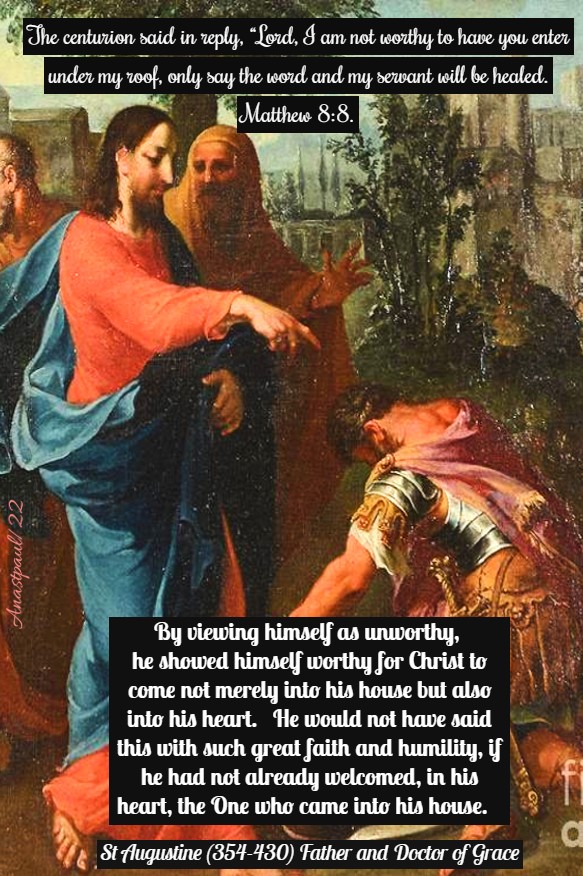
“The centurion said in reply, “Lord, I am not worthy to have you enter under my roof; only say the word and my servant will be healed.”
Matthew 8:8
“Take my yoke upon you and learn from me, for I am meek and humble of heart and you will find rest for your souls…”
Matthew 11:29
“Whoever exalts himself will be humbled and whoever humbles himself will be exalted.”
Matthew 23:12
“For the Master of humility, both by word and example, sat down also, in the house of a certain proud Pharisee, Simon and although He sat down in his house, there was no place in his heart. For in his heart. the Son of Man could not lay His head.”
St Augustine (354-430) Father and Doctor of Grace
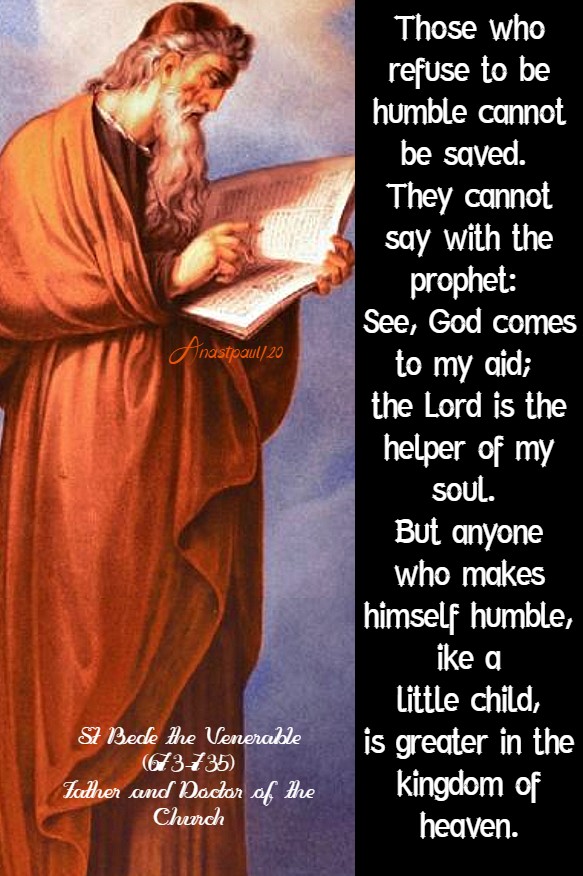
“Those who refuse to be humble cannot be saved. They cannot say with the prophet: See, God comes to my aid; the Lord is the helper of my soul. But anyone who makes himself humble, like a little child, is greater in the kingdom of heaven.”
St Bede the Venerable (673-735) Father and Doctor if the Church
“ … If you die with Him, you shall also likewise live with Him. If you are His companion in punishment, so shall you be in glory.”
Thomas à Kempis (1380-1471)
“Humility is not just about self-mistrust but about the entrusting of ourselves to God. Distrusting ourselves and our own strength produces trust in God and from that trust, generosity of soul is born.”
One Minute Reflection – 3 March – The First Thursday of Lent – Isaiah 38:1-6, Matthew 8:5-13
“The centurion said in reply, “Lord, I am not worthy to have you enter under my roof, only say the word and my servant will be healed.” – Matthew 8:8.
REFLECTION – “When the Lord promised to go to the centurion’s house to heal his servant, the centurion answered, “Lord, I am not worthy to have you come under my roof but only say the word, and my servant will be healed.” By viewing himself as unworthy, he showed himself worthy for Christ to come not merely into his house but also into his heart. He would not have said this with such great faith and humility, if he had not already welcomed, in his heart, the One who came into his house. It would have been no great joy for the Lord Jesus to enter into his house and not to enter his heart. For the Master of humility, both by word and example, sat down also in the house of a certain proud Pharisee, Simon and although he sat down in his house, there was no place in his heart. For in his heart the Son of Man could not lay his head.” – St Augustine (354-430) Father and Doctor of Grace (Sermon 62)
PRAYER – O God, offended by sin and appeased by penitence, graciously hear the prayers of Your people as they entreat You, to turn away from us the scourges of anger that we have deserved because of our sins. Through Jesus Christ, Thy Son our Lord, Who lives and reigns with Thee, in the unity of the Holy Ghost, God, world without end. Amen (Collect).
Our Morning Offering – 3 March – The First Thursday of Lent
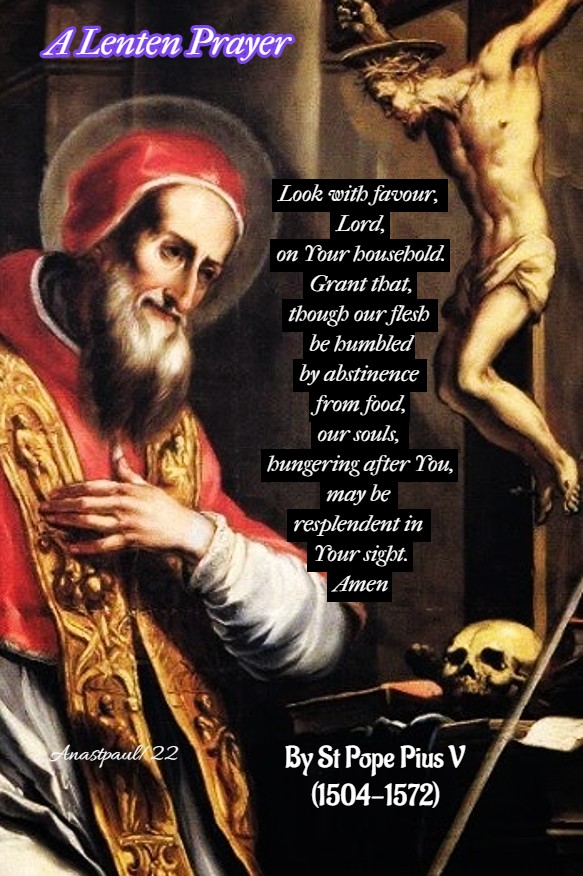
A Lenten Prayer By St Pope Pius V (1504-1572)
Look with favour, Lord, on Your household. Grant that, though our flesh be humbled by abstinence from food, our souls, hungering after You, may be resplendent in Your sight. Amen
St Pius V is the Pope of the Council of Trent, the Counter Reformation, the excommunication of Elizabeth I for Heresy and persecution of English Catholics and of the Battle of Lepanto, amongst many other illustrious and holy achievements.
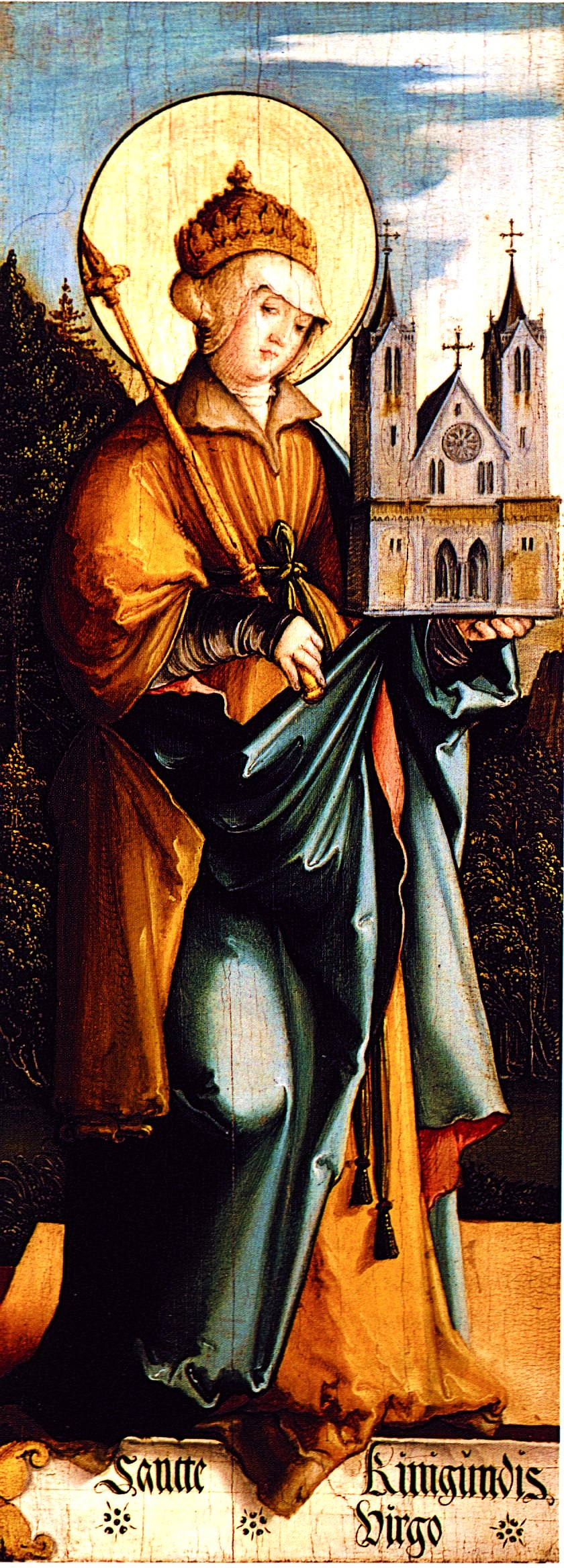
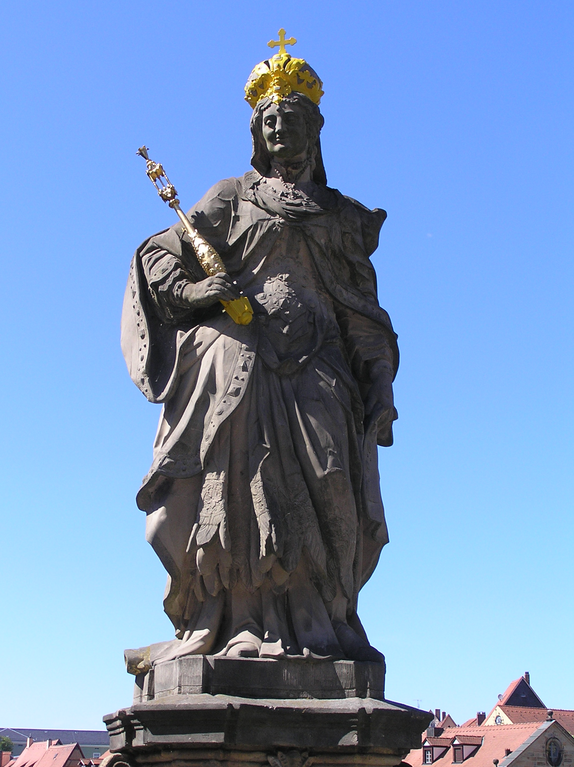
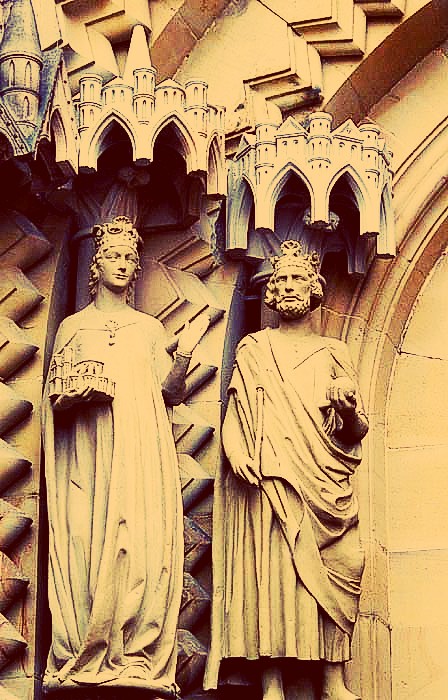
Saint of the Day – 3 March – St Cunegundes (c 975-1040) Empress of the Holy Roman Empire, Nun, she took a vow of Virginity before her marriage, which, after a miracle was upheld by her husband, the King (also a Saint). Founder of Monasteries and Churches, Nun in one of her Convents, Apostle of Charity. Born in c 975 and died in 1040 of natural causes. Patronages – Bamberg, Germany, Archdiocese of, Luxembourg, Lithuania.Also known as – Cunegundes of Luzembourg, Chunigundis, Cunnegunda, Cunigunde, Cunegonda, Kinga, Kunegunda, Kunigunde.
Saint Cunegundes was the daughter of Siegfried I, one of eleven children. Siegfried was the first Count of Luxemburg and his pious wife was Hadeswigee. From her cradle, her virtuous parents instilled into their daughter the most tender sentiments of piety.
When she was of an age to marry, they chose for her spouse Saint Henry, Duke of Bavaria, who at the death of the Emperor Otto III, was named King of Bavaria and the Holy Romans and was crowned on 6 June 1002. Queen Cunegundes was crowned at Paderborn on Saint Laurence’s day.
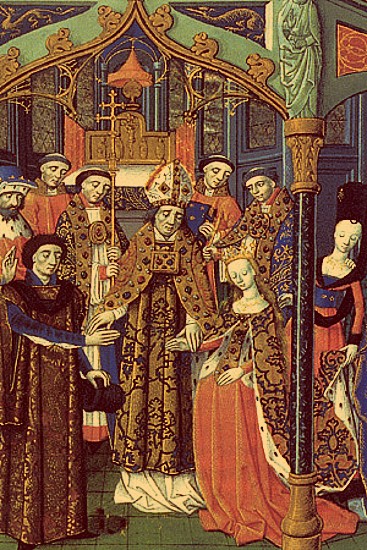
In the year 1014 she went with her husband to Rome and they received the Imperial Crown from the hands of Pope Benedict VIII. With Saint Henry’s consent, before their marriage, she had made a vow of perpetual Virginity. Afterwards, certain vile accusations were made against her chastity and the holy Empress, to remove the scandal of such a slander, trusting in God to prove her innocence, walked over red-hot ploughshares without being hurt. The Emperor in turn, renounced and condemned, his own too scrupulous fears and credulity and from that time on, they lived in the strictest union of heart, working together to promote piety and God’s honour in every sphere.
The Crowning of Sts Henry and Cunegonde’s by Pope Benedict VIII
Going once to make a retreat in Hesse, Saint Cunegonde’s fell dangerously ill and she made a vow to found a Monastery at Kaffungen, in the Diocese of Paderborn, if she recovered. This she executed in a stately manner and gave it to Nuns of the Order of Saint Benedict. Before it was finished, Saint Henry died in 1024. She earnestly recommended his soul to the prayers of the empire and especially to her dear Nuns and expressed her longing desire to join the Sisters.
She had already exhausted her treasures in founding Bishoprics, Churches and Monasteries and in relieving the poor, and she had, therefore,little left to give. But intending to embrace perfect evangelical poverty, to renounce all things in order to serve God without obstacle, she assembled a great number of prelates at the dedication of her Church of Kaffungen, on the anniversary day of her husband’s death in 1025. After the Gospel was sung at Mass, she offered on the Altar a relic of the True Cross and then, putting off her imperial robes, clothed herself with a poor habit. Her hair was cut off and the Bishop gave her the Veil and a ring as a pledge of her fidelity to her heavenly Spouse.
After Cunegonde’s was consecrated to God in religion, she seemed to forget entirely that she had been an Empress and served as the least in the Convent, being persuaded that she was such, before God. She prayed and read a great deal, worked with her hands and took singular pleasure in visiting and comforting the sick. In this way, she passed the last fifteen years of her life.
When her last hour was drawing near, perceiving that they were preparing a cloth fringed with gold to cover her corpse after her death, she ordered it to be taken away and she could not rest until the promise was given, that she would be buried as a poor religious in her Habit. She died on the 3rd of March, 1040. Her body was carried to Bamberg and buried near that of her husband. She was solemnly Canonised by Pope Innocent III, in 1200.
St Anselm of Nonantola St Arthelais of Benevento Bl Benedetto Sinigardi da Arezzo St Calupan St Camilla St Cele-Christ St Cunegundes (c 975-1040) Empress of the Holy Roman Empire, Nun
St Foila Bl Frederick of Hallum St Gervinus Bl Innocent of Berzo Bl Jacobinus de’ Canepaci St Lamalisse St Non
Bl Pierre-René Rogue St Sacer St Teresa Eustochio Verzeri St Titian of Brescia St Winwallus of Landévennec
40 Martyrs in North Africa – A group of Christians martyred together in North Africa, date unknown. No details have survived, but we know these names – Antonius, Artilaus, Asclipius, Astexius, Basil, Bosimus, Carissimus, Castus, Celedonius, Claudianus, Cyricus, Donata, Emeritus, Emeterius, Euticus, Felix, Fortunatus, Frunumius, Gajola, Georgius, Gorgonius, Hemeterus, Isicus, Janula, Julius, Luciola, Luciolus, Marcia, Marinus, Meterus, Nicephorus, Papias, Photius, Risinnius, Sabianus, Savinianus and Solus
Martyrs of Pontus – 3+ Saints – A large group of Christians Martyred together in the persecutions of Emperor Maximian Galerius and governor Ascleopiodato. We have some details on three of them – Basiliscus, Cleonicus and Eutropius. 308 in Pontus (in modern Turkey) Martyrs of Caesarea; Asterius Marinus
Martyrs of CalahorraL Cheledonius Emeterius
Martyrs of Gondar, Ethiopia: Bl Antonio Francesco Marzorati Bl Johannes Laurentius Weiss Bl Michele Pío Fasol
Thought for the Day – 2 March – Meditations with Antonio Cardinal Bacci (1881-1971)
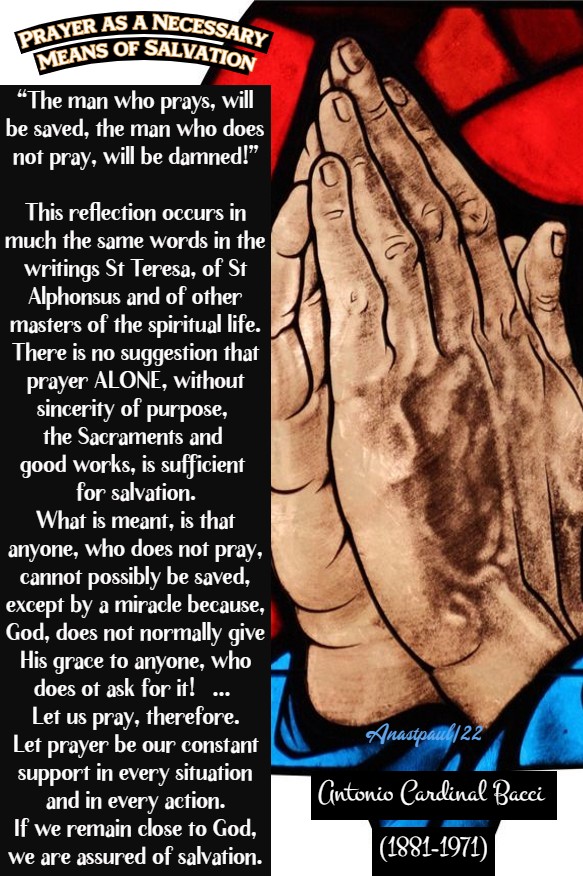
Prayer as a Necessary Means of Salvation
“The man who prays, will be saved, the man who does not pray, will be damned!” This reflection occurs in much the same words in the writings St Teresa, of St Alphonsus and of other masters of the spiritual life. There is no suggestion that prayer ALONE, without sincerity of purpose, the Sacraments and good works, is sufficient for salvation. What is meant, is that anyone, who does not pray, cannot possibly be saved, except by a miracle because, God, does not normally give His grace to anyone, who does ot ask for it! Even though the soul has grown indifferent and submerged in sin, if it does not abandon the habit of praying, it will sooner or later, be overcome by remorse and will turn again to God. St John Chrysostom teaches us, that it is impossible for anyone, who prays fervently and consta\ntly, to fall and remain in serious sin.
Let us pray, therefore. Let prayer be our constant support in every situation and in every action. If we remain close to God, we are assured of salvation. As long as we remain united to Our Lord, His grace will pervade our souls. But, if we sever this bond of prayer with God, we shall be alone and helpless and shall fall into sin. This has been the sad experience of many before us.”
Ash Wednesday – 2 March – Our Lenten Journey with the Great Fathers Begins
“In the face of my darkness, You are Light. In the face of my mortality, You are Life.”
St Gregory of Narek (950-1003) Father & Doctor of the Church
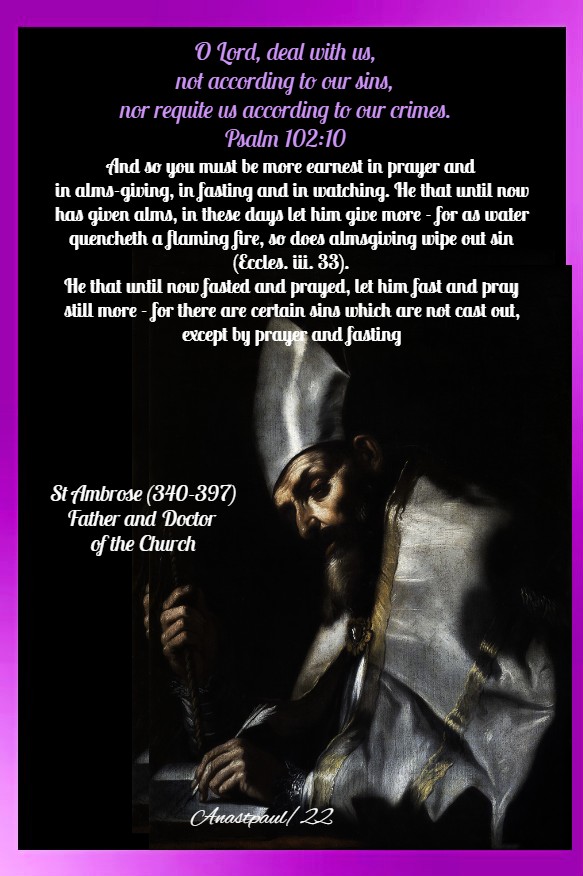
“O Lord, deal with us, not according to our sins, nor requite us according to our crimes.”
Psalm 102:10
BEHOLD, DEARLY BELOVED, the Sacred days are drawing near, the acceptable time, of which it is written – Behold, now is the acceptable time. behold, now is the day of salvation (II Cor vi) And so you must be more earnest in prayer and in alms-giving, in fasting and in watching. He that until now has given alms, in these days let him give more – for as water quencheth a flaming fire, so does almsgiving wipe out sin (Eccles. iii. 33). He that until now fasted and prayed, let him fast and pray still more – for there are certain sins which are not cast out, except by prayer and fasting (Mc. xvii. 20).
SHOULD ANYONE CHERISH ANGER towards another, let him forgive from his heart. Should anyone take, unjustly what belongs to another, let him restore it and if not fourfold, at least that which he has taken, if he desires God to be merciful to himself (Lk. xix. 8).
AND although a Christian should abstain at all times from cursings and revilings, from oaths, from excessive laughter and from idle words, he must do this especially in these holy days, which are set apart, so that during these forty days, he may, by Penance, wipe out the sins of the whole year!
MAY YOU BELIEVE and believe firmly, that if, in these days, you have made a thorough Confession of your sins and done Penance as we have told you, you shall receive from Our Most Merciful Lord, the pardon of all your offences, as did the Ninivites, who earned deliverance from their afflictions by doing penance in sackcloth and ashes (Jn. iii).
So you also, following their example, if you cry out with all your heart to the Lord, you will invoke His Mercy on you, so that, serene and joyful, you will celebrate the day of the Lord’s Resurrection and, thus blessed, you will, after this life, cross over to your heavenly home, by the grace of Our Lord Jesus Christ, Who with the Father and the Holy Ghost livest and reignest, world without end. Amen. – St Ambrose (340-397) Bishop of Milan. Father and One of the Four Original Doctors of the Latin Church
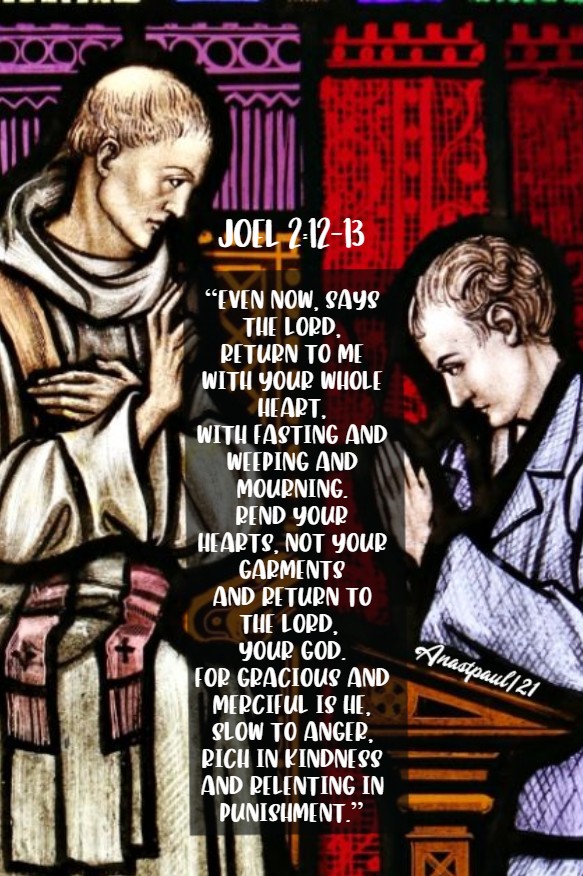
“Even now, says the LORD, return to me with your whole heart, with fasting and weeping and mourning. Rend your hearts, not your garments and return to the LORD, your God. For gracious and merciful is he, slow to anger, rich in kindness and relenting in punishment.”
Joel 2:12-13
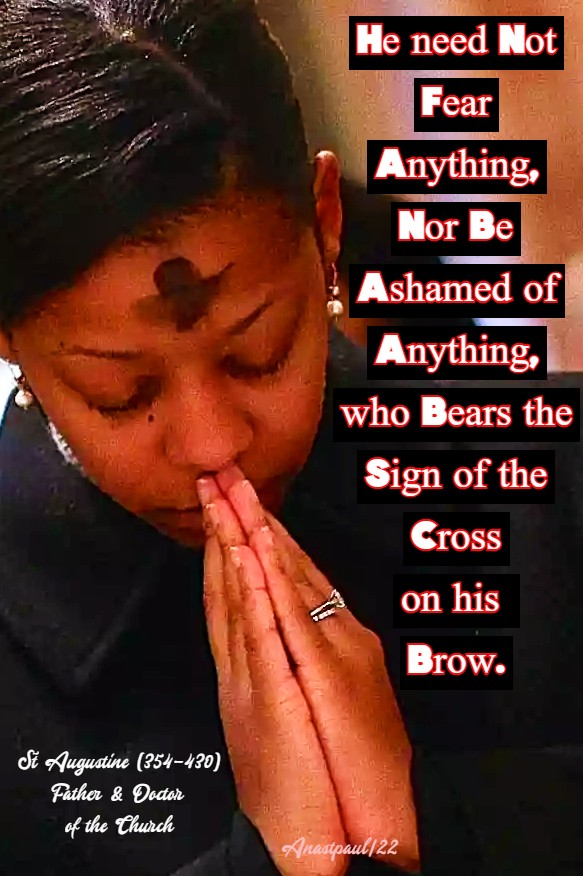
“He need not fear anything, nor be ashamed of anything, who bears the Sign of the Cross on his brow.”
“Fasting is the soul of prayer, mercy is the lifeblood of fasting. Let no-one try to separate them, they cannot be separated. If you have only one of them, or not all together, you have nothing! So if you pray, fast; if you fast, show mercy; if you want your petition to be heard, hear the petition of others. If you do not close your ear to others, you open God’s ear to yourself.”
St Peter Chrysologus (c 400-450) Father & Doctor of the Church
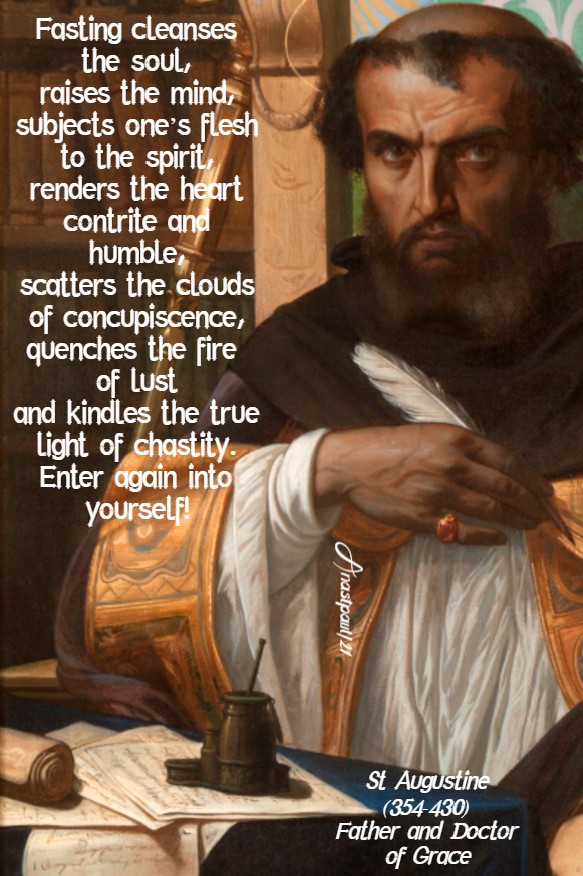
“Fasting cleanses the soul, raises the mind, subjects one’s flesh to the spirit, renders the heart contrite and humble, scatters the clouds of concupiscence, quenches the fire of lust and kindles the true light of chastity. Enter again into yourself!”
St Augustine (354-430) Father & Doctor of the Church
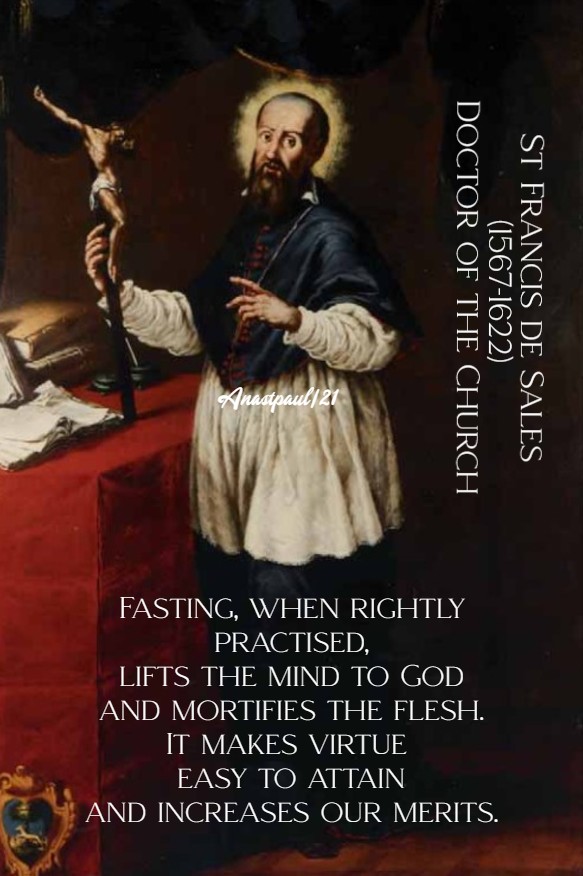
“Fasting, when rightly practised, lifts the mind to God and mortifies the flesh. It makes virtue easy to attain and increases our merits.”
St Francis de Sales (1567-1622) Doctor of the Church
One Minute Reflection – 2 March – Ash Wednesday –Joel 2:12-19, Matthew 6:16-21
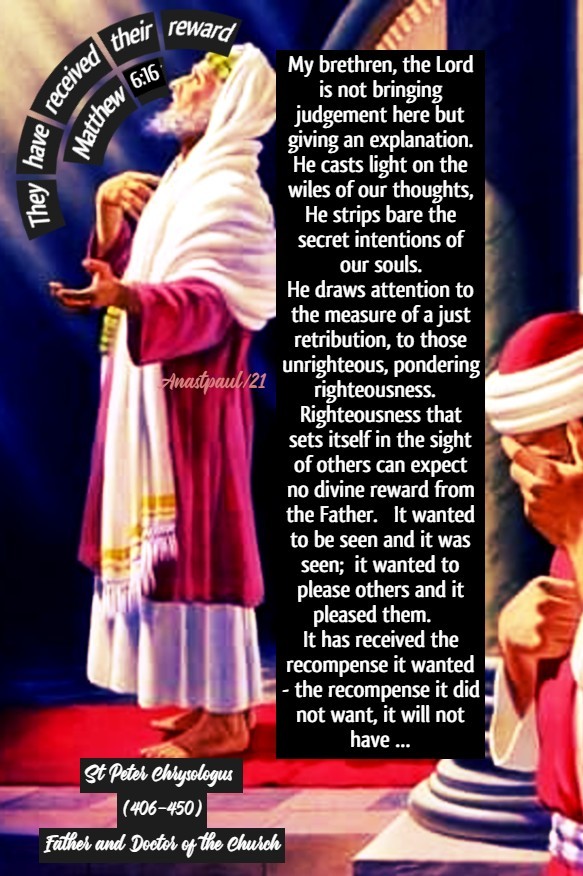
“They have received their reward” – Matthew 6:16
REFLECTION – “Take care not to perform righteous deeds in order that people may see them.” Why not? If people see them then what will you get out of them? “You will have no recompense from your heavenly Father.”My brethren, the Lord is not bringing judgement here but giving an explanation. He casts light on the wiles of our thoughts, He strips bare the secret intentions of our souls. He draws attention to the measure of a just retribution, to those unrighteous, pondering righteousness. Righteousness that sets itself in the sight of others can expect no divine reward from the Father. It wanted to be seen and it was seen; it wanted to please others and it pleased them. It has received the recompense it wanted – the recompense it did not want, it will not have …
“When you give alms, do not blow a trumpet before you, as the hypocrites do.” “Blow your trumpet” – this is the exact phrase in that this kind of alms is more like a deed of war than of peace. It passes wholly into its sound but has nothing to do with mercy. It comes from the land of disunion but has not been nourished by goodness. It is a dealing in outward show, not chaste commerce …. “So, then, when you give alms, do not blow a trumpet before you as the hypocrites do in the synagogues and in the streets to win the praise of others. Amen, I say to you, they have received their reward.” You have taken good note: – alms offered at a meeting, in public square and street corners, is not an offering made for the comforting of the poor but has been set forward in the sight of others to attract their admiration … Flee hypocrisy, my brethren, flee from it …. It does not bring comfort to the poor; the groans of the homeless but is only a pretext for it, to seek out even more busily, a spectacular glory for itself. It inflates its praise of the suffering of the poor. – St Peter Chrysologus (406-450) Bishop of Ravenna, Father and Doctor of the Church (Sermon 9).
PRAYER – Grant, O Lord, that Your faithful people may, with true piety, undertake the time-honoured custom of fasting and may carry it out with unwavering devotion. Through Jesus Christ, Thy Son our Lord, Who lives and reigns with Thee, in the unity of the Holy Ghost, God, world without end. Amen (Collect).
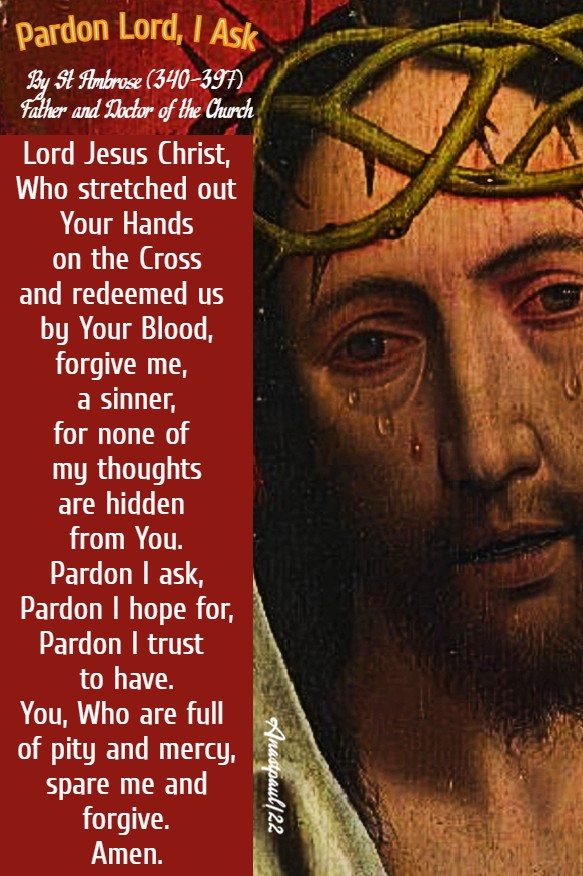
Pardon Lord, I Ask By St Ambrose (340-397) Father and Doctor of the Church
Lord Jesus Christ, Who stretched out Your Hands on the Cross and redeemed us by Your Blood, forgive me, a sinner , for none of my thoughts are hidden from You. Pardon I ask, Pardon I hope for, Pardon I trust to have. You, Who are full of pity and mercy, spare me and forgive. Amen.
Saint of the Day – 2 March – Saint Luke Casali of Nicosia (Died c 800) Priest, Abbot Born in Nicosia, Sicily, Italy and died in c 800 at the Monastery of Saint Philip in Agira, Sicily, Italy of natural causes. Also known as – Luke Casalius, Lucad Casali. Lucad of Nicosia. Patronages – Nicosia, Sicily, Italy.
The Roman Martyrology reads: “In Agíra in Sicily, Saint Luke Casale of Nicosía, a Monk, full of humility and virtue.”
Luke Casali was born in Nicosia in Sicily in the ninth century. At around the age of twelve, he was led by a Monk to the Monastery of Santa Maria Latina di Agira, where he took the Habit and was later Ordained Priest. He grew up and lived endowed with spiritual virtues and the population of the faithful willingly went to the Monastery to consult him.
In adulthood he was elected Abbot of the Monastery of Agira, but he refused the position out of humility. However, the Monks did not surrender and asked the Pope to intervene. Luke then accepted out of obedience.
Years passed, in which he showed great humility and prudence in the office of Abbot, until he was struck by blindness but this serious limitation, especially for those times, did not stop him and he continued to carry out his apostolate, by being accompanied in his travels by his confreres.
His holiness was revealed to the incredulous Monks, when one day, returning from Nicosia where he had visited his relatives, he was made to believe that he had a large crowd of faithful in front of him and he began to preach. But there was no-one before him and the place was deserted! At the end of the sermon, he gave the blessing, to which the stones responded with a resounding “Amen!” Faced with this prodigy, the Monks who accompanied him, asked him for forgiveness.
He died a holy death in sanctity and peace in the Monastery of Agira,and was buried in the Church of St Philip. His fame as a Saint grew so much, that his body was placed in the same urn as St Philip of Agira, a great Exorcist Priest, who died in Agira around 453. Later the memory of his sepulchre was lost but the cult continued. In 1575 at the end of the plague epidemic, the people and the Senate of the City of Nicosia, in gratitude to St Luke Casali, decided to celebrate his feast at the expense of the Municipality, asking the Pope to recognise him as the Patron saint of the City.
Twenty years later in 1596, during some renovations, the remains of sSt Luke Casali, of St Eusebius, a Monk and of St Philip of Agira, evidently hidden at the time of the Saracen invasions,were found. On that occasion, St Luke’s birthplace Nicosia, asked for and obtained, a relic of the holy Abbot, which was received with great solemnity.
For the rest, the historical sources concerning hSt Luke differ; the year of his death according to some scholars is in the year c 900. others say around 1164, however, he seems to have lived before the Arab invasions in Sicily, which began in 827. Even the religious Order to which he belonged is questioned, there are those who consider him a Benedictine, others a Basilian. But, none of these details truly matter. St Luke’s efficacious intercession has been experienced by the faithful of Nicosia for centuries – he is always there to help when needed and the City celebrates him each year on his Feast Day today.
Bl Charles the Good St Cynibild of Laestingaeu Bl Engelmar Unzeitig St Felix of Treves St Fergna the White Bl Girolamo Carmelo di Savoia St Gistilian St Joavan of Brittany St John Maron St Jovinus the Martyr St Lorgius of Caesarea St Lucius of Caesarea St Luke Casali of Nicosia (Died c 800) Priest Abbot St Quintus the Thaumaturge St Slebhene St Troas St Willeic
Martyrs of Campania – Approximately 400 northern Italian Christians Martyred for their faith by pagan Lombards. Their story was recorded by Pope Saint Gregory the Great, who reports that they people spent their final days supporting each other with prayer. c 579 in Camnpania, Italy.
Martyrs of Porto Romano – 4 Saints – Group of Christians Martyred in the persecution of Diocletian. The only other information that survives are the names of four of them – Heraclius, Januaria, Paul and Secondilla. c305 at Porto Romano at the mouth of the River Tiber, Rome.
The beloved Foster-Father and Guardian of Jesus and Protector of the Holy Family, is celebrated for this whole month and his Feast Day falls in the middle of it – 19 March.
“Joseph shines among all mankind by the most august dignity, since by divine will, he was the Guardian of the Son of God and reputed as His father among men. Hence it came about, that the Word of God was humbly subject to Joseph, that He obeyed him and that He rendered to him, all those offices that children are bound to render to their parents. From this two-fold dignity flowed the obligation which nature lays upon the head of families, so that Joseph became the Guardian, the Administrator and the legal Defender of the Divine house, whose chief he was. And, during the whole course of his life ,he fulfilled those charges and those duties. … It is, then, natural and worthy, that as the Blessed Joseph ministered to all the needs of the Family at Nazareth and girt it about with his protection, he should now cover, with the cloak of his heavenly patronage and defend the Church of Jesus Christ.
“Quamquam Pluries” – On the Devotion to St Joseph –Pope Leo XIII
On 10 March, we begin the Novena to St Joseph, entrusting so many of our woes and cares to his holy and fatherly care and intercession. His Patronages are numerous, as we know, one of them will fit our needs perfectly and if not, then we should all ask him to intercede on our behalf for our families and for a Happy and Holy Death. On the 19th we pray the Consecration to St Joseph.
Patronages • against doubt and hesitation • accountants • all the legal professions • bursars • cabinetmakers • carpenters • cemetery workers • children • civil engineers • confectioners • craftsmen • the dying • teachers • emigrants • exiles • expectant mothers • families • fathers • furniture makers • grave diggers • happy death • holy death • house hunters • immigrants • joiners • labourers • married couples • orphans • against Communism • pioneers • social justice • travellers • the unborn • wheelwrights • workers • workers • Catholic Church • Oblates of Saint Joseph • for protection of the Church • Universal Church • Americas • Austria • Belgium • Bohemia • Canada • China • Croatian people • Korea • Mexico • New France • New World • Peru • Philippines • Vatican City • VietNam • Canadian Armed Forces • Papal States • 46 Diocese • 26 cities • states and regions.
“In him the Old Testament finds its fitting close. He brought the noble line of patriarchs and prophets to its promised fulfilment. What the divine goodness had offered as a promise to them, he held in his arms.
Obviously, Christ does not now deny to Joseph that intimacy, reverence and very high honour which He gave him on earth, as a son to His father. Rather, we must say, that in Heaven, Christ completes and perfects, all that He gave at Nazareth.” – St Bernardine of Siena (1380-1444) (An excerpt from his On Saint Joseph [Sermon 2])
A few last-minute sowing plans for the garden of our souls. Planting virtue and good habits and ascending that steep hill, day-by-day, with love, faithfulness and perseverance. Accompanying our Saviour on His Journey of our Redemption:
Five Rows of Squash:
Squash gossip
Squash indifference
Squash unkindness
Squash temper
Squash the idols of greed and lust
Six Rows of Peas:
Prayer
Penance
Perseverance
Purity
Patience
Politeness
Seven Heads of Lettuce:
Let us be unselfish
Let us be charitable
Let us be obedient
Let us be truthful
Let us be gentle and kind
Let us be repentant
Let us be renewed
No garden is complete without Turnips:
Turn up for Daily Mass
Turn up fo Eucharistic Adoration
Turn up for Daily Morning and Night Prayer
Turn up for Spiritual reading on Breathing Catholic 🤗🙏💘
Conclude with Thyme:
Thyme with God, thyme for fasting, thyme for generosity and care of the poor, the sick, the suffering.
Water daily with patience Feed with love The Beloved Saviour will provide the growth.
Thought for the Day – 1 March – Meditations with Antonio Cardinal Bacci (1881-1971)
The Apostolate of Prayer
“Everybody cannot be an Apostle in the strict sense of the word. Not everyone can dedicate his whole life to the expansion of God’s Kingdom upon earth and to the conversion of pagans, heretics and sinners. Everyone can, however, do a little in this cause. Perhaps you cannot leave your family as the missionaries do and travel to distant lands to extend the Kingdom of God. Perhaps you cannot enter a Convent or dedicate yourself to God as a Priest or a Religious because you have not received this high vocation from God. We know, however, that each one of us has some responsibility for his neighbour and must help him whenever possible. “Go surety for your neighbour according to your means ” (Eccles 29:20).
Now, the ‘Apostleship of Prayer’ offers everybody a simple way of doing exactly this. Its object is to promote the glory of God and the salvation of souls, especially by means of prayer in union with the Sacred Heart of Jesus and the Immaculate Heart of Mary. Besides prayer, we must offer the actions and sufferings of each day. Let us decide to become one, with all the faithful, in offering the prayers and actions and sufferings of each day to the Sacred Heart of Jesus, through the Immaculate Heart of His Mother Mary.
We shall certainly receive showers of graces, both for ourselves and for the salvation of the souls of our neighbours.”
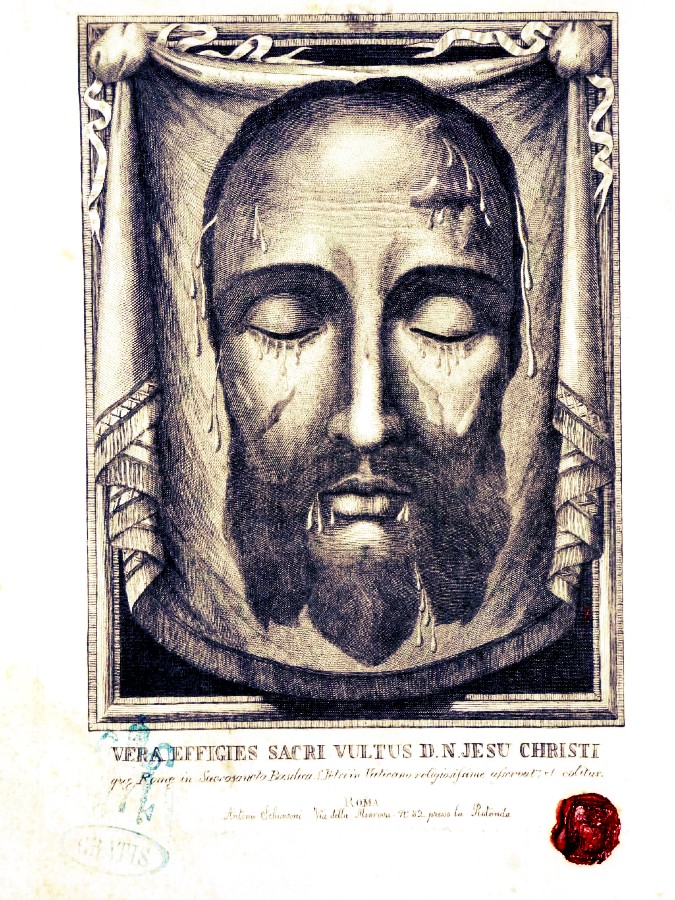
Quote/s of the Day – 1 March – Feast of the Holy Face and Shrove Tuesday
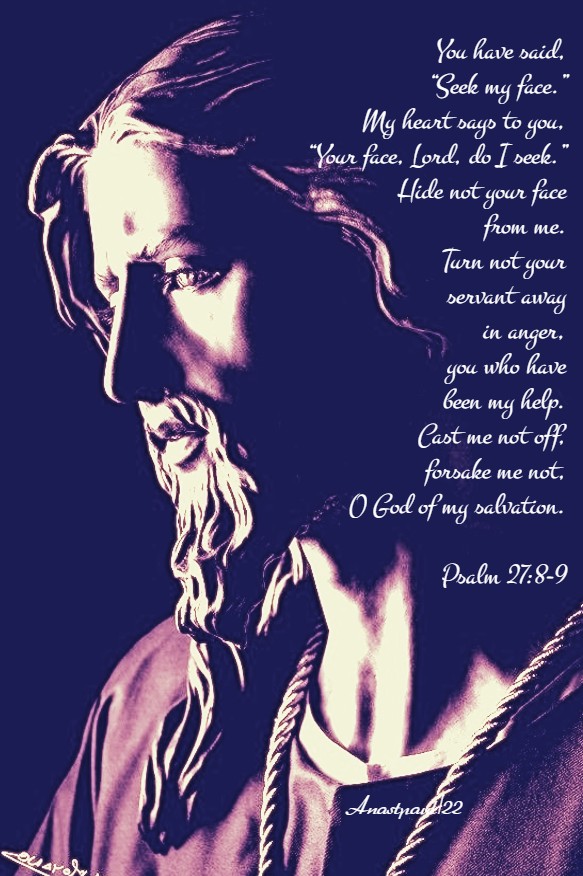
“You have said, “Seek my face.” My heart says to you, “Your face, Lord, do I seek.” Hide not your face from me. Turn not your servant away in anger, you who have been my help. Cast me not off, forsake me not, O God of my salvation.”
Psalm 27:8-9
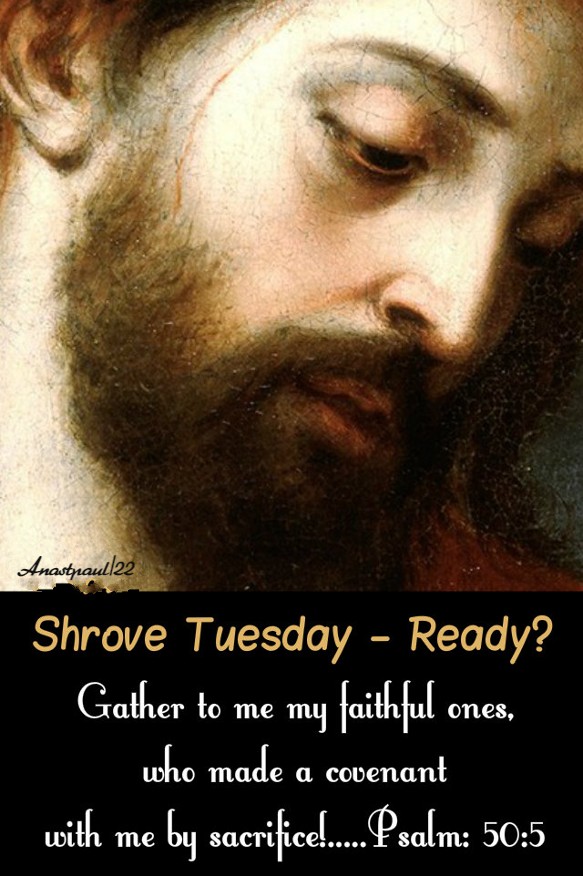
“Gather to me my faithful ones, who made a covenant with me by sacrifice!”
Psalm: 50:5
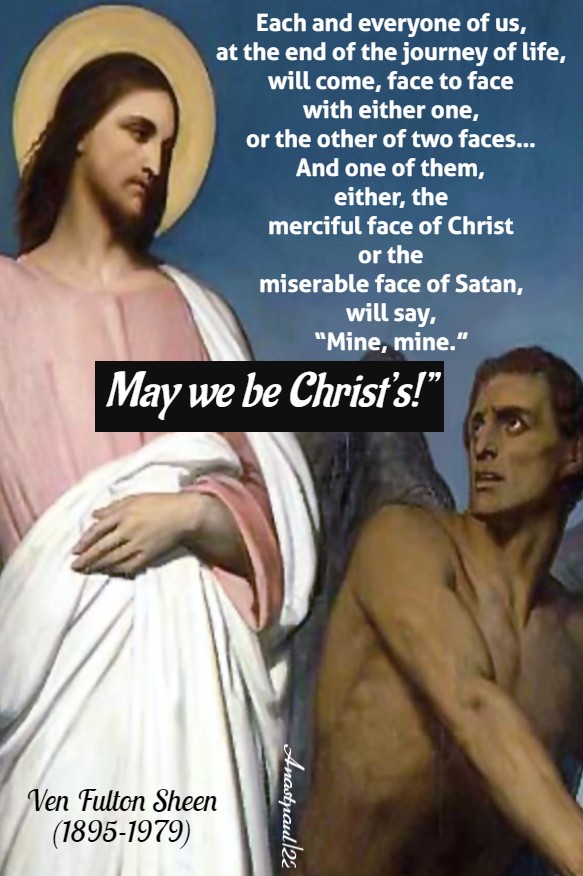
“Each and everyone of us, at the end of the journey of life, will come, face to face with either one, or the other of two faces… And one of them, either, the merciful face of Christ or the miserable face of Satan, will say, “Mine, mine.”
One Minute Reflection – 1 March – Feast of the Holy Face and Shrove Tuesday – 1 Corinthians 13:1-13, Luke 18:31-43
“And at once, he received his sight and followed Him, glorifying God.” – Luke 18:43
REFLECTION – “The commandment of the Lord shines clearly, enlightening the eyes. Receive Christ, receive power to see, receive your Light, that you may plainly recognise both God and man. More delightful than gold and precious stones, more desirable than honey and the honeycomb is the Word that has enlightened us. How could He not be desirable, Who illumined minds buried in darkness and endowed, with clear vision “the light-bearing eyes” of the soul? Sing His praises, then, Lord and make known to me Your Father, Who is God. Your Word will save me, Your song instruct me. I have gone astray in my search for God but now that You light my path, Lord, I find God through You and receive the Father from You, I become co-heir with You, since You were not ashamed to own me as Your brother. Let us, then, shake off forgetfulness of Truth, shake off the mist of ignorance and darkness that dims our eyes and contemplate the true God, after first raising this song of praise to Him: “All hail, O light!” For upon us, buried in darkness, imprisoned in the shadow of death, a heavenly Light has shone, a Light of a clarity surpassing the sun’s and of a sweetness, exceeding any this earthly life can offer.” – St Clement of Alexandria (c 150-c 215) Thelogian, Philosopher , Father (Exhortation to the Greeks, 11).
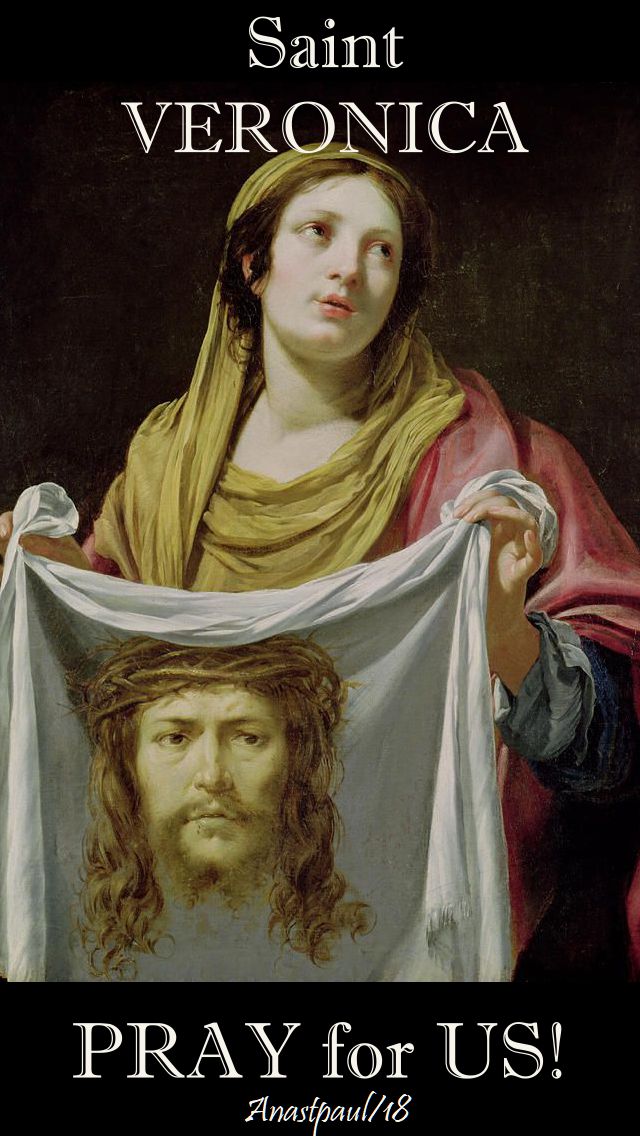
PRAYER – Lord God, grant us restless hearts, hearts which seek Your Face. Keep us from the blindness of heart which sees only the surface of things. Give us the simplicity and purity which allow us to recognise Your presence in the world. When we are not able to accomplish great things, grant us the courage which is born of humility and goodness. Impress Your Face on our hearts. May we encounter You along the way and show Your image to the world. St Veronica, Pray for us! Amen.
Our Morning Offering – 1 March – Feast of the Holy Face
The Golden Arrow
May the Most Holy, Most Sacred, Most Adorable, Most Mysterious and Unutterable Name of God be always praised, blessed, loved, adored and glorified in Heaven. on earth and under the earth, by all the creatures of God and by the Sacred Heart of our Lord Jesus Christ in the most Holy Sacrament of the Altar. Amen
This prayer was revealed by Jesus Himself to a Carmelite Nun of Tours in 1843 as a reparation for blasphemy. “This Golden Arrow will wound My Heart delightfully” He said “and heal the wounds, inflicted by blasphemy.”
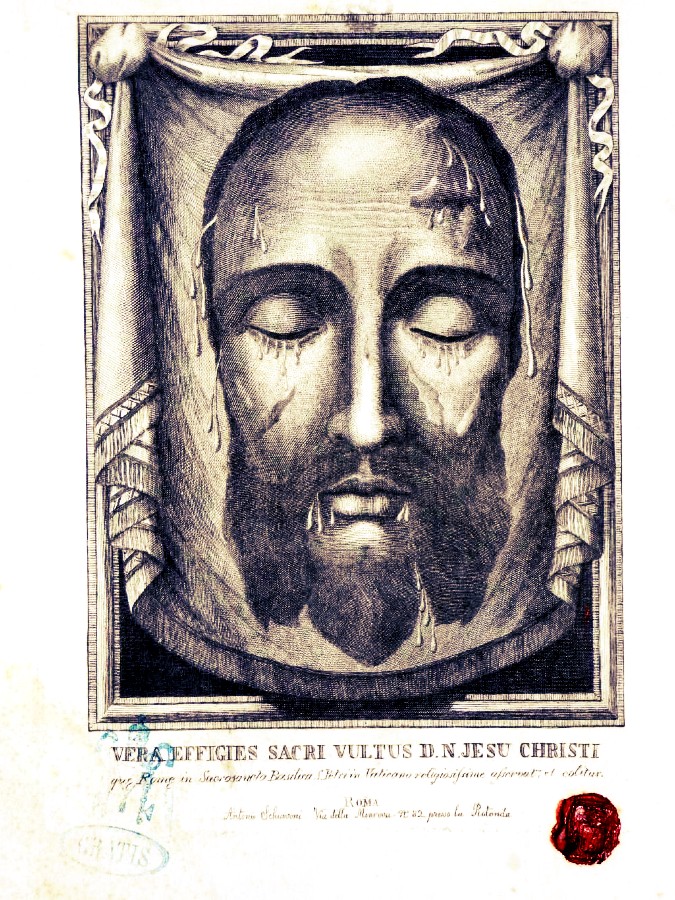
In the 19th Century Jesus expressed His wishes to Sister Mary of St Peter (1816-1848), a Carmelite Nun in Tours, France, that there be an actual Devotion to his Holy Face. Our Lord wanted this in reparation for blasphemies against Him and His Holy Name as well, as for the profanation of Sunday (when people engage unnecessarily in commerce and other such labours and chores on Sunday, a day meant for rest and reflection on God). In August of 1843 He dictated to her the well-known Golden Arrow Prayer. He also gave her Promises for those who would honour His Holy Face.
Soon afterwards, Venerable Leo Dupont, known as the “Holy Man of Tours” helped to publicise this Devotion and through a number of miraculous cures attributed to an image of our Lord’s Holy Face, in his possession.
In 1885 Pope Leo XIII gave Ecclesiastical approval of the Devotion to the Holy Face and established an Archconfraternity for it.
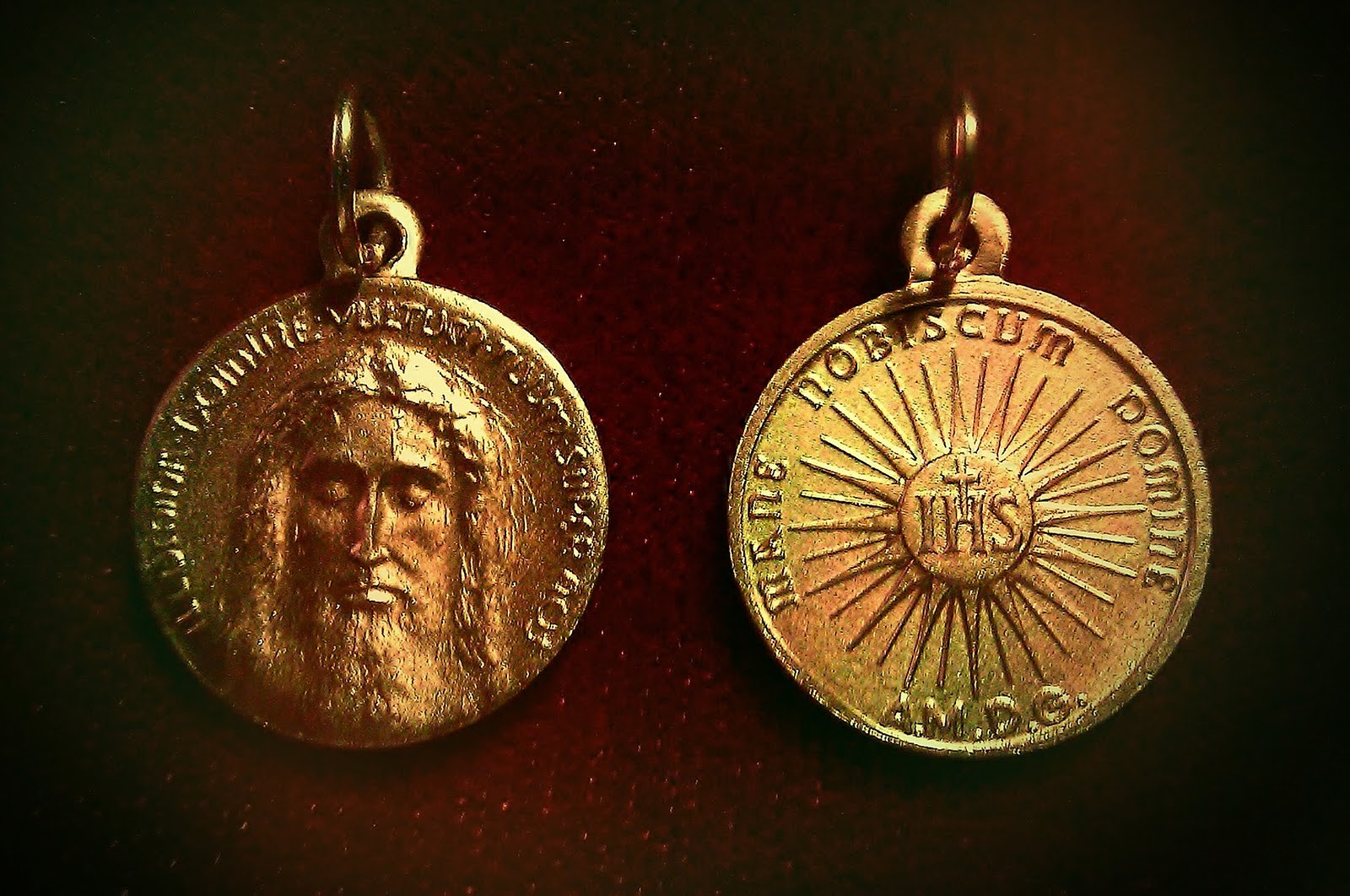
The first Holy Medal of the Holy Face was given to Ven Pope Pius XII, who approved the Devotion and the Medal. In 1958 he formally declared the Feast of the Holy Face of Jesus as Shrove Tuesday for all Catholics.
Tuesday Devotion to the Holy Face The Lord also requested that His Holy Face be honoured each Tuesday and especially on Shrove Tuesday, the Tuesday before Ash Wednesday, which marks the start of Lent. Requesting this Devotion, Jesus appeared covered with blood and very sadly said to Blessed Pierina:
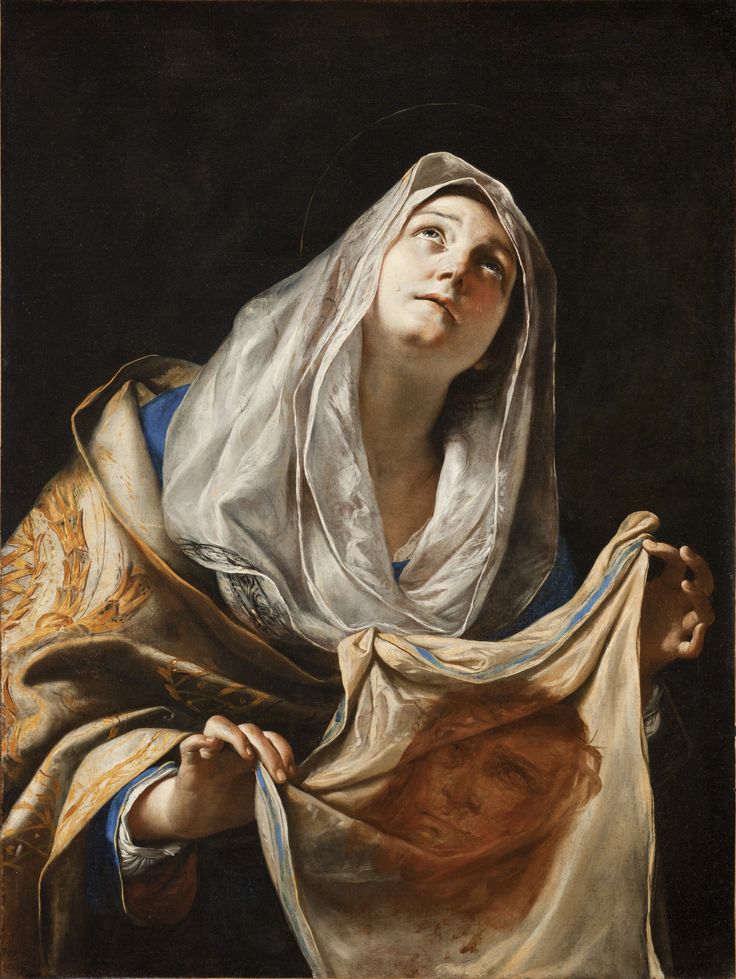
Veronica’s veil, by Claude Mellan (c. 1649).
“Do you see how I suffer? Yet, very few understand Me. Those who say they love Me are very ungrateful! I have given My Heart as the sensible object of My great love to men and I give My Face as the sensible object of My sorrow for all the sins of men. I wish that it be venerated by a special Feast on Tuesday, the day before Ash Wednesday. I wish that the Feast be preceded by a Novena in which the faithful make reparation with Me, joining together and sharing in My sorrow.”
As part of the preparations for Lent, it is appropriate to celebrate the Feast of the Holy Face by spending some time before the Blessed Sacrament and reciting the prayers of reparation. In addition, the repetition of this Devotion each Tuesday in Lent may be a means of drawing closer to Our Lord during this time of more intense prayer and conversion.
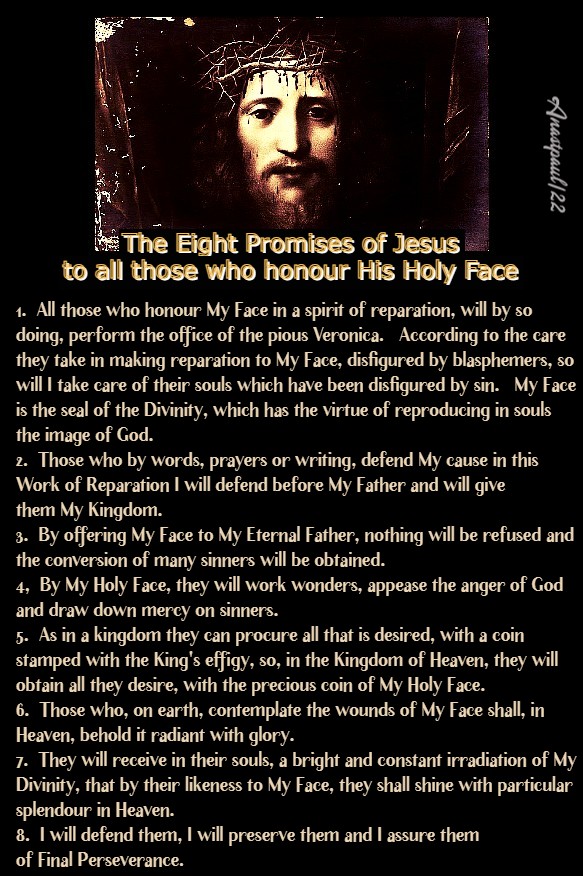
The Eight Promises of Jesus:
All those who honour My Face in a spirit of reparation, will by so doing, perform the office of the pious Veronica. According to the care they take in making reparation to My Face, disfigured by blasphemers, so will I take care of their souls which have been disfigured by sin. My Face is the seal of the Divinity, which has the virtue of reproducing in souls the image of God.
Those who by words, prayers or writing, defend My cause in this Work of Reparation I will defend before My Father and will give them My Kingdom.
By offering My Face to My Eternal Father, nothing will be refused and the conversion of many sinners will be obtained.
By My Holy Face, they will work wonders, appease the anger of God and draw down mercy on sinners.
As in a kingdom they can procure all that is desired, with a coin stamped with the King’s effigy, so, in the Kingdom of Heaven, they will obtain all they desire, with the precious coin of My Holy Face.
Those who, on earth, contemplate the wounds of My Face shall, in Heaven, behold it radiant with glory.
They will receive in their souls, a bright and constant irradiation of My Divinity, that by their likeness to My Face, they shall shine with particular splendour in Heaven.
I will defend them, I will preserve them and I assure them of Final Perseverance.
St Albinus of Vercelli St Amandus of Boixe St Antonina of Bithynia Bl Aurelia of Wirberg Bl Bonavita of Lugo St Bono of Cagliari Bl Christopher of Milan Bl Claudius Gabriel Faber
St David of Wales (c 542-c 601) Bishop, Prince, Monk, Confessor, Missionary, Founder of Monasteries. Uncle of King Arthur. David studied under Saint Paul Aurelian. Worked with Saint Columbanus, Saint Gildas the Wise and Saint Finnigan. Biography: https://anastpaul.com/2017/03/01/saint-of-the-day-1-march-st-david-of-wales/
St Domnina of Syria St Domnina of Syria St Donatus of Carthage St Eudocia of Heliopolis St Felix III, Pope Bl George Biandrate Bl Giovanna Maria Bonomo Bl Gonzalo de Ubeda St Hermes of Numidia St Jared the Patriarch St Leo of Rouen St Leolucas of Corleone St Lupercus St Marnock St Monan Bl Pietro Ernandez Bl Roger Lefort St Rudesind St Seth the Patriarch St Simplicius of Bourges St Siviard St Swithbert St Venerius of Eichstätt
Martyrs of Africa – A group of 13 Christians executed together for their faith in Africa. The only details about them to survive are ten names – Abundantius, Adrastus, Agapius, Charisius, Donatilla, Donatus, Fortunus, Leo, Nicephorus and Polocronius. c290
Martyrs of Antwerp – A group of Christians Martyred together, buried together and whose relics were transferred and enshrined together. We know nothing else but their names – Benignus, Donatus, Felician, Fidelis, Filemon, Herculanus, Julius, Justus, Maximus, Pelagius, Pius, Primus, Procopius and Silvius. Died in the 2nd Century in Rome. They are buried in the St Callistus Catacombs and their relics were enshirned in the Jesuit Church in Antwerp on 28 February 1600.
Martyrs of the Salarian Way – A group of 260 Christians who, for their faith, were condemned to road work on the Salarian Way in Rome, Italy during the persecutions of Claudius II. When they were no longer needed for work, they were publicly murdered in the amphitheatre. Martyrs. c 269 in Rome.
Martyrs Under Alexander – A large but unspecified number of Christians Martyred in the persecutions of Emperor Alexander Severus and the praefect Ulpian who saw any non-state religion to be a dangerous treason. c 219.
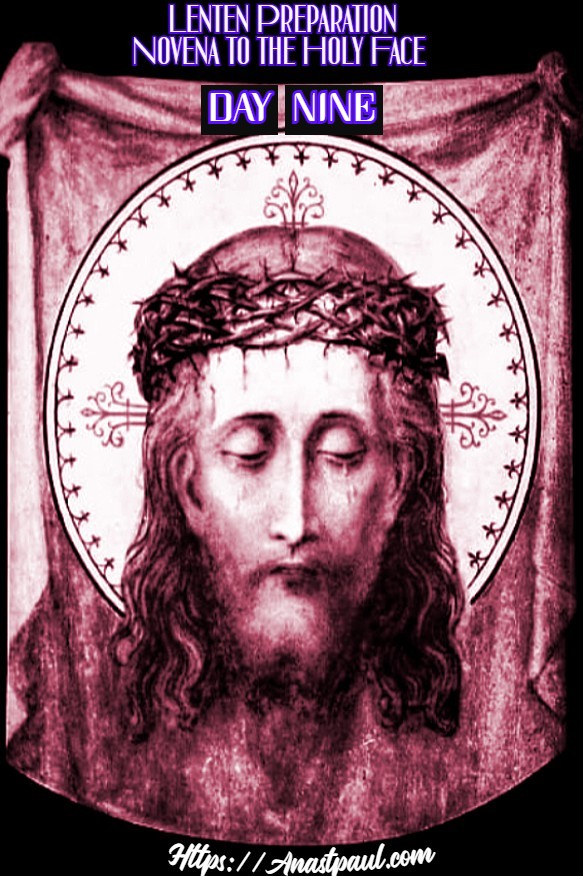
Lenten Preparation Novena in Reparation to the Holy Face Day Nine
“All those who, attracted by My Love and venerating My Countenance, shall receive, by virtue of My Humanity, a brilliant and vivid impression of My Divinity. This splendour shall enlighten the depths of their souls, so that in eternal glory the celestial court shall marvel at the marked likeness of their features, with My Divine Countenance.” … Our Lord Jesus Christ to St Gertrude the Great (1256-1302)
DAILY PREPARATORY PRAYER
O Most Holy and Blessed Trinity, through the intercession of Holy Mary, whose soul was pierced through by a sword of sorrow at the sight of the passion of her Divine Son, we ask Your help, in making a perfect Novena of Reparation with Jesus, united with all His sorrows, love and total abandonment. We now implore all the Angels and Saints to intercede for us as we pray this Holy Novena to the Most Holy Face of Jesus and for the glory of the most Holy Trinity, Father, Son and Holy Spirit. Amen
(Console Holy Face and recite Daily Preparatory Prayer)
DAY NINE Psalm 50:18-19: For in sacrifice Thou take no delight, burnt offering Thou wouldst refuse. A sacrifice to God is an afflicted spirit, a contrite and humble heart, O God, Thou wilt not despise.
Sacred Face of our Lord and our God, what words can we say to express our gratitude? How can we speak of our joy? That You have deigned to hear us, that You have chosen to answer us in our hour of need. We say this because we know, that our prayers will be granted. We know that You, in Your loving kindness, listen to our pleading hearts and will give, out of Your fullness, the answer to our problems. Mary, our Mother, thank you for your intercession on our behalf. Saint Joseph, thank you for your prayers. Through the merits of your precious blood and your Holy Face, O Jesus, grant us our petition ……………… Pardon and mercy.
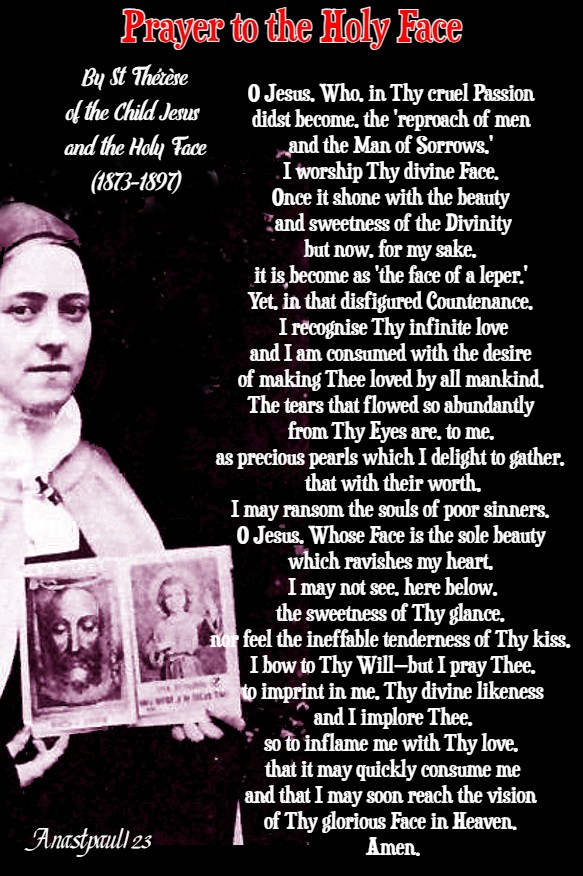
Prayer to the Holy Face By St Thérèse of Lisieux (1873-1897) of the Child Jesus and the Holy Face OCD (1873-1897)
O Jesus, Who, in Thy cruel Passion didst become, the ‘reproach of men and the Man of Sorrows,’ I worship Thy Divine Face. Once it shone with the beauty and sweetness of the Divinity but now, for my sake, it is become as ‘the face of a leper.’ Yet, in that disfigured Countenance, I recognise Thy infinite love and I am consumed with the desire of making Thee loved by all mankind. The tears that flowed so abundantly from Thy Eyes are, to me, as precious pearls which I delight to gather, that with their worth, I may ransom the souls of poor sinners. O Jesus, Whose Face is the sole beauty which ravishes my heart, I may not see, here below, the sweetness of Thy glance, nor feel the ineffable tenderness of Thy kiss, I bow to Thy Will—but I pray Thee, to imprint in me Thy divine likeness and I implore Thee, so to inflame me with Thy love, that it may quickly consume me and that I may soon reach the vision of Thy glorious Face in Heaven. Amen.
Pray (1) Our Father, (3) Hail Marys, (1) Glory Be.
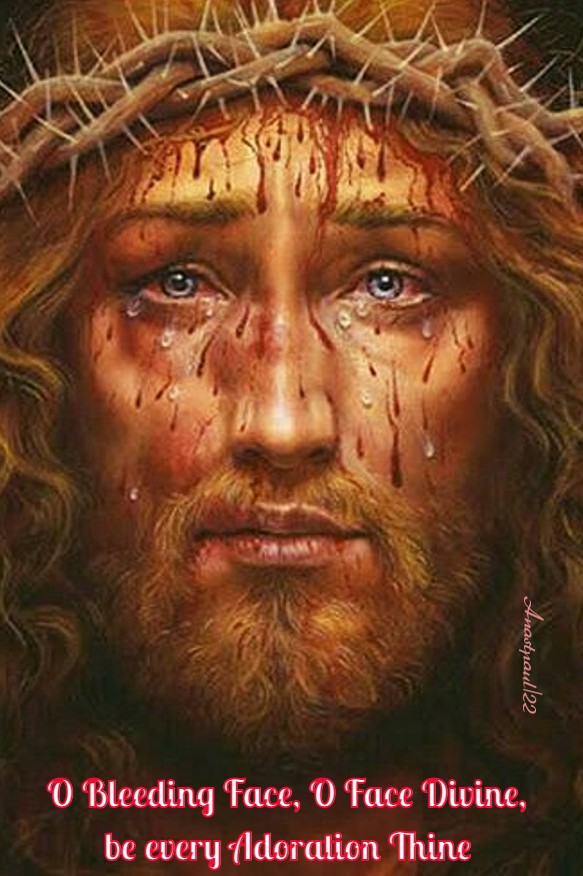
O Bleeding Face, O Face Divine, be every Adoration Thine (Three times)
Thought for the Day – 28 February – Meditations with Antonio Cardinal Bacci (1881-1971)
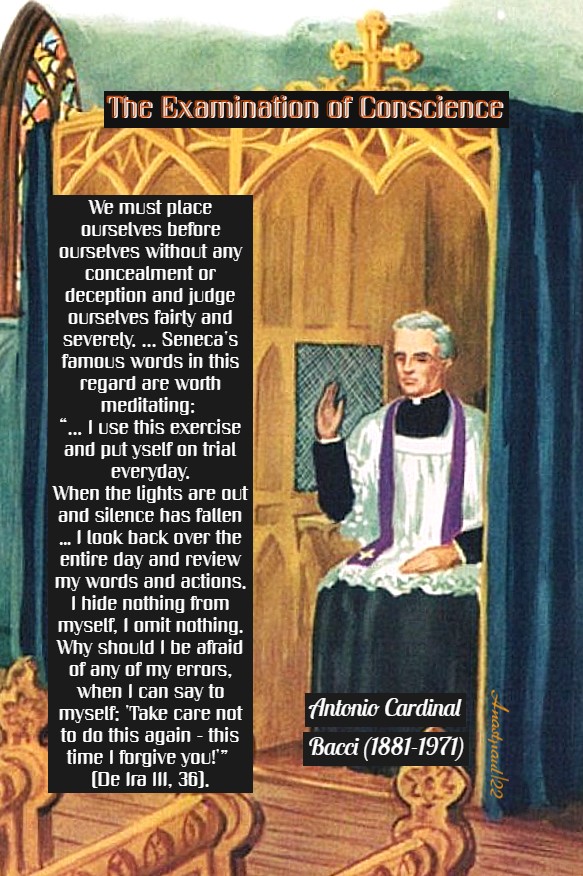
The Examination of Conscience
“Remember the key to wisdom: “Know yourself.” These words were written in Greek in golden letters on the pediment of the temple of the Delphic Apollo. They were the basic rule of the moral doctrine of Socrates and other philosophers. But, if we are to know ourselves well, we must examine ourselves thoroughly. We must place ourselves before ourselves without any concealment or deception and judge ourselves fairly and severely.
The examination of conscience is recommended, not only by spiritual writers of the Church but, also by pagan philosophers. Seneca’s famous words in this regard are worth meditating – “Anger will disappear or subside,” he says, “when you know that you have to present yourself for judgement everyday. Is there any finer custom than this daily examination of conscience? What peace follows from this examination of ourselves! How tranquil, wise and free the mind becomes, whether it has been praised or reproved, when it has acted as its own secret investigator and critic and has examined its own behaviour. I use this exercise and put myself on trial everyday. When the lights are out and silence has fallen … I look back over the entire day and review my words and actions. I hide nothing from myself I omit nothing. Why should I be afraid of any of my errors, when I can say to myself: ‘Take care not to do this again – this time I forgive you!” (De Ira III, 36).”
Quote/s of the Day – 28 February – 1 Cor.inthians 13:1-13, Luke 18:31-43
Blind
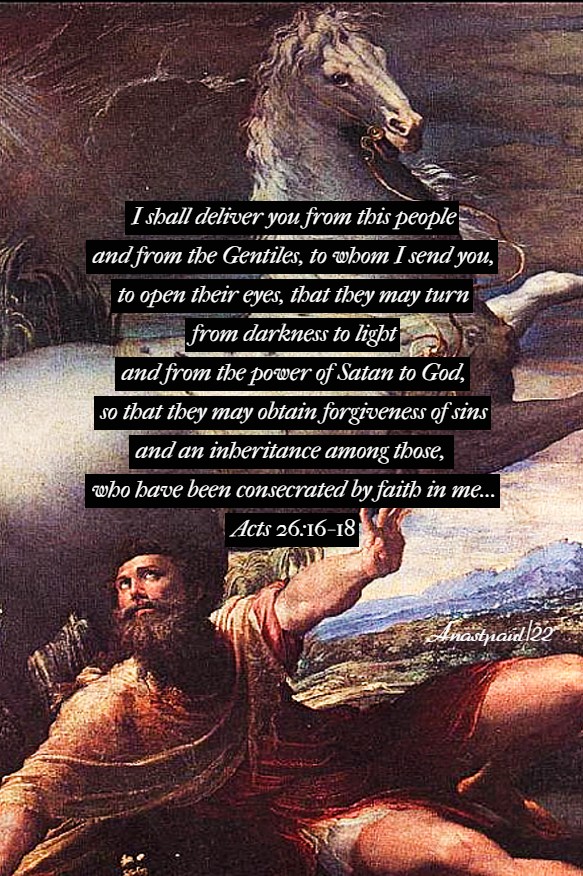
“I have appeared to you for this purpose, to appoint you as a servant and witness, of what you have seen and what you will be shown. I shall deliver you from this people and from the Gentiles, to whom I send you, to open their eyes, that they may turn from darkness to light and from the power of Satan to God, so that they may obtain forgiveness of sins and an inheritance among those, who have been consecrated by faith in me.”
Acts 26:16-18
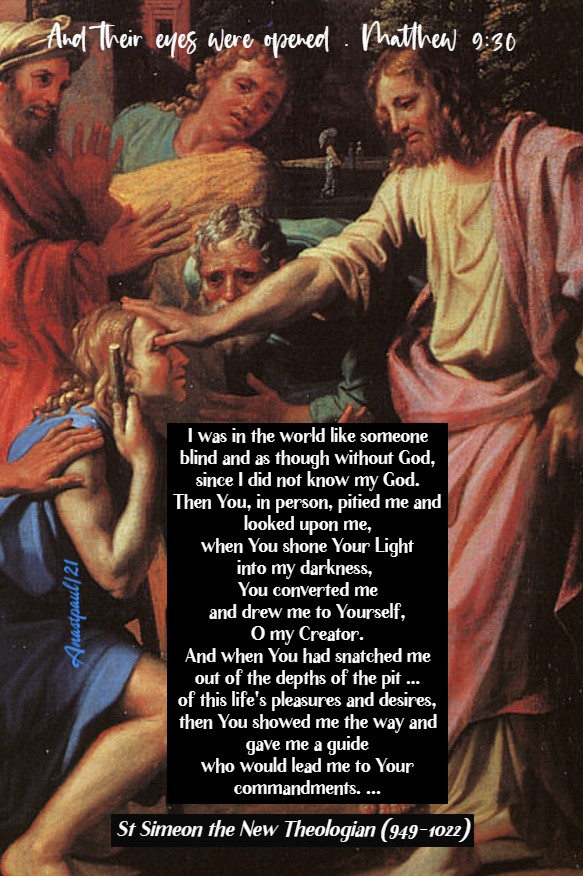
“I was in the world like someone blind and as though without God, since I did not know my God. Then You, in person, pitied me and looked upon me, when You shone Your Light into my darkness, You converted me and drew me to Yourself, O my Creator. And when You had snatched me out of the depths of the pit … of this life’s pleasures and desires, then You showed me the way and gave me a guide who would lead me to Your commandments.”
St Simeon the New Theologian (949-1022)
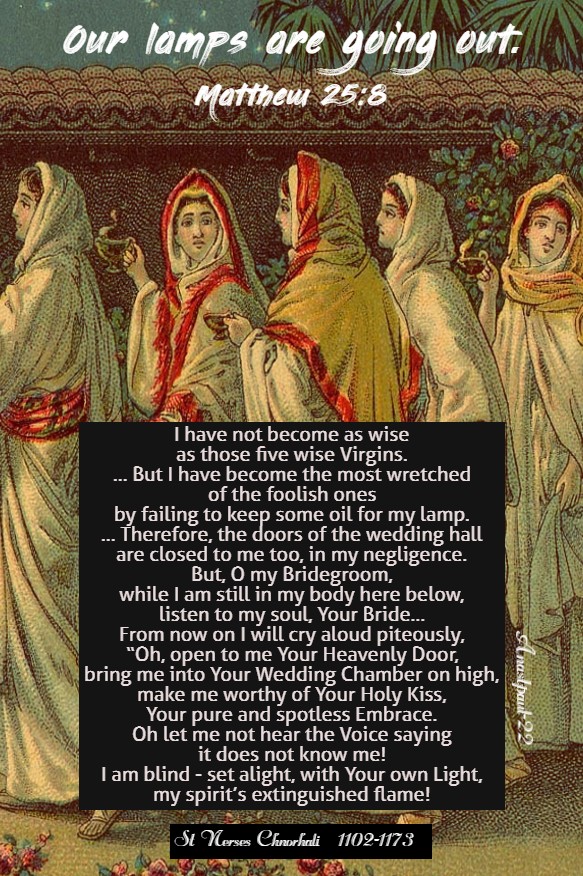
“Our lamps are going out.”
Matthew 25:8 “I have not become as wise as those five wise Virgins. … But I have become the most wretched of the foolish ones by failing to keep some oil for my lamp, namely, mercy together with virginity or, still more, the anointing from Baptism’s Sacred fount…
Therefore, the doors of the wedding hall are closed to me too, in my negligence. But, O my Bridegroom, while I am still in my body here below, listen to my soul, Your Bride… From now on, I will cry aloud piteously, “Oh, open to me Your Heavenly Door, bring me into Your Wedding Chamber on high, make me worthy of Your Holy Kiss, Your pure and spotless Embrace. Oh let me not hear the Voice saying it does not know me! I am blind; set alight with Your own Light my spirit’s extinguished flame!”
St Nerses Chnorhali (1102-1173) Armenian Bishop
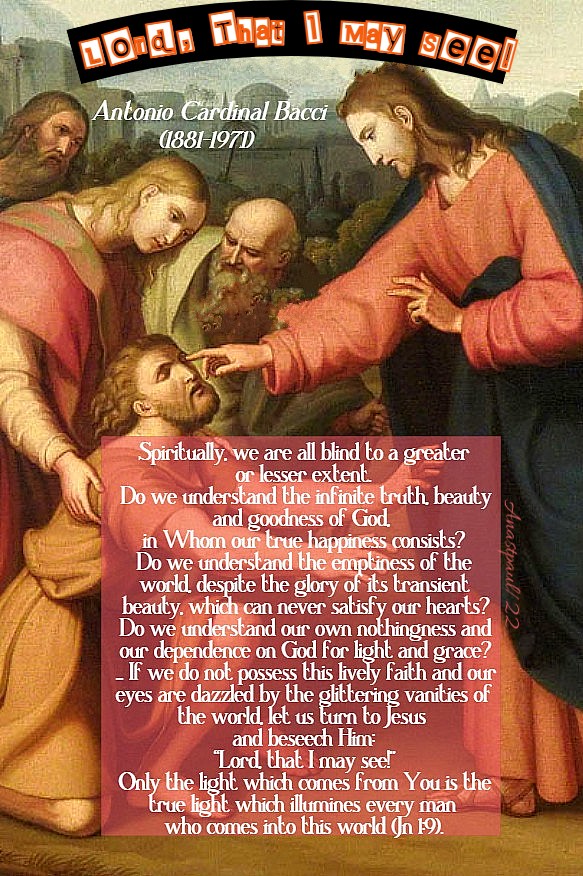
“Spiritually, we are all blind to a greater or lesser extent. Do we understand the infinite truth, beauty and goodness of God, in Whom our true happiness consists? Do we understand the emptiness of the world, despite the glory of its transient beauty, which can never satisfy our hearts? Do we understand our own nothingness and our dependence on God for light and grace? If we do not possess this lively faith and our eyes are dazzled by the glittering vanities of the world, let us turn to Jesus and beseech Him: “Lord, that I may see!” Only the light which comes from You is the true light which illumines every man who comes into this world (Jn 1:9).”
Antonio Cardinal Bacci (1881-1971)
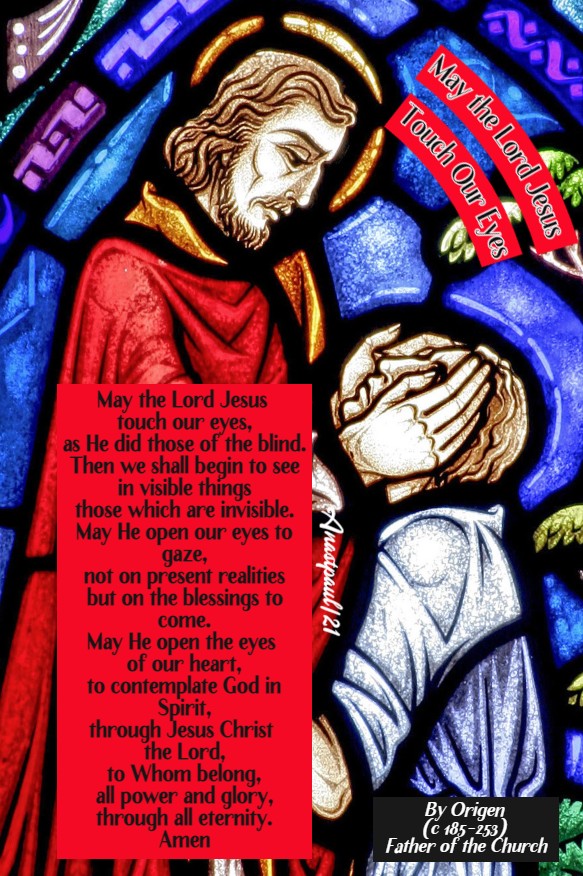
May the Lord Jesus Touch Our Eyes By Origen (c 185-253) Father of the Church
May the Lord Jesus touch our eyes, as He did those of the blind. Then we shall begin to see in visible things those which are invisible. May He open our eyes to gaze, not on present realities but on the blessings to come. May He open the eyes of our heart, to contemplate God in Spirit, through Jesus Christ the Lord, to whom belong, power and glory, through all eternity. Amen.
One Minute Reflection – 28 February – 1 Corinthians 13:1-13, Luke 18:31-43
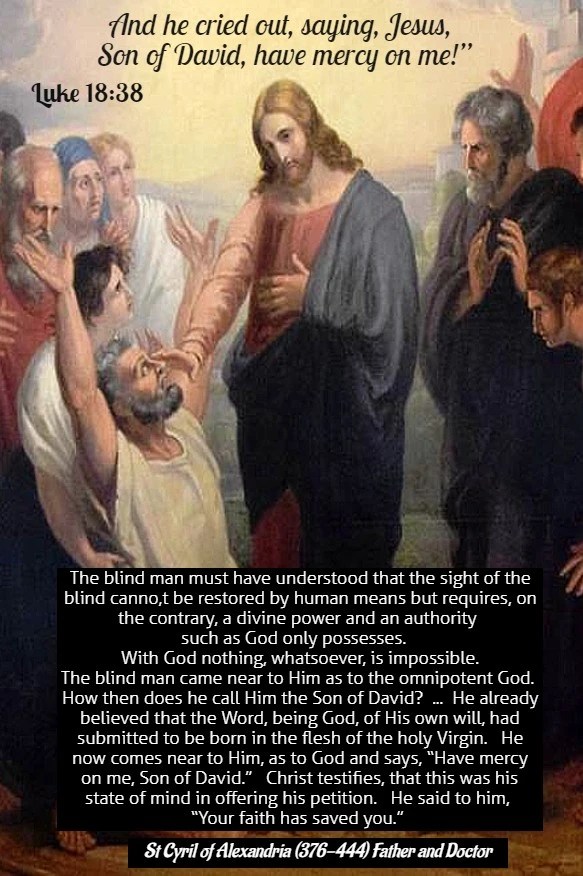
“And he cried out, saying, Jesus, Son of David, have mercy on me!” – Luke 18:38
REFLECTION – The blind man must have understood, that the sight of the blind cannot be restored by human means but requires, on the contrary, a divine power and an authority such as God only possesses. With God nothing, whatsoever, is impossible. The blind man came near to Him as to the omnipotent God. How then does he call Him the Son of David? What can one answer to this? The following is perhaps the explanation. Since He was born and raised in Judaism, of course, the predictions contained in the law and the holy prophets concerning Christ, had not escaped his knowledge. He heard them chant that passage in the book of the Psalms, “The Lord has sworn in truth to David and will not annul it, saying: ‘of the fruit of your loins I will set a king upon your throne.’” The blind man also knew, that the blessed prophet Isaiah said, “There will spring up a shoot from the root of Jesse and from his root a flower will grow up.” Isaiah also said, “Behold, a virgin will conceive and bring forth a son,and they will call his name Emmanuel, which, being interpreted is, God with us.” He already believed that the Word, being God, of His own will, had submitted to be born in the flesh of the holy Virgin. He now comes near to Him, as to God and says, “Have mercy on me, Son of David.” Christ testifies, that this was his state of mind in offering his petition. He said to him, “Your faith has saved you.” – St Cyril of Alexandria (376-444) Archbishop of Alexandria, Father and Doctor of the Incarnation (Commentary on Luke, Homily 126)
PRAYER – O Lord, we beseech You, mercifully hear our prayers, loose us from the chains of our sins and keep us from all adversity. Through Jesus Christ, Thy Son our Lord, Who lives and reigns with Thee, in the unity of the Holy Ghost, God, world without end. Amen (Collect).
Hear us, O Heavenly Father, For the Sake of Your Only Son By St Augustine (354-430) Father and Doctor of the Church
Almighty Father, come into our hearts and so fill us with Your love that forsaking all evil desires, we may embrace You, our only good. Show us, O Lord our God, what You are to us. Say to our souls, I am your salvation, speak so, that we may hear. Our hearts are before You, open our ears, let us hasten after Your Voice. Hide not Your Face from us, we beseech You, O Lord. Open our hearts, so that You may enter in. Repair the ruined mansions, that You may dwell therein. Hear us, O Heavenly Father, for the sake of Your only Son, Our Lord Jesus Christ, who lives and reigns with You and the Holy Spirit, one God, now and forever. Amen
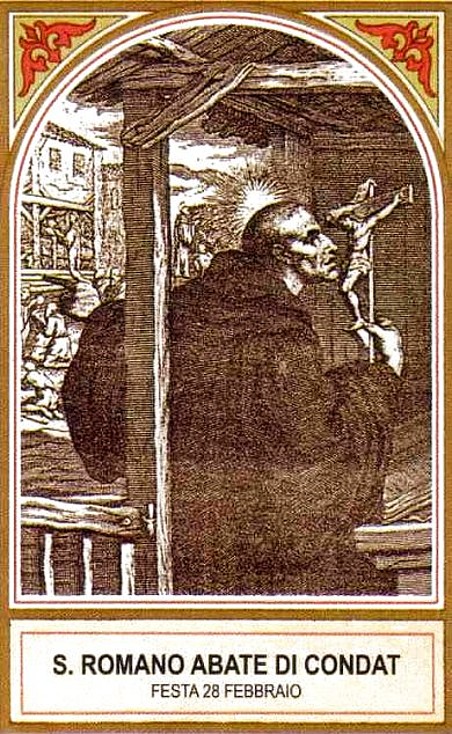
Saint of the Day – 28 February – Saint Romanus of Condat (c 390–c 463) Hermit, Abbot Born in c 390 at Upper Bugey, France and died in c 465 of natural causes. Patronages – drowning victims, insanity,mentally ill people. Together with his brother St Lupicinus, he founded the Monastery of Condat, that of Lauconne, that of the women of La Balme and that of Romainmôtier . His life was inspired by that of the Fathers of the Thebaid desert.
Romanus was born in the territory of the Sequani , today in the current Diocese of Belley-Ars. His parents sent him to study in the Ainay Monastery in Lyon , built at the confluence of the Saone with the Rhone , where he was a pupil of the Abbot Sabino who gave him a Life of the Desert Fathers. Soon he wished to live the life of a hermit, in order to better realise his ascetic ideal At the age of 35 he then retired to the forests of the Jura Massif , to a place called Condat. He lived as a Hermit, imitating the Desert Fathers of the Thebaid. He had found shelter under a great lonely pine, whose fronds protected him from the elements, feeding on wild fruit and drinking from a cool spring nearby. He had also brought a spade and seeds, which he sowed, obtaining good crops. After a few years his brother Lupicinus, who had remained a widower, joined him. Together they lived as Hermits for a few more years, fasting and doing penance.
The beginnings were difficult, above all due to the cold and humid climate of the place. Romanus and Lupicinus, discouraged by the effort, decided to abandon Condat. After a day of walking they stopped at a farmhouse and asked a woman for hospitality, but she encouraged them to go back, arguing that they should not leave the field free to Satan, who had wanted to chase them away from their hermitage.
After a few years, attracted by the fame of holiness that the few inhabitants of the surrounding area had spread, other young people came, eager to imitate them. In around 445, Romanus built the Monastery of Condat and Lupicinus, not far away, built the Monastery of Lauconne . The two brothers had completely different characters, Romanus was more good-natured and meek, while Lupicinus was austere and severe. They often alternated in the direction of the two Monasteries – when Lupicinus’ severity discouraged his Monks, Romanus intervened to encourage them with his gentleness.
In the two Monasteries a Roman rule was in force, derived from that of St. Basil, St Pachomius and the Monastery of the island of Lerino di Sant’Onorato di Arles. The whole community abstained from eating meat, on rare occasions they ate milk and eggs, dressed in animal skins and wore clogs . A few centuries later, the community founded by Romanus and Lupicinus adopted the Benedictine Rule .
When their sister Lola (or Yole) joined them, they founded for her the female Monastery of La Balme (or La Baume), on a sheer rock on the right bank of the Bienne river, which was soon populated by more than a hundred Nuns. . This Monastery was later called Saint Romain de Roche.
In 444 , the Bishop of Arles Saint Hilary, being in Besançon to depose the Bishop Celidonio, received news of the works of Romanus, he wanted to convene him in Besançon and to give him more authority and official recognition, he Ordained him a Priest but this honour did not change the behaviour of the Saint who continued to remain even more humble and kind with his Monks In 450 , Romanus founded the first Monastery of today’s Switzerland, which then took the name of Romainmôtier, which was active until 1536, when the Protestant reform destroyed it.
It is said that when going on a pilgrimage to the tomb of St Maurice in Saint Maurice-en-Valais , Romanus was surprised by the night near Geneva. He asked for hospitality from two lepers who lived in a hut and who wanted to reject him so as not to infect him but he he was not afraid of the disease and wanted to sleep under their roof. In the morning the two lepers realised that they were completely healed and went to Geneva to reveal their healing. The Genevans, who knew them well, went to look for Romanus and gave him a great celebration. Romanus, being a little confused by their attention, took the opportunity to invite them to convert and do penance.
Shortly after his return to Condat, around 465 Romano died. As he himself had arranged, he was buried in the Convent of La Balme. His relics were immediately the object of great veneration. In the seventh century they were moved to the Church of the Abbey of Condat (which, in the meantime, had been dedicated to Saint Eugendus). In 1522 a fire destroyed the Church and the relics of Romanus and Lupicinus. The few surviving remains were preserved in the Church of Saint-Romain-de-Roche built in the 16th century which replaced the Monastery of la Balme. They are enclosed in a 13th Century Reliquary in the shape of a mausoleum.
St Abercius Bl Antonia of Florence St Augustus Chapdelaine St Caerealis St Caerealis of Alexandria St Cyra of Beroea Bl Daniel Brottier St Ermine St Gaius of Alexandria
St Justus the Potter St Llibio St Macarius the Potter St Maidoc St Marana of Beroea St Oswald of Worcester St Proterius of Alexandria St Pupulus of Alexandria St Romanus of Condat (c 390–c 463) Abbot St Ruellinus of Treguier St Rufinus the Potter St Serapion of Alexandria St Sillan of Bangor
Martyrs of Alexandria – A number of clerics and layman who died as martyrs of charity for ministering to the sick during a plague that ravaged Alexandria, Egypt in 261.
Martyrs of Antwerp (14 Saints)
Martyrs of Corinth (26 Saints)
Four Martyred Potters: Justus Macarius Rufinus Theophilus
Martyrs of Unzen – 16 lay people Martyred together in one of the periodic anti-Christian persecutions in imperial Japan – They were Martyred on 28 February 1627 in Unzen, Japan. • Alexius Sugi Shohachi • Damianus Ichiyata • Dionisius Saeki Zenka • Gaspar Kizaemon • Gaspar Nagai Sohan • Ioannes Araki Kanshichi • Ioannes Heisaku • Ioannes Kisaki Kyuhachi • Leo Nakajima Sokan • Ludovicus Saeki Kizo • Ludovicus Shinzaburo • Maria Mine • Paulus Nakajima • Paulus Uchibori Sakuemon • Thomas Kondo Hyoemon • Thomas Uzumi Shingoro
Lenten Preparation Novena in Reparation to the Holy Face Day Eight
“All those who, attracted by My Love and venerating My Countenance, shall receive, by virtue of My Humanity, a brilliant and vivid impression of My Divinity. This splendour shall enlighten the depths of their souls, so that in eternal glory the celestial court shall marvel at the marked likeness of their features, with My Divine Countenance.” … Our Lord Jesus Christ to St Gertrude the Great (1256-1302)
DAILY PREPARATORY PRAYER
O Most Holy and Blessed Trinity, through the intercession of Holy Mary, whose soul was pierced through by a sword of sorrow at the sight of the passion of her Divine Son, we ask Your help, in making a perfect Novena of Reparation with Jesus, united with all His sorrows, love and total abandonment. We now implore all the Angels and Saints to intercede for us as we pray this Holy Novena to the Most Holy Face of Jesus and for the glory of the most Holy Trinity, Father, Son and Holy Spirit. Amen
(Console Holy Face and recite Daily Preparatory Prayer)
DAY EIGHT Psalm 50:16-17: O rescue me, God of my salvation and my tongue shall extol Thy justice. O Lord, open my lips, and my mouth shall declare Thy praise.
Most merciful Face of Jesus, Who in this vale of tears, was so moved by our misfortunes, to call Yourself the healer of the sick and the good Shepherd of the souls gone astray, allow not Satan to draw us away from You but keep us always under Your loving protection, together with all souls who endeavour to console You.
Mary, our Mother, intercede for us. Saint Joseph, pray for us. Through the merits of Your Precious Blood and Your Holy Face, O Jesus, grant us our petition ……………… Pardon and mercy. Amen
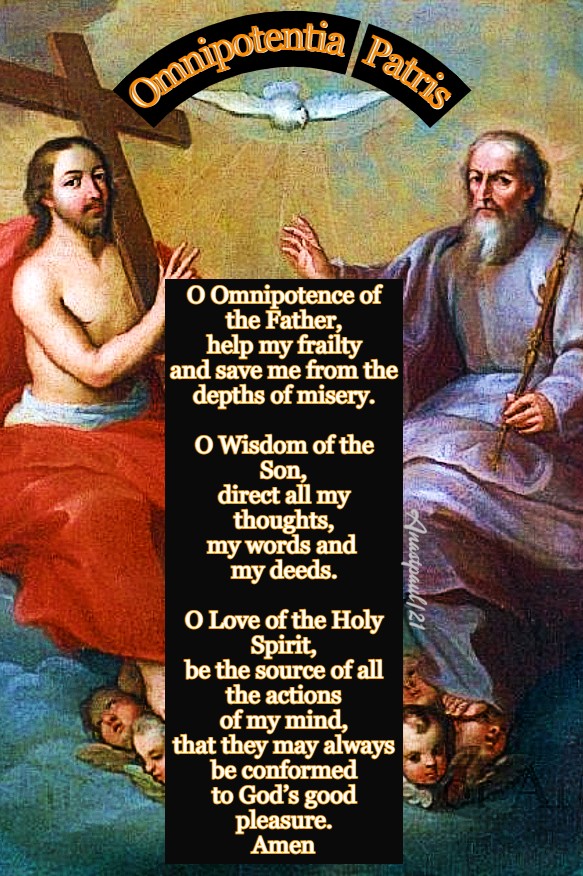
Omnipotentia Patris
O Omnipotence of the Father, help my frailty and save me from the depths of misery.
O Wisdom of the Son, direct all my thoughts, my words and my deeds.
O Love of the Holy Spirit, be the source of all the actions of my mind, that they may always be conformed to God’s good pleasure. Amen
Pray (1) Our Father, three (3) Hail Marys, one (1) Glory Be.
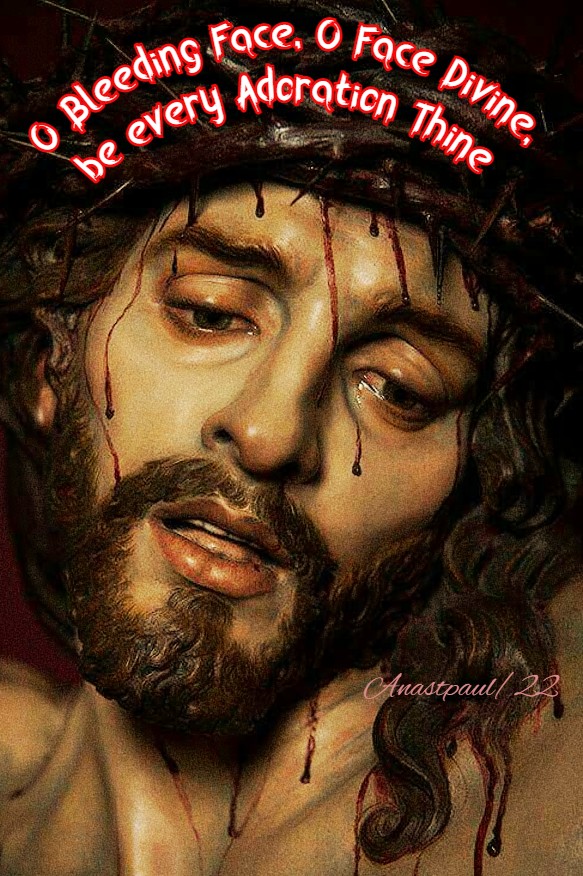
O Bleeding Face, O Face Divine, be every Adoration Thine (Three times)
Thought for the Day – 27 February – Meditations with Antonio Cardinal Bacci (1881-1971)
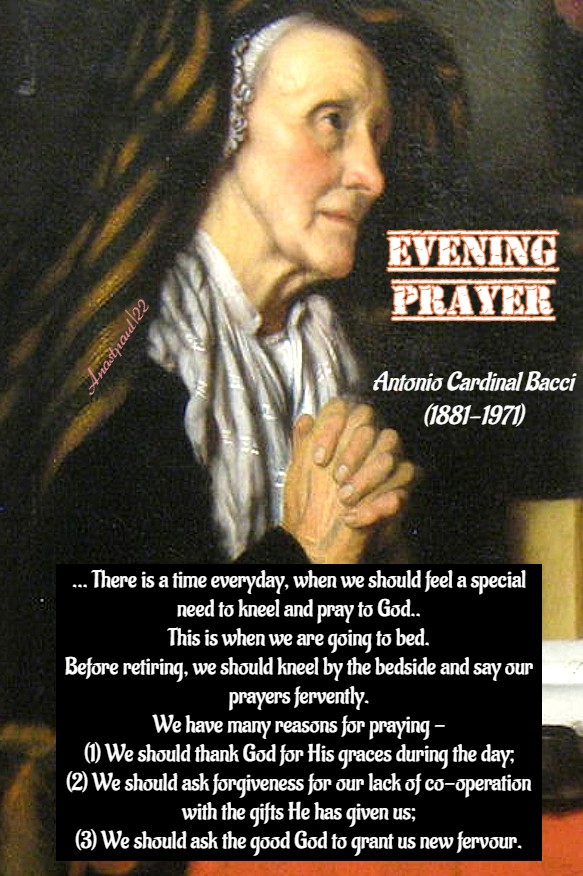
Evening Prayer
“We should pray all the time because we always need the help of God. “They must always pray and not lose heart” (Lk 18:11). There are certain times, however, when this need of God is greater than usual. This is so when we are tempted, or when we are threatened by some evil, whether spiritual or physical. Our need is also greater when we have some important decision to make, or difficult task to undertake. When we are close to death, this need of God is exceptionally urgent.
Apart from these occasions, there is a time everyday, when we should feel a special need to kneel and pray to God.. This is when we are going to bed. Before retiring, we should kneel by the bedside and say our prayers fervently. We have many reasons for praying – (1) We should thank God for His graces during the day; (2) We should ask forgiveness for our lack of co-operation with the gifts He has given us; (3) We should ask the good God to grant us new fervour. Amen.”
Quote/s of the Day – 27 February – Quinquagesima Sunday – 1 Corinthians 13:1-13, Luke 18:31-43
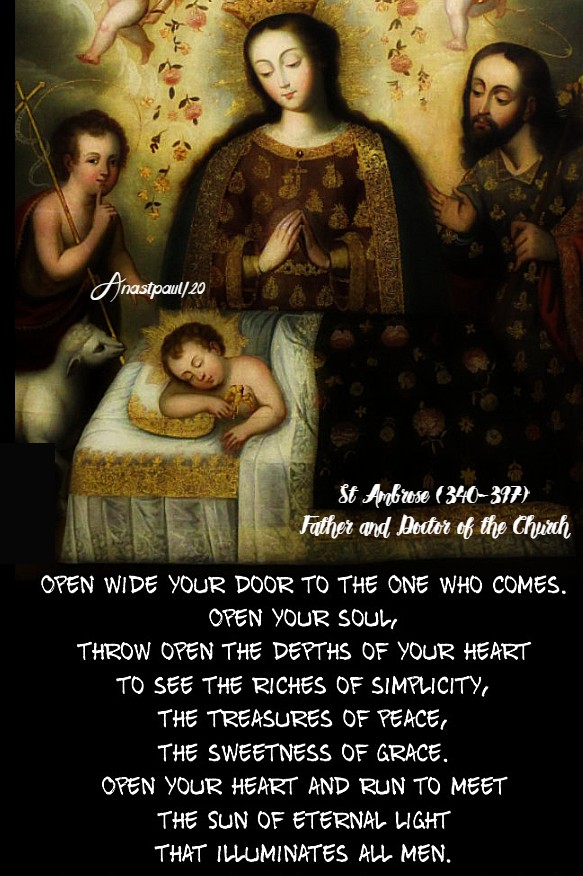
“Open wide your door to the One who comes. Open your soul, throw open the depths of your heart to see the riches of simplicity, the treasures of peace, the sweetness of grace. Open your heart and run to meet the Sun of eternal Light that illuminates all men.”
St Ambrose (340-397) Father and Doctor of the Church
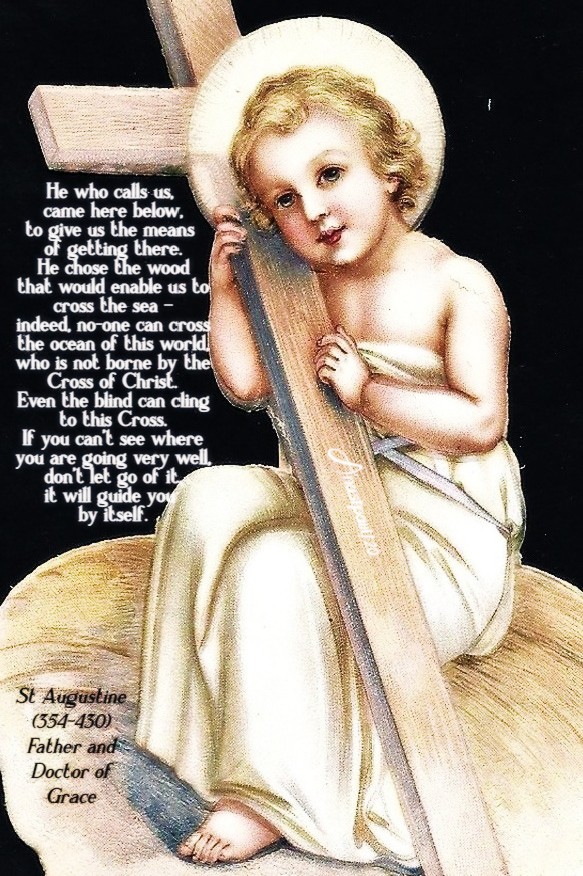
“He who calls us, came here below, to give us the means of getting there. He chose the wood that would enable us to cross the sea – indeed, no-one can cross the ocean of this world, who is not borne by the Cross of Christ. Even the blind can cling to this Cross. If you can’t see where you are going very well, don’t let go of it, it will guide you by itself. ”
St Augustine (354-430) Father and Doctor of the Church
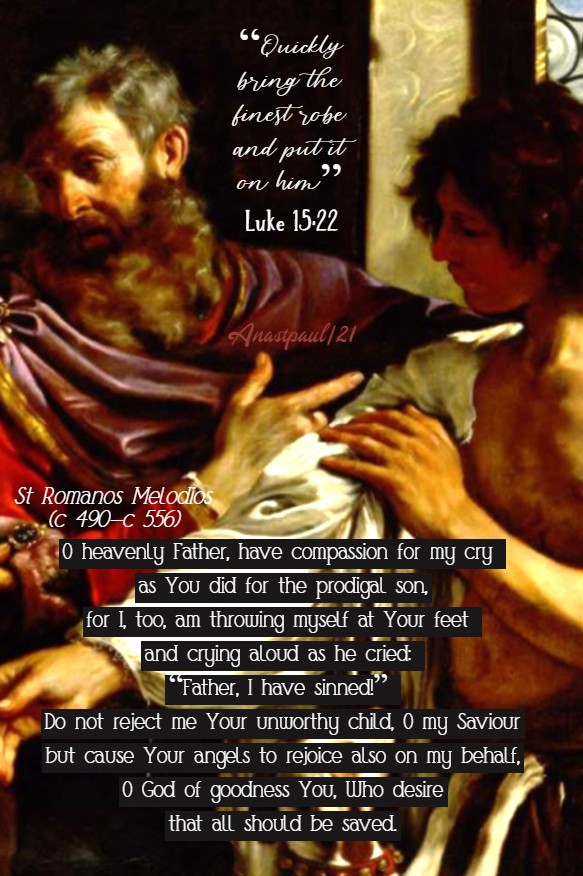
“O heavenly Father, have compassion for my cry as You did for the prodigal son, for I, too, am throwing myself at Your feet and crying aloud as he cried: “Father, I have sinned!” Do not reject me Your unworthy child, O my Saviour but cause Your angels to rejoice also on my behalf, O God of goodness You, Who desire that all should be saved.”
St Romanos Melodios (c 490-c 556) Monk, Composer of hymns, Poet
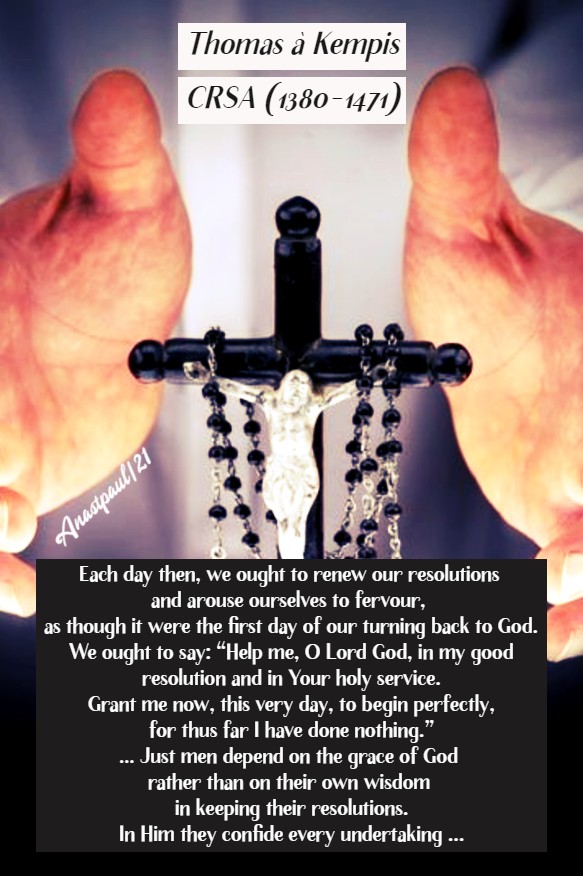
“Each day then, we ought to renew our resolutions and arouse ourselves to fervour, as though it were the first day of our turning back to God. We ought to say: “Help me, O Lord God, in my good resolution and in Your holy service. Grant me now, this very day, to begin perfectly, for thus far I have done nothing.” … Just men depend on the grace of God rather than on their own wisdom in keeping their resolutions. In Him they confide every undertaking …”





































You must be logged in to post a comment.