One Minute Reflection – 22 September – “Month of the Seven Sorrows of Mary”- Readings: Ezra 9: 5-9; Tobit 13: 2-4, 7-8; Luke 9: 1-6
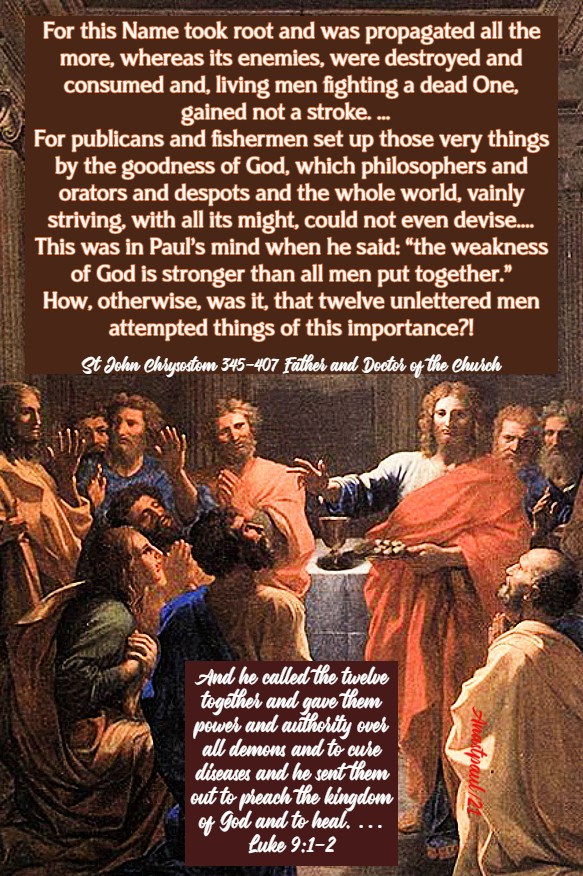
And he called the twelve together and gave them power and authority over all demons and to cure diseases and he sent them out to preach the kingdom of God and to heal. … Luke 9:1-2
REFLECTION – “The foolishness of God is wiser than human wisdom and the weakness of God is stronger than human strength” (1 Cor 1:25). Yes, the Cross is a foolishness and weakness in appearance only … It was through unlearned men that the Cross brought conviction and drew the world to itself. It spoke to men, not of chance things but of God and of piety in the truth, of the Gospel polity, of future judgement and it made uncouth and illiterate men, philosophers. This is how “the foolishness of God is wiser than man and His weakness stronger,” (1 Cor. 1:25).
How is it stronger? It is stronger in that it spread over the whole earth and seized all men by force and, whereas, thousands and thousands did their utmost, to stamp out the Name of the Crucified One, just the contrary came to pass. For this Name took root and was propagated all the more, whereas its enemies, were destroyed and consumed and, living men fighting a dead One, gained not a stroke. … For publicans and fishermen set up those very things, by the goodness of God, which philosophers and orators and despots and the whole world, vainly striving with all its might, could not even devise.… This was in Paul’s mind when he said: “the weakness of God is stronger than all men put together.” How, otherwise, was it, that twelve unlettered men attempted things of this importance?! – St John Chrysostom 345-407) Bishop of Constantinople, Father & Doctor of the Church (4th Homily on 1 Corinthians)
PRAYER – O God of love, You sent Your beloved Son to the world to proclaim the Good News of Salvation, to heal every illness and to cure all infirmity of body and soul. Help us to continue the mission of the merciful Christ in the service towards our neighbour, preaching the Gospel and offering our help in whatever way we can. May the example of suffering of our Blessed Mother Mary, teach us how to love and serve You. Through her intercession, grant us the grace to go forth in love. We ask this through Jesus Christ our Lord, with the Holy Spirit, one God forever, amen.
Our Morning Offering – 22 September – “Month of the Seven Sorrows of Mary”
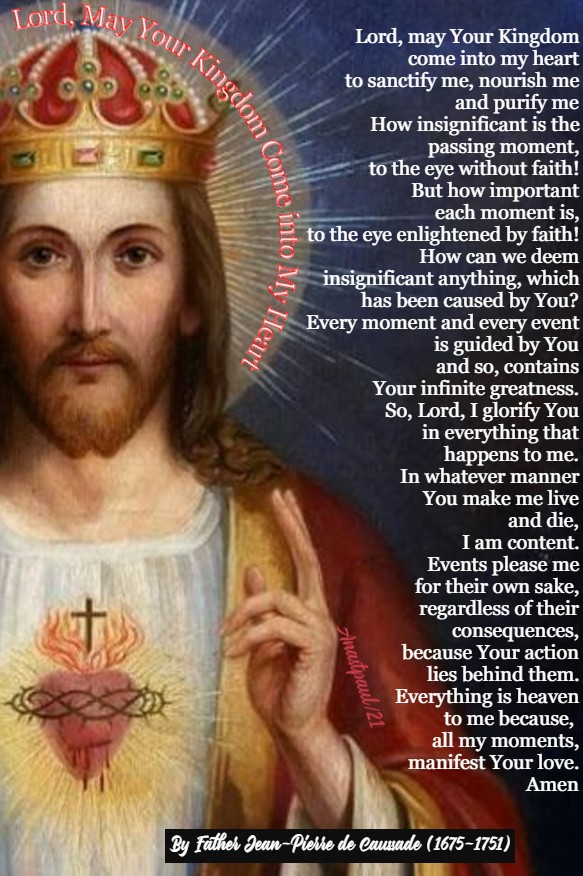
Lord, May Your Kingdom Come into My Heart By Father Jean-Pierre de Caussade (1675-1751)
Lord, may Your Kingdom come into my heart to sanctify me, nourish me and purify me. How insignificant is the passing moment, to the eye without faith! But how important each moment is, to the eye enlightened by faith! How can we deem insignificant anything, which has been caused by You? Every moment and every event is guided by You and so, contains Your infinite greatness. So, Lord, I glorify You in everything that happens to me. In whatever manner You make me live and die, I am content. Events please me for their own sake, regardless of their consequences, because Your action lies behind them. Everything is heaven to me because, all my moments, manifest Your love. Amen
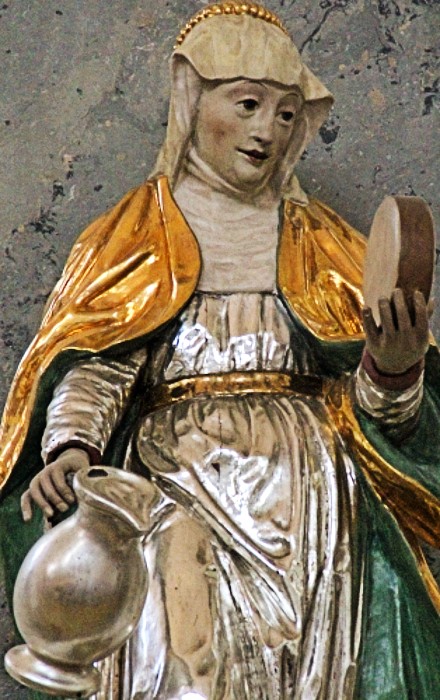
Saint of the Day – 22 September – Saint Gunthildis of Suffersheim (Died c 1057) Laywoman, Apostle of the poor. Patronages – cattle, lepers, servants. Also known as Gunthild.
Historical certainty of her life has not been passed down. The name comes from Old High German and means “the combative fighter.” She is said to have been a pious maid who was distinguished by special charity. She died around 1057 in Suffersheim in Bavaria. According to another tradition, Gunthildis is said to have been a disciple of St Willibald who came to Germany from southern England in the 8th century.
Gunthildis from Suffersheim served as a cattle maid and led a very pious and devout life in the midst of her rural work. She remains a constant model for all the maidservants in the country. Devoted to all virtues, she was especially distinguished by compassion and merciful love. Her greatest joy was giving alms to the poor. Through her prayer God caused two crystal-clear springs to appear, one from a rock. Through the latter, a leper obtained perfect healing. Gunthildis drove the cattle to these sources of clear and refreshing water. After drinking from these springs, the cows gave an extraordinary amount of milk. Gunthildis shared this abundant blessing with the poor of the neighbourhood.
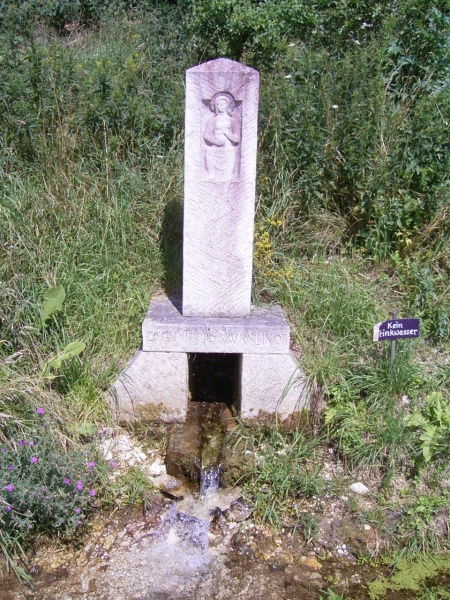
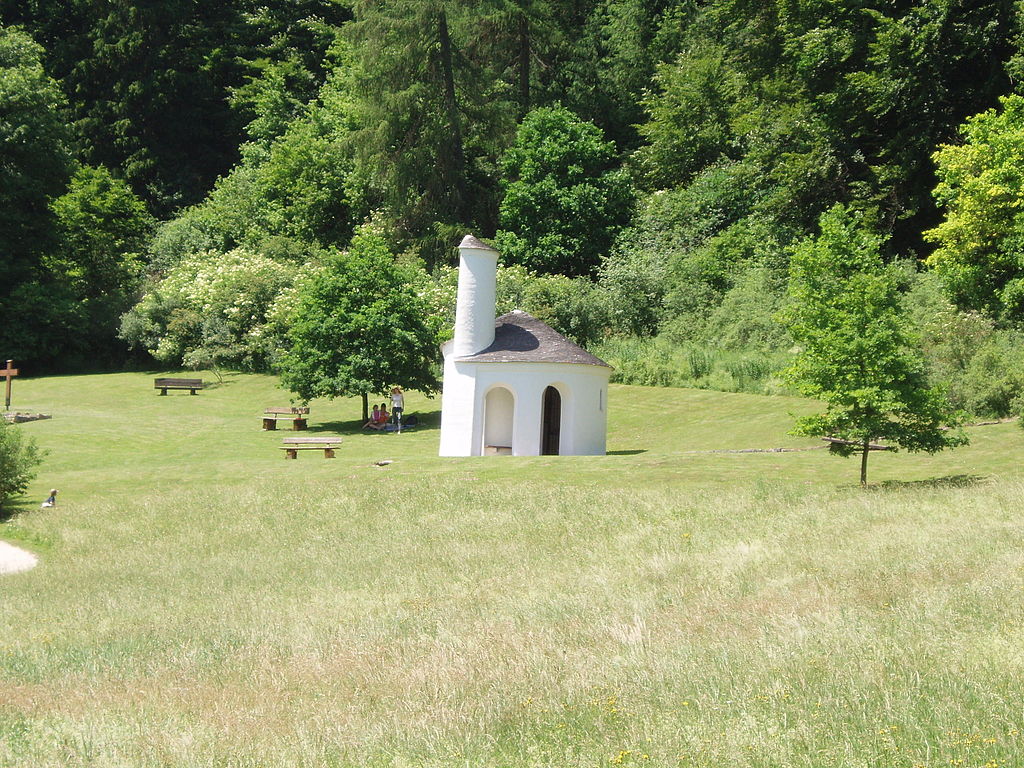
The Gunthildis spring near Suffersheim
When she once wanted to carry the milk she had saved from her own mouth to poor people, she met her employer. Very angry, he asked her what she was carrying. She replied that it was only lye. And the employer only saw lye when he opened the vessel. In this service, the pious maid endured until the end of her life. She died a blessed death, rich in graces and virtues.
The body of the maid, generally venerated as a Saint, was loaded onto a cart and two untamed oxen hitched to it. They calmly carried her body to Suffersheim. Here they stopped. Thus it was understood that Gunthildis should be buried there. Soon afterwards, many miracles occurred at her grave. As a result, a Chapel was built over this grave, although it no longer exists. Today, next to the foundations of this Chapel uncovered in 1957, there is a new Gunthildis Chapel built from 1993 to 1995.
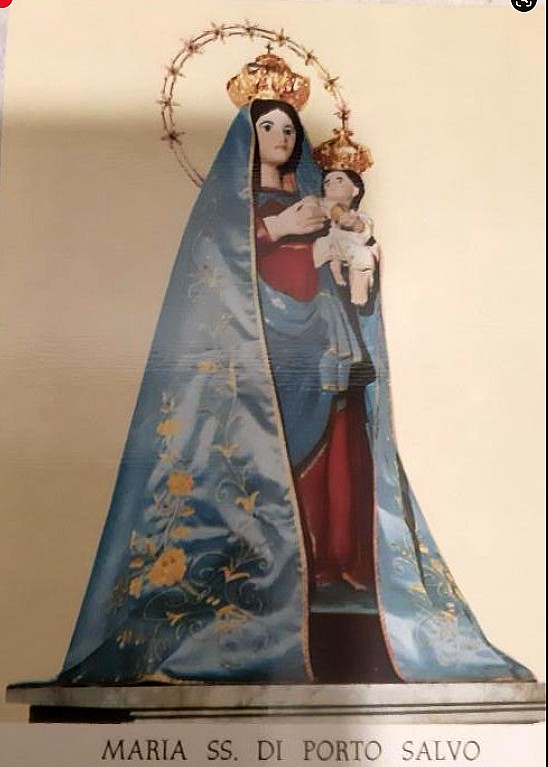
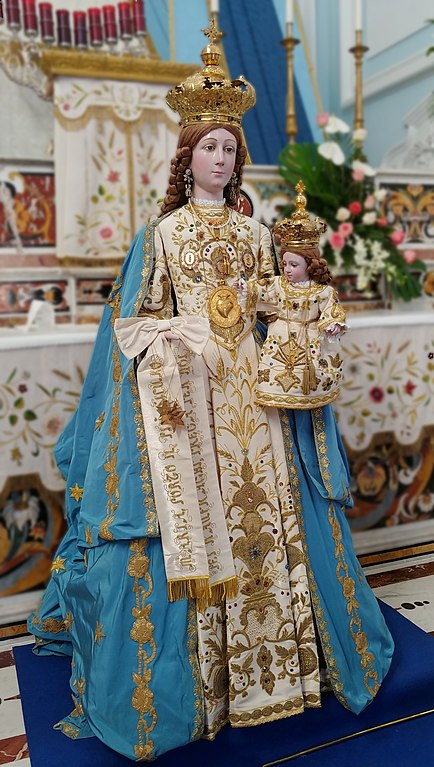
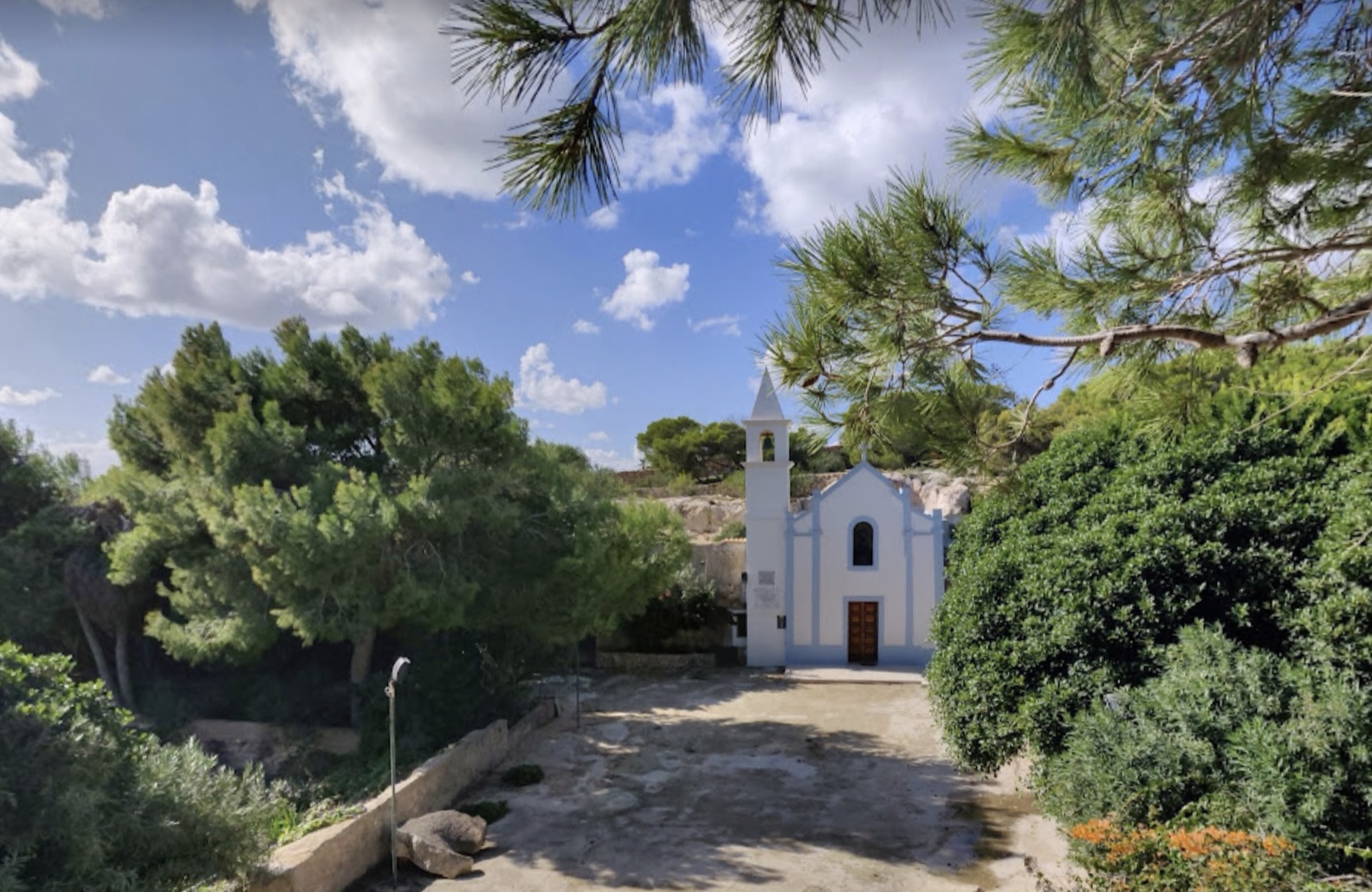
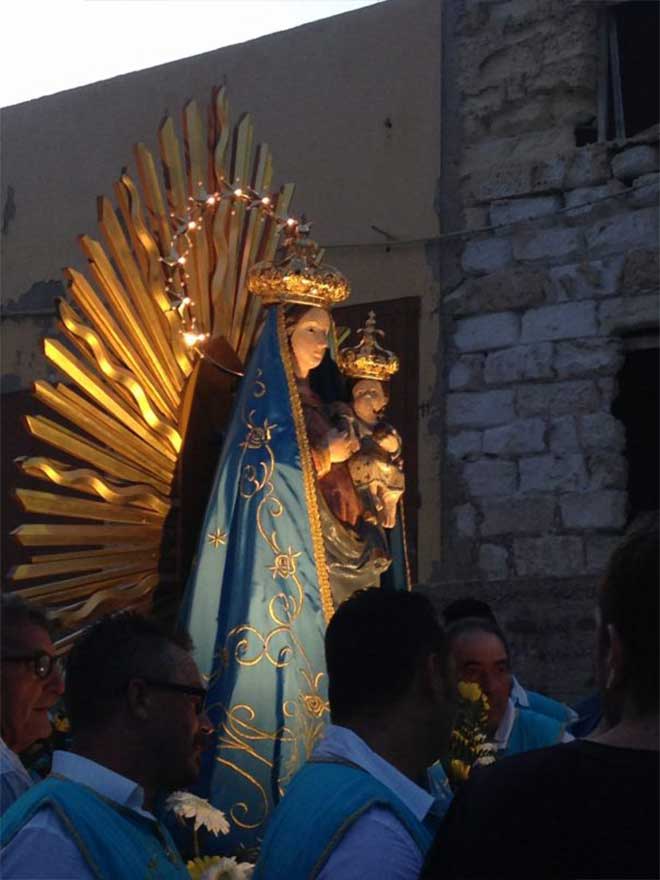
Madonna di Porto Salvo / Our Lady of Porto Salvo, Lampedusa, Agrigento, Sicily, Italy (1843) – 22 September:
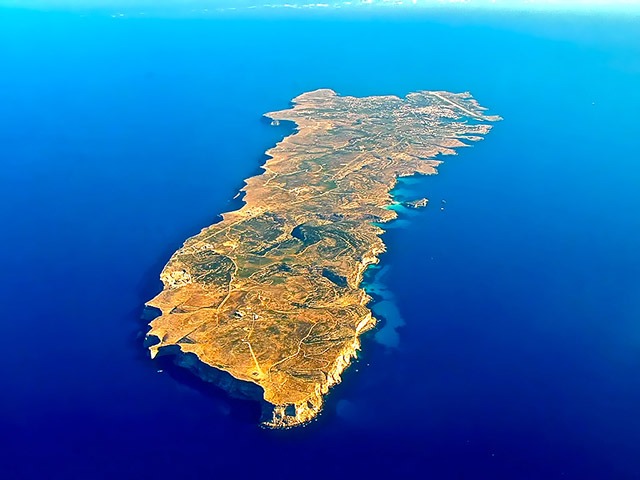
The island of Lampedusa lies far south of Sicily, closer to Tunisia than to Italy. Since the time of the Crusades, it has been home to a rural Shrine frequented by mariners both Christian and Muslim in the 1500s and 1600s, who kept an oil lamp burning constantly before the crude stone Statue of the Madonna and Child.
But the island was not inhabited until 22 September 1843, when two steamships of Italian colonists arrived under Governor Bernardo Maria Sanvisente. In Madonna Valley, they found the Chapel dilapidated and the mutilated Statue of the Virgin on the ground. Sanvisente ordered the Chapel and Statue to be restored and a Mass sung every year on 22 September in honour of the Madonna of Porto Salvo and the settlement of the island. During World War II, bombs destroyed the Church, but the Madonna was unhurt and no-one killed.
In 1967, the Virgin and Child were crowned but in 1979 the precious crowns were stolen. The faithful soon raised money for new ones and the Madonna of Porto Salvo was recrowned on 21 September 1980.
She is the Patron of fishermen and her celebration now lasts two weeks. On the first Sunday of September, the Statue processes from its Shrine to the main Church in town, where it is honoured with special services until the big day of the 22nd, when it processes solemnly through the City streets. Of course, the festa is the occasion for general entertainment, games and food as well. On the 23rd, a final procession returns the Madonna to the Sanctuary outside town.
Whilst exploring the story of this veneration of Our Lady, I discovered that on 22 September 2020 the “Key to the Island” was stolen. Below is the report in the local newspaper. Don Carmelo La Magra reassured all the islanders: “Whoever took it, repented, gave it back to me.” Great symbolic value – it is the key to the island in the hands of the Blessed Virgin:
“The key of Our Lady has been returned. Whoever took it, repented, gave it back to me anonymously. We thank the Virgin Mary because this story ended well and we pray for each other.” It is with this message that Fr Carmelo La Magra, Priest of Lampedusa, reassured all the islanders last night.
For hours, the alarm had been circulating on social media: “The golden key of the Madonna of Porto Salvo has been stolen“. A key that has a single, important meaning – the key of Lampedusa in the hands of the Blessed Virgin. A theft carried out, according to what was reported yesterday, on her feast day, 22 September. A party that, however, this year, due to the Coronavirus emergency, did not take place. The carabinieri, last night, did not find anything. Neither to those of the company command of Agrigento, nor to those of the Lampedusa station. No complaint had been formalised, nor had there been any interventions in this regard. But the military, having received informal news, immediately took an interest in the “case.”
A case that was resolved, fortunately, quickly and spontaneously. Because that key (which, according to what transpires, is not gold at all) was returned, as guaranteed by the Parish Priest of Lampedusa.
St Augustinus Yu Chin-Kil St Basilia St Digna of Rome St Emerita of Rome St Emmeramus St Florentius the Venerable St Gunthildis of Suffersheim (Died c 1057) Laywoman
St Irais St Jonas Bl Joseph Marchandon St Lauto of Coutances St Lindru of Partois St Maurice & Co Bl Otto of Freising St Sadalberga St Sanctinus of Meaux St Silvanus of Levroux
St Thomas of Villanueva/Villanova OSA (1488-1555) Archbishop, Religious Priest of the Order of St Augustine, Confessor, Writer, Preacher, Teacher, Apostle of Charity, Mystic, Miracle-Worker often called “the Almsgiver” and “the Father of the Poor“, Reformer. About St Thomas here: https://anastpaul.com/2017/09/22/saint-of-the-day-22-september-st-thomas-of-villanova-o-s-a/
Martyrs of the Theban Legion: Martyrs (c 287) A Roman imperial legion of 6,600 soldiers, all of whom were Christians; they had been recruited from the area around Thebes in Upper Egypt, were led by Saint Maurice and served under Emperor Maximian Herculeus. Around the year 287, Maximian led the army across the Alps to Agaunum, an area in modern Switzerland, in order to suppress a revolt by the Bagandre in Gaul. In connection with battle, the army offered public sacrifices to the Roman gods; the Theban Legion refused to participate. For refusing orders, the Legion was decimated – one tenth of them were executed. When the remainder refused to sacrifice to the gods, they were decimated again. When the survivors still refused to sacrifice, Maximinian ordered them all killed. Martyrs. Known members of the Legion include: • Alexander of Bergamo • Candidus the Theban • Chiaffredo of Saluzzo • Exuperius • Fortunato • Innocent of Agaunum • Maurice • Secundus the Theban • Ursus the Theban • Victor of Agaunum • Victor of Xanten • Victor the Theban • Vitalis of Agaunum Other profiled saints associated with the Legion include: • Antoninus of Piacenza (martyred soldier; associated by later story tellers) • Adventor of Turin (not a member; associated by later story tellers) • Cassius (may have been a member) • Florentius the Martyr (may have been a member) • George of San Giorio (not a member; associated by later story tellers) • Gereon (not a member, but another soldier who was martyred for refusing to make a sacrifice to Roman gods) • Octavius of Turin (not a member; associated by later story tellers) • Pons of Pradleves (escaped the massacre to become an evangelists in northern Italy) • Secundus of Asti (not a member but linked due to art work) • Solutor of Turin (not a member; associated by later story tellers) • Tiberio of Pinerolo (may have been a member) • Verena (wife of a member of the Legion) They were martyred c 287 in Agaunum (modern Saint-Maurice-en-Valais, Switzerland. A basilica was built in Agaunum to enshrine the relics of the Legion. The full story: https://anastpaul.com/2018/09/22/saints-of-the-day-22-september-st-maurice-and-the-martyrs-of-the-theban-legion-martyrs-c-287/
Martyrs of Valencia, Spain – Martyred in the Spanish Civil War: • Blessed Alfonso Lopez • Blessed Antonio Gil-Monforte • Blessed Antonio Sáez de Ibarra López • Blessed Carlos Navarro Miquel • Blessed Esteban Cobo-Sanz • Blessed Federico Cobo-Sanz • Blessed Félix Echevarría Gorostiaga • Blessed Francisco Carlés González • Blessed Francisco Vicente Edo • Blessed Germán Gozalvo Andreu • Blessed Josefina Moscardó Montalvá • Blessed Luis Echevarría Gorostiaga • Blessed María Purificación Vidal Pastor • Blessed Miguel Zarragua Iturrízaga • Blessed Simón Miguel Rodríguez • Blessed Vicente Sicluna Hernández
Thought for the Day – 21 September – Meditations with Antonio Cardinal Bacci (1881-1971)
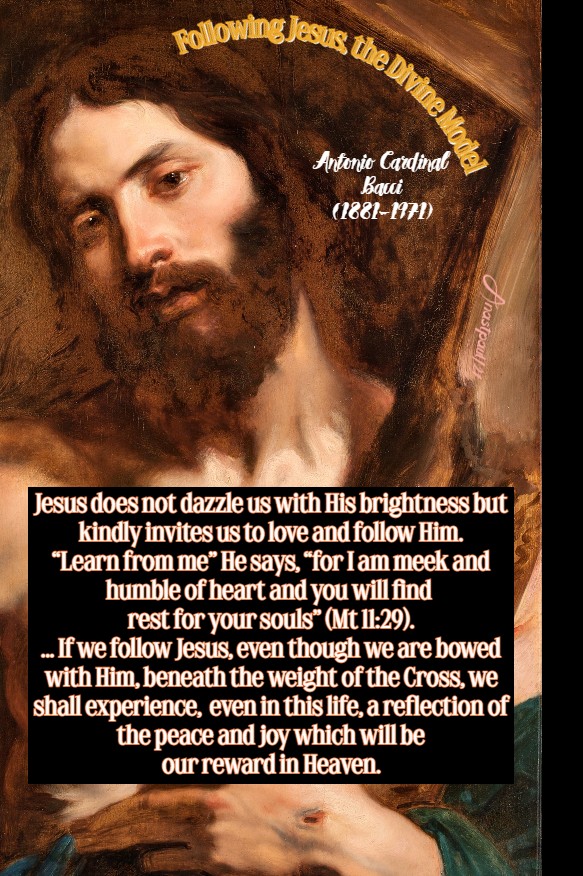
Following Jesus, the Divine Model
“Jesus is the Divine Model, Whom we ought to follow and imitate. In Him, the virtues possess both the infinite splendour of the Divinity and the gentle appeal of glorified Humanity. Jesus does not dazzle us with His brightness but kindly invites us to love and follow Him. “Learn from me” He says, “for I am meek and humble of heart and you will find rest for your souls” (Mt 11:29). After He has indicated humility, meekness and interior peace, as the foundations of the spiritual life, He invites us to take up the yoke of His law and assures us, that we shall find it light (Mt 11).
If we follow Jesus, even though we are bowed with Him, beneath the weight of the Cross, we shall experience, even in this life, a reflection of the peace and joy which will be our reward in Heaven.”
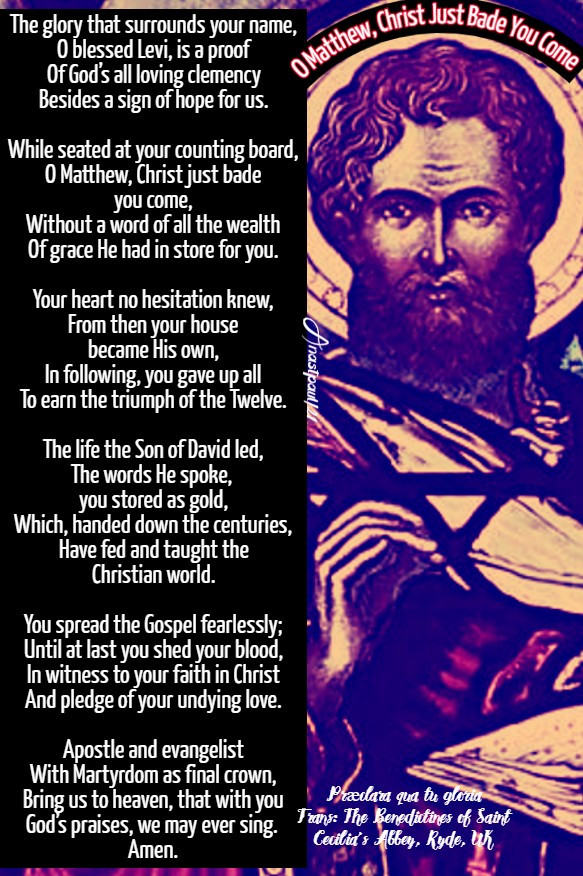
Quote/s of the Day – 21 September – The Feast of St Matthew, Apostle and Evangelist – Readings: Ephesians 4: 1-7, 11-13; Psalm 19: 2-5; Matthew 9: 9-13
“He said to him, “Follow me.” And he got up and followed him.”
Matthew 9:9
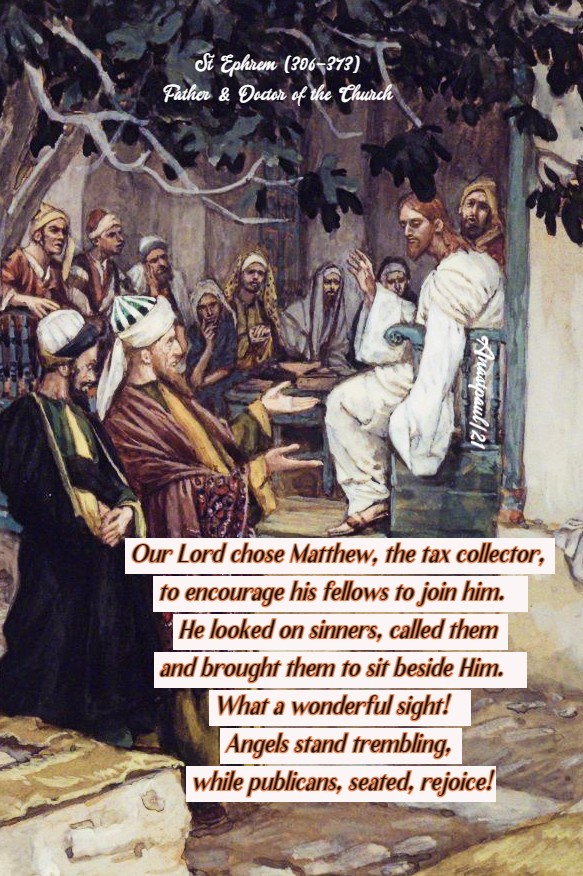
“Our Lord chose Matthew, the tax collector, to encourage his fellows to join him. He looked on sinners, called them and brought them to sit beside Him. What a wonderful sight! Angels stand trembling, while publicans, seated, rejoice!”
St Ephrem (306-373) Father & Doctor of the Church
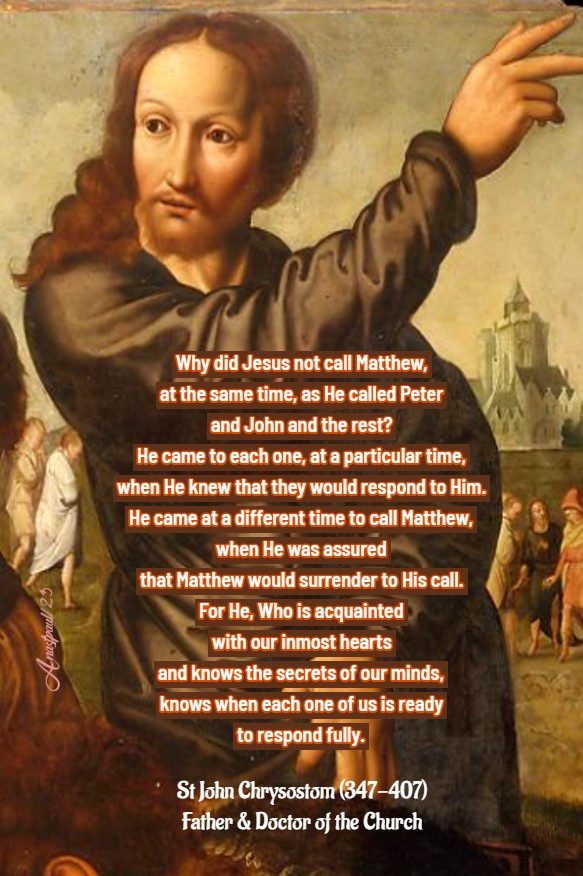
“Why did Jesus not call Matthew at the same time as He called Peter and John and the rest? He came to each one at a particular time when He knew that they would respond to Him. He came at a different time to call Matthew when He was assured that Matthew would surrender to His call. For He Who is acquainted with our inmost hearts and knows the secrets of our minds, knows when each one of us is ready to respond fully.”
St John Chrysostom (347-407) Father & Doctor of the Church
One Minute Reflection – 21 September – The Feast of St Matthew, Apostle and Evangelist- Readings: Ephesians 4: 1-7, 11-13; Psalm 19: 2-5; Matthew 9: 9-13
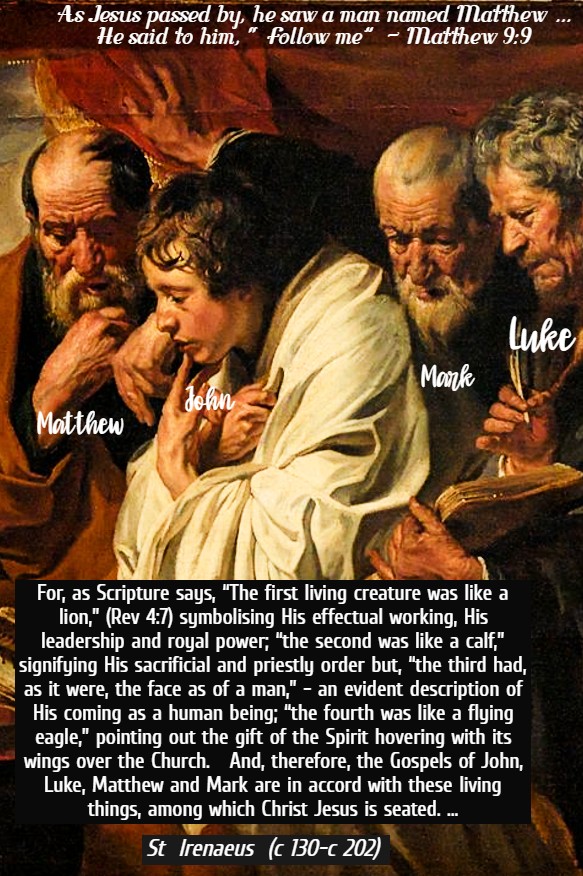
“As Jesus passed by, he saw a man named Matthew sitting at the customs post. He said to him, “Follow me.”And he got up and followed him.” – Matthew 9:9
REFLECTION – “It is not possible that the Gospels can be either more or fewer in number than they are. There are four zones of the world in which we live and four principal winds and the Church is scattered throughout all the world and her “pillar and ground” (1 Tm 3:15) is the Gospel and the Spirit of life; therefore, it is fitting that she should have four pillars, breathing out immortality on every side and vivifying us afresh. The Word, the Shaper of all things, Who sits upon the cherubim and upholds all things (Ps 79:2; Heb 1:3), Who was manifested to men, has given us the Gospel under four aspects but bound together by One Spirit. David says, when entreating this manifestation, “You that sit between the cherubim, shine forth.”(Ps 79:2) For the cherubim, too, were four-faced (Ez 1:6) and their faces were images of the dispensation of the Son of God.
For, as Scripture says, “The first living creature was like a lion,” (Rev 4:7) symbolising His effectual working, His leadership and royal power; “the second was like a calf,” signifying His sacrificial and priestly order but, “the third had, as it were, the face as of a man,” – an evident description of His coming as a human being; “the fourth was like a flying eagle,” pointing out the gift of the Spirit hovering with its wings over the Church. And, therefore, the Gospels of Mark, Luke, Matthew and John, are in accord with these living things, among which Christ Jesus is seated. …
Such was the form of the living creatures, so was also the character of the Word of God Himself – the Word of God Himself conversed with the patriarchs before Moses, in accordance with His divinity and glory but, for those under the law, He instituted a priestly and liturgical service. Afterwards, being made Man for us, He sent the gift of the Spirit over all the earth, protecting us with His Wings (Ps 16:8). … These things being so, all who reject the form the Gospel has taken – that is, those who say the Gospels should be more or fewer in number – are futile, ignorant, and presumptuous.” – St Irenaeus of Lyons (c 130-c 202) Bishop, Theologian and Martyr – (Against Heresies c. Book III, 11, 8-9).
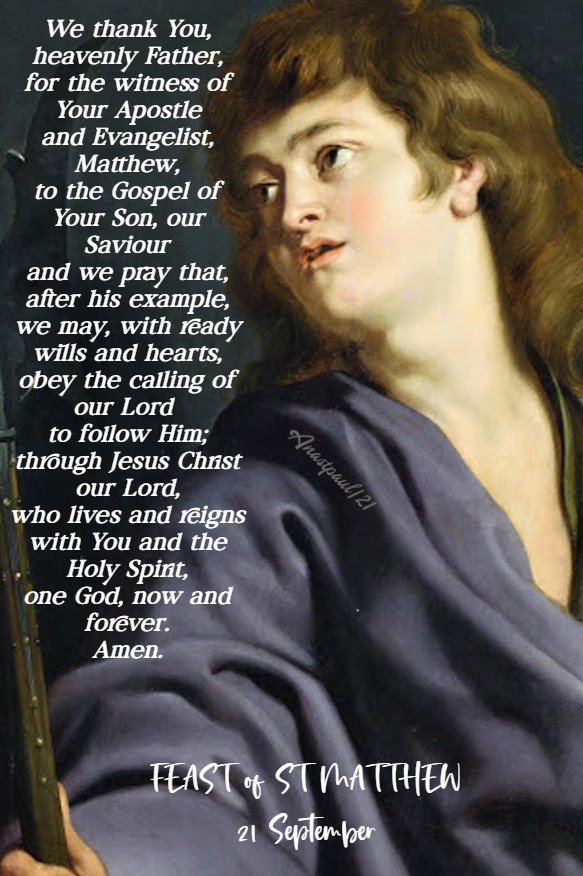
PRAYER – We thank You, heavenly Father, for the witness of Your Apostle and Evangelist, Matthew, to the Gospel of Your Son, our Saviour and we pray that, after his example, we may with ready wills and hearts, obey the calling of our Lord, to follow Him; through Jesus Christ our Lord, who lives and reigns with You and the Holy Spirit, one God, now and forever. Amen.
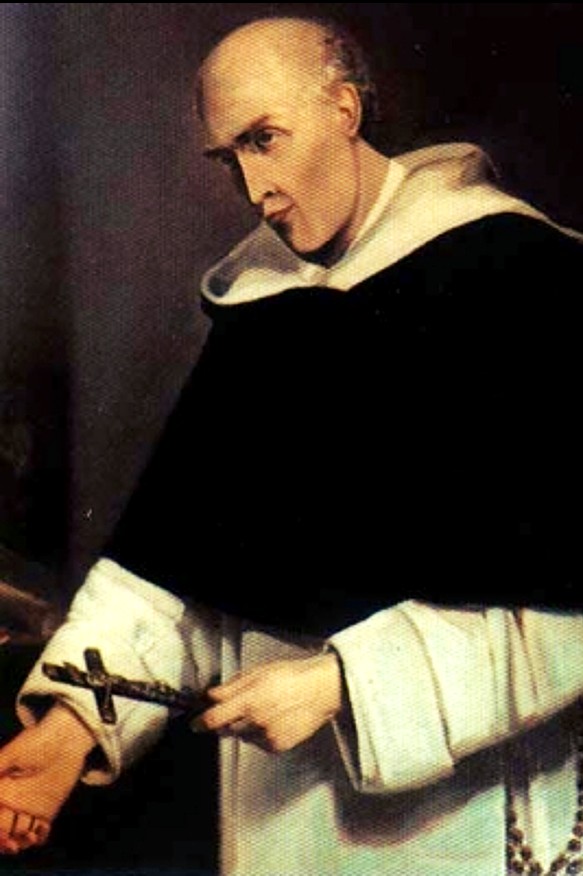
Saint of the Day – 21 September – Blessed Mark Scalabrini of Modena OP (c 1420-1498) Priest and Friar of the Order of Preachers, Prior, miracle-worker. Born in c 1420 in Mocogna, Modena, Emilia-Romagna, Italy and died on 21 September 1498 in Pesaro, Italy of natural causes.
Mark was born in Modena and entered the Convent of the Dominican Order there in young manhood. He observed the Rules with great fidelity and became noted, both for his learning and his holiness. However, when we recall the times in which he lived , it becomes clearer to us that anyone who kept the Dominican Rule in its entirety, is truly deserving of our notice . The abuses which stirred Savonarola to thundering speech in the pulpits of Ferrara and Florence could not have been absent from all of Italy. It took solid virtue to hold out against the opulent worldliness of the times and Mark of Modena apparently did a thorough job of it, since he has been Beatified.
Mark was made Prior of the Convent of Pesaro and the only miracle we have on record (he is believed to have performed many) took place at his convent. A little boy had died and the mother pleaded with Mark to restore the child’s life. After praying for awhile, Mark turned to her and said, “Madam, your young boy is in paradise. Do not try to get him back again, for his second loss will be worse than this one.” However, she insisted on his working the miracle and he did so. The child returned to life and, ten years later, covered with disgrace and public censure arising from shameful conduct, died a second time, leaving his mother in more sorrowful grief than ever.
Mark of Modena died in 1498, the year that the City of Florence burned Savonarola at the stake. It was a time of terrible happenings in Italy and all Europe. The people of Modena mourned the death of Mark and went to pray at his tomb. Many of their needs were answered there and a number of miracles were reported and again when his relics were translated to the Rosary Chapel of the Church. His relics were again transferred in 1949, to the Dominican Church in Modena. The bells were said to have rung by themselves and sweet perfume filled the air. His relics are still exposed annually for veneration during the week of Pentecost. Blessed Mark was Beatified on 10 September 1857 by Pope Blessed Pius IX.
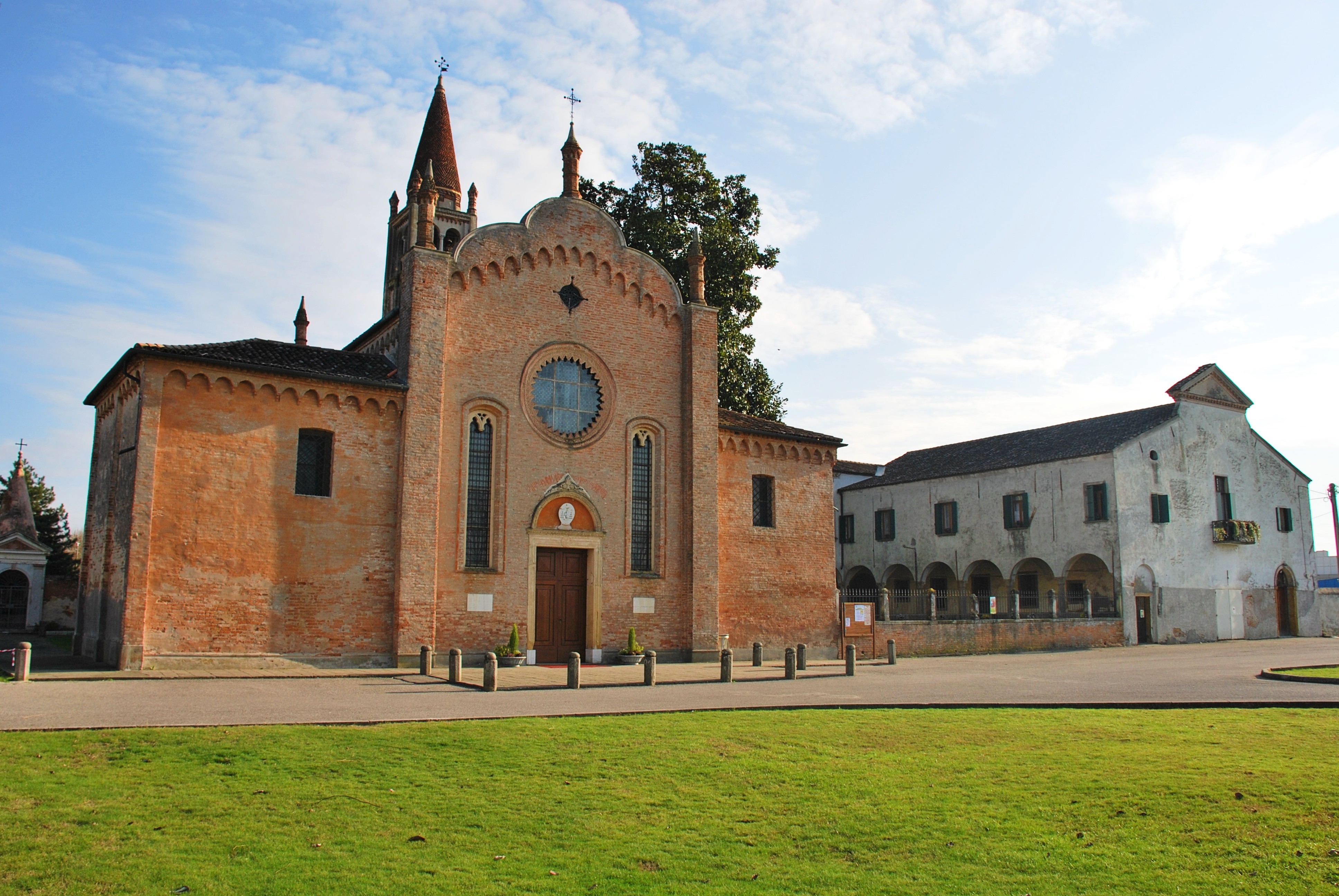
Beata Vergine del Tresto / The Blessed Virgin of Tresto, Ospedaletto Euganeo, Italy (1468) – 21September:
The complex of the Sanctuary of Tresto was built in the place of the miraculous Marian apparition to the boatman Giovanni di Bartolomeo Zielo da Ponso on the night of 21 September 1468, in the locality of Tresto, current fraction of the Municipality of Ospedaletto Euganeo near Padua, from where he was returning. Reaching Este in the evening, the man had stopped to sleep in the boat under the Borini bridge. Around midnight he was awakened by a female voice who called him three times. The man saw two beautiful ladies who enjoined him to follow them. Strangely finding the drawbridge of the City lowered, they walked towards the countryside where, in the locality of Tresto, one of the two ladies sat on the bank of a ditch and told the other to fetch her a bunch of grapes. Then she asked Giovanni if he knew her. To his negative answer she said that she was Mary, the Mother of God. She then enjoined him not to amend his life and to do his best to have a Church built on that place according to the plan and the measures she illustrated to him. But Giovanni objected saying that because of his poverty and ignorance, he would not be believed. Then Mary gave him a knife, instructing him to stick it into the ground and then to remove it. Giovanni obeyed and when he removed the blade from the ground, blood gushed. After having blessed him, the Madonna disappeared with her companion. T he next day Giovanni, afraid of not being believed, did not carry out the commands he had received but only confided in three friends. Losing his peace of mind, he eventually went with some people to the site of the apparition, where he tried to stick the knife into the ground, pulling it back wet with blood. Others wanted to try: the incredulous could not move the blade from the ground, while the others withdrew it bloody.
The miraculous event, renewed several times, convinced everyone to work together to erect the required Church. At the halfway point, due to the exceptional drought that had hit the area, there was no water. Everyone then invoked the help of Mary, who caused a spring appear next to the construction site. This spring since then, over the centuries, has been a source of miraculous cures just like the one at Lourdes. The custody of the Church, built in 9 months, was entrusted by the Paduan clergy to a Congregation of Mendicants of whom Giovanni wore the habit in a lay state.
The Sanctuary of Tresto became and remains a site of devotion and pilgrimage with the powerful and healing waters of the miraculous Spring, bringing many sick seeking cures. The Sanctuary preserves several works of art among which the painting on wood depicting the Virgin and Child shown above, stands out, a masterpiece attributed to Jacopo da Montagnana who created it between 1475 and 1480.
St Alexander of the Via Claudia Bl Diego Hompanera París St Eusebius of Phoenicia St Francisco Pastor Garrido St François Jaccard St Gerulph St Herminio García Pampliega St Iphigenia St Isaac of Cyprus Bl Jacinto Martínez Ayuela St Jacques Honoré Chastán St Johannes Ri St Jonah the Prophet Bl José María Azurmendi Mugarza Bl Josep Vila Barri St Landelino of Ettenheim Bl Manuel Torró García Blessed Mark Scalabrini of Modena OP (c 1420-1498) St Maura of Troyes St Meletius of Cyprus Bl Nicolás de Mier Francisco St Pamphilus of Rome St Pierre Philibert Maubant St Tôma Tran Van Thien Bl Vicente Galbis Gironés Bl Vicente Pelufo Orts — Martyrs of Gaza – 3 saints: Three brothers, Eusebius, Nestulus and Zeno, who were seized, dragged through the street, beaten and murdered by a pagan mob celebrating the renunciation of Christianity by Julian the Apostate. They were burned to death in 362 on a village garbage heap in Gaza, Palestine.
Martyred in the Spanish Civil War: • Blessed Diego Hompanera París • Blessed Jacinto Martínez Ayuela • Blessed José María Azurmendi Mugarza • Blessed Josep Vila Barri • Blessed Manuel Torró García • Blessed Nicolás de Mier Francisco • Blessed Vicente Galbis Gironés • Blessed Vicente Pelufo Orts
Thought for the Day – 20 September – Meditations with Antonio Cardinal Bacci (1881-1971)
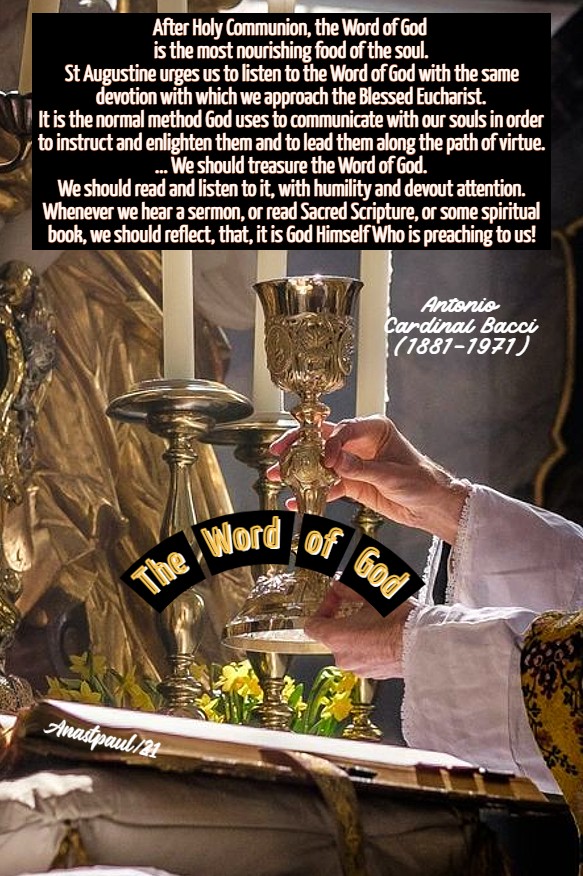
The Word of God
“After Holy Communion, the Word of God is the most nourishing food of the soul. St Augustine urges us to listen to the Word of God with the same devotion with which we approach the Blessed Eucharist. It is the normal method God uses to communicate with our souls in order to instruct and enlighten them and to lead them along the path of virtue. It is true, that God sometimes makes direct contact with us by means of good inspirations or extraordinary graces but, the ordinary way in which He calls us to eternal life, is by His divine Word, whether it is proclaimed by His ministers, read in Sacred Scripture, illustrated in the lives of the Saints, or, outlined by masters of the spiritual life. Most important of all, is the living word of the lawful representatives of God. Jesus did not specifically command His Apostles to write but to preach. “He who believes and is baptised,” He added, “shall be saved but he who does not believe, shall be condemned” (Cf Mk 16:16). Mary Magdalen was converted by the preaching of Jesus and wept for her sins. The sermons of St John the Baptist called upon the Jewish people to do penance. Centuries earlier, the prophet Nathan had converted David by means of the inspired Word of God and the prophet Jonah, had roused the Ninivites to repentance. We should treasure the Word of God. We should read and listen to it, with humility and devout attention. Whenever we hear a sermon, or read Sacred Scripture, or some spiritual book, we should reflect, that, it is God Himself Who is preaching to us! We should not be guided merely by a spirit of curiosity, desire for knowledge, or love of eloquence or literary style but, by the determination to apply such instruction to ourselves and to put it into practice.”
Quote/s of the Day – 20 September – “Month of the Seven Sorrows of Mary” – Readings: Ezra 1: 1-6; Psalm 126: 1b-6; Luke 8: 16-18
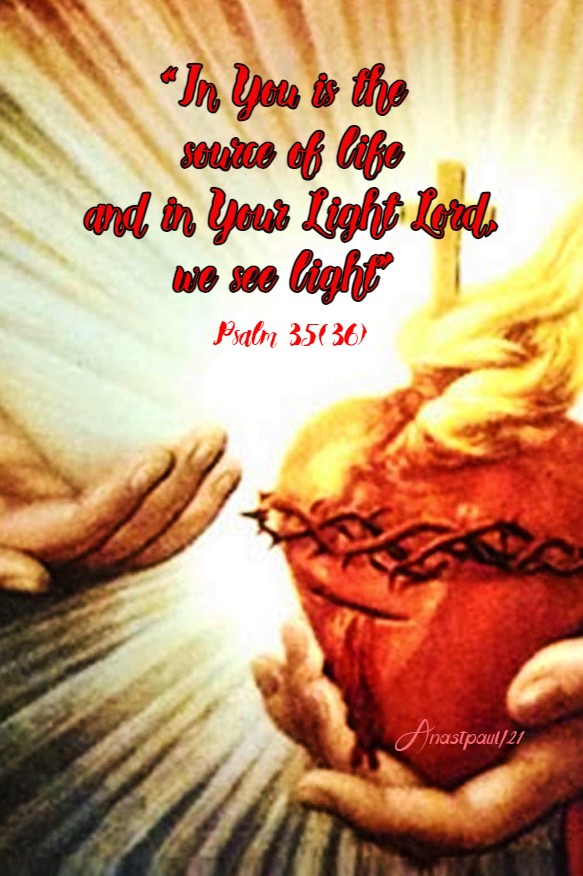
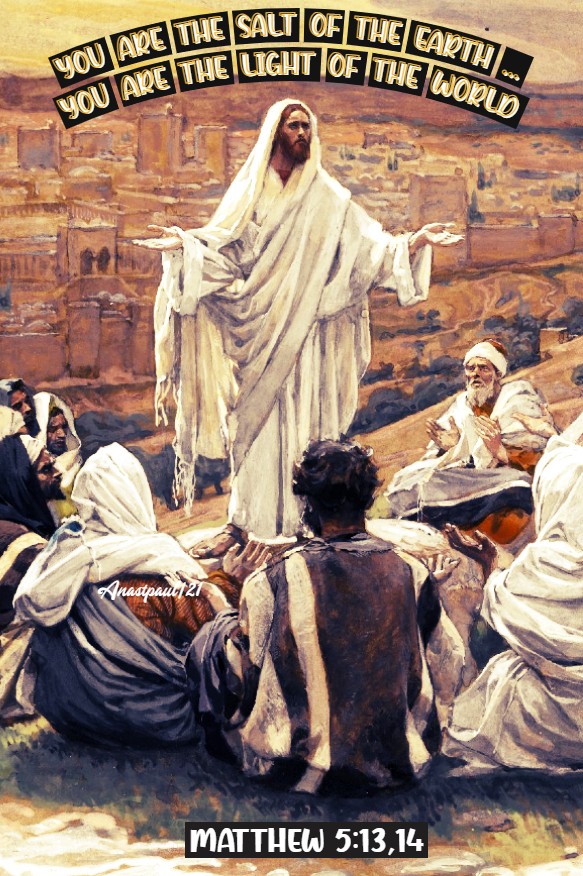
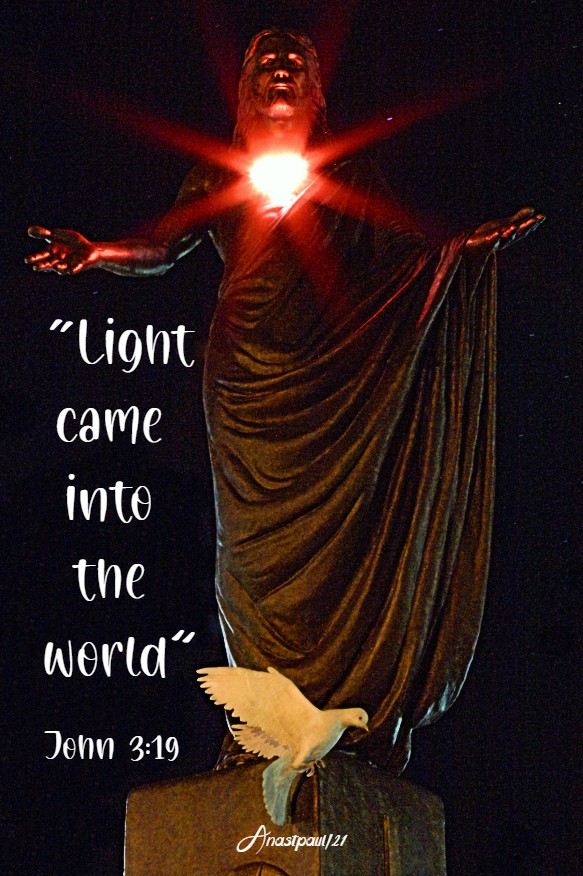
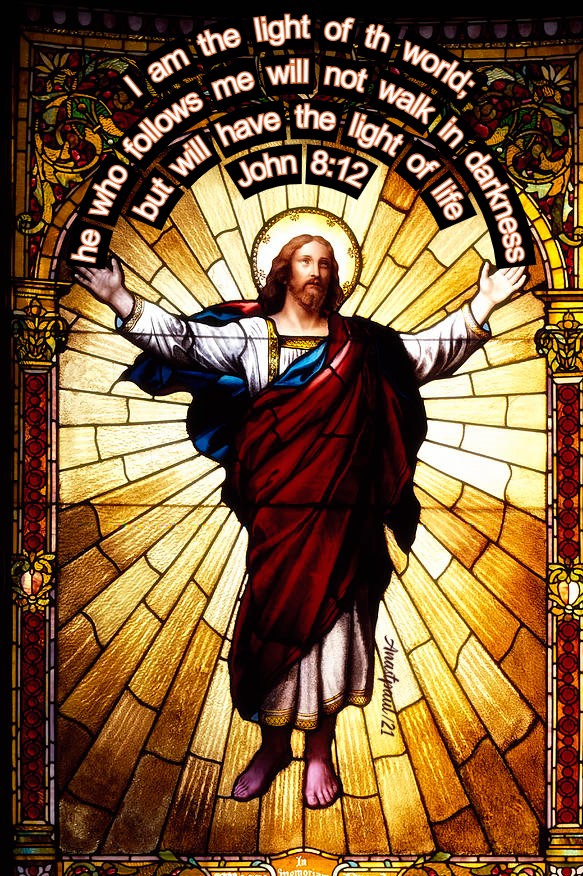
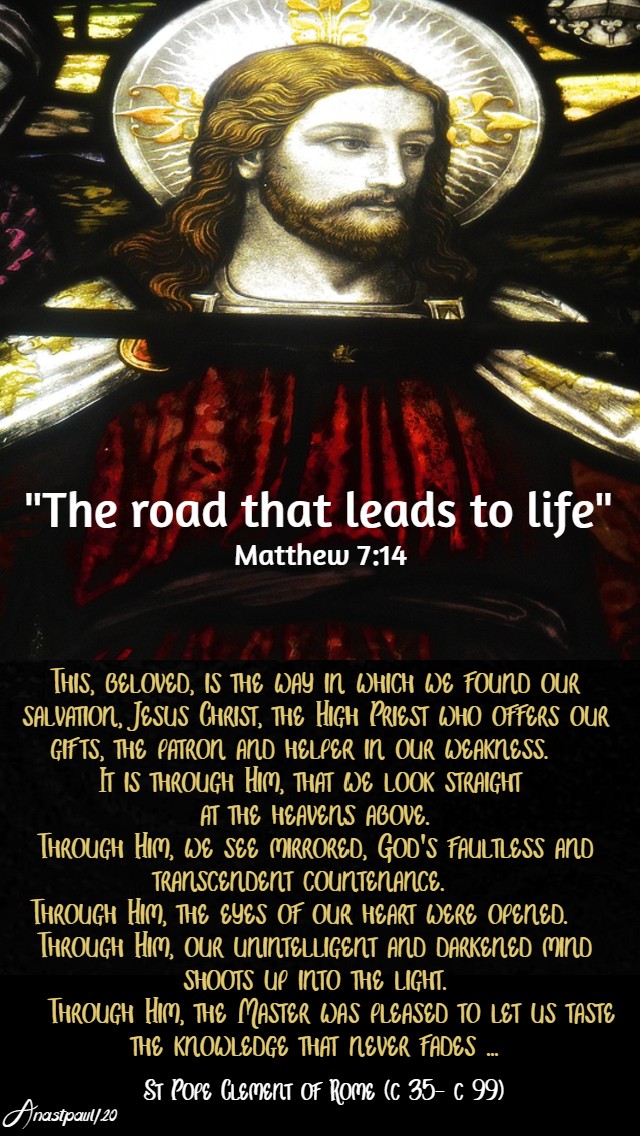
Christ the Light
“In You is the source of life and in Your Light Lord, we see light”
Psalm 35(36)
“You are the salt of the earth … You are the light of the world.”
Matthew 5:13,14
“Light came into the world.”
John 3:19
“I am the light of the world he who follows me will not walk in darkness but will have the light of life.”
John 8:12
“This, beloved, is the way in which we found our salvation, Jesus Christ, the High Priest Who offers our gifts, the Patron and Helper in our weakness (Heb 10:20; 7:27; 4:15). It is through Him, that we look straight at the heavens above. Through Him, we see mirrored, God’s faultless and transcendent countenance. Through Him, the eyes of our heart were opened. Through Him, our unintelligent and darkened mind shoots up into the light. Through Him, the Master was pleased to let us taste the knowledge that never fades,”
St Pope Clement I (c 35 – c 99)
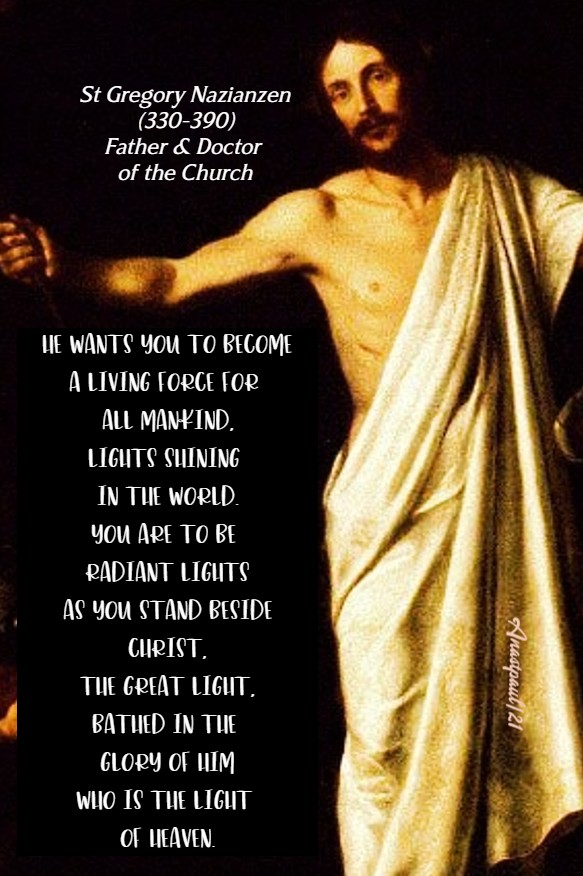
“He wants you to become a living force for all mankind, lights shining in the world. You are to be radiant lights as you stand beside Christ, the Great Light, bathed in the glory of Him who is the Light of Heaven.”
St Gregory Nazianzen (330-390) Father & Doctor of the Church
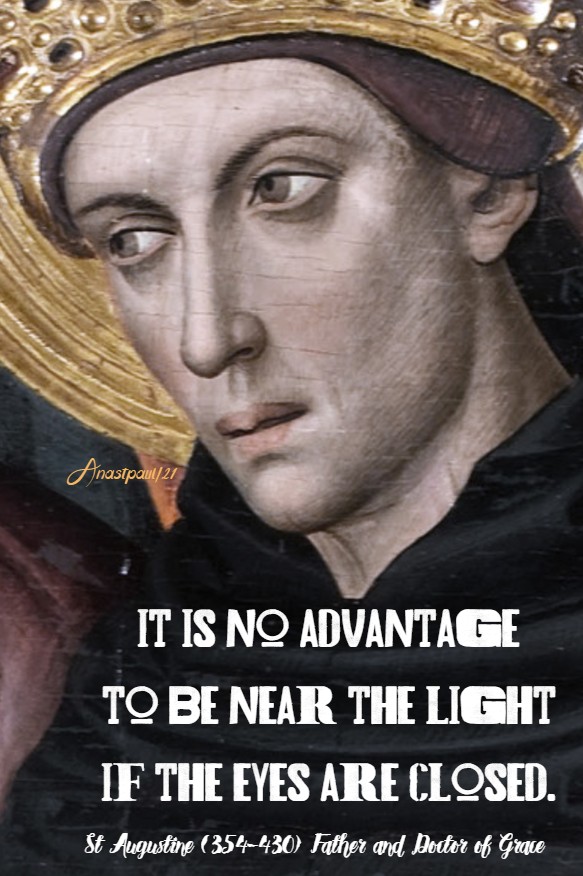
“It is no advantage to be near the light, if the eyes are closed.”
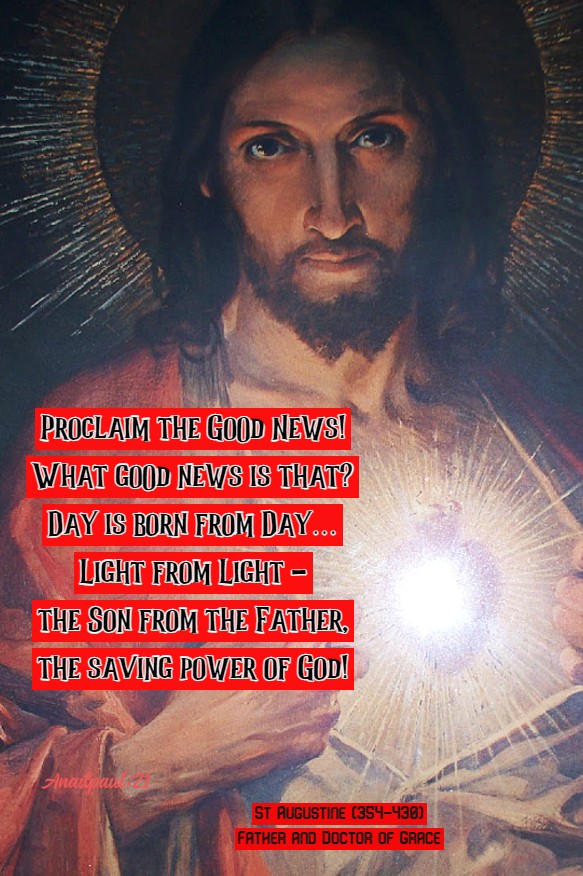
“Proclaim the Good News! What good news is that? Day is born from Day… Light from Light – the Son from the Father, the saving power of God!”
St Augustine (354-430) Father and Doctor of Grace
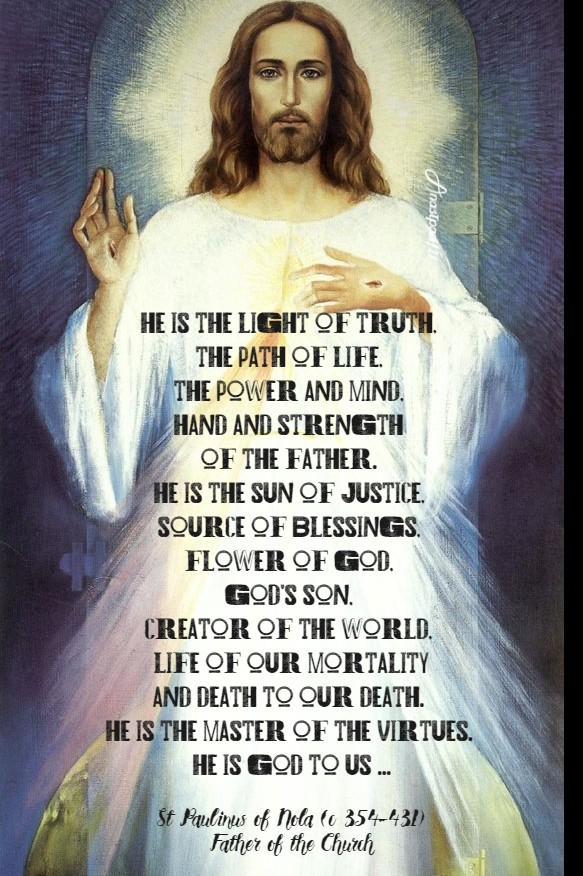
“He is the Light of Truth, the Path of life, the Power and Mind, Hand and Strength of the Father. He is the Sun of Justice, Source of Blessings, Flower of God, God’s Son, Creator of the world, Life of our mortality and Death to our death. He is the Master of the virtues. He is God to us …!”
St Paulinus of Nola (c 354-431) Father of the Church
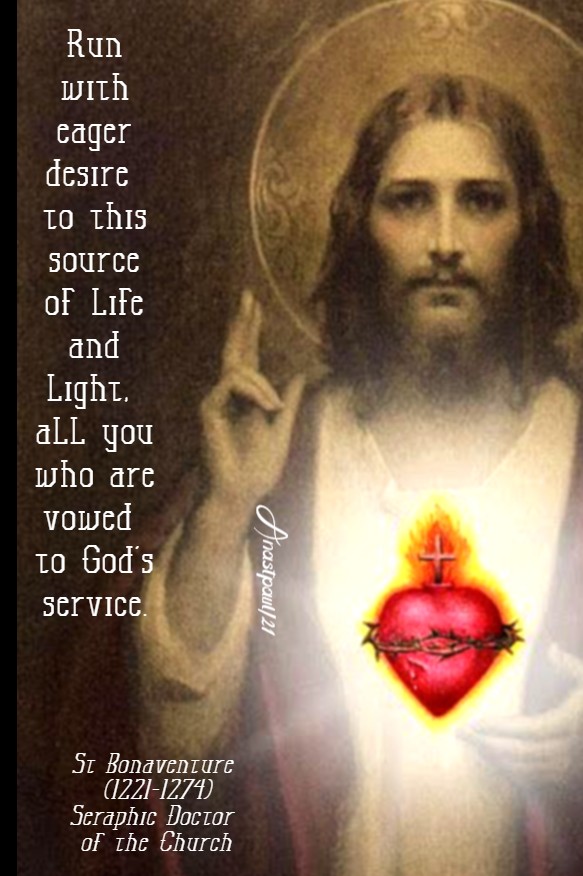
“Run with eager desire to this Source of Life and Light, all you who are vowed to God’s service.”
St Bonaventure OFM (1221-1274) Seraphic Doctor of the Church
One Minute Reflection – 20 September – “Month of the Seven Sorrows of Mary” – Readings: Ezra 1: 1-6; Psalm 126: 1b-6; Luke 8: 16-18
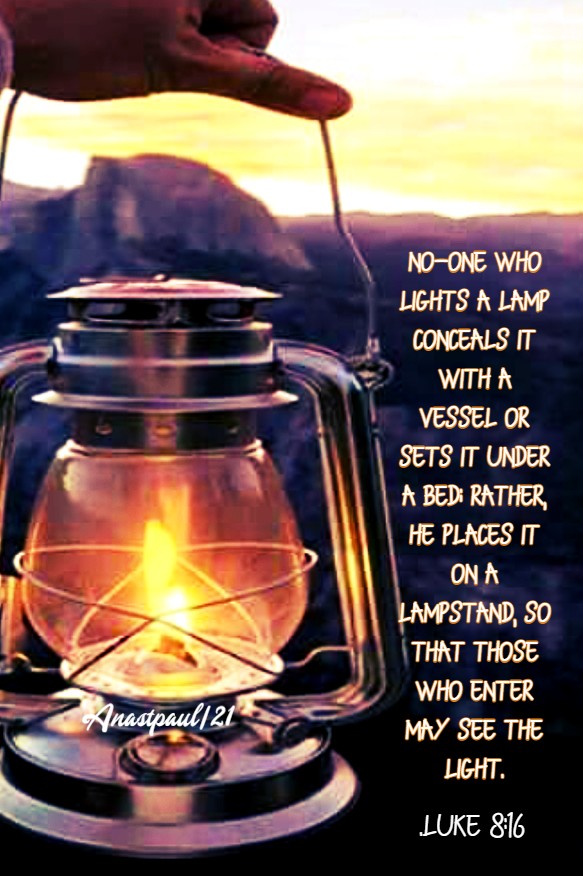
“No-one who lights a lamp conceals it with a vessel or sets it under a bed, rather, he places it on a lampstand, so that those who enter may see the light.” – Luke 8:16
REFLECTION – “The Lamp set upon the Lampstand is Jesus Christ, the true Light from the Father, the Light that enlightens every man who comes into the world. In taking our own flesh, He has become and is rightly called, a Lamp, for He is the connatural Wisdom and Word of the Father. … He is lifted up and resplendent among the nations, through the lives of those who live virtuously, in observance of the commandments. So He gives light to all in the house (that is, in this world), just as He Himself, God the Word, says – no-one lights a lamp and puts it under a bushel but on a stand and it gives light to all in the house. Clearly He is calling Himself the Lamp, He who is by nature God and became flesh according to God’s saving purpose. …
Lamp-like indeed, He alone dispelled the gloom of ignorance and the darkness of evil and became the Way of salvation for all men. Through virtue and knowledge, He leads to the Father those who are resolved to walk by Him, Who is the way of righteousness, in obedience to the divine commandments. He has designated holy Church the Lampstand, over which the Word of God sheds Light through preaching and illumines with the rays of truth, whoever is in this house which is the world and fills the minds of all men with divine knowledge.
This Word is most unwilling to be kept under a bushel; it wills to be set in a high place, upon the sublime beauty of the Church. …” – St Maximus of Turin (? – c 420) Bishop and Father of the Church – (An excerpt from An Inquiry Addressed to Thalassius)
PRAYER – Lord, be the beginning and the end of all that we do, all that we say, in every moment be our Light. Prompt our actions with Your grace and complete them with Your all-powerful love. May we always seek Your Face in every circumstance, in every moment, so that Your Light may become our life. Holy and Mother, you lived your life in the Presence of the Holy Face of Christ our Lord, please intercede for us and for all the world. We make our prayer through Christ, our Lord with the Holy Spirit, one God forever, amen.
Our Morning Offering – 20 September – “Month of the Seven Sorrows of Mary” and A Monday sanctified by the Holy Spirit
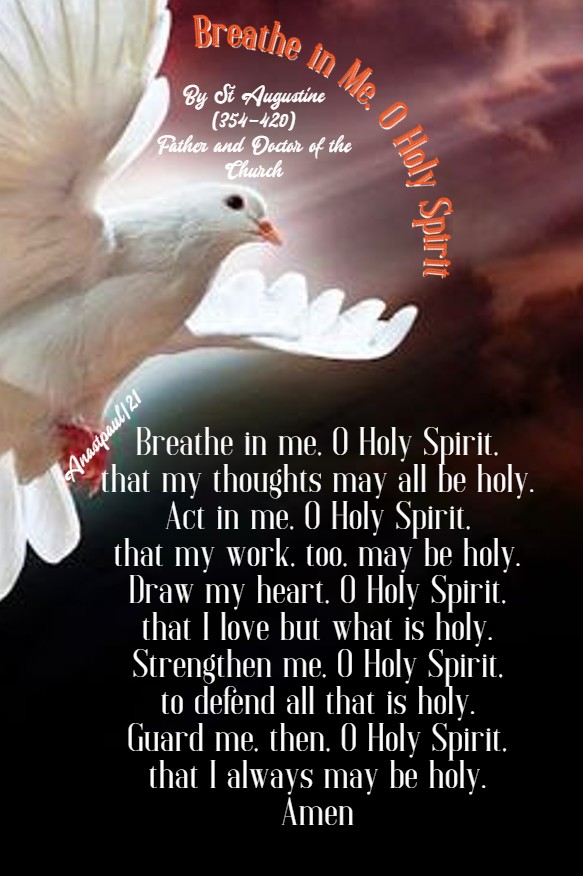
Breathe in Me, O Holy Spirit By St Augustine (354-420) Father and Doctor of the Church
Breathe in me, O Holy Spirit, that my thoughts may all be holy. Act in me, O Holy Spirit, that my work, too, may be holy. Draw my heart, O Holy Spirit, that I love but what is holy. Strengthen me, O Holy Spirit, to defend all that is holy. Guard me, then, O Holy Spirit, that I always may be holy. Amen
Saint of the Day – 20 September – Saint Susanna of Eleutheropolis (Died 362) Virgin Martyr, Deaconess and Abbess. Susanna spent many years as a ‘Monk and then ‘Abbot’ when she disguised herself as a man called John. After detection, she was rescued by the local Bishop, Ordained as a Deaconess and settled as Abbess in a Convent for women. Died in 362 at Eleutheropolis, Palestine while in prayer in her prison cell. Also known as St Susanna of Palestine.
The entry in the Roman Martyrology states: “The holy Martyr, Susanna, daughter of Arthemius, a pagan priest and Martha.“
Susanna grew up in Palestine as the daughter of Arthemius, a rich pagan priest and Martha, a Hebrew woman. After their deaths, she was baptised as a Christian, freed her slaves, gave her property to the poor and decided to live as an ascetic. She cropped her hair, put on men’s clothing, took the name of John and presented herself to a men’s Monastery in Jerusalem. The Monks assumed she was a eunuch and accepted her.
Still disguised, Susanna eventually became ‘Abbot’ of the Monastic community. After twenty years in the Monastery, a visiting Nun fell in love with her and tried to win her affections. When this failed, the Nun accused Susanna of seducing her. The local Bishop, Cleopas of Eleutheropolis, was called in with two Deaconesses. Susanna revealed her gender to the Deaconesses and her name was cleared.
The Bishop was so impressed with Susanna’s dedication and piety, and brought her back to his Cathedral. He ordained her a Deaconess and appointed her Abbess of a Convent. She served as Abbess for many years, serving the poor, extended hospitality and praying for the salvation of souls.
During the persecution of Julian the Apostate, Susanna was arrested and tortured for refusing to offer sacrifices to the pagan gods. When her torturers realised that they could not break her faith, they threw her into prison, where she died from her wounds and lack of food in the year 362.
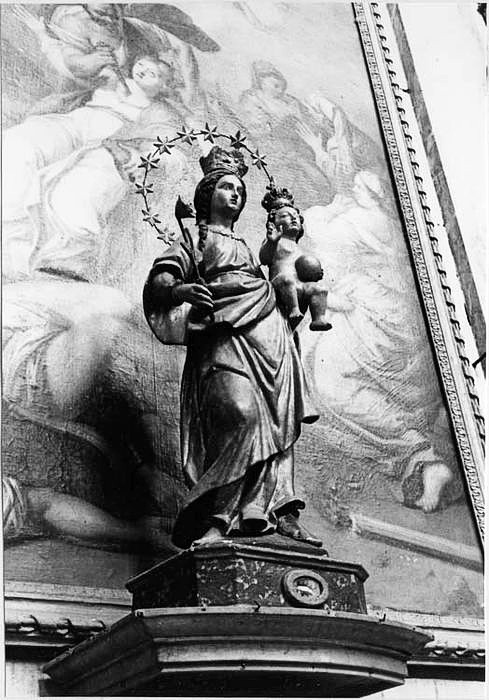
Notre-Dame-au-Pied-d’Argent / Our Lady with the Silver Foot), Toul, Meurthe-et-Moselle, Lorraine, France (1284) – 20 September:
At Toul, in Lorraine, there was a Statue, which, according to an ancient tradition, informed a woman on 20 September in the year 1284, of an act of treachery which was being planned against the City.
The Statue was called Our Lady with the Silver Foot, or Notre-Dame au pied d’argenth. The faithful keep the memory of this stone Statue of the Blessed Virgin Mary, which was located just inside the entrance of the Church and placed over a sculpted clam. In those days there would be a lamp burning before it on feast days and almost every day, the faithful offered small candles which they lit and rested on a circular iron candlestick that was placed before the Statue. It was well known that several people who prayed before this Statue were cured of various diseases but the devotion and respect of the people toward this image, grew more than ever at the time of the Bishop Conrad because of the miracle that occurred in the following manner:
A woman named Helwide was in the Cathedral Saint-Etienne de Toul praying to the Blessed Virgin for consolation and the repose of the souls of her husband and daughter who had recently died. It was about midnight, when the Canons were praying Matins, that the Blessed Virgin Mary suddenly appeared to her. The Virgin Mary ordered Helwide to go immediately to find a man named Rimbert, who was the guardian of “The Door to the Chair.” The Door to the Chair gave access to the Castrum, a little entrance to the City near Tanner Street. Helwide was urged to go quickly, for an enemy proposed to enter the City by the door to set their homes on fire and fill the streets with blood. Regaining her senses after the vision, Helwide got up feeling very puzzled. She was hesitant about what she should do, though as Rimbert’s home was not far distant and was on her way home anyway, she decided she would indeed go there. No sooner had Helwide stepped out of the Church, than she met the night-watch on patrol. She told them the tale of her vision and they responded by mocking her and making derogatory jokes. Despite this, two of them still decided to follow and actually see what would happen if Helwide could find the porter she sought. The pair arrived with Helwide at the house and simply thrust the door open. Rimbert sat on his bunk, seeming startled, yet as if expecting the visit. Helwide briefly stated the purpose of her visit and Rimbert exclaimed, “I had precisely the same vision and the same warning! I do not know if it occurred in my sleep or in the state of wakefulness but I have been told that the Statue will move her foot in testimony of the truth!” At these words, all those present were seized with a great desire to see such a prodigy. With a rush they ran to the Cathedral and removed the candles and all that stood before the image. To their disappointment they found that the Virgin’s feet remained mostly hidden beneath the folds of the clothing of the Statue as before. In the interim, several scholars and some laymen who were called to see the wonder, arrived on the scene. Seeing that nothing was apparently going to happen, they began cursing all the rest as senseless interpreters of dreams. As they stood not far from the Statue, many of them fell silent as they saw the Statue suddenly move as an entire foot of the Blessed Virgin Mary appeared from beneath the folds of her garment. Terrified, but convinced, this time they all agreed to announce the peril which they now knew actually threatened them. Quickly rendering their thanks to Mary, they agreed to defend the City and call for reinforcements. They arrived just in time to take up their positions to defend the entrance to the City with the assistance of the Episcopal palace guards. A tremendous struggle occurred when the invaders broke down the door and entered the courtyard, but the defenders were committed to the fight and held their own. When reinforcements arrived, the invaders fell to the last man.
To perpetuate the memory and recognize the protection granted to them by the Blessed Virgin Mary, the people of Toul had a shoe of pure silver made to cover the foot on the Blessed Virgin’s Statue. From that time on the Statue was known as Our Lady with the Silver Foot. They also hung on the wall of the cathedral a picture which represented the heavenly vision and Mary was declared Patroness of the City.
The image of Our Lady with the Silver Foot was venerated in the City and the surrounding areas and in case of the threat of any public calamity, the Blessed Virgin was invoked and ,henceforth, the Statue would be carried in procession throughout the streets of the City. The Governors themselves considered it an honour to take the Statue upon their own shoulders. Pilgrimages were made to Our Lady of the Silver Foot; prayers answered, graces bestowed and miracles wrought.
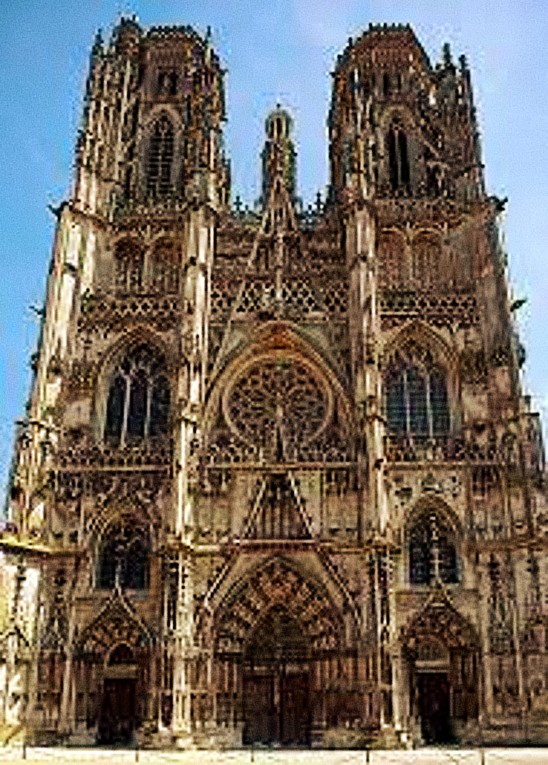
The original Statue of Our Lady with the Silver Foot was destroyed during the ravages of the French Revolution and was replaced later by a modern statue that was stolen in the 1980’s. The Gothic Cathedral was repaired after being damaged during the French Revolution but still awaits repair after the damage caused when it was struck during an aerial bombardment in the Second World War. There was once also a Monastery at Toul,but no trace of it remains.
A photography of the stolen Statue
Vigil of St Matthew, Apostle and Evangelist St Agapitus of Rome St Candida of Carthage St Dionysius of Phrygia St Dorimedonte of Synnada St Eusebia of Marseilles
Martyrs of Constantinople – 3 saints: A priest and two bishops who were imprisoned, tortured and martyred for the defense of icons in the iconoclast persecutions of emperor Leo the Isaurian. – Andrea, Asiano and Hypatius. They were martyred in 735 in Constantinople (modern Istanbul, Turkey) and their bodies were thrown to the dogs.
Martyrs of Pergen – 6 saints: A group of lay people martyred in the persecutions of Emperor Elagabalus. The names that have come down to us are Dionysius, Dioscorus, Philippa, Privatus, Socrates and Theodore. They were crucified c 220 at Pergen, Pamphylia, Asia Minor (in modern Turkey).
Martyred in the Spanish Civil War: • Blessed Cristobal Iturriaga-Echevarría Irazola • Blessed Santiago Vega Ponce • Blessed Juan Antonio López Pérez
Thought for the Day – 19 September – Meditations with Antonio Cardinal Bacci (1881-1971)
“Unless You Turn and Become Like Little Children, You Will Not Enter into the Kingdom of Heaven”
“At the beginning of their ministry, before they had been strengthened and enlightened by the Holy Spirit, the Apostles were as ambitious as most other men. One day, the mother of John and James, the sons of Zebedee, came to Jesus and asked Him, if her two sons could have precedence over the other Apostles and sit on the highest thrones in His kingdom, one at His right hand and the other at His left. Jesus disapproved of this desire to predominate. “Whoever wishes to become great among you,” He said, “shall be your servant and, whoever wishes to be first among you shall be your slave; even as the Son of Man has not come to be served but to serve and to give his life as a ransom for many” (Mt 20:26-28).
On another occasion, the Apostles came to Jesus and asked Him, which of them would be the greatest in the kingdom of Heaven. Jesus’ only answer was to call a little child and to place him in the centre of the group. “Amen, I say to you, unless you turn and become like little children, you shall not enter into the kingdom of heaven. Whoever, therefore, humbles himself as this little child, he is the greatest in the kingdom of heaven” (Mt 18:3-4).
This is the lofty teaching of the Gospel. If we wish to be great and pleasing in the eyes of God, we must be unimportant in our own regard and in our relations with men. The Gospel involves an overthrow of human values. Anyone who makes himself insignificant, will become great. Anyone who tries to make himself out to be a great man, becomes of little account in the eyes of God. “God resists the proud but gives grace to the humble” (Cf Js 4:6; 1 Peter 5:5). If we wish to please the Sacred Heart of Jesus, the first thing we must do, is become as little children. In other words, we shall have to suppress our ambition and vanity and destroy our self-love, so that, the Sacred Heart may fill our hearts with the love of God alone!”
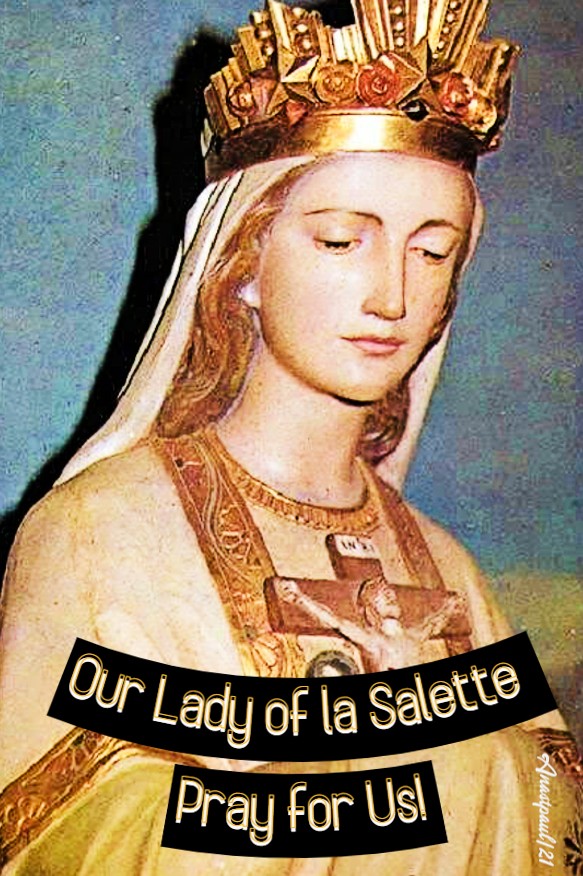
Quote of the Day – 19 September – The Feast of Our Lady of La Salette
“If my people will not submit, I shall be forced to let fall the arm of my Son. It is so strong, so heavy, that I can no longer withhold it. … ‘Six days I have given you to labour, the seventh I have kept for Myself – and they will not give it to Me.’ It is this which makes the arm of my Son so heavy.”
Our Lady of la Salette 19 September 1846 To Maximin Giraud (11) and Melanie Calvat (14)
One Minute Reflection – 19 September – Readings: Wisdom 2: 12, 17-20; Psalm 54: 3-8; James 3: 16 – 4: 3; Mark 9: 30-37 – The Feast of Our Lady of La Salette
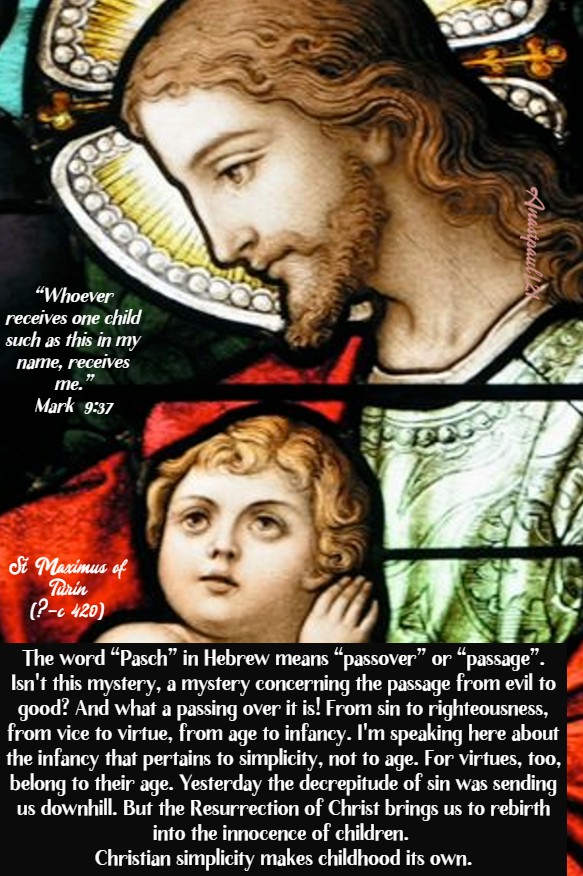
“Whoever receives one child such as this in my name, receives me.” – Mark 9:37
REFLECTION – “We Christians are Christ’s body and members, the Apostle Paul says (1Cor 12,27). At Christ’s Resurrection all His members were raised with Him and, as He passed from hell to earth, He made us pass from death to life. The word “Pasch” in Hebrew means “passover” or “passage”. Isn’t this mystery, a mystery concerning the passage from evil to good? And what a passing over it is! From sin to righteousness, from vice to virtue, from age to infancy. I’m speaking here about the infancy that pertains to simplicity, not to age. For virtues, too, belong to their age. Yesterday the decrepitude of sin was sending us downhill. But the Resurrection of Christ brings us to rebirth into the innocence of children. Christian simplicity makes childhood its own.
Children are without malice; they do not know deceit; they dare not strike. Thus this Christian child does not fall into a rage if he is insulted, nor defend himself if he is stripped, nor hit back if he is struck. Our Lord even requires him to pray for his enemies, relinquish both tunic and cloak to the thief and turn the other cheek to those who strike him (Mt 5,29f.).
Christ’s infancy surpasses human infancy… The latter owes its innocence to weakness, the former to virtue. Moreover, it is worthy of far greater praise: His hatred of evil comes from His Will, not His powerlessness.” – St Maximus of Turin (?-c 420) – Bishop (Sermon 58 ; PL 57, 363)
PRAYER – Grant us Lord, a true knowledge of salvation, so that, freed from fear and from the power of our foes, we may serve You faithfully in love and sorrow for our sins. May we, through the love You grant us, extend our love to all we meet and may the tears of the Holy Virgin of la Salette and of Sorrows, not reject our prayers but intercede for us, obtain for us the grace to love and follow our Lord Jesus above all else. May we console you by a holy life and so come to share the eternal life Christ gained by His Cross. Our Lady of La Salette, pray for us, through our Lord Jesus Christ, with the Holy Spirit, God forever,amen.
Our Morning Offering – 19 September – Seventeenth Sunday after Pentecost
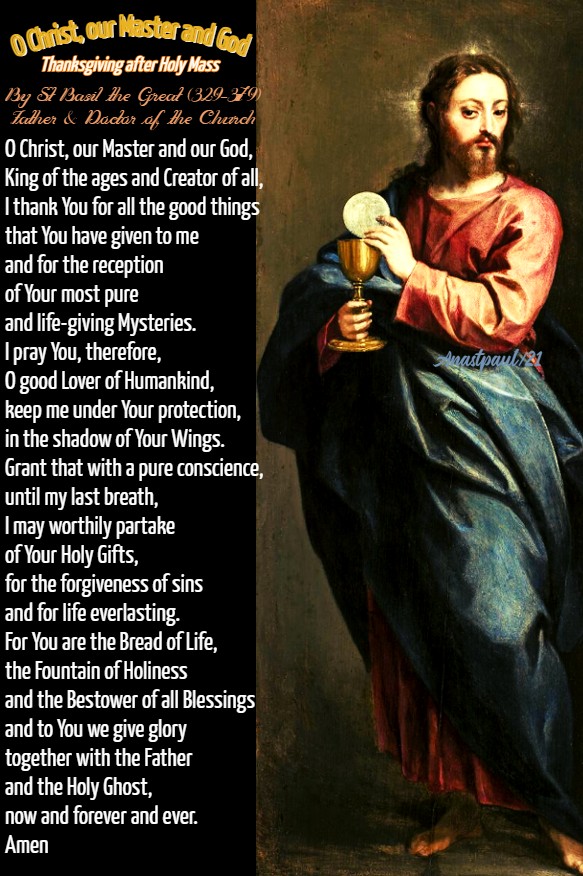
O Christ, our Master and God Thanksgiving after Holy Mass By St Basil the Great (329-379) Father and Doctor of the Church
O Christ, our Master and our God, King of the ages and Creator of all, I thank You for all the good things that You have given to me and for the reception of Your most pure and life-giving Mysteries. I pray You, therefore, O good Lover of Humankind, keep me under Your protection, in the shadow of Your Wings. Grant that with a pure conscience, until my last breath, I may worthily partake of Your Holy Gifts, for the forgiveness of sins and for life everlasting. For You are the Bread of Life, the Fountain of Holiness and the Bestower of all Blessings and to You we give glory together with the Father and the Holy Ghost, now and forever and ever. Amen
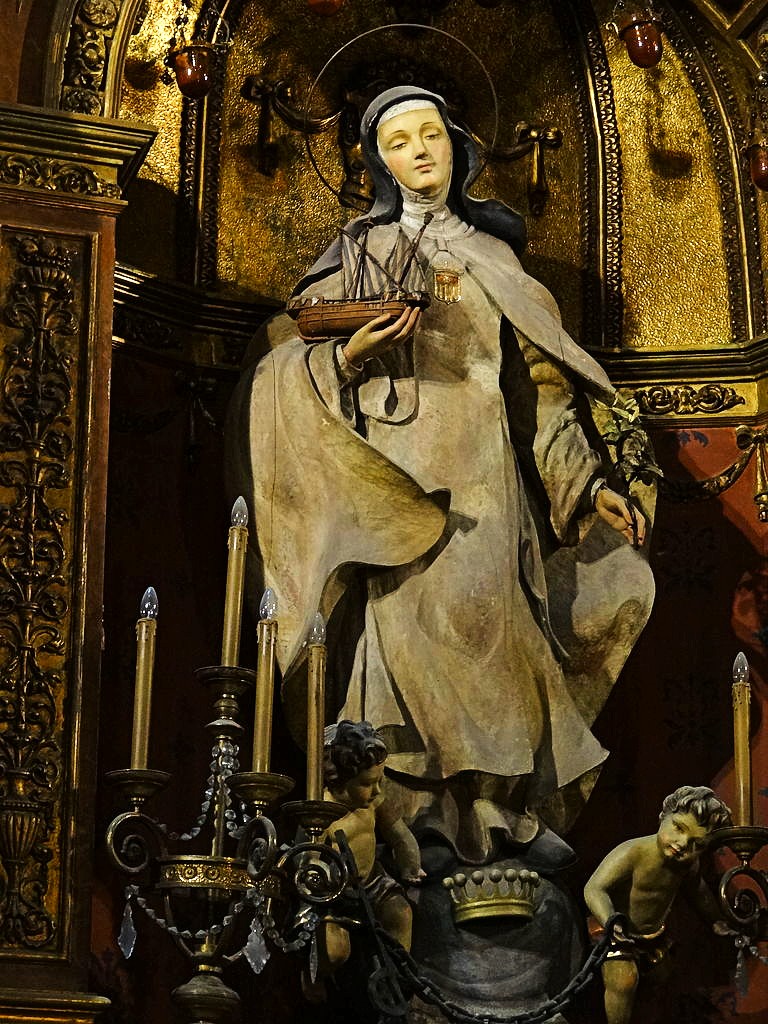
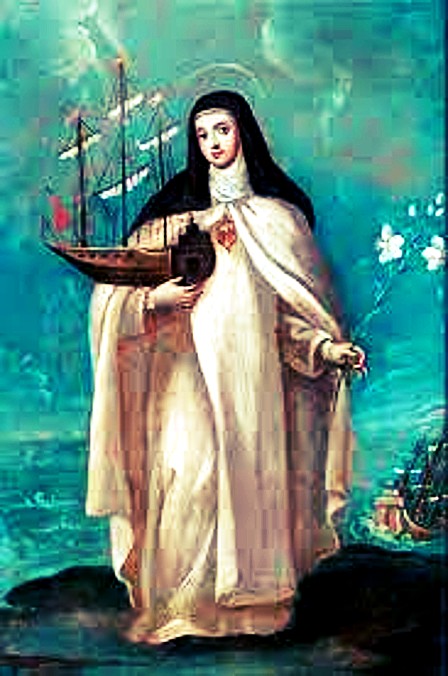
Saint of the Day – 19 September – St Maria de Cervellón OdeM (1230– 1290) Virgin, Catalan Superior of the Second Order of Mercedarians in her region, known as “Maria of Help,” Mystic, graced with the gift of bilocation, Apostle of the poor, the abandoned, the needy. She was the first woman to wear the Habit of the ‘ Order of the Blessed Virgin Mary of Ransom. She is considered the Founder of the Mercedary Nuns. Born in 1230 at Barcelona, Spain and died on 19 September 1290 at Barcelona, of natural causes. Patronages – Mercedarian Nuns and Sisters, Navigators, against shipwreck, Spanish sailors., of the abandoned. Also known as – Maria di Cervellon, Maria dell’Aiuto, Maria de Socos., Mary of Cerevellone. Her body is incorrupt.
Her entry in the Roman Martyrology states: “At Barcelona in Spain, blessed Maria de Cervellione, Virgin of the Order of Our Lady of Ransom. She is commonly called Maria of Help on account of the prompt assistance she renders to those who invoke her.“
María de Cervellón was born in Barcelona on 1 December 1230. At that time, the Mercedarian Friars had been redeeming captives from the power of the Saracens for several years,and in that seaport and commercial City, there was talk about the great work of charity and of the growing needs of the Friars in financing redemptions and the upkeep of the Hospital of St. Eulalia, where the ransomed were kept once they returned.
As with every young woman in her time, her family had made other plans for her future. They had tried several times to marry her off to various and prominent men so as to strategically improve their familial alliances and strengthen their position. However, Maria’s heart belonged to Another and she refused each offer her family made on her behalf. She had become the bride of Christ the Redeemer and would spend her life in service to her Spouse in the guise of the captive, the wounded, the sick and the needy. With the assistance of Fr. Bernardo de Corbera, she consecrated herself to God in the Order of Mercy on 25 May 1265, together with other young women from Barcelona.
Maria was not the first, for there is written evidence that the female branch of the Order of Mercy began earlier but she is the first one whose self-offering we know about. From then on, her life would be spent between her house and the Hospital of Saint Eulalia, on the sea, on the shore of Villanova, where it was built thanks to a donation by Raimundo de Plagamans. The Sisters were not originally formed as a contemplative family, but their life was centred on prayer. They were not founded as cloistered Nuns, but gathered in fellowship to be able to live out the Lord’s command – “There is no greater love than to lay down one’s life for one’s friends.” Maria took this call to heart and was able to convince others to follow the path that she had set out on. They formed a community of Sisters who were ready to share in the work of redemption, even to the end.
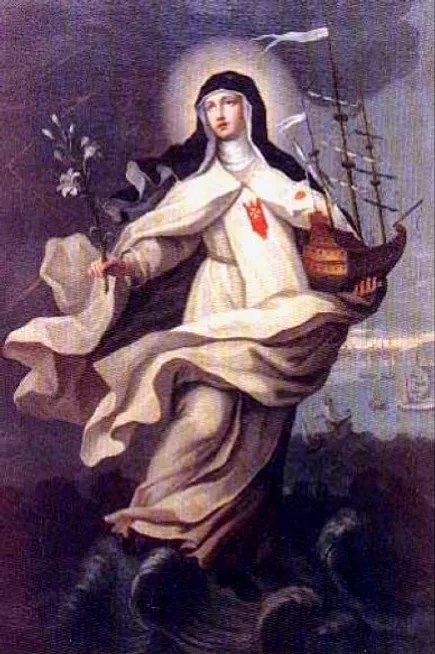
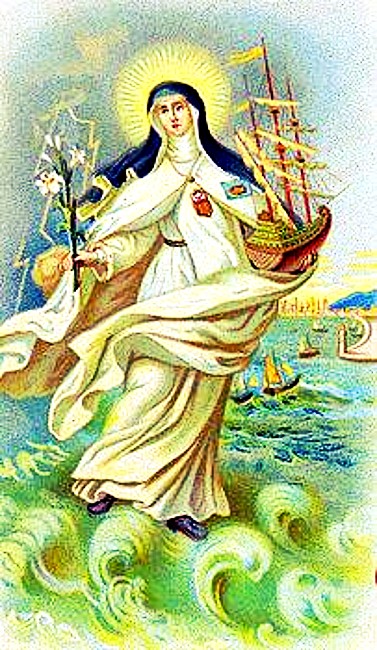
It is reported that Maria had the gift of bilocation. In Spanish, she was known by the surname de Socós or de Socorro (meaning helper), because she was seen coming to the aid of the ransom ships, walking in the midst of the waves of stormy and rough seas, in order to guide the sailors and their precious cargo to safety.
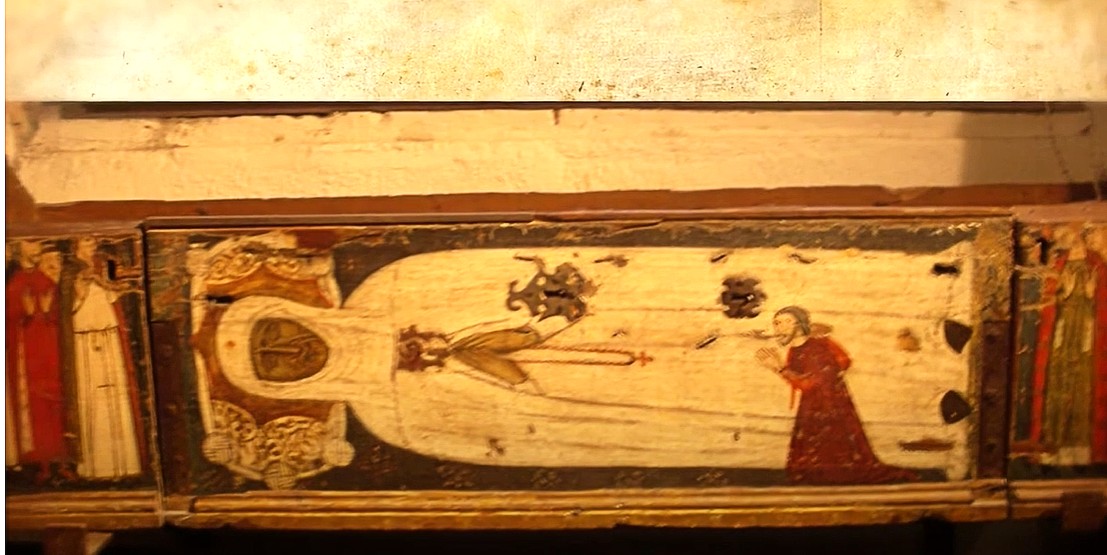
She died on 19 September 1290, and her remains are preserved in the Basilica of La Merced in Barcelona.
On 13 February1692, Pope Innocent XII gave a favourable judgement and confirmed her immemorial cult;and she was introduced into the Roman Martyrology as a Saint on 8 November 1729. Today, the Nuns and Sisters of the Order proclaim her as a strong woman who followed Jesus Christ, taking flesh in the realities of captivity, so as to be redeemers with Christ through prayer and various apostolates according to their respective constitutions.
Seventeenth Sunday after Pentecost Twenty Fifth Sunday in Ordinary Time
Notre-Dame de la Salette / Our Lady of La Salette), La Salette-Fallavaux, Isère, Rhône-Alpes, France (1846) 19 September: Mary appeared to two small children, Melanie Mathieu and Maximin Giraud, on the mountain of La Salette in the French Alps. She was crying and around her neck was a crucifix, with a hammer and pincers on either side – 19 September 1846. Approved by the Diocesan Bishop in 1851. Read the story here: https://anastpaul.wordpress.com/2017/09/19/feast-of-our-lady-of-la-salette-19-september/
St Eustochius of Tours St Felix of Nocera St Festus of Pozzuoli St Goeric of Metz St Maria de Cervellón OdeM (1230 – 1290) Virgin, Second Order of the Mercedarians. Please watch this video if you are able to spare the time. It is absolutely beautiful.
St Pomposa St Sequanus St Sosius of Puzzuoli St Theodore of Canterbury St Trophimus of Synnada — Martyrs of Antioch – (3 saints): Christians imprisoned, tortured and executed in various ways in the persecutions of Emperor Probus; some names have come down to us – Dorymedon, Sabbatius and Trophimus. c 277 at Antioch (in modern Turkey).
Martyrs of Phunon – (4 saints): Four bishops in Egypt who were sentenced to forced labour in a rock quarry and martyred in the persecution of Diocletian. Noted for celebrating Mass in prison. – Elias, Nilus, Patermuzio and Peleus. They were burned to death in 310 at Phunon, near Petra in Palestine.
Martyred in the Spanish Civil War: • Blessed Consuelo Aguiar-Mella Díaz • Blessed Herman José Fernández Sáenz • Blessed Juan Pérez Rodrigo • Blessed Lucas Martín Puente • Blessed María de La Encarnación de La Yglesia de Varo • Blessed María Dolores Aguiar-Mella Díaz • Blessed Miguel Faúndez López • Blessed Sebastián Obeso Alario
Thought for the Day – 18 September – Meditations with Antonio Cardinal Bacci (1881-1971)
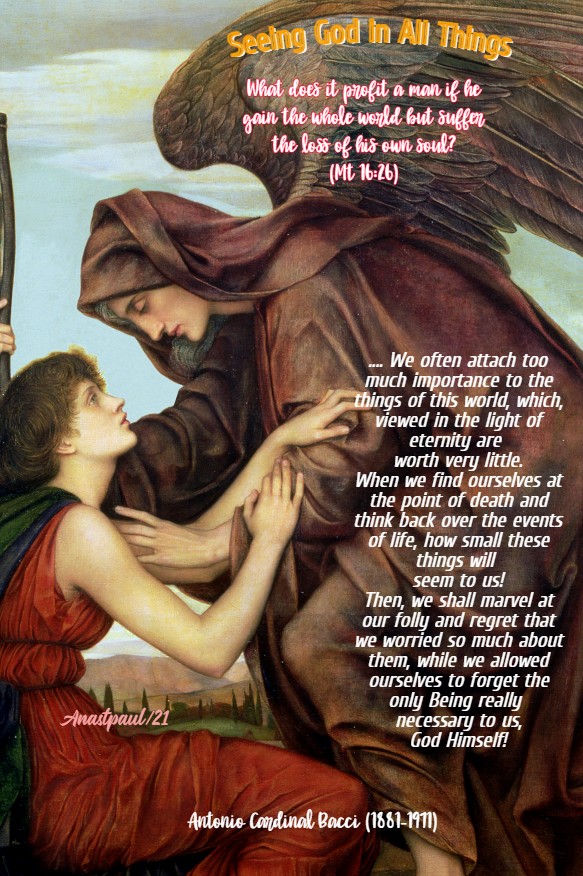
Seeing God in All Things
“Sometimes we fail to see God in all the events of life because we lack faith and absolute confidence in the Lord. We must try to increase this faith and live always in the presence of God and, we must regard the honour and glory of this world as worth absolutely nothing without God. “What does it profit a man if he gain the whole world but suffer the loss of his own soul?” (Mt 16:26).
We often attach too much importance to the things of this world, which, viewed in the light of eternity are worth very little. When we find ourselves at the point of death and think back over the events of life, how small these things will seem to us! Then, we shall marvel at our folly and regret that we worried so much about them, while we allowed ourselves to forget the only Being really necessary to us, God Himself! St Francis de Sales said, that when we arrive at the end of life, the affairs with which we have been preoccupied, will seem about as important, as the sand-castles we built as children, castles which cost us a lot of trouble to build and a great deal of sorrow afterwards, when they had been destroyed!”
Quote/s of the Day – 18 September – Readings: Timothy 6: 13-16; Psalm 100: 1b-2-5; Luke 8: 4-15
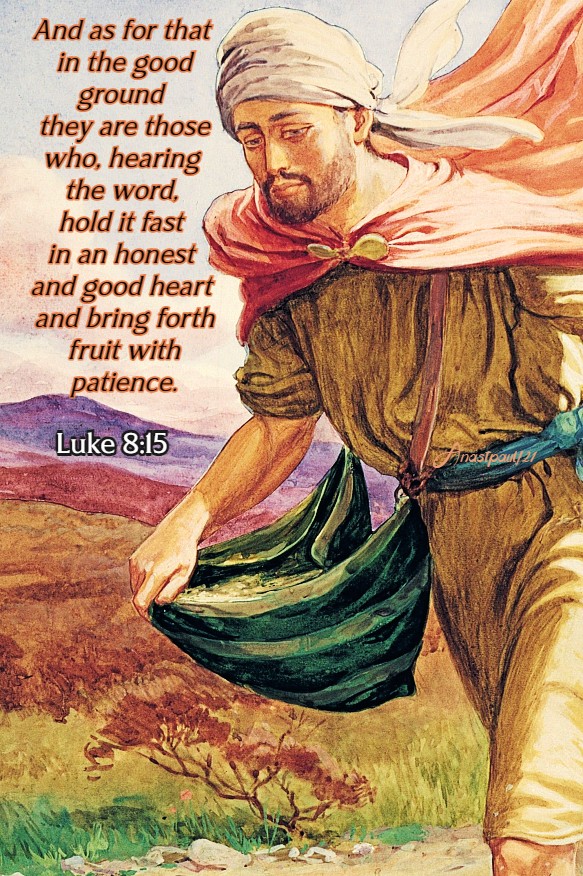
“And as for that in the good ground they are those who, hearing the word, hold it fast in an honest and good heart and bring forth fruit with patience.”
Luke 8:15
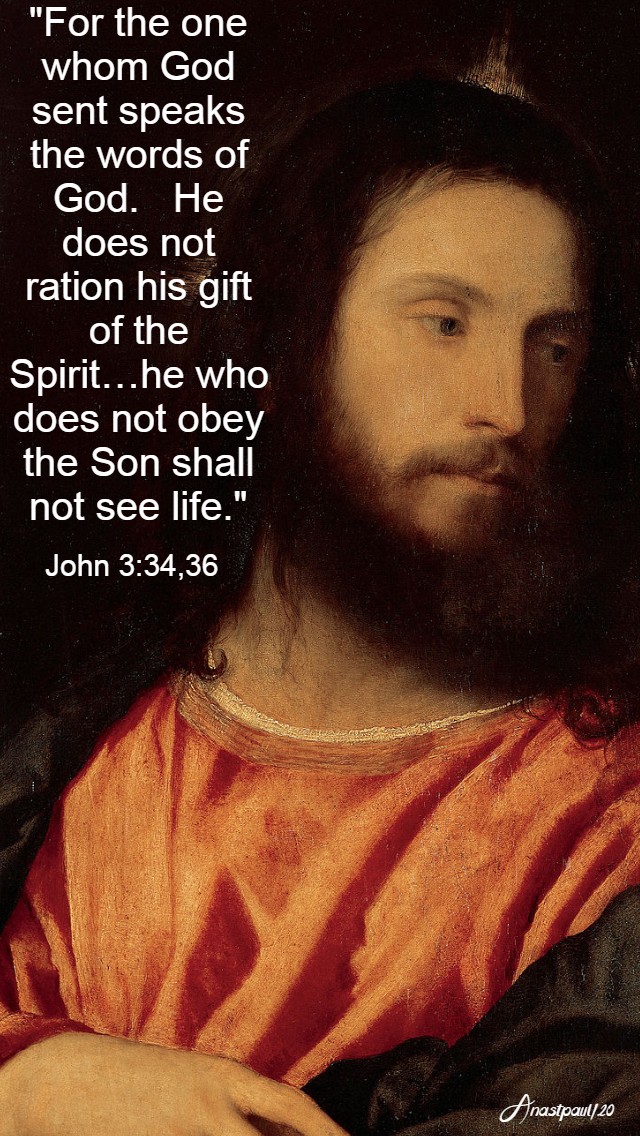
“For the one whom God sent speaks the words of God. He does not ration his gift of the Spirit… he who does not obey the Son, shall not see life.”
John 3:34,36
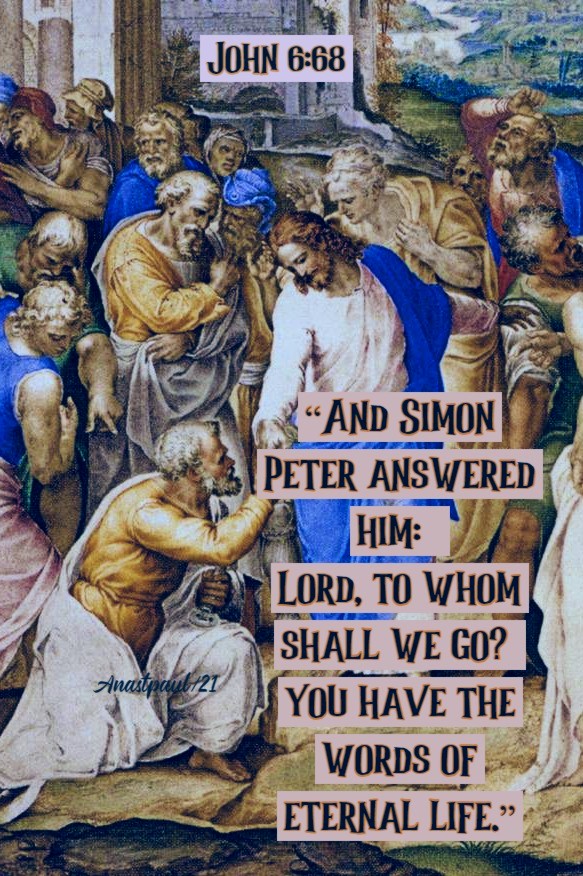
“And Simon Peter answered him: Lord, to whom shall we go? you have the words of eternal life.”
John 6:68
“Scripture brought me to the Gate of Paradise and the mind stood in wonder as it entered.”
“When you begin to read or listen to the Holy Scriptures, pray to God thus: “Lord Jesus Christ, open the ears and eyes of my heart so that I may hear Thy words and understand them and may fulfill Thy will.” Always pray to God like this, that He might illumine your mind and open to you, the power of His words. Many, having trusted in their own reason, have turned away into deception.”
St Ephrem (306-373) Father & Doctor of the Church
“When it comes to obeying the commandments or enduring adversity, the words uttered by the Father should always echo in our ears – “This is my Son, the beloved, in whom I am well pleased, listen to Him.”
St Pope Leo the Great (400-461) Father and Doctor of the Church
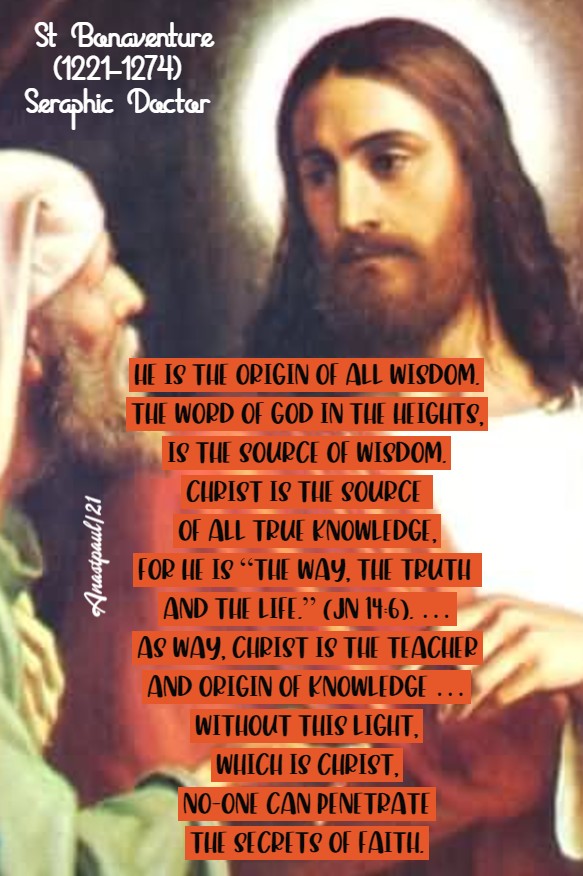
“He is the origin of all wisdom. The Word of God in the heights, is the source of wisdom. Christ is the source of all true knowledge, for He is “the way, the truth and the life.” (Jn 14:6). … As way, Christ is the teacher and origin of knowledge … Without this Light, which is Christ, no-one can penetrate the secrets of faith.”
St Bonaventure (1221-1274) Seraphic Doctor
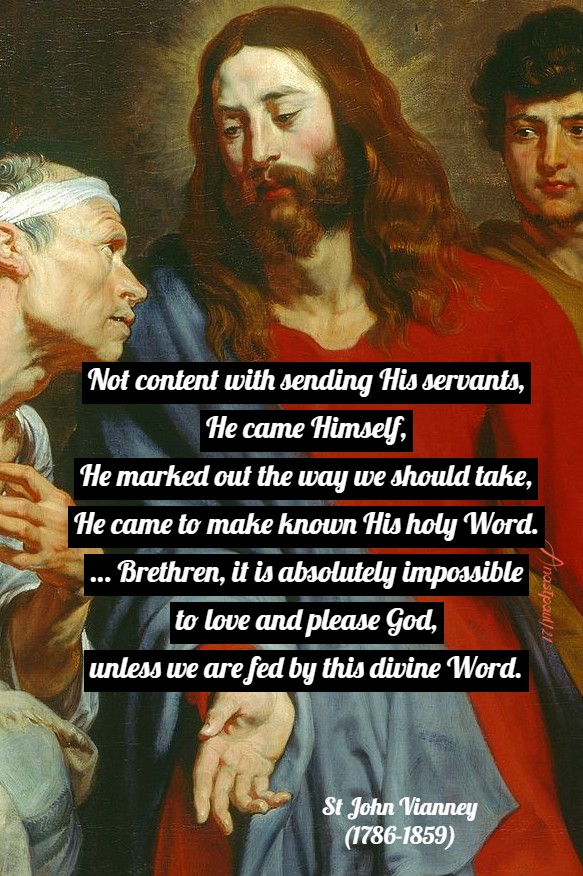
“Not content with sending His servants, He came Himself, He marked out the way we should take, He came to make known His holy Word. … Brethren, it is absolutely impossible to love and please God, unless we are fed by this divine Word.”
One Minute Reflection – 18 September – “Month of the Seven Sorrows of Mary” – Readings: Timothy 6: 13-16; Psalm 100: 1b-2-5; Luke 8: 4-15
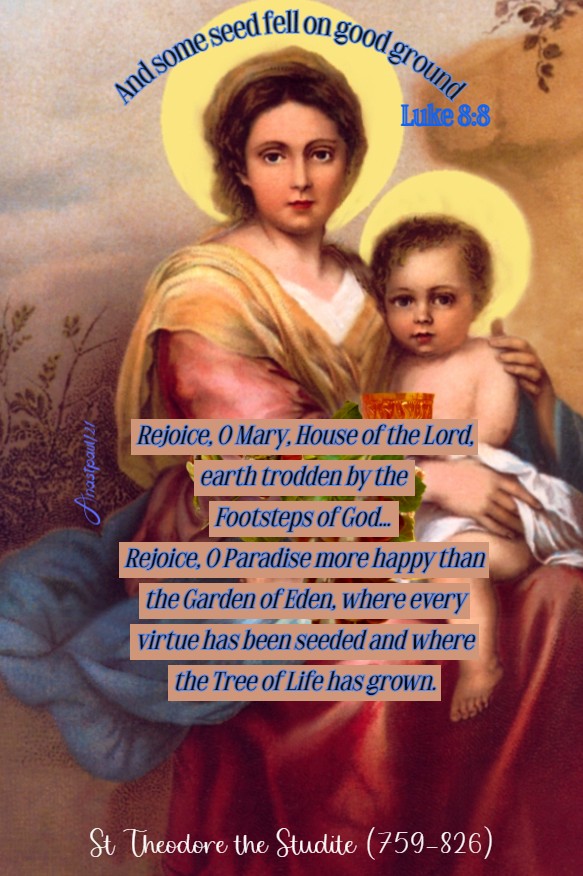
“And some seed fell on good ground” – Luke 8:8
REFLECTION – “In my view it was to Mary that the blessed Prophet Joel was speaking when he exclaimed: “Fear not, O land! Exult and rejoice! For the Lord has done great things in you” (2,21). For Mary is a land – that ground on which Moses, the man of God, heard the command to remove his sandals (Ex 3,5), an image of the Law now replaced by grace. She is also that land on which, through the Holy Spirit, He was built up of whom we sing that He “fixed the earth on its foundations” (Ps 104[103],5). She is a land which, without being sown, brings forth the fruit that feeds all flesh (Ps 136[135],25). A land on which the thorns of sin have never sprung up, to the contrary, she has given birth to Him who pulled it up by the roots. And she is a land that is not cursed as the first one was, to bring forth a harvest of thorns and thistles (Gn 3,18) but on whom rests the Lord’s blessing and who bears in her breast, a “blessed fruit” as sacred scripture says (Lk 1,42)…
Rejoice, O Mary, House of the Lord, earth trodden by the Footsteps of God… Rejoice, O Paradise more happy than the Garden of Eden, where every virtue has been seeded and where the Tree of Life has grown.” – St Theodore the Studite (750-826) Father, Abbot, Theologian, Writer (Homily 2 for the Nativity of Mary, 4, 7; PG 96, 683f)
PRAYER – All-powerful, eternal God, splendour of true light and never-ending day, turn our ears and hearts to Your Word, that we may hear and live by the seed You have sown. May all that grows in us be of Your good seed and yield fruit a hundredfold. Grant us the grace of imitating the virtues of Mary, the Mother of Your only-begotten Son and our Mother and may her prayers intercede on our behalf. May we may be filled with courage and love and spread Your Word by our lives. We make our prayer through Jesus, our Lord and Word, with the Holy Spirit, one God with You, forever, amen.
Our Morning Offering – 18 September – “Month of the Seven Sorrows of Mary” and Mary’s Saturday
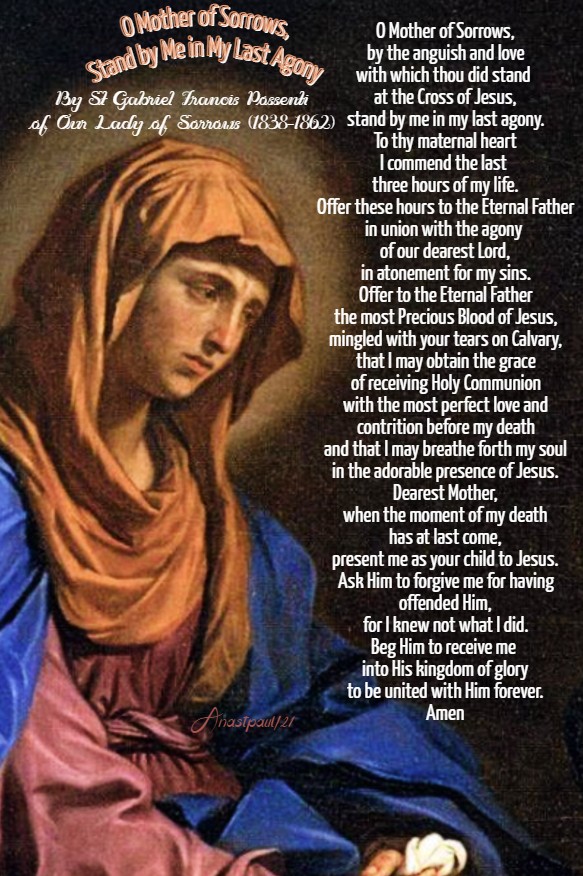
O Mother of Sorrows, Stand by Me in My Last Agony By St Gabriel Francis Possenti of Our Lady of Sorrows (1838-1862)
O Mother of Sorrows, by the anguish and love with which thou did stand at the Cross of Jesus, stand by me in my last agony. To thy maternal heart I commend the last three hours of my life. Offer these hours to the Eternal Father in union with the agony of our dearest Lord, in atonement for my sins. Offer to the Eternal Father the most Precious Blood of Jesus, mingled with your tears on Calvary, that I may obtain the grace of receiving Holy Communion with the most perfect love and contrition before my death and that I may breathe forth my soul in the adorable presence of Jesus. Dearest Mother, when the moment of my death has at last come, present me as your child to Jesus. Ask Him to forgive me for having offended Him, for I knew not what I did. Beg Him to receive me into His kingdom of glory to be united with Him forever. Amen
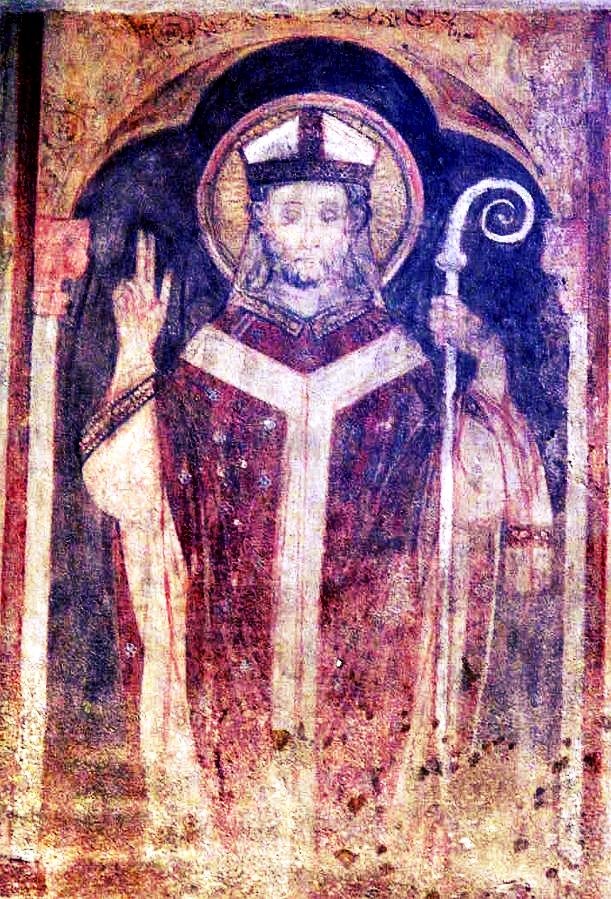
Saint of the Day – 18 September – Saint Eustorgius of Milan (Died c 349) Ninth Bishop of Milan, Confessor, Defender of the Faith. Both St Athanasius and St Ambrose remember Eustorgius of Milan as one of the most steadfast and illustrious opponents of the Arian heresy.
The Roman Martyrology says of him: “At Milan, St Eustorgius, Bishop of that City, highly recommended by blessed Ambrose.”
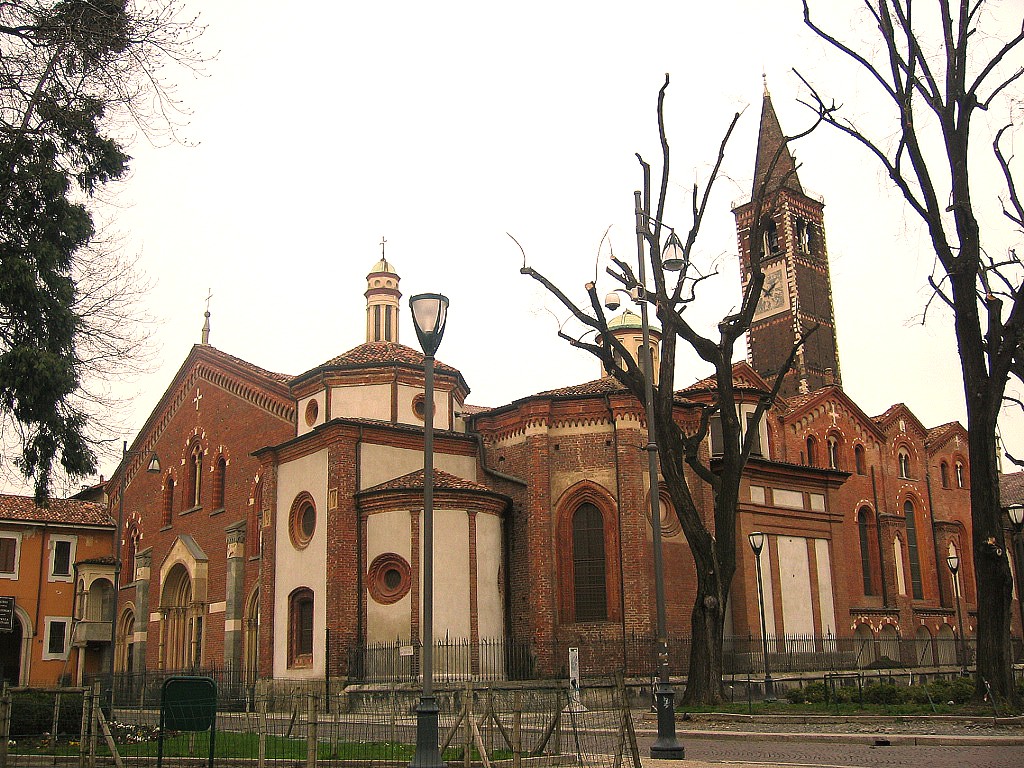
According to tradition, Eustorgius was a noble Greek. He was the legate of Milan and he was elected as Bishop at the death of Protasius in 343. Eustorgius travelled to Constantinople to have his election as Bishop ratified by the Emperor, the Son of Constantine. Not only did he get it but he also obtained exemption from taxes for the Milanese and a grandiose marble ark with the bodies of the Magi, Caspar, Melchior and Balthasar. Returning to Milan, Eustorgius erected the Basilica that took its name from him, to house these most precious Relics.
From 345 to 346 and from 347 to 348, he held two Synods. He also began construction of Churches and Basilicas in Milan. Saint Athanasius called him a “Defender of the Faith” and mentions him as an opponent of Arianism. Saint Ambrose called him by the honourable title of “Confessor.” His name was included in the Ambrosian Rite and his cult in Milan is testified by the presence of five Churches dedicated to him, the best known of which, is the Basilica of Sant’Eustorgio. containing the Holy Relics of the Magi.
Eustorgius died on 18 September and was buried in the Basilica dedicated to him.
In 1164, te Relics of the Magi were taken from Milan by Holy Roman Emperor, Fredrick Barbarossa and given to the Archbishop of Cologne, Rainald of Dassel. A Shrine of the Three Kings at Cologne Cathedral still exists (a part of these Relics were returned to the Basilica of St Eustorgius of Milan in 1904).
St Ariadne St Eumenius Thaumaturgus St Eustorgius of Milan (Died c 349) Bishop St Ferreolus the Tribune St Ferreolus of Limoges St Hygbald St Irene of Egypt
St Joseph of Cupertino OFM Conv. (1603-1663) Religious Priest of the First Order of St Francis and Friar, Mystic, Confessor, Miracle-worker. If ever a tiny child began life with nothing in his favour it was Joseph of Cupertino; he had only one hopeful and saving quality—that he knew it. … – Read on and be ashamed, for this is a Saint before the Throne of God! All about the this holy Flying Saint here: https://anastpaul.wordpress.com/2017/09/18/saint-of-the-day-18-september-st-joseph-of-cupertino-o-f-m-conv-1603-1663/
St Sophia of Egypt — Martyred in the Spanish Civil War: • Blessed Ambrosio María de Torrent (Salvador Chuliá Ferrandis) • Blessed Carlos Eraña Guruceta • Blessed Fernando García Sendra • Blessed Jacinto Hoyuelos Gonzalo • Blessed Jesus Hita Miranda • Blessed José García Mas • Blessed José María Llópez Mora • Blessed Justo Lerma Martínez • Blessed Salvador Fernández Pérez • Blessed Vicente Gay Zarzo • Blessed Vicente Jaunzarás Gómez
Thought for the Day – 17 September – Meditations with Antonio Cardinal Bacci (1881-1971)
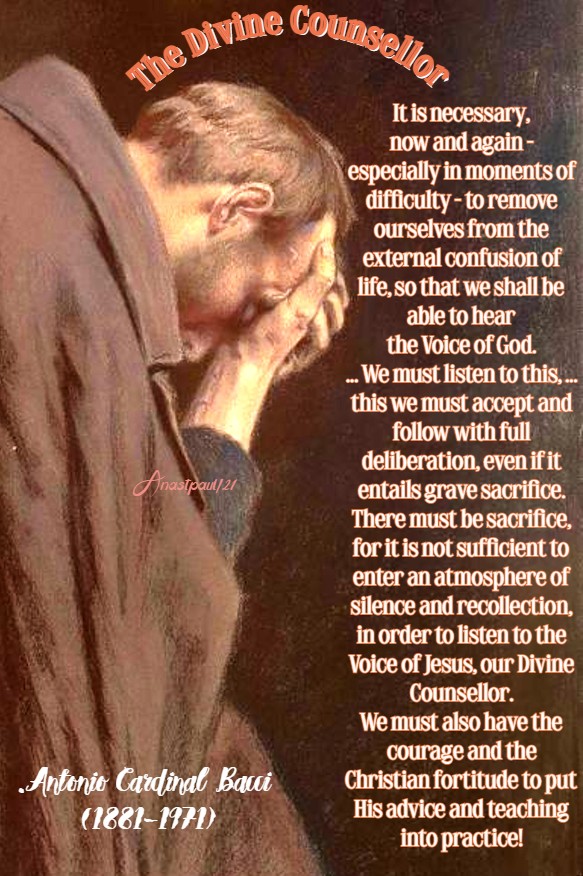
The Divine Counsellor
“Nobody can speak to our souls with greater efficacy than Jesus Christ, “Listen to the interior Master,” wrote St Margaret Mary Alacoque, “Never do anything without seeking His advice.”
Certain conditions are necesaary, however, before we can hear the Voice of God in the intimacy of our hearts. First of all, there must be silence and recollection. Jesus does not speak where there is noise and dissipation and, even if He were to speak, His Voice would not be heard.
It is necessary, now and again – especially in moments of difficulty – to remove ourselves from the external confusion of life, so that we shall be able to hear the Voice of God. Then, it is true, we shall hear two voices and we shall hesitate … One is the voice of nature. When we feel that we have been offended, it urges us to seek revenge or, at least, to let our attitude be known. When temptation assails us and upsets our peace of mind, we hear a pleasant voice urging us to satisfy our sinful inclinations. But there is another Voice within us – it is gentle and sweet like Jesus Himself; it is calm, serene and lofty, like all that is eternal. We must listen to this, not to the other; this we must accept and follow with full deliberation, even if it entails grave sacrifice.
There must be sacrifice, for it is not sufficient to enter an atmosphere of silence and recollection, in order to listen to the Voice of Jesus, our Divine Counsellor. We must also have the courage and the Christian fortitude to put His advice and teaching into practice!
Quote/s of the Day – 17 September – The Memorial of St Hildegard von Bingen OSB (1098-1179) Doctor of the Church
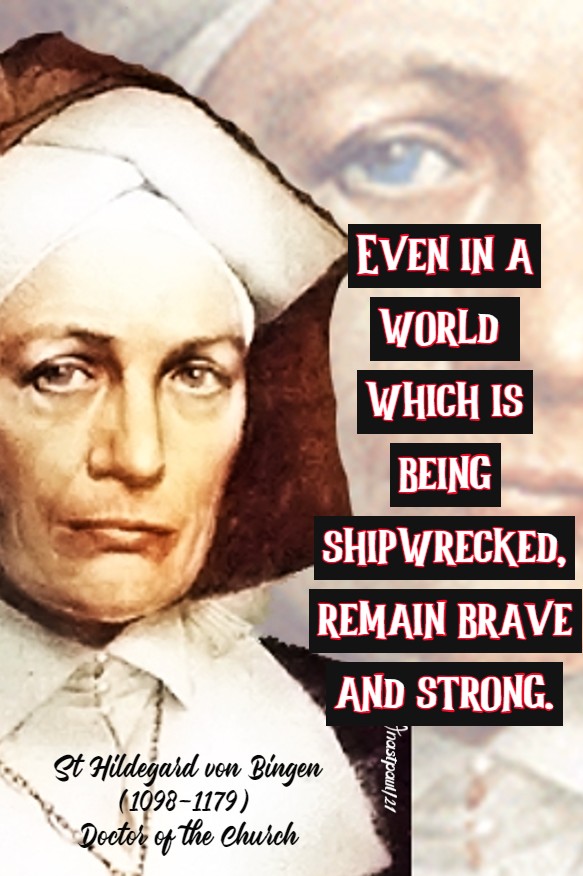
“Even in a world which is being shipwrecked, remain brave and strong.”
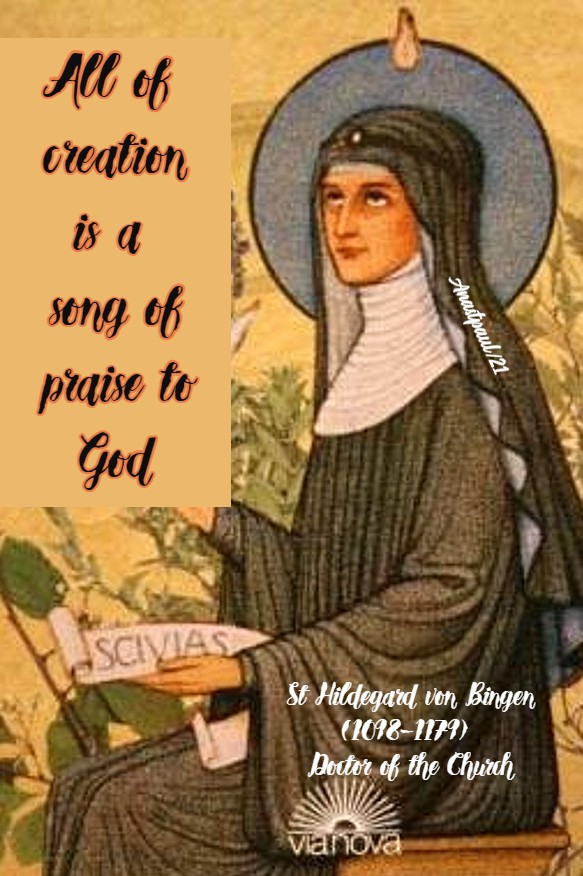
“All of creation is a song of praise to God.”
“Holy Spirit, the life that gives life: You are the Cause of all movement. You are the Breath of all creatures. You are the Salve that purifies our souls. You are the Ointment that heals our wounds. You are the Fire that warms our hearts. You are the Light that guides our feet. Let all the world praise You!”
St Hildegard von Bingen (1098-1179) Doctor of the Church


















You must be logged in to post a comment.