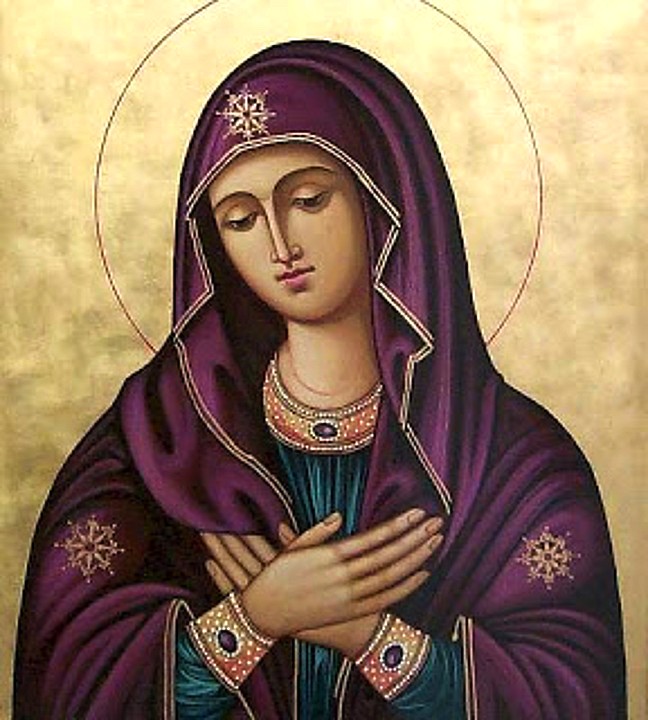
Our Morning Offering – 16 July – “The Month of the Most Precious Blood” – Feast of Our Lady of Mount Carmel
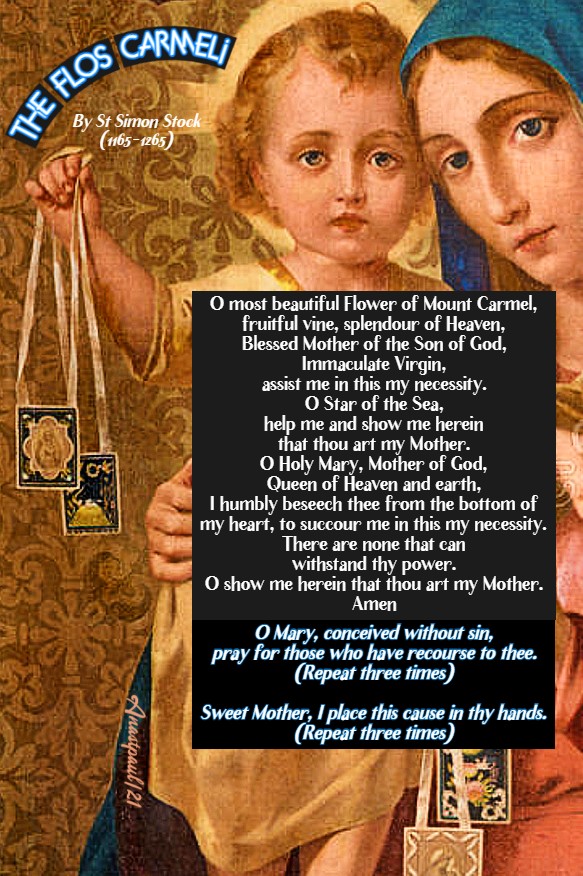
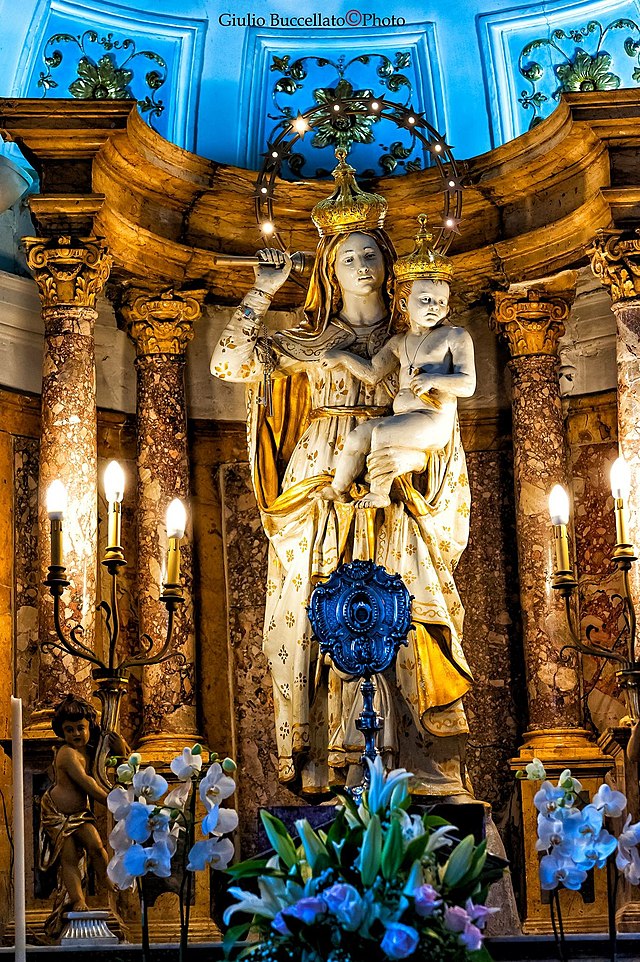
“The Flos Carmeli The Flower of Carmel” By St Simon Stock (1165-1265)
O most beautiful Flower of Mount Carmel, fruitful vine, splendour of Heaven, Blessed Mother of the Son of God, Immaculate Virgin, assist me in this my necessity. O Star of the Sea, help me and show me herein that thou art my Mother. O Holy Mary, Mother of God, Queen of Heaven and earth, I humbly beseech thee from the bottom of my heart, to succour me in this my necessity. There are none that can withstand thy power. O show me herein, that thou art my Mother. Amen.
O Mary, conceived without sin, pray for those who have recourse to thee. (Repeat three times)
Sweet Mother, I place this cause in thy hands. (Repeat three times)
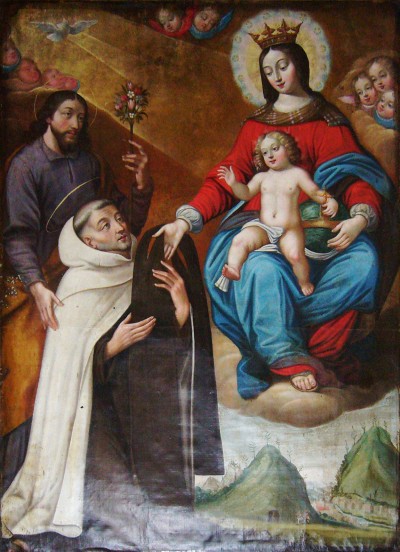
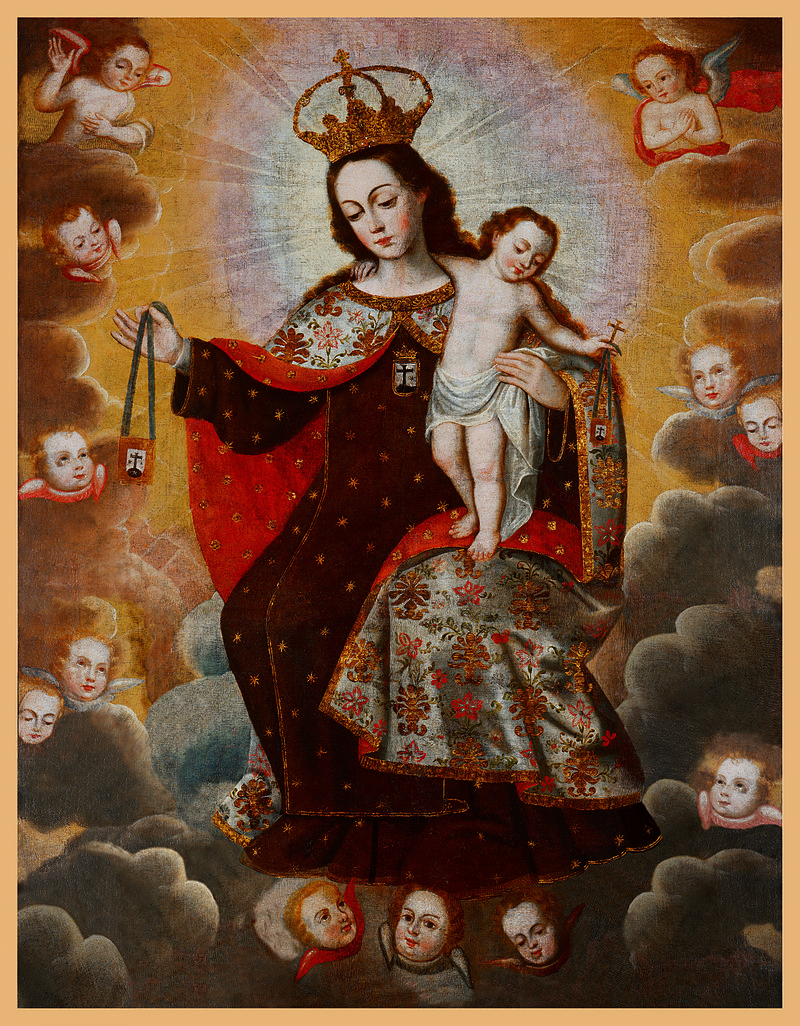
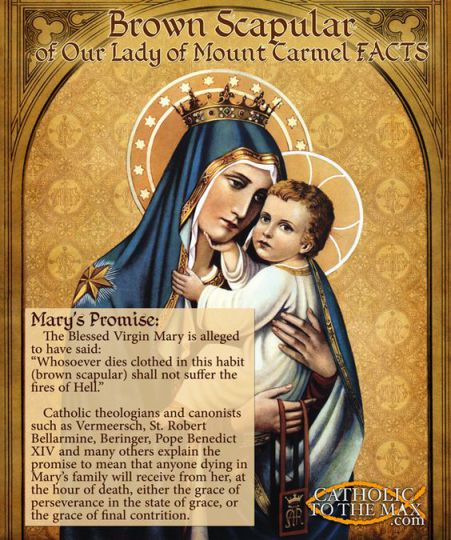
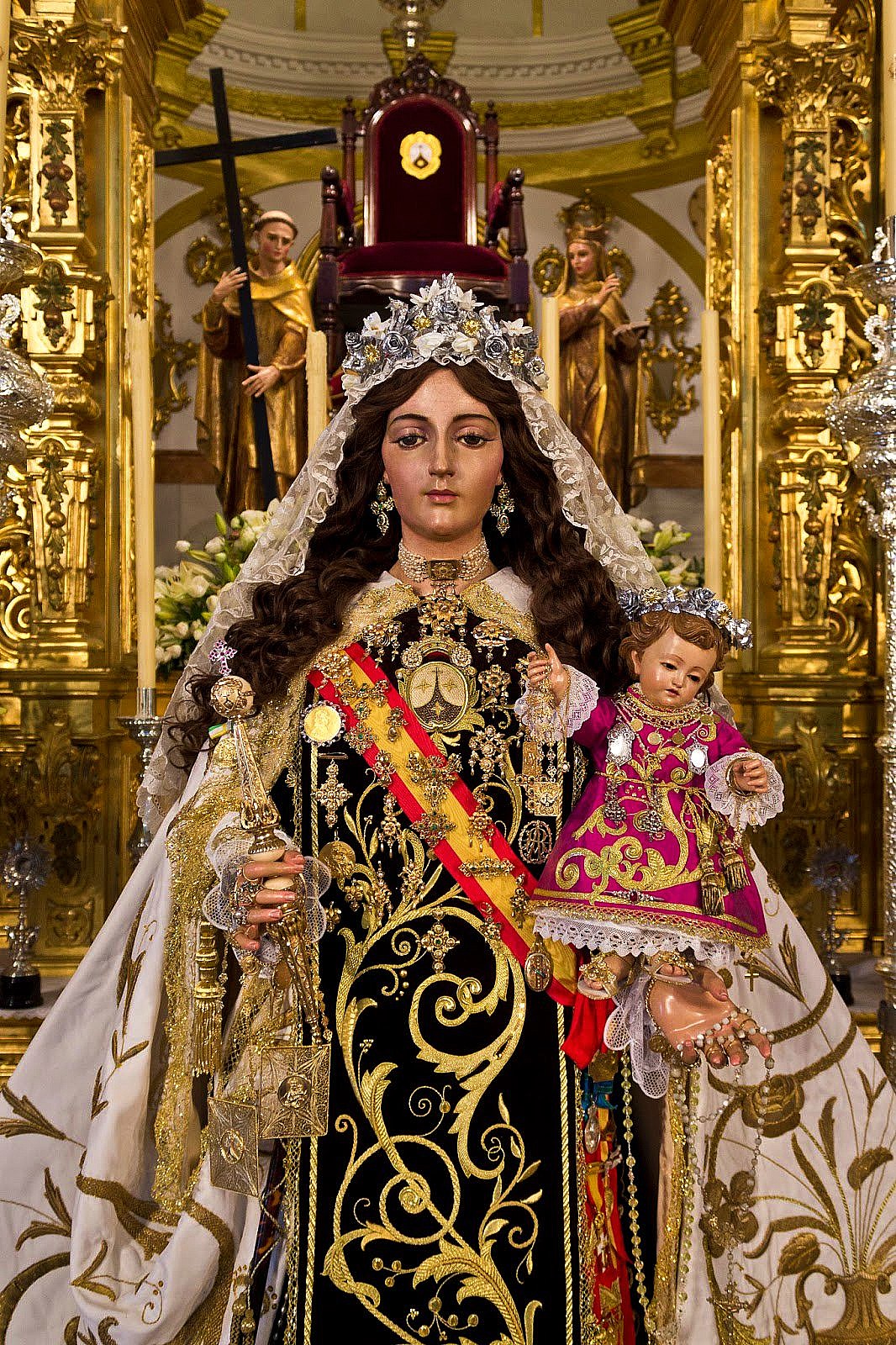
This prayer, the “Flos Carmeli” (“The Flower of Carmel”), was composed by St Simon Stock (1165-1265), a Carmelite, so-called because he and other members of his Order lived atop Mount Carmel in the Holy Land. St Simon Stock was visited by the Blessed Virgin Mary on 16 July 1251, at which time, she bestowed upon him a scapular, or habit, (commonly called “the Brown Scapular”) which became part of the Liturgical clothing of the Carmelite Order. Oral tradition tells of St Simon Stock praying, with a passionate intensity to Our Lady of Mount Carmel, during a time of great distress and hardship for the Order. With fervour and faith, he prayed his prayer, the Flos Carmeli, for the first time. And Our Lady answered his prayer. Thus, for seven centuries the Flos Carmeli continues to be prayed to the Blessed Mother with the firm faith that she she will answer its petition, with her powerful assistance.
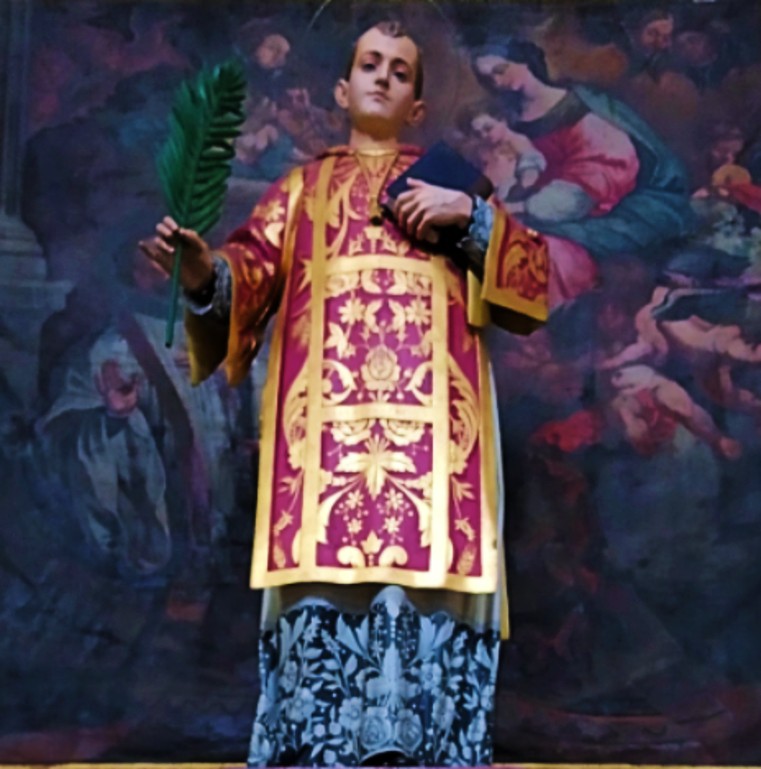
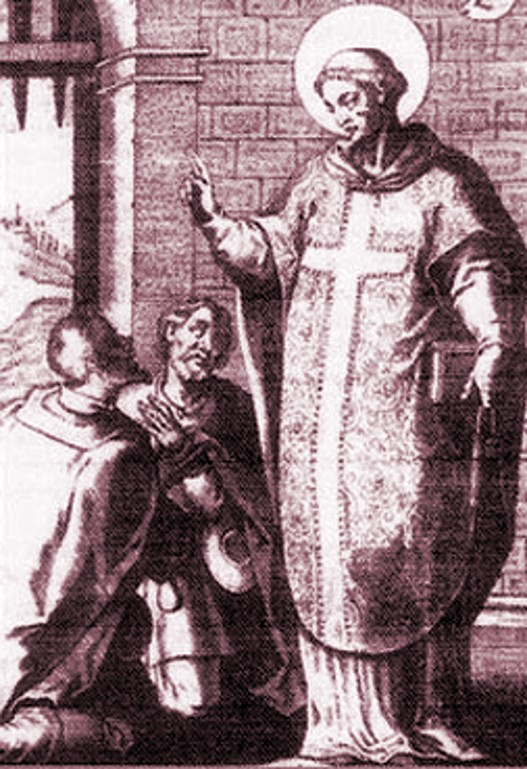
Saint of the Day – 16 July – St Sisenandus (Died 851) Deacon, Martyr of Córdoba in Spain. Born in Beja, in Portugal and died in 851 in Córdoba, Spain. Patronage of his birth C ity of Beja, Portugal. Also known as – S isenandus of Beja, Sisenando; … of Cordoba
The Roman Martyrology reads today: “At Cordoba in SBejapain, St Sisemandus, Deacon and Martyr, who was strangled by the Saracens for the Faith of Christ.”
Portrait and Relic of Saint Sisenandus in the Cathedral of St James the Great, in Beja
Most of that which is known about Sisenandus comes from Eulogius of Córdoba’s Martryology “Memoriale Sanctorum.” This Manuscript remained lost for centuries until its rediscovery by Pedro Ponce de León, Bishop of Plasencia, who had it transcribed and first published in 1574; interest in Sisenandus and the Martyrs of Córdoba at large only resurfaced after this date.
Sisenandus was born in an Iberian Peninsula under Islamic rule. Islamic authorities accorded Christians ‘dhimmi – protected’ status which allowed them to practice their religion with certain restricions, such as a prohibition on public displays of their Faith. These Christians, called Mozarabs, came to adopt elemnts of Arabic culture while retaining their own.
Sisenandus was born in modern-day Spain, from Beja and thence went to Córdoba as a young clerical student to conduct his studies at the Basilica of Saint Acisclus, a Martyr with his sister St Victoria during the reign of Diocletian c305. There, he received Holy Orders as a Deacon and as a fervent preacher, soon after, was arrested, tried and on 16 July 851 was Martyred by order of Abd al-Rahman II. His remains were thrown into the Guadalquivir, and later salvaged and brought to the Church of San Pedro in river in Córdoba.
In the late 16th Century, when Francisco de Reynoso y Baeza was the Bishop of Córdoba, the City of Beja sent a delegation to request the Relics of Saint Sisenandus — or, at least, part of them — be brouht to his birthplace both the Bishop and Philip II of Spain judged it a suitably devout demonstration of piety and allowed a radial bone to be brought to Beja in the year 1600.
The Relic was at first kept under the Tabernacle in the Church of Salvador but then transferred to its own temple. As this latter Chapel fell into disrepair and, eventually, abandonment, the Relics were translated to an Altar in the Cathedral of St James the Great, where they are kept to this day.
On 24 October 1651, Saint Sisenandus was decreed the Patron Saint of the City of Beja.
St Bartholomew OP – ArchBishop of Braga also known as Bl Bartholomew of the Martyrs (Bartolomeu Fernandez dei Martiri Fernandes) (1514-1590) Portuguese Dominican Friar and Priest, Writer, Theologian, Advisor, Teacher and Catechetical writer, Apostle of Charity founding a series of hospitals and hospices in Braga and surrounds. St Bartholomew: https://anastpaul.com/2018/07/16/saint-of-the-day-16-july-blessed-bartholomew-of-the-martyrs-1514-1590/
St Generosus of Poitou St Gobbán Beg St Gondulf of Tongeren-Maastricht St Gondolf of Saintes St Grimoald of Saintes
St Helier (Died c555) Martyr, Hermit, Missionary to Jersey from Belgium, Hermit, Ascetic, Miracle-worker. PATRONAGES – St Helier is the Patron Saint of Jersey and in particular of the Diocese and Capital City of Jersey, named for him – Saint Helier, he is invoked against and for the cure of EYE diseases and skin disorders, His Life and Death: https://anastpaul.com/2023/07/16/saint-of-the-day-16-july-st-helier-of-jersey-died-c555-martyr-missionary-hermit/
Bl Irmengard St Landericus of Séez Bl Madeleine-Françoise de Justamond Bl Marguerite-Rose de Gordon Bl Marguerite-Thérèse Charensol Bl Marie-Anne Béguin-Royal Bl Marie-Anne Doux
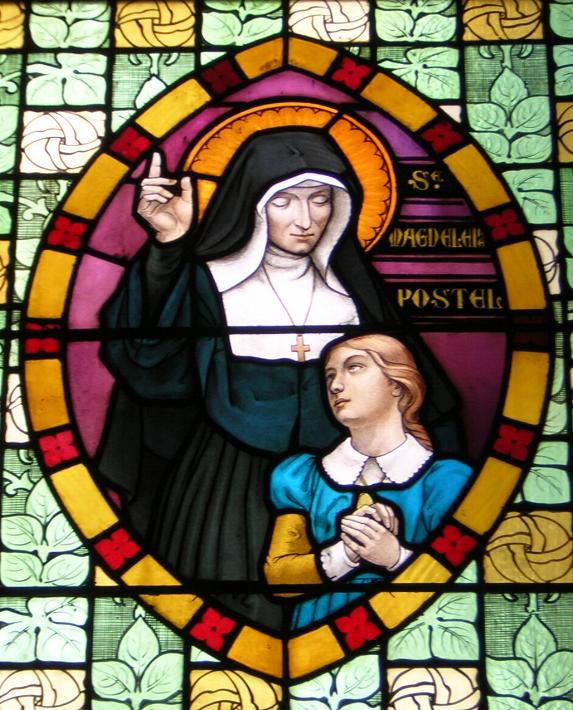
St Marie-Madeline (1756-1846Virgin, Religious Sister and Founder of the Sisters of Christian Schools of which she is the Patron, Teacher, Franciscan Tertiary. Pope Pius X later signified on 22 January 1908 his approval to two investigated miracles attributed to her intercession and so Beatified her on 17 May 1908. Pope Pius XI confirmed two additional miracles and Canonised Blessed Marie-Madeline on 24 May 1925. Her Devoted Life: https://anastpaul.com/2019/07/16/saint-of-the-day-16-july-st-marie-madeline-postel-
Bl Marie-Rose Laye Bl Milon of Thérouanne St Monulphus of Tongeren-Maastricht Bl Ornandus of Vicogne
Martyrs of Antioch – 5 Saints: Five Christians who were Martyred together. No details about them have survived by the names – Dionysius, Eustasius, Maximus, Theodosius and Theodulus. They were Martyred in Antioch, Syria, date unknown.
DISCLAIMER: Please note: I cannot control the content of the Advertisements on this Site, or of pop-ups which may appear, The revenue from the Advertisements, however, does provide a little assistance in the support of the Site. I do apologise for any inappropriate content.
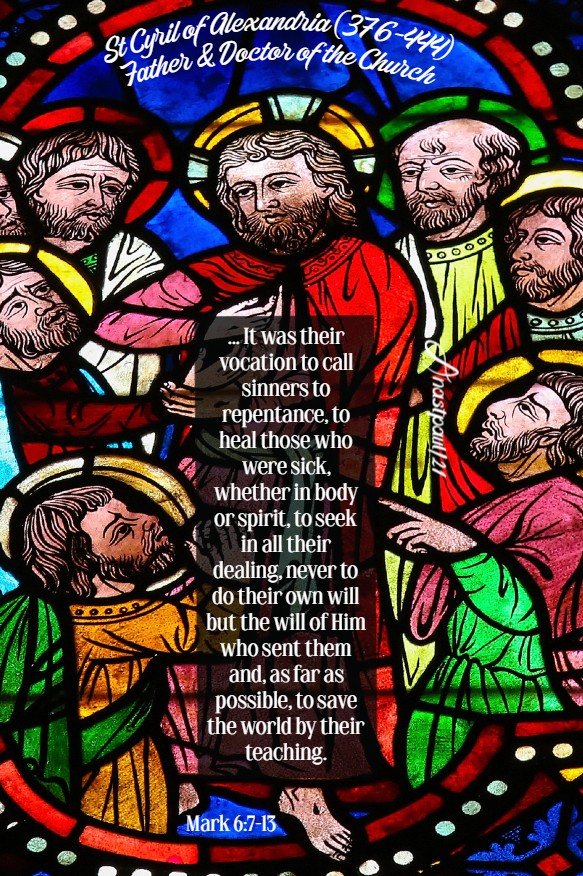
Quote/s of the Day – 15 July – “The Month of the Most Precious Blood” – The Feast of the the “Divisio Apostolorum – The Division of the Apostles” also known as (‘Dispersion’)
“… It was their vocation to call sinners to repentance, to heal those who were sick, whether in body or spirit, to seek in all their dealing, never to do their own will but the Will of Him who sent them and, as far as possible, to save the world by their teaching.”
St Cyril of Alexandria (376-444) Bishop, Father & Doctor of the Church
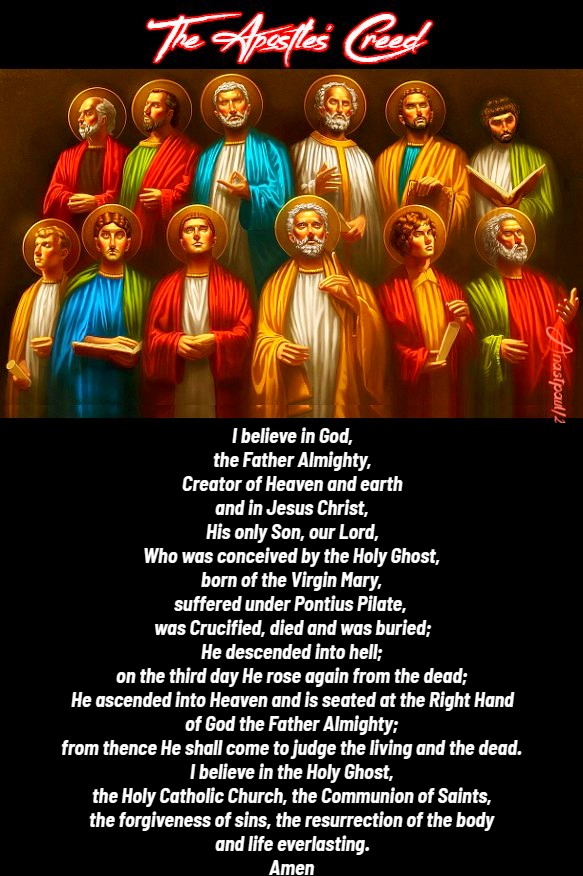
The Apostles’ Creed
I believe in God, the Father Almighty, Creator of Heaven and earth and in Jesus Christ, His only Son, our Lord, Who was conceived by the Holy Ghost, born of the Virgin Mary, suffered under Pontius Pilate, was crucified, died and was buried; He descended into hell; on the third day He rose again from the dead; He ascended into Heaven and is seated at the Right Hand of God the Father Almighty; from thence He shall come to judge the living and the dead. I believe in the Holy Ghost, the Holy Catholic Church, the Communion of Saints, the forgiveness of sins, the resurrection of the body and life everlasting. Amen
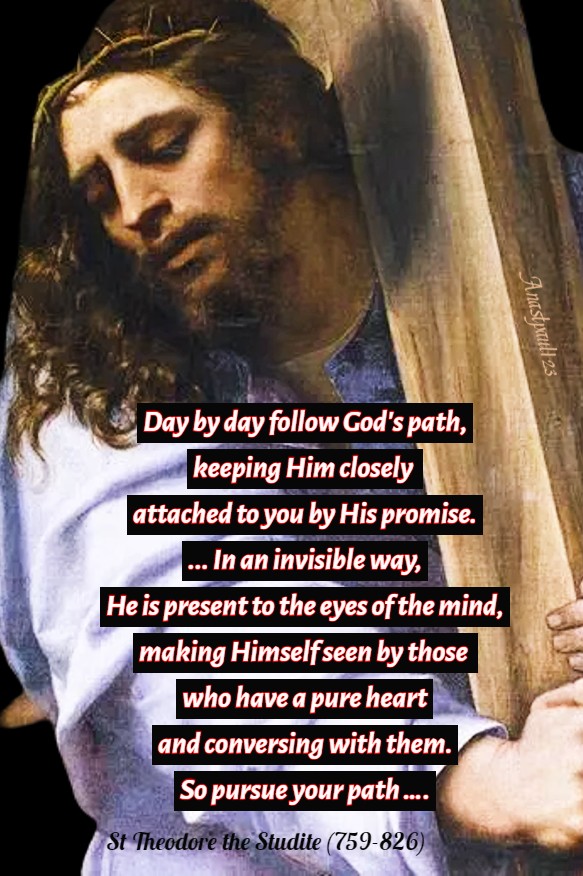
“Day by day follow God’s path, keeping Him closely attached to you by His promise. In fact, He Himself said, through the mediation of His Apostles, to all those who seek His will and His testimonies that He would be with them until the end of the world (Mt 28:20) where paths and footsteps will be unknown (cf Ps 76:20), as the divine David said in his songs. Yet, in an invisible way, He is present to the eyes of the mind, making Himself seen by those who have a pure heart and conversing with them. So pursue your path …. ”
St Theodore the Studite (759-826) Abbot, Confessor, Father of the Church
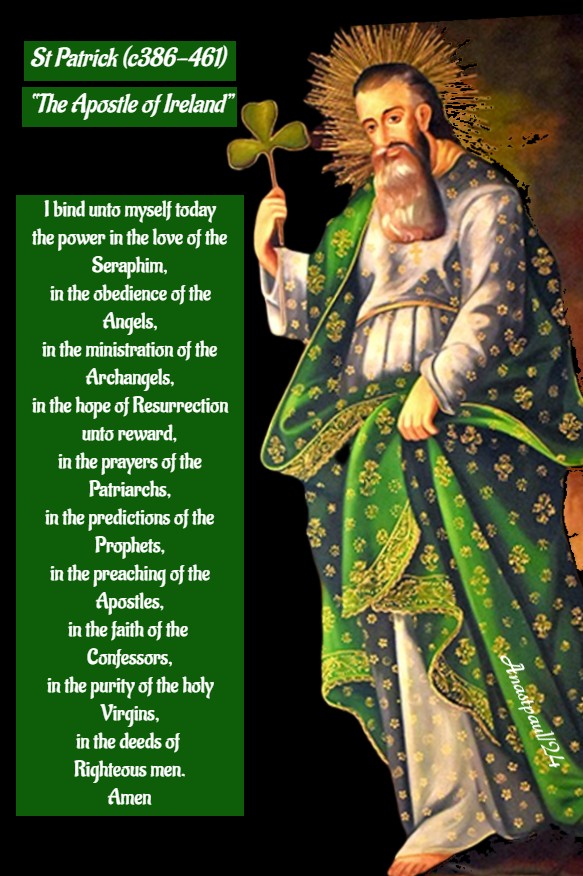
Prayer of St Patrick
I bind unto myself today the power in the love of the Seraphim, in the obedience of the Angels, in the ministration of the Archangels, in the hope of Resurrection unto reward, in the prayers of the Patriarchs, in the predictions of the Prophets, in the preaching of the Apostles, in the faith of the Confessors, in the purity of the holy Virgins, in the deeds of Righteous men. Amen
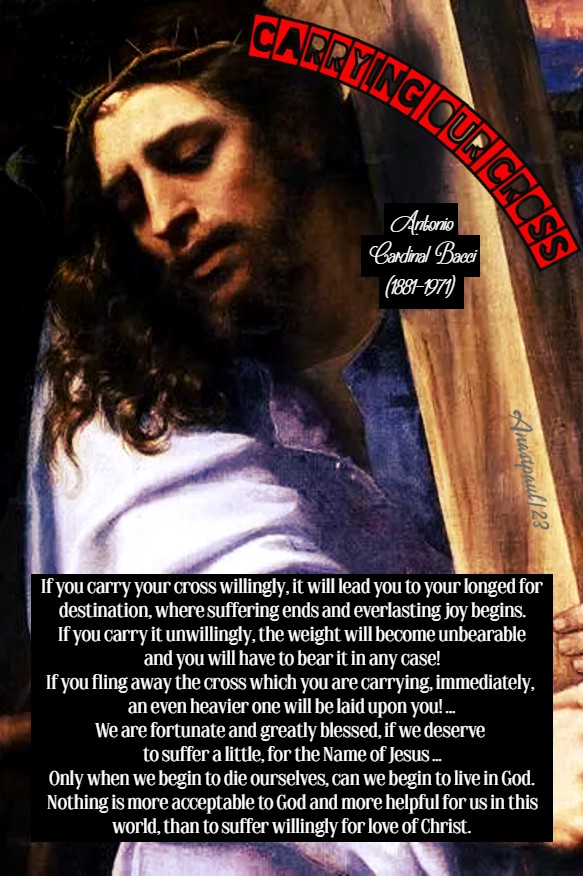
Thought for the Day – 15 July – Meditations with Antonio Cardinal Bacci (1881-1971)
Carrying our Cross
“We also read in the Imitation of Christ: “No man has so heartfelt a sense of the Passion of Christ, as he whose lot it has been, to suffer like things.” (Imitation of Christ, Bk II, Ch 12) If you carry your cross willingly, it will lead you to your longed for destination, where suffering ends and everlasting joy begins. If you carry it unwillingly, the weight will become unbearable and you will have to bear it in any case! If you fling away the cross which you are carrying, immediately, an even heavier one will be laid upon you! Look upon them as wonderful consolations because, the sufferings of this life cannot be regarded as the measure of that glory which will be ours in Heaven … (Rom 8:18). We are fortunate and greatly blessed, if we deserve to suffer a little, for the Name of Jesus … Only when we begin to die ourselves, can we begin to live in God. Nothing is more acceptable to God and more helpful for us in this world, than to suffer willingly for love of Christ.”
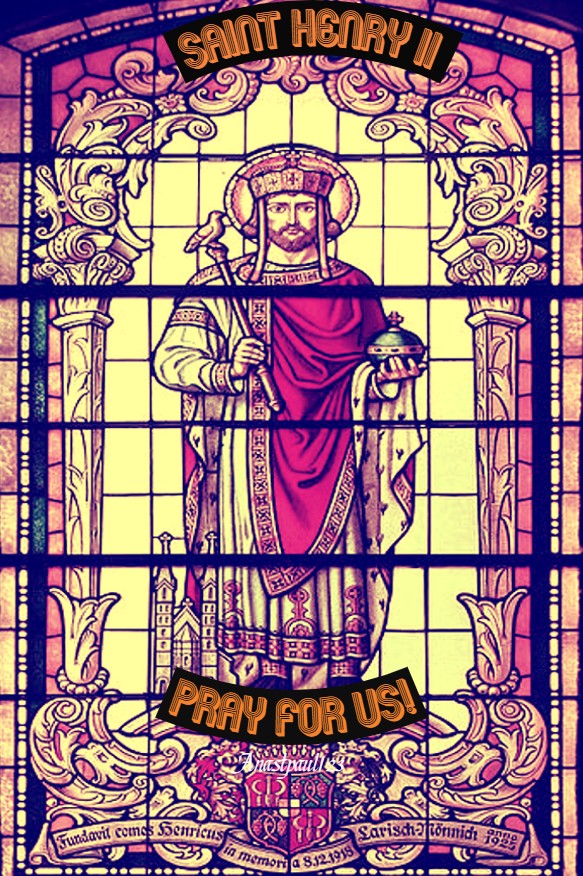
One Minute Reflection – 15 July – “The Month of the Most Precious Blood” – – – St Henry II (972-1024) Confessor, Holy Roman Emperor – Ecclesiasticus Sirach 31:8-11 – Luke 12:35-40 – Scripture search here: https://www.drbo.org/
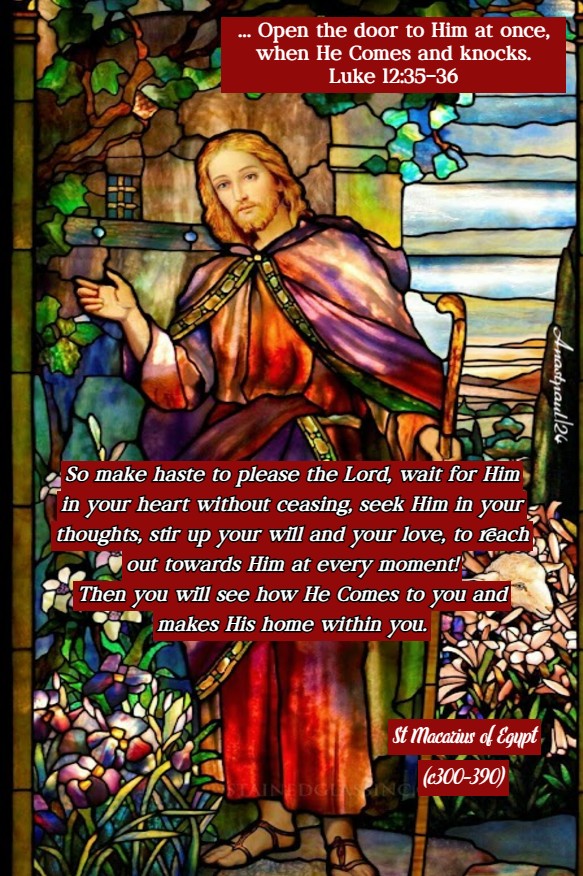
“Stay dressed for action and keep your lamps burning and be like men who are waiting for their master to come home from the wedding feast, so that they may open the door to Him at once, when He Comes and knocks.” – Luke 12:35-36
REFLECTION – “God is the Supreme Being, therefore, direct the thoughts of your mind to Him and do not think of anything else, except to watch for His Coming. Let the soul gather together its thoughts, dispersed by sin, as though it were gathering together children romping about! Let it take them back to the house of its body and there, wait for the Lord, at all times with fasting and love, until He Comes and gathers them up in truth…
If our hearts are not swollen with pride and, if we do not send our thoughts out to feed in the pastures on the mad weeds of sin and if, to the contrary, we lift up our minds and lead our thoughts into the Lord’s Presence with fervent wills, then, in His good Will, the Lord shall certainly Come to us and truly unite us to Himself …
So make haste to please the Lord, wait for Him in your heart without ceasing, seek Him in your thoughts, stir up your will and your love, to reach out towards Him at every moment! Then you will see how He Comes to you and makes His home within you.” – St Macarius of Egypt (c300-390) (Attrib) Monk, Father (Sermon 31).
PRAYER – O God, Who on this day took Henry, Thy Confessor, to the everlasting Kingdom from the throne of an earthly empire; we humbly beseech Thee, that as Thou enabled him, protected by the abundance of Thy grace, to overcome the temptations of the world, so grant that we, in emulation of him, may shun the allurements of this world and come to Thee with pure hearts.Through Jesus Christ, Thy Son our Lord, Who lives and reigns with Thee, in the unity of the Holy Ghost, God, world without end. Amen (Collect).
Our Morning Offering – 15 July – “The Month of the Most Precious Blood” –
My Sorrowful Mother, Help Me to Bear My Crosses By St Alphonsus Liguori (1696-1787) Most Zealous Doctor of the Church
My sorrowful Mother, by the merit of that grief which you felt at seeing your beloved Jesus led to death, obtain for me the grace to bear with patience, those crosses which God sends me. I will be fortunate if I also shall know how to accompany you with my cross until death. You and Jesus, both innocent, have borne a heavy cross and shall I, a sinner who has merited hell, refuse mine? Immaculate Virgin, I hope you will help me to bear my crosses with patience. Amen
Saint of the Day – 15 July – St David of Sweden (Died 1082) the 1st Bishop of Västeras in Sweden, Monk and Missionary, called “The apostle of Västmanland.” Born in England and died in Västeras
Our Saint David who is celebrated today 15 July, was the bishop of Västeras in Sweden. He was a Cluniac Monk of Anglo-Saxon origins sent as a missionary to Sweden around 1020.
He worked evangelising the still-pagan Swedes, starting in the south and then in the central-eastern region of the country. He lived in the place where the Church of Munkathorp now stands which, with his name, recalls the Monk (munk) who baptised new converts in the waters of a nearby spring.
In the Ecclesiastical history of Sweden, he is remembered as the apostle of Västmanland and the 1st Bishop of Västerås. He likely died in 1082 and was buried in Munkathorp. In 1463, 4 Centuries later, his Relics were translated to the Cathedral of his Episcopal See.
Unfortunately, as with so many Catholic Saints’ Relics, when Lutheranism entered and overwhelmed Sweden with its doctrines, they were taken and buried in the cemetery (if not destroyed completely) and his sarcophagus was destroyed.
His symbol is a glove because tradition has it that he once hung his gloves on a ray of sunshine. His liturgical Feastday is today 15 July.
St Henry II (972-1024) Confessor, Holy Roman Emperor. Henry was well known for his Missionary spirit and for his protection of the Pope in times of trouble. Henry ruled with a spirit of great humility and always sought to give the glory to God. He used his position to promote the work of the Church and the peace and happiness of the people. Another Saints whose Feast was moved in 1969 from today, 15 July to 13 July. Biography: https://anastpaul.wordpress.com/2017/07/13/saint-of-the-day-13-july-st-henry-ii-holy-roman-emperor/
St Abundantia of Spoleto St Abudemius of Bozcaada St Adalard the Younger
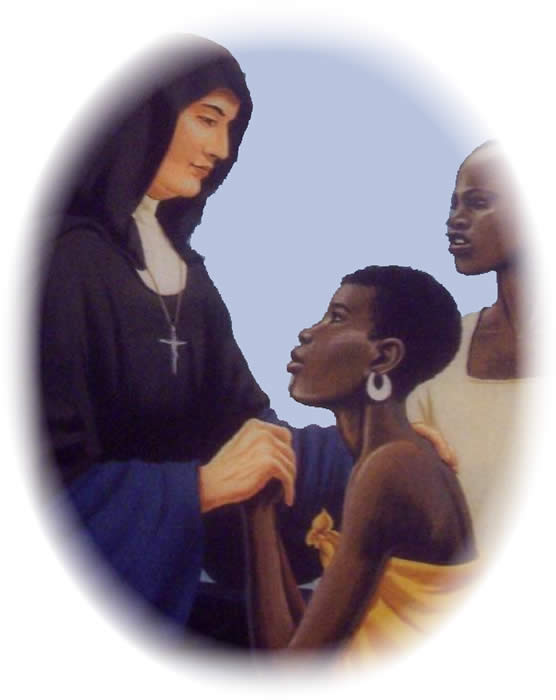
Blessed Anne-Mary Javouhey (1779-1851) “The Mother of the Slaves,” Religious Sister, Missionary and Founder of the Sisters of Saint Joseph of Cluny. Imagine a Mother Teresa in the France of Napoleon’s day and you will have a picture of Anne-Marie Javouhey. Nanette, as she was called, was a “velvet brick,” a thin layer of gentleness covering her determined core. A competent leader, Nanette dominated every scene in her adventurous life. Blessed Anne-Marie was Beatified on 15 October 1950 by Pope Pius XII. :“The Mother of the Slaves” https://anastpaul.com/2019/07/15/saint-of-the-day-15-july-blessed-anne-mary-javouhey-1779-1851/
St Apronia
St Athanasius (c830-c 872) Confessor, Bishop of Naples from 849 until his death, Papal Legate, Reformer and restoring of Monasteries, he built a Hospice for pilgrims and a new Monastery, a man of austerity and prayer. This Athanasius should not be confused with his nephew, Athanasius II, also the Bishop of Naples. About this St Athanasius, a Patron of Naples among +70 Patrons: https://anastpaul.com/2022/07/15/saint-of-the-day-15-july-st-athanasius-of-naples-c-830-c-872/
St Antiochus of Sebaste St Benedict of Angers
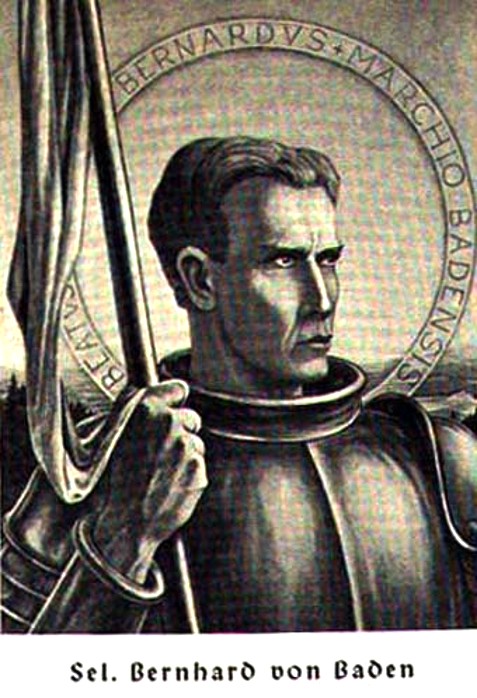
Blessed Bernard TOSF (1428-1458) Margrave of Baden, Germany (Margrave was originally the medieval title for the military commander assigned to maintain the defence of one of the border provinces of the Holy Roman Empire.) Tertiary of the Order of St Francis, Apostle of the poor and the needy. Bernard was Beatified on 16 September 1769 by Pope Clement XIV. His Canonisation process continues, at present, the second miracle required is being investigated. Blessed Bernard’s Holy Life: https://anastpaul.com/2021/07/15/saint-of-the-day-15-july-blessed-bernard-of-baden-tosf-1428-1458/
St David of Sweden (Died 1082) Bishop of Västeras in Sweden, Martyr St Donivald St Eberhard of Luzy St Edith of Tamworth St Eternus St Felix of Pavia St Gumbert of Ansbach St Haruch of Werden St Jacob of Nisibis St Joseph Studita of Thessalonica Bl Peter Aymillo St Plechelm of Guelderland
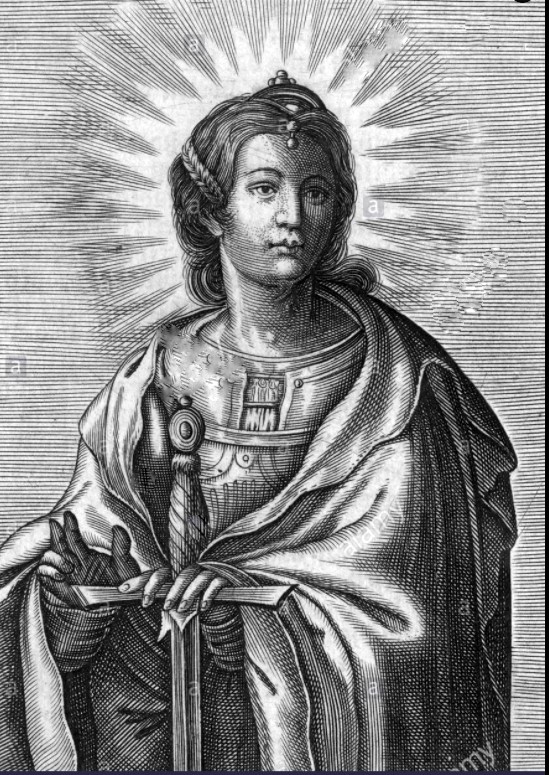
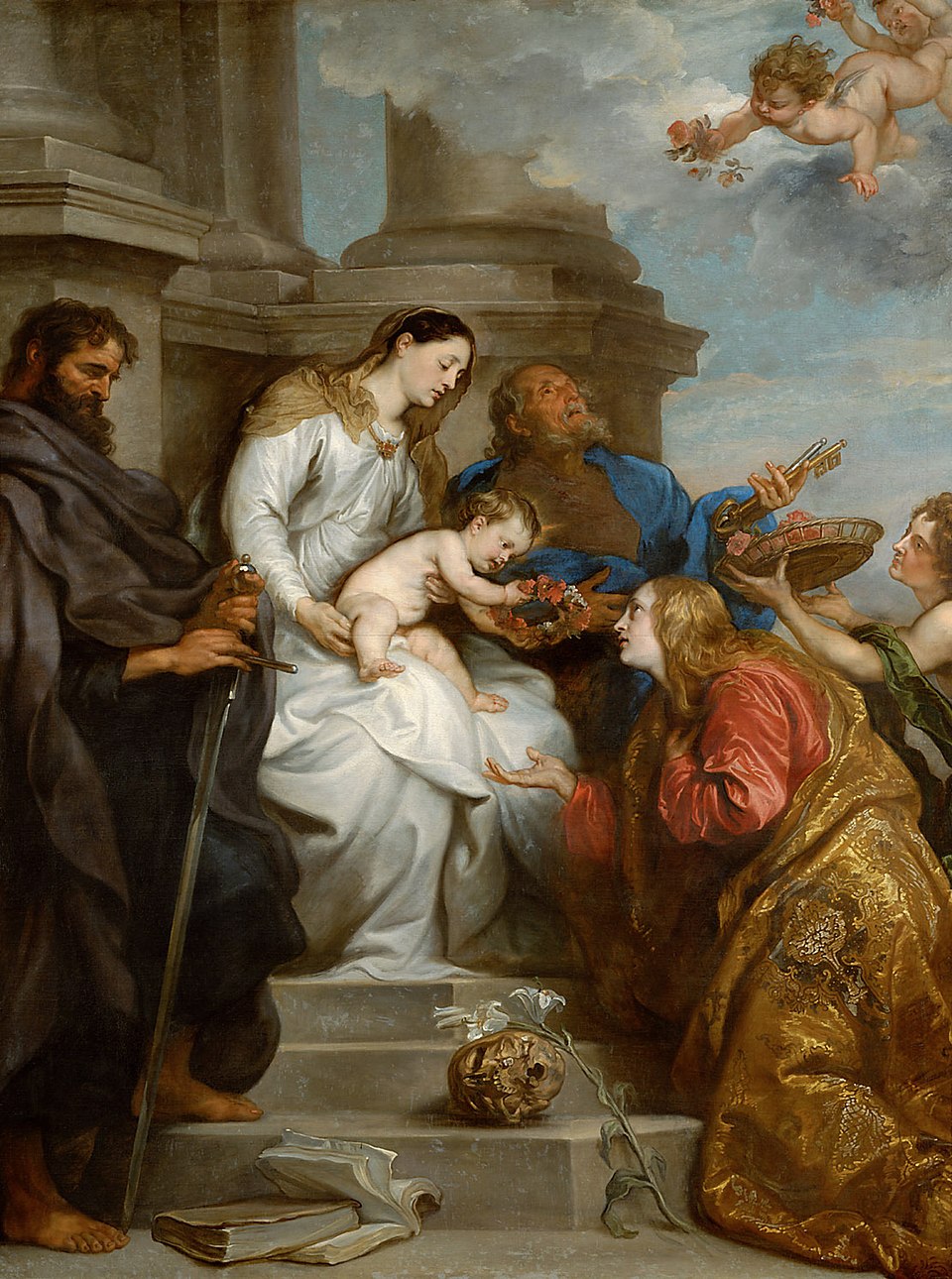
The Coronation of Saint Rosalia,with Sts Peter and Paul, is an oil on canvas Painting by Sir Anthony van Dyck – 1629.
St Valentina of Nevers No information has survived. St Vladimir I of Kiev
Martyred Jesuit Missionaries of Brazil – 40 Beati: A band of forty Spanish, Portugese and French Jesuit Missionaries Martyred by the Huguenot pirate Jacques Sourie while en route to Brazil. They are – Aleixo Delgado • Alonso de Baena • álvaro Borralho Mendes • Amaro Vaz • André Gonçalves • António Correia • Antônio Fernandes • António Soares • Bento de Castro • Brás Ribeiro • Diogo de Andrade • Diogo Pires Mimoso • Domingos Fernandes • Esteban Zuraire • Fernando Sánchez • Francisco Alvares • Francisco de Magalhães • Francisco Pérez Godoy • Gaspar Alvares • Gonçalo Henriques • Gregorio Escribano • Ignatius de Azevedo • Iõao • João Fernandes • João Fernandes • Juan de Mayorga • Juan de San Martín • Juan de Zafra • Luís Correia • Luís Rodrigues • Manuel Alvares • Manuel Fernandes • Manuel Pacheco • Manuel Rodrigues • Marcos Caldeira • Nicolau Dinis • Pedro de Fontoura • Pedro Nunes • Simão da Costa • Simão Lopes • They were Martyed on 15 and 16 July 1570 on the ship Santiago near Palma, Canary Islands. They were Beatified on 11 May 1854 by Pope Pius IX.
Martyrs of Alexandria – 13 Saints: Thirteen Christians who were Martyred together. We know the names of three, no details about them and the other ten were all children. – Narseus, Philip and Zeno. Martyred in the early 4th-century in Alexandria, Egypt.
Martyrs of Carthage – 9 Saints: A group of nine Christians who were Martyred together. We know nothing else but their names – Adautto, Catulinus, Felice, Florentius, Fortunanziano, Januarius, Julia, Justa and Settimino. They were Martyred in Carthaginian and their relics at the Basilica of Fausta at Carthage.
Martyrs of Pannonia – 5 Saints: Five 4th-century Martyrs killed together. No information about them has survived except the names – Agrippinus, Fortunatus, Martialis, Maximus and Secundinus.
Thought for the Day – 14 July – Meditations with Antonio Cardinal Bacci (1881-1971)
Humility
“Humility is, in fact, truth. Many think it is a menial fiction, or a pious congregation and that only a few can really achieve it.
In other words, we must disregard ourselves. We must be content to be unknown and unesteemed. This might seem to be contrary to, or at least, superior to human nature but it is based on the simple naked truth. What have we that is not a gift of God? All we have in the natural and supernatural order, we have received from God: “What hast thou that thou hast not received? And if thou hast receive it, why dost thou boast as if thou hast not received it?” (1 Cor 4:7).
Our defects and sins are the only things which are really our own! So we have a double motive for humility. Everything good about us is a gift from God. Only our sins belong to us!”
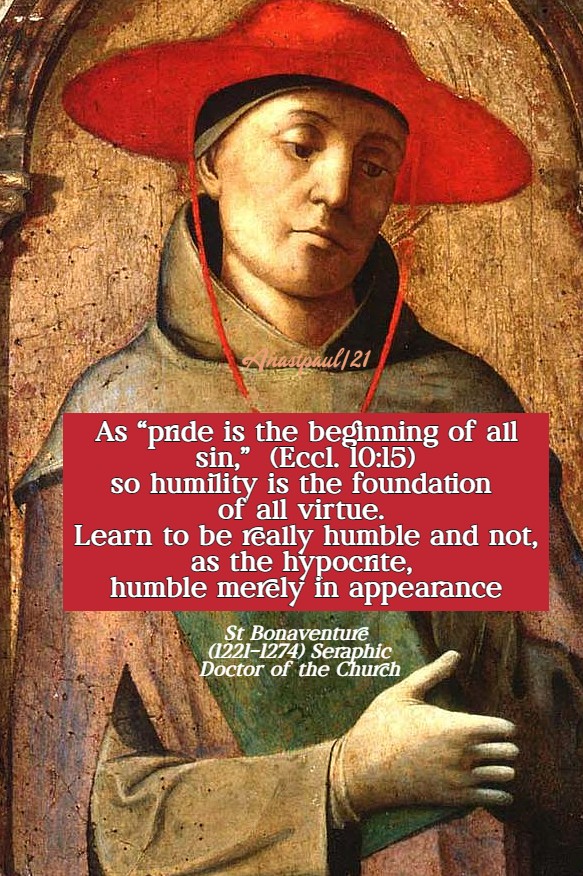
“As “pride is the beginning of all sin,” (Eccl. 10:15) so humility is the foundation of all virtue. Learn to be really humble and not, as the hypocrite, humble merely in appearance.”
St Bonaventure OFM (1221-1274) Seraphic Doctor of the Church
Quote/s of the Day – 14 July – St Bonaventure OFM (1221-1274) Seraphic Doctor of the Church
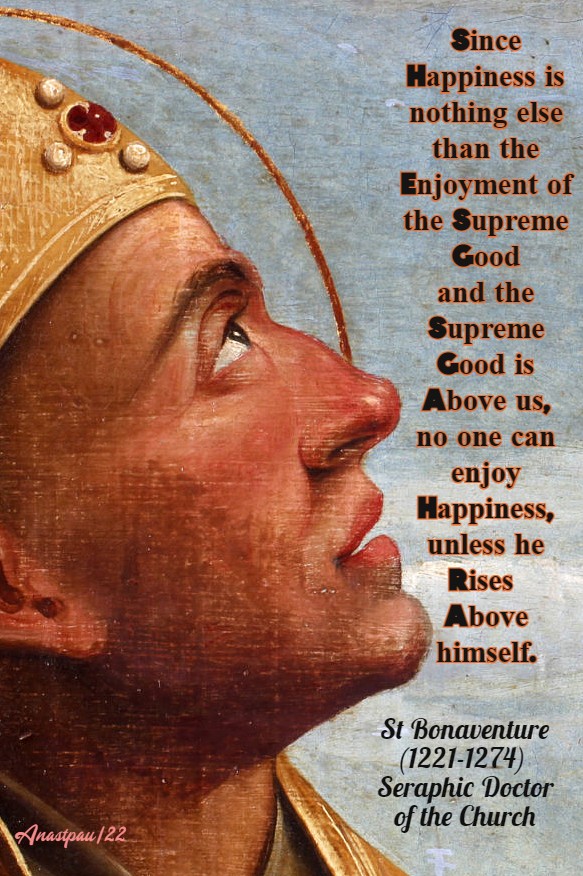
“Since happiness is nothing else than the enjoyment of the Supreme Good and the Supreme Good is above us, no-one can enjoy happiness, unless he rises above himself.”
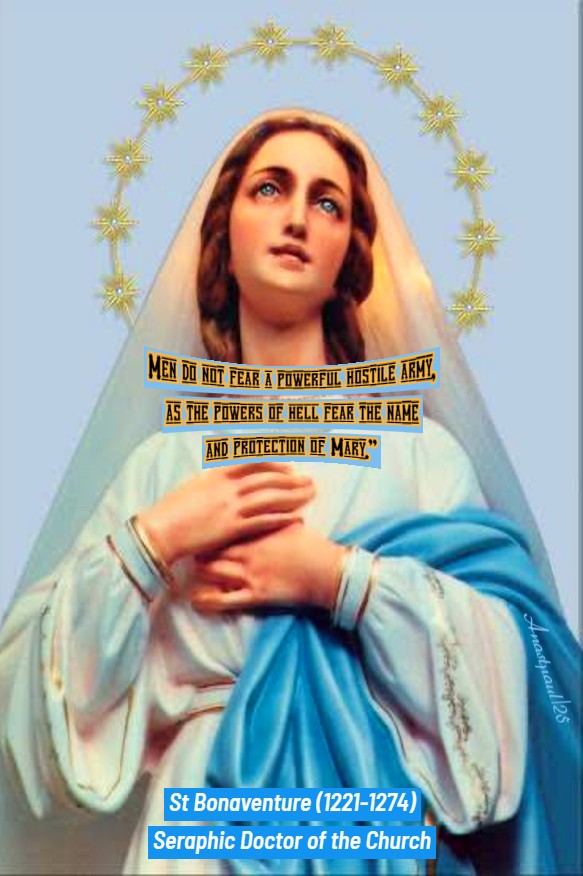
“Men do not fear a powerful hostile army, as the powers of hell fear the name and protection of Mary.”
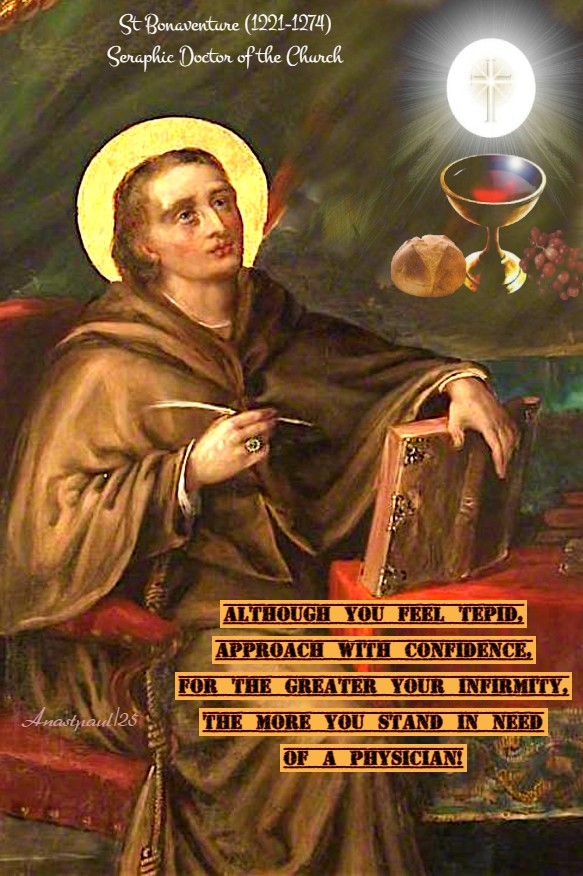
“Although you feel tepid, approach with confidence, for the greater your infirmity, the more you stand in need of a physician!”
One Minute Reflection – 14 July – “The Month of the Most Precious Blood” – St Bonaventure OFM (1221-1274) Seraphic Doctor of the Church – Pentecost VIII – 2 Timothy 4:1-8 –Matthew 5:13-19 – Scripture search here: https://www.drbo.org/
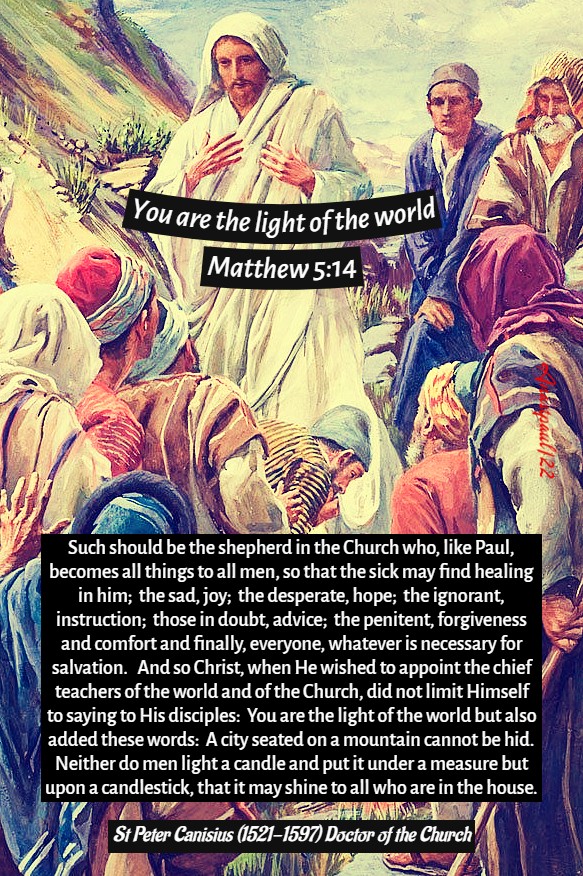
“You are the light of the world.” – Matthew 5:14
REFLECTION – “I shall always love and reverence the Apostles sent by Christ and their successors, in sowing the seed of the Gospel, those zealous and tireless co-operators in propagating the Word, who may justly say of themselves: Let a man so account of us as the ministers of Christ and the dispensers of the Mysteries of God. For Christ, like a most watchful and most faithful householder, wished that the Gospel lamp should be lit by such ministers and delegates, with fire sent down from Heaven and once lit, should not be put under a measure but set upon a candlestick, so that it may spread its brightness far and wide and put to flight, all darkness and error, rife among both Jews and Gentiles.
Now it is not enough for the Gospel teacher to be a brilliant speaker in the eyes of the people; he must also be as a voice crying in the desert and endeavour, by his eloquence, to help many to lead good lives, lest, if he omit his duty of speaking, he be called the dumb dog that is not able to bark, spoken of by the prophet. Yes, he should also burn, in such a way, that, equipped with good works and love, he may adorn his evangelical office and follow the leadership of Paul. He indeed was not satisfied with bidding the Bishop of the Ephesians: This command and teach: conduct thyself in work as a good soldier of Christ Jesus but he unflaggingly preached the Gospel to friend and foe alike and, said with a good conscience to the Bishops gathered at Ephesus: You know how I have kept back nothing that was for your good but have declared it to you and taught you in public and from house to house, urging Jews and Gentiles to turn to God in repentance and to believe in our Lord Jesus Christ.
Such should be the shepherd in the Church who, like Paul, becomes all things to all men, so that the sick may find healing in him; the sad, joy; the desperate, hope; the ignorant, instruction; those in doubt, advice; the penitent, forgiveness and comfort and finally, everyone, whatever is necessary for salvation. And so Christ, when He wished to appoint the chief teachers of the world and of the Church, did not limit Himself to saying to His disciples: You are the light of the world but also added these words: A city seated on a mountain cannot be hid. Neither do men light a candle and put it under a measure but upon a candlestick, that it may shine to all who are in the house. Those churchmen err, who imagine that it is by brilliant preaching, rather than by holiness of life and all-embracing love, they fulfil their office.” – St Peter Canisius SJ (1521-1597) Doctor of the Church (Sermon excerpt).
PRAYER – O God, Who gave to Thy people, blessed Bonaventure, as a minister of salvation, grant, we beseech Thee, that we who cherished him on earth as a teacher of life, may be found worthy to have him as an intercessor in heaven. Through the same Jesus Christ, Thy Son our Lord, Who lives and reigns with Thee, in the unity of the Holy Ghost, God, world without end. Amen (Collect).
Our Morning Offering – 14 July – “The Month of the Most Precious Blood”
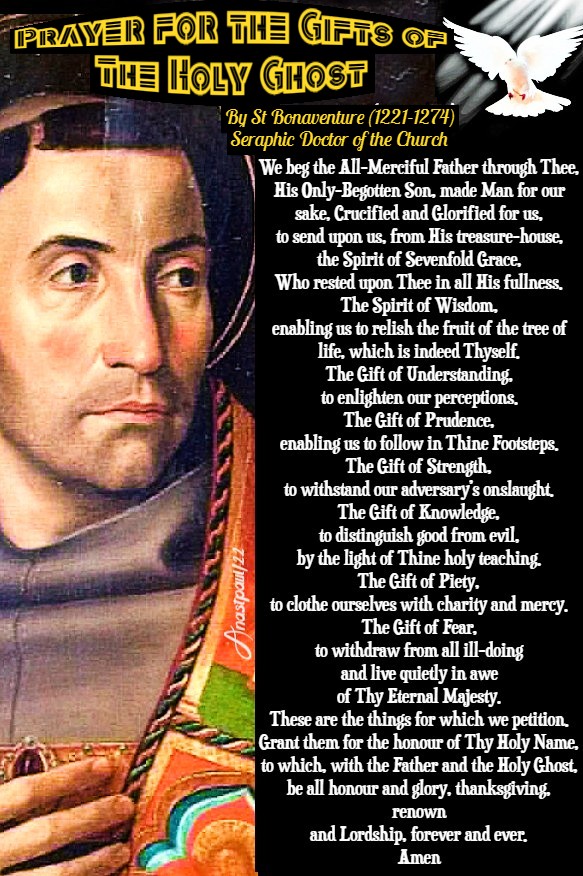
Prayer for the Gifts of the Holy Ghost By St Bonaventure (1221-1274) Seraphic Doctor of the Church
We beg the All-Merciful Father through Thee, His Only-Begotten Son, made Man for our sake, Crucified and Glorified for us, to send upon us, from His treasure-house, the Spirit of Sevenfold Grace, Who rested upon Thee in all His fullness.
The Spirit of Wisdom, enabling us to relish the fruit of the tree of life, which is indeed Thyself. The Gift of Understanding, to enlighten our perceptions. The Gift of Prudence, enabling us to follow in Thine Footsteps. The Gift of Strength, to withstand our adversary’s onslaught. The Gift of Knowledge, to distinguish good from evil, by the light of Thine holy teaching. The Gift of Piety, to clothe ourselves with charity and mercy. The Gift of Fear, to withdraw from all ill-doing and live quietly in awe of Thy Eternal Majesty.
These are the things for which we petition. Grant them for the honour of Thy Holy Name, to which, with the Father and the Holy Ghost, be all honour and glory, thanksgiving, renown and Lordship, forever and ever. Amen
Saint of the Day – 14 July – Saint Marcellin (Died c775) Priest, Confessor, Monk, Missionary. Born in England, he was, from childhood, a disciple of St Willibrord and his companion in labour for Christ. He died in c775 in Oldenzaal, Netherlands. Patronages – of Deventer and Overijssel. Also known as – Marcellinus, Marchelm, Marculf, Marchelmo, Marcellino, Marcellin, Marchelme, Markulf, Marchelmus.
The Roman Martyrology reads today: “At Deventer, Belgium, St Marcellin, Priest and Confessor.”
Marcellin was a disciple of Saint Willibrord and became one of the Anglo-Saxon Monks who landed on the Continent to evangelise the Germanic peoples.
Marcellin was sent by St Gregory, the Bishop of Utrecht, together with St Lebuin; to the region of Overyssel, where they built a Church in Wilp.
From there, Marcellin evangelised the easternmost pregions, as far as Oldenzaal, where he died at a very old age. His body was taken to Deventer, where it is venerated in the Church of St Lebuin; a part of it was transferred to the Jesuit College in Emmerich.
St Colman of Killeroran St Cyrus of Carthage St Deusdedit of Canterbury St Donatus of Africa
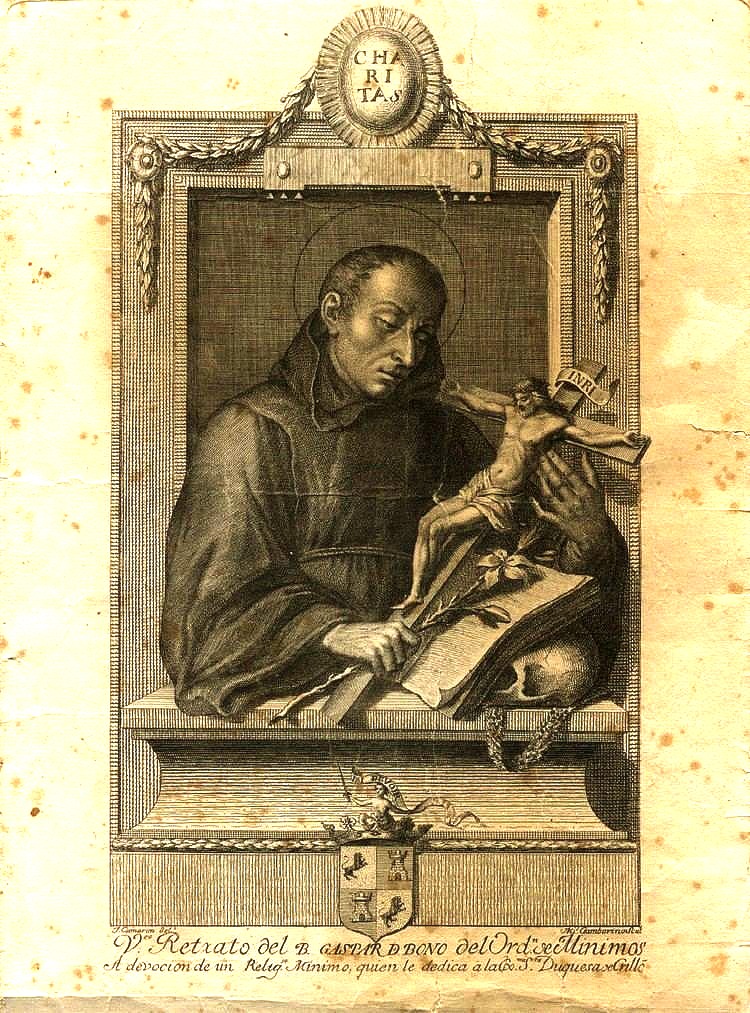
Blessed Gaspar de Bono OM (1530– 1604) Spanish Priest, Friar of the Order of Minims, Vicar Provincial of the Order. He was noted for his particular devotion to the Passion of Christ, carrying his Crucifix everywhere as a means of evangelisation and to be able to constantly immerse himself in his Saviour’s sufferings. His Loving Life: https://anastpaul.com/2021/07/14/saint-of-the-day-14-july-blessed-gaspar-de-bono-om-1530-1604/
Bl Giorgio of Lauria Bl Hroznata of Bohemia Bl Humberto of Romans St Idus of Ath Fadha St Just St Justus of Rome St Liebert St Marcellin of Frigento St Marciano (Died c775) Priest, Confessor Bl Michael Ghebre St Optatian of Brescia St Papias of Africa
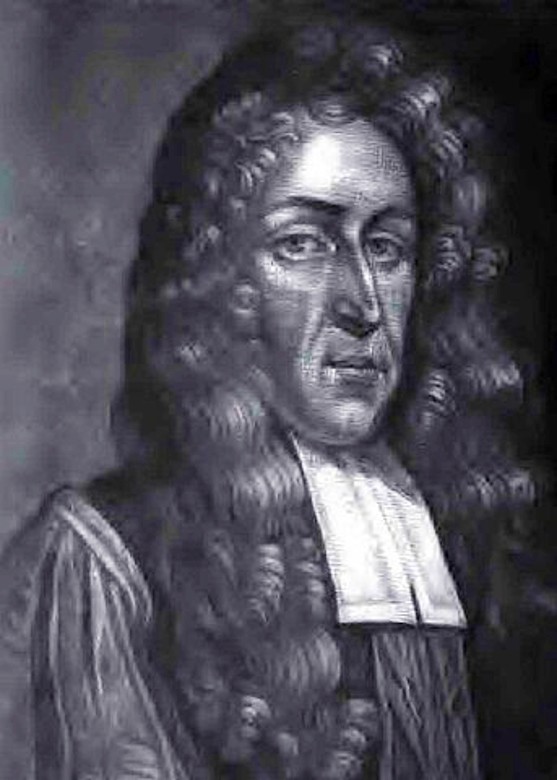
Blessed Richard Langhorne (c1624-1679) Martyr, Layman, Barrister. He was murdered on a false charge of treason as part of the fabricated Popish Plot. He fell under suspicion because he was a Roman Catholic and because, he had acted as legal adviser to the Jesuits at a time of acute anti-Catholic hysteria. His Life and Death: https://anastpaul.com/2024/07/14/saint-of-the-day-14-july-blessed-richard-langhorne-c1624-1679-martyr-layman/
Bl Toscana of Verona St Ulric of Zell St Vincent Madelgaire
DISCLAIMER: Please note: I cannot control the content of the Advertisements on this Site, or of pop-ups which may appear, The revenue from the Advertisements, however, does provide a little assistance in the support of the Site. I do apologise for any inappropriate content.
Thought for the Day – 13 July – Meditations with Antonio Cardinal Bacci (1881-1971)
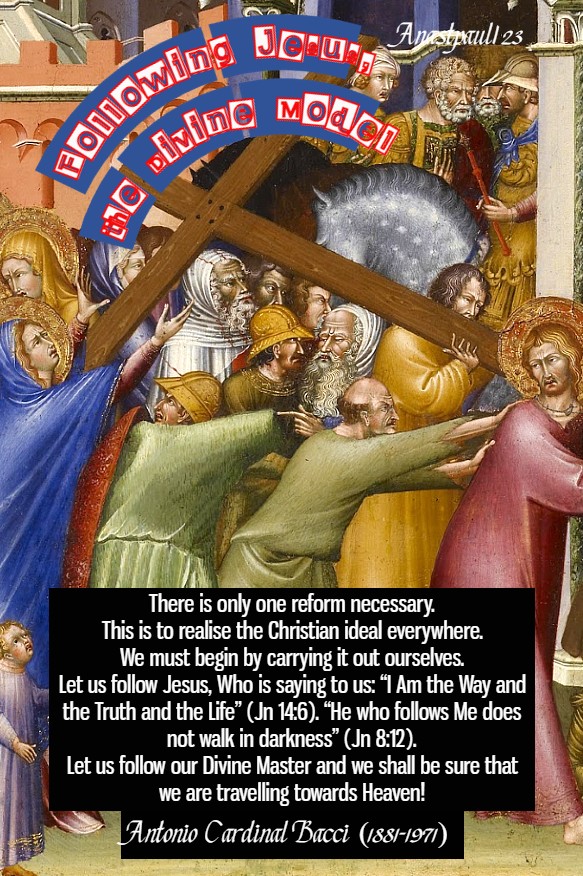
Following Jesus, the Divine Model
“When we have renounced ourselves and have embraced our cross with resignation and love, we must follow Jesus. We must follow Him in a special way as the Infallible Teacher of tTuth. The teachings of men cannot satisfy our intellects. Still less, can they satisfy our hearts. What they teach is either incomplete or false. This is proved by the fact that the doctrines of men have succeeded and replaced one another, down through the Centuries while “the Word of the Lord endures forever” (1 Peter 1:25).
The teaching of Christ produces an extraordinary renovation in the individual, in the family and in society. It is this renewal which we call Christianity and Christian civilisation. There is a wide chasm between paganism and Christianity. This gulf would be even wider, only for the fact that Christianity has not yet been fully put into practice throughout the universe. There is only one reform necessary. This is to realise the Christian ideal everywhere. We must begin by carrying it out ourselves. Let us follow Jesus, Who is saying to us: “I Am the Way and the Truth and the Life” (Jn 14:6). “He who follows Me does not walk in darkness” (Jn 8:12).
Let us follow our Divine Master and we shall be sure that we are travelling towards Heaven!”
Quote/s of the Day – 13 July – “The Month of the Most Precious Blood” – –
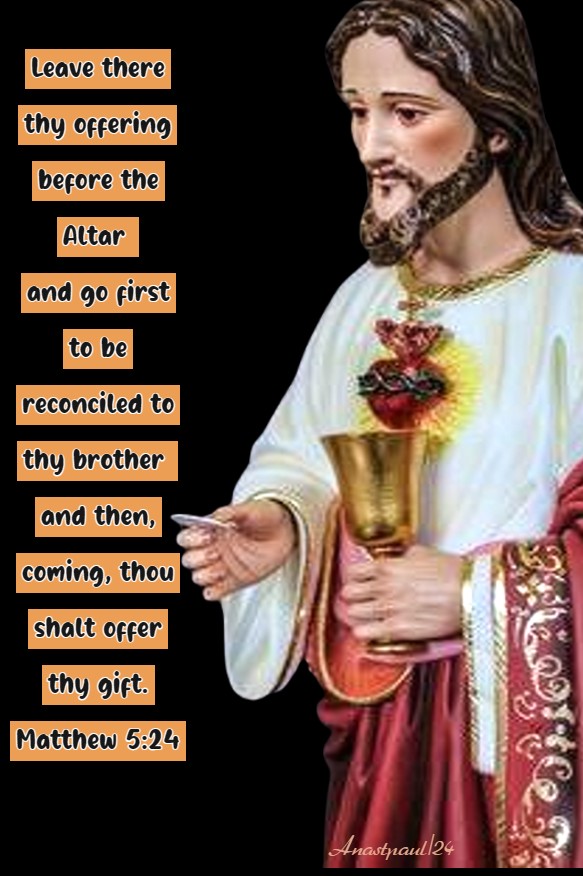
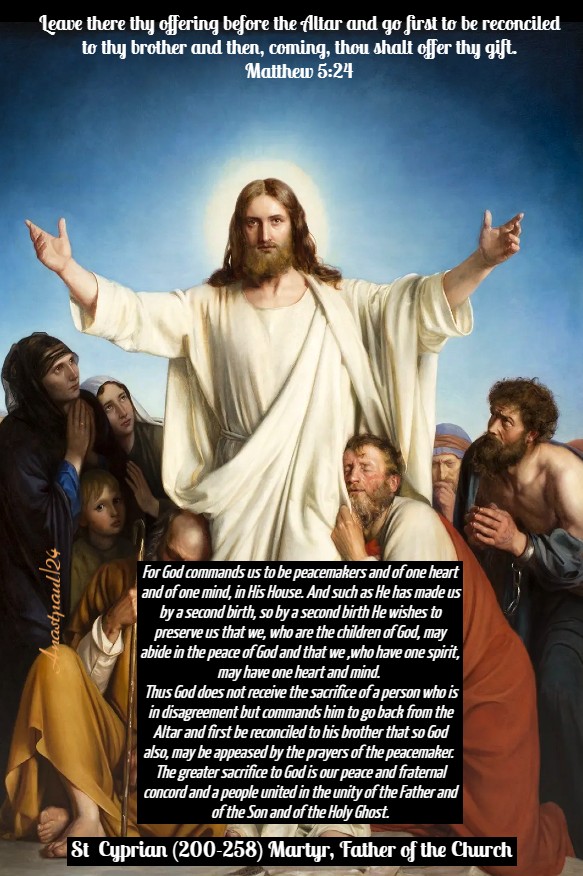
“Leave there thy offering before the Altar and go first to be reconciled to thy brother and then, coming, thou shalt offer thy gift.”
Matthew 5:24
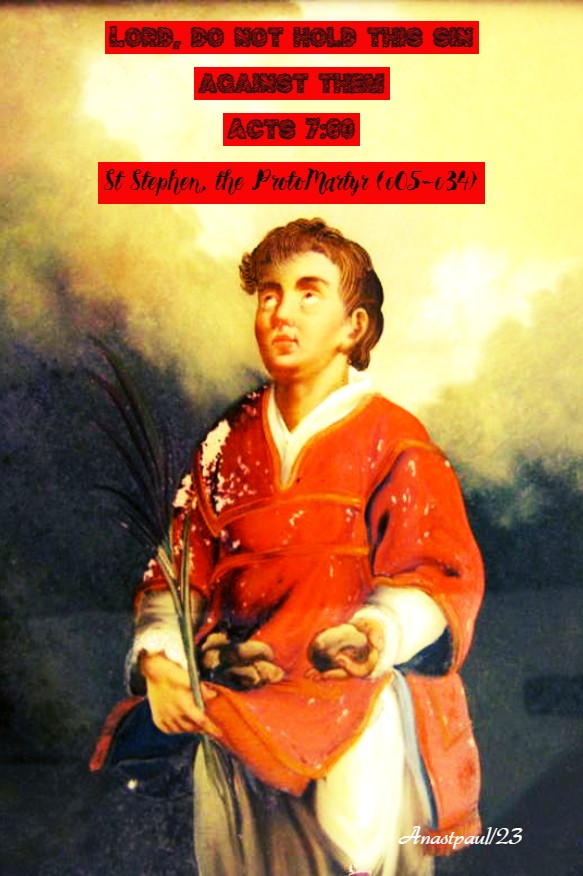
“Lord, do not hold this sin against them”
Acts 7:60
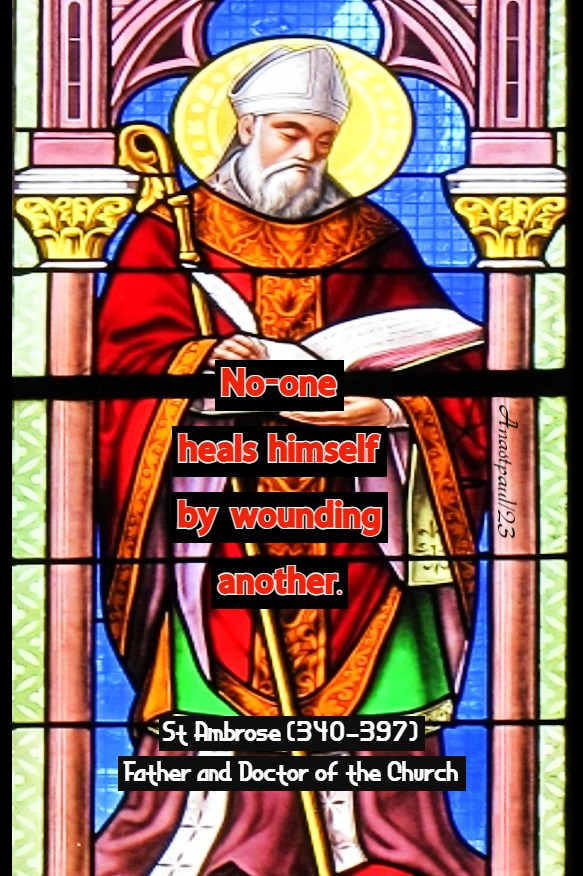
“No-one heals himself by wounding another.”
St Ambrose (340-397) Father and Doctor of the Church
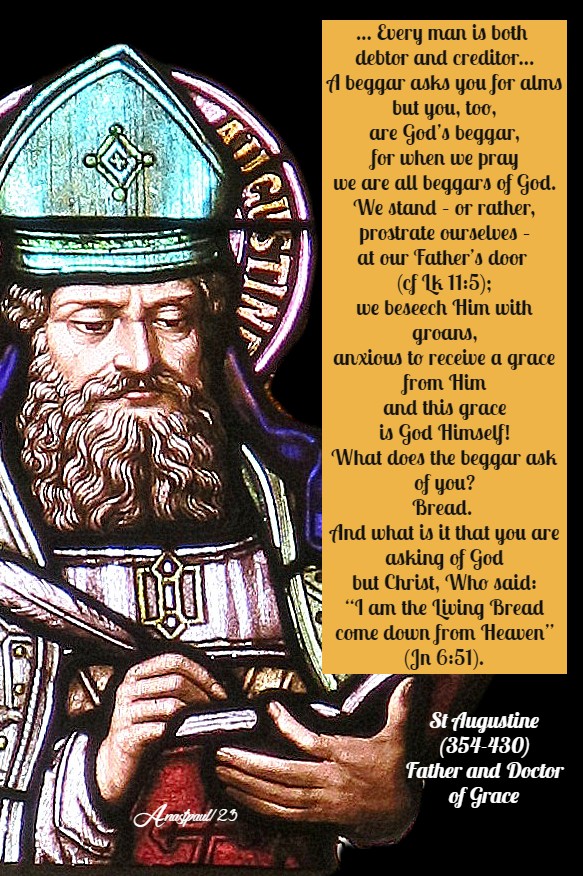
“… Every man is both debtor and creditor… A beggar asks you for alms but you, too, are God’s beggar, for when we pray we are all beggars of God. We stand – or rather, prostrate ourselves – at our Father’s door (cf Lk 11:5); we beseech Him with groans, anxious to receive a grace from Him and this grace is God Himself! What does the beggar ask of you? Bread. And what is it that you are asking of God but Christ, Who said: “I am the Living Bread come down from Heaven” (Jn 6:51).”
St Augustine (354-430) Father and Doctor of Grace
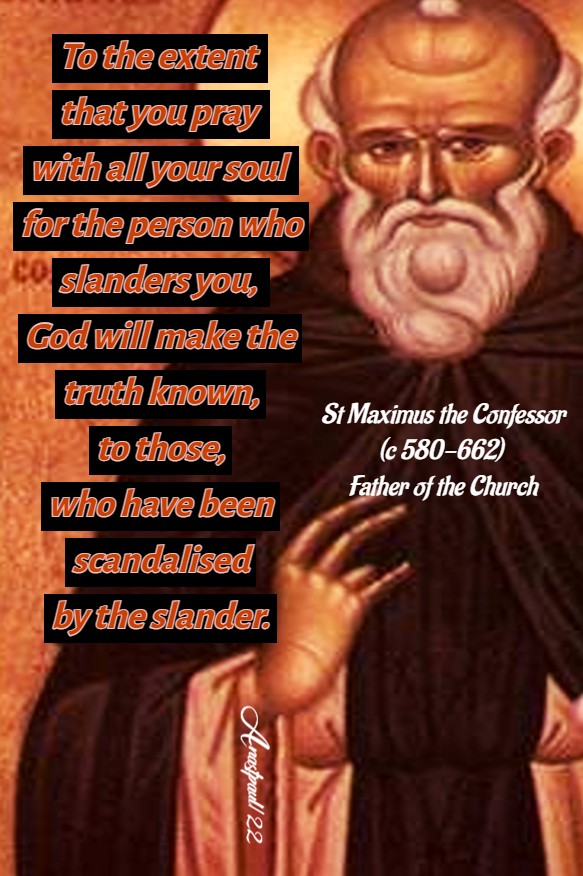
“To the extent that you pray, with all your soul, for the person who slanders you, God will make the truth known to those who have been scandalised by the slander.”
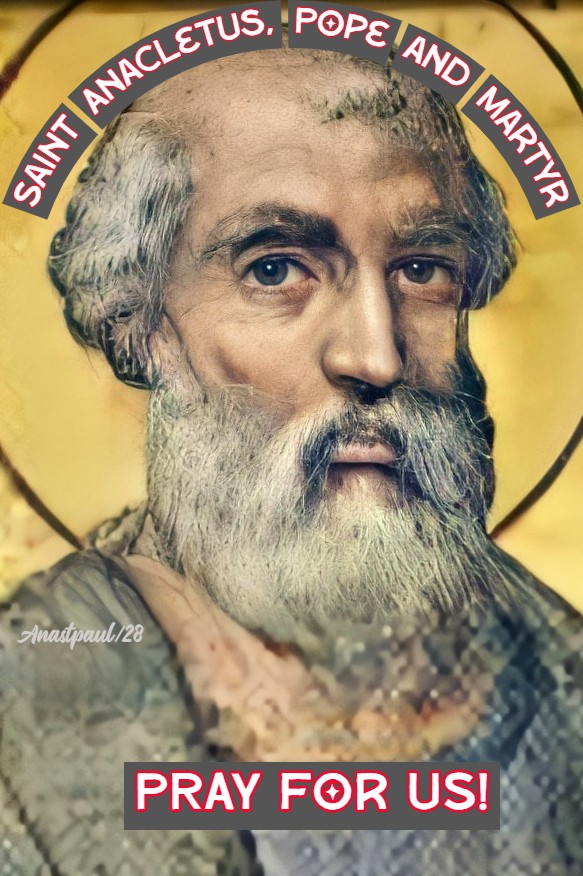
One Minute Reflection – 13 July – “The Month of the Most Precious Blood” –Pentecost V – St Anacletus (c25-c89) 3rd Bishop of Rome and Martyr – 1 Petet 3:8-15; 5:10-11 – Matthew 5:20-24 – Scripture search here: https://www.drbo.org/
“Leave there thy offering before the Altar and go first to be reconciled to thy brother and then, coming, thou shalt offer thy gift.” – Matthew 5:24
REFLECTION – “The measure with which you measure shall be measured out to you” (Mt 7:2). And the servant who, after having had all his debt forgiven him by his master, would not forgive his fellow-servant, is confined to prison. Because he was unwilling to forgive his fellow-servant, he lost the forgiveness which had been granted him by the Lord (Mt 18:23f). And these things Christ sets forth still more strongly in his precepts by the greater force of his censure. He says: “When you stand praying, forgive anyone against whom you have a grievance, so that your heavenly Father may in turn forgive you your transgressions. But if you do not forgive, neither will your heavenly Father forgive your transgressions” (Mk 11:25) …
For God commands us to be peacemakers and of one heart and of one mind, in His House. And such as He has made us by a second birth, so by a second birth He wishes to preserve us that we, who are the children of God, may abide in the peace of God and that we ,who have one spirit, may have one heart and mind. Thus God does not receive the sacrifice of a person who is in disagreement but commands him to go back from the Altar and first be reconciled to his brother that so God also, may be appeased by the prayers of the peacemaker. The greater sacrifice to God is our peace and fraternal concord and a people united in the unity of the Father and of the Son and of the Holy Ghost.” – St Cyprian of Carthage (200-258) Bishop of Carthage, Martyr, Father of the Church (The Lord’s Prayer, 23).
PRAYER – Look forgivingly on thy flock, Eternal Shepherd, and keep it in thy constant protection, by the intercession of blessed Anacletus thy Martyr and Sovereign Pontiff, whom thou didst constitute Shepherd of the whole Church.Through the same Jesus Christ, Thy Son our Lord, Who lives and reigns with Thee, in the unity of the Holy Ghost, God, world without end. Amen (Collect).
Our Morning Offering – 13 July – “The Month of the Most Precious Blood” – Pentecost V
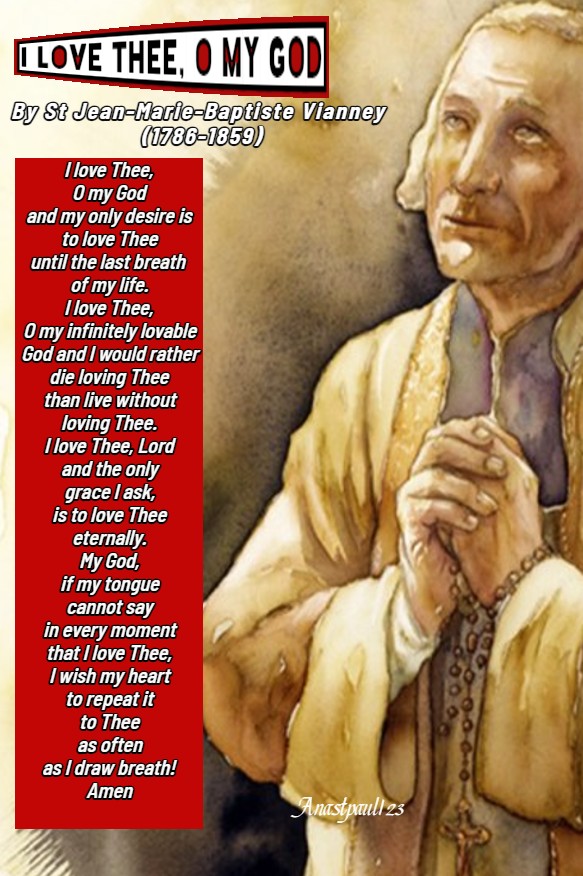
I Love Thee, O My God By St John Marie Baptiste Vianney (1786-1859)
I love Thee, O my God and my only desire is to love Thee until the last breath of my life. I love Thee, O my infinitely lovable God and I would rather die loving Thee than live without loving Thee. I love Thee, Lord and the only grace I ask, is to love Thee eternally. My God, if my tongue cannot say in every moment that I love Thee, I wish my heart to repeat it to Thee as often as I draw breath! Amen
Saint of the Day – 13 July – St Eugenius (Died 505) Bishop and Confessor of Carthage, in North Africa, a zealous and learned shepjerd, apostle of the poor and needy, pious and devout, Patronage – of Albi in Calabria, Italy. Also known as – Eugene.
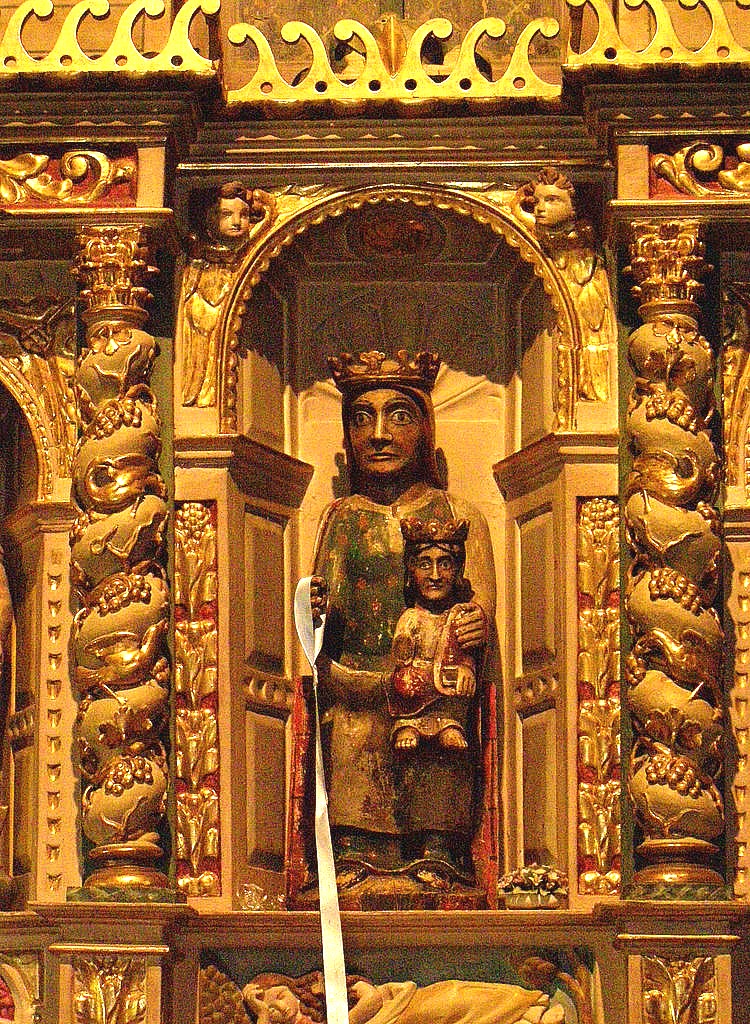
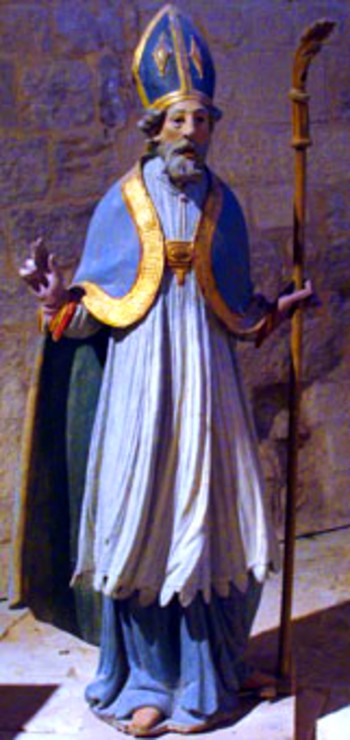
A Statue pf St Eugenius at Albi
The Roman Martyrology reads today: “In Africa, the holy Confessor, Eugenius, the faithful and virtuous Bishop of Carthabe and to all the Clergy of the Church, to the number of about 500 or more, among whom were many small children amployed as Lectors. In the persecution of the Vandals under the Arian King Hunneric, they were subjected to scourging and starvation and driven into a most painful banishment whicle they bore, with joy for God’s sake. In their number were also 2 distinguished persons, the Archdeacon Salutaris and Murtta, occupying the 2nd rank among the ministers of the Church. Both had confessed the Faith 3 times and were illustrious by their sturdy perseverance in Christianity.” (As printed in the Roman Martyrology 1914).
The Episcopal See of Carthage had remained vacant for 24 years, when, in 481, Huneric permitted the Catholics, on certain conditions, to choose one who should fill the Seat.
The faithful, impatient to enjoy the comfort of a shepherd, chose Eugenius, a citizen of Carthage, eminent for his learning, zeal, piety and prudence. His loving care to the distressed were excessive and he refused himself everything in order to give more to the poor.
His virtue gained him the respect and esteem even of the Arians but at length envy overcame them and the King sent an order to Eugenius, never to sit on the Episcopal Throne, preach to the people, or admit into his Chapel any Vandals, among whom several were Catholics. The Saint boldly answered that the laws of God commanded him not to shut the door of His Church to any who desired to serve Him therein. Huneric, enraged at this response, persecuted the Catholics in various ways. Many nuns were so cruelly tortured that they died on the rack. Great numbers of Bishops, Priests, Deacons and eminent Catholic laymen, were banished to a desert, filled with scorpions and venomous serpents. The faithful followed their Bishops and Priests with lighted tapers in their hands and mothers carried their little babes in their arms and laid them at the feet of the Confessors, all crying out with tears: “Going yourselves to your crowns, to whom do you leave us? Who will baptise our children? Who will impart to us the benefit of penance and discharge us from the bonds of sin by the favour of Absolution? Who will bury us with solemn supplications at our death? By whom will the Divine Sacrifice be made?”
The Bishop Eugenius was spared in the first storm but afterwards was carried into the uninhabited desert country in the province of Tripolis and committed to the guard of Antony, an inhuman Arian bishop, who treated him with the utmost barbarity.
Gontamund, who succeeded Huneric, recalled our Saint to Carthage, opened the Catholic Churches and allowed all the exiled Priests to return.
After reigning for a further 12 years, Gontamund died,and his brother Thrasimund was called to the crown. Under this Prince, St Eugenius was again banished and died in exile, on the 13th of July 505, in a Monastery which he had built and governed, near Albi in which City he is highly honoured to this day.
A Statue portraying Saint Eugenius, in the Church museum in Sant’Eustorgio (Milan).
Bl Berthold of Scheide St Dogfan Bl Élisabeth Verchière St Esdras the Prophet St Eugenius (Died 505) Bishop and Confessor of Carthage St Giustina of Arzano
St Josephus Wang Kuiju
Blessed James OP (c1226 – 3 or 16 July 1298) Italian Archbishop of Genoa, Author of the ‘Golden Legend’ (a collection of lives of Saints and treatises on Christian festivals, one of the most popular religious works of the Middle Ages and is still published and referred to today – completed 1265), Priest and Friar of the Order of Preachers of St Dominic, Writer, Scholar of great genius, Prior and Provincial General of the Order. Blessed James was Beatified on 11 May 1816 by Pope Pius VII. His Holy Life: https://anastpaul.com/2021/07/13/saint-of-the-day-13-july-blessed-james-of-voragine-op-c-1226-1298-author-of-the-golden-legend/
Bl Jean of France St Joel the Prophet Bl Marie-Anastasie de Roquard Bl Marie-Anne Depeyre Bl Marie-Anne Lambert
St Muritta of Carthage St Myrope St Salutaris of Carthage St Sarra of Egypt St Serapion of Alexandria Serapion of Macedonia St Silas (1st Century) Disciple of Sts Paul and Barnabas Bl Thérèse-Henriette Faurie Bl Thomas Tunstal
Martyrs of Cyprus – 300 Saints: 300 Christians who retired to Cyprus to live as cave Hermits, devoting themselves to prayer and an ascetic life devoted to God. Tortured and Martyred for their faith and their bodies thrown into the various caves in which they had lived. We know the names of five of them but no other details even about them – Ammon, Choulélaios, Epaphroditus, Eusthénios and Héliophotos. They were beheaded in the 12th century on Cyprus and their bodies dumped in the cave where they had lived and only rediscovered long afterwards.
Martyrs of Philomelio – 31 Saints: 31 soldiers Martyred for their faith in the persecutions of prefect Magno, date unknown. The only name that has come down to us is Alexander. In Philomelio, Phrygia (in modern Turkey).
Thought for the Day – 12 July – Meditations with Antonio Cardinal Bacci (1881-1971)
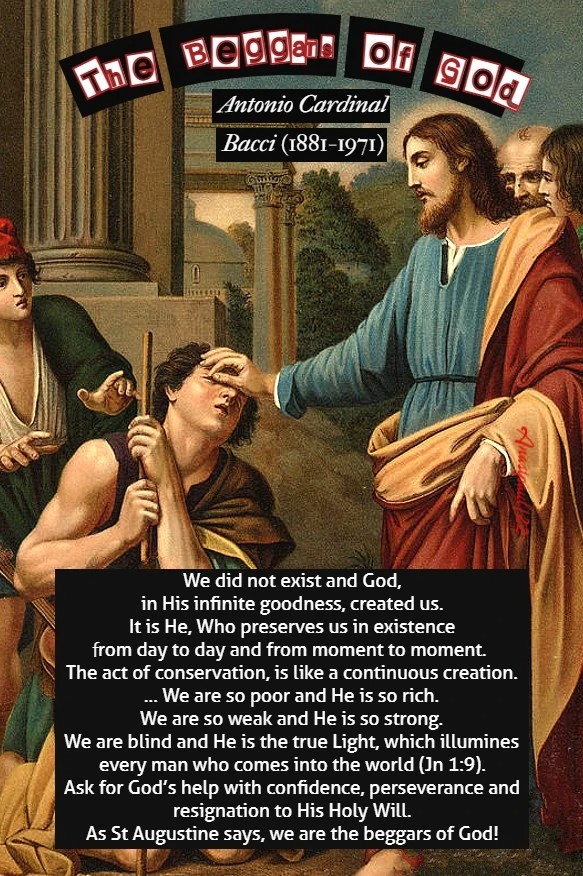
The Beggars of God
“Both in the natural and in the supernatural order, we are in continual need of the aid of God. We did not exist and God, in His Infinite Goodness, created us. It is He, Who preserves us in existence from day to day and from moment to moment. The act of conservation, is like a continuous creation. If God did not sustain us, we should return immediately to the dust from which we came: “Remember, man, that dust you are and unto dust you shall return” (Gen 3:19).
We are continually dependent on our Lord and Creator for our existence and activity. If we remained always aware of this tremendous fact, we would never offend God. We would show Him a filial gratitude and humbly implore His assistance.
We are so poor and He is so rich. We are so weak and He is so strong. We are blind and He is the true Light, which illumines every man who comes into the world (Jn 1:9). Ask for God’s help with confidence, perseverance and resignation to His Holy Will. As St Augustine says, we are the beggars of God!”
Quote/s of the Day – 12 July – “The Month of the Most Precious Blood” – St John Gualbert (c985-1073) Abbot – Ecclesiasticus Sirach 31:8-11 – Matthew 5:43-48 – Scripture search here: https://www.drbo.org/
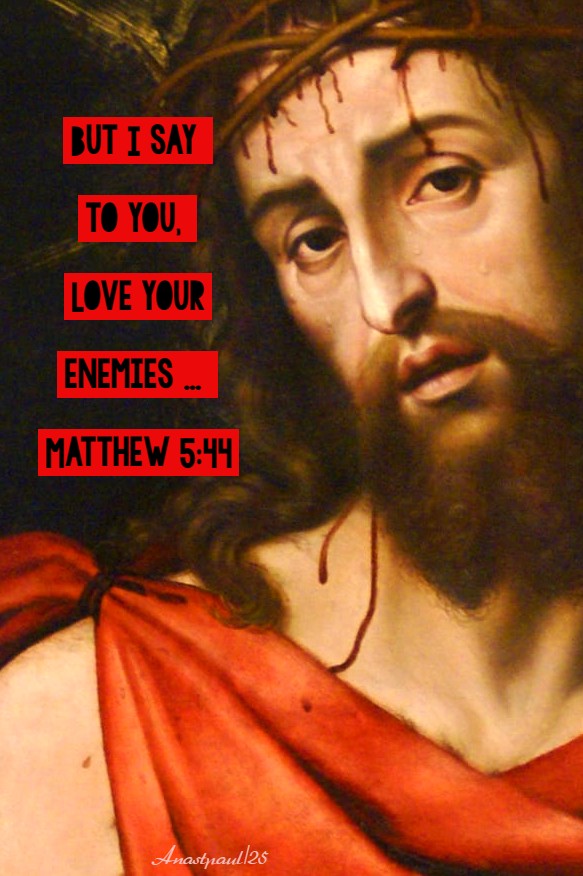
“But I say to you, love your enemies …”
Matthew 5:44
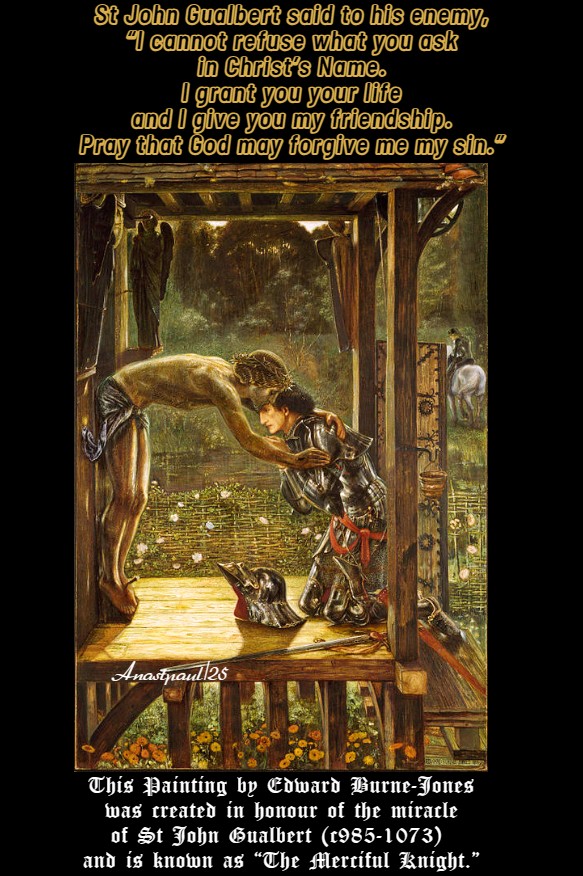
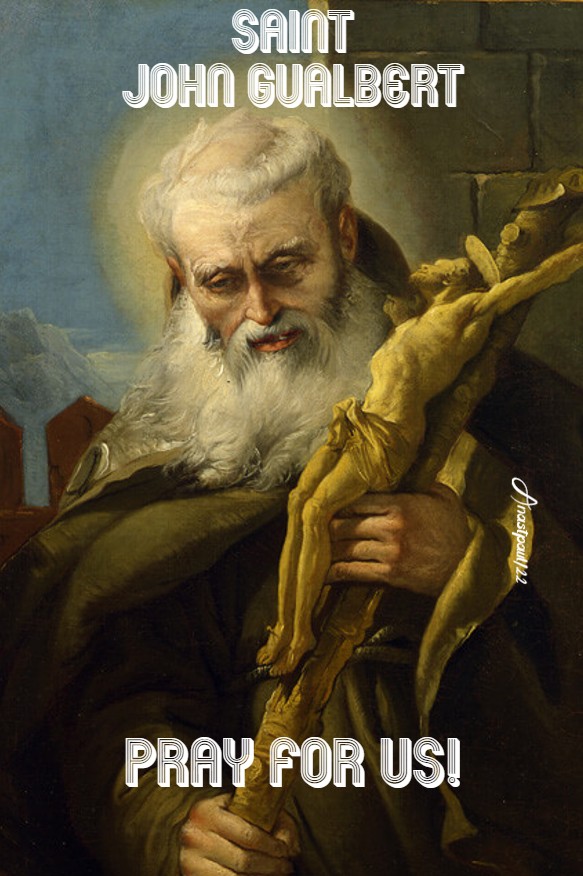
St John Gualbert said to his enemy, “I cannot refuse what you ask in Christ’s Name. I grant you your life and I give you my friendship. Pray that God may forgive me my sin.”
St John Gualbert (c985-1073) “The Merciful Knight”
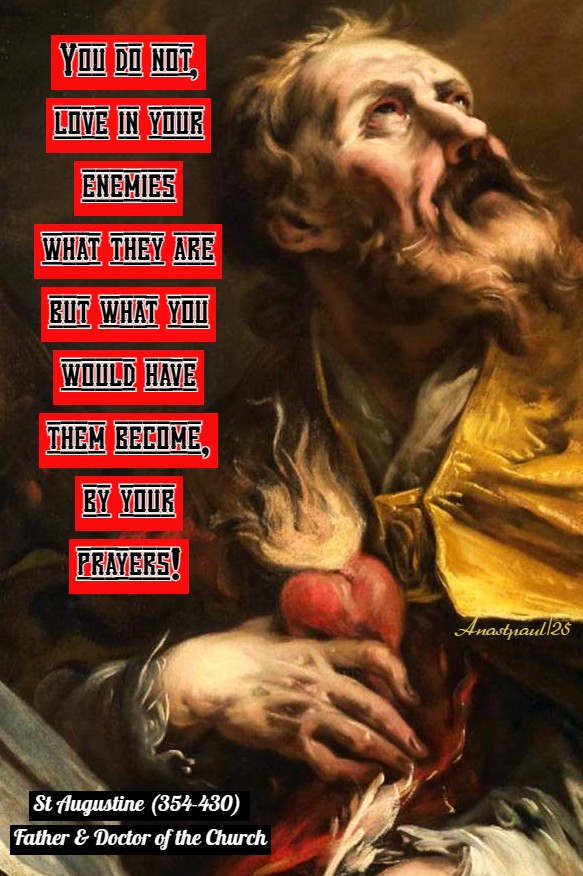
“You do not, in your enemies, love what they are but what you would have them become, by your prayers!”
St Augustine (354-430) Father & Doctor of the Church
One Minute Reflection – 12 July – “The Month of the Most Precious Blood” – St John Gualbert (c985-1073) Abbot – Ecclesiasticus Sirach 31:8-11 – Matthew 5:43-48 – Scripture search here: https://www.drbo.org/
“But I say to you, Love your enemies …” – Matthew 5:44
REFLECTION – “Let us pay attention, all my brothers, to what the Lord says: “Love your enemies and do good to those who hate you,” for our Lord Jesus Christ, Whose footprints we must follow (cf 1 Pt 2:21), called His betrayer “friend” (Mt 26:50) and gave Himself willingly to those who crucified Him. Our friends, then, are all those who, unjustly afflict upon us, trials and ordeals, shame and injuries, sorrows and torments, martyrdom and death! We must love them greatly for we will possess eternal life because of what they bring upon us.” – St Francis of Assisi (c1181-1226) Founder of the Friars Minor (Earlier Rule, #22).
PRAYER – May the intercession of the blessed Abbot John commend us to Thee, O Lord, so that through his merits we may obtain that which we cannot accomplish by our own. Through Jesus Christ, Thy Son our Lord, Who lives and reigns with Thee, in the unity of the Holy Ghost, God, world without end. Amen (Collect).Through the same Jesus Christ, Thy Son our Lord, Who lives and reigns with Thee, in the unity of the Holy Ghost, God, world without end. Amen (Collect).
Our Morning Offering – 12 July – “The Month of the Most Precious Blood” –
I Beg Thee, Lord By St Francis of Assisi (c1181–1226)
I beg Thee, Lord, let the fiery, gentle power of Thy Love take possession of my soul and snatch it away, from everything under Heaven, that I may die, for love of Thy Love, as Thou saw fit, to die for love of mine! Amen
Saint of the Day – 12 July – Saint Proculus (Died c542) Bishop and Martyr of Bologna, Italy. Patronage – of Bologna. Also known as – Proclus.
The Roman Martyrology reads today: “St Proclus who won the Palm of Martyrdom after most bitter torments in the time of the Emperor Trajan and the Governor Maxillis”
Proculus was a Bishop of Terni, in Umbria, Italy who, attempting to flee persecution from the Goths, came to Bologna where he was subsequently decapitated during the persecutions of Trajan.
The Bolognese have held Proculus in veneration from very ancient times. His remains are preserved in the Church of San Procolo in Bologna.
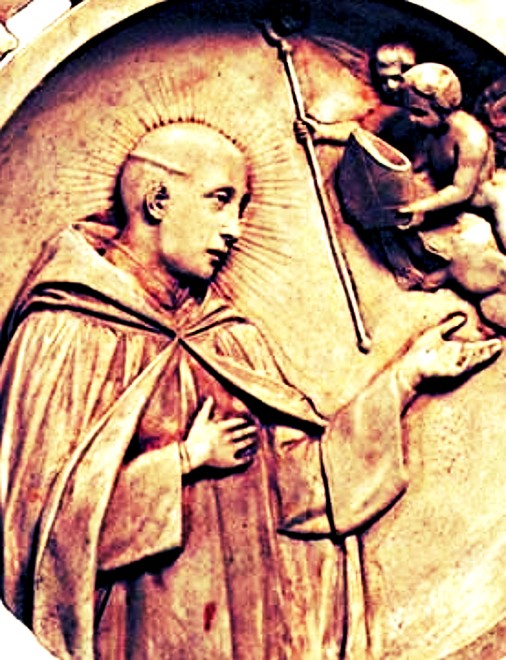
He is depicted in a Statue on the spire of the south transept of the Duomo di Milan (maybe the one above).
Bl Conrad of Maleville Bl David Gonson St Epiphana St Faustus the Soldier
St Felix of Milan * Commemorated with St Nabor
St Fortunatus of Aquileia (1st Century – Died c66) Deacon St Hermagorus of Aquileia (1st Century – Died c 66) Bishop, Disciple of St Mark the Evangelist Bl Guy Vignotelli St Hilarion of Ancyra St Jason of Tarsus Bl Jeanne-Marie de Romillon
Bl Madeleine-Thérèse Talieu Bl Marguerite-Eléonore de Justamond Bl Marie Cluse St Menas the Soldier St Menulphus of Quimper
St Nabor of Milan * Commemorated with St Felix
St Paternian of Bologna St Paulinus of Antioch St Phêrô Khan St Proclus of Ancyra St Proculus (Died c542) Bishop and Martyr of Bologna St Uguzo of Carvagna St Ultán
Three Holy Exiles: Three Christian men who became Benedictine Monks at the Saint James Abbey in Regensburg, Germany, then Hermits at Griestatten and whose lives and piety are celebrated together. – Marinus, Vimius and Zimius.
Martyrs of Rome – Four members of the Imperial Roman nobility. They were all soldiers, one or more may have been officers, and all were Martyred in the persecutions of Diocletian – Basilides, Cyrinus, Nabor and Nazarius. Died in c 304 outside Rome, Italy and were buried there along the Aurelian Way.
Martyrs of Nagasaki – 8 Beati: Additional Memorial – 10 September as one of the 205 Martyrs of Japan Eight lay people, many them related to each other, who were martyred together: Catharina Tanaka, Ioannes Onizuka Naizen, Ioannes Tanaka, Ludovicus Onizuka, Matthias Araki Hyozaemon, Monica Onizuka, Petrus Araki Chobyoe, Susanna Chobyoe, 12 July 1626 in Nagasaki, Japan. Beatified on 7 May 1867 by Pope Blessed Pius IX.
Quote/s of the Day – 11 July – St Pius I, Pope (Died c 154) Martyr – 1 Peter 5:1-4; 5:10-11, Matthew 16:13-19 – Scripture search here: https://www.drbo.org/
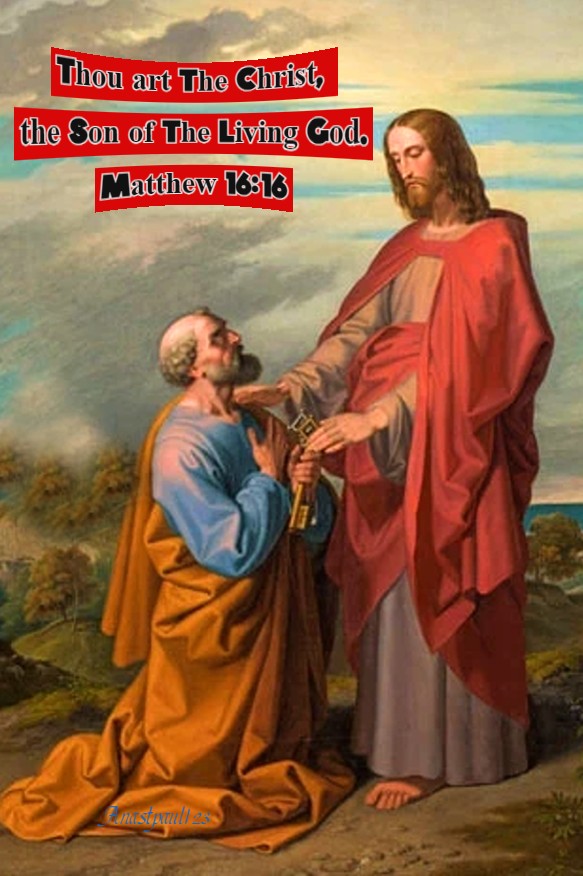
“Thou art the Christ, the Son of the living God.”
Matthew 16:16
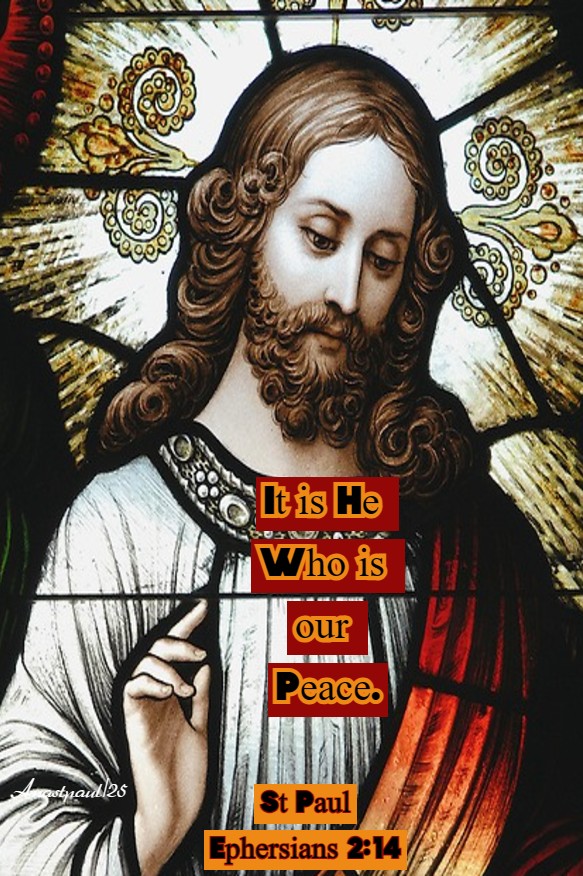
“It is He Who is our peace.”
St Paul Ephesians 2:14
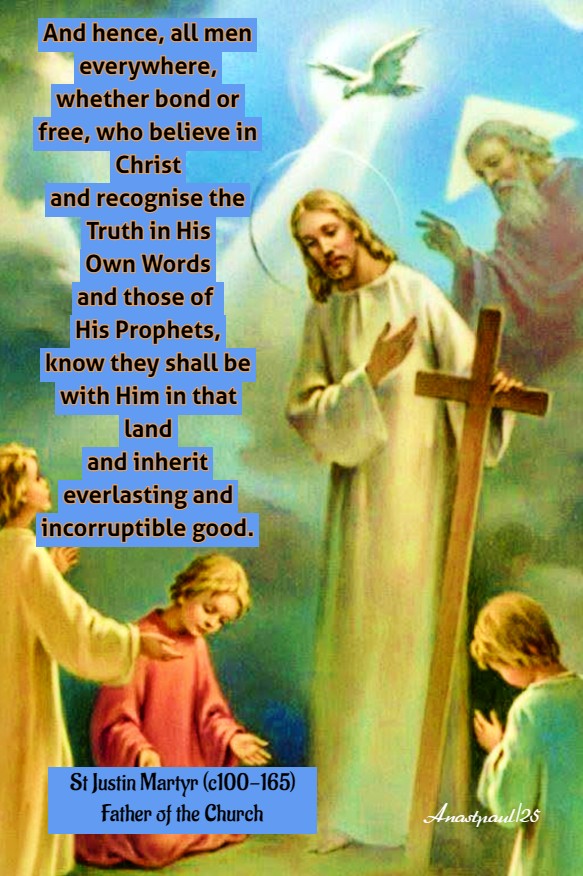
“And hence, all men everywhere, whether bond or free, who believe in Christ and recognise the Truth in His Own Words and those of His Prophets, know they shall be with Him in that land and inherit everlasting and incorruptible good.”
St Justin Martyr (c100-165) Father of the Chucrh
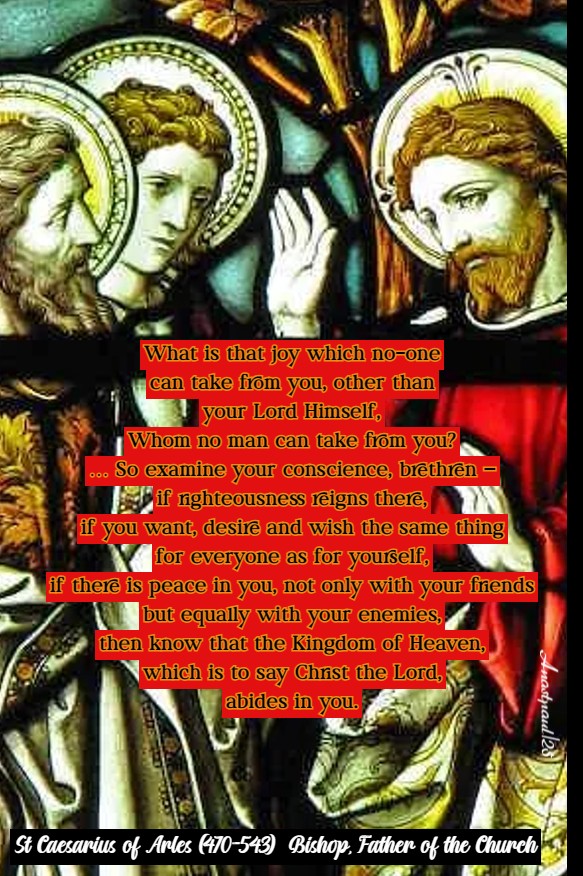
“What is that joy which no-one can take from you, other than your Lord Himself, Whom no man can take from you? … So examine your conscience, brethren – if righteousness reigns there, if you want, desire and wish the same thing for everyone as for yourself, if there is peace in you, not only with your friends but equally with your enemies, then know that the Kingdom of Heaven, which is to say Christ the Lord, abides in you.”
St Caesarius of Arles (470-543) Bishop, Father of the Church
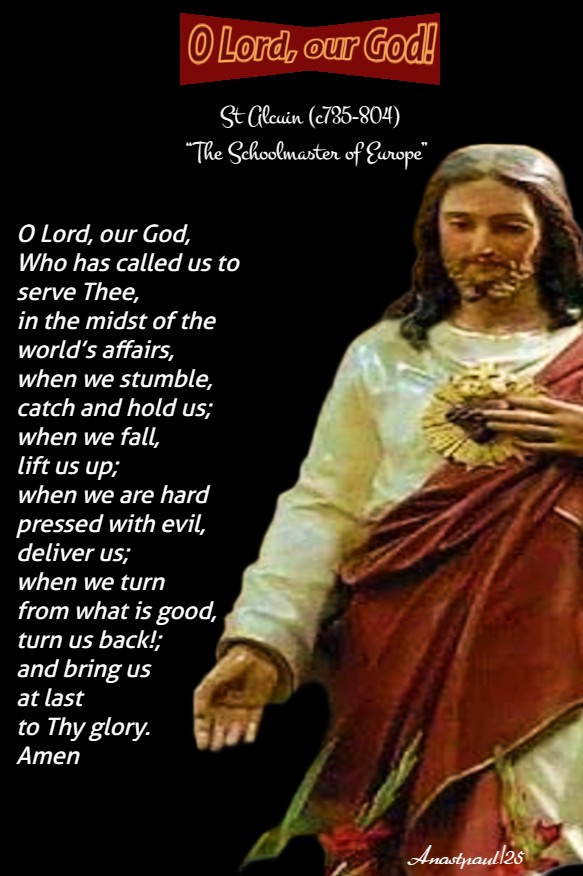
O Lord, our God! By St Alcuin (c735-804)
O Lord, our God, Who has called us to serve Thee, in the midst of the world’s affairs, when we stumble, catch and hold us; when we fall, lift us up; when we are hard pressed with evil, deliver us; when we turn from what is good, turn us back!; and bring us at last to Thy glory. Amen
Thought for the Day – 11 July – Meditations with Antonio Cardinal Bacci (1881-1971)
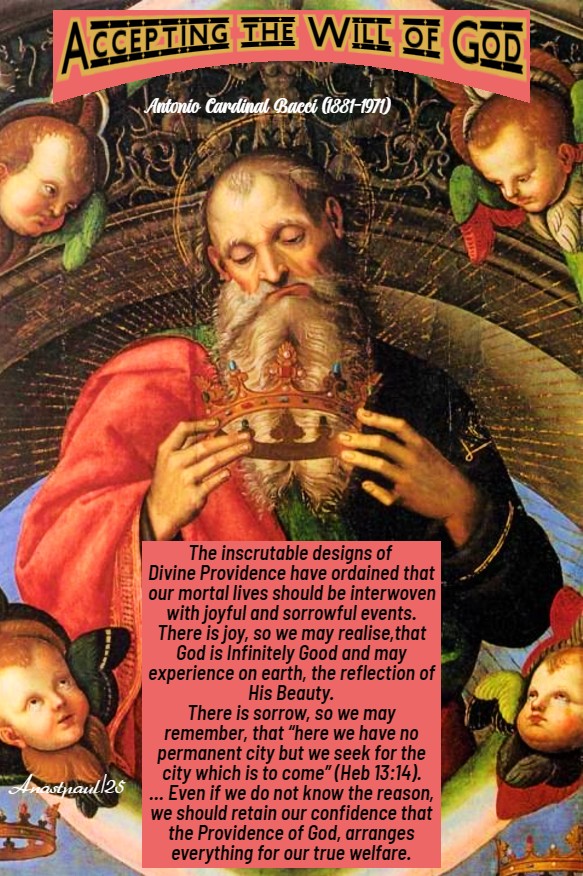
Accepting the Will of God
“Why are we so often dissatisfied and so easily unsettled by ordinary events? Why does a small measure of worldly success, pleasure, or human praise go to our heads and disturb our peace of soul? Why does suffering failure, or humiliation, makes us sad and dispirited? It is because we forget –everything comes to us from God.
The inscrutable designs of Divine Providence have ordained that our mortal lives should be interwoven with joyful and sorrowful events. There is joy, so we may realise that God is Infinitely Good and may experience on earth, the reflection of His Beauty. There is sorrow, so we may remember that “here we have no permanent city but we seek for the city which is to come” (Heb 13:14). We should not be too elated by worldly pleasure and success but, should be grateful to God, for giving them to us. On the other hand, we should not lose heart, nor rebel, when we experience suffering or humiliation. These also come from God and He has a reason for sending them to us. Even if we do not know the reason, we should retain our confidence that the Providence of God, arranges everything for our true welfare.
One Minute Reflection – 11 July – “The Month of the Most Precious Blood” – St Pius I, Pope (Died c 154) Martyr – 1 Peter 5:1-4; 5:10-11 – Matthew 16:13-19 – Scripture search here: https://www.drbo.org/
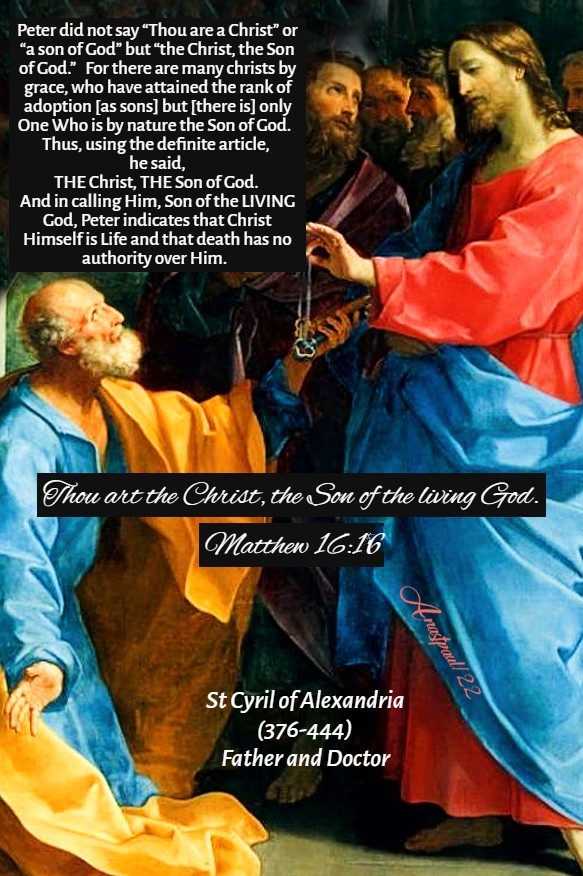
“Thou art the Christ, the Son of the living God.” – Matthew 16:16
REFLECTION – “Peter did not say “Thou are a Christ” or “a son of God” but “the Christ,the Son of God.” For there are many christs by grace, who have attained the rank of adoption [as sons] but, [there is] only One ,Who is by nature the Son of God. Thus, using the definite article, he said, THE Christ, THE Son of God. And in calling Him, Son of the LIVING God, Peter indicates that Christ Himself is Life and that death has no authority over Him. And even if the flesh, for a short while, was weak and died, nevertheless, it rose again, since the Word, Who dwelled in it, could not be held under the bonds of death.” – St Cyril of Alexandria (376-444) Known as “The Pillar of Faith” Archbishop of Alexandria, Father and Doctor Incarnationis (Doctor of the Incarnation) (Fragment 190).
PRAYER – Look forgivingly on thy flock, Eternal Shepherd and keep it in Thy constant protection, by the intercession of blessed Pius thy Martyr and Sovereign Pontiff, whom Thou didst constitute Shepherd of the whole Church.. Through the same Jesus Christ, Thy Son our Lord, Who lives and reigns with Thee, in the unity of the Holy Ghost, God, world without end. Amen (Collect).































 AnaStpaul
You must be logged in to post a comment.