One Minute Reflection – 20 March – Wednesday of the Second week of Lent, Gospel: Matthew 20:17–28
“…even as the Son of man came not to be served but to serve and to give his life as a ransom for many.”…Matthew 20:28
REFLECTION – “Resolute and obedient and nothing else! It was like this until the very end. The Lord enters in patience… He enters in patience. It is not only an example of a journey of suffering and dying on the Cross but also of a journey of patience.
He was unaccompanied in this decision because no-one understood the mystery of Jesus, the loneliness of Jesus on His journey towards Jerusalem, alone!
It was like this to the end.
Let us think, then, of the abandonment by the disciples, of Peter’s betrayal… alone!
How often have I tried to do so many things and have not looked to Him, who did all this for me? You entered in patience – the patient man, the patient God – who, with such patience, bears by sins, my failings?
And talk to Jesus like this. He is determined to always to go ahead. And thank Him. Let us take a little time today, a few minutes – five, ten, fifteen – perhaps before the Crucifix, or with the imagination, to ‘see’ Jesus walking resolutely towards Jerusalem and ask for the grace to have the courage to follow Him closely.”…Pope Francis – Santa Marta, 3 October 2017
PRAYER – Lord, You go before us! In patience, in total love and self-giving, alone! And we know You not and abandon You! Holy Father, grant us Your grace that we may see, understand and walk with Your Son, right behind Him, holding tightly to the hem of His robe, that we may learn to suffer and love as He does. Kindly listen Father God, to the prayers on our behalf, of St Josef Bilczewski, who always walked with Your Son. We make our prayer through Jesus, our Lord and Saviour, our Christ who with the Holy Spirit, is God forever, amen.
Our Morning Offering – 20 March – Wednesday of the Second week of Lent
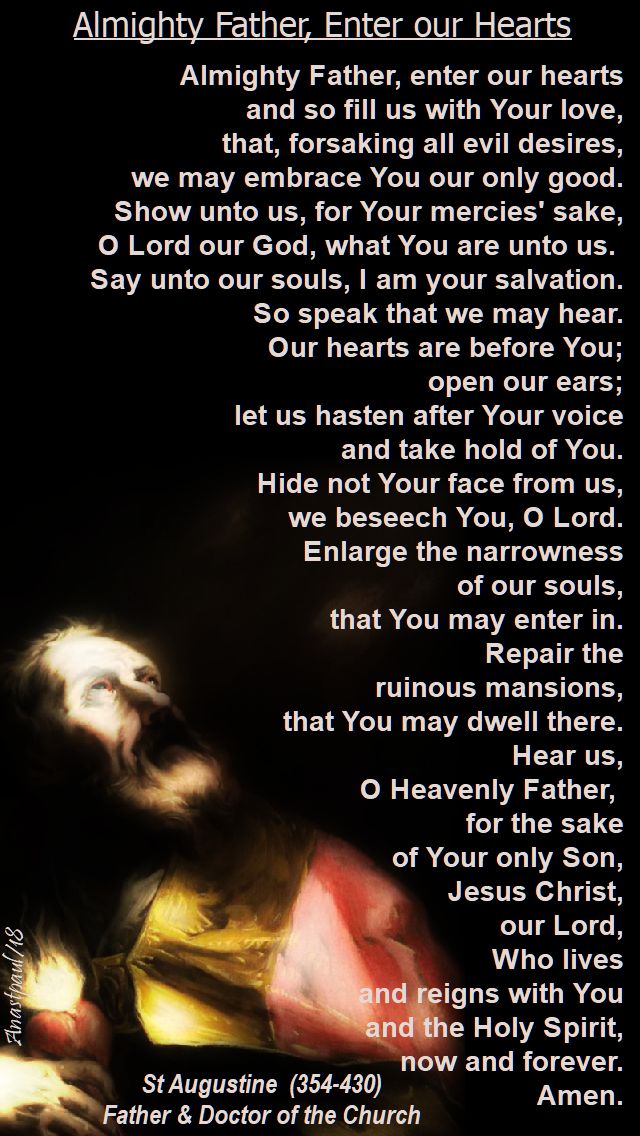
Almighty Father, Enter our Hearts By St Augustine (354-430) Father & Doctor of the Church
Almighty Father, enter our hearts
and so fill us with Your love,
that, forsaking all evil desires,
we may embrace You our only good.
Show unto us, for Your mercies’ sake,
O Lord our God, what You are unto us.
Say unto our souls, I am your salvation.
So speak that we may hear.
Our hearts are before You;
open our ears,
let us hasten after Your voice
and take hold of You.
Hide not Your face from us,
we beseech You, O Lord.
Enlarge the narrowness of our souls,
that You may enter in.
Repair the ruinous mansions,
that You may dwell there.
Hear us, O Heavenly Father,
for the sake of Your only Son,
Jesus Christ, our Lord,
Who lives and reigns with You
and the Holy Spirit, now and forever.
Amen
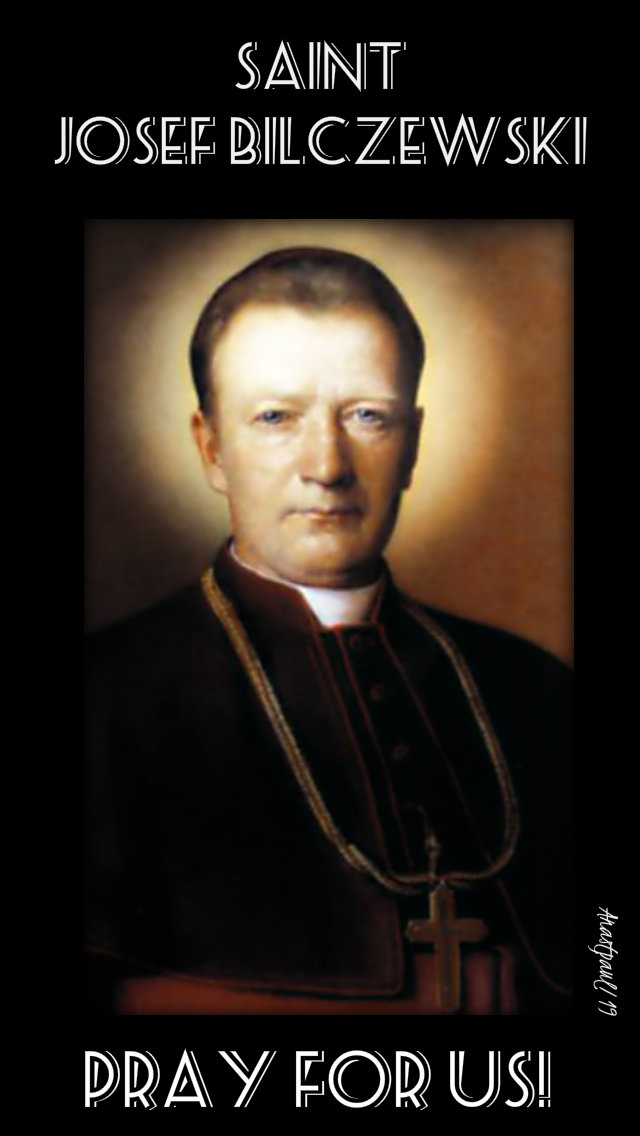
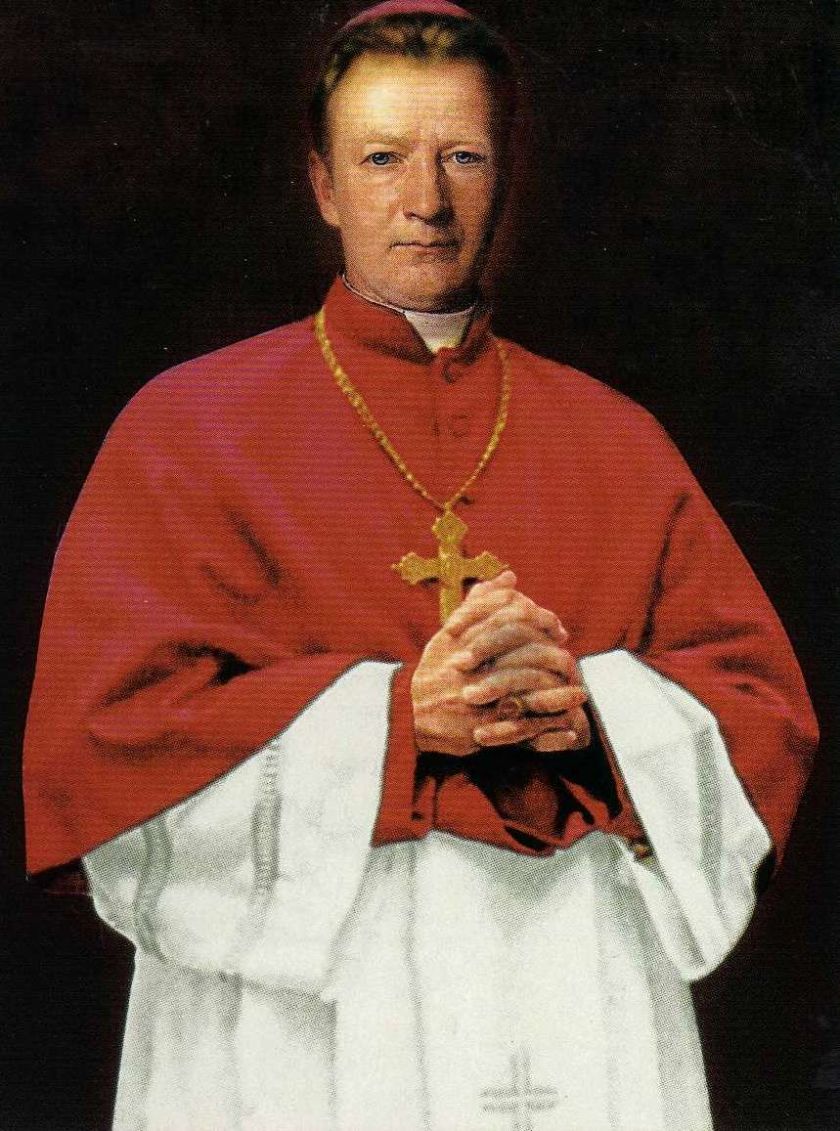
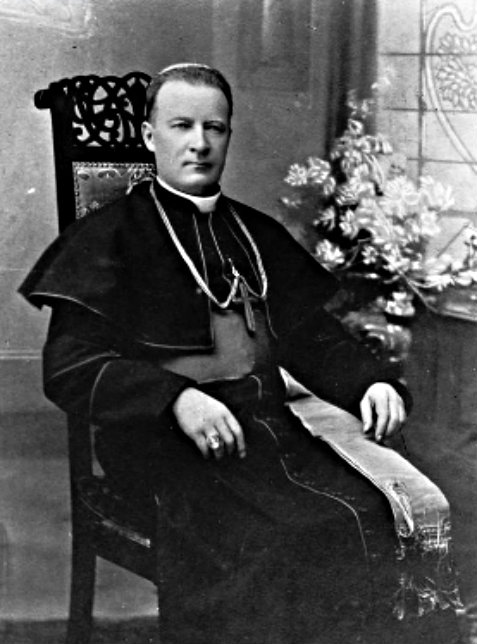
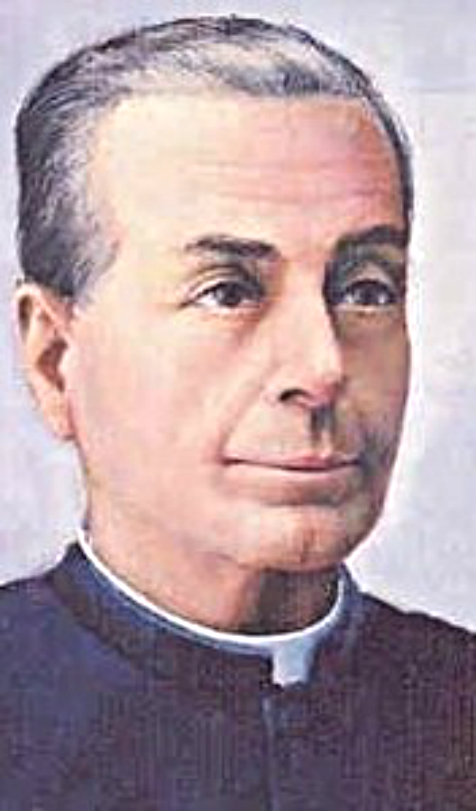
Saint of the Day – 20 March – St Jósef Bilczewski (1860-1923) Aged 62 – Archbishop of Lviv, Professor of Dogmatic Theology, Apostle of the Holy Eucharist, Marian devotion, the poor, the homeless, the needy, refugees, Social Reformer and Evangelist, Apostle of Catechesis both of the laity and of priests, Peace-maker. Patronages – Archdiocese of Lviv, Teachers, Wilamowice, Beggars, Homeless people.
Archbishop JOSEPH BILCZEWSKI was born on 26 April 1860 in Wilamowice near Kęty, in the present day Diocese of Bielsko Żywiec, then part of the Diocese of Krakow. Having finished elementary school at Wilamowic and Kęty, he attended high school at Wadowice receiving his diploma in 1880.
On 6 July 1884 he was ordained a priest in Krakow by Cardinal Albino Dunajewski. In 1886 he received a Doctorate in Theology from the University of Vienna. Following advanced studies in Rome and Paris he passed the qualifying exam at the Jaghellonic University of Krakow. The following year he became professor of Dogmatic Theology at the John Casimir University of Leopoli. He also served as Dean of Theology for a period of time prior to becoming Rector of the University. During his tenure at the University, he was appreciated as a professor by his students and also enjoyed the friendship and respect of his colleagues. He arduously dedicated himself to scientific work and, despite his young age, acquired a reputation as a learned man.
His extraordinary intellectual and relational abilities were recognised by Francis Joseph, the Emperor of Austria, who presented Monsignor Joseph to the Holy Father as a candidate for the vacant Metropolitan See of Leopoli. The Holy Father, Leo XIII responded positively to the Emperor’s proposal and on 17 December 1900 he named the forty year old Monsignor Joseph Bilczewski, Archbishop of Leopoli of the Latin Rite.
Given the complex social, economic, ethnic and religious situation, care for the large diocese required of the Bishop a deep commitment and called for great moral commitment, strong confidence in God and a faith enlivened by a continual contact in prayer with God.
Archbishop Joseph Bilczewski became known for his abundant goodness of heart, understanding, humility, piety, commitment to hard work and pastoral zeal which sprung from his immense love for God and neighbour.
Upon taking possession of the Archdiocese of Leopoli he spelled out very clearly his pastoral plan which can be summed up in his motto “totally sacrifice oneself for the Holy Church”.Among other things he pointed out the need for the development of devotion to the Most Blessed Sacrament and frequent reception of Holy Communion.
A particular form of pastoral action of Archbishop Bilczewski were the pastoral letters and appeals addressed to the priests and the faithful of the Archdiocese. In them he spoke of the problems of faith and morals of the time as well as of the most pressing issues of the social sphere. He also explained devotion to the Eucharist and to the Sacred Heart in them and the importance of religious and moral formation of children and youth in the family and in school. Above all, he took great care to cultivate many holy priestly vocations. He saw the priest as first and foremost a teacher of faith and an instrument of Christ, a father for the rich as well as for the poor. Taking the place of Christ on Earth, the priest was to be the minister of the Sacraments and for this reason his whole heart had to be dedicated to the celebration of the Eucharist, in order to be able to nourish the people of God with the body of Christ.
He often exhorted the priests to adoration of the most Blessed Sacrament. In his pastoral letter devoted to the Eucharist he invited the priests to participate in the priestly associations – The Association for Perpetual Adoration of the Most Holy Sacrament and the Association of Aid to Poor Catholic Churches, whose goal was to rejuvenate the zeal of the priests themselves. He also dedicated a great deal of care to the preparation of children and to full participation in the Mass, desiring that every Catechesis would lead children and youth to the Eucharist.
Archbishop Joseph Bilczewski promoted the construction of churches and chapels, schools and day-care centres. He developed teaching to help enable the growth in the instruction of the faithful. He materially and spiritually helped the more important works which were springing up in his Archdiocese. His holy life, filled with prayer, work and works of mercy, led to his meriting great appreciation and respect on the part of those of various faiths, rites and nationalities present in the Archdiocese. No religious or nationalistic conflicts arose during the tenure of his pastoral work. He was a proponent of unity, harmony and peace. On social issues he always stood on the side of the people and of the poor. He taught that the base of social life had to be justice made perfect by Christian love.
During the First World War, when souls were overtaken with hate and a lack of appreciation of the other, he pointed out to the people the infinite love of God, capable of forgiving every type of sin and offence. He reminded them of the need to observe the commandments of God and particularly that of brotherly love. Sensitive to the social questions regarding the family and youth, he courageously proposed solutions to problems based on the love of God and of neighbour. During his 23 years of pastoral service he changed the face of the Archdiocese of Leopoli Only his death, on 20 March 1923 could end his vast and far-sighted pastoral action.
He was prepared for death and accepted it with peace and submission as a sign of God’s will, which he always considered sacred.
He left this world having enjoyed a universal recognition of holiness. Wanting to rest among those for whom he was always father and protector, in accord with his desires, he was buried in Leopoli in the cemetery of Janów, known as the cemetery of the poor.Thanks to the efforts of the Archdiocese of Leopoli the process for his beatification and canonisation was initiated. The first step was concluded on 17 December 1997 with the declaration of the life of heroic virtue of Archbishop Joseph Bilczewski by The Holy Father, St Pope John Paul II. In June 2001, the Congregation for the Causes of Saints recognised as miraculous the fact of the rapid lasting and unexplainable “quo ad modum” healing through the intercession of Archbishop Bilczewski of the third degree burns of Marcin Gawlik, a nine year old boy, thus opening the way for his beatification. The Beatification took place in the Diocese of Leopoli on 26 June 2001 during St Pope John Paul II’s Apostolic Visit to the Ukraine…Vatican.va
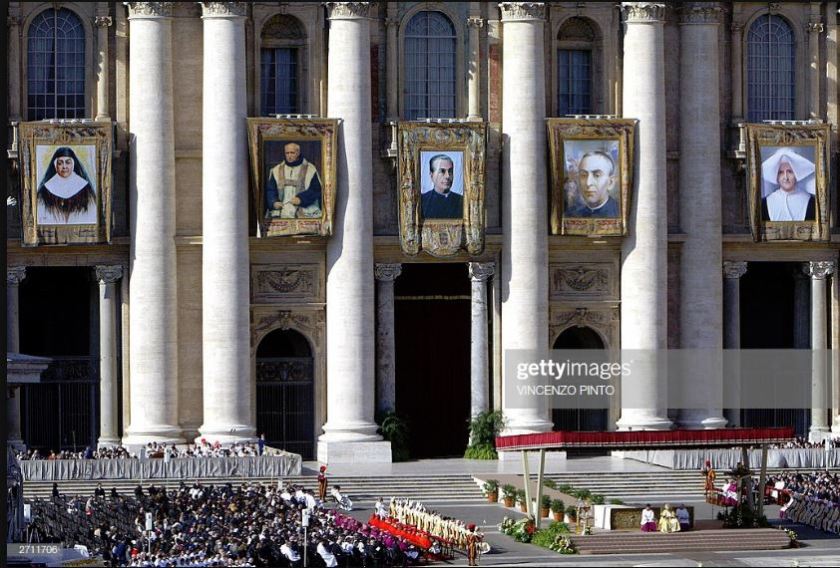
One final miracle was required for sainthood. St John Paul II approved a second healing on 20 December 2004. Cardinal Angelo Sodano formalised the date on 24 February 2005 at a consistory, representing the then very ill St John Paul II who died a month later. The new Pope Benedict XVI celebrated the Canonisation in Saint Peter’s Square on 23 October 2005.
Bl Ambrose Sansedoni of Siena
Anastasius XVI
Archippus of Colossi
St Benignus of Flay
St Cathcan of Rath-derthaighe
St Clement of Ireland
St Cuthbert of Lindisfarne
Bl Francis Palau y Quer
St Guillermo de Peñacorada
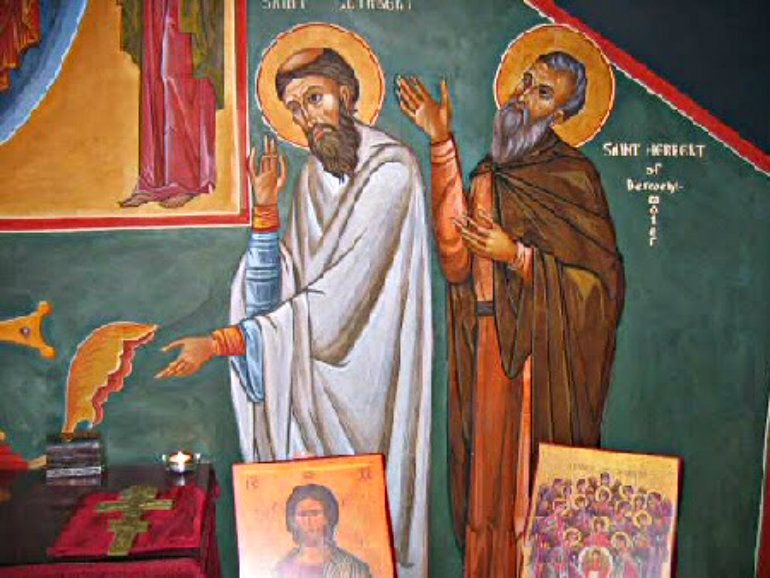
St Herbert of Derwenwater
Bl Hippolytus Galantini
Bl Jeanne Veron
Bl John Baptist Spagnuolo
St John Nepomucene
St John Sergius St Jósef Bilczewski (1860-1923) Aged 62
St Nicetas of Apollonias
St Remigius of Strasbourg
St Tertricus of Langres
St Urbitius of Metz
St Wulfram of Sens
—
Martyrs of Amisus – 8 saints: A group of Christian women martyred together in the persecutions of Diocletian. The only details we have are eight of their names – Alexandra, Caldia, Derphuta, Euphemia, Euphrasia, Juliana, Matrona and Theodosia. They were burned to death c 300 in Amisus, Paphlagonia (modern Samsun, Turkey).
Martyrs of Rome – 9+ saints: A group of Christians martyred together in the persecutions of Nero. We know nothing else about them but the names Anatolius, Cyriaca, Joseph, Parasceve, Photis, Photius, Sebastian and Victor.
Martyrs of San Saba – 20 saints: Twenty monks who were martyred together in their monastery by invading Saracens.
They were martyred in 797 when they were burned inside the San Sabas monastery in Palestine.
Martyrs of Syria – 3+ saints: A group of Christians who were martyred together in Syria. We know nothing else about them but the names Cyril, Eugene and Paul.
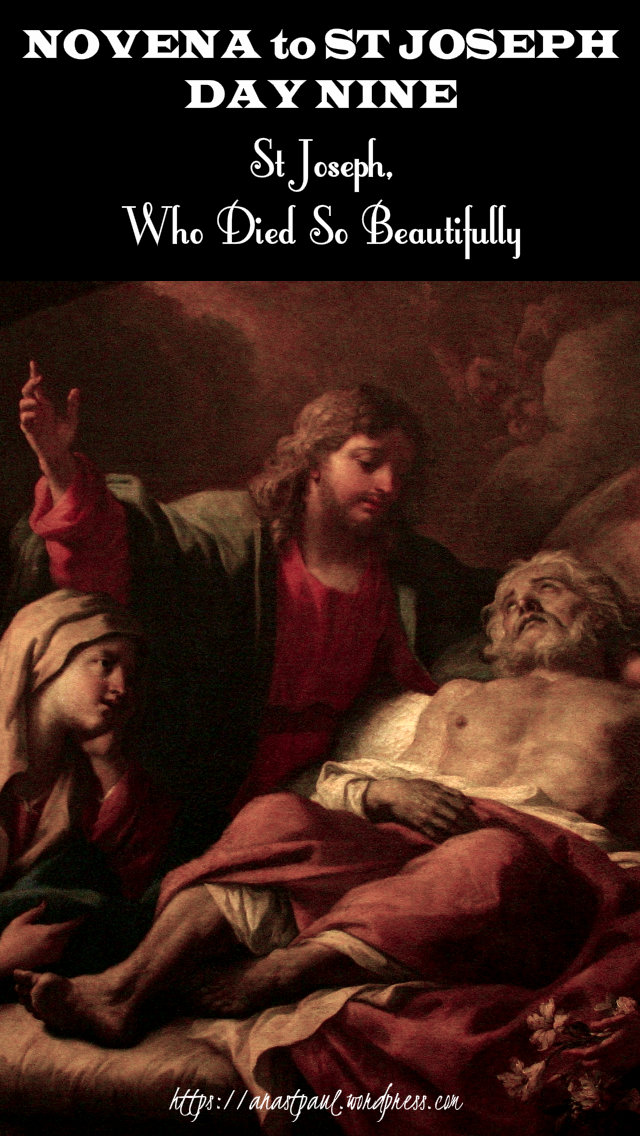
Novena to St Joseph – Day Nine & Consecration By Fr Michael Gaitley, MIC
Day Nine
St Joseph, Who Died So Beautifully Patron of a Holy Death
Dear St Joseph,
I know I am going to die. When I do, I trust that you will be there to greet me with Jesus and Mary in a special way. Will you please promise me this? I trust you. I believe that you will be there for me. For my part, I will try not to be afraid of my death and I will live my life in preparation for it. I will maybe even look forward to it as the time when I will get to meet my Lord, my Mother and you face to face.
Prepare me for my death, whenever it may be. If it is sudden, please make sure that my soul is prepared and please make sure I will not be lost!
Dear St Joseph, obtain this grace for me as I consecrate myself to your fatherly care. I will then be fully yours. Probably someday after that, I will die and I give you permission to take me home to my Father’s house when that day comes.
Saint Joseph, who died so beautifully, please prepare my soul for death. Amen
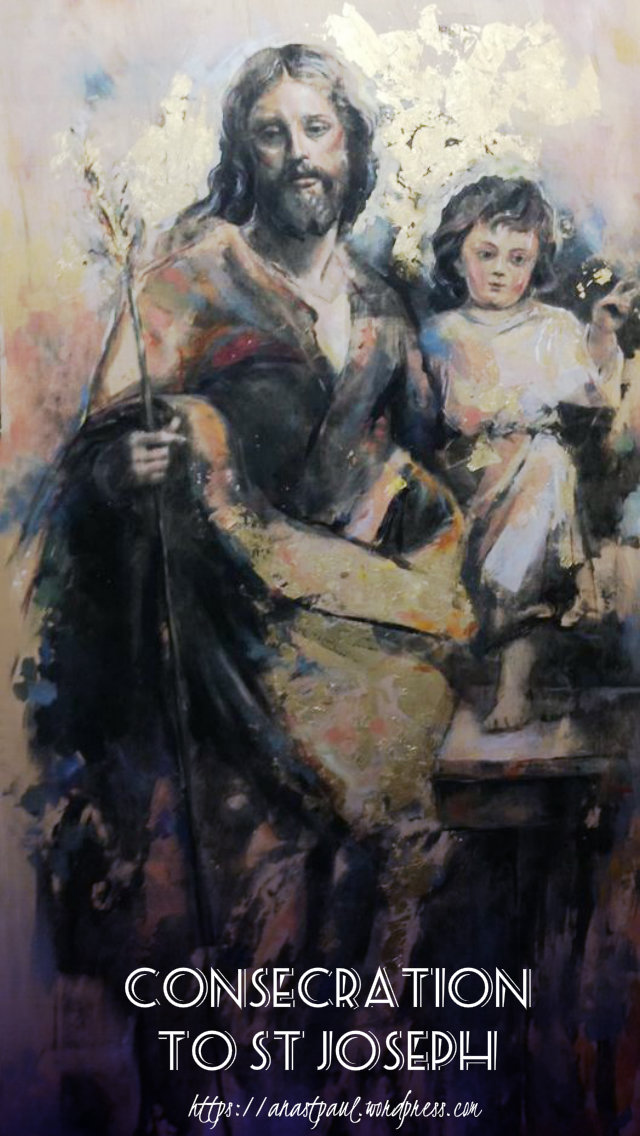
Day of Consecration to St Joseph
Dear St Joseph,
On this day, before God and your Immaculate Spouse, Mary,
I ___________________ choose you as my spiritual father forever.
I formally entrust myself to your fatherly care.
I love you and I trust in your prayers.
As your spiritual child,
I give you full permission
(and in fact, I’m begging you)
to please act in my life,
especially in these concerns:
………………………………
Praying for me constantly in a special way,
Bringing me even deeper into the Hearts of Jesus and Mary,
Providing for me and all my loved ones,
Guarding and protecting me from bodily and spiritual evil,
Guiding me to always do God’s most perfect will,
Helping me to suffer with love and without complaint,
Giving me purity of body and of soul,
Forming me into a person of peace and joy,
Preparing me for a beautiful and happy death.
From this day forward, St Joseph,
you are my spiritual father
and I am your child.
I trust you and love you
and I look forward to meeting you someday in heaven.
I ask all of this through Jesus Christ our Lord
and for the glory of God,
who is Father, Son and Holy Spirit.
Amen
Lenten Reflection – 19 March – Tuesday of The Second Week of Lent, Year C
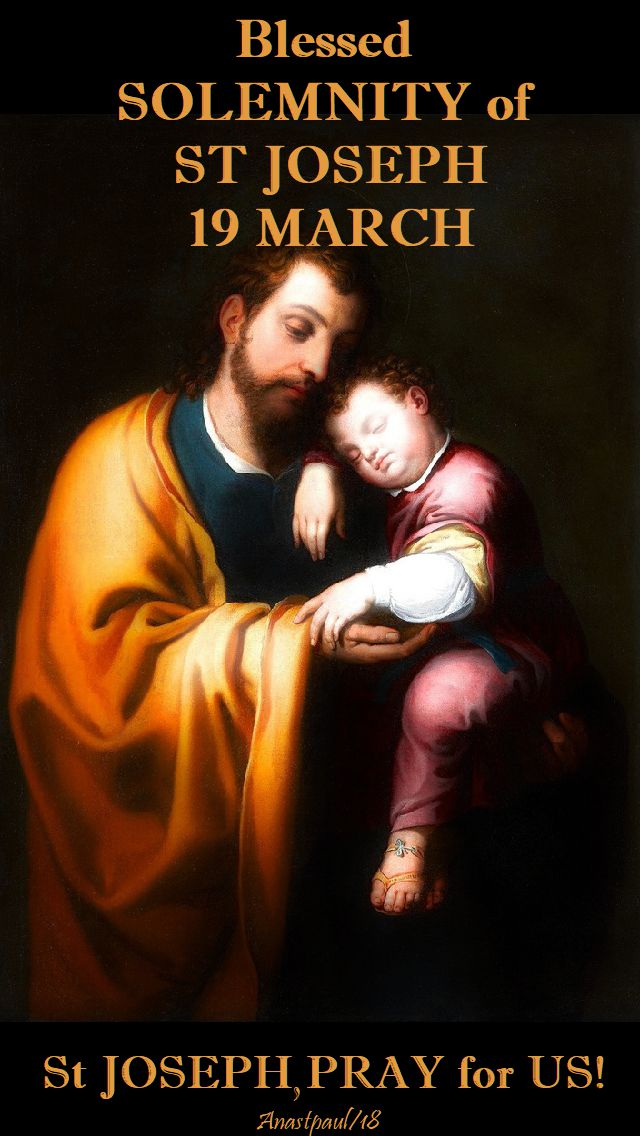
The Solemnity of St Joseph, Husband of Mary
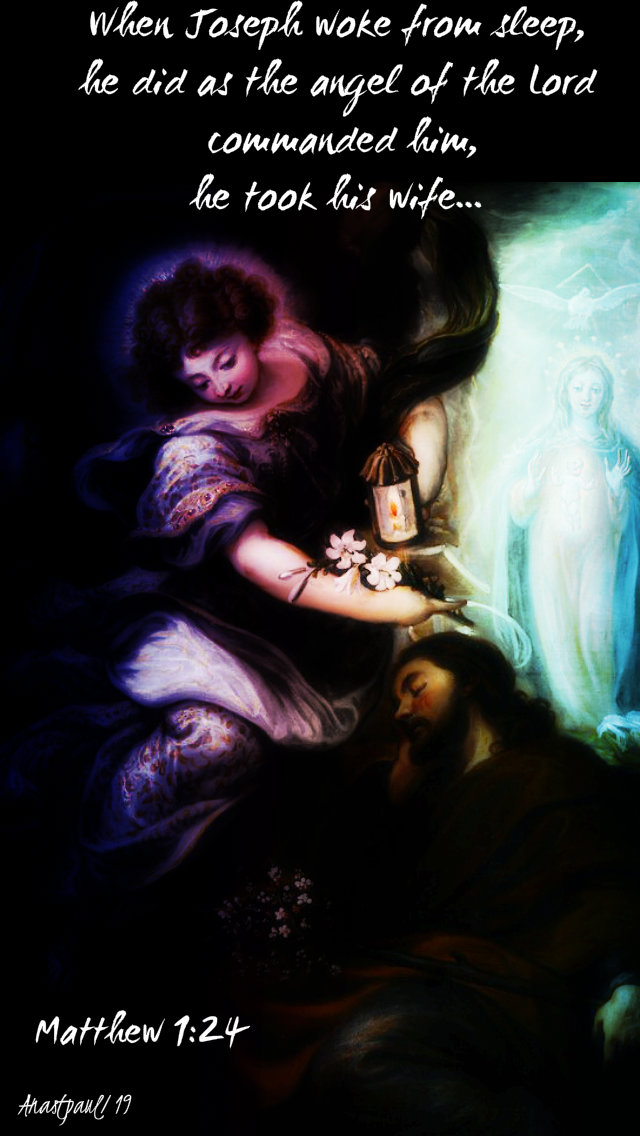
“When Joseph awoke, he did as the angel of the Lord had commanded him”
St Francis de Sales (1567-1622)
Bishop of Geneva and Doctor of the Church
“How faithful in humility was the great saint we are celebrating! That can’t be said in all its perfection for, in spite of what he was, in what poverty and lowliness he lived all the days of his life, a poverty and lowliness beneath which he kept hidden and concealed his great virtues and dignity!… Truly, I have no doubt at all that the angels came, beside themselves with admiration, rank upon rank, to behold and wonder at his humility, while he sheltered that dearest child in the poor workshop where he worked at his employment so as to feed the little boy and the mother entrusted to him.
There is no doubt at all that Saint Joseph was braver than David and wiser that Solomon [who were his ancestors]. Nevertheless, seeing him reduced to the exercise of carpentry, who could have discerned this unless they were enlightened by a heavenly light, so hidden did he keep the remarkable gifts with which God had favoured him? And what wisdom did he not have? For God gave him his most glorious Son to care for…, the universal Prince of heaven and earth… Nevertheless, you can see how low and humbled he was brought, more than can be said or imagined… he went to his own country and town of Bethlehem and none but he was turned away from all those inns… Notice how the angel turns him about with both hands. He tells him he has to go to Egypt and he goes, he orders him to return and he returns. God wants him to be always poor… and he submits to it with love and not only for a while, for he was poor his whole life long.”
Daily Meditation: Protect us from what could harm us as St Joseph protected our Lord and Saviour.
God the Father has given us His only Son, the Word made man,
to be our food and our life. Let us thank Him and pray:
May the word of Christ dwell among us in all its richness.
Help us in this Lenten season to listen more frequently to Your word,
that we may celebrate the solemnity of Easter with greater love for Christ, our paschal teacher,
that we may encourage those in doubt and error to follow what is true and good.
Enable us to enter more deeply into the mystery of the Anointed One,
that our lives may reveal Him more effectively.
Purify and renew Your Church in this time of salvation,
that it may give an even greater witness to You.
For thy steadfast love was established forever, thy faithfulness is firm as the heavens. Thou hast said, “I have made a covenant with my chosen one, I have sworn to David my servant: ‘I will establish your descendants for ever, and build your throne for all generations.’
Psalm 89:2–4
Closing Prayer:
God in heaven and in my life,
guide me and protect me.
I so often believe I can save myself
and I always end in failure.
Lead me with Your love away from harm
and guide me on the right path.
May Your Spirit inspire the Church
and make us an instrument of Your love and guidance.
Thank You for your care for me.
May the Lord bless us,
protect us from all evil
and bring us to everlasting life.
Amen
Quote/s of the Day – 19 March – The Solemnity of St Joseph, Spouse of the Blessed Virgin Mary, Guardian of Jesus, Patron of the Dying, Patron of the Universal Church
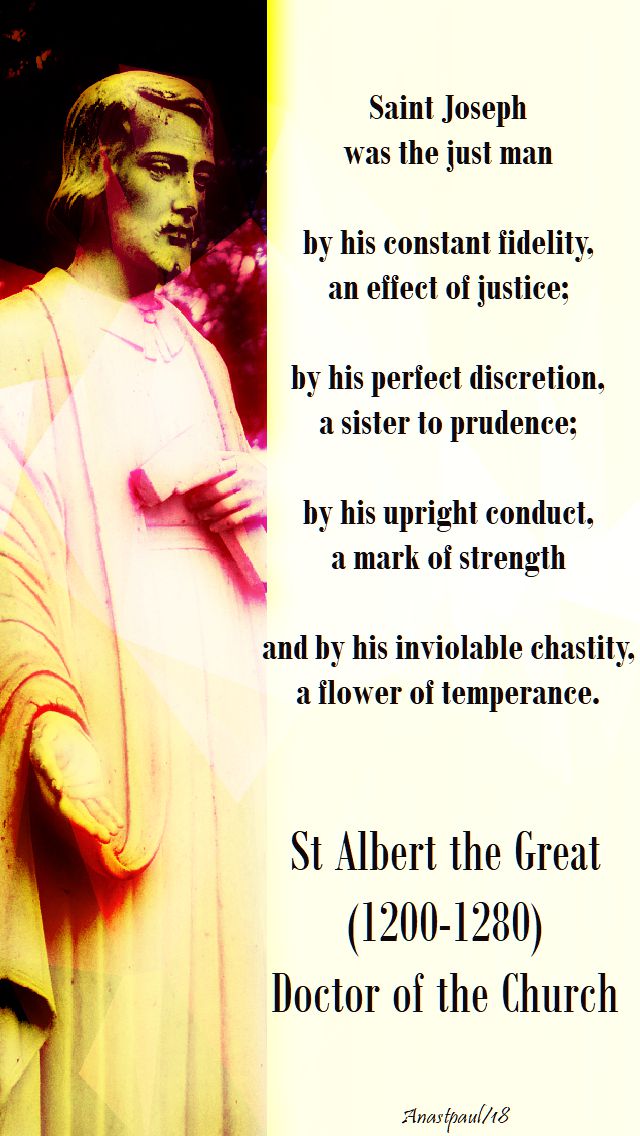
Saint Joseph was the just man, by his constant fidelity, an effect of justice; by his perfect discretion, a sister to prudence; by his upright conduct, a mark of strength and by his inviolable chastity, a flower of temperance.”
St Albert the Great (1200-1280) Doctor of the Church
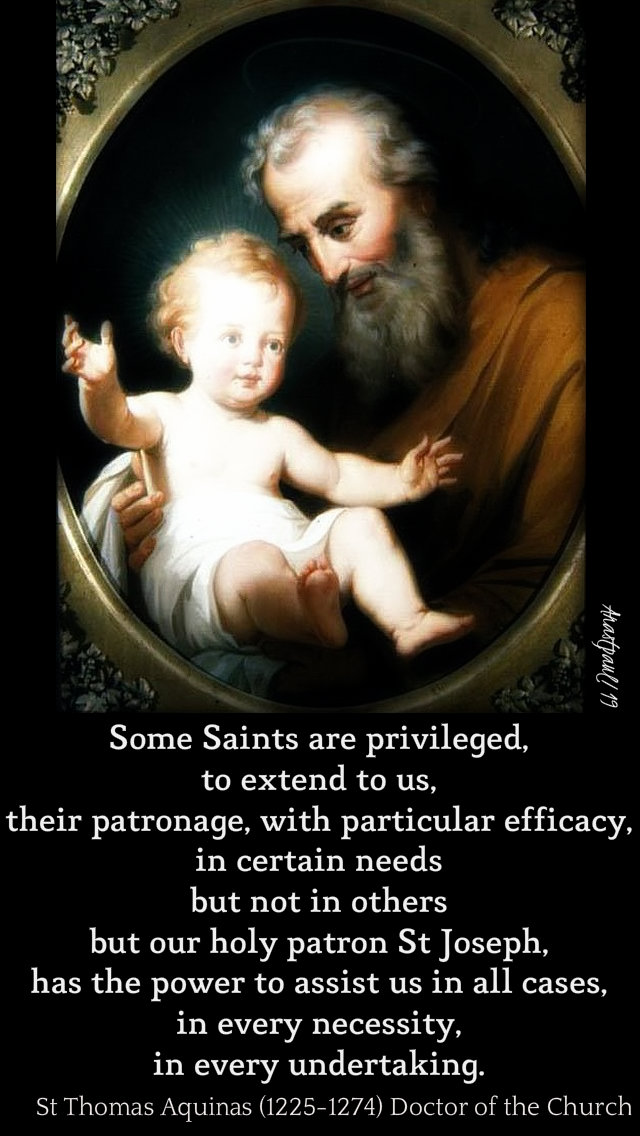
“Some Saints are privileged, to extend to us, their patronage, with particular efficacy, in certain needs but not in others but our holy patron St Joseph, has the power to assist us in all cases, in every necessity, in every undertaking.”
St Thomas Aquinas (1225-1274) Doctor of the Church
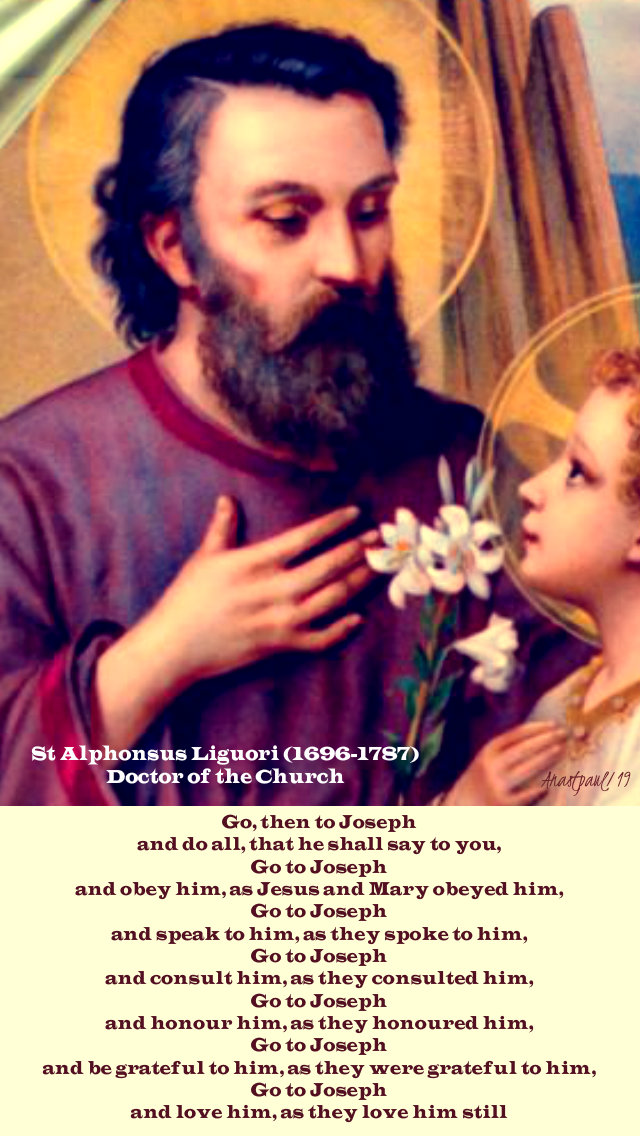
“Go, then to Joseph and do all, that he shall say to you, Go to Joseph and obey him, as Jesus and Mary obeyed him, Go to Joseph and speak to him, as they spoke to him, Go to Joseph and consult him, as they consulted him, Go to Joseph and honour him, as they honoured him, Go to Joseph and be grateful to him, as they were grateful to him, Go to Joseph and love him, as they love him still.”
St Alphonsus Liguori (1696-1787) Doctor of the Church
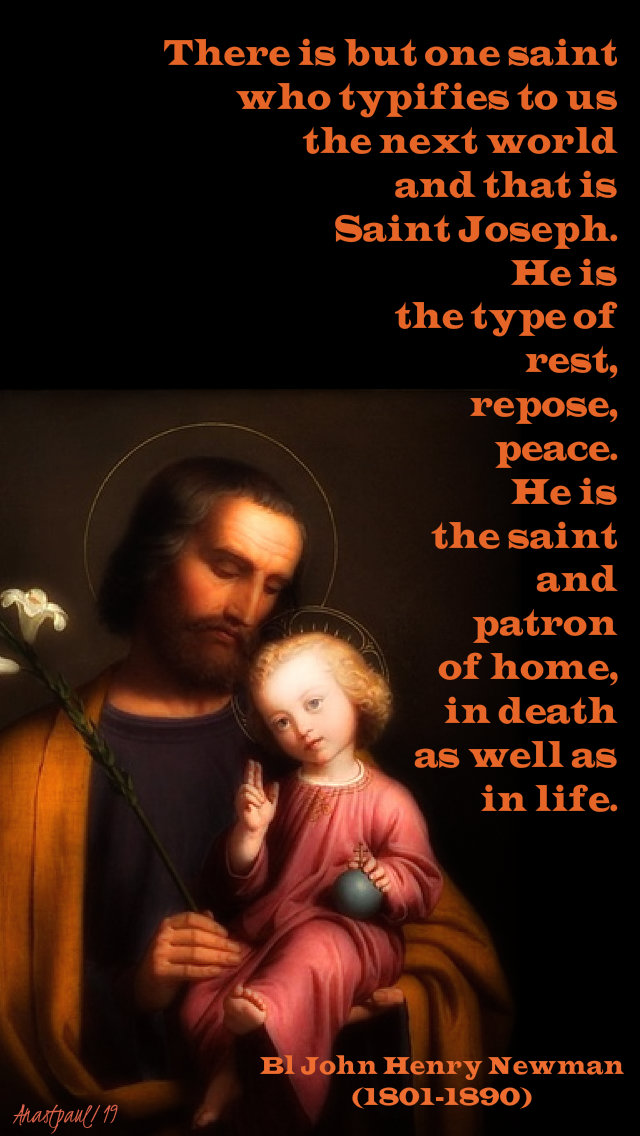
“There is but one saint who typifies to us the next world and that is Saint Joseph. He is the type of rest, repose, peace. He is the saint and patron of home, in death as well as in life.”
One Minute Reflection – 19 March – The Solemnity of St Joseph, Spouse of the Blessed Virgin Mary, Guardian of Jesus and Patron of the Universal Church
When Joseph woke from sleep, he did as the angel of the Lord commanded him; he took his wife...Matthew 1:24
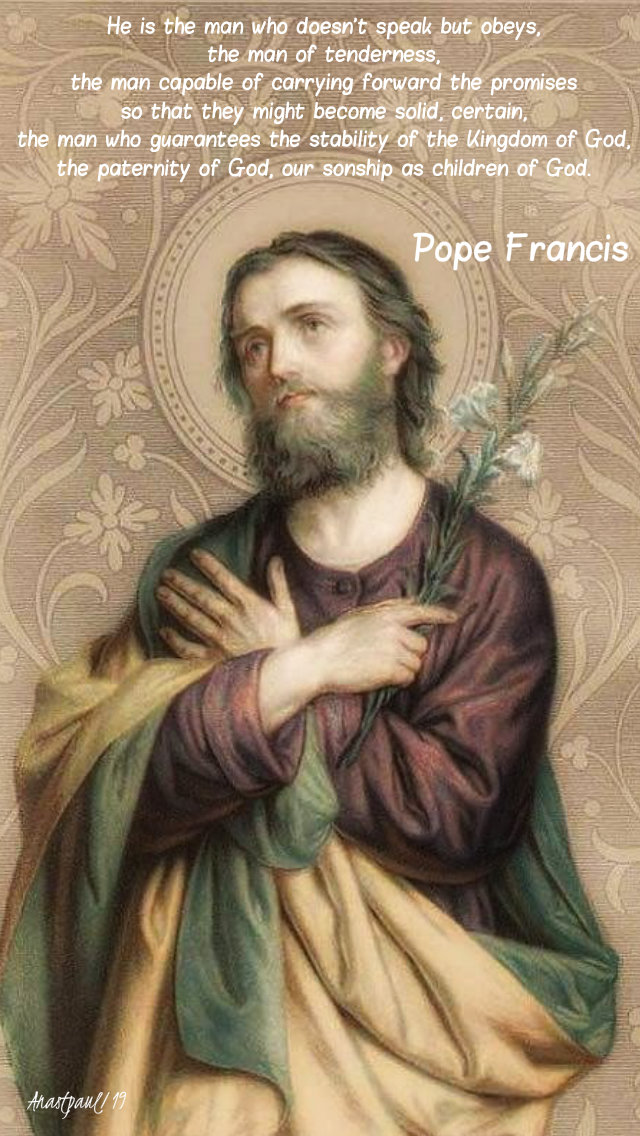
REFLECTION – “And this man, this dreamer, is able to accept this duty, this grave duty. He has so much to say to us, in this time, of a strong sense of being orphaned. And so this man takes the promise of God and carries it onward in silence, with strength, he carries it onward so that God’s Will might be done. He is the man who doesn’t speak but obeys, the man of tenderness, the man capable of carrying forward the promises so that they might become solid, certain; the man who guarantees the stability of the Kingdom of God, the paternity of God, our sonship as children of God.
I like to think of Joseph as the guardian of weaknesses, of our weaknesses too, he is able to give birth to so many beautiful things from our weaknesses, even from our sins.
Today I want to ask, grant to all of us the ability to dream, that when we dream great things, beautiful things, we might draw near to the dream of God, the things God dreams about us. [I ask] that he might give to young people – because he was young – the capacity to dream, to risk, to undertake the difficult tasks they have seen in dreams. And [I ask] him to give to all of us the faithfulness that tends to grow when we have a just attitude – Joseph was just – [the faithfulness that] grows in silence, with few words, that grows in tenderness that guards our own weaknesses and those of others.”…Pope Francis – Santa Marta, 20 March 2017
PRAYER – Almighty God, at the beginnings of our salvation, when Mary conceived your Son and brought Him forth into the world, you placed them under Joseph’s watchful care. May his prayer still help Your Church to be an equally faithful guardian of Your mysteriest and a sign of Christ to mankind. We make our prayer through our Lord Jesus, with the Holy Spirit, God, forever, amen.
Our Morning Offering – 19 March – The Solemnity of St Joseph, Spouse of the Blessed Virgin Mary, Guardian of Jesus and Patron of the Universal Church, Patron of Fathers, Patron of the Dying, Patron of Workers. et al
St Joseph, be our Protector By St Pope John XXIII (1881-1963)
St Joseph,
be always our protector.
That your internal spirit of peace,
silence, honest work and prayer
in the service of the Church
give us life and happiness
in union with your blessed Spouse,
our Sweet and Immaculate Mother
in the strong and mild love to Jesus,
Glorious and Immortal King
of the centuries and the people.
Amen
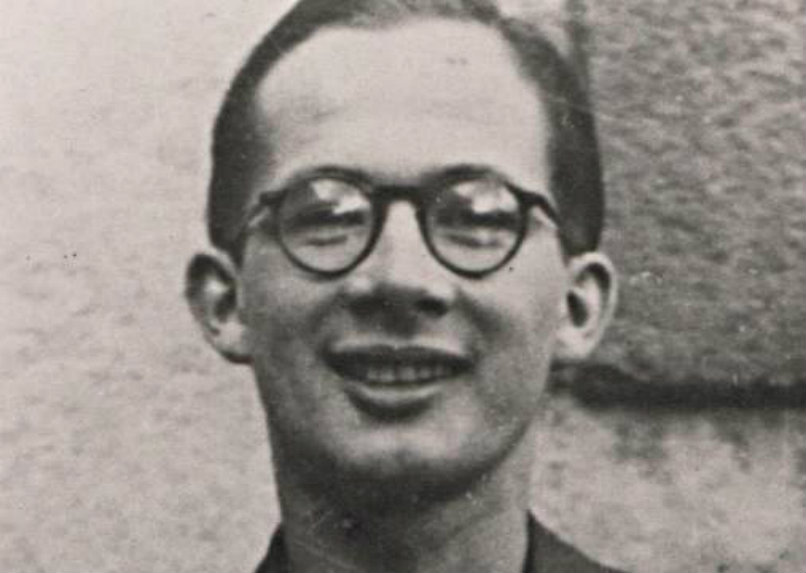
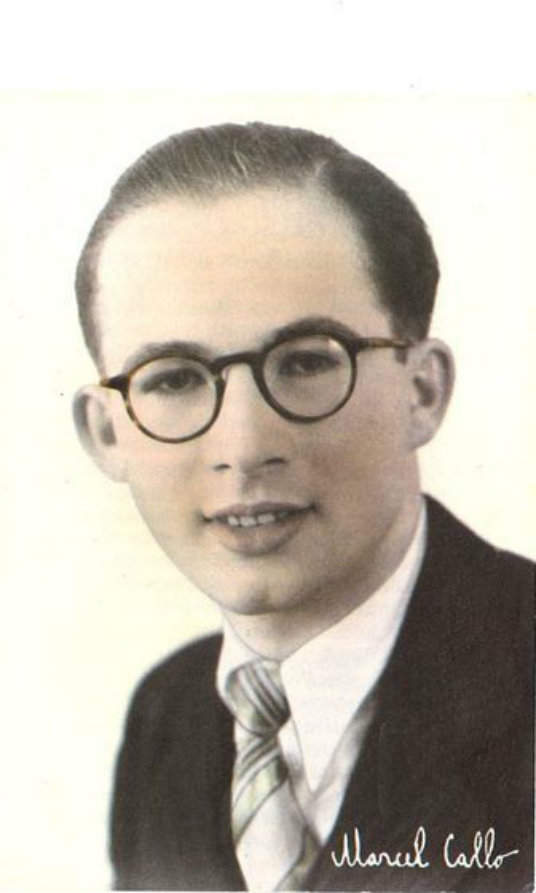
Saint of the Day – 19 March – Blessed Marcel Callo (1921-1945) aged 23 – Layman, Martyr – born on 6 December 1921 in Rennes, Ille-et-Vilaine, France and died on 19 March 1945 in Mauthausen, Upper Austria, Austria of tuberculosis and dysentery. His body was buried in a mass grave outside the walls of the Concentration camp and his remains never recovered.. He was Beatified on 4 October 1987 by St Pope John Paul II. His memory is also honoured and remembered on 19 April in the Diocese of Linz, Austria.
Marcel Callo was born on 6 December 1921, in Rennes, France, being one of nine children. He was a happy child, who was known to be a leader and a perfectionist. He helped with his household chores and he helped take care of his younger siblings. After completing his primary studies, he became an apprentice to a printer around age 13.
He did not like associating with fellow workers who swore and told many improper stories. He preferred accompanying good Catholic friends who belonged to the JOC, Jeunesse Ouvriere Chretienne (Young Christian Worker). He had a good sense of humour and would like to wrestle, play football, ping pong, cards and bridge.
When Marcel was 20 he fell in love with Marguerite Derniaux. He did not degrade women like his fellow worker but instead had deep respect for women. He said, “I am not one to amuse myself with the heart of a lady, since my love is pure and noble. If I have waited until 20 years old to go out with a young lady, it is because I knew that I wanted to find real love. One must master his heart before he can give it to the one that is chosen for him by Christ.” It took him about one year to declare his love to Marguerite and an additional four months before they first kissed. After being engaged, they imposed a strict spiritual rule of life which included praying the same prayers and going to Mass and receiving the Eucharist as often as they could.
On 8 March 1943, the war (World War II) had gripped their city of Rennes. That day his sister, Madeleine was killed by one of the bombs.
He was conscripted to serve during the war and his original intention was to flee but realised that if he did so, those he left at home would be arrested. He was reluctant but agreed to serve and when conscripted said: “I’m leaving not as a worker but as a missionary in the service of my companions”. Callo departed on 19 March 1943 for his service and brought with him – which he kept at all times – his badges as both a scout and a member of the YCW. The Gestapo arrested Callo on 19 April 1944 due to his membership with the YCW which was perceived to be an outlawed and secret order.
Once there, he worked in a factory that produced bombs that would be used against his own countrymen. After three months or so of missing his family and missing Mass (there was no Catholic church in that town), Marcel became seriously depressed. He later found a room where Mass was offered on Sunday. This helped change his disposition. He reported that, “Finally Christ reacted. He made me to understand that the depression was not good. I had to keep busy with my friends and then joy and relief would come back to me.”
With his morale and hope restored, he cared for his deported friends. He organised a group of Christian workers who did activities together like play sports or cards. He also organised a theatrical group. He galvanised his friends despite him suffering from painful boils, headaches and infected teeth. For his French friends, he arranged a Mass to be celebrated in their native tongue. Eventually, his religious activities attracted unwanted attention from the German officials. The Germans arrested Marcel on 19 April 1944 saying that, “Monsieur is too much of a Catholic.”
The Germans interrogated Marcel. He admitted his Catholic activities and was imprisoned in Gotha. He secretly received the Eucharist while in prison and continued to pray and help his companions. He was considered dangerous to the Germans and was moved to a different prison at Mathausen. He suffered from various ailments such as bronchitis, malnutrition, dysentery, fever, swelling (due to the malnutrition and dehydration) and general weakness. He never complained. Despite his suffering, he encouraged his companions by saying, “It is in prayer that we find our strength.”
He died on the feast of St Joseph, 19 March 1945. The date was exactly two years from the day he left home. St Pope John Paul II Beatified Marcel Callo on 4 October 1987 as a Martyr murdered in hatred of the Faith. Colonel Tibodo – who saw thousands die in the camps witnessed that of Callo’s and said of it with emotion: “Marcel had the look of a saint.” Tibodo also testified for the beatification proceedings and said: “I have never seen in a dying man a look like this”.
St Adrian of Maastricht
St Alkmund of Northumbria
St Amantius of Wintershoven
Bl Andrea Gallerani
St Apollonius of Braga
St Auxilius of Ireland
Bl Clement of Dunblane
St Colocer of Saint-Brieuc
St Corbasius of Quimperlé
St Cuthbert of Brittany
St Gemus
Bl Isnard de Chiampo
Bl Jan Turchan
St John the Syrian of Pinna
St Lactali of Freshford
St Landoald of Maastricht
St Leontinus of Braga
St Leontinus of Saintes Bl Marcel Callo (1921-1945) Martyr
Bl Mark of Montegallo
St Pancharius of Nicomedia
Bl Sibyllina Biscossi
—
Martyrs of Sorrento: A group of three sisters and a brother who were martyred together. We have little more than their names – Mark, Quartilla, Quintilla and Quintius. They were martyred in Sorrento, Italy, date unknown.
Mark
Quartilla
Quintilla
Quintius
Martyred in the Spanish Civil War
• Blessed Alberto Linares de La Pinta
• Blessed Jaume Trilla Lastra
Novena to St Joseph – Day Eight
By Fr Michael Gaitley, MIC
Day Eight
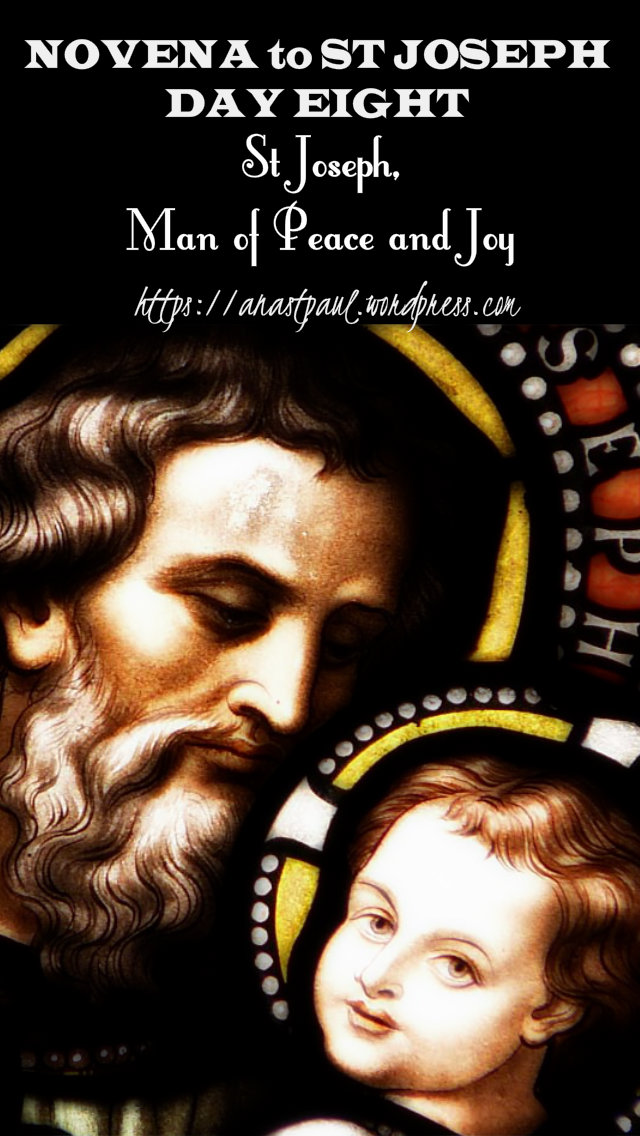
St Joseph, Man of Peace and Joy
Dear St Joseph,
I know the Bible doesn’t speak directly of your joy but how could you not have been full of joy? I’m sure you were. You lived in the presence of Jesus and Mary. Well, St Joseph, please pray for me that I will also find my joy by also living in their presence. And having yourself lived in their presence, you must have been a man of such peace. St Joseph, please pray for me that I keep my joy and not give in to sadness, laziness, or discouragement. Also, pray that I keep my peace of soul and not hold on to anger and bitterness in my heart. Help me to be merciful to everyone by offering forgiveness, that I might also, like you, be a person of true peace and joy.
Saint Joseph, Man of Peace and Joy, please put me at peace and help me find joy. Amen
Again this country is facing darkness (in many ways) but we are facing a melt-down in regard to electricity – the power is being cut at various times throughout each day to conserve the national grid.
Unfortunately, the times allocated to my area, meant I was unable to prepare any posts in the time I had available.
Hopefully, it will be better tomorrow.
May God Bless you, I miss you all!
May the Blessed Virgin, model of docility to the Spirit, help us, to abandon ourselves to Divine Providence.
Ana
P.S. The Novena to St Joseph was pre-scheduled so will arrive in your inbox.
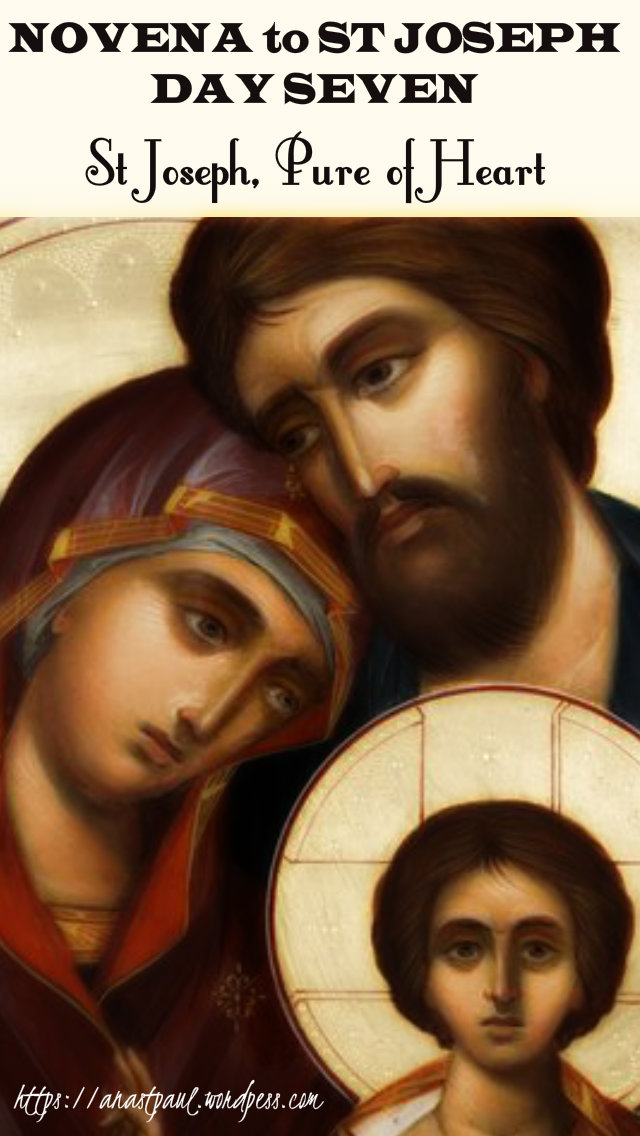
Novena to St Joseph – Day Seven By Fr Michael Gaitley, MIC
Day Seven
St Joseph, Pure of Heart
Dear St Joseph,
I said I want to be a saint and saints need to be pure not only of body but of soul. Regarding purity of body, St Joseph, guard me, protect me and defend me from temptations against purity.
I rely on you, St Joseph. Don’t let me fall. Don’t let my eyes or thoughts wander. If they do, please bring them back to Jesus. I trust in you, St. Joseph. You lived purely with Mary in the midst of her beauty. Help me to see the beauty of others with your own pure vision. If I fall, help me to find God’s mercy and free me from any bondage to such sin. Regarding purity of intentions, help me do everything not to please myself or others but to please God alone. Give me this grace as my dear spiritual father. I trust in you, St. Joseph.
Saint Joseph, Pure of Heart, please lend me your own purity of heart. Amen.
Lenten Thoughts – 17 March – The Second Sunday of Lent, Year C, Gospel: Luke 9:28-36
The law was given through Moses grace
and truth came through Jesus Christ
St Pope Leo the Great (400-461) Bishop of Rome and Great Latin Father and Doctor of the Church
An excerpt from Sermo 51
The Lord reveals His glory in the presence of chosen witnesses. His body is like that of the rest of mankind but He makes it shine with such splendour that His Face becomes like the sun in glory and His garments as white as snow.
The great reason for this transfiguration was to remove the scandal of the cross from the hearts of His disciples and to prevent the humiliation of His voluntary suffering from disturbing the faith of those who had witnessed the surpassing glory that lay concealed.
With no less forethought He was also providing a firm foundation for the hope of holy Church. The whole body of Christ was to understand the kind of transformation that it would receive as His gift. The members of that body were to look forward to a share in that glory which first blazed out in Christ their head.
The Lord had himself spoken of this when He foretold the splendour of His coming – Then the just will shine like the sun in the kingdom of their Father. Saint Paul the apostle bore witness to this same truth when He said – I consider that the sufferings of the present time are not to be compared with the future glory that is to be revealed in us. In another place He says: You are dead and your life is hidden with Christ in God. When Christ, your life, is revealed, then you also will be revealed with Him in glory.
This marvel of the transfiguration contains another lesson for the apostles, to strengthen them and lead them into the fullness of knowledge. Moses and Elijah, the law and the prophets, appeared with the Lord in conversation with Him. This was in order to fulfil exactly, through the presence of these five men, the text which says – Before two or three witnesses every word is ratified. What word could be more firmly established, more securely based, than the word which is proclaimed by the trumpets of both old and new testaments, sounding in harmony and by the utterances of ancient prophecy and the teaching of the Gospel, in full agreement with each other?
The writings of the two testaments support each other. The radiance of the transfiguration reveals clearly and unmistakably the one who had been promised by signs foretelling Him under the veils of mystery. As Saint John says: The law was given through Moses, grace and truth came through Jesus Christ. In Him the promise made through the shadows of prophecy stands revealed, along with the full meaning of the precepts of the law. He is the one who teaches the truth of prophecy through His presence and makes obedience to the commandments possible through grace.
In the preaching of the holy Gospel all should receive a strengthening of their faith. No one should be ashamed of the cross of Christ, through which the world has been redeemed.
No-one should fear to suffer for the sake of justice, no-one should lose confidence in the reward that has been promised. The way to rest is through toil, the way to life is through death. Christ has taken on Himself the whole weakness of our lowly human nature. If then we are steadfast in our faith in Him and in our love for Him, we win the victory that He has won, we receive what He has promised.
When it comes to obeying the commandments or enduring adversity, the words uttered by the Father should always echo in our ears – This is my Son, the beloved, in whom I am well pleased, listen to Him.
Quote of the Day – 17 March – The Second Sunday of Lent, Year C
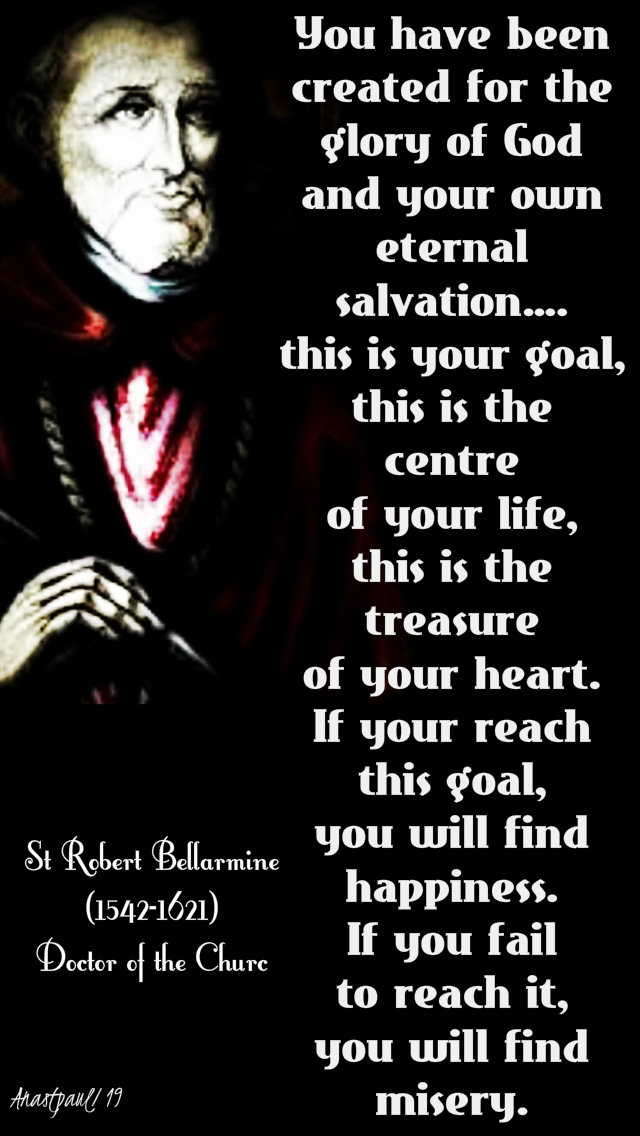
“You have been created for the glory of God and your own eternal salvation…. this is your goal, this is the centre of your life, this is the treasure of your heart. If your reach this goal, you will find happiness. If you fail to reach it, you will find misery.”
St Robert Bellarmine (1542-1621) Doctor of the Church
Lenten Reflection – 17 March – The Second Sunday of Lent, Year C
The Readings
Genesis 15:5-12,17-18; Psalms 27:1, 7-8, 8-9, 13-14; Philippians 3:17 – 4:1 or Philippians 3:20 – 4:1; Luke 9:28B-36
And a voice came out of the cloud, saying, “This is my Son, my Chosen, listen to him!”
Luke 9:35
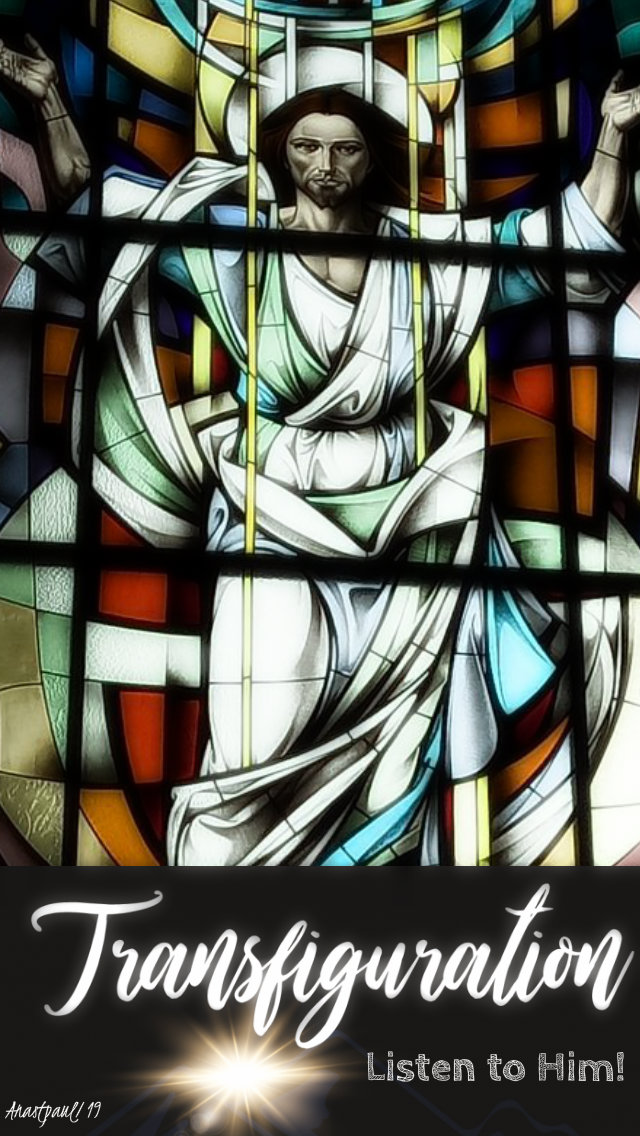
Transfiguration
By Blessed John Henry Newman (1801-1890)
They were talking to Him about resurrection,
about law, about the suffering ahead.
They were talking as if to remind Him who He was and
who they were. He was not
Like his three friends watching a little way off,
not like the crowd At the foot of the hill.
A grey-green thunderhead massed
from the sea
And God spoke from it and said He was His.
They were talking about how the body, broken or
burned,
could live again, remade.
Only the fiery text of the thunderhead could explain it.
And they were talking
About pain and the need for judgement
and how He would make Himself
A law of pain, both its spirit and its letter in His own
flesh,
and then break it,
That is, transcend it.
His clothes flared like magnesium
Daily Meditation: Listen to Him.
It is wonderful to begin this week
acknowledging that we need God’s help in listening and hearing.
It is so powerful to ask for the “gift of integrity” –
to express our desire for wholeness.
And, we humbly ask for light in the midst of whatever
might “shadow our vision.”
This is the God who allows Jesus
to be transfigured before His disciples,
to prepare them for what they were about to face.
This is our God, who can give each of us
the change of heart we ask for.
Wait for the Lord, be strong and let your heart take courage, yea, wait for the Lord!
Psalm 27:14
Closing Prayer:
Loving God,
there is so much darkness in my life
and I hide from You.
Take my hand
and lead me out of the shadows of my fear.
Help me to change my heart.
Bring me to your truth
and help me to respond to Your generous love.
Let me recognise the fullness of Your love
which will fill my life.
Free me from the darkness in my heart.
May the Lord bless us,
protect us from all evil
and bring us to everlasting life.
Amen
One Minute Reflection – 17 March – The Second Sunday of Lent, Year C
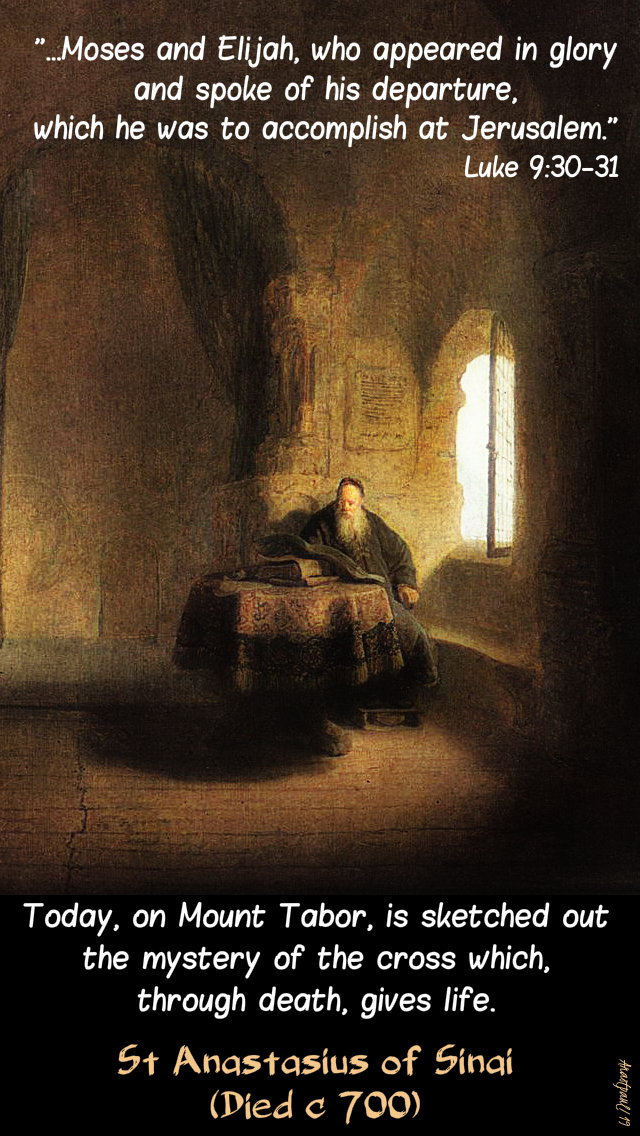
“…Moses and Elijah, who appeared in glory and spoke of his departure, which he was to accomplish at Jerusalem.”…Luke 9:30-31
REFLECTION – “Today, on Mount Tabor, the state of our future life and the Kingdom of joy are mysteriously made manifest. Today, in an unexpected way, the former messengers of the Old and New Covenants have come together on the mountain beside their God as bearers of a paradoxical mystery. Today, on Mount Tabor, is sketched out the mystery of the cross which, through death, gives life. Just as Christ was crucified between two men on Mount Calvary, so He now stands in His divine majesty between Moses and Elijah. And today’s feast shows us that other Sinai, that mountain far more precious than Sinai by reason of its wonders and events. With its theophany it far surpasses merely representative and vague divine visions…
Rejoice! O Creator of all that is, Christ our King, Son of God radiant with light, who have transfigured all creation in Your image and have recreated it in an even better way… And you, too, rejoice! O image of the heavenly Kingdom, most holy mount of Tabor, surpassing in beauty all other mountains! Mount Golgotha and you, O mount of Olives, sing a hymn together and rejoice, sing with one voice of Christ on Mount Tabor and together chant His praises!”… St Anastasius of Sinai (Died c 700) Monk
PRAYER – Heavenly Father, teach us to do everything for Your honour and glory.
Grant us the grace to work out our salvation with anxious concern each day of our life. Keep our gaze fixed towards heaven. Help us as we attempt this Lenten journey to grow in a spirit of penance and sacrifice and to be transfigured, out of love for You, our God. Mary, Holy Mother, the refuge of sinners, be our protector and our guide. We make our prayer through Jesus in the unity of the Holy Spirit, God for all eternity, amen.
Sunday Reflection – 17 March – The Second Sunday of Lent, Year C
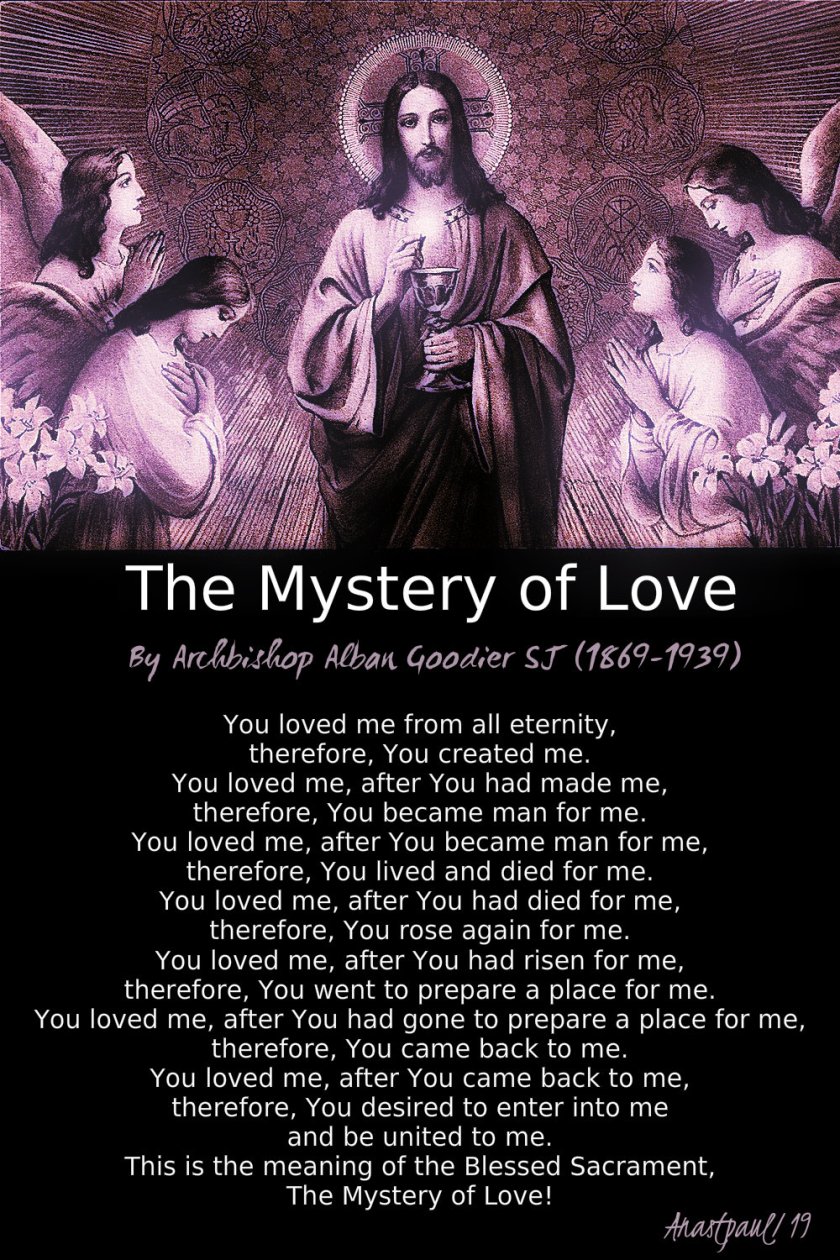
The Mystery of Love
By Archbishop Alban Goodier SJ (1869-1939)
You loved me from all eternity,
therefore, You created me.
You loved me, after You had made me,
therefore, You became man for me.
You loved me, after You became man for me,
therefore, You lived and died for me.
You loved me, after You had died for me,
therefore, You rose again for me.
You loved me, after You had risen for me,
therefore, You went to prepare a place for me.
You loved me, after You had gone to prepare a place for me,
therefore, You came back to me.
You loved me, after You came back to me,
therefore, You desired to enter into me
and be united to me.
This is the meaning of the Blessed Sacrament,
The Mystery of Love!
Our Morning Offering – 17 March – The Second Sunday of Lent, Year C
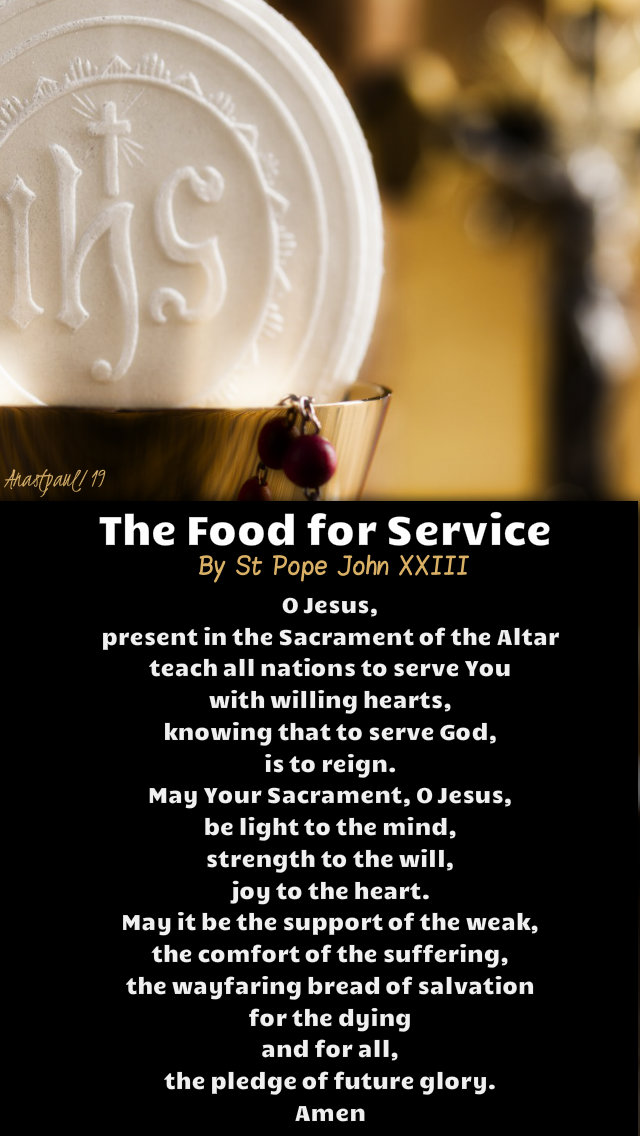
The Food for Service St Pope John XXIII
O Jesus,
present in the Sacrament of the Altar
teach all nations to serve You
with willing hearts,
knowing that to serve God,
is to reign.
May Your Sacrament, O Jesus,
be light to the mind,
strength to the will,
joy to the heart.
May it be the support of the weak,
the comfort of the suffering,
the wayfaring bread of salvation
for the dying
and for all,
the pledge of future glory.
Amen
Saint of the Day – 17 March – Blessed Juan Nepomuceno Zegri y Moreno (1831-1905) – Priest, Founder of the Sisters of Charity of the Blessed Virgin Mary of Mercy.
Juan Nepomuceno Zegrí y Moreno was born on 11 October 1831 in Granada, Spain. His father, Antonio Zegrí Martín and his mother, Josefa Moreno Escudero, were most vigilant in educating their son and in helping to form his personality according to evangelical values. The young boy had a great love for Jesus and Mary and was particularly sensitive to the needs of the poor.
Binding wounds, healing hearts:
As a youth, Juan felt called to serve the Lord in society’s poor and wanted to become a priest. He entered St Dionysius Seminary of Granada and on 2 June 1855 was ordained in the Cathedral of Granada. He served in the parishes of Huétor Santillán and of San Gabriel de Loja in Granada.
His vocation, as he once proclaimed in a homily, was to be “like a good shepherd, going after the lost sheep; like a doctor, healing sick hearts wounded by faults and binding them with hope; like a father, who visibly provides for all of those who, suffering from abandonment, must drink from the bitter chalice and receive nourishment from the bread of tears”.
Fr Zegrí’s priestly life was characterised by a profound experience of God and a deep love for Jesus the Redeemer and Mary, Mother and Protectress. His sermons encouraged listeners to live the Christian life radically and responsibly.
He always served with great humility in the positions he was asked to assume as a priest – synodal judge, canon of the cathedral of Malaga, visitor of the religious orders, formator of the seminarians and preacher of and royal chaplain to Her Majesty Queen Isabel II.
Founder inspired by Mary:
It was with a profound interest in resolving social problems and in meeting the needs of the poor and neglected that Fr Zegrí felt called to found a religious congregation that would serve the most needy. On 16 March 1878 in Malaga, under the protection and inspiration of the Blessed Virgin Mary of Mercy, he began the Congregation of the Sisters of Charity of the Blessed Virgin Mary of Mercy.
The Congregation’s main charism was to practice all of the spiritual and corporal works of mercy for the benefit of the poor. He asked the Religious to do all “for the good of humanity, in God, for God, towards God”. In only a few years, the Congregation was established in many Dioceses throughout Spain, all due to the dynamism of Fr Zegrí’s charismatic inspiration – heal wounds, repair evils, comfort sorrows, dry tears, do not, if possible, leave even one person in the world abandoned, afflicted, unprotected, without religious education and assistance.
He firmly believed that “charity is the only answer to all social problems”. In this light the key points of the spirituality of the Founder were: redemptive charity, love and configuration with Jesus the Redeemer, love for Mary, Our Lady of Mercy.
Testing and vindication:
God permitted Fr Zegrí to be severely tested and misunderstood after he founded the Congregation and his own Religious “daughters” falsely accused him. With a Pontifical Decree dated 7 July 1888 he was sent away from the Order that he himself had founded.
After years of silent suffering, his innocence was recognised with another Decree dated 15 July 1894. Although he was permitted to re-enter the Congregation, he was not accepted. He voluntarily kept himself at a distance in order to preserve communion with the Church and his “daughters”, so that they would not openly disobey Church authority.
On 17 March 1905 in Malaga, Fr Zegrí died just as he had desired: like Jesus, alone and abandoned. He offered himself for the good of humanity and forgave “his own” who had accused him.
After many years, the Congregation once again recognised him as Founder, all due to the fact that there were Sisters who had kept alive his memory and witness of holiness. In 1925 Fr Zegrí was officially declared as Founder of the Sisters of Charity of the Blessed Virgin Mary of Mercy….vatican.va
He was Beatified on 9 November 2003 by St Pope John Paul II.
St Agricola of Châlon-sur-Saône
St Alexander
St Ambrose of Alexandria
Bl Conrad of Bavaria
St Diemut of Saint Gall
St Gabriel Lalemant St Gertrude of Nivelles OSB (626-659)
About St Gertrude: https://anastpaul.wordpress.com/2018/03/17/saint-of-the-day-17-march-st-gertrude-of-nivelles-o-s-b-626-659/
Bl Gertrude of Trzebnica
St Jan Sarkander
Bl Josep Mestre Escoda
St Joseph of Arimathea Bl Juan Nepomuceno Zegrí y Moreno (1831-1905)
St Llinio of Llandinam
Bl Maria Bárbara Maix
St Paul of Cyprus
St Stephen of Palestrina
St Theodore of Rome
St Thomasello
St Withburga of Dereham
Martyrs of Alexandria – Also known as Martyrs of Serapis: An unknown number of Christians who were martyred together by a mob of worshippers of the Graeco-Egyptian sun god Serapis. They were Martyred in c 392 in Alexandria, Egypt
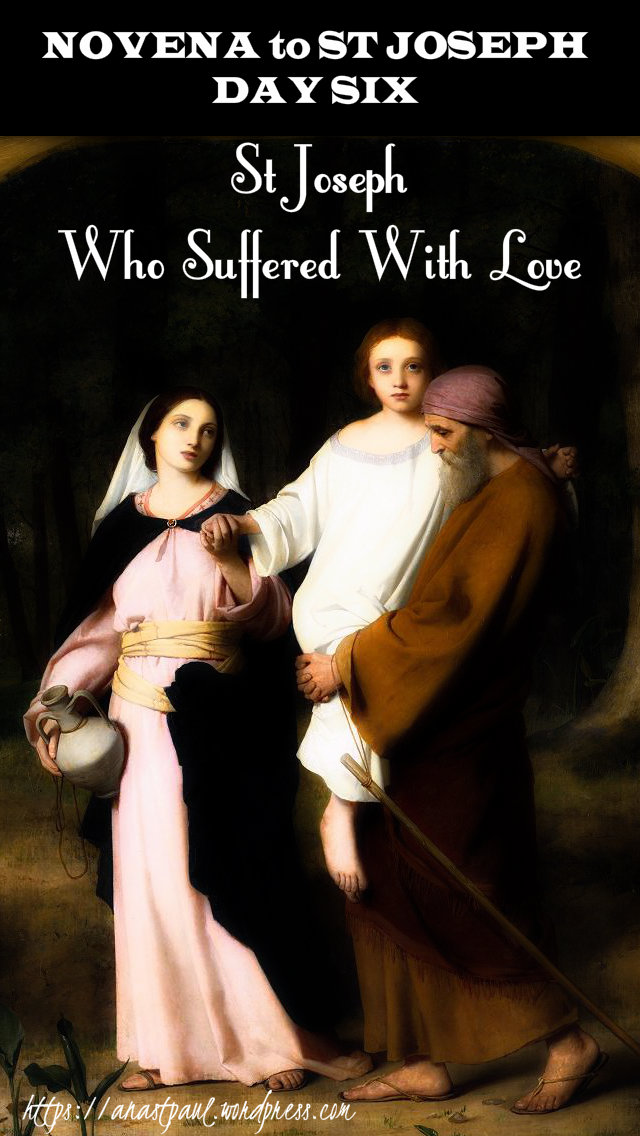
As the day draws closer when I will fully consecrate myself to you, as I draw closer to you, I can’t help but notice the scars on your heart, how you suffered with love. You suffered darkness and confusion when Mary was found with child. You suffered the sacrifice of your flesh as you lovingly offered up the absence of bodily intimacy in marriage. You suffered a sword in your heart, with Mary, when Simeon foretold the passion of your Son. You suffered stress and uncertainty when you had to escape with your family to Egypt and live as an immigrant. You suffered crushing anxiety when your 12-year-old Son was lost for three days. You daily suffered fatigue and bodily aches from your manual labour. Worst of all, your fatherly heart, grieved, at knowing that you could not be there for Jesus and Mary when their darkest hour would one day come.
Saint Joseph, thank you for what you suffered in God’s service, in union with your Son, for my salvation. I love you, St Joseph. Thank you for your yes. Now, please help me to suffer with love as you did. When I suffer, help me not to complain. Help me not to forget love. Help me not to forget others. Dear St Joseph, through my suffering, watch over my poor heart, may it not harden but rather become more merciful. Help me to remember all God’s children who are suffering in the world and help me, to offer my suffering for them and for the good of the Church. I am counting on you, St Joseph. I know you will be with me, helping me to suffer with love.
Saint Joseph, who suffered with love, please help me also to suffer with a love like yours. Amen
Lenten Thoughts – 16 March – Saturday of the First week of Lent, Year C
Why Forty Days?
St Pope Gregory the Great
(540-604)
Father & Doctor of the Church
He, the Author of all things, for forty days tasted no food. Let us likewise, as far as we are able, afflict our flesh by abstinence during the season of Lent. A fast of forty days is observed, since the perfection of the Decalogue is completed by the four books of the Holy Gospel – ten multiplied by four being forty.
Or, again, because this mortal body is made up from four elements and because of its pleasures, we are bound by the commandments of the Lord, made known in the Decalogue, it is therefore, fitting, that we who through the desires of the flesh despise the commands of God, should chastise this same flesh, four times ten times.
Or, as by the Law men had to offer up tithes of their possessions, so ought we strive to offer tithes of our days. For from the first Sunday of Lent, until the joys of the Paschal feast, there are six weeks – which are two and forty days, from which, since the six days of Sunday are subtracted from the fast, there remains but thirty six days. Since the year continues for three hundred and sixty five days, we do penance for thirty six days, as though offering to God a tenth of our year.
Thought for the Day – 16 March – Our devotion to the Saints
One thing that unites the Catholic Church to the Eastern Orthodox Churches and separates it from most Protestant denominations is the devotion to the saints, those holy men and women who have lived exemplary Christian lives and, after their deaths, are now in the presence of God in Heaven. Many Christians — even Catholics — misunderstand this devotion, which is based on our belief that, just as our life does not end with death, so too our relationships with our fellow members of the Body of Christ continue after their deaths. This Communion of Saints is so important that it is an article of faith in all Christian creeds, from the time of the Apostles’ Creed.
What Is a Saint?
Saints, broadly speaking, are those who follow Jesus Christ and live their lives according to His teaching. They are the faithful in the Church, including those who are still alive. Catholics and Orthodox, however, also use the term narrowly to refer to especially holy men and women who, through extraordinary lives of virtue, have already entered Heaven. The Church recognises such men and women through the process of canonisation, which holds them up as examples for Christians still living here on earth.
Why Do Catholics Pray to Saints?
Like all Christians, Catholics believe in life after death, but the Church also teaches us that our relationship with other Christians does not end with death. Those who have died and are in Heaven in the presence of God can intercede with Him for us, just as our fellow Christians do here on earth when they pray for us. Catholic prayer to saints is a form of communication with those holy men and women who have gone before us and a recognition of the “Communion of Saints,” living and dead.
Patron Saints
Few practices of the Catholic Church are so misunderstood today as devotion to patron saints. From the earliest days of the Church, groups of the faithful (families, parishes, regions, countries) have chosen a particularly holy person who has passed into eternal life to intercede for them with God. The practice of naming churches after saints and of choosing a saint’s name for Confirmation, reflects this devotion.
The Doctors of the Church
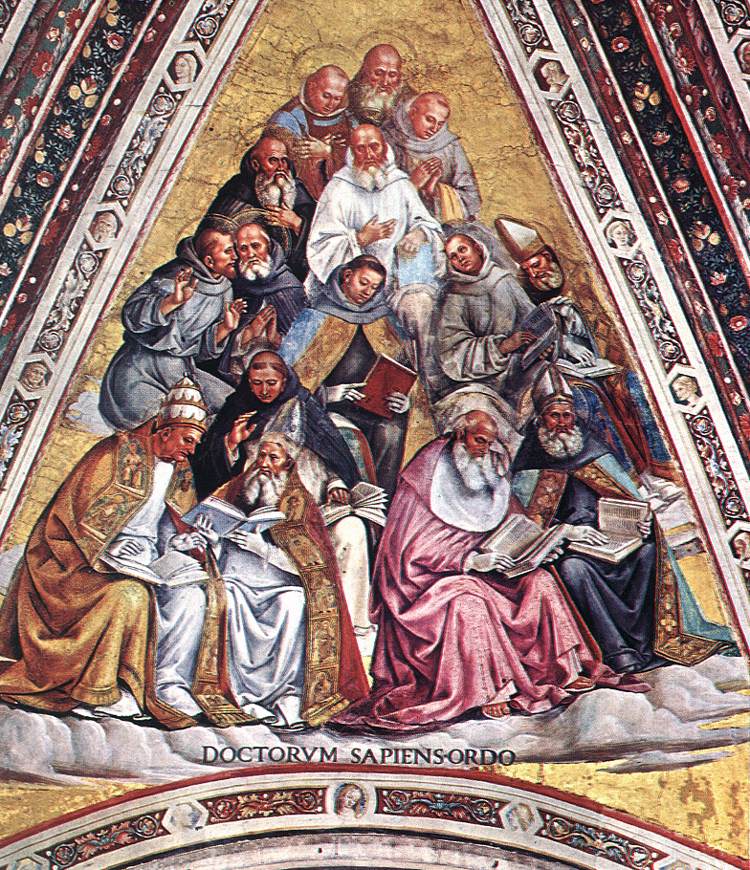
The Doctors of the Church are great saints known for their defence and explanation of the truths of the Catholic Faith. Thirty six saints, including four female saints, have been named Doctors of the Church, covering all eras in Church history.
The Litany/ies of the Saints
The Litany/ies of the Saints is one of the oldest prayers in continuous use in the Catholic Church. Most commonly recited on All Saints Day and at the Easter Vigil on Holy Saturday, the Litany of the Saints is an excellent prayer for use throughout the year, drawing us more fully into the Communion of Saints. The Litany of Saints addresses the various types of saints and includes examples of each and asks all of the saints, individually and together, to pray for us Christians who continue our earthly pilgrimage.
Quote of the Day – 16 March – Saturday of the First week of Lent, Year C, Gospel: Matthew 5:43–48
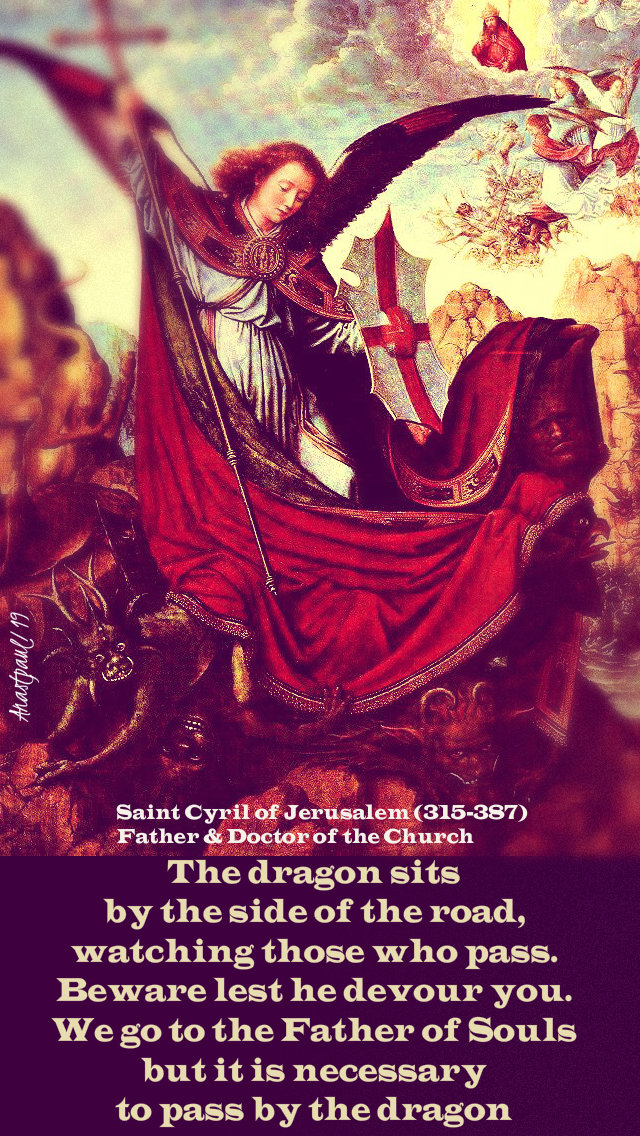
“The dragon sits by the side of the road, watching those who pass. Beware lest he devour you. We go to the Father of Souls but it is necessary to pass by the dragon.”
Saint Cyril of Jerusalem (315-387)
Father & Doctor of the Church
Lenten Reflection – 16 March – Saturday of the First week of Lent, Year C, Gospel: Matthew 5:43–48
Blessed Titus Brandsma (1881-1942) Martyr
“But I say to you… pray for those who persecute you”
You have often heard it said that we are living through a marvellous time, a time of great men… It is easy to understand why people long for a strong and capable leader to arise… This kind of neo-paganism [Nazism] believes all nature to be an emanation of the divine…; it admires a race that is nobler and purer than any other… From this comes the cult of race and blood, the cult of its own people’s heroes.
By starting out from so mistaken an idea, this view of things can lead to capital errors. It is tragic to see how much enthusiasm, how many efforts are placed at the service of such an erroneous and baseless ideal! However, we can learn from our enemy. We can learn from his deceitful philosophy how to purify and improve our own ideal, we can learn how to develop great love for this ideal, how to arouse immense enthusiasm and even a readiness to live and die for it, how to strengthen our hearts to incarnate it in ourselves and in others…
When we talk about the coming of the Kingdom and pray for its coming, we are not thinking of a discrimination according to race or blood but of the brotherhood of all, for all men are our brothers – not excluding even those who hate and attack us – in a close bond with the One, who causes the sun to rise on the good and the bad alike (Mt 5:45).
Daily Meditation: Turn our hearts to You.
The Saturdays of Lent have a grateful and uplifting tone to them.
Our lesson today reminds us of the covenant God made long ago:
you be My people
and I will be your God.
In the new covenant, without condition,
God is faithful to us, even if we are not.
Jesus calls us to a new way of being –
loving others as we have been loved –
which includes loving those who do not love us.
We are to be as pure in our love,
as God is pure in loving us.
You, therefore, must be perfect, as your heavenly Father is perfect.
Matthew 5:48
Closing Prayer:
Loving God,
Sometimes my heart
turns in every direction
except towards You.
Please help me
to turn my heart toward You,
to gaze upon You in trust
and to seek Your kingdom with all of my heart.
Soften my hardened heart
so that I might love others
as a way to glorify and worship You.
Grant me this
with the ever-present guidance of Your spirit.
May the Lord bless us,
protect us from all evil
and bring us to everlasting life.
Amen.
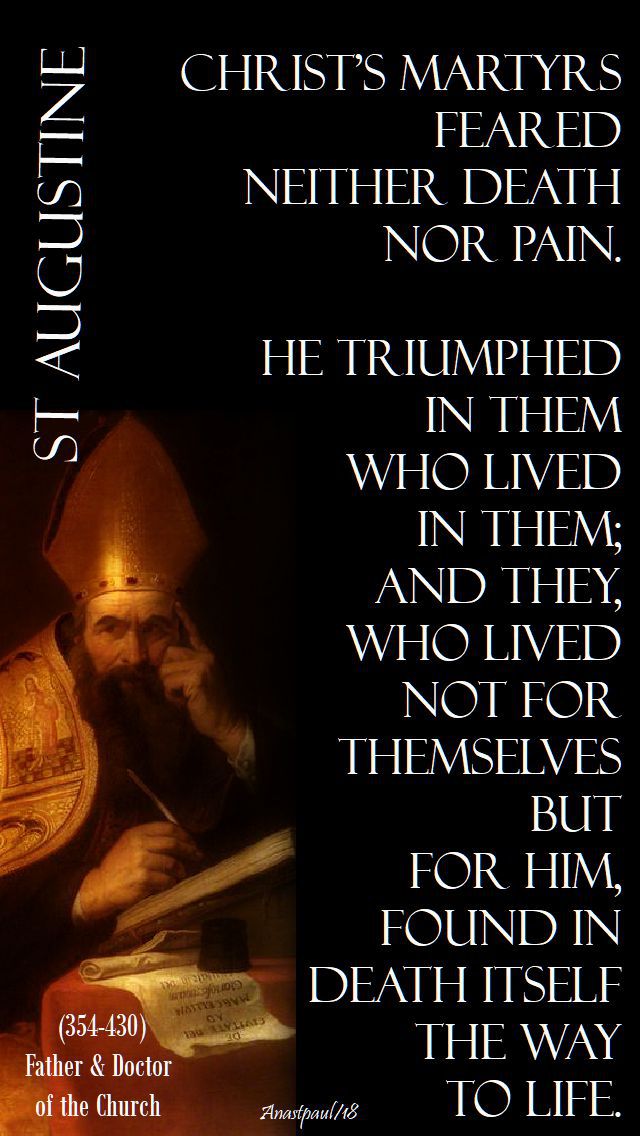
Christ’s martyrs feared neither death nor pain. He triumphed in them who lived in them; and they, who lived not for themselves but for Him, found in death itself the way to life.”
St Augustine – (354-430) – Father & Doctor of the Church
One Minute Reflection – 16 March – Saturday of the First week of Lent, Year C, Gospel: Matthew 5:43–48
“But I say to you, Love your enemies and pray for those who persecute you”...Matthew 5:44
REFLECTION – “No lawgiver would ever make the demand that his laws should be internally accepted and cheerfully observed. Rather, it is ‘do what I say’. God alone asks that His people should keep His laws “with all their hearts,” because He is the King of human hearts. An internal acceptance is the strength of an idea, ideal, norm. Mere external compliance is mimetic, mechanical, lifeless. No wonder religion collapses, spiritual life gives way, devotions dry up! The show and display of religion is empty, the prophets denounced it. Un-reflected accommodation and shallow compliance is self-deception. Some give up in the face of trials, others before tempting goods. Someone who has built up a measure of inner stuff alone can understand the full meaning of the message “Love your enemies.” Few have delved into the various dimensions of the teaching “love your enemies,” be good to all, like the Father. But you can, if only you know His love, if only you wish and pray to be like Him.”...Archbishop Thomas Menamparampil
PRAYER – Turn our hearts to yourself, eternal Father, so that, always seeking the one thing necessary and devoting ourselves to works of charity, we may worship You in spirit and in truth and thus learn Your ways. May our beloved Mother, the Blessed Virgin, give us her heart, to grow in love. We ask this through Jesus Christ our Lord, in union with the Holy Spirit, God forever, amen.
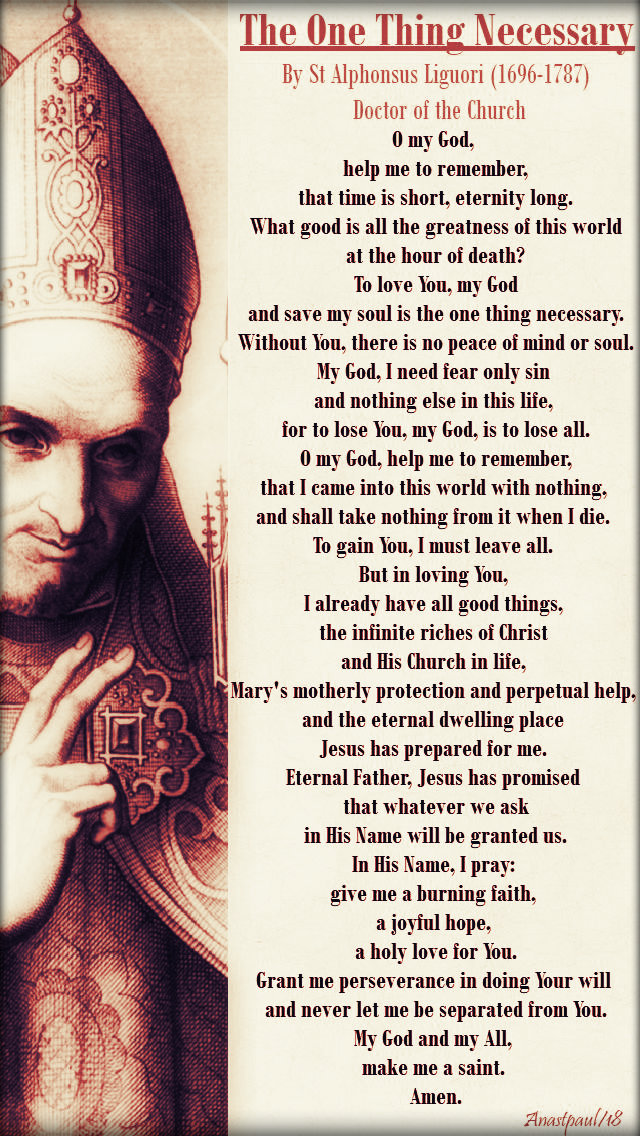
The One Thing Necessary By St Alphonsus Liguori (1696-1787) Doctor of the Church
O my God, help me to remember that time is short, eternity long.
What good is all the greatness of this world at the hour of death?
To love You, my God
and save my soul is the one thing necessary.
Without You, there is no peace of mind or soul.
My God, I need fear only sin and nothing else in this life,
for to lose You, my God, is to lose all.
O my God, help me to remember
that I came into this world with nothing,
and shall take nothing from it when I die.
To gain You, I must leave all.
But in loving You,
I already have all good things,
the infinite riches of Christ and His Church in life,
Mary’s motherly protection and perpetual help,
and the eternal dwelling place Jesus has prepared for me.
Eternal Father, Jesus has promised
that whatever we ask in His Name will be granted us.
In His Name, I pray:
give me a burning faith,
a joyful hope,
a holy love for You.
Grant me perseverance in doing Your will
and never let me be separated from You.
My God and my All,
make me a saint.
Amen
Our Morning Offering – 16 March – Saturday of the First week of Lent, Year C- “Marian Saturdays”
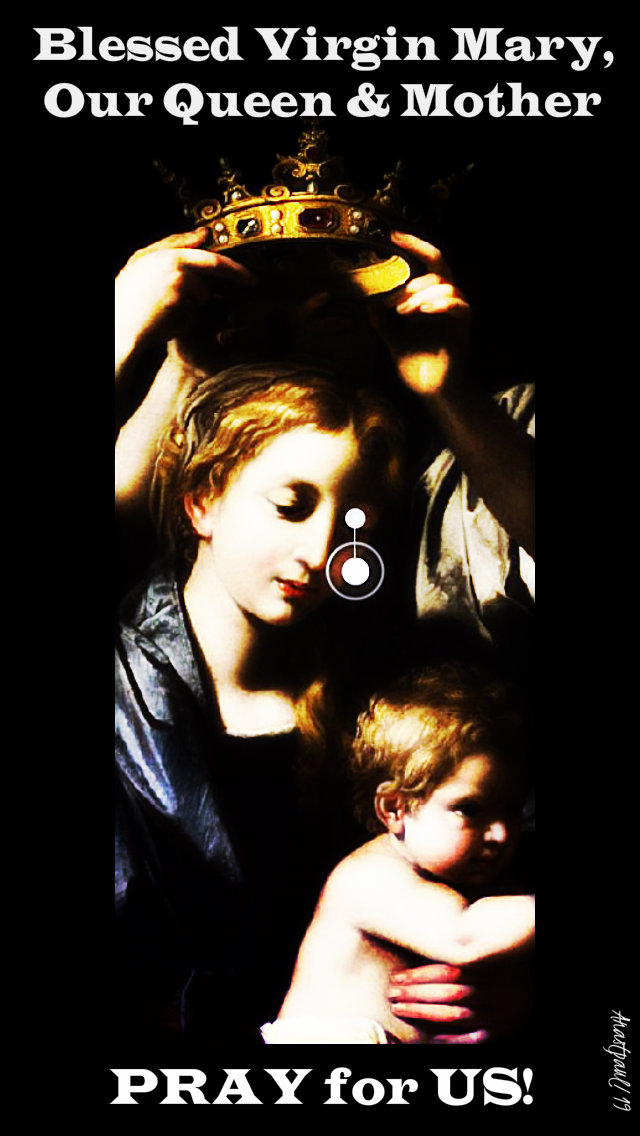
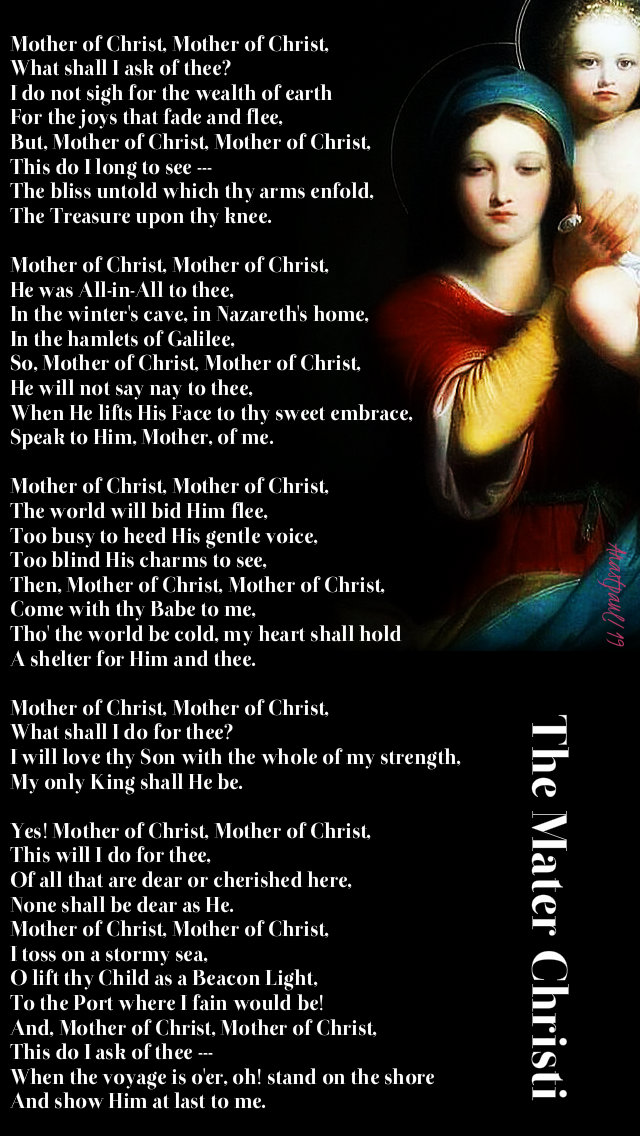
The Mater Christi
Mother of Christ, Mother of Christ,
What shall I ask of thee?
I do not sigh for the wealth of earth
For the joys that fade and flee,
But, Mother of Christ, Mother of Christ,
This do I long to see —
The bliss untold which thy arms enfold,
The Treasure upon thy knee.
Mother of Christ, Mother of Christ,
He was All-in-All to thee,
In the winter’s cave, in Nazareth’s home,
In the hamlets of Galilee,
So, Mother of Christ, Mother of Christ,
He will not say nay to thee,
When He lifts His Face to thy sweet embrace,
Speak to Him, Mother, of me.
Mother of Christ, Mother of Christ,
The world will bid Him flee,
Too busy to heed His gentle voice,
Too blind His charms to see,
Then, Mother of Christ, Mother of Christ,
Come with thy Babe to me,
Tho’ the world be cold, my heart shall hold
A shelter for Him and thee.
Mother of Christ, Mother of Christ,
What shall I do for thee?
I will love thy Son with the whole of my strength,
My only King shall He be.
Yes! Mother of Christ, Mother of Christ,
This will I do for thee,
Of all that are dear or cherished here,
None shall be dear as He.
Mother of Christ, Mother of Christ,
I toss on a stormy sea,
O lift thy Child as a Beacon Light,
To the Port where I fain would be!
And, Mother of Christ, Mother of Christ,
This do I ask of thee —
When the voyage is o’er, oh! stand on the shore
And show Him at last to me.
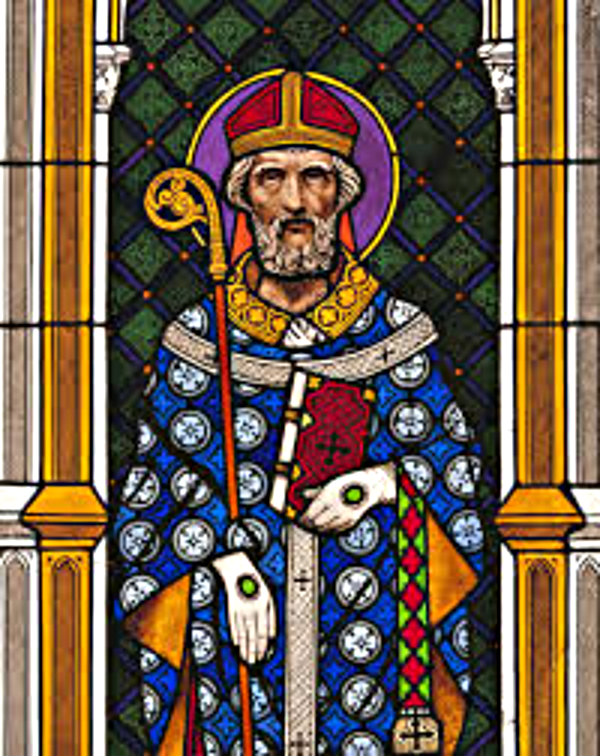
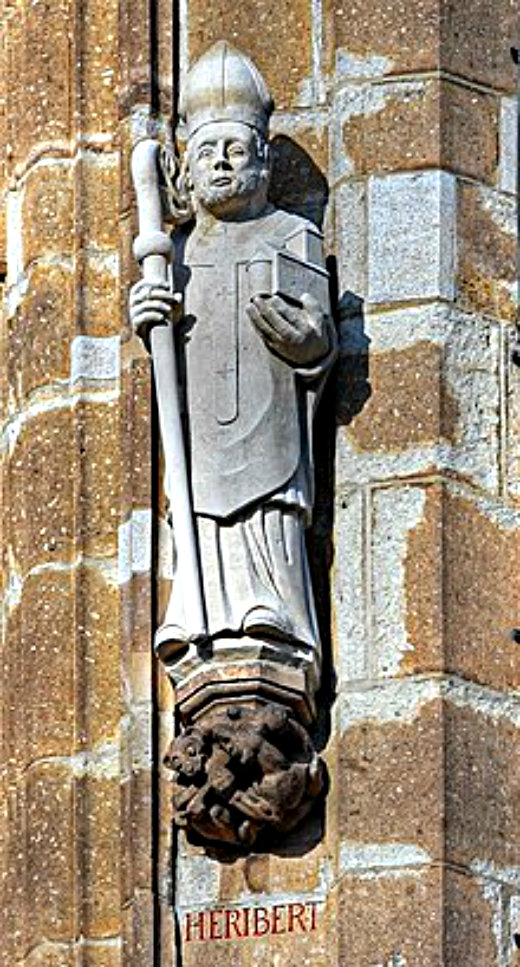
Saint of the Day – 16 March – St Heribert (c 970–1021) Archbishop of Cologne, a miracle-worker and counsellor – born in c 970 at Worms, Germany and died on 16 March 1021 at Cologne, Germany of natural causes. Patronages – against drought, for rain and of Deutz, Germany. St Heribert was a German Roman Catholic prelate who served as the Archbishop of Cologne from 999 until his death. He also served as the Chancellor for the Emperor Otto III from 994 and collaborated with Saint Henry II Obl. SB (973-1074) with whom relations were strained though were strengthened over time. St Heribert’s Canonisation was confirmed in 1075 by St Pope Gregory VII.
St Heribert was born at Worms in Germany about 970 and educated at the Abbey of Gorze in Lorraine. He wanted to enter the Benedictine Order there but his father recalled him to Worms and obtained a canonry for him. As a young priest, Heribert became a trusted counsellor of the youthful Emperor Otto III, chancellor of the diocese and finally Archbishop of Cologne in 998.
In that same year the Saint accompanied the Emperor to Rome and assisted him in his last moments before his death in 1002. In the ensuing skirmishing for the post of Emperor, St Heribert at first was opposed to St Henry II through a mutual misunderstanding. But in time the two Saints, Archbishop and Emperor, were publicly reconciled and laboured together for the good of the people.
St Heribert was practically a model of what a Bishop should be. He was a peaceful man but a firm disciplinarian, a holy man but one who knew the value of money and saw to it that his was always divided among the poor. He was a man of prayer and in a time of drought, it was in answer to his prayers that a torrential rain fell, saving the harvest and delivering the people from famine, hence the reason he is invoked against drought and prayed to for rain.
Heribert built the monastery of Deutz, on the Rhine and was already honoured as a saint during his lifetime.
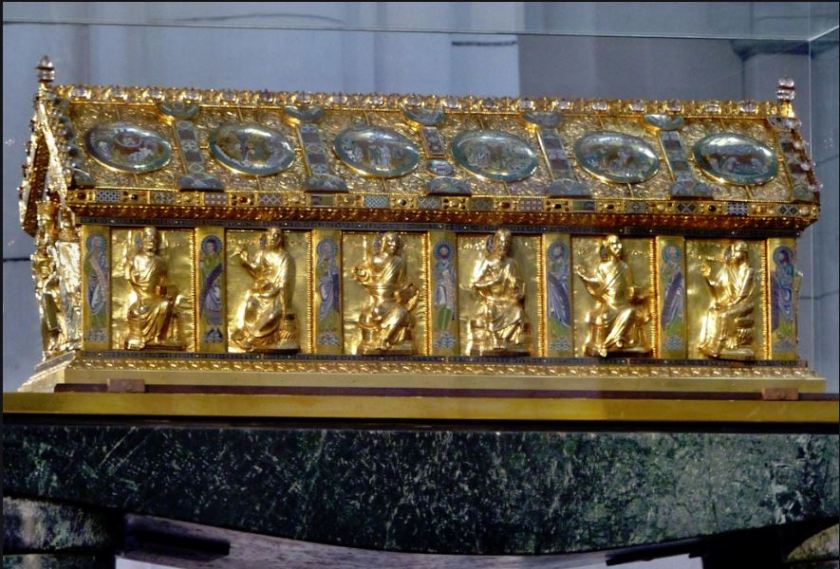
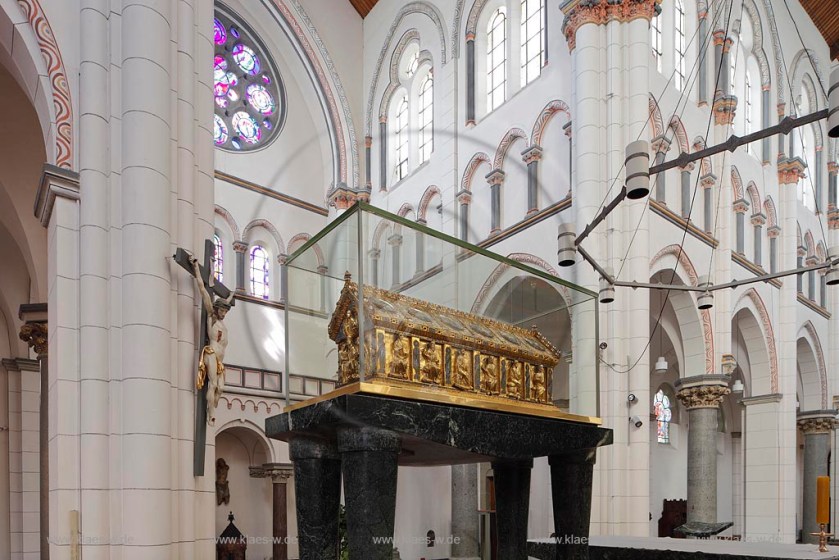
He died in Cologne on 16 March 1021 and is buried at the Cathedral of Deutz, which replaced the original Church, destroyed during WW II. St Heribert’s shrine, completed in 1175, is one of the major goldsmith works of the 12th century. It is displayed in the centre of the apse.


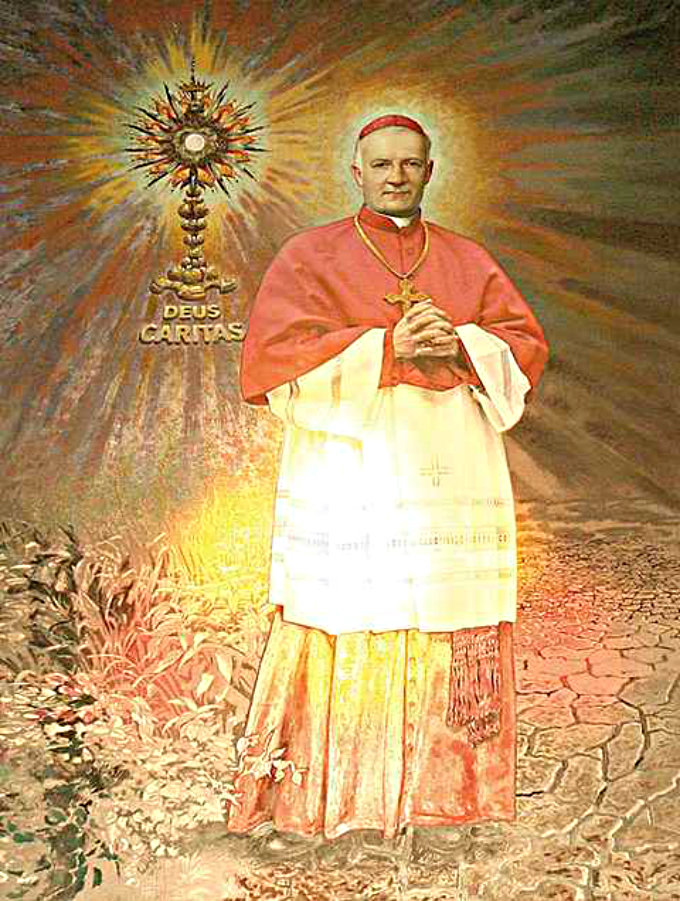
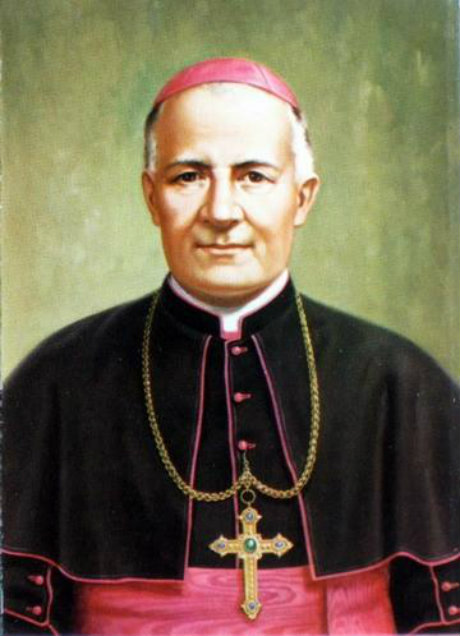
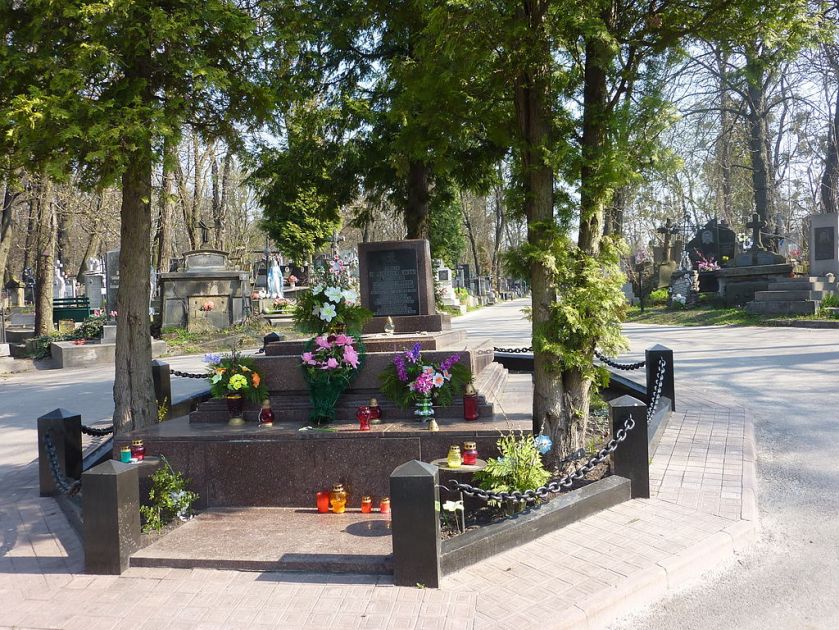 Thanks to the efforts of the Archdiocese of Leopoli the process for his beatification and canonisation was initiated. The first step was concluded on 17 December 1997 with the declaration of the life of heroic virtue of Archbishop Joseph Bilczewski by The Holy Father, St Pope John Paul II. In June 2001, the Congregation for the Causes of Saints recognised as miraculous the fact of the rapid lasting and unexplainable “quo ad modum” healing through the intercession of Archbishop Bilczewski of the third degree burns of Marcin Gawlik, a nine year old boy, thus opening the way for his beatification. The Beatification took place in the Diocese of Leopoli on 26 June 2001 during St Pope John Paul II’s Apostolic Visit to the Ukraine…Vatican.va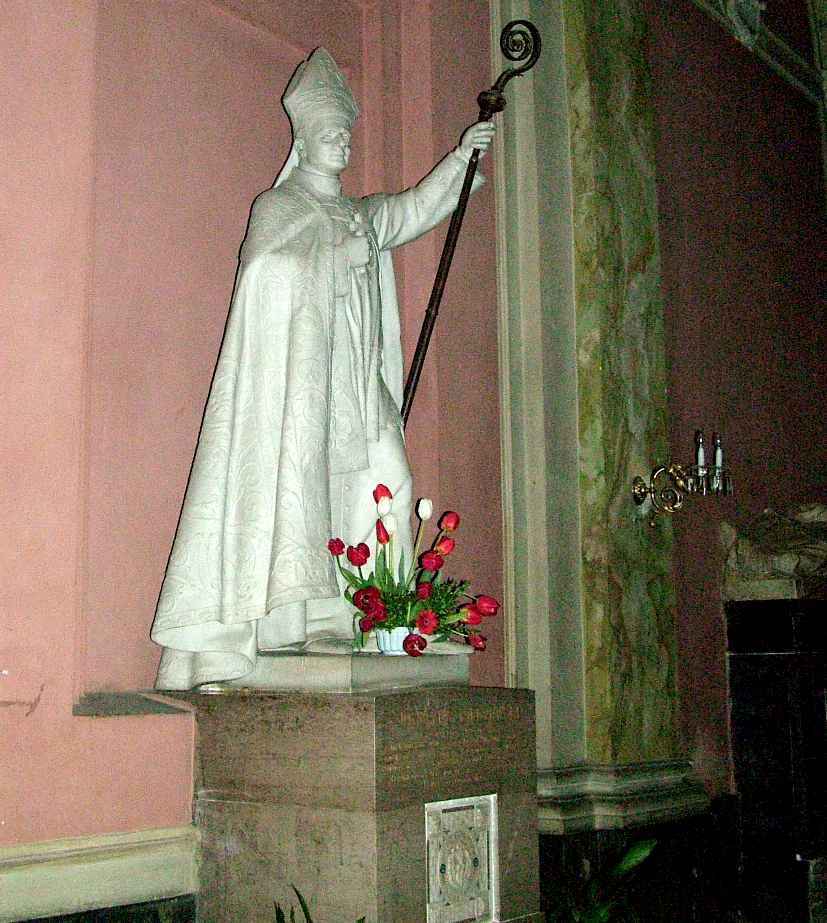

 He was a happy child, who was known to be a leader and a perfectionist. He helped with his household chores and he helped take care of his younger siblings. After completing his primary studies, he became an apprentice to a printer around age 13.
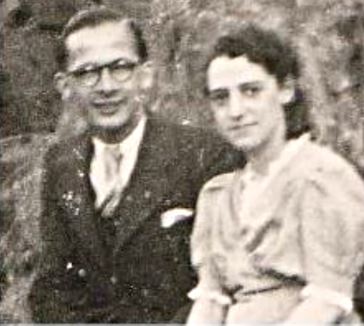 He did not degrade women like his fellow worker but instead had deep respect for women. He said, “I am not one to amuse myself with the heart of a lady, since my love is pure and noble. If I have waited until 20 years old to go out with a young lady, it is because I knew that I wanted to find real love. One must master his heart before he can give it to the one that is chosen for him by Christ.” It took him about one year to declare his love to Marguerite and an additional four months before they first kissed. After being engaged, they imposed a strict spiritual rule of life which included praying the same prayers and going to Mass and receiving the Eucharist as often as they could.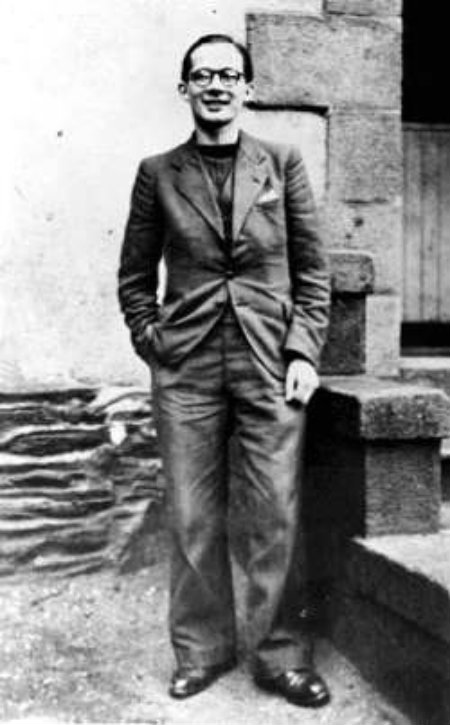










 AnaStpaul
You must be logged in to post a comment.