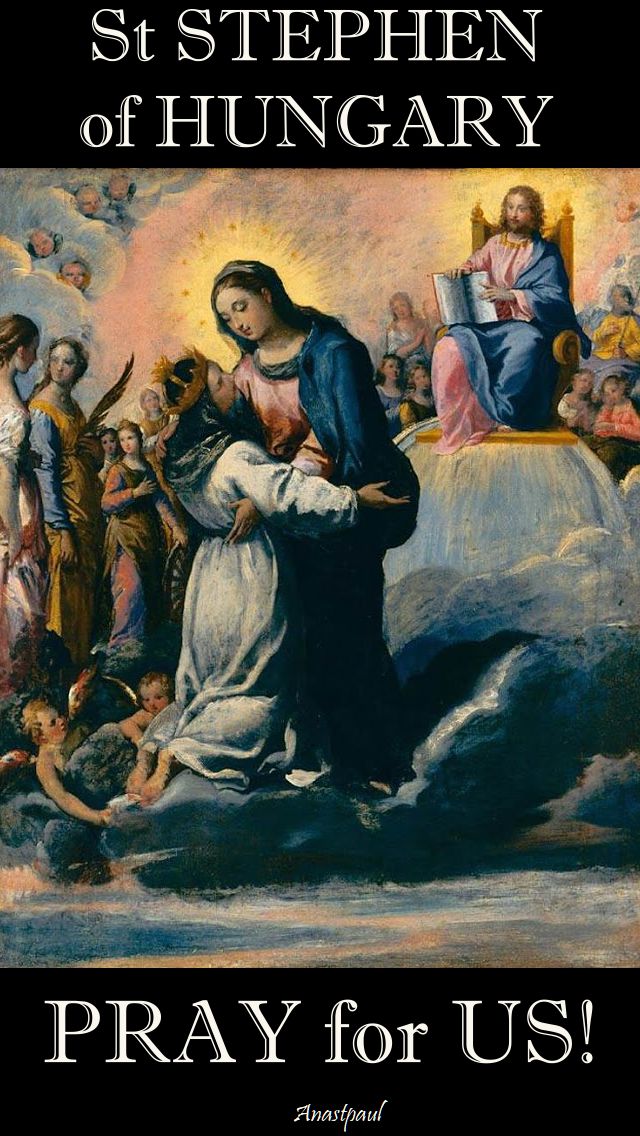
One Minute Reflection – 16 August – The Memorial of St Stephen of Hungary (c 975- 1038) – Today’s Gospel: Matthew 18:21–19:1
“So also my heavenly Father will do to every one of you, if you do not forgive your brother from your heart.”…Matthew 18:35
If you show favouritism, you commit sin and are convicted by the law…..James 2:9
REFLECTION – “Do not show favour only to relations and kin, or to the most eminent – whether they are leaders or the wealthy or neighbours or citizens of the same country. Show favour to all who come to you. By fulfilling your duty in this way, you will reach the highest state of happiness.”…St Stephen of Hungary
PRAYER – Just and Holy Father, help me to overcome all tendencies to show favouritism in my life. Let me treat all persons as brothers and sisters in Christ and work and pray for their salvation. As You forgive me, teach me Lord, to forgive all. Grant that the prayers of St Stephen of Hungary may continue to defend us, as he did in the world. Through Jesus our Lord, with the Holy Spirit, one God forever, amen.
Our Morning Offering – 16 August – The Memorial of St Stephen of Hungary (c 975- 1038)
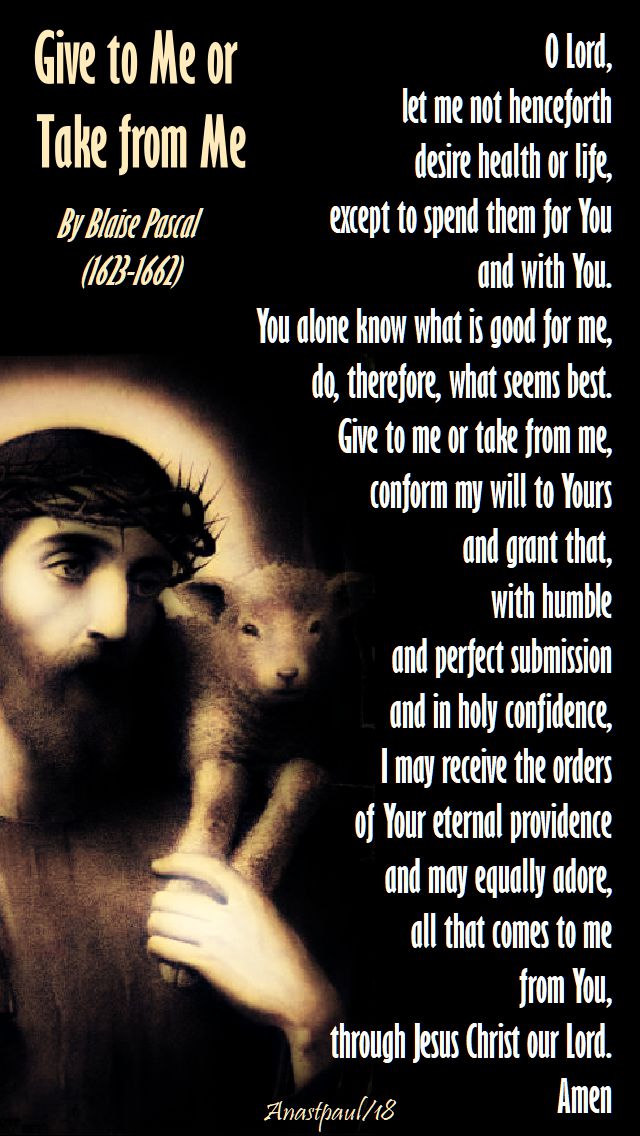
Give to Me or Take from Me By Blaise Pascal (1623-1662)
O Lord,
let me not henceforth desire health or life,
except to spend them for You
and with You.
You alone know what is good for me,
do, therefore, what seems best.
Give to me or take from me,
conform my will to Yours
and grant that,
with humble and perfect submission
and in holy confidence,
I may receive the orders
of Your eternal providence
and may equally adore,
all that comes to me from You,
through Jesus Christ our Lord.
Amen
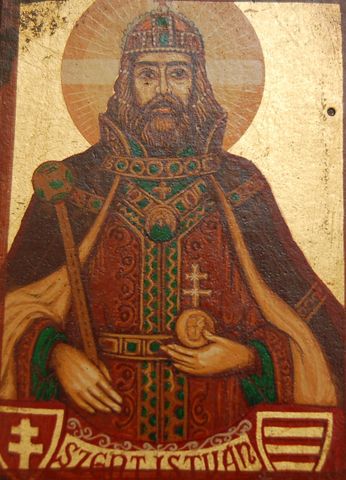
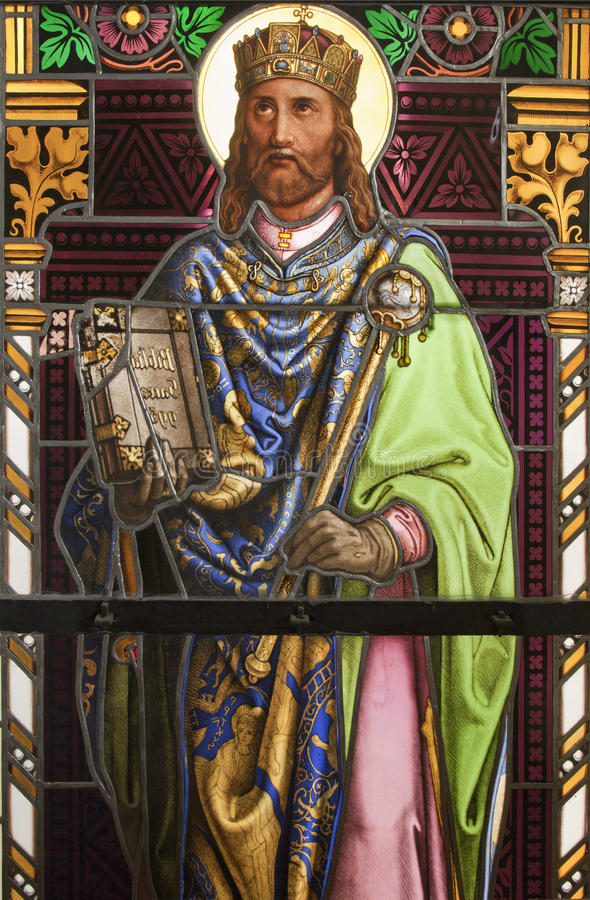
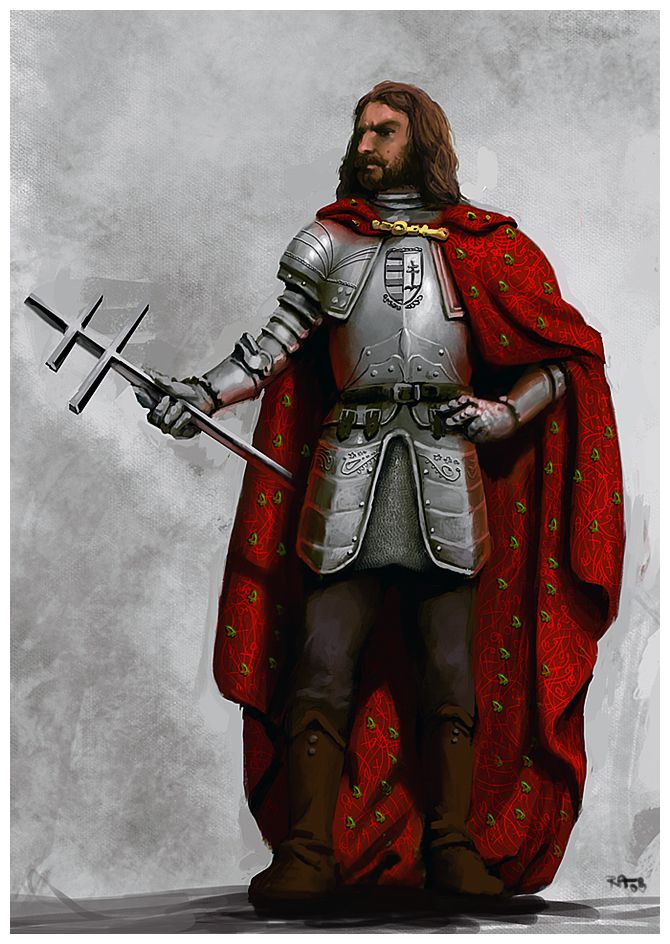
Saint of the Day – 16 August – St Stephen of Hungary (c 975- 1038) Apostle of Hungary, King and Confessor, Marian devotee, Apostle of Charity, Evangeliser and Missionary – born at Esztergom, Hungary and died on 15 August 1038 at Szekesfehervar, Hungary. Also known as – Stephen the Great, Apostolic King, Istvan. Patronages – Patron saint of Hungary, of kings, masons, stonecutters, stonemasons and bricklayers and a protector against child death.
The fourth Duke of the Huns of Hungary, by the name of Geysa, was converted to the Faith and baptised with his wife and several ministers. With the Christian missionaries, he laboured to convince his pagan subjects of the divinity of this religion. His wife saw in a vision the protomartyr Saint Stephen, who told her they would have a son who would perfect the work already begun. This son, born in the year 977, was given the name of Stephen.
The little prince was baptised by Saint Adalbert (c 956-997), bishop of Prague, who preached to the Hungarians for a time and was educated under the care of that bishop and a pious count of Italy.
When he was fifteen years old, his father gave him the commandment of his armies, seeing his virtue and Christian ardour. Already Stephen was beginning to root out idolatry and transform the pagan customs still existing among the people. At twenty years of age, he succeeded his good father, who died in 997. He suppressed a rebellion of his pagan subjects and founded monasteries and churches all over the land. He sent to Pope Sylvester, begging him to appoint bishops to the eleven sees he had endowedand to bestow on him, for the greater success of his work, the title of king. The Pope granted his requests, and sent him a cross to be borne before him, saying that he regarded him as the true apostle of his people.
Saint Stephen’s devotion was fervent. He placed his realms under the protection of our Blessed Lady and kept the feast of Her Assumption with great affection. He established good laws and saw to their execution. Throughout his life, we are told, he had Christ on his lips, Christ in his heart and Christ in all he did. His only wars were wars of defence, and in them he was always successful. He married the sister of the Emperor Saint Henry, who was a worthy companion for him. God sent him many grievous trials amid his successes, one by one his children died, though his successor, Emeric, survived and was the love of his heart but he too died as a young adult.
He often went out in disguise to exercise his charities and one day a troop of beggars, not satisfied with the alms they received, threw him down, tore out handfuls of his hair and beard and took his purse. He prayed to the Lord and thanked Him for an insult he would not have suffered from enemies but accepted gladly from the poor who, he said to Him, “are called Your own and for whom I can have only indulgence and tenderness.” He bore all reversals with perfect submission to the Will of God.
When Saint Stephen was about to die, he summoned the bishops and nobles and told them to choose his successor. He urged them to nurture and cherish the Catholic Church, which was still a tender plant in Hungary, to follow justice, humility and charity, to be obedient to the laws and to show at all times a reverent submission to the Holy See. Then, raising his eyes towards heaven, he said: “O Queen of Heaven, August Restorer of a prostrate world, to Thy care I commend the Holy Church, my people and my realm and my own departing soul.” It was on his favourite feast day, the Assumption, that he died in peace, in the year 1038.
St Stephen’s Canonisation ceremony began at Stephen’s tomb, where on 15 August 1083 masses of believers began three days of fasting and praying. The opening of Stephen’s tomb was followed by the occurrence of healing miracles. Stephen’s biographers also says that his “balsam-scented” remains were elevated from the coffin, which was filled with “rose-coloured water”. On the same day, Stephen’s son, Emeric and the bishop of Csanád, Gerard, were also canonised.
“Having completed the office of Vespers the third day, everyone expected the favours of divine mercy through the merit of the blessed man; suddenly with Christ visiting His masses, the signs of miracles poured forth from heaven throughout the whole of the holy house. Their multitude, which that night were too many to count, brings to mind the answer from the Gospel which the Saviour of the world confided to John, who asked through messengers whether he was the one who was to come: the blind see, the lame walk, the deaf hear, the lepers are cleansed, the crippled are set straight, the paralysed are cured…”…Bishop Hartvic, Life of King Stephen of Hungary
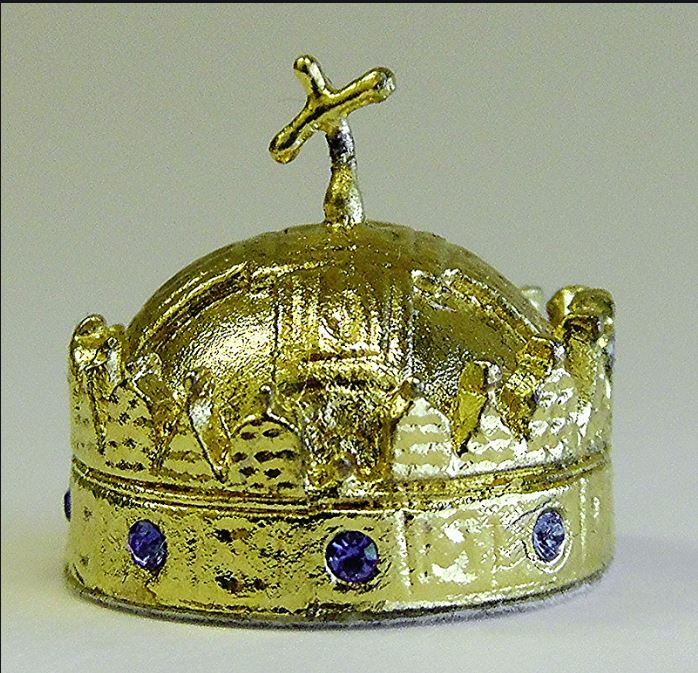
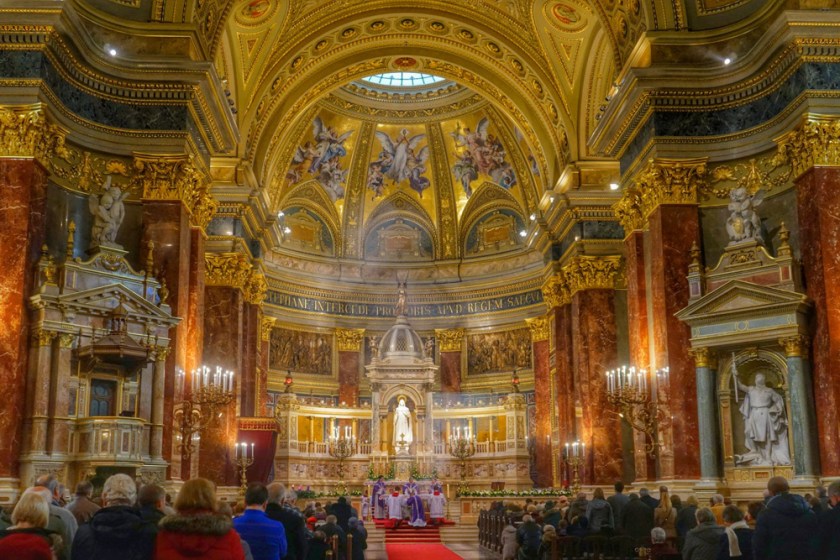
The Holy Crown of St StephenBasilica of St Stephen in Budepest & the interior below
St Stephen of Hungary (c 975- 1038) King of Hungary (Optional Memorial)
Bl Angelus Agostini Mazzinghi
St Armagillus of Brittany
St Arsacius of Nicomedia
St Frambaldo
Bl Iacobus Bunzo Gengoro
Bl Jean-Baptiste Menestrel
Bl John of Saint Martha
Bl Laurence Loricatus
Bl Magdalena Kiyota Bokusai
Bl Maria Gengoro
Bl Ralph de la Futaye
St Roch (1295-1327) “Pilgrim”
The story of St Roch here: https://anastpaul.wordpress.com/2017/08/16/saint-of-the-day-16-august-st-roch/
St Serena
Bl Simon Kiyota Bokusai
Bl Thomas Gengoro
St Titus the Deacon
—
Martyrs of Palestine – 33 saints: Thirty-three Christians martyred in Palestine; they are commemorated in old martyrologies, but the date and exact location have been lost.
Martyred in the Spanish Civil War:
Bl Amadeu Monje Altés
Bl Antonio María Rodríguez Blanco
Bl Enrique García Beltrán
Bl José María Sanchís Mompó
Bl Laurentí Basil Matas
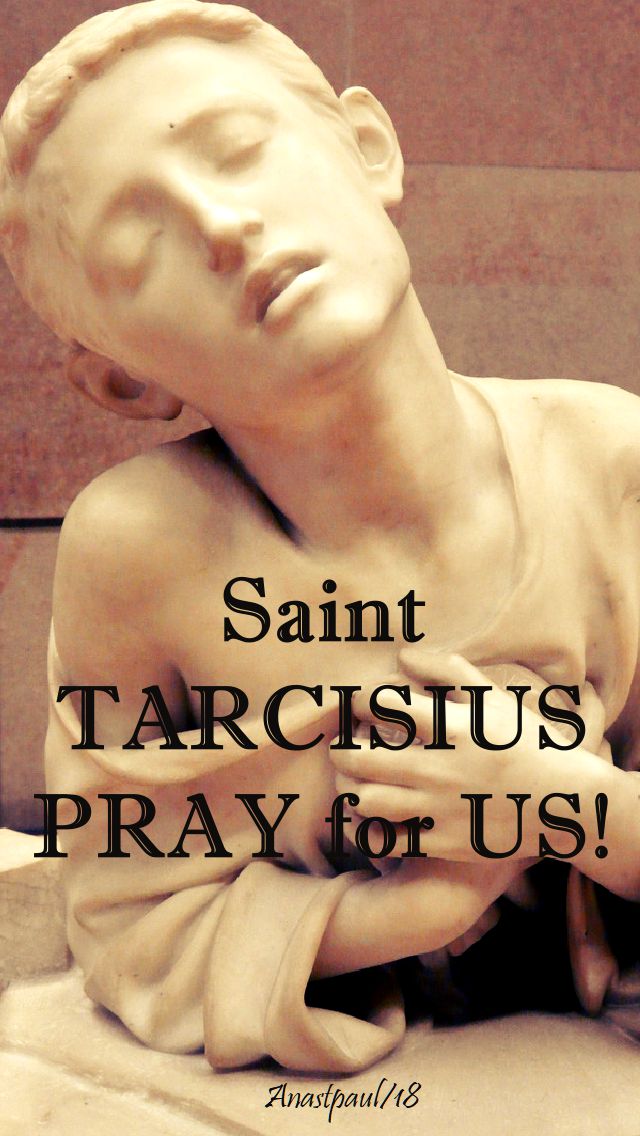
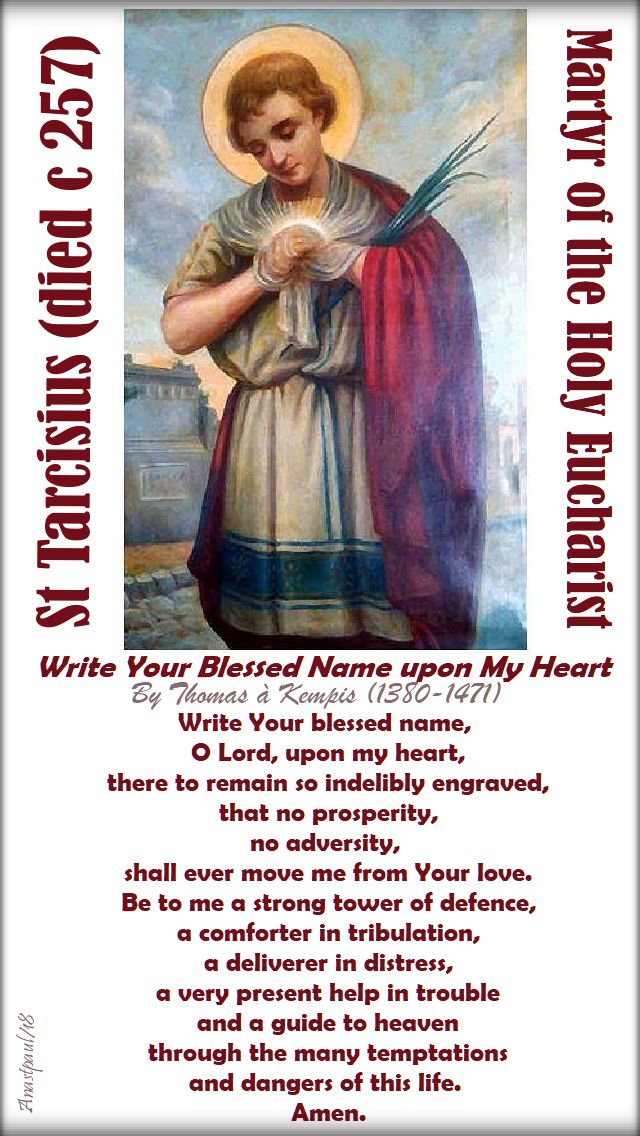
Second Thoughts for the Day – 15 August – The Memorial of St Tarcisius (Died c 257) Martyr of the Holy Eucharist – Patron of Altar Servers
Pope Benedict XVI – 4 August 2010 – General Audience to the International Pilgrimage of Altar Servers to St Peter’s, Rome
I am addressing those of you who are present here and, through you, all the altar servers of the world!
Serve Jesus present in the Eucharist generously. It is an important task that enables you to be particularly close to the Lord and to grow in true and profound friendship with Him. Guard this friendship in your hearts jealously, like St Tarcisius, ready to commit yourselves, to fight and to give your lives so that Jesus may reach all peoples.
May you too communicate to your peers the gift of this friendship with joy, with enthusiasm, without fear, so that they may feel that you know this Mystery, that is true and that you love it!
Every time that you approach the altar, you have the good fortune to assist in God’s great loving gesture as He continues to want to give Himself to each one of us, to be close to us, to help us, to give us strength to live in the right way. With consecration, as you know, that little piece of bread becomes Christ’s Body, that wine becomes Christ’s Blood. You are lucky to be able to live this indescribable Mystery from close at hand!
Do your task as altar servers with love, devotion and faithfulness, do not enter a church for the celebration with superficiality but rather, prepare yourselves inwardly for Holy Mass! Assisting your priests in service at the altar helps to make Jesus closer, so that people can understand, can realise better – He is here. You collaborate to make Him more present in the world, in everyday life, in the Church and everywhere.
Dear friends! You lend Jesus your hands, your thoughts, your time. He will not fail to reward you, giving you true joy and enabling you to feel where the fullest happiness is. St Tarcisius has shown us that love can even bring us to give our life for an authentic good, for the true good, for the Lord.
Martyrdom will probably not be required of us but Jesus asks of us fidelity in small things, inner recollection, inner participation, our faith and our efforts to keep this treasure present in every day life. He asks of us fidelity in daily tasks, a witness to His love, going to church through inner conviction and for the joy of His presence. Thus we can also make known to our friends that Jesus is alive. May St John Mary Vianney’s intercession help us in this commitment. Today is the liturgical Memorial of this humble French Parish Priest who changed a small community and thus gave the world a new light. May the example of St Tarcisius and St John Mary Vianney impel us every day to love Jesus and to do His will, as did the Virgin Mary, faithful to her Son to the end. Thank you all once again! May God bless you in these days and I wish you a good journey home!
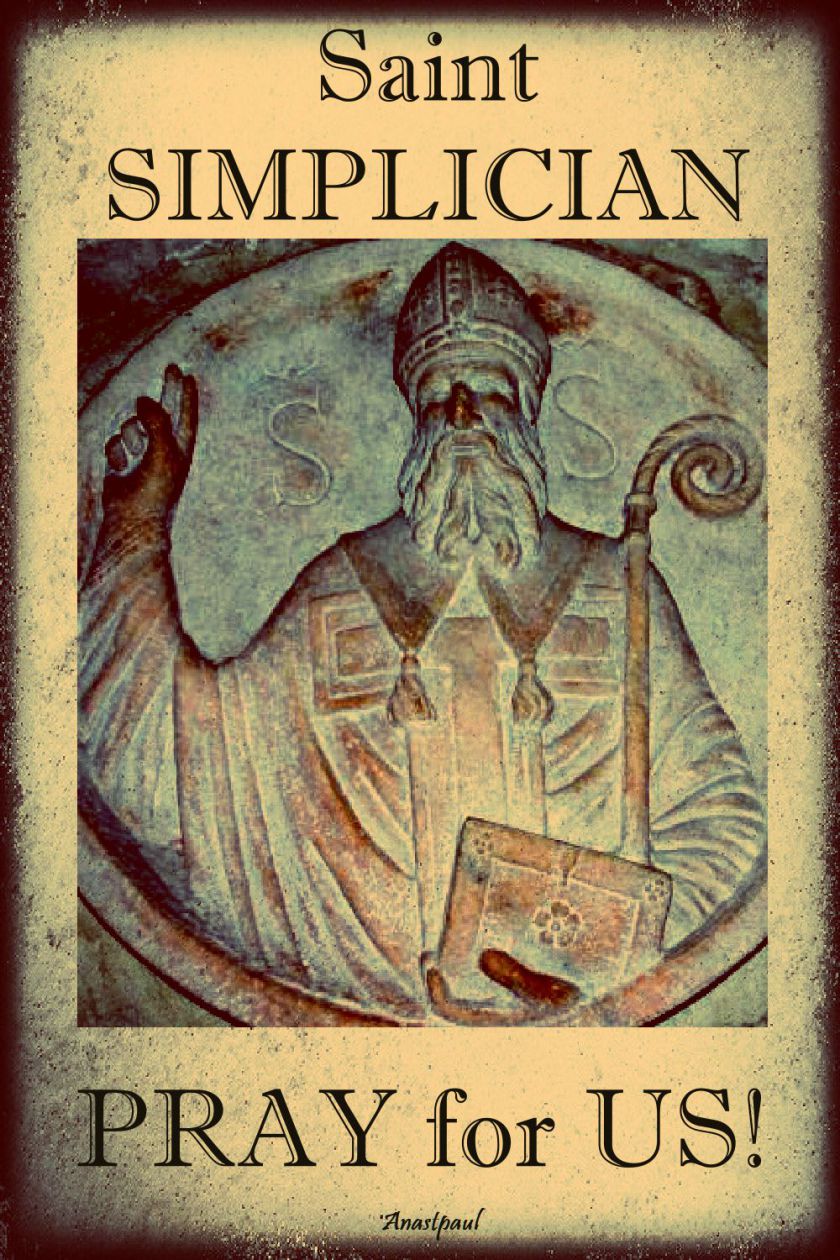
Thought for the Day – The Memorial of St Simplician (c 320-c 401),– 15 August
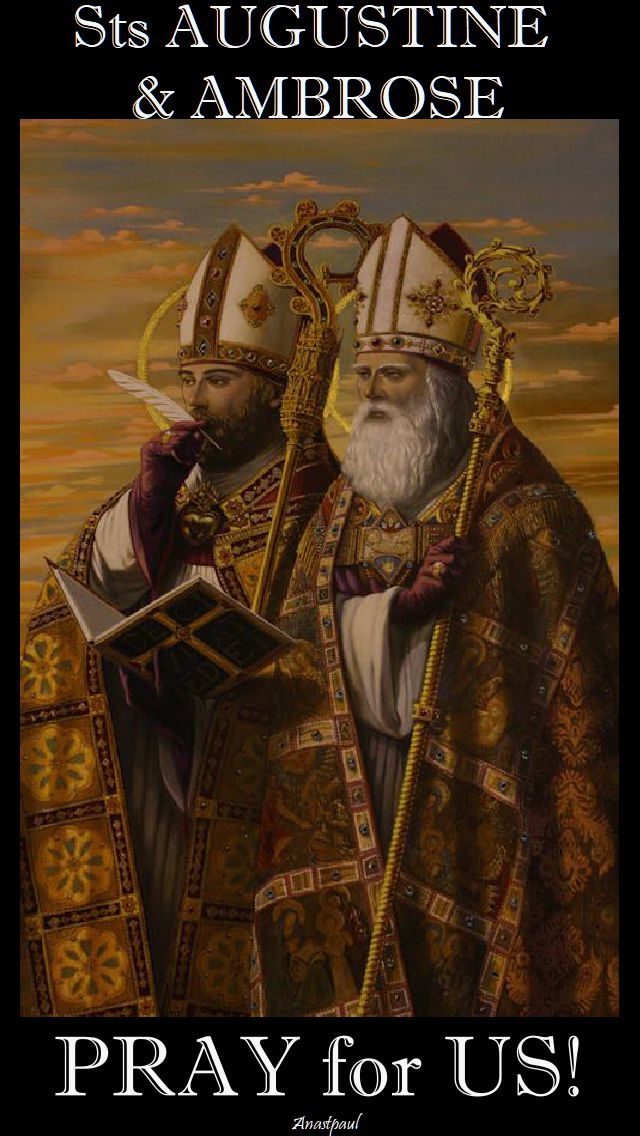
“Augustine and Simplician, sons of Milan, followers of Christ”
“Another great name enters Milan’s rich story in 384, that of the man who became St Augustine. In 384 he was not yet a saint. But he was a man who was searching, probing and asking questions, testing the spirits that drove him. First he found Ambrose, who “welcomed me as a father would and like a good bishop approved of my journeying,”according to his Confessions. Still, he was not ready to accept the Christian faith and way of life. But Ambrose could not be the spiritual director he needed.
Augustine had gotten through his doctrinal doubts and he “liked the Way, which was our Saviour, though the tight and narrow parts of that way” annoyed him. So God put it in his mind to go to Simplician, “whom I considered to be your good servant and your grace shone in him. I heard that since his youth he lived most devoted to you.”Now he had grown old and to Augustine he seemed to have become a great expert in studying God’s ways. “And so he was! So I wanted to share with him my inner turmoil so he might teach me how best I, as I was, could walk in your ways.”
That is quite an endorsement! From one saint-to-be about a wise and holy mentor, guide, companion on the road. One intently searching, the other guiding that search. We all need help from time as we make our authentic way. Maybe it can sound trite, an easy image, our life as a journey or pilgrimage, our walking the camino to a holy goal. But it speaks a deep truth.“…(Fr Edward W Schmidt S.J.)
St Simplician, Sts Augustine & Ambrose, pray for us!
Quote/s of the Day – 15 August – The Memorial of St Simplicain (c 320-c 401), Friend and Teacher of St Ambrose and the “spiritual father of my soul” of St Augustine, Fathers and Doctors of the Church
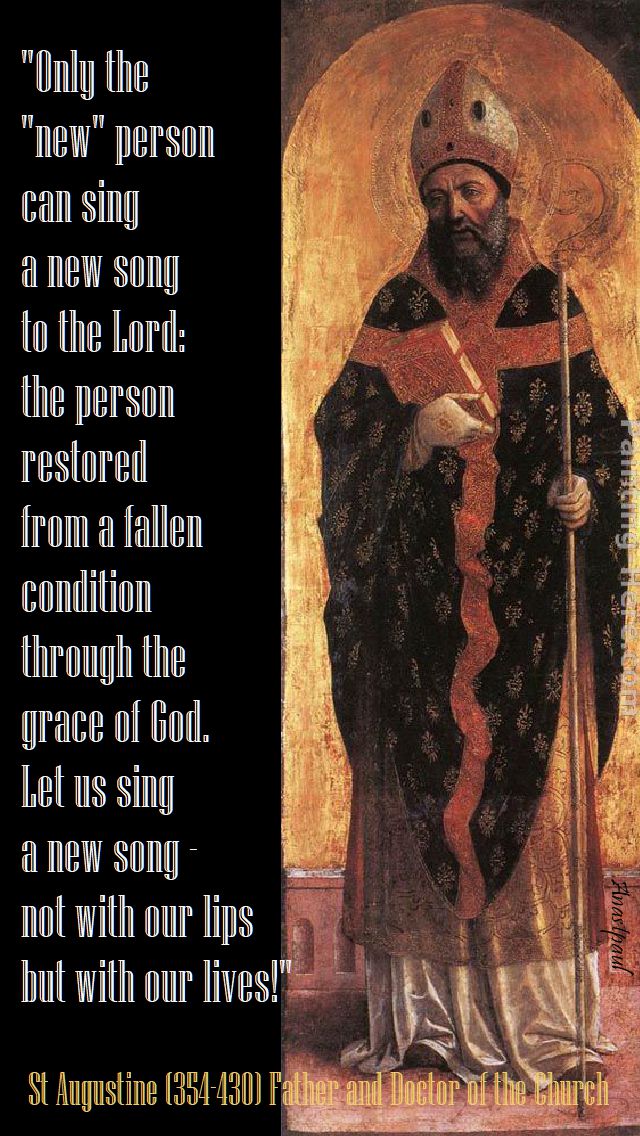
“Only the “new” person can sing a new song to the Lord: the person restored from a fallen condition, through the grace of God. Let us sing a new song – not with our lips but with our lives!”
St Augustine (354-430) Father and Doctor of the Church
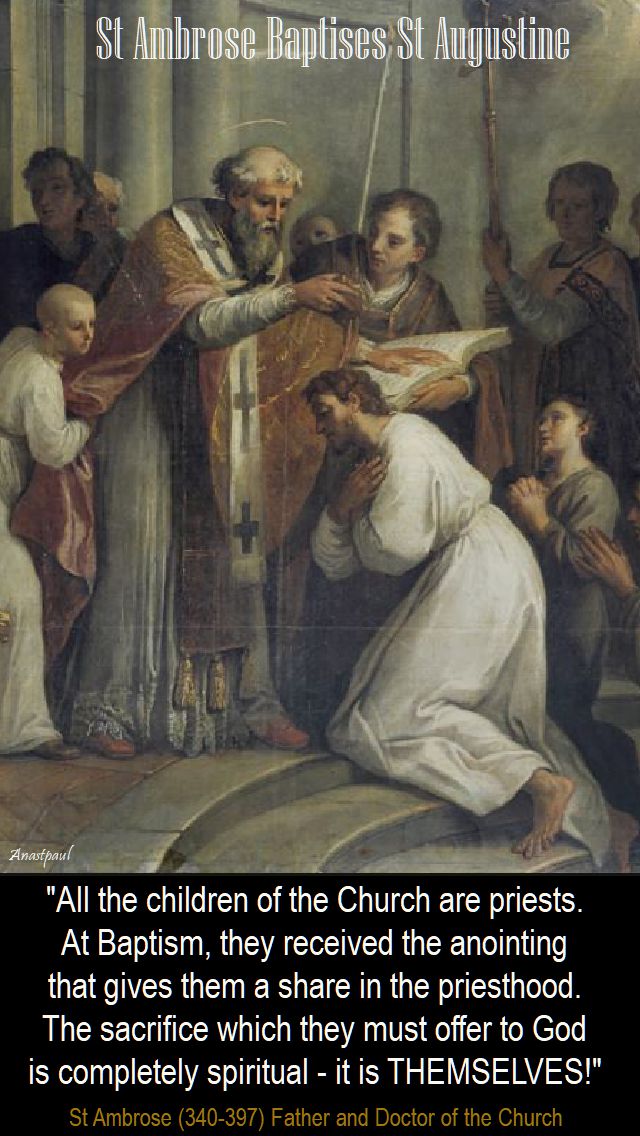
“All the children of the Church are priests. At Baptism, they received the anointing that gives them a share in the priesthood. The sacrifice which they must offer to God is completely spiritual – it is THEMSELVES!”
St Ambrose (340-397) Father and Doctor of the Church
One Minute Reflection – 15 August – The Memorial of St Simplician (c 320-c 401) Bishop and Successor of St Ambrose (340-397) in the ArchDiocese of Milan.
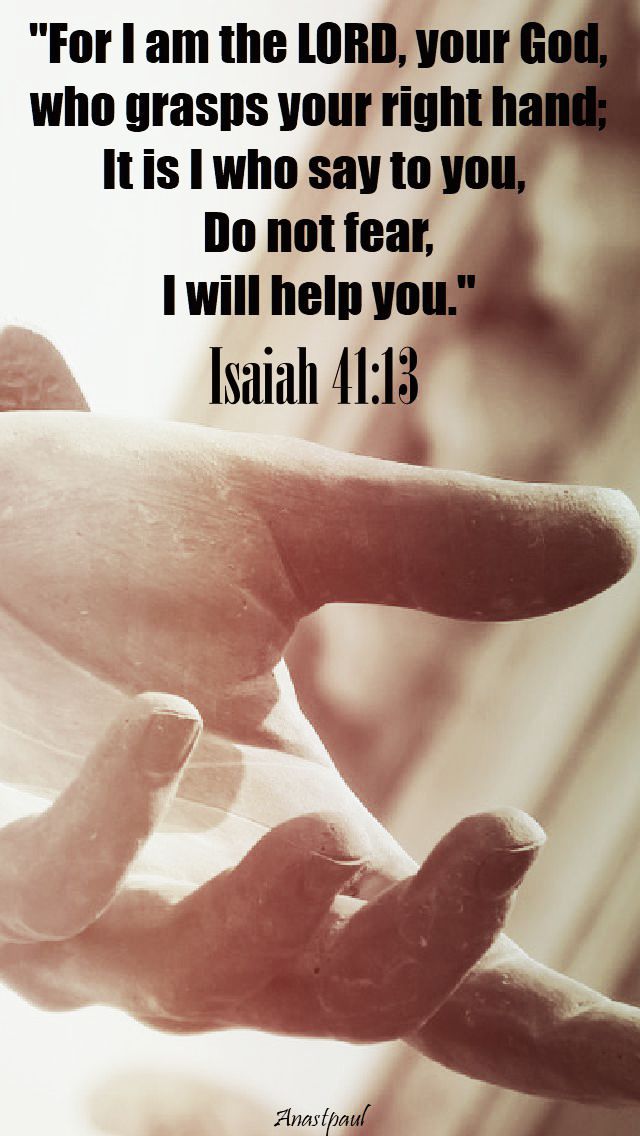
“For I am the LORD, your God, who grasp your right hand; It is I who say to you, Do not fear, I will help you.”….Isaiah 41:13
The Confessions – Book VIII – St Augustine’s Conversion to Christ: Augustine is deeply impressed by Simplicianus’ story of the conversion to Christ of the famous orator and philosopher, Marius Victorinus. He is stirred to emulate him but finds himself still enchained by his incontinence and preoccupation with worldly affairs. He is then visited by a court official, Ponticianus, who tells him and Alypius the stories of the conversion of Anthony and also of two imperial “secret service agents.” These stories throw him into a violent turmoil, in which his divided will struggles against himself. He almost succeeds in making the decision for continence but is still held back. Finally, a child’s song, overheard by chance, sends him to the Bible; a text from Paul resolves the crisis; the conversion is a fact. Alypius also makes his decision and the two inform the rejoicing Monica.
REFLECTION – “And Thou didst put it into my mind and it seemed good in my own sight, to go to Simplicianus, who appeared to me a faithful servant of Thine and Thy grace shone forth in him. I had also been told that from his youth up he had lived in entire devotion to Thee. He was already an old man and because of his great age, which he had passed in such a zealous discipleship in Thy way, he appeared to me likely to have gained much wisdom–and, indeed, he had. From all his experience, I desired him to tell me–setting before him all my agitations–which would be the most fitting way for one who felt as I did to walk in thy way.”…St Augustine (From the Confessions – Book VIII – Chapter 1)
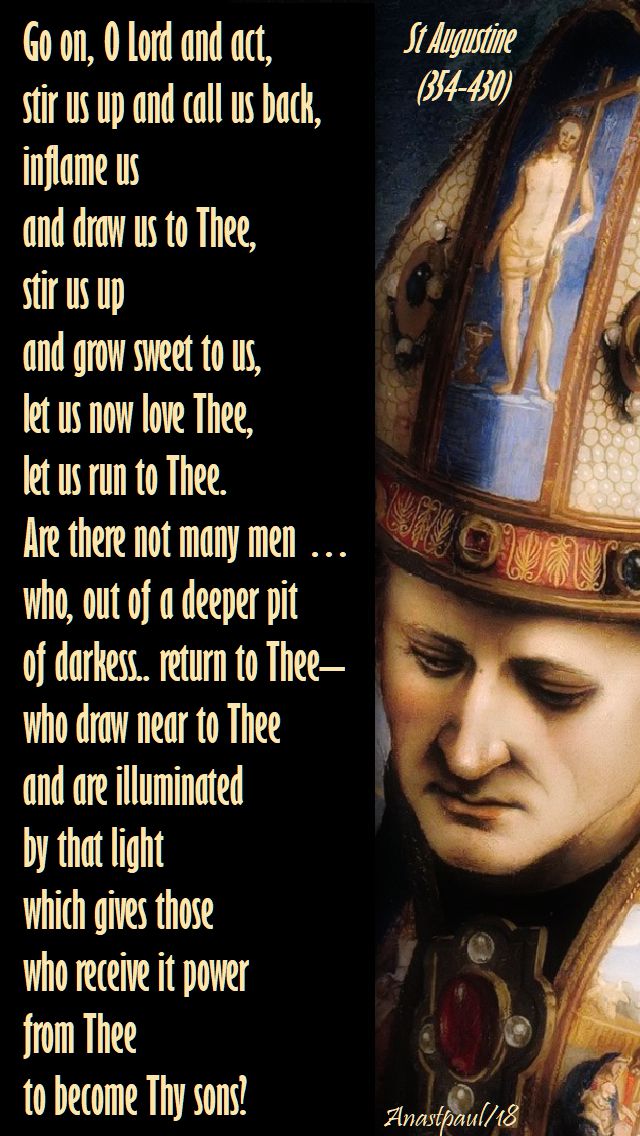
PRAYER – “Go on, O Lord and act, stir us up and call us back, inflame us and draw us to Thee, stir us up and grow sweet to us, let us now love Thee, let us run to Thee. Are there not many men … who, out of a deeper pit of darkess.. return to Thee–who draw near to Thee and are illuminated by that light which gives those who receive it power from Thee to become Thy sons? “… (St Augustine – From the Confessions Book VIII – Chapter IV) St Simplician, pray for us, Amen.
Our Morning Offering – 15 August – The Memorial of St Tarcisius (Died c 257) – Martyr of the Holy Eucharist
Write Your Blessed Name upon My Heart By Thomas à Kempis (1380-1471)
Write Your blessed name,
O Lord, upon my heart,
there to remain so indelibly engraved,
that no prosperity,
no adversity,
shall ever move me from Your love.
Be to me, a strong tower of defence,
a comforter in tribulation,
a deliverer in distress,
a very present help in trouble
and a guide to heaven,
through the many temptations
and dangers of this life.
Amen
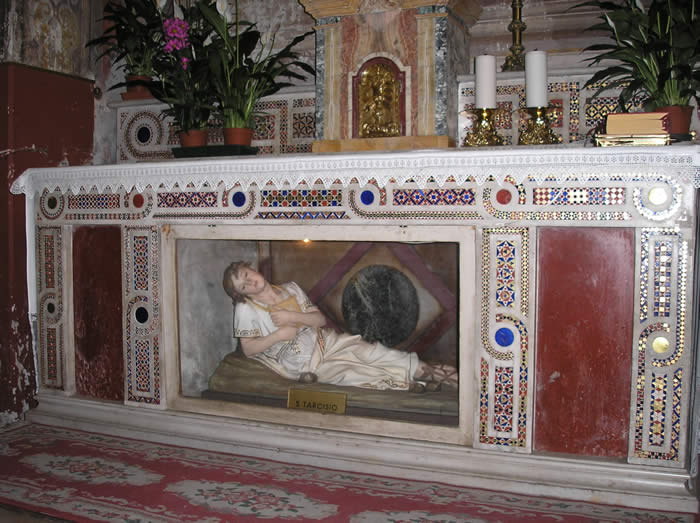
Saint of the Day – 15 August – St Tarcisius (3rd century) Martyr of the Eucharist – Patronages – Altarboys, First Holy Communicants.
Here is Pope Benedict’s story of St Tarcisius from his Homily at the General Audience for the International Pilgrimage of Altar Servers on 4 August 2010
“How many of you there are! While flying over St Peter’s Square in the helicopter I saw all the colours and the joy filling this Square! Thus not only do you create a festive atmosphere in the Square but you also fill my heart with joy! Thank you! The statue of St Tarcisius has come to us after a long pilgrimage. In September 2008 it was unveiled in Switzerland in the presence of 8000 altar servers, some of you were certainly present. From Switzerland it travelled through Luxembourg on the way to Hungary. Let us greet it festively today, glad at being able to become better acquainted with this figure of the early Church. Later, as Bishop Gächter told us, the statue will be taken to the Catacombs of St Calixtus, where St Tarcius was buried. The hope that I express to all is that this place, namely the Catacombs of St Calixtus and this statue, may become a reference point for altar servers, boys and girls, and for all who wish to follow Jesus more closely through the priestly, religious or missionary life. May they all be able to look at this strong and courageous boy and renew their commitment to friendship with the Lord, to learn to live with Him always, following the path He points out to us with His word and the witness of so many Saints and Martyrs whose brothers and sisters we have become through Baptism.
Who was St Tarcisius? We do not have much information about him. We are dealing with the early centuries of the Church’s history or, to be more precise, with the third century.
It is said that he was a boy who came regularly to the Catacombs of St Calixtus here in Rome and took his special Christian duties very seriously. He had great love for the Eucharist and various hints lead us to conclude that he was presumably an acolyte, that is, an altar server.
Those were years in which the Emperor Valerian was harshly persecuting Christians who were forced to meet secretly in private houses or, at times, also in the Catacombs, to hear the word of God, to pray and to celebrate Holy Mass. Even the custom of taking the Eucharist to prisoners and the sick became increasingly dangerous. One day, when, as was his habit, the priest asked who was prepared to take the Eucharist to the other brothers and sisters who were waiting for it, young Tarcisius stood up and said: “send me!”. This boy seemed too young for such a demanding service! “My youth”, Tarcisius said, “will be the best shield for the Eucharist”.Convinced, the priest entrusted to him the precious Bread, saying: “Tarcisius, remember that a heavenly treasure has been entrusted to your weak hands. Avoid crowded streets and do not forget that holy things must never be thrown to dogs nor pearls to pigs. Will you guard the Sacred Mysteries faithfully and safely?”. “I would die”, Tarcisio answered with determination, “rather than let go of them”.
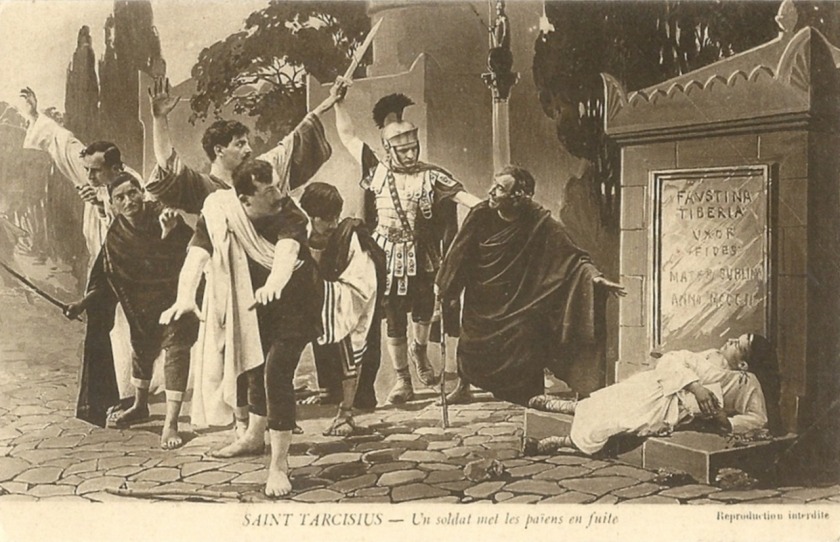
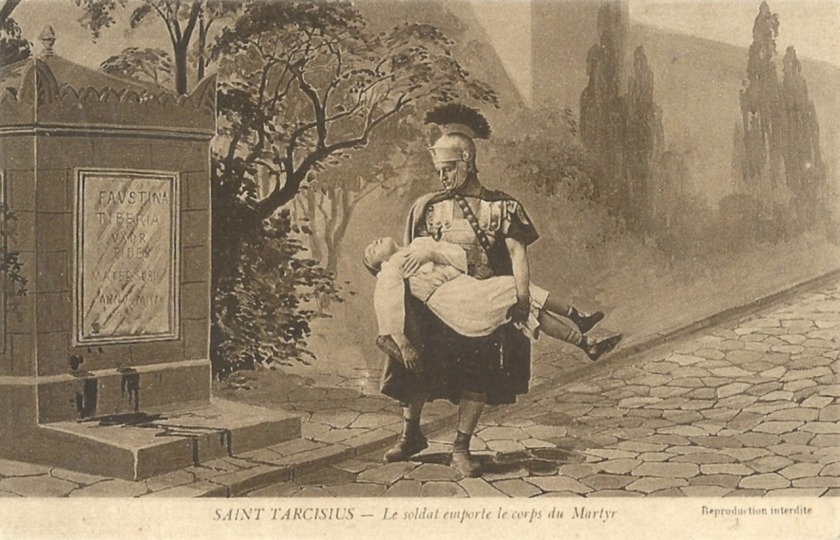
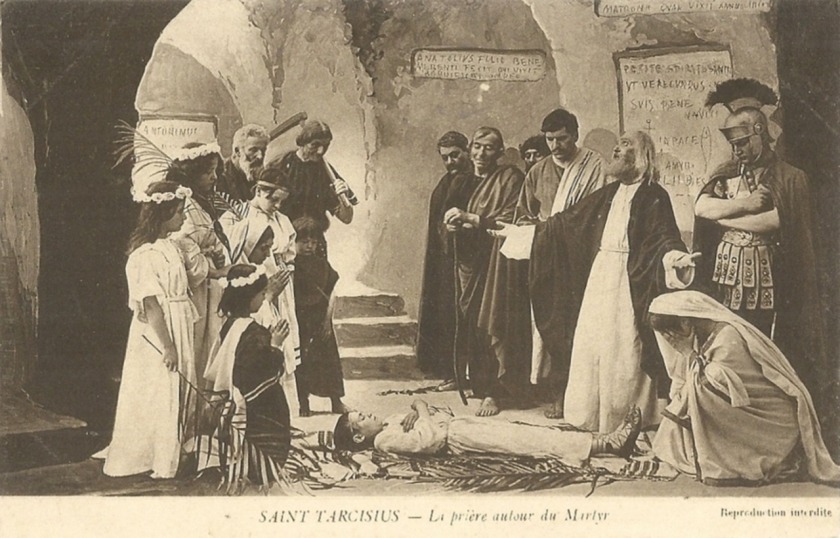
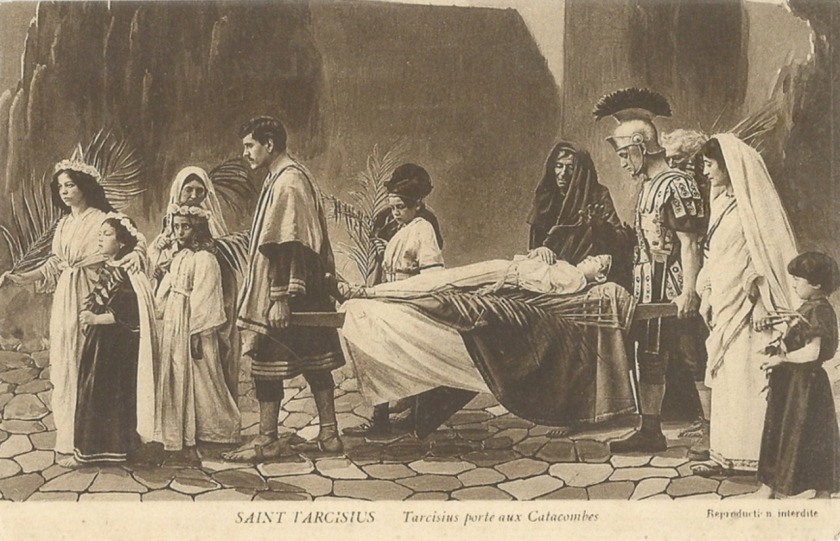
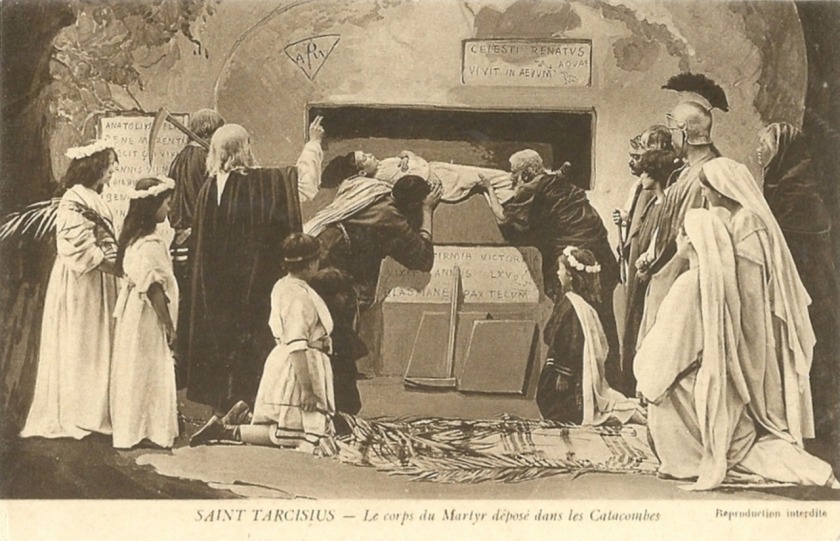
As he went on his way he met some friends who approached him and asked him to join them. As pagans they became suspicious and insistent at his refusal and realised he was clasping something to his breast that he appeared to be protecting. They tried to prize it away from him but in vain. The struggle became ever fiercer, especially when they realised that Tarcisius was a Christian. They kicked him, they threw stones at him but he did not surrender. While Tarcisius was dying a Pretorian guard called Quadratus, who had also, secretly, become a Christian, carried him to the priest. Tarcisius was already dead when they arrived but was still clutching to his breast a small linen bag containing the Eucharist. He was buried straight away in the Catacombs of St Calixtus.
Pope Damasus had an inscription carved on St Tarcisius’ grave, it says that the boy died in 257. The Roman Martyrology fixed the date as 15 August and in the same Martyrology a beautiful oral tradition is also recorded. It claims that the Most Blessed Sacrament was not found on St Tarcisius’ body, either in his hands or his clothing. It explains that the consecrated Host which the little Martyr had defended with his life, had become flesh of his flesh thereby forming, together with his body, a single immaculate Host offered to God.
Dear altar servers, St Tarcisius’ testimony and this beautiful tradition teach us the deep love and great veneration that we must have for the Eucharist: it is a precious good, a treasure of incomparable value, it is the Bread of life, it is Jesus Himself who becomes our nourishment, support and strength on our daily journey and on the open road that leads to eternal life. The Eucharist is the greatest gift that Jesus bequeathed to us.”
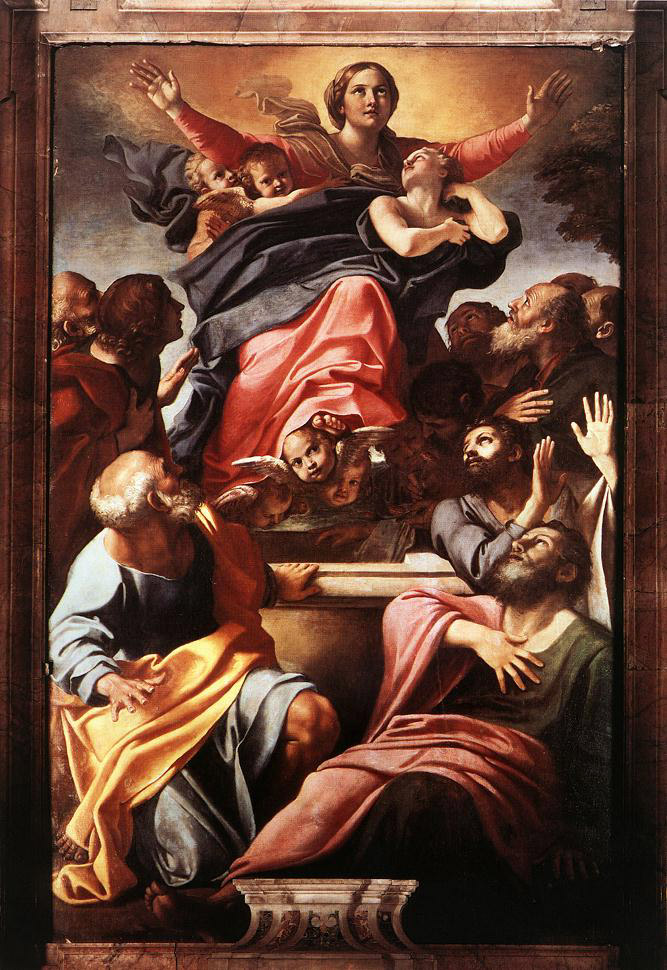
Solemnity of the Assumption of the Blessed Virgin Mary – 15 August (in the US, however, in most countries of Africa, the Solemnity will celebrated on Sunday 19 AUGUST): The feast celebrates the assumption of the body of the Blessed Virgin Mary into heaven upon her death. According to Pope Benedict XIV, it is a probable opinion, which it is impious to deny, though not an article of faith but has since in 1950 has been raised to a DOGMA of the Faith. The origin of the feast day is not known but it was celebrated in Palestine before the year 500. It is a holy day of obligation, its vigil being a fast day, in many English-speaking countries. Among the many masters who have painted the subject of the Assumption are Fra Angelico, Ghirlandajo, Rubens, Del Sarto and Titian.
Patronages:
• Acadians, Cajuns
• Cistercian Order, Cistercians
• fish dealers, fishmongers
• French air crews
• harness makers
• France
• Guatemala
• India
• Jamaica
• Malta
• Paraguay
• Slovakia
• East Africa (region of east Africa which includes diverse countries, proclaimed on 15 March 1952 by Pope Pius XII)
• South Africa (THIS IS NOT A REGION BUT A COUNTRY and the Assumption is, therefore, the Patronal Feast of the Country of South Africa – proclaimed on 15 March 1952 by Pope Pius XII)
• 24 dioceses
• 38 cities
Annabale Carraci 1600-1601
St Alipius of Tagaste
Bl Alfred of Hildesheim
Bl Agustín Hurtado Soler
St Arduinus of Rimini
St Arnulphus of Soissons
Bl Claudio Granzotto
Bl George Halley
St Napoleon of Alexandria
Bl Pio Alberto del Corona
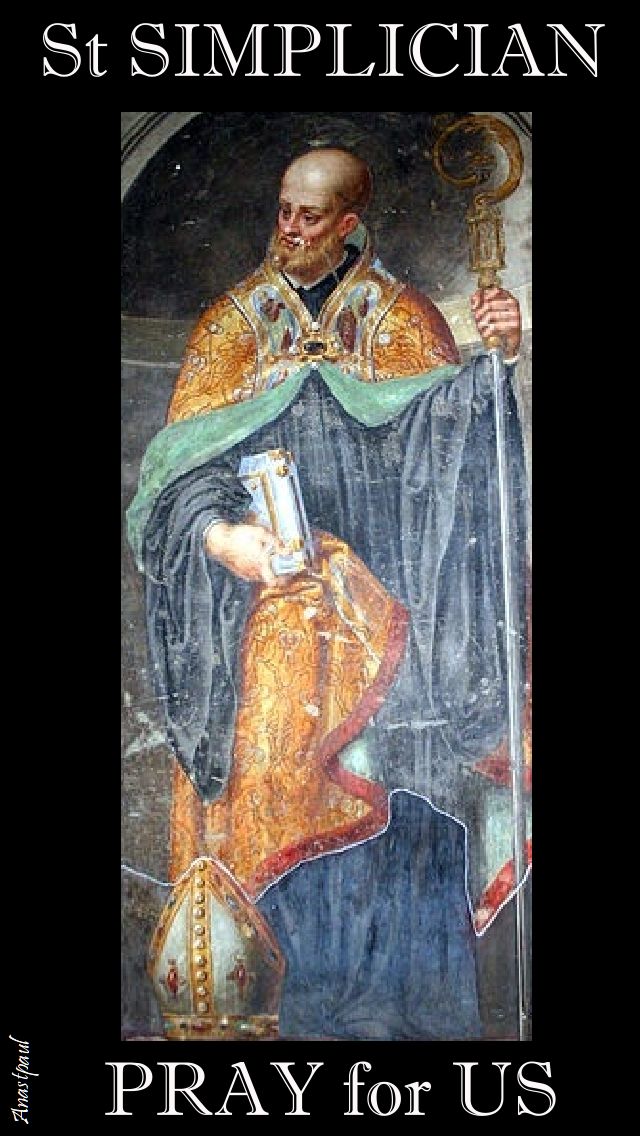
St Simplician (c 320-c 401) Bishop and Successor of St Ambrose (340-397) Doctor of the Church in the ArchDiocese of Milan.
Details of the life of St Simplician here: https://anastpaul.wordpress.com/2017/08/15/saint-of-the-day-15-august-st-simplician-of-milan/
St Tarcisius (3rd century) Martyr
Martyrs of Nicomedia – 3 saints: Three Christians martyred together. No details survive but the names – Eutychian, Philip and Straton. They were martyred in Nicomedia, Bithynia (in modern Turkey).
Martyred in the Mexican Revolution: 4 Saints –
St David Roldán Lara
St Luis Batiz Sainz
St Manuel Moralez
St Salvador Lara Puente
Martyred in the Spanish Civil War: Thousands of people were murdered in the anti-Catholic persecutions of the Spanish Civil War from 1934 to 1939.
• Blessed Agustì Ibarra Angüela
• Blessed Carmelo Sastre y Sastre
• Blessed Clemente Vea Balaguer
• Blessed Francisco Míguez Fernández
• Blessed Ildefonso Alberto Flos
• Blessed Jaume Bonet Nadal
• Blessed Joan Ceró Cedó
• Blessed Josep Santonja Pinsach
• Blessed Juan Francisco Barahona Martín
• Blessed Juan Mesonero Huerta
• Blessed Luis Ros Ezcurra
• Blessed Manuel Formigo Giráldez
• Blessed Miguel Alberto Flos
• Blessed Sebastià Balcells Tonijuan
• Blessed Severiano Montes Fernández
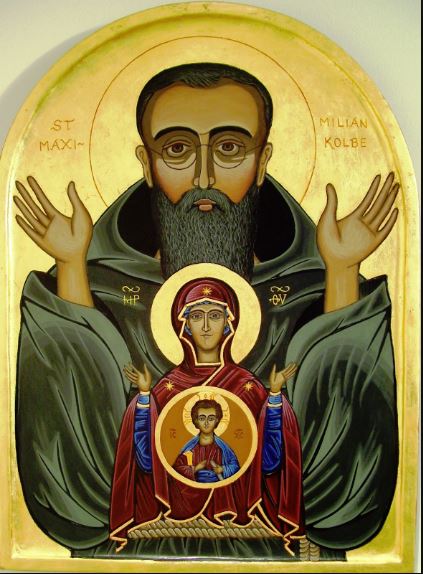
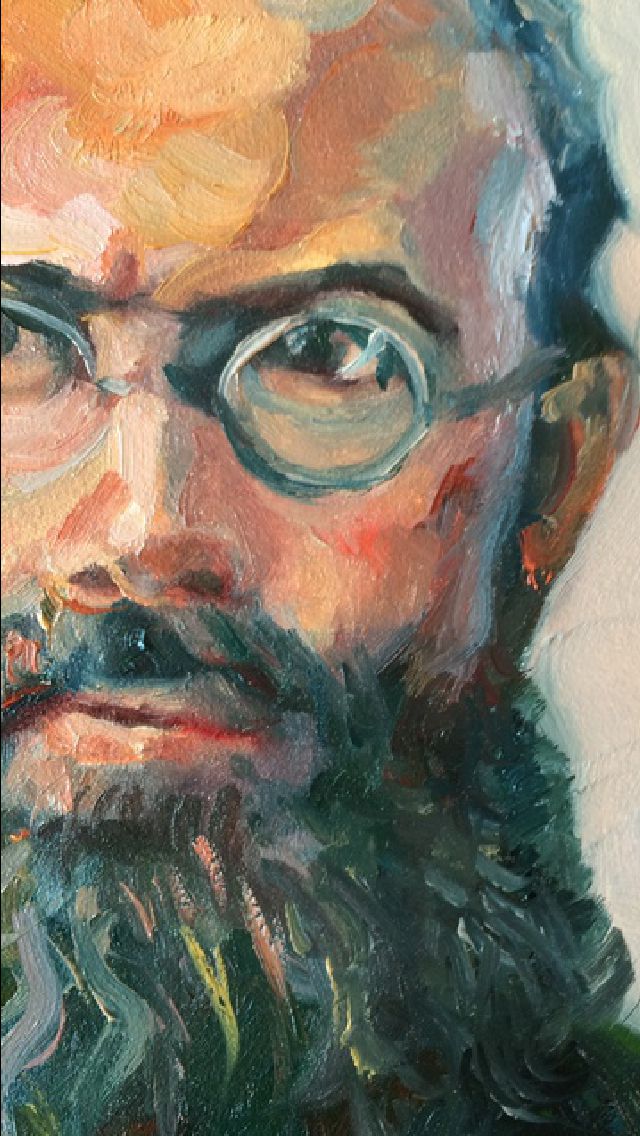
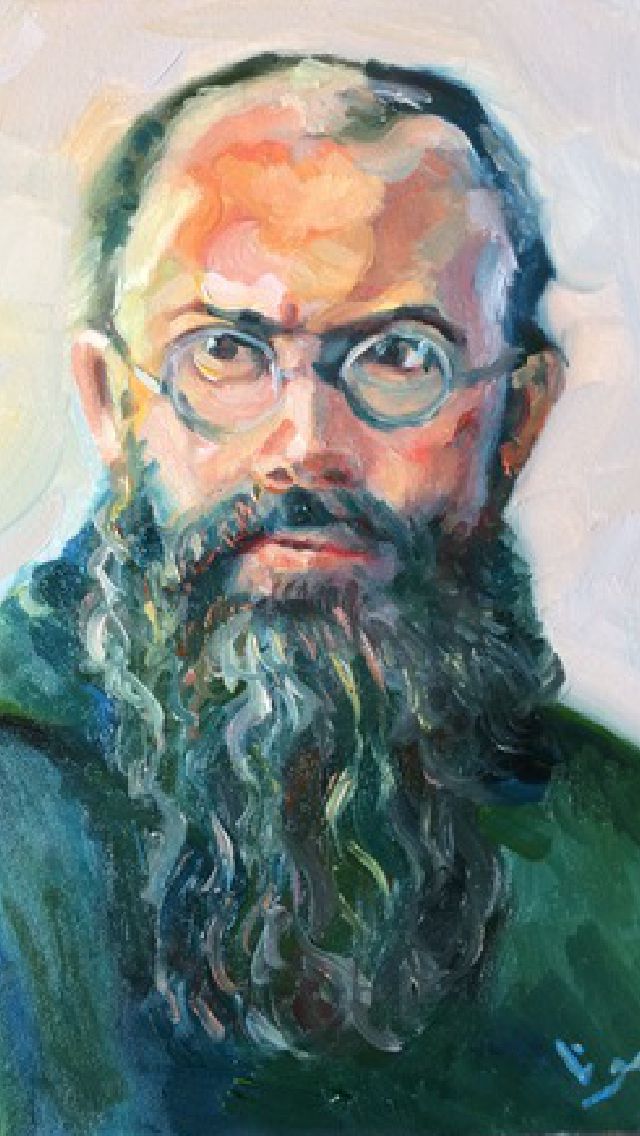
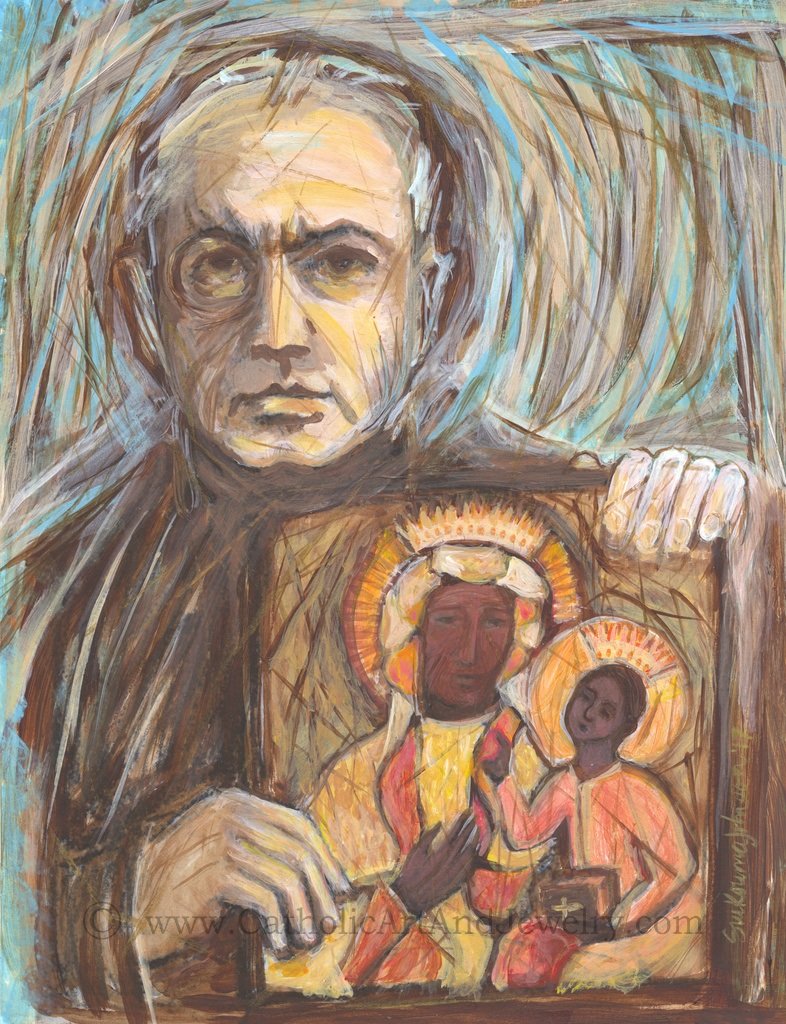
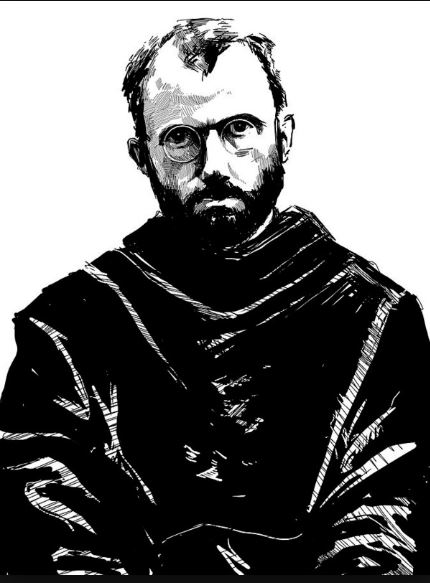
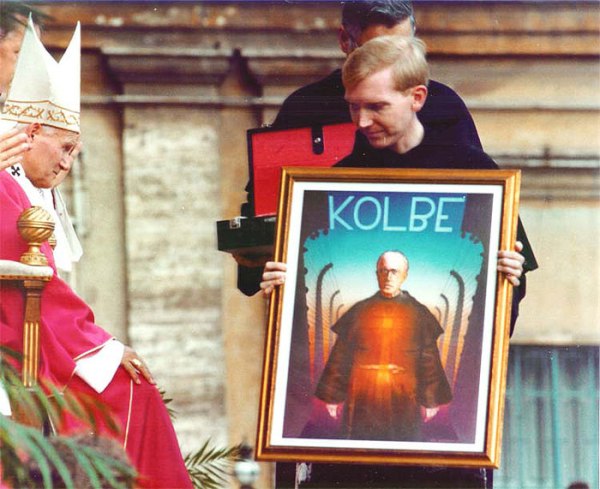
Thought for the Day – 14 August – The Memorial of St Maximillian Kolbe OFM Conv (1894 -1941) “Martyr of Charity”and “Apostle of Consecration to Mary”
“Greater love than this no man hath, that a man lay down his life for his friends.”
John 15:13
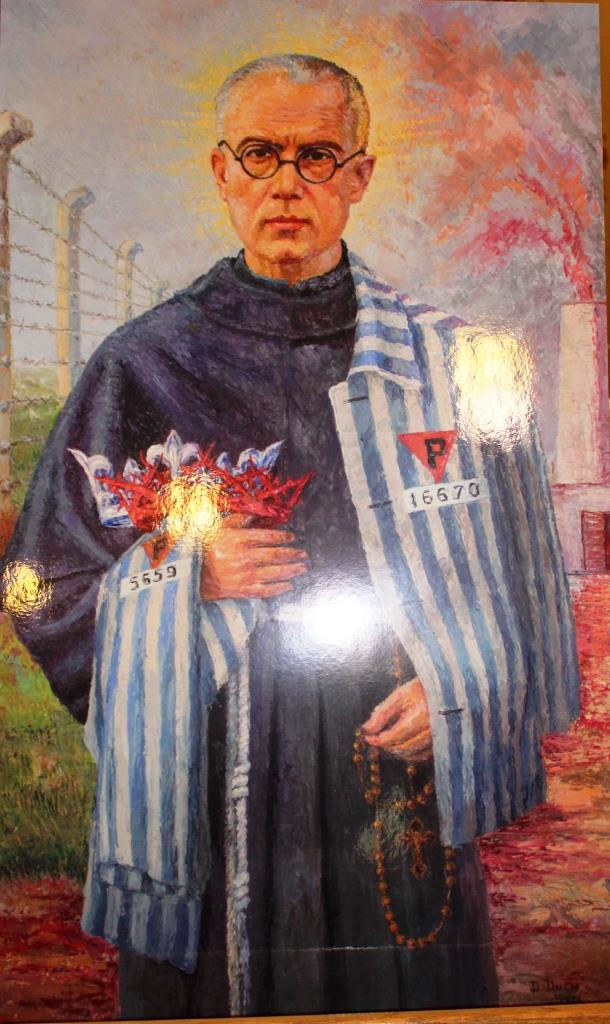
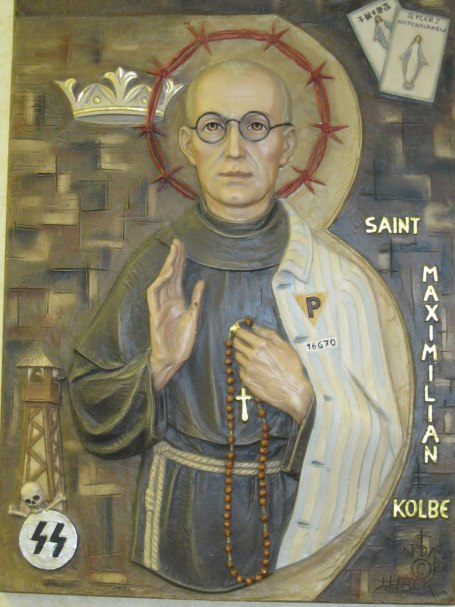
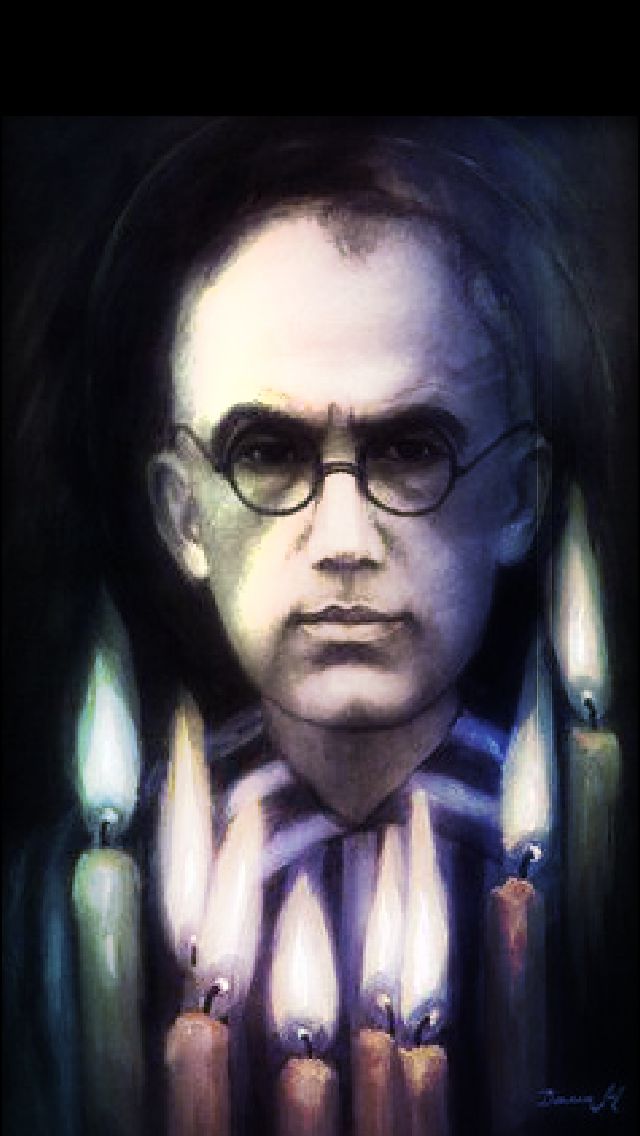
That verse certainly comes to mind whenever I think of St Maximilian Kolbe, whose feast we celebrate today. So it’s not surprising to read that these were the opening words of the papal decree introducing his Beatification. St Maximilian Kolbe was arrested in Poland in February of 1941 and in May sent to the Auschwitz death camp. As prisoner #16670, he eventually laid down his life for another prisoner on 14 August 1941, at the young age of 47.
Father Kolbe’s death was not a sudden, last-minute act of heroism. His whole life had been a preparation. His holiness was a limitless, passionate desire to convert the whole world to God. And his beloved Immaculata, was his inspiration.
St Maximillian is the patron saint of families, prisoners, journalists, political prisoners, drug addicts and the pro-life movement. St John Paul II declared him to be “the patron saint of our difficult century.” The evils which made the twentieth century so difficult were not left behind as we moved into the twenty-first century.
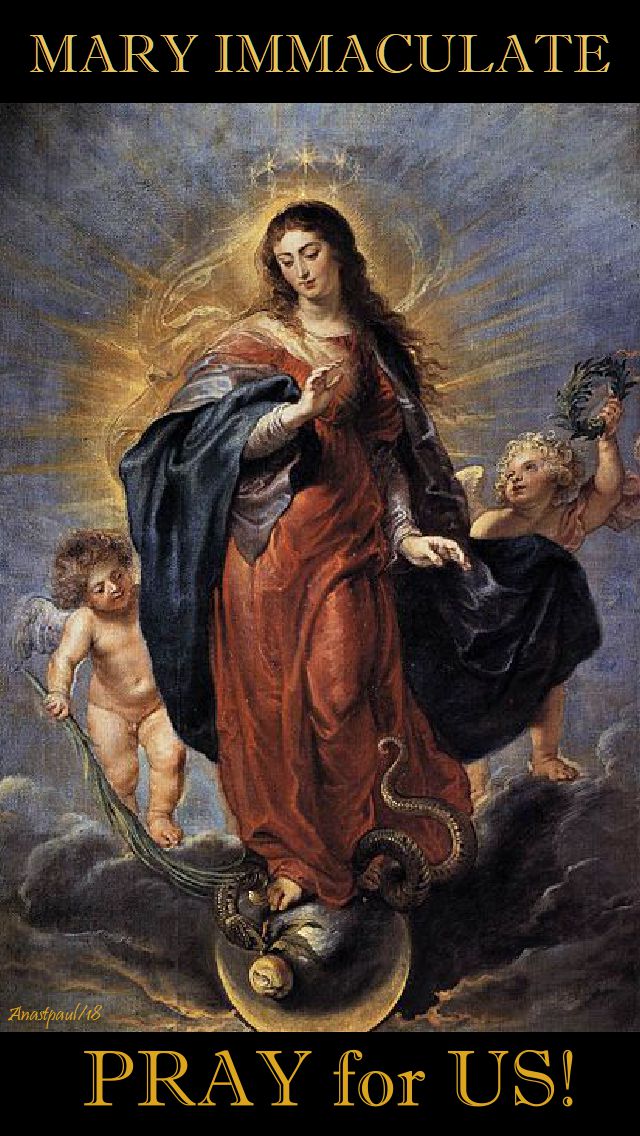
Let us continue to call upon the intercession of this saint and continue to come to Jesus through His mother, Mary, the Immaculata.
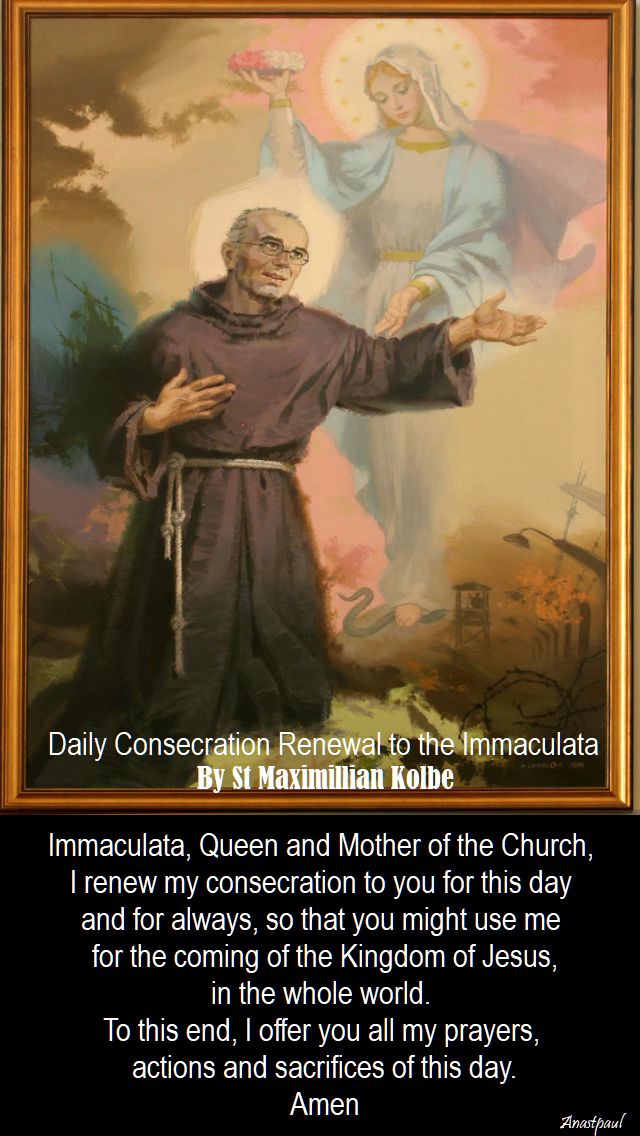
Daily Consecration Renewal to the Immaculata By St Maximillian Kolbe
Immaculata, Queen and Mother of the Church,
I renew my consecration to you for this day
and for always, so that you might use me
for the coming of the Kingdom of Jesus in the whole world.
To this end, I offer you all my prayers,
actions and sacrifices of this day.
Amen
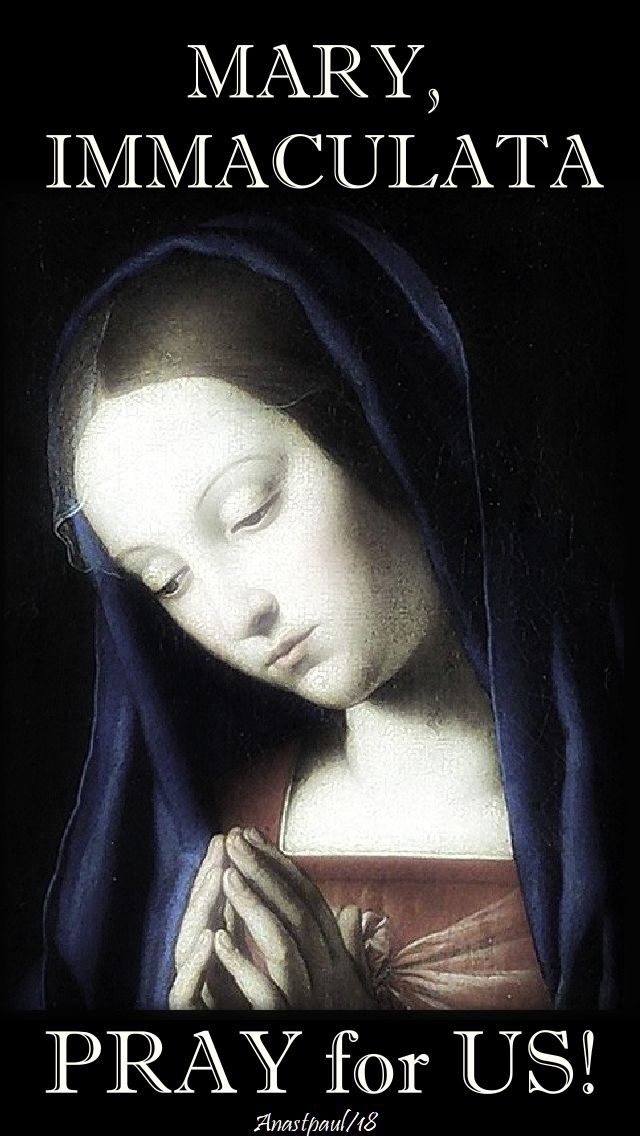
Mary, Immaculata, Pray for us!
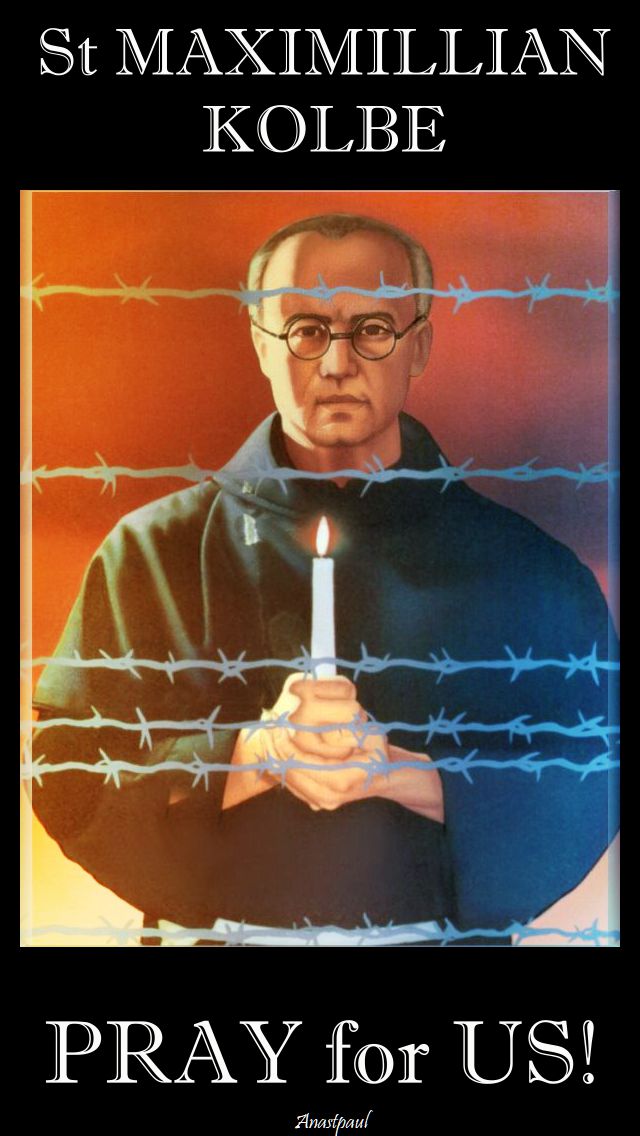
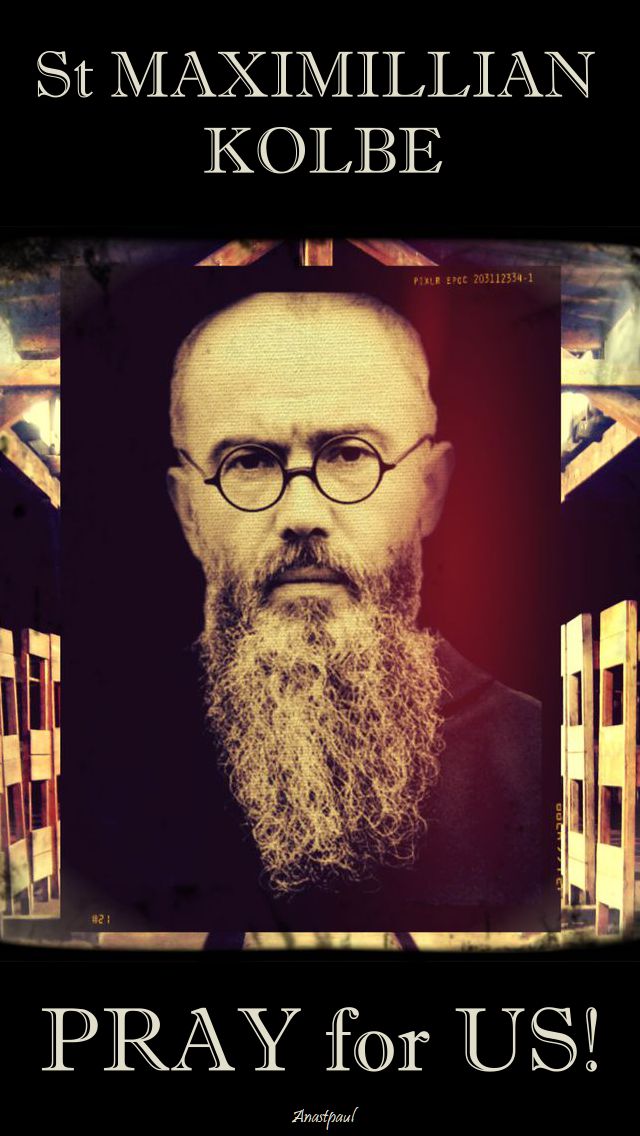
St Maximillian Kolbe, pray for us!
Quote/s of the Day – 14 August – The Memorial of St Maximillian Kolbe OFM Conv (1894 -1941) “Martyr of Charity”and “Apostle of Consecration to Mary”
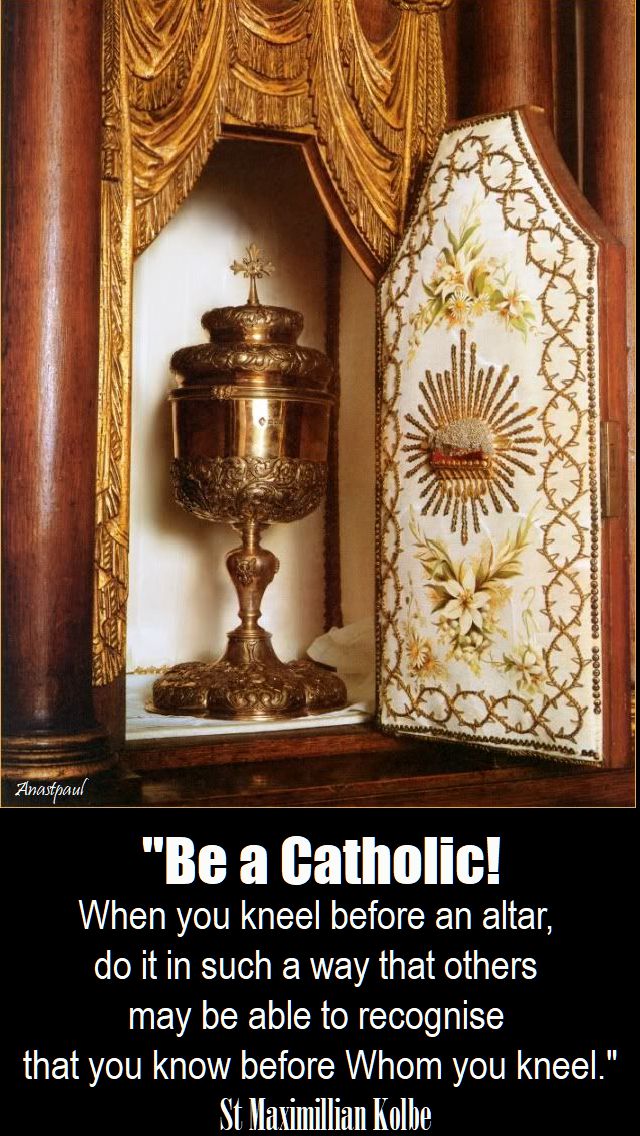
“Be a Catholic! When you kneel before an altar, do it in such a way that others may be able to recognise that you know before Whom you kneel.”
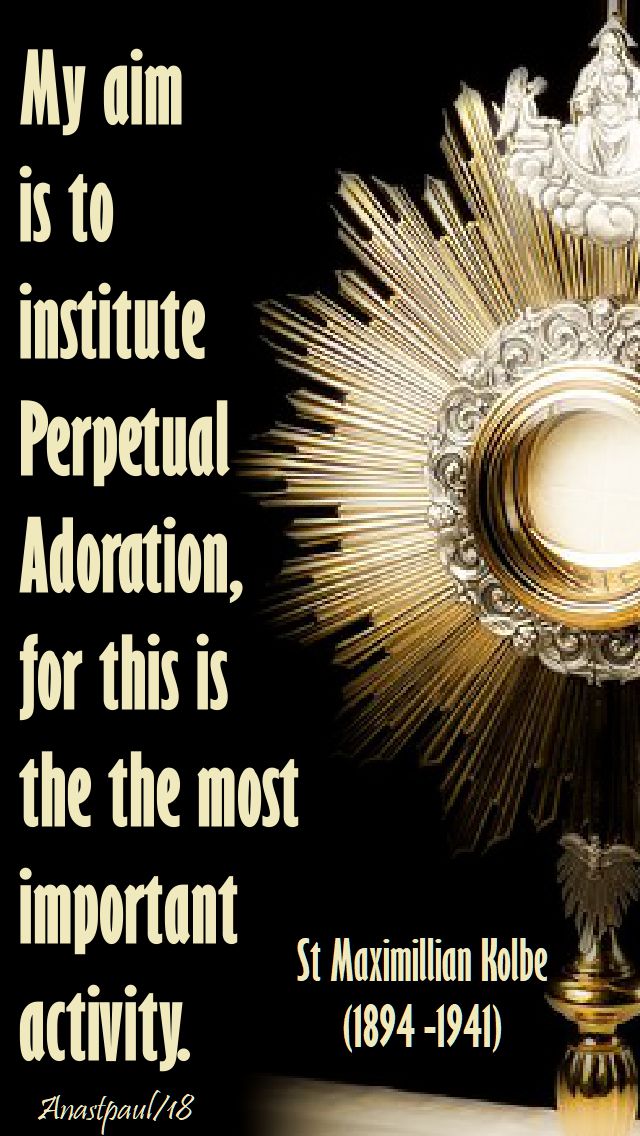
“My aim is to institute Perpetual Adoration, for this is the the most important activity.”
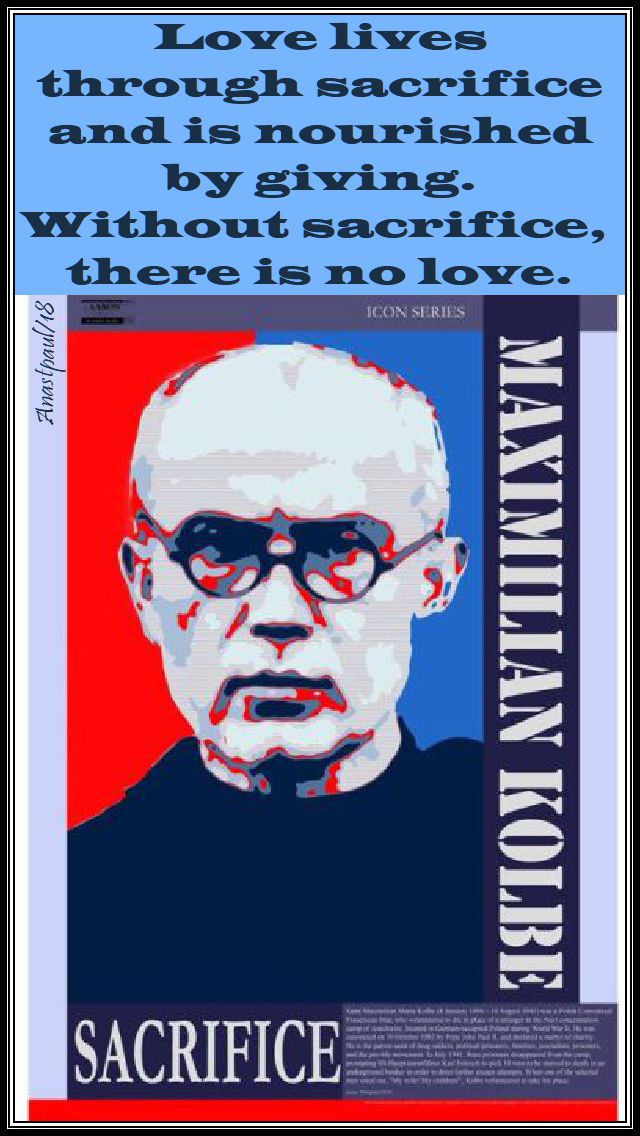
“Let us remember, that love lives through sacrifice and is nourished by giving. Without sacrifice, there is no love.”
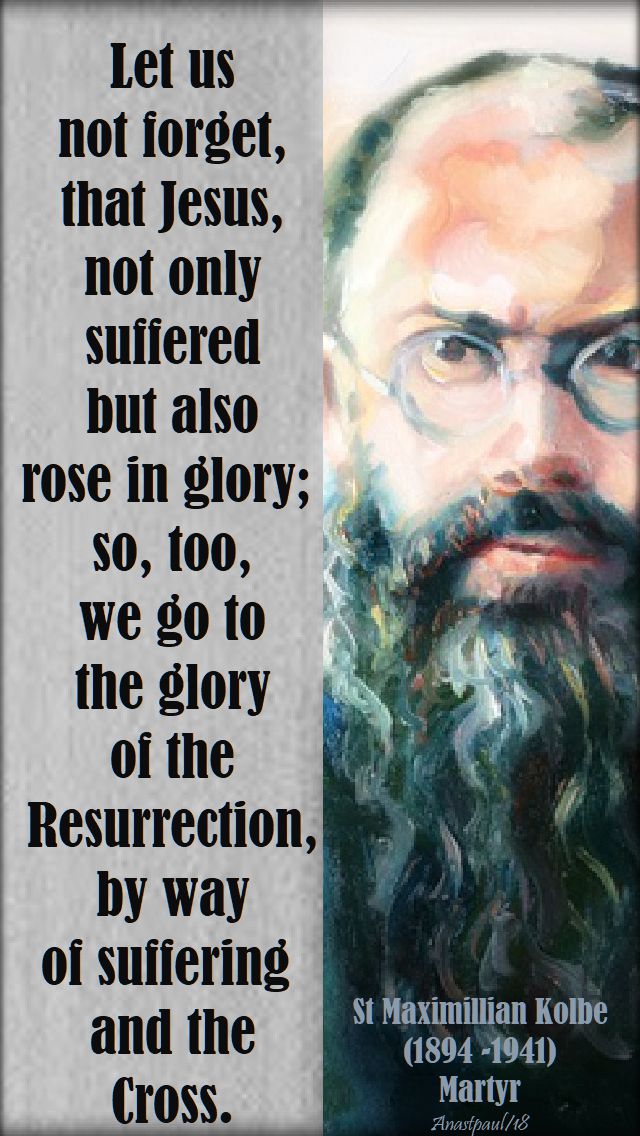
“Let us not forget, that Jesus not only suffered but also rose in glory; so, too, we go to the glory of the Resurrection, by way of suffering and the Cross.”
“Let us give ourselves to the Immaculata. Let her prepare us, let her receive Him in Holy Communion. This is the manner most perfect and pleasing to the Lord Jesus and brings great fruit to us.” Because “the Immaculata knows the secret, how to unite ourselves totally with the heart of the Lord Jesus…”
“We do not limit ourselves in love. We want to love the Lord Jesus, with her heart, or rather, that she would love the Lord, with our heart.”
One Minute Reflection – 14 August – The Memorial of St Maximillian Kolbe OFM Conv (1894 -1941) “Martyr of Charity”and “Apostle of Consecration to Mary”
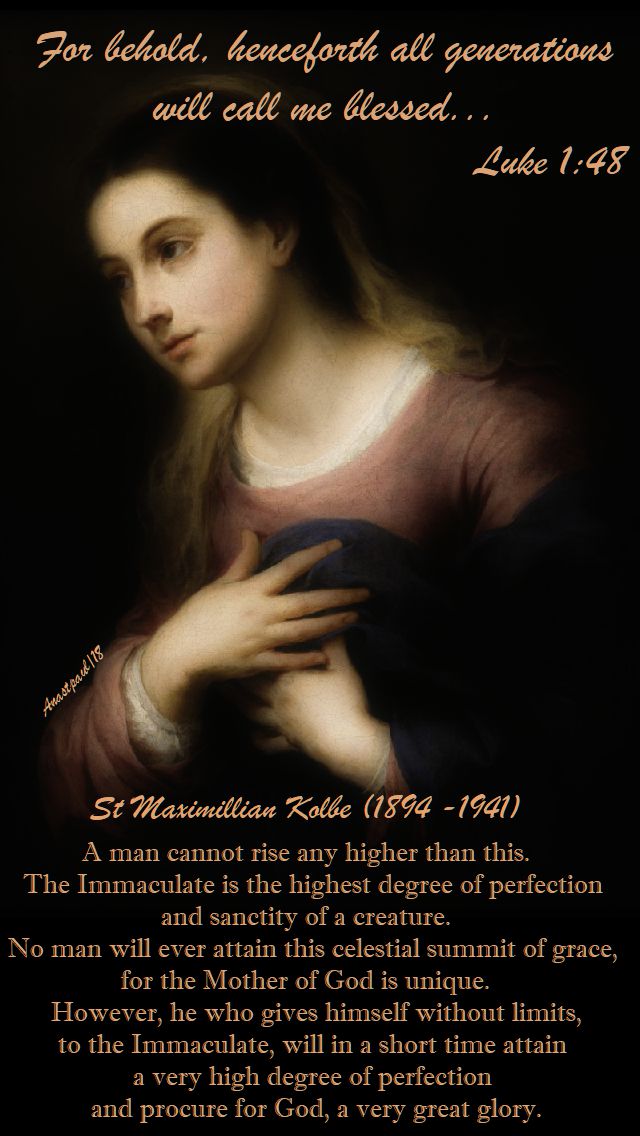
For behold, henceforth all generations will call me blessed…Luke 1:48
REFLECTION – “A man cannot rise any higher than this. The Immaculate is the highest degree of perfection and sanctity of a creature. No man will ever attain this celestial summit of grace, for the Mother of God is unique. However, he who gives himself without limits, to the Immaculate, will in a short time attain a very high degree of perfection and procure for God, a very great glory.”…St Maximillian Kolbe
PRAYER – My Lord and my God, You who are the fruit of Mary’s blessed womb and the most Divine Son of our Father, grant that we may always have recourse to You, through her who bore You. Grant that she may help and comforus me and lead us to You. Mary, Holy and loving Mother of God, pray for us all. Grant O Lord, that through the intercession of St Maximillian, we may entrust ourselves to You through Your and our blessed Mother, amen.
Our Morning Offering – 14 August – The Memorial of St Maximillian Kolbe OFM Conv (1894 -1941) “Martyr of Charity”
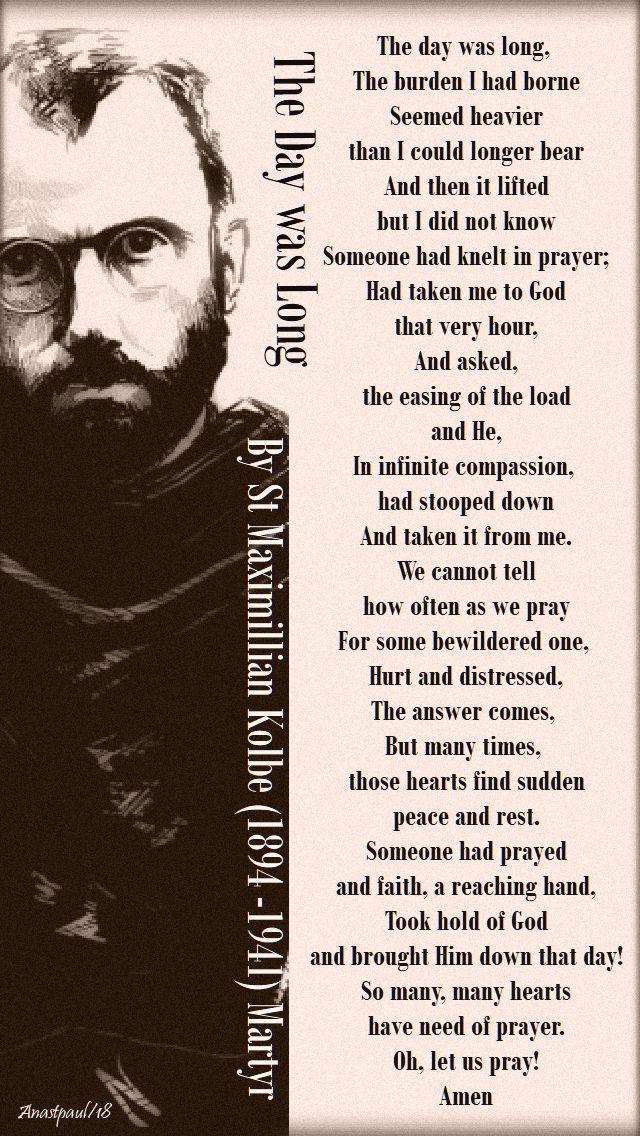
The Day was Long By St Maximillian Kolbe (1894 -1941) Martyr
The day was long,
The burden I had borne
Seemed heavier than I could longer bear
And then it lifted
but I did not know
Someone had knelt in prayer;
Had taken me to God that very hour,
And asked the easing of the load
and He,
In infinite compassion,
had stooped down
And taken it from me.
We cannot tell how often as we pray
For some bewildered one,
Hurt and distressed,
The answer comes,
But many times,
those hearts find sudden peace and rest.
Someone had prayed
and faith, a reaching hand,
Took hold of God
and brought Him down that day!
So many, many hearts have need of prayer.
Oh, let us pray!
Amen
Saint of the Day – 14 August – St Maximilian Kolbe, Priest and Martyr (1894-1941) Prisoner 16670 – “Martyr of Charity”, “Apostle of Consecration to Mary”.
Raymond Kolbe was born on the 8th of January 1894 in Zdunska Wola, which at that time was occupied by Russia. The Kolbe home was poor but full of love. The parents, hardworking and religious, educated their three sons with rectitude.
Around 1906, an event took place that marks a fundamental milestone in the life of the young boy. His mother herself related the event a few months after her son’s martyrdom.
“I knew ahead of time, based on an extraordinary event that took place in his infancy, that Maximilian would die a martyr. I just don’t recall if it took place before or after his first confession. Once I did not like one of his pranks and I reproached him for it: ‘My son, what ever will become of you?!’ Later, I did not think of it again but I noticed that the boy had changed so radically, he was hardly recognisable. We had a small altar hidden between two dressers before which he used to often retire without being noticed and he would pray there crying. In general, he had a conduct superior to his age, always recollected and serious and when he prayed he would burst into tears. I was worried, thinking he had some sort of illness so I asked him: ‘Is there anything wrong? You should share everything with your mommy!’ Trembling with emotion and with his eyes flooded in tears, he shared: ‘Mama, when you reproached me, I pleaded with the Blessed Mother to tell me what would become of me. At Church I did the same, I prayed the same thing again. So then the Blessed Mother appeared to me holding in her hands two crowns: one white the other red. She looked at me with tenderness and asked me if I wanted these two crowns. The white one signified that I would preserve my purity and the red that I would be a martyr. I answered that I accepted them…(both of them). Then the Virgin Mary looked at me with sweetness and disappeared.’ The extraordinary change in the boys’ behaviour testified to me the truth of what he related. He was fully conscious and as he spoke to me, with his face radiatin,; it showed me his desire to die a martyr.”
When he was 13 years old he entered the Franciscan Fathers Seminary in the polish city of Lvov, which was at that time occupied by Austria. It was in the seminary where he adopted the name Maximilian. He completed his studies in Rome. Before his ordination as a priest in 1918, Maximilian founded the Immaculata Movement devoted to our Lady. He spread the movement through a magazine entitled “The Knight of the Immaculata”.“We should conquer the universe and each soul, now and in the future until the end of time, for the Immaculata and through her for the Sacred Heart of Jesus.”(St Maximilian Maria Kolbe, The Knight of the Immaculata)
Maximilian went to Japan and then on to India where he furthered the Movement. After a few years in Japan, St Maximilian was summoned back to Poland, largely due to his ever-declining health.
Three years later, in the midst of the Second World War, he was imprisoned along with other friars and sent to concentration camps in Germany and Poland. In February of 1941 he was again made a prisoner and sent to the concentration camp in Auschwitz, where in spite of the terrible living conditions he continued his ministry.
On 31 July 1941, in reprisal for one prisoner’s escape, ten men were chosen to die. Father Kolbe offered himself in place of a young husband and father. And he was the last to die, enduring two weeks of starvation, thirst and neglect. He was Canonised by St Pope John Paul II in 1982 as a Martyr of Charity.
St Maximillian Kolbe OFM Conv (1894 -1941) “Martyr of Charity” (Memorial)
Full Biography here: https://anastpaul.wordpress.com/2017/08/14/saint-of-the-day-14-august-st-maximillian-kolbe-ofm-conv-martyr-of-charity-and-apostle-of-consecration-to-mary/
Bl Aimo Taparelli
St Antony Primaldo
St Arnulf of Soissons
St Athanasia of Timia
St Callistus of Todi
St Demetrius of Africa
St Domingo Ibáñez de Erquicia
St Eberhard of Einsiedeln
St Eusebius of Palestine
St Eusebius of Rome
St Fachanan of Ross
St Francisco Shoyemon
Bl Juliana Puricelli
St Marcellus of Apamea
Bl Sanctes Brancasino
St Ursicius of Nicomedia
St Werenfridus
__
Martyred in the Spanish Civil War: 11 Beati
• Blessed Ángel de la Red Pérez
• Blessed Antonio María Martín Povea
• Blessed Basilio González Herrero
• Blessed Ezequiél Prieto Otero
• Blessed Félix Yuste Cava
• Blessed Joaquín Frade Eiras
• Blessed Jocund Bonet Mercadé
• Blessed José García Librán
• Blessed Ricardo Atanes Castro
• Blessed Segundo Pérez Arias
• Blessed Vicente Rubiols Castelló
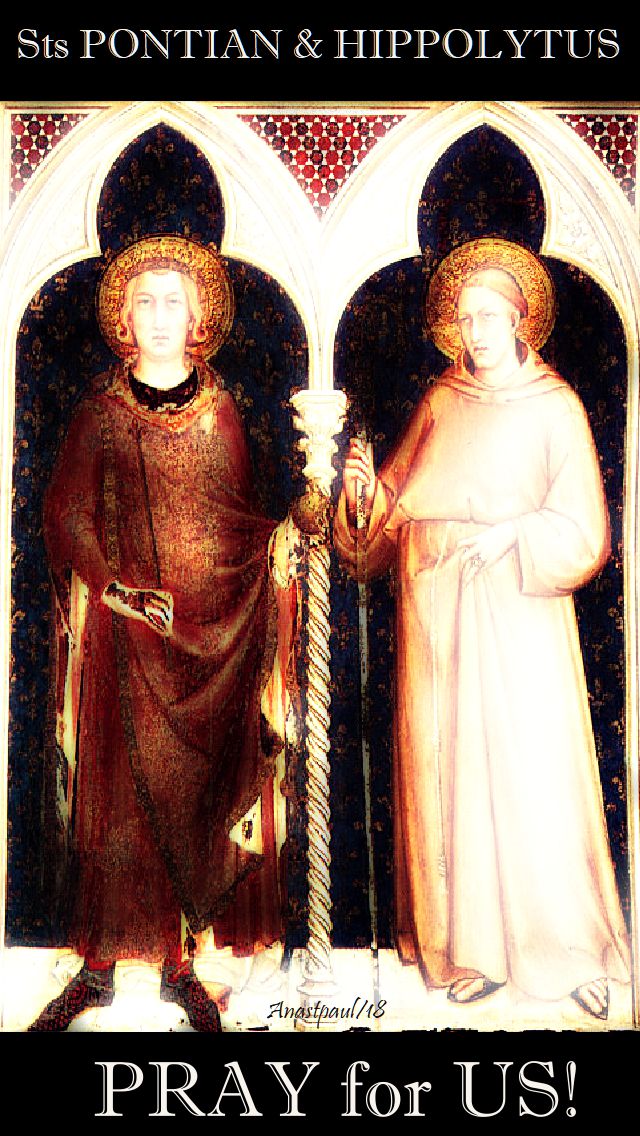
Thought for the Day – 13 August – The Memorial of Sts Pontian (Died 235) & Hippolytus (170 – 235) Martyrs
Two men died for the faith after harsh treatment and exhaustion in the mines of Sardinia. One had been pope for five years, the other an antipope for 18. They died reconciled.
Pontian: Pontian was a Roman who served as pope from 230 to 235. During his reign he held a synod in Alexandria which confirmed the excommunication of the great theologian Origen. Pontian was banished to exile by the Roman emperor in 235 and resigned so that a successor could be elected in Rome. He was sent to the “unhealthy” island of Sardinia, where he died that same year of harsh treatment. With him was Hippolytus with whom he was reconciled. The bodies of both were brought back to Rome and buried as martyrs with solemn rites.
Hippolytus: As a priest in Rome, Hippolytus—the name means “a horse turned loose”—was at first “holier than the Church.” He censured the pope for not coming down hard enough on a certain heresy—calling him a tool in the hands of one Callistus, a deacon—and coming close to advocating the opposite heresy himself. When Callistus was elected pope, Hippolytus accused him of being too lenient with penitents and had himself elected antipope by a group of followers. He felt that the Church must be composed of pure souls uncompromisingly separated from the world, Hippolytus evidently thought that his group fitted the description. He remained in schism through the reigns of three popes. In 235, he also was banished to the island of Sardinia. Shortly before or after this event, he was reconciled to the Church and died in exile with Pope Pontian.
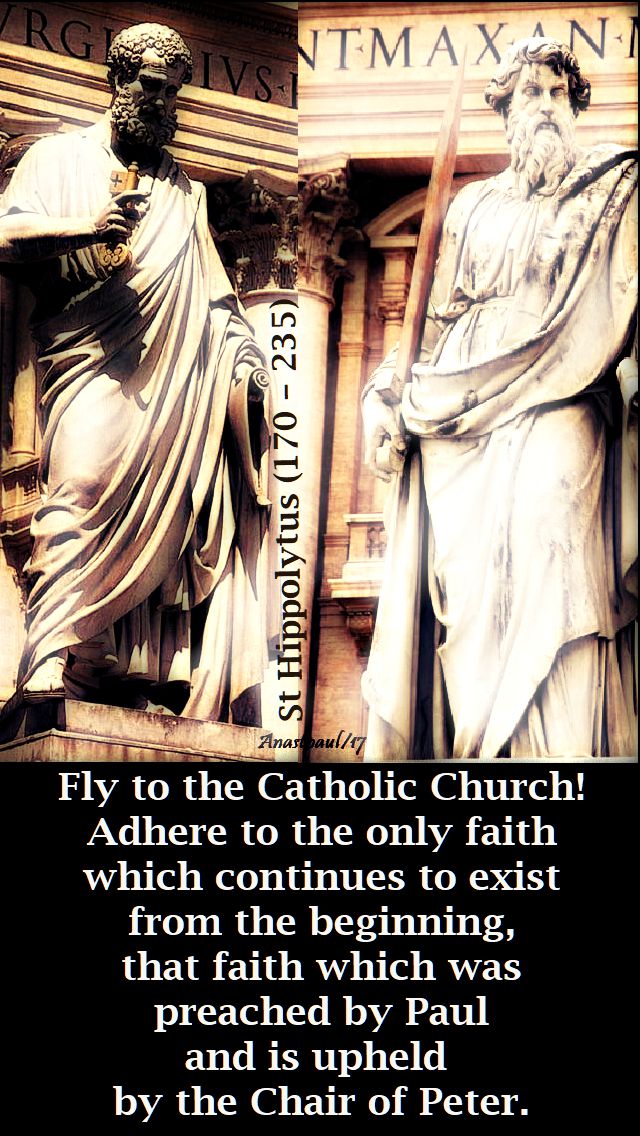
Hippolytus was a rigourist, a vehement and intransigent man for whom even orthodox doctrine and practice were not purified enough. He is, nevertheless, the most important theologian and prolific religious writer before the age of Constantine. His writings are the fullest source of our knowledge of the Roman liturgy and the structure of the Church in the second and third centuries. His works include many Scripture commentaries, polemics against heresies and a history of the world. A marble statue dating from the third century, representing the saint sitting in a chair, was found in 1551. On one side is inscribed his table for computing the date of Easter; on the other, a list of how the system works out until the year 224. St Pope John XXIII installed the statue in the Vatican library.
Hippolytus was a strong defender of orthodoxy and admitted his excesses by his humble reconciliation. He was not a formal heretic but an overzealous disciplinarian. What he could not learn in his prime as a reformer and purist, he learned in the pain and desolation of imprisonment. It was a fitting symbolic event that Pope Pontian shared his martyrdom.
Sts Pontian and Hippolytus, pray for the Church, pray for those who have divided themselves into factions, forsaking unity in Christ, pray for us all that we may granted the virtue of humility!
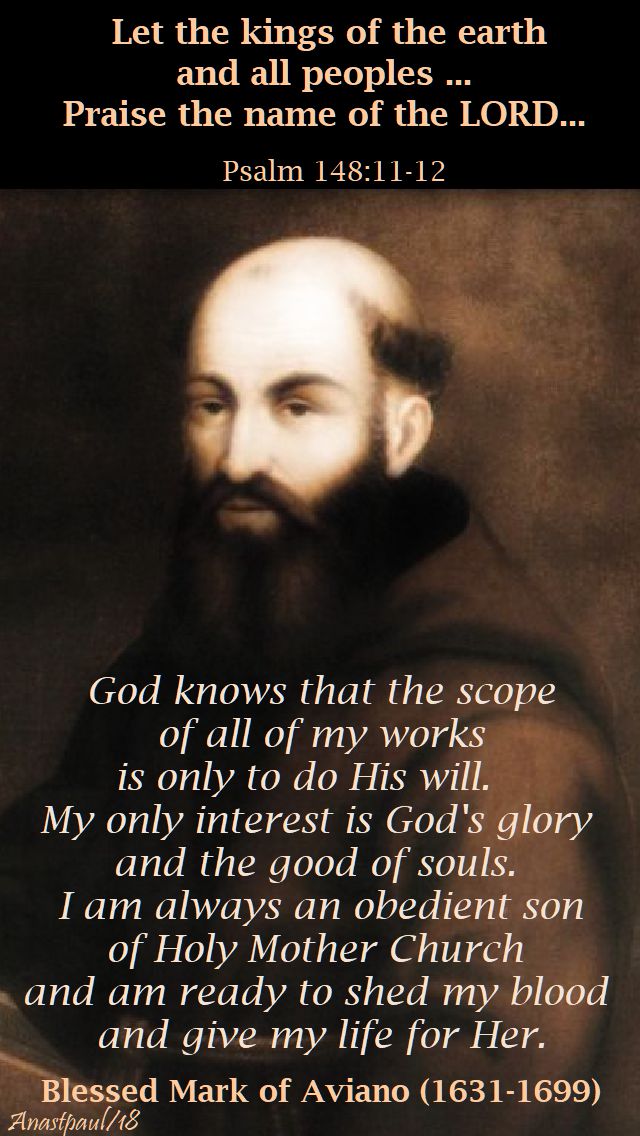
One Minute Reflection – 13 August -The Memorial of Blessed Mark of Aviano OFM Cap (1631-1699) – Today’s Psalm 148(147) 11-12
Let the kings of the earth and all peoples … Praise the name of the LORD... Psalm 148(147): 11-12
REFLECTION – “God knows that the scope of all of my works is only to do His will. My only interest is God’s glory and the good of souls. I am always an obedient son of Holy Mother Church and am ready to shed my blood and give my life for Her.”…. Blessed Mark of Aviano
PRAYER – Lord God, who bestowed Your spirit of truth and of love in full measure on Blessed Mark of Aviano, grant that we, who are celebrating his feast, may be supported by his prayer and grow in perfection, as we follow his example. We make our prayer through Christ, our Lord in the unity of the Holy Spirit, one God forever, amen.
Our Morning Offering – 13 August – Monday of the Nineteenth week in Ordinary Time, B
The Day is Filled with Splendour, is a hymn written by the Benedictine Nuns of Stanbrook Abbey. It is sung during Morning Prayer in the Divine Office. It is set to the hymn tune: Paderborn, first published in the Katholische Kirchengesänge of 1616. Psalter Week 3.
The Day is Filled with Splendour
The day is filled with splendour
When God brings light from light,
And all renewed creation
Rejoices in His sight. —
The Father gives His children
The wonder of the world
In which His power and glory
Like banners are unfurled. —
With every living creature,
Awaking with the day,
We turn to God our Father,
Lift up our hearts and pray: —
O Father, Son and Spirit,
Your grace and mercy send,
That we may live to praise You
Today and to the end.
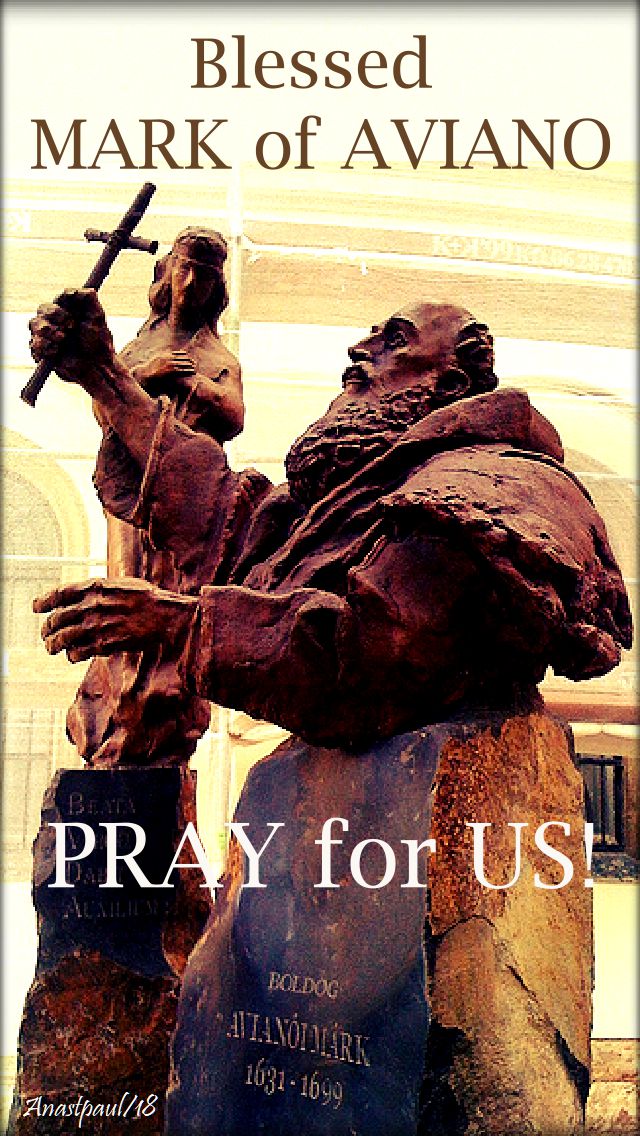
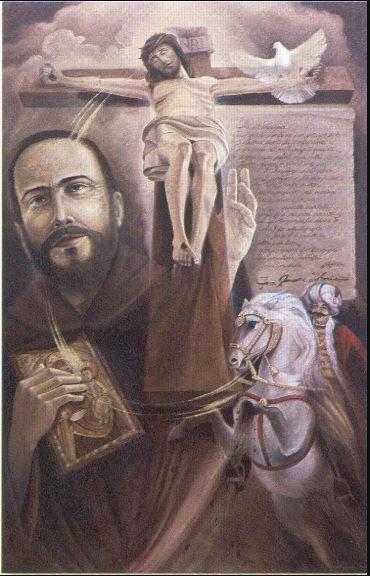
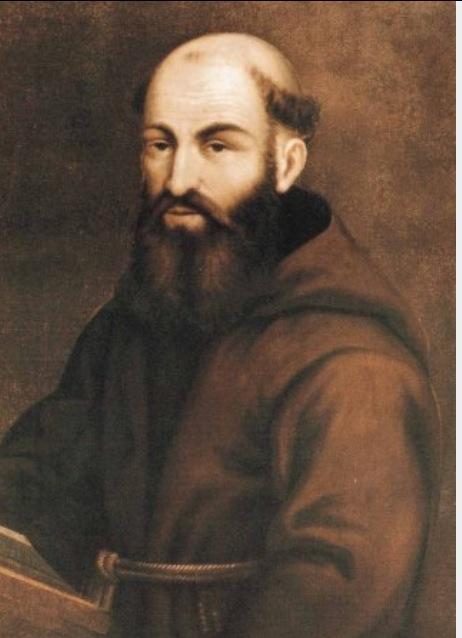
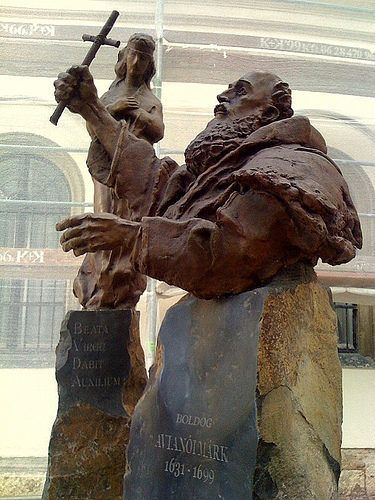
Saint of the Day – 13 August – Blessed Mark of Aviano OFM Cap (1631-1699) – Franciscan Capuchin Friar, Priest, Preacher, Spiritual Advisor, Political Advisor, Peace-maker, Miracle worker and the inventor of Cappuccino– born on 17 November 1631 at Aviano, Italy as Carlo Domenico Cristofori and died on 13 August 1699 of cancer in Vienna, Austria.
Carlo Domenico Cristofori was born in Aviano, a small community in the Republic of Venice (Italy). Educated at the Jesuit College in Gorizia, at 16 he tried to reach the island of Crete, where the Venetians were at war with the Ottoman Turks, in order to preach the Gospel and convert the Muslims to Christianity. On his way, he sought asylum at a Capuchin convent in Capodistria, where he was welcomed by the Superior, who knew his family and who, after providing him with food and rest, advised him to return home.
Inspired by his encounter with the Capuchins, he felt that God was calling him to enter their Order. In 1648, he began his novitiate. A year later, he professed his vows and took his father’s name, Marco, becoming Fra’ Marco d’Aviano. On 18 September 1655 he was ordained a priest in Chioggia. His ministry entered a new phase in 1664, when he received a licence to preach throughout the Republic of Venice and other Italian states, particularly during Advent and Lent. He was also given more responsibility when he was elected Superior of the convents of Belluno in 1672 and Oderzo in 1674.
His life took an unexpected turn in 1676, when he gave his blessing to a nun, bedridden for some 13 years, she was miraculously healed. The news spread far and wide and it was not long before the sick and many others from all social strata, began to seek him out.
Among those who sought his help was Leopold I, Holy Roman Emperor, whose wife had been unable to conceive a male heir. From 1680 to the end of his life, Marco d’Aviano became a close confidant and adviser to him, providing the irresolute and often indecisive emperor with guidance and advice for all problems, political, economic, military or spiritual. His forceful, energetic and sometimes passionate and fiery personality proved a good complement for Leopold’s Hamlet-like tendency to allow endless doubts and scruples to paralyse his capacity for action.
As the danger of war with the Ottoman Turks grew near, Marco d’Aviano was appointed by Pope Innocent XI (Memorial yesterday) as his personal envoy to the Emperor. An impassioned preacher and a skillful mediator, Marco d’Aviano played a crucial role in resolving disputes, restoring unity and energising the armies of the Holy League, which included Austria, Poland, Venice and the Papal States under the leadership of the Polish king Jan III Sobieski. In the decisive Battle of Vienna (1683), the Holy League succeeded in inflicting a defeat on the invading Ottoman Turks. This marked the end of the last Turkish attempt to expand their power in Europe and the beginning of the long European counter-offensive that was to continue ultimately until the disintegration of the Ottoman Empire in 1918. This may therefore be considered one of the decisive battles of history. It also put an end to the period of Ottoman revival in Europe.
From 1683 to 1689 Marco participated in the military campaigns, playing a crucial role in promoting good relations within the Imperial army and encouraging the soldiers. He was present at the liberation of Buda in 1686 and at the siege of Belgrade in 1688. He always maintained a strictly religious spirit, to which any violence and cruelty were repugnant. As a result, at the siege of Belgrade several hundred Muslim soldiers successfully appealed to him personally, in order to avoid being massacred upon capture.
In the 2012 Polish and Italian historical drama film The Day of the Siege: September Eleven 1683 about the Battle of Vienna, Marco d’Aviano is portrayed by F. Murray Abraham.
Legend has it that when the Ottomans fled before the European army, they left behind a lot of their strong, bitter coffee. The Christian soldiers, to make this liberated coffee more palatable, mixed it with honey and milk and named the drink after Mark’s Order, the Capuchins and thus Cappuccino was created. It is probably just a fable but I favour believing it, allowing the reminder of a quick prayer to Blessed Mark whenever I drink one. We can never have too many intercessors, can we?
In the judgement of historians, Marco’s influence over Leopold was exercised responsibly, in the sole interests of Christianity and of the House of Austria. In one of his private letters to the Emperor, Marco actually scolds him quite forcefully for granting a benefit to one of his brothers, reminding him that, by so doing, he was only providing ammunition for the enemies of their cause.
Blessed Mark died of cancer on August 13, 1699 in Vienna. He is buried in the Kapuzinerkirche, in whose vault the Habsburg emperors are buried. He was Beatified on 27 April 2003 by St Pope John Paul II.
Our Lady, Refuge of Sinners/Refugium Peccatorum: St John Damascene calls Mary a city of refuge to all who flee to Her. This idea of a city of refuge is an old Scriptural fact calling attention to the humanity, the pity, of the old Jewish Law, which established certain cities of refuge where criminals might find escape from the arm of the authorities. For instance there were no less than six Levitical Cities, three on either side of the Jordan, where men who had been guilty of the act of involuntary homicide might find protection and immunity, until they were released from banishment by the death of the High Priest. These six cities were obliged to receive the homicides and to lodge them without any charge. But there were at least 48 cities which had this privilege of asylum. Nor was it a peculiarly Jewish custom. Even the Greeks and Romans had their cities of asylum. The Jewish idea was brought into Christianity. One of the beautiful customs in the Middle Ages was “the right of sanctuary,” by which those who ran foul of the law could not be taken so long as they remained in the Church, or sanctuary. And this is Our Lady, Refuge of Sinners! Refugium Peccatorum is one part of four Marian advocations in the Litany of Loreto, the others being Salus Infirmorum (healer of the sick) Consolatrix Afflictorum (consoler of the afflicted) and Auxilium Christianorum (help of Christians). Each advocation extolling Mary’s role as advocate for spiritual and corporeal mercy has a rich history but in general, the notion of asking the Blessed Virgin Mary for help in temporal needs dates back to Saints Justin Martyr, Irenaeus and Ambrose of Milan.
The 18th century Jesuit preacher, Blessed Antonio Baldinucci (1665-1717) had a particular devotion to the Refugium Peccatorum image of Virgin Mary in the Church of the Gesu (Frascati) in Italy and commissioned a copy which he considered miraculous and carried it with him in his travels. The Jesuits spread copies of the image of the Madonna of Refuge in Mexico by the 19th century and it began to be depicted in missions there, often with clouds surrounding the lower portion of the image of the Virgin Mary holding the Child Jesus.
The term “Refugium peccatorum” is also used other works of Roman Catholic Marian art. For instance, there is a marble statue representing the Virgin Mary, on the grand staircase of the old municipal palace in Venice, Italy. The name came from the fact that the convicts were allowed to stop in front of the Virgin Mary’s statue to pray for their soul on the way to the scaffold.
The traditional feast day of Our Lady, Refuge of Sinners is today, 13 August.
St Anastasius the Monk
St Anastasius the Priest
St Benildus
St Cassian of Imola
St Cassian of Todi
St Concordia
St Conn O’Rourke
Bl Gertrude of Altenberg
St Helen of Burgos
St Herulph of Langres
Bl Jakob Gapp
Bl John of Alvernia
St John Berchmans S.J. (1599-1621)
St Junian of Mairé
St Ludolph
Bl Marco d’Aviano/Mark of Aviano OFM Cap (1631-1699)
St Maximus the Confessor
St Nerses Glaietsi
St Patrick O’Healy
Bl Pierre Gabilhaud
St Radegund
St Radegunde
St Wigbert of Fritzlar
Bl William Freeman
—
Martyred in the Spanish Civil War:
• Blessed Francesc Castells Areny
• Blessed Inocencio García Díez
• Blessed José Bonet Nadal
• Blessed José Boher y Foix
• Blessed José Juan Perot y Juanmarti
• Blessed Jose Tàpies y Sirvant
• Blessed Josep Alsina Casas
• Blessed Luciano Hernández Ramírez
• Blessed Maria de Puiggraciós Badia Flaquer
• Blessed Mateo Despóns Tena
• Blessed Modesto García Martí
• Blessed Pascual Araguàs y Guàrdia
• Blessed Pedro Martret y Molet
• Blessed Silvestre Arnau y Pascuet
Martyred Claretians of Barbastro – 51 beati:
• Blessed Agustín Viela Ezcurdia
• Blessed Alfons Miquel Garriga
• Blessed Alfons Sorribes Teixidó
• Blessed Antolín Calvo y Calvo
• Blessed Antoni Dalmau Rosich
• Blessed Atanasio Vidaurreta Labra
• Blessed Eduardo Ripoll Diego
• Blessed Esteve Casadevall Puig
• Blessed Eusebi Maria Codina Millà
• Blessed Felipe de Jesús Munárriz Azcona
• Blessed Francesc Roura Farró
• Blessed Francisco Castán Meseguer
• Blessed Gregorio Chirivas Lacamba
• Blessed Hilario Llorente Martín
• Blessed Jaume Falgarona Vilanova
• Blessed Joan Baixeras Berenguer
• Blessed Joan Codinachs Tuneu
• Blessed José Amorós Hernández
• Blessed José Blasco Juan
• Blessed José Figuero Beltrán
• Blessed José Pavón Bueno
• Blessed Josep Maria Badía Mateu
• Blessed Josep Ormo Seró
• Blessed Josep Ros Florensa
• Blessed Juan Díaz Nosti
• Blessed Juan Echarri Vique
• Blessed Juan Sánchez Munárriz
• Blessed Leoncio Pérez Ramos
• Blessed Lluís Escalé Binefa
• Blessed Lluís Lladó Teixidor
• Blessed Lluís Masferrer Vila
• Blessed Manuel Buil Lalueza
• Blessed Manuel Martínez Jarauta
• Blessed Manuel Torras Sais
• Blessed Miquel Masip González
• Blessed Nicasio Sierra Ucar
• Blessed Pedro García Bernal
• Blessed Pere Cunill Padrós
• Blessed Rafael Briega Morales
• Blessed Ramon Illa Salvia
• Blessed Ramon Novich Rabionet
• Blessed Salvador Pigem Serra
• Blessed Sebastià Riera Coromina
• Blessed Sebastián Calvo Martínez
• Blessed Secundino Ortega García
• Blessed Teodoro Ruiz de Larrinaga García
• Blessed Tomàs Capdevila Miró
• Blessed Wenceslau Clarís Vilaregut
They were martyred on 2 August through 18 August 1936 in Barbastro, Huesca, Spain and Beatified on 25 October 1992 by Pope John Paul II.
Sunday Reflection – 12 August – Nineteenth Sunday in Ordinary Time, Year B
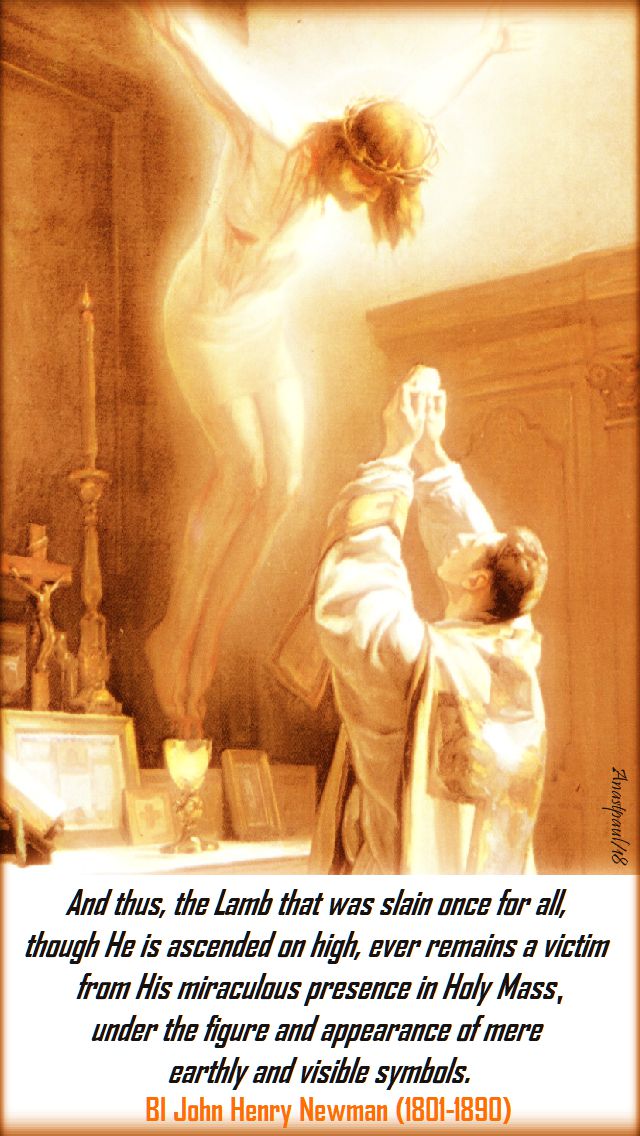
Jesus, our Daily Sacrifice
“Our Lord not only offered Himself as a Sacrifice on the Cross but He makes Himself a perpetual, a daily Sacrifice, to the end of time.
In the Holy Mass, that One Sacrifice on the Cross once offered is renewed, continued, applied to our benefit.
He seems to say, ‘My Cross was raised up 1800 years ago – and only for a few hours and very few of my servants were present there – but I intend to bring millions into my Church. For their sakes then, I will perpetuate My Sacrifice, that each of them may be as though they had severally been present on Calvary. I will offer Myself up, day by day to the Father, that everyone of my followers, may have the opportunity to offer his petitions to Him, sanctified and recommended by the all-meritorious virtue of My Passion. Thus, I will be a Priest forever, after the order of Melchisedech – My priests shall stand at the Altar – but not they but I rather, will offer. I will not let them offer mere bread and wine but I Myself, will be present upon the Altar instead and I will offer up Myself invisibly, while they perform the outward rite.’
And thus, the Lamb that was slain once for all, though He is ascended on high, ever remains a victim from His miraculous presence in Holy Mass under the figure and appearance of mere earthly and visible symbols.”
Blessed John Henry Newman (1801-1890) Jesus, our Daily Sacrifice, Prayers, Verses and Devotions
Thought for the Day – 12 August – The Memorial of St Jane Frances de Chantal (1572-1641)
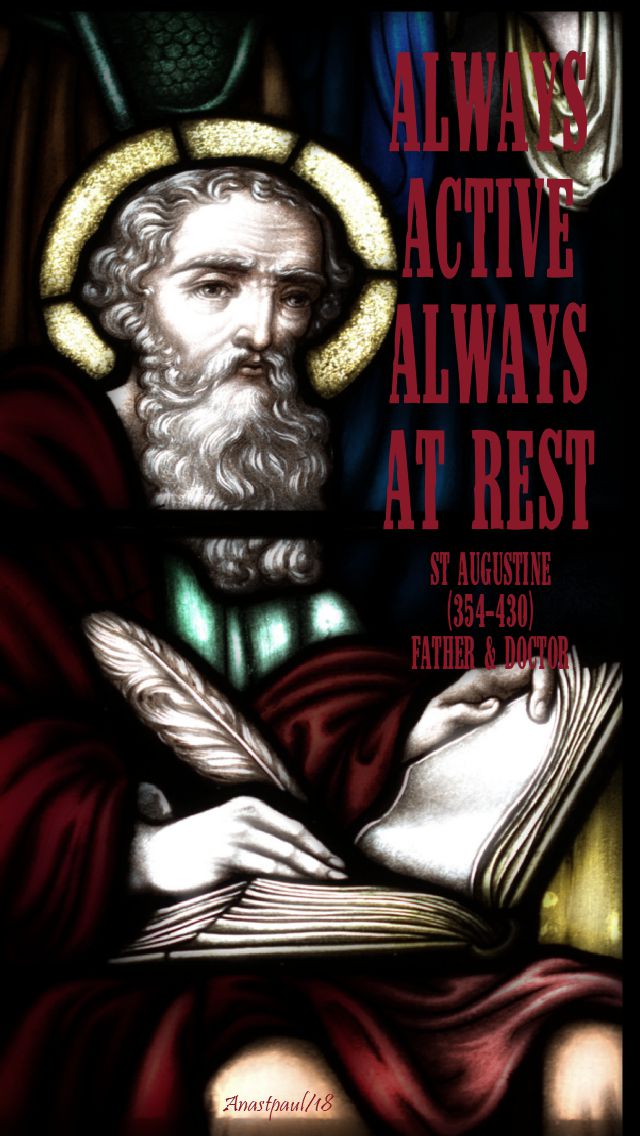
Always active, always at rest. – St Augustine (354-430) Father & Doctor
At the age of sixteen, Jane Frances de Frémyot, already a motherless child, was placed under the care of a worldly-minded governess. In this crisis, she offered herself to the Mother of God and secured Mary’s protection for life. When a Protestant sought her hand, she steadily refused to marry “an enemy of God and His Church” and shortly afterwards, as the loving and beloved wife of the Baron de Chantal, made her house the pattern of a Christian home.
But God had marked her for something higher than domestic sanctity. Two children and a dearly beloved sister died and, in the full tide of prosperity, her husband’s life was taken by the innocent hand of a friend. For seven years the sorrows of her widowhood were increased by ill-usage from servants and inferiors and the cruel importunities of friends, who urged her to marry again. Harassed almost to despair by their entreaties, she branded on her heart the name of Jesus and in the end left her beloved home and children to live for God alone.
It was on the 19th of March 1609, that Madame de Chantal bade farewell to her family and relations. Pale, and with tears in her eyes, she passed round the large room, sweetly and humbly taking leave of each. Her son, a boy of fifteen, used every entreaty, every endearment, to induce his mother not to leave them and at last passionately flung himself across the door of the room. In an agony of distress, she passed on over the body of her son to the embrace of her aged and disconsolate father. The anguish of that parting reached its height when, kneeling at the feet of the venerable old man, she sought and obtained his last blessing, promising to repay in her new home his sacrifice by her prayers. Well might St Francis call her “the valiant woman.”
She was to found with St Francis de Sales a great Order. Sickness, opposition, want, beset her and the death of children, friends and of St Francis himself followed, while eighty-seven houses of the Visitation rose under her hand. Nine long years of interior desolation completed the work of God’s grace and in her seventieth year, St Vincent of Paul saw, at the moment of her death, her soul ascend, as a ball of fire, to heaven.
The Memorial of St Jane Frances de Chantal (1572-1641)
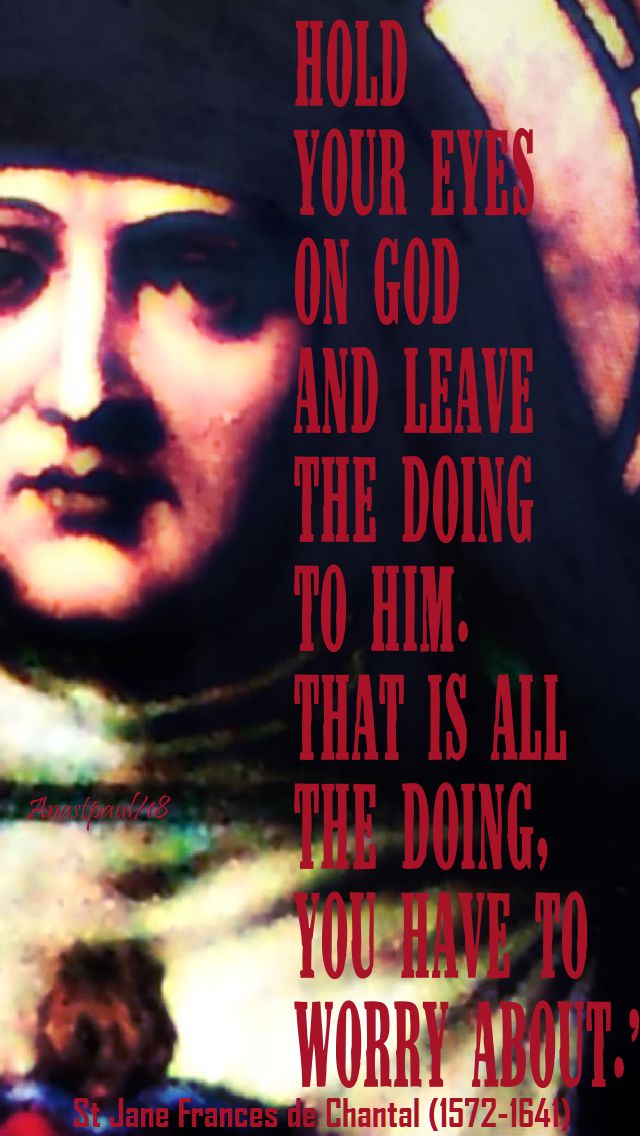
“Hold your eyes on God and leave the doing to Him. That is all the doing, you have to worry about.”
St Jane Frances de Chantal (1572-1641)
(More Quotes by St Jane here: https://anastpaul.wordpress.com/2017/08/12/quotes-of-the-day-12-august-the-memorial-of-st-jane-frances-de-chantal-1572-1641/ )
One Minute Reflection – 12 August – Nineteenth Sunday in Ordinary Time, Year B – Today’s Gospel: John 6:41–51
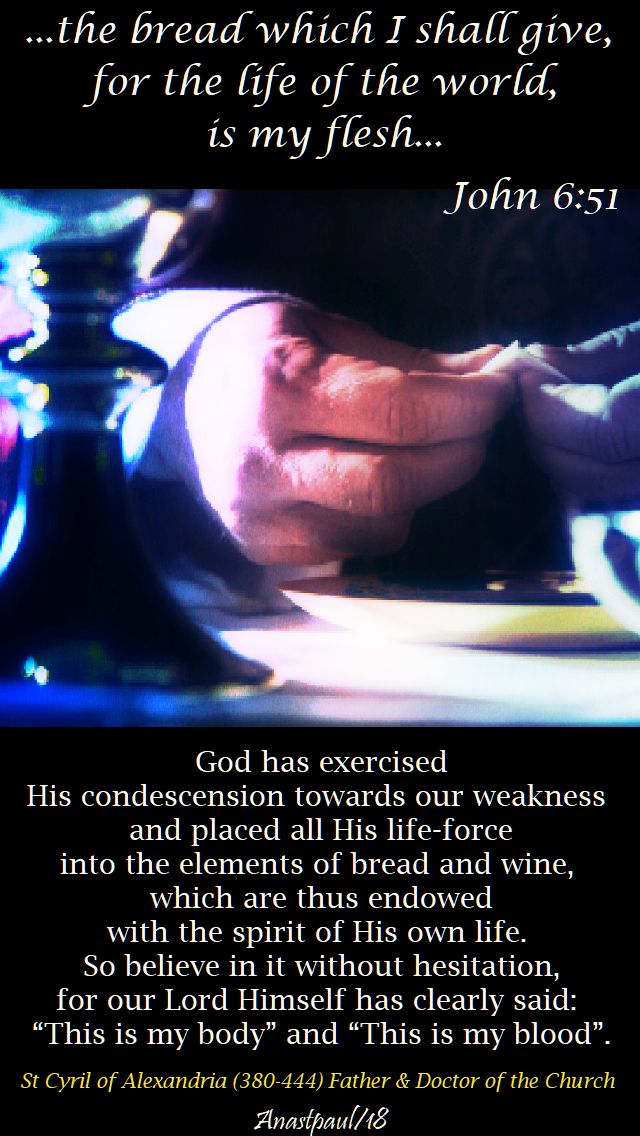
…the bread which I shall give, for the life of the world is my flesh...John 6:51
REFLECTION – “How could humankind, which remained riveted to the earth and subject to death, gain entry to immortality once more? Its flesh had to become assimilated to the life-giving force in God. Now, God the Father’s life-giving force is His Word, His only Son, and so it was He whom God sent as Saviour and Redeemer…
If you put a breadcrumb into oil, water or wine, it at once soaks up their properties. If you place iron into contact with fire it will shortly become full of the fire’s energy and, even though by nature it is only iron, will take on the appearance of fire. In the same way, then, God’s life-giving Word, by uniting Himself to the flesh He assumed, caused it to become life giving.
Did He not say: “Whoever believes in me has eternal life. I am the bread of life.” And again: “I am the living bread that came down from heaven; whoever eats this bread will live for ever and the bread that I will give is my flesh… Unless you eat the flesh of the Son of Man and drink his blood, you do not have life within you.” So then, by eating the flesh of Christ, the Saviour of us all and drinking His blood, we have life in ourselves, we become one with Him, we remain in Him and He in us.
Therefore it is for Him to enter within us, through the Holy Spirit, in a way fitting to God and to mingle with our body, after a fashion, through the holy flesh and precious blood, we receive, under the forms of bread and wine, as our life-giving blessing. Indeed…, God has exercised His condescension towards our weakness and placed all His life-force into the elements of bread and wine, which are thus endowed with the spirit of His own life. So believe in it without hesitation, for our Lord Himself has clearly said: “This is my body” and “This is my blood”.”…St Cyril of Alexandria (380-444) Bishop, Father & Doctor of the Church
PRAYER – Almighty God and Father, by Your grace, we are made one in mind and heart. Give us a love for what You command and a longing for what You promise, so that, amid this world’s changes, our hearts may be set on the world of lasting joy. Grant, we pray that by the prayers of St Jane de Chantal and Blessed Pope Innocent XI, we will be made always faithful and may Mary, the Mother of our life, lead us to our everlasting joy, Your Son, Jesus Christ. Through Him, with Him and in Him, in the union of the Holy Spirit, one God forever, amen.
Our Morning Offering – 12 August – Nineteenth Sunday in Ordinary Time, Year B
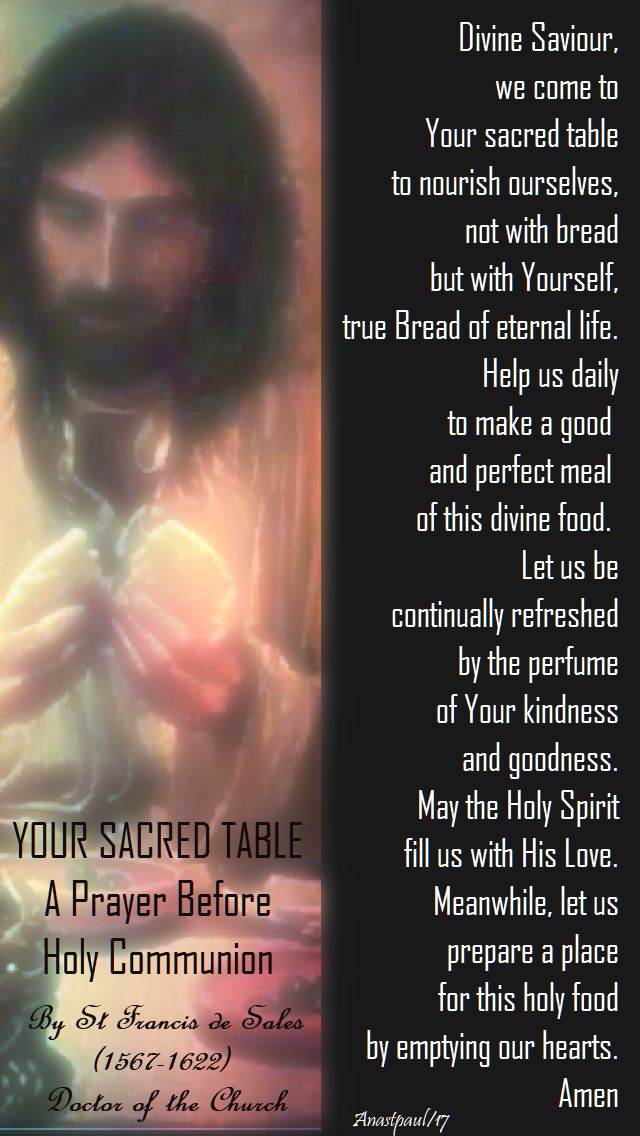
Your Sacred Table A Prayer Before Holy Mass and Communion By Saint Francis de Sales (1567-1622) Doctor of the Church
Divine Saviour,
we come to Your sacred table
to nourish ourselves,
not with bread but with Yourself,
true Bread of eternal life.
Help us daily to make a good and perfect meal
of this divine food.
Let us be continually refreshed
by the perfume of Your kindness and goodness.
May the Holy Spirit fill us with His Love.
Meanwhile, let us prepare a place
for this holy food by emptying our hearts.
Amen
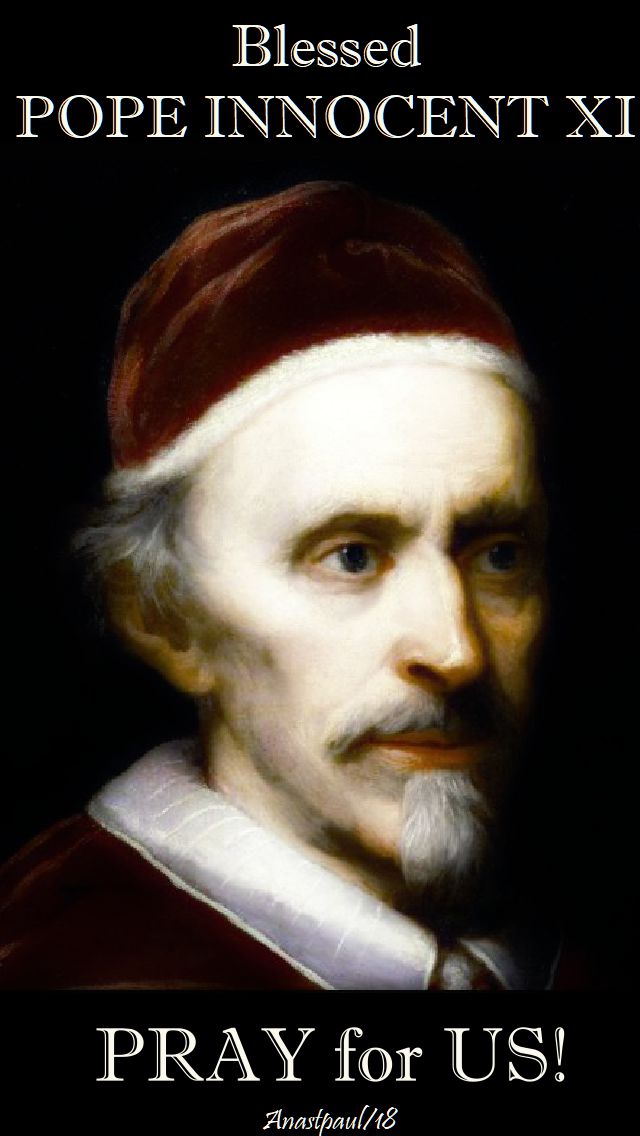
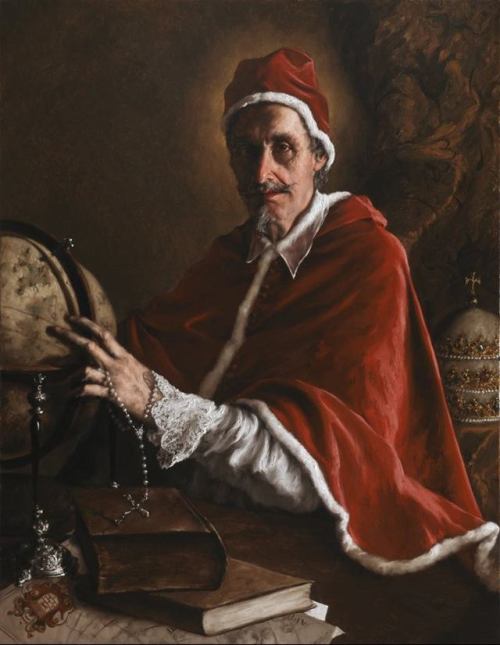
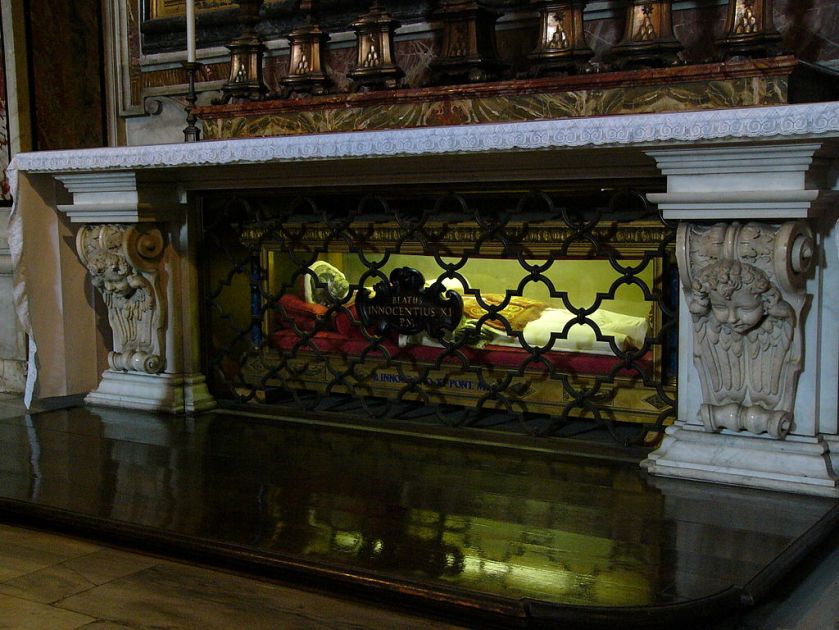
Saint of the Day – 12 August – Blessed Pope Innocent XI (1611-1689) Bishop of Rome, Lawyer, Apostle of Charity, Reformer, Administrator – born Benedetto Odescalchi on 19 May 1611 at Como, Italy and died on 12 August 1689 at Rome, Italy of natural causes. Patronage – Diocese of Novara, Diocese of Como. He is known in Budapest as the “Saviour of Hungary” and “Father of the Poor” Papal Ascension – he was elected unanimously on 21 September 1676 and installed on 4 October 1676 and reigned until his death.
Blessed Innocent was born to a noble family and educated by the Jesuits at Como and studied jurisprudence at Rome and Naples.
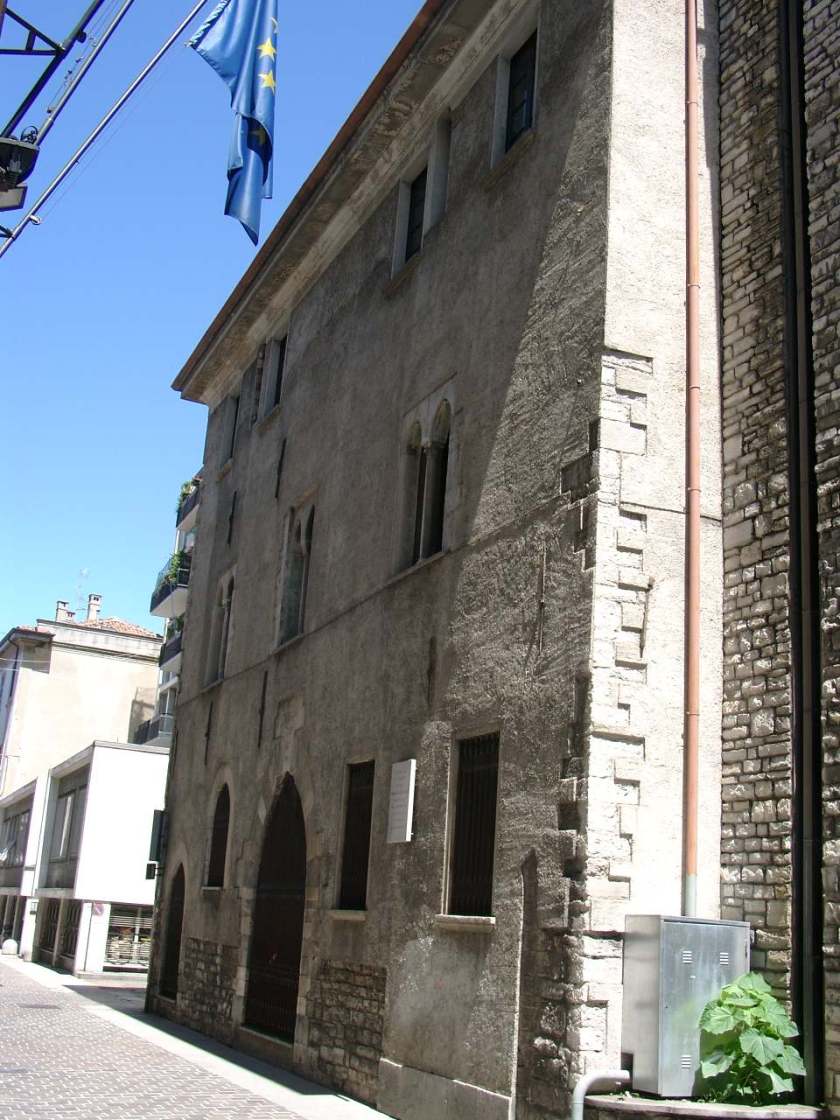
Birthplace of Blessed Pope Innocent XI in Como
Pope Urban VIII appointed him successively prothonotary, president of the Apostolic Camera, commissary at Ancona, administrator of Macerata and Governor of Picena. Innocent X then made him Cardinal-Deacon of Santi Cosma e Damiano on 6 March 1645 and, somewhat later, Cardinal-Priest of Sant’ Onofrio.
As cardinal he was beloved by all on account of his deep piety, charity and unselfish devotion to his duties. When he was sent as legate to Ferrara in order to assist the people stricken with a severe famine, the pope introduced him to the people of Ferrara as the “father of the poor”, “Mittimus patrem pauperum”. In 1650 he became Bishop of Novara, a capacity in which he spent all the revenues of his see in order to relieve the poor and sick of his diocese. With the permission of the pope, he resigned as Bishop of Novara in favour of his brother, Giulio, in 1656 and went to Rome, where he took a prominent part in the consultations of the various congregations in which he was a member.
Benedetto was unanimously elected pope on 21 September 1676 and he took the name of Innocent XI. Immediately upon his accession he turned all his efforts towards reducing the expenses of the Curia. He passed strict ordinances against nepotism among the cardinals and he himself lived very parsimoniously and exhorted the cardinals to do the same.
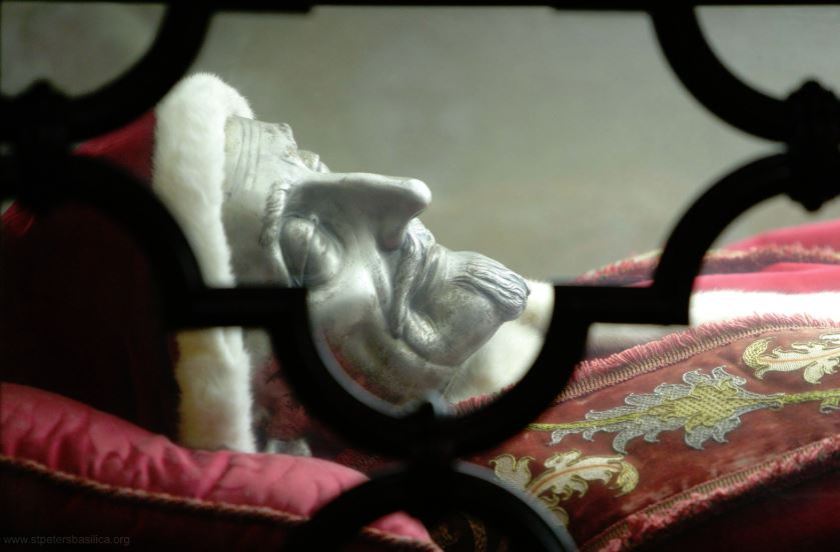
His pontificate was marked by the prolonged struggle with Louis XIV of France on the subject of the so-called “Gallican Liberties” and also about certain immunities claimed by ambassadors to the papal court. Innocent died on 12 August of 1689 after a long illness. He was seventy-eight years of age. His body lies with those of St Pius X (1903 – 1914), Blessed John XXIII (1958 – 1963) and, eventually, with St John Paul II (1978 – 2005) in the Basilica of St Peter’s in Rome.
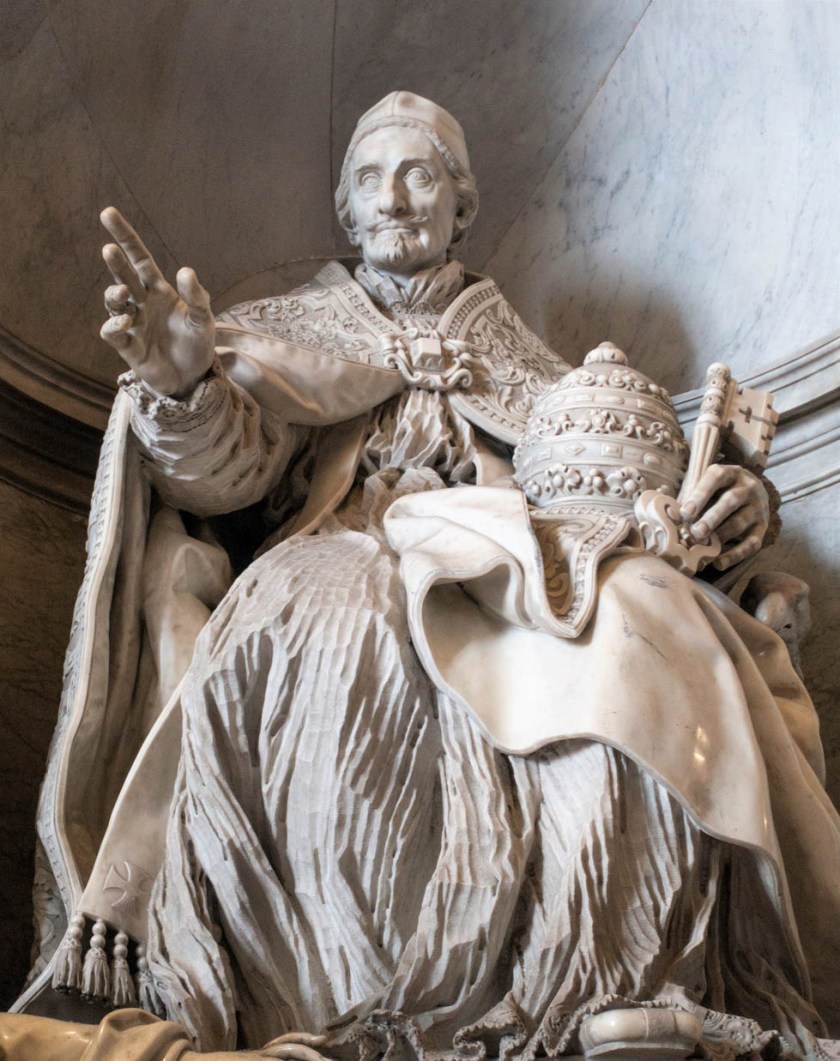
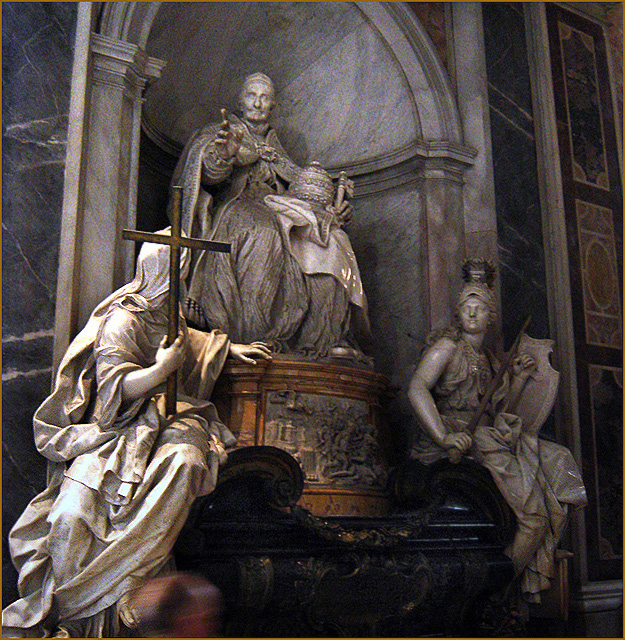
The cause for his Canonisation was first introduced in 1714 but the influence of France forced it to be suspended in 1744. In the 20th century it was reintroduced and Pope Pius XII Beatified him on 7 October 1956. Below is the Monument to Blessed Pope Innocent XI at St Peter’s Basilica.
St Anicetus of Marmora
St Antôn Nguyen Ðích
Bl Charles Meehan
St Discolio of Vercelli
St Euplus of Catania
St Eusebius of Milan
St Felicissima the Blind
St Giacobe do Mai Nam
St Gracilian
St Herculanus of Brescia
Bl Pope Innocent XI (1611-1689)
St Jambert of Canterbury
Bl Józef Stepniak
Bl Józef Straszewski
St Julian of Syria
Bl Karl Leisner
St Macarius of Syria
St Merewenna
St Micae Nguyen Huy My
St Murtagh of Killala
St Photinus of Marmora
Bl Pierre Jarrige de la Morélie de Puyredon
St Porcarius of Lerins
St Simplicio of Vercelli
St Ust
—
Martyrs of Augsburg – 4 saints: The mother, Hilaria, and three friends of of Saint Afra of Augsburg. While visiting the tomb of Saint Afra who were seized by the authorities and martyred when they visited Afra’s tomb – Digna, Eunomia, Euprepia and Hilaria. They were burned alive c 304.
Martyrs of Rome – 5 saints: A group of Christians martyred together in the persecutions of Diocletian. We know little more than their names – Crescentian, Juliana, Largio, Nimmia and Quiriacus.
• c.304 in Rome, Italy
• buried on the Ostian Way outside Rome.
Martyred in the Spanish Civil War:
Bl Antoni Perulles Estivill
Bl Atilano Dionisio Argüeso González
Bl Buenaventura García-Paredes Pallasá
Bl Carles Barrufet Tost
Bl Domingo Sánchez Lázaro
Bl Enrique María Gómez Jiménez
Bl Félix Pérez Portela
Bl Gabriel Albiol Plou
Bl José Jordán Blecua
Bl Josep Nadal Guiu
Bl Juana Pérez Abascal
Bl Manuel Basulto Jiménez
Bl Manuel Borràs Ferré
Bl Miquel Domingo Cendra
and these below:
Martyrs of Barbastro – 6 beati: Six Claretian brothers and priests who were martyred together in the persecutions of the Spanish Civil War.
• Gregorio Chirivas Lacamba
• José Pavón Bueno
• Nicasio Sierra Ucar
• Pere Cunill Padrós
• Sebastián Calvo Martínez
• Wenceslau Clarís Vilaregut
They were martyred on 12 August 1936 in Barbastro, Huesca, Spain and Beatified on 25 October 1992 by Pope John Paul II.
Martyrs of La Torre de Fontaubella – 4 beati: Four parish priests who were murdered together in the persecutions of the Spanish Civil War.
• Antoni Nogués Martí
• Joan Rofes Sancho
• Josep Maria Sancho Toda
• Ramon Martí Amenós
They were martyred on 12 August 1936 in La Torre de Fontaubella, Tarragona, Spain and Beatified on 13 October 2013 by Pope Francis. Their beatification celebrated in Tarragona, Spain.
Martyrs of Puerta de Hierro – 5 beati: Five nun in the Archdiocese of Madrid, Spain, all members of the Daughters of Charity of Saint Vincent de Paul, and all martyred together in the Spanish Civil War.
• Estefanía Saldaña Mayoral
• María Asunción Mayoral Peña
• María Dolores Barroso Villaseñor
• María Severina Díaz-Pardo Gauna
• Melchora Adoración Cortés Bueno
They were martyred on 12 August 1936 in Puerta de Hierro, Aravaca, Madrid, Spain and Beatified on
27 October 2013 by Pope Benedict XVI.







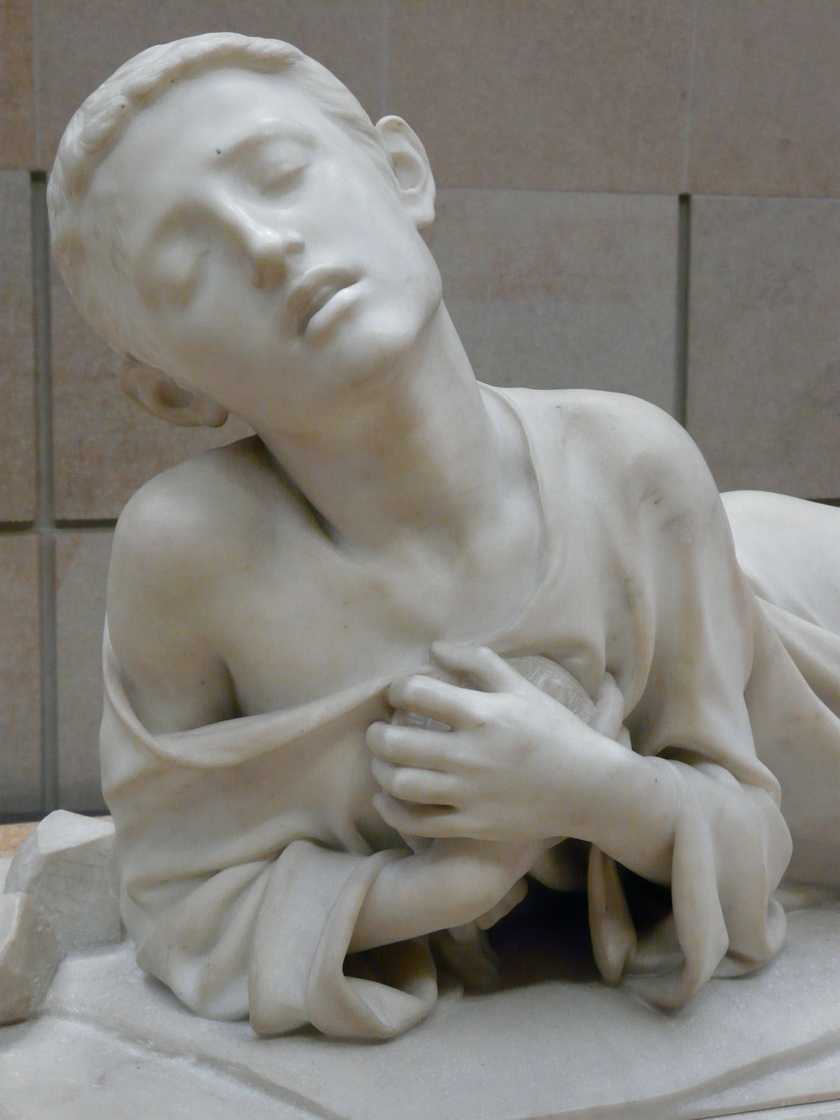
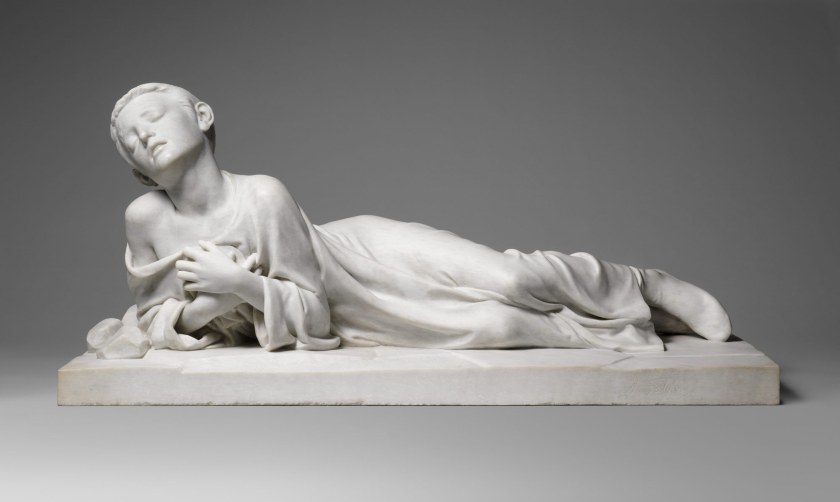
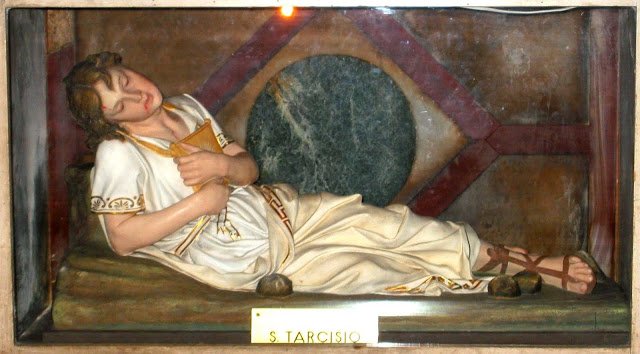
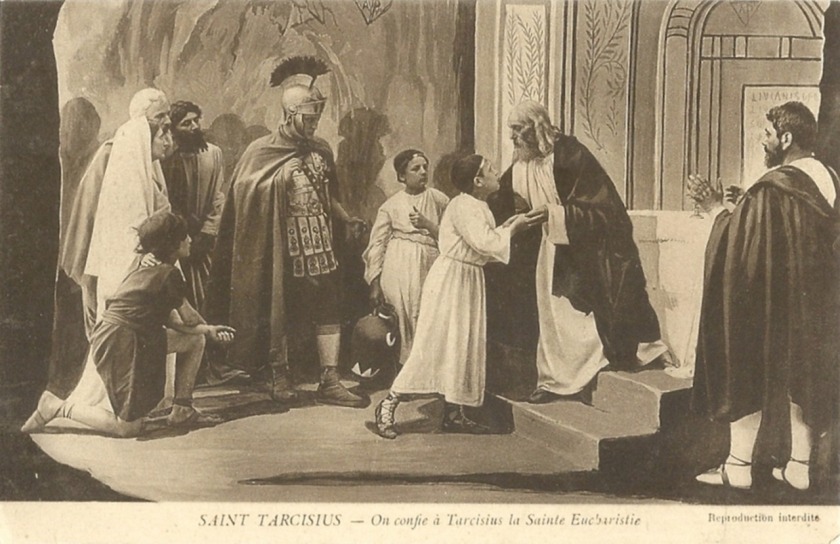 Convinced, the priest entrusted to him the precious Bread, saying: “Tarcisius, remember that a heavenly treasure has been entrusted to your weak hands. Avoid crowded streets and do not forget that holy things must never be thrown to dogs nor pearls to pigs. Will you guard the Sacred Mysteries faithfully and safely?”. “I would die”, Tarcisio answered with determination, “rather than let go of them”.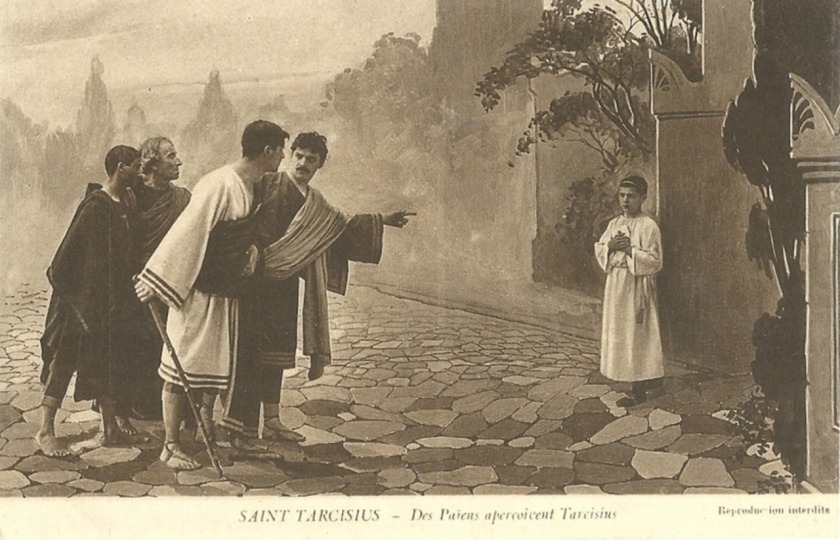












You must be logged in to post a comment.