Posted in MARIAN TITLES, SAINT of the DAY

Nostra Signora delle Colombe / Our Lady of the Doves (Bologna, Italy), St Scholastica and the Saints for 10 February

Bl Alexander of Lugo
St Andrew of Bethlehem
St Aponius of Bethlehem

St Baldegundis
St Baptus of Magnesia
St Charalampias

St Erluph of Werden

St Paganus
Bl Paul of Wallachia
Bl Pierre Frémond
St Porfirio
St Prothadius of Besançon
St Salvius of Albelda
St Silvanus of Terracina
St Soteris the Martyr (Died c304) Virgin Martyt
St Troiano of Saintes
St Trumwin of Whitby

Posted in SAINT of the DAY

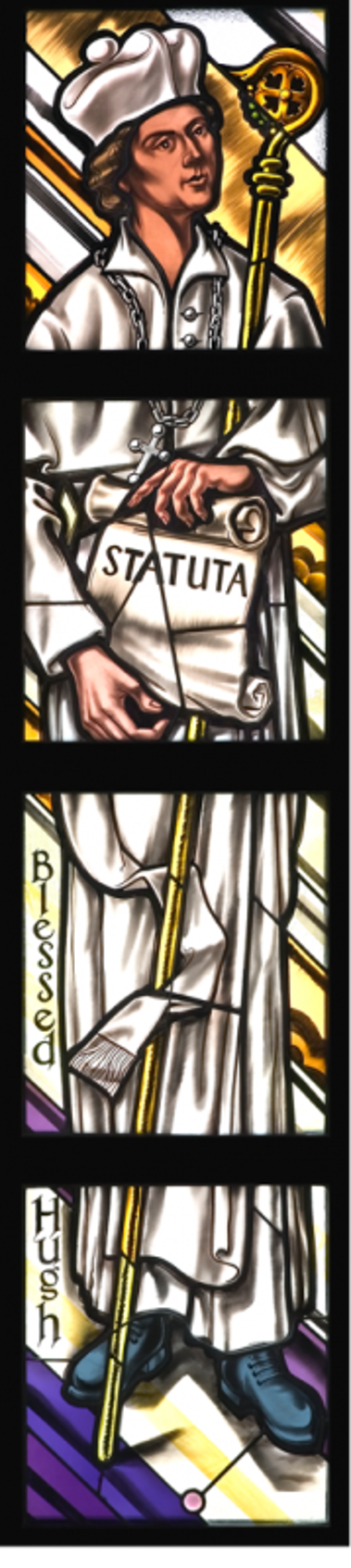
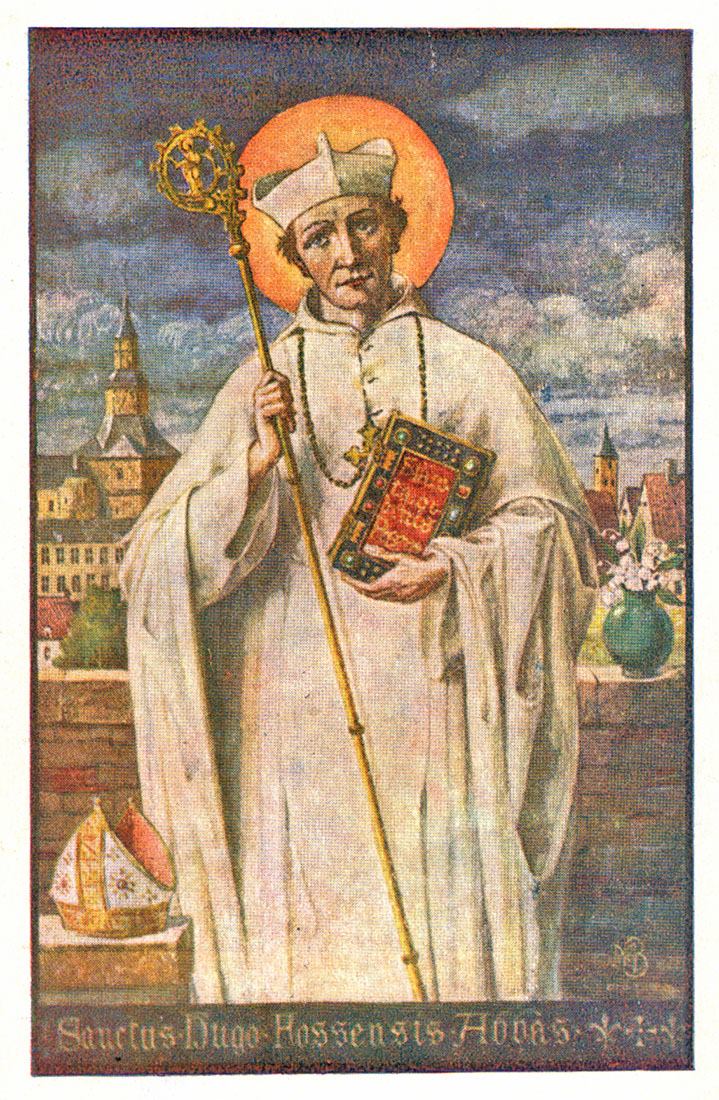
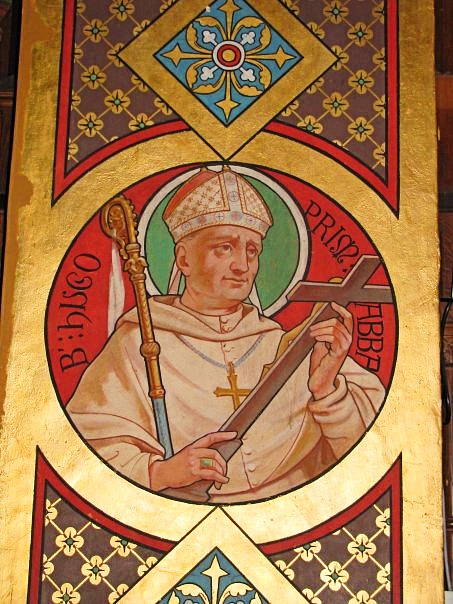
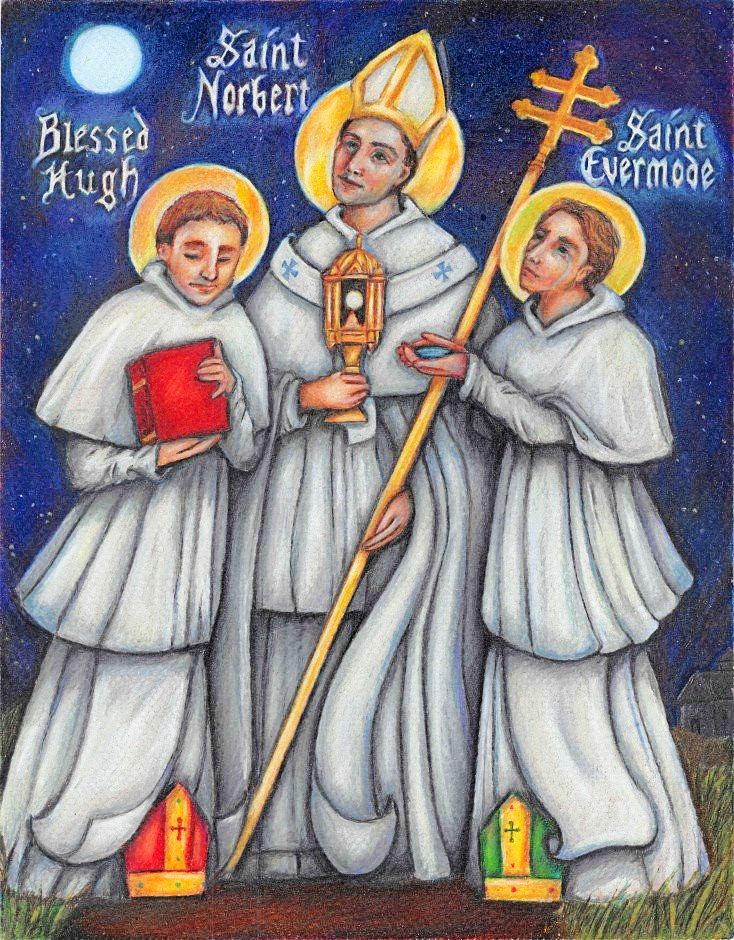
Saint of the Day – 10 February – Blessed Hugh of Fosse OPraem (c1093-1164) Priest, Abbot

Saint of the Day – 10 February – Blessed Hugh of Fosse OPraem (c1093-1164) Priest of the Order of Canons Regular of Prémontré, also known as the Premonstratensians, the Norbertines and the White Canons. Hugh was one of St Norbert’s first disciples and later became the first Abbot of Prémontré, Born at Fosse, Belgium and died in 1164 of natural causes. Also known as – Hugues. Beatified on 13 July 1927 by Pope Pius XI.

He was born at Fosses-la-Ville in what is now Belgium around the year 1093. He seems to have been orphaned early in life and was educated at the collegiate Church of St Feuillien at Fosses. Upon Ordination, he was made Secretary to Burchard, the Bishop of Cambrai. Whilst accompanying the Bishop through Valenciennes, Hugh and Burchard happened upon St Norbert who was there preaching. St Norbert came to visit the Bishop and was led into the Episcopal presence by a Cleric.

The Bishop, looking at him standing there with bare frozen feet and dressed in rough clothing, absolutely amazed and dumbfounded, fell upon his neck with a gasp and cried out: “Oh Norbert, who would ever have believed or even thought this of you!” The Cleric who had admitted Norbert, wondered about the Bishop’s affection for him and asked the reason. The Bishop answered: “This man whom you see, was brought up with me in the Court of the King, a man noble and abounding in delights, to such a degree that he refused my Bishopric when it was offered to him.” Hearing this, the Cleric’s eyes filled with tears, both because he saw his master weeping but also because, he longed for a similar way of life. Secretly he discovered when and where Norbert would be continuing his journey.

But Norbert was suddenly seized by a serious illness while still in the City. The Bishop kindly tended his illness, daily visiting him, both himself and through the members of his Court. The aforementioned Cleric was among those visitors and when Norbert grew stronger he approached him and promised to accompany him in his profession and journey. Norbert thanked God thinking that the man was going to set out with him right away. But when the Cleric stated that he first wanted to set his affairs in order, Norbert was troubled at his words and said only: “Ah, brother, if this is of God, it will not be undone.” The Cleric left, promising to return and, disposing of his possessions, a little later did return, henceforth to follow the man of God. The name of that cleric was Hugh.

After returning to Norbert’s side, Hugh followed St Norbert on his many journeys over northern Europe and was present at the foundation of Prémontré in 1120. Hugh was made the first Prior of the Abbey and when Norbert took up his appointment of Archbishop of Magdeburg, Hugh became the first Abbot.

As Abbot, Hugh laid the foundations of the legislative and liturgical life of the Order. He organised the system of General Chapters, wrote the first Statutes of the Order and organised the various liturgical offices. He was also devoted to the education and training of his clerics and governed the Order during those early years of rapid expansion.

Known especially for his humility, Hugh never signed his name with ‘Abbot’ but only as ‘Servant of God and Norbert.’ Having laboured so hard for the good of the Order, Hugh died at Prémontré on 10 February 1164. In 1279 his Relics were moved to the High Altar of the Abbey Church of Prémontré and in 1660, given more elaborate furnishings. With the coming of the Revolution Hugh’s Relics were safely hidden in a number of locations until they found a place at the Abbey of Bois-Seigneur-Isaac.

In 2010, his Relics finally found a permanent home in Rome, at the Generalate of the Order. How appropriate that the first Abbot of Prémontré, should now ever be close to his successors.

Prayer:
Almighty eternal God, Who always calls new men, so that they might make Thy way known to others, we humbly entreat Thee, through the merits and intercession of Thy Abbot, Blessed Hugh that by praying and working, we may build up Thy people into one. We ask this through our Lord Jesus Christ, Thy Son, Who lives and reigns with Thee in the unity of the Holy Ghost, one God forever and ever. Amen.

Posted in MARIAN TITLES, SAINT of the DAY

Nostra Signora delle Colombe / Our Lady of the Doves (Bologna, Italy), St Benedict’s twin sister, St Scholastica and Memorials of the Saints – 10 February

Nostra Signora delle Colombe / Our Lady of the Doves (Bologna, Italy) – 10 February:
HERE:

https://anastpaul.com/2021/02/10/our-lady-of-the-doves-bologna-italy-and-memorials-of-the-saints-10-february/

St Scholastica (c482-547) Virgin Nun.
About this twin of St Benedict:

https://anastpaul.wordpress.com/2017/02/10/saint-of-the-day-10-february-st-scholastica/

Bl Alexander of Lugo
St Andrew of Bethlehem
St Aponius of Bethlehem

St Austrebertha of Pavilly OSB (630–704) Abbess, Benedictine Nun and Abbess of Pavilly, France, miracle-worker.
Her Life:

https://anastpaul.com/2021/02/10/saint-of-the-day-10-february-saint-austrebertha-of-pavilly-osb-630-704/

St Baldegundis
St Baptus of Magnesia
St Charalampias

Blessed Clare Agolanti of Rimini OSC (1282-1346) Married, Widowed, Nun, Penitent, Mystic.
Blessed Clare’s Life:

https://anastpaul.com/2022/02/10/saint-of-the-day-10-february-blessed-clare-agolanti-of-rimini-osc-1282-1346/

St Desideratus of Clermont
St Erluph of Werden
Blessed Hugh of Fosse OPraem (c1093-1164) Priest of the Order of Canons Regular of Prémontré, also known as the Premonstratensians, the Norbertines and the White Canons.
Bl Paganus
Bl Paul of Wallachia
Bl Pierre Frémond
St Porfirio
St Prothadius of Besançon
St Salvius of Albelda
St Silvanus of Terracina
St Soteris the Martyr
St Troiano of Saintes
St Trumwin of Whitby

St William the Hermit (Died 1157) Hermit, Penitent, Spiritual Director, Miracle-worker, gifted with the charism of Prophecy.
About St William:

https://anastpaul.com/2020/02/10/saint-of-the-day-10-february-saint-william-the-hermit-died-1157/

Martyred Soldiers in Rome: A group of ten Christian soldiers who were Martyred together for their faith. We know little more about them but four of their names – Amantius, Hyacinth, Irenaeus and Zoticus. • 120 at Rome, Italy. They were buried on the Via Lavicana outside RomeAmantius, Hyacinth, Irenaeus, Zoticus.