St Julian of Anazarbus St Largus of Aquileia St Malcoldia of Asti St Megingaud of Wurzburg St Papas St Patrick of Clermont Blessed Robert Dalby (Died 1589) Priest Martyr
St Cagnoald St Consolata of Reggio Emilia St Cottidus of Cappadocia
St Eleutherius the Abbot (Died c 585) Monk and Abbot. A wonderful simplicity and spirit of compunction were the distinguishing virtues of this holy sixth century Abbot. His Lifestory: ttps://anastpaul.com/2020/09/06/saint-of-the-day-saint-eleutherius-the-abbot-at-spoleto-died-c-585/
St Eugene of Cappadocia St Eve of Dreux St Faustus of Alexandria St Faustus of Syracuse St Felix of Champagne
St Mansuetus of Toul St Onesiphorus St Petronius of Verona St Sanctian of Sens St Zacharius the Prophet
Martyrs of Africa – 6 Saints: There were thousands of Christians exiled, tortured and Martyred in the late 5th Century by the Arian King Hunneric. Six of them, all Bishops, are remembered today; however, we really know nothing about them except their names and their deaths for the Christ and the Faith – Donatian, Fusculus, Germanus, Laetus, Mansuetus and Praesidius.
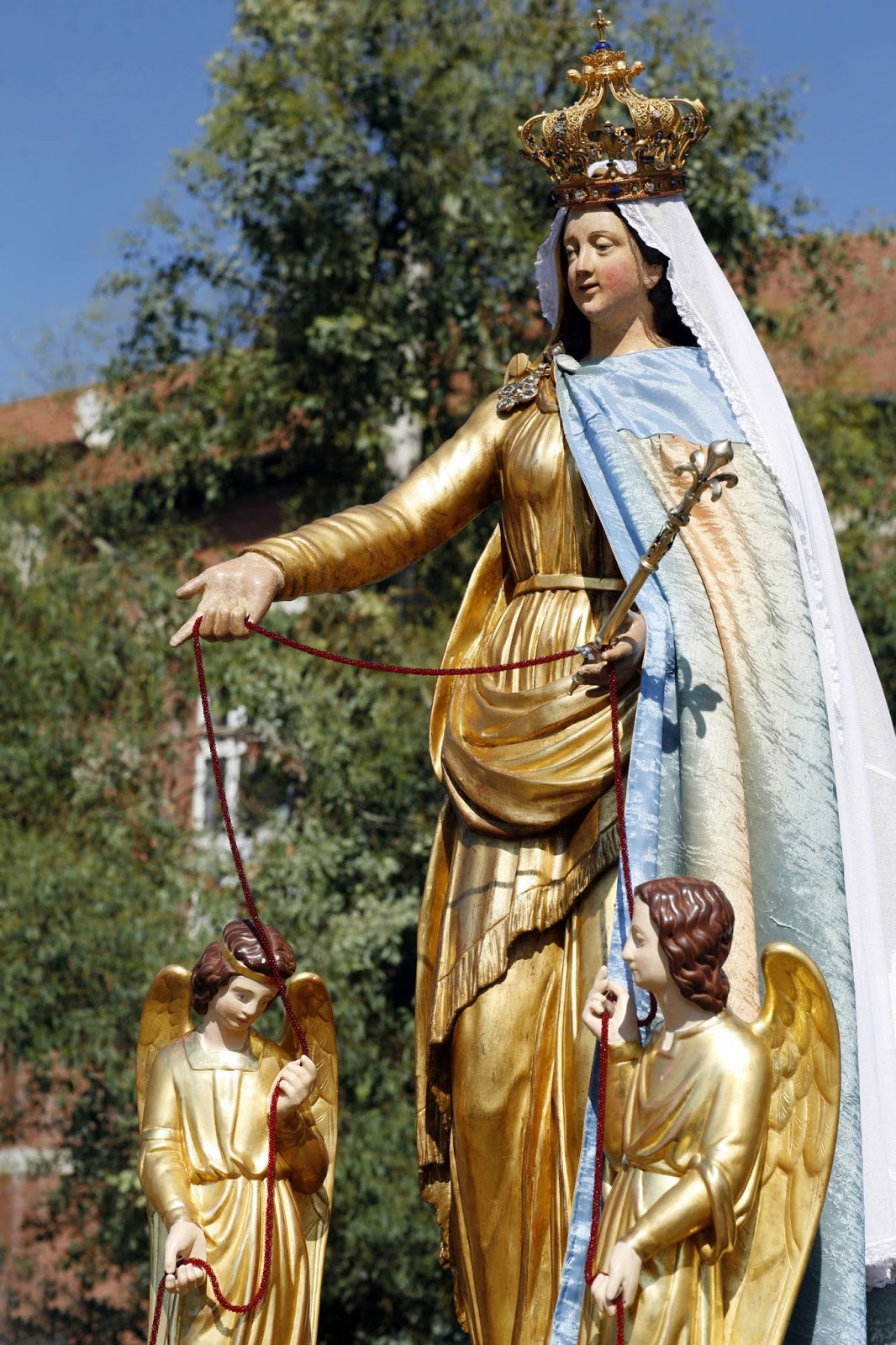
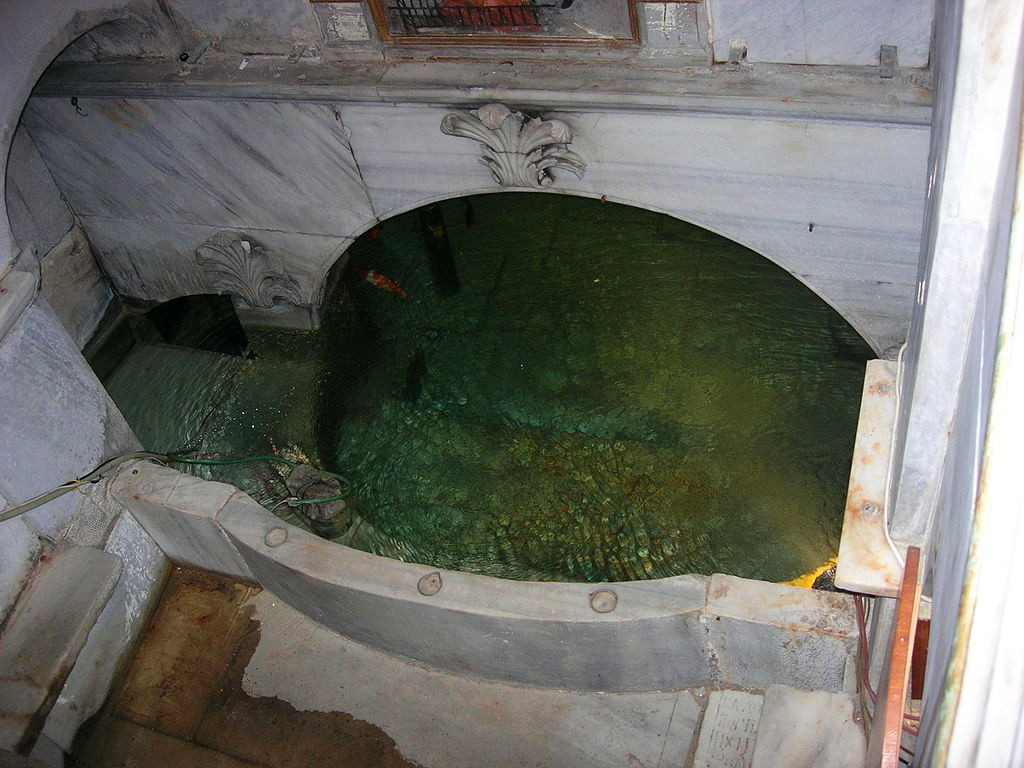
Our Lady of the Fountain, Constantinople (460) – 16 March:
The Abbot Orsini wrote: “Our Lady of the Fountain, at Constantinople, built, by the Emperor Leo, in the year 460, in thanksgiving for the Blessed Virgin’s having appeared to him on the margin of a spring, to which he was charitably leading a blind man, when he was no more than a common soldier and foretold to him, that he would become the emperor.”
Emperor Leo I, also known as Leo I the Thracian, Leo the Great, and even to some, Leo the Butcher, was the Emperor of the Byzantine Empir,e from the year 457 until 474. Leo had begun with a career in the military, eventually rising to the rank of tribune in 457. When the Emperor then reigning died, Leo was acclaimed the new Emperor. It is interesting to note, that he is a Saint in the Orthodox Church. In a certain manner, the Shrine of Our Lady of the Fountain still exists. Instead of the title the Abbot had given it, the Shrine is now known as, the Mother of God of the Life-Giving Spring. the story surrounding it is as follows. the man who would later become Emperor Leo I of the Byzantine Empire, was a good and pious man long before he became Emperor. One day in his travels, he had come upon a blind man, who, being tormented with thirst, begged Leo to find water to quench his thirst. Feeling compassion for this man, Leo went in search of a source of water but found none. As he was about to cease his search, he heard a voice telling him: “Leo, you do not need to tire yourself for there is water nearby.” Leo looked again but still found no water. Then he heard the voice again, this time telling him: “Emperor Leo, enter into the deepest part of the woods and you will find a lake; draw some cloudy water from it with your hands and give it to the blind man to quench his thirst, then anoint his darkened eyes with the clay and you will immediately know who I am, for I have dwelt in this place for a long time. Build a Church here that all who come here, will find answers to their petitions.” Leo found the lake and did as he was instructed. As soon as the blind man’s eyes were anointed, he received his sight. Leo became Emperor a short time later and built a large and beautiful Church in honour of the Blessed Virgin at that place, just outside the Golden Gate near the Seven Towers district. Many miracles began to occur there, including resurrections from the dead, through the intercession of the Mother of God. When this Church was damaged by earthquakes, it was rebuilt by subsequent Emperors who also experienced miraculous cures and the answer to their petitions.
In the year 1453, the Church was razed to the ground when Constantinople fell to the Turks. The material that remained was taken to be used to construct the mosque of the Sultan Beyazid. Even then, people continued to come to the place seeking relief, for the spring remained intact beneath the ruins. The Shrine had twenty-five steps going down to it, and a window in the roof above from which it received a little light. In 1821 the Shrine was destroyed during the Greek War of Independence. In 1833 the Sultan Mahmud allowed the Orthodox Christians to rebuild the Shrine. Later, on the night of 6 September 1955, the Turks killed the Abbot, who was hung and the Shrine was desecrated and burned to the ground. The Shrine has since been restored yet again but appears nothing like it once had in the distant past. Still, it is said, that the water from the spring continues to have miraculous properties.
Procession of Our Lady of the Fountain, 1959
__ St Abban of Kill-Abban St Abraham Kidunaia St Agapitus of Ravenna St Aninus of Syria St Benedicta of Assisi St Dionysius of Aquileia St Dentlin of Hainault Bl Eriberto of Namur St Eusebia of Hamage St Felix of Aquileia St Finian Lobhar, surnamed “the Luminous Leper” (Died c 560) Bishop, Abbot





 AnaStpaul
You must be logged in to post a comment.