Posted in CHEFS and/or BAKERS, CONFECTIONERS, SAINT of the DAY

Saint of the Day – 13 December – Saint Aubertus of Cambrai-Arras (c600-c669) Bishop and Confessor,

Saint of the Day – 13 December – Saint Aubertus of Cambrai-Arras (c600-c669) Bishop and Confessor, Monk and Hermit, Apostle of the poor, Founder of several Churches and Monateries in the region of what is now Belgium. Born in France in c600 and died there in c669 of natural causes. Patronages – of bakers and confectioners, merchants, Cambrai, France, Ghent, Belgium, Hainault, Belgium. Also known as – Aubert of Cambrai, Aubert of Cambrai-Arras, Aubert of Avranches , Albert…Audebertus…Authbert…Autbertus…Obrecht…

The Roman Martyrology reads today: “At Cambrai, in France, St Aubertus, Bishop and Confessor.”
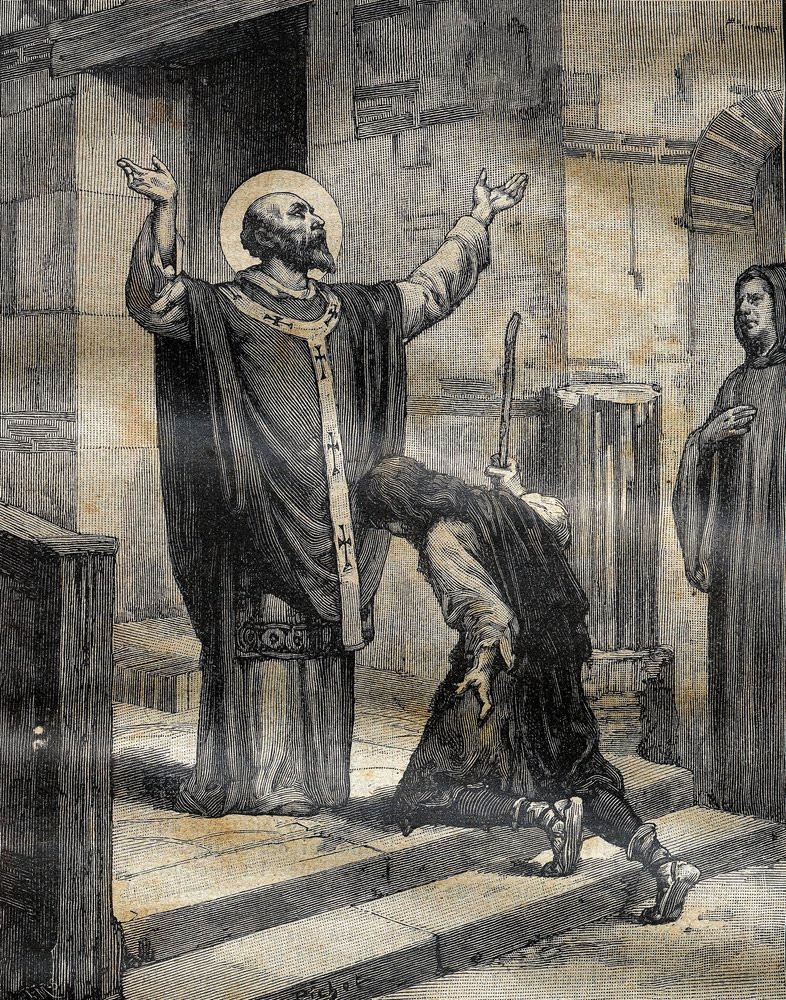
Saint Aubertus, the Bishop of Cambrai-Arras, welcomed his disciple and prodigal godson, St Landelin and forgives him his three years of error. Engraving in Le Pelerin.

Aubertus was the 8th Bishop of Cambrai, in France who lived around the middle of the 7th Century.

He was born around 600 in Haucourt en Cambrésis, belonging to the family of the Merovingian King Dagobert I. He became a Monk in the Abbey founded by Saint Columban in 590 in Luxeuil, during the years in which Saint Eustasius was the Abbot.

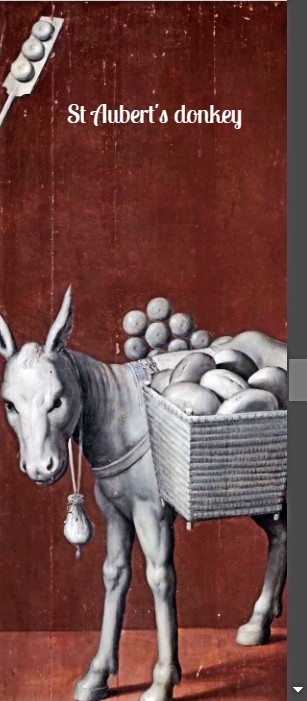
After this first experience, tradition tells us that he became a Hermit and chose to live in solitude in the mountains. In his solitude he made bread which he then, with the help of his donkey, went to sell and donate the proceeds to the poor.
Around 652, Autbertus became the Bishop of Cambrai, after Saint Adalbert. Serving as the Bishop for 36 years, Bishop Aubertus promoted religion and the study of holy texts in Hainaut and Flanders. Through his influence, many nobles were converted and King Dagobert became a major supporter of the Christian Church. St Landelin was entrusted to his care and was educated in learning and piety by Aubertus. The Bishop of Cambrai gave his benediction to St Ghislain and blessed his hermitage (now Saint-Ghislain). Aubertus bestowed the religious habit upon the Count of Hainaut, Vincent Madelgarius, his wife, Saint Waltrude and her sister, St Aldegundis, who was admitted to the vows of a Nun by our St Aubertus of Cambrai and St Amandus of Maestricht, before becoming the first Abbess of Maubeuge Abbey.
In c655, Aubertus alongside St Eligius, arrived 30 days after St Fursey’s death to exhume his body for his Canonisation. In 666, he solemnly performed the translation of the Relics of St Vedast at Arras.

He governed the Diocese until 669, the year of his death. Among his disciples we also find Saint Vindician, his successor.
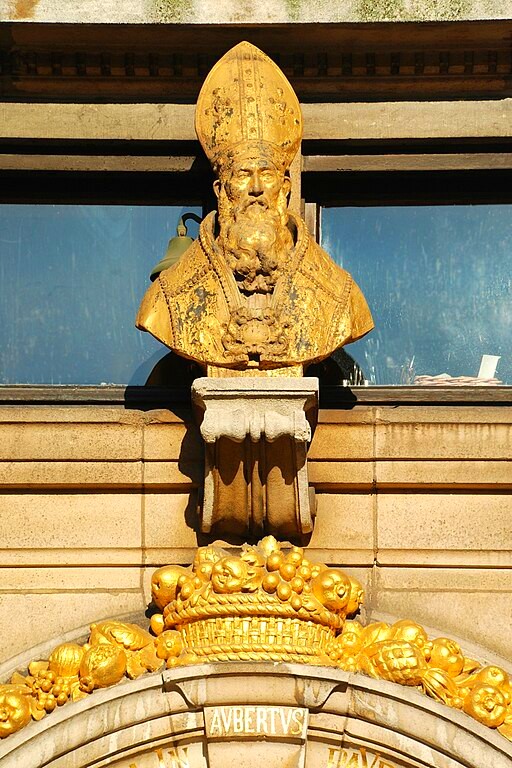
Autbertus is the Patron Saint of bakers and in Belgium he is represented, with a donkey loaded with two baskets full of bread and carrying a bag around his neck.

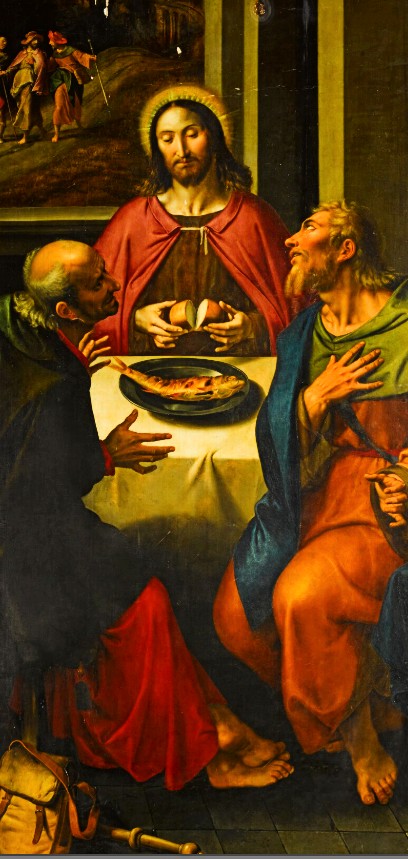
Bishop Aubertus died around 669 in Cambrai, Francia. He was buried in St Peter Church and is celebrated today, 13 December. His Shrine is kept in a Cambrai Abbey of Canons Regular, established in 1066. This beautiful image below features our Saint Aubertus. Itis a double-sided Altarpiece wing depicts The Supper at Emmaus and Saint Aubert, Bishop of Cambrai-Arras on the right(?). The Artist was Ambrosius Francken the Elder (Herentals 1544/45–1618 Antwerp).
Posted in EYES - Diseases, of the BLIND, SAINT of the DAY

Within the Octave, La Reina del Rosario de Banos de Agua Santa / Queen of the Holy Rosary, Ecuador (1570), St Lucy and a Prayer for her intercession and Memorials of the Saints – 13 December

Within the Octave of the Immaculate Conception of the Blessed Virgin Mary, Mother of God

La Reina del Rosario de Banos de Agua Santa / Queen of the Holy Rosary, also known as the Virgin of the Holy Waters, Baños de Agua Santa, Ecuador (1570) 13 December:
HERE:

https://anastpaul.com/2021/12/13/la-reina-del-rosario-de-banos-de-agua-santa-queen-of-the-holy-rosary-also-known-as-the-virgin-of-the-holy-waters-banos-de-agua-santa-ecuador-1570-and-memorials-of-the-saints-13-december/

This is or is similar to, the Statue which stands at the Holy Waters

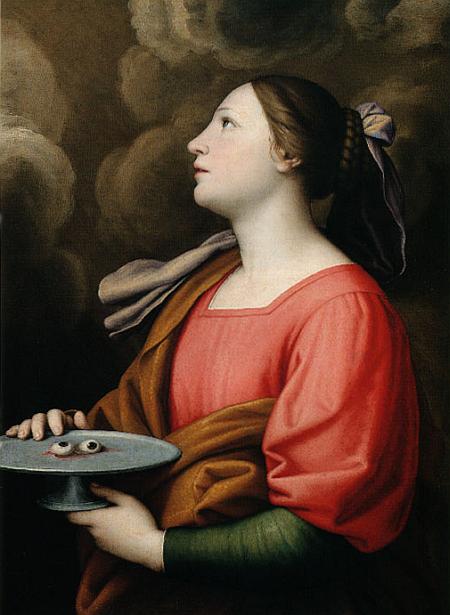
St Odilia of Alsace (c660-720) Virgin Abbess, born blind, but was miraculously granted her sight, miracle-worker.
The Life of St Odilia, another Patron against eye diseases and partial sightedness, also ear ailments.

https://anastpaul.com/2021/12/13/saint-of-the-day-13-december-saint-odilia-of-alsace-c-660-720/

St Antiochus of Sulci

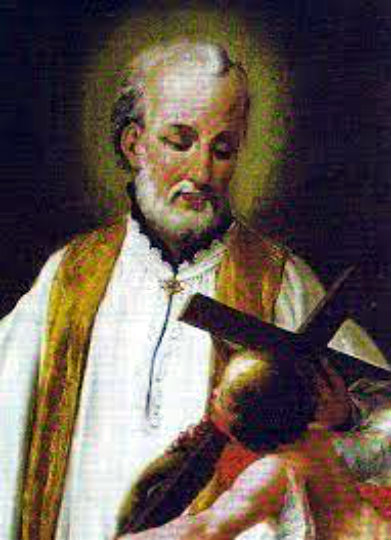
Blessed Antonio Grassi Cong. Orat. (1592 – 1671) Priest of the Oratorians of St Philip Neri, Confessor, Tertiary of the Order of St Francis, Spiritual advisor, Counsellor, Mediator, Miracle Worker, Apostle of the poor and the sick. He was Beatified on 30 September 1900 by Pope Leo XIII.
Blessed Antonio’s biography:

https://anastpaul.com/2018/12/13/saint-of-the-day-13-december-blessed-antonio-grassi-cong-orat-1592-1671/

St Aristone
St Arsenius of Latro
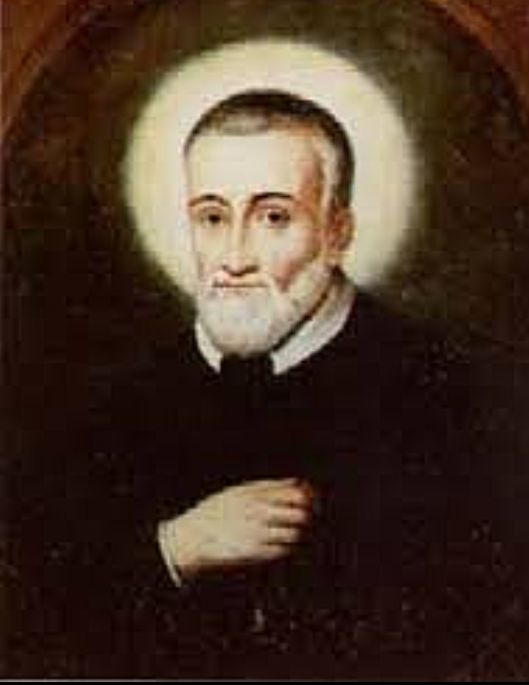
St Aubertus of Cambrai (c600-c669) Bishop and Confessor
Bl Bartholomew of Tuscany
St Edburgh of Lyminge
St Einhildis of Hohenburg
Bl Elizabeth Rose
St Jodocus

Blessed Giovanni Marinoni CR (1490-1562) Priest of the Theatines of St Cajetan (1480-1547) (The Congregation of the Clerics Regular of the Divine Providence), renowned Preacher and spiritual director. Patron of Preachers. He was Beatified on 5 December 1764, by a Bull of Pope Clement XIII, who also granted an Office in his honour, to his Order, to be celebrated on 13 December.
Biography:

https://anastpaul.com/2019/12/13/saint-of-the-day-blessed-giovanni-marinoni-cr-1490-1562/

St Martino de Pomar
St Roswinda
St Tassio of Bavaria


St Wifred

Blessed Mercedarian Knights – 7 Beati: A group of Mercedarian Knights who fought the enemies of the Catholic faith in the first Century of the Order.
Blessed Bernardo de Podio
Blessed Giacomo de Copons
Blessed Giovanni de Bruquera
Blessed Guglielmo de Sa
Blessed Pietro Boguer
Blessed Pietro Ricart
Blessed Raimondo de Frexa

Martyrs of Sebaste – 5 Saints: A group of Christians Martyred together in the persecutions of Diocletian. We know little more than their names – Auxentius, Eustratius, Eugene, Mardarius and Orestes. They were martyred in c 302 at Sebaste, Armenia (in modern Turkey) and their relics are enshrined at the church of Saint Apollinaris in Rome, Italy.