Posted in Of the SICK, the INFIRM, All ILLNESS, SAINT of the DAY

Saint of the Day – 5 November – Saint Laetus (Died 534) Priest and Confessor of Orleans,

Saint of the Day – 5 November – Saint Laetus (Died 534) Priest and Confessor of Orleans, France, Monk, Monk, Hermit, Miracle-worker. Whilst still a Monk, Laetus was a spiritual guide to St Leonard of Noblac, who was a fellow Monk. Born in the region of Berry, France and died in 534 in the forest of Orléan. Patronage – of the sick. Also known as – Lie, Lié, Lyé, Leto, Lieto. Additional Feast – 2 January in Mohon, in the Ardennes.

The Roman Martyrology reads today: “At Orleans, in France, St Laetus, Priest, Confessor.”
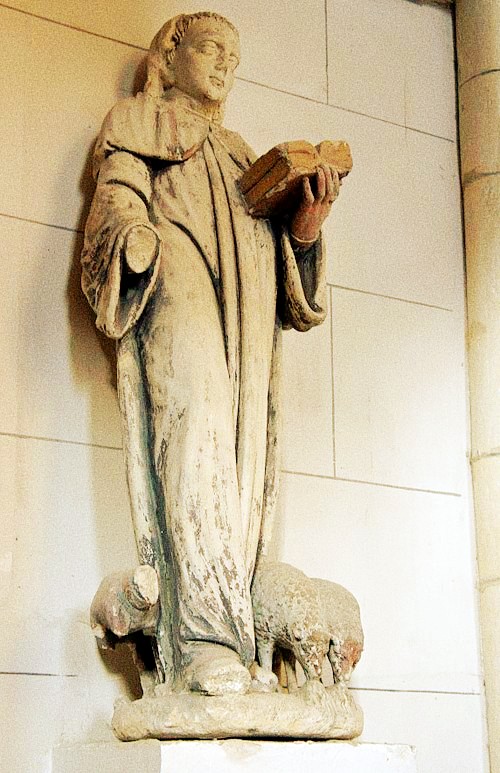
Statue of St Laetus at Ville-Dommange

Born of a family in Berry, France sometime during the reign of Chlothar I, his name suggests a Gallo-Roman background. Small of stature,, he was a peasant herdsman, who embraced the monastic life at the age of 12. He spent some time at the Monastery of Micy-Saint Mesmin, near Orléans, where he was welcomed by the Abbot Treïcius, who Ordained him a Deacon and then a Priest. While at Micy, Lié provided direction to fellow Monk and Saint Leonard of Noblac (c496-559).

After a few years, Laetus left the Monastery in search of greater solitude. He headed north and stopped on the edge of the Loges Forest (Forest of Orleans), not far from a clearing where poor woodcutters were felling oaks. There, having found a dense thicket where no sound entered, he built himself a hut and there, spent his days in prayer, living only on wild fruits.

Laetus only left this solitude to visit the sick, to comfort them with a few holy words and to soften the bitterness of the last passage. The blind, the lame, the crippled came to meet him and more than once obtained cures through his intercessary prayer. He was greatly loved by all, especially the sick and hopeless. Laetus was viewed an example to all for his humility. .He lived there until the year 534, which he predicted would be the year of his entry into eternal beatitude. He was buried in the place where he had lived and, on his Tomb, a Chapel was erected.

His body was later brought by Ermentheus, the Bishop of Orleans, to the Church of Pithiviers. They burnt by the Huguenots in 1580. However, there were stille fragments of his legs preserved by Christians of Pithiviers. In 1664, they were returned to the Village of Saint-Lyé after many adventures. They now rest in a Reliquary placed at the foot of the Altar dedicated to him. On Pentecost Monday, many pilgrims would come to venerate St Laetus and ask for the cure of their infirmities.

In 1523 a Brotherhood dedicated to venerating Saint Laetus was founded at Mohon, in the Ardennes. The Brotherhood in 1611, having obtained an Indulgence from Pope Paul V, the dedication of the local Church was changed from that of Saint Gilles to Saint Laetus. Some of his Relics were transported to the Église Saint-Lié de Mohon, probably around 1683. There he is celebrated on 2 January.

Saint Laetus is depicted on a pillar of the south porch of Chartres Cathedral. There are numerous Churches, places, Villages names for our Saint in many regions of France.

Posted in DOCTRINE, FEASTS and SOLEMNITIES, JESUIT SJ, MARIAN TITLES, SAINT of the DAY

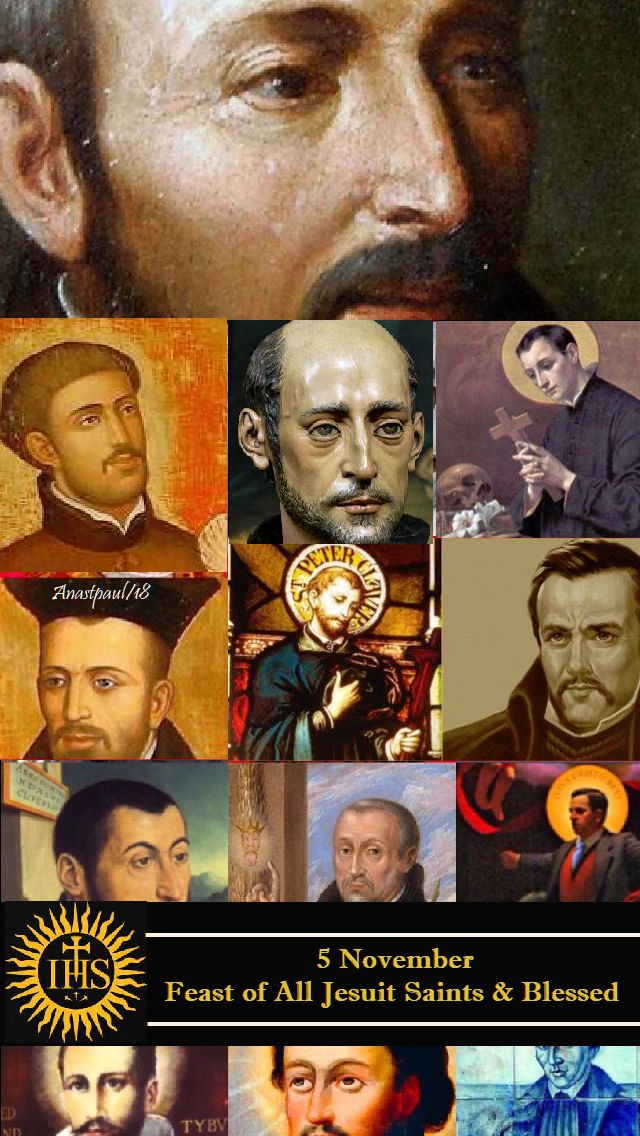
Within the Octave of All Saints, The Feast of the Holy Relics, Nossa Senhora da Medalha Milagrosa / Our Lady of the Miraculous Medal, Brazil (1939), All Saints and Blesseds of the Society of Jesus and all the Saints for 5 November

FIRST WEDBESDAY

The Feast of the Holy Relics:
https://anastpaul.com/2022/11/05/feast-of-the-holy-relics-5-november-2/
AND:
About: https://anastpaul.wordpress.com/2017/11/05/feast-of-the-holy-relics-5-november/
Protestantism pretends to regard the veneration which the Church pays to the Relics of the Saints, as a sin and contends that this pious practice is a remnant of paganism.
The Council of Trent, on the contrary, has decided that the bodies of the Martyrs and other Saints, who were living members of Jesus Christ and temples of the Holy Ghost, are to be honoured by the faithful.
This decision was based upon the established usage of the earliest days of the Church and upon the teaching of the Fathers and of the Councils.
The Council orders, however, that all abuse of this devotion is to be careffully avoided and forbids any Relics to be exposed which have not been approved by the Bishops and, these Prelates are recommended, to instruct the people faithfully, in the teaching of the Church on this subject.
While we regret, then, the errors of the impious and of heretics, let us profit by the advantages which we gain, by hearkening to the Voice of the Church!

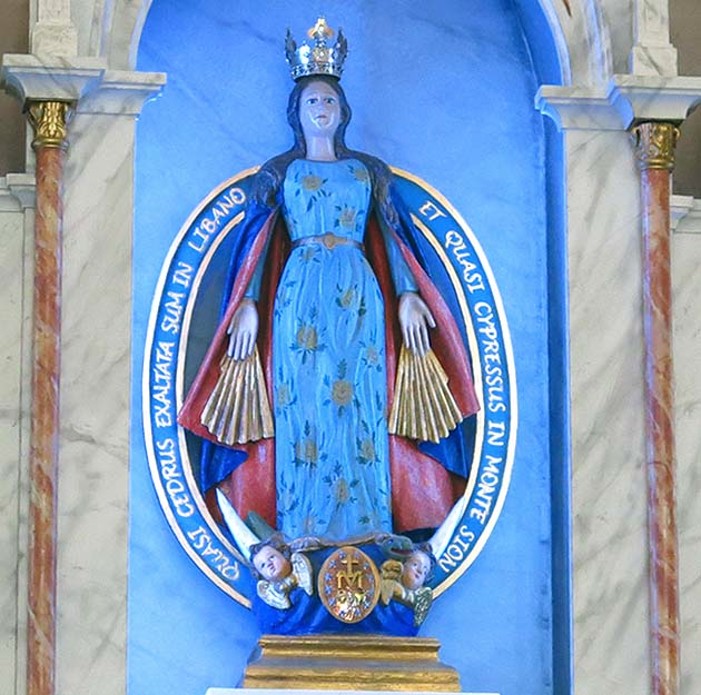
Nossa Senhora da Medalha Milagrosa / Our Lady of the Miraculous Medal, Monte Sião, Brazil (1939) – 5 November now moved to 27 November:
HERE:

https://anastpaul.com/2021/11/05/feast-of-the-holy-relics-nossa-senhora-da-medalha-milagrosa-our-lady-of-the-miraculous-medal-monte-siao-brazil-1939-and-memorials-of-the-saints/

All Saints and Blesseds of the Society of Jesus:
The Society of Jesus, commonly known as the Jesuits, was Founded in 1534 by Saint Ignatius Loyola (1491-1556) at Montmartre, Paris, France. A body of clerics regular organised for Apostolic work, following a religious rule and relying on alms for their support. It was the chief instrument of the Catholic Reformation. Pope Paul III approved the new rule in 1540 and Ignatius was elected the first general of the order in 1541. The constitutions, drafted by him and based on his Spiritual Exercises were adopted in 1558. It was the first order which enjoined by its constitutions devotion to the cause of education. The ministry of the Society consists chiefly in preaching. teaching catechism. administering the sacraments. conducting missions in parishes, taking care of parishes. organising pious confraternities, teaching in schools of every grade, writing books, pamphlets, periodical articles, going on foreign missions and special missions when ordered by the current Holy Father, to whom they take a vow of total obedience. Our current Holy Father, Pope Francis is a Jesuit and has jokingly wondered aloud who is boss of whom in his Order. The general resides at Rome, Italy and has a council of assistants. The motto of the Society is Ad Majorem Dei Gloriam (For the greater glory of God).
All Jesuit Saints and Blesseds:
https://anastpaul.com/2018/11/05/feast-of-all-the-saints-and-blesseds-of-the-society-of-jesus/

St Augustine of Terracina
Bl Bernhard Lichtenberg

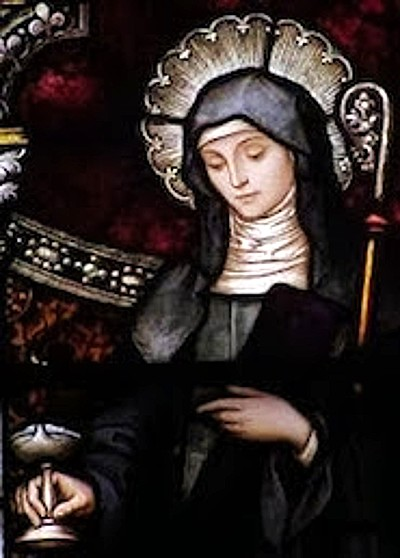
St Bertille (c629-c703) Virgin, Abbess, spiritual student of St Ouen (also known as St Audoin).
About St Bertille:

https://anastpaul.com/2021/11/05/saint-of-the-day-5-november-saint-bertille-c-629-c-703/

St Canonica
St Comasia
St Dominator of Brescia
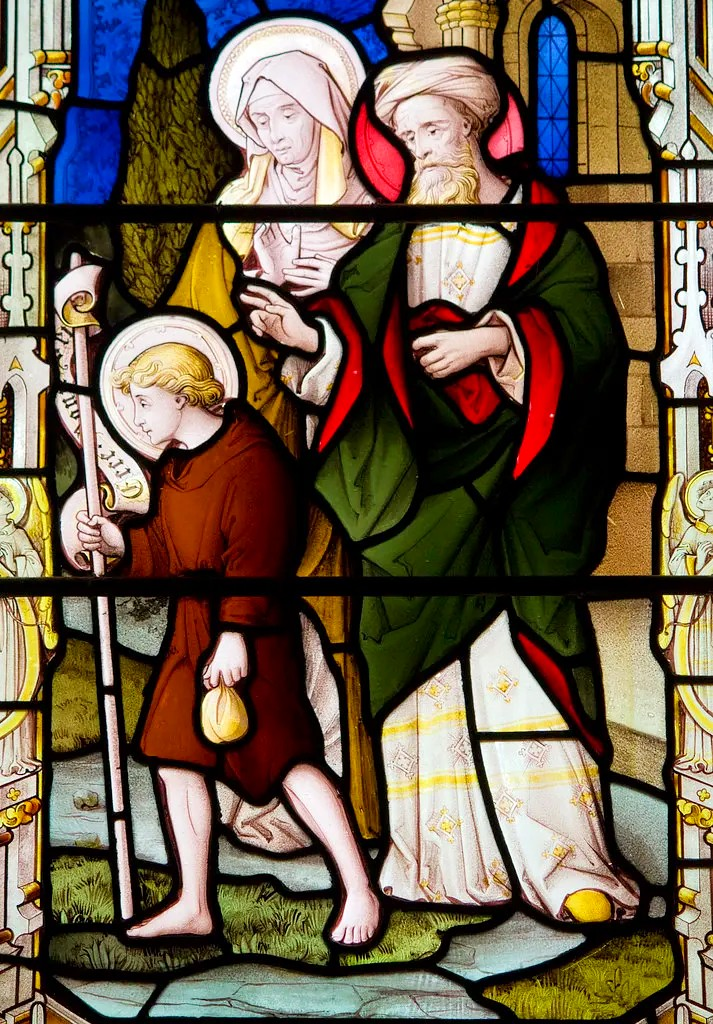
+St Elizabeth (1st Century) Mother of St John the Baptist
St Domninus the Physician
St Epistemis
St Eusebius of Terracina
St Felix of Terracina
St Fibitius
St Galation

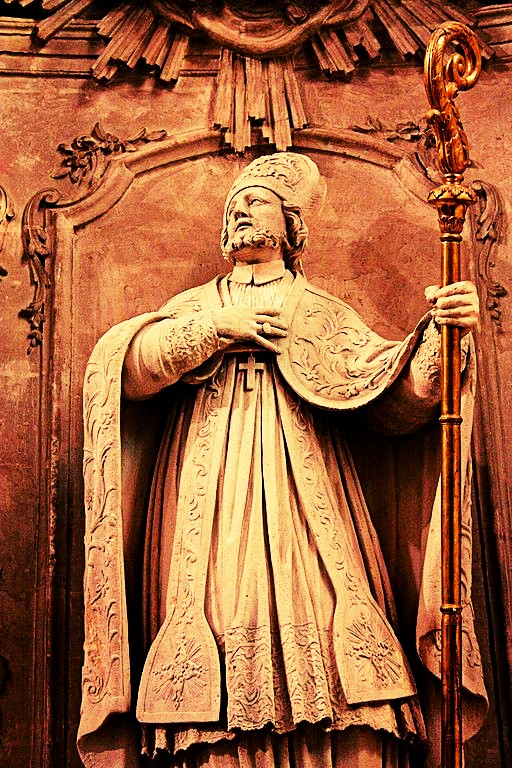
St Gerald OSA (1070–1123) Bishop of Béziers from 1121 until the day of his death, Canon Regular of St Augustine and the 2nd Prior of the community at Cassan Abbey, Apostle of the poor and sick, Gerald built a Hospital and restored and extended the Abbey, Miracle-worker. Born around 1070 in Puissalicon and died on 5 November 1123 in Béziers in France of natural causes. Patronages – Puissalicon and the town of Saint-Guiraud and of children suffering from eye diseases.
His Life of Love:

https://anastpaul.com/2023/11/05/saint-of-the-day-5-november-saint-gerald-of-beziers-osa-1070-1123-bishop/

Bl Gomidas Keumurjian
Bl Gregory Lakota
St Guetnoco
St Hermenegild
St Idda
St Juan Antoni Burró Mas
St Juan Duarte Martín
St Kanten
St Kea
St Laetus (Died 534) Priest and Confessor of Orleans
St Magnus of Milan
St Mamete
St Marco of Troia
St Spinulus of Moyen-Moûtier
St Sylvanus of Syria

+St Zachary (1st Centuiry) Priest and Prophet, Father of St John the Baptist and Spouse of St Elizabeth, mother of the same blessed Precursor of Jesus Christ. Patronages – of childless couples, of patience, of Malta and the Hospitallers of Jerusalem.
St Zachary:

https://anastpaul.com/2024/11/05/saint-s-of-the-day-5-november-st-zachary-and-st-elizabeth-1st-centuiry-parents-of-st-john-the-baptist/

Martyrs of Caesarea Maritima – 4 Saints: Four young Christian men who were Martyred together is the persecutions of Maximian – Aussenzius, Philotheus, Timothy and Theotimus. They were martyred in the arena at Caesarea Maritima, Palestine.