Quote/s of the Day – 18 October – The Feast of St Luke, the Evangelist
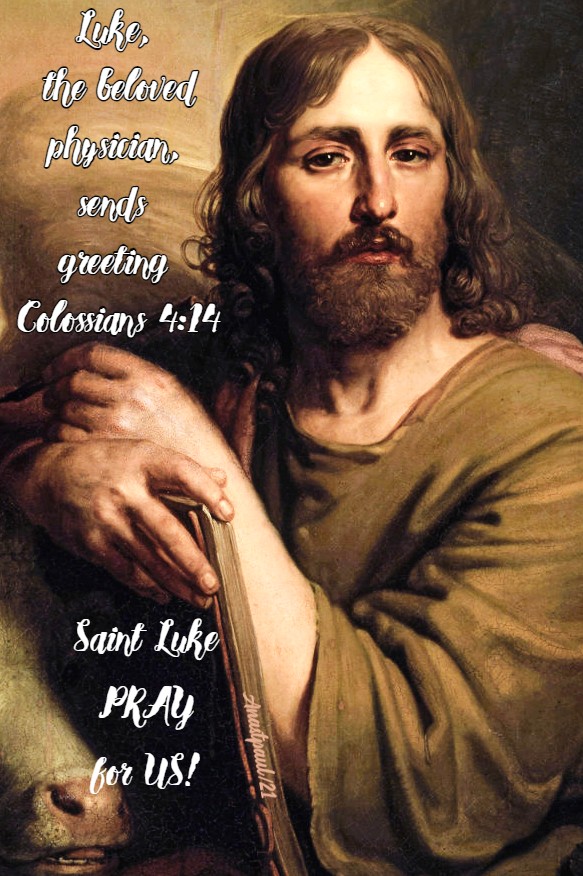
“Luke, the beloved physician, sends greetings … ”
Colossians 4:14
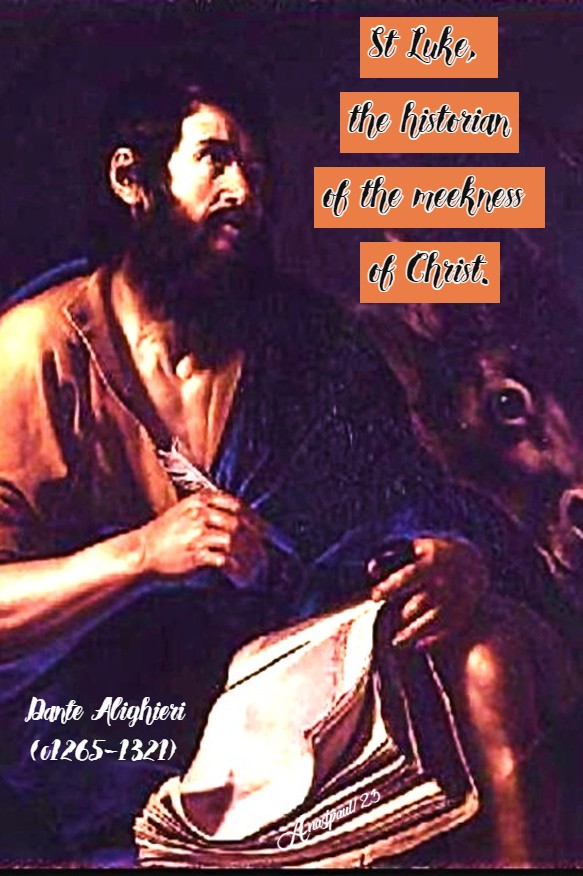
“St Luke, the historian of the meekness of Christ.”
Dante Alighieri (c1265-1321)
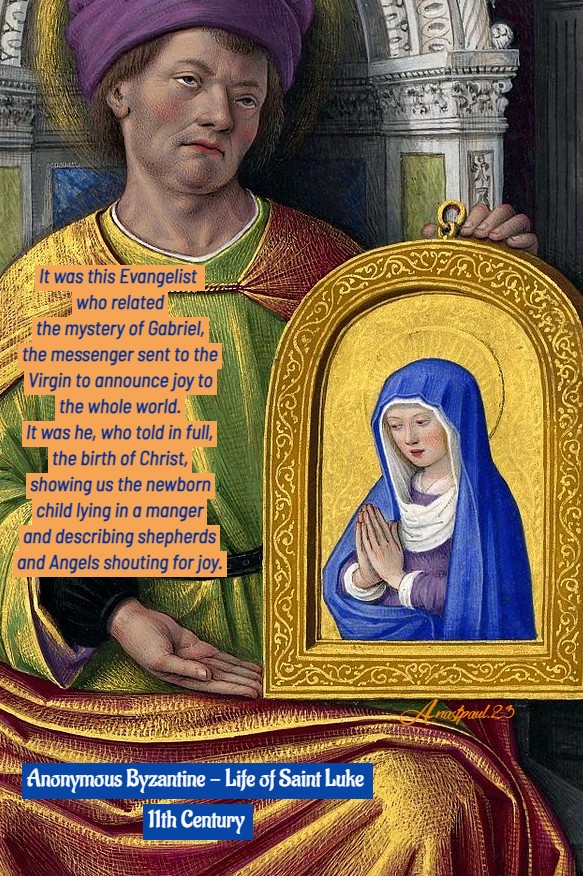
“It was this Evangelist who related the mystery of Gabriel, the messenger sent to the Virgin to announce joy to the whole world. It was he, who told in full, the birth of Christ, showing us the newborn Child lying in a manger and describing shepherds and Angels shouting for joy.”
“The harvest indeed is great but the labourers are few. Pray ye, therefore, the Lord of the harvest that He send labourers into His harvest.” Luke 10:2
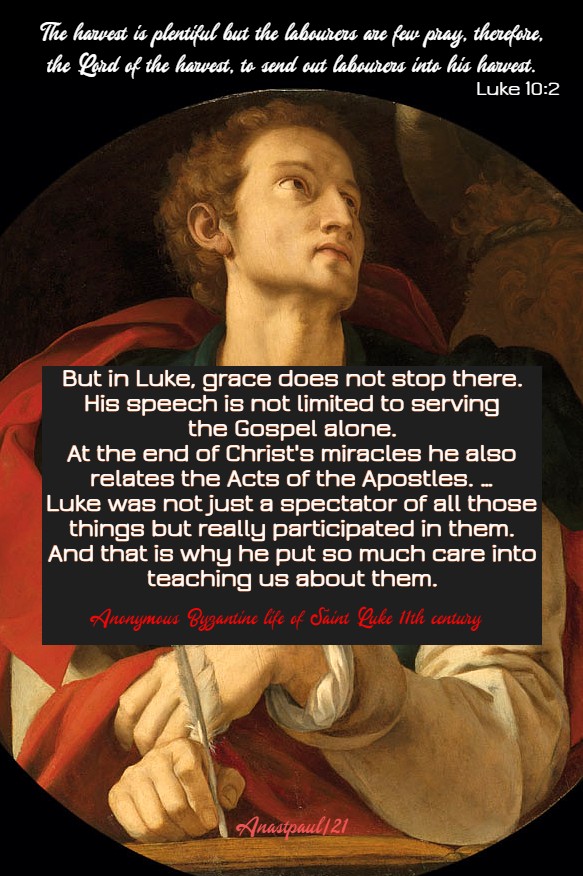
“But in Luke, grace does not stop there. His speech is not limited to serving the Gospel alone. At the end of Christ’s miracles he also relates the Acts of the Apostles. … Luke was not just a spectator of all those things but really participated in them. And that is why he put so much care into teaching us about them.”
Anonymous Byzantine – Life of Saint Luke 11th Century
One Minute Reflection – 18 October – “The Month of The Most Holy Rosary and The Holy Angels” – The Feast of St Luke, the Evangelist – 2 Corinthians 8:16-24 – Luke 10:1-9 – Scripture search here: https://www.drbo.org/
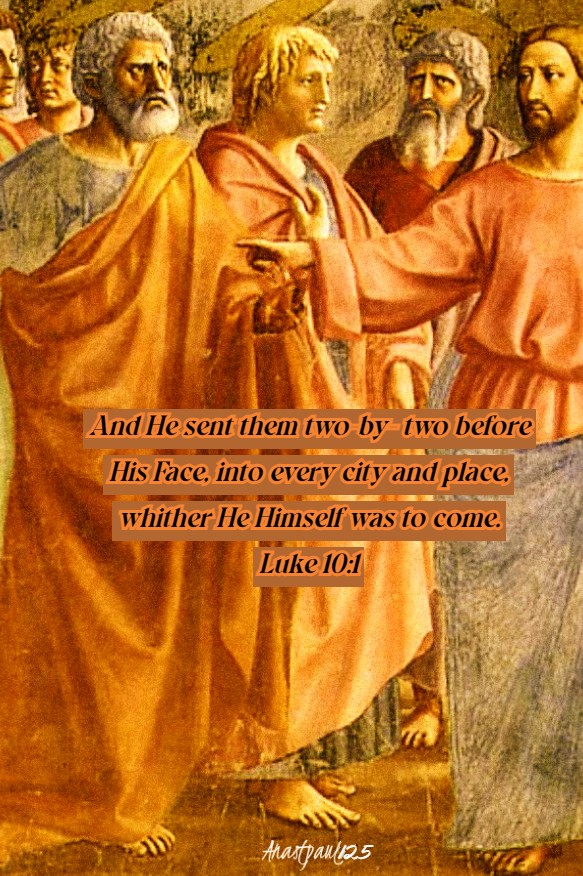
“And He sent them two-by- two before His Face, into every city and place, whither He Himself was to come.” – Luke 10:1
REFLECTION – “The Kingdom of Heaven is like a mustard seed which a person took and sowed in a field. It is the smallest of all the seeds, yet when full-grown it is the largest of plants. It becomes a large bush and the ‘birds of the sky come and dwell in its branches.’ (Mt 13:31). This small seed for us, is the symbol of Jesus Christ, Who, sowed into the garden where He was buried, rose from it shortly after, through His Resurrection, as a big tree.
One could say that when He Died He was like a small seed, a small seed because of the humiliation of His Flesh but, a big tree because of the glorification of His Majesty. He was like a small seed when He appeared completely disfigured before our eyes but, like a large tree when He rose again like “the most handsome of men” (Ps 44:3).
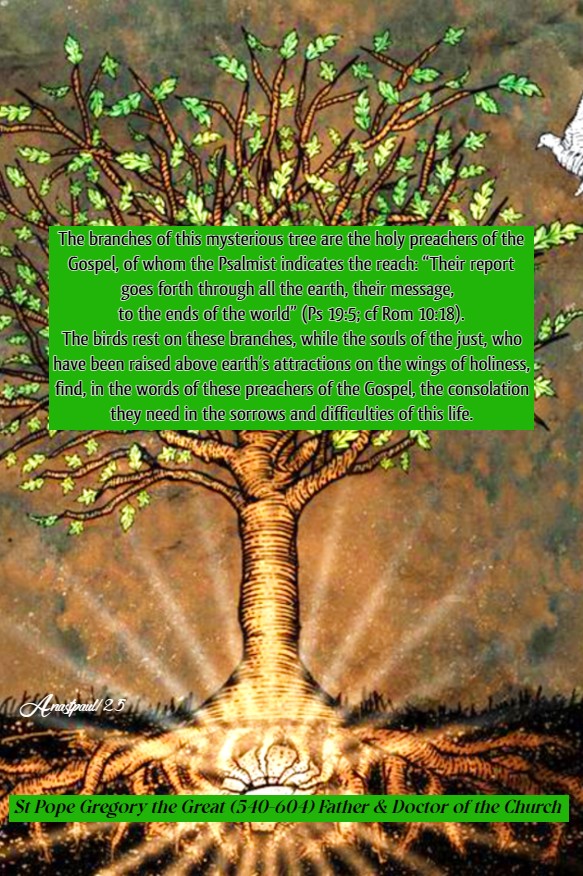
The branches of this mysterious tree are the holy preachers of the Gospel, of whom the Psalmist indicates the reach: “Their report goes forth through all the earth, their message, to the ends of the world” (Ps 19:5; cf Rom 10:18). The birds rest on these branches while the souls of the just, who have been raised above earth’s attractions on the wings of holiness, find, in the words of these preachers of the Gospel, the consolation they need in the sorrows and difficulties of this life.” – St Gregory the Great (540-604) Pope, Father & Doctor of the Church (Sermons on Matthew, Ch 13).
PRAYER – O Lord, we beseech Thee, that Luke, Thy holy Evangelist, who for the honour of Thy Name bore continuously in his body the suffering of the Cross, may intercede on our behalf. Through the same Jesus Christ, Thy Son our Lord, Who lives and reigns with Thee, in the unity of the Holy Ghost, God, world without end. Amen (Collect).
Martyrs of Africa – 9 Saints: A group of Christians Martryed together in Africa. The only details that have survived are the names – Beresus, Dasius, Faustinus, Leucius, Lucius, Martialis, Victoricus, Victrix and Viktor. They were Martyred in c300 in Africa.
One Minute Reflection – 21 September – “The Month of The Seven Sorrows of the Blessed Virgin Mary and The Holy Cross” – The Feast of St Matthew, Apostle and Evangelist, Martyr – Pentecost XV – Ezekiel 1:10- 14 – Matthew 9:9-13 – Scripture search here: https://www.drbo.org/
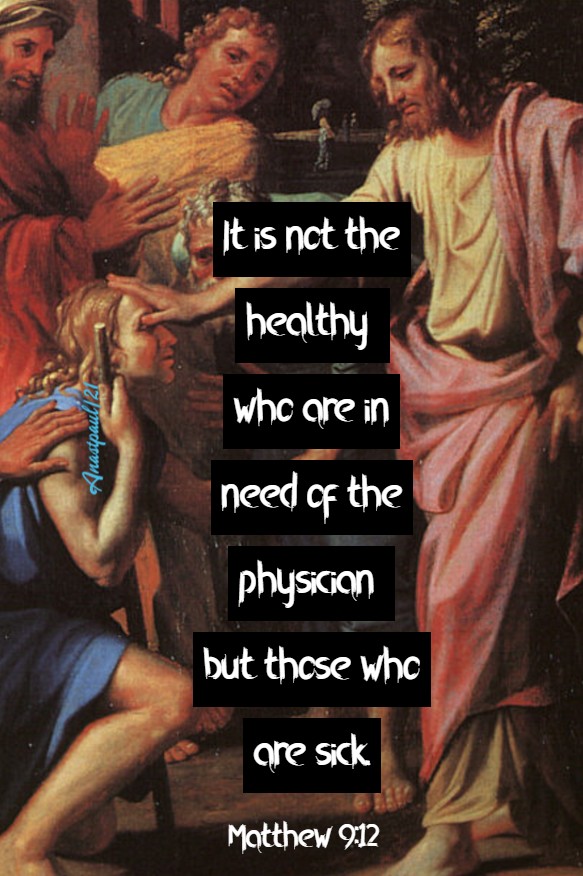
“It is not the healthy who need a physician but they who are sick. But go and learn what this means: ‘I desire mercy, and not sacrifice.’ For I have come to call sinners, not the just.”- Matthew 9:12-13
REFLECTION – “The Apostles, those who all as one and each in particular, possessed the Good News of God, went to the ends of the earth proclaiming the news of all the blessings God sends us and announcing Heaven’s peace towards men (Lk 2:14). Specifically, Matthew produced a written form of the gospel for the Hebrews in their own language, while Peter and Paul evangelised Rome and founded the Church there. After their deaths, Mark, who was Peter’s disciple and interpreter (1 Pt 5:13), also handed down Peter’s preaching to us in writing. Likewise, Luke, Paul’s companion, set down in a book, the Gospel preached by the latter. And then John, the disciple of the Lord, the one who leaned back on his breast (Jn 13:25), also published the Gospel during his stay at Ephesus.
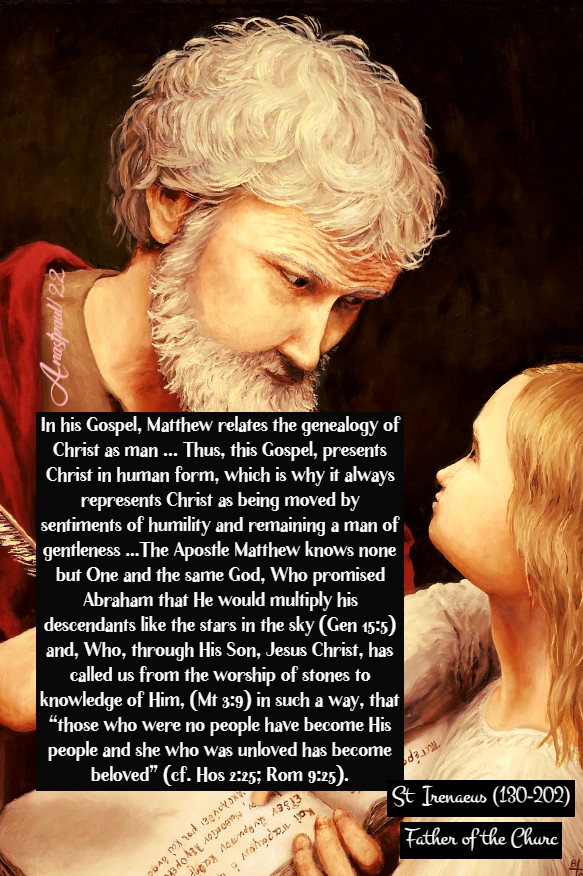
In his Gospel,Matthew relates the genealogy of Christ as man: “The book of the genealogy of Jesus Christ, the son of David, the son of Abraham: now this is how the birth of Christ came about” (Mt 1:1, 18). Thus, this Gospel, presents Christ in human form, which is why it always represents Christ as being moved by sentiments of humility and remaining a man of gentleness …The Apostle Matthew knows none but One and the same God, Who promised Abraham that He would multiply his descendants like the stars in the sky (Gen 15:5) and, Who, through His Son, Jesus Christ, has called us from the worship of stones to knowledge of Him, (Mt 3:9) in such a way, that “those who were no people have become His people and she who was unloved has become beloved” (cf Hos 2:25; Rom 9:25).” – St Irenaeus (130-202) Father of the Church, Bishop of Lyons, Theologian, Martyr (Against the heresies, III, 11,8 ; 9,1 – One of the first historical testimonies to the Evangelists).
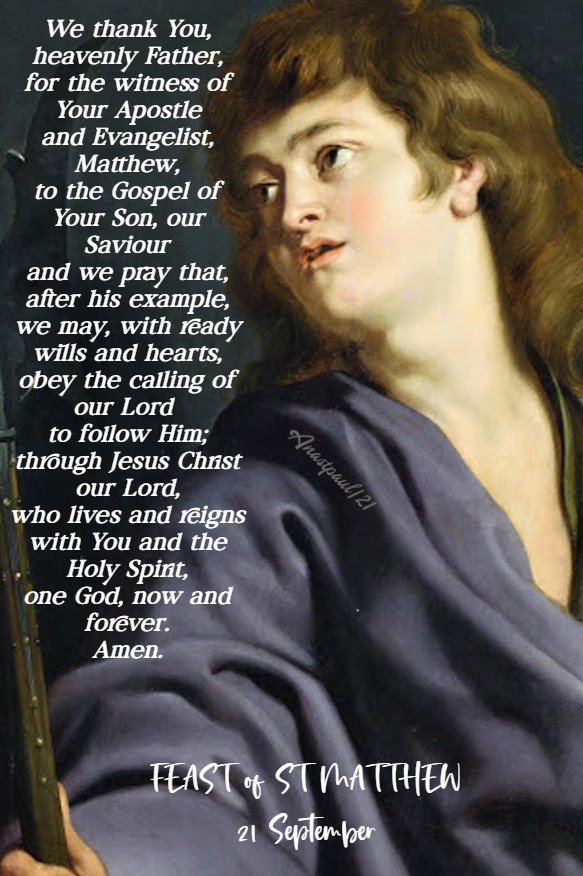
PRAYER – We thank You, heavenly Father, for the witness of Your Apostle and Evangelist, Matthew, to the Gospel of Your Son, our Saviour and we pray, that, after his example, we may with ready wills and hearts, obey the calling of our Lord, to follow Him; through Jesus Christ our Lord, who lives and reigns with You and the Holy Spirit, one God, now and forever. Amen. (Collect).
One Minute Reflection – 19 July – “The Month of the Most Precious Blood” – St Vincent de Paul CM (1581-1660) Confessor, “The Holy Hero of Divine Charity” – 1 Corinthians 4:9-14 – Luke 10:1-9 – Scripture search here: https://www.drbo.org/
“The harvest indeed is great but the labourers are few. Pray ye, therefore, the Lord of the harvest that He send labourers into His harvest. ” – Luke 10:2
REFLECTION – “That Luke was inseparable from Paul and his fellow-labourer in the Gospel, he himself clearly evinces, not as a matter of boasting but as bound to do so by the truth itself. For when Barnabas and John Mark, had parted company from Paul and sailed to Cyprus, Luke writes: “We came to Troas” (Acts 16:8.11)… Then he carefully indicates all the rest of their journey as far as Philippi,and how they delivered their first address … And all the remaining details of his journey with Paul, he recounts with all possible diligence … As Luke was present at all these occurrences, he carefully noted them down in writing, so that he cannot be convicted of falsehood or boastfulness for all these details were well known …
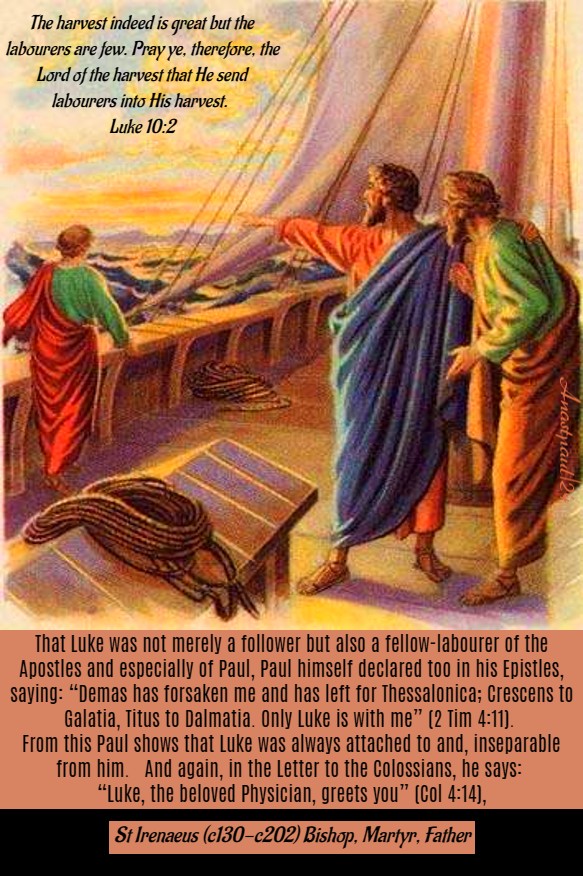
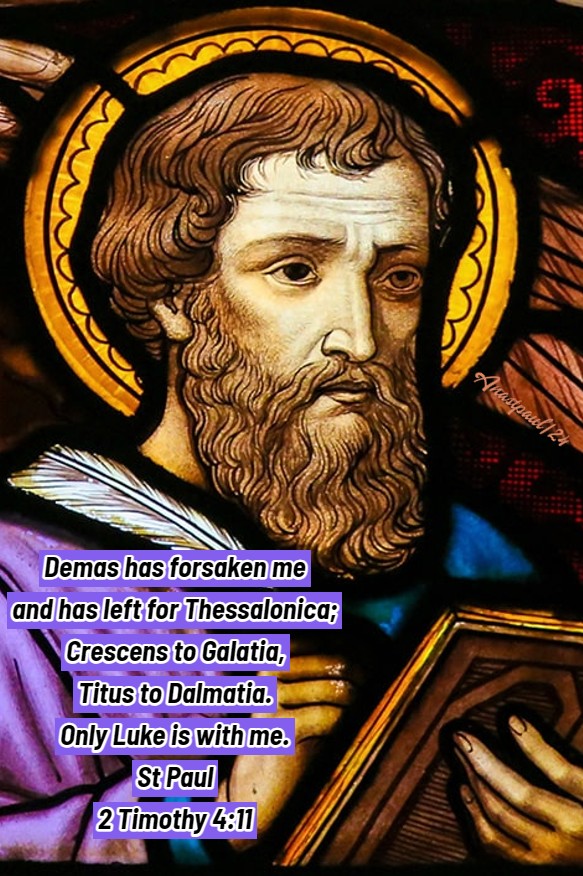
That Luke was not merely a follower but also a fellow-labourer of the Apostles and especially of Paul, Paul himself declared too in his Epistles, saying: “Demas has forsaken me and has left for Thessalonica; Crescens to Galatia, Titus to Dalmatia. Only Luke is with me” (2 Tim 4:11). From this Paul shows that Luke was always attached to and, inseparable from him. And again, in the Letter to the Colossians, he says: “Luke, the beloved Physician, greets you” (Col 4:14)…” – St Irenaeus (c130-c202) Bishop, Martyr, Theologian, Father of the Church (Against the Heresies III).
PRAYER – O God, Who endowed St Vincent with apostolic strength, to preach the Gospel to the poor and to enhance the dignity of clerical life; grant, we beseech Thee, that we. who honour his holy merits, may also conform to the example of his virtues. Through Jesus Christ, Thy Son our Lord, Who lives and reigns with Thee, in the unity of the Holy Ghost, God, world without end. Amen (Collect).
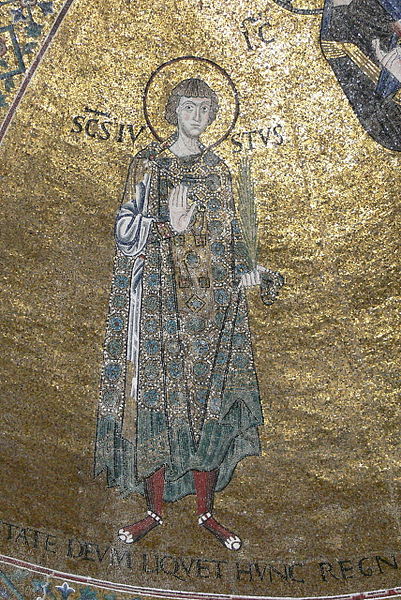
St Boethian of Pierrepont St Castus the Martyr St Conall of Inniscoel Bl Diego de Baja Bl Dionisio Senmartin St Emilius the Martyr St Faustinus the Martyr
DISCLAIMER: Please note: I cannot control the content of the Advertisements on this Site, or of pop-ups which may appear, The revenue from the Advertisements, however, does provide a little assistance in the support of the Site. I do apologise for any inappropriate content.
Quote/s of the Day – 18 October – The Feast of St Luke, the Evangelist
“Luke, the beloved Physician, sends greetings … ”
Colossians 4:14
“Demas has forsaken me and has left for Thessalonica; Crescens to Galatia, Titus to Dalmatia. Only Luke is with me.”
2 Timothy 4:11
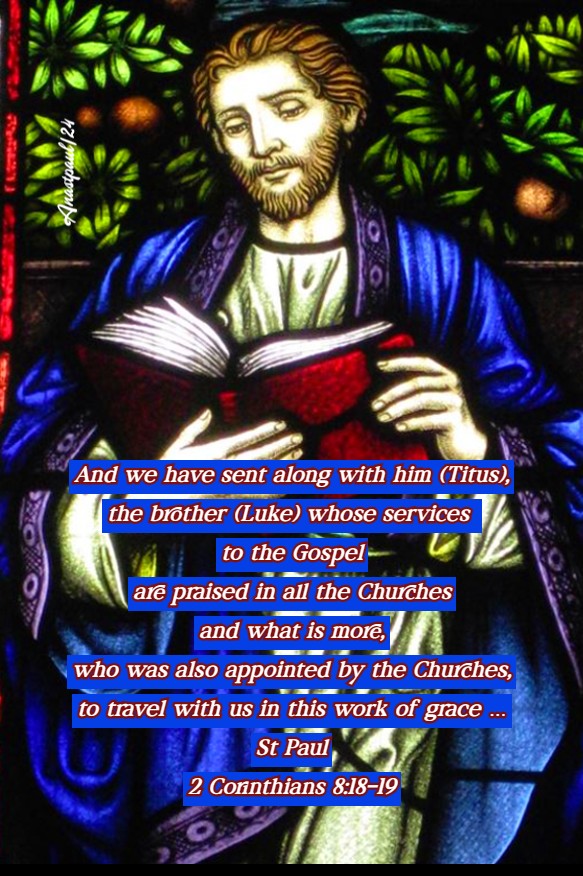
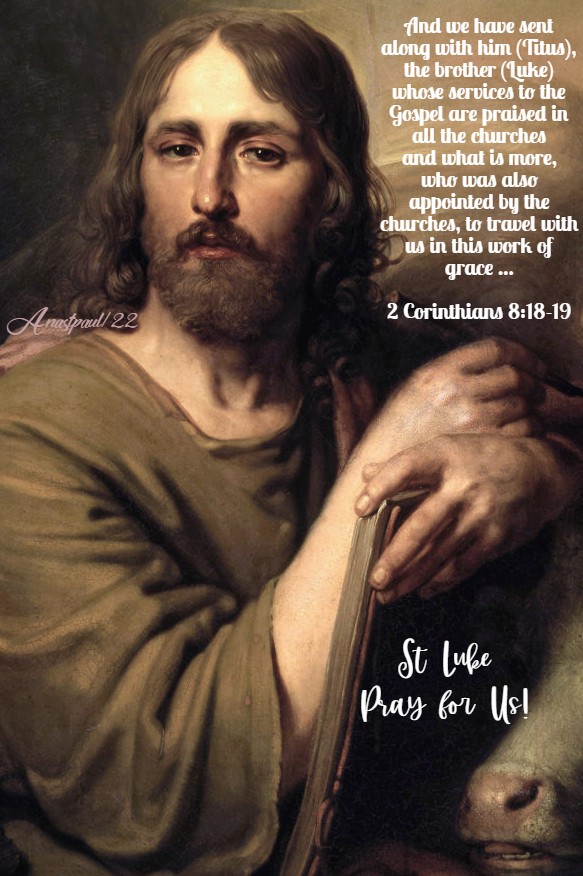
“And we have sent along with him (Titus), the brother (Luke) whose services to the Gospel are praised in all the Churches and what is more, who was also appointed by the Churches, to travel with us in this work of grace …”
2 Corinthians 8:18-19
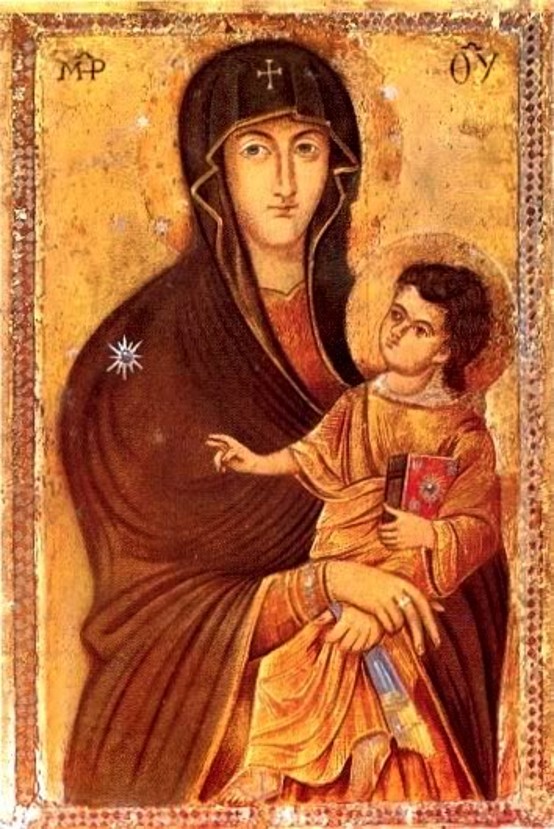
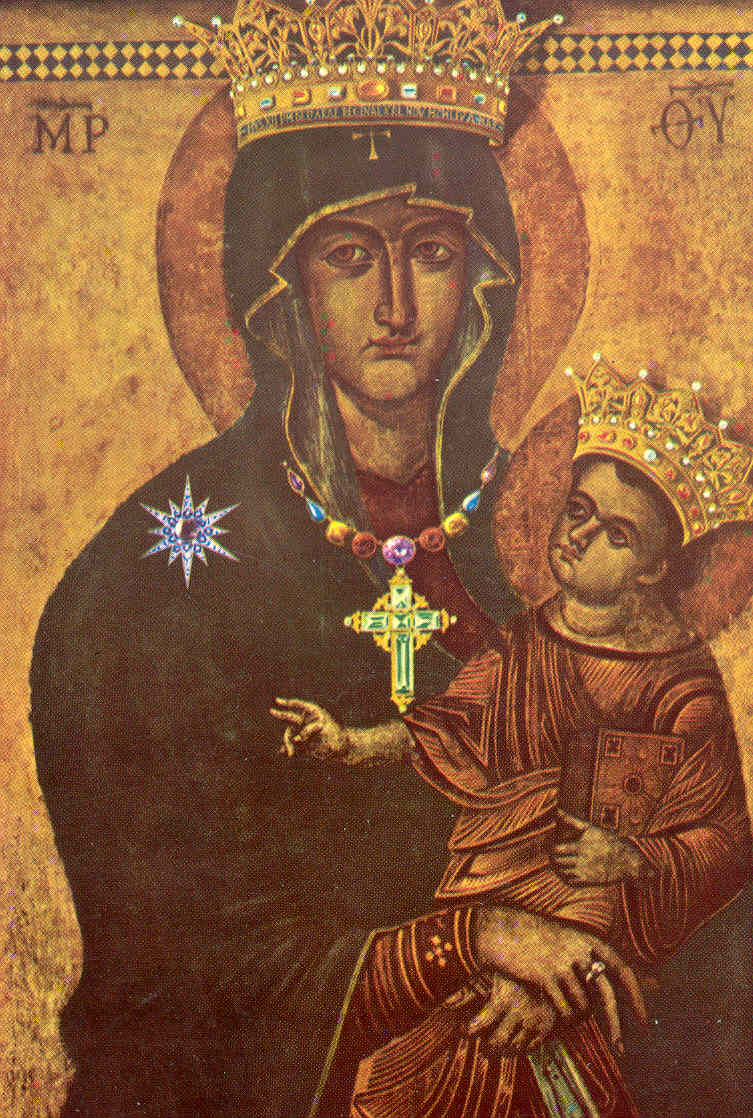
The Salus Populi Romani Protectress and Health of the Roman People Painted By St Luke resides in St Mary Major Basilica, Rome
One Minute Reflection – 18 October – “The Month of the Most Holy Rosary and of the Angels” – The Feast of St Luke, the Evangelist – 2 Corinthians 8:16-24, Luke 10:1-9 – Scripture search here: https://www.drbo.org/
“The harvest indeed is great but the labourers are few. Pray ye, therefore, the Lord of the harvest that He send labourers into His harvest. ” – Luke 10:2
REFLECTION – “That Luke was inseparable from Paul and his fellow-labourer in the Gospel, he himself clearly evinces, not as a matter of boasting but as bound to do so by the truth itself. For when Barnabas and John Mark, had parted company from Paul and sailed to Cyprus, Luke writes: “We came to Troas” (Acts 16:8.11)… Then he carefully indicates all the rest of their journey as far as Philippi,and how they delivered their first address … And all the remaining details of his journey with Paul, he recounts with all possible diligence … As Luke was present at all these occurrences, he carefully noted them down in writing, so that he cannot be convicted of falsehood or boastfulness for all these details were well known …
That Luke was not merely a follower but also a fellow-labourer of the Apostles and especially of Paul, Paul himself declared too in his Epistles, saying: “Demas has forsaken me and has left for Thessalonica; Crescens to Galatia, Titus to Dalmatia. Only Luke is with me” (2 Tim 4:11). From this Paul shows that Luke was always attached to and, inseparable from him. And again, in the Letter to the Colossians, he says: “Luke, the beloved Physician, greets you” (Col 4:14)…” – St Irenaeus (c130-c202) Bishop, Martyr, Theologian, Father of the Church (Against the Heresies III).
PRAYER – O Lord, we beseech Thee, that Luke, Thy holy Evangelist, who for the honour of Thy Name bore continuously in his body the suffering of the Cross, may intercede on our behalf. Through the same Jesus Christ, Thy Son our Lord, Who lives and reigns with Thee, in the unity of the Holy Ghost, God, world without end. Amen (Collect).
Our Morning Offering – 18 October – The Feast of St Luke, the Evangelist
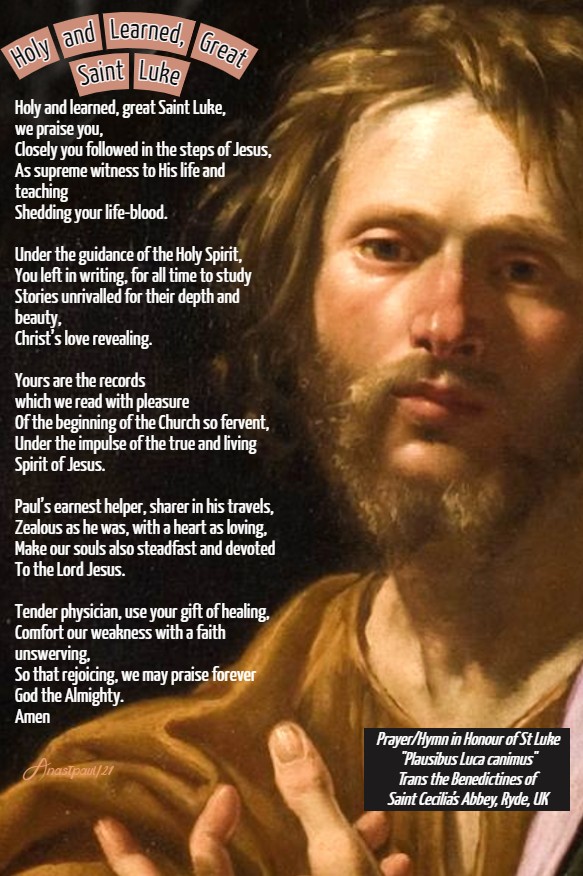
Holy and Learned, Great Saint Luke Prayer/Hymn in Honour of St Luke “Plausibus Luca canimus” Trans the Benedictines of Saint Cecilia’s Abbey, Ryde, UK
Holy and learned, great Saint Luke, we praise you, Closely you followed in the steps of Jesus, As supreme witness to His life and teaching Shedding your life-blood.
Under the guidance of the Holy Spirit, You left in writing, for all time to study Stories unrivalled for their depth and beauty, Christ’s love revealing.
Yours are the records which we read with pleasure Of the beginning of the Church so fervent, Under the impulse of the true and living Spirit of Jesus.
Paul’s earnest helper, sharer in his travels, Zealous as he was, with a heart as loving, Make our souls also steadfast and devoted To the Lord Jesus.
Tender physician, use your gift of healing, Comfort our weakness with a faith unswerving, So that rejoicing, we may praise forever God the Almighty. Amen
Bl Margherita Tornielli St Monon of Nassogne St Proculus of Pozzuoli Blessed Theobald of Narbonne OdeM (Died 1253) Martyr St Tryphonia of Rome
Martyrs of Africa – 9 Saints: A group of Christians Martryed together in Africa. The only details that have survived are the names – Beresus, Dasius, Faustinus, Leucius, Lucius, Martialis, Victoricus, Victrix and Viktor. They were Martyred in c300 in Africa.
St Anysia of Thessalonica St Anysius of Thessalonica
St Egwin of Worcester OSB (Died 717) Bishop of Worcester, England, Benedictine Monk, Reformer and Penitent, miracle-worker. Egwin was devout and lived for God from his youth. His biographers say, that king, clergy and the faithful, all united in demanding Egwin’s elevation to Bishop. About St Egwin: https://anastpaul.com/2020/12/30/saint-of-the-day-30-december-saint-egwin-of-worcester-osb-died-717/
St Elias of Conques St Eugene of Milan St Geremarus
St Hermes of Moesia St Jucundus of Aosta St Liberius of Ravenna
Blessed Margherita Colonna (c1255-1284) Virgin, Nun, Mystic, Apostle of the poor. Beatified on 17 September 1847 by Pope Pius IX. The Roman Martyrology states: “At Palestrina in Lazio, Blessed Margherita Colonna, Virgin, who preferred poverty for Christ to the riches and pleasures of the world, which she served by professing the Rule of St Clare.” Her Life: https://anastpaul.com/2021/12/30/saint-of-the-day-30-december-blessed-margherita-colonna-c-1255-1284/
St Perpetuus of Tours St Raoul of Vaucelles O.Cist. (Died 1152) Abbot
St Richard of Wedinghausen St Ruggero of Canne St Sebastian of Esztergom
Martyrs of Alexandria – 5 Saints: A group of Christians Martyred in the unrest caused by Monophysite heretics. We know the names for five of them – Appian, Donatus, Honorius, Mansuetus and Severus. They were martyred in c 483 at Alexandria, Egypt.
Martyrs of Oia – 6 Saints: A group of Christians Martyred together, date unknown. The only details to have survived are the names – Cletus, Florentius, Papinianus, Paul, Serenusa and Stephen. They were martyred in Oia, Greece.
Martyrs of Spoleto – 4 Saints: A group of Christians Martyred in the persecutions of DioSletian – Exuperantius, Marcellus, Sabinus and Venustian. They were martyred in 303 in Spoleto, Italy.
St Abericus Marcellus St Alodia of Huesca St Apollo of Bawit St Benedict of Macerac St Bertharius of Monte Cassino St Cordula
St Donatus of Fiesole (Died 874) Bishop of Fiesole, Confessor, Irish Nobleman, Monk, Priest, Poet, Writer, Scholar, Professor, Adviser to Emperors Louis the Pious and Lothair I, Founder of San Martino a Mensola Abbey and leader of two military expeditions against the Saracens. His Life: https://anastpaul.com/2020/10/22/saint-of-the-day-22-october-st-donatus-of-fiesole-died-874/
Bl Esclaramunda of Majorca St Hermes of Adrianople St Ingbert St Leothade of Auch
St Moderan of Rennes St Nepotian of Clermont St Nunctus of Mérida St Nunilo of Huesca St Philip of Adrianople St Philip of Fermo St Rufus of Egypt St Symmachus of Capua St Valerius of Langres (Died c411) Archdeacon Martyr St Verecundus of Verona
Martyrs of Heraclea – 4 Saints: A group of four clerics in Heraclea (modern Marmara Ereglisi, Turkey) who were arrested in the persecutions of Diocletian. They were imprisoned, abused and ordered to turn over all the Scriptures they had hidden from authorities; they refused and were executed together. Martyrs. – Eusebius, Hermes, Philip and Severus. They were burned at the stake in 304 in Adrianople (modern Edirne, Turkey).
Martyrs of Adianople: Blessed Alexander Blessed Anna Blessed Elisabeth Blessed Glyceria Blessed Heraclius Blessed Theodota
Quote/s of the Day – 18 October – The Feast of St Luke, the Evangelist – 2 Corinthians 8:16-24, Luke 10:1-9 – Scripture search here: https://www.drbo.org/
“St Luke, the historian of the meekness of Christ.”
Dante Alighieri (c1265-1321)
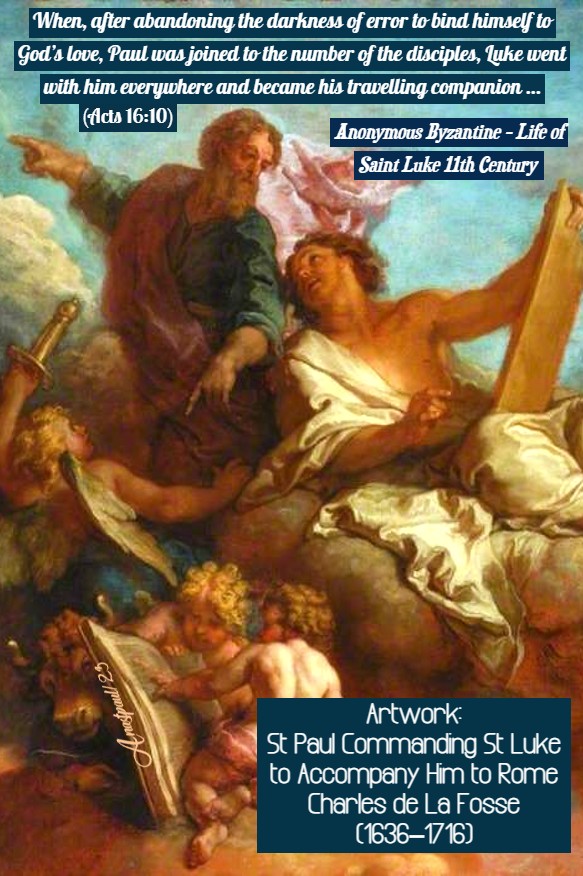
“When, after abandoning the darkness of error to bind himself to God’s love, Paul was joined to the number of the disciples, Luke went with him everywhere and became his travelling companion … ” (Acts 16:10)
“It was this Evangelist who related the mystery of Gabriel, the messenger sent to the Virgin to announce joy to the whole world. It was he, who told in full, the birth of Christ, showing us the newborn child lying in a manger and describing shepherds and Angels shouting for joy.”
“The harvest indeed is great but the labourers are few. Pray ye, therefore, the Lord of the harvest that He send labourers into His harvest.” Luke 10:2
“But in Luke, grace does not stop there. His speech is not limited to serving the Gospel alone. At the end of Christ’s miracles he also relates the Acts of the Apostles. … Luke was not just a spectator of all those things but really participated in them. And that is why he put so much care into teaching us about them.”
Anonymous Byzantine – Life of Saint Luke 11th Century
One Minute Reflection – 18 October – “The Month of the Most Holy Rosary and of the Angels” – The Feast of St Luke, the Evangelist – 2 Corinthians 8:16-24, Luke 10:1-9 – Scripture search here: https://www.drbo.org/
“The harvest indeed is great but the labourers are few.” – Luke 10:2
REFLECTION – “All the farmer’s work naturally leads towards the harvest. So how could Christ call a ‘harvest’ a work that was still in its initial stages? Idolatry reigned over all the earth .… Everywhere there was fornication, adultery, debauchery, greed, theft, wars . … The earth was filled with so many evils! No seed had yet been sown there. The thorns, thistles and weeds which covered the ground, had not yet been pulled up. The ground had not yet been ploughed, no furrow had yet been drawn.
So how could Jesus say, that the harvest was abundant? … The Apostles were probably distressed and frustrated: “How are we going to be able to say anything, to stand upright before so many people? How can we, the Eleven, correct all the inhabitants of the earth? Shall we, who are so ignorant, be able to approach scholars; shall we, who are so stripped of everything, be able to meet armed men; shall we, who are subordinates, be able to approach people in authority? We know only one language – shall we be able to argue with the barbarians, who speak foreign languages? Who will bear with us, if they do not even understand our language?”
Jesus did not want such reasoning to discourage them. So He called the Gospel a ‘harvest.‘ It is as if, He told them: “Everything is prepared, all the preparations have been made. I am sending you out to harvest the ripe grain. You shall be able to sow and reap, on the same day!” When the farmer leaves his home to go out and gather the harvest, he is brimming over with joy and shining with happiness. He thinks neither of the suffering, nor the difficulties he might encounter . … Christ says, lend Me your tongue and you shall see the ripe grain going into the King’s granaries. And so, He then sends them out, telling them: “I am with you always, until the end of the world.” (Mt 28:20).” – St John Chrysostom (347-407) Father and Doctor of the Church (Homily on the abundant harvest, 10, 2-3)
PRAYER – O Lord, we beseech Thee, that Luke, Thy holy Evangelist, who for the honour of Thy Name bore continuously in his body the suffering of the Cross, may intercede on our behalf. Through the same Jesus Christ, Thy Son our Lord, Who lives and reigns with Thee, in the unity of the Holy Ghost, God, world without end. Amen (Collect).
St Asclepiades of Antioch St Athenodorus (Died c269) Bishop Martyr the brother of St Gregory Thaumaturgus. St Brothen Bl Burchard I St Cadwaladr of Brittany Bl Domenico of Perpignano St Eutychius of Pozzuoli St Gwen St Gwen of Talgarth (463-c492) Widow St Gwendoline
Bl Margherita Tornielli St Monon of Nassogne St Proculus of Pozzuoli Bl Theobald of Narbonna St Tryphonia of Rome
Martyrs of Africa – 9 Saints: A group of Christians Martryed together in Africa. The only details that have survived are the names – Beresus, Dasius, Faustinus, Leucius, Lucius, Martialis, Victoricus, Victrix and Viktor. They were Martyred in c300 in Africa.
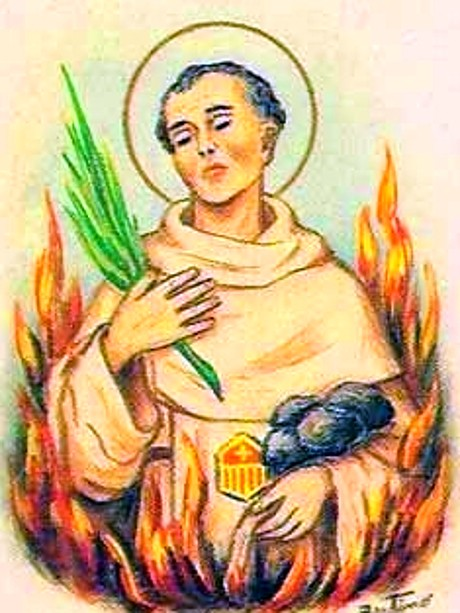
St Evetius of Nicomedia Bl Ida of Hohenfels St Liudhard Bl Lotario Arnari Blessed Marco De’ Marconi OSH (1480-1510) Monk of the Order of the Hermits of Saint Jerome (The Hieronymites). St Modestus of Trier St Peter the Librarian St Praetextatus of Rouen St Primitiva St Sergius of Caesarea Bl Simon of Saint Bertin
Quote/s of the Day – 18 October – The Feast of St Luke, the Evangelist – 2 Corinthians 8:16-24, Luke 10:1-9 – Scripture search here: https://www.drbo.org/
“Luke, the beloved physician, sends greetings … ”
Colossians 4:14
“And we have sent along with him (Titus), the brother (Luke) whose services to the Gospel are praised in all the churches and what is more, who was also appointed by the churches, to travel with us in this work of grace …”
2 Corinthians 8:18-19
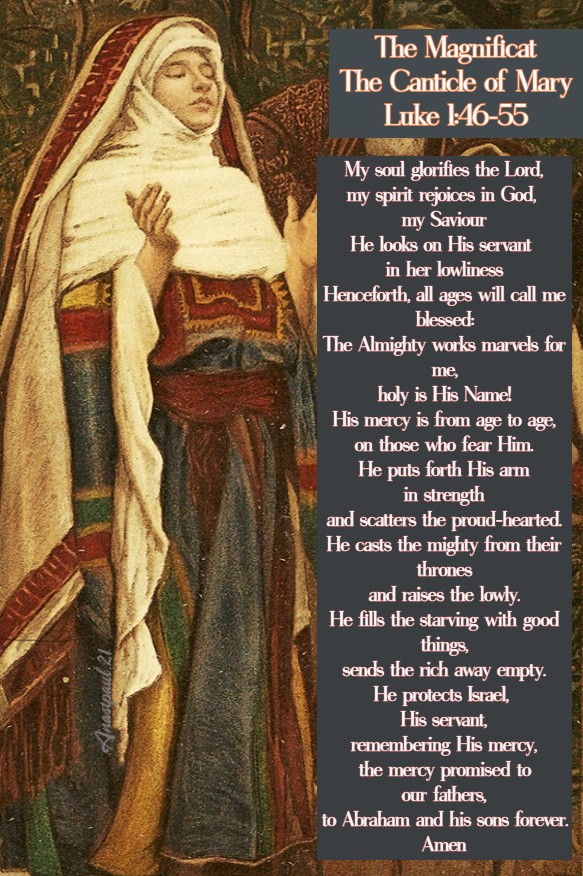
The Magnificat The Canticle of Mary Luke 1:46-55
My soul glorifies the Lord, my spirit rejoices in God, my Saviour He looks on His servant in her lowliness Henceforth all ages will call me blessed: The Almighty works marvels for me, holy is his Name! His mercy is from age to age, on those who fear Him. He puts forth His arm in strength and scatters the proud-hearted. He casts the mighty from their thrones and raises the lowly. He fills the starving with good things, sends the rich away empty. He protects Israel, His servant, remembering His mercy, the mercy promised to our fathers, to Abraham and his sons forever.
One Minute Reflection – 18 October – The Feast of St Luke, the Evangelist – 2 Corinthians 8:16-24, Luke 10:1-9 – Scripture search here: https://www.drbo.org/
“And he said to them, “The harvest is plentiful but the labourers are few, pray therefore, the Lord of the harvest, to send out labourers into his harvest.” – Luke 10:2
REFLECTION – “When, after abandoning the darkness of error to bind himself to God’s love, Paul was joined to the number of the disciples, Luke went with him everywhere and became his travelling companion (Acts 16:10 f.). … He got on with him so well, was so close to him and shared all his graces, so nearly, that Paul, in writing to the faithful, called Luke his “beloved” (Col 4:14). From Jerusalem and the country round about, as far as Dalmatia, (Rom 15:19) he preached the Gospel with him. From Judea to Rome he shared the same chains with him, the same work, the same difficulties, the same shipwrecks. He desired to receive the same prize with him since he had shared the same labours.
Having acquired the gift of preaching along with Paul and won over and led so many peoples to the love of God, Luke truly seemed like the Saviour’s loving and beloved disciple, in addition to being the Evangelist who wrote His Sacred history. For formerly he had followed the Lord (cf. Lk 10:1), gathered together the testimonies of His first servants (Lk 1:1) and received inspiration from on high. It was this Evangelist who related the mystery of Gabriel, the messenger sent to the Virgin to announce joy to the whole world. It was he who told in full, the birth of Christ, showing us the newborn child lying in a manger and describing shepherds and Angels shouting for joy. … He reports the parabolic teachings in greater number than the other Evangelists. And just as he makes known to us the descent of the Word of God to earth, so too, he describes his Ascension to Heaven and return to the Father’s throne (24:51). …
But in Luke, grace does not stop there. His speech is not limited to serving the Gospel alone. At the end of Christ’s miracles he also relates the Acts of the Apostles. … Luke was not just a spectator of all those things but really participated in them. And that is why he put so much care into teaching us about them.” – Anonymous Byzantine life of Saint Luke – 11th century (Saint Luke, Evangelist and companion of Paul – 6-7; PG 115, 1134-1135).
PRAYER – O Lord, we beseech Thee, that Luke, Thy holy Evangelist, who for the honour of Thy Name bore continuously in his body the suffering of the Cross, may intercede on our behalf. Through the same Jesus Christ, Thy Son our Lord, Who lives and reigns with Thee, in the unity of the Holy Ghost, God, world without end. Amen (Collect).
Our Morning Offering – 18 October – The Feast of St Luke, the Evangelist
Holy and Learned, Great Saint Luke Prayer/Hymn in Honour of St Luke “Plausibus Luca canimus” Trans the Benedictines of Saint Cecilia’s Abbey, Ryde, UK
Holy and learned, great Saint Luke, we praise you, Closely you followed in the steps of Jesus, As supreme witness to His life and teaching Shedding your life-blood.
Under the guidance of the Holy Spirit, You left in writing, for all time to study Stories unrivalled for their depth and beauty, Christ’s love revealing.
Yours are the records which we read with pleasure Of the beginning of the Church so fervent, Under the impulse of the true and living Spirit of Jesus.
Paul’s earnest helper, sharer in his travels, Zealous as he was, with a heart as loving, Make our souls also steadfast and devoted To the Lord Jesus.
Tender physician, use your gift of healing, Comfort our weakness with a faith unswerving, So that rejoicing, we may praise forever God the Almighty. Amen
Saint of the Day – 18 October – The Feast of St Luke the Evangelist, Physician, Disciple of St Paul, Evangelist, Author of the Gospel according to Luke and the Acts of the Apostles and traditionally believed to be an Artist.
St Luke, Evangelist By Father Francis Xavier Weninger (1860-1946)
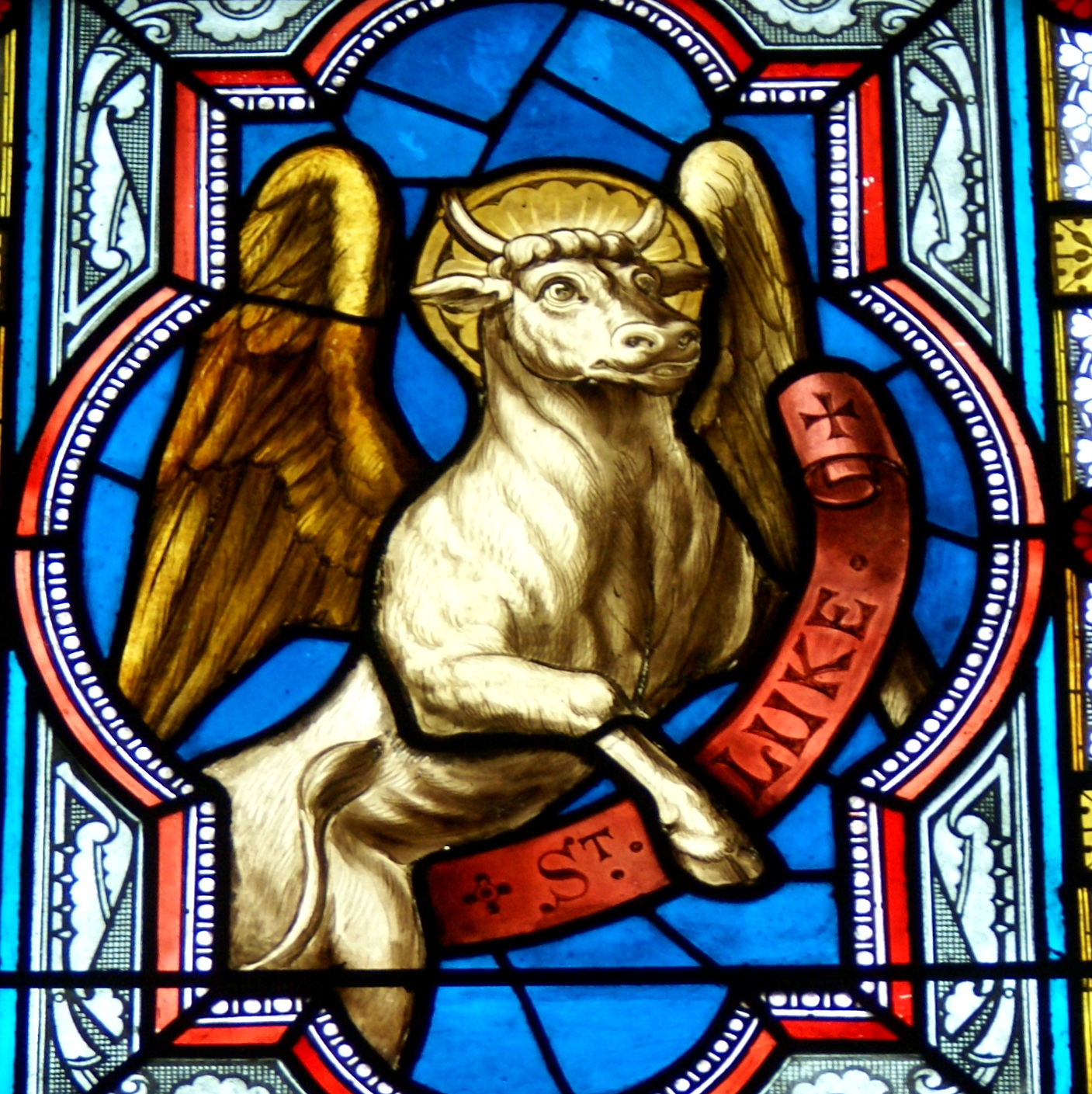
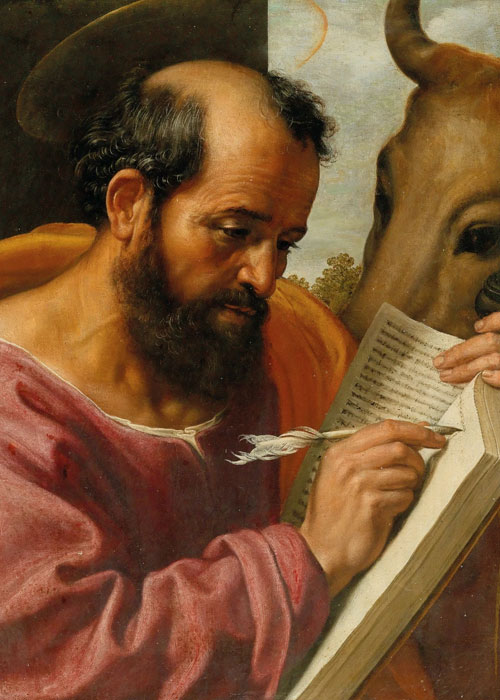
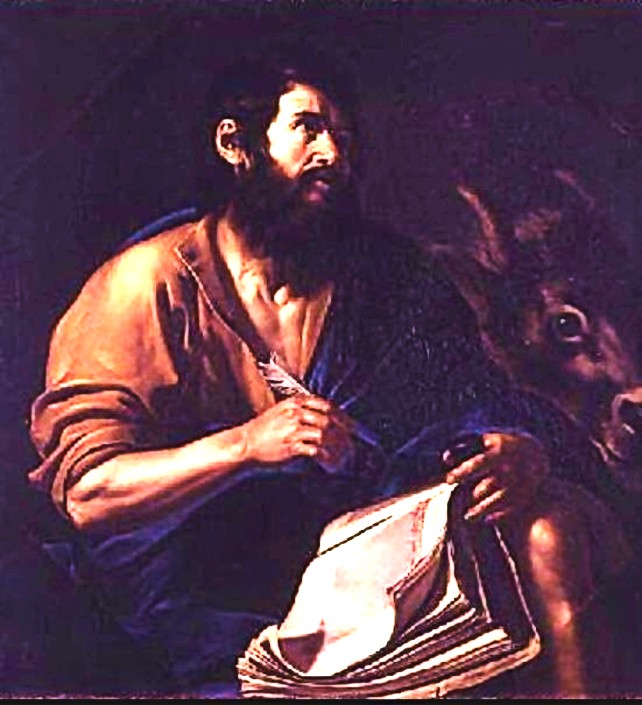
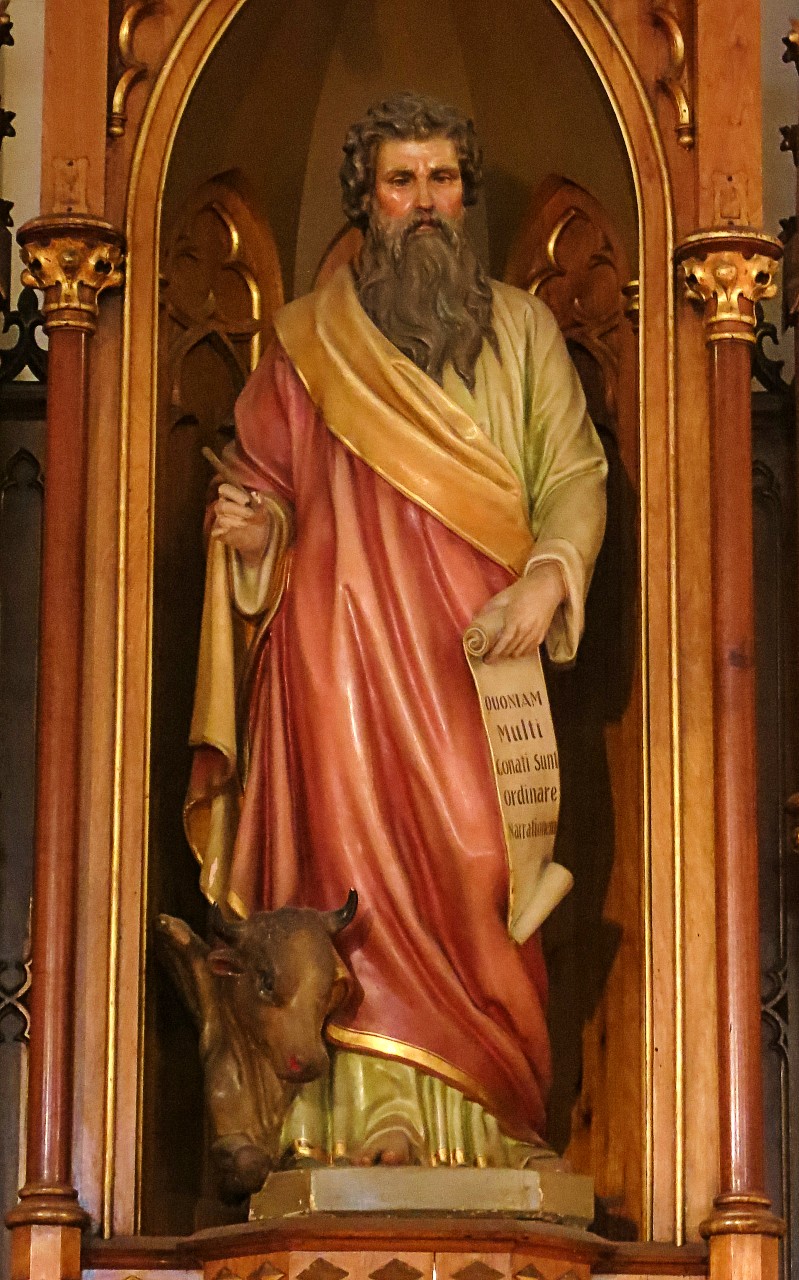
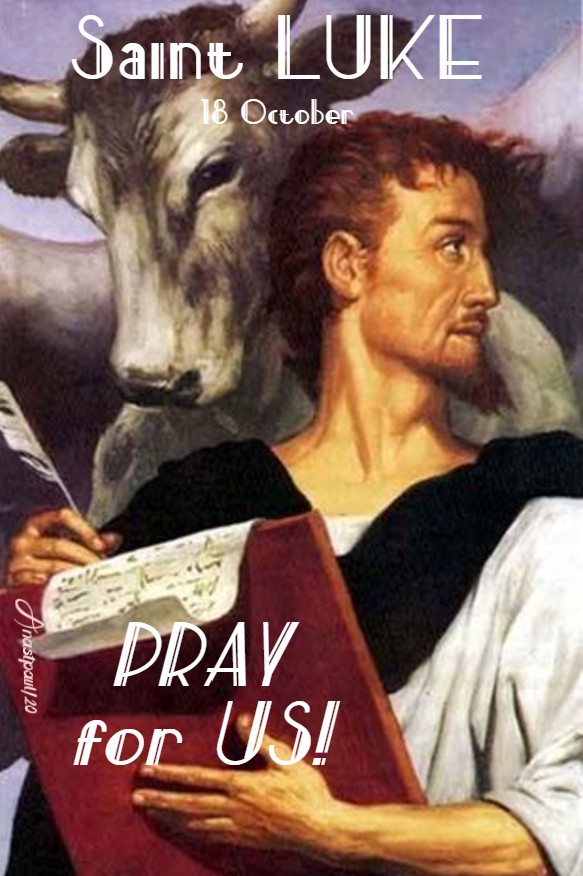
Among the holy men whom the Almighty chose to write the Gospel, or the history of the life and death, the teachings and miracles of Our Lord and Saviour, Jesus Christ, was St Luke, the third of those who are called Evangelists. He is represented with an ox near him, according to the mysterious revelation made to the Prophet Ezekiel because he begins his Gospel with the revelation of what happened to Zachary in the Temple, where oxen, sheep and other animals, were offered, according to the Old Covenant, in sacrifice to the Almighty.
St Luke is said to have been born at Antioch, in Syria and his occupation, in his youth, was the study of the liberal arts, especially rhetoric, physics, sculpture and painting. It is believed that St Paul himself instructed him in the Christian faith, hence, St.Jerome calls him a spiritual son of that holy Apostle. It is quite certain that he accompanied St Paul in the many and laborious travels which the holy Apostle undertook, to convert the infidels. Hence he had a part in all the labours, dangers, hardships and persecutions which the Apostle endured. This, however, caused him, to be most warmly beloved and highly esteemed, by St Paul, who mentions him in several of his epistles and among other praises, calls him an Apostle.
At the desire of St Paul, Luke wrote the Gospel in Greek, as the Apostle was at that time preaching to the Greeks and also, because this language was very much disseminated. St Luke relates, in his Gospel, much that is but slightly mentioned by the other Evangelists, for instance, the Mystery of the Annunciation and the Incarnation of Christ, from whichM the holy Fathers conclude that he must have been on very friendly terms, not only with the Apostles but also with the Divine Mother, as she could give him the best information concerning these Mysteries. Another reason is, that St Luke lived in chastity and earnestly endeavoured, to guard and preserve this virtue.
The commentators of Holy Writ have also observed that St Luke, more than the other Evangelists, gives sinners the hope of Divine Mercy and encourages them, to repentance, as is seen in the parable of the Prodigal Son, so lovingly received by his father, as also, in that of the Good Shepherd, Who, with great solicitude, sought the lost sheep, and brought it back to the fold. Again, in the history of the sinner, who so mercifully receives pardon in the Samaritan, Who cares so kindly for the wounded traveller but above all, in the wonderful conversion of the thief crucified with Christ, to whom, when he had humbly and penitentially begged to be remembered, our kind Saviour promised Paradise. St Anselm gives the reason for this, in the following words: “Luke was at first a Physician of the body, hence, it is that he speaks more than the other Evangelists, of the Merc of our Saviour, who heals and frees men from diseases of the soul.“”
Besides the Gospel, St Luke also wrote a book on the labours of the Apostles,, which is called the Acts of the Apostles. In it, he first relates the Ascension of Christ and the coming of the Holy Ghost and after this, what and where the Apostles preached, the miracles they wrought and the sufferings they endured for Christ’s sake.
He further describes the life of the first Christians and the Martyrdom of St Stephen and St James. He then relates the conversion of St Paul, the labours and sufferings of this holy Apostle, which no-one could know better than St Luke, who was his constant companion. During the two years of St Paul’s imprisonment at Caesarea, Luke aided him in every manner. Hhe also accompanied him to Rome, when St Paul had appealed to the Emperor. At Rome, where the holy Apostle was again imprisoned for two years, St Luke did not leave him and allowed, no persecution to separate him from his beloved master. When St Paul was set at liberty, St Luke accompanied him as before, wherever the unwearied Apostle preached the Gospel. St Epiphanius relates, that, after the death of the two Apostles, Peter and Paul, St Luke preached the Gospel of Christ in Italy, France, Dalmatia and Macedonia, with apostolic zeal. The Greeks assure us that he did the same in Egypt, Thebais and Libya and, that he had great success, in converting the infidels.
It is easy to conceive, what hardships, dangers and persecutions, the holy Evangelist must have suffered, in these many wearisome travels and in consequence of his zealous preaching. Yet he was never discontented, never desponding but always cheerful because he always thought of Him, for Whom he laboured and suffered and of the recompense that was awaiting him. St Jerome writes that the Saint continued his apostolic labours until he had reached his 84th year. St Gregory of Nazianzen, St Paulinus and St Gaudentius maintain that he ended his life by Martyrdom. Nicephorus writes that the heathens hung him to an olive-tree and that thus he died a Martyr.
It is certain that his life, full of cares and hardships, was a continued Martyrdom, the severity of which he increased by severe fasting and other penances. Hence, the Church says of him, in the prayer which she offers up today at Holy Mass, that he bore the mortification of the cross ceaselessly in his body, for the love and honour of Christ. He ended his glorious labours and sufferings at Patras in Achaia. His holy relics, with those of St Andrew, were brought to Constantinople at the time of Constantine the Great. Long afterwards, they were removed to Pavia;but the head had, some time before, been taken by Gregory the Great to Rome and placed in St Peter’s Basilica.
Nanni di Banco, St Luke, 1408-15, marble, Museo dell’Opera del Duomo, Florence
There is a tradition that St Luke painted several likenesses of Christ and the Blessed Virgin and left them to the Christians to comfort them. To this day, several pictures of the Blessed Virgin are shown, which are believed to be his works. One of these is at Rome, in the Church of St Mary Major and another is at Loretto, both of these are venerated by the whole Christian world.
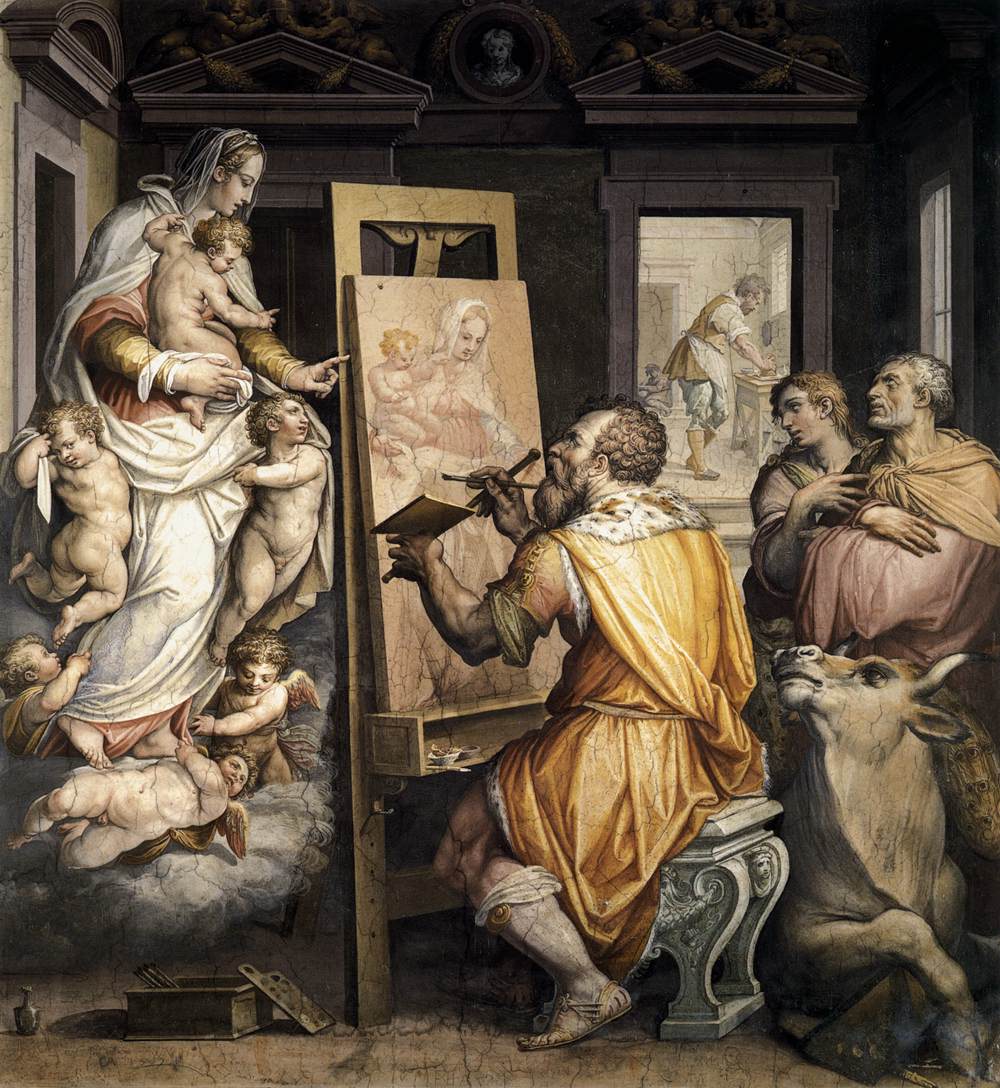
Giorgio Vasari, St Luke Painting the Virgin, after 1565, fresco, Santissima Annunziata, Florence
The Salus Popli Roman by St Luke in St Mary Major Basilica, Rome
St Asclepiades of Antioch St Athenodorus St Brothen Bl Burchard I St Cadwaladr of Brittany Bl Domenico of Perpignano St Eutychius of Pozzuoli St Gwen St Gwen of Tagarth St Gwendoline
Bl Margherita Tornielli St Monon of Nassogne St Proculus of Pozzuoli Bl Theobald of Narbonna St Tryphonia of Rome
Martyrs of Africa – 9 Saints: A group of Christians Martryed together in Africa. The only details that have survived are the names – Beresus, Dasius, Faustinus, Leucius, Lucius, Martialis, Victoricus, Victrix and Viktor. They were martyred in c.300 in Africa.
St Leander of Seville (c 534-c 600) BIshop, Confessor of the Faith, Teacher, Writer, Apostle of Spain and Evangelisation, Father of the Church – Patron of Episcopal attire and Liturgical garments. Saint Leander, as Bishop, instituted the practice of praying the Nicene Creed during Mass—a practice which continues today. Biography: https://anastpaul.wordpress.com/2017/03/13/saint-of-the-day-13-march-st-leander-of-seville/
Bl Agnellus of Pisa St Ansovinus of Camerino (Died 868) Bishop Bl Berengar de Alenys St Christina of Persia St Euphrasia
Bl Judith of Ringelheim St Kevoca of Kyle St Mochoemoc St Nicephorus of Constantinople Bl Peter II of La Cava St Pientius of Poitiers St Ramirus of Leon
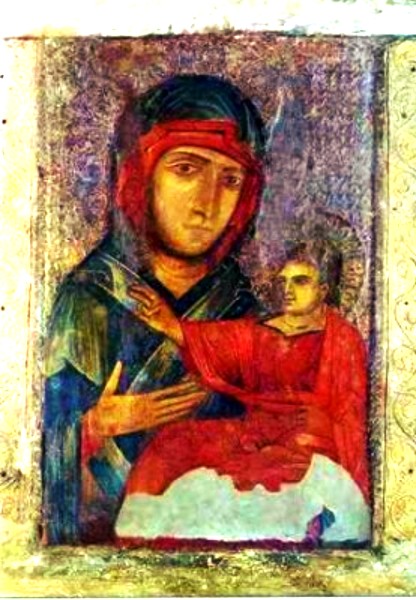
Madonna of San Luca / Nostra Signora della Guardia / Our Lady of Saint Luke of La Guardia, Bologna, Italy (433) – 30 December:
The Abbot Orsini wrote: “This picture was in the Church of Santa Sophia, at Constantinople, with this inscription: “This picture, painted by Saint Luke, must be taken to the mountain of La Garde and placed over the Altar of the Church.” A Greek monk set out for Italy about the year 433, with the picture entrusted to him and deposited it on the mountain of La Garde.”
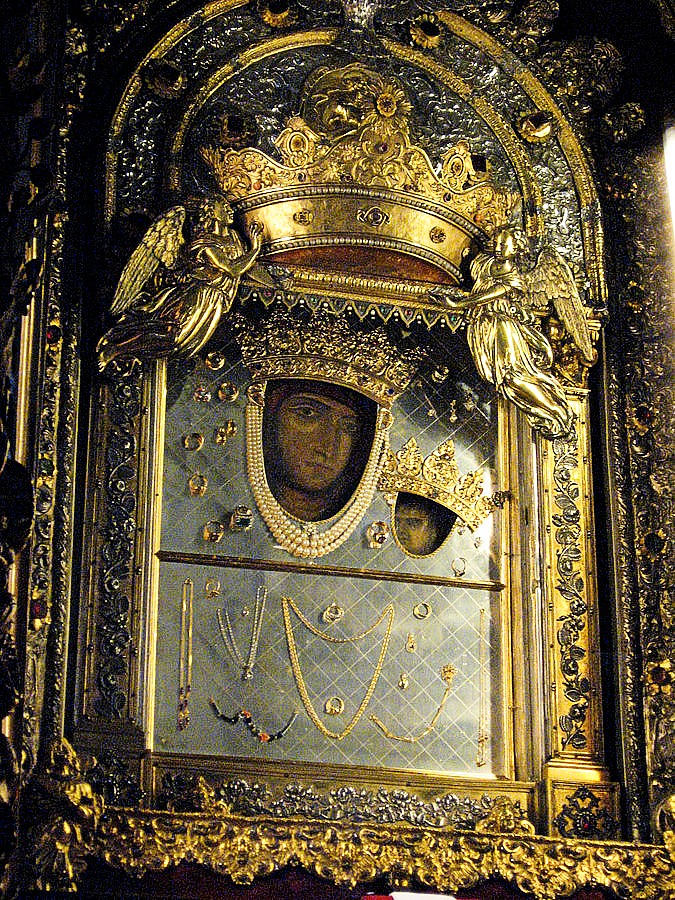
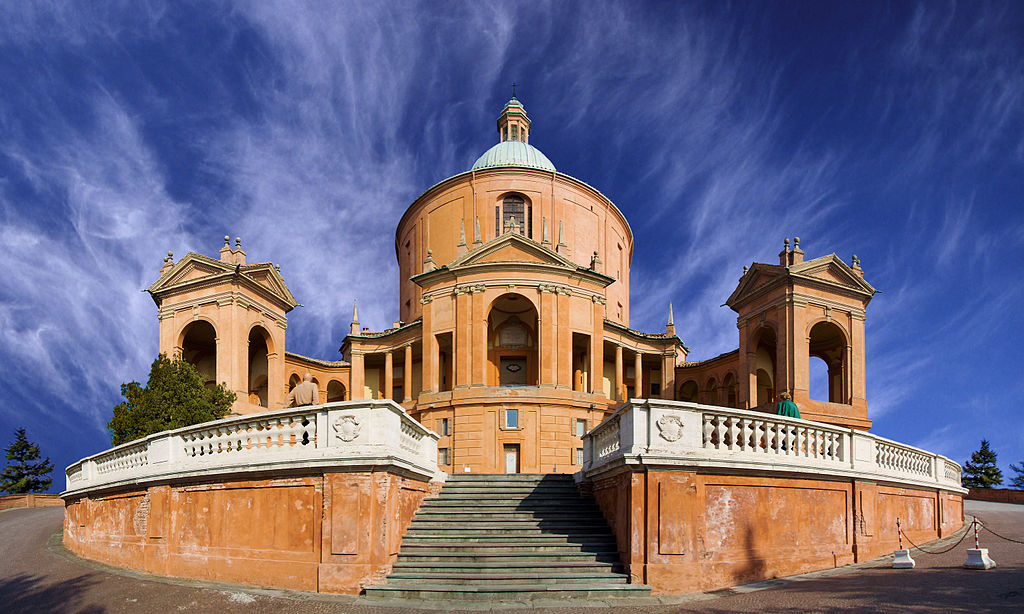
The account mentioned by the Abbot above, is also told in the chronicle of Graziolo Accarisi, who wrote of a Greek hermit who went on pilgrimage to Constantinople where he received from the Priests of the Church of Santa Sofia, the icon of Our Lady of La Guardia. This image was attributed to Saint Luke the Evangelist and there was an inscription on the painting itself that it should one day be taken to the “mountain of the guard.” The hermit took the Icon,and walked throughout Italy in search of the place where the Icon was meant to be,but it was not until he reached the City of Emilia near Bologna that the authorities of the City came out to greet him and processed with the icon back to the mountain. The Icon had finally found its home and it is now more commonly known as the Madonna of San Luca. Among the many miracles attributed to the image is especially noted the “miracle of the rain,” which occurred on 5 July 1433. An extremely heavy spring rain came late in the season, threatening to destroy the crops. Facing the prospect of famine, the people turned to the Blessed Virgin for assistance. The storm and rain stopped suddenly, with the arrival into the City, of a procession carrying the miraculous Icon. Since that time these processions have been repeated annually. There is even an incredible arched walkway that is only a little short of four kilometers in length, that is meant to protect the Icon from the elements, as well as those on procession. The Icon shows the Blessed Virgin Mary holding the Infant Jesus in blessing. She wears a blue-green robe, with a red tunic. The nose, eyes and fingers appear somewhat elongated. The Divine Child wears a tunic of the same colour as His Mothers’, with His right hand in a gesture of giving a blessing and his left hand being closed. In 1625 the image was covered with a silver panel which leaves only the faces of the figures uncovered. The Icon was crowned in 1603 by the Archbishop Alfonso Paleotti. The Sanctuary of Saint Luke, where the Icon is kept, was declared a national monument in the year 1874. In 1907 the Church was raised to the dignity of a Minor Basilica by the holy Pope Saint Pius X.
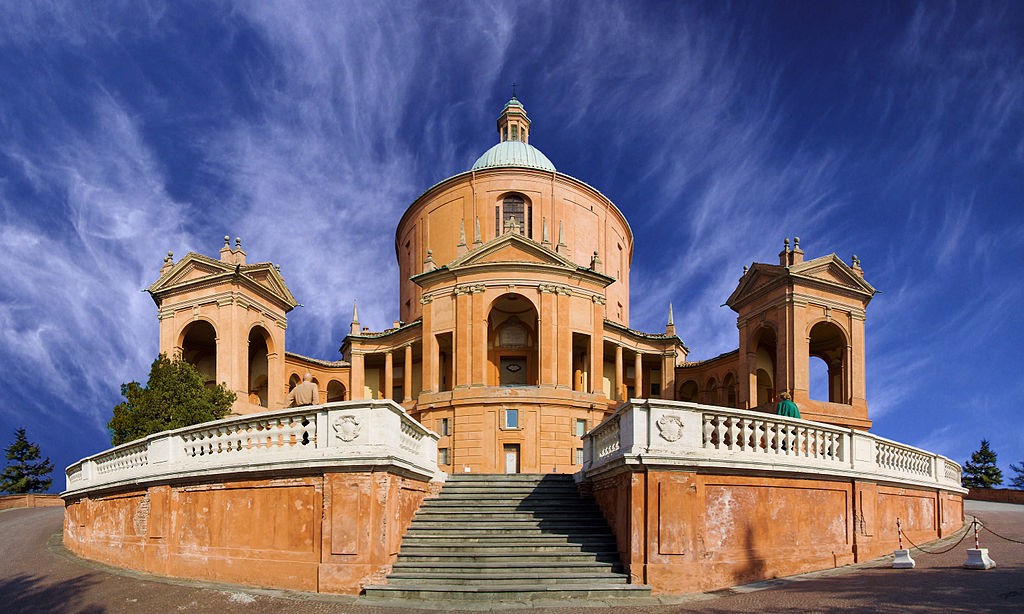
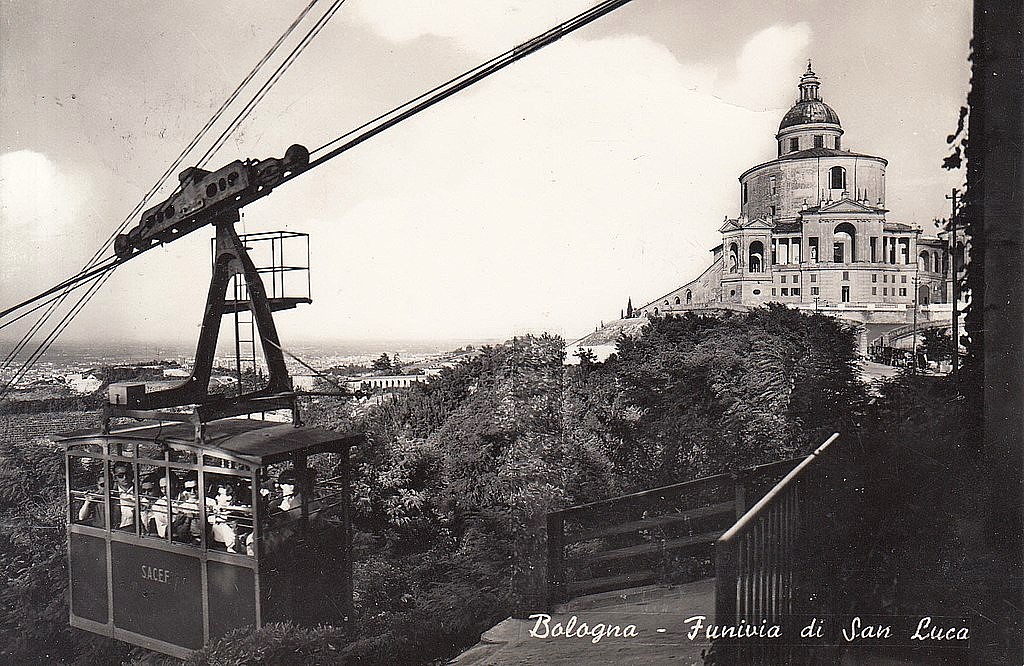
The Sanctuary is situate some 300 metres above the City plain, just south-west of the historical centre of the City. While a road now leads up to the Sanctuary, it is also possible to reach it along a 3.8 km monumental roofed arcade (Portico di San Luca) consisting of 666 arches, which was built in 1674–1793. It was meant to protect the Icon as it was paraded up the hill. A yearly procession from the Cathedral of San Pietro in the centre of Bologna to the Sanctuary goes along this path. The arches held sacred images or Chapels erected by patron families. There is also a cable car which takes tourists up to the Basilica.
Cable car approaching the Mountain Sanctuary
St Anysia of Thessalonica St Anysius of Thessalonica
St Egwin of Worcester OSB (Died 717) Bishop of Worcester, England, Benedictine Monk, Reformer and Penitent, miracle-worker. Egwin was devout and lived for God from his youth. His biographers say, that king, clergy and the faithful, all united in demanding Egwin’s elevation to Bishop. About St Egwin: https://anastpaul.com/2020/12/30/saint-of-the-day-30-december-saint-egwin-of-worcester-osb-died-717/
St Elias of Conques St Eugene of Milan St Pope Felix I St Geremarus
St Hermes of Moesia St Jucundus of Aosta St Liberius of Ravenna Blessed Margherita Colonna (c 1255-1284) Virgin, Nun
St Perpetuus of Tours Bl Raoul of Vaucelles St Raynerius of Aquila Bl Richard of Wedinghausen St Ruggero of Canne St Sebastian of Esztergom
Martyrs of Alexandria – (5 saints): A group of Christians martyred in the unrest caused by Monophysite heretics. We know the names for five of them – Appian, Donatus, Honorius, Mansuetus and Severus. They were martyred in c 483 at Alexandria, Egypt.
Martyrs of Oia – (6 saints): A group of Christians martyred together, date unknown. The only details to have survived are the names – Cletus, Florentius, Papinianus, Paul, Serenusa and Stephen. They were martyred in Oia, Greece.
Martyrs of Spoleto – (4 saints): A group of Christians martyred in the persecutions of Diocletian – Exuperantius, Marcellus, Sabinus and Venustian. They were martyred in 303 in Spoleto, Italy.
Quote/s of the Day – 18 October – The Feast of St Luke the Evangelist
“Luke, the beloved physician, sends greetings … ”
Colossians 4:14
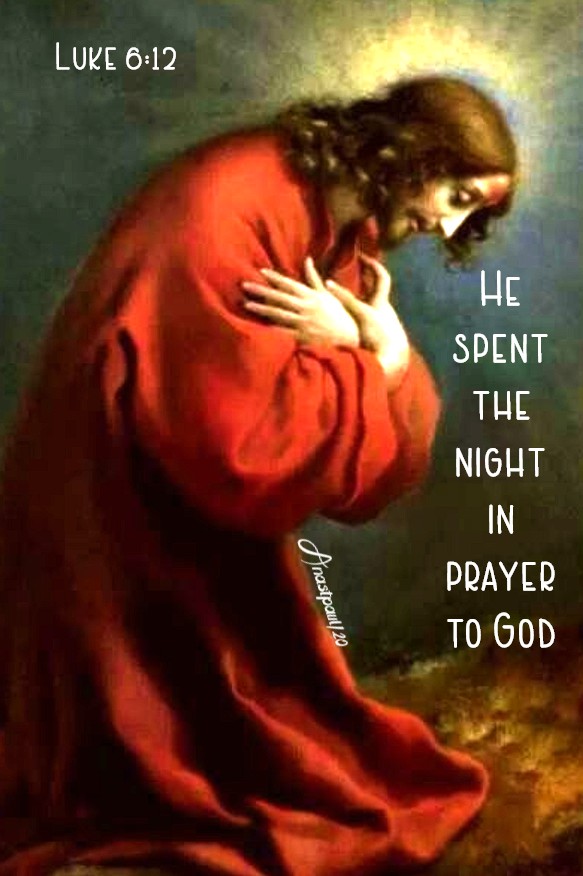
“He spent the night in prayer to God.”
Luke 6:12
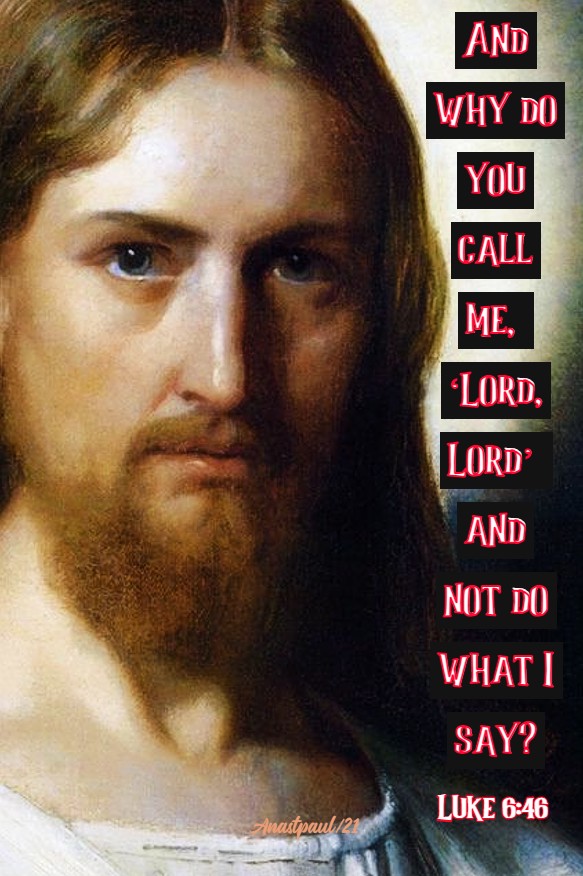
“And why do you call me, ‘Lord, Lord’ and not do what I say?”
Luke 6:46
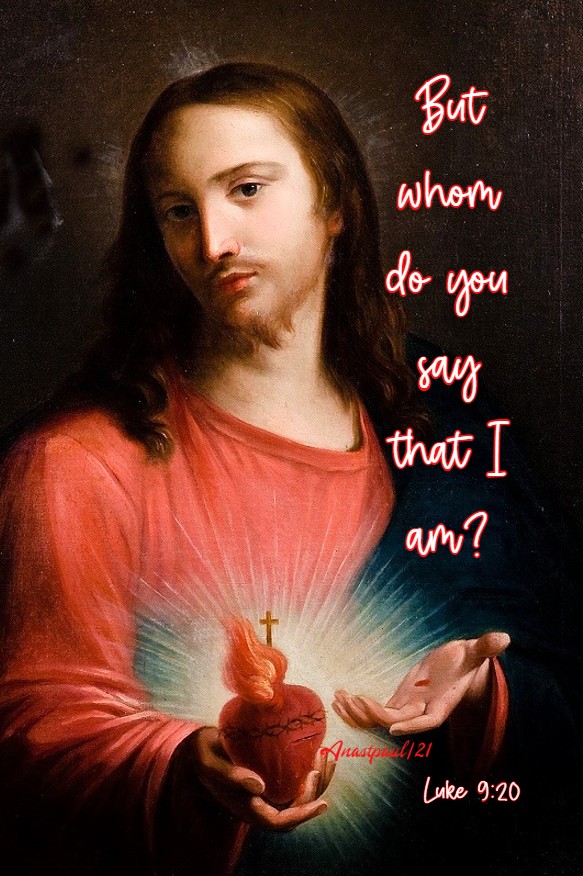
“But whom do you say that I am?”
Luke 9:20
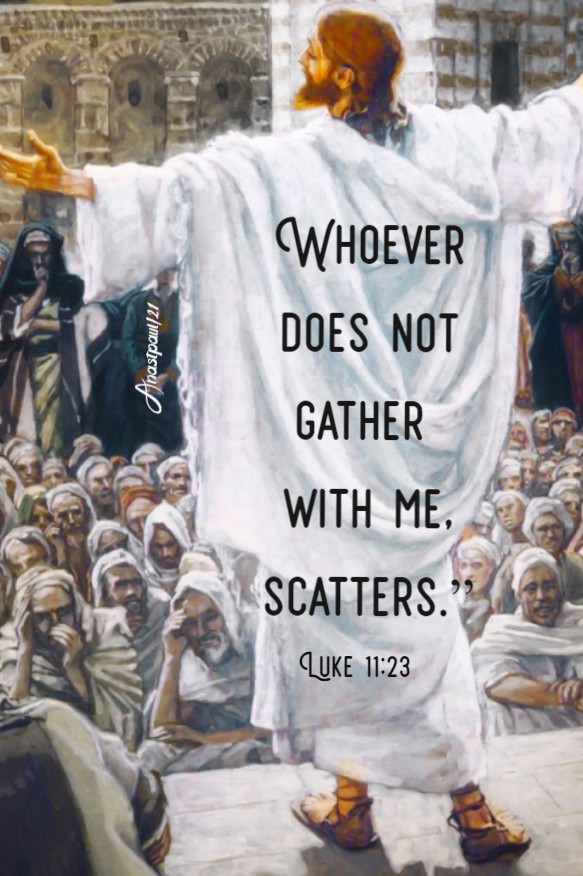
“Whoever does not gather with me, scatters.”
Luke 11:23
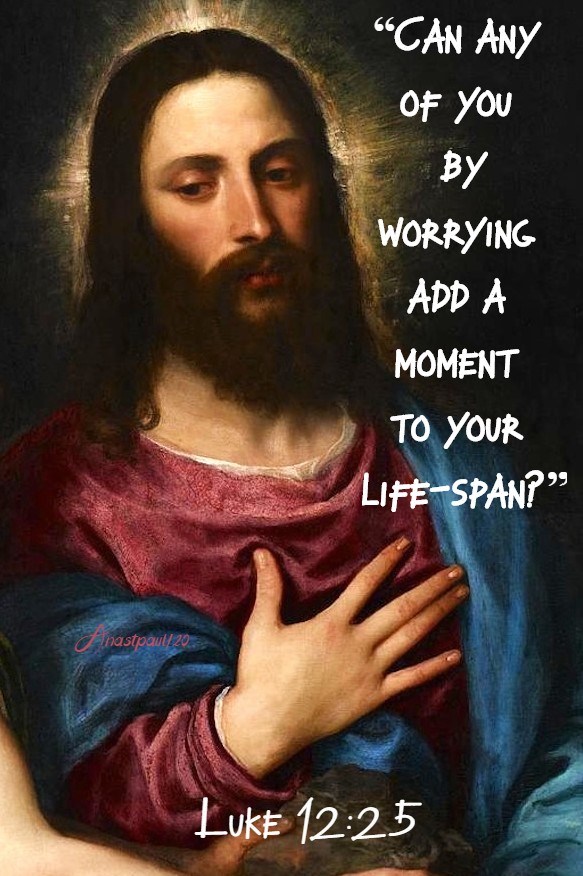
“Can any of you by worrying, add a moment to your lifespan?”
Luke 12:25
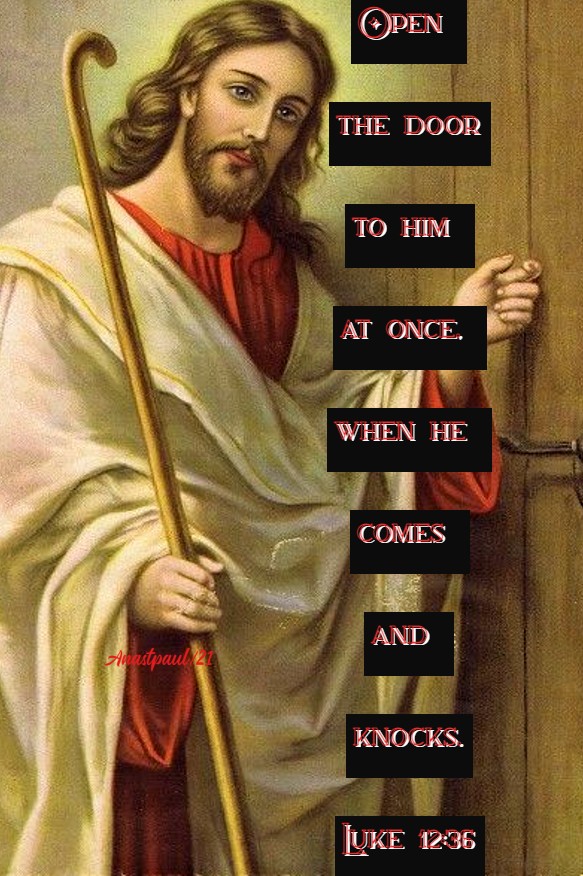
“Open the door to him at once, when he comes and knocks.”
Luke 12:36
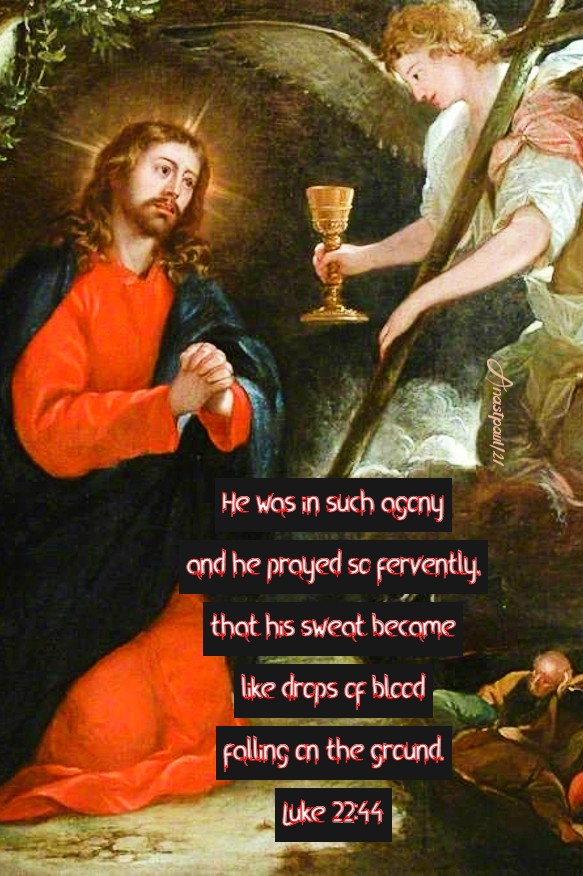
“He was in such agony and he prayed so fervently, that his sweat became like drops of blood falling on the ground.”
Luke 22:44
(St Luke, as a Medical Doctor is the only Evangelist who describes Jesus sweating blood. This video mentions the medical explanation for this occurrence).
Our Morning Offering – 18 October – The Feast of St Luke, the Evangelist
Holy and Learned, Great Saint Luke Prayer/Hymn in Honour of St Luke “Plausibus Luca canimus” Trans the Benedictines of Saint Cecilia’s Abbey, Ryde, UK
Holy and learned, great Saint Luke, we praise you, Closely you followed in the steps of Jesus, As supreme witness to His life and teaching Shedding your life-blood.
Under the guidance of the Holy Spirit, You left in writing, for all time to study Stories unrivalled for their depth and beauty, Christ’s love revealing.
Yours are the records which we read with pleasure Of the beginning of the Church so fervent, Under the impulse of the true and living Spirit of Jesus.
Paul’s earnest helper, sharer in his travels, Zealous as he was, with a heart as loving, Make our souls also steadfast and devoted To the Lord Jesus.
Tender physician, use your gift of healing, Comfort our weakness with a faith unswerving, So that rejoicing, we may praise forever God the Almighty. Amen
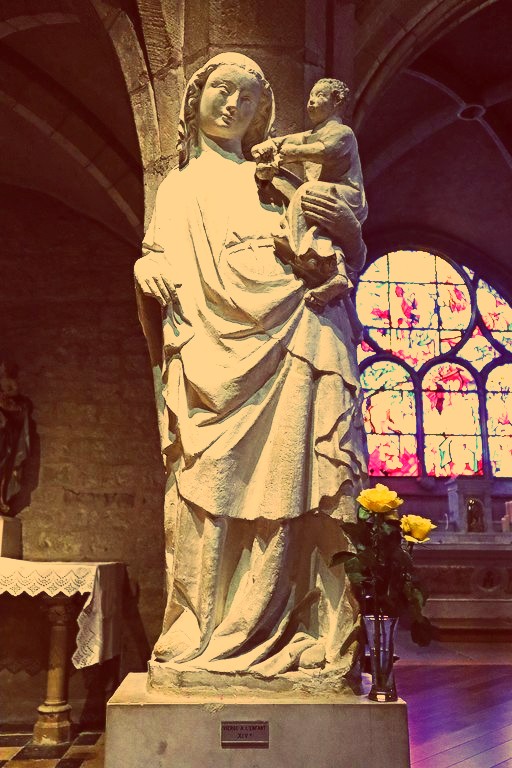
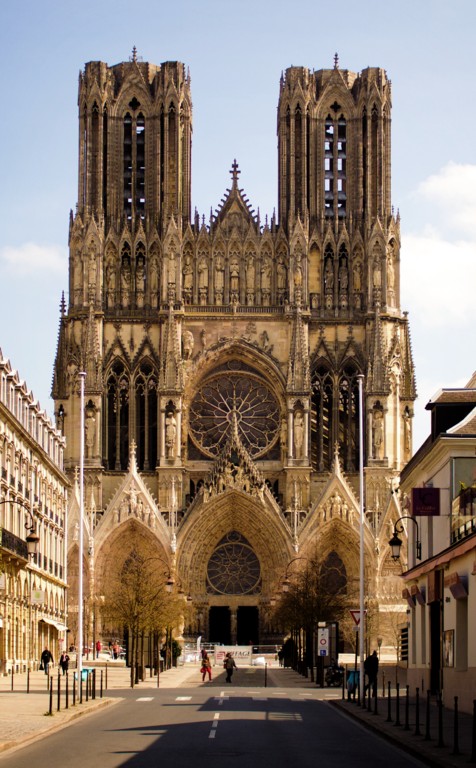
Notre-Dame de Reims / Our Lady of Rheims – Dedication of the Church of Our Lady of Rheims (405) built by St Nicasius – 18 October:
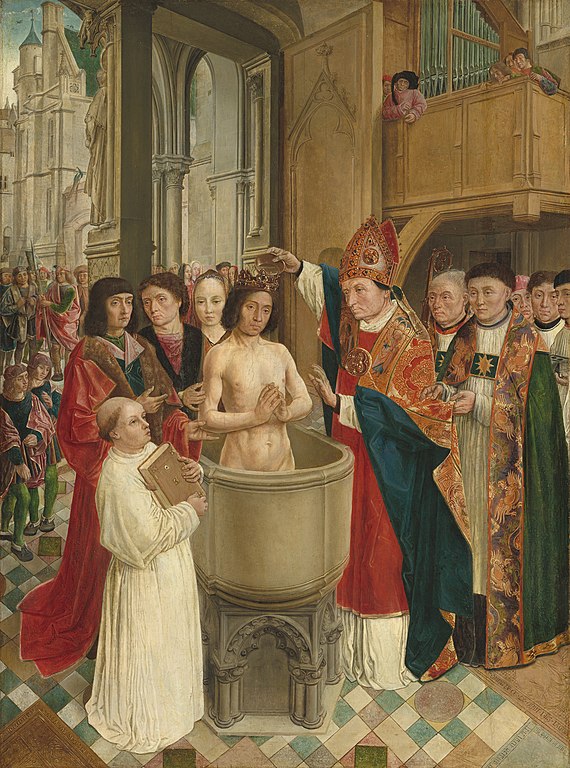
Dedication of Our Lady of Rheims, built by St Nicasius (died c 407), Archbishop of that City period in the year 405. It was Saint Nicasius who prophesised that France would be invaded by the Vandals, telling the people of Rheims to prepare themselves. When the Vandals finally arrived at the City gates, St Nicasius went out to meet them with his sister, a faithful deaconess. All were killed but their sacrifice gave time for more of the people of Rheims to flee to safety. It is interesting to note, that when St Nicasius was beheaded he was praying Psalm 119. He was slain at the moment when he reached the phrase “Adhaesit pavimento anima mea,” which means, “my soul is attached to dust.” After he was decapitated, his head struck the ground and he miraculously continued the psalm, saying: “Vivifica me, Domine, secundum verbum tuum,” which means, “revive me, Lord, with your words.” This was the Church where King Clovis humbly confessed his belief in the Triune God and was baptised by St Regimius in 496 and where, all of the subsequent French Kings were crowned. In the Gallery of the Kings there is a magnificent painting of the baptism of King Clovis surrounded by images of all of his successors.
The Baptism of King Clovis by the Master of Saint Giles (16th cent)
This Church, having fallen to ruins, was later rebuilt by Ebo and Hincmar. It was finished in the year 845 and still remains a place of pilgrimage to the Mother of God. At one time enemies of the Cathedral chapter set fire to a monastery of Rheims. Among the relics which the sacristan tried to save was an ivory statue of the Virgin, containing some of her hair. The sacristan prayed fervently to the Virgin that she would preserve this relic. The Abbot, entering the ruins of the Church, found the Statue upright and unharmed as if placed there reverently. From thence forward, the image was believed to be miraculous. The present Cathedral takes the place of the older churches, the previous one having been damaged by fire in 1210. It was not completed until the 14th century, and is the beautiful Gothic Cathedral that can still be seen today, after much restoration work after the bombardments of WWI and II.
St Acutius of Pozzuoli St Amabilis of Auvergne (c 397- c 475) Priest, Confessor St Asclepiades of Antioch St Athenodorus St Brothen Bl Burchard I St Cadwaladr of Brittany Bl Domenico of Perpignano St Eutychius of Pozzuoli St Gwen St Gwen of Tagarth St Gwendoline
Bl Margherita Tornielli St Monon of Nassogne St Proculus of Pozzuoli Bl Theobald of Narbonna St Tryphonia of Rome — Martyrs of Africa – 9 saints: A group of Christians martryed together in Africa. The only details that have survived are the names – Beresus, Dasius, Faustinus, Leucius, Lucius, Martialis, Victoricus, Victrix and Viktor. They were martyred in c.300 in Africa.
Martyred in the Spanish Civil War: • Blessed Alfredo Almunia López-Teruel • Blessed Francisco Roselló Hernández • Blessed Isidro Juan Martínez
Beata Vergine di San Luca, Bologna, Italy / The Blessed Virgin of Saint Luke, Bologna – 22 May, Saturday before the Feast of the Ascension of our Lord:. The Blessed Virgin of St Luke is the Patron Saint of Bologna.
A Greek holy man named Theocles Kmnia, praying before this icon in the Church of St Sophia in Constantinople, saw an inscription on it: “This work made by St Luke, Chancellor of Christ, must be taken to the Church of St Luke on Guardia Mountain and installed on its Altar.”
Without knowing the mountain’s location, he pleaded with the clergy of St Sophia until they agreed to let him take the image there. For some time he travelled without finding anyone who knew of such a place. Finally, in Rome, he met the Bolognese Ambassador, who knew that two sisters, Azzolina and Beatrice Guezi, had retired to a life of prayer on Lookout Mountain, Monte della Guardia, outside Bologna and, had built a Chapel on the hill dedicated to St Luke. Supplied by the Ambassador with a horse, a servant and letters of recommendation to the leaders of Bologna, Theocles carried the icon there. On 8 May 1160, the Bishop of Bologna led it in procession to the sisters’ hermitage on Monte della Guardia. At this point, the story moves from legend to documented history. In 1192, another holy woman, Angelica di Caicle, retired to the mountain with the intention of building a bigger Church there. On 15 May 1194, the Bishop of Bologna ,laid the first stone. In 1249, Dominican sisters settled there. The image was carried in procession to Bologna on 4 April, 1302, during Charles de Valois’ invasion and again on 5 July 1433, after months of damaging rain. The rain’s end is commemorated in an annual procession from the Sanctuary to Bologna, which since 1476 has taken place on the Saturday before the Feast of Christ’s Ascension (always a Thursday).
The holy icon remains in Bologna for a week, returning to the Basilica Sanctuary on Ascension Sunday. It was ceremonially Crowned 5 April 1653 by the Archbishop and in 1857 by Blessed Pope Pius IX. Today the procession continues when pilgrims remove their shoes and begin the 3,796 meter (about 2 1/2 miles) climb up the longest uninterrupted portico in the world. to reach the Sanctuary and beg of our Holy Mother, intercession to her Son, for all their needs. Today, the highly veerated image is protected by a glass cover, see below.
St Boethian of Pierrepont St Castus the Martyr St Conall of Inniscoel Bl Diego de Baja Bl Dionisio Senmartin St Emilius the Martyr St Faustinus the Martyr St Francisco Salinas Sánchez St Fulgencio of Otricoli Bl Fulk of Castrofurli Bl Giacomo Soler Bl Giusto Samper St Helen of Auxerre
St Humility of Faenza (c 1226–1310) Wife, Mother, Nun – a founder of Vallumbrosan convents, and is considered the Founder of the Vallumbrosan Nuns
St Lupo of Limoges St Marcian of Ravenna St Margaret of Hulme Bl Pedro of the Assumption St Quiteria St Romanus of Subiaco St Timothy the Martyr St Venustus the Martyr — Martyred in the Spanish Civil War: • Blessed Francisco Salinas Sánchez • Blessed José Quintas Durán
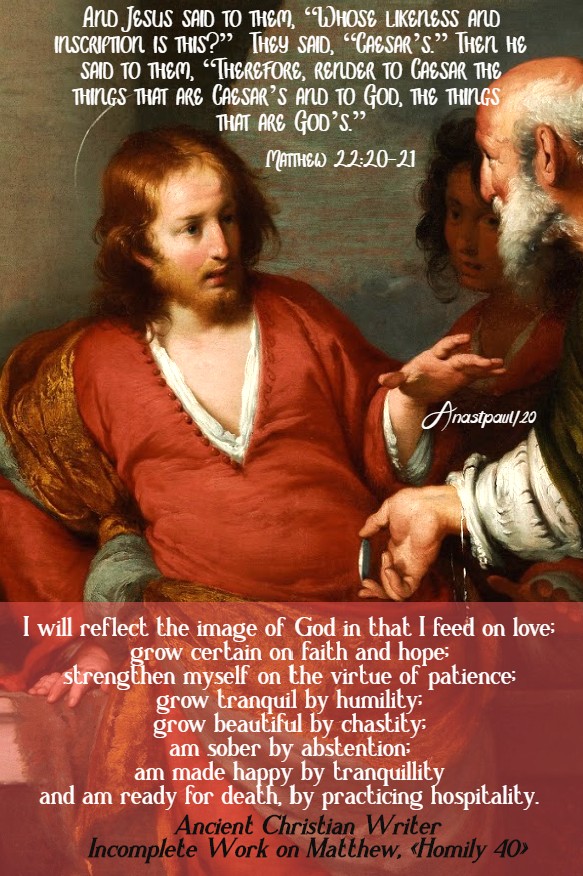
And Jesus said to them, “Whose likeness and inscription is this?” They said, “Caesar’s.” Then he said to them, “Therefore, render to Caesar the things that are Caesar’s and to God, the things that are God’s.” – Matthew 22:20-21
REFLECTION – In an ancient work known as the Incomplete Work on Matthew, an anonymous Ancient Christian Writer (ACW) offers the following insight on these verses from today’s Gospel: “The image of God is not depicted on gold but is imaged in humanity. The coin of Caesar is gold; that of God, humanity. Caesar is seen in his currency; God, however, is known through human beings. And so give your wealth to Caesar but reserve for God the sole innocence of your conscience, where God is beheld. For the hand of Caesar has crafted an image by likenesses and lives each year by renewable decree. However, the divine hand of God has shown His image in ten points.
What ten points? From five carnal ones and five spiritual ones through which we see and understand what things are useful under God’s image. So let us always reflect the image of God in these ways:
I do not swell up with the arrogance of pride; nor do I droop with the blush of anger; nor do I succumb to the passion of avarice; nor do I surrender myself to the ravishes of gluttony; nor do I infect myself with the duplicity of hypocrisy; nor do I contaminate myself with the filth of rioting; nor do I grow flippant with the pretension of conceit; nor do I grow enamoured of the burden of heavy drinking; nor do I alienate by the dissension of mutual admiration; nor do I infect others with the biting of detraction; nor do I grow conceited with the vanity of gossip.
Rather, instead,
I will reflect the image of God in that I feed on love; grow certain on faith and hope; strengthen myself on the virtue of patience; grow tranquil by humility; grow beautiful by chastity; am sober by abstention; am made happy by tranquillity and am ready for death, by practicing hospitality.
It is with such inscriptions that God imprints His coins with an impression made neither by hammer nor by chisel but has formed them, with His primary divine intention. For Caesar required his image on every coin but God has chosen man, whom He has created, to reflect His glory.” (Incomplete Work on Matthew, «Homily 40»)
PRAYER – Lord God, You chose St Luke to reveal the mystery of Your love in his preaching and his writings. Grant, we pray, that we may grow in love for the Holy Face of Christ, His words and His directions, revealed to us in the Gospels, in the example of your saints. Today, on his feast, we especially look to St Luke, to guide, teach and pray for us. We make our prayer through our Lord Jesus Christ, with the Holy Spirit, one God with You, forever and ever, amen.
St Acutius of Pozzuoli St Asclepiades of Antioch St Athenodorus St Brothen Bl Burchard I St Cadwaladr of Brittany Bl Domenico of Perpignano St Eutychius of Pozzuoli St Gwen St Gwen of Tagarth St Gwendoline St Isaac Jogues St Julian Sabas the Hermit (4th Century) St Justus of Beauvais (c 278—c 287) Child of nine About St Justus: https://anastpaul.com/2019/10/18/saint-of-the-day-18-october-st-justus-of-beauvais-c-278-c-287-martyr/ Bl Margherita Tornielli St Monon of Nassogne St Proculus of Pozzuoli Bl Theobald of Narbonna St Tryphonia of Rome — Martyrs of Africa – 9 saints: A group of Christians martryed together in Africa. The only details that have survived are the names – Beresus, Dasius, Faustinus, Leucius, Lucius, Martialis, Victoricus, Victrix and Viktor. They were martyred in c.300 in Africa.
Martyred in the Spanish Civil War: • Blessed Alfredo Almunia López-Teruel • Blessed Francisco Roselló Hernández • Blessed Isidro Juan Martínez
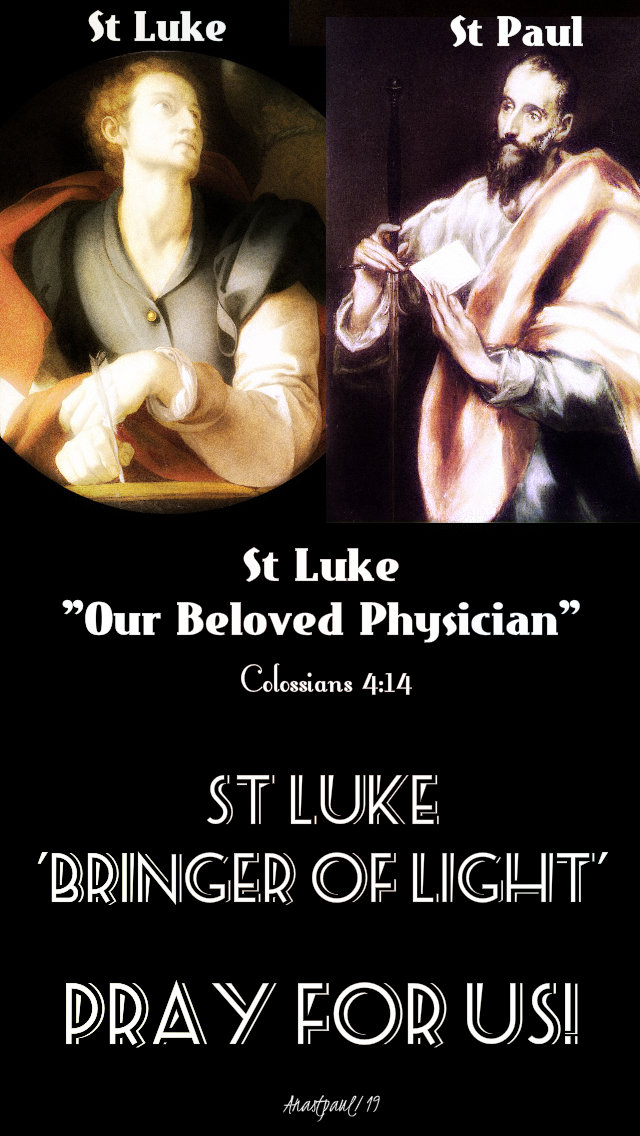
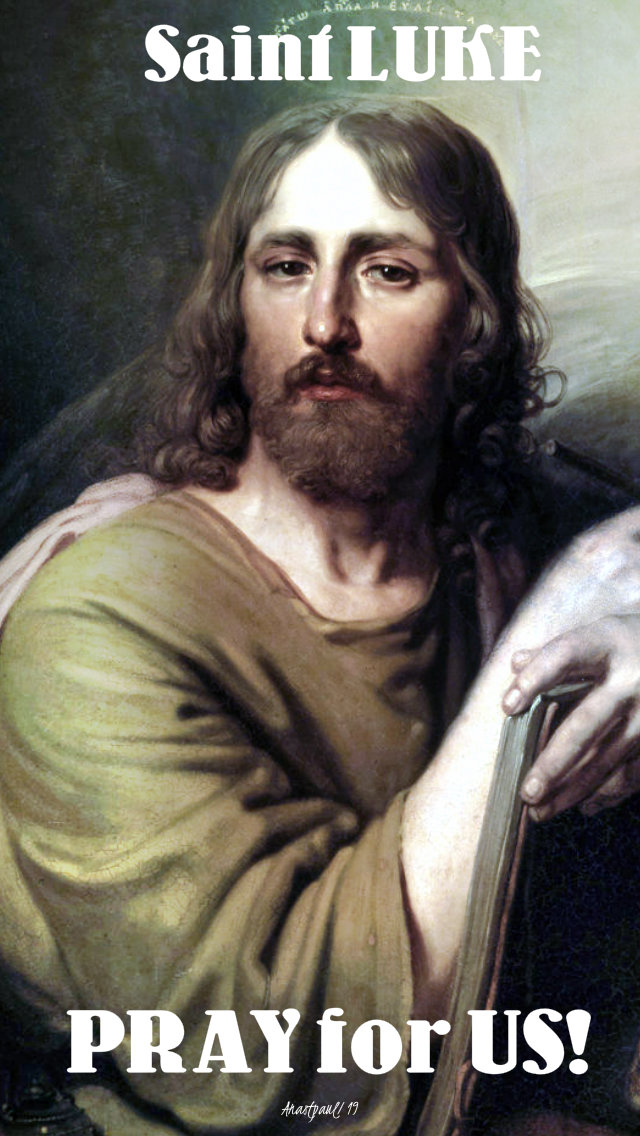
Thought for the Day – 18 October – Feast of St Luke the Evangelist
“Our Beloved Physician” – Bringer of Light
Luke wrote as a Gentile for Gentile Christians. His Gospel and Acts of the Apostles reveal his expertise in classic Greek style, as well as his knowledge of Jewish sources. There is a warmth to Luke’s writing that sets it apart from that of the other synoptic Gospels and yet, it beautifully complements those works. The treasure of the Scriptures is a true gift of the Holy Spirit to the Church.
Luke wrote one of the major portions of the New Testament, a two-volume work comprising the third Gospel and Acts of the Apostles. In the two books, he shows the parallel between the life of Christ and that of the Church. He is the only Gentile Christian among the Gospel writers. Tradition holds him to be a native of Antioch and Paul calls him “our beloved physician (Col 4:14).” His Gospel was probably written between 70 and 85.
Luke appears in Acts, during Paul’s second journey, remains at Philippi for several years, until Paul returns from his third journey, accompanies Paul to Jerusalem and remains near him when he is imprisoned in Caesarea. During these two years, Luke had time to seek information and interview persons, who had known Jesus. He accompanied Paul on the dangerous journey to Rome where he was a faithful companion.
Luke’s unique character may best be seen by the emphases of his Gospel, which has been given a number of subtitles:
1) The Gospel of Mercy
2) The Gospel of Universal Salvation
3) The Gospel of the Poor
4) The Gospel of Absolute Renunciation
5) The Gospel of Prayer and the Holy Spirit
6) The Gospel of Joy















 AnaStpaul
You must be logged in to post a comment.