
Pentecost XXI
Within the ALL SAINTS OCTAVE
All Souls Day – (Will be celebrated tomorrow) The Commemoration of All the Faithful Departed: Commemoration of the faithful departed in Purgatory. Abbot Odilo of Cluny instituted it in the Monasteries of his congregation in 998, other religious orders took up the observance and it was adopted by various Diocese and gradually by the whole Church. The Office of the Dead must be recited by the clergy on this day and Pope Benedict XV granted to all Priests, the privilege of saying three Masses of requiem – one for the souls in Purgatory
one for the intention of the Holy Father
one for the Priest’s intentions
If the feast should fall on Sunday it is kept on 3 November.
Patronage: Monselice, Italy
HERE:
https://anastpaul.com/2018/11/02/commemoration-of-all-souls-day-2-november/
AND:
https://anastpaul.wordpress.com/2017/11/02/the-commemoration-of-all-the-holy-souls-in-purgatory-2-november/
Notre-Dame D’Emminont / Our Lady of Emminont. Abbeville, France (12th Century) – 2 November:
HERE:
https://anastpaul.com/2021/11/02/the-commemoration-of-all-the-faithful-departed-all-souls-day-notre-dame-demminont-our-lady-of-emminont-abbeville-france-12th-century-and-memorials-of-the-saints-2-november/

St Ambrose of Agaune
St Ambrose of Agaune
St Amicus of Fonte Avellana
St Amicus of Rambone
St Baya of Scotland
St Domninus of Grenoble
St Erc of Slane
St Eustochium of Tarsus
St George of Vienne
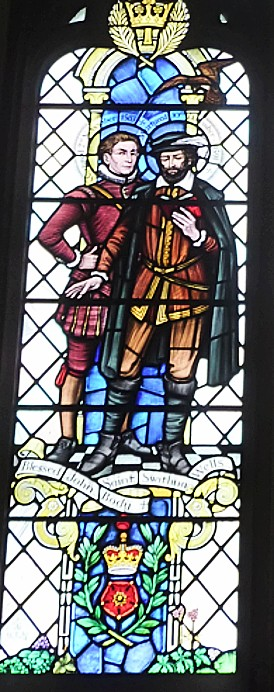
Blessed John Bodey (1549-1583) Layman, Martyr, Husband and Schoolmaster.
Born in 1549 at Wells, Somerset, England and died on 2 November 1583 at Andover, England by being hanged, drawn and quartered for the crime of being a Catholic and refusing to accept Elizabeth I, Queen of England, as the Head of the Church. Blessed John was Beatified on 15 December 1929 together with Blessed John Slade (feast day 30 October), by Pope Pius XI.
His Life and Death:
https://anastpaul.com/2023/11/02/saint-of-the-day-2-november-blessed-john-bodey-1549-1583-layman-martyr/
St Jorandus of Kergrist
St Justus of Trieste
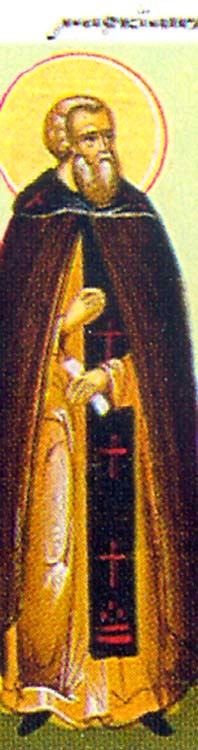
St Marcian (4th Century) Confessor
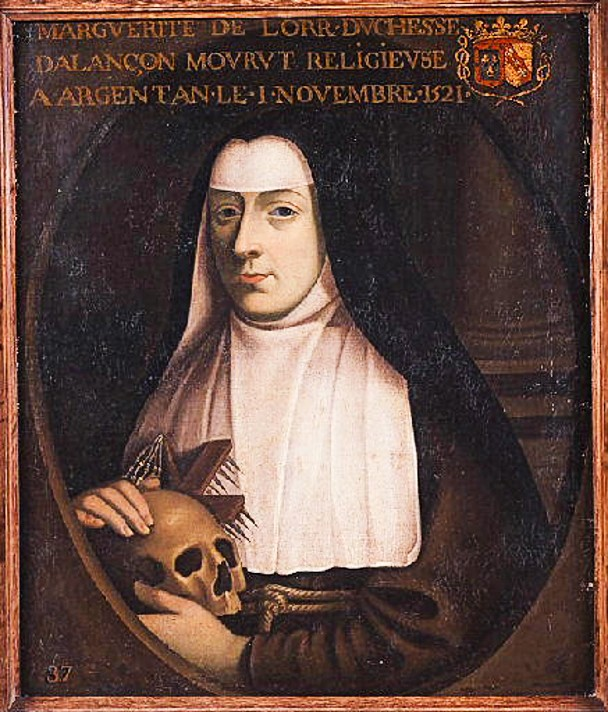
Blessed Margaret OSC (1463-1521) Duchess of Alençon, Mother, Widow, Nun of the Poor Clares, Apostle of the sick, the poor and those suffering under unjust feudal lords.
Her Holy Life:
https://anastpaul.com/2022/11/02/saint-of-the-day-2-november-blessed-margaret-of-lorraine-osc-1463-1521/
St Maura of Scotland
St Theodotus (c260–c335) Bishop of Laodicea (in modern Turkey), Philosopher, possibly a Physician, Theologian. He initially defended the Arians but after being provisionally excommunicated, he repented his stance and became a defender of orthodoxy.
The Roman Martyrology reads today: “At Laodicea in Syria, St Theodotus, a Bishop, powerful in words and adorned with good works and virtues.”
His Life of Service:
https://anastpaul.com/2024/11/02/saint-of-the-day-2-november-saint-theodotus-c260-c335-bishop/
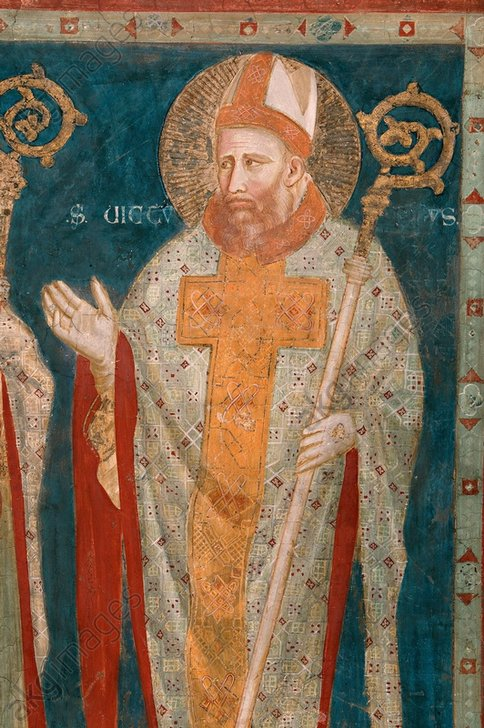
St Victorinus (Died c 304) Bishop of Pettau, Martyr, learned Exegetists on both the Old and the New Testament, ecclesiastical writer, theologian.
His Life and Death:
https://anastpaul.com/2021/11/02/saint-of-the-day-2-november-st-victorinus-of-pettau-died-c-304/
St Willebald of Bavaria
Martyrs of Isfahan – 5+ Saints: Acindynus, Pegasius and Anempodistus were Persian priests who were imprisoned, tortured, interrogated and Martyred in the persecutions of king Sapor II of Persia; he considered any Christian to be a Roman spy and anti-Persian.
Martyrs of Sebaste – 10 Saints: A group of ten soldiers in the imperial Roman army of Emperor Licinius Licinianus who were executed together for refusing to burn incense as a sacrifice to the emperor. The only details that have survived are five of their names – Agapius, Cartherius, Eudoxius, Styriacus and Tobias. They were burned at the stake in 315 in Sebaste

 AnaStpaul
You must be logged in to post a comment.