Posted in MARIAN TITLES, SAINT of the DAY

Monday in Passion Week, the Fifth Week of Lent, Notre-Dame de Grace, Honfleur, Normandie / Our Lady of Grace, Normandy, France and Memorials of the Saints – 4 April

Monday in Passion Week, the Fifth Week of Lent

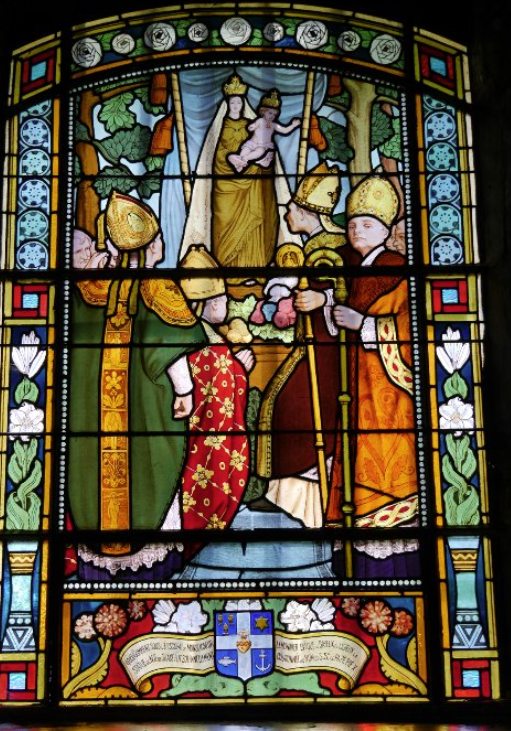
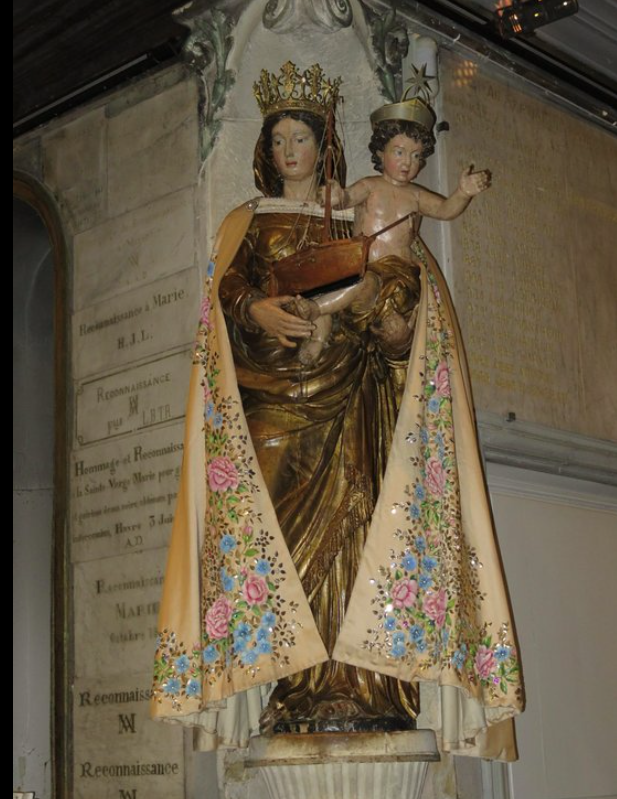
Notre-Dame de Grace, Honfleur, Normandie / Our Lady of Grace, Normandy, France – 4 April:
HERE:

https://anastpaul.com/2021/04/04/easter-sunday-2021-the-resurrection-of-the-lord-solemnity-of-solemnities-our-lady-of-grace-normandy-and-memorials-of-the-saints/

St Isidore of Seville (c 560-636) Father & Doctor of the Church, Writer, Teacher, Reformer and Evangelist. Sometimes called – “The last scholar of the ancient world.” (Memorial)
St Isidore’s life:

https://anastpaul.com/2020/04/04/saint-of-the-day-4-april-st-isidore-of-seville-c-560-636-father-doctor-of-the-church/
AND:
https://anastpaul.wordpress.com/2017/04/04/saint-of-the-day-4-april-st-isidore-of-seville-father-and-doctor-of-the-church/

Bl Abraham of Strelna
St Agathopus of Thessalonica
St Aleth of Dijon

St Benedict of Sicily OFM (1526-1589) Friar Minor of the Observance, Confessor.
About St Benedict:

https://anastpaul.wordpress.com/2018/04/04/saint-of-the-day-4-april-st-benedict-of-sicily-o-f-m-1526-1589/

Bl essed Giuseppe Benedetto Dusmet OSB (1818-1894) Cardinal Archbishop of Catania, Italy, professed Benedictine religious, Abbot, Professor, Apostle of the sick and the poor.
Biography:

https://anastpaul.com/2019/04/04/saint-of-the-day-4-april-blessed-giuseppe-cardinal-benedetto-dusmet-osb-1818-1894/

St Gwerir of Liskeard
St Henry of Gheest
St Hildebert of Ghent
St Peter of Poitiers (c 1130-1215) Bishop

St Plato (c 734-813) Monk, Confessor, Defender of sacred images and of the Sacraments of Marriage and Holy Orders.
St Plato’s Lifestory:

https://anastpaul.com/2021/04/04/saint-of-the-day-4-april-saint-plato-c-734-813/

St Theodulus of Thessalonica
St Theonas of Egypt
St Tigernach of Clogher
St Zosimus of Palestine

Martyred in Cairo
François de la Terre de Labour
Nicolas of Montecorpino

Martyrs of Thessalonica – 14 Saints: Fourteen Christians who were Martyred together, date unknown. No other information, except the names of 12 of them, has survived – Ingenuus, Julianus, Julius, Matutinus, Orbanus, Palatinus, Paulus, Publius, Quinilianus, Saturninus, Successus, Victor and two whose names have not come down to us.
Agathopus the Deacon, Theodulus the Lector.

Posted in EASTER, FEASTS and SOLEMNITIES, MARIAN TITLES, SAINT of the DAY, The RESURRECTION

EASTER SUNDAY +2021 The Resurrection of the Lord – Solemnity of Solemnities! Our Lady of Grace, Normandy and Memorials of the Saints

EASTER SUNDAY +2021 The Resurrection of the Lord – Solemnity of Solemnities!
__
Notre-Dame de Grace, Honfleur, Normandie / Our Lady of Grace, Normandy, France – 4 April:

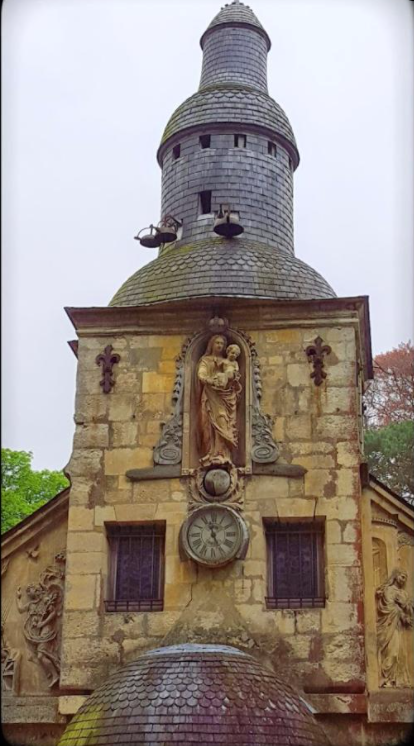
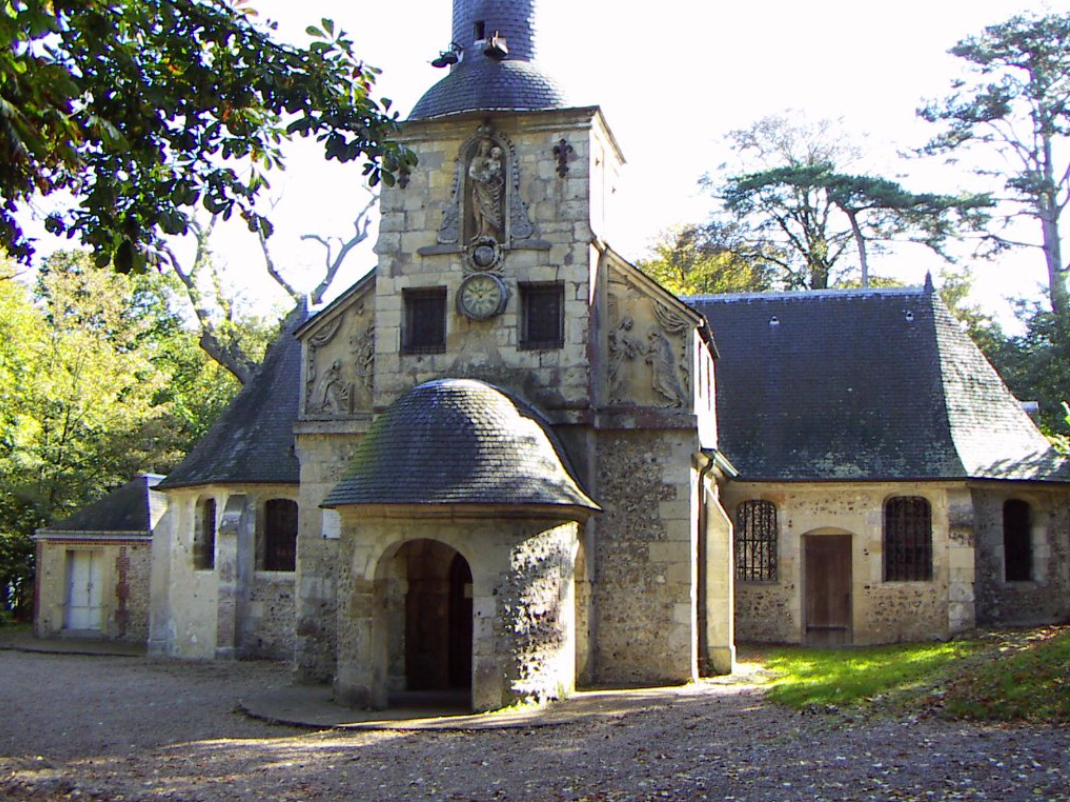
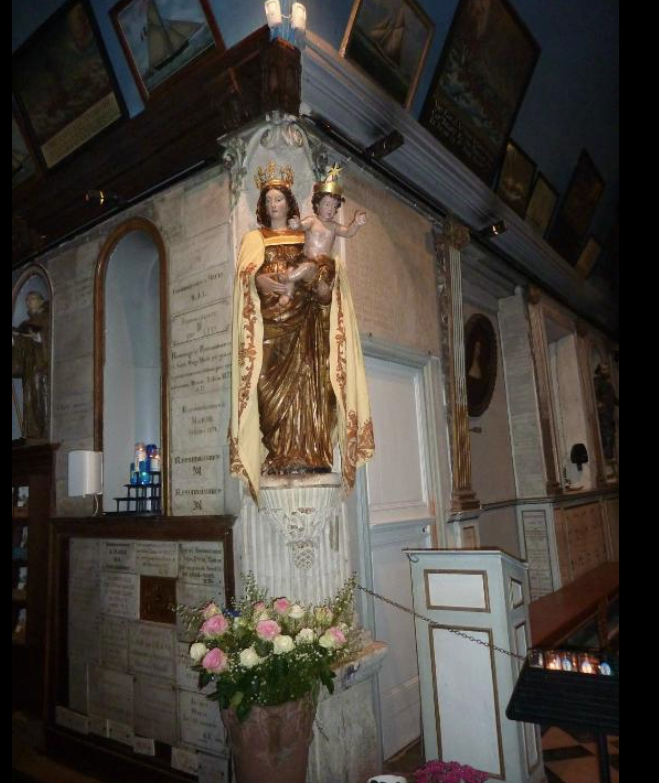
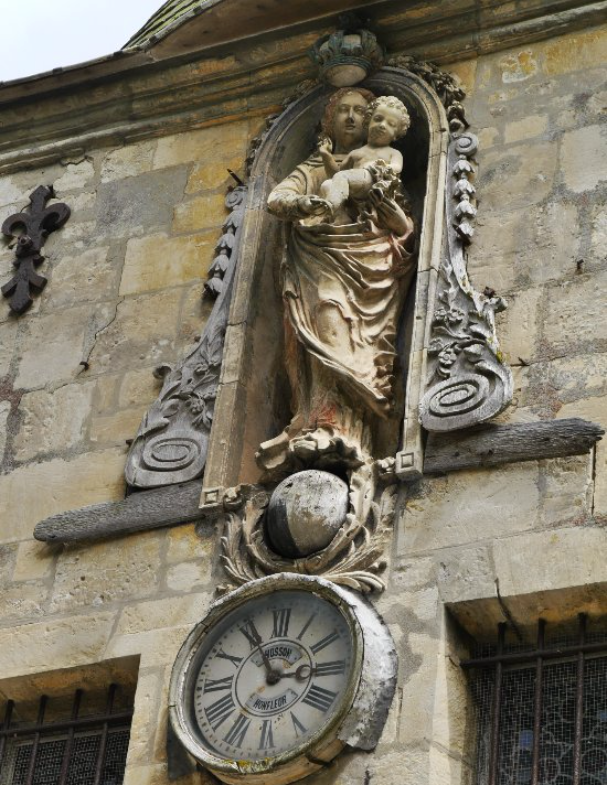
Our Lady of Grace is one of the most ancient maritime Chapels of Normandy. This Sanctuary was built in consequence of a vow made by a Norman Duke, who was very devout to the Blessed Virgin. That Duke, Robert the Magnificent, was once caught in a terrible storm off the coast of Normandy and knew, that a shipwreck would surely cost him his life. He swore, in the midst of that tempest, that was even then overwhelming him, that if he could somehow survive, he would build a Shrine on the hill, which he could still see, through the rain and surf from his sinking ship ,in thanksgiving to God for his rescue.
Robert was saved and so his harrowing experience ended, not in tragedy but instead, the duke kept his promise, which gave birth to a monument that millions of pilgrims STILL visit each year. The original Chapel he constructed was finished early in the 11th century, at a height 90 meters above sea level. That Chapel stood through the centuries until it was swept away by landslide in the 16th century. The present Chapel, the Chapel of Notre-Dame-de-Grace, replaces the original.

The site of this handsome Chapel of Our Lady of Grace, surrounded by large trees, in the midst of turf replete with flowers, is beautiful and calm, like the rich and fresh landscapes of the magnificent province of which it forms a part.
Our Lady of Grace appears like the fortress of Honfleur; from the little mountain which it crowns, the mouth of the Seine is visible, and farther on, the ocean, with its long waves of dark green, which receives in its bosom, the river of blue waters. Two roads lead to the Chapel – the one rough and rocky, the other smooth and even. In other times the inhabitants of Honfleur took delight in pointing out Our Lady of Grace, in reducing its steepness, in covering it with small, fine sand, so that a gracious princess, who had made herself beloved in these parts by her generous bounty, might be able to ascend it without fatigue, when she went to offer her prayers and vows to the Blessed Virgin.

St Isidore of Seville (c 560-636) Father & Doctor of the Church (Optional Memorial)
St Isidore’s life:

https://anastpaul.com/2020/04/04/saint-of-the-day-4-april-st-isidore-of-seville-c-560-636-father-doctor-of-the-church/
AND:
https://anastpaul.wordpress.com/2017/04/04/saint-of-the-day-4-april-st-isidore-of-seville-father-and-doctor-of-the-church/

Bl Abraham of Strelna
St Agathopus of Thessalonica
St Aleth of Dijon
St Benedict of Sicily OFM (1526-1589)
About St Benedict:

https://anastpaul.wordpress.com/2018/04/04/saint-of-the-day-4-april-st-benedict-of-sicily-o-f-m-1526-1589/

Bl essed Giuseppe Benedetto Dusmet OSB (1818-1894)
Biography:

https://anastpaul.com/2019/04/04/saint-of-the-day-4-april-blessed-giuseppe-cardinal-benedetto-dusmet-osb-1818-1894/
St Gwerir of Liskeard
St Henry of Gheest
St Hildebert of Ghent
St Peter of Poitiers
St Plato (c 734-813) Monk, Confessor
St Theodulus of Thessalonica
St Theonas of Egypt
St Tigernach of Clogher
St Zosimus of Palestine

Posted in DOCTORS of the Church, FATHERS of the Church, franciscan OFM, SAINT of the DAY

Memorials of the Saints – 4 April

St Isidore of Seville (c 560-636) Father & Doctor of the Church (Optional Memorial)
St Isidore’s life:
https://anastpaul.wordpress.com/2017/04/04/saint-of-the-day-4-april-st-isidore-of-seville-father-and-doctor-of-the-church/

Bl Abraham of Strelna
St Agathopus of Thessalonica
St Aleth of Dijon
St Benedict of Sicily OFM (1526-1589)
About St Benedict:
https://anastpaul.wordpress.com/2018/04/04/saint-of-the-day-4-april-st-benedict-of-sicily-o-f-m-1526-1589/

Bl Giuseppe Benedetto Dusmet OSB (1818-1894)
Biography:
https://anastpaul.com/2019/04/04/saint-of-the-day-4-april-blessed-giuseppe-cardinal-benedetto-dusmet-osb-1818-1894/
St Gwerir of Liskeard
St Henry of Gheest
St Hildebert of Ghent
St Peter of Poitiers
St Plato
St Theodulus of Thessalonica
St Theonas of Egypt
St Tigernach of Clogher
St Zosimus of Palestine

Posted in SAINT of the DAY

Memorials of the Saints – 4 April

St Isidore of Seville (c 560-636) (Optional Memorial) Father & Doctor of the Church
St Isidore’s life: https://anastpaul.wordpress.com/2017/04/04/saint-of-the-day-4-april-st-isidore-of-seville-father-and-doctor-of-the-church/

Bl Abraham of Strelna
St Agathopus of Thessalonica
St Aleth of Dijon
St Benedict of Sicily OFM (1526-1589)
About St Benedict: https://anastpaul.wordpress.com/2018/04/04/saint-of-the-day-4-april-st-benedict-of-sicily-o-f-m-1526-1589/

Bl Giuseppe Benedetto Dusmet OSB (1818-1894)
St Gwerir of Liskeard
St Henry of Gheest
St Hildebert of Ghent
St Peter of Poitiers
St Plato
St Theodulus of Thessalonica
St Theonas of Egypt
St Tigernach of Clogher
St Zosimus of Palestine

Posted in franciscan OFM, INCORRUPTIBLES, SAINT of the DAY

Saint of the Day – 4 April – St Benedict of Sicily O.F.M. (1526-1589)

Saint of the Day – 4 April – St Benedict of Sicily O.F.M. (1526-1589) Religious Friar, Confessor, apostle of charity – also known as Benedict of Palermo, Benedict the Moor – born in 1526 at Messina, Italy on the estate of Chevalier de Lanza a San Fratello – died in 1589 of natural causes.   His body was reported incorrupt when exhumed several years later.   Patronages – African missions;  African Americans; black missions; black people; Palermo;  San Fratello; Sicily.SOD-0403-SaintBenedicttheMoor-790x480

St Benedict was born of Moorish parents who were slaves on an estate near Messina, Sicily.   Though of the lowest social rank, they possessed true nobility of heart and mind. As a baby Benedict was freed by his master and as a young boy he showed such a devout and gentle disposition that he was called the “holy Moor.”

While working in the fields one day some neighbours taunted him on account of his race and parentage.   His meek demeanour greatly impressed a Franciscan hermit who was passing by and who uttered the prophetic words: “You ridicule a poor Moor now;  before long you will hear great things of him.”

Wishing to join these hermits Benedict sold his meagre belongings and gave the proceeds to the poor and then entered the community.   After the death of the superior, Benedict was chosen his successor, though greatly against his will.   When Pope Pius IV ordered all hermits to disband or join some Order, Benedict became a Friar Minor of the Observance at Palermo and was made a cook.   He was happy in this work since it enabled him to perform many little acts of kindness toward the others.   His brethren were greatly edified by the saintly cook, especially when they saw angels at times helping him in his work.   The Chapter of 1578 made him guardian, or superior, of the friary, though he protested that he was not a priest, in fact could neither read nor write.   He was a model superior, however, and won the esteem and obedience as well as the love of his subjects.ST BENEDICT OF SICILY.2

As superior he gave free rein to his love for the poor and no matter how openhanded he was, the food never seemed to give out.   After serving as superior he was made novice master and to this difficult post he brought gifts that were evidently infused:  he was able to instruct with an amazing knowledge of theology and to read the hearts of others.   Benedict corrected the friars with humility and charity.   Once he corrected a novice and assigned him a penance only to learn that the novice was not the guilty party.   Benedict immediately knelt down before the novice and asked his pardon.

In later life, Benedict was not possessive of the few things he used.   He never referred to them as “mine,” but always called them “ours.”   His gifts for prayer and the guidance of souls earned him throughout Sicily a reputation for holiness.   Following the example of St Francis, Benedict kept seven 40-day fasts throughout the year; he also slept only a few hours each night.

Capela_do_Divino_Espírito_Santo_em_Porto_Alegre_011-aa

At his request he was relieved of his office and again made cook but he was no longer an obscure Brother, for thousands flocked to the friary, seeking cures or alms or counsel and help.

He died after a brief illness, having foretold the hour of his death.   After Benedict’s death, King Philip III of Spain paid for a special tomb for this holy friar.  His veneration has spread throughout the world, and the African Americans of North America have chosen him their patron.   He was Beatified on 15 May 1743 by Pope Benedict XIV and Canonised on 24 May 1807 by Pope Pius VIII.ST BENEDICT OF SICILY