
Quinquagesima Sunday:
This Season is seventeen (17) days long and includes the three Sundays before Ash Wednesday.
The length of the Season never changes but the start date is dependent on the movable date of Easter, which can fall between 22 March-25 April.
For many early Christians Quinquagesima marked the time after which meat was forbidden. In many places, this Sunday and the next two days, were used to prepare for Lent by a good Confession; hence in England, we find the names Shrove Sunday and Shrovetide. Shrove is a form of the English word “shrive,” which means – to obtain absolution for one’s sins by way of Confession and doing penance..
As the days before Lent were frequently spent in merry-making, Pope Benedict XIV by the Constitution “Inter Cetera” (1 January 1748) introduced a Forty Hours’ Devotion to keep the faithful from dangerous amusements and to make some reparation for sins committed.
Quinquagesima also means, the time between Easter and Pentecost, or from the Saturday after Easter to the Sunday after Pentecost; it is then called Quinquagesima Paschae paschalis, or laetitae.

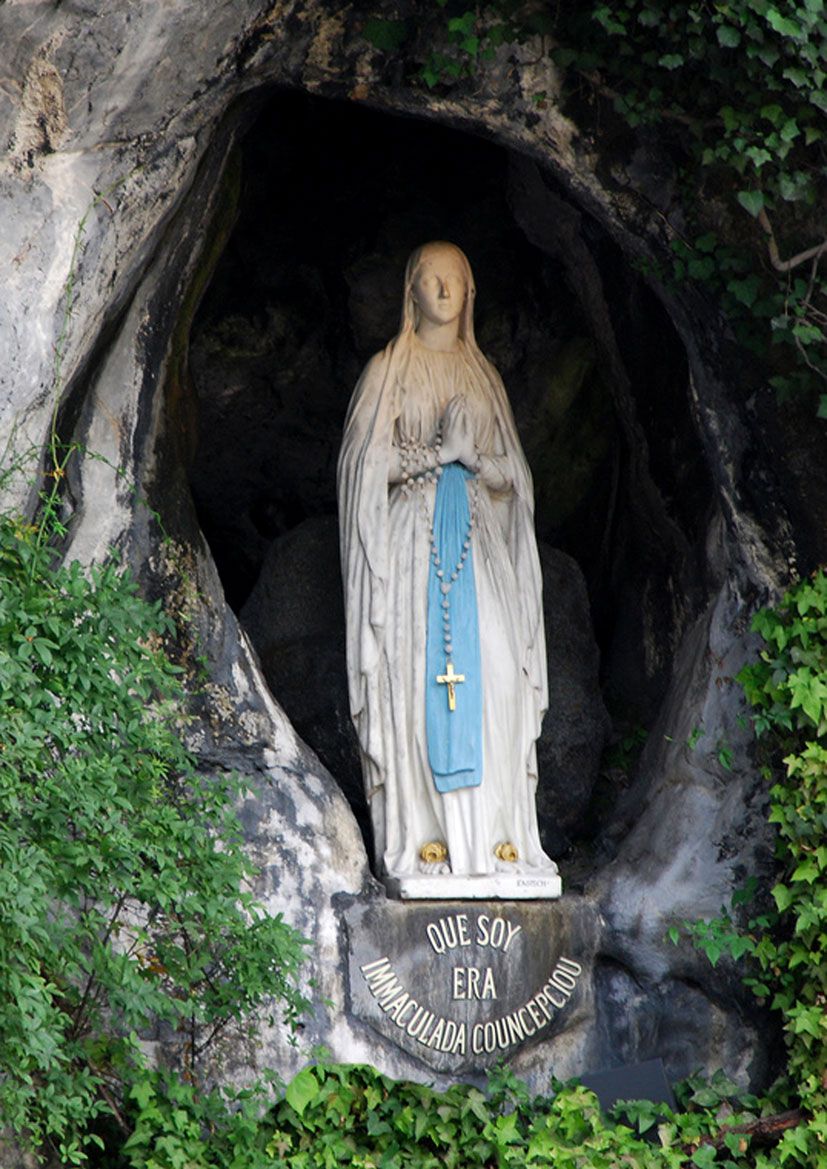
Notre-Dame-de-Lourdes / Our Lady of Lourdes (11 February and 16 July of 1858) – (Optional Memorial)
Our Lady of Lourdes:
HERE:
https://anastpaul.com/2021/02/11/our-lady-of-lourdes-and-memorials-of-the-saints-11-february/
AND:
https://anastpaul.com/2018/02/11/the-memorial-of-the-apparitions-of-our-lady-of-lourdes-our-lady-of-the-immaculate-conception-and-the-26th-world-day-of-prayer-for-the-sick/
St Ampelius of Africa
St Ardanus of Tournus
Bl Bartholomew of Olmedo
St Caedmon (Died c680) Monk and the is the earliest English known Poet of Sacred verse,
Biography of St Caedmon:
https://anastpaul.com/2019/02/11/saint-of-the-day-11-february-st-caedmon-died-c-680/
St Calocerus of Ravenna
St Castrensis of Capua
St Dativus the Senator
Bl Elizabeth Salviati
St Etchen of Clonfad
St Eutropius of Adrianopolis
St Felix the Senator
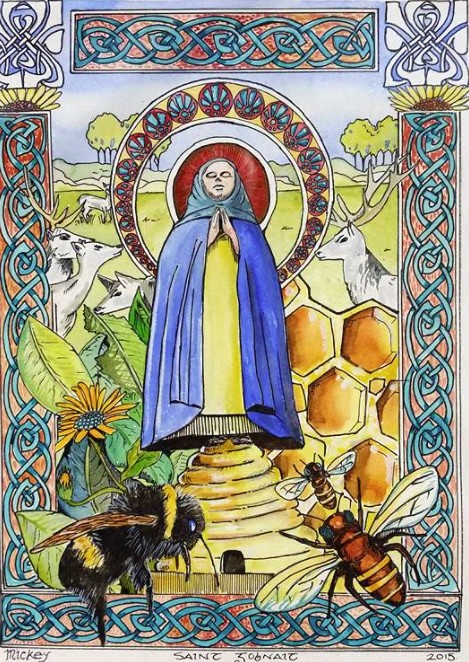
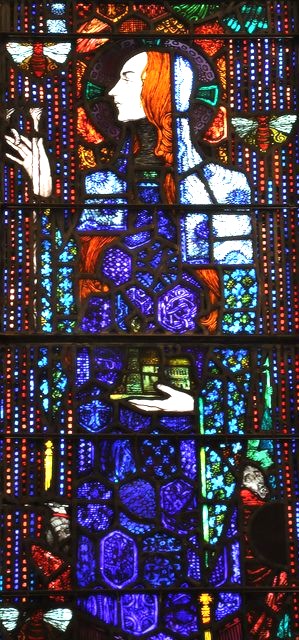
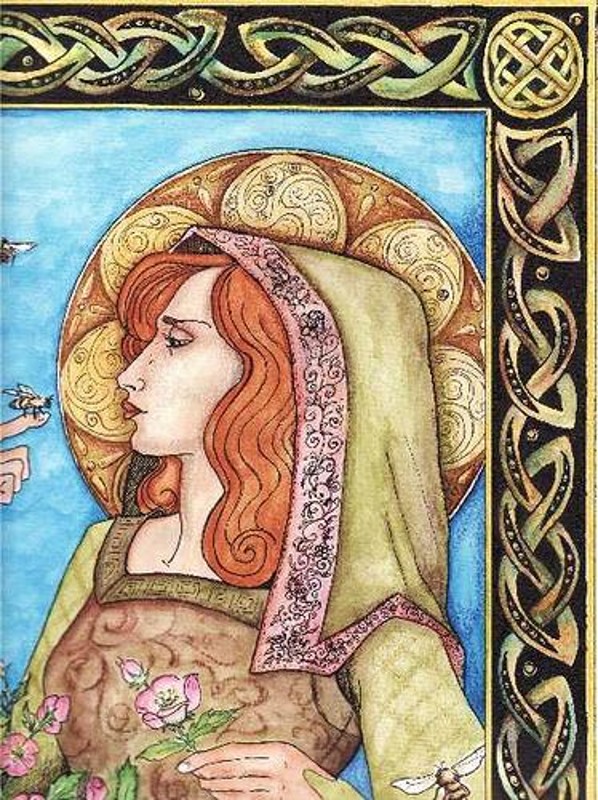
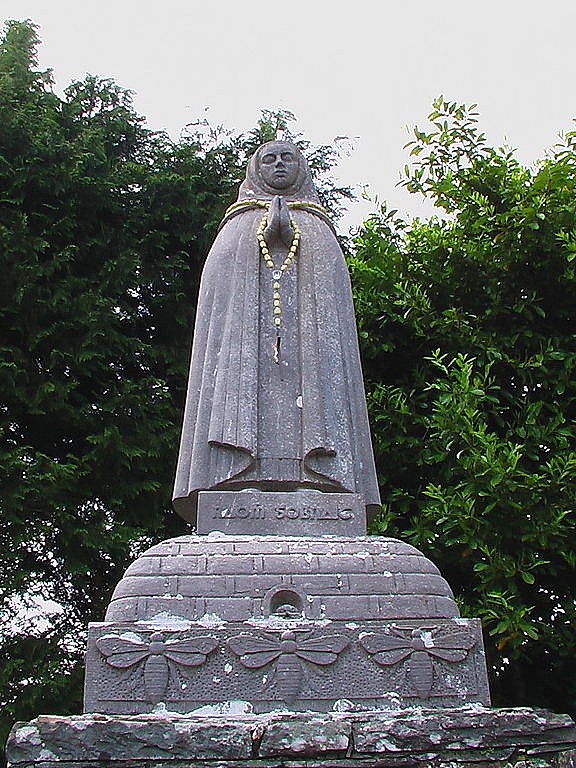
St Gobnata (6th Century) Abbess, Founder of a Convent and ‘Order’ of Sisters, Miracle-worker, Apostle of the sick. Patronages – of bees, beekeepers.
About St Gobnata or Abigail:
St Pope Gregory II (669-731) Bishop of Rome from 715-731, Pope Gregory was a man of immense intellect and used his talents in negotiating peace in times of war and fought for the truth of the faith against heresies. He was a miracle-worker who placed all his trust in God ‘s Divine Providence.
About “The Defender of Icons”
https://anastpaul.com/2020/02/11/saint-of-the-day-11-february-saint-pope-gregory-ii-669-731-defender-of-icons/
St Helwisa
St Jonas of Muchon
St Lazarus of Milan (Died 449) Archbishop of Milan.
About this St Lazarus:
https://anastpaul.com/2021/02/11/saint-of-the-day-11-february-saint-lazarus-of-milan-died-449-archbishop-of-milan/
St Lucius of Adrianople
St Pedro de Jesús Maldonado-Lucero
St Saturninus of Africa
St Secundus of Puglia
St Severinus of Agaunum (Died c507) Abbot
St Simplicius of Vienne (Died c417) Bishop
St Theodora the Empress
Guardians of the Sacred Scriptures: Also known as – Anonymous Martyrs in Africa – Martyrs of Africa – Martyrs of Numidia – Martyrs of the Sacred Books
A large number of Christians tortured and murdered in Numidia (part of modern Algeria) during the persecutions of Diocletian but whose names and individual lives have not survived. They were ordered to surrender their sacred books to be burned. They refused. Martyrs. c 303 in Numidia.
Martyrs of Africa – 5 Saints: A group of five Christians who were Martyred together; we know nothing else but the names of four of them – Cyriacus, Oecominius, Peleonicus and Zoticus.


 AnaStpaul
You must be logged in to post a comment.