Posted in MARIAN TITLES, SAINT of the DAY

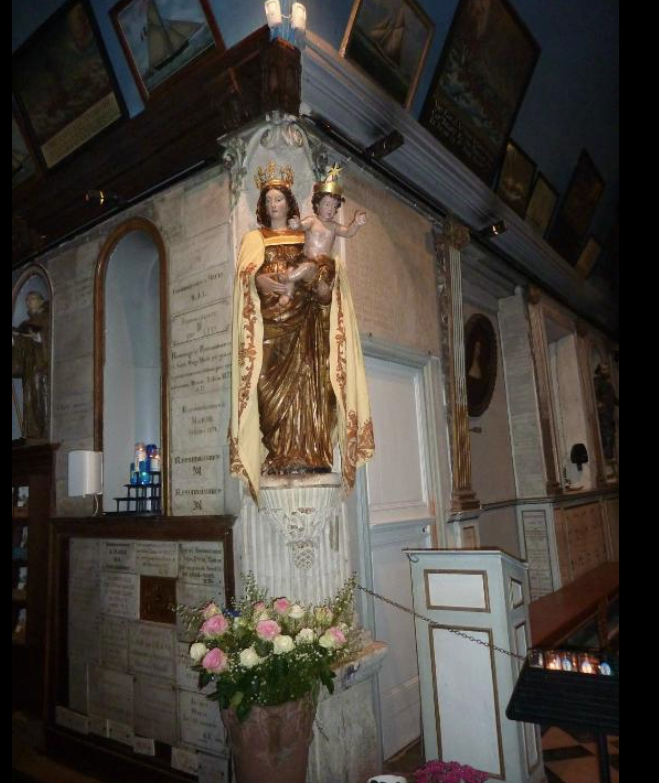
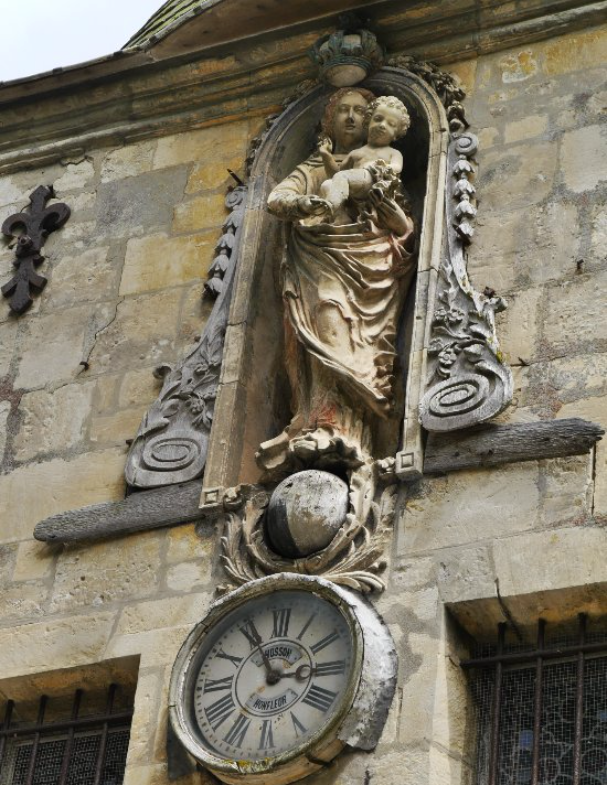
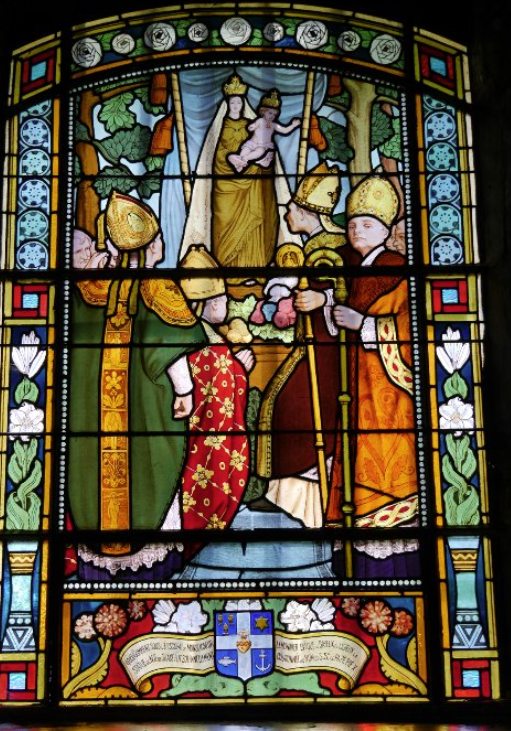
Easter Thursday, Notre-Dame de Grace, Honfleur/ Our Lady of Grace, Normandy, France, St Isidore of Seville and the Saints for 4 April

Easter Thursday

St Aleth of Dijon (1064-1106) Laywoman, Mother of St Bernard (of Clairvaux)
St Gwerir of Liskeard
St Henry of Gheest
St Hildebert of Ghent
St Peter of Poitiers (c1130-1215) Bishop

St Theodulus of Thessalonica
St Theonas of Egypt
St Tigernach of Clogher

Posted in DOCTORS of the Church, FATHERS of the Church, franciscan OFM, MARIAN TITLES, SAINT of the DAY

Tuesday in Holy Week, Notre-Dame de Grace, Honfleur/ Our Lady of Grace, France, St Isidore of Seville and Memorials of the Saints – 4 April

Tuesday in Holy Week – FAST

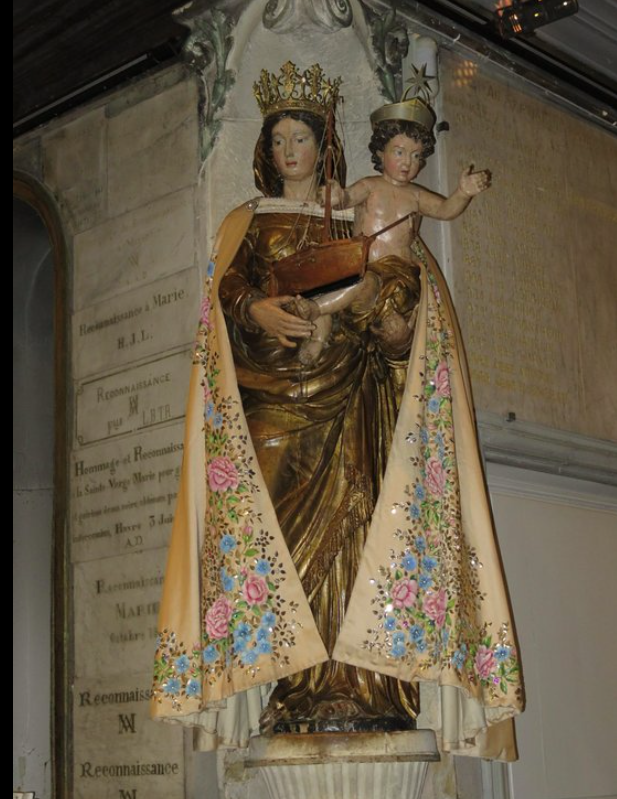
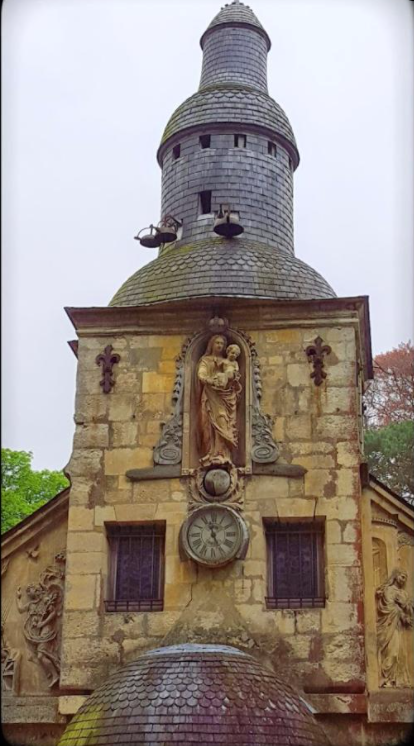
Notre-Dame de Grace, Honfleur, Normandie / Our Lady of Grace, Normandy, France – 4 April:
HERE:
https://anastpaul.com/2021/04/04/easter-sunday-2021-the-resurrection-of-the-lord-solemnity-of-solemnities-our-lady-of-grace-normandy-and-memorials-of-the-saints/

St Isidore of Seville (c 560-636) Bishop, Confessor, Father & Doctor of the Church, Writer, Teacher, Reformer and Evangelist. Sometimes called – “The Last Scholar of the Ancient World.”
St Isidore’s life:

https://anastpaul.wordpress.com/2017/04/04/saint-of-the-day-4-april-st-isidore-of-seville-father-and-doctor-of-the-church/

Bl Abraham of Strelna
St Agathopus of Thessalonica
St Aleth of Dijon

St Benedict of Palermo OFM (1526-1589) Friar Minor of the Observance, Confessor.
Celebrated yesterday 3 April and today on some calendars.
About St Benedict:

https://anastpaul.wordpress.com/2018/04/04/saint-of-the-day-4-april-st-benedict-of-sicily-o-f-m-1526-1589/

St Gwerir of Liskeard
St Henry of Gheest
St Hildebert of Ghent
St Peter of Poitiers (c 1130-1215) Bishop

St Plato (c 734-813) Monk, Confessor, Defender of sacred images and of the Sacraments of Marriage and Holy Orders.
St Plato’s Lifestory:

https://anastpaul.com/2021/04/04/saint-of-the-day-4-april-saint-plato-c-734-813/

St Theodulus of Thessalonica
St Theonas of Egypt
St Tigernach of Clogher
St Zosimus of Palestine (Died c560) Priest, Monk, Hermit

Martyred in Cairo
François de la Terre de Labour
Nicolas of Montecorpino

Martyrs of Thessalonica – 14 Saints: Fourteen Christians who were Martyred together, date unknown. No other information, except the names of 12 of them, has survived – Ingenuus, Julianus, Julius, Matutinus, Orbanus, Palatinus, Paulus, Publius, Quinilianus, Saturninus, Successus, Victor and two whose names have not come down to us.
Agathopus the Deacon, Theodulus the Lector.


Posted in MARIAN TITLES, SAINT of the DAY

Monday in Passion Week, the Fifth Week of Lent, Notre-Dame de Grace, Honfleur, Normandie / Our Lady of Grace, Normandy, France and Memorials of the Saints – 4 April

Monday in Passion Week, the Fifth Week of Lent

Notre-Dame de Grace, Honfleur, Normandie / Our Lady of Grace, Normandy, France – 4 April:
HERE:

https://anastpaul.com/2021/04/04/easter-sunday-2021-the-resurrection-of-the-lord-solemnity-of-solemnities-our-lady-of-grace-normandy-and-memorials-of-the-saints/

St Isidore of Seville (c 560-636) Father & Doctor of the Church, Writer, Teacher, Reformer and Evangelist. Sometimes called – “The last scholar of the ancient world.” (Memorial)
St Isidore’s life:

https://anastpaul.com/2020/04/04/saint-of-the-day-4-april-st-isidore-of-seville-c-560-636-father-doctor-of-the-church/
AND:
https://anastpaul.wordpress.com/2017/04/04/saint-of-the-day-4-april-st-isidore-of-seville-father-and-doctor-of-the-church/

Bl Abraham of Strelna
St Agathopus of Thessalonica
St Aleth of Dijon

St Benedict of Sicily OFM (1526-1589) Friar Minor of the Observance, Confessor.
About St Benedict:

https://anastpaul.wordpress.com/2018/04/04/saint-of-the-day-4-april-st-benedict-of-sicily-o-f-m-1526-1589/

Bl essed Giuseppe Benedetto Dusmet OSB (1818-1894) Cardinal Archbishop of Catania, Italy, professed Benedictine religious, Abbot, Professor, Apostle of the sick and the poor.
Biography:

https://anastpaul.com/2019/04/04/saint-of-the-day-4-april-blessed-giuseppe-cardinal-benedetto-dusmet-osb-1818-1894/

St Gwerir of Liskeard
St Henry of Gheest
St Hildebert of Ghent
St Peter of Poitiers (c 1130-1215) Bishop

St Plato (c 734-813) Monk, Confessor, Defender of sacred images and of the Sacraments of Marriage and Holy Orders.
St Plato’s Lifestory:

https://anastpaul.com/2021/04/04/saint-of-the-day-4-april-saint-plato-c-734-813/

St Theodulus of Thessalonica
St Theonas of Egypt
St Tigernach of Clogher
St Zosimus of Palestine

Martyred in Cairo
François de la Terre de Labour
Nicolas of Montecorpino

Martyrs of Thessalonica – 14 Saints: Fourteen Christians who were Martyred together, date unknown. No other information, except the names of 12 of them, has survived – Ingenuus, Julianus, Julius, Matutinus, Orbanus, Palatinus, Paulus, Publius, Quinilianus, Saturninus, Successus, Victor and two whose names have not come down to us.
Agathopus the Deacon, Theodulus the Lector.

Posted in SAINT of the DAY

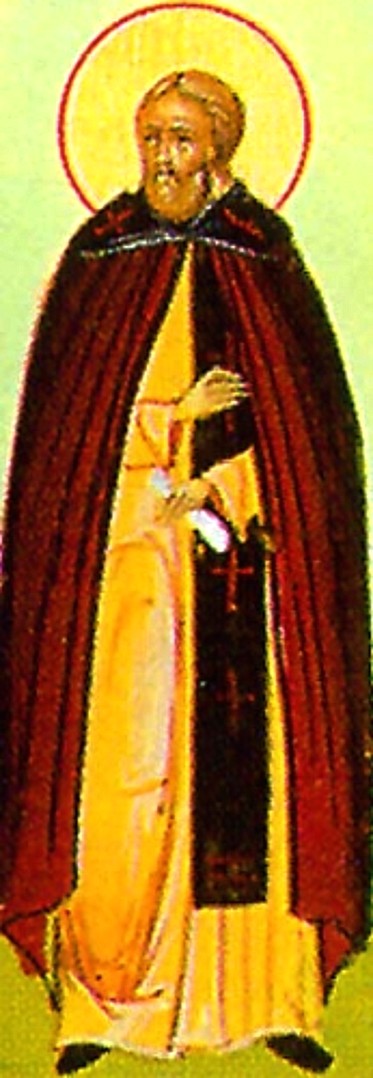
Saint of the Day – 4 April – Saint Plato (c 734-813)

Saint of the Day – 4 April – Saint Plato (c 734-813) Monk, Confessor, Defender of sacred images and of the Sacraments of Marriage and Holy Orders. Born in c 734 in Greece and died on 19 March 813 of natural causes in Constantinople.

Plato was born into a wealthy but pious Christian family of the parents, Sergius and Euphemia but was orphaned when he was only around 13 years of age. He was taken to be raised by relatives, who gave him a fine education. When he grew up, he occupied himself, in the first years, in the management of the property which his parents had left him upon their death. He was very temperate and hard-working and acquired great wealth by his own toil. However, the future Monk’s heart blazed with love for Christ. He gave away all his property, set his servants free and withdrew into a Monastery named Symbolon near Mount Olympos.

His prayerful zeal, love of work and geniality won him the love of hif fellow brethren. When he was not praying, he worked at menial labour and copyied manuscripts. He also compiled anthologies, from the works of the holy Fathers.

When the Abbot, Theoctistus died in 770, the Monks chose Plato as Abbot, even though he was still a very young man. After the death of the Emperor Constantine Kopronymos (775), Plato went to Constantinople. The Archbishop wanted to make him Bishop of Nicomedia, or theAbbot of one of the Monasteries in Constantinople but such was the saint’s humility, that he hastened back to the Symbolon Monastery, to escape such honour. In 782, he withdrew to the desolate place of Studion with his nephews Theodore and Joseph. On the mount they built a Church in honour of the holy Apostle John and founded a Monastery, whose Superior was Plato.

When Saint Tarasius and the Empress Irene convened the Seventh Ecumenical Council in Nicea in 787, Plato took an active part in its work. Being learned in Holy Scripture, he successfully unmasked the error in the Iconoclast heresy and defended the veneration of holy icons. When Plato approached old age, he transferred the administration of the monastery to Theodore.

In 795 the emperor Constantine VI (78-797) repudiated his Rmpress, Mary and he married one of his relatives, Theodota. Even though the holy Bishop Tarasius, condemned this marriage, Joseph, a prominent Priest of Constantinople, violated the Bishops’s prohibition and celebrated the marriage of the Emperor.

When they learned of this, Plato and Theodore excommunicated the Emperor from the Church and sent a letter about this to all the Monks. The enraged Rmperor gave orders to lock Plato in prison and to banish Theodore to Thessalonica. Only after the death of the Emperor in 797 did they receive their freedom. Theodore settled in Constantinople and became iAbbot of the Studion Monastery. Plato lived as a simple Monk at this Monastery under obedience to his nephew.

In 807, Joseph, the Priest who had presided at the wedding of Constantine and Theodoat, was restored to his position and made treasurer of the Church by order of Emperor Nicephorus. Plato considered this scandalous and loudly condemned it. The Emperor had him guarded for a year by a troop of insolent soldiers and false Monks. After which, Plato was unjustly condemned by a Council of Court Bishops, then banished for four years to be to the isles of Bosphorus, until he was freed in 811 by the new Emperor Michael I. Plato. Plato then returned to his cell and his life of prayer.

In 813, Plato saw that his end was near and directed his grave be dug. He then had himself carried to it and lived laying in it, spending his last days in prayer and receiving guests from his grave, including his former enemy, the Priest Joseph, who came to ask for Plato’s prayers and forgiveness.

The Roman Martyrology states of him on 4 April: “At Constantinople, Plato, a Monk, who for many years combatted with invincible courage, the heretics who were breaking sacred images.”

Posted in EASTER, FEASTS and SOLEMNITIES, MARIAN TITLES, SAINT of the DAY, The RESURRECTION

EASTER SUNDAY +2021 The Resurrection of the Lord – Solemnity of Solemnities! Our Lady of Grace, Normandy and Memorials of the Saints

EASTER SUNDAY +2021 The Resurrection of the Lord – Solemnity of Solemnities!
__
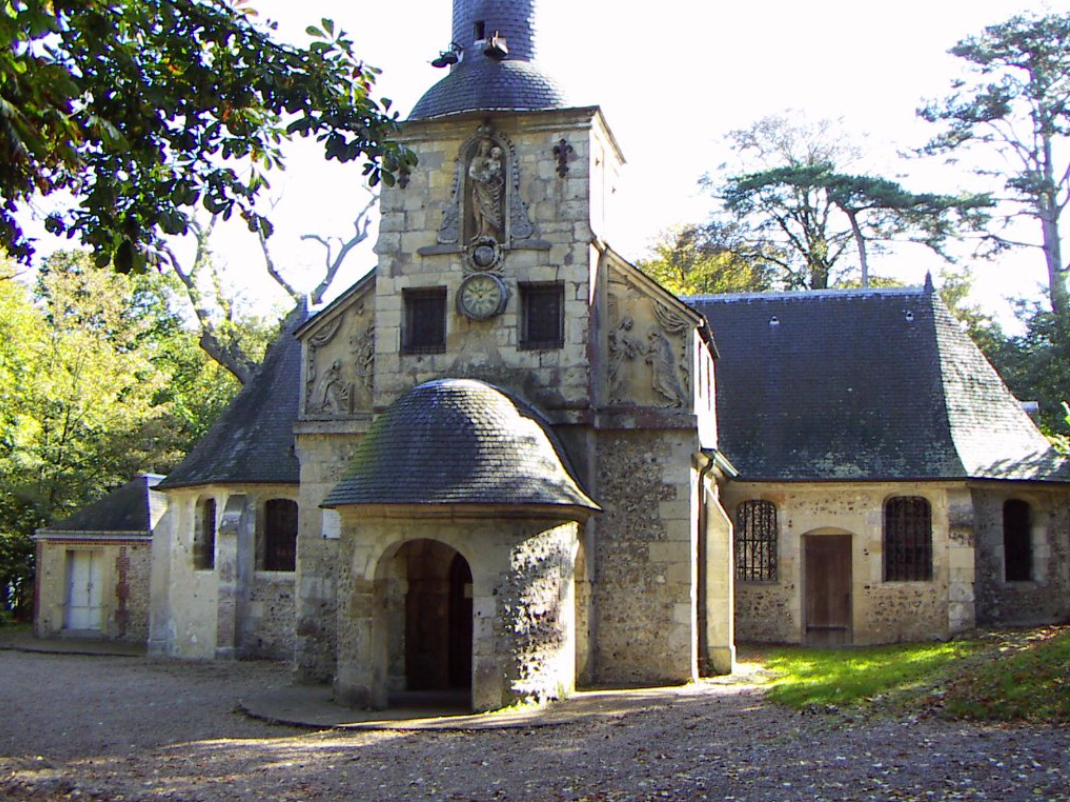
Notre-Dame de Grace, Honfleur, Normandie / Our Lady of Grace, Normandy, France – 4 April:

Our Lady of Grace is one of the most ancient maritime Chapels of Normandy. This Sanctuary was built in consequence of a vow made by a Norman Duke, who was very devout to the Blessed Virgin. That Duke, Robert the Magnificent, was once caught in a terrible storm off the coast of Normandy and knew, that a shipwreck would surely cost him his life. He swore, in the midst of that tempest, that was even then overwhelming him, that if he could somehow survive, he would build a Shrine on the hill, which he could still see, through the rain and surf from his sinking ship ,in thanksgiving to God for his rescue.
Robert was saved and so his harrowing experience ended, not in tragedy but instead, the duke kept his promise, which gave birth to a monument that millions of pilgrims STILL visit each year. The original Chapel he constructed was finished early in the 11th century, at a height 90 meters above sea level. That Chapel stood through the centuries until it was swept away by landslide in the 16th century. The present Chapel, the Chapel of Notre-Dame-de-Grace, replaces the original.

The site of this handsome Chapel of Our Lady of Grace, surrounded by large trees, in the midst of turf replete with flowers, is beautiful and calm, like the rich and fresh landscapes of the magnificent province of which it forms a part.
Our Lady of Grace appears like the fortress of Honfleur; from the little mountain which it crowns, the mouth of the Seine is visible, and farther on, the ocean, with its long waves of dark green, which receives in its bosom, the river of blue waters. Two roads lead to the Chapel – the one rough and rocky, the other smooth and even. In other times the inhabitants of Honfleur took delight in pointing out Our Lady of Grace, in reducing its steepness, in covering it with small, fine sand, so that a gracious princess, who had made herself beloved in these parts by her generous bounty, might be able to ascend it without fatigue, when she went to offer her prayers and vows to the Blessed Virgin.

St Isidore of Seville (c 560-636) Father & Doctor of the Church (Optional Memorial)
St Isidore’s life:

https://anastpaul.com/2020/04/04/saint-of-the-day-4-april-st-isidore-of-seville-c-560-636-father-doctor-of-the-church/
AND:
https://anastpaul.wordpress.com/2017/04/04/saint-of-the-day-4-april-st-isidore-of-seville-father-and-doctor-of-the-church/

Bl Abraham of Strelna
St Agathopus of Thessalonica
St Aleth of Dijon
St Benedict of Sicily OFM (1526-1589)
About St Benedict:

https://anastpaul.wordpress.com/2018/04/04/saint-of-the-day-4-april-st-benedict-of-sicily-o-f-m-1526-1589/

Bl essed Giuseppe Benedetto Dusmet OSB (1818-1894)
Biography:

https://anastpaul.com/2019/04/04/saint-of-the-day-4-april-blessed-giuseppe-cardinal-benedetto-dusmet-osb-1818-1894/
St Gwerir of Liskeard
St Henry of Gheest
St Hildebert of Ghent
St Peter of Poitiers
St Plato (c 734-813) Monk, Confessor
St Theodulus of Thessalonica
St Theonas of Egypt
St Tigernach of Clogher
St Zosimus of Palestine