St Saxburgh of Ely St Sisoes the Great Bl Suzanne Agathe de Loye Blessed Thomas Alfield (c 1552-1585) Priest Martyr St Tranquillinus of Rome
Martyrs of Campania – 23 Saints: A group of 23 Christians arrested, tortured and then beheaded together in the later 3rd century by order Gf Governor Rictiovarus during the persecutions of Diocletian. The names that have come down to us are – Antoninus, Arnosus, Capicus, Cutonius, Diodorus, Dion, Isidore, Lucia, Lucian, Rexius, Satyrus and Severinus.
Martyrs of Fiesole – 5 Saints: Five Christians Martyred together during the persecutions of Emperor Domitian – Carissimus, Crescentius, Dulcissimus, Marchisianus and Romulus. c 90 near Fiesole, Italy.
St Gervais St Giusto of Condat St Goar of Aquitaine St Godelieve St Monenna St Noyala of Brittany St Petrus Wang Zuolung St Palladius of Ireland (Died c 432) The First Bishop sent to Ireland preceding St Patrick and “Apostle of the Scots.”
St Saxburgh of Ely St Sisoes the Great Bl Suzanne Agathe de Loye Bl Thomas Alfield (c 1552-1585) Priest Martyr St Tranquillinus of Rome
Martyrs of Campania – 23 Saints: A group of 23 Christians arrested, tortured and then beheaded together in the later 3rd century by order Gf Governor Rictiovarus during the persecutions of Diocletian. The names that have come down to us are – Antoninus, Arnosus, Capicus, Cutonius, Diodorus, Dion, Isidore, Lucia, Lucian, Rexius, Satyrus and Severinus.
Martyrs of Fiesole – 5 Saints: Five Christians Martyred together during the persecutions of Emperor Domitian – Carissimus, Crescentius, Dulcissimus, Marchisianus and Romulus. c 90 near Fiesole, Italy.
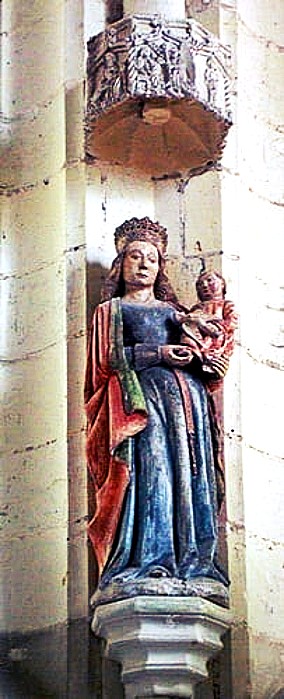
Notre-Dame d’Iron / Our Lady of Iron, Dunois, France (1631) – 6 July:
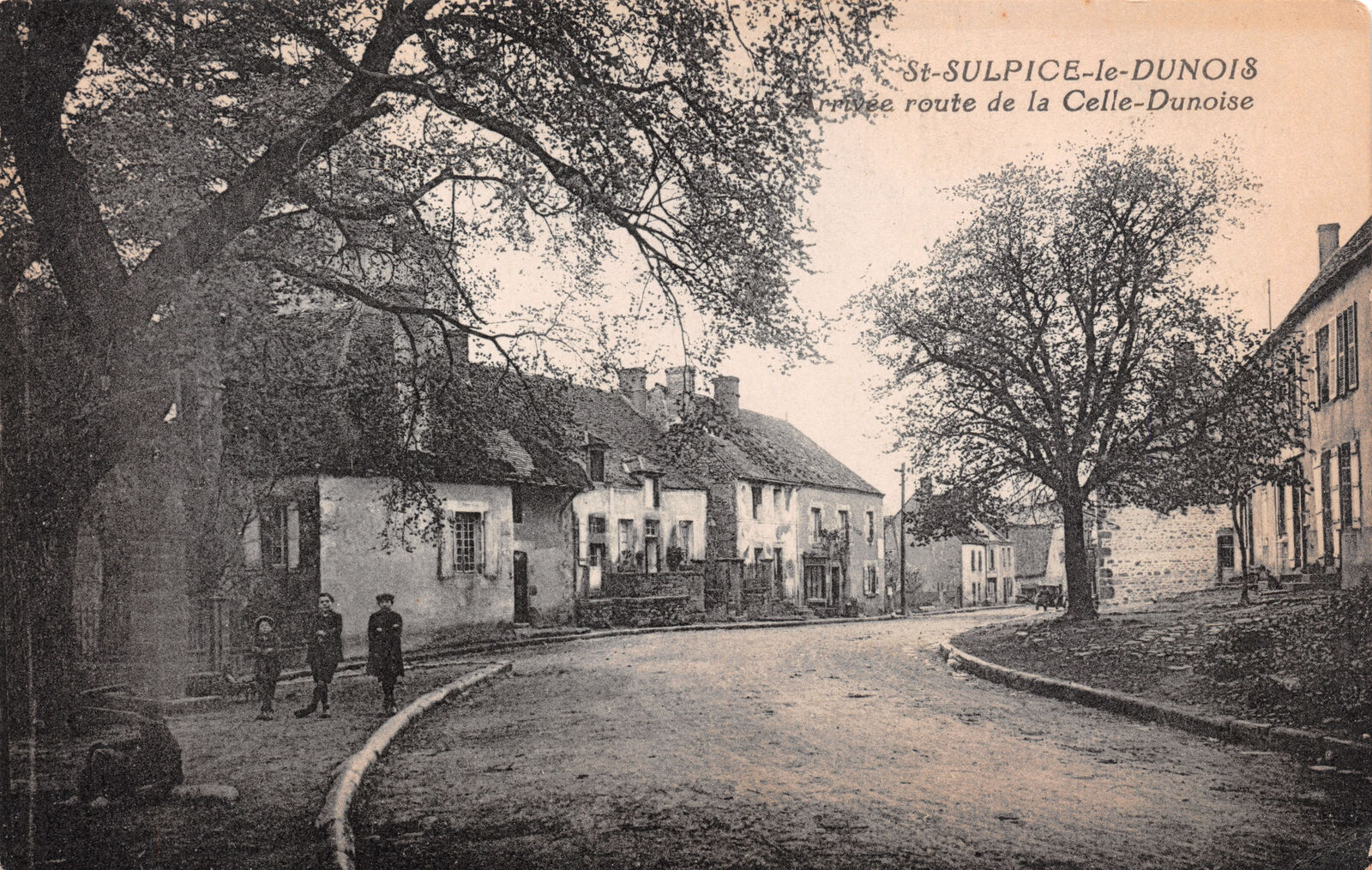
Saint-Sulpice-le-Dunois is a small Village located near the centre of France. Once home to Our Lady of Iron, it is situated near the larger Town of Blois, its population was only 517 citizens in the year 2007, which was a decrease from the 636 citizens who had lived there in 1999. It was in the Chapel of this tiny Village of Saint-Sulpice-le-Dunois, in the year 1631, that our story takes place involving Our Lady of Iron.
There was a young French couple living in the village at that time, who felt themselves singularly blessed. Were they not fortunate? They took pleasure in their youth and enjoyed good health, had happy employment,lived in a modest home and they had recently been blessed with a fine baby whom they felt was as sweet as the Babe of Bethlehem. Thus they mused on their way home together after early morning Mass one day. As soon as they entered their home, Pierre hurried to the cradle to gaze lovingly at his infant son. The child must have been restless, he thought, as there was evidence that he had struggled with the bedclothes which were tossed about and tangled strangely about the infant. Pierre reached in and lifted his son to hold him in his arms, only to find that the tiny figure was rigid and cold. Stunned, he called for his wife disbelieving, for it seemed their baby was dead! Pierre’s thoughts turned to Our Blessed Mother and then to the Statue of Our Lady of Iron at the Parish Church. They had spent many hours there in the past praying for her assistance and her help had never failed them. They determined to take their baby there instantly! Surely, Mary would not fail them in this time of dire need. Together they entered the Church, and sadly laid the lifeless form at the feet of the Statue of Our Lady of Iron. As they began to pray for her intercession, they dedicated their baby to the Blessed Virgin Mary. In that very instant, the child who had been smothered by struggling in its cradle, cried out and came back to life. News of the miracle spread far and wide and the fame of Our Lady of Iron was assured.
Bl Angela of Bohemia Bl Augustin-Joseph Desgardin Bl Christopher Solino St Cyril of Thessaloniki St Dominica of Campania (c 287-303) Virgin Martyr St Gervais St Giusto of Condat St Goar of Aquitaine St Godelieve
St Saxburgh of Ely St Sisoes the Great Bl Suzanne Agathe de Loye St Thomas Alfield St Tranquillinus of Rome — Martyrs of Campania – 23 saints: A group of 23 Christians arrested, tortured and then beheaded together in the later 3rd century by order of governor Rictiovarus in the persecutions of Diocletian. The names that have come down to us are – Antoninus, Arnosus, Capicus, Cutonius, Diodorus, Dion, Isidore, Lucia, Lucian, Rexius, Satyrus and Severinus.
Martyrs of Fiesole – 5 saints: Five Christians martyred together in the persecutions of emperor Domitian – Carissimus, Crescentius, Dulcissimus, Marchisianus and Romulus. c 90 near Fiesole, Italy.
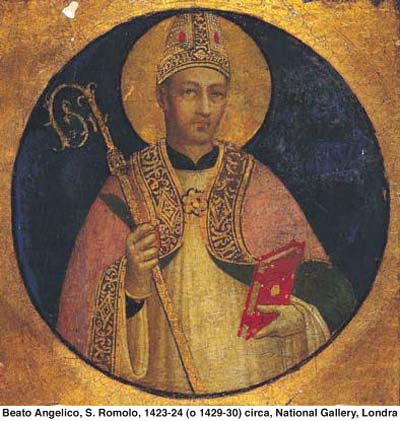
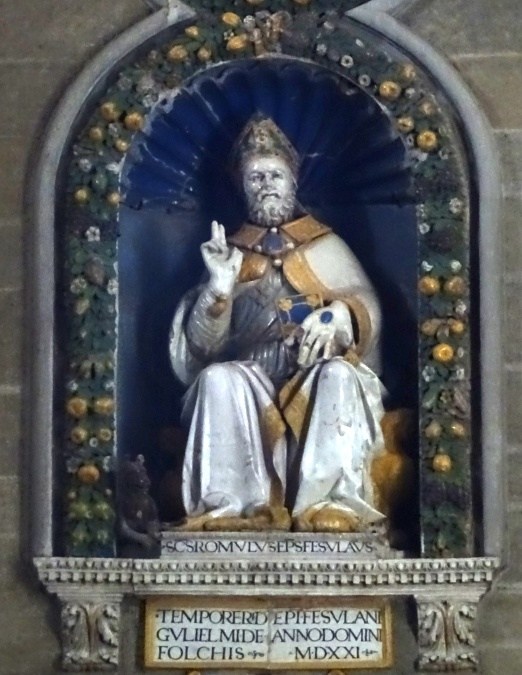
Saint of the Day – 6 July – Saint Romulus of Fiesole (Died c 90) Martyr, Bishop, Disciple of Saint Peter (Italian: San Romolo) is venerated as the patron saint of Fiesole, Italy. Romulus was probably a local deacon, priest, or bishop of the 1st century.
According to tradition, he was a disciple of Saint Peter and had been converted to Christianity by the apostle. This tradition states that Romulus became the first bishop of Fiesole and was martyred during the reign of Domitian along with four companions – Carissimus, Dulcissimus, Marchisianus, and Crescentius.
He was not named as a bishop or martyr in documents dating from 966, however, a document from 1028 names him as such. From then on, Romulus was considered a martyred bishop of Fiesole and his companions were named. Their feast day was listed as 6 July in the 1468 Florentine edition of the Martyrology of Usuard and in the 16th century, his name began to appear in the Roman Martyrology, where he was named as a disciple of Saint Peter.
An 11th-century legend associated with him, makes him an illegitimate son of a woman named Lucerna, who had a child with her father’s slave, who was named Cyrus . Like the Romulus of ancient Roman legend, this Romulus was also abandoned and suckled by a she-wolf. He was captured, baptised and raised by Saint Peter and Peter’s companion Justin. Romulus then evangelised much of central Italy and was put to death by the governor Repertian.
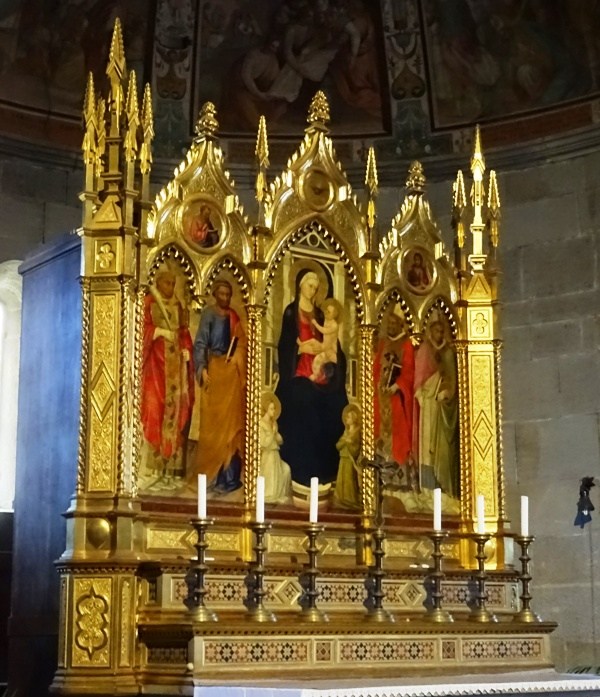
The most ancient image depicting Romulus is the 1440 polyptych in Fiesole Cathedral, where he is represented with Saints Alexander, Peter and Donatus.




 AnaStpaul
You must be logged in to post a comment.