Posted in EUCHARISTIC Adoration, MARIAN TITLES, MIRACLES, SAINT of the DAY

Memorials of the Saints – 16 April

Bl Arcangelo Canetoli
St Benedict Joseph Labre – Known as the Beggar of Perpetual Adoration (1748-1783)

St Bernadette of Lourdes – The Visionary of Lourdes (1844-1879)

St Drogo
St Elias
St Fructuosus of Braga
St Herveus of Tours
Bl Joachim Piccolomini
St Lambert of Saragossa
St Magnus of Orkney
St Turibius of Astorga
St Vaise
St William Gnoffi

Martyrs of Avrillé – 26 beati: – A group of lay people who were executed together for their faith during the anti-Christian persecutions of the French Revolution. They were martyred on 16 April 1794 at Avrillé, Maine-et-Loire, France.
• Blessed Anne Maugrain
• Blessed François Micheneau veuve Gillot
• Blessed François Suhard veuve Ménard
• Blessed Jean Ménard
• Blessed Jeanne Gourdon veuve Moreau
• Blessed Jeanne Leduc épouse Paquier
• Blessed Jeanne Onillon veuve Onillon
• Blessed Jeanne Thomas veuve Delaunay
• Blessed Madeleine Cady épouse Desvignes
• Blessed Madeleine Sallé épouse Havard
• Blessed Marguerite Robin
• Blessed Marie Forestier
• Blessed Marie Gingueneau veuve Coiffard
• Blessed Marie Lardeux
• Blessed Marie Piou épouse Supiot
• Blessed Marie Rechard
• Blessed Marie Roger veuve Chartier
• Blessed Marie-Genevieve Poulain de la Forestrie
• Blessed Marthe Poulain de la Forestrie
• Blessed Perrine Bourigault
• Blessed Perrine Laurent
• Blessed Perrine Pottier épouse Turpault
• Blessed Pierre Delépine
• Blessed Renée Bourgeais veuve Juret
• Blessed Renée Rigault épouse Papin
• Blessed Renée Sechet veuve Davy
16 April 1794 at Avrillé, Maine-et-Loire, France – Beatified: 19 February 1984 by Pope John Paul II at Rome, Italy

Martyrs of Corinth – 9 saints: A group of nine Christians who were tortured and martyred together in the persecutions of Decius. We know little more than three of their names – Callistus, Charisius and Leonide. They were thrown into the sea at Corinth, Greece c250

Martyrs of Saragossa: Group of eighteen martyrs murdered in 304 in Saragossa, Spain in the persecutions of Diocletian and the prefect Dacean. We know little more than the names – Apodemus, Caecilian, Caius, Crementius, Engratia, Eventius, Felix, Fronto, Gaius, Julia, Lambert, Lupercus, Martial, Optatus, Primitivus, Publius, Quintilian, Saturnius (4 men of this name), Succesus and Urban. Their graves re-discovered in 1389 in the crypt under the church of San Encrazia in Saragossa.

Posted in CATECHESIS, MORNING Prayers, QUOTES of the SAINTS, QUOTES on the CHURCH, SAINT of the DAY

Thought for the Day – 15 April – The Third Sunday of Easter Year B and the Memorial of Blessed César de Bus (1544-1607)

Thought for the Day – 15 April – The Third Sunday of Easter Year B and the Memorial of Blessed César de Bus (1544-1607)

He was born in Cavillon, France, on 3 February 1544, the seventh of thirteen children. Though he had a good Jesuit education, he was a worldly young man who couldn’t decide between the career of a soldier and that of a writer.   In the end, he decided for the military.   It was the time of the bloody Wars of Religion in France, when it hung in the balance whether France would remain Catholic or become Protestant.   And yet, despite fighting in the Catholic cause, César himself led a life of dissipation:  he was known as a party boy, as a dandy, as one who wanted to make his way at the royal court in Paris.   He also still had literary ambitions.

Now César’s brother was a priest, a cathedral canon with a good income.   When his brother died, César succeeded in gaining the income from his late brother’s position without himself actually being a priest or doing anything in return for the income.   It was an abuse that often happened in Catholic France in those days:  a layman would hold a clerical position simply as a source of revenue.   Just in case you don’t know, the wasteful and worldly squandering of the Church’s goods is not exactly a new problem.   It was well-known and widely criticised in the 16th century, too.

But then something unexpected happened.  César had come to know an illiterate but very pious servant girl named Antoinette Reveillade.   This young woman had persuaded César to read to her the lives of the saints, even while Antoinette fervently and in tears begged God that death would not find César in mortal sin.   He at first shrugged off her concern.   Then, one night, as César was on his way to a masked ball, he passed a shrine where a light burned before the image of Our Lady.   Suddenly he remembered Antoinette and was stricken with remorse and felt an overwhelming desire to repent and amend his life.   He thought, “How can I recommend myself to God while I am on the way to offend Him?”   In the words of one of César’s biographers, “One tempestuous night, the All-powerful God, the King of Glory, encountered the worldly chevalier César de Bus, obstinate in sin, and conquered him.”   There and then, like St Paul on the road to Damascus, he was converted to Christ.

César resumed at last his studies for the priesthood and was ordained a priest at last in 1582 at the age of thirty-eight.   He read the life of the Catholic Reformer St Charles Borromeo and became convinced that widespread religious ignorance was the cause of many scandals and failures among French Catholics.   But César didn’t just complain or wring his hands:  he did something about it.

First, he converted his cousin Jean-Baptiste back to the Catholic faith. Jean-Baptiste had become a convinced Calvinist because of the impressive zeal and strictness shown by French Protestants, who so often put the Catholics to shame.   After Jean-Baptiste returned to the Church, he, too, was ordained a priest.   César and his cousin then dedicated the rest of their lives to the work of catechesis, founding an order for that purpose called the Fathers of Christian Doctrine and also a similar order for women. After his conversion, Blessed César directed his energies to two things:  penance for his earlier life and the teaching of doctrine.   And yet, it was actually an unlettered servant girl’s prayers that had led to the grace of his conversion.   This reminds us that it is only the love of God and of neighbour that can inspire the teaching of sound doctrine and make it fruitful in our lives.   And yet, true charity cannot be content that those whom Christ has redeemed by his Most Precious Blood should be ignorant of divine truth. Ignorance is not bliss, in religion or in anything else.

Blessed César died on 15 April 1607 and was beatified in 1975.   At the beatification, Pope Paul VI (who will soon be Canonised) had this to say about the parallels between our age and that of Blessed César:

“[Our time] is a period in which the world is in crisis, as formerly and in which most values, even the most sacred ones, are rashly questioned in the name of freedom, so that many people have no longer any point of reference, in a period in which danger comes certainly not from an excess of dogmatism but rather from the dissolution of doctrine and the nebulousness of thought… It seems to Us that an additional effort should be courageously undertaken to give the Christian people, who are waiting for it more than is thought, a solid, exact catechetical base, easy to remember.   We well understand that it is difficult today to adhere to the Faith, particularly for the young, a prey to so many uncertainties.   They have the right at least to know precisely the message of Revelation, which is not the fruit of research and to be the witnesses of a Church that lives by it.”

César de Bus had seen how religious divisions and social upheaval had devastated the faith of many.   Amid all the fighting about religion between Catholics and Protestants—and among French Catholics, too—, there was considerable neglect of the actual practice of the faith.

And, like that great saint, we can do something about the situation.   Think of that amazing story of Blessed César’s conversion and ask his intercession for a renewed zeal for the teaching of sound doctrine in our pulpits, our schools, and our catechetical programs.

In the words of the Letter to the Hebrews, let us “lift up our drooping hands and strengthen our weak knees” (Heb 12.12), for the Lord himself is calling us to work in His vineyard.   Blessed César de Bus, pray for us!
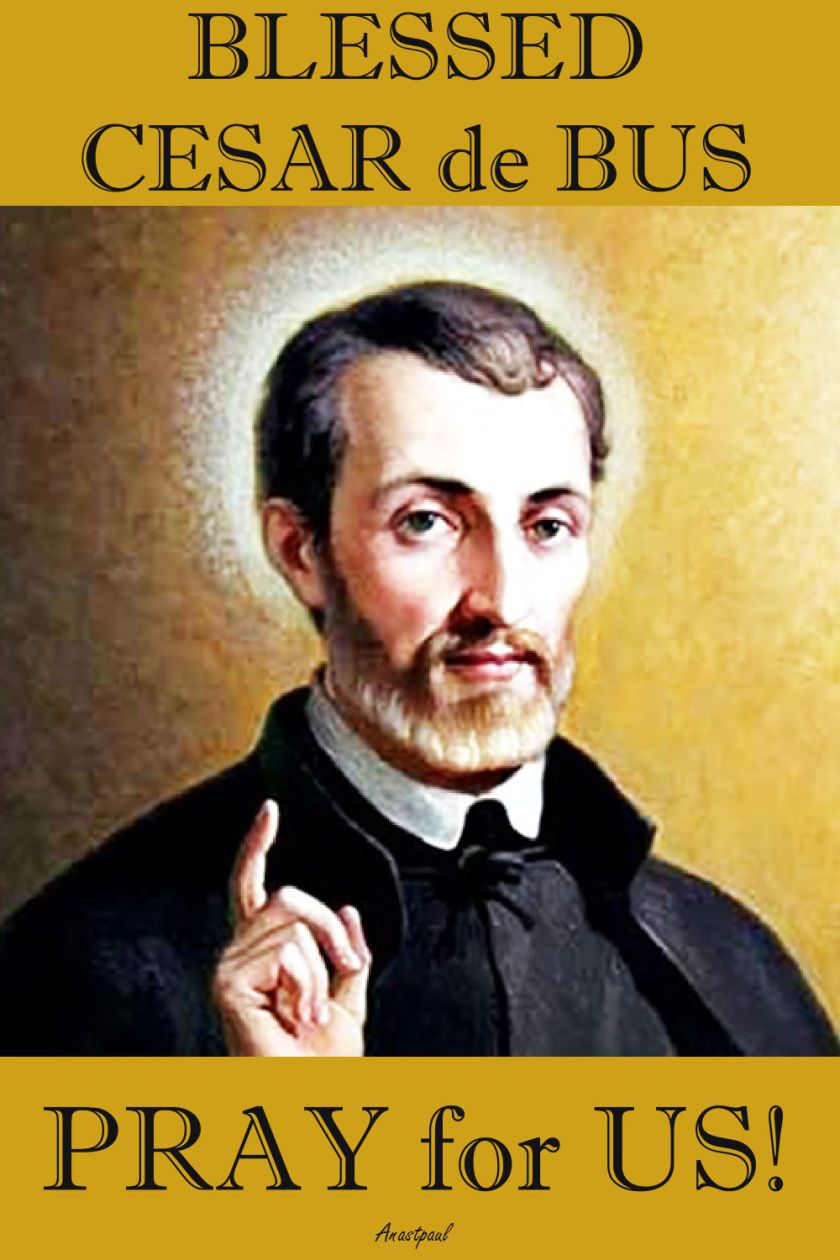
bl-cesar-de-bus-pray-for-us - 15 april 2017

The life of Blessed  César de Bus – https://anastpaul.wordpress.com/2017/04/15/saint-of-the-day-15-april-bl-cesar-de-bus/

 

Posted in CATECHESIS, EASTER, MORNING Prayers, QUOTES of the SAINTS, SUNDAY REFLECTIONS, The HOLY EUCHARIST / The HOLY MASS
Sunday Reflection – 15 April – The Third Sunday of Easter Year B

Sunday Reflection – 15 April – The Third Sunday of Easter Year B

“Christ wished to choose this sacred symbol of human life, which bread is, to make an even more sacred symbol of Himself.   He has transubstantitated it but has not taken away its expressive power – rather, He has elevated this expressive power to a new meaning, a higher meaning, a mystical, religious, divine meaning.   He has made of it a ladder for an ascent that transcends the natural level.
As a sound becomes a voice and as the voice becomes word, thought, truth – so that sign of the bread has passed from its humble and pious being to signify a mystery, it has become a Sacrament, it has acquired the power to demonstrate the Body of Christ present.”

Blessed Pope Paul VI (1897-1978) – when Archbishop of Milan from a homily on the Solemnity of Corpus Christias a sound becomes a voice - paul VI - 15 april 2018 - sunday reflection

Posted in DOCTORS of the Church, EASTER, FATHERS of the Church, MORNING Prayers, QUOTES of the SAINTS, SPEAKING of ....., The HOLY EUCHARIST / The HOLY MASS

Quotes of the Day – 15 April – The Third Sunday of Easter Year B “Speaking of the Holy Mass”

Quotes of the Day – 15 April – The Third Sunday of Easter Year B

“Speaking of the Holy Mass”

“Recognise in this bread what hung on the cross
and in this chalice what flowed from His side…
whatever was in many and varied ways
announced beforehand in the sacrifices
of the Old Testament
pertains to this one sacrifice
which is revealed in the New Testament.”

St Augustine (354-430) Father & Doctorrecognise in this bread what hung - st augustine - 15 april 2018

“Jesus taught a new sacrifice
which the Church received
from the Apostles and offers
throughout the whole world.”

St Irenaeus (130-202) Father of the Churchjesus taught a new sacrifice - st irenaeus - 15 april 2018

“All the good works in the world
are not equal to the Holy Sacrifice of the Mass
because they are the works of men – 
but the Mass is the work of God.
Martyrdom is nothing in comparison,
for it is but the sacrifice of man to God – 
but the Mass is the sacrifice of God for man.”

St John Vianney (1786-1859)all the good works in the world are not equal - st john vianney - 15 april 2018

“Many Christians take their time
and have leisure enough in their social life
(no hurry here).
They are leisurely, too, in their professional activities,
at table and recreation (no hurry here either).
But isn’t it strange, how those same Christians.
find themselves in such a rush
and want to hurry the priest,
in their anxiety to shorten the time devoted
to the most holy sacrifice of the altar?

St Josemaria Escriva (1902-1975)many christians take their time - st josemaria - 15 april 2018


Posted in EASTER, MORNING Prayers, PAPAL SERMONS, The HOLY EUCHARIST / The HOLY MASS, The PASSION, The RESURRECTION, The WORD

One Minute Reflection – 15 April – The Third Sunday of Easter Year B

One Minute Reflection – 15 April – The Third Sunday of Easter Year B

Then he opened their minds to understand the scriptures and said to them, “Thus it is written, that the Christ should suffer and on the third day rise from the dead and that repentance and forgiveness of sins should be preached in his name to all nations, beginning from Jerusalem.”... Luke 24:45-48o lord let the light of your countenance shine upon us - pope benedict - third sun easter B - 15 april 2018

REFLECTION – “This very experience of repentance and forgiveness is relived in every community in the Eucharistic celebration, especially on Sundays.   The Eucharist, the privileged place in which the Church recognises “the Author of life” (Acts 3: 15) is “the breaking of the bread”, as it is called in the Acts of the Apostles.   In it, through faith, we enter into communion with Christ, who is “the priest, the altar and the lamb of sacrifice” (see Preface for Easter, 5) and is among us.   Let us gather round Him to cherish the memory of His words and of the events contained in Scripture;  let us relive His Passion, death and Resurrection.   In celebrating the Eucharist, we communicate with Christ, the victim of expiation and from Him we draw forgiveness and life.   What would our lives as Christians be without the Eucharist?   The Eucharist is the perpetual, living inheritance which the Lord has bequeathed to us in the Sacrament of His Body and His Blood and which we must constantly rethink and deepen so that, as venerable Pope Paul VI said, it may “impress its inexhaustible effectiveness on all the days of our earthly life” (Insegnamenti, V [1967], p. 779).”…Pope Benedict XVIin it, through faith, - pope benedict - 15 april 2018

PRAYER – Lord God, grant Your people constant joy in the renewed vigour of their souls. Grant them sorrow for their sins and gratitude for the suffering of Your Son.   Grant them forgiveness and life in the Holy Eucharist, through which we meet Him, who saved us. Grant, we pray, that we may grow in our love for the saving banquet to which we are called so that we may one day rejoice eternally, with You, in union with our Lord, Jesus Christ and the Holy Spirit, one God, forever amen.   “O Lord, let the light of your countenance shine upon us”!

Posted in BREVIARY Prayers, CATHOLIC-PRAYERS OF THE CHURCH, EASTER, MARIAN PRAYERS, MORNING Prayers, PRAYERS for PRIESTS, PRAYERS for VARIOUS NEEDS, PRAYERS of the CHURCH, The HOLY EUCHARIST / The HOLY MASS

Our Morning Offering – 15 April – The Third Sunday of Easter Year B

Our Morning Offering – 15 April – The Third Sunday of Easter Year B

Prayer to the Blessed Virgin Mary
Before Holy Mass

O most blessed Virgin Mary,
Mother of tenderness and mercy,
I, a miserable and unworthy sinner,
fly to you with all the affection of my heart
and I beseech your motherly love,
that, as you stood by your most dear Son,
while he hung on the Cross,
so, in your kindness,
you may be pleased to stand by me, a poor sinner,
and all Priests who today are offering the Sacrifice
here and throughout the entire holy Church,
so that with your gracious help
we may offer a worthy and acceptable oblation
in the sight of the most high and undivided Trinity.
Amen.

(This prayer is adapted from the Priests’ Prayers Before each Mass)prayer to the blessed virgin before mass - 15 april 2018

Posted in SAINT of the DAY

Saint of the Day – 15 April – St Hunna (died 679)

Saint of the Day – 15 April – St Hunna (died 679) – known as the Holy Washerwoman, St Hunna of Strasbourg/Alsace – born in the 7th century in the Alsace region (part of modern France) and died in  679 in Hunawir, Alsace (in modern France) of natural causes, where her remains were buried.   Her relics re-located on 15 April 1520 but they were destroyed during the Reformation.   She was Canonised in 1520 by Pope Leo X.   Patronages – laundresses, laundry workers, washerwomen.

415hunna3

Saint Hunna was born into a privileged life, the daughter of a duke in Alsace.   She matured and married Huno of Hunnaweyer, a nobleman and together they settled in the diocese of Strasbourg (now France).    They had one son, Saint Deodatus, who eventually became a monk (and then a saint!).   Saint Hunna was devoted to the Lord, raising her son with constant teaching and living the virtues of the faith.   She spent her days caring for her home and estate and in prayer, while her husband travelled on diplomatic and political missions.

In her prayer, she felt called to do more, to serve others.   By the Lord, her eyes were opened to the poverty and general squalor that the peasants and servants lived in… and she felt moved to assist.   Hunna began making daily trips from the estate into the local villages and fields, visiting her poor neighbours, offering them religious instruction and working for them.   At first, she simply offered to do their laundry, earning her the title, “holy washerwoman.” Hunna would travel from home to home, collecting soiled clothing and then spend the better part of each day washing and scrubbing the clothing clean. When the clothing was too dirty, or too threadbare to mend, she would replace it with a new article.

As time went on, her washing service expanded to any task that her neighbours needed help with—cooking, cleaning, childcare, even more demanding physical labour.   She also instructed in ways of cleanliness, assisting with hygiene.   Saint Hunna regularly performed the greatest act of service, bathing those who were unable to bathe themselves.

Saint Hunna demonstrates to us great selflessness, borne out of love for the Lord.   She willingly left her life of privilege on a daily basis, eventually being shunned by those of her class and station, to intercede in the lives of those who had no one to care for them. She treated the poor, the sick, the forgotten as equals to herself, offering them basic human respect, love and charity.   Saint Hunna welcomed all into her life as the family of God.   The life of Saint Hunna provides a gentle reminder of our own hesitancy to venture beyond our comfortable lives, to actively engage in community service to those in need.   We are mindful of the fact that we are called to service and social justice and that embarking on that mission may be difficult or even painful.   We look to Saint Hunna as inspiration—inspiration to embody the love of Christ and to share that love with others in service.   St Hunna, pray for us!

Apr+15+Hunna+1 (1)

Posted in SAINT of the DAY

Memorials of the Saints – 15 April

St Abbo II of Metz
St Abbondio
St Acuta
St Anastasia of Rome
St Basilissa of Rome
Bl Cesar de Bus (1544-1607)
St Crescens of Myra
St Eutyches of Rome
St Eutychius of Ferentino
St Huna of Slättåkra
St Hunna (of Strasbourg) (died 679)
Bl Laurentinus Sossius
St Lidwina
St Maro of Rome
St Maximus of Persia
St Mundus
St Nidger of Augsburg
St Olympiades of Persia
St Ortario of Landelles
St Paternus of Vannes
St Paternus of Wales
St Pausilopo of Thrace
St Ruadhan of Lorrha
St Sylvester of Réome
St Theodore of Thrace
St Victorinus of Rome
St Waltmann of Cambrai

Mercedarian Martyrs of Africa: A group of Mercedarian monks sailing to Africa as on a mission to redeem capture Christians. Captured by Moors, they were tortured and executed for their faith. Martyrs. 1393

Posted in EASTER, MORNING Prayers, QUOTES of the SAINTS

Thought for the Day – 14 April – Saturday of the Second Week of Eastertide

Thought for the Day – 14 April – Saturday of the Second Week of Eastertide

We Are Keeping a Feast
The Greatest of ALL Feasts!

St John Marie Baptiste Vianney (1786-1859)

In the early days of the church, the faithful of one province, or district, used to come together publicly on the feast day of a saint in order to have the happiness of participating in all the graces which God bestows on such days.

The office of the vigil was started.   The evening and night were spent in prayer at the tomb of the saint.   The faithful heard the word of God.   They sang hymns and canticles in honour of the saint.   After passing the night so devoutly, they heard Mass, at which all those assisting had the happiness of going to Holy Communion.   Then they all withdrew, praising God for the triumphs He had accorded the saint and the graces He had bestowed in response to the latter’s intercession.   After that, my dear brethren, who could doubt but that God pours out His graces with abundance upon such a reunion of the faithful and that the saints themselves are happy to be the patrons of such people.   That was the way in which the feast days of patrons (and all feasts) were celebrated in olden times.

What do you think of that?   Is it thus that we celebrate such feasts today?   Alas!   If the first Christians were to come back upon this earth, would they not tell us that our feasts are no different from those that the pagans kept?   Is it not the general rule that God is most seriously offended on these holy days?

Does it not seem, rather, that we combine our money and our energies together to multiply sin almost to infinity?

What are we concerned with on the vigil of such feasts and even for several days beforehand?   Is it not with spending foolish and unnecessary money?   And all this time poor people are dying of hunger and our sins are calling down upon us the anger of God to the point where eternity would not be sufficient to satisfy for them.   You should pass the night in repentance and remorse, in considering how very little you have followed the example of your patron saint.   And yet you consecrate that time to preparing everything that will flatter your gluttony!   Might it not be said that this day is one for pure self-indulgence and debauchery?   Do parents and friends come, as in former times, to enjoy the happiness of participating in the graces which God bestows at the intercession of a patron saint?  They come but only to pass this feast day almost wholly at the table.   In former times, the religious services were much longer than they are today, and still they seemed always too short.   Nowadays you will see even fathers of families who, during the performance of the offices, are at table filling themselves with food and wine.   The first Christians invited each other in order to multiply their good works and their prayers.   Today it seems rather as if people invite each other so that they can multiply the sins and the orgies and the excesses in which they indulge in eating and drinking.   Does anyone think God will not demand an account of even a penny wrongly spent?   Does it not seem that we celebrate the feast only to insult our holy Patron and to increase our ingratitude?

Let us look a little closer, my dear brethren, and we shall realise that we are far from imitating Him whom God has given us for a model.   He passed His life in penance and in sorrow.   He died in torments.   What is more, I am sure that there are parishes where more sins are committed on those days than during all the rest of the year.   The Lord told the Jews that their feasts were an abomination and that He would take the filth of their feasts and throw it in their faces.   He wished to make us understand by this how greatly He is offended on those days which should be passed in weeping for our sins and in prayer.

We read in the Gospel that Jesus Christ came on earth to enlighten souls with the fire of divine love.   But we can believe that the Devil also roams around on earth to light an impure fire in the hearts of Christians and that what he promotes with the greatest frenzy are balls and dances.   I have debated for a long time whether I should speak to you about a matter so difficult to get you to understand and so little thought upon by the Christians of our days, who are blinded by their passions.   If your faith were not so weak that it might be extinguished in your hearts in the blink of an eye, you would understand the enormity of the abyss towards which you precipitate yourselves in giving yourselves over with such abandon to these wretched amusements.   But you will tell me.   For you to talk to us about dances and about the evil that takes place at them is just a waste of time.   We will indulge neither more nor less in them.   I firmly believe that, since Tertullian assures us that very many refused to become Christians rather than deprive themselves of such pleasures.

does anyone think - st john vianney - 14 april 2018


Posted in GOD the FATHER, JESUIT SJ, MORNING Prayers, QUOTES - J R R Tolkien and MORE, QUOTES on DIVINE PROVIDENCE, QUOTES on TRUST and complete CONFIDENCE in GOD, QUOTES on WORRY/ANXIETY, SPEAKING of .....

Quote/s of the Day – 14 April – Saturday of the Second Week of Eastertide “Speaking of Divine Providence”

Quote/s of the Day – 14 April – Saturday of the Second Week of Eastertide

“Speaking of Divine Providence”

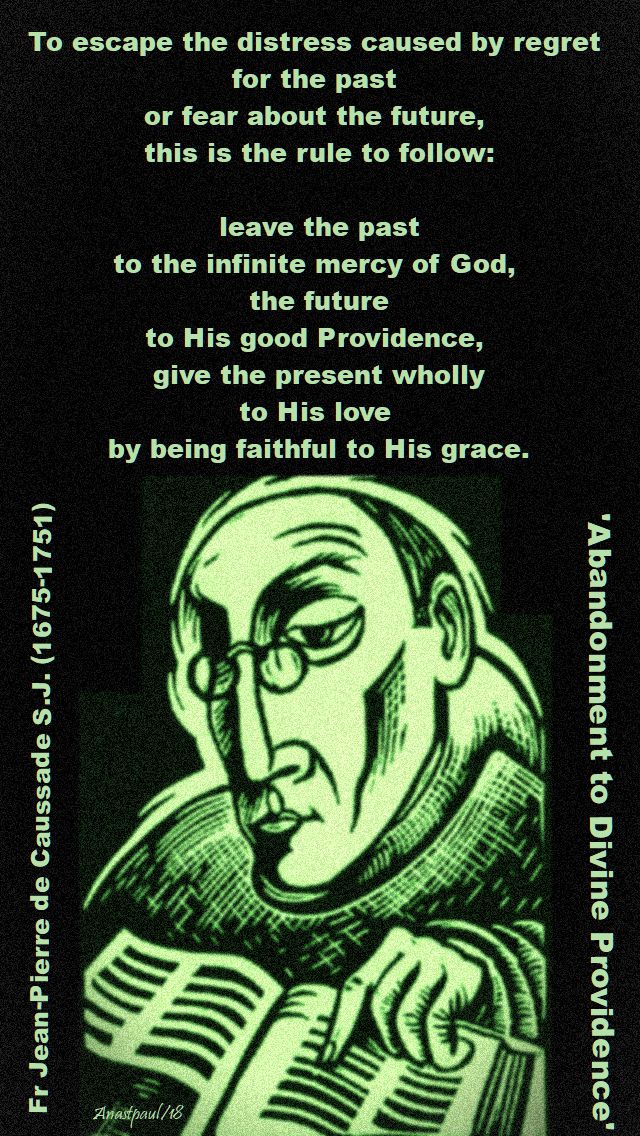
“To escape the distress caused by regret
for the past
or fear about the future,
this is the rule to follow:
leave the past to the infinite mercy of God,
the future to His good Providence,
give the present wholly to His love
by being faithful to His grace.”to escape the distress caused by regret - fr de caussade - 14 april 2018

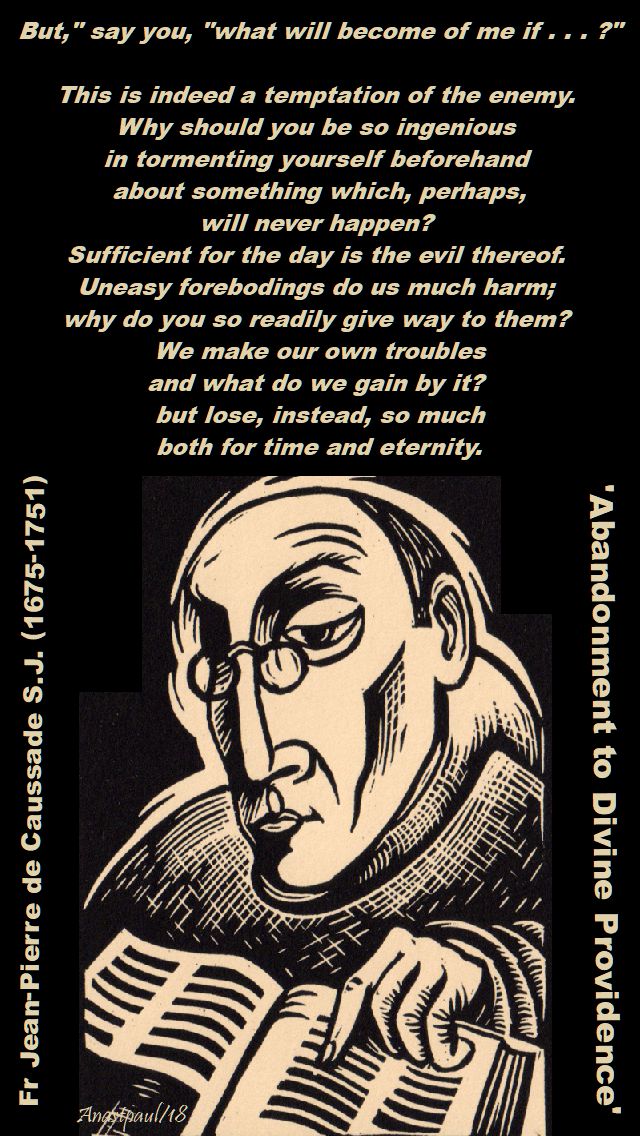
“But,” say you, “what will become of me if . . . ?”
This is indeed a temptation of the enemy.
Why should you be so ingenious
in tormenting yourself beforehand
about something which perhaps will never happen?
Sufficient for the day is the evil thereof.
Uneasy forebodings do us much harm;
why do you so readily give way to them?
We make our own troubles
and what do we gain by it?
but lose, instead, so much both for time and eternity.“but say you - what will become of me if - fr jean pierre de caussade - 14 april 2018

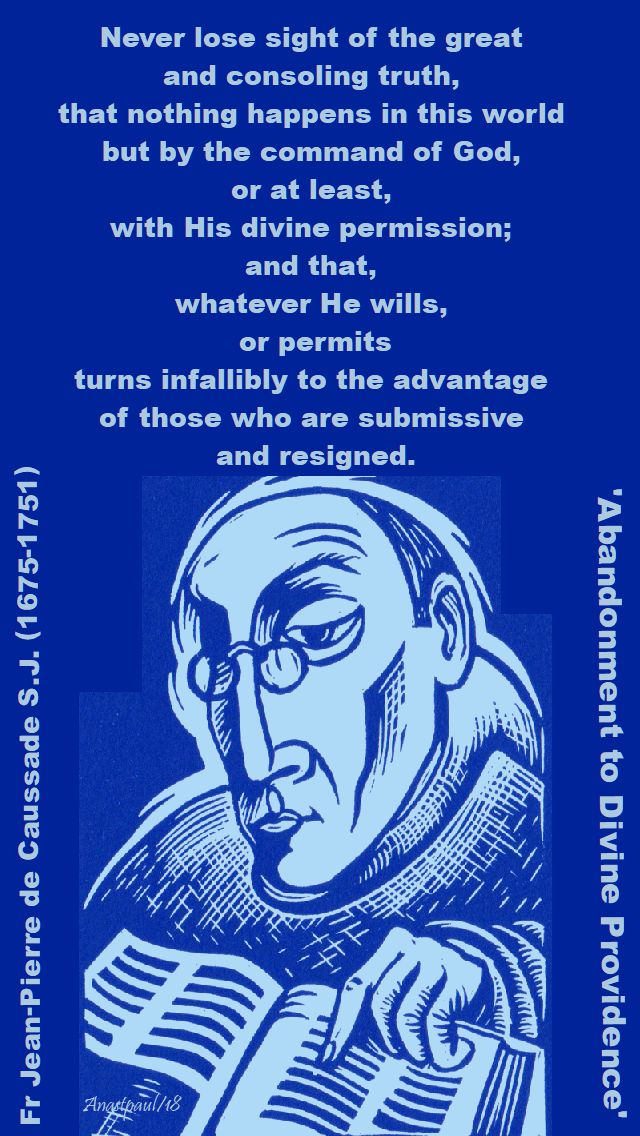
“never lose sight of the great and consoling truth
that nothing happens in this world
but by the command of God,
or at least, with His divine permission;
and that, whatever He wills, or permits
turns infallibly to the advantage
of those, who are submissive and resigned.”

Fr Jean-Pierre de Caussade S.J. (1675-1751)

‘Abandonment to Divine Providence’never lose of the great and consoling truth - fr caussade - 14 april 2018

Posted in EASTER, MORNING Prayers, SAINT of the DAY, The WORD

One Minute Reflection – 14 April – Saturday of the Second Week of Eastertide and the Memorial of Bl Lucien Botovasoa O.F.S. (1908-1947) Martyr

One Minute Reflection – 14 April – Saturday of the Second Week of Eastertide and the Memorial of Bl Lucien Botovasoa O.F.S. (1908-1947) Martyr

When they had rowed about three or four miles, they saw Jesus walking on the sea and drawing near to the boat.   They were frightened but he said to them, “It is I; do not be afraid.”   Then they were glad to take him into the boat and immediately the boat was at the land to which they were going...John 6:19-21

REFLECTION – “When the disciples are facing danger and difficulty in the agitated lake at the time of nightfall, Jesus comes to their rescue.   His presence puts heart into them and enables them to cross the lake, instantly and without any further danger.   He is in our midst as one who serves and saves.   His presence saves His apostles in the trials and troubles they face on the way.   When they – and we – feel frightened and helpless, the Lord comes and says “It is I, do not be afraid.”   We get frightened because we fail to recognise His presence in our difficult experiences.   But His voice is effective, it removes fear.   The tempest calms down and the other shore is reached without fear and trial. When everything seems to turn against us and we live the experience of the Cross of Christ, He comes to console and strengthen and carry our tired bodes, minds and souls.”…Fr George Kaiholil SSPhe is in our midst as one who serves and saves - fr george kaiholil ssp - 14 april 2018

PRAYER – Father of wisdom, help us to accept all earthly misfortunes with the sure knowledge that good will come from them.   Let us never despair but trust in Your Providence that governs all things.   Let us know and trust that Your divine Son walks with us, that He is our faithful help in all things, that He will carry us on and carry our Crosses for us.   Blessed Lucien Botovasoa, today you join the halls of the saints, please pray that we may have the courage that you did, amen.blessed lucien botovasoa - pray for us - 14 april 2018 - beatification 15 april 2018

Posted in franciscan OFM, MORNING Prayers, PRAYERS of the SAINTS, SAINT of the DAY

Our Morning Offering – 14 April – Saturday of the Second Week of Eastertide and the Memorial of Bl Lucien Botovasoa O.F.S. (1908-1947) Martyr

Our Morning Offering – 14 April – Saturday of the Second Week of Eastertide and the Memorial of Bl Lucien Botovasoa O.F.S. (1908-1947) Martyr

Prayer to Do the Will of God
By St Francis of Assisi (1181/82-1226)

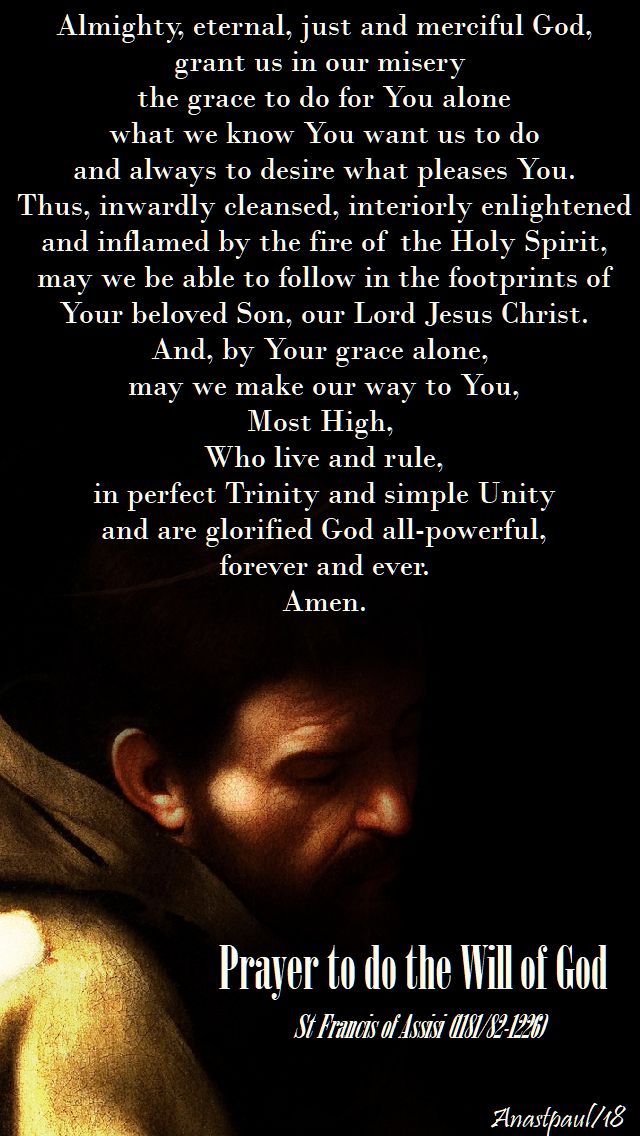
Almighty, eternal, just and merciful God,
grant us in our misery, the grace to do for You alone
what we know You want us to do
and always to desire what pleases You.
Thus, inwardly cleansed,
interiorly enlightened
and inflamed by the fire of the Holy Spirit,
may we be able to follow
in the footprints of Your beloved Son,
our Lord Jesus Christ.
And, by Your grace alone,
may we make our way to You, Most High,
Who live and rule in perfect Trinity
and simple Unity
and are glorified God
all-powerful forever and ever.
Amen.

-from ‘A Letter to the Entire Order’

almighty eternal just and merciful god - st francis - 19 sept 2018

Posted in franciscan OFM, SAINT of the DAY

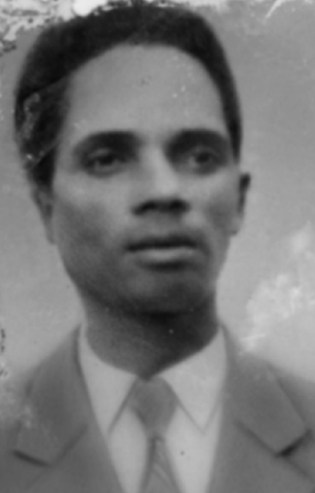
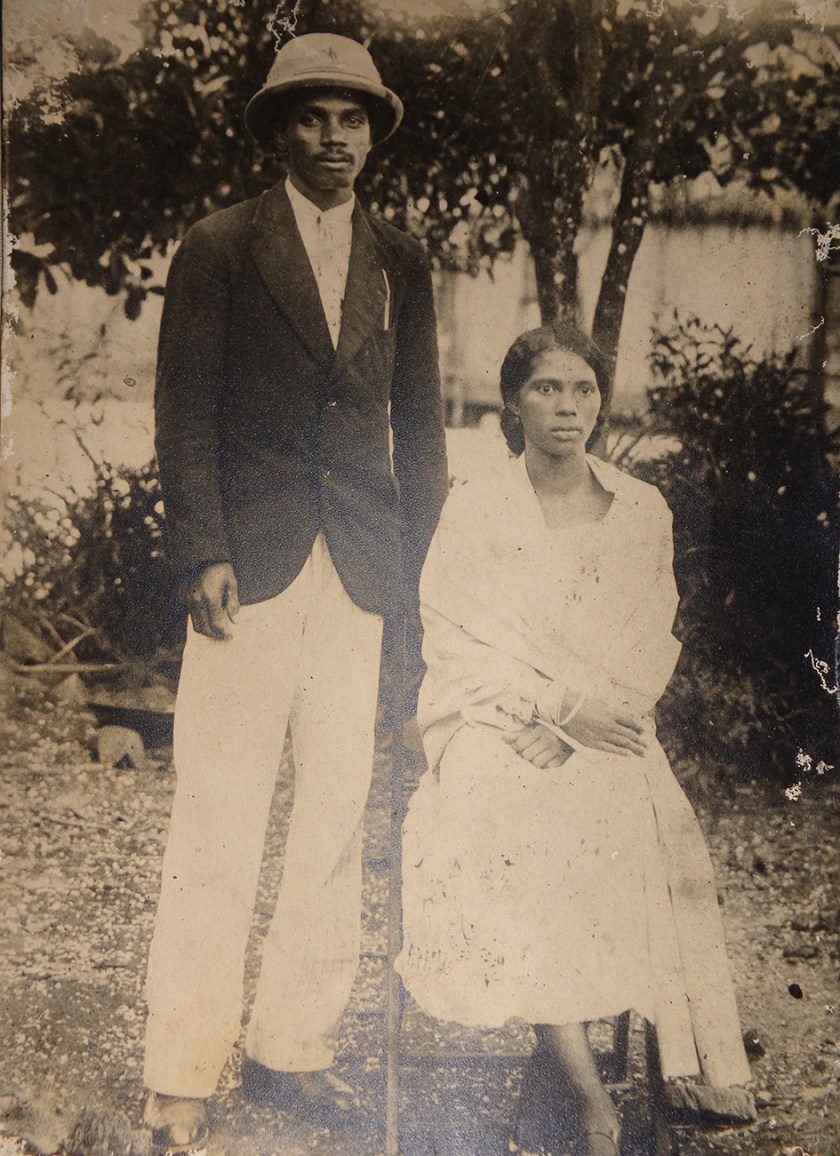
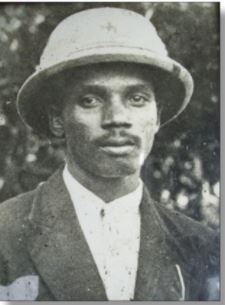
Saint of the Day – 14 April – Blessed Lucien Botovasoa O.F.S. (1908-1947) Martyr

Saint of the Day – 14 April – Blessed Lucien Botovasoa O.F.S. (1908-1947) Martyr, Layman, Father, Multi-lingual Schoolteacher, Catechist, Franciscan Tertiary, Musician and Singer.  Blessed Lucien was born in 1908 in Vohipeno, Madagascar and died by being beheaded with a sword between 10pm and midnight on 14 April 1947 on the banks of the Mattanana River near Ambohimanarivo, Manakara, Madagascar.   He was wearing his tertiary “uniform” – khaki shirt and trousers with a black cord for a belt.   His body was tossed into the river.

img-Blessed-Lucien-Botovasoa

Bl Lucien was a Madagascan Roman Catholic schoolteacher and a professed member from the Secular Franciscan Order.   He served as a teacher for his entire life and was dedicated to both the religious and secular education of children.   His thirst for the religious life led him to discover the Secular Franciscan Order in 1940 and he became part of it;  he rallied others to know Saint Francis of Assisi and enter the order themselves.   Botovasoa likewise adopted the Franciscan charism for himself through his fasting and clothing habits.

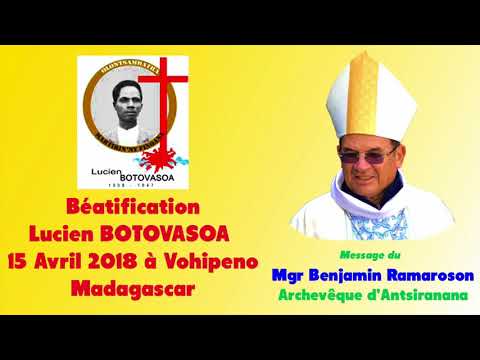
Botovasoa’s murder came during a period of tumult in Madagascar and his cause for canonisation opened on 11 October 2011 under Pope Benedict XVI in which he became titled as a Servant of God.  Pope Francis confirmed in mid-2017 that Botovasoa was killed in hatred of his faith and decreed that he was to be beatified;   it shall be celebrated in Vohipeno, Madasgascar tomorrow, the Third Sunday of Easter, 15 April 2018.

bl lucient beatification.

Lucien Botovasoa was born in 1908 in Vohipeno, a rural town in the southeast of Madagascar, the province of Fianarantsoa.

In 1918 he began studies in the state school and then proceeded to the Jesuit College of St Joseph in Ambozontany.   In 1928 he concluded the studies and was awarded the teaching diploma and in the same year became a parish teacher in Vohipeno, making his own the motto of the Society of Jesus:  Ad maiorem Dei gloriam.

On 10 October 1930 he married Suzanna Soazana in the parish church of Vohipeno and on the following 12 September was born Vincent de Paul Hermann, the first of their eight children, of which only five survived.   The Servant of God was an excellent teacher, working not only as the village teacher but also in the parish, with generous availability to the needy.   In addition to Malagasy, he knew French, Latin, German, and Chinese.   He was an exceptional musician and appreciated as a singer, becoming also the director of the parish choir.   He was also an athlete and is described as always smiling and joyful.lucien_botovasoa_foto

In 1940 the Servant of God stumbled upon the Rule of the Franciscan Third Order and it became for him a text for study and meditation.   He decided to take up himself this following of Christ, with investiture in the habit of the Franciscan Third Order on 18 December 1944.   He thus began to live a poor life of Franciscan spirituality, characterised by a deep piety and by the burning desire to bring the gospel everywhere.

After the Second World War, in the years 1946-1947, there grew in Madagascar the desire for independence from France.   In 1946, as supporter of independence, Tsimihoño, from the Clan of Ambohimanarivo, became king (Mpanjaka).   At Vohipeno there were also violent clashes between the two factions.   On 30 March 1947, Palm Sunday, the parish church was burned and so began the king’s hunt for the ‘Christian teacher,’ Lucien Botovasoa, who was respected by both the Catholics and others in Vohipeno.  Lucien was commanded to appear, or his family would be massacred.

The Servant of God, realising what was happening, entrusted his wife and children to his brother and returned to Vohipeno.   Around nine o’clock in the evening of 17 April 1947, his brother André and two cousins, under threat of death, were charged with arresting Lucien.   Brought to the house of the king Tsimihoño, he was condemned to death without any trial.   Arriving at the place of execution he knelt and was beheaded while he was praying for his murderers.    His body was thrown in the river.

Bl Lucien, pray for us!

snip - bl lucien

Posted in EASTER, SAINT of the DAY

Memorials of the Saints – 14 April

St Abundius the Sacristan
St Antony of Vilna
St Ardalion the Actor
St Benezet the Bridge Builder
St Bernhard of Tiron
St Domnina of Terni
St Eustace of Vilna
St Fronto of Nitria
Bl Hadewych
St John of Monte Marano
St John of Vilna
St Lambert of Lyon
Bl Lucien Botovasoa (1908-1947) Martyr
St Lydwina of Schiedam
St Maximus of Rome
St Peter Gonzalez
St Tassach of Raholp
St Thomaides of Alexandria
St Tiburtius of Rome
St Valerian of Trastevere

Posted in EASTER, GOD the FATHER, MORNING Prayers, QUOTES on TRUST and complete CONFIDENCE in GOD

Thought for the Day – 13 April – Friday of the Second Week of Eastertide

Thought for the Day – 13 April – Friday of the Second Week of Eastertide

“Calls You by Your Name”

Blessed John Henry Newman (1801-1890)

God beholds me individually, whoever I am.

He “calls you by your name”.

He sees me and understands me, as He made me.   He knows what is in me, all my own peculiar feelings and thoughts, my dispositions and likings, my strength and my weakness.   He views me in my day of rejoicing and my day of sorrow.   He sympathises in my hopes and my temptations.   He interests Himself in all my anxieties and remembrances, all the risings and fallings of my spirit.   He has numbered the very hairs of my head and the cubits of my stature.   He compasses me round and bears me in His arms.   He takes me up and sets me down. 

he compasses me round - bl john henry newman - 13 april 2018

He notes my very countenance, whether smiling or in tears, whether healthful or sickly.   He looks tenderly upon my hands and my feet.   He hears my voice, the beating of my heart and my very breathing.   I do not love my self better than He loves me.   I cannot shrink from pain more than He dislikes my bearing it and if He puts it on me, it is as I will put it on myself, if I am wise, for a greater good afterwards…

I Will Put Myself In Your Hands

O my God, I will put myself
without reserve into Your hands.
Wealth or woe,
joy or sorrow,
friends or bereavement,
honour or humiliation,
good report or ill report,
comfort or discomfort.
Your presence or the
hiding of Your countenance,
all is good
if it comes from You.
You are Wisdom
and You are love –
what can I desire more.
Amen

Blessed John Henry Newman (1801-1890)

i will put myself in your hands - prayer - bl joh henry newman - 13 april 2018


Posted in EASTER, MORNING Prayers, QUOTES - J R R Tolkien and MORE, QUOTES of the SAINTS, QUOTES on FAITH, QUOTES on JOY, QUOTES on LOVE, Uncategorized

Quote/s of the Day – 13 April – Friday of the Second Week of Eastertide “Just Random”

Quote/s of the Day – 13 April – Friday of the Second Week of Eastertide                          “Just Random”

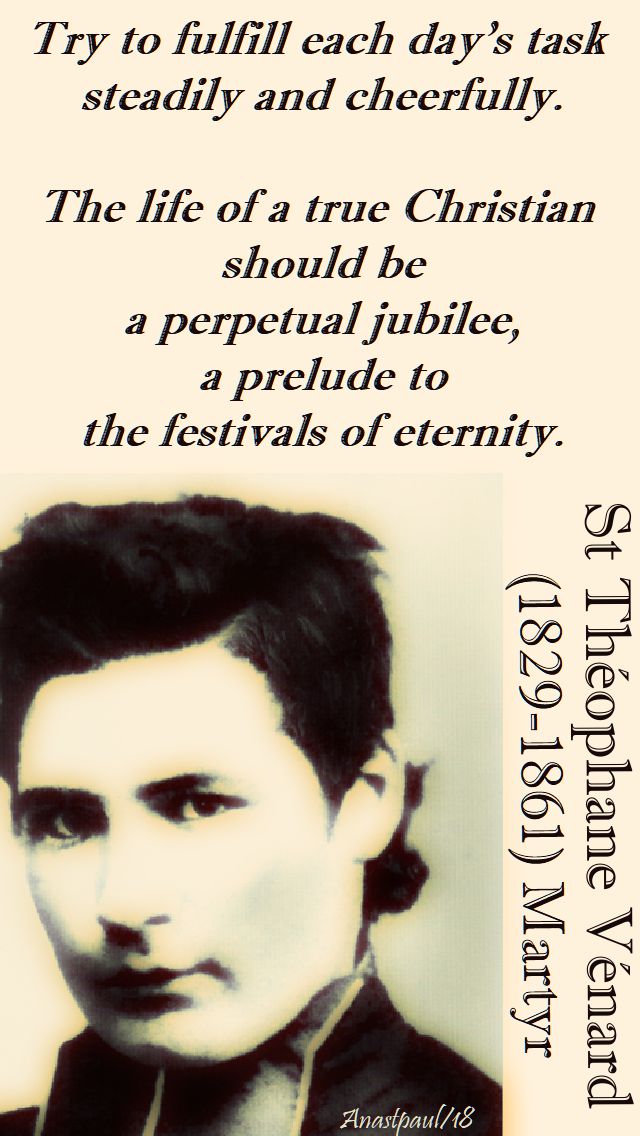
Try to fulfil each day’s task
steadily and cheerfully.
The life of a true Christian
should be a perpetual jubilee,
a prelude to the festivals of eternity.

St Théophane Vénard (1829-1861) Martyrtry to fulful each day's - st theophane venard - 13 april 2018.jpg

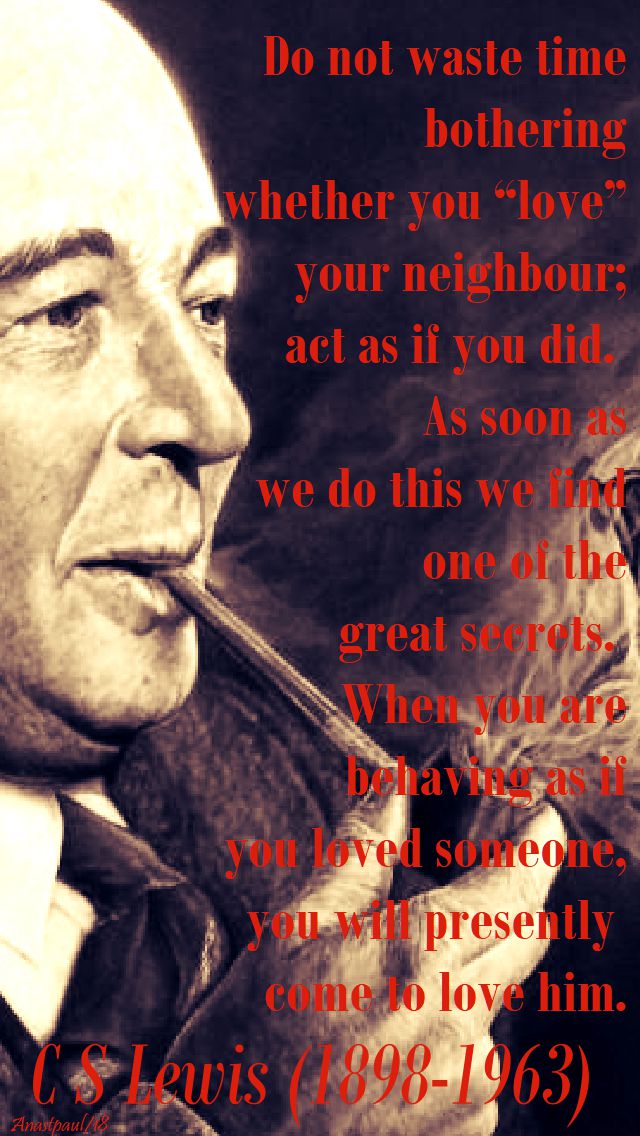
Do not waste time bothering
whether you “love” your neighbour;
act as if you did.
As soon as we do this we find
one of the great secrets.
When you are behaving as if
you loved someone,
you will presently come to love him.

C S Lewis (1898-1963)do not waste time - c s lewis - 13 april 2018

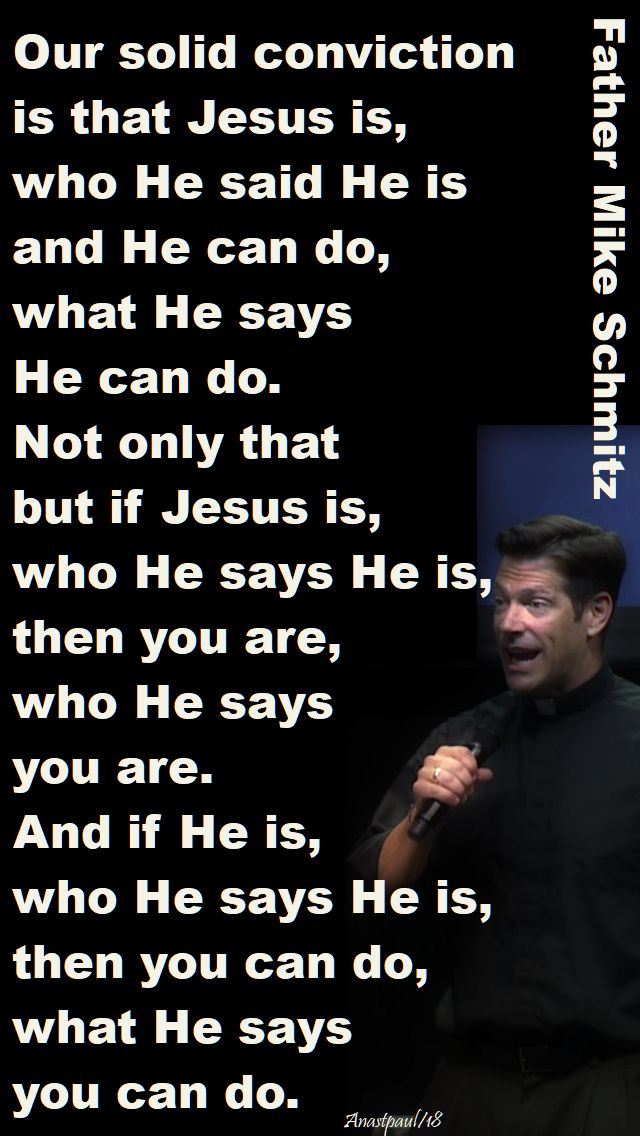
Our solid conviction
is that Jesus is who He said He is
and He can do what He says He can do.
Not only that but if Jesus is,
who He says He is,
then you are, who He says you are.
And if He is who He says He is,
then you can do what He says you can do.

Father Mike Schmitzour solid conviction - fr mike - 13 april 2018

Posted in EASTER, MORNING Prayers, QUOTES on EVANGELISATION, QUOTES on LOVE, QUOTES on MERCY, QUOTES on SANCTITY, QUOTES on SUFFERING, SAINT of the DAY, The WORD

One Minute Reflection – 13 April – Friday of the Second Week of Eastertide

One Minute Reflection – 13 April – Friday of the Second Week of Eastertide

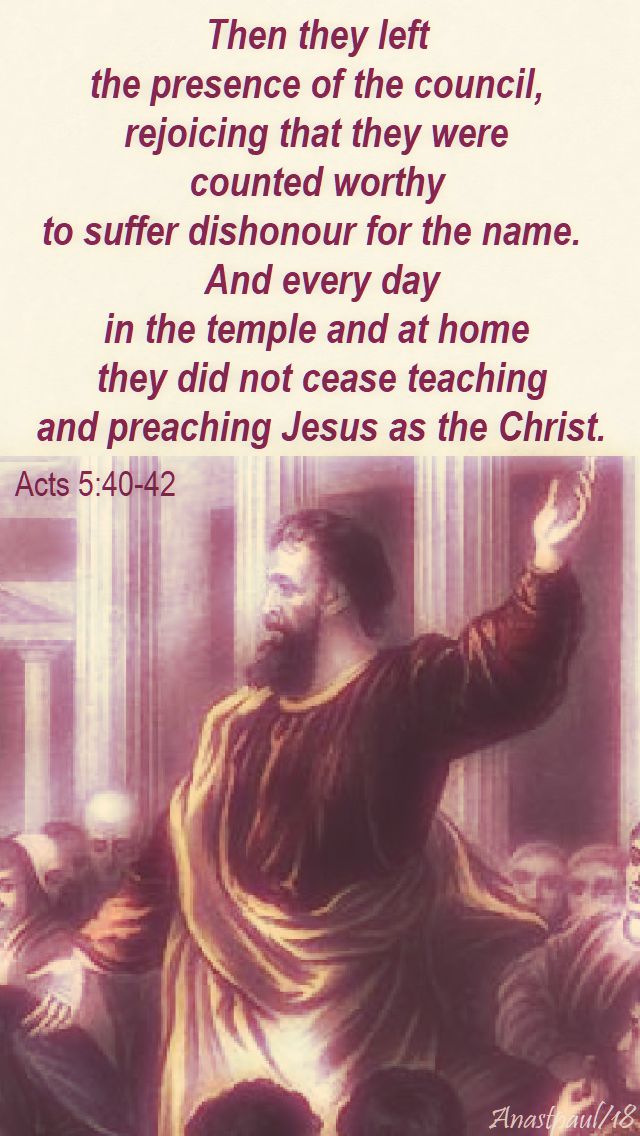
…”for if this plan or this undertaking is of men, it will fail; but if it is of God, you will not be able to overthrow them.   You might even be found opposing God!”… Then they left the presence of the council, rejoicing that they were counted worthy to suffer dishonour for the name.   And every day in the temple and at home they did not cease teaching and preaching Jesus as the Christ…Acts 5:38,40-42then they left the presence - acts 5 40-42

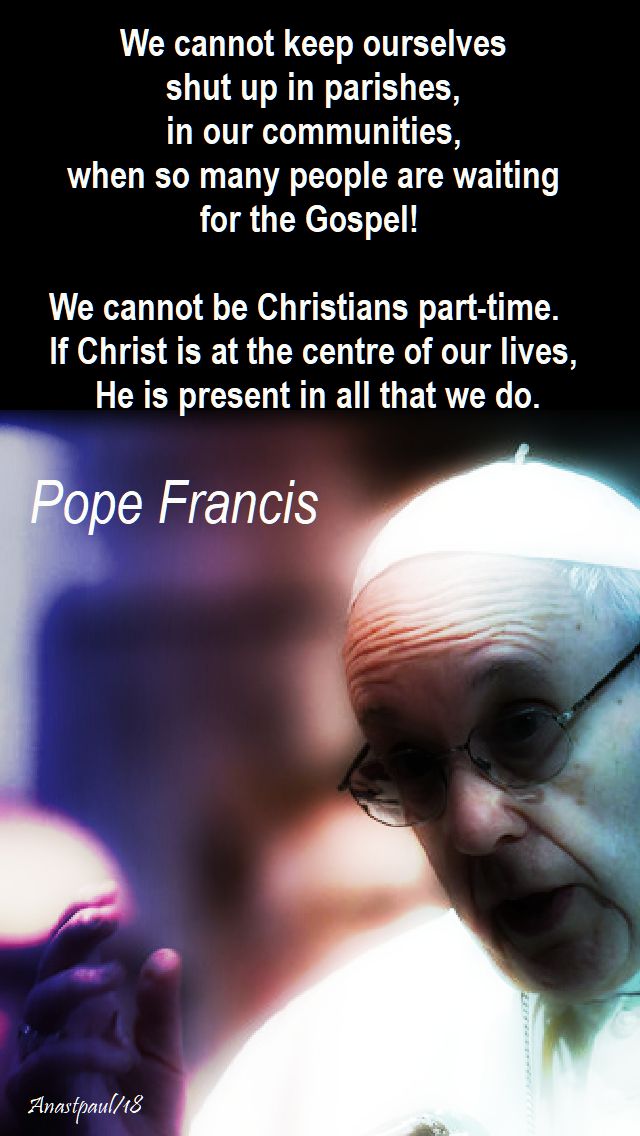
REFLECTION – “We cannot keep ourselves shut up in parishes, in our communities, when so many people are waiting for the Gospel!   We cannot be Christians part-time.   If Christ is at the centre of our lives, He is present in all that we do.”…Pope Franciswe cannot keep ourselves - POPE FRANCIS - 13 APRIL 2018

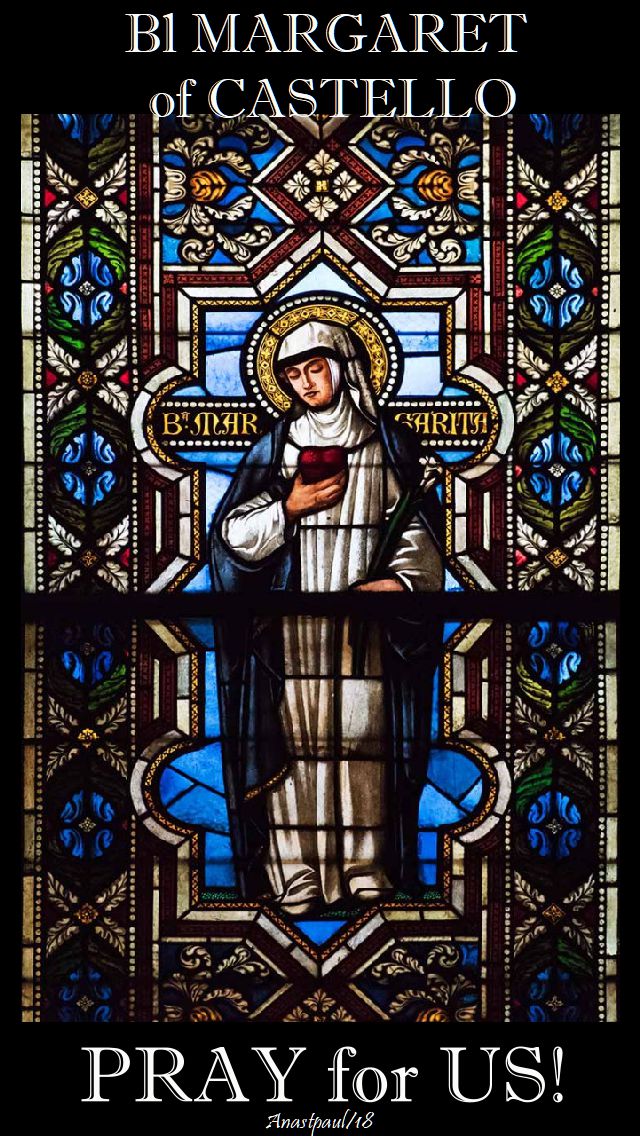
PRAYER – Almighty, ever-living God, grant us the grace to bear the hardships of this life with a steadfast mind, even as You strengthened the Apostles and all the Saints after them, whom no threats could daunt, no pains or penalties break.   Dear sweet St Margaret of Castello, you who disregarded your own sufferings to help those who suffer more, pray for us!   Through Jesus our Lord, in the unity of the Holy Spirit, one God forever, amen.bl margaret of castello - pray for us 13 april 2018

Posted in DOCTORS of the Church, EASTER, MORNING Prayers, PRAYERS of the SAINTS

Our Morning Offering – 13 April 2017 – Friday of the Second Week of Eastertide

Our Morning Offering – 13 April 2017 – Friday of the Second Week of Eastertide

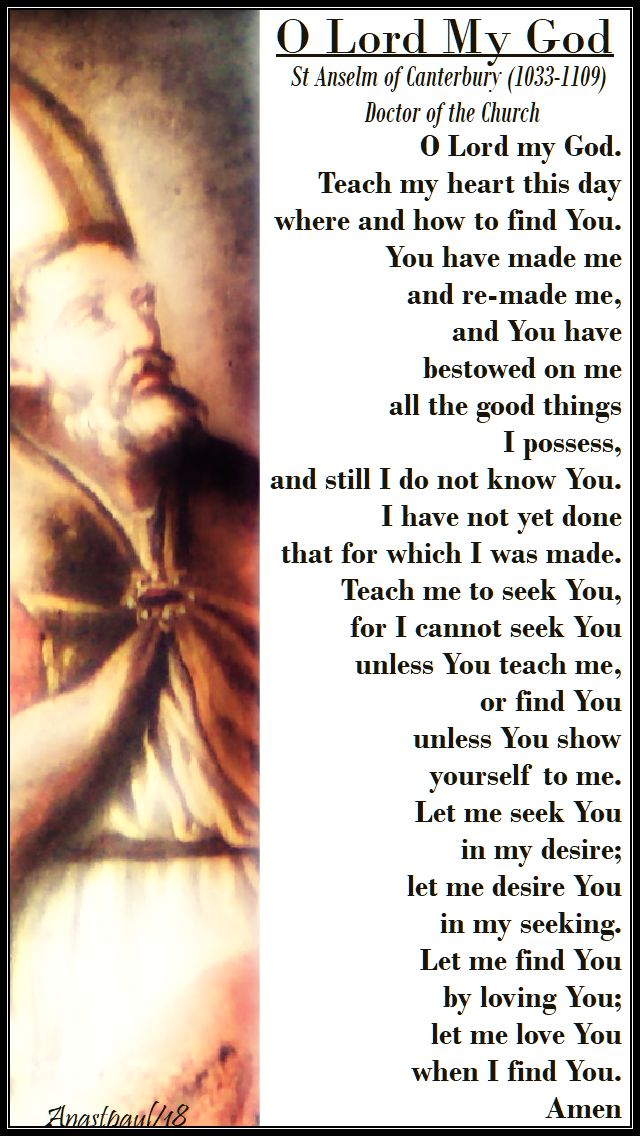
O Lord My God
St Anselm of Canterbury (1033-1109) Doctor of the Church

O Lord my God.
Teach my heart this day
where and how to find You.
You have made me and re-made me,
and You have bestowed on me
all the good things I possess,
and still I do not know You.
I have not yet done
that for which I was made.
Teach me to seek You,
for I cannot seek You
unless You teach me,
or find You
unless You show yourself to me.
Let me seek You in my desire;
let me desire You in my seeking.
Let me find You by loving You;
let me love You when I find You.
Ameno lord my god - st anselm - 13 april 2018

Posted in DOMINICAN OP, INCORRUPTIBLES, Of BEGGARS, the POOR, against POVERTY, PATRONAGE - PARALYSED, PHYSICALLY DISABLED, CRIPPLED PEOPLE, SAINT of the DAY

Saint of the Day – 13 April – Blessed Margaret of Castello O.P. (1287-1320)

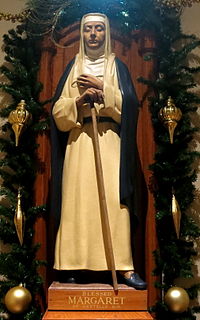
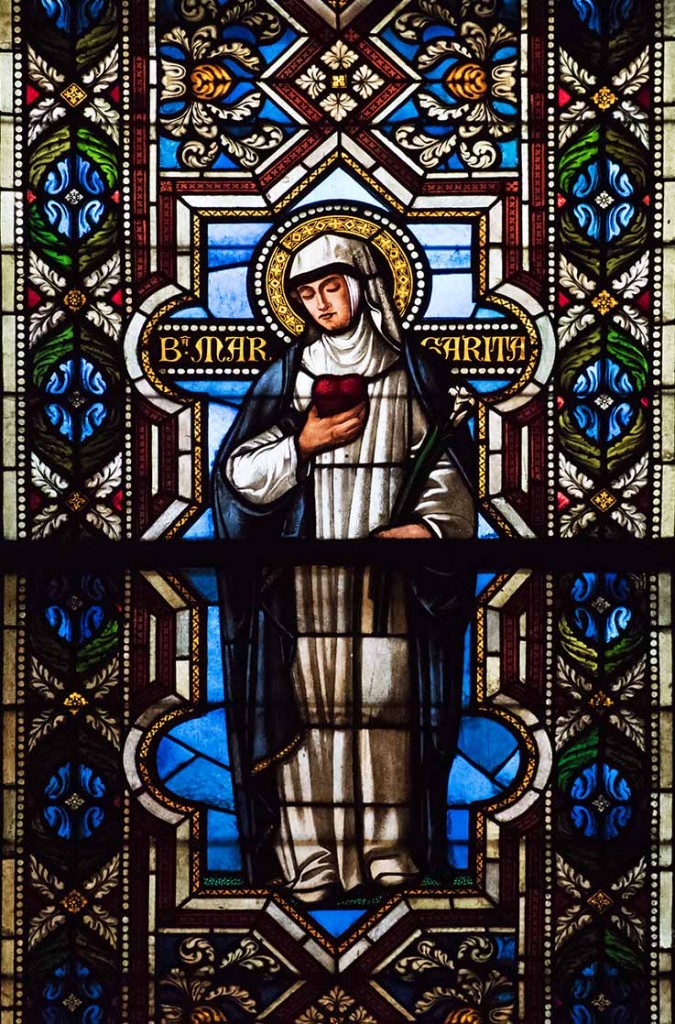
Saint of the Day – 13 April – Blessed Margaret of Castello O.P. (1287-1320) was an Italian professed member from the Third Order of the Order of Preachers of St Dominic. Margaret was disabled and became known for her deep faith and holiness.   Patronages – against poverty, disabled people, handicapped people, people rejected by religious orders,Pro-Right Groups.   Her body is incorrupt.

Blessed_Margaret_of_Castello

Bl Margaret of Castello was born in the fourteenth century in Metola, Italy to noble parents who wanted a son.   When the news was brought to the new mother that her newborn daughter was a blind, hunchbacked dwarf, both parents were horrified.   Little Margaret was kept in a secluded section of the family castle in the hopes that her existence would be kept secret.   However, when she was about six years old, she accidentally made her presence known to a guest.   Determined to keep her out of the public eye, her father had a room without a door built onto the side of the parish church and walled Margaret inside this room.   Here she lived until she was sixteen, never being allowed to come out.   Her food and other necessities were passed in to her through a window.   Another window into the church allowed her to hear Mass and receive Holy Communion.   The parish priest became a good friend and took upon himself the duty to educate her.   He was amazed at her docility and the depth of her spiritual wisdom.

When Margaret was sixteen years old, her parents heard of a shrine in Citta di Castello, Italy, where many sick people were cured.   They made a pilgrimage to the shrine so that she could pray for healing.   However, Margaret, open to the will of God, was not healed that day, or the next, so her parents callously abandoned her in the streets of the town and left for home, never to see her again.   At the mercy of the passersby, Margaret had to beg her food and eventually sought shelter with some Dominican nuns.

W. R. Bonniwell writes, “Her cheerfulness, based on her trust in God’s love and goodness, was extraordinary.   She became a Dominican tertiary and devoted herself to tending the sick and the dying” as well as prisoners in the city jail.

Saint_Patrick_Catholic_Church_(Columbus,_Ohio)_-_Blessed_Margaret_of_Castello_statue

Deprived of all human companionship, Margaret learned to embrace her Lord in solitude.   Instead of becoming bitter, she forgave her parents for their ill treatment of her and treated others as well as she could.   Her cheerfulness stemmed from her conviction that God loves each person infinitely, for He has made each person in His own image and likeness.   This same cheerfulness won the hearts of the poor of Castello and they took her into their homes for as long as their purses could afford.   She passed from house to house in this way, “a homeless beggar being practically adopted by the poor of a city” (Bonniwell, 1955).

Bl Margaret died on 13 April 1320 at the age of 33.   More than 200 miracles have been credited to her intercession since her death.   She was beatified on 19 October 1609 by Pope Paul V (concession of indult for Mass and Office).   Thus, the daughter that nobody wanted is now one of the glories of the Church.

IN-TEXT_BLESSEED-MARGARET-OF-CASTELLO-675x1024

Posted in EASTER, SAINT of the DAY

Memorials of the Saints – 13 April

St Pope Martin I (Optional Memorial)

Agathonica of Pergamus
Agathodorus of Pergamus
Caradoc of Wales
Carpus of Pergamus
Bl Edward Catherick
Bl Francis Dickenson
Guinoc
Hermengild
Ida of Boulogne
Bl Ida of Louvain
Bl Isabel Calduch Rovira
Bl James of Certaldo
Bl John Lockwood
Bl Margaret of Castello O.P. (1287-1320)

Martius of Auvergne
Bl Miles Gerard
Papylus of Pergamus
Proculus of Terni
Bl Rolando Rivi
Sabas Reyes Salazar
Bl Scubilion Rousseau
Ursus of Ravenna

Martyrs of Dorostorum – 3 saints: A lector and two students martyred together in the persecutions of Diocletian – Dadas, Maximus and Quinctillianus. Beheaded c303 in Dorostorum, Lower Mysia (modern Sillistria, Bulgaria.

Posted in EASTER, MORNING Prayers, PAPAL SERMONS, QUOTES - J R R Tolkien and MORE

Thought for the Day – 12 April – Thursday of the Second Week of Eastertide

Thought for the Day – 12 April – Thursday of the Second Week of Eastertide

The Resurrection of the Lord is Our Hope

Dear Brothers and Sisters in Rome and throughout the world,

From the depths of my heart, I wish all of you a blessed Easter.   To quote Saint Augustine, “Resurrectio Domini, spes nostra – the resurrection of the Lord is our hope” (Sermon 261:1).   With these words, the great Bishop explained to the faithful that Jesus rose again so that we, though destined to die, should not despair, worrying that with death life is completely finished;  Christ is risen to give us hope (cf. ibid.).

Indeed, one of the questions that most preoccupies men and women is this:  what is there after death?   To this mystery today´s solemnity allows us to respond that death does not have the last word because Life will be victorious at the end.   This certainty of ours is based not on simple human reasoning but on a historical fact of faith:  Jesus Christ, crucified and buried, is risen with His glorified body.   Jesus is risen so that we too, believing in Him, may have eternal life.   This proclamation is at the heart of the Gospel message.   As Saint Paul vigorously declares:  “If Christ has not been raised, our preaching is in vain and your faith is in vain.”   He goes on to say:  “If for this life only we have hoped in Christ, we are of all men most to be pitied” (1 Cor 15:14,19).   Ever since the dawn of Easter a new Spring of hope has filled the world; from that day forward our resurrection has begun because Easter does not simply signal a moment in history but the beginning of a new condition:   Jesus is risen not because His memory remains alive in the hearts of His disciples but because He Himself lives in us and in Him we can already savour the joy of eternal life.

The resurrection, then, is not a theory but a historical reality revealed by the man Jesus Christ by means of His “Passover”, His “passage”, that has opened a “new way” between heaven and earth (cf. Heb 10:20).   It is neither a myth nor a dream, it is not a vision or a utopia, it is not a fairy tale but it is a singular and unrepeatable event:  Jesus of Nazareth, son of Mary, who at dusk on Friday was taken down from the Cross and buried, has victoriously left the tomb.   In fact, at dawn on the first day after the Sabbath, Peter and John found the tomb empty.   Mary Magdalene and the other women encountered the risen Jesus.   On the way to Emmaus the two disciples recognised Him at the breaking of the bread.   The Risen One appeared to the Apostles that evening in the Upper Room and then to many other disciples in Galilee.

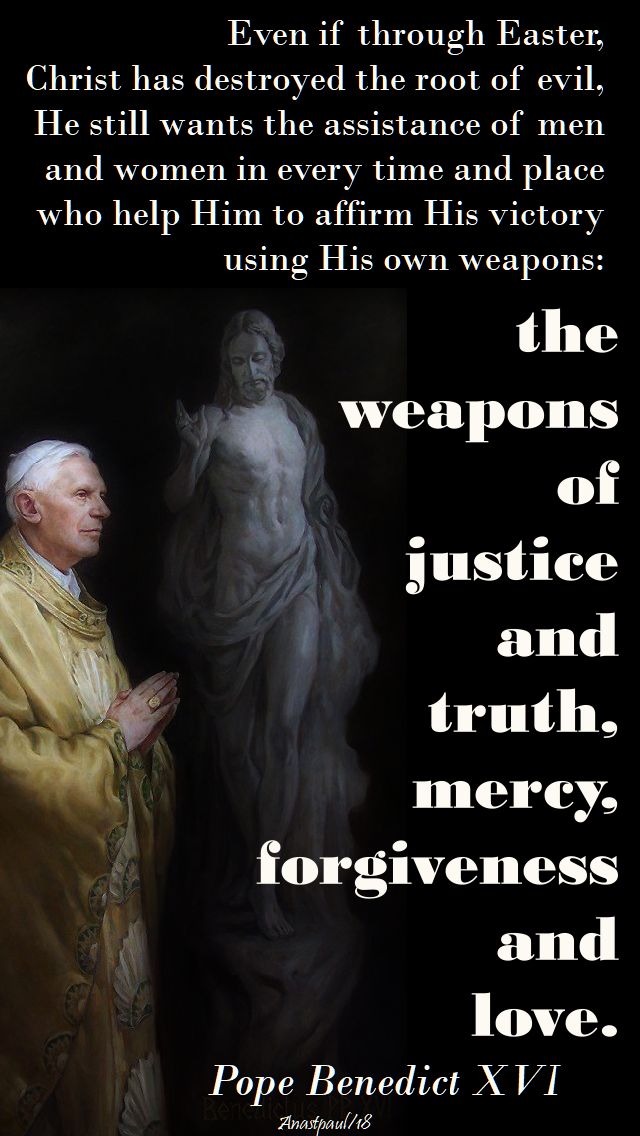
If it is true that death no longer has power over man and over the world, there still remain very many, in fact too many signs of its former dominion.   Even if through Easter, Christ has destroyed the root of evil, He still wants the assistance of men and women in every time and place who help Him to affirm His victory using His own weapons:  the weapons of justice and truth, mercy, forgiveness and love.

Pope Benedict XVI – 13 April 2009 (Excerpt)even if through easter - pope benedict - 12 april 2018


Posted in QUOTES of the SAINTS, QUOTES on PATIENCE, SAINT of the DAY, Uncategorized

Quote of the Day – 12 April – Thursday of the Second Week of Eastertide & the Memorial of St Zeno of Verona (c 300 – 371)

Quote of the Day – 12 April – Thursday of the Second Week of Eastertide & the Memorial of St Zeno of Verona (c 300 – 371)

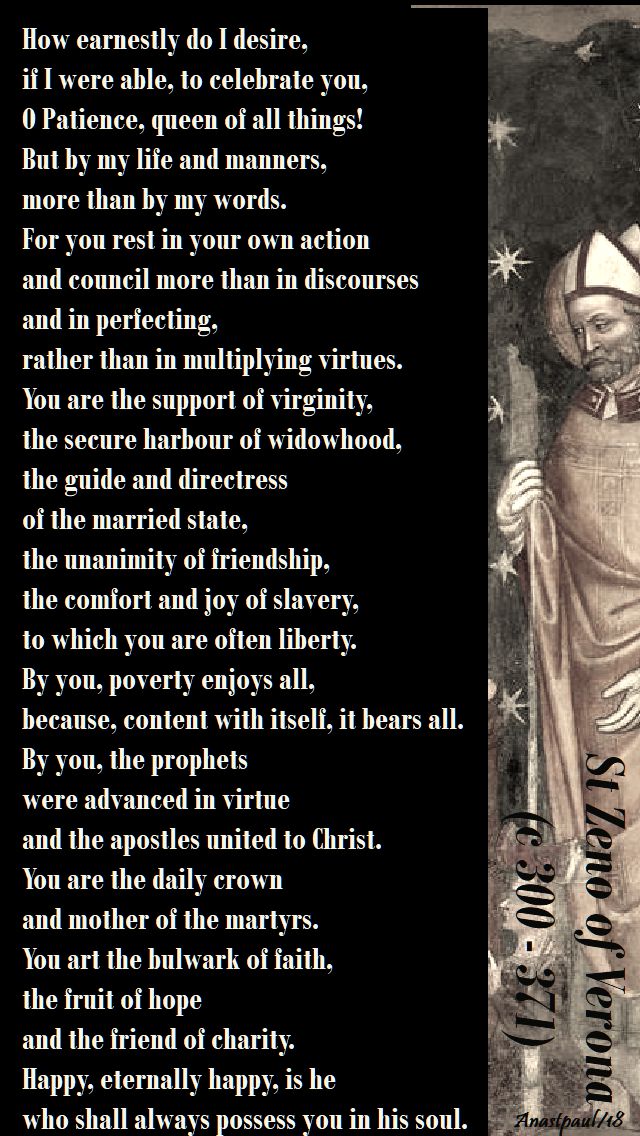
“How earnestly do I desire, if I were able, to celebrate you,
O Patience, queen of all things!
But by my life and manners, more than by my words.
For you rest in your own action
and council more than in discourses
and in perfecting, rather than in multiplying virtues.
You are the support of virginity,
the secure harbour of widowhood,
the guide and directress, of the married state,
the unanimity of friendship,
the comfort and joy of slavery,
to which you are often liberty.
By you, poverty enjoys all,
because, content with itself, it bears all.
By you, the prophets, were advanced in virtue
and the apostles united to Christ.
You are the daily crown and mother of the martyrs.
You art the bulwark of faith,
the fruit of hope
and the friend of charity.
Happy, eternally happy, is he
who shall always possess you in his soul.”

St Zeno of Verona (c 300 – 371)how earnestly do i desire (on patience) - st zeno - 12 april 2018

Posted in EASTER, MORNING Prayers, QUOTES - J R R Tolkien and MORE, QUOTES on FAITH, QUOTES on OBEDIENCE, QUOTES on SANCTITY, QUOTES on TRUST and complete CONFIDENCE in GOD, SAINT of the DAY, The WORD

One Minute Reflection – 12 April – Thursday of the Second Week of Eastertide

One Minute Reflection – 12 April – Thursday of the Second Week of Eastertide

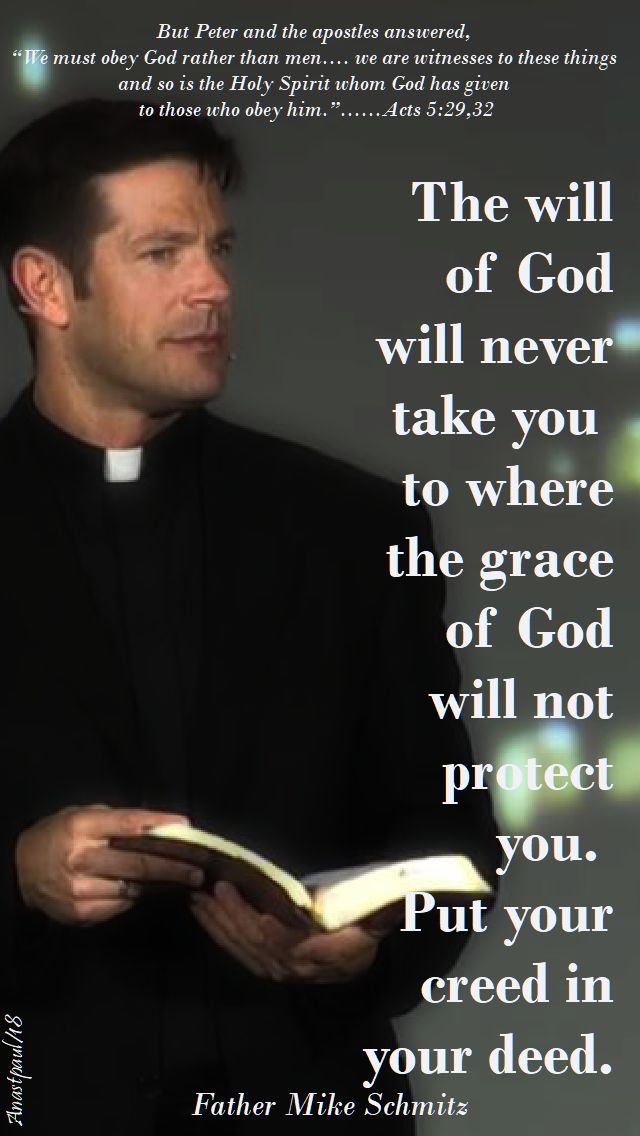
But Peter and the apostles answered, “We must obey God rather than men…. we are witnesses to these things and so is the Holy Spirit whom God has given to those who obey him.”…Acts 5:29,32

REFLECTION – “The will of God will never take you to where the grace of God will not protect you.   Put your creed in your deed.”…Fr Mike Schmitzthe will of god - for mike - 12 april 2018

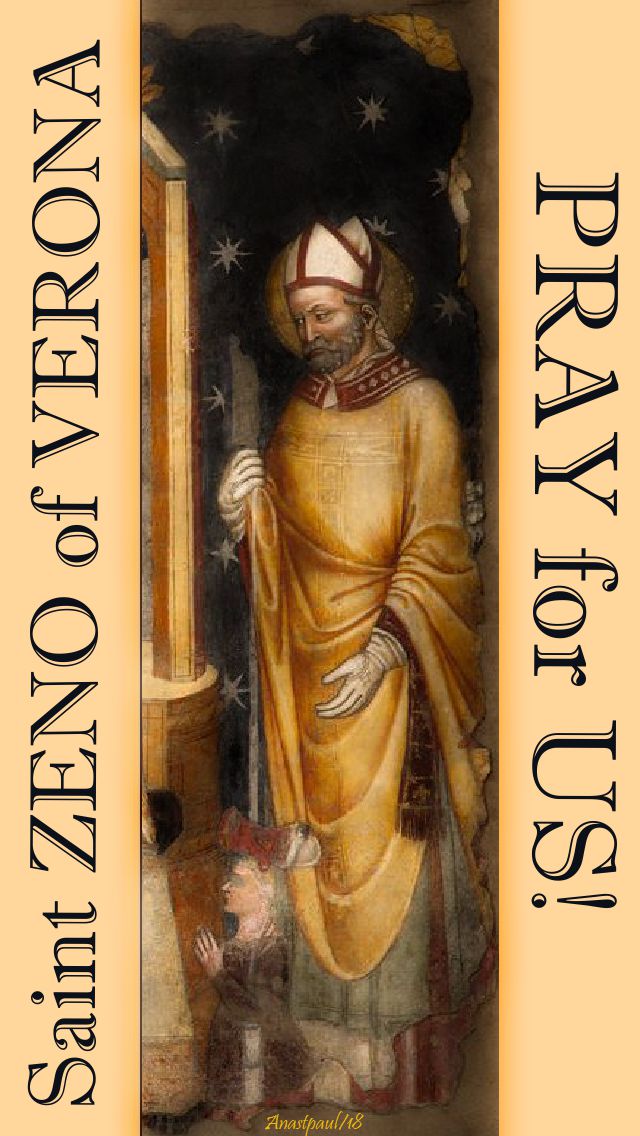
PRAYER – God of mercy, let the mystery we celebrate at Eastertide, bear fruit for us in every season.   Let us all be Your beacons to the world around us as St Zeno was, teaching by his life.   Grant we pray, that his prayers may assist us.   Through our Lord Jesus Christ, in union with the Holy Spirit, one God now and forever, amen.st zeno of verona pray for us 12 april 2018

Posted in CHRIST the KING, DOCTORS of the Church, EASTER, MORNING Prayers, PRAYERS of the SAINTS

Our Morning Offering – 12 April – Thursday of the Second Week of Eastertide

Our Morning Offering – 12 April – Thursday of the Second Week of Eastertide

You are the King of All
St Albert the Great (1200-1280) Universal Doctor

We pray to You, O Lord,
who are the supreme Truth,
and all truth is from You.
We beseech You, O Lord,
who are the highest Wisdom,
and all the wise depend on You
for their wisdom.
You are the supreme Joy,
and all who are happy owe it to You.
You are the Light of minds,
and all receive their understanding from You.
We love, we love You above all.
We seek You, we follow You,
and we are ready to serve You.
We desire to dwell under Your power
for You are the King of all.
Amen.you are the king of all by st albert the great - 12 april 2018

Posted in Of FISHERMEN, FISHMONGERS, PATRONAGE - NEWBORN BABIES, YOUNG CHILDREN l, SAINT of the DAY

Saint of the Day – 12 April – St Zeno of Verona (c 300 – 371)

Saint of the Day – 12 April – St Zeno of Verona (c 300 – 371)  Bishop of Verona, Monk, Confessor, Reformer, believed to be a Martyr  the persecutions of  Constantius II and  Julian the Apostate – Born c 300 at Mauretania near Algiers, North Africa and died on 12 April 371.   Patronages  – anglers, children learning to speak, children learning to walk, fishermen, newborn babies, Diocese of Verona, Italy, 41 Cities.

Verona_Italy_San_Zeno_DSC07766 (1)
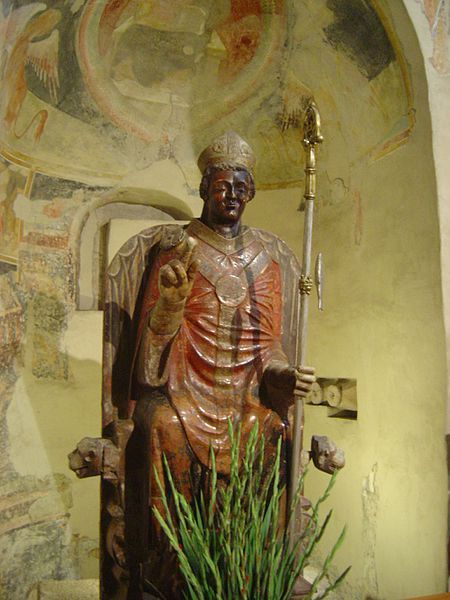
Statue of Saint Zeno from the Basilica of San Zeno

St Zeno of Verona came from Mauretania (Algeria and  Morocco) in North Africa, born in the year c 300.   He may have been a follower of St Athanasius of Alexandria who followed his master to Verona in about 340.  The  ancient Sermones texts on Old Testament exegesis have been attributed to St Zeno due to the style of the 90 or so Sermones attributed to Zeno has been considered evidence of his African origins.

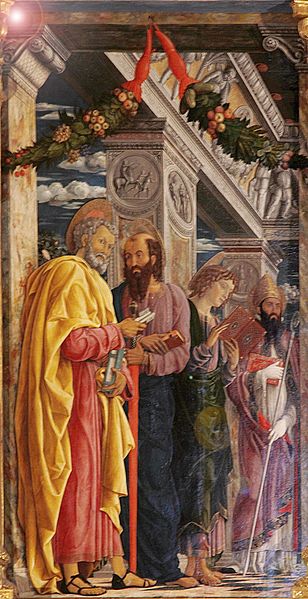
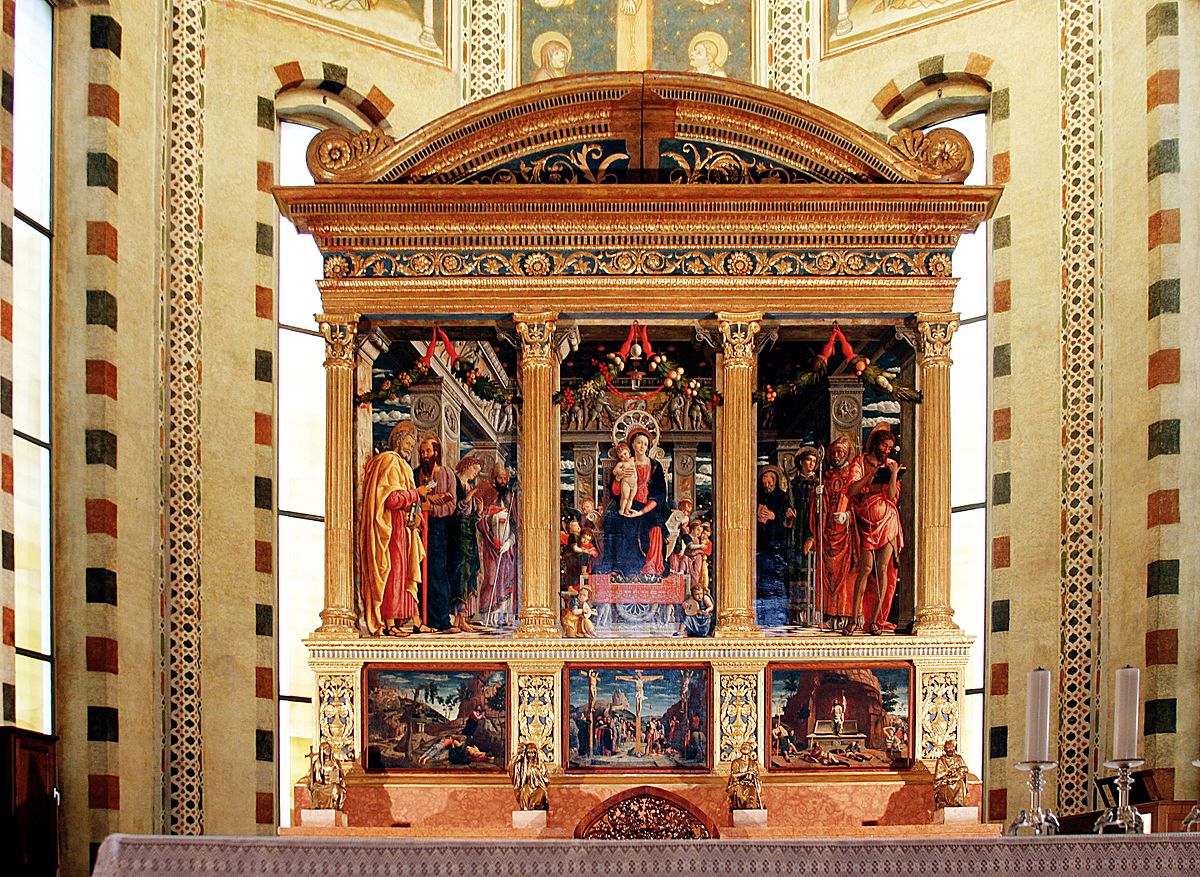
San Zeno Altarpiece. Zeno is on the far right.

He entered monastic life and would be appointed a bishop, winning converts back from Arianism, setting up a convent for  women, living a life of poverty, training priests to work in the diocese and reforming how the Agape feast was celebrated.  (The term Agape or Love feast was used for certain religious meals among early Christians that seem to have been originally closely related to the Eucharist.)   He would not allow loud groaning and wailing at funerals, supported adult  baptism  by complete immersion and  established a practice of giving medals to  the newly baptised.

He was the eighth bishops of Verona for a decade or so and is described as a ‘confessor of the faith’ in early martyrologies, may have suffered persecution under Constantius II and  Julian the Apostate  — a reference to his ‘happy death’ on 12 April, 371, indicates he may have been martyred.   Saint Gregory the Great calls him a martyr in his Dialogues.   A contemporary letter from St Ambrose of Milan refers  to Zeno’s holiness.   He is known to have lived in great poverty.

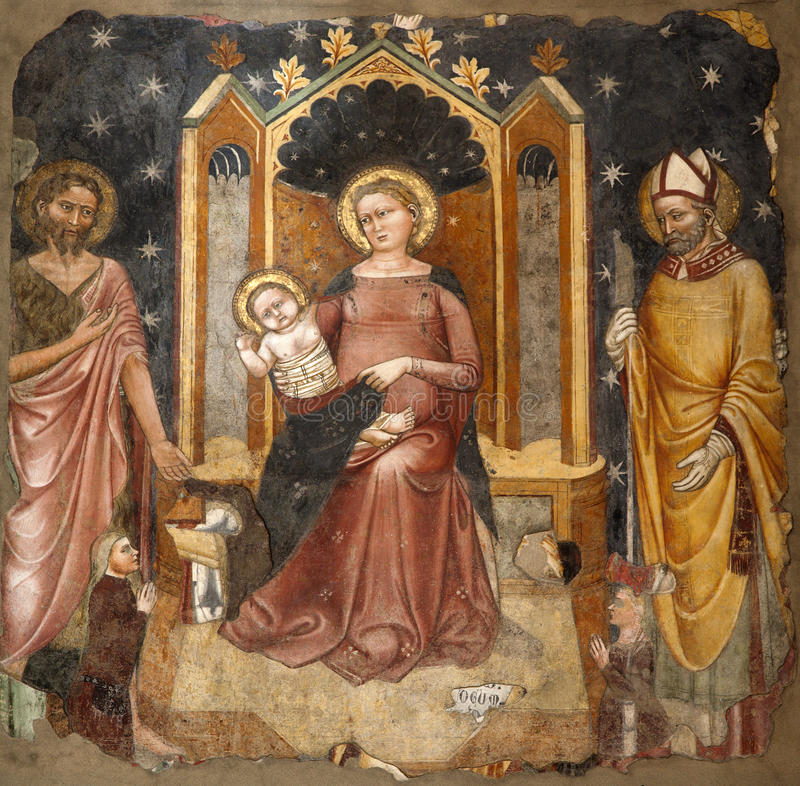
verona-fresco-holy-mary-st-john-baptist-st-zeno-29304912 (1)

St Zeno is the patron saint of fishermen and anglers, of the city of Verona, of newborn babies as well as children learning to speak and walk.   A saint for spiritual toddlers.   At least 30 churches and chapels bear his name.  He may have been fond of fishing in the River Adige  but the  depictions of  him with a fishing rod  are thought to refer to his  success in ‘catching converts’ for  the faith.   A fisher of men and women for Christ.Pala_di_San_Zeno_by_Andrea_Mantegna_-_San_Zeno_-_Verona_2016_(3)

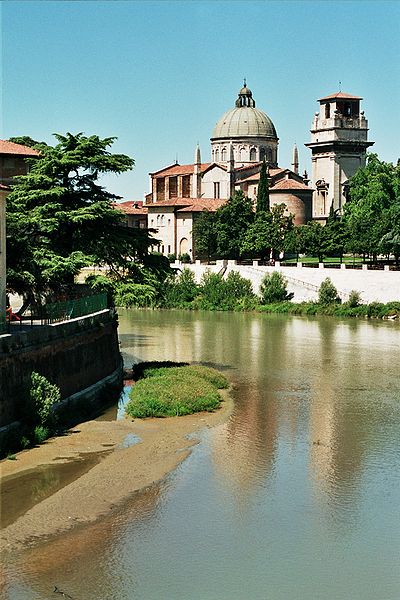
In the year 589, at the same time that the Tiber overflowed a considerable quarter of Rome, and the flood over-topped the walls, the waters of the Adige, which fails from the mountains with excessive rapidity, threatened to drown or submerge a great part of the city of Verona.   The people flocked in crowds to the church of their holy patron Zeno:  the waters seemed to respect its doors, they gradually swelled as high as the windows, yet the flood never broke into the church but stood like a firm wall, as when the Israelites passed the Jordan;  and the people remained there twenty-foul hours in prayer, till the water subsided within the banks of the channel.  This miracle had as many witnesses as there were inhabitants of Verona.   The devotion of the people to St Zeno was much increased by this and other miracles.

400px-Adige_Verona
The Adige flowing through Verona

St Zeno’s liturgical feast day is celebrated today, 12 April but in the diocese of Verona, it is also celebrated on 21 May, in honor of the translation of his relics on 21 May 807.

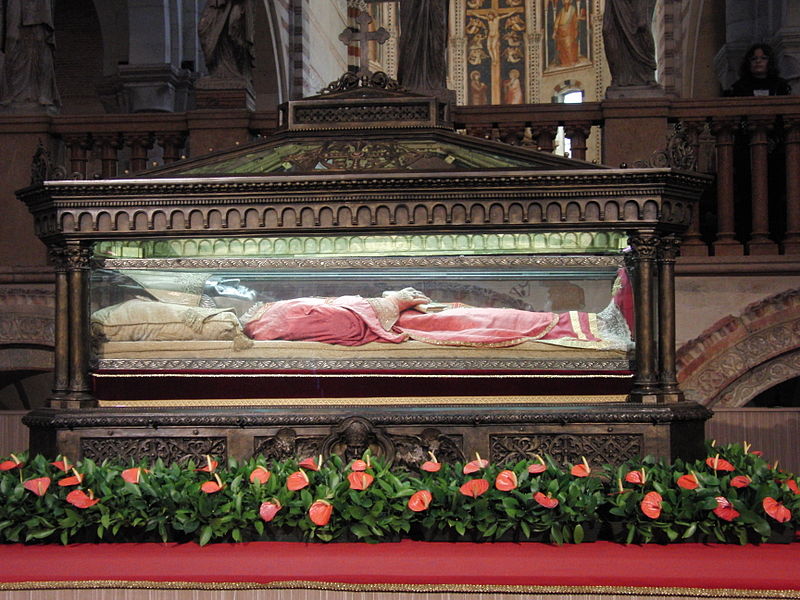
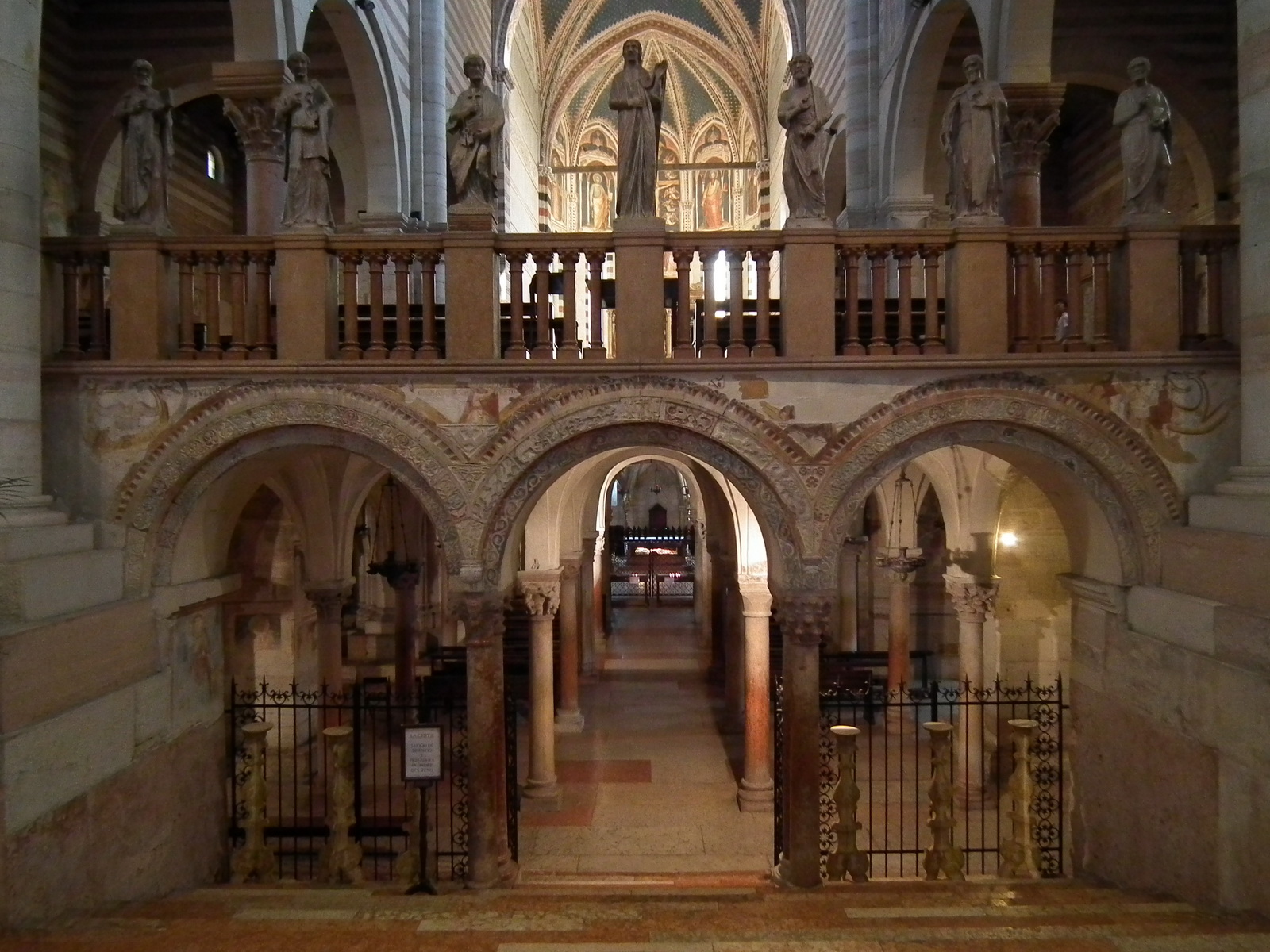
Tradition states that Zeno built the first basilica in Verona, situated in the area probably occupied by the present-day cathedral.   His eponymous church in its present location dates to the early ninth century, when it was endowed by Charlemagne and his son Pepin, King of Italy.   It was consecrated on 8 December 806; two local hermits, Benignus and Carus, were assigned the task of translating Zeno’s relics to a new marble crypt.   King Pepin was present at the ceremony, as were the Bishops of Cremona and Salzburg, as well as an immense crowd of townspeople.   The church was damaged at the beginning of the tenth century by Hungarians, though the relics of Zeno remained safe. The basilica was rebuilt again, and made much larger and stronger. Financial support was provided by Otto I, and it was re-consecrated in 967, at a ceremony presided over by the Bishop Ratherius of Verona.

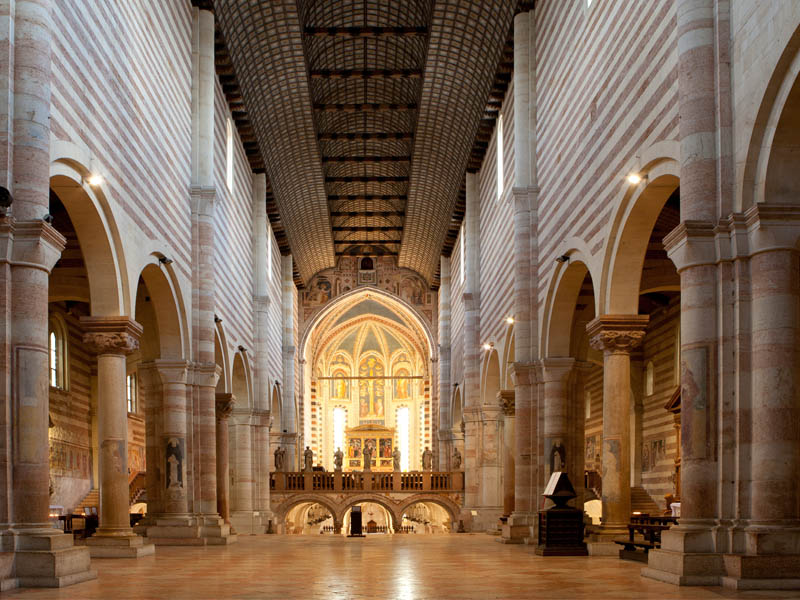
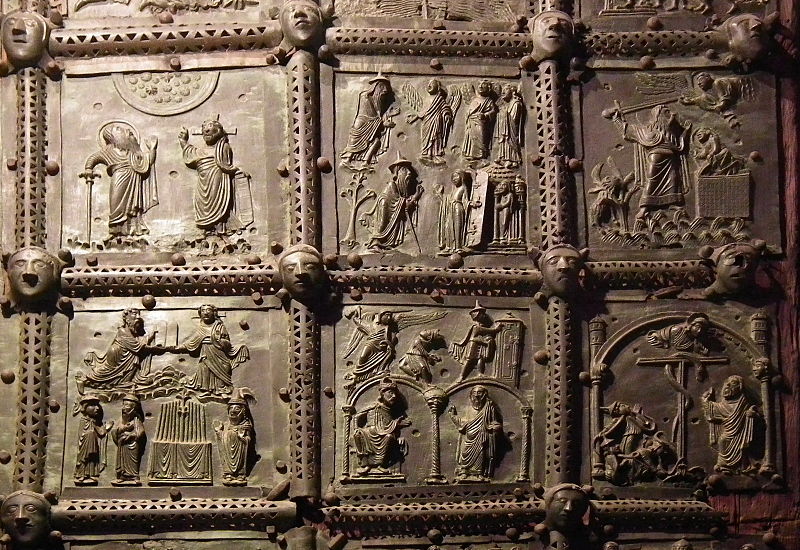
The present church of San Zeno in Verona is a work of the twelfth, thirteenth and early fifteenth centuries for the most part.  It is well known for its bronze doors (c 1100 – c 1200) which depict, besides stories from the Bible, the miracles of Saint Zeno, images drawn from stories, including those recorded by the notary Coronato, the facade sculpture signed by Nicholaus and an associate Guglielmus and the rose window (c 1200), which is the work of Brioloto.800px-St_Zeno's_body_(close_up)San-Zeno-1-GalleryVerona,_Basilica_di_San_Zeno,_crypt_001800px-Verona,_Basilica_di_San_Zeno,_bronze_door_004

Posted in SAINT of the DAY

Memorials of the Saints – 12 April

St Acutina
St Alferius of La Cava
Bl Andrew of Montereale
Bl Angelo Carletti di Chivasso
St Artemón of Caesarea
St Basil of Parion
St Constantine of Gap
St Damian of Pavia
St David Uribe Velasco
St Erkemboden of Thérouanne
St Florentin of Arles
St Pope Julius I
St Lorenzo of Belem
St Peter of Montepiano
St Sabas the Lector
St Teresa of the Andes
St Tetricus of Auxerre
St Victor of Braga
St Vissia of Fermo
St Wigbert
St Zeno of Verona (c 300 – 371)

Posted in EASTER, MORNING Prayers, SAINT of the DAY

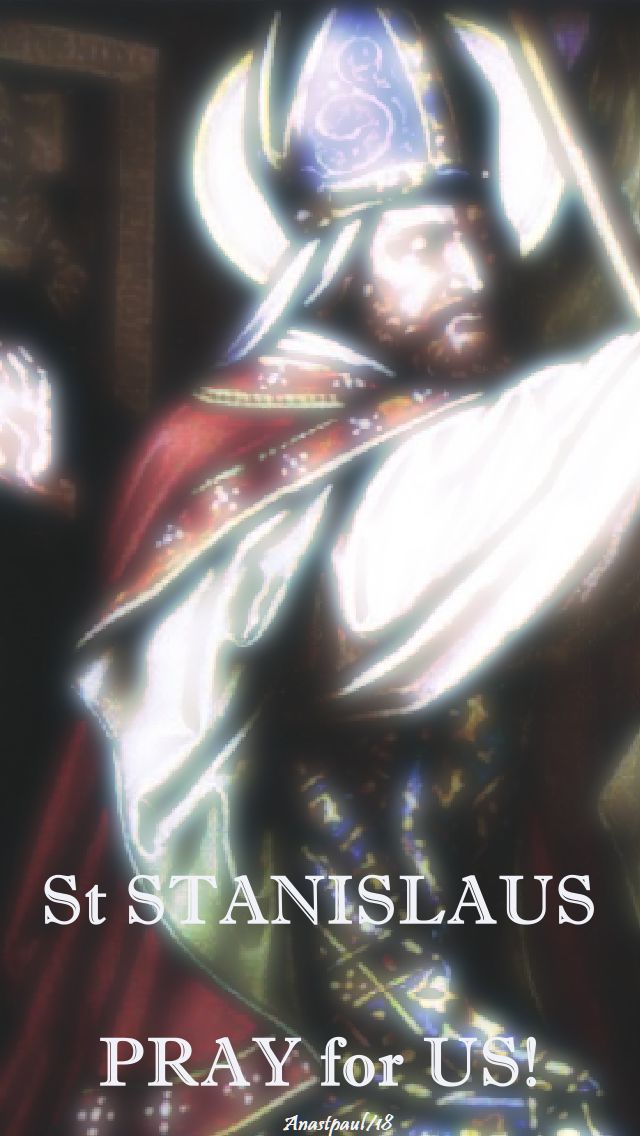
Thought for the Day – 11 April – Wednesday of the Second Week of Eastertide & the Memorial of St Stanislaus (1030-1079) Bishop and Martyr

Thought for the Day – 11 April – Wednesday of the Second Week of Eastertide & the Memorial of St Stanislaus (1030-1079) Bishop and Martyr

Anyone who reads the history of Eastern Europe cannot help but chance on the name of Stanislaus, the saintly but tragic bishop of Kraków, patron of Poland.   He is remembered with Saints Thomas More and Thomas Becket for vigorous opposition to the evils of an unjust government.

Born in Szczepanow near Kraków on 26 July 1030, he was ordained a priest after being educated in the cathedral schools of Gniezno, then capital of Poland and at Paris.   He was appointed preacher and archdeacon to the bishop of Kraków, where his eloquence and example brought about real conversion in many of his penitents, both clergy and laity.   He became bishop of Kraków in 1072.

During an expedition against the Grand Duchy of Kiev, Stanislaus became involved in the political situation of Poland.   Known for his outspokenness, he aimed his attacks at the evils of the peasantry and the king, especially the unjust wars and immoral acts of King Boleslaus II.

The king first excused himself, then made a show of penance, then relapsed into his old ways.   Stanislaus continued his open opposition in spite of charges of treason and threats of death, finally excommunicating the king.   Enraged, the latter ordered soldiers to kill the bishop.   When they refused, the king killed Stanislaus with his own hands.

Forced to flee to Hungary, Boleslaus supposedly spent the rest of his life as a penitent in the Benedictine abbey in Osiak.

Saints John the Baptist, Thomas Becket, Thomas More and Stanislaus are a few of the prophets who dared to denounce corruption in high places.   They followed in the footsteps of Jesus Himself, who pointed out the moral corruption in the religious leadership of His day.   It is a risky business.   A risk we HAVE to take.

St Stanislaus, pray for us!st sdtanislaus - pray for us - 11 april 2018

Posted in DOCTORS of the Church, EASTER, MORNING Prayers, QUOTES of the SAINTS, QUOTES on FAITH

Quote of the Day – 11 April – Wednesday of the Second Week of Eastertide

Quote of the Day – 11 April – Wednesday of the Second Week of Eastertide

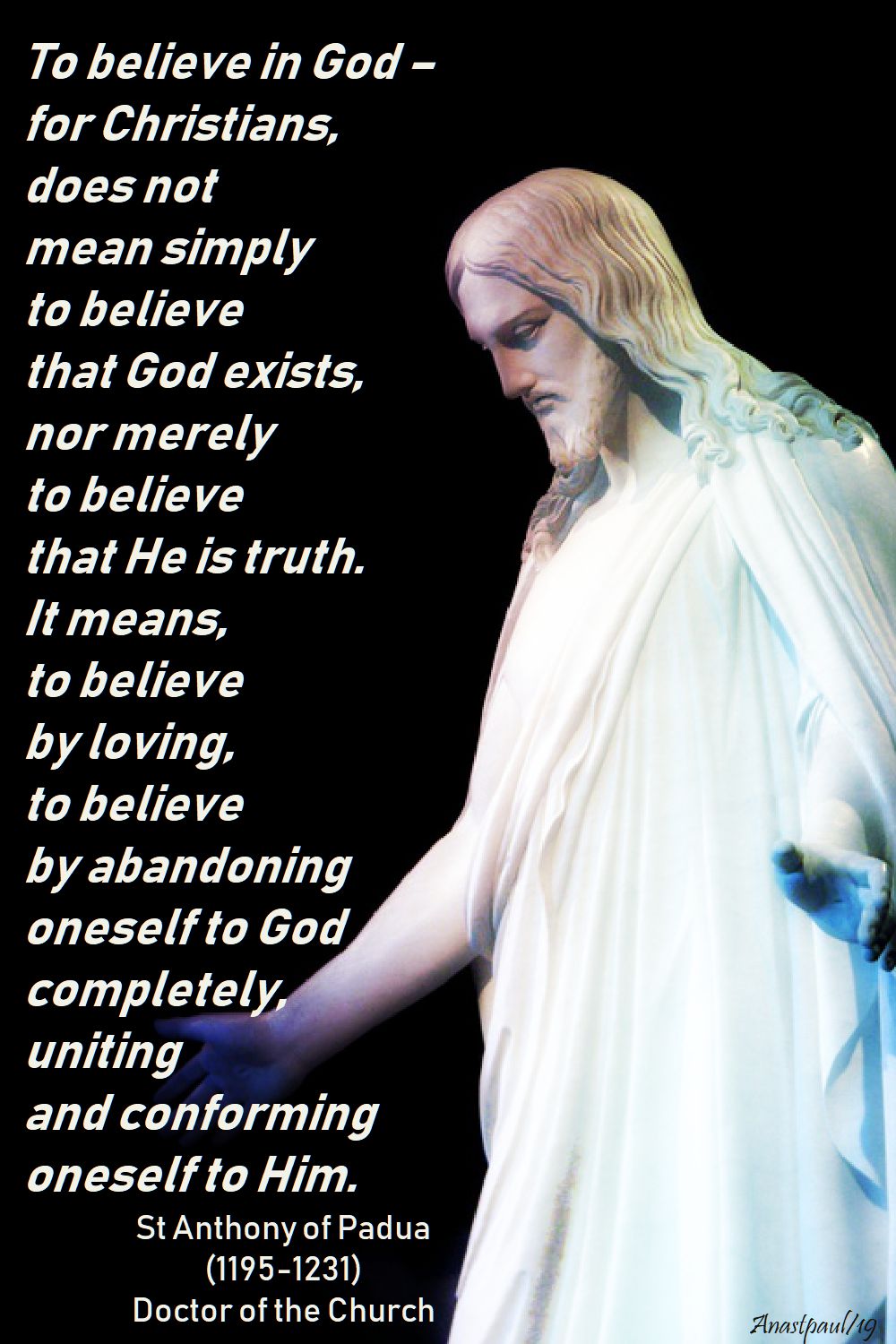
“To believe in God – for Christians,
does not mean simply to believe that God exists,
nor merely to believe that He is truth.  
It means to believe by loving,
to believe by abandoning oneself to God completely,
uniting and conforming oneself to Him.”

St Anthony of Padua (1195-1231) Doctor of the Churchto believe in god - st anthony of padua - 11 april 2018


Posted in EASTER, MORNING Prayers, MYSTICS, QUOTES of the SAINTS, SAINT of the DAY, The WORD

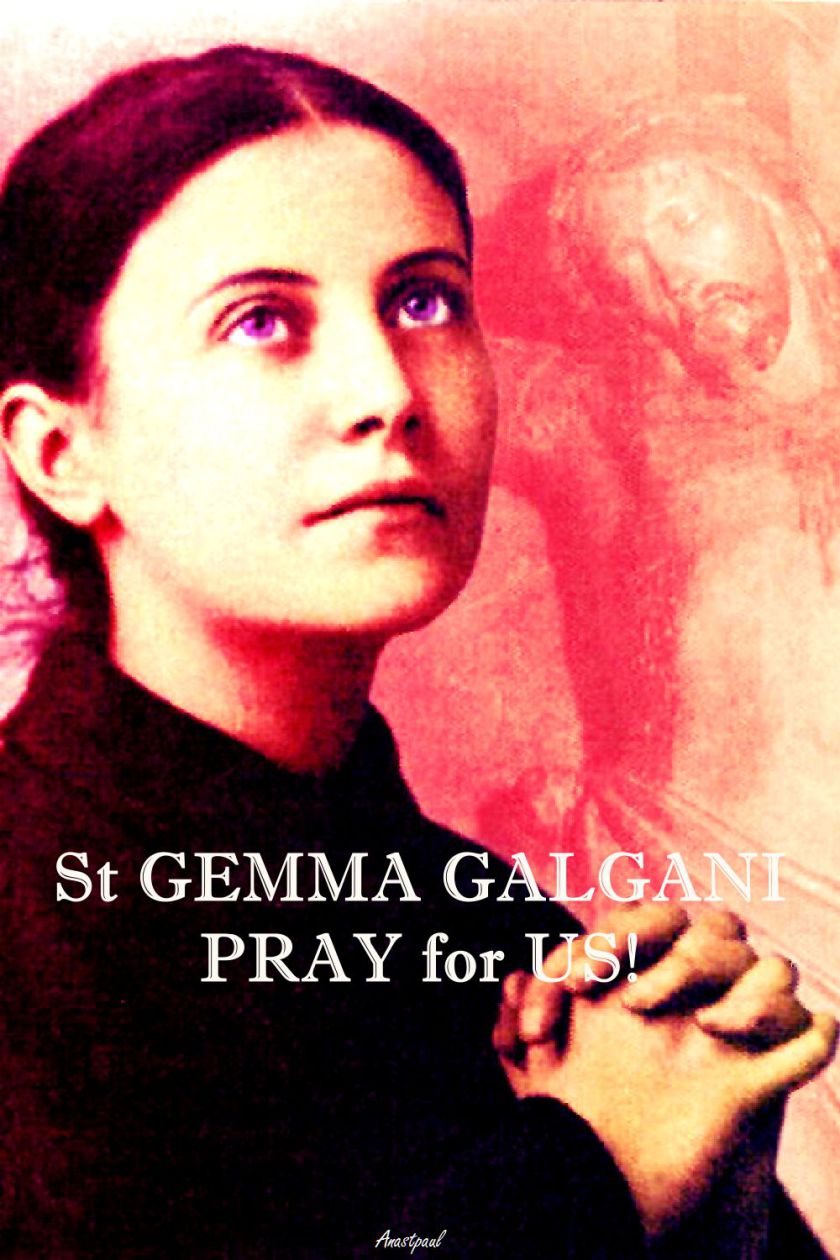
One Minute Reflection – 11 April – Wednesday of the Second Week of Eastertide and the memorial of St Gemma Galgani (1878-1903)

One Minute Reflection – 11 April – Wednesday of the Second Week of Eastertide and the memorial of St Gemma Galgani (1878-1903)

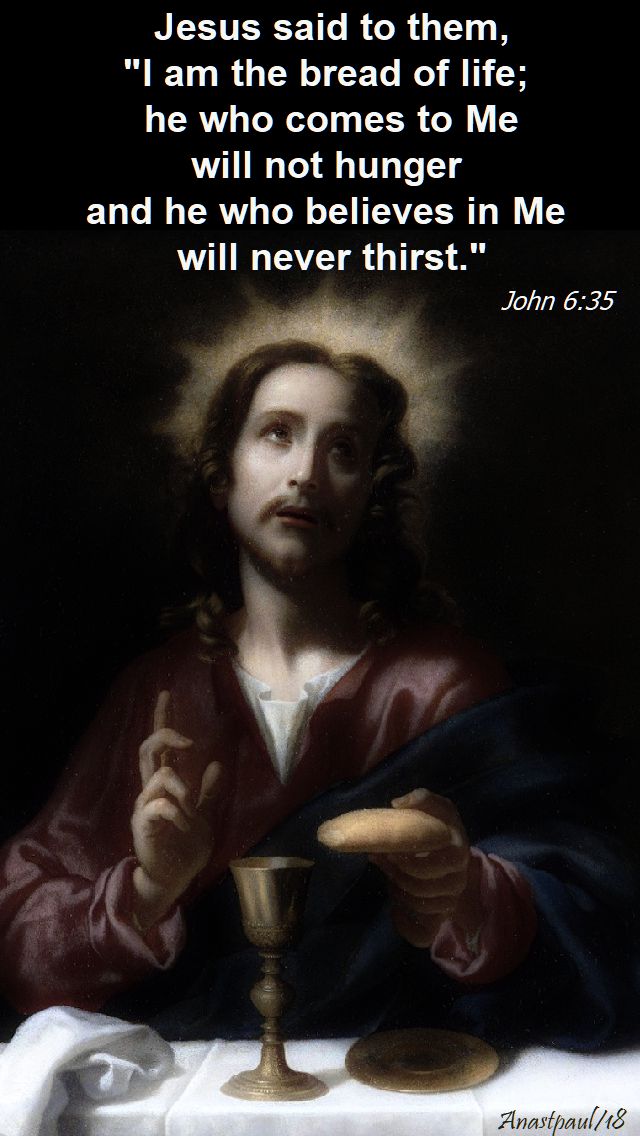
Jesus said to them, “I am the bread of life;  he who comes to Me will not hunger and he who believes in Me will never thirst.”…John 6:35john 6 35 - 11 april 2018

REFLECTION – “Jesus, Food of strong souls, strengthen me, purify me, make me godlike.”…St Gemma Galganijesus, food of strong souls - st gemma galgani - 11 april 2018

PRAYER – Oh my Lord, Food of my soul, Food of my life, teach us to fully grow in our love and understanding of the great Mystery of the Holy Eucharist.   Help us to participate more fully at each Holy Mass.   St Gemma pray for us that we may love the food of our souls and one day join you in our heavenly home.   Through our Lord Jesus in unity with the Holy Spirit, one God forever and ever, amen.st-gemma-pray-for-us - 11 april 2017

Posted in EASTER, MORNING Prayers, MYSTICS, PRAYERS of the SAINTS, SAINT of the DAY

Our Morning Offering – 11 April – Wednesday of the Second Week of Eastertide and the Memorial of St Gemma Galgani (1878-1903)

Our Morning Offering – 11 April – Wednesday of the Second Week of Eastertide and the Memorial of St Gemma Galgani (1878-1903)

Prayer for Forgiveness
By St Gemma Galgani (1878-1903)

My crucified God, behold me at Your feet.
Do not reject me, a poor sinner,
as I appear before You.
I have offended You much in the past, my Jesus
but in the future I resolve to sin no more.

My God, I put all my sins before You.
I have considered them and realise
they do not deserve Your pardon.
But I beg of you to cast one glance upon Your sufferings
and see how great is the worth of that Precious Blood
that flows from your veins.

My God, at this hour,
close Your eyes to my want of merit
and open them to Your infinite merits.
Since You, dear Jesus,
have been pleased to die for my sins,
grant me forgiveness for them all,
that I may no longer feel their heavy burden,
which presses me to the earth.

My Jesus, help me, for I desire to become good,
no matter what it may cost.
Take away, destroy, root out completely,
all that You find in me that may be contrary to Your holy Will.
At the same time I beg You, O Jesus,
to enlighten me, that I may be able to walk in Your holy light.
Amenprayer for forgiveness - st gemma galgani - 11 april 2018