Thought for the Day – 27 June – The Feast of Our Lady of Perpetual Succour ( Under the Protection of the Redemptiorists – CSsr)
An artist about to paint an icon prepares himself spiritually by prayer, confession, Holy Communion and sometimes fasting. He prays even while painting, for he sees himself as an instrument of the Holy Spirit, the principal artist, Who will use the icon as an instrument to channel graces to those who reverence it and pray before it. In most cases, the artist does not even sign his name to his work.
In Western art, there is little difference in the styles used in sacred art as compared to secular art; only the subject matter is different. Icons, however, are not meant to be realistic as far as physical representation, but rather to portray eternal truths in a way that immediately transports the viewer to a spiritual plane. Perhaps the simplest way to describe it is as theology in line and colour. The images are rendered in an extremely stylised, non-naturalistic way. The folds of garments appear as simple geometric forms, while faces and bodies show portray human nature transformed by grace into the divine.
In the icon of Our Mother of Perpetual Help, the Child Jesus is not portrayed with the physical proportions of an infant but appears almost as an adult in miniature form. This has been interpreted to indicate that He is God, having infinite knowledge. Yet He is human as well, for He clings to His Mother’s hand in fear, while gazing up toward the angel over His shoulder. One of His sandals has come loose, indicating the haste with which He had run to her.
Why is the Child Jesus so frightened? The angels in the picture are holding instruments of His Passion and death, with the angel on the left bearing the gall, the lance and the reed, while the angel on the right holds the cross and nails. Their hands are covered with a cloth or veil, much like the humeral veil that the priest holds when blessing with the Blessed Sacrament in the monstrance at Benediction.
The face of Our Lady is grave and sorrowful, with her large eyes directed not at Jesus, but at us. One feels that she is pleading with us to avoid sin, which has caused her Son to suffer so much for us. Her gaze makes us a part of the picture and the pain it portrays. “Will you not love my Son, Who has loved you so much?” she seems to say.
Our Lady is clothed in the colours of royalty; her tunic is of dark red and her mantle is dark blue with a green lining. (According to another interpretation, the dark red is said to be the colour worn by virgins at the time of Christ, while blue was the colour worn by mothers in Palestine.) The Child Jesus also wears the colours of royalty. Both Jesus and Mary have golden halos, but Christ’s halo is decorated with a cross as a sign of His Divinity and Passion. Jewelled crowns were placed on the heads of both Mother and Child of the original icon by order of the Vatican in 1867. (The crowns were removed when the icon underwent restoration in the 1990’s.)
The Greek initials next to the head of Our Lady identify her as “Mother of God,” while those next to the Child are the abbreviation for “Jesus Christ.” The letters over the angels’ heads indicate the one on the left as St Michael and the one on the right as S. Gabriel.
The 8-pointed star on Our Lady’s veil tells us that she is the Star of the Sea, the Star that leads us to Jesus. The small ornate cross to the left of the star reinforces this concept.
Mary’s mouth is small to indicate her spirit of silence and prayer. Her eyes are large, for they see all of our troubles and needs and are always turned toward us.
Christ’s hands, turned palms down into His Mother’s, indicate that He has placed the graces of the Redemption in her keeping. Our Lady’s hand does not clasp those of her Son but remains open, inviting us to put our hands in hers along with those of Jesus.
As in other icons, the background of the painting is gold to symbolize Heaven, where Jesus and Mary now reign in glory. This light of Heaven shines through their clothing, illuminating not only the picture itself but those who behold it. This radiance speaks to us of God’s light and grace, strengthening and consoling us as we journey through life to our heavenly goal.
Finally, it is of no small significance that Our Blessed Mother herself referred to the icon by the title of “Holy Mary of Perpetual Succour.” Surely this, along with the symbolism we see in the picture, should assure us of the loving concern and tenderness our Blessed Mother has for us and her ardent desire to be a source of perpetual help to all who call upon her.
In answer to Pope Pius IX’s injunction to “make her known,” the Redemptorists commissioned several artists to paint copies of the original icon. More than 2,300 such copies, similarly touched to the original, have been sent to other houses of the order around the world. Pope Pius IX also received a copy, which he enshrined in his private chapel and was often seen kneeling before it in prayer. (Excerpt from Sister Mary Agatha, CMRI)
Part of the tradition is that Mary had made it clear that she wished her image to be situated between the great basilicas of St John Lateran (the Pope’s Cathedral) and St Mary Major, her own basilica. For the best part of 300 years from the year 1500, it was famous for the many miracles and graces granted to those who made the pilgrimage to the church of St Matthew on the Via Merulana, which was destroyed during the Napoleonic war.
In January 1855, the Redemptorist priests purchased Villa Caserta in Rome along the Via Merulana and converted it into their headquarters. Without realising it, the property they had purchased was once the church and monastery of Saint Matthew, the site which the Virgin reportedly chose as the icon’s shrine.
Decades later, Pope Pius IX invited the Redemptorist Fathers to set up a Marian house of veneration in Rome, in response to which the Redemptorists built the Church of St Alphonsus Liguori at that location. The Redemptorists were thus established on the Via Merulana, not knowing that it had once been the site of the Church of San Matteo and shrine of the once-famous icon.
Mother of Perpetual Succour, Pray for us!
THANKSGIVING PRAYER
O Mother of Perpetual Succour,
with grateful hearts we join you
in thanking God
for all the wonderful things
He has done for us,
especially for giving us,
Jesus, your Son, as our Redeemer.
O God, our Creator,
we thank You for the gift of life
and all the gifts of nature:
our senses and faculties,
our talents and abilities.
We thank You for creating us
in Your image and likeness
and for giving us this earth
to use and develop,
to respect and cherish.
Despite our failures,
you continue to show Your love for us today
by increasing the life of Your Spirit in us
at the Eucharistic table.
Finally, we thank You, loving Father,
for giving us Mary,
the Mother of Your Son,
to be our Mother of Perpetual Succour.
We are grateful for all the favours
we have received through her intercession.
We pray that those past favours
may inspire us to greater confidence,
in your loving mercy and to seek the aid
of our Mother of Perpetual Succour.
Amen
Quote/s of the Day – 27 June – The Memorial of St Cyril of Alexandria (376-444) Father and Doctor
“He who receives Communion is made holy and divinised in soul and body in the same way that water, set over a fire, becomes boiling… Communion works like yeast that has been mixed into dough so that it leavens the whole mass; …Just as by melting two candles together, you get one piece of wax, so, I think, one who receives the Flesh and Blood of Jesus is fused together with Him by this Communion and the soul finds that he is in Christ and Christ is in him.”
“If the poison of pride is swelling up in you, turn to the Eucharist and that Bread, Which is your God humbling and disguising Himself, will teach you humility.
If the fever of selfish greed rages in you, feed on this Bread and you will learn generosity.
If the cold wind of coveting withers you, hasten to the Bread of Angels and charity will come to blossom in your heart.
If you feel the itch of intemperance, nourish yourself with the Flesh and Blood of Christ, Who practiced heroic self-control during His earthly life and you will become temperate.
If you are lazy and sluggish about spiritual things, strengthen yourself with this heavenly Food and you will grow fervent.
Lastly, if you feel scorched by the fever of impurity, go to the banquet of the Angels and the spotless Flesh of Christ, will make you pure and chaste.”
“Our Saviour went to the wedding feast to make holy the origins of human life.”
“From Christ and in Christ, we have been reborn through the Spirit, in order to bear the fruit of life, not the fruit of our old, sinful life but the fruit of a new life founded upon our faith in Him and our love for Him. Like branches growing from a vine, we now draw our life from Christ and we cling to His holy commandment, in order to preserve this life.”
“That anyone could doubt, the right of the holy Virgin to be called the Mother of God, fills me with astonishment. Surely, she must be the Mother of God, if our Lord Jesus Christ is God and she gave birth to Him!”
St Cyril of Alexandria (376-444) Father and Doctor
One Minute Reflection – 27 June – Wednesday of the 12th Week in Ordinary Time, Year B – Today’s Gospel Matthew 7:15-20
“Just so, every good tree bears good fruit, and a rotten tree bears bad fruit.”…Matthew 7:17
REFLECTION – ” I recommend great fidelity to the movements of the Holy Spirit. Your baptism and confirmation have implanted it like a living fountain in your soul. Listen to His whisperings and put to flight all other inspirations with one blow. If you keep this fidelity, little by little the divine Spirit will become your guide and will bear you along with Him into the bosom of God. ”Sursum corda”: “Lift up your hearts”, the introductory words to the preface of the Mass.”…Blessed Columba Marmion (1858-1923) Abbot
PRAYER – God our Father, You open the gates of the kingdom of heaven to those who are born again of water and the Holy Spirit. Increase the grace You have given, so that the people who have been purified from all sin, may not forfeit the promised blessing of Your love. Grant that the Holy Spirit may ever guide and bear us in His inspiration. We make our pray through Christ, our Lord, in union with You and the Holy Spirit, one God forever, amen
Our Morning Offering – 27 June – The Memorial of St Cyril of Alexandria (376-444) and the Feast of Our Lady of Perpetual Succour and the Mother of God of Gietrzwald, Poland
Hail, Mother of God By St Cyril of Alexandria (376-444) Father & Doctor of the Church
Hail, Mother and Virgin,
eternal Temple of the Godhead,
Venerable Treasure of Creation,
crown of virginity,
support of the true faith,
on which the Church is founded, throughout the world.
Mother of God,
who contained the infinite God
under your heart,
whom no space can contain.
Through you, the most Holy Trinity, is revealed,
adored and glorified,
demons are vanquished,
Satan cast down from heaven into hell
and our fallen nature again assumed into heaven.
Through you, the human race,
held captive in the bonds of idolatry,
arrives at the knowledge of Truth.
What more shall I say of you?
Hail, through whom kings rule,
through whom the Only-Begotten Son of God
has become the Star of Light
to those sitting in darkness
and in the shadow of death.
Amen
Saint of the Day – 27 June – St Cyril of Alexandria (376-444) Father and Doctor of the Church – “The Pillar of Faith” & “Seal of all the Fathers” – Doctor Incarnationis (Doctor of the Incarnation) – Patronage – Alexandria, Egypt.
Pope Benedict’s Catechesis on The Fathers of the Church
St Cyril of Alexandria
Wednesday, 3 October 2007
Today too, continuing our journey following the traces left by the Fathers of the Church, we meet an important figure: St Cyril of Alexandria. Linked to the Christological controversy which led to the Council of Ephesus in 431 and the last important representative of the Alexandrian tradition in the Greek Orient, Cyril was later defined as “the guardian of exactitude” – to be understood as guardian of the true faith – and even the “seal of the Fathers”. These ancient descriptions express clearly a characteristic feature of Cyril: the Bishop of Alexandria’s constant reference to earlier ecclesiastical authors (including, in particular, Athanasius), for the purpose of showing the continuity with tradition of theology itself. He deliberately, explicitly inserted himself into the Church’s tradition, which he recognised as guaranteeing continuity with the Apostles and with Christ himself. Venerated as a Saint in both East and West, in 1882 St Cyril was proclaimed a Doctor of the Church by Pope Leo XIII, who at the same time also attributed this title to another important exponent of Greek Patristics, St Cyril of Jerusalem (315-387). Thus are revealed the attention and love for the Eastern Christian traditions of this Pope, who later also chose to proclaim St John Damascene (675-749) a Doctor of the Church, thereby showing that both the Eastern and Western traditions express the doctrine of Christ’s one Church.
We have almost no information on Cyril’s life prior to his election to the important See of Alexandria. He was a nephew of Theophilus, who had governed the Diocese of Alexandria as Bishop since 385 AD with a prestigious and iron hand. It is likely that Cyril was born in this Egyptian metropolis between 370 and 380 A.D., was initiated into ecclesiastical life while he was still very young and received a good education, both culturally and theologically. In 403, he went to Constantinople in the retinue of his powerful uncle. It was here that he took part in the so-called “Synod of the Oak” which deposed the Bishop of the city, John (later known as “Chrysostom”) and thereby marked the triumph of the Alexandrian See over its traditional rival, the See of Constantinople, where the Emperor resided. Upon his uncle Theophilus’ death, the still young Cyril was elected in 412 as Bishop of the influential Church of Alexandria, which he governed energetically for 32 years, always seeking to affirm her primacy throughout the East, strong also because of her traditional bonds with Rome.
Two or three years later, in 417 or 418, the Bishop of Alexandria showed himself to be realistic in mending the broken communion with Constantinople, which had lasted by then since 406 as a consequence of Chrysostom’s deposition. But the old conflict with the Constantinople See flared up again about 10 years later, when in 428 Nestorius was elected, a severe and authoritarian monk trained in Antioch. The new Bishop of Constantinople, in fact, soon provoked opposition because he preferred to use as Mary’s title in his preaching “Mother of Christ” (Christotòkos) instead of “Mother of God” (Theotòkos), already very dear to popular devotion. One reason for Bishop Nestorius’ decision was his adherence to the Antiochean type of Christology, which, to safeguard the importance of Christ’s humanity, ended by affirming the division of the Divinity. Hence, the union between God and man in Christ could no longer be true, so naturally it was no longer possible to speak of the “Mother of God”.
The reaction of Cyril – at that time the greatest exponent of Alexandrian Christology, who intended on the other hand to stress the unity of Christ’s person – was almost immediate, and from 429 he left no stone unturned, even addressing several letters to Nestorius himself. In the second of Cyril’s letters to Nestorius (PG 77, 44-49), written in February 430, we read a clear affirmation of the duty of Pastors to preserve the faith of the People of God. This was his criterion, moreover, still valid today: the faith of the People of God is an expression of tradition, it is a guarantee of sound doctrine. This is what he wrote to Nestorius: “It is essential to explain the teaching and interpretation of the faith to the people in the most irreproachable way and to remember that those who cause scandal, even to only one of the little ones, who believe in Christ, will be subjected to an unbearable punishment”.
In the same letter to Nestorius – a letter which later, in 451, was to be approved by the Council of Chalcedon, the Fourth Ecumenical Council – Cyril described his Christological faith clearly: “Thus, we affirm that the natures are different that are united in one true unity but from both, has come only one Christ and Son, not because, due to their unity, the difference in their natures has been eliminated but rather, because divinity and humanity, reunited in an ineffable and indescribable union, have produced for us one Lord and Christ and Son”. And this is important – true humanity and true divinity are really united in only one Person, Our Lord Jesus Christ. Therefore, the Bishop of Alexandria continued: “We will profess only one Christ and Lord, not in the sense that we worship the man together with the Logos, in order not to suggest the idea of separation by saying “together’ but in the sense that we worship only one and the same, because He is not extraneous to the Logos, His body, with which He also sits at His Father’s side, not as if “two sons” are sitting beside Him but only one, united with His own flesh”.
And soon the Bishop of Alexandria, thanks to shrewd alliances, obtained the repeated condemnation of Nestorius, by the See of Rome, consequently with a series of 12 anathemas which he himself composed and finally, by the Council held in Ephesus in 431, the Third Ecumenical Council. The assembly which went on with alternating and turbulent events, ended with the first great triumph of devotion to Mary and with the exile of the Bishop of Constantinople, who had been reluctant to recognise the Blessed Virgin’s right to the title of “Mother of God” because of an erroneous Christology that brought division to Christ Himself. After thus prevailing against his rival and his doctrine, by 433 Cyril was nevertheless already able to achieve a theological formula of compromise and reconciliation with the Antiocheans. This is also significant, on the one hand, is the clarity of the doctrine of faith but in addition, on the other, the intense search for unity and reconciliation. In the following years he devoted himself in every possible way to defending and explaining his theological stance, until his death on 27 June 444.
Cyril’s writings – truly numerous and already widely disseminated in various Latin and Eastern translations in his own lifetime, attested to by their instant success – are of the utmost importance for the history of Christianity. His commentaries on many of the New and Old Testament Books are important, including those on the entire Pentateuch, Isaiah, the Psalms and the Gospels of John and Luke. Also important are his many doctrinal works, in which the defence of the Trinitarian faith against the Arian and Nestorian theses recurs. The basis of Cyril’s teaching is the ecclesiastical tradition and in particular, as I mentioned, the writings of Athanasius, his great Predecessor in the See of Alexandria. Among Cyril’s other writings, the books Against Julian deserve mention. They were the last great response to the anti-Christian controversies, probably dictated by the Bishop of Alexandria in the last years of his life to respond to the work Against the Galileans, composed many years earlier in 363 by the Emperor known as the “Apostate” for having abandoned the Christianity in which he was raised.
The Christian faith is first and foremost the encounter with Jesus, “a Person, which gives life a new horizon” (Deus Caritas Est, n. 1). St Cyril of Alexandria was an unflagging, staunch witness of Jesus Christ, the Incarnate Word of God, emphasising above all his unity, as he repeats in 433 in his first letter (PG 77, 228-237) to Bishop Succensus: “Only one is the Son, only one the Lord Jesus Christ, both before the Incarnation and after the Incarnation. Indeed, the Logos born of God the Father was not one Son and the one born of the Blessed Virgin another but we believe, that the very One who was born before the ages, was also born according to the flesh and of a woman”. Over and above its doctrinal meaning, this assertion shows that faith in Jesus the Logos born of the Father is firmly rooted in history because, as St Cyril affirms, this same Jesus came in time with His birth from Mary, the Theotò-kos and in accordance with His promise will always be with us.
And this is important – God is eternal, He is born of a woman and He stays with us every day. In this trust we live, in this trust we find the way for our life…. Pope Benedict XVI
For more on St Cyril here : https://anastpaul.wordpress.com/2017/06/27/saint-of-the-day-27-june-st-cyril-of-alexandria-doctor-father-of-the-church-the-pillar-of-faith-seal-of-all-the-fathers-doctor-incarnationis-doctor-of-the-incarnation/
St Cyril of Alexandria (376-444) Father and Doctor of the Church (Optional Memorial)
St Adeodato of Naples
St Aedh McLugack
St Anectus of Caesarea
St Arialdus of Milan
St Arianell of Wales
Bl Benvenutus of Gubbio
St Brogan
St Crescens of Galatia
St Crescentius of Mainz
Bl Daniel of Schönau
Bl Davanzato of Poggibonsi
St Desideratus of Gourdon
St Dimman
St Felix of Rome
St Ferdinand of Aragon
St Gudene of Carthage
St Joanna the Myrrhbearer
St John of Chinon
St Ladislas I of Hungary
St Sampson of Constantinople
St Spinella of Rome
St Tôma Toán
St Zoilus of Cordoba
—
Martyrs Killed Under Communist Regimes in Eastern Europe: Among the thousands of Christians murdered by various Communist regimes in their hatred of the faith, there were 25 members of the Ukrainian Greek Catholic Church and Russian Byzantine Catholic Church, priests, bishops, sisters and lay people, whose stories are sufficiently well documented that we know they were murdered specifically for their faith in eastern Europe and whose Causes for Canonization were opened. Their Causes were combined and they were beatified together. They have separate memorials but are remembered together today. They are –
• Andrii Ischak • Hryhorii Khomyshyn • Hryhorii Lakota • Ivan Sleziuk • Ivan Ziatyk • Klymentii Sheptytskyi • Leonid Feodorov • Levkadia Harasymiv • Mykola Konrad • Mykola Tsehelskyi • Mykolai Charnetskyi • Mykyta Budka • Oleksa Zarytskyi • Ol’Ha Bida • Ol’Ha Matskiv • Petro Verhun • Roman Lysko • Stepan Baranyk • Symeon Lukach • Vasyl Vsevolod Velychkovskyi • Volodomyr Bairak • Volodymyr Ivanovych Pryima • Yakym Senkivsky • Yosafat Kotsylovskyi • Zenon Kovalyk
Beatified – 27 June 2001 by Pope John Paul II in Ukraine
Thought for the Day – 26 June – The Memorial of St Josemaria Escrivá (1902-1975)
Excerpt from St John Paul’s Homily
on the Canonisation of St Josemaria – 6 October 2002
“All who are led by the Spirit of God are sons of God” (Rom 8,14). These words of the Apostle Paul, … help us understand better the significant message of today’s canonisation of Josemaría Escrivá de Balaguer. With docility he allowed himself to be led by the Spirit, convinced that only in this way can one fully accomplish God’s will.
This fundamental Christian truth was a constant theme in his preaching. Indeed, he never stopped inviting his spiritual children to invoke the Holy Spirit to ensure that their interior life, namely, their life of relationship with God and their family, professional and social life, totally made up of small earthly realities, would not be separated but would form only one life that was “holy and full of God”. He wrote, “We find the invisible God in the most visible and material things” (Conversations with Josemaría Escrivá, n. 114).
This teaching of his is still timely and urgent today. In virtue of the Baptism that incorporates him into Christ, the believer is called to establish with the Lord an uninterrupted and vital relationship. He is called to be holy and to collaborate in the salvation of humanity.
To fulfil such a rigorous mission, one needs constant interior growth nourished by prayer. St Josemaría was a master in the practice of prayer, which he considered to be an extraordinary “weapon” to redeem the world. He always recommended: “in the first place prayer; then expiation; in the third place but very much in third place, action” (The Way, n. 82). It is not a paradox but a perennial truth: the fruitfulness of the apostolate lies above all in prayer and in intense and constant sacramental life. This, in essence, is the secret of the holiness and the true success of the saints.
May the Lord help you, dear brothers and sisters, to accept this challenging ascetical and missionary instruction. May Mary sustain you, whom the holy founder invoked as “Spes nostra, Sedes Sapientiae, Ancilla Domini!” (Our Hope, Seat of Wisdom, Handmaid of the Lord).
May Our Lady make everyone an authentic witness of the Gospel, ready everywhere to make a generous contribution to building the Kingdom of Christ! May the example and teaching of St Josemaría be an incentive to us, so that at the end of the earthly pilgrimage, we too may be able to share in the blessed inheritance of heaven! There, together with the angels and all the saints, we will contemplate the face of God and sing His glory for all eternity.”
Mary, Our Hope, Seat of Wisdom, Handmaid of the Lord, Pray for us!
Quote/s of the Day – 26 June – The Memorial of St Josemaria Escrivá (1902-1975)
“Turn your gaze constantly to Jesus who, without ceasing to be God, humbled Himself and took the nature of a slave, in order to serve us… May you seek Christ, may you find Christ, may you love Christ.”
“When you approach the tabernacle, remember, that He has been waiting for you for twenty centuries.”
““A man who fails to love the Mass, fails to love Christ. We must make an effort to ‘live’ the Mass with calm and serenity, with devotion and affection. And this is why I have always suspected that those who want the Mass to be over with quickly show, with this insensitive attitude, that they have not yet realised what the sacrifice of the altar means.” AND “Many Christians take their time and have leisure enough in their social life (no hurry here). They are leisurely, too, in their professionally activities, at table and recreation (no hurry here either). But isn’t it strange how those same Christians find themselves in such a rush and want to hurry the priest, in their anxiety to shorten the time devoted to the most holy sacrifice of the altar?”
“If you have so many defects, why are you surprised, to find defects in others?”
“Conversion is the task of a moment; sanctification is the work of a lifetime. To begin is for everyone, to persevere is for saints!”
“We are all called to be saints! A saint is a person, who lets the light shine through.”
One Minute Reflection – 26 June – The Memorial of St Josemaria Escrivá (1902-1975) – Today’s Gospel Matthew7:6.12-14.
“Do to others whatever you would have them do to you. This is the law and the prophets.” “Enter through the narrow gate; for the gate is wide and the road broad that leads to destruction, and those who enter through it are many. How narrow the gate and constricted the road that leads to life. And those who find it are few.”…Matthew 7:12-14
REFLECTION – “Never say of anybody under you: he is no good. It is you who are no good, for you cannot find a place where he will be of use.”…The Furrow #975
“…He does not give us this standard as a distant target, as a crowning point of a whole lifetime of struggle. It is — it ought to be, I repeat so that you may turn it into specific resolutions — the starting point, for Our Lord presents it as a sign of Christianity: ‘By this shall all men know that you are my disciples.'”…Friends of God #223
“All the things of this world are no more than earth. Place them in a heap under your feet and you will be so much the nearer to heaven.”…The Way #676
PRAYER – Enable me loving Father, to live a life of purity that will make me live in You. Let me be so united with You that whatever I might ask will be in total accord with Your will for me. St Josemaria, your inspiration and teachings help and show us the way to sanctification, please intercede for us all, amen.
Our Morning Offering – 26 June – The Memorial of St Josemaria Escrivá (1902-1975)
Come, O Holy Spirit by St Josemaria Escrivá (1902-1975)
Come, O Holy Spirit:
enlighten my understanding
to know Your commands;
strengthen my heart
against the wiles of the enemy;
inflame my will…
I have heard Your voice,
and I don’t want to harden my heart to resisting,
by saying ‘later… tomorrow.’
Nunc coepi! Now!
Lest there be no tomorrow for me!
O, Spirit of truth and wisdom,
Spirit of understanding and counsel,
Spirit of joy and peace!
I want what You want,
I want it because You want it,
I want it as You want it,
I want it when You want it.
Amen
Saint of the Day – 26 June – St Josemaría Escrivá de Balaguer y Albás (1902-1975) commonly known as Josemaria Escrivá- “The Saint of Ordinary Life” – Priest, Founder of Opus Dei, an organisation of laypeople and priests dedicated to the teaching that everyone is called to holiness by God and that ordinary life can result in sanctity. St Josemaria was born on 9 January 1902 in Barbastro, Spain and died on 26 June 1975 of natural causes in his office in Rome, Italy. His remains are interred at the Prelatic Church of Our Lady of Peace at Viale Bruno Buozzi 75, Rome, Italy. Patronage – Opus Dei.
From the Apostolic Brief regarding the Beatification of the Venerable Servant of God Josemaría Escrivá, Priest, Founder of Opus Dei:
“The Founder of Opus Dei has recalled that the universality of the call to full union with Christ implies also that any human activity can become a place for meeting God. (…) He was a real master of Christian living and reached the heights of contemplation with continuous prayer, constant mortification, a daily effort to work carried out with exemplary docility to the motions of the Holy Spirit, with the aim of serving the Church as the Church wishes to be served.
A bright and cheerful home: Josemaría Escrivá was born in Barbastro, Spain, on 9 January 1902, the second of six children born to José Escrivá and María Dolores Albás. His parents were devout Catholics and he was baptised on 13 January that year and received from them – first through the example of their life – a firm grounding in the faith and the Christian virtues: love for frequent Confession and Holy Communion, a trusting recourse to prayer, devotion to Our Lady, helping those in greatest need.
Blessed Josemaría grew up as a cheerful, lively and straightforward child, fun-loving, good at study, intelligent and with an observing eye. He had a great affection for his mother and a trusting friendship with his father, who encouraged him to feel free to open his heart and tell him his worries and was always ready to answer his questions with affection and prudence. It was not long before Our Lord began to temper his soul in the forge of sorrow. Between 1910 and 1913 his three younger sisters died and in 1914 his family suffered financial ruin. In 1915 the Escrivás moved to Logroño, a nearby town, where their father found a job with which to keep his family.
In the winter of 1917-18 something happened which was to have a decisive influence on Josemaría Escrivá’s future. The snow fell very heavily that Christmas in Logroño, and one day he saw some frozen footprints in the snow. They had been left by a discalced Carmelite. Josemaría found himself wondering If others sacrifice so much for God and their neighbour, couldn’t I do something too? This was how God started to speak to his heart: “I began to have an inkling of what Love is, to realise that my heart was yearning for something great, for love.” He did not yet know what precisely God wanted of him, but he decided to become a priest, thinking that it would make him more available to fulfil God’s will.
Priestly ordination: Having completed his secondary education, he started his priestly studies at the Seminary of Logroño, passing on, in 1920, to the Seminary of Saragossa, at whose Pontifical University he completed his formation prior to ordination. At his father’s suggestion and with the permission of his ecclesiastical superiors, he also studied Law at the University of Saragossa. His generous and cheerful character and his straightforwardness and calm approach to things won him many friends. His life of piety, respect for discipline and endeavour in study were an example to his fellow seminarians and in 1922, when he was but twenty years of age, he was appointed an inspector or prefect in the Seminary by the Archbishop of Saragossa.
During that time he spent many hours praying before the Blessed Sacrament. His spiritual life became deeply rooted in the Eucharist. Each day he would also visit the Basilica of Our Lady of Pilar, asking Mary to request God to show him what He wanted him to do. As he recalled on 2 October 1968: “Since I felt those inklings of God’s love, I sought to carry out, within the limits of my smallness, what He expected from this poor instrument. (…) And, with those yearnings, I prayed and prayed and prayed, in constant prayer. I kept on repeating: Domine, ut sit!, Domine, ut videam! like the poor fellow in the Gospel, who shouted out because God can do everything. Lord, that I may see! Lord, that it may come to be! And I also repeated (…) filled with confidence in my heavenly Mother: Domina, ut sit!, Domina, ut videam! The Blessed Virgin has always helped me to discover her Son’s desires.”
On 27 November 1924 his father, José Escrivá, died suddenly and unexpectedly. On 28 March 1925, Josemaría was ordained a priest by Bishop Díaz Gómara in the church of the Seminary of St Charles in Saragossa. Two days later he celebrated his first Solemn Mass in the Holy Chapel of the Basilica of Our Lady of Pilar and on 31 March he moved to Perdiguera, a small country village, where he had been appointed assistant regent to the parish.
In April 1927, with the consent of his Archbishop, he took up residence in Madrid to study for his doctorate in Civil Law, a degree which at that time was only granted by the Central University in the Spanish capital. In Madrid, his apostolic zeal soon brought him into contact with a wide variety of people: students, artists, workers, academics, priests. He spent many hours caring for children and for sick and poverty-stricken people in the outer suburbs of the city. At the same time he taught law to earn a living for himself and his mother and sister and young brother. For a good many years the family were in serious financial difficulties, which they bore with dignity and courage. Our Lord blessed Fr Josemaría with abundant graces, both ordinary and extraordinary. They found a fertile reception in his generous soul and produced much fruit in the service of the Church and souls.
The foundation of Opus Dei (Work of God): Opus Dei was born on 2 October 1928. Blessed Josemaría was spending some days on retreat and, while doing his meditation on some notes regarding the inner motions he had received from God in the previous years, he suddenly saw – to see was the term he always used to describe the foundational experience– the mission the Lord wanted to entrust to him: to open up in the Church a new vocational path, aimed at spreading the quest for holiness and the practice of apostolate through the sanctification of ordinary work in the middle of the world, without changing one’s place. A few months later, on 14 February 1930, God made him understand that Opus Dei was to spread among women also.
From that moment onward, Blessed Josemaría devoted all his energies to the fulfilment of his foundational mission, fostering among men and women from all areas of society a personal commitment to follow Christ, to love their neighbour and seek holiness in daily life. He did not see himself as an innovator or reformer, for he was convinced that Jesus Christ is eternally new and that the Holy Spirit is constantly rejuvenating the Church, for whose service God has brought Opus Dei into existence. Fully aware that the task entrusted to him was supernatural by nature, he proceeded to dig deep foundations for his work, based on prayer and penance, on a joyous awareness of his being a son of God and on tireless work. People of all sorts began to follow him and, in particular, university students and teachers, among whom he awakened a genuine determination to serve everyone, firing in them a desire to place Christ at the heart of all human activities by means of work that is sanctified and sanctifies both the doer and those for whom it is done. This was the goal he set for the initiatives of the faithful of Opus Dei: to lift up to God, with the help of grace, each and every created reality, so that Christ may reign in everyone and in everything; to get to know Christ Jesus; to get Him known by others; to take Him everywhere. One can understood why he was able to declare that The divine paths of the earth have been opened up.
Apostolic expansion: In 1933, he started a university Centre, the DYA Academy, because he grasped that the world of human knowledge and culture is a key to the evangelisation of society as a whole. In 1934 he published Spiritual Considerations, the first version of The Way. Since then there have been 372 printings of the book in 44 languages and its circulation has passed the four and a half million mark (in 1992 – the figures are much higher now).
While Opus Dei was thus taking its first steps, the Spanish Civil War broke out. It was 1936. There were serious outbreaks of religious violence in Madrid. To these Fr Josemaría responded heroically with prayer, penance and apostolic endeavour. It was a time of suffering for the whole Church but also a time of spiritual and apostolic growth and for strengthening hope. By 1939, with the war over, the Founder of Opus Dei was able to give new vigour to his apostolic work all over the Spanish peninsula. In particular he mobilised many young university students to take Christ to every area of society and discover the greatness of the Christian calling. At the same time, with his reputation for holiness growing, many Bishops invited him to preach to their clergy and to lay people involved in Catholic organisations. Similar petitions came to him from the superiors of religious orders – he always said yes.
In 1941, while he was preaching a retreat to priests in Lerida, in the North of Spain, his mother who had been a great help to him in the apostolates of Opus Dei, died. God also let him become the butt of harsh misunderstandings. The Bishop of Madrid, Bishop Eijo y Garay gave him his fullest backing and granted the first canonical approval to Opus Dei. Blessed Josemaría accepted these difficulties with a prayerful and cheerful attitude, aware that “all those desiring to live piously in Christ Jesus will meet persecution” (2 Tim 3:12) and he recommended his spiritual children, in the face of these attacks, to forgive ungrudgingly: “don’t answer back, but pray, work and smile.”
In 1943, through a new foundational grace he received while celebrating Holy Mass, there came to birth – within Opus Dei – the Priestly Society of the Holy Cross, in which priests proceeding from the faithful of Opus Dei could be incardinated. The fact of all the faithful of Opus Dei, both laity and priests, belonging fully to Opus Dei, with both laity and priests cooperating organically in its apostolates, is a feature of the foundational charism, which the Church confirmed in 1982, when giving Opus Dei its definitive status in Church Law as a Personal Prelature. On 25 June 1944 three engineers were ordained to the priesthood. One of them was Alvaro del Portillo, who would eventually succeed the Founder as the head of Opus Dei. In the years that followed, close on a thousand laymen of Opus Dei reached the priesthood at the encouragement of Blessed Josemaría.
The Priestly Society of the Holy Cross, which is intrinsically united to the Prelature of Opus Dei, also carries out, in close harmony with the Pastors of the local Churches, activities of spiritual formation for diocesan priests and candidates to the priesthood. Diocesan priests too may belong to the Priestly Society of the Holy Cross, while maintaining unchanged their status as clergy of their respective dioceses.
29 April 2017, 31 Opus Dei Priests about to be Ordained
A Roman and universal spirit: As soon as the end of the world war was in sight, Blessed Josemaría began to prepare apostolic work in other countries, because, as he pointed out, Jesus wants his Work from the outset to have a universal, Catholic heart. In 1946 he moved to Rome, in order to obtain papal recognition for Opus Dei. On 24 February 1947, Pius XII granted Opus Dei the decretum laudis, or decree of praise; and three years later, on 16 June 1950, the Church’s definitive approval. Since then it has been possible to admit as Cooperators of Opus Dei men and women who are not Catholic and not even Christian but who wish to help its apostolic works, with their work, alms and prayer.
The headquarters of Opus Dei were fixed in Rome, to emphasise even more clearly the aspiration which is the guiding force of all its work, to serve the Church as the Church wishes to be served, in close union with the see of Peter and the hierarchy of the Church.On several occasions, Pope Pius XII and St Pope John XXIII sent Blessed Josemaría expressions of their affection and esteem; Paul VI wrote to him in 1964 describing Opus Dei as “a living expression of the perennial youthfulness of the Church”.
This stage too of the life of the Founder of Opus Dei, was characterised by all kinds of trials. Not only was his health affected by many sufferings (for more than ten years he had a serious form of diabetes, from which he was miraculously cured in 1954) but also there were financial hardships and the difficulties arising from the expansion of the apostolic works worldwide. Nevertheless, he kept smiling throughout, because “True virtue is not sad or disagreeable but pleasantly cheerful.” His permanent good humour was a constant witness to his unconditional love for God’s will.
“The world is little, when Love is great”: his desire to flood the earth with the light of Christ led him to follow up the calls that many Bishops made to him from all over the world, asking Opus Dei to help them in the work of evangelisation with its apostolates. Many varied projects were undertaken: colleges to impart professional training, schools for agricultural workers, universities, primary and secondary schools, hospitals and medical centres, etc. These activities, which he often compared to a shoreless sea, originate at the initiative of ordinary Christians who seek to meet specific local needs with a lay mentality and a professional approach. They are open to people of all races, religions and social backgrounds, because their unmistakably Christian outlook is always matched by a deep respect for the freedom of consciences.
When John XXIII announced his decision to call an Ecumenical Council, Blessed Josemaría began to pray and get others to pray for the happy outcome of this great initiative of the Second Vatican Ecumenical Council, as he wrote in a letter in 1962. As a result of the deliberations of the Council, the Church’s solemn Magisterium was to confirm fundamental aspects of the spirit of Opus Dei, such as the universal call to holiness; professional work as a means to holiness and apostolate; the value and lawful limits of Christian freedom in temporal affairs; and the Holy Mass as the centre and root of the interior life. Blessed Josemaría met numerous Council Fathers and experts, who saw him as a forerunner of many of the master lines of the Second Vatican Council. Profoundly identified with the Council’s teaching, he diligently fostered its implementation through the formative activities of Opus Dei all over the world.
Holiness in the midst of the world: “Heaven and earth seem to merge, far away, on the horizon. But don’t forget that where they really meet is in your heart as a son of God.” Blessed Josemaría preached constantly that interior life is more important than organising activities. In The Way he wrote that “These world crises are crises of saints.” He insisted that holiness always requires prayer, work and apostolate to be intertwined in what he called a unity of life and practised this himself, with cheerful perseverance.
He was utterly convinced that in order to attain sanctity through daily work, one needs to struggle to be a soul of prayer, of deep inner life. When a person lives this way, “everything becomes prayer, everything can and ought to lead us to God, feeding our constant contact with Him, from morning till night. Every kind of work can become prayer and every kind of work, become prayer, turns into apostolate.”
The root of the astonishing fruitfulness of his ministry lies precisely in his ardent interior life which made Blessed Josemaría a contemplative in the midst of the world. His interior life fed on prayer and the sacraments and expressed itself in a passionate love for the Eucharist, in the depth with which he lived the Mass as the centre and root of his own life, in his tender devotion to the Virgin Mary, to St Joseph and the Guardian Angels, and in his faithfulness to the Church and the Pope.
Founder Statue at the Vatican
The definitive encounter with the Most Holy Trinity: During the last years of his life, the Founder of Opus Dei undertook a number of catechetical journeys to countries in Europe and Latin America. Wherever he went, there were meetings, which were always simple and familiar in tone, even though often those listening to him were to be counted in thousands. He would speak about God, the sacraments, Christian devotions, the sanctification of work and his love for the Church and the Pope. On 28 March 1975 he celebrated his priestly Golden Jubilee. His prayer that day was like a summing up of his whole life: “Fifty years have gone by and I am still like a faltering child. I am just beginning, beginning again, as I do each day in my interior life. And it will be so to the end of my days: always beginning anew.”
On 26 June 1975, at midday, Blessed Josemaría died in his workroom, of a cardiac arrest, before a picture of Our Lady which received his last glance. At the time, Opus Dei was present in all five continents, with over 60,000 members from 80 nationalities. His books of spirituality (The Way, Holy Rosary, Conversations with Mgr Escrivá, Christ is Passing By, Friends of God, Love for the Church, The Way of the Cross, Furrow, The Forge)have reached multi-millions of copies.
After his death, many people asked the Holy Father for his canonisation. On 17 May 1992, in Rome, His Holiness St Pope John Paul II raised Josemaría Escrivá to the altars, in a beatification ceremony before hundreds of thousands of pilgrims. On 21 September 2001, the Ordinary Congregation of Cardinal and Bishop members of the Congregation for the Causes of Saints, unanimously confirmed the miraculous character of a cure attributed to Blessed Josemaría. The decree regarding this miracle was read before the Holy Father on 20 December. On 26 February 2002, John Paul II presided over an Ordinary Public Consistory of Cardinals and, having heard the Cardinals, Archbishops and Bishops present, he established that the ceremony for the Canonisation of Blessed Josemaría Escrivá should take place on 6 October 2002. And so it did!….Vatican.va
St Josemaria, Pray for us!
more images and information here : https://anastpaul.wordpress.com/2017/06/26/saint-of-the-day-26-june-josemaria-escriva-de-balaguer-y-albas/
Detail from a Shrine to St Josemaria at the Basilica of St Peter in Vienna, Austria
Blessed Virgin of Potente del Trompone:
Visionary: Domenica di Miglianotto on 26 June 1562
Title: Blessed Virgin of Potente del Trompone
2nd Visionary: Visionary: St Peter of Alcantara (1499-1562)
St Peter of Alcantara (1499-1562 – Memorial 19 October) was a Franciscan who lived in several monasteries in Spain. Since 1540, he undertook a major reform plan, designing to bring the Franciscan Order back to its roots. Although he was met with much resistance on this path, a Brief of Pope Paul IV approved the reform. From 1556, he became provincial of the Spanish reformed convents, under the patronage of the Province of St Joseph, and received permission to build new convents in Spain and worldwide. Through the charisma of his high mystical graces, the persuasive power of his preaching, and example of his severe life, he led a life of prayer and atonement. Peter had a great influence on his brethren and the faithful, but also the nobility and the government of his country. St Teresa of Avila praised the mystical qualities of Peter of Alcantara. His book on contemplative prayer is well known and his aspiration to perfect prayer and meditation. Shortly before his death the Mother of God appeared to him and forewarned of his death. He was beatified in 1622 and canonised in 1669.
Our Lady of Longing: Matka Boża Tęskniąca / Longing Mother of God, Warsaw, Poland – One of the oldest churches in the Archdiocese of Warsaw is St Elizabeth Powsin Located on the main altar is a painting of Our Lady of Longing – artist unknown – from the first half of the seventeenth century. At either side, the image is surrounded by statues of Saints Adalbert and Stanislaus – Polish bishops and martyrs . The testimony of miracles and graces relating to the Our Lady of Longing icon have been collected at least since the mid-seventeenth century. On 28 June 1998, the image became the fourth image of Mary in the Archdiocese of Warsaw to be canonically crowned.
St Acteie of Rome
St Albinus of Rome
Bl Andrea Giacinto Longhin
Bl Andrii Ischak
St Anthelm of Belley
St Babolenus of Stavelot-Malmédy
St Barbolenus of Fossés
Bl Bartholomew of Vir
St Corbican
St David of Thessalonica
St Deodatus of Nola
St Dionysius of Bulgaria
St Edburga of Gloucester
St Hermogius of Tuy
St Iosephus Ma Taishun
St John of Rome
St John of the Goths
St José Maria Robles Hurtado
St Josemaria Escriva (1902-1975)
Bl Khalil Al-Haddad
St Maxentius of Poitou
St Medico of Otricoli
Bl Mykola Konrad
St Paul of Rome
St Pelagius of Oviedo
St Perseveranda of Poitiers
Bl Raymond Petiniaud de Jourgnac
St Salvius
Bl Sebastian de Burgherre
St Soadbair
St Superius
St Terence of Rome
St Vigilius of Trent
Bl Volodymyr Ivanovych Pryima
—
Martyrs of Africa – 4 saints: Four Christians who were martyred together – Agapitus, Emerita, Felix and Gaudentius at an unknown location in Africa, date unknown.
Martyrs of Alexandria – 3 saints: Three Christians who were martyred together, but we really know little more that the names – Agatho, Diogenes and Luceja. They were martyred in Alexandria, Egypt, date unknown.
Martyrs of Cambrai – 4 beati: Four Daughters of Charity of Saint Vincent de Paul nuns at Arras, France. Imprisoned together in 1792 and executed together two years later in the anti-Catholic excesses of the French Revolution. They were:
• Jeanne Gerard
• Marie-Françoise Lanel
• Marie-Madeleine Fontaine
• Thérèse-Madeleine Fantou
They were guillotined on 26 June 1794 at Cambrai, Nord, France and Beatified in June 1920 by Pope Benedict XV.
Thought for the Day – 25 June – Monday of the Twelfth Week of Ordinary Time, Year B – Today’s Gospel Matthew 7:1-5 & The Memorial of St Maximus of Turin (? – c 420)
“Remove the wooden beam from your eye first; then you will see clearly to remove the splinter from your brother’s eye”
Love — caritas — is an extraordinary force which leads people to opt for courageous and generous engagement in the field of justice and peace. It is a force that has its origin in God, Eternal Love and Absolute Truth. Each person finds his good by adherence to God’s plan for him, in order to realise it fully: in this plan, he finds his truth, and through adherence to this truth he becomes free (cf. Jn 8:32)…
Charity is love received and given. It is “grace”. Its source is the wellspring of the Father’s love for the Son, in the Holy Spirit. Love comes down to us from the Son. It is creative love, through which we have our being; it is redemptive love, through which we are recreated. Love is revealed and made present by Christ (cf. Jn 13:1) and “poured into our hearts through the Holy Spirit” (Rom 5:5). As the objects of God’s love, men and women become subjects of charity, they are called to make themselves instruments of grace, so as to pour forth God’s charity and to weave networks of charity.
This dynamic of charity received and given is what gives rise to the Church’s social teaching…: the proclamation of the truth of Christ’s love in society. This doctrine is a service to charity but its locus is truth… Development, social well-being, the search for a satisfactory solution to the grave socio-economic problems besetting humanity, all need this truth. What they need even more is that this truth should be loved and demonstrated. Without truth, without trust and love for what is true, there is no social conscience and responsibility and social action ends up serving private interests and the logic of power, resulting in social fragmentation, especially in a globalised society at difficult times like the present….Pope Benedict XVIEncyclical « Caritas in veritate
“To illustrate this view of Maximus’ ministry in his city, I would like to point out for example Sermons 17 and 18, dedicated to an ever timely topic: wealth and poverty in Christian communities. In this context too, the city was fraught with serious tensions. Riches were accumulated and hidden. “No one thinks about the needs of others”, the Bishop remarked bitterly in his 17th Sermon. “In fact, not only do many Christians not share their own possessions but they also rob others of theirs. Not only, I say, do they not bring the money they collect to the feet of the apostles but in addition, they drag from priests’ feet their own brethren who are seeking help”. And he concluded:“In our cities there are many guests or pilgrims. Do what you have promised adhering to faith, so that what was said to Ananias will not be said to you as well: “You have not lied to men but to God'”(Sermon 17, 2-3).”…Pope Benedict Homily on St Maximus 31 October 2007
Quote/s of the Day 25 June – The Memorial of St Maximus of Turin (? – c 420)
“At Christmas He was born a man; today He is reborn sacramentally. Then He was born from the Virgin; today He is born in mystery. When He was born a man, His mother Mary held Him close to her heart; when He is born in mystery, God the Father embraces Him with His voice when he says: This is my beloved Son, in whom I am well pleased: listen to Him. The mother caresses the tender baby on her lap; the Father serves His Son by His loving testimony. The mother holds the child for the Magi to adore; the Father reveals that His Son is to be worshiped by all the nations.”
“The light of Christ is an endless day that knows no night.”
One Minute Reflection – 25 June – Monday of the Twelfth Week of Ordinary Time, Year B
“You hypocrite, first take the log out of your own eye, and then you will see clearly to take the speck out of your brother’s eye.”…Matthew 7:5
REFLECTION – “Let us especially resolve not to judge others, not to doubt their good will, to drown evil in an abundance of good, sowing loyal friendship, justice and peace all around us.”… St Josemaria Escriva (1902-1975)
PRAYER – God of power and mercy, be with us in our endeavours to be true to Your commandments and be light in our world. Grant that we may always act in true humility towards our neighbour, assisting where we are able without allowing our hearts to pass judgment on things we do not see and understand. May our Mother Mary be with us and lead us to the truth of Her Son. We make our prayer through Christ our Lord, in union with the Holy Spirit, one God forever, amen.
Our Morning Offering – 25 June – Monday of the Twelfth Week of Ordinary Time, Year B
O Light Eternal Thomas à Kempis (1380-1471)
O Light eternal,
surpassing all created brightness,
flash forth the lightning from above
and enlighten the inmost recesses of my heart.
Cleanse, cheer, enlighten
and vivify my spirit with all its powers,
that it may cleave to You in ecstasies of joy.
Oh, when will that happy
and wished-for hour come,
that You may fill me with Your presence
and become all in all to me?
So long as this is not given me,
my joy will not be complete.
Amen
Saint of the Day – 25 June – St Maximus of Turin (? – c 420) Father of the Church, Bishop, Writer, Theologian – known as Massimo – date of birth unknown – his date of death is also not certain. St Maximus is believed to have been a native of Rhaetia (modern day Northern Italy). Patron of Turin, Italy. St Maximus attended the synod of Milan where northern Italian bishops accepted the letter of Pope Leo I which set forth the orthodox doctrine of the Incarnation. He also attended the the Synod of Rome in 465. He was a prolific and inspirational Theological writer with 118 homilies, 116 sermons and 6 treatises surviving.
“Between the end of the fourth century and the beginning of the fifth, another Father of the Church after St Ambrose made a great contribution to the spread and consolidation of Christianity in Northern Italy – St Maximus, whom we come across in 398 as Bishop of Turin, a year after St Ambrose’s death. Very little is known about him, in compensation, we have inherited a collection of about 116 of his Sermons. It is possible to perceive in them the Bishop’s profound and vital bond with his city, which attests to an evident point of contact between the episcopal ministry of Ambrose and that of Maximus.
At that time serious tensions were disturbing orderly civil coexistence. In this context, as pastor and teacher, Maximus succeeded in obtaining the Christian people’s support. The city was threatened by various groups of barbarians. They entered by the Eastern passes, which went as far as the Western Alps. Turin was therefore permanently garrisoned by troops and at critical moments became a refuge for the populations fleeing from the countryside and urban centres where there was no protection. Maximus’ interventions in the face of this situation testify to his commitment to respond to the civil degradation and disintegration. Although it is still difficult to determine the social composition of those for whom the Sermons were intended, it would seem that Maximus’ preaching – to avoid the risk of vagueness – was specifically addressed to a chosen nucleus of the Christian community of Turin, consisting of rich landowners who had property in the Turinese countryside and a house in the city. This was a clear-sighted pastoral decision by the Bishop, who saw this type of preaching as the most effective way to preserve and strengthen his own ties with the people.
To illustrate this view of Maximus’ ministry in his city, I would like to point out for example Sermons 17 and 18, dedicated to an ever timely topic: wealth and poverty in Christian communities. In this context too, the city was fraught with serious tensions. Riches were accumulated and hidden. “No one thinks about the needs of others”,the Bishop remarked bitterly in his 17th Sermon. “In fact, not only do many Christians not share their own possessions but they also rob others of theirs. Not only, I say, do they not bring the money they collect to the feet of the apostles but in addition, they drag from priests’ feet, their own brethren who are seeking help”. And he concluded: “In our cities there are many guests or pilgrims. Do what you have promised”, adhering to faith, “so that what was said to Ananias will not be said to you as well: “You have not lied to men but to God'” (Sermon 17, 2-3).
In the next Sermon, the 18th, Maximus condemns the recurring forms of exploitation of others’ misfortunes. “Tell me, Christian”, the Bishop reprimands his faithful, “tell me why you snatched the booty abandoned by the plunderers? Why did you take home “ill-gotten gains’ as you yourself think, torn apart and contaminated?”. “But perhaps”, he continues, “you say you have purchased them and thereby believe you are avoiding the accusation of avarice. However, this is not the way to equate purchasing with selling. “It is a good thing to make purchases but that means what is sold freely in times of peace, not goods looted during the sack of a city… So act as a Christian and a citizen who purchases in order to repay” (Sermon 18: 3). Without being too obvious, Maximus thus managed to preach a profound relationship between a Christian’s and a citizen’s duties. In his eyes, living a Christian life also meant assuming civil commitments. Vice-versa, every Christian who, “despite being able to live by his own work, seizes the booty of others with the ferocity of wild beasts”; who “tricks his neighbour, who tries every day to nibble away at the boundaries of others, to gain possession of their produce, does not compare to a fox biting off the heads of chickens but rather to a wolf savaging pigs.”(Sermon 41, 4).
In comparison with the cautious, defensive attitude that Ambrose adopted to justify his famous project of redeeming prisoners of war, the historical changes that occurred in the relationship between the Bishop and the municipal institutions are clearly evident. By now sustained through legislation that invited Christians to redeem prisoners, Maximus, with the collapse of the civil authority of the Roman Empire, felt fully authorised in this regard to exercise true control over the city. This control was to become increasingly extensive and effective until it replaced the irresponsible evasion of the magistrates and civil institutions. In this context, Maximus not only strove to rekindle in the faithful the traditional love for their hometown but he also proclaimed the precise duty to pay taxes, however burdensome and unpleasant they might appear (cf. Sermon 26, 2). In short, the tone and substance of the Sermons imply an increased awareness of the Bishop’s political responsibility in the specific historical circumstances. He was “the lookout tower” posted in the city. Whoever could these watchmen be, Maximus wonders in Sermon 92, “other than the most blessed Bishops set on a lofty rock of wisdom, so to speak, to defend the peoples and to warn them about the evils approaching in the distance?”. And in Sermon 89 the Bishop of Turin describes his tasks to his faithful, making a unique comparison between the Bishop’s function and the function of bees: “Like the bee”, he said, Bishops “observe bodily chastity, they offer the food of heavenly life using the sting of the law. They are pure in sanctifying, gentle in restoring and severe in punishing”. With these words, St Maximus described the task of the Bishop in his time.
In short, historical and literary analysis show an increasing awareness of the political responsibility of the ecclesiastical authority in a context in which it continued de facto to replace the civil authority.
Indeed, the ministry of the Bishop of Northwest Italy, starting with Eusebius who dwelled in his Vercelli “like a monk” to Maximus of Turin, positioned “like a sentinel” on the highest rock in the city, developed along these lines. It is obvious that the contemporary historical, cultural and social context is profoundly different. Today’s context is rather the context outlined by my venerable Predecessor, Pope John Paul II, in the Post-Synodal Apostolic Exhortation Ecclesia in Europa, in which he offers an articulate analysis of the challenges and signs of hope for the Church in Europe today (nn. 6-22). In any case, on the basis of the changed conditions, the believer’s duties to his city and his homeland still remain effective. The combination of the commitments of the “honest citizen” with those of the “good Christian” has not in fact disappeared.
In conclusion, to highlight one of the most important aspects of the unity of Christian life, I would like to recall the words of the Pastoral Constitution Gaudium et Spes: consistency between faith and conduct, between Gospel and culture. The Council exhorts the faithful “to perform their duties faithfully in the spirit of the Gospel. It is a mistake to think that because we have here no lasting city, but seek the city which is to come, we are entitled to shirk our earthly responsibilities; this is to forget that by our faith we are bound all the more to fulfil these responsibilities according to the vocation of each one” (n. 43).
In following the Magisterium of St Maximus and of many other Fathers, let us make our own, the Council’s desire, that the faithful may be increasingly anxious to “carry out their earthly activity in such a way as to integrate human, domestic, professional, scientific and technical enterprises with religious values, under whose supreme direction all things are ordered to the glory of God” (ibid.) and thus for humanity’s good.”…Pope Benedict XVI, General Audience, Wednesday, 31 October 2007
Our Lady of Grace/Our Lady of the Bowed Head -https://anastpaul.wordpress.com/2017/06/25/25-june-the-feast-of-our-lady-of-grace/
St Adalbert of Egmond
St Amand of Coly
Bl Burchard of Mallersdorf
St Cyneburga of Gloucester
St Domingo Henares de Zafra Cubero
Bl Dorothy of Montau
St Eurosia of Jaca
St Febronia of Nisibis
Bl Fulgentius de Lara
St Gallicanus of Embrun
St Gallicanus of Ostia
St Gohard of Nantes
Bl Guy Maramaldi
Bl Henry Zdick
Bl John the Spaniard
St Luceias and Companions
St Maximus of Turin (? – c 420)
St Moloc of Mortlach
St Molonachus of Lismore
St Phanxicô Ðo Van Chieu
St Prosper of Reggio
St Selyf of Cornwall
St Solomon I
St Solomon III of Bretagne
St William of Vercelli (1085-1142) – https://anastpaul.wordpress.com/2017/06/25/saint-of-the-day-25-june-st-william-of-vercelli/
Thought for the Day – 24 June – The Solemnity of the Nativity of St John the Baptist, B
John challenges us Christians to the fundamental attitude of Christianity—total dependence on the Father, in Christ. Except for the Mother of God, no one had a higher function in the unfolding of salvation. Yet the least in the kingdom, Jesus said, is greater than he, for the pure gift that the Father gives. The attractiveness as well as the austerity of John, his fierce courage in denouncing evil—all stem from his fundamental and total placing of his life within the will of God.
The Benedictus, below, is prayed every morning in the Breviary and so, the Church remembers this “forerunner of Jesus” at the beginning of every day. The opening words of this Canticle are the source of its Latin title, “Blessed be the Lord, the God of Israel”.
What does it mean for Catholics, that we sing this song about John the Baptists at the start of every new day? After having been “silenced” by sleep throughout the night, God opens our mouths and one of the first things we do, is to sing this blessing of God, whose dawn breaks forth to shine on us and guide our way to peace.
In the Benedictus, we join ourselves to the mission of St John the Baptist, who came to prepare a way for the Lord by being a witness of God’s salvation, living a simple and penitential life and calling others to do the same. Our work each day, then, is to use our voice – like Zechariah and his son – and the witness of our lives, to make God’s presence known wherever we go and to whom whomever we encounter.
Ant. The mouth of Zechariah was opened and he spoke this prophecy: Blessed be the Lord, the God of Israel.
The Benedictus – Canticle of Zechariah Luke 1:68-79 The Messiah and His forerunner
Blessed be the Lord, the God of Israel;
He has visited His people and redeemed them.
He has raised up for us a mighty saviour,
in the house of David, His servant,
as He promised by the lips of holy men,
those who were His prophets of old.
A Saviour who would free us from our foes,
from the hands of all who us.
So His love for our fathers is fulfilled
and His holy covenant remembered.
He swore to our father Abraham, our father, to grant us,
that free from fear and saved from the hands of our foes.
we might worship Him in justice and holiness
all the days of our lives, in His Presence.
As for you, little child,
you shall be called the prophet of God, the Most High.
You shall go ahead of the Lord
to prepare His ways before Him,
to make known to His people their salvation,
through forgiveness of all their sins,
the loving kindness of the heart of our God,
who visits us like the dawn from on high.
He will give light to those in darkness,
those who dwell in the shadow of death,
and to guide us into the way of peace.
Glory to the Father, and to the Son,
and to the Holy Spirit:
as it was in the beginning, is now,
and will be for ever. Amen
Ant. The mouth of Zechariah was opened and he spoke this prophecy: Blessed be the Lord, the God of Israel.
Sunday Reflection – 24 June – Help to Holiness by St Alphonsus Liquori (1696-1787) Most Zealous Doctor
St Alphonsus helps us, with:
Help To Holiness – Desire And Resolution
Holiness means loving God.
To love God, we must first desire to love Him.
If we do not want something, we will, certainly go to little trouble to obtain it!
So it is with the love of God.
He that has a small wish to advance in divine love will become lukewarm and, continuing this tepidity,
will soon fall totally away from God.
On the other hand whoever aspires after holines, and makes daily efforts to advance, will, little by little, attain it.
Saint Teresa assures us:
God leaves no deisre without its reward.
But let us not trust to our own efforts, to advance in holiness but hope for all, from and through God.
He will give us strength which, of course, we do not possess. I can do all things in him who strengthen me.
Philippians 4:13
Many desire holiness but never take the means to gain it!
They want to do great penance and practice great prayer,
but such desires are mere fancies.
Saint Teresa often said: The devil has no dread of irresolute souls.
RESOLUTIONS
Let us then fix our minds in the ways of God.
Let us resolve to meditate each day on the passion of our Lord Jesus Christ.
Let us resign ourselves in peace to God’s plan for us.
Let us endeavour, in the time remaining to us, to give all to God.
Jesus has given Himself to us,
may God help us to give ourselves to Him.
Quote/s of the Day – 24 June – The Solemnity of the Nativity of St John the Baptist, B
“The true secret of love consists in this: we must forget self like St John the Baptist and exalt and glorify the Lord Jesus.”
St Peter Julian Eymard (1811-1868)
“His name is John” (Lk 1:63) …which in Hebrew means “God is benevolent”. God is benevolent to human beings, He wants them to live; He wants them to be saved. God is benevolent to His people, He wants to make of them a blessing, for all the nations of the earth. God is benevolent to humanity, He guides its pilgrim way, towards the land, where peace and justice reign. All this is contained in that name: John!”
“Look today to John the Baptist, an enduring model of fidelity to God and His Law. John prepared the way for Christ, by the testimony of his word and his life. Imitate him with docile and trusting generosity.”
One Minute Reflection – 24 June – The Solemnity of the Nativity of St John the Baptist, B
“He was a burning and shining lamp”…John 5:35
REFLECTION – “Our Lord says that John is a lamp: “He was a burning and shining lamp” (Jn 5:35). But the light of a lamp pales, when the sun shines, it’s flame dies down, overcome by an even more radiant light. What sensible person uses a lamp in full sunlight?… Who would still come for John’s baptism of repentance (Mk 1:4) when Jesus’ baptism brings salvation?… St Maximus of Turin (?-c 420) Bishop – Sermon 99 ; PL 57, 535
PRAYER – Almighty God and Father, You sent St John the Baptist, to the people of Israel to make them ready for Christ the Lord. Give us the grace of joy in the Spirit and guide the hearts of all the faithful, in the way of salvation and peace, as they harken to the voice of John, the Lord’s herald and bring them safely to Jesus, whom John foretold. St John the Baptist, may your intercession for the Church, bring us to the Light and the Way. We make our prayer through our Lord Jesus Christ, in the unity of the Holy Spirit, one God with You, forever amen.
Our Morning Offering – 24 June – The Solemnity of the Nativity of St John the Baptist
Prayer Before Holy Communion By St John Chrysostom (347-407) Father & Doctor of the Church
O Lord, my God,
I am not worthy,
that You should come into my soul
but I am glad that You will come to me,
because in Your loving kindness,
You desire to dwell in me.
You ask me to open the door of my soul,
which You alone have created,
so that You may enter into it,
with Your loving kindness
and dispel the darkness of my mind.
I believe that You will do this
for You did not turn away Mary Magdalene
when she approached You in tears.
Neither did You withhold forgiveness
from the tax collector,
who repented of his sins,
or from the good thief,
who asked to be received into Your kingdom.
Indeed, You numbered as Your friends
all who came to You with repentant hearts.
O God, You alone are blessed always,
now and forever.
Amen
The Solemnity of the Nativity of St John the Baptist – 24 June. Patronages – Baptism; bird dealers; converts; against convulsions; convulsive children; cutters; epilepsy; epileptics; farriers; hail; hailstorms; Knights Hospitaller; Knights of Malta; lambs; lovers; monastic life; motorways; printers, spasms; tailors; Genoa, Italy; Quebec; Sassano, Italy; Diocese of Savannah, Georgia; Diocese of Charleston, South Carolina; Diocese of Dodge City, Kansas; Diocese of Paterson, New Jersey; Diocese of Portland, Maine.
“Today, 24 June, we are celebrating the Solemnity of St John the Baptist. He is the only saint — with the exception of the Virgin Mary — whose birth the liturgy celebrates and it does so because it is closely connected with the mystery of the Incarnation of the Son of God. In fact, from the time when he was in his mother’s womb, John was the precursor of Jesus: the Angel announced to Mary his miraculous conception as a sign that “nothing is impossible to God” (Lk 1:37), six months before the great miracle that brings us salvation, God’s union with man, brought about by the Holy Spirit.
The four Gospels place great emphasis on the figure of John the Baptist, the prophet who concludes the Old Testament and inaugurates the New, by identifying Jesus of Nazareth as the Messiah, the Anointed One of the Lord. In fact, Jesus Himself was to speak of John in these terms: “This is he of whom it is written ‘Behold I send my messenger before your face, / who shall prepare your way before you. Truly I say to you, among those born of women there has risen no one greater than John the Baptist; yet he who is least in the kingdom of heaven is greater than he!” (Mt 11:10-11).
John’s father, Zechariah — Elizabeth’s husband and a relative of Mary — was a priest of Old Testament worship, he did not immediately believe in the announcement of such an unexpected fatherhood. This is why he was left mute until the day of the circumcision of the child to whom he and his wife gave the name God had indicated to them, that is, John, which means “graced by God”. Inspired by the Holy Spirit, Zechariah spoke thus of his son’s mission: “And you, child, will be called the prophet of the Most High; for you will go before the Lord to prepare his ways, to give knowledge of salvation to his people in the forgiveness of their sins” (Lk 1:76-77).
All this came to pass 30 years later when John began baptising people in the River Jordan, calling them to prepare themselves with this act of penance for the imminent coming of the Messiah, which God had revealed to them during their wanderings in the desert of Judaea. This is why he was called the “Baptist”, the “Baptiser” (cf. Mt 3:1-6). When one day Jesus himself came from Nazareth to be baptised, John at first refused but then consented; he saw the Holy Spirit settle on Jesus and heard the voice of the heavenly Father proclaiming him His Son (cf. Mt 3:13-17). However, the Baptist’s mission was not yet complete. Shortly afterwards he was also asked to precede Jesus in a violent death: John was beheaded in King Herod’s prison and thus bore a full witness to the Lamb of God who had recognised him and publicly pointed him out beforehand.
Dear friends, the Virgin Mary helped her elderly kinswoman Elizabeth when she was expecting John to bring her pregnancy to completion. May she help all people to follow Jesus, the Christ, the Son of God, whom the Baptist proclaimed with deep humility and prophetic fervour.”….Pope Benedict XVI, Angelus Address, 24 June 2012
Here is a great sermon from St Augustine on the reason for this Solemnity: https://anastpaul.wordpress.com/2017/06/24/solemnity-of-the-nativity-of-saint-john-the-baptist-24-june/
The Nativity of Saint John the Baptist (Solemnity) (2018)
St Aglibert of Créteil
St Agoard of Créteil
St Alena of Brussels
St Amphibalus of Verulam
St Anastasia Guadalupe García Zavala
St Bartholomew of Farne
Bl Christopher de Albarran
St Erembert I of Kremsmünster
St Faustus of Rome and Companions
St Festus of Rome
St Germoc
St Gohardus of Nantes
Bl Henry of Auxerre/the Hagiographer
St Ivan of Bohemia
St John of Rome
St John of Tuy
St Joseph Yuan Zaide
Bl Maksymilian Binkiewicz
St Rumold
St Simplicio of Autun
Bl Theodgar of Vestervig
St Theodulphus of Lobbes
—
Martyrs of Satala: Seven Christian brothers who were soldiers in the imperial Roman army. They were kicked out of the military, exiled and eventually martyred in the persecutions of Maximian. We know little more about them than their names – Cyriacus, Firminus, Firmus, Longinus, Pharnacius, Heros and Orentius. The martyrdoms occurred in c311 at assorted locations around the Black Sea.
Thought for the Day – 23 June – The Memorial of St Joseph Cafasso (1811-1860)
Fr Cafasso was truly a man of God, a holy priest. All his words and acts breathed forth the delicious odour of celestial virtue. Some saw in him a resemblance to St Philip Neri on account of his humility, others to St Alphonsus Liguori for his learning, others to St Vincent de Paul for his devotion to the poor and those in prison, others to St Aloysius Gonzaga for the innocence and purity of his life, others to St Francis de Sales for his burning love for God and his gentleness of manner, others to the Cure of Ars for the austerity of his life and his work in the Confessional.
Devotion to the Eucharist gave energy to all Joseph’s other activities. Long prayer before the Blessed Sacrament has been characteristic of many Catholics who have lived out the Gospel well. His great devotions were: to the Passion, to the Sacred Heart, to the Mass, to the Stations of the Cross, to the Blessed Sacrament, to our Blessed Lady, to St Joseph, to many of the Saints, to the Souls in Purgatory in whose favour he recommended the his works and sufferings.
But the most telling element of his life, the one we should learn most from, was his compassion. St Joseph realised that harshness with the weak, only does harm – for what straw can stand up in a gale? It was his consummate compassion that was noted by everyone and he could face the most hardened criminals with his easy laugh and gentle manner. He knew, that it is LOVE alone that conquers!
One Minute Reflection – – 23 June – The Memorial of St Joseph Cafasso (1811-1860)
“Peace be with you. As the Father has sent me, even so I send you.”…John 20:21
REFLECTION – “Not without a special and beneficial disposition of Divine Goodness have we witnessed new stars rising on the horizon of the Catholic Church: the parish priest of Ars and the Venerable Servant of God, Joseph Cafasso. These two beautiful, beloved, providently timely figures must be presented today; one, the parish priest of Ars, as small and humble, poor and simple as he was glorious and the other, a beautiful, great, complex and rich figure of a priest, the educator and formation teacher of priests, Venerable Joseph Cafasso”….Pope Pius XI
PRAYER – Holy God, may St Joseph Cafasso’s example serve as a reminder to all to hasten towards the perfection of Christian life, towards holiness. In particular, may St Joseph Cafasso, remind priests of the importance of devoting time to the sacrament of Reconciliation and to spiritual direction and to all, the concern we should have for the most deprived. May we find help in his intercession and that of the Blessed Virgin Mary, to whom St Joseph Cafasso was very devoted and whom he called “Our beloved Mother, our consolation, our hope”. St Joseph Cafasso, St John Vianney, please pray for all our priests! We make our prayer through our Lord Jesus Christ, with You, in the union of the Holy Spirit, one God forever, amen.
Wash Me With Your Precious Blood By St Peter Canisius, S.J. (1521-1597) Doctor of the Church
See, O merciful God, what return
I, Your thankless servant, have made
for the innumerable favors
and the wonderful love You have shown me!
What wrongs I have done, what good left undone!
Wash away, I beg You, these faults and stains
with Your precious blood, most kind Redeemer,
and make up for my poverty by applying our merits.
Give me the protection I need to amend my life.
I give and surrender myself wholly to You,
and offer You all I possess,
with the prayer that You bestow Your grace on me,
so that I may be able to devote and employ
all the thinking power of my mind
and the strength of my body in Your holy service,
who are God blessed for ever and ever.
Amen
Saint of the Day – 23 June – St Joseph Cafasso (1811-1860) “Priest of the Gallows”, Priest, Theology Lecturer, Social Reformer, Confessor, Spiritual Director (of St John Bosco and quite a few other saints), Rector of a post-Ordination Theological College, member of the Third Order of St Francis – born Giuseppe Cafasso on 15 January 1811 at Castelnuovo d’Asti, Italy and died on 23 June 1860 at Turin, Italy of pneumonia, a stomach hemorrhage and complications of his congenital medical problems (he had been born with a deformed spine which contributed to his short stature and frail constitution). His will bequeathed everything to aid the Little House of Divine Providence which was the religious order founded by St Joseph Benedict Cottolengo (1786-1842). St John Bosco (1815-1888) preached the funeral Mass homily. Patronages – Italian prisons, Prison chaplains, Prisoners, those condemned to death.
Joseph Cafasso was born in Castelnuovo d’Asti, the same village in which St John Bosco was born, on 15 January 1811. He was the third of four children. The last, his sister Marianna, was to be the mother of Bl Joseph Allamano, Founder of the Consolata Missionary Fathers and the Consolata Missionary Sisters. He was born in 19th-century Piedmont, marked by serious social problems but also by many Saints who strove to find remedies for them. These Saints were bound to each other by total love of Christ and by their profound charity for the poorest people. The grace of the Lord can spread and multiply the seeds of holiness!
Cafasso completed his secondary school studies and the two years of philosophy at the College of Chieri and, in 1839, went on to the theological seminary where he was ordained a priest in 1833. Four months later he entered what for him was to be the fundamental and only “stage” in his priestly life: the “Convitto Ecclesiastico di S. Francesco d’Assisi” in Turin. Having entered it to perfect himself in pastoral ministry, it was here that he brought to fruition his gifts as a spiritual director and his great spirit of charity. The “Convitto” was in fact not only a school of moral theology where young priests, who came mainly from the countryside, learned how to become confessors and how to preach but was also a true and proper school of priestly life, where priests were formed in the spirituality of St Ignatius of Loyola and in the moral and pastoral theology of the great holy Bishop St Alphonsus Mary de’ Liguori. The type of priest that Cafasso met at the “Convitto” and that he himself helped to strengthen especially as Recto, was that of the true pastor with a rich inner life and profound zeal in pastoral care, faithful to prayer, committed to preaching and to catechesis, dedicated to the celebration of the Eucharist and to the ministry of Confession, after the model embodied by St Charles Borromeo and St Francis de Sales and promoted by the Council of Trent. A felicitous saying of St John Bosco sums up the meaning of educational work in that community: “at the “Convitto’ men learn to be priests”.
St Joseph Cafasso sought to bring this model into being in the formation of the young priests so that, in turn, they might become the formation teachers of other priests, religious and lay people, forming a special and effective chain. From his chair of moral theology he taught them to be good confessors and spiritual directors, concerned for the true spiritual good of people, motivated equally by a desire to make God’s mercy felt and, by an acute and lively sense of sin. Cafasso the teacher had three main virtues, as St John Bosco recalled: calmness, wisdom and prudence. For him the test of the lessons taught was the ministry of Confession, to which he himself devoted many hours of the day. Bishops, priests, religious, eminent laymen and women and simple people sought him. He was able to give them all the time they needed. He was also a wise spiritual counsellor to many who became Saints and founders of religious institutes. His teaching was never abstract, nor based exclusively on the books that were used in that period. Rather, it was born from the living experience of God’s mercy and the profound knowledge of the human soul that he acquired in the long hours he spent in the confessional and in spiritual direction: his was a real school of priestly life.
His secret was simple: to be a man of God; to do in small daily actions “what can result in the greater glory of God and the advantage of souls”. He loved the Lord without reserve, he was enlivened by a firmly-rooted faith, supported by profound and prolonged prayer and exercised in sincere charity to all. He was versed in moral theology but was likewise familiar with the situation and hearts of people, of whose good he took charge as the good pastor that he was. Those who had the grace to be close to him were transformed into as many good pastors and sound confessors. He would point out clearly to all priests the holiness to achieve in their own pastoral ministry. Bl. Fr Clement Marchisio, Founder of the Daughters of St Joseph, declared: “You entered the “Convitto’ as a very mischievous, thoughtless youth, with no idea of what it meant to be a priest; and you came out entirely different, fully aware of the dignity of the priest”. How many priests were trained by him at the “Convitto” and then accompanied by him spiritually! Among them as I have said emerges St John Bosco who had him as his spiritual director for a good 25 years, from 1835 to 1860: first as a seminarian, then as a priest and lastly as a Founder. In all the fundamental decisions of his life St John Bosco had St Joseph Cafasso to advise him but in a very specific way – Cafasso never sought to form Don Bosco as a disciple “in his own image and likeness”and Don Bosco did not copy Cafasso – he imitated Cafasso’s human and priestly virtues, certainly and described him as “a model of priestly life” but according to his own personal disposition and his own specific vocation; a sign of the wisdom of the spiritual teacher and of the intelligence of the disciple,the former did not impose himself on the latter but respected his personality and helped him to interpret God’s will for him.
Dear friends, this is a valuable lesson for all who are involved in the formation and education of the young generations and also a strong reminder of how important it is to have a spiritual guide in one’s life, who helps one to understand what God expects of each of us. Our Saint declared with simplicity and depth: “All a person’s holiness, perfection and profit lies in doing God’s will perfectly…. Happy are we if we succeed in pouring out our heart into God’s, in uniting our desires and our will to His to the point, that one heart and one will are formed, wanting what God wants, wanting in the way, in the time and in the circumstances that He desires and willing it all for no other reason, than that God wills it”.
However, another element characterises the ministry of our Saint: attention to the least and in particular to prisoners who in 19th-century Turin lived in inhumane and dehumanising conditions. In this sensitive service too, which he carried out for more than 20 years, he was always a good, understanding and compassionate pastor, qualities perceived by the prisoners who ended up by being won over by his sincere love, whose origin lay in God himself.
Cafasso’s simple presence did good: it reassured, it moved hearts hardened by the events of life and above all it enlightened and jolted indifferent consciences. In his early prison ministry he often had recourse to great sermons that managed to involve almost the entire population of the prison. As time passed, he gave priority to plain catechesis in conversation and in personal meetings. Respectful of each individual’s affairs, he addressed the important topics of Christian life, speaking of trust in God, of adherence to His will, of the usefulness of prayer and of the sacraments whose goal is Confession, the encounter with God who makes Himself infinite mercy for us.
Those condemned to death were the object of very special human and spiritual care. He accompanied to the scaffold 57 of the men sentenced to death, having heard their confession and having administered the Eucharist to them. He accompanied them with deep love until the last breath of their earthly existence.
Joseph Cafasso died on 23 June 1860, after a life offered entirely to the Lord and spent for his neighbour. My Predecessor, the Venerable Servant of God Pope Pius XII, proclaimed him Patron of Italian prisons on 9 April 1948 and, with his Apostolic Exhortation Menti Nostrae, on 23 September 1950 held him up as a model to priests engaged in Confession and in spiritual direction.”…Pope Benedict XVI, General Audience, 30 June 2010
St Joseph was Beatified on 3 May 1925 by Pope Pius XI and Canonised 22 June 1947, by Pope Pius XII. His Major shrine is Santuario della Consolata, Turin, Italy.

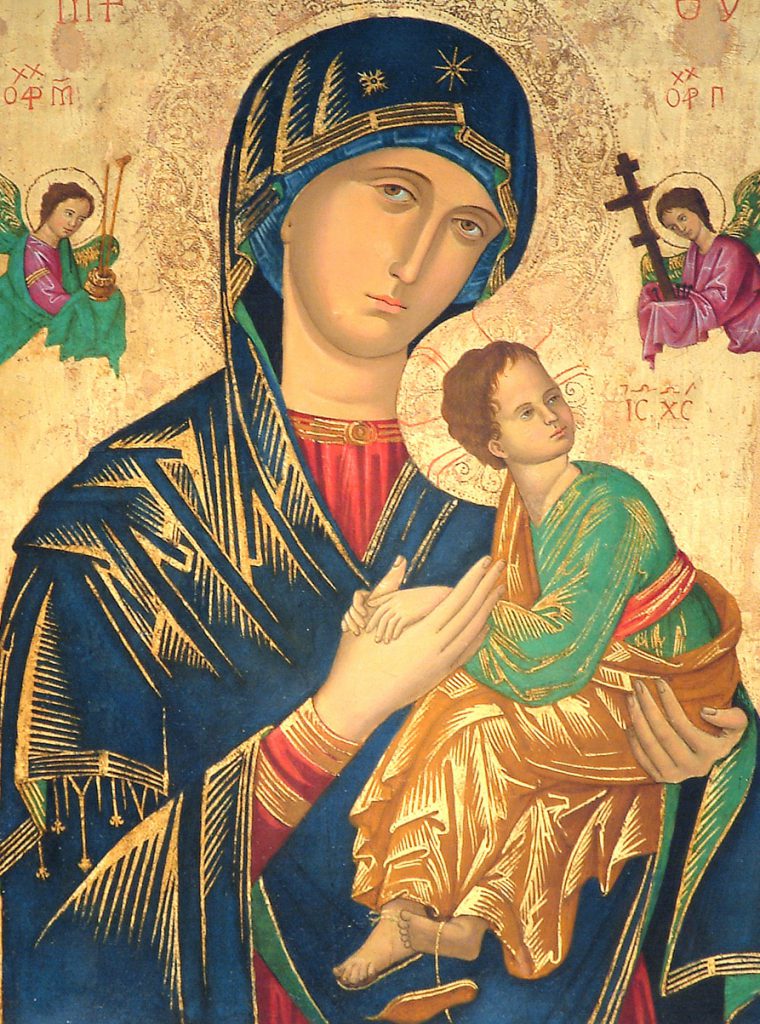
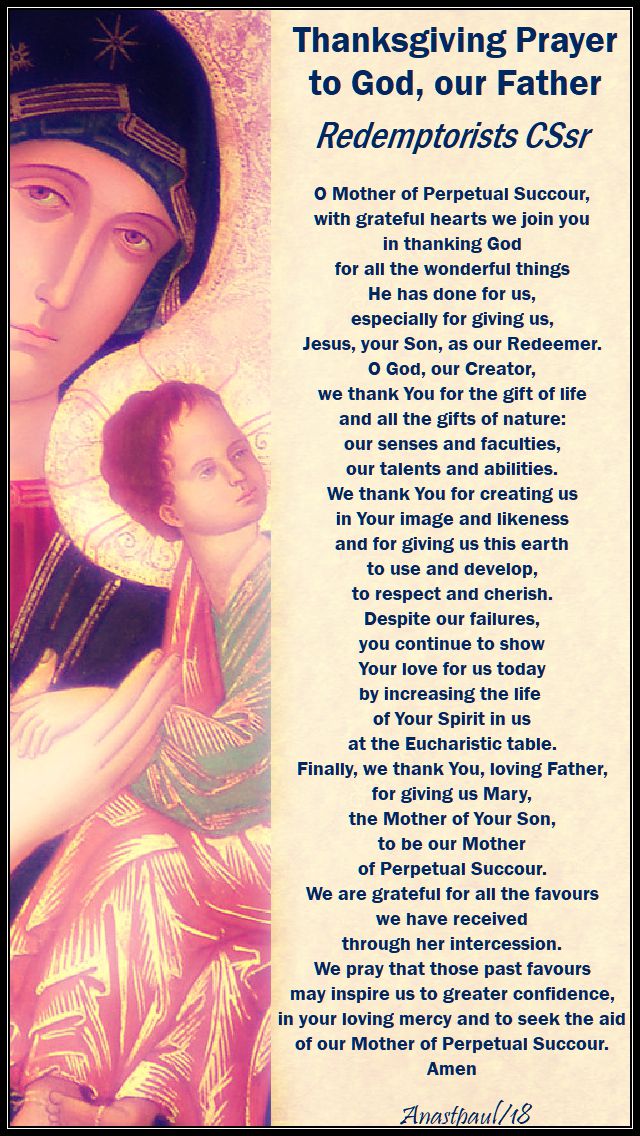
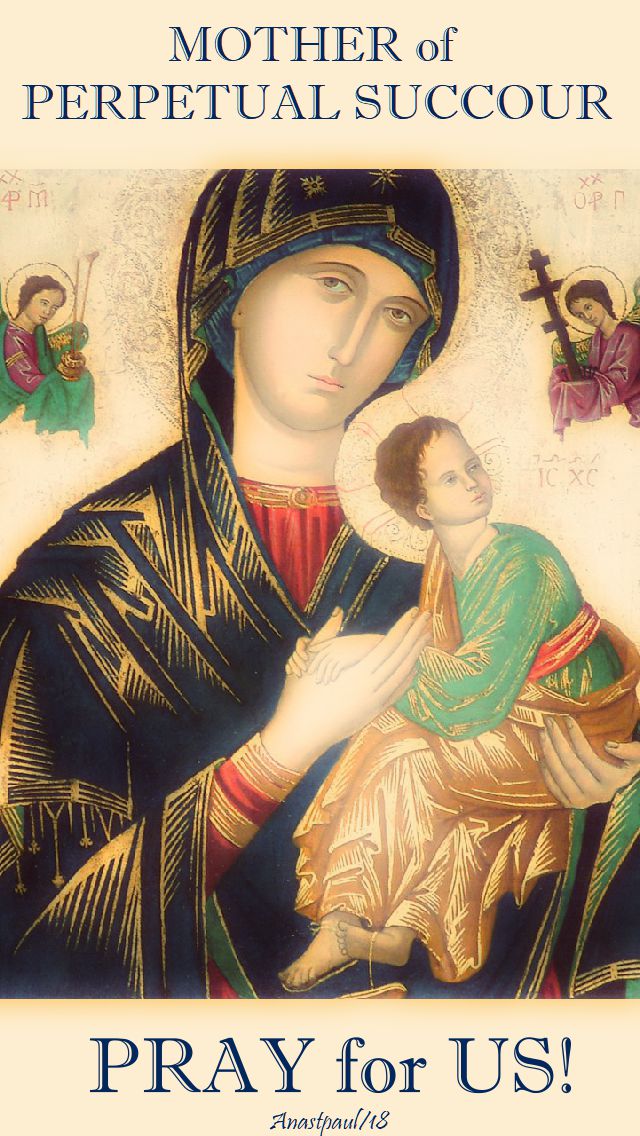

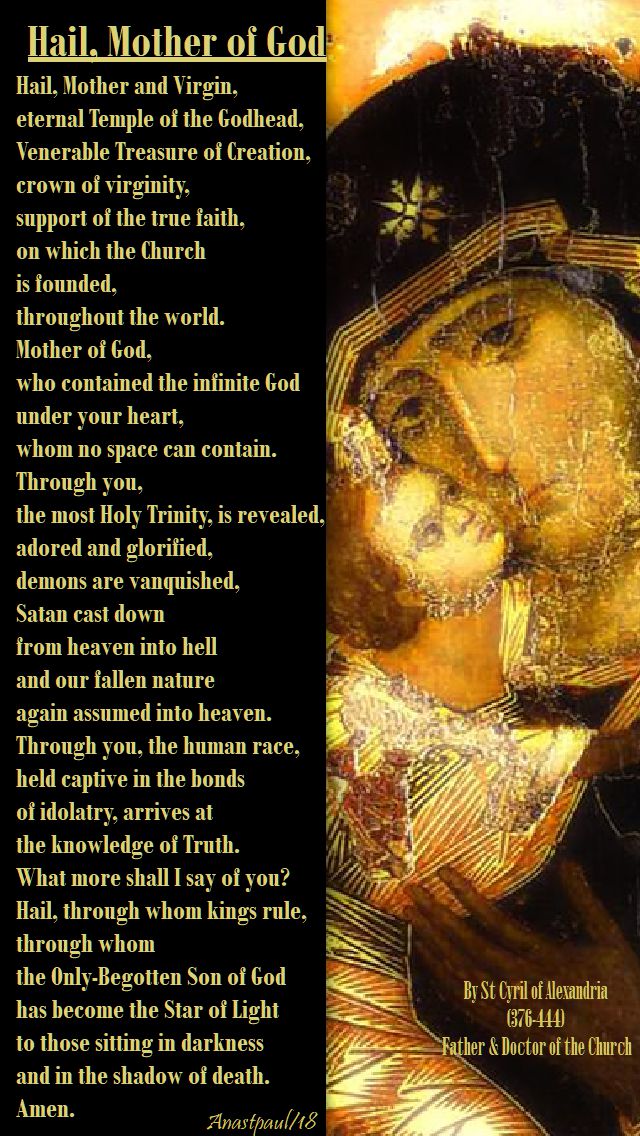
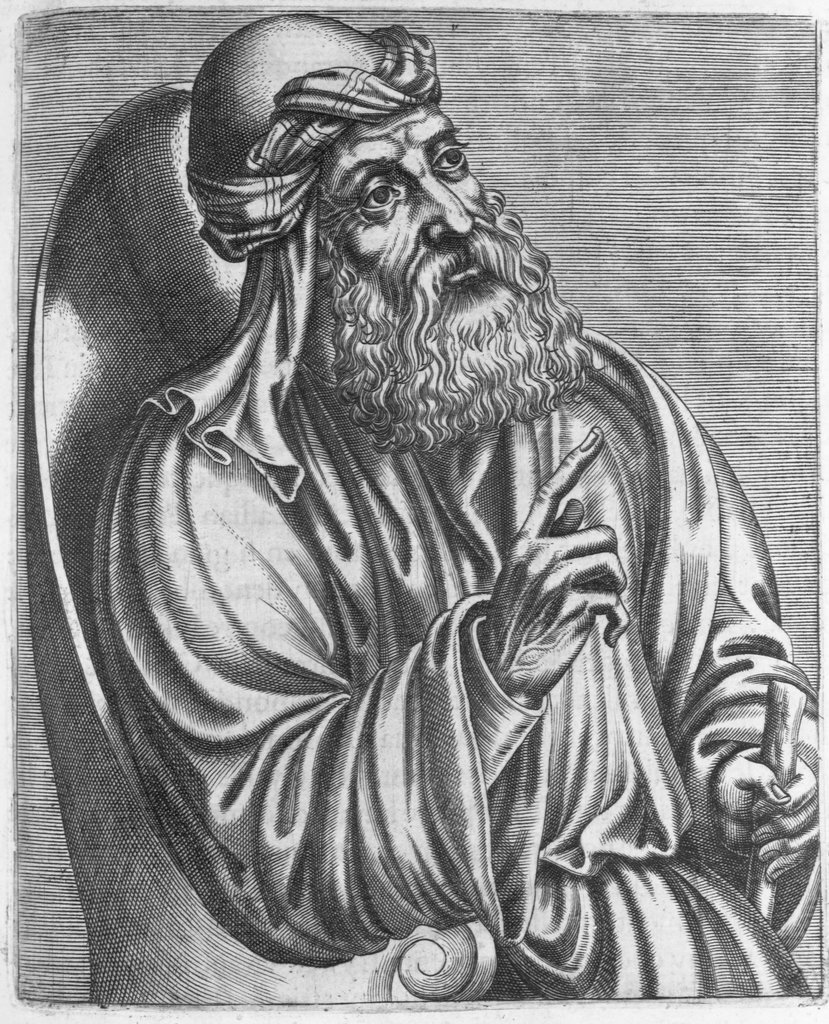
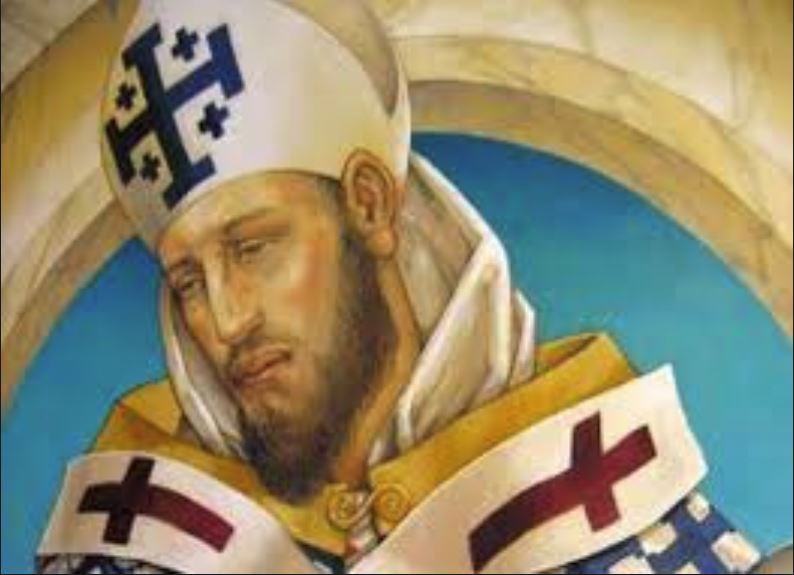
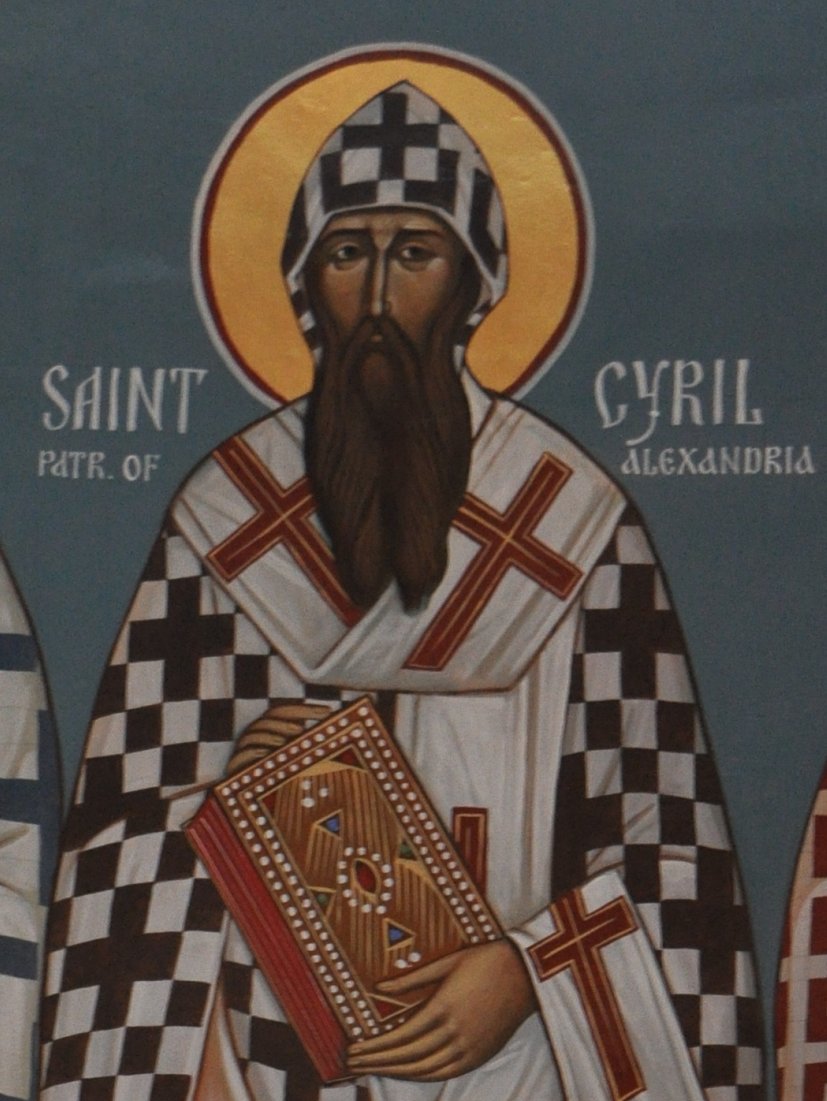
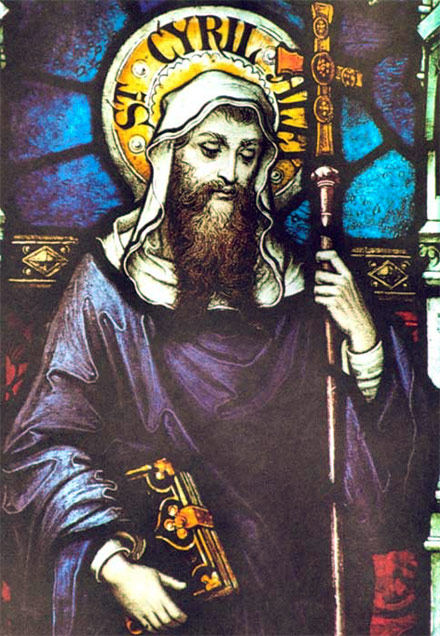
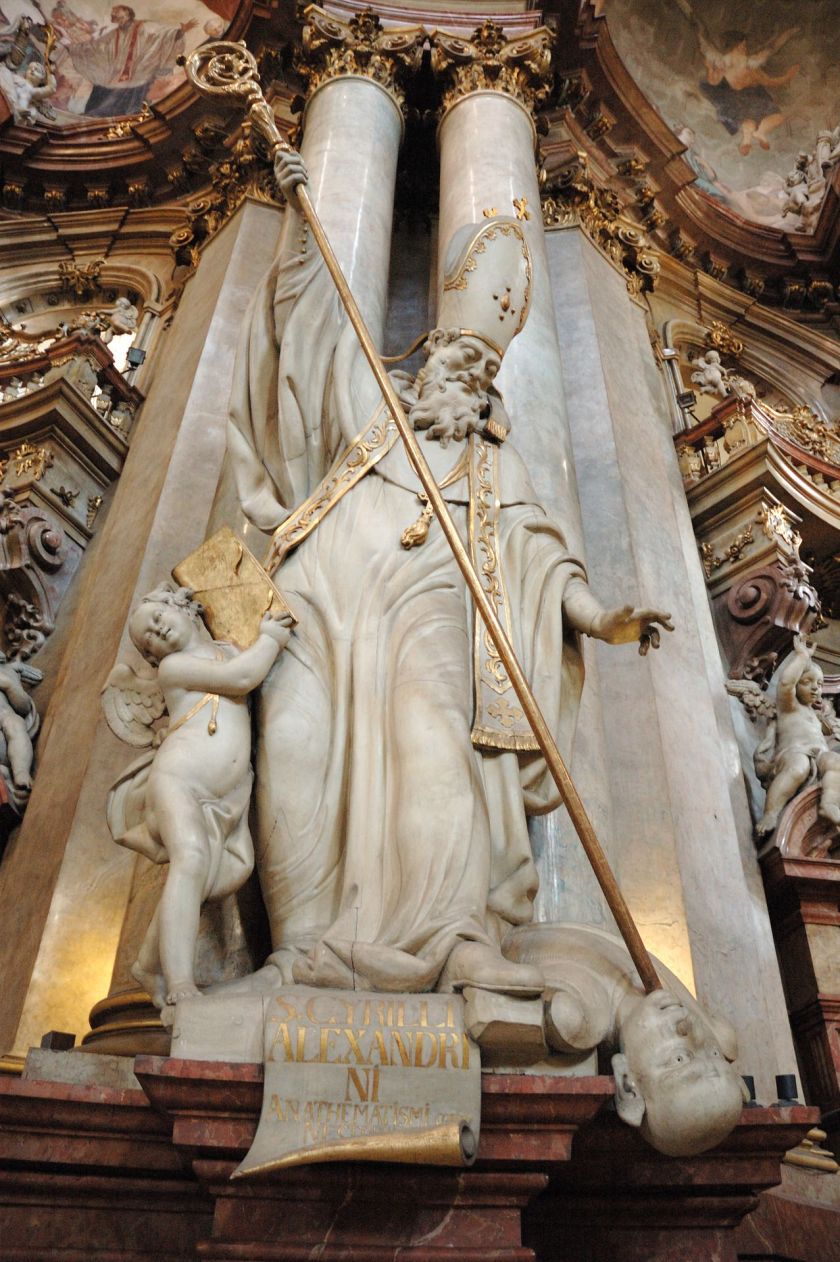
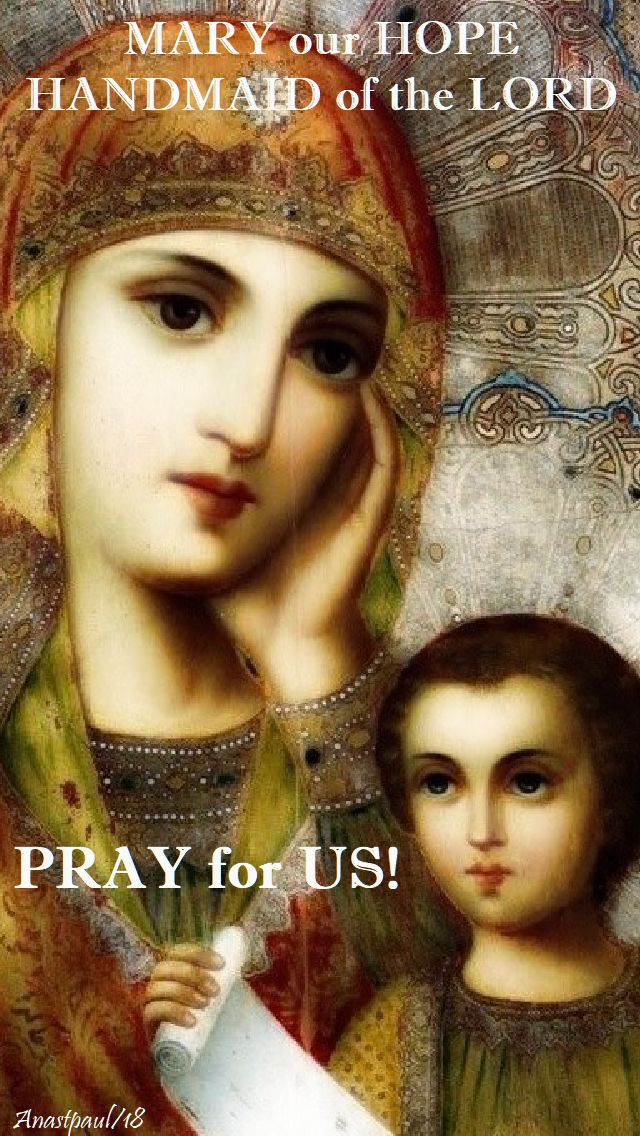
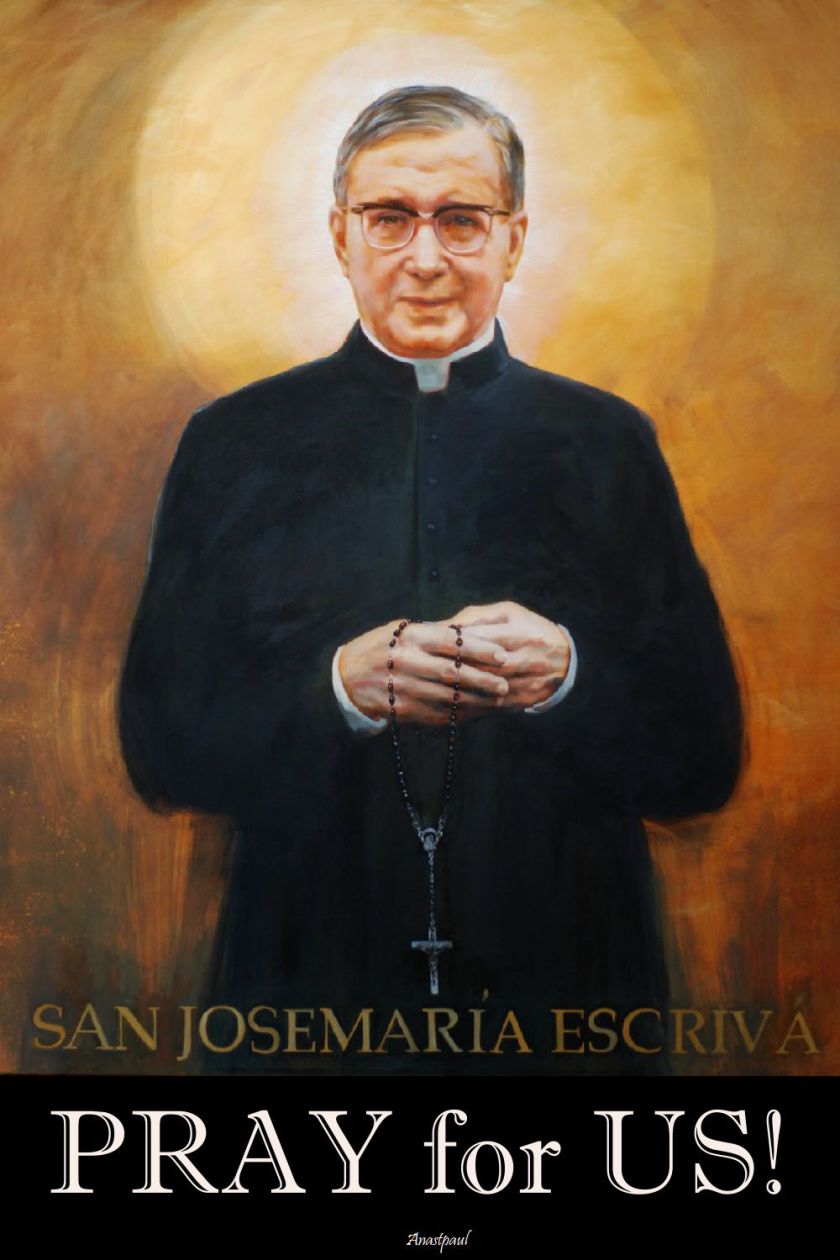
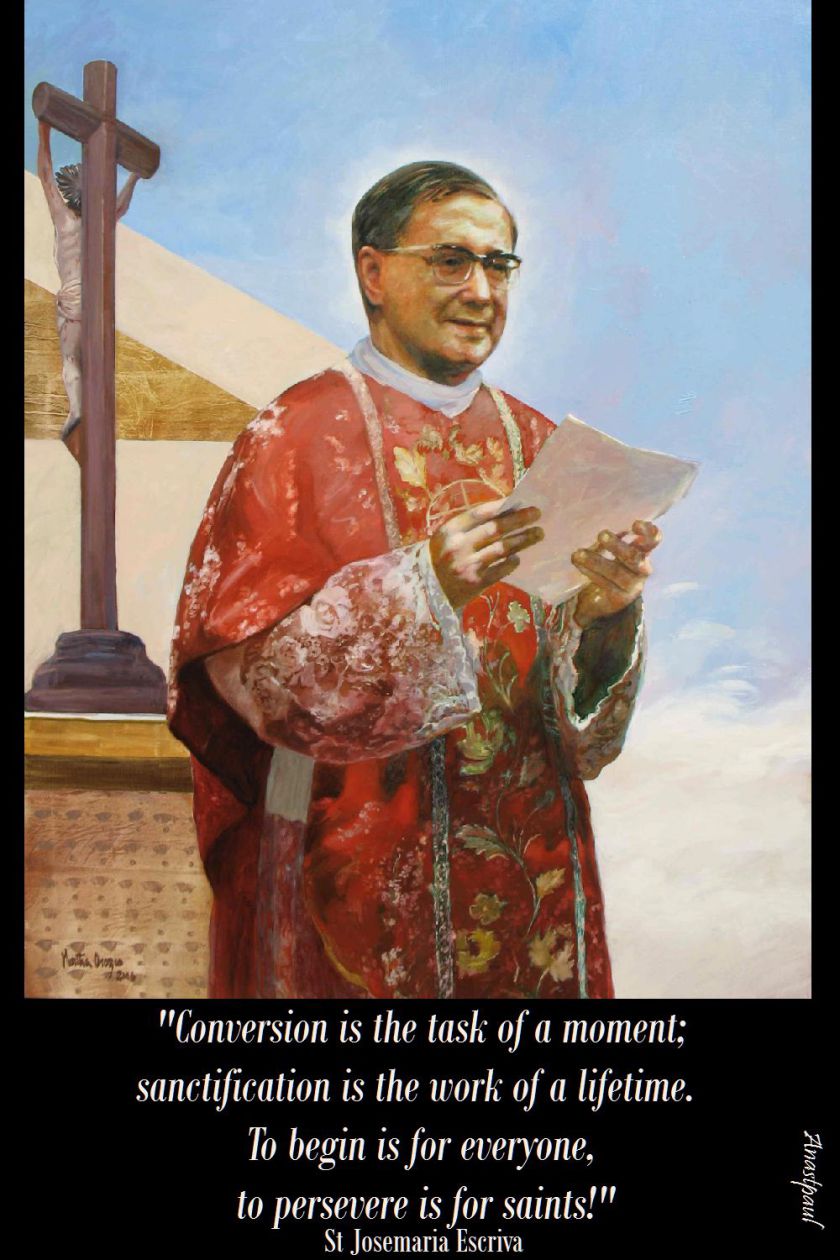
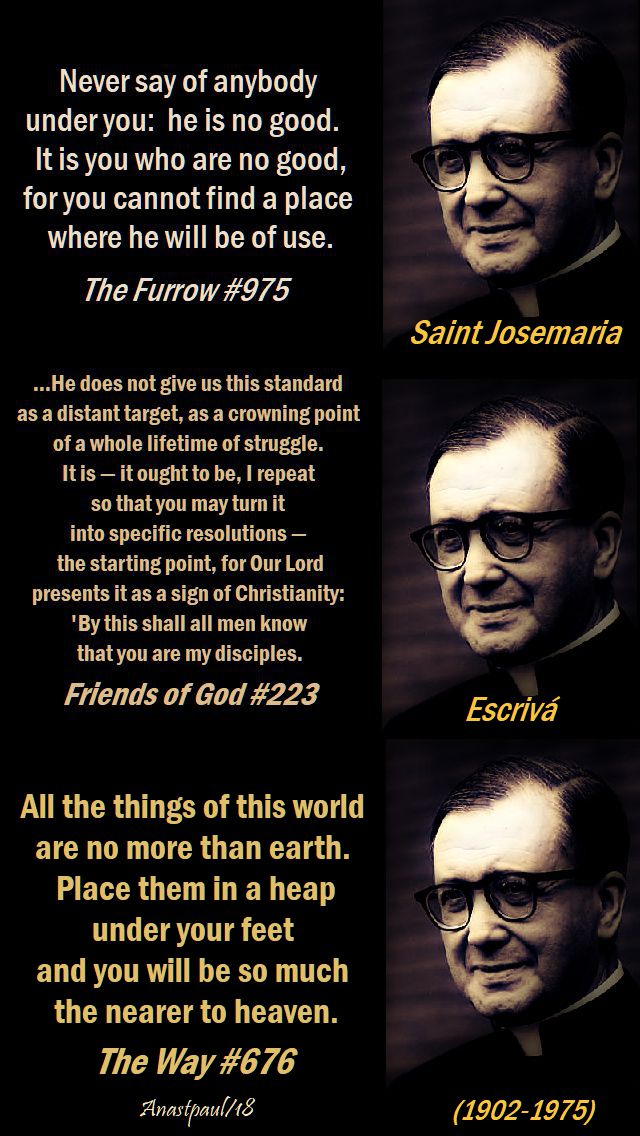

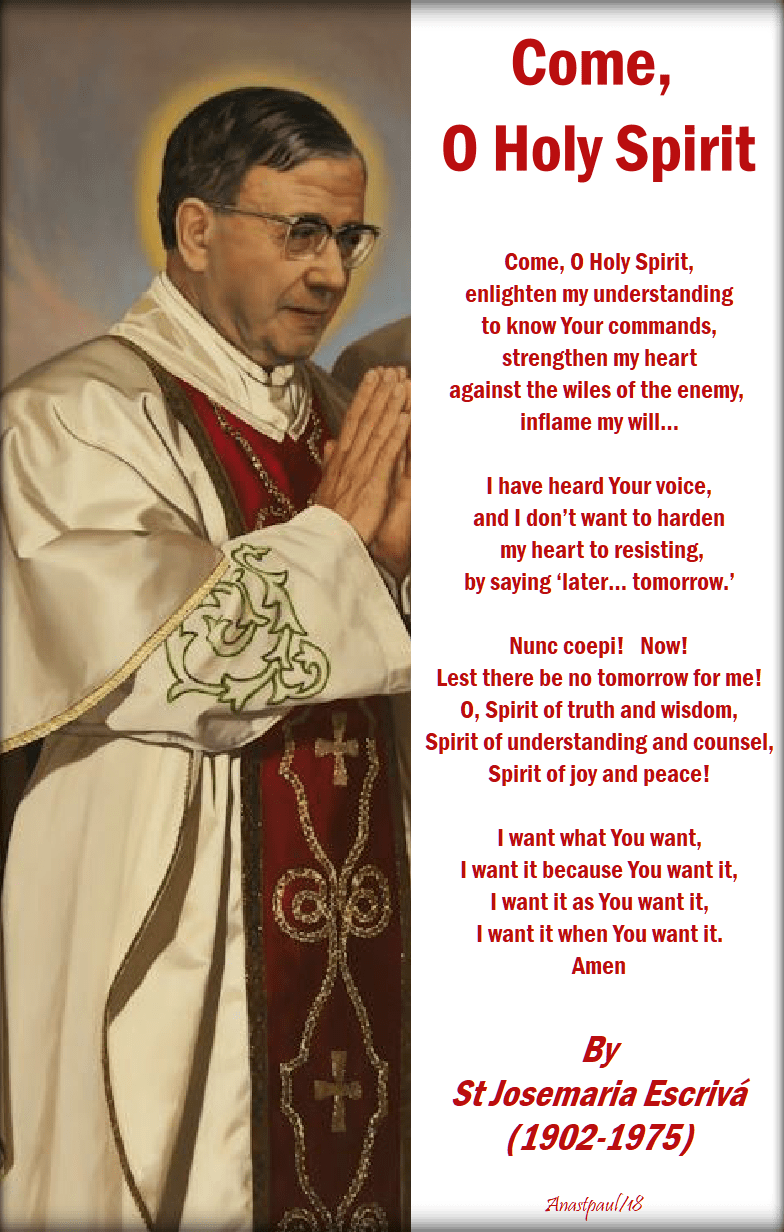
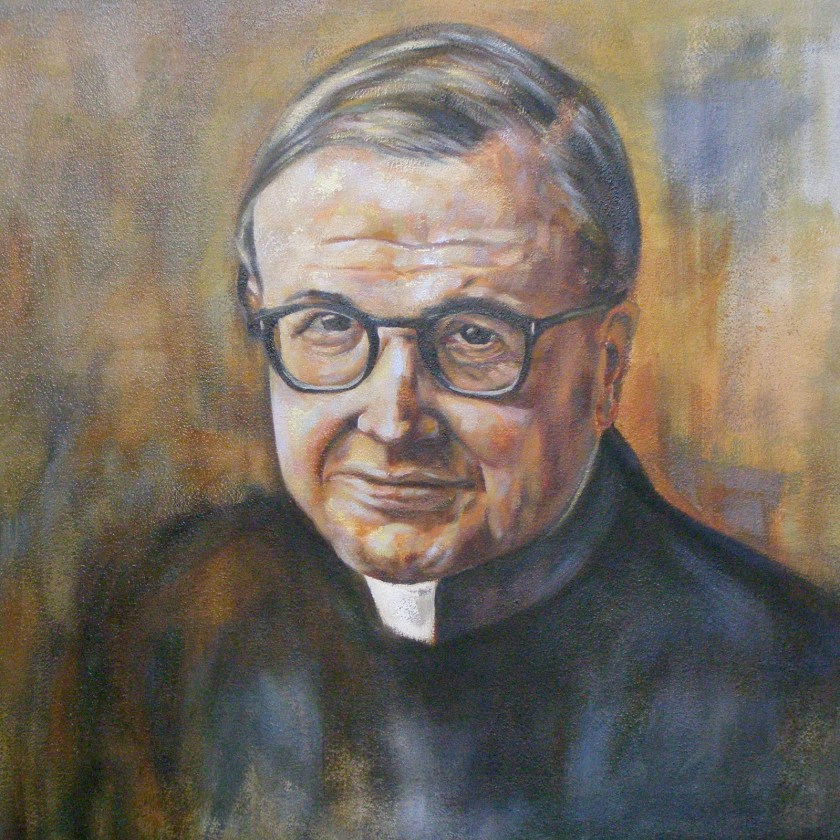
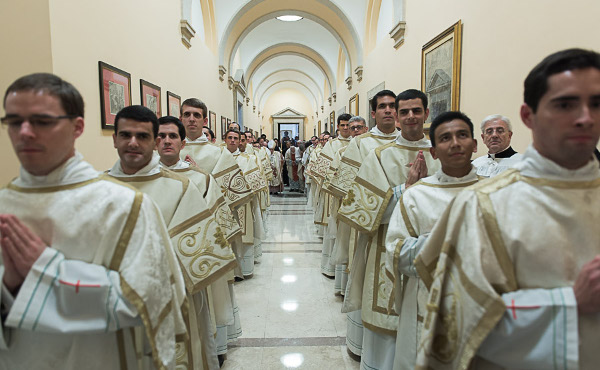
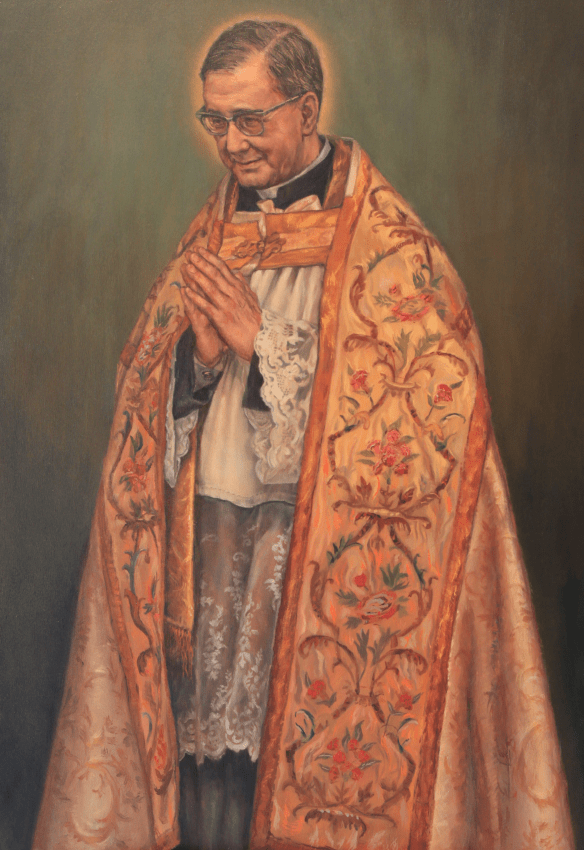


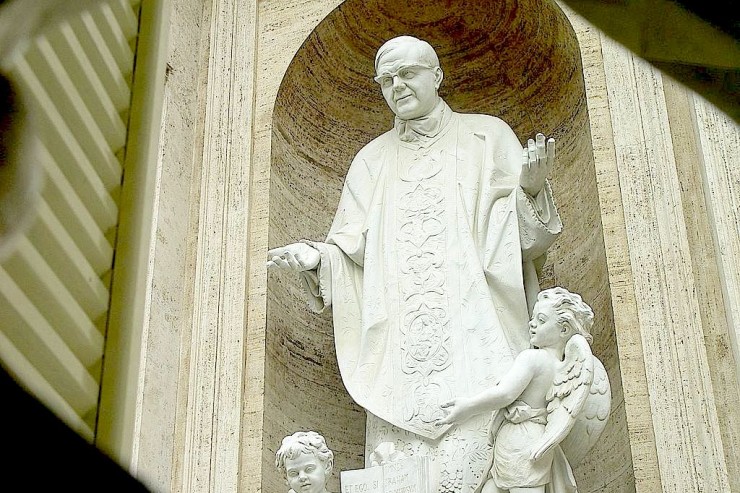
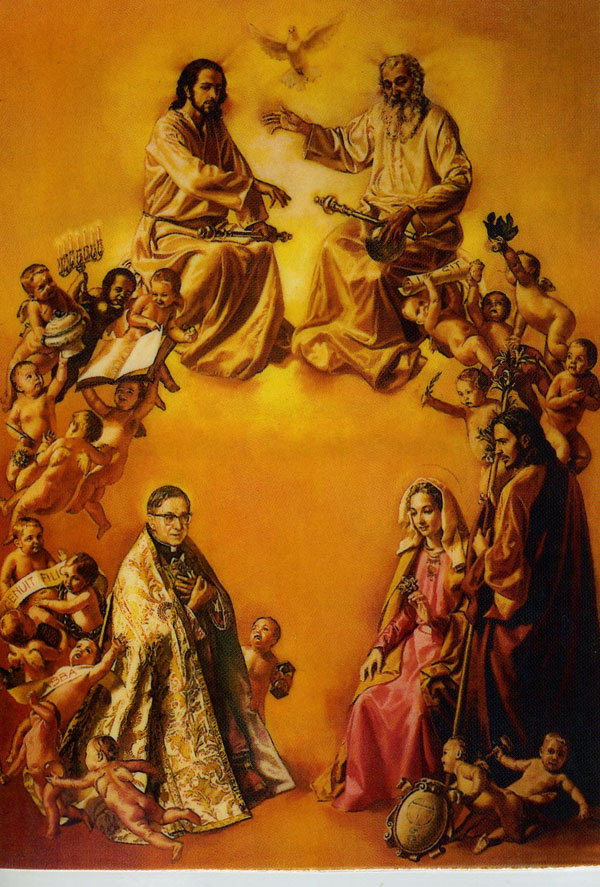
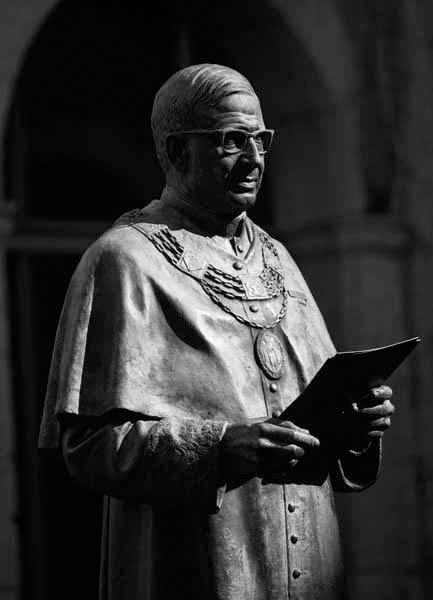


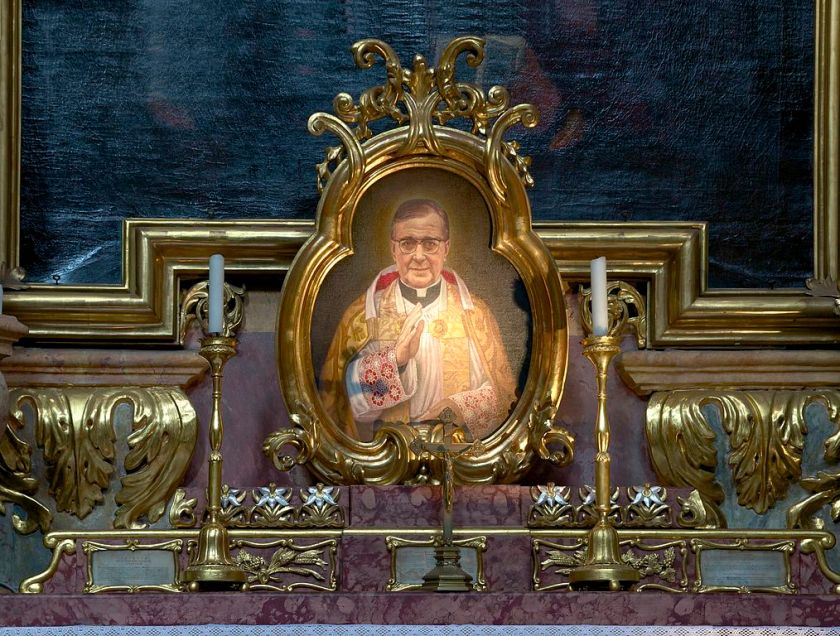
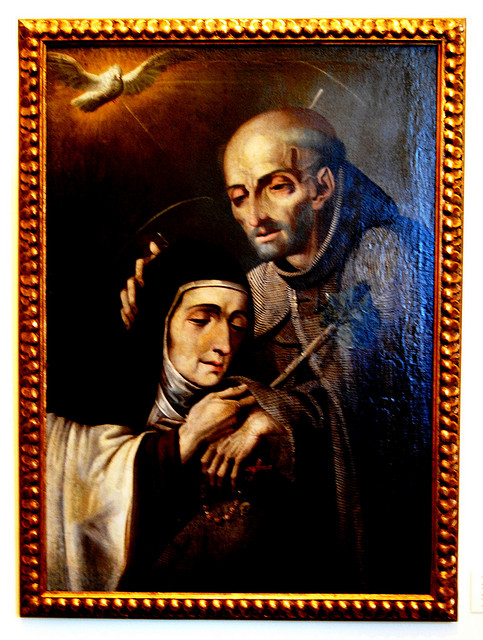
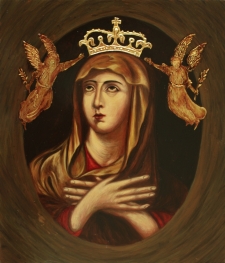
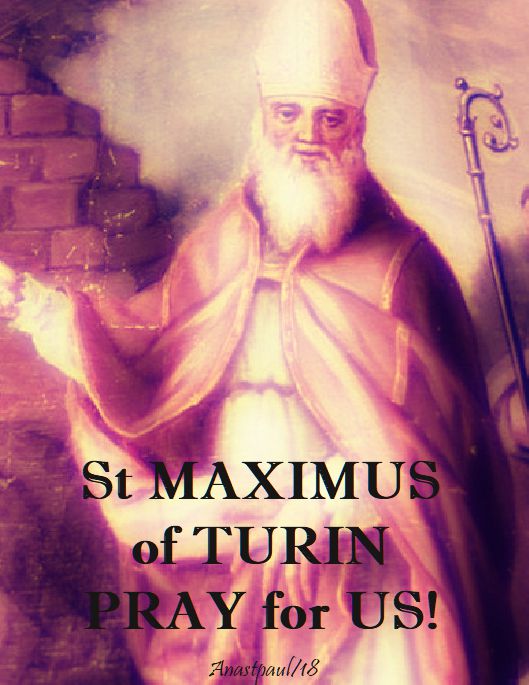
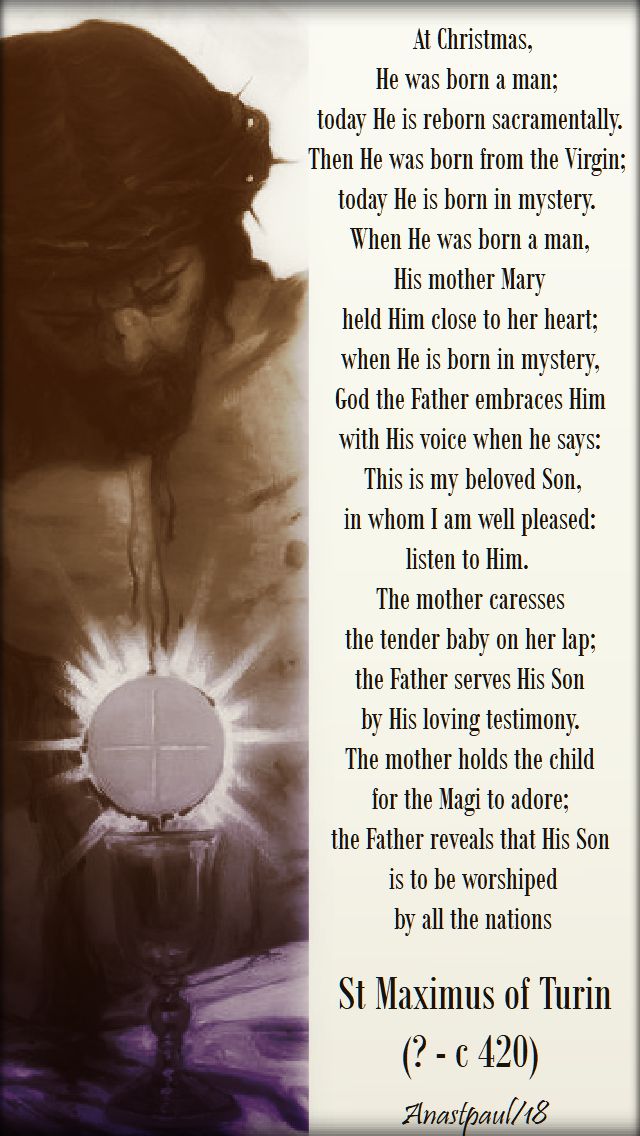


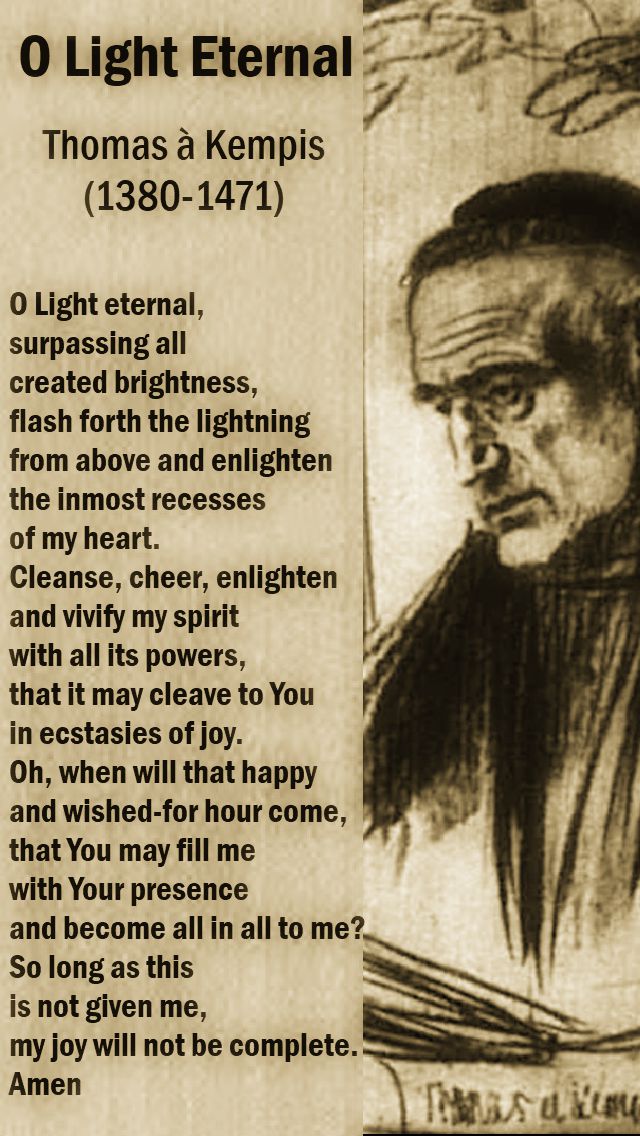
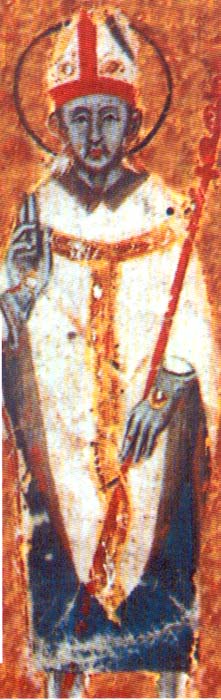
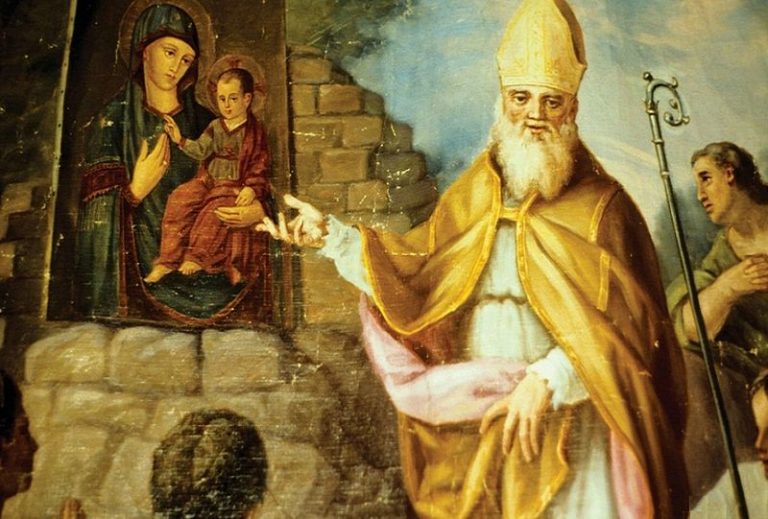
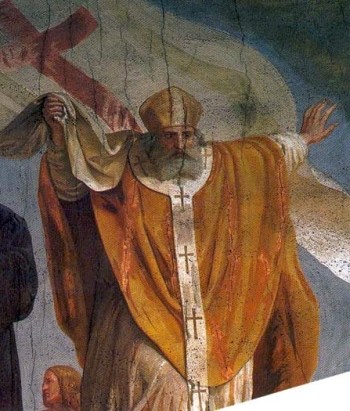
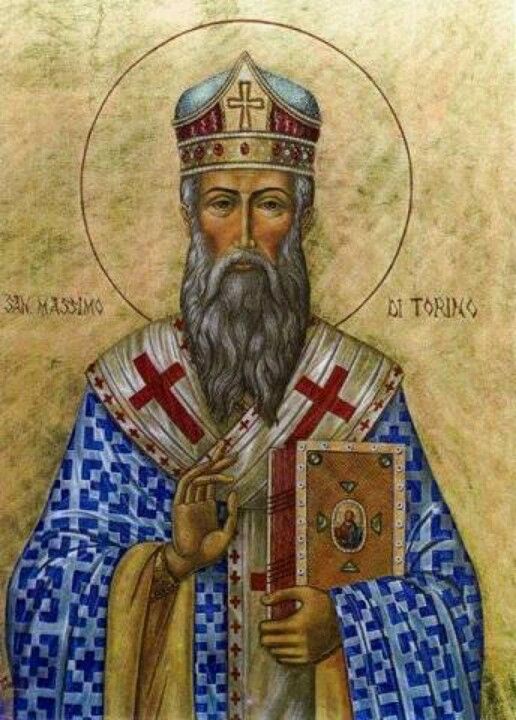
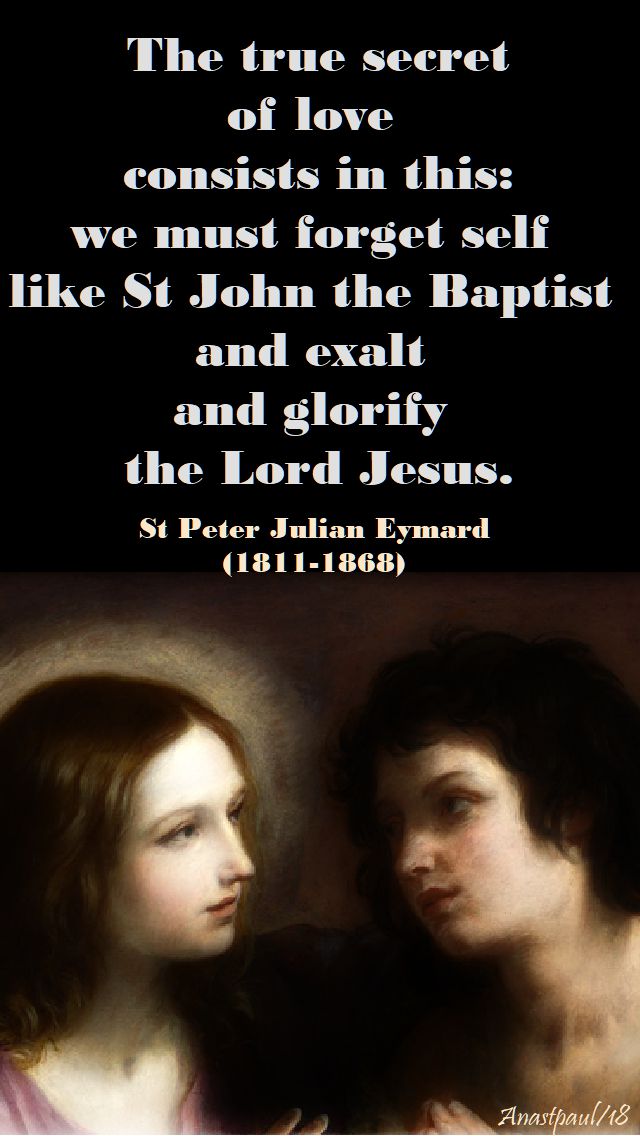
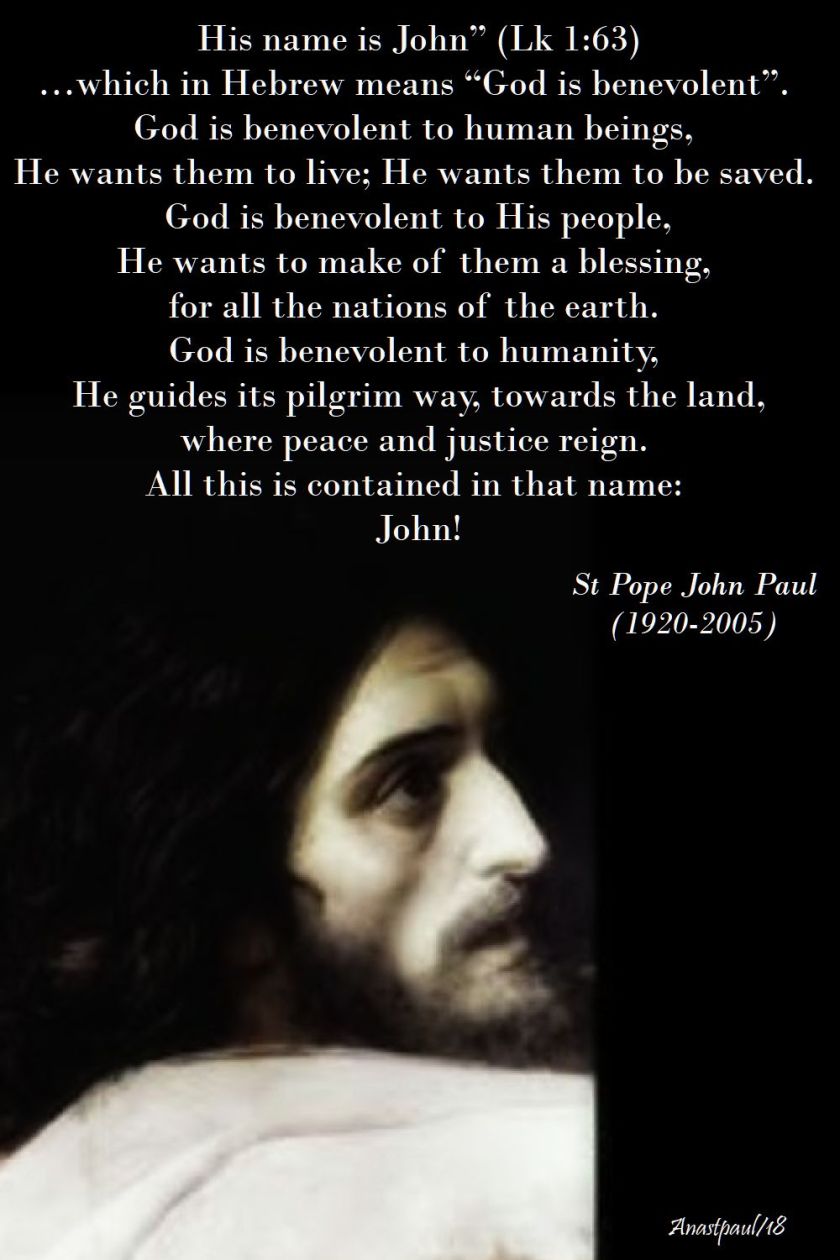
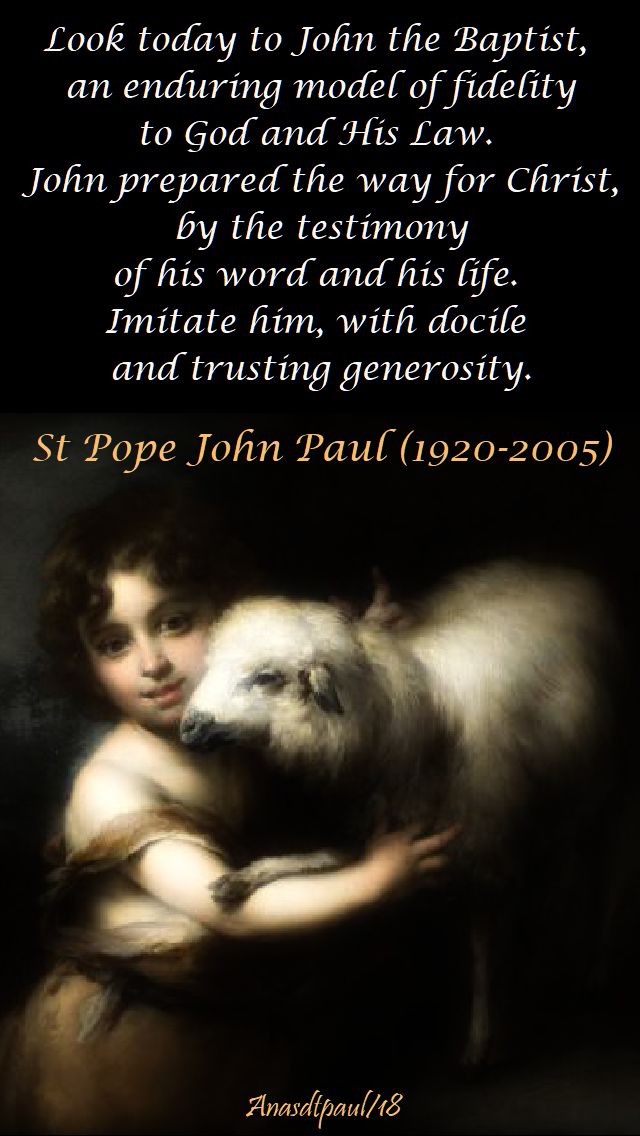
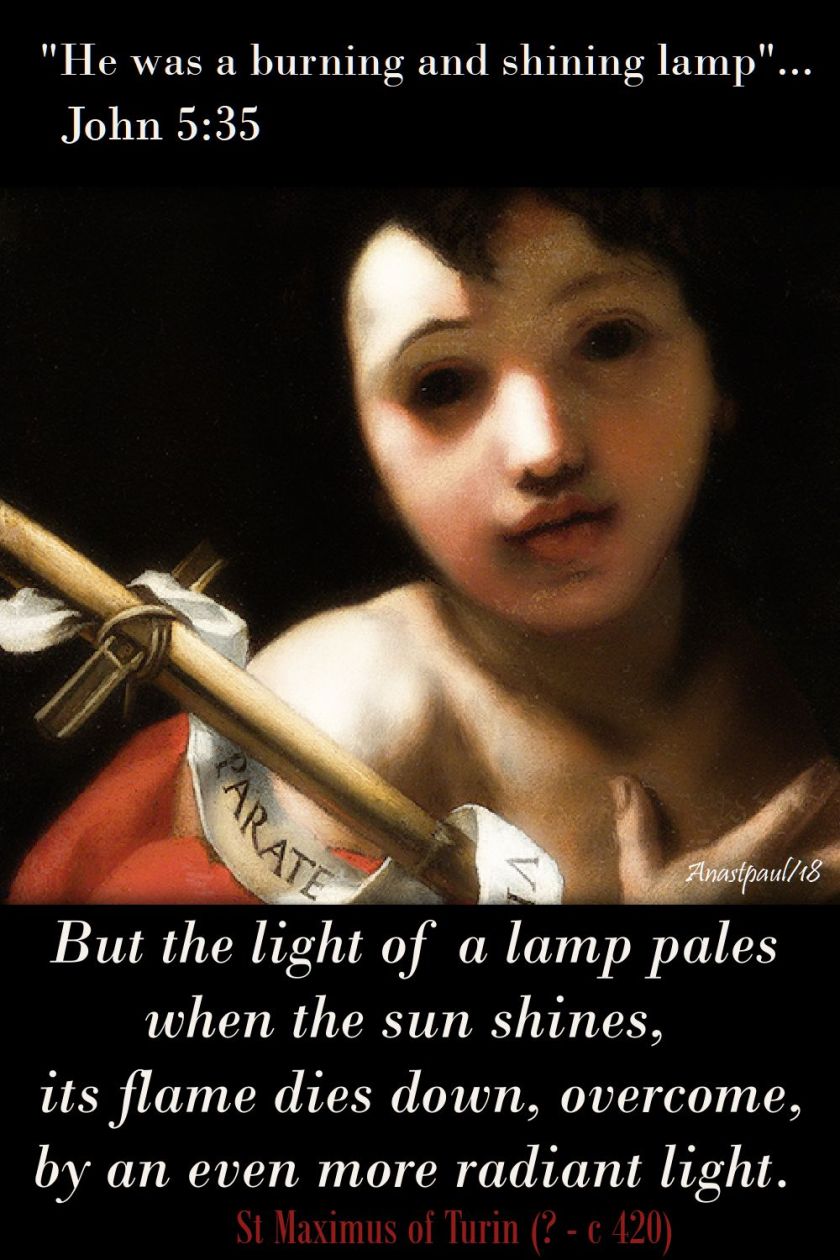
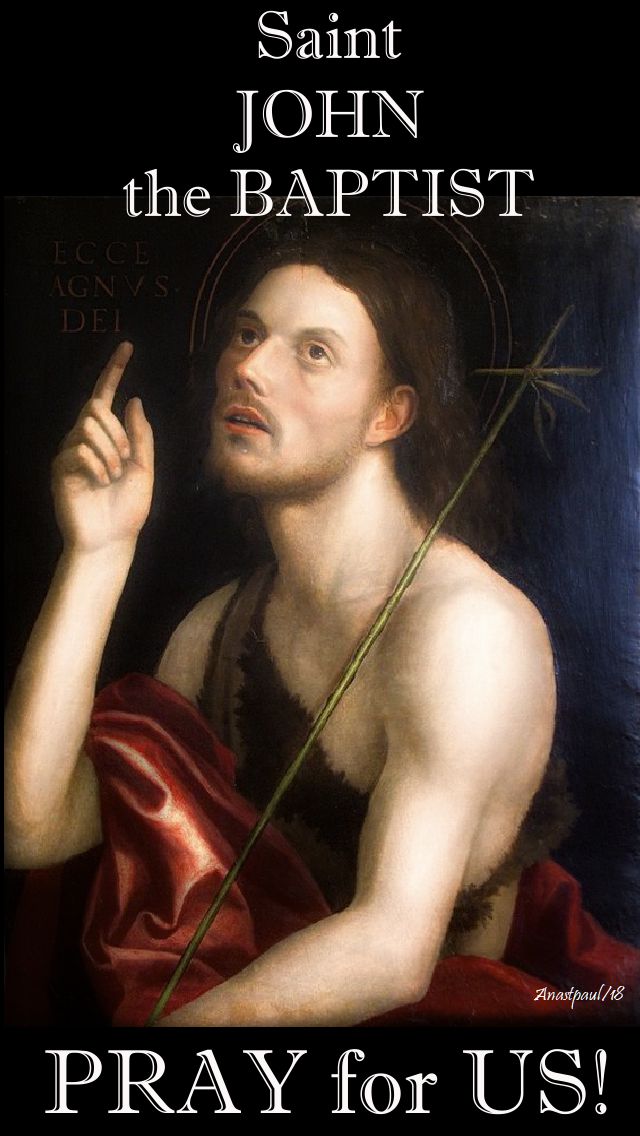

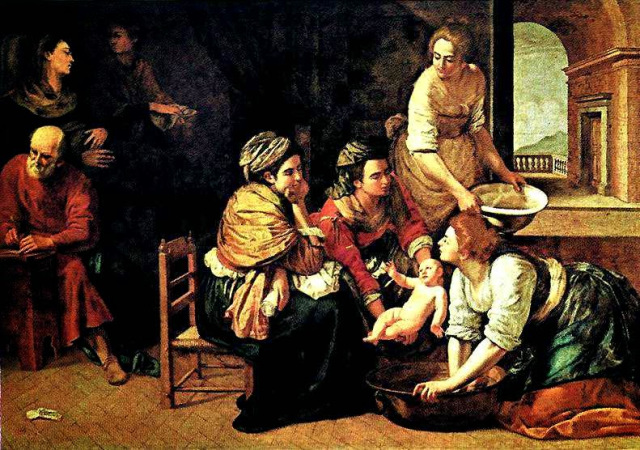
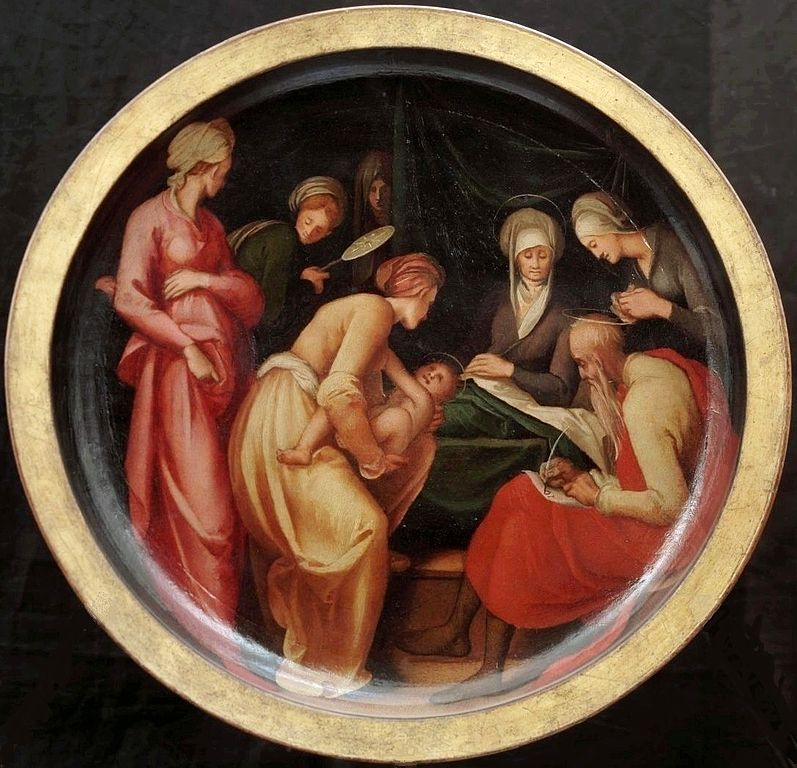
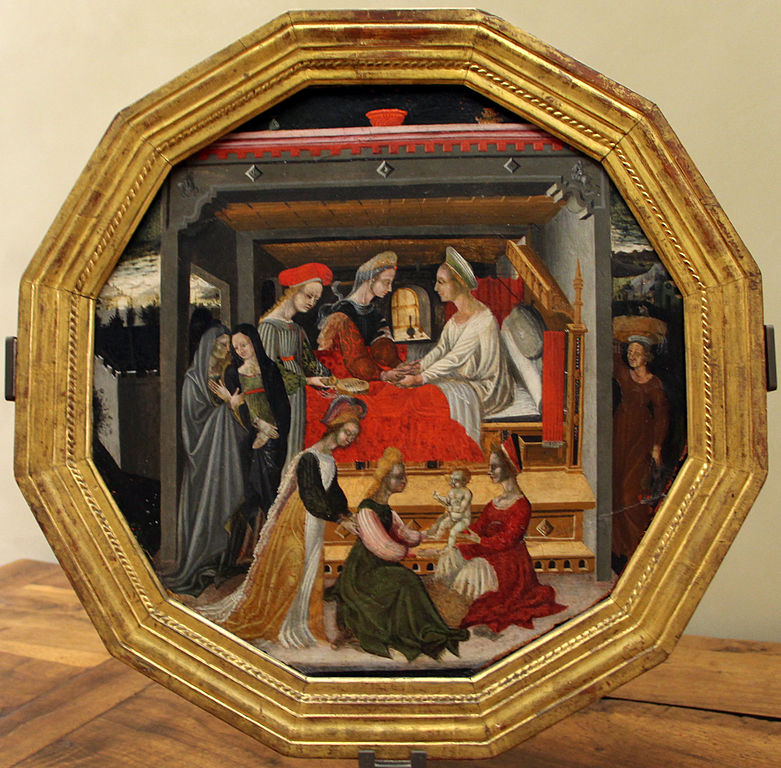
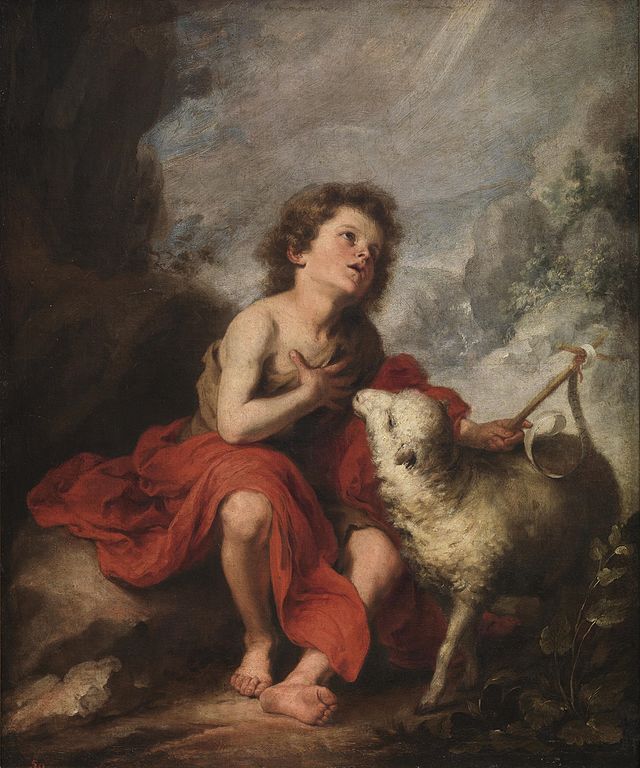

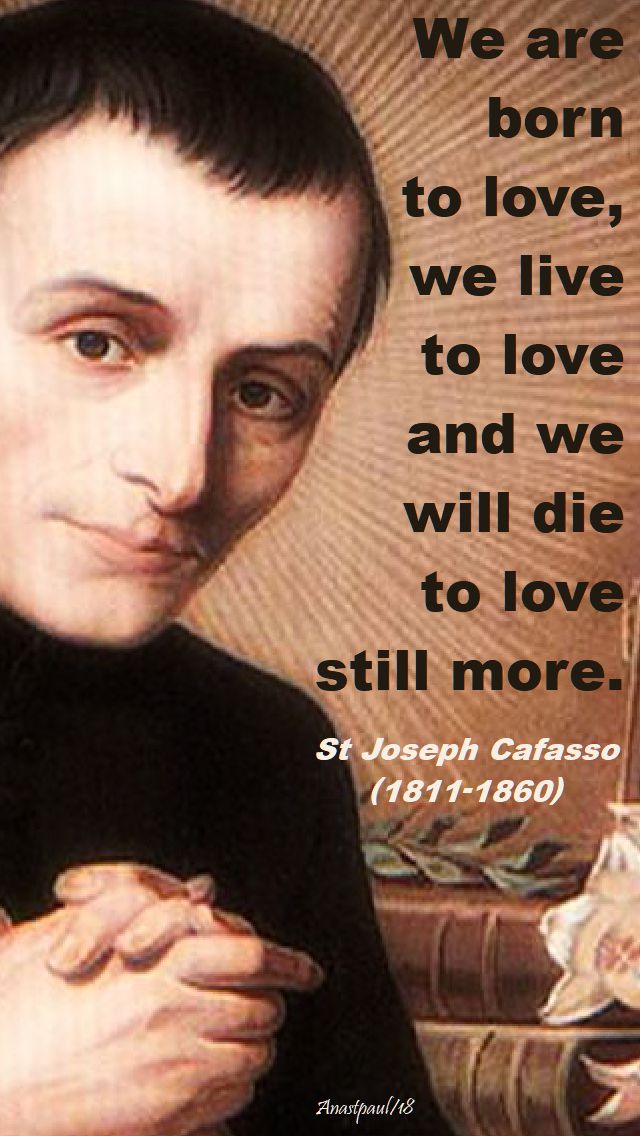
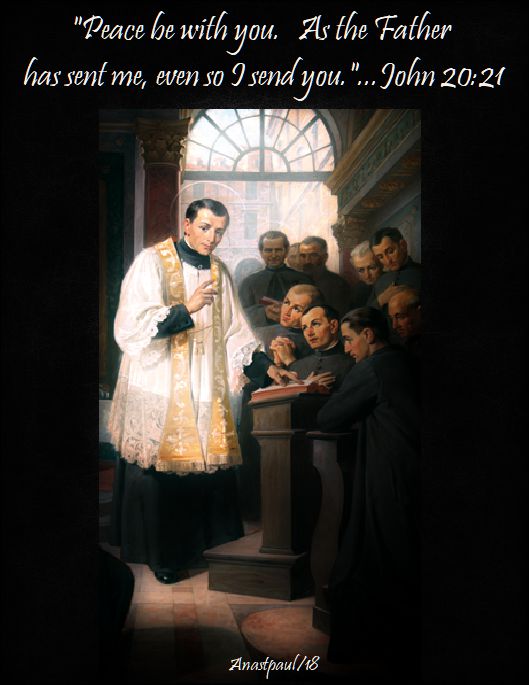


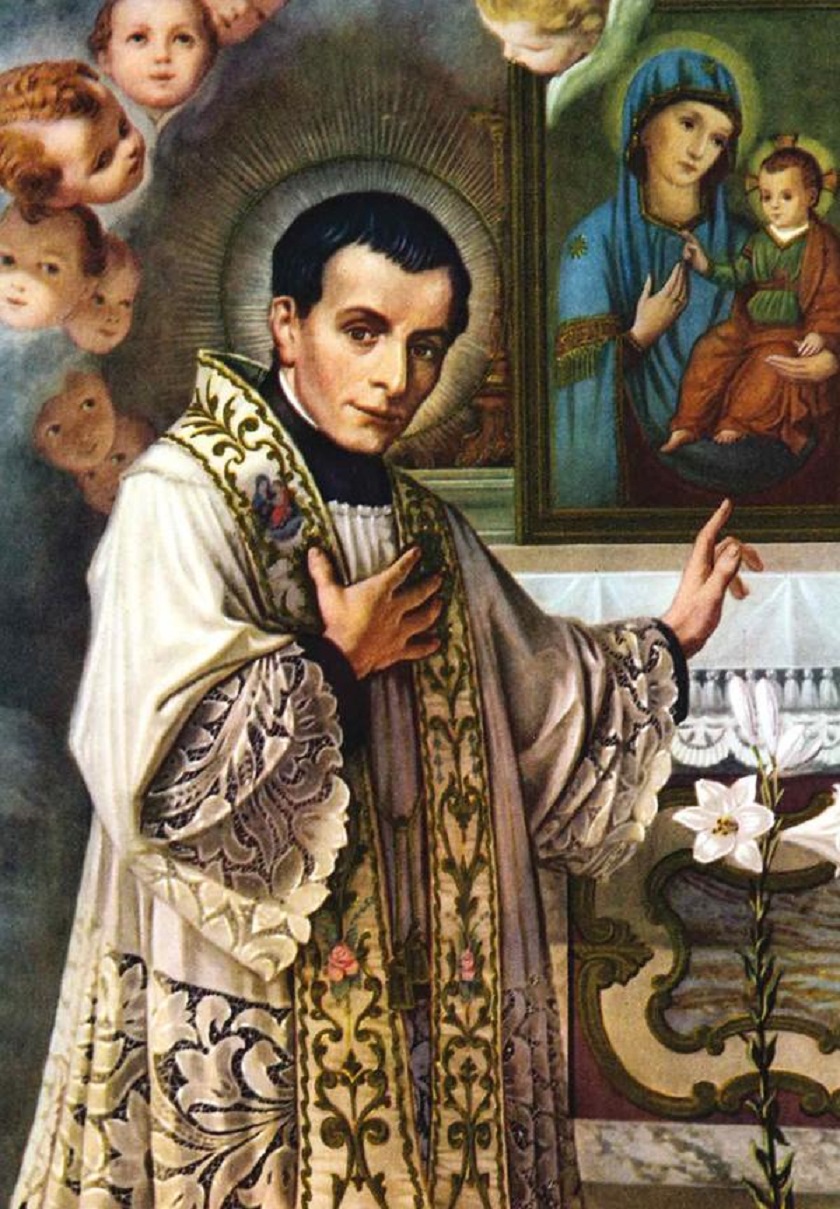


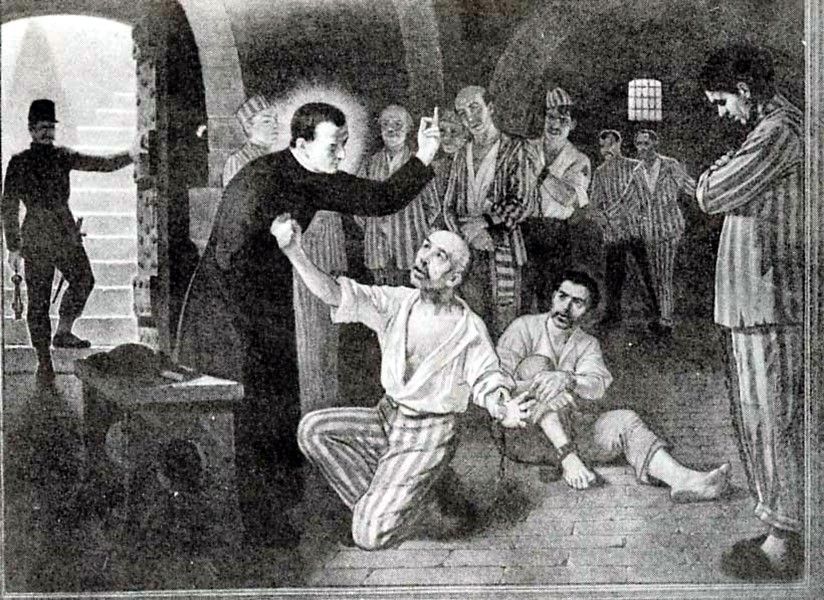
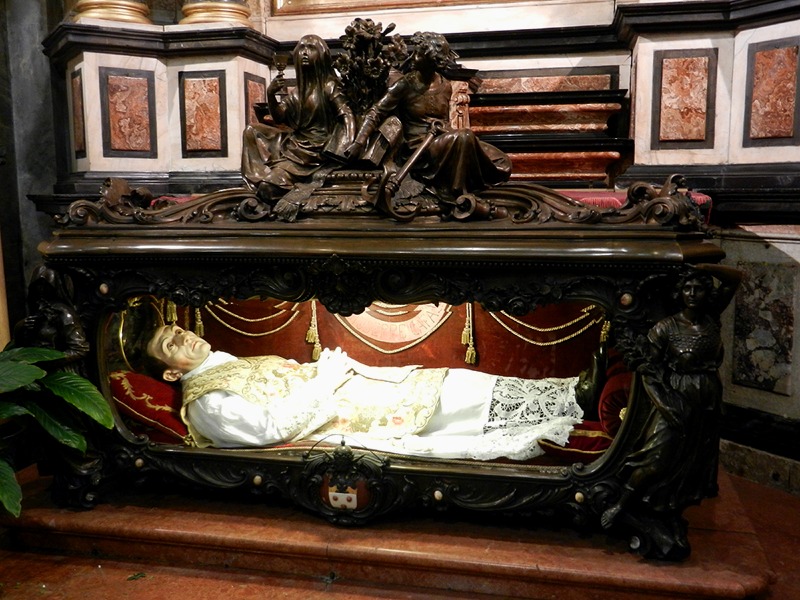
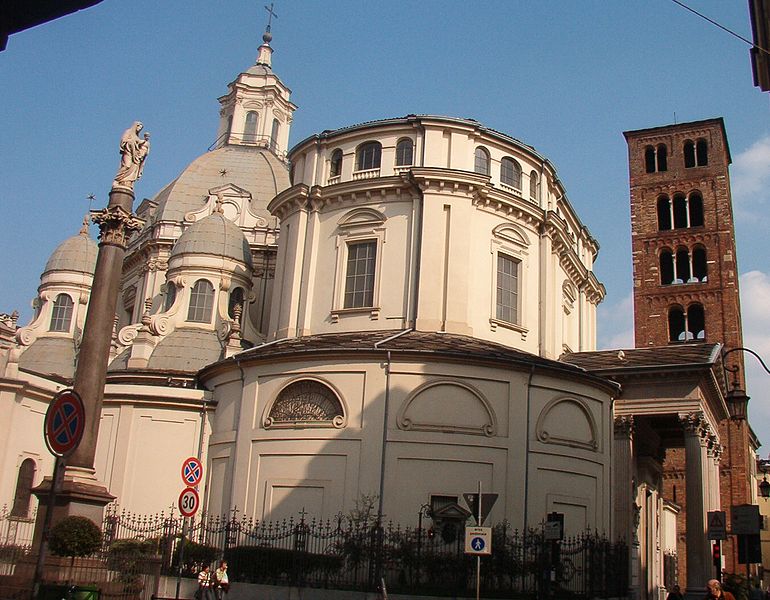
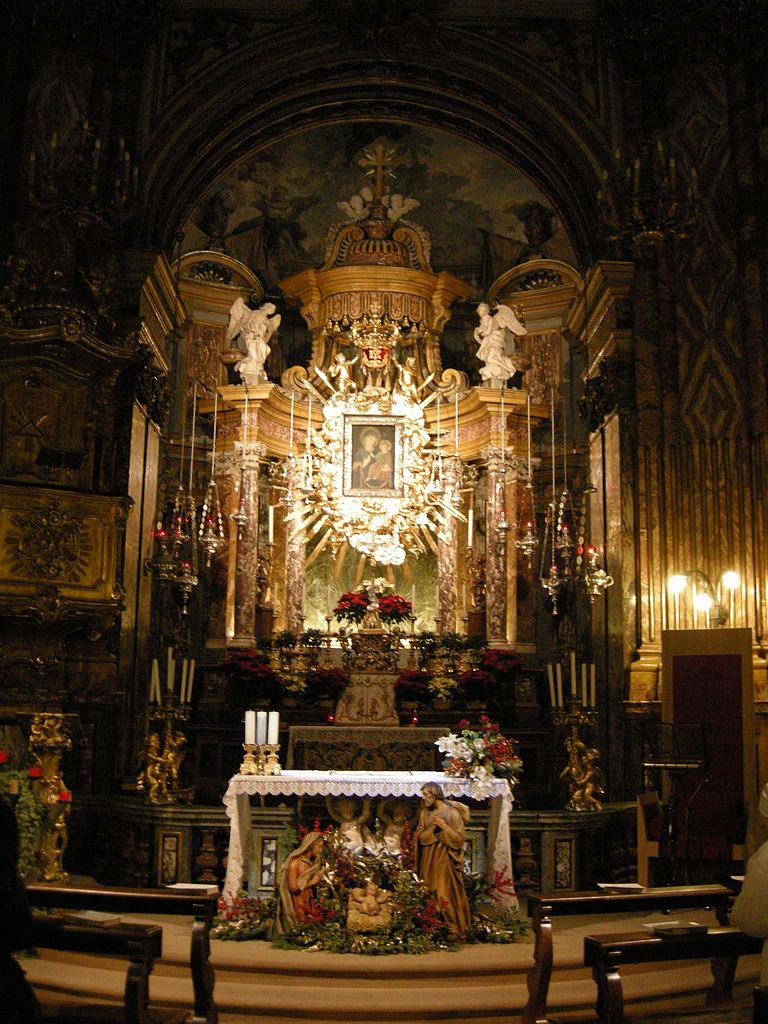
 AnaStpaul
You must be logged in to post a comment.