
Saint of the Day – 18 July – Saint Arnold of Arnoldsweiler (Died 793) Layman, Musician at the Court of Blessed Charlemagne, Apostle of the poor and needy, Tutor and substitute ruler of King Louis the Pious, Blessed Charlemagne’s son. Born in in Greece (?) or in Graz in Austria (?) and died on 18 July 793 in Arnoldsweiler, today a district of Düren in North Rhine-Westphalia, Germany. The name ‘Arnold’ means: ‘the one who rules like an eagle‘ (Old High German). Patronages – for a holy and gentle death, for the cure of livestock diseases, of musicians, of musical instrument manufacturers, of the Town of Arnoldsweiler, Germany.
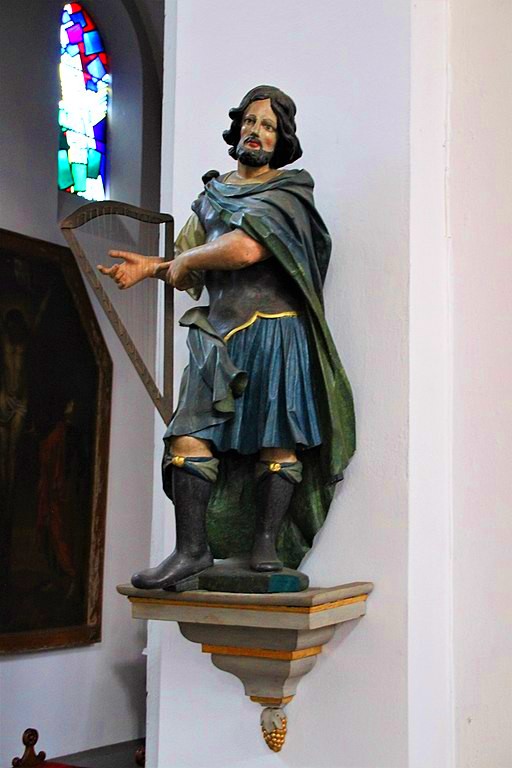
Arnold lived at the Court of Charlemagne, as a singer and harp player. In 779, Arnold saw the plight of the poor and took the opportunity, when the King was hunting in the village of Ginnizweiler – today’s Arnoldsweiler – to ask the King to give him as much of the forest as he could ride around during dinner.
The King granted the request and Arnold rode around the Bürgewald(wald meaning forest) northeast of Düren with 20 villages and these poor communities were now allowed – by official decision – to collect firewood from this forest.
Not long thereafter, Charlemagne appointed Arnold as the Count of Agde and Montpellier. In 781, Charlemagne appointed his son Louis – later called the Pious – as the Regent of Aquitaine and appointed Armold as his tutor and official substitute King until the minor came of age.
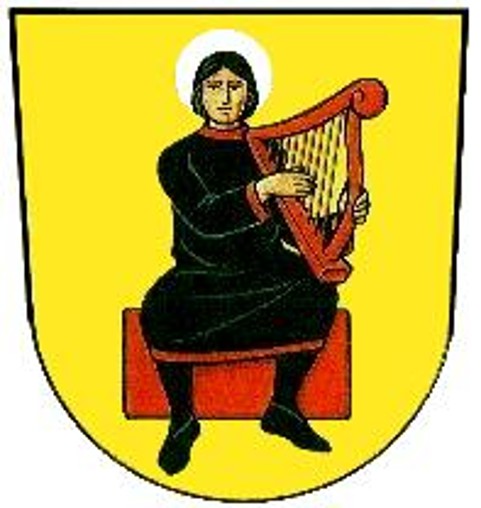
During this time, Arnold maintained good relations with St Benedict of Aniane, the Abbot and monastic Reformer (known as “The Second Benedict”). When Louis came of age and our Saint’s substitution came to an end, Arnold, who was described as an exemplary ruler and deeply religious man with great commitment to the poor, donated all of the wealth he had acquired in Aquitaine to Benedict’s Abbey of Aniane.
In 792 he wanted to make a pilgrimage to the Tomb of James the Elder in Santiago de Compostela but because of a great famine, however, he only got as far as the Bordeaux region, turned back and spent the last years of his life in Ginnizweiler now the Town named after him.
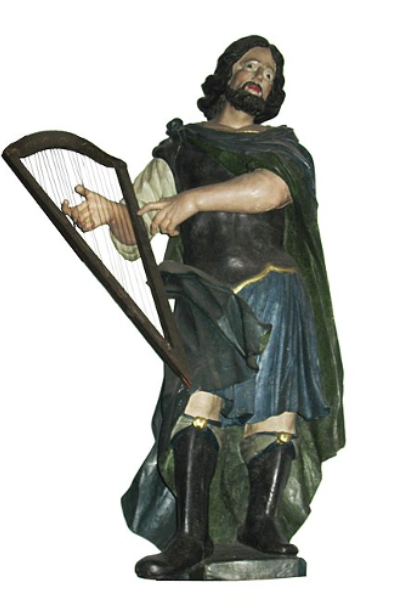
Armold’s donations to the Monastery in Aniane are confirmed in two documents by Emperor Louis the Pious, the second of which dates from 822. A document by the same King names the former Ginnizweiler, as a hamlet named after Arnold and, it is attested tpp, in 1168 as .Wilre Sancti Arnoldi.’ The 20 communities around Arnoldsweiler which Arnold gifted with the right to harvest wood in the forest are recorded in a document by Archbishop Gero of Cologne from 973/976. In return for the right to harvest wood, the communities offered prayers at an annual candlelit procession to Arnold’s grave which, according to tradition, had already been ordered by Arnold at the time of the donation, as a wax offering for the Altar of the Church in Ginnizweiler every Pentecos .
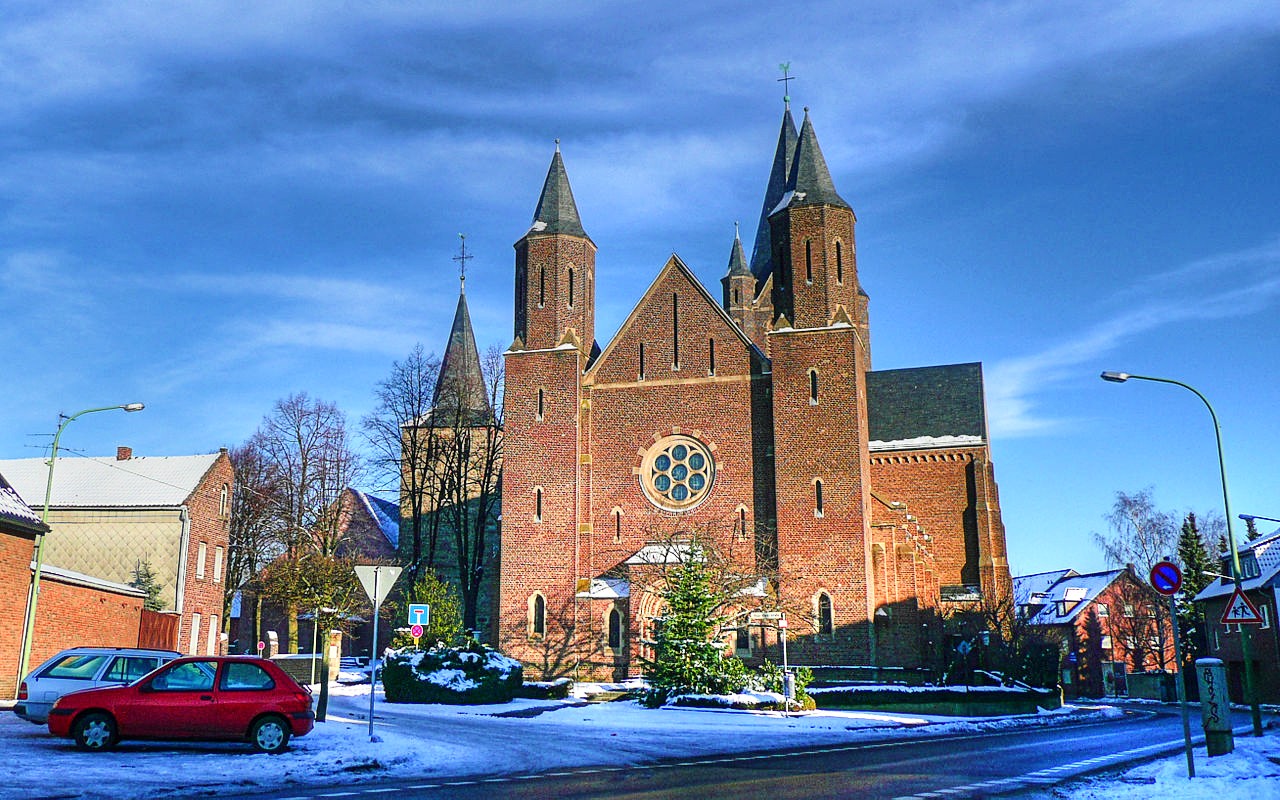
Arnold’s bones rest in a raised grave in the old Parish Church in Arnoldsweiler, now known as the Arnold Chapel. Parts of his head are now in the Arnold Church of the Steyler Missionaries in Neuenkirchen-St Arnold; its Founder, Father Arnold Janssen SVD (1837-1909), traced his name to Arnold of Arnoldsweiler. In the 15th Century, a brotherhood named after Arnold was founded in Arnoldsweiler, which still exists today. Arnoldus Week is celebrated in Arnoldsweiler around his memorial day, which concludes on Sunday with a Solemn High Nass and procession.
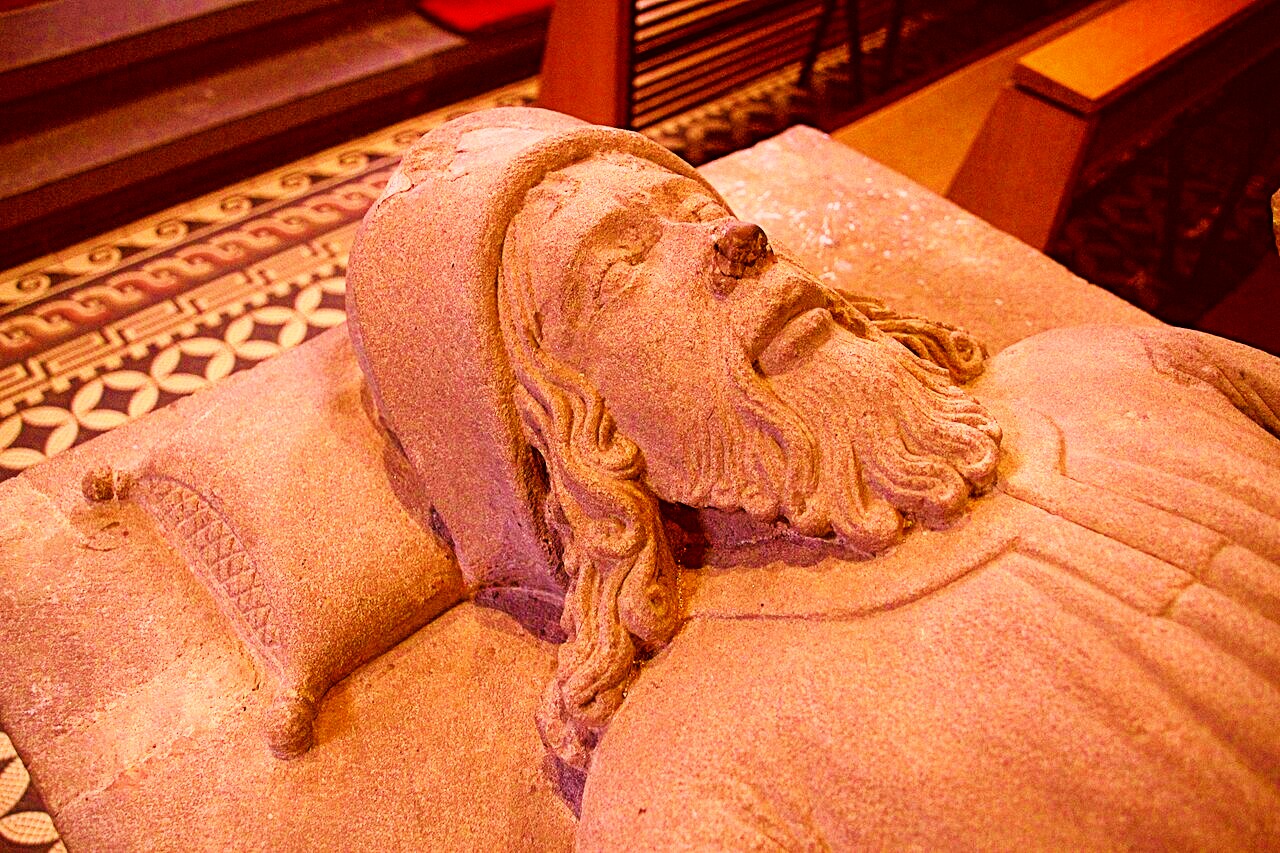
Arnold was probably Canonised by the Archbishop of Cologne as early as 820. However, the veneration was not officially confirmed until 18 February 1886 by Pope Leo XIII.







 AnaStpaul
You must be logged in to post a comment.