One Minute Reflection – 19 October – The Memorial of Saints John de Brébeuf and Isaac Jogues, Priests and Companions, Martyrs
Do not grow lazy but imitate those who through faith and patience, are inheriting the promise .…Hebrews 6:12
REFLECTION – “My confidence is placed in God, who does not need our help for accomplishing His designs.
Our single endeavour should be to give ourselvs to the work and to be faithful to Him.”…..St Isaac Jogues SJ (1607-1646)
PRAYER – My Lord and patient God, help me to practice patience in doing good. No matter what may occur, allow me to face each day with quiet courage and without complaint, knowing You are always at my side and that all is part of Your divine plan. I pray for total abandonment to Your Will. Sts John de Brébeuf, Isaac Jogues and your fellow Martyrs, please pray for us all, amen.
Saint of the Day – 16 October – St Margaret Mary Alacoque (1647-1690) V.H.M. Virgin, Nun, Mystic, Saint and Apostle of the Sacred Heart. Born Marguerite-Marie Alacoque on 22 July 1647 at L’Hautecourt, Burgundy, France – 17 October 1690 of natural causes. Patronages – against polio, against the death of parents, devotees of the Sacred Heart, polio patients. She was Beatified on 18 September 1864 by Pope Blessed Pius IX and Canonised on 13 May 1920 by Pope Benedict XV. When her tomb was canonically opened in July 1830, two instantaneous cures were recorded to have taken place. Her incorrupt body rests above the side altar in the Chapel of the Apparitions, located at the Visitation Monastery in Paray-le-Monial and many striking blessings have been claimed by pilgrims attracted there from all parts of the world.
She was born in 1647 AD at Janots, a small town of Burgundy, the fifth of seven children, of Claude and Philiberte Alacoque. Her father was a prosperous notary; the family owned a country house and farmland and had some aristocratic connections. Margaret’s godmother was a neighbour, the Countess of Corcheval. As a small child Margaret spent a great deal of time with her but these visits were brought to a sudden end by the death of the countess. The father died of pneumonia when Margaret was about eight and this was another severe shock to her. Claude had loved his family dearly but had been short-sighted and extravagant and his death put them in hard straits. However, Margaret was sent to school with the Urbanist Sisters at Charolles. She loved the peace and order of the convent life and the nuns were so impressed by her devotion that she was allowed to make her First Communion at the age of nine (normally around the age of 12 at that time). A rheumatic affliction kept her bedridden for four years. During that time she was brought home, where some of her father’s relatives had moved in and taken over the direction of the farm and household. She and her mother were treated almost as servants. This painful situation grew more acute after Margaret’s recovery, for the relatives tried to regulate all her comings and goings. Not allowed to attend church as often as she pleased, the young girl was sometimes seen weeping and praying in a corner of the garden. It grieved her deeply that she could not ease things for her mother. Her eldest brother’s coming of age saved the day, for the property now reverted to him and the family again had undisputed possession of their home.
Philiberte had expressed a hope that Margaret would marry; the girl considered this but at the age of twenty, inspired by a vision, she put aside all such thoughts and resolved to enter a convent. While awaiting admission, she tried to help and teach certain neglected children of the village. At twenty-two she made her profession at the convent of the Visitation at Paray-le-Monial. The nuns of the Order of the Visitation, founded in the early years of the seventeenth century by St. Francis de Sales, were famed for their humility and selflessness. As a novice Margaret excelled in these virtues. When she made her profession, the name of Mary was added and she was called Margaret Mary. She began a course of mortifications and penances which were to continue, with more or less intensity, as long as she lived. We are told that she was assigned to the infirmary and was not very skillful at her tasks.
Some years passed quietly in the convent and then Margaret Mary began to have experiences which seemed to be of supernatural origin. The first of these occurred on 27 December 1673, when she was kneeling at the grille in the chapel. She felt suffused by the Divine Presence and heard the Lord inviting her to take the place which St John had occupied at the Last Supper. The Lord told her that the love of His heart must spread and manifest itself to men and He would reveal its graces through her. This was the beginning of a series of revelations covering a period of eighteen months. When Margaret Mary went to the Superior, Mother de Saumaise, with an account of these mystical experiences, claiming that she, an humble nun, had been chosen as the transmitter of a new devotion to the Sacred Heart, she was reprimanded for her presumption. Seriously overwrought, Margaret Mary suffered a collapse and became very ill. The Mother Superior reflected that she might have erred in scorning the nun’s story and vowed that if her life were spared, she would take it as a sign that the visions and messages were truly from God. When Margaret Mary recovered, the Superior invited some theologians who happened to be in the town—they included a Jesuit and a Benedictine—to hear the story. These priests listened and judged the young nun to be a victim of delusions. Their examination had been a sheer torture to Margaret Mary. Later a Jesuit, Father Claude de la Columbiere, talked to her and was completely convinced of the genuineness of the revelations. He was to write of the nun and to inaugurate this devotion in England.
For many years, Margaret Mary suffered from despair, from self-inflicted punishments and also from the slights and contempt of those around her. In 1681, Father Claude returned to the convent and died there the following year. Margaret Mary was appointed assistant and novice-mistress by a new Mother Superior who was more sympathetic towards her. In 1683, opposition in the community ended after an account of Margaret Mary’s visions was read aloud in the refectory from the writings left by Father Claude, who had taken it upon himself to make known to the world the nun’s remarkable experiences. Mother Melin was elected Superior and named Margaret Mary her assistant. That she was finally vindicated was to her a matter of indifference. She later became Novice Mistress, saw the convent observe the feast of the Sacred Heart privately beginning in 1686 and two years later, a chapel was built at the Paray-le-Monial to honour the Sacred Heart; soon observation of the feast of the Sacred Heart spread to other Visitation convents. When she was forty-three, while serving a second term as assistant superior, Margaret Mary fell ill. Sinking rapidly, she received the Last Sacraments, saying, “I need nothing but God, and to lose myself in the heart of Jesus.” Margaret Mary died at the Paray-le-Monial on October 17, 1690. Margaret Mary was canonised a saint in 1920. She, St John Eudes, and St Claude La Colombiere are called the “Saints of the Sacred Heart”; the devotion was officially recognised and approved by Pope Clement XIII in 1765, seventy-five years after her death.
In seventeenth-century France, the faith of the people had been badly shaken; there had been rebellion against the Church and neglect of its teachings; the rise of Protestantism and the spread of the heresy of Jansenism both had a part in the weakening of the structure built up through the ages. But as every threat brings its response, so now there rose up fresh, strong forces to counter these trends. Three famous religious, who are today venerated as saints, were particularly effective: Saint John Eudes and StClaude de la Columbiere were French Jesuit priests and writers; Saint Margaret Mary Alacoque was a simple nun of the order of the Visitation. Their special work was to popularise the devotion to the Sacred Heart of Jesus. Although the devotion to the Sacred Heart of Jesus was practiced before this time, it now gained a strong new impetus through the work of Father John Eudes and the writings of Father Claude. “The Sacred Heart is the symbol of that boundless love which moved the Wordto take flesh, to institute the Holy Eucharist, to take our sins upon Himself and, dying on the Cross, to offer Himself as a victim and sacrifice to the eternal Father.”
The devotion to the Sacred Heart first became popular in France, then spread to Poland and other countries. The first petition to the Holy See for the institution of the feast was from Queen Mary, consort of James II of England. The month of June is appointed for this devotion and since 1929 the feast has been one of the highest rank and is celebrated on the Friday after the Solemnity of the Body and Blood of Christ.
Quote/s of the Day – 10 October – The Memorial of St Francis Borgia SJ (1510-1572) and St Daniel Comboni (1831-1881)
“I am very sorry to lose the company of a man of your merit, a shining light of counsel, a model in the exercise of the highest offices of State and, because of your virtue and piety, a factor of edification for all my court. But I recognise that it would be unreasonable to dispute over you with the Master you have chosen to serve. It is, therefore, with sorrow that I grant you the permission you are requesting. I authorise you to renounce your fiefs and titles in favour of your firstborn son. The number of those who will envy you, will be greater than those who will imitate you, since it is easy to admire beautiful examples but difficult to follow them. I recommend myself to your prayers and I count upon you, to attract divine blessings over me, my States, and all Christendom.”
(King Charles V of Spain when he granted permission to St Francis to enter the novitiate of the Jesuits.)
“When you pray, hear Mass, sit at table, engage in business and when at bedtime you remove your clothes— at all times crave that by the pain which He felt when He was stripped just before His crucifixion, He may strip us of our evil habits of mind. Thus, naked of earthly things, we may also embrace the cross.”
“I have great doubts about the salvation of those who do not have special devotion to Mary.”
St Francis Borgia (1510-1572)
“The same terrible crosses that oppress me are also the greatest consolation because Jesus suffered, Jesus is a Victim Jesus chose the Cross…. (therefore) I am happy with the Cross, tbat borne willingly for the love of God, generates triumph and eternal life.”
Our Morning Offering – 10 October – The Memorial of St Francis Borgia S.J. (1510-1572)
Teach Me Your Ways Pedro Arrupe, S.J.
Teach me Your way of looking at people:
as You glanced at Peter after his denial,
as You penetrated the heart of the rich young man
and the hearts of Your disciples.
I would like to meet You as You really are,
since Your image changes those with whom You
come into contact.
Remember John the Baptist’s first meeting with You?
And the centurion’s feeling of unworthiness?
And the amazement of all those who saw miracles
and other wonders?
How You impressed Your disciples,
the rabble in the Garden of Olives,
Pilate and his wife
and the centurion at the foot of the cross. . . .
I would like to hear and be impressed
by Your manner of speaking,
listening, for example, to Your discourse in the
synagogue in Capharnaum
or the Sermon on the Mount where Your audience
felt You “taught as one who has authority.”
Saint of the Day – 10 October – St Francis Borgia S.J. (1510-1572) Priest, Advisor, Missionary, Evangelist, Administrator par excelleance. Born – Francisco de Borja y Aragon was the 4th Duke of Gandía, was a Grandee of Spain, a Spanish Jesuit and third Superior General of the Society of Jesus – (28 October 1510 at Gandia, Valencia, Spain – 30 September 1572 at Ferrara, Italy). His relics were translated to the Jesuit church in Madrid, Spain in 1901. He was Beatified on 23 November 1624 at Madrid by Pope Urban VIII and Canonised on 20 June 1670 by Pope Clement X in Rome, Italy. Patronages – against earthquakes, Portugal, Rota, Marianas. Attributes – Skull crowned with an emperor’s diadem.
St Francis was born in Duchy of Gandía, Valencia, on 28 October 1510. His father was Juan Borgia, 3rd Duke of Gandía, the son of Giovanni Borgia, the son of Pope Alexander VI (Rodrigo Borgia). His mother was Juana, daughter of Alonso de Aragón, Archbishop of Zaragoza, who, in turn, was the illegitimate son of King Ferdinand II of Aragon. His brother, Tomás de Borja y Castro, also became a clergyman, becoming the Bishop of Málaga and later the Archbishop of Zaragoza.
As a relative of Pope Alexander VI, King Ferdinand of Aragon and Emperor Charles V, joined Spain’s imperial court at age eighteen, although as a child he was very pious and wished to become a monk, his family sent him instead to court. He distinguished himself there, accompanying the Emperor on several campaigns. The next year he married Eleanor de Castro, who bore him eight children. In 1539, shortly after experiencing a religious conversion, Francis left the court but continued in public life as viceroy of Catalonia. At this time under the influence of St Peter of Alcántara O.F.M. and St Peter Favre S.J, he progressed in prayer and the spiritual life.
In 1543, Francis succeeded his father as duke of Gandia. He was much opposed to gaming and did not allow his servants to indulge in it. He used to say: “Gaming is accompanied by great losses; loss of money, loss of time, loss of devotion and loss of conscience.” The same aversion he had for the reading of frivolous books, even if they were not immoral. He found his greatest delight in reading devout books and said: “The reading of devout books is the first step towards a better life.” At the period in which he lived the principal enjoyments of the higher classes were music and hawking; and, as he could not abstain from them entirely, he took care, at such times, to raise his thoughts to the Almighty and to mortify himself. Thus, when he went hawking, he closed his eyes at the very moment when the hawk swooped; the sight of which, they say, was the chief pleasure of this kind of hunting.
The Almighty, to draw His servant entirely away from the world, sent him several severe maladies, which made him recognise the instability of all that is earthly. He became more fully aware of this after the death of the Empress, whose wondrous beauty was everywhere extolled. By the order of the Emperor, it became the duty of Francis to escort the remains to the royal vault at Granada. There the coffin was opened before the burial took place, and the sight that greeted the beholders was most awful. Nothing was left of the beautiful Empress but a corpse, so disfigured, that all averted their eyes, whilst the odour it exhaled was so offensive that most of the spectators were driven away.
St Francis was most deeply touched, and when, after the burial, he went into his room, prostrated himself before the crucifix and having given vent to his feelings, he exclaimed: “No, no, my God! in future I will have no master whom death can take from me.” He then made a vow that he would enter a religious order, should he survive his consort. He often used to say afterwards: “The death of the Empress awakened me to life.” When Francis returned from Granada the Emperor created him Viceroy of Catalonia and in this new dignity the holy Duke continued to lead rather a religious than a worldly life. He had a fatherly care for his subjects and every one had at all hours admittance to him. Towards the poor he manifested great kindness. He daily gave four or five hours to prayer. He fasted almost daily and scourged himself to blood. He assisted at Mass and received Holy Communion every day. When he heard that disputes had arisen among the theologians at the universities, in regard to the frequent use of Holy Communion, he wrote to St. Ignatius, at Rome and asked his opinion on the subject. St. Ignatius wrote back to him, approving of the frequent use of Holy Communion and strengthening him in his thoughts about it.
Meanwhile, the death of his father brought upon him the administration of his vast estates, without, however, in the least changing his pious manner of living. Soon after his pious consort, who was his equal in virtue, became sick. Francis prayed most fervently to God for her recovery. One day, while he was thus praying, he heard an interior voice, which said these words: “If thou desirest that thy consort should recover, thy wish shall be fulfilled but it will not benefit thee.” Frightened at these words, he immediately conformed his own will in all things to the Divine will. From that moment the condition of the Duchess grew worse and she died, as she had lived, piously and peacefully. St Francis, remembering his vow, determined to execute it without delay. Taking counsel of God and of his confessor, he chose the Society of Jesus, which had recently been instituted. Writing to St. Ignatius, he asked for admittance, which was cheerfully granted. But, to settle his affairs satisfactorily, he was obliged to remain four years longer in his offices. Having at length, by the permission of the Emperor, resigned his possessions to his eldest son, he took the religious habit and proceeded to Rome. Scarcely four months had elapsed since his arrival, when he was informed that the Pope wished to make him a cardinal; and, to avoid this dignity, he returned to Spain. Being ordained priest, he said his first Mass in the chapel of the Castle of Loyola, where St Ignatius had been born; and then spent a few years in preaching and instructing the people. It would take more space than is allowed to us to relate how many sinners he converted, and how much he laboured for the honour of God and the salvation of souls.
Saying goodbye to his family
While he preferred a quiet life of solitude, the Jesuits felt differently and promoted him so that he could use his great administrative talents for the church. In 1554, St Ignatius appointed Francis commissary for Spain, where he founded twelve colleges and a novitiate. The Jesuits chose Francis as their general in 1565. His consolidation of the society and expansion of its ministry has caused him to be recognised as the second founder of the order. He established disciplined novitiates in every Jesuit province, writing regulations and books of spiritual instruction for them.
Francis created a new Jesuit base in Poland and strengthened the community’s work in Germany and France. Between 1566 and 1572 he launched the Jesuit mission to Spanish colonies in Florida, Mexico and Peru. He maintained contact with the missioners by letter, advising them about their own spiritual lives and counseling them on strategy. Following is an excerpt from his correspondence:
“We must perform all our works in God and refer them to His glory so that they will be permanent and stable. Everyone—whether kings, nobles, tradesmen or peasants—must do all things for the glory of God and under the inspiration of Christ’s example. . . . When you pray, hear Mass, sit at table, engage in business and when at bedtime you remove your clothes—at all times crave that by the pain which He felt when He was stripped just before His crucifixion, He may strip us of our evil habits of mind. Thus, naked of earthly things, we may also embrace the cross.
Wherever our brethren may be, let their first care be for those already converted. Their first aim must be to strengthen these in the faith and to help them save their souls. After this they may convert others not yet baptised. But let them proceed prudently and not undertake more than they can carry through. It is not desirable for them to hurry here and there to convert heathen with whom they cannot afterwards keep in touch. It is better to advance step by step and consolidate conquests already made. . . . They are not to risk their lives unnecessarily in excursions among unconquered people. The swift loss of life in God’s service may be advantageous for them. However, it is not for the greater good of the many for there are only a few labourers for the vineyard and it is difficult to replace them.”
His successes during the period 1565-1572 have caused historians to describe Francis as the greatest General after Saint Ignatius. He founded the Collegium Romanum, which was to become the Gregorian University in Rome, advised kings and popes and closely supervised all the affairs of the rapidly expanding order. Yet, despite the great power of his office, Francis led a humble life and was widely regarded in his own lifetime as a saint.
In 1571 the pope sent Francis to Spain and Portugal to help build an alliance against the Turks. He grew increasingly ill on this ambassadorial trip and died after returning to Rome in 1572.
Thought for the Day – 8 October: The Eucharist — The Mystery Of Our Christ, by Karl Rahner (extract)
What happens when we celebrate the Eucharist? The simple answer is: the Lord’s Supper which He celebrated at the beginning of His passion becomes present among us and for us. If we are to understand this central element of our faith we must reflect on what happened at the Lord’s Supper and we must ponder what it means when it is said that this meal becomes present among us and for us.
………..And thus He says: “Take this body which is given for you, drink this blood poured out for you.” And through the power of His creative word which changes the subsoils of reality, He makes Himself exist in the form of bread and wine, the everyday sign of loving unity with His disciples, so that all of this – His sacrificed reality for their salvation – becomes manifest and manifestly operative; it truly belongs to them and enters into the centre of their being.
“Take, eat; this is my body. Drink. . . for this is my blood of the new covenant which is poured out for all.” They take and they are taken. Taken by the redeeming power of obedience and of love of the Lord, taken by His death which gives birth to life out of its dreadful void, encircled by the grace of God which, with the incomprehensible and consuming holiness of God, unites. They are embraced by love which joins them to each other, not destructively but –redemptively, enveloped by a love which unites them in an experience where otherwise each would die painfully in himself alone in his ultimate solitude. And by eating the dish of God’s mercy, they anticipate the eternal meal when God, no longer in Earthly symbols but in the accomplishment of His revealed glory, makes Himself into the eternal meal of the redeemed. And while they eat thus, they look for the day when the Lord will be entirely with them, the day on which He “will come again” (as they say). And the new and eternal covenant which has been bequeathed to them is celebrated as is their free acceptance of it. These are given in the power of this bread which unites them with the Lord who is the covenant and joins them one to another in the beginning of eternal life.
The Lord’s Supper becomes His presence among us and for us in the church’s celebration of the Eucharist. The church fulfills the fundamental order of the Lord: “Do this (what He Himself had done on the night He was betrayed) in remembrance of me.” The church does what the Lord had done, with the words which He Himself spoke when He gave His body and His blood in the form of bread and wine to His disciples as a pledge of eternal life. The church celebrates the Anamnesis, the “remembrance” of the meal that instituted the new covenant. The church recalls what once happened but does not bring about a repetition of the actual event which happened once and for all on Calvary. Rather, what happened then enters into our place and our time and acquires presence and redemptive power within our own being.
This is possible (if we may so try to understand the miracle of God) because the Lord’s Supper is not an event of the past. The free decision of absolute obedience and unconditional, unreserved love constitutes one of those moments of history in which a temporality becomes the definitive, the enduring and the eternal, not just a moment in which something evaporates into the void of the past. The elements of freedom and spirit always signify the birth of the eternal; in this context, what is temporal passes into time but also attains eternal validity by virtue of the pure essence of the decision itself by a spiritual person. This applies in an utterly unique way to the event of the Last Supper. What happened there as event once and for all is. It is. It is taken up in the eternity of God, it has passed over into the state of perfection in which is becomes permanence in the midst of time. For the Lord in this meal has wrought something that endures forever since His voluntary deeds come from the infinite primal grounds of the eternal Word of God itself and are a spiritual-human reality, like the creative words of Genesis.
He has wrought the “new” and thus the final covenant, as He Himself says.
“Jesus, I am committing myself to accepting the things in life I cannot change and I ask for the grace of serenity. I am committing myself to changing the things in life I can change and I ask for the grace of courage. I am committing myself to knowing the difference and I ask for the grace of wisdom.”
“Jesus, take away the arrogance in my ego and give me Your heart in its place. Take away my ego-centredness and make Your heart and its purposes. the centre of myself. I willingly enter the fire of Your heart and let Your heart burn away my ego and enflame me with enthusiasm for the conversion of the world to the desires of Your heart.” I feel the passionate longing of Your heart for all humanity and I ask to be an apostle of Your love.”
Just as It Is – a Prayer before Holy Communion By Karl Rahner SJ
Come Lord enter my heart, You who are crucified,
who have died, who love, who are faithful,
truthful, patient and humble.
You who have taken upon Yourself, a slow and toilsome life
in a single corner of the world,
denied by those who are Your own,
too little loved by Your friends, betrayed by them,
subjected to the law, made by the plaything of politics
right from the very first,
a REFUGEE CHILD,
a CARPENTER’S SON,
a creature who found only barrenness and futility
as a result of His labours,
a man who loved and found no love in response,
You who were too exalted for those about You to understand,
who were brought to the point of feeling Yourself forsaken by God,
You who sacrificed all,
who commend Yourself into the hands of Your Father,
You who cry, ‘My God, My God, why have you forsaken me?’
I will try to receive You as You are,
to make You the innermost law of my life,
to take You, as at once, the BURDEN and the STRENGTH of my life.
When I receive You, I accept my everyday just as it is.
I do not have any lofty feelings in my heart to recount to You,
I can lay my everyday before You, just as it is.
For I receive it from You Yourself,
The everyday and its inward light,
The everyday and its meaning,
The everyday and the power to endure it,
The sheer familiarity of it,
which becomes the hiddenness of Your Eternal Life.
Amen.
Lord,Give me Your Heart By St Claude de la Colombiere
O God, what will You do to conquer
the fearful hardness of our hearts?
Lord, You must give us new hearts,
tender hearts, sensitive hearts,
to replace hearts that are made
of marble and of bronze.
You must give us Your own Heart, Jesus.
Come, lovable Heart of Jesus.
Place Your Heart deep
in the centre of our hearts
and enkindle in each heart
a flame of love as strong,
as great, as the sum of all the reasons
that we have for loving You, my God.
O holy Heart of Jesus,
dwell hidden in our hearts,
so that we may live only in You
and only for You,
so that, in the end, we may live
with You eternally in heaven.
Amen
Thought for the Day – 17 September – The Memorial of St Robert Bellarmine (1542-1621) Doctor of the Church
It is said that Robert Bellarmine was so short that he used to stand on a stool to be seen over the high pulpits of Europe.
But he was a giant in many other ways. He devoted his life to the study of Scripture and Catholic doctrine. His writings help us understand that the real source of our faith is not merely a set of doctrines but rather the person of Jesus still living in the Church today.
When it comes down to it, what matters is Christ and Him Crucified, what matters is He who is love.
“Sweet Lord, you are meek and merciful.” Who would not give himself wholeheartedly to your service, if he began to taste even a little of your fatherly rule? What command, Lord, do you give Your servants? “Take my yoke upon you,” You say. And what is this yoke of Yours like? “My yoke,” You say, “is easy and my burden light.” Who would not be glad to bear a yoke that does no press hard but caresses? Who would not be glad for a burden that does not weigh heavy but refreshes? And so You were right to add: “And you will find rest for your souls.” And what is this yoke of Yours that does not weary, but gives rest? It is, of course, that first and greatest commandment: “You shall love the Lord your God with all your heart.” What is easier, sweeter, more pleasant, than to love goodness, beauty and love, the fullness of which You are, O Lord, my God?” Is it not true that You promise those who keep your commandments a reward more desirable than great wealth and sweeter than honey? You promise a most abundant reward, for as Your apostle James says: “The Lord has prepared a crown of life for those who love him.” What is this crown of life? It is surely a greater good than we can conceive of or desire, as Saint Paul says, quoting Isaiah: “Eye has not seen, ear has not heard, nor has it so much as dawned on man what God has prepared for those who love him.” – from On the Ascent of the Mind to God by Saint Robert Bellarmine
Quotes of the Day – 17 September – The Memorial of St Robert Bellarmine (1542-1621) Doctor of the Church
“Charity is that, with which no man is lost and without which, no man is saved.”
“When we appeal to the throne of grace, we do so through Mary, honouring God by honouring His Mother, imitating Him by exalting her, touching the most responsive chord in the Sacred Heart of Christ, with the sweet name of Mary.”
“The school of Christ, is the school of love. In the last day, when the general examination takes place… Love will be the whole syllabus.”
“LOVE is a marvellous and heavenly thing. It never tires and it never thinks it has done enough!”
St Robert Bellarmine (1542-1621) Doctor of the Church
One Minute Reflection – 17 September – The Memorial of St Robert Bellarmine (1542-1621) Doctor of the Church
Work with anxious concern to achieve your salvation….Philippians 2:12
REFLECTION – “You have been created for the glory of God
and your own eternal salvation….this is your goal;
this is the centre of your life;
this is the treasure of your heart.
If your reach this goal, you will find happiness.
If you fail to reach it, you will find misery.”….St Robert Bellarmine
PRAYER – Heavenly Father, teach me to do everything for Your honour and glory.
Grant me the grace to work out my salvation with anxious concern each day of my life.
St Robert Bellarmine, as you worked tirelessly for the salvation of souls, so now
pray for us all, as tirelessly, that we may achieve eternal joy, amen.
Saint of the Day – 17 September – St Robert Bellarmine SJ (1542-1621) Priest of the Society of Jesus, Bishop, Confessor, Cardinal, Theologian, Professor, Writer, Preacher, Mediator, Doctor of the Church. Born as Roberto Francesco Romolo Bellarmino on 4 October 1542 at Montepulciano, Tuscany, Italy and died on the morning of 17 September 1621 at Rome, Italy of natural causes. He was buried in Rome and his relics were translated to the Church of Saint Ignatius, Rome on 21 June 1923. Patronages – Canon lawyer, Catechists, Catechumens, Cincinnati, Ohio Archdiocese of, Bellarmine University, Fairfield University, Bellarmine College and School. He was Beatified on 13 May 1923, Rome by Pope Pius XI and Canonised 29 June 1930, Rome by Pope Pius XI – he was named a Doctor of the Church by the same Pope a year later. He is remembered as one of the most important Cardinals of the Catholic Counter Reformation.
Robert Bellarmine was born to an impoverished noble Italian family. His early intellectual accomplishments gave his father hope that Bellarmine would restore the family’s fortunes through a political career. His mother’s wish that he enter the Society of Jesus prevailed. The young Bellarmine, a very small, frail but lively fellow excelled in his studies, especially Latin and Italian poetry. It didn’t take long for it to become obvious that he wished to join the Society of Jesus. The rector of the college described him as “the best of our school and not far from the kingdom of heaven.” On completion of his studies, Bellarmine taught first at the University of Louvain in Belgium. In 1576 he accepted the invitation of Pope Gregory XIII (1572-1585) to teach polemical theology at the new Roman College. When he was ordained in 1570, the study of Church history and the fathers of the Church was in a sad state of neglect. He devoted his energy to these two subjects, as well as to Scripture, in order to systematise Church doctrine against the attacks of the Protestant Reformers. He was the first Jesuit to become a professor at Louvain.
Robert Bellarmine spent the next 11 years teaching and writing his monumental Disputations on the Controversies of the Christian Faith., a three-volume defence of the Catholic faith against the arguments of the Protestant reformers. Particularly noteworthy are the sections on the temporal power of the pope and the role of the laity. To this day, it is considered one of the most important texts of Catholic theology ever written. Three hundred years after its publication, it was called “the most complete defence of the Catholic teaching”. A confidant to the Popes, Bellarmine held a number of positions, including rector of the Roman College, examiner of bishops, Cardinal Inquisitor, Archbishop of Capua, and Bishop of Montepulciano.
Through his writings Bellarmine was involved in the political, religious and social issues of the time. Bellarmine incurred the anger of monarchists in England and France by showing the divine-right-of-kings theory untenable. He developed the theory of the indirect power of the Pope in temporal affairs; although he was defending the pope against the Scottish philosopher Barclay, he also incurred the ire of Pope Sixtus V. He argued with King James I of England and was a judge at the trial of Giordano Bruno. Bellarmine also communicated the decree of condemning the Copernican doctrine of the movements of the earth and sun, issued by Congregation of the Index to Galileo Galilei in 1616. Among many activities, Bellarmine became theologian to Pope Clement VIII, preparing two catechisms which have had great influence in the Church.
Much to the amazement of all, at the height of his career, at the age of 60, Pope Clement VIII appointed Robert Bellarmine the Archbishop of Capua. Bellarmine had never been in pastoral ministry. Nevertheless, he began a new dimension of his Priesthood with his usual enthusiasm. He would spend the next three years introducing the reforms of the Council of Trent in his Archdiocese. He travelled everywhere, preaching to the people. He visited his clergy as well as religious men and women to encourage them to renew the Church. He won the love of everyone.
The last major controversy of Bellarmine’s life came in 1616 when he had to admonish his friend Galileo, whom he admired. He delivered the admonition on behalf of the Holy Office, which had decided that the heliocentric theory of Copernicus was contrary to Scripture. The admonition amounted to a caution against putting forward—other than as a hypothesis—theories not yet fully proven.
Although he was one of the most powerful men in Rome and was made a cardinal by Pope Clement VIII on the grounds that“he had not his equal for learning.” While he occupied apartments in the Vatican, Bellarmine relaxed none of his former austerities. He limited his household expenses to what was barely essential, eating only the food available to the poor. He was known to have ransomed a soldier who had deserted from the army and gave most of his money to the poor. Once he gave the tapestries from his living quarters to the poor, saying that the walls wouldn’t catch cold. While he took little regard for his own comforts, he always saw to it that his servants and aides had everything they needed.
Robert Bellarmine died at Rome on 17 September 1621 at the age of 79. If his early career featured brilliant polemics and his middle years gentle, loving, pastoral life, his final years brought him transcendent peace. His writings turned spiritual. He wrote several works, the classics being “The Ascent of the Mind to God” and “The Art of Dying.” He wrote that this was his way of preparing for death and to move closer to his God. The process for his Canonisation was begun in 1627 but was delayed until 1930 for political reasons, stemming from his writings. In 1930, Pope Pius XI Canonised him and the next year declared him a Doctor of the Church.
Saint of the Day – 9 September – St Peter Claver SJ (1581-1654) Confessor- Priest, Religious, Missionary. Also known as • Apostle of Cartagena • Slave of the Blacks • Slave of the Slaves. Born at 1581 at Verdu, Catalonia, Spain and died on 8 September 1654 at Cartegena, Colombia of natural causes. During the 40 years of his apostolic work in Colombia, it is estimated he personally Baptised around 300,000 people. The Congress of the Republic of Colombia declared September 9 as the Human Rights national Day in his honour. Patronages – African missions (proclaimed in 1896 by Pope Leo XIII), African-Americans, slaves, against slavery, black missions, black people, Human Rights, foreign missions, inter-racial justice, race relations, seafarers, Missionary Sisters of Saint Peter Claver, Colombia, Accra, Ghana, archdiocese of Lake Charles, Louisiana, Diocese of•Shreveport, Louisiana, Diocese of Witbank, South Africa, Apostleship of the Sea.
Claver was born in 1580 into a devoutly Catholic and prosperous farming family in the Catalan village of Verdú, Urgell, located in the Province of Lleida, about 54 miles (87 km) from Barcelona. He was born 70 years after King Ferdinand of Spain set the colonial slavery culture into motion by authorising the purchase of 250 African slaves in Lisbon for his territories in New Spain, an event which was to shape Claver’s life.
As a student at the University of Barcelona, Claver was noted for his intelligence and piety. After two years of study there, Claver wrote these words in the notebook he kept throughout his life: “I must dedicate myself to the service of God until death, on the understanding that I am like a slave.”
After he had completed his studies, at the age of 20 years, Peter entered the Society of Jesus in Tarragona . When he had completed the Novitiate, he was sent to study Philosophy at Palma, Mallorca. While there, he came to know the porter of the college, St. Alphonsus Rodriguez, a Lay Brother known for his holiness and gift of prophecy. St Alphonsus informed Peter that he had been told by God that Peter was to spend his life in service in the Colonies of New Spain and he frequently urged the young student to accept that calling.
Peter volunteered for the Spanish Colonies and was sent to the Kingdom of New Granada, where he arrived in the port City of Cartagena in 1610. Required to wait six years to be Ordained as a Priest, while he completed his Theological studies, he lived in Jesuit houses at Tunja and Bogotá. During those preparatory years, he was deeply disturbed by the harsh treatment and living conditions of the black slaves who had been brought from Africa. By this time, the slave trade had already been established for a Century, in the Americas. Local natives were considered not physically suited to work in the gold and silver mines and this created a demand for blacks from Angola and Congo. These were bought in West Africa for four crowns a head, or bartered for goods and sold in America for an average of two hundred crowns apiece. Others were captured at random, especially able-bodied males deemed suitable for labour.
Cartagena was a slave-trading hub. 10,000 slaves poured into the port annually, crossing the Atlantic from West Africa under such foul and inhuman conditions that an estimated one-third died in transit. Although the slave trade was condemned by Pope Paul III and Urban VIII had issued a Papal Decree prohibiting slavery, (later called “supreme villainy” by Pope Pius IX), it was a lucrative business and continued to flourish.
Peter’s predecessor in his eventual lifelong mission, Father Alonso de Sandoval, SJ, was his mentor and inspiration. Sandoval devoted himself to serving the slaves for 40 years before Claver arrived, to continue his work. Sandoval attempted to learn about their customs and languages; he was so successful that, when he returned to Seville, he wrote a book in 1627 about the nature, customs, rites and beliefs of the Africans. Sandoval found Claver an apt pupil. When he was solemnly professed in 1622, Claver signed his final profession document in Latin as: Petrus Claver, aethiopum semper servus (Peter Claver, servant of the Ethiopians [i.e. Africans] forever).
The Church of St. Peter Claver in Cartagena, Colombia, where Claver lived and ministered. Whereas Sandoval had visited the slaves where they worked, Claver preferred to head for the wharf as soon as a slave ship entered the port. Boarding the ship, he entered the filthy and diseased holds to treat and minister to their badly treated, terrified human cargo, who had survived a voyage of several months under horrible conditions. It was difficult to move around on the ships because the slave traffickers filled them to capacity. The slaves were often told they were being taken to a land where they would be eaten. Claver wore a cloak, which he would lend to anyone in need. A legend arose that whoever wore the cloak received lifetime health and was cured of all disease. After the slaves were herded from the ship and penned in nearby yards to be scrutinised by crowds of buyers, Claver joined them with medicine, food, bread, brandy, lemons and tobacco With the help of interpreters and pictures which he carried with him, he gave basic instructions.
Claver saw the slaves as fellow Christians, encouraging others to do so as well. During the season when slavers were not accustomed to arrive, he traversed the country, visiting plantation after plantation, to give spiritual consolation to the slaves. During his 40 years of ministry it is estimated that he personally catechised and baptised 300,000 slaves. He would then follow up on them to ensure that as Christians they received their Christian and civil rights. His mission extended beyond caring for slaves, however. He preached in the city square, to sailors and traders and conducted country missions, returning every spring to visit those he had baptised, ensuring that they were treated humanely. During these missions, whenever possible he avoided the hospitality of planters and overseers; instead, he would lodge in the slave quarters.
Claver’s work on behalf of slaves did not prevent him from ministering to the souls of well-to-do members of society, traders and visitors to Cartagena (including Muslims and English Protestants) and condemned criminals, many of whom he spiritually prepared for death; he was also a frequent visitor at the city’s hospitals. Through years of unremitting toil and the force of his own unique personality, the slaves’ situation slowly improved. n time he became a moral force, the Apostle of Cartagena.
In the last years of his life Peter was too ill to leave his room. He lingered for four years, largely forgotten and neglected, physically abused and starved by an ex-slave who had been hired by the Superior of the house to care for him. He never complained about his treatment, accepting it as a just punishment for his sins. He died on 8 September 1654.
When the people of the City heard of his death, many forced their way into his room to pay their last respects. Such was his reputation for holiness that they stripped away anything to serve as a relic of the saint. The city magistrates, who had previously considered him a nuisance for his persistent advocacy on behalf of the slaves, ordered a public funeral and he was buried with pomp and ceremony. The extent of Claver’s ministry, which was prodigious even before considering the astronomical number of people he baptised, came to be realised only after his death.
He was Canonised in 1888 by Pope Leo XIII, along with the holy Jesuit porter, Alphonsus Rodriguez. In 1896 Pope Leo also declared Claver the Patron of missionary work among all African peoples. His body is preserved and venerated in the Church of the Jesuit residence, now renamed in his honour.
Legacy:“No life, except the life of Christ, has moved me so deeply ,as that of Peter Claver”. St Pope Leo XIII, on the occasion of his Canonisation.
Many Organisations, Missions, Parishes, Religious Congregations, Schools and Hospitals bear the name of St. Peter Claver and also claim to continue the Mission of Claver as the following:
The Knights of Peter Claver Inc is the largest African-American Catholic fraternal organisation in the United States. In 2006, a unit was established in San Andres, Colombia. The Order was founded in Mobile, Alabama and is presently headquartered in New Orleans. Claver’s mission continues today in the work of the Apostleship of the Sea (AoS) and his inspiration remains among port chaplains and those who visit ships in the name of the Church, through the AoS. The Missionary Sisters of St. Peter Claver are a religious congregation of women dedicated to serving the spiritual and social needs of the poor around the world, particularly in Africa. They were founded in Austria by the Blessed Mary Theresa Ledóchowska in 1894.
Among the many schools dedicated to St. Peter Claver are those in Decatur, Georgia and Pimville, South Africa. The oldest African American school in the Diocese of St. Petersburg and the oldest African American school still functioning in the State of Florida, is the St Peter Claver Catholic School.
St Peter Claver’s under the altar at the Church of St Peter Claver in Cartagena
Thought for the Day – 9 September – The Memorial of St Peter Claver “A Stunning Hero”
Fr Claver’s apostolate extended beyond his care for slaves. He became a moral force, indeed, the “Apostle of Cartagena”. He preached in the city square, gave missions to sailors and traders as well as country missions, during which he avoided, when possible, the hospitality of the planters and owners and lodged in the slave quarters instead.
After four years of sickness, which forced the saint to remain inactive and largely neglected, St Peter Claver died on September 8, 1654. The city magistrates, who had previously frowned at his solicitude for the black outcasts, ordered that he should be buried at public expense and with great pomp.
Peter Claver was canonised in 1888 and Pope Leo XIII declared him the worldwide patron of missionary work among black slaves.
The Holy Spirit’s might and power are manifested in the striking decisions and bold actions of Peter Claver. A decision to leave one’s homeland never to return reveals a gigantic act of will difficult for us to imagine. Peter’s determination to serve forever the most abused, rejected and lowly of all people is stunningly heroic. When we measure our lives against such a man’s, we become aware of our own barely used potential and of our need to open ourselves more to the jolting power of Jesus’ Spirit. (Fr Don Miller OFM)
God our Heavenly Father, You have given us life through the Death and Resurrection of Your Beloved Son, Jesus Christ.
Jesus our saving Lord, You came into a world darkened by man’s sin and gave it light through your teachings,
Holy Spirit, the Breath of God Within us, You guide and enlighten us and give us the strength of our convictions;
Saint Peter Claver, who became an example for us, You showed us the Love of God The Light of Christ, and the strength of the Holy Spirit;
We pray now that all we say and do, in your honor, be a continuation of your work here on earth.
St Peter Claver….pray for us, St Peter Claver….pray for us, St Peter Claver….pray for us.
One Minute Reflection – September 9 – The Memorial of St Peter Claver
Has not God chosen the poor in the world to be rich in faith and to be heirs of the kingdom that he has promised to those who love him………….James 2:5
REFLECTION – “This was how we spoke to them, not with words but with our hands and our actions. And in fact, convinced as they were that they had been brought here to be eaten, any other language would have proved utterly useless. Then we sat, or rather knelt, beside them and bathed their faces and bodies.”…St Peter Claver SJ (1581-1654) “Slave of the Slaves”
PRAYER – God of mercy and love, You offer all peoples the dignity of sharing in your life. By the example and prayers of St Peter Claver, strengthen us to overcome all racial hatreds and to love each other as brothers and sisters. We ask this through our Lord Jesus Christ, your Son, who lives and reigns with you and the Holy Spirit, one God, for ever and ever. St Peter Claver pray for us, amen
O Christ Jesus, when all is darkness By St Ignatius Loyola
O Christ Jesus,
when all is darkness
and we feel our weakness
and helplessness,
give us the sense of Your presence,
Your love and Your strength.
Help us to have perfect trust
in Your protecting love
and strengthening power,
so that nothing may frighten or worry us,
for, living close to You,
we shall see Your hand,
Your purpose, Your will through all things.
Amen
Thought for the Day – 18 August – The Memorial of St Alberto Hurtado
” Hogar de Christo”
Hogar means “hearth” or “home.” Hurtado wanted to welcome the poor into “Christ’s home.”
From all accounts Hurtado was an intensely busy man. In 1946, he bought a green pickup truck to better bring at-risk children living on the street back to the shelters. He called them his patroncitos, his “little bosses.” In addition to his work with Hogar, his retreats and outreach to youth, he wrote several books and found the journal Mensaje, a Catholic magazine designed to highlight the social teachings of the church and which is still proudly published by the Chilean Jesuits.
Despite his hectic schedule, Alberto understood the need for the balance between prayer and work, striving to be a “contemplative in action.” On the one hand, the activist is the one who at every moment recognises “the divine impulse.” On the other, prayer should not encourage a “sleepy sort of laziness under the pretext of keeping ourselves united with God.” I like to think of him as the patron saint of multitaskers.
By the age of 50, though, Alberto seemed to his friends worn out. After a physician-ordered vacation, he returned to discover that he had pancreatic cancer. The end would come quickly and painfully. Yet during his suffering he was often heard to say, “I am content, O Lord, I am content.”He died at age 51.
His funeral, in the Church of St. Ignatius in Santiago, was filled with so many of the poor who venerated Padre Hurtado that many of his close friends had to remain outside. Alberto Hurtado was canonised by Pope Benedict XVI in 2005. All of Chile celebrated the man who the country’s president called one of Chile’s “founding fathers.”
In Santiago, near the original Hogar, is a shrine to Alberto, where many come to pray. Inside is his beat-up green pickup.
Lord, help me to speak the truth before the strong
and not lie to gain the applause of the weak.
If You give me fortune, don’t take happiness away from me.
If You give me strength, don’t take reason away from me.
If You give me success, don’t take humility away from me.
If You give me humility, don’t take dignity away from me.
Help we always see the other side of the coin.
Do not let me blame others of treason
for not thinking like me.
Teach me to love people as myself
and to judge myself as others do.
Do not let me fall into pride if I triumph
nor in despair if I fail.
Rather, remind me that failure
is the experience which precedes triumph.
Teach me that forgiving is the grandest for the strong
and that revenge is the primitive sign of the weak.
If You take away my fortune, leave me with hope.
If You take away success, leave me with the strength
to triumph from the defeat.
If I fail people, give me the courage to ask pardon.
If the people fail me, give me the courage to forgive.
Lord, if I forget You, don’t forget me.
Amen
Here’s the Spanish:
Señor, ayúdame a decir la verdad delante de los fuertes
Y a no decir mentiras para ganarme el aplauso de los débiles.
Si me das fortuna, no me quites la felicidad.
Si me das fuerza, no me quites la razón.
Si me das éxito, no me quites la humildad.
Si me das humildad, no me quites la dignidad.
Ayúdame siempre a ver el otro lado de la medalla.
No me dejes inculpar de traición a los demás
por no pensar como yo.
Enséñame a querer a la gente como a mí mismo
y a juzgarme como a los demás.
No me dejes caer en el orgullo si triunfo,
ni en la desesperación si fracaso.
Más bien recuérdame que el fracaso
es la experiencia que precede al triunfo.
Enséñame que perdonar es lo más grande del fuerte,
Y que la venganza es la señal primitiva del débil.
Si me quitas la fortuna, déjame la esperanza.
Si me quitas el éxito, déjame la fuerza para triunfar del fracaso.
Si yo fallara a la gente, dame valor para disculparme.
Si la gente fallara conmigo, dame valor para perdonar.
Señor, si yo me olvido de Ti, no te olvides de mí.
Thought for the Day – 1 August – The Feast of St Peter Faber S.J.
Annuncio vobis gaudium magnum! On 13 November 2013 Pope Francis announced the canonisation of Pierre Favre, SJ, aka Peter Faber (1506-46). For many Catholics the response was probably, “Who?”
For most Jesuits, though, the response was probably, “Finally!” For Pierre Favre has been a Blessed since…1872. Francis has announced this as an “equivalent canonization,” as Pope Benedict XVI had done with the canonization of St Hildegard of Bingen. In these cases the devotion to the saint is already well established.
In the Pope’s recent interview in America, he singled out for praise the man often called the “Second Jesuit.” The Pope was asked the reason for his devotion to this “First Companion” of St. Ignatius of Loyola, founder of the Society of Jesus. “[Pierre Favre’s] dialogue with all,” said the pope, “even the most remote and even with his opponents; his simple piety, a certain naïveté perhaps, his being available straightaway, his careful interior discernment, the fact that he was a man capable of great and strong decisions but also capable of being so gentle and loving.” Favre spent a great deal of his Jesuit life working with Protestants during the explosive time of the Reformation; and, as the pope intimated, he always did so with great openness and charity–during a time when they were called “heretics.”
One of my favorite quotes from Pierre–no, my favorite–is: “Take care, take care, never to close your heart to anyone.”
Favre was said by St. Ignatius to be the man best suited to direct others in the Spiritual Exercises–quite an accolade from the author of the Exercises. But, surprisingly, Favre’s story is not nearly as well known as those of his two famous college roommates, Ignatius Loyola and Francis Xavier. (When I once asked an elderly Jesuit why Favre was still a Blessed and not a saint, he said, “Even in heaven he is humble! He doesn’t want to place himself on par with Ignatius and Xavier.”) Many Jesuits are devoted to this humble spiritual master: the new Jesuit residence at Boston College for men in formation is named after him–though they may have to sandblast the “Blessed” on the stone sign in front of the house. But he still languishes in relative obscurity. Or will for another month. Indeed, that so many writers can’t even agree on a standard way of referring to the man–you will see, variously, the original French “Pierre Favre,” the somewhat modified Anglo-French “Peter Favre,” and the totally Anglicized “Peter Faber”–is an indication of the lack of attention given him. That of course changes with the canonisation.
For Favre, a man troubled all his life by a “scrupulous” conscience, that is, an excessive self-criticism, Ignatius was a literal godsend. “He gave me an understanding of my conscience,” wrote Favre. Ultimately, Ignatius led Peter through the Spiritual Exercises, something that dramatically altered Favre’s worldview.
This happened despite some very different backgrounds. And here is one area where Ignatius and his friends highlight an insight on relationships: friends need not be cut from the same cloth. The friend with whom you the least in common may be the most helpful for your personal growth. Ignatius and Peter had, until they met, led radically different lives. Peter came to Paris at age 19 after what his biographer called his “humble birth,” having spent his youth in the fields as a shepherd. Imbued with a simple piety toward Mary, the saints, relics, processions, and shrines and also angels, Peter clung to the simple faith of his childhood. Ignatius, on the other hand, had spent many years as a courtier and some of them as a soldier, undergone a dramatic conversion, subjected himself to extreme penances, wandered to Rome and the Holy Land in pursuit of his goal of following God’s will.
One friend had seen little of the world; the other much. One had always found religion a source of solace; the other had proceeded to God along a tortuous path.
Ultimately, Ignatius helped Peter to arrive at some important decisions through the freedom offered in the Spiritual Exercises. Peter’s indecision before this moment sounds refreshingly modern, much like the frustrating indecision of any college student today. He wrote about it in his journals:
“Before that–I mean before having settled on the course of my life through the help given to me by God through Inigo–I was always very unsure of myself and blown about by many winds: sometimes wishing to be married, sometimes a doctor, sometimes a lawyer, sometimes a professor of theology, sometimes a cleric without a degree–at times wishing me to be a monk.”
In time, Peter decided to join Ignatius on his new path, whose ultimate destination was still unclear. Peter, sometimes called the “Second Jesuit,” was enthusiastic about the risky venture from the start. “In the end,” he writes, “we became one in desire and will and one in a firm resolve to take up the life we lead today….”His friend changed his life. Later, Ignatius would say that Favre was the most skilled of all the Jesuits in giving the Spiritual Exercises. From The Jesuit Guide to Almost Everything.
So dear humble St Peter, we ask of you to pray that we too may become humble in the service of our Lord. Please pray for us!
Quote/s of the Day – 1 August – Memorials of St Alphonsus Liquori and of St Peter Faber S.J.
“Know also that you will probably gain more by praying fifteen minutes before the Blessed Sacrament than by all the other spiritual exercises of the day. True, Our Lord hears our prayers anywhere, for He has made the promise, ‘Ask, and you shall receive,’ but He has revealed to His servants, that those who visit Him in the Blessed Sacrament will obtain a more abundant measure of grace.”
“Your God is ever beside you – indeed, He is even within you.”
“St Augustine and St Thomas define mortal sin to be a turning away from God: that is, the turning of one’s back upon God, leaving the Creator for the sake of the creature. What punishment would that subject deserve who, while his king was giving him a command, contemptuously turned his back upon him to go and transgress his orders? This is what the sinner does; and this is punished in hell with the pain of loss, that is, the loss of God, a punishment richly deserved by him who in this life turns his back upon his sovereign good.”
“Let us thank God for having called us to His holy faith. It is a great gift and the number of those, who thank God for it is small.”
St Alphonsus Liguori (1696-1787) Doctor of the Church
“Seek grace in the smallest things and you will find also grace, to accomplish, to believe in and to hope for the greatest things.”
Here is a delightful poem for your prayerful contemplation as you remember and celebrate the life of Iñigo López de Loyola.
Ignatius boy-soldier hoodlum courtier day-old dreamer smashed up good in war convalescent convert cannonball Christian crippled companion with a knack for re-routing attacks
lend us your gift for woundedness that turns a shot around then takes its aim at holiness
think of all the saints you could socialise if only you hobbled now into Syria and taught the fallen your techniques
we’ve got sufficient lead and bloodshed to gild the whole world with your inside-out-going alchemy.
Greg Kennedy, SJ, is a Jesuit scholastic, in his third year of Theological Studies at Regis College, Toronto.
Image | Ignatius at Manresa by Montserrat Gudiol (1991). The painting is at Manresa.
Thought for the Day – 31 July – The Memorial of St Ignatius
Ignatius was a true mystic. He centered his spiritual life on the essential foundations of Christianity—the Trinity, Christ, the Eucharist. His spirituality is expressed in the Jesuit motto, Ad majorem Dei gloriam—“for the greater glory of God.” In his concept, obedience was to be the prominent virtue, to assure the effectiveness and mobility of his men. All activity was to be guided by a true love of the Church and unconditional obedience to the Holy Father, for which reason all professed members took a fourth vow to go wherever the pope should send them for the salvation of souls.
Luther nailed his theses to the church door at Wittenberg in 1517. Seventeen years later, Ignatius of Loyola founded the Society that was to play so prominent a part in the Catholic Reformation. He was an implacable foe of Protestantism. Yet the seeds of ecumenism may be found in his words: “Great care must be taken to show forth orthodox truth in such a way that if any heretics happen to be present they may have an example of charity and Christian moderation. No hard words should be used nor any sort of contempt for their errors be shown.” ( Fr Don Miller, OFM)
“Be generous to the poor orphans and those in need. The man to whom our Lord has been liberal ought not to be stingy. We shall one day find in Heaven as much rest and joy as we ourselves have dispensed in this life.”
“If our church is not marked by caring for the poor, the oppressed, the hungry, we are guilty of heresy.”
“If God gives you an abundant harvest of trials, it is a sign of great holiness which He desires you to attain. Do you want to become a great saint? Ask God to send you many sufferings. The flame of Divine Love never rises higher than when fed with the wood of the Cross, which the infinite charity of the Saviour used to finish His sacrifice. All the pleasures of the world are nothing compared with the sweetness found in the gall and vinegar offered to Jesus Christ. That is, hard and painful things endured for Jesus Christ and with Jesus Christ…..If God causes you to suffer much, it is a sign that He certainly intends to make you a saint.”
My brothers, I implore you by God’s mercy, to offer your very selves to him: a living sacrifice, dedicated and fit for his acceptance, the worship offered by mind and heart………Romans 12:1
REFLECTION – “We must speak to God as a friend speaks to his friend, servant to his master; now asking some favour, now acknowledging our faults and communicating to Him all that concerns us, our thoughts, our fears, our projects, our desires and in all things seeking His counsel.”…St Ignatius of Loyola (1491-1556)
PRAYER – Almighty God, grant that the example of Your saints may spur us on to perfection, so that we who are celebrating the feast of St Ignatius, may follow him step by step in his way of life to reach You in heaven. St Ignatius, pray for us, amen.
Eternal Lord of All By St Ignatius Loyola (1491-1556)
Eternal Lord of all things, I come before Thine Infinite Goodness and before Thy glorious Mother and all Saints of the heavenly court, to make my offering, with Thy help and favour, it is my wish, desire and determination, provided that it would be for Thy greater service and praise, to imitate Thee in suffering injury, insults and poverty, actual as well as spiritual, should Thine most Holy Majesty choose to receive me, in such a way of life. Amen
Saint of the Day – 31 July – St Ignatius Loyola sj (1491-1556) Spanish: Ignacio de Loyola; c 23 October 1491 at Loyola, Guipuzcoa, Spain as Inigo Lopez de Loyola – 31 July 1556 at Rome, Italy of fever) was a Spanish Basque Priest, Mystic Founder and Theologian, who founded the religious order called the Society of Jesus (Jesuits) and became its first Superior General. Ignatius was beatified in 1609 and Canonised on 12 March 1622 by Pope Gregory XV. Patronages – soldiers,The Society of Jesus, Retreats (proclaimed on 25 July 1922 by Pope Pius XI), Spiritual Exercises (by Pope Pius XI), Basque country, Diocese of Bilbao, Spain, military ordinariate of the Philippines, álava, Spain, Bizkaia, Spain, Gipuzkoa, Spain, Guipuscoa, Spain, Guipúzcoa, Spain, Vizcaya, Spain. Attributes – apparition of Our Lord, book, chasuble, Holy Communion.
The Early Years
Iñigo Lopez de Oñaz y Loyola, whom we know as St. Ignatius, was born in the Castle Loyola, in the Basque country of northeastern Spain, in 1491, during the reign of King Ferdinand and Queen Isabella. Iñigo was the youngest of 13 children, raised in a family culture of high Catholic piety but lax morals. He experienced the contradictions between the ideals of church and crown and the realities of his own family. His father had several children by another woman and his grandfather’s lawless behaviour led to the top two floors of the Loyola castle being demolished by order of the crown. Iñigo hardly knew his mother, Marina Saenz de Licona y Balda Maria; she died when he was a child. His father, Don Beltrán Yañez de Oñaz y Loyola, died when he was 16. One of his brothers went on the second voyage of Columbus and another died in battle also far away. Iñigo was raised to be a courtier and diplomat in service to the crown, having received a chivalric yet academically sparse education typical of his class. He spent some time as a page at court. Winning personal glory was his passion. He was a fancy dresser, an expert dancer, a womanizer, sensitive to insult and a rough punkish swordsman who used his privileged status to escape prosecution for violent crimes committed with his priest brother at carnival time.
The Soldier
In the spring of 1521, a very large French army attacked the fortress town of Pamplona. A tiny band of Spanish soldiers trying to defend the town were ready to surrender; all of them except Iñigo de Loyola. He would hold off the French single-handedly. But a French cannonball shattered his leg and put an end to his stand. The French admired the courage of the man. They carried him on a litter back home to his castle of Loyola. His leg was not the only thing that had been shattered. His image of himself as a handsome, dashing courtier – everything that he had ever lived for – was shattered, too. The broken leg was not properly set. The bone protruded in a way that would show through the tight hose that a courtier wore, “so much as to be something ugly.” Iñigo insisted on having the leg re-broken and re-set; there was, of course, no anesthetic. In the end one leg was still shorter than the other; Iñigo limped the rest of his life. To pass the time while he recovered, he asked for the kind of books he enjoyed reading: romances of chivalry. But the only reading available in the house was an illustrated Life of Christ and a book of saints’ legends. He spent hours dreaming. He dreamed of the exploits he would do in service to his king and in honour of the royal lady he was in love with. But he would also dream about the exploits he could do to imitate St. Francis of Assisi and St Dominic in fidelity to his heavenly Lord. Gradually, he began to reflect on these experiences; he noticed what was going on within. Both kinds of daydreams engaged him completely but after the romantic chivalry dreaming was over, he felt empty and dissatisfied, whereas after the spiritual dreaming ended, he still felt a deep peace, a quiet happiness. “[H]e did not consider nor did he stop to examine this difference until one day his eyes were partially opened and he began to wonder at this difference and to reflect upon it. From experience he knew that some thoughts left him sad while others made him happy and little by little he came to perceive the different spirits that were moving him…” Here we see the beginning of his powers of discernment, of decision making. He realised God was leading him by his feelings, drawing him toward an entirely new way of life.
The Pilgrim
As soon as Iñigo had healed enough to walk, he began a journey to Jerusalem so that he could “kiss the earth where our Lord had walked.” He traveled through the town of Montserrat, Spain where he gave away his fine clothes to a poor man. Then, in an all-night vigil before the Black Madonna in the church of the Benedictine abbey there, he hung up his sword and dagger. Effectively, his old life was over and his new life had begun. Barcelona was the port from which to embark on a passage to Rome and then to the Holy Land. Not wanting to see his old friends, who might be in conflict with his new values, he went instead to the nearby town of Manresa with the intention of staying there a few days. But those “few days” turned into ten months.
The “Pilgrim,” as he referred to himself in his autobiography, asked for lodging at a hospital for the poor located outside the town’s walls. In exchange for his bed, he did chores around the hospital; and he begged for his food in the town. As we see him here, he spent much of his time in a cave, in prayer with God-praying as much as seven hours a day. He was blessed with powerful insights into himself and about who God was for him. Still, for extended periods, he experienced doubts, anxieties, scruples, severe depression; he even contemplated suicide to end his psychic pain. He recorded his experiences in a notebook and would soon find his jottings helpful in guiding others. These notes which he continued to revise and expand over time as he listened to people became his Spiritual Exercises. Eventually, they were published and then reprinted again and again and translated into many languages as they spread around the world. An example of a spiritual exercise might be to reflect on the ways you have been loved, or on what your personal gifts are and how you use them and for whom, or to imagine yourself present in one of the gospel scenes-for example, Jesus’ feeding of the 5,000. Today, nearly 500 years later, Jesuits and other priests and sisters and brothers, and an ever larger number of professional men and women use these Spiritual Exercises to guide others toward spiritual transformation, to a deeper relationship with God.
Visiting the Holy Land
The Pilgrim did manage to beg passage on a ship to the Holy Land. But instead of being able to fulfill his great dream to remain there for the rest of his life, trying to convert the so-called “infidel,” he was told by church authorities to return to Europe after only a few weeks. They had enough trouble there without him and his conversion scheme. Another dream of Iñigo shattered. When it came time for him to set sail and head back to the western Mediterranean, he ran back to the Mount of Olives to see which way the “footprint of Jesus” was facing. Pious legend had it that the mark in a certain rock there was left by Jesus as he ascended into heaven. Now what may interest us here is not the historical credibility of the legend but rather what this action of the Pilgrim tells us about his own inner life, his imaginative life. He was in the habit of entering imaginatively into all the various gospel stories and scenes, and, in this way, he made them very concrete and real and immediate to himself. He wanted to be in an intimate relationship with Jesus and every detail about Jesus was precious to him.
A Non-traditional Student
Although Iñigo was unable to preach and serve God in the Holy Land as he had hoped, he was still determined to meet this goal in some fashion. He decided that he needed to get an education in order to “help souls.” He returned to Barcelona and attended a free public grammar school to prepare himself for entrance into a university. This meant that beginning at the age of 33 and for two years, he was studying Latin grammar and other basics with classmates who were 8 to 14 years old. He may have felt some discomfort at the age difference but it was at this time that he had the “most beloved” teacher in his entire academic career-Master Jeronimo Ardevol.
Ignatius in Prison
After this initial schooling in Barcelona, Iñigo moved to Spanish university towns-first Alcala, near Madrid and then Salamanca in the north. In both places, he spent nearly as much time engaging people in conversation about spiritual matters as he did studying and attending lectures. Such conversations got him into trouble with the Spanish Inquisition and he was put in prison three times for interrogation. The charge was always the same: that he dared to speak of theological matters when he did not have a theology degree. Further, he was not ordained. In the end, he was always exonerated, but he decided to avoid further harassment by the Inquisition. He left his homeland and headed north to the premier university of sixteenth-century Europe.
Higher Education in Paris
At the age of 38, the Pilgrim attended the College Ste. Barbe of the University of Paris, considered the heart of the French Renaissance. He knew little French and he was not very fluent or correct in Latin. Still he made progress, little by little. In those days, students rose at 4:00 a.m.; classes-lectures-began at 5:00 am. There were also classes for several hours in the later afternoon. The university curriculum-in the Parisian style-was much more orderly than he was used to in Spain. There was progression; there were prerequisites. As a result, he started all over again with grammar, language and the humanities and only then moved on to the sciences, philosophy and theology. The present-day notion of levels or classes–freshman, sophomore, junior, senior– is a Jesuit legacy to education based on the experience with this Parisian style of learning. Eventually, he earned a master’s degree. The name on his diploma was not Iñigo, but “Ignatius,” which he adopted in Paris and used for the rest of his life. (It is speculated that he named himself after a saint he admired – Ignatius of Antioch.) When he applied for doctoral studies, he was turned down as too old; he was 44, and too ill, from stomach ailments that he attributed to the extreme penances he practiced during his time in Manresa.
The First Companions
While at the University of Paris, Ignatius roomed with Peter Faber, a young man from Savoy in the south of France, and Francis Xavier, a nobleman from the eastern end of the Basque country.
Gradually a whole circle of “Friends in the Lord,” as they called themselves, formed around Ignatius. What bonded them closely together was the fact that one after another they were led through the Spiritual Exercises. Most were guided by Ignatius himself. In a deep sense, they all became “companions of Jesus” and companions of one another. Ignatius also shared with them his dream of going on mission to the Holy Land; yet this time he was a bit wiser and more practical. If the Holy Land dream fell through, they would go to Rome and put themselves at the disposition of the pope. The pope, as universal pastor, should know where the greatest needs were. They waited in Venice a whole year for a ship to take them to the Holy Land. As Providence would have it, just that one year because of war between Venice and the Turks, no ship sailed. So they went to Rome, and there they entered into an extended period of communal discernmen. They were about to be sent all over Europe and all over the world. Spread out like that, how would they secure the bond among them? Their decision was to form themselves into a religious order. They called it the Company (meaning the companionship) or Society of Jesus. Outsiders disparagingly nicknamed them the “Jesuits” but the name caught-on and eventually was used by all alike. “On the morning of the 15th of August, 1534, in the chapel of church of Saint Peter, at Montmartre, Loyola and his six companions, of whom only one was a priest, met and took upon themselves the solemn vows of their lifelong work.” Later, they were joined by Saint Francis Borgia, a member of the House of Borgia, who was the main aide of Emperor Charles V, and other nobles. Ignatius obtained a master’s degree from the University of Paris at the age of forty-three. In later life he was often called “Master Ignatius” because of this.
The Founder
The Society of Jesus was approved by Pope Paul III in 1540 and thus became an official Catholic religious order. Ignatius was elected their first leader. He declined after the first vote. He felt unworthy for the position because of the vanity and licentiousness of his earlier life and because he felt that others were more theologically knowledgeable. After much discernment, he accepted the position and served until his death sixteen years later.
As the Superior General, he sent companions all over Europe and around the world. He called them to “hurry to any part of the world where…the needs of the neighbor should summon them.” And he counseled them to serve “without hard words or contempt for people’s errors.” In addition to writing the Constitutions of the fledgling order, with the help of his assistant Juan Polanco, he wrote nearly 7,000 letters. He wrote to high and low in church and state and to women as well as men. But most of these letters were to his Jesuit companions, thus forming a vast communication network of friendship, love, and care. When companions were sent on various missions by the pope, Ignatius remained in Rome, consolidating the new venture but still finding time to found homes for orphans, catechumens, and penitents. He founded the Roman College, intended to be the model of all other colleges of the Society.
Ignatius was a true mystic. He centered his spiritual life on the essential foundations of Christianity—the Trinity, Christ, the Eucharist. His spirituality is expressed in the Jesuit motto, Ad majorem Dei gloriam—“for the greater glory of God.” In his concept, obedience was to be the prominent virtue, to assure the effectiveness and mobility of his men. All activity was to be guided by a true love of the Church and unconditional obedience to the Holy Father, for which reason all professed members took a fourth vow to go wherever the pope should send them for the salvation of souls.
At the time of his death, there were 1,000 Jesuits, a good number of them involved in the 35 schools that had been founded. Twenty-five years later the number of schools rose to 144, and another 35 years after that, it approached 400. In contrast to the ambitions of his early days, the fundamental philosophy of the mature Ignatius was that we ought to desire and choose only that which is more conducive to the end for which we are created – to praise, reverence, and serve God through serving other human beings.
He prayed:
Teach us, good Lord, to serve You as you deserve; to give, and not to count the cost, to fight, and not to heed the wounds, to toil, and not to seek for rest, to labour, and not to ask for reward, except that of knowing that we are doing Your will.
Jesus Help me, Your Servant By Ven Servant of God Fr John A Hardon S.J. (1914-2000)
Jesus, help me, Your servant,
whom You redeemed by Your Precious Blood.
In every need let me come to You
with humble trust, saying:
Jesus help me.
In all my doubts, perplexities and temptations:
Jesus help me.
In hours of loneliness, weariness and trial:
Jesus help me.
In the failure of my plans and hopes:
Jesus help me.
In disappointments, troubles and sorrows:
Jesus help me.
When I throw myself on Your tender love
as Brother and Saviour:
Jesus help me.
When I feel impatient and my cross is heavy:
Jesus help me.
When I am ill and my head and hands
cannot do their work:
Jesus help me.
Always, always, in joys and sorrows,
in falls and shortcomings:
Jesus help me. Amen

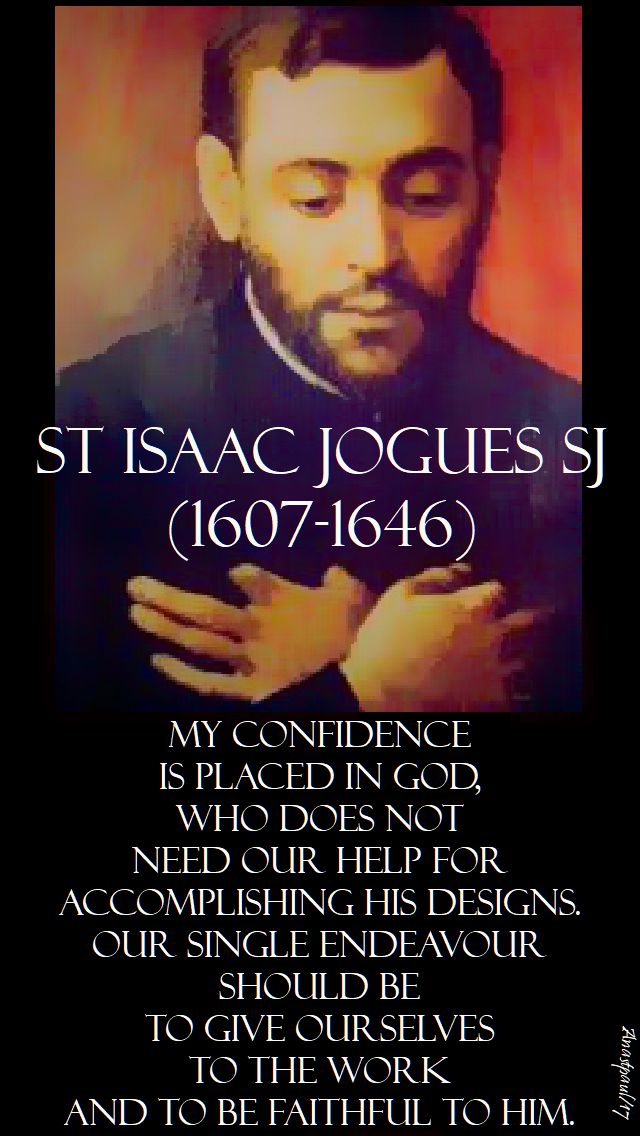
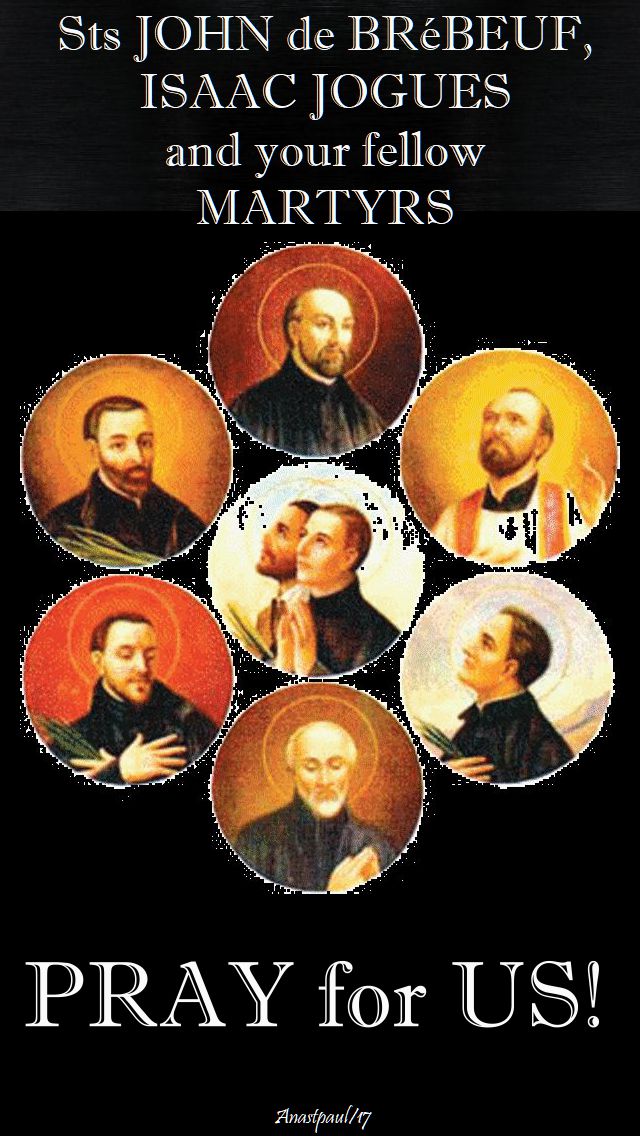
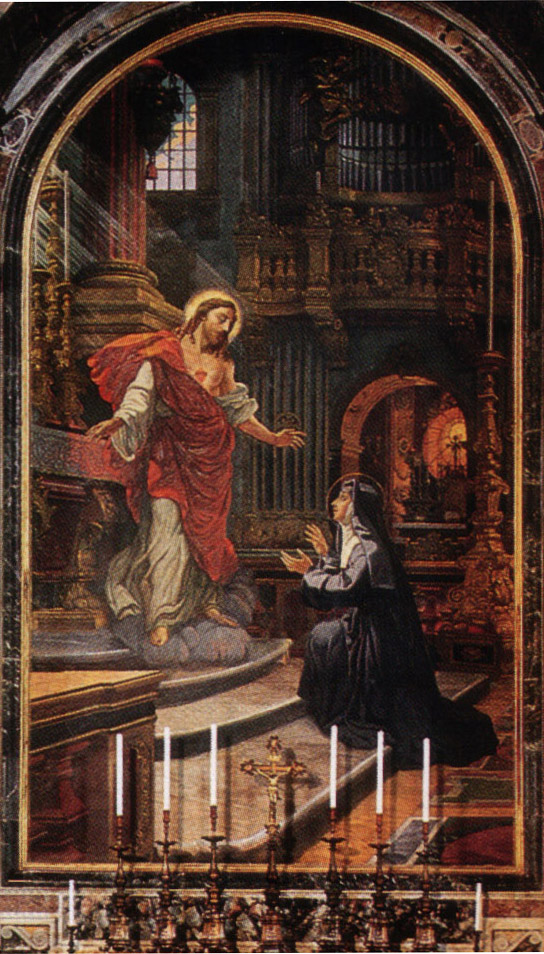


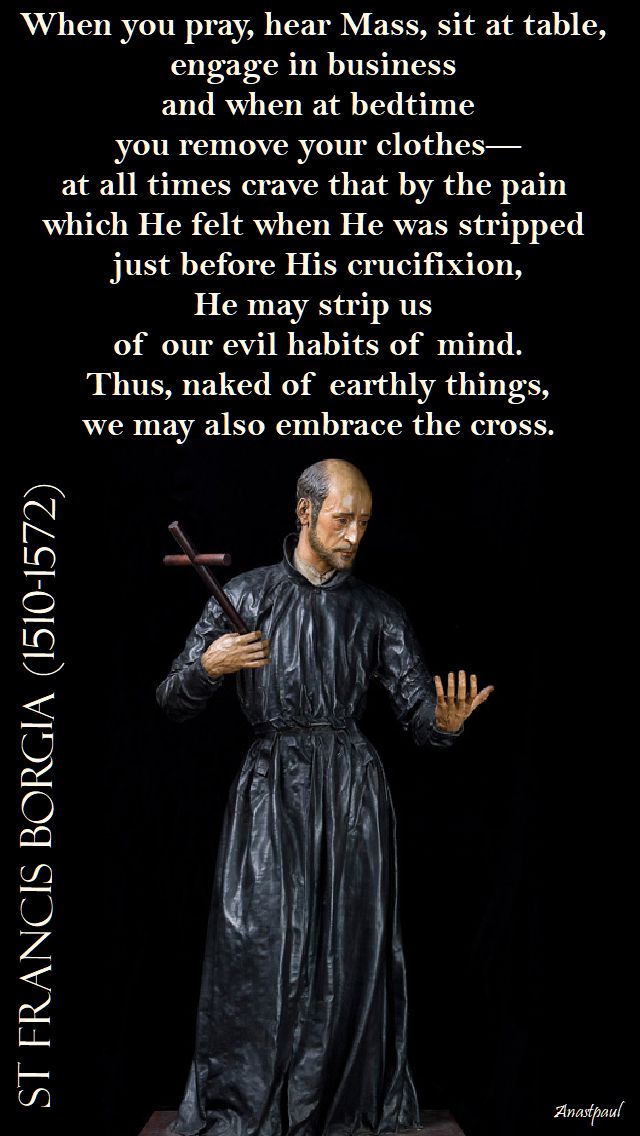
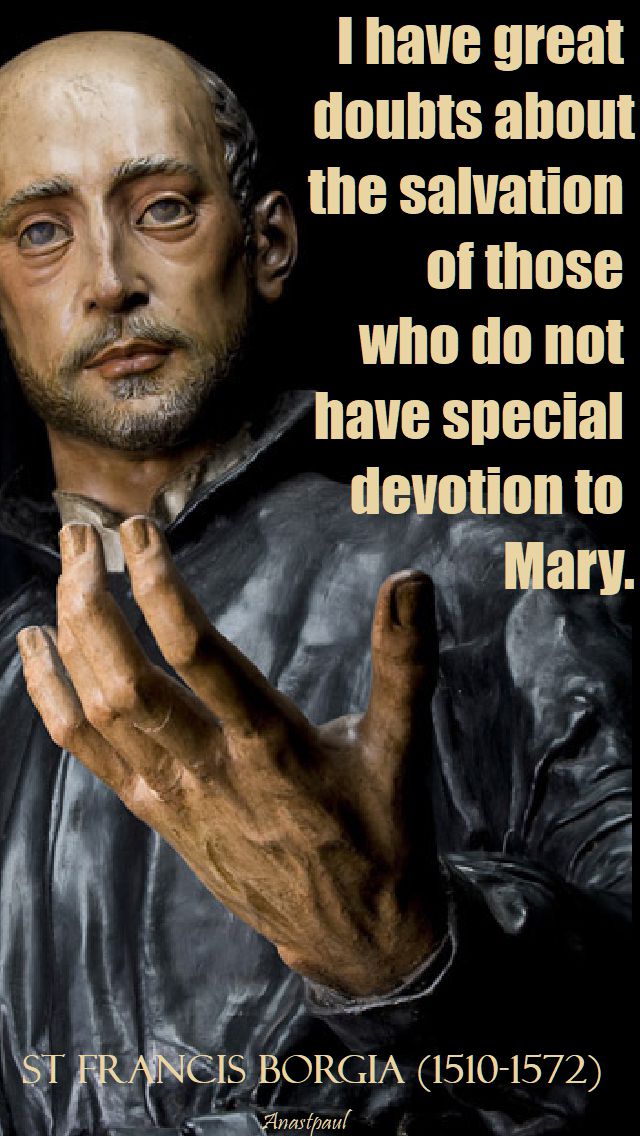
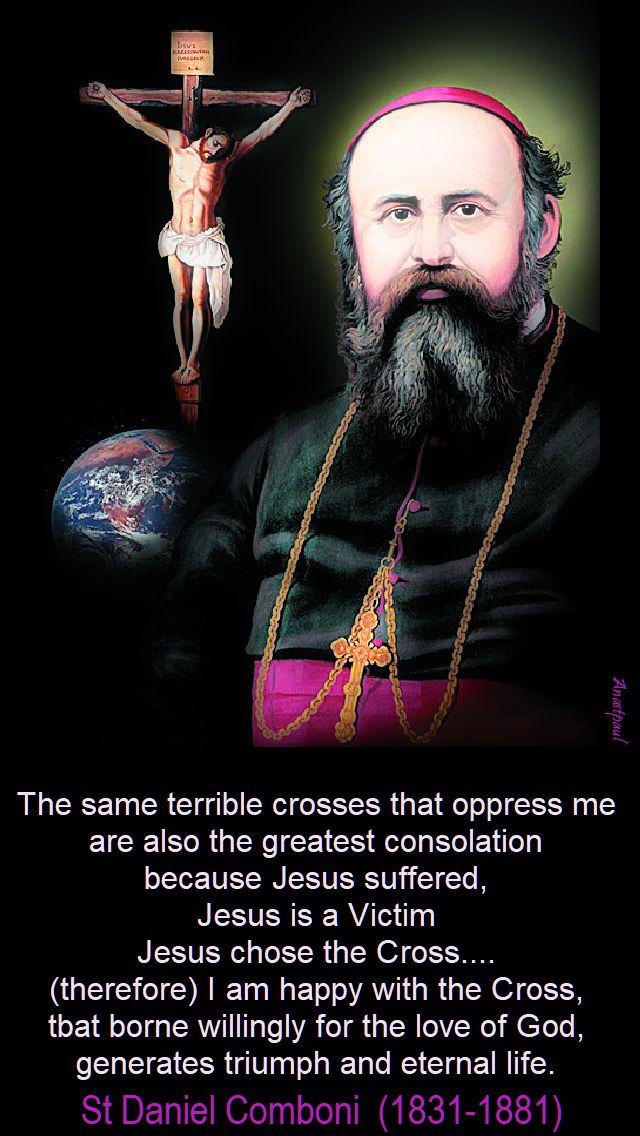
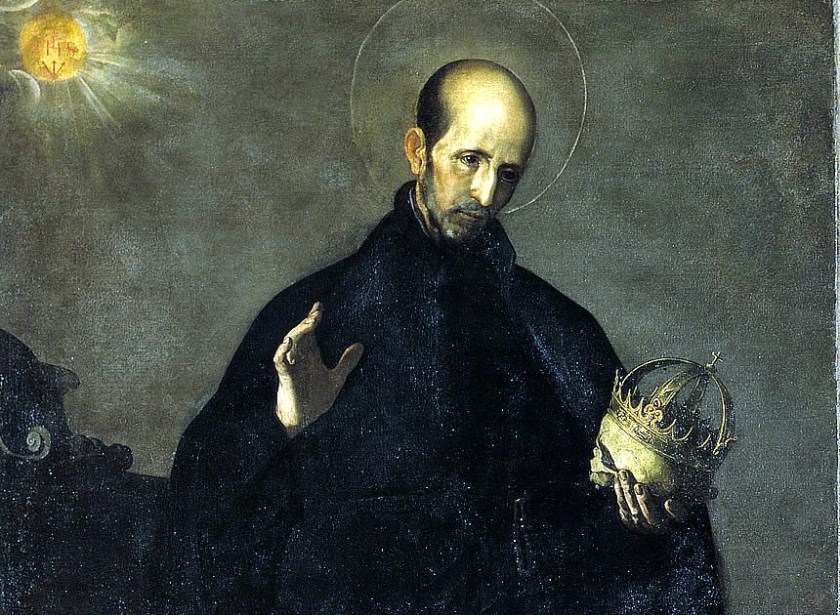
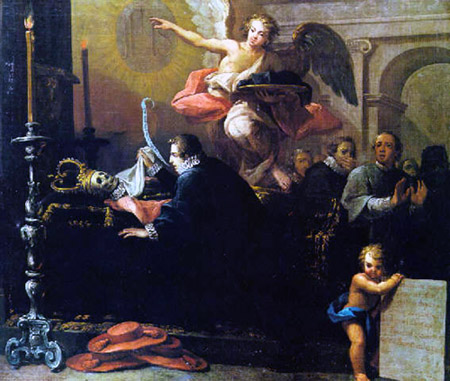
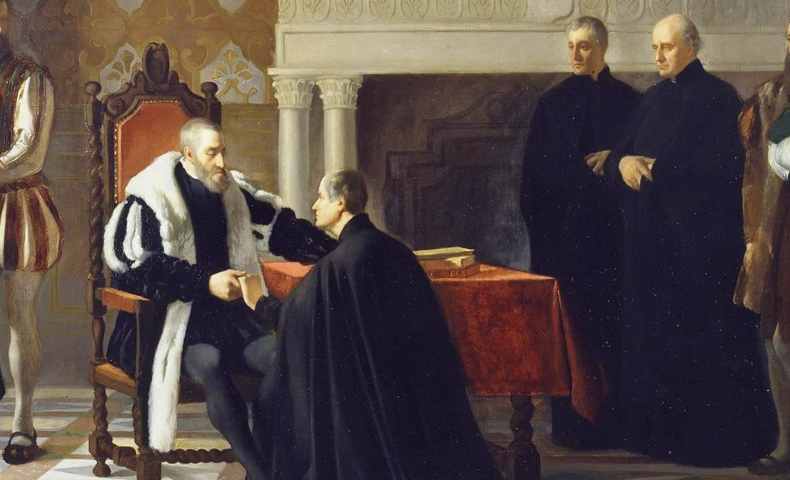


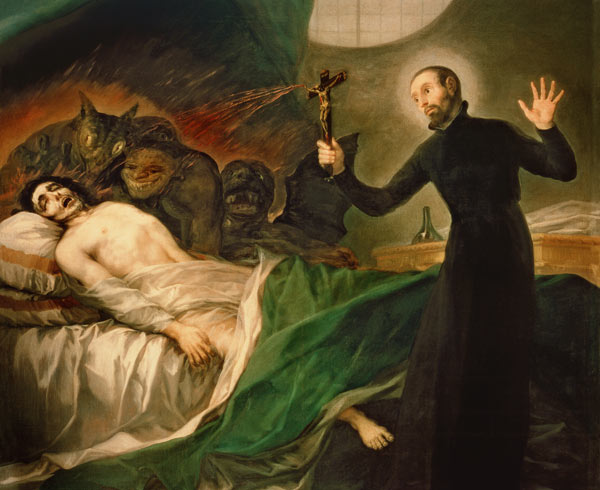
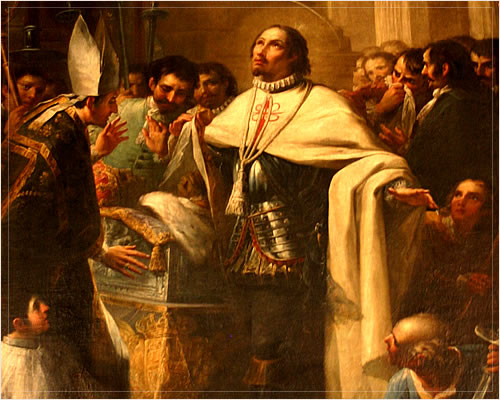
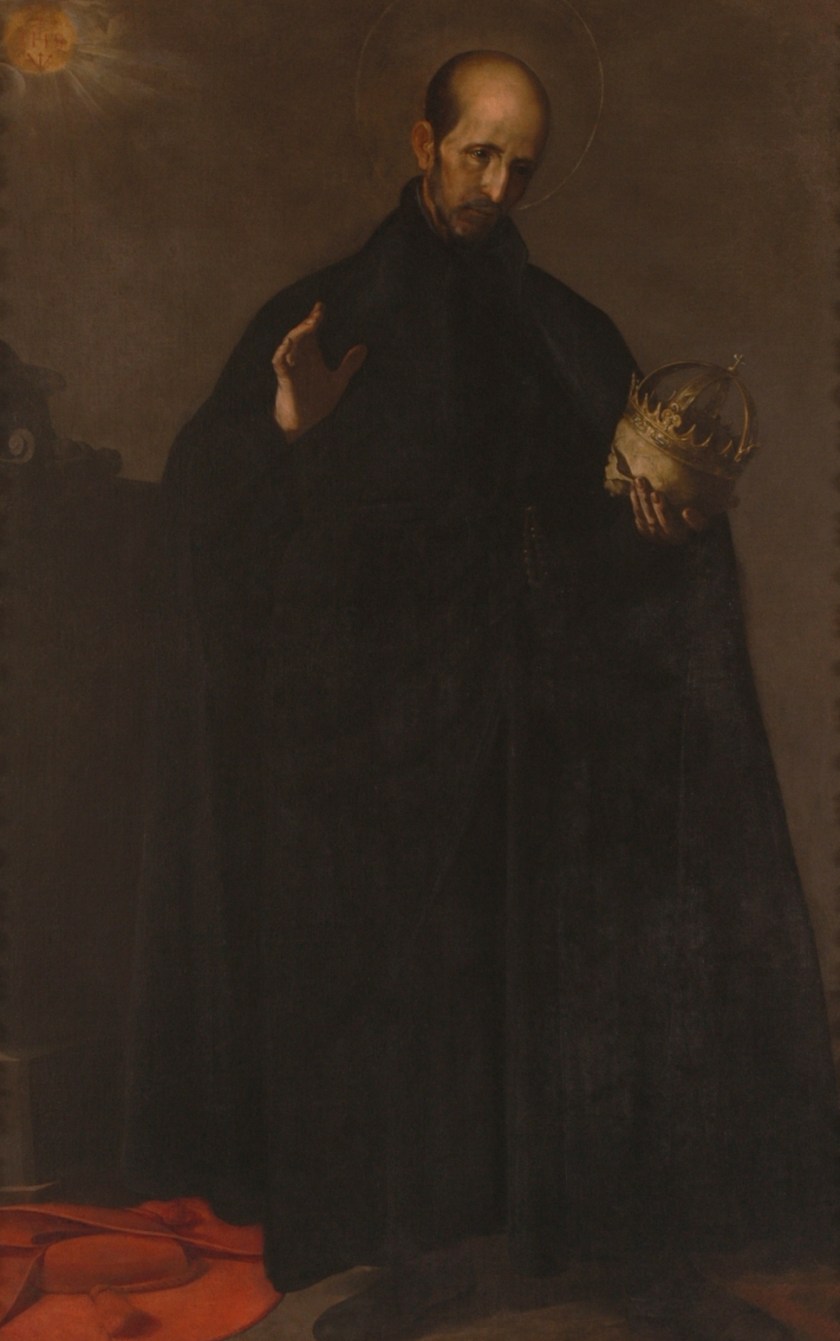
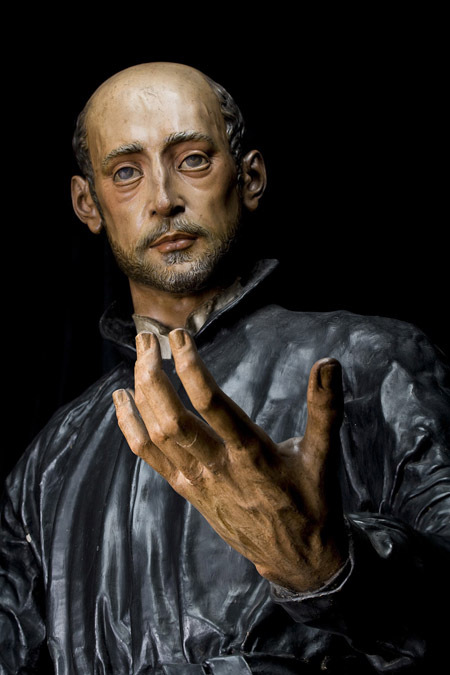

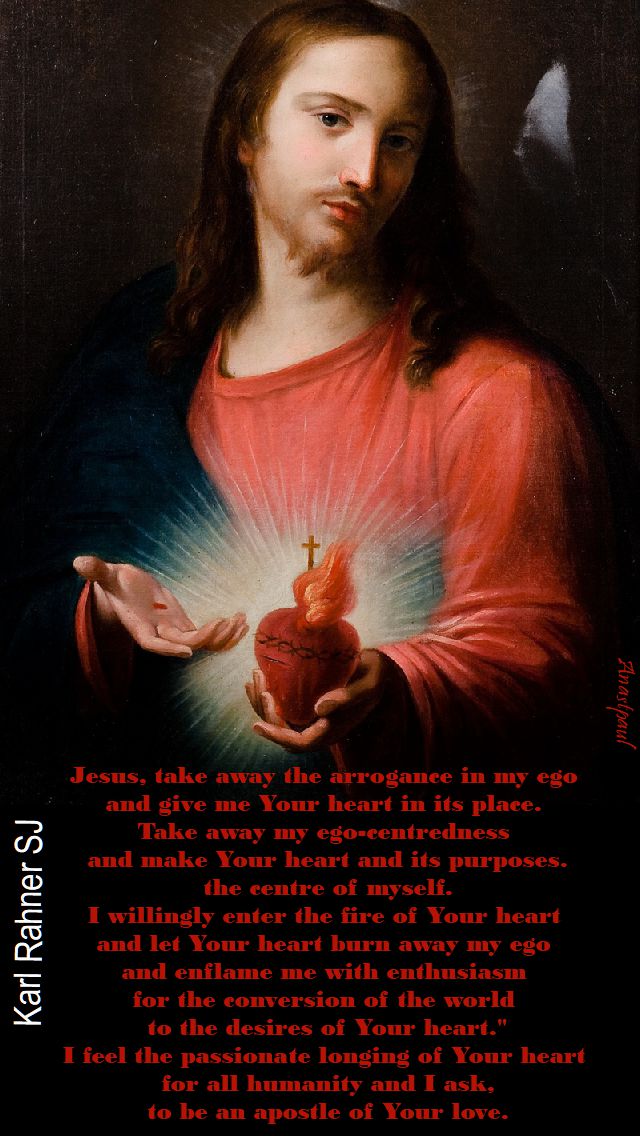
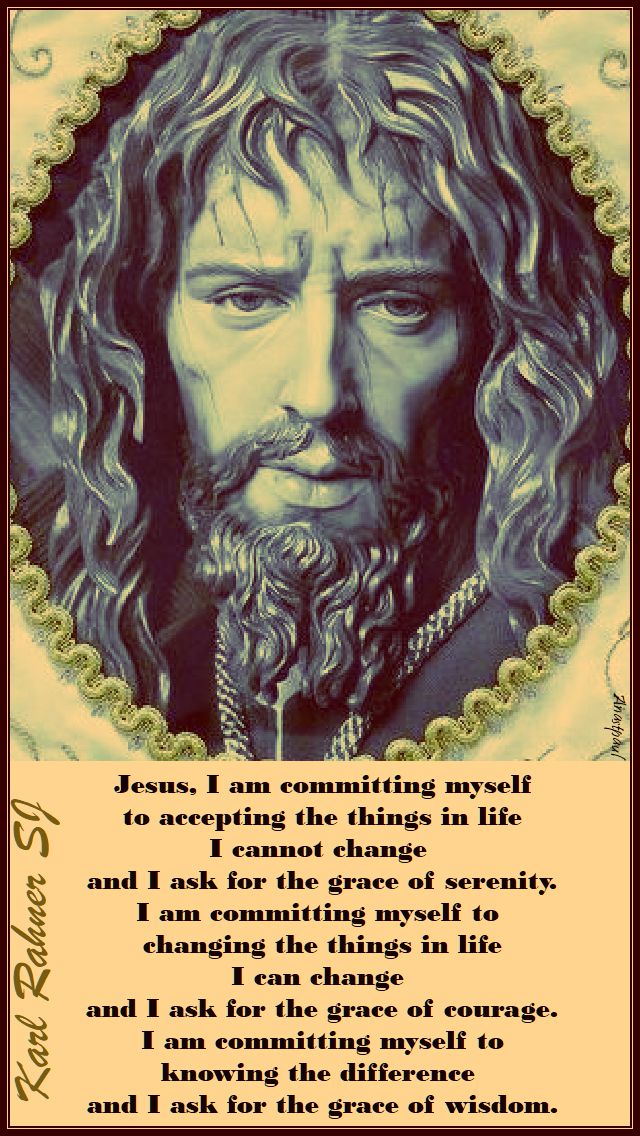
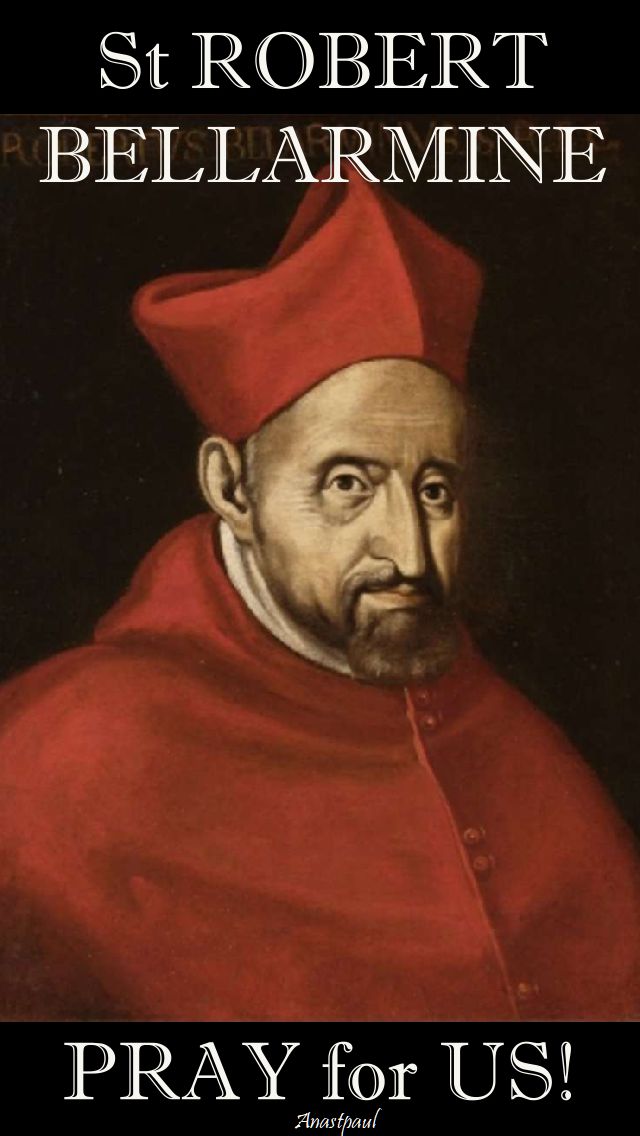
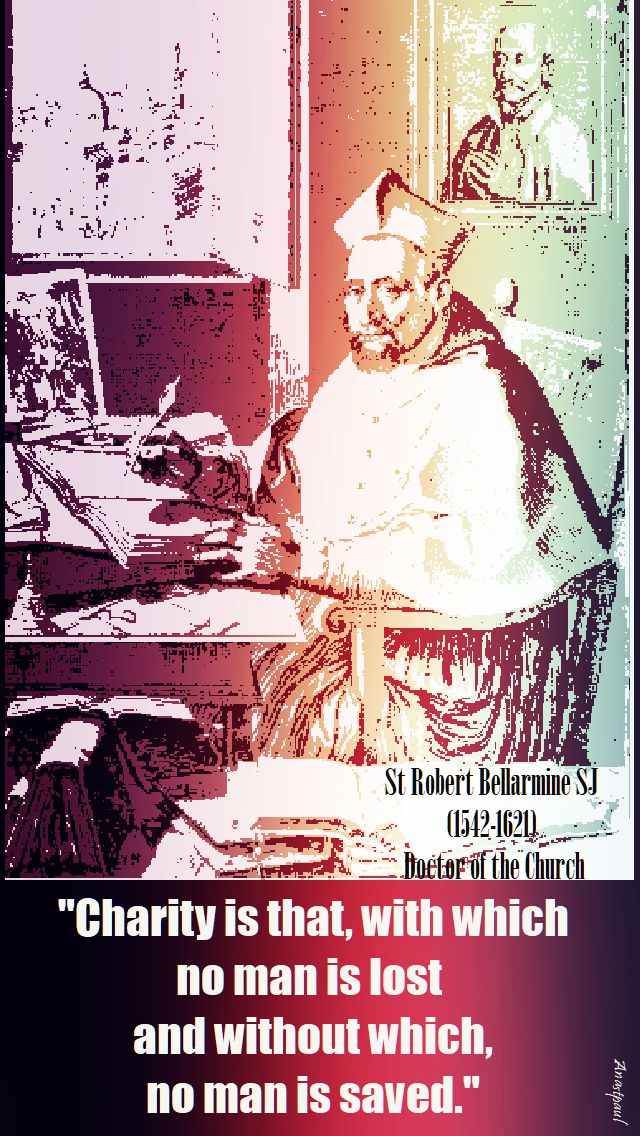
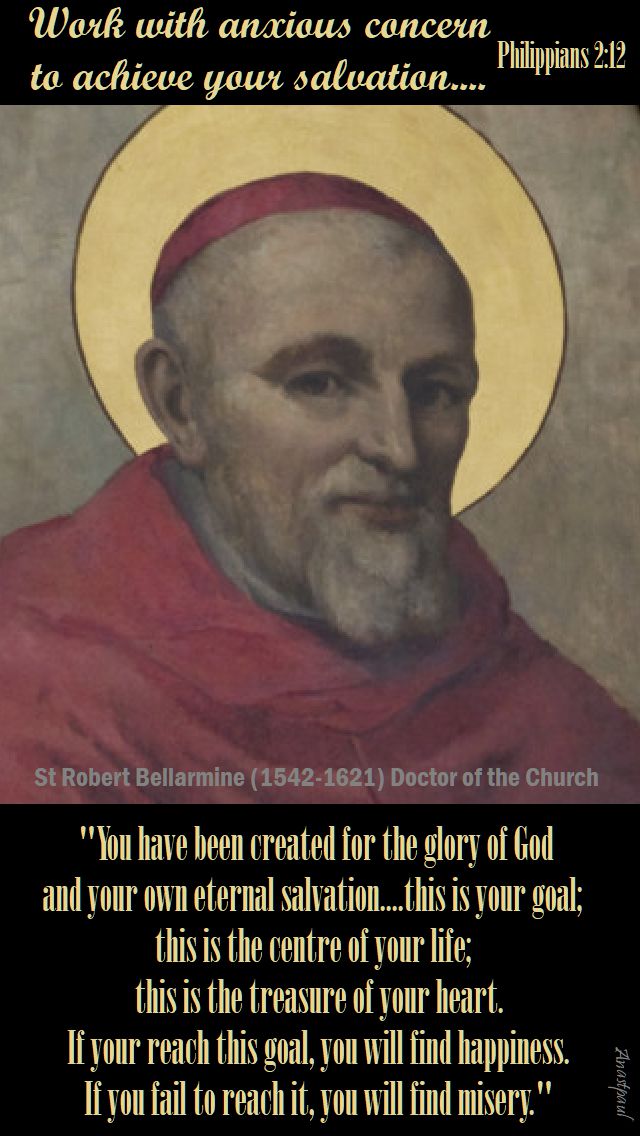
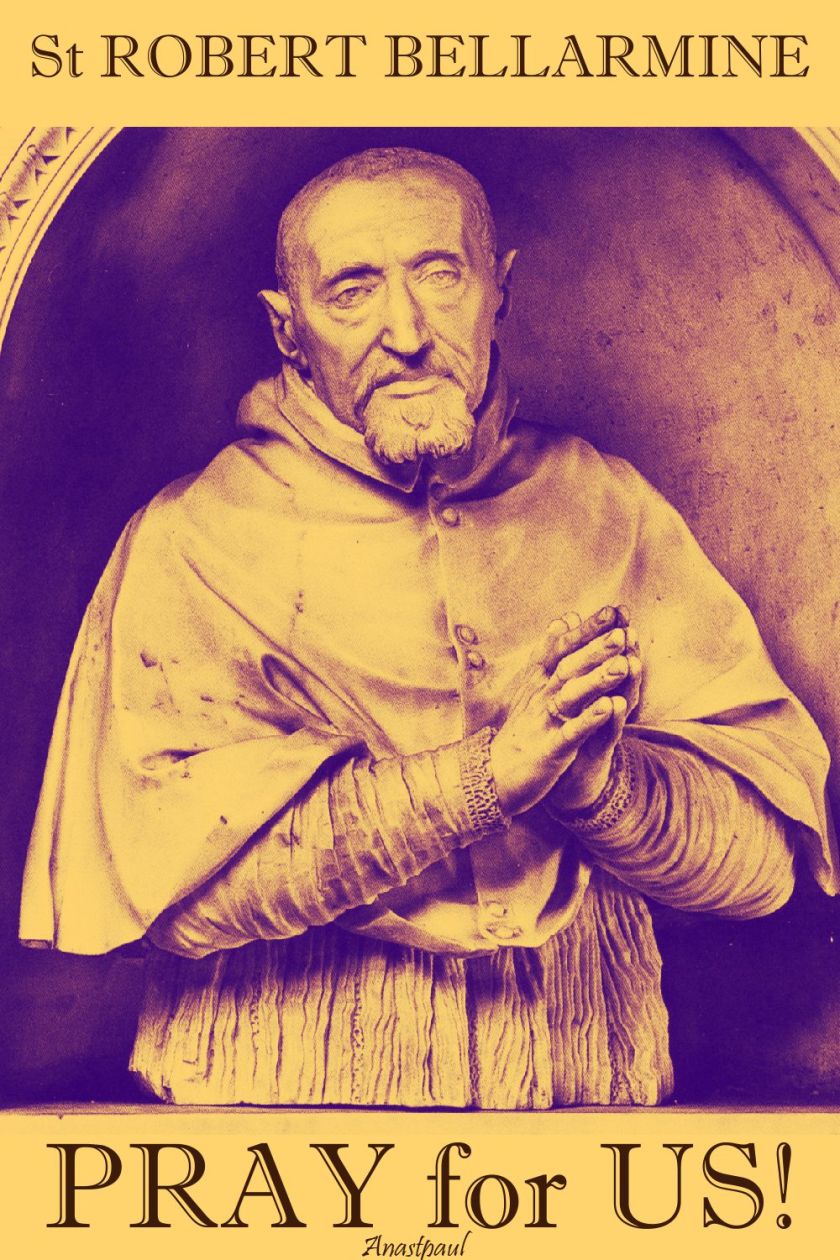
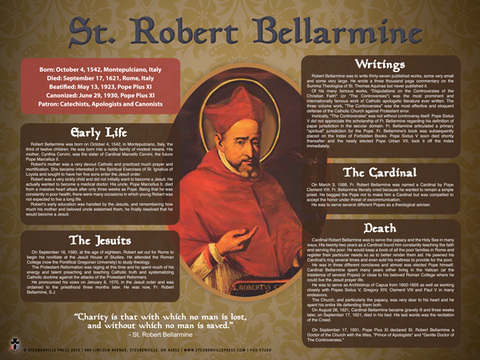
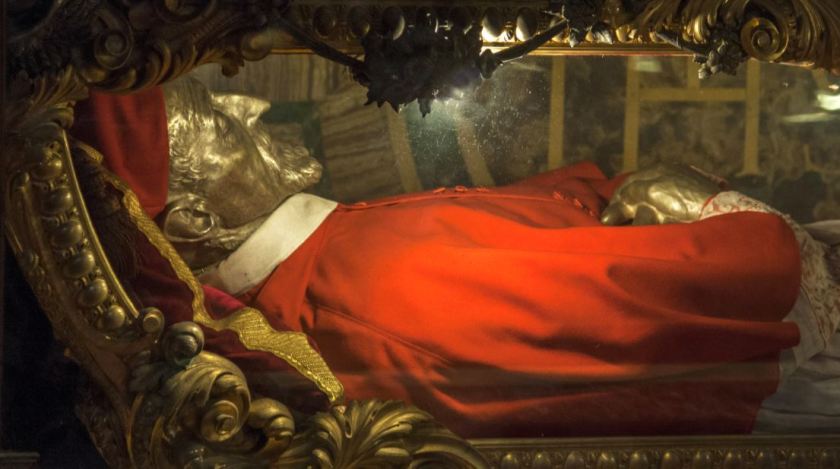
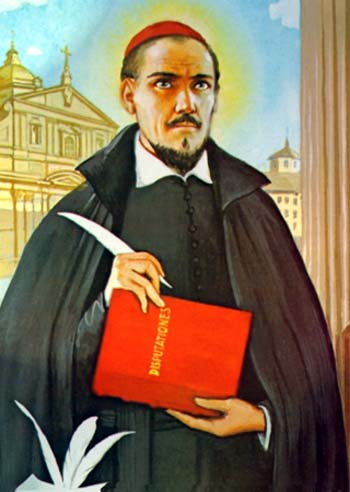


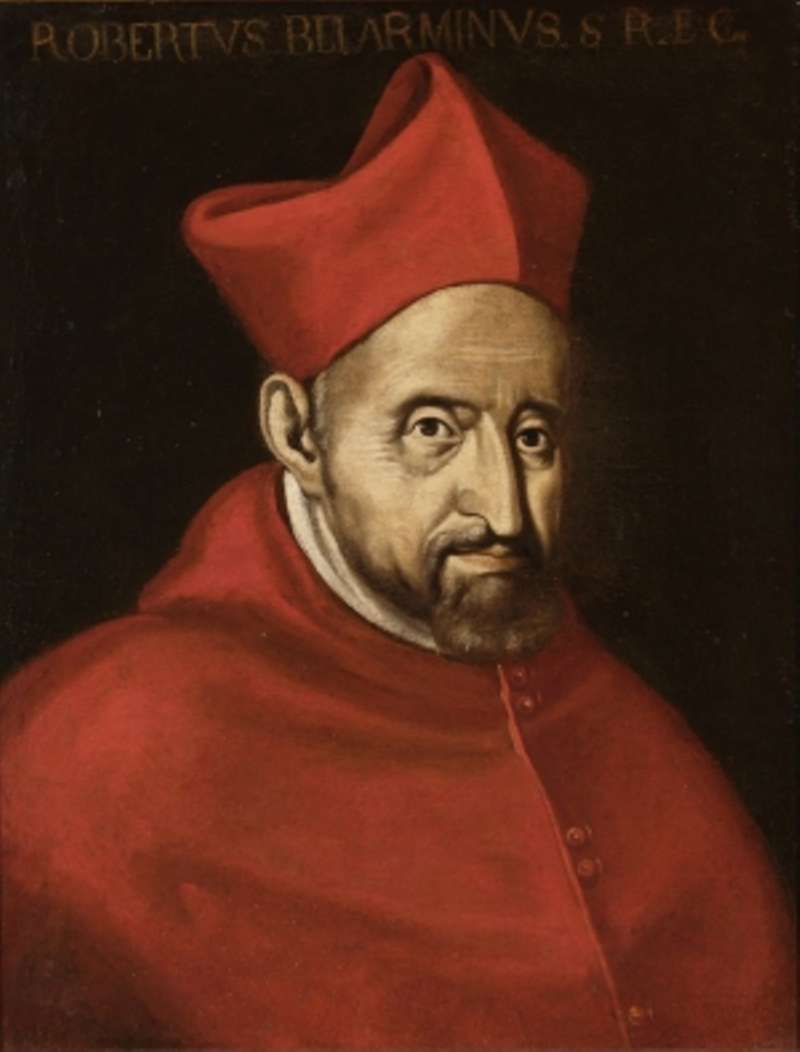
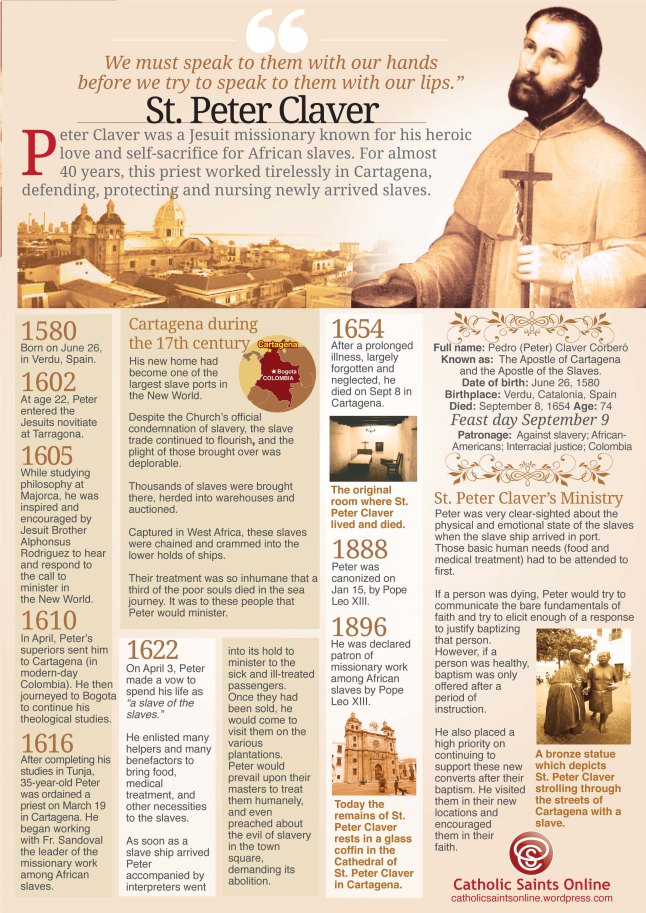
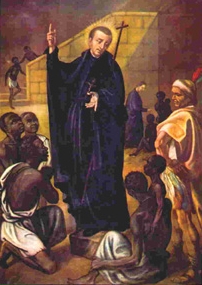
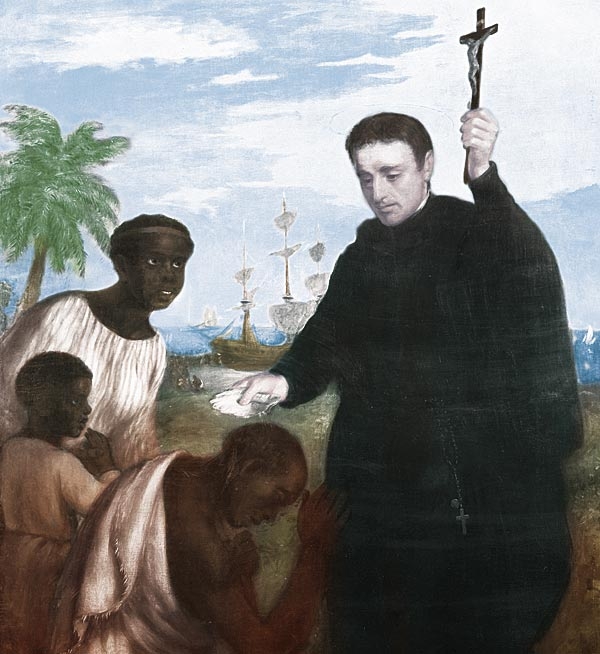
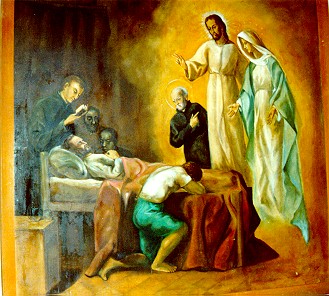
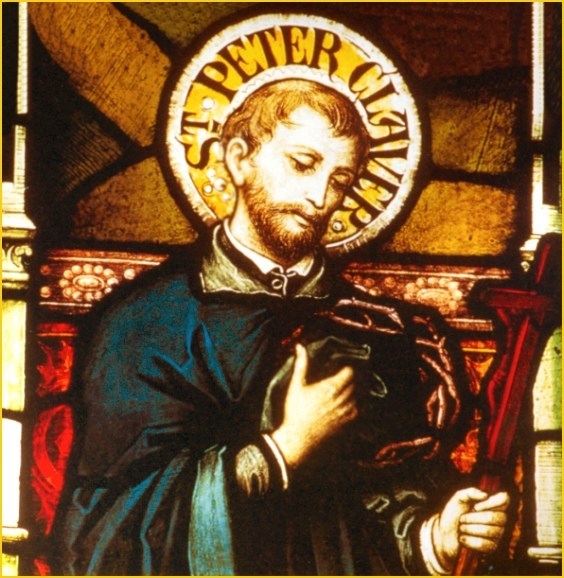
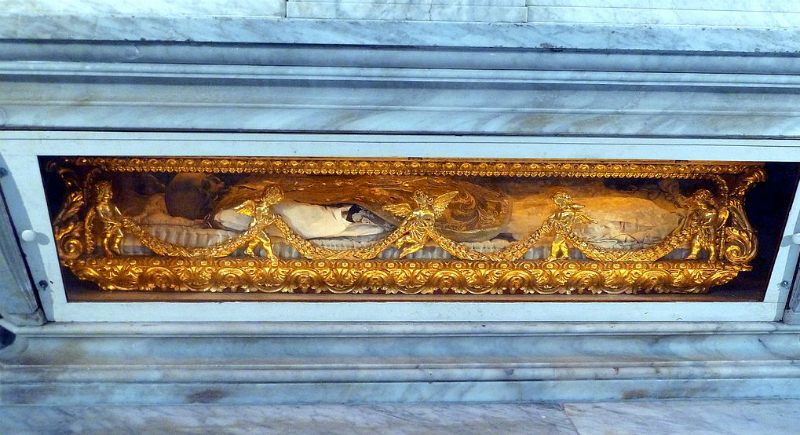
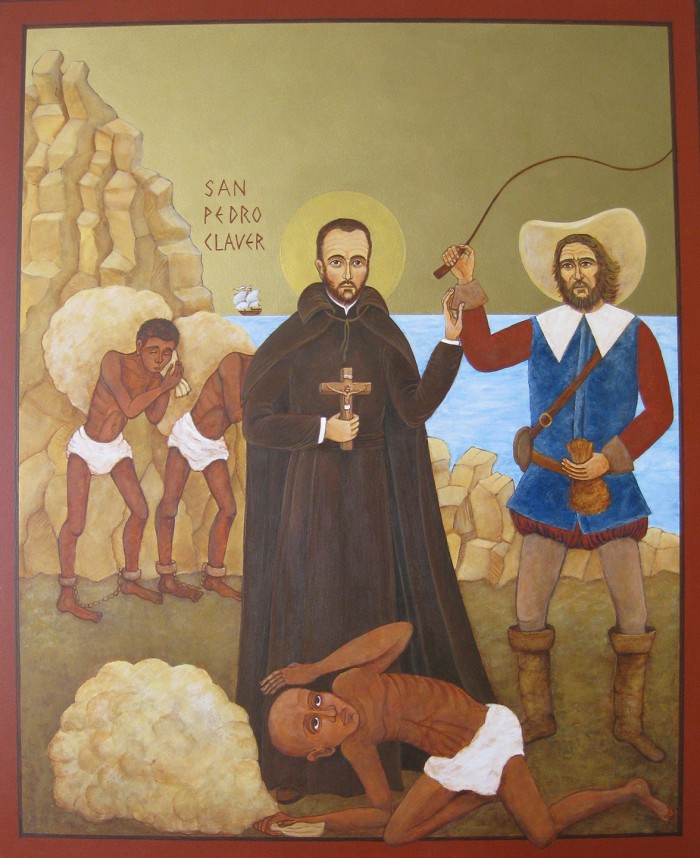
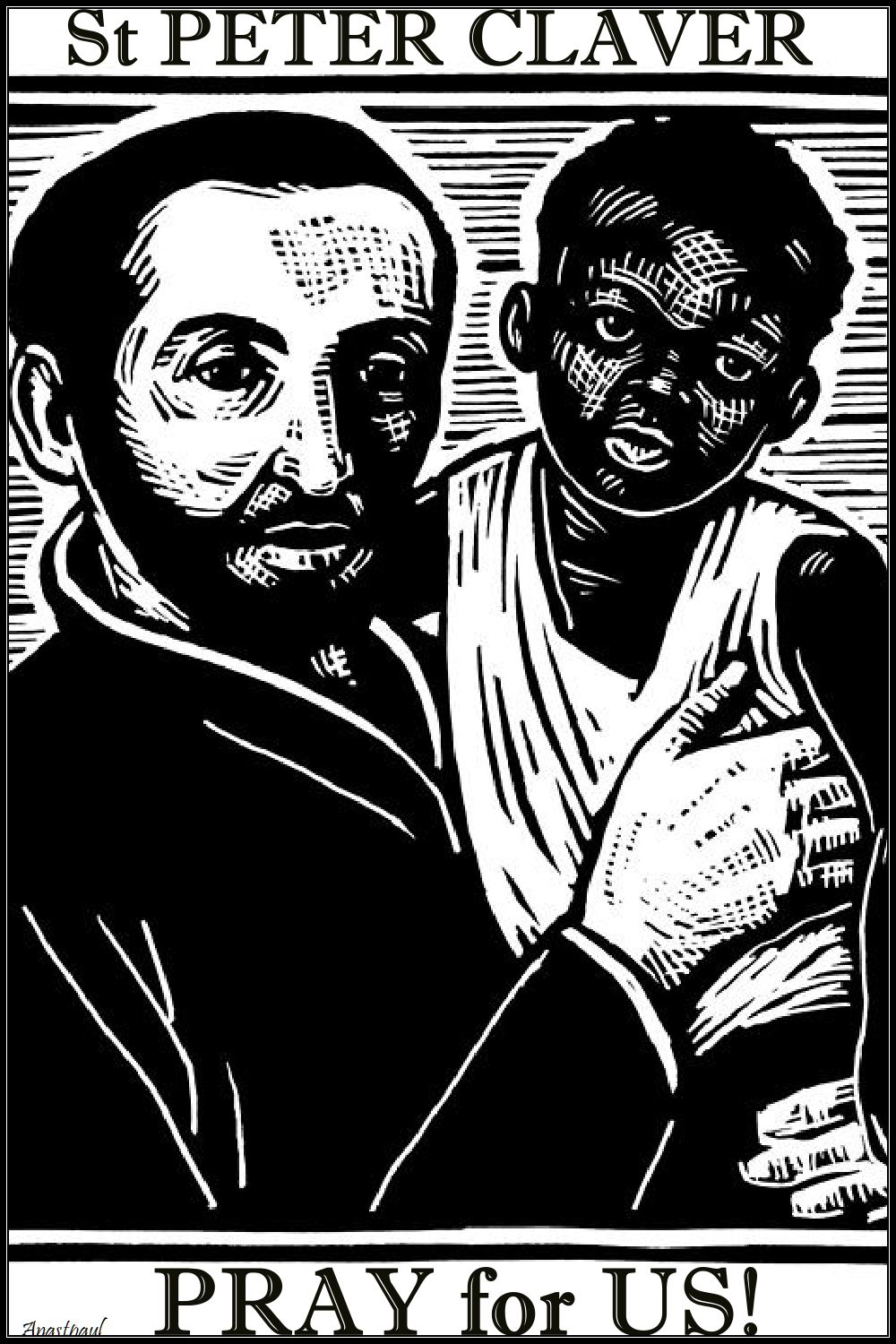
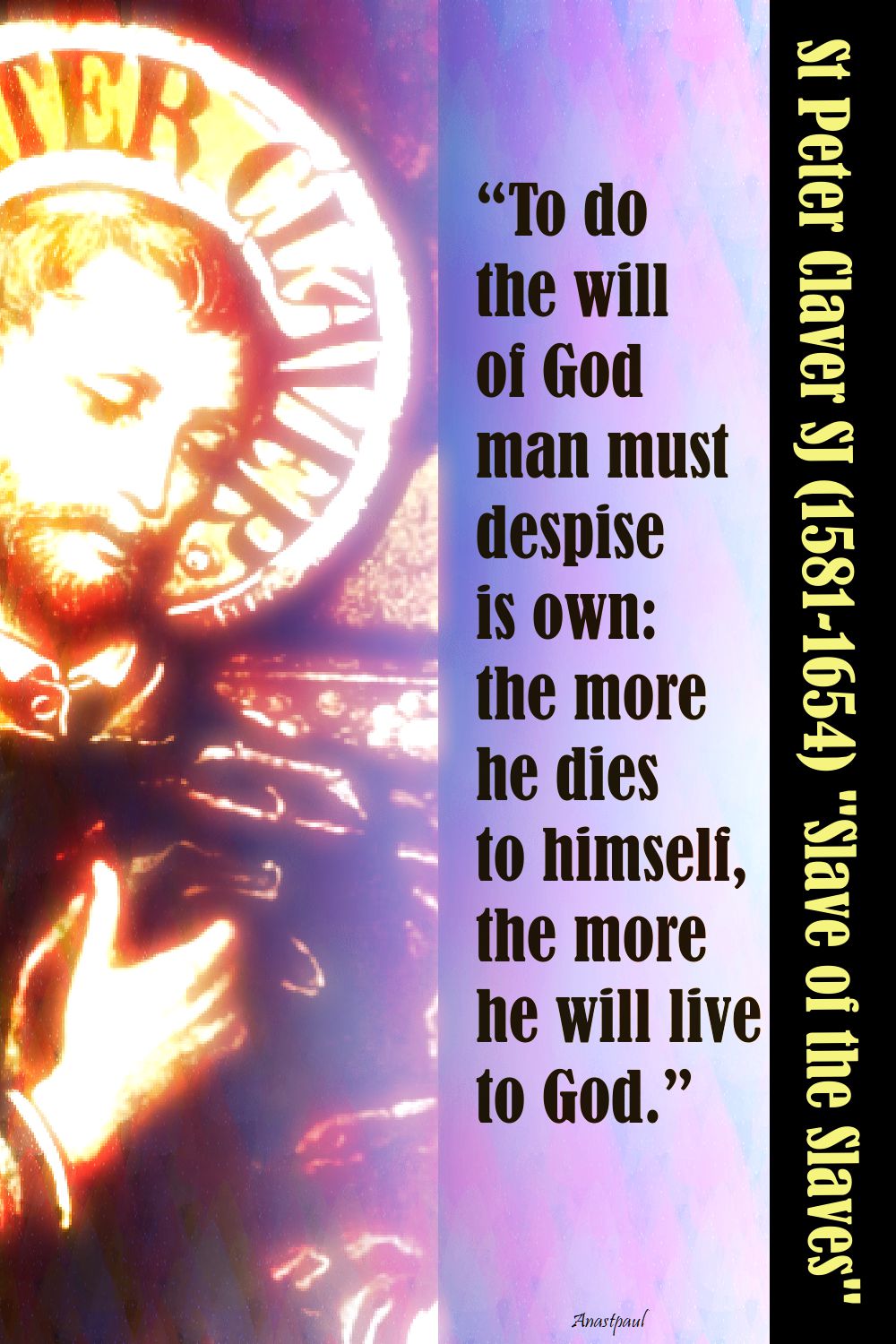


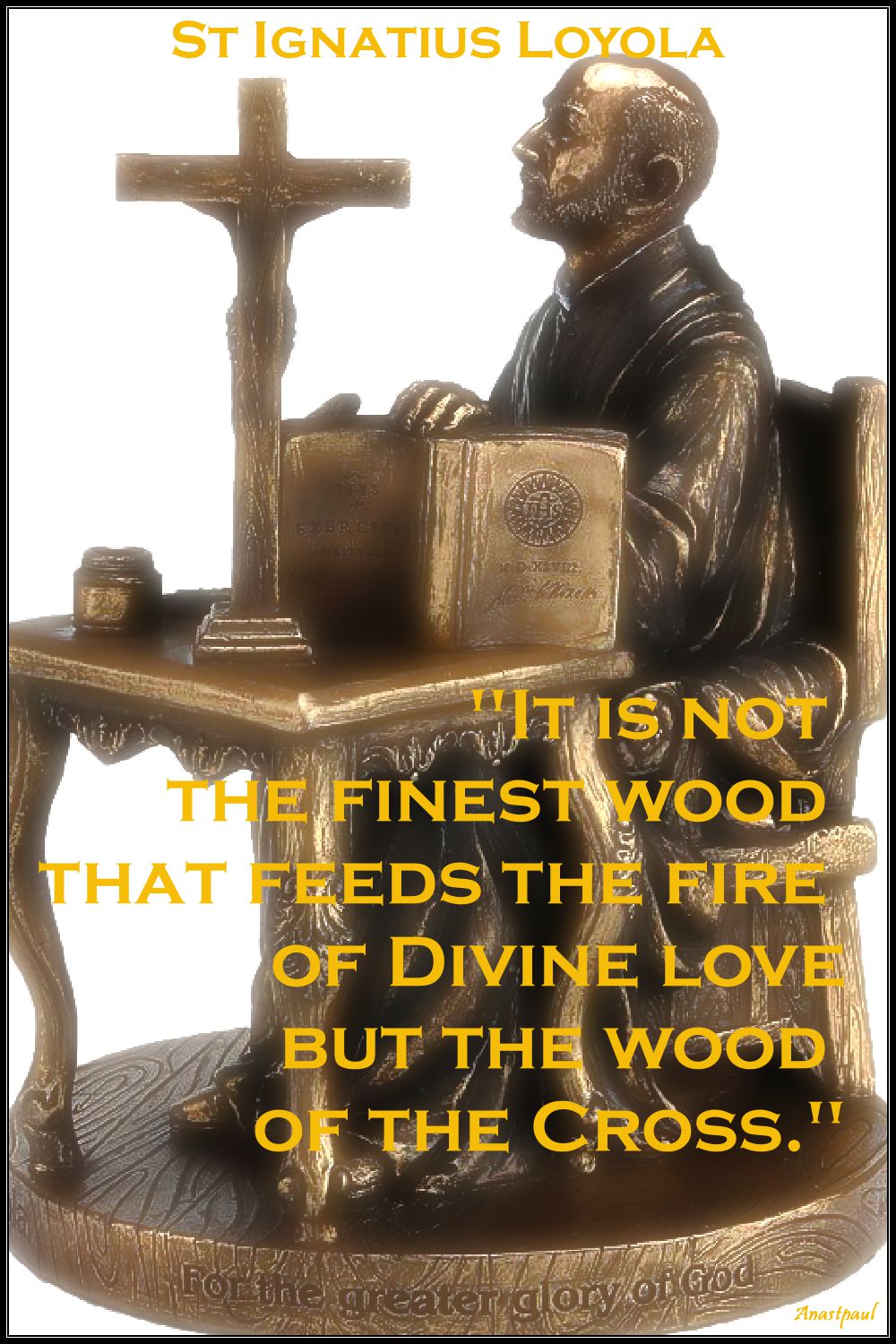
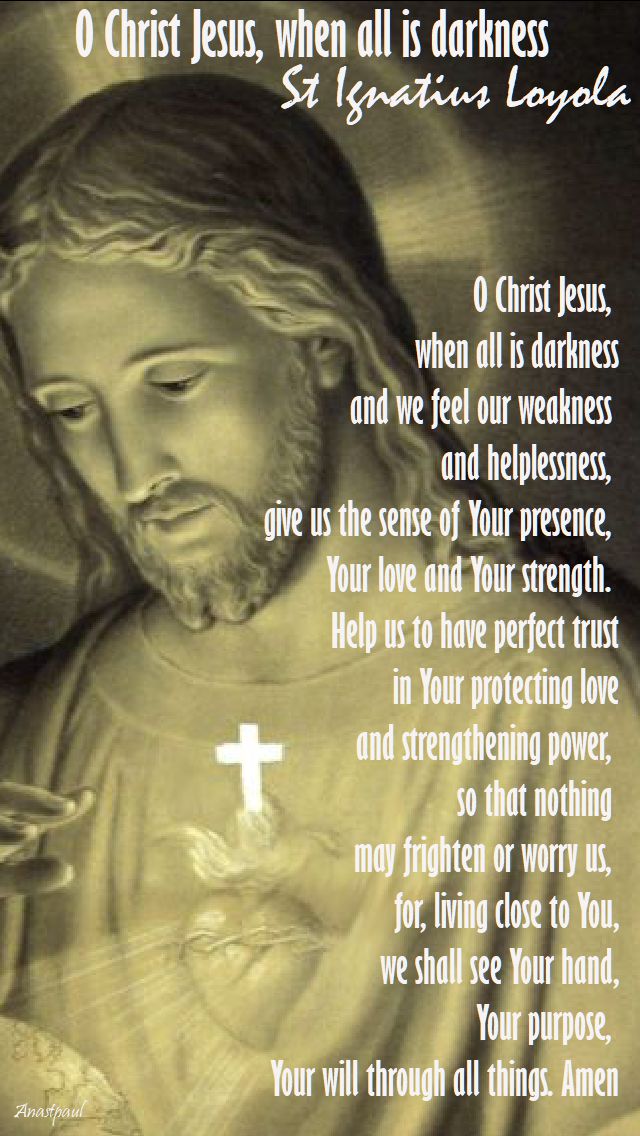
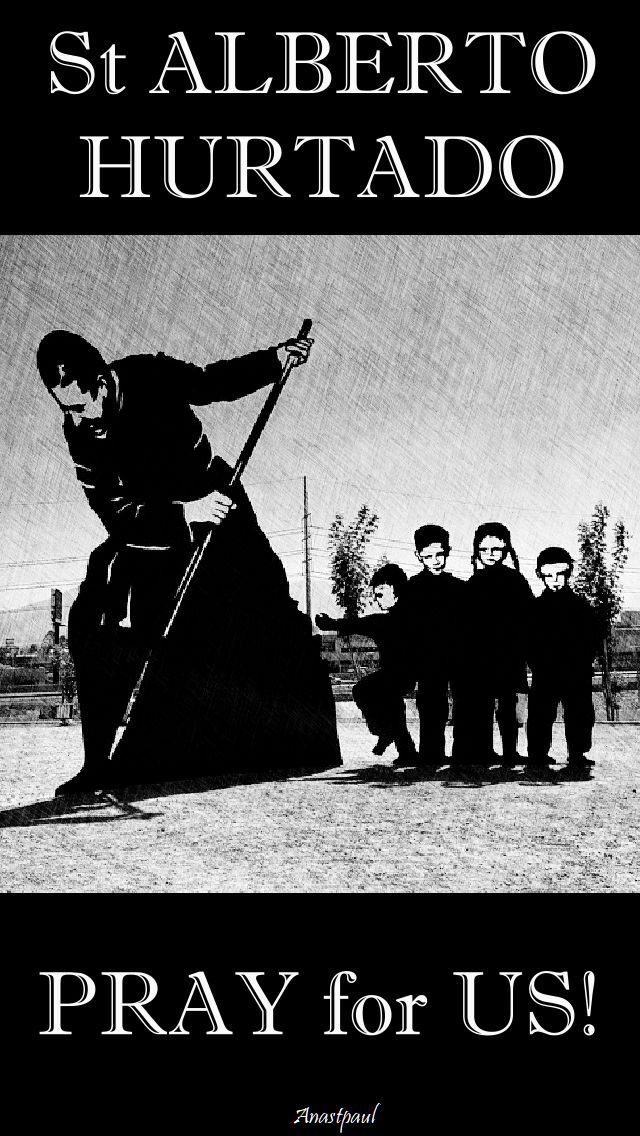
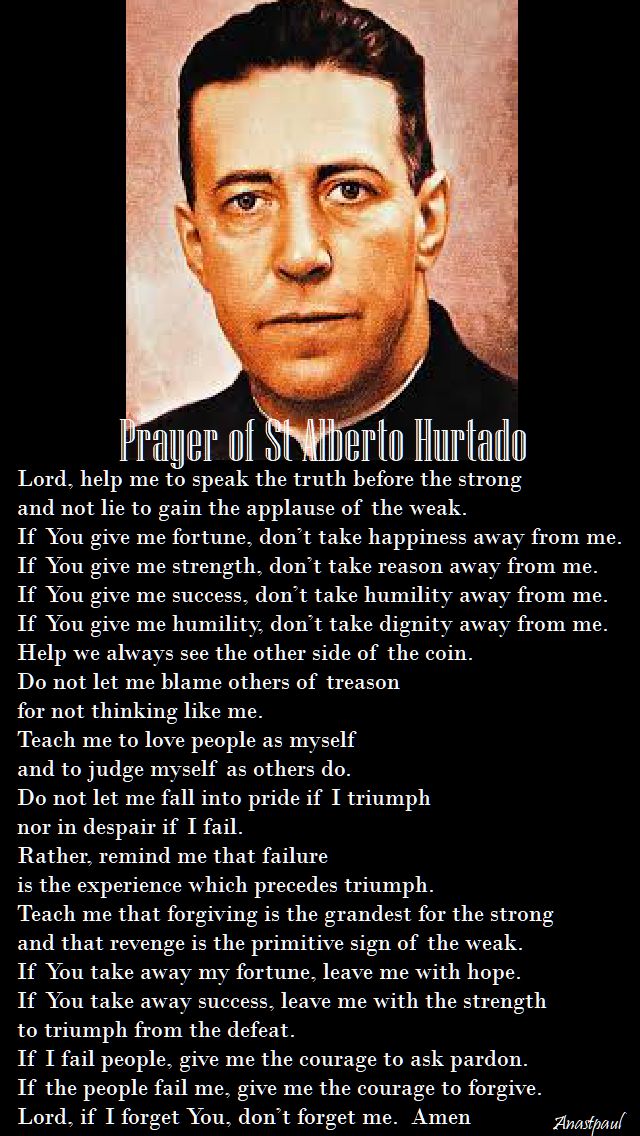
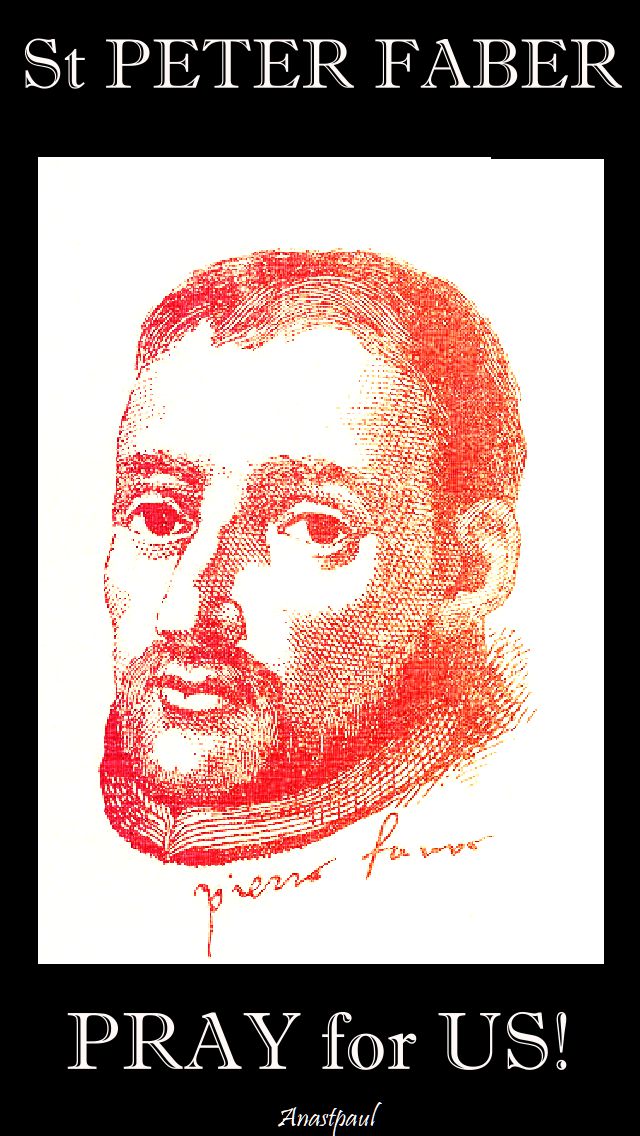
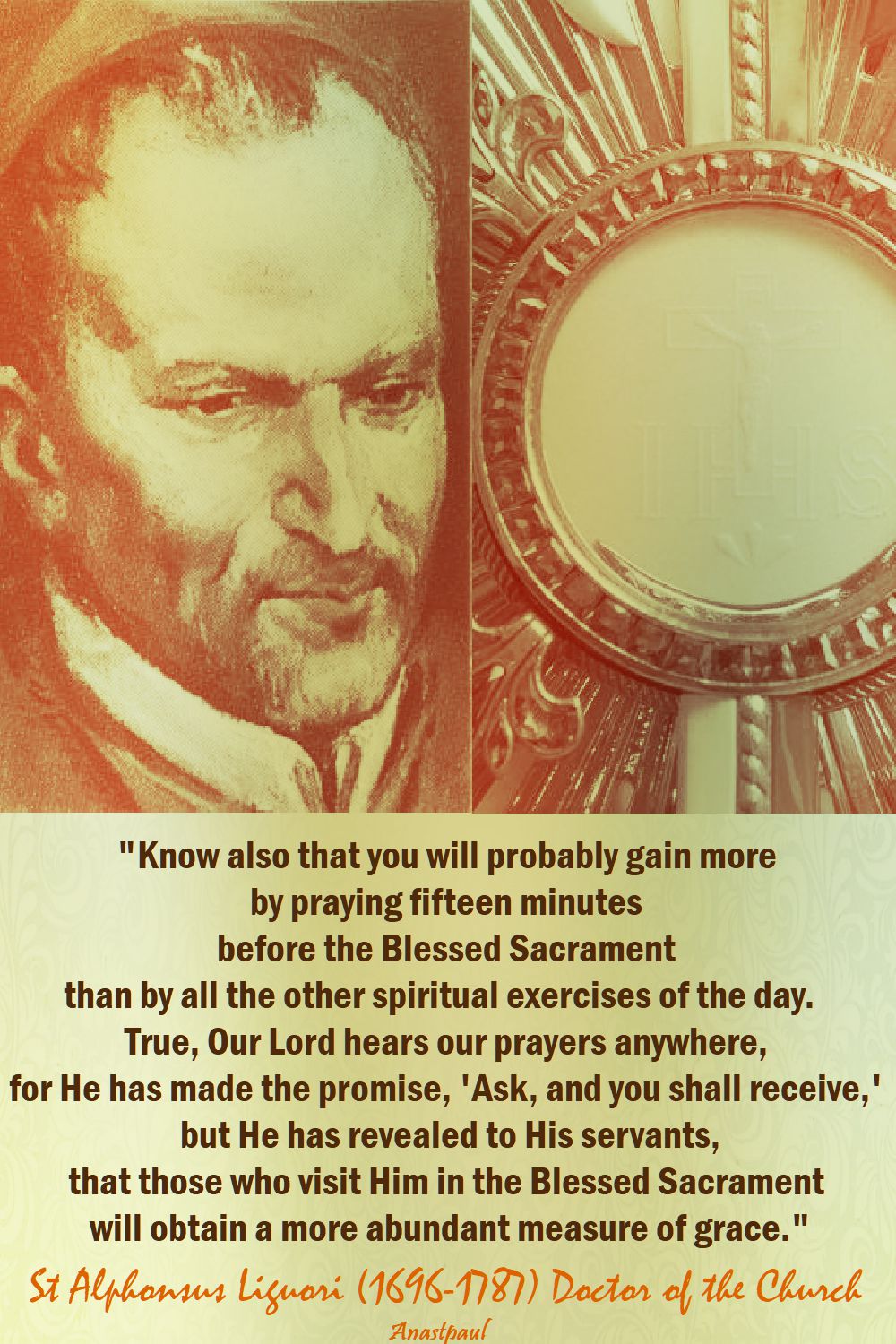

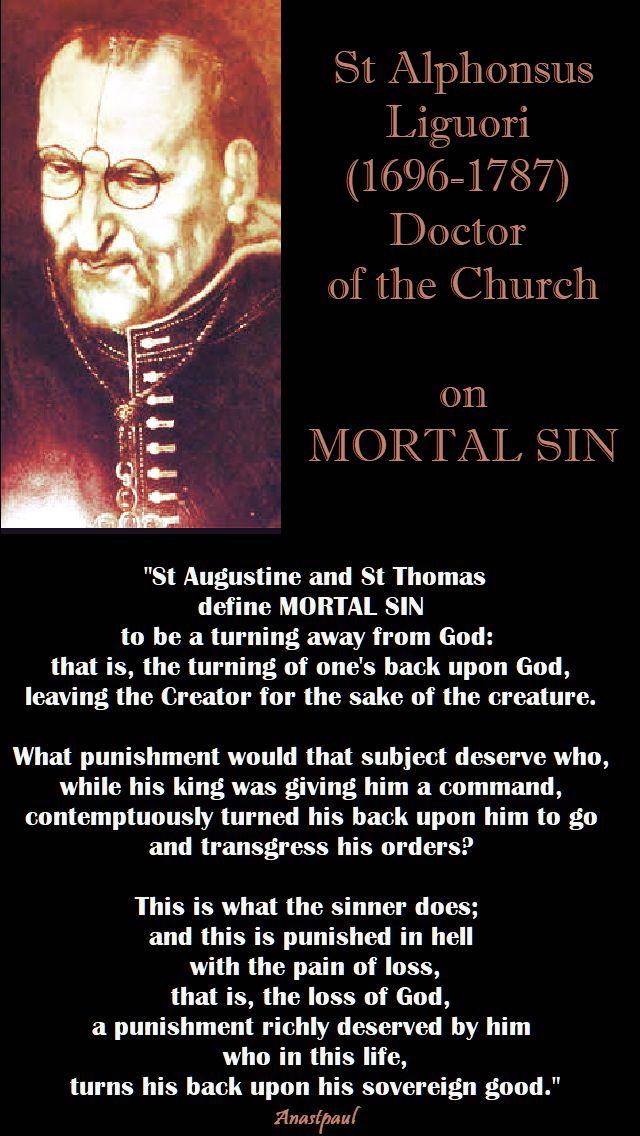
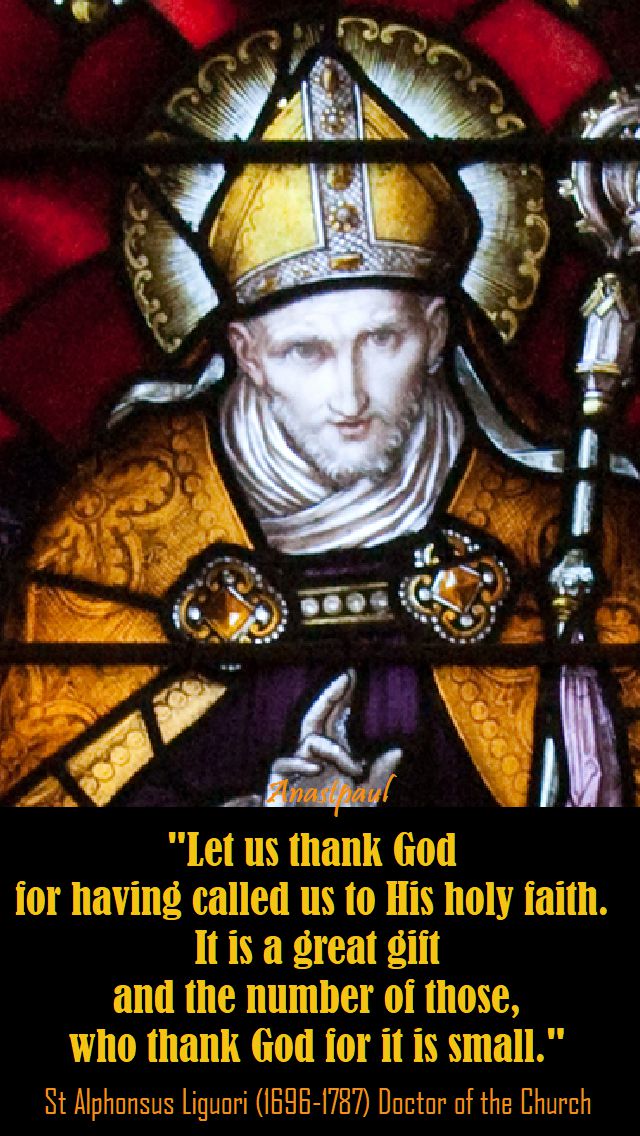

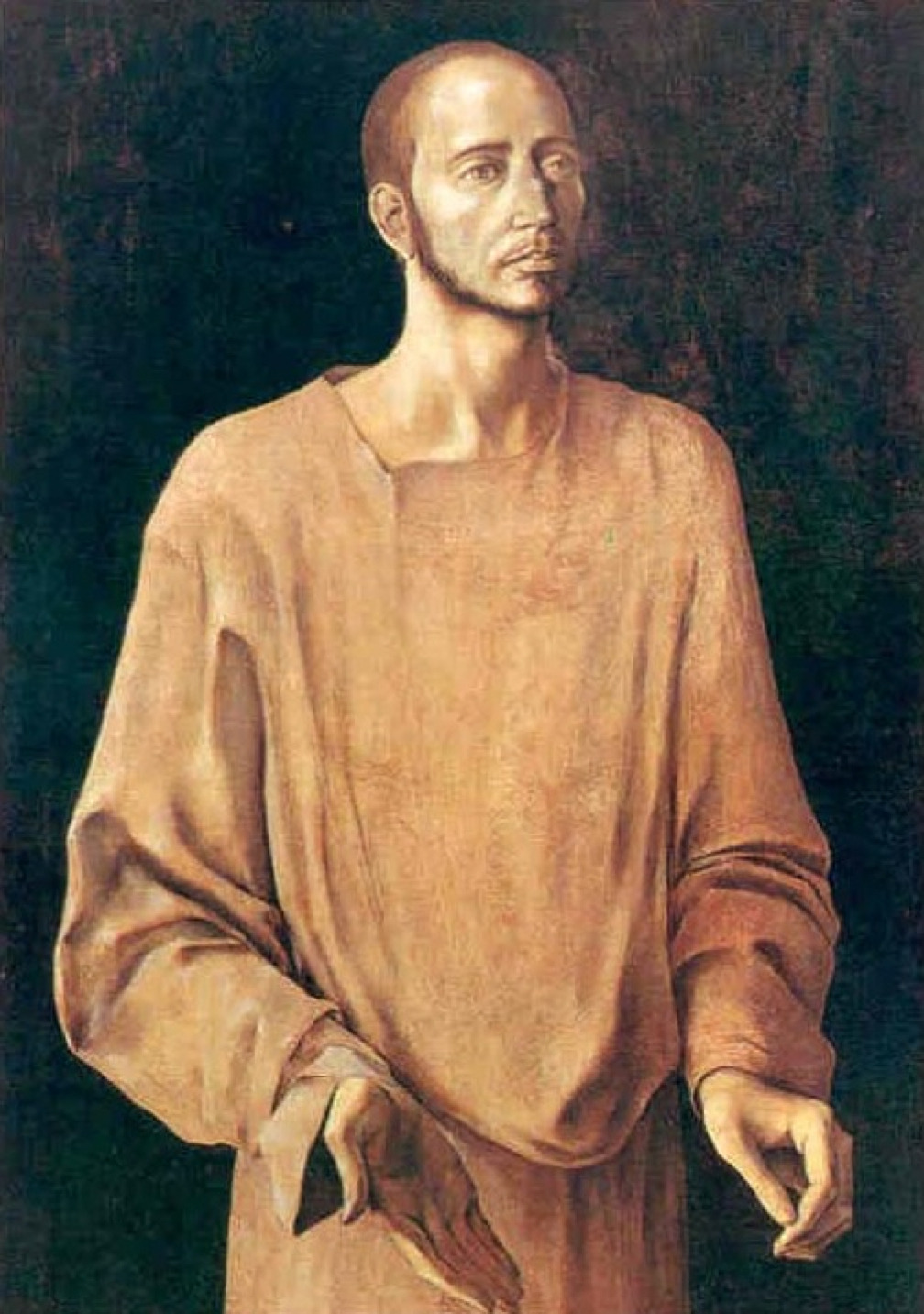
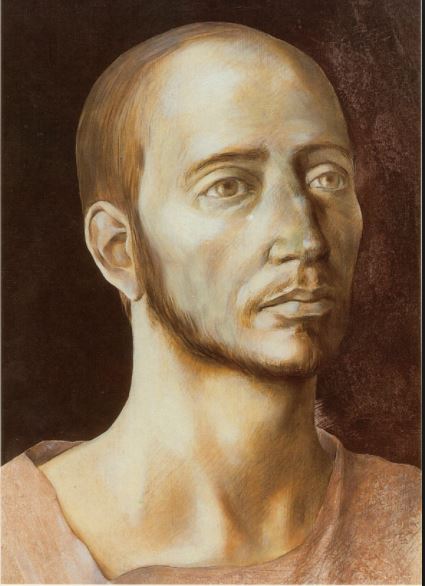
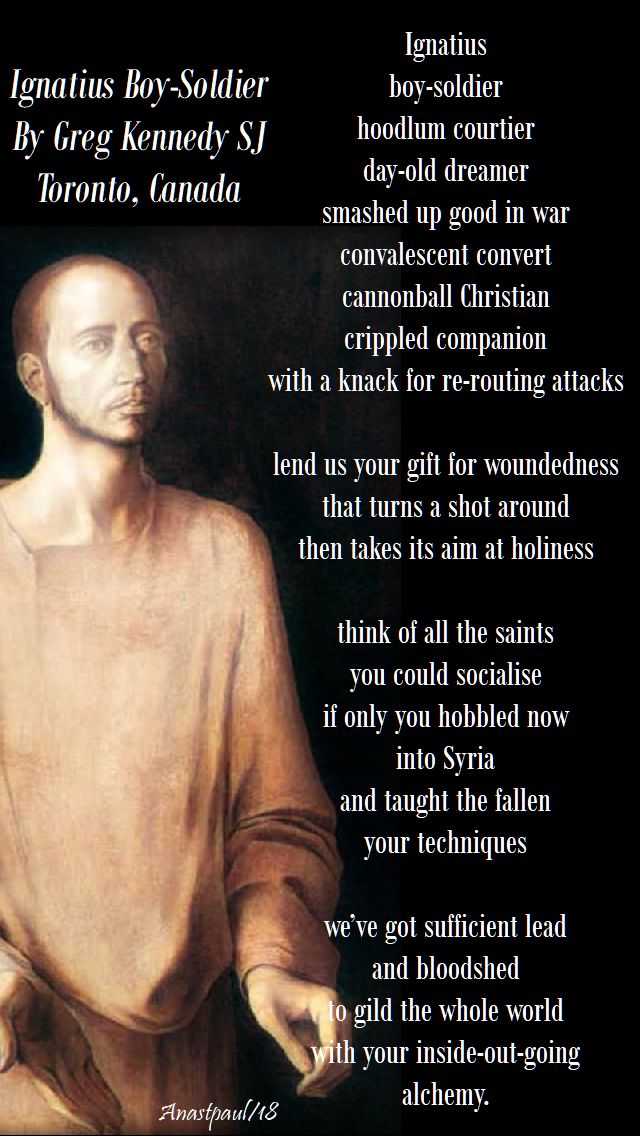
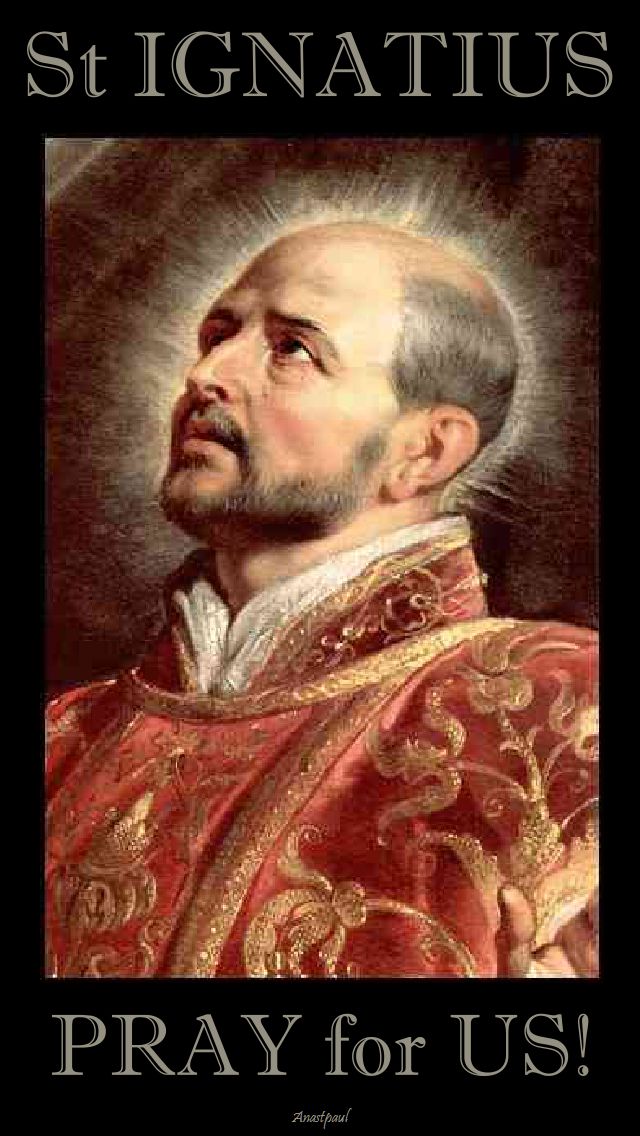
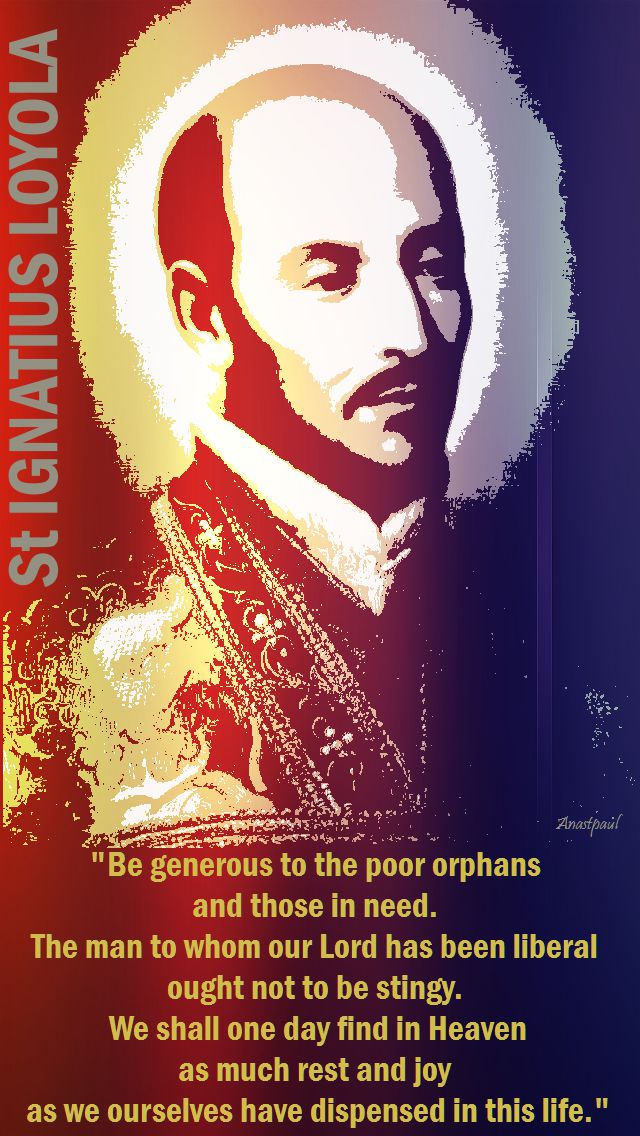
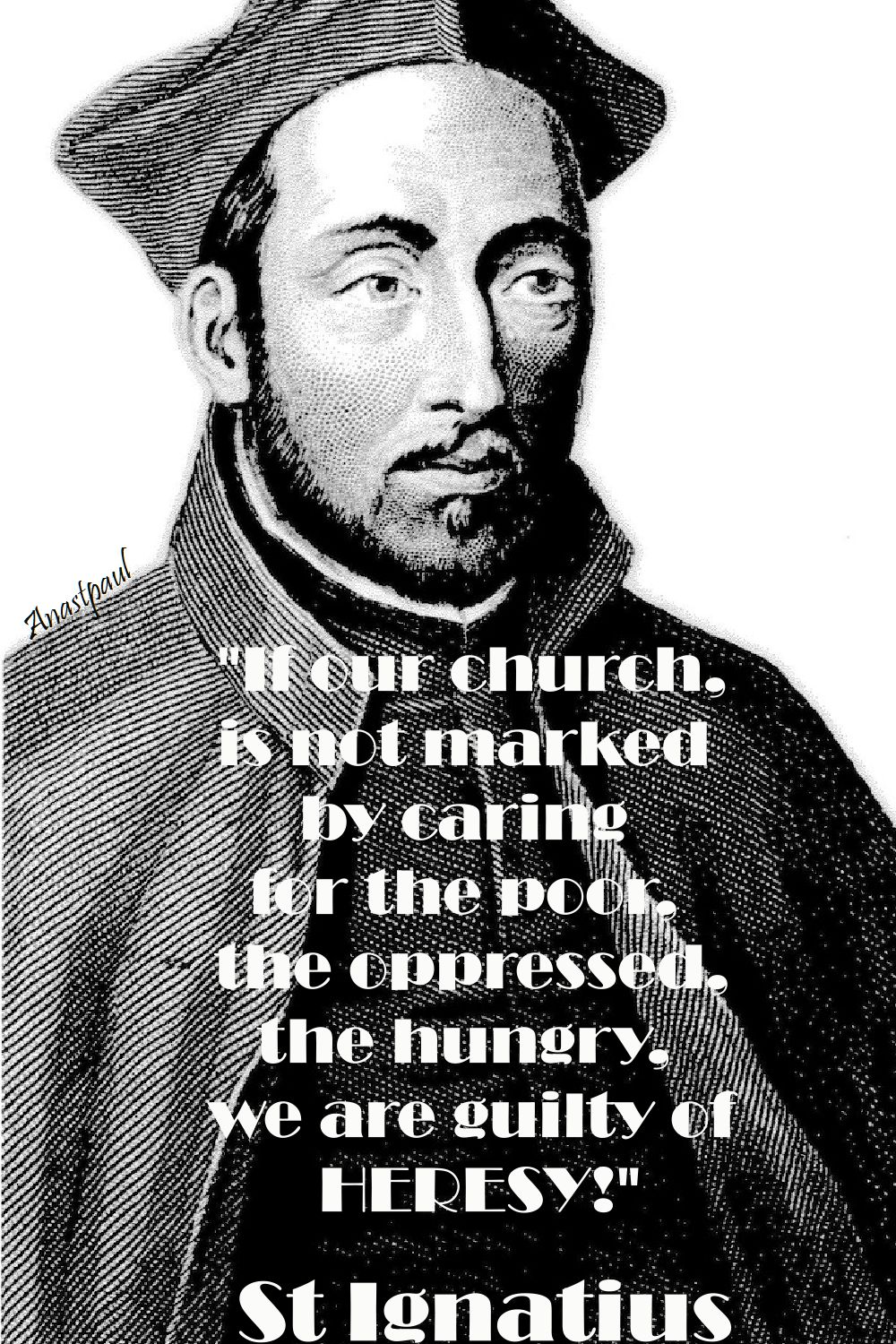
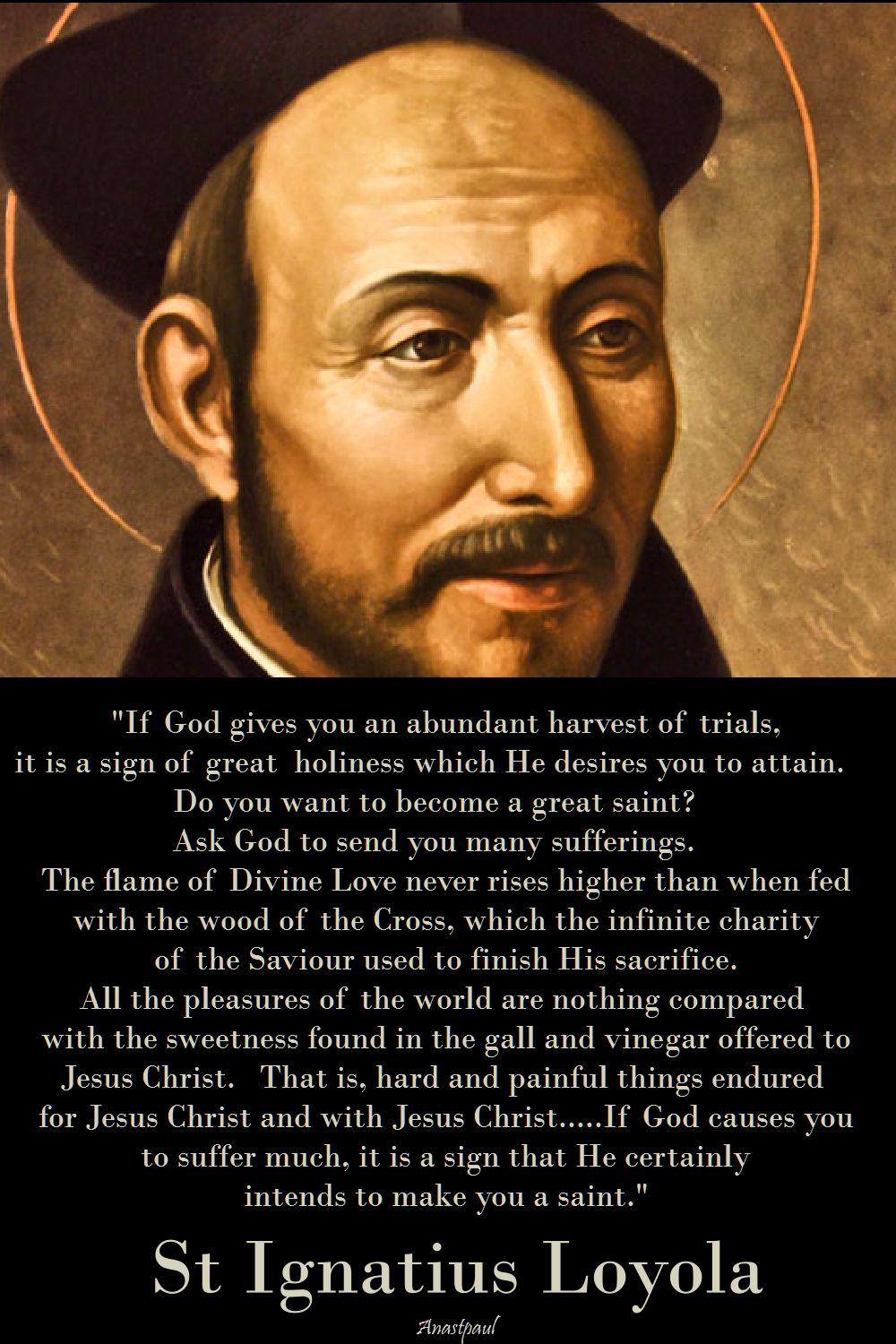
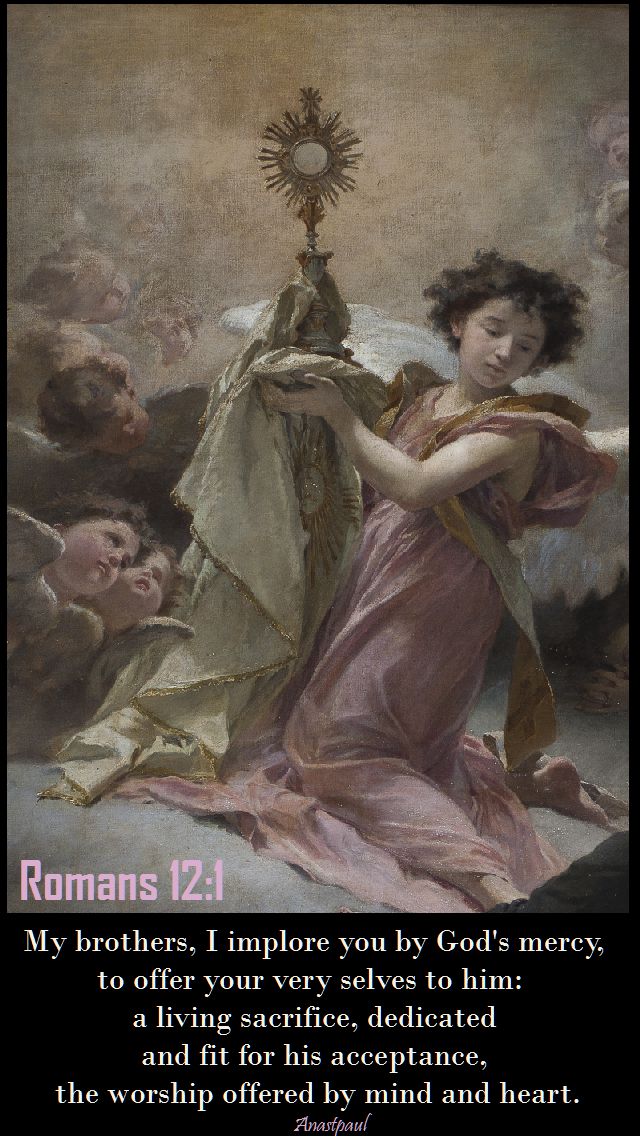
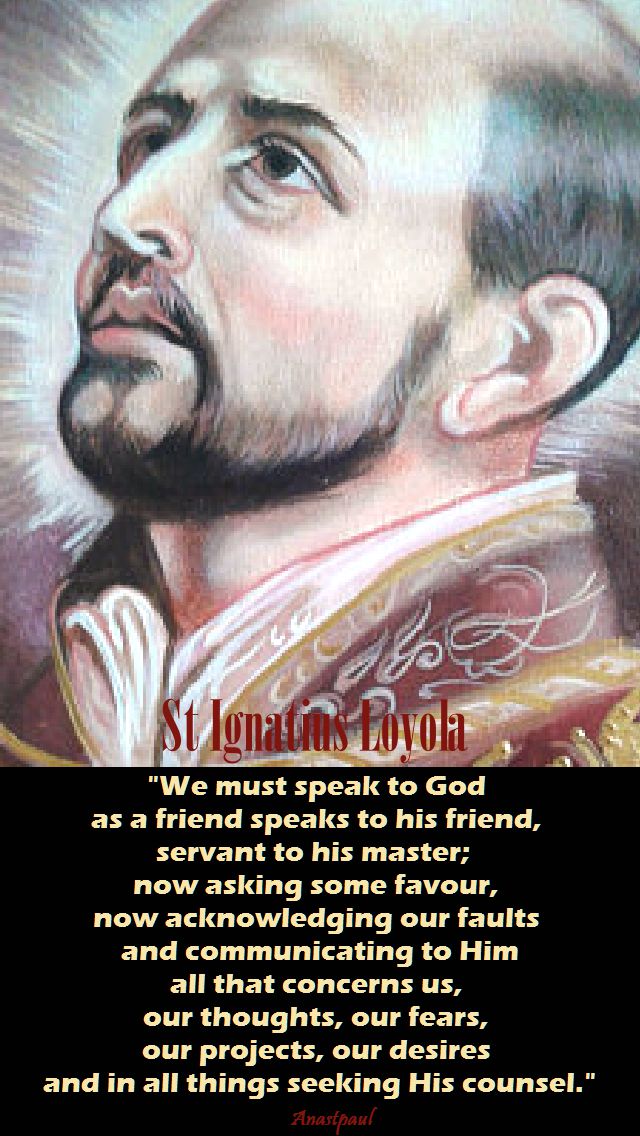
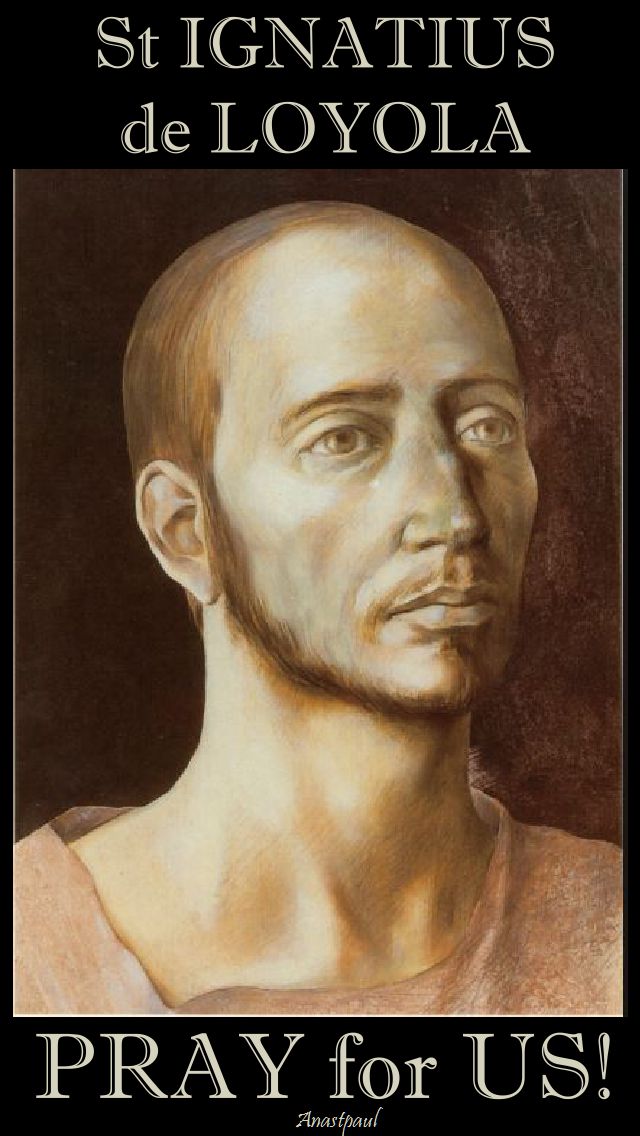
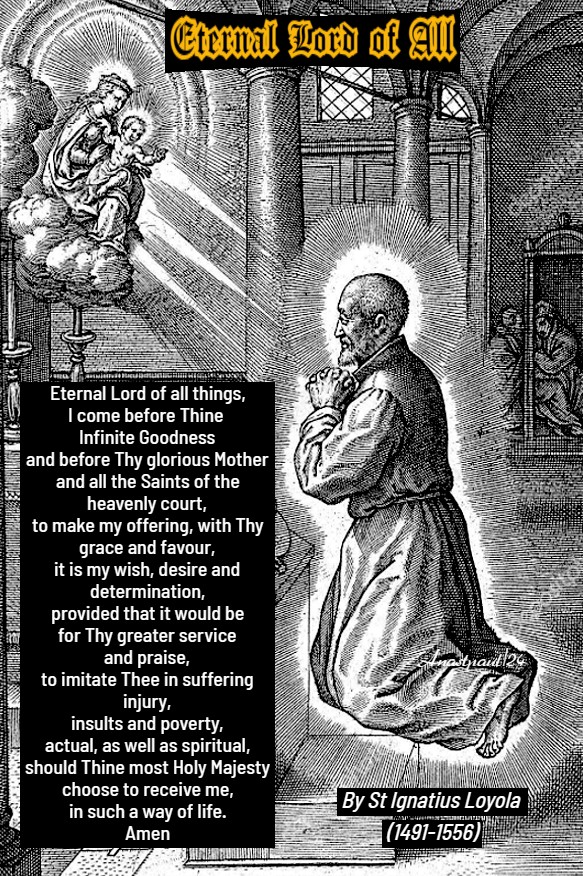

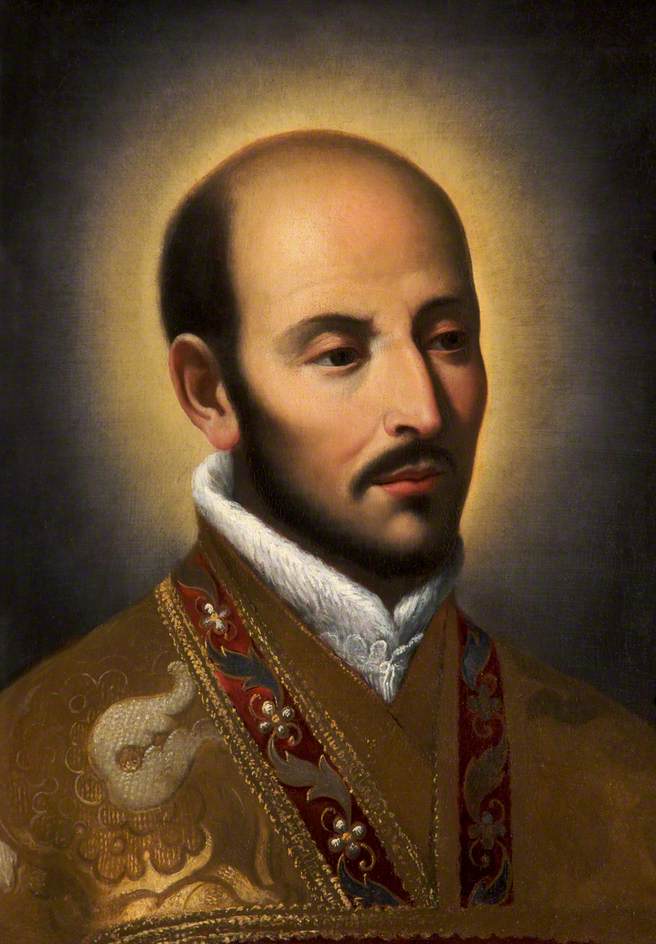
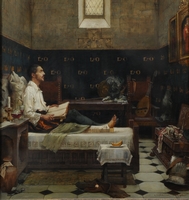
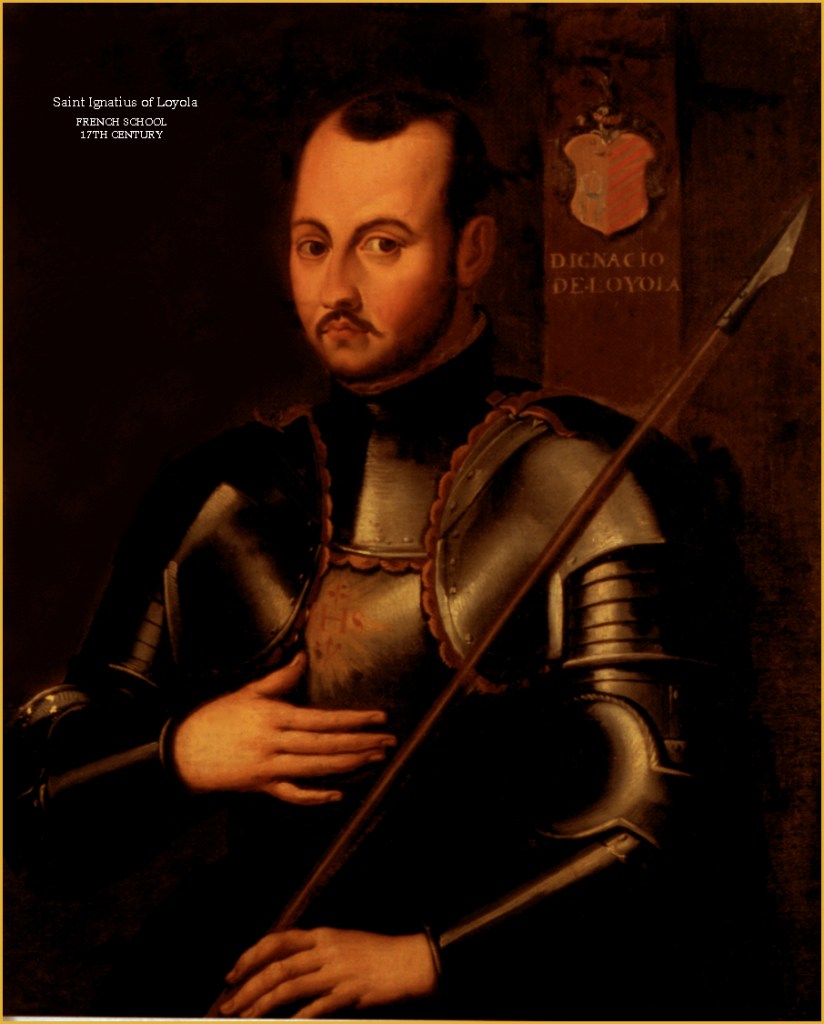
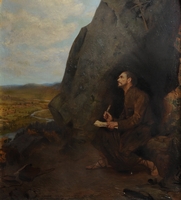
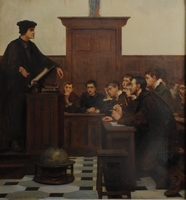
 At the age of 38, the Pilgrim attended the College Ste. Barbe of the University of Paris, considered the heart of the French Renaissance. He knew little French and he was not very fluent or correct in Latin. Still he made progress, little by little. In those days, students rose at 4:00 a.m.; classes-lectures-began at 5:00 am. There were also classes for several hours in the later afternoon. The university curriculum-in the Parisian style-was much more orderly than he was used to in Spain. There was progression; there were prerequisites. As a result, he started all over again with grammar, language and the humanities and only then moved on to the sciences, philosophy and theology. The present-day notion of levels or classes–freshman, sophomore, junior, senior– is a Jesuit legacy to education based on the experience with this Parisian style of learning.
 Gradually a whole circle of “Friends in the Lord,” as they called themselves, formed around Ignatius. What bonded them closely together was the fact that one after another they were led through the Spiritual Exercises. Most were guided by Ignatius himself. In a deep sense, they all became “companions of Jesus” and companions of one another.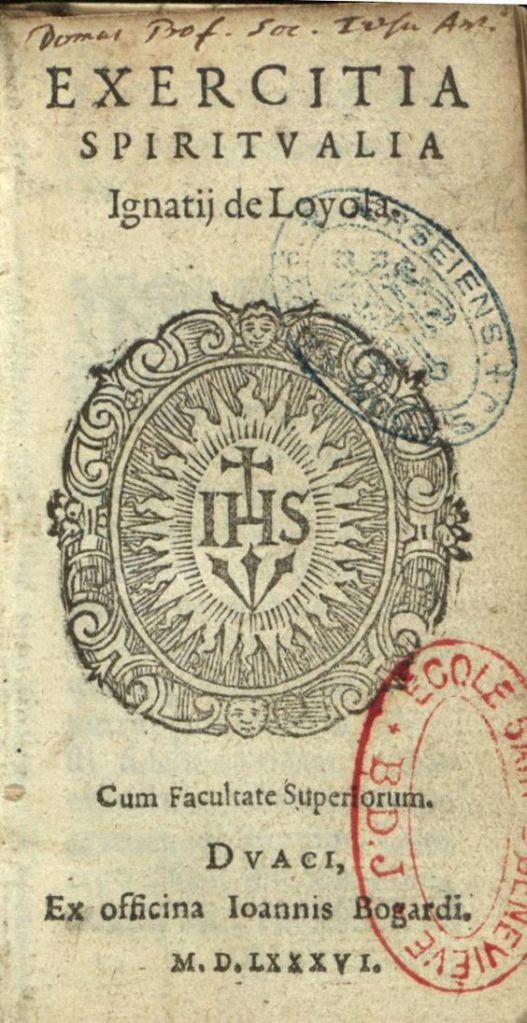
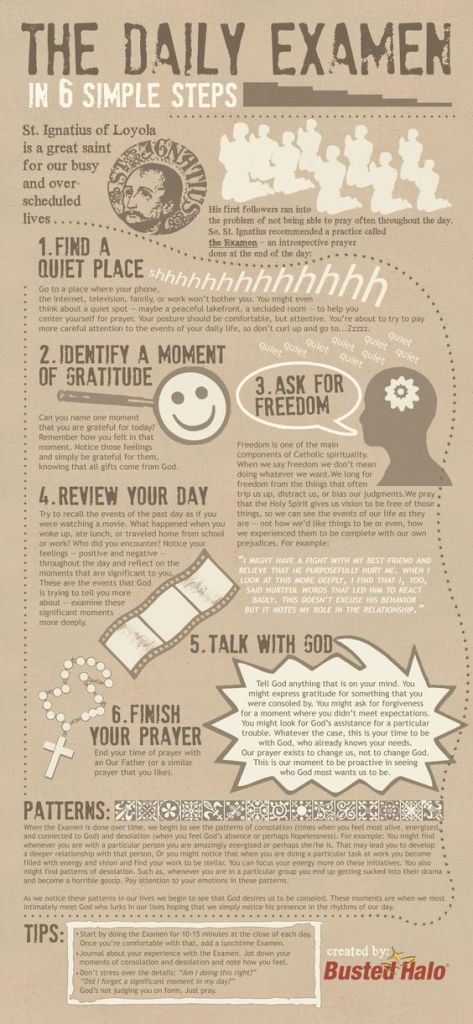
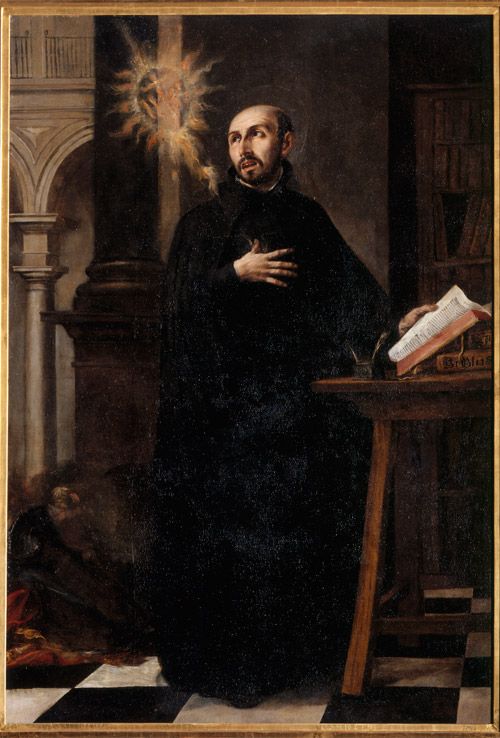
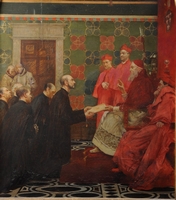
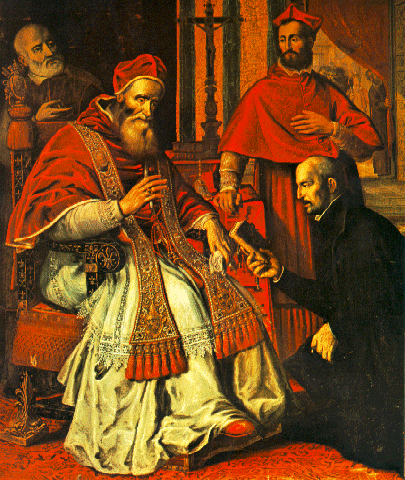

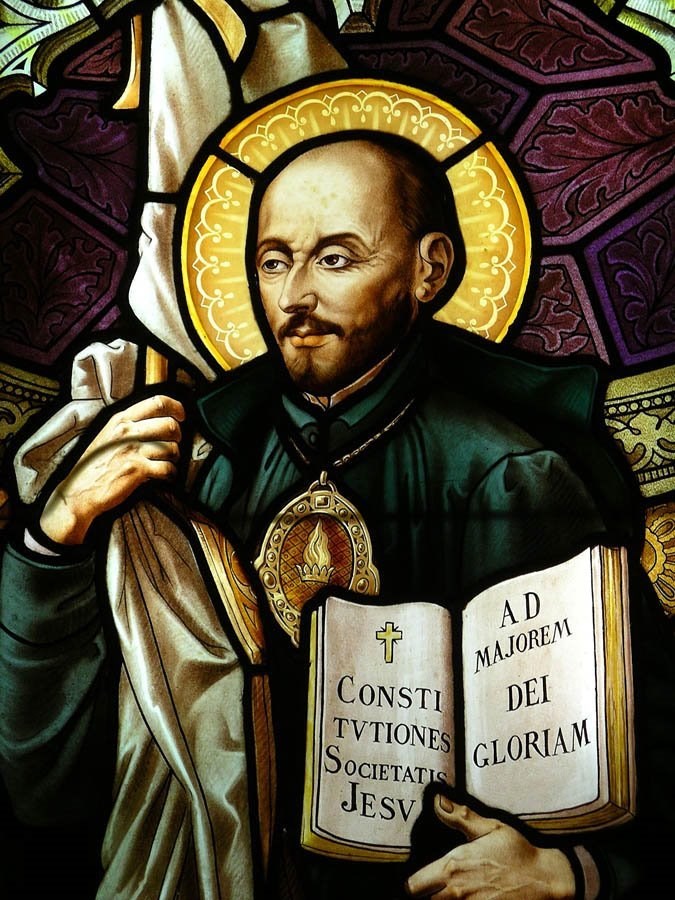
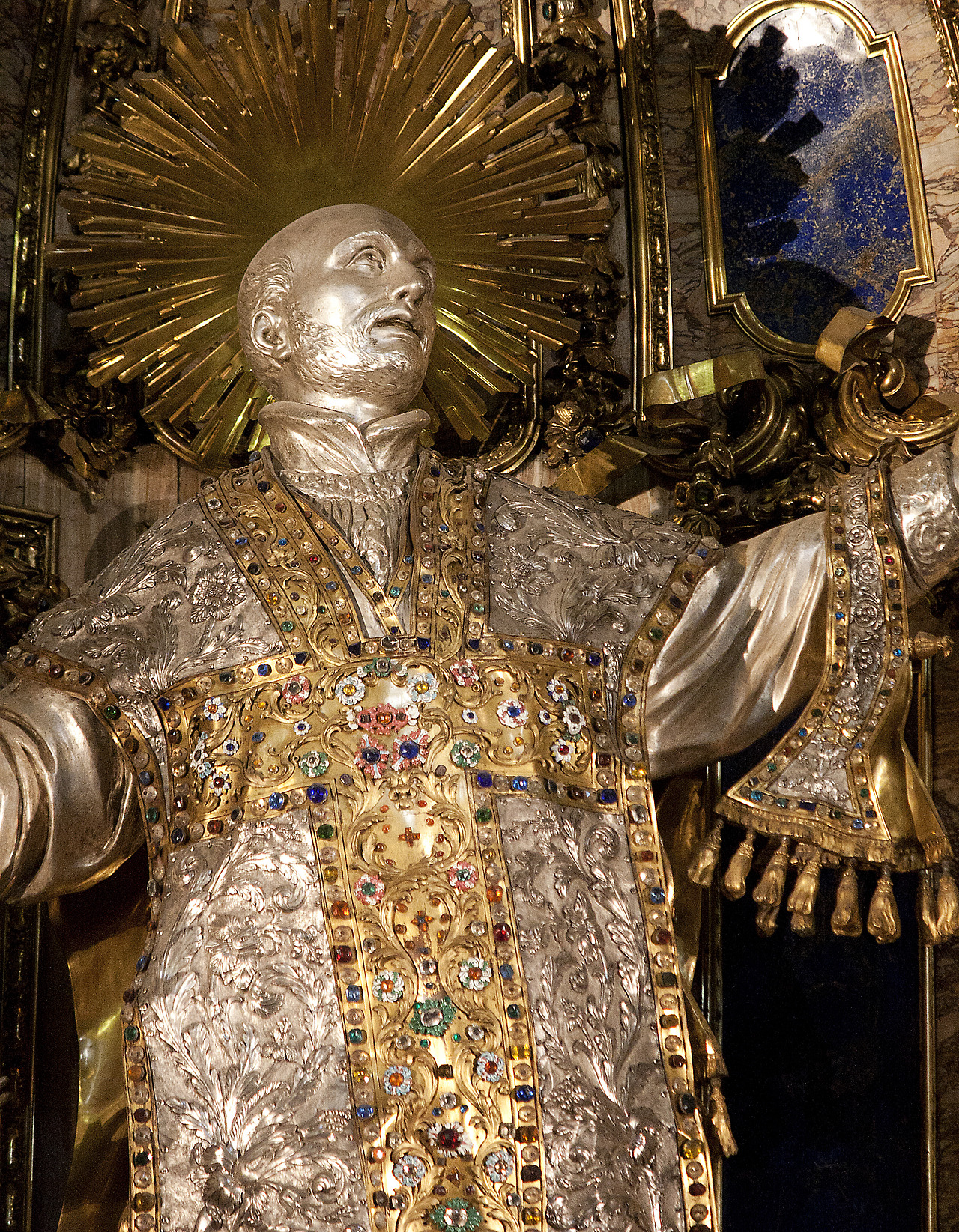
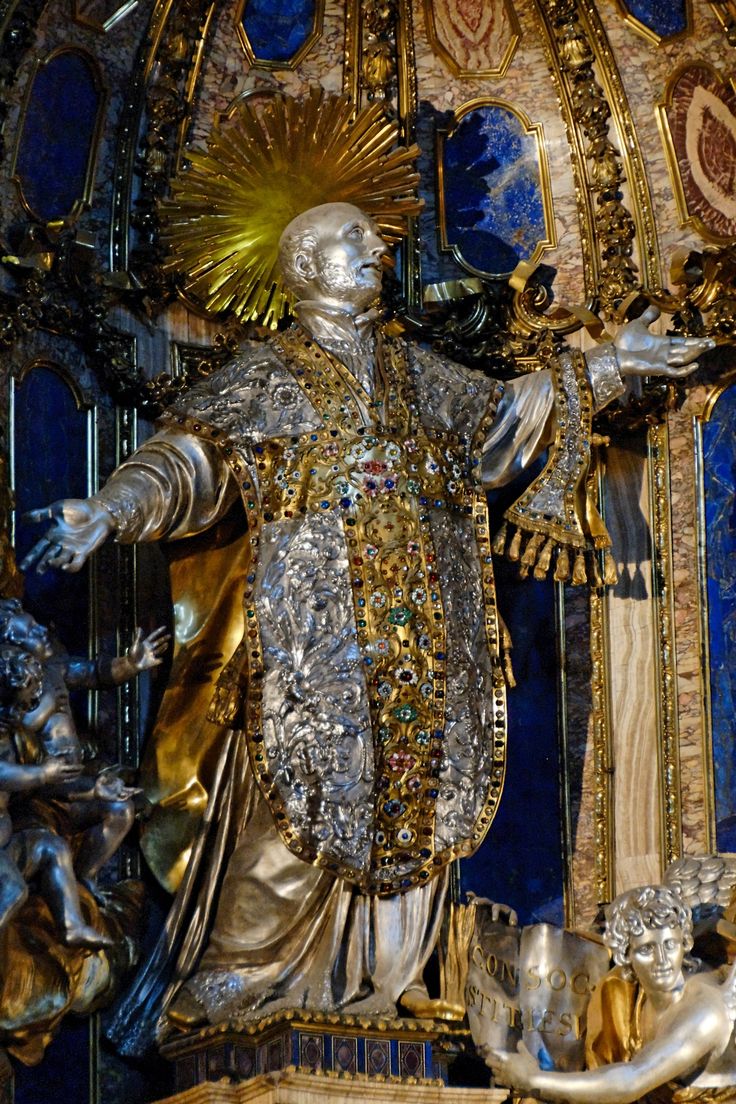
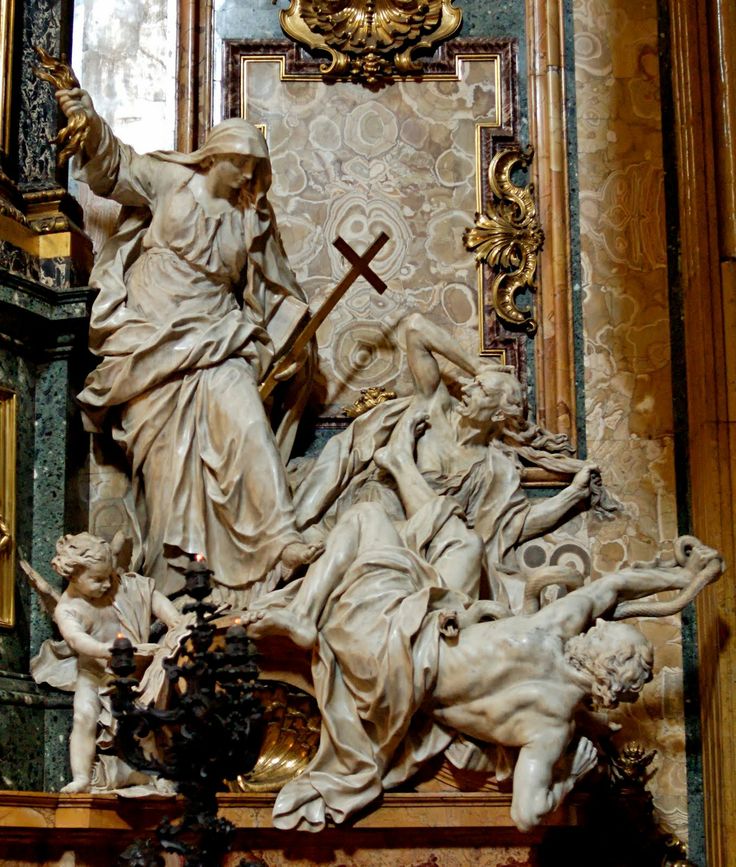
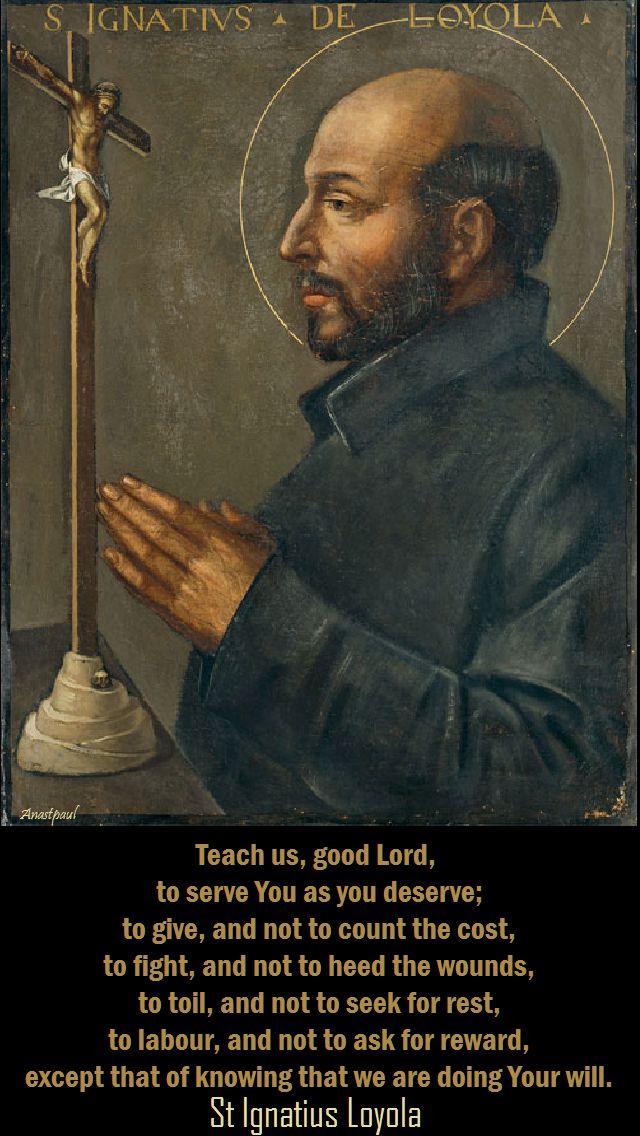


You must be logged in to post a comment.