Quote/s of the Day – 21 June – The Memorial of St Aloysius de Gonzaga SJ (1568-1591)
“There is no more evident sign that anyone is a saint and of the number of the elect, than to see him leading a good life and, at the same time, a prey to desolation, suffering and trials.”
O Holy Mary, my mistress, into your blessed trust and special custody and into the grasp of your mercy I this day, everyday and in the hour of my death, commend my soul and my body. To you, I commit, all my anxieties and miseries, my life and the end of my life, that by your most holy intercession and by your merits all my actions may be directed and disposed according to your will and that of your Son. Amen
Saint of the Day – 21 June – Saint Alban of Mainz (Died c 400) Martyr, Priest, Missionary, Confessor Born in Greece or Albania (sources vary) and died in c 400 by pagan Vandals at Hanum, Germany. His body was beheaded post-mortem. Patronages – against epilepsy, of epileptics, against kidney stones, against hernia; hernia victims. Also known as – Albano di Magonza, Albinus of Mainz.
The Roman Martyrology states of him today: “St Alban. Martyr, who was made worthy of the crown of life, after long laours and severe combats.”
The oldest surviving substantial source about Alban of Mainz is the Martyrologium (c 845) of Blessed Rabanus Maurus (776-856), who had two separate entries for the Mainzer Alban and the English Alban. Concerning Alban of Mainz, he wrote:
21 June: The Martyr Alban from native Moguntia [Mainz], who during the reign of Emperor Theodosius went forward from the island of Namsia with the Saint Theonestus and Ursus and reached Mediolanum [Milan] and from there he went out and, with the help of the Lord, he arrived in the provinces of Gaul, and stayed there in the Saviour’s name, willing to suffer Martyrdom in the service of God. But after Martyrdom took the blessed Ursus in the City of Augusta, Theonestus arrived with Alban in Moguntiacum [Mainz]; while preaching the word of God there, his pupil Alban fulfilled Martyrdom and was buried there, near the City.
— Rabanus Maurus, Martyrologium. Iunius (c. 845)
The second substantial source is the Passio sancti Albani, an incomplete hagiography written in the 1060s or 1070s by schoolmaster Gozwin, who lamented that very little evidence about Alban had survived to his day. Gozwin’s account is much longer and adds many elements not found in Rabanus’ Martyrologium, including a prologue about the First Council of Nicaea (325) which condemned Arianism, that, nevertheless, persisted until Honorius and Arcadius succeeded Theodosius (395). In that time, Alban is mentioned as one of four disciples of St Theonestus, the others being Sts Ursus, Tabraha and Tabratha. These five Catholic clerics are forced to flee from North Africa to Italy after being persecuted by Huneric, the fiercely Arian King of the Vandals, travelling to St Ambrose, Bishop of Milan. The most wise Ambrose teaches Theonestus and his disciples refined theology and sends them out to convert the ‘Arian beasts’ in Gaul and Germany. They pass a City called Augusta, where Ursus is killed by Arians, and Alban is eventually beheaded in Mainz by local Arians to whom he was preaching the Catholic doctrine of the Trinity. The legend finishes by narrating, that Alban carried his head in his hands to the place where he wanted to be buried.
A Church and Monastery were built in Mainz in 804 to honour Alban. A map of Fulda from 786 seems to have already mentioned a chapel in Mainz dedicated to Alban. It became the centre of Saint Alban’s Abbey, a large Benedictine Monastery, which was renovated by Charlemagne in 806. The Monastery was devastated in 1557 and never restored.
Albert II, Count of Namur founded the collegiate Church of St Alban at Namur in 1047. When the Diocese of Namur was created in 1559, it was expanded as St Aubin’s Cathedral, which claims to possess relics of Alban of Mainz.
Madonna dei Miracoli / Our Lady of the Miracles, Alcamo, Sicily (1547) – 21 June:
The Processional Statue
The cult of Our Lady of the Miracles in Alcamo dates to 21 June 1547, the day people remember the Madonna’s apparition to some women near a stream running north of Alcamo. According to tradition while washing their clothes in the stream, the women, with a blind and a deaf one among them, saw the apparition of a woman with a child and were hit by a gust of pebbles, during the apparition but without receiving any injury or pain; on the contrary, after being hit by the pebbles, they strangely felt a certain sense of wellbeing and recovered their health. After learning the news, the women’s husbands, thinking that it was a joke, went to investigate, thinking that someone was hidden among the bushes but they didn’t find anybody. Then the local authorities inquired on the spot, cut down the near grove and found the ruins of a “cuba,” an old arc of a mill that nobody remembered any longer and insidem there was a fresco on a stone made by an anonymous painter of the 13th century representing Our Lady with the Child Jesus, which at first. the believers called “Madonna Fons Misericordiae” (that is Our Lady Source of Mercy).
A representation of the discovery of Our Lady of Miracles’ image (inside its Chapel in the Basilica of Our Lady of the Assumption in Alcamo).
After this discovery, all the people started praying before the rediscovered image and in the following days there were several miracles. Our Lady of Miracles became the Patron of Alcamo, in substitution of the Holy Crucified, who was the Patron Saint of Alcamo and other near small towns (among which Calatafimi and Salemi). The old Patron Saint’s memory however, remains: in fact, they call St Francesco of Paola “santu patri” (whose translation means “Patron Saint”) as the Church named after him was called the Holy Crucified Church. The Madonna’s discovered image was first called “Our Lady Source of Mercy” but thanks to the high number of subsequent miracles, in 1583 the name was changed into “Our Lady of Miracles”. Further to these events, Don Fernando Vega, Alcamo’s governor, ordered the construction of the Sanctuary of Our Lady of Miracles, which hosts the Madonna’s image. Inside the Church there is a white marble sarcophagus containing the mortal remains of the governor Don Fernando Vega, according to his will.
The Crowned Painting of the Madonna of Miracles in the Sanctuary at Alcamo
Every year in Alcamo there are the celebrations in honour of Our Lady of Miracles from 19 June until 21 of June. This is the most important religious festivity in Alcamo. The real celebrations are often anticipated by other events, so extending the feast to about two weeks, in this way the beginning of the celebrations changes every year, while the last day is always the 21 June. The celebrations include: The pealing of church bells” which opens the celebrations together with the burst of fireworks and the passing of the band through the town streets; in the past Alcamo’s band also joined the musical band of Partinico (a neighbouring small town). The Holy Mass in honour of Our Lady of Miracles in the Basilica di Santa Maria Assunta (also called “Mother Church”), in which all confraternities and laity groups in Alcamo take part. The procession to the Sanctuary of Madonna of Miracles (called “calata”), in which all civil and religious authorities of the town (together with the Mayor) take part; they are preceded by the band of the town. In old times people took also the animals that had recovered from an illness. Inside the Sanctuary they sing Vespers and then there is the Eucharistic Blessing/Benediction.
St Raymond of Barbastro St Rufinus of Syracuse St Suibhne the Sage St Terence St Ursicenus of Pavia — Martyrs of Taw – 3+ saints: Three Christians of different backgrounds who were martyred together – Moses, Paphnutius, Thomas. They were beheaded in Taw, Egypt, date unknown.
Saint of the Day – 20 June – Blessed Francisco Pacheco SJ (1566-1626) Martyr, Priest of the Society of Jesus, Missionary to India, China and Japan, Provincial Superior. Born in 1566 in Ponte de Lima, Braga, Portugal and died by being burned at the stake on 20 June 1626 in Nagasaki, Japan. Also known as – Francesco, Francis.
Francisco Pacheco was the most experienced Jesuit who died a Martyr during the Great Persecution in Japan between 1617 and 1632. At the time of his arrest, he was Provincial Superior of the Jesuits and Apostolate Administrator of the Diocese and his imprisonment was a serious loss to the Christian community struggling to survive the persecution.
Fr Pacheco was born in Ponte di Lima, near Braga, Portugal, of noble parents. As a youth he heard of the exploits of Missionaries in Japan and dreamed of imitating them. While at the Jesuit school in Lisbon, he also watched the annual departure of the Jesuit Nissionaries and this further strengthened his resolve and thus he decided to join the Society in 1585. His request to go to the missions was only granted seven years later and his first stop was Goa, India where he continued his studies. He then went on to Macau to further continue his studies before being Ordained.
Fr Pacheco finally set forth for Japan in 1604 and spent four years in the capital of Osaka, Miyako (today’s Kyoto) before taking up his next appointment as Head of the Jesuit college in Macau. In 1614, he returned to Japan and became Vicar General to Bishop Luis de Cerqueira and was based in Nagasaki until the promulgation of the shogun’s decree in 1614 banishing all foreign Missionaries and forbidding Japanese Christians to practice their religion.
Fr Pacheco’s exile in Macau was a short one as he returned secretly to Japan the following year, disguised as a merchant and took up Missionary work at Takaku and the islands of Amakusa and Kani. During those years of fierce persecution he sadly saw thousands of Christians give up their religion under governmental pressure and fear of torture. He also witnessed the terrible deaths of his brother Jesuits and hundreds of Christians who remained steadfast in their faith, though it meant beheading or death by slow fire. Fr Pacheco knew that the longer he remained in Japan the closer was his Martyrdom.
Following his appointment as the Jesuits’ Provincial Superior, Fr Pacheco moved his residence from Nagasaki to the seaport of Kuchinotsu in Arima which had better security and better contact with the Jesuits in Japan. The search for Jesuit Missionaries was intensified when more spies were recruited by Shogun Iyemitsu. Fr Pacheco was betrayed by his former host, an apostate who because of the reward money and hoping to gain favour with the district governor, revealed where he was With 200 soldiers surrounding the house, Fr Pacheco and two of his Catechists, Paul Kinsuke and Peter Kinsei were arrested with two others living in the next house. The Jesuits, the Catechists, their hosts and families were all arrested and placed in a dungeon in Shimabara where they had to endure the damp and cold winter. Within a few days, Fr John Baptist Zola and his Catechist, Vincent Kaun, were added to their number.
While in prison, Fr Pacheco admitted the four Catechists into the Society and transformed his group of prisoners, including the lay persons into a quasi-religious community with set times for rising, prayer, meditation, fasting and doing penance to prepare and strengthen them for the Martyrdom to come. Their greatest sorrow was their inability to celebrate Mass, recite the Breviary and recite the Rosary as all these had been taken away from them, although, of course, they could still count on their fingers and added their own meditations. Finally, on 20 June 1626, the prisoners were brought to Nagasaki where two other prisoners, Fr Balthazar de Torres SJ and his Catechist, Michael Too, were included. The final number was nine Jesuits and nine lay Christians and all were escorted to the Martyrs’ Hill where the executions were to take place.
The Jesuits rejoiced in seeing each other and embraced for the last time. They were the first to die. The government kept the Christians aside hoping that some would apostatize but watching the Martyrs die only strengthened their faith. They were kept in a prison in Nagasaki, determined to die for Christ. They were Martyred on 12 July 1626.
Fr Pacheco and his eight Jesuit companions, together with the nine lay Christians, were included among the 205 M,artyrs Beatified by Blessed Pope Pius IX on 7 May1867. Their ashes thrown into the sea and no relics remain.
Fourth Sunday after Pentecost (Traditional Calendar) +2021 Twelfth Sunday in Ordinary Time +2021
Notre-Dame-de-Grace / Our Lady of Grace in Equemauville, Honfleur, France – also known as Our Lady of Consolation (1524) 20 June (The Crowning) and 23 October:
The Abbot Orsini wrote: “Our Lady of Consolation, near Honfleur. This Chapel is much frequented; two children have been raised to life there, in memory of which ,their figures are there in silver.”
Also known as Our Lady of Grace, or Notre-Dame-de-Grace, the first thing that can be seen among the trees upon the height is a large Crucifix that seems to bless the sea, although the Chapelle Notre-Dame-de-Grace is still invisible, hidden under the old trees that surround it. The present Chapel is a small one, located a short distance from that Crucifix and the tall trees and lawns that surround the Church are in stark contrast to the Church’s humble dimensions.
Once inside, everything is modest but exudes an atmosphere of holiness. There is a low arch, and passing beneath it, the view from the windows inside, is obscured by the thick foliage of the surrounding trees. On the Gospel side is the Statue of the Blessed Virgin on a short pillar. A fabric canopy frames the Statue which depicts the Mother of God holding her Divine Child. At the feet of Our Lady are placed small anchors and hearts of silver gilt that shine on the dais and we see a small amount of flowers that are the humble obeisance’s of children and the poor. There are votive offerings hundreds of years old, and paintings of ships battered by storms, or broken upon the rocks, beneath which are brief accounts of the perils and the salvation sent after prayer to Notre-Dame-de Grace. Crutches lean against the wall as trophies demonstrating the victorious prayers of the healed cripples who now walk, and burning candles, are constantly renewed beneath the holy image, exhibiting the persevering ardoUr of the faithful. It is a collective testimony of piety and edification from the servants of Mary.
The origin of the pilgrimage to Notre-Dame de Grace goes back to the eleventh century. According to tradition, in the year 1034, Robert the Magnificent, Duke of Normandy, was sailing to England. He was suddenly assailed by a violent storm and at the height of the danger he promised to build three Chapelsdevoted to the Blessed Virgin if he returned safely to his lands. The storm ended at once and the Prince immediately returned home to take care of his vow. He built one of the Chapels promised near his Castle, and dedicated it to Our Lady of Mercy. Another he built near Caen, which he called Notre-Dame de la Deliverance,and the third he built on the plateau in Equemauville overlooking Honfleur, which was named Notre Dame de Grace. This Chapel near Honfleur, soon became a busy place of pilgrimage. There is an authentic document at the Church from King Louis XI dated 28 January 1478 and letters showing that the Chapel was endowed with a certain tract of land containing a house, a barn, etc.
The Chapel partially collapsed and the sea swallowed part of the cliff near the Church during a violent earthquake that occurred on 29 September 1538. Only a section of one wall, the Altar, and the Statue of the Virgin Mary remained standing but such was the devotion of the people to this special place that many pilgrims continued to come and pray kneeling amid the debris. Unfortunately the landslides did not cease, so finally, in 1602, the last vestiges of the Sanctuary were removed to prevent the faithful from exposing their lives to the unremitting danger. The faithful regretted the loss of their Chapel, and one of them, Mr. Gonnyer, undertook to raise a new one. He dug the foundations one hundred paces from the old Church to the south-west but he was forced to stop at that point for lack of money. Offerings from the inhabitants of Honfleur did the rest and in 1613 the Chapel was acquired. It was a small building three times as long as it was wide;,thatched, isolated among the heather and looked more like a barn than a chapel. The Capuchins took possession on 16 March 1621, and they planted a large wooden Crucifix amid the ruins of the old chapel. They eventually replaced it with a stone Crucifix that they placed closer to the chapel than the old one had been. In the Middle Ages people understood that the Church provided for the moral and physical welfare of the people, as well as, the state. They knew that the apostolate of the monastic orders was necessary to form and maintain the ties of charity between the rich and poor, adjust the opulent life of one to soften the sufferings of others and to communicate to all, through preaching and by the Sacraments and example, the secret of living and dying well. When the Revolution erupted there was wide-spread desecration throughout France and all religious communities were dissolved. In vain the faithful recipients of so many graces endeavoured to protect their Sanctuary and the religious who served there. At one time it was hoped Honfleur could keep the Capuchins and so, a petition was drafted for that purpose in 1790. “Through the removal of religious communities,” said the petitioners, “we fear being deprived of the significant relief that we receive from the Capuchins. These men are religious at all times, labour for the good of the City and the neighbouring countryside and through the uprightness of their intentions and the justice of their actions, they have earned public esteem and confidence. They have a small Chapel, located on the coast under the invocation of the Blessed Virgin, which is held in great reverence throughout the Country and we urge its conservation.” The petition was sent to the National Assembly, who refused it. The Chapel was plundered and converted into a tavern. The old Statue was destroyed and sadly “those who were but lately to pray and ask for graces forgot themselves to commit orgies in a place where everything, even the walls, reproached them for their apostasy.” That was so long ago and now the tides of commercial prosperity have come to caress the people and promote the development of the City and the Port of La Havre. Hanfleur possesses all the signs of a prosperous City that is increasing in wealth and population, regardless of the attendant demoralisation and miseries of every kind, that accompany the seeming prosperity. La Havre is the seat of business where speculators contest in the commercial sphere where they work without ceasing to earn their fortune and contribute to each other’s ruin. Without the aid of the Blessed Virgin, there was no longer any hope for relief. After the atrocities had subsided the Chapel was restored and a copy of the original Statue created from Church records.
It was on 15 February 1912 that the Chapter of Saint Peter in Rome awarded the Golden Crown to the sSatue of Our Lady of Grace. The solemn Feasts of her Coronation were celebrated on 20 June 1913. Many people from Honfleur think that it is thanks to the intercession of Notre Dame de Grâce that Honfleur is the only Norman city not to have been bombed during the Second World War. The Chapel was classified as a historical monument in 1938.
Still, it was here, at this remote Chapel about 5 kilometers from Honfleur, that Marie-Francoise-Therese Martin came with her father and sister Celine in July of the year 1887 to pray to Notre-Dame-de Grace that she might be able to enter Carmel. That woman is better known today as Saint Therese of the Child Jesus and the Holy Face, or simply Therese of Lisieux, the “Little Flower.”
Irish Martyrs – 17 beati – This is the collective title given to the 260 or more persons who are credited with dying for the faith in Ireland between 1537 and 1714. Seventeen of them were beatified together on 27 September 1992 by St Pope John Paul II. • Blessed Conn O’Rourke• Blessed Conor O’Devany• Blessed Dermot O’Hurley• Blessed Dominic Collins• Blessed Edward Cheevers• Blessed Francis Taylor• Blessed George Halley• Blessed John Kearney• Blessed Matthew Lambert• Blessed Maurice Eustace• Blessed Patrick Cavanagh• Blessed Patrick O’Healy• Blessed Patrick O’Loughran• Blessed Peter Higgins• Blessed Robert Meyler• Blessed Terrence Albert O’Brien• Blessed William Tirry
Martyrs of Lower Moesia: Martyred on the Black Sea at Lower Moesia (in modern Bulgaria), date unknown. St Cyriacus St Paul
Martyred in Nagasaki: 9 Beati : burned alive on 20 June 1626 in Nagasaki, Japan. Their ashes were thrown into the sea and no relics remain. They were Beatified on 7 May 1867 by Pope Pius IX. • Blessed Baltasar de Torres Arias • Blessed Francisco Pacheco • Blessed Gaspar Sadamatsu • Blessed Giovanni Battista Zola • Blessed Ioannes Kisaku • Blessed Michaël Tozo • Blessed Paulus Shinsuke • Blessed Petrus Rinsei • Blessed Vincentius Kaun
Saints of the Day – 19 June – Saints Gervase and Protase (Died c 165) Martyrs, Twin Brothers of Martyr Parents, Laymen Died c 165. Patronages – for the discovery of thieves, haymakers, Archdiocese of Perugia-Città della Pieve, Italy, City of Milan and 4 Cities. Also known as – Gervasius and Protasius
The Roman Martyrology states of them today: “In Milan, Saints Gervase and Protase. The Judge Astasius ordered that Gervase be beaten to death with leaded scourges and Protase beaten with sticks and beheaded. By divine revelation blessed Ambrose discovered their bodies, flecked with blood and incorrupt as if they had just died that day. During the translation of their bodies, a blind man gained his sight by touching the bier and many were set free who had been possessed by demons.”
Gervase and Protase were the twin sons of Martyrs. Their Father, Saint Vitalis of Milan, a man of consular dignity, suffered Martyrdom at Ravenna, possibly under Nero. Their Mother, Saint Valeria, died for her faith at Milan. When their parents died, the two brothers sold the family assets, distributed the proceeds to the poor and retired to a small house where they spent ten years in prayer and meditation. Denounced as Christians in Astasio, they were imprisoned and refusing to sacrifice to pagan gods, they were, therefore, sentenced to death. Gervase died under the blows of the scourges, Protase was instead beheaded.
The Martyrdom
The legend around our Martyrs was enriched with further clarifications: the Datiana historia eccle siae Mediolanensis states that the two saints were converted to Christianity, together with their parents, noble citizens of Milan, by the Bishop St Gaius who would have ruled the Church of the City from 63 to 85 and their Martyrdom would have occurred in the time of Nero (54-68), therefoe. a discrepancy exists as to the date of their death.
Saint Ambrose, in 386, had built a magnificent Basilica at Milan, now called the Basilica Sant’Ambrogio. Asked by the people to consecrate it in the same solemn manner as was done in Rome, he promised to do so if he could obtain the necessary relics. In a dream, he was shown the place where such relics could be found. He ordered excavations to be made outside the City, in the cemetery Church of Saints Nabor and Felix, who were at the time the primary patrons of Milan and there found the relics of Saints Gervasius and Protasius. In a letter, St Ambrose wrote: “I found the fitting signs and on bringing in some, on whom hands were to be laid, the power of the holy Martyrs became so manifest, that even whilst I was still silent, one was seized and thrown prostrate at the holy burial-place. We found two men of marvellous stature, such as those of ancient days. All the bones were perfect, and there was much blood.”
St Ambrose had their relics removed to the Basilica of Fausta (now the Church of Saints Vitalis and Agricola) and on the next day, moved into the Basilica, accompanied by many miracles, emblematic of divine favour in the context of the great struggle then taking place between St Ambrose and the Arian Empress Justina. Of the vision, the subsequent discovery of the relics and the accompanying miracles, St Ambrose wrote to his sister Marcellina describing thee events..
Saint Augustine, not yet baptised, witnessed these events and relates them in his “Confessions” (IX, vii), and in “De Civitate Dei” (XXII, viii) as well as in his “Sermon 286 in natal. “.
They are also referred to by Saint Paulinus in his life of Saint Ambrose. The latter died in 397 and by his own wish was buried in his Basilica by the side of these Twin Brpther Martyrs. The Brescia Casket was made for or used to hold the relics of all three – St Ambrose, St Gervase and St Protase.
The Crypt in Sant’Ambrogio Basilica. Embossed silver urn, (the Brescia Casket) displaying the skeletons of Saints Ambrose, Gervase and Protase.
The two Saints immediately enjoyed considerable popularity, especially in the West – they were particularly venerated in Italy, in Miam. Ravenna, in Brescia and in Rome, where, under the Pontificate of Pope Innocent I (402-417), the matron Vestina erected a dedicated Church in their honour, the current St Vitale in via Nazionale; in Gaul, in Vienne and in Rouen; in Spain, in Carmona; in Africa, in Carthage. The anniversary of the invention of their bodies soon entered the most important Calendars and Sacramentaries, such as the Carthaginian Calendar, the Gregorian Sacramentary and the Geronymian Martyrology which all remember them, unanimously, on 19 June. The Geronymian, then, also remembers them other times – 20 May (apparently due to a reading and transcription error); 28 July, the day of Saints Nazario and Celso, in whose Acts. our twin Martyrs are also remembered.
Nostra Signora d Montesenario / Our Lady of Monte Senario, Florence, Italy – Ordo Servorum Beatae Mariae Virginis (OSM) (1240) – 19 June:
The cradle of the Order of the Servants of Mary began at Monte Senario in the year 1233 in the City of Florence, Italy, by a group of Hermits now known as the Seven Holy Founders Saints of the Servite Order – Ordo Servorum Beatae Mariae Virginis (OSM). They were sons of wealthy families and they retired from the world for a life of prayer and devotion to the praises of Mary. Leaving La Camarzia, a Suburb of Florence, the seven went to Monte Senario in the region of Tuscany. Uncertain of what way of life to follow, they turned to Our Lady in prayer and supplication and she appeared to them on the Feast of the Assumption in the year 1240.
Monte Senario
The Blessed Virgin, Our Lady of Monte Senario, presented the Seven Holy Founders with the Habit of their new Order and an Angel stood nearby bearing a scroll that was marked, “Servants of Mary.” He read to the Seven Holy Founders the following words: “You will found a new order, and you will be my witnesses throughout the world. This is your name: Servants of Mary. This is your rule: that of Saint Augustine. And here is your distinctive sign: the black scapular, in memory of my sufferings.”
From that day in 1240, the seven were known as the Servants of Mary, the Order of Servants of Mary, or the Servites. under her title of Mother of Sorrows (Italian: Madonna Addolorata) Members of the Order take solemn vows to especially honour the Seven Sorrows of the Blessed Virgin Mary. The sorrows are, in order, the prophecy of Simeon, the flight into Egypt, the loss of the Holy Child at Jerusalem, meeting Jesus on His Way to Calvary, standing at te foot of the Cross, Jesus taken down from the Cross, and the burial of Christ. According to an ancient document called the “Legenda de Origin ordini,” “Our Lady wanted to begin her Order with seven men to show everyone, with absolute clarity, that she wanted to adorn her Order, endowing it with the seven gifts of the Holy Spirit.”
The Order gained official recognition in 1249 but was not officially approved until Pope Benedict IX issued a Bull in 1304. Their Church on Monte Senario, rebuilt in 1700, is a favourite resort of pilgrims from Florence especially. Mary here, as Our Lady of Monte Senario, as well as elsewhere, proves herself the miraculous Mother of God. The names of the Seven Holy Founders are Saint Alexis Falconieri, Saint Bartholomew degli Amidei, Saint Benedict dell’Antella, Saint Buonfiglio Monaldi, Saint Gherardino Sostegni, Saint Hugh dei Lippi-Uguccioni, and Saint John Buonagiunta Monetti.
St Adleida of Bergamo Bl Arnaldo of Liniberio St Culmatius of Arezzo St Deodatus of Jointures St Deodatus of Nevers St Gaudentius of Arezzo St Gervase and St Protase (Died c 165) Martyrs, Twin Brothers of Martyr Parents, Laymen St Hildegrin of Châlons-sur-Marne Bl Humphrey Middlemore St Innocent of Le Mans
St Modeste Andlauer St Nazario of Koper Bl Odo of Cambrai St Rémi Isoré Bl Sebastian Newdigate Bl Thomas Woodhouse Bl William Exmew St Zosimus of Umbria
Saints of the Day – 18 June – Saints Marcus and Marcellian (Died c 286) Martyrs, Twin Brothers, Laymen, Confessors. Sons of Saint Tranquillinus of Rome who raised them as pagans before his own conversion. They may have been Deacons. Imprisoned for their faith during the persecutions of Diocletian. They were visited in prison by Saint Sebastian who encouraged them in perseverance in the footsteps of Our Lord Jesus Christ. Also known as Mark and Marcellianus, respectively.
The Roman Martyrology states of them today: “At Rome, on the Ardeatine Road, in the persecution of Diocletian, the birthday of the saintly brothers, Marcus and Marcellian, Martyrs, who were arrested by the Judge Fabian, tied to a stake and had sharp nails driven into their fet. As they ceased not, to praise the name of Christ, they were pierced through the sides with lances and thus went to the Kingdom of Heaven, with the glory of Martyrdom.”
Saint Marcus and Saint Marcellian were twin brothers of an illustrious family in Rome, who had been converted to the Faith in their youth and were honourably married.
When Diocletian ascended the imperial throne in 284, the pagans raised persecutions; the brothers were then thrown into prison and condemned to be beheaded. Their friends obtained a delay of the execution for thirty days, that they might prevail on them to worship the false gods. Tranquillinus and Martia, their afflicted pagan parents, accompanied by their sons’ wives and their little babes, endeavoured to move them by the most tender entreaties and tears. But Saint Sebastian, an officer of the Emperor’s household, arriving in Rome soon after their confinement, daily visited and encouraged them.
The issue of the conferences was the happy conversion of the father, mother and wives, also of Nicostratus, the public stenographer and soon afterwards, of Chromatius, the Judge, who set the Saints at liberty and abdicating the magistracy, retired into the country. Marcus and Marcellian were concealed by a Christian officer of the imperial household, in his apartments in the palace but they were betrayed by an apostate and re-imprisoned. Fabian, a Judge who had succeeded Chromatius, condemned them to be bound to two pillars, their feet nailed to them. In this posture they remained a day and a night and on the following day were stabbed with lances. Their Martyrdom occurred in the year 286.
Saints Mark and Marcellinus being led to Martyrdom by Paolo Veronese (1528–1588)
The bodies of Marcus and Marcellianus and that of their father, Saint Tranquillinus, were moved, probably during the ninth century, to the Church of Saints Cosmas and Damian. They were re-discovered there in 1583 during the reign of Pope Gregory XIII. The bodies now remain there in a tomb, next to the Martyred Pope, Saint Felix II. Nearby is an ancient painting of the two Martyrs with a third person, who appears to be the Virgin Mary. In 1902, their basilica in the catacombs of Saint Balbina was rediscovered.
They are honoured particularly in Spain, where the City of Badajoz escaped destruction by their intercession.
Saints Marcus and Marcellianus (to the right) with Saint Sebastian. From a medieval French manuscript.
Notre-Dame-des-Oliviers / Our Lady of Olives (Murat, Cantal, France) (1881 – 18 June:
In a pleasant valley of France there lies a little Town where, by the favour of God, lightning never strikes. This favour, unique in the world, dates to the time when the Church of Murat (Cantal) was burned by lightning, except for a wooden statue of the Virgin Mary. In 1493, and ever since, the Town has been named Our Lady of Olives. The Virgin Mary is the Olive recalled in the scriptures (Sirach 24:14) by whose intercession the Town was protected.
By virtue of the Medallion of Our Lady of Olives, the persons who carry it are preserved from lightning, wherever they may be during a storm. It is a privilege attached to the medallion which bears the unique name in the annals of the Church, “Our Lady of Olives.” This marvellous way of being protected against lightning, deserves to be known throughout the world and ought to be extended to the four corners of the universe. The second privilege of the Medallion is to protect, in an unmistakable manner, women who are about to become mothers and to assist them in the hour of deliverance. Those who are afflicted with sickness and who pray to the Divine Mother, are promptly relieved. The Virgin was Crowned on 18 June1881, by an Apostolic Brief given by Leo XIII on the tenth day of May 1878.
Prayer to Our Lady of Olives
Kneeling at thy feet, we pray thee Virgin Mary, that through thine intercession, there may be borne a new generation who will unite all hearts and souls in the same faith and the same charity. We pray thee “Divine Olive of Peace,” to implore God, that harmony may reign between nations, that true liberty be given to all people, that heresies and all bad doctrines condemned by the Pope may disappear. We pray that all the treasures of the Divine Heart be showered upon all men and that we be preserved from all harm. Pray for us, help us and save us. Amen.
St Abraham of Clermont St Alena of Dilbeek St Amandus of Bordeaux St Arcontius of Brioude St Athenogenes of Pontus St Calogero of Sicily St Calogerus of Fragalata St Calogerus the Anchorite St Colman mac Mici St Cyriacus of Malaga St Demetrius of Fragalata St Edith of Aylesbury
St Elpidius of Brioude St Equizio of Telese St Erasmo St Etherius of Nicomedia Bl Euphemia of Altenmünster St Fortunatus the Philosopher St Gerland of Caltagirone
St Gregory of Fragalata St Guy of Baume St Jerome of Vallumbrosa Sts Marcus and Marcellianu (Died c 286) Martyrs, Twin Brothers St Marina of Alexandria St Marina of Bithynia Bl Marina of Spoleto
St Osanna of Northumberland St Osmanna of Jouarre St Paula of Malaga Bl Peter Sanchez — Hermits of Karden: A father (Felicio) and his two sons (Simplicio and Potentino)who became pilgrim to various European holy places and then hermits at Karden (modern Treis-Karden, Germany). (Born in Aquitaine (in modern France. ) Their relics transferred to places in the Eifel region of western Germany at some point prior to 930. They were canonised on 12 August 1908 by Pope Pius X (cultus confirmation).
Martyrs of Ravenna – 4 saints: A group of four Christians martyred together. We have no details but their names – Crispin, Cruciatus, Emilius and Felix. They were martyred in Ravenna, Italy, date unknown.
Martyrs of Rome – 3 saints: Three Christians martyred together . We have no details but their names – Cyriacus, Paul and Thomas. In Rome, Italy, date unknown.
Martyrs of Tripoli – 3 saints: Three imperial Roman soldiers, at last two of them recent converts, who were imprisoned, tortured and executed for their faith. Martyrs – Hypatius, Leontius and Theodulus. They were Greek born and they died c135 at Tripoli, Phoenicia (in modern Lebanon).
Saint of the Day – 17 June – St Botolph of Ikanhoe (Died 680) Abbot, Missionary, Founder of the Monastery of Ikanhoe, Spiritual Director. Born in c 610 in East Anglia, England and died on 17 June 680 of natural causes following a lengthy illness. Also known as – Botolph, Botulf, Botwulf. , Patronages – agricultural workers, farm workers, farmers, sailors, mariners, watermen, travellers. 7 cities. Additional Memorial – 1 December – translation of his relics.
Little is known about Botolphf’s life, other than details in an account written four hundred years after his death by the 11th-century Monk Folcard. Botulph, a seventh century Saxon from an aristocratic Christian family is the brother of Saint Adolph of Utrecht. He was educated with his brother, at the Monastery of Cnobersburg (Burgh Castle), Suffolk under the direction of its Founder, Saint Fursey. When Mercian forces under King Penda invaded the region, the boys were sent to study at the Monastery at Bosanham, Sussex.
He became a Benedictine Monk at Farmoutiere-en-Brie, Gaul (modern northeastern France) and was sent back to the British Isles in 647 to establish the Benedictine Order there.
With the support of Saint Syre, Saint Aubierge and their brother, King Anna of East Anglia, Botulph founded the Monastery of Ikanhoe in East Anglia, declining the offer of a part of the Royal estate and settling for a wild, barren site that was removed from people, reported to be haunted by demons and which would require endless work to sustain the Monks.
For many years it was believed that the area that grew up around it came to be called Botulph’s Town, contracted to Botulphston and later contracted to Boston in Lincolnshire but recent research has shown, that the original site is another location. The Saxon Chronicle indicates, that by 654, Botulph had attracted enough brother Monks and hermits that work began on the Monastery. Through hard work and faith, the Monastery grew in population; the Monks built several structures, turned large areas of marsh and scrub into productive farming and grazing lands and dispelled the people’s fears of demons.
Botulph served as Spiritual Director for Saint Ceolfrith and worked as a travelling missionary through rough, bandit-plagued areas of East Anglia, Kent and Sussex.
His legacy continued for centuries in the strength of the Benedictine movement in the Isles and in the dozens of Churches named for him, many of them built at City gates to serve as safe-haven for travellers in times when robbers roamed the roads and many in port or river towns.
He died while being carried to Chapel for compline services and was buried at Ikanhoe. His relics were moved in 870 to keep them from being destroyed by invading Danes and then transferred to Grundisburgh in 983. They were later distributed to Monasteries at Thornery, Westminster, and Edmundsburg, Suffolk. Tradition says that for safety, the cask of relics destined for Edmundsburg were taken there in the middle of the night but the travellers were guided by a light that hovered above the relics’ new Shrine. In our times too, processions of the relics through Edmundsburgh has ended droughts there by the intercession of St Botolph.
Heilige Maria im Walde / Holy Maria in the Forest, Dolina, Grafenstein, Carinthia, Austria (1849) – 17 June:
The Apparitions occurred, as the Immaculate Conception, in a wooded area near Dolina, Grafenstein, Carinthia, Austria on the 17, 18 and 19 June 1849 to three young shepherdesses, prior to the public proclamation of the Dogma of the Immaculate Conception ion 1854. Thus began the influx of pilgrims and in the woods, just where she had appeared as the Immaculate Conception, a wooden Chapel was erected. The Church, begun in 1861 but was never fully completed. A local artist painted an image called the Madonna del Bosco, inspired by the descriptions of the three shepherdesses. This painting was a picture of grace that inspired faith and devotion of many.
St Antidius of Besançon Bl Arnold of Foligno St Avitus of Perche St Blasto of Rome St Botolph of Ikanhoe (Died 680) Abbot St Briavel of Gloucestershire St David of Bourges St Dignamerita of Brescia St Diogenes of Rome St Emily de Vialar St Gundulphus of Bourges
St Himerius of Amelia St Hypatius of Chalcedon St Molling of Wexford St Montanus of Gaeta St Nectan of Hartland Bl Paul Burali d’Arezzo Bl Peter Gambacorta St Phêrô Ða Bl Philippe Papon
St Prior St Rambold of Ratisbon Bl Ranieri Scaccero St Theresa of Portugal — Martyrs of Apollonia – 7 saints: A group of Christians who fled to a cave near Apollonia, Macedonia to escape persecution for his faith, but were caught and executed. The names we know are – Basil, Ermia, Felix, Innocent, Isaurus, Jeremias and Peregrinus. They were beheaded at Apollonia, Macedonia.
Martyrs of Aquileia – 4 saints: Four Christian martyrs memorialised together. No details about them have survived, not even if they died together – Ciria, Maria, Musca and Valerian. c.100 in Aquileia, Italy.
Martyrs of Chalcedon – 3 saints: Three well-educated Christian men who were sent as ambassadors from King Baltan of Persia to the court of emperor Julian the Apostate to negotiate peace between the two states, and an end of Julian’s persecutions of Christians. Instead of negotiating, Julian imprisoned them, ordered them to make a sacrifice to pagan idols and when they refused, had them executed. Their names were Manuel, Sabel and Ismael. They were beheaded in 362 in Chalcedon (part of modern Istanbul, Turkey) and their bodies burned and no relics survive.
Martyrs of Fez – 4 beati: A group of Mercedarians sent to Fez, Morocco to ransom Christians imprisoned and enslaved by Muslims. For being openly Christian they were imprisoned, tortured, mutilated and executed. Martyrs – Egidio, John, Louis and Paul. They were martyred in Fez, Morocco.
Martyrs of Rome – 262 saints: A group of 262 Christians martyred in the persecutions of Diocletian. In c303 in Rome, Italy. They were buried on the old Via Salaria in Rome.
Martyrs of Venafro – 3 saints: Three Christian lay people, two of them imperial Roman soldiers, who were converts to Christianity and were martyred together in the persecutions of Maximian and Diocletian – Daria, Marcian and Nicander. They were beheaded c.303 in Venafro, Italy. By 313 a basilica had been built over their graves which were re-discovered in 1930. They are patrons of Venafro, Italy.
Quote/s of the Day – 16 June – “Month of the Sacred Heart” and The Memorial of St John Francis Régis SJ (1597-1640)
“The Catholic religion was the religion of your forefathers and the only one Jesus Christ founded; – the one which He promised would endure till the end of time. It is in the Catholic religion alone that you can save your soul.”
“How long are you going to be deaf to His call? Or are you going to lose your soul, which Jesus Christ bought at the price of His Precious Blood?”
“My child, it is indeed the Voice of God you have heard. He has given you a great grace in thus calling you into His one true Church. While you live, never cease to thank Him and bless Him for it.”
(All the above from – Rev Fr D. Chisholm, The Catechism in Examples (London: R & T Washbourne, Ltd
“Brother, I see our Lord and our Lady opening the gates of Paradise for me. Into Your hands, O Lord, I commend my spirit.” St John Francis Regis on his deathbed
Saint of the Day – 16 June – St John Francis Régis SJ (1597-1640) Priest, Confessor., renowned Preacher, Missionary., miracle-worker. Born as Jean-François Régis on 31 January 1597 at Fontcouverte, Aude, France and died on 31 December 1640 (aged 43) at La Louvesc, Ardèche, France of natural causes. Patronages – lacemakers, medical social workers, illegitimate children, Regis University, Regis High School (New York City), Regis Jesuit High School (Aurora, Colorado).
The Roman Martyrology states of him today: “In the village of La Louvese, formerly of the Diocese of Vienne in Dauphiny, the decease of St Jean-Francois Régis, Confessor, of the Society of Jesus, distinguished by his zeal for the salvation of souls and by his patience. He was placed on the list of Saints by Pope Clement XII.”
John Francis ministered to Catholics suffering neglect after civil conflict between Calvinists and Catholics devastated France. Much of southern France had fallen under control of the Huguenots who destroyed Catholic Churches and killed the Priests. Home missioners such as Régis had the task of rekindling a once-strong faith.
John Francis was born on 31 January 1597 in Fontcouverte, in southern France. His father, Jean Régis, had recently been ennobled as a result of service rendered during the Wars of the League. His mother, Marguerite de Cugunhan, was of a noble family. John Francis was remarkably holy from childhood. He was disinterested in children’s games, preferring instead, to contemplate the things of God. Sensitive and devout as he was, he managed not to be insufferable and was well-liked by his peers. He was educated at the Jesuit College of Béziers.
In 1616, at the age of 19, he entered the Jesuit Novitiate in Toulouse and began to prepare for a priestly ministry that would save thousands of souls. He studied humanities, philosophy and then theology. After finishing his course in rhetoric at Cahors, Regis was sent to teach grammar at several colleges: Billom (1619–22), Puy-en-Velay (1625–27), and Auch (1627–28). While he was teaching, he also pursued his studies in philosophy at the scholasticate at Tournon. Noted for an intense love of preaching and teaching the Faith, as well as a great desire to save souls, John Francis began his study of theology at Toulouse in 1628. Less than two years later, in 1630, he was Ordained a Priest at 31. The following year, having completed his studies, John Francis made his tertianship.
He was now fully prepared for his vocation and life’s work and entered upon his apostolic career in the summer of 1631. He was a tireless worker who spent most of his life serving the marginalised. As a newly ordained Priest, he worked with bubonic plague victims in Toulouse. From May 1632 until September 1634, his headquarters was at the Jesuit College of Montpellier. Here he laboured for the conversion of the Huguenots, visited hospitals, assisted the poor and the needy, withdrew from vice wayward women and girls and preached Catholic doctrine with tireless zeal to children and the poor. John Francis is best known for his work with at-risk women and orphans. He established safe houses and found jobs for them. He established the Confraternity of the Blessed Sacrament, which organised charitable collections of money and food from the wealthy. He also established several hostels for prostitutes and helped many become trained lace makers, which provided them with a stable income and an opportunity to avoid the threat of exploitation.
In 1633, he went to the Diocese of Viviers at the invitation of the local Bishop,, Monsignor Louis II de la Baume de Suze, giving missions throughout the Diocese. From 1633 to 1640 he evangelised more than fifty districts in le Vivarais, le Forez, and le Velay. John Francis laboured diligently on behalf of both Priests and laypersons. His preaching style was said to have been simple and direct. He appealed to the uneducated peasantry and immense numbers of conversions resulted.
Others it seems, were jealous of his success in reaping a harvest of conversions.His boldness – perceived as arrogance in some cases – led to a conflict with certain other Priests, a period of tension with the local Bishop and even threats of violence from those whose vices he condemned. Although he longed to devote himself to the conversion of the indigenous inhabitants of Canada, he remained in France all his not very long life. The influence of the best people on the one hand and on the other the patience and humility of the Saint, soon succeeded in confounding the calumny and caused the discreet and enlightened ardour of Father John Francis to shine forth with renewed splendour.
Less moderate indeed was his love of mortification, which he practiced with extreme rigour on all occasions, without ruffling, in the least, his evenness of temper. As he returned to the house one evening after a hard day’s toil, one of his confrères laughingly asked: “Well, Father Regis, speaking candidly, are you not very tired?”“No”, he replied, “I am as fresh as a rose.” He then took only a bowl of milk and a little fruit, which usually constituted both his dinner and supper and finally, after long hours of prayer, lay down on the floor of his room, the only bed he knew.
John Francis walked from town to town, in rough mountainous areas where travel was difficult, especially in the winter. On one particularly treacherous journey, Fr John Francis slipped and broke his leg. Leaning on his companion, he managed to make it to town, where he refused the help of the doctor in favour of spending a few hours in the Confessional. When he emerged several hours later, his badly broken leg had been healed.
In mid-December 1640 the Jesuit Missioner was giving a Mission at Montregard; – he interrupted his work there to return to his home at Le Puy because he had an intimation that he would soon die. He wanted to prepare for his death so he spent three days in retreat before making a general confession. Then he and his companion, Brother Claude Bideau, went back to Montregard to finish the Mission there.
Brother Claude Bideau with St John Francis
On 23 December the two set out for La Louvesc, the site of the next Mission but a winter storm blew in and they lost their way in the snow and had to spend the night in a battered shack. The next day they were able to reach La Louvesc where they found people waiting for them. Rather than taking a few minutes to eat and rest, John Francis immediately began preaching, then heard Confessions and celebrated Mass. So many people came for Confession that hedid not stop until it was time for Midnight Mass. Both Christmas day and the following day were also spent in the Confessional. Because of the crush of people, John Francis had to hear Confessions in the Sacristy where a broken window let in cold air directly onto him. By late afternoon he felt weak and suddenly collapsed. He was put in the Parish Priest’s bed but people followed him even there, seeking to confess. He lapsed into unconsciousness and the physician who attended him, confirmed that pneumonia had set in. Nothing could be done. John Francis lingered on until 31 December, praying constantly. He died as he had lived:,entirely poured out for souls.
But immediately after his death Regis was venerated as a saint. Pilgrims came in crowds to his tomb and since then, the concourse has only grown. Mention must be made of the fact that a visit made in 1804 to the blessed remains of the Apostle of Vivarais, was the beginning of the vocation of the Blessed Curé of Ars, Jean-Baptiste Vianney, whom the Church has raised in his turn to her altars.“Everything good that I have done”, he said when dying, “I owe to [John Francis] him.” The place where John Francis died has been transformed into a mortuary Chapel. Nearby is a spring of fresh water to which those who are devoted to Saint John Francis attribute miraculous cures through his intercession.
The fresh water spring in the village of La Louvesc, to which devotees of Saint John Francis Regis attribute miraculous cures through his intercession.
Today, Régis’ name lives on across the world. There are Churches, lakes, mountains, Schools. hotels, apartment complexes, swimming pools and Streets with his name. The Jesuit mission at Conewago, PA was named after him.
John Francis Régis was Beatified om 18 May 1716 by Pope Clement XI and Canonised on 5 April 1737 by Pope Clement XII.
Beata Vergine Addolorata / The Blessed Virgin of Sorrows, Campocavallo, Osimo, Ancona, Marche, Italy (1892) – 16 June, The first Sunday of August., 15 September (Feast o Our Lady of Sorrows), The last Sunday of September AND special Devotions thrughout May: 16 June
In the 1870s, a small country Chapel was built three miles from Osimo, a Town just inland from the Adriatic near the world-famous Shrine of Loreto. Don Giovanni Sorbellini, appointed in 1883 to say holy day Masses at the Campocavallo Chapel, hung in it an oleograph of the Pietà he had bought from a travelling salesman.
The Miraculous image is an oleograph, a particular type of print that imitates oil painting, measures 38cm x 52cm and portrays the Virgin holding the lifeless body of Jesus in her arms, just taken down from the Cross. On the ground some instruments of the passion are depicted and in the background the City of Jerusalem. Our Lady has her gaze turned to heaven in action, not of resigned pain, but of complete uniformity of her will to that of God.
On 16 June 1892, a few families who stayed to pray after Mass saw the eyes of the Sorrowful Virgin move and blink and tears dropped onto her cheeks. Everyone then shouted: “Our Lady is crying!”. News of theMiracle travelled rapidly and widely.
On 7 July a blind woman regained her sight whilst at prayer before the image. The same year, Don Sorbellini began building the present magnificent Sanctuary, consecrated in 1905. For at least 10 years, in truth, there are many miracles and testimonies of those who saw the movement and tears and even today!
It’s the focus of the Festa del Covo, a Nativity-themed harvest festival the first Sunday of August, and the Festa dell’Addolorata the third Sunday of September, the date of the Consecration of the Church and Crowning of Mary. The Feast of the first Miracle is celebrated today, 16 June and of course, the Feast of Our Lady of Sorrows is celebrated o 15 September.
St Actinea of Volterra St Aitheachan of Colpe St Amandus of Beaumont Bl Antoine Auriel St Aurelian of Arles St Aureus of Mainz
St Berthaldus St Ceccardus of Luni St Cettin of Oran St Colman McRhoi St Crescentius of Antioch St Cunigunde of Rapperswil St Curig of Wales St Cyriacus of Iconium
Blessed Donizetti Tavares de Lima (1882-1961) Priest, Apostle of the poor, the elderly and the sick, miracle-worker, known to bilocate. A prophecy related to Vatican II: “No, no, Archbishop! We won’t see this disgrace (prophesying that they both would die soon) but it will come! This was not just a dream, nor a nightmare! The darkness will fall over this world! I beg you: don’t let them destroy the Altars!” An amazing life: https://anastpaul.com/2020/06/16/saint-of-the-day-16-june-blessed-donizetti-tavares-de-lima-1882-1961/
St Elidan St Felix of San Felice St Ferreolus of Besançon St Ferrutio of Besançon Bl Gaspare Burgherre St Graecina of Volterra St Ismael of Wales St John Francis Régis SJ (1597-1640) Priest, Confessor
St Maurus of San Felice St Palerio of Telese St Similian of Nantes Bl Thomas Redyng St Tycho of Amathus — Martyrs of Africa: A group of five Christians martyred together. We know nothing else but the names – Cyriacus, Diogenes, Marcia, Mica, Valeria. They were martyred in an unknown location in Africa, date unknown.
Martyrs of Làng Cóc: A group of five Christian laymen, four farmers and a doctor, from the same village in the apostolic vicariate of Central Tonkin (in modern Vietnam). During the persecutions of emperor Tu Duc, they were each ordered to stomp on a cross to show their contempt for Christianity; they each refused. Imprisoned, tortured and martyred. • Anrê Tuong • Ðaminh Nguyen • Ðaminh Nguyen Ðuc Mao • Ðaminh Nhi • Vinh Son Tuong The were beheaded on 16 June 1862 in Làng Cóc, Nam Ðinh, Vietnam and canonised on 19 June 1988 by St Pope John Paul II.
Saint of the Day – 15 June – Blessed Pietro Nolasco Perra OdeM (1574-1606) Priest of the Order of the Blessed Virgin Mary of Mercy (the Mercedarian Friars), Missionary. Born in Gergei, Sardinia, Sicily in 1574 as Pietro Giovanni Perra and died in Valencia, Spain on 15 June 1606 of natural causes aged 32.
The Order of Mercedaries was founded in Spain by St Peter Nolasco (1180-1245), with the main purpose of the ‘redemption’ of the Christians enslaved by the Arab Moors and brought to the Muslim countries of North Africa. After the era of Arab domination, the Order continued its apostolic work and evangelisation, spreading to all the countriess of Europe, but also to America (with Christopher Columbus there were also some Mercedarian Chaplains); -by now the ‘redemption’ was intended, above all, as liberation from the sin of the misled souls. As for Italy, the first Convent was founded in Cagliari in Sardinia, at that time subject to the Aragonese dominion and it was King Alfonso IV of Aragon in 1335 who made it a gift to the Order. Then in 1442 Naples followed and in 1463 Palermo and little by little foundations followed in other cities of Italy, including, in 1569 that of St Rufina in Rome, followed by the convent of St Adrian. And from the ancient Convent of the Blessed Virgin Mother of Bonaria in Cagliari, the Order received the gift of a holy figure of a Mercedarian Friar, Pietro Nolasco Perra.
He was sent to Valencia to continue his studies and in this City in 1603, he was Ordained a Priest. Documents of the time attest his presence in Valencia on 6 July 1604 and in the following years, in the Chapter meetings for the admission of other religious to the Order.
He was an example of the interior life, of obedience and humility in brotherly love. During the celebration of his Mass, the faithful who participated, were moved by the great devotion with which he prayed. He had words of comfort and encouragement for anyone who approached him, especially during Confession.
He died in Valencia at the age of only 32, on 15 June 1606, leaving behind the fame of a saint;. One of his companions, Fra ‘Machin, an eminent scholar, narrated that Fra’ Pietro Nolasco Perra on the verge of death, asked his superiors to command him to die, so that his death would be the daughter of obedience and thus have greater merits before God. Two years after his departure, collections of documentation and testimonies of those who had known him were opened, by order of the Archbishop of Cagliari, Msgr. Francesco Desquivel.
Two years after his death, the Archbishop of Cagliari, Francisco Desquivel began to collect information in order to start the Beatification process – from these data it is clear, that even in his native country, in contact with objects that belonged to him, there were numerous and miraculous occurences. The process of Beatification was thus initiated.
In 1652 a delegation was sent to Valencia to obtain some relics of “santu Impera” (Sician dialect) – fragments of his clothes and an arm were thus brought to the island. At the same time, a Church began to be built in his hometown, so that, as soon as Pietro Nolasco Perra was declared a saint, the saint and his relics could be publicly venerated in a suitable place. However, at the beginning of the 18th century, the Beatification process ran aground due to the mysterious disappearance of the file and, for the same reason, has not resumed.
The search for that dossier is currently underway, also because the Sardinian Catholic world, led by Bishop Antioco Piseddu , is asking for the investigation to be reopened. According to some sources, Pietro is currently only a Servant of God and Venerable but he is remembered by the Mercedarian Order as Blessed and celebrates him today.
Our Lady of the Taper of Cardigan (1100s)– 15 June:
During the middle ages there was a notable pilgrimage in honour of Our Lady in Cardigan. A beautiful legend describes how a Statue of Mary was found by the side of the river Teifi, “and her sonne upon her lappe and the taper bernynge in her hande.” It was taken to the Parish Church but would not remain there, returning three or four times to “the place where now is buyIded the Church of our Lady,” the present St.Mary’s Church. A chantry Priest sang Mass daily in honour of Our Lady for pilgrims who came to pray and leave gifts. They lodged with the Knights Hospitallers of S. John, where the Angel Hotel now stands.
St Mary’s dates from 1158, built to hold the Statue. It resembles an earlier Shrine in the city of Arras, which was then in Flanders. Did Flemish merchants, who settled in Cardigan and traded in Welsh wool out of the port, bring the Statue back with them?
Devotion to Mary was once universal in Wales. Many places are called Llanfair or Capel Mair (Mary’s Church, Chapel) and dozens of flowers and plants bear her name. No girl was given the name Mair (Mary), as it was reserved for Our Lady.
We do not know how the devotion transferred to Barcelona and Cagliari. In the 1320’s and 1330’s Catalonian sailors had thronged British waters. Did they come to Cardigan, see the Shrine and copy it? In 1904 Breton Monks, in exile near Cardigan, revived the devotion, giving the title Our Lady of Cardigan to their Abbey Church and also to the little Church they opened in Town in 1912. They left in 1916 and another generation passed before the name was heard again.
In 1952 Martin Gillett, who later was to found the Ecumenical Society of the Blessed Virgin Mary, told Bishop Petit that Cardigan had once possessed a famous Shrine. The Bishop instantly decided to restore it. In 1956 a new Statue was blessed by Cardinal Griffin in Westminster Cathedral and then taken to every Parish in the Diocese of Menevia before arriving in Cardigan. On 27 May 1956, a great concourse from all parts of Britain bore it to the little Church of Our Lady of Sorrows. On 23 July 1970 Bishops Petit and Fox consecrated the new church of Our Lady of the Taper, named after the Shrine. Three days later pilgrims transferred the Statue there.
The original Statue was taken to London and destroyed at Chelsea in 1538 along with other Marian images on the orders of Thomas Cromwell, 1st Earl of Essex, Chief Minister of King Henry VIII. Mother Concordia, OSB, was asked to make another in bronze. Designated as a Welsh National Shrine of Our Lady, it was blessed in Cardiff Metropolitan Cathedral and brought all over Wales before, on Pentecost Sunday, 18 May 1986, it was solemnly installed in the presence of 4,500 pilgrims. Its beauty catches the imagination and arouses devotion. Pope John Paul II wrote a special message for the occasion, and a taper he blessed in Rome was placed in the hand of the statue and lit.
Its symbolism is that Mary presents her Son to us, as she did to the Wise Men, to be adored. The taper testifies that He is Light of the World. Pilgrims come to pray individually and in groups. May they learn to treasure the word of God in their hearts, as Mary did, and live by the light of her Son, who is her Saviour and ours.
St Abraham of Saint-Cyriacus St Achaicus of Corinth St Barbara Cui Lianshi St Benildis of Córdoba
St Bernard of Montjoux/Menthon CRSA (c 1020-1081) “Apostle of the Alps” Priest, Founder of a patrol that cleared robbers from the mountains and he established hospices for travellers and pilgrims. The large dogs, trained to search for lost victims in the mountains, are named for him. Patronages – Alpinists, Alps (proclaimed by Pope Pius XI on 20 August 1923), Campiglia Cervo, Italy, mountain climbers (proclaimed by Pope Pius XI on 20 August 1923), mountaineers, skiers, travellers in the mountains (proclaimed by Pope Pius XI on 20 August 1923). Biography: https://anastpaul.com/2018/06/15/saint-of-the-day-15-june-st-bernard-of-menthon-c-r-s-a-c-1020-1081-apostle-of-the-alps/
St Constantine of Beauvais St Domitian of Lobbes St Edburgh of Winchester St Eigil St Eutropia of Palmyra St Fortunatus of Corinth
St Hadelinus of Lobbes St Hesychius of Durostorum St Hilarion of Espalion Bl Juan Rodriguez St Julius of Durostorum St Landelin of Crespin St Leonides of Palmyra St Libya of Palmyra St Lotharius of Séez St Melan of Viviers St Orsisius Bl Pedro da Teruel Bl Peter Snow St Pierre de Cervis Blessed Pietro Nolasco Perra OdeM (1574-1606) Bl Ralph Grimston St Tatian of Cilicia Bl Thomas Scryven St Trillo of Wales St Vaughen of Ireland
St Vitus (c 290-c 303) – Martyr, One of the Seven Holy Helpers. Died aged 12-13 years of age. Patronages – against animal attacks, against dog bites, against epilepsy; epileptics, against lightning, against over-sleeping, against rheumatic chorea or Saint Vitus Dance, against snake bites, against storms, against wild beasts, of actors, comedians, dancers, dogs, Bohemia, Czech Republic, Serbia, 17 cities. His very short life: https://anastpaul.com/2017/06/15/saint-of-the-day-15-june-st-vitus/
St Vouga of Lesneven — Martyr of Lucania – 11 saints: Eleven Christians martyred together. We known nothing else about them but the names – Anteon, Candidus, Cantianilla, Cantianus, Chrysogonus, Jocundus, Nivitus, Protus, Quintianus, Silvius, Theodolus in Lucania (modern Basilicata), Italy, date unknown.
Saint of the Day – 14 June – St Marcian of Syracuse (Died c 68) Martyr, Bishop of Syracuse, Sicily, Italy, Disciple of and Consecrated by St Peter, Missionary, Evangelist. Born in the first century in Antioch and died in c 68 in Syracuse, Italy by murder. Patronages – Cities of Gaeta and Syracuse, Italy. Also known as Marcellus.
St Erasmus (Elmo) left and St Marcian on the right
The Roman Martyrology states of him today: “At Syracuse, St Marcian, Bishop, who was Consecrated Bishop by the blessed St Peter and killed by the Jews after he had preached the Gospel.”
Marcian is considered the first evangeliser of Christianity in that Italian City, where he arrived in the year 39, sent by Saint Peter, of whom he was a disciple. He is considered the first Bishop of Syracuse .
His preaching was completed with that of Saint Paul.
He made many conversions,for which he suffered persecution by the local Jewish community and in the year 68 he was Martyred.
The life of St Marcian
His body is venerated in the Cathedral of Gaeta, the City of which he is a Co-patron but the oldest representation is found in the Catacomb of Santa Lucia in Syracuse.
Notre-Dame de la Treille / Our Lady of the Trellis, Lille, Nord, Flandres, France, 1234 – 14 June:
Three series of miraculous events are associated with the Statue, occurring in 1234, from 1519 to 1527 and from 1634 to 1638. The miracle of 1234 was the healing of the 53 disabled patients who resorted to her intercession and were cured upon praying before the Statue of Our Lady of the Trellis, installed behind a latticework fence in St Peter’s Collegiate Church in Lille, France. The miracles in the 16th century were varied and included deliverance from demonic possession, hernias, blindness, paralysis and plague. In 1254, a Confraternity of Our Lady of the Treille was canonically established by Pope Alexander IV and since 1259, an annual procession in honour of Our Lady of the Treille was held – a practice which continued until the French Revolution and since then resumed and is continued today. In 1634, Jean Le Vasseur, Mayor of Lille, Consecrated the City to Our Lady of the Treille. In 1667, Louis XIV, who had just taken Flanders, took an oath to respect the freedoms of Lille before the Statue. A procession held annually on the second Sunday after Pentecost commemorates the miracles. Saved during the destruction of St Peter’s Church in the French Revolution, the Statue moved afterwards to St Catherine’s Church. Devotion to Our Lady of the Trellis revived in the mid-1800s and a grand neo-Gothic Church arose in her honour, where the Statue was installed in 1872 and canonically crowned in 1874. After the theft of the original in 1959, sculptor Marie Madeleine Weerts carved the image now displayed in Lille’s Catholic Cathedral, the Basilica of Notre-Dame de la Treille.
The statue is described by Father Charles Bernard, Parish Priest of the Church of St Catherine, as a sSatue of stone “a little more than two and a half feet high; she has a scepter in her right hand and from her left. she supports the Baby Jesus on her knees.” He mentions the trellis of gilded wood surrounding the Statue and its pedestal, and specifies that the old trellis made of gilded iron was lost in 1792 during the destruction of the Collegiate Church of St. Peter. He speculates that this trellis is what gave the Statue its name, although it is more likely that the name came from Treola, a place existing in the 9th century in what is now Lille.
St Anastasius of Córdoba St Burchard of Meissen St Caomhán of Inisheer St Castora Gabrielli St Cearan the Devout Bl Constance de Castro St Cyprien St Cyriacus of Zeganea St Davnet St Digna of Córdoba St Dogmael of Wales St Elgar of Bardsey
St Etherius of Vienne St Felix of Córdoba Bl Fortunatus of Napoli Bl Francisca de Paula de Jesus Isabel St Gerold of Evreux Bl Hartwig of Salzburg St Joseph the Hymnographer St Marcian of Syracuse (Died c 68) Bishop Martyr, Consecrated by St Peter St Mark of Lucera
St Nennus of Arran Bl Peter de Bustamante St Protus of Aquileia St Quintian St Richard of Saint Vannes St Rufinus of Soissons St Thecla St Theopista St Valerius of Soissons Bl Walter Eustace
Thought for the Day – 13 June – Meditations with Antonio Cardinal Bacci (1881-1971)
St Anthony
“On the 13th of June in the year 1231, a crowd of children set out from the nearby Convent of Arcella and entered Padua crying out: “The Saint is dead!” The entire City was -plunged into mourning because it’s Saint was dead.
Anthony had traversed Italy, converting heretics, recalling innumerous sinners to repentance, working miracles and giving peace to souls and to strife-torn cities. Soon he had felt that his young life was already running out as the result of these labours and austerities and he had determined to hide himself in a little Franciscan Monastery at Camposampiero near Padua. In order to shelter himself from the world ,as far as possible, he built a little cell in the bifurcation of the branches of a giant walnut tree. Here he spent his last days in prayer and contemplation, joining with the birds in their songs of praise to God. He was no longer a man but an angel in human form. Crowds of the faithful flocked around the tree to hear, once again, the voice of the Saint calling on them to practise virtue and to follow the road to Heaven.
It was in this little nest, at only thirty six years of age, that his life slowly flickered out, consumed, not so much by disease as by a burning love for God and for his fellowman.
Let us pray that we may obtain a spark of this love, which will detach us from the world, cause us to belong entirely to God and make us generous apostles in our work for the salvation of souls. Jesus, my God, I love You above all things. Amen.”
Quote/s of the Day – 13 June – – “Month of the Sacred Heart” – The Memorial of St Anthony of Padua (1195-1231) Evangelical Doctor of the Church
“The breadth of charity, widens the narrow heart, of the sinner.”
“Charity is the soul of faith and makes it alive; without love, faith dies.”
“He prays best , who does not know that he is praying.”
“The life of the body, is the soul, the life of the soul, is Christ.”
“Attribute to God, every good that you have received. If you take credit for something that does not belong to you, you will be guilty of theft!”
O God, send forth Your Holy Spirit By St Anthony of Padua (1195-1231) Doctor of the Church
O God, send forth Your Holy Spirit into my heart that I may perceive, into my mind, that I may remember, and into my soul, that I may meditate. Inspire me to speak with piety, holiness, tenderness and mercy. Teach, guide and direct my thoughts and senses, from beginning to end. May Your grace, ever help and correct me, and may I be strengthened now with wisdom from on high, for the sake of Your infinite mercy. Amen
St Anthony of Padua (1195-1231) Evangelical Doctor of the Church
Saint of the Day – 13 June – Saint Tryphillius (Died 370) Bishop of Nicosia, Cyprus, eloquent and learned Priest, Defender of the True Faith against Arianism and of St Athanasius of Alexandria. Born in Rome, Italy and died in 370 of natural causes. Also known as – Triphyllius, Trifilio, Trifillo.
Tryphillius was educated in law at the school of Beirut. He converted to Christianity and was named Bishop of Nicosis.
He was a disciple of Saint Spyridon of Trimythous. He was also an ardent supporter of St Athanasius of Alexandria against the Arians. Saint Athanasius praised Tryphillius for his adherence to orthodoxy and consequently, the Arians turned their attacks on him.
Tryphillius lived in simplicity without pomp or splendour,and preached everyday. St Jerome considered him one of the most eloquent Church figures of the era.
Sunday within the Octave of the Sacred Heart +2021
13 June 1917 – The Second Apparition of our Lady of Fatima
Madonna della Cava/ Our Lady of the Cave, Latera, Viterbo, Latium, Italy – 13 June:
The Church of the Madonna della Cava is a small Church located in an area of tufa quarries in one of the roads leading to the agricultural areas of the country. It is the Church and above all, a painting depicting the Madonna and child, ae the subject of particular devotion on the part of the inhabitants of Latium. The Church, rebuilt today, was bombed during World War II and reduced to ruins, ruined from flying debris and explosions with only the framework surviving behind the Altar and the painting.
Bl Achilleo of Alexandria Bl Alfonso Gomez de Encinas Bl Anthony of Ilbenstadt St Aquilina of Syria St Aventino of Arbusto St Damhnade St Diodorus of Emesa St Eulogius of Alexandria St Fandilas of Penamelaria St Felicula of Rome St Fortunatus of North Africa
Blessed Gerard of Clairvaux (Died 1138) – was the elder brother of Saint Bernard of Clairvaux. He was a Soldier. When he was wounded in combat at the siege of Grancy, Gerard resolved to become a Monk. He became a Benedictine Cistercian Monk at Citeaux. He worked with Saint Bernard at Clairvaux and became his closest confidant. He died in 1138 of natural causes.
St Lucian of North Africa St Mac Nissi of Clonmacno
St Maximus of Cravagliana St Nicolas Bùi Ðuc The St Peregrinus of Amiterno St Rambert St Salmodio Bl Servatius Scharff St Thecla St Tryphillius (Died 370) Bishop St Victorinus of Assisi St Wilicarius of Vienne
Saint of the Day – 12 June – St Pope Leo III (c 750-816) Bishop of Rome and Ruler of the Papal States from 26 December 795 to his death, Diplomat, financial administrator and Defender of the City ad peoples of Rome and of the Church. Peacemaker and restorer of Churches and Monasteries, Patron of the Arts and apostle of the poor. Known as “Charlemagne’s Pope” Born at Rome, Italy in c 750 and died on 12 June 816.
The Roman Martyrology statesof him today: “At Rome, in the Vatican Basilica, St Leo III, to whom God miraculously restored his eyes and his tongue, after they had been torn out by impious men.”
Leo was of a modest family in southern Italy, the son of Atyuppius and Elizabeth. He was made Cardinal-Priest of Santa Susanna by Pope Adrian I, and also Vestiarius, or Chief of the Pontifical Treasury, or wardrobe.
He was elected on 26 December 795, the day Adrian I was buried and Consecrated on the following day. With the letter informing Charlemagne that he had been unanimously elected Pope, Leo sent him the keys of the cCnfession of St Peter and the Standard of the City. This he did, to show that he regarded the Frankish King as the Protector of the Holy See. In return he received from Charlemagne, letters of congratulation and a great part of the treasure which the King had captured from the Avars. The acquisition of this wealth, was one of the causes which enabled Leo to be such a great benefactor to the Churches and charitable institutions of Rome.
Prompted by jealousy or ambition, or by feelings of hatred and revenge, a number of the relatives of Pope Adrian I formed a plot to render Leo unfit to hold his sacred office. On the occasion of the procession of the Greater Litanies (25 April, 799), when the Pope was making his way towards the Flaminian Gate, he was suddenly attacked by a body of armed men. He was dashed to the ground and an effort was made to root out his tongue and tear out his eyes. After he had been left for a time bleeding in the street, he was hurried off at night to the Monastery of St Erasmus (remeber St Elmo?)on the Cœlian. There, in what seemed quite a miraculous manner, he recovered the full use of his eyes and tongue. Escaping from the Monastery, he betook himself to Charlemagne, accompanied by many of the Romans. He was received by the Frankish King with the greatest honour at Paderborn, although his enemies had filled the King’s ears with malicious accusations against him. After a few months’ stay in Germany, the Frankish Monarch caused him to be escorted back to Rome, where he was received with every demonstration of joy by the whole populace, natives and foreigners.
The Pope’s enemies were then tried by Charlemagne’s envoys and, being unable to establish either Leo’s guilt or their own innocence, were sent as prisoners to France (Frankland). In the following year (800) Charlemagne himself came to Rome and the Pope and his accusers were brought face to face. The assembled Bishops declared that they had no right to judge the Pope;but Leo of his own free will, in order, as he said, to dissipate any suspicions in men’s minds, declared on oath, that he was wholly guiltless of the charges which had been brought against him. At his special request, the death sentence which had been passed upon his principal enemies, was commuted into a sentence of exile.
A few days later, Leo and Charlemagne again met. It was on Christmas Day in St. Peter’s. After the Gospel had been sung, the Pope approached Charlemagne,, who was kneeling before the Confession of St Peter,and placed a Crown upon his head. The assembled multitude at once made the Basilica ring with the shout: “To Charles, the most pious Augustus, crowned by God, to our great and pacific Emperor life and victory!” By this act was revived the Empire in the West and, in theory, at least, the world was declared by the Church, subject to one temporal head, as Christ had made it subject to one spiritual head.
Pope Leo III Crowns Charlemagne
It was understood that the first duty of the new Emperor was to be the Protector of the Roman Church and of Christendom against the heathen. With a view to combining the East and West under the effective rule of Charlemagne, Leo strove to further the project of a marriage between him and the Eastern Empress Irene. Her deposition, however (801), prevented the realisation of this excellent plan. Some three years after the departure of Charlemagne from Rome (801), Leo again crossed the Alps to see him (804). According to some he went to discuss with the Emperor ,the division of his territories between his sons. At any rate, two years later, he was invited to give his assent to the Emperor’s provisions for the said partition. Equally while acting in harmony with the Pope, Charlemagne combatted the heresy of Adoptionism which had arisen in Spain but he went somewhat further than his spiritual guide when he wished to bring about the general insertion of the Filioque in the Nicene Creed. The two were, however, acting together when Salzburg was made the metropolitical City for Bavaria and when Fortunatus of Grado was compensated for the loss of his See of Grado by the gift of that of Pola. The joint action of the Pope and the Emperor was felt even in England. Through it, Eardulf of Northumbria recovered his Kingdom, and the dispute between Eanbald, Archbishop of York and Wulfred, Archbishop of Canterbury, was regulated.
Leo had, however, many relations with England solely on his own account. By his command, the Synod of Beccanceld (or Clovesho, 803), condemned the appointing of laymen as superiors of Monasteries. In accordance with the wishes of Ethelheard, Archbishop of Canterbury, Leo excommunicated Eadbert Praen for seizing the throne of Kent and withdrew the pallium which had been granted to Litchfield, authorising the restoration of the ecclesiastical jurisdiction of the See of Canterbury “just as St. Gregory the Apostle and Master of the nation of the English had arranged it”.
During the Pontificate of Leo, the Church of Constantinople was in a state of unrest. In their distress, the Monks turned for help to Leo, as they had done earlier. The Pope replied, not merely with words of praise and encouragement but also, by the dispatch of rich presents and, after Michael I came to the Byzantine throne, he ratified the treaty between him and Charlemagne which was to secure peace for East and West.
Not only in the last mentioned transaction but in all matters of importance, did the Pope and the Charlemagne act in concert. It was on Charlemagne’s advice that, to ward off the savage raids of the Saracens, Leo maintained a fleet,and caused his coast line to be regularly patrolled by his ships of war. But because he did not feel competent to keep the Moslem pirates out of Corsica, he entrusted the guarding of it to the Emperor.
But when the great Emperor died (28 January 814), evil times once more broke on Leo. A fresh conspiracy was formed against him but on this occasion the Pope was apprised of it before it came to a head. He caused the chief conspirators to be seized and executed. No sooner had this plot been crushed than a number of nobles of the Campagna rose in arms and plundered the country. They were preparing to march on Rome itself, when they were overpowered by the Duke of Spoleto, acting under the orders of the King of Italy (Langobardia).
The large sums of money which Charlemagne had given to the Papal Treasury enabled Leo to become an efficient helper of the poor and a patron of art, and to renovate the Churches, not only of Rome, but even of Ravenna. He employed the imperishable art of mosaic not only to portray the political relationship between Charlemagne and himself but chiefly, to decorate the Churches, especially his titular Church of St Susanna. Up to the end of the sixteenth century a figure of Leo in mosaic was to be seen in that ancient church.
Leo III was buried in St Peter’s (12 June, 816), where his relics are to be found along with those of Sts Leo I, Leo II and Leo IV. He was Canonised in 1673 by Pope Clement X. The silver denarii of Leo III still extant, bears the name of the Frankish Emperor upon them, as well as that of Leo, showing thereby the Emperor as the Protector of the Church and overlord of the City of Rome.
Saint of the Day – 11 June – Blessed Helen of Poland (c 1235-1298) Princess, Widow, Mother, Nun and Abbess of the Poor Clares, apostle of the poor, the needy and the sick. Born in c 1235 in Esztergom, Hungary as Jolenta Árpádházi and died on 11 June 1298 at Gniezno Poland of natural causes. Also known as – Helen of Hungary, Helena, Iolantha, Joheleth, Jolanda, olenta, Yolanda.
Jolenta was the daughter of King Béla IV of Hungary and Maria Laskarina. She was the sister of Saint Margaret of Hungary and Saint Kinga of Poland. One of her paternal aunts was the Franciscan Saint Elizabeth of Hungary.
As a young girl, Jolenta was sent to Poland to be tutored under the supervision of her sister, Kinga, who was married to the Duke of Poland. There, she was encouraged to marry Bolesław the Pious, which she did in 1257. They had three daughters:
Elisabeth of Kalisz (1263 – 28 September 1304); married Henry V, Duke of Legnica; Hedwig of Kalisz (1266 – 10 December 1339); married Władysław I the Elbow-high, King of Poland; Anna of Kalisz (born 1278, date of death unknown); a nun in Gniezno. During the time of her marriage, she was noted for her great services to the poor and needy of the country, as well as being a major benefactor of the Monasteries, Friaries and hospitals connected to them. Her husband gave her so much support in her charities that he earned the nickname “the Pious.” She was widowed in 1279.
Following Boleslaus’ death, Jolenta and Kinga, along with one of Jolenta’s daughters, Anna, retired to the Poor Clare Monastery that Kinga had founded in Sandez. and here she took the name Helen. Forced to relocate due to armed conflict in the region, Jolenta founded a new Monastery in Gniezno. She was persuaded to become Abbess of the community of nuns shortly before her death.
Helen was Beatified on 26 September 1827 by Pope Leo XII (cultus confirmed).
Our Lady of Mantara / Our Lady of ‘Awaiting’, Maghdouché, Sidon, South Governorate, Lebanon (1721) – 11 June, 8 September:
While Jesus preached in Sidon, Mary is said to have waited here in the cave of Mantara (“awaiting” in Arabic). Emperor Constantine’s wife Helena replaced a pagan shrine with one to the Holy Mother, donating to it an Icon and Altar furnishings. Three centuries later, after takeover by an intolerant Arab ruler, Christians sealed the cave and fled Maghdouché. In 1683, descendants of the exiles returned to their homeland under the inclusive Prince Fakhreddin II. On 8 September 1721, when a goat fell through a gap in the porous limestone, its young herder made a rope from vine twigs, tied it to a tree and followed the animal into the hole but the rope broke. The boy fell into the darkness, where eventually he made out the golden glimmer of an Icon of the Madonna and Child. On seeing the image, the Melkite Catholic clergy recognised it as St Helen’s Icon.
Christians now celebrate its rediscovery annually on 8 September, Feast of the Virgin’s Birth. A Cathedral was added to the site in 1860 and a modern tower topped with a bronze Statue in the 1960s.
On 11 June 1911, some 400 people saw a silent, luminous apparition of the Madonna and Child near the cave. Our Lady of Mantara is invoked for the healing of eye diseases and the protection of children, so the Shrine is a popular site for infant Baptisms.
Bl Kasper of Grimbergen St Maximus of Naples St Parisius St Paula Frasinetti St Riagail of Bangor St Tochumra of Kilmore St Tochumra of Tuam — Martyrs of Tavira – 7 beati: Members of the Knights of Santiago de Castilla. During the re-conquest of the Iberian peninsula from the Muslims by Christian forces, in a period of truce between the armies, the group was allowed to leave the Portuguese camp to hunt. Near Tavira, Portugal, he and his companions were ambushed and killed by a Muslim force. Making a reprisal attack, the Portuguese army took the city of Tavira. The murdered knights were considered to be martyrs as they died in an action defending the faith. They were – • Blessed Alvarus Garcia • Blessed Beltrão de Caia • Blessed Damião Vaz • Blessed Estêvão Vasques • Blessed Garcia Roiz • Blessed Mendus Valle • Blessed Pedro Rodrigues They were martyred in 1242 outside Tavira, Faro, Portugal. Their relics are enshrined under the altar of Saint Barnabas in the Church of Our Lady, Queen of the Angels (modern Santa Maria do Castelo) in Tavria
Mercedarian Martyrs of Damietta: Three Mercedarian lay knights who worked to ransom Christians enslaved by Muslims. During the 7th Crusade, a plague swept through the Christian army and these knights volunteered to work with the sick. During this work they were captured by Muslims and ordered to convert to Islam; they refused. They were tortured, taken to Damietta, Egypt where they were murdered for their faith. They were thrown from a tower in the mid-13th century in Damietta, Egypt.
Saint of the Day – 19 June – Blessed Bogumilus of Gniezno (c 1135-c 1182) Archbishop of Gniezno, Camaldolese Hermit . Bornin c 1135 bear Dobrow, Poland and died in c 1182 near Uniedow, Poland of natural causes. Also known as Bogimilus, Bogumil Piotr, Bogumilo, Theophilus. Patronage – Archdiocese of Gniezno.
Bogumilus and his twin brother, Boguphalus, were born into a noble family in about 1135 at Dobrów, Poland. They studied in Paris, France. Having completed his studies Bogumilus was Ordained a Priest near Dobrów. His Uncle, who was the Archbishop of Gniezno, made him the Chancellor of Gniezno. Bogumilus succeeded his Uncle as Archbishop of Gniezno in 1167. Bogumilus founded a Cistercian Abbey at Koronowo.
Gniezno Cathedral
He resigned his See in 1172, possibly due to opposition by his clergy to what they viewed as his excessive strictness. Bogumilus then joined the Camaldolese Hermits at Uniedow, Poland, where he remained until his death. While on his deathbed, Bogumilus saw a vision of the Virgin Mary and Child, surrounded by a throng of angels, who were inviting him to Heaven.
The cult and veneration of Bogumilus began almost immediately after his death, especially in Eastern Poland. Many people prayed for his intercession. When their prayers were answered, many faithful visited his tomb in the Cathedral of Gniezno and it became a place for local pilgrimage. Yet it was not until 1625 that the formal process of Beatification began under the Primate of Poland, Archbishop Maciej Łubieński.
Statue of Blessed Bogumił on the Gniezno Cathedral.
The files were sent to Rome in 1651, however the process was never completed as the Book of Miracles, which was in the hands of a Count, by the name of Sebastian Głębocki, was burned at his Court in Głębokie, Kruszwica. In 1788 a small wooden Chapel dedicated to Bogumilus was built, near Dobrów. The process of Beatification would remain dormant until 1908, when Stanislaw Zdzitowiecki, the Bishop of Kujawy, reactivated the process. On 27 May 1925 Pope Pius XI proclaimed Bogumilus, as Blessed.
Nossa Senhora da Lapa / Our Lady of the Grotto, Sernancelhe, Viseu, Douro, Norte, Portugal, 1498 – 10 June:
In 1498, a mute girl was herding her flock in the hills of Quintela, outside the Town of Sernancelhe in north central Portugal, when she found a Statue of the Virgin and Child in the cleft of a rock. Young Joana made the Statue an object of personal devotion, carrying it back and forth from home, where she made clothes for it, to the hills, where she would set it on a rock, surround it with flowers and pray, while the sheep grazed nearby. Her mother began to feel the “doll” was distracting the girl from her chores and one day threw it in the fireplace. Suddenly Joana spoke, for the first time in her life: “Mother! That’s Our Lady of the Grotto! What are you doing?”The girl grabbed the unburnt image out of the fire. She was cured but her mother’s arm became paralysed! After they both prayed, the mother regained use of her arm. As word spread through the area, people began coming to venerate the Statue, and the Parish Priest suggested moving it to the Church. But three times, the image vanished from the Church, reappearing in its original place between the rocks. So, a Chapel was built there, enclosing the location where Joana found the Statue. People believed that in 982, nuns fleeing the Islamic conqueror Almanzor, had hidden the image there.
Nossa Senhora da Lapa became one of Portugal’s major pilgrimage destinations, attracting devotion from colonies in Brazil and India, as well as from the Portuguese aristocracy. In 1575, Pope Gregory XIII approved the request of King Sebastian to transfer the Shrine to the Society of Jesus. Between 1610 and 1635, the Jesuits rebuilt the Church, decorating the interior with azulejo tilework. Later, they added a college and housing for pilgrims, students and themselves. From the 1700s to the 1900s, the complex changed hands several times, repeatedly taken over by the state then returned to the Church. Since 1929, it has belonged to the Roman Catholic Diocese of Lamego.
n addition to the huge boulders within the Sanctuary, another unusual feature of the Shrine is a crocodile hanging from the ceiling (as in the Church of Our Lady of the Cherry Tree in Belgium)—a wooden replica of the long-decayed stuffed skin, which some say a pilgrim brought to thank the Virgin for her help against the beast in India. A more fanciful local story relates that a monstrous lizard menaced a girl who was spinning by hand while watching her flock. After invoking Our Lady of Lapa, she was able to subdue the animal by stuffing its mouth with balls of wool, then lead it home by a thread to be killed and mounted.
Although the Shrine’s fame has been eclipsed by that of Fatima, it still hosts three big pilgrimages annually: on 10 June Portugal Day, on `15 August Feast of the Assumption (preceded by novenas) and on 8 September Feast of Mary’s Birth.
Bl Amata of San Sisto St Amantius of Tivoli St Asterius of Petra St Bardo of Mainz Blessed Bogumilus of Gniezno (c 1135-c 1182) Bishop, Camaldolese Hermit St Caerealis of Tivoli St Censurius of Auxerre St Crispulus of Rome
Bl José Manuel Claramonte Agut Bl Joseph Kugler St Landericus of Novalese St Landericus of Paris Bl Mary Magdalene of Carpi St Maurinus of Cologne St Primitivus of Tivoli St Restitutus of Rome Bl Thomas Green St Timothy of Prusa Bl Walter Pierson St Zachary of Nicomedia — Martyrs of North Africa – 17 saints: A group of seventeen Christians martyred together in North Africa; the only surviving details are two of their names – Aresius and Rogatius. Both the precise location in North Africa and the date are unknown.
Martyrs of the Aurelian Way – 23 saints: A group of 23 martyrs who died together in the persecutions of Aurelian. The only details that survive are three of their names – Basilides, Mandal and Tripos. c.270-275 on the Aurelian Way, Rome, Italy.
Saint of the Day – 9 June – Blessed Anna Maria Taigi O.SS.T. (1769-1837) Secular Religious of The Order of the Most Holy Trinity and of the Captives – known as the Trinitarians, Married laywoma, Mystic. Born on 29 May 1769 at Siena, Italy as Anna Maria Gianetti and died on 9 June 1837 at Rome, Italy of natural causes. Patronages – Housewives,Mothers,Victims of verbal abuse, Victims of spousal abuse,Families,Trinitarian tertiaries. Also known as – Anne Marie Gesualda Antonia Taigi, Anna Maria Taigi, Anne Marie Gianetti. Her body incorrupt.
Hailing from Siena, Italy, Taigi’s family moved to Rome when her pharmacist father needed to find employment after financial ruin. Poverty, although unchosen then, later in life would be embraced as one of her defining characteristics.
Unsure of her vocation as a young woman, Taigi considered religious life but because she was too ambivalent to it, a confessor suggested marriage. Her future husband’s path crossed hers while both were engaged in service work in the homes of Italian nobility. Domenico Taigi was a rough and tumble man, prone to making life difficult for those around him in word and deed. And his wife got the brunt of his temperament. But Taigi softened him, showing love when least expected. A hardened heart, almost assuredly will melt over time from love’s gentleness — such as an unwarranted smile. Taigi models how one takes seriously the marriage vows as a means to one’s own sanctification and growth in holiness.
This self-denial for which Anna Maria became known was not always what defined her. In the early years of their marriage, her life was marked by vanity and luxury. It has been disputed that she engaged in an adulterous affair.
But a conversion experience led Anna Maria to embrace a Gospel way of life that came to define her life. Baptised the day after her birth, Anna Maria’s faith had not blossomed until after her marriage. A chance encounter with a Priest in S. Peter’s Square prompted her to subsequently make a fruitful Confession, in which she renounced the life of worldly priorities which she had been living. That night, Taigi had been moved by an inner voice that said God desired more from her. Her husband described years later, how, as a first step in this new life, his wife “took to wearing the plainest possible clothes,” noting ,that, in obedience to her spouse, she asked for his consent. He gave it completely, he said, for he saw “she was entirely given to the love of God.”
All this had kept her from giving her all to Christ, which took place while in prayer before a Crucifix. She heard Jesus ask from the Cross, “What is your wish? To follow Jesus poor and naked and stripped of all, or to follow Him in His triumph and glory? Which do you choose?” To which she replied, “I embrace the Cross of my Jesus. I will carry it like Him in pain and ignominy. I wait at His hands, triumph and glory in the hereafter.”
Single-minded dedication to Christ, defined the rest of Anna Maria’s life, which was a constant display of the closeness to Christ she experienced in the Sacrament. She worked to serve Christ in the sick and poor as a Third Order Trinitarian ,while keeping up with the duties of a wife and mother. A gift of prophesying the future was the spiritual fruit of visions and ecstasies — all the more incredible that this came to an ordinary housewife, not the likes of a cloistered nun. Her prophetic abilities caused her to become sought after by many notable figures, including Napoleon’s Mother and the Pope. Anna Maria became acquainted with Cardinal Luigi Ercolani, and Giovanni Maria Mastai Ferretti ,who would become Blessed Pope Pius IX. Pope Pius VII often asked St Vincent Strambi , the Priest who had assisted her in her convesion, how she was doing and would send his blessings to her. Pope Leo XII and Giuseppe Bartolomeo Menocchio both held her in high esteem Anna Maria composed a prayer to the Blessed Virgin Mary. Pedicini took this prayer to Pius VII who, in a rescript on 6 March 1809, granted an indulgence. For 100 days, those who recited it, a plenary indulgence once a month on the usual conditions.
Anna Maria attended the 1825 Jubilee which Pope Leo XII had summoned. She knew of the latter Pope’s ill health. Before he died, in 1829, she saw the morning sun and prayed for him. She heard a heavenly voice say, “Arise and pray. My Vicar is on the point of coming to render an account to Me.” Pope Leo’s successor Pope Pius VIII lived in the shadow of ill health. Anna Maria foresaw his death and prayed for his soul as she did with his predecessor. She had predicted the pontificate of Pius VIII would be a short one.
She successfully foresaw that Cardinal Bartolomeo Alberto Cappellari would be elected as Pope Gregory XVI. Before Pius VIII died, Anna Maria went to San Paolo fuori le Mura. When Cappellari arrived she fixed her eyes on him When she was asked why she was doing this, she frankly responded, “That is the future Pope.”
On 24 October 1836, Anna Maria fell ill. She was confined to her bed and would never rise again. On 2 June 1837, her fever slightly declined but a few days later, her fever rose again. On 5 June she bid farewell to those who visited her bedside. On 8 June she received the last rites of Extreme Unction.
Ana Maria received the Viaticum and the Anointing of the Sick from the local curate. On 9 June 1837, at 4 a.m., she died. Pedicini sent a letter at once to Cardinal Carlo Odescalchi to inform him of her death. Anna Maria’s remains were exposed until 11 June in the Church of Santa Maria in Via Lata. She was buried at Campo Verano where, on the orders of Pope Gregory XVI, her remains were enclosed in a leaden sepulcher with seals affixed to it. Cardinal Odescalchi asked her Confessor to compile all documents so that her biography could be published.
Upon her death in 1837, the future St Vincent Pallotti praised her holiness. This was reiterated by Venerable Bernardo Clausi who said, “If she is not in heaven, there is no room there for anybody.” She was Beatified by Pope Benedict XV on 30 May 1920.
Madonna della Fontenuova / Our Lady of the Plain , Monsummano Terme, Pistoia, Tuscany, Italy, 1573 – 9 June
In the year 500, in the area where now stands the Church, there were only swamps, forests and meadows, an area used only by shepherds on the slopes of Monsummano Alto, with streets that wind their way through marshes and grassy fields., a place unlikely for a town to develop.
But what nature seems to deny was achieved, by a sudden and unexpected intervention of Our Lady. On 9 June 1573, in fact, Jacopina Mariotti, a shepherdess sweet and mild, as well as pious, simple and modest, prayed in front of one of the many pictures painted in fresco on the wall,s that dot the streets of the plan. After the prayer, she realised that she had lost her flock. Her crying moved the Virgin Mary who, according to a documented records, appearing to Jacopinam and showed her where her flock had wandered.
In addition, the Blessed Mother asked Jacopina to go to the Priest of the Church of the Castle, to sask him to build a Church in her honour on the spot where she had appeared. Devotion to Our Lady of the Plain grew with great fervour and faith. Just two months after the first event, local authorities, agreeing with the will of the people to build a Chapel to Our Lady of the Plain and allocated for this purpose, the many offerings of pilgrims from all over the Valdinievole area.
Another appearance, this time more crucial and decisive for the erection of the Shrine and the Marian movement resulting therefrom, occurred on10 June 1602 and was witnessed by the Priest of Monsummano, Alto Simone Casciani. On 7 July of the same year, during the celebration of the Mass, aftera long drought, the rain began to pour with abundance. The people attributed this long needed rain to their novena to Our Lady of the Plain. .
From that day, the Madonna del Piano was called: Our Lady of Fontenova. The explosion of devotion to Mary, already significant after the events of 9 June 1573, became even greater, requiring the intervention of the Grand Duke of Tuscany, Ferdinando I de ‘Medici. He ordered that the building work of the Marian Shrine proceed with speed, the first stone was laid 30 December 1602. On 13 February 1607 the Grand Duke of Tuscany approved the project for the construction of the Hostel for pilgrims to be administered by the Sanctuary.
On 8 June 1608 Cosimo de ‘Medici in fulfillment of a vow made by his father Ferdinand, crowned the Blessed Mother in a precious and costly diadem, finely crafted and carved. Experts consider it the best and most intricate example of the art of the period. This Crown was placed on the head of the Virgin Mary by the Vatican Chapter in 1782. (Apologies for this Italia translation).
Bl Alexander of Kouchta St Alexander of Prusa Blessed Anna Maria Taigi O.SS.T. (1769-1837) Religious of the Secular Trinitarians, Married laywoma, Mystic St Arnulf of Velseca St Baithen of Iona
St Comus of Scotland St Cumian of Bobbio St Cyrus Bl Diana d’Andalo St Diomedes of Tarsus St Felicianus Bl Henry the Shoemaker St Jose de Anchieta Bl Joseph Imbert St Julian of Mesopotamia St Luciano Verdejo Acuña Bl Luigi Boccardo St Maximian of Syracuse St Pelagia of Antioch St Primus St Richard of Andria Bl Robert Salt Bl Sylvester Ventura St Valerius of Milan St Vincent of Agen — Martyrs of Arbil – 5 saints: Five nuns who were martyred together in the persecutions of Tamsabur for refusing to renounce Christianity for sun-worship – Amai, Mariamne, Martha, Mary and Tecla. They were beheaded on 31 May 347 at Arbil, Assyria (in modern Kurdistan, Iraq).
Saint of the Day – 8 June – Saint William of York (Died 1154) Archbishop of York, Monk. Also known as William FitzHerbert, William FitzHerbert of York, William of Thwayt.
Born William FitzHerbert in York, William was the son of Herbert of Winchester, Chancellor and Treasurer of King Henry I. Thus born into a powerful family in 12th-century England, William seemed destined for great things. His uncle was next in line for the English throne—though a nasty dynastic struggle complicated things. William himself faced an internal Church feud.
He was elected as the Archbishop of York in 1140. His selection was challenged by reformers, especially a group of Cistercians and William was accused of simony, sexual misconduct and being unduly influenced by his connections to the Royal Court.
The Vatican investigated and Pope Innocent cleared him of all charges,and confirmed him as Archbishop on 26 September 1143, 3 years of his election. However, the charges resurfaced a few years later under Pope Eugene III, a Cistercian; Eugene suspended William from his See and in 1147 removed him as Archbishop, replacing him with the Cistercian Henry Murdac, Abbot of Fountains’ Abbey. Some of William’s supporters took to the streets to defend him and during a riot, they attacked and burned a section of the Monastery of Fountains’ Abbey. William, however, retired to Winchester and became a Monk, noted for his austerities and active prayer life.
In 1154, in the reign of Pope Anastasius IV, William was called from his seclusion and again became the Archbishop of York. When he entered the City that Spring after years of exile, he received an enthusiastic welcome. Within two months, however, he was dead, probably from poisoning believed to be in the sacramental wine. One of William’s Clerks accused Osbert de Bayeux, an Archdeacon of York and Osbert was summoned before the King to be tried at the Royal Court. But the King died before the trial could take place ad it seems to have never occurred.
William was buried at York Cathedral. A few months of his death, miracles were attributed to his intervention and a sweet smell came from his tomb when it was damaged during a fire. Nor was the body decayed or burnt in the fire. Pope Honorius III then ordered an investigation into the miracles. In 1226, he was Canonised in Rome by Pope Honorius III on 18 March 1226, just 73 years after his death.

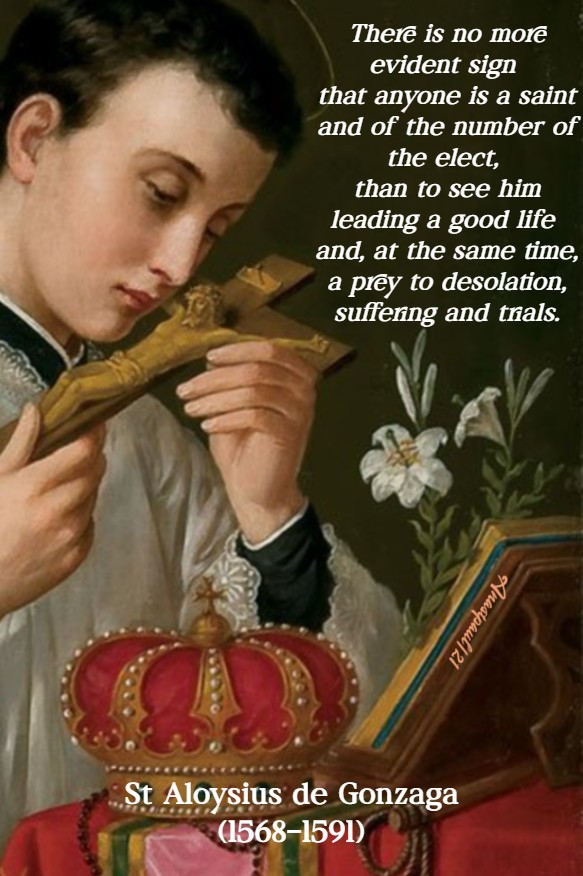
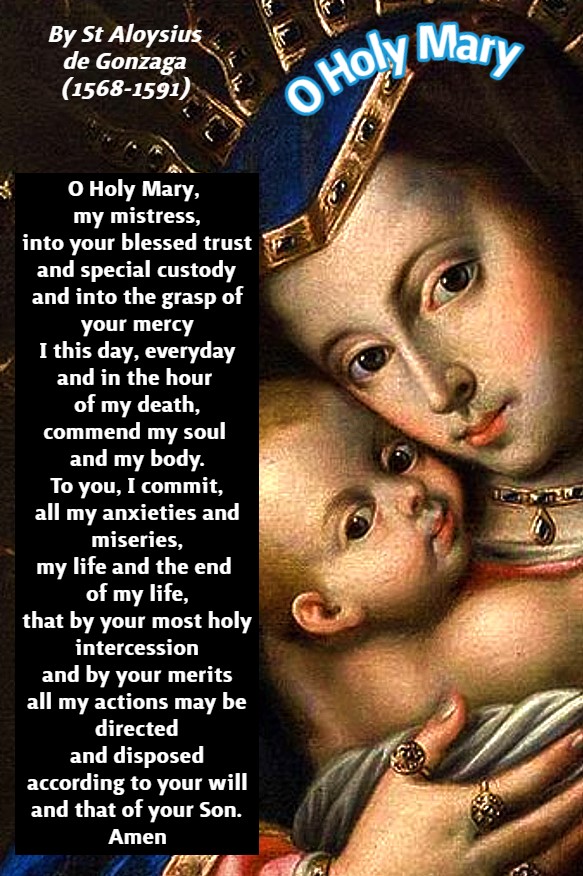

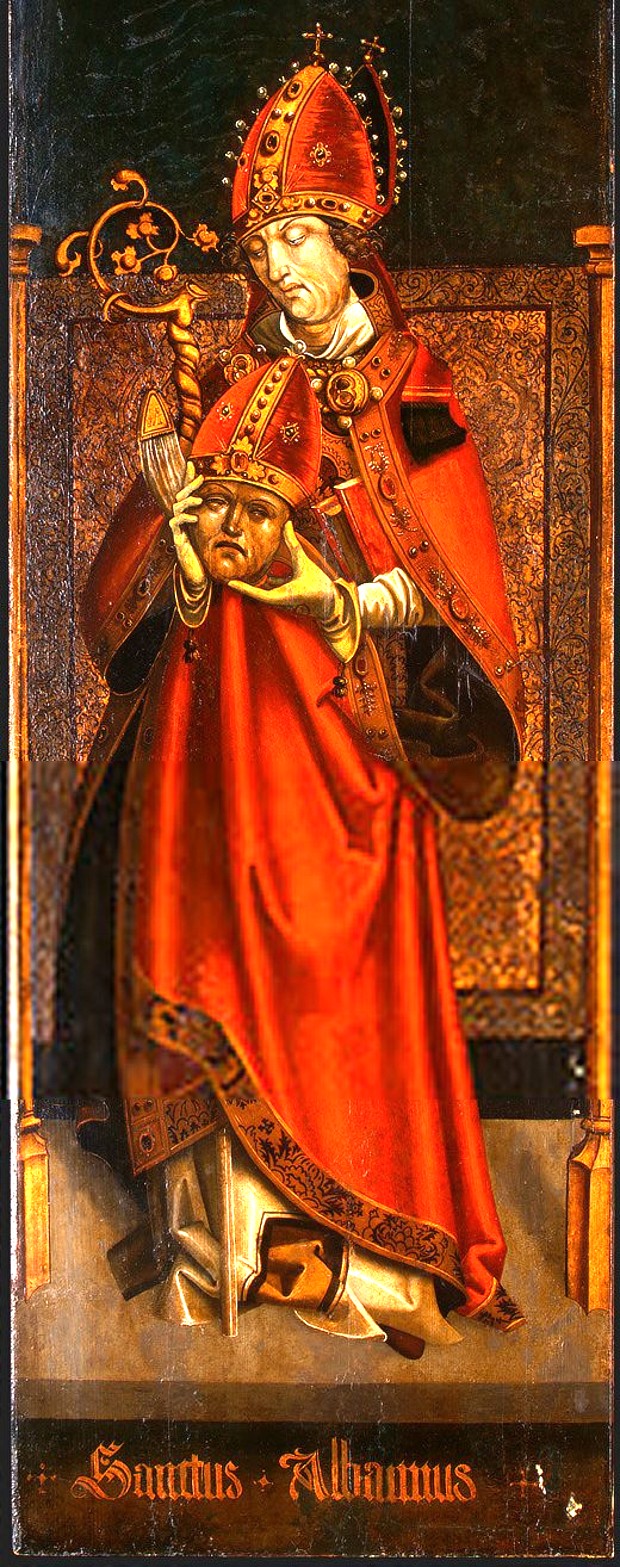
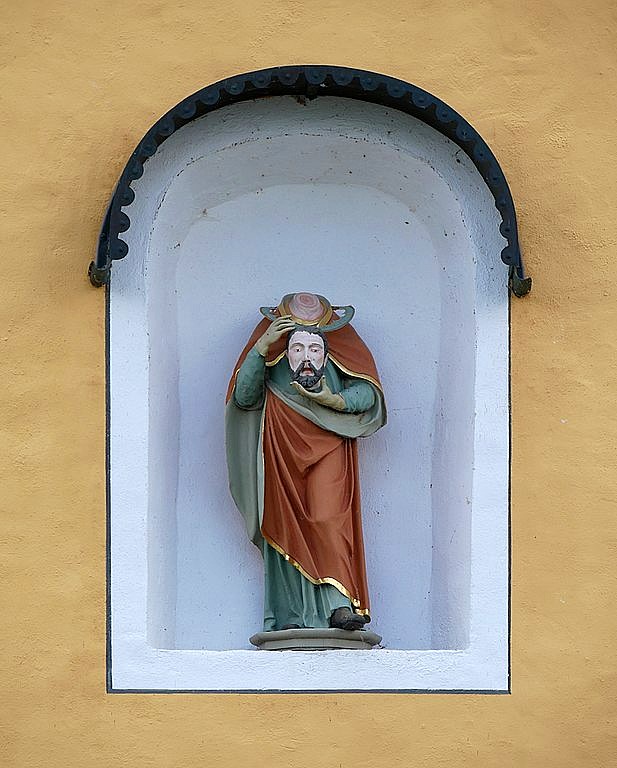

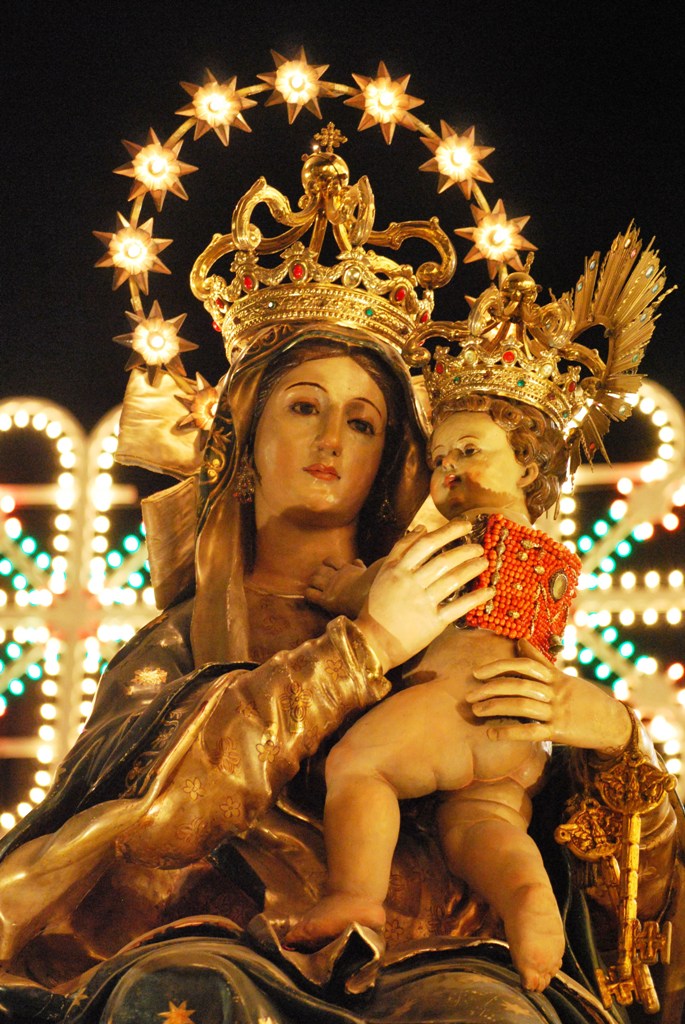

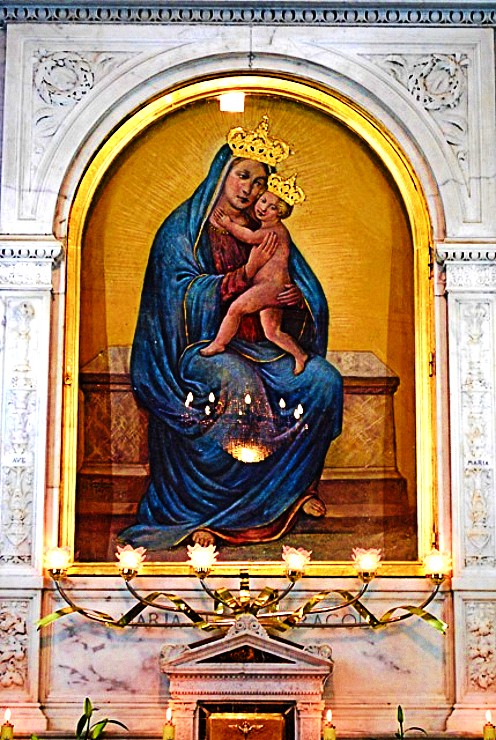
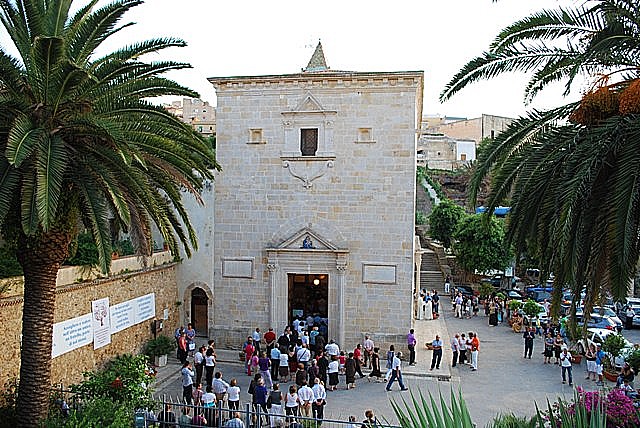
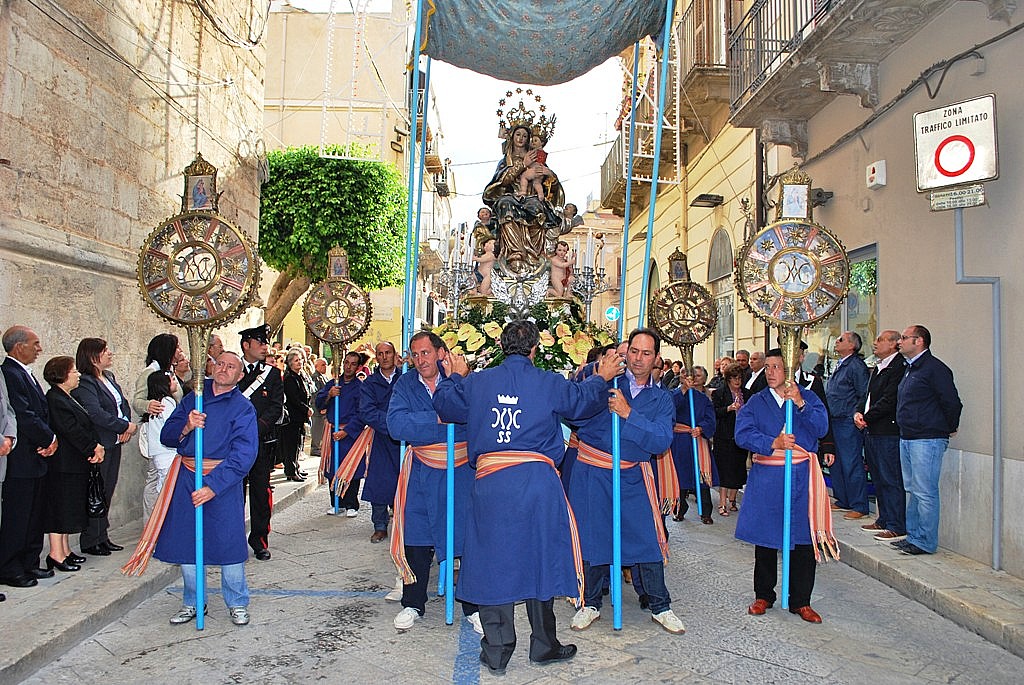
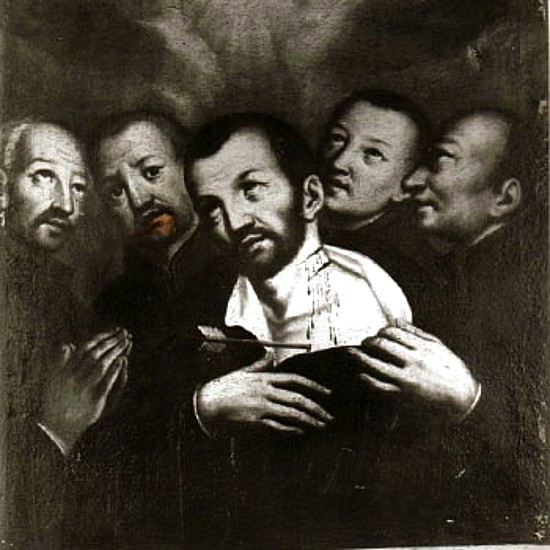
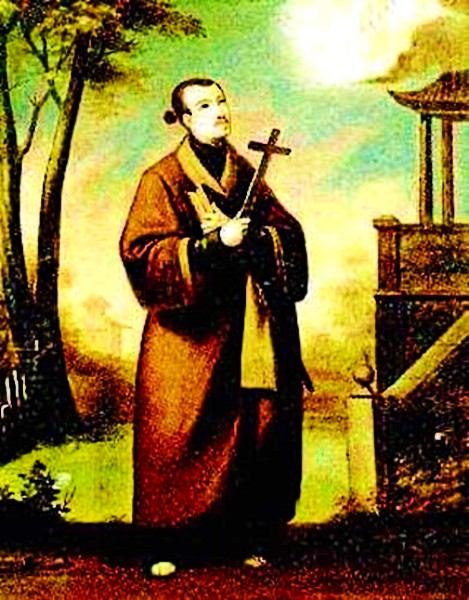
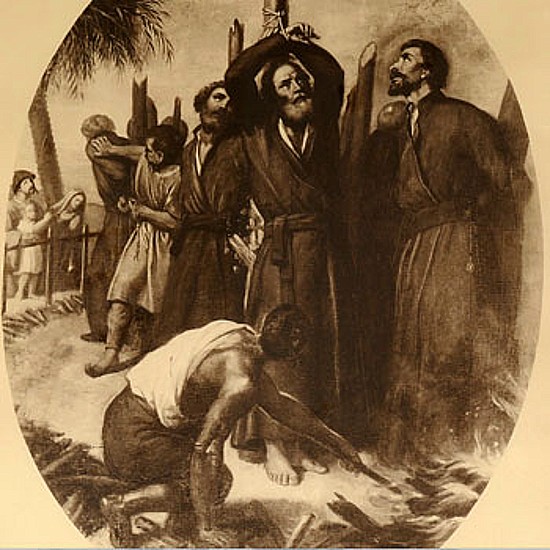
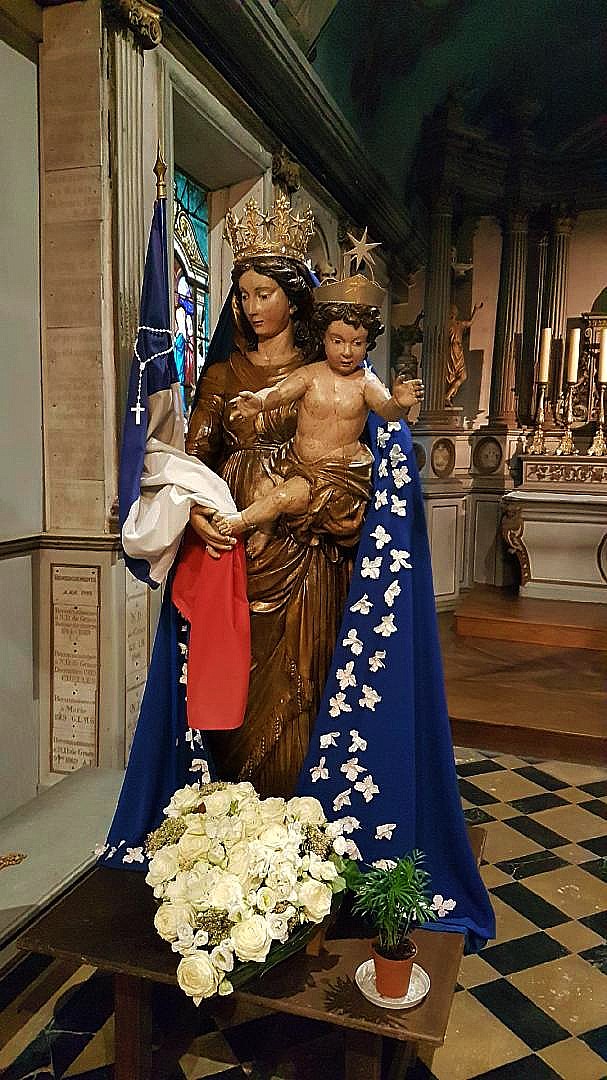
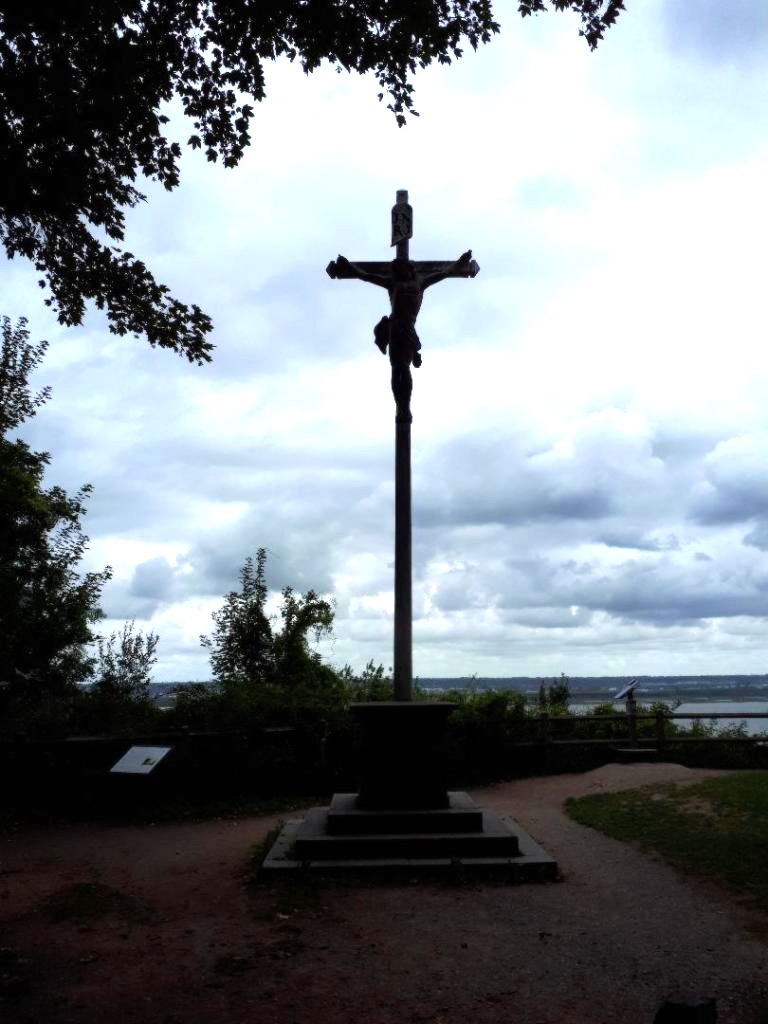


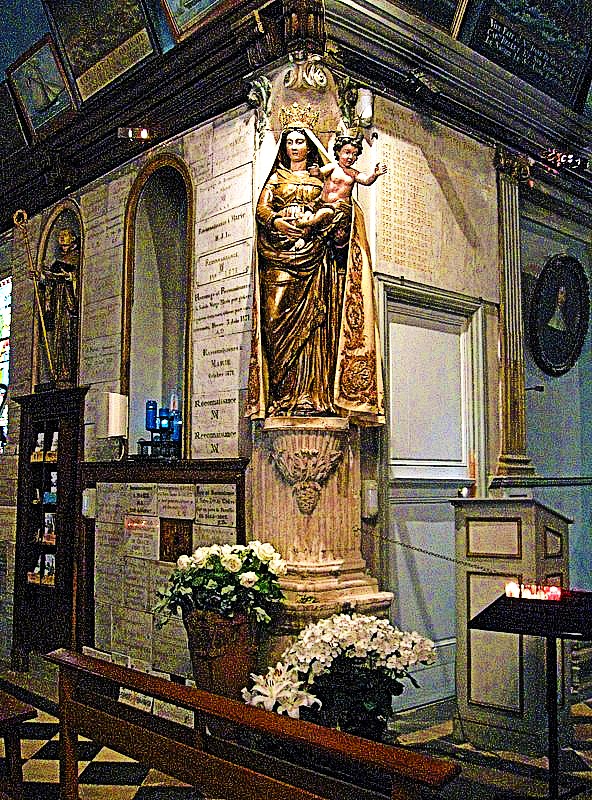
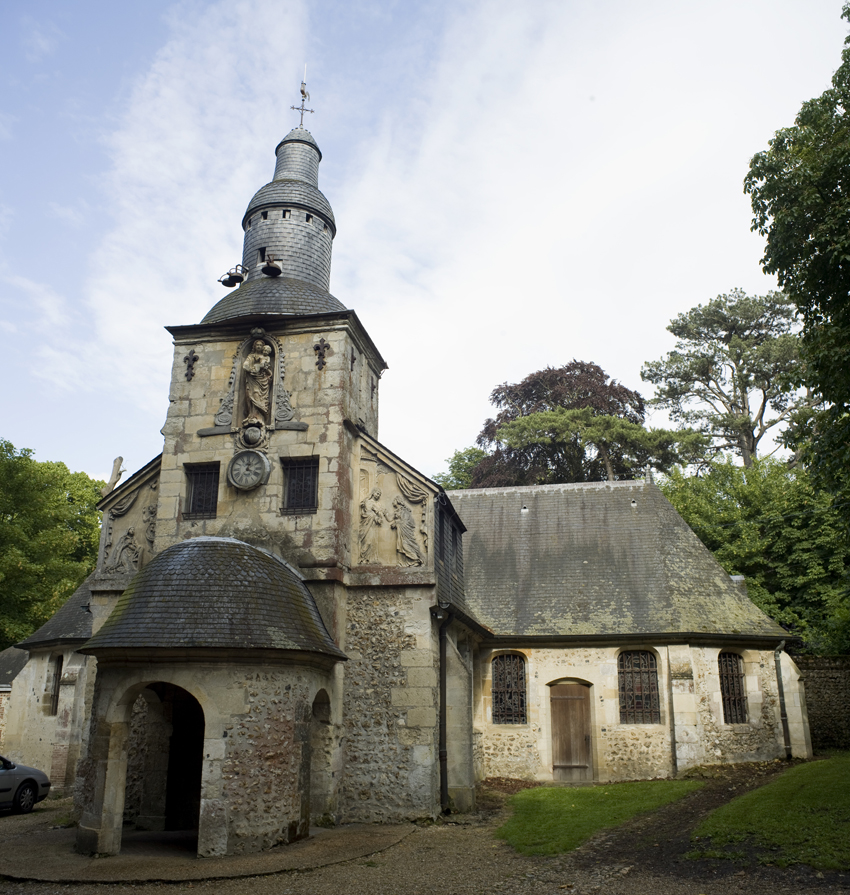
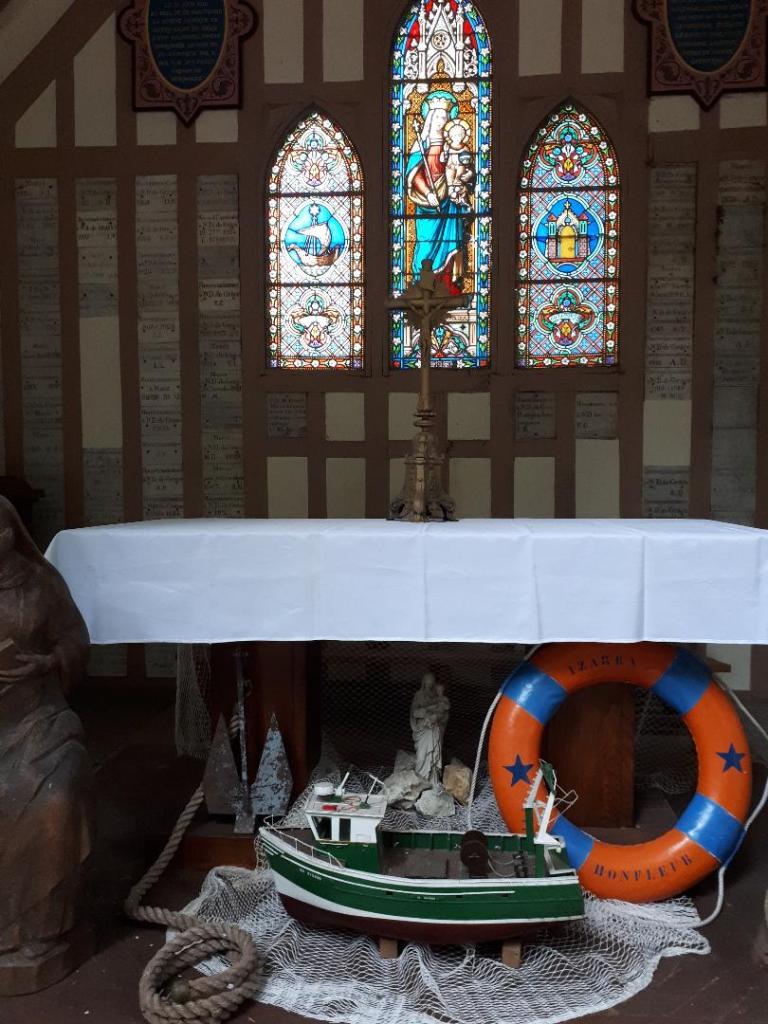


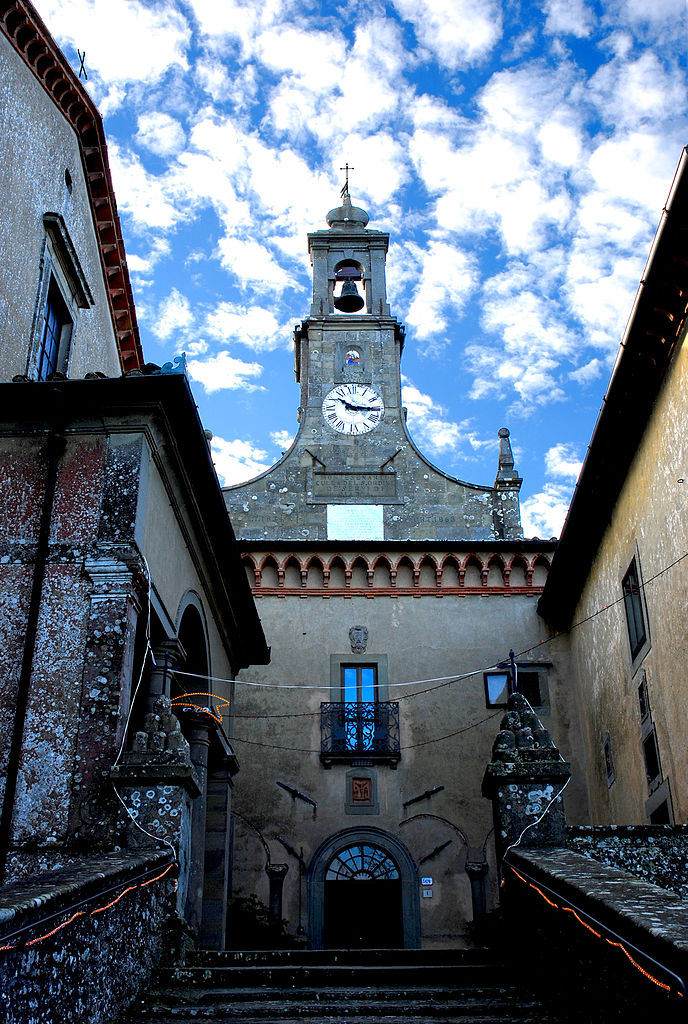
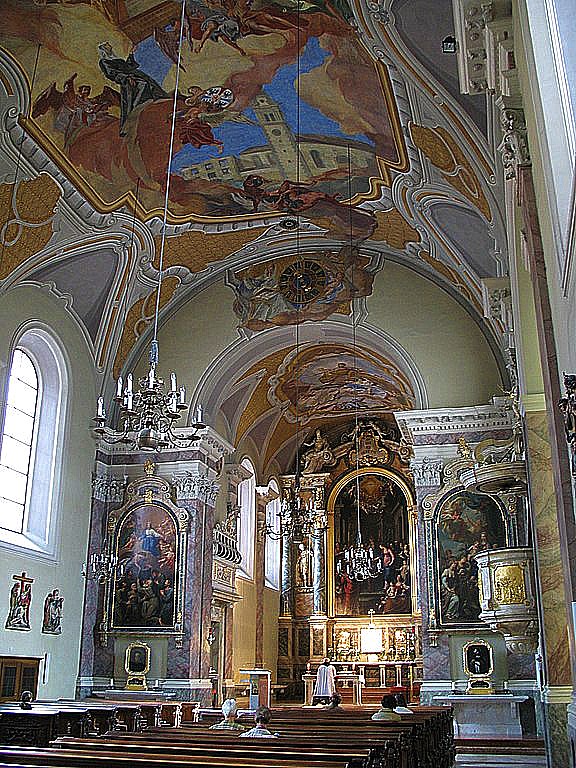
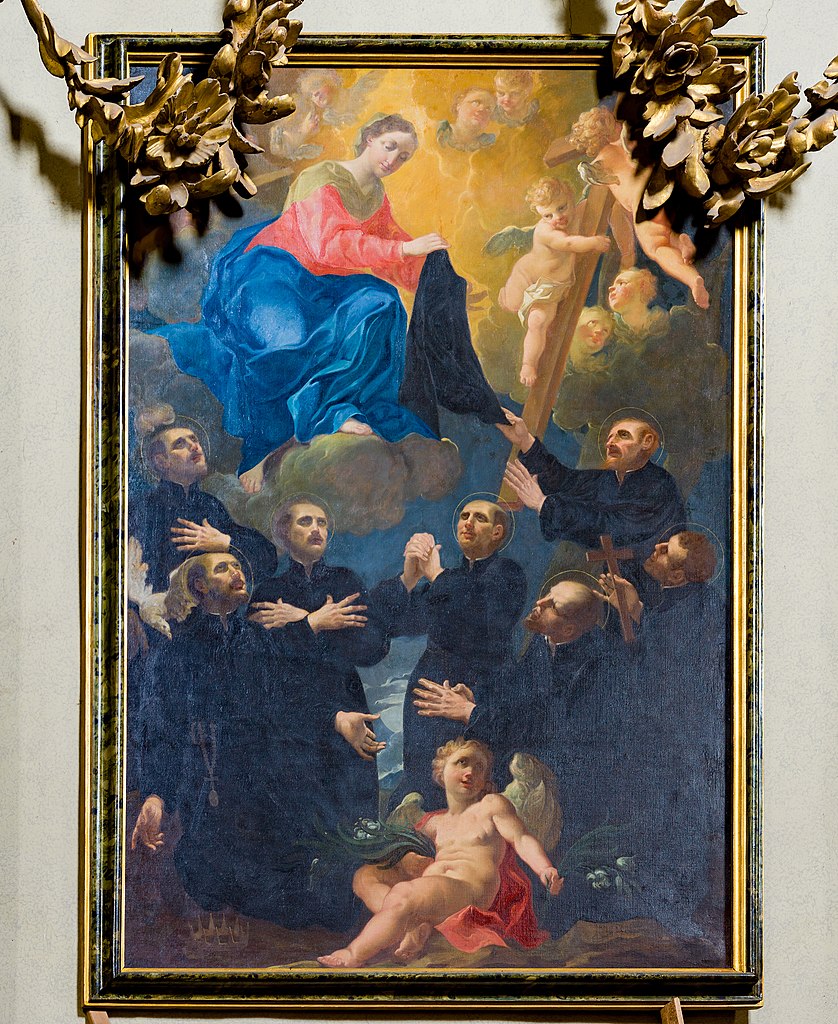
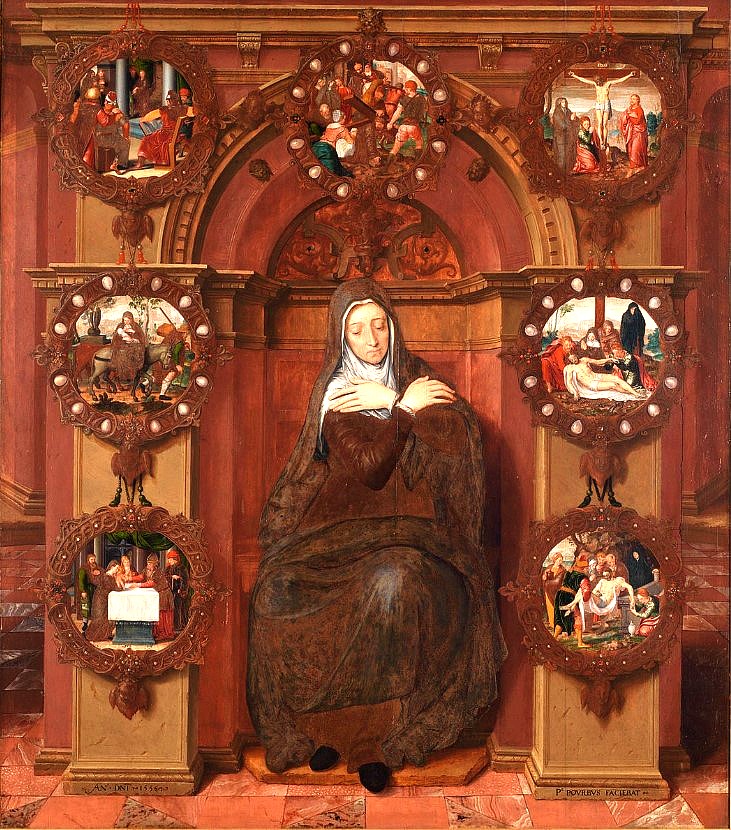
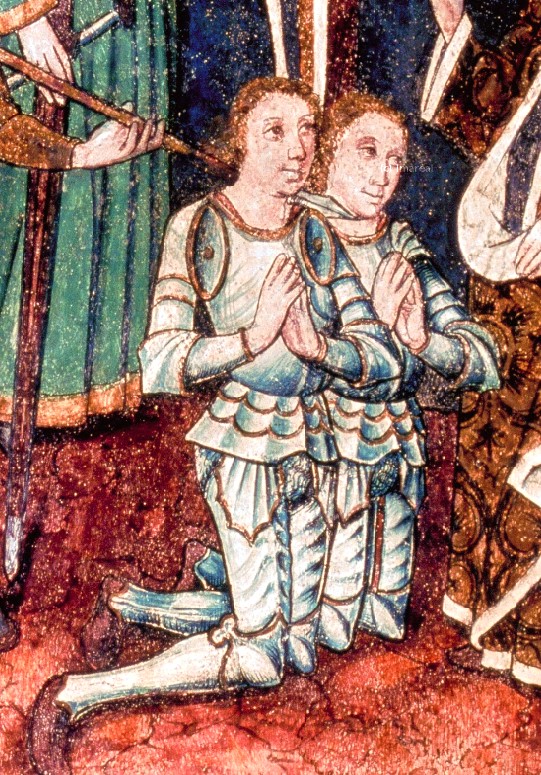
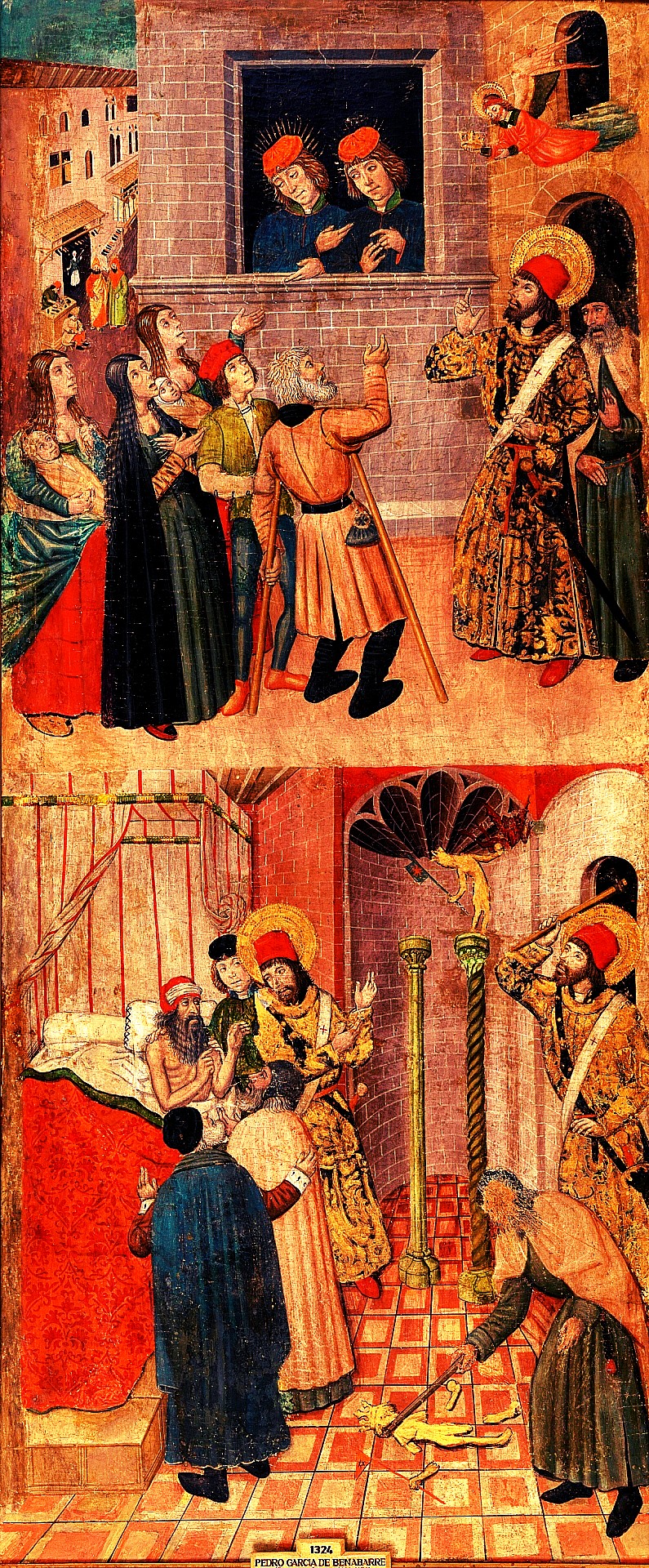
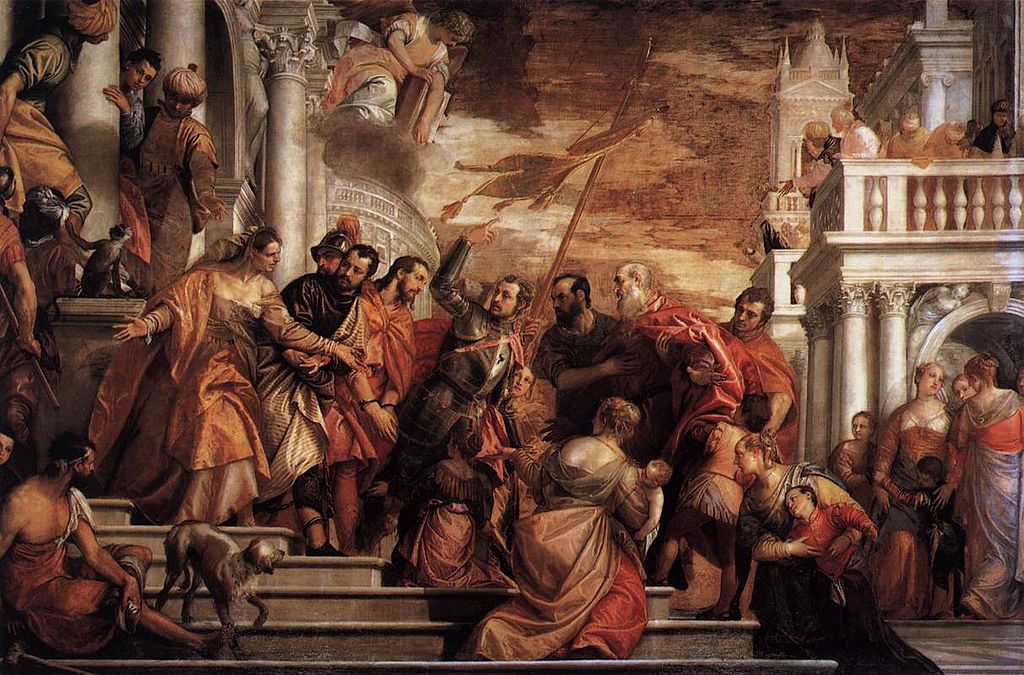
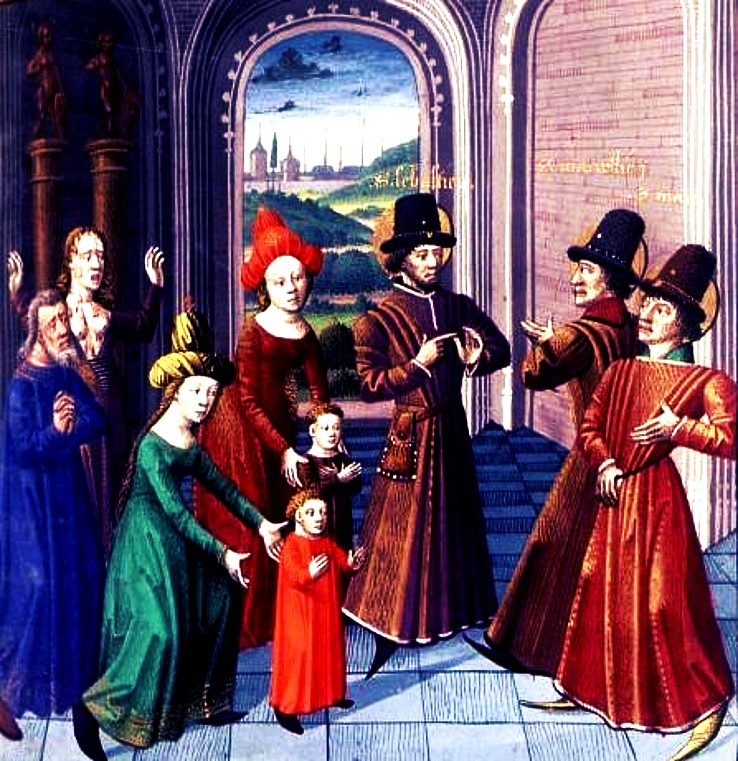


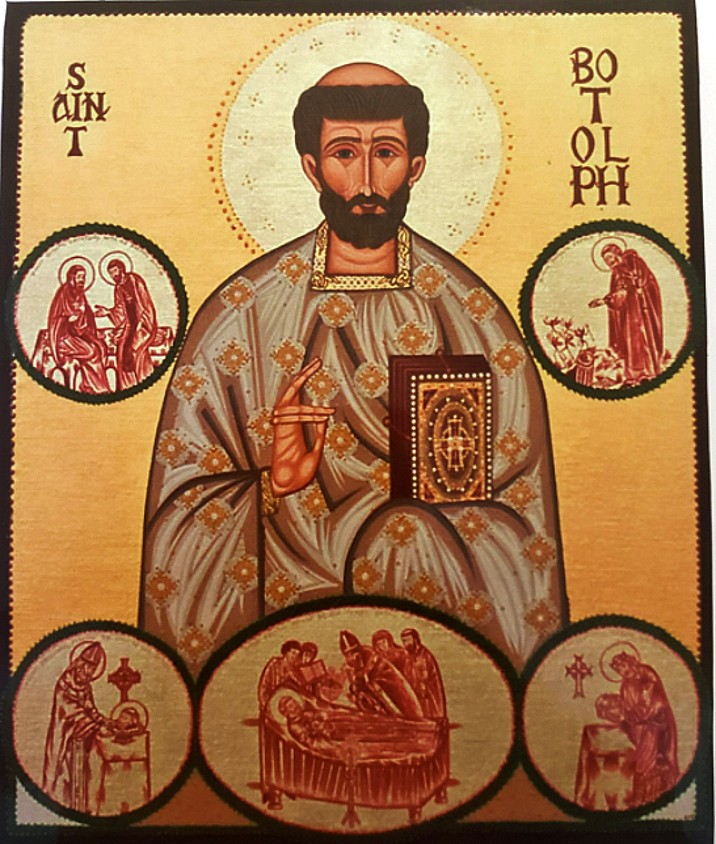
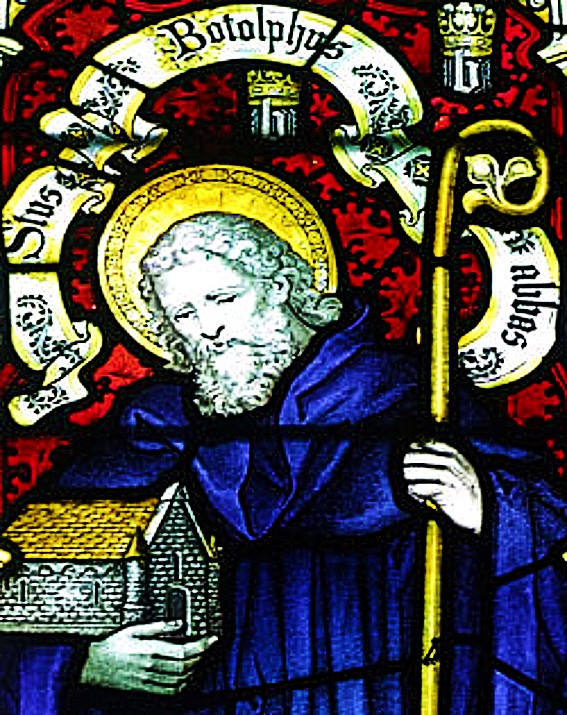
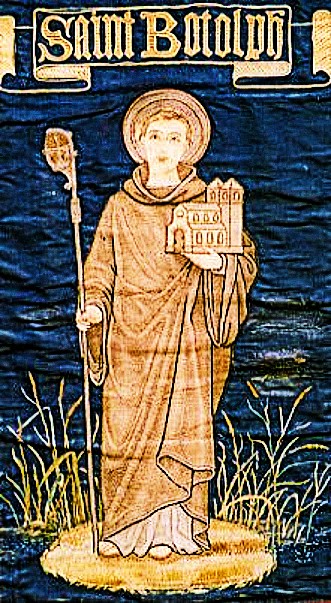

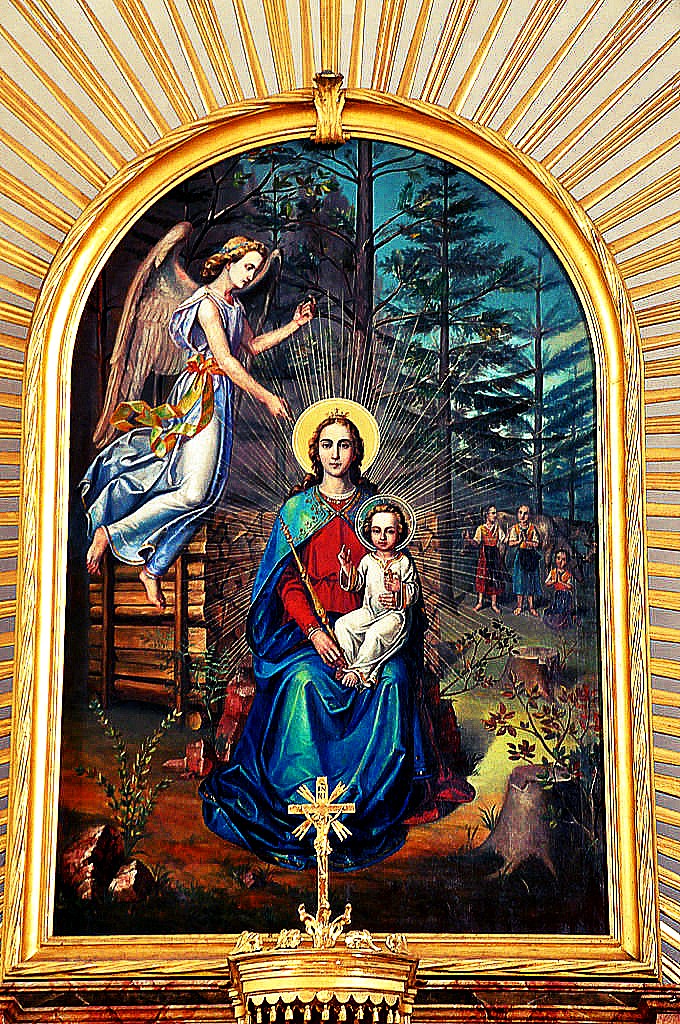
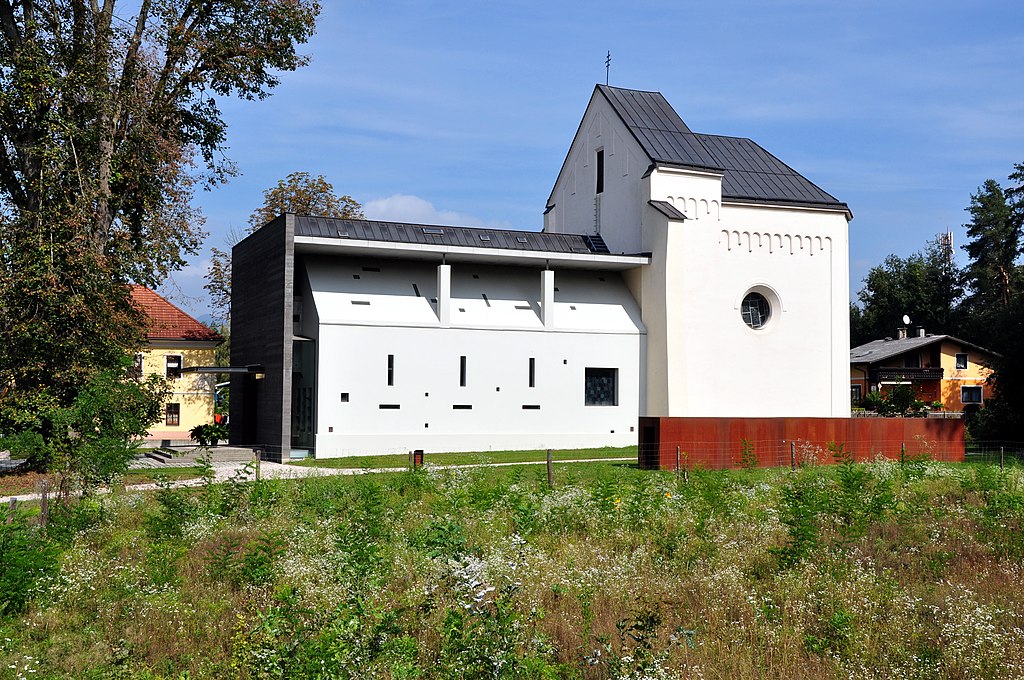

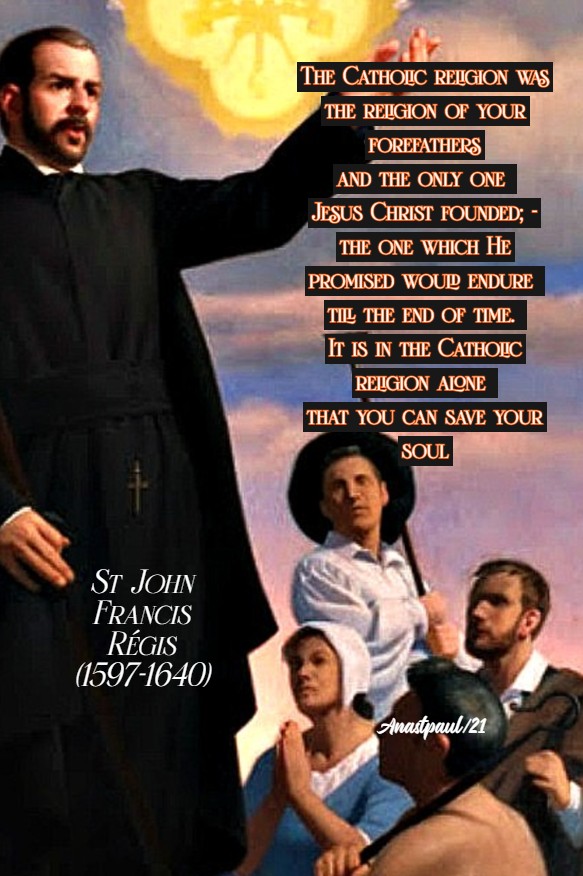


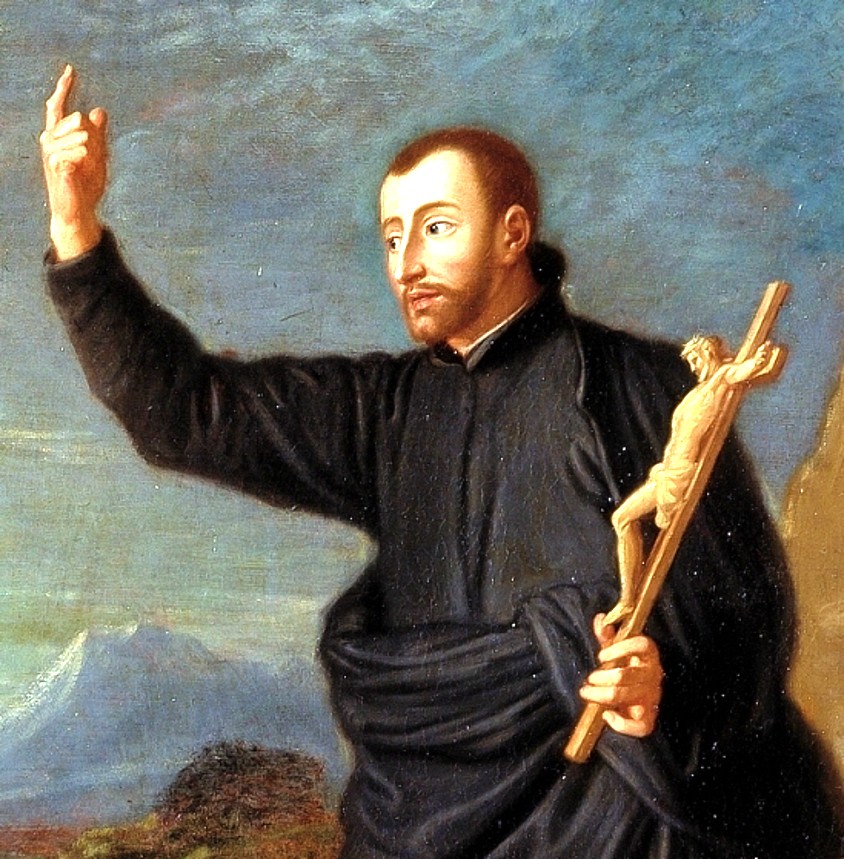

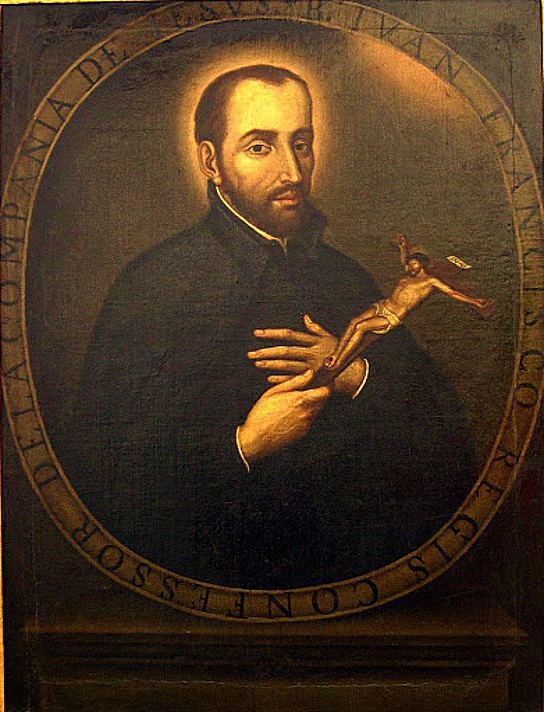
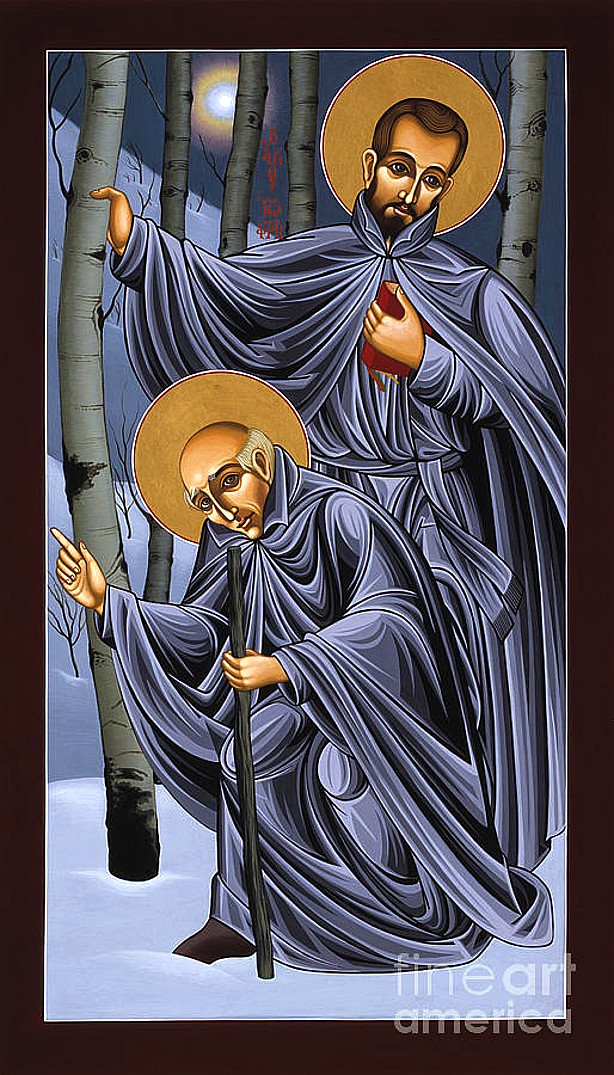
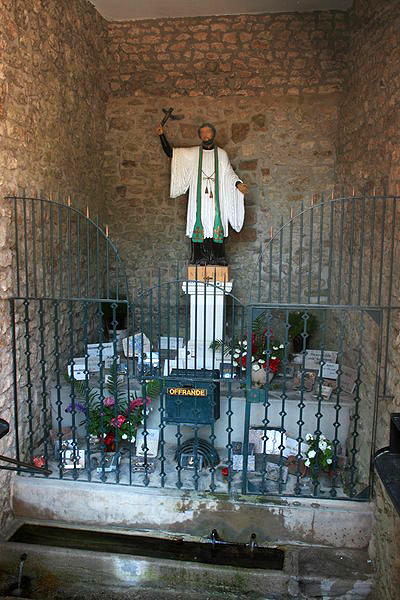

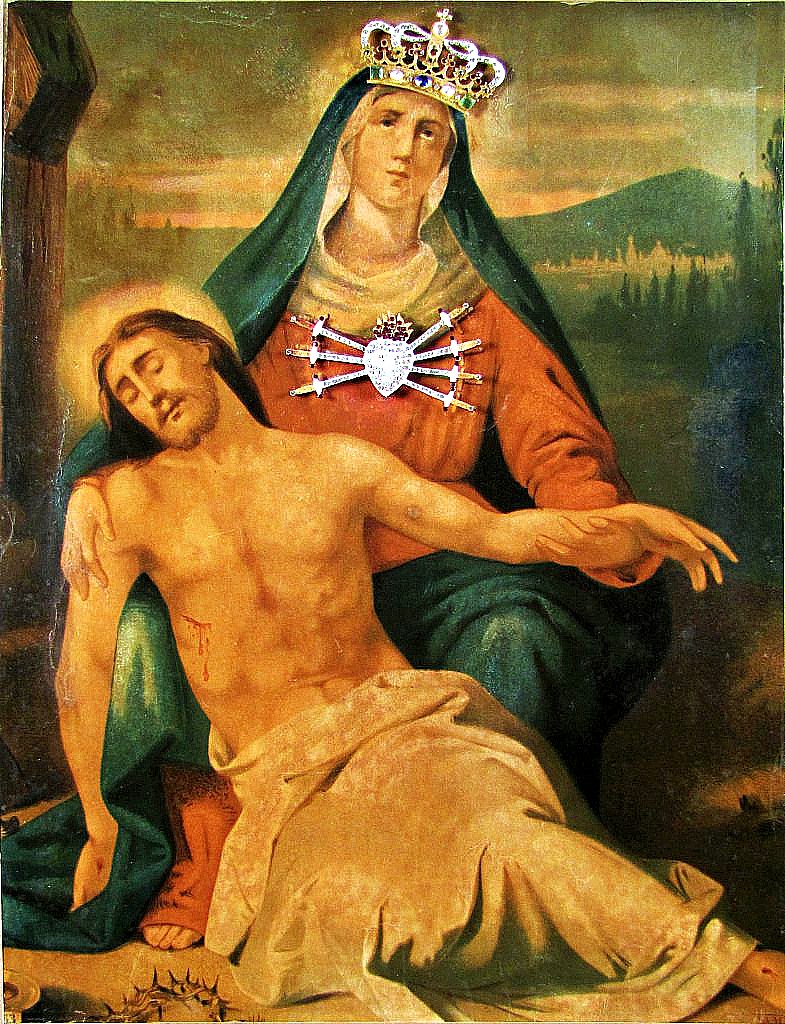
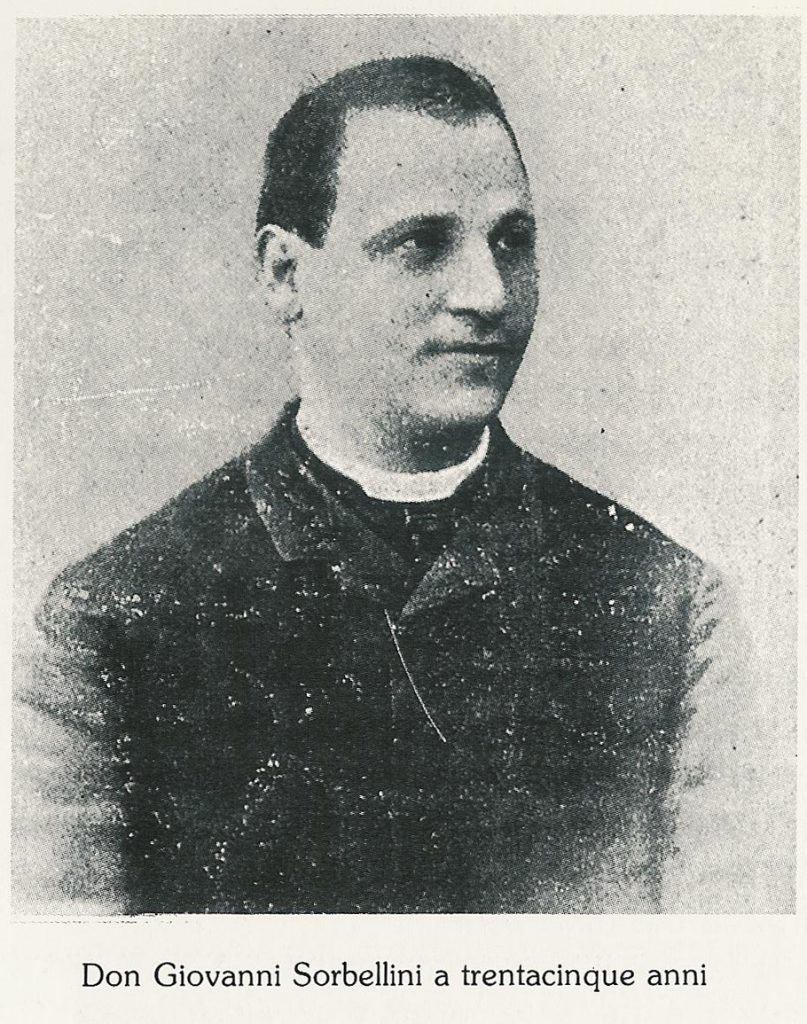
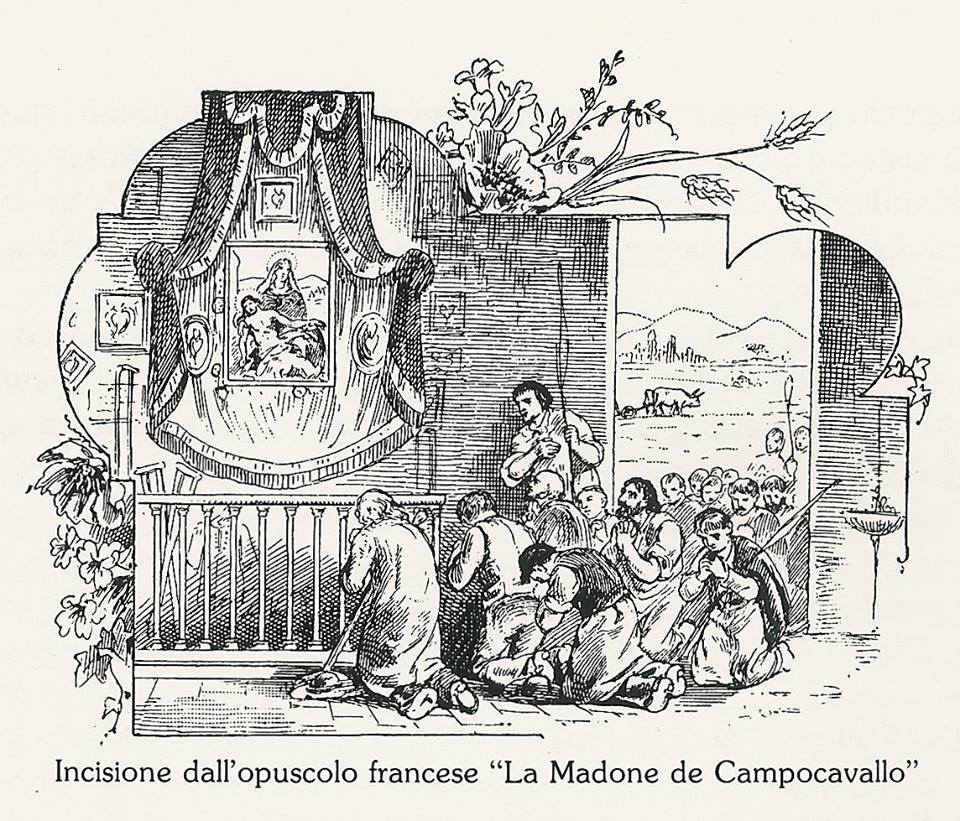
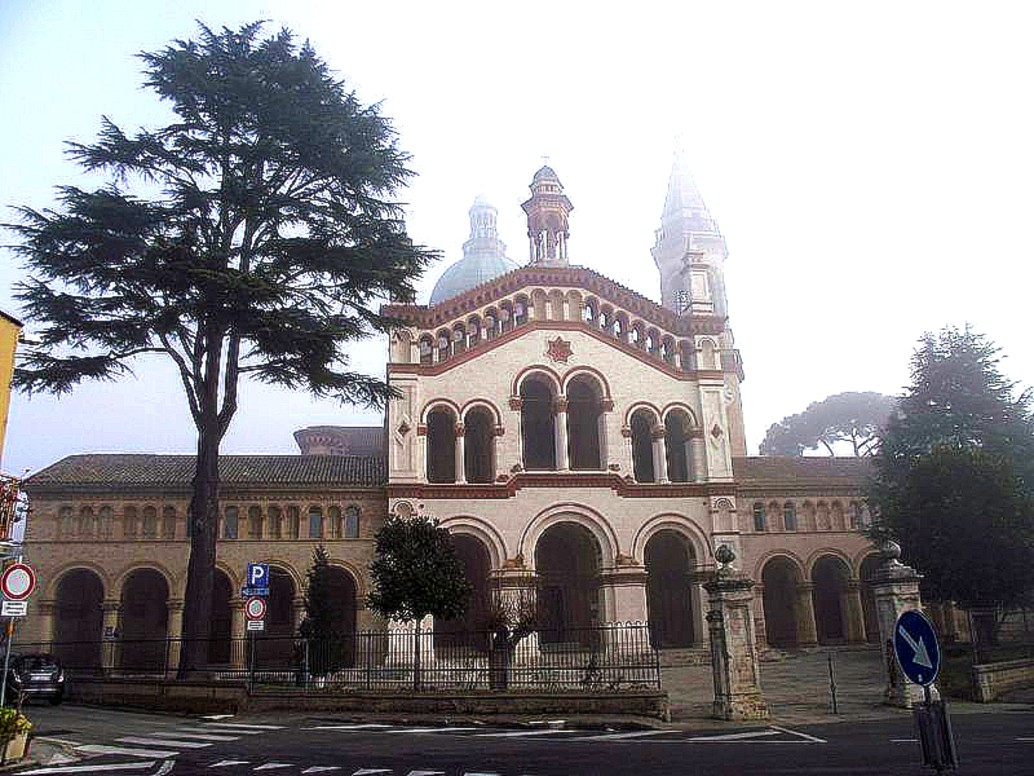
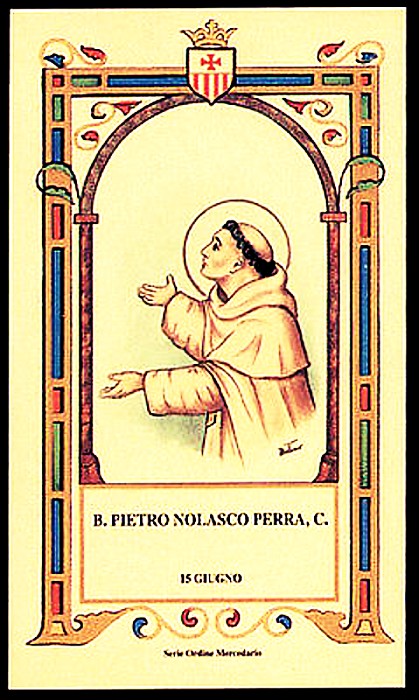

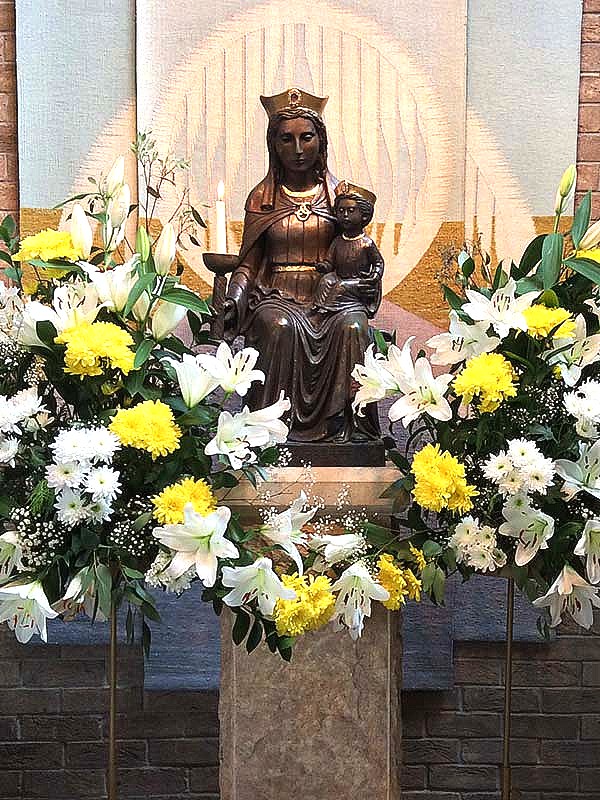

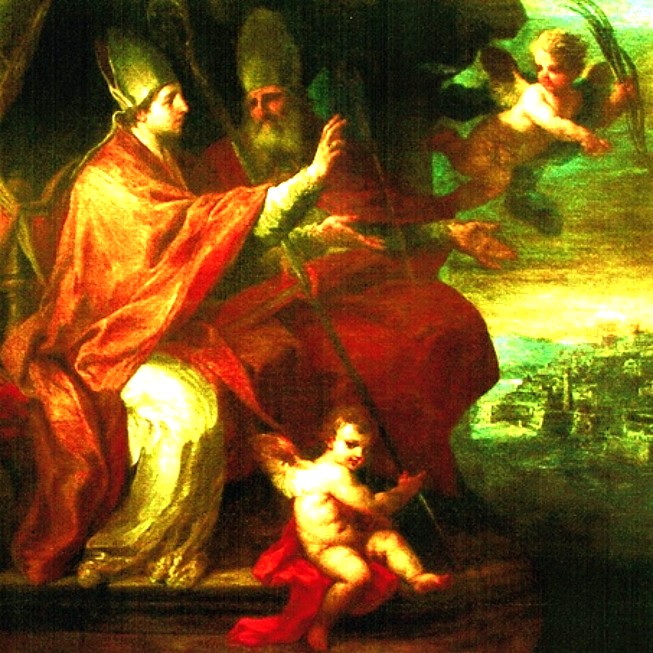

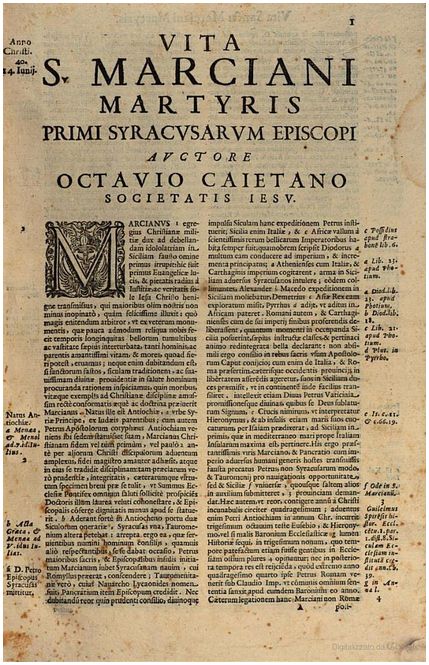
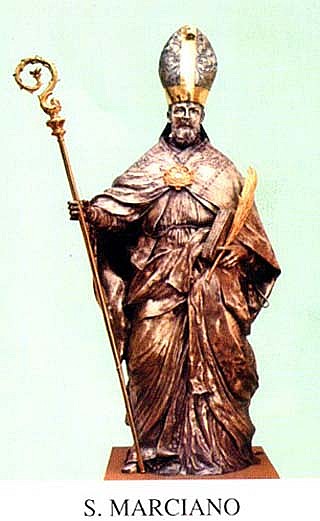
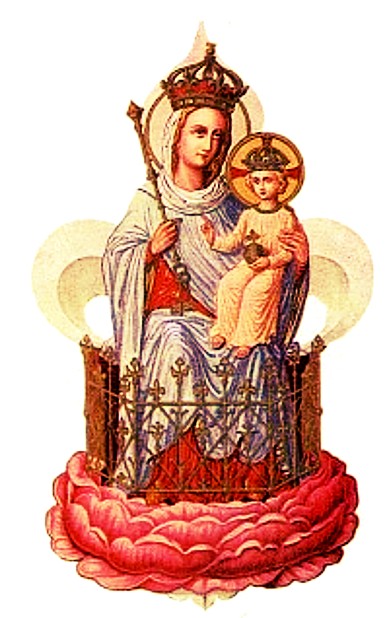
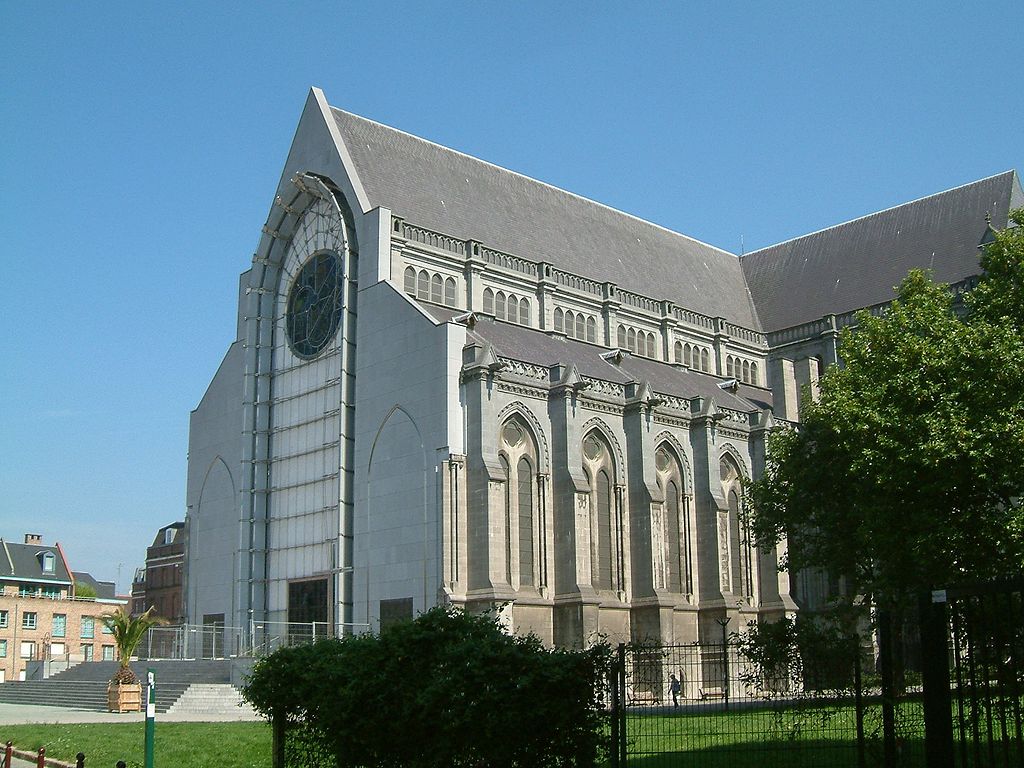
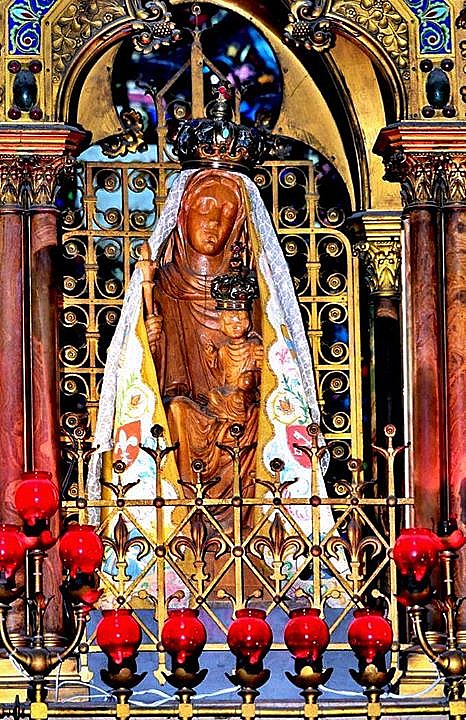
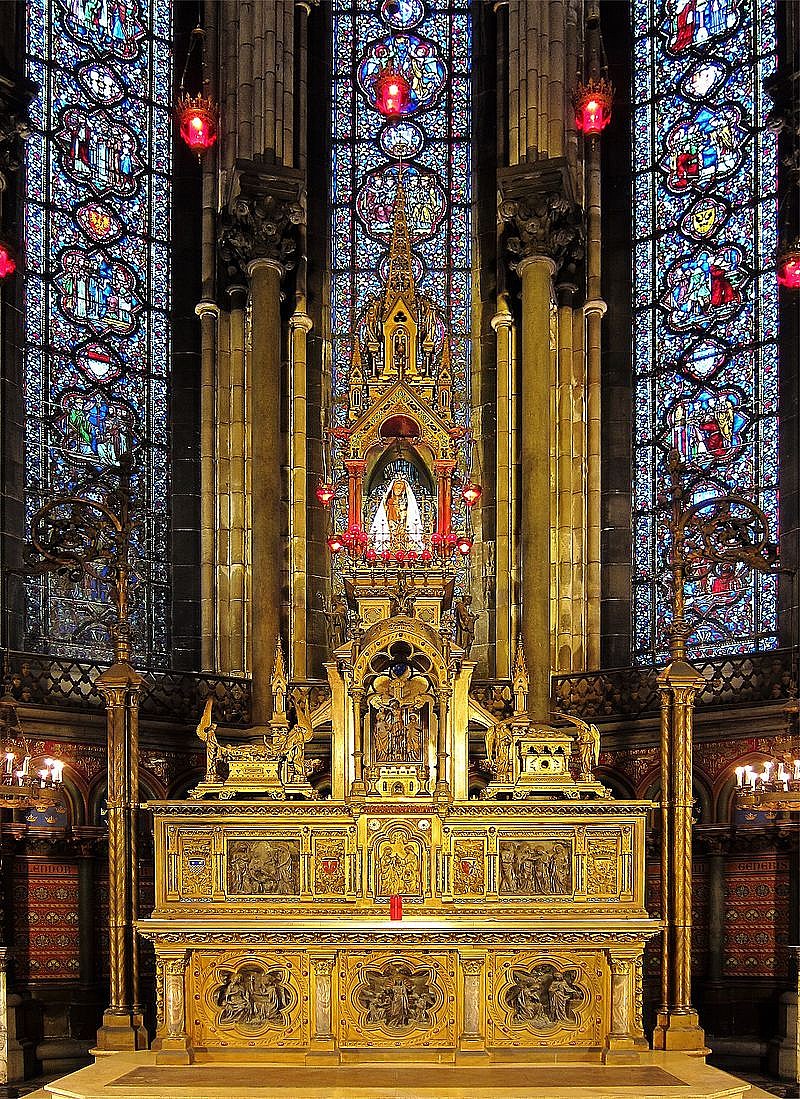


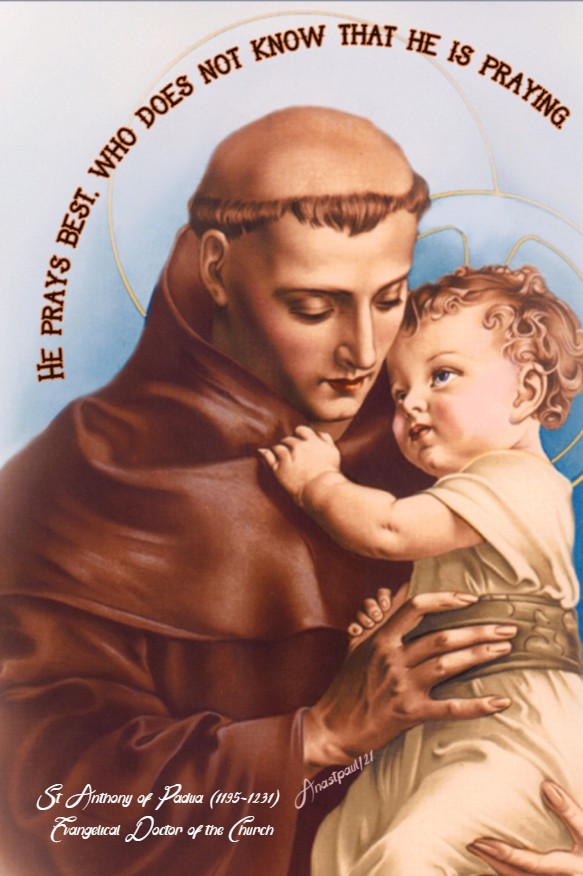
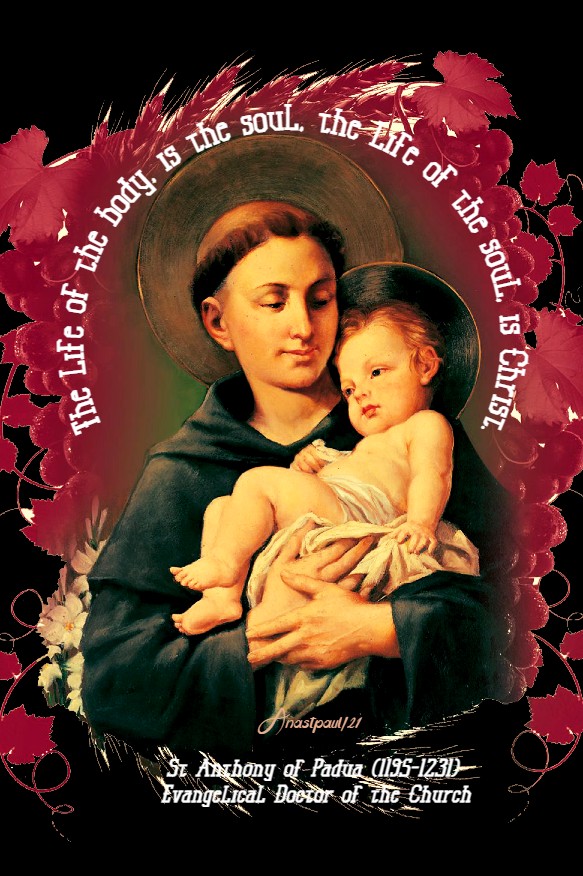
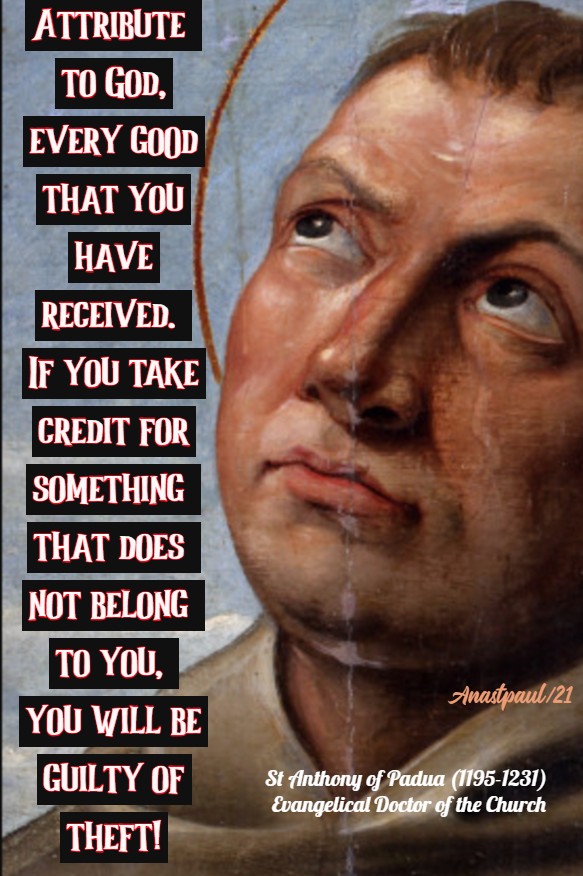
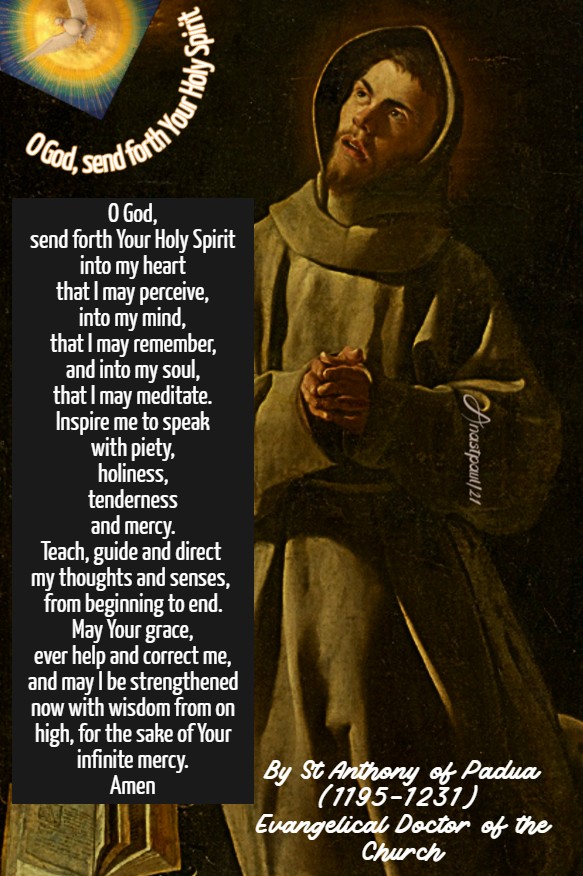




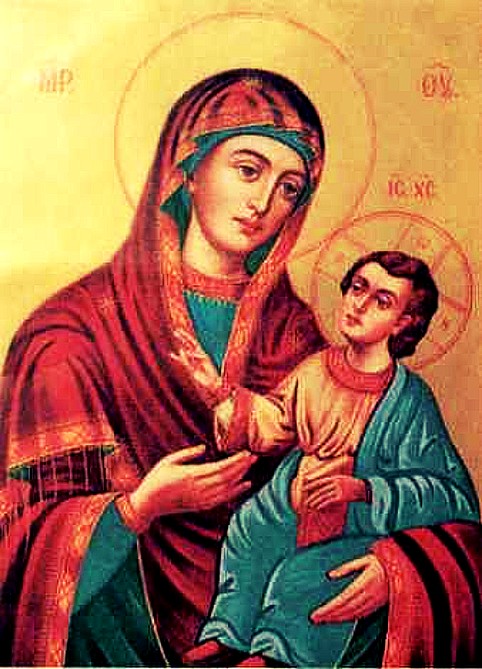
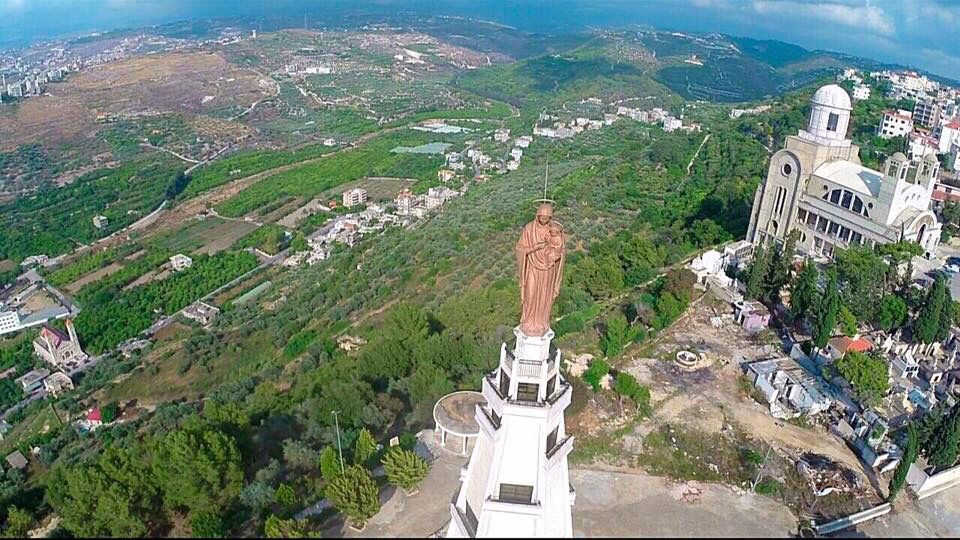
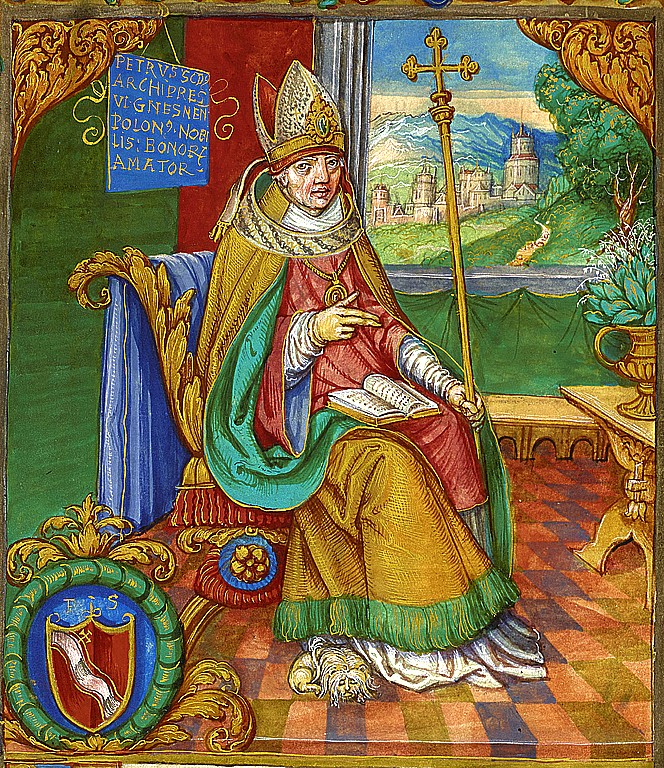
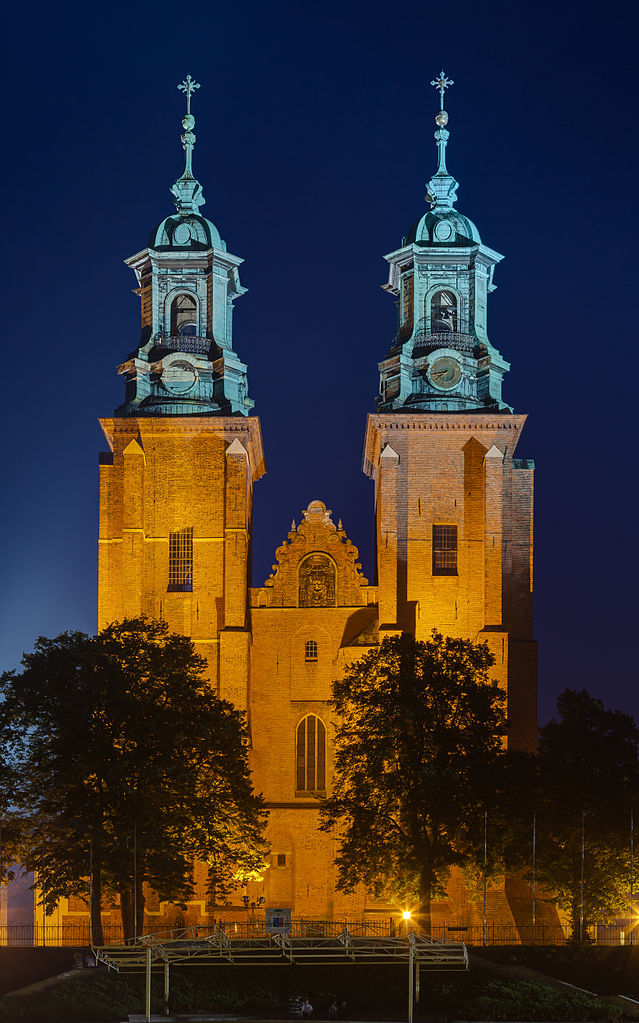
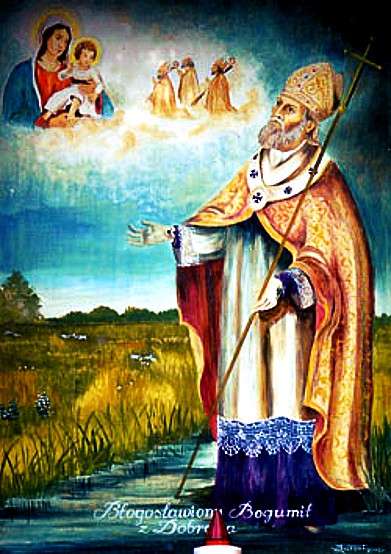
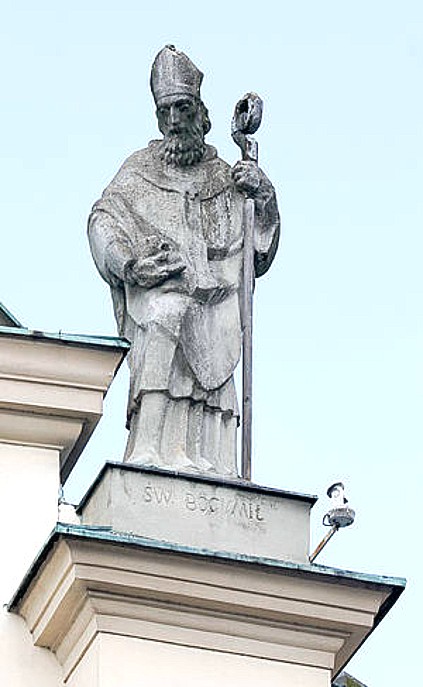
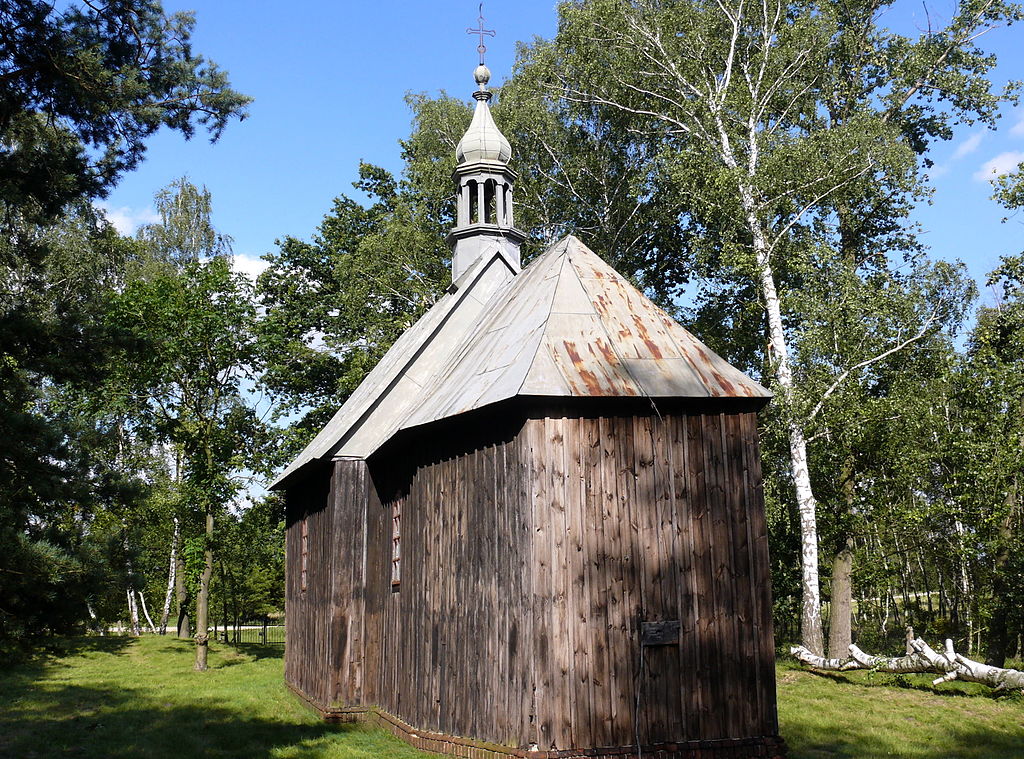
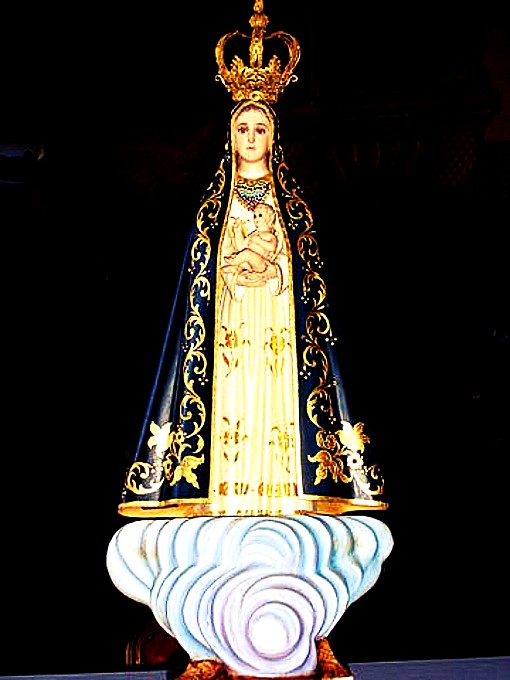
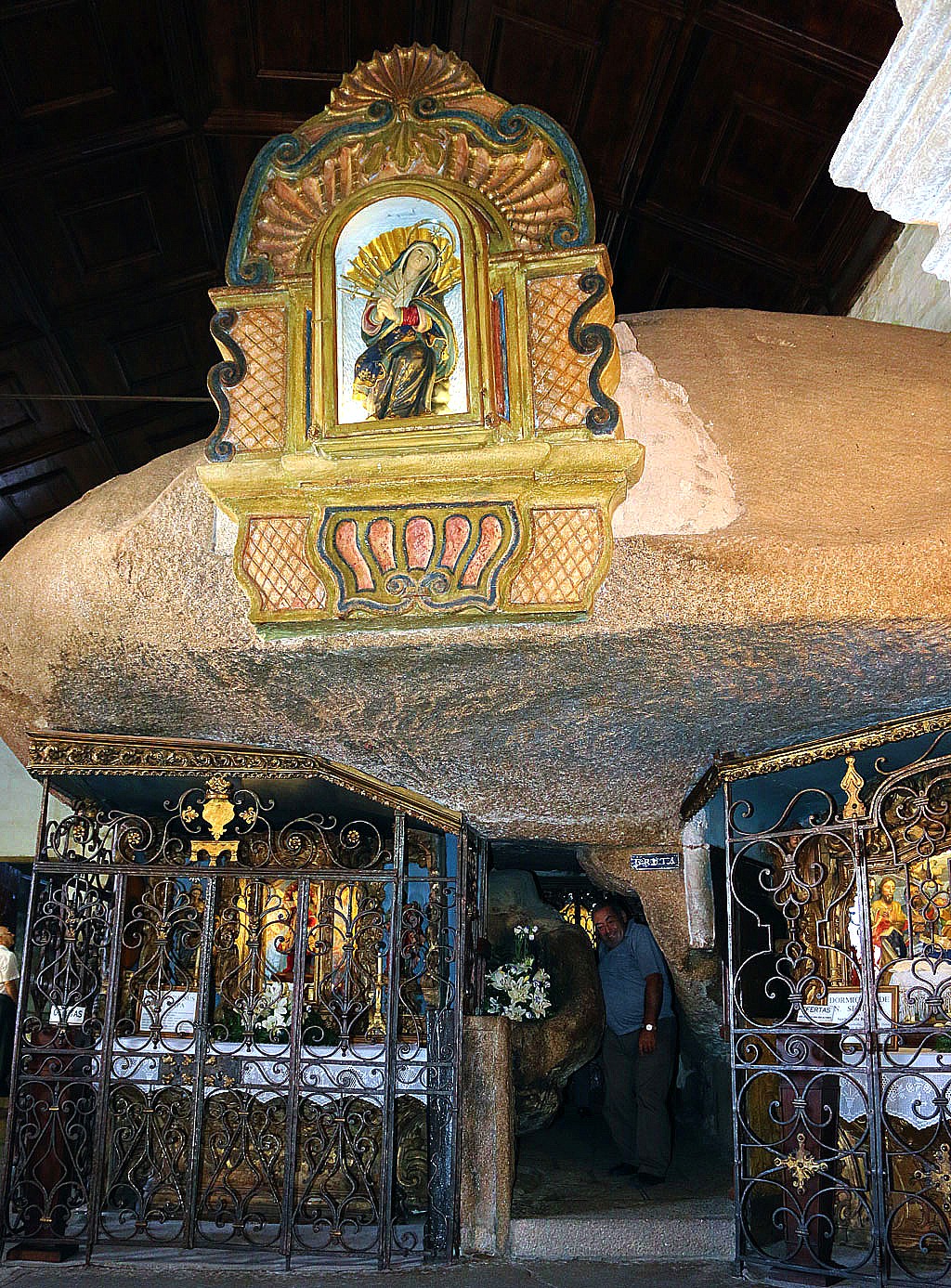

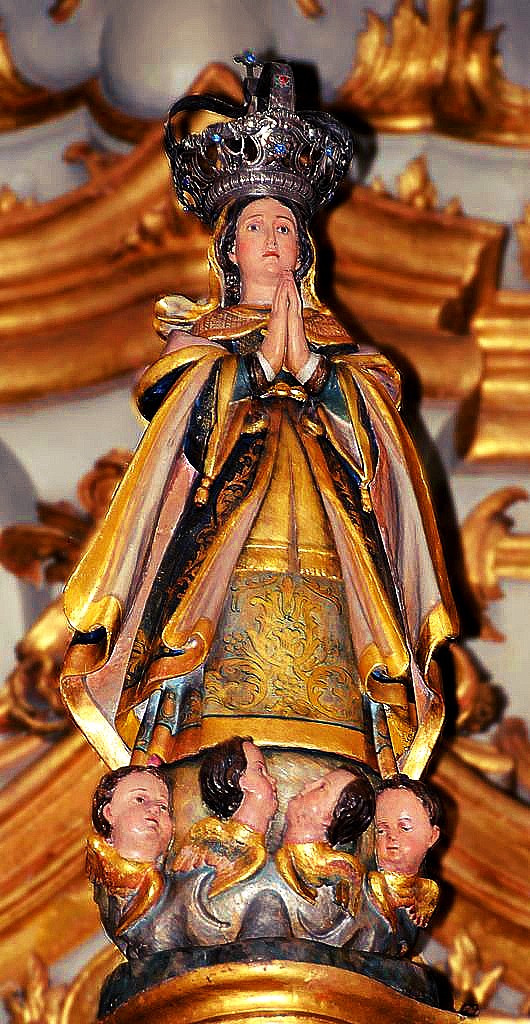

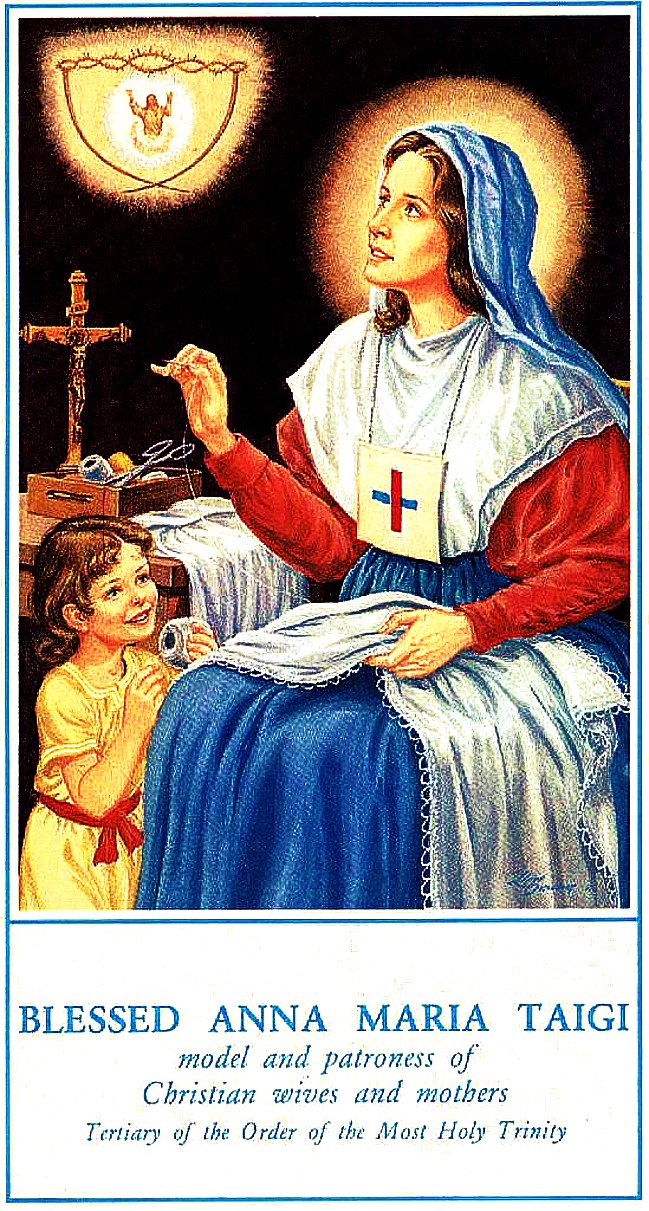

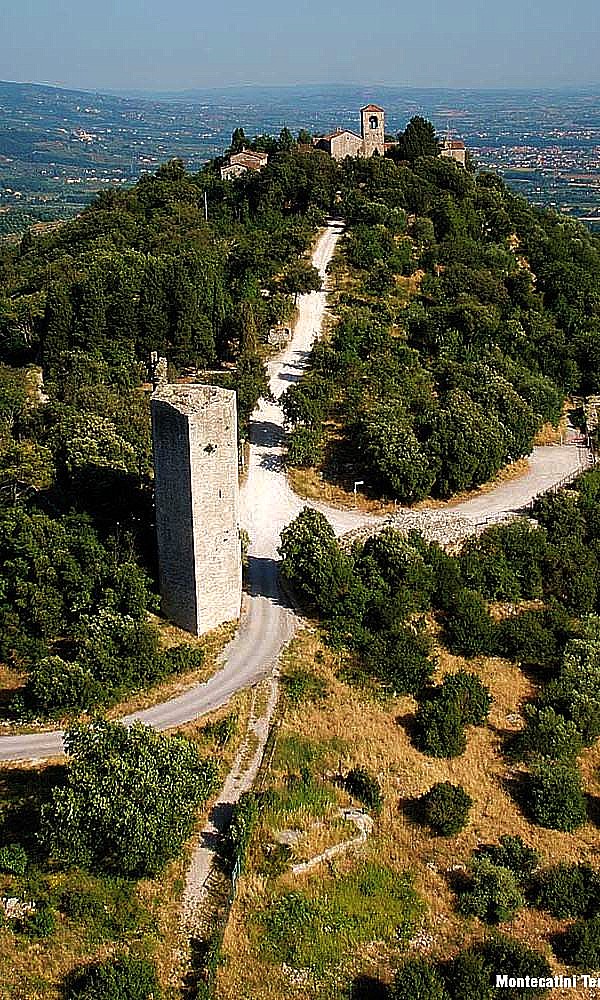

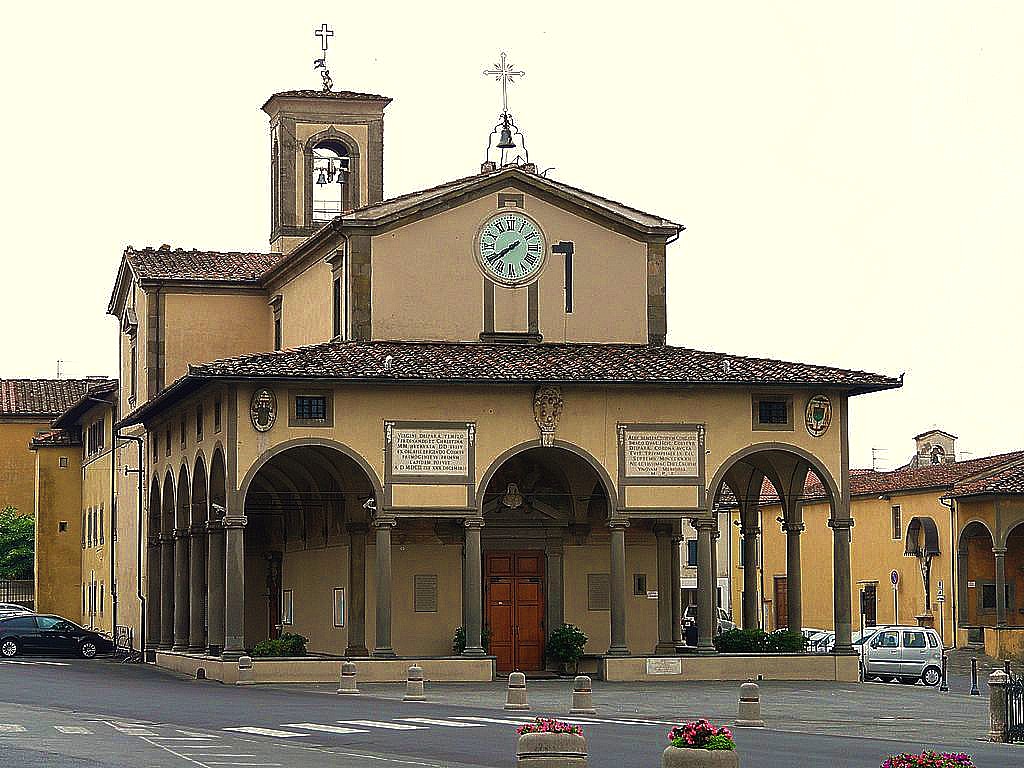

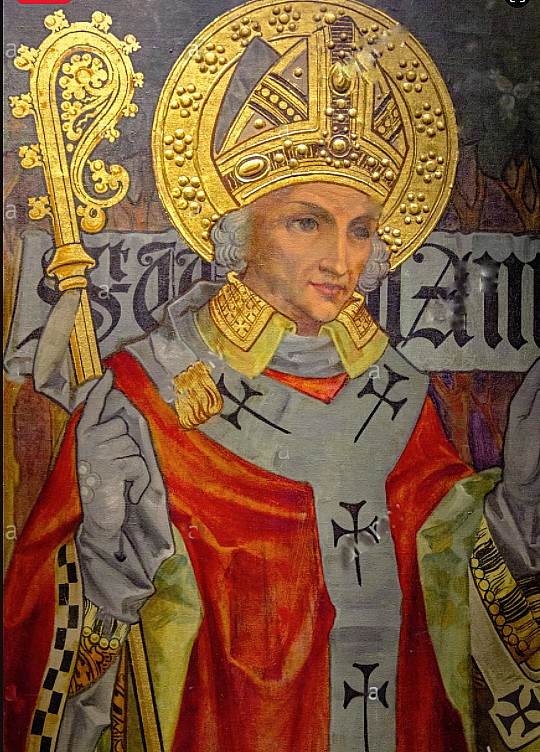

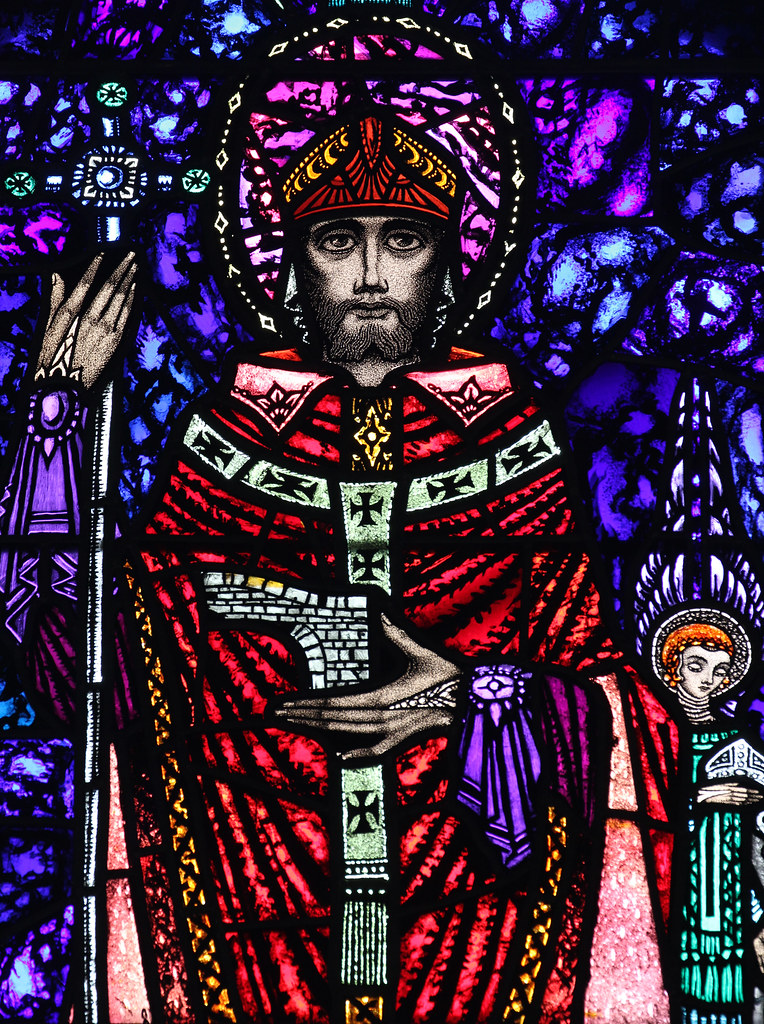
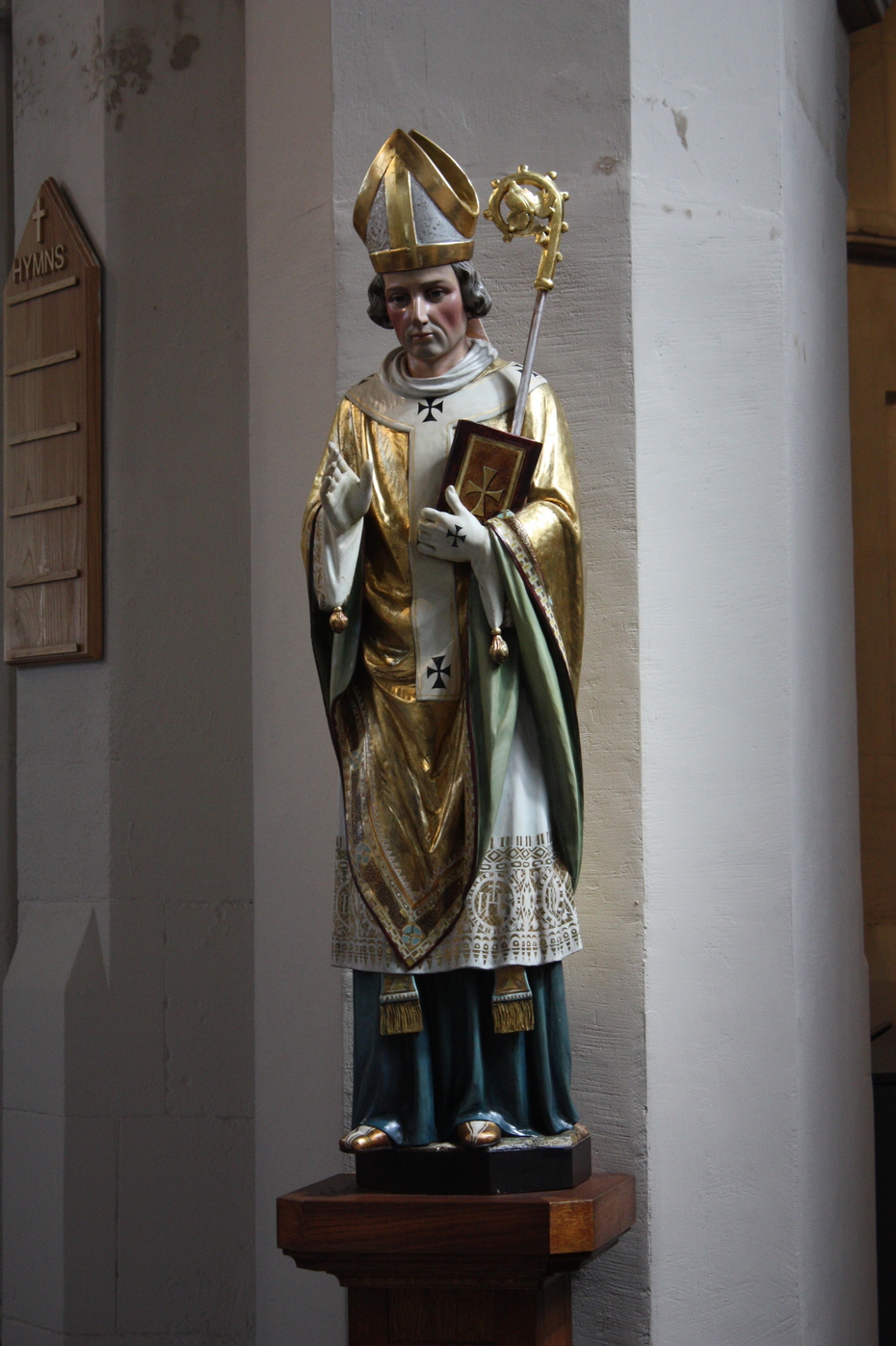


You must be logged in to post a comment.