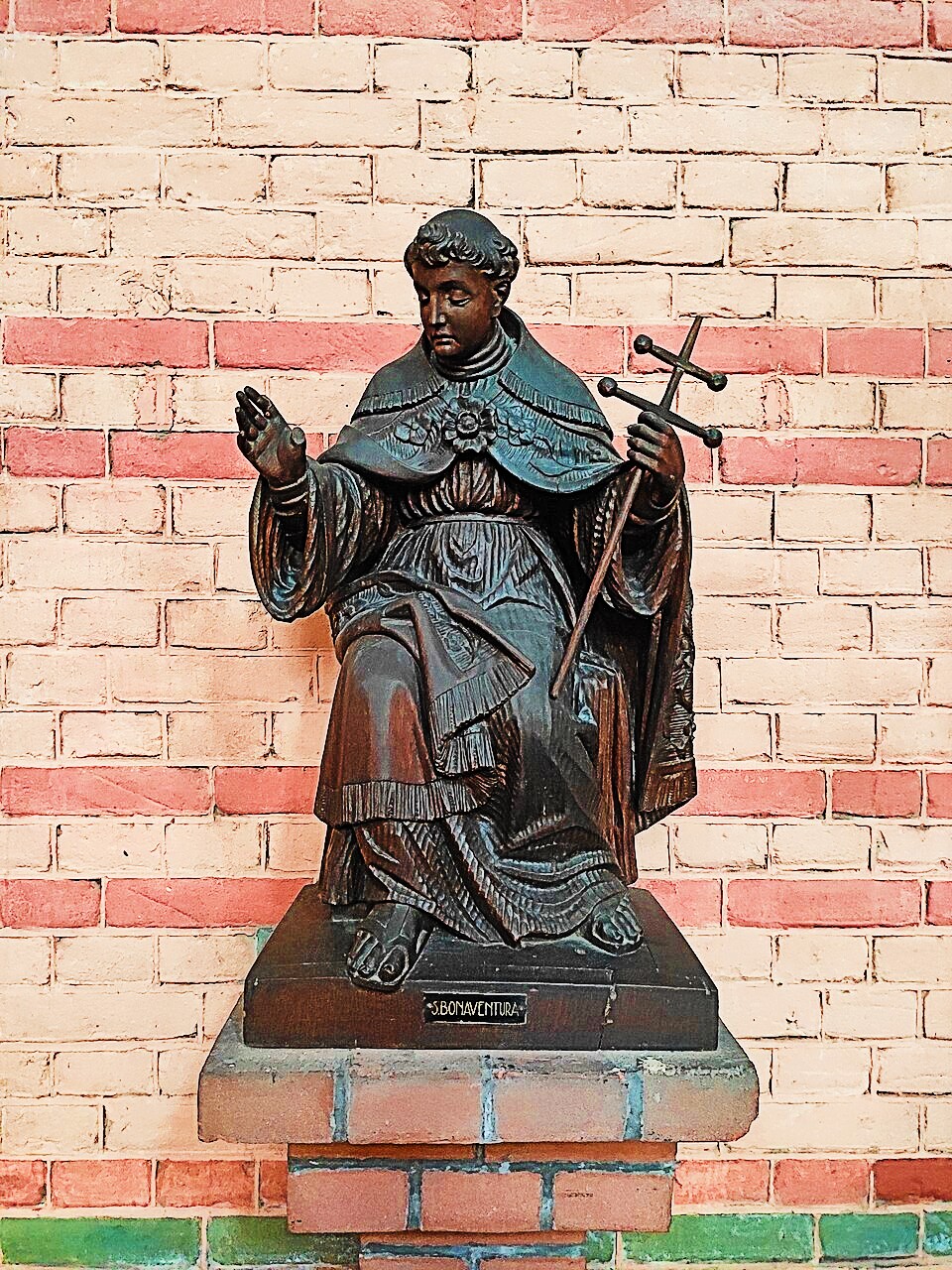
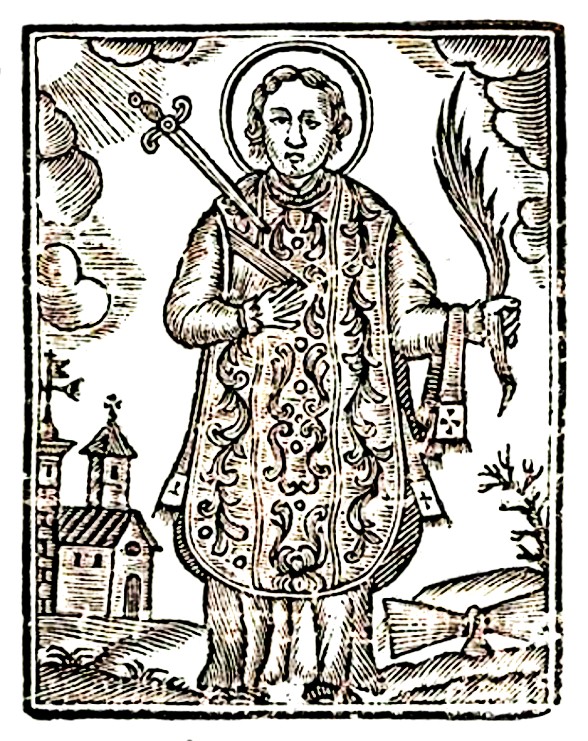
Saint of the Day – 14 May – St Boniface (Died c307) Martyred by beheading in c307 in Tarsus, Cilicia (in modern Turkey). Patronage – of the City of Cerchiara di Calabria in Italy. Also known as – Boniface of Tarsus, Bonifatius
The Roman Martyrology reads today: “The birthday of the holy Martyr Boniface, who suffered at Tarsus in Cilicia under Diocletian and Maximian. His body was subsequently carried to Rome and buried on the Latin Way.”
Boniface went from Rome to Tarsus in Cilicia to bring back the Relics of the Martyrs to his mistress, Aglaida of whom he was the steward. As a faithful follower of Christ, he in turn suffered Martyrdom under Galerius and his father-in-law Diocletian.
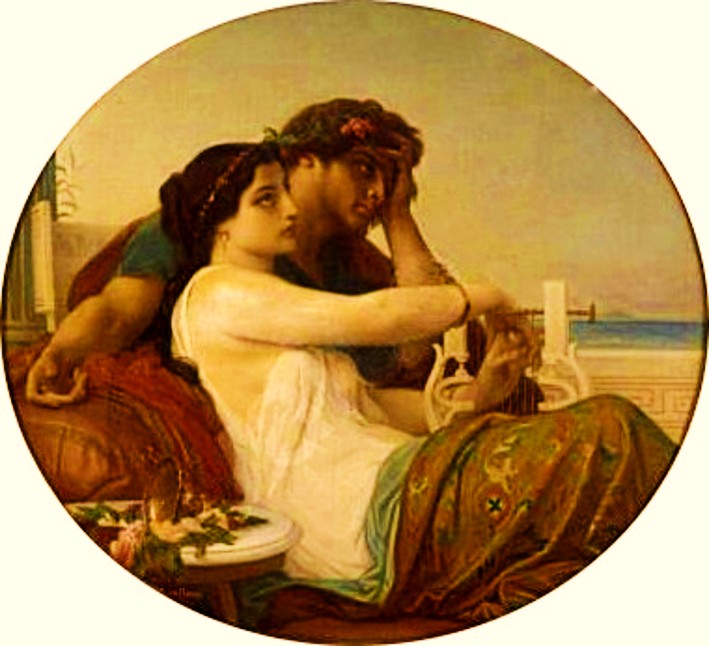
Both Boniface and Aglaida had been pagans and lived in dissoluteness. Tired of their way of life but also interested in understanding the phenomenon of Christianity, Aglaida decided to send Boniface on a pilgrimage to the Holy Land to collect the holy Relics of the Christian Martyrs.
Alexandre Cabanel – Aglaida and Boniface
When he arrived in Tarsus, Boniface discovered a massive persecution against Christians had begun, he immediately declared himself a Christian and, as such, was subjected to Martyrdom. His embalmed body was brought back to Rome to be buried in an oratory on the Via Latina.
Aglaida herself had too become a Christian. Leaving all her wealth to the poor, she retired to monastic life for the eighteen years she lived, receiving – the divine gift of exorcising evil spirits.
In memory of Boniface, Aglaida had a Church built on the Aventine which later became the basilica of Saints Boniface and Alexius (where the remains of St Alexius of Rome are also found), a place where, the Saint’s Relics were later transferred, on Palm Tuesday 1217, to a marble urn under the high Altar.
St Boniface is remembered on 14 May. He is the Patron of Cerchiara di Calabria in Italy. In 1969 the life of the saint was considered legendary and his name was removed from the general calendar of Saints. The Municipality of San Bonifacio takes its name from a noble Chapel dedicated to Saint Boniface of Tarsus.
St Boniface (6th Century) Bishop of Ferentino St Boniface of Tarsus Martyr St Corona the Martyr St Costanzo of Capri St Costanzo of Vercelli Bl Diego of Narbonne St Dyfan St Engelmer St Erembert of Toulouse St Felice of Aquileia St Fortunatus of Aquileia St Gal of Clermont-Ferrand
St Henedina of Sardinia St Justa of Sardinia St Justina of Sardinia
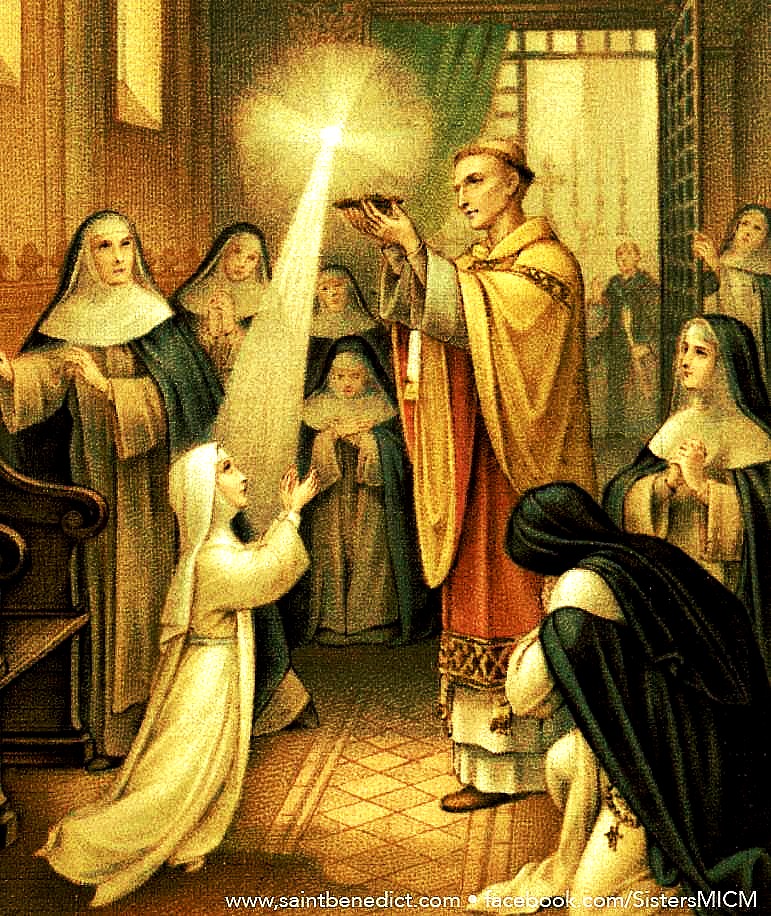
St Maria Domenica Mazzarello FMA (1837-1881) Virgin, Religious Sister and Founder with St John Bosco of the Daughters of Mary Help of Christians. They were founded to work alongside Saint John Bosco and his Salesians of Don Bosco in his teaching projects in Turin. They continue to be a teaching Order worldwide and are now called the Salesian Sisters of St John Bosco.Her Body is incorrupt. Maria was Beatified on 20 November 1938 and Canonised on 24 June 1951. Her incorrupt body is venerated in the Basilica of Our Lady Help of Christians, in Turin, Italy, which is the Mother Basilica of the Salesians, built by St John Bosco. A Church in southeast Rome bears her name, Santa Maria Domenica Mazzarello – the Statue below resides there. Her Saintly Life: https://anastpaul.com/2022/05/14/saint-of-the-day-14-may-st-maria-domenica-mazzarello-fma-1837-1881/
St Maria Domenica Mazzarello FMA (1837-1881) Virgin
St Pons of Pradleves St Pontius of Cimiez St Tuto of Regensburg St Victor the Martyr
Martyrs of Seoul – 5 Beata: A group of lay people Martyred together in the apostolic vicariate of Korea. • Petrus Choe Pil-je • Lucia Yun Un-hye • Candida Jeong Bok-hye • Thaddeus Jeong In-hyeok • Carolus Jeong Cheol-sang 14 May 1801 at the Small West Gate, Seoul, South Korea
DISCLAIMER: Please note: I cannot control the content of the Advertisements on this Site, or of pop-ups which may appear, The revenue from the Advertisements, however, does provide a little assistance in the support of the Site. I do apologise for any inappropriate content.
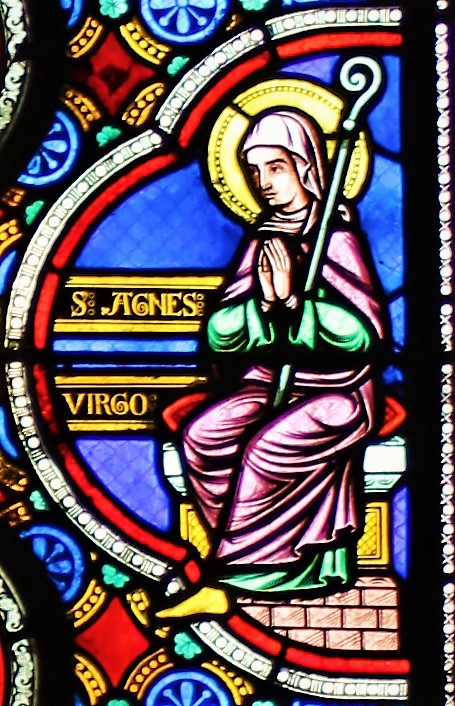
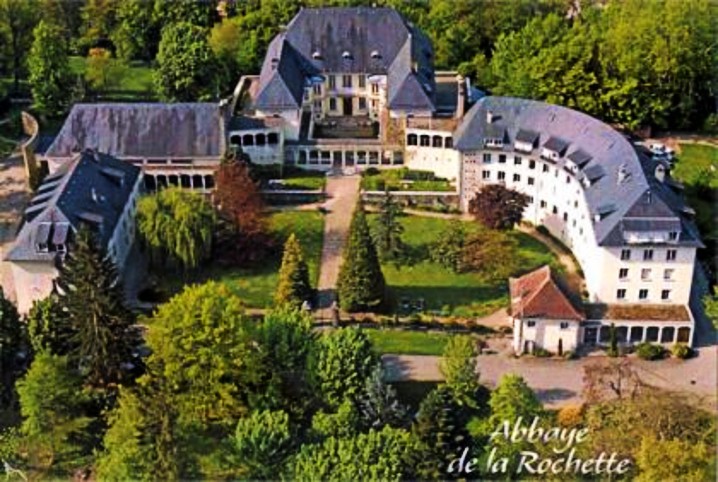
Saint of the Day – 13 May – Saint Agnes of Poitiers (Died 588) the 1st Abbess og the Convent of Sainte-Croix, a Monastery founded in Poitiers by Saint Radegonde (c518-587) in around 552. The date and place of St Agnes’ birth are unknown but she died at the Sainte-Croix Monastery in Poitiers of natural causes.
We know little about Agnes’ origins except through the life of Saint Radegonde, to whom she would have been very close from a young age and whom she would have accompanied throughout her life.
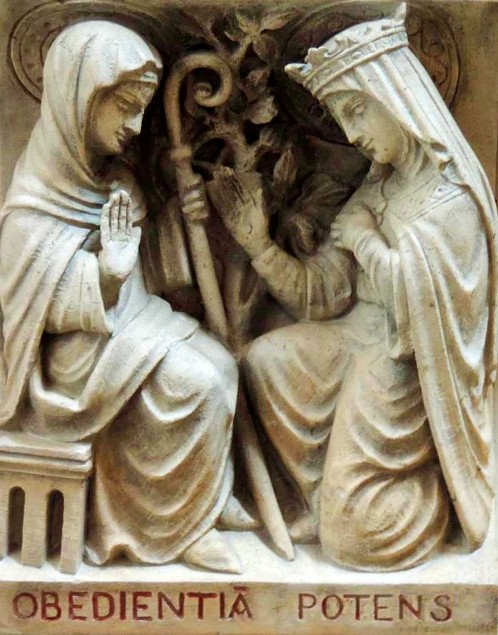
Agnes, educated as a daughter by the holy Queen Radegunde, when the latter, after retiring from Court, founded the Monastery of the Sainte-Croix in Poitiers. Agnes, being begged by her benefactress, St Radegunde, who did not want this office for herself, became the 1st Abbess, with the abbatial blessing bestowed upon her by Saint Germanus, the Bishop of Paris, in the presence of other Bishops.
St Agnes left St Radegunde, right
After a few years, following conflicts which arose between the Monastery and the Bishop of the City, Merovech, over questions of jurisdiction, the Saint deemed it appropriate to temporarily retire to Arles together with St Radegunde. On her return, Agnes introduced into the Monastery the Rules dictated to her by St Caesarius of Arles, the Bishop there, for a female Abbey.
The prudence with which Agnes exercised the difficult art of government, in addition to attracting more than 200 Nuns, meant that, after the death of Saint Radegundr, she was able to reconcile with Bishop Merovech, who had the final direction of the religious community. The relationship between the two authorities, i.e. the Bishop and the Abbess, improved wonderfully when St Venantius Fortunatus (c530 – c609) , successor of Merovech. The 2 future Saints, Agnes and Venantius became fast friends and St Venantius left us precise testimonies regarding our Saint for today, of her virtues and abilities as Abbess. St Venantius spoke of Agnes in his letters and verses.
Agnes died on 13 May 588, nine months after Radegunde and was buried in the Church of Saint Mary outside the City walls. The new Proper of the Diocese of Poitiers celebrates and commemorates Saint Agnes today on the date of her birthday into Heaven.
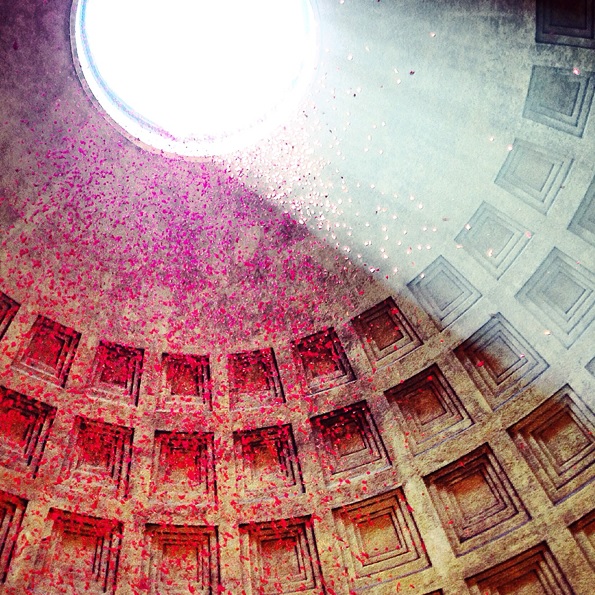
Rose Petals raining down on Pentecost Sunday in St Mary and the Martyrs (Pantheon), Rome
St Abban (Died c520) Irish Hermit who served the Lord inAbbington, England, Founded a Monastery.
St Agnes of Poitiers (Died 588) Abbess
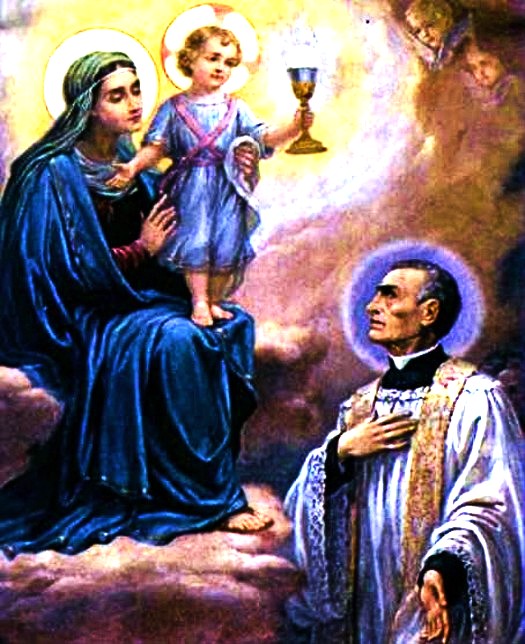
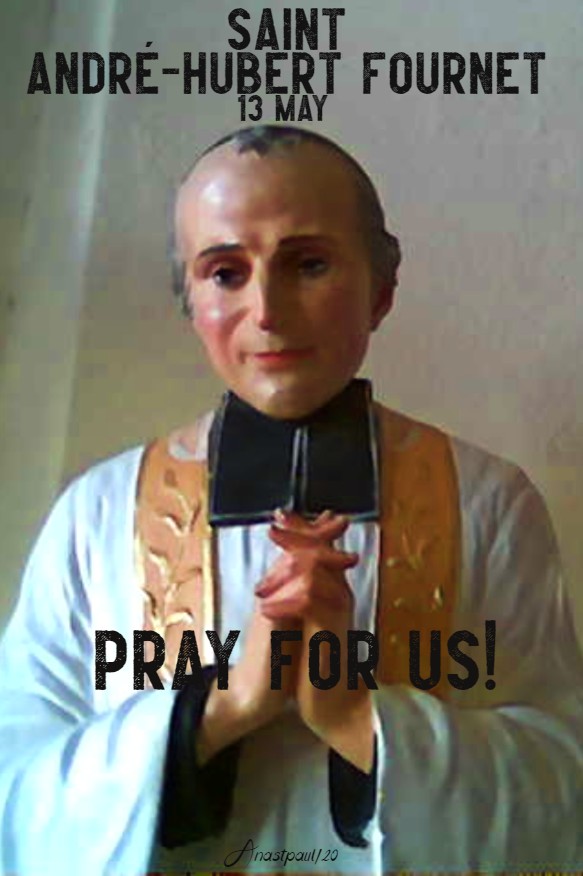
St André-Hubert Fournet (1752-1834) “The Good Father” – Priest and Co-Founder with St Jeanne-Élisabeth Bichier des Ages of the Congregation of the Daughters of the Cross, Apostle of the poor, needy, children and the aged. Until his old age, the Good Father kept an expression of simplicity and humility. In the sun of God’s love, the transfiguration of his being continued in deep holiness, charity, humility and zeal. After the approval of 2 miracles, he was Beatified on 16 May 1926 by Pope Pius XI and Canonised on June 1933 by the same Pope, after a further 2 miracles. About “The Good Father” St André-Hubert : https://anastpaul.com/2020/05/13/saint-of-the-day-13-may-saint-andre-hubert-fournet-1752-1834-the-good-father/
St Anno of Verona St Argentea of Cordoba St Euthymius the Illuminator Bl Fortis Gabrielli Bl Gerard of Villamagna Bl Gemma of Goriano St Glyceria of Trajanopolis
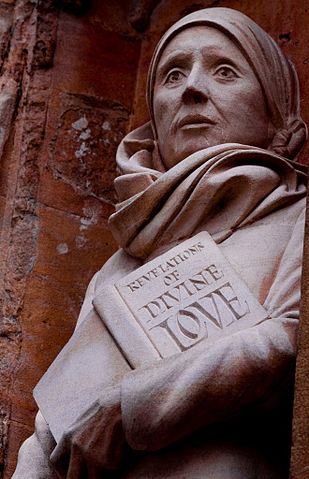
Blessed Julian of Norwich (c1342-c 1416) (aged 73–74) Anchorite, Mystic, Writer, Ascetic, Spiritual director. At the time of Julian’s death, people from all over Europe travelled to her room, or cell, to ask her advice. Everyone recognised that she was close to God. The Church never formally declared her a saint but through the ages, people have called her “Blessed.” Lived in Love: https://anastpaul.com/2019/05/13/saint-of-the-day-13-may-blessed-julian-of-norwich-c-1342-c-1416/
St Lucius of Constantinople St Mael of Bardsey Bl Magdalen Albrizzi St Merewenna of Rumsey St Mucius of Byzantium St Natalis of Milan St Onesimus of Soissons St Servatus of Tongres St Valerian of Auxerre
Martyrs of Alexandria: A group of Christians Martyred in the Church of Theonas, Alexandria, Egypt by order of the Arian Emperor Valens. Their names have not come down to us. 372 in Alexandria, Egypt.
DISCLAIMER: Please note: I cannot control the content of the Advertisements on this Site, or of pop-ups which may appear, The revenue from the Advertisements, however, does provide a little assistance in the support of the Site. I do apologise for any inappropriate content.
Saint of the Day – 12 May – St Modoaldus (Died c640) Bishop of Trier, Germany. Brother of Saint Severa of Saint Gemma. Uncle of Saint Gertrude of Nivelles, Saint Begga of Ardenne and Saint Modesta of Trier. Counselor to King Dagobert I of the Franks. Born in Aquitaine, France and died in c640 in Trier, Germany of natural causes. Patronage – of the Village of Reichsabtei. Also known as – Modoald, Modoaldo, Modowald, Modowandus, Modwald, Romoald, Romoaldus.
The Roman Martyrology reads today: “At Trier, St Modoaldus, Bishop.”
Modoaldus was born in Aquitaine to an aristocratic family and spent much of his life in close contact with the Merovingian Kings, whose shortcomings, according to Saint Gregory of Tours, influenced Modoald’s career.
King Dagobert I, at whose ourt he lived, assigned him to the Episcopal Aee of Trier while still very young, but this did not prevent the young Bishop from reproaching the Sovereign for the immorality which characterised his and his Court’s lifestyle.
Only towards the end of his life, however, did the Sovereign repent and try to amend his ways. He, therefore, wanted Modoaldus as his spiritual advisor and generously donated to him, land and money for the foundation of new Monasteries.
However, not many details of the life of Saint Modoaldus are known. He took part in the Council of Rheims in 625 and Ordained the future Martyr, Saint Germanus of Munster-Granfelden to the Priesthood. St Germanus had been Modoaldus’ disciple.
He was also a friend of Saint Desiderius of Cahors. Modoaldus’ Episcopate probably lasted about twenty years, until his death in c640.
In 1107 St Modoaldus’ Relics were translated to Paderborn in Germany.
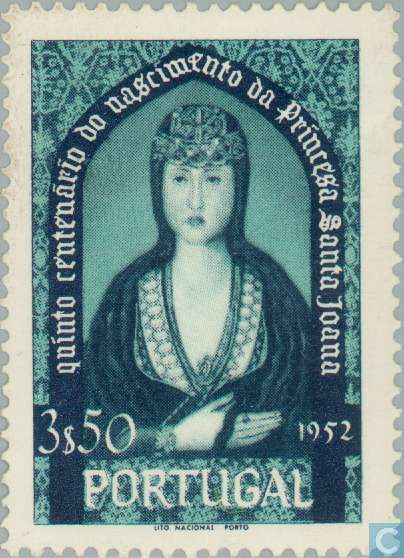
Blessed Joanna of Portugal OP (1452-1490) Religious of the Second Order of St Dominic, Virgin, Princess of Portugal of the House of Aviz, daughter of King Afonso V of Portugal and his first wife Isabella of Coimbra, Penitent. About Blessed Joanna whom the Portuguese called “Saint Princess Joanna”: https://anastpaul.com/2020/05/12/saint-of-the-day-12-may-blessed-joanna-of-portugal-1452-1490/
Bl Juan de Segalars St Lucien Gala
St Modoaldus (Died c640) Bishop of Trier St Palladius of Rome St Philip of Agira St Richrudis of Marchiennes St Theodora of Terracina St Thomas Khampheuane Inthirath
DISCLAIMER: Please note: I cannot control the content of the Advertisements on this Site, or of pop-ups which may appear, The revenue from the Advertisements, however, does provide a little assistance in the support of the Site. I do apologise for any inappropriate content.
Saint of the Day – 11 May – Saint Illuminatus OSB (Died 13th Century) of San Severino Marche in Umbria, Italy, a Monk at the Monastery of San Mariano (now Santa Caterina), Monk and Confessor., Miracle-worker. Born probably somewhere in Italy and died at the Monastery of San Severino Marche of natural causes. Patronage – of the City and Diocese of San Severino Marche. Also known as – Illuminato.
The Roman Martyrology reads today: “At San Severino, in the Marches of Ancona, St Illuminatus, Confessor.”
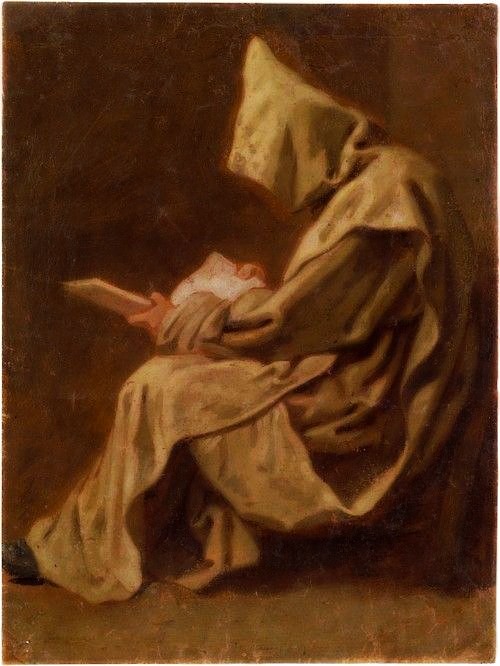
Unknown Monk
Information about Illuminatus, a Benedictine Monk who lived in the second half of the 13th Century, is scarce. His figure, venerated as a Saint by the City of San Severino Marche , has emerged over ttime thanks to popular devotion and some historic documents which attest to his sanctity and miracles.
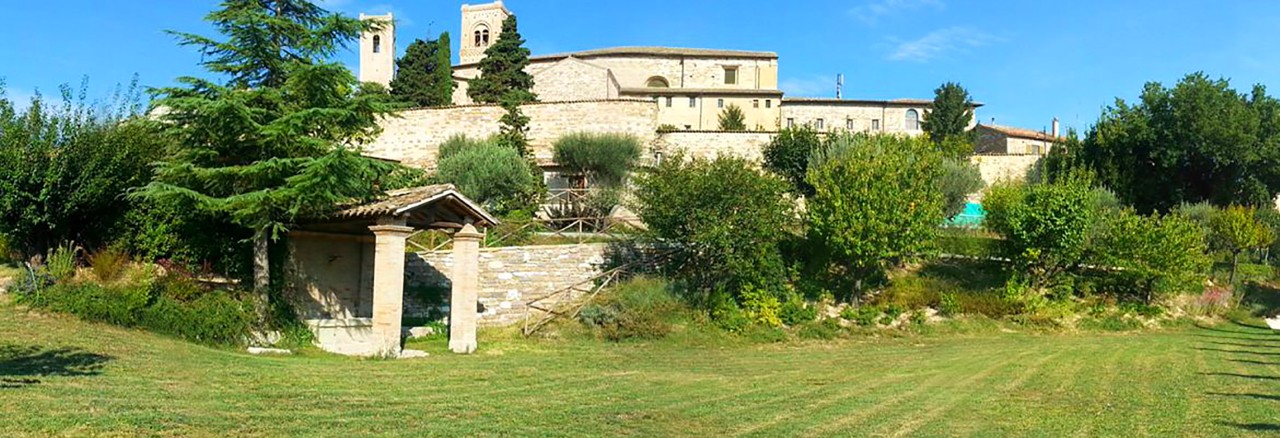
Although tradition identifies him as a native of San Severino in the Marches of Ancona, he was actually born elsewhere. Historic sources associate him with the Monastery of San Mariano (now Santa Caterina), located near the City, where he spent his monastic life.
Santa Caterina Monastery
He lived in the second half of the 13th Century, a period of great religious fervour and the flourishing of the Benedictine movement.
Illuminatus distinguished himself by his sanctity and his deep faith and devotion. His fame spread rapidly, fueled by the numerous miracles attributed to him. Popular tradition tells of miraculous cures, divine intercessions and prodigies which increased his reputation as a Saint.
Devotion to Illuminatus took deep root in the hearts of the people of San Severino Marche. His fame as a miracle worker and intercessor with God, caused the community to venerate him as a Saint. In 1702 he was officially listed among the co-protectors of the City, confirming his role as an intercessor and celestial protector. The Liturgical Feast of St Illuminatud is celebrated on 11 May, the presumed date of his death. On this date, the City of San Severino Marche celebrated its Patron Saint with solemn processions, Holy Mass and great civin celebrations.
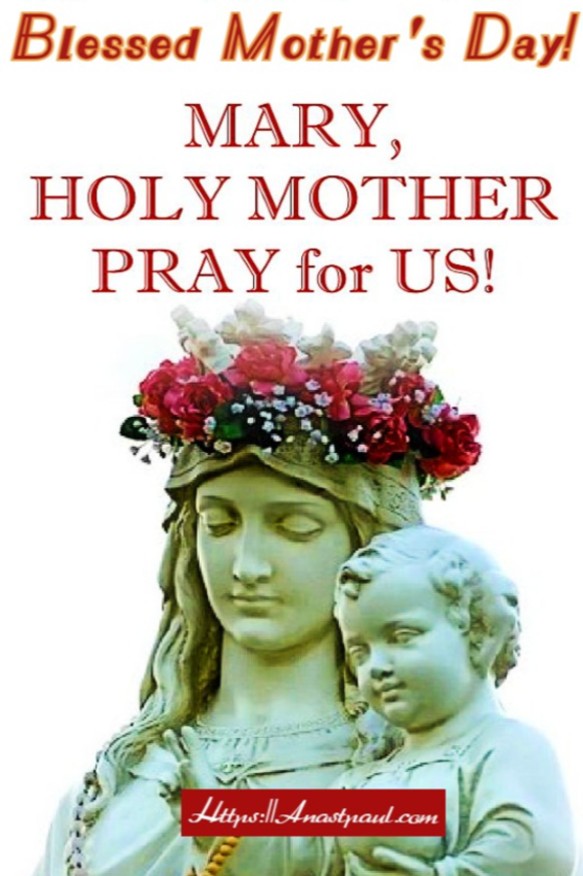
Wishing all Mothers a Blessed and Happy Mothers’ Day May Mary, the Mother of God, our Lord Jesus Christ and our Mother, be a guide and a comfort to us all.
St Anastasius of Lérida St Anthimus of Rome St Bassus of Sabina St Bertilla St Criotan of MacReddin Bl Diego of Saldaña St Evellius of Pisa St Fabius of Sabina St Francesco de Girolamo SJ St Fremund of Dunstable St Gengulphus of Burgundy
Bl Illuminatus St Illuminatus OSB (Died 13th Century) of San Severino Marche, Monk and Confessor Bl James Walworth Bl John Rochester St Maiulo of Hadrumetum
St Mamertus (Died c477) Archbishop of Vienne, France, Theologian, Writer, Founder of the introduction of the praying of Litanies prior to Ascension Day, called “Rogation Days.” Rogation days are days of prayer and fasting in the Church. They are observed with processions and the praying of the Litany of the Saints. The major Rogation is held on 25 April, the minor Rogations are held on Monday to Wednesday, preceding Ascension Thursday. The word Rogation comes from the Latin verb rogare, meaning “to ask,” which reflects the beseeching of God, for the appeasement of His anger and for protection from calamities. Rogation St Mammertus: https://anastpaul.com/2019/05/11/saint-of-the-day-11-may-st-mamertus-died-c-475/
St Mozio of Constantinople St Possessor of Verdun St Principia of Rome St Tudy St Vincent L’Hénoret Bl Vivaldus St Walbert of Hainault
Martyrs of Camerino: An imperial Roman official, his wife, their children and servants, all of whom were converts and martyrs: Anastasius, Aradius, Callisto, Eufemia, Evodius, Felice, Primitiva, Theopista.
Martyrs of Carcassona – 14 Beati:
Martyrs of Osimo: Diocletius Florentius Sisinius
DISCLAIMER: Please note: I cannot control the content of the Advertisements on this Site, or of pop-ups which may appear, The revenue from the Advertisements, however, does provide a little assistance in the support of the Site. I do apologise for any inappropriate content.
Saint/s of the Day – 10 May – St Gordianus (Died c392) and St Epimachus (Died 250) Martyrs.
The Roman Martyrology reads today: “At Rome, on the Latin Way, the birthday of the holy Martyrs Gordianus and Epimachus. In the time of Julian the Apostate, the former was scourged for a long time and finally decapitated for confessing the Name of Christ. He was buried at night by the Christians, in a Crypt to which shortly before his burial, the remains of the blessed Martyr, Epimachus, had been translated from Alexandria, where he had been Martyred for the faith of Christ.”
Sts Gordianus and Epimachus depicted together in the Nuremberg Chronicle
These two holy Martyrs are named in all calendars of the Church since the 6th Century. Epimachus suffered at Alexandria under Decius, in the year 250, with one Alexander. They had been long detained in a hideous dungeon, were beaten with clubs, their sides were torn with iron hooks; lastly, they were both burnt in lime. This is related by St Dionysius of Alexandria, quoted by St Eusebius of Caesarea,
Gordianus was beheaded in Rome for his faith in Christ, under Julian the Apostate, in the year 392. His name occurs in the ancient Martyrologies. His body was laid in a cave, in which was deposited that of St Epimachus which was brought from Alexandria to Rome a little before St Gordianus’ Martyrdom.
St Gordianus
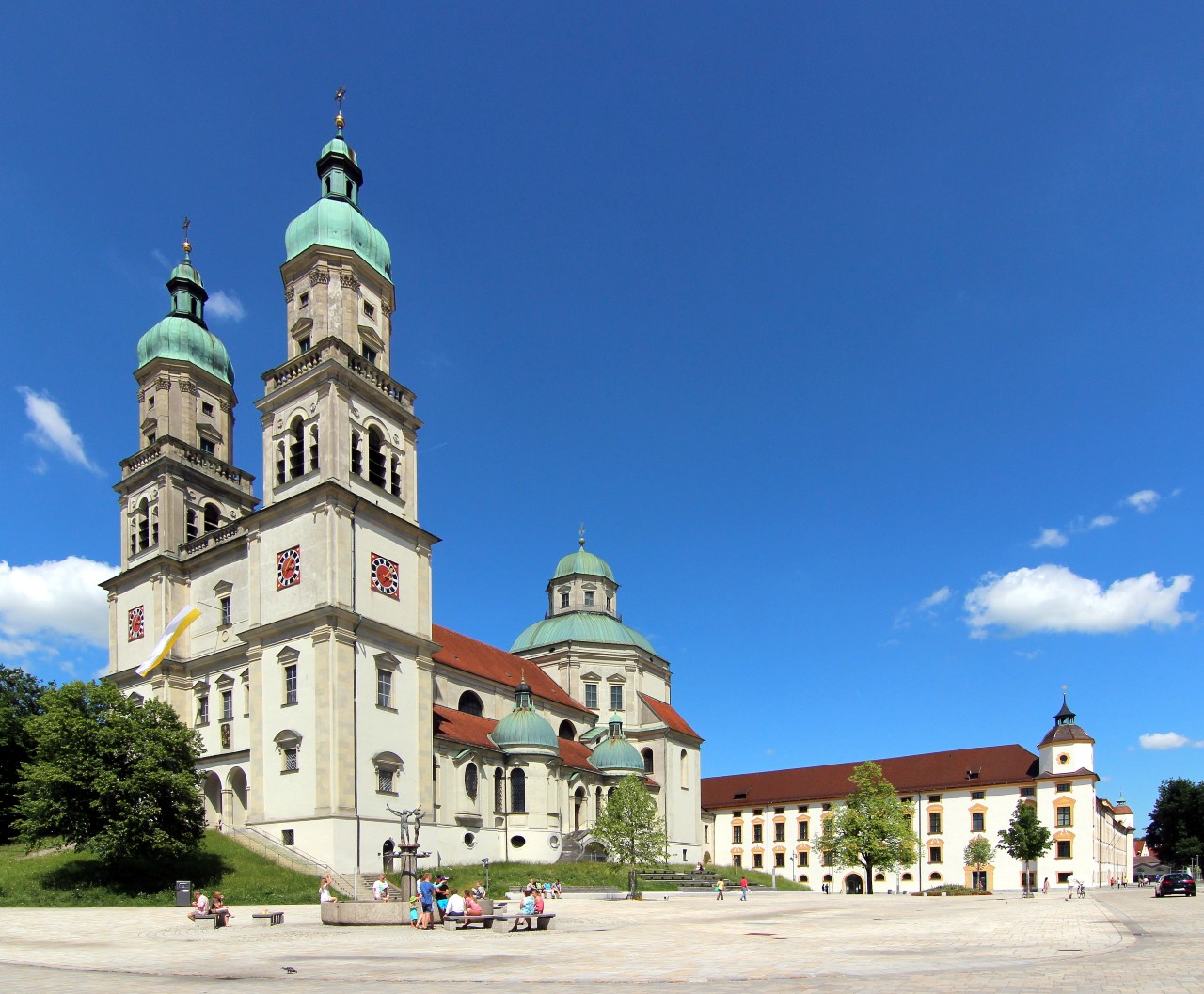
The Relics of both these Martyrs are now in the possession of the great Benedictine Princely Abbey of Kempten, in the Diocese of Ausbourg in Germany, see below.
Since 1969, this cult is now confined to local calendars.
St Alphius of Lentini Bl Amalarius of Metz Bl Antonio of Norcia St Aurelian of Limoges Bl Beatrix d’Este the Elder St Blanda of Rome St Calepodius of Rome
St Comgall of Bangor St Cyrinus of Lentini St Dioscorides of Smyrna
+St Epimachus (Died 250) Martyr St Felix of Rome Bl Giusto Santgelp +St Gordianus (Died c392) Martyr
Blessed Nicholas Albergati (1373-1443) Bishop, Cardinal Priest St Palmatius of Rome St Philadelphus of Lentini St Quartus of Capua St Quintus of Capua St Simplicius of Rome St Solange of Bourges St Thecla Bl William of Pontnoise
DISCLAIMER: Please note: I cannot control the content of the Advertisements on this Site, or of pop-ups which may appear, The revenue from the Advertisements, however, does provide a little assistance in the support of the Site. I do apologise for any inappropriate content.
Saint of the Day – 9 May – Saint Vincent (Died c950) Abbot of San Pedro de Montes Abbey at Vierzon in Spain. He was probably born in Spain and died there in c950, having been the Abbot for 14 years.
San Pedro de Montes Abbey at Vierzon in Spain
We have very little information about this Saint. All we know is that he had been a Monk in the Monastery of St Peter in Montes and a disciple of the Abbot, St Gennadius (Died 936). When St Gennadius was Consecrated as the Bishop of the Astorga Diocese, Vincent was elected as the Abbot of the Monastery of St Peter.
Both Master (who returned to his Monastery to retire) and Disciple died in their Monastery and were buried there.
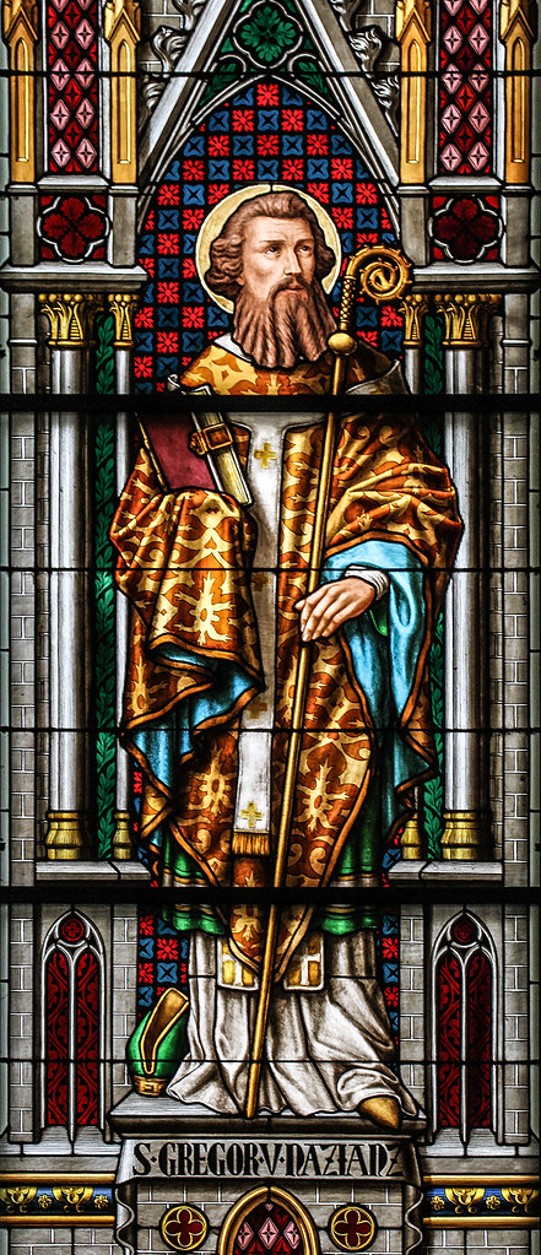
St Gregory Nazianzen (330-390) Archbishop of Constantinople, Father, Doctor, Confessor, Theologian, Philosopher, Orator, Poet, Writer, he is remembered as the “Trinitarian Theologian.” He is widely considered one of the most accomplished rhetorical stylist of the patristic age. Along with his great friends and colleagues, the brothers St Basil the Great and St Gregory of Nyssa, he is known as one of the Cappadocian Fathers. The Cappadocia region, in modern-day Turkey, was an early site of Christian activity, with several missions by St Paul in this region. The Roman Martyrology states of him today: “At Naziazus, the birthday of St Gregory, Bishop and Doctor of the Church, surnamed “The Theologian” because of his remarkable knowledge of divinity. At Constantinople, he restored the Catholic Faith, which was fast waning and repressed the rising heresies.” Wonderful St Gregory: https://anastpaul.com/2022/05/09/saint-of-the-day-9-may-st-gregory-nazianzen-330-390-great-father-and-doctor-of-the-church/ AND: (In 1969, St Gregory’s Feast was combined with that of St Basil the Great – “Two Bodies one Spirit” and was then celebrated on 2 January). Their lives here: https://anastpaul.com/2019/01/02/saint-s-of-the-day-2-january-st-basil-the-great-329-379-and-st-gregory-of-nazianzen-330-390-two-bodies-one-spirit/
St Banban the Wise St Beatus of Laon St Beatus of Lungern St Brynoth of Scara St Dionysius of Vienne Bl Fortis Gabrielli St Gerontius of Cervia
Blessed Giovanni Benincasa of Montepulciano OSM (1375-1426) Religious Friar of the Servite Order, Hermit, Mystic, Penitent. His Beatification received formal approval from Pope Pius VIII on 23 December 1829. His Devout Life
St Giuse Hien St Gorfor of Llanover
St Gregory of Ostia St Hermas of Rome Isaiah the Prophet St John of Châlon
Blessed Thomas Pickering (c1621-1679) Martyr, Benedictine Lay Brother. He was one of the 107 Martyrs of England and Wakes. They were Beatified by Pope Pius XI on 15 December 1929 and is, therefore, remembered with them all on 4 May. In character, he was described, as the most charitable and sweet-tempered of men. His Life and Death: https://anastpaul.com/2021/05/09/saint-of-the-day-9-may-blessed-thomas-pickering-osb-c-1621-1679-martyr/
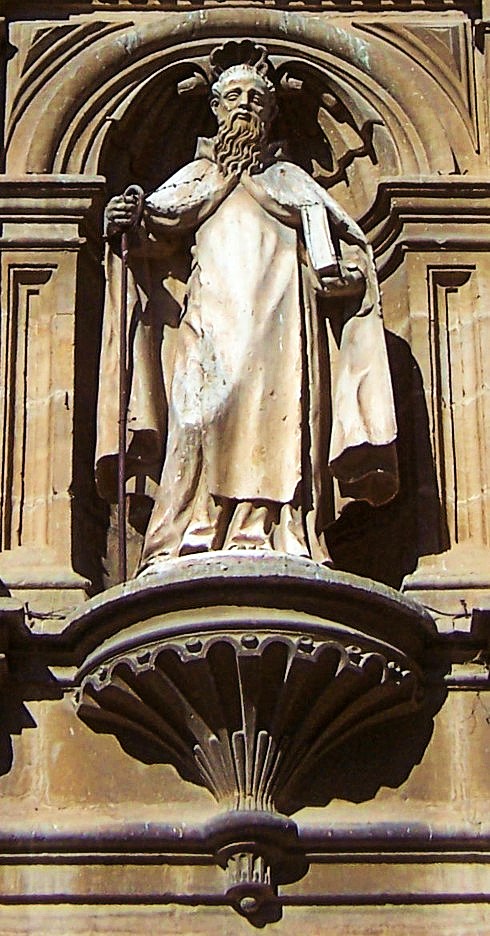
St Vincent (Died c950) Abbot of Montes
Martyrs of Persia: 310 Christians murdered together for their faith in Persia. No details about them have survived.
20 Mercedarian Martyrs of Riscala: 20 Mercedarian friars who were murdered by Huguenot heretics for refusing to denounce their faith. 16th century at the Santa Maria convent at Riscala, France.
DISCLAIMER: Please note: I cannot control the content of the Advertisements on this Site, or of pop-ups which may appear, The revenue from the Advertisements, however, does provide a little assistance in the support of the Site. I do apologise for any inappropriate content.
Saint of the Day – 8 May – St Wiro (Died c753) Bishop of Utrecht, Missionary Bishop to the Frisia people, one of the Apostles of Frisia. Born in Northumbria, England although some sources say that he was an Irish Missionary and died in Roermond, Holland in c753 of natural causes. Patronage – of Utrecht Diocese. Also known as – Apostles of Frisia,Wirone, Wiro of Roermond, Wera of Utrecht (and possibly also the same as Vira of Northumbria). Additional Memorial – 11 May in Roermond, Holland.
The Roman Martyrology reads today: “In Ireland, St Wiro, Bishop”
Probably a native of Northumberland, England, Wiro seems to have been associated with Saint Willibrord and in c741, to have been appointed the 2nd Bishop of Utrecht to succeed St Willibrord.
Between 746 and 747, Wiro was one of eight Bishops, along with St Boniface, who wrote a letter to Æthelbald, King of Mercia, to reprove him for various dissolute and irreligious acts including stealing Ecclesiastical revenue, violating Church privileges, imposing forced labour on the Clergy and fornication. The letter implored Æthelbald to take a wife and abandon the sin of lust:
“We ,therefore,, beloved son, beseech Your Grace by Christ the Son of God and by His coming and by His Kingdom that if it is true that you are continuing in this vice, you will amend your life by penitence, purify yourself and bear in mind, how vile a thing it is, through lust, to change the image of God created in you, into the image and likeness of a vicious demon! Remember, you were made King and Ruler over many, not by your own merits but by the abounding grace of God and now, you are making yourself, by your own lust, the slave of an evil spirit.”
Wiro was an itinerant missionary and preached in the region of the Meuse region and the Rhine, where his legend associates him with the Priest St Plechelm and the Deacon St Otger.
Wiro is said to have been Ordained as a Bishop in Rome and then, together with his companions, founded the Monastery in Berg—today’s St. Odile’s Church. Wiro is buried there.
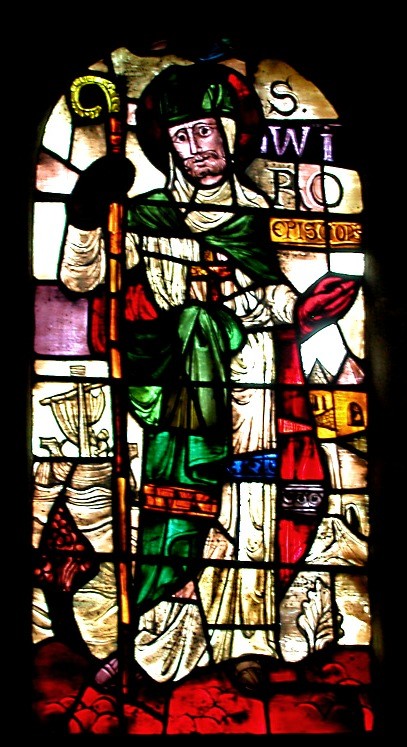
St Wiro stained glass window in the Basilica of Saints Wiro, Plechelm and Otger, Sint Odilienberg
He may be identical with the Missionary Bishop Vira from Northumbria, mentioned by St Alcuin among others.
The Basilica of Saints Wiro, Plechelm and Otger at Sint Odilienberg, is dedicated to these three Missionary companions.
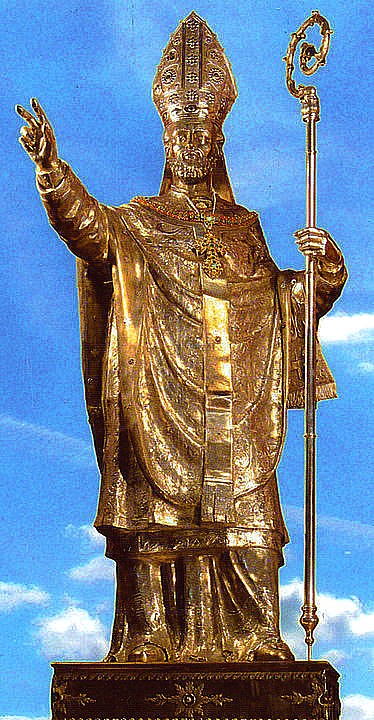
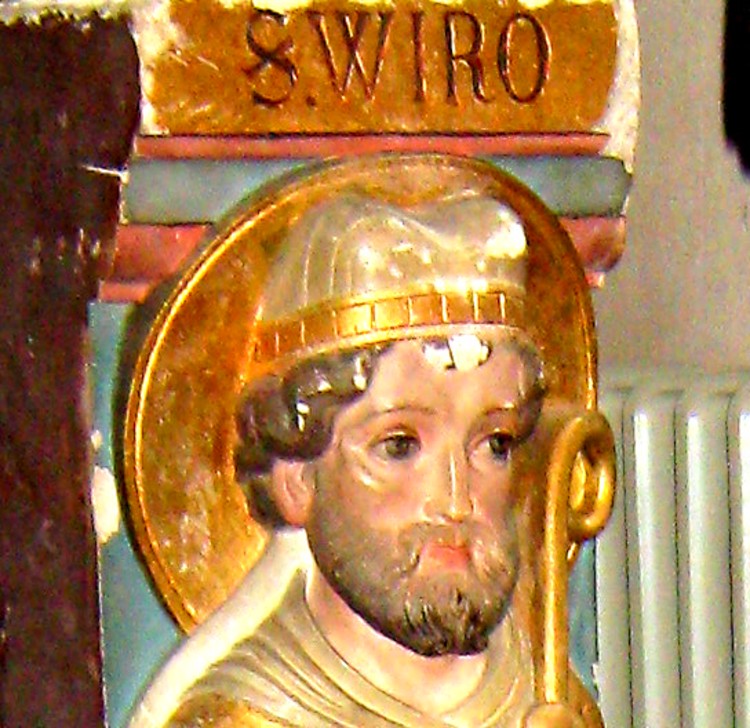
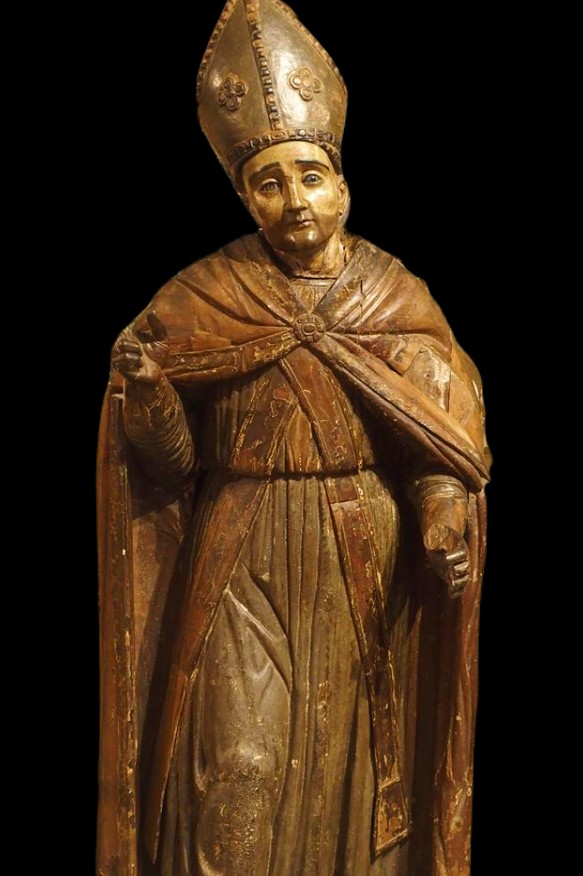
St Wiro Statue in the Basilica of Saints Wiro, Plechelm and Otger, Sint Odilienberg
Veneration of Wiro and his two companions began early in Roermond. The legendary life story was written at the end of the 10th Century.
The Monastery he founded was transferred to Roermond, in 1361, accompanied by his Relics which were lost during the Reformation. They were re-discovered later in the 16th Century and a Feastday is celebrated to commemorate the rediscovery. In 1881 the original grave was found in the former Abbey and most of the bones were returned to it.
Wiro’s Feastday is 8 May but in Roermond it is celebrated on 11 May. Since the Middle Ages, his skull has been in Utrecht, where he is the Patron Saint of the Diocese. Pilgrimages are still made to his grave, in Roermond.
Reliquary shrine of Wiro, Plechelm and Otger in St. Odilienberg
St Acacius of Byzantium Bl Aloysius Luis Rabata St Amatus Ronconi Bl Angelo of Massaccio St Arsenio of Mount Scete St Benedict II, Pope
St Boniface IV, Pope (c550-615) Supreme Pontiff from 608 until his death, Deacon, assistant and disciple of St Pope Gregory the Great, Papal Treasurer under Pope Gregory. In other words, he was the first official in connection with the administration of Papal property. he converted the Pantheon into a Church. This was the first pagan temple in Rome to be transformed. On 13 May 609, the Pantheon was consecrated to the Blessed Virgin and all the Christian Martyrs. Boniface ordered 28 cartloads of bones from the Catacombs to be reburied under the high Altar of the new Church.https://anastpaul.com/2021/05/08/saint-of-the-day-8-may-saint-pope-boniface-iv-c-550-615/embed/#?secret=CaaBptqdZu#?secret=HEWU7j5av1
St Desideratus of Bourges Bl Domenico di San Pietro St Gibrian St Helladius of Auxerre
St Ida of Nivelles St Martin of Saujon St Metrone of Verona St Odrian of Waterford St Otger of Utrecht St Peter of Besançon Bl Pietro de Alos Blessed Raymond of Toulouse
St Victor Maurus the Moor (Died c 303) Martyr, Layman, ex-Soldier. The Roman Martyrology reads: “At Milan, the birthday of the holy Martyr Victor, a Moor. He became a Christian in his youth and served as a soldier in the imperial army. When Maximian wished to force him to offer sacrifice to idols, he persevered with the greatest fortitude in the confession of the Lord. Being first beaten with rods but without experiencing any pain, through the protection of God and then, having melted lead, poured over him, which did him no injury whatever. He at length terminated the career of his glorious Martyrdom by being beheaded.” His Life and Death: https://anastpaul.com/2022/05/08/saint-of-the-day-8-may-st-victor-maurus-the-moor-died-c-303-martyr/
Saint of the Day – 7 May – Saint Placid (Died c675) Abbot of the Abbey of Saint Symphorian in Autun in France. He was probably both born and died in the 7th Century in France. Also known as – Placidus, Plait.
Unknown ancient Abbot
There is very little information about Saint Placid who became the Abbot of the Monastery at Autun. His existence is certain, as attested by the ancient cult paid to him in the Abbey and Basilica of Saint Symphorian in Autun.
However, precise chronological data is lacking and his figure remains elusive, the object of uncertainty and conjecture.
There is no certain knowledge about his birth, his education or his path of faith. His Episcopal identity itself is doubtful: some ancient martyrologies indicate him as the Bishop of Autun but his name does not appear in the official list of Bishops of the Diocese.
The only certainty concerns his role as the Abbot of the Abbey of Saint Symphorian in Autun. It is presumed that he governed the Abbey before 731, the year in which the Basilica was burned and destroyed by the Saracens.
The Martyrology of St Jerome mentions Saint Placidus on 7 May, attributing to him the title of Priest and Abbot of the Abbey of Saint Symphorian. His Liturgical memory is fixed for this date.
Despite the scarcity of biographical information, Saint Placid remains a venerated figure in local tradition. His memory is preserved in the Basilica of Saint Symphorianus (below), rebuilt after the Saracen destruction. His hagiography, although fragmentary, represents an important part in the history of the Church of Autun and of Benedictine monasticism.
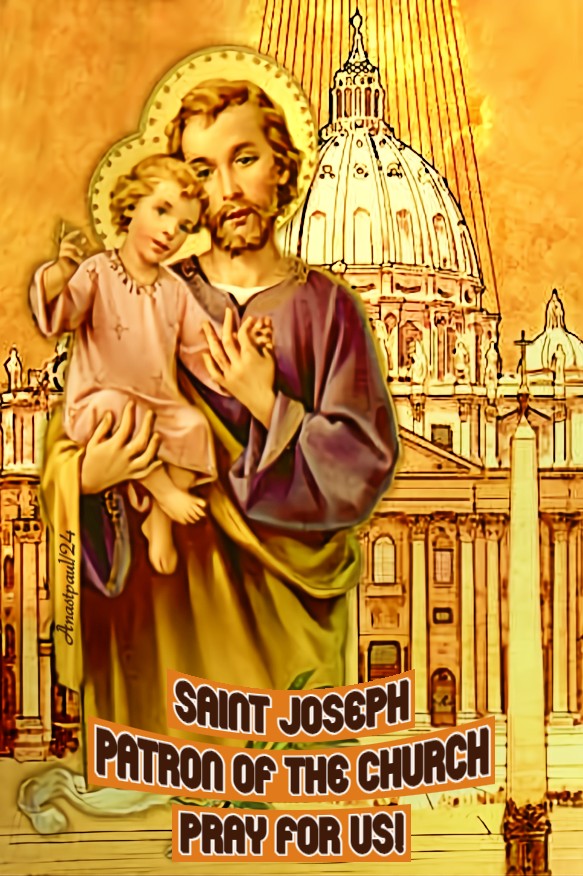
The Solemnity of the Patronage of St Joseph Wednesday preceding the Third Sunday after Easter: Few Catholics are likely familiar with the Eastertide Solemnity of St Joseph.By Papal Decree of Pope Pius IX on 8 December 1870 According to Father Francis Xavier Lasance (1860-1946) it was instituted during the hostile occupation of Rome by the Troops of the Italian King, Victor Emmanuel II. The Pope proclaimed St Joseph the Patron of the oppressed Household of the Faith, entrusting to St Joseph, the defence of Holy Mother Church.
In the beginning, this Feast Day was observed on the Third Sunday after Easter but when Pope St Pius X reformed the Liturgical Calendar to restore the Sunday Offices to prominence over those of the Saints, the second Feast of St Joseph was moved to the Wednesday preceding the Third Sunday after Easter. In 1911, the Feast was raised to a Double of the First Class and it was assigned an Octave after it was moved to the Wednesday before the Third Sunday after Easter. It is a Common Octave, so the Octave may or may not be commemorated on the intra Octave days depending on the rank of the Feasts which occur during the Octave. While this Feast day is not in the 1962 Missal, it is still kept by Priests who celebrate Holy Mass according to the pre-1955 reforms.
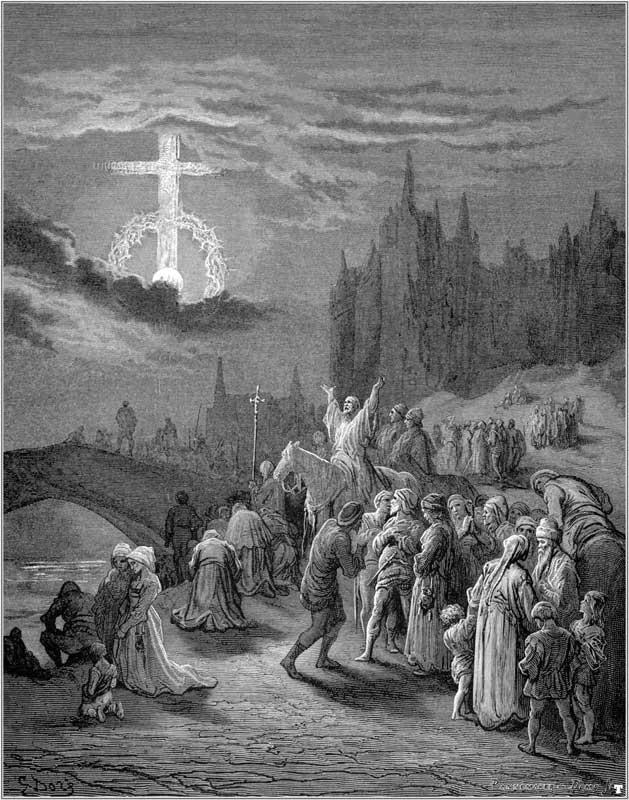
The Apparition of the Holy Cross over Jerusalem: The Commemoration of the appearance on 7 May 351, Pentecost that year, of a luminous image of the Holy Cross in Jerusalem. It stretched from Mount Golgotha to the Mount of Olives (about two miles / three kilometers), was brighter than the sun, lasted several hours and was seen by the entire City. It led to many conversions and was reported in a letter attributed to Saint Cyril of Jerusalem.
Bl Antonio de Agramunt St Augustine of Nicomedia St Augustus of Nicomedia St Cerenico of Spoleto St Domitian of Huy St Duje
St Flavia Domitilla of Terracina (1st Century) Virgin Martyr. The Roman Martyrology states of her today: “At Terracina, in Campania, the birthday of blessed Flavia Domitilla, Virgin and Martyr, niece of the Consul Flavius Clemens. She received the religious veil at the hands of St Clement and in the persecution of Domitian, was exiled with many others to the island of Pontia, where she endured a long Martyrdom for Christ. Taken afterwards to Terracina, she converted many to the faith of Christ by her teaching and miracles. The judge ordered the chamber in which she was, with the virgins Euphrosina and Theodora, to be set on fire and she thus consummated her glorious Martyrdom. She is also mentioned with the holy Martyrs Nereus and Achilleus, on the 12th of this month.” Her Life and Death: https://anastpaul.com/2021/05/07/saint-of-the-day-7-may-saint-flavia-domitilla-of-terracina-1st-century-virgin-and-martyr/
St Flavius of Nicomedia Bl Francesco Paleari Bl Gisela of Ungarn
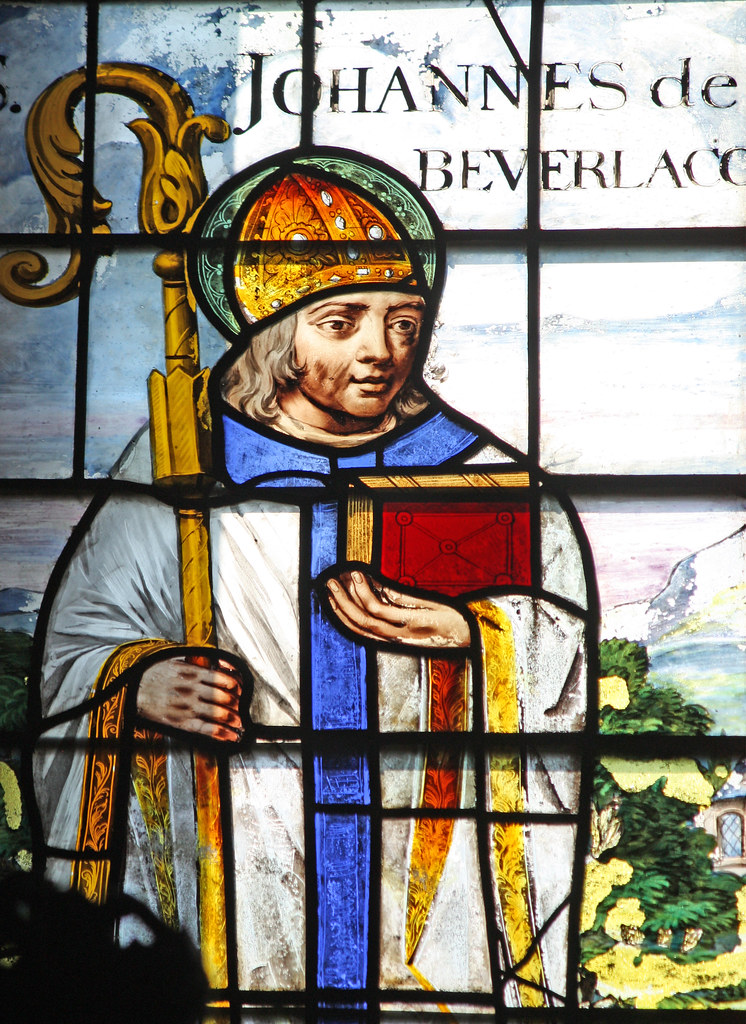
St John of Beverley (Died 721) Bishopof Hexham and then the Bishop of York, Scholar and Teacher, Apostle of the poor, and the sick Ascetic, Miracle-worker., a great friend of St Bede the Venerable. He founded a Monastery at Beverley, Yorkshire from which the Town developed. Today, it is a vibrant market Town of some 31,000 people. It owes its foundation and growth to Saint John of Beverley. The Beverley Cathedral now stands on the site of St John’s Monastery. The Roman Martyrology reads today: “At York, in England, St John, Bishop, renowned for his saintly life and miracles.” A Wonderful Saint from Yorkshire: https://anastpaul.com/2022/05/07/saint-of-the-day-7-may-st-john-of-beverley-died-721-of-the-miraculous-banner/
St Juvenal of Benevento St Maurelius of Voghenza-Ferrara St Peter (Died c735) Bishop of Pavia St Placid (Died c675) Abbot of Autun St Quadratus of Herbipolis St Quadratus of Nicomedia
St Serenicus of Hyesmes St Serenus of Hyesmes Bl Villanus (Died 1237) Bishop of Gubbio
Saint of the Day – 6 May – St Edbert (Died 698) Bishop of Lindisfarne Island, Monk at the Monastery there, succeeding St Cuthbert in 688, a renowned Scriptural Scholar, he administered the See of Lindisfarne Island for 10 years and became too, a man remembered for his great virtue and especially for his wonderful charity to the poor, needy and ill. Born in the 7th Century in England and died on 6 May 698 of natural causes at Lindisfarne which is situate along the northeast coast of England, close to the border with Scotland. Also known as – … of Lindisfarne, Eadbert, Eadbeorht, Eadberht, Edberto.
The Roman Martyrology reads today: “In England, St Eadbert, Bishop of Lindisfarne, eminent for doctrine and piety.”
After having been a Monk at Lindisfarne, Edbert succeeded Bishop St Cuthbert. The Venerable St Bede calls him “magnarum virtutum vir et in Scripturis notabilità eruditus – A man of great virtues and remarkably learned in the Scriptures.”
He also distinguished himself for the generous alms he gave to the poor, to whom, every year, he distributed a part of the tithe of everything, money and produce.
On 20 March 698, after having asked his consent and approval, some Monks lifted the body of St Cuthbert from the ground which, being found intact, was placed in an urn and exposed to the veneration of the faithful. He is, therefore, as having founded the Holy Shrine of his predecessor, Saint Cuthbert on the Island of Lindisfarne, a place which was to become a centre of great pilgrimage in later years.
Edbert used to spend Lent and an Advent of forty days away from his See and the Monastery, in a solitary place surrounded on all sides by water “ and in great devotion of fasting, prayer and tears.”
The Church of Lindisfarne had been built by St Finau with oak wood and reeds; Edbert replaced the pipes with lead sheets, making the building more durable, solid and beautiful.
He died on 6 May 698, exhausted by a long illness, as he had asked the Lord and his body was placed in an coffin above the Tomb of Saint Cuthbert.
Egbert was graced by the granting of many miracles to those who prayed at his tomb after his death
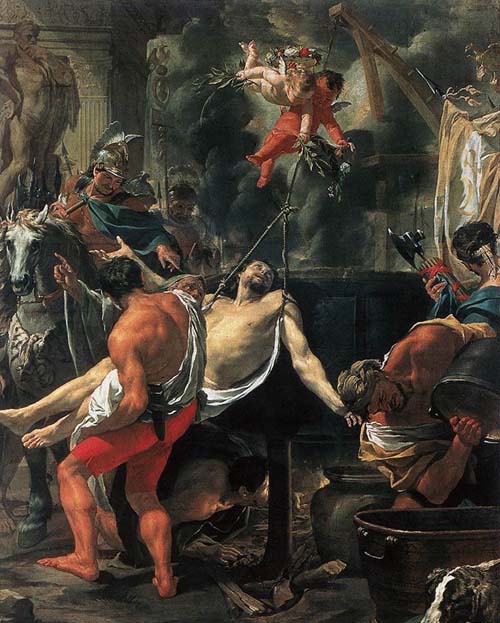
Feast of St John the Apostle and Evangelist before the Latin Gate: The Roman Martyrology states of this Feast today: At Rome, the feast of St John before the Latin Gate. Being bound and brought to Rome from Ephesus by the order of Domitian, he was condemned by the Senate to be cast, near the said gate, into a vessel of boiling oil, from which he came out more healthy nd vigorous than before! About this wondrous Miracle: https://anastpaul.com/2021/05/06/saint-of-the-day-6-may-st-john-the-evangelist-before-the-latin-gate/
LeBrun, Martyrdom of St John Evangelist at Porta Latina 1641f.jpg
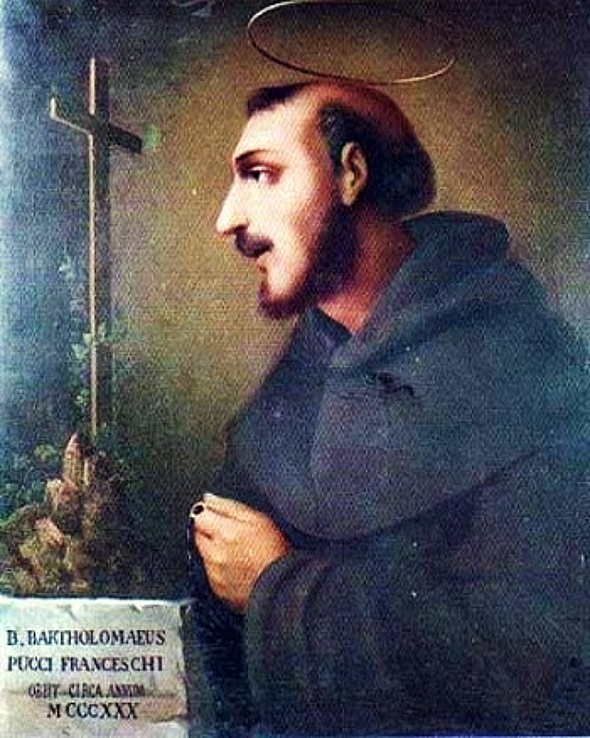
Blessed Bartolomeo Pucci-Franceschi OFM (Died 1330) Priest of the Friars Minor after having been a husband and father of 4. Confessor, Mystic and Miracle-worker. The Roman Martyrology reads today: “In Montepulciano in Tuscany, blessed Bartolomeo Pucci-Franceschi, Priest of the Order of Minors, who, having left his wife, children and all his possessions for the love of God, became Christ’s poor man.” His Life of Devotion to God: https://anastpaul.com/2022/05/06/saint-of-the-day-6-may-blessed-bartolomeo-pucci-franceschi-ofm-died-1330/
St Benedicta of Rome St Colman Mac Ui Cluasigh of Cork St Colman of Loch Eichin St Dominic Savio St Edbert (Died 698) Bishop of Lindisfarne Bl Edward Jones St Evodius of Antioch
St Heliodorus Bl Henryk Kaczorowski St James of Numidia St Justus of Vienne Bl Kazimierz Gostynski St Lucius of Cyrene
St Marianus of Lambesa Bl Peter de Tornamira St Petronax of Monte Cassino St Protogenes of Syria Bl Prudence Castori St Theodotus of Kyrenia St Venerius of Milan St Venustus of Africa St Venustus of Milan Bl William Tandi
Saint of the Day – 5 May – St Maximus (Died c350) Bishop of Jerusalem and Confessor, Defender of the Faith. He was the third Maximus to become the Bishop of the See of Jerusalem. Also known as – Maximus III (of Jerusalem)..
The Roman Martyrology reads today: “At Jerusalem, the Bishop and confessor, whom the Caesar, Maximian Galerius, condemned to work in the mines, after having plucked out one of his eyes and branded him on the foot with a redhot iron.”
Our Saint today St Maximus, lived during a turbulent period for the early Church, under the reign of the Emperors Diocletian and Maximian. In a climate of fierce persecution against Christians, he did not hesitate to publicly confess his faith, drawing upon himself the wrath of the persecutors.
He was a Priest in Jerusalem and it is said that he was so popular among the people for good character and for being a confessor that, when Saint Macarius attempted to appoint him as the Bishop of Lydda, the populace insisted upon his retention in Jerusalem. Upon St Macarius’ death, Maximus became the Bishop of Jerusalem and was present in 335 at the first Council of Tyre. During St Athanasius’ return from exile, circa 346, Maximus convoked a Council in Jerusalem of sixteen Bishops who welcomed Athanasius. Socrates Scholasticus recorded that Maximus “restored communion and rank” to Athanasius, Athanasius receiving support against the Arians and Maximus advancing the desire of the Bishops of Jerusalem to have their See become equal in status, to the metropolitan See of Caesarea, a desire later achieved in 451.
For his unshakable faith, Maximus was subjected to cruel torture – one of his eyes was gouged out and one of his feet burned with a redhot iron. Despite the atrocious suffering, he would never renounce his faith in Jesus Christ, truly demonstrating admirable strength of spirit and resistance.
With the advent of the Constantinian peace, Maximus was finally freed from slavery and able to return to Jerusalem. In recognition of his heroic resistance, he was elected Bishop of the City, succeeding St Macarius (St Macarius is he who accompanied St Helena in her search for the True Cross and arranged and superintended all in relation to the True Cross. See image below). His Life: https://anastpaul.com/2022/03/10/saint-of-the-day-10-march-saint-macarius-died-c-335/
During his Episcopate, Maximus found himself facing the theological controversies of the time, in particular the Arian heresy. At first, he was a little deceived by the heretical positions of Arius but soon, thanks to careful study and judgement, he realised the serious error contained in the Arian position on the Natures of Christ and the Trinity.
Saint Maximus died in peace in Jerusalem in c350, leaving as a legacy to the Church, a shining example of fidelity to Christ and courage in the face of persecution. His memory is venerated on 5 May, the day of his Liturgical Feast.
St Jerome says Maximus’ intended successor was Heraclius, whom Maximus had named upon his death bed but that Acacius (the Arian Bishop of Caesarea) and St Cyril deposed Heraclius and Ordained St Cyril as the Bishop. Regardless of how the succession came about, St Cyril and St Acacius would become bitter enemies during the next few years, disagreeing both in the Arian controversy and in terms of the precedence and rights of each See.
St Pius V OP (1504-1573) changed in 1969 this Feast which had been celebrated on this day of his birth into Heaven since 1713. Bishop of Rome, Ruler of the Papal States, Pope of the Council of Trent, the Counter-Reformation, the Battle of Lepanto, the Holy Rosary and the Pope who declared St Thomas Aquinas as a Doctor of the Church (Optional Memorial) The Roman Martyrology states of St Pius V today: “At Rome, Pope St Pius V, of the Order of Preachers, who laboured zealously and successfully for the re-establishment of Ecclesiastical discipline, the extirpation of heresies, the destruction of the enemies of the Christian name and, governed the Catholic Church by holy laws and the example of a saintly lfe.” His Life: https://anastpaul.com/2019/04/30/saint-of-the-day-saint-pope-pius-v-1504-1572/ Lepanto by G K Chesterton: https://anastpaul.com/2019/04/30/lepanto-30-april/
St Crescentiana St Echa of Crayke St Eulogius of Edessa St Euthymius of Alexandria St Geruntius of Milan St Godehard of Hildesheim Bl Grzegorz Boleslaw Frackowiak
St Hilary (c 400-449) Bishopof Arles, Monk, learned Scholar and Writer, Reformer and although extremely gentle and kind, Hilary was also a strict leader of his flock, Miracle-worker. Born in c 400 at Lorraine, France and died in 449 of natural causes. The Roman Martyrology states: “At Arles in France, the blessed Bishop Hilary, noted for his great learning and holiness.” His Holy Life: https://anastpaul.com/2022/05/05/saint-of-the-day-5-may-saint-hilary-of-arles-c-400-449-hilary-of-holy-memory/
St Hydroc St Irenaeus of Thessalonica St Irenes of Thessalonica Bl John Haile St Jovinian of Auxerre St Jutta Kulmsee St Leo of Africo St Maurontius of Douai St Maximus (Died c350) Bishop of Jerusalem and Confessor St Nectarius of Vienne St Nicetas of Vienne
Saint of the Day – 19 April – Saint Crescentius (Died c396) Deacon and Confessor at Florence, Italy. The image below shows St Zenobius seated with his Deacons, St Crescentius and St Eugenius kneeling at either side. Painting on a pillar in the Duomo Santa Maria del Fiore, Florence. Also known as – Crescentius of Florence,Crescent, Crescento, Crescentus.
The Roman Martyrology reads today: “At Florence, Crescent, Confessor, disciple of the blessed Bishop St Zenobius.”
Saint Zenobius seated with his Deacons St Crescentius and St Eugenius kneeling at either side. Painting on a pillar in the Duomo Santa Maria del Fiore, Florence.
We have little information of this Saint. All we know is that he was a disciple of St Zenobius and of St Ambrose. Cresentius served as a Deacon of the Bishop St Zenobius in Florence, Italy.
Not to be confused with St Crescentius (Died c303) who was a Roman Soldier and Martyr. during the persecutions of Diocletian. He is depicted as one of the Saints of the Colonnade at St Peter’s Basilica. This Saint was one of those who were removed from the Calendar after Vatican II.
St Apollonius the Priest St Aristonicus of Melitene
Blessed Bernard (Died 1182) Penitent, Pilgrim, Hermit. Patronages – of sinners, convicts, prisoners, penitents, pilgrims. The Roman Martyrology: “At the Monastery of Saint-Bertin in the territory of France in Thérouanne, lies the tomb of Blessed Bernard, penitent, who, eager to atone for the sins of his youth with an austere penitence, voluntarily chose exile and, barefooted, wearing rough garments, was a tireless pilgrim to the holy places.” Dear Blessed Bernard, pray for us!: https://anastpaul.com/2023/04/19/saint-of-the-day-19-april-blessed-bernard-of-sithiu-died-1182-layman-penitent/
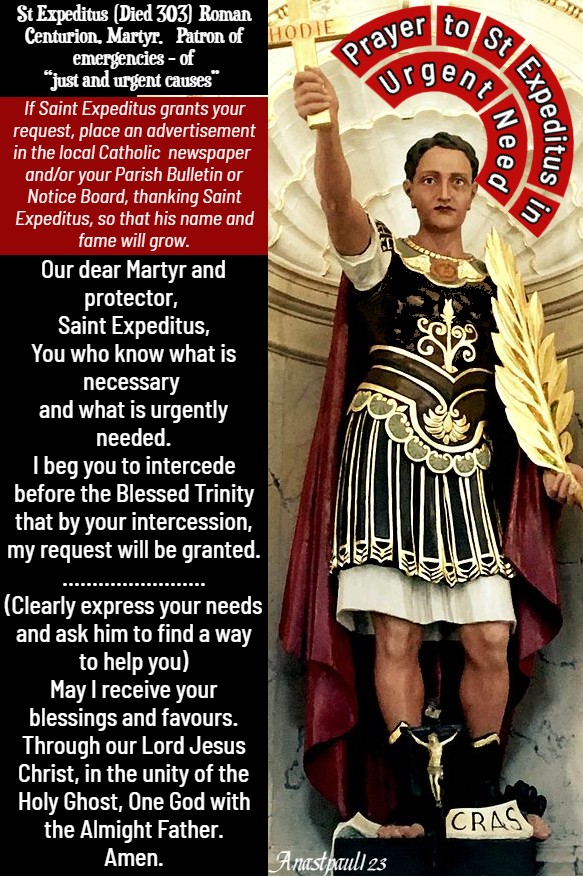
Our dear Martyr and protector, Saint Expeditus, You who know what is necessary and what is urgently needed. I beg you to intercede before the Blessed Trinity that by your intercession, my request will be granted. …………………… (Clearly express your needs and ask him to find a way to help you.) May I receive your blessings and favours. Through our Lord Jesus Christ, in the unity of the Holy Ghost, One God with the Almighty Father. Amen.
If Saint Expeditus grants your request, place an advertisement in the local Catholic newspaper and/or your Parish Bulletin or Notice Board, thanking Saint Expeditus, so that his name and fame will grow
St Gaius of Melitene St Galata of Melitene St George of Antioch
St Pope Leo IX (1002-1054) known as “The Apostolic Pilgrim” When the German Pope Damasus II died in 1048, Bishop Bruno was selected by the Emperor, Henry III, to succeed him. Bruno agreed to go to Rome and to accept the Papacy if freely elected thereto by the Roman people. He wished, at least, to rescue the See of Peter from its servitude to the German Emperors. When, in company with Hildebrand, he reached Rome and presented himself to its people clad in pilgrim’s guise and barefooted but still tall and fair to look upon, they cried out with one voice that him and no other would they have as Pope. Assuming the name of Leo, he was solemnly enthroned on 12 February, 1049. The Apostolic Pilgrim: https://anastpaul.wordpress.com/2018/04/19/saint-of-the-day-19-april-st-pope-leo-ix-1002-1954/
St Martha of Persia St Rufus of Melitene St Timon Deacon Martyr
St Vincent of Collioure
Martyrs of Carthage – 17 Saints: A group of Christians Martyred in the persecutions of Decius. We know little more than the names – Aristo, Basso, Credula, Donato, Ereda, Eremio, Fermo, Fortunata, Fortunio, Frutto, Julia, Mappalicus, Martial, Paul, Venusto, Victorinus and Victor. Died in the year 250 in prison in Carthage, North Africa (modern Tunis, Tunisia).
Saint of the Day – 18 April – St Perfectus (Died 850) Priest and Martyr of Córdoba in Spain. His Martyrdom was recorded by Saint Eulogius in the Memoriale Sanctorum. Also known as – Parfait, Perfecto, Perfect.
The Roman Martyrology reads today: “At Córdoba, St Perfect, Priest and Martyr, killed by the Moors for inveighing against the followers of Mohammed.”
Martyrs of Córdoba, St Perfectus on the left
Perfectus was born in Córdoba when the area was under the control of the Moors. Perfectus was a Monk and Ordained Priest. He served at the Basilica of St Acisclus in Córdoba. Christians weregenerally tolerated in the area but not uniformly.
Perfectus, like all his colleagues, he knew that he was risking his life by trying to convert Muslims. He was, therefore, wary when two Muslims approached him in the street and asked him what he thought of Mohammad and Jesus because, they said, “we only want to educate ourselves.”
At first, he refrained from responding, so as not to provoke them but they insisted. Perfectus set about proving to them that Mahammad was a false prophet and that only Jesus was the Saviour. They wished Saint Perfectus good morning, let him go home in peace but then, a few days later, they denounced him to friends. Brought before the Arab tribunal, he was sentenced to death. Once again and publicly, he spoke out about his thoughts on Mohammad and the Quran.
Perfectus was found guilty of blasphemy by the Islamic Court and was executed. The Vita says that Perfectus’ final words were to bless Christ and condemn Mohammed.
He was beheaded on 18 April 850. Perfectus’ Martyrdom was one of the first in a period of Muslim persecution of the Christians in Córdoba which began in 850 and continued intermittently until 960.
His cult spread to France, since the Canons of the Paris Cathedral sang a solemn Mass in his honour for a long time every 18 April.
Tre Ore (The Three Hours Devotion) The Three Hours’ Agony on Good Friday from Noon until 3 o’clock to commemorate the three hours of Christ’s Hanging on the Cross. It includes sermons on the Seven Last Words from the Cross and usually occurs between Noon and 3PM, the latter being the time when Jesus Died on the Cross and the time the Liturgy of the Lord’s Passion begins. In 1815, Pope Pius VII decreed a Plenary Indulgence to those who practice this devotion on Good Friday.
It is a fine tradition to keep silent from Noon to 3:00 PM today.
St Gebuinus of Lyons St Genocus St Hermogenes of Melitene
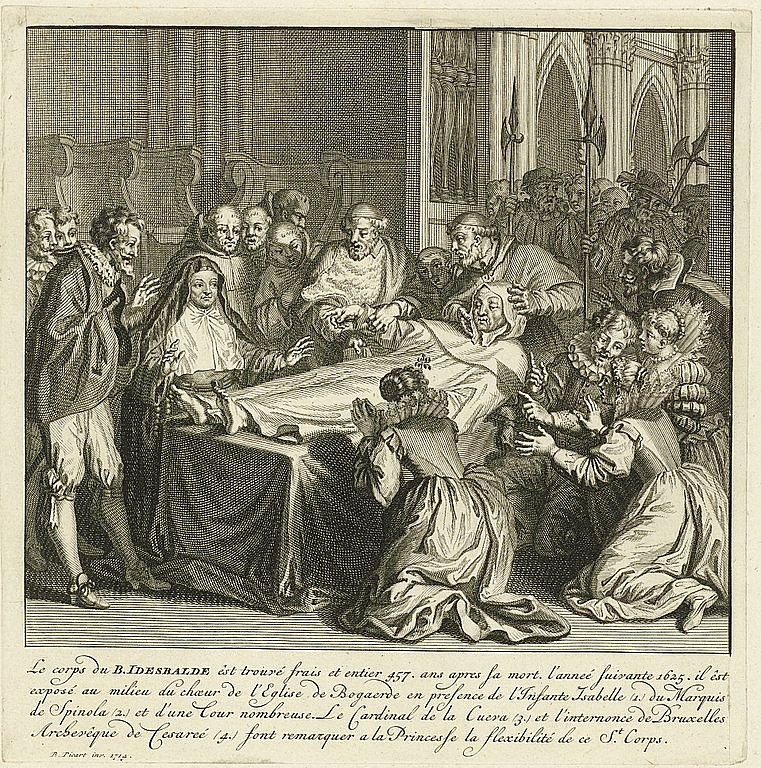
Blessed Idesbald O.Cist (c1095-1167) Cistercian Priest and Abbot of Ten Duinen Abbey, Our Lady of the Dunes. The Roman Martyrology states: “In Bruges in Flanders, in today’s Belgium, Blessed Idesbald, Abbot, who, soon became a widower and exercised for another thirty years, duties in the palace of the Counts, entered the Monastery of Dune at a mature age, which he held holy, as the third Abbot for twelve years.” His Body is Incorrupt. His Life of Grace: https://anastpaul.com/2021/04/18/saint-of-the-day-18-april-blessed-idesbald-of-dunes-o-cist-c-1095-1167/
Saint of the Day – 17 April – Saint Wando (c665-756) Abbot of Fontenelle/St Wandrille’s Monastery. Born in Neustria in France and died on 17 April 756 at the Abbey of Fontenelle in Normandy. Also known as – Vando… Vandone … Wanda.
This is St Wandrille who founded Fontenelle Abbey
Wando was born into a noble family in Neustria, France, around 665. From his youth he showed a deep inclination for religious life, so much so that, he chose to embrace the monastic vocation.
He joined the Abbey of Fontenelle, in Normandy, under the guidance of the Abbot Saint Lanfranc. Wando distinguished himself for his piety, religious fervour and obedience to the Benedictine Rule.
He was soon appointed Prior of the Monastery, a position he held with wisdom and dedication. His fame for sanctity soon spread, attracting numerous faithful to the Abbey, who desired to receive his spiritual guidance.
However, his life was not without turbulence. In 716, due to political intrigues, he was unjustly accused of treason and forced into exile. He took refuge in the Monastery of Saint Servatius in Maastricht, where he spent 28 years in exile, dedicating himself to prayer, meditation and study. In 747, with the accession to the throne of Pepin the Short, son of Charles Martel, Wando was finally rehabilitated and recalled to the Abbey of Fontenelle. Despite his advanced age and the blindness that afflicted him, he resumed the leadership of the Monastery with the same zeal and wisdom as before.
Wando concluded his earthly existence on 17 April 754, at the age of about 90 at his beloved Fontanelle Abbey.
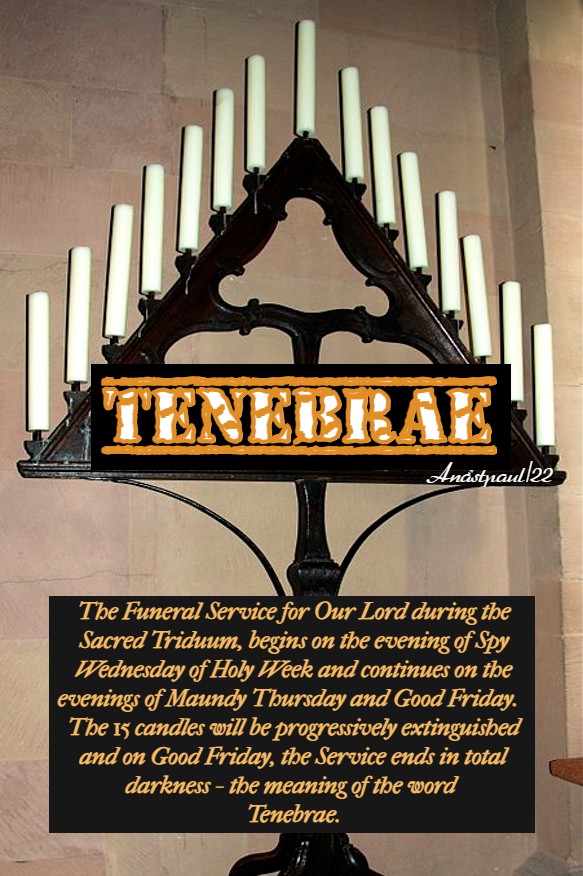
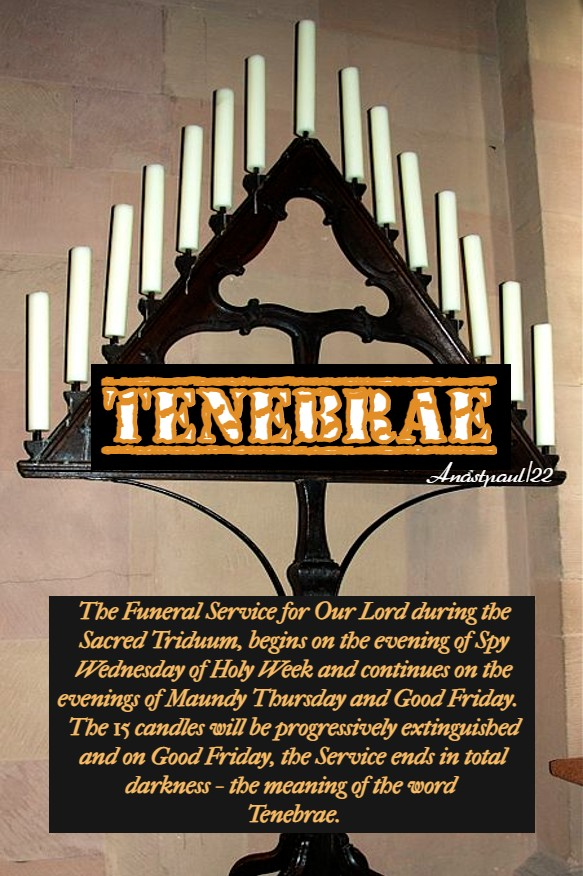
The OFFICE of TENEBRAE The Office of Tenebrae The public singing of part of the Divine Office, on Wednesday, Thursday and Friday evenings in Holy Week, anticipating Matins and Lauds of Holy Thursday, Good Friday and Holy Saturday. This custom goes back centuries and acquired the name because of the mourning ritual surrounding the ceremony which includes a triangular candlabra bearing fifteen candles. These are extinguishedt one by one until, after the last candle is extinguished, a prayer is said in darkness, one candle is lit and the assembly dispersed in silence.
Bl essed Andrés Hibernón Real OFM (1534-1602) Religious Friar, Apostle of the Holy Eucharist, the Blessed Virgin and the Holy Rosary, Apostle of the poor. He predicted the date of his death four years before the fact, which was 18 April 1602 in Gandia, Valencia, Spain of natural causes immediately after having prayed a rosary. He was Beatified on 22 May 1791 by Pope Pius VI. His body is incorrupt. A Life of Love: https://anastpaul.wordpress.com/2018/04/17/saint-of-the-day-17-april-blessed-andres-hibernon-real-o-f-m-1534-1602/
St Agia of Hainault St Anthia of Illyria St Athanasia of Aegina St Bitheus St Calocerus of Brescia St Cogitosus St Corebus
St Eleuterius of Illyria St Elpidius of Melitene St Eusebius of Fano St Galdinus of Milan St Gebuinus of Lyons St Genocus St Hermogenes of Melitene St Innocent of Tortona Bishop and Confessor Bl Idesbald of Dunes Blessed James of Cerqueto OSA (1285-1366)
Blessed Mariana of Jesus OdeM (c1565-1624) “The Lily of Madrid” Tertiary Sister of the Mercadarian Order (the Servants of Mary) Mystic and Ecstatic, graced with Visions of Our Lord and His Mother and granted the ability, by her intercession, to be responsible for many miracles, Spiritual Director and Apostle of the poor and the sick. In addition, Mariana was known to bilocate and levitate during her ecstasies. Patronages – of Madrid, Mercedarian Tertiaries Mercedarian Lay Fraternities and Apostolates. Her body is Incorrupt. “The Lily of Madrid”: https://anastpaul.com/2024/04/17/saint-of-the-day-17-april-blessed-mariana-of-jesus-odemc1565-1624-the-lily-of-madrid/
St Pantagathus of Vienne Bishop St Perfecto of Córdoba St Pusicio
St Robert de Turlande/Chaise-Dieu OSB (c1000-1067) Priest, professed religious of the Order of St Benedict, Monk, Abbot, Apostle of Charity, Marian devotee. He was of noble stock, was related to Saint Gerald of Aurillac (c855–c909) and was a descendant of St Caesarius of Arles (470-543). He is best known for the establishment of the Benedictine Convent of La Chaise-Dieu (‘Home of God’) and for his total commitment to the poor. He became a spiritual inspiration for Pope Clement VI (1291–1352) – whose own origin,s in the religious life were based at that Convent – and it was Pope Clement who confirmed the Canonisation of the Benedictine Abbot on 19 September 1351 in Avignon. His Devoted Life: https://anastpaul.com/2019/04/17/saint-of-the-day-17-april-st-robert-de-chaise-dieu-osb-c-1000-1067/
The Office of Tenebrae The public singing of part of the Divine Office, on Wednesday, Thursday and Friday evenings in Holy Week, anticipating Matins and Lauds of Holy Thursday, Good Friday and Holy Saturday. This custom goes back centuries and acquired the name because of the mourning ritual surrounding the ceremony which includes a triangular candlabra bearing fifteen candles. These are extinguishedt one by one until, after the last candle is extinguished, a prayer is said in darkness, one candle is lit and the assembly dispersed in silence.
St Benedict Joseph Labre – Known as the Beggar of Perpetual Adoration (1748-1783) Lay Penitent and Pilgrim – he “abandoned his country, his parents and whatever is flattering in the world, to lead a new sort of life, a life most painful, most penitential, not in a wilderness, nor in a cloister but in the midst of the world, devoutly visiting as a pilgrim the famous places of Christian devotion.” Canonised by Pope Leo XIII on 8 December 1881. Dearest St Benedict Joseph: https://anastpaul.wordpress.com/2017/04/16/saint-of-the-day-16-april-st-benedict-joseph-labre/
Blessed Arcangelo Canetoli (1460-1513) Priest and Canon of the Canons Regular of the Congregation of the Most Holy Saviour at Bologna, Mystic gifted with the charism of prophecy and of many visions of the Blessed Virgin, Born in 1460 in Bologna, Italy and died on 16 April 1513 (aged 53) in Gubbio, Italy of natural causes. His body is incorrupt. Arcangelo was Beatified on 2 October 1748 by Pope Benedict XIV. Holy Arcangelo: https://anastpaul.com/2023/04/16/saint-of-the-day-16-april-blessed-arcangelo-canetoli-crssb-1460-1513-priest/
St Turibius (c402-c460) Bishop of Astorga in Spain, Hermit, Monk, Defender of the Faith against heresy, in particular, the heresy of Priscilian., Miracle-worker. Born in Astorga, Spain in c402 and died there in c460 of natural causes. Patronages – Diocese of Palencia, Diocese of Santander, Diocese of Astorga, all in Spain. The Roman Martyrology reads: “At Palencia, St Turibius, the Bishop of Astorga, Spain, who with the aid of Pope St Leo the Great, drove the heresy of Priscilian entirely out of Spain and, went to rest in the Lord with a great renown for miracles.” Zealous and Miraculous St Turibius: https://anastpaul.com/2024/04/16/saint-of-the-day-16-april-saint-turibius-of-astorga-c402-c460-bishop/
St Vaise Blessed William Gnoffi (1256-1317) Hermit
Martyrs of Corinth – 9 Saints: A group of nine Christians who were tortured and Martyred together in the persecutions of Decius. We know little more than three of their names – Callistus, Charisius and Leonide. They were thrown into the sea at Corinth, Greece c250.
Martyrs of Saragossa: Group of 18 Martyrs murdered in 304 in Saragossa, Spain in the persecutions of Diocletian and the prefect Dacean. We know little more than the names – Apodemus, Caecilian, Caius, Crementius, Engratia, Eventius, Felix, Fronto, Gaius, Julia, Lambert, Lupercus, Martial, Optatus, Primitivus, Publius, Quintilian, Saturnius (4 men of this name), Succesus and Urban. Their graves re-discovered in 1389 in the crypt under the Church of San Encrazia in Saragossa.
Saint of the Day – 15 April – Saint Sylvester (Died c536) Abbot of Réome Abbey now Moutier-Saint-Jean, in Burgundy, France. He was a favourite disciple of the Founder, St Jean I, whom he succeeded in the Office of Abbot. Also known as – Sevetre, Silvestro. Additional Memorial – 17 April on some calendars.
Doorway from Moutiers-Saint-Jean, SEE NOTE BELOW
We have vert little information regarding the life of our Saint today except that which is record in the Vita of his spiritual master, St Jean I.
In the list of Abbots of the largest Abbey in Burgundy, he naturally ranks second, after the Founder St Jean I and before Mummolus, the 3rd Abbot.
According to the “Life” of the Founder St Jean I, written by the Italian Monk and Historian, Jonah of Bobbio, the Founder, before dying, asked Sylvester, his disciple and a man of great virtue, to succeed him in leading the Monastery.
During his government, Sylvester enjoyed the favour of the Kings of France, Clotaire and Childebert. Considered a holy Abbot, it is said that he partially cured a cleric, who was later completely cured thanks to St Germanus of Paris.
Saint Sylvester died on 15 April c536. In some cases, he is wrongly remembered among the Benedictine Saints and celebrated on 17 April. But in various local Martyrologies, his Feastday for was established on 15 April.
NOTE on the Image above: Moutiers-Saint-Jean was sacked, burned and rebuilt a number of times. In 1567, the protestant Huguenot army struck off the heads of the two Kings on the main doorway (since restored, see above). In 1797, after the French Revolution, the entire building was sold as rubble for rebuilding. It lay in ruin for decades, with the sculptures and artworks, being severely defaced, before, in 1932, the Doorway was bought from the landowner and moved to New York, where it now resides in The Cloisters Museum.
Saint Anastasia of Rome (Died c 68) Martyr, Spiritual Student of St Peter the Apostle AND: St Basilissa of Rome (Died c 68) Martyr, Spiritual Student of St Peter the Apostle. put to death during the reign of Nero. They were among the first converts to Christianity in the 1st century after Christ. The Roman Martyrology states today: “At Rome, the Saints Basilissa and Anastasia. Of noble families, they were disciples of the Apostles and, as they persevered courageously in the profession of their faith, in the time of the Emperor Nero, they had their tongues and feet cut off, were put to the sword and thus obtained the Crown of Martyrdom.” Their Life and Death: https://anastpaul.com/2022/04/15/saint-s-of-the-day-15-april-saints-anastasia-and-st-basilissa-died-c-68-martyrs/
St Crescens of Myra St Eutyches of Rome St Eutychius of Ferentino
Bl Laurentinus Sossius St Maro of Rome St Maximus of Persia St Mundus St Nidger of Augsburg St Olympiades of Persia
St Ortarius (Died c580) Priest, Abbotof Landelles, near Vire in Normandy, France. A man of great wisdom, austerity and devotion, a renowned and rivetting Preacher, a skilled and beloved leader as well as the benefactor of all the poor and the sick within his reach. Also known as “The Apostle of Normandy.” The Roman Martyrology states: “In the Monastery of Landelles in the territory of Bayeux in Normandy, France, Saint Ortarius, the Abbot, dedicated to a life of austerity and prayer and assiduous in caring for the sick and assisting the poor.” “The Apostle of Normandy:” https://anastpaul.com/2024/04/15/saint-of-the-day-15-april-saint-ortarius-of-landelles-died-c580-priest-abbot/
St Sylvester (Died c536) Abbpt of Réome Abbey St Theodore of Thrace St Victorinus of Rome St Waltmann of Cambrai O.Praem. (Died 1138) Abbot
Mercedarian Martyrs of Africa: A group of Mercedarian Monks sailing to Africa as on a mission to redeem capture Christians. Captured by Moors, they were tortured and executed for their faith. Martyrs. 1393.
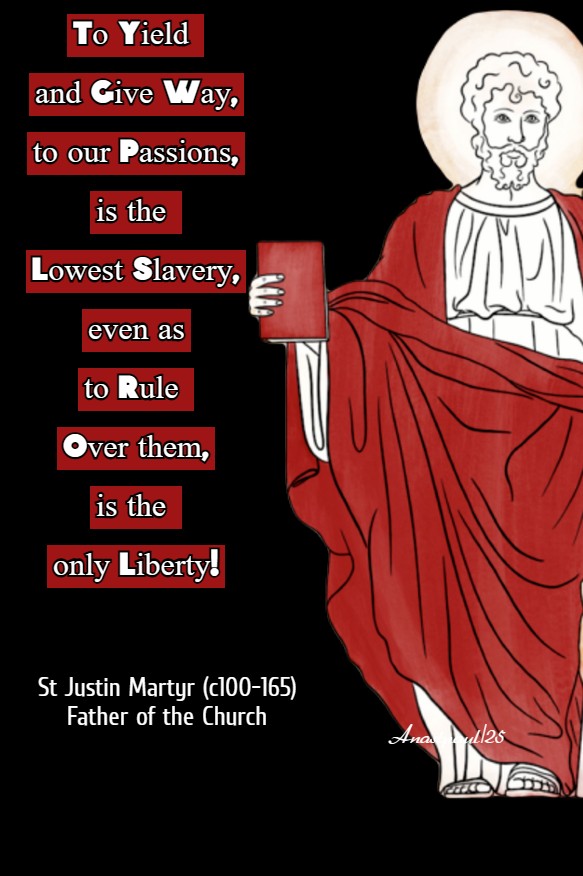
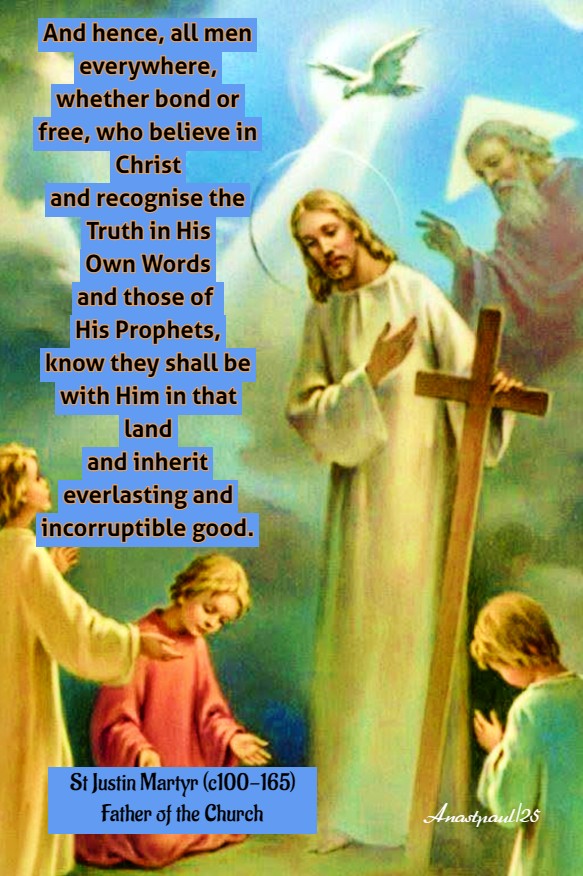
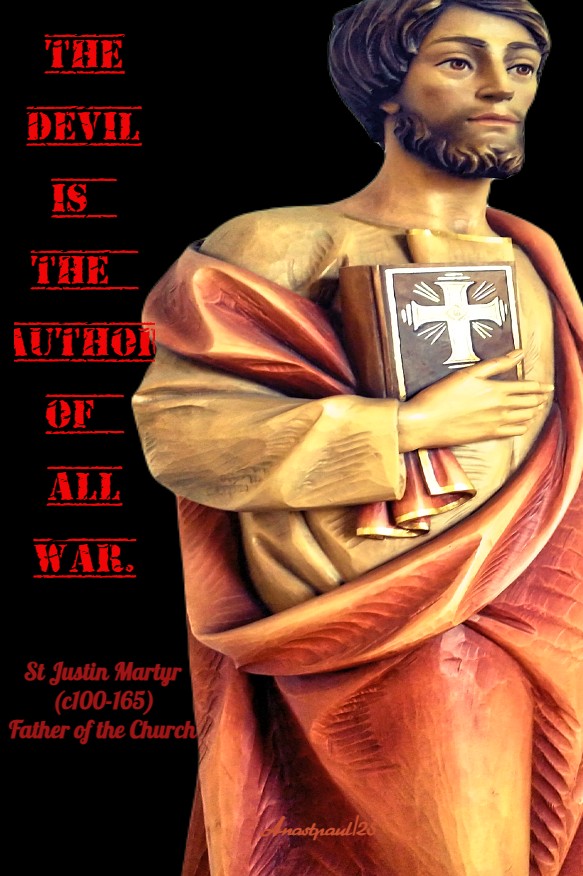
Quote/s of the Day – 14 April – St Justin Martyr (c100-165) Martyr, Layman, Father of the Church, first Christian Philosopher, Apologist, Orator, Teacher, Writer, Missionary.
“To yield and give way, to our passions, is the lowest slavery, even as to rule over them, is the only liberty.”
“And hence, all men everywhere, whether bond or free, who believe in Christ and recognise the Truth in His Own Words and those of His Prophets, know they shall be with Him in that land and inherit everlasting and incorruptible good.”
















































 AnaStpaul
You must be logged in to post a comment.