Saint of the Day – 26 September – Saint Eusebius (Died c390) Bishop and Confessor of Bologna, a Defender of the True Faith against heresies, in particular, Arianism. A close friend and disciple of St Ambrose, the Doctor of the Church, influence and instrument of God in converting St Augustine.
The Roman Martyrology reads today: “At Bologna, St Eusebius, Bishop and Confessor.”
In the Episcopal records of the Bolognese Church, known as the Renano List (a document of undoubted historical value), Eusebius is listed 5th in line.
The few details of his life are gleaned from Saint Ambrose (340-397), with whom he had a close friendship. He participated, together with the Bishop of Milan, in the Council of Aquileia in 381, where he played a significant role in opposing Arianism and condemning the heretics Palladius and Secundinus.
St Ambrose by Claude Vignon c1623-25
The Acta of the this Council reveal that, after Saint Ambrose, Eusebius was the Bishop who spoke most frequently in the discussion and signed the Decree of condemnation after the local Bishop and the Prelate of Milan.
Eusebius’ Episcopate in Bologna is believed to have lasted between 370 and 390. Saint Ambrose also informs us that in Bologna, there existed a a substantial nucleus of virgins who, under the impetus and promotion of Bishop Eusebius, distinguished themselves by their zeal and piety.
Some authors maintain that Letters 54 and 55 of Saint Ambrose were addressed to the Bishop of Bologna, like his ‘De Institutione Virginis’ these opinions are difficult now to verify.
Regarding his cult, no ancient document from the Bolognese Church mentions him being venerated as a Saint. The first texts which mention St Eusebius date to the late 16th Century when he was entered in the Roman Martyrology on 26 September.
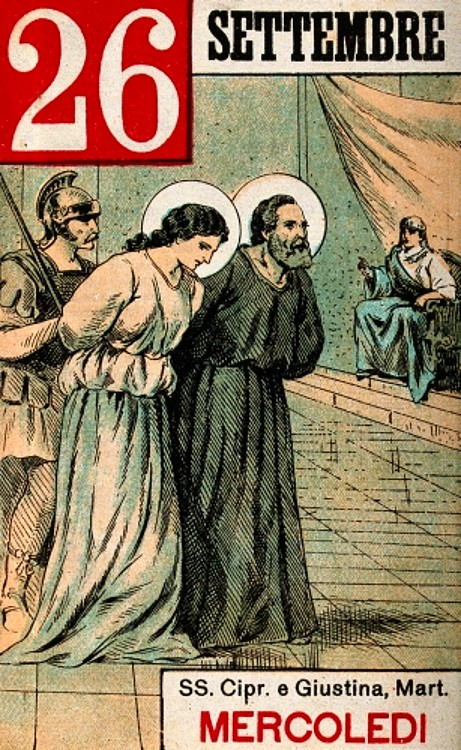
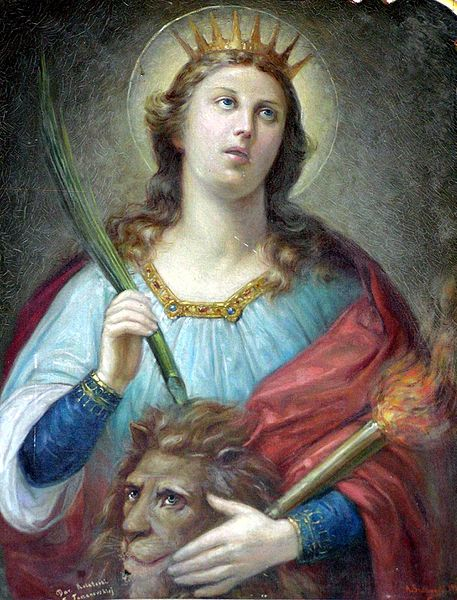
St Cyprian (Died 2nd Century) Bishop Martyr of Antioch AND St Justina of Antioch (Died 2nd Century) Virgin Martyr The Roman Martyrology reads today: “At Nicomedia, the birthday of the holy Martyrs Cyprian and Justina, Virgin. Under the Emperor Diocletian and the Governor Eutholmius, Justina suffered much for the Faith of Christ and coverted Cyprian, who while a magician, endeavoured to bring her under the influence of his magical practices. She afterwards suffered Martyrdom with him. Their bodies being exposed to the beasts, were taken away in the night by some Christian sailors and carried to Rome. They were subsequently taken into the Constantian Basilica and deposited near the Baptistry.” Their Martyrdom: https://anastpaul.com/2024/09/26/saints-of-the-day-26-september-st-cyprian-of-antioch-bishop-martyr-and-st-justina-virgin-martyr-died-2nd-century/
St Amantius of Tiphernum St Callistratus of Constantinople St Colman of Elo St Pope Eusebius St Eusebius (Died c390) Bishop and Confessor of Bologna
Saint of the Day – 25 September – St Principius (6th Century) Bishop of Soissons. Of French origin and presumably died there too, in his See of Soissons. He was the brother of the renowned St Remigius of Rheims. As I cannot find any images of our Saint today I include below a stained glass image of his brother below.
The Roman Martyrology reads today: “The same day, St Principius, Bishop of Soissons, brother of the blessed Bishop Remigius.”
St Remigius of Rheims
This Bishop is virtually unknown. Only a comparison of certain data from the Catholic Historians including St Sidonius Apollinaris allows us to assert, with some plausibility which according to tradition, he was a brother of a great Bishop of Reims, Saint Remigius. His origins would, therefore, be dated to the late 5th and early 6th Centuries but still before 511, the date when Lupus, his successor and perhaps nephew, attended the Council of Orléans.
His cult is confirmed by several medieval liturgical books which list his Fast Day as 25 September. His Relics were burned by the Protestants in 1567.
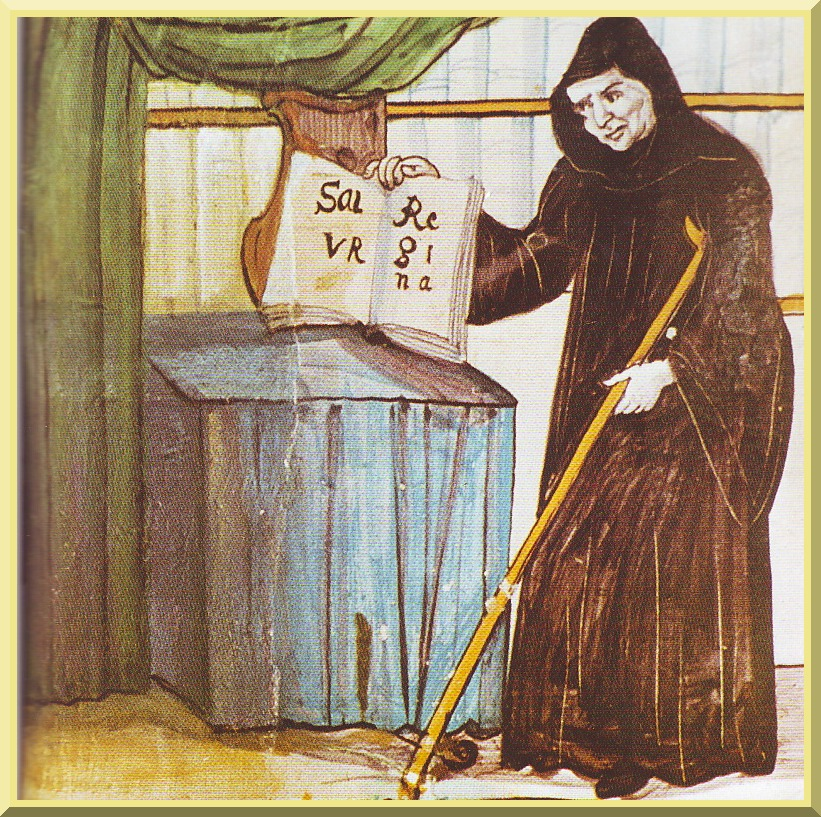
Blessed Herman of Reichenau/the Cripple (1013–1054) Benedictine Monk, Confessor, Scholar, Scientist, Writer, Hymnist, Poet, Musical Composer, Teacher. In his own day, the heroic cripple who achieved learning and holiness was called ‘The Wonder of His Age.’ Composer of the “Salve Regina” Hail Holy Queen, “Veni Sancte Spiritus” Come Holy Spirit and “Alma Redemptoris Mater” amongst many others. His Amazing Life and Works: https://anastpaul.com/2019/09/25/saint-of-the-day-blessed-herman-of-reichenau-the-cripple-osb-1013-1054-the-wonder-of-his-age/
St Mewrog St Neomisia of Mecerata St Paphnutius of Alexandria St Principius (6th Century) Bishop of Soissons St Solemnis of Chartres
Martyrs of Damascus: A Christian family of six who were tortured to death in a persecution by Roman authorities. They were: Eugenia, Maximus, Paul, Rufus, Sabinian and Tatta. They were tortured to death in Damascus, Syria, date unknown.
The Holy Bishops of Milan: Imagine being part of a Diocese in which 36 of your past Bishops are Saints and some are also Doctors of the Church and Popes (and others being considered for Sainthood)! Today, the Church in Milan commemorates these holy Bishops. They are: Blessed Alfredo Ildefonso Schuster Blessed Andrea Carlo Ferrari Pope Pius XI Saint Ambrose of Milan Saint Ampelius of Milan Saint Anathalon of Milan Saint Antoninus of Milan Saint Auxanus of Milan Saint Benedict Crispus of Milan Saint Benignus of Milan Saint Calimerius of Milan Saint Castritian of Milan Saint Charles Borromeo Saint Datius of Milan Saint Dionysius of Milan Saint Eugene of Milan Saint Eusebius of Milan Saint Eustorgius II of Milan Saint Eustorgius of Milan Saint Gaius of Milan Saint Galdinus of Milan Saint Geruntius of Milan Saint Glycerius of Milan Saint Honoratus of Milan Saint John Camillus the Good Saint Lazarus of Milan Saint Magnus of Milan Saint Mansuetus of Milan Saint Marolus of Milan Saint Martinian of Milan Saint Mirocles of Milan Saint Mona of Milan Saint Natalis of Milan Saint Protasius of Milan Saint Senator of Milan Saint Simplician of Milan Saint Venerius of Milan
Saint of the Day – 24 September – St Lupus (6th Century) Bishop of Lyon, Monk and Hermit. Also known as – Lupe, Lupo, Loup the Name means “Wolf.”
St Jerome’s Martyrology mentions Lupus on 24 September; the current Diocesan Order of Lyon lists him on 25 September.
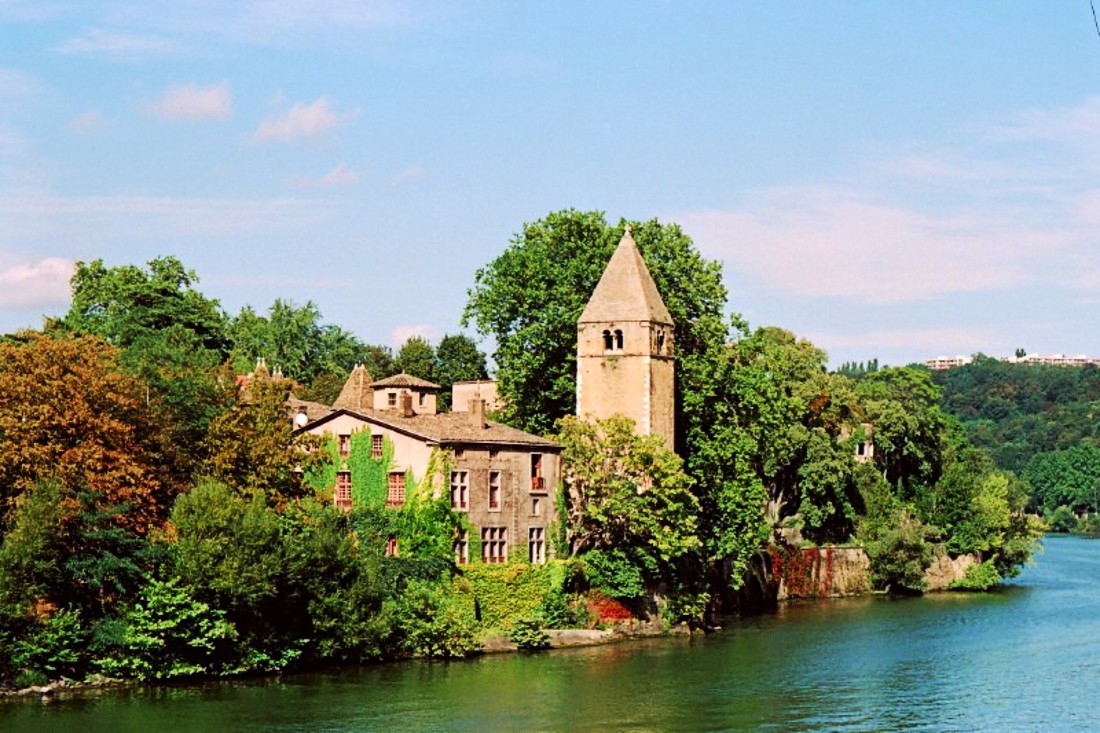
Around 528, the Life of Saint Lubin, Bishop of Chartres, mentions him as an illustrious Monk who led a Hermit’s life on Ile-Barbe located just above Lyon.
Ile-Barbe located just above Lyon
On 7 May 538, he presided as the Archbishop of Lyon at the 3rd Council of Orleans.
He died well before 28 October 549, the date on which his second successor, Sacerdos, presided over the 5th Council of Orleans, while Lupus’ immediate successor, Leontius, had governed the Church of Lyon for only two years.
Leidrat, Archbishop of Lyon (798-816), writing to Charlemagne, mentions Lupus along with two more Lyonnais Archbishops, Saints Eucherius and Genesius, in connection with the Monastery of Ile-Barbe.
On 20 September 1620, Cardinal de Marquemont, Archbishop of Lyon, proceeded with the Consecration of the restored Church of Ile-Barbe which retained its ancient titular Saints, Saints Martin and our Lupus.
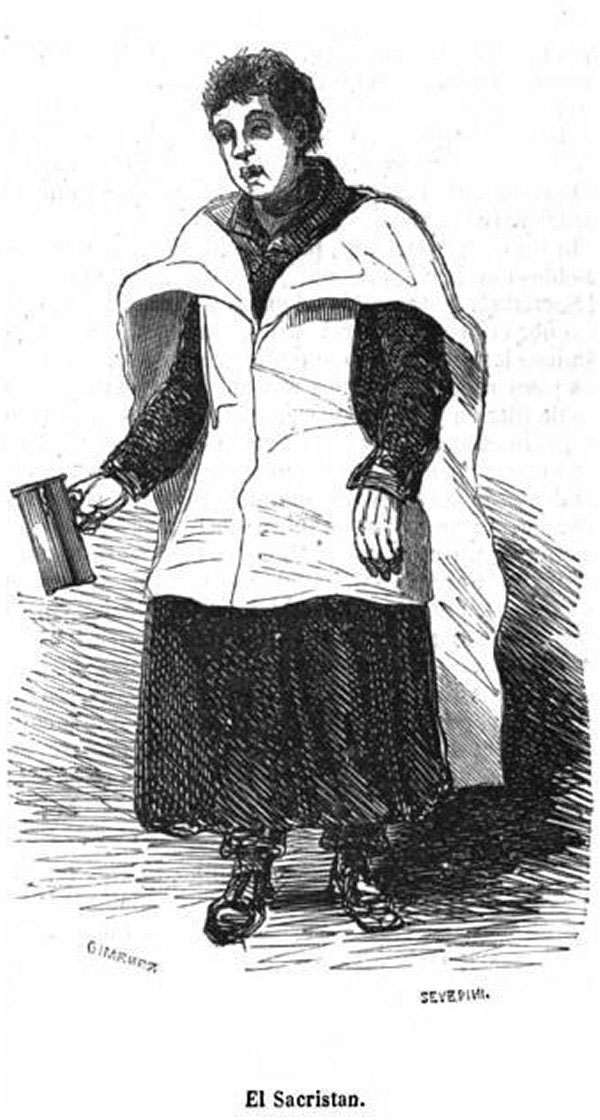
Saint of the Day – 23 September – St Constantius (5th Century) Sacristan of Ancona, in the Marches, Italy, Miracle-worker. A gentle and humble man filled with supernatural gifts and graces and by his prayers, rendering grat miracles for those who beseeched his aid and for his Church when in need.
The Roman Martyrology reads today: “At Ancona, St Constantius, Sacristan of the Church, renowned for the gift of miracles.”
St Gregory the Great provides some information regarding our Saint Constantius in his Dialogues, highlighting his profound humility, a faith which “could move mountains” and miraculous power.
Unknown Spanish Sacristan
According to the illustrious Pontiff’s account, based on the testimony of his own Bishop (likely the City’s Bishop himself) and other locals, Constantius, dressed in monastic attire, served as a Sacristan in the Church of St Stephen, Ancona’s first Cathedral and a famous sanctuary, where, according to St Augustine, a Relic of the 1st Martyr was venerated.
St Gregory emphasises in particular, how the humble and almost threadbare appearance of the simple Sacristan corresponded to a great spirit of perfection which shone through the gift of miracles.
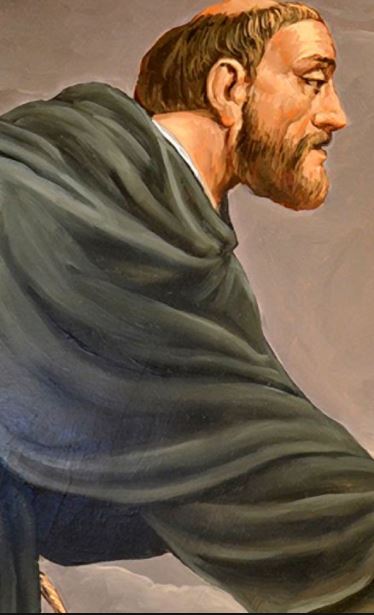
Among the prodigious events, it is recorded that, due to the miraculous power of the lowly Sacristan, the Church’s lamps burned, even though they were filled with water instead of oil. As the fame of the young Sacritan’s sanctity and extraordinary works spread, many flocked to see him and beg for spiritual favours. One day, a rough peasant came to the Church and, seeing the frail Sacristan on a ladder busy triming the lamps, refused to believe in his sanctity and began to mock him with insulting words, calling him a liar and presumptuous. Constantius, who had heard the insults, ran to embrace and kiss him, thanking him for his treatment and thus proving, as St Gregory concludes, that if he was great in miracles, he was even greater in humility of heart.
Nothing else is known of this gentle and holy Saint. His body was later translated to Venice and placed first in the Church of St.Basil, then in that of Saints Gervasius and Protasius, where he is currently venerated celebrated today 23 September as it is in the Diocese of Ancona. The reasons and exact date of this translation of St Constantius’ Relics is unknown, although some local sources believe the body was stolen in the 12th Century during a siege and following a robbery by Venetian merchants.
Today, the Cathedral in Ancona, possesses the only memento of St Costantius, a bone fragment donated in 1760, with authentication by the Patriarch of Venice.
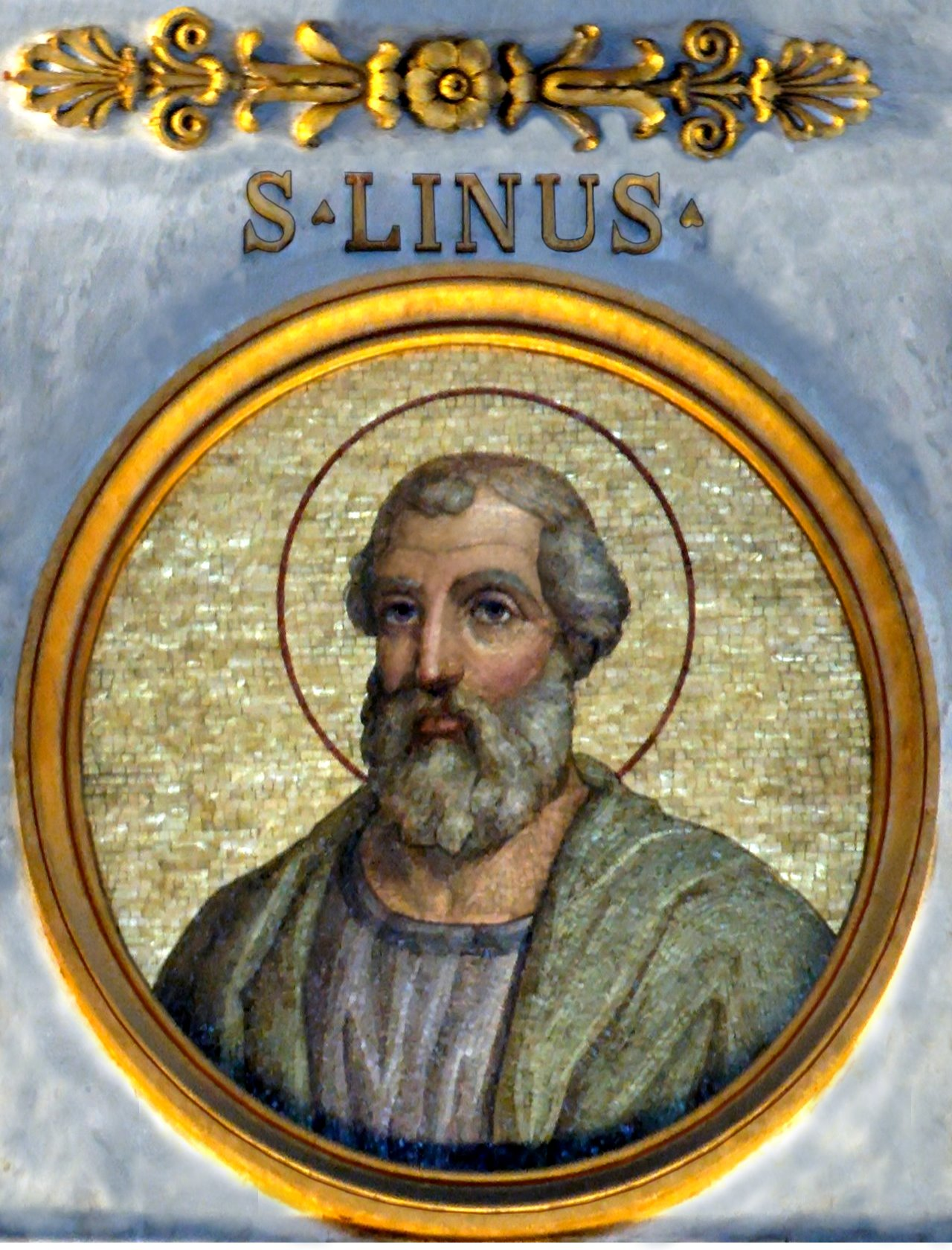
St Pope Linus (c 10 – c 76) Successor to St Peter. Papacy lasted from c 67 to his death as a Martyr. Among those to have held the position of Pope, Peter, Linus and Clement are specifically mentioned in the New Testament. Linus is mentioned in the closing greeting of the Second Epistle to Timothy as being with Paul in Rome near the end of Paul’s life. The Life and Death of St Linus: https://anastpaul.com/2018/09/23/saint-of-the-day-23-september-st-pope-linus-c-10-c-76-successor-to-st-peter/
St Sosius (275-305) Confessor, Deacon and Martyr. His holiness and wisdom drew many Prelates to his feet, seeking spiritual assistance. St Sosius was a Deacon of Misenum, an important naval base of the Roman Empire in the Bay of Naples. The Roman Martyrology reads: “At Capo Miseno in Campania, St Sosius, Deacon and Martyr, who, as Pope St Symmachus reports, wishing to save his Bishop from death, instead found death together with him, obtaining equal glory at the same price.” His Life and Death: https://anastpaul.com/2022/09/23/saint-of-the-day-23-september-saint-sosius-275-305-confessor-deacon-and-martyr/
Saint of the Day – 22 September – St Sanctinus (c270-356) the 1st Bishop of Verdun and Meaux, Missionary, evangelised the region, some sources consider him a Martyr. Sanctinus was a disciple of St Dionysius, the Bishop of Paris. Also known as – Xantin, Santin, Saintin or Sanctin; Name means: the holy one (Latin). Additional Feasts – 12 October in Verdun, 25 September (translation of Relics).
The Roman Martyrology reads today: “At Meaux, the blessed Sanctinus, Bishop, Disciple of St Dennis (Dionysius), the Areopagite, who, being Consecrated by St Denn is, as the Bishop of Meaux, was the first to preach the Gospel there.”
Sanctinus was a disciple of St Dionysius, the Bishop of Paris .. He worked as a Missionary in the area around Verdun and became the cCty’s first Bishop.
He is also said to have worked in Picardy and Champagne and is, therefore, considered the 1st Bishop of Meaux. In 332. in Verdun, he built the 1st Church, dedicated to Sts Peter and Paul , on the walls of a pagan temple on the site of the later Abbey of St Vanne —now ruins, within the City’s fortified citadel. According to tradition, he died in prison in Meaux and is, therefore, considered a martyr.
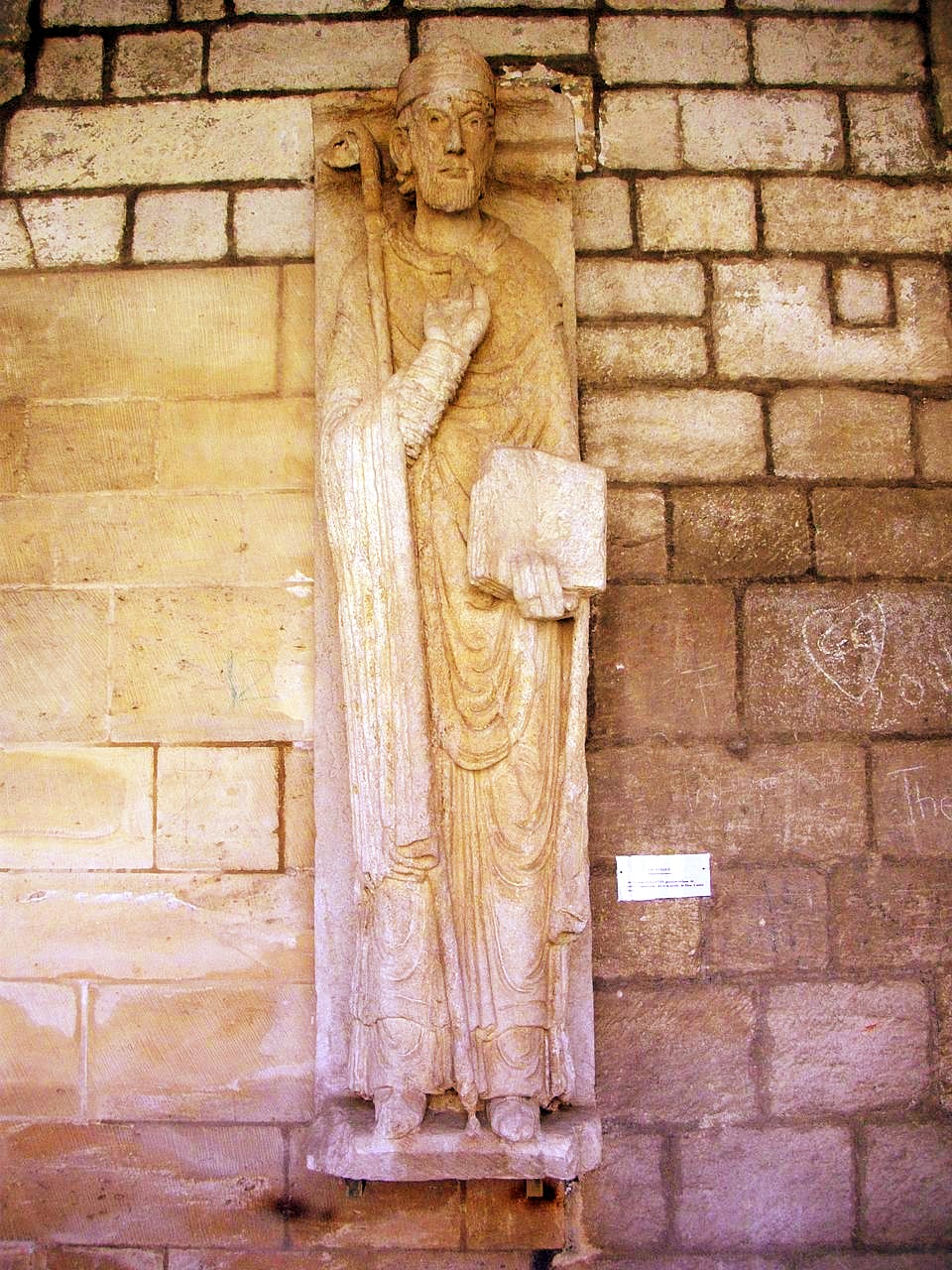
Statue of St Sanctinus in the Cloister of Verdun Cathedral
Sanctinus was buried in Meaux . Possibly, because of the Norman invasion, his remains were placed in the consecrated Church of the then Priory at Malemort-sur-Corrèze near Tulle for their protection, as it is dedicated to him as the Church of Saint-Xantin. In 1044, however, his remains were sold from Meaux to Verdun during a severe famine in Meaux; they now lie in the Cathedral in Verdun.
The Abbey of St Vanne in Verdun was closed in 1792 during the French Revolution and demolished in 1838. Today only the remains of a Church tower remain.
St Thomas of Villanueva/Villanova OSA (1488-1555) Archbishop, Confessor, Religious Priest of the Order of St Augustine,Writer, Preacher, Teacher, Apostle of Charity, Mystic, Miracle-Worker often called “the Almsgiver” and “the Father of the Poor“, Reformer. Canonised on 1 November 1658 by Pope Alexander VII. Beloved St Thomas here: https://anastpaul.com/2017/09/22/saint-of-the-day-22-september-st-thomas-of-villanova-o-s-a/
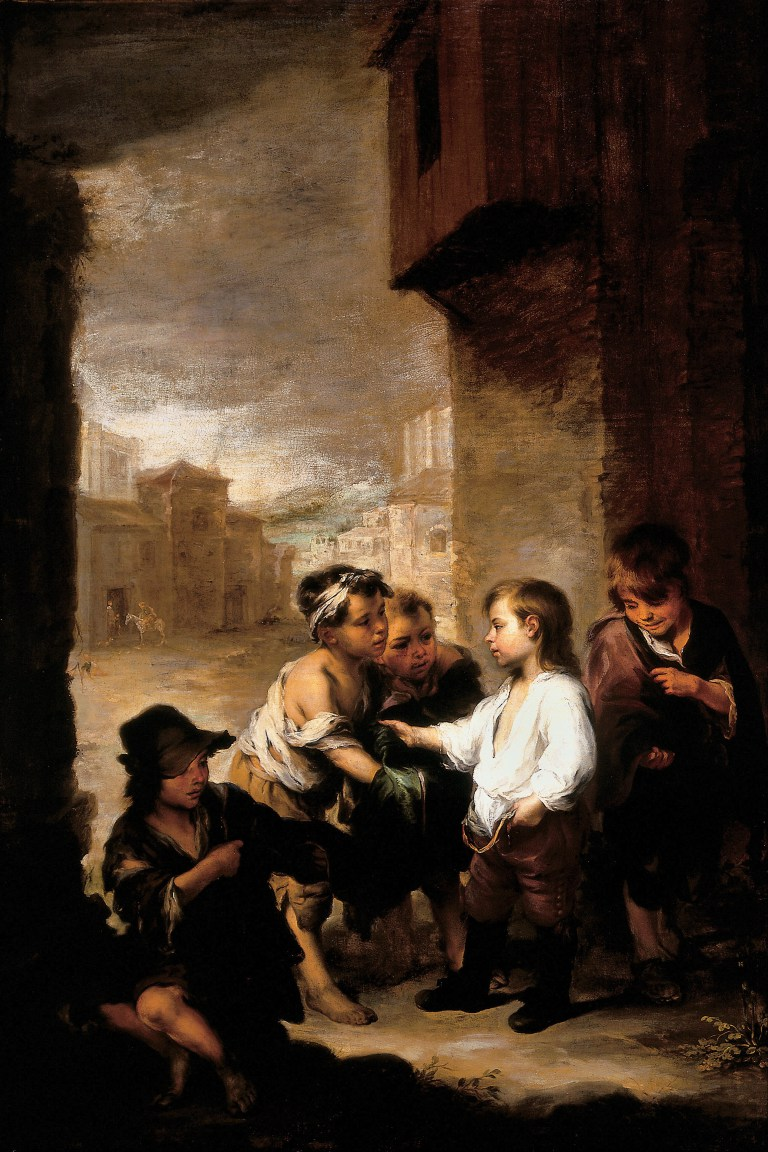
St Thomas Villanova Dividing His Clothes by Mas a child, urillo
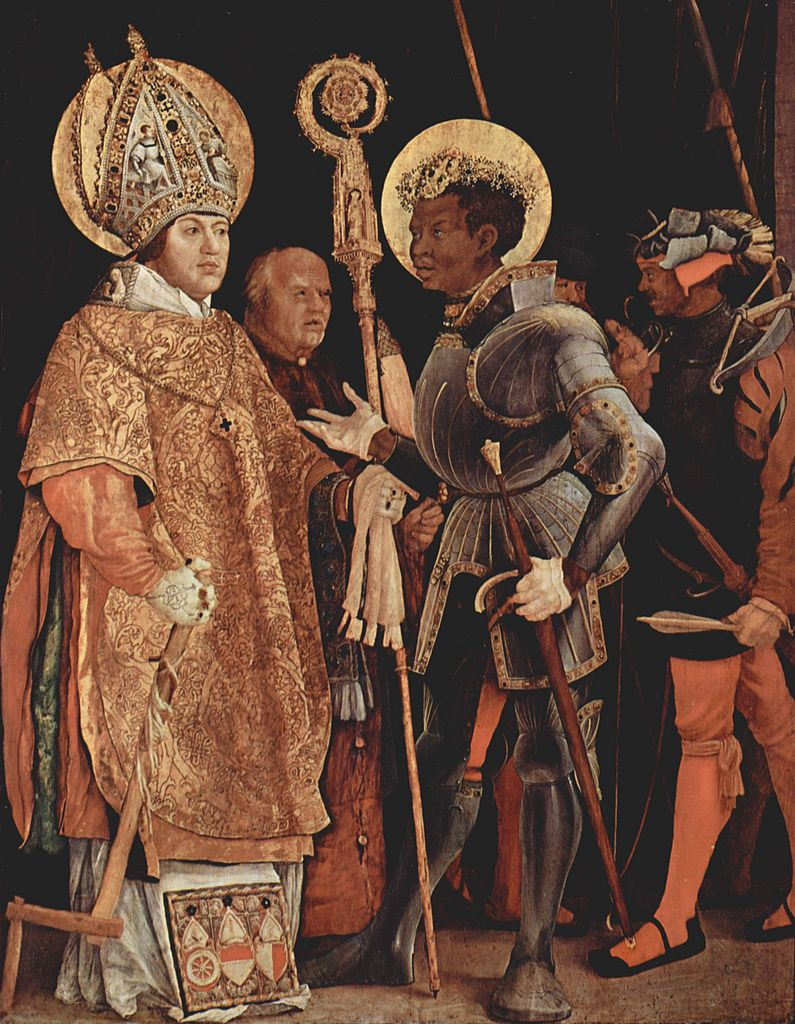
St Maurice & Companions: Martyrs of the Theban Legion: + Martyrs (c 287) A Roman imperial legion of 6,600 soldiers, all of whom were Christians; they had been recruited from the area around Thebes in Upper Egypt, were led by Saint Maurice and served under Emperor Maximian Herculeus. Around the year 287, Maximian led the army across the Alps to Agaunum, an area in modern Switzerland, in order to suppress a revolt by the Bagandre in Gaul. In connection with battle, the army offered public sacrifices to the Roman gods; the Theban Legion refused to participate. For refusing orders, the Legion was decimated – one tenth of them were executed. When the remainder refused to sacrifice to the gods, they were decimated again. When the survivors still refused to sacrifice, Maximinian ordered them all killed. Martyrs. https://anastpaul.com/2018/09/22/saints-of-the-day-22-september-st-maurice-and-the-martyrs-of-the-theban-legion-martyrs-c-287/
Bl Alfonso da Cusco St Basilia St Digna of Rome St Emerita of Rome
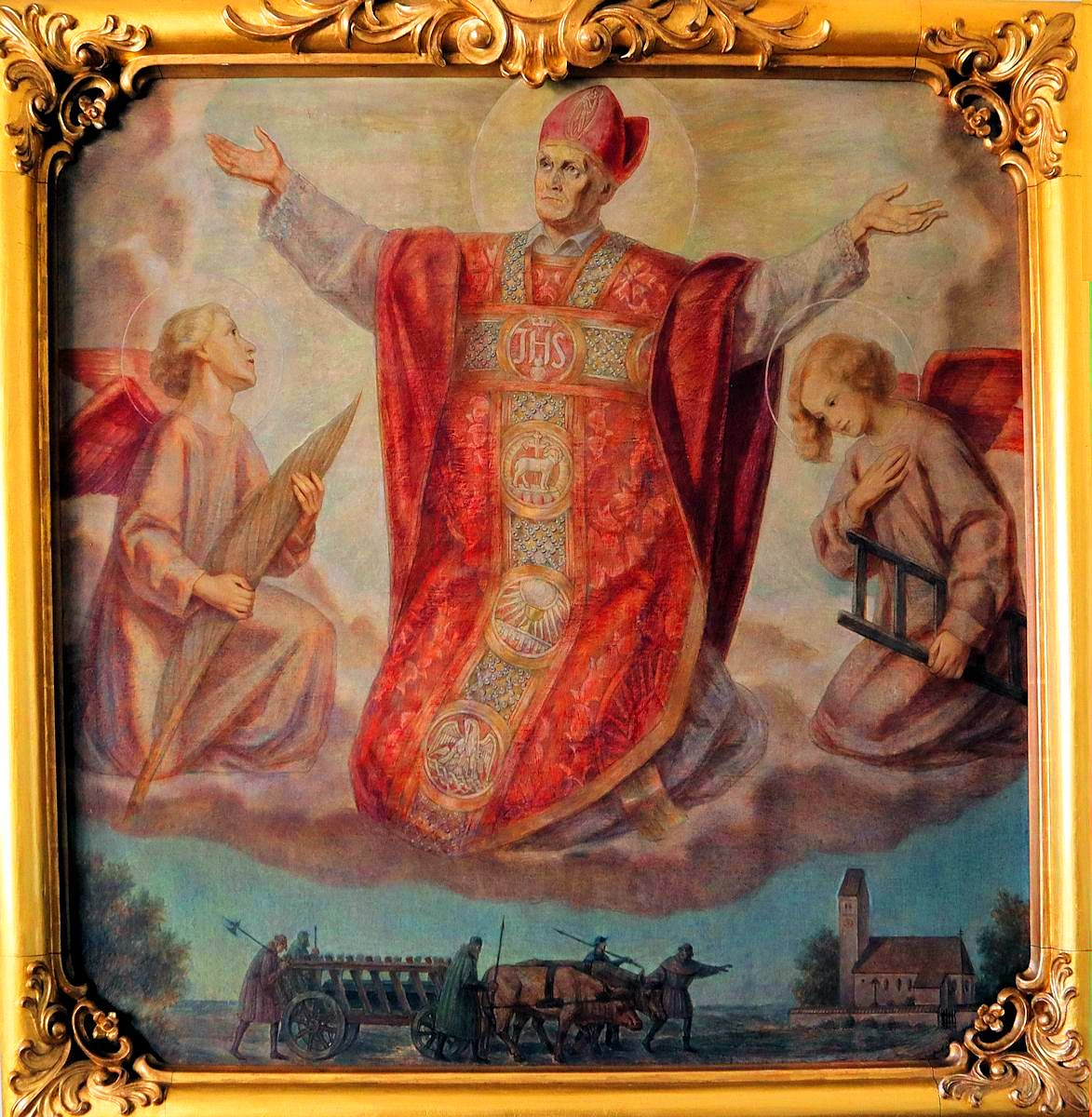
St Emmeramus(Died c690) Bishop of Regensburg, Martyr , Missionary Born in Poitiers, France and died on 22 September c652 in Feldkirchen near Munich in Bavaria by being murdered. Patronages – of Poitiers in France and of the City and Diocese of Regensburg in Germany. The Roman Martyrology reads today: “At Ratisbon, in Bavaria, St Emmeramus, Bishop and Martyr, who, to deliver others, endured patiently a most cruel death, for the sake of Our Lord.” His Life and Death: https://anastpaul.com/2024/09/22/saint-of-the-day-22-september-st-emmeramus-of-regensburg-bishop-martyr/
St Irais St Jonas St Lauto of Coutances St Lindru of Partois
Blessed Otto O.Cist. (c1111-1158) Bishop of Freising, Cistercian Priest and Abbot Historian, Reformer, Diplomatic Peace-maker, Defender of the Church, Crusader. Born between 1111 and 1114 in Klosterneuburg near Vienna, Austria and died at Morimond, Champagne, France, on 22 September, 1158 at the young age of 47 at the most. Holy Man of Many Talents St Otto: https://anastpaul.com/2023/09/22/saint-of-the-day-22-september-blessed-otto-of-freising-o-cist-c1111-1158-bishop/
St Sadalberga St Sanctinus (c270-356) Bishop of Verdun and Meaux, Martyr?
St Sigfrid of Wearmouth St Silvanus of Levroux St Symphorian
DISCLAIMER: Please note: I cannot control the content of the Advertisements on this Site, or of pop-ups which may appear, The revenue from the Advertisements, however, does provide a little assistance in the support of the Site. I do apologise for any inappropriate content.
Saint of the Day – 21 September – St Eusebius Martyr of Phoenicia. We have no dates for this Saint and little information of any kind, except that which we obtain from the Martyrology and a little from the Bollandists.
The Roman Martyrology reads today: “In Phoenicia, St Eusebius, Martyr, who of his own accord went to the Prefect and declared himself a Christian, was subjected by said Prefect to many torments and finally beheaded.”
According to the Roman Martyrology, in which he is commemorated as above and an Eastern Calendar cited by the Bollandist Stilting, which discusses the same date, Eusebius voluntarily presented himself to the Governor of Phoenicia, who questioned him to ascertain whether he was a following of Christ and a member of His Flock.
Upon his confirmation he was whipped until he bled, salt was placed on his bleeding wounds and numerous torments were inflicted upon him to break his faith but, to no avail.
The Martyr exulted as if it were someone else’s body which was suffering.
St Meletius of Cyprus – Bishop and Confessor in Cyprus. Martyr. No further information has survived.
Martyrs of Gaza – 3 Saints: Three brothers, Eusebius, Nestulus and Zeno, who were seized, dragged through the street, beaten and murdered by a pagan mob celebrating the renunciation of Christianity by Julian the Apostate. They were burned to death in 362 on a village garbage heap in Gaza, Palestine.
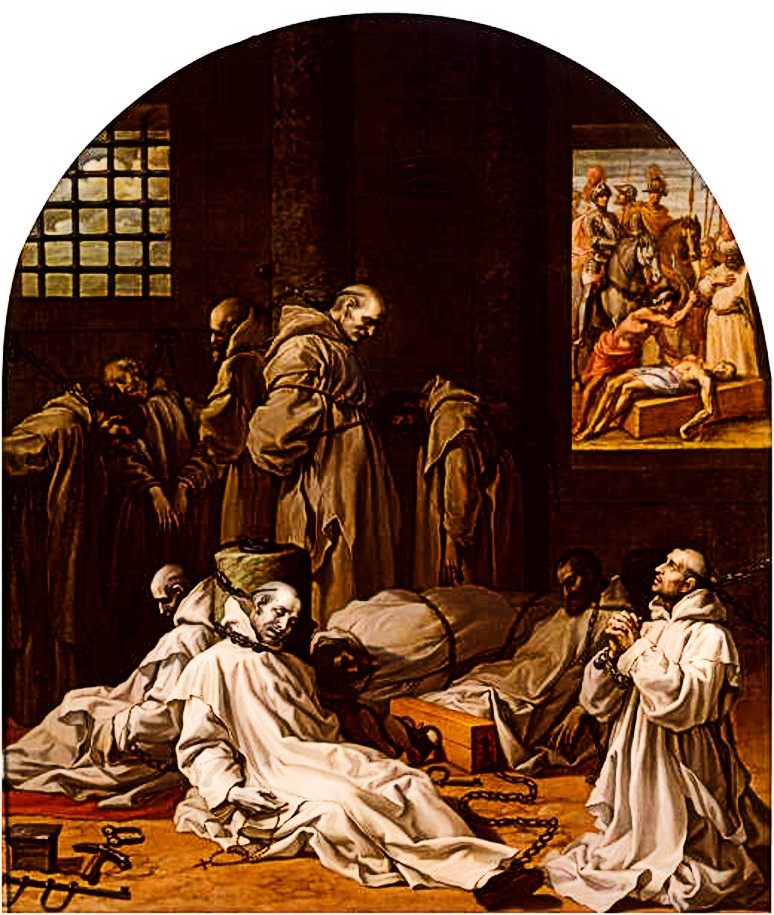
Saint of the Day – 20 September – Blessed Thomas Johnson O.Cart. (Died 1537) Priest Martyr, English Carthusian Monk of the Charterhouse in London. Unknown birthdate but died by being starved to death at Newgate Prison, London. Blessed Thomas holds the dubious title of being “the last of the Charterhouse Martyrs to die.”
The Carthusian Priest Thomas Johnson, like his fellow Monks at the London Charterhouse, was a victim of Henry VIII’s persecution after the schism from Rome.
In London, Thomas Johnson was involved in the terrible events as we know from the lives of the other Charterhouse Martyrs which saw the Carthusian Monks first arrested on 20 May 1537 and then slowly left to die in freezing conditions, in hunger, in immense suffering and abuse in the infamous, fearsome and horrible Newgate Prison.
Of the ten of his incarcerated brothers, Thomas Johnson was the one who survived the longest; in fact, all the the others, exhausted by privations, died between June and August 1537 i.e. lasting for between weeks to 2 months.
It is speculated that, in addition to probably having a stronger constitution, capable of longer enduring the oppression imposed by the jailers, Thomas Johnson was kept alive longer in the hope of obtaining his acceptance of the Act of Supremacy. However, all was in vain, as the ‘final victim’ ascended to Heaven on 20 September 1537, cexactly 4 months after his arrest, onsumed by hunger and thirst, remaining faithful to the principles of his faith, despite having been severely tested by having outlived his beloved brothers.
All the Carthusian Martyrs were Beatified by Pope Leo XIII on 9 December 1886. Their memory is commemorated in London, each on the day of their death and also together on 4 May as the Carthusian Martyrs of London.
Blessed Thomas Johnson O.Cart. (Died 1537) Priest Martyr
Martyrs of Constantinople – 3 Saints: A Priest and two Bishops who were imprisoned, tortured and Martyred for the defence of icons in the iconoclast persecutions of Emperor Leo the Isaurian. – Andrea, Asiano and Hypatius. They were Martyred in 735 in Constantinople (modern Istanbul, Turkey) and their bodies were thrown to the dogs.
Martyrs of Pergen – 6 Saints: A group of lay people Martyred in the persecutions of Emperor Elagabalus. The names that have come down to us are Dionysius, Dioscorus, Philippa, Privatus, Socrates and Theodore. They were crucified c 220 at Pergen, Pamphylia, Asia Minor (in modern Turkey).
Saint of the Day – 19 September – St Eustochius (Died c461) Bishop of Tours, a zealous shepherd and defender of the Church and his flock against secular interference, a Reformer of the discipling amongst the Clerics. He formed new Parishes and built new Churches. Born in Auvergne, France and died in c461 in Tours, France. Also known as – Eustachius.
The Roman Martyrology reads today: “At Tours, St Eustochius, Bishop, a man of great virtue.”
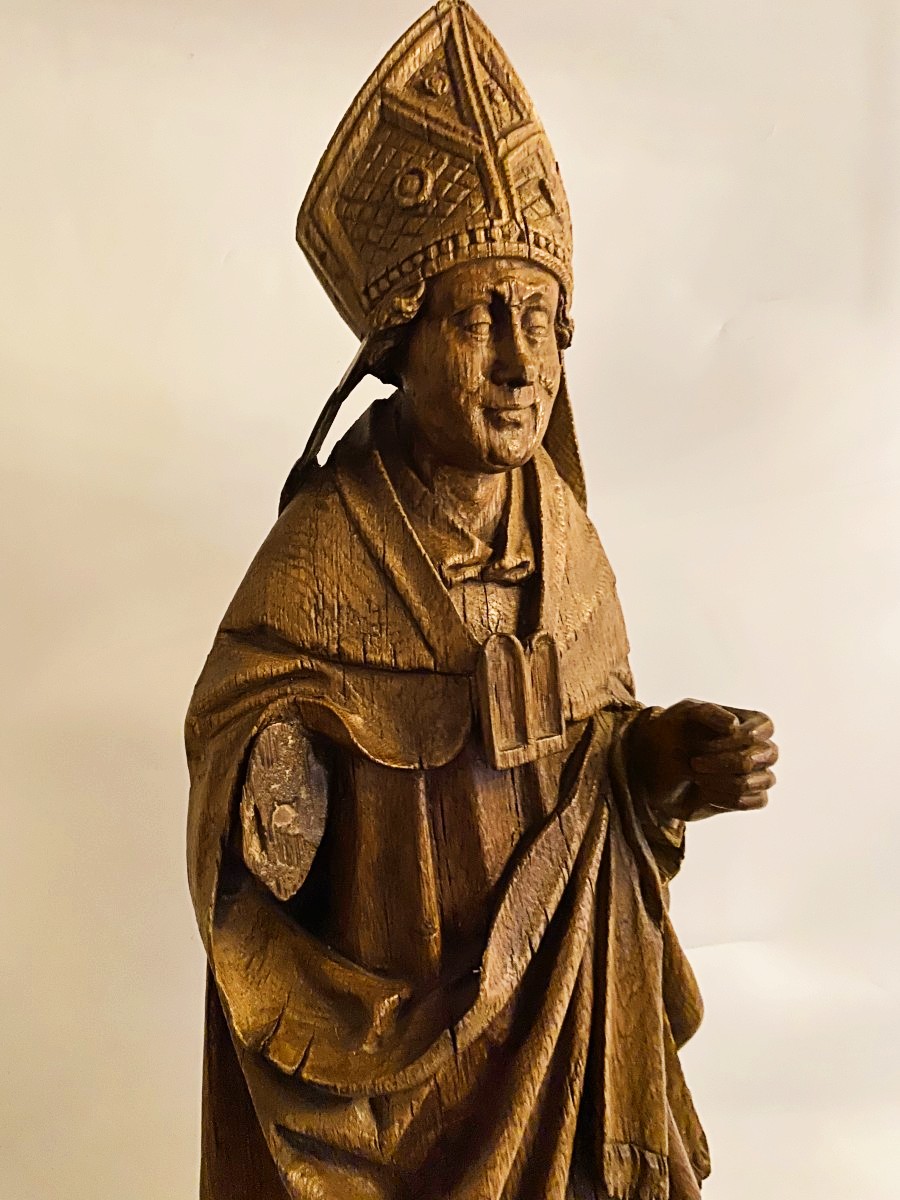
A wooden Statue of an unknown French or Flemish Bishop
Eustochius was descended from an illustrious family of Auvergne and, according to St Gregory of Tours, was a man of eminent virtue.
Being raised to the See of Tours after the death of St Brice in 444, Eustochius, at the Council of Angers, strenuously defended the privileges of the Church which were threatened by a law imposed by Emperor Valentinian III.
Eustochius, thereafter, had a principal share in composing the Decrees reached at that Council concerning discipline.
Eustochius also increased the number of Parishes in his Diocess and built in the City of Tours, a Church, wherein he translated the Relics of Saints Gervasius and Protasius which St Martin had received from Rome.
He died in c461 and was buried in the Church built by St Brice over the Tomb of St Martin.
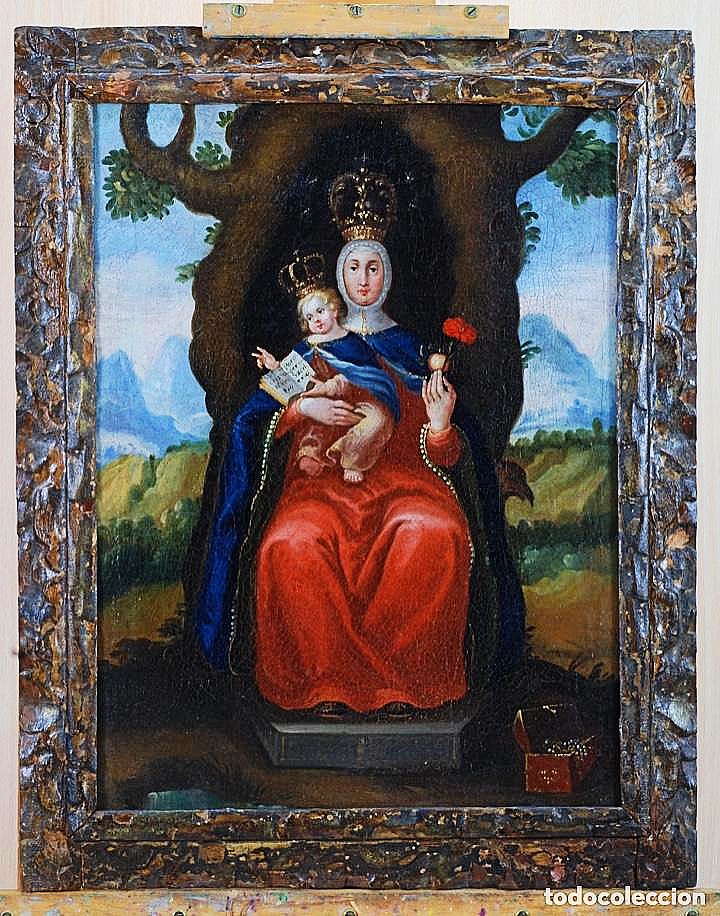
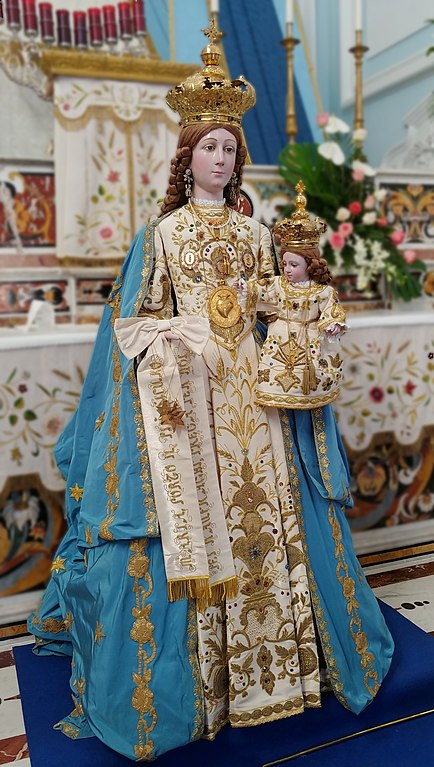
Notre-Dame de la Salette / Our Lady of La Salette), La Salette-Fallavaux, Isère, Rhône-Alpes, France (1846) 19 September: Our Lady appeared to two small children, Melanie Mathieu and Maximin Giraud, on the mountain of La Salette in the French Alps. She was crying and around her neck was a crucifix, with a hammer and pincers on either side – 19 September 1846. Approved by the Diocesan Bishop in 1851. Read the story here: https://anastpaul.wordpress.com/2017/09/19/feast-of-our-lady-of-la-salette-19-september/
St Arnulph of Gap Bl Carolus Hyon Song-Mun St Constantia of Nocera St Desiderius of Pozzuoli St Eustochius (Died c461) Bishop of Tours St Felix of Nocera St Festus of Pozzuoli
St Goeric (c570-c643)Bishop of Metz – Goeric is listed as the 30th Bishop of Metz, having governed that See from 625 to 642 or 643. The Roman Martyrology rads: “In Metz in Austrasia, still in the territory of today’s France, Saint Goeríco or Abo, Bishop, who succeeded Saint Arnulf, whose body was transported with veneration to this City.” His Life of Service: https://anastpaul.com/2023/09/19/saint-of-the-day-19-september-saint-goeric-of-metz-c570-c643-bishop/
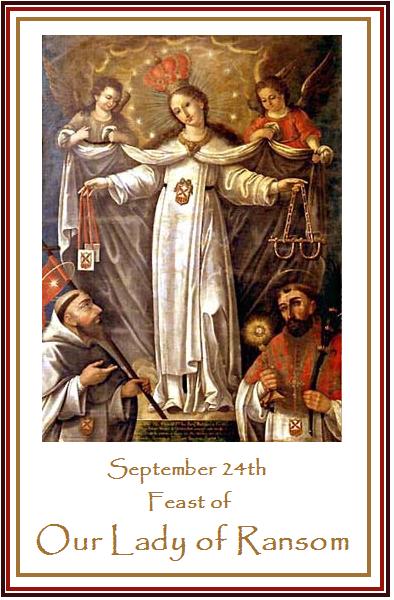
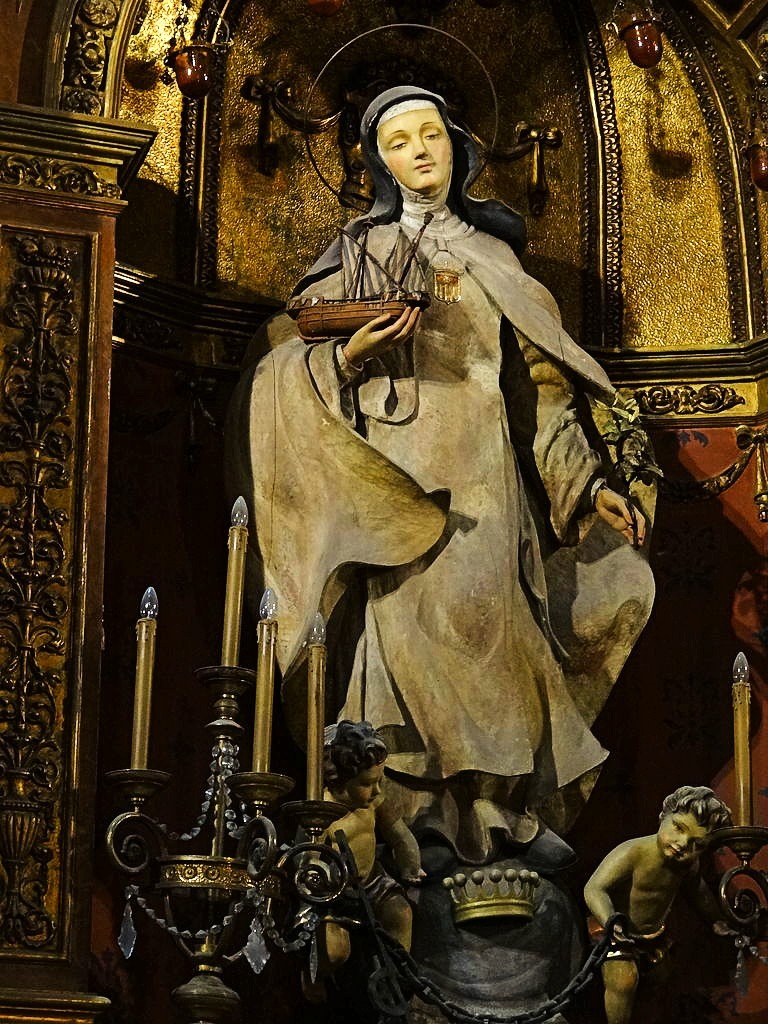
St Maria de Cervellón OdeM (1230 – 1290) Virgin, Catalan Superior of Second Order of the Mercedarians in her region. Mystic, graced with the gift of bilocation, Apostle of the poor, the abandoned, the needy. She was the first woman to wear the Habit of the ‘ Order of the Blessed Virgin Mary of Ransom. She is considered the Founder of the Mercedary Nuns. Her entry in the Roman Martyrology states: “At Barcelona in Spain, blessed Maria de Cervellione, Virgin of the Order of Our Lady of Ransom. She is commonly called Maria of Help on account of the prompt assistance she renders to those who invoke her.“ Patronages – Mercadarian Nuns and Sisters, Navigators, against shipwreck, Spanish sailors, of the abandoned. On 13 February1692, Pope Innocent XII gave a favourable judgement and confirmed her immemorial cult;and she was introduced into the Roman Martyrology as a Saint on 8 November 1729. Her body is Incorrupt. Her Holy Life: https://anastpaul.com/2021/09/19/saint-of-the-day-19-september-st-maria-de-cervellon-odem-1230-1290/ Please watch this video if you are able to spare the time. It is absolutely beautiful.
Martyrs of Antioch – 3 Saints: Christians imprisoned, tortured and executed in various ways in the persecutions of Emperor Probus; some names have come down to us – Dorymedon, Sabbatius and Trophimus. c 277 at Antioch (in modern Turkey).
Martyrs of Phunon – (4 aints): Four bishops in Egypt who were sentenced to forced labour in a rock quarry and martyred in the persecution of Diocletian. Noted for celebrating Mass in prison. – Elias, Nilus, Patermuzio and Peleus. They were burned to death in 310 at Phunon, near Petra in Palestine.
Saint of the Day – 18 September – St Eumenius (3rd Century?) Bishop and Confessor, Miracle-worker. Also known as – Emenius, Emenes, … of Gortyna, … the Wonder-Worker.
The Roman Martyrology reads today: “In Gortyna, Crete, St Eumenus, Bishop and Confessor.”
Eumenius was the Bishop of Gortyna, the ancient metropolis of Crete, Greece. Although no Vita exists, there is abundant evidence of his cult in the Greek Church and with much information on the Saint’s life.
Eumenius had dedicated himself to a life of prefection from a young age, especially practisng humility, penance and charity toward all. For this reason, he not only distributed his considerable wealth to the poor but also always avoided criticising or listening to criticism of others.
Being elected as the Bishop of Gortyna, Eumenius performed a holy and zealous apostolate and numerous miracles there, for which all sources insist on calling him Eumenius ‘the Wonder-Worker.’
Some of these sources also recount that he went to Rome, where he also performed miracles and was a “bright torch of doctrine” to all. From there, he went to the Thebaid, where he died at a very advanced age on 18 September. The local inhabitants, however, returned his body to the island of Crete, where he was buried in a place called Rado and there too, “from then until today,” the miracles due to his intercession have continued.
St Joseph of Cupertino OFM Conv. (1603-1663) Confessor, Religious Priest of the First Order of St Francis and Friar, Mystic, Miracle-worker. If ever a tiny child began life with nothing in his favour it was Joseph of Cupertino; he had only one hopeful and saving quality—that he knew it. … – Read on and be ashamed, for this is a Saint before the Throne of God! All about the this holy Flying Saint here: https://anastpaul.wordpress.com/2017/09/18/saint-of-the-day-18-september-st-joseph-of-cupertino-o-f-m-conv-1603-1663/
St Eustorgius (Died c349) The Ninth Bishop of Milan, Confessor, Defender of the Faith. Both St Athanasius and St Ambrose remember Eustorgius of Milan as one of the most steadfast and illustrious opponents of the Arian heresy. The Roman Martyrology says of him: “At Milan, St Eustorgius, Bishop of that City, highly recommended by blessed Ambrose.” A Holy Shepherd: https://anastpaul.com/2021/09/18/saint-of-the-day-18-september-saint-eustorgius-of-milan-died-c-349/
St Ferreolus the Tribune St Ferreolus of Limoges St Hygbald St Irene of Egypt
St Methodius of Olympus (Died c311) Confessor, Bishop, Martyr, Ecclesiastical Scholar and Author, renowned Theologian. The Roman Martyrology reads today: “The same da, [as St Joseph of Cupertino] the birthday of St Methodius, Bishop of Olympus in Lycia and afterwards of Tyre. Most renowned for his eloquence and learning. St Jerome says that he won the Crown of Martyrdom at Chalcis in Greece at the end of the last persecution there.” His Life and Death: https://anastpaul.com/2023/09/18/saint-of-the-day-18-september-saint-methodius-of-olympus-died-c311-bishop-martyr/
St Agathoclia St Brogan of Ross Tuirc Blessed Cherubino Testa OSA (1451-1479) Priest, Friar St Columba of Cordova St Flocellus
St Francis Mary of Camporosso OFM Cap (1804-1866) Lay Friar of the Friars Minor Capuchin Branch, “Quaestor” or Alms collector, as well as humble services such as Infirmarian, Cook, Gardener, Sacristan, gentle carer of the Poor, the sick, the imprisoned, the needy of all kinds, both spiritual and material. Francesco was gifted with immense graces to touch the hearts of all, both small and great and to listen and advise, often blessed with the gifts of prophecy and mind-reading. Born Giovanni Evangelista Croese on 27 December 1804 at Camporosso, Liguria, Kingdom of Sardinia. Italy and died on 17 September 1866 (aged 61) at Genoa, Italy. P The Beloved Questor: https://anastpaul.com/2022/05/11/saint-of-the-day-11-may-st-francesco-maria-da-camporosso-ofm-cap-1804-1866-the-beloved-questor/
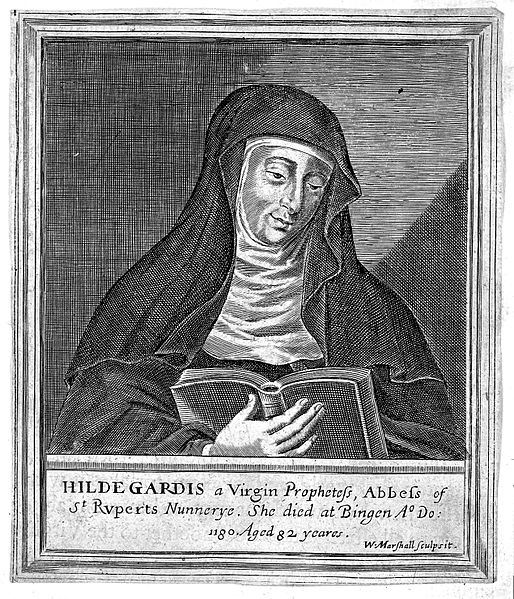
Blessed Hildegard Abbess at Bingen OSB (1098-1179). She was Beatified on 26 August 1326 by Pope John XXII. St Hildegard is also known as Saint Hildegard and Sibyl of the Rhine, was a German Benedictine Abbess, Theologian, Writer, Composer, Philosopher, Poet, Mystic, Visionary, Founder, Scientist, Artist and Polymath. Amazing Hildegard: https://anastpaul.wordpress.com/wp-admin/post.php?post=39136&action=edit
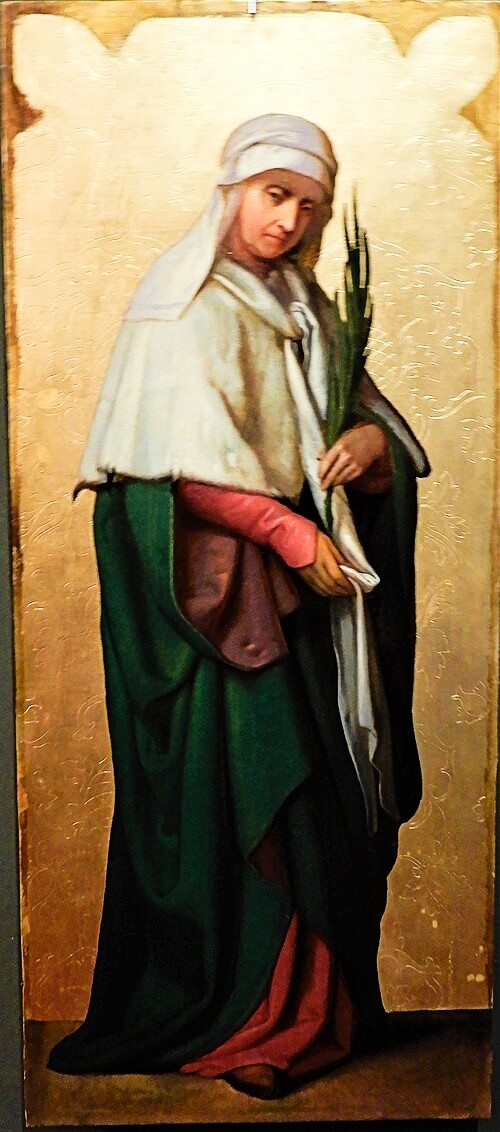
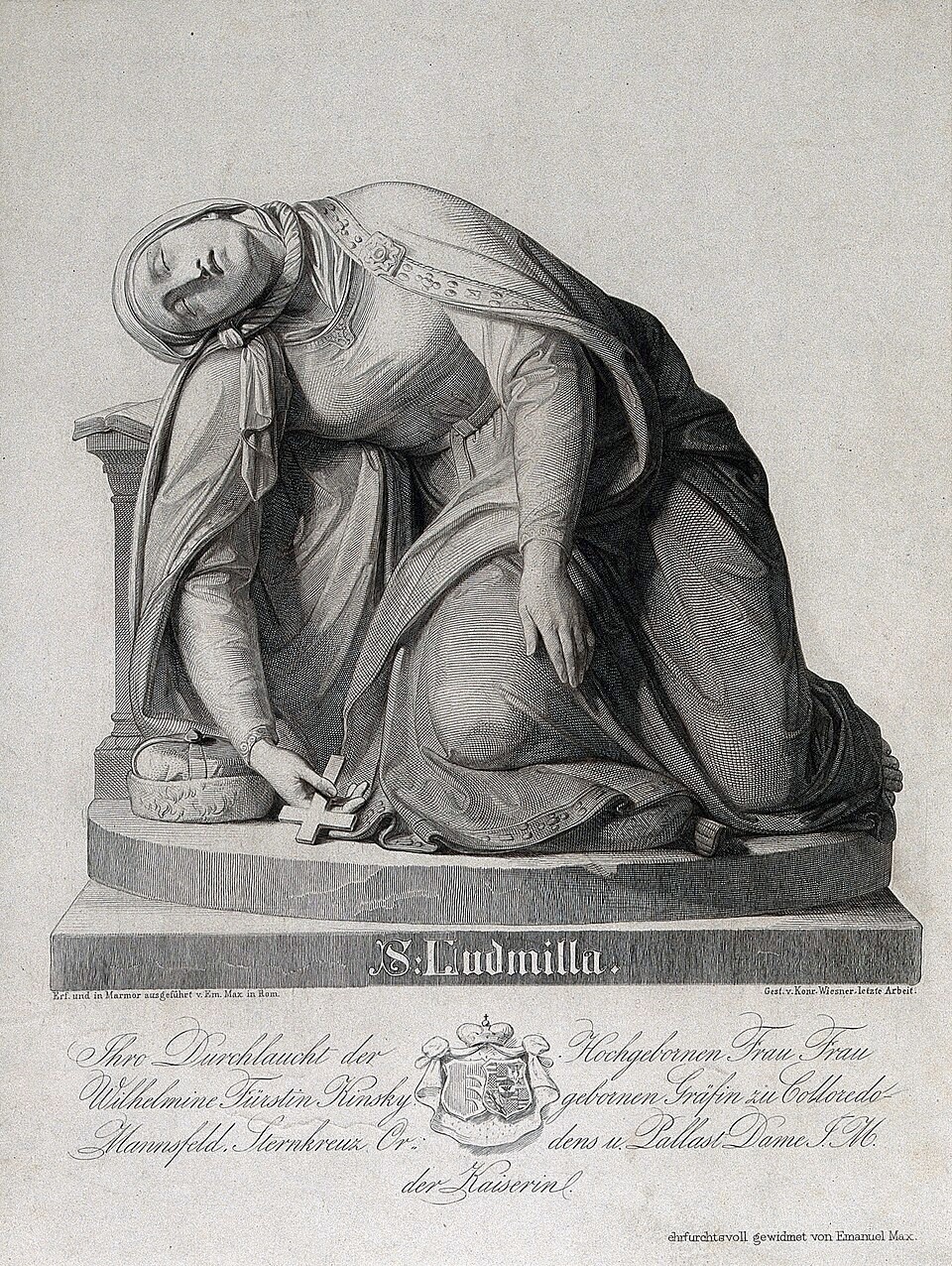
Saint of the Day – 16 September – St Ludmila (c860-921) Martyr, Mother, Widow, apostle of the poor and ill. Ludmila was the grandmother of Saint Wenceslaus, who is widely referred to as Good King Wenceslaus. Born in c860 at Mielnik (in modern Poland) and died by strangulation by hired assassins at Tetin, (modern Czech Republic) on 15 September 921 by the orders of her daughter-in-law, due to her influence over Saint Wenceslaus, her Grandson. Patronages – against in-law problems, Catechists, converts, Duchesses, mothers, widows, Bohemia, Czech Republic, the City of Prague, Czech Republic. Also known as – Ludmilla. Saint Ludmila was Canonisd shortly after her death. As part of the process of Canonisation, in 925, St Wenceslaus translated her remains to St George’s Basilica, Prague.
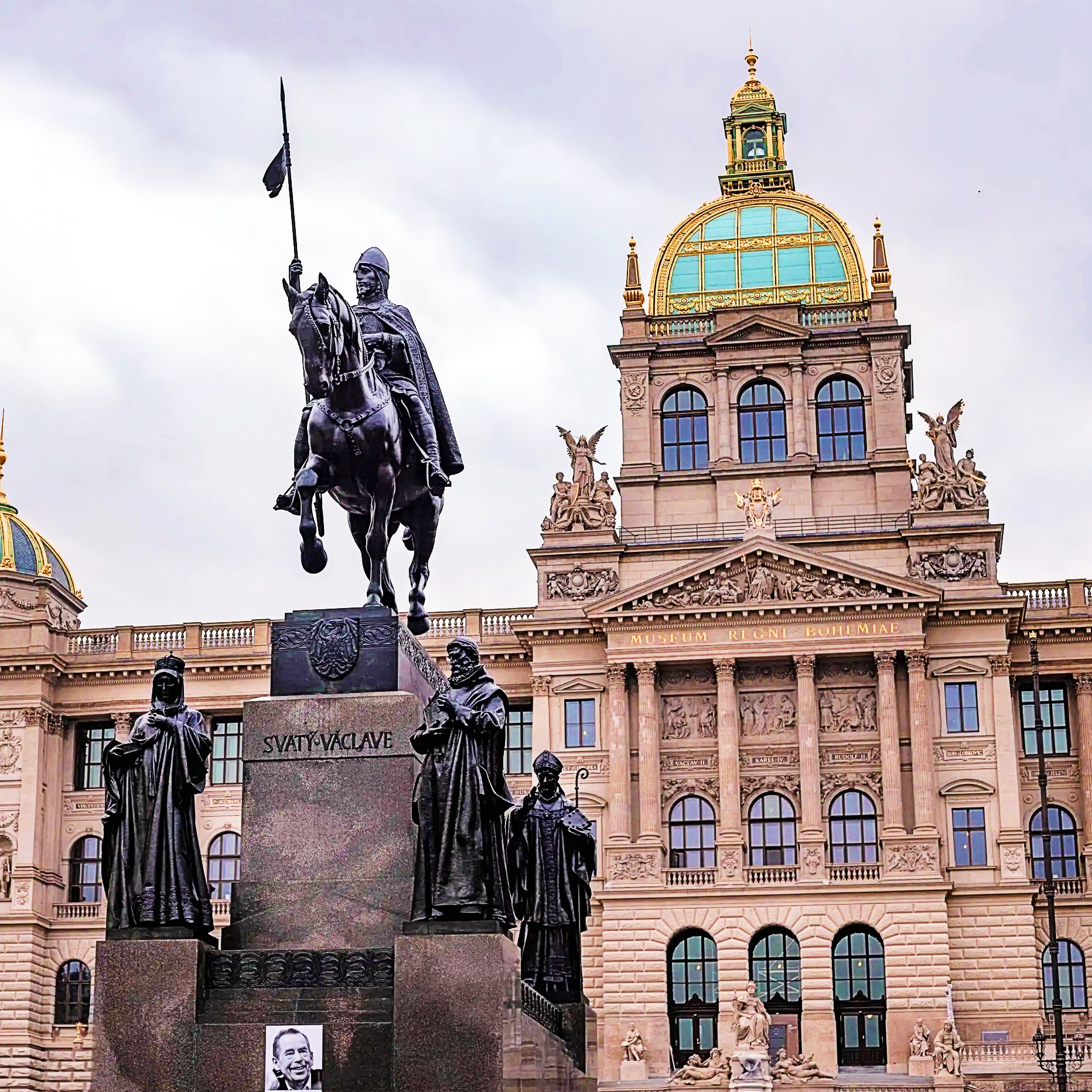
Anyone who has been to Prague will certainly remember, among its countless and breath-taking monuments and statuess, shrines and displays, the enormous Wenceslas Square, strategically located between the Old Town and the New as a symbol of national destiny and Czech identity in modern history.
There, beneath the National Museum, stands the equestrian Monument of the Patron Saint, Saint Wenceslas (c905–935), the propagator of Christianity in Bohemia and murdered as a young man by his diabolical brother, Boleslav. His large Statue is surrounded by the four Bohemian Patron Saints: Adalbert and Agnes behind him, Prokop and, not coincidentally, Ludmila herself.
St Ludmila on the left
She was Wenceslas’ Grandmother, with a name which translates from Slavic means “beloved of the people” and the title, after her death of “mother of the poor” for her charitable works. She was born around 860 in Lusatia, a historical region located in Central Europe and divided today between Poland, Germany and the Czech Republic. Her father, Slavibor, was the Duke of Milsko and Ludmilla married Borisvoj, Duke of Bohemia,in 873, while still a teenager. The two were later Baptized by Saints Cyril and Methodius, Apostles of the Slavs in the 9th Century.
The couple were blessed with three sons and three daughters and were committed to their Christian education and, at the same time, to the spread of Christianity in that region.
Widowed in 894, Ludmila donated all her possessions to the poor and devoted herself to a life of piety, living with her eldest son, Vratislaus. When he died prematurely in 916, the nobles entrusted the Regency of the Duchy to his wife, Drahomira and the education of their firstborn grandson, Wenceslaus, to his Christian Grandmother. Drahomira, still essentially attached to paganism and jealous of her mother-in-law’s influence over the child, forced Ludmila to retreat to Tetin Castle. There, in 920, the poor widow was strangled with the widow’s veil she wore, likely on Drahomira’s orders.
Wenceslas, as soon as he came of age and became the Duke himself, had his Grandmother’s Relics, venerated and miracle-working, translated to the Basilica of the Ducal Castle in Prague. Unfortunately, this Basilica was transformed into a museum during the communist regime in Czechoslovakia.
St Abundantius of Rome St Abundius of Rome St Cunibert of Maroilles St Curcodomus St Dulcissima of Sutri
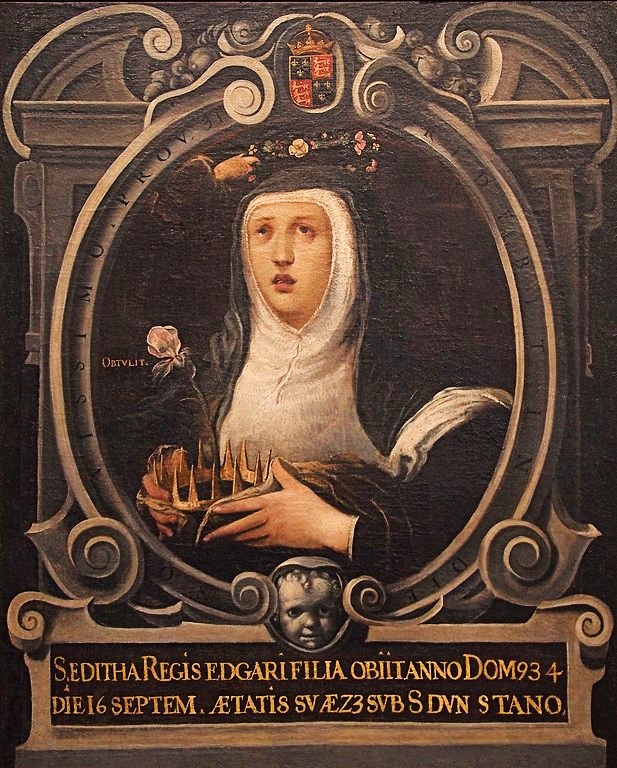
St Edith of Wilton (961-984) Virgin, Nun, Princess, Founder of a Church and a Hospital for the poor. Born in 961 at Kensing, Kent, England and died on 15 September 984 aged just 23 years, a date foretold by Saint Dunstan of Canterbury, of natural causes. Edith is one of the most venerated female Saints of England. Her extensive legacy continues to this day – there is a Pilgrimage route, “St Edith’s Way” and annual devotions take place on her Feast day. An Astounding Life: https://anastpaul.com/2023/09/16/saint-of-the-day-16-september-saint-edith-of-wilton-961-984-virgin-nun-princess/
Blessed Luigi Ludovico Allemandi (c1390-1450) Bishop and Cardinal, called “The Cardinal of Arles.” Blessed Luigi was a Priest driven by immense love for the Holy Mother of God and for the Church. His involvement in various Councils and Papal dissentions, were the result of his great desire to maintain the purity of the Chair of Peter. He was Beatified in 1527 by Pope Clement VII. His Devoted Life; https://anastpaul.com/2020/09/16/saint-of-the-day-blessed-luigi-ludovico-allemandi-c-1390-1450/
St Lucia and St Geminianus (Died c300) Virgin Martyrs of Rome + St Ludmila (c860-921) Widow, Martyr of Bohemia St Marcian the Senator Bl Martin of Huerta Bl Michael Himonaya
Bl Paul Fimonaya St Priscus of Nocera St Rogellus of Cordoba St Sebastiana St Servus Dei St Stephen of Perugia
Martyrs of the Via Nomentana: Four Saints: Christian men Martyred together, date unknown – Alexander, Felix, Papias and Victor. They were Martyred on the Via Nomentana outside Rome, Italy.
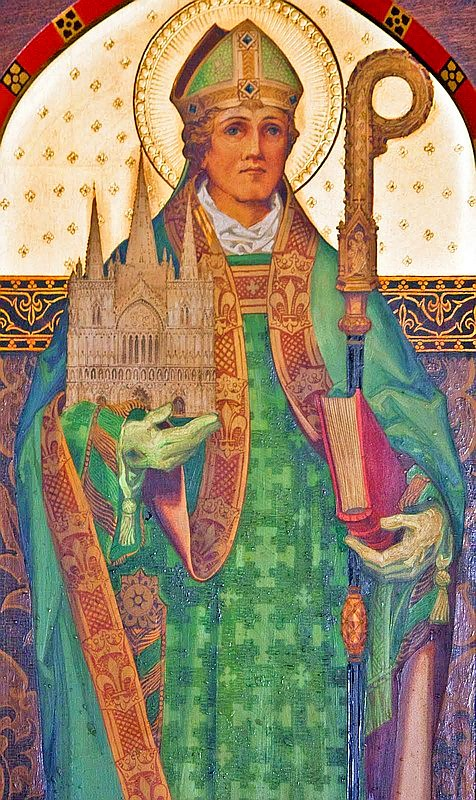
Saint of the Day – 15 September – Saint Allbinus (Died c400) the 14th Bishop of Lyon and the Founder of the Cathedral of St Stephen in Lyon. Also known as – Alpin, Albin, Aubin, St Albinus.
The Roman Martyrology reads today: “At Lyon, St Allbinus, the Bishop.”
It seems that the name of our Saint today was originally Alpin, altered to Allbinus, by St Bede and the Martyrologies which succeed him.
According to them, Allbinus succeeds St Justus in 390 and was a holy Bishop. He is believed to be the Founder builder of the St Stephen’s Cathedral and its Baptistry, where St Allbinus was duly buried. He died around 400.
St Aichardus St Albinus (Died c400) Bishop of Lyon St Aprus of Toul St Bond of Sens St Emilas of Cordoba St Eutropa of Auvergne Holy 5th Century widow in Auvergne, France. No other information has survived. St Hernan St Jeremias of Cordoba St Joseph Abibos
St Leobinus (Died c448) Bishop of Chartres, Abbot, Hermit, Miracle worker – he had the gift of healing, especially of dropsy or edema – born as Lubin at Poitiers, France and died on 14 March c558 of natural causes. Patronages – against dropsy/oedema, against rheumatism, of innkeepers and wine merchants. His Feast Day is today 15 September. It was moved in around 1969. Zealous St Leobinus: https://anastpaul.com/2020/03/14/saint-of-the-day-14-march-saint-leobinus-of-chartres-died-c-558/
St Mamillian of Palermo St Melitina St Mirin of Bangor St Nicetas the Goth
St Nicomedes (Died c71) Priest and Martyr. The Roman Martyrology reads today: “In Rome, on the Nomentan Way, the birthday of the blessed Nicomedes, Priest and Martyr. As he said to those who would compel him to sacrifice: “I sacrifice only to the Omnipotent God, who reigns in Heaven.” He was scourged, for a very long time with leaded whips and thus, went to our Lord.” His Life and Death: https://anastpaul.com/2023/09/15/saint-of-the-day-15-september-st-nicomedes-died-c71-priest-and-martyr/
St Porphyrius the Martyr St Ribert St Ritbert of Varennes
Bl Tommasuccio of Foligno St Valerian of Châlon-sur-Saône St Valerian of Noviodunum St Vitus of Bergamo
Martyrs of Adrianopolis – 3 Saints: Three Christian men Martyred together in the persecutions of Maximian – Asclepiodotus, Maximus and Theodore. They were martyred in 310 at Adrianopolis (Adrianople), a location in modern Bulgaria.
Martyrs of Noviodunum – 4 Saints: Three Christian men martyred together, date unknown – Gordian, Macrinus, Stratone and Valerian. They were martyred in Noviodunum, Lower Moesia (near modern Isaccea, Romania).
Mercedarian Martyrs of Morocco – 6 Beati: A group of six Mercedarians who were captured by Moors near Valencia, Spain and taken to Morocco. Though enslaved, they refused to stop preaching Christianity. Martyrs. – Dionisio, Francis, Ildefonso, James, John and Sancho. They were crucified in 1437 in Morocco.
DISCLAIMER: Please note: I cannot control the content of the Advertisements on this Site, or of pop-ups which may appear, The revenue from the Advertisements, however, does provide a little assistance in the support of the Site. I do apologise for any inappropriate content.
Saint of the Day – 14 September – Saint Crescentius c292-c303) Child Martyr of Rome who died under the persecutions of Diocletian. Patronage – of Perugia and Sienna, Italy.
The Roman Martyrology reads today: “On the Salarian Road, at Rome, during the pwersecution of Diocletian, St Crescentius, the young son of St Euthymius, who ended his life by the sowrd, under the Judge Turpilius.”
Born in Rome, toward the end of the 3rd Century, into a family where the Gospel was lived daily, even amidst the most ferocious persecutions like that of Diocletian, this boy was born with an auspicious name, a promise of growth not only physical, but above all spiritual and moral.
Crescentius, was the young son of a Roman patrician couple who fled to Perugia in the persecution of Diocletian. here, the father St Euthemius died of natural causes but Crescentius was brought back to Rome to be executed on the Via Salaria. He was eleven years old. He is sometimes associated with St George because he is shown stepping on the legendary dragon.
He was buried in the Cemetery of Priscilla on the Via Salaria. His place of burial became a focus of pilgrimage and veneration in the Middle Ages. In around 1058, his body was translated from Rome to Siena by Pope Stephen IX at the request of Bishop Antifredus. Other Relics were translated to Tortosa in 1606.
Saint Crescentius, Maestà of Duccio.
The only biographical source concerning Crescentius was derived from the copy of a manuscript dated 1600 and conserved in the Biblioteca Vallicelliana. His Acts were written long after the death of this Saint, probably around 1058, when Crescentius’ body was translated to Siena. During the Middle Ages, Crescentius was the subject of a popular cult there and he remains an important Patron of the City.
St Crescentian of Carthage St Crescentius (Died c300) Child Martyr of Rome St Generalis of Carthage St Giulia Crostarosa St Jean Gabriel Taurin du Fresse
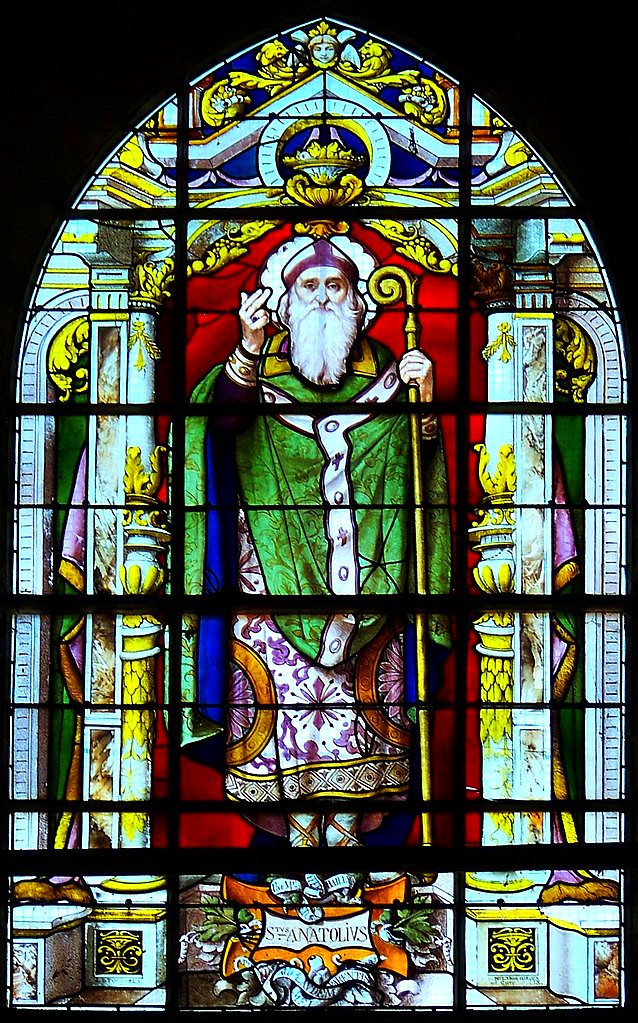
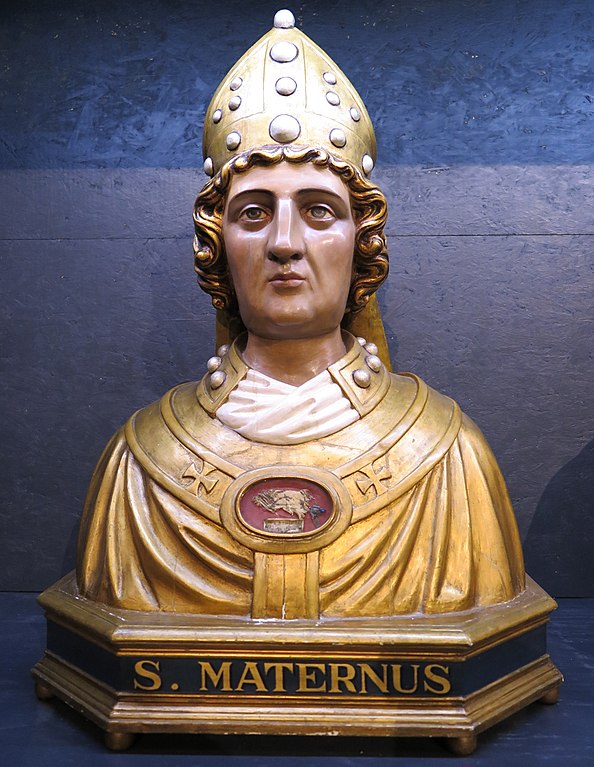
St Maternus (Died c 325)Bishop, the first Bishop of Cologne and Founder of the Diocese of Tongeren, Germany. In Cologne and in his hometown of Trier, the faithful began to venerate him as a Saint. A popular cult of which the splendid 13th Century stained glass windows in the Cathedral Chapel dedicated to his name, also testify. He was buried in the Cathedral of Cologne but the Cathedral of St Peter in Trier boasts a large Reliquary which became and remains, a pilgrimage site. His Life of Love: https://anastpaul.com/2021/09/14/saint-of-the-day-14-september-saint-maternus-of-cologne-died-c-325/
St Peter O.Cist (1102-1174) Cistercian Monk, Archbishop of Tarentaise from 1141 until his death, Abbot, Apostle of Charity, Miracle-worker. There are two Saints named Saint Peter of Tarentaise who lived one Century apart. The Saint we honour today, is the younger Peter, born in France in the early part of the 12th Century. The other Saint Peter if Tarentaise, became Pope Innocent V. His Holy Life: https://anastpaul.com/2019/09/14/saint-of-the-day-14-september-saint-peter-of-tarentaise-o-cist-1102-1174/
St Rosula of Carthage St Sallustia St Victor of Carthage
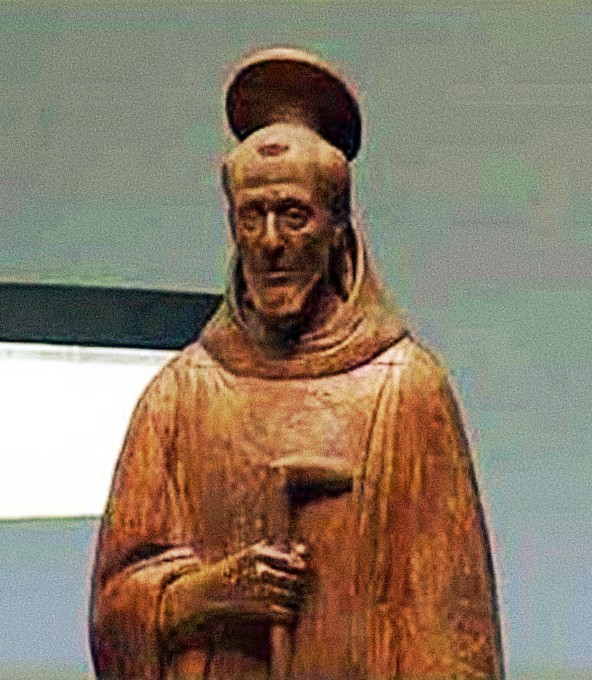
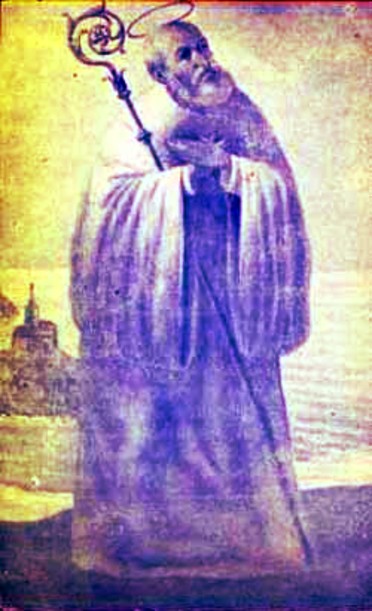
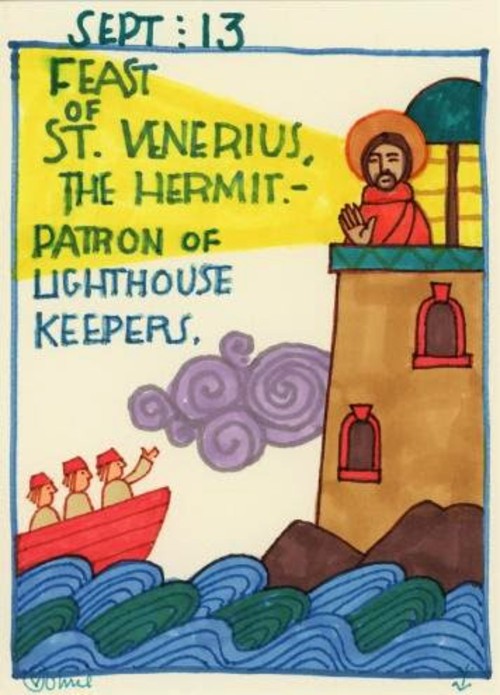
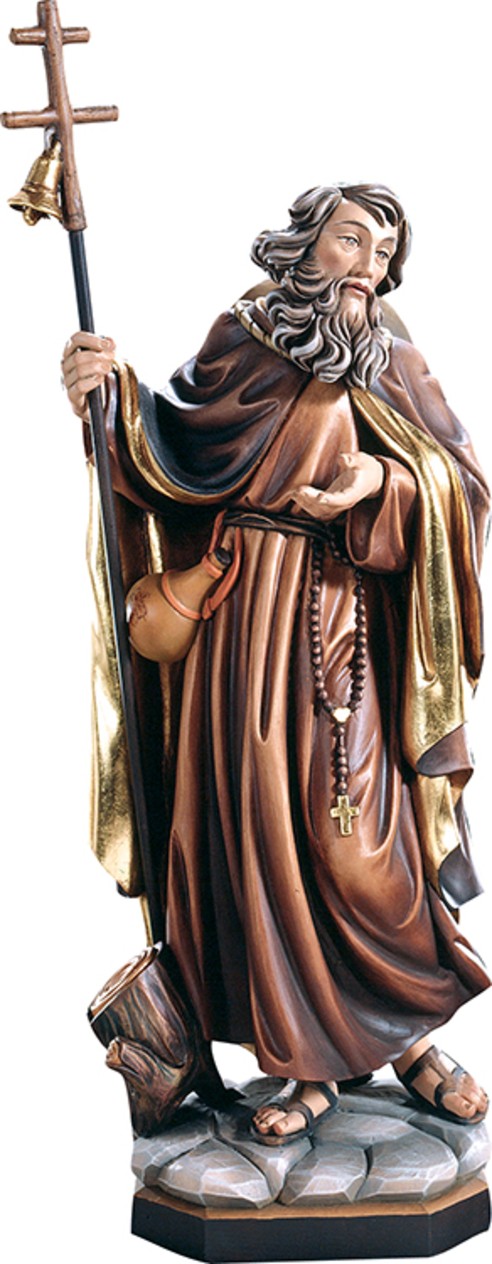
Saint of the Day – 13 September – St Venerius (c560-630) Confessor, Founder Abbot of the Monastery on the Island of Tino, near Genoa, Italy, Hermit, Ascetic, spiritual Counsellor, Miricle-worker. Borin in c560 on the Island of Palmaria and died in 630 on Timo Island. Patronages – of the Gulf of La Spezia, of Lighthouse Keepers. Also known as – Venerio.
The Roman Martyrology reads today: “St Venerius, Confessor, a man of admirable sancity, who led an eremitical life on the Island of Timo.”
Little is known of Venerius’ early life and family background. However, it is believed that he had a deep faith and piety from a young age. Venerius was drawn to a life of solitude and seclusion, seeking a deeper spiritual union with God. He decided to dedicate his life to prayer and contemplation, ultimately becoming a Hermit on the Island of Tino.
As a Hermit, Venerius lived a life of simplicity and asceticism, distancing himself from worldly distractions and focusing solely on his devotion to God. His exceptional piety and profound spiritual insight attracted disciples who sought his guidance. Thus Venerius was led to establish a Monastic community on the Island.
Under his leadership, the Monastery flourished, attracting many individuals seeking a life of prayer in quiet surroundings. Venerius, as an Abbot, nurtured the spiritual growth of his fellow Monks, instilling in them the values of humility, discipline and dedication to God.
Among the notable aspects of Venerius’ life, is the Lighthouse on the Island of Tino. This Lighthouse which served as a beacon of light and safety for ships navigating the treacherous waters, became a symbol of hope and spiritual guidance. Due to its importance, Venerius’ association with the Lighthouse, led to his Patronage becoming closely tied with Lighthouse Keepers.
Despite living a secluded life, Venerius never failed to extend his support and prayers to those who depended upon him for counsel. Pilgrims from near and far sought his intercession, seeking his spiritual counsel and assistance in their quest for holiness. Known for his deep faith and miraculous abilities, Venerius was credited with numerous cures and graces granted through his intercession.
Saint Venerius departed from this earthly life on 13 September 630, leaving behind a legacy of holiness, wisdom and devotion to God. His sanctity was widely recognised even during his lifetime and after his death, his reputation as a saintly man only grew.
Venerius’ exemplary life and the countless miracles attributed to him, led to his veneration as a Saint by the faithful. His Feast Day is celebrated on 13 September, commemorating the day of his birthday into eternal life. Saint Venerius is honoured as the Patron Saint of Lighthouse Keepers, who look to him as a heavenly protector and advocate. His dedication to God, his life as a Hermit and Abbot continue to inspire and offer solace to those entrusted with the safety and guidance of seafarers.
To this day, the memory of Saint Venerius lives on, serving as a testament to the power of prayer, the selflessness of a life devoted to God and the immense impact one individual can make in the lives of others.
Even in death, Venerius remains in the hearts of the people of the Gulf of La Spezia, of which he is the Patron, so much so that, when, about a century after his death, these lands and Towns were attacked by Saracen and then Norman ships, the first concern of the inhabitants of Porto Venere (named after our Saint) was to secure the Saint’s venerated remains.
NOTE: The Gulf of La Spezia, is a body of water on the north-western coast of Italy and part of the northern Tyrrhenian Sea, specifically of Ligurian Sea.
St Evantius of Autun St Gordian of Pontus St Julian of Ankyra St Litorius (Died 371) Bishopof Tours the 2nd Bishop of Tour, reigning for 34 years from 337 until his death in 371. He built the first Churches and the Basilica of Tours. Born in Tours and died there on 13 September 371 of natural causes. A Lengthy Career of Love: https://anastpaul.com/2024/09/13/saint-of-the-day-13-september-saint-litorius-of-tours-died-371-bishop/
Saint of the Day – 12 September – Saint Sacerdos/Saint Priest (487-552) Bishop of Lyon – the 27th encumbent of this high Office in Lyon, our Saint Priest (the meaning of Sacerdos) was highly visible at the Councils and in the construction and renovation of Churches, Monasteriest and was highly favoured by the King. In fact, as the Advisor to King Childebert, it is believed that he influenced the King to found a Hospital, between the Saint-Paul Church and the first Pont du Change. Born in 487 in Burgundy, France and died on 11 September 552 in Paris, where he had arrived for a the meeting of a Council. Also known as – Saint Priest, Sardot, Sacerdote, Serdon.
The Roman Martyrology reads today: “At Lyon, the decease of St Sacerdos, Bishop.”
Sacerdos belonged to a noble family of the Kingdom of Burgundy. Tradition tells us he was married and had a son. , Aurelien who became the Sainted Archbishop of Arles. A specific Epitaph also states that he was buried in the tomb alongside his son.
His Episcopate, temporally speaking, was entirely under the reign of Childebert, the 1st King of the Franks, who reigned in Lyon between 534 and 558.
Sacerdos did not participate in the Council of Orléans in 541 but presided over the Council held on 28 October 540, in the same City. The 24 Canos of that Council addressed various topics, including the condemnation of Monophysitism and Nestorianism; the limitation of the use of excommunication; the requirement of the master’s consent for the Ordination of a slave and the care of prisoners and lepers. This Ccouncil also ratified, with a specific and detailed Canon, the foundation of the hospice erected by the King in Lyon.
During his Episcopate, the construction of the Church of Saint Paul and that of Saint Eulalia, originally connected to a Monastery of Nuns, which later became the Church of Saint George. Toward the end of hisreign, he ordered major renovations to be carried out at the Monastery of Saint Peter.
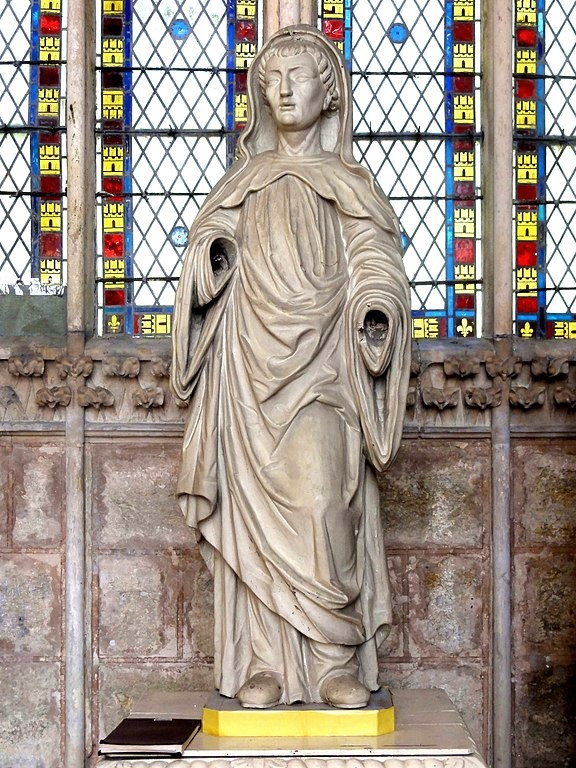
St Sacerdos Statue in the Church which he built, St Paul’s
A detailed account by St Gregory of Tours of his death in Paris has survived. Sacerdos was in Paris to participate in the Council convened by the King after the deposition of Bishop Saffaracus of Paris. St Gregory tells us that the King, having a special affection for Bishop Sacerdote, who had fallen ill in Paris, visited him during his illness. At that meeting, the Bishop requested the King to appoint his nephew, Nicetius (sT),as his successor to govern the Diocese of Lyon.
Sacerdote died at the age of 65, on 11 September 552. His body was transported to Lyon and buried in the Church of the Holy Apostles, a Church which, in later centuries, would be named after Saint Nicetius, our Saint’s son.
Numerous miracles flourished at his Tomb. An Epitaph on Saint Sacerdos remains, known from a 1308 transcription, carved in the Crypt of Saint Nicetius and rediscovered in 1883.
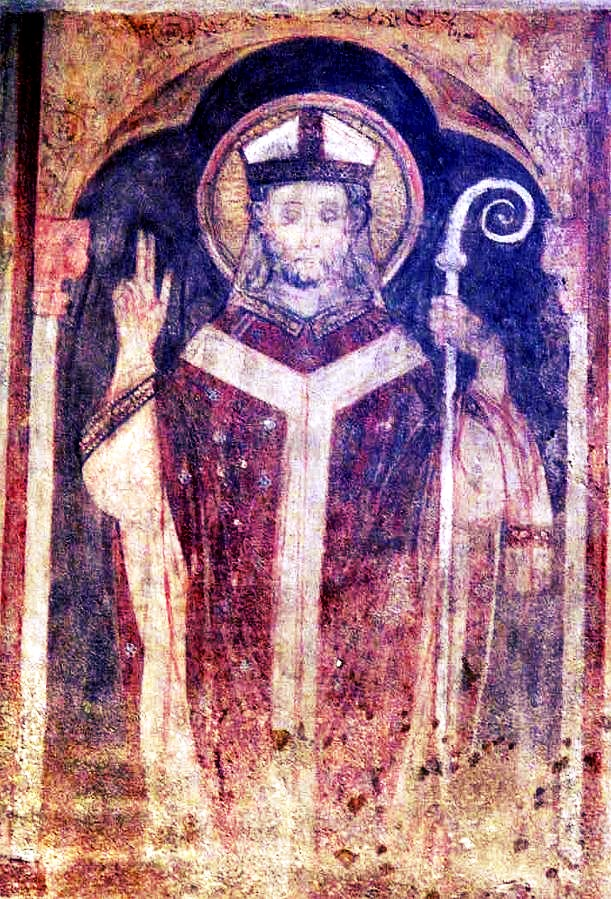
Saint of the Day – 11 September – St Patiens (Died c491) Bishop of Lyon, a most zealous and devoted shepherd of his flock for around 40 years and at the same time, the lover and caregiver of the needy and poor regardless of where they lived and to which Diocese they belonged – as we should, he did not ask whether they were pagans or Christians. Also known as – Patrient, Patient, Patriens, Paziente.
The Roman Martyrology reads today: “At Lyon, the decease of St Patiens, Bishop.”
In the official chronology, Patiens is listed in20th place. He succeeds Saint Eucherius and precedes Saint Lupicinus.
The name of Saint Patiens is recorded in the oldest Episcopal records, contained in a Litergical Gospel book from the mid-9th Century. The catalogue was compiled around 799-814 duringthe reign of Bishop Leidradus and is based on the original of the Lyonnais Church.
The name of Saint Patiens is also mentioned in a second Episcopal catalogue, reported by Hugues of Flavigny in his Chronica Universalis.
Patriens governed the Diocese for forty years, between 451 and 491. Considering this lengthy period of service, we know very little about his personal history.
But it was Bishop Patiens who commissioned St Constantius of Lyon to write theVita of St Germanud (Life of Germanus). Patiens also built a new Cathedral, dedicated to Saint Stephen. Later, in the 7th Century, a baptistery dedicated to Saint John was constructed as an accessory to the Church. This later became the site of the Cathédrale Saint-Jean-Baptiste de Lyon.
Patient, moved by great charity to help the people oppresssd by hunger, distributed free grain from the stores located in his See. He is also membered as a Bishop who devoted himself to a continuous apostolate, caring for his flock especially for the needy. He was deeply committed to the conversion of heretics.
His contemporary, the remarkable St Sidonius Apollinaris (c 30 – 489), admired Patiens and said that, despite the austerity of his life, he made himself “all things to all men.” He played his part zealously in repressing the heresies of his time but is especially remembered for his great dedication to the poor, not only of his own Diocese but of other parts of Gaul. He devoted all his resources to their relief. During a famine, he arrived in Lyon with wheat, to feed the entire population.
St Protus and St Hyacinth (Died c257) Brother MartyrsBrother Martyrs during the persecution of Emperor Valerian (257–259), they served as household Officials to St Eugenia. The Roman Martyrology states today: “At Rome, in the Cemetery of Basilla, on the old Salarian Way, the birthday of the Holy Martyrs, Protus and Hyacinth, brothers and eunuchs in the service of the blessed Eugenia, who were arrested in the time of the Emperor Gallienus, on the charge of being Christians and urged to offer sacrifice to the gods. But as they refused, both were most severely scourged and finally, beheaded.” Their Life and Death: https://anastpaul.com/2023/09/11/saint-s-of-the-day-11-september-st-protus-and-st-hyacinth-died-c257-brother-martyrs/
St Adelphus of Remiremont St Almirus Bl Baldassarre Velasquez
St Essuperanzio of Zurich St Felix of Zurich Bl Franciscus Takeya Bl François Mayaudon Bl Gaspar Koteda St Gusmeo of Gravedona sul Lario St Leudinus of Toul St Matthew of Gravedona sul Lario St Paphnutius of Thebes St Patiens (Died c491) Bishop of Lyon Bl Peter Taaffe Bl Petrus Kawano St Regula of Zurich St Sperandea





























 AnaStpaul
You must be logged in to post a comment.