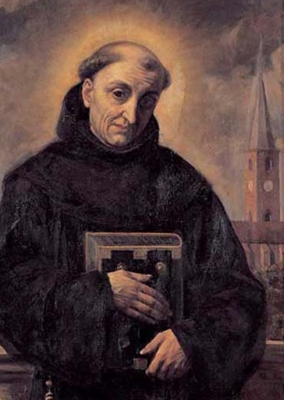
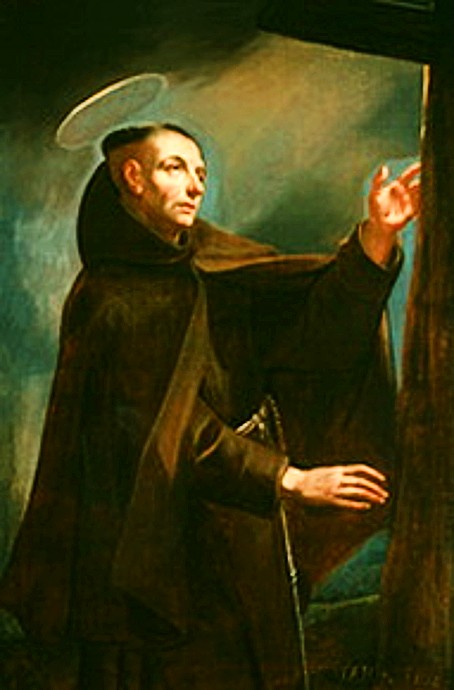
Saint of the Day – 21 April – Saint Anastasius Sinaita (Died c700) Abbot, Exegesis, writer, a staunch Defender of the One True Faith in all its Truths. Born in Alexandria and died at his Monastery on Mount Sinai. Also known as – Anastasius the Sinaite, … of Sinai.
The Roman Martyrology reads today: “At Antioch, St Anastasius Sinaita, Abbot.”
Anastasius’ life, between the 7th and 8th Centuries, unfolded between Alexandria and Mount Sinai, where he led a community of Monks on the path to perfection.
His tireless pen gave rise to works of polemical and exegetical discourse, combating the heresies of the time with the wisdom of the patristic tradition.
Among his writings, his ‘Guide Against Monophysitism’ is highly esteemed, rich in quotations, which testify to his vast erudition. The ‘Commentary of the Hexameron’ of which only the last book has survived intact, offers an allegorical interpretation of Genesis from a Christological perspective.
The ‘Questions and Answers’ although not in their original form, offer a glimpse of his profound knowledge of Sacred Scripture and the Church Fathers.
Five surviving Sermons allow us to grasp his eloquence and pastoral fervour.
On 20 April, in the Emperor Basil’s Calendar, St Anastasius is mentioned who, overcome by the love of Christ, left the world and, having gone, firstly to Jerusalem, then retired to Mount Sinai, where he lived humbly until his death, after having guided many Hermit Monks on the path of virtue. This Eulogy is passed into the Martyrology of Constantinople on 21 April.
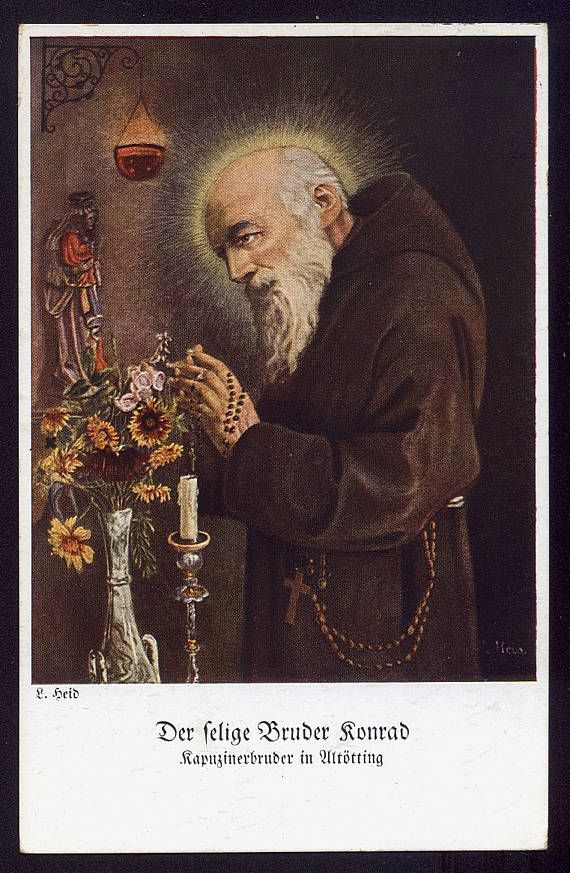
St Conrad of Parzham OFM Cap (1818-1894) Franciscan Religious Lay Friar, Devotee of Blessed Sacrament and Marian, Apostle of Charity, Miracle worker with the charism of prophecy. His heroic virtues and the miracles he performed won for him the distinction to be ranked among the Blessed by Pope Pius XI in 1930. Four years later, the same pope, approving additional miracles which had been performed, solemnly inscribed his name in the list of Saints. Biography: https://anastpaul.com/2018/04/21/saint-of-the-day-21-april-st-conrad-of-parzham-ofm-cap-1818-1894/
St Crotates of Nicomedia St Cyprian of Brescia St Felix of Alexandria St Fortunatus of Alexandria St Frodulphus St Isacius of Nicomedia St Maelrubba of Applecross
St Silvius of Alexandria St Simeon of Ctesiphon St Vitalis of Alexandria Bl Vitaliy Bayrak
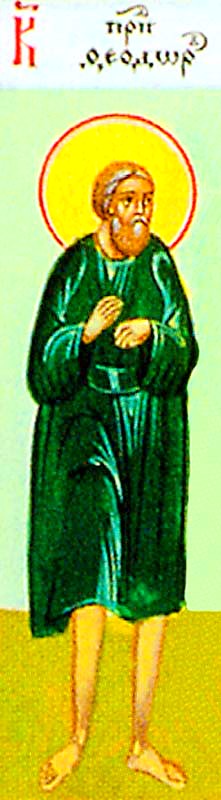
Saint of the Day – 20 April – St Theodore Trichinas (5th Century) Confessor, Hermit and Monk of Constantinople (modern Istanbul), Miracle-worker, graced with the charims of dispelling demons. After his death, a holy oil secreted from his tomb, had the property of curing illness.
The Roman Martyrology reads today: “The same day, St Theodore, Confessor, surnamed Trichinas, from the rough hair garment which he wore. He was renowned for many miracles but especially for his power over the demons. From his body issued a liquid which imparts health to the sick.”
Theodore is one of the great Saints of the first centuries of Christianity in the East. Although there are no dates whic confirm the lifetime of St Theodore Trichinas it is known that he lived in the 5th Century.
Theodore, a young man from Constantinople, was attracted by the austere and intense spiritual life of Monks, who, following the example of the St Anthony Abbot (250-356), were increasingly abandoning their hermitage in the desert, to live in prayerful communities, hosted in permanent Monasteries.
Tradition reports that our Saint led an austere life, dedicating much of his time to prayer. He left the world and retired to a Monastery located at the foot of Mount St Absinthe beyond Chalcedon on the Bosphorus.
This Monastery later took its name from his nickname ‘Trichinas.’ This name was given to Theodore because of the long-haired tunic which was his only clothing.
Theodore’s sanctity soon enabled him to cast out demons and perform many miracles. After his death, his tomb became a place of pilgrimage, also because a miraculous ointment supposedly leaked from his tomb and his body, had the power to curing illnesses.
The cult of St Theodore Trichinas was completely unknown until the 16th Century, when the learned hagiographer, Cardinal Cesare Baronio, introduced him into the Roman Martyrology, on 20 April.
Bl Catwallon St Domninus of Digne Bl Gerald of Salles Bl Harduin
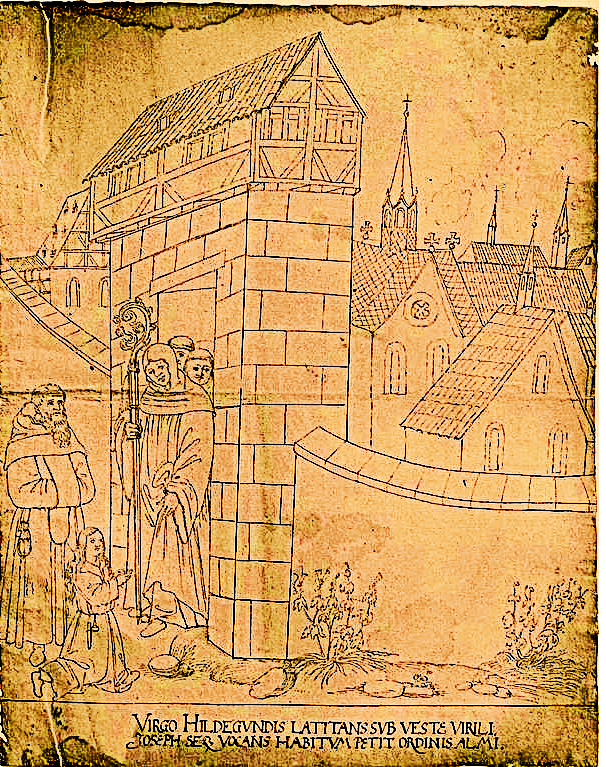
Blessed Hildegun O.Cist. (Died 1188) Virgin, Cistercian Monk of Schönau – yes! she was disguised as a boy as a child, for her own safety and after many frightening trials, decided to retain the identity in order to enter the Cistercian Monastery as Brother Joseph. Her true identity remained a secret until her death. Or Brother Joseph!: https://anastpaul.com/2023/04/20/saint-of-the-day-20-april-blessed-hildegun-of-schonau-died-1188-virgin/
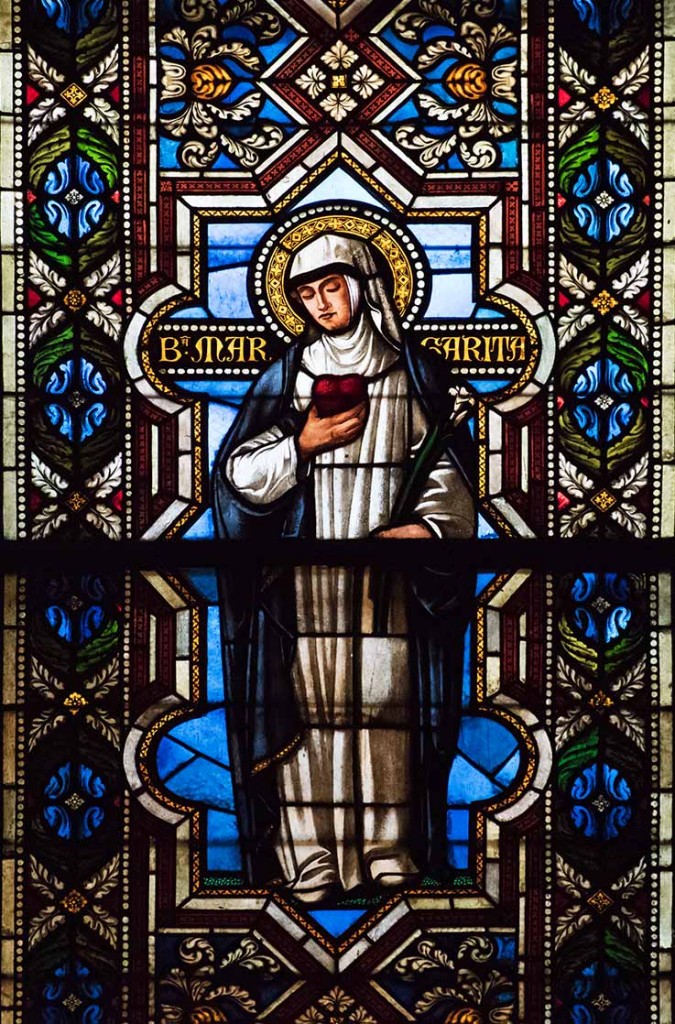
St Marcian of Auxerre St Margaret of Amelia Bl Maurice MacKenraghty St Michel Coquelet Bl Oda of Rivreulle St Sara of Antioch St Secundinus of Córdoba St Servilian
Blessed Simon Rinalducci OSA (Died 1322) Priest, Friar of the Order of the Hermits of St Augustine, noted for his theological studies, Prior of several houses, renowned Preader, Miracle-worker. Blessed Simon was a model of humility and obedience, even in the face of great trials and obvious injustices. Simon was Beatified on 19 March 1833 by Pope Gregory XVI (cultus confirmed). His Ardent Life: https://anastpaul.com/2021/04/20/saint-of-the-day-blessed-simon-rinalducci-osa-died-1322/
St Sulpicius St Theodore Trichinas (5th Century) Confessor St Theotimus of Tomi St Vincent of Digne St Wiho of Osnabrück
DISCLAIMER: Please note: I cannot control the content of the Advertisements on this Site, or of pop-ups which may appear, The revenue from the Advertisements, however, does provide a little assistance in the support of the Site. I do apologise for any inappropriate content.
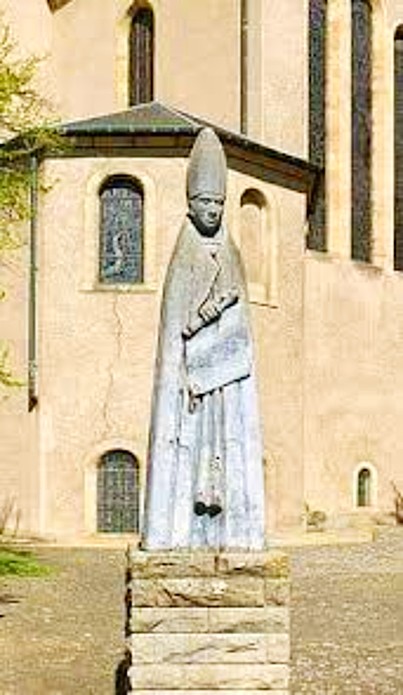
Saint of the Day –19 April – St Ursmar (644-713) Bishop and Abbot of Lobbes in Belgium, Ascetic and Penitent, renowned Preacher which led him to be appointed as an itinerant missionary Bishop In France, Belfgum and Germany. Born in 644 in Belgium and died there at his See on 18 April 713. Patronages – Binche, Lobbes and Luxembourg.
The Roman Martyrology reads today: “At the Monastery of Lobbes, St Ursmar, Bishop.”
St Ursmarwas born near Avesne, in Haynault (in the Fremch-speaking region of Belgium) and grew up from his cradle, a model of all virtues, in which he made continual progress by a life of humility, patience and penance and by an assiduous application to prayer, in which he usually shed abundance of tears.
What he most earnestly asked of God was the gift of an ardent charity, in order that all his thoughts and actions, and those of all men, might, with the most pure and fervent intention and in the most perfect manner, be directed in all things, to fulfil His Holy and adorable Will.
In his conversation it was his earnest desire to induce persons of a secular life to fix their thoughts, as much as the condition of their state would allow, on heavenly things. Also, to accompany even their worldly business with such aspirations and thoughts and to study to withdraw their hearts from all attachment to creatures.
St Landelin had then lately founded the Abbey of Lobes, on the Sambre, in a territory which is now subject to the Prince of Liege, although in the diocese of Cambray. Ursmar here put on the monastic habit. When, in 686, St Landelin retired into a closer solitude, where he soon after built the Monastery of Crespin, he left Ursmar as the Abbot of Lobes.
Our Saint redoubled his fervour in all the exercises of penance in this dignity. He never tasted any flesh-meat or fish and for 10 years never once touched bread, not even in a dangerous illness.
He finished the building of his Abbey and Church and founded several other Monasteries. He often left his dear cell to preach the Faith to idolaters and sinners. He became the apostle of several districts in Cambrai, Arras, Tournay, Noyon, Terouanne, Laon, Metz, Triers, Cologne and Maestricht.
By virtue of a commission from the Holy See, he exercised the functions of a Bisho,: his predecessor, St Landelin and his 2 successors, Sts Ermin and Theodulph, were invested with the same character.
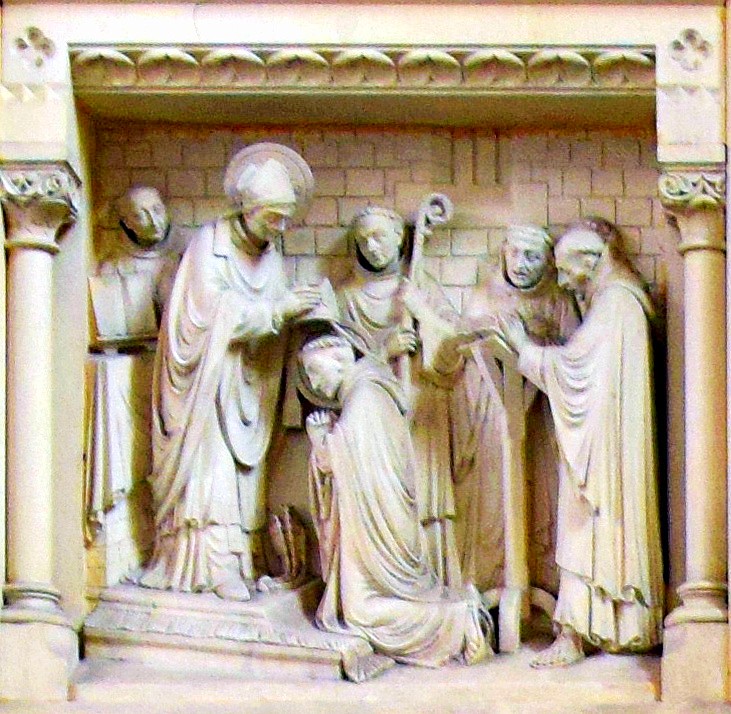
St Ursmar receives holy orders as Abbot of Lobbes Abbey in 691, probably by Saint Lambertus, the Bishop of Maastricht (19th Century relief in the Church of Saint Ursmar in Lobbes)
In his old age he resigned his Abbacy to St Ermin and died in retirement in 713, being almost sixty-nine years old, on the 18th day of April, on which he is honoured as principal Patron at Binche, Lobbes and Luxembourg but is named today, on the 19th which was the day of his burial, in the Roman and several other Martyrologies.
His Relics are venerated at Binche, 4 leagues from Mons. See his original life by a disciple, with the notes of Henschenius, also in 981, Folcuin, Abbot of Lobbes, in his accurate history of The Gests of the Abbots of Lobbes.
St Apollonius the Priest St Aristonicus of Melitene
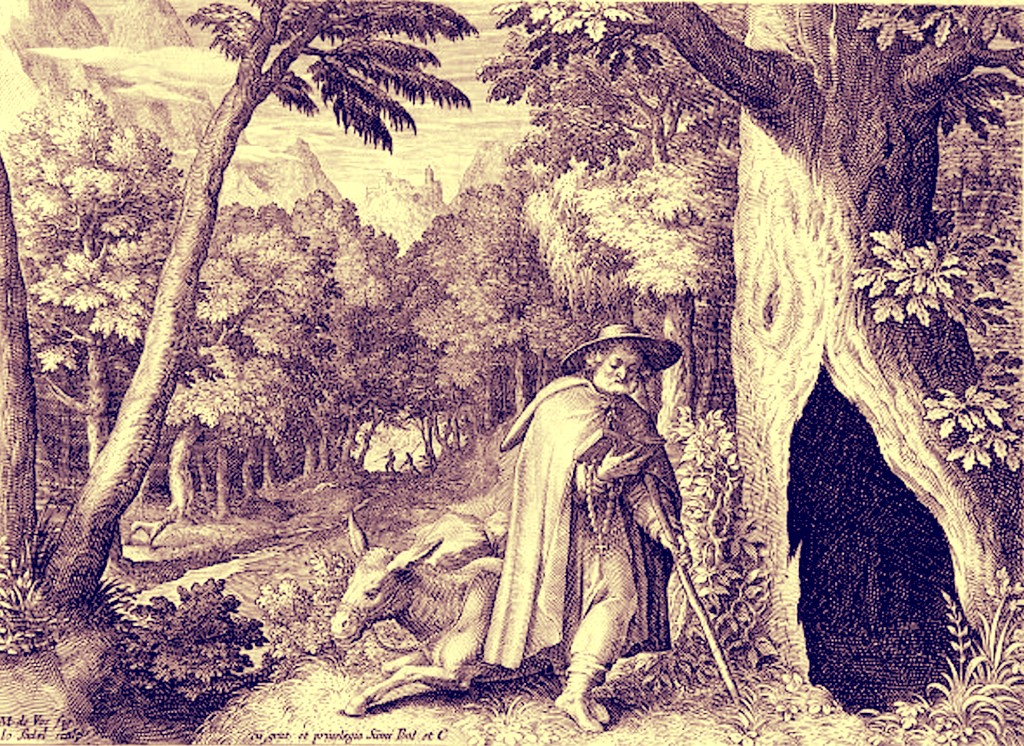
Blessed Bernard (Died 1182) Penitent, Pilgrim, Hermit. Patronages – of sinners, convicts, prisoners, penitents, pilgrims. The Roman Martyrology: “At the Monastery of Saint-Bertin in the territory of France in Thérouanne, lies the tomb of Blessed Bernard, penitent, who, eager to atone for the sins of his youth with an austere penitence, voluntarily chose exile and, barefooted, wearing rough garments, was a tireless pilgrim to the holy places.” Dear Blessed Bernard, pray for us!: https://anastpaul.com/2023/04/19/saint-of-the-day-19-april-blessed-bernard-of-sithiu-died-1182-layman-penitent/
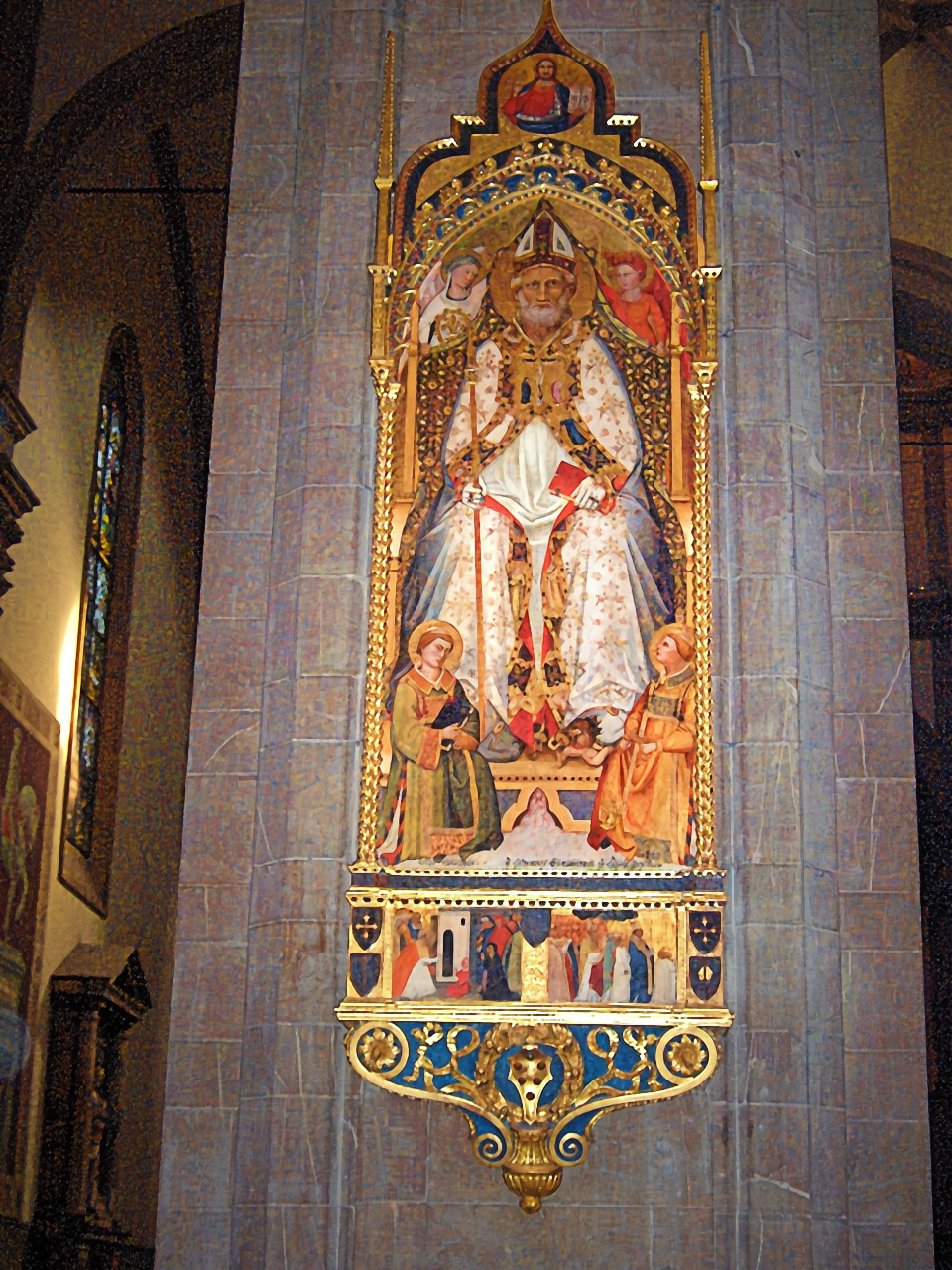
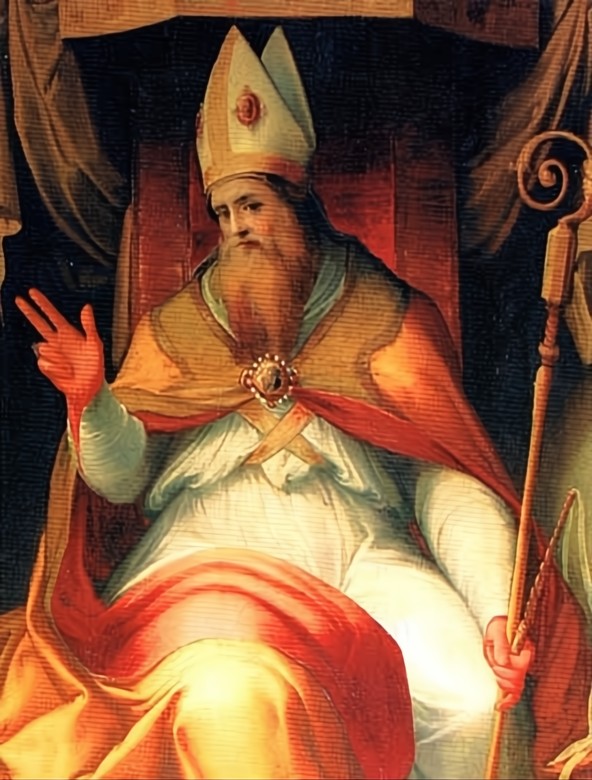
St Crescentius (Died c396)Deacon and Confessor of Florence, Italy. The image below shows St Zenobius seated with his Deacons, St Crescentius and St Eugenius kneeling at either side. Painting on a pillar in the Duomo Santa Maria del Fiore, Florence. The Roman Martyrology reads today: “At Florence, Crescent, Confessor, disciple of the blessed Bishop St Zenobius.” His Holy Life: https://anastpaul.com/2025/04/19/saint-of-the-day-19-april-saint-crescentius-died-c396-deacon-and-confessor/
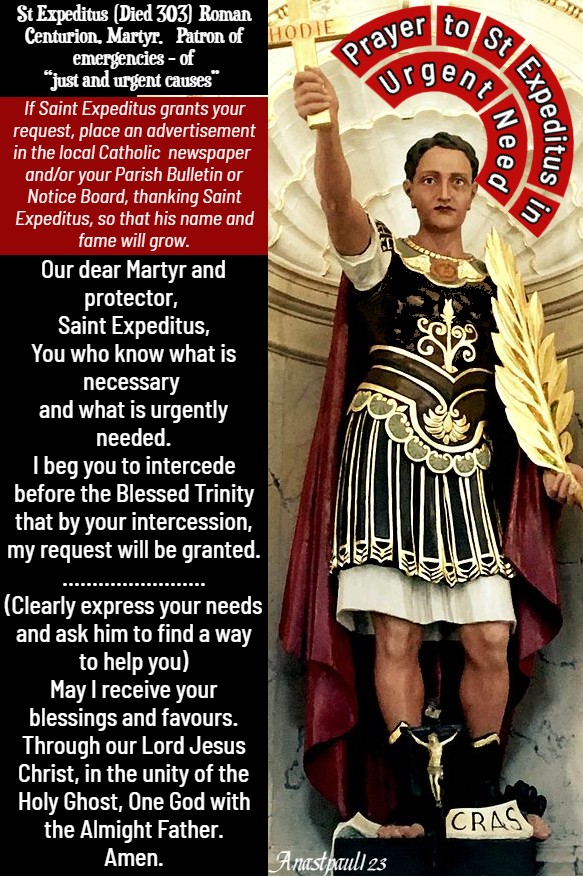
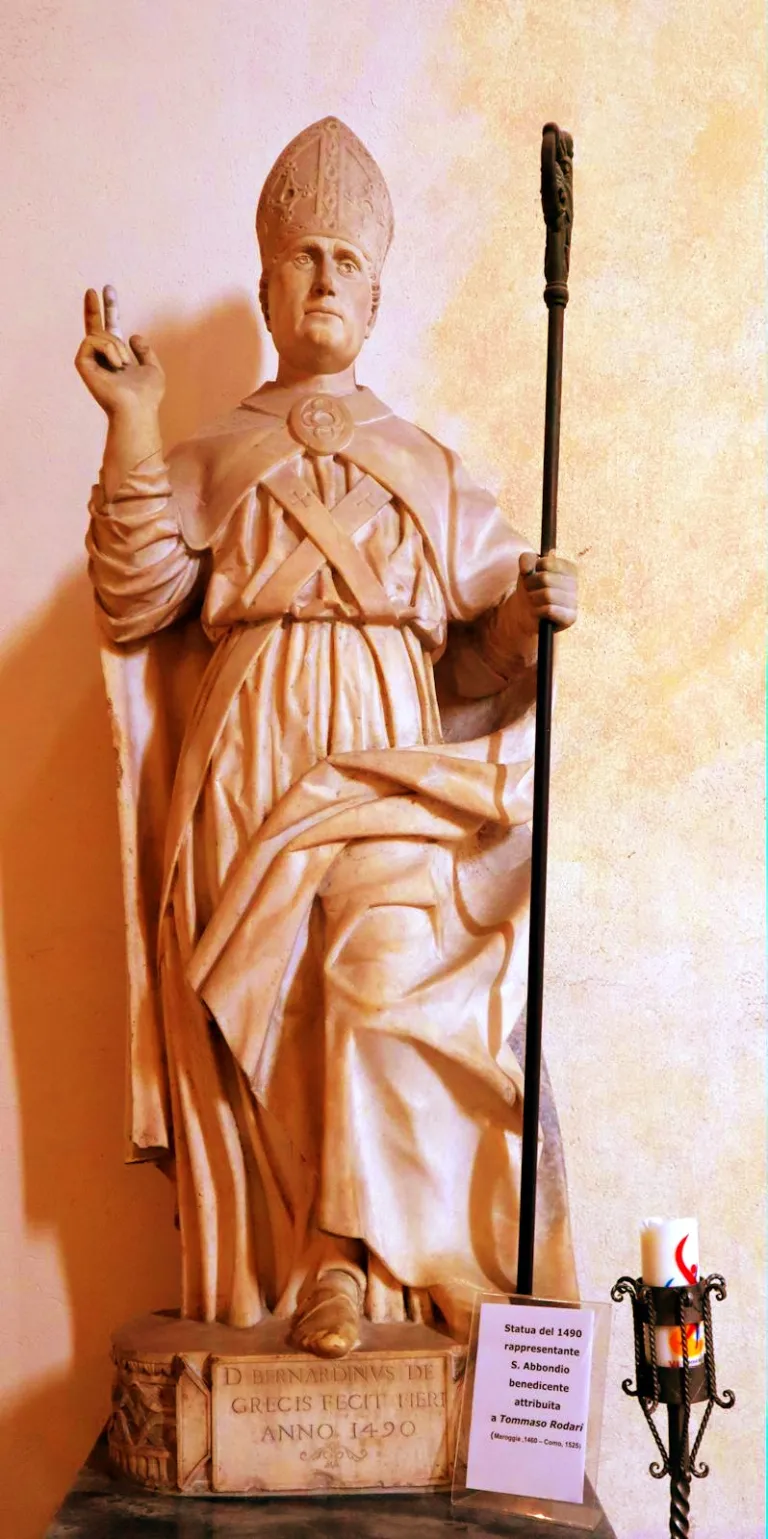
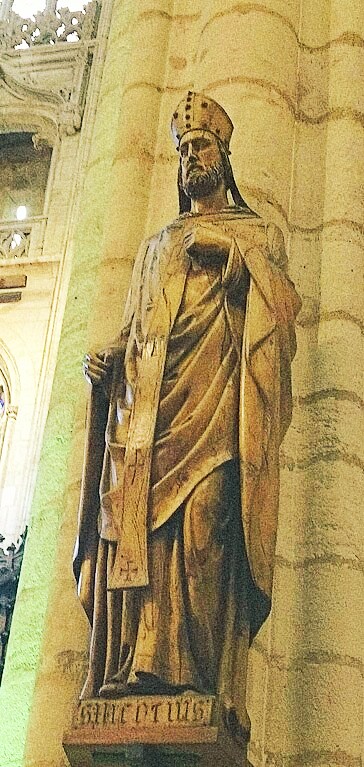
Our dear Martyr and protector, Saint Expeditus, You who know what is necessary and what is urgently needed. I beg you to intercede before the Blessed Trinity that by your intercession, my request will be granted. …………………… (Clearly express your needs and ask him to find a way to help you.) May I receive your blessings and favours. Through our Lord Jesus Christ, in the unity of the Holy Ghost, One God with the Almighty Father. Amen.
If Saint Expeditus grants your request, place an advertisement in the local Catholic newspaper and/or your Parish Bulletin or Notice Board, thanking Saint Expeditus, so that his name and fame will grow
St Gaius of Melitene St Galata of Melitene St George of Antioch
St Pope Leo IX (1002-1054) known as “The Apostolic Pilgrim” When the German Pope Damasus II died in 1048, Bishop Bruno was selected by the Emperor, Henry III, to succeed him. Bruno agreed to go to Rome and to accept the Papacy if freely elected thereto by the Roman people. He wished, at least, to rescue the See of Peter from its servitude to the German Emperors. When, in company with Hildebrand, he reached Rome and presented himself to its people clad in pilgrim’s guise and barefooted but still tall and fair to look upon, they cried out with one voice that him and no other would they have as Pope. Assuming the name of Leo, he was solemnly enthroned on 12 February, 1049. The Apostolic Pilgrim: https://anastpaul.wordpress.com/2018/04/19/saint-of-the-day-19-april-st-pope-leo-ix-1002-1954/
St Martha of Persia St Rufus of Melitene St Timon Deacon Martyr St Ursmar (644-713) Bishop and Abbot of Lobbes in Belgium
St Vincent of Collioure
Martyrs of Carthage – 17 Saints: A group of Christians Martyred in the persecutions of Decius. We know little more than the names – Aristo, Basso, Credula, Donato, Ereda, Eremio, Fermo, Fortunata, Fortunio, Frutto, Julia, Mappalicus, Martial, Paul, Venusto, Victorinus and Victor. Died in the year 250 in prison in Carthage, North Africa (modern Tunis, Tunisia).
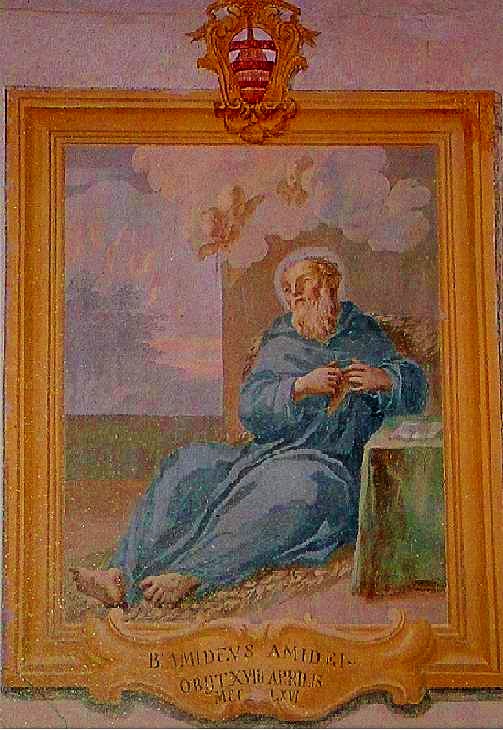
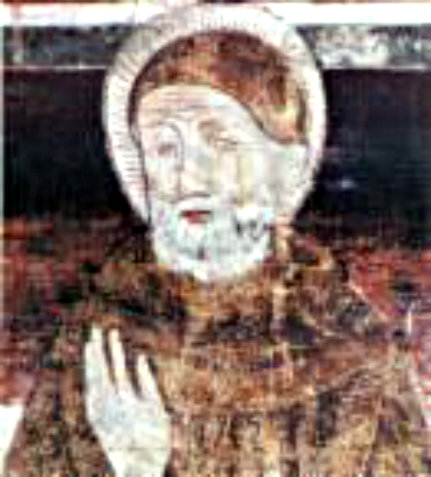
Saint of the Day – 18 April – Saint Amideus (Died 1265) OSM Servite Founder and Friar of the Order of the Servants of Mary. Also known as – Bartolomeo degli Amidei, Amadeus. Additional Feast on as the Seven Holy Founders.
The Roman Martyrology reads today: “In Tuscany, on Mount Senario, the blessed St Amideus, one of the Seven Holy Founders of the Order of the Servants of the Blessed Virgin Mary, very celebrated for an ardent love of God.”
Fresco of Bartolomeus Amidei (Saint AmIdeus degli Amidei)
Amideus was born to the wealthy Amidei Family in Florence. He, together with his six brother Friars founded the Order in 1233.
The Order was founded in 1233 by The Seven Holy Founders, each a member of a Patrician family of Florence, Italy.
These cloth merchants left their City, families and professions and withdrew to Monte Senario, a mountain outside Florence, for a life of poverty and penance.
The seven were: Bonfilius of Florence, born Bonfilius Monaldi (Buonfiglio dei Monaldi); Alexis of Florence, born Alexis Falconieri (Italian: Alessio Falconieri) (1200 – 17 February 1310); Manettus of Florence, born Benedict dell’Antella (Benedetto dell’ Antella); Amideus, born Bartholemew Amidei (died 1266) (also known as Bartolomeo degli Amidei); Hugh of Florence, born Ricovero Uguccioni (Hugh dei Lippi Uggucioni (Ricovero dei Lippi-Ugguccioni)); Sostene of Florence, born Gerardino Sostegni (Gherardino di Sostegno); and Buonagiunta of Florence, born John Manetti (Giovanni di Buonagiunta (Bonajuncta)). They were Cnonised by Pope Leo XIII on 15 January 1888.
St Gebuinus of Lyons St Genocus St Hermogenes of Melitene
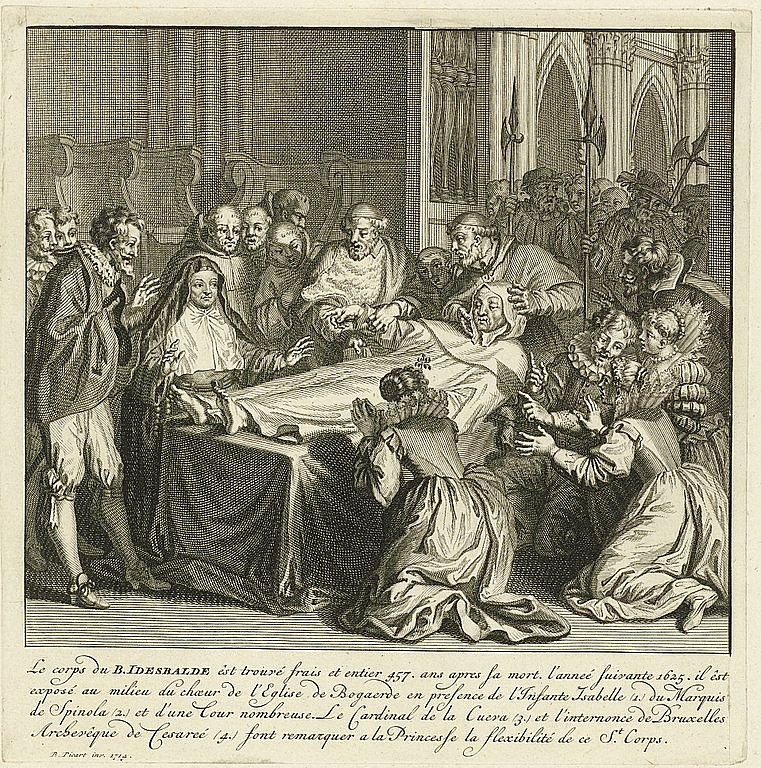
Blessed Idesbald O.Cist (c1095-1167) Cistercian Priest and Abbot of Ten Duinen Abbey, Our Lady of the Dunes. The Roman Martyrology states: “In Bruges in Flanders, in today’s Belgium, Blessed Idesbald, Abbot, who, soon became a widower and exercised for another thirty years, duties in the palace of the Counts, entered the Monastery of Dune at a mature age, which he held holy, as the third Abbot for twelve years.” His Body is Incorrupt. His Life of Grace: https://anastpaul.com/2021/04/18/saint-of-the-day-18-april-blessed-idesbald-of-dunes-o-cist-c-1095-1167/
St Perfectus (Died 850) Priest and Martyr of Córdobain Spain. His Martyrdom was recorded by Saint Eulogius in the Memoriale Sanctorum. The Roman Martyrology reads today: “At Córdoba, St Perfect, Priest and Martyr, killed by the Moors for inveighing against the followers of Mohammed.” His Life and Death: https://anastpaul.com/2025/04/18/saint-of-the-day-18-april-st-perfectus-died-850-priest-and-martyr/
St Pusicio St Ursmar of Lobbes St Wigbert of Augsburg
Saint of the Day – 17 April – St Innocent (c285-c353) Bishop and Confessor of Tortona in Italy. Born and died in his See of Tortona. A brave and holy shepherd who underwent all manner of evil for the Faith of Christ.
The Roman Martyrology reads today: “At Tortona, St Innocent, Bishp[ and Confessor.”
St Innocent was born into one of the noble families of Tortona who protected the local Christians and were exterminated during the ferocious persecution of Emperor Diocletian, who left the City without a Bishop until 318.
In 303, Innocent, at the age of 22, was imprisoned and his family property confiscated. Only after 313 did he go to Rome to recover his father’s property. There he gained the suport of Pope Sylvester, who first Ordained himas a Deacon and then sent him to Tortona as the Bishop after Consecrating him on 24 September 325.
Thus began a pastoral care which led to the reorganisation of the local community and was characterised by the fight against paganism. During St Innocent’s Eepiscopate, the Relics of the 1st Bishop of Tortona, Saint Marzianus of Tortona , were found on the left bank of the Scrivia River.
The family property was donated by St Innocent’s to his See and by the proceeds thereof the construction of several Churches began, including a Basilica on the hill overlooking the City (later destroyed by fire in 1609).
St Innocent’s body, who died on 17 April c353, was buried at the Basilica he had built. His sister is credited with founding what would later become the Monastery of Sant’Eufemia.
Bl essed Andrés Hibernón Real OFM (1534-1602) Religious Friar, Apostle of the Holy Eucharist, the Blessed Virgin and the Holy Rosary, Apostle of the poor. He predicted the date of his death four years before the fact, which was 18 April 1602 in Gandia, Valencia, Spain of natural causes immediately after having prayed a rosary. He was Beatified on 22 May 1791 by Pope Pius VI. His body is incorrupt. A Life of Love: https://anastpaul.wordpress.com/2018/04/17/saint-of-the-day-17-april-blessed-andres-hibernon-real-o-f-m-1534-1602/
St Agia of Hainault St Anthia of Illyria St Athanasia of Aegina St Bitheus St Calocerus of Brescia St Cogitosus St Corebus
St Eleuterius of Illyria St Elpidius of Melitene St Eusebius of Fano St Galdinus of Milan St Gebuinus of Lyons St Genocus St Hermogenes of Melitene St Innocent (c285-c353) Bishop and Confessorof Tortona Bl Idesbald of Dunes Blessed James of Cerqueto OSA (1285-1366)
Blessed Mariana of Jesus OdeM (c1565-1624) “The Lily of Madrid” Tertiary Sister of the Mercadarian Order (the Servants of Mary) Mystic and Ecstatic, graced with Visions of Our Lord and His Mother and granted the ability, by her intercession, to be responsible for many miracles, Spiritual Director and Apostle of the poor and the sick. In addition, Mariana was known to bilocate and levitate during her ecstasies. Patronages – of Madrid, Mercedarian Tertiaries Mercedarian Lay Fraternities and Apostolates. Her body is Incorrupt. “The Lily of Madrid”: https://anastpaul.com/2024/04/17/saint-of-the-day-17-april-blessed-mariana-of-jesus-odemc1565-1624-the-lily-of-madrid/
St Pantagathus of Vienne Bishop St Perfecto of Córdoba St Pusicio
St Robert de Turlande/Chaise-Dieu OSB (c1000-1067) Priest, professed religious of the Order of St Benedict, Monk, Abbot, Apostle of Charity, Marian devotee. He was of noble stock, was related to Saint Gerald of Aurillac (c855–c909) and was a descendant of St Caesarius of Arles (470-543). He is best known for the establishment of the Benedictine Convent of La Chaise-Dieu (‘Home of God’) and for his total commitment to the poor. He became a spiritual inspiration for Pope Clement VI (1291–1352) – whose own origin,s in the religious life were based at that Convent – and it was Pope Clement who confirmed the Canonisation of the Benedictine Abbot on 19 September 1351 in Avignon. His Devoted Life: https://anastpaul.com/2019/04/17/saint-of-the-day-17-april-st-robert-de-chaise-dieu-osb-c-1000-1067/
Saint of the Day – 16 April – Blessed William Gnoffi (1256-1317) Hermit, Ascetic and visionary of our Blessed Mother, builder of Churches and founder of communities. Patronage – Co-Patron of the City of of Castelbuono. Also known as https://www.santiebeati.it/dettaglio/99487 Guglielmo
William Gnoffi was born in Polizzi Generosa in Sicily 1256, into a noble family. At the age of just 15, he retreated to pray in the caves near the ruins of the former Norman Monastery of Saints Cosmos and Damian.
Although William did not entered any Religious Order, he gained many converts by his own sanctity in living and preaching the Gospel of Christ which is, after all which is necesssary.
We know Blessed William travelled throughout the villages of the Madonie mountains to beg and preach the Gospel and that the Madonna appeared to him several times during his life.
He is also credited with restoring the mountain sanctuary of the Madonna dell’Alto, where he lived as a Hermit.
During his 5th year of solitary life, he one day reached Gonato, near Geraci Siculo, where he built a small Church and remained there for 11 years in penance. After forming a community of ascetics around himself, who followed him to Castelbuono, with the help of Alduino Ventimiglia, Count of Geraci, he built a Church and hermitage.
In 1288, the sacred building was named Santa Maria del Parto, in the district once called ‘Favare’ and now called San Guglielmo.
Blessed William’s life was adorned with miracles which occurred thanks to his intercession. On 16 April 1317, Bl William Gnoffi died at the age of 61. He was buried at the Abbey of Santa Maria del Parto.
In 1500, his body was recognised and placed in a silver urn, now kept in a niche in the Matrice Nuova Church of Castelbuono. In 1613, the Beatification proceedings were drawn up by the Bishop of Cefalù.
Blessed William Gnoffi is the Co-Patron Saint of the City of Castelbuono.
The urn containing his Relics is carried in procession every year during the Feast of Saint Anne, along with the silver urn containing the Saint’s skull and the image of Our Lady of Mount Carmel.
Saint of the Day – 15 April – Saint Waltmann O.Praem. (Died 1138) Abbot, a disciple of St Norbert (c1080-1134). a renowned Preacher and Defender of the Faith against heresy, Founder of new Monasteries. He entered the Premonstratensian Order, also knopwn as the Norbertines or White Canons. Also known as – Gualtmannus, Waltmann of Antwerp, of Cambrai.
In around 1120, when Tanchelm, a layman, proved effective in spreading his new heretical movement in Antwerp, the local Bishop, Burchard of Cambrai, sought the assistance of St Norbert of Xanten and his newly formed Premonstratensians in combating the heresy.
St Norbert’s success over Tanchelm (commemorated in a stained glass window of the Cathedral) led the Canons of historic St Michaels in Antwerp, to move to Notre-Dame and give St Michaels to St Norbert as the site of the first Premonstratensian foundation in Antwerp.
St Waltmann, one of St Norbert’s talented Preachers in Antwerp, became the first Abbot. During his 14 years in that Office St Waltmann made St Michaels the centre of re-established religious unity in Antwerp.
He also founded, as daughter-houses, the Premonstratensian Abbeys of Averbode and Tongerloo, both of which still exist today, alhough St Michael’s was suppressed during the French Revolution.
Saint Anastasia of Rome (Died c 68) Martyr, Spiritual Student of St Peter the Apostle AND: St Basilissa of Rome (Died c 68) Martyr, Spiritual Student of St Peter the Apostle. put to death during the reign of Nero. They were among the first converts to Christianity in the 1st century after Christ. The Roman Martyrology states today: “At Rome, the Saints Basilissa and Anastasia. Of noble families, they were disciples of the Apostles and, as they persevered courageously in the profession of their faith, in the time of the Emperor Nero, they had their tongues and feet cut off, were put to the sword and thus obtained the Crown of Martyrdom.” Their Life and Death: https://anastpaul.com/2022/04/15/saint-s-of-the-day-15-april-saints-anastasia-and-st-basilissa-died-c-68-martyrs/
St Crescens Martyr of Myra No further information has survived bar the method of his Martyrdom, being by fire. St Eutyches of Rome St Eutychius Martyr of Ferentino. No further information has survived.
Bl Laurentinus Sossius St Maro of Rome St Maximus of Persia St Mundus St Nidger of Augsburg St Olympiades of Persia
St Ortarius (Died c580) Priest, Abbotof Landelles, near Vire in Normandy, France. A man of great wisdom, austerity and devotion, a renowned and rivetting Preacher, a skilled and beloved leader as well as the benefactor of all the poor and the sick within his reach. Also known as “The Apostle of Normandy.” The Roman Martyrology states: “In the Monastery of Landelles in the territory of Bayeux in Normandy, France, Saint Ortarius, the Abbot, dedicated to a life of austerity and prayer and assiduous in caring for the sick and assisting the poor.” “The Apostle of Normandy:” https://anastpaul.com/2024/04/15/saint-of-the-day-15-april-saint-ortarius-of-landelles-died-c580-priest-abbot/
St Theodore of Thrace St Victorinus of Rome St Waltmann O.Praem. (Died 1138) Abbot
Mercedarian Martyrs of Africa: A group of Mercedarian Monks sailing to Africa as on a mission to redeem capture Christians. Captured by Moors, they were tortured and executed for their faith. Martyrs. 1393.
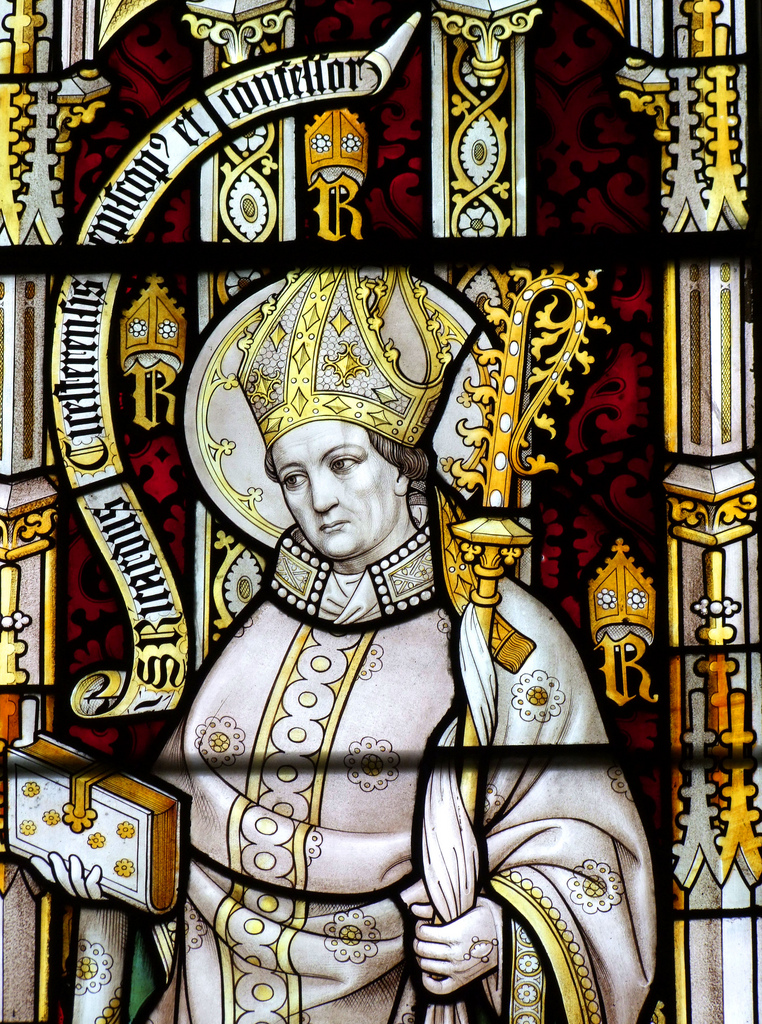
Saint of the Day – 14 April – Saint Lambert (c625-c688), Bishop and Confessor of Lyons. Previously he had been the Abbot at Fontenelle Monastery. Born in France and died there in Lyons. Also known as – Lambertus, Landebert, Landebertus.
The Roman Martyrology reads today: “At Lyons, St Lambert, Bishop and Confessor.”
St Lambert’s life was written by a Monk of Saint-Wandrille’s Monastery at the beginning of the 8th or 9th Centuries, according to different sources.
It is a precious document composed with the assistance of the Abbey’s records, unfortunately, it is incomplete and is interrupted before St Lambert’s promotion to the elevated Ecclesiastical office of the Bishop of Lyons.
Lambert belonged to a wealthy family in Therouanne, Not unlike all young men of his station, he was sent to the King’s Court to complete his education. Instead of choosing a lay career, he entered the Monastery of Fontenelle which had been founded by St Wandrille, who was still in office and governed over St Lambert from 664-668.
Upon the death of St Wandrille in 668, Lambert succeeded him and governed the Abbey for 10 years and five months, until 678. During this period the Abbey experienced a significant increase in assets. King Childeric II donated the properties of Ulmirus and Warinn, in the Arques valley, together with a part of the forest of Gemmeticus. King Theodoric III, also donated a property located in Donzère in Provence where, thanks to the work of the Monks of Fontenelle, a dependent Monastery was founded.
Another Monk of Fontenelle founded the Monastery of Indre on an Island in the Loire, to which the Motherhouse reserved the right to send the Abbot.
In 675, finally, the English Priest Condedus, who had founded a Monastery on an Island in the Seine, annexed it to Fontenelle.
On 1 November 678, Bishop Genesius of Lyons died and St Lambert was called to succeed him, while at Fontenelle he was replaced by Saint Abietta. There is no information about Lambert’s Episcopate; he appears in 683 with his title as a signatory to a document from Aiglibert, Bishop of Le Mans.
St Lambert died not many years thereafter, as his successor, Godinus, was already in office on 30 October 688. His Feast Day is celebrated today on 14 April, a date on which he already appears in several codices of the Martyrology of St Jerome and is recorded in the Roman Martyrology.
St Bernard (1046-1117) Monk, Abbot, Founder of the the Tiron Abbey and the Tironensian Order. St Bernard had a deep devotion to the Passion of Christ, teaching and instruction his disciples in the love of the Holy Cross. The Roman Martyrology reads: “In the Monastery of Tiron near Chartres in France, Saint Bernard, Abbot, who on several occasions gave himself up to a hermit life in the woods and on the Island of Chausey but also dedicated himself to instructing and guiding the disciples, who in great numbers, flocked to him.” St Bernard’s Life of Grace: https://anastpaul.com/2022/04/14/saint-of-the-day-14-april-st-bernard-of-tiron-c-1046-1117/
St Domnina of Terni St Fronto of Nitria Abbot Bl Hadewych O.Praem. (c1150-c1200) Nun
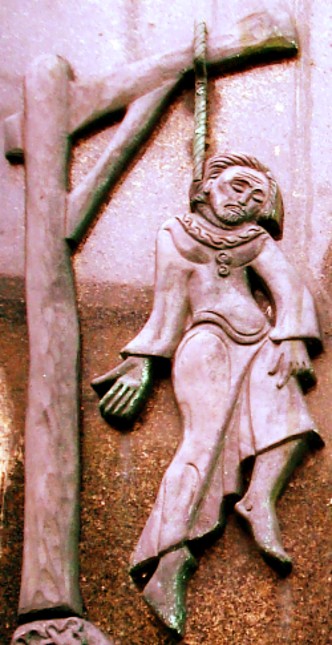
Saint of the Day – 13 April – Blessed Edward Catherick (c1605-1642) Priest Martyr. Born around 1605 in York, England and died in York, by being hung, drawn and quartered during the reign of Charles I. Also known as – Edmund.
Edward Catherick was born in 1605 in York. Drawn to the priestly life from a young age, he went to the continent to study and receive Ordination which took place in 1634.
Upon returning to England, he devoted himself fervently to his ministry, preaching the Word of God and administering the Sacraments to persecuted Catholics.
He was arrested in 1641, imprisoned in York along with John Lockwood. Despite the pressure and torture they endured during their imprisonment, both Priests remained steadfast in their faith. Lockwood, although eighty-seven years old and having already escaped capital punishment twice, chose to precede the younger Catherick to the scaffold, to encourage him to pursue his glorious Martyrdom. On 13 April 1642, the two Priests were led to the scaffold and hanged.
In 1929, Edward Catherick and John Lockwood were Beatified by Pope Pius XI. Their Liturgical memory is celebrated today 13 April, the day of their Martyrdom.
St Hermengild (Died 585) Martyr, Confessor, King. The Roman Martyrology reads: “At Seville in Spain, St Hermenegild, son of Leovigild, Arian King of the Visigoths, who was incarcerated for the confession of the Catholic Faith. By order of his wicked father, he was beheaded because he had refused to receive communion from an Arian Bishop, on the Paschal Solemnity and thus exchanging an earthly for a heavenly Kingdom, he entered the abode of the blessed, both as a King and as a Martyr.” His Life and Death: https://anastpaul.com/2023/04/13/saint-of-the-day-13-april-st-hermenegild-died-585-martyr-confessor/
St Carpus of Pergamus Blessed Edward Catherick (c1605-1642) Priest Martyr Bl Francis Dickenson St Guinoc
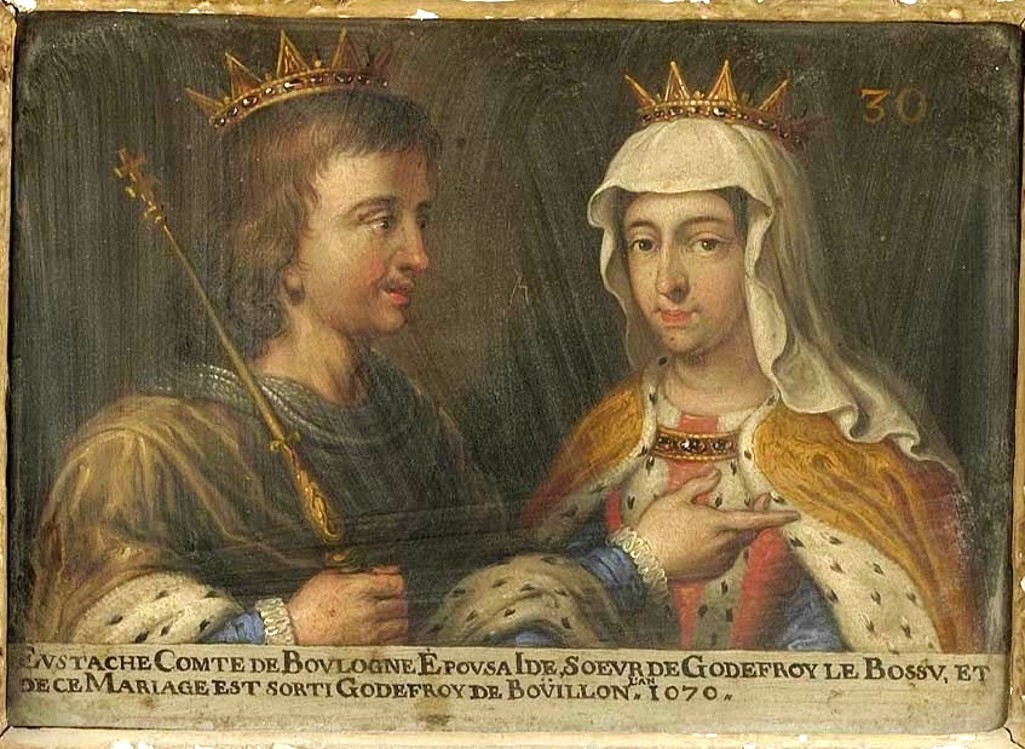
St Ida(c1040-1113) Widow, Countess, Apostle of charity to the poor and needy, a lady of pious devotion and love for the Church to which she extended donations and assistance wherever needed. She supported and became a friend and correspondent of St Anselm of Canterbury who was deeply involved in the Cluniac reform in France. Born in c1040 in Ardennes, France and died on 13 April 1113 of natural causes. Patronage – of widows. Devoted St Ida: https://anastpaul.com/2024/04/13/saint-of-the-day-13-april-saint-ida-of-boulogne-c1040-1113/
Bl Ida of Louvain Bl James of Certaldo Bl John Lockwood
St Martius of Auvergne Bl Miles Gerard St Papylus of Pergamus St Proculus of Terni
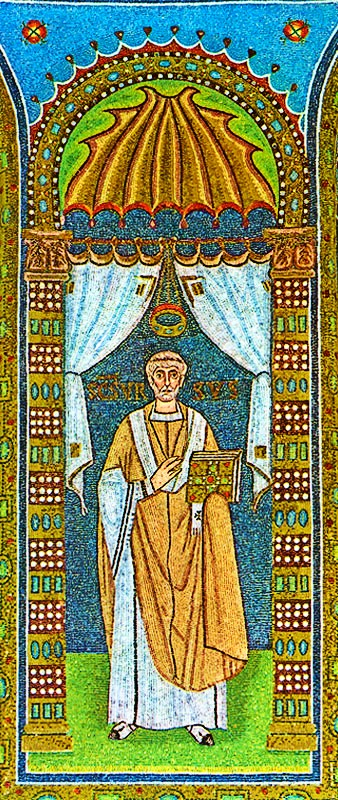
St Ursus (Died c425) Bishop of Ravenna, in which Office he remained for 26 years. Born in Sicily in Italy and died in Ravenna, Italy of natural causes on 13 April in around 425. Patronages – of Furriers and Tanners, against kidney diseases, against fainting. A Shepherd’s Life: https://anastpaul.com/2025/04/13/saint-of-the-day-13-april-saint-ursus-died-c425-bishop-of-ravenna/
Martyrs of Dorostorum – 3 Saints: A lector and two students Martyred together in the persecutions of Diocletian – Dadas, Maximus and Quinctillianus. Beheaded c303 in Dorostorum, Lower Mysia (modern Sillistria, Bulgaria.
DISCLAIMER: Please note: I cannot control the content of the Advertisements on this Site, or of pop-ups which may appear, The revenue from the Advertisements, however, does provide a little assistance in the support of the Site. I do apologise for any inappropriate content.
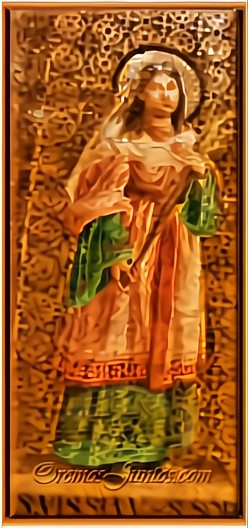
Saint of the Day – 12 April – Saint Vissia (Died c250) Virgin Martyr of Fermo, Ascoli, Piaceno, Italy. Born on an unknown date in Fermo and died there during the persecution of Emperior Decius in around 250.
The Roman Martyrology reads today: “At Fermo in the Marches, St Vissia, Virgin and Martyr.”
The life of our Saint Vissia is shrouded in mystery. The Roman Martyrology attests to her veneration, as explained below but is silent on biographical details .
Saint Vissia, who ennobled her hometown by her Martyrdom, her name being part of a list of Saints vnerated in Fermo, was on 5 August 1581 sent by a local Prelate to an Oratorian Priest and friend of Cesare Baronio, who, as is well known, compiled the first ‘Roman Martyrology’ and included the holy virgins and Martyr on 12 April.
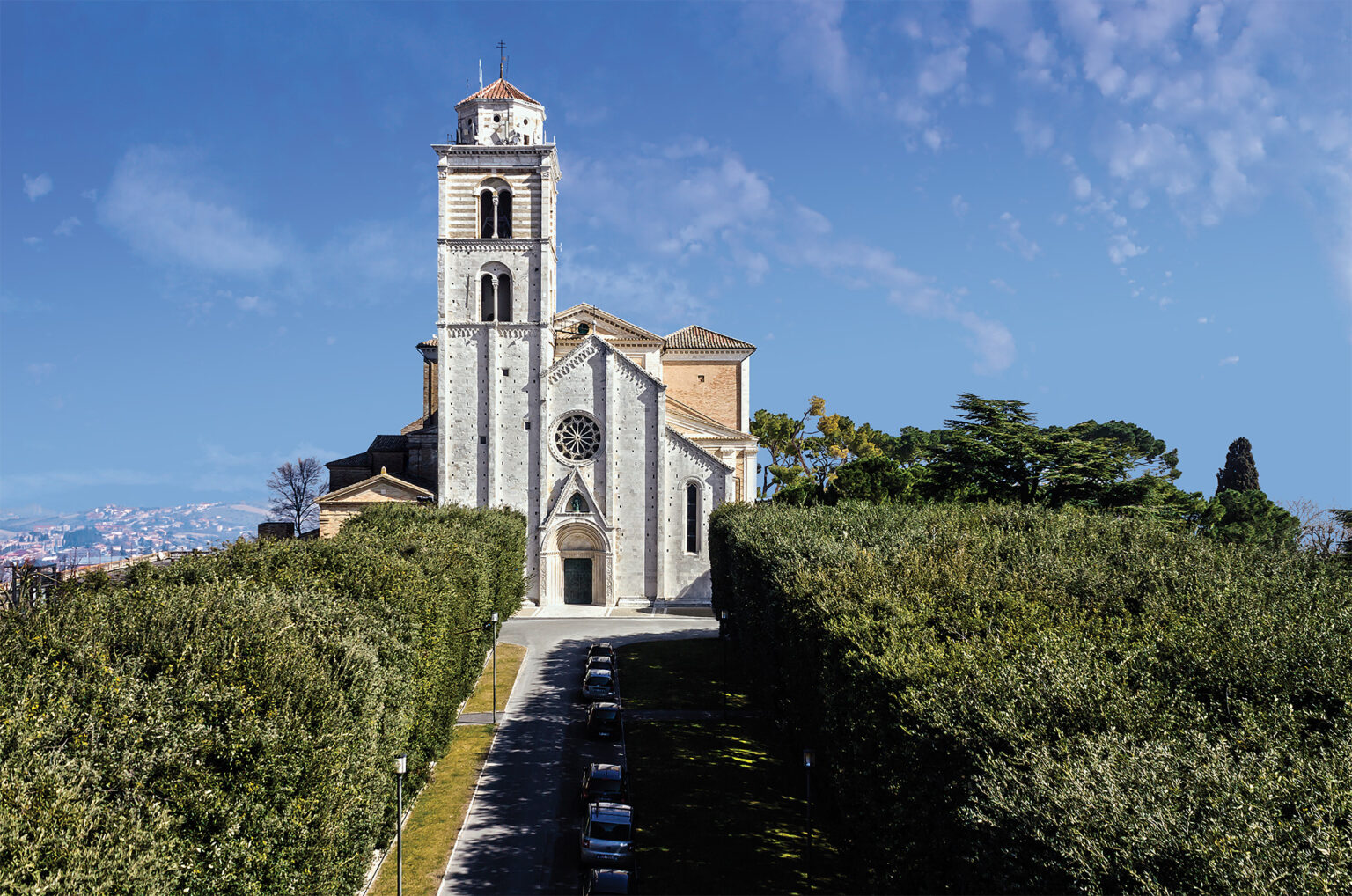
The presence of the skulls of 2 Virgin Martyrs of Fermo in separate Reliquaries in Fermo Cathedral, suggests a possible contemporary Martyrdom, perhaps by beheading, during the 7th persecution under Emperor Decius (249-251).
Local tradition places their sacrifice around 250, while an inscription in the Cathedral celebrates Vissia as the glory of her native City. The uncertainty regarding the dates and circumstances of her Martyrdom does not obscure the popular devotion paid to her and her fellow Virgin and Martyr, St Sophia.
The Octave Day of Easter or Low Sunday Quasimodo Sunday or Dominica In Albis “At the end of the Octave, in the ancient Roman Church, the Newly-Baptised would remove their white Baptismal gowns which would be deposited at the Cathedral. Thus, the Saturday of the Octave is called “in albis” and the Sunday, which is technically outside the Octave and the beginning of the Easter season, is “in albis depositis.” Hitherto they were known as the “infantes… infants” in the Faith. In fact, the first Chant of Sunday’s Mass, in Introit, is from 1 Peter 2:2-3 in the Vetus Latina version which pre-dates the Vulgate of St Jerome. In the translation I’ll include the verse immediately before, because it is relevant to our work today:
Quasimodo Geniti I nfantes, rationabile, sine dolo lac concupiscite ut in eo crescatis in salutem si gustastis quoniam dulcis Dominus. … [So put away all malice and all guile and insincerity and envy and all slander.] Like newborn babes, long for the pure spiritual milk so that by it, you may grow up to salvation; for you have tasted the kindness of the Lord.”
St Ailell of Cologne (Died 1040) Priest,Abbotof Great Saint Martin’s Monastery and of St Pantaleon’s in Cologne, Missionary, a strict disciplinarian and a talented and skilled leader, running two separate Monasteries for years. He was also a skilled Musician and is held to be the first to introduce Roman chant to Cologne. Talented St Ailell: https://anastpaul.com/2024/04/12/saint-of-the-day-12-april-saint-ailell-of-cologne-died-1040-priest-abbot/
St Alferius Pappacarbone of La Cava (930–1050) Priest, Founder and Abbot of Arsicia (La Trinità della Cava) which follows the Benedictine Rule, nobleman, Diplomat to Prince Waimar III of Salerno, Cluniac reformer, cave Hermit, Mystic and Ecstatic, Miracle-worker. The Roman Martyrology states: “In the Monastery of Cava de ‘Tirreni in Campania, Saint Alferius, Founder and first Abbot, who, after having been adviser to Guaimario, Duke of Salerno, who became a disciple of Saint Odilone in Cluny, learned, in an excellent way, the discipline of monastic life.” The Renowned La Cava Saint: https://anastpaul.com/2021/04/12/saint-of-the-day-12-april-saint-alferius-of-la-cava-930-1050/
Blessed Andrew of Montereale OSA (c1479-1764) Priest and Friar of the Order oif the Hermits of St Augustine, renowned Scholar, Preacher, Teacher, Reformer. Confessor and Spiritual Director to the Royal Court of France, Miracle-worker. His life was devoted to teaching, preaching and leading the Augustinians from several positions of leadership. He was hailed, even during his lifetime, as a pious Miracle worker.
St Artemón of Caesarea St Basil of Parion St Constantine of Gap (Died 529) Bishop and Confessor
St Damian of Pavia (Died c710) Bishopand Confessor, Defender of the Faith against heretics, Apostle of the poor and needy, In 679, Damian wrote a letter to Emperor Constantine IV on behalf of St Mansuetus, the Archbishop of Milan, against the heresy of Monothelitism. This letter, in a Latin edition, is the only extant writing from the hand of St Damian (sometimes attributed to St Mansuetus on whose behalf Damian was writing). His Fervent Life: https://anastpaul.com/2025/04/12/saint-of-the-day-12-april-st-damian-of-pavia-died-c710-bishop-and-confessor/
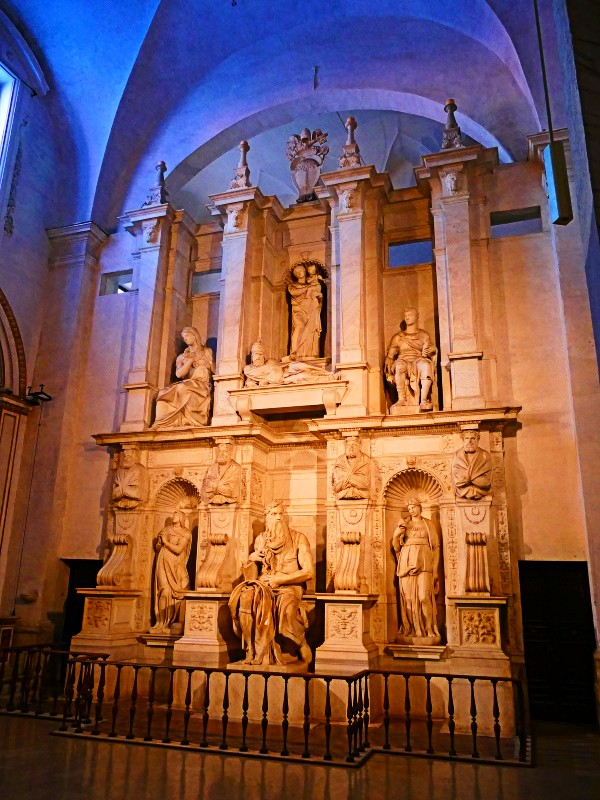
The Church of San Pietro in Vincoli in Pavia where our St Damian is enshrined
St Erkemboden of Thérouanne St Florentin of Arles
St Pope Julius I (Died 337) Reign from 6 February 337 until his death on 12 April 352. He fought against the Arian Heresy and it is also believed that he is the Pope who set 25 December as the date of the Birth of Jesus. The Roman Martyrology reads: “At Rome, the birthday of Pope St Julius, who vigorously combated for the Catholic Faith against the Arians. After a life of brilliant deeds and great sanctity, he rested in peace.” His Zealous Life: https://anastpaul.com/2023/04/12/saint-of-the-day-12-april-saint-pope-julius-i-died-337/
St Lorenzo of Belem St Peter of Montepiano
St Sabas the Lector
St Tetricus of Auxerre St Vissia (Died c250) Virgin Martyr of Fermo St Wigbert
St Aleth (1064-1106)Laywoman, Mother of 7, 4 of whom are Saints including the Doctor of Light, St Bernard (of Clairvaux), The other 3 Saints are St Humbeline of Jully (c1091-c1136) a Benedictine Nun, St Gerard of Clairvaux (Died 1138) Bernard older brother, Blessed Nivard of Clairvaux (c1100-c1150) Bernard’s youngest brother. Lovely St Aleth: https://anastpaul.com/2024/04/04/saint-of-the-day-4-april-saint-aleth-of-dijon-1064-1106-laywoman/
St Guerir (8th Century) Monk and Hermit in Liskeard, Cornwall, England, known for his ascetic life of prayer and mortifications. His sanctity drew great admiration. Upon his death, the King of England, St Alfred the Great, when visiting his grave was miraculously cured of a serious illness. His Life of Fervent Prayer: https://anastpaul.com/2025/04/04/saint-of-the-day-4-april-saint-guerir-8th-century-hermit/
St Henry of Gheest St Hildebert (Died c752) Abbot and Martyr of Ghent St Peter of Poitiers (c1130-1215) Bishop
St Theodulus of Thessalonica St Theonas of Egypt St Tigernach of Clogher
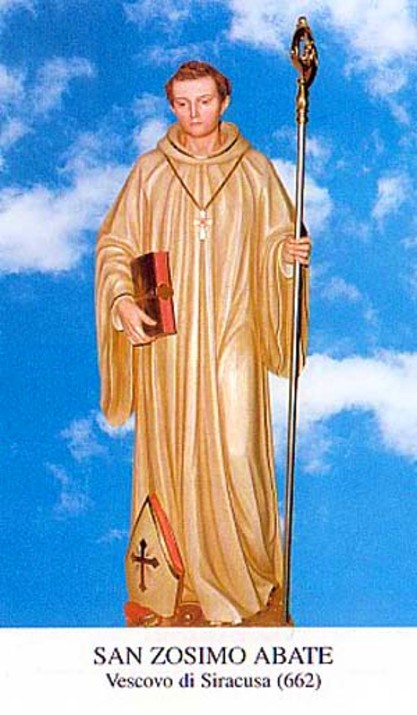
St Zosimus (Died c560) Priest, Monk, Hermit. As already reported in the legendary life of St Mary of Egypt, St Zosimus, a Monk and Hermit, is the one who discovers St Mary in the desert and gave her Holy Communion shortly before her death. The Roman Martyrology reports: “In Palestine, the Anchorite, St Zosimus, who buried the remains of St Mary of Egypt.” His Holy Life: https://anastpaul.com/2023/04/04/saint-of-the-day-4-april-st-zosimus-of-palestine-c-460-c-560-priest-hermit/
Martyred in Cairo François de la Terre de Labour Nicolas of Montecorpino
Martyrs of Thessalonica – 14 Saints: Fourteen Christians who were Martyred together, date unknown. No other information, except the names of 12 of them, has survived – Ingenuus, Julianus, Julius, Matutinus, Orbanus, Palatinus, Paulus, Publius, Quinilianus, Saturninus, Successus, Victor and two whose names have not come down to us. Agathopus the Deacon, Theodulus the Lector.
Saint of the Day – 3 April – Saint Vulpian (Died c306) Martyr of Tyre, Phoenicia, Syria. Born and Martyred as a teenager in Syria. Also known as – Ulfianus, Ulpian, Ulpiano, Ulpianus, Vulpianus.
The Roman Martyrology reads today: “At Tyre, the Martyr, St Vulpian, who was sewn in a sack with a serpent and a dog and drowned in the sea during the persecutions of Maximian Galerius.”
The Martyrdom of St Vulpian of Tyre, who lived during the persecution of Maximinu, has come down to us through the Roman Martyrology which celebrates his memory today.
His life and death, although brief and tragic, offers food for thought on the unwavering faith of a young Christian in the face of such violent adversity.
Unfortunately, information on St Vulpian is scant. We know only that he was a teenager from Tyre, a City in Phoenicia (modern-day Lebanon), who lived in the early 4th Century. His Martyrdom occurred during the period of Christian persecution under Emperor Maximinus (305-313), known for his ferocity against the Church.
Vulpian, still a young man, was arrested for his faith in Christ. The authorities attempted to make him recant but he remained steadfast in his great love for Christ and His Church. Faced with his steadfast resistance, his persecutors devised a particularly cruel Martyrdom by sewing him into a sack with a dog and a snake and then throwing him into the sea.
Tre Ore (The Three Hours Devotion) The Three Hours’ Agony on Good Friday from Noon until 3 o’clock to commemorate the three hours of Christ’s Hanging on the Cross. It includes sermons on the Seven Last Words from the Cross and usually occurs between Noon and 3PM, the latter being the time when Jesus Died on the Cross and the time the Liturgy of the Lord’s Passion begins. In 1815, Pope Pius VII decreed a Plenary Indulgence to those who practice this devotion on Good Friday.
It is a fine tradition to keep silent from Noon to 3:00 PM today.
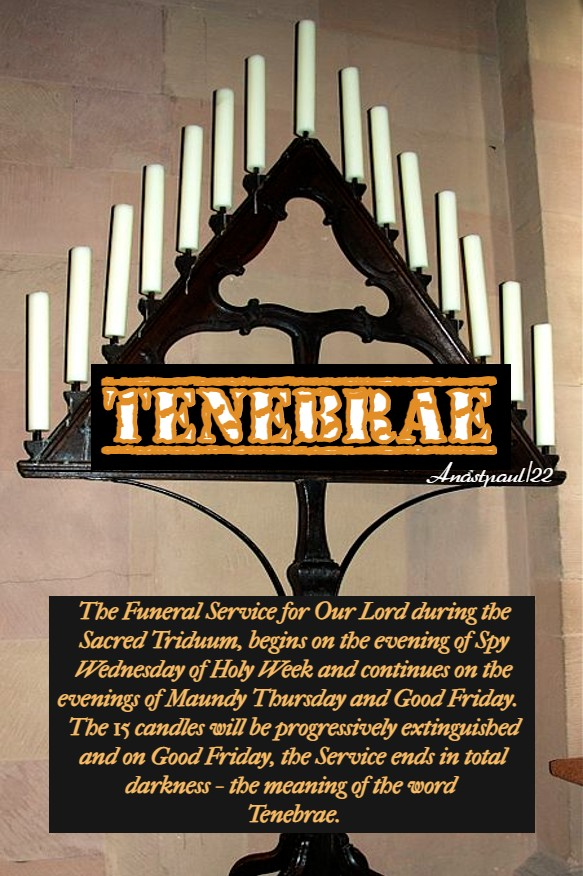
The Office of Tenebrae The public singing of part of the Divine Office, on Wednesday, Thursday and Friday evenings in Holy Week, anticipating Matins and Lauds of Holy Thursday, Good Friday and Holy Saturday. This custom goes back centuries and acquired the name because of the mourning ritual surrounding the ceremony which includes a triangular candlabra bearing fifteen candles. These are extinguishedt one by one until, after the last candle is extinguished, a prayer is said in darkness, one candle is lit and the assembly dispersed in silence.
St Attala of Taormina
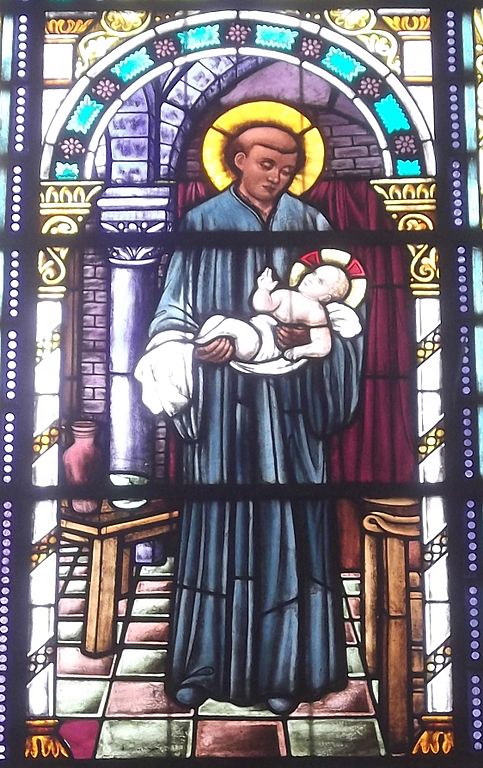
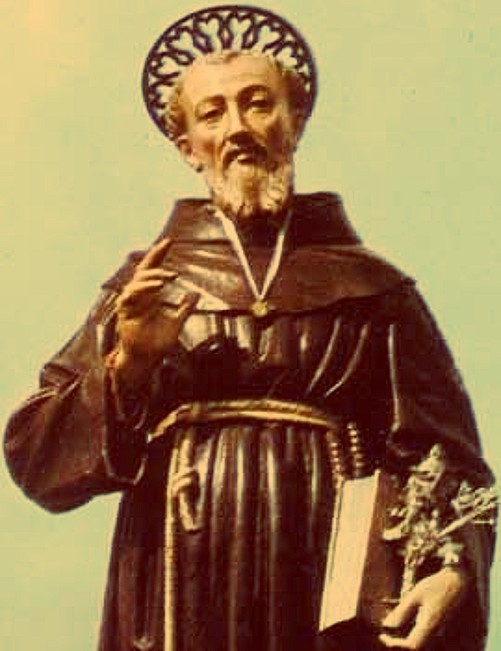
St Benedict of Palermo OFM (1526-1589) Lay Friar of the Order of Friars Minor of the Observance, Confessor, spiritual counsellor, Apostle of the poor and needy, graced with the gift of healing the sick. St Benedict’s gifts for prayer, his love for the Blessed Virgin and the Infant Jesus and the wisdom displayed in his guidance of souls, earned him, a reputation for holiness, throughout Sicily. Following the example of St Francis, Benedict kept seven 40-day fasts throughout the year. He also slept only a few hours each night. His body is incorrupt. Kind and Holy Benedict: https://anastpaul.com/2023/04/03/saint-of-the-day-3-april-st-benedict-of-palermo-ofm-1526-1589-lay-friar/
St Burgundofara / more commonly known as Fara (c595-c 643) Virgin, Nun, Abbess, Founder of the famous Evoriacum Monastery, near Paris which after her death was renamed in her honour, Faremoutiers Abbey (Fara’s Monastery). She is celebrated on 7 December in France. Her Pious and Zealous Life: https://anastpaul.com/2022/12/07/saint-of-the-day-7-december-st-burgundofara-c-595-c-643-virgin/
St Chrestus St Comman St Evagrius of Tomi
Blessed Gandulphus OFM (c1200-1260) Priest, Friar of the First Order of St Francis. He was a renowned Preacher mainly in Sicily, Hermit, Miracle-worker . He was one of those who entered the Order while the Seraphic Father was still alive and the life he led was one of great self-abnegation. He was Beatified on 10 March 1881 by Pope Leo XIII. Biography: https://anastpaul.com/2022/04/03/saint-of-the-day-3-april-blessed-gandulphus-of-binasco-ofm-c-1200-1260/
Blessed John of Penna OFM (c1193-1271) Priest, Friar of the First Order of St Francis and became a Franciscan during St Francis’ lifetime. Founder of the Order in France, Mystic and gifted with the charism of prophecy. He was Beatified on 20 December 1806 by Pope Pius VII. His Ardent Life: https://anastpaul.com/2021/04/03/saint-of-the-day-3-april-blessed-john-of-penna-ofm-c-1193-1271/
Martyrs of Greece – 4 Saints: A group of young Christian men who protested to City authorities that gifts to temples of pagan gods should be used to feed the poor during a regional famine. When the officials refused, the group went to local temples, broke up the idols and fixtures and gave the gold and silver bits to the poor to use to buy food. The group was imprisoned and executed. The only other thing we know about these Martyrs are the names – Bythonius, Elpideforus, Dius and Galycus. They Died in the 3rd Century at an unknown location in Greece.
Martyrs of Tomi (Romania) – 9 Saints who were Martyred together. We know nothing else about them but the names – Arestus, Benignus, Chrestus, Evagrius, Papo, Patricius, Rufus, Sinnidia and Zosimus. They Died at Tomi, Scythia (modern Constanta, Romania).
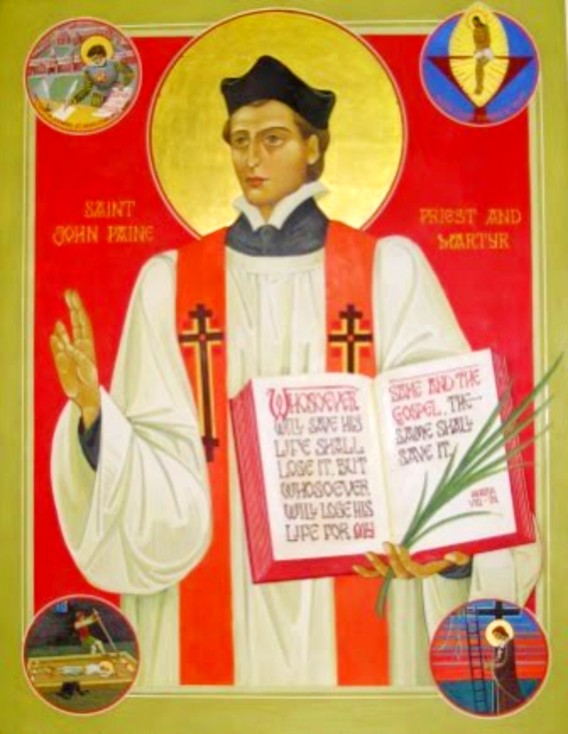
Saint of the Day – 2 April – Blessed John Payne (c1550-1582) Priest Martyr, Born in c1532 in Peterborough, Huntingdonshire, Cambridge, England and died on 2 April 1582 in Chelmsford, Essex by being hung, drawn and quartered, Also known as – Pain, Paine. Blessed John was Beatified on 29 December 1885 by Pope Leo XIII.
John Payne was born around 1550 near Peterborough in Huntingdonshire. Nothing is known of his youth, except that he was raised a Protestant. Only later did he convert to Catholicism and in 1574, he entered the new college in Douai to prepare for the Priesthood. There he was entrusted with the task of Bursar and in 1576 he was Ordained a Priest, although this suggests Blessed John had already undertaken Theological studies elsewhere.
He then returned home with Blessed Cuthbert Mayne, to exercise his ministry, settling in Essex at Ingatestone Hall, a guest of the Petres family, who were strongly opposed to the religious policies of the English Government. This facilitated his pastoral activity among the local Catholics, even though these were still difficult times for Catholics in communion with the Holy See.
In 1577 he was arrested and briefly imprisoned. Once released, he returned to Douai but by mid-1578 he was back at Ingatestone Hall.
In 1581, while working in Warwickshire, John Payne was betrayed, arrested and taken to the Tower of London. Accused of treason against the Queen, he was tortured on the wheel and sentenced to be hung, drawn and quartered.
He refused the assistance offered him by a certain George Elliott, reiterating instead “he had always, in mind or word, honoured her Majesty the Queen more than any other woman in the world; that he would always happily obey every civil duty; that he prayed for her as for his own soul; that he had never thought or plotted any treason against her Majesty or any nobleman of England.”
On 2 April 1582, the sad event occurred near Chelmsford in Essex which earned John Payne the Martyr’s Ccrown. Those who witnessed his execution, struck by the Priest’s upright conduct, asked that his body be left hanging until death, thus waiting to perform the gruesome procedures prescribed.
The Saint died uttering the words “Jesus, Jesus, Jesus.”
The Office of Tenebrae The public singing of part of the Divine Office, on Wednesday, Thursday and Friday evenings in Holy Week, anticipating Matins and Lauds of Holy Thursday, Good Friday and Holy Saturday. This custom goes back centuries and acquired the name because of the mourning ritual surrounding the ceremony which includes a triangular candlabra bearing fifteen candles. These are extinguishedt one by one until, after the last candle is extinguished, a prayer is said in darkness, one candle is lit and the assembly dispersed in silence.
St Francis of Paola O.M. (1416-1507) known as “Saint Francis the Fire Handler” – Confessor, Monk and Founder, inspired with the Gift of Prophecy and still called the “Miracle-Worker” Apostle of the poor, Peacemaker. He was an Italian mendicant Friar and the Founder of the Order of Minims. Unlike the majority of founders of men’s religious orders and like his Patron Saint, Francis was never ordained a priest. His Body was Incorrupt until destroyed in the French Revolution. He was Canonised in 1519 by Pope Leo X. St Francis’s Life: https://anastpaul.wordpress.com/2018/04/02/saint-of-the-day-2-april-st-francis-of-paola-o-m-1416-1507/
St Bronach of Glen-Seichis St Constantine of Scotland St Ebbe the Younger St Eustace of Luxeuil St Gregory of Nicomedia Blessed John Payne (c1550-1582) Priest Martyr
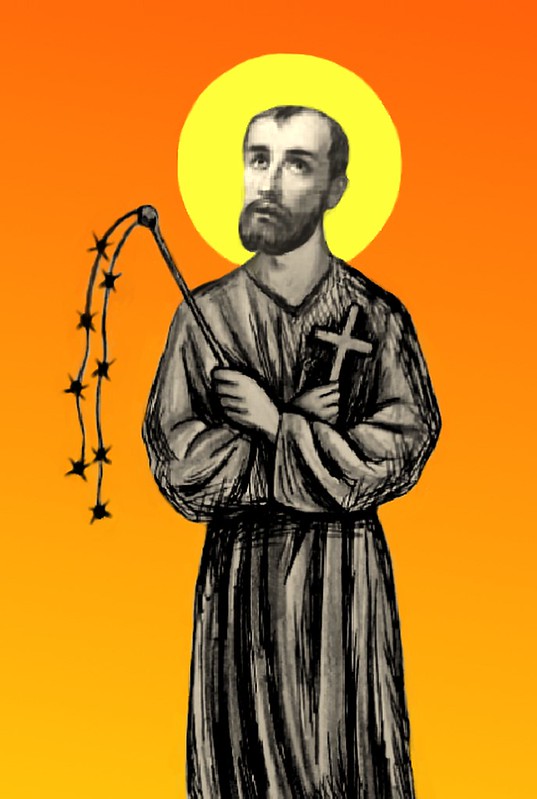
Blessed Leopold of Gaiche OFM Cap (1732-1815) Priest and Friar of the Order of Friars Minor of the Capuchin branch, Missionary Preacher in Italy, called “The Apostle of Umbria.” He became renowned for wearing a crown of thorns. He served in a position of power in the Franciscan Order in the Umbrian region in which he supported strong adherence to the Rule of Saint Francis. Biography: https://anastpaul.com/2022/04/02/saint-of-the-day-2-april-blessed-leopold-of-gaiche-ofm-cap-1732-1815/
Martyrs of Africa – 10 Saints: A group of ten Christians Martyred together in Africa, date unknown. We have six of their names – Marcellinus, Procula, Quiriacus, Regina, Satullus and Saturnin but no other information has survived.
Martyrs of Thessalonica – 16 Saints: Sixteen Christians who were Martyred together in Thessalonica in Greece, date unknown. We know nothing else about them but 13 of their names – Agapitus, Agatophus, Cyriacus, Dionysius, Gagus, Julianus, Mastisius, Proculus, Publius, Theodoulus, Urbanus, Valerius and Zonisus.
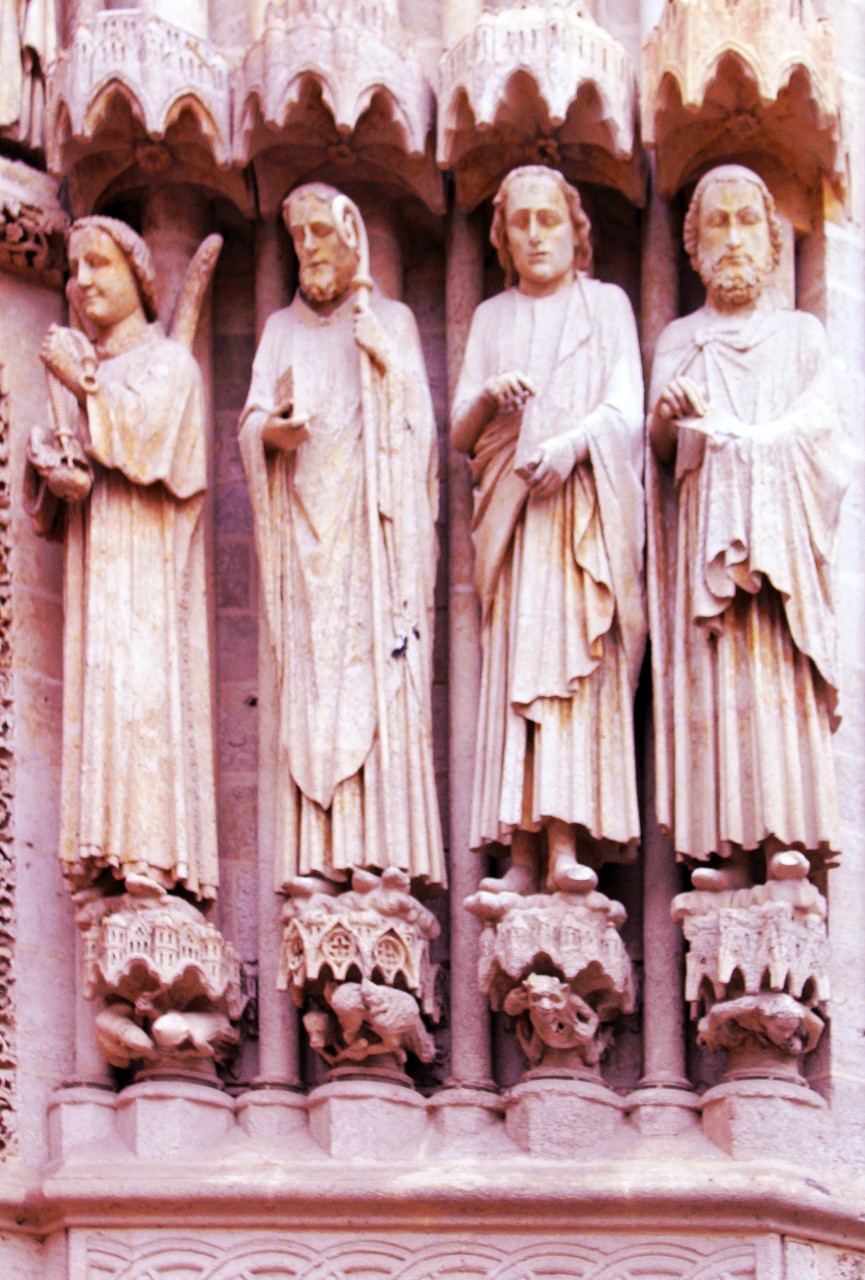
Saint of the Day – 1 April – Saint Beherond (7th Century) Bishop and Confessor of Amiens. He was a friend and colleague of St Valéry of Leucone (c565-c619) also celebrated today. Also known as – Berchond.
Saints on Amiens Cathedral Facade
The story of this saintly Bishop of Amiens is limited to his relationship with Saint Valery regarding the donation of Leuconay Abbey to the latter by the King of the time.
A Statue on the Saint-Firmin portal of the Cathedral perpetuates his memory.
The Office of Tenebrae The public singing of part of the Divine Office, on Wednesday, Thursday and Friday evenings in Holy Week, anticipating Matins and Lauds of Holy Thursday, Good Friday and Holy Saturday. This custom goes back centuries and acquired the name because of the mourning ritual surrounding the ceremony which includes a triangular candlabra bearing fifteen candles. These are extinguishedt one by one until, after the last candle is extinguished, a prayer is said in darkness, one candle is lit and the assembly dispersed in silence.
Devotions for the Month of April The Resurrection and The Blessed Sacrament ‘I am the Resurrection and the Life’
Blessed Abraham of Bulgaria Blessed Alexander of Sicily Saint Anastasio Blessed Antonius of Noto Saint Beherond (7th Century) Bishop and Confessor of Amiens
Saint Celsus (c1080-1129) Archbishop of Armagh, Reformer. He was responsible for the change from lay control of the Church in Ireland, to a Clerical-Episcopal model. Himself a hereditary lay administrator, he decided to seek Priestly Ordination and be embraced celibacy in order that the reform introduced by Pope St Gregory VIII on the Continent, could take effect also in Ireland. Holy and Brave St Celsus: https://anastpaul.com/2023/04/01/saint-of-the-day-1-april-saint-celsus-of-armagh-c1080-1129-archbishop/
Saint Dodolinus of Vienne Blessed Enrico Alfrieri OFM (1315-1405) Vicar General of the Friar’s Minor Blessed Gerard of Sassoferrato Saint Gilbert de Moray Blessed Giuseppe Girott Blessed Hugh of Bonnevaux
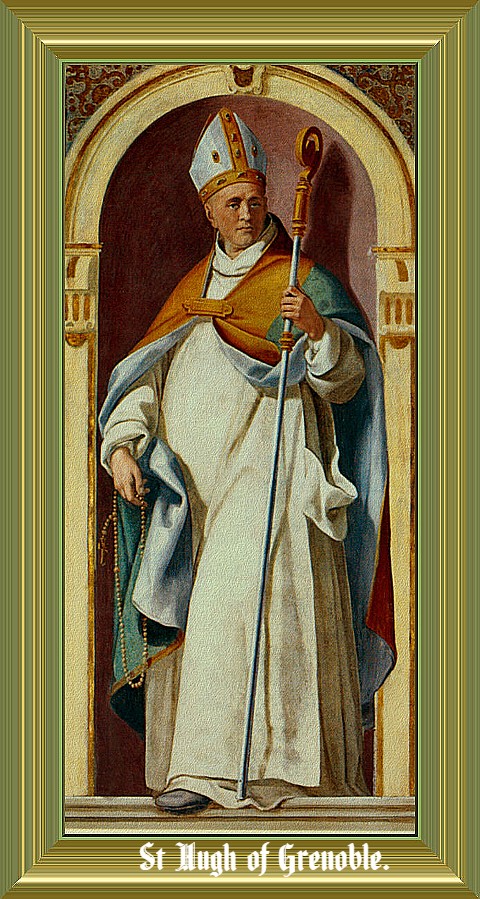
Saint Hugh (1053-1232) Bishop of Grenoble , Reformer, in the foundation of the Carthusian Order, founded a Monastery at Chalais. The Roman Martyrology reads: “In Grenoble in Burgundia, in today’s France, St Hugh, Bishop, who worked for the reform of the customs of the clergy and the people and, during his Episcopate, ardently loving solitude, gave St Bruno at the time, his teacher and to his companions, the hermitage of Chartroux, of which he was also the first Abbot. He ruled his Church for about fifty years with the thoughtful example of his charity.” This Wonderful Zealous St Hugh: https://anastpaul.com/2022/04/01/saint-of-the-day-1-april-saint-hugh-of-grenoble-1053-1232/
Saint Jacoba of Rome Blessed John Bretton Saint Leucone of Troyes
Saint Melito (Died c 180) Early Church Father, Bishop of Sardis (Died c 180), ecclesiastical Writer, Confessor, Apologist, Defender of Christ’s dual nature. Saint Melito is believed to have been martyred around the time he wrote his apology to Marcus Aurelius circa 180. Brilliant St Melito: https://anastpaul.com/2019/04/01/saint-of-the-day-1-april-st-melito-died-c-180/
Saint Valéry(c565-c619) Priest, Abbot, Founder of the Abbey of Saint-Valery-sur-Somme, a man of Miracles and Visions. Born around 565 in the Auvergne in France and died on 1 April c619 (?) in Leuconay, today St-Valéry-sur-Somme. Patronages – of horticulturists and gardeners, of Death Row Prisoners,fishermen and of of Saint-Valéry-sur-Somme. The Roman Martyrology reads: “At Amiens, the Abbot, St Valéry, whose Tomb is made illustrious by frequent miracles.” Miraculous St Valéry: https://anastpaul.com/2024/04/01/saint-of-the-day-1-april-saint-valery-of-leucone-c565-c619-priest-abbot/
Saint Venantius of Spalato Blessed Vinebault
Apostles of Picardy – Martyrs: Saint Caidoc Saint Fricor
Martyrs of Thessalonica – 6 Saints: A group of Christians Martyred. We know nothing about them but the names Alexander, Dionysius, Ingenianus, Panterus, Parthenius and Saturninus. Martyred in Thessalonica, Greece, date unknown.
Saint of the Day – 31 March – St Machabeus (Died 1174) Abbot of the Monastery of Saint Peter and Saint Paul in Armagh. Also known by his Irish name of Gilla Mo Chaidbeo.
St Machabeus served in his office as the Abbot for over thirty years.
His death is the last to be commemorated in the Martyrology of Gorman, which was written by his contemporary, Máel Muire Ua Gormáin (Marianus Gorman) sometime in the 2nd half of the 12th Century.
The notes to the Martyrology provide him with this most praiseworthyEulogy:
“Gilla mo-Chaidbeo, Abbot of the Monastery of Paul and Peter in Armagh. The tower of piety and firmness, wisdom and knowledge, labour and prudence of his time.”
Details of our Saint are also to be found in the Irish Annals which give the year of his death:
“THE AGE OF CHRIST, 1174.
Gilla Mochaibeus, Abbot of the Monastery of Sts Peter and Paul at Armagh, a diligent and faithful servant of the Lord, died on the 31st day of March, in the seventieth year of his age.”
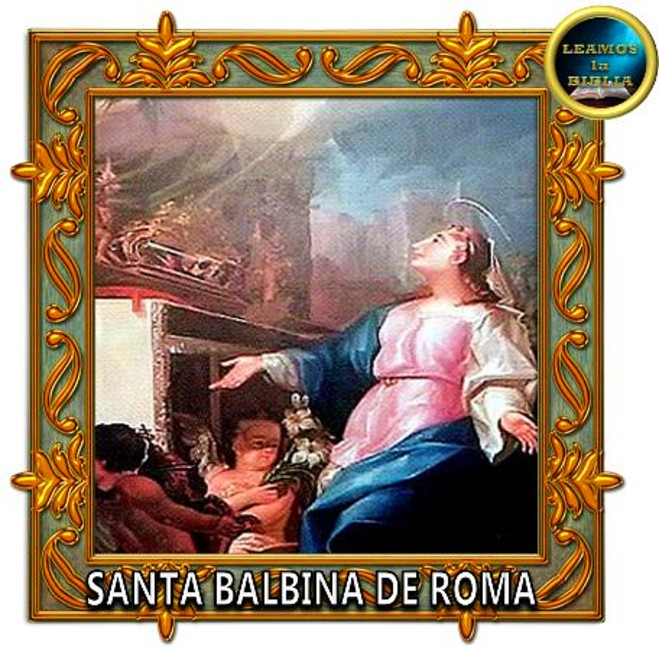
St Balbina (Died c130) Virgin and Martyr of Rome. Patronage – against Throat Diseases, goitor diseases. Also known as – Balbina the Virgin, Balbine. The Roman Martyrology reads today: “At Rome, the holy virgin Balbina, daughter of the blessed Martyr Quirinus, who was Baptised by Pope St Alexander and after overcoming the world, was buried on the Appian Road at ther father’s side.” A Most Efficacious Saint: https://anastpaul.com/2025/03/31/saint-of-the-day-31-march-st-balbina-died-c130-virgin-and-martyr/
St Benjamin the Deacon (Died c424) Deaco and Martyr. Benjamin was executed during a period of persecution of Christians that lasted forty years and through the reign of two Persian kings: Isdegerd I, who died in 421 and his son and successor, Varanes V. King Varanes carried on the persecution with such great fury, that Christians were submitted to the most cruel tortures. His Life and Death: https://anastpaul.com/2021/03/31/saint-of-the-day-31-march-st-benjamin-the-deacon-died-c-424-martyr/
St Machabeus (Died 1174) Abbot of Armagh St Mella of Doire-Melle St Renovatus of Merida
Martyrs of Africa – 4 Saints: A group of Christians Martyred together for their faith. No details have survived except for of their names – Anesius, Cornelia, Felix and Theodulus. They were martyred in Roman pro-consular Africa.
Saint of the Day – 30 March – Saint Clinius (Died c1040) Abbot and Confessor of the Monastery of San Pietro della Foresta in Aquino, Italy, renowned Miracle-worker. Patronage – of Esperia, Italy. Also known as – Clinio, Clino.
The Roman Martyrology reads today: “At Aquino, St Clinius, Confessor.”
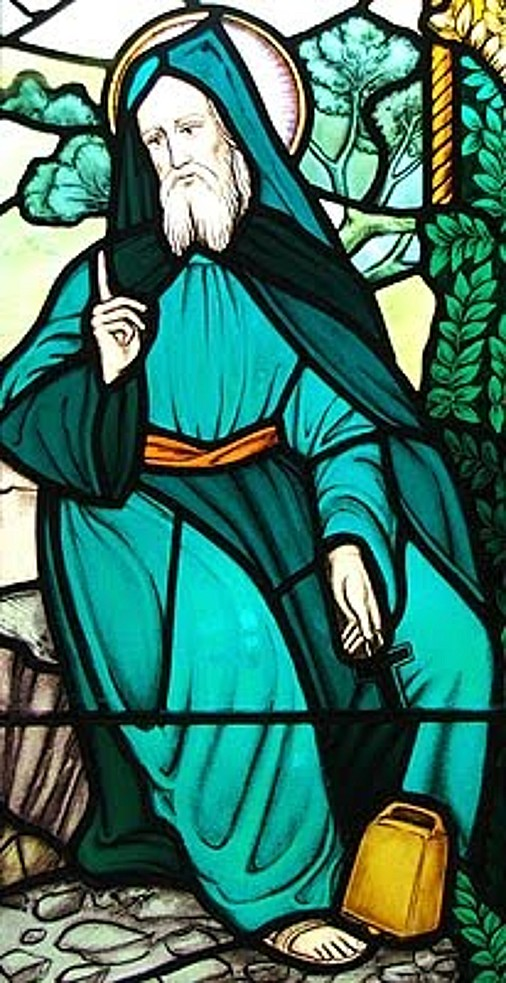
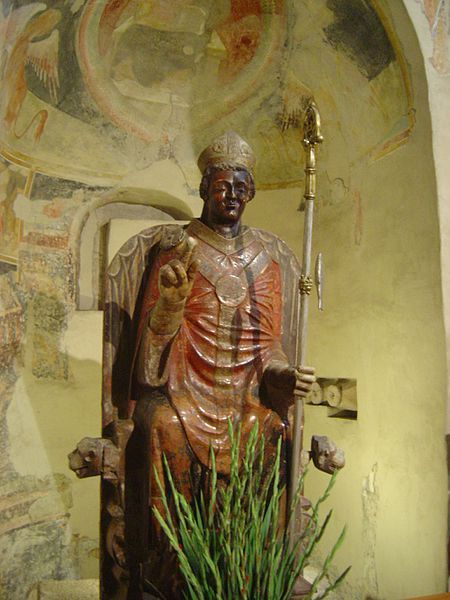
Unknown Abbot or Bishop Saint
Clinius, a Greek Monk, became the Abbot of the Basilian Monastery of San Pietro della Foresta, located between Pontecorvo and Rocca Guillermo (now Esperia), in the early decades of the 11th Century.
His presence is attested in a signed Deed of Donation in 1030. In the second half of the Century, the Monastery came under the jurisdiction of Monte Cassinok.
At San Pietro della Foresta, St Clinoius, a man of great sanctity and miracles, died before 1050. His remains were transferred to the Church of Santa Maria di Rocca Guillermo (Esperia), where his memory is celebrated as the principal Patron Saint of that City.
The figure of Saint Clinius, shrouded in uncertainty due to the lack of contemporary sources, emerges as an example of a pious Abbot and miracle-worker, highly venerated in the community of Esperia which preserves his memory and cult.
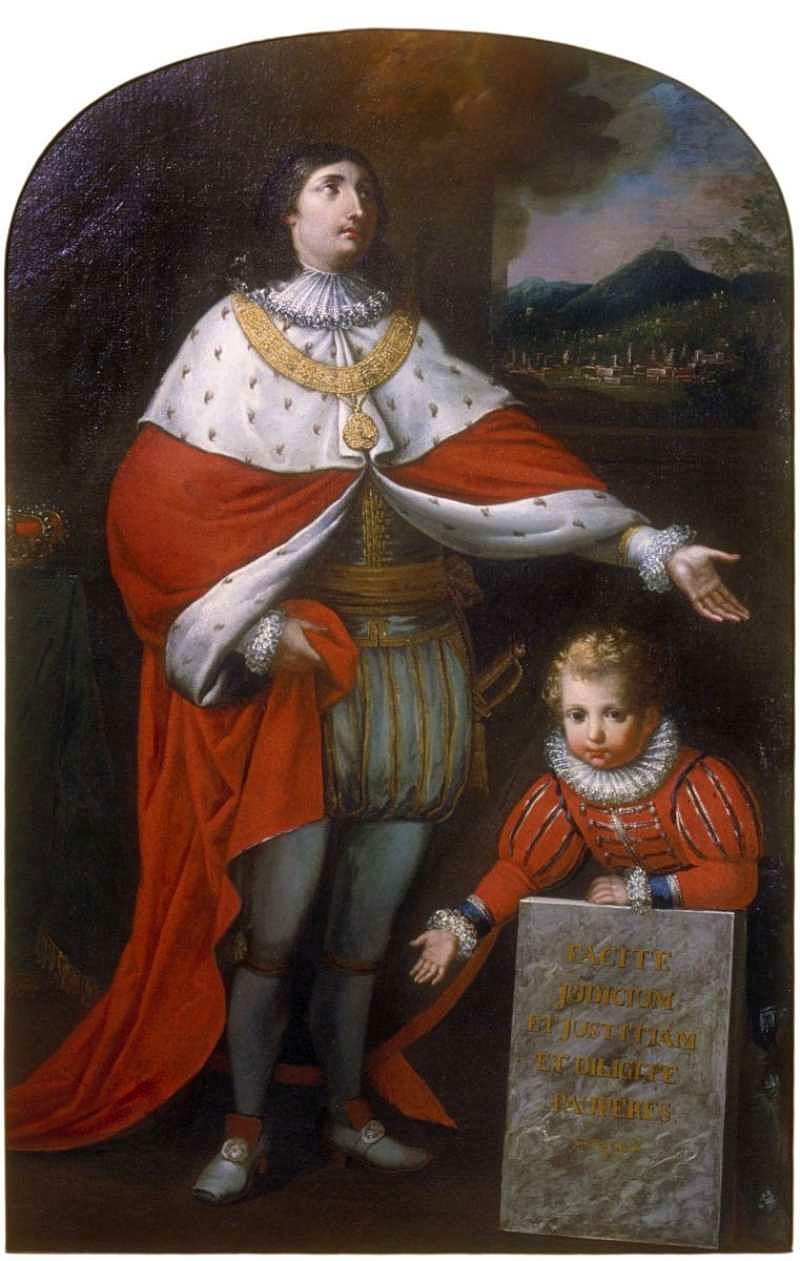
Blessed Amadeus of Savoy (1435-1472) IXth Duke of Savoy, nicknamed “the Happy” was the Duke of Savoy, from 1465 to 1472, Apostle of the poor and ill, a pious, humble and gentle ruler. Amadeus was a particular protector of Franciscan Friars and endowed other religious houses, as well as homes for the care of the poor and suffering. Biography: https://anastpaul.com/2021/03/30/saint-of-the-day-30-march-blessed-amadeus-of-savoy-1435-1472/
St Clinius (Died c1030) Abbot St Cronan Mochua St Damiano St Domnino of Thessalonica
St Leonard Murialdo St Mamertinus of Auxerre St Osburga of Coventry St Pastor of Orléans St Patto of Werden St Quirinus the Jailer
St Peter Regalatus OFM (1320-1456) Priest, Friar of the Friars Minor, Superior, gifted with bi-location, prophecy and Miracle working. He was Canonised on 29 June 1746 by Pope Benedict XIV. The Roman Martyrology reads: “In Aguilera in Castile in Spain, Saint Peter Regalado of Valladolid, Priest of the Order of Minors, who was distinguished for humility and rigour of penance and built two cells, in which only twelve Friars could live in solitude.” About this zealous Saint: https://anastpaul.com/2022/03/30/saint-of-the-day-30-march-saint-peter-regalatus-ofm-1320-1456/
St Regulus of Scotland St Regulus of Senlis St Secundus of Asti St Tola
Martyrs of Constantinople: 4th Century Christians who were exiled, branded on the forehead, imprisoned, tortured, impoverished and murdered during the multi-year persecutions of the Arian Emperor Constantius. They were Martyred between 351 and 359 in Constantinople.
DISCLAIMER: Please note: I cannot control the content of the Advertisements on this Site, or of pop-ups which may appear, The revenue from the Advertisements, however, does provide a little assistance in the support of the Site. I do apologise for any inappropriate content.

































You must be logged in to post a comment.