
Saint of the Day – 21 June – St Aloysius de Gonzaga SJ (1568-1591) Jesuit Seminarian, Mystic, Marian devotee, Apostle of Charity. Patronages – Catholic youth, Jesuit scholastics, the blind, eye ailments, AIDS patients, care-givers, Jesuit students, for relief from pestilence, young people, Castiglione delle Stiviere, Italy, Valmonte, Italy.
The Lord can make saints anywhere, even amid the brutality and license of Renaissance life. Florence was the “mother of piety” for Aloysius Gonzaga despite his exposure to a “society of fraud, dagger, poison and lust.” As a son of a princely family, he grew up in royal courts and army camps. His father wanted Aloysius to be a military hero.
At age 7 Aloysius experienced a profound spiritual quickening. His prayers included the Office of Mary, the psalms and other devotions. At age 9 he came from his hometown of Castiglione to Florence to be educated, by age 11 he was teaching catechism to poor children, fasting three days a week and practising great austerities. When he was 13 years old, he travelled with his parents and the Empress of Austria to Spain and acted as a page in the court of Philip II. The more Aloysius saw of court life, the more disillusioned he became, seeking relief in learning about the lives of saints.
A book about the experience of Jesuit missionaries in India suggested to him the idea of entering the Society of Jesus and in Spain his decision became final. Now began a four-year contest with his father. Eminent churchmen and laypeople were pressed into service to persuade Aloysius to remain in his “normal” vocation. Finally he prevailed, was allowed to renounce his right to succession and was received into the Jesuit novitiate.

Like other seminarians, Aloysius was faced with a new kind of penance—that of accepting different ideas about the exact nature of penance. He was obliged to eat more and to take recreation with the other students. He was forbidden to pray except at stated times. He spent four years in the study of philosophy and had Saint Robert Bellarmine (1542-1621), Doctor of the Church, as his spiritual adviser.
In 1591, a plague struck Rome. The Jesuits opened a hospital of their own . The superior general himself and many other Jesuits rendered personal service. Because he nursed patients, washing them and making their beds, Aloysius caught the disease. A fever persisted after his recovery and he was so weak he could scarcely rise from bed. Yet, he maintained his great discipline of prayer, knowing that he would die within the octave of Corpus Christi, three months later, at the age of 23.
As a saint who fasted, scourged himself, sought solitude and prayer and did not look on the faces of women, Aloysius seems an unlikely patron of youth in a society where asceticism is confined to training camps of football teams and boxers and sexual permissiveness has little left to permit. Can an overweight and air-conditioned society deprive itself of anything? It will, when it discovers a reason, as Aloysius did. The motivation for letting God purify us is the experience of God loving us in prayer.




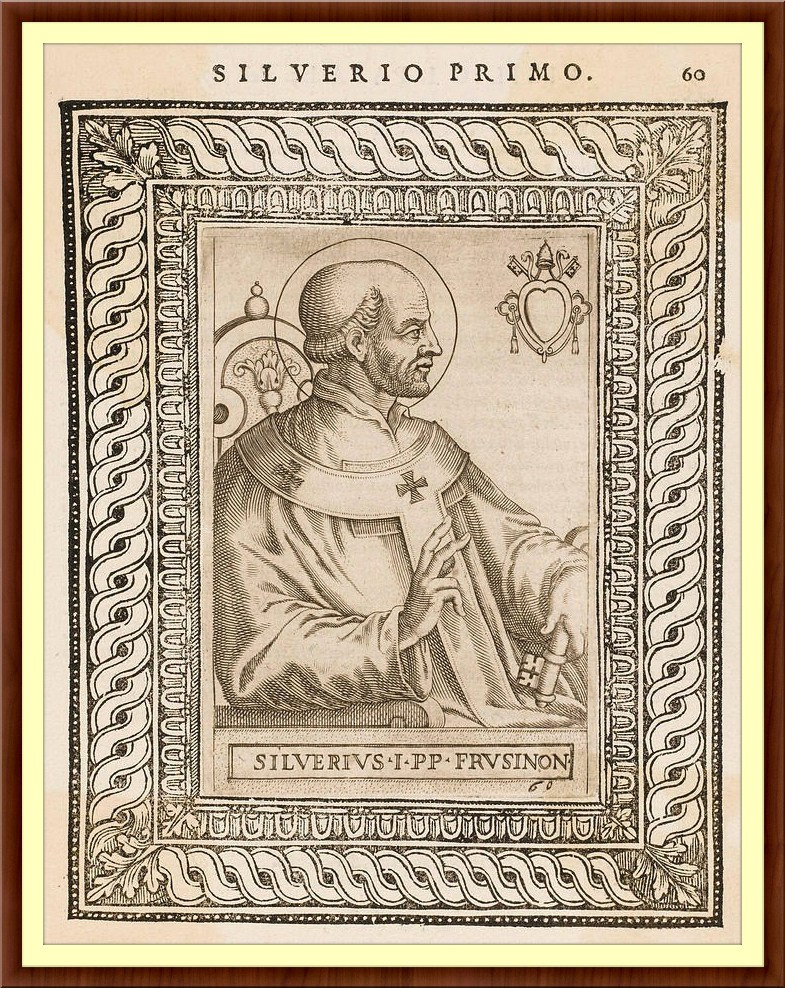
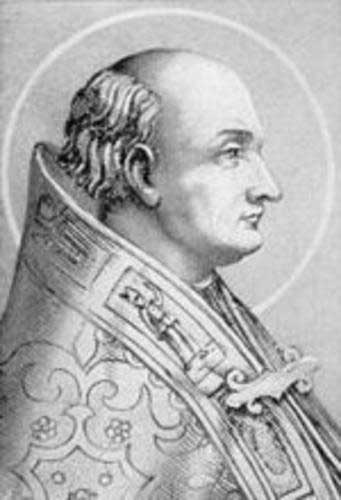 Without the least hesitation or delay, Silverius returned her a short answer, by which he peremptorily gave her to understand that he neither could nor would obey her unjust demands and betray the cause of the Catholic faith. The empress, finding that she could expect nothing from him, resolved to have him deposed. Vigilius, archdeacon of the Roman Church, was then at Constantinople. To him the empress made her application and finding him a man of great ambition, promised to make him Pope and to bestow on him seven hundred pieces of gold, provided he would engage himself to condemn the Council of Chalcedon and receive to Communion, the three deposed Eutychian patriarchs, Anthimus of Constantinople, Severus of Antioch and Theodosius of Alexandria. The unhappy Vigilius having assented to these conditions, the empress sent him to Rome, charged with a letter to the general Belisarius, commanding him to drive out Silverius and to contrive the election of Vigilius to the pontificate. Vigilius urged the general to execute the project. The more easily to carry out this project the Pope was accused of corresponding with the enemy and a letter was produced which was forged to have been written by him to the king of the Goths, inviting him into the city and promising to open the gates to him.





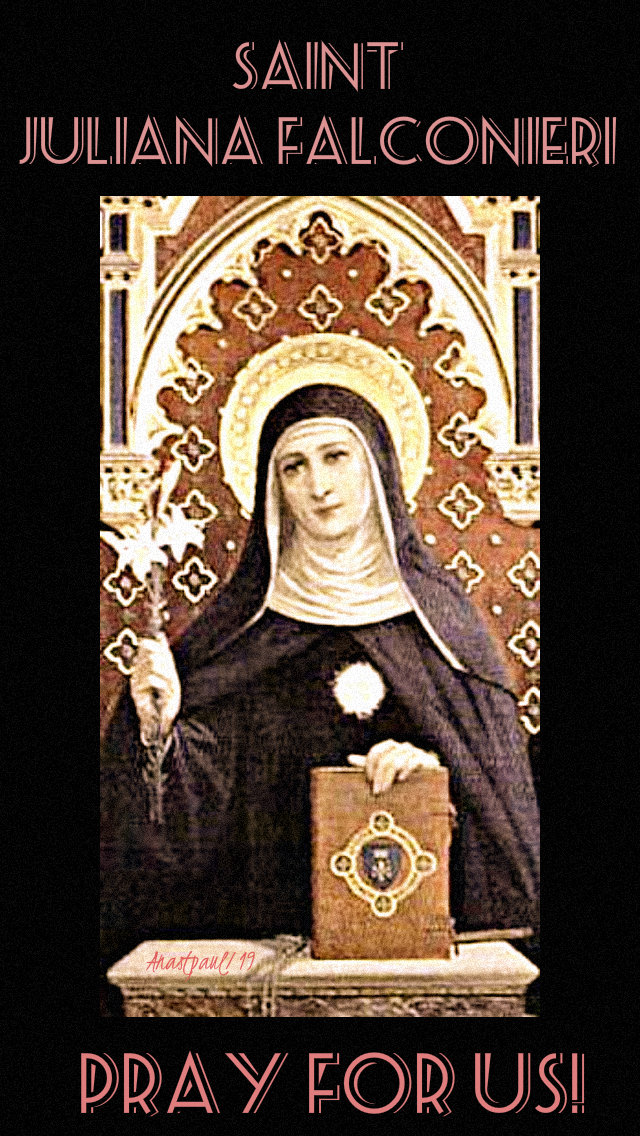



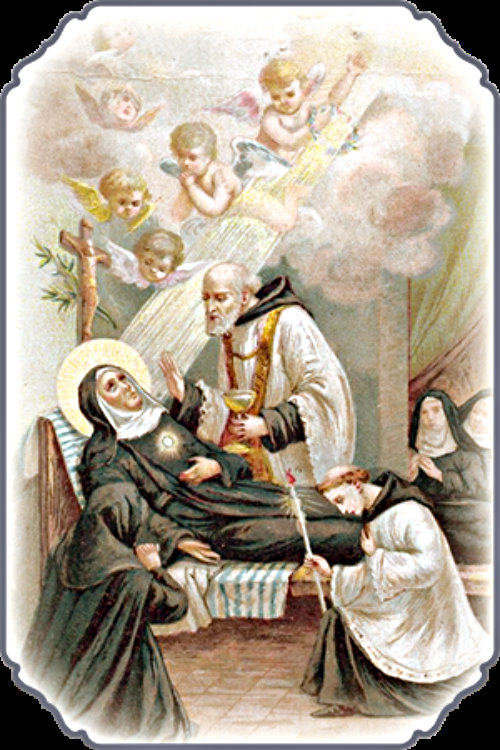


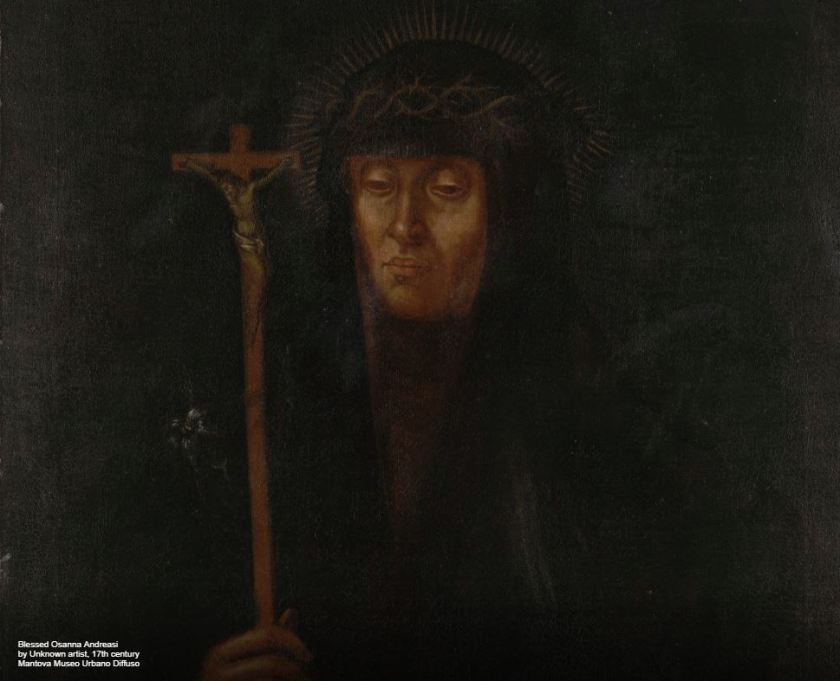
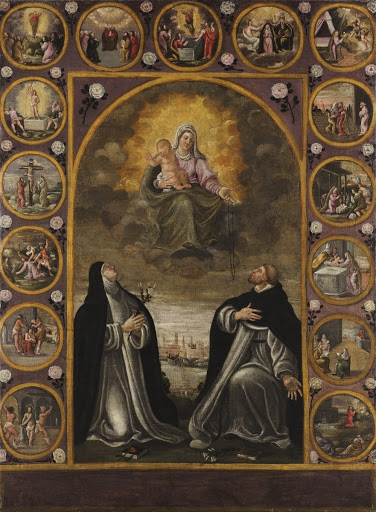
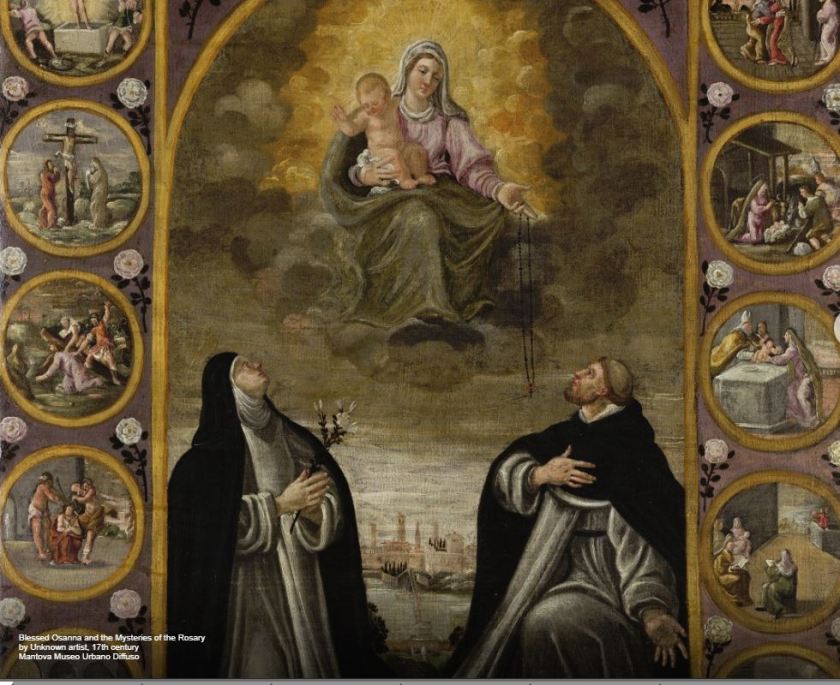
 – Set among hydrangeas, roses and officinal plants in the courtyard is a delightful porch with 15th century pink marble columns bearing the Andreasi coat of arms.
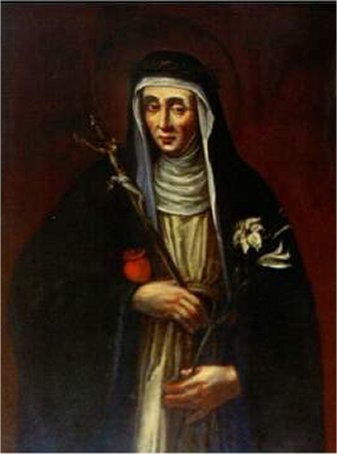
  The interior frescoes date from the 15th, 16th and, above a fireplace, 17th centuries – the decoration on the wooden coffered ceilings is still visible in parts, while the floors and stairs are made of terracotta and the doors of wood. It was purchased by nobleman Niccolò Andreasi in the mid 15th century as his family home. The house underwent minor changes in the early 16th century when Andreasi’s daughter Osanna was beatified.

















You must be logged in to post a comment.