Saint of the Day – 6 January – Saint Nilammon of Geris (Died c404) Hermit. Born in Egypt in the 4th Century and died in the early 5th, c404 in Geris of natural but miraculous causes. Also known as – Nilammone, Nilamon, Nillammon. His name means: “the son of my people from the Nile” (Hebrew)
The Roman Martyrology reads today: “At Geris in Egypt, St Nilammon, Anchoret, who, whilst he was carried to a Bishopric againsat his will, gave up his soul to God in prayer.”
Nillammon lived as a recluse in a small stone-walled house near Geris (Gerrum) in Egypt. The people and the Patriarch Theophilos I of Alexandria – who was known for his passionate hostility to St John Chrysostom – wanted to Consecrate him as the Bishop of the City.
But he could not be persuaded to leave his little house near this Town which he had barricaded with stones and to accept the Episcopal dignity. He then locked himself in and would die praying, with scores of people pleading with him to reconsider his decision, standing outside. While he was still praying fevently to be released from this great honour but imposing Office, Nillammon died naturally.
The information about Nilammon comes from the Church Historian Sozomenus (c400-c450), who lived and worked shortly after Nilammon’s life.
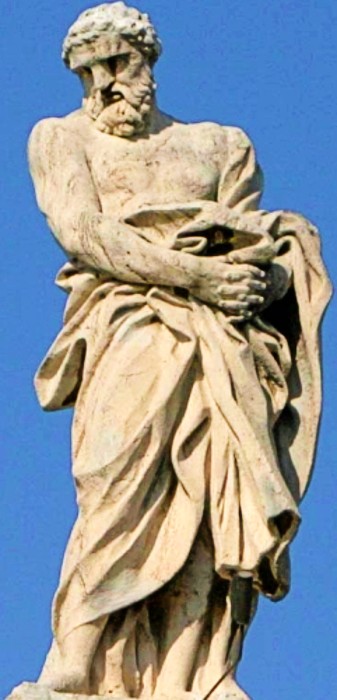
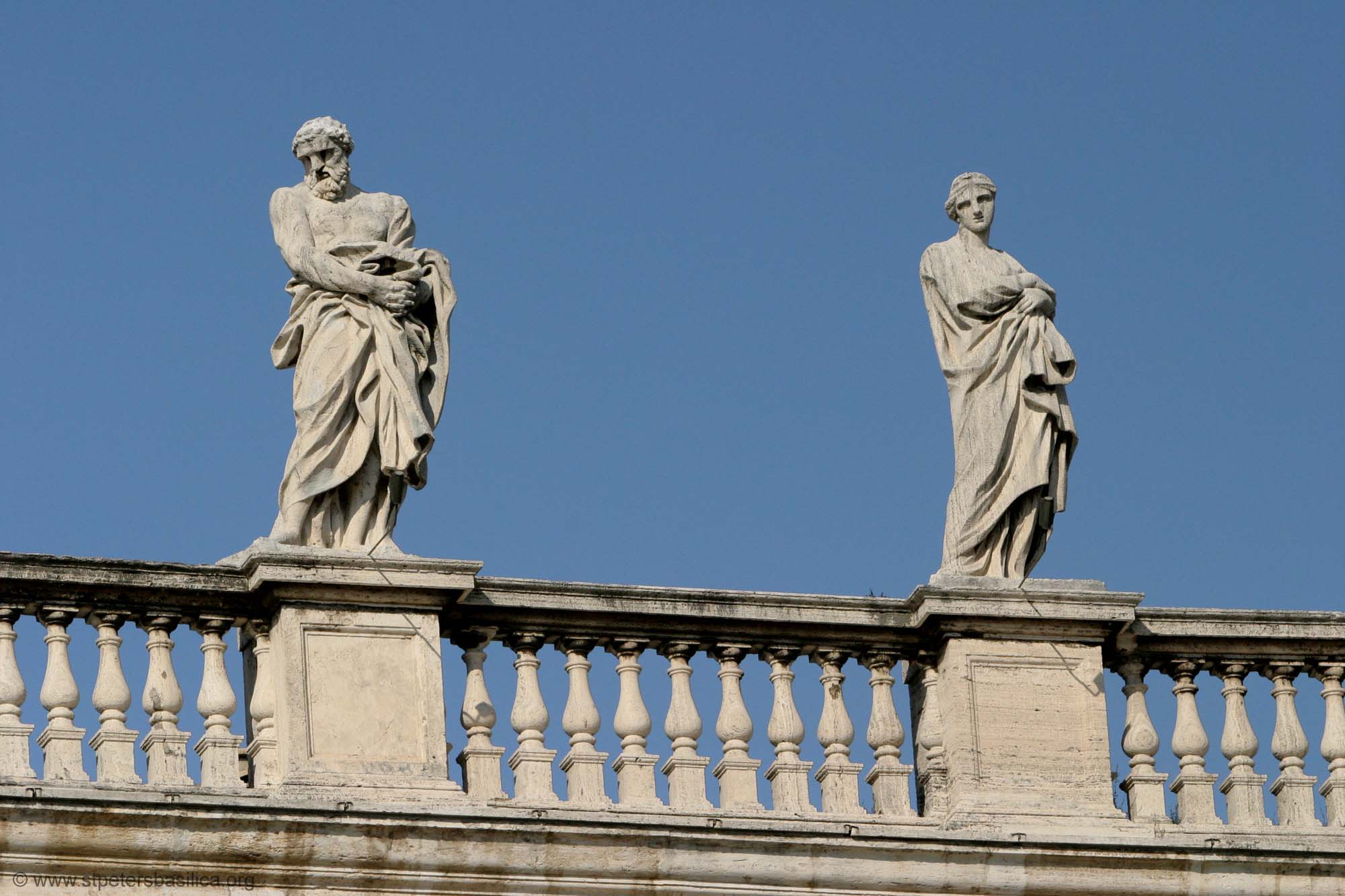
St Nilammon is one of the 140 Colonnade saints which adorn St Peter’s Basilica and surround the Square, below St Nilammon is on the left with St Fabiola on the right – this is the North Colonnade.
The Epiphany of the Lord Epiphany celebrates the visit of the three Kings or Magi (Wise Men) to the Christ Child, signifying the extension of salvation to the Gentiles. The date of Epiphany, one of the oldest Christian Feasts, is 6 January, the 12th day after Christmas. However, in some countries, the celebration of Epiphany is transferred to the Sunday which falls between 2 January and 8 January (inclusive). Greece, Ireland, Italy and Poland continue to observe Epiphany on 6 January as do traditional Catholics throughout the world. Because Epiphany is one of the most important Feasts, it is a Holy Day of Obligation.
Saint Caspar, Saint Melchior and Saint Balthasar (1st Century) otherwise known as the Three Wise Men/Kings or the Magi – they are all Martyrs. Patronages – against epilepsy/of epileptics, against thunder, furriers, motorists, pilgrims, playing card manufacturers, sawmill workers, travellers, travelling merchants, Cologne, Germany, Saxony. Additional Memorials – 23 July (translation of Relics); 24 July (Cologne, Germany where their Relics lie). Their Lives and Deaths: https://anastpaul.com/2024/01/06/saints-of-the-day-6-january-saint-caspar-saint-melchior-and-saint-balthasar-1st-century-martyrs/
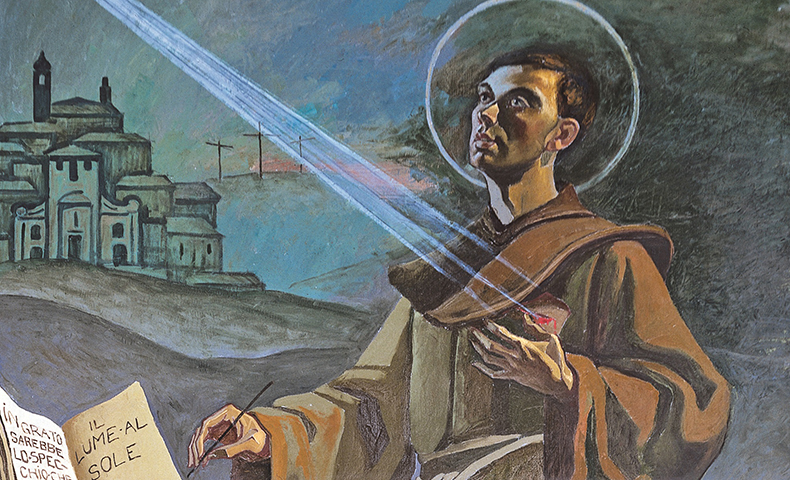
St Charles of Sezze OFM (1613-1670) Stigmatist, Friar, of the Friars Minor, Mystic, Writer, Advisor. His Beatification was celebrated in 1882 while Pope Pius XII approved his Canonisation in 1958 but the Pope died before he could Canonise the Friar so his successor, Pope John XXIII did so on 12 April 1959. His body is incorrupt. About St Charles: https://anastpaul.wordpress.com/2018/01/06/saint-of-the-day-6-january-st-charles-of-sezze-o-f-m-1613-1670/
St Demetrius of Philadelphia St Diman Dubh of Connor St Edeyrn St Eigrad St Erminold of Prüfening
St Julian of Antinoë St Julius Bl Luc of Roucy Bl Macarius the Scot St Macra of Rheims St Merinus
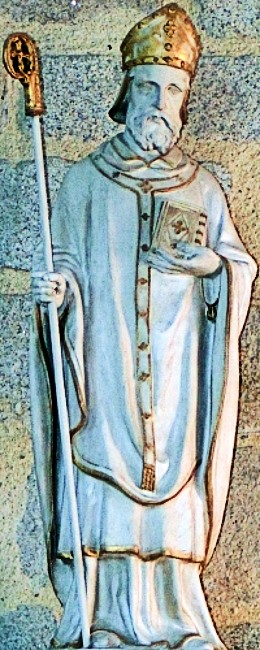
St Melaine of Rennes (Died 530) Bishop of Rennes in Brittany, France, Confessor, previously a Monk and Abbot, Royal Advisor, Miracle-worker. The Roman Martyrology reds: “At Rennes, in France, St Melanius, Bishop and Confessor, who displayed innumerable virtues and with his thoughts ever fixed on Heaven, passed from the world in glory.” Another Feast Day which should be today but was moved in 1969. His Holy Life: https://anastpaul.com/2023/11/06/saint-of-the-day-6-november-saint-melaine-of-rennes-died-c535-bishop-confessor/
St Nilammon of Geris (Died c404) Hermit St Petran of Landévennec
St Pia of Quedlinburg St Pompejanus Bl Raymond de Blanes St Schotin St Wiltrudis of Bergen
Martyrs in Africa: Unknown number of Christian men and women who were Martyred in the persecutions of Septimus Severus. They were burned to death c 210.
Martyrs of Sirmium – 8 Saints: A group of Christians Martyred together for their faith. The only surviving details are the names of eight of them – Anastasius VIII, Florianus, Florus, Jucundus, Peter, Ratites, Tatia and Tilis. They were martyred in the 4th century at Syrmium, Pannonia (modern Sremska Mitrovica, Vojvodina, Serbia).
Twelve Apostles – Saints of Ireland: Twelve 6th Century Irish Monks who studied under Saint Finian at Clonard Abbey and then spread the Faith throughout Ireland. Each has his own commemoration but on this day, they and their good works are considered and celebrated together. Although Saint Finian is sometimes included, most ancient writers list them as –

 AnaStpaul
You must be logged in to post a comment.