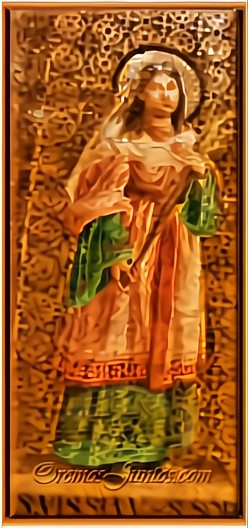
Saint of the Day – 12 April – Saint Vissia (Died c250) Virgin Martyr of Fermo, Ascoli, Piaceno, Italy. Born on an unknown date in Fermo and died there during the persecution of Emperior Decius in around 250.
The Roman Martyrology reads today: “At Fermo in the Marches, St Vissia, Virgin and Martyr.”
The life of our Saint Vissia is shrouded in mystery. The Roman Martyrology attests to her veneration, as explained below but is silent on biographical details .
Saint Vissia, who ennobled her hometown by her Martyrdom, her name being part of a list of Saints vnerated in Fermo, was on 5 August 1581 sent by a local Prelate to an Oratorian Priest and friend of Cesare Baronio, who, as is well known, compiled the first ‘Roman Martyrology’ and included the holy virgins and Martyr on 12 April.
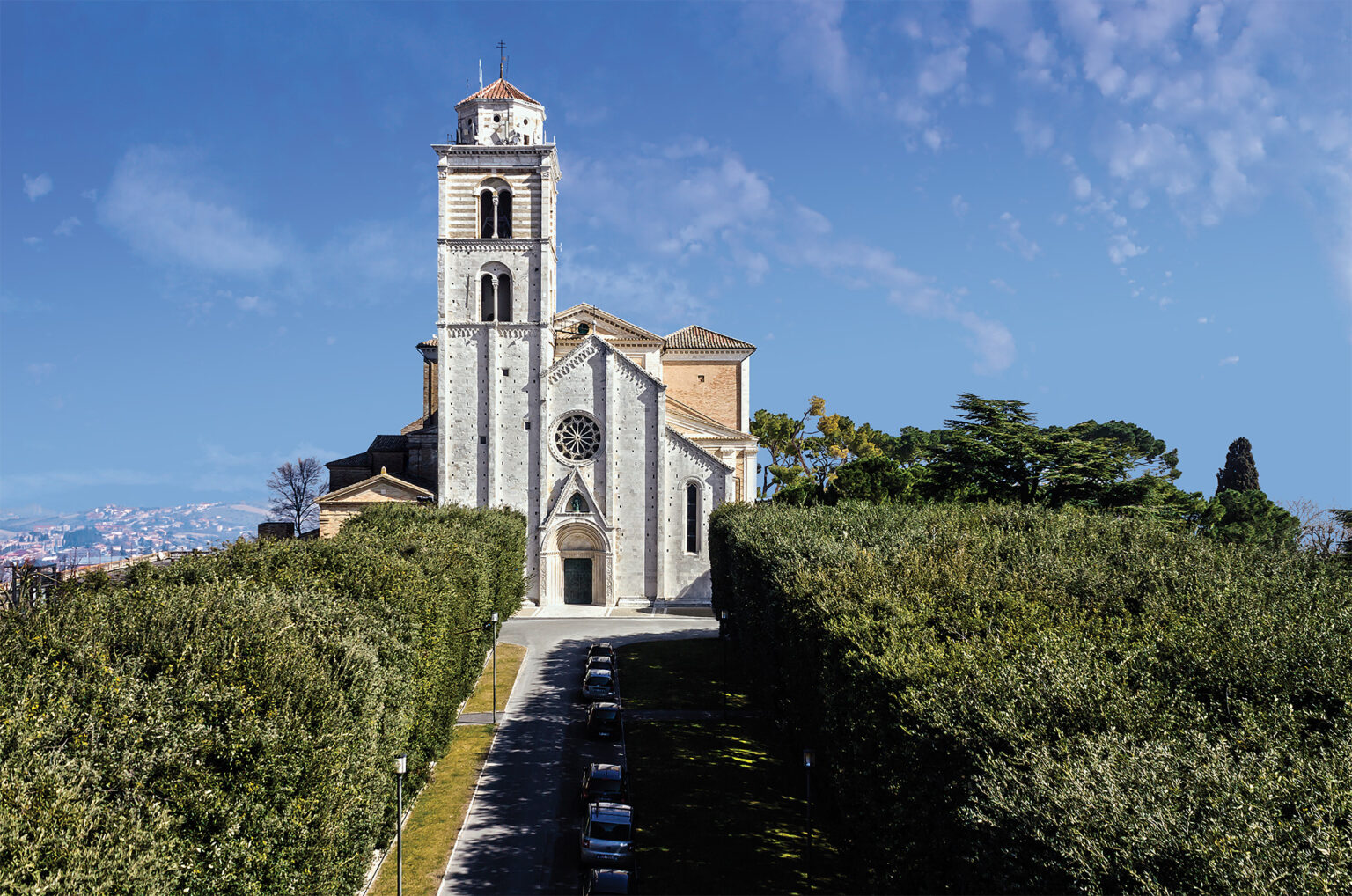
The presence of the skulls of 2 Virgin Martyrs of Fermo in separate Reliquaries in Fermo Cathedral, suggests a possible contemporary Martyrdom, perhaps by beheading, during the 7th persecution under Emperor Decius (249-251).
Local tradition places their sacrifice around 250, while an inscription in the Cathedral celebrates Vissia as the glory of her native City. The uncertainty regarding the dates and circumstances of her Martyrdom does not obscure the popular devotion paid to her and her fellow Virgin and Martyr, St Sophia.
The Octave Day of Easter or Low Sunday Quasimodo Sunday or Dominica In Albis “At the end of the Octave, in the ancient Roman Church, the Newly-Baptised would remove their white Baptismal gowns which would be deposited at the Cathedral. Thus, the Saturday of the Octave is called “in albis” and the Sunday, which is technically outside the Octave and the beginning of the Easter season, is “in albis depositis.” Hitherto they were known as the “infantes… infants” in the Faith. In fact, the first Chant of Sunday’s Mass, in Introit, is from 1 Peter 2:2-3 in the Vetus Latina version which pre-dates the Vulgate of St Jerome. In the translation I’ll include the verse immediately before, because it is relevant to our work today:
Quasimodo Geniti I nfantes, rationabile, sine dolo lac concupiscite ut in eo crescatis in salutem si gustastis quoniam dulcis Dominus. … [So put away all malice and all guile and insincerity and envy and all slander.] Like newborn babes, long for the pure spiritual milk so that by it, you may grow up to salvation; for you have tasted the kindness of the Lord.”
St Ailell of Cologne (Died 1040) Priest,Abbotof Great Saint Martin’s Monastery and of St Pantaleon’s in Cologne, Missionary, a strict disciplinarian and a talented and skilled leader, running two separate Monasteries for years. He was also a skilled Musician and is held to be the first to introduce Roman chant to Cologne. Talented St Ailell: https://anastpaul.com/2024/04/12/saint-of-the-day-12-april-saint-ailell-of-cologne-died-1040-priest-abbot/
St Alferius Pappacarbone of La Cava (930–1050) Priest, Founder and Abbot of Arsicia (La Trinità della Cava) which follows the Benedictine Rule, nobleman, Diplomat to Prince Waimar III of Salerno, Cluniac reformer, cave Hermit, Mystic and Ecstatic, Miracle-worker. The Roman Martyrology states: “In the Monastery of Cava de ‘Tirreni in Campania, Saint Alferius, Founder and first Abbot, who, after having been adviser to Guaimario, Duke of Salerno, who became a disciple of Saint Odilone in Cluny, learned, in an excellent way, the discipline of monastic life.” The Renowned La Cava Saint: https://anastpaul.com/2021/04/12/saint-of-the-day-12-april-saint-alferius-of-la-cava-930-1050/
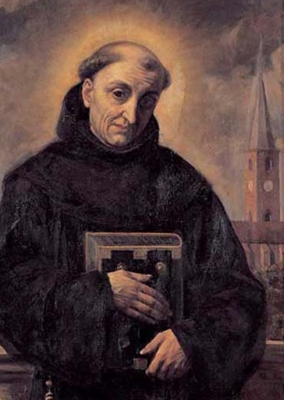
Blessed Andrew of Montereale OSA (c1479-1764) Priest and Friar of the Order oif the Hermits of St Augustine, renowned Scholar, Preacher, Teacher, Reformer. Confessor and Spiritual Director to the Royal Court of France, Miracle-worker. His life was devoted to teaching, preaching and leading the Augustinians from several positions of leadership. He was hailed, even during his lifetime, as a pious Miracle worker.
St Artemón of Caesarea St Basil of Parion St Constantine of Gap (Died 529) Bishop and Confessor
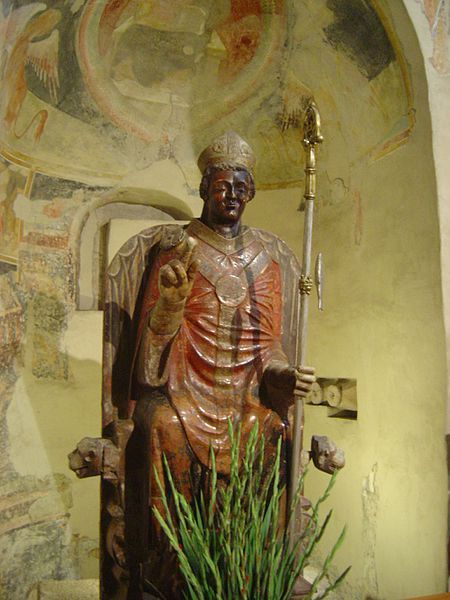
St Damian of Pavia (Died c710) Bishopand Confessor, Defender of the Faith against heretics, Apostle of the poor and needy, In 679, Damian wrote a letter to Emperor Constantine IV on behalf of St Mansuetus, the Archbishop of Milan, against the heresy of Monothelitism. This letter, in a Latin edition, is the only extant writing from the hand of St Damian (sometimes attributed to St Mansuetus on whose behalf Damian was writing). His Fervent Life: https://anastpaul.com/2025/04/12/saint-of-the-day-12-april-st-damian-of-pavia-died-c710-bishop-and-confessor/
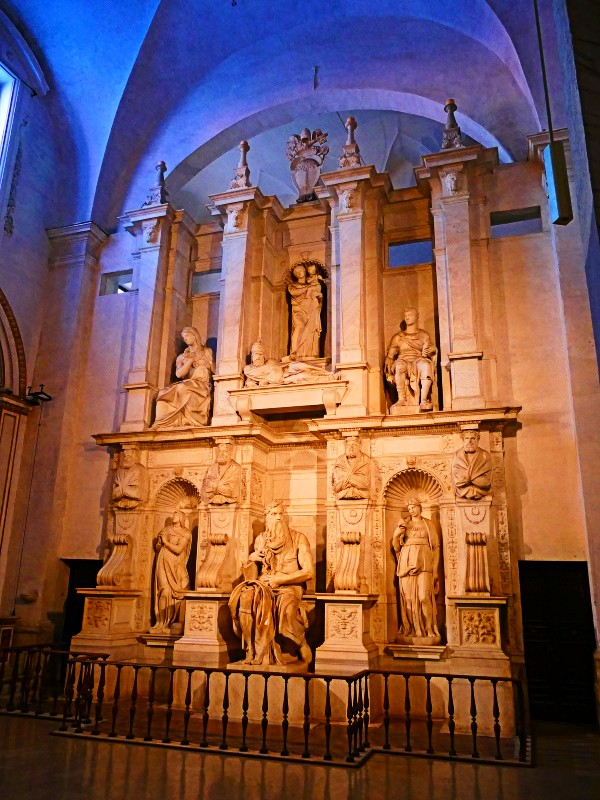
The Church of San Pietro in Vincoli in Pavia where our St Damian is enshrined
St Erkemboden of Thérouanne St Florentin of Arles
St Pope Julius I (Died 337) Reign from 6 February 337 until his death on 12 April 352. He fought against the Arian Heresy and it is also believed that he is the Pope who set 25 December as the date of the Birth of Jesus. The Roman Martyrology reads: “At Rome, the birthday of Pope St Julius, who vigorously combated for the Catholic Faith against the Arians. After a life of brilliant deeds and great sanctity, he rested in peace.” His Zealous Life: https://anastpaul.com/2023/04/12/saint-of-the-day-12-april-saint-pope-julius-i-died-337/
St Lorenzo of Belem St Peter of Montepiano
St Sabas the Lector
St Tetricus of Auxerre St Vissia (Died c250) Virgin Martyr of Fermo St Wigbert




 AnaStpaul
You must be logged in to post a comment.