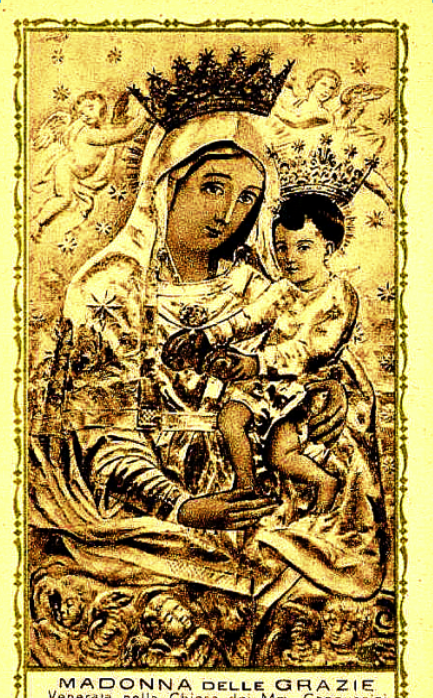
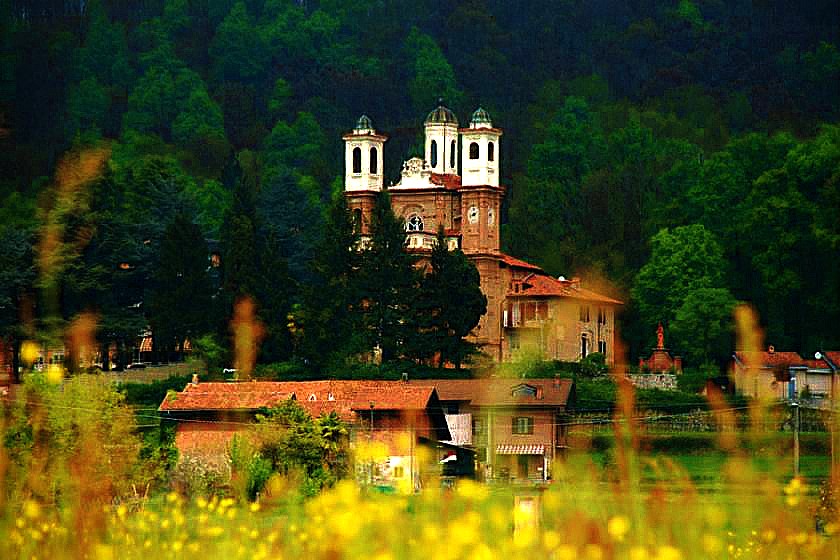
Madonna delle Grazie / Our Lady of Grace, Leini, Torino, Piedmont, Italy (1630) – 1 June:
13 km from Turin, a short distance from the highway to Ivrea, stands a famous Sanctuary. From impeccable evidence and documents, the Madonna appeared to a humble deaf-mute, placing the Rosary around his neck.
For 3 years, since 1627, a famine had ravaged the town of Leini and the surrounding areas followed by the Black Plague, reducing the town to a handful of families. On 1 June 1630, a farmworker, of the Regina family, deaf and dumb from birth, when returning from the fields stopped before the image of the Virgin and implored her: “… save Leini, Mary, Holy Mother, hear our prayer, save us …” She appeared to him with a smile in answer to his prayer and placed a Rosary around his neck. His tongue loosed and from his mouth came a Hymn of praise and thanksgiving to the Virgin. The first voice he ever heard was the Blessed Mother who told him: “… Go, announce, that in my honour a Church should be built in this place and I will ask my Son to stop the plague … “
He began running through the desolate streets shouting the news of the miracle and announcing that the plague had ceased, that the Blessed Virgin prayed for Leini. The few survivors heard the wonders of the miracle and joined with him in the Rosary prayer and supplication with thanksgiving. From that day the plague stopped, the sick were healed,and the survivors were thankful for the wonderful grace that the Virgin had given them. She had asked that they build a Sanctuary and the townspeople fulfilled their solemn promises. An inscription has been affixed on the front facade: “Sacellum hoc BM Gratiarum Virgini Matri against pestiferam emu to majoribus dicatum year 1630.”
The Church has become a famous pilgrimage destination where it is possible to admire inside, a gallery where numerous ex-votos accumulated over the years are collected. The structure was built immediately after the plague of the seventeenth century, to obtain protection from the Blessed Virgin, thanks to the people of Leini.
The Apparition and the Consecration of the Sanctuary are celebrated each year on 1 June and 15 August, the Feast of the Assumption, respectively.
Bl Arnald Arench Bl Arnold of Geertruidenberg St Atto of Oca St Candida of Whitchurch St Caprasius of Lérins St Clarus of Aquitaine St Claudius of Vienne Bl Conrad of Hesse St Conrad of Trier St Crescentinus St Cronan of Lismore St Damian of Scotland St Dionysius of Ruthenia St Donatus of Lucania St Felinus of Perugia Bl Ferdinand Ayala St Firmus St Fortunatus of Spoleto Bl Gaius Xeymon St Gaudentius of Ossero St Giuse Túc St Gratian of Perugia Bl Herculanus of Piegare St Iñigo of Oña St Ischryrion and Companions Bl James of Strepar St Jean-Baptiste-Ignace-Pierre Vernoy de Montjournal
Bl John Pelingotto Bl John Storey St Juventius Bl Leo Tanaka St Melosa St Pamphilus of Alexandria St Peter of Pisa St Porphyrius of Alexandria St Proculus of Bologna St Proculus the Soldier St Ronan St Secundus of Amelia St Seleucus of Alexandria St Simeon of Syracuse St Telga of Denbighshire St Thecla of Antioch Blessed Teobaldo Roggeri (c 1100-1150) Layman St Thespesius of Cappadocia St Wistan of Evesham St Zosimus of Antioch — Martyrs of Alexandria – 5 saints: A group five of imperial Roman soldiers assigned to guard a group of Egyptian Christians who were imprisoned for their faith in the persecutions of Decius. During their trial, they encouraged the prisoners not to apostatize. This exposed them as Christians, were promptly arrested and executed. Martyrs. Their names are – Ammon, Ingen, Ptolomy, Theophilis and Zeno. They were beheaded in 249 at Alexandria, Egypt.
Martyrs of Caesarea – 3 saints: Three Christians martyred together in the persecutions of Galerius. We know little more about them than the name – Paul, Valens and Valerius. They diedf in 309 at Caesarea, Palestine.
Martyrs of Lycopolis – 6 saints: Five foot soldiers and their commander who were martyred for their faith by order of the imperial Roman prefect Arriano during the persecutions of Decius. In Lycopolis, Egypt.
Martyrs of Rome – 6 saints: A group of spiritual students of Saint Justin Martyr who died with him and about whom we know nothing else but their names – Carito, Caritone, Evelpisto, Ierace, Liberiano and Peone. In Rome, Italy.
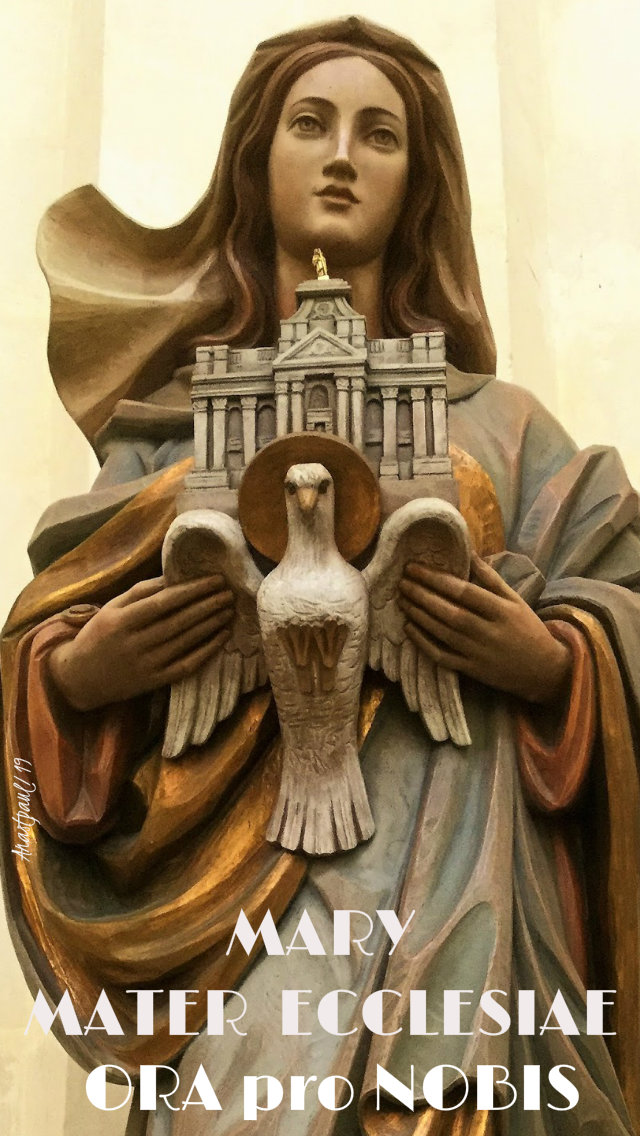
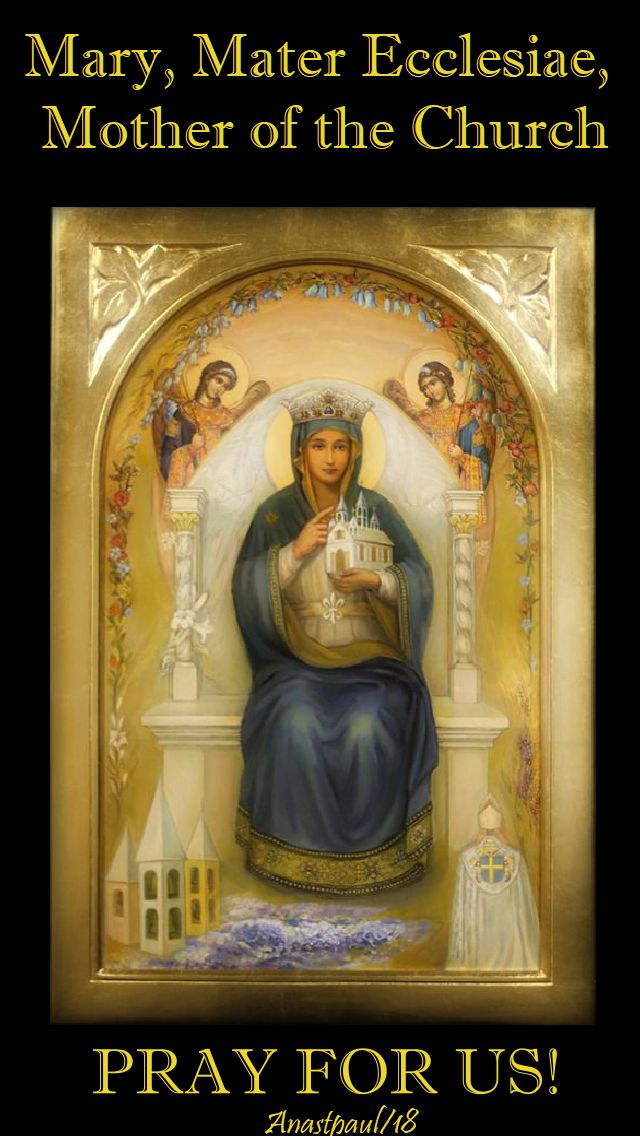
Quote/s of te Day – 1 June – The Memorial of Mary, the Mother of the Church/Mater Ecclesiae and St Annibale Maria di Francia (1851-1927)
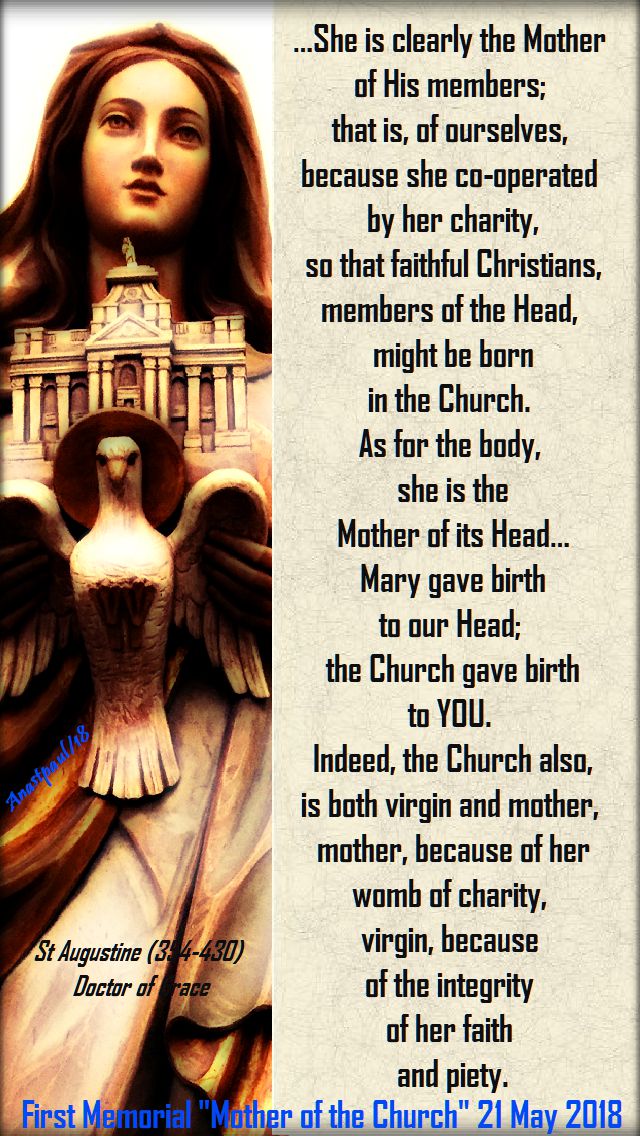
“…She is clearly the Mother of his members; that is, of ourselves, because she cooperated by her charity, so that faithful Christians, members of the Head, might be born in the Church. As for the body, she is the Mother of its Head… Mary gave birth to our Head; the Church gave birth to you. Indeed, the Church also, is both virgin and mother, mother, because of her womb of charity, virgin, because of the integrity of her faith and piety.”
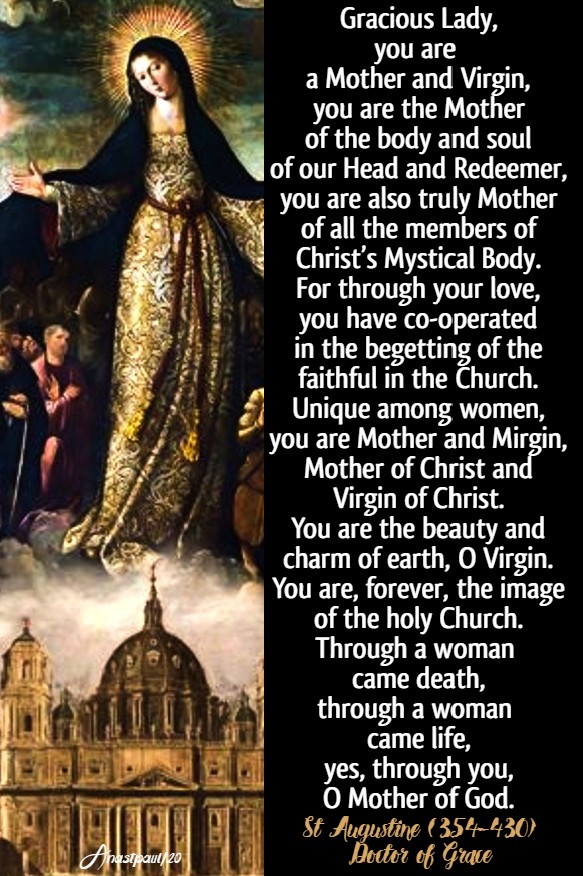
“Gracious Lady,
you are a Mother and Virgin,
you are the Mother
of the body and soul
of our Head and Redeemer,
you are also truly Mother
of all the members of Christ’s Mystical Body.
For through your love,
you have co-operated
in the begetting of the faithful in the Church.
Unique among women,
you are Mother and Mirgin,
Mother of Christ and Mirgin of Christ.
You are the beauty and charm of earth, O Virgin.
You are, forever, the image of the holy Church.
Through a woman came death,
through a woman came life,
yes, through you, O Mother of God.“
St Augustine (354-430) Doctor of Grace
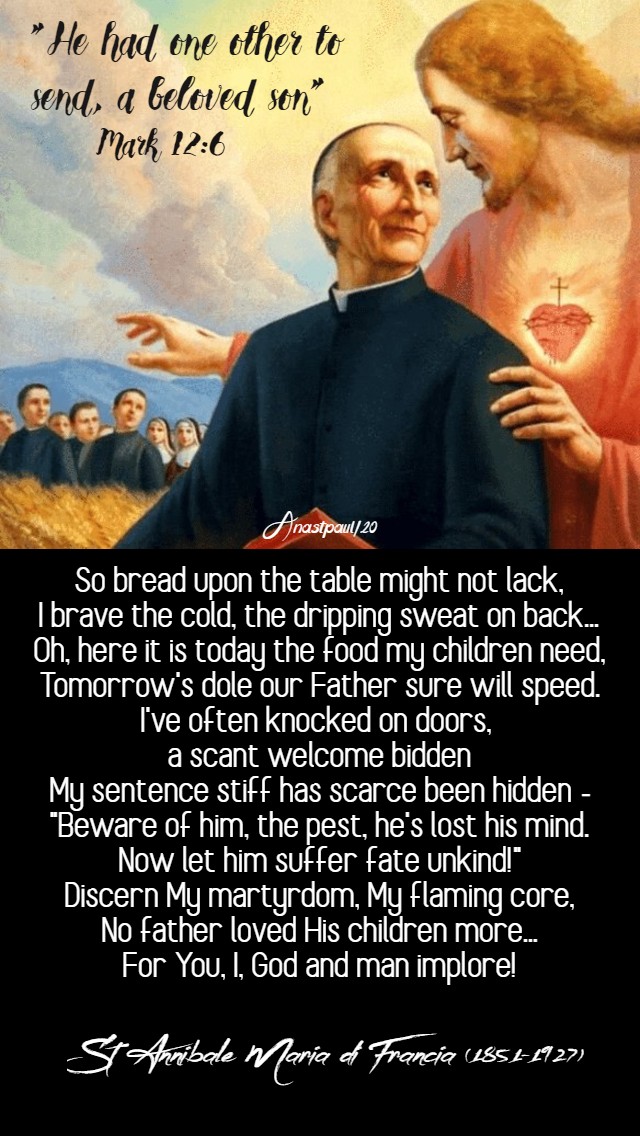
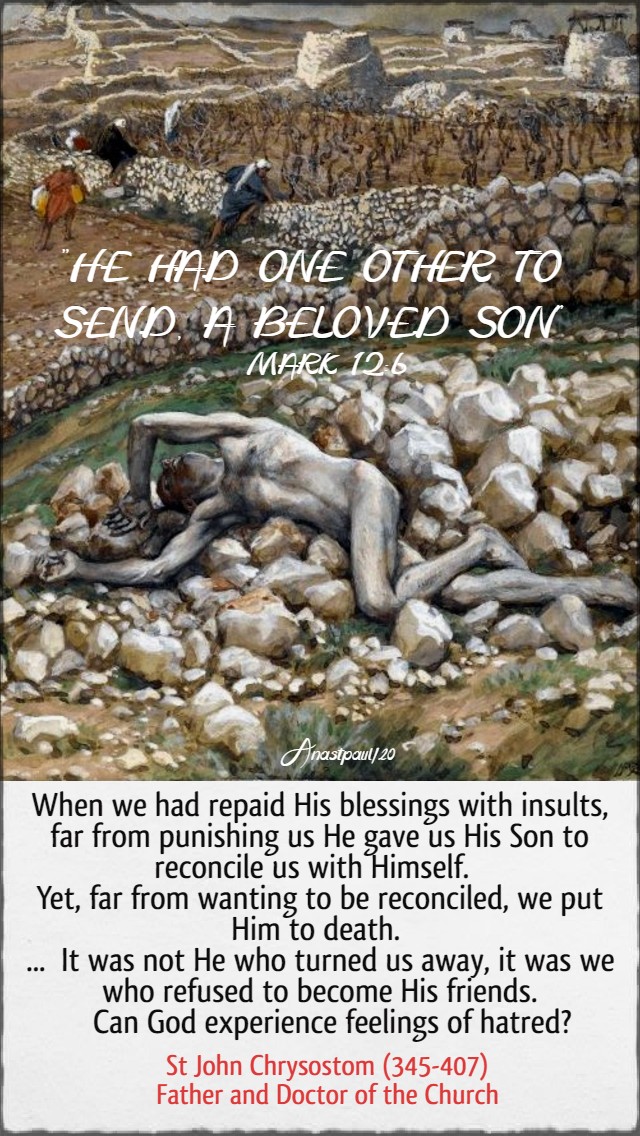
“He had one other to send, a beloved son”
Mark 12:6
“So bread upon the table might not lack, I brave the cold, the dripping sweat on back… Oh, here it is today the food my children need, Tomorrow’s dole our Father sure will speed. I’ve often knocked on doors, a scant welcome bidden My sentence stiff has scarce been hidden – “Beware of him, the pest, he’s lost his mind. Now let him suffer fate unkind!” Discern My martyrdom, My flaming core, No father loved His children more… For You, I, God and man implore!”
One Minute Reflection – 1 June – The Month of the Sacred Heart of Jesus – Monday of the Ninth week in Ordinary Time, Year A, Readings: Peter1:2-7, 20 or Acts 1:12-14, Psalm 91(90):1-2.14-15, Mark 12:1-12 and the Memorial of Mater Ecclesiae and St Annibale Maria di Francia (1851-1927)
“He had one other to send, a beloved son” … Mark 12:6
REFLECTION – “Christ has entrusted to us the ministry of reconciliation” (2 Cor 5:18). Paul brings out the apostles’ greatness by showing us what kind of ministry has been given them, while showing us at the same time the love with which God has loved us. When people had refused to listen to the one He had sent, God did not give vent to His rage, He did not spurn them but went on calling them both on His own account and through the apostles (…)
God has put into our mouths “the message of reconciliation” (v.19). And so we come, not for some difficult work but to make everyone friends of God. When they did not listen, the Lord told us to continue to urge them until they come to faith. Hence Paul adds: “We are ambassadors of Christ, it is God himself who is appealing through us. We implore you in Christ’s name, be reconciled to God” (v.20) (…)
What could be compared to so great a love as this? When we had repaid his blessings with insults, far from punishing us He gave us His Son to reconcile us with Himself. Yet, far from wanting to be reconciled, we put Him to death. God sent other ambassadors to urge us and, after that, Himself became our suppliant. Always it was He who appealed – “Be reconciled to God.” He did not say: “Reconcile God to yourselves.” It was not He who turned us away, it was we who refused to become His friends. Can God experience feelings of hatred?” … St John Chrysostom (c 345-407) Father and Doctor of the Church – 11th homily on the 2nd letter to the Corinthians
PRAYER – Lord God, You bestowed the Holy Spirit on Your Apostles while they were at prayer with Mary, the Mother of Jesus. Fill us too with the gift of Your grace in the Holy Spirit, that we may live our lives both in prayer and action and grant, that by Mary’s prayer and the prayer of Your servant, St Annibale Maria di Francia, we may give You faithful service and spread abroad the glory of Your name, by word and example. We make our prayer through Christ our Lord, Your divine Son, in union with the Holy Spirit, one God, forever and ever, amen.
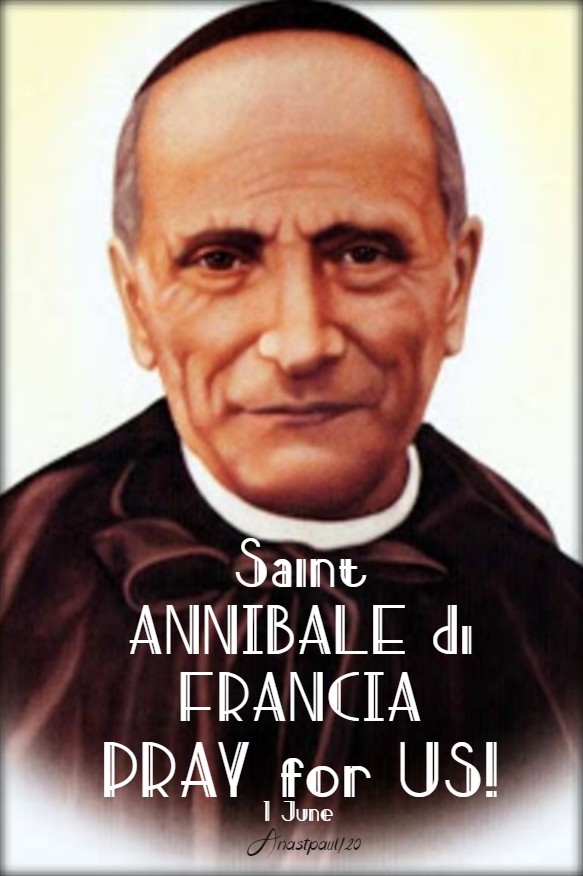
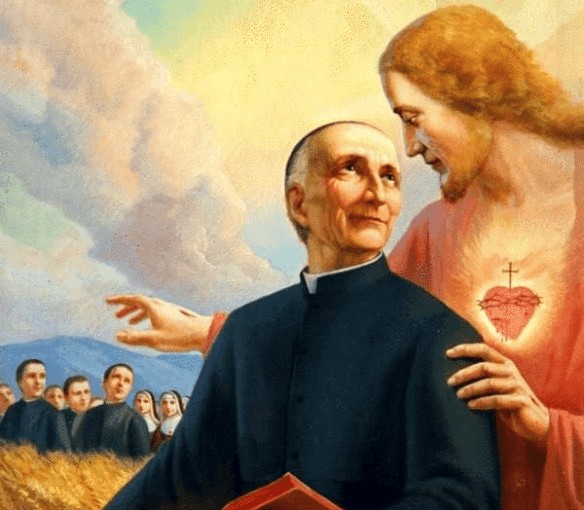
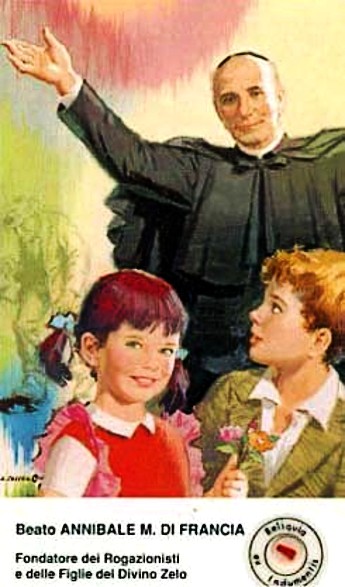
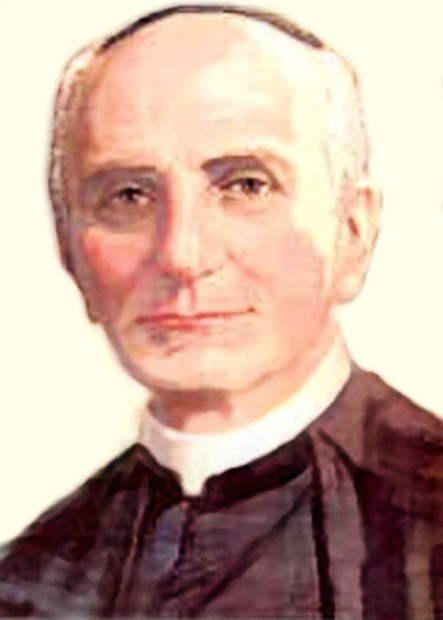
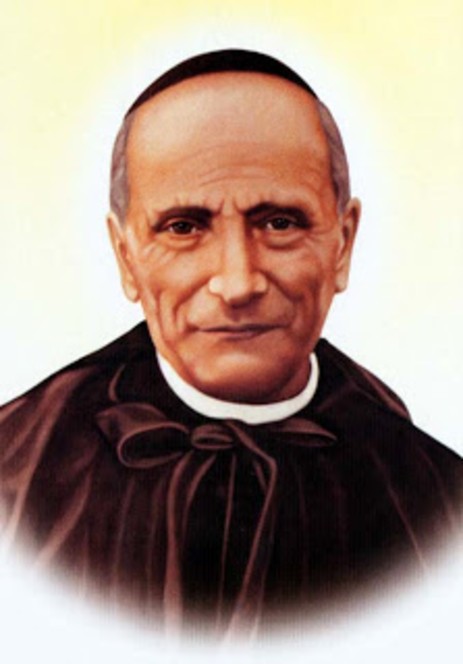
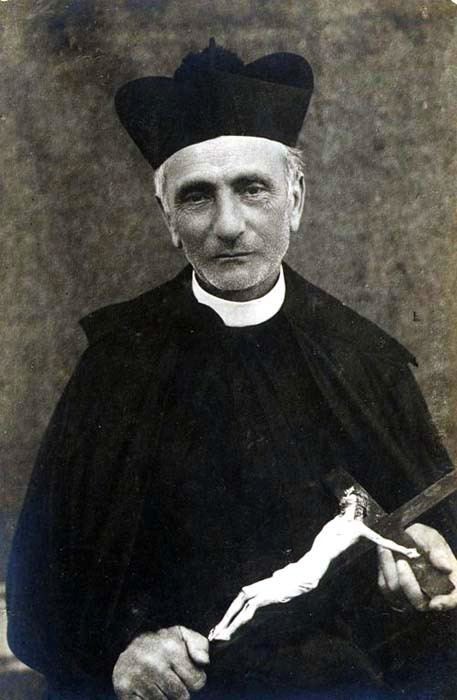
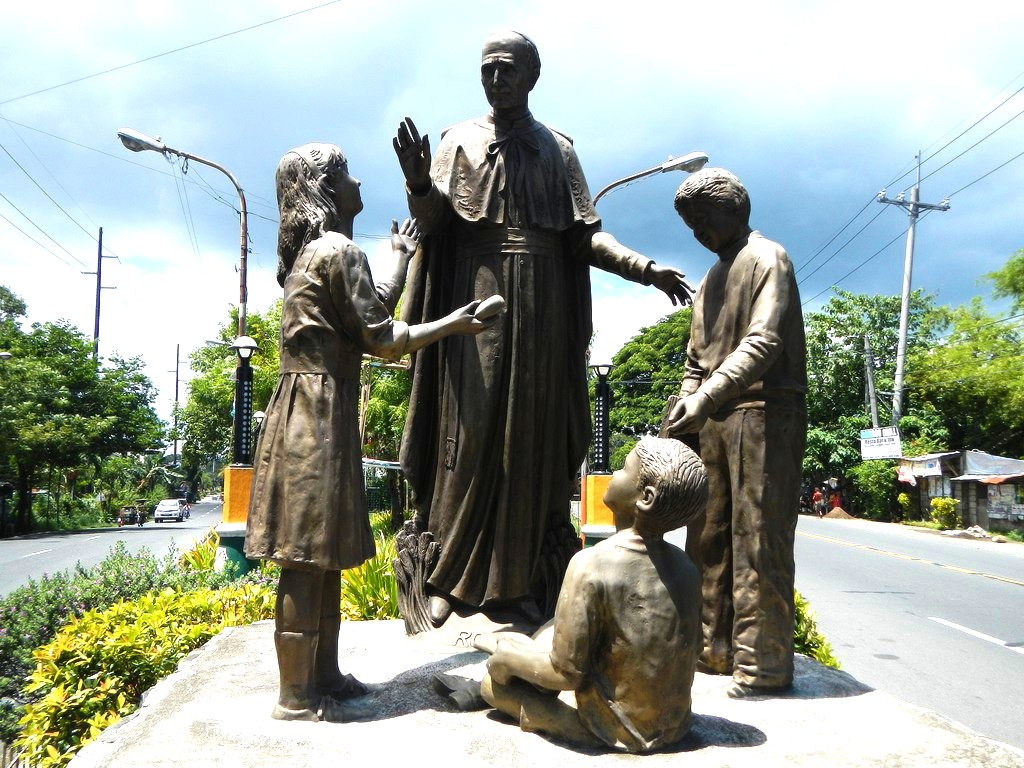
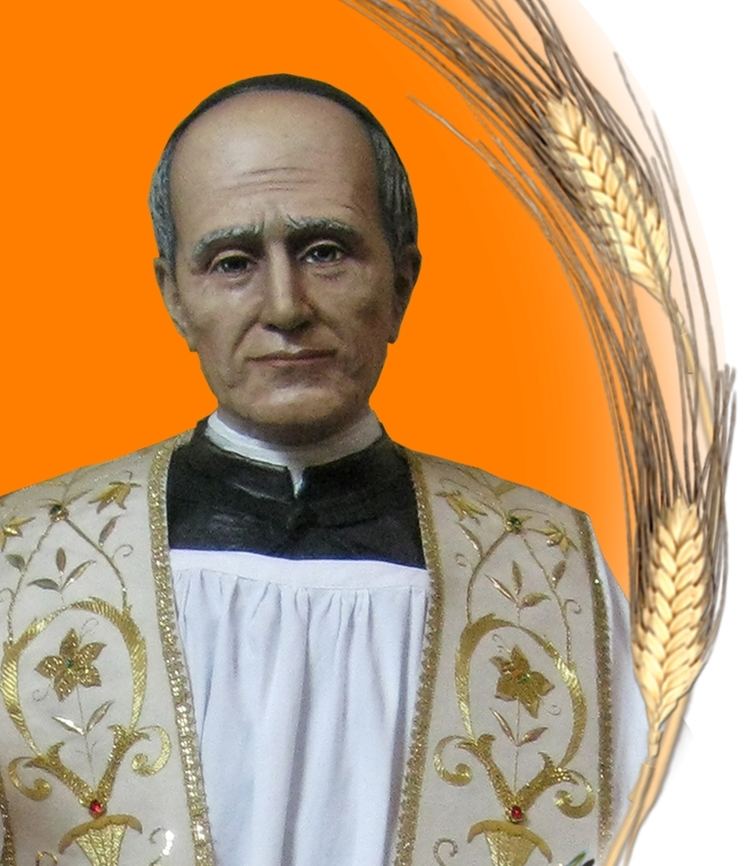
Saint of the Day – 1 June – Saint Annibale Maria di Francia (1851-1927) Priest, Founder, Carmelite Tertiary, Apostle of Charity, orphans, the poor, Apostle of Prayer for Vocations, Apostle of the Holy Eucharist, Marian devotee – he founded a series of orphanages and the Congregations of the Rogationist Fathers and the Daughters of Divine Zeal. Patronages – Prayer for Vocations, Orphans, the Poor, Messina, Italy, Anthonian Orphanages, the Rogationist Fathers and the Daughters of Divine Zeal. Also known as Hannibal Mary di Francia.
Annibale Maria Di Francia was born in Messina, Italy, on 5 July 1851 . His father, Francis was a Knight, the Marquises of St Catherine of Jonio, Papal Vice-Consul and Honorary Captain of the Navy. His mother, Anna Toscano, also belonged to an aristocratic family. The third of four children, he lost his father when he was only fifteen months old. The sad experience of losing a parent, made him deeply sensitive to the plight of children bereft of parents and this, influenced his life and his educational system.
In childhood he developed such love for the Eucharist that he was allowed to receive Communion daily, something quite exceptional in those days. He was only seventeen when, at prayer in front of the Blessed Sacrament, he was given the “revelation of Rogate”, that is, he deeply felt that vocations in the Church come only through prayer. Subsequently he found that such prayer is commanded by Jesus in the Gospel when He says: “Ask [Rogate] the Lord of the harvest to send out labourers to gather his harvest” (Mt 9:38; Lk 10:2). These words became the fundamental insight to which he dedicated his entire life.
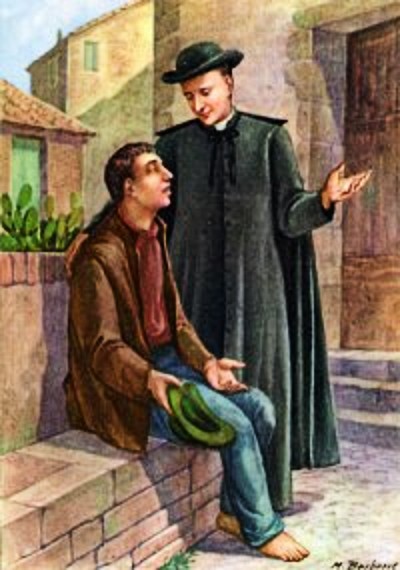
Annibale proved to be of lively intelligence with remarkable literary abilities. As soon as he felt the call of God, he immediately responded by placing himself and his talents at the service of God. After his theological studies, he was Ordained a Priest on 16 March 1878. A few months before his Ordination, he met an almost blind beggar, Francesco Zancone, a providential encounter which led him to discover the sad social and moral reality of one of the poorest neighbourhoods in the outskirts of Messina (Case Avignone). It was the beginning of a long walk and his boundless love for the poor and the orphans, was one of the primary characteristic of his life.
Fr Annibale meets the poor and blind Zancone who challenged Father’s life
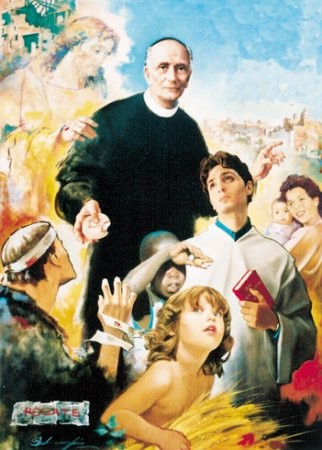
With the permission and the encouragement of his Bishop, Msgr. Joseph Guarino, he made the Avignone ghetto his home and dedicated himself completely to the redemption of its inhabitants. In accordance with the Gospel, he saw them as “sheep without a shepherd.” It was an experience strongly marked by misunderstandings, difficulties and obstacles of every kind which he overcame by great faith, seeing Jesus Christ in the poor and marginalised people. He was carrying out what he defined as the “spirit of a twofold charity – the evangelisation of and the care for the poor.” In 1882 he started his orphanages, which were called “Anthonian Orphanages” because they were placed under the patronage of St Anthony of Padua. His concern was not only to provide the children with food and occupation but, above all, to assure that they were brought up in a way, that integrated the moral and religious aspects of their lives, offering a family climate, which helped lead them to discover and follow God’s plan for them.
With his missionary spirit he wanted to reach out to the orphans and the poor all over the world. But how could he do it? He perceived that the “Rogate” was the real answer. He wrote: “What are these few orphans we attend to, these few people we bring the good news to, compared to the millions who are lost and abandoned as sheep without a shepherd?... I looked for an answer and I found a complete one in the words of Jesus: ‘Ask the Lord of the harvest to send out labourers to gather his harvest’. I concluded then, that I had found the secret key to all good works and to the salvation of all souls.”
Annibale felt that the Rogate was not simply the Lord’s recommendation but, an explicit command and an “infallible remedy.” For this reason, his charism can be considered as giving life to a providential foundation in the Church. He was also a forerunner in considering the work of committed lay persons, like parents, teachers and even good government workers, as vocations.
To carry out his apostolic ideals in the Church and in the world, he founded two religious Congregations: the Daughters of Divine Zeal, in 1887 and the Rogationists ten years later. He wanted both institutions to live the Rogate as a fourth vow. The institutions were canonically approved on 6 August 1926.
St Annibale with the visionary and co-worker Melania Calvat in Messina
In a petition to St Pius X, in 1909, Father Annibale stated: “From my early youth I have committed myself to that Holy Word of the Gospel – ‘Rogate ergo…’ From my small Institutes, an unceasing daily prayer is raised by the orphans, the poor, the priests and the consecrated virgins, to the most Sacred Hearts of Jesus and Mary, to St Joseph and the Apostles, that they may abundantly provide the Church with holy and chosen priests and with evangelical workers for the spiritual harvest of souls.”
To spread the prayer for vocations he promoted several initiatives – he had personal epistolary contacts with the Popes of his time, he instituted a “Holy Alliance,” a movement of prayer for vocations intended for the clergy and the “Pious Union of the Evangelical Rogation” for all the faithful. He published the periodical “God and Neighbour,” to involve everyone in these ideals.
“The entire Church must formally pray for this aim,” he wrote, “because the purpose of the prayer to gain vocations must concern all the faithful, every Christian who has at heart the good of souls and, in a particular way, the Bishops who are the shepherds of the spiritual flock and to whom souls are entrusted. They are the living Apostles of Jesus Christ today.” The annual World Day of Prayer for Vocations instituted by Pope Paul VI in 1964 can be considered a response to his intuition.
His love for the Priesthood was great. He strongly believed that the world could be redeemed only through the work of many holy Priests. That is why he was deeply concerned with the spiritual formation of the seminarians entrusted to him by the Bishop of Messina. He used to say, that without a lot of prayer and a solid spiritual training, “all the efforts of Bishops and of seminary educators would only result in artificial priests.” He strove to become himself a model of the “good labourer” of the Gospels and to be a Priest according the Heart of Jesus. His charity knew no bounds and was directed towards all kinds of people in need, including Priests facing difficulties and cloistered nuns.
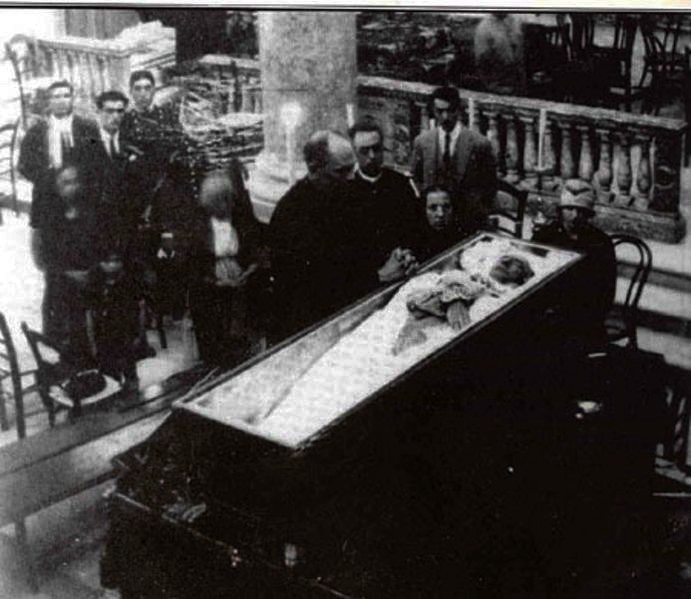
Even when he was still alive, his reputation as a saint was widespread on all levels. When he died in Messina, on 1 June 1927, people began to say: “Let us go to see the sleeping saint.” He died comforted by the vision of the Blessed Virgin Mary, whom he had loved so much during his life.
His funeral, according to the chronicles and pictures in the newspapers of that time, became a triumph. Civil authorities promptly granted permission for his burial in the Shrine of the “Evangelical Rogation” which Fr Annibale himself had built in Messina and wanted to be dedicated to the command of the Gospel: “Ask, therefore, the Lord of the Harvest to send workers into his harvest…”
The religious families founded by Blessed Annibale are currently present on all the continents. According to the ideals of their founder, they dedicate themselves to spreading the prayer for vocations through centres for vocations, publishing houses and printing presses, institutions for orphans and abandoned children, schools for deaf and mute, nutritional centres, homes for aged, homes for single mothers and professional and vocational schools.
The sanctity and mission of Fr Annibale as an “outstanding Apostle of the prayer for vocations” are deeply felt in our time by all who are concerned with the need for vocations in the Church. St John Paul II proclaimed Father Hannibal a Blessed on 7 October 1990 and defined him as the “authentic forerunner and zealous master of the modern pastoral care for vocations”. … Vatican.va
On 30 June 1990 the Medical Commission of the Congregation for the Causes of Saints unanimously agreed that the case of Gleida Danese – a young Brazilian girl who was doomed to die because of the rupture of the aorta but who suddenly recovered – had no possible medical explanation. Both the Commission of Theologians on 14 July 1990 and then the Congress of Cardinals and Bishops on 27 July 1990, unanimously agreed upon the miraculous recovery of the girl and found that it was to be attributed to the intercession of the Blessed Annibale Maria Di Francia.
He was Canonised on 16 May 2004, by St Pope John Paul II, who said of him:
“Whoever loves me will keep my word” (Jn 14: 23). In these words of the Gospel we see illustrated the spiritual profile of Annibale Maria Di Francia, whose love for the Lord moved him to dedicate his entire life to the spiritual well-being of others. In this perspective, he felt above all the urgency to carry out the Gospel command: “Rogate ergo… Pray then to the Lord of the harvest to send out labourers into his harvest!” (Mt 9: 38).
He left to the Rogationist Fathers and the Daughters of Divine Zeal the task to do their utmost with all their strength so that prayer for vocations would be “unceasing and universal.” This same call of Fr Annibale Maria Di Francia is directed to the young people of our times, summed up in his usual exhortation: “Fall in love with Jesus Christ.
From this providential intuition, a great movement of prayer for vocations rose up within the Church. I hope with all my heart that the example of Fr Hannibal Mary Di Francia will guide and sustain such pastoral work even in our times.”
The need for such a prayer has been recognised by the Supreme Authority of the Church. St Pope Paul VI on 23 January 1964 instituted the “World Day of Prayer for Vocations. Since then, every year, the Popes remind the universal Church that still today salvation comes to us through the work of many and holy ministers of the Gospel and that to obtain them from God we must pray.
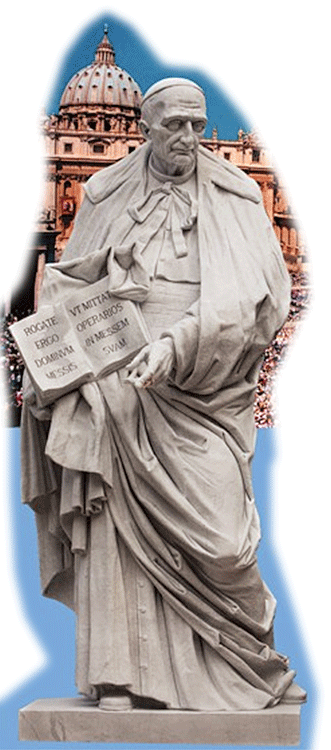
On 7 July 2010, Pope Benedict XVI blessed a marble Statue of St Annibale Maria di Francia (1851-1927), Founder of the Congregation of the Rogationist Fathers of the Heart of Jesus and of the Daughters of Divine Zeal. The statue is positioned in an external niche of the Vatican Basilica near the Arch of the Bells with other Founder Statues.
St Agapetus of Ruthenia
Bl Alfonso Navarrete Benito Saint Annibale Maria di Francia (1851-1927)
Bl Arnald Arench
Bl Arnold of Geertruidenberg
St Atto of Oca
St Candida of Whitchurch
St Caprasius of Lérins
St Clarus of Aquitaine
St Claudius of Vienne
Bl Conrad of Hesse
St Conrad of Trier
St Crescentinus
St Cronan of Lismore
St Damian of Scotland
St Dionysius of Ruthenia
St Donatus of Lucania
St Felinus of Perugia
Bl Ferdinand Ayala
St Firmus
St Fortunatus of Spoleto
Bl Gaius Xeymon
St Gaudentius of Ossero
St Giuse Túc
St Gratian of Perugia
Bl Herculanus of Piegare
St Iñigo of Oña
St Ischryrion and Companions
Bl James of Strepar
St Jean-Baptiste-Ignace-Pierre Vernoy de Montjournal Blessed John Baptist Scalabrini (1839-1905) His Lifestory: https://anastpaul.com/2018/06/01/saint-of-the-day-1-june-blessed-john-baptist-scalabrini-1839-1905-the-apostle-of-the-catechism-and-the-father-of-migrants/
Bl John Pelingotto
Bl John Storey
St Juventius
Bl Leo Tanaka
St Melosa
St Pamphilus of Alexandria
St Peter of Pisa
St Porphyrius of Alexandria
St Proculus of Bologna
St Proculus the Soldier
St Ronan
St Secundus of Amelia
St Seleucus of Alexandria
St Simeon of Syracuse
St Telga of Denbighshire
St Thecla of Antioch
Bl Theobald Roggeri
St Thespesius of Cappadocia
St Wistan of Evesham
St Zosimus of Antioch
—
Martyrs of Alexandria – 5 saints: A group five of imperial Roman soldiers assigned to guard a group of Egyptian Christians who were imprisoned for their faith in the persecutions of Decius. During their trial, they encouraged the prisoners not to apostatize. This exposed them as Christians, were promptly arrested and executed. Martyrs. Their names are – Ammon, Ingen, Ptolomy, Theophilis and Zeno. They were beheaded in 249 at Alexandria, Egypt.
Martyrs of Caesarea – 3 saints: Three Christians martyred together in the persecutions of Galerius. We know little more about them than the name – Paul, Valens and Valerius. They diedf in 309 at Caesarea, Palestine.
Martyrs of Lycopolis – 6 saints: Five foot soldiers and their commander who were martyred for their faith by order of the imperial Roman prefect Arriano during the persecutions of Decius. In Lycopolis, Egypt.
Martyrs of Rome – 6 saints: A group of spiritual students of Saint Justin Martyr who died with him and about whom we know nothing else but their names – Carito, Caritone, Evelpisto, Ierace, Liberiano and Peone. In Rome, Italy.







 AnaStpaul
You must be logged in to post a comment.