Saint/s of the Day – 2 January – St Basil the Great (329-379) and St Gregory of Nazianzen (330-390) Fathers and Doctors of the Church “Two Bodies one Spirit”
On 2 January, the Roman Church honours the memory of two friends from an area of what is now Turkey that was called Cappadocia. These men began their friendship while away at school and later became bishops who were the backbone of Catholic Orthodoxy during a period of doctrinal struggle and confusion. Gregory presided over the 2nd ecumenical council, held at Constantinople, whose great achievement was the completion of the Nicene-Constantinopolitan Creed that the Catholic Church recites each Sunday and the definition of the divinity of the Holy Spirit. These Cappadocian Fathers, both Doctors of the Church, proved to be some of the most influential Christian teachers of all time, honoured by both East and West, Eastern Orthodox and Roman Catholic.
Basil was on his way to becoming a famous teacher when he decided to begin a religious life of gospel poverty. After studying various modes of religious life, he founded what was probably the first monastery in Asia Minor. He is to monks of the East what Saint Benedict is to the West and Basil’s principles influence Eastern monasticism today.
He was Ordained a Priest, assisted the Archbishop of Caesarea—now southeastern Turkey—and ultimately became Archbishop himself, in spite of opposition from some of the Bishops under him, probably because they foresaw coming reforms.
Arianism, one of the most damaging heresies in the history of the Church which denied the divinity of Christ, was at its height. Emperor Valens persecuted orthodox believers and put great pressure on Basil to remain silent and admit the heretics to communion. Basil remained firm, and Valens backed down. But trouble remained. When the great Saint Athanasius died, the mantle of defender of the faith against Arianism fell upon Basil. He strove mightily to unite and rally his fellow Catholics who were crushed by tyranny and torn by internal dissension. He was misunderstood, misrepresented, accused of heresy and ambition. Even appeals to the pope brought no response. “For my sins I seem to be unsuccessful in everything.”
Basil was tireless in pastoral care. He preached twice a day to huge crowds, built a hospital that was called a wonder of the world—as a youth he had organised famine relief and worked in a soup kitchen himself—and fought the prostitution business. Hence Basil is now the Patron of Hospitals and the Administrators thereof, of Cappadocia, Monks, Reformers, Cessaniti in Italy, Russia.
Basil was best known as an orator. Though not recognised greatly in his lifetime, his writings rightly place him among the great teachers of the Church. Seventy two years after his death, the Council of Chalcedon described him as “the great Basil, minister of grace who has expounded the truth to the whole earth.”
After his baptism at 30, Gregory gladly accepted his friend Basil’s invitation to join him in a newly founded monastery. The solitude was broken when Gregory’s father, a bishop, needed help in his diocese and estate. It seems that Gregory was ordained a priest practically by force and only reluctantly accepted the responsibility. He skilfully avoided a schism that threatened when his own father made compromises with Arianism. At 41, Gregory was chosen suffragan bishop of Caesarea and at once came into conflict with Valens, the emperor, who supported the Arians.
An unfortunate by-product of the battle was the cooling of the friendship of two saints. Basil, his archbishop, sent him to a miserable and unhealthy town on the border of unjustly created divisions in his diocese. Basil reproached Gregory for not going to his see.
When protection for Arianism ended with the death of Valens, Gregory was called to rebuild the faith in the great see of Constantinople, which had been under Arian teachers for three decades. Retiring and sensitive, he dreaded being drawn into the whirlpool of corruption and violence. He first stayed at a friend’s home, which became the only orthodox church in the city. In such surroundings, he began giving the great sermons on the Trinity for which he is famous. In time, Gregory did rebuild the faith in the city but at the cost of great suffering, slander, insults and even personal violence. An interloper even tried to take over his bishopric.
His last days were spent in solitude and austerity. He wrote religious poetry, some of it autobiographical, of great depth and beauty. He was acclaimed simply as “the Theologian.”
Saints of the Day – Feast of the Holy Innocents: Martyrs – 28 December – 4th Day of the Christmas Octave. Patronages – • against ambition•against jealousy• altar servers•babies•children• children’s choir• choir boys• foundlings• students.
“A voice is heard in Ramah, weeping and great mourning, Rachel weeping for her children and refusing to be comforted, because they are no more.”
Nicolas Poussin – The Massacre of the Innocents
During this octave of Christmas the Church celebrates the memory of the small children of the neighbourhood of Bethlehem put to death by Herod.
Sacrificed by a wicked monarch, these innocent lives bear witness to Christ who was persecuted from the time of His birth by a world which would not receive Him. It is Christ Himself who is at stake in this mass-murder of the children, already the choice, for or against Him, is put clearly before men. But the persecutors are powerless, for Christ came to perform a work of salvation that nothing can prevent, when He fell into the hands of His enemies at the time chosen by God, it was to redeem the world by His own Blood.
Our Christmas joy is tempered today by a feeling of sadness. But the Church looks principally to the glory of the children, of these innocent victims, whom she shows us in heaven following the Lamb wherever He goes.
Nicholas Poussin – The Holy Innocents
One of the most cherished carols of the Christmas season is often presented as a melody without lyrics. For this reason, the tune is familiar but the words of the carol are not. The carol of which I am referring to is known as the Coventry Carol, which originates in a 16th century “mystery play” called the Pageant of the Shearman and Tailors. The play and the song concern the massacre of the young children of Bethlehem at the command of King Herod, a story that is recorded in the Gospel of Matthew. The Coventry Carol is a lament that is imagined in the play to have been sung by the mothers whose children have been murdered by Herod’s cruelty, it combines the sound of their weeping with the gentle cadences of a lullaby:
Lullay thou little tiny child, Bye, bye lully lullay.
O sisters, too how may we do, For to preserve this day; This poor youngling for whom we sing, Bye bye lully lullay.
Herod the King, in his raging Charged he hath this day; His men of might in his own sight All young children to slay.
Then woe is me, poor child for thee And ever mourn and say; For thy parting, no say nor sing Bye bye lully lullay
The Holy Innocents saved the Child Jesus from death by King Herod, by the shedding of their own blood. The Holy Innocents are the special patrons of small children, who can please the Christ Child by being obedient and helpful to parents and by sharing their toys and loving their siblings and playmates.
The feast of the Holy Innocents is an excellent time for parents to inaugurate the custom of blessing their children. From the Ritual comes the form which we use on solemn occasions, such as First Communion. But parents can simply sign a cross on the child’s forehead with the right thumb dipped in holy water and say: “May God bless you and may He be the Guardian of your heart and mind—the Father, + Son and Holy Spirit. Amen.”
Saint of the Day – 26 December – St Stephen, the ProtoMartyr (c 05-c 34) – 26 December the Second Day in the Octave of Christmas
“As the number of disciples continued to grow, the Greek-speaking Christians complained about the Hebrew-speaking Christians, saying that their widows were being neglected in the daily distribution. So the Twelve called together the community of the disciples and said, ‘It is not right for us to neglect the word of God to serve at table. Brothers, select from among you seven reputable men, filled with the Spirit and wisdom, whom we shall appoint to this task, whereas we shall devote ourselves to prayer and to the ministry of the word.’ The proposal was acceptable to the whole community, so they chose Stephen, a man filled with faith and the Holy Spirit…” (Acts 6:1-5).
Acts of the Apostles says that Stephen was a man filled with grace and power, who worked great wonders among the people. Certain Jews, members of the Synagogue of Roman Freedmen, debated with Stephen but proved no match for the wisdom and spirit with which he spoke. They persuaded others to make the charge of blasphemy against him. He was seized and carried before the Sanhedrin.
In his speech, Stephen recalled God’s guidance through Israel’s history, as well as Israel’s idolatry and disobedience. He then claimed that his persecutors were showing this same spirit. “…you always oppose the holy Spirit; you are just like your ancestors” (Acts 7:51b).
Stephen’s speech brought anger from the crowd. “But he, filled with the holy Spirit, looked up intently to heaven and saw the glory of God and Jesus standing at the right hand of God, and he said, ‘Behold, I see the heavens opened and the Son of Man standing at the right hand of God.’ …They threw him out of the city and began to stone him. …As they were stoning Stephen, he called out, ‘Lord Jesus, receive my spirit.’ …’Lord, do not hold this sin against them’” (Acts 7:55-56, 58a, 59, 60b).
Saint of the Day – 21 December – St Peter Canisius SJ. (1521-1597) The “Second Apostle of Germany” – Doctor of the Church
Catechesis of Pope Benedict XVI – 9 February 2011
He was born on 8 May 1521 in Wijmegen, Holland. His father was Burgomaster of the town. While he was a student at the University of Cologne he regularly visited the Carthusian monks of St Barbara, a driving force of Catholic life and other devout men who cultivated the spirituality of the so-called devotio moderna [modern devotion].
He entered the Society of Jesus on 8 May 1543 in Mainz (Rhineland — Palatinate), after taking a course of spiritual exercises under the guidance of Bl (now Saint) Pierre Favre, Petrus [Peter] Faber, one of St Ignatius of Loyola’s first companions. He was ordained a priest in Cologne. Already the following year, in June 1546, he attended the Council of Trent, as the theologian of Cardinal Otto Truchsess von Waldburg, Bishop of Augsberg, where he worked with two confreres, Diego Laínez and Alfonso Salmerón. In 1548, St Ignatius had him complete his spiritual formation in Rome and then sent him to the College of Messina to carry out humble domestic duties.
He earned a doctorate in theology at Bologna on 4 October 1549 and St Ignatius assigned him to carry out the apostolate in Germany. On 2 September of that same year he visited Pope Paul III at Castel Gandolfo and then went to St Peter’s Basilica to pray. Here he implored the great Holy Apostles Peter and Paul for help to make the Apostolic Blessing permanently effective for the future of his important new mission. He noted several words of this prayer in his spiritual journal.
He said: “There I felt that a great consolation and the presence of grace had been granted to me through these intercessors [Peter and Paul]. They confirmed my mission in Germany and seemed to transmit to me, as an apostle of Germany, the support of their benevolence. You know, Lord, in how many ways and how often on that same day you entrusted Germany to me, which I was later to continue to be concerned about and for which I would have liked to live and die”.
We must bear in mind that we are dealing with the time of the Lutheran Reformation, at the moment when the Catholic faith in the German-speaking countries seemed to be dying out in the face of the fascination of the Reformation. The task of Canisius — charged with revitalising or renewing the Catholic faith in the Germanic countries — was almost impossible. It was possible only by virtue of prayer. It was possible only from the centre, namely, a profound personal friendship with Jesus Christ, a friendship with Christ in His Body, the Church, which must be nourished by the Eucharist, His Real Presence.
In obedience to the mission received from Ignatius and from Pope Paul III, Canisius left for Germany. He went first to the Duchy of Bavaria, which for several years was the place where he exercised his ministry. As dean, rector and vice chancellor of the University of Ingolstadt, he supervised the academic life of the Institute and the religious and moral reform of the people. In Vienna, where for a brief time he was diocesan administrator, he carried out his pastoral ministry in hospitals and prisons, both in the city and in the countryside and prepared the publication of his Catechism. In 1556 he founded the College of Prague and, until 1569, was the first superior of the Jesuit Province of Upper Germany. In this office he established a dense network of communities of his Order in the Germanic countries, especially colleges, that were starting points for the Catholic Reformation, for the renewal of the Catholic faith.
At that time he also took part in the Colloquy of Worms with Protestant divines, including Philip Melanchthon (1557); He served as Papal Nuncio in Poland (1558); he took part in the two Diets of Augsberg (1559 and 1565); he accompanied Cardinal Stanislaw Hozjusz, Legate of Pope Pius IV, to Emperor Ferdinand (1560); and he took part in the last session of the Council of Trent where he spoke on the issue of Communion under both Species and on the Index of Prohibited Books (1562).
In 1580 he withdrew to Fribourg, Switzerland, where he devoted himself entirely to preaching and writing. He died there on 21 December 1597. Bl Pius IX Beatified him in 1864 and in 1897 Pope Leo XIII proclaimed him the “Second Apostle of Germany”. Pope Pius XI Canonised him and proclaimed him a Doctor of the Church in 1925.
St Peter Canisius spent a large part of his life in touch with the most important people of his time and exercised a special influence with his writings. He edited the complete works of Cyril of Alexandria and of St Leo the Great, the Letters of St Jerome and the Orations of St Nicholas of Flüe. He published devotional books in various languages, biographies of several Swiss Saints and numerous homiletic texts.
However, his most widely disseminated writings were the three Catechisms he compiled between 1555 and 1558. The first Catechism was addressed to students who could grasp the elementary notions of theology; the second, to young people of the populace for an initial religious instruction; the third, to youth with a scholastic formation of middle and high school levels. He explained Catholic doctrine with questions and answers, concisely, in biblical terms, with great clarity and with no polemical overtones.
There were at least 200 editions of this Catechism in his lifetime alone! And hundreds of editions succeeded one another until the 20th century. So it was, that still in my father’s generation people in Germany were calling the Catechism simply “the Canisius”. He really was the Catechist of Germany for centuries, he formed people’s faith for centuries. This was a characteristic of St Peter Canisius – his ability to combine harmoniously fidelity to dogmatic principles with the respect that is due to every person. St Canisius distinguished between a conscious, blameworthy apostosy from faith and a blameless loss of faith through circumstances.
Moreover, he declared to Rome that the majority of Germans who switched to Protestantism were blameless. In a historical period of strong confessional differences, Canisius avoided — and this is something quite extraordinary — the harshness and rhetoric of anger — something rare, as I said, in the discussions between Christians in those times — and aimed only at presenting the spiritual roots and at reviving the faith in the Church. His vast and penetrating knowledge of Sacred Scripture and of the Fathers of the Church served this cause, the same knowledge that supported his personal relationship with God and the austere spirituality that he derived from the Devotio Moderna and Rhenish mysticism.
Characteristic of St Canisius’ spirituality was his profound personal friendship with Jesus. For example, on 4 September 1549 he wrote in his journal, speaking with the Lord: “In the end, as if You were opening to me the heart of the Most Sacred Body, which it seemed to me I saw before me, You commanded me to drink from that source, inviting me, as it were, to draw the waters of my salvation from Your founts, O my Saviour”.
Then he saw that the Saviour was giving him a garment with three pieces that were called peace, love and perseverance. And with this garment, made up of peace, love and perseverance, Canisius carried out his work of renewing Catholicism. His friendship with Jesus — which was the core of his personality — nourished by love of the Bible, by love of the Blessed Sacrament and by love of the Fathers, this friendship was clearly united with the awareness of being a perpetuator of the Apostles’ mission in the Church. And this reminds us that every genuine evangeliser is always an instrument united with Jesus and with His Church and is fruitful for this very reason.
Friendship with Jesus had been inculcated in St Peter Canisius in the spiritual environment of the Charterhouse of Cologne, in which he had been in close contact with two Carthusian mystics – Johannes Lansperger, whose name has been Latinized as “Lanspergius” and Nikolaus van Esche, Latinized as “Eschius”.
He subsequently deepened the experience of this friendship, familiaritas stupenda nimis, through contemplation of the mysteries of Jesus’ life, which form a large part of St Ignatius’ Spiritual Exercises. This is the foundation of his intense devotion to the Heart of the Lord, which culminated in his consecration to the apostolic ministry in the Vatican Basilica.
The Christocentric spirituality of St Peter Canisius is rooted in a profound conviction – no soul anxious for perfection fails to practice prayer daily, mental prayer, an ordinary means that enables the disciple of Jesus to live in intimacy with the divine Teacher.
For this reason in his writings for the spiritual education of the people, our Saint insists on the importance of the Liturgy with his comments on the Gospels, on Feasts, on the Rite of Holy Mass and on the sacraments; yet, at the same time, he is careful to show the faithful the need for and beauty of personal daily prayer, which should accompany and permeate participation in the public worship of the Church. This exhortation and method have kept their value intact, especially after being authoritatively proposed anew by the Second Vatican Council in the Constitution Sacrosanctum Concilium, Christian life does not develop unless it is nourished by participation in the Liturgy — particularly at Sunday Mass — and by personal daily prayer, by personal contact with God.
Among the thousands of activities and multiple distractions that surround us, we must find moments for recollection before the Lord every day, in order to listen to Him and speak with Him.
At the same time, the example that St Peter Canisius has bequeathed to us, not only in his works but especially with his life, is ever timely and of lasting value. He teaches clearly that the apostolic ministry is effective and produces fruits of salvation in hearts only if the preacher is a personal witness of Jesus and an instrument at His disposal, bound to Him closely by faith in His Gospel and in His Church, by a morally consistent life and by prayer as ceaseless as love. And this is true for every Christian who wishes to live his adherence to Christ with commitment and fidelity.
Saint of the Day – 7 December – St Ambrose (c 340-397) – Father and Doctor of the Church
Today the Catholic Church celebrates the memory of St Ambrose, the brilliant Bishop of Milan who influenced St Augustine’s conversion and was named a Doctor of the Church.
Like Augustine himself, the older Ambrose (born around 340) was a highly educated man who sought to harmonise Greek and Roman intellectual culture with the Catholic faith. Trained as a lawyer, he eventually became the governor of Milan. He manifested his intellectual gifts in defence of Christian doctrine even before his baptism.
While Ambrose was serving as the governor of Milan, a bishop named Auxentius was leading the diocese. Although he was an excellent public speaker with a forceful personality, Auxentius also followed the heresy of Arius, which denied the divinity of Christ. Although the Council of Nicaea had reasserted the traditional teaching on Jesus’ deity, many educated members of the Church – including, at one time, a majority of the world’s bishops – looked to Arianism as a more sophisticated and cosmopolitan version of Christianity. Bishop Auxentius became notorious for forcing clergy throughout the region to accept Arian creeds.
At the time of Auxentius’ death, Ambrose had not yet even been baptised. But his deep understanding and love of the traditional faith were already clear to the faithful of Milan. They considered him the most logical choice to succeed Auxentius, even though he was still just a catechumen. With the help of Emperor Valentinan, who ruled the Western Roman Empire at the time, a mob of Milanese Catholics virtually forced Ambrose to become their bishop against his own will. Eight days after his baptism, Ambrose received episcopal consecration on 7 December 374. The date would eventually become his liturgical feast.
St Ambrose consecrated as Bishop
Bishop Ambrose did not disappoint those who had clamoured for his appointment and consecration. He began his ministry by giving everything he owned to the poor and to the Church. He looked to the writings of Greek theologians like St Basil for help in explaining the Church’s traditional teachings to the people during times of doctrinal confusion.
Like the fathers of the Eastern Church, Ambrose drew from the intellectual reserves of pre-Christian philosophy and literature to make the faith more comprehensible to his hearers. This harmony of faith with other sources of knowledge served to attract, among others, the young professor Aurelius Augustinus – a man Ambrose taught and baptised, whom history knows as St Augustine of Hippo.
St Augustine and St Ambrose
Ambrose himself lived simply, wrote prolifically and celebrated Mass each day. He found time to counsel an amazing range of public officials, pagan inquirers, confused Catholics and penitent sinners. The people of Milan never regretted their insistence that the reluctant civil servant should lead the local church. His popularity, in fact, served to keep at bay those who would have preferred to force him from the diocese, including the Western Empress Justina and a group of her advisers, who sought to rid the West of adherence to the Nicene Creed. Ambrose heroically refused her attempts to impose heretical bishops in Italy, along with her efforts to seize churches in the name of Arianism.
Ambrose also displayed remarkable courage when he publicly denied communion to the Emperor Theodosius, who had ordered the massacre of 7,000 citizens in Thessalonica. The chastened emperor took Ambrose’s rebuke to heart, publicly repenting of the massacre and doing penance for the murders.
“Nor was there afterwards a day on which he did not grieve for his mistake,” Ambrose himself noted when he spoke at the emperor’s funeral. The rebuke spurred a profound change in Emperor Theodosius. He reconciled himself with the Church and the bishop, who attended to the emperor on his deathbed.
St. Ambrose died in 397. His 23 years of diligent service had turned a deeply troubled diocese into an exemplary outpost for the faith. His writings remained an important point of reference for the Church, well into the medieval era and beyond.
At the Catholic Church’s Fifth Ecumenical Council – which took place at Constantinople in 553, and remains a source of authoritative teaching for both Catholics and Eastern Orthodox Christians – the assembled bishops named Ambrose, along with this protege St Augustine, as being among the foremost “holy fathers” of the Church, whose teaching all bishops should “in every way follow.”
Saint of the Day – 6 December – St Nicholas (270-343) Bishop
The absence of the “hard facts” of history is not necessarily an obstacle to the popularity of saints, as the devotion to Saint Nicholas shows. Both the Eastern and Western Churches honour him and it is claimed that after the Blessed Virgin, he is the saint most pictured by Christian artists. And yet historically, we can pinpoint only the fact that Nicholas was the fourth-century bishop of Myra, a city in Lycia, a province of Asia Minor.
As with many of the saints, however, we are able to capture the relationship which Nicholas had with God through the admiration which Christians have had for him—an admiration expressed in the colourful stories which have been told and retold through the centuries.
Perhaps the best-known story about Nicholas concerns his charity toward a poor man who was unable to provide dowries for his three daughters of marriageable age. Rather than see them forced into prostitution, Nicholas secretly tossed a bag of gold through the poor man’s window on three separate occasions, thus enabling the daughters to be married. Over the centuries, this particular legend evolved into the custom of gift-giving on the saint’s feast.
Fra Angelico’s St Nicholas donating the dowries
In the English-speaking countries, Saint Nicholas became, by a twist of the tongue, Santa Claus—further expanding the example of generosity portrayed by this holy bishop.
Saint of the Day – 4 December – St John Damascene (675-749) Confessor, Father & Doctor of the Church – Priest, Monk, Theologian, Writer, Defender of Iconography, Poet, a Polymath whose fields of interest and contribution included law, theology, philosophy, music, Marian devotee. Also known as – Johannes Damascenus, John Chrysorrhoas (“golden-stream”), John of Damascus. Born in c 675 at Damascus, Syria and died in 749 of natural causes. Patronages – pharmacists, artists, theologians and theology students.
While the Churches of Rome and Constantinople were still united during St John’s life, the Byzantine Emperor Leo III radically separated from the ancient tradition of the Church, declaringthat the veneration of Sacred Imagery was a form of idolatry.
Saint John was born in the late 7th Century and is the most remarkable of the Greek writers of his time. His father was a Civil Authority who was Christian amid the Saracens of Damascus, whose caliph made him his minister. This enlightened man found, in the public square one day, amid a group of sad Christian captives, a Priest of Italian origin who had been condemned to slavery, he ransomed him and assigned him to his young son to be his tutor. Young John made extraordinary progress in grammar, dialectic, mathematics, music, poetry, astronomy but, above all, in theology, the discipline imparting knowledge of God. John became famous for his encyclopedic intellect and theological method, later a source of inspiration to Saint Thomas Aquinas.
During the 720s, the upstart theologian began publicly opposing the Emperor’s command against Sacred Images in a series of writings. The heart of his argument was twofold – firstly, that Christians did not actually worship images but rather, through them they worshipped God and honoured the memory of the Saints. Secondly, he asserted that by taking an incarnate physical form, Christ had given warrant to the Church’s depiction of Him in images.
By 730, the young public official’s persistent defence of Christian artwork had made him a permanent enemy of the emperor, who had a letter forged in John’s name offering to betray the Muslim government of Damascus. The ruling caliph of the city, taken in by the forgery, is said to have cut off John’s hand. The saint’s sole surviving biography states that the Virgin Mary acted to restore it miraculously. John eventually managed to convince the Muslim ruler of his innocence, before making the decision to become a monk and later a priest.
Although a number of imperially-convened synods condemned John’s advocacy of Christian iconography, the Roman church always regarded his position as a defence of apostolic tradition. Years after the priest and monk died, the Seventh Ecumenical Council vindicated his orthodoxy and ensured the permanent place of holy images in both Eastern and Western Christian piety.
St John Damascene’s other notable achievements include the “Exact Exposition of the Orthodox Faith,” a work in which he systematised the earlier Greek Fathers’ thinking about theological truths in light of philosophy. The work exerted a profound influence on St Thomas Aquinas and subsequent scholastic theologians. Centuries later, St John’s sermons on the Virgin Mary’s bodily assumption into heaven were cited in Pope Pius XII’s dogmatic definition on the subject.
The saint also contributed as an author and editor, to some of the liturgical hymns and poetry that Eastern Orthodox and Eastern Catholics still use in their celebrations of the liturgy.
“Show me the icons that you venerate, that I may be able to understand your faith.” – Saint John of Damascus.
Saint of the Day – 3 December – St Francis Xavier SJ (1506-1552 – aged 46) – Priest, Missionary, co-Founder with St Ignatius Loyola (1491-1556) and St Peter Faber (1506-1546) of the Society of Jesus (the Jesuits) – he was born Francisco de Jasso y Azpilicueta on 7 April 1506 at Javier, Spanish Navarre, Basque region and died on 3 December 1552 at Sancian, China of a fever contracted on a mission journey. Patronages: African missions, black missions, foreign missions (proclaimed on 25 March 1904 by St Pope Pius X), missionaries, sailors, navigators, parish missions, plague epidemics, World Youth Day 2011, Australia, Borneo, Brunei, China, East Indies, India, Japan, Kenya, New Zealand, South Africa, Apostleship of Prayer, Congregation for the Propagation of the Faith, Fathers of the Precious Blood, Missioners of the Precious Blood, University of Saint Francis Xavier, 6 cities, 16 dioceses. His body is incorrupt.
St Francis was a companion of Saint Ignatius of Loyola and one of the first seven Jesuits who took vows of poverty and chastity at Montmartre, Paris, in 1534. He led an extensive mission into Asia, mainly in the Portuguese Empire of the time and was influential in evangelisation work, most notably in India. He also was the first Christian missionary to venture into Japan, Borneo, the Maluku Islands and other areas. In those areas, struggling to learn the local languages and in the face of opposition, he had less success than he had enjoyed in India. Xavier was about to extend his missionary preaching to China when he died on Shangchuan Island.
He was Beatified by Pope Paul V on 25 October 1619 and Canonised by Pope Gregory XV on 12 March 1622. In 1624 he was made co-patron of Navarre. Known as the “Apostle of the Indies” and “Apostle of Japan”, he is considered to be one of the greatest missionaries since Saint Paul. In 1927, Pope Pius XI published the decree “Apostolicorum in Missionibus” naming Saint Francis Xavier, along with Saint Thérèse of Lisieux, co-patron of all foreign missions. He is now co-patron saint of Navarre with San Fermin. The Day of Navarre (Día de Navarra) in Spain marks the anniversary of Saint Francis Xavier’s death, on 3 December 1552.
A young Spanish gentleman, in the dangerous days of the Reformation, was making a name for himself as a professor of philosophy at the University of Paris. He was aspiring, apparently, to a high dignity, until Saint Ignatius of Loyola decided to undertake the spiritual conquest of this ardent soul. What does it profit a man to gain the entire world, if he suffers the loss of his soul? Ignatius often repeated to the brilliant teacher. The words of Christ, joined to the example of Ignatius and his disciples, prevailed. It was not long before his gifted friend decided to labour for the glory of God, by adopting the evangelical life of an apostle, to which he was indeed called. He was among the first members of the Society of Jesus, those who with Ignatius made their religious vows in the church of Montmartre in Paris, on the feast of the Assumption in 1534.
St Ignatius, St Peter & St Francis
St Francis, St Ignatius, St Peter
On his way to Rome with the others, handicapped by severe penances he had imposed on himself, he remained in Venice and exercised a brief apostolate by caring for the sick in the city hospital. The others waited for him to regain his ability to walk. These first fervent Jesuits were intending to embark for the Holy Land but were prevented by a war. In Rome, Francis again went to a hospital to serve the sick and visited the prisons to encourage and console the poor inmates, while preparing for ordination with the others, according to the desire of the Pope.
Saint Ignatius having remained in Venice, the other five returned there afterwards. Francis was sent by Saint Ignatius to the Orient in 1534, where for twelve years he laboured unceasingly to win souls, sleeping only three hours a night, eating very little, and bearing the Gospel to Hindustan, to Malacca and as far as Japan. At all times thwarted by jealousy, covetousness and the carelessness of those who should have helped and encouraged him, he did not slacken in his apostolic endeavours despite opposition and the difficulties of every sort which he encountered.
Miracles accompanied him everywhere, he resurrected several who had died. His inexhaustible kindness was not the least of his assets in winning thousands of pagans to the Faith. He baptised so many that his arm became virtually disabled, ten thousand in a single month in the kingdom of Trevancor, where in the same space of time he saw to the building of forty-five churches. At Meliapour, site of the martyrdom of Saint Thomas, he found the marble on which the Apostle was sacrificed and which exuded blood the first time Mass was said upon it. Passing through various islands, cities and provinces of India, he strengthened his first conquests by additional preaching. He planted crosses in the public squares and overcame all obstacles.
Saint Francis is called Apostle of Japan as well as of India. There the pagan priests opposed and calumniated him and tried without success to outwit him in debates. Humiliated, they used subtle means to instil dislike for him in the minds of the court authorities. But he won the love as well as the respect of those he evangelised, blessing them with such miracles as filling the hitherto sterile sea of Cangoxima with inexhaustible reserves of fish. The vast kingdom of China appealed to his charity and he was resolved to risk his life to force an entry, when God took him to Himself. It was on 2 December 1552, that the Apostle of the Indies died on Sancian, an island facing the city of Canton in China, like Moses, in sight of the land of promise.
St Francis on the South Colonnade at St Peter’s Rome
St Francis on the Charles Bridge, Prague
St Francis was first buried on a beach at Shangchuan Island, Taishan, Guangdong. His incorrupt body was taken from the island in February 1553 and was temporarily buried in St Paul’s church in Portuguese Malacca on 22 March 1553. An open grave in the church now marks the place of Xavier’s burial. Pereira came back from Goa, removed the corpse shortly after 15 April 1553 and moved it to his house. On 11 December 1553, Xavier’s body was shipped to Goa. The body is now in the Basilica of Bom Jesus in Goa, where it was placed in a glass container encased in a silver casket on 2 December 1637. This casket, constructed by Goan silversmiths between 1636 and 1637, was an exemplary blend of Italian and Indian aesthetic sensibilities. There are 32 silver plates on all the four sides of the casket depicting different episodes from the life of the Saint. The right forearm, which Xavier used to bless and baptise his converts, was detached by Superior General Claudio Acquaviva in 1614. It has been displayed since in a silver reliquary at the main Jesuit church in Rome, Il Gesù.
Casket of Saint Francis Xavier in the Basilica of Bom Jesus in Goa, India
St Francis’ Incorrupt arm at the Jesuit Church of the Gesu, Rome
Saint of the Day – 30 November – St Andrew, Apostle of Christ, Martyr – Called the “First Called” – born at Bethsaida, Galilee and was Martyred by crucifixion on a saltire (x-shaped) cross in Patras Greece (around the year 62) – Patronages: fishermen, fishmongers and rope-makers, textile workers, singers, miners, pregnant women, butchers, farm workers, protection against sore throats, protection against convulsions, protection against fever, protection against whooping cough, Scotland, Barbados, Georgia, Ukraine, Russia, Sicily, Greece, Cyprus, Romania, Patras, Burgundy, San Andrés (Tenerife), Diocese of Parañaque, Telhado, Amalfi, Luqa (Malta) and Prussia; Diocese of Victoria.
The first striking characteristic of Andrew is his name – it is not Hebrew, as might have been expected but Greek, indicative of a certain cultural openness in his family that cannot be ignored. We are in Galilee, where the Greek language and culture are quite present. Andrew comes second in the list of the Twelve, as in Matthew (10: 1-4) and in Luke (6: 13-16); or fourth, as in Mark (3: 13-18) and in the Acts (1: 13-14). In any case, he certainly enjoyed great prestige within the early Christian communities. The kinship between Peter and Andrew, as well as the joint call that Jesus addressed to them, are explicitly mentioned in the Gospels. We read: “As he walked by the Sea of Galilee, he saw two brothers, Simon who is called Peter and Andrew his brother, casting a net into the sea; for they were fishermen. And he said to them, “Follow me and I will make you fishers of men'” (Mt 4: 18-19; Mk 1: 16-17).
From the Fourth Gospel we know another important detail: Andrew had previously been a disciple of John the Baptist and this shows us that he was a man who was searching, who shared in Israel’s hope, who wanted to know better the word of the Lord, the presence of the Lord. He was truly a man of faith and hope and one day he heard John the Baptist proclaiming Jesus as, “the Lamb of God” (Jn 1: 36), so he was stirred and with another unnamed disciple followed Jesus, the one whom John had called “the Lamb of God”. The Evangelist says that “they saw where he was staying and they stayed with him that day…” (Jn 1: 37-39). Thus, Andrew enjoyed precious moments of intimacy with Jesus. The account continues with one important annotation: “One of the two who heard John speak and followed him, was Andrew, Simon Peter’s brother. He first found his brother Simon and said to him, “We have found the Messiah’ (which means Christ). He brought him to Jesus” (Jn 1: 40-43), straightaway showing an unusual apostolic spirit.
Andrew, then, was the first of the Apostles to be called to follow Jesus. Exactly for this reason the liturgy of the Byzantine Church honours him with the nickname: “Protokletos”, [protoclete] which means, precisely, “the first called”.
The Gospel traditions mention Andrew’s name in particular on another three occasions that tell us something more about this man. The first is that of the multiplication of the loaves in Galilee. On that occasion, it was Andrew who pointed out to Jesus the presence of a young boy who had with him five barley loaves and two fish, not much, he remarked, for the multitudes who had gathered in that place (cf. Jn 6: 8-9). In this case, it is worth highlighting Andrew’s realism. He noticed the boy, that is, he had already asked the question: “but what good is that for so many?” (ibid) and recognised the insufficiency of his minimal resources. Jesus, however, knew how to make them sufficient for the multitude of people who had come to hear Him.
The second occasion was at Jerusalem. As He left the city, a disciple drew Jesus’ attention to the sight of the massive walls that supported the Temple. The Teacher’s response was surprising: He said that of those walls not one stone would be left upon another. Then Andrew, together with Peter, James and John, questionedHhim: “Tell us, when will this be, and what will be the sign when these things are all to be accomplished?” (Mk 13: 1-4). In answer to this question Jesus gave an important discourse on the destruction of Jerusalem and on the end of the world, in which He asked His disciples to be wise in interpreting the signs of the times and to be constantly on their guard. From this event we can deduce that we should not be afraid to ask Jesus questions but at the same time that we must be ready to accept even the surprising and difficult teachings that He offers us.
Lastly, a third initiative of Andrew is recorded in the Gospels: the scene is still Jerusalem, shortly before the Passion. For the Feast of the Passover, John recounts, some Greeks had come to the city, probably proselytes or God-fearing men who had come up to worship the God of Israel at the Passover Feast. Andrew and Philip, the two Apostles with Greek names, served as interpreters and mediators of this small group of Greeks with Jesus. The Lord’s answer to their question – as so often in John’s Gospel – appears enigmatic but precisely in this way proves full of meaning. Jesus said to the two disciples and, through them, to the Greek world: “The hour has come for the Son of man to be glorified. I solemnly assure you, unless a grain of wheat falls to the earth and dies, it remains just a grain of wheat but if it dies, it produces much fruit” (12: 23-24). Jesus wants to say: Yes, my meeting with the Greeks will take place but not as a simple, brief conversation between myself and a few others, motivated above all by curiosity. The hour of my glorification will come with my death, which can be compared with the falling into the earth of a grain of wheat. My death on the Cross will bring forth great fruitfulness, in the Resurrection the “dead grain of wheat” – a symbol of myself crucified – will become the bread of life for the world, it will be a light for the peoples and cultures. Yes, the encounter with the Greek soul, with the Greek world, will be achieved in that profundity to which the grain of wheat refers, which attracts to itself the forces of heaven and earth and becomes bread. In other words, Jesus was prophesying about the Church of the Greeks, the Church of the pagans, the Church of the world, as a fruit of His Pasch.
Some very ancient traditions not only see Andrew, who communicated these words to the Greeks, as the interpreter of some Greeks at the meeting with Jesus recalled here but consider him the Apostle to the Greeks in the years subsequent to Pentecost. They enable us to know that for the rest of his life he was the preacher and interpreter of Jesus for the Greek world.
Peter, his brother, travelled from Jerusalem through Antioch and reached Rome to exercise his universal mission, Andrew, instead, was the Apostle of the Greek world. So it is that in life and in death they appear as true brothers – a brotherhood that is symbolically expressed in the special reciprocal relations of the See of Rome and of Constantinople, which are truly Sister Churches.
A later tradition, as has been mentioned, tells of Andrew’s death at Patras, where he too suffered the torture of crucifixion. At that supreme moment, however, like his brother Peter, he asked to be nailed to a cross different from the Cross of Jesus. In his case it was a diagonal or X-shaped cross, which has thus come to be known as “St Andrew’s cross”….Pope Benedict XVI – 14 June 2006
Andrew is the patron saint of several countries and cities and is the patron saint of Prussia and of the Order of the Golden Fleece. He is considered the founder and the first bishop of the Church of Byzantium and is consequently the patron saint of the Ecumenical Patriarchate of Constantinople. The flag of Scotland (and consequently the Union Flag and those of some of the former colonies of the British Empire) feature Saint Andrew’s saltire cross. The saltire is also the flag of Tenerife, the former flag of Galicia and the Russian Navy Ensign.
The feast of Andrew is observed on 30 November in both the Eastern and Western churches and is the national day of Scotland. In the traditional liturgical books of the Catholic Church, the feast of Saint Andrew is the first feast day in the Proper of Saints.
Saint of the Day – 28 November – St Catherine Labouré DC (1806-1876) Virgin, Religious Sister of the Daughters of Charity of Saint Vincent de Paul and is a Marian visionary. St Catherine was born on 2 May 1806 at Fain-les-Moûtiers, Côte d’Or, Burgundy, France as Zoe Labouré and died on 31 December 1876 at Enghien-Reuilly, France. Her body is incorrupt and is entombed in glass beneath the side altar in the Chapel of Our Lady of the Miraculous Medal at 140 Rue du Bac, Paris. Patronages – Miraculous Medal, infirm people, the elderly.
Catherine Zoé Labouré was born in a small village of France in 1806, the daughter of a well-to-do farmer who had at one time wanted to become a priest and his very Christian wife. Catherine, the ninth of the eleven living children, lost her mother when she was only nine years old and had to abandon school to go to live with an aunt, accompanied by her younger sister. Two years later she was recalled to take charge of the household, because the older children had all left, one to become a Sister of Saint Vincent de Paul, the others to marry or seek a living elsewhere.
She made a vow of virginity when still very young, desiring to imitate the Holy Virgin, to whom she had confided herself when her mother died. She longed to see Her and she prayed, in her simplicity, for that grace. She spent as many hours as possible in the Chapel of the Virgin in the village church, without, however, neglecting the work of the household. She talked to Our Lady as to a veritable mother and indeed the Mother of Christ and ours, would prove Herself to be such. Catherine wished to become a nun, without having opted for any particular community but one day she saw a venerable priest in a dream, saying Mass in her little village church. He turned to her afterwards and made a sign for her to come forward but in her dream she retreated, walking backwards, unable to take her gaze from his face. He said to her – ‘Now you flee me,but later you will be happy to come to me, God has plans for you.’ The dream was realised and, as a postulant in the Community of Saint Vincent de Paul, she assisted at the translation of his relics to a nearby church of Paris. She had indeed recognised his picture one day in one of the convents of the Sisters of Charity and obtained her father’s consent to enter that Congregation when her younger sister was old enough to replace her at home.
Catherine’s interior life was filled with the visions she frequently had of Jesus in the Blessed Sacrament, where once she saw Him as Christ the King. And the designs of God for this humble novice began to be fulfilled, after Our Lady appeared to her in July of 1830 and confided to her the mission of having a Medal struck according to the living picture she saw one night, when a little Angel led her to the convent Chapel, and there she knelt at the Virgin’s feet to hear the words which would be the motivating force of her forty-six years of religious life. The Blessed Mother displayed herself inside an oval frame, standing upon a globe, rays of light came out of her hands in the direction of a globe. Around the margin of the frame appeared the words “O Mary, conceived without sin, pray for us who have recourse to thee.” As Catherine watched, the frame seemed to rotate, showing a circle of twelve stars, a large letter M surmounted by a cross, and the stylized Sacred Heart of Jesus and Immaculate Heart of Mary underneath. Asked why some of the rays of light did not reach the Earth, Mary reportedly replied “Those are the graces for which people forget to ask.” Catherine then heard Mary ask her to take these images to her father confessor, telling him that they should be put on medallions. “All who wear them will receive great graces.”
Once more, she would see the Blessed Mother, on 27 November of the same year, when one afternoon while at prayer with her Sisters, she beheld Her to one side of the chapel, Her feet poised on a globe, on which was prostrate a greenish serpent; the hands of the Virgin were holding a golden globe at the level of the heart, as though offering it to God, said Catherine later, in an attitude of supplication, Her eyes sometimes raised to heaven, sometimes looking down at the earth and Her lips murmuring a prayer for the entire world. The face of the Virgin was of incomparable, indescribable beauty, with a pleading expression which plunged the Sister into ravishment, while she listened to Her prayers. The Immaculate Virgin, after having offered to God Her Compassion with the suffering Christ, prayed for all men and for each one in particular; she prayed for this poor world, that God might take pity on its ignorance, its weakness and faults and that by pardoning He would hold back the arm of Divine Justice, raised to strike. She prayed the Lord to give peace to the universe.
For many years Catherine kept her secrets from all save her confessor, Father Jean-Marie Aladel (1800-1865), priest of the Mission of Saint Vincent, who, wanting to be able to continue with his penitent, saw to it that she was not sent far from Paris, after he had fulfilled the first mission of having the Medal struck. He died, however, before having the statue made according to this second vision, as Our Lady desired. Catherine suffered much from her inability to accomplish the second part of her mission. When she finally confided this second desire of Our Lady to her Sister Superior, a statue of Our Lady, Queen of the World and Mediatrix of all Graces, was made for two Chapels of the nuns.
Fr Jean-Marie Aladel
Saint Catherine died in 1876, after spending the next 40 years of her life in the domestic and agricultural duties associated with the kitchen and garden and in general caring for the elderly of the Hospice of Enghien at Reuilly, only about three miles southeast of Paris. Among her writings recounting the apparitions, we read: “Oh, how beautiful it will be to hear it said, Mary is Queen of the universe. That will be a time of peace, joy and happiness which will be long… She will be borne like a banner and will make a tour of the world. The Virgin foretold that this time would come only after the entire world will be in sadness… Afterwards, peace.”
She was Beatified on 28 May 1933 by Pope Pius XI and Canonised on 27 July 1947 by Pope Pius XII.
Saint of the Day – 27 November – St Leonard of Port Maurice OFM (1676-1751) – Born on 20 December 1676 at Porto Maurizio, Italy on the Riviera di Ponente as Paul Jerome Casanova and died at 11:00 pm on 26 November 1751 at the Monastery of Saint Bonaventura, Rome, Italy. Franciscan Friar, Priest, Preacher – in particular Parish Mission Preacher, ascetic Writer, Spiritual Director. His Memorial is celebrated in the universal calendar, today, 26 November. St Leonard founded many pious societies and confraternities and exerted himself to spread devotion to the Sacred Heart of Jesus, the Perpetual Adoration of the Most Blessed Sacrament, the Blessed Virgin Mary and the Passion of Christ. He was among the few to insist that the concept of the Immaculate Conception of Mary be defined as a Dogma of the Faith. Patronages – Missionaries, Preachers, Imperia, Italy.
Leonard was born in 1676 in Port Maurice, on the cost of northern Italy. His father was a ship captain. Because he was a gifted student, he was sent to Rome when he was 13 to live with his uncle while attending the Jesuits’ Roman College. His family wanted him to become a doctor but after completing his studies, Leonard decided to become a Franciscan friar. He hoped he could become a missionary to China.
After ordination, Leonard became seriously ill with a bleeding ulcer and was sent home. No one knew if he would recover. Leonard promised God that if he did get well, he would devote his life to the missions and to helping sinners change their lives. It took more than four years but Leonard regained his health and began 40 years of mission work. Surprisingly, he did not become a missionary in foreign lands. He became a missionary to the people of his own country.
Leonard travelled throughout Italy, preaching at parish missions and retreats. He would often spend two or three weeks in a parish before moving on. That gave him time to celebrate the Sacrament of Reconciliation with all who wanted to confess their sins and receive God’s forgiveness. Leonard thought this was the most important part of his ministry. It was a sign that through his preaching, the Holy Spirit had inspired people to transform their lives and begin to live as followers to Jesus. St Alphonsus Liguori (1696-1787), called Leonard “the great missionary of the 18th century.”
Everywhere the saint made conversions and was very often obliged both in cities and country districts to preach in the open, as the churches could not contain the thousands who came to listen. Pope Clement XII and Pope Benedict XIV called him to Rome; the latter especially held him in high esteem both as a preacher and as a propagandist and exacted a promise that he would come to Rome to die. Pope Benedict XIV appointed him to several complex diplomatic assignments. In Genoa and Corsica, in Lucca and Spoleto the citizens expected a jewelled cardinal to represent the intentions of the pope. Instead, they were confronted by a humble, shoeless, muddy friar to confound their hostility and pride.
Leonard had a great devotion to the Stations of the Cross. He believed that praying the Stations would help people better understand that through His Passion and Death, Jesus showed His great love for us. By this Franciscan saint’s work, almost 600 sets of the Stations of the Cross were erected throughout Italy, most of them in the parishes where he had preached and even one at the Colosseum in Rome, which to this day are used by the Holy Father during Lent and especially on Good Friday. They were a lasting reminder to the people, of Jesus’ sacrifice on the cross and they encouraged people to stay close to Jesus through prayer.
St Leonard died in Rome in 1751 at the age of 75. He was Canonised in 1867 and in 1923 he was named the patron saint of parish mission preachers. His ministry reminds us that Jesus is always calling us to grow in our love for Him and our brothers and sisters. When we think about Jesus’ Death on the Cross, we can remember all people who suffer in their daily journeys. We can reach out to and pray for the hungry, the homeless, the unborn, the elderly and the neglected people of our world.
Saint of the Day – 25 November – St Catherine of Alexandria (Died c 305) Virgin and Martyr, Philosopher – One of the Fourteen Holy Helpers – Patronages: unmarried girls and women, apologists, craftsmen who work with a wheel (potters, spinners), archivists, dying people, educators, jurists, knife sharpeners, lawyers, librarians, libraries, mechanics, millers, milliners, hat-makers, nurses, philosophers, preachers, schoolchildren, secretaries, stenographers, students, tanners, theologians, haberdashers, wheelwrights, 6 Universities worldwide, 12 Cities, 2 Diocese. It is important to note that whilst much of St Catherine’s history is regarded as apocryphal (by historians), St Catherine, like many of the early Martyrs, did exist though the details and circumstances of her life are probably partly unknown.
According to the traditional narrative, Catherine was the daughter of Constus, the governor of Egyptian Alexandria during the reign of the emperor Maximian (286–305). From a young age, she devoted herself to study. A vision of the Madonna and Child persuaded her to become a Christian. When the persecutions began under Maxentius, she went to the emperor and rebuked him for his cruelty. The emperor summoned 50 of the best pagan philosophers and orators to dispute with her, hoping that they would refute her pro-Christian arguments but Catherine won the debate. Several of her adversaries, conquered by her eloquence, declared themselves Christians and were at once put to death.
Catherine was then scourged and imprisoned. She was scourged so cruelly and for so long, that her whole body was covered with wounds, from which the blood flowed in streams. The spectators wept with pity but Catherine, strengthened by God, stood with her eyes raised to heaven, without giving a sign of suffering or fear. He ordered her to be imprisoned without food, so she would starve to death. During the confinement, angels tended her wounds with salve. Catherine was fed daily by a dove from Heaven and Christ also visited her, encouraging her to fight bravely and promised her the crown of everlasting glory.
During her imprisonment, over 200 people came to see her, including Maxentius’ wife, Valeria Maximilla – all converted to Christianity and were subsequently martyred. Twelve days later, when the dungeon was opened, a bright light and fragrant perfume filled it and Catherine came forth even more radiant and beautiful.
Upon the failure of Maxentius to make Catherine yield by way of torture, he tried to win the beautiful and wise princess over by proposing marriage. The saint refused, declaring that her spouse was Jesus Christ, to whom she had consecrated her virginity. The furious emperor condemned Catherine to death on a spiked breaking wheel but, at her touch, it shattered. Maxentius ordered her to be beheaded. Catherine herself ordered the execution to commence. A milk-like substance rather than blood flowed from her neck.
Angels transported her body to the highest mountain (now called Mount Saint Catherine) next to Mount Sinai, where God gave His Law. In 850, her incorrupt body was discovered by monks from the Sinai Monastery. The monks found on the surface of the granite on which her body lay, an impression of the form of her body. Her hair still growing and a constant stream of the most heavenly fragranced healing oil issuing from her body. This oil produced countless miracles.
Saint Catherine was one of the most important saints in the religious culture of the late Middle Ages and arguably considered the most important of the virgin martyrs, a group including Saint Agnes, Margaret of Antioch, Saint Barbara, Saint Lucy, Valerie of Limoges and many others. Her power as an intercessor was renowned and firmly established in most versions of her hagiography, in which she specifically entreats Christ at the moment of her death to answer the prayers of those who remember her martyrdom and invoke her name.
The pyrotechnic Catherine wheel, from which sparks fly off in all directions, took its name from the saint’s wheel of martyrdom.
Saint of the Day – 22 November – St Cecilia (died 3rd Century) Virgin & Martyr – Patronages: Hymns, musicians, poets, City of Albi in France, Mar del Plata, Argentina, Academy of Music in Rome, chastity and purity, composers, musical instrument manufacturers, 3 Diocese, City of Acquasparta, Italy. St Cecilia, is the Patroness of Musicians because it is written that as the musicians played at her wedding she “sang in her heart to the Lord”.
With many of the early church martyrs, there are often stories and legends but not much historical information. Saint Cecilia probably lived in the third century and tradition says she died about 177 – 230 AD. Although details of her life may be unknown to us, Saint Cecilia was one of the most revered early virgin martyrs of Rome, as evidenced by her name appearing in the Roman Canon of the Mass (Eucharistic Prayer 1). She is one of the seven women commemorated by name in the Roman Canon. There is evidence of a church named in her honour dating to the late fourth century. A feast day in honour of Saint Cecilia was celebrated as early as 545.
Cecilia was born in a wealthy Roman family and was a Christian by birth. Her family gave her in marriage to Valerius, a pagan nobleman. Cecilia promised to remain a virgin and she was successful in persuading Valerius to respect her virginity on their wedding night. Later, Valerius was converted to Catholicism along with his brother, Tiburtius.
These two brothers dedicated themselves to burying the Christian martyrs, which was illegal. They were arrested and sentenced to death for refusing to renounce their religion.
Cecilia continued the work of converting people to the Christian faith and of burying the Christian dead, even though it was against the law. Hundreds were baptised through her witness and strength of faith. She planned to have her home preserved as a church after her death. Her refusal to worship false gods and her burying of the dead lead to her arrest.
Saint Cecilia was brought to trial and sentenced to death. It took several days for her to die and it is said that she converted many people who came to care for her as she was dying. Saint Cecilia died lying on her right side with her hands crossed in prayer. The position of her fingers—three extended on her right hand and one on the left—were her final silent profession of faith in the Holy Trinity, Three Persons in one God. Saint Cecilia was buried in the Catacomb of Saint Callistus.
In the Middle Ages, Saint Cecilia became a very popular saint. There is a story that Saint Cecilia was said to have heard heavenly music inside her heart when she was forced to marry the pagan Valerian. During her wedding, Cecilia sat and sang to God in her heart. Thus, she was declared to be the patron of musicians. Musical compositions, poems, art, and festivals have grown out of this story.
A few examples of the many artistic works about Saint Cecilia:
The first record of a music festival in her honor was held at Évreux in Normandy in 1570.
Chaucer commemorates Saint Cecilia in his “Second Nun’s Tale.”
John Dryden’s poem “A Song for Saint Cecilia’s Day” was set to music by Handel in his “Ode for Saint Cecilia’s Day.”
Charles Gounod composed the Saint Cecilia Mass.
Benjamin Britten composed the “Hymn to Saint Cecilia.”
Saint Cecilia reminds us of the ways that our music and art can lead us to praise God.
The Sisters of Saint Cecilia, religious sisters, shear the lambs’ wool used to make the palliums of new metropolitan archbishops. The lambs are raised by the Cistercian Trappist Fathers of the Tre Fontane (Three Fountains) Abbey in Rome. The lambs are blessed by the Pope every year on 21 January, the Feast of the martyr Saint Agnes. The pallia are given by the Pope to the new metropolitan archbishops on the Solemnity of Saints Peter and Paul, 29 June.
St Cecilia’s body was exhumed in the 1599 and is the first instance in the Church of a saint being incorrupt. Her remains are located at the Church of St Cecilia in the Trastevere region of Rome, where a beautiful Statue depicting the position in which her body lay as she died by Stefano Maderno (1600), one of the most famous examples of Baroque sculpture. The pavement in front of the statue encloses a marble slab with Maderno’s sworn statement that he has recorded the body as he saw it when the tomb was opened in 1599. The statue depicts the three axe strokes described in the 5th-century account of her martyrdom. It also is meant to underscore the incorruptibility of her body, which miraculously still had congealed blood after centuries,
Church of St Cecilia in the Trastevere region of Rome
The Ciborium containing the Body of St Cecilia attributed to Arnolfo di Cambio.
Stefano Maderno (1600)
This similar Sculpture is in the Cathedral of St Cecilia in Albi, France of which city she is the Patron
Saint of the Day – 16 November – St Margaret of Scotland (1045-1093) Queen consort of Scotland – born in c 1045 in Hungary and died on 16 November 1093 at Edinburgh Castle, Scotland, four days after her husband and son died in defense of the castle. Patronages – Scotland, Dunfermline, Fife, Shetland, The Queen’s Ferry, queens, widows, against the death of children and Anglo-Scottish relations. St Margaret was the mother of three kings of Scotland, or four, if Edmund of Scotland, who ruled with his uncle, Donald III, is counted and of a queen consort of England. According to the Vita S. Margaritae (Scotorum) Reginae (Life of St Margaret, Queen (of the Scots), attributed to Turgot of Durham, she died at Edinburgh Castle in Edinburgh, Scotland in 1093, merely days after receiving the news of her husband’s death in battle.
Saint Margaret’s name signifies “pearl” “a fitting name,” says Bishop Turgot, her confessor and her first biographer, “for one such as she.” Her soul was like a precious pearl. A life spent amidst the luxury of a royal court never dimmed its lustre, or stole it away from him who had bought it with his blood. She was the grand-daughter of an English king and in 1070 she became the bride of Malcolm and reigned Queen of Scotland till her death in 1093.
Malcolm greeting Margaret at her arrival in Scotland – detail of a mural by Victorian artist William Hole
How did she become a Saint in a position where sanctity is so difficult?
Margaret’s biographer Turgot of Durham, Bishop of St Andrew’s, credits her with having a civilising influence on her husband Malcolm by reading him narratives from the Bible. She instigated religious reform, striving to conform the worship and practices of the Church in Scotland to those of Rome. This she did on the inspiration and with the guidance of Lanfranc, a future Archbishop of Canterbury. She also worked to conform the practices of the Scottish Church to those of the continental Church, which she experienced in her childhood. Due to these achievements, she was considered an exemplar of the “just ruler” and moreover influenced her husband and children, especially her youngest son, the future King David I of Scotland, to be just and holy rulers.
“The chroniclers all agree in depicting Queen Margaret as a strong, pure, noble character, who had very great influence over her husband and through him over Scottish history, especially in its ecclesiastical aspects. Her religion, which was genuine and intense, was of the newest Roman style and to her are attributed a number of reforms by which the Church [in] Scotland was considerably modified from the insular and primitive type which down to her time it had exhibited. Among those expressly mentioned are a change in the manner of observing Lent, which thenceforward began as elsewhere on Ash Wednesday and not as previously on the following Monday and the abolition of the old practice of observing Saturday (Sabbath), not Sunday, as the day of rest from labour (see Skene’s Celtic Scotland, book ii chap. 8).” The later editions of the Encyclopædia Britannica, however, as an example, the Eleventh Edition, remove Skene’s opinion that Scottish Catholics formerly rested from work on Saturday, something for which there is no historical evidence. Skene’s Celtic Scotland, vol. ii, chap. 8, pp. 348–350, quotes from a contemporary document regarding Margaret’s life but his source says nothing at all of Saturday Sabbath observance but rather says St Margaret exhorted the Scots to cease their tendency “to neglect the due observance of the Lord’s day.”
She attended to charitable works, serving orphans and the poor every day before she ate and washing the feet of the poor in imitation of Christ. She rose at midnight every night to attend the liturgy. She successfully invited the Benedictine Order to establish a monastery in Dunfermline, Fife in 1072 and established ferries at Queensferry and North Berwick to assist pilgrims journeying from south of the Firth of Forth to St Andrew’s in Fife. She used a cave on the banks of the Tower Burn in Dunfermline as a place of devotion and prayer. St Margaret’s Cave, now covered beneath a municipal car park, is open to the public. Among other deeds, Margaret also instigated the restoration of Iona Abbey in Scotland. She is also known to have interceded for the release of fellow English exiles who had been forced into serfdom by the Norman conquest of England.
Margaret was as pious privately, as she was publicly. She spent much of her time in prayer, devotional reading and ecclesiastical embroidery. This apparently had considerable effect on the more uncouth Malcolm, who was illiterate – he so admired her piety that he had her books decorated in gold and silver. One of these, a pocket gospel book with portraits of the Evangelists, is in the Bodleian Library in Oxford, England.[8]
Malcolm was apparently largely ignorant of the long-term effects of Margaret’s endeavours. He was content for her to pursue her reforms as she desired, which was a testament to the strength of and affection in their marriage.
St Margaret did not neglect her duties in the world because she was not of it. Never was a better mother. She spared no pains in the education of her eight children, 6 sons and 2 daughters and their sanctity was the fruit of her prudence and her zeal. Never was a better queen. She was the most trusted counsellor of her husband and she laboured for the material improvement of the country.
Her husband Malcolm III, and their eldest son Edward, were killed in the Battle of Alnwick against the English on 13 November 1093. Her son Edgar was left with the task of informing his mother of their deaths. Not yet 50 years old, Margaret died on 16 November 1093, three days after the deaths of her husband and eldest son. The cause of death was reportedly grief. After receiving Holy Viaticum, she was repeating the prayer from the Missal, “O Lord Jesus Christ, who by thy death didst give life to the world, deliver me.”At the words “deliver me,” says her biographer, she took her departure to Christ, the Author of true liberty.
She was buried before the high altar in Dunfermline Abbey in Fife, Scotland. In 1250, the year of her Canonisation, by Pope Innocent IV, her body and that of her husband were exhumed and placed in a new shrine in the Abbey. Her relics were dispersed after the Scottish Reformation and subsequently lost. Mary, Queen of Scots, at one time owned her head, which was subsequently preserved by Jesuits in the Scottish College, Douai, France, from where it was lost during the French Revolution.
Saint of the Day – 13 November – St Agostina Livia Pietrantoni S.D.C. (1864-1894) – virgin, of the Congregation of the Sisters of Charity of Saint Jeanne Antide Thouret, medical nursing sister – Born Livia Pietrantoni on 27 March 1864 at Pozzaglia Sabina, Rieti, Italy as Livia Petrantoni and died by being stabbed to death on 13 November 1894 in Rome, Italy by Giuseppe Romanelli. Patronages – abuse victims, against impoverishment and poverty, martyrs, people ridiculed for their piety. “Once there was and there still is but with a new face now, a village named Pozzaglia. In the Sabina hills… and there was a blessed house, a cosy little nest filled with childrens’ voices, amongst which that of Olivia who was later called Livia and was to take the name of Agostina in the religious life.”
Birthplace of St Agostina
The very short life of Sister Agostina, which inspired St Paul VI, the Pope who beatified her, to relate it in extraordinarily poetical terms, began and unfolded itself: “simple, transparent, pure, loving…but ended sorrowfully and tragically… or rather symbolically.”
27th March 1864: Livia was born and baptised in the little village of Pozzaglia Sabina, at an altitude of 800 meters in the beautiful area which is bordered geographically by Rieti, Orvinio, Tivoli. She was the second of 11 children! Her parents, Francesco Pietrantoni and Caterina Costantini, were farmers and worked their small plot of land along with a few added plots which they leased. Livia’s childhood and youth were imbued with the values of an honest, hard-working and religious family, in the blessed house in which “all were careful to do good and where they often prayed”. This period was marked especially by the wisdom of Uncle Domenico who was a real patriarch.
At the age of 4 Livia received the Sacrament of Confirmation and around 1876 she received her first Holy Communion, certainly with an extraordinary awareness, judging by the life of prayer, generosity and sacrifice which followed it. Very early on, in the large family in which everyone seemed to be a beneficiary to her time and help, she learned from her mother Caterina the thoughtfulness and maternal gestures which she showed with such gentleness towards her many younger brothers and sisters. She worked in the fields and looked after the animals… Therefore, she barely experienced childrens’ games… or school which she attended very irregularly but from which she drew great benefit to the point of earning the title of “teacher” from her classmates.
At the age of 7, along with other children, she began “to work”, transporting by the thousand, sacks of stones and sand for constructing the road from Orvinio to Poggio Moiano. At the age of 12 she left with other young “seasonal workers” who were going to Tivoli during the winter months for the olive harvest. Precociously wise, Livia took on the moral and religious responsibility for her young companions. She supported them in this tough work far from their families and proudly and courageously stood up to the arrogant and unscrupulous “bosses.”
Through her wisdom, her respect for others, her generosity, her beauty, Livia was a young attractive woman… and several young men in the village had their eyes on her. Their admiring looks did not escape mother Caterina’s notice and she dreamed of marrying her daughter well. Yet what did Livia think? What was the secret of her heart? Why did she not make a choice? Why did she not make up her mind? “Make daring by the voice which spoke to her inwardly, the voice of her vocation, she surrendered; it was Christ who would be her Beloved, Christ, her Spouse.” To these in her family or in the village who attempted to dissuade her by saying she was running away from hard work, Livia replied: “I wish to choose a Congregation in which there is work both day and night.” Everyone was certain that these words were genuine. A first trip to Rome in the company of her Uncle Fra Matteo ended in bitter disillusionment; they refused to accept her. However, a few months later, the Mother General of the Sisters of Charity of Saint Jeanne-Antide Thouret, let her know that she was expecting her at the Generalate. Livia understood that this time she was saying farewell for ever. With emotion she took leave of the village people, all the loved corners of her land, her favourite prayer places, the parish and the Virgin of Rifolta; she kissed her parents goodbye, received on her knees the blessing of Uncle Domenico, “kissed the door of her house, traced the sign of the cross on it and left hurriedly…”
23rd March 1886: Livia was 22 when she arrived in Rome at Via S. Maria in Cosmedin. A few months as a postulant and novice were enough to prove that the young girl had the makings of a Sister of Charity, that is of a “servant of the poor”, in the tradition of Saint Vincent de Paul and Saint Jeanne-Antide. Indeed, Livia brought to the Convent a particularly solid human potential inherited from her family which guaranteed its success. When she received the religious habit and was given the name of Sister Agostina, she had the premonition that it fell to her to become the saint bearing this name. For Indeed she had not heard of any Saint Agostina!
Sister Agostina was sent to the Hospital of Santo Spirito where 700 years of glorious history had led it to be called “the school of Christian charity.” In the wake of the saints who had preceded her, amongst whom were Charles Borromeo, Joseph Casalanz, John Bosco, Camillus de Lellis, Sister Agostina made her personal contribution and in this place of suffering gave expression to charity to the point of heroism.
The atmosphere in the hospital was hostile to religion. The Roman question poisoned peoples’ minds. The Capuchin fathers were driven out, the Crucifix and all other religious signs were forbidden. The hospital even wanted to send the sisters away but was afraid of becoming unpopular. Instead their lives were made “impossible” and they were forbidden to speak of God.
But Sister Agostina did not need her mouth in order to “cry out for God” and no gag was able to prevent her life from proclaiming the Gospel! First in the childrens’ ward and later in the tuberculosis ward, a place of despair and death, where she caught the mortal contagion of which she was miraculously healed, she showed a total dedication and an extraordinary concern for each sick person, above all for the most difficult, violent and obscene ones like “Romanelli.”
In secret, in a small hidden corner she had found for herself to reside, in the hospital, Sister Agostina commended them all to the Virgin and promised her many more vigils and greater sacrifices in order to obtain the grace of the conversion of the most stubborn ones. How many times she offered Giuseppe Romanelli to Our Lady! He was the worst of them all, the most vulgar and insolent, especially towards Sister Agostina, who was more and more attentive towards him and welcomed his blind mother with great kindness when she came to visit him. He was capable of anything and everyone had had enough of him. When, after the umpteenth provocation at the expense of the women working in the laundry, the Director expelled him, from the hospital, he sought a target for his fury and poor Agostina was the victim he picked. ‘I will kill you with my own hands.”“Sister Agostina, you only have a month to live!,” were the threats which he had sent to her several times in little notes. The male patient Giuseppe Romanelli began to harass her at this point – he even sent her death threats and on the evening of 12 November 1894 her religious asked her to take time off since the sisters worried for her; she refused. Romanelli attacked and stabbed her to death in the morning on 13 November 1894. Pietrantoni forgave her killer moments before she died; Romanelli stabbed her in a dark corridor with three stabs at the shoulder and left arm and the jugular before a final stab in the chest. Her final words were, “Mother of mine, help me“. Professor Achille Ballori (d. 1914) – who had once warned her about Romanelli – inspected her remains and observed that “Sister Agostina has allowed herself to be slaughtered like a lamb” and noted there were no contractions of either her nerves or heart.
When Romanelli caught her unawares and struck her before she could escape, that 13th November 1894, her lips uttered nothing but invocations to the Virgin Mary and words of forgiveness.
The late nun’s funeral blocked the streets of Rome (thousands lined the streets and knelt before the casket as it passed them) and a “Messaggero” report on 16 November stated that “never a more impressive spectacle was seen in Rome”. Her remains were moved to the generalate on 3 February 1941 and then to her hometown on 14 November 2004.
The beatification process opened under Pope Pius XII on 14 December 1945 and Pietrantoni was titled as a Servant of God. The confirmation of her life of heroic virtue on 19 September 1968 allowed for St Pope Paul VI to title her as Venerable that same pope presided over her Beatification on 12 November 1972 in Saint Peter’s Square upon the confirmation of two miracles attributed to her intercession.
The final miracle required for sainthood was investigated and then received validation from the Congregation for the Causes of Saints on 19 March 1996. St Pope John Paul II approved this miracle on 6 April 1998 and later Canonised Pietrantoni as a saint of the Roman Catholic Church on 18 April 1999.
Pietrantoni was named as the patron saint for nurses on 20 May 2003 after the Italian Episcopal Conference named her as such.
Saint of the Day – 10 November – St Andrew Avellino CR (1521 – 1608) Theatine Priest (Cong of the Clerics Regular of Divine Providence founded by St Cajetan 1480-1547), Canon and Civil Lawyer, Reformer, Founder of many new Theatine houses, Preacher, Spiritual Advisor, Confessor – born in 1521 at Castronuovo, Sicily as Lorenzo (called Lancelotto by his mother) and died on 10 November 1608 at Naples, Italy of a stroke. Patronages – against apoplexy or strokes, against sudden death, for a holy death, Badolato, Naples, Sicily, Italy.
After a holy youth devoted to serious studies of philosophy and the humanities in Venice, Lancelot Avellino was ordained priest by the bishop of Naples. He was assigned to the chaplaincy of a community of nuns, sadly in need of reform, his intrepid courage and perseverance finally overcame many difficulties and regular observance was restored in the monastery. Certain irritated libertines, however, decided to do away with him and, waiting for him when he was about to leave a church, felled him with three sword thrusts. He lost much blood but his wounds healed perfectly without leaving any trace. The viceroy of Naples was ready to employ all his authority to punish the authors of this sacrilege but the holy priest, not desiring the death of sinners but rather their conversion and their salvation, declined to pursue them. One of them, however, died soon afterwards, assassinated by a man who wished to avenge a dishonour to his house.
He was still practising law, which he had studied in Naples, one day a slight untruth escaped him in the defence of a client and he conceived such regret for his fault that he vowed to practice law no longer. In 1556, at the age of thirty-six, he entered the Theatine Order, taking the name of Andrew out of love for the cross. After a pilgrimage to Rome to the tombs of the Apostles, he returned to Naples and was named master of novices in his Community.
After holding this office for ten years, he was elected superior. His zeal for strict religious discipline and for the purity of the clergy, as well as his deep humility and sincere piety, induced the General of his Order to entrust him with the foundation of two new Theatine houses, one at Milan and the other at Piacenza. By his efforts, many more Theatine houses rose up in various dioceses of Italy. As superior of some of these new foundations, he was so successful in converting sinners and heretics by his prudence in the direction of souls and by his eloquent preaching that numerous disciples thronged around him, eager to be under his spiritual guidance. One of the most noteworthy of his disciples was Lorenzo Scupoli, the author of The Spiritual Combat. St Charles Borromeo was an intimate friend of Avellino and sought his advice in the most important affairs of the Church. He also requested Avellino to establish a new Theatine house in Milan.
Though indefatigable in preaching, hearing confessions and visiting the sick, Avellino still had time to write some ascetical works. His letters were published in 1731 at Naples in two volumes and his other ascetical works were published three years later in five volumes.
On 10 November 1608, when beginning the Holy Sacrifice of the Mass, he was stricken with apoplexy and, after receiving the Holy Viaticum, died at the age of 88. In 1624, only 16 years after his death, he was Beatified by Pope Urban VIII and in 1712 was Canonised by Pope Clement XI. His remains lie buried in the Church of St Paul at Naples.
Body of St Andrew Avellino at the Theatine Church of St Paul in Naples
Saint of the Day – 19 October – St Peter of Alcantara OFM (1499-1562) – Franciscan Friar and Priest, Mystic, Ecstatic, Writer, Preacher, Reformer, Hermit, Apostle of Prayer, Eucharistic Adoration, the Passion and Charity, Miracle-worker – born in 1499 at Alcantara, Estremadura, Spain and died on 18 October 1562 at Estremadura, Spain of natural causes. Patronages – Nocturnal Adoration of the Blessed Sacrament, Brazil (named by Pope Blessed Pius IX in 1862), Estremadura Spain (named in 1962), night watchmen, watchmen.
His father, Peter Garavita, was the governor of Alcantara and his mother was of the noble family of Sanabia. After a course of grammar and philosophy in his native town, he was sent, at the age of fourteen, to the University of Salamanca. Returning home, he became a Franciscan in the convent of the Stricter Observance at Manxaretes in 1515. At the age of twenty-two he was sent to found a new community of the Stricter Observance at Badajoz. He was ordained priest in 1524 and the following year made guardian of the convent of St Mary of the Angels at Robredillo. A few years later he began preaching with much success. He preferred to preach to the poor and his sermons, taken largely from the Prophets and Sapiential Books, breathe the tenderest human sympathy.
Having been elected minister of St Gabriel’s province in 1538, Peter set to work at once. At the chapter of Plasencia in 1540 he drew up the Constitutions of the Stricter Observants but his severe ideas met with such opposition that he renounced the office of provincial and retired with St John of Avila into the mountains of Arabida, Portugal, where he joined Father Martin a Santa Maria in his life of eremitical solitude. Soon, however, other friars came to join him and several little communities were established. Peter being chosen guardian and master of novices at the convent of Pallais. In 1560 these communities were erected into the Province of Arabida. Returning to Spain in 1553 he spent two more years in solitude and then journeyed barefoot to Rome and obtained permission of Pope Julius III to found some poor convents in Spain under the jurisdiction of the general of the Conventuals. Convents were established at Pedrosa, Plasencia, and elsewhere; in 1556 they were made a commissariat, with Peter as superior, and in 1561, a province under the title of St Joseph. The reform spread rapidly into other provinces of Spain and Portugal.
In 1562 the province of St Joseph was put under the jurisdiction of the general of the Observants and two new custodies were formed. Besides the above-named associates of Peter may be mentioned St Francis Borgia SJ, St John of Avila (Doctor of the Church) and Blessed Louis of Granada O.P. In St Teresa of Avila OCD (Doctor of the Church), Peter perceived a soul chosen of God for a great work and her success in the reform of Carmel was in great measure due to his counsel, encouragement and defence. It was a letter from St Peter (14 April 1562) that encouraged her to found her first monastery at Avila. St Teresa’s autobiography is the source of much of our information regarding Peter’s life, work and gifts of miracles and prophecy. According to St Teresa of Ávila, it was a very common thing for him to take food only once in three days and that sometimes he would go a week without eating.
Perhaps the most remarkable of Peter’s graces were his gift of contemplation and the virtue of penance. Hardly less remarkable was his love of God, which was at times so ardent as to cause him, as it did St Philip Neri, sensible pain and frequently rapt him into ecstasy. The poverty he practised and enforced was as cheerful as it was real and often let the want of even the necessaries of life be felt. In confirmation of his virtues and mission of reformation God worked numerous miracles through his intercession and by his very presence. Besides the Constitutions of the Stricter Observants and many letters on spiritual subjects, especially to St Teresa, he composed a short treatise on prayer, which has been translated into all the languages of Europe.
He was a man of remarkable austerity and poverty who travelled throughout Spain preaching the Gospel to the poor. He wrote a Treatise on Prayer and Meditation, which was considered a masterpiece by St Teresa, St Francis de Sales (Doctor of the Church) and Louis of Granada.
While in prayer and contemplation, he was often seen in ecstasies and levitation. On his deathbed, he was offered a glass of water which he refused, saying that “Even my Lord Jesus Christ thirsted on the Cross…” He died while on his knees in prayer on 18 October 1562 in a monastery at Arenas.
Death of St Peter of Alcantara
He was Beatified on 18 April 1622 by Pope Gregory XV and Canonised on 28 April 1669 by Pope Clement IX.
Statue of St Peter of Alcantara at St Peter’s Basilica
Saint of the Day – 18 October – St Luke the Evangelist
St Luke, the inspired author of the third Gospel and of the Acts of the Apostles, was a native of Antioch in Syria and a physician and one of the early converts from paganism. He accompanied St Paul on a considerable part of his missionary journey. He was also his companion while in prison at Rome on two different occasions. His account of these events, contained in the Acts, is first hand history. His symbol is a Winged Ox anticipated by Ezekiel. The ox, recognised as the animal of sacrifice, was applied to St Luke because his Gospel emphasises the atonement made by Christ’s sacrifice of Himself on the Cross. His name means “bringer of light” (= luke).
Luke’s Gospel is, above all, the Gospel of the Merciful Heart of Jesus. It emphasises the fact that Christ is the salvation of all men, especially of the repentant sinner and of the lowly. Legend says that Luke painted the Blessed Virgin’s portrait. It is certainly true that he painted the most beautiful word-picture of Mary ever written.
St Luke came from Antioch, was a practising physician and was one of the first converts to Christianity. He accompanied St Paul, who converted him, on his missionary journeys and was still with him in Rome when St Paul was in prison awaiting death. We hear no more of him afterwards and nothing is known of his last years. The Church venerates him as a Martyr.
St Luke’s Gospel is principally concerned with salvation and mercy – in it are preserved some of our Lord’s most moving parables, like those of the lost sheep and the prodigal son. Dante calls St Luke the “historian of the meekness of Christ.” It is also St Luke who tells us the greater part of what we know about our Lord’s childhood.
“According to tradition he was an artist, as well as a man of letters and with a soul alive to all the most delicate inspirations, he consecrated his pencil to the holiest use and handed down to us the features of the Mother of God. It was an illustration worthy of the Gospel which relates to the divine Infancy and it won for the artist a new title to the gratitude of those who never saw Jesus and Mary in the flesh. Hence St Luke is the patron of Christian art.” …-Excerpted from The Liturgical Year, Abbot Gueranger O.S.B.
St Luke did not personally know our Lord and like St Mark, the author of the second Gospel, he is not included among the apostles. For this reason the Gospel chosen for their feast is the account of the sending forth of the seventy-two disciples. According to St Jerome, St Luke died in Achaia (Greece) at the age of 84 and it is unknown whether or not he died a martyr’s death.
His symbol is a Winged Ox anticipated by Ezekiel. The ox, recognised as the animal of sacrifice, was applied to St Luke because his Gospel emphasises the atonement made by Christ’s sacrifice of Himself on the Cross. His name means “bringer of light” (= luke).
Saint of the Day – 16 October – St Gerard Majella C.Ss.R. (1726-1755) Religious Lay Brother of the Congregation of the Redeemer, better known as the Redemptorists, Apostle of the Holy Eucharist, Apostle of Charity, known as a Thaumaturge, a Saint who works miracles not just occasionally but as a matter of course. Born on 23 April 1725 at Muro, Italy as Gerardo Maiella and died on 16 October 1755 at Caposele, Provincia di Avellino, Campania, Italy of tuberculosis, aged just 29. Patronages – children (and unborn children in particular); childbirth; mothers (and expectant mothers in particular); motherhood; falsely accused people; good confessions; lay brothers; tennis ball football, head boys and Muro Lucano, Italy.
St Gerard was born in Muro Lucano, Basilicata, the youngest of five children. He wanted very much to receive Holy Communion at the age of seven and went to the Communion railing one day with the others but the priest, seeing his age, passed him up; and he went back to his place in tears. The following night, Saint Michael the Archangel brought him the Communion he so much desired. His tailor father died when Gerard was twelve, leaving the family in poverty. His mother then sent him to her brother so that he could teach Gerard to sew and follow in his father’s footsteps. However, the foreman was abusive. The boy kept silent but his uncle soon found out and the man who taught him resigned from the job. After four years of apprenticeship, he took a job as a servant to work for the local Bishop of Lacedonia. Upon the bishop’s death, Gerard returned to his trade, working first as a journeyman and then on his own account. He divided his earnings between his mother and the poor and in offerings for the souls in Purgatory.
He tried to join the Capuchin Order but his health prevented it. He had acquired a reputation of sanctity and finally, when he was 23 years old, he obtained the aid of some missionaries to second his request and was admitted as a Coadjutor of the newly founded Congregation of the Most Holy Redeemer, known as Redemptorists, in 1749. The order was founded in 1732 by Saint Alphonsus Liguori (1696-1787 Doctor of the Church) at Scala, near Naples. The essentially missionary order is dedicated to “preaching the word of God to the poor.” Its apostolate is principally in giving of missions and retreats.
During his life, he was very close to the peasants and other outsiders who lived in the Neapolitan countryside. In his work with the Redemptorist community, he was variously gardener, sacristan, tailor, porter, cook, carpenter and clerk of works on the new buildings at Caposele.
At 27, the good-looking Majella became the subject of a malicious rumour. An acquaintance, Neria, accused him of having had relations with a young woman. When confronted by St Alphonsus Liguori, the founder, on the accusations, the young lay brother remained silent. The girl later recanted and cleared his name.
Some of Majella’s reported miracles include restoring life to a boy who had fallen from a high cliff, blessing the scanty supply of wheat belonging to a poor family and making it last until the next harvest and several times multiplying the bread that he was distributing to the poor. One day, he walked across the water to lead a boatload of fishermen through stormy waves to the safety of the shore. He was reputed to have had the gift of bilocation and the ability to read souls.
Once he conducted a group of students on a nine-day pilgrimage to Mount Gargano, where the Archangel Michael had appeared. They had very little money for the tri, and when they arrived at the site, there was none left. Gerard went before the Tabernacle and told Our Lord that it was His responsibility to take care of the little group. He had been observed in the church by a religious, who invited the Saint and his companions to lodge in his residence. When the party was ready to start home again, Gerard prayed once more, and immediately someone appeared and gave him a roll of bills.
His last will was a small note on the door of his cell: “Here the will of God is done, as God wills and as long as God wills.” He died at 29 of tuberculosis.
One miracle in particular explains how Majella became known as the special patron of mothers. A few months before his death, he visited the Pirofalo family and accidentally dropped his handkerchief. One of the Pirofalo girls spotted the handkerchief moments after he had left the house and she ran after Gerard to return it. “Keep it,” he said to her. “You may need it some day.” Years later when the girl, now a married woman, was on the verge of losing her life in childbirth, she remembered the words of the saintly lay brother. She asked for the handkerchief to be brought to her. Almost immediately, the pain disappeared and she gave birth to a healthy child. That was no small feat in an era when only one out of three pregnancies resulted in a live birth and word of the miracle spread quickly.
Because of the miracles that God worked through Gerard’s prayers with mothers, the mothers of Italy took Gerard to their hearts and made him their patron. At the process of his beatification, one witness testified that he was known as “il santo dei felice parti,” “the saint of happy childbirths.” It is a well-known patronage and many miracles still occur. The St Gerard Majella Annual Novena takes place every year in St Josephs Church, Dundalk, Ireland. This annual nine-day novena is the biggest festival of faith in Ireland. St Joseph’s sponsors the St Gerard’s Family League, an International Association of Christians united in prayer for their own and other families, to preserve Christian values in their home and family life. Since his death in 1775, countless favours and miracles have been granted and worked through his intercession. As well as the patron of a good confession, he has been invoked as a constant source of help and inspiration to parents.
St Gerard was Beatified in Rome on 29 January 1893, by Pope Leo XIII. He was Canonised less than twelve years later on 11 December 1904, by St Pope Pius X.
Saint of the Day – 1 October – St Thérèse of Lisieux OCD (1873 – 1897) – also known as St Thérèse of the Child Jesus and the Holy Face/The Little Flower/Sacred Keeper of the Gardens – Virgin, Religious Nun, Mystic, Writer – born Marie Françoise-Thérèse Martin on 2 January 1873 at Alcon, Normandy, France – died on 30 September 1897 at Lisieux, France of tuberculosis. Patronages – Universal Patron of the Missions, African missions, sick people; against bodily ills, illness or sickness, AIDS patients, air crews or pilots; aviators, Australia, black missions, florists and flower growers, foreign missions (proclaimed on 14 December 1927 by Pope Pius XI), loss of parents, missionaries, parish missions, restoration of religious freedom in Russia, tuberculosis, World Youth Day 2013, France (1944 by Pope Pius XII), Russia, Anchorage, Alaska, archdiocese of, Cheyenne, Wyoming, diocese of, Churchill – Baie d’Hudson, Manitoba, diocese of, Fairbanks, Alaska, diocese of, Fresno, California, diocese of, Hamilton, Bermuda, diocese of, Juneau, Alaska, diocese of, Kisumu, Kenya, diocese of, Corner Brook and Labrador, Newfoundland, diocese of, Pueblo, Colorado, diocese of, Witbank, South Africa, diocese of, Apostleship of Prayer.
THÉRÈSE MARTIN was born at Alençon, France on 2 January 1873. Two days later, she was baptised Marie Françoise Thérèse at Notre Dame Church. Her parents were Louis Martin and Zélie Guérin (now Saints, Canonised on 18 October 2015, Memorial 12 July). After the death of her mother on 28 August 1877, Thérèse and her family moved to Lisieux.
Towards the end of 1879, she went to confession for the first time. On the Feast of Pentecost 1883, she received the singular grace of being healed from a serious illness through the intercession of Our Lady of Victories. Taught by the Benedictine Nuns of Lisieux and after an intense immediate preparation culminating in a vivid experience of intimate union with Christ, she received First Holy Communion on 8 May 1884. Some weeks later, on 14 June of the same year, she received the Sacrament of Confirmation, fully aware of accepting the gift of the Holy Spirit as a personal participation in the grace of Pentecost.
She wished to embrace the contemplative life, as her sisters Pauline and Marie had done in the Carmel of Lisieux but was prevented from doing so by her young age. On a visit to Italy, after having visited the House of Loreto and the holy places of the Eternal City, during an audience granted by Pope Leo XIII to the pilgrims from Lisieux on 20 November 1887, she asked the Holy Father with childlike audacity to be able to enter the Carmel at the age of fifteen. On 9 April 1888 she entered the Carmel of Lisieux. She received the habit on 10 January of the following year and made her religious profession on 8 September 1890 on the Feast of the Birth of the Blessed Virgin Mary.
In Carmel. she embraced the way of perfection outlined by the Foundress, Saint Teresa of Jesus, fulfilling with genuine fervour and fidelity the various community responsibilities entrusted to her. Her faith was tested by the sickness of her beloved father, Louis Martin, who died on 29 July 1894. Thérèse nevertheless grew in sanctity, enlightened by the Word of God and inspired by the Gospel to place love at the centre of everything. In her autobiographical manuscripts she left us, not only her recollections of childhood and adolescence but also a portrait of her soul, the description of her most intimate experiences. She discovered the little way of spiritual childhood and taught it to the novices entrusted to her care. She considered it a special gift to receive the charge of accompanying two “missionary brothers” with prayer and sacrifice. Seized by the love of Christ, her only Spouse, she penetrated ever more deeply into the mystery of the Church and became increasingly aware of her apostolic and missionary vocation to draw everyone in her path.
On 9 June 1895, on the Solemnity of the Most Holy Trinity, she offered herself as a sacrificial victim to the merciful Love of God. At this time, she wrote her first autobiographical manuscript, which she presented to Mother Agnes for her birthday on 21 January 1896.
Several months later, on 3 April, in the night between Holy Thursday and Good Friday, she suffered a haemoptysis, the first sign of the illness which would lead to her death – she welcomed this event as a mysterious visitation of the Divine Spouse. From this point forward, she entered a trial of faith which would last until her death; she gives overwhelming testimony to this in her writings. In September, she completed Manuscript B; this text gives striking evidence of the spiritual maturity which she had attained, particularly the discovery of her vocation in the heart of the Church.
While her health declined and the time of trial continued, she began work in the month of June on Manuscript C, dedicated to Mother Marie de Gonzague. New graces led her to higher perfection and she discovered fresh insights for the diffusion of her message in the Church, for the benefit of souls who would follow her way. She was transferred to the infirmary on 8 July. Her sisters and other religious women collected her sayings. Meanwhile her sufferings and trials intensified. She accepted them with patience up to the moment of her death in the afternoon of 30 September 1897. “I am not dying, I am entering life”, she wrote to her missionary spiritual brother, Father M Bellier. Her final words, “My God…, I love you!”, seal a life which was extinguished on earth at the age of twenty-four; thus began, as was her desire, a new phase of apostolic presence on behalf of souls in the Communion of Saints, in order to shower a rain of roses upon the world.
She was Canonised by Pope Pius XI on 17 May 1925. The same Pope proclaimed her Universal Patron of the Missions, alongside Saint Francis Xavier, on 14 December 1927.
Her teaching and example of holiness has been received with great enthusiasm by all sectors of the faithful during this century, as well as by people outside the Catholic Church and outside Christianity.
On the occasion of the centenary of her death, many Episcopal Conferences have asked the Pope to declare her a Doctor of the Church, in view of the soundness of her spiritual wisdom inspired by the Gospel, the originality of her theological intuitions filled with sublime teaching and the universal acceptance of her spiritual message, which has been welcomed throughout the world and spread by the translation of her works into over fifty languages.
Mindful of these requests, His Holiness St Pope John Paul II asked the Congregation for the Causes of Saints, which has competence in this area, in consultation with the Congregation for the Doctrine of the Faith with regard to her exalted teaching, to study the suitability of proclaiming her a Doctor of the Church.
On 24 August, at the close of the Eucharistic Celebration at the Twelfth World Youth Day in Paris, in the presence of hundreds of bishops and before an immense crowd of young people from the whole world, St Pope John Paul II announced his intention to proclaim Thérèse of the Child Jesus and of the Holy Face a Doctor of the Universal Church on World Mission Sunday, 19 October 1997…Vatican.va
Saint of the Day – 30 September – St Jerome (347-419) Father and Doctor of the Church
Saint Jerome, born in Dalmatia in 347, was sent to school in Rome. His boyhood was not free from fault, his thirst for knowledge was excessive and his love of books, a passion. He had studied under the best masters, visited foreign cities and devoted himself to the pursuit of learning.
But Christ had need of his strong will and active intellect for the service of His Church. He told him in a supernatural experience he never forgot, that he was not a Christian, but a Ciceronian – your heart is where your treasure is, said the Lord to him — that is, in the eloquent writings of antique times. Saint Jerome obeyed the divine call, making a vow never again to read profane works and another of celibacy.
In Rome he had already assisted a number of holy women to organise houses of retirement where they consecrated themselves to God by vow. Calumnies, arising from jealousy, made a certain headway against the scholar whose competence was beginning to attract honours.
He fled from Rome to the wild Syrian desert and there for four years learned in solitude, intense sufferings and persecution from the demons, new lessons in humility, penance and prayer and divine wisdom. I was very foolish to want to sing the hymns of the Lord on foreign soil and to abandon the mountain of Sinai to beg help from Egypt, he declared.
Pope Damasus summoned him back to Rome and there assigned to the famous scholar, already expert in Hebrew and other ancient languages, the task of revising the Latin Bible. Saint Jerome obeyed his earthly Head as he had obeyed his Lord. Retiring once more in 386 to Bethlehem, the eloquent hermit sent forth from his solitary cell not only a solidly accurate version of the Scriptures but during thirty years’ time, a veritable stream of luminous writings for the Christian world. He combated with unfailing efficacy several heresies being subtly introduced by various personages in his own region and elsewhere.
For fourteen years the hand of the great scholar could no longer write but Saint Jerome could still dictate to six secretaries at a time, to each on a different subject, in those final years. He died in his beloved Bethlehem in 420, when over 80 years old. His tomb is still in a subterranean chapel of its ancient basilica but his relics were transported to Saint Mary Major Basilica of Rome, where the crib of Bethlehem is conserved.
Saint of the Day – 21 September – The Feast of St Matthew – Apostle and Evangelist
One day, while seated at his table of books and money, Jesus looked at Matthew and said two words: “Follow me.” This was all that was needed to make Matthew rise, leaving his pieces of silver to follow Christ. His original name, “Levi,” in Hebrew signifies “Adhesion” while his new name in Christ, Matthew, means “Gift of God.” The only other outstanding mention of Matthew in the Gospels is the dinner party for Christ and His companions to which he invited his fellow tax-collectors. The Jews were surprised to see Jesus with a publican but Jesus explained that he had come “not to call the just but sinners.”
Caravaggio – The Calling of Saint Matthew
Although relatively little is known about the life of St Matthew, the account he wrote of Christ’s ministry – traditionally considered to be the first of the four Gospels – is of inestimable value to the Church, particularly in its verification of Jesus as the Messiah.
The Gospel accounts of Mark and Luke, like Matthew’s own, describe the encounter between Jesus and Matthew under the surprising circumstances of Matthew’s tax-collecting duties. Jewish publicans, who collected taxes on behalf of the Roman rulers of first-century Judea, were objects of scorn and even hatred among their own communities, since they worked on behalf of the occupying power and often earned their living by collecting more than the state’s due.
Jesus most likely first encountered Matthew near the house of Peter, in Capernaum near the Sea of Galilee. The meeting of the two was dramatic, as Matthew’s third-person account in his Gospel captured: “As Jesus passed on,” the ninth chapter recounts, “he saw a man named Matthew sitting at the customs post. He said to him, ‘Follow me’. And he got up and followed him.”
Matthew’s calling into Jesus’ inner circle was a dramatic gesture of the Messiah’s universal message and mission, causing some religious authorities of the Jewish community to wonder: “Why does your teacher eat with tax collectors and sinners?” Jesus’ significant response indicated a central purpose of his ministry: “I did not come to call the righteous but sinners.”
A witness to Christ’s resurrection after death, as well as his ascension into heaven and the events of Pentecost, Matthew also recorded Jesus’ instruction for the apostles to “go, therefore, and make disciples of all nations, baptising them in the name of the Father, and of the Son and of the holy Spirit, teaching them to observe all that I have commanded you.”
Like 11 of the 12 apostles, St Matthew is traditionally thought to have died as a martyr while preaching the Gospel. The Roman Martyrology describes his death as occurring in a territory near present-day Egypt.
Both the saint himself and his Gospel narrative, have inspired important works of religious art, ranging from the ornate illuminated pages of the Book of Kells in the ninth century, to the Saint Matthew Passion of J.S. Bach. Three famous paintings of Caravaggio depicting St Matthew’s calling, inspiration and martyrdom, hang within the Contarelli Chapel in Rome’s Church of St Louis of the French.
Reflecting on St Matthew’s calling, from the pursuit of dishonest financial gain to the heights of holiness and divine inspiration, Pope Benedict said in 2006 that “in the figure of Matthew, the Gospels present to us a true and proper paradox: those who seem to be the farthest from holiness can even become a model of the acceptance of God’s mercy and offer a glimpse of its marvellous effects in their own lives.”
St Matthew Statue at St John Lateran – detail of face
Saint of the Day – 13 September – St John Chrysostom (347-407) Father and Doctor of the Church – “Golden Mouthed” – (c 347 at Antioch, Asia Minor – 407 of natural causes) Bishop, Father and Doctor, Preacher, Orator, Writer, Theologian, Confessor.
Listening to Pope Benedict XVI’s Homily,
General Audience, 19 September 2007
“This year (2007) is the 16th centenary of St John Chrysostom’s death (407-2007). It can be said that John of Antioch, nicknamed “Chrysostom”, that is, “golden-mouthed“, because of his eloquence, is also still alive today because of his works. An anonymous copyist left in writing that “they cross the whole globe like flashes of lightening”.
Chrysostom’s writings also enable us, as they did the faithful of his time whom his frequent exiles deprived of his presence, to live with his books, despite his absence. This is what he himself suggested in a letter when he was in exile (To Olympias, Letter 8, 45).
He was born in about the year 349 in Antioch, Syria (today Antakya in Southern Turkey). He carried out his priestly ministry there for about 11 years, until 397, when, appointed Bishop of Constantinople, he exercised his episcopal ministry in the capital of the Empire prior to his two exiles, which succeeded one close upon the other – in 403 and 407. Let us limit ourselves today to examining the years Chrysostom spent in Antioch. He lost his father at a tender age and lived with Anthusa, his mother, who instilled in him exquisite human sensitivity and a deep Christian faith. After completing his elementary and advanced studies crowned by courses in philosophy and rhetoric, he had as his teacher, Libanius, a pagan and the most famous rhetorician of that time. At his school John became the greatest orator of late Greek antiquity.
He was baptised in 368 and trained for the ecclesiastical life by Bishop Meletius, who instituted him as lector in 371. This event marked Chrysostom’s official entry into the ecclesiastical cursus. From 367 to 372, he attended the Asceterius, a sort of seminary in Antioch, together with a group of young men, some of whom later became Bishops, under the guidance of the exegete Diodore of Tarsus, who initiated John into the literal and grammatical exegesis characteristic of Antiochean tradition.
He then withdrew for four years to the hermits on the neighbouring Mount Silpius. He extended his retreat for a further two years, living alone in a cave under the guidance of an “old hermit”. In that period, he dedicated himself unreservedly to meditating on “the laws of Christ”, the Gospels and especially the Letters of Paul. Having fallen ill, he found it impossible to care for himself unaided and therefore had to return to the Christian community in Antioch (cf. Palladius, Dialogue on the Life of St John Chrysostom, 5).
The Lord, his biographer explains, intervened with the illness at the right moment to enable John to follow his true vocation. In fact, he himself was later to write that were he to choose between the troubles of Church government and the tranquillity of monastic life, he would have preferred pastoral service a thousand times (cf. On the Priesthood, 6, 7): it was precisely to this that Chrysostom felt called. It was here that he reached the crucial turning point in the story of his vocation: a full-time pastor of souls! Intimacy with the Word of God, cultivated in his years at the hermitage, had developed in him an irresistible urge to preach the Gospel, to give to others what he himself had received in his years of meditation. The missionary ideal thus launched him into pastoral care, his heart on fire.
Between 378 and 379, he returned to the city. He was ordained a deacon in 381 and a priest in 386 and became a famous preacher in his city’s churches. He preached homilies against the Arians, followed by homilies commemorating the Antiochean martyrs and other important liturgical celebrations: this was an important teaching of faith in Christ and also in the light of his Saints. The year 387 was John’s “heroic year”, that of the so-called “revolt of the statues”. As a sign of protest against levied taxes, the people destroyed the Emperor’s statues. It was in those days of Lent and the fear of the Emperor’s impending reprisal that Chrysostom gave his 22 vibrant Homilies on the Statues, whose aim was to induce repentance and conversion. This was followed by a period of serene pastoral care (387-397).
Chrysostom is among the most prolific of the Fathers – 17 treatises, more than 700 authentic homilies, commentaries on Matthew and on Paul (Letters to the Romans, Corinthians, Ephesians and Hebrews) and 241 letters are extant. He was not a speculative theologian. Nevertheless, he passed on the Church’s tradition and reliable doctrine in an age of theological controversies, sparked above all by Arianism or, in other words, the denial of Christ’s divinity. He is, therefore, a trustworthy witness of the dogmatic development achieved by the Church, from the fourth to the fifth centuries.
His is a perfectly pastoral theology in which there is constant concern for consistency between thought expressed via words and existential experience. It is this in particular that forms the main theme of the splendid catecheses with which he prepared catechumens to receive Baptism.
On approaching death, he wrote that the value of the human being lies in “exact knowledge of true doctrine and in rectitude of life”(Letter from Exile). Both these things, knowledge of truth and rectitude of life, go hand in hand – knowledge has to be expressed in life. All his discourses aimed to develop in the faithful the use of intelligence, of true reason, in order to understand and to put into practice the moral and spiritual requirements of faith.
John Chrysostom was anxious to accompany his writings with the person’s integral development in his physical, intellectual and religious dimensions. The various phases of his growth are compared to as many seas in an immense ocean: “The first of these seas is childhood” (Homily, 81, 5 on Matthew’s Gospel). Indeed, “it is precisely at this early age that inclinations to vice or virtue are manifest”. Thus, God’s law must be impressed upon the soul from the outset “as on a wax tablet”(Homily 3, 1 on John’s Gospel). This is indeed the most important age. We must bear in mind how fundamentally important it is that the great orientations which give man a proper outlook on life truly enter him in this first phase of life. Chrysostom therefore recommended – “From the tenderest age, arm children with spiritual weapons and teach them to make the Sign of the Cross on their forehead with their hand”(Homily, 12, 7 on First Corinthians). Then come adolescence and yout – “Following childhood is the sea of adolescence, where violent winds blow…, for concupiscence… grows within us” (Homily 81, 5 on Matthew’s Gospel). Lastly comes engagement and marriage – “Youth is succeeded by the age of the mature person who assumes family commitments – this is the time to seek a wife” (ibid.).
He recalls the aims of marriage, enriching them – referring to virtue and temperance – with a rich fabric of personal relationships. Properly prepared spouses therefore bar the way to divorce, everything takes place with joy and children can be educated in virtue. Then when the first child is born, he is “like a bridge, the three become one flesh, because the child joins the two parts”(Homily 12, 5 on the Letter to the Colossians) and the three constitute “a family, a Church in miniature” (Homily 20, 6 on the Letter to the Ephesians).
Chrysostom’s preaching usually took place during the liturgy, the “place” where the community is built with the Word and the Eucharist. The assembly gathered here expresses the one Church (Homily 8, 7 on the Letter to the Romans), the same word is addressed everywhere to all (Homily 24, 2 on First Corinthians), and Eucharistic Communion becomes an effective sign of unity (Homily 32, 7 on Matthew’s Gospel).
His pastoral project was incorporated into the Church’s life, in which the lay faithful assume the priestly, royal and prophetic office with Baptism. To the lay faithful he said: “Baptism will also make you king, priest and prophet” (Homily 3, 5 on Second Corinthians).
From this stems the fundamental duty of the mission, because each one is to some extent responsible for the salvation of others: “This is the principle of our social life… not to be solely concerned with ourselves!”(Homily 9, 2 on Genesis). This all takes place between two poles – the great Church and the “Church in miniature”, the family, in a reciprocal relationship.
As you can see, dear brothers and sisters, Chrysostom’s lesson on the authentically Christian presence of the lay faithful in the family and in society is still more timely than ever today. Let us pray to the Lord to make us docile to the teachings of this great Master of the faith.”
“I would like to end this writing with a final word of the great Doctor, in which he invites his faithful – and also us, of course – to reflect on the eternal values:
“For how long will we be nailed to the present reality? How much longer will it be before we can meet with success? How much longer will we neglect our salvation? ”
Let us remember what Christ considered we deserved, let us thank Him, glorify Him, not only with our faith but also with our effective actions, in order to obtain future goods through the grace and loving tenderness of Our Lord Jesus Christ, for whom and with whom glory be to the Father and to the Holy Spirit, for ever and ever. Amen”
Saint of the Day – 3 September – St Pope Gregory the Great (540-604) – Father & Doctor of the Church – “Father of the Fathers” – Pope, Prefect of Rome, Monk, Abbot, Writer, Theologian, Teacher, Liturgist, Administrator, Diplomat, Political Negotiator, Apostle of Charity and Social Justice, Apostle of Pastoral Ministry, PeaceMaker. Patronages – • against gout • against plague/epidemics,• choir boys,• teachers• stone masons, stonecutters, • students, school children,• Popes, the Papacy,• musicians,• singers,• England, • West Indies,• Legazpi, Philippines, Diocese of,• Order of Knights of Saint Gregory, • Kercem, Malta,• Montone, Italy,• San Gregorio nelle Alpi, Italy.
Pier Francesco Sacchi – Dottori della Chiesa c 1516 Four doctors of the Church represented with attributes of the Four Evangelists: St Augustine with an eagle, St Gregory the Great with a bull, St Hieronymus with an angel, St Ambrosius with a winged lion.
Pope Benedict’s Catechesis on St Pope Gregory the Great
Today I would like to present the figure of one of the greatest Fathers in the history of the Church, one of four Doctors of the West, Pope St Gregory, who was Bishop of Rome from 590 to 604 and who earned the traditional title of Magnus/the Great. Gregory was truly a great Pope and a great Doctor of the Church!
He was born in Rome about 540 into a rich patrician family of the gens Anicia, who were distinguished not only for their noble blood but also for their adherence to the Christian faith and for their service to the Apostolic See. Two Popes came from this family : Felix III (483-492), the great-great grandfather of Gregory and Agapetus (535-536). The house in which Gregory grew up stood on the Clivus Scauri, surrounded by majestic buildings that attested to the greatness of ancient Rome and the spiritual strength of Christianity. The example of his parents Gordian and Sylvia, both venerated as Saints and those of his father’s sisters, Aemiliana and Tharsilla, who lived in their own home as consecrated virgins following a path of prayer and self-denial, inspired lofty Christian sentiments in him.
In the footsteps of his father, Gregory entered early into an administrative career which reached its climax in 572 when he became Prefect of the city. This office, complicated by the sorry times, allowed him to apply himself on a vast range to every type of administrative problem, drawing light for future duties from them. In particular, he retained a deep sense of order and discipline: having become Pope, he advised Bishops to take as a model for the management of ecclesial affairs the diligence and respect for the law like civil functionaries . Yet this life could not have satisfied him since shortly after, he decided to leave every civil assignment in order to withdraw to his home to begin the monastic life, transforming his family home into the monastery of St Andrew on the Coelian Hill. This period of monastic life, the life of permanent dialogue with the Lord in listening to His word, constituted a perennial nostalgia which he referred to ever anew and ever more in his homilies. In the midst of the pressure of pastoral worries, he often recalled it in his writings as a happy time of recollection in God, dedication to prayer and peaceful immersion in study. Thus, he could acquire that deep understanding of Sacred Scripture and of the Fathers of the Church that later served him in his work.
But the cloistered withdrawal of Gregory did not last long. The precious experience that he gained in civil administration during a period marked by serious problems, the relationships he had had in this post with the Byzantines and the universal respect that he acquired induced Pope Pelagius to appoint him deacon and to send him to Constantinople as his “apocrisarius” – today one would say “Apostolic Nuncio” in order to help overcome the last traces of the Monophysite controversy and above all to obtain the Emperor’s support in the effort to check the Lombard invaders. The stay at Constantinople, where he resumed monastic life with a group of monks, was very important for Gregory, since it permitted him to acquire direct experience of the Byzantine world, as well as to approach the problem of the Lombards, who would later put his ability and energy to the test during the years of his Pontificate. After some years he was recalled to Rome by the Pope, who appointed him his secretary. They were difficult years – the continual rain, flooding due to overflowing rivers, the famine that afflicted many regions of Italy as well as Rome. Finally, even the plague broke out, which claimed numerous victims, among whom was also Pope Pelagius II. The clergy, people and senate were unanimous in choosing Gregory as his successor to the See of Peter. He tried to resist, even attempting to flee but to no avail, finally, he had to yield. The year was 590.
Recognising the will of God in what had happened, the new Pontiff immediately and enthusiastically set to work. From the beginning he showed a singularly enlightened vision of realty with which he had to deal, an extraordinary capacity for work confronting both ecclesial and civil affairs, a constant and even balance in making decisions, at times with courage, imposed on him by his office.
Abundant documentation has been preserved from his governance thanks to the Register of his Letters (approximately 800), reflecting the complex questions that arrived on his desk on a daily basis. They were questions that came from Bishops, Abbots, clergy and even from civil authorities of every order and rank. Among the problems that afflicted Italy and Rome at that time was one of special importance both in the civil and ecclesial spheres – the Lombard question. The Pope dedicated every possible energy to it in view of a truly peaceful solution. Contrary to the Byzantine Emperor who assumed that the Lombards were only uncouth individuals and predators to be defeated or exterminated, St Gregory saw this people with the eyes of a good pastor and was concerned with proclaiming the word of salvation to them, establishing fraternal relationships with them in view of a future peace founded on mutual respect and peaceful coexistence between Italians, Imperials and Lombards. He was concerned with the conversion of the young people and the new civil structure of Europe – the Visigoths of Spain, the Franks, the Saxons, the immigrants in Britain and the Lombards, were the privileged recipients of his evangelising mission. Yesterday we celebrated the liturgical memorial of St Augustine of Canterbury, the leader of a group of monks Gregory assigned to go to Britain to evangelise England.
The Pope – who was a true peacemaker – deeply committed himself to establish an effective peace in Rome and in Italy by undertaking intense negotiations with Agilulf, the Lombard King. This negotiation led to a period of truce that lasted for about three years (598-601), after which, in 603, it was possible to stipulate a more stable armistice. This positive result was obtained also thanks to the parallel contacts that, meanwhile, the Pope undertook with Queen Theodolinda, a Bavarian princess who, unlike the leaders of other Germanic peoples, was Catholic deeply Catholic. A series of Letters of Pope Gregory to this Queen has been preserved in which he reveals his respect and friendship for her. Theodolinda, little by little was able to guide the King to Catholicism, thus preparing the way to peace. The Pope also was careful to send her relics for the Basilica of St John the Baptist which she had had built in Monza and did not fail to send his congratulations and precious gifts for the same Cathedral of Monza on the occasion of the birth and baptism of her son, Adaloald. The series of events concerning this Queen constitutes a beautiful testimony to the importance of women in the history of the Church. Gregory constantly focused on three basic objectives: to limit the Lombard expansion in Italy, to preserve Queen Theodolinda from the influence of schismatics and to strengthen the Catholic faith and to mediate between the Lombards and the Byzantines in view of an accord that guaranteed peace in the peninsula and at the same time permitted the evangelisation of the Lombards themselves. Therefore, in the complex situation his scope was constantly twofold: to promote understanding on the diplomatic-political level and to spread the proclamation of the true faith among the peoples.
Along with his purely spiritual and pastoral action, Pope Gregory also became an active protagonist in multifaceted social activities. With the revenues from the Roman See’s substantial patrimony in Italy, especially in Sicily, he bought and distributed grain, assisted those in need, helped priests, monks and nuns who lived in poverty, paid the ransom for citizens held captive by the Lombards and purchased armistices and truces. Moreover, whether in Rome or other parts of Italy, he carefully carried out the administrative reorganisation, giving precise instructions so that the goods of the Church, useful for her sustenance and evangelising work in the world, were managed with absolute rectitude and according to the rules of justice and mercy. He demanded that the tenants on Church territory be protected from dishonest agents and, in cases of fraud, were to be quickly compensated, so that the face of the Bride of Christ was not soiled with dishonest profits..
Gregory carried out this intense activity notwithstanding his poor health, which often forced him to remain in bed for days on end. The fasts practised during the years of monastic life had caused him serious digestive problems. Furthermore, his voice was so feeble that he was often obliged to entrust the reading of his homilies to the deacon, so that the faithful present in the Roman Basilicas could hear him. On feast days he did his best to celebrate the Missarum sollemnia, that is the solemn Mas, and then he met personally with the people of God, who were very fond of him, because they saw in him the authoritative reference from whom to draw security – not by chance was the title Consul Dei quickly attributed to him. Notwithstanding the very difficult conditions in which he had to work, he gained the faithful’s trust, thanks to his holiness of life and rich humanity, achieving truly magnificent results for his time and for the future. He was a man immersed in God – his desire for God was always alive in the depths of his soul and precisely because of this he was always close to his neighbour, to the needy people of his time. Indeed, during a desperate period of havoc, he was able to create peace and give hope. This man of God shows us the true sources of peace, from which true hope comes. Thus, he becomes a guide also for us today.
Pope Benedict XVI, General Audience, Wednesday 28 May 2008
More about Gregory here: https://anastpaul.wordpress.com/2017/09/03/saint-of-the-day-3-september-st-pope-gregory-the-great-540-604-father-doctor-of-the-church/
Prayer to Saint Gregory, Pope and Confessor for the Universal Church and for Pope Francis
O invincible defender of Holy Church’s freedom,
Saint Gregory of great renown,
by that firmness you showed
in maintaining the Church’s rights
against all her enemies,
stretch forth from heaven your mighty arm,
we beseech you, to comfort her
and defend her in the fearful battle
she must ever wage with the powers of darkness.
May you, in a special manner,
give strength in this dread conflict,
to the venerable Pontiff Francis,
who has fallen heir not only to your throne
but likewise to the fearlessness of your mighty heart.
Obtain for him the joy of beholding
his holy endeavours crowned by the triumph of the Church
and the return of the lost sheep into the right path.
Grant, finally, that all may understand,
how vain it is to strive against that faith,
which has always conquered
and is destined always to conquer –
“this is the victory which overcomes the world, our faith.”
This is the prayer that we raise to you with one accord
and we are confident, that,
after you have heard our prayers on earth,
you will one day call us to stand with you in heaven,
before the eternal High Priest,
who with the Father and the Holy Spirit
lives and reigns, world without end.
Amen
Saint of the Day – 27 August – St Joseph Calasanz Sch.P. (1557-1648) (Also known as: Joseph Calasanctius, Joseph of Our Lady, Josephus a Matre Dei, Joseph Calsanza) was a Spanish Catholic Priest, Teacher, Lawyer, Founder of the Pious Schools, (providing free education to the sons of the poor) and the Religious Order that ran them, commonly known as the Piarists. He was born on 11 September 1556 at Peralta, Barbastro, Aragon, Spain in his father’s castle and died on 25 August 1648 at Rome, Italy of natural causes. Patronages – Catholic schools (proclaimed on 13 August 1948 by Pope Pius XII), schools, colleges, universities, students, schoolchildren, the Piarists and the Congregation of Christian Workers of Saint Joseph Calasanz.
Joseph Calasanz was born in Aragon, Spain, in 1556 of a noble family, who gave him a very Christian education. When only five years old, he led a troop of children through the streets to find the devil and slay him. He became a lawyer and then a Priest (after a serious illness caused his father to relent in his opposition) and was engaged in various reforms when he heard a voice saying, “go to Rome, Joseph” and had a vision of many children who were being taught by him and by a company of Angels. When he reached the Holy City, his heart was moved by the vice and ignorance of the children of the poor and he saw clearly that ignorance was the mother of vice and misery. Sunday Catechism lessons were insufficient to remedy the situation. When he could find no collaboration under the existing frameworks, the children’s need mastered his profound humility and he undertook to found personally, the Order of Clerks Regular of the Pious Schools, or the Piarists.
The parish priest of Saint Dorothy’s Church in Trastevere, placed two rooms at his disposition and assisted him in all things. Two other good priests joined the founders, and the school soon had several hundred children. He taught the children catechism, reading, writing and arithmetic and he himself provided all that was necessary for the program of instruction, receiving nothing in payment. Other schools were organised elsewhere in Rome and the holy priest had scholars of every rank under his care. Each lesson began with prayer. Every half-hour, piety was renewed by acts of faith, hope and charity. At the end of the day the children were escorted home by the masters, so as to escape all harm on the way. An annual retreat was given them during the Easter season. Clement XIII approved the new Congregation, which became an Order with the ordinary three vows and in addition a definitive commitment to the instruction of the indigent.
Calasanz was a friend of Galileo Galilei and sent some distinguished Piarists as disciples of the great scientist. He shared and defended his controversial view of the cosmos. When Galileo fell into disgrace, Calasanz instructed members of his congregation to provide him with whatever assistance he needed and authorised the Piarists to continue studying mathematics and science with him. Unfortunately, those opposed to Calasanz and his work used the Piarists’ support and assistance to Galileo as an excuse to attack them. Despite such attacks, Calasanz continued to support Galileo. When, in 1637, Galileo lost his sight, Calasanz ordered the Piarist Clemente Settimi to serve as his secretary. But enemies arose against Saint Joseph, however, from among his own subjects, thus imposing on the Founder the most sorrowful of all crosses, resembling that of the Lord Himself. They accused him to the Holy Office and at the age of eighty-six he was led through the streets to prison, where he was briefly held and interrogated by the Inquisition.
The Order was reduced to a simple Congregation under local episcopal authority and was not restored to its former privileges until after the Saint’s death. Yet he died full of hope. My work, he said, was done solely for the love of God. Saint Joseph is the first to have given gratuitous instruction to the children of the people. Religion can claim for its own the instruction of the poor, both by birthright and by right of conquest.
St Joseph died at the age of 90 having always remained faithful in all things, admired for his holiness and courage by his students, their families, his fellow Piarists and the people of Rome. The body of Saint Joseph Calasanz reposes in the church of Saint Pantaleon in Rome, his heart and tongue are conserved incorrupt in a devotional chapel in the Piarist Motherhouse in Rome. Eight years after his death, Pope Alexander VII cleared the name of the Pious Schools. Joseph Calasanz was beatified on 7 August 1748, by Pope Benedict XIV. He was Canonised by Pope Clement XIII in 1767 and on 13 August 1948, Ven Pope Pius XII declared him to be the “Universal Patron of all Christian schools in the world.”
Saint of the Day – 21 August – St Pope Pius X (1835-1914) “Pope of the Blessed Sacrament” – born on 2 June 1835 at Riese, Diocese of Treviso, Venice, Austria (now Italy) as Giuseppe Melchiorre Sarto (familiarly known as Joseph Sarto) and died on 21 August 1914 at Vatican City from natural causes aggravated by worries over the beginning of World War I. Patronages – First Communicants, Catechists, Pilgrims, 7 Diocese, Patriarchy of Venice. His body is incorrupt.
St Pius was head of the Catholic Church from August 1903 to his death in 1914. Pius X is known for vigorously opposing modernist interpretations of Catholic doctrine, promoting traditional devotional practices and orthodox theology. He directed the production of the 1917 Code of Canon Law, the first comprehensive and systemic work of its kind.
He was devoted to the Marian title of Our Lady of Confidence, while his papal encyclical Ad diem illumlaetissimum is an encyclical of Pope Pius X, on the Immaculate Conception dated 2 February 1904, in the first year of his Pontificate. It was issued in commemoration of the fiftieth anniversary of the dogma of the Immaculate Conception. The first reason for Pius to write the encyclical was his desire to restore of all things in Christ, which he had defined as his motto in his first encyclical letter. It explains the Mariology of Pius X.
He was the only Pontiff to favour the use of the vernacular language in teaching catechesis and encouraged frequent reception of holy communion which became a lasting innovation of his papacy. In addition, he strongly defended the Catholic religion against indifferentism and relativism. Like his predecessors, he promoted Thomism as the principal philosophical method to be taught in Catholic institutions. As Pontiff, he vehemently opposed modernism and various nineteenth-century philosophies, which he viewed as an import of secular errors incompatible with Catholic dogma.
Pius X was known for his overall rigid demeanour and sense of personal poverty. He frequently gave homily sermons in the pulpit every week, a rare practice at the time.[b] After the 1908 Messina earthquake he filled the Apostolic Palace with refugees, long before the Italian government acted. He rejected any kind of favours for his family, to which his close relatives chose to remain in poverty living near Rome. During his Pontificate, many famed Marian images were granted a canonical coronation, namely the Our Lady of Aparecida, Our Lady of the Pillar, Our Lady of the Cape, Our Lady of Chiquinquira of Colombia, Our Lady of the Lake of Mexico, Our Lady of La Naval de Manila, Virgin of Help of Venezuela, Our Lady of Carmel of New York and the Immaculate Conception within the Chapel of the Choir inside Saint Peter’s Basilica were granted its prestigious honours.
After his death, a strong cult of devotion followed his reputation of piety and holiness. He was beatified in 1951 and Canonised on 29 May 1954. A grand statue bearing his name stands within Saint Peter’s Basilica and his birthtown was renamed Riese Pio X after his death.
The second of 10 children in a poor Italian family, Joseph Sarto became Pius X at age 68. He was one of the 20th century’s greatest popes.
Ever mindful of his humble origin, Pope Pius stated, “I was born poor, I lived poor, I will die poor.”He was embarrassed by some of the pomp of the papal court. “Look how they have dressed me up,” he said in tears to an old friend. To another, “It is a penance to be forced to accept all these practice. They lead me around surrounded by soldiers like Jesus when he was seized in Gethsemani.”
Interested in politics, Pope Pius encouraged Italian Catholics to become more politically involved. One of his first papal acts was to end the supposed right of governments to interfere by veto in papal elections—a practice that reduced the freedom of the 1903 conclave which had elected him.
In 1905, when France renounced its agreement with the Holy See and threatened confiscation of Church property if governmental control of Church affairs were not granted, Pius X courageously rejected the demand.
While he did not author a famous social encyclical as his predecessor had done, he denounced the ill treatment of indigenous peoples on the plantations of Peru, sent a relief commission to Messina after an earthquake and sheltered refugees at his own expense.
St Pius will always be known as the Pope of the Blessed Sacrament. For he was determined that the faithful should imitate the example of the earliest Christians. In consequence, he urged the reception of frequent and even daily Holy Communion for all in the state of sanctifying grace and of right intention. He insisted that children be allowed to the Spiritual Banquet prepared by Jesus at an earliest age and declared that they were bound to fulfil the precept of the Easter Communion as soon as they reach the age of discretion.
On the 11th anniversary of his election as pope, Europe was plunged into World War I. Pius had foreseen it but it killed him. “This is the last affliction the Lord will visit on me. I would gladly give my life to save my poor children from this ghastly scourge.” He died a few weeks after the war began.
Saint of the Day – 18 August – St Helena (c250 – c 330) Empress, Mother of Saint Constantine, Founder of the True Cross of Christ. Patronages – against fire, against thunder, archeologists, converts, difficult marriages, divorced people, dyers, empresses, needle makers, Birkirkara, Malta, Helena, Diocese of Montana. Helena ranks as an important figure in the history of Christianity and of the world due to her influence on her son. In her final years, she made a religious tour of Syria Palaestine and Jerusalem, during which she discovered the True Cross.
Helena’s birthplace is not known with certainty. The 6th-century historian Procopius is the earliest authority for the statement that Helena was a native of Drepanum, in the province of Bithynia in Asia Minor. Her son Constantine renamed the city “Helenopolis” after her death around 330, which supports the belief that the city was her birthplace. She married a Roman General, Constantius Chlorus and became the mother of Constantine the Great. She embraced Christianity late in life but her incomparable faith and piety greatly influenced her son Constantine, the first Christian emperor and served to kindle a holy zeal in the hearts of the Roman people. Forgetful of her high dignity, she delighted to assist at the Divine Office amid the poor and by her alms deeds showed herself a mother to the indigent and distressed.
In her eightieth year she made a famous pilgrimage to Jerusalem, with the ardent desire of discovering the cross on which our Blessed Redeemer had suffered. After many labours, three crosses were found on Mount Calvary, together with the names and the inscription recorded by the Evangelists. The pious empress, transported with joy, built a beautiful Basilica on Mount Calvary to receive the precious relic, sending portions of it also to Rome and Constantinople, where they were solemnly exposed to the adoration of the faithful. She built two other famous churches in Palestine to honour the sacred sites of Our Lord’s life, one at the site of His Ascension and the other, known as the Basilica of the Nativity, in Bethlehem, which she and her son richly adorned.
Saint Helen’s influence on her son Constantine is recognised by all historians. He always honoured her in every way. In the year 312, when Constantine found himself attacked by Maxentius with vastly superior forces and the very existence of his western empire was threatened, he remembered the crucified Christian God whom his mother Helen worshipped. Kneeling down, he prayed God to reveal Himself as the supreme God, by giving him an otherwise impossible victory. Suddenly at noonday, a cross of fire was seen by his army in the calm and cloudless sky and beneath it the words, In hoc signo vinces — In this sign thou shalt conquer. By divine command, Constantine made a standard like the cross he had seen, to be borne at the head of his troops. This is the famous banner known as the Roman Labarum. Under this Christian ensign they marched against the enemy and obtained a complete victory.
Peter Paul Rubens, Constantine Worshipping the True Cross (Tapestry)
She died around 330, with her son at her side. She was buried in the Mausoleum of Helena, outside Rome on the Via Labicana. Her sarcophagus is on display in the Pio-Clementine Vatican Museum, below and the statue of her at St Peter’s.
Saint of the Day – 15 August – St Tarcisius (3rd century) Martyr of the Eucharist – Patronages – Altarboys, First Holy Communicants.
Here is Pope Benedict’s story of St Tarcisius from his Homily at the General Audience for the International Pilgrimage of Altar Servers on 4 August 2010
“How many of you there are! While flying over St Peter’s Square in the helicopter I saw all the colours and the joy filling this Square! Thus not only do you create a festive atmosphere in the Square but you also fill my heart with joy! Thank you! The statue of St Tarcisius has come to us after a long pilgrimage. In September 2008 it was unveiled in Switzerland in the presence of 8000 altar servers, some of you were certainly present. From Switzerland it travelled through Luxembourg on the way to Hungary. Let us greet it festively today, glad at being able to become better acquainted with this figure of the early Church. Later, as Bishop Gächter told us, the statue will be taken to the Catacombs of St Calixtus, where St Tarcius was buried. The hope that I express to all is that this place, namely the Catacombs of St Calixtus and this statue, may become a reference point for altar servers, boys and girls, and for all who wish to follow Jesus more closely through the priestly, religious or missionary life. May they all be able to look at this strong and courageous boy and renew their commitment to friendship with the Lord, to learn to live with Him always, following the path He points out to us with His word and the witness of so many Saints and Martyrs whose brothers and sisters we have become through Baptism.
Who was St Tarcisius? We do not have much information about him. We are dealing with the early centuries of the Church’s history or, to be more precise, with the third century.
It is said that he was a boy who came regularly to the Catacombs of St Calixtus here in Rome and took his special Christian duties very seriously. He had great love for the Eucharist and various hints lead us to conclude that he was presumably an acolyte, that is, an altar server.
Those were years in which the Emperor Valerian was harshly persecuting Christians who were forced to meet secretly in private houses or, at times, also in the Catacombs, to hear the word of God, to pray and to celebrate Holy Mass. Even the custom of taking the Eucharist to prisoners and the sick became increasingly dangerous. One day, when, as was his habit, the priest asked who was prepared to take the Eucharist to the other brothers and sisters who were waiting for it, young Tarcisius stood up and said: “send me!”. This boy seemed too young for such a demanding service! “My youth”, Tarcisius said, “will be the best shield for the Eucharist”.Convinced, the priest entrusted to him the precious Bread, saying: “Tarcisius, remember that a heavenly treasure has been entrusted to your weak hands. Avoid crowded streets and do not forget that holy things must never be thrown to dogs nor pearls to pigs. Will you guard the Sacred Mysteries faithfully and safely?”. “I would die”, Tarcisio answered with determination, “rather than let go of them”.
As he went on his way he met some friends who approached him and asked him to join them. As pagans they became suspicious and insistent at his refusal and realised he was clasping something to his breast that he appeared to be protecting. They tried to prize it away from him but in vain. The struggle became ever fiercer, especially when they realised that Tarcisius was a Christian. They kicked him, they threw stones at him but he did not surrender. While Tarcisius was dying a Pretorian guard called Quadratus, who had also, secretly, become a Christian, carried him to the priest. Tarcisius was already dead when they arrived but was still clutching to his breast a small linen bag containing the Eucharist. He was buried straight away in the Catacombs of St Calixtus.
Pope Damasus had an inscription carved on St Tarcisius’ grave, it says that the boy died in 257. The Roman Martyrology fixed the date as 15 August and in the same Martyrology a beautiful oral tradition is also recorded. It claims that the Most Blessed Sacrament was not found on St Tarcisius’ body, either in his hands or his clothing. It explains that the consecrated Host which the little Martyr had defended with his life, had become flesh of his flesh thereby forming, together with his body, a single immaculate Host offered to God.
Dear altar servers, St Tarcisius’ testimony and this beautiful tradition teach us the deep love and great veneration that we must have for the Eucharist: it is a precious good, a treasure of incomparable value, it is the Bread of life, it is Jesus Himself who becomes our nourishment, support and strength on our daily journey and on the open road that leads to eternal life. The Eucharist is the greatest gift that Jesus bequeathed to us.”
Saint of the Day – 11 August – St Philomena (c 291 – 304) “The Wonder Worker” Virgin, Martyr. Patronages – against barrenness, infertility, sterility, against bodily ills, against mental illness, against sickness, sick people, babies, infants, newborns, toddlers , children, young people, youth, Children of Mary, desperate, forgotten, lost or impossible causes, Living Rosary, orphans, poor people, Priests, prisoners, students, test takers.
The tomb of this virgin and martyr, unknown until the first years of the 19th century, was providentially discovered in 1802 in the catacombs of Priscilla on the Via Salaria, Rome, Italy. It was covered by stones, the symbols on which indicated that the body was a martyr named Saint Philomena. The bones were exhumed, catalogued and effectively forgotten since there was so little known about the person.
In 1805 Canon Francis de Lucia of Mugnano, Italy was in the Treasury of the Rare Collection of Christian Antiquity (Treasury of Relics) in the Vatican. When he reached the relics of Saint Philomena he was suddenly struck with a spiritual joy and requested that he be allowed to enshrine them in a chapel in Mugnano. After some disagreements, settled by the cure of Canon Francis following prayers to Philomena, he was allowed to translate the relics to Mugnano. Miracles began to be reported at the shrine including cures of cancer, healing of wounds and the Miracle of Mugnano in which Venerable Pauline Jaricot was cured a severe heart ailment overnight. Philomena became the only person recognised as a Saint solely on the basis of miraculous intercession as nothing historical was known of her except her name and the evidence of her martyrdom.
God, by many miracles, made the discovery of Saint Philomena’s body famous and the cult of the young Saint spread everywhere with an extraordinary rapidity. She received such exceptional homage, that she deserves to be placed in the first ranks of the virgin martyrs, whom the Church venerates. The Holy Curé of Ars called her his dear little Saint and performed wonders himself by his prayers to her.
Certain revelations having the character of authenticity say that Saint Philomena was the daughter of a Greek prince, who accompanied her parents to Rome on a journey and that her glorious martyrdom occurred there under Diocletian in the third century. The two arrows engraved on her tombstone in opposite directions referred to the efforts of the persecutor to slay her with a volley of arrows, after Angels preserved her from death by drowning; the arrows turned against the archers. Finally she was beheaded, like so many other miraculously protected heroes and heroines of Christ. This opinion, which certain circumstances attending the translation of her relics in 1805 to the city of Mugnano appeared to verify, has prevailed. In that city, devotion to her has been extraordinary and remains so to this day, miracles have multiplied both there and elsewhere for those who invoke her.
Other very serious studies, maintain that she was a child of the Roman people, immolated in the first century for Jesus Christ, at the age of twelve or thirteen years. An examination of her bones permitted her age to be estimated and the vial of dried blood in her tomb clearly indicated her martyrdom. The instruments of torture painted on the terra cotta plaque which enclosed her tomb — an arrow, an anchor, a torch — show us what sort of tortures she bore, all of which are known to us through other martyrdoms of the same early centuries. The inscription: Peace be with you, Philomena, reveals her name.
What is beyond doubt is that this Saint responds unfailingly to the faith of those who invoke her. Invoked everywhere with wonderful success, she was entitled the wonder-worker of the 19th century. She has shown herself to be the protectress, in particular, of small children. A mother whose young son died despite her prayers, placed a picture of the Saint on his corpse, begging that he be returned to her. And the child rose as though from sleep, stood up beside his bed and had no more symptoms of any sickness whatsoever. A little girl who had put out her eye playing with a pair of scissors, which injury was declared irreparable by physicians, had her eye restored when she washed her face in oil taken from the Saint’s lamp and this eye seemed to everyone more vivid and bright than the other.
Many doubts remain about this little Saint, however, although she is no longer anywhere on the Church’s calendar, devotion to her has never floundered or diminished. Personal devotion to any saint and we know ourselves, that there are many unknown saints around us and when they leave this earth, we ask them for their prayers of intercession and therefore, the faithful continue without doubt to venerate St Philomena.
Popes loved her and they were joined in fervour by some of the era’s greatest saints . John Vianney, the Cure of Ars, called Philomena the True Light of the Church Militant. He built a basilica in her honour, where he installed the relic he had been given by the Venerable Pauline Jaricot, foundress of the Society for the Propagation of the Faith. (Innumerable “pagan babies” were given the name Philomena in honour of the foundress’s favourite saint, as I recall.) Father Damien dedicated the first leper chapel on Molokai in her honour. The American missionary saints John Neumann and Frances Cabrini spread devotion to Philomena throughout the Catholic United States. St Peter Julian Eymard was a great devotee as was St Anthony Mary Claret. Padre Pio, himself no mean wonder-worker, once silenced critics of her cult by snarling, “For the love of God! It might well be that her name is not Philomena but this Saint has performed many miracles and it is not the name that did them.”
St John Baptist Mary Vianney was born near Lyon, France, on 8th May 1786. Overcoming many difficulties prior to his ordination on 13th Aug 1815, he was thereafter entrusted with the remote parish of Ars, a village of 230 souls. His Bishop had warned him that he would find religious practice there in a sorry state: “There is little love of God in that parish; you will have to be the one to put it there”. As a result, he was deeply aware that he needed to embody Christ’s presence and bear witness to God’s saving mercy: “Lord, grant me the conversion of my parish. I am willing to suffer whatever you wish, for my entire life!” With that prayer he entered upon his mission.
His first biographer tells us that “upon his arrival, he chose the church as his home. He entered the church daily before dawn and did not leave it until after the evening Angelus. There he was to be sought whenever needed”.
Inside the Old Church where St John Mary Vianney preached and heard confessions
The Curé d’Ars taught his parishioners primarily by the witness of his life. It was from his example that they learned to pray, to visit Jesus frequently in the Tabernacle. “One need not say much to pray well”, he explained to them, “we know that Jesus is there in the Tabernacle. Let us open our hearts to Him, let us rejoice in His sacred presence. That is the best prayer”. And He would urge them: “Come to communion, my brothers and sisters, come to Jesus. Come to live from Him in order to live with Him… Of course you are not worthy of Him but you need Him!”
He regularly visited the sick and families and organised missions and feast day celebrations. He also enlisted lay persons to collaborate in the collection and management of funds for his charitable works, providing also for the education of children. He personally cared for the orphans and teachers of the “Providence”, an institute he founded.
The Curé of Ars was known for his humility, while as a priest he was conscious of being an immense gift to his people. “A good shepherd, a pastor after God’s heart, is the greatest treasure which the good Lord can grant to a parish and one of the most precious gifts of divine mercy”.
Explaining to his parishioners the importance of the Sacraments, he would say: “Without the Sacrament of Holy Orders, we would not have the Lord. Who put him there in that tabernacle? The priest. Who welcomed your soul at the beginning of your life? The priest. Who feeds your soul and gives it strength for its journey? The priest. Who will prepare it to appear before God, bathing it one last time in the blood of Jesus Christ? The priest, always the priest. And if this soul should die as a result of mortal sin, who will raise it up, who will restore its calm and peace? Again, the priest… Only in heaven will he fully realise what he is.”
Those who attended the Masses he celebrated have said that “it was not possible to find a finer example of worship… He gazed upon the Host with immense love”. He was convinced that the fervour of a priest’s life depended entirely upon the Mass, “All good works, taken together, do not equal the sacrifice of the Mass since they are human works, while the Holy Mass is the work of God… The reason why a priest is lax is that he does not pay attention to the Mass! My God, how we ought to pity a priest who celebrates as if he were engaged in something routine!”
“The priest is not a priest for himself, he is a priest for you”
His profound sense of responsibility as a priest was palpable. “Were we to fully realise what a priest is on earth, we would die: not of fright but of love… Without the priest, the passion and death of our Lord would be of no avail. It is the priest who continues the work of redemption on earth… What use would be a house filled with gold, were there no one to open its door? The priest holds the key to the treasures of heaven: it is he who opens the door: he is the steward of the good Lord; the administrator of his goods… Leave a parish for 20 years without a priest and they will end by worshipping the beasts there… The priest is not a priest for himself, he is a priest for you”.
By spending long hours in church before the Tabernacle, he inspired the faithful to imitate him by coming to visit Jesus, knowing that their parish priest would be there, ready to listen and offer forgiveness. Later, the growing numbers of penitents from all over France would keep him in the confessional for up to 16 hours a day. It was said that Ars had become “a great hospital of souls”.
He once explained to a fellow priest his self-imposed mortifications and expiations for those souls whose confessions he heard, “I will tell you my recipe: I give sinners a small penance and the rest I do in their place.” He was moved knowing that souls have been won at the price of Jesus’ own blood and a priest cannot devote himself to their salvation if he refuses to share personally in the precious cost of Christ’s redemption.
A century after his death, the Shrine of Our Lady of Mercy was built in Ars-sur-Formans, where the relic of the heart of the Saint is venerated in the Chapel of the Heart. His incorrupt body lies at the main altar of the Shrine in a glass reliquary. The Curé’s humble cottage is presently a museum.
St John Vianney’s Bedroom in his house which is now the Museum
Current estimates indicate that over 400,000 pilgrims visit the shrine every year.

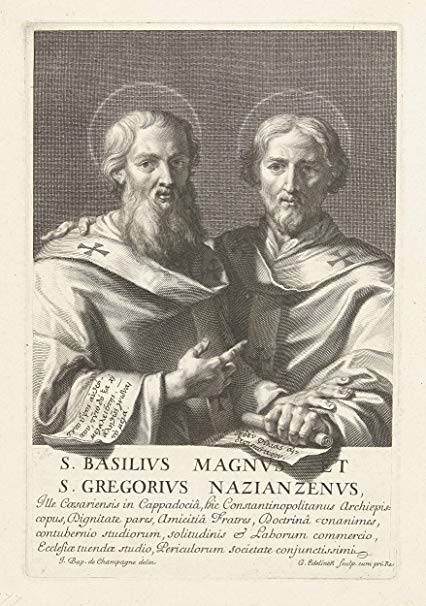


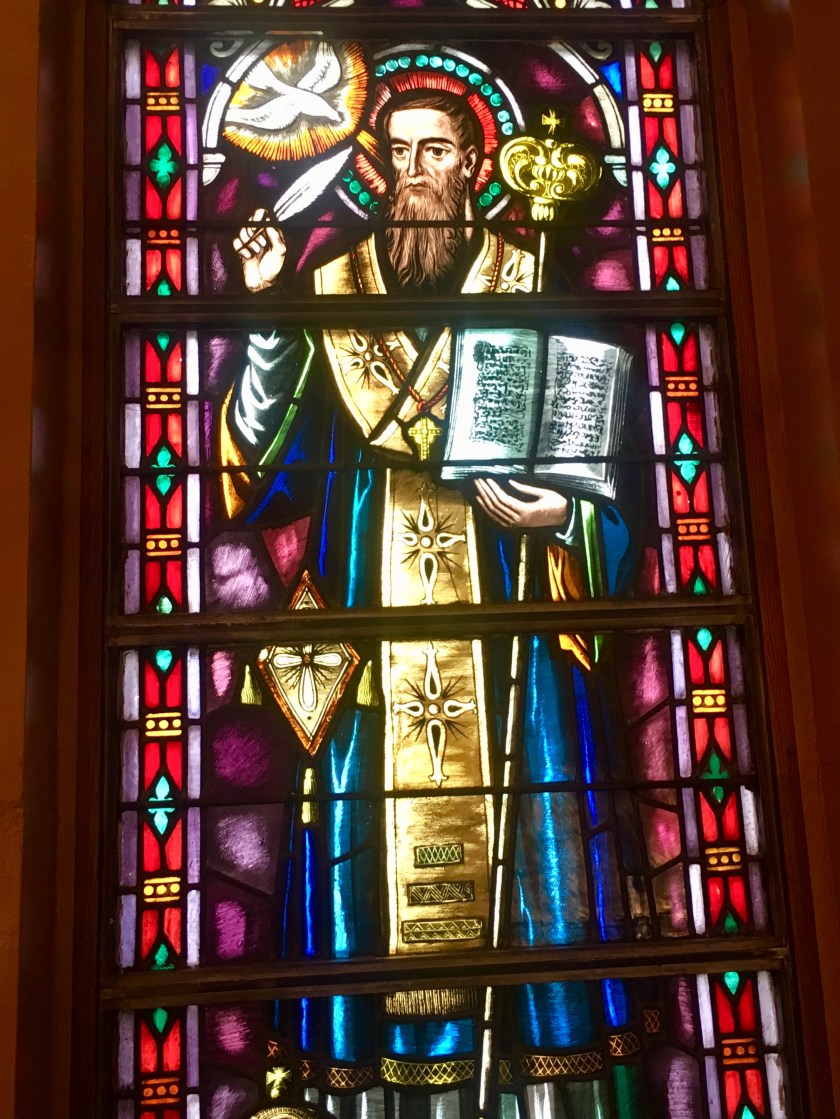
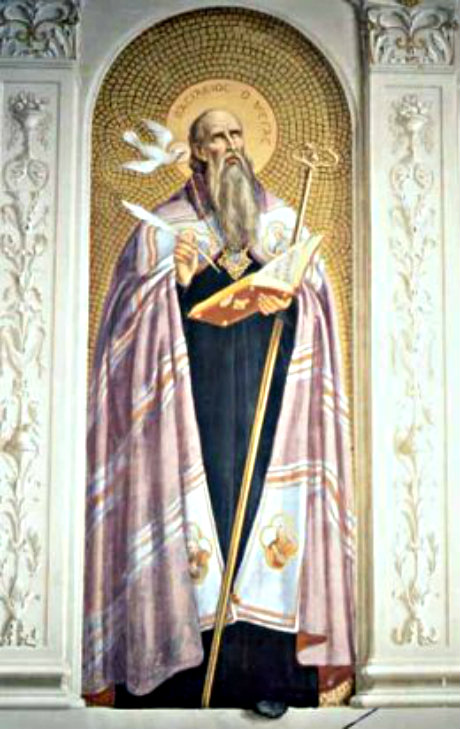
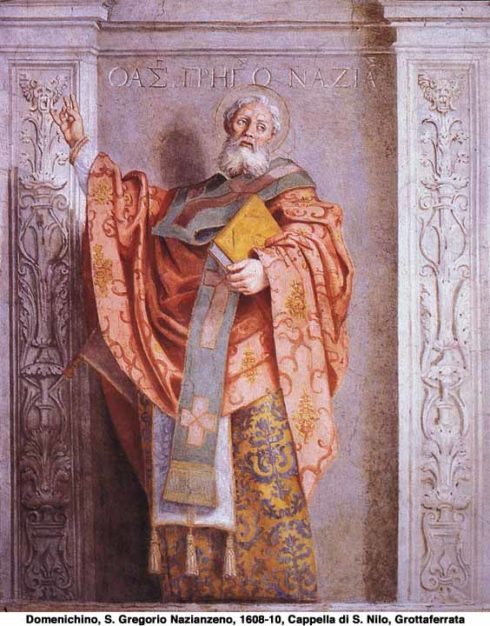


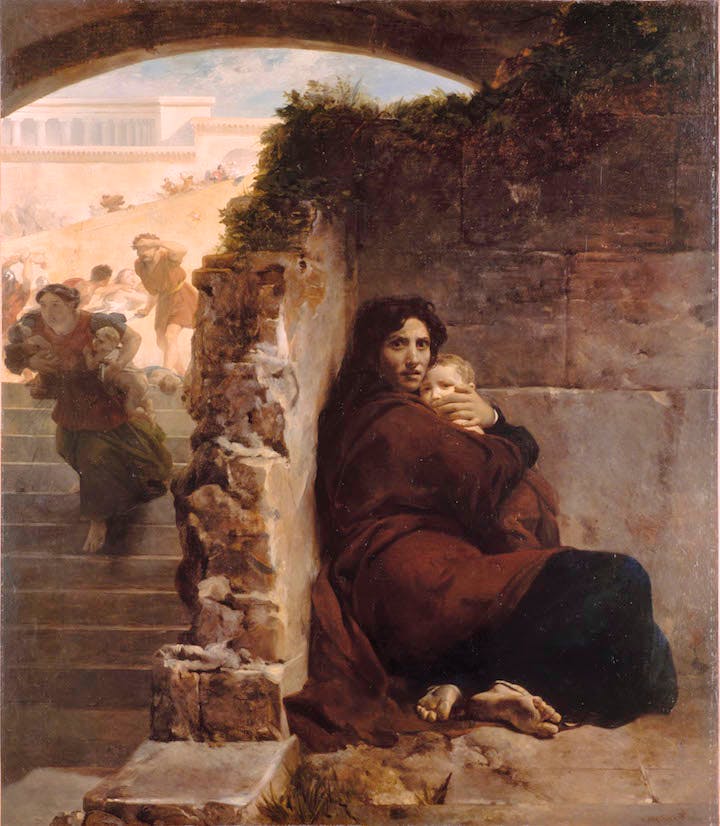

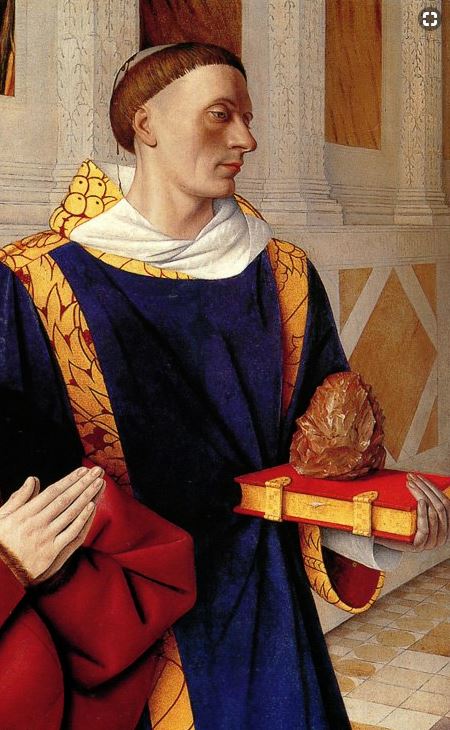
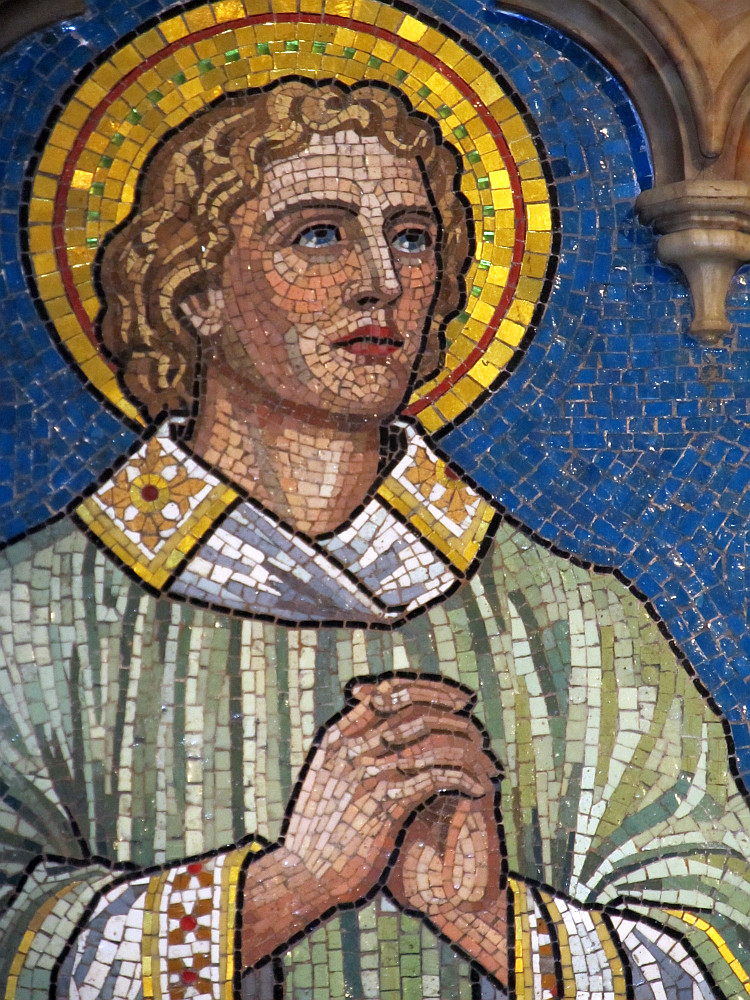
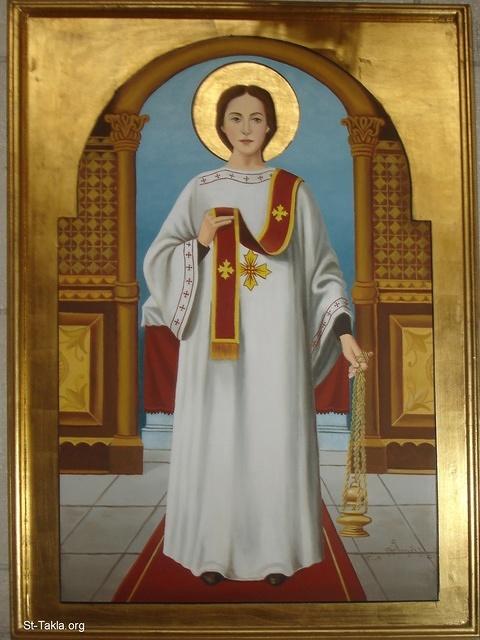
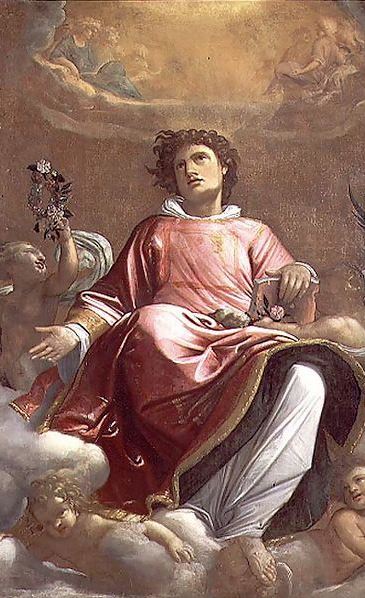
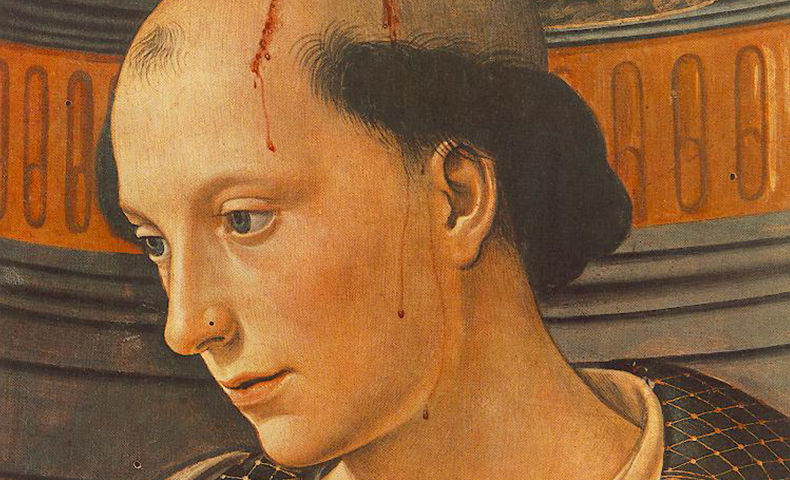
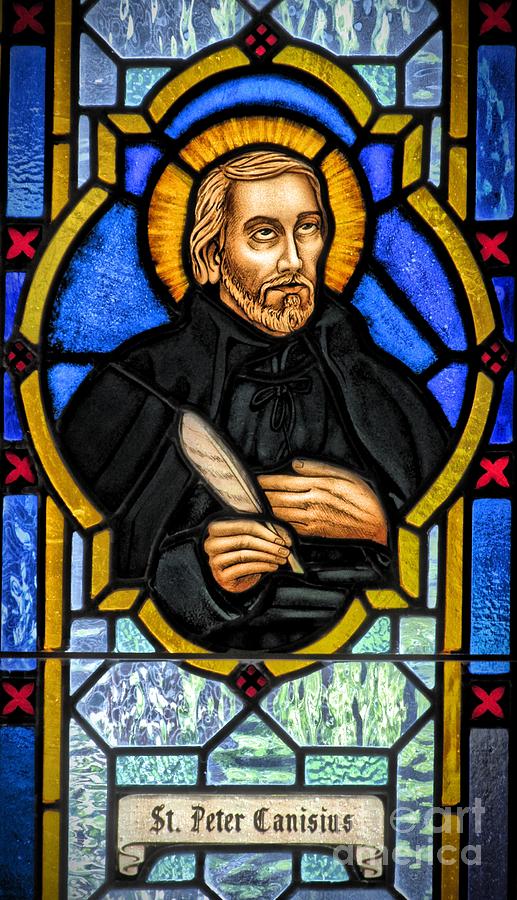
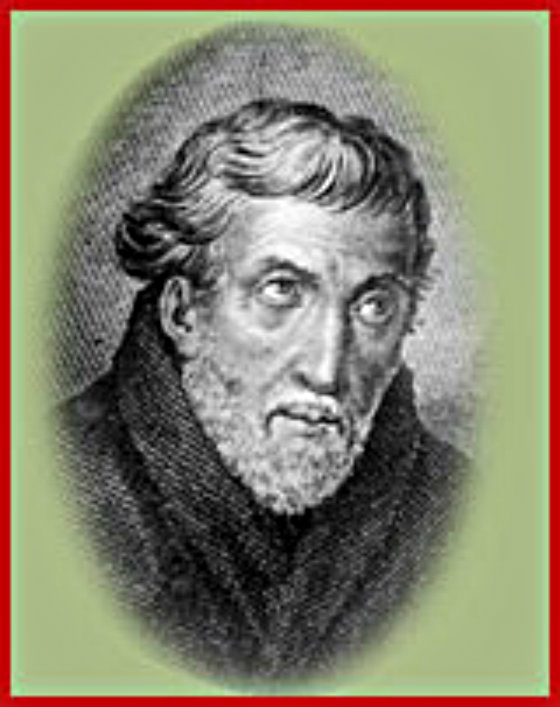
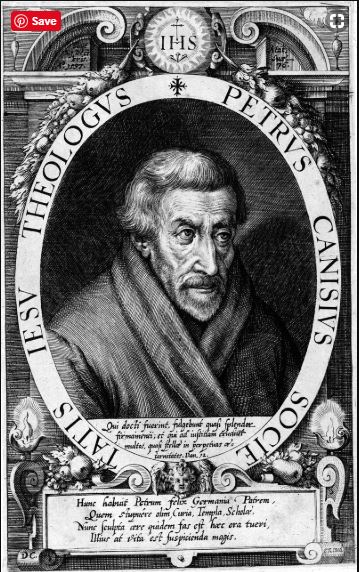
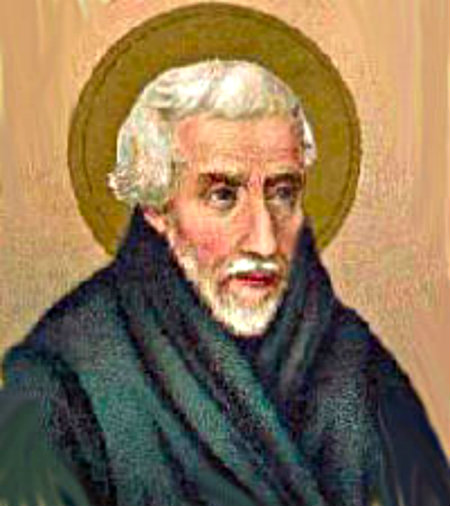
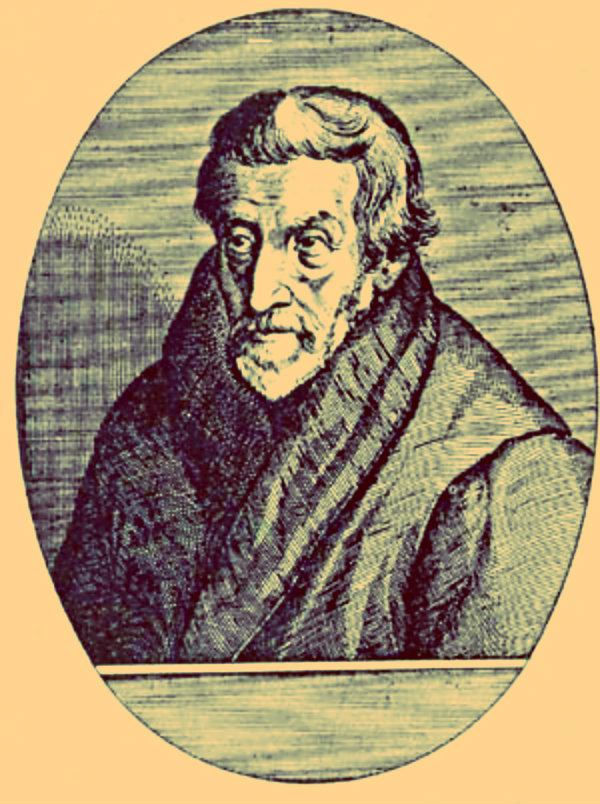
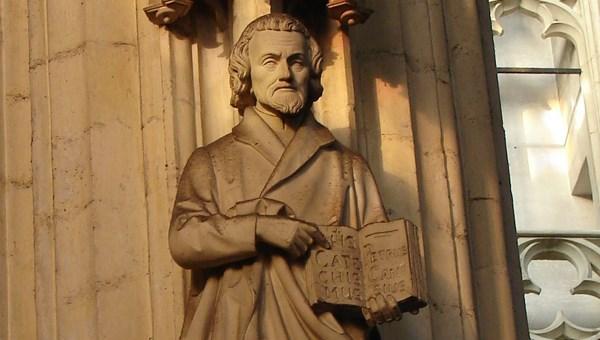
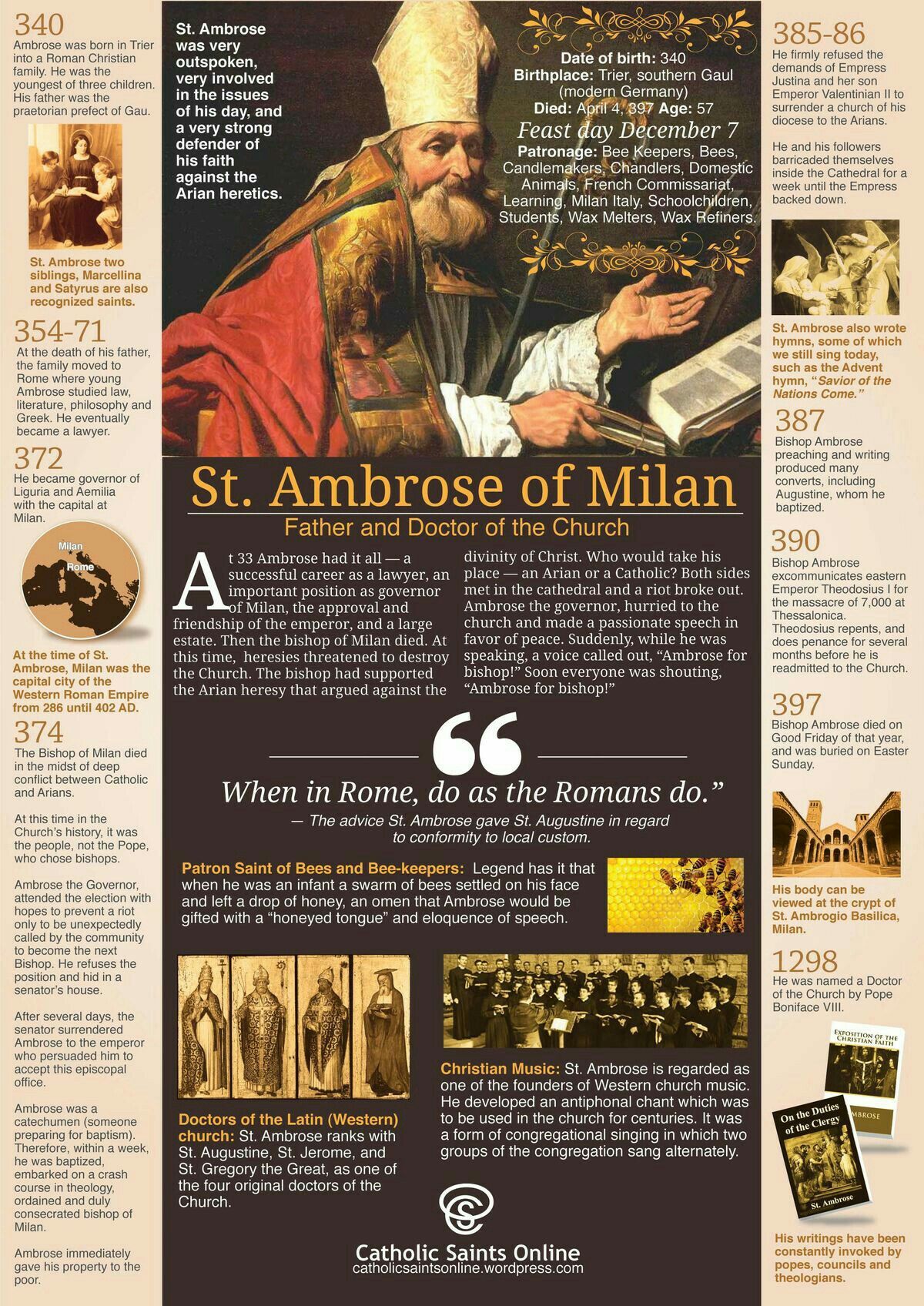
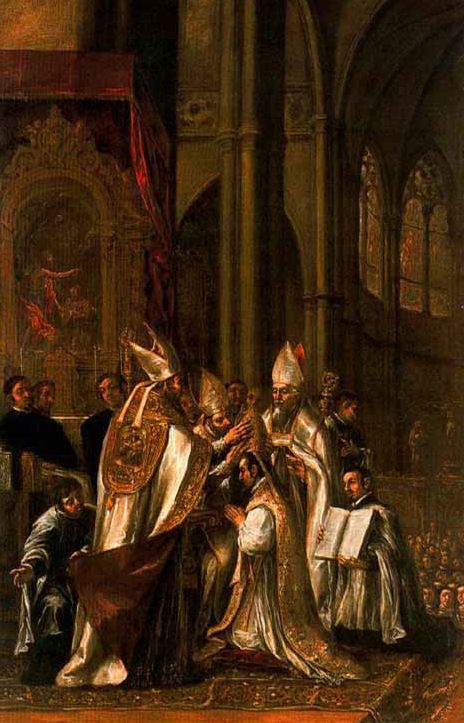
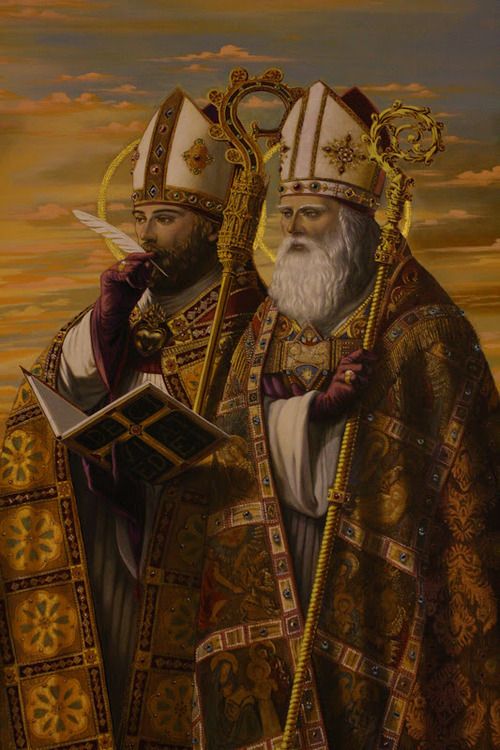
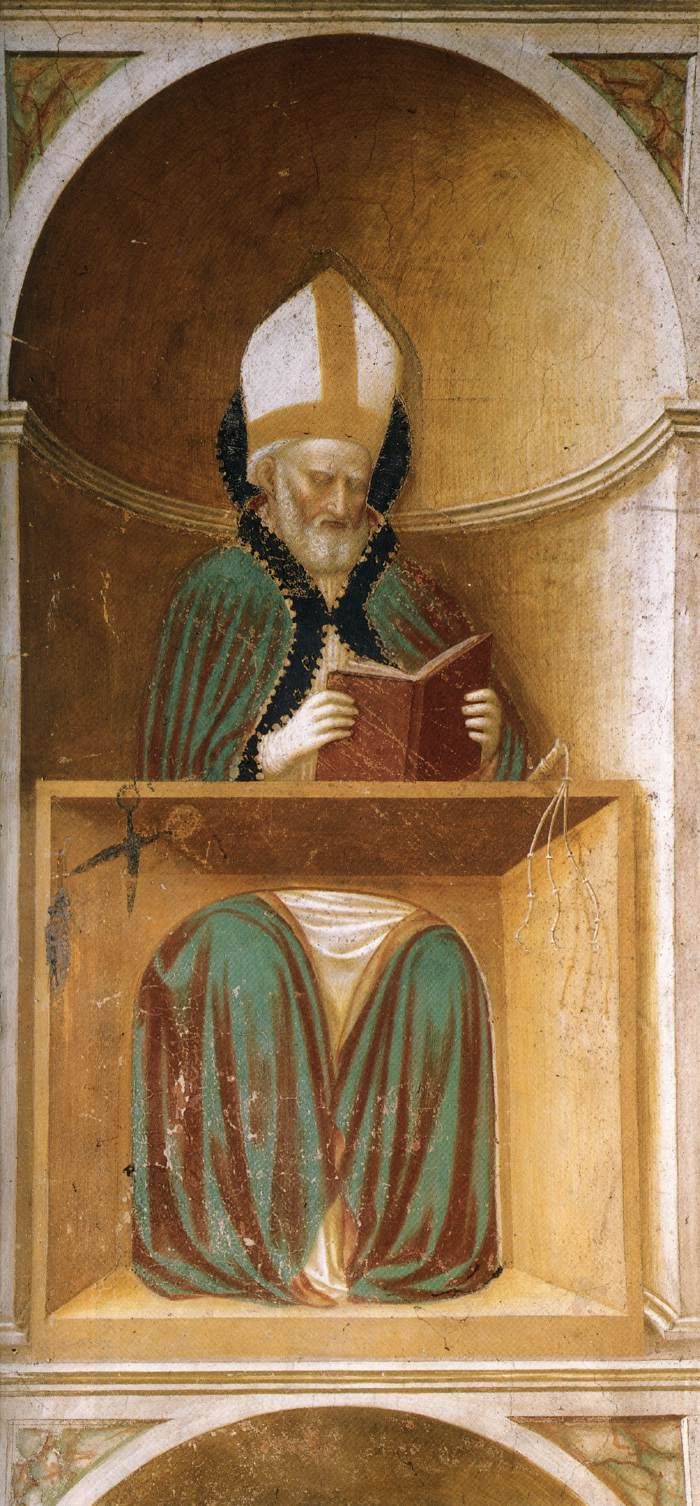
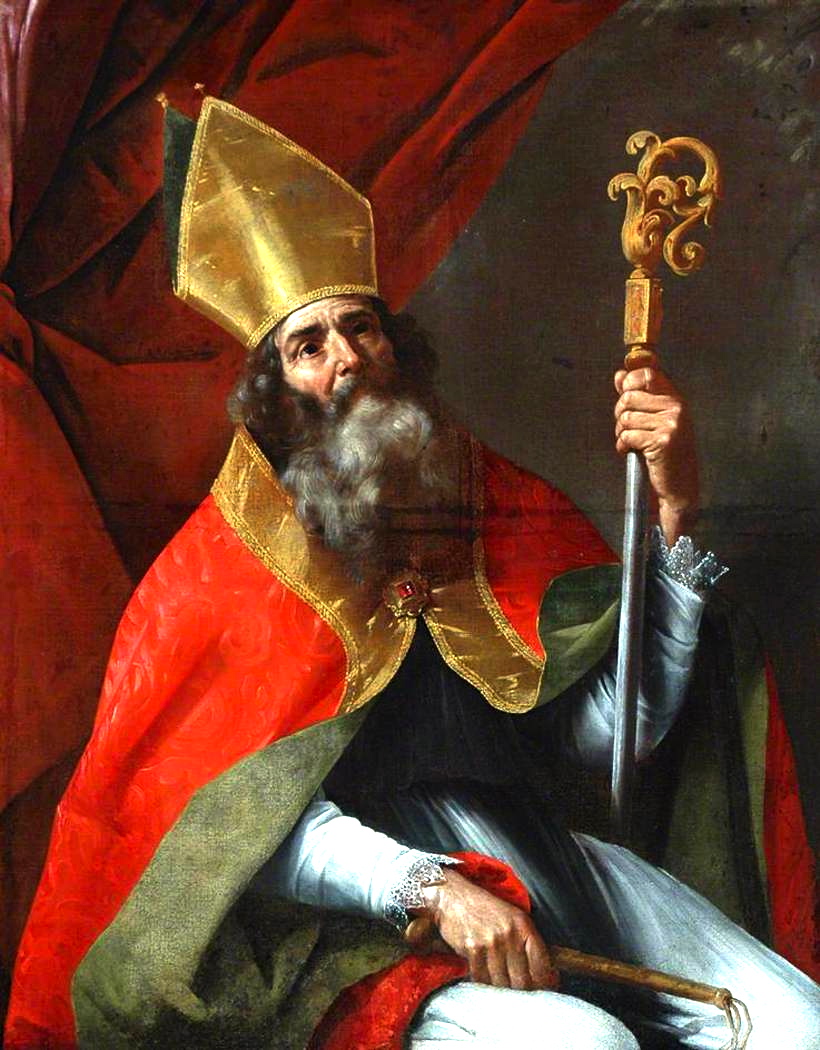
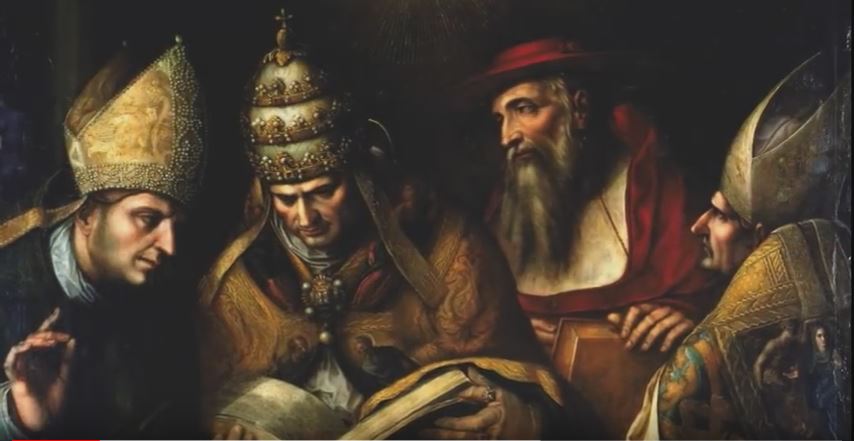
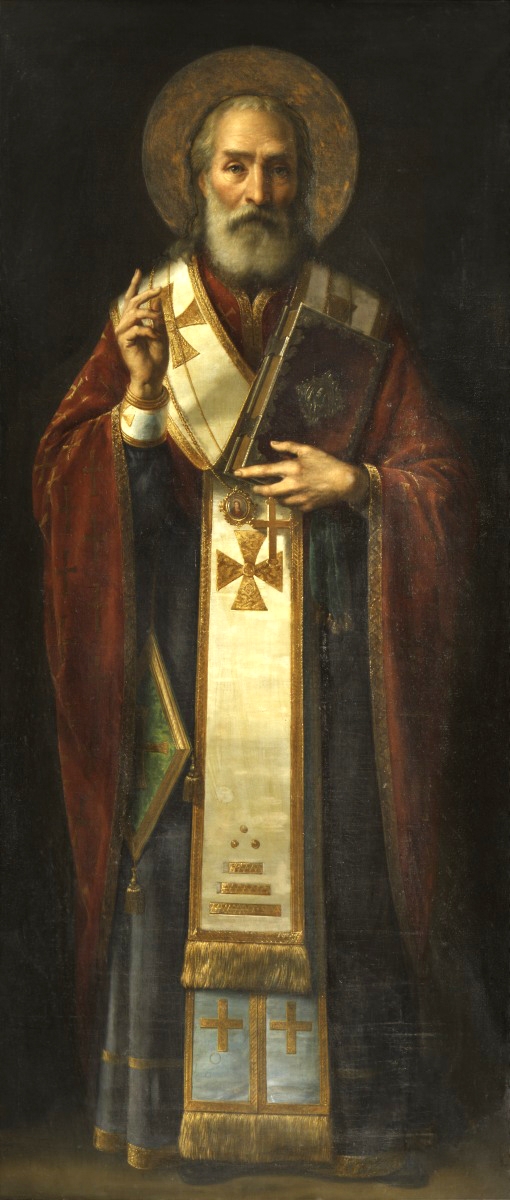
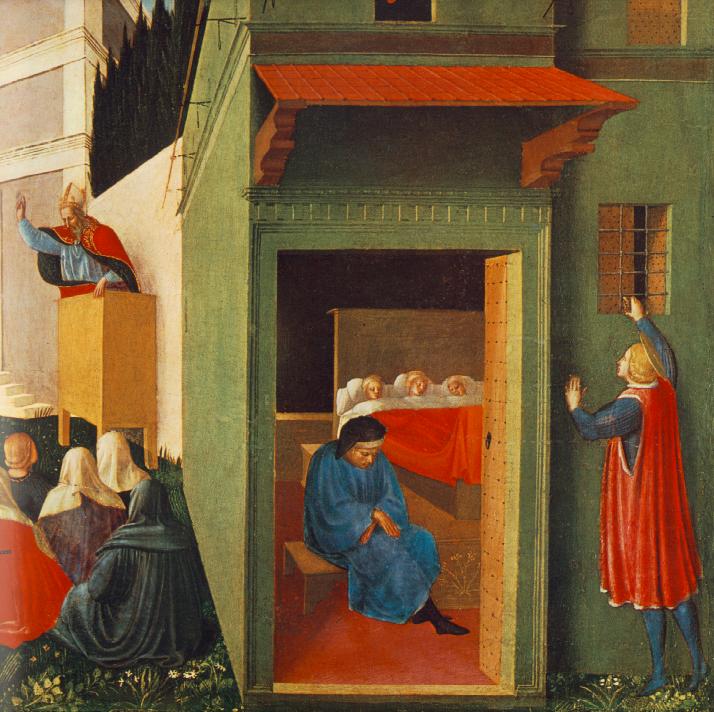
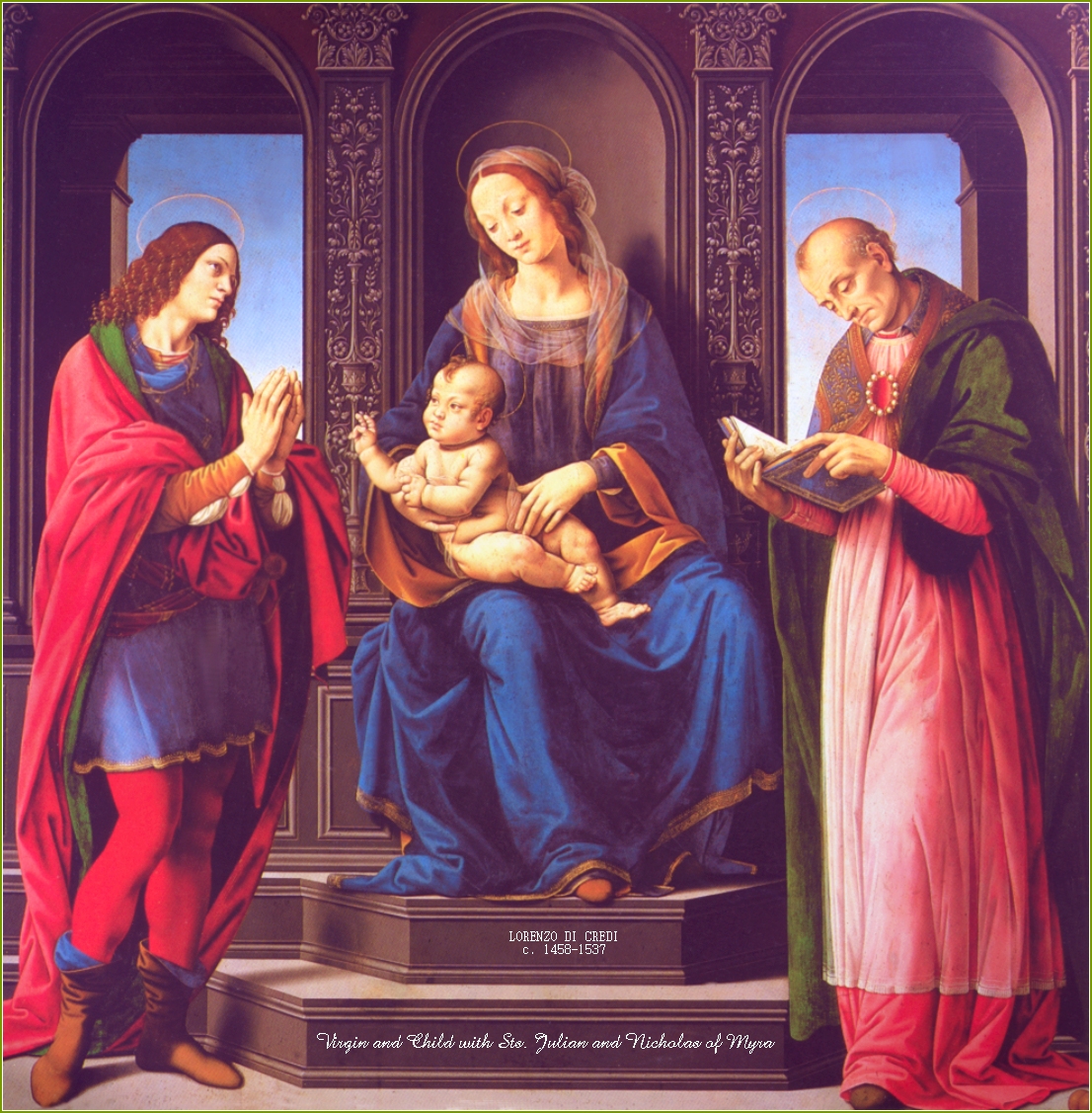
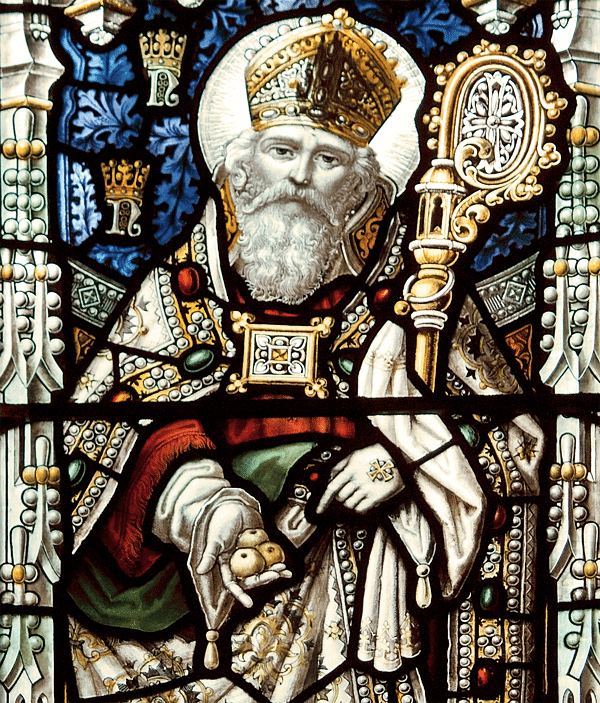
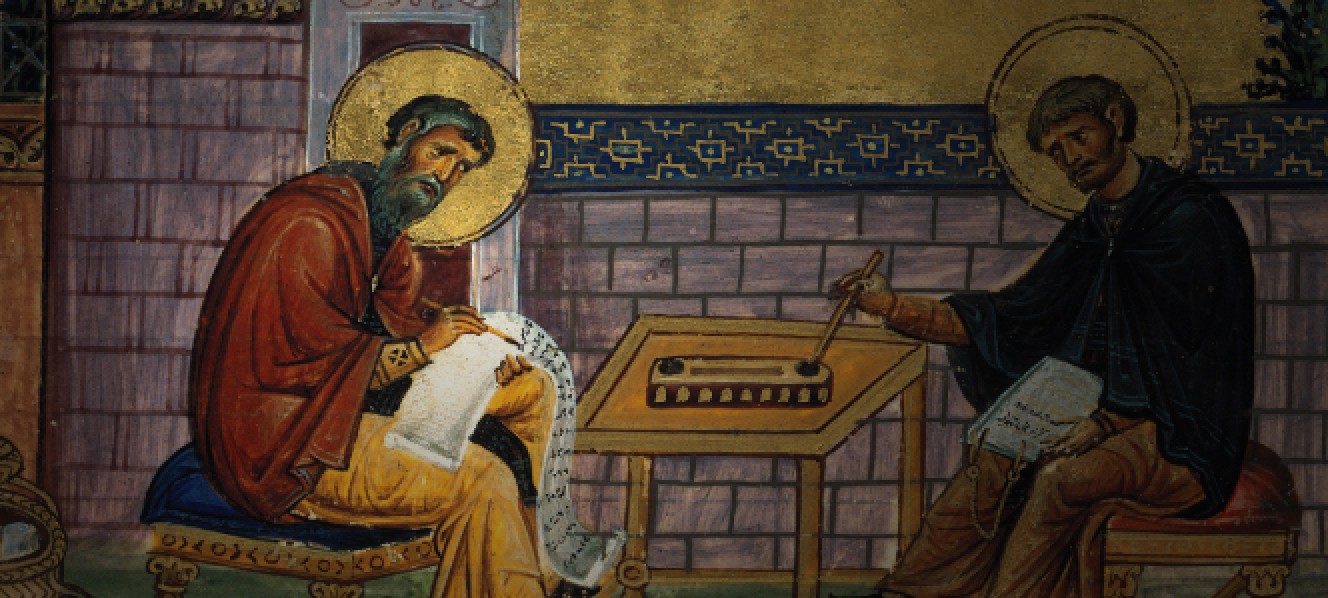
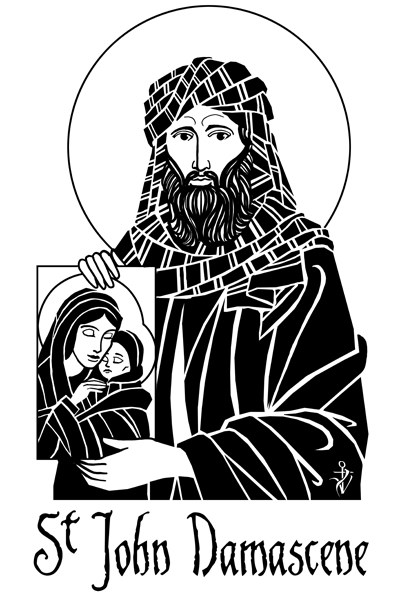
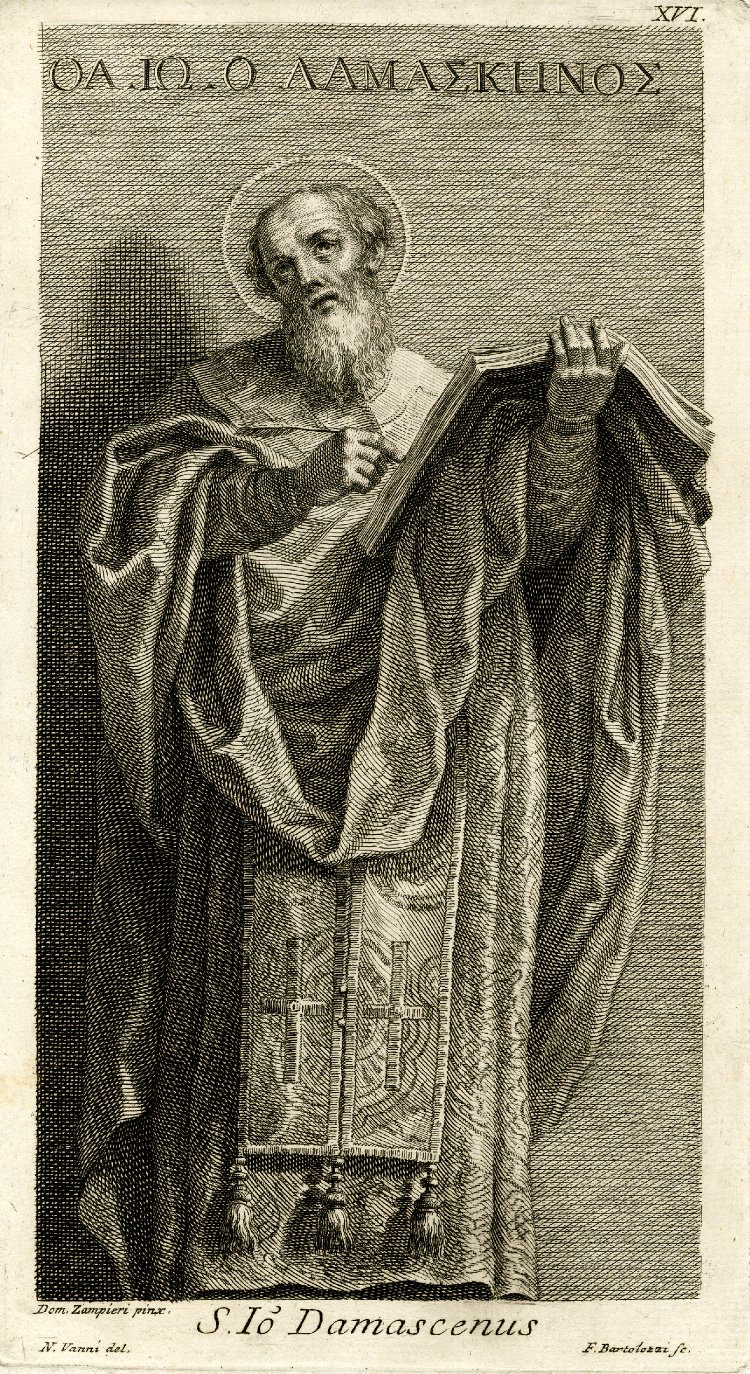
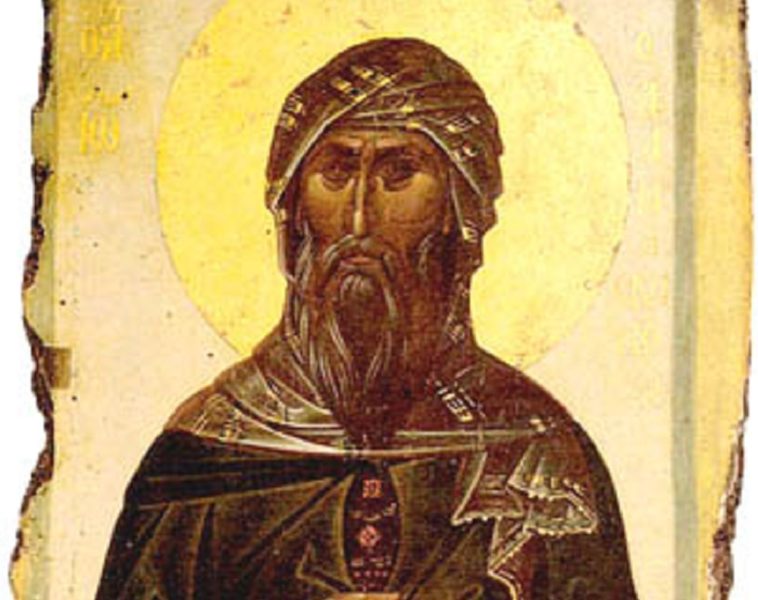

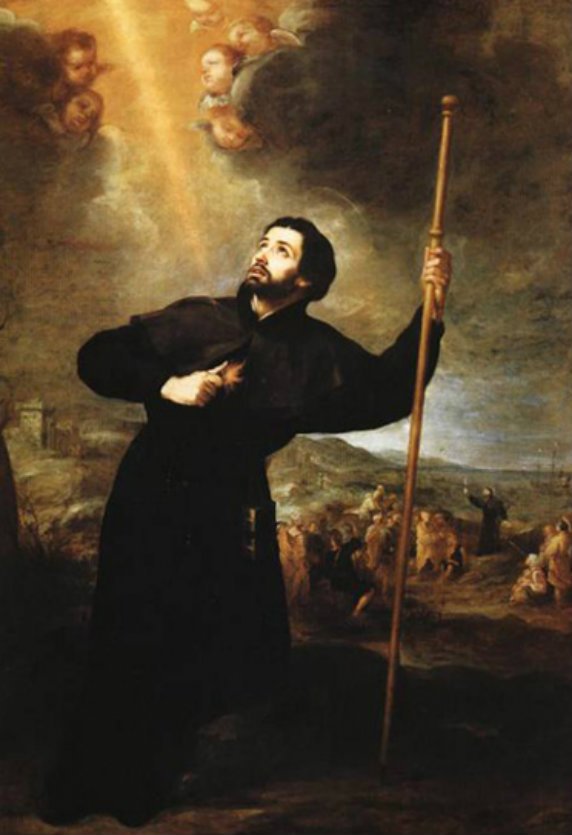
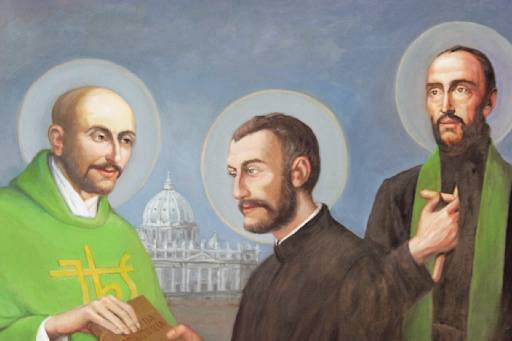
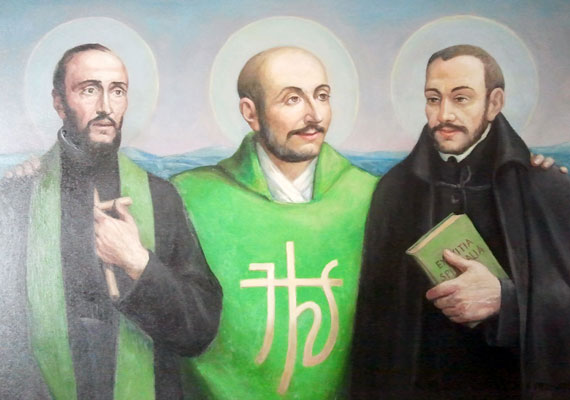
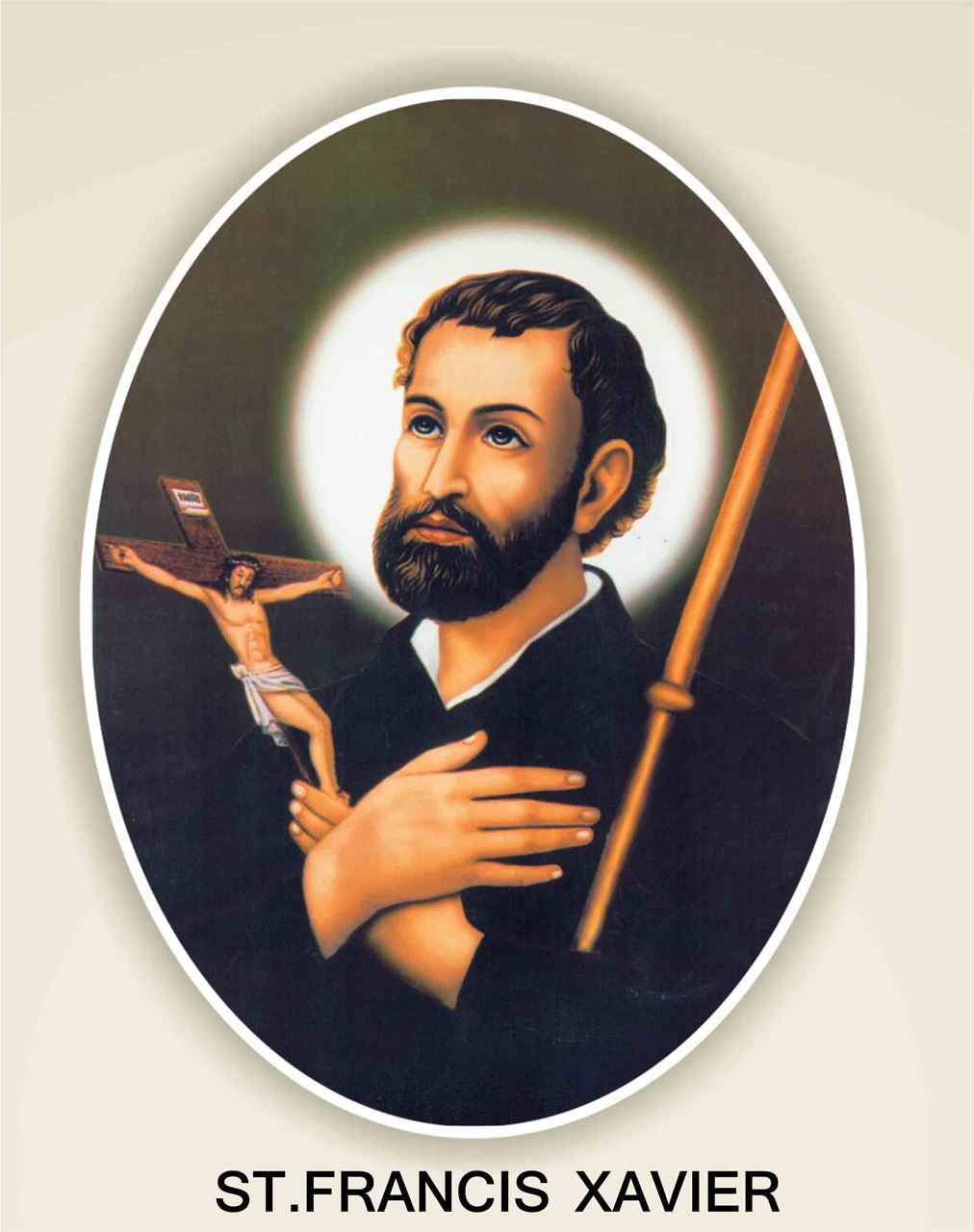
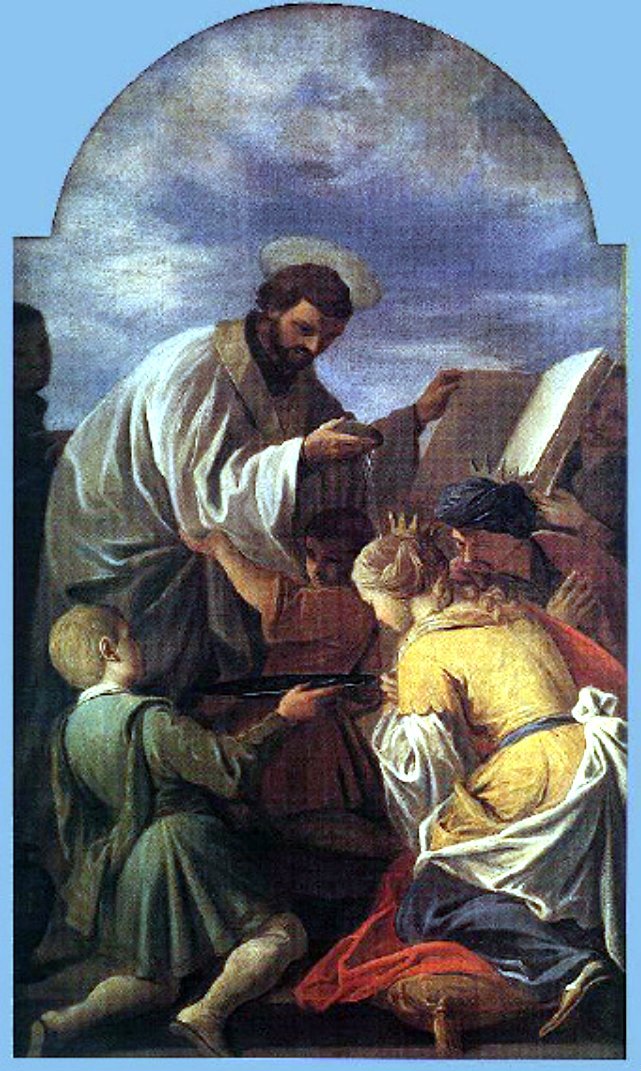
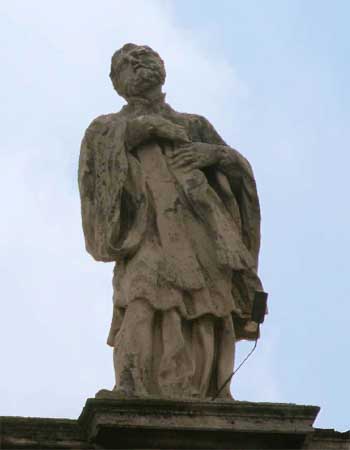
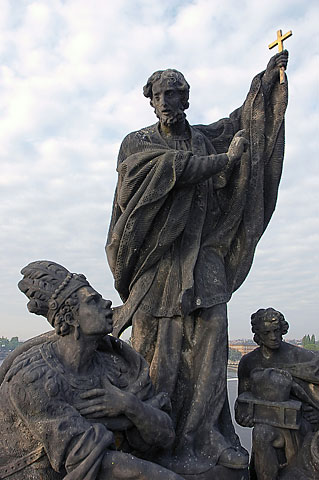
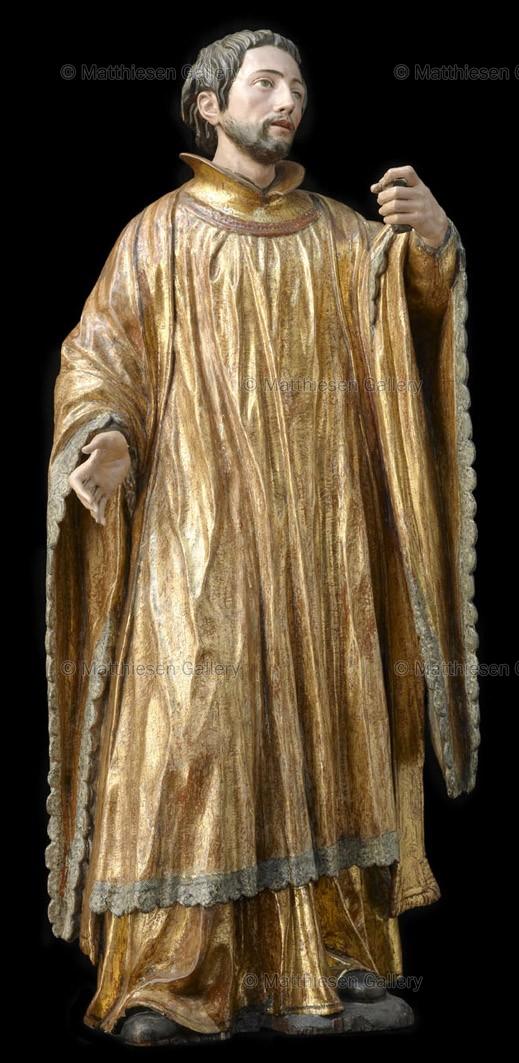
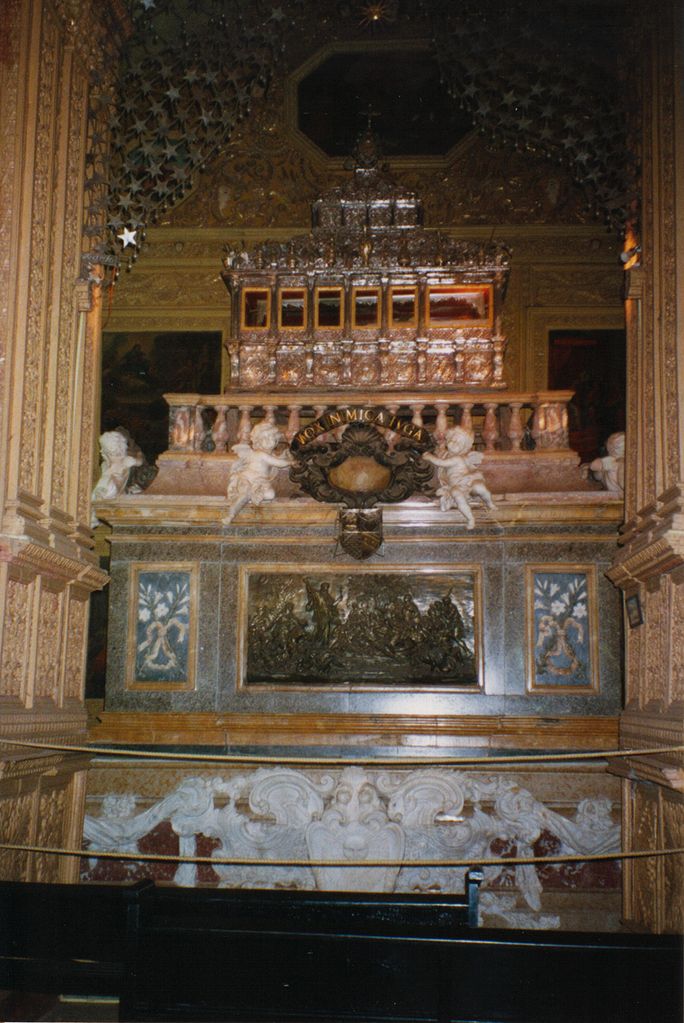

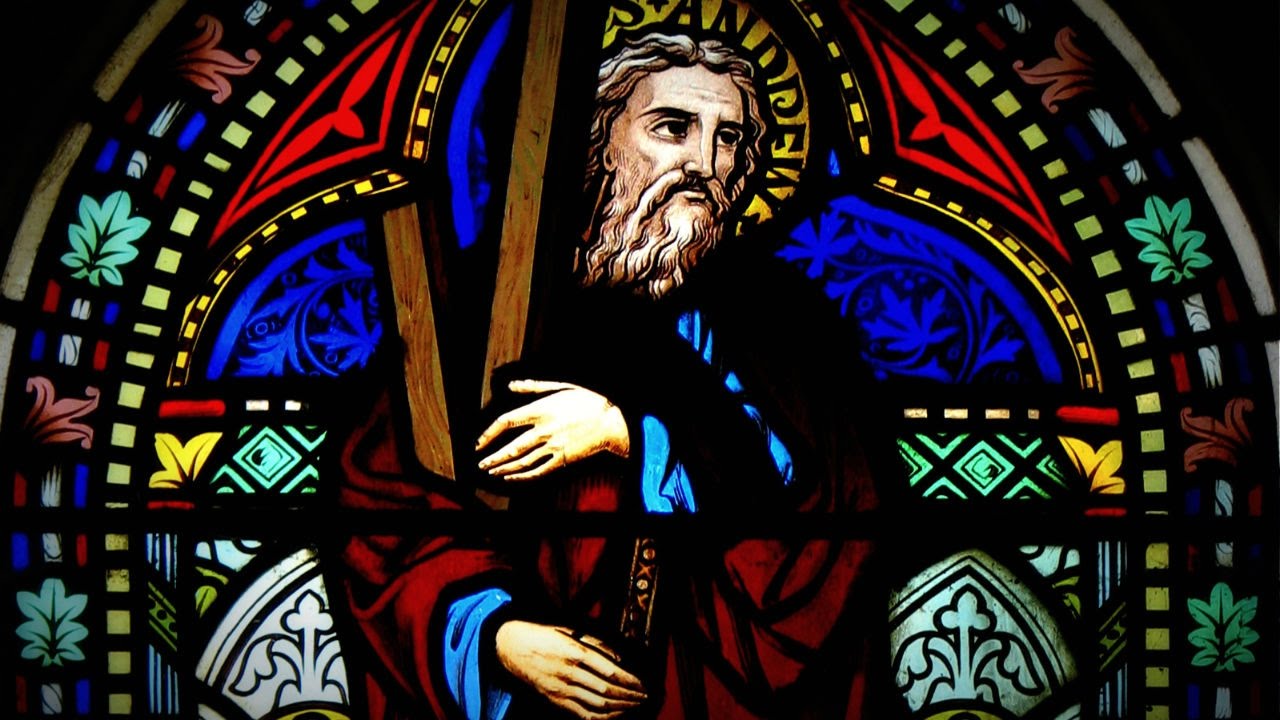
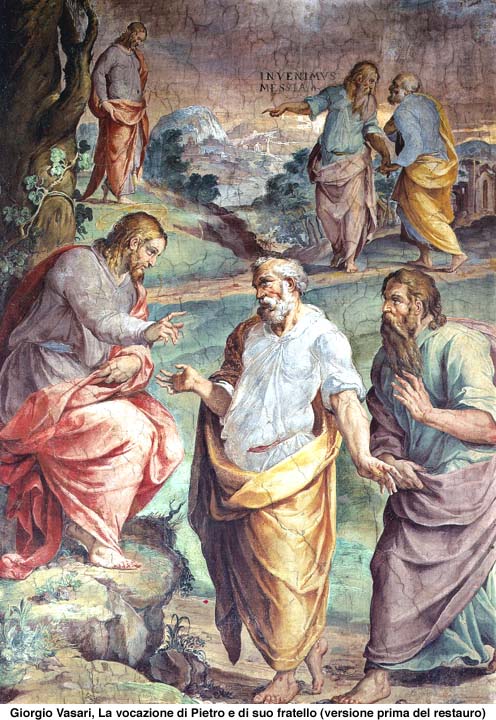
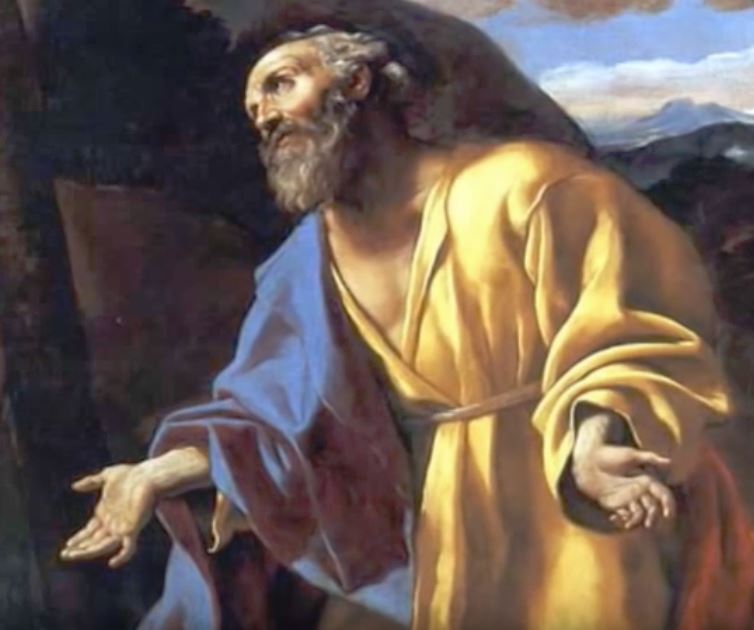
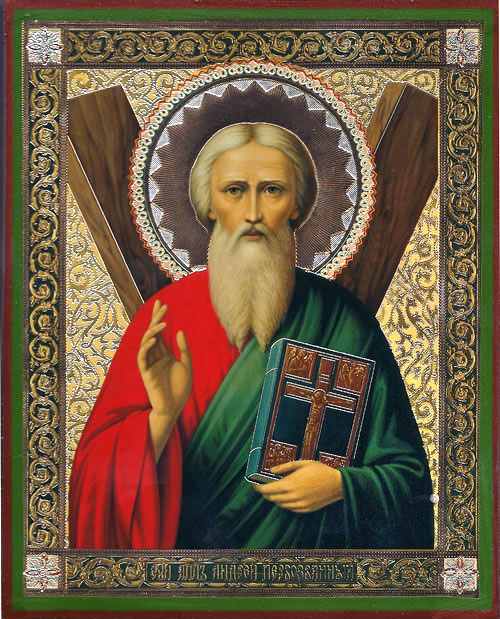


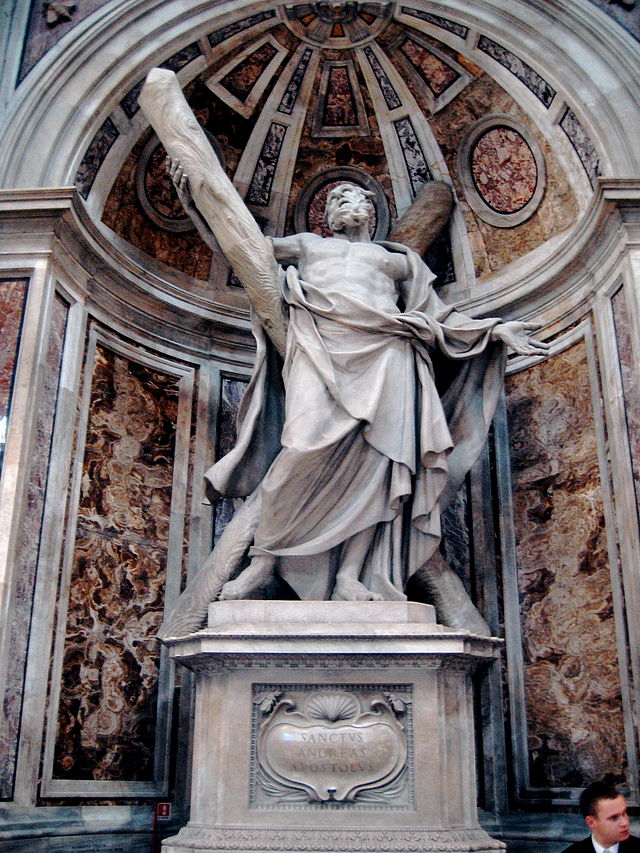
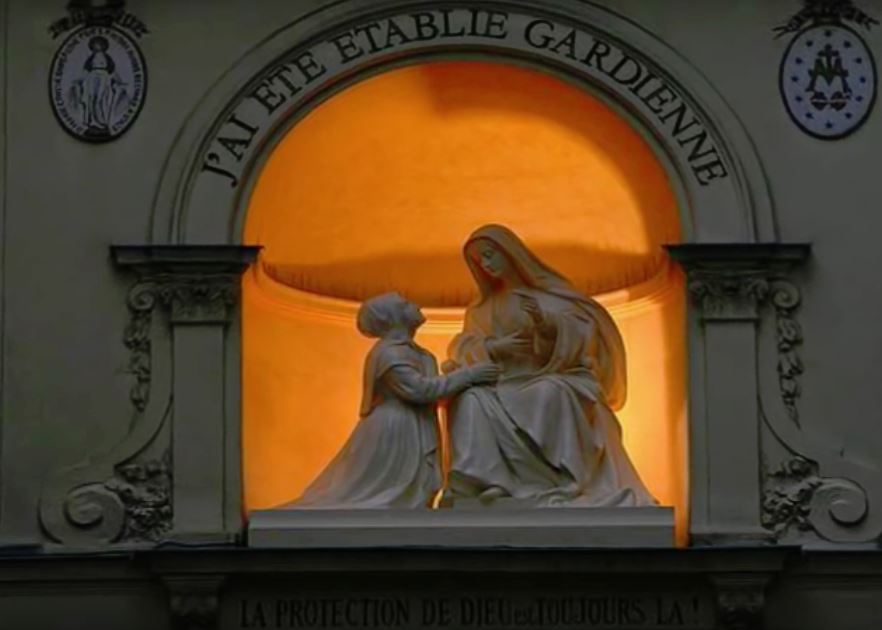


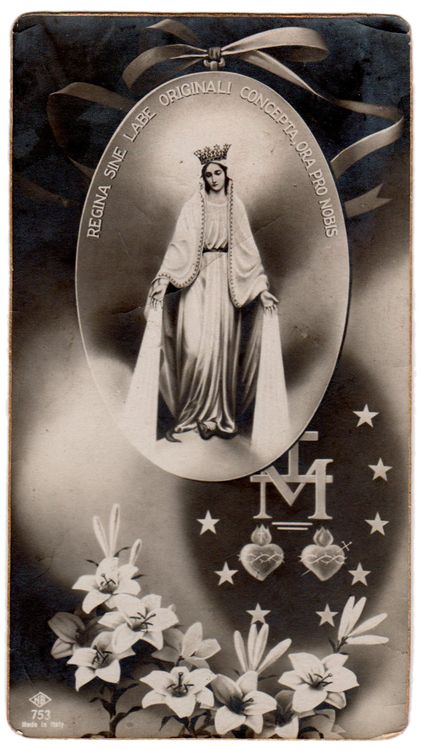

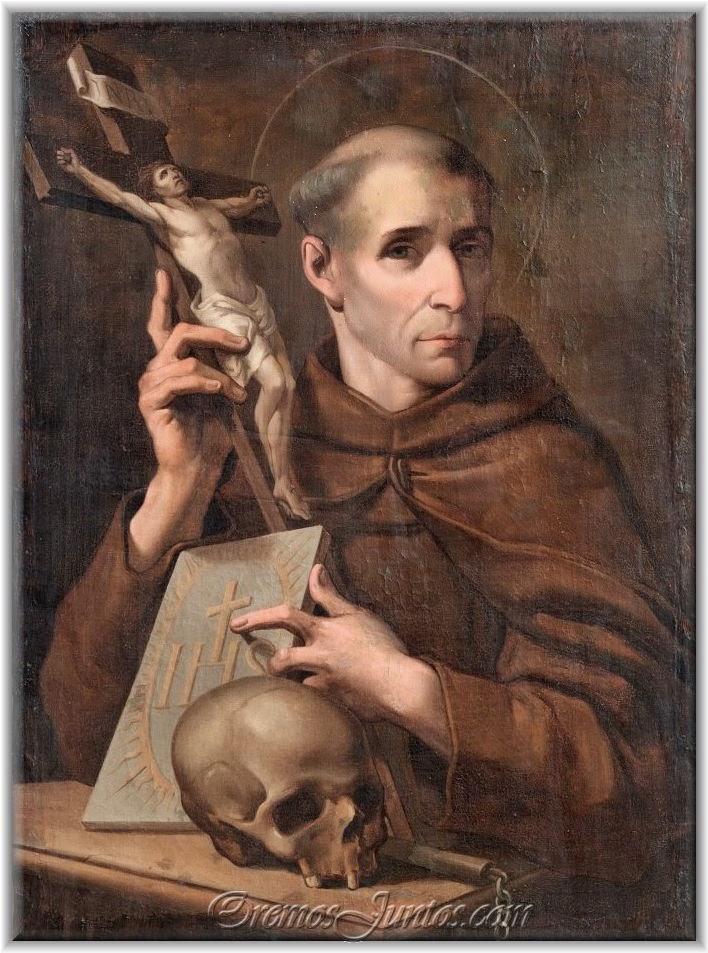
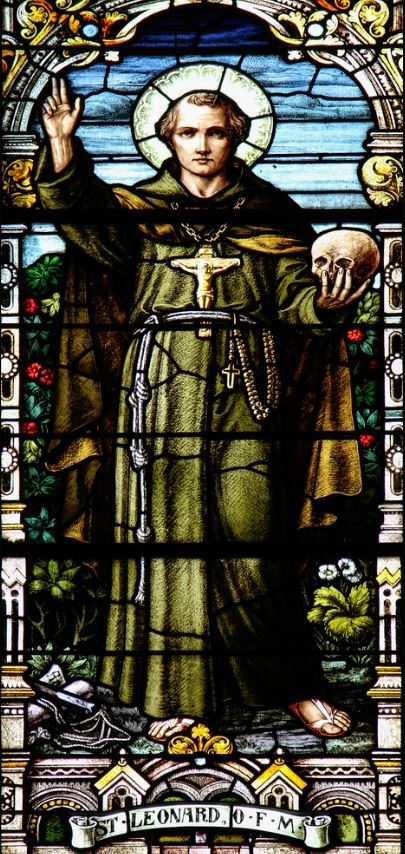

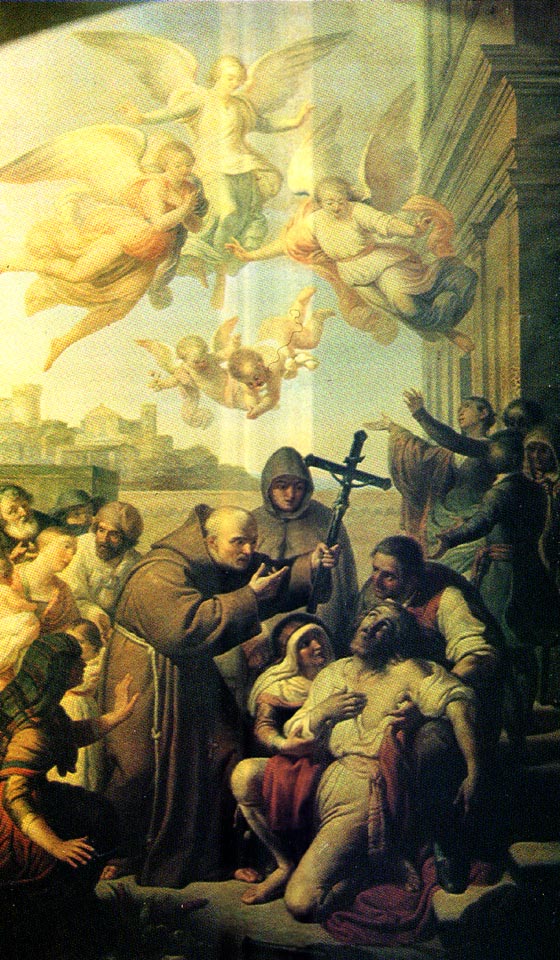
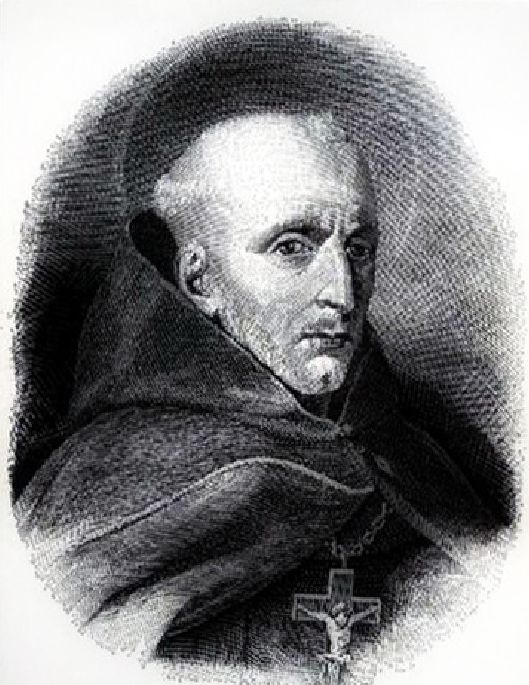
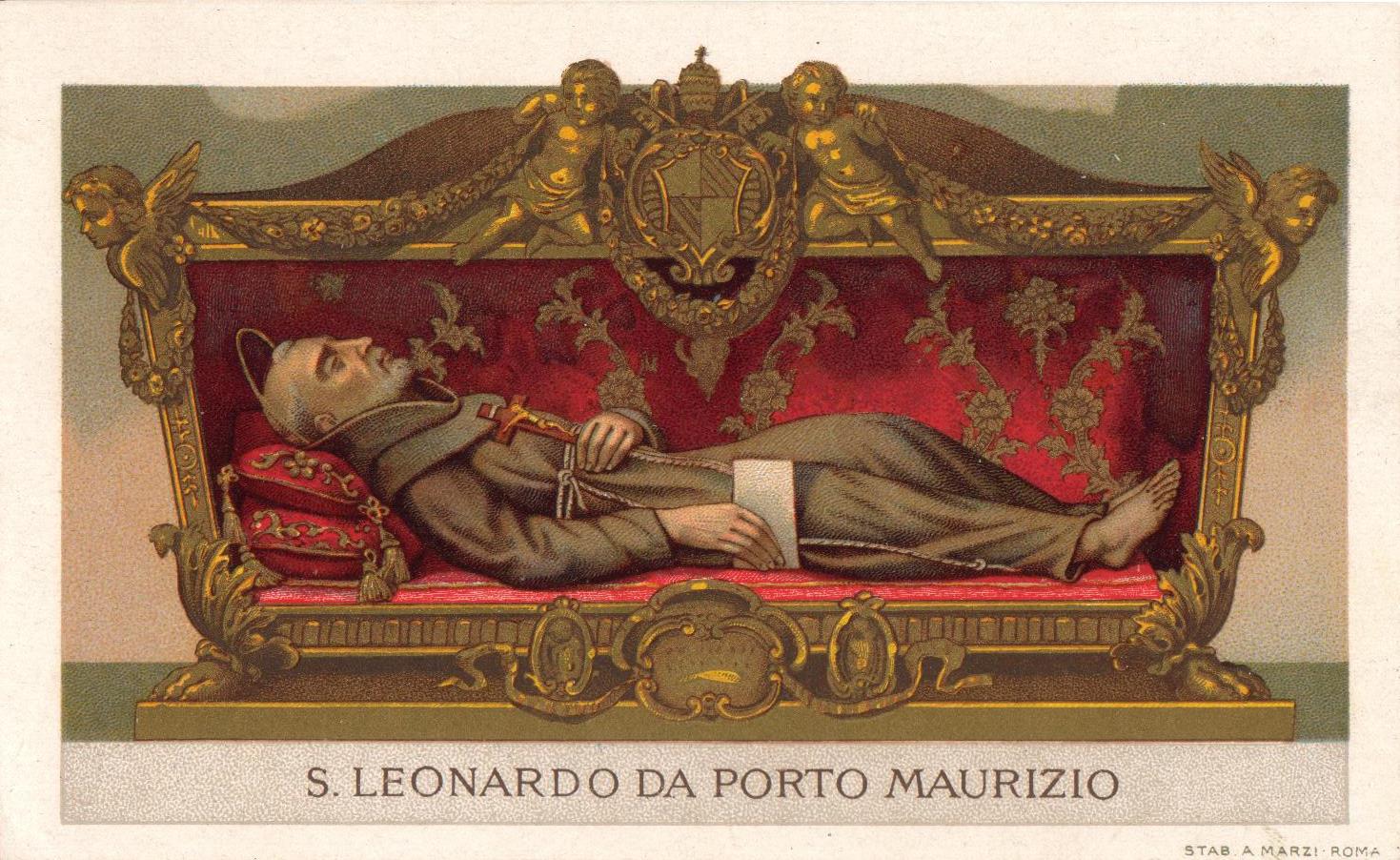
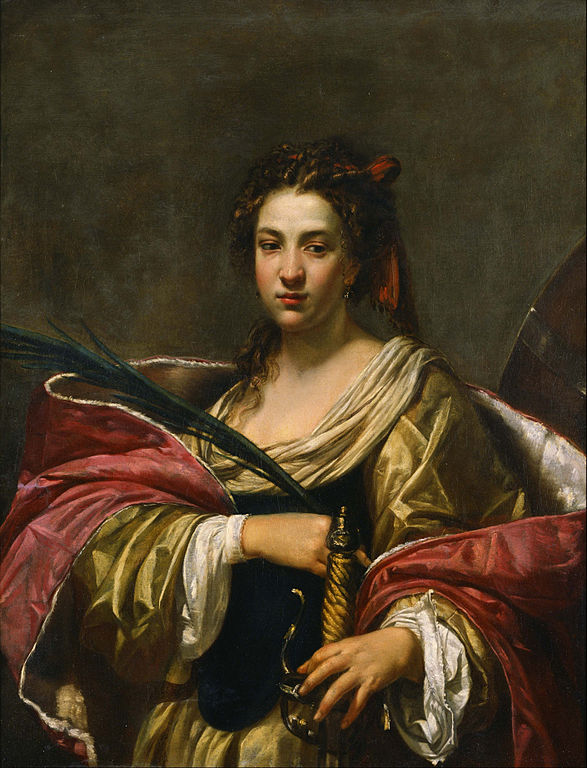
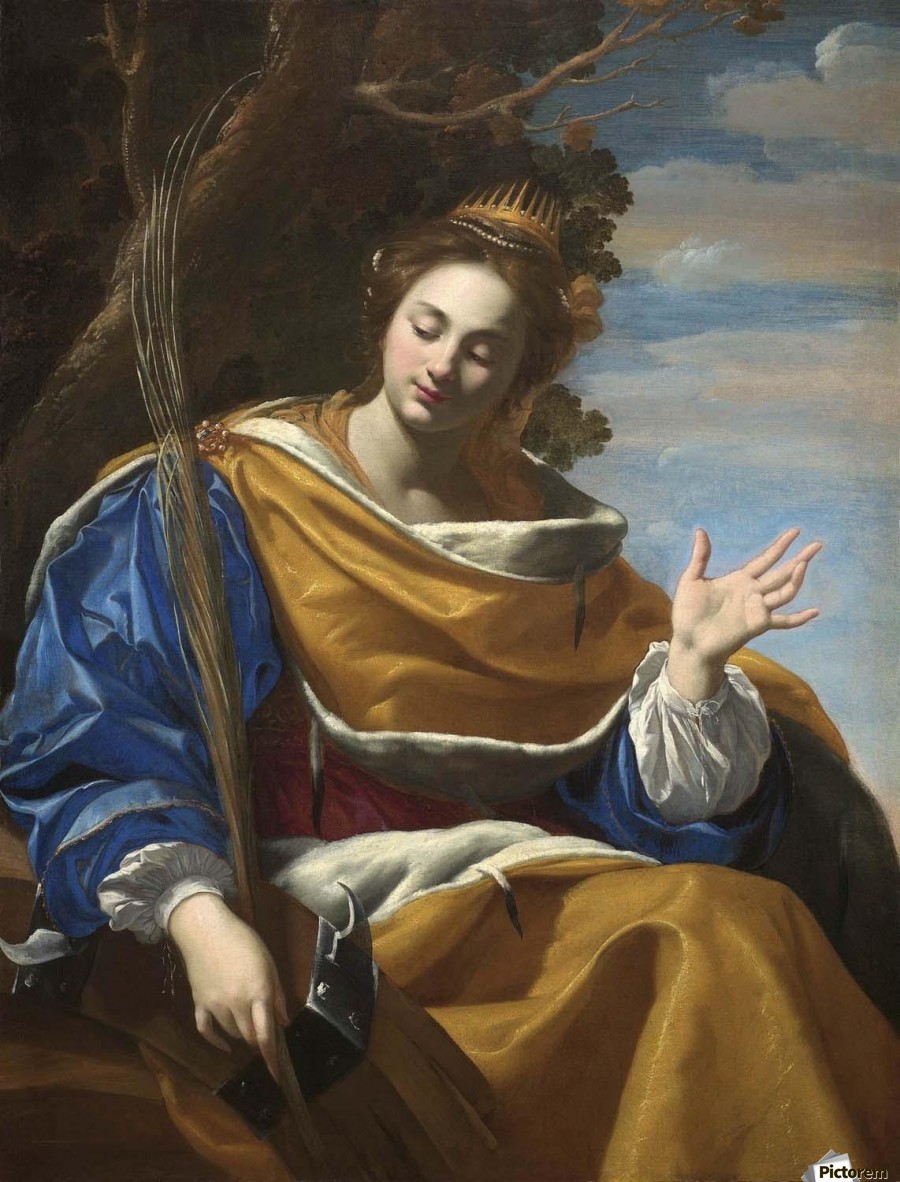
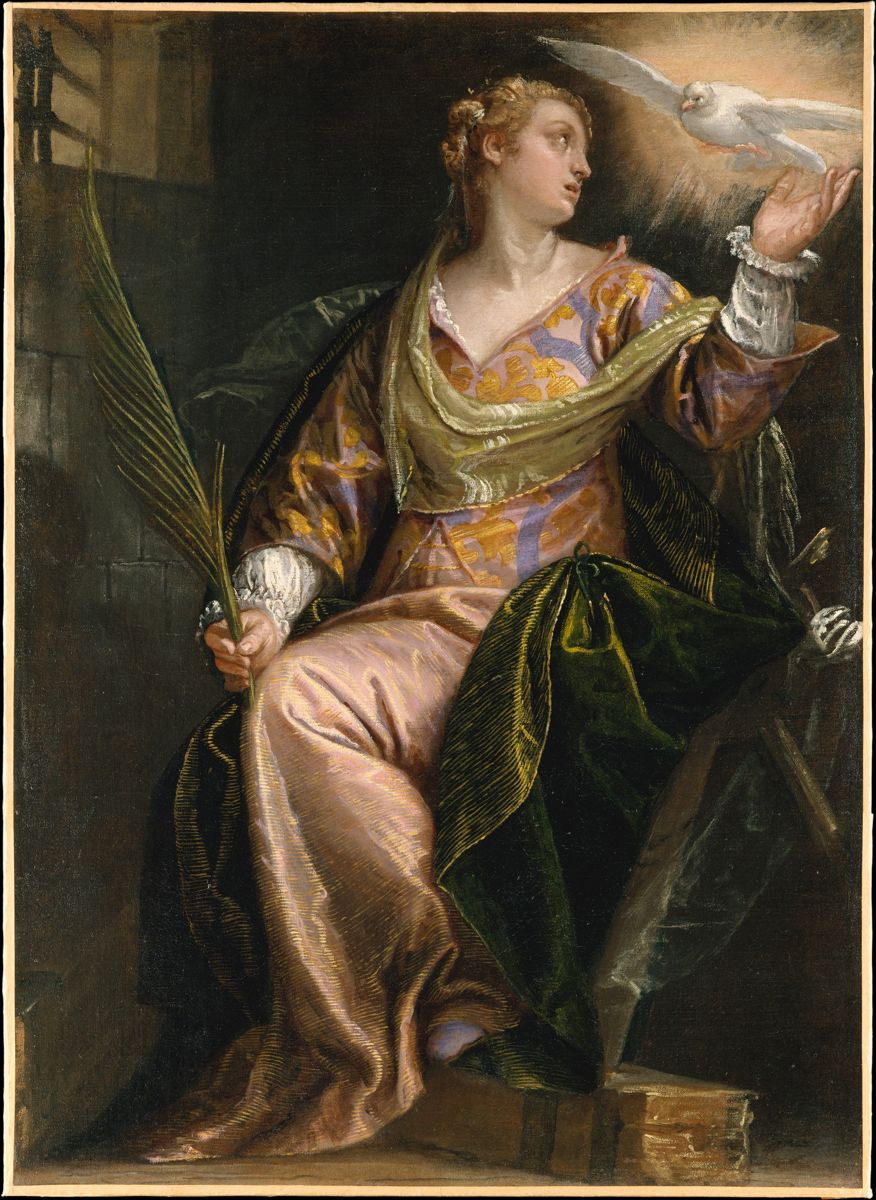
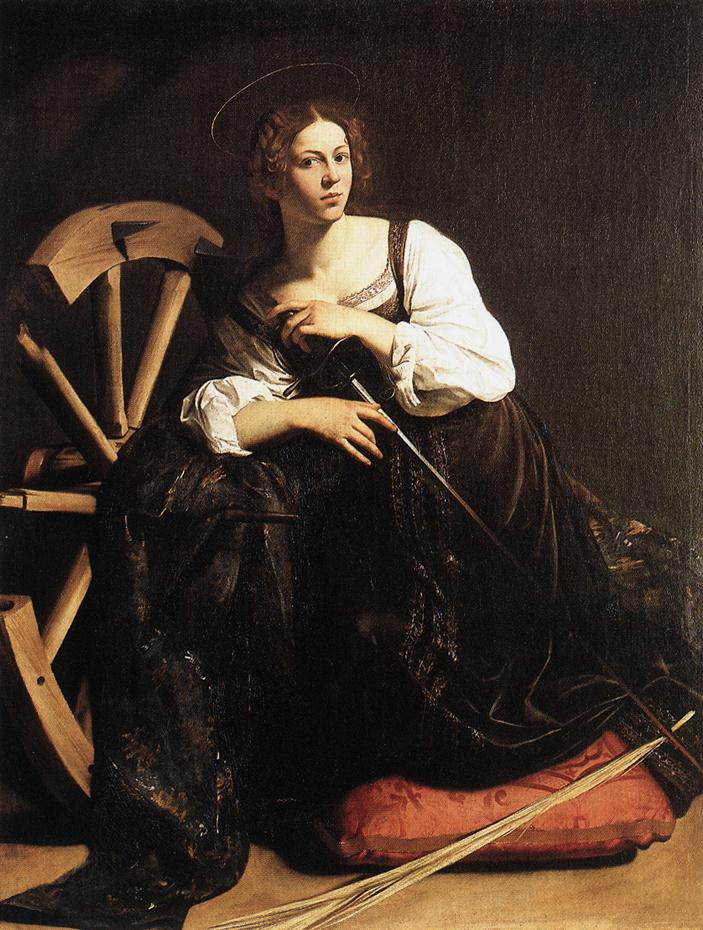
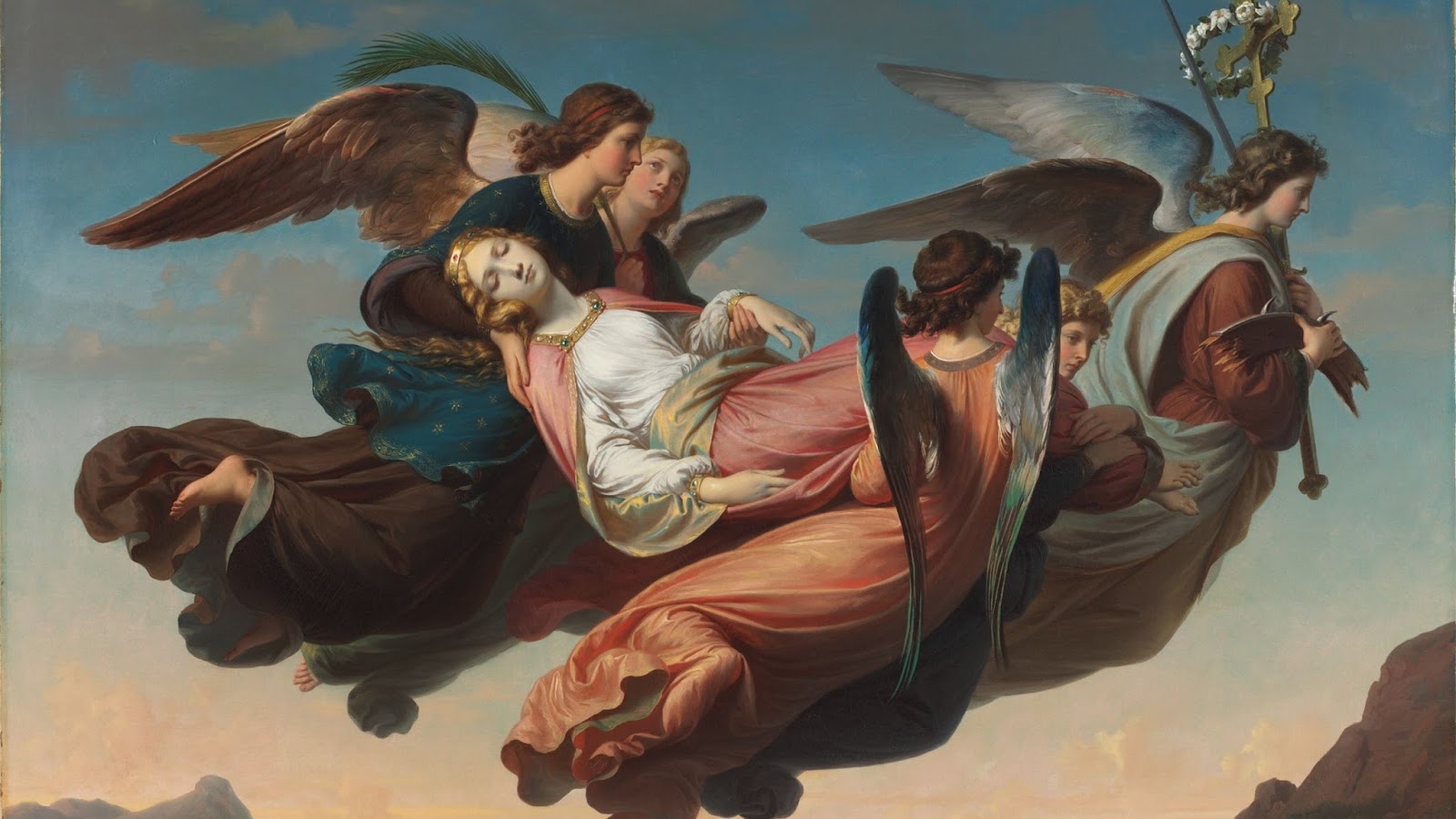
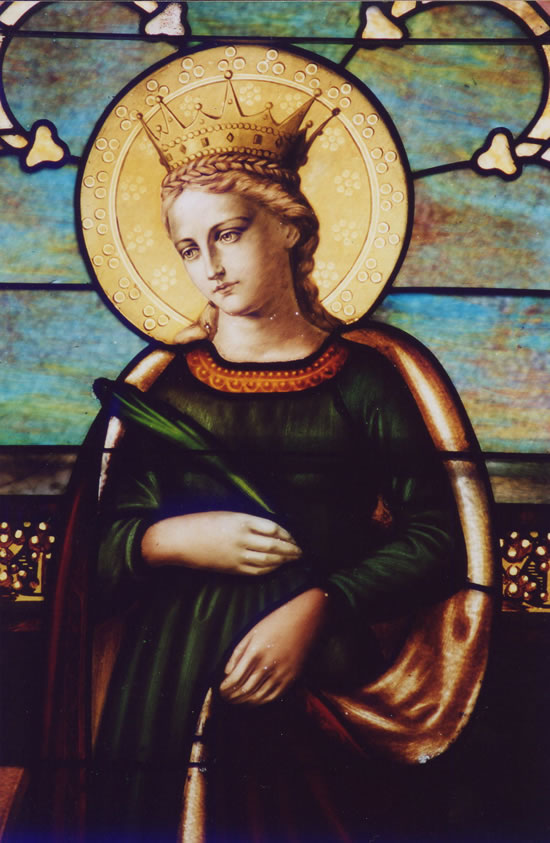
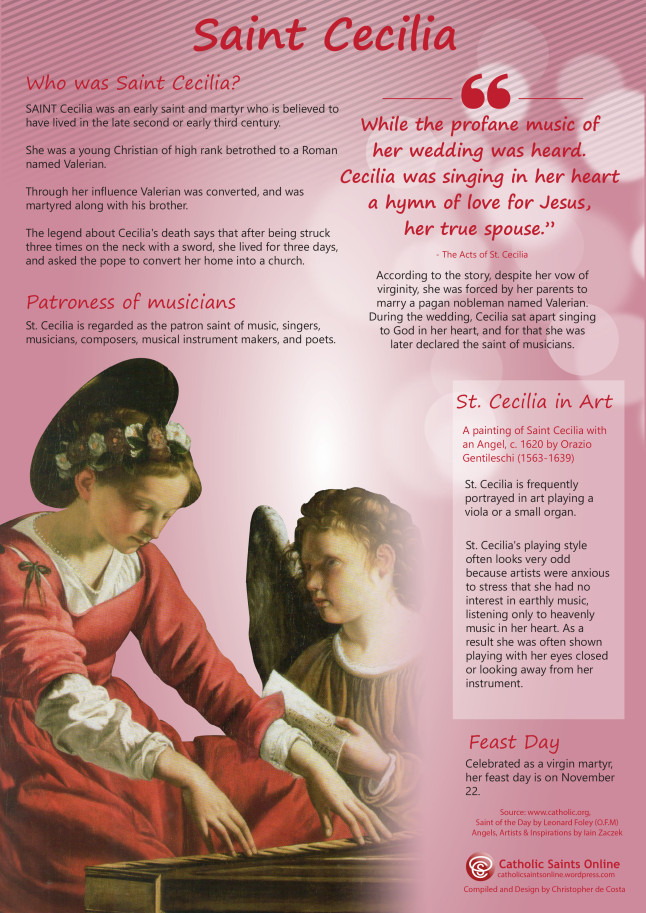
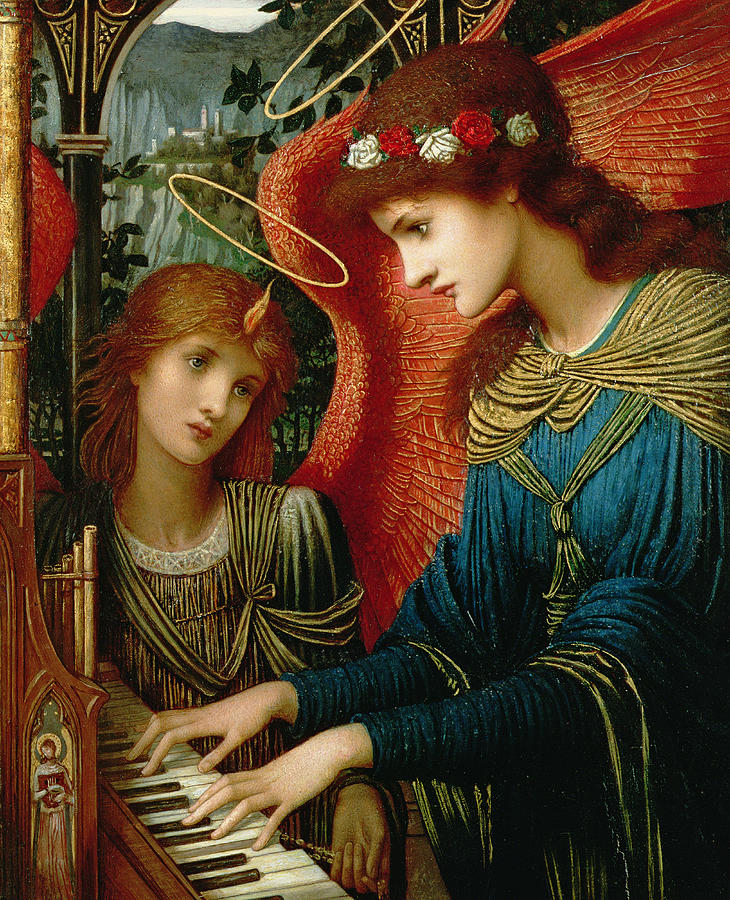
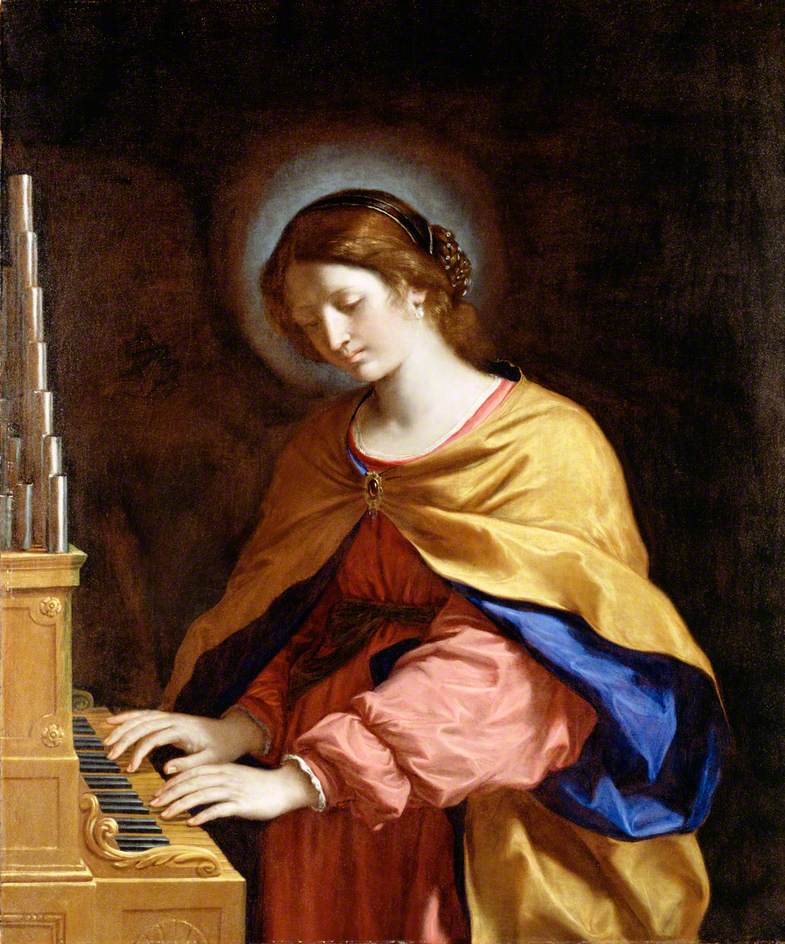
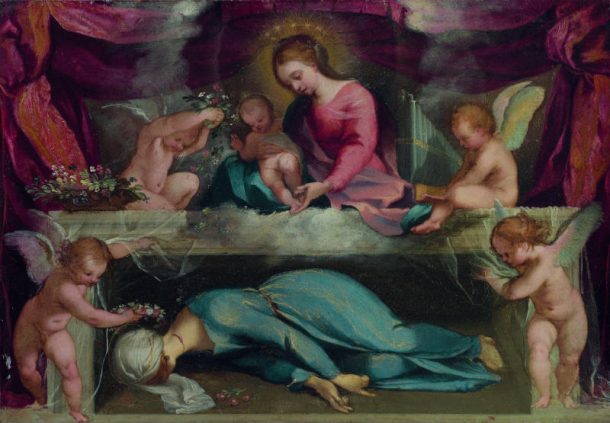
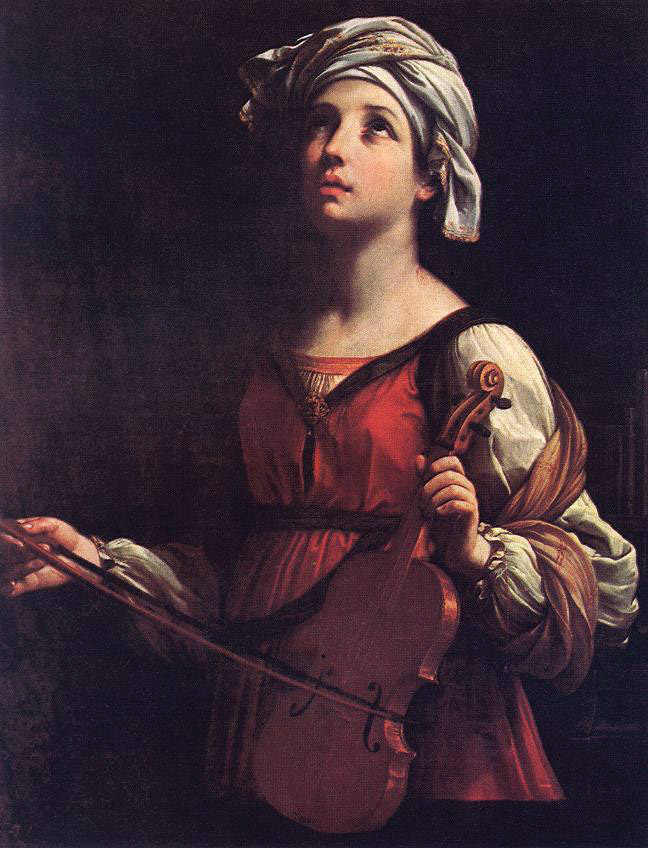
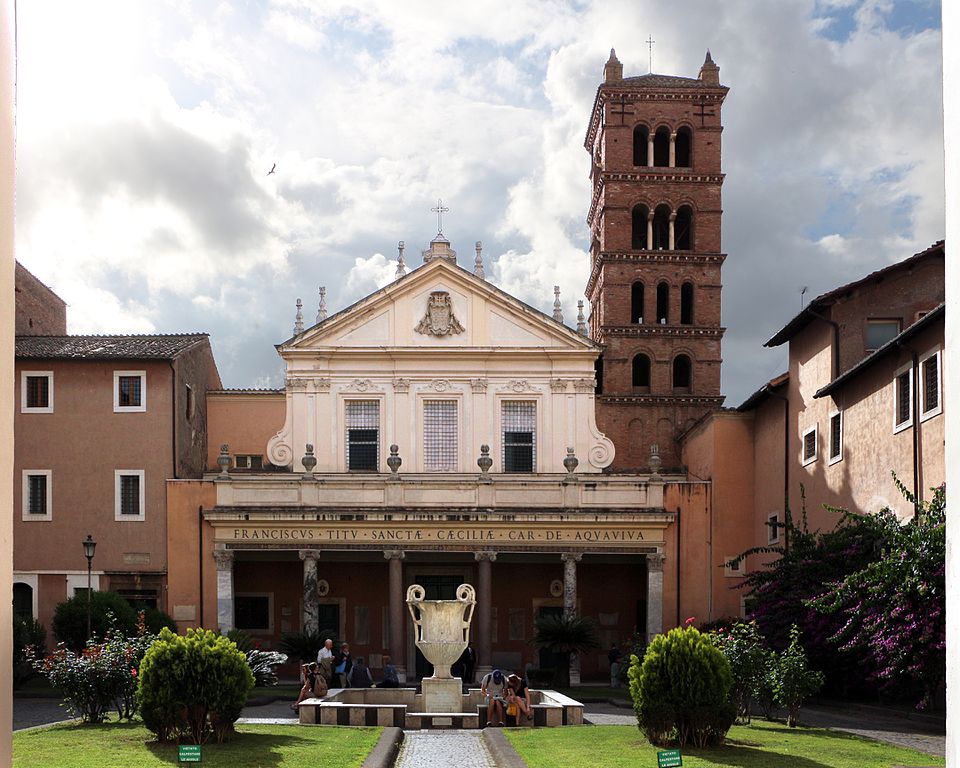
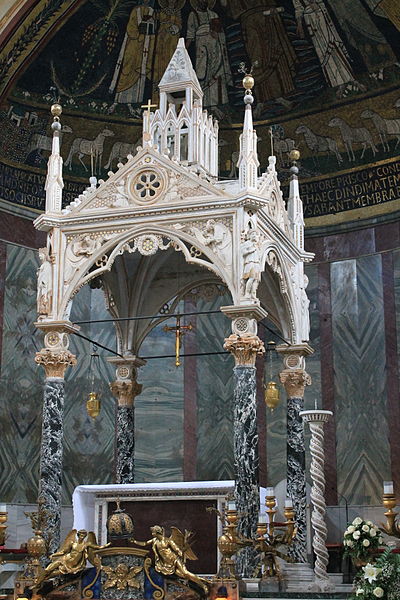
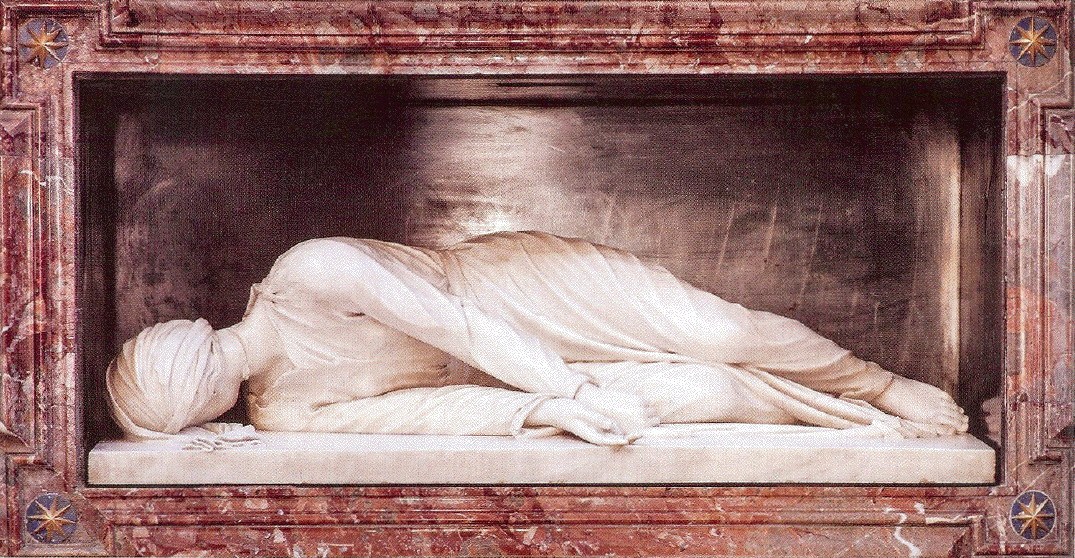
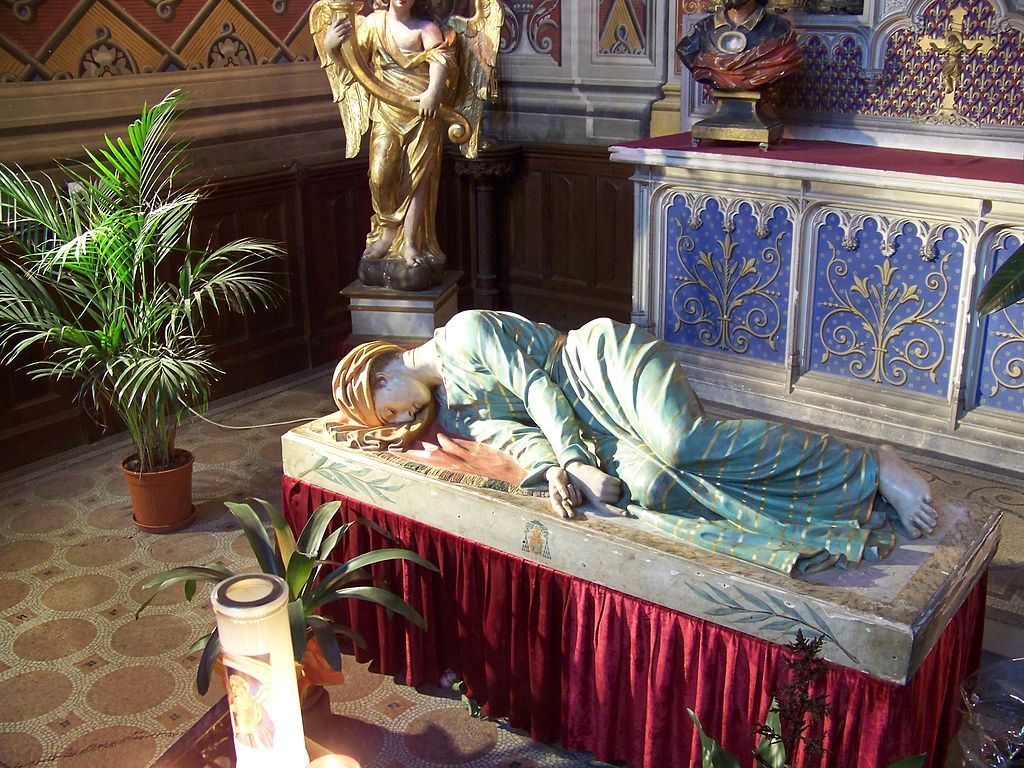
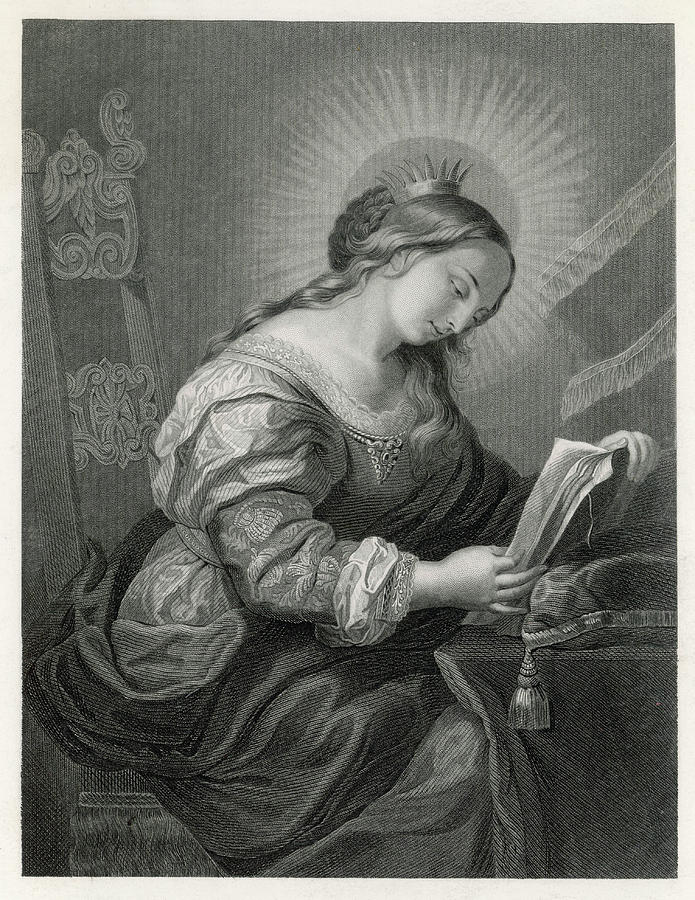
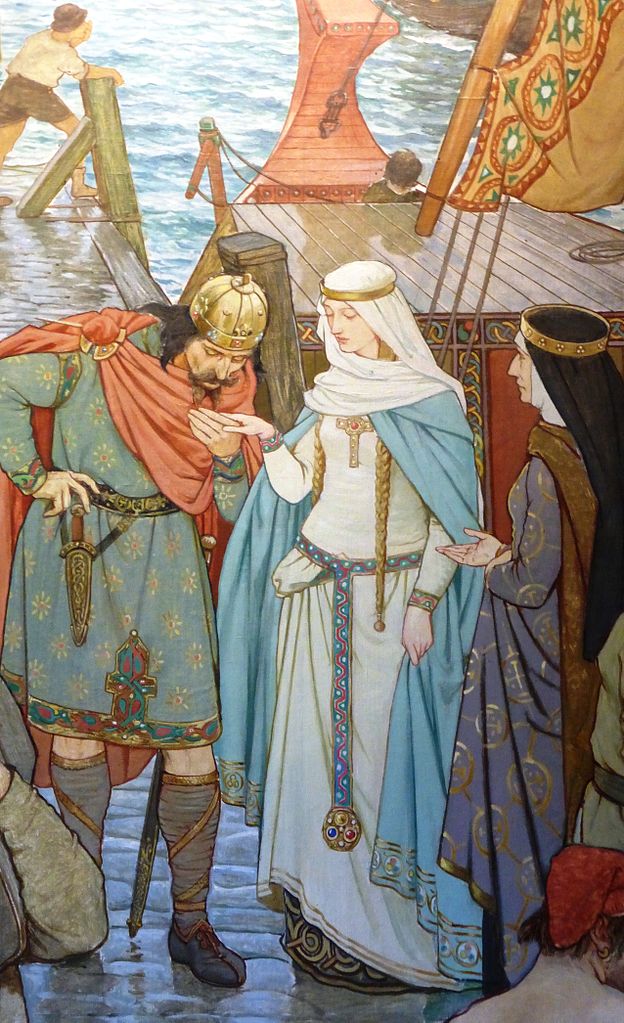
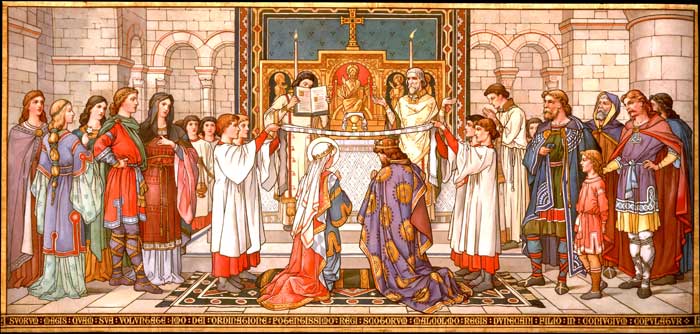
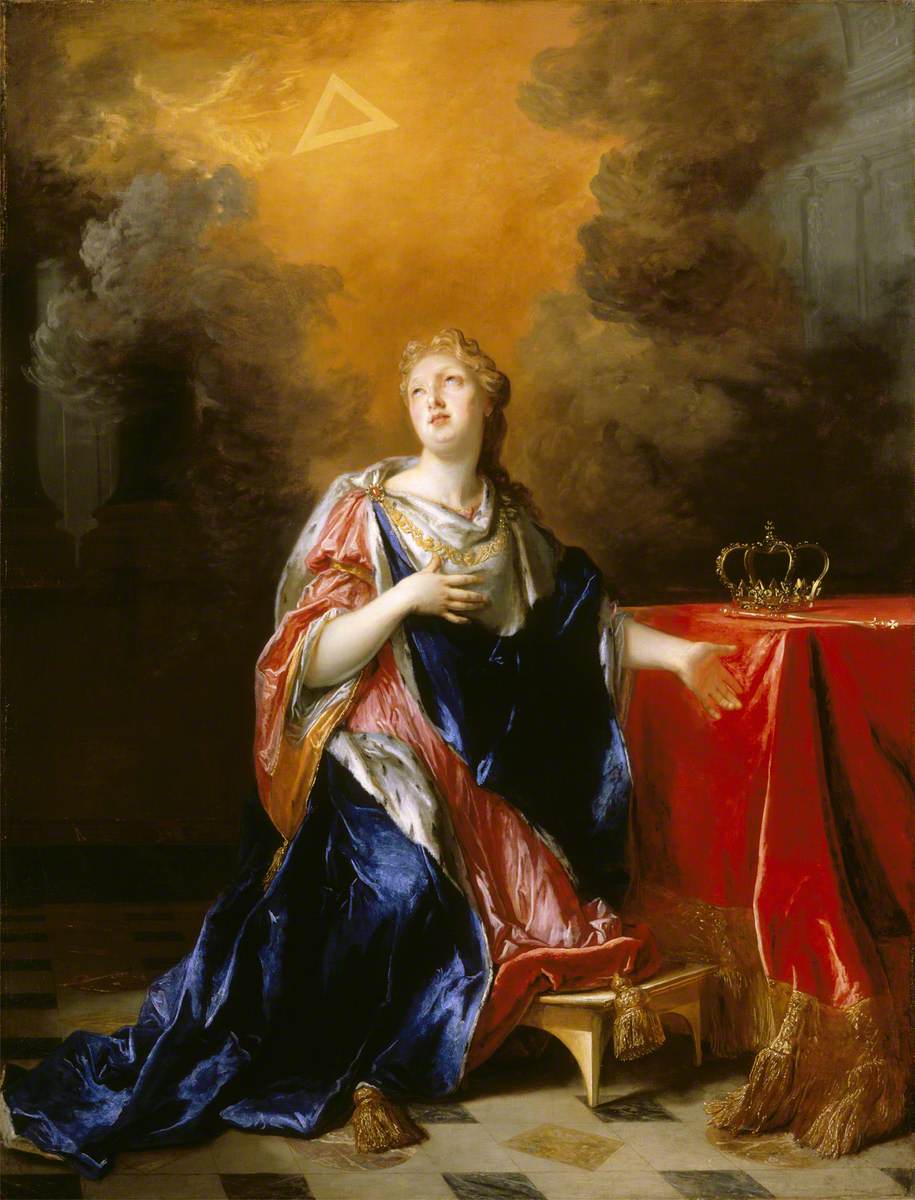
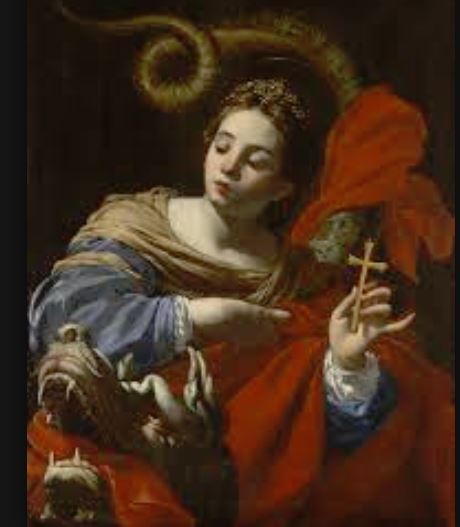
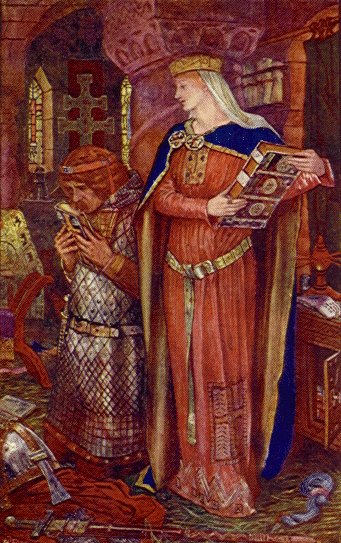
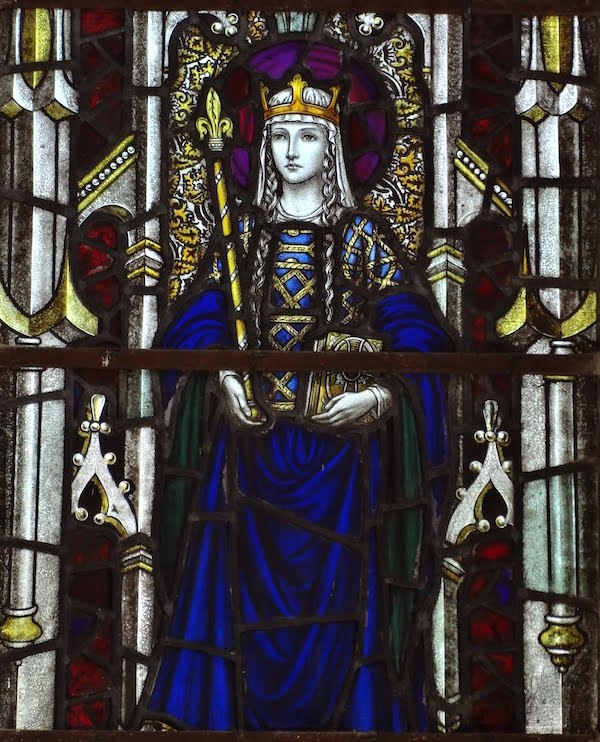
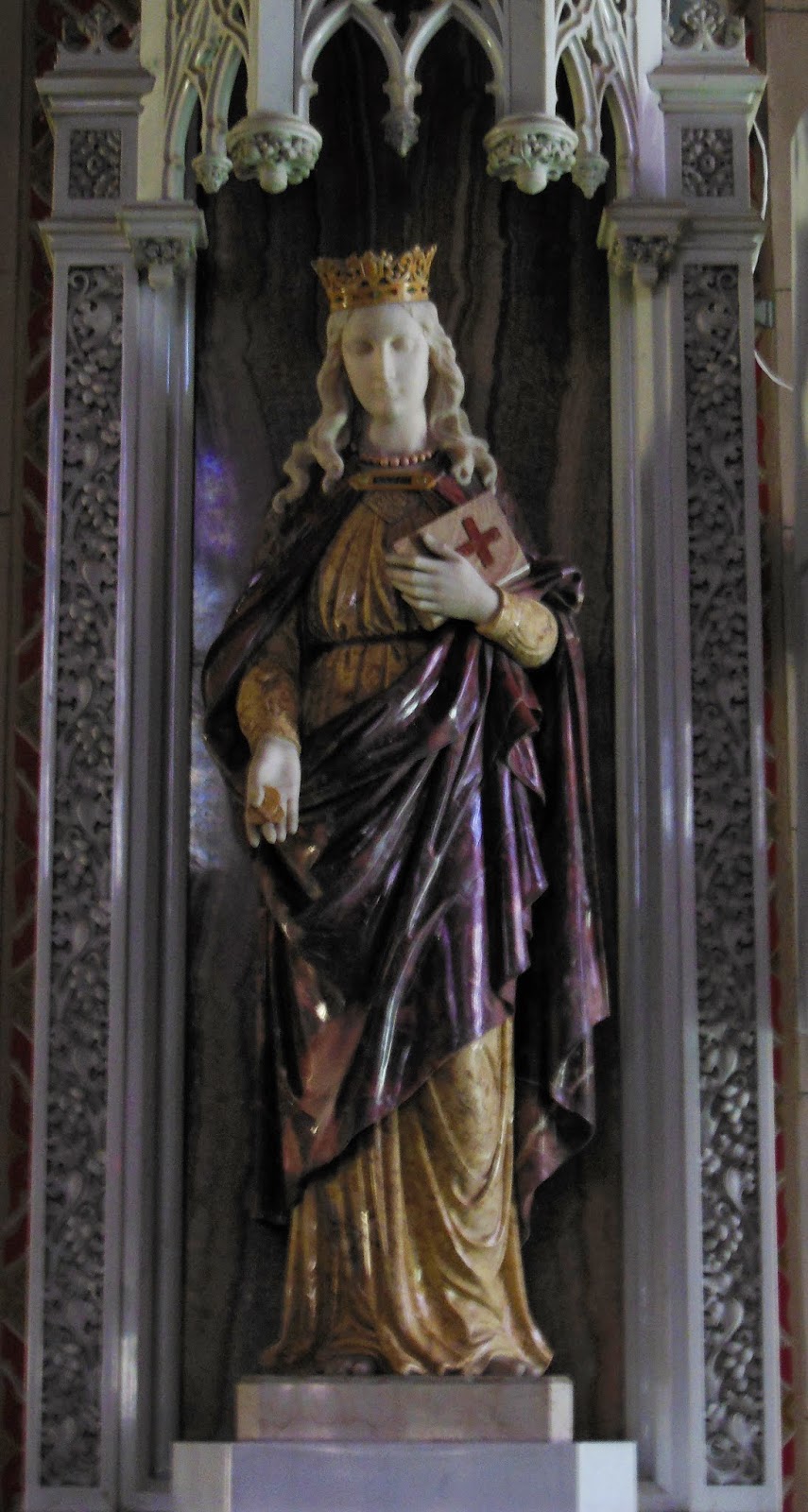
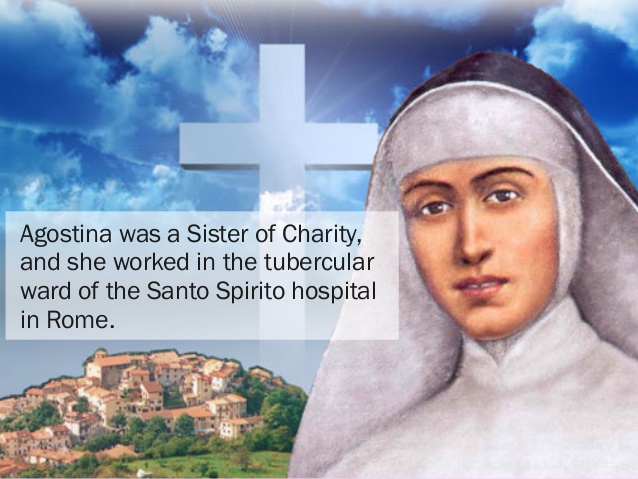
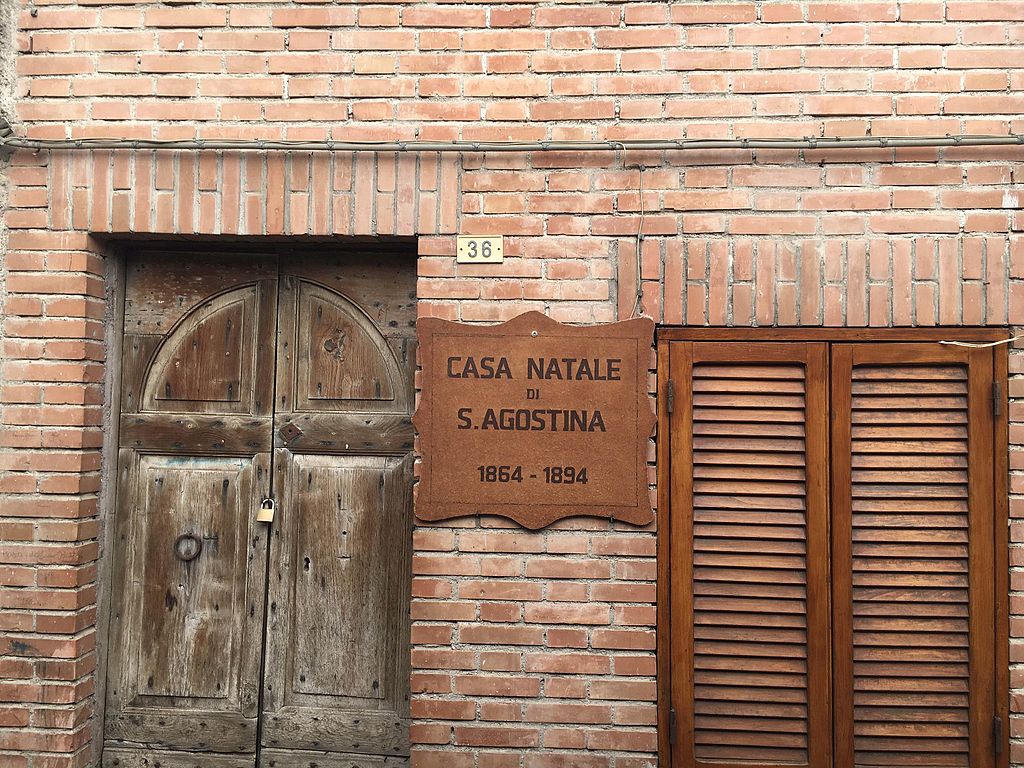
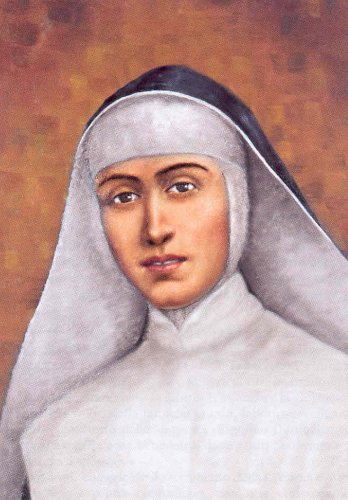
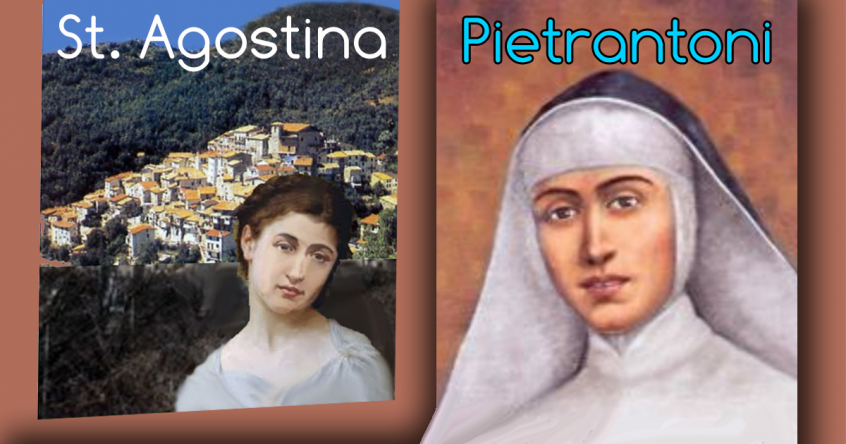
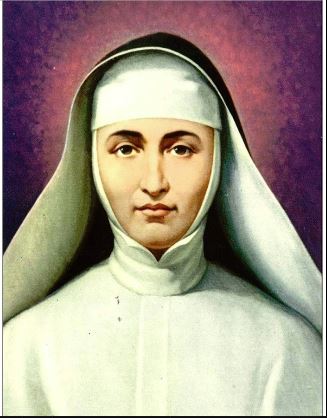
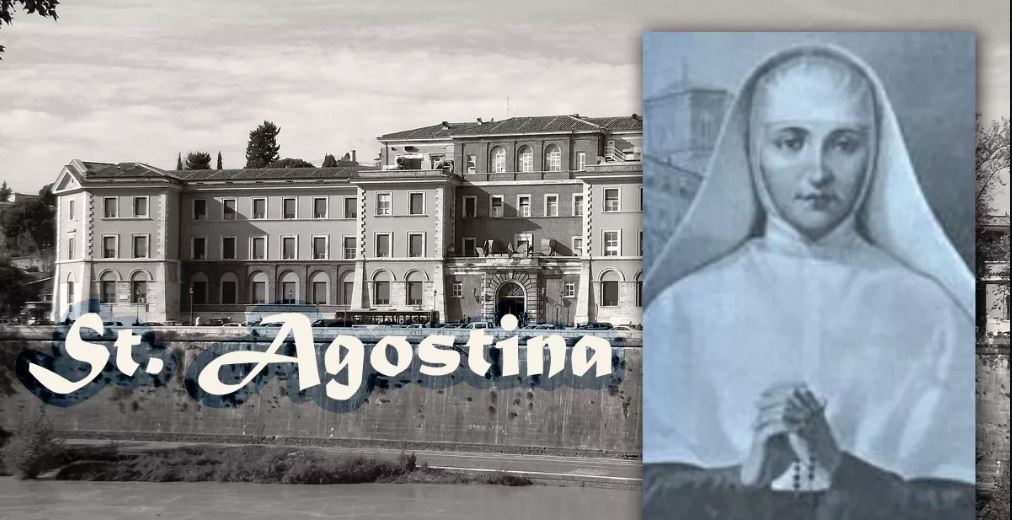
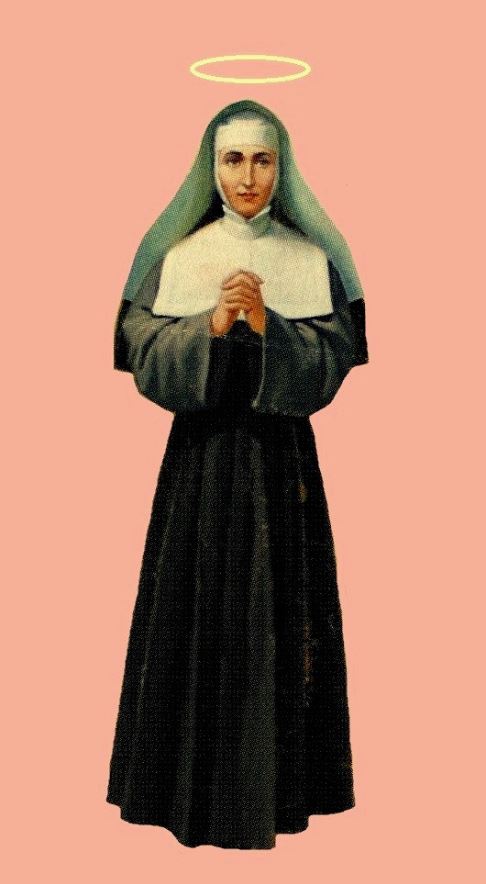
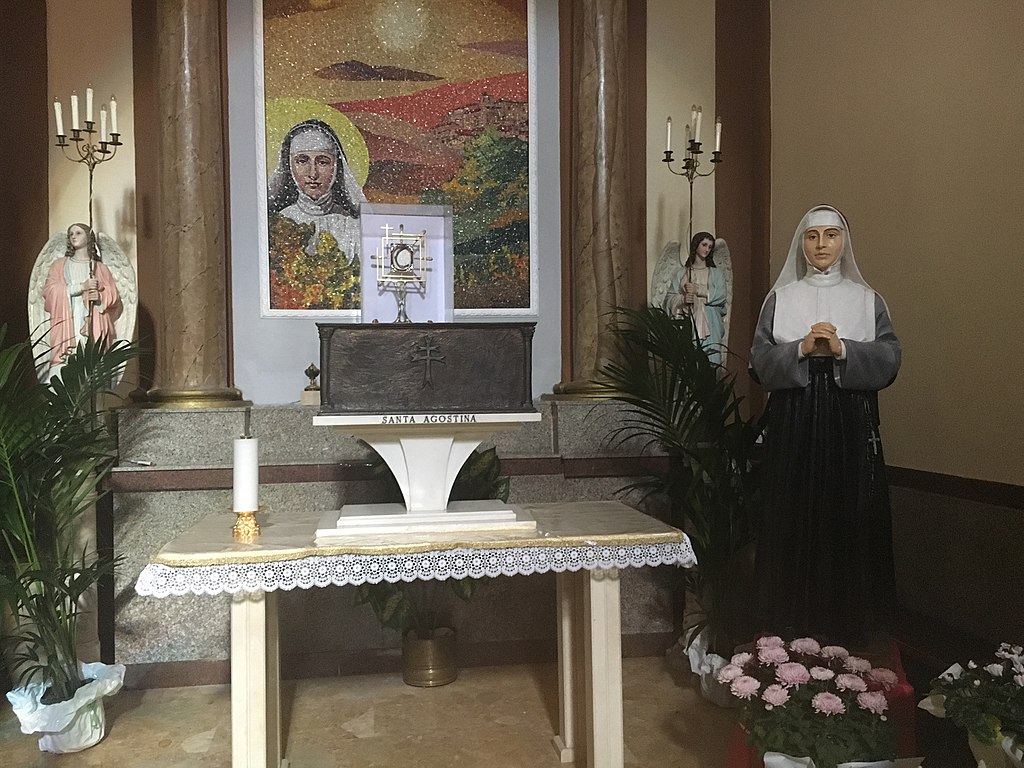
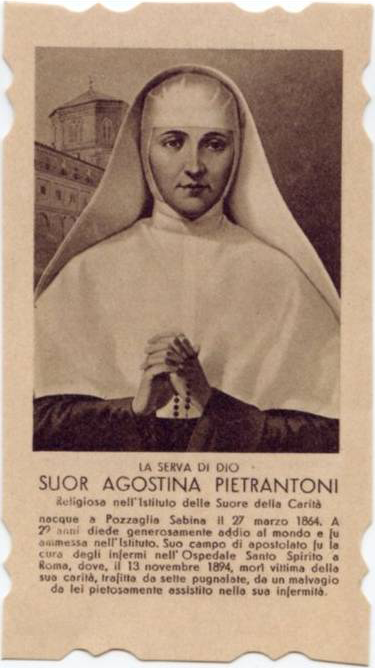
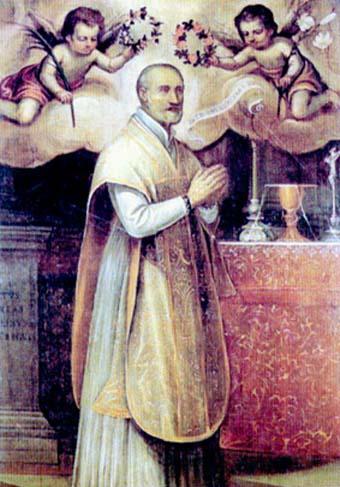
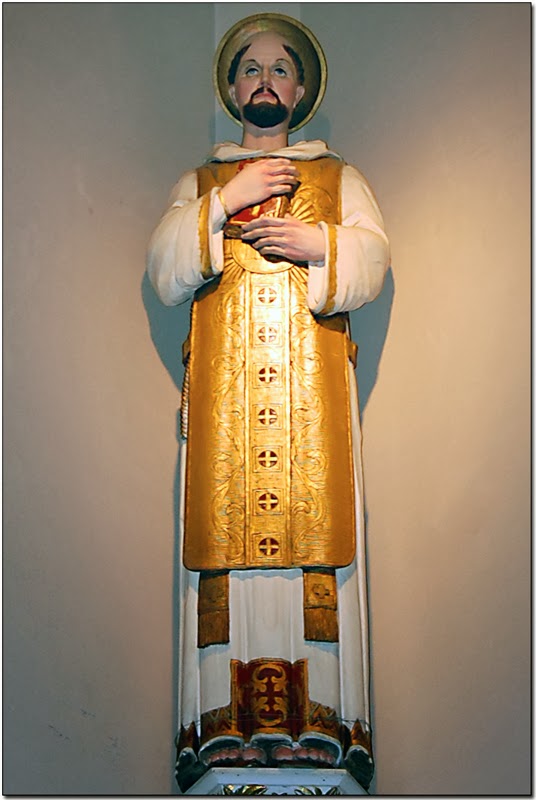
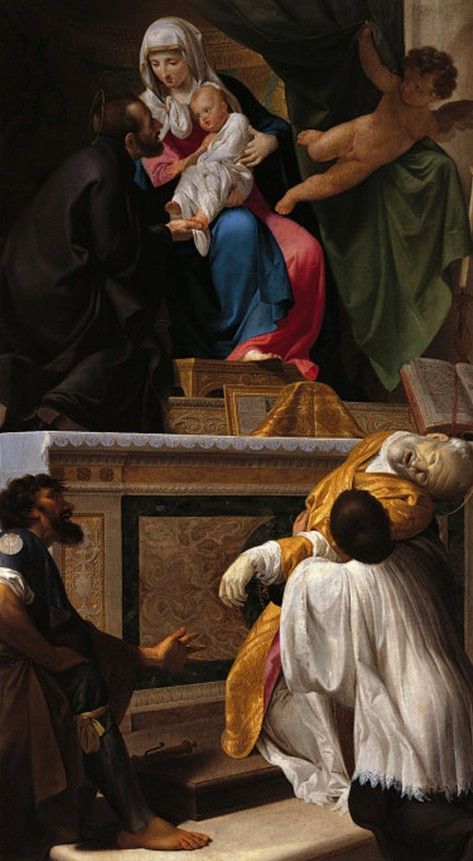

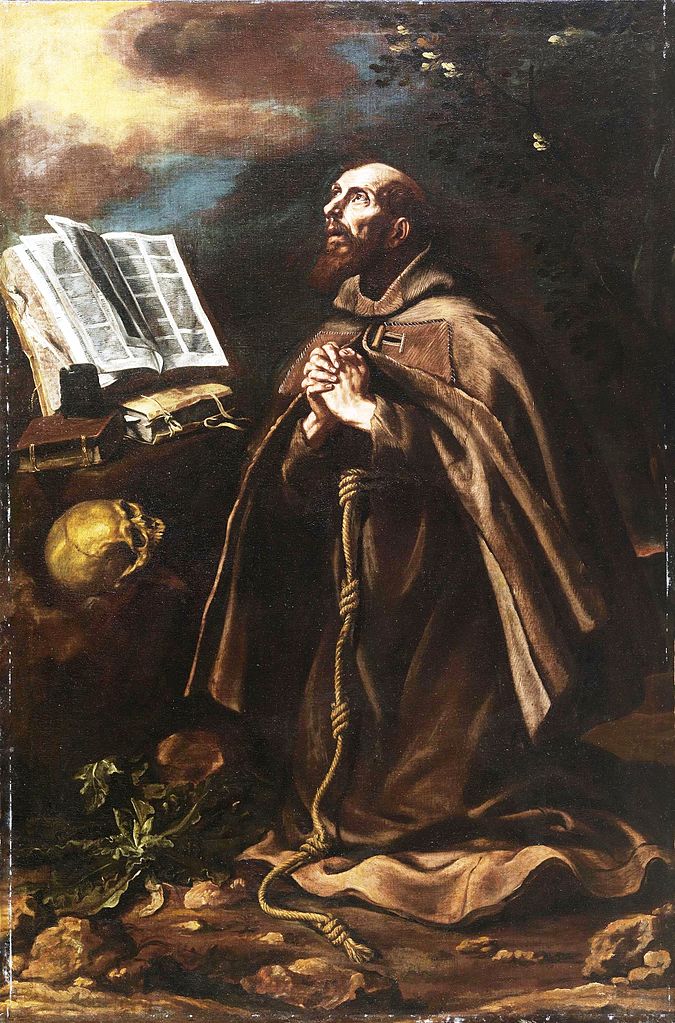
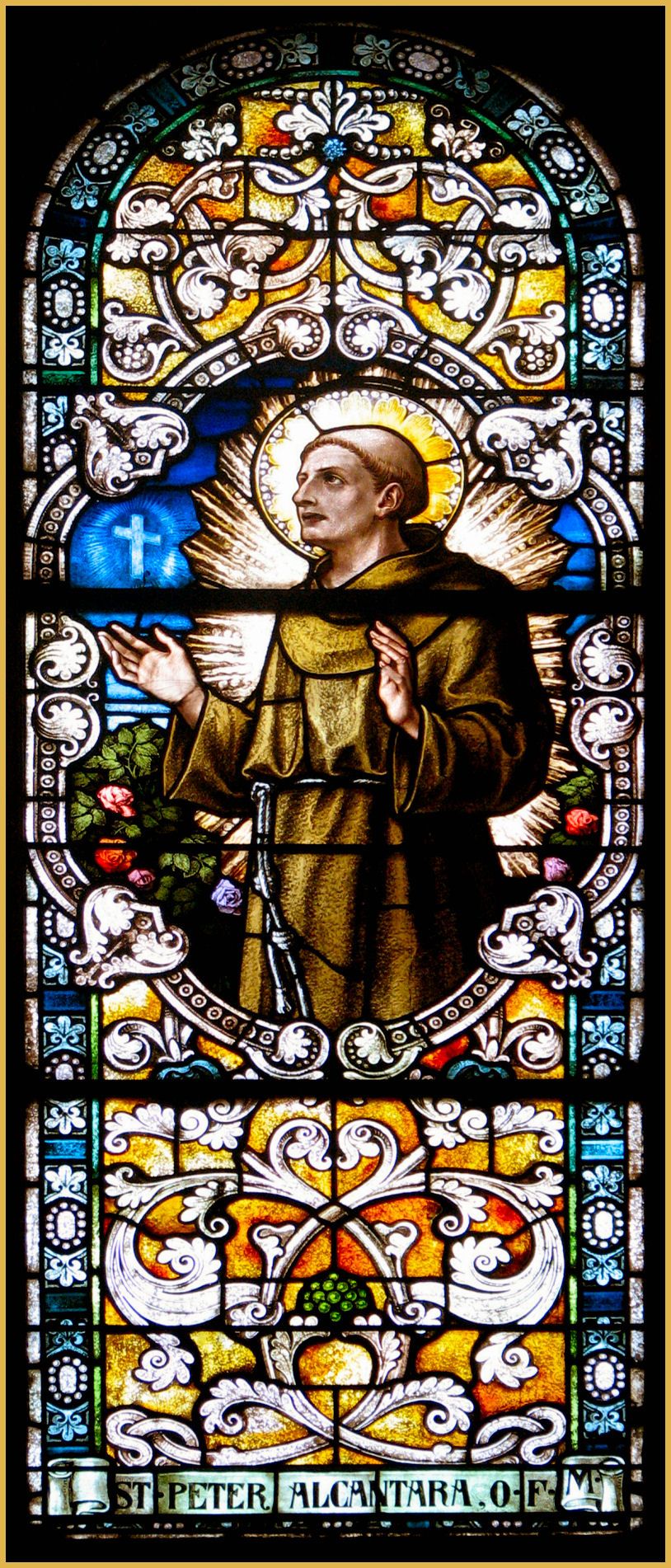
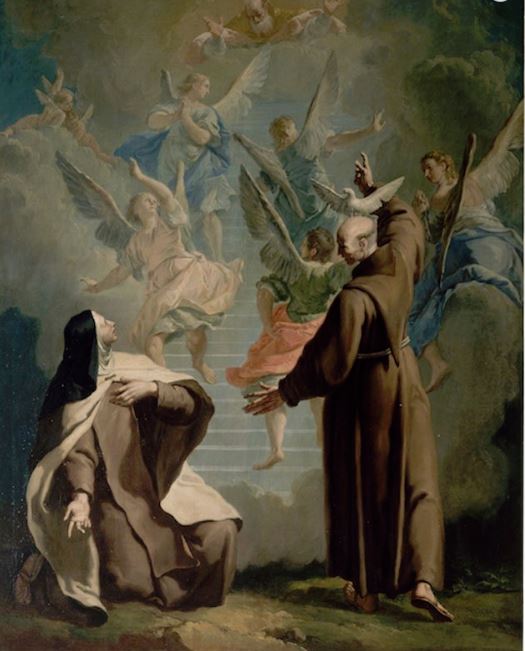


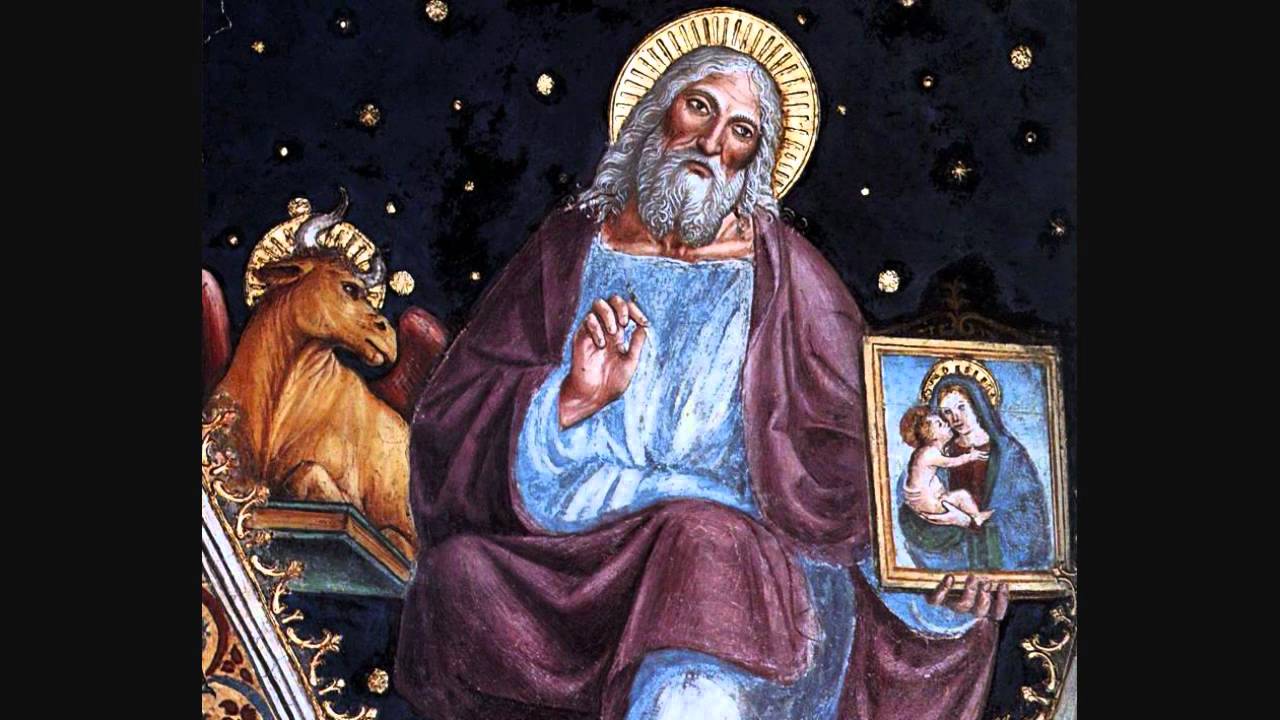


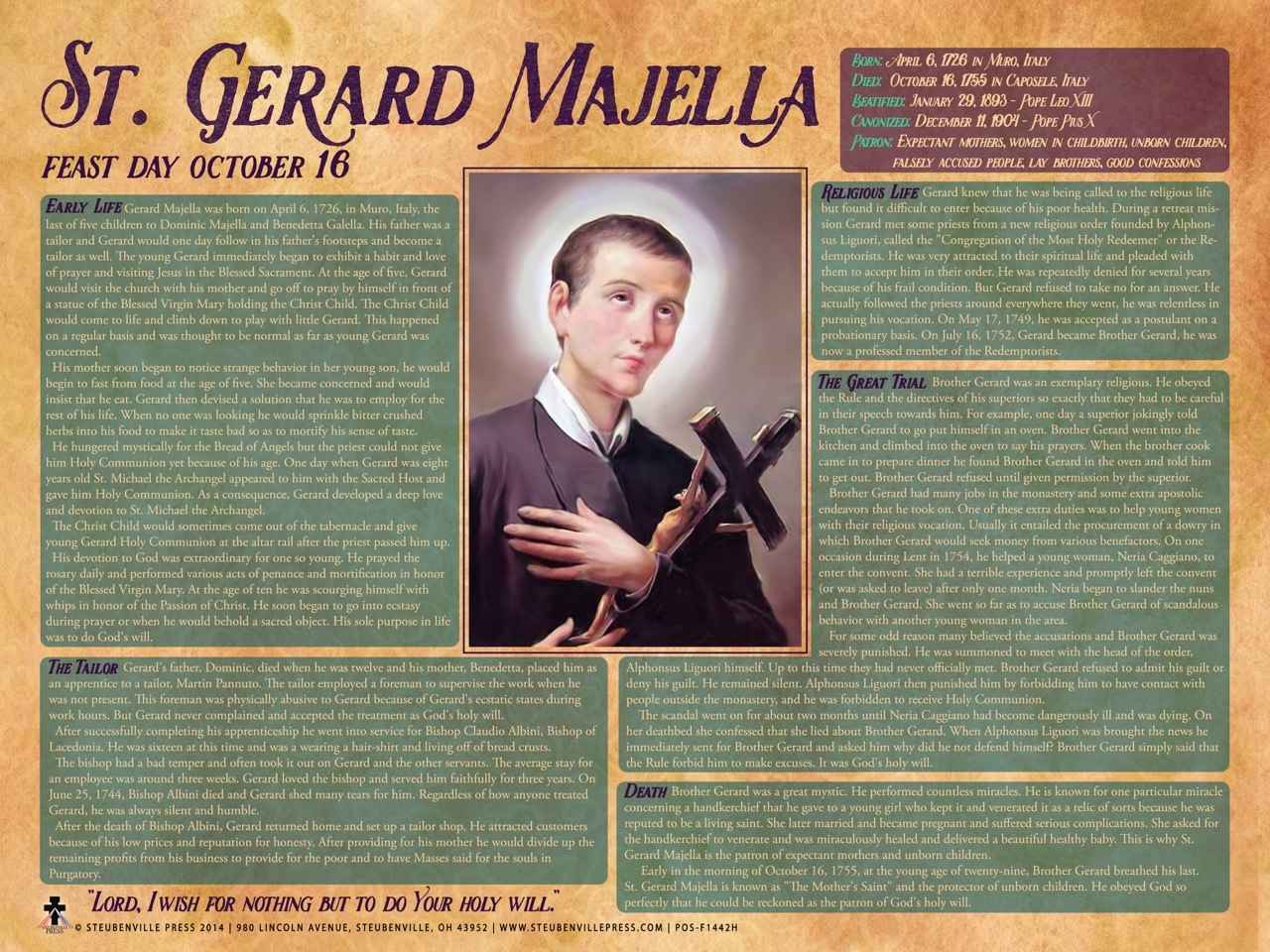
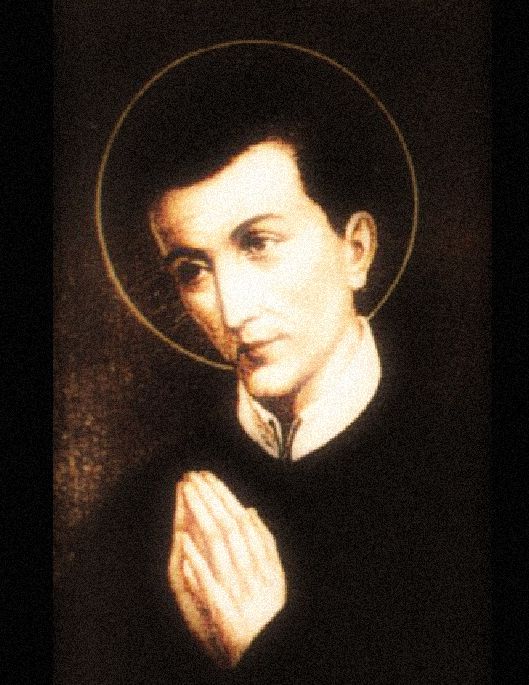
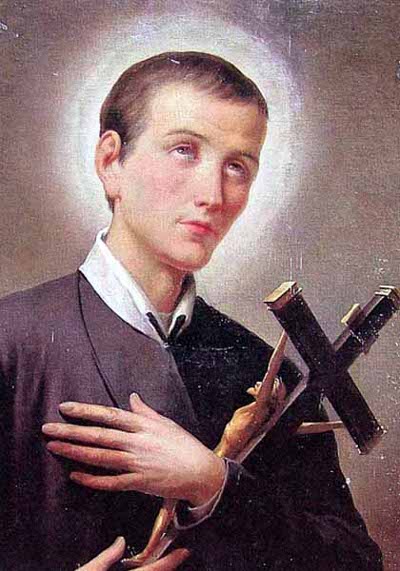
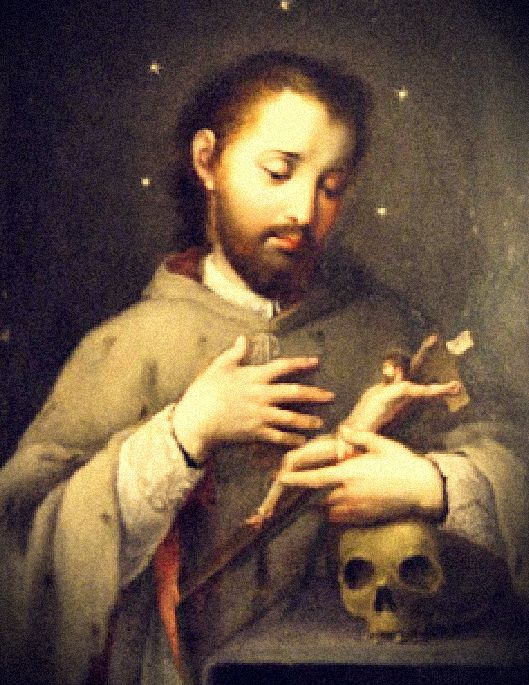
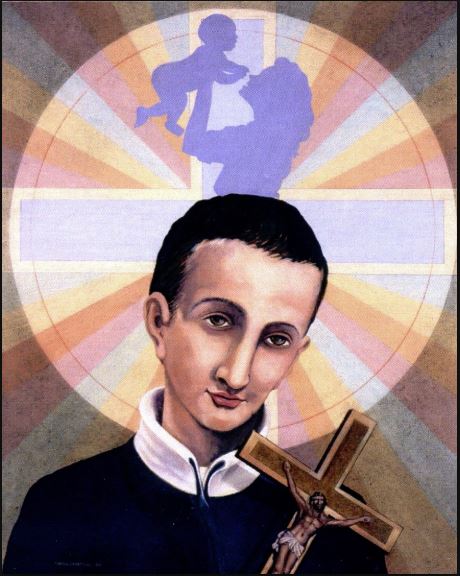
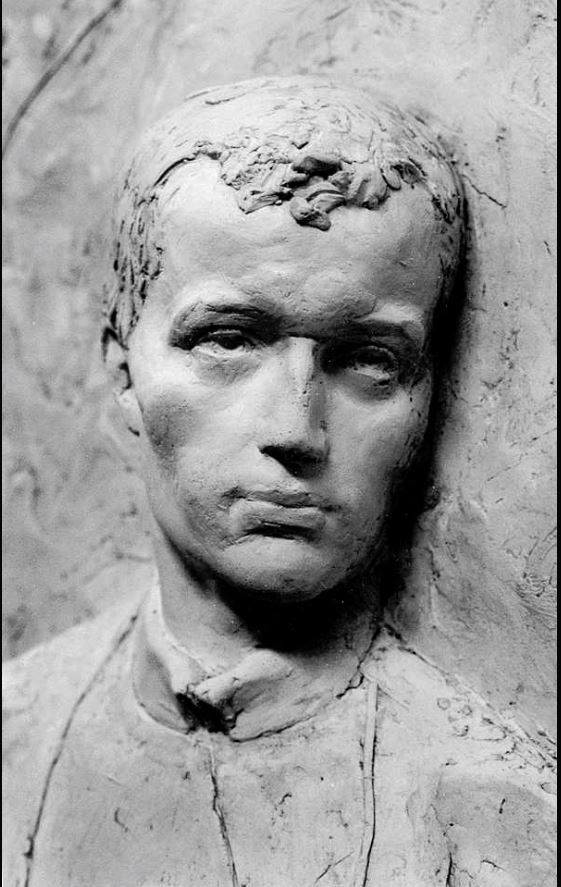
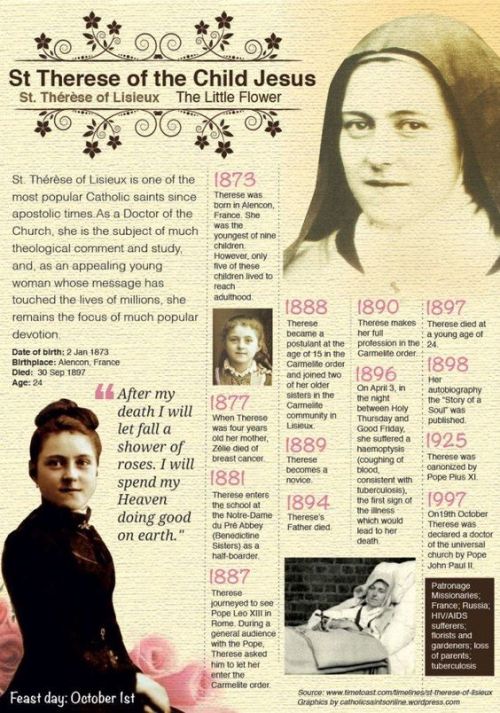
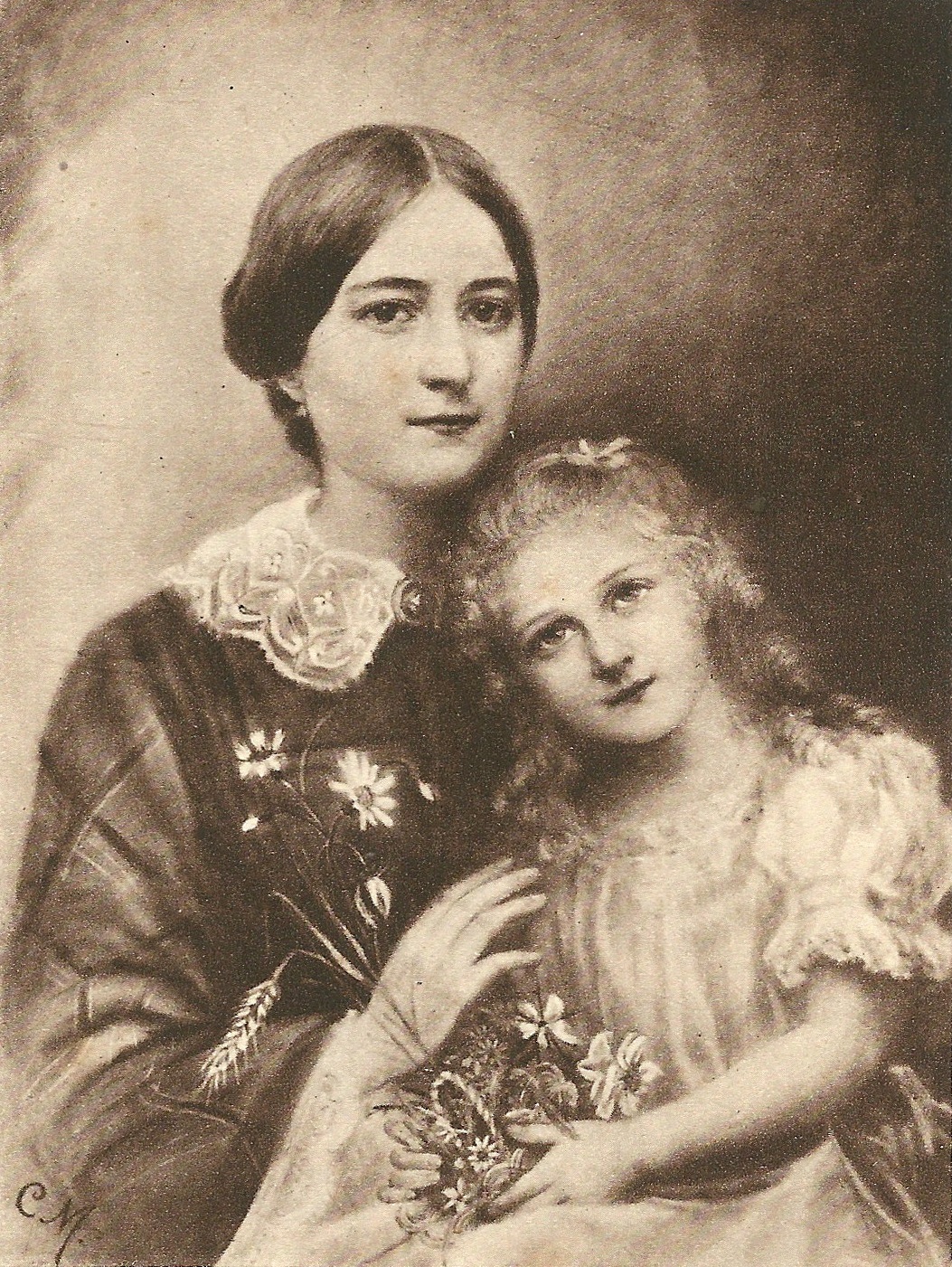


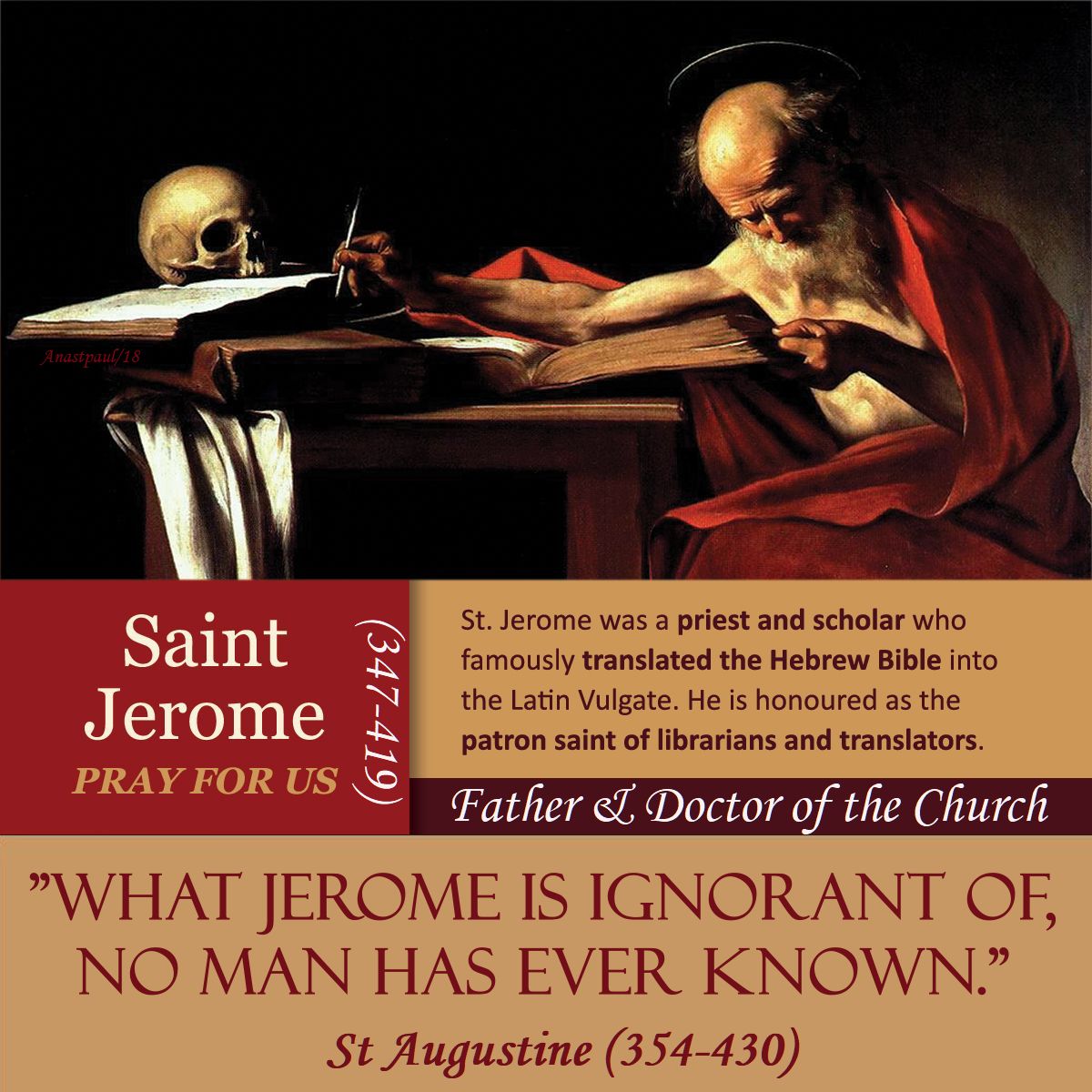
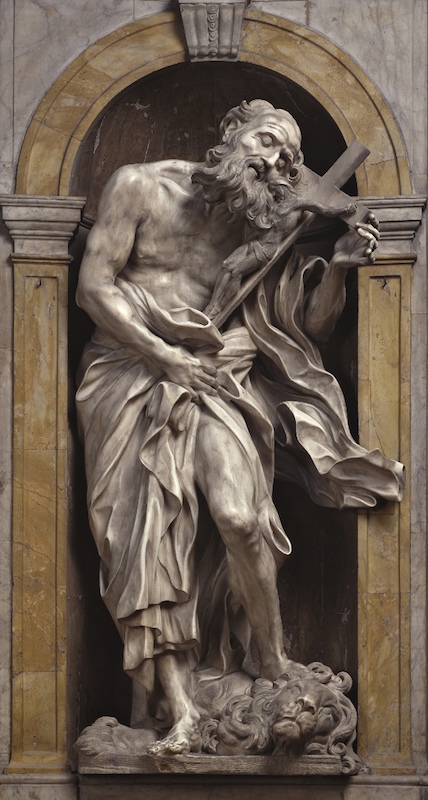
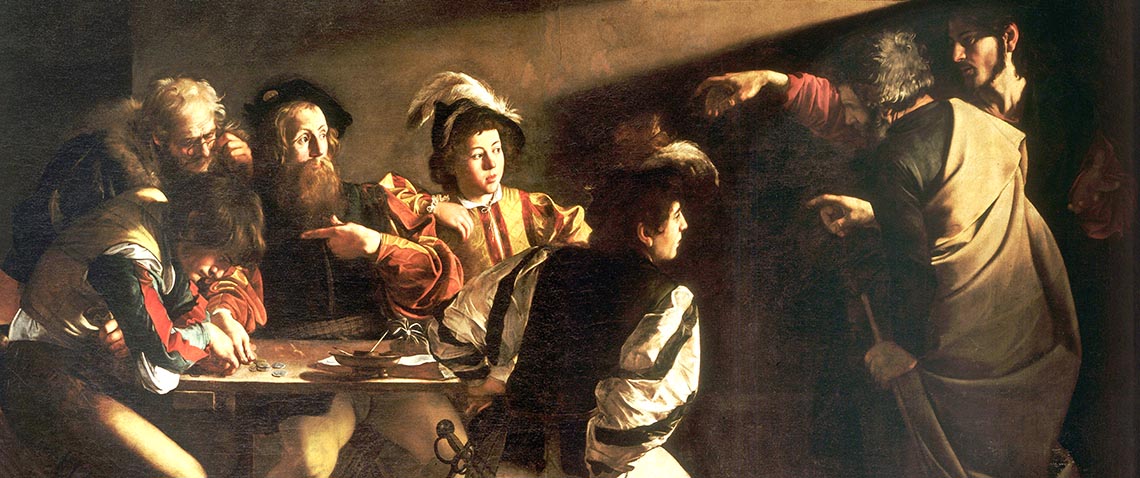
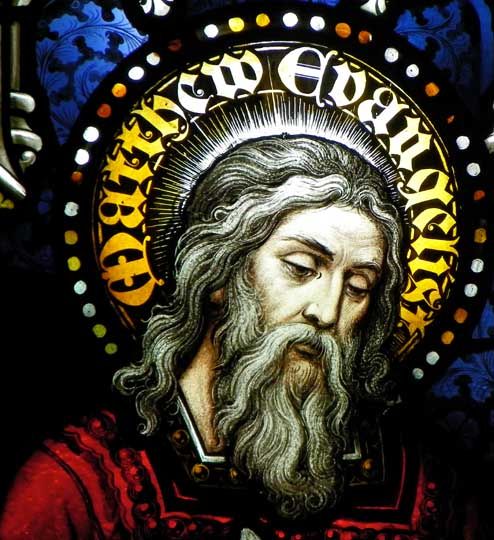

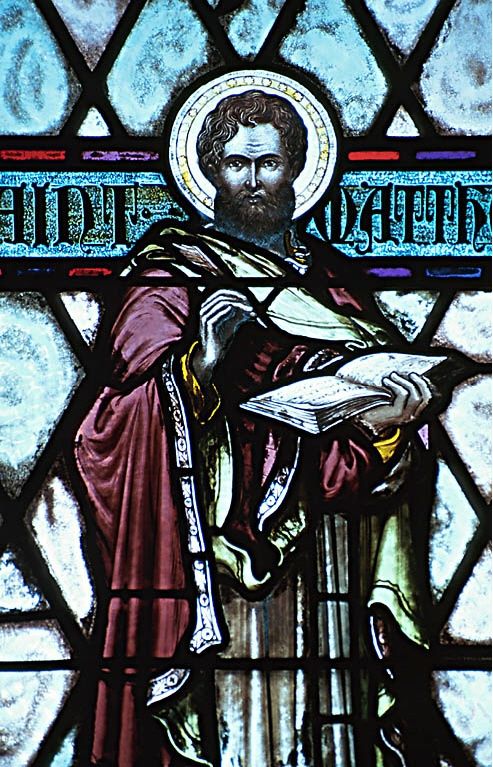
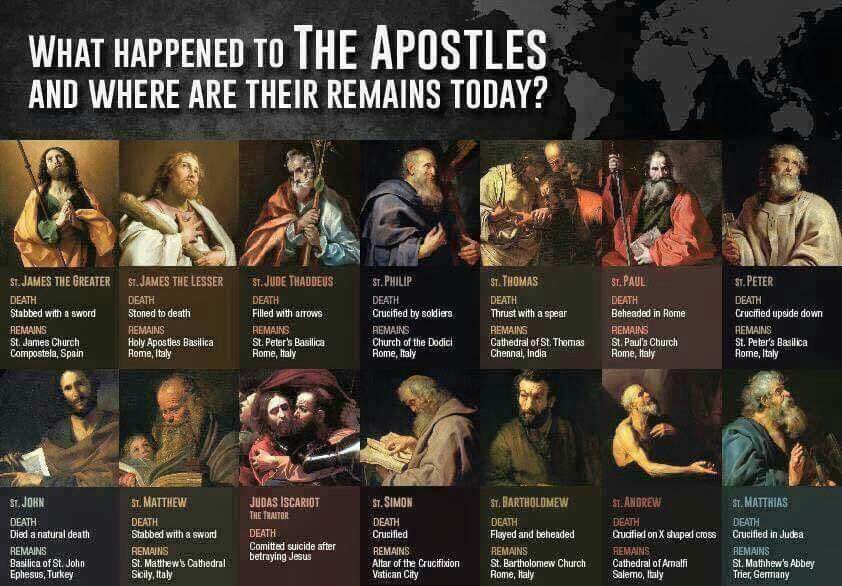
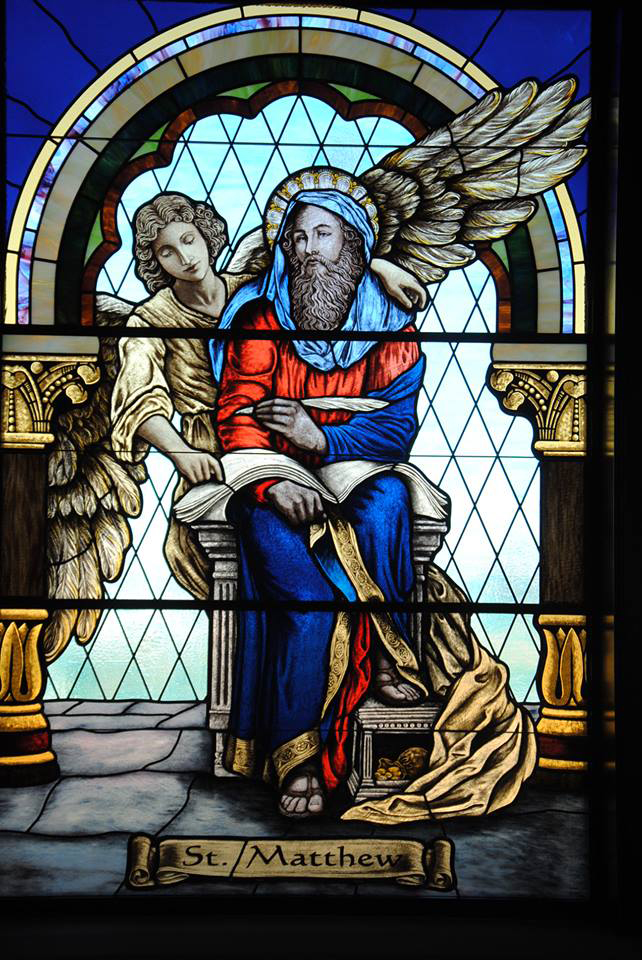

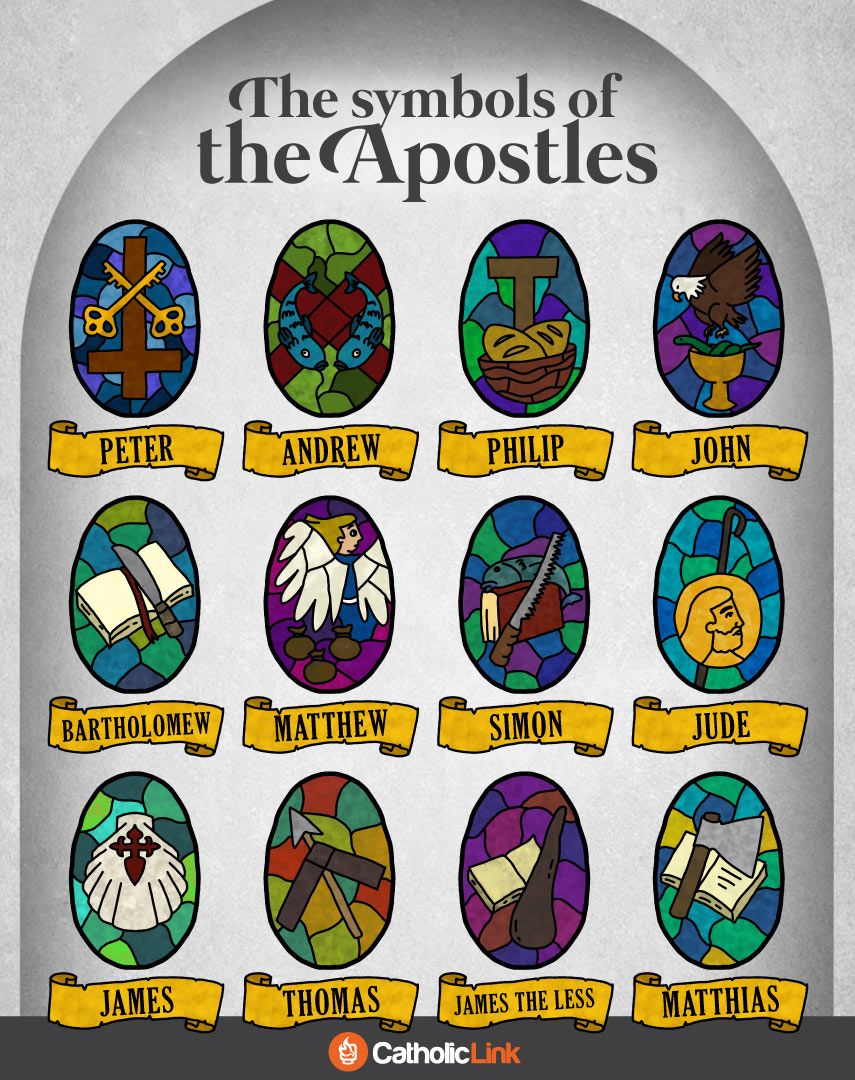
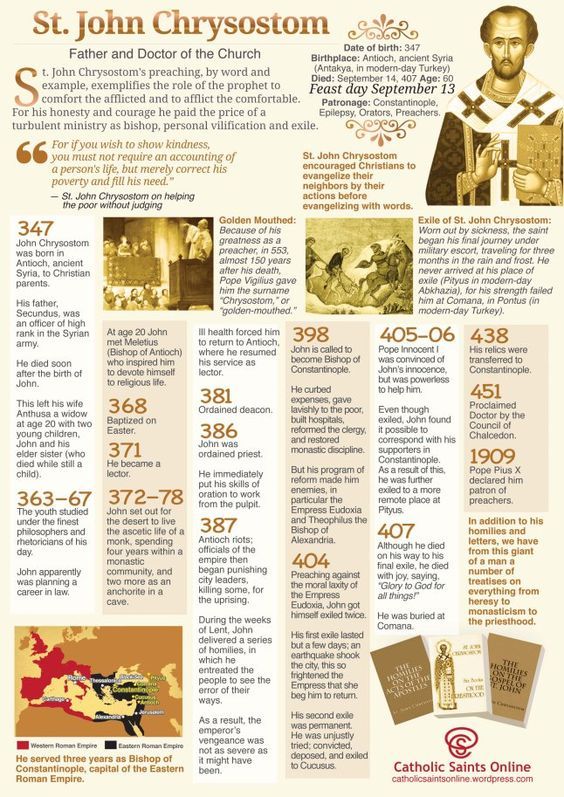


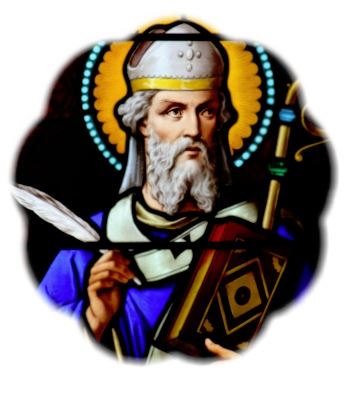
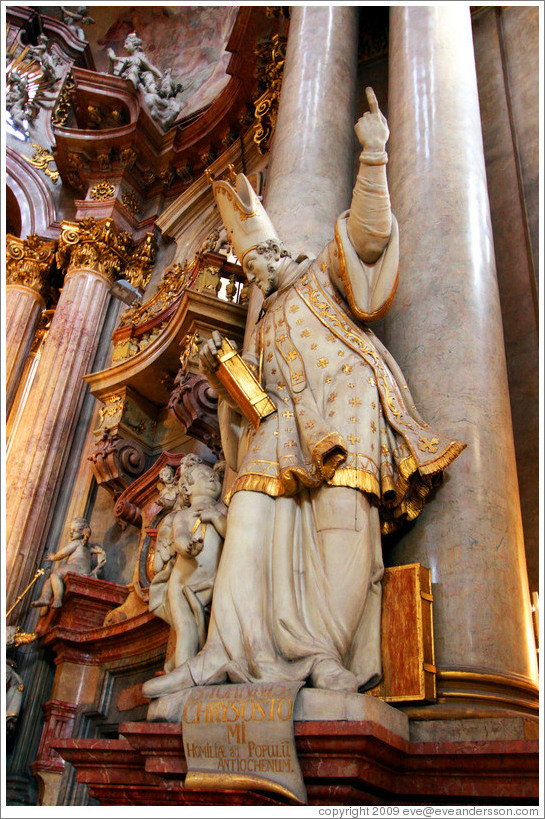
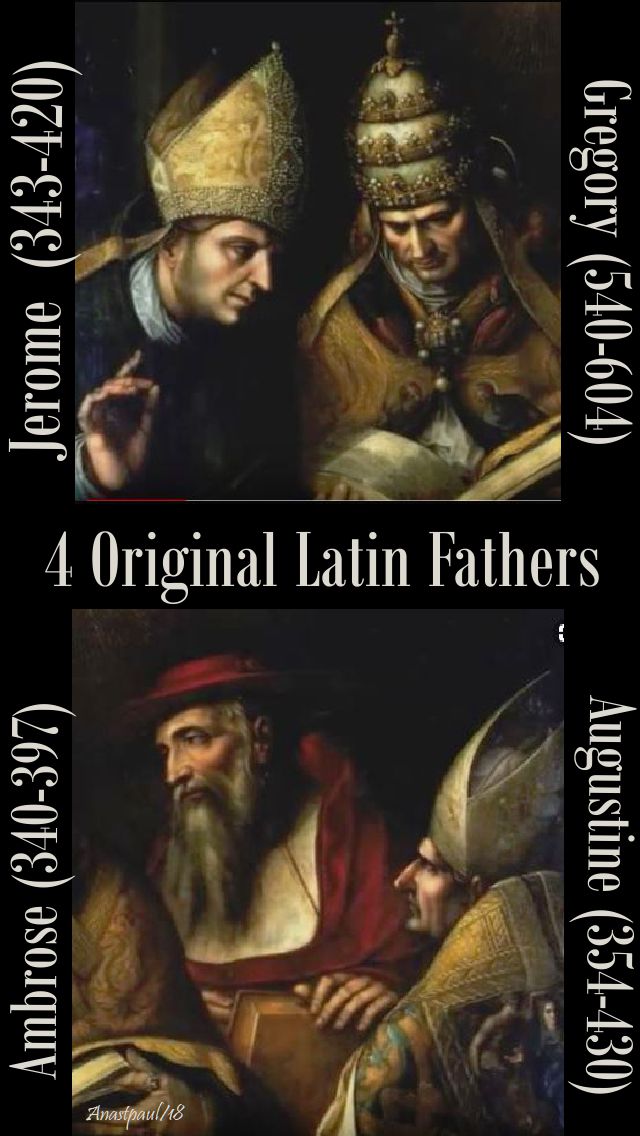
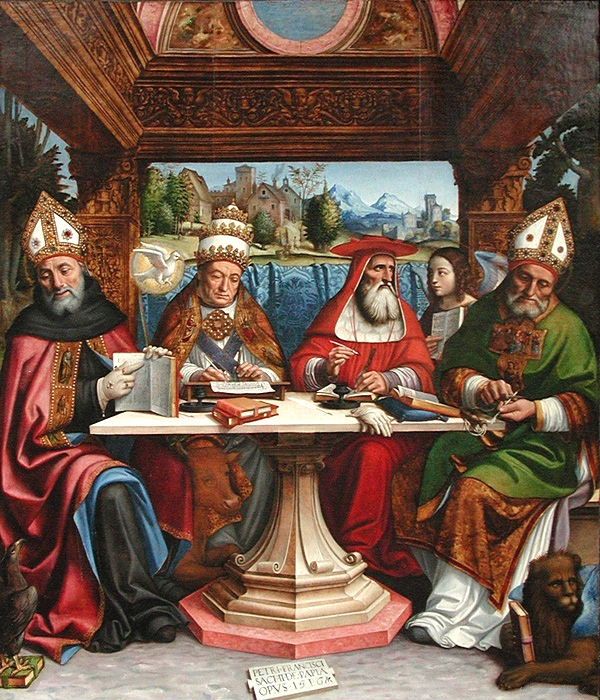
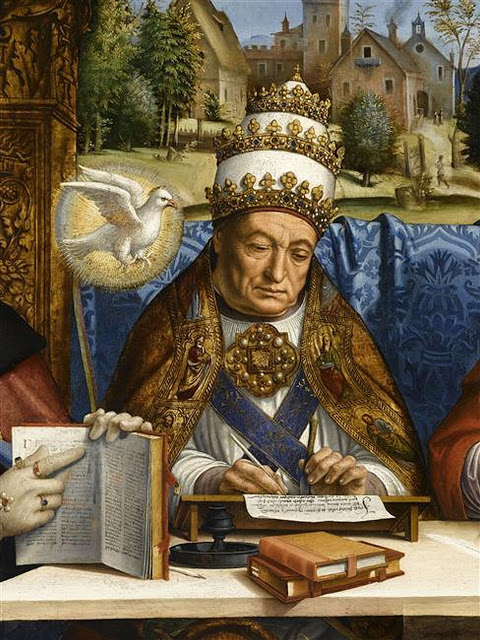
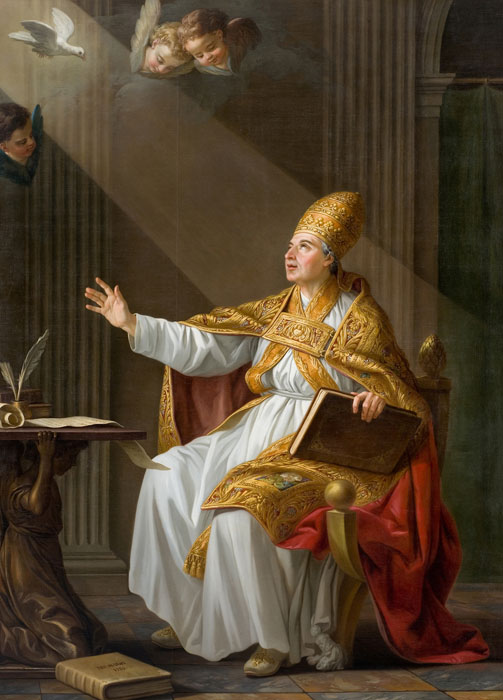
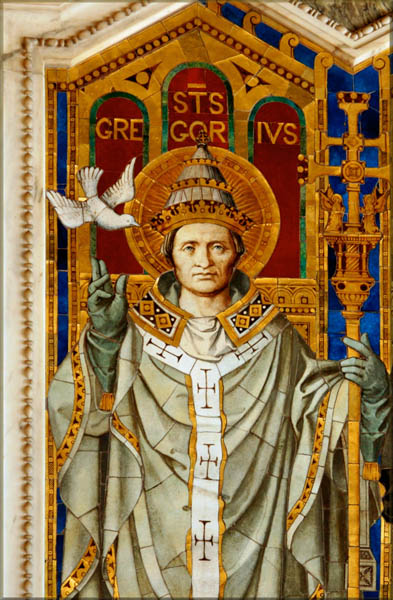
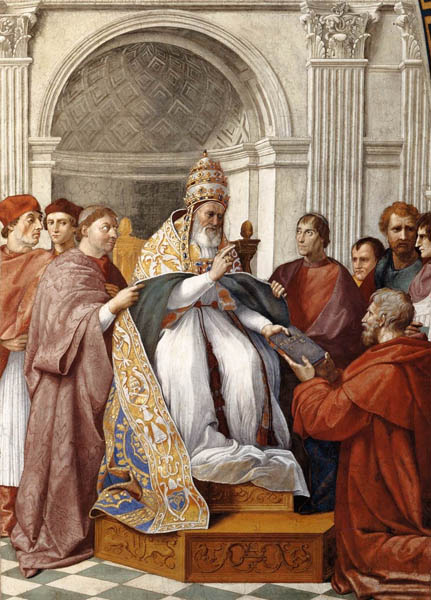
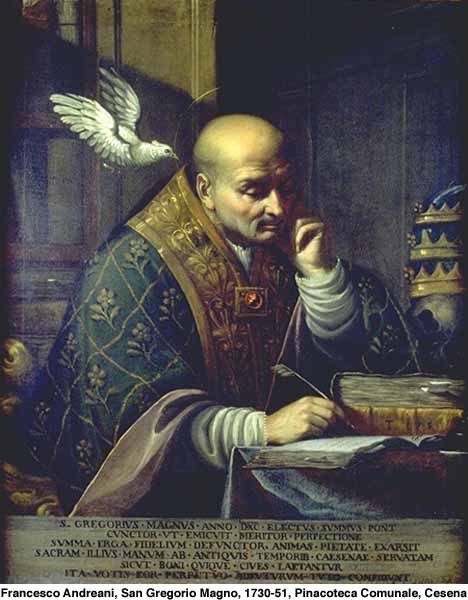
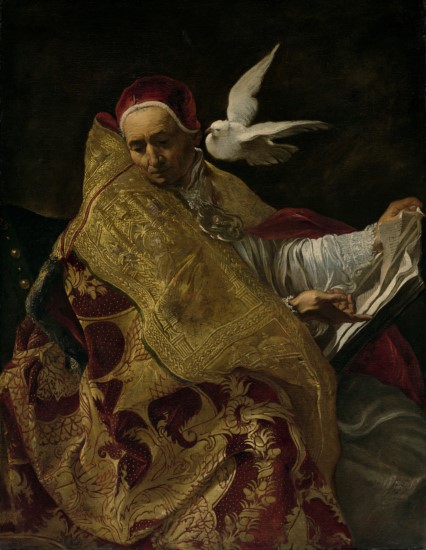
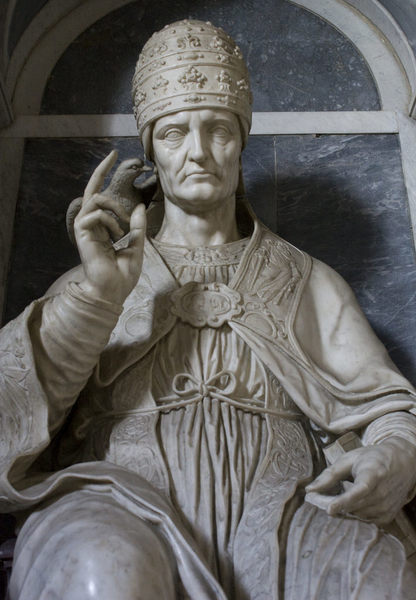
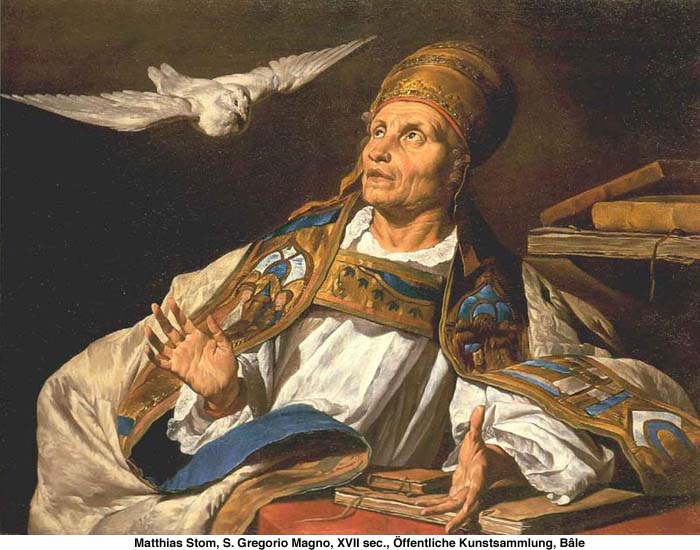
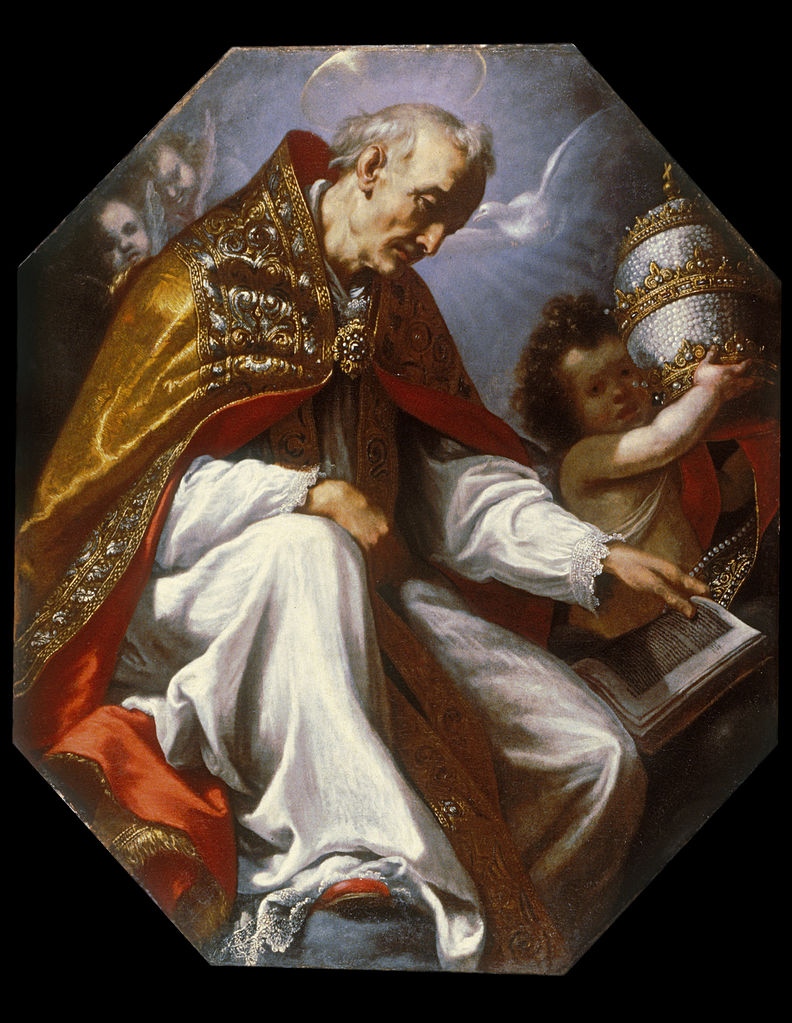
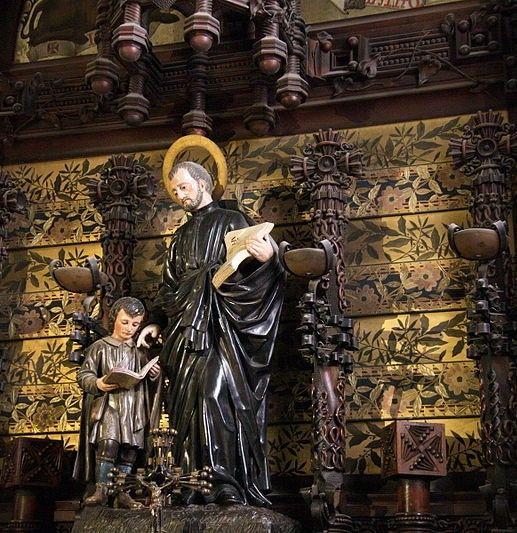
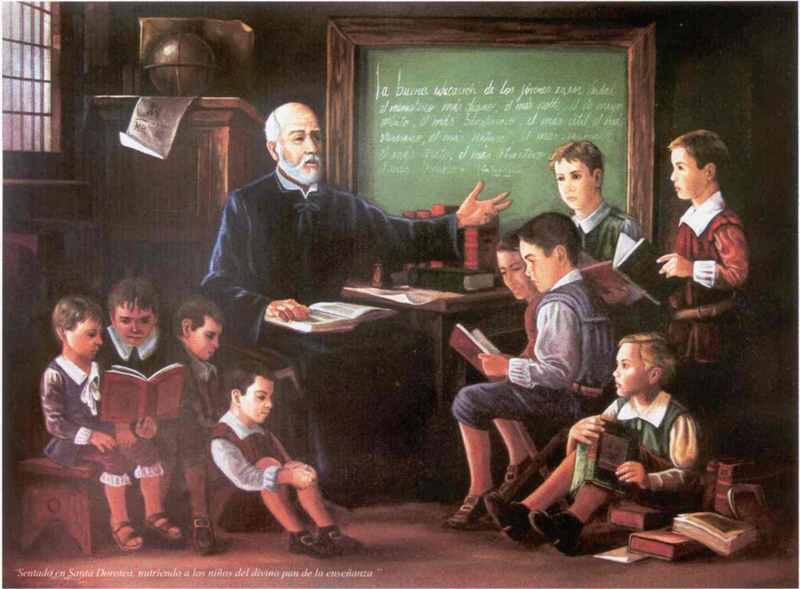
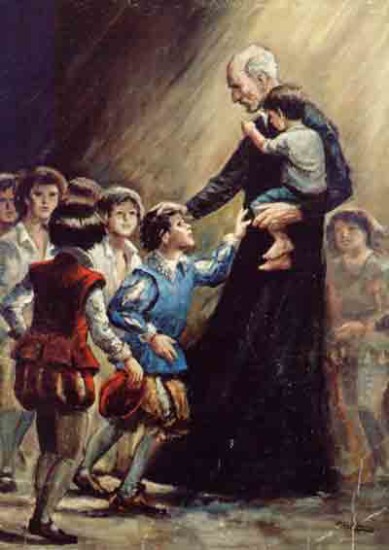


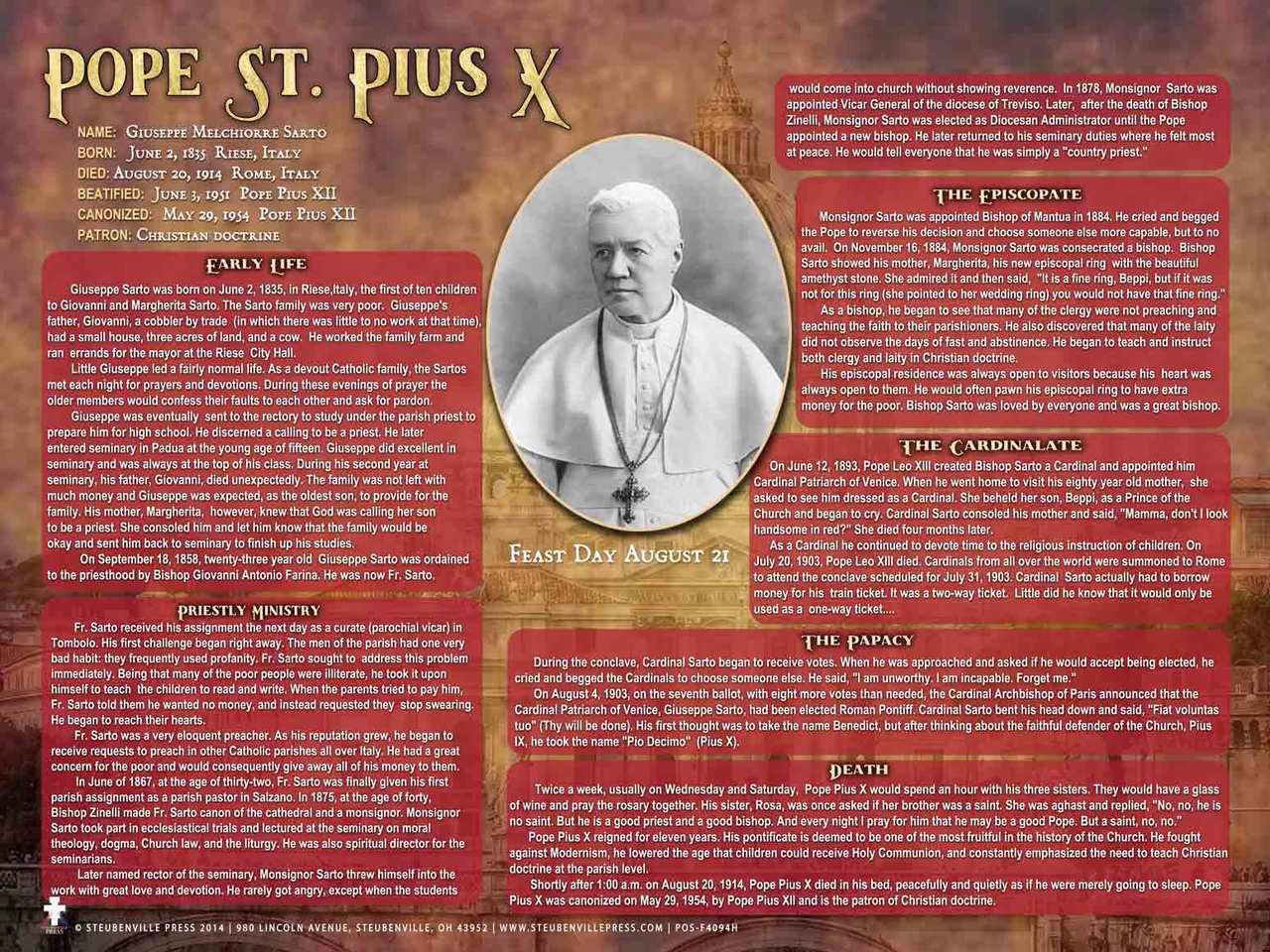

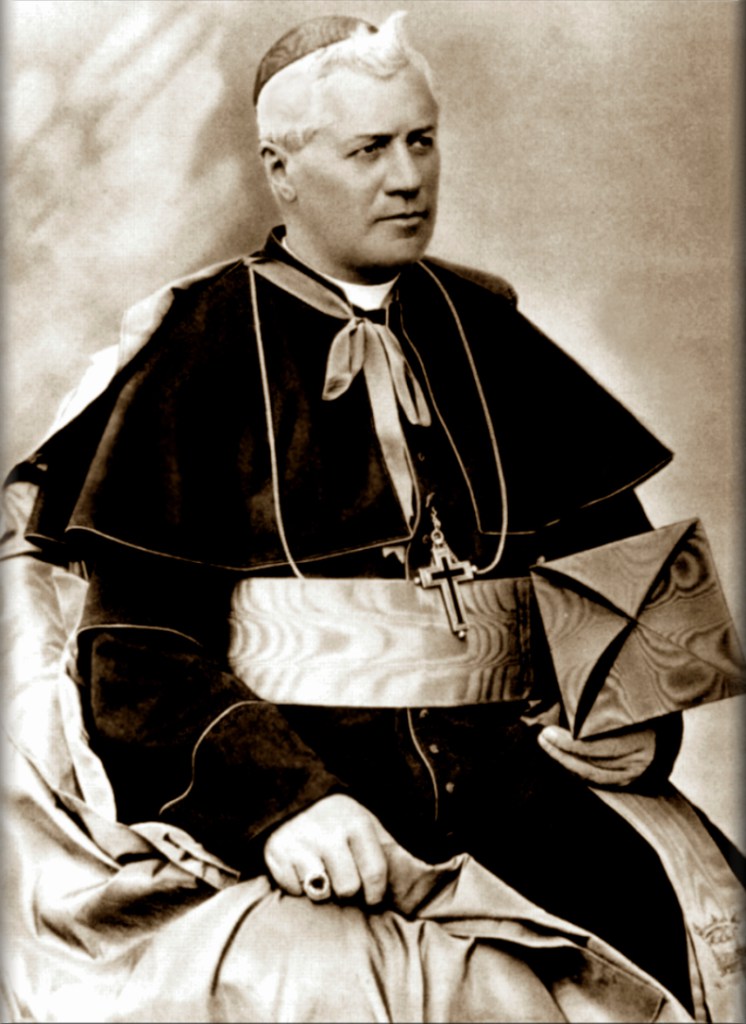
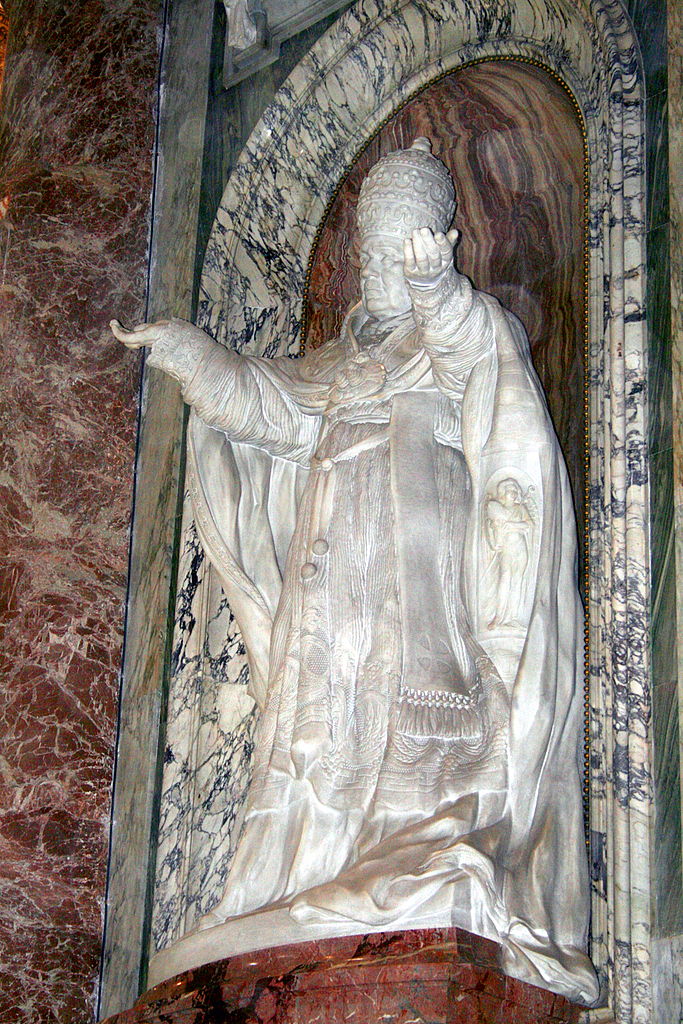
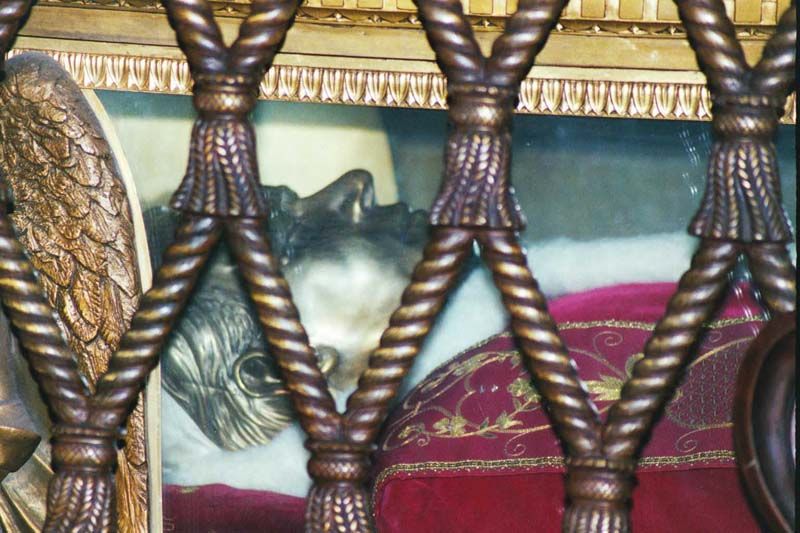
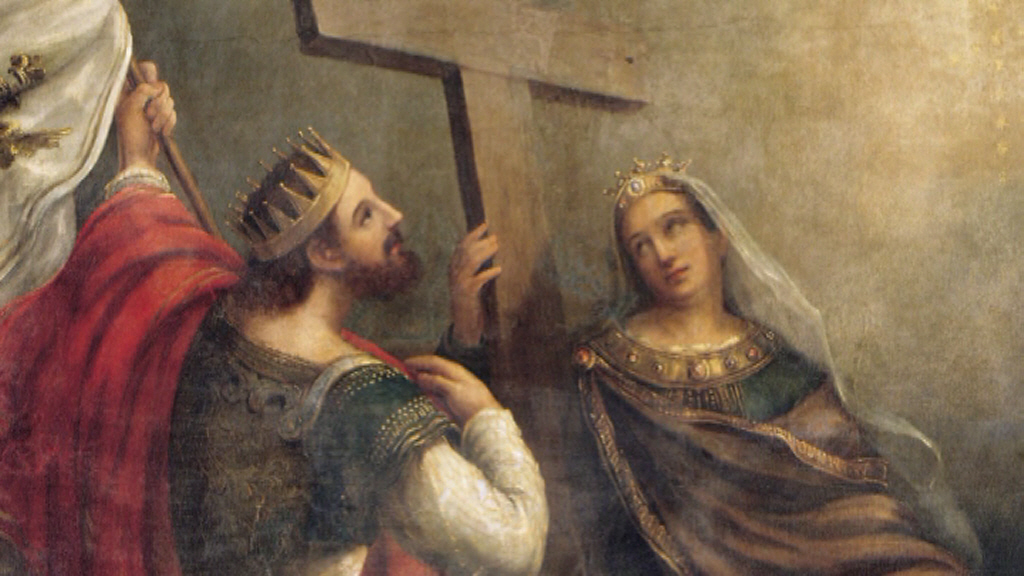
 She married a Roman General, Constantius Chlorus and became the mother of Constantine the Great. She embraced Christianity late in life but her incomparable faith and piety greatly influenced her son Constantine, the first Christian emperor and served to kindle a holy zeal in the hearts of the Roman people. Forgetful of her high dignity, she delighted to assist at the Divine Office amid the poor and by her alms deeds showed herself a mother to the indigent and distressed.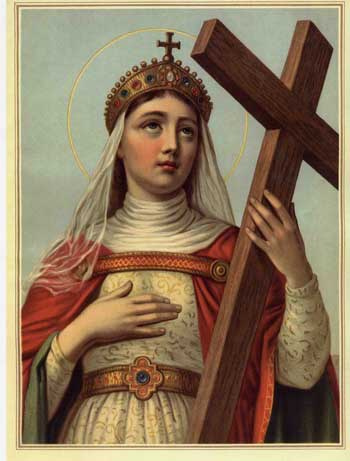
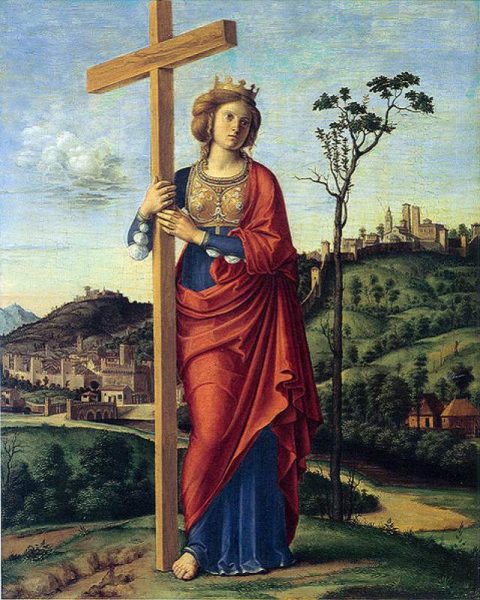
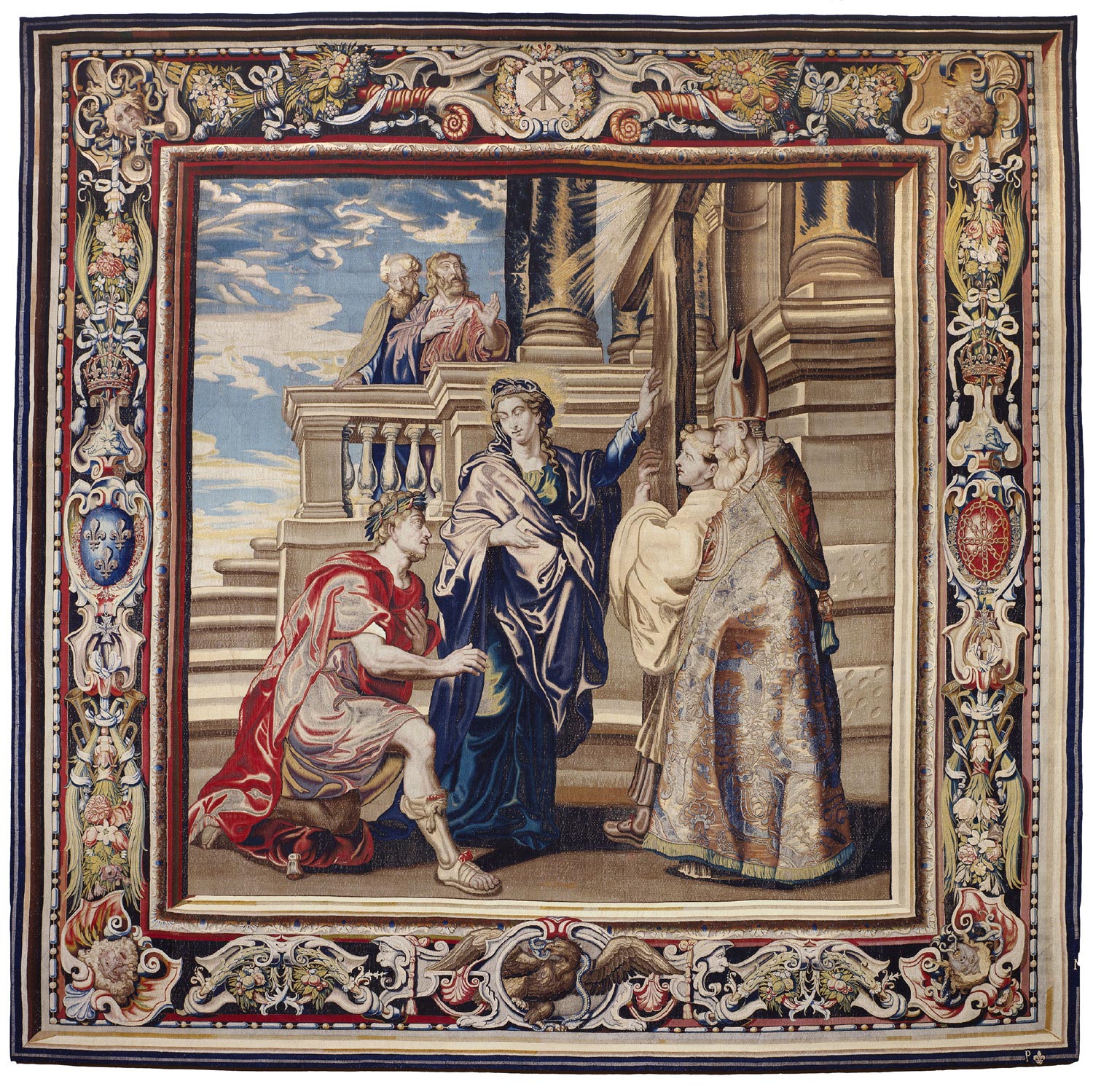
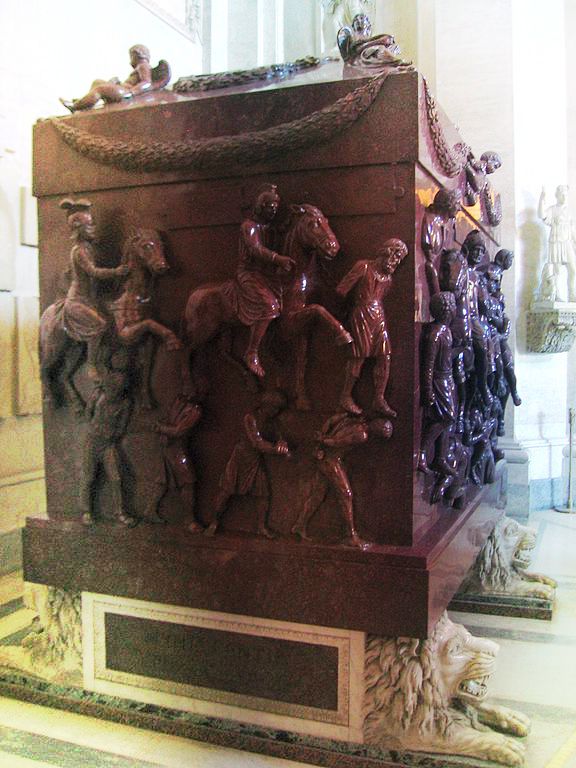
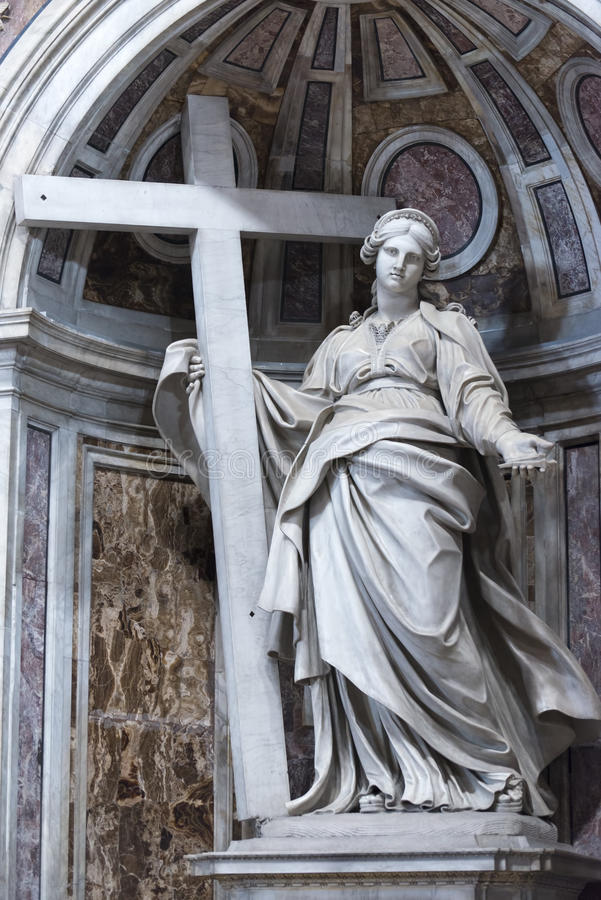
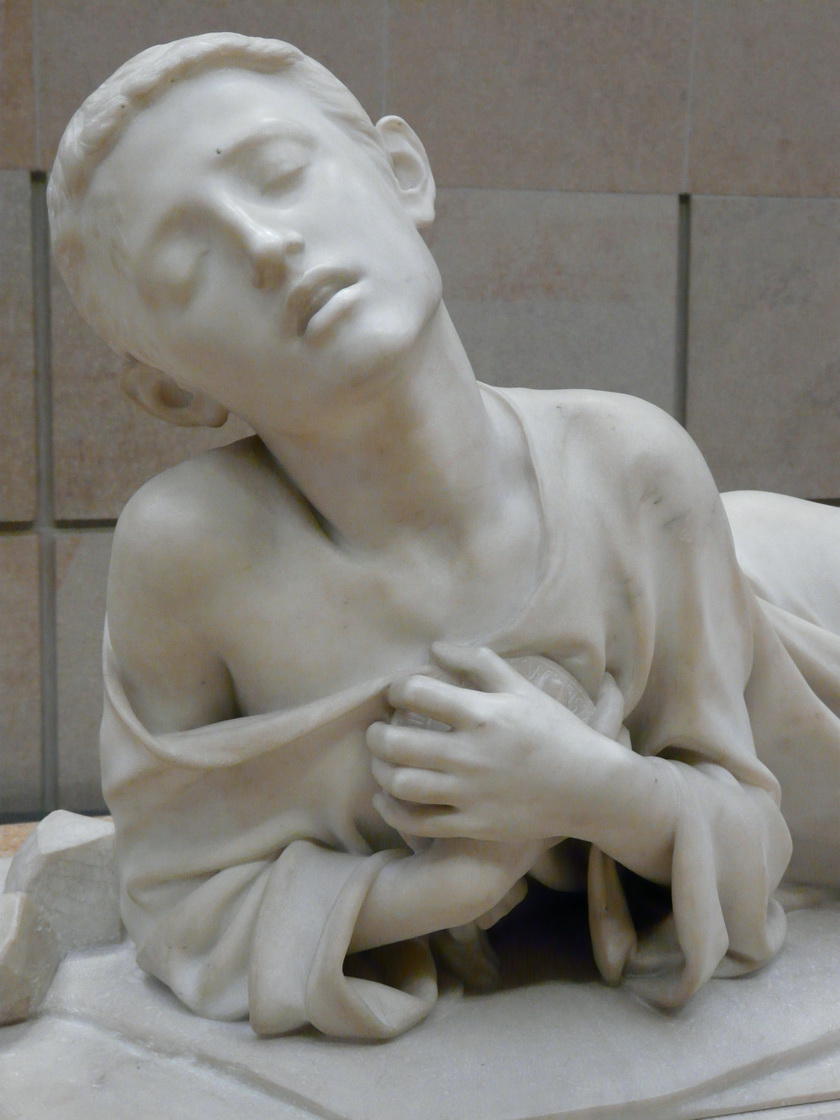
 Convinced, the priest entrusted to him the precious Bread, saying: “Tarcisius, remember that a heavenly treasure has been entrusted to your weak hands. Avoid crowded streets and do not forget that holy things must never be thrown to dogs nor pearls to pigs. Will you guard the Sacred Mysteries faithfully and safely?”. “I would die”, Tarcisio answered with determination, “rather than let go of them”.


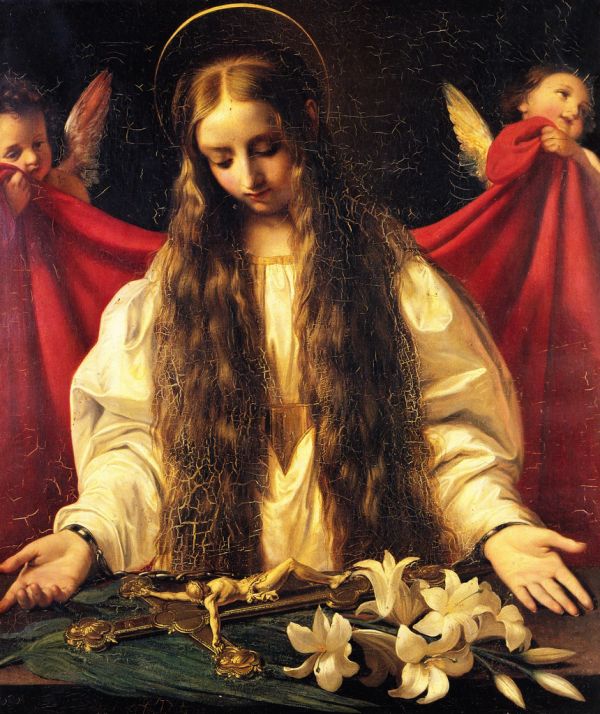
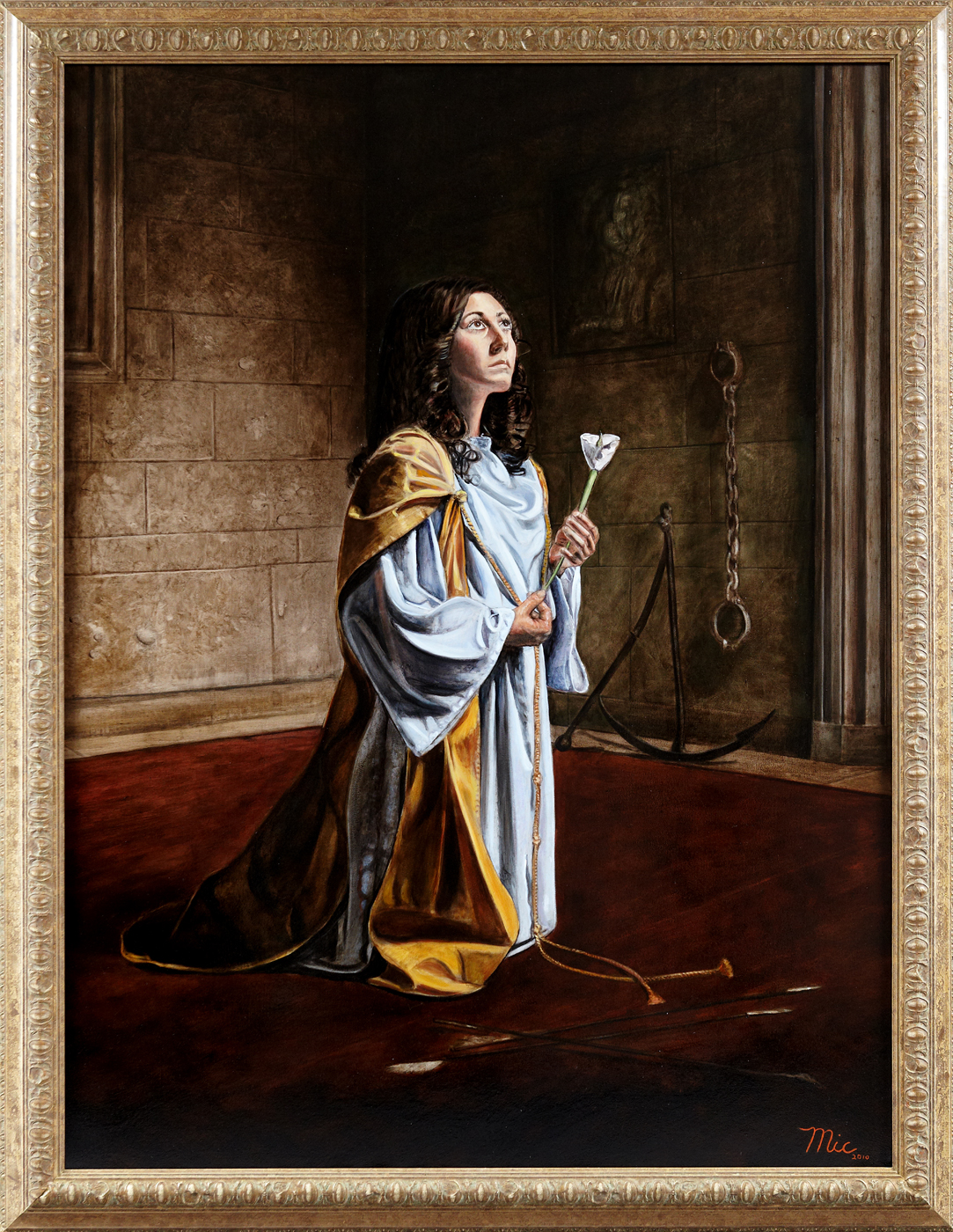
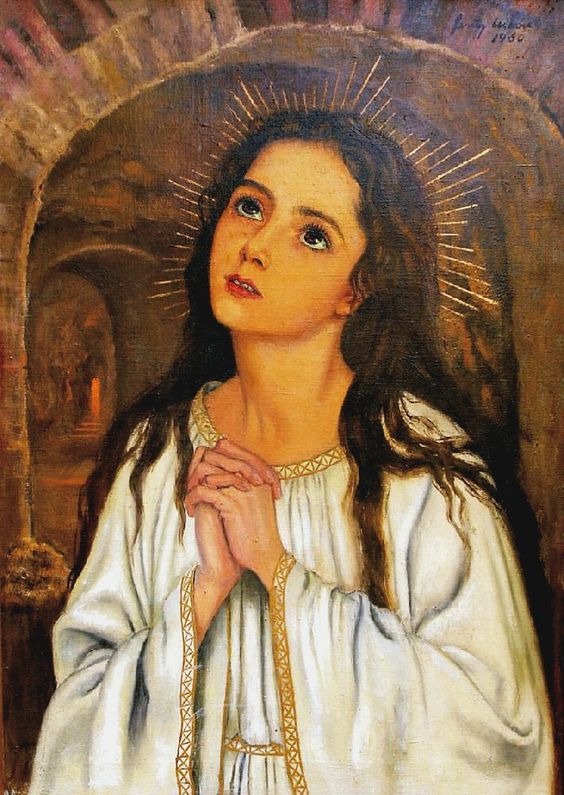
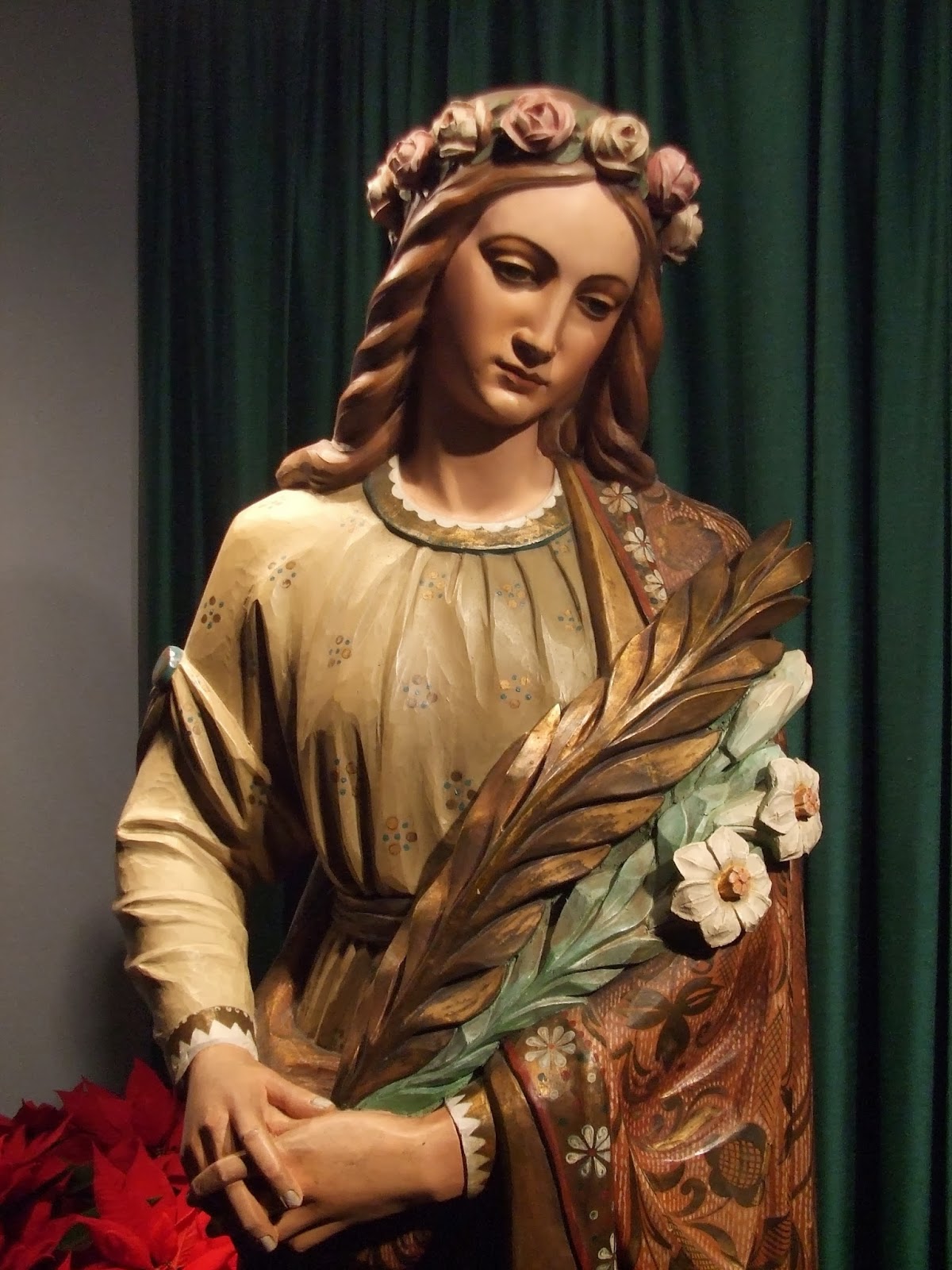
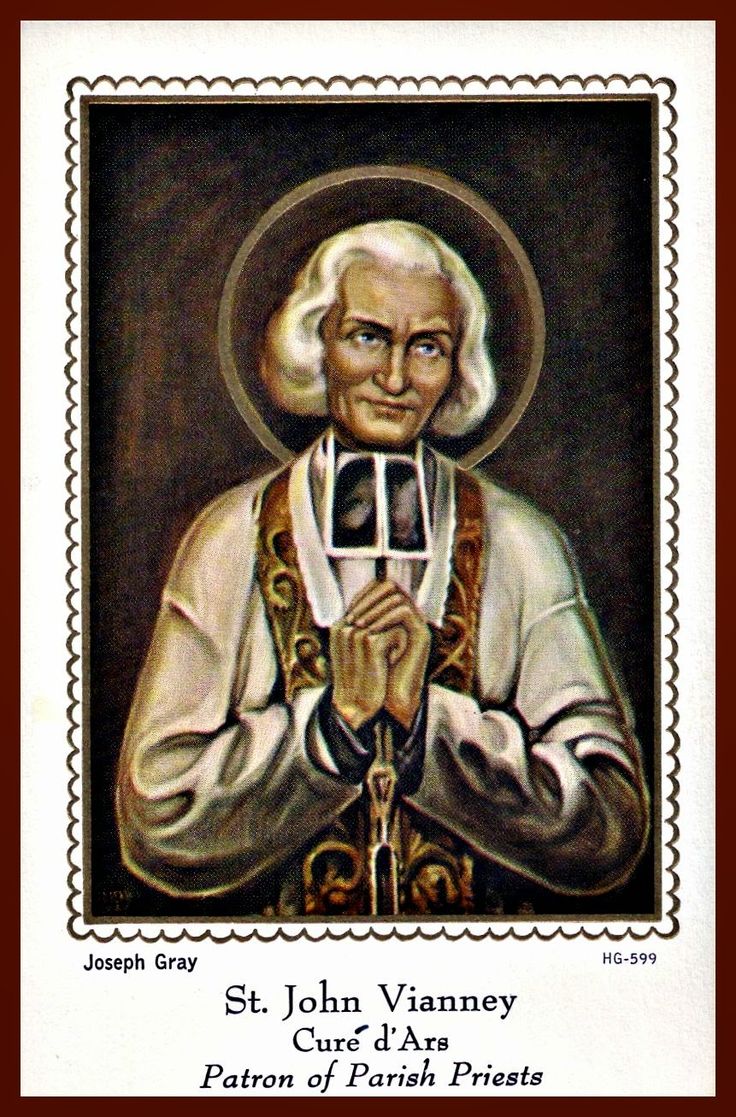
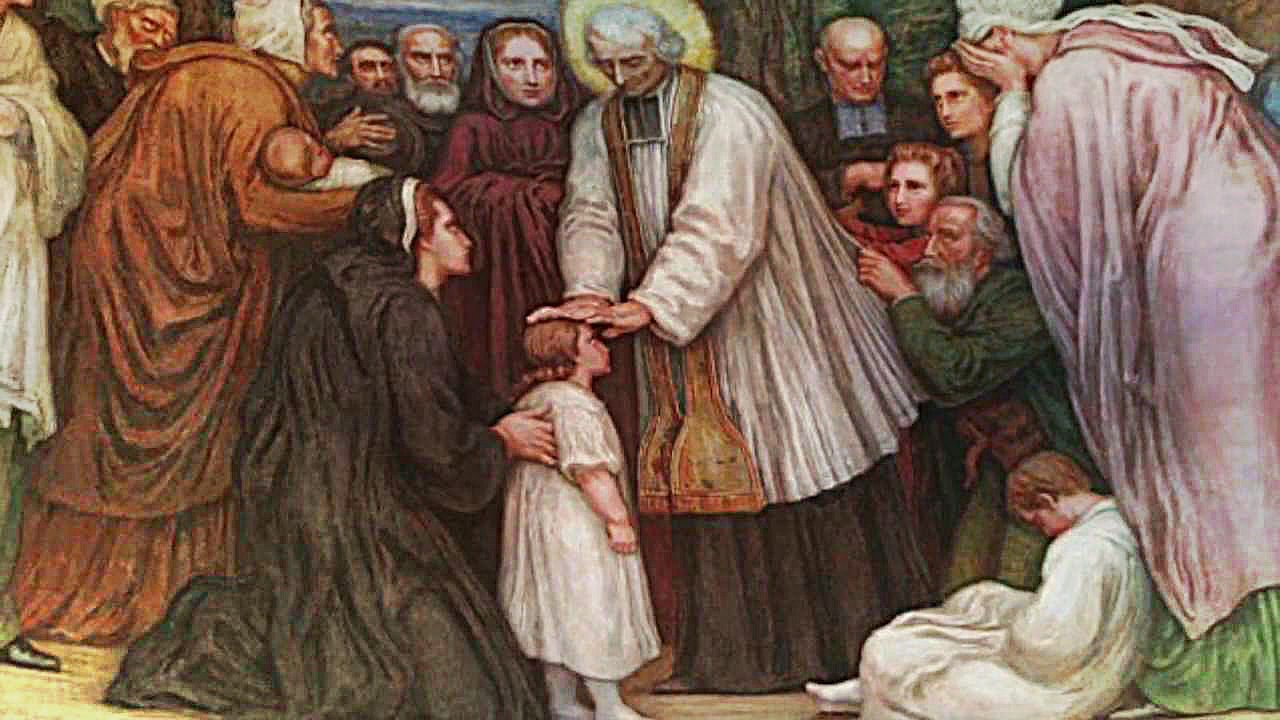
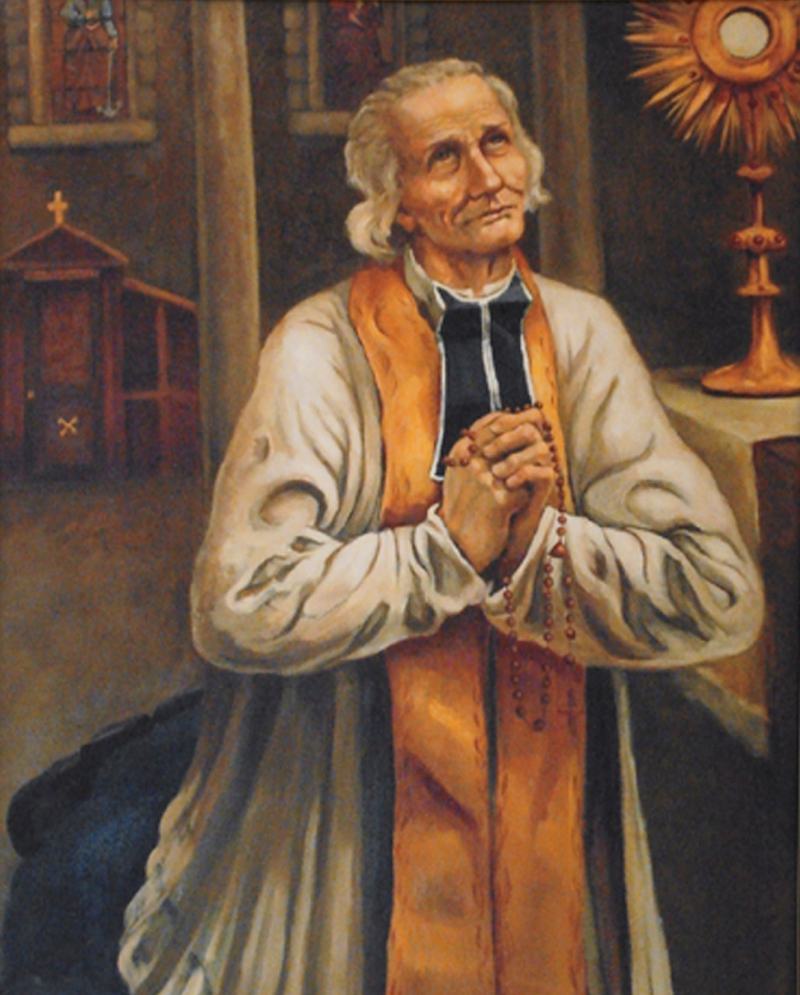
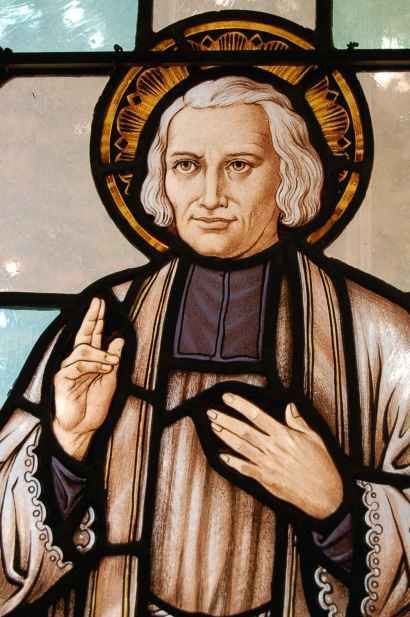
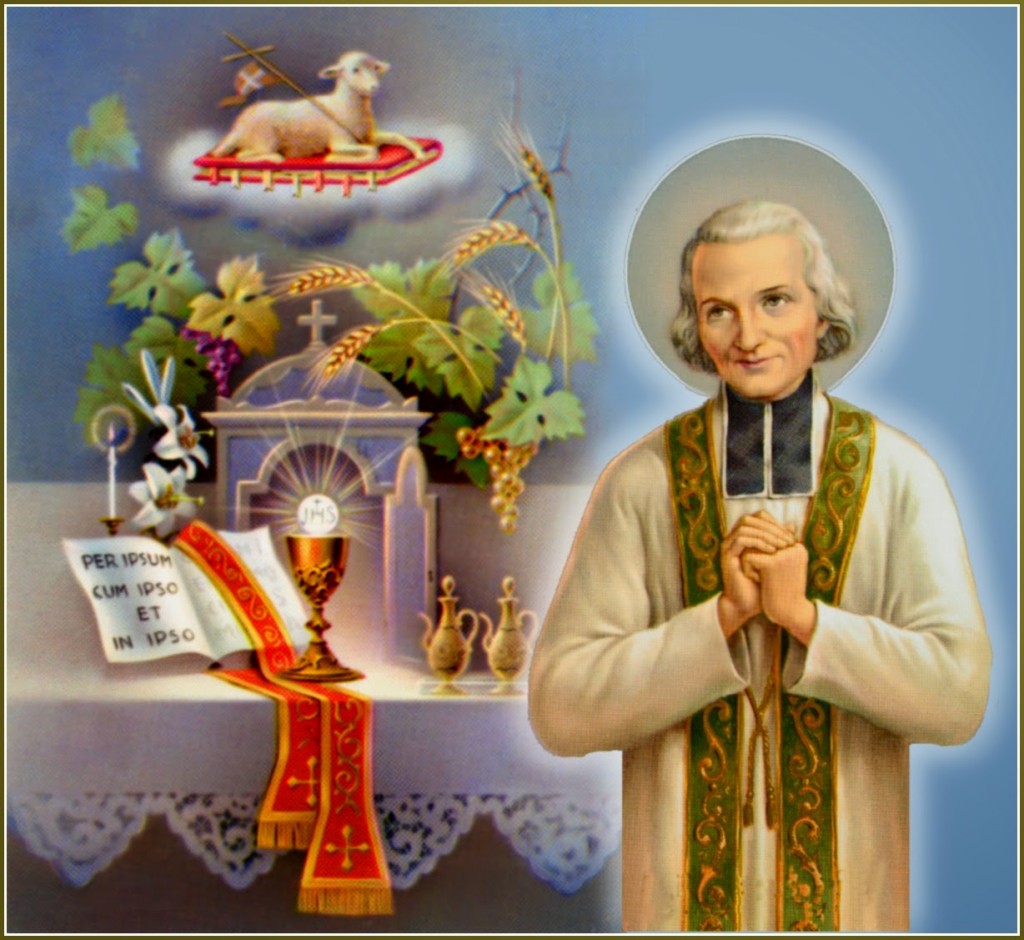
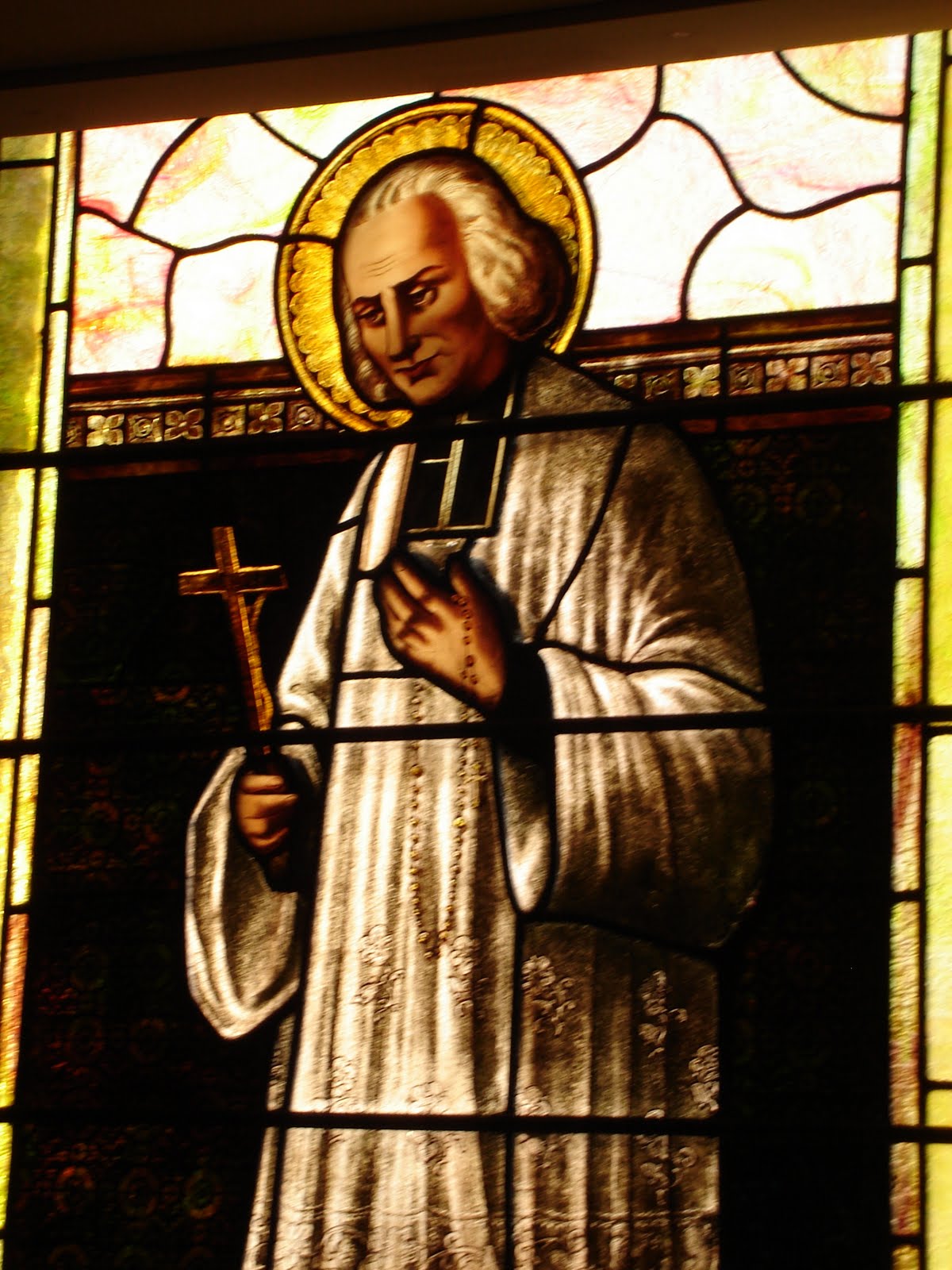
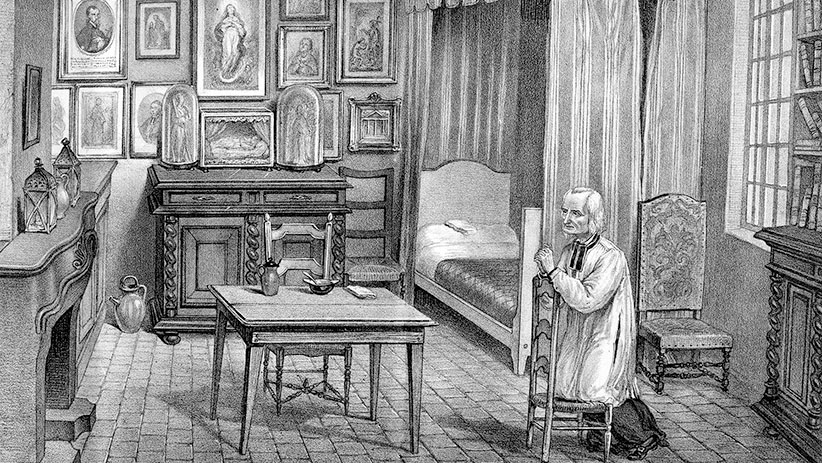
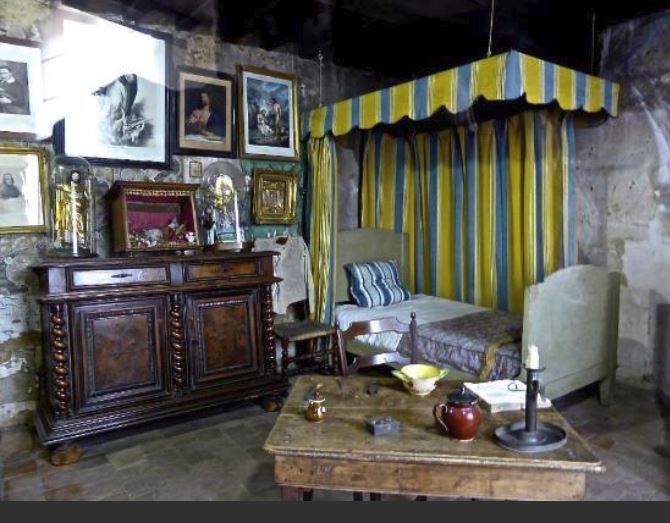
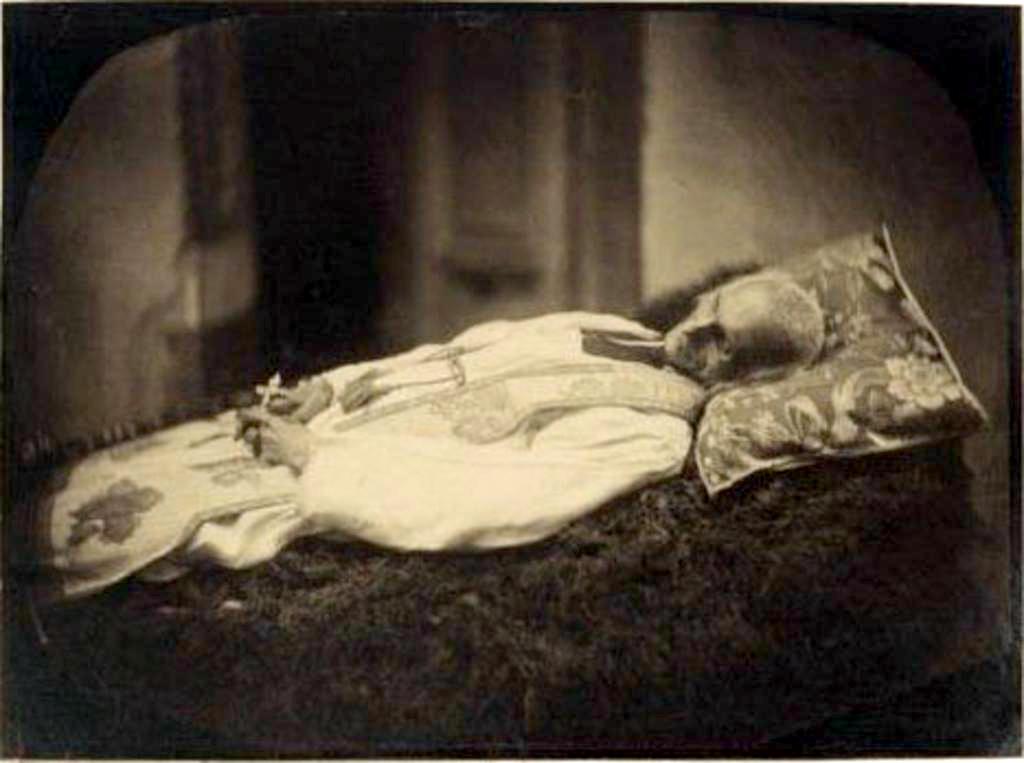
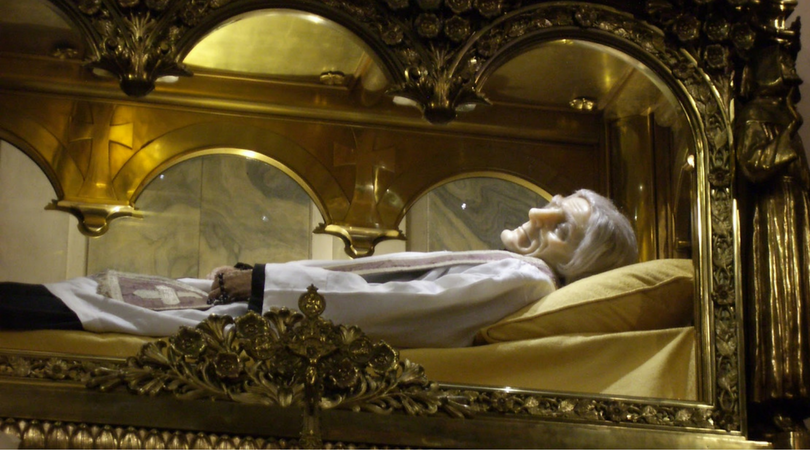
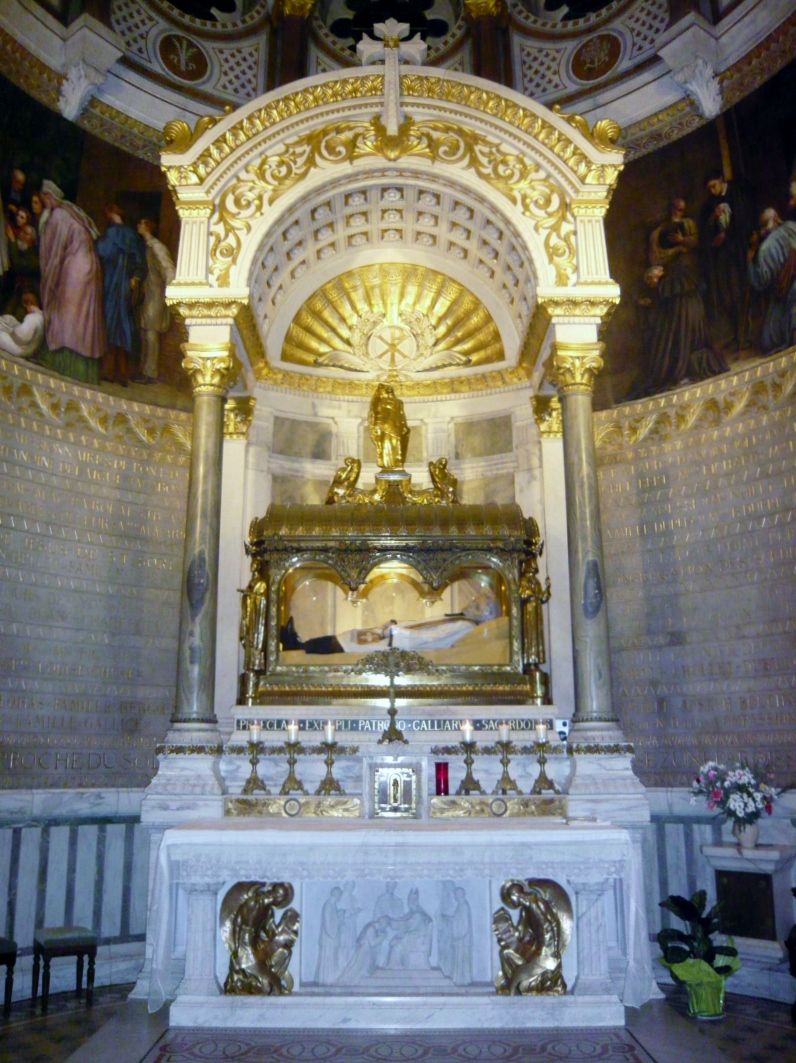
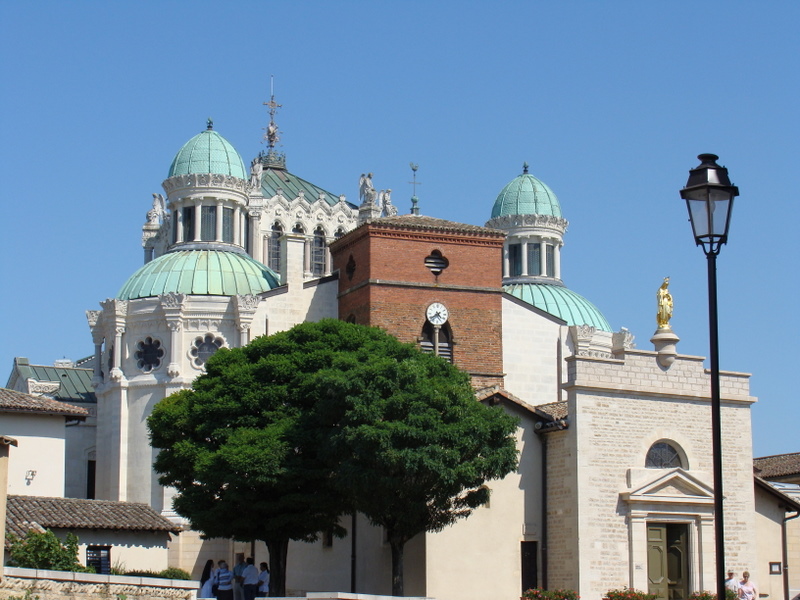
 AnaStpaul
You must be logged in to post a comment.