Saint of the Day – 14 April – St Benezet the Bridge Builder (c 1163-1184) Shepherd, Mystic, miracle-worker, Founder of the Fratres Pontifices – the Bridge-Building Brotherhood. St Benezet is also known as Benezet of Hermillon, Benedict, Bennet, Benet, Benoit, Little Benedict the Bridge Builder. Born in c 1163 at Hermillon, Savoy, France and died in 1184. Patronages – Avignon, bachelors, bridge-builders and construction workers. His body is incorrupt.
St Benezet, also known as Little Benedict the Bridge Builder, was born somewhere in the countryside of eastern or northeastern France. As he grew up he tended his mother’s sheep. Though uneducated and unskilled, gentle Benedict was a quiet, devout youth, thoughtful of others.
One day in 1177, while the sun was in eclipse, Benezet heard a voice, he believed was Jesus, commanding him three times to go to Avignon, where the Rhone current was especially swift and to build a bridge there. He was also told that angels would watch over his flocks in his absence.
He obeyed the Divine order, without delay and reported immediately to the Bishop of Avignon. Naturally, the Bishop was hesitant about accepting the word of the frail teenager. But little Benezet lifted a massive stone to begin the work and announced that it would be the start of the foundation. This would become the Pont Saint-Bénézet. Thus he succeeded in convincing the Bishop that the construction of the bridge would be an act of true Christian charity. Permission was granted and the youth set about his task. According to the legend, there were shouts of “Miracle! Miracle!” when Bénézet had lifted and laid that first huge stone. Eighteen miracles occurred in total during the project – the blind had their vision restored, the deaf could hear again, cripples could walk and hunchbacks had their backs straightened.
For the next seven years Benedict worked hard on the project and around 1181 he won support for his project from wealthy sponsors who formed themselves into a Bridge Brotherhood to fund its construction. This was a religious association active during the 12th and 13th centuries and begun in Avignon but by it’s inspiration, it spread across Europe and whose purpose was building bridges, especially to assist pilgrims. It was customary for a bishop to grant indulgences to those who, by money or labour, contributed to the construction of a bridge. They also maintained and/or built hospices at the chief fords of the principal rivers, besides building bridges and looking after ferries. The Brotherhood consisted of three branches– knights, clergy and artisans, where the knights usually had contributed most of the funds and were sometimes called donati, the clergy were usually monks who represented the church and the artisans were the workers who actually built the bridges. Sisters are sometimes mentioned as belonging to the same association. In addition to the construction of bridges, the brotherhood often attended to the lodging and care of pilgrims and travellers and the collection of alms, in this area, the sisters were most active.
In 1184, sadly, young Benezet died, some four years before the great stone bridge at Avignon was completed. The wonders that occurred during the bridge’s erection and the miracles wrought at the Bridge Builder’s tomb convinced the people of Avignon that the young man was a Saint and he was referred to as such as early at 1237. They, therefore, built a Chapel on the “Bridge of St Benezet” to enshrine his relics . There the body was venerated until 1669, when floodwaters carried away a large segment of the bridge. His remains were rescued from the flood and on examination, were found to be incorrupt. Now they repose in the local church of St Didier.
Understandably, bridge builders adopted little Benedict as their Patron Saint. The remains of the bridge still remain a pilgrimage site. Below are artworks and images showing the bride through the ages. The last shows it as it is today, only about half is left and that half if filled with pilgrims.
This slideshow requires JavaScript.
St Benezet’s bridge has another claim to fame – it achieved worldwide fame through its commemoration by the song “Sur le Pont d’Avignon” (“On the Bridge of Avignon”).
One can build in a figurative as well as a literal sense. Bishops, the pope in particular, are often called “pontiffs”, a title derived from the Latin word for “builder of bridges”. Building bridges between God and mankind is their special calling. Our Lord Himself was a “pontiff” in the sense that He made his Cross a bridge, on which souls could enter heaven. The beatitude “Blessed are the peacemakers” promises heaven to those who work for reconciliation, that is, “build bridges”.
Some persons labour to raise walls, or “iron curtains” to divide mankind. Others labour to tear down the walls that divide, straighten the paths that connect, bridge the crevices that separate people. Surely they come close to fulfilling the great commandment to love our neighbour as oneself. St Benezet was one such. He promoted the unity of God’s children. Little St Benezet, Pray for us!
Saint of the Day – 19 March – Blessed Sibyllina Biscossi (1287-1367) OP Blind Dominican Virgin and Recluse, Penitent, Miracle-worker – also known as Sibyllina of Pavia, Sybil – Additional Memorials – 20 March (Pavia, Italy) and 23 March (Order of Preachers). Patronages – Children whose parents are not married, illegitimacy, loss of parents, housemaids. Her body is incorrupt.
The Roman Martyrology says of her – In Pavia, in Lombardy, Blessed Sibyllina Biscossi, Virgin, who became blind at the age of twelve, spent sixty-five years imprisoned alongside the Church of the Order of Preachers, shining with its interior light many who flocked to it.
“All things work for the good of those who love the Lord and are called according to His purpose” (Romans 8:28). How many of us would have the faith to trust in God’s providence as did this holy woman? As Mother Angelica has witnessed, true faith is knowing that when the Lord asks you to walk into the void, He will place a rock beneath your feet. True faith is to be able to praise God in all things, to say with Job, “The Lord gives and the Lord takes away. Blessed be the name of the Lord” (Job 1:21).
Sybillina’s parents died when she was tiny and as soon as she was old enough to be of use to anyone, the neighbours, who had taken her in at the time she was orphaned, put her out to work. She must have been very young when she started to work, because at the age of 12, when she became blind and could not work any more, she already had several years of work behind her.
The cause of her blindness is unknown but the child was left doubly destitute with the loss of her sight. The local chapter of the Dominican tertiary sisters took compassion on the child and brought her home to live with them. After a little while of experiencing their kind help, she wanted to join them. They accepted her, young though she was, more out of pity than in any hope of her being able to carry on their busy and varied apostolate.
They were soon agreeably surprised to find out how much she could do. She learned to chant the Office quickly and sweetly and to absorb their teaching about mental prayer as though she had been born for it. She imposed great obligations of prayer on herself, since she could not help them in other ways. Her greatest devotion was to Saint Dominic and it was to him she addressed herself when she finally became convinced that she simply must have her sight back so that she could help the sisters with their work.
Praying earnestly for this intention, Sybillina waited for his feast day. Then, she was certain, he would cure her. Matins came and went with no miracle, little hours, Vespers– and she was still blind. With a sinking heart, Sybillina knelt before Saint Dominic’s statue and begged him to help her. Kneeling there, she was rapt in ecstasy and she saw him come out of the darkness and take her by the hand.
He took her to a dark tunnel entrance and she went into the blackness at his word. Terrified but still clinging to his hand, she advanced past invisible horrors, still guided and protected by his presence. Dawn came gradually and then light, then a blaze of glory. “In eternity, dear child,” he said. “Here, you must suffer darkness so that you may one day behold eternal light.”
Sybillina, the eager child, was replaced by a mature and thoughtful Sybillina who knew that there would be no cure for her, that she must work her way to heaven through the darkness. She decided to become a anchorite and obtained the necessary permission. In 1302, at the age of 15, she was sealed into a tiny cell next to the Dominican church at Pavia. At first she had a companion but her fellow recluse soon gave up the life. Sybillina remained, now alone, as well as blind.
The first seven years were the worst, she later admitted. The cold was intense and she never permitted herself a fire. The church, of course, was not heated and she wore the same clothes winter and summer. In the winter there was only one way to keep from freezing–keep moving–so she genuflected and gave herself the discipline. She slept on a board and ate practically nothing. To the tiny window, that was her only communication with the outside world, came the troubled and the sinful and the sick, all begging for her help. She prayed for all of them and worked many miracles in the lives of the people of Pavia.
One of the more amusing requests came from a woman who was terrified of the dark. Sybillina was praying for her when she saw her in a vision and observed that the woman–who thought she was hearing things–put on a fur hood to shut out the noise. The next day the woman came to see her and Sybillina laughed gaily. “You were really scared last night, weren’t you?” she asked. “I laughed when I saw you pull that hood over your ears.” The legend reports that the woman was never frightened again.
Sybillina had a lively sense of the Real Presence and a deep devotion to the Blessed Sacrament. One day a priest was going past her window with Viaticum for the sick, she knew that the host was not consecrated and told him so. He investigated and found he had indeed taken a host from the wrong container.
Sybillina lived as a recluse for 65 years. She followed all the Masses and Offices in the church, spending what few spare minutes she had working with her hands to earn a few alms for the poor.
She is buried in the Dominican church in Pavia
Her cultus was confirmed in 1853 by Pope Pius IX and she was Beatified by him on 17 August 1854.
From the General Calendar of the Order of Preachers on her Feast Day:
Let us Pray: O God, who wast pleased to enlighten the soul of Blessed Sibyllina, Thy Virgin , with admirable splendour, though she was deprived of bodily sight, grant, through her intercession, that, enlightened with light from above, we may despise earthly things and earnestly strive after those that are eternal. Through Christ our Lord. Amen.
O Lord, enkindle our hearts with the fire of the Spirit, who wonderfully renewed Blessed Sibyllina. Filled with that heavenly light may we come to know Jesus Christ crucified and always grow in Your love. We ask this through our Lord Jesus Christ, Your Son, who lives and reigns with You and the Holy Ghost, one God, forever and ever.
Saint of the Day – 14 March – Saint Leobinus of Chartres (Died c 558) Bishop of Chartres, Abbot, Hermit, Miracle worker – he had the gift of healing, especially of dropsy or edema – born as Lubin at Poitiers, France and died on 14 March 558 of natural causes. Patronages – against dropsy/oedema, against rheumatism, of innkeepers and wine merchants.
Leobinus’s parents were peasants from the region of Poitiers in France. As a young boy, Leobinus had an aptitude for learning and applied to a monastery where he was employed in menial tasks.
His work occupied him the entire day and he was obliged to do most of his studying at night, screening his candle as best he could. The monks complained that the light disturbed their slumbers but by much humility and perseverance Lubin advanced in knowledge.
He eventually joined the monastery and, probably at the suggestion of St Carilef, for a time lived as a hermit under the guidance of St Avitus. Later, he settled in an abbey near Lyons, remaining for five years.
In a war between the Franks and the Burgundians this monastery was raided and all the monks fled with the exception of Leobinus and an old monk. The enemy, unable to extort from Leobinus the location of the monastery’s “treasure”, tortured him by first strangling him with a rope and then by tying his feet and dipping him, head first, into the river. Left for dead, he recovered and was received in the monastery of Le Perche.
After Avitus died, Leobinus continued living as a hermit until he was ordained by Bishop. Aetherius of Chartres, who appointed him Abbot of Brou. He served until apparently deciding he did not like administrative duties. So he left to become a monk at Lérins.
He remained there until St Caesarius, the Bishop of Arles and a former monk at Lérins convinced him to return to Brou, rather than to leave his people “like sheep without a shepherd.”
Leobinus participated in the Fifth Council of Orleans and in the Second Council of Paris and died on March 14, about the year 558, after a long illness. He was buried at the Church named for him in Chassant, Eure-et-Loir, France.
Saint of the Day – 24 January – Blessed Paola Gambara Costa TOSF (1463-1515) a Countess and member of the Third Order of St Francis, Laywoman, mother, widow, apostle of the poor and sick – born on 3 March 1463 in Verola Alghise (modern Verolanuova), Brescia, Duchy of Milan (in modern Lombardy, Italy) and died on 24 January 1515 in Binaco, Duchy of Milan (in modern Lombardy, Italy) of a fever. Patronages – Widows, Married couples, Franciscan tertiaries, difficult marriages, victims of adultery. Additional memorial – 23 January in Brescia.
Paola Gambara Costa was born on 3 March 1463 in Brescia as the first of seven children to the nobles Giampaolo Gambara and Taddea Caterina Martinengo.
In her childhood she delighted in spiritual reading and reflection on the Gospel and harboured an ardent desire to become a nun later in life. But this dream was cut short when her parents decided to arrange her marriage to Count Lodovico Antonio Costa – the Lord of Benasco – and she saw this as the will of God manifesting itself and so complied with the wishes of her parents. The marriage came about after Count Bongiovanni Costa visited her parents and was struck with her virtue and so wanted her as his nephew Lodovico Antonio’s wife. Her decision to become a nun worried the count who sent her to Blessed Angelo Carletti – a Franciscan priest – who persuaded her that marriage was a call from God to embrace a different kind of life still in accordance with Christian values.
The pair married in autumn 1485 and the pair travelled to the small Benasco province for the ensuring celebrations. She endured her new husband’s expensive tastes, seeing it as her role to be faithful to him, even if she did not live the excessively luxurious life herself.
Her confessor around this time was Father Crescenzio Morra from Bene though she later reconnected with Carletti who became her friend and spiritual advisor as well as a confessor. Carletti kept her on the path of virtue and advised her to enrol in the Third Order of Saint Francis, while learning to appreciate the poor and to detest the lavishness of the secular world. She joined in 1491 with the permission of her husband. Gambara often deprived herself of food in order to bring it to the sick and on one occasion took off her shoes and gave it to an old woman who was struggling barefoot through the snow.
In 1488 she gave birth to her sole child Giovanni Francesco and named him in honour of Saint Francis of Assisi. To mark this occasion, she managed to persuade her husband to distribute large amounts of food to the poor of their area.
But her excessive charitable works and almsgiving soon vexed her husband, who reproached her for her conduct and ridiculed her in front of their servants and the servants followed their master’s example and joined in ridiculing their mistress.
Costa soon acquired a mistress – the daughter of the Podestà of Carrù – and he allowed her to live in the castle in 1494 even though Paola resided there. In 1495 her son left for Chieri for his education and Father Carletti died on 11 April 1495. She attended his funeral in Cuneo – he had died at the convent of Sant’Antonio where he had fallen ill.
In 1500 she reunited with her parents and siblings when she returned to her hometown on a brief visit. In 1504 her late husband’s mistress fell ill with abdominal pains and it was Paola who comforted her and forgave her as she died. Also in 1504 her son – now a page – returned to his home.
Her husband later repented and approved her good works and also consented to her wearing the habit of her order in public. Costa became ill in 1504 and she began to tend to him. The two travelled to Cuneo to ask for the intercession of her former confessor Carletti and when her husband was healed, attributed the healing to him – Costa celebrated a banquet in commemoration of this and undertook a pilgrimage to the priest’s grave in thanksgiving with his wife at his side. This conversion was short-lived however, for her husband died not long after in 1504.
On 14 January 1515 she was struck with an extreme fever that caused her great pain and she died on 24 January 1515 in the town of Binasco in Milan after having confessed and received the Eucharist for the final time.
Blessed Paola was buried in a church outside the walls of convent of Rocchetta that she had helped re-build. When the church was destroyed in 1536 during a war between Francis I and Charles V, Paola’s body was re-interred in the nearby castle and later enshrined in a chapel built by the Counts of Costa in the Franciscan monastery of Bene Vagienna.
Her Beatification received formal ratification on 14 August 1845 once Pope Gregory XVI issued a decree that recognised that there existed an enduring and longstanding local ‘cultus’.
Saint of the Day – 3 January – Saint Genevieve (c 419-c 502) Virgin, apostle of prayer and of the poor and sick – Patronages – against plague, against natural disasters, against fever, French security forces (chosen in 1962), Paris, France, Women’s Army Corps. In 451 she led a “prayer novena” that was said to have saved Paris by diverting Attila’s Huns away from the city. When the Germanic king Childeric I besieged the city in 464, she acted as an intermediary between the city and its besiegers, collecting food and convincing Childeric to release his prisoners. Her following and her status as patron saint of Paris were promoted by Clotilde – Princess and Saint (c 474-545), who may have commissioned the writing of her vita.
On his way to combat heresy in Britain, St Germanus of Auxerre (c 378-c 448) made an overnight stop at Nanterre, France. In the crowd that gathered to hear him speak, Germanus spotted Genevieve, a beautiful 7-year-old girl and he foresaw her future holiness. When he asked little St Genevieve if she wanted to dedicate her life to God, she enthusiastically said yes. So he laid hands on her with a blessing, thus launching the spiritual career of one of France’s most admired saints.
Saint Genevieve, seventeenth-century painting, Musée Carnavalet, Paris
St Genevieve was born around the year 420 in the small French village of Nanterre. After both of her parents died, she went to live with her godmother in Paris. She was admired for her piety and works of charity and she practised corporal austerities which included abstaining completely from meat and breaking her fast only twice in the week. Many of her neighbours, filled with jealousy and envy, accused Genevieve of being an impostor and a hypocrite.
At 15, Genevieve formally consecrated herself as a virgin but continued to live as a laywoman. Because of her generous giving to the poor, she became widely known in the vicinity around Paris. At first, however, Genevieve met great hostility. But St Germanus defused it by authorising her with public signs of his support.
Once when the Franks were besieging Paris, Genevieve rescued the city from starvation by leading a convoy of ships up the Seine to Troyes to obtain food. In this selection from her biography, we learn that she had to work a miracle to bring it home safely:
During the return voyage, however, the ships were so buffeted by the wind . . . that the high holds fore and aft in which they had stored the grain tipped over on their sides. And the ships filled with water. Quickly Genovefa, her hands stretched toward heaven, begged Christ for assistance. Immediately the ships were righted. Thu,s through her, our God . . . saved eleven grain-laden ships. . . .
When she returned to Paris, her sole concern was to distribute the grain to all according to their needs . She made it her first priority to provide a whole loaf to those whose strength had been sapped by hunger. Thus, when her servant girls went to the ovens they would often find only part of the bread they had baked. . . . But it was soon clear who had taken the bread from the ovens for they noticed the needy carrying loaves throughout the city and heard them magnifying and blessing the name of Genevieve. For she put her hopes not in what is seen but in what is not seen. For she knew the Prophet spoke truly who said: “Whoever is kind to the poor is lending to God” (Proverbs 19:17). For through a revelation of the Holy Spirit she had once been shown that land, where those who lend their treasure to the poor expect to find it again. And for this reason, she was accustomed to weep and pray incessantly, for she knew that as long as she was in the flesh she was exiled from the Lord.
From that time Genevieve enjoyed a heroine’s status and used her influence and wonders on the city’s behalf. For example, she persuaded Childeric, who had conquered Paris, to release many captives. And in 451, when Attila the Hun was advancing on the city, she got the populace to pray and fast for their safety. The invader changed his course and Paris was spared. She also became a trusted adviser to Clovis, the king of the Franks.
St Genevieve had a particular devotion to St Denis (died 3rd century) and wished to erect a chapel in his honour to house his relics. Around the year 475 Genevieve purchased some land at the site of the saint’s burial where a shrine was built. This small chapel became a famous place of pilgrimage during the fifth and sixth centuries.
When Genevieve died around 500, she was buried in the church of Sts Peter and Paul at Paris. So many miracles occurred through her intercession there that it became a pilgrimage spot and came to be called St Genevieve.
St Genevieve’s Tomb
The King, Clovis, founded an abbey for St Genevieve, where she was later re-interred. Under the care of the Benedictines, who established a monastery there, the church witnessed numerous miracles wrought at her tomb. In the year 1129, the city was saved from an epidemic, the relics of St Genevieve were carried in a public procession.
About 1619 Louis XIII named Cardinal François de La Rochefoucauld abbot of Saint Genevieve’s. The canons had been lax and the cardinal selected Charles Faure to reform them. This holy man was born in 1594 and entered the canons regular at Senlis. He was remarkable for his piety and, when ordained, succeeded after a hard struggle in reforming the abbey. Many of the houses of the canons regular adopted his reform. In 1634, he and a dozen companions took charge of Saint-Geneviève-du-Mont of Paris. This became the mother-house of a new congregation, the Canons Regular of St Genevieve, which spread widely over France.
Saint of the Day – 4 December – Saint Barbara (3rd Century) Martyr – died by being beheaded by her father c 235 at Nicomedia during the persecution of Maximinus of Thrace. Patronages – against death by artillery, against explosions, against fire, against impenitence, against lightning, against storms ,against vermin, ammunition workers, architects, armourers, artillerymen, boatmen, bomb technicians. brass workers, brewers, builders, carpenters, construction workers, dying people, fire prevention, firefighters, fireworks manufacturers, fortifications, foundry workers, geologists, gravediggers, gunners, hatmakers, mariners, martyrs, masons, mathematicians, miners, ordnance workers, prisoners, saltpetre workers, smelters, stonecutters, Syria, tilers, warehouses, 8 Cities. Saint Barbara is one of the Fourteen Holy Helpers. Her association with the lightning, which killed her father has caused her to be invoked against lightning and fire. By association with explosions, she is also the patron of artillery and mining.
St Barbara with her attributes – three-windowed tower, central panel of St Barbara Altarpiece (1447), National Museum in Warsaw
Because of doubts about the historicity of her legend, she was removed from the General Roman Calendar in the 1969 revision, though not from the Catholic Church’s list of saints.
Saint Barbara is often portrayed with miniature chains and a tower. As one of the Fourteen Holy Helpers, Barbara continues to be a popular saint in modern times. A 15th-century French version of her story credits her with thirteen miracles, many rest upon the security she offered, that her devotees would not die before getting to make confession and receiving extreme unction.
According to the hagiographies, Barbara, the daughter of a rich pagan named Dioscorus, was carefully guarded by her father who kept her locked up in a tower in order to preserve her from the outside world. Having secretly become a Christian, she rejected an offer of marriage that she received through her father.
Before going on a journey, her father commanded that a private bath-house be erected for her use near her dwelling and during his absence, Barbara had three windows put in it, as a symbol of the Holy Trinity, instead of the two originally intended. When her father returned, she acknowledged herself to be a Christian, whereupon he drew his sword to kill her but her prayers created an opening in the tower wall and she was miraculously transported to a mountain gorge, where two shepherds watched their flocks. Dioscorus, in pursuit of his daughter, was rebuffed by the first shepherd but the second betrayed her. For doing this, he was turned to stone and his flock was changed to locusts.
Dragged before the prefect of the province, Martinianus, who had her cruelly tortured, Barbara remained faithful to her Christian faith. During the night, the dark prison was bathed in light and new miracles occurred. Every morning, her wounds were healed. Torches that would be used to burn her, were extinquished as they approached her. Finally, she was condemned to death by beheading. Her father himself carried out the death-sentence. However, as punishment, he was struck by lightning on the way home and his body was consumed by flame. Barbara was buried by a Christian, Valentinus and her tomb became the site of miracles. This summary omits picturesque details, supplemented from Old French accounts.
According to the Golden Legend, her martyrdom took place on 4 December “in the reign of emperor Maximianus and Prefect Marcien” (r. 286–305); the year was given as 267 in the French version.
Feast of St Andrew, Apostle of Christ, Martyr – 30 November
Saint Andrew was the brother of the Apostle Peter and like his brother was born in Bethsaida of Galilee (where the Apostle Philip was also born). While his brother would eventually overshadow him as the first among the apostles, it was Saint Andrew, a fisherman like Peter, who (according to the Gospel of John) introduced Saint Peter to Christ.
St Andrew was a fisherman who lived in Galilee during the time of Jesus. He followed John the Baptist and listened to his teachings. One day, John saw Jesus walking along the road. John said to his followers, “Behold the Lamb of God.” He told his followers to go and talk to Jesus. He wanted them to know that Jesus was the One for whom they had been waiting. Andrew and another disciple followed Jesus and spent an afternoon with him. Early the next day Andrew found Simon Peter, his brother and told him, “We have found the Messiah.”
Both men gave up their work as fishermen to become apostles of Jesus. Andrew was one of the first to be called. He seemed to take delight in bringing others to Jesus.
Andrew was the one who told Jesus about the little boy who had the loaves of bread and the fish, the beginning of a meal that fed more than five thousand people.
It was Andrew and Philip whom the Greeks approached when they wanted to see Jesus. These events indicate that Andrew was a man who was easy to approach, a man you could trust.
Like the other apostles, Andrew became a missionary. He preached about Jesus in the area around the Black Sea. Tradition tells us he preached in northern Greece, Turkey and Scythia (now the southern part of Russia).
Tradition places Saint Andrew’s martyrdom on 30 November of the year 60 (during the persecution of Nero) in the Greek city of Patras. A medieval traditional also holds that, like his brother Peter, he did not regard himself as worthy of being crucified in the same manner as Christ and so he was placed on an X-shaped cross, now known (especially in heraldry and flags) as a Saint Andrew’s Cross. The Roman governor ordered him bound to the cross rather than nailed, to make the crucifixion and thus Andrew’s agony, last longer.
Because of his patronage of Constantinople, Saint Andrew’s relics were transferred there around the year 357. Tradition holds that some relics of Saint Andrew were taken to Scotland in the eighth century, to the place where the town of S. Andrews stands today. In the wake of the Sack of Constantinople during the Fourth Crusade, the remaining relics were brought to the Cathedral of Saint Andrew in Amalfi, Italy. In 1964, in an attempt to strengthen relations with the Ecumenical Patriarch in Constantinople, Pope Paul VI returned all relics of Saint Andrew that were then in Rome to the Greek Orthodox Church.
Every year since then, the Pope has sent delegates to Constantinople for the feast of Saint Andrew (and, in November 2007, Pope Benedict himself went), just as the Ecumenical Patriarch sends representatives to Rome for the 29 June feast of Saints Peter and Paul (and, in 2008, went himself). Thus, like his brother Saint Peter, Saint Andrew is in a way a symbol of the striving for Christian unity.
St Andrew’s Feast takes pride of place in the Liturgical Calendar, for in the Roman Catholic calendar, the liturgical year begins with Advent and the First Sunday of Advent is always the Sunday closest to the Feast of Saint Andrew. Though Advent can begin as late as 3 December, Saint Andrew’s feast, today is traditionally listed as the first Saint’s day of the liturgical year, even when the First Sunday of Advent falls after it—an honour commensurate with Saint Andrew’s place among the apostles The tradition of praying the Saint Andrew Christmas Novena 15 times each day from the Feast of Saint Andrew until Christmas flows from this arrangement of the calendar.
This slideshow requires JavaScript.
The name “Andrew” is a Greek name meaning “courageous” or “manly.” St Andrew lived up to his name.
St Andrew, pray that we live up to the name “Christian”!
Saint of the Day – 19 November – Saint Mechtilde of Hackeborn (c 1241-1298) Benedictine Nun, Mystic, Teacher, Spiritual adviser, called “God’s nightingale” – also known as Saint Matilda of Hackeborn and of Helfta, sister of St Gertrude the Great – born in c 1241 at her family’s castle of Helfta near Eisleben, Saxony, Germany and died on 19 November 1298 at Helfta monastery of natural causes. Patronages – against blindness (one well-known miracle was healing the blindness of a nun).
Saint Mechtilde of Hackeborn’s life by Pope Benedict XVI
Catechesis given at his General Audience on 29 September 2010
Today I want to talk to you about St Matilda of Hackeborn, one of the great figures of the convent of Helfta, who lived in the 13th century. Her sister, St Gertrude the Great, tells of the special graces that God granted to St Matilda in the sixth book of Liber Specialis Gratiae (Book of Special Grace), which states : “What we have written is very little in comparison with what we have omitted. We are publishing these things solely for the glory of God and the usefulness of our neighbour, for it would seem wrong to us to keep quiet about the many graces that Matilda received from God, not so much for herself, in our opinion but for us and for those who will come after us” (Mechthild von Hackeborn, Liber specialis gratiae, vi, 1).
This work was written by St Gertrude and by another sister of Helfta and has a unique story. At the age of 50, Matilda went through a grave spiritual crisis, as well as physical suffering. In this condition, she confided to two of her sisters, who were friends, the special graces with which God had guided her since childhood. However, she did not know that they were writing it all down. When she found out she was deeply upset and distressed. However, the Lord reassured her, making her realise that all that had been written was for the glory of God and for the benefit of her neighbour (cf. ibid., II, 25; V, 20). This work, therefore, is the principal source to refer to, for information on the life and spirituality of our Saint.
With her, we are introduced into the family of Baron von Hackeborn, one of the noblest, richest and most powerful barons of Thuringia, related to the Emperor Frederick II, and we enter the convent of Helfta in the most glorious period of its history. The Baron had already given one daughter to the convent, Gertrude of Hackeborn (1231/1232 – 1291/1292). She was gifted with an outstanding personality. She was Abbess for 40 years, capable of giving the spirituality of the convent a particular hallmark and of bringing it to an extraordinary flourishing as the centre of mysticism and culture, a school for scientific and theological training. Gertrude offered the nuns an intellectual training of a high standard that enabled them to cultivate a spirituality founded on Sacred Scripture, on the Liturgy, on the Patristic tradition, on the Cistercian Rule and spirituality, with a particular love for St Bernard of Clairvaux and William of Saint-Thierry. She was a real teacher, exemplary in all things, in evangelical radicalism and in apostolic zeal. Matilda, from childhood, accepted and enjoyed the spiritual and cultural atmosphere created by her sister, later giving it her own personal hallmark.
Matilda was born in 1241 or 1242 in the Castle of Helfta. She was the Baron’s third daughter. When she was seven she went with her mother to visit her sister Gertrude in the convent of Rodersdorf. She was so enchanted by this environment that she ardently desired to belong to it. She entered as a schoolgirl and in 1258 became a nun at the convent, which in the meantime had moved to Helfta, to the property of the Hackeborns. She was distinguished by her humility, her fervour, her friendliness, the clarity and the innocence of her life and by the familiarity and intensity with which she lived her relationship with God, the Virgin and the Saints. She was endowed with lofty natural and spiritual qualities such as knowledge, intelligence, familiarity with the humanities and a marvellously sweet voice – everything suited her, to being a true treasure for the convent from every point of view (ibid, Proem.). Thus when “God’s nightingale”, as she was called, was still very young she became the principal of the convent’s school, choir mistress and novice mistress, offices that she fulfilled with talent and unflagging zeal, not only for the benefit of the nuns but for anyone who wanted to draw on her wisdom and goodness.
Illumined by the divine gift of mystic contemplation, Matilda wrote many prayers. She was a teacher of faithful doctrine and deep humility, a counsellor, comforter and guide in discernment. We read: “she distributed doctrine in an abundance never previously seen at the convent and alas, we are rather afraid that nothing like it will ever be seen again. The sisters would cluster round her to hear the word of God, as if she were a preacher. She was the refuge and consoler of all and, by a unique gift of God, was endowed with the grace of being able to reveal freely the secrets of the heart of each one. “Many people, not only in the convent but also outsiders, religious and lay people, who came from afar, testified that this holy virgin had freed them from their afflictions and that they had never known such comfort as they found near her. “Furthermore, she composed and taught so many prayers that if they were gathered together they would make a book larger than a Psalter” (ibid., VI, 1).
In 1261 a five year old girl came to the convent. Her name was Gertrude – She was entrusted to the care of Matilda, just 20 years of age, who taught her and guided her in the spiritual life until she not only made her into an excellent disciple but also her confidant. In 1271 or 1272, Matilda of Magdeburg also entered the convent. So it was that this place took in four great women two Gertrudes and two Matildas, the glory of German monasticism.
St Matilda instructing the novice, St Gertrude
During her long life which she spent in the convent, Matilda was afflicted with continuous and intense bouts of suffering, to which she added the very harsh penances chosen for the conversion of sinners. In this manner she participated in the Lord’s Passion until the end of her life (cf. ibid., VI, 2). Prayer and contemplation were the life-giving humus of her existence – her revelations, her teachings, her service to her neighbour, her journey in faith and in love have their root and their context here. In the first book of the work, Liber Specialis Gratiae, the nuns wrote down Matilda’s confidences pronounced on the Feasts of the Lord, the Saints and, especially, of the Blessed Virgin. This Saint had a striking capacity for living the various elements of the Liturgy, even the simplest and bringing it into the daily life of the convent. Some of her images, expressions and applications are at times distant from our sensibility toda, but, if we were to consider monastic life and her task as mistress and choir mistress, we should grasp her rare ability as a teacher and educator who, starting from the Liturgy, helped her sisters to live intensely every moment of monastic life.
Matilda gave an emphasis in liturgical prayer to the canonical hours, to the celebrations of Holy Mass and, especially, to Holy Communion. Here she was often rapt in ecstasy in profound intimacy with the Lord in His most ardent and sweetest Heart, carrying on a marvellous conversation in which she asked for inner illumination, while interceding in a special way for her community and her sisters. At the centre, are the mysteries of Christ which the Virgin Mary constantly recommends to people, so that they may walk on the path of holiness: “If you want true holiness, be close to my Son, He is holiness itself that sanctifies all things” (ibid., I, 40). The whole world, the Church, benefactors and sinners were present in her intimacy with God. For her, Heaven and earth were united.
Her visions, her teachings, the events of her life are described in words reminiscent of liturgical and biblical language. In this way it is possible to comprehend her deep knowledge of Sacred Scripture, which was her daily bread. She had constant recourse to the Scriptures, making the most of the biblical texts read in the Liturgy and drawing from them symbols, terms, countryside, images and famous figures. She had a special love for the Gospel – “The words of the Gospel were a marvellous nourishment for her and in her heart stirred feelings of such sweetness that, because of her enthusiasm, she was often unable to finish reading it….” The way in which she read those words was so fervent that it inspired devotion in everyone. “Thus when she was singing in the choir, she was completely absorbed in God, uplifted by such ardour that she sometimes expressed her feelings in gestures….”“On other occasions, since she was rapt in ecstasy, she did not hear those who were calling or touching her and came back with difficulty to the reality of the things around her” (ibid., VI, 1). In one of her visions, Jesus Himself recommended the Gospel to her; opening the wound in His most gentle Heart, He said to her: “consider the immensity of My love: if you want to know it well, nowhere will you find it more clearly expressed than in the Gospel. No one has ever heard expressed stronger or more tender sentiments than these: “As my father has loved me, so I have loved you (Jn 15: 9)'” (ibid., I, 22).
Dear friends, personal and liturgical prayer, especially the Liturgy of the Hours and Holy Mass are at the root of St Matilda of Hackeborn’s spiritual experience. In letting herself be guided by Sacred Scripture and nourished by the Bread of the Eucharist, she followed a path of close union with the Lord, ever in full fidelity to the Church. This is also a strong invitation to us to intensify our friendship with the Lord, especially through daily prayer and attentive, faithful and active participation in Holy Mass. The Liturgy is a great school of spirituality.
Her disciple, Gertrude, gives a vivid pictures of St Mechtilde of Hackeborn’s last moments. They were very difficult but illumined by the presence of the Blessed Trinity, of the Lord, of the Virgin Mary and of all the Saints, even Gertrude’s sister by blood. When the time came in which the Lord chose to gather her to Him, she asked Him let her live longer in suffering for the salvation of souls and Jesus was pleased with this further sign of her love.
Mechtilde was 58 years old. The last leg of her journey was marked by eight years of serious illness. Her work and the fame of her holiness spread far and wide. When her time came, “the God of majesty… the one delight of the soul that loves Him… sang to her: Venite vos, benedicti Patris mei…. Venite, o voi che siete i benedetti dal Padre mio, venite a ricevere il regno – Come, you who are blessed by my Father, come and receive the kingdom… and He united her with His glory” (ibid., VI, 8).
May St Mechtilde of Hackeborn commend us to the Sacred Heart of Jesus and to the Virgin Mary. She invites us to praise the Son with the Heart of the Mother and to praise Mary with the Heart of the Son: “I greet you, O most deeply venerated Virgin, in that sweetest of dews which from the Heart of the Blessed Trinity spread within you. I greet you in the glory and joy in which you now rejoice forever, you who were chosen in preference to all the creatures of the earth and of Heaven even before the world’s creation! Amen” (ibid., I, 45).
Saint of the Day – 18 November – Saint Odo of Cluny (c 880–942) Monk and Abbot, Reformer – born in c 880 at Le Mans, France and died on 18 November 942 in Tours, France of natural causes while travelling to Rome, Italy. Patronage – for rain. He was buried in the church of Saint Julian but most of his relics were burned by Huguenots during the French Revolution.
St Odo’s life by Pope Benedict XVI
Catechesis given at his General Audience
on Wednesday, 2 September 2009
“Today, I present to you, the luminous figure of St Odo, Abbot of Cluny. He fits into that period of medieval monasticism which saw the surprising success in Europe of the life and spirituality inspired by the Rule of St Benedict. In those centuries, there was a wonderful increase in the number of cloisters that sprang up and branched out over the continent, spreading the Christian spirit and sensibility far and wide. St Odo takes us back in particular to Cluny, one of the most illustrious and famous monasteries in the Middle Ages, that still today, reveals to us, through its majestic ruins, the signs of a past rendered glorious by intense dedication to ascesis, study and, in a special way, to divine worship, endowed with decorum and beauty.
Ruins of Cluny
Odo was the second Abbot of Cluny. He was born in about 880, on the boundary between the Maine and the Touraine regions of France. Odo’s father consecrated him to the holy Bishop St Martin of Tours, in whose beneficent shadow and memory he was to spend his entire life, which he ended close to St Martin’s tomb. His choice of religious consecration was preceded by the inner experience of a special moment of grace, of which he himself spoke to another monk, John the Italian, who later became his biographer. Odo was still an adolescent, about 16 years old, when one Christmas Eve he felt this prayer to the Virgin rise spontaneously to his lips: “My Lady, Mother of Mercy, who on this night gave birth to the Saviour, pray for me. May your glorious and unique experience of childbirth, O Most Devout Mother, be my refuge” (Vita sancti Odonis, 1, 9: PL 133, 747). The name “Mother of Mercy”, with which young Odo then invoked the Virgin, was to be the title by which he always subsequently liked to address Mary. He also called her “the one Hope of the world … thanks to whom the gates of Heaven were opened to us” (In veneratione S. Mariae Magdalenae: PL 133, 721). At that time, Odo chanced to come across the Rule of St Benedict and to comment on it, “bearing, while not yet a monk, the light yoke of monks” (ibid., I, 14, PL 133, 50). In one of his sermons, Odo was to celebrate Benedict as the “lamp that shines in the dark period of life” (De sancto Benedicto abbate: PL 133, 725) and, to describe him as “a teacher of spiritual discipline” (ibid., PL 133, 727). He was to point out, with affection, that Christian piety, “with the liveliest gentleness commemorates him” in the knowledge that God raised him “among the supreme and elect Fathers of Holy Church” (ibid., PL 133, 722).
Fascinated by the Benedictine ideal, Odo left Tours and entered the Benedictine Abbey of Baume as a monk; he later moved to Cluny, of which in 927 he became abbot. From that centre of spiritual life, he was able to exercise a vast influence over the monasteries on the continent. Various monasteries or coenobiums were able to benefit from his guidance and reform, including that of St Paul Outside-the-Walls. More than once, Odo visited Rome and he even went as far as Subiaco, Monte Cassino and Salerno. He actually fell ill in Rome in the summer of 942. Feeling that he was nearing his end, he was determined and made every effort, to return to St Martin in Tours, where he died, in the Octave of the Saint’s feast, on 18 November 942. His biographer, stressing the “virtue of patience” that Odo possessed, gives a long list of his other virtues that include contempt of the world, zeal for souls and the commitment to peace in the Churches. Abbot Odo’s great aspirations were – concord between kings and princes, the observance of the commandments, attention to the poor, the correction of youth and respect for the elderly (cf. Vita sancti Odonis, I, 17: PL 133, 49).
He loved the cell in which he dwelled, “removed from the eyes of all, eager to please God alone”(ibid., I, 14: PL 133, 49). However, he did not fail also to exercise, as a “superabundant source”, the ministry of the word and to set an example, “regretting the immense wretchedness of this world” (ibid., I, 17: PL 133, 51). In a single monk, his biographer comments, were combined the different virtues that exist, which are found to be few and far between in other monasteries: “Jesus, in his goodness, drawing on the various gardens of monks, in a small space created a paradise, in order to water the hearts of the faithful from its fountains” (ibid., I, 14: PL 133,49). In a passage from a sermon in honour of Mary of Magdala the Abbot of Cluny reveals to us how he conceived of monastic life: “Mary, who, seated at the Lord’s feet, listened attentively to his words, is the symbol of the sweetness of contemplative life; the more its savour is tasted, the more it induces the mind to be detached from visible things and the tumult of the world’s preoccupations” (In ven. S. Mariae Magd., PL 133, 717). Odo strengthened and developed this conception in his other writings. From them transpire his love for interiority, a vision of the world as a brittle, precarious reality from which to uproot oneself, a constant inclination to detachment from things felt to be sources of anxiety, an acute sensitivity to the presence of evil in the various types of people and a deep eschatological aspiration. This vision of the world may appear rather distant from our own; yet Odo’s conception of it, his perception of the fragility of the world, values an inner life that is open to the other, to the love of one’s neighbour and in this very way, transforms life and opens the world to God’s light.
The “devotion” to the Body and Blood of Christ which Odo in the face of a widespread neglect of them which he himself deeply deplored, always cultivated with conviction deserves special mention. Odo was in fact, firmly convinced of the Real Presence, under the Eucharistic species, of the Body and Blood of the Lord, by virtue of the conversion of the “substance” of the bread and the wine.
He wrote: “God, Creator of all things, took the bread, saying that this was His Body and that He would offer it for the world and He distributed the wine, calling it His Blood”; now, “it is a law of nature that the change should come about in accordance with the Creator’s command” and thus “nature immediately changes its usual condition – the bread instantly becomes flesh and the wine becomes blood”; at the Lord’s order, “the substance changes” (Odonis Abb. Cluniac. occupatio, ed. A. Swoboda, Leipzig 1900, p. 121). Unfortunately, our abbot notes, this “sacrosanct mystery of the Lord’s Body, in whom the whole salvation of the world consists”, (Collationes, XXVIII: PL 133, 572), is celebrated carelessly. “Priests”, he warns, “who approach the altar unworthily, stain the bread, that is, the Body of Christ” (ibid., PL 133, 572-573). Only those who are spiritually united to Christ may worthily participate in His Eucharistic Body – should the contrary be the case, to eat His Flesh and to drink His Blood would not be beneficial but rather a condemnation (cf. ibid., XXX, PL 133, 575). All this invites us to believe the truth of the Lord’s presence with new force and depth. The presence in our midst of the Creator, who gives Himself into our hands and transforms us as He transforms the bread and the wine, thus transforms the world.
St Odo was a true spiritual guide both for the monks and for the faithful of his time In the face of the “immensity of the vices widespread in society, the remedy he strongly advised was that of a radical change of life, based on humility, austerity, detachment from ephemeral things and adherence to those that are eternal” (cf. Collationes, XXX, PL 133, 613). In spite of the realism of his diagnosis on the situation of his time, Odo does not indulge in pessimism: “We do not say this”, he explains, “in order to plunge those who wish to convert into despair. Divine mercy is always available; it awaits the hour of our conversion”(ibid., PL 133, 563). And he exclaims: “O ineffable bowels of divine piety! God pursues wrongs and yet protects sinners” (ibid., PL 133, 592). Sustained by this conviction, the Abbot of Cluny used to like to pause to contemplate the mercy of Christ, the Saviour whom he describes evocatively as “a lover of men”: “amator hominum Christus” (ibid., LIII: PL 133, 637). He observes “Jesus took upon Himself, the scourging, that would have been our due, in order to save the creature he formed and loves” (cf. ibid., PL 133, 638).
Here, a trait of the holy abbot appears that at first sight is almost hidden beneath the rigour of his austerity as a reformer – his deep, heartfelt kindness. He was austere but above all he was good, a man of great goodness, a goodness that comes from contact with the divine goodness. Thus Odo, his peers tell us, spread around him his overflowing joy. His biographer testifies that he never heard “such mellifluous words” on human lips (ibid., I, 17: PL 133, 31). His biographer also records, that he was in the habit of asking the children he met along the way to sing and that he would then give them some small token and he adds: “Abbot Odo’s words were full of joy … his merriment instilled in our hearts deep joy” (ibid., II, 5: PL 133, 63). In this way, the energetic, yet at the same time lovable medieval abbot, enthusiastic about reform, with incisive action nourished in his monks, as well as in the lay faithful of his time, the resolution to progress swiftly on the path of Christian perfection.
Let us hope that his goodness, the joy that comes from faith, together with austerity and opposition to the world’s vices, may also move our hearts, so that we too may find the source of the joy that flows from God’s goodness. Amen”
Thank you Papa Eneritus!
A story holds, that once Odo was writing a glossary to the life of St Martin written by Postumianus and Gallus. The book, however, was left in a cellar which was flooded with water during a rainstorm at night. The place where the book lay, was covered by a torrent but, the next day, when the monks came down to the cellar, they found that only the margin of the book was soaked through but all of the writing was untouched. Odo then told the monks, ‘Why do you marvel oh brothers? Know you not, that the water feared to touch the life of the saint?’Then a monk replied, ‘But see, the book is old and moth-eaten and has so often been soaked that it is dirty and faint! Can our father then persuade us that the rain feared to touch a book which in the past has been soaked through? Nay, there is another reason.’ Odo then realised that they were suggesting it was preserved because he had written a glossary in it but he then quickly gave the glory to God and St Martin.
Reconstructed Cluny in 2004Coat of Arms of Cluny Abbey
Saint of the Day – 25 October – Blessed Thaddeus McCarthy (c 1455–1492) the “White Martyr of Munster” – Bishop – born Tadhg Mac Cárthaigh in c1455 in County Cork, Ireland and died on 25 October 1492 in a pilgrim’s hostel at Lvrea, Italy of natural causes. He was a Bishop who never ruled his See/s, even though he was appointed to two of them – Bishop of Ross, Ireland in 1482 and Bishop of Cork and Cloyne in 1490. Patronages – exiles, the homeless, those suffering calumny, rejection and persecution, pilgrims.
Bishop Thaddeus McCarthy, the young Irish Prelate whose immemorial cult was confirmed by Pope Leo XIII in 1896, was born in the middle of the fifteenth century. He studied theology first under his uncle, one Canon Thady McCarthy and then in Paris and in Rome. At the age of 27 he was named bishop of Ross by Pope Sixtus IV and consecrated in Rome. Returning to Ireland, he discovered that his see was already in the possession of one Hugh O’Driscoll, also appointed to it by the same Pope Sixtus IV. It would seem that news had reached Rome of the death of Hugh O’Driscoll, either by simple misinformation or by political intrigue. Bishop O’Driscoll assumed that Thaddeus was an imposter and in 1488 obtained his excommunication by Pope Innocent VIII. Thaddeus appealed the excommunication, a Roman commission judged in his favour and in 1490 he was named Bishop of Cork and Cloyne.
A Wandering Bishop
Bishop Thaddeus attempted to take possession of his new see but was prevented from entering his cathedral by supporters of Gerald Fitzgerald who, with the support of local chieftains, had usurped his jurisdiction over the diocese of Cork and Cloyne. Armed men took possession of the cathedral preventing Thaddeus from entering. Everywhere he turned, he suffered the pain of rejection. For two years, he travelled from town to village armed with the papal documents announcing his rightful appointment and absolution from any criminal charge. This persecution as such was the outcome of political pressure. By now, he was alone, having strenuously opposed any form of retaliation by his own McCarthy clan. They, in response, abandoned him. Now, without family support, status and security but with unwavering faith and trust in God, he once again set off for Rome to plead his case to the Pope.
The Pontiff gave him a new document dated 18 July 1492 and ordered the powerful Gerald Earl of Kildare to protect Thaddeus, to support him and to restore him to his rightful place as Bishop of Cork and Cloyne.
Blessed Thaddeus appeals to the Pontiff (detail of the Thaddeus altar, Cobh)
The Pilgrim
Fearing that an attempt would be made on his life, Thaddeus disguised himself as a humble pilgrim and set out on foot from Rome. On the evening of 24 October 1492, an exhausted Thaddeus arrived at a hostel for pilgrims in Ivrea, Italy. He was wearing the hooded habit of a pilgrim with its distinctive sign of the oyster shell. The innkeeper received the poor pilgrim warmly and provided him with a room for the night. At dawn, a strange and wonderful light was seen shining from the room. Upon entering it, the innkeeper found the lifeless body of 37 year old Thaddeus McCarthy, radiant with a heavenly beauty.
Blessed Thaddeus is often depicted wearing the scallop shell – symbol of a pilgrim
The local bishop was apprised of the phenomenon, he had, in fact, dreamed that very night of an unknown bishop ascending into the glory of heaven. He recognised Thaddeus as the bishop of his dream. Further investigation revealed that Thaddeus’ wallet contained the papal documents recognising him as bishop of Cork and Cloyne, and an episcopal ring. Clothed in episcopal robes, Thaddeus’ body attracted crowds of the local faithful to the cathedral where he lay in state. He was buried in the cathedral of Ivrea, where his tomb became a place of extraordinary graces and miracles.
The death of Thaddeus, St Colmán’s Cathedral, Cobh
A Pontiff Between Ireland and Italy
In 1742, 350 years later, when the tomb of Thaddeus McCarthy was opened, his body was found to be incorrupt. Devotion to the Irish bishop developed and in 1847 the clergy and faithful of Ivrea donated a large amount of money for victims of the Great Hunger in Ireland. The contact between Ireland and Ivrea resulted in a movement for the beatification of Bishop Thaddeus. In 1896, Pope Leo XIII confirmed his immemorial cult. Major relics of the Blessed were sent from Ivrea to the church at Cork, Ross and Cloyne. Below are the relic of Thaddeus’s leg bone and a prayer for his Canonisation, both part of the shrine on the North Cathedral, Cork.
Blessed Thaddeus McCarthy is known as The White Martyr of Munster because the mental and physical sufferings that he endured with heroic patience. He is a patron of people in every sort of affliction, especially of those suffering rejection, homelessness, calumny and exile. Here is the liturgical collect for his feast:
O God, who didst adorn Blessed Thaddeus, Thy Confessor and Thy Bishop
with invincible fortitude in bearing adversity, grant, we beseech Thee, that following his example as we make our pilgrim way upon earth, we may prevail mightily over the things that come against us.
One will recognise in the Collect, the allusion to Romans 8:35–39:
Who then shall separate us from the love of Christ? Shall tribulation? or distress? or famine? or nakedness? or danger? or persecution? or the sword? (As it is written: For thy sake we are put to death all the day long. We are accounted as sheep for the slaughter.) But in all these things we overcome, because of him that hath loved us. For I am sure that neither death, nor life, nor angels, nor principalities, nor powers, nor things present, nor things to come, nor might, nor height, nor depth, nor any other creature, shall be able to separate us from the love of God, which is in Christ Jesus our Lord.
Blessed Thaddeus McCarthy never accomplished what he was consecrated to accomplish. in this life but now he has two Diocese after all. He is beloved in Ivrea and in Cobh! He never governed his diocese, ordained new priests, or even confirmed anybody, as best we can tell. But he fulfilled his purpose – he gave his life for God, earning the title “White Martyr of Munster.” Below, the magnificent shrine and relics in the beautiful Cathedral in Ivrea, Italy, where Thaddeus lies and at the bottom, the equally magnificent side-chapel dedicated to his memory in St Colmán’s Cathedral, Cobh, Ireland. And, all over Ireland Shrines and side-chapels are dedicated to the Blessed and beloved Thaddeus.
A window dedicated to Blessed Thaddeus in the Church in Caheragh, near Skibbereen
On 25 October his feast day, let’s ask his intercession for those who are discouraged by lack of results, that they would seek not to be successful but to be faithful. Blessed Thaddeus McCarthy, pray for us!
Saint of the Day – 15 October – Saint Teresa of Avila OCD (1515-1582) Doctor of the Church “Doctor of Prayer” Seraphic Virgin, Reverend Mother, Prioress.
Probably one of the most famous artworks of St Teresa – by French painter François Gérard (1827)
St Teresa of Jesus, honoured by the Church as the “seraphic virgin,” virgo seraphica and reformer of the Carmelite Order, ranks first among women for wisdom and learning. She is called doctrix mystica, doctor of mystical theology; in a report to Pope Paul V the Roman Rota declared: “Teresa has been given to the Church by God as a teacher of the spiritual life. The mysteries of the inner mystical life which the holy Fathers propounded unsystematically and without orderly sequence, she has presented with unparalleled clarity.” Her writings are still the classic works on mysticism and from her, all later teachers have drawn, e.g., Francis de Sales, Alphonsus Liguori. Characteristic of her mysticism is the subjective-individualistic approach; there is little integration with the liturgy and social piety and thus, she reflects the spirit of the sixteenth and following centuries.
And this is a drawing by French painter François Gérard
Teresa was born at Avila, Spain, in the year 1515. At the age of seven she set out for Africa to die for Christ but was brought back by her uncle. When she lost her mother at twelve, she implored Mary for her maternal protection. In 1533 she entered the Carmelite Order; for eighteen years she suffered physical pain and spiritual dryness. Under divine inspiration and with the approval of Pope Pius IV, she began the work of reforming the Carmelite Order. In spite of heavy opposition and constant difficulties, she founded thirty-two reformed convents.
Truly wonderful were the exterior and interior manifestations of her mystical union with God, especially during the last decade of her life. These graces reached a climax when her heart was transfixed (transverberatio cordis), an event that is commemorated in the Carmelite Order by a special feast on 27 August.
The Ecstasy of Saint Teresa by Bernini, Basilica of Santa Maria della Vittoria, Rome
Indeed, Teresa was said to have been observed levitating during Mass on more than one occasion.
Teresa is regarded as one of the foremost writers on mental prayer, and her position among writers on mystical theology as unique. Her writings on this theme, stem from her personal experiences, thereby manifesting considerable insight and analytical gifts. Her definitions have been used in the Catechism of the Catholic Church. Teresa states: “Contemplative prayer, in my opinion is nothing other than a close sharing between friends. It means frequently taking time to be alone with Him whom we know loves us.” Throughout her writings, Teresa returns to the image of watering one’s garden as a metaphor for mystical prayer.
She practised great devotion to the foster-father of Jesus, whose cult was greatly furthered throughout the Church through her efforts. When dying, she often repeated the words: “Lord, I am a daughter of the Church!” Her holy body rests upon the high altar of the Carmelite church in Ala, Spain, her heart with its mysterious wound is reserved in a precious reliquary on the Epistle side of the altar.
Below are the statues of St Teresa at the Vatican, the first on the Colonnade and the second inside St Peter’s.
Saint of the Day – 21 September – Feast of St Matthew, Apostle and Evangelist
One day, as our Lord was walking by the Sea of Galilee, He saw, sitting at the receipt of custom, Matthew the publican, whose business it was to collect the taxes from the people for their Roman masters. Jesus said to him, “Follow Me” and leaving all, Matthew arose and followed Him.
Now the publicans were abhorred by the Jews as enemies of their country, outcasts and notorious sinners, who enriched themselves by extortion and fraud. No Pharisee would sit with one at table. Our Saviour alone had compassion for them. So St Matthew made a great feast, to which he invited Jesus and His disciples, with a number of these publicans, who henceforth began eagerly to listen to Him. It was then, in answer to the murmurs of the Pharisees, that He said, “They that are in health need not the physician. I have not come to call the just, but sinners to penance.”
The Calling of Matthew – James Tissot
After the Ascension, St Matthew remained some years in Judæa and there wrote his Gospel, to teach his countrymen that Jesus was their true Lord and King, foretold by the prophets. St Matthew afterward preached the Faith far and wide and is said to have finished his course in Parthia.
Obey all inspirations of Our Lord as promptly as St Matthew, who, at a single word, “laid down,” says St Bridget, “the heavy burden of the world to put on the light and sweet yoke of Christ.”
Saint of the Day – 27 August – Saint Caesarius of Arles (470-543) – Archbishop and Church Father, Theologian, Preacher, Apostle of charity, Legislator, Administrator, Writer, Reformer – sometimes known as Caesarius of Chalon due to his birthplace, born in 470 at Châlons, Burgundy, Gaul (modern France) and died on 27 August 543 at Saint John’s Convent, ArleS. Patronages – against fire.
Caesarius was born at what is now Chalon-sur-Saône, to Roman-Burgundian parents in the last years of the Western Empire. His sister, St Caesaria, to whom he addressed his “Regula ad Virgines” (Rule for Virgins), presided over the convent he had founded. Unlike his parents, Caesarius was born with a very strong and intense feeling for religion which alienated him from his family for the majority of his adolescence.
He entered the monastery of Lérins when quite young but his health being affected, the abbot sent him to Arles in order to recuperate. The Monastic community he joined there nursed him back to health and he was soon popularly elected as their bishop. By middle age, he had “become and was to remain the leading ecclesiastical statesman and spiritual force of his age.” His concern for the poor and sick was famous throughout and beyond Gaul as he regularly provided ransom for prisoners and aided the sick and the poor. Upon arriving in the city, the Vita Caesarii Life of Caesarius, says that Caesarius discovered, completely to his surprise, that the bishop of Arles – Aeonius – was a kinsman from Chalon (concivis pariter et propinquus – “at once a fellow citizen and a relative”. Aeonius later ordained his young relative as deacon and then Priest. For three years he presided over a monastery in Arles but of this building, no vestige is now left.
On the death of the bishop Caesarius was unanimously chosen his successor. He ruled the See of Arles for forty years with apostolic courage and prudence and stands out in the history of that unhappy period as the foremost bishop of Gaul. His episcopal city, near the mouth of the Rhone and close to Marseilles, retained yet its ancient importance in the social, commercial, and industrial life of Gaul and the Mediterranean world generally. As Bishop, Caesarius suffered much political hardship and attacks from many sides but he consistently remained true to his role as Bishop of the faith.
Caesarius, is, however, best known in his own day and is still best remembered, as a popular preacher, the first great ‘peoples’ preacher’ of the Christians, whose sermons have come down to us. As a preacher, Caesarius displayed great knowledge of Scripture and was eminently practical in his exhortations. Besides reproving ordinary vices of humanity, he had often to contend against lingering pagan practices, as auguries, or heathen rites.
Caesarius also has the reputation of being the faithful champion of Augustine of Hippo in the early middle ages. Thus Augustine’s writings are seen to have profoundly shaped Caesarius’ vision of human community, both inside and outside the cloister and Caesarius’ prowess as a popular preacher, is understood to follow from his close attention to the example of the Bishop of Hippo. A certain number of these discourses, forty more or less, deal with Old Testament subjects and follow the prevalent typology made popular by St Augustine.
Caesarius has over 250 surviving sermons in his corpus. His sermons reveal him as a pastor dedicated to the formation of the clergy and the moral education of the laity. He preached on Christian beliefs, values and practices against pagan syncretism. He emphasises the life of a Christian as well as the love of God, reading the scriptures, asceticism, psalmody, love for one’s neighbour and the judgement that would come. His works travelled to all parts of the Christian West, spreading his medieval sermon tradition and its topics. His writings were used by monks in Germany, repeated in Anglo-Saxon poetry and turned up in the important works of Gatianus of Tours and Thomas Aquinas.
As the occupant of an important see, the bishop of Arles exercised considerable official, as well as personal, influence. Caesarius was liberal in the loan of sermons and sent suggestions for discourses to priests and even bishops living in Spain, Italy, and elsewhere in Gaul. The great doctrinal question of his age and country was that of semi-Pelagianism. Caesarius, though evidently a disciple of St Augustine, displayed in this respect, considerable independence of thought.
Caesarius instituted many reforms, was the first to introduce in his cathedral the Divine Office, Hours of Terce, Sext and None and he also enriched with hymns, the Psalmody of every Hour. On a visit to Rome, Pope St Symmachus gave him the Pallium and made him the apostolic delegate to France. St Caesarius was the first in western Europe to receive the Pallium, thus being a forebear of this custom, which now is a rite of the Church.
St Caesarius published the Brevarium Alarici, an adaptation of Roman law which became the civil law of all Gaul. Following the fall of Arles by the Franks in 536, Caesarius moved his offices and residence to Saint John’s convent where he lived out his last seven years, spending much of his time in prayer.
Caesarius was a perfect monk in the episcopal chair and as such, his contemporaries revered him. He was a pious and a peaceful shepherd amid barbarism and war, generous and charitable to a fault, a great benefactor of his Church, mindful of the helpless, tactful in dealing with the powerful and rich, in all his life a model of Catholic speech and action.
19th-century reliquary of St Caesarius, Church of S. Trophime in Arles
Saint of the Day – 13 August – Saint John Berchmans SJ (1599-1621) Jesuit Novice – born Jan Berchmans on 13 March 1599 at Driest, Brabant, Belgium and died on 13 August 1621 at Rome, Italy of natural causes. Patronages – Altar Servers, Jesuit novices and students. He had a special devotion to God’s Mother and to him is owed the Little Rosary of the Immaculate Conception.
Born in 1599 in Diest, a town of northern Belgium near Brussels and Louvain, this angelic young Saint was the oldest of five children. Two of his three brothers became priests and his father, after the death of John’s mother when he was eleven years old, entered religion and became a Canon of Saint Sulpice.
John was a brilliant student from his most tender years, manifesting also a piety which far exceeded the ordinary. Beginning at the age of seven, he studied for three years at the local communal school with an excellent professor. And then his father, wanting to protect the sacerdotal vocation already evident in his son, confided him to a Canon of Diest who lodged students aspiring to the ecclesiastical vocation. After three years in that residence, the family’s financial situation had declined owing to the long illness of the mother and John was told he would have to return and learn a trade. He pleaded to be allowed to continue his studies. And his aunts, who were nuns, found a solution through their chaplain, he proposed to take John into his service and lodge him.
Saint John was ordinarily first in his classes at the large school, a sort of minor seminary, even when he had to double his efforts in order to rejoin his fellow students, all of excellent talent, who sometimes had preceded him for a year or more in an assigned discipline. He often questioned his Superiors as to what was the most perfect thing to say or do in the various circumstances in which he found himself. Such was the humility which caused the young to advance without ceasing on the road to heaven. Later he continued his studies at Malines, also not distant from Diest, under the tutelage of another ecclesiastic, who assigned to him the supervision of three young boys of a noble family. In all that John did he sought perfection and he never encountered anything but the highest favour for his services, wherever he was placed.
He found his vocation through his acquaintance with the Jesuits of that city and manifested his determination to pursue his course, although his father and family opposed it for a time. It had been decided that he would continue his studies at the Jesuit novitiate of Malines, with about 70 other novices. With another young aspirant, he was waiting in the parlour to be introduced, when he saw in the garden a coadjutor Brother turning over the ground in the garden. He proposed to his companion to go and help him, saying: Could we begin our religious life better than with an act of humility and charity? And with no hesitation, both went to offer their assistance. How many young persons in that situation would have thought of such an offer? This incident reveals the profound charity and interior peace which characterised this young religious at all times.
As a novice he taught catechism to the children in the regions around Malines. He made his instructions so lively and interesting that the country folk preferred his lessons to the ordinary sermons. The children became attached to him and in a troop would conduct him back to the novitiate, where he distributed holy pictures, medals and rosaries to them. At the end of his novitiate in 1619 he was destined to go to Rome to begin serious application to philosophy but his superiors decided to send him home for a few days first. A shock awaited him at the train station of Malines, where he was expecting to meet his father, he had died a week earlier. John was given time to take the dispositions necessary to provide for the younger brothers and sister. When he departed, it was apparently with a premonition that he would perhaps never see them again, for he said in a letter to the Canon of Diest with whom he had dwelt, to tell the younger ones for him – “Increase in piety, in fear of God and in knowledge. Adieu.”
With a fellow novice he began the two months’ journey on foot to Rome, by way of Paris, Lyons and Loreto, where the two assisted at the Christmas Midnight Mass. Both of these two young Jesuits would die within three years’ time, his companion in a matter of several months. John had time during these three years to give unceasing proofs of his already perfected sanctity, nothing that he did was left to chance but entrusted to the intercession of his Heavenly Mother, to whom his devotion continued to increase day by day.
He made an extraordinary effort during an intense heat wave in the summer of 1621, participating splendidly in a debate, which took place at a certain distance from the Jesuit residence, despite the fact he did not feel well. Two days later he was felled by a fever, which continued implacably to mine his already slight resistance, and he died in August of that year, after one week of illness. The story of his last days is touching indeed, in a residence of several hundred priests and students, there was none who did not follow with anxiety and compassion the progress of his illness. When the infirmarian told his patient that he should probably receive Communion the next morning — an exception to the rule prescribing it for Sundays only, in those times — John said, In Viaticum? and received a sad affirmative answer. He himself was transported with joy and embraced the Brother, the latter broke into tears. A priest who knew John well went to him the next morning and asked him if there was anything troubling or saddening him and John replied, Absolutely nothing.
He asked that his mattress be placed on the floor and knelt to receive his Lord, when the Father Rector pronounced the words of the Ritual – Receive, Brother, in viaticum, the Body of Our Lord Jesus Christ, all in attendance wept. Their angelic, ever joyous and affectionate young novice was called to leave them, no clearer tribute than their tears could have been offered to the reality of his sanctity, his participation in the effusive goodness of the divine nature.
Devotion to his memory spread rapidly in Belgium, already in 1624 twelve engraving establishments of Anvers had published his portrait. He was Canonised in 1888 by Pope Leo XIII, at the same time as two other Jesuits who lived during the first century of that Society’s existence, so fruitful in sanctity — Peter Claver and Alphonsus Rodriguez. … (Saint Jean Berchmans, by Hippolyte Delehaye, SJ (J. Gabalda – Paris, 1922)
St John Berchman’s Heart
At the time of Berchmans’s death, his heart was returned to his homeland in Belgium where it is kept in a silver reliquary on a side altar in the church at Leuven (Louvain).
Saint of the Day – 25 July – Saint Christopher (Died c 251) Martyr and “Christ-Bearer” – Born at Canaan as Offero and Martyred in the reign of the 3rd-century Roman Emperor Decius (reigned 249–251) – Additional Memorials – 9 March (Greek calendar), 9 May (some Eastern calendars), 16 November (Cuba), 10 July (some areas of Spain). Also known as Christobal, Christoval, Cristobal, Kester, Kitt, Kitts, Offero. Patronages – against bad dreams, epileptics; against epilepsy, against floods, against hailstorms, against lightning, against pestilence, against storms, against sudden death, against toothache, Air Forces, archers, motorists, bachelors,bookbinders, bus drivers, taxi drivers, civil aeronautics, fruit dealers, fullers, gardener, of a holy death, truck drivers, mariners, sailors, market carriers, mountain climbers, porters, relief from pestilence, transportation, transportation workers, travellers, travellers in the mountains, Saint Christopher’s Island, Saint Kitts, 13 cities.
He was a man of many names, Offero being one of them. Born in the third century in Asia Minor, son of a king, he would grow to be a restless young man of considerable size. The early years of his life were spent in search of riches, of purpose, of a cause worthy of his allegiance.
As the story goes, a young Offero, looking for the strongest and boldest ruler to follow, briefly courted Satan. When his new master cowered in fear at a holy cross on the side of a road, Offero abandoned Satan, choosing light over darkness. During this period of transition, a holy hermit awakened the restless wanderer to Christianity, schooling and baptising him. From then on, Offero pledged his life to Christ and vowed to serve God’s people along the banks of an untamed river. So he built a hut and set up camp with a new purpose—to be a boatman to the world.
His popularity was solidified when a small child once approached him, wanting safe passage across the water. He hoisted the boy on his shoulders and, with his trusty staff, began the journey. As the river deepened, the child began to grow heavier. Waters quickly rising, the precious cargo continued to weigh the giant down. As he reached the banks of the river, Offero said, “Child, thou hast put me in great peril, thou weighest almost as if I had all the world upon me – I might bear no greater burden.”
“Christopher,”the little boy responded, “thou hast not only borne all the world upon thee but thou hast borne Him that created and made all the world, upon thy shoulders.”
The child instructed Christopher (meaning “Christbearer”) to cross the river again and plant his staff in the ground, telling the ferryman that life would spring forth. To Christopher’s astonishment, by morning his staff had taken root—bright flowers and fruit grew from it.
The rest of Christopher’s life is even sketchier in detail. One legend states that many in the immediate area converted to Christianity based on his encounter, which drew unwanted attention. In Lycia—present-day Turkey—under Emperor Decius, he was imprisoned, shot with arrows, burned and then beheaded around 251.
St Christopher and St Peter
Though the life of this mighty martyr was later questioned by historians, Saint Christopher’s story and his worldwide appeal have proven invulnerable. Amen and alleluia, glory be to God!
Saint of the Day – 24 July – Saint Christina Mirabilis (1150-1224) Virgin, mendicant, Apostle of prayer of reparation, Mystic – also known as Christina the Astonishing – Patronages – millers, people with mental disorders, mental health workers, mental health caregivers, professionals, psychiatrists, psychologists and therapists.
St Christina was born to a peasant family in Belgium. She was orphaned as a child and raised by her two older sisters. When she was 21 she had what was believed to be a severe seizure and was pronounced dead. At her funeral she suddenly revived and levitated before the bewildered congregation. She said that during her coma she had been to heaven, hell and purgatory and had been given the option to either die and enter heaven, or return to earth to suffer and pray for the holy souls in purgatory.
Christina chose the greater act of charity. From then on she lived in extreme poverty, wearing rags, sleeping on rocks and begging for her food. She is called “Astonishing” because she did the most bizarre things and suffered the pains of inhuman feats without being physically harmed by them. She would roll in fire and hide in hot ovens; she would stand in freezing water for hours in the dead of winter; she allowed herself to be dragged under water by a mill wheel; she spent much time in graveyards. She would also climb trees to escape the strong odour of sin in those she met.
Many thought her to be possessed by demons or insane but many devout people recognised and vouched for her sincerity, obedience and sanctity. They believed, that she was a living witness to the pains that souls experience in purgatory, willingly suffering with them and for them. Christina the Astonishing is the patron of those with mental illness and disorders, mental health workers, psychiatrists and therapists.
Thomas of Cantimpré (1201–1272), then a canon regular who was a professor of theology, wrote a report eight years after her death, based on accounts of those who knew her. Cardinal Jacques de Vitry, who met with her, said that she would throw herself into burning furnaces and there suffered great tortures for extended times, uttering frightful cries, yet coming forth with no sign of burns upon her. In winter she would plunge into the frozen Meuse River for hours and even days and weeks at a time, all the while praying to God and imploring God’s mercy. She sometimes allowed herself to be carried by the currents downriver to a mill where the wheel “whirled her round in a manner frightful to behold”, yet she never suffered any dislocations or broken bones. She was chased by dogs which bit her without any bodily injury.
Christina died at the Dominican Monastery of Saint Catherine in Sint-Truiden, of natural causes, aged 74. The prioress there later testified that, despite her unusual methodds of reparation, Christina would humbly and fully obey any command given her by the prioress.
“We have”, says St Robert Bellarmine (1542–1621) Doctor of the Church, referring to the report of Thomas of Cantimpré, “reason for believing his testimony, since he has for guarantee another grave author, James de Vitry, Bishop and Cardinal and because he relates what happened in his own time and even in the province where he lived. Besides, the sufferings of this admirable virgin were not hidden. Everyone could see that she was in the midst of the flames without being consumed and covered with wounds, every trace of which disappeared a few moments afterwards. But, more than this, was the marvellous life she led for forty-two years after she was raised from the dead, God clearly showing that the wonders wrought in her by virtue from on high. The striking conversions which she effected and the evident miracles which occurred after her death, manifestly proved the finger of God and the truth of that which, after her resurrection, she had revealed concerning the other life.”
Thus, argues Bellarmine, “God willed to silence those libertines who make open profession of believing in nothing and who have the audacity to ask in scorn, Who has returned from the other world? Who has ever seen the torments of Hell or Purgatory? Behold two witnesses. They assure us that they have seen them and that they are dreadful. What follows, then, if not that the incredulous are inexcusable and that those who believe and nevertheless, neglect to do penance, are still more to be condemned?”
St Christina the Astonishing has been recognised as a saint since the 12th century. She was placed in the calendar of the saints by at least two bishops of the Catholic Church in two different centuries (17th & 19th) that also recognised her life in a religious order and preservation of her relics. There remains a strong devotion to her in her native region of Limburg.
Saint of the Day – 5 July – St Anthony Mary Zaccaria CRSP (1502-1539) Confessor, Founder of the Barnabites, The Clerics Regular of Saint Paul – The First Order Named after St Paul Apostle. He was an early leader of the Counter Reformation and a promoter of the devotion to the Passion of Christ, the Holy Eucharist, Eucharistic Adoration and the renewal of the religious life among the lay people. Patron of The Clerics Regular of St Paul (the Barnabites) and the Angelic Sisters of St Paul., and of Doctors/Physicians. His body is incorrupt.
He also founded a congregation of nuns which now no longer exists. He was a great admirer of St Paul and was himself imbued with the teaching of the great Apostle, whom he gave to his followers as a model and a patron. He was a zealous and untiring preacher and completely wore himself out at this work – he died at the age of thirty six on 5 July 1539.
Anthony Mary Zaccaria was born of a noble family at Cremona in Lombardy and even in childhood gave signs of his future sanctity. Very early he was distinguished for his virtues, piety towards God, devotion to the Blessed Virgin and especially mercy towards the poor, who he more than once gave his own rich clothing for their relief. He studied the humanities at home and then went to Pavia for philosophy and Padua for medicine and easily surpassed his contemporaries both in purity of life and in mental ability. After gaining his degree in medicine, he returned home, where he understood that God had called him to the healing rather of souls than of bodies. He immediately gave himself to sacred studies. Meanwhile, he never ceased to visit the sick, instruct children in Christian doctrine and exhort the young to piety and the elders to reformation of their lives.
While saying his first Mass after his ordination, he is said to have been seen by the amazed congregation in a blaze of heavenly light and surrounded by angels. He then made it his chief care to labour for the salvation of souls and the reformation of manners. He received strangers, the poor and afflicted, with paternal charity and consoled them with holy words and material assistance, so that his house was known as the refuge of the afflicted and he himself was called by his fellow-citizens an angel and the father of his country.
Thinking that he would be able to do more for the Christian religion if he had fellow labourers in the Lord’s vineyard, he communicated his thoughts to two noble and saintly men, Bartholomew Ferrari and James Morigia and together with them founded at Milan a society of Clerks Regular, which from his great love for the apostle of the Gentiles, he called after St Paul. It was approved by Clement VII, confirmed by Paul III and soon spread through many lands. He was also the founder and father of the Angelic Sisters. But he thought so humbly of himself that he would never be Superior of his own Order. So great was his patience that he endured with steadfastness the most terrible opposition to his religious.
Such was his charity that he never ceased to exhort religious men to love God and priests to live after the manner of the apostles and he organised many confraternities of married men. He often carried the cross through the streets and public squares, together with his religious and by his fervent prayers and exhortations brought wicked men back to the way of salvation.
It is noteworthy that out of love for Jesus crucified he would have the mystery of the cross brought to the mind of all by the ringing of a bell on Friday afternoons about vesper time. The holy name of Christ was ever on his lips and in his writings and as a true disciple of St Paul, he ever bore the mortification of Christ in his body. He had a singular devotion to the Holy Eucharist, restored the custom of frequent communions and introduced that of the public adoration of Forty Hours.
Such was his love of purity that it seemed to restore life even to his lifeless body. He was also enriched with the heavenly gifts of ecstasy, tears, knowledge of future things and the secrets of hearts and power over the enemy of mankind.
At length, after many labours, he fell grievously sick at Guastalla, whither he had been summoned as arbitrator in the cause of peace. He was taken to Cremona and died there amid the tears of his religious and in the embrace of his pious mother, whose approaching death he foretold. At the hour of his death he was consoled by a vision of the apostles and prophesied the future growth of his Society. The people began immediately to show their devotion to this saint on account of his great holiness and of his numerous miracles. The cult was approved by Leo XIII, who solemnly Canonised him on Ascension Day, 1897.
Excerpted from The Liturgical Year, Abbot Gueranger OSB
Saint of the Day – 22 June – St Thomas More (1478-1535) Martyr an English lawyer, Social Philosopher, Author, Statesman and noted Renaissance Humanist. He was born on 7 February 1478 at London, England and was beheaded on 6 July 1535 on Tower Hill, London, England. Patronages – adopted children, civil servants, court clerks, difficult marriages, large families, lawyers, statesmen and politicians, stepparents, widowers, Ateneo de Manila Law School, Diocese of Arlington, Diocese of Pensacola-Tallahassee; Kerala Catholic Youth Movement, University of Malta, University of Santo Tomas Faculty of Arts and Letters.
He was also a councillor to Henry VIII and Lord High Chancellor of England from October 1529 to 16 May 1532. He wrote Utopia, published in 1516, about the political system of an imaginary, ideal island nation.
St Thomas opposed the Protestant Reformation, in particular the theology of Martin Luther, Henry VIII, John Calvin and William Tyndale. He also opposed the king’s separation from the Catholic Church, refusing to acknowledge Henry as Supreme Head of the Church of England and the annulment of his marriage to Catherine of Aragon. After refusing to take the Oath of Supremacy, he was convicted of treason and executed. Of his execution, he was said: “I die the King’s good servant but God’s first”.
Pope Pius XI Canonised More in 1935 as a martyr. St Pope John Paul II in 2000 declared him the patron saint “of Statesmen and Politicians”.
St Pope John Paul II Excerpt from the Apostolic letter issued Motu Proprio proclaiming Saint Thomas More Patron of Statesmen and Politicians 31 October 2000
“The life and martyrdom of Saint Thomas More have been the source of a message which spans the centuries and which speaks to people everywhere of the inalienable dignity of the human conscience, which (…) is “the most intimate centre and sanctuary of a person, in which he or she is alone with God, whose voice echoes within them” (Gaudium et Spes, 16). Whenever men or women heed the call of truth, their conscience then guides their actions reliably towards good. Precisely because of the witness which he bore, even at the price of his life, to the primacy of truth over power, Saint Thomas More is venerated as an imperishable example of moral integrity. And even outside the Church, particularly among those with responsibility for the destinies of peoples, he is acknowledged as a source of inspiration for a political system which has as its supreme goal the service of the human person.
(…) Thomas More had a remarkable political career in his native land. Born in London in 1478 of a respectable family, as a young boy he was placed in the service of the Archbishop of Canterbury, John Morton, Lord Chancellor of the Realm. He then studied law at Oxford and London, while broadening his interests in the spheres of culture, theology and classical literature. He mastered Greek and enjoyed the company and friendship of important figures of Renaissance culture, including Desiderius Erasmus of Rotterdam.
His sincere religious sentiment led him to pursue virtue through the assiduous practice of asceticism – he cultivated friendly relations with the Observant Franciscans of the Friary at Greenwich and for a time he lived at the London Charterhouse, these being two of the main centres of religious fervour in the Kingdom. Feeling himself called to marriage, family life and dedication as a layman, in 1505 he married Jane Colt, who bore him four children. Jane died in 1511 and Thomas then married Alice Middleton, a widow with one daughter. Throughout his life he was an affectionate and faithful husband and father, deeply involved in his children’s religious, moral and intellectual education. His house offered a welcome to his children’s spouses and his grandchildren, and was always open to his many young friends in search of the truth or of their own calling in life. Family life also gave him ample opportunity for prayer in common and lectio divina, as well as for happy and wholesome relaxation. Thomas attended daily Mass in the parish church but the austere penances which he practised were known only to his immediate family.
St Thomas More and his family by Hans Holbein
He was elected to Parliament for the first time in 1504 under King Henry VII. The latter’s successor Henry VIII renewed his mandate in 1510 and even made him the Crown’s representative in the capital. This launched him on a prominent career in public administration. During the following decade the King sent him on several diplomatic and commercial missions to Flanders and the territory of present-day France. Having been made a member of the King’s Council, presiding judge of an important tribunal, deputy treasurer and a knight, in 1523 he became Speaker of the House of Commons.
St Thomas More in Hans Holbein’s Studio
Highly esteemed by everyone for his unfailing moral integrity, sharpness of mind, his open and humorous character and his extraordinary learning, in 1529 at a time of political and economic crisis in the country he was appointed by the King to the post of Lord Chancellor. The first layman to occupy this position, Thomas faced an extremely difficult period, as he sought to serve King and country. In fidelity to his principles, he concentrated on promoting justice and restraining the harmful influence of those who advanced their own interests at the expense of the weak . In 1532, not wishing to support Henry VIII’s intention to take control of the Church in England, he resigned. He withdrew from public life, resigning himself to suffering poverty with his family and being deserted by many people who, in the moment of trial, proved to be false friends.
Given his inflexible firmness in rejecting any compromise with his own conscience, in 1534 the King had him imprisoned in the Tower of London, where he was subjected to various kinds of psychological pressure. Thomas More did not allow himself to waver, and he refused to take the oath requested of him, since this would have involved accepting a political and ecclesiastical arrangement that prepared the way for uncontrolled despotism. At his trial, he made an impassioned defence of his own convictions on the indissolubility of marriage, the respect due to the juridical patrimony of Christian civilisation and the freedom of the Church in her relations with the State. Condemned by the Court, he was beheaded.
St Thomas More’s Farewell to Meg, his daughter
Hans Holbein St Thomas More’s Farewell
(…) Thomas More, together with 53 other martyrs, including Bishop John Fisher, was beatified by Pope Leo XIII in 1886. And with John Fisher, he was Canonised by Pius XI in 1935, on the fourth centenary of his martyrdom.
(…) The life of Saint Thomas More clearly illustrates a fundamental truth of political ethics. The defence of the Church’s freedom from unwarranted interference by the State is at the same time a defence, in the name of the primacy of conscience, of the individual’s freedom vis-à-vis political power. Here we find the basic principle of every civil order consonant with human nature.
(…) Therefore, after due consideration and willingly acceding to the petitions addressed to me, I establish and declare Saint Thomas More the heavenly Patron of Statesmen and Politicians and I decree, that he be ascribed all the liturgical honours and privileges which, according to law, belong to the Patrons of categories of people.”
Saint of the Day – 21 June – St Aloysius de Gonzaga SJ (1568-1591) Jesuit Seminarian, Mystic, Marian devotee, Apostle of Charity. Patronages – Catholic youth, Jesuit scholastics, the blind, eye ailments, AIDS patients, care-givers, Jesuit students, for relief from pestilence, young people, Castiglione delle Stiviere, Italy, Valmonte, Italy.
The Lord can make saints anywhere, even amid the brutality and license of Renaissance life. Florence was the “mother of piety” for Aloysius Gonzaga despite his exposure to a “society of fraud, dagger, poison and lust.” As a son of a princely family, he grew up in royal courts and army camps. His father wanted Aloysius to be a military hero.
At age 7 Aloysius experienced a profound spiritual quickening. His prayers included the Office of Mary, the psalms and other devotions. At age 9 he came from his hometown of Castiglione to Florence to be educated, by age 11 he was teaching catechism to poor children, fasting three days a week and practising great austerities. When he was 13 years old, he travelled with his parents and the Empress of Austria to Spain and acted as a page in the court of Philip II. The more Aloysius saw of court life, the more disillusioned he became, seeking relief in learning about the lives of saints.
A book about the experience of Jesuit missionaries in India suggested to him the idea of entering the Society of Jesus and in Spain his decision became final. Now began a four-year contest with his father. Eminent churchmen and laypeople were pressed into service to persuade Aloysius to remain in his “normal” vocation. Finally he prevailed, was allowed to renounce his right to succession and was received into the Jesuit novitiate.
This is a detail of a painting by Guercino, titled the Vocation of St Aloysius. St Aloysius is shown renouncing the crown for the Cross.
Like other seminarians, Aloysius was faced with a new kind of penance—that of accepting different ideas about the exact nature of penance. He was obliged to eat more and to take recreation with the other students. He was forbidden to pray except at stated times. He spent four years in the study of philosophy and had Saint Robert Bellarmine (1542-1621), Doctor of the Church, as his spiritual adviser.
In 1591, a plague struck Rome. The Jesuits opened a hospital of their own . The superior general himself and many other Jesuits rendered personal service. Because he nursed patients, washing them and making their beds, Aloysius caught the disease. A fever persisted after his recovery and he was so weak he could scarcely rise from bed. Yet, he maintained his great discipline of prayer, knowing that he would die within the octave of Corpus Christi, three months later, at the age of 23.
As a saint who fasted, scourged himself, sought solitude and prayer and did not look on the faces of women, Aloysius seems an unlikely patron of youth in a society where asceticism is confined to training camps of football teams and boxers and sexual permissiveness has little left to permit. Can an overweight and air-conditioned society deprive itself of anything? It will, when it discovers a reason, as Aloysius did. The motivation for letting God purify us is the experience of God loving us in prayer.
Saint of the Day – 29 April – St Peter of Verona OP (1205–1252) also known as St Peter Martyr – Priest and Friar of the Order of Preachers, a celebrated Preacher, Miracle-worker, Marian devotee. He served as Inquisitor in Lombardy, was murdered by an assassin and was Canonised 11 months after his death, making his, the fastest Canonisation in history. Patronages – inquisitors, midwives, Castelleone di Suasa, Italy, Verona, Italy, Diocese of, Guaynabo, Puerto Rico. St Peter is the the first Canonised Martyr of the Dominican Order.
In the English-speaking part of the world especially, all too little is known about this illustrious Friar Preacher. Possibly this is in part due to the well-known bias in England against the old-time inquisition, which spread thence into the colonies founded by that country, for Saint Peter was closely connected with that institution. Indeed, by not a few he is considered as a man without a heart. Yet he was most compassionate. His character was rounded out by an admirable strength of will and a mind so judiciously balanced that he neither shrank from duty, whatever the sacrifice, or even danger, it involved, nor allowed his heart to control his judgement.
Father Thomas Agni of Leontino, another noted Dominican, archbishop of Cosenza and later patriarch of Jerusalem, was the first to write a life of the blessed martyr. His testimony should he all the more reliable because he lived for many years with Saint Peter of Verona, had been his superior and was an eye-witness of the principal events in his life. The work shows no signs of undue predilection. Agni’s original manuscript was for long years at Saint Mark’s Convent, Florence. Another, with some additions by Father Ambrose Taegio, was preserved in the Convent of Nostra Donna delle Grazie, Milan.
Peter was born in Verona, Italy in 1205, of parents who had embraced the heresy of Cartharism but he did attend a Catholic school. He was educated at the University of Bologna and was accepted into the Dominican Order by Dominic himself.
Because the Dominicans were theologically trained preachers, the popes entrusted the Inquisition to them. In 1234, Pope Innocent IV recognised Peter’s virtues (severity of life and doctrine, talent for preaching, and zeal for the orthodox Catholic faith) and appointed him Inquisitor in Lombardy. He spent about six months in that office and it is unclear whether he was ever involved in any trials. His one recorded act was a declaration of clemency for those confessing heresy or sympathy to heresy. In 1251 his jurisdiction was extended to most of northern Italy. Although he attracted huge crowds with his preaching, as an inquisitor he also made enemies.
Marvellously filled with the gifts of the Holy Spirit, he laboured continually for the propagation and defence of the true faith, being zealous for its promotion among the people. To this end he established the Association of the Faith and the Confraternity of the Blessed Virgin Mary. He was a fervent of promoter of community and fraternal life and served the brethren wisely as a prior. He was also greatly solicitous for the spiritual good of the sisters, lovingly assisting them with his advice and exhortations to their spiritual benefit.
In his sermons he denounced heresy and also those Catholics who professed the Faith by words but acted contrary to it in deeds. Crowds came to meet him and followed him, conversions were numerous, including many Cathars who returned to orthodoxy.
Because of this, a group of Milanese Cathars conspired to kill him. They hired an assassin, one Carino of Balsamo. Carino’s accomplice was Manfredo Clitoro of Giussano. On 6 April 1252, when Peter was returning from Como to Milan, the two assassins followed Peter to a lonely spot near Barlassina and there killed him and mortally wounded his companion, a fellow friar named Domenico.
Carino struck Peter’s head with an axe and then attacked Domenico. Peter rose to his knees and recited the first article of the Symbol of the Apostles (the Apostle’s Creed). Offering his blood as a sacrifice to God, according to legend, he dipped his fingers in it and wrote on the ground: “Credo in Deum” “I believe in God”, the first words of the Apostles’ Creed. The blow that killed him cut off the top of his head but the testimony given at the inquest into his death confirms that he began reciting the Creed when he was attacked. Domenico was carried to Meda, where he died five days afterwards.
The murderer Carino, renounced heresy, became a Dominican co-operator brother and died with a reputation for sanctity. He is the subject of a local cult as Blessed Carino of Balsamo.
Wherever he went, the deaf, the dumb, the blind, the lame and people sick with every kind of ailment were brought to him. Ordinarily all were benefited by his prayers. They praised God for the power of healing which He had given His servant.
Peter of Verona and with reason, was considered a learned doctor. Yet he ever continued to store his mind with new knowledge, whether through prayer, meditation, or reading the Sacred Writings. The example which he set his religious brethren showed them by what means they could perfect themselves in their state of life and make themselves useful to the Church. Never did his degree of Master in Sacred Theology cause him to neglect study. Study never prevented him from being the first at all the regular exercises. Well did he know how to combine the practices of the cloister with the labours of the apostolic life.
In private conversation, just as in his sermons, he stimulated the faithful with his personal sentiments of love for the Blessed Virgin. Because of his influence in their favour the Servites (they were investigated to ensure their orthodoxy) have ever regarded Peter of Verona in the light of a second founder of their order. After his Canonisation, they placed him on the list of their holy patrons and protectors.
The Bull of Canonisation was sent at once to all bishops and ecclesiastical superiors, with an order that the feast of Peter of Verona should he celebrated every year on 29 April. This day was chosen for the celebration because that of his martyrdom, 6 April often falls in Holy Week, or within the octave of Easter. Alexander IV and several of his successors, prescribed that the feast should he of the same obligation as that of Saint Dominic. Finally, Clement X, by a papal decree, ordered that the feast of Saint Peter Martyr should have the rank of a duplex for the whole Church. This was in 1670 and the practice is in use today, wherever the Roman breviary is recited.
However, veneration of Peter of Verona is especially noteworthy in the Order of Friars Preacher and in that of the Servites. It is particularly the case in Italy, the land of his birth, the field of his labours and the place of his holy death. There many are the churches, chapels and confraternities erected in his honour.
The body of the martyr is still preserved and venerated in a magnificent chapel of Saint Eustorgio, Milan. Princes and noblemen of France, Germany, England and Italy (particularly the archbishops of Milan) imitated the king and queen of Cyprus with their rich gifts for the enshrinement of the saint’s relics. At each time of their various translations (1253, 1340, 1651 and 1736) many miracles were wrought. Suffice it to say that the Acta Sanctorum, in the third volume for April, where they treat of our martyr, give a long list of attested wonders worked by him.
Saint Thomas of Aquinas, the Angelic Doctor, was an ardent admirer of Peter of Verona. In 1263 he visited the martyr’s sepulchre. While at Saint Eustorgio’s Convent, the great theologian and poet wrote the following verses in eulogy of the valiant athlete of the faith, which were afterwards engraved on a marble slab and placed near his tomb, where they may still he read:
Here silent is Christ’s Herald. Here quenched, the People’s Light. Here lies the martyred Champion Who fought Faith’s holy fight. The Voice the sheep heard gladly, The light they loved to see He fell beneath the weapons Of graceless Cathari.
The Saviour crowns His Soldier. His praise the people psalm. The Faith he kept adorns him With martyr’s fadeless palm.
His praise new marvels utter, New light he spreads abroad And now the whole wide city Knows well the path to God.
Saint of the Day – 17 April – St Robert de Chaise-Dieu OSB (c1000-1067) Priest, professed religious of the Order of St Benedict, Monk, Abbot, Apostle of Charity, Marian devotee. He was of noble stock, was related to Saint Gerald of Aurillac (c 855–c 909) and was a descendant of St Caesarius of Arles (470-543). He is best known for the establishment of the Benedictine Convent of La Chaise-Dieu (‘Home of God’) and for his total commitment to the poor. He became a spiritual inspiration for Pope Clement VI (1291–1352) – whose own origin,s in the religious life ,were based at that Convent – and it was Pope Clement who confirmed the Canonisation of the Benedictine Abbot on 19 September 1351 in Avignon. He is also known as Robert de Turlande, Robert of Casa Dei.Patronages – Abbots, Monks, Hermits, the Monastery of Chaise-Dieu.
St Robert was born in 1000 to a family of Margeride nobility and became the Canon Count of Brioude. His mother went into labour while in the forests near the castle she lived in and so gave birth to him there, locals perceived this as a sign that the child would become a hermit.
Robert’s education was overseen at the Church of Saint-Julien in Brioude where he later became its canon after he was ordained to the priesthood in 1026 – it was there that he founded a hospice for the poor of the region. He later became a monk at Cluny and placed himself under the direction of Saint Odilo, (c 962–1049), the fifth Abbot of Cluny, also a a relative of St Robert.
Dissatisfied with canonical life and his relative, St Odilo, Robert wished to found a monastery. After a pilgrimage to Rome, Robert went with two of his companions to Monte Cassino for further training in the Rule of St Benedict.
When he returned to France, upon reaching the bleak Livradois plateau he settled next to a chapel dedicated to Saint Vital and Saint Agricole to live in solitude with God. He named this place ‘Casa Dei’ ‘House of God’, which later became known as La Chaise-Dieu.
In 1046 he and two of his companions received the permission of Pope Gregory VI to establish a hermitage and embark on a life of commitment to the poor. It was Gregory VI who suggested that the trio consider the contemplative life as a greater method of achieving their aim of providing for the poor, this prompted him to move to Auvergne. He has been credited for the construction and the restoration of around a total of 50 churches in his region.
Robert’s influence was such that at the time of his death in 1067, the Abbey and its dependent priories numbered some 300 monks. He inspired others through his faith, he placed great emphasis on the cult of Mary and his charity through which he made the Abbey a welcoming and giving place – which became its enduring symbol and undoubtedly, his dynamism (as early as 1052 he had gained the protection of the King of France, Henry I and also that of Pope Leon IX).
Statue and shrine of St Robert at the Church of St Robert in the village names for him.
Robert died on 17 April 1067 and his funeral was set on 24 April due to the large numbers of people who desired visiting his remains. Hundreds of miracles were reported to have been performed due to his intercession which started a local ‘cultus’ to him. He was interred in his own convent, though most of his relics were burnt due to the Huguenots. He was Canonised in 1070 and his tomb became a place of pilgrimage. So much so, that in 1095 before beginning his first Crusade from Clermont, Urban Pope II insisted on praying at Robert’s Tomb.
There is a beautiful village called Saint Robert after our Saint. It is rich in history and heritage and ranks among the most beautiful villages in France. It is organised around its Romanesque church of the twelfth century (also named after St Robert and probably built by his Monks) and its narrow streets are lined with old shops and manor houses in stone. To see wonderful images of this village, visit here: https://decouvrir-la-france-en-photos.blogspot.com/2017/09/70-saint-robert-correze-19.html
Saint of the Day – 14 April – Saint Lydwina of Schiedam (1380-1433) aged 53 – Mystic, Ascetic, apostle of the Holy Eucharist and of penance and prayer, also known as Liduina, Lidwid, Lidwina, Lijdwine, Ludivine, Lydwid, Lydwine – born on 18 April 1380 (Palm Sunday) at Schiedam, Netherlands and died on 14 April (Easter Sunday) 1433 at Schiedam, Netherlands of natural causes. Patronages – against all illness, ice skating, prolonged suffering. skaters, Schiedam, Netherlands.
The story of Lydwina, the patron saint of ice skating, is a sad and fascinating one indeed. She was a Dutch girl born on a Palm Sunday and raised alongside eight brothers to a father and mother, Peter and Petronella who were a “poor noble” and ‘poor commoner”.
By all accounts, she was “a lovely and charming girl”. At age fifteen, in a severe winter Lydwina was skating with girlfriends when she fell and broke a rib and was put in bed in her family home. After her injury, gangrene set in and Lydwina became partially paralysed.
She never fully recovered and became progressively more disabled and ill throughout her life. It is believed that she became paralysed with the exception of her left hand and that parts of her body… “fell off”. Blood is reported to have spontaneously poured from her mouth, ears and nose. Some historians have hypothesised that accounts of her affliction may have actually been describing one of the first known cases of Multiple Sclerosis, which of course would not have been known at that time.
Much of Lydwina’s time was spent in prayer, meditation and in offering her pain to God. Devoutly spiritual, she developed a devotion to The Eucharist, was visited by saints and had visions in which she was shown a “Heaven and Purgatory”. Miracles reportedly occurred at her beside.
After Lydwina’s fall while skating, she fasted constantly and became reputed as a healer and holy woman, although many viewed her as being ‘under the influence of an evil spirit’ due to her deteriorating health.
Her hometown of Schiedam created a document that attests to her fasting. She ate only a little piece of apple, then part of a date, watered down wine and then river water that was contaminated with salt from the tides. This document created by Schiedam town officials (which still exists) also claims that she shed skin, bones and part of her intestines, which her parents kept in a vase until Lydwina had her mother bury them after they drew much attention.
She lost her sight seven years before her death but continued to fast and report visions, in one of which her Guardian Angel assisted her, until her death at age fifty three.
Posthumously, Lydwina’s grave became a place of pilgrimage. Thomas à Kempis’s (1380-1471) publication, Vita Lidewigis, A Life of St Lydwina, caused an increase in veneration. In 1615 her relics were taken to Brussels but in 1871 they were returned to Schiedam. In 1434, a chapel was built over it. Her relics were taken to Brussels, Belgium in 1615 but returned to Schiedam in 1871.
In 1890, Pope Leo XIII Canonised her. She is known as the patron saint of ice skaters and the chronically ill and her “feast day” is observed on 18 March, 14 April (universal memorial) or 14 June depending on the region and area’s tradition.
The Church of Our Lady of the Visatation, which was opened in 1859 in Schiedam closed in 1969 and her statue and relics were removed and moved to the chapel dedicated to her Basilica of Lydwina in West-Frankeland. In Schiedam, her name is attached to numerous institutions and the Intorno Ensemble foundation presents a bi-annual musical theatrical production about Lydwina, the town saint, in one of Schiedam’s churches.
Of her suffering at the end of her life, Lidwina allegedly said, “If I live to be healthy by Ave Maria again I would not want to.” Her final vision was of Christ administering last rites to her.
This powerful and heartwarming history makes it so fitting that Lydwina was named the patron saint of ice skating.
Surely, one of the parables of the story of St Lydwina, is that if you fall down, you never give up and you too may become a Saint. Your search for holiness, may, after all, only begin after the fall!
Saint of the Day – 9 March – St Catherine of Bologna OSC (1413-1463) – aged 49 – Religious Poor Clare nun – born on 8 September 1413 at Bologna, Italy as Caterina dei Vigri and died on 9 March 1453 at Bologna, Italy of natural causes. Patronages – Bologna, Against temptations, Artists, Liberal arts.
Catherine came from an upper class family, the daughter of Benvenuta Mammolini of Bologna and Giovanni Vigri, a Ferrarese notary. She was raised at Niccolo III’s court as a lady-in-waiting to his wife Parisina d’Este (d. 1425) and became lifelong friends with his natural daughter Margherita d’Este (d. 1478). During this time, she received some education in reading, writing, music, playing the viola, and had access to illuminated manuscripts in the d’Este Court library.
In 1426, after Niccolo III’s execution of Parisina d’Este for infidelity, Caterina left court and joined a lay community of beguines living a semi-religious life and following the Augustinian rule. In 1431 the beguine house was converted into the Observant Poor Clare convent of Corpus Domini, which grew from 12 women in 1431 to 144 women by the end of the century. Sister Caterina lived at Corpus Domini, Ferrara most of her life from 1431 to 1456, serving as Mistress of Novices.
She was a model of piety and experienced miracles and several visions of Christ, the Virgin Mary, Thomas Becket and St Joseph, as well as future events, such as the fall of Constantinople in 1453.
She wrote a number of religious treatises, lauds, sermons and copied and illustrated her own breviary (see on the right).
In 1455 the Franciscans and the governors of Bologna requested that she become abbess of a new convent, which was to be established under the name of Corpus Domini in Bologna. She left Ferrara in July 1456 with 12 sisters to start the new community and remained abbess there until her death on 9 March 1463. Caterina was buried in the convent graveyard but after eighteen days, a sweet smell emanated from the grave and the incorrupt body was exhumed. It was eventually relocated to a chapel where it remains on display, dressed in her religious habit, seated upright behind glass. A contemporary Poor Clare, Sister Illuminata Bembo, wrote her biography in 1469. A strong local Bolognese cult of Caterina Vigri developed and she became a Beata in the 1520s, but was not Canonised until 1712 by Pope Clement XI.
Catherine’s best known text is Seven Spiritual Weapons Necessary for Spiritual Warfare (Le Sette Armi Spirituali), which she appears to have first written in 1438 and then rewritten and augmented between 1450 and 1456. Although she probably taught similar ideas, she kept the written version hidden until she neared death and then handed it to her confessor with instructions to send a copy to the Poor Clares at Ferrara. Part of this book describes at length her visions both of God and of Satan. The treatise was circulated in manuscript form through a network of Poor Clare convents. It was first printed in 1475 and went through 21 later editions in the sixteenth and seventeenth centuries, including being translated in Latin, French, Portuguese, English, Spanish and German. It therefore played an important role in the dissemination of late medieval vernacular mysticism in the early modern period.
In addition, she wrote lauds, short religious treatises and letters, as well as a 5000-line Latin poem called the Rosarium Metricum, the I Dodici Giardini and I Sermoni. These were discovered around 2000 and described by Cardinal Giacomo Biffi – as “now revealed in their surprising beauty. We can ascertain that she was not undeserving of her renown as a highly cultivated person. We are now in a position to meditate on a veritable monument of theology which, after the Treatise on the Seven Spiritual Weapons, is made up of distinct and autonomous parts – The Twelve Gardens, a mystical work of her youth, Rosarium, a Latin poem on the life of Jesus and The Sermons, copies of Catherine’s words to her religious sisters.”
St Catherine represents the rare phenomenon of a fifteenth-century nun-artist whose artworks are preserved in her personal breviary. She meditated while she copied the scriptural text, adding about 1000 prayer rubrics and drew initials with bust-portraits of saints, paying special attention to images of Saints Clare and Francis. Besides multiple images of Christ and the infant swaddled Christ Child, she depicted other saints, including Thomas Becket, Jerome, Paul, Anthony of Padua, Mary Magdalene, her name saint Catherine of Alexandria. Her self-taught style incorporated motifs from needlework and devotional prints. Some saints’ images, interwoven with text and rubrics, display an idiosyncratic, inventive iconography.
Other panel paintings and manuscripts attributed to her include the Madonna and Child (nicknamed the Madonna del Pomo) in the Cappella della Santa, a possible portrait or self-portrait (?) in the autograph copy of the Sette Armi Spirituali, a Redeemer and another Madonna and Child in her chapel.
Madonna and Child – attributed to St Catherine
A drawing of a Man of Sorrows or Resurrected Christ found in a miscellany of lauds has also been attributed to her. St Catherine is significant as a woman artist who articulated an aesthetic philosophy. She explained that although it took precious time, the purpose of her religious art was “to increase devotion for herself and others”.
Saint of the Day – 8 March – St John of God OH (1495-1550)
“All things pass, only good works last”
Miracles of St John of God
During his lifetime, St John of God accomplished miracles both small and large. Daily he went out into the streets of Granada, providing help for the poor, the sick and the mentally disturbed. He would often give the cloak off his back to someone who had no cloak. The home he rented was a place of refuge for many.
According to Merriam-Webster’s dictionary a miracle is defined as, “an extraordinary event manifesting divine intervention in human affairs,” and “an extremely outstanding or unusual event, thing or accomplishment.”
St John’s daily activities of providing a place for unwanted people to feel loved and safe can be described as daily, small miracles for the people who needed help. In the book Saints for Sinners by Alban Goodier, he writes about St John. “He could wash his patients and dress their sores; he could kiss their feet and let them feel that somebody cared; he could put them to bed and give them a sense of home.”
Keep in the mind, that the Granada of St John’s time was not the modern city it is today. Roads were unpaved and people walked everywhere. Their feet were most likely the dirtiest parts of their bodies. By kissing them, St John imitated Jesus’s actions toward His disciples and showed complete humility and compassion for these individuals.
St John lived out the commands of our Saviour to love one another and to love your neighbour as yourself. Jesus says in Matthew 26:40, “I tell you the truth, whatever you did for one of the least of these brothers of mine, you did for me.”
Despite his earnest desire to serve Christ, St John faced oppression and had enemies who did not believe he was sincere in his service. He would often care for his patients during the day and beg for alms at night. Even though he faced hardships, his needs were always met and God always provided for his cause (another miracle).
Perhaps the grandest and best known of St John of God’s miracles was his rescuing of the patients from a fire in the hospital of Granada and yet escaping from the flames unscathed. For this reason, he is the patron saint of firefighters.
Considered an impulsive man, one night, St John heard that the Royal Hospital of Granada was on fire. When he rushed to the scene, he saw that people were just standing there watching the fire burn . All the patients were inside the burning building. This non-action was unthinkable to St John and he rushed inside, leading all the patients to safety.
Once he knew that all the patients were safe, St John ran back into the building and started throwing items such as blankets and mattresses out the windows of the hospital. In his mission, St. John knew the importance of these goods for caring for the sick. He wanted to salvage as much as possible.
By this point, the city had brought a canon to try to destroy and separate the burning part of the hospital from the non-burning portion, in its best efforts to contain the fire. However, St John could not accept this. He ran up to the roof and started separating the two parts of the hospital with his axe.
Although he was successful, he fell through the burning roof. Bystanders thought he had perished in the fire, until he appeared out of the smoke and ashes unharmed.
In an essay titled “St John of God, Founder of the Order of Charity,” written by Fr Francis Xavier Weninger in 1877, Weninger wrote, “The flame of Divine love which burned in his heart surpassed the intensity of the material fire.”
In addition to performing great miracles, St John of God was also the recipient of divine intervention and spiritual favours. Throughout his lifetime, he received assistance from heavenly beings including the Holy Mother and the Archangel Raphael. His name of St John of God comes from a vision he had of the infant Jesus, who bestowed the name upon him.
Another time, St John experienced a heavenly vision when he found a dying beggar on the streets of Granada. St John carried the man to the hospital and began washing the beggar’s feet. While doing so, the man became transfigured with a shining light and brightness enveloped both himself and St John. Later as St John was walking through the hospital alone, patients saw such a bright light surrounding him that they thought he was on fire. He had a difficult time convincing the patients that all was well.
St John of God of was Canonised by Pope Alexander VIII on 16 October 1690, over 140 years after his death. Today he remains the patron saint of hospitals, the sick, nurses, firefighters, alcoholics and booksellers. His legacy and miracles live on through the Hospitaller Brothers and all of the good works they are accomplishing in our world today. His Order looks after the Holy Father and the Vatican Household too.
Saint of the Day – 6 March – St Colette PCC (1381-1447 -aged 66) Abbess and Foundress of the Colettine Poor Clares, a reform branch of the Order of Saint Clare.
Renewing religious institutions is not easy. We would expect a person chosen to reform convents and monasteries to be formidable. Maybe even physically tall, overbearing, and somewhat threatening. God, however, doesn’t seem to agree. For example, in the fifteenth century he selected St Colette, a young woman the opposite of these characteristics, to call Franciscans to strict observance of the rules of St Clare and St Francis.
Not that Colette was unimpressive. She was a beautiful woman whose radiant inner strength attracted people. However, her spirituality, her commitment to God and her heart for souls, not her physical qualities, suited her for her reforming mission.
At seventeen, upon her parents’ death, Colette joined the Franciscan Third Order. She lived for eight years as a hermit at Corbie Abbey in Picardy. Toward the end of this time, St Francis appeared to her in a vision and charged her to restore the Poor Clares to their original austerity. When Friar Henry de Beaume came in 1406 to conform her mission, Colette had the door of her hut torn down, a sign that her solitude was over and her work begun. And she then prayed for her commitment:
“I dedicate myself in health, in illness, in my life, in my death, in all my desires, in all my deeds, so that I may never work henceforth, except for your glory, for the salvation of souls and towards the reform for which you have chosen me.
From this moment on, dearest Lord, there is nothing which I am not prepared to undertake for love of You.”
Colette’s first reports to reform convents met vigorous opposition. Then she sought the approval of the Avignon pope, Benedict XIII, who professed her as a Poor Clare and put her in charge of all convents she would reform. He also appointed Henry de Beaume to assist her. Thus equipped, she launched her reform in 1410 with the Poor Clares at Besancon. Before her death in 1447, the saint had founded or renewed seventeen convents and several friaries throughout France, Savoy, Burgundy and Spain.
Like Francis and Clare, Colette devoted herself to Christ crucified, spending every Friday meditating on the passion. She is said to have miraculously received a piece of the cross, which she gave to St Vincent Ferrer O.P. (1350-1419) when he came to visit her.
St Joan of Arc (c 1412–1431) once passed by Colette’s convent in Moulins but there is no evidence that the two met. Like Joan, Colette was a visionary. Once, for instance, she saw souls falling from grace in great numbers, like flakes in a snowstorm. Afterward, she prayed daily for the conversion of sinners. She personally brought many strays back to Christ and helped them unravel their sinful patterns. At age sixty-six, Colette foretold her death, received the sacrament of the sick and died at her convent in Ghent, Flanders.
Saint of the Day – 23 February – St Serenus the Gardener (Died 307) Martyr – born in Greece and was beheaded on 23 February 303 at Sirmiun, Pannonia (modern Hungary). Patronages – bachelors, falsely accused people, gardeners.
Serenus was by birth a Grecian. He left his family estate, friends and country to serve God in celibacy, penance and prayer. With this design he bought a garden in Sirmium in Pannonia, which he cultivated with his own hands and lived on the fruits and herbs it produced.
One day a woman came to his garden with her two daughters. Serenus, seeing them come up, advised them to withdraw and to conduct themselves in future as decency required in persons of their sex and condition. The woman, stung at our Saint’s charitable remonstrance, retired in confusion but resolved on revenging the supposed affront. She accordingly wrote to her husband that Serenus had insulted her.
He, on receiving her letter, went to the emperor to demand justice, whereupon the emperor gave him a letter to the governor of the province to enable him to obtain satisfaction. The governor ordered Serenus to be immediately brought before him. Serenus, on hearing the charge, answered, “I remember that, some time ago, a lady came into my garden at an unseasonable hour and I own I took the liberty to tell her it was against decency for one of her sex and quality to be abroad at such an hour.” This plea of Serenus having put the officer to the blush for his wife’s conduct, he dropped his prosecution.
But the governor, suspecting by this answer that Serenus might be a Christian, began to question him, saying, “Who are you and what is your religion?” Serenus, without hesitating one moment, answered, “I am a Christian. It seemed a while ago as if God rejected me as a stone unfit to enter His building but He has the goodness to take me now to be placed in it; I am ready to suffer all things for His name, that I may have a part in His kingdom with His Saints” The governor, hearing this burst into rage and said, “Since you sought to elude by flight the emperor’s edicts and have positively refused to sacrifice to the gods, I condemn you for these crimes to lose your head.”
The sentence was no sooner pronounced than the Saint was carried off and beheaded, on 23 February, in 307.
Saint of the Day – 22 February – St Margaret of Cortona TOSF (1247–1297) Penitent, Franciscan Tertiary, Mystic, Apostle of Charity, Founder of a charitable Lay Apostolate and an Order of Sisters – born in 1247 at Loviano, Tuscany, Italy and died on 22 February 1297 at Cortona, Italy of natural causes. Patronages – against insanity or mental illness, against sexual temptation, against temptations, of falsely accused people, beggars and homeless people, against the death of parents, stepchildren, midwives, penitent women, people ridiculed for their piety, reformed prostitutes, single laywomen, tertiaries, Arezzo-Cortona-Sansepolcro, Italy, Diocese of, Cortona, Italy, Diocese of, Cortona, Italy.
Margaret was born of farming parents, in Laviano, a little town in the diocese of Chiusi. At the age of seven, Margaret’s mother died and her father remarried. Stepmother and stepdaughter did not like each other. As she grew older, Margaret became more wilful and reckless and her reputation in the town suffered. At the age of 17 she met a young man, according to some accounts, the son of Gugliemo di Pecora, lord of Valiano and she ran away with him. Soon Margaret found herself installed in the castle, not as her master’s wife, for convention would never allow that but as his mistress, which was more easily condoned. For ten years, she lived with him near Montepulciano and bore him a son.
When her lover failed to return home from a journey one day, Margaret became concerned. The unaccompanied return of his favourite hound alarmed Margaret and the hound led her into the forest to his murdered body.
That crime shocked Margaret into a life of prayer and penance. Margaret returned to his family all the gifts he had given her and left his home. With her child, she returned to her father’s house but her stepmother would not have her. Margaret and her son then went to the Franciscan friars at Cortona, where her son eventually became a friar. She fasted, avoided meat and subsisted on bread and vegetables.
In 1277, after three years of probation, Saint Margaret joined the Third Order of Saint Francis and chose to live in poverty. Following the example of St Francis of Assisi, she begged for sustenance and bread. She pursued a life of prayer and penance at Cortona and there established a hospital for the sick, homeless and impoverished. To secure nurses for the hospital, she instituted a congregation of Tertiary Sisters, known as “le poverelle” (Italian for “the little poor ones”).
While in prayer, Margaret heard the words, “What is your wish, poverella?” (“little poor one?”) and she replied, “I neither seek nor wish for anything but You, my Lord Jesus.” She also established an order devoted to Our Lady of Mercy and the members bound themselves to support the hospital and to help the needy.
On several occasions, St Margaret participated in public affairs. Twice, following divine command, she challenged the Bishop of Arezzo, Guglielmo Ubertini Pazzi, in whose diocese Cortona lay, because he lived and warred like a prince. She moved to the ruined Church of St Basil, now Santa Margherita and spent her remaining years there, she died on 22 February 1297.
After her death, the Church of Santa Margherita in Cortona was rebuilt in her honour. In the church of Santa Margherita you can view her incorrupt body of Saint Margaret. Hundreds of reports of miracles, both physical and spiritual, were reported by those who come here to venerate her. Saint Margaret was Canonised by Pope Benedict XIII on 16 May 1728.
Saint of the Day – 6 February – St Dorothy of Caesarea (died 311) – Virgin, Martyr – also known as Dora, Dorothea – Patronages – horticulture, brewers, brides, florists, gardeners, midwives, newlyweds, love, Pescia in Italy.
St Dorothy is a 4th-century virgin martyr who was executed at Caesarea Mazaca. Evidence for her actual historical existence or acta is very sparse. She is called a martyr of the Diocletianic Persecution, although her death occurred after the resignation of Diocletian himself. She should not be confused with another 4th-century saint, Dorothea of Alexandria. She and St Theophilus the Lawyer are mentioned in the Roman Martyrology as martyrs of Caesarea in Cappadocia, with a feast day on 6 February. She is thus officially recognised as a saint but because there is scarcely any non-legendary knowledge about her, she is no longer (since 1969) included in the General Roman Calendar.
St Dorothy and the Child by Edward Burne Jones
St Dorothy was a young virgin, celebrated at Cæsarea, where she lived, for her angelic virtue. Her parents seem to have been martyred before her in the Diocletian persecution and when the Governor Sapricius came to Cæsarea he called her before him and sent this child of martyrs to the home where they were waiting for her.
She was stretched upon the rack and offered marriage if she would consent to sacrifice, or death if she refused. But she replied that “Christ was her only Spouse and death her desire.”She was then placed in charge of two women who had fallen away from the faith, in the hope that they might pervert her but the fire of her own heart rekindled the flame in theirs and led them back to Christ.
St Dorothy by Francisco de Zubaran
When she was set once more on the rack, Sapricius himself was amazed at the heavenly look she wore and asked her the cause of her joy. “Because,” she said, “I have brought back two souls to Christ and because I shall soon be in heaven rejoicing with the angels.”
Her joy grew as she was buffeted in the face and her sides burned with plates of red-hot iron. “Blessed be Thou,” she cried, when she was sentenced to be beheaded,-“blessed be Thou, O Thou Lover of souls! Who dost call me to Paradise and invitest me to Thy nuptial chamber.”
St Dorothy by Lucas Cranach the Elder
St Dorothy suffered in the dead of winter and it is said that on the road to her passion a lawyer called Theophilus, who had been used to calumniate and persecute the Christians, asked her, in mockery, to send him “apples or roses from the garden of her Spouse.”
The Saint promised to grant his request and, just before she died, a little child stood by her side bearing three apples and three roses. She bade him take them to Theophilus and tell him this was the present which he sought from the garden of her Spouse.
St Dorothy had gone to heaven and Theophilus was still making merry over his challenge to the Saint when the child entered his room. He saw that the child was an angel in disguise and the fruit and flowers of no earthly growth. He was converted to the faith and then shared in the martyrdom of St Dorothy.
St Dorothy by Girolamo Donnini
She is regarded as the patroness of gardeners. On her feast trees are blessed in some places.
Saint of the Day – 1 February – St Brigid of Ireland/Kildare (c 453-523) Virgin, Abbess, Apostle of Charity and foundress of several Monasteries of Nuns, including that of Kildare in Ireland, which was famous and was greatly revered – born in 453 at Faughart, County Louth, Ireland and died on 1 February 523 at Kildare, Ireland of natural causes. Patronages – Ireland, babies, blacksmiths, sailors, brewers, cattle, chicken farmers, children whose parents are not married, children with abusive fathers, children born into abusive unions, Clan Douglas, dairy workers, Florida, fugitives, Leinster, midwives, Nuns, poets, the poor, printing presses, students, travellers.
Next to the glorious St Patrick, St Brigid, whom we may consider his spiritual daughter in Christ, has ever been held in singular veneration in Ireland.
Historians say we know a lot more about St Brigid than we have facts, a polite way of saying that legends swirl about Ireland’s most celebrated woman. But even legends may have cores of truth. And some miracle stories are not legends at all but true accounts of God’s interventions.
St Bride (Brigid) Carried By Angels, a painting by Scottish artist, John Duncan, 1913.
Brigid was the daughter of a slave woman and a chieftain, who liberated her at the urging of his overlord. As a girl she sensed a call to become a nun and St Mel, bishop of Armagh, received her vows. Before Brigid, consecrated virgins lived at home with their families. But the saint, imitating Patrick, began to assemble nuns in communities, a historic move which enriched the church in Ireland.
In 471, Brigid founded a monastery for both women and men at Kildare. This was the first convent in Ireland and Brigid was the abbess. Under her leadership Kildare became a centre of learning and spirituality. Her school of art fashioned both lovely utensils for worship and beautifully illustrated manuscripts. Again following Patrick’s model, Brigid used Kildare as a base and built convents throughout the island. The renown of Brigid’s unbounded charity drew multitudes of the poor to Kildare, the fame of her piety attracted thither many persons anxious to solicit her prayers or to profit by her holy example. In course of time the number of these so much increased that it became necessary to provide accommodation for them in the neighbourhood of the new monastery and thus was laid the foundation and origin of the town of Kildare.
Brigid’s hallmark was uninhibited, generous giving to anyone in need. Many of the saint’s earliest miracles seem to have rescued her from punishment for having given something to the poor that was intended for someone else. For example, once as a child she gave a piece of bacon to a dog and was glad to find it replaced when she was about to be disciplined. Brigid exhibited this unbounded charity all her life, giving away valuables, clothing, food—anything close by—to anyone who asked.
One of the most appealing things told of Brigid is her contemporaries’ belief that there was peace in her blessing. Not merely did contentiousness die out in her presence but just as by the touch of her hand she healed leprosy, so by her very will for peace she healed strife and laid antiseptics on the suppurating bitterness that foments it.
In the ninth century, the country being desolated by the Danes, the remains of St Brigid were removed in order to secure them from irreverence and, being transferred to Down-Patrick, were deposited in the same grave with those of the glorious St Patrick. Their bodies, together with that of St Columba, were translated afterwards to the cathedral of the same city but their monument was destroyed in the reign of King Henry VIII. The head of St Brigid is now kept in the church of the Jesuits at Lisbon.
Saint Brigid’s Cross
A special type of cross known as “Saint Brigid’s cross” is popular throughout Ireland. It commemorates a famous story in which Brigid went to the home of a pagan leader when people told her that he was dying and needed to hear the Gospel message quickly. When Brigid arrived, the man was delirious and upset, unwilling to listen to what Brigid had to say. So she sat with him and prayed and while she did, she took some of the straw from the floor and began weaving it into the shape of a cross. Gradually the man quieted down and asked Brigid what she was doing. She then explained the Gospel to him, using her handmade cross as a visual aid. The man then came to faith in Jesus Christ and Brigid baptised him just before he died.
Today, many Irish people display a Saint Brigid’s cross in their homes, since it is said to help ward off evil and welcome good. Brigid died in 523 and after her death people began to venerate her as a saint, praying to her for help seeking to heal from God, since many of the miracles during her lifetime related to healing.
Blessing of St Brigid’s Crosses
Father of all creation and Lord of Light,
You have given us life and entrusted Your creation to us, to use it and to care for it.
We ask You to bless these crosses made of green rushes in memory of holy Brigid,
who used the cross to recall and to teach Your Son’s life, death and resurrection.
May these crosses be a sign of our sharing in the Paschal Mystery of your Son
and a sign of Your protection of our lives, our land and its creatures,
through Brigid’s intercession, during the coming year and always.
We ask this through Christ our Lord.
The crosses are sprinkled with holy water:
May the blessing of God, Father, Son and Holy Spirit
be on these crosses and on the places where they hang
and on everyone who looks at them.
Amen
Saint of the Day -31 January – St John Bosco “Don Bosco” SDB (1815-1888) Founder of the Society of St Francis de Sales now known as the Salesians, the Daughters of Mary Help of Christians and the Association of Salesian Co-operators. His body is incorrupt.
John Bosco’s theory of education could well be used in today’s schools. It was a preventive system, rejecting corporal punishment and placing students in surroundings removed from the likelihood of committing sin. He advocated frequent reception of the sacraments of Penance and Holy Communion. He combined catechetical training and fatherly guidance, seeking to unite the spiritual life with one’s work, study and play.
Encouraged during his youth in Sardinia to become a priest so he could work with young boys, John was ordained in 1841. His service to young people started when he met a poor orphan in Turin and instructed him in preparation for receiving Holy Communion. He then gathered young apprentices and taught them catechism.
After serving as chaplain in a hospice for working girls, Don Bosco opened the Oratory of St Francis de Sales for boys. Several wealthy and powerful patrons contributed money, enabling him to provide two workshops for the boys, shoe-making and tailoring.
By 1856, the institution had grown to 150 boys and had added a printing press for publication of religious and catechetical pamphlets. John’s interest in vocational education and publishing justify him as patron of young apprentices and Catholic publishers.
John’s preaching fame spread and by 1850 he had trained his own helpers because of difficulties in re-training young priests. In 1854, he and his followers informally banded together, inspired by Saint Francis de Sales.
With Pope Pius IX’s encouragement, John gathered 17 men and founded the Salesians in 1859. Their activity concentrated on education and mission work. Later, he organised a group of Salesian Sisters to assist girls.
Salesian Coat of Arms
Salesian Logo
John Bosco knew God wanted him to work with boys because of a dream he had when he was young. In this dream, boys who had been playing roughly suddenly began playing together as happily as lambs. John heard a voice saying, “Teach them right from wrong. Teach them the beauty of goodness and the ugliness of sin.” When John told his mother about his dream, she said it might mean God wanted him to be a priest and care for some of the sheep in his flock.
John Bosco spent so much time working that people who knew him well became worried about his health. They said he should take more time for rest and sleep. John replied that he’d have enough time to rest in heaven. “Right now,” he said, “how can I rest? The devil doesn’t rest from his work.”

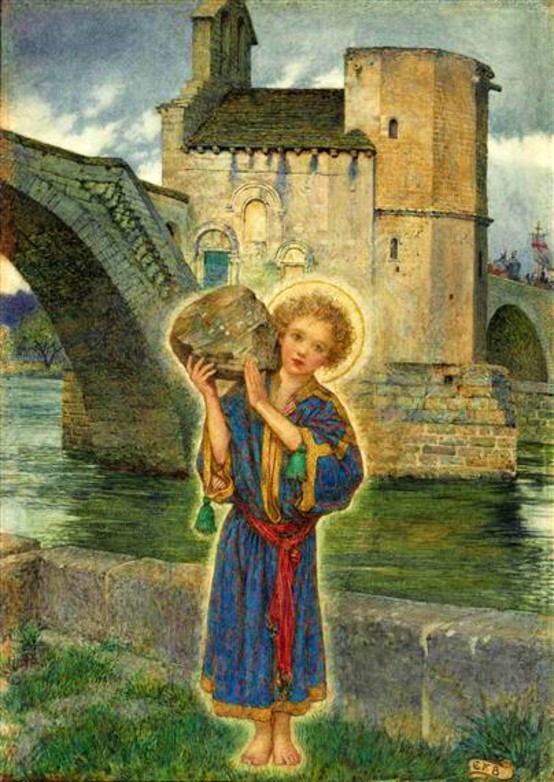
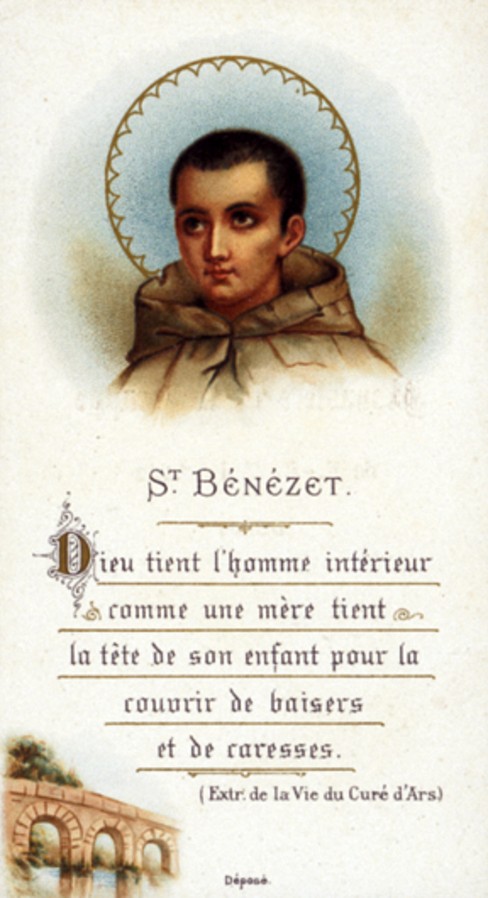
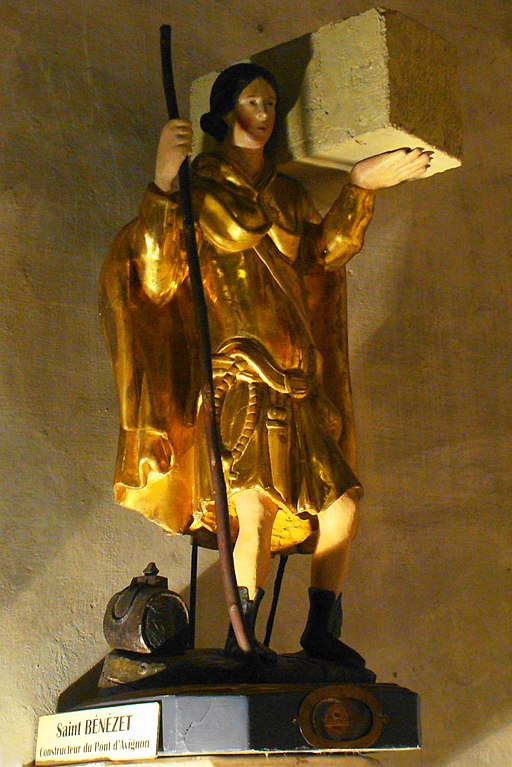
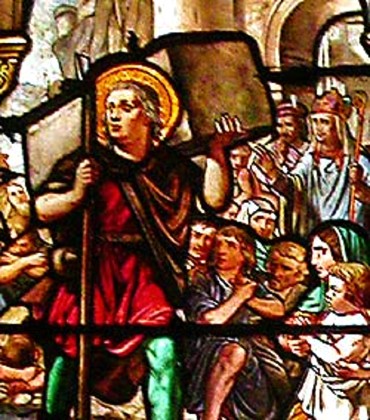
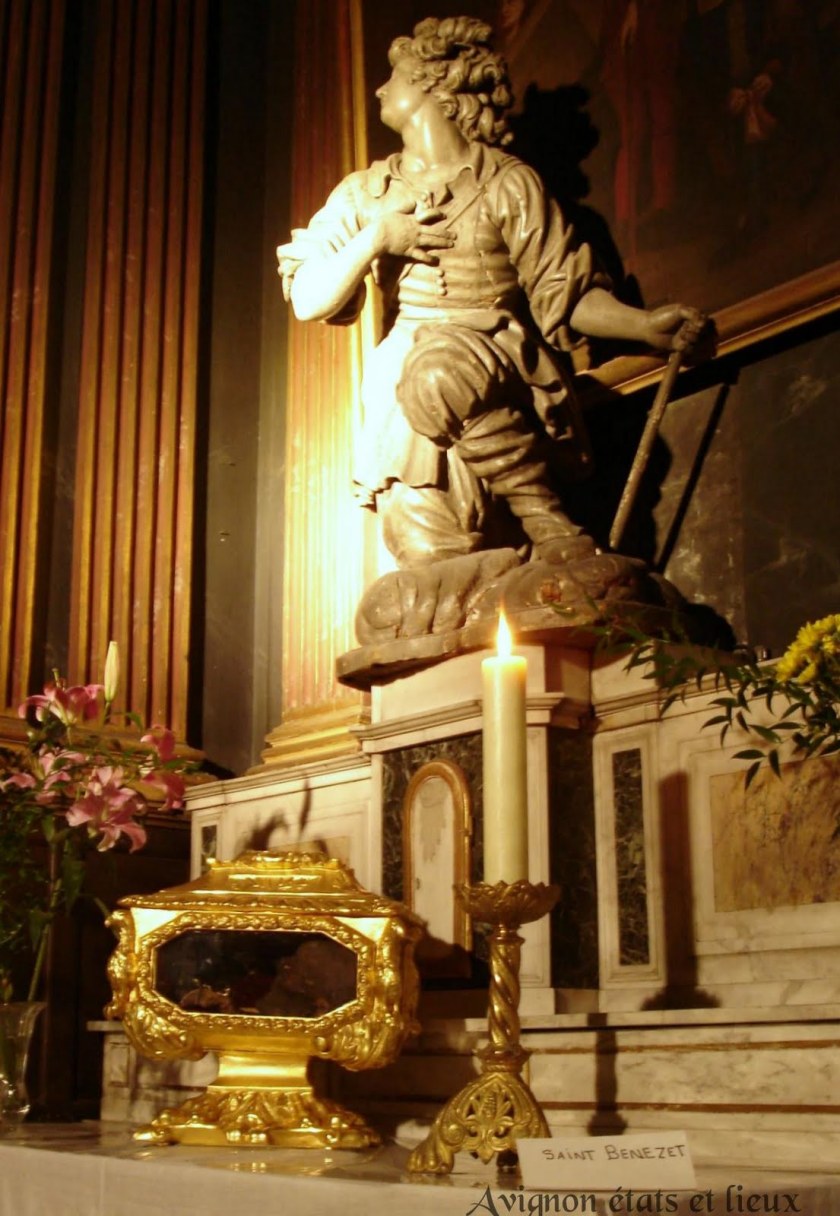
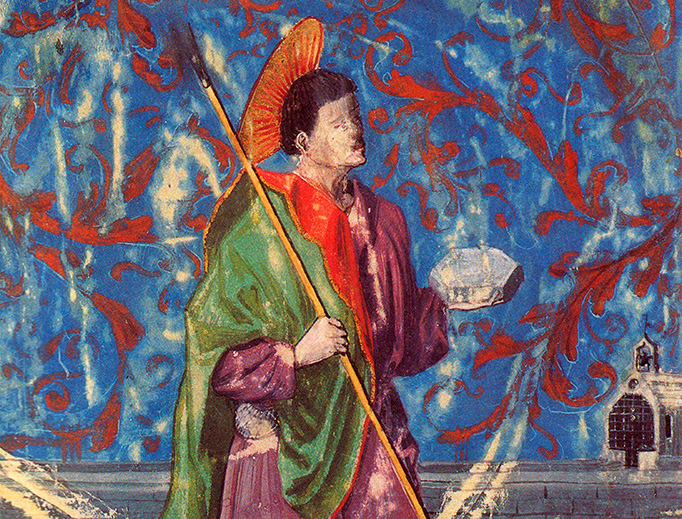
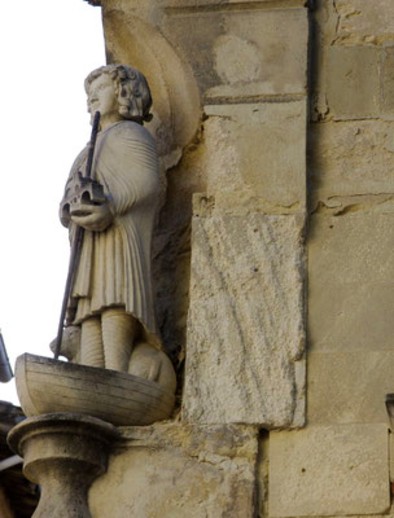
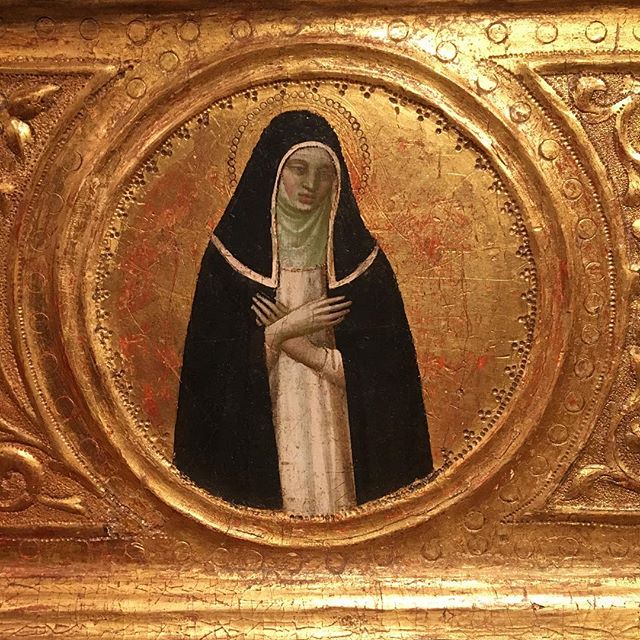
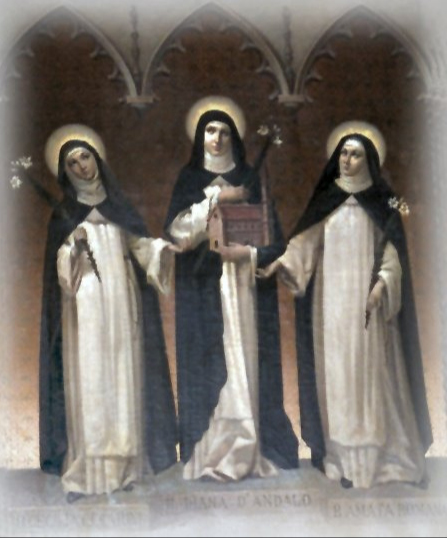
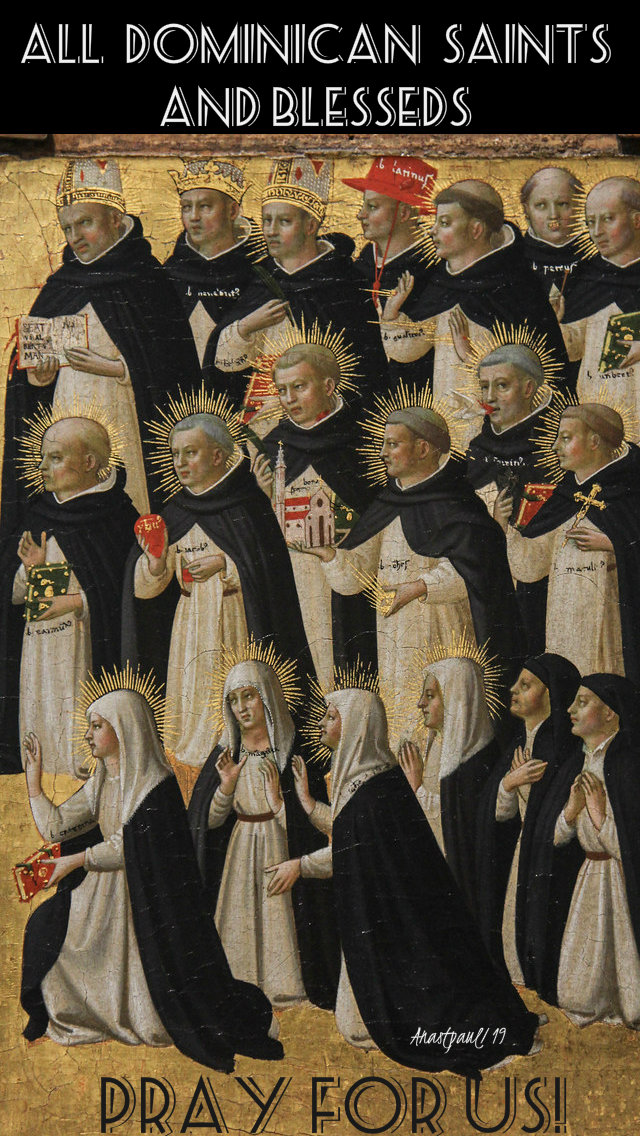
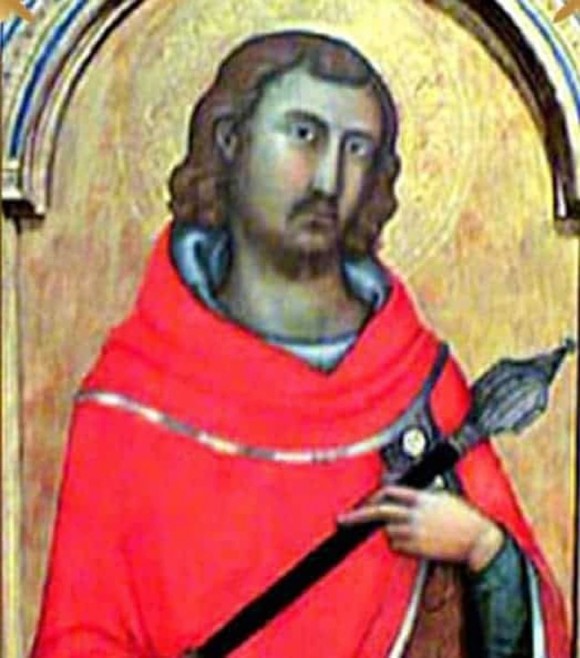
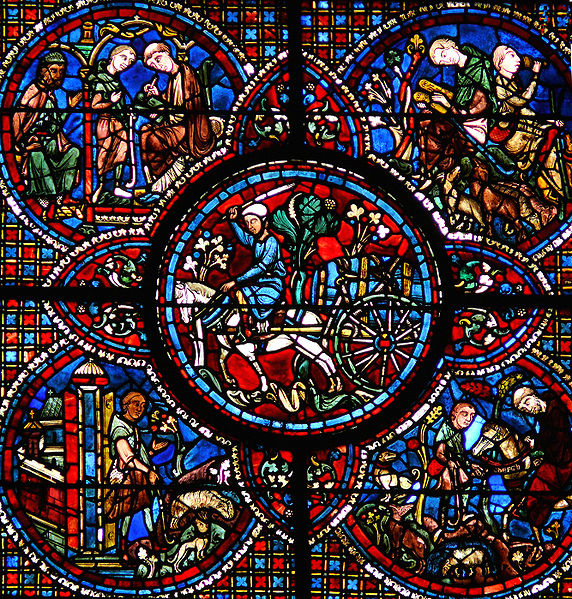
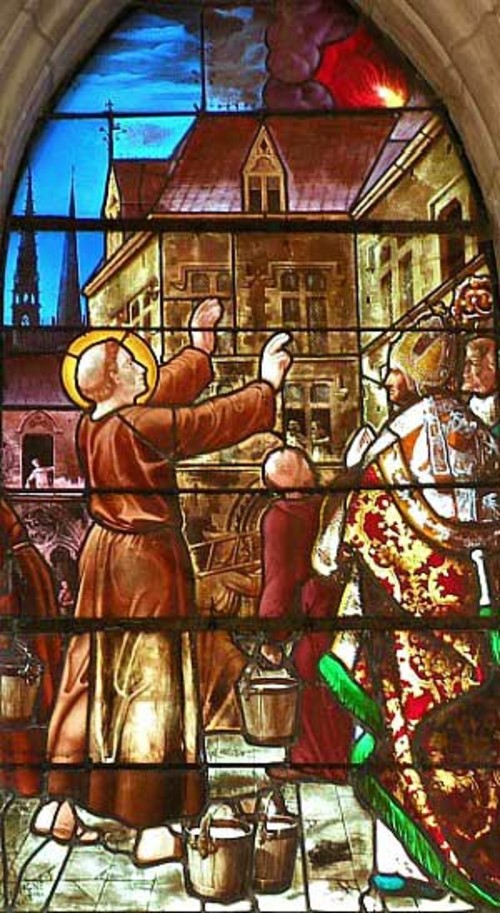
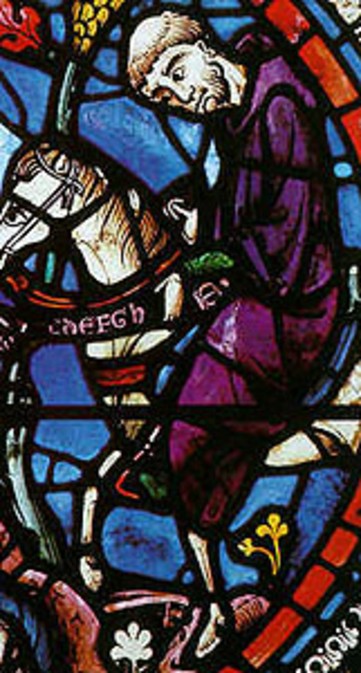
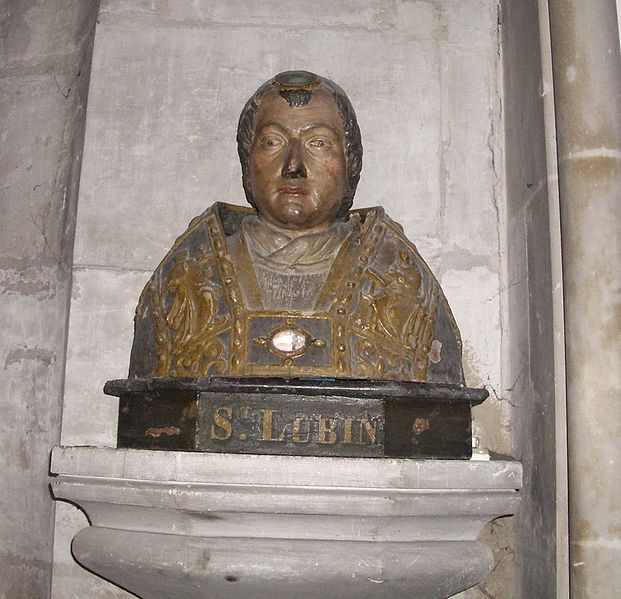
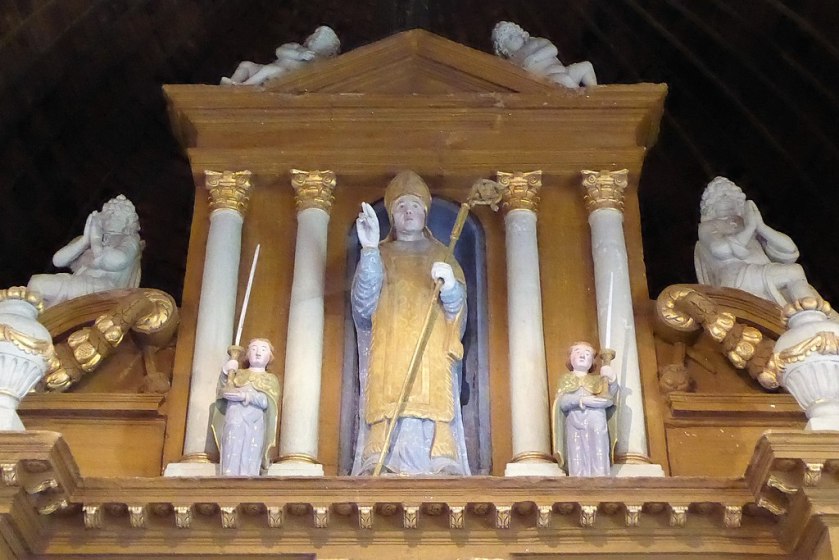


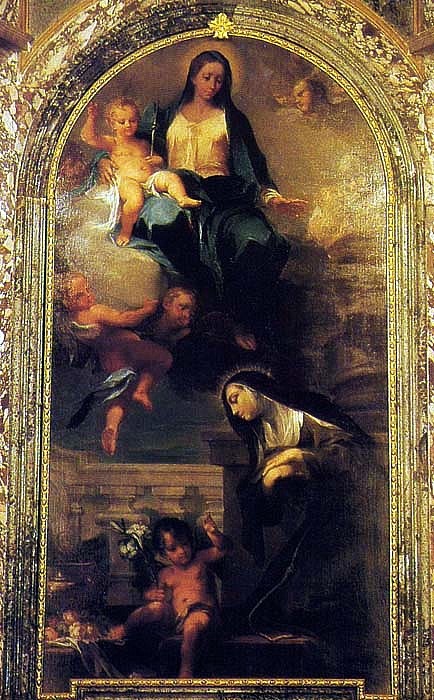
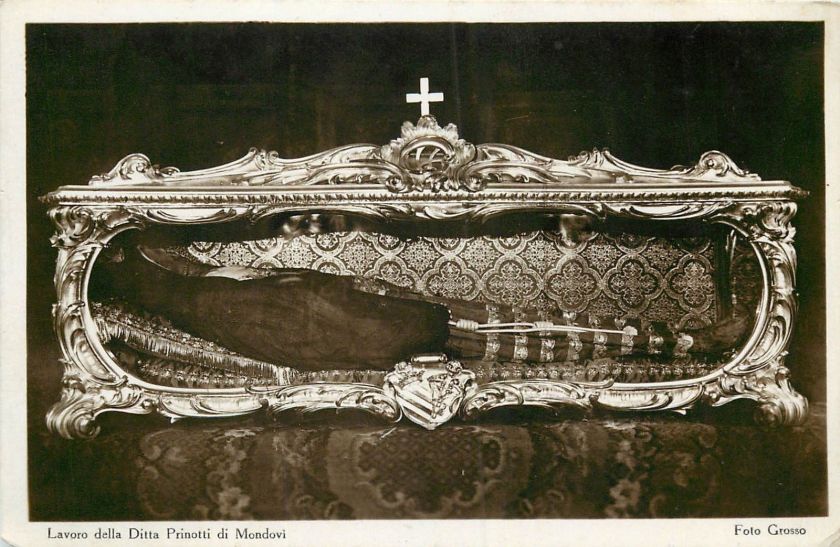
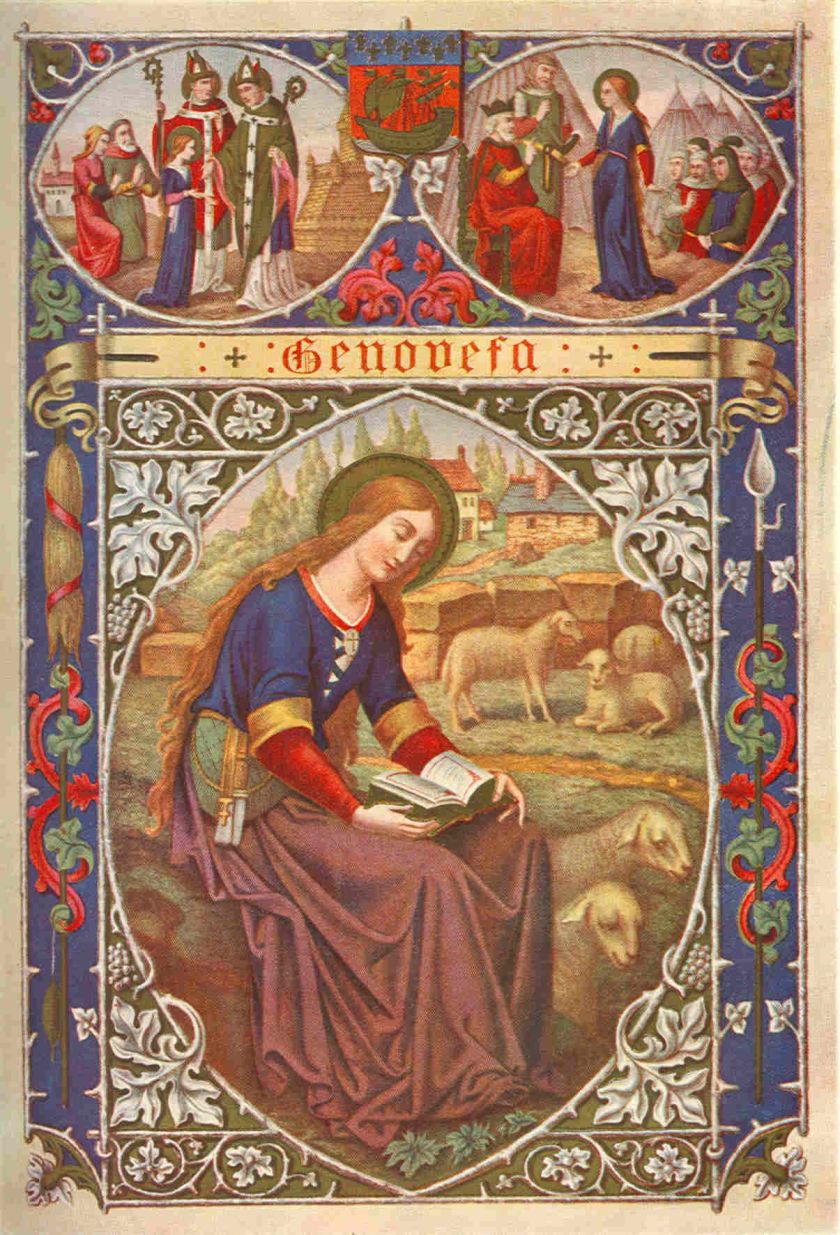
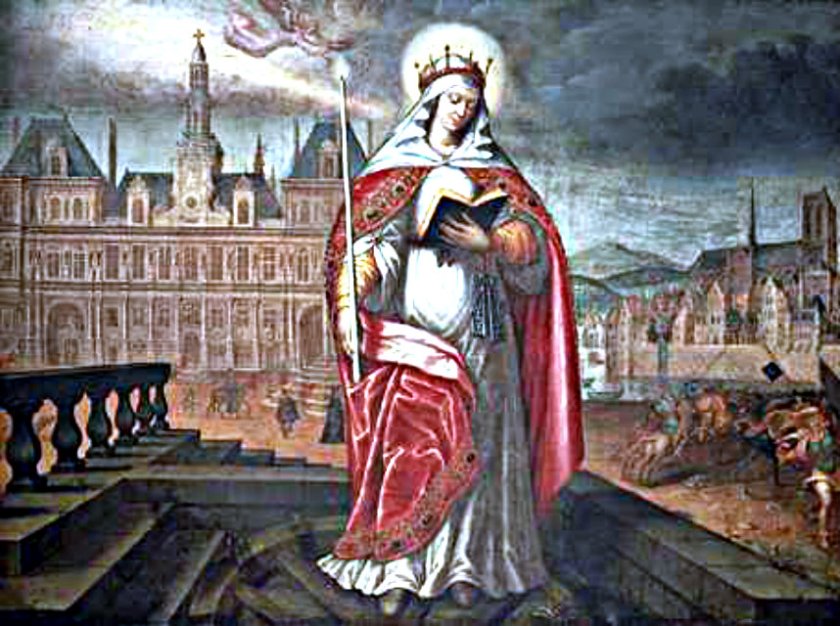
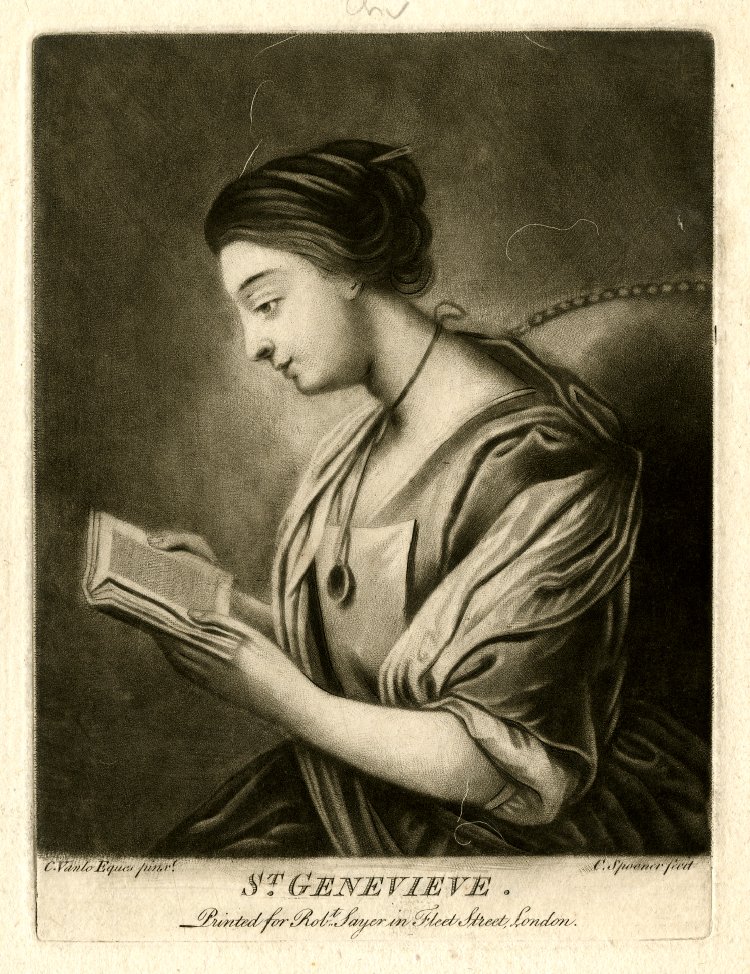
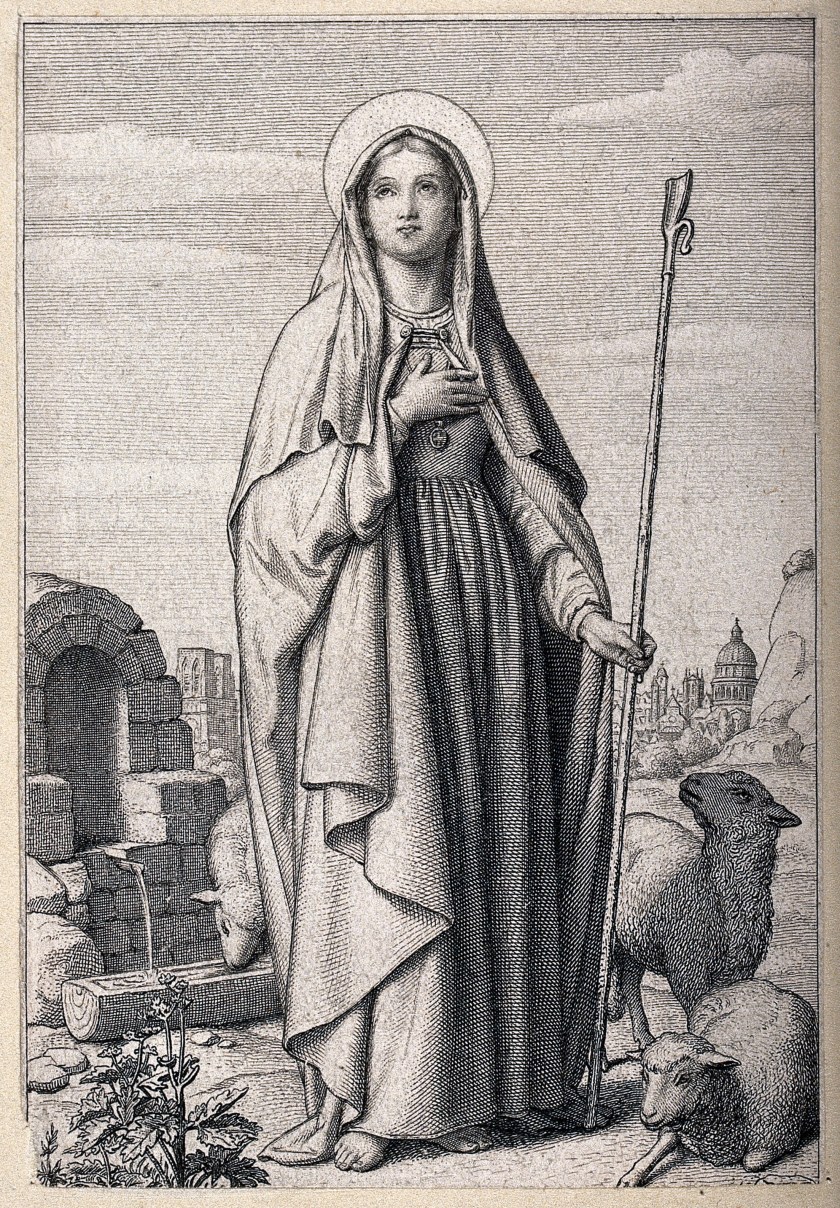
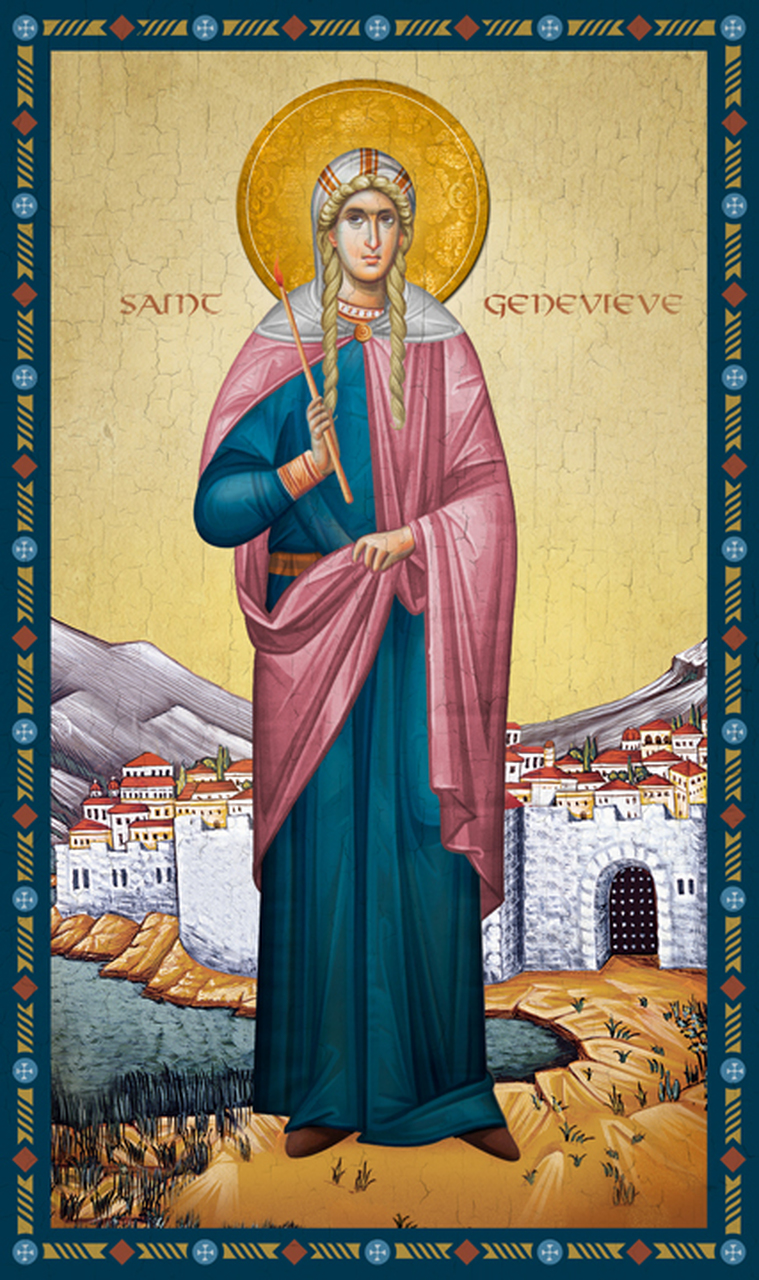
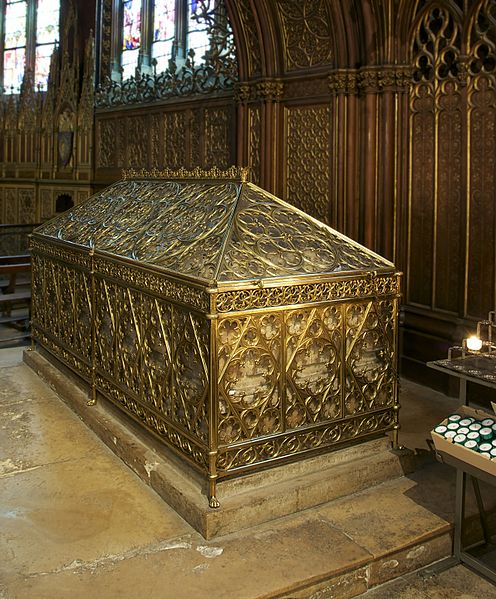
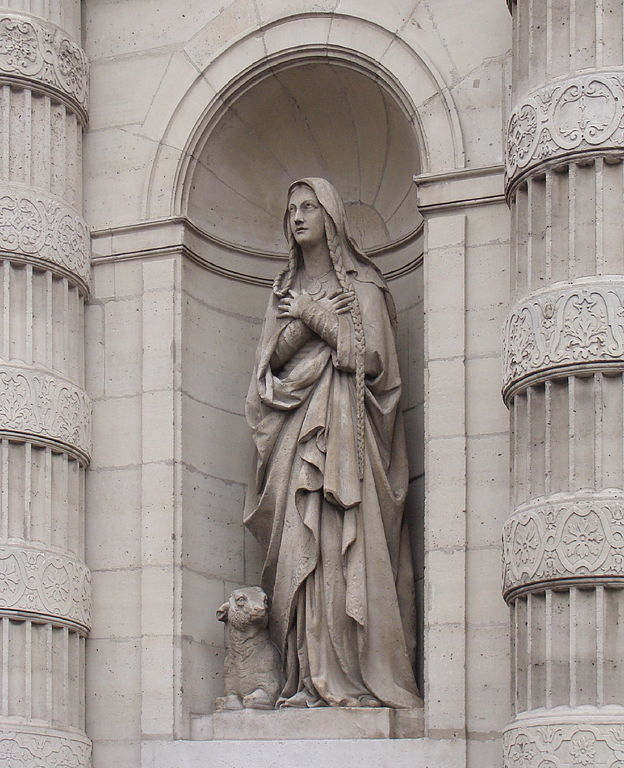

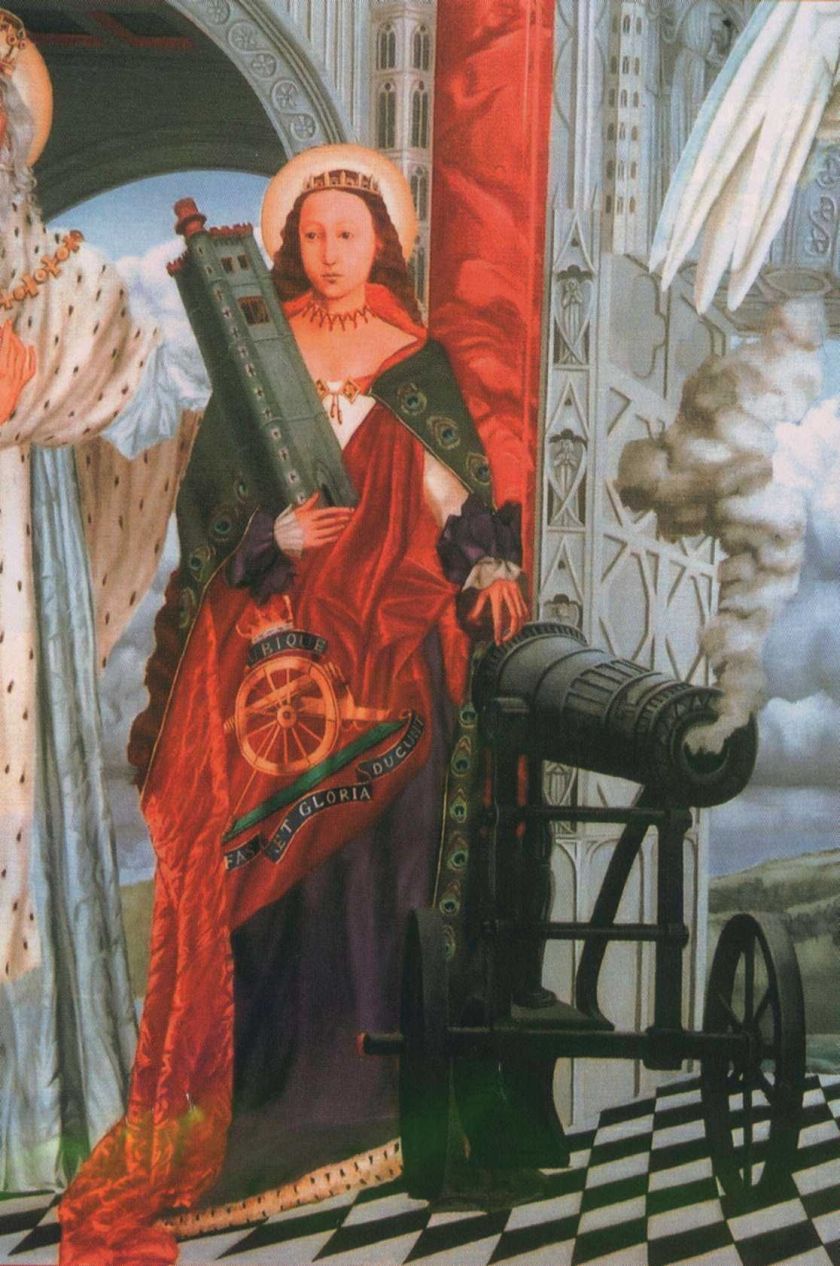
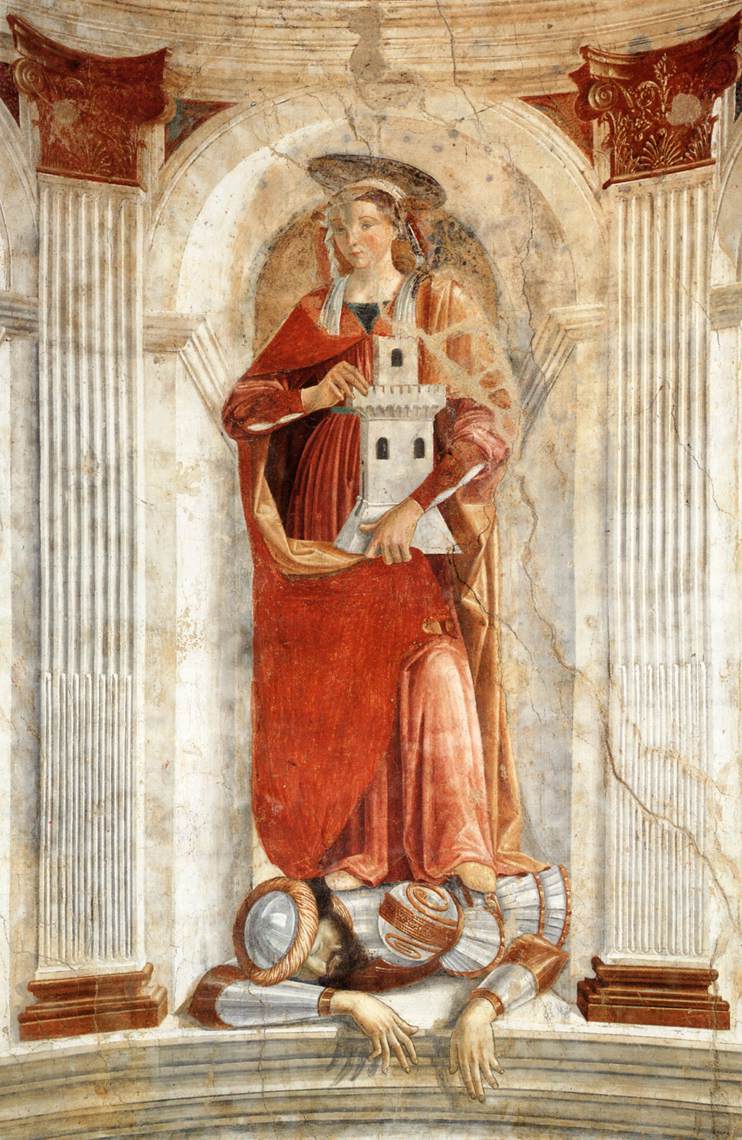

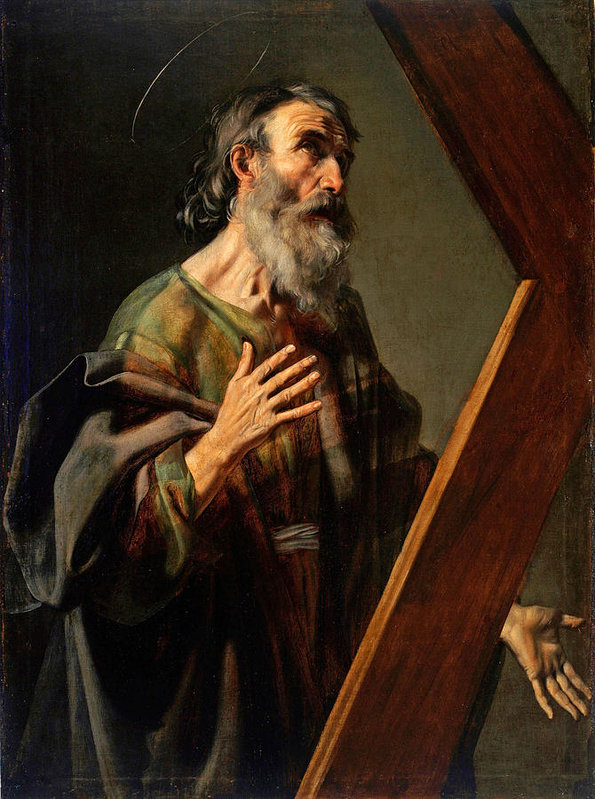
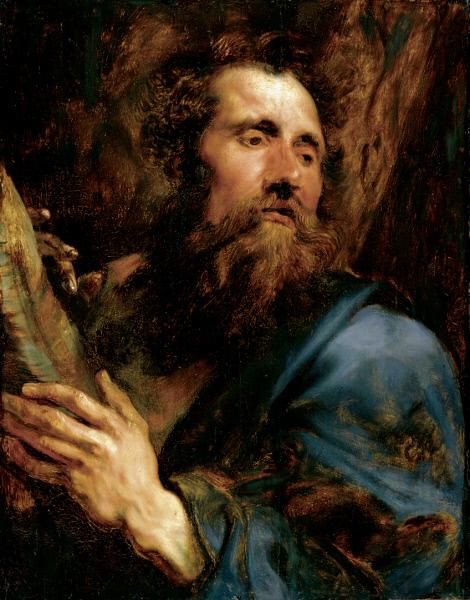
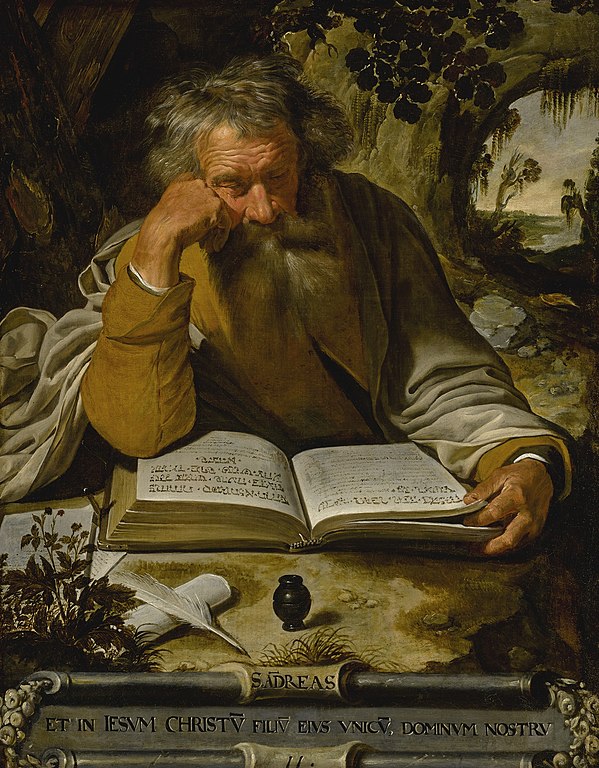
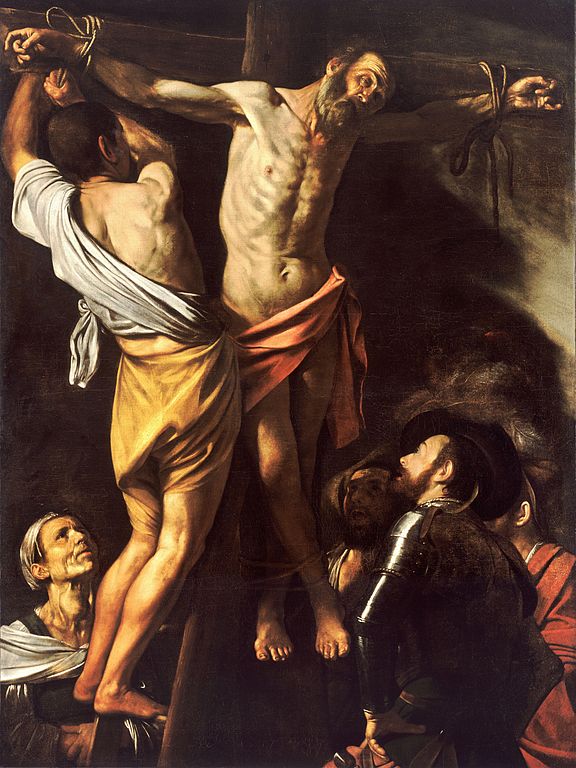
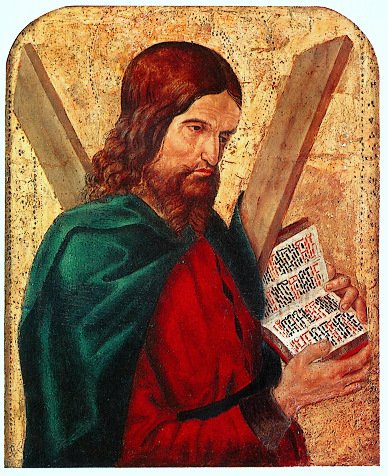
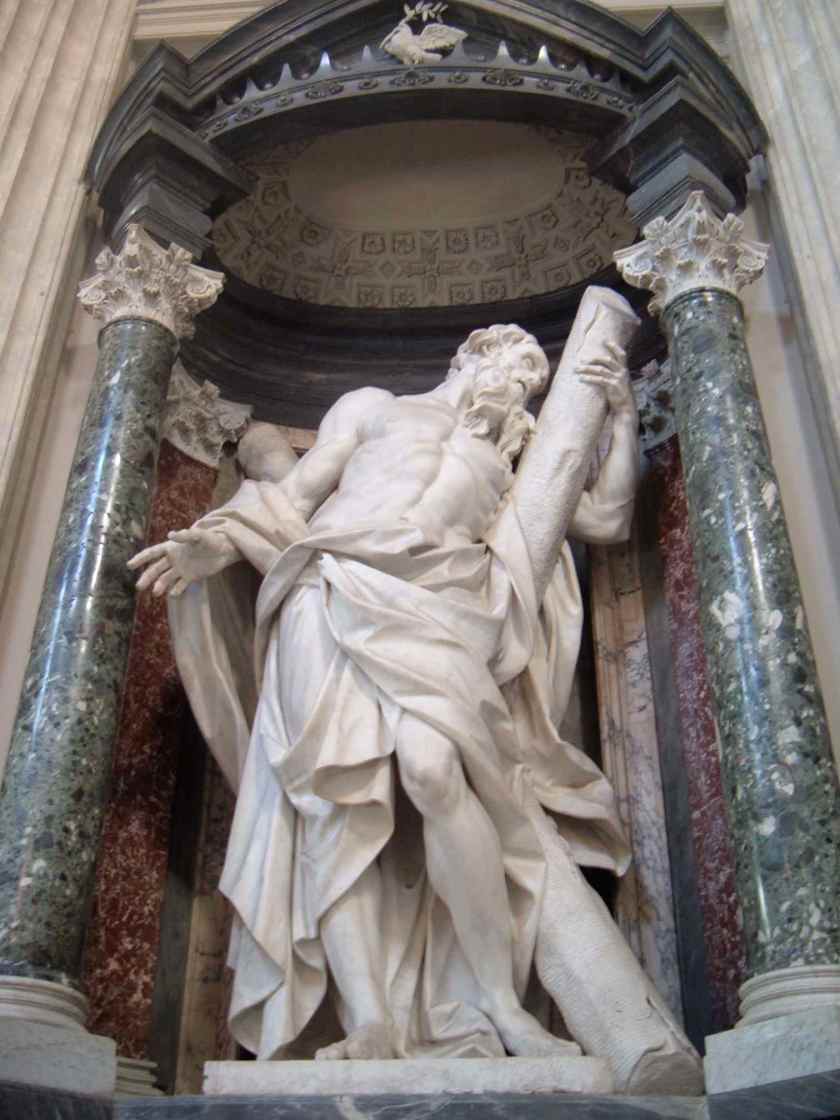
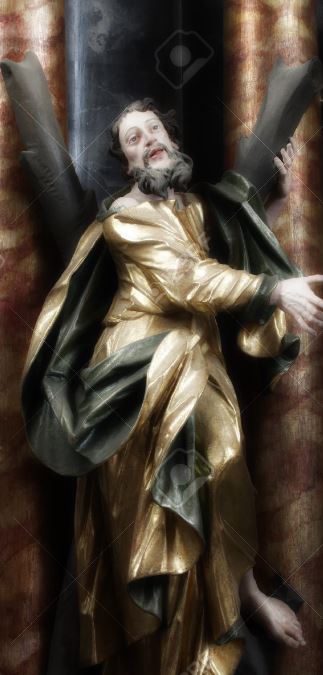
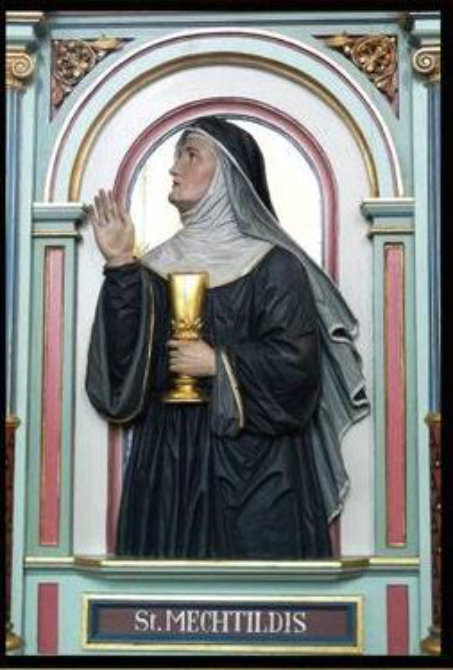
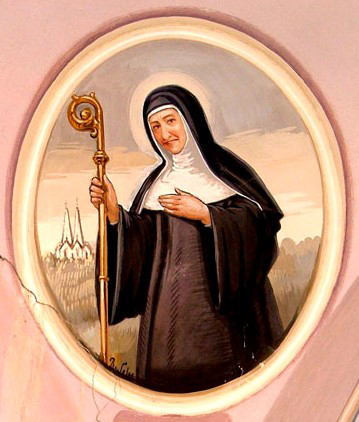
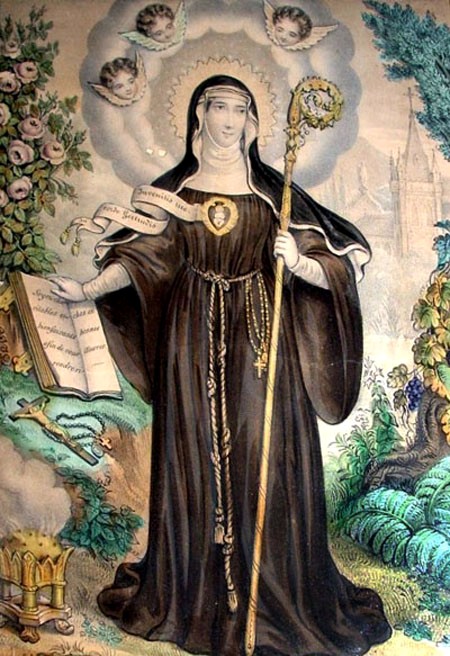
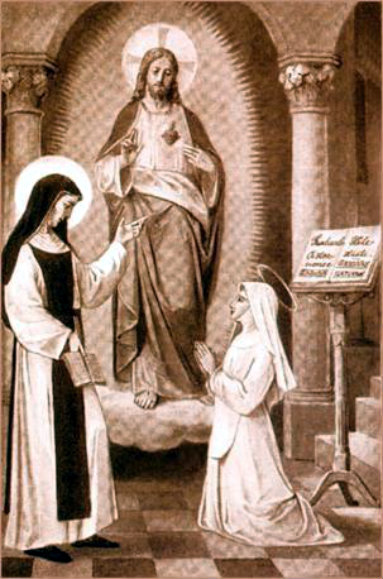
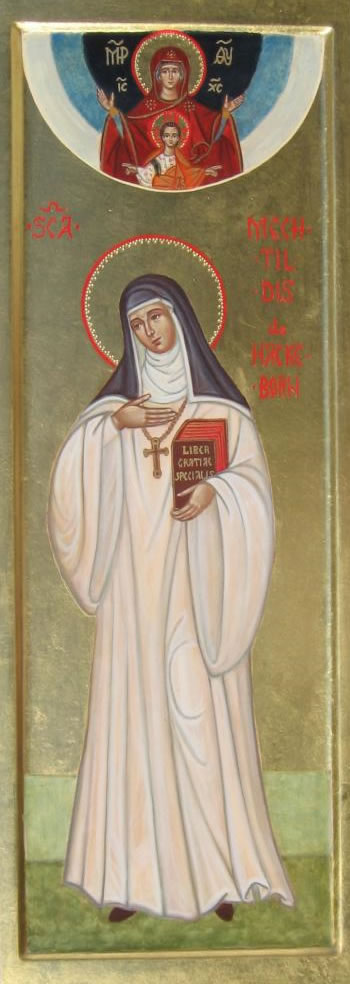
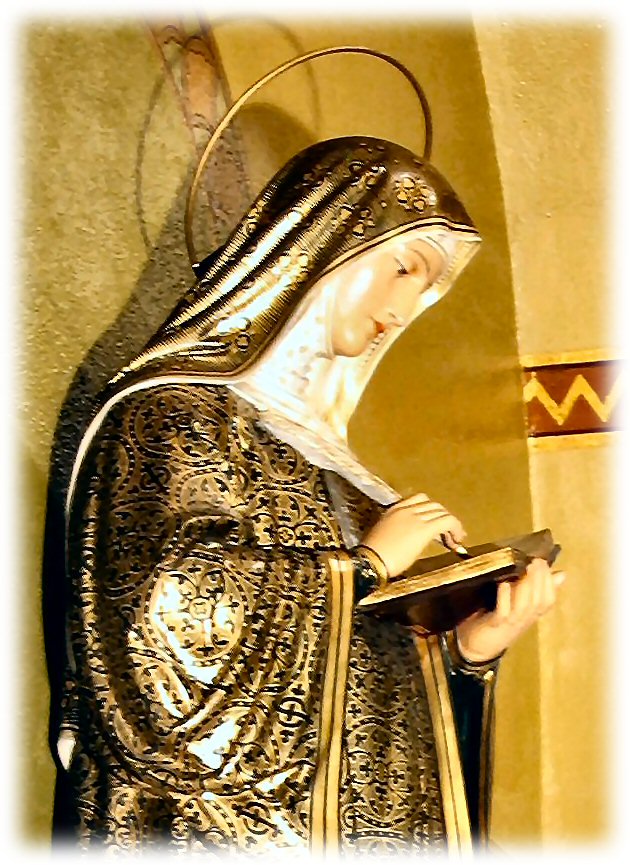
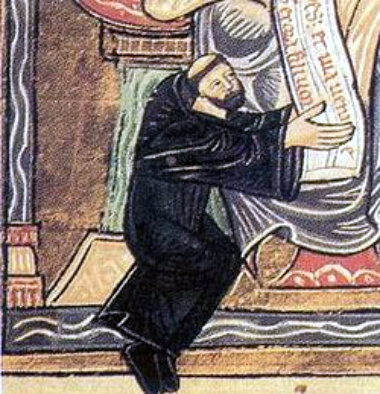
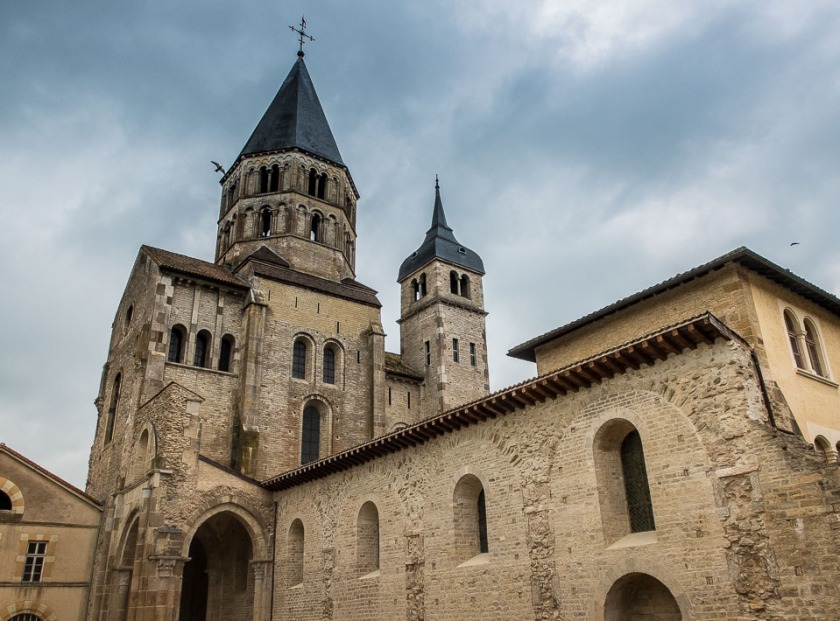
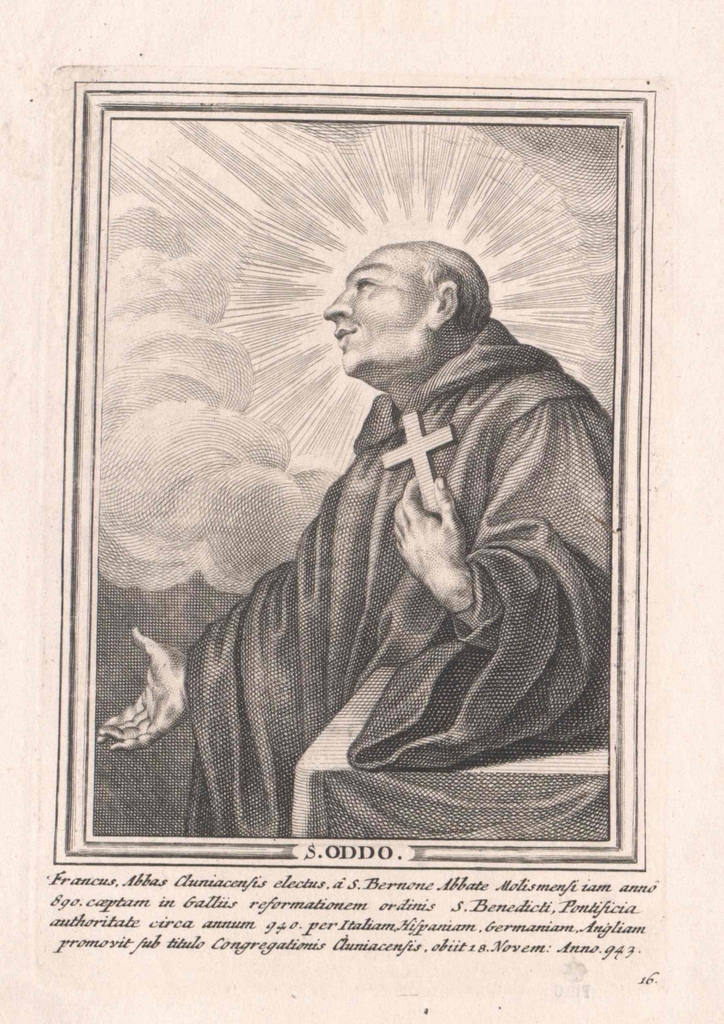
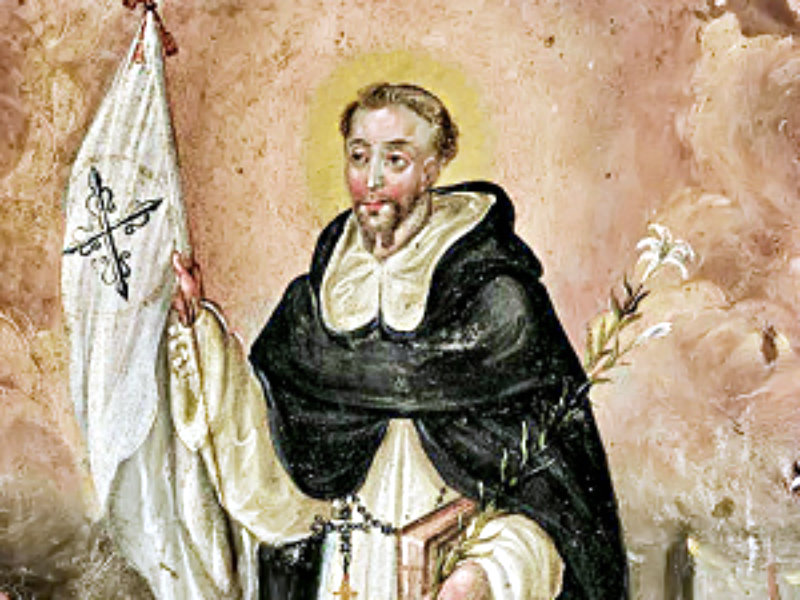
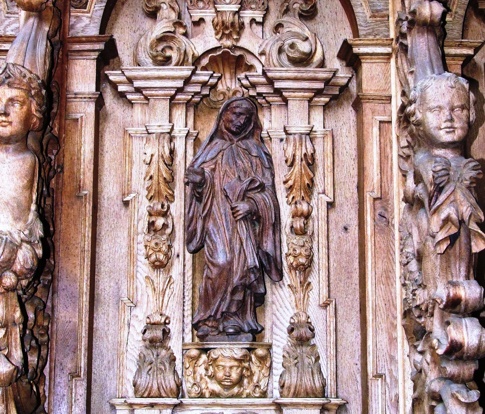
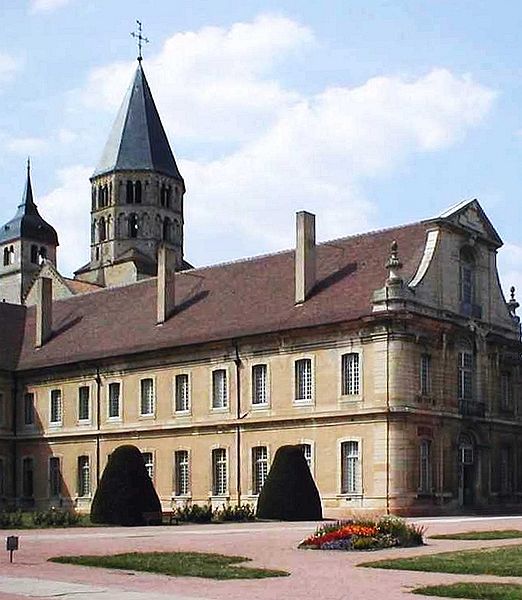
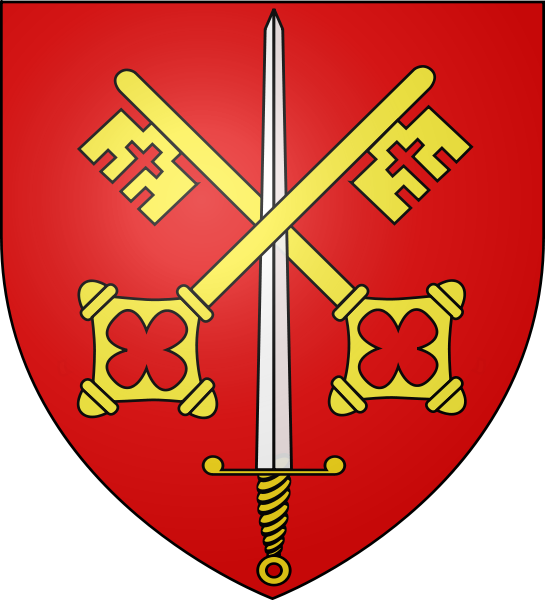
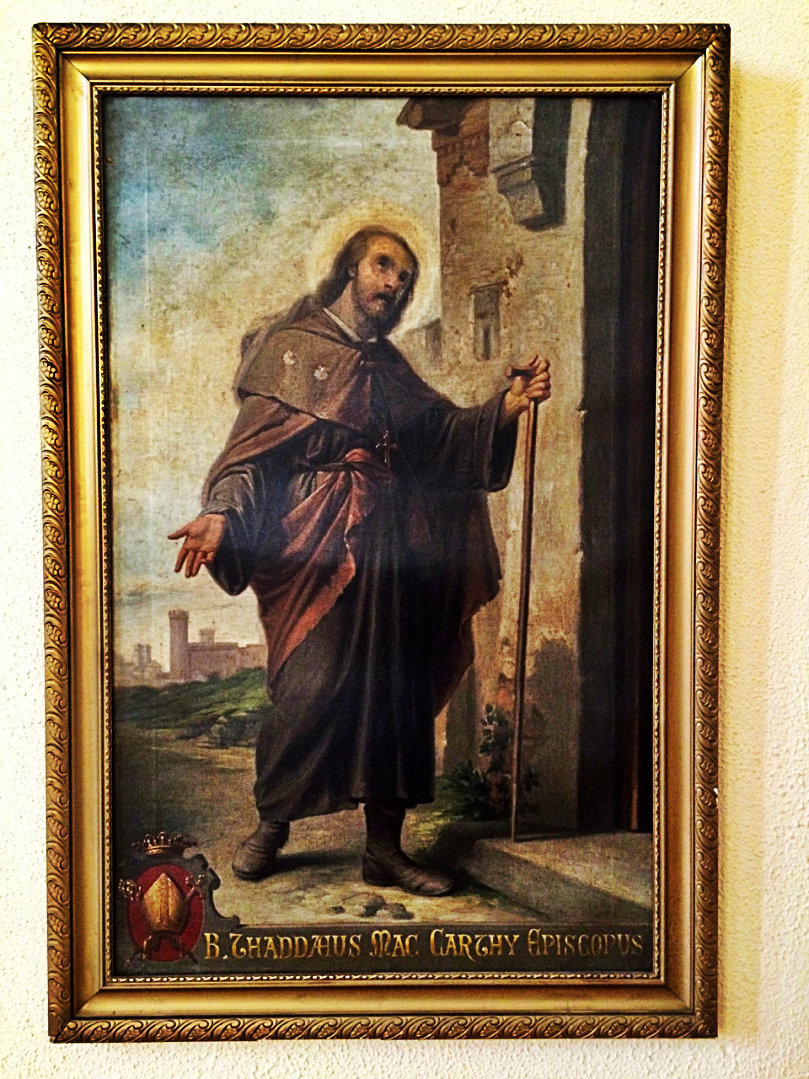


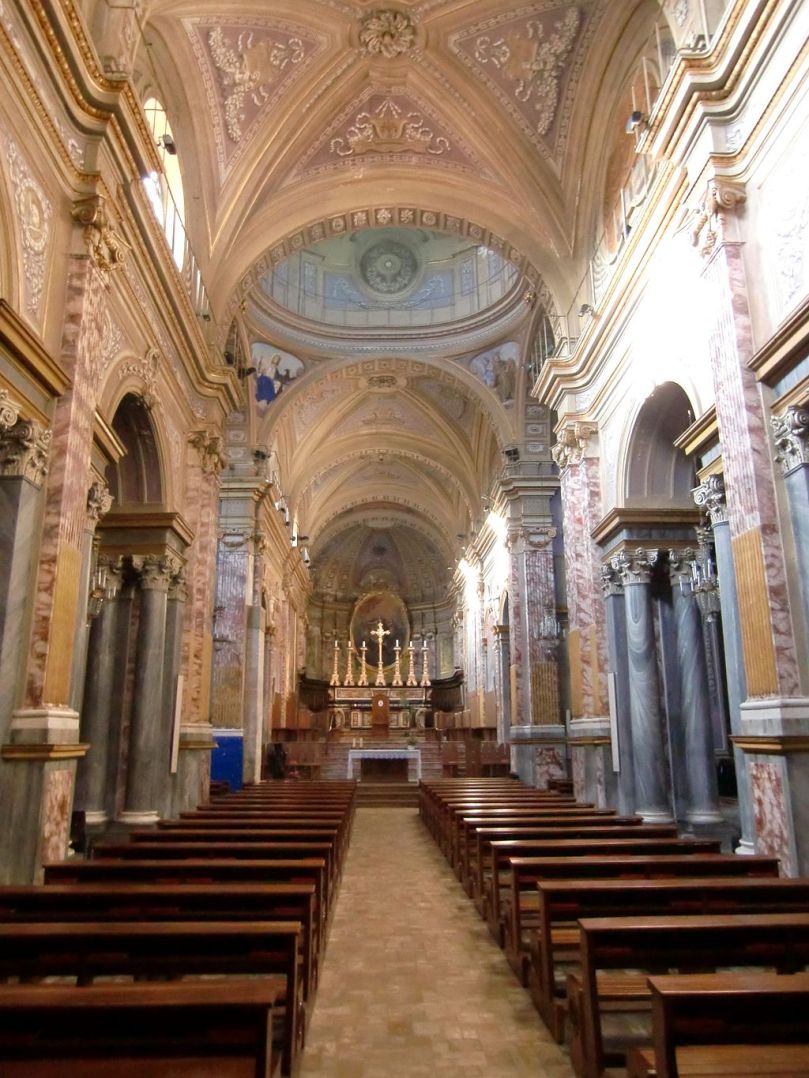

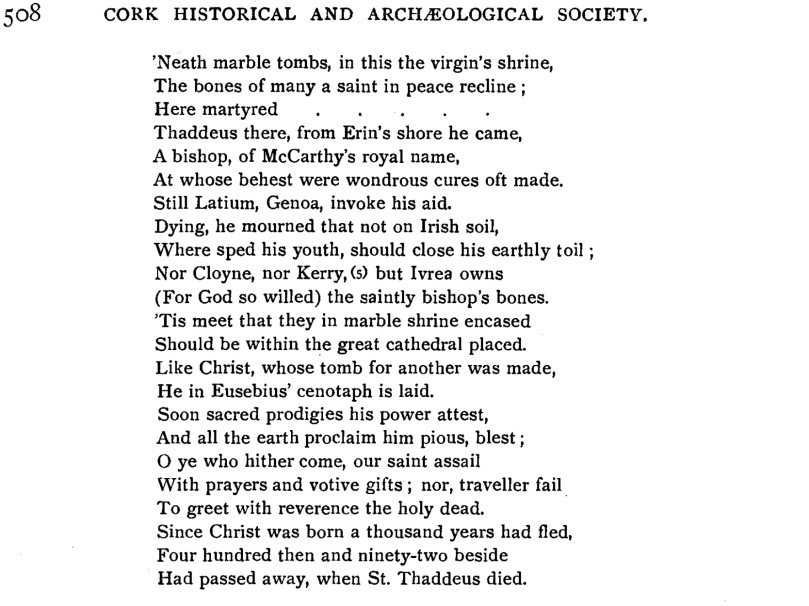
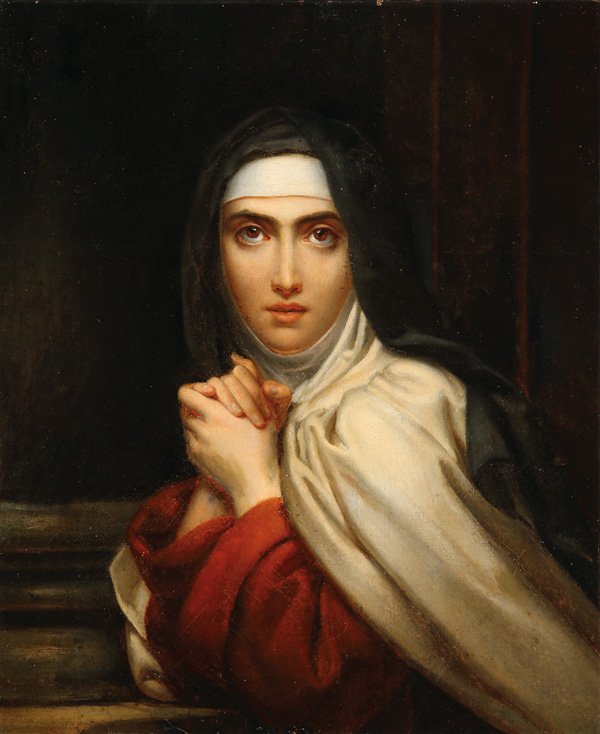


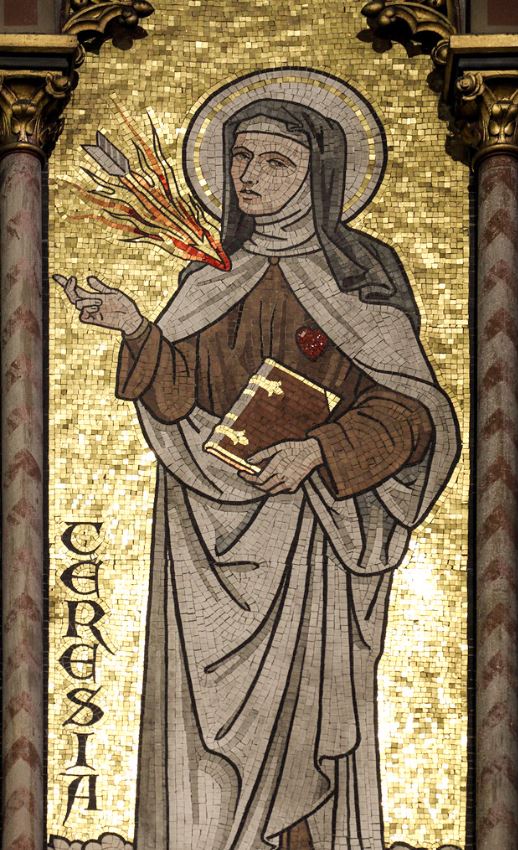
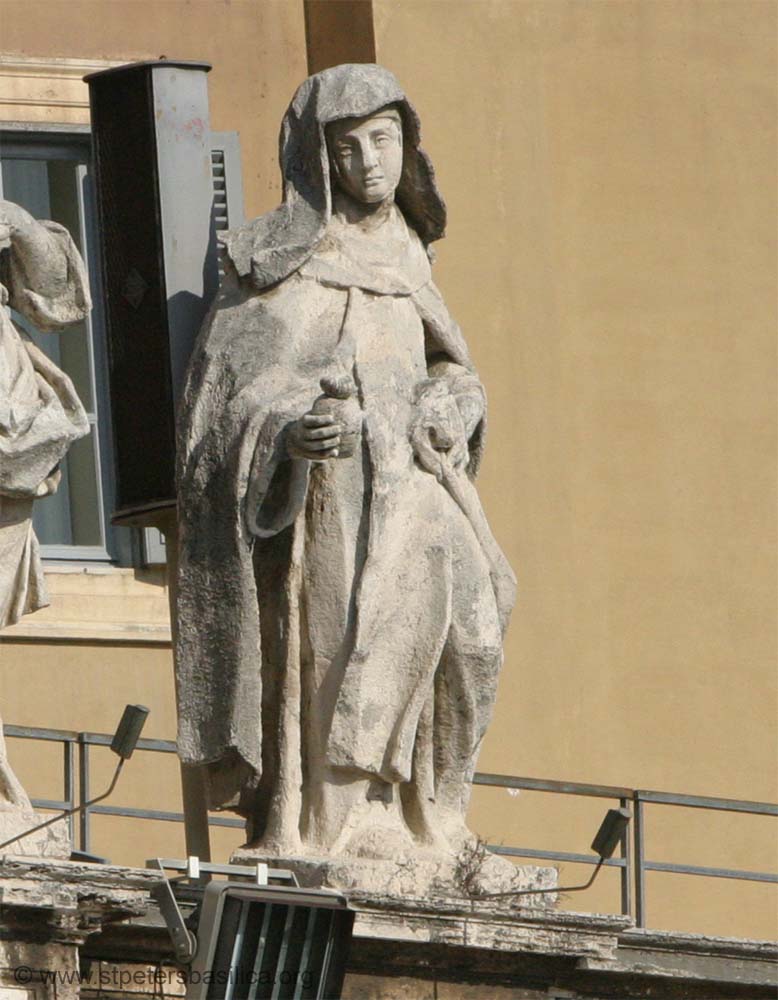
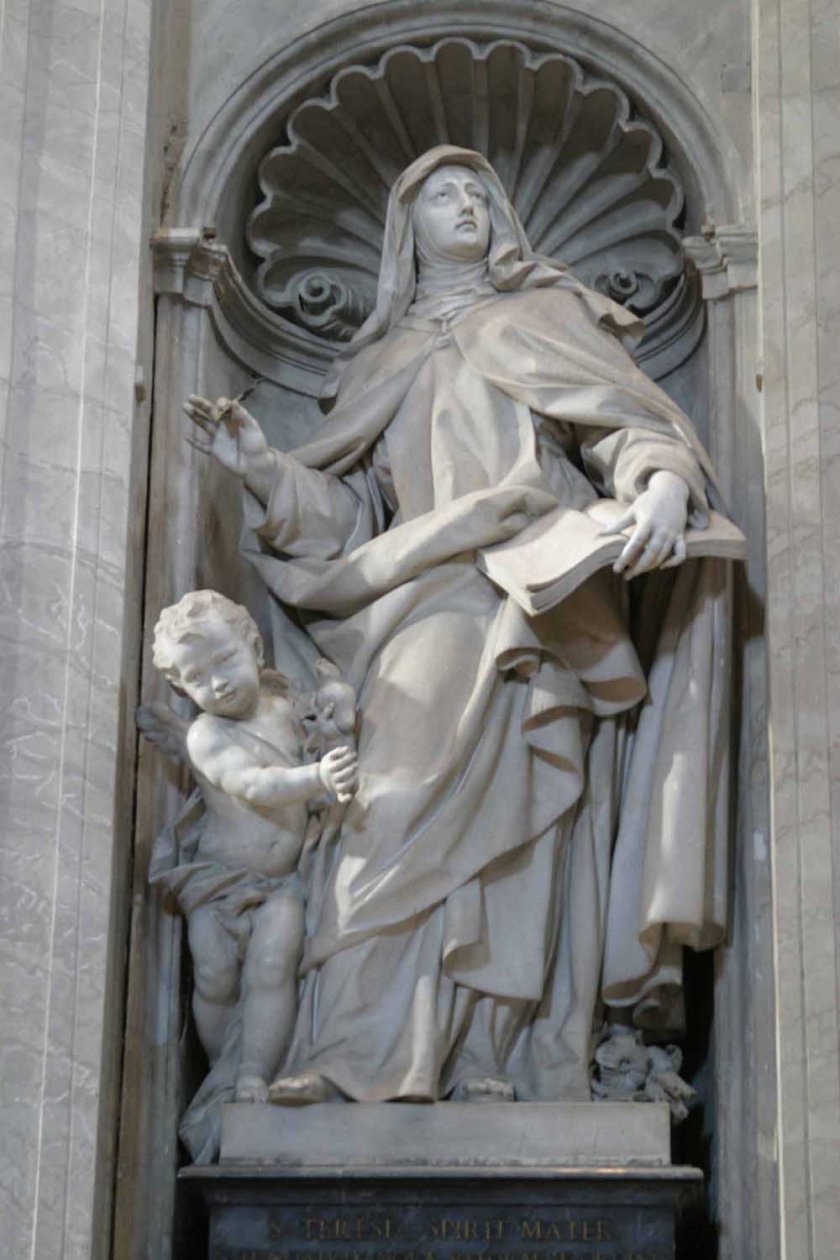

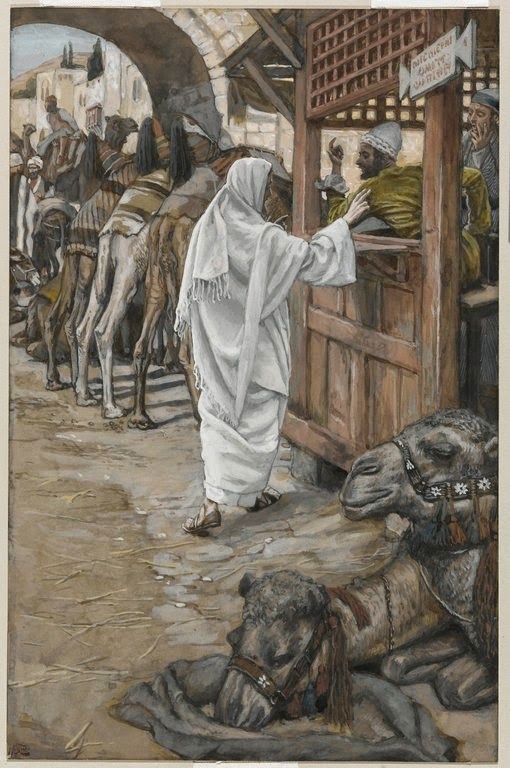
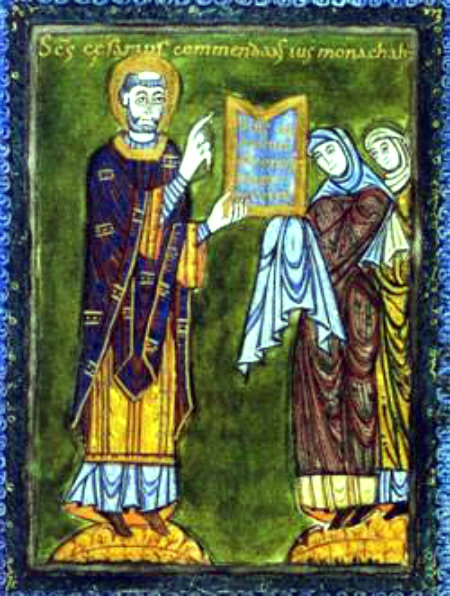
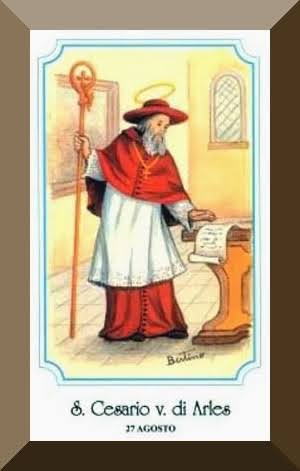
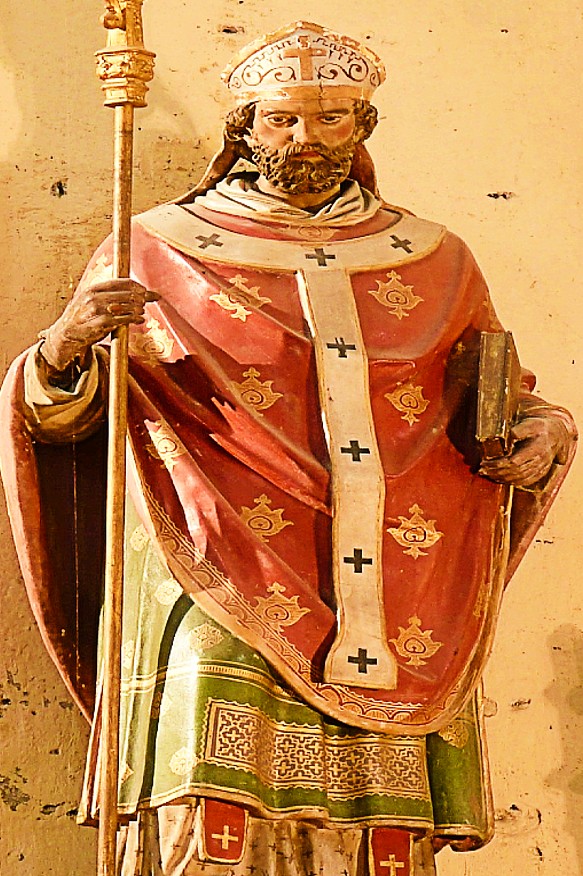
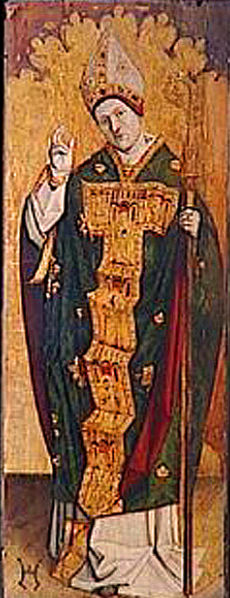
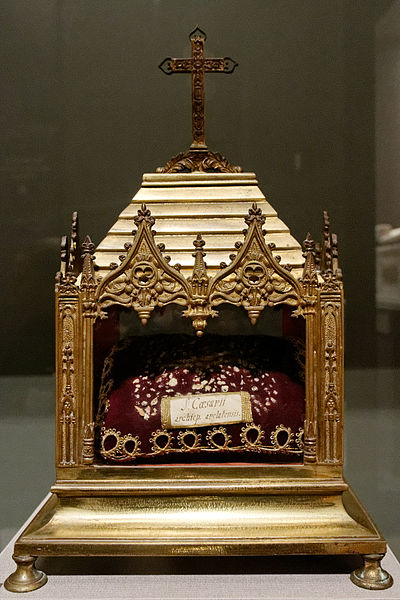
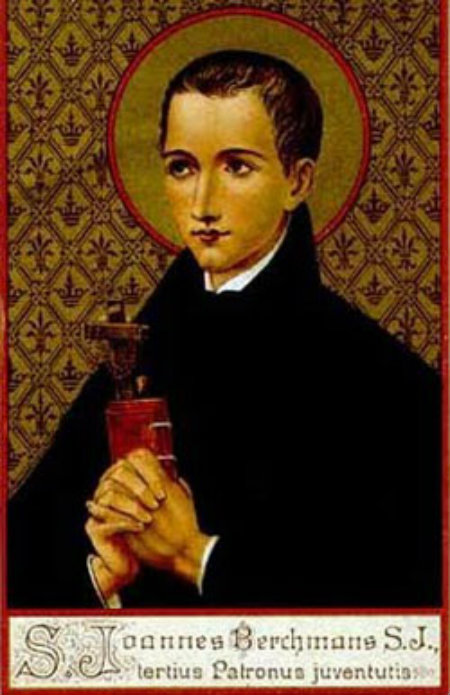
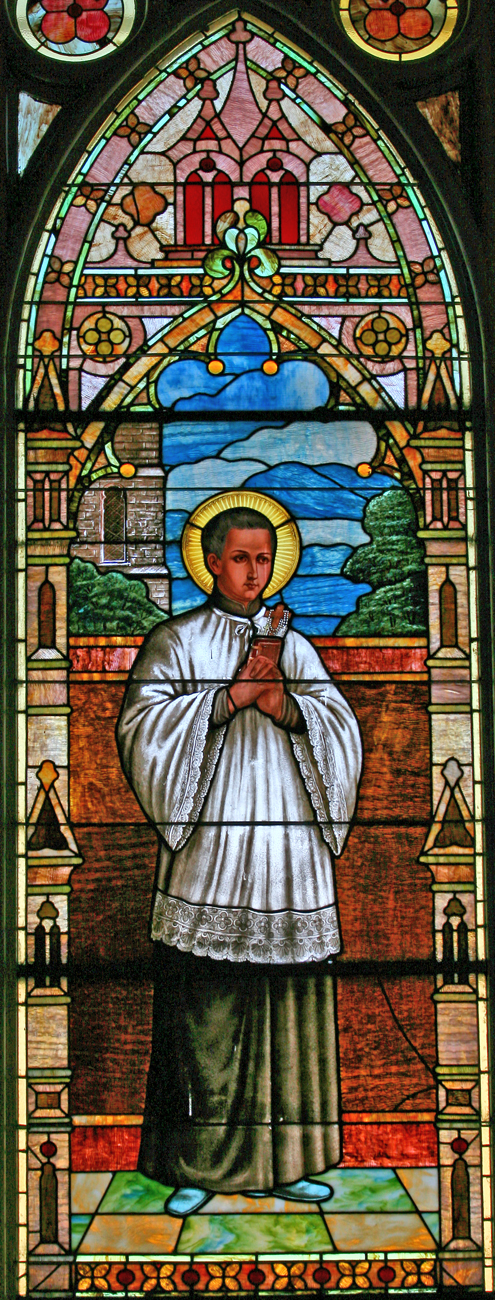
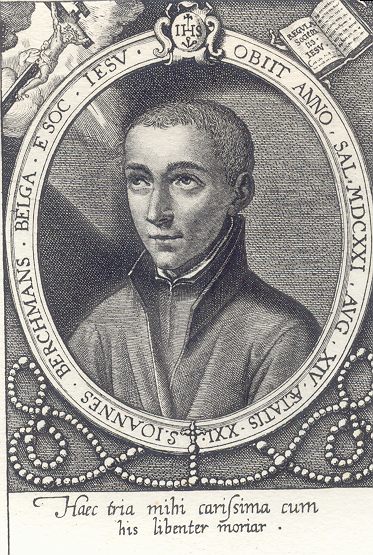 With another young aspirant, he was waiting in the parlour to be introduced, when he saw in the garden a coadjutor Brother turning over the ground in the garden. He proposed to his companion to go and help him, saying: Could we begin our religious life better than with an act of humility and charity? And with no hesitation, both went to offer their assistance. How many young persons in that situation would have thought of such an offer? This incident reveals the profound charity and interior peace which characterised this young religious at all times.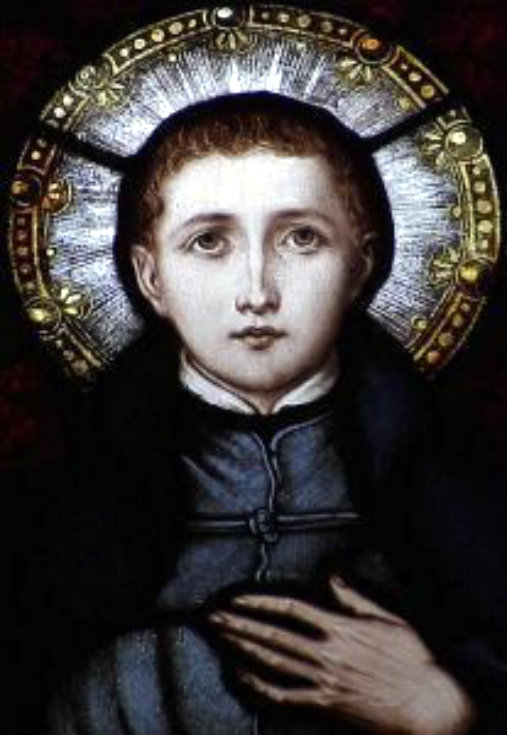
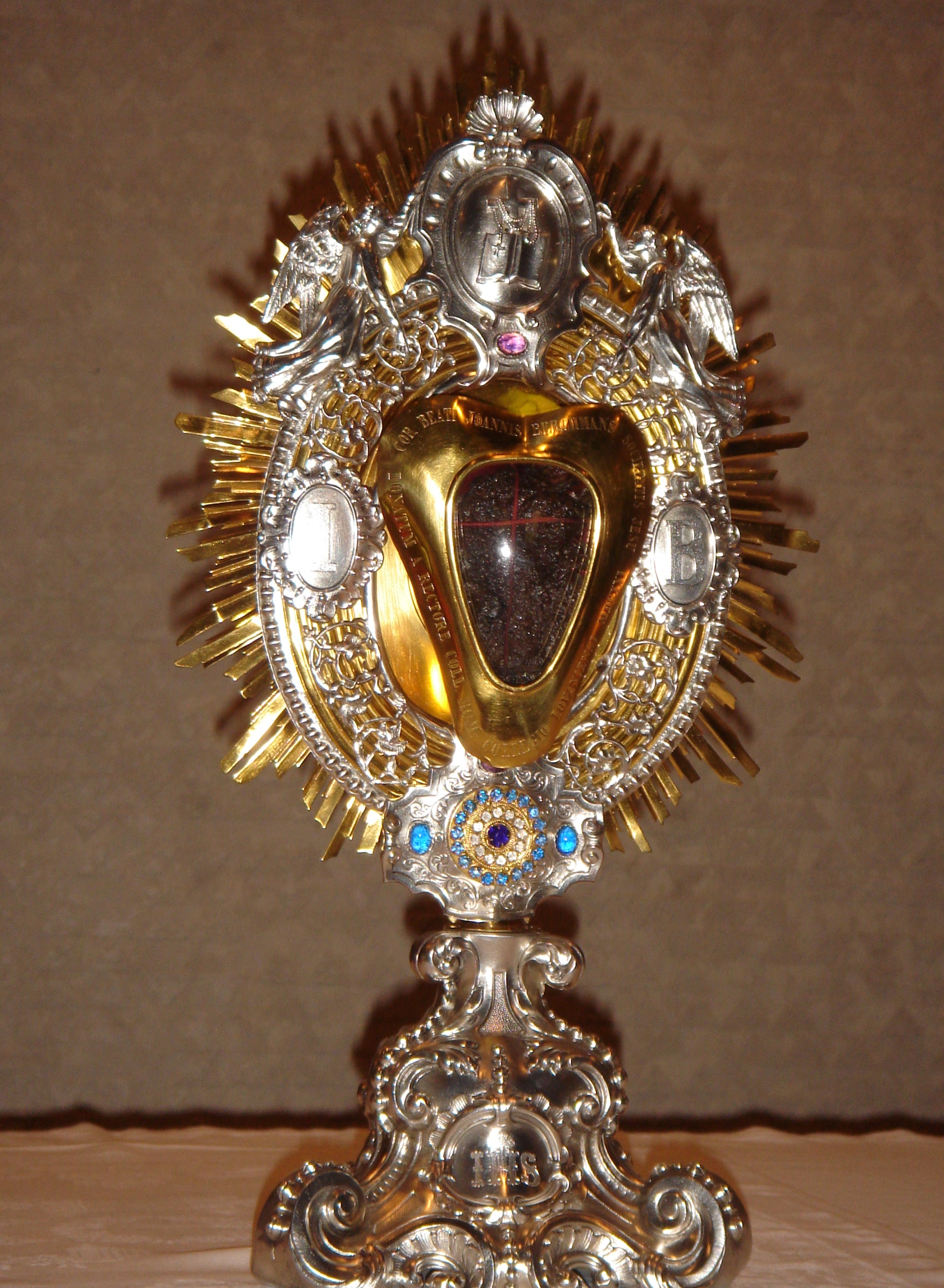


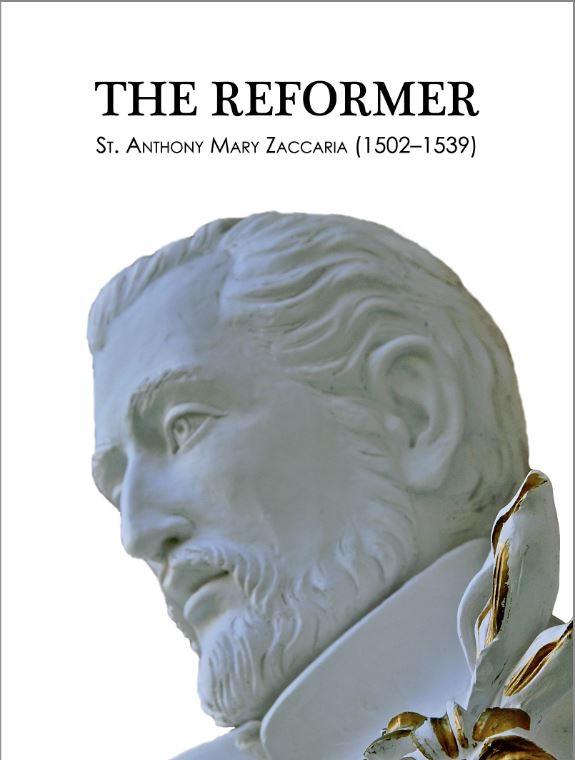
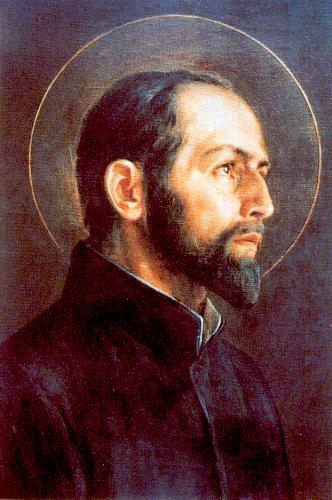 After gaining his degree in medicine, he returned home, where he understood that God had called him to the healing rather of souls than of bodies. He immediately gave himself to sacred studies. Meanwhile, he never ceased to visit the sick, instruct children in Christian doctrine and exhort the young to piety and the elders to reformation of their lives.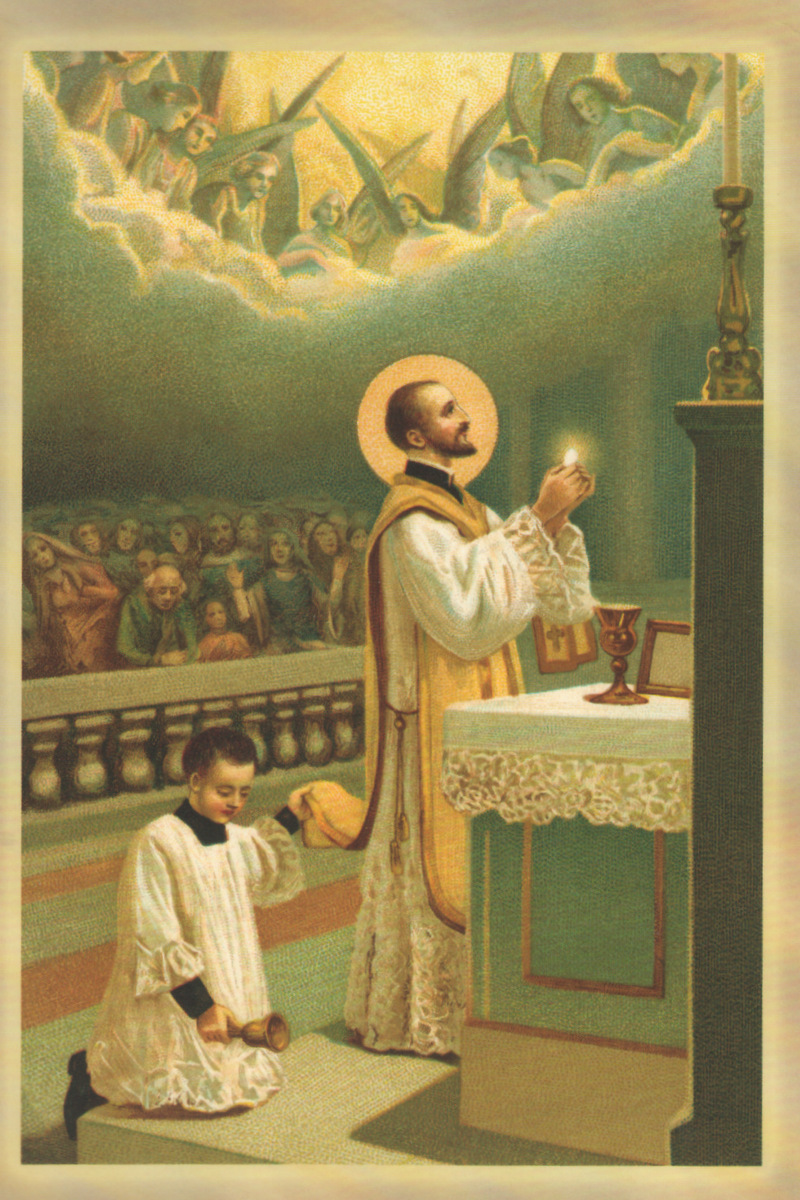
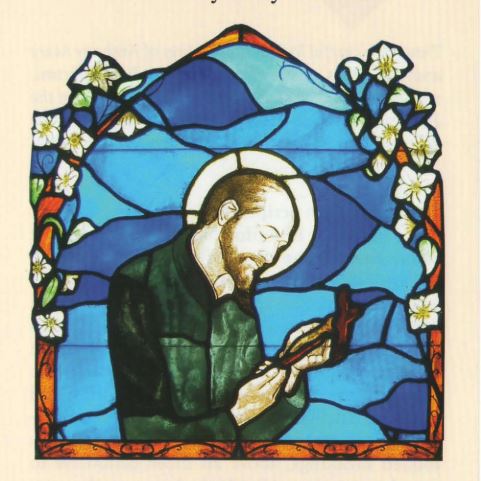
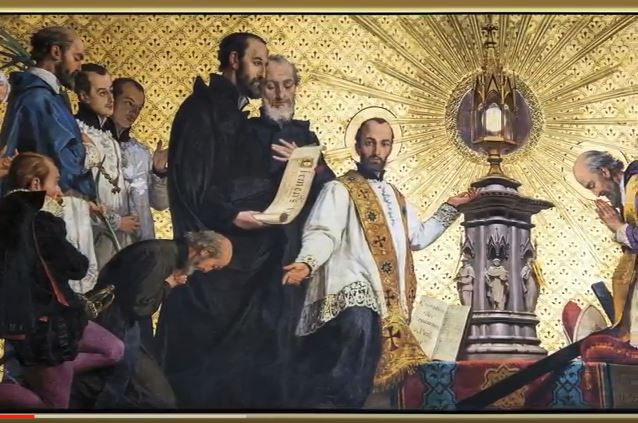
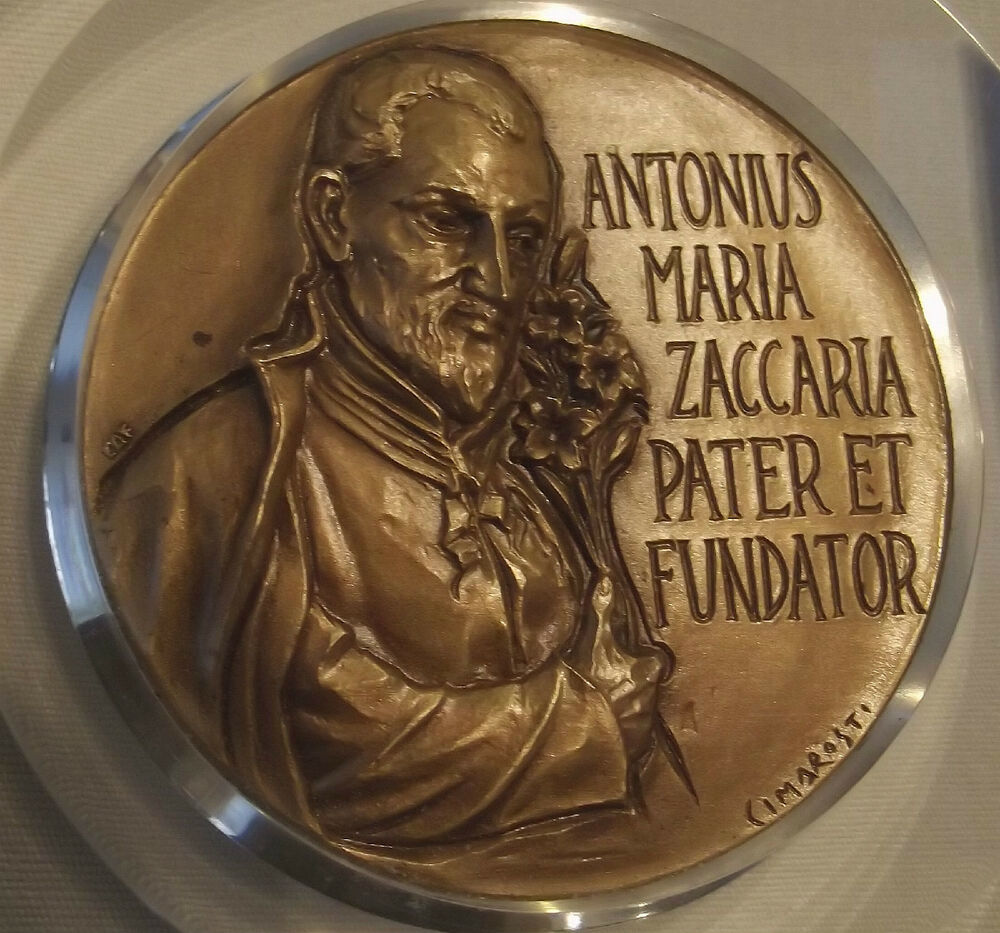
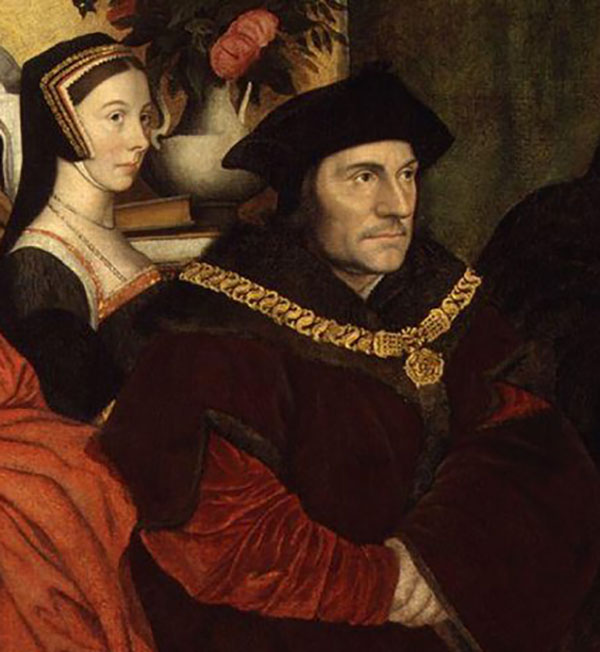
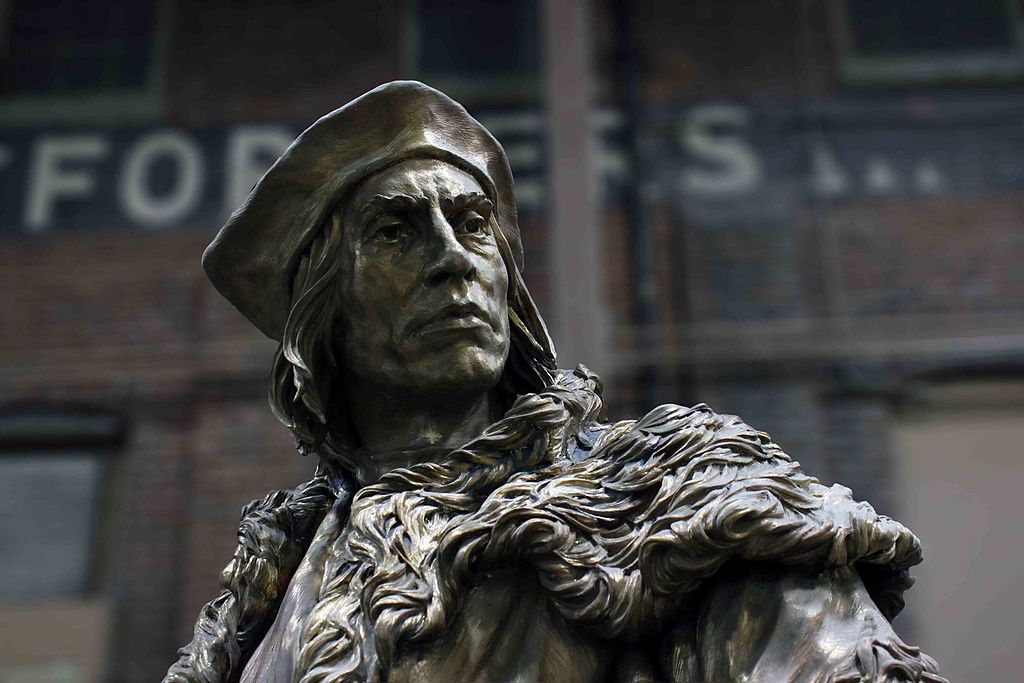
 In fidelity to his principles, he concentrated on promoting justice and restraining the harmful influence of those who advanced their own interests at the expense of the weak . In 1532, not wishing to support Henry VIII’s intention to take control of the Church in England, he resigned. He withdrew from public life, resigning himself to suffering poverty with his family and being deserted by many people who, in the moment of trial, proved to be false friends.
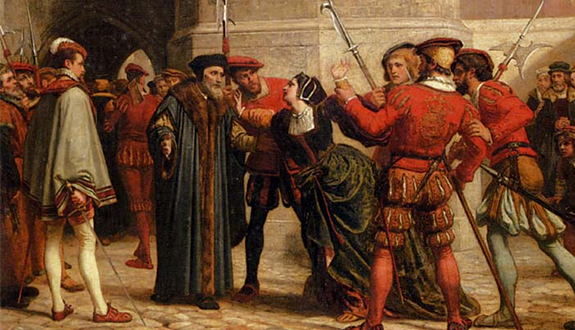
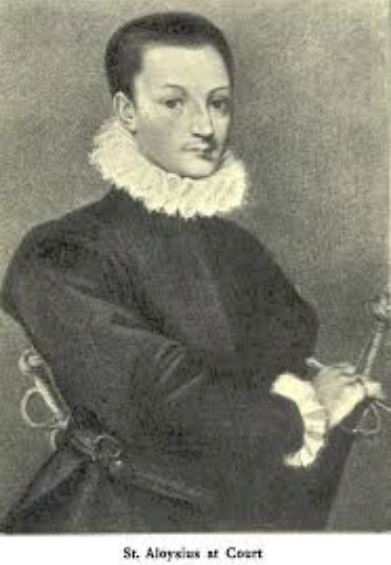
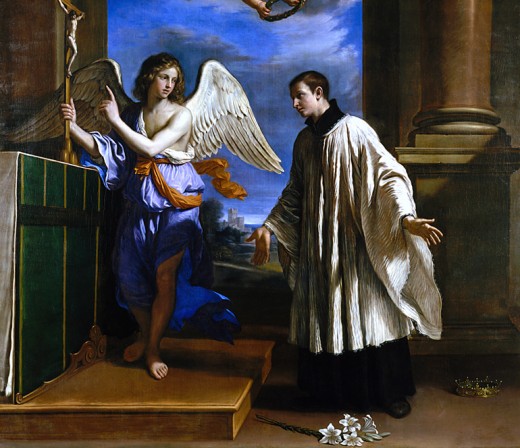
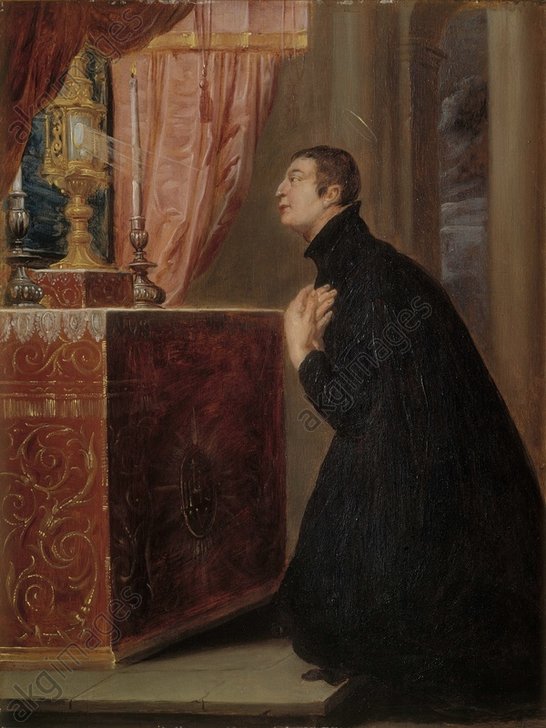
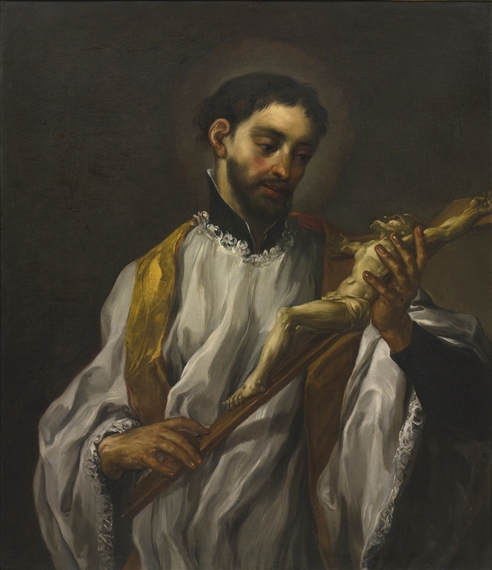
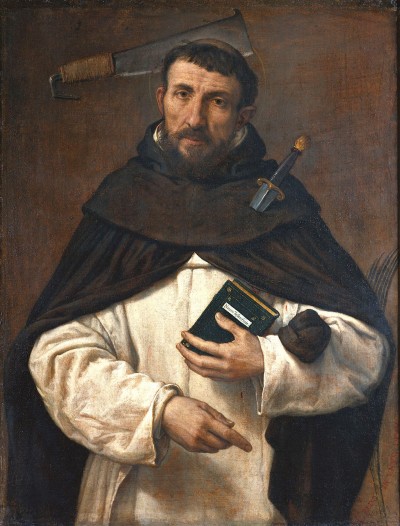
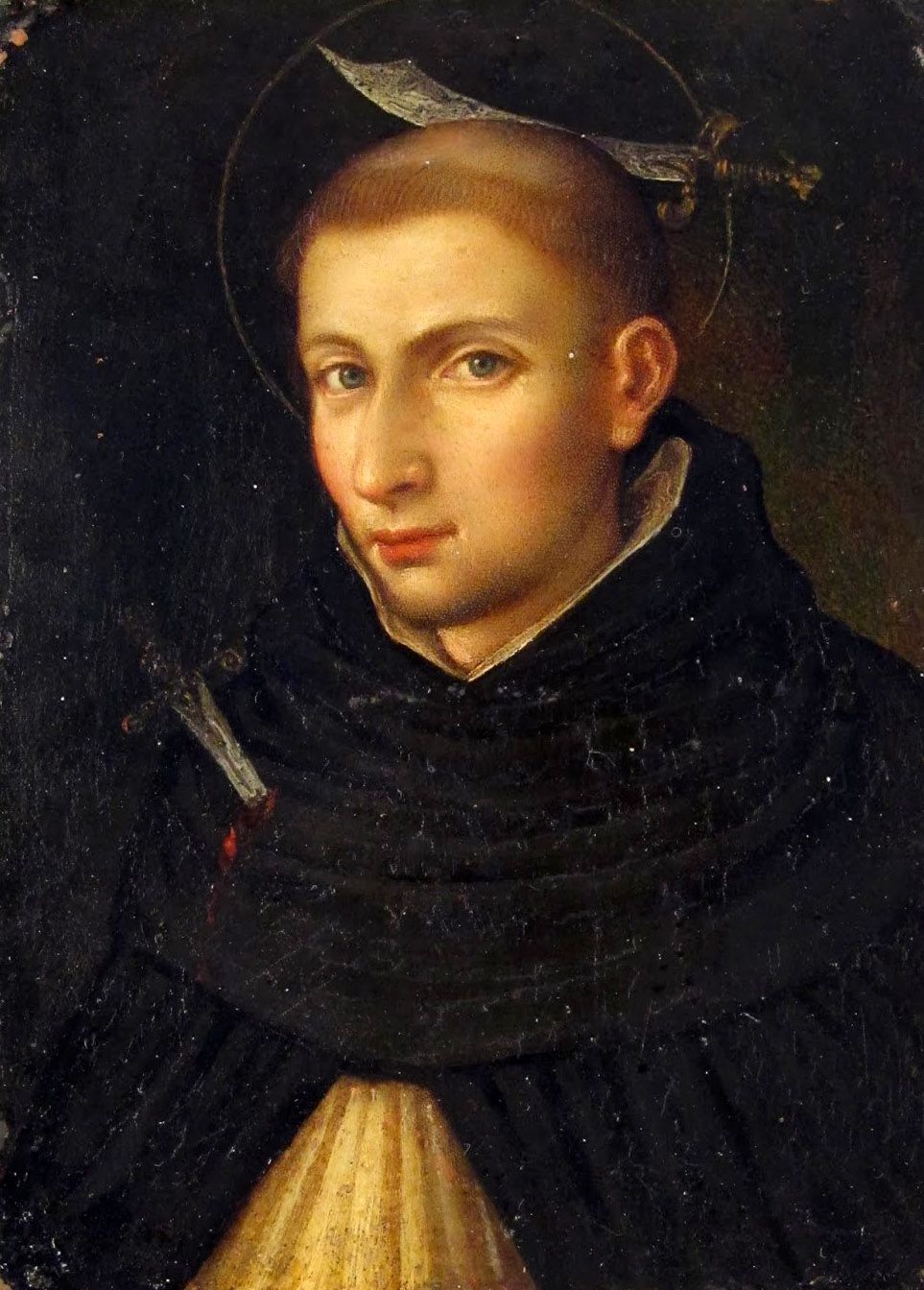
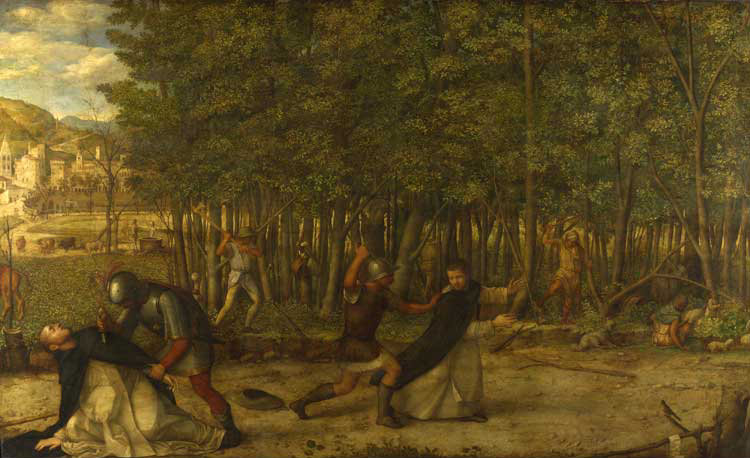
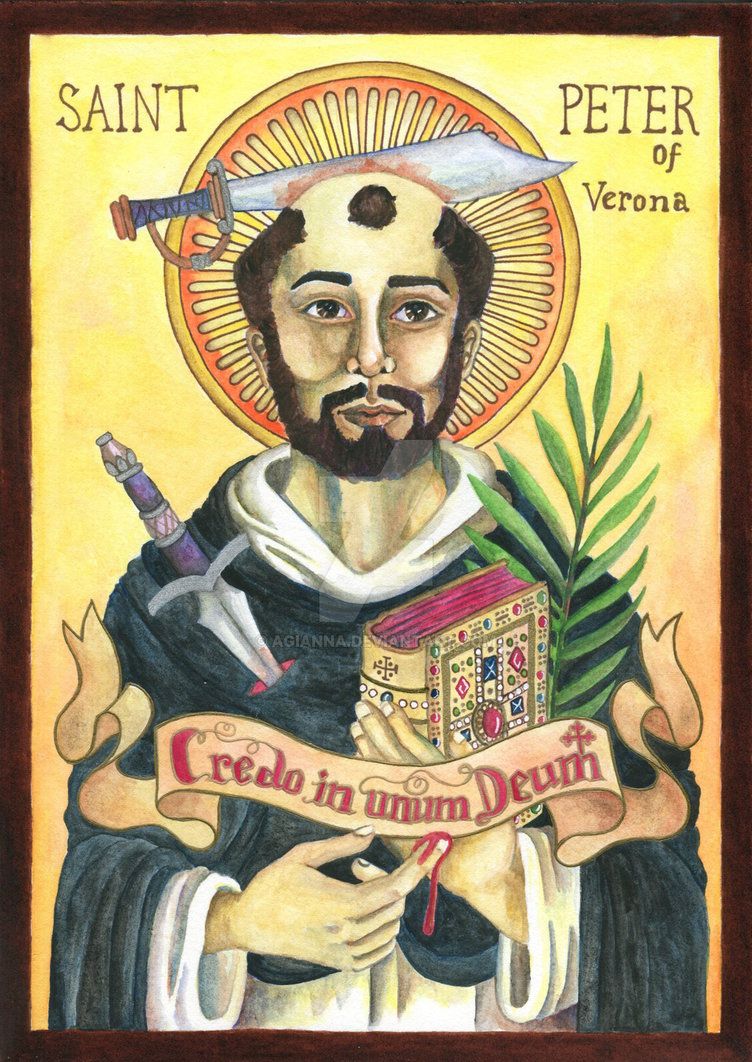
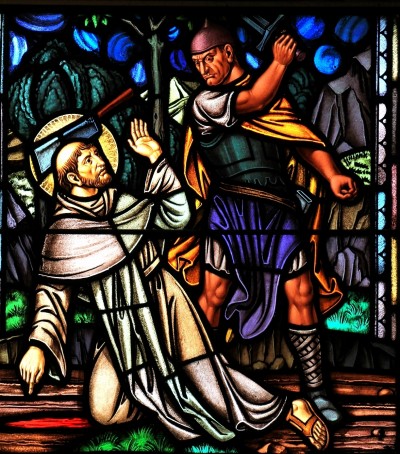
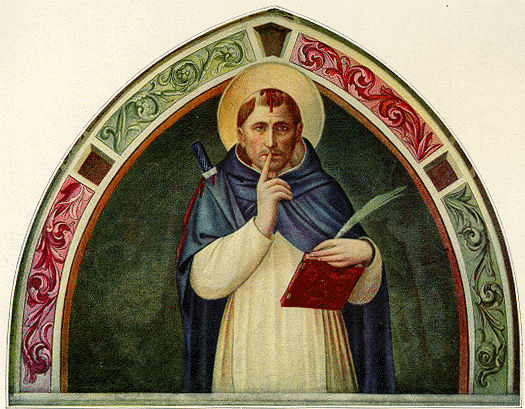

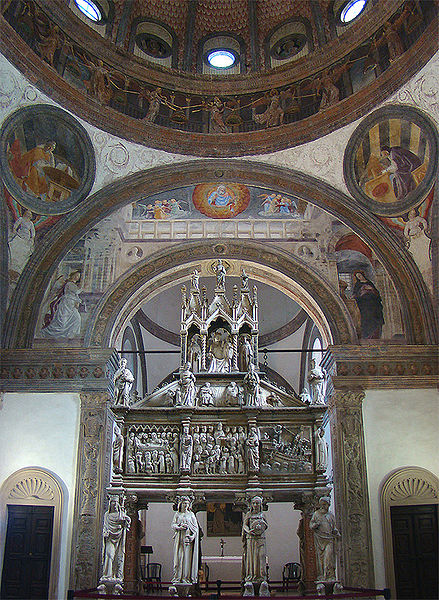


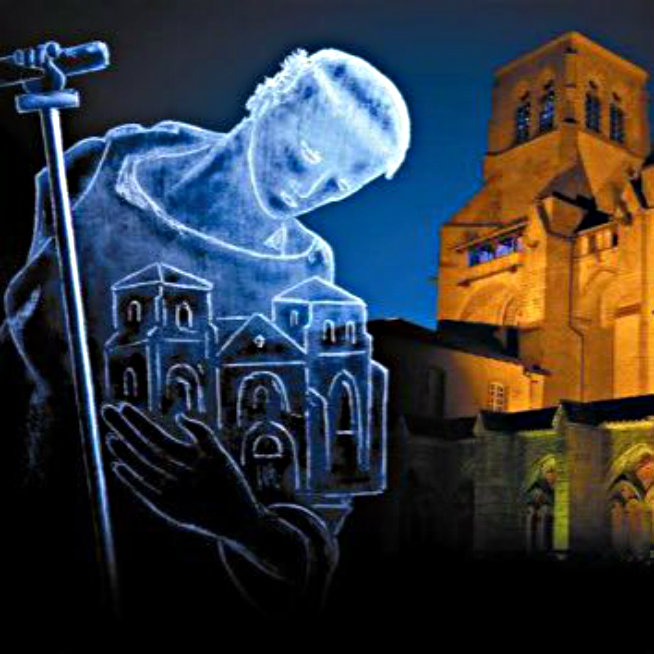


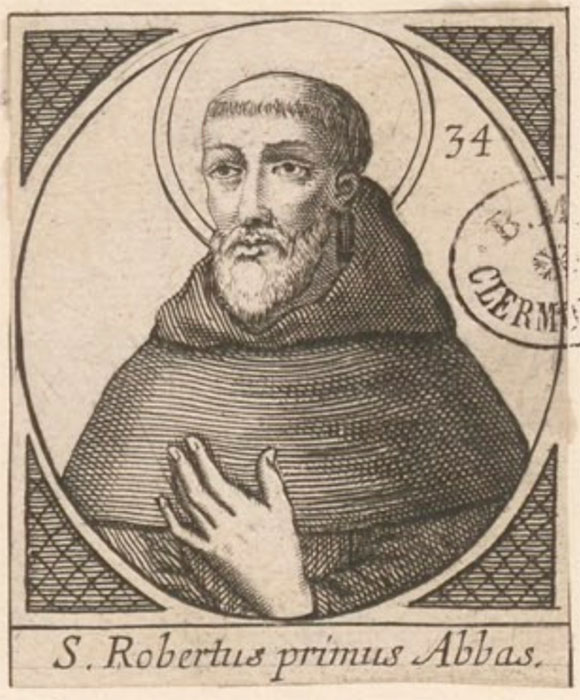

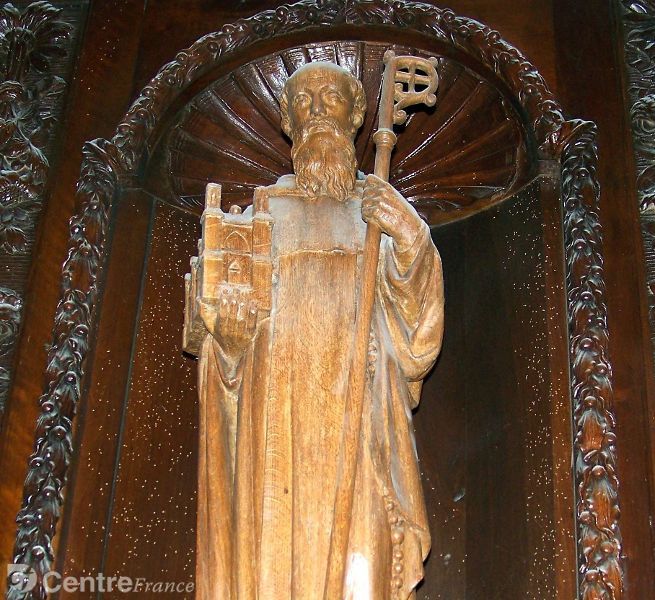


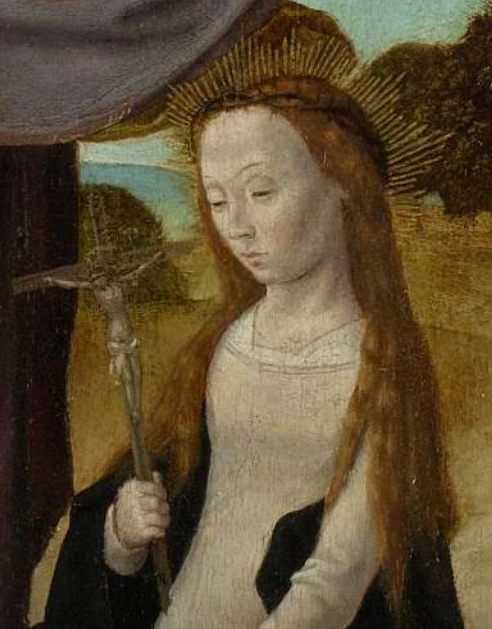
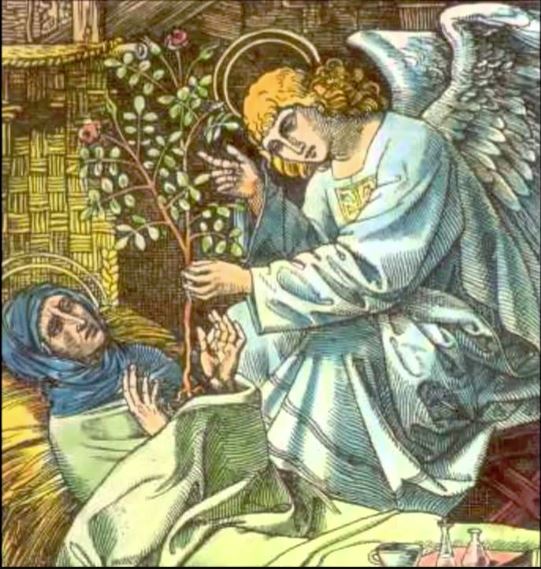
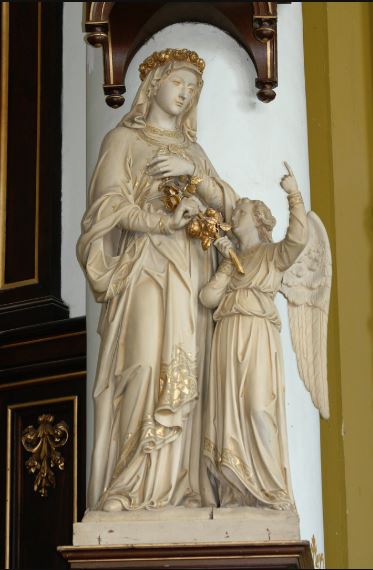
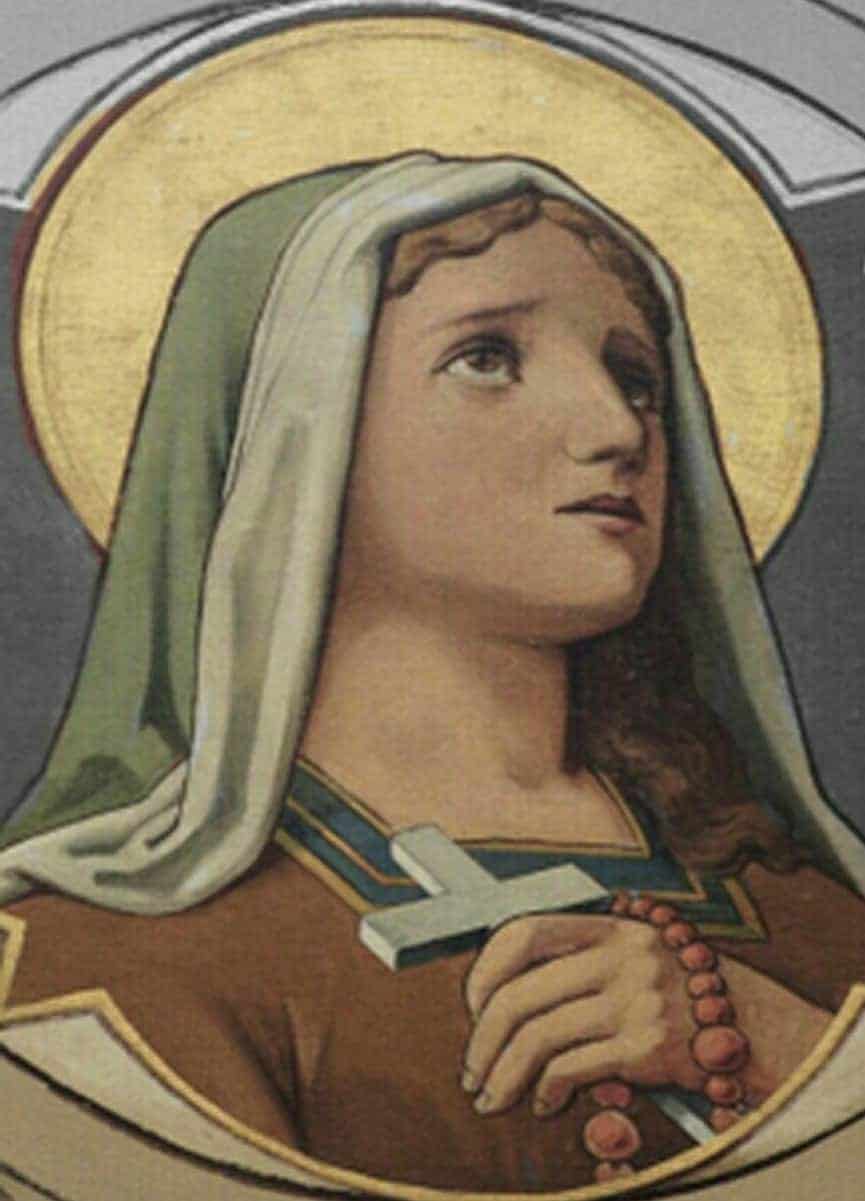
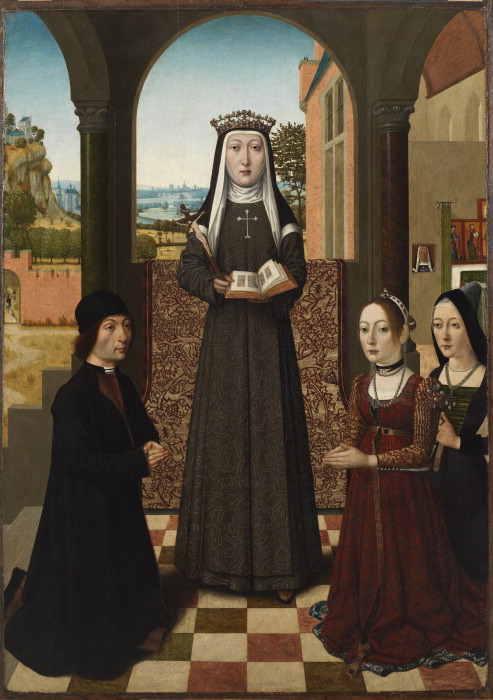
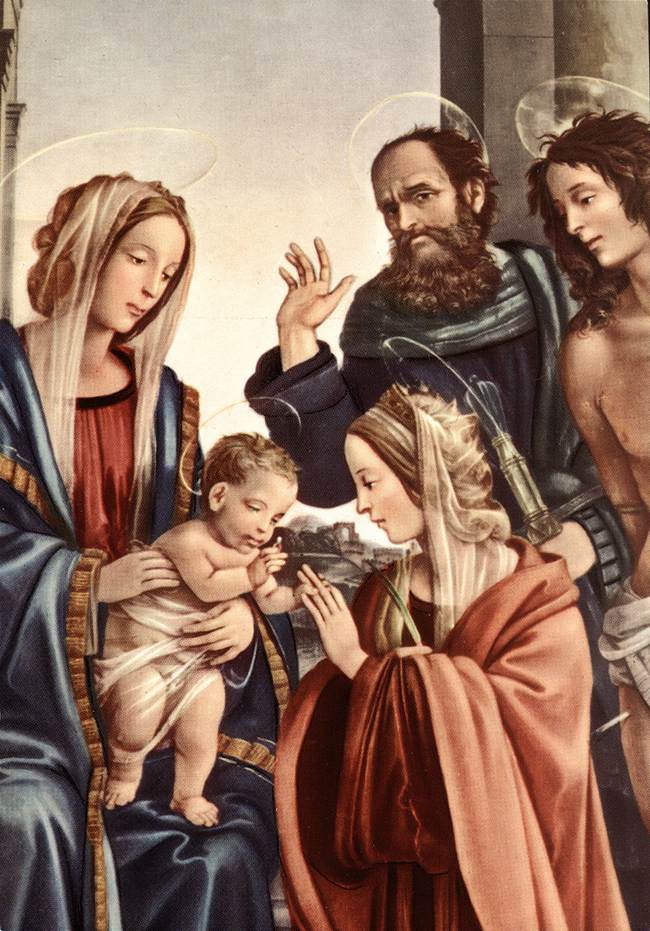
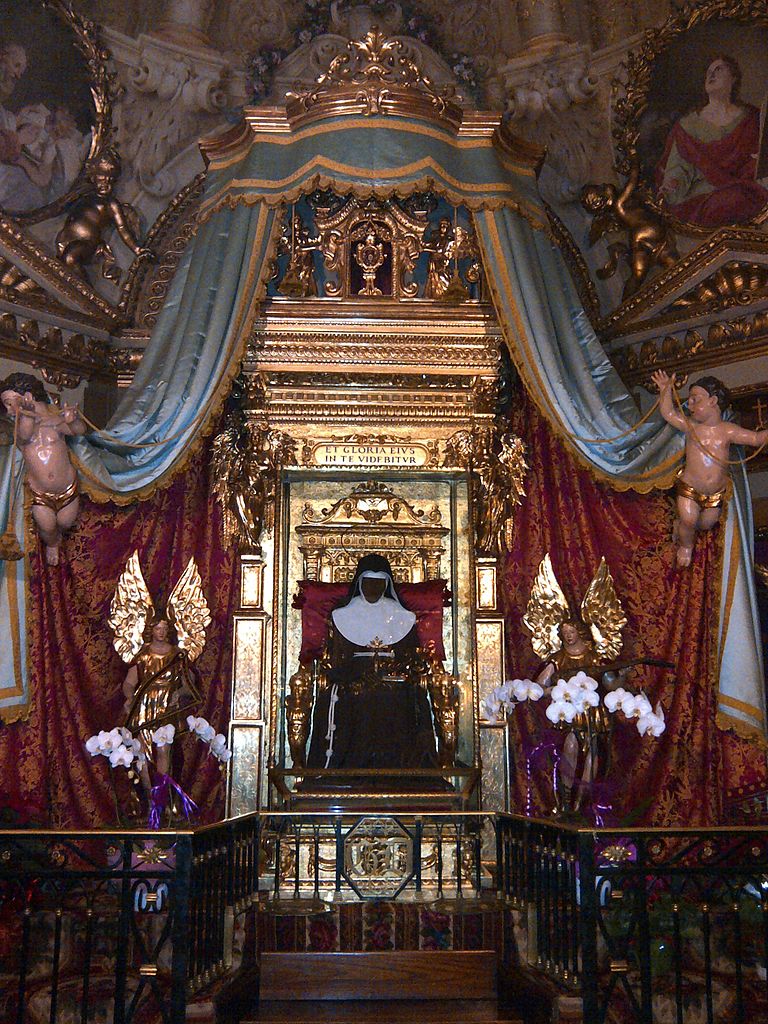
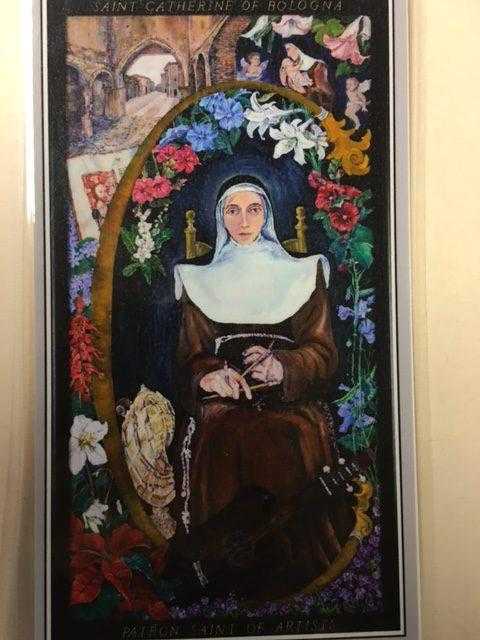
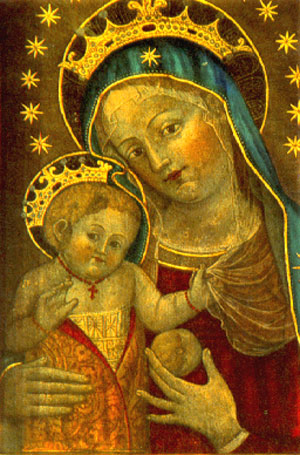

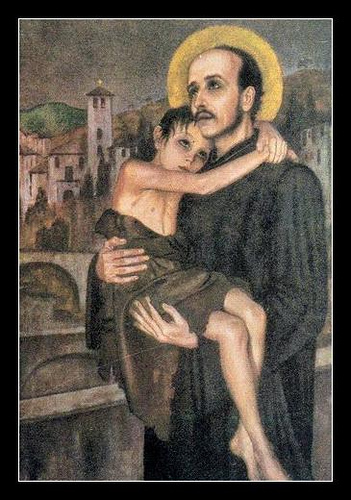
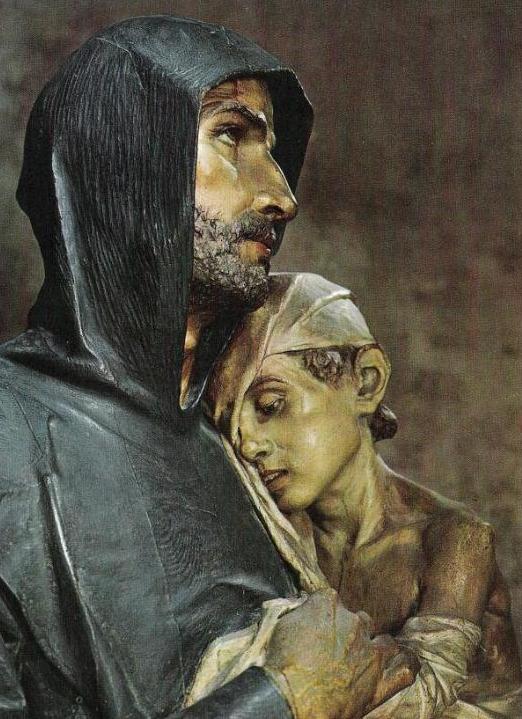
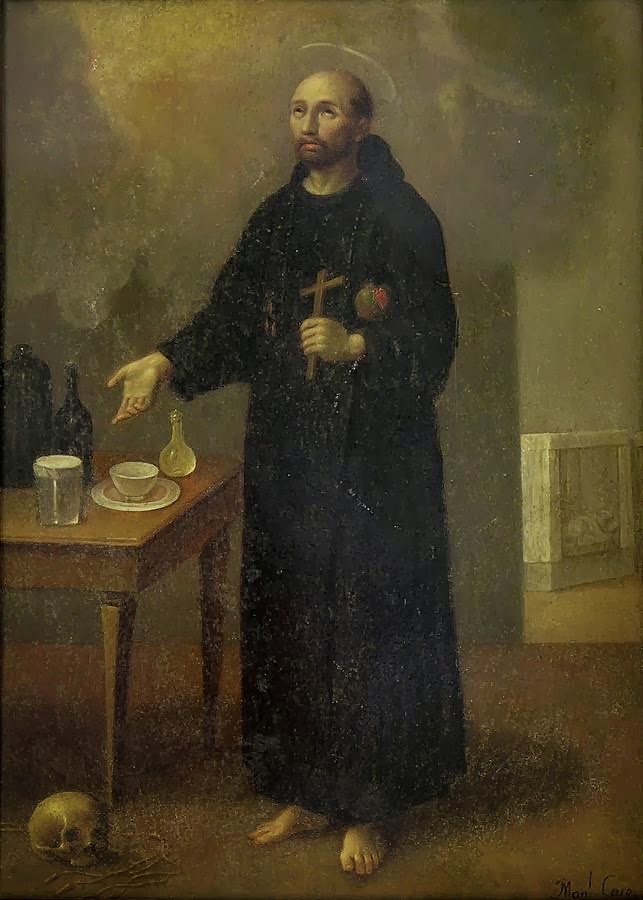
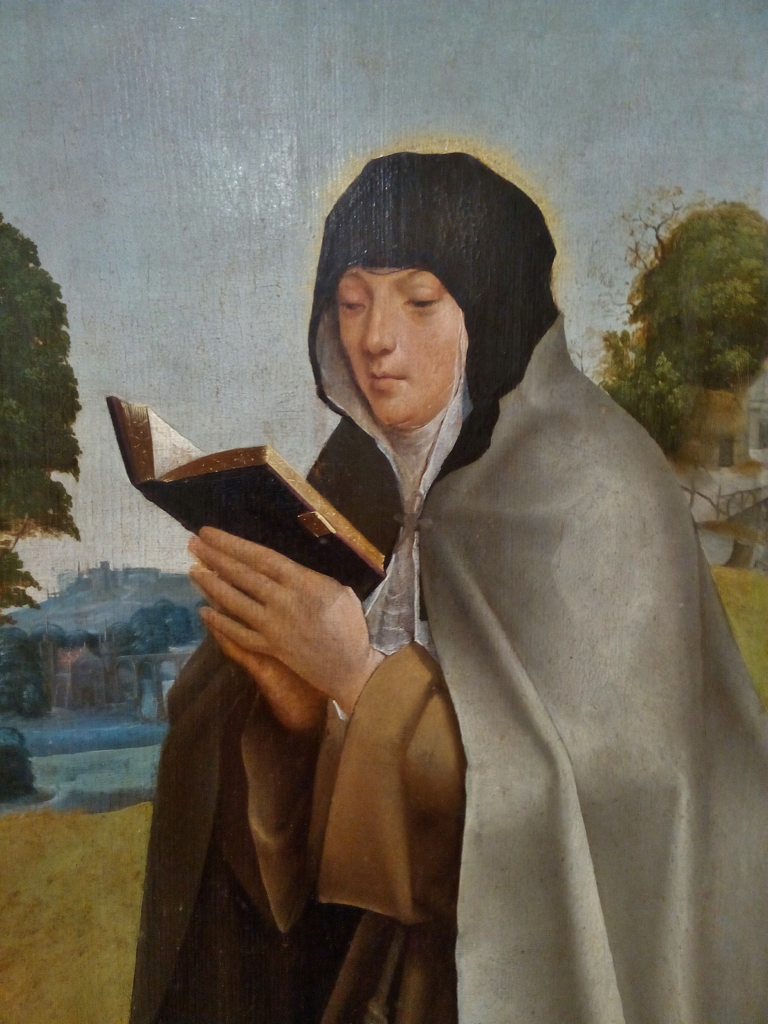
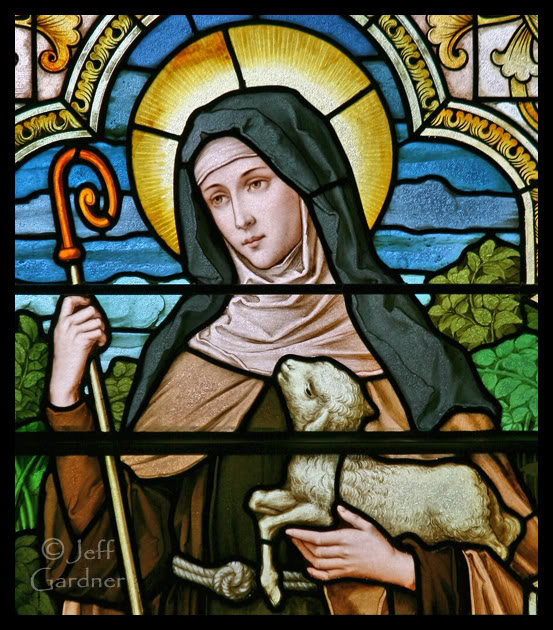
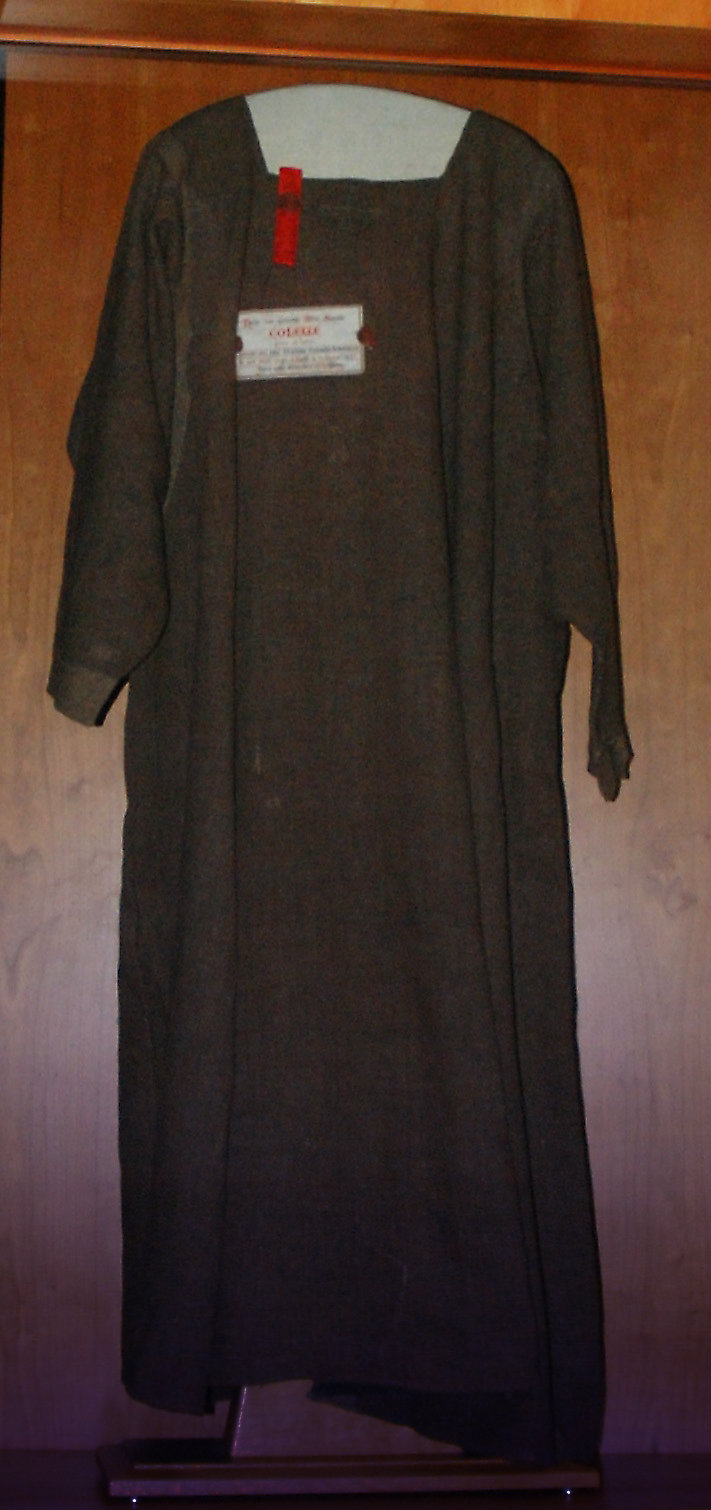


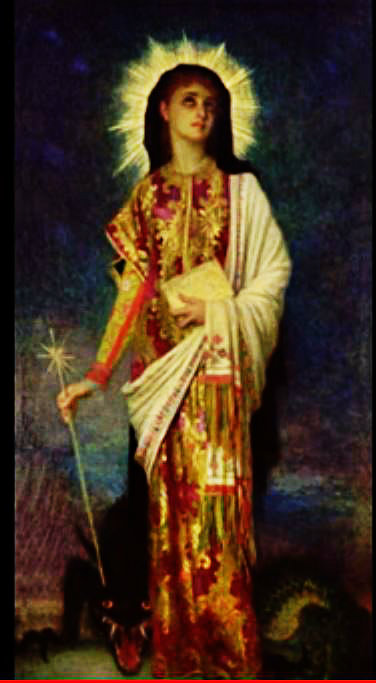
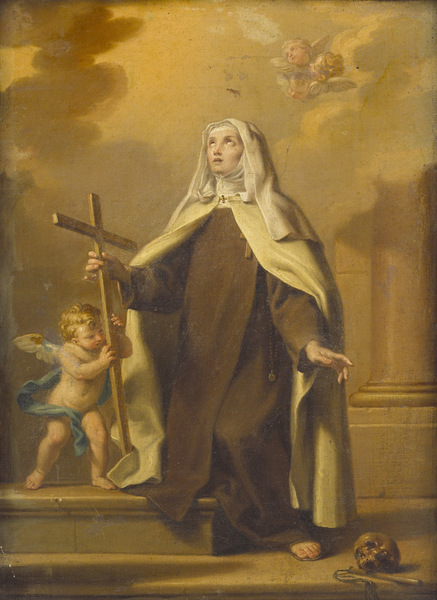
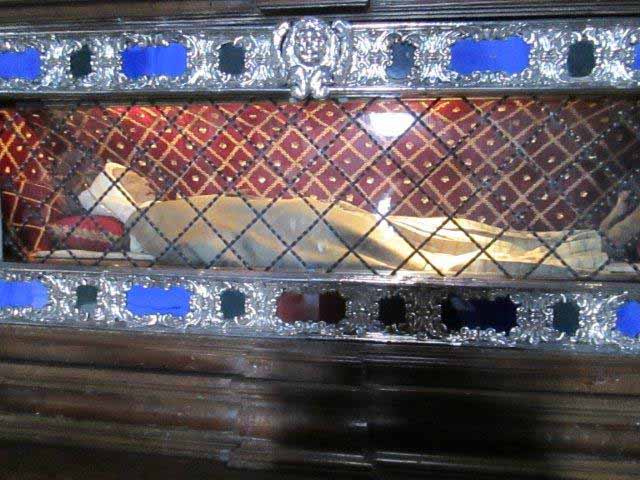
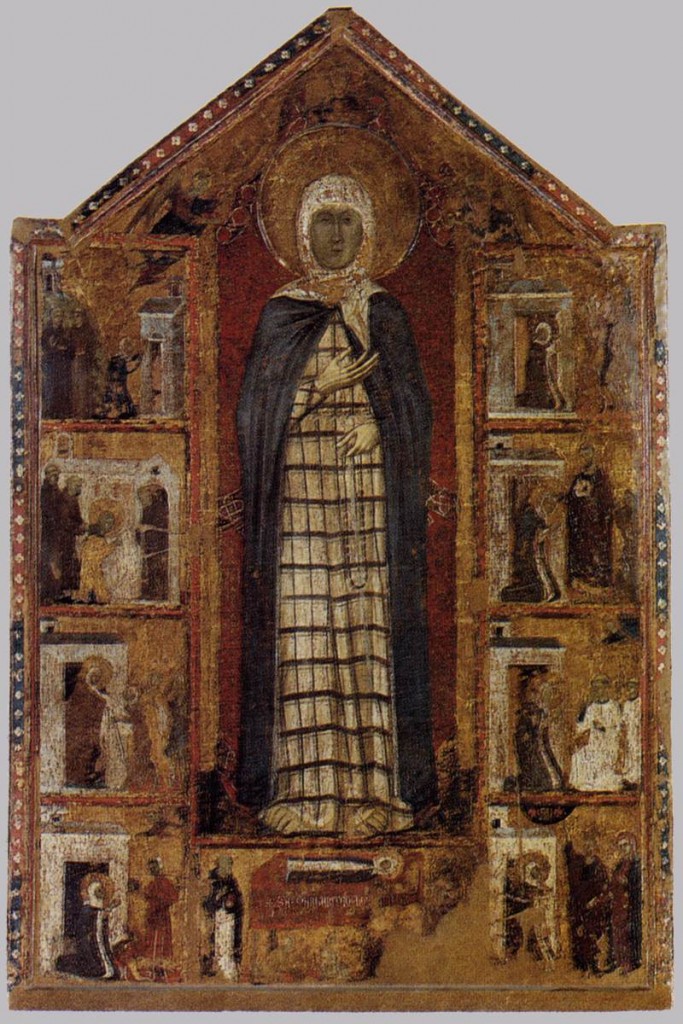
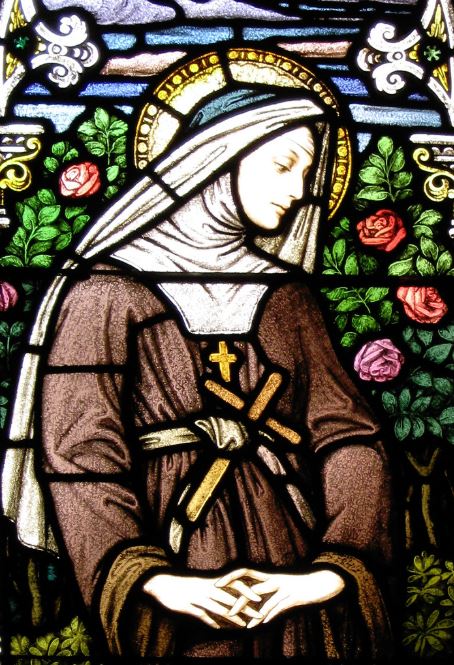
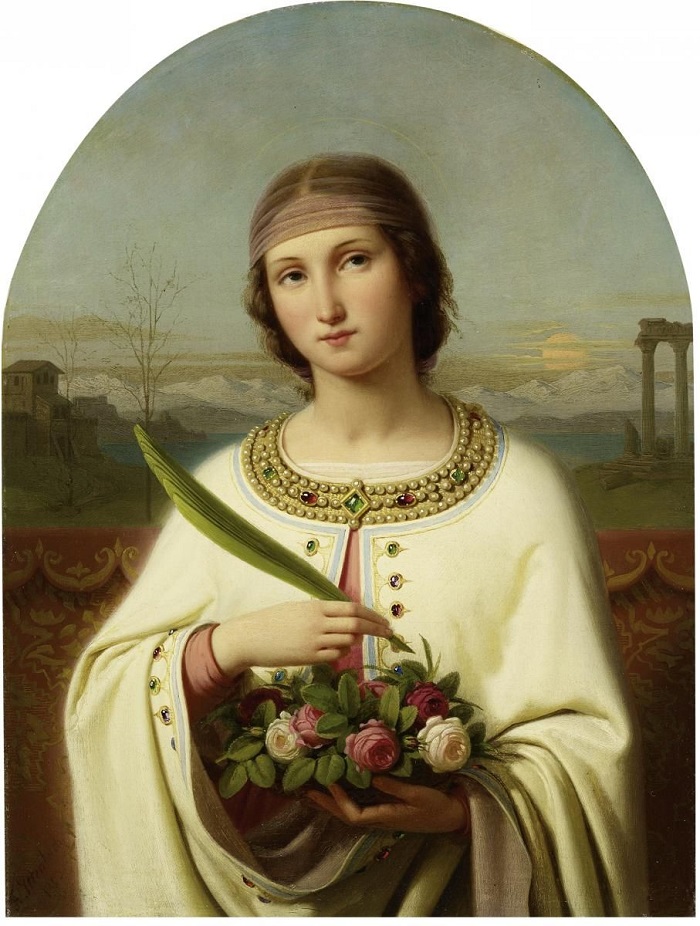
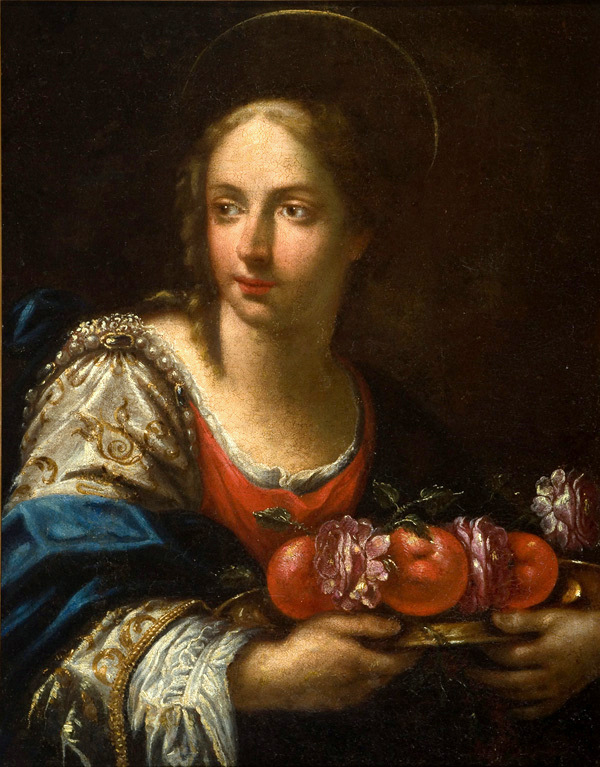
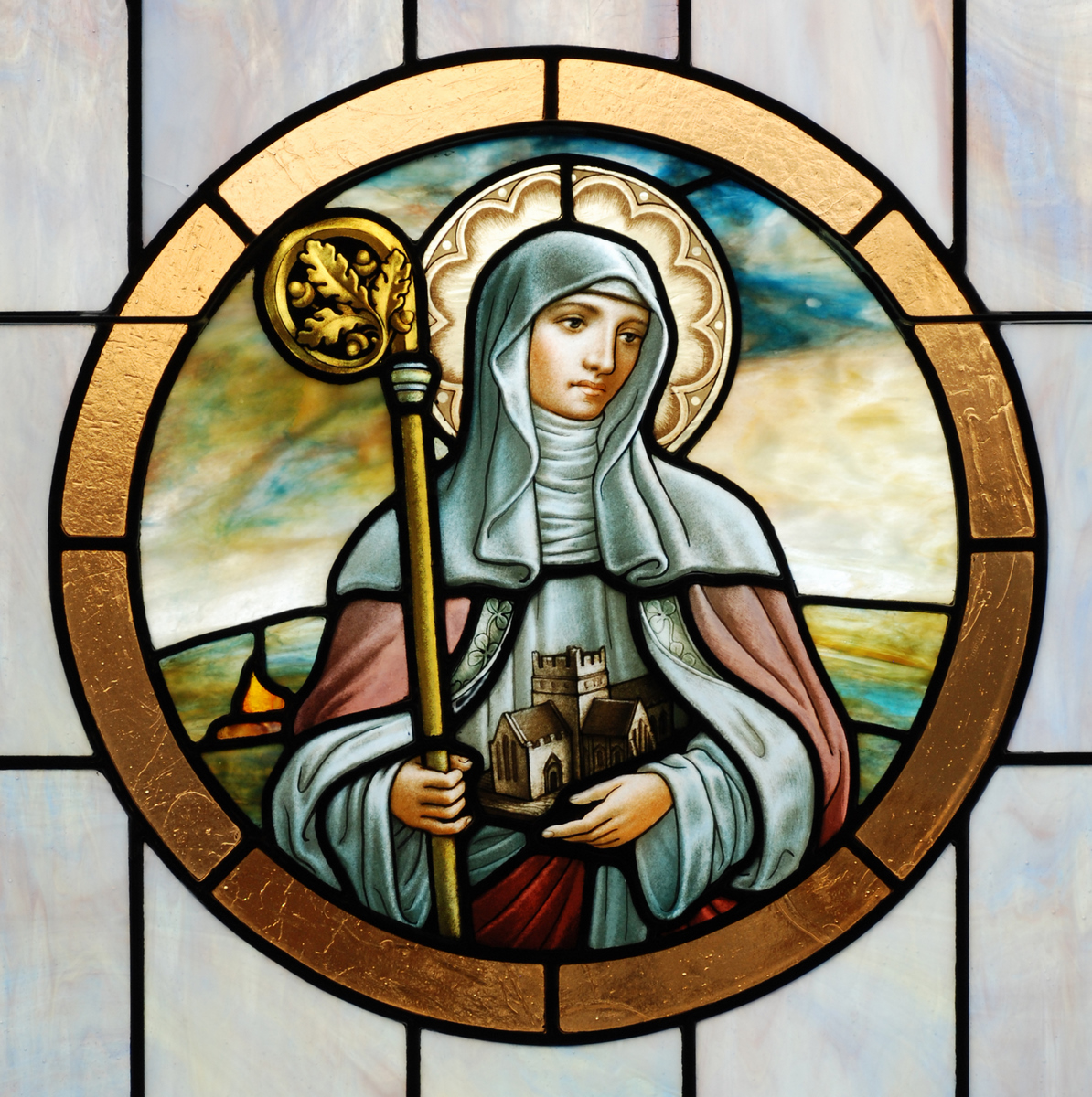
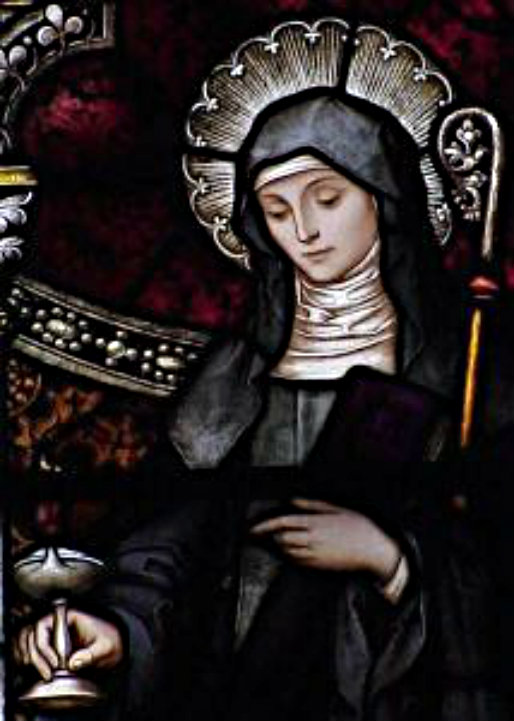


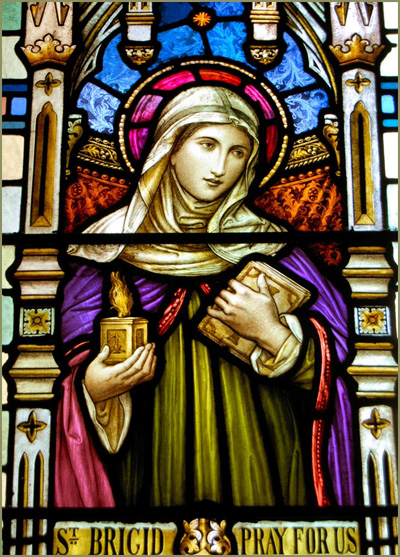






You must be logged in to post a comment.