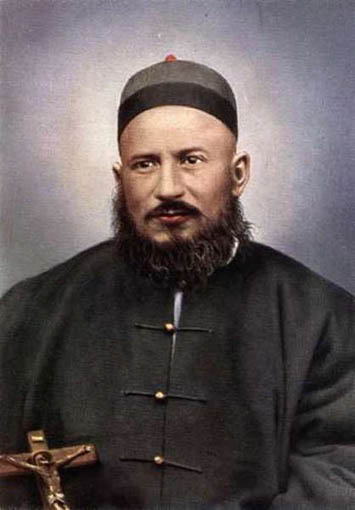
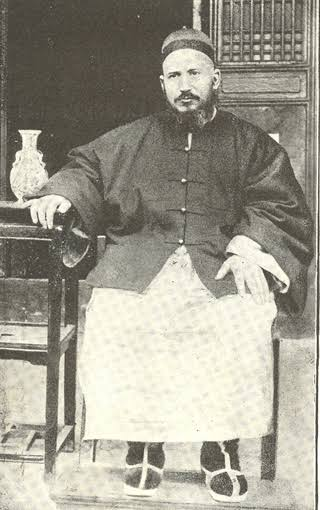
Alberico (Alberic) Crescitelli. Chinese name: Guo Xide. He was a seminarian at age twelve. Born the fourth of eleven children, near Naples, Italy, on the 30th of June 1863. Alberic joined the Milan Foreign Missionary Society and was sent to China in 1888. For 12 years he worked in the Vicariate’s various villages. His superiors considered him an excellent missionary, devoted and hardworking, with unostentatious but deeply rooted virtues and qualities. He worked in schools and missions along the Han River until the anti-Christian, anti-Western Boxer Rebellion brought chaos to China.
A group of ‘boxers’ (there are documents that point to the assassins being sent by the local gentry, whom Alberic came into conflict with after aid was distributed during the famine of 1900) captured Alberic, tortured and hacked him to pieces on July 21, 1900, ending by beheading him and throwing the pieces of his body into the river in order to cover up their crime.
Crescitelli’s confreres, who had known him well and for many years, started his beatification cause in 1908, only eight years after his death. The testimony provided by the confreres was unanimous about the holiness of Crescitelli’s life. At the Vatican, in St. Peter’s Basilica on 18 February 1951, Pope Pius XII declared Alberico Crescitelli “blessed.” The Pope’s speech was memorable, especially for the passage in which he described Father Crescitelli’s martyrdom:
‘Humanly speaking, his death was horrible; perhaps one of the most atrocious recorded in history. Nothing was missing, neither the cruelty of the torments, nor the time they lasted, the most barbaric humiliations, nor the suffering of the heart, nor the hypocritical betrayal of false friends, nor the hostile and threatening screams of his murderers, nor the darkness of being abandoned.’
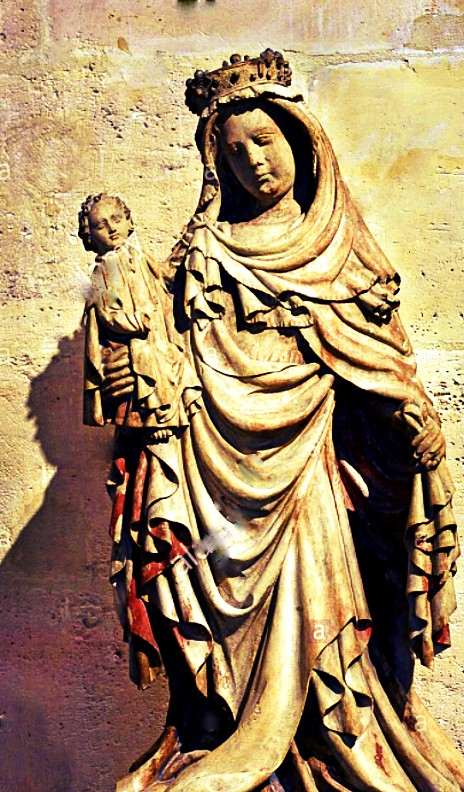
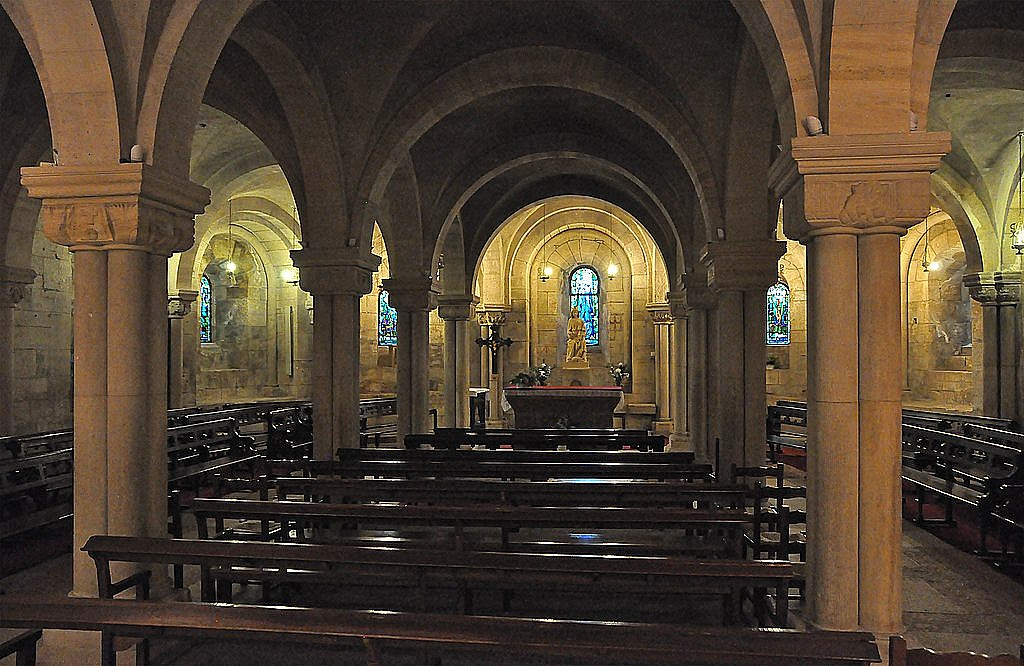
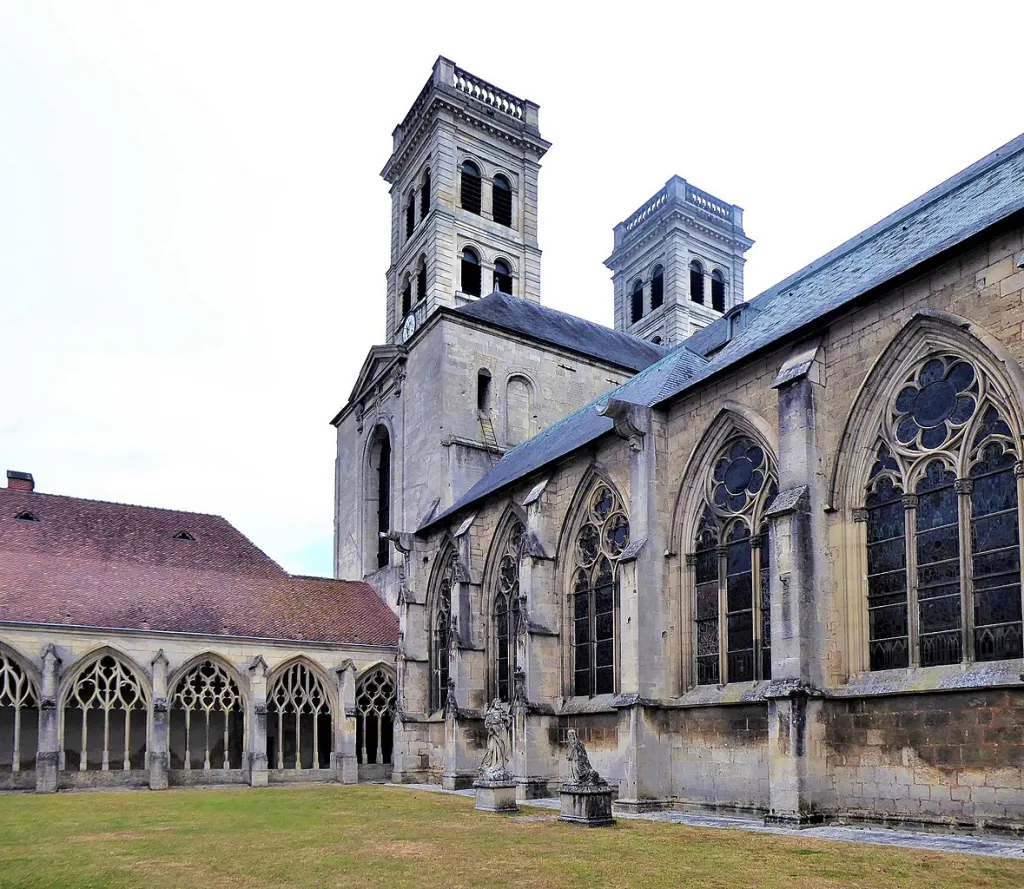
Notre-Dame-de-Verdun / Our Lady of Verdun, Lorraine , France (5th Century) – 21 July:
The present Cathedral of Notre-Dame-de -erdun is both a Cathedral and a national monument of France. It has a long and ancient history. It was in the year 330 when Saint Sanctinus, a disciple of Saint Denis, converted the City of Verdun to the True Faith and later made it an Episcopal City when he became its first Bishop. He built a Church there in honour of Saints Peter and Paul.
In the year 457 Saint Pulchrone, built the first Church located at the site where Our Lady of Verdun is presently located. The fifth Bishop of Verdun, Saint Pulchrone, built the Church inside the walls of the City on ancient Roman ruins. This Church was actually named to honour of the Blessed Virgin Mary as Mother of God, a title that had recently been confirmed at the Councils of Ephesus and Chalcedon. It was at the Council of Ephesus in 431 that Mary was formally affirmed to be Theotokos, “God-bearer,” or “the one who gives birth to God.” At Chalcedon, the nature of Christ was formally defined, teaching that He was God and man, “one and the same Christ, Son, Lord, Only-begotten, known in two natures, without confusion, without change, without division, without separation.” With this definition Mary was shown to be the Mother of God and not just of Our Lord in His human nature. The Church and Our Lady of Verdun was celebrated for numerous miracles. In the year 990, Bishop Heimon built a new Cathedral to Our Lady of Verdun, and in the 12th century a choir and two portals were added. In 997, the Emperor Otto III conferred on this Bishop Heimon, or Haymon, the title of Count, making him and his successors Episcopal Counts.
The Cathedral was consecrated by Pope Eugene III in 1147. In the 14th century the flat wooden ceiling was replaced with a vaulted ceiling and side-Chapels were added to the nave. Another side Chapel, dedicated to the Blessed Virgin of the Assumption, was built in the 16th century. In 1755 the roof and towers were hit by lightning, which set them both on fire, which did significant damage to the Church. In 1760 the Church was repaired and rebuilt in the Neo-Classical style.
The Cathedral was once again severely damaged in World War I, as it was hit by artillery rounds in the Battle of Verdun, which destroyed the towers. The crypt was rediscovered during the renovation that went on until the year 1936 and a re-inauguration took place in 1935. The millennial celebration of the Cathedral took place in 1990.
The Arbennes family were the Counts of Verdun, and Godfrey of Bouillon was a member of that family. Godfrey gave up his right to the title before leaving on the First Crusade.
St Lawrence of Brindisi OFM Cap (1559-1619)Doctor of the Church (Optional Memorial) St Lawrence is known as the “Franciscan Renaissance Man” – he was a Religious member of the Franciscan Friars Minor Capuchin, a Priest, Theologian, Vicar General of the Franciscans, Language scholar, Apologist of immense and calm resources, Humanist, Philosopher, Biblicist, Preacher, Missionary, Professor, International Administrator, Confidant of Popes, Emperors, Kings and Princes, Diplomatic envoy, Army Chaplain, Military Strategist and Morale builder, Polemicist, Prolific writer.
Bl Agrícola Rodríguez García de Los Huertos Bl Alberic Crescitelli
Blessed Angelina of Marsciano TOR (1357-1435) – Abbess, Foundress of the Franciscan Sisters of Blessed Angelina who work with the poor and the sick.
St Arbogast of Strasbourg (Died c 678) Bishop St Barhadbescialas St Benignus of Moyenmoutier Bl Claudius of Avignon St Claudius of Troyes St Corona of Marceille Bl Cristóbal López de Valladolid Orea Bl Daniel Molini St Daniel the Prophet St Eleutherius of Marseille St Eternus of Evreaux Bl Gabriel Pergaud St Iosephus Wang Yumei St John of Edessa St John of Moyenmoutier Bl Juan de Las Varillas Bl Juan de Zambrana St Jucundinus of Troyes St Julia of Troyes St Justus of Troyes Bl Parthenius of Thessaly St Praxides of Rome St Simeon Salus
St Wastrada St Zoticus of Comana — Martyrs of Africa – 6 saints: Six Christians who were martyred together. We know no other details about them but the names – Emilian, Hugal, Motanus, Saphus, Stercorius and Victor. They were martyred in an unknown location in Africa, date unknown.
Our Morning Offering – 21 July – “Month of the Most Precious Blood”
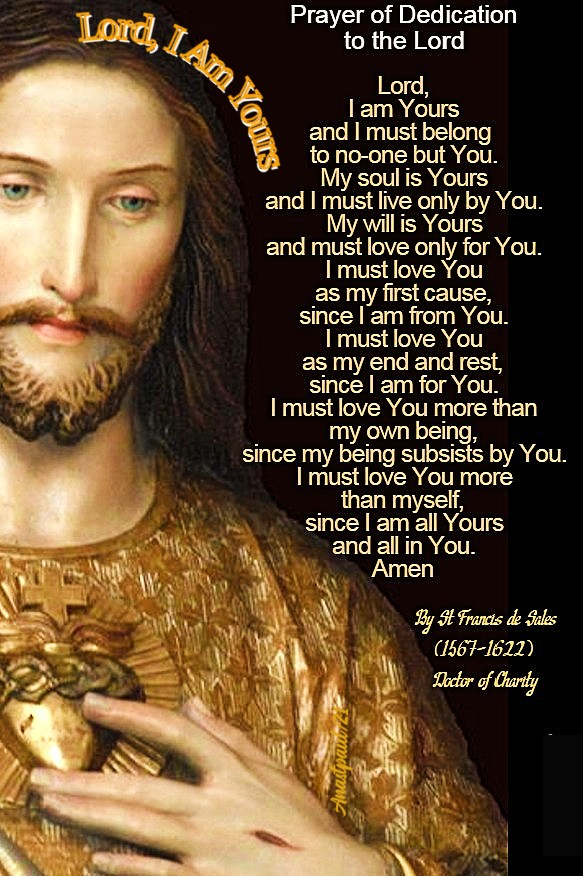
Lord, I Am Yours Prayer of Dedication to the Lord By St Francis de Sales (1567-1622) Doctor of Charity
Lord, I am Yours and I must belong to no-one but You. My soul is Yours and I must live only by You. My will is Yours and must love only for You. I must love You as my first cause, since I am from You. I must love You as my end and rest, since I am for You. I must love You more than my own being, since my being subsists by You. I must love You more than myself, since I am all Yours and all in You. Amen
One Minute Reflection – 21 July – “Month of the Most Precious Blood” – Readings: Sir 15:5, Ps 91:2, 2 Tim 4:1-8, Matt 5:13-19
Do not think that I am come to destroy the law, or the prophets. I am not come to destroy, but to fulfill. For amen I say unto you, till heaven and earth pass, one jot, or one tittle shall not pass of the law, till all be fulfilled.
Matt 5:13-19
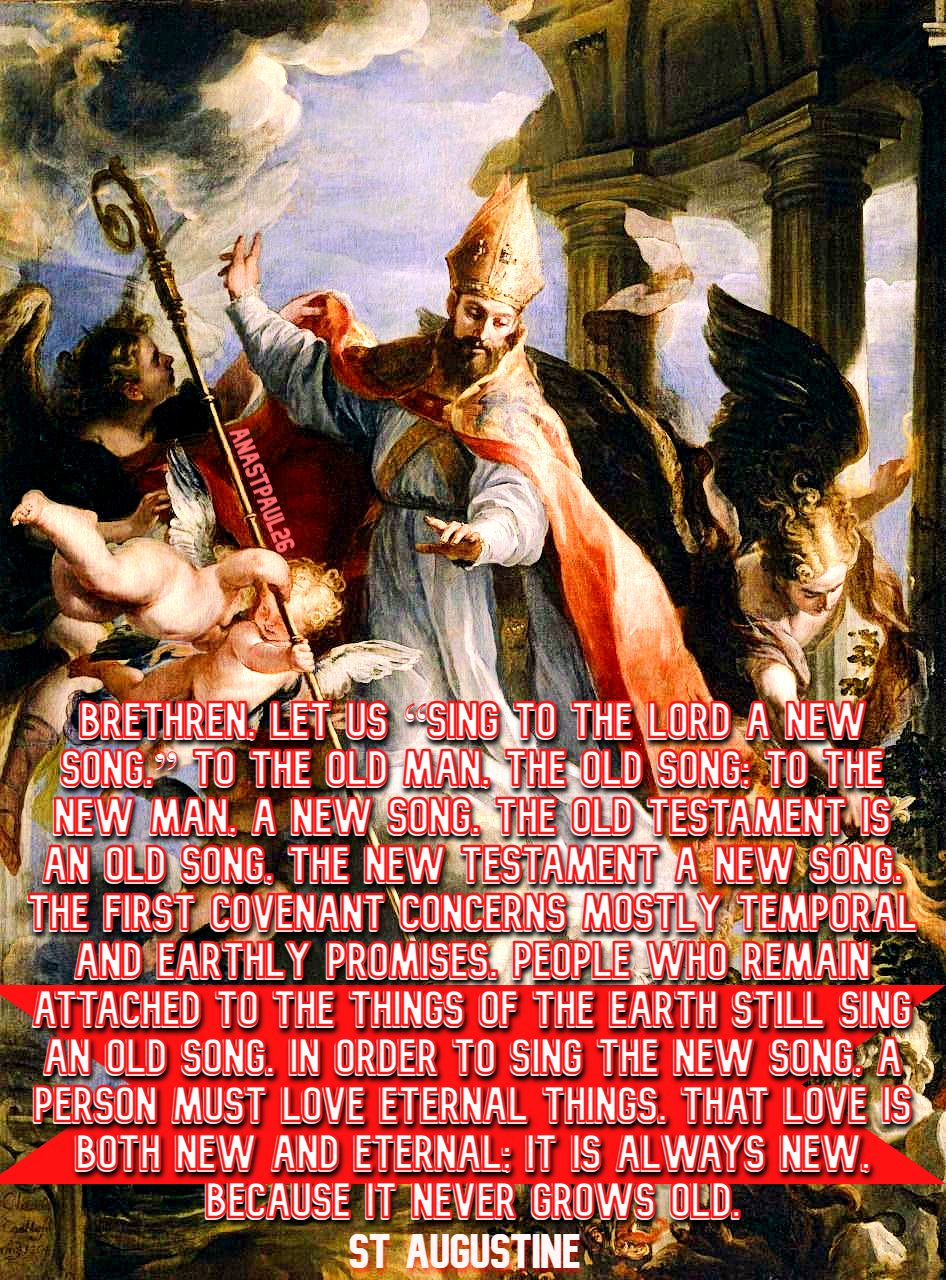
REFLECTION – Brethren, let us “sing to the Lord a new song.” To the old man, the old song; to the new man, a new song. The Old Testament is an old song, the New Testament a new song. The first covenant concerns mostly temporal and earthly promises. People who remain attached to the things of the earth still sing an old song. In order to sing the new song, a person must love eternal things. That love is both new and eternal; it is always new, because it never grows old.
But if we think about it, this love is very old. How could it be new? My brethren, was eternal life born yesterday? Eternal life is Christ and, as God, he was not born yesterday. For “In the beginning was the Word and the Word was God. He was present to God in the beginning. Through him all things came into being, and apart from him nothing came to be.” If he made what is old, what is he other than eternal, co-eternal with the Father? It is we who, by sin, have fallen into senescence. Human beings have become old as a consequence of sin. It is by God’s grace that we are renewed. All who are thus renewed in Christ sing a new song for they are beginning to be established in eternal life.
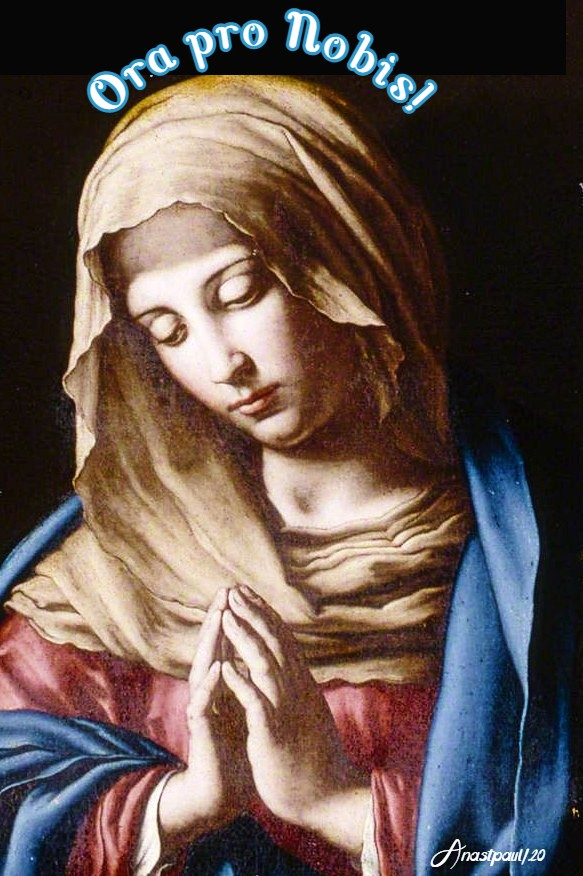
PRAYER – Holy, almighty God, You sent Your prophets and then Your only Son to teach us and lead us to eternal life. Remember Lord, Your solemn covenant, renewed and consecrated by the blood of the Lamb, so that Your people may obtain forgiveness for their sins and a continued growth in grace. Send us Your Spirit, to enlighten our hearts and minds and grow in love for You and the Word made flesh. Guide us in our understanding and living, by the Words of the Word. Holy Mother Mary intercede for us, that we may merit to be co-heirs of His Kingdom. Who lives and reigns with You in the unity of the Holy Spirit, one God, forever, amen.
Quote/s of the Day – 21 July – “Month of the Most Precious Blood” and the Memorial of St Lawrence of Brindisi OFM Cap (1559-1619) Doctor of the Church
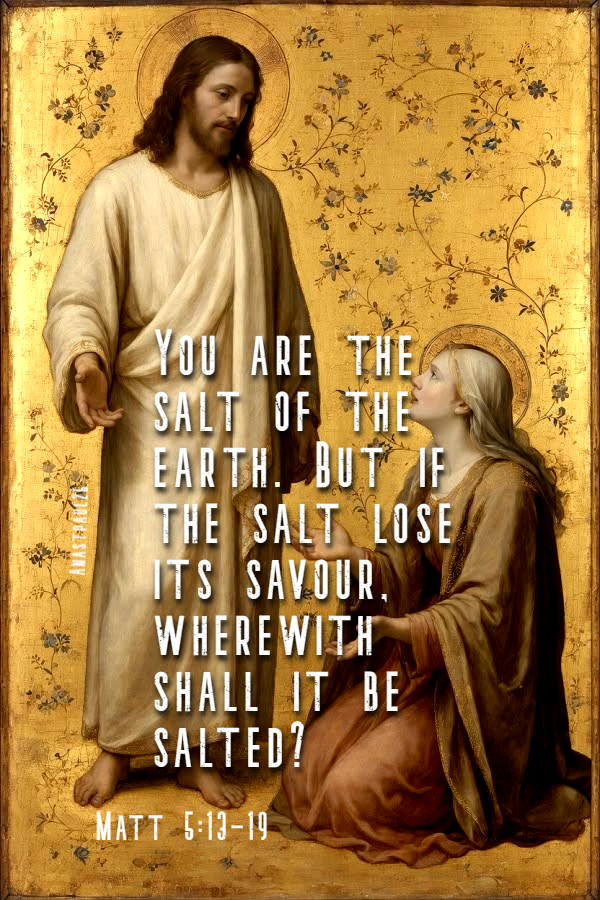
You are the salt of the earth. But if the salt lose its savour, wherewith shall it be salted?
Matt 5:13-19
For by saying, You are the salt of the earth, He signified all human nature to have lost its savor, and to be decayed by our sins.For which cause, you see, He requires of them such virtues, as are most necessary and useful for the superintendence of the common sort. For first, the meek, and yielding, and merciful, and righteous, shuts not up his good deeds unto himself only, but also provides that these good fountains should run over for the benefit of others. And he again who is pure in heart, and a peacemaker, and is persecuted for the truth’s sake; he again orders his way of life for the common good. Think not then, He says, that you are drawn on to ordinary conflicts, or that for some small matters you are to give account.You are the salt of the earth.
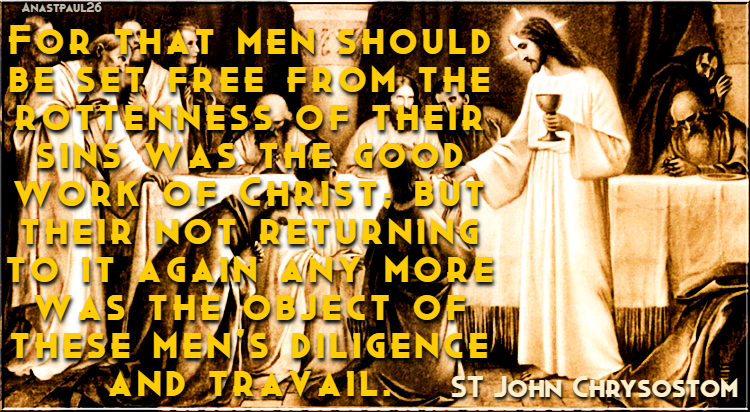
St John Chrysostom (Homily 15 on Matthew)
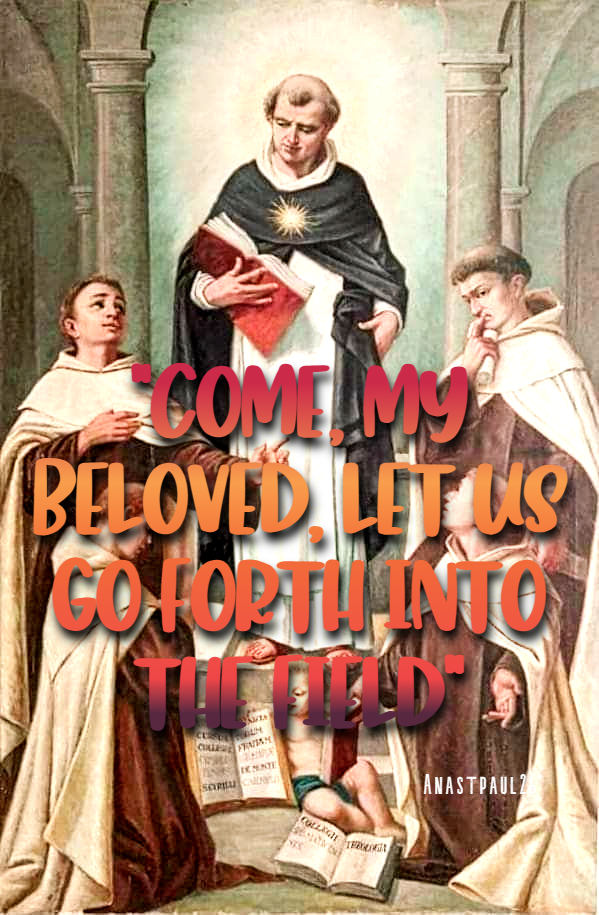
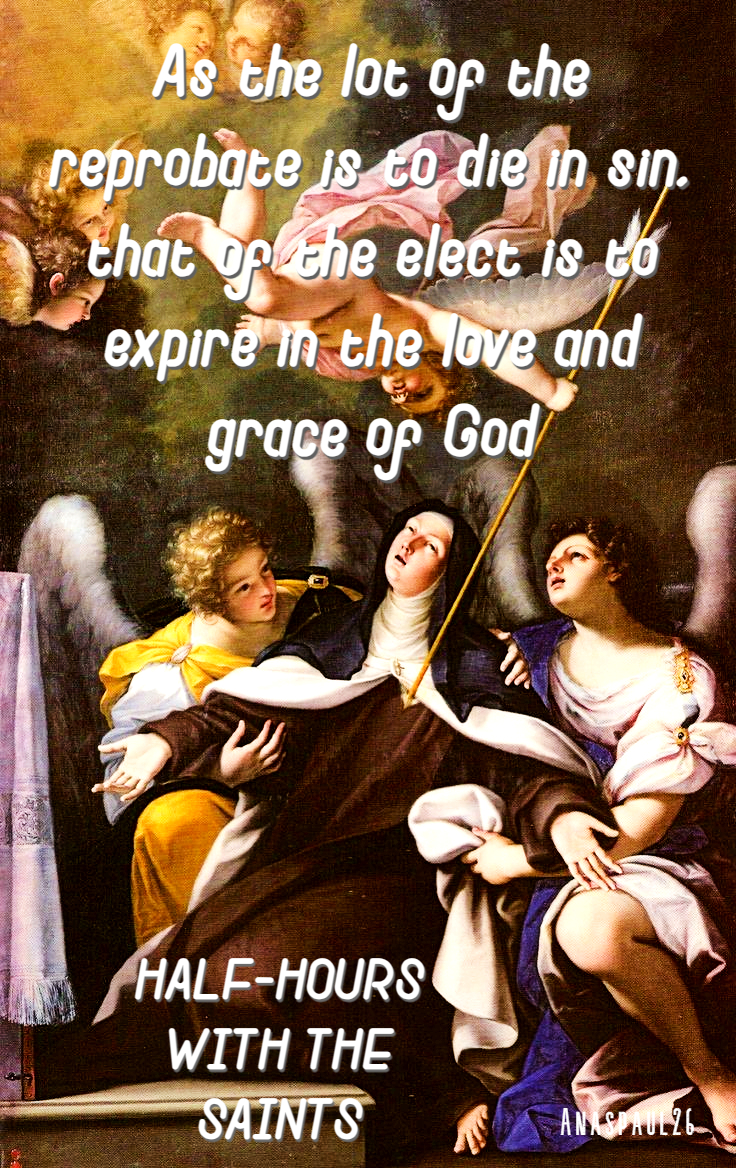
As the lot of the reprobate is to die in sin, that of the elect is to expire in the love and grace of God, which is effected in several ways. Many of the Saints died, not only in the state of charity, but in the actual exercise of divine love.St. Augustine expired in making an act of contrition, which cannot exist without love; St. Jerome, in exhorting his disciples to charity and the practice of all virtues; St. Ambrose, in conversing sweetly with his Saviour, whom he had received in the Holy Eucharist; St. Antony of Padua also expired in the act of discoursing with our Divine Lord, after having recited a hymn in honour of the ever-glorious Virgin; St. Thomas of Aquinas, with his hands clasped, his eyes raised to heaven, and pronouncing these words of the Canticles, which were the last he had expounded: “Come, my beloved, let us go forth into the field”.
Half-Hours With the Saints and Servants of God (Charles Kenny)
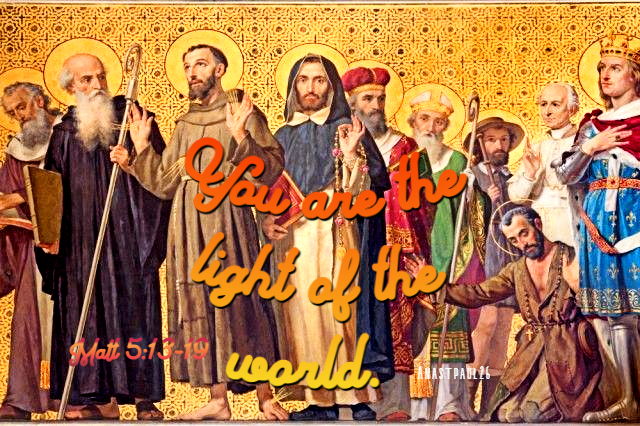
You are the light of the world. A city seated on a mountain cannot be hid. Neither do men light a candle and put it under a bushel, but upon a candlestick, that it may shine to all that are in the house. So let your light shine before men, that they may see your good works, and glorify your Father who is in heaven.
Matt 5:13-19
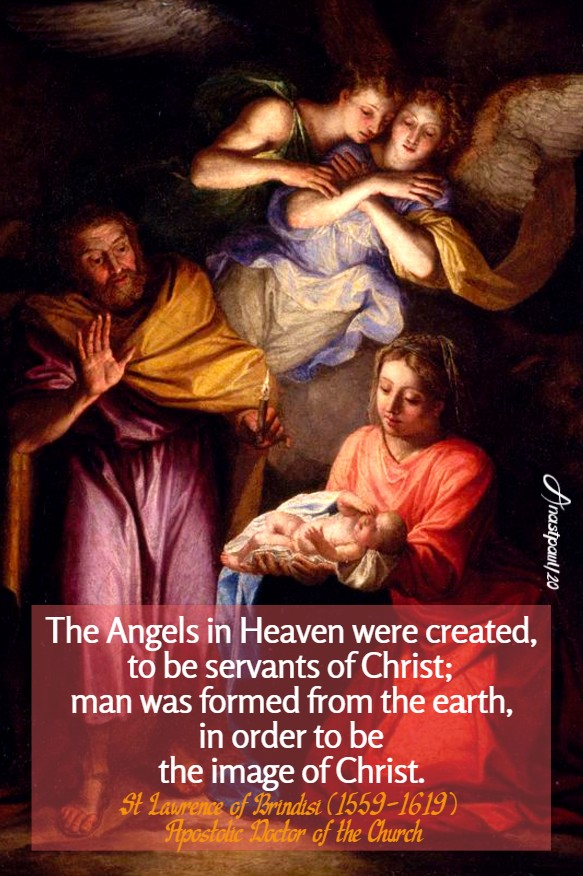
“The Angels in Heaven were created, to be servants of Christ; man was formed from the earth, in order to be the image of Christ.”
St Lawrence of Brindisi
For that men should be set free from the rottenness of their sins was the good work of Christ; but their not returning to it again any more was the object of these men’s diligence and travail.
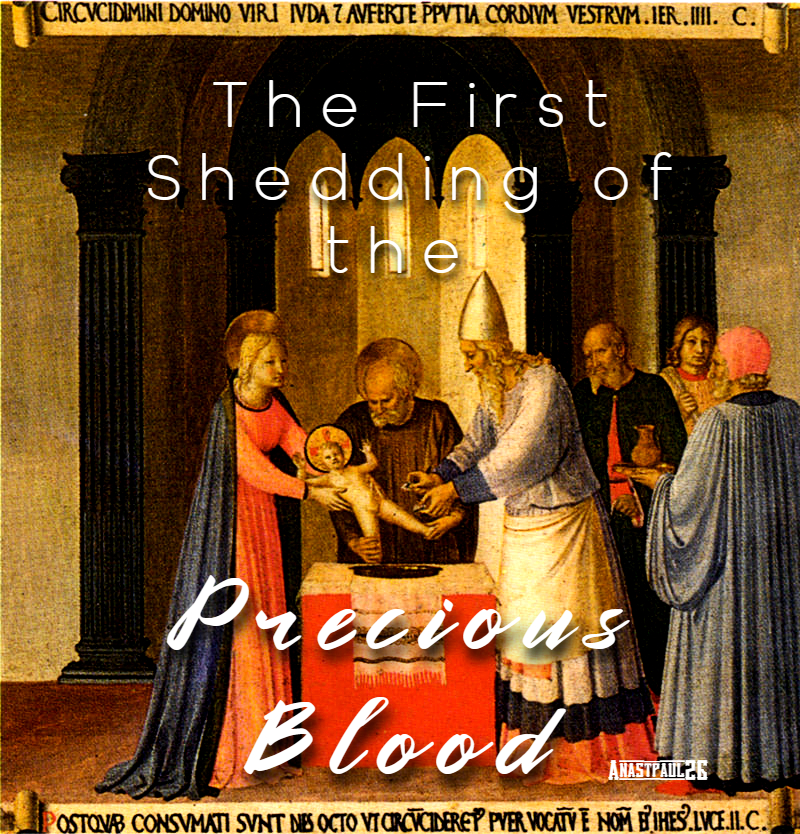
21st Day – The First Shedding of the Precious Blood
It was but a few days after Our Lord’s Birth that His Precious Blood first flowed for the sins of men. It was on the occasion of His circumcision, the rite which is generally believed to have been the condition of the cleansing away of original sin under the Jewish covenant. O Jesus, ar least Thine infancy might have passed before the work of expiation began! No, from His earliest days Christ began His work of redemption. In His yearning love He longed for suffering on behalf of those He loved, and would brook no delay.
The Precious Blood flowing in those earliest days teaches us another lesson. It shows how sin never fails to bring suffering with it. If it did so in the case of God made Man, and that throughout His life so that He was never exempt from suffering, how much more is it reasonable that it should do so in the case of sinful man! If it did such things in the green tree, what shall be done in the dry? How then can I with all my sins expect to escape suffering?
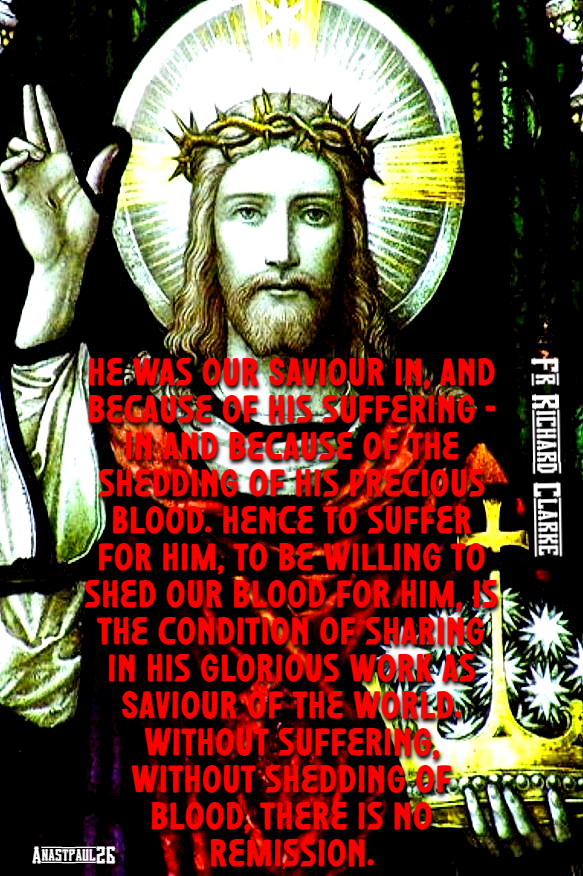
Yet this first blood-shedding, this early suffering, was the occasion of the Name of Jesus being given to the Child Who endured it. He was our Saviour in, and because of His suffering – in and because of the shedding of His Precious Blood. Hence to suffer for Him, to be willing to shed our blood for Him, is the condition of sharing in His glorious work as Saviour of the world. Without suffering, without shedding of blood, there is no remission.




You must be logged in to post a comment.