Posted in MARIAN TITLES

Madonna dell’Umiltà / The Madonna of Humility, Pistoia, Tuscany, Italy (1490), Madonna della Campitelli / Our Lady of Campitelli, Italy (524) and Memorials of the Saints – 17 July

Madonna dell’Umiltà / The Madonna of Humility, Pistoia, Tuscany, Italy (1490) – 17 July
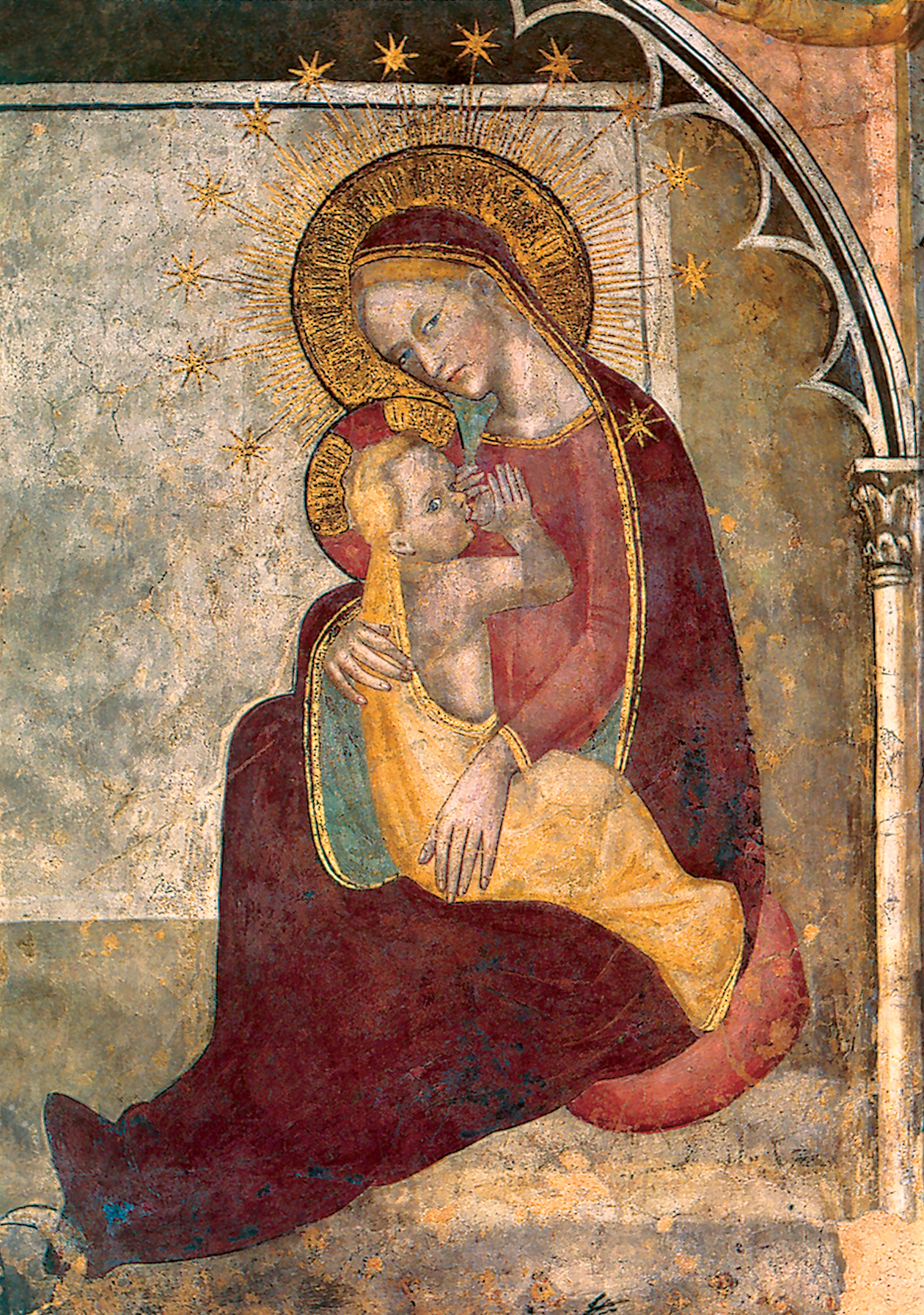
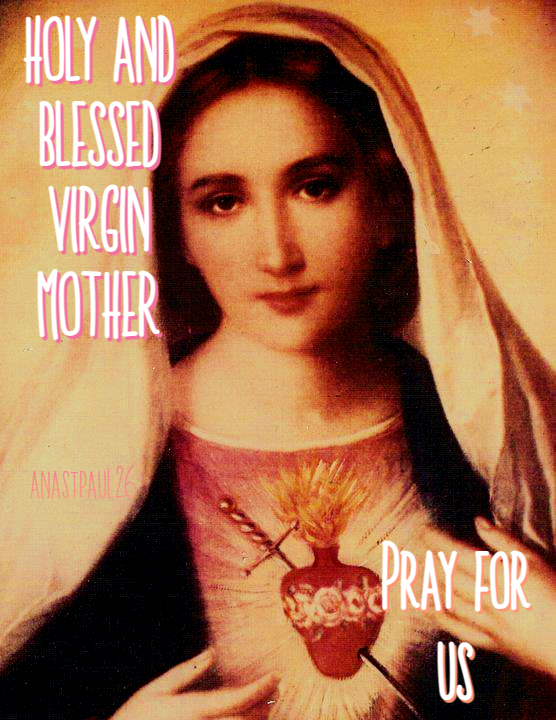
Madonna della Campitelli / Our Lady of Campitelli, Italy (524) – 17 July and 2 February:
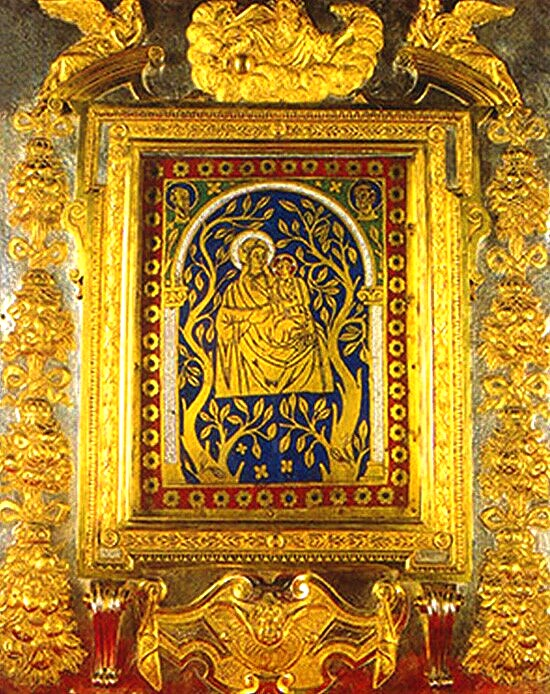
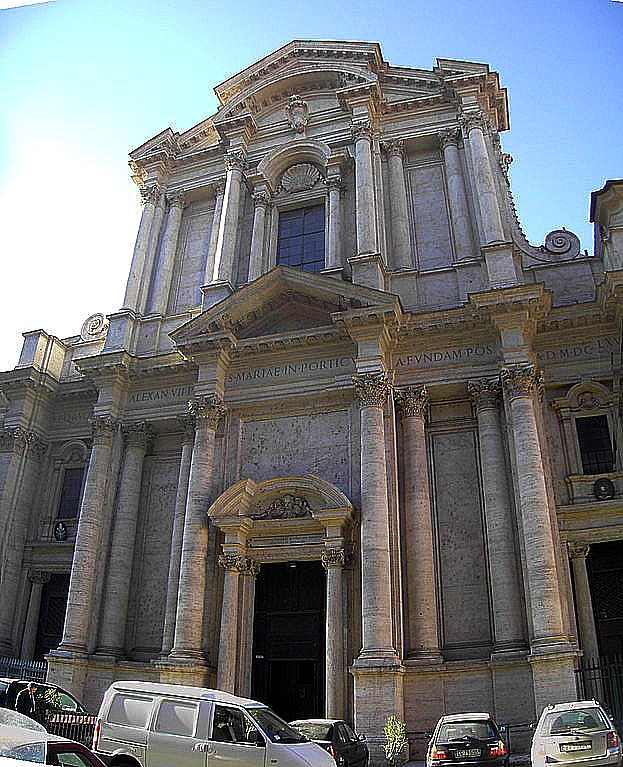
The Sanctuary of Sancta Maria in Campitelli is one of the most celebrated of Rome. It is dedicated to the Blessed Virgin Mary, and is located on the Piazza di Campitelli in Rome, Italy.

There is venerated at the Church a precious image that was transported from the portico of the palace of the Roman matron, Galla Patrizia Seveath, to whom the Virgin herself appeared on 17 July 524. The icon is only 25 centimeters high. Mention is made of the miraculous appearance by Pope Gregory the Great. The image is known as Our Lady in the Portico, or the Madonna del Portico.

The Church where the icon was kept was known as Santa Galla Antiqua and it used to be located just north of the Piazza Bocca della Verita and west of the Via Petroselli. It was destroyed by Mussolini under pretext that the street should be widened.

In the year 1618 the congregation was transferred to a new Church known as Santa Maria in Campitelli, finished in 1667. The work of the Shrine is that of the architect Rainaldi. The new edifice was erected by vote of the people in thanksgiving for the preservation of the city from the pestilence of 1656 and was designed in the Baroque style. There are tall columns on the façade of the church that were intended to include statues, although the statues were never completed as originally planned.
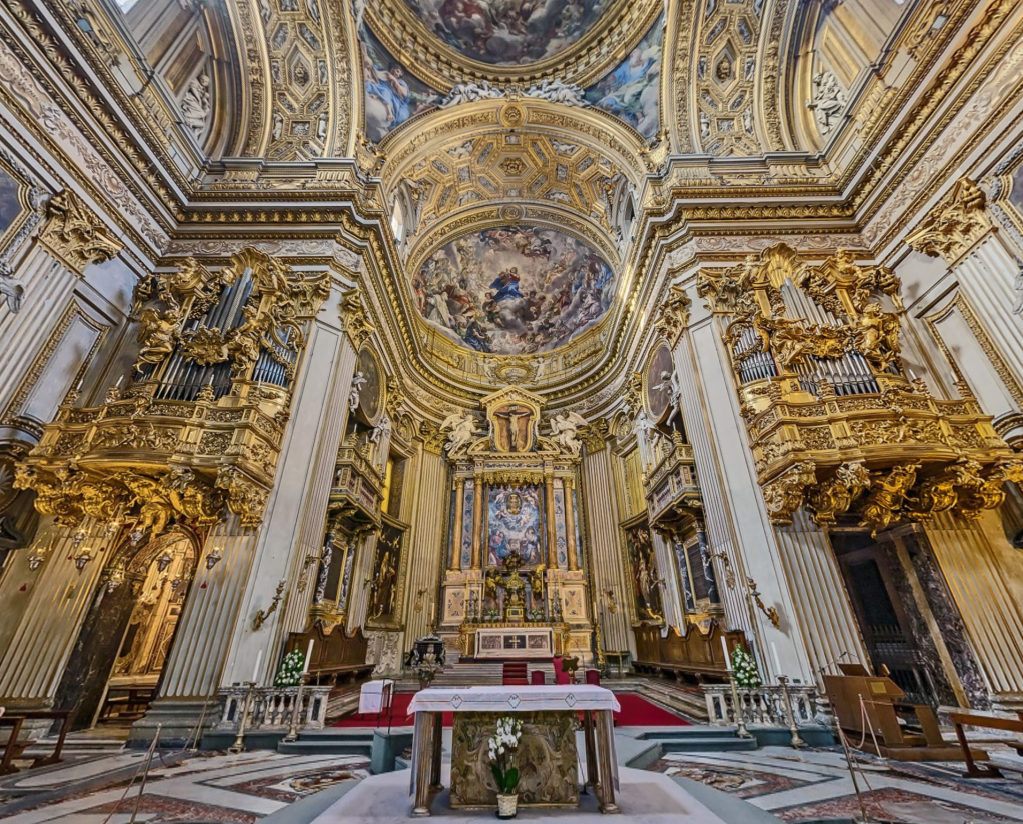
The icon of Our Lady of Campitelli is surrounded by an ornate Shrine behind the High Altar and there is a stairway behind the display that allows a closer inspection of the famous Icon. It is not open to the general public.

Many times the sacred image of Our Lady of Campitelli has been carried in procession through the streets of Rome – the people invoking Mary’s protection against pestilence, epidemics and earthquakes. This image is also invoked under the title of Our Lady of Security and two feasts are commemorated in Mary’s honour – 17 July and 2 February.
St Alexius of Rome (Died early 5th Century) Hermit, Mystic, beggar – known as “the Man of God.”

St Andrew Zorard OSB (c 980 – c 1008) Hermit, Monk, Missionary
Bl Arnold of Himmerod
Bl Bénigne
Bl Biagio of the Incarnation

Bl Carlos de Dios Murias OFM Conv (1945-1976) Priest Martyr
St Cynllo
St Ennodius of Pavia
St Fredegand of Kerkelodor
St Generosus
St Gorazd
St Hedwig, Queen of Poland
St Hyacinth of Amastris
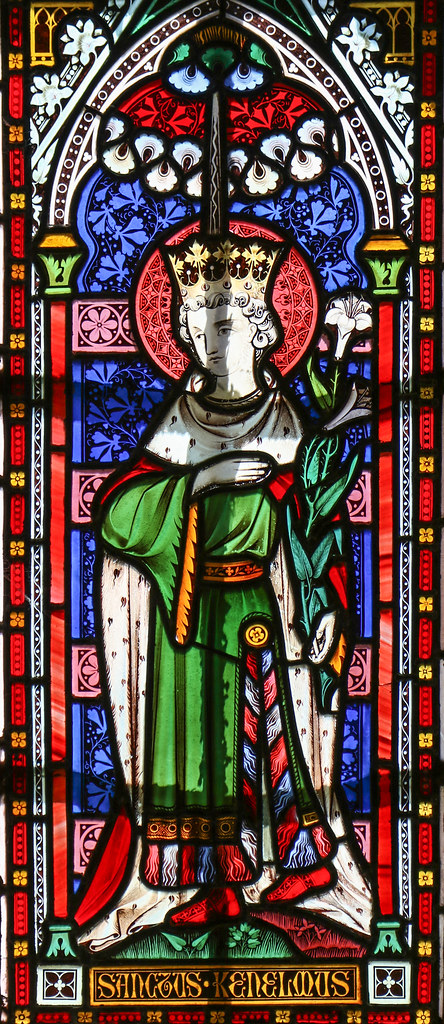
St Kenelm
St Pope Leo IV

St Magnus Felix Ennodius
St Marcellina
St Nerses Lambronazi

St Petrus Liu Zeyu
Bl Sebastian of the Holy Spirit
Bl Tarsykia Matskiv
St Theodosius of Auxerre
St Theodota of Constantinople
St Turninus

Martyrs of Compiegne (16 beati): Sixteen Blessed Teresian Martyrs of Compiègne. Eleven Discalced Carmelite nuns, three lay sisters and two lay women servants who were martyred together in the French Revolution. They were the earliest martyrs of the French Revolution that have been recognised.
• Angelique Roussel • Anne Pelras • Anne-Marie-Madeleine Thouret • Catherine Soiron • élisabeth-Julitte Vérolot • Marie Dufour • Marie Hanniset • Marie-Anne Piedcourt • Marie-Anne-Françoise Brideau • Marie-Claude-Cyprienne Brard • Marie-Françoise de Croissy • Marie-Gabrielle Trezel • Marie-Geneviève Meunier • Marie-Madeleine-Claudine Lidoine • Rose-Chretien de Neuville • Thérèse Soiron •
They were guillotined on 17 July 1794 at the Place du Trône Renversé (modern Place de la Nation) in Paris, France.

Martyrs of Scillium (12 saints): A group of twelve Christians martyred together, the final deaths in the persecutions of Emperor Marcus Aurelius. Upon their conviction for the crime of being Christians, the group was offered 30 days to reconsider their allegiance to the faith; they all declined. Their official Acta still exist. Their names –
• Acyllinus • Cythinus • Donata • Felix • Generosa • Januaria • Laetantius • Narzales • Secunda • Speratus • Vestina • Veturius
They were beheaded on 17 July 180 in Scillium, Numidia (in North Africa).
Posted in SAINT of the DAY

Saint of the Day – 17 July – St Kenelm

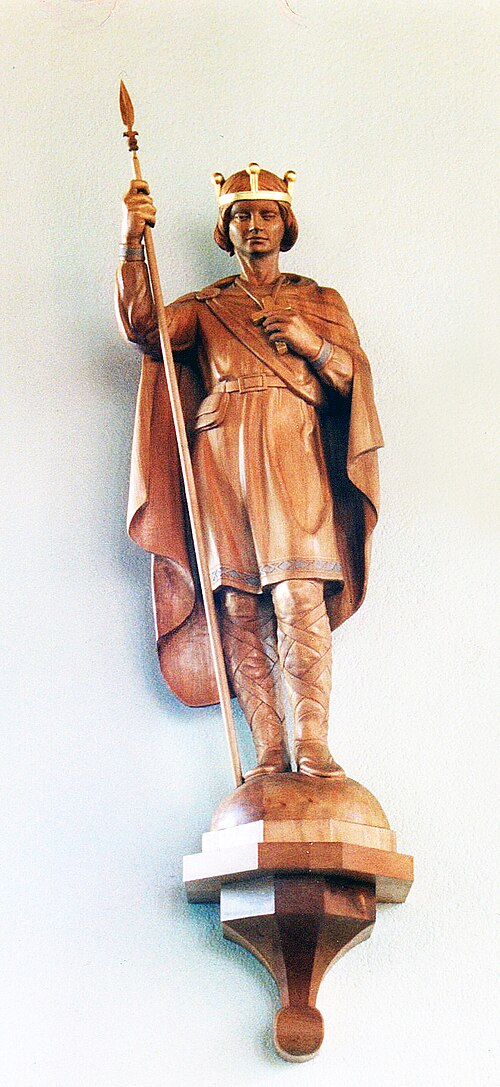
Saint Kenelm or Cynehelm, is an Anglo-Saxon saint, venerated throughout medieval England, and mentioned in the Canterbury Tales (The Nun’s Priest’s Tale, lines 290–301. William of Malmesbury, writing in the 12th century, recounted that “there was no place in England to which more pilgrims travelled than to Winchcombe on Kenelm’s feast day”.

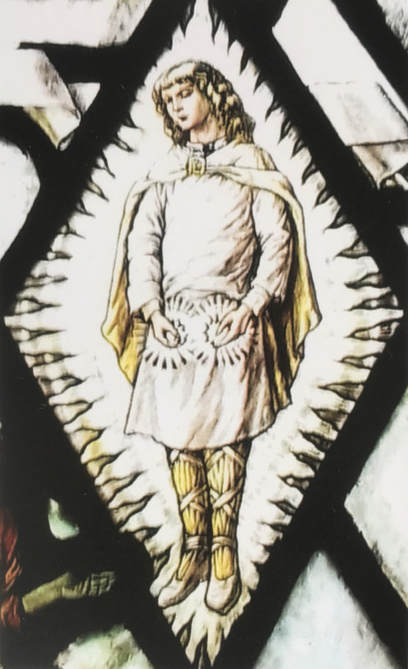
Saint Kenelm was the son of Cenwulf, King of Mercia (796–821). According to 12th-century documents from Winchcombe Abbey, King Kenelm ascended the throne at the age of seven. He was beheaded at the instigation of his sister Cwenthryth, who wanted to take the throne, and his body was buried in an unmarked spot in Clent Forest, south of Birmingham. Saint Kenelm’s soul is said to have then risen in the form of a dove carrying a scroll. It flew to Rome, where it left the scroll at the feet of Saint Hierarch Pascal, Bishop of Rome. The message on the scroll read: ‘Down in a cow meadow, under a thorn, with his head missing, lies poor Kenelm, born king.’ Saint Pascal then wrote to the Archbishop of Canterbury, who commissioned a group of monks to search for the king’s body. The discovery of his body led to the establishment of a chapel at the site, marked by miraculous events, including the ringing of church bells by themselves, and the emergence of a healing spring at the point where the exhausted monks struck the ground with their staffs.

While searching, the monks saw a pillar of light shining above a bush in Worcestershire. Buried beneath it, they found the body of Saint Kenelm. The monks transported his relics to Winchcombe Abbey, where they were kept and remained there for several hundred years, where miracles were reported. Wells marked the course of his body from the Clent Hills.

His sister, Queen Cwenthryth, was reading a Psalter when she heard the bells ringing unaided by human hands. When she was told that her brother’s body had been found, she cried ‘If that be true, may both my eyes fall upon this book.” Her eyes immediately fell from her head upon the book. She and her lover were put to death, and their bodies cast into a ditch.

Posted in Our MORNING Offering

Our Morning Offering – 17 July – Deign, O Immaculate Virgin

Our Morning Offering – 17 July – “Month of the Most Precious Blood”

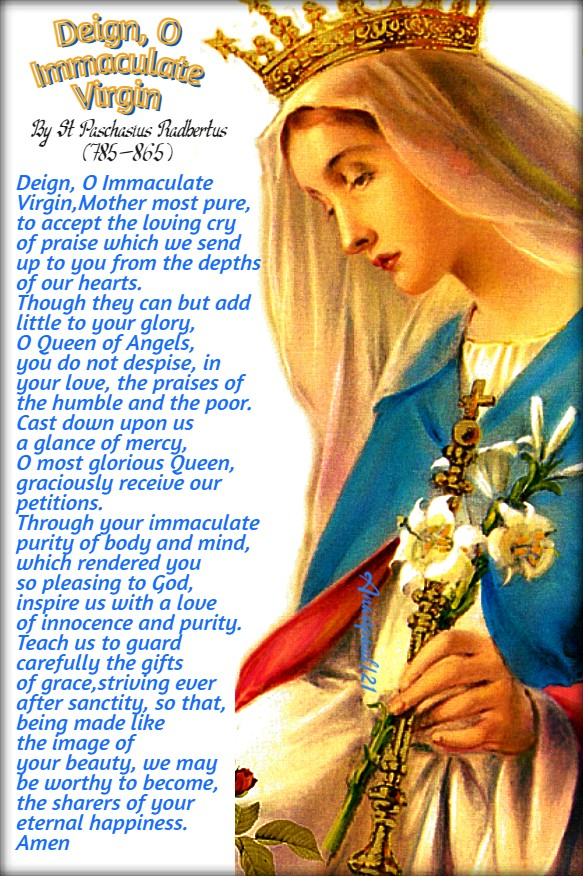
Deign, O Immaculate Virgin
By St Paschasius Radbertus (785–865)

Deign, O Immaculate Virgin,
Mother most pure,
to accept the loving cry of praise
which we send up to you
from the depths of our hearts.
Though they can but add little to your glory,
O Queen of Angels,
you do not despise, in your love,
the praises of the humble and the poor.
Cast down upon us a glance of mercy,
O most glorious Queen,
graciously receive our petitions.
Through your immaculate purity of body and mind,
which rendered you so pleasing to God,
inspire us with a love of innocence and purity.
Teach us to guard carefully the gifts of grace,
striving ever after sanctity, so that,
being made like the image of your beauty,
we may be worthy to become,
the sharers of your eternal happiness.
Amen

Posted in ONE Minute REFLECTION

One Minute Reflection – 17 July – By their fruits you will know them

One Minute Reflection – 17July – “Month of the Most Precious Blood” – Readings: Ps 46:2, Ps 46:3, Rom 6:19-23, Matt 7:15-21

By their fruits you will know them.

Matt 7:15-21

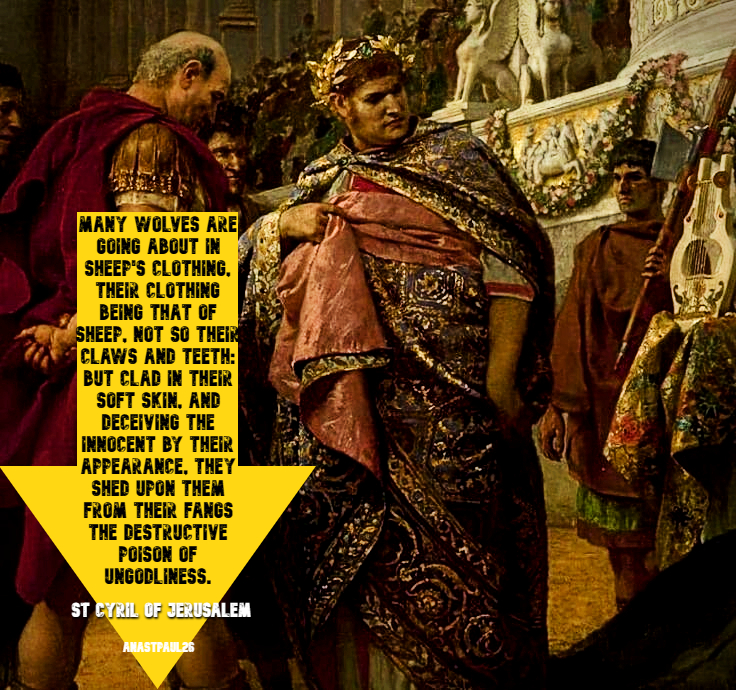
REFLECTION Vice mimics virtue, and the tares strive to be thought wheat, growing like the wheat in appearance, but being detected by good judges from the taste. The devil also transfigures himself into an angel of light; not that he may reascend to where he was, for having made his heart hard as an anvil, he has henceforth a will that cannot repent; but in order that he may envelope those who are living an Angelic life in a mist of blindness, and a pestilent condition of unbelief. Many wolves are going about in sheep’s clothing, their clothing being that of sheep, not so their claws and teeth: but clad in their soft skin, and deceiving the innocent by their appearance, they shed upon them from their fangs the destructive poison of ungodliness.

We have need therefore of divine grace, and of a sober mind, and of eyes that see, lest from eating tares as wheat we suffer harm from ignorance, and lest from taking the wolf to be a sheep we become his prey, and from supposing the destroying Devil to be a beneficent Angel we be devoured: for, as the Scripture says, he goes about as a roaring lion, seeking whom he may devour. This is the cause of the Church's admonitions, the cause of the present instructions, and of the lessons which are read.

St Cyril of Jerusalem (Catechetical Lecture 4:1)

PRAYER – Lord God, in Your wisdom You created us, by Your Providence, You rule us. Penetrate our inmost being with Your holy light so that our way of life may always be one of faithful service and childlike trust in You. Grant that by the intercession of our most Holy and Blessed Virgin Mother, we may always follow behind Your Son, obey His Words and grasp His hand, to lead us to You, Through Jesus Christ our Lord with the Holy Spirit, one God now and for all eternity, amen

Posted in CATHOLIC Quotes

Quote/s of the Day – 17July – ‘Lord, Lord’

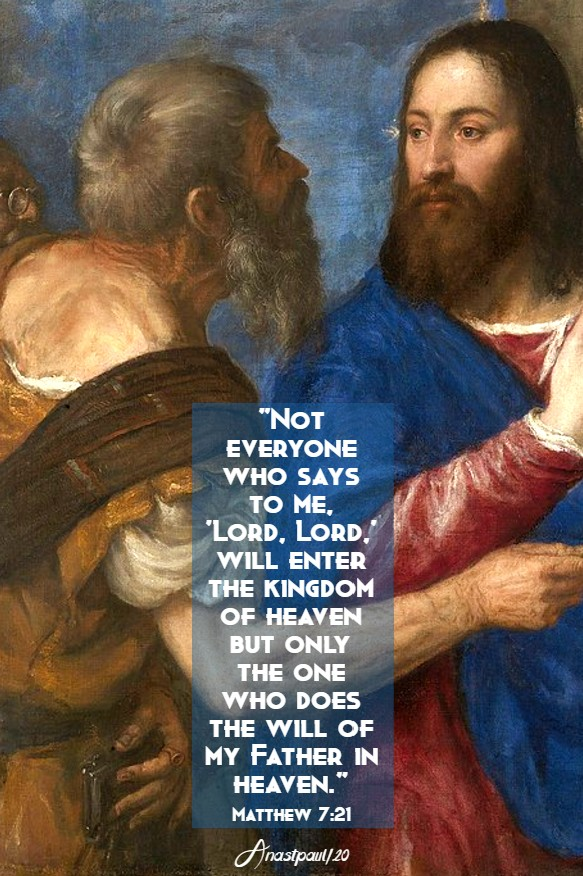
Not everyone who says to me,
‘Lord, Lord,’
will enter the Kingdom of Heaven
but only the one who does
the will of my Father in Heaven.

Matthew 7:21

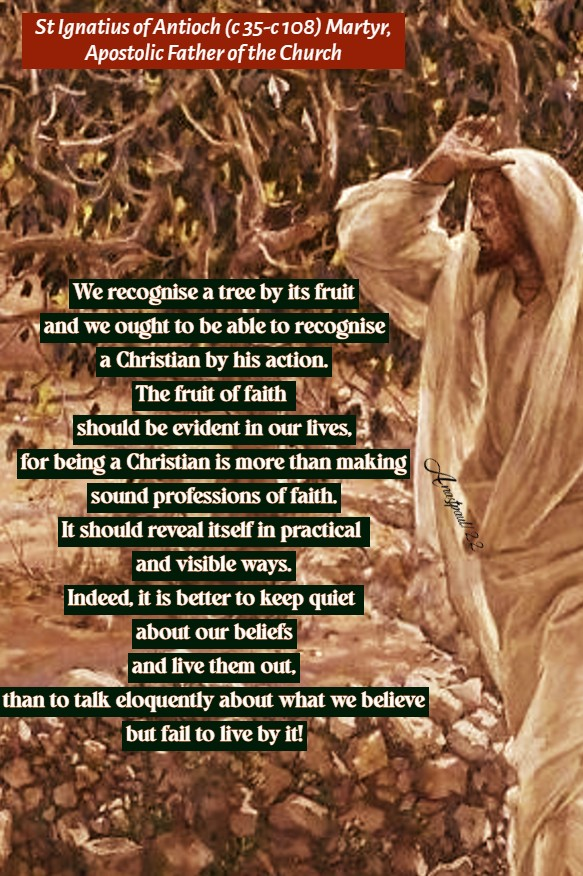
We recognise a tree by its fruit
and we ought to be able to recognise
a Christian by his action.
The fruit of faith
should be evident in our lives,
for being a Christian is more than making
sound professions of faith.
It should reveal itself in practical
and visible ways.
Indeed, it is better to keep quiet
about our beliefs
and live them out,
than to talk eloquently about what we believe
but fail to live by it!

St Ignatius of Antioch (c 35-c 108)
Martyr
Apostolic Father of the Church

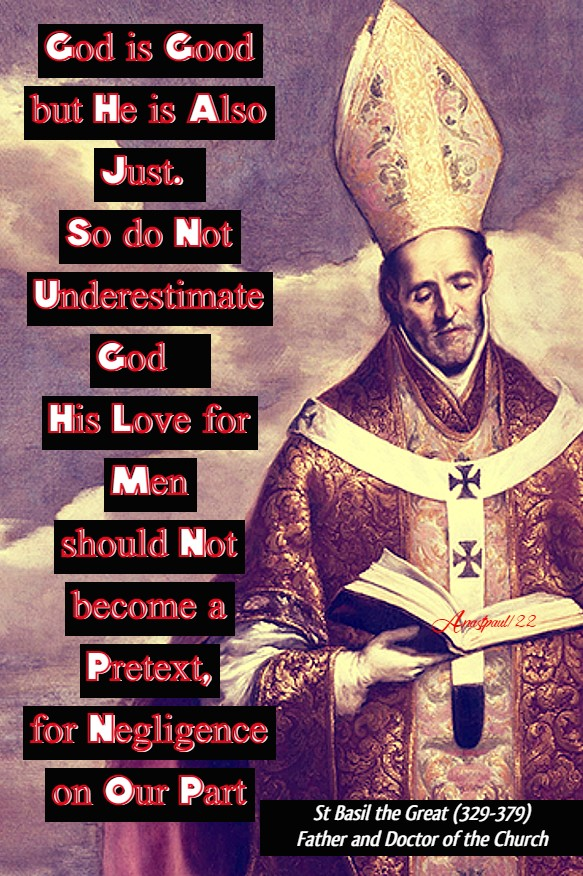
God is Good but He is also Just…
So do not underestimate God –
His love for men
should not become a pretext,
for negligence on our part.

St Basil the Great (329-379)
Father and Doctor of the Church

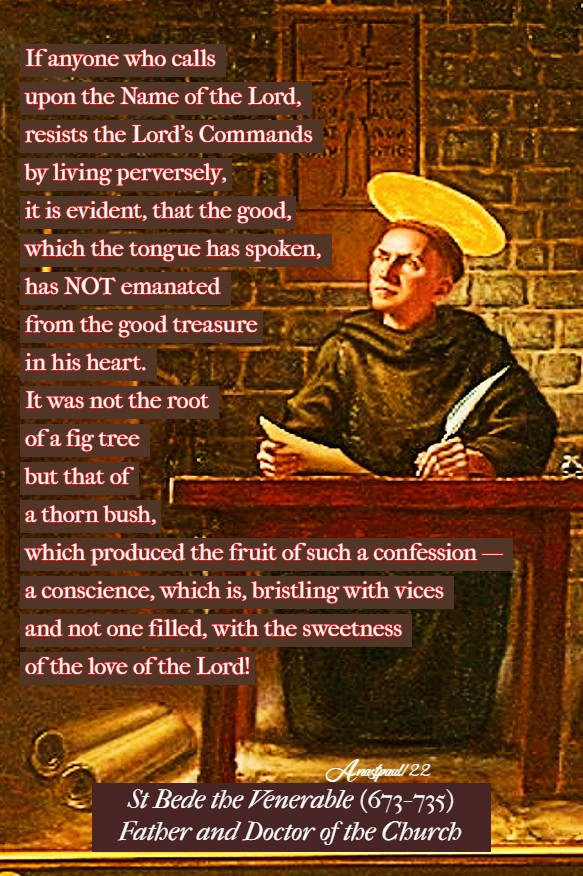
If anyone who calls upon the Name of the Lord,
resists the Lord’s Commands
by living perversely,
it is evident, that the good,
which the tongue has spoken,
has NOT emanated from the good treasure in his heart.
It was not the root of a fig tree
but that of a thorn bush,
which produced the fruit of such a confession —
a conscience, which is, bristling with vices
and not one filled,
with the sweetness
of the love of the Lord!

St Bede the Venerable (673-735)
Father and Doctor of the Church

Posted in JULY - The MOST PRECIOUS BLOOD

Thought for the Day – 17 July – 17th Day – The Precious Blood quenching the Flames of Hell

The Precious Blood – Short Meditations for July

By Rev. Richard F. Clarke

17th Day – The Precious Blood quenching the Flames of Hell

Mortal sin can only have two endings: to be blotted out by the Precious Blood, or incur the eternal punishment of hell. By the first it is totally extinguished: by the second it is retained as a testimony to the justice of God and to His infinite holiness, which cannot endure to look upon iniquity. Pray for a great horror of mortal sin, which involves such consequences: everlasting misery for the unrepentant, and the pouring forth of the Precious Blood as the only the only remedy even for those who do penance for their sins.

The guilt of mortal sin is entirely abolished by the blood of Christ, and also the eternal punishment. But the temporal punishment only so far as the sinner has a sufficient contrition for his sin and does all in his power to atone for it. For many who die in the love and fear of God there will remain a heavy debt still to be paid.

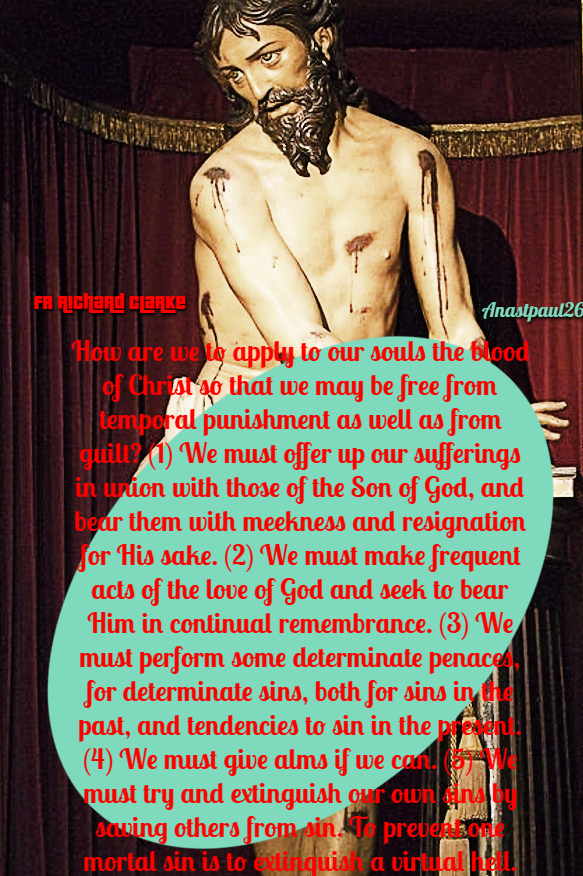
How are we to apply to our souls the blood of Christ so that we may be free from temporal punishment as well as from guilt? (1) We must offer up our sufferings in union with those of the Son of God, and bear them with meekness and resignation for His sake. (2) We must make frequent acts of the love of God and seek to bear Him in continual remembrance. (3) We must perform some determinate penaces, for determinate sins, both for sins in the past, and tendencies to sin in the present. (4) We must give alms if we can. (5) We must try and extinguish our own sins by saving others from sin. To prevent one mortal sin is to extinguish a virtual hell.