Quote/s of the Day – 5 May – Tuesday of the Fourth Week of Easter, Readings: Acts11:19-26, Psalm 87:1-7, John 10:22-30
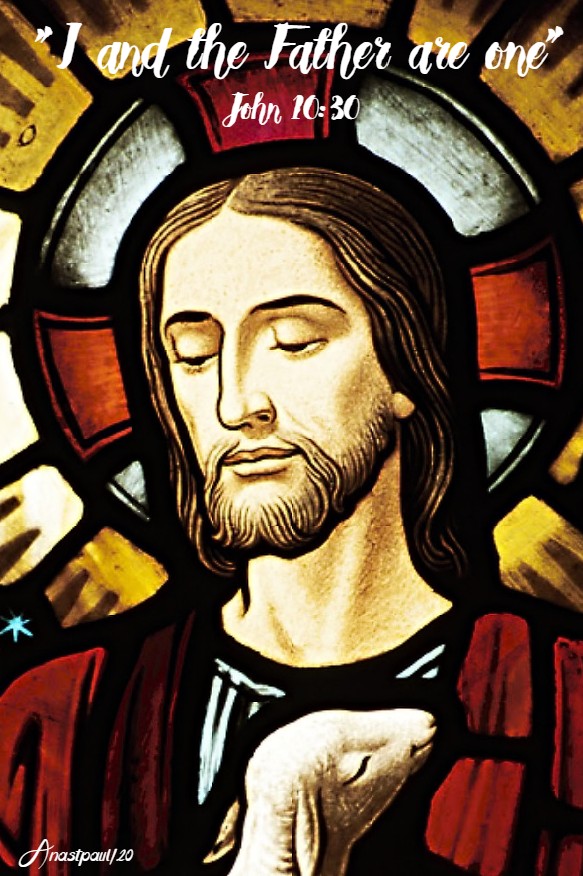
“I and the Father are one.”
John 10:30
Christians are baptised “in the name of the Father and of the Son and of the Holy Spirit” (Mt 28:30). Before receiving the sacrament, they respond to a three-part question when asked to confess the Father, the Son and the Spirit: “I do.” “The faith of all Christians rests on the Trinity”( St Caesarius of Arles). Christians are baptised “in the name” of the Father and of the Son and of the Holy Spirit – not “in their names,, for there is only one God, the almighty Father, His only Son and the Holy Spirit – the Most Holy Trinity.
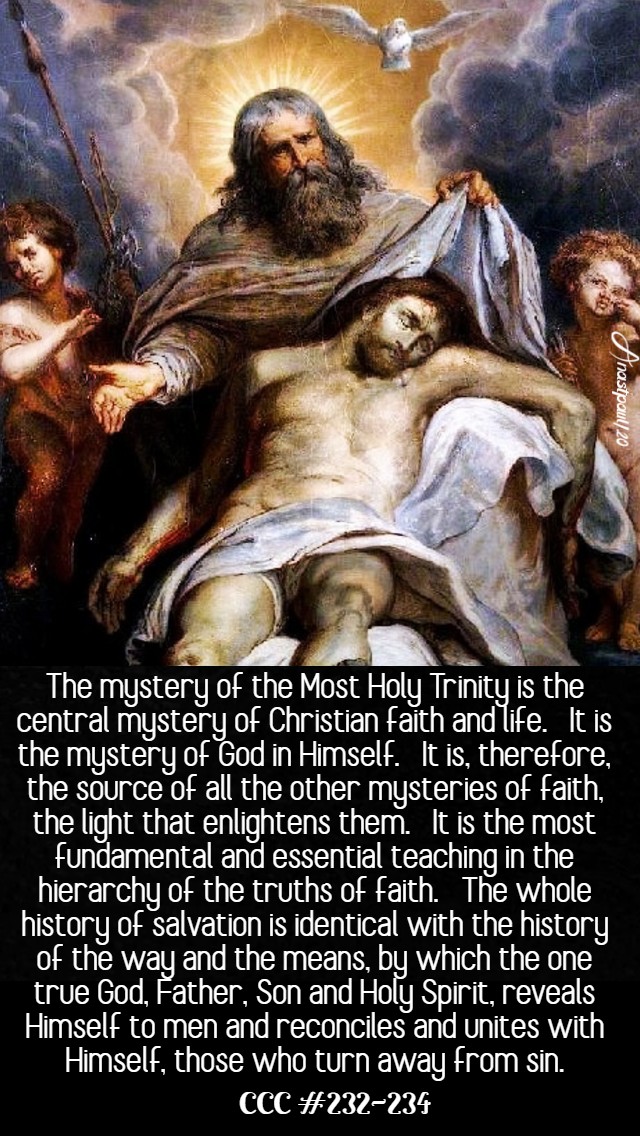
The mystery of the Most Holy Trinity is the central mystery of Christian faith and life. It is the mystery of God in Himself. It is, therefore, the source of all the other mysteries of faith, the light that enlightens them. It is the most fundamental and essential teaching in the hierarchy of the truths of faith. The whole history of salvation is identical with the history of the way and the means, by which the one true God, Father, Son and Holy Spirit, reveals Himself to men and reconciles and unites with Himself, those who turn away from sin. …
The Trinity is a mystery of faith in the strict sense, one of the mysteries that are hidden in God, which can never be known unless they are revealed by God. To be sure, God has left traces of His Trinitarian Being in His work of creation and in His Revelation throughout the Old Testament. But His inmost Being, as Holy Trinity, is a mystery that is inaccessible to reason alone, or even to Israel’s faith before the Incarnation of God’s Son and the sending of the Holy Spirit.
CCC – Catechism of the Catholic Church
# 232-234, 237
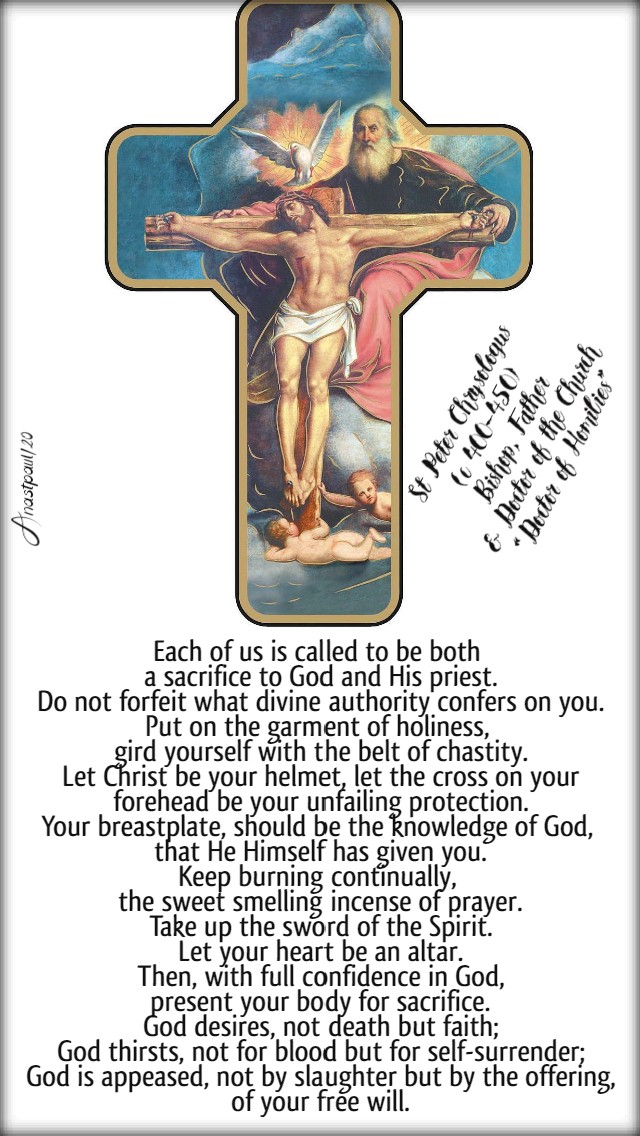
“Paul says: I appeal to you by the mercy of God, to present your bodies as a sacrifice, living and holy. The prophet said the same thing: Sacrifice and offering you did not desire but you have prepared a body for me. Each of us is called to be both a sacrifice to God and His priest. Do not forfeit what divine authority confers on you. Put on the garment of holiness, gird yourself with the belt of chastity. Let Christ be your helmet, let the cross on your forehead be your unfailing protection. Your breastplate, should be the knowledge of God, that He Himself has given you. Keep burning continually, the sweet smelling incense of prayer. Take up the sword of the Spirit. Let your heart be an altar. Then, with full confidence in God, present your body for sacrifice. God desires, not death but faith; God thirsts, not for blood but for self-surrender; God is appeased, not by slaughter but by the offering, of your free will.”
St Peter Chrysologus (c 400-450)
Bishop, Father & Doctor of the Church
“Doctor of Homilies”
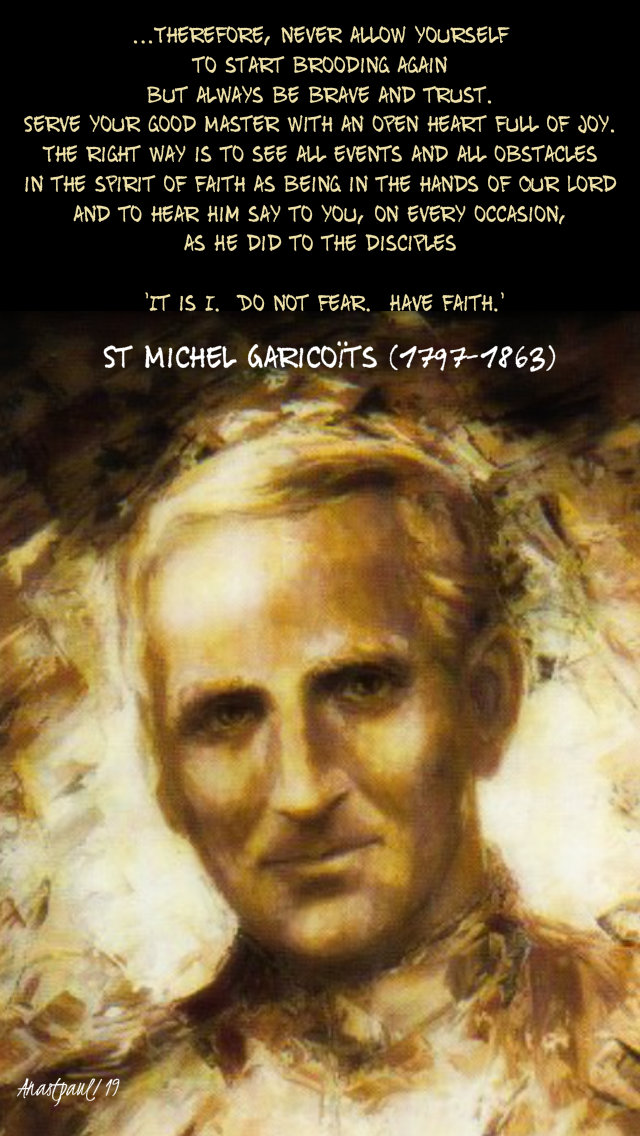
“…Therefore, never allow yourself to start brooding again but always be brave and trust. Serve your good Master with an open heart full of joy. The right way is to see all events and all obstacles in the spirit of faith as being in the hands of Our Lord and to hear Him say to you, on every occasion, as He did to the disciples ‘It is I. Do not fear. Have faith.’”
One Minute Reflection – 5 May – Tuesday of the Fourth Week of Easter, Readings: Acts11:19-26, Psalm 87:1-7, John 10:22-30 and the Memorial of St Angelus of Jerusalem O.Carm (1185-1220) Priest, Martyr
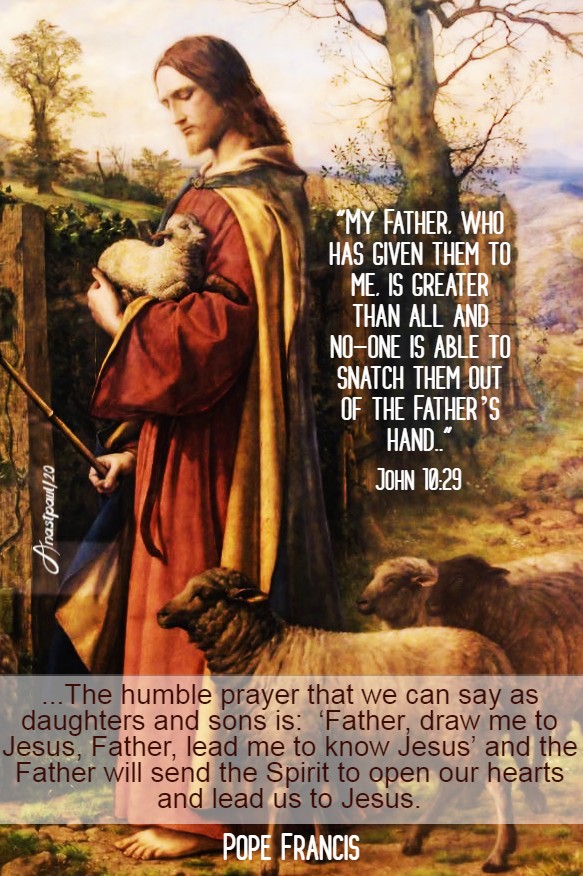
“My Father, who has given them to me, is greater than all and no-one is able to snatch them out of the Father’s hand..” … John 10:29
REFLECTION – “My sheep hear my voice and I know them and they follow me and I give them eternal life and they shall never perish and no-one shall snatch them out of the Father’s hand.” Did these sheep learn by following Jesus and then believe? No. “My Father, who has given them to me, is greater than all.” It is thus the Father, who gives the sheep to the shepherd, it is the Father, who draws hearts to Jesus.
And the humble prayer that we can say as daughters and sons is: ‘Father, draw me to Jesus, Father, lead me to know Jesus’ and the Father will send the Spirit to open our hearts and lead us to Jesus. Amen” … Pope Francis – Santa Marta, 19 April 2016
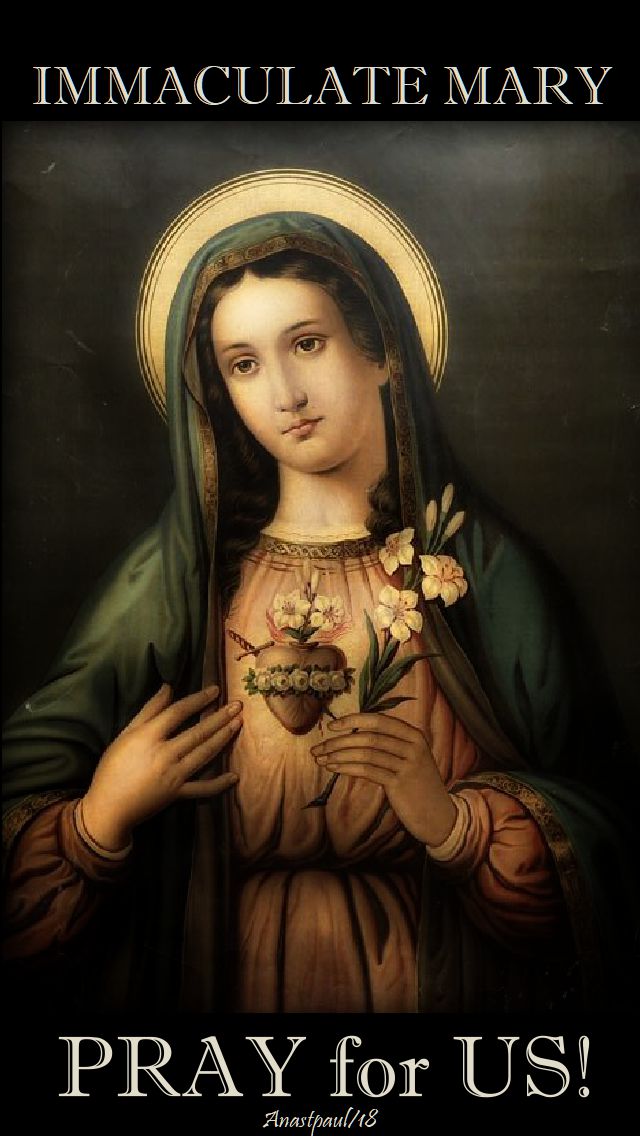
PRAYER – Lord God, grant Your people constant joy in the renewed vigour of their souls. They rejoice because You have restored them to the glory of Your adopted children, let them look forward gladly to the certain hope of the resurrection. Draw us constantly to Your son, Jesus, our Lord, teach us to know Him and may the prayers of our Blessed Mother and St Angelus of Jerusalem, who so zealously fought the good fight, be of assistance to us amidst the storms of this mortal life. We make our prayer through our Resurrected Christ, with the Holy Spirit, one God forever, amen, alleluia!
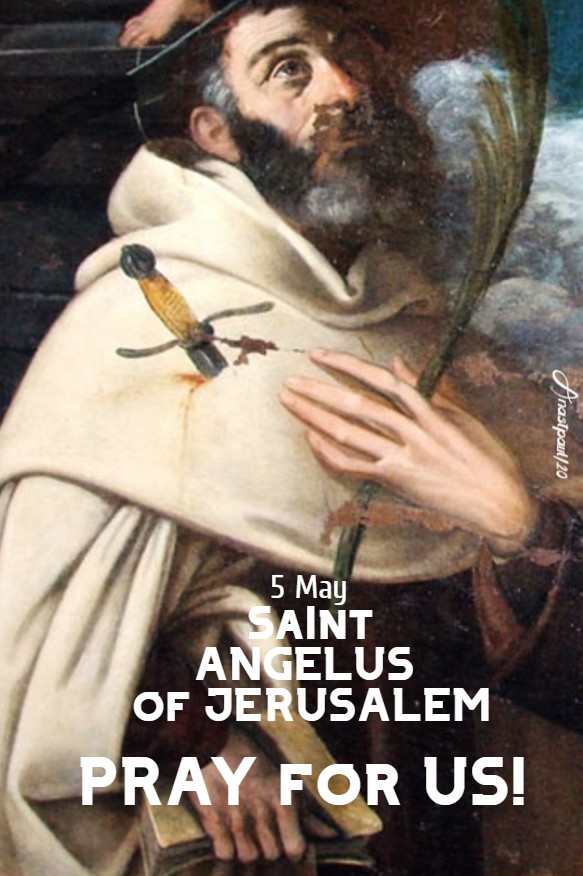
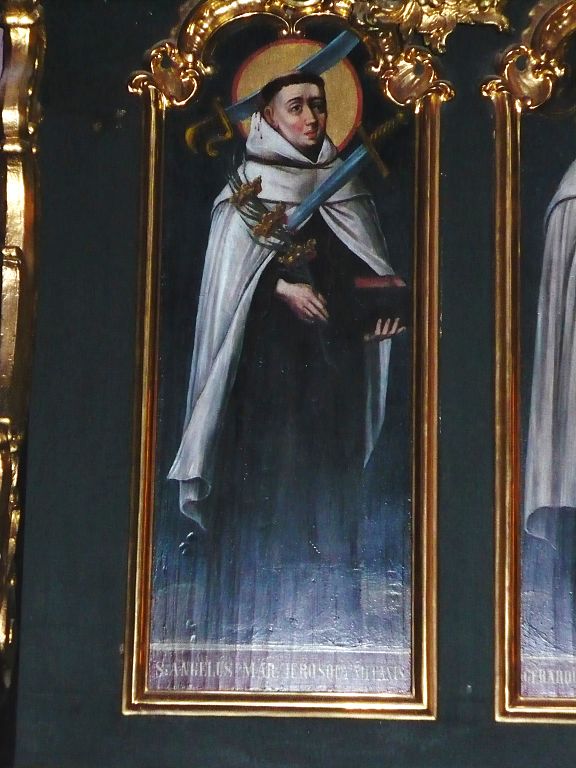
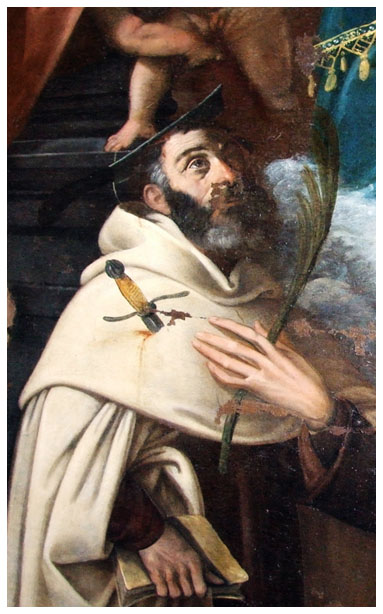
Saint of the Day – 5 May – Saint Angelus of Jerusalem O.Carm (1185-1220) Priest, Martyr, Hermit, Mystic, Reformer, Thaumaturge, Missionary, convert from Judaism and a professed Priest of the Order of the Brothers of the Blessed Virgin Mary of Mount Carmel – also known as St Angelus of Sicily and St Angelo. Born in 1145 at Jerusalem and died by being stabbed to death in 1220 at Licata, Sicily, Italy. Patronages – Palermo, Sicily, Licata and Sant’Angelo Muxaro, all in Italy. Today is the 800th Anniversary of his death.
St Angelus was born in Jerusalem to a Jewish family. His mother converted to Christianity and Angelo, along with his twin brother John, was Baptised and converted along with her. His parents died while he was in his childhood and the Patriarch Nicodemus oversaw their education until the twins turned eighteen. He and his brother John entered the Carmelites then, at the Saint Anne convent near the Golden Gate to commence their novitiate.
They were well learned and already spoke Greek, Latin and Hebrew. In 120, when he was twenty-six, Angelo was Ordained in Jerusalem and travelled throughout Palestine. Various miraculous cures were attributed to him as he travelled. His “Acta” tells us that he sought to avoid fame and when he was becoming known for his miracles, he withdrew from society to a hermitage to avoid the pilgrims who were following him. Angelus withdrew to a hermitage on Mount Carmel, until he was instructed by Christ in a vision, to leave Mount Carmel for Italy to preach against the Albigensians, Bulgars and other heresies.
He set off on a Genoese ship on 1 April 1219 and stopped first in Messina before heading off to Civitavecchia before he ended up in Rome to meet with the pope. The friar preached in the Basilica of Saint John Lateran while in Rome where he met both Saint Francis of Assisi and Saint Dominic. He foretold that Francis would receive the stigmata while Francis foretold his premature death.
From there he was a guest of the Basilians in Palermo where he was for about a month, before preaching in Agrigento for over a month before settling in Licata. He had healed seven lepers and the ailing Archbishop of Palermo Bernardo de Castanea while in Palermo. He settled on the Sicilian island though his fame as a wonderworker caused crowds to flock to him. He also had success in converting some Jews though most Jews in Palermo came to despise him for this since he himself was once Jewish.
He wanted to convert a Knight named Berenger. Catholic tradition states that Berenger was living in incest and that Angelo convinced the knight’s companion to leave him. Berenger became enraged and arranged to have him attacked and murdered, in front of the Church of Saints Filippo and Giacomo in Licata. He didn’t die from the attack until four days after the attack and during that time, he prayed for his assassin and asked the civil authorities to pardon him. He showed the ultimate in forgiveness, setting an example for all those that he preached to. He was buried at Saints Filippo and Giacomo Church. His sepulchre at Licata quickly became a site of Pilgrimage.
The Carmelites venerated him as a saint from 1456 and Pope Pius II Canonised him in 1459. His relics were translated to a new Church in Licata, Saint Maria del Carmine. It was through St Angelo’s intercession that the plague in the Kingdom of Naples was halted.
St Angelus of Jerusalem O.Carm (1185-1220) Priest, Martyr +2020 – The 800th Anniversary of his death
St Avertinus of Tours
Bl Benvenuto Mareni
St Britto of Trier Blessed Caterina Cittadini (1801-1857) Biography: https://anastpaul.com/2018/05/05/saint-of-the-day-5-may-blessed-caterina-cittadini-1801-1857/
St Crescentiana
St Echa of Crayke
St Eulogius of Edessa
St Euthymius of Alexandria
St Geruntius of Milan
St Godehard of Hildesheim
Bl Grzegorz Boleslaw Frackowiak
St Hilary of Arles
St Hydroc
St Irenaeus of Thessalonica
St Irenes of Thessalonica
Bl John Haile
St Jovinian of Auxerre
St Jutta Kulmsee
St Leo of Africo
St Maurontius of Douai
St Maximus of Jerusalem
St Nectarius of Vienne
St Nicetas of Vienne St Nunzio/Nuntius Sulprizio (1917-1836) Aged 19 St Nunzio’s very short life:
One Minute Reflection– 4 May – ‘Mary’s Month’ -Monday of the Fourth Week of Easter, Readings: Acts 11:1-18, Psalm 42:2-3; 43:3-4, John 10:11-18 and the Memorial of Blessed Tommaso da Olera
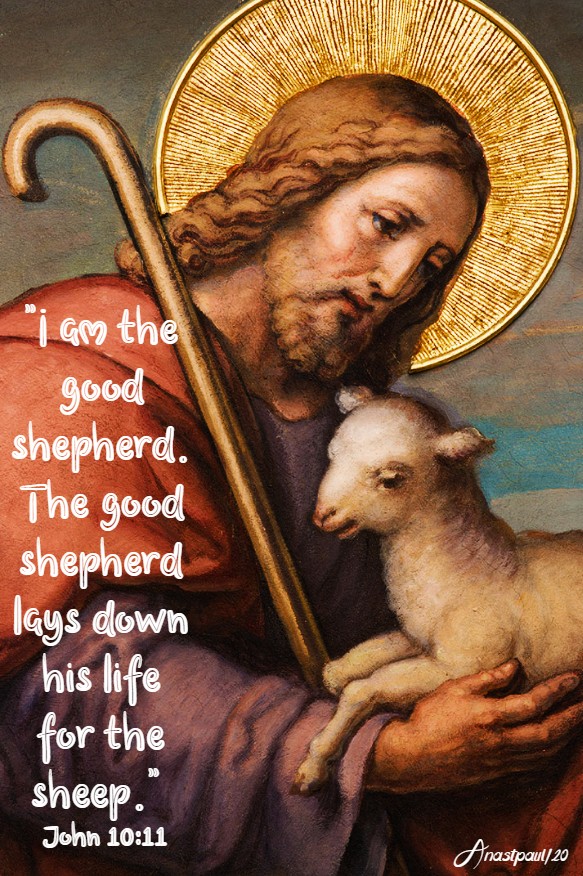
“I am the good shepherd. The good shepherd lays down his life for the sheep.” … John 10:11
REFLECTION – “How great was this devoted shepherd’s solicitous care for the lost sheep and how great His mercy, the Good Shepherd Himself indicates with an affectionate metaphor in the parable of the shepherd and the hundredth sheep that was lost, sought with much care and finally found and joyfully brought back on His shoulders. He openly declares the same thing in an express statement when He says: “The good shepherd gives his life for his sheep” (Jn 10:11). In Him is truly fulfilled the prophecy: “Like a shepherd he will feed his flock” (Is 40:11).
In order to do this He endured toil, anxiety and lack of food, He travelled through towns and villages preaching the kingdom of God in the midst of many dangers and the plotting of the Pharisees and He passed the nights in watchful prayer. Fearless of the murmuring and scandal of the Pharisees, He was affable to the publicans, saying that He had come into the world for the sake of those who are sick (Mt 9:12). He also extended fatherly affection to the repentant, showing them the open bosom of divine mercy.
As witness to this, I call upon and summon Matthew, Zacchaeus, the sinful woman who prostrated herself at His feet and the woman taken in adultery. Like Matthew, therefore, follow this most devoted shepherd; like Zacchaeus receive Him with hospitality; like the sinful woman anoint Him with ointment and wash His feet with your tears, wipe them with your hair and caress them with your kisses, so that finally, with the woman presented to Him for judgement, you may deserve to hear the sentence of forgiveness: “Has no one condemned you? Neither will I condemn you. Go, and sin no more” (Jn 8:10-11).” … St Bonaventure (1217-1274) Seraphic Doctor – The Tree of Life
PRAYER – Almighty God and Father, You have rescued Your faithful from enslavement to sin, by Your Son’s self-abasement. You have raised up the world through His suffering. Fill us now with holy joy at His rising and triumph. Let us hear His voice and follow Him to everlasting life. Blessed Tommaso da Olera, you truly became a shepherd to the lowly and might, pray for us! Our Lady Mother of our God, stay with us on our way. Through Christ our Lord, with the Holy Spirit, God now and forever, amen.
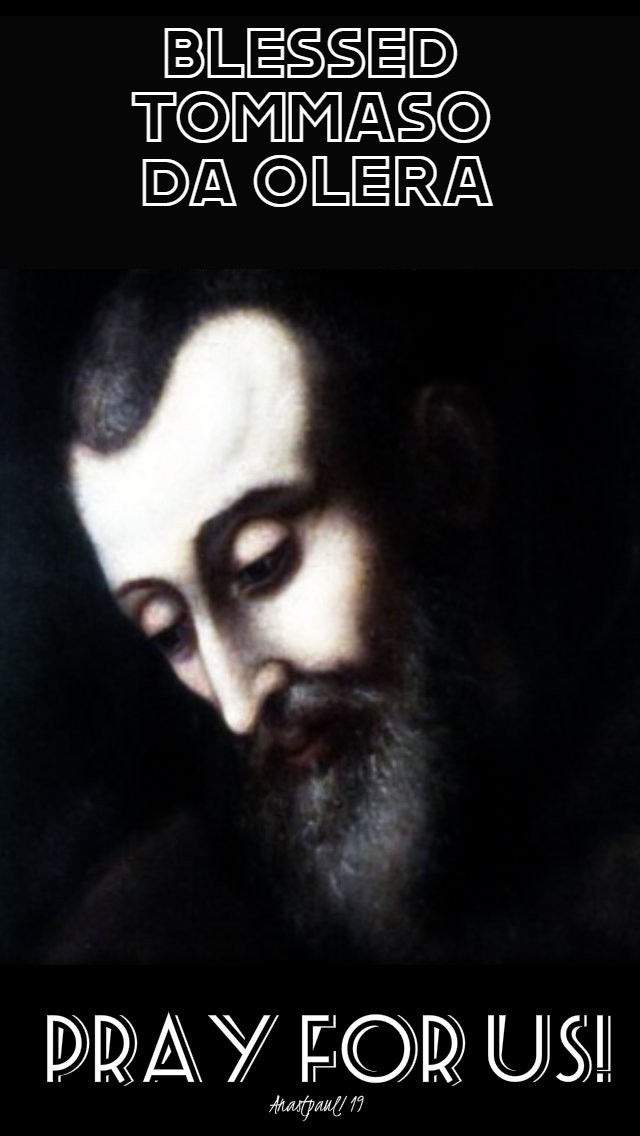
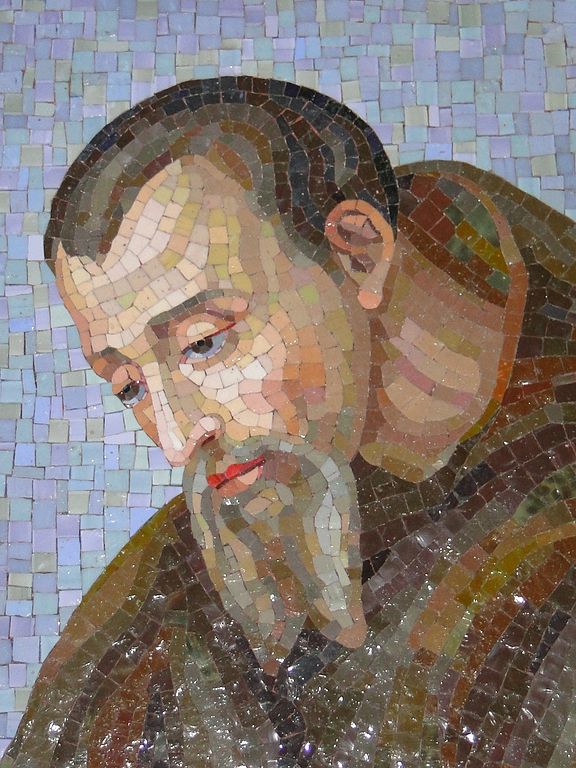
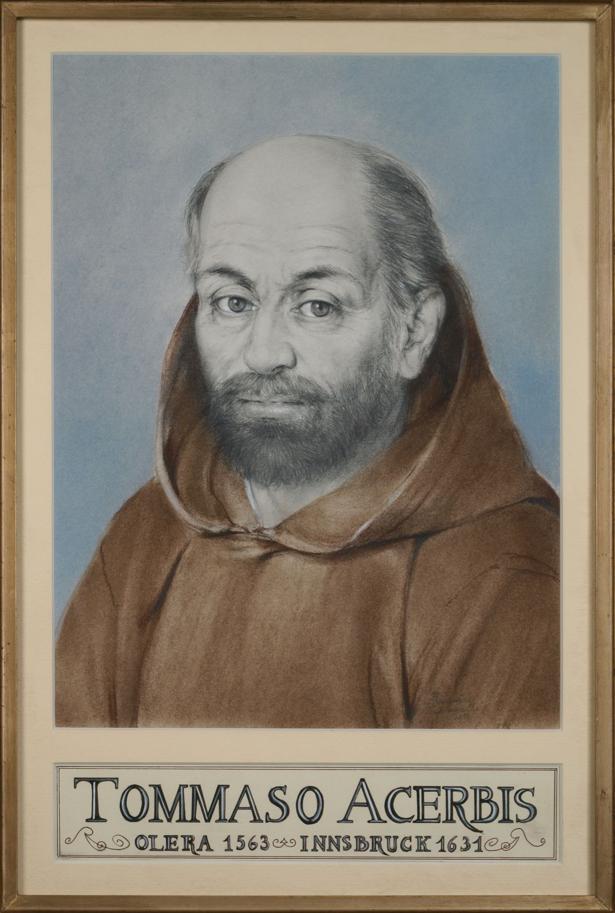
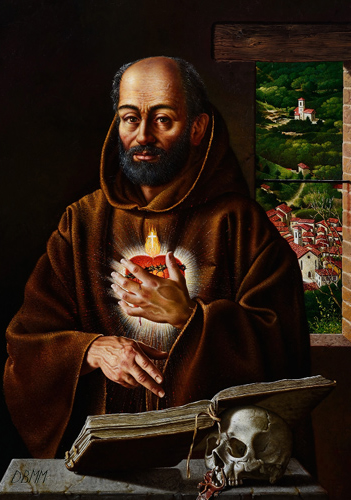
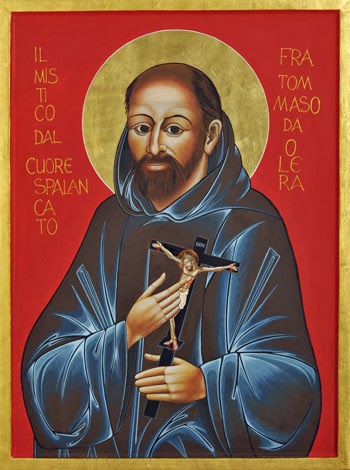
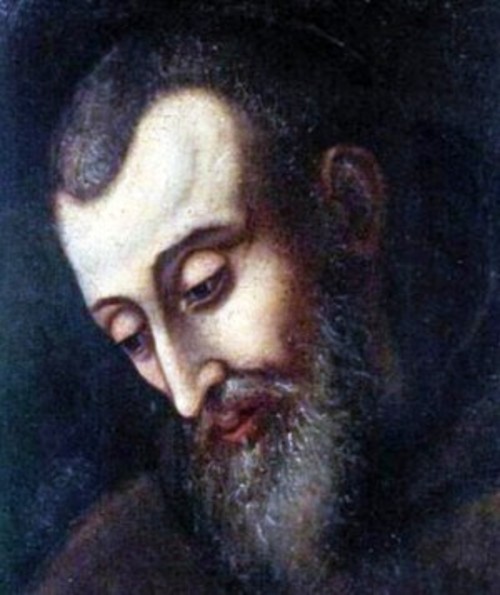
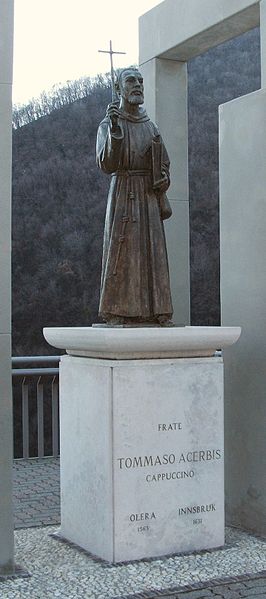
Saint of the Day – 4 May – Blessed Tommaso da Olera OFM Cap (1563-1631) Lay Brother of the the Order of Friars Minor Capuchin, Spiritual Advisor, Confessor, Apostle of Charity, Writer, Mystic, Penitent and Ascetic. He was born Tommaso Acerbis in 1563 in Olera, Bergamo, Milan and died on 3 May 1631 in Innsbruck, Austria. Blessed Tommaso lived as a Franciscan porter and alms-seeker and as a religious who provided Spiritual advice and consolation to many nobility that included Leopold V and his wife.
Of the time of his birth at the end 1563 in Olera, a small village at the mouth of the Serio river and of his childhood, we do not know much. The child of peasants and shepherds, until age seventeen he was a peasant and shepherd himself, helping his parents in their work. Illiterate because the small village lacked schools, he wanted to become a Capuchin Friar and was received on 12 September 1580 at the friary of Santa Croce di Cittadella in Verona, becoming a lay friar of the Province of Venice. There he sought and obtained, although a lay friar, to learn to read and write. Living in the school and the choir with great intensity, his remarkable qualities and above all his virtues came to light during the three years of formation.
Tommaso flourished in his vocation and advanced quickly in the spiritual life. He made his religious profession on 5 July 1584 and was charged with the delicate and essential service of alms-seeking in Verona. He carried this out until 1605 when he was transferred to Vicenza with the same assignment. There he remained until 1612 before being in Rovereto from 1613 to 1617. The humble friar’s daily tasks included washing pots, collecting alms and visiting the sick but he also joyfully shared the Gospel with everyone he met. His reputation for holiness spread quickly and in 1619 Archduke Leopold V of Austria requested Tommaso’s assistance in confronting the spread of Lutheranism. Barely literate, Tommaso avoided disputation. Instead, with great success, he simply witnessed to Christ’s impassioned love for His Church. At the time Austria was the ‘bridgehead’ for the Catholic reform and above all the ‘Catholic reconquest’ of the German lands.
Obedience and humility made him the ‘begging brother’ for almost fifty years, love for souls made him a ‘tireless apostle’ in proclaiming the Gospel. With everyone, believer or not, he spoke of the love of God revealed in Jesus Christ. He taught the faith to all, the little and the great. He asked everyone, the great and the humble, to commit themselves to love. A true apostle, many “were astounded and it seemed humanly impossible that a simple lay friar should speak, as he spoke, in such an elevated way about God.” His commitment was a fire of love. “Everywhere he spoke of the things of God with such spirit and devotion that everyone was put in awe and wonder.” At the same time, he invited and urged peacemaking and forgiveness, he visited and comforted the sick, he listened to and encouraged the poor; reading consciences, he denounced evil and facilitated conversions. In order to obtain from God what he envisaged for those he met, he stayed awake at night in prayer, scourging his body, imposing fasts and austerities on himself for the salvation of others.
Br Thomas was also a promoter of vocations to consecrated life. In Vicenza he sponsored the erection of the Monastery of the Capuchin Poor Clares, built at Porta Nuova in 1612-13. At Rovereto he sought from the commissioners of the city a Poor Clare monastery, which was then built in 1642. There he met and guided the thirteen-year old Bernardina Floriani, who would become the mystic Venerable Giovanna Maria della Croce.
In Tyrol he was the spiritual guide of the poor of the Inn Valley, catechist and promoter and defender of the Tridentine decrees for a true Catholic reform.
From 1617 he was friend and spiritual director to the scientist Ippolito Guarinoni of Hall,
Court Physician in Innsbruck. There are also many letters written to the Archduchesses Maria Cristina of Habsburg and Eleonora, sister of Leopold V, as there were also many personal encounters with them. Br Thomas was Spiritual Guide to Leopold and to his wife Claudia de’ Medici, with frequent meetings at the palace and many letters.
To all he taught that “high wisdom of love” that “one learns from the precious wounds of Christ,” urging them to take refuge in “happiness in suffering.” He also counselled Archbishop Paris von Lodron, Prince of Salzburg and Spiritual Director of Emperor Ferdinand II, staying at his side during the Thirty Years’ War (1618-48). During his stay in Vienna (1620-1621), Br Thomas assisted the conversion to the Catholic faith of Eva Maria Rettinger, widow of George Fleicher, count of Lerchenberg, who then entered Nonnberg Abbey as a Benedictine nun and became Abbess. Still at Vienna, in 1620, he drafted the “moral concepts against the heretics,” published posthumously in Fire of Love.Here the source from which his writing was drawn is revealed: “I have never read a syllable of books but I strive to read the suffering Christ.”
Despite the studies completed with fervour and diligence during the years of the novitiate in Verona, his Italian remained elementary and ungrammatical. And yet, his writings reveal a surprising spiritual profundity and doctrinal exactness. A fellow friar, Ilarione from Mantova, noted in this regard: “I saw him many times after communion retire to his cell and write meditational pieces on the life and passion of the Lord and, having sometimes read me these spiritual works of his after having written them, he confidently affirmed [….] that he could not himself understand how he could have put those things on paper.” This book was among St Pope John XXIII’s favourite spiritual works, speaking of Bl Tommaso as“a saint and a true master of the spirit” and the Pontiff had portions of it read to him on his death bed. St Pope Paul VI also spoke of him with high esteem.
Love for Our Lady in his writings recognises, among other things, her Immaculate Conception (Dogma 1854) and Assumption (Dogma 1950), hundreds of years before these Dogmas were promulgated. He made pilgrimage to the Holy House of Loreto three times (1623, 1625, 1629), recalling that “arriving at the that Holy House, I seemed to be in paradise.”
To his friend Ippolito Guarinoni, he pointed out a location near Hall, at the Volders bridge on the Inn river, such that a church dedicated to the Immaculate Conception should be built there. In 1620 the foundations were laid and, many criticisms and difficulties having been overcome, the church was completed in 1654. It was the first church on German-speaking land dedicated to the Immaculate Conception and St Charles Borromeo. Even today it is considered an Austrian national monument.
Many who were present at his death, which came on 3 May 1631, considered it a ‘death of love.’ He was buried on Sunday, 5 May in the crypt of the chapel of Our Lady in the Capuchin church in Innsbruck.
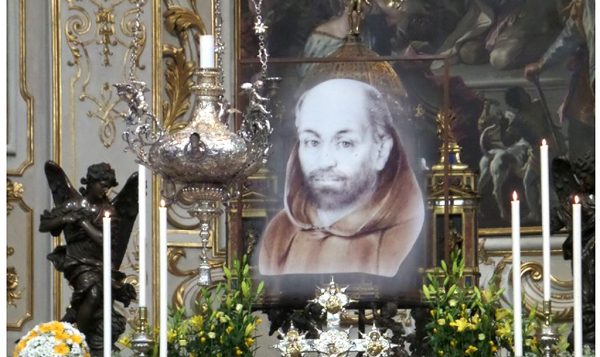
Bl Tommaso’s Shrine in Innsbruck
It took another 356 years before St Pope John Paul II proclaimed the friar Venerable in 1987. Pope Benedict XVI authorised Tommaso’s Beatification in 2012 and the Beatification Mass was finally celebrated by Cardinal Angelo Amato on behalf of Pope Francis in 2013.
St Albian of Albée
Bl Angela Bartolomea dei Ranzi
Bl Angela Isabella dei Ranzi
St Antonia of Constantinople
St Antonina of Nicaea
St Antonia of Nicomedia
St Antonius of Rocher
St Arbeo of Freising
St Augustine Webster
St Cunegund of Regensburg
St Curcodomus of Auxerre
St Cyriacus of Ancona
St Enéour
St Ethelred of Bardney
St Florian of Lorch
Bl Hilsindis Bl Jean-Martin Moyë (1730-1793) Biography: https://anastpaul.wordpress.com/2018/05/04/saint-of-the-day-4-may-blessed-jean-martin-moye-1730-1793/
St Judas Cyriacus
Bl Ladislas of Gielniów
St Luca da Toro
Bl Margareta Kratz
Bl Michal Giedroyc
St Nepotian of Altino
Bl Paolino Bigazzini
St Paulinus of Cologne
St Paulinus of Senigallia
St Pelagia of Tarsus
St Porphyrius of Camerino Rino
St Richard Reynolds
St Robert Lawrence
St Silvanus of Gaza Bl Tommaso da Olera OFM Cap (1563-1631)
—
Carthusian Martyrs: A group of Carthusian monks who were hanged, drawn and quartered between 19 June 1535 and 20 September 1537 for refusing to acknowledge the English royalty as head of the Church:
• Blessed Humphrey Middlemore
• Blessed James Walworth
• Blessed John Davy
• Blessed John Rochester
• Blessed Richard Bere
• Blessed Robert Salt
• Blessed Sebastian Newdigate
• Blessed Thomas Green
• Blessed Thomas Johnson
• Blessed Thomas Redyng
• Blessed Thomas Scryven
• Blessed Walter Pierson
• Blessed William Exmew
• Blessed William Greenwood
• Blessed William Horne
• Saint Augustine Webster
• Saint John Houghton
• Saint Robert Lawrence
Martyrs of Cirta: Also known as
• Martyrs of Cirtha
• Martyrs of Tzirta
A group of clergy and laity martyred together in Cirta, Numidia (in modern Tunisia) in the persecutions of Valerian. They were – Agapius, Antonia, Emilian, Secundinus and Tertula, along with a woman and her twin children whose names have not come down to us.
Martyrs of England: 85 English, Scottish and Welsh Catholics who were martyred during the persecutions by Protestants in the 16th and 17th centuries. They are commemorated together on 22 November.
• Blessed Alexander Blake • Blessed Alexander Crow • Blessed Antony Page • Blessed Arthur Bell • Blessed Charles Meehan • Blessed Christopher Robinson • Blessed Christopher Wharton • Blessed Edmund Duke • Blessed Edmund Sykes • Blessed Edward Bamber • Blessed Edward Burden • Blessed Edward Osbaldeston • Blessed Edward Thwing • Blessed Francis Ingleby • Blessed George Beesley • Blessed George Douglas • Blessed George Errington • Blessed George Haydock • Blessed George Nichols • Blessed Henry Heath • Blessed Henry Webley • Blessed Hugh Taylor • Blessed Humphrey Pritchard • Blessed John Adams • Blessed John Bretton • Blessed John Fingley • Blessed John Hambley • Blessed John Hogg • Blessed John Lowe • Blessed John Norton • Blessed John Sandys • Blessed John Sugar • Blessed John Talbot • Blessed John Thules • Blessed John Woodcock • Blessed Joseph Lambton • Blessed Marmaduke Bowes • Blessed Matthew Flathers • Blessed Montfort Scott • Blessed Nicholas Garlick • Blessed Nicholas Horner • Blessed Nicholas Postgate • Blessed Nicholas Woodfen • Blessed Peter Snow • Blessed Ralph Grimston • Blessed Richard Flower • Blessed Richard Hill • Blessed Richard Holiday • Blessed Richard Sergeant • Blessed Richard Simpson • Blessed Richard Yaxley • Blessed Robert Bickerdike • Blessed Robert Dibdale • Blessed Robert Drury • Blessed Robert Grissold • Blessed Robert Hardesty • Blessed Robert Ludlam • Blessed Robert Middleton • Blessed Robert Nutter • Blessed Robert Sutton • Blessed Robert Sutton • Blessed Robert Thorpe • Blessed Roger Cadwallador • Blessed Roger Filcock • Blessed Roger Wrenno • Blessed Stephen Rowsham • Blessed Thomas Atkinson • Blessed Thomas Belson • Blessed Thomas Bullaker • Blessed Thomas Hunt • Blessed Thomas Palaser • Blessed Thomas Pilcher • Blessed Thomas Pormort • Blessed Thomas Sprott • Blessed Thomas Watkinson • Blessed Thomas Whitaker • Blessed Thurstan Hunt • Blessed William Carter • Blessed William Davies • Blessed William Gibson • Blessed William Knight • Blessed William Lampley • Blessed William Pike • Blessed William Southerne • Blessed William Spenser • Blessed William Thomson •
They were Beatified on 22 November 1987 by Pope John Paul II.
Martyrs of Novellara: A bishop and several his flock who were martyred together in the persecutions of Diocletian and whose relics were kept and enshrined together. We know nothing else about them but the names – Apollo, Bono, Cassiano, Castoro, Damiano, Dionisio, Leonida, Lucilla, Poliano, Tecla, Teodora and Vespasiano. They were Martyred on 26 March 303. Their relics were enshrined in the parish of Saint Stephen in Novellara, Italy in 1603.
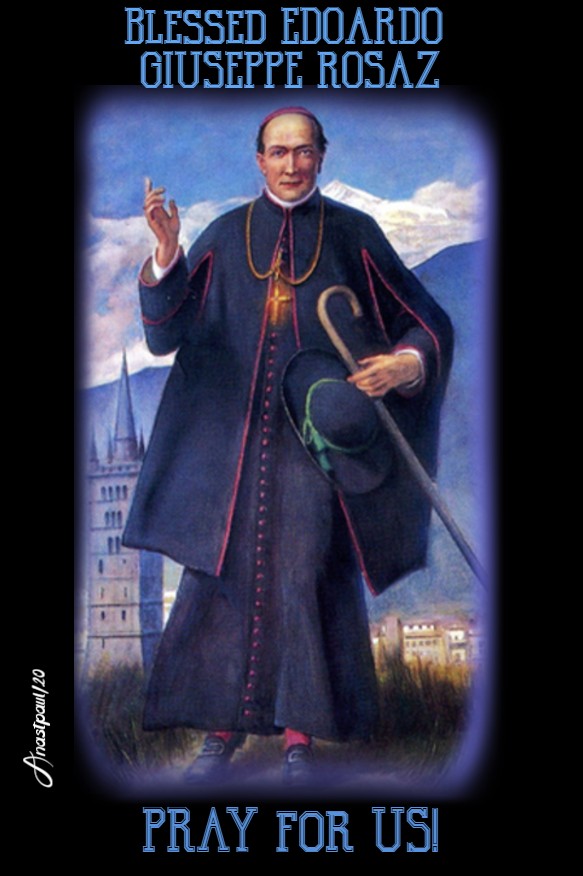
Quote/s of the Day – 3 May – The Fourth Sunday of Easter, Vocations/Good Shepherd Sunday and the Memorial of Blessed Edoardo Giuseppe Rosaz (1877-1903)
The charism of Blessed Rosaz is a wonderful example of a model of the Good Shepherd, Christ Himself. Bl Edoardo had the gift of the Holy Spirit placed in his heart as a man, a Priest, a Bishop in love with God, the saving mystery of Christ and the Holy Virgin. This charism emerged as a consequence of his being “consecrated” totally to the glory of God and the salvation of souls. It stems from his “Do all, so as to win over all to Christ” (Cf 1 Cor 9:19) and from his passion for the poor – the image of the poor and suffering Christ.
“We have the Providential love of God as our guide. When there is a ship at sea and heads towards the port, nobody doubts that it is led by a pilot and one could doubt that there is a God who guides the universe only because He cannot be seen? By His Providential Love, God arranges and regulates events, regulates everything, with gentleness and wisdom. I advise you to abandon yourself completely into the hands of Divine Providence. “
“Prayer is the rest of the soul, the refreshment of those who are hungry and thirsty for justice; it is the sweet conversation of a son with the most tender of fathers; of a friend with the most fond of friends; prayer is the strength, the comfort, the happiness of life on earth. “
One Minute Reflection – 3 May – The Fourth Sunday of Easter, Good Shepherd/Vocations Sunday, Readings: Acts 2:14, 36-41, Psalm 23:1-6, 1 Peter 2:20-25, John 10:1-10 and the Memorial of Blessed Edoardo Giuseppe Rosaz (1877-1903)
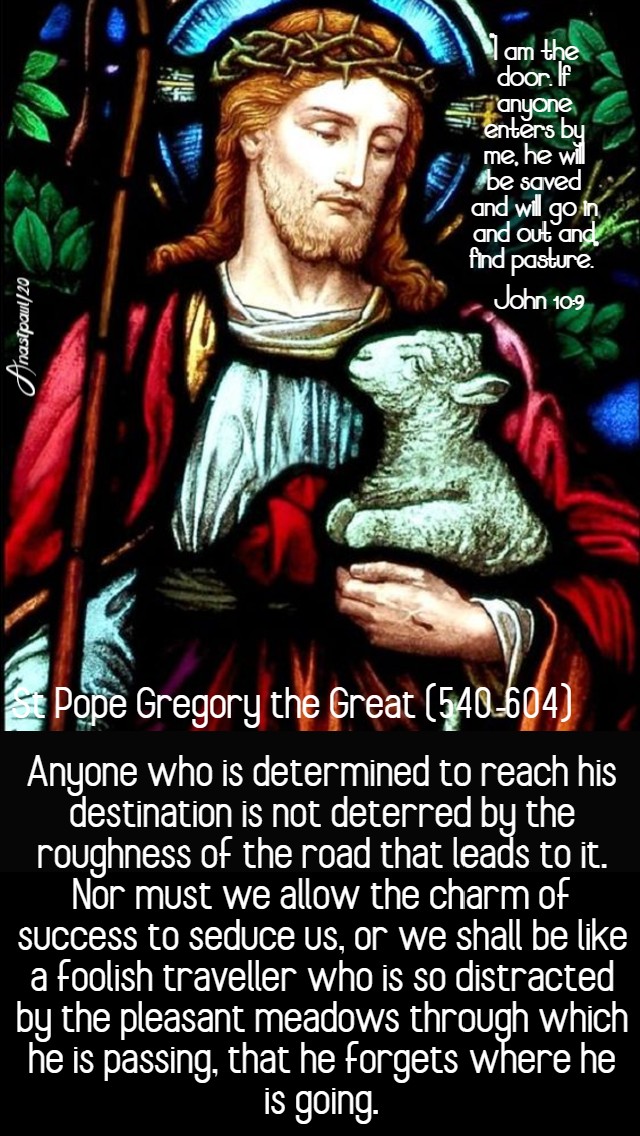
“I am the door. If anyone enters by me, he will be saved and will go in and out and find pasture.” … John 10:9
REFLECTION – “Anyone who enters by me will be saved, he will go in out and will find pasture.”(Jn 10:9) He will go into faith, he will go out from faith to vision, from belief to contemplation, will find pasture in eternal refreshment.
The Good Shepherd’s sheep will pasture, because whoever follows Him with a guileless heart, is nourished with a food of eternal freshness. What are the pastures of these sheep but the eternal joys of an evergreen paradise? The pasture of the elect, is the face of God always before us. When we see Him perfectly, our hearts are endlessly satisfied with the food of life…
Let us seek these pastures, dearly beloved! There we may enjoy the celebration of so many citizens. Let the festival of those who rejoice attract us… Let us enkindle our hearts, my friends, let our faith grow warm again for what it believes, let our desire for heavenly things take fire. To love thus, is to be already on the way. Anyone who is determined to reach his destination is not deterred by the roughness of the road that leads to it. Nor must we allow the charm of success to seduce us, or we shall be like a foolish traveller who is so distracted by the pleasant meadows through which he is passing, that he forgets where he is going.”… St Pope Gregory the Great (540-604) Father & Doctor of the Church – Homilies on the Gospel, no15
PRAYER – Almighty, ever-living God, bring us to the joy of Your heavenly city, so that we, Your little flock, may follow where Christ, our Good Shepherd, has gone before us, by the power of His Resurrection. May the prayers of Bl Edoardo Giuseppe Rosaz and the Blessed Virgin, guide us, that we may always follow our Shepherd and thus reach our heavenly home, to praise Him forever. We make our prayer through Christ, our Lord, with the Holy Spirit, God now and for all eternity, amen.
Saint of the Day – 3 May – Blessed Edoardo Giuseppe Rosaz TOSF (1877-1903) Bishop of Susa from 1877 until his death, Founder of Franciscan Mission Sisters of Susa, Third Order Franciscan, Apostle of the poor, his charism was one totally supported by the Holy Eucharist and total abandonment to Divine Providence and Prayer, Spiritual Director – born on 15 February 1830 in Susa, Piedmont, Italy and died on 3 May 1903 in Susa, Piedmont, Italy of natural causes, aged 73. Patronages – Franciscan Mission Sisters of Susa and of Susa.
Edoardo Giuseppe Rosaz was born on 15 February 1830 in Susa, as the fifth of seven children to a wealthy family who had fled the French Revolution. He was Baptised in the Susa Cathedral on 16 February.
During his childhood and youth he manifested a patient, peaceful, profoundly good nature and extended himself for the good of others. Edoardo was poor in health from his birth but he was also endowed with a spiritual fortress that led him to overcome any difficulty. In his gentleness and sensitivity, he favoured the poorest, adapting to their mentality and their way of life, giving himself to everyone and thus grew evermore in love for Christ.
At a very young age he entered the Seminary, showing a deep zeal and a strong docility to the action of the Holy Spirit. He completed his ecclesial studies in Nice, France where he was Ordained to the Priesthood.
As a twenty-four year old priest, he took charge of the social problems he perceived in his territory. He became Canon of the Cathedral Church, Chaplain of the Carceri, Rector of the Diocesan Seminary, spiritual director of various religious families and, finally, Bishop of Susa in 1878. He also opened a retreat house for girls and during this time, he met and became a friend of St John Bosco, who was instrumental in recommending him as the Rector of the Seminary. During this vocational itinerary he decided to become a Franciscan tertiary, living in extreme poverty, great humility and penance. He followed the spirituality of the Seraphic Father Francis in his mission as pastor.
Suso and the Cathedral
Pope Pius IX appointed him as the Bishop of Susa on 31 December 1877 – at St John Bosco’s suggestion – and the Archbishop of Turin, Lorenzo Gastaldi granted him his episcopal Consecration in 1878 in the Susa Cathedral. He had wept upon learning he was to be made a Bishop and sent a letter to Cardinal Giacomo Antonelli protesting the appointment, mentioning his lack of theological or canon law doctorates. But for his Diocese, he became an example to be imitated, on the path of Christian conversion.
Following divine inspiration, he founded the Institute of the Franciscan Missionary Sisters of Susa in 1874, with the aim of continuing to face the problems present in the Val di Susa, first of all the reception of young people in difficulty, with a simple Franciscan style that his nuns would live. He adopted as a motto for his “daughters” a famous phrase of St Paul: “Do all so as to win over all to Christ”(Cf 1 Cor 9:19).
In January 1888, he was at St John Bosco’s deathbed in Turin and attended and assisted at his funeral. In 1898 he led Diocesan pilgrimages to Rome and to Turin for the exposition of the Holy Shroud. After attending St John Bosco’s funeral he took part in the Eucharistic Congress in Turin and another in Milan, in 1895.
In the last years of his life he conceived the idea of building retirement homes for elderly and abandoned people. A lot of work and dedication assisted in undermining his already not too robust health. The first signs of illness hit him on 12 January 1903, while visiting the schools of Susa. Finally, after an edifying preparation, on the morning of 3 May 1903 ‘Sister death’ arrived.
His remains were relocated in 1919 to the Motherhouse of his order in Susa. His order received diocesan approval on 2 February 1903 while being aggregated to the Order of Friars Minor Capuchin on 9 March 1906. It received the decree of praise from Pope Pius XI on 10 July 1934 and papal approval from Pope Pius XII on 27 July 1942.
On 14 July 1991, in Susa, Pope John Paul II Beatified the Founder by describing him as “apostle of God of Love who responded to the expectations of his brothers, especially the poorest, with the charity of the heart of Christ.”
Today, after over a hundred years, the charism and works of Blessed Rosaz continue to live through the Franciscan Missionary Sisters of Susa founded by him with 40 convents and 240 sisters in Italy, Switzerland, Libya and Brazil.
St Adalsindis of Bèze
Bl Adam of Cantalupo in Sabina
St Ahmed the Calligrapher
St Aldwine of Peartney
St Pope Alexander I
St Alexander of Constantinople
Bl Alexander of Foigny
St Alexander of Rome
Bl Alexander Vincioli
St Ansfrid of Utrecht
St Antonina of Constantinople
St Diodorus the Deacon Blessed Edoardo Giuseppe Rosaz TOSF (1877-1903)
St Ethelwin of Lindsey
St Eventius of Rome
St Fumac
St Gabriel Gowdel
St Juvenal of Narni
Bl Maria Leonia Paradis
St Maura of Antinoe
St Peter of Argos
St Philip of Zell
Bl Ramon Oromí Sullà
St Rhodopianus the Deacon
St Scannal of Cell-Coleraine
Bl Sostenaeus St Stanislas Kazimierczyk CRL (1433–1489) His Life: https://anastpaul.com/2019/05/03/saint-of-the-day-3-may-saint-stanislaw-kazimierczyk-crl-1433-1489/
St Theodolus of Rome
St Timothy of Antinoe
Bl Uguccio
Bl Zechariah
Quote/s of the Day – 2 May – Saturday of the Third Week of Easter and the Memorial of St Athanasius (c 295-373) Father and Doctor of the Church “The Father of Orthodoxy”
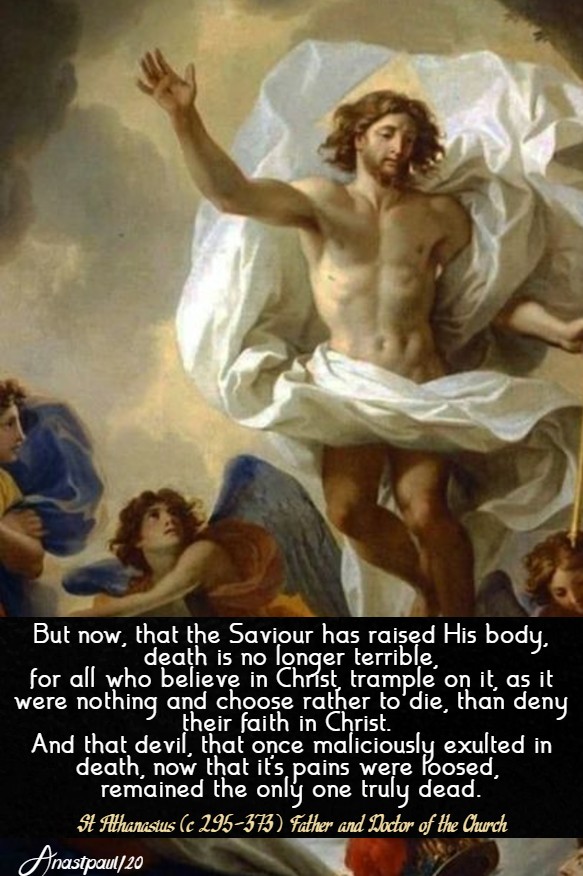
“In ancient times, before the divine sojourn of the Saviour took place, even to the saints, death was terrible, all wept for the dead as though they perished. But now, that the Saviour has raised His body, death is no longer terrible, for all who believe in Christ, trample on it, as it were nothing and choose rather to die, than deny their faith in Christ. And that devil, that once maliciously exulted in death, now that its pains were loosed, remained the only one truly dead.”
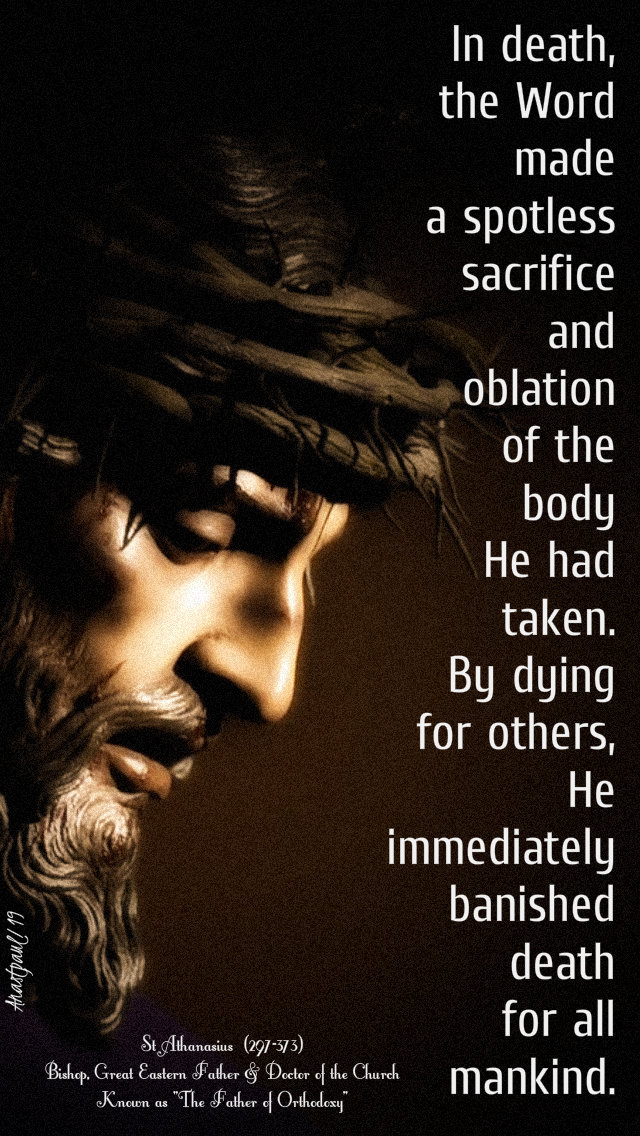
“In death, the Word made a spotless sacrifice and oblation of the body He had taken. By dying for others, He immediately banished death for all mankind.”
On the Incarnation
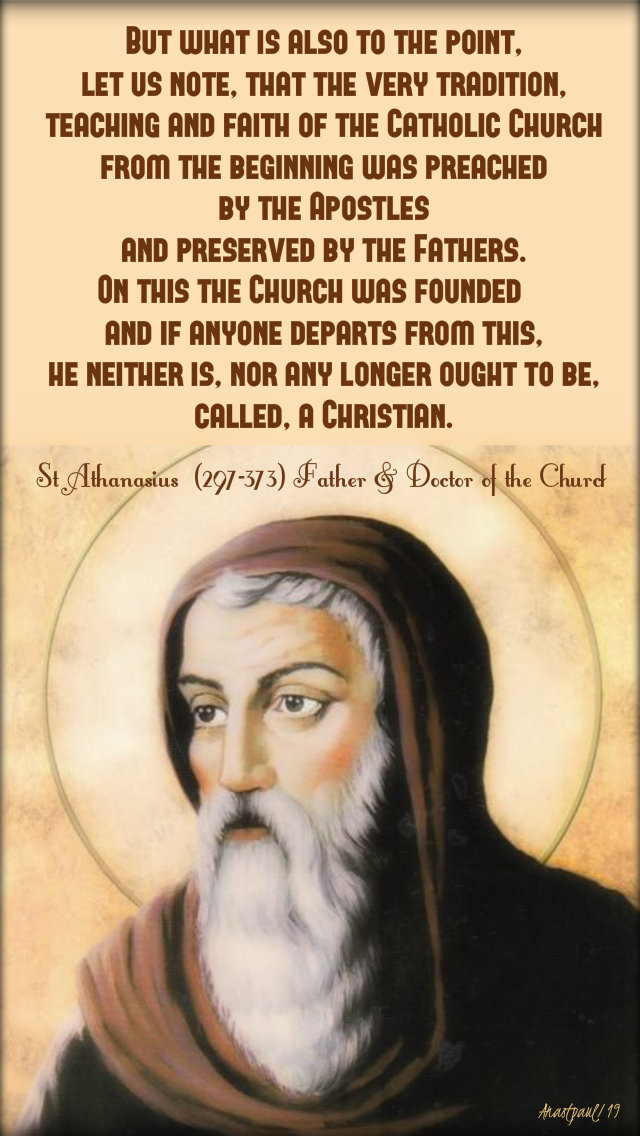
“But what is also to the point, let us note that the very tradition, teaching and faith of the Catholic Church from the beginning was preached by the Apostles and preserved by the Fathers. On this the Church was founded – and if anyone departs from this, he neither is, nor any longer ought to be called, a Christian.”
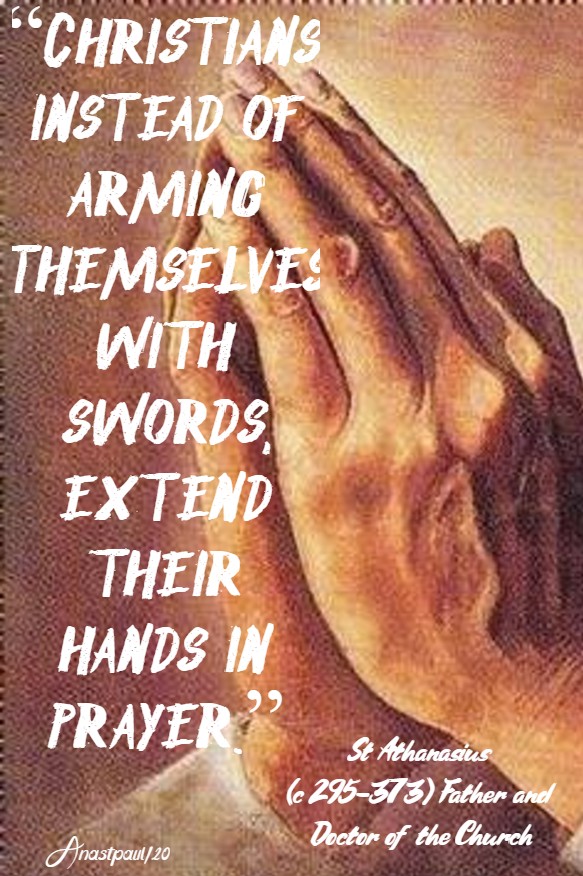
“Christians, instead of arming themselves with swords, extend their hands in prayer.”
Our Morning Offering – 2 May – “Mary’s Month” – Saturday of the Third Week of Easter, the Memorial of St Athanasius (c 295-373) – Father and Doctor of the Church, “The Father of Orthodoxy”
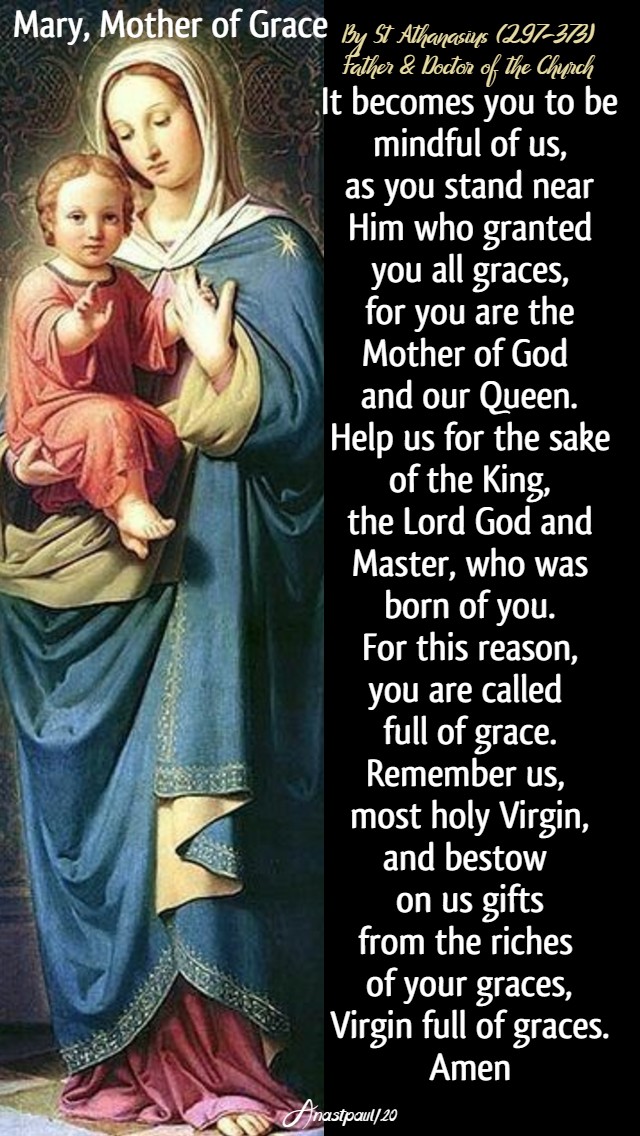
Mary, Mother of Grace St Athanasius (297-373) Father & Doctor
It becomes you to be mindful of us,
as you stand near Him who granted you all graces,
for you are the Mother of God and our Queen.
Help us for the sake of the King,
the Lord God and Master, who was born of you.
For this reason,
you are called full of grace.
Remember us, most holy Virgin,
and bestow on us gifts
from the riches of your graces,
Virgin full of graces.
Amen
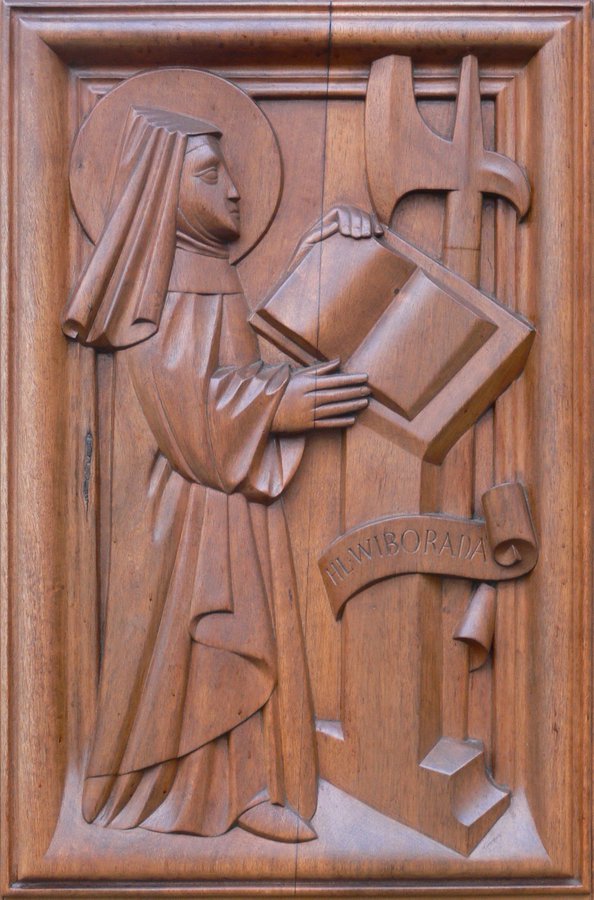
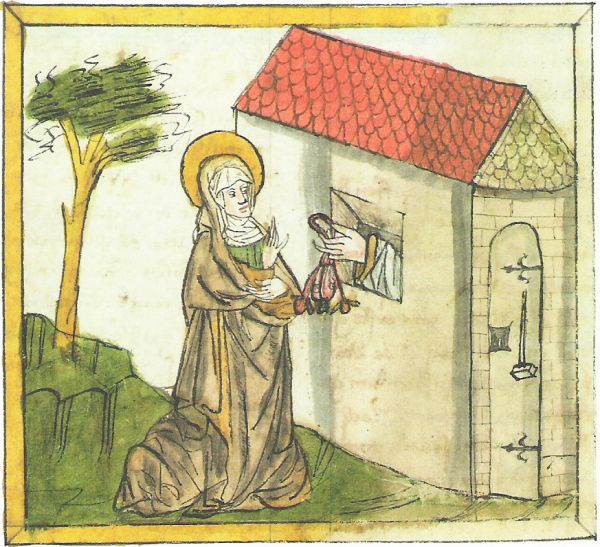
Saint of the Day – 2 May – Saint Wiborada of Saint Gallen OSB (Died 926) Virgin, Martyr Anchorite,ascetic, gifted with the charism of prophecy and miracles – also known as Guiborat, Weibrath or Viborata – born in the 9th century in Klingna, Aargau, Switzerland and died by being axed to death in 926. Her biography was written in c 1075 by Herimannus, a Monk of the Abbey of Saint Gallen. Saint Wiborada was the first woman formally Canonised by the Holy See, by Pope Clement II in 1047. Patronages – libraries, librarians.
Wiborada was born to a wealthy noble family in Swabia. When they invited the sick and poor into their home, Wiborada proved a capable nurse. Her brother, Hatto, became a Priest. A pilgrimage to Rome influenced Hatto to decide to become a Priest and Monk at the Abbey of Saint Gallen, a decision which Wiborada supported. After the death of their parents, Wiborada joined Hatto and became a Benedictine at the same Abbey. Wiborada became settled at the Monastery and Hatto taught her Latin, so that she could chant the Liturgy of the Hours. There, she occupied herself by making Hatto’s clothes and helping to bind many of the books in the Monastery library.
At this time, it appears that Wiborada was charged with some type of serious infraction or wrongdoing and was subjected to the medieval practice of ordeal by fire to prove her innocence. Although she was exonerated, the embarrassment probably influenced her next decision – withdrawing from the world and becoming an ascetic.
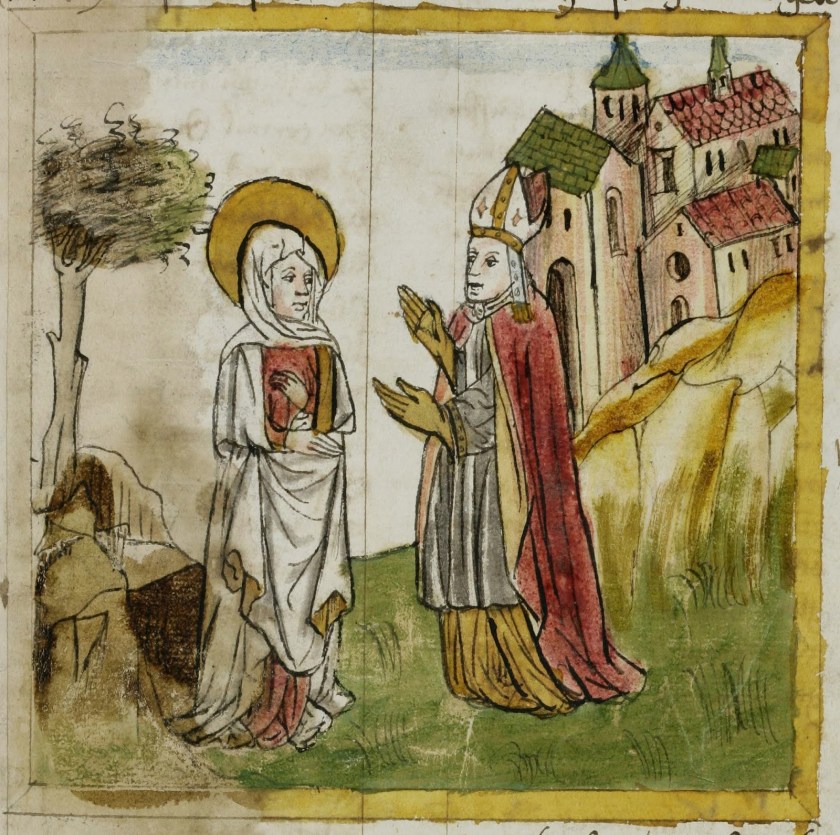
When she petitioned to become an Anchoress, Bishop Salomon of Konstanz arranged for her to stay in a cell next to the church of Saint George near the Monastery, where she remained for four years before relocating to a cell adjoining the church of Magnus of Füssen in 891.
St Wilborada with Bishop Salomon
She became renowned for her austerity and was said to have a gift of prophecy, both of which drew admirers and hopeful students. One of these, a woman named Rachildis, whom Wiborada had cured of a disease, joined her as an Anchoress. A young student at St Gallen, Ulrich, is said to have visited Wiborada often. She prophesied his elevation to the episcopate of Augsburg.
St Wilborada and Ulrich
In 925, she predicted a Hungarian invasion of her region. Her warning allowed the Priests and Religious of St Galen and of St Magnus to hide the books and wine and escape into caves in nearby hills. The most precious manuscripts were transferred to the Monastery at Reichenau Island. Her abbot, Engilbert, urged Wiborada to escape to safety but she refused to leave her cell.
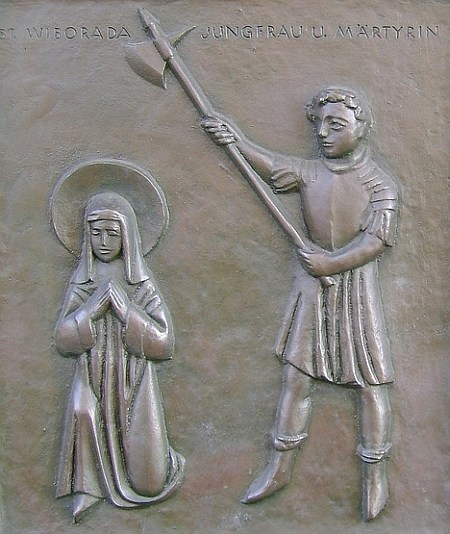
In 926 the Magyar marauders reached St Gallen. They burned down St Magnus Monastery and broke into the roof of Wiborada’s cell. Upon finding her kneeling in prayer, they clove her skull with a shepherd’s axe. Her companion Rachildis was not killed and lived another 21 years, during which her disease returned. She spent the rest of her life learning patience through suffering.
Wiborada’s refusal to leave her cell and the part she played in saving the lives of the Priests and Religious of her Convent have merited her the title of Martyr.
St Joseph Luu
Bl Juan de Verdegallo
St Longinus of Africa
St Neachtain of Cill-Uinche
St Theodulus of Pamphylia
St Ultan of Péronne
St Vindemialis of Africa
St Waldebert of Luxeuil St Wiborada of Saint Gallen OSB (Died 926) Martyr
Bl William Tirry
St Zoe of Pamphylia
—
Martyrs of Alexandria – 4 saints: A group of Christians marytred together in the persecutions of Diocletian. We know little more than their names – Celestine, Germanus, Neopolus and Saturninus. 304 in Alexandria, Egypt
One Minute Reflection – 1 May – Friday of the Third Week of Easter, Readings: Acts 9:1-20, Psalm 117:1-2, John 6:52-59 and the Memorial of St Peregine Laziosi OSM (1260-1345)
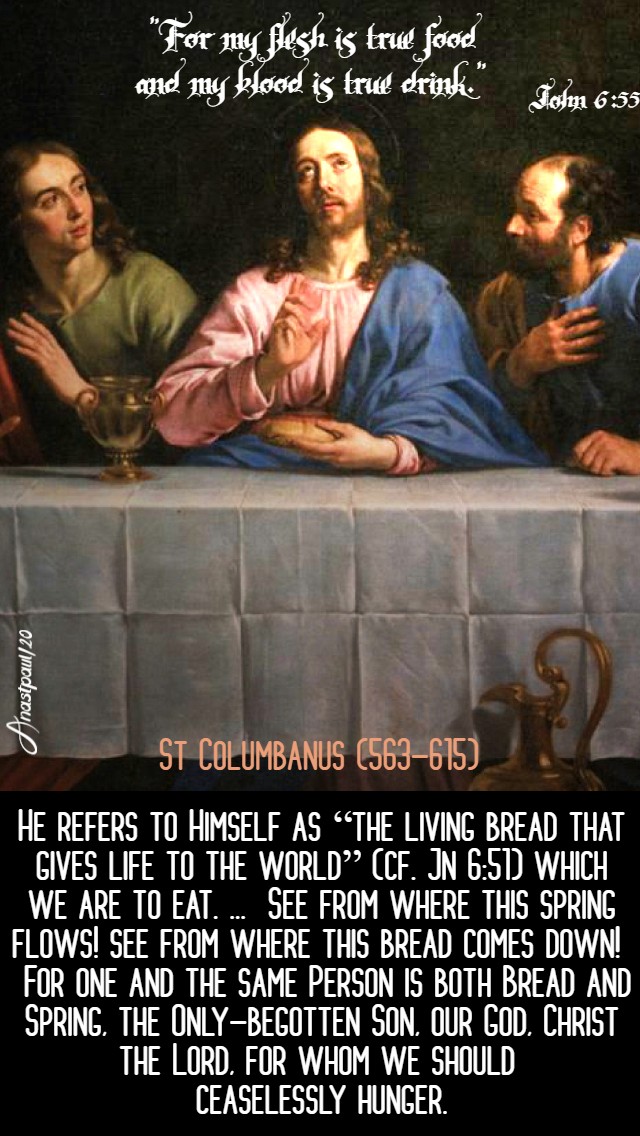
“For my flesh is true food and my blood is true drink.” … John 6:55
REFLECTION – “Beloved brethren, quench your thirst at the waters of that divine spring we want to tell you about, quench it but don’t extinguish it, drink but don’t become satisfied. The living spring, the source of life calls us and says: “Let anyone who thirsts come to me and drink” (Jn 7:37). Understand what it is you are drinking. Let the prophet tell you and let the source itself tell you: “Listen to the word of the Lord, they have forsaken me the source of living water” (Jer 2:13). So the Lord our God Himself, Jesus Christ, is He who is that source of life and that is why He invites us, to come to Him so that we might drink Him. Whoever loves Him, drinks Him, whoever feeds on the Word of God, drinks Him. … Drink, therefore, from this source that others have forsaken.
That we might eat of this bread and drink from this spring (…) He refers to Himself as “the living bread that gives life to the world” (cf. Jn 6:51) which we are to eat. … See from where this spring flows! see from where this bread comes down! For one and the same Person is both Bread and Spring, the Only-begotten Son, our God, Christ the Lord, for whom we should ceaselessly hunger.
It is our love that gives Him as food to us, our desire that makes us eat Him and when we have been satisfied, we desire Him still. Let us go to Him as to a fountain and drink of Him in our overflowing love, let us drink Him always with ever-new desire, finding our joy in the sweetness of His love. The Lord is gentle and good. We eat and drink Him without ceasing to hunger and thirst for Him, for we cannot exhaust this food and drink. We eat of this bread yet do not run out of it, we drink at this spring yet it does not run dry. This bread is eternal, this stream flows without end.” … St Columbanus (563-615) – Spiritual instructions 12, 2, 3
PRAYER – Almighty God, You sent Your Son and we have now come to know the grace of His Resurrection. Through Him we live and move and have our being. As we follow Him, He walks with us and leads us to You. Grant we pray, that His mother and ours, may guide our way to Him and may the prayers of St Peregrine, who followed closely behind the Lord, be a solace in our trials. Through Christ our Lord, with the Holy Spirit, God now and forever, amen.
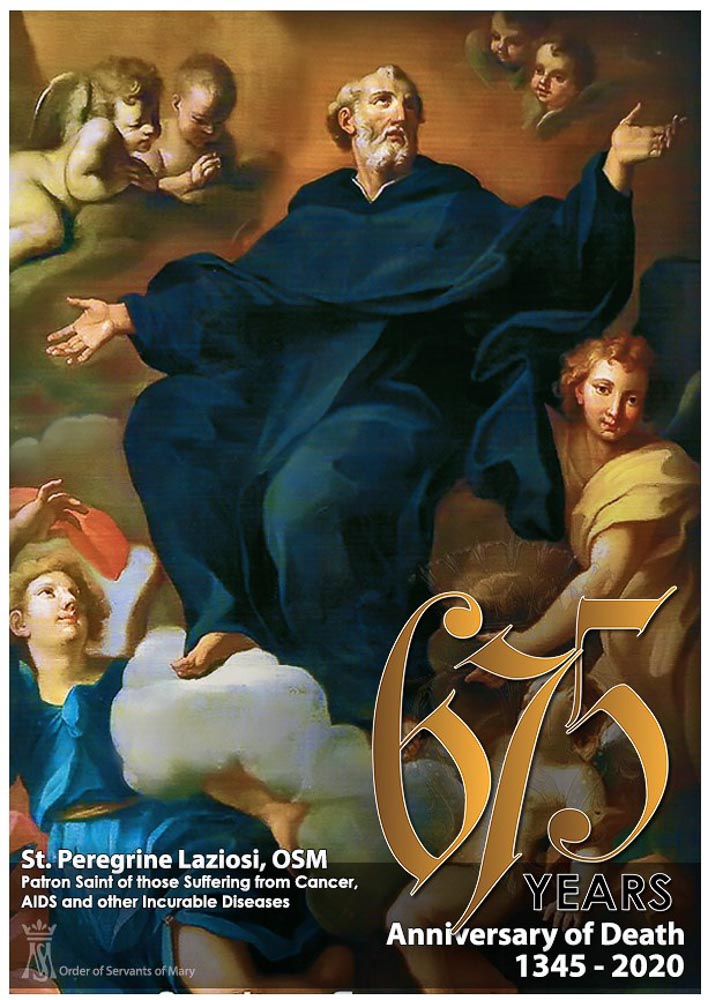
Saint of the Day – 1 May – Saint Peregrine Laziosi OSM (1260-1345) known as the “Angel of Good Counsel,” Priest of the Servite Order (The Order of Servants of Mary ), Apostle of the poor and the sick, Miracle-worker, Spiritual Advisor – born in 1260 at Forli, Italy and died on 1 May 1345 at Forli, Italy of natural causes, aged 85. Today is the 675th anniversary of his death. Patronages – against cancer, against breast cancer, against open sores, against skin diseases, AIDS patients, sick people, Diocese of Forli-Bertinoro, Italy, City of Forli, Italy. St Peregrine’s body is Incorrupt.
Peregrine Laziosi was born in Forli, Italy, the only son of well-to-do parents. In his teens he joined the enemies of the Pope in his hometown and soon became a ringleader of rebels.
Pope Martin IV had placed Forli under a spiritual interdict which closed churches in the city, hoping to bring its citizens to their senses. That failing, he sent St Philip Benizi, of the Order of Servites (Servants of Mary), as his personal Ambassador to try to bring peace to the angry rebels.
No welcome mat was spread for the Papal Delegate. While addressing crowds of malcontents one day, he was dragged off the rostrum, beaten with clubs and pelted with rocks. Peregrine knocked him down with a vicious blow to the face. Moments after, stricken with remorse, the youth cast himself at the feet of the bruised and bleeding Priest and asked for his forgiveness, which was granted with a smile.
Peregrine became a staunch champion of Philip Benizi. He heeded Philip’s suggestion and often prayed in Our Lady’s chapel in the Cathedral. While kneeling there, he had a vision of the Blessed Mother holding in her hands a black habit like the one the Servites wore. “Go to Siena,” Mary told the astonished Peregrine. “There you will find devout men who call themselves my servants. Attach yourself to them.”
The Servites gave him a warm welcome . He was clothed ceremoniously in the religious habit by Philip Benizi himself.
Daily he sought to become a more fervent religious man. To atone for past misdeeds he treated himself harshly and worked hard for the poor and afflicted. One of the special penances he imposed on himself was to stand whenever it was not necessary to sit. When tired he would support himself on a choir stall.
After being Ordained a Priest, he was sent back to Forlì, where he founded a new Servite house there and became well known for his preaching and holiness as well as his devotion to the sick and poor. He miraculously multiplied grain and wine during a severe shortage in his area. People took to calling him the “Angel of Good Counsel,” so grateful were they for his wise advice so freely given.
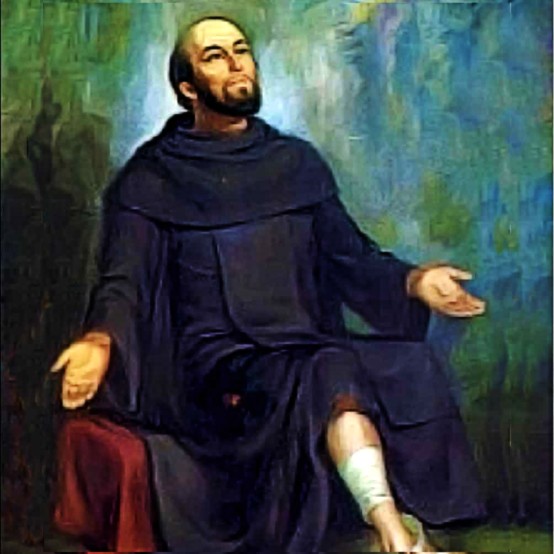
At the age of 60, he developed an infection in his right leg. It was so painful that he finally agreed with the surgeon who wanted to amputate. The night before the scheduled surgery, Peregrine spent hours in prayer before a fresco of the Crucifixion in the chapter room. Then he fell into a deep trance-like sleep and seemed to see Christ descend from the Cross and touch his leg. The thrill of it woke him up. In the dim moonlight he saw that his leg, carefully bandaged a few hours earlier, was completely healed.
The following day, the doctor arrived to perform the amputation and finding no sign of the cancer, news spread of the miraculous cure throughout the town. This only increased the regard Forlineses’ for Peregrine. When they were sick they appealed to his prayers. Some were cured when he whispered “Jesus” into their ears. The Church has since appointed him Patron of persons with cancer, or any incurable disease.
Peregrine died on 1 May 1345 of a fever, aged 85. An extraordinary number of people from the town and countryside honoured his death. Some of the sick who came to his funeral, were healed immediately, through his intercession.
His body rests in the Servite church of Forlì, the Basilica of Saint Pellegrino Laziosi. Pope Paul V declared him Blessed in 1609 and Pope Benedict XIII Canonised him in 1726.
The lesson of Peregrine’s life is not that God worked a miracle but that a faithful servant placed himself, unconditionally, in the hands of God. Peregrine’s trust in God, therefore, serves as a model for those dealing with sickness. Thousands of clients especially those who have been cured by his intercession, pay him special honour today, his Feast, each year.
Prayer to St Peregrine for his Intercession
St Peregrine, we come to you confidently
to implore your aid with God in our necessity.
You were converted instantly from a worldly life
by the good example of one holy person.
You were cured instantaneously of cancer by God’s grace
and your unceasing prayer.
In your gracious kindness,
please ask the Lord to heal us also in body, mind and soul.
May we then imitate you in doing His work
with renewed vigour and strength.
Amen
St Aceolus of Amiens
St Acius of Amiens
St Aldebrandus of Fossombrone
St Amator of Auxerre
St Ambrose of Ferentino
St Andeolus of Smyrna
Bl Arigius of Gap
St Arnold of Hiltensweiler
St Asaph of Llanelwy
St Augustine Schöffler
St Benedict of Szkalka
St Bertha of Avenay
St Bertha of Kent
St Brieuc of Brittany
St Ceallach of Killala
St Cominus of Catania
Evermarus of Rousson
Bl Felim O’Hara
St Grata of Bergamo
St Isidora of Egypt
St Jeremiah the Prophet
St John-Louis Bonnard
Bl Klymentii Sheptytskyi
St Marculf
St Orentius of Auch
St Orentius of Loret
St Patientia of Loret St Peregrine Laziosi OSM (1260-1345)
Bl Petronilla of Moncel St Richard Pampuri OH (1897-1930) aged 33 Biography: https://anastpaul.com/2019/05/01/saint-of-the-day-1-may-saint-richard-pampuri-oh-1897-1930/
St Romanus of Baghdad
St Sigismund of Burgundy
St Theodard of Narbonne
St Thorette
St Torquatus of Guadix
Bl Vivald of Gimignano
Martyrs of Amiens:
Aceolus
Acius
Martyrs of Loret:
Orentius
Patientia
Martyrs of Vietnam:
Augustine Schöffler
John-Louis Bonnard
Saint of the Day – 30 April – Saint Erconwald of London (Died c 693) “The Light of London” – Bishop, Monk, Abbot, Confessor, known as a miracle-worker, founder of a Monastery and Convent – born in the 7th century in East Anglia, Enland and died in c 693 in London. He was the Bishop of London between 675 and 693, until his death. Patronages – of London, against gout. Also known as Earconvaldo, Erkenwald, Erkenwold, Erkonwald.
Saint Erconwald was born at “Stallyngeton in Lindsey” (possibly Stallingborough, near Grimsby) in the early seventh century. His father is variously described as Anna or Offa, King of East Anglia and a pagan. Erconwald was converted to Christianity at an early age by St Mellitus, the companion of Augustine and first Bishop of London. He then converted his younger sister Ethelburga and Baptised her, much to the fury of their father. Ethelburga eventually fled her parents’ home with one servant to escape being forced into marriage with a pagan.
In the year 666 Erconwald founded the Monastery of Chertsey, on an island in the Thames, apparently at the junction of several kingdoms. It is described as being founded in the reign of King Egbert, King of Kent . The foundation was confirmed and richly endowed, by Frithwald, Viceroy of Surrey, under Wulfhere King of Mercia. The Viceroy put himself and his son under obedience to Erconwald in return for prayers. Wulfhere confirmed this endowment. There is a further charter of Frithwald and Erconwald, to increase the lands of the Monastery.
Erconwald teaching Monks in a historical initial from the Chertsey Breviary (c 1300
Shortly after this Erconwald founded a Convent at Barking in Essex, intended to be a refuge for his sister Ethelburga. The foundation charter, countersigned by Hodilred, King of Essex, provides us with a specimen of the saint’s handwriting. In the course of building the house at Barking one beam was found to be too short and was miraculously extended to the correct length by Erconwald and his sister. St Ethelburga’s holy life here:https://anastpaul.com/2023/10/11/saint-of-the-day-11-october-saint-ethelburga-of-barking-died-c782-virgin-abbess/
Erconwald remained as Abbot of Chertsey until 675 when he was Consecrated third Bishop of London by St Theodore, Archbishop of Canterbury. St Erconwald appears to have been the first resident Bishop and probably began the building of St Paul’s, although traditionally this was adapted from a pagan temple of old Londinium. In 677 he visited Rome and obtained a number of privileges for his Diocese and Monastery from Pope Agatho I.
During his time as Bishop, Erconwald became noted for miracles and for evangelisation. He instructed St Neot, afterwards of Crowland Abbey and the two Kings of Essex, Sebbi and Sigheri, the former of whom afterwards became a Hermit in St Paul’s under Erconwald’s successor Waldhere.
In 690 Erconwald was summoned, together with St Wilfrid, to the deathbed of St Theodore. Both ministered to him but Theodore was more concerned to speak to Wilfrid, whom he wished to succeed him. In 692 King Ine of Wessex mentions his “Father Erconwald” who assisted him in codifying the Laws of Wessex.
Thus Erconwald is associated with the Kings of East Anglia, Mercia, Essex, Wessex and Kent, all of whom seem to have had interests centering in the Chertsey area. The King of Sussex, Æthelwealh, was godson to Wulfhere of Mercia, so six of the Seven Kingdoms are involved in his story.
Towards the end of his life Erconwald was confined to a wheelchair, about which many stories are told. On one occasion a raging river parted to allow the Saint to cross in his chair, on another one wheel fell off but the chair miraculously did not upset. After his death many miracles of the curing of illnesses were worked by the same wheelchair.
In 693 Brithwald, Archbishop of Canterbury, consecrated Waldhere as fourth Bishop of London, so it seems likely that Erconwald died in that year, on 30 April. He died while on retreat at Barking Abbey and there was the usual unseemly dispute over who should have the burying of him, between Barking, Chertsey and London. The Canons of St Paul’s prevailed and despite a last-ditch attempt by the nuns of Barking, succeeded in capping their miracle with a greater. (The nuns prayed for rain to swell the river at Ilford to make it impossible for the cortege to cross and to extinguish the candles but the men of London persuaded the candles to relight and the river to part again so that they crossed dry-shod.) Despite all this he was buried in a common earthen grave where he remained until 1087 when a fire destroyed the Cathedral and everything in it, except the coffin containing his remains. These were then translated to a splendid new shrine behind the high altar, where they remained right up to the Great Fire of London of 1666, despite the depredations of the Reformation. He was venerated throughout the Middle Ages and today his Memorial is 30 April with further celebration remembering him on the Translations of his relics, being celebrated on 1 February and 13 May.
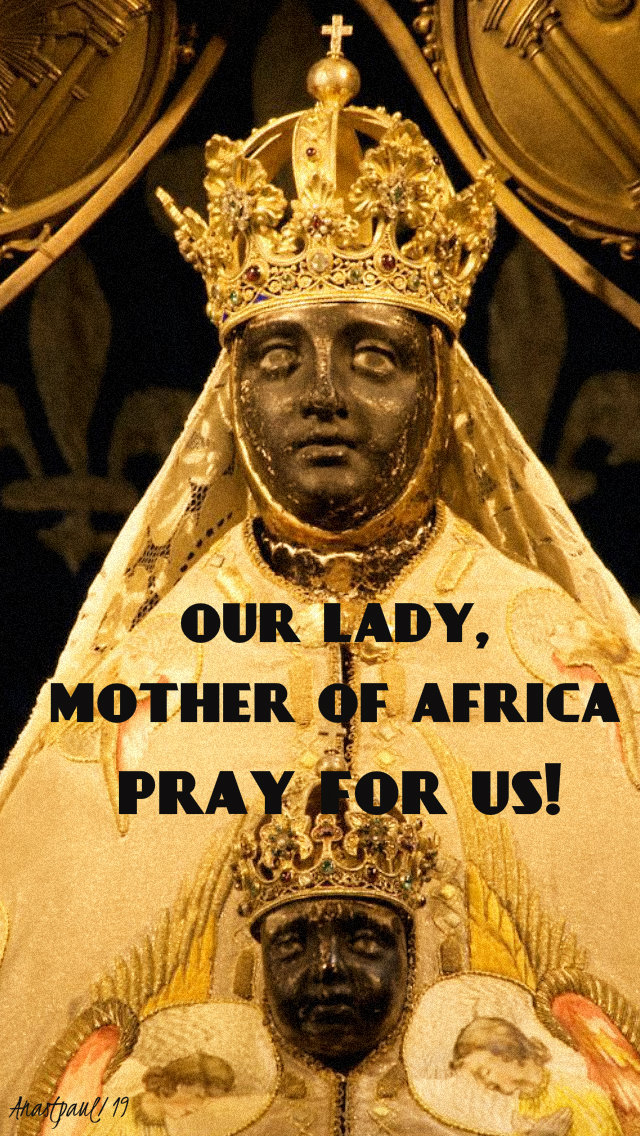
Our Lady, Mother of Africa: (Feast) North Africa, the land of Saints Monica, Augustine, among others, as part of Roman Empire began to become Christian in the 3rd century under Emperor Constantine. It remained Christian until the Arab invasions in later centuries. The French re-established themselves early in the 19th century.
The first bishop, Bishop Dupuch found it impossible to build a church because the local population was hostile to the French. He went back to France for assistance. The Sodality of Our Lady in Lyon offered to the bishop a bronze statue of the Immaculate Conception with the understanding that she would be the Protectress of both the Mohammedans and the natives. It was brought from France in 1840 and was entrusted to the Cistercian monks of Staueli. Later, Cardinal Lavigiers, founder of the White Sisters, enshrined it in the new basilica at Algiers, where in 1876 the image was crowned. This bronze statue, very dark in colour, is known as Our Lady of Africa.
Pilgrims began to come to venerate the image where the lame, the blind and the crippled were miraculously healed and sailors came also, to beg for protection of their long and perilous voyages. At this and other North African shrines the veneration given to Mary by Mohammedans is very marked. This feast commemorates the crowning of the Algiers statue.
St Adjutor of Vernon
St Aimo of Savigny
St Amator of Córdoba
St Aphrodisius of Alexandria
St Cynwl
St Dedë Plani
St Diodoro of Aphrodisias
St Donatus of Euraea St Erconwald of London (Died c 693) “The Light of London”
St Lawrence of Novara
St Louis of Córdoba
St Mariano of Acerenza
St Maximus of Ephesus
St Mercurialis of Forlì
St Peter of Córdoba
St Pomponius of Naples
St Quirinus of Rome
St Rodopiano of Aphrodisias
St Sophia of Fermo
St Swithbert the Younger
Bl Ventura of Spello
Bl William Southerne
Quote/s of the Day – 29 April – Wednesday of the Third Week of Easter, Readings: Acts 8:1-8, Psalm 66:1-7, John 6:35-40 and the Memorial of St Catherine of Siena (1347-1380) Doctor of the Church and Bl Mary Magdalene of the Incarnation FSPA (1770-1824)
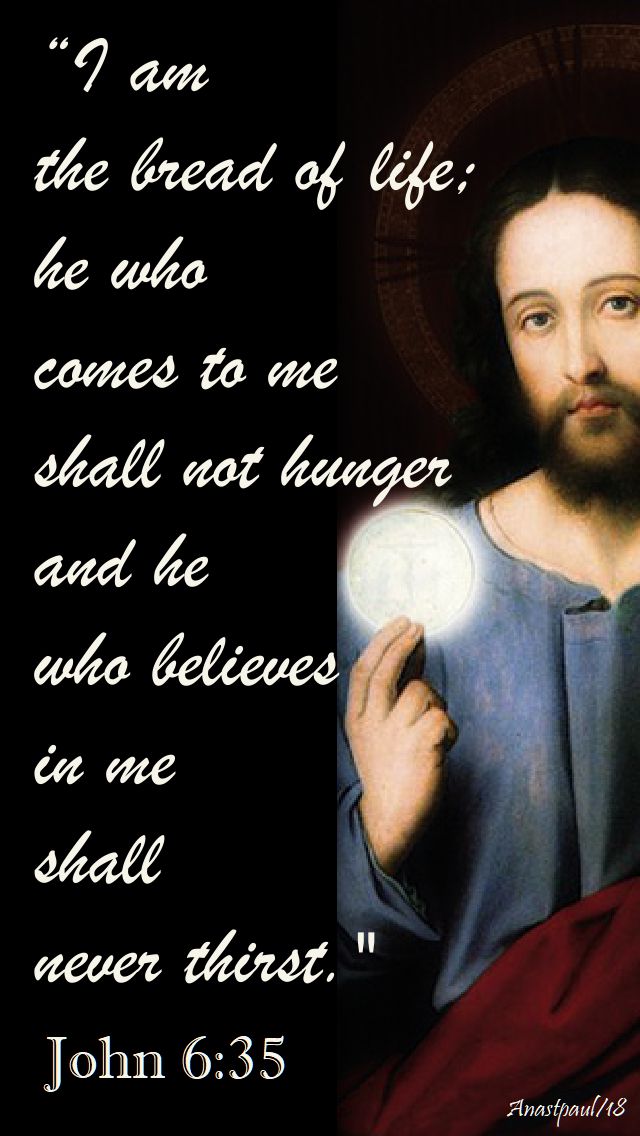
“I am the bread of life; he who comes to me, shall not hunger and he who believes in me, shall never thirst.”
John 6:35
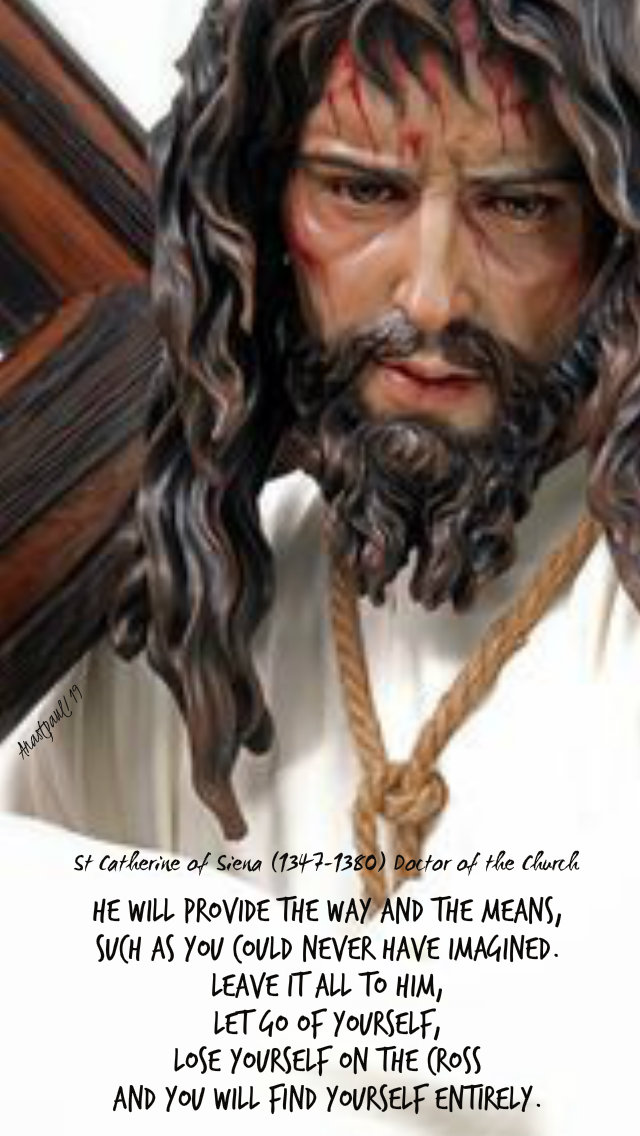
“He will provide the way and the means, such as you could never have imagined. Leave it all to Him, let go of yourself, lose yourself on the Cross and you will find yourself entirely.”
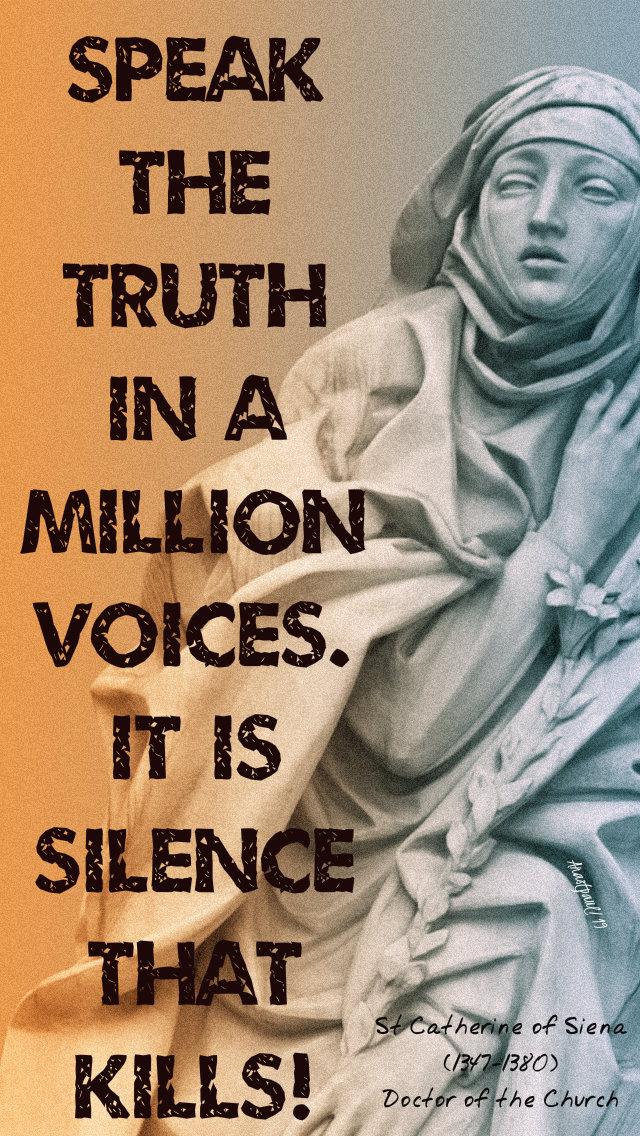
“Speak the truth in a million voices. It is silence that kills!”
St Catherine of Siena (1347-1380) Doctor of the Church
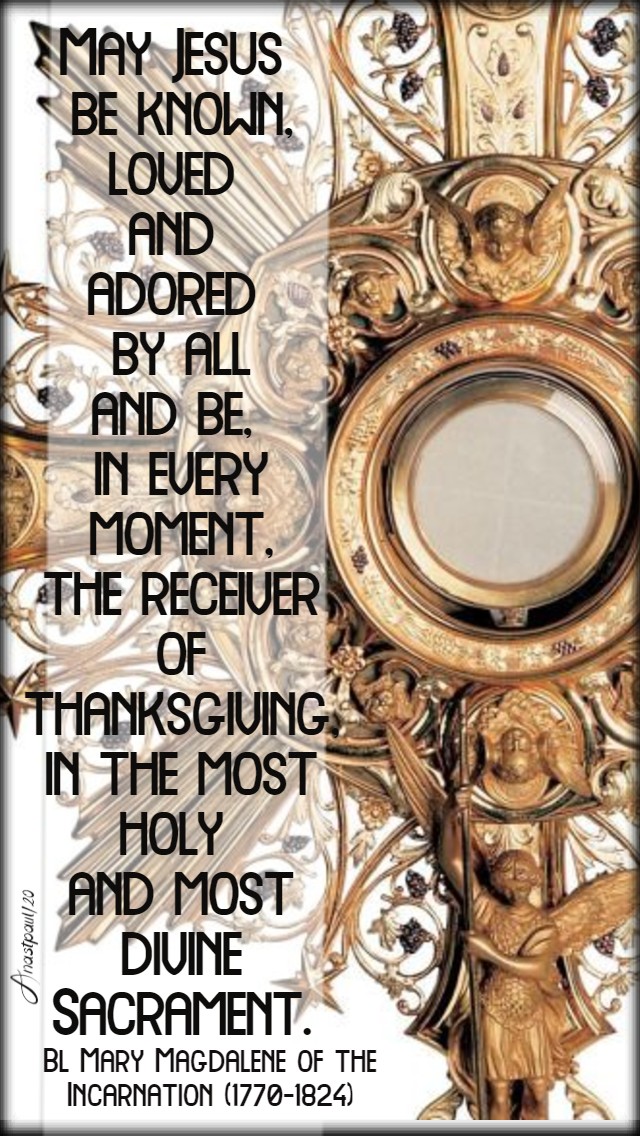
“May Jesus be known, loved and adored by all and be, in every moment, the receiver of thanksgiving, in the most holy and most divine Sacrament.”
One Minute Reflection – 29 April – Wednesday of the Third Week of Easter, Readings: Acts 8:1-8, Psalm 66:1-7, John 6:35-40 and the Memorial of Bl Mary Magdalene of the Incarnation FSPA (1770-1824)
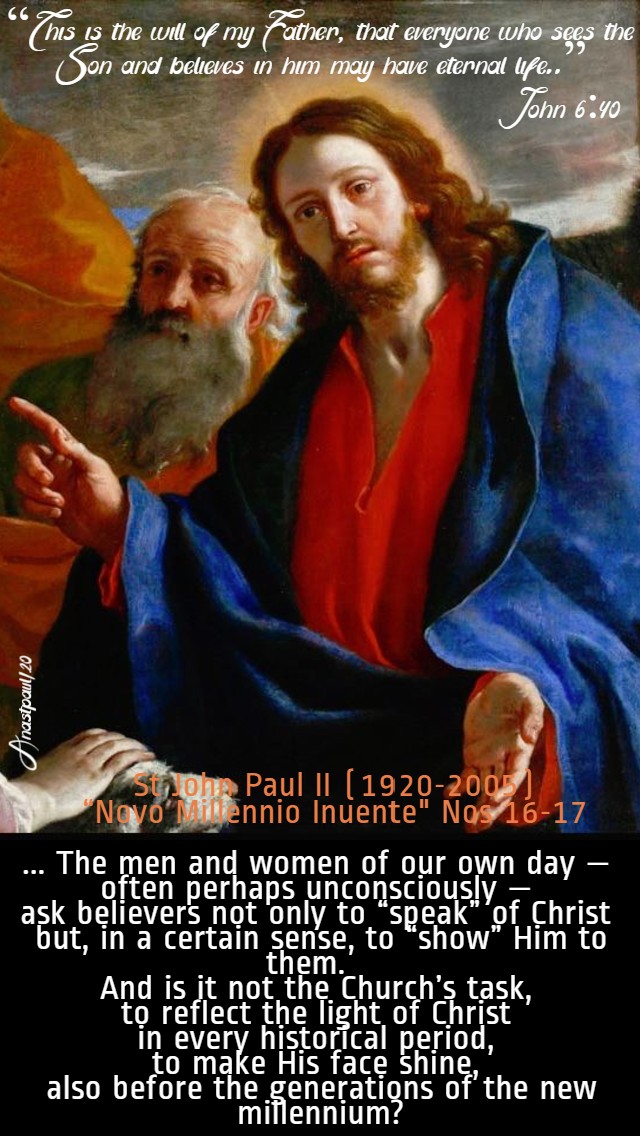
“This is the will of my Father, that everyone who sees the Son and believes in him may have eternal life”…John 6:40
REFLECTION – “We wish to see Jesus” (Jn 12:21). This request, addressed to the Apostle Philip by some Greeks who had made a pilgrimage to Jerusalem for the Passover, echoes spiritually in our ears too… Like those pilgrims of two thousand years ago, the men and women of our own day — often perhaps unconsciously — ask believers not only to “speak” of Christ but, in a certain sense, to “show” Him to them. And is it not the Church’s task, to reflect the light of Christ in every historical period, to make His face shine, also before the generations of the new millennium?
Our witness, however, would be hopelessly inadequate if we ourselves had not first contemplated His face… The contemplation of Christ’s face, cannot fail to be inspired by all that we are told about Him, in Sacred Scripture, which from beginning to end, is permeated by His mystery, prefigured in a veiled way in the Old Testament and revealed fully in the New… Remaining firmly anchored in Scripture, we open ourselves to the action of the Spirit (cf. Jn 15:26) from whom the sacred texts derive their origin, as well as to the witness of the Apostles (cf. Jn 15:27), who had a first-hand experience of Christ, the Word of life – they saw Him with their eyes, heard Him with their ears, touched Him with their hands (cf. 1 Jn 1:1). What we receive from them is a vision of faith based on precise historical testimony.”… St John Paul II (1920-2005) – Apostolic Letter “ Novo Millennio Inuente ” Nos 16-17
PRAYER – Holy almighty God, in Your wisdom You created us and by Your providence You rule us. Penetrate our inmost being with Your holy light, so that our way of life may always be one of faithful service, as we follow Your Son, who leads us to eternal life. May the prayers of Mary our Mother and Blessed Mary Magdalene of the Incarnation, help us to shine Your light on our neighbour. Through Christ our Lord, with the Holy Spirit, God forever, amen.
Our Morning Offering – 29 April – Wednesday of the Third Week of Easter and the Memorial of St Catherine of Siena (1347-1380) Doctor of the Church
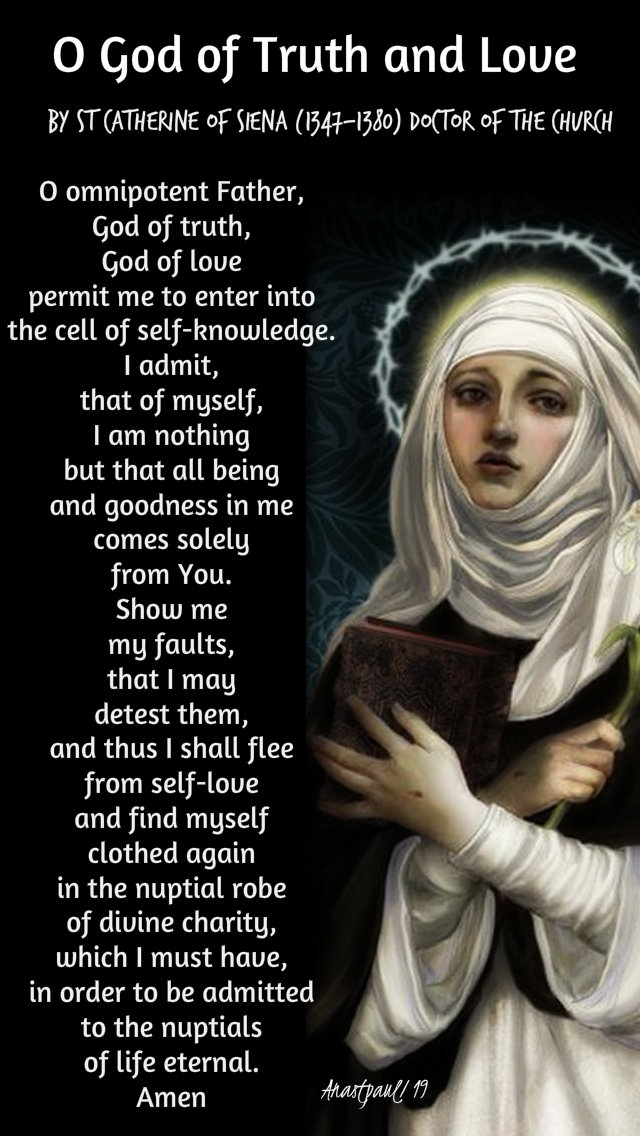
O God of Truth and Love A Prayer of Penitence By St Catherine of Siena (1347-1380)
O omnipotent Father,
God of truth,
God of love
permit me to enter into
the cell of self-knowledge.
I admit, that of myself,
I am nothing
but that all being
and goodness in me
comes solely from You.
Show me my faults,
that I may detest them,
and thus I shall flee from self-love
and find myself clothed again
in the nuptial robe of divine charity,
which I must have,
in order to be admitted
to the nuptials of life eternal.
Amen
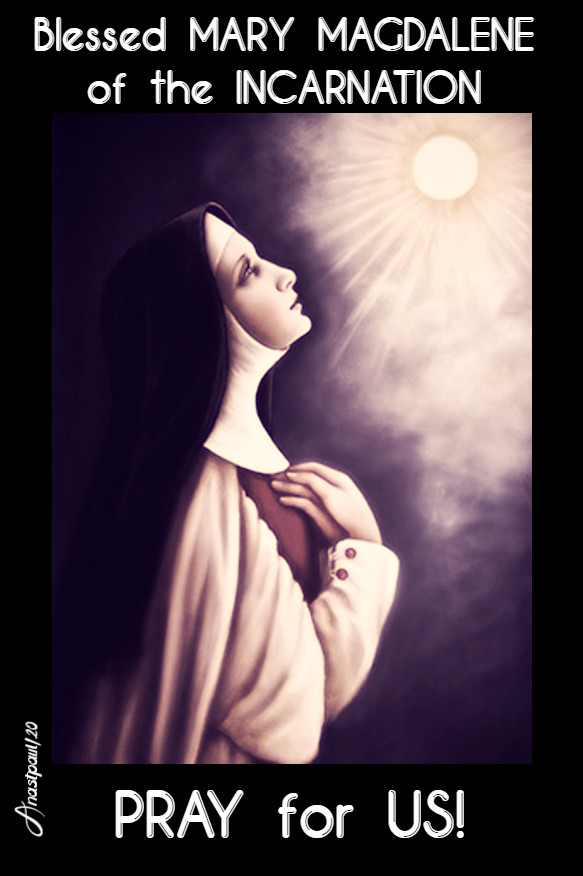
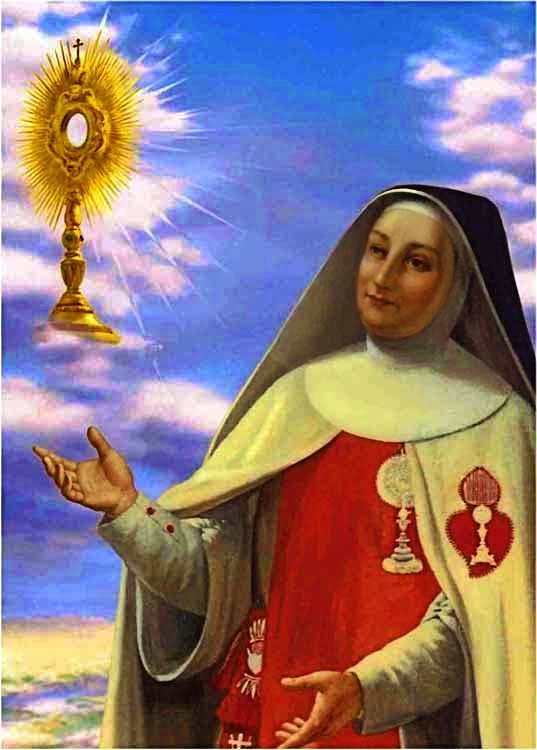
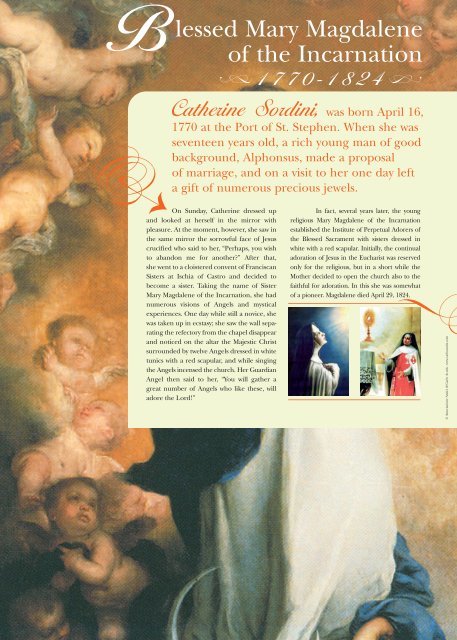
Saint of the Day – 29 April – Blessed Mary Magdalene of the Incarnation FSPA (1770-1824) Religious Sister and Founder of the Sisters of Perpetual Adoration, Mystic – born as Caterina Soderini on 16 April 1770 in Porto Santo Stefano, Grosseto, Italy and died on 29 November 1824 in Rome, aged 54. She is also known as Blessed Caterina Soderini. Patronage – the Sisters of Perpetual Adoration. The Order falls under the Franciscans as the St Francis Sisters of Perpetual Adoration – FSPA.
Caterina Sordini was born on 16 April 1770 at Grosseto, Italy, the fourth of nine children born into a deeply Catholic family. When she was 17 her father arranged for her to marry a maritime merchant. At first she was against it but later complied with her father’s wishes. The young man gave her a casket of jewels and, having adorned herself, turned to admire her reflection in the mirror but saw the image of the Crucified Christ who asked: “Do you want to leave me for another?”.
She took the question seriously and in February 1788 visited the Franciscan Tertiary Monastery in Ischia di Castro. Caterina entered then and there, thus shocking her father who had thought it was merely a visit. She was clothed six months later, taking the name of Sr Mary Magdalene of the Incarnation.
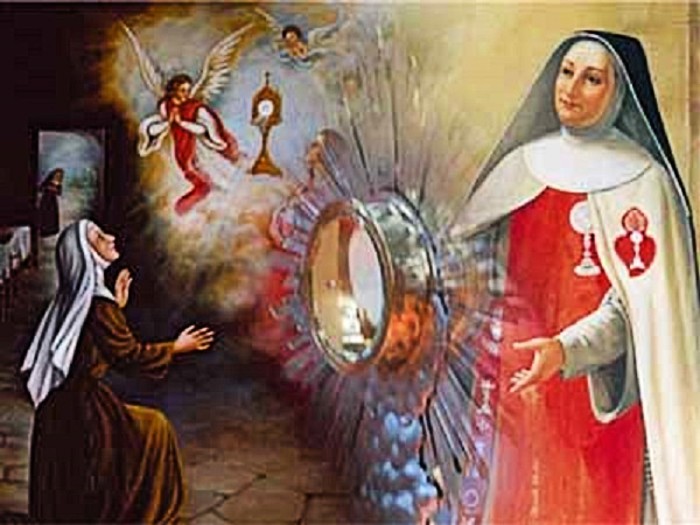
On 19 February 1789, she fell into ecstasy and saw a vision of “Jesus seated on a throne of grace in the Blessed Sacrament, surrounded by virgins adoring him” and heard Him telling her: “I have chosen you to establish the work of perpetual adorers who, day and night, will offer me their humble adoration…” Thus, she was called to become a foundress and to spend her life adoring Jesus in the Eucharist. In that turbulent period for the Church, she set an example to all.
She was elected Abbess on 20 April 1802. The period of her governance was accompanied by extraordinary phenomena and an increasingly fervent spiritual life, and the abbey thrived. With the consent of her spiritual director and the local Bishop she drafted the rules of the new Institute and set out for Rome on 31 May 1807.
On 8 July that year, she and a few Sisters moved into Sts Joachim and Anne convent, near the Trevi Fountain. Under the French occupation it was confiscated and the Napoleonic laws suppressed her Order. She was exiled to Tuscany.
There she formed a new group of Adorers. On 19 March 1814, when they could return to Rome they settled at Sant’Anna al Quirinale. On 13 February 1818, Pope Pius VII approved the Institute dedicated to perpetual, solemn, public exposition of the Most Blessed Sacrament.
In 1824, Mother Mary Magdalene predicted she would die in the autumn, despite the fact, that she was not taken at her word. She died at 11:00 pm on 29 November 1824. She was buried at Sant’Anna al Quirinale and in 1839 her remains were translated to the Church of Santa Maria Magdalena, the new generalate of the Perpetual Adorers in Rome. St Pope John Paul II decreed her heroic virtues in 2001 and in 2007, Benedict XVI recognised a miracle attributed to her intercession. … Vatican.va
She was Beatified on 3 May 2008, Basilica of Saint John Lateran, Rome, Italy by Cardinal José Saraiva Martins on behalf of Pope Benedict XVI.
The order now operates across Europe, the Americas, as well as in Africa and has more than ninety monasteries scattered around the world. The Order locates its Monasteries in cities, in order to provide people access to the Blessed Sacrament for veneration. So, the Monastery’s Chapel is usually open to the public every day, from 7 a.m. to 9 p.m., for Eucharistic Adoration. Visitors kneel adoring Christ in the consecrated host, exposed in a large, golden monstrance, while in another section of the chapel, the nuns take turns in Adoration from behind the cloister grille.
But even while performing daily chores or praying elsewhere in the Monastery the nuns strive to continually focus on the Blessed Sacrament.
Abbots of Cluny: A feast that recognises the great and saintly early abbots of Cluny Abbey:
• Saint Aymardus of Cluny
• Saint Berno of Cluny
• Saint Hugh of Cluny
• Saint Mayeul
• Saint Odilo of Cluny
• Saint Odo of Cluny
• Saint Peter the Venerable
—
St Antonius Kim Song-u
St Ava of Denain
St Daniel of Gerona
St Dichu
St Endellion of Tregony
St Fiachan of Lismore
St Hugh of Cluny
St Gundebert of Gumber Blessed Mary Magdalene of the Incarnation/Caterina Soderini FSPA (1770-1824)
St Paulinus of Brescia St Peter of Verona OP (1205–1252) – St Peter Martyr His Life: https://anastpaul.com/2019/04/29/saint-of-the-day-29-april-st-peter-of-verona-op-1205-1252/
Bl Robert Gruthuysen
St Senan of Wales
St Severus of Naples
St Theoger
St Torpes of Pisa
St Tychicus
St Wilfrid the Younger
—
Martyrs of Cirta: A group of clergy and laity martyred together in Cirta, Numidia (in modern Tunisia) in the persecutions of Valerian. They were – Agapius, Antonia, Emilian, Secundinus and Tertula, along with a woman and her twin children whose names have not come down to us.
Martyrs of Corfu: A gang of thieves who converted while in prison, brought to the faith by Saint Jason and Saint Sosipater who were had been imprisoned for evangelizing. When the gang announced their new faith, they were martyred together. They were – Euphrasius, Faustianus, Insischolus, Januarius, Mammius, Marsalius and Saturninus. They were boiled in oil and pitch in the 2nd century on the Island of Corcyra (modern Corfu, Greece.
Also known as:
• Martyrs of Corcyra
• Seven Holy Thieves
• Seven Holy Robbers
• Seven Robber Saints
Quote/s of the Day – 28 May – Tuesday of the Third Week of Easter and the Memorial of St Louis Marie Grignion de Montfort (1673-1716), St Peter Chanel (1803-1841) Priest and Martyr, St Gianna Beretta Molla (1922-1962), Blessed María Felicia of Jesus in the Blessed Sacrament OCD (1925-1959)
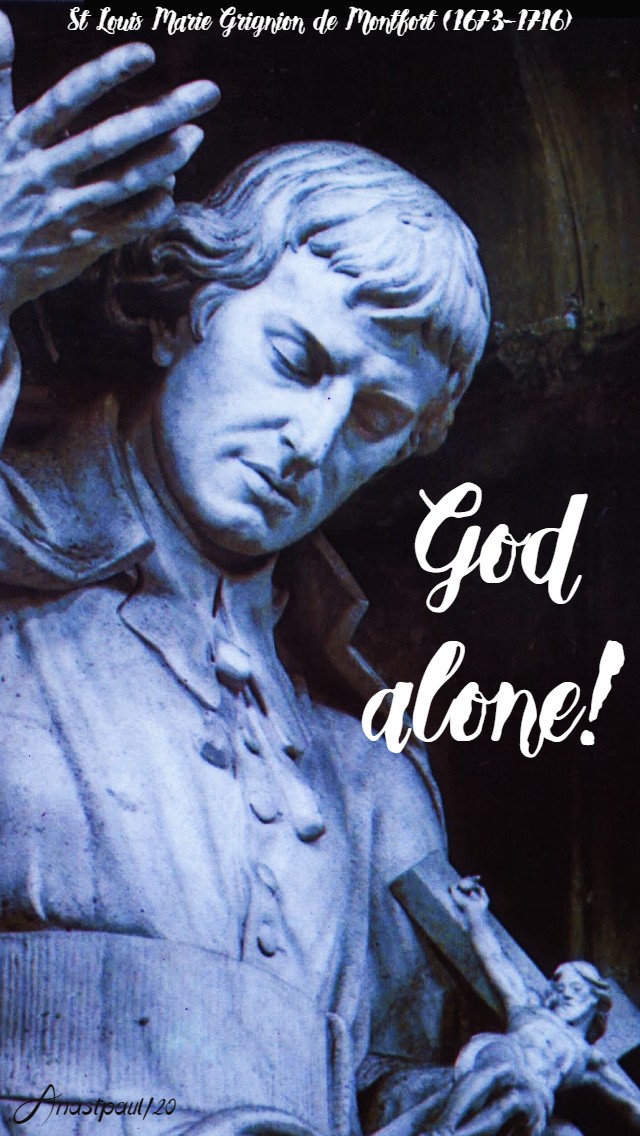
“God alone!”
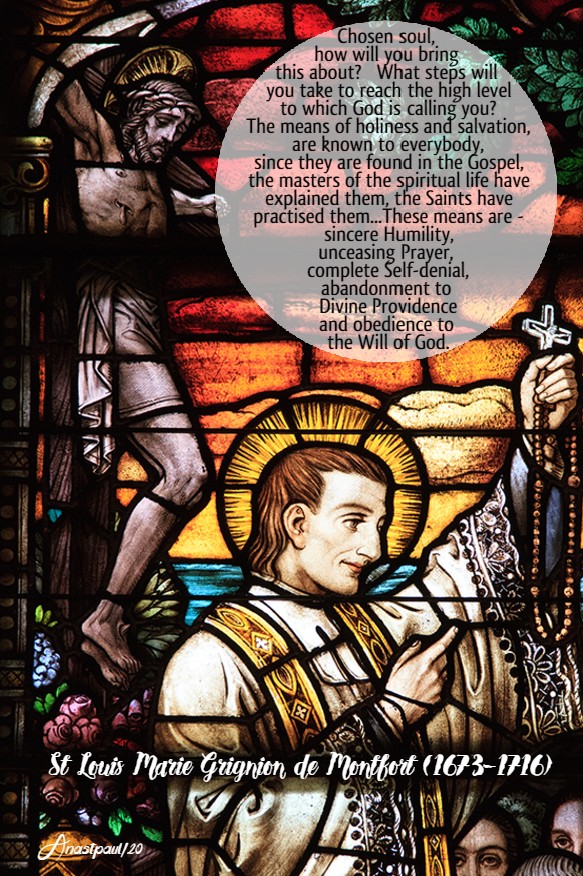
“Chosen soul, how will you bring this about? What steps will you take to reach the high level to which God is calling you? The means of holiness and salvation, are known to everybody, since they are found in the Gospel, the masters of the spiritual life have explained them, the Saints have practised them… These means are – sincere Humility, unceasing Prayer, complete Self-denial, abandonment to Divine Providence and obedience to the Will of God.”
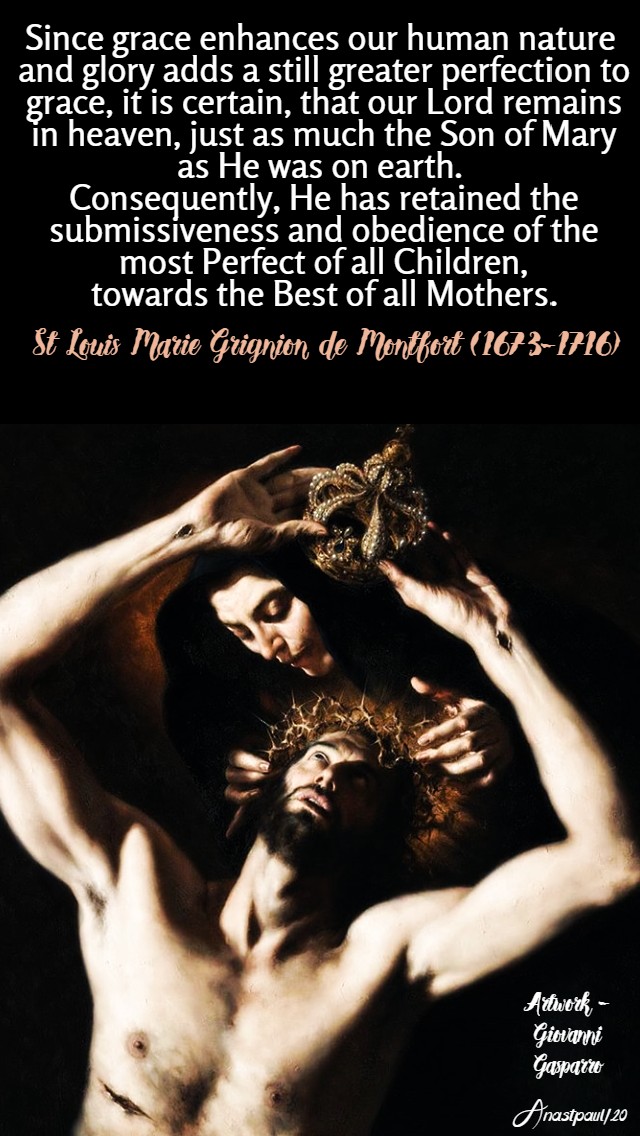
“Since grace enhances our human nature and glory adds a still greater perfection to grace, it is certain, that our Lord remains in heaven, just as much the Son of Mary as He was on earth. Consequently, He has retained the submissiveness and obedience of the most Perfect of all Children, towards the Best of all Mothers.”
True Devotion to the Blessed Virgin, #27
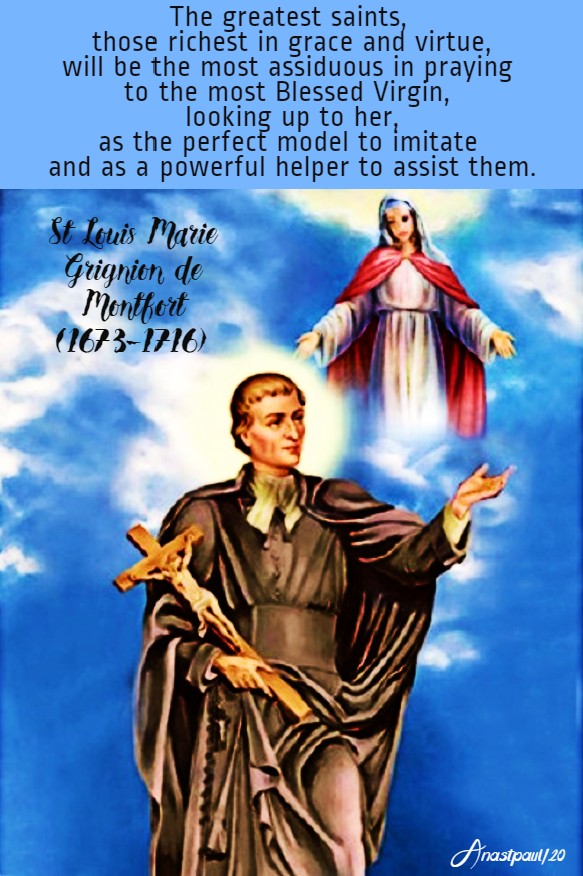
“The greatest saints, those richest in grace and virtue, will be the most assiduous in praying to the most Blessed Virgin, looking up to her, as the perfect model to imitate and as a powerful helper to assist them. “
St Louis Marie Grignion de Montfort (1673-1716)
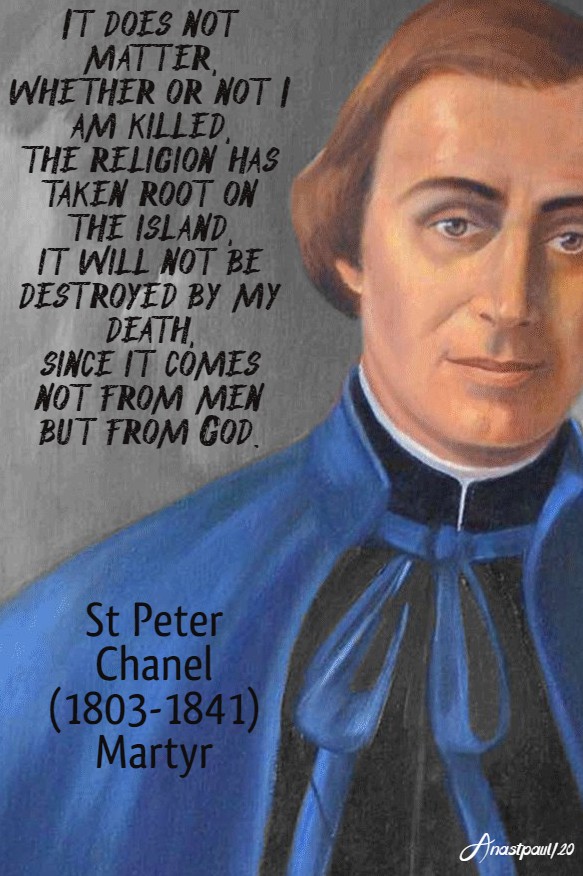
“It does not matter, whether or not I am killed, the religion has taken root on the island, it will not be destroyed by my death, since it comes not from men but from God.”
St Peter Chanel (1803-1841) Priest and Martyr
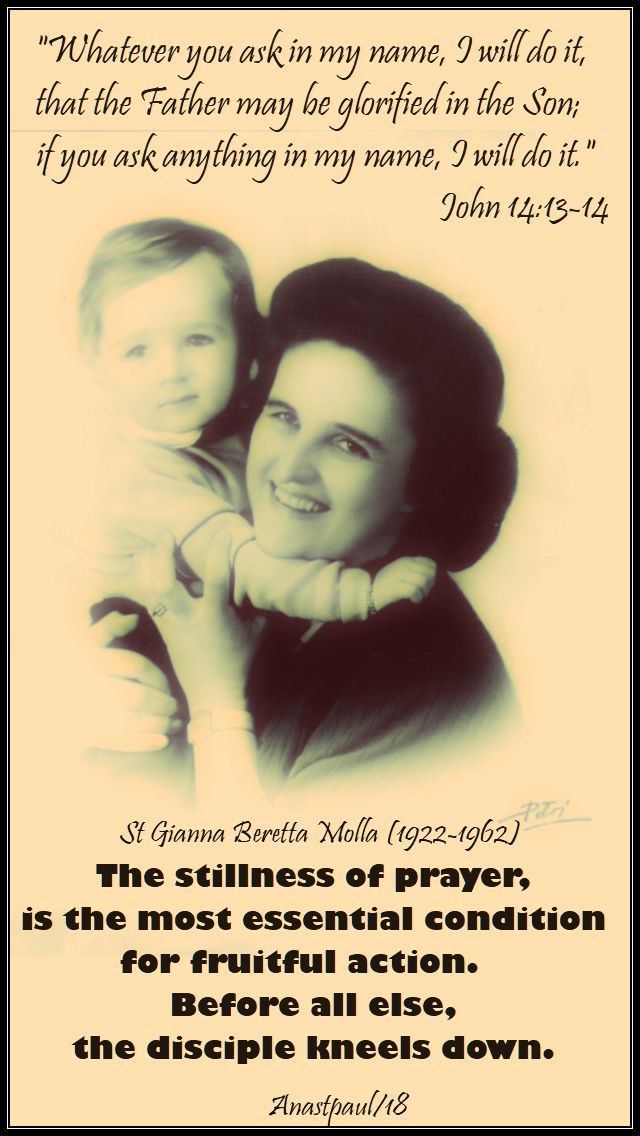
“The stillness of prayer is the most essential condition for fruitful action. Before all else, the disciple kneels down.”
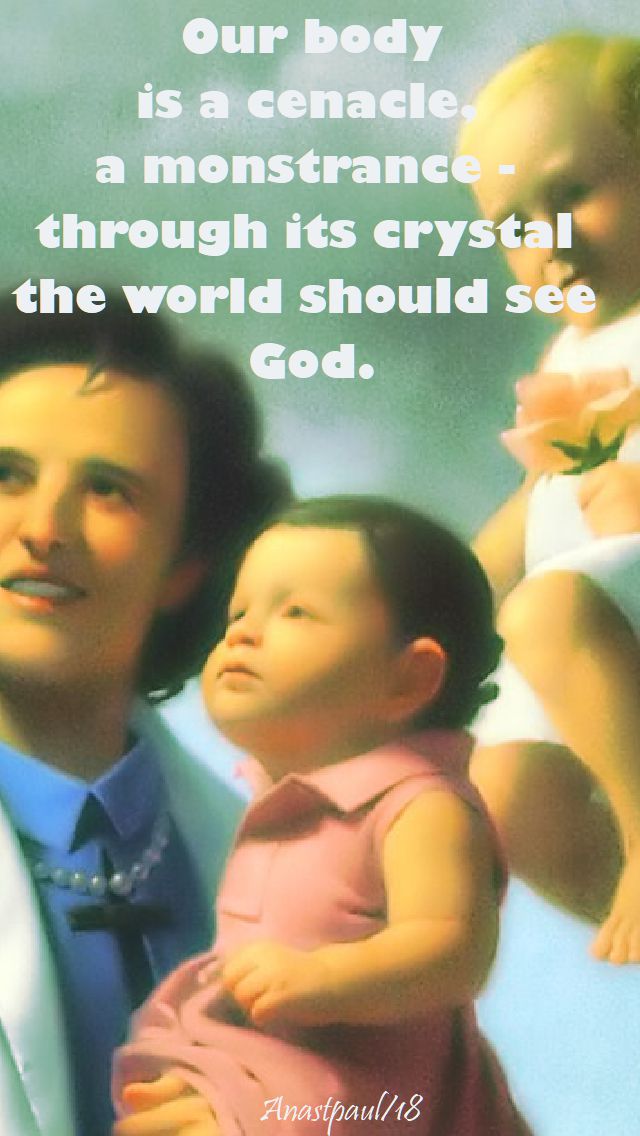
“Our body is a cenacle, a monstrance – through its crystal, the world should see God.”
St Gianna Beretta Molla (1922-1962)
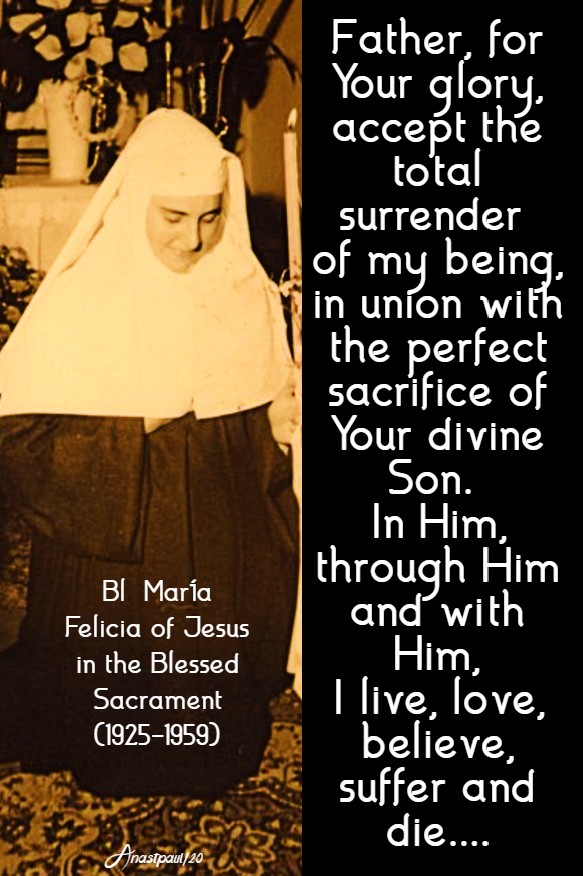
“Father, for Your glory, accept the total surrender of my being, in union with the perfect sacrifice of Your divine Son. In Him, through Him and with Him, I live, love, believe, suffer and die….”
Blessed María Felicia of Jesus in the Blessed Sacrament (1925-1959)
One Minute Reflection – 28 May – Tuesday of the Third Week of Easter, Readings: Acts 7:51–8:1, Psalm 31:3-4, 6-8, 17, 21, John 6:30-35 and the Memorial of Blessed María Felicia of Jesus in the Blessed Sacrament OCD (1925-1959)
“I am the bread of life, whoever comes to me shall not hunger and whoever believes in me shall never thirst.” … John 6:35
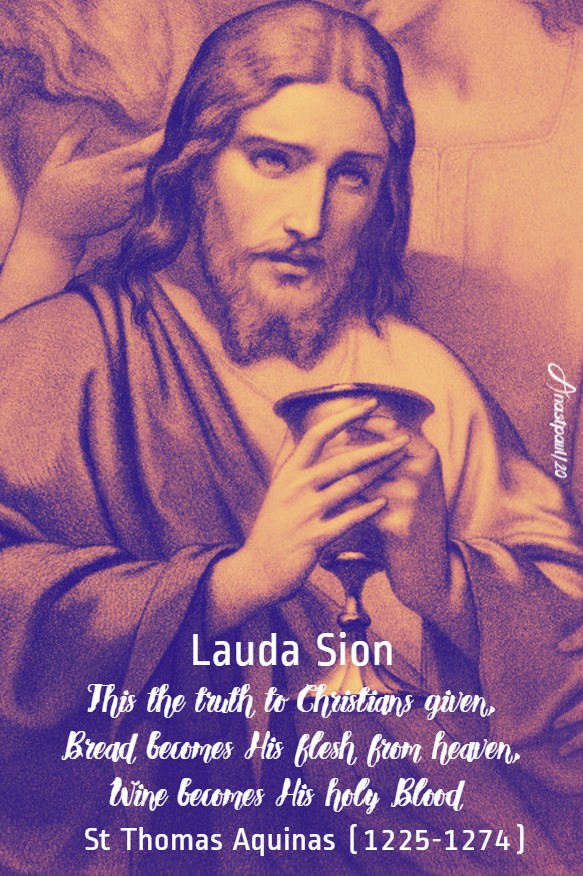
REFLECTION – St Thomas Aquinas (1225-1274) – Sequence for the feast of Corpus Christi “ Lauda Sion ”
Laud, O Sion, thy salvation
Laud with hymns of exultation
Christ, thy King and Shepherd true,
Spend thyself, his honour raising,
Who surpasseth all thy praising,
Never canst thou reach His due.
Sing today, the mystery showing
Of the living, life-bestowing
Bread from heaven before thee set,
E’en the same of old provideth,
Where the Twelve, divinely guided,
At the holy table met.
Full and clear ring out thy chanting,
Joy nor sweetest grace be wanting
To thy heart and soul today …
Lo, the new King’s table gracing,
This new Passover of blessing
Hath fulfilled the elder rite,
Now the new the old effaceth,
Truth revealed, the shadow chaseth,
Day is breaking on the night.
What He did, at Supper seated,
Christ ordained to be repeated,
His memorial ne’er to cease
And His word for guidance taking,
Bread and wine we hallow, making
Thus our sacrifice of peace.
This the truth to Christians given,
Bread becomes His flesh from heaven,
Wine becomes His holy Blood (Jn 6:55). …
Whoso of this food partaketh,
Christ divideth not nor breaketh,
He is whole to all that taste.
Whether one this bread receiveth
Or a thousand, still He giveth
One same Food that cannot waste. …
Lo! the Angel’s Food is given (Ps 78[77]:25)
To the pilgrim who hath striven,
See the children’s Bread from heaven
Which to dogs may not be cast (Mt 15:26).
Truth the ancient types fulfilling,
Isaac bound, a victim willing (Gn 22),
Paschal lamb, its life-blood spilling,
Manna sent in ages past.
O true Bread, good Shepherd, tend us,
Jesu, of Thy love befriend us,
Thou refresh us, Thou defend us,
Thine eternal goodness send us
In the land of life to see (Ps 27[26]:13)
Thou who all things canst and knowest,
Who on earth such Food bestowest,
Grant us with the saints, though lowest,
Where the heavenly Feast Thou showest,
Fellow-heirs and guests to be.
PRAYER – Almighty Father, to whom this world, with all it’s goodness and beauty belongs, give us grace joyfully to begin this day in Your name and to fill it with the active love for You and our neighbour. By the food You give us, to sustain us on this journey, we are brought to holiness in Your Son, our Lord Jesus the Christ, whom You gave to us as our food. May the Mother of Your Son and our mother, lead us to You and may the prayers of Bl Maria Felicia of Jesus in the Blessed Sacrament, be a succour on our way. Through Christ our Lord, with the Holy Spirit, God now and forever, amen.
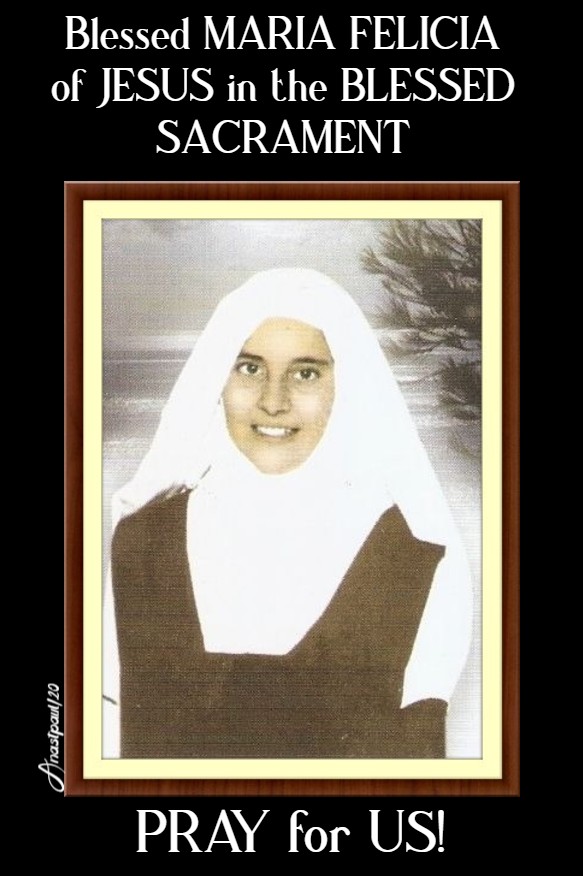
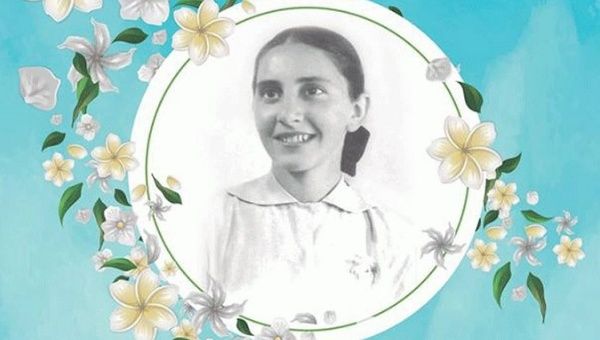
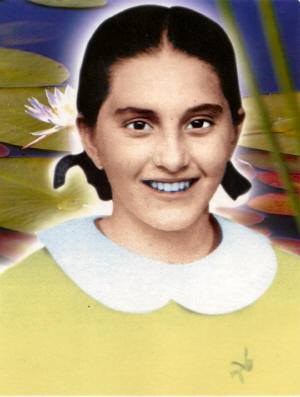
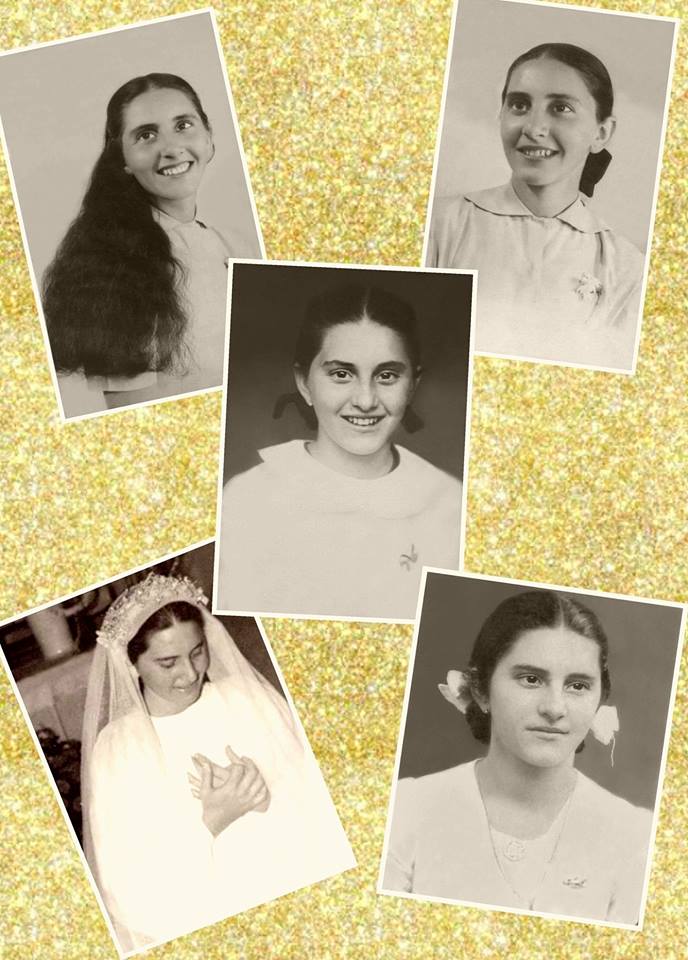
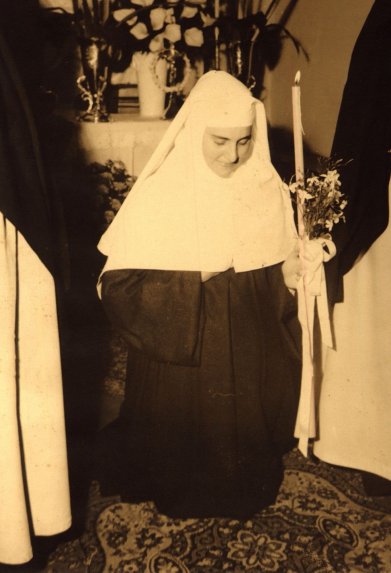
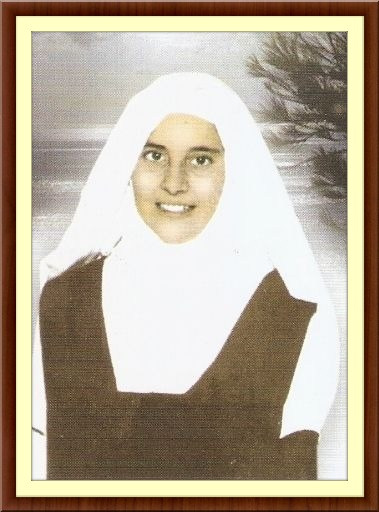
Saint of the Day – 28 April – Blessed María Felicia of Jesus in the Blessed Sacrament OCD (1925-1959) “The Lily of Paraguay,” Virgin, Discalced Carmelite Sister, Apostle of the poor and marginilised – born as María Guggiari y Echeverría on 12 January 1925 in Villarica del Espiritu Santo, Guairá, Paraguay and died early in the morning of 28 April 1959 in Asunción, Paraguay of infectious hepatitis, aged 34. Also known as María Guggiari y Echeverría, “Chiquitunga” – her father’s pet name for her as a child. Patronage – Paraguayan youth.
Maria Felicia Guggiari Echeverria was born on 12 January 1925 in Villarica del Espiritu Santo, Guairá, Paraguay. She was the first of seven children. At the age of 16 she enlisted in the ranks of Catholic Action. Despite the strong opposition she received from her family, she made the “Dedication to the Apostolate” and added the subject of virginity. She committed herself to daily Communion and a joyful and unconditional dedication to the Apostolate on behalf of children, young people and the sick, the elderly and needy. She achieved a total forgetfulness of self and a total surrender to God and neighbour. Her love for the poor and suffering was exceptional.
She soon fell in love with Saua Angel, a young leader of the Catholic Action and a medical student who was very close to becoming a doctor. Equipped with a deep faith and love for Saua at the same time, she wondered if God was calling her to marriage like the parents of St Therese of Lisieux who had, at first, chose virginity. Maria waited with confidence for the manifestation of God’s will and about a year later, Saua told Maria he felt called to the Priesthood. As soon as she heard of his vocational call, she offered to help him achieve his goal.
To avoid the opposition of his family because his father was a Muslim, Saua was sent to Madrid for specialisation in psychiatry and time to discern the call to the Priesthood. He left for Europe in April 1952 and in November decided to enter the Seminary. Maria Felicia, happy with his decision, in turn felt that God was calling her to total dedication to the religious life. During 1953 Maria Felicia suffered severe opposition to her vocation from her family but supported by her faith and a boundless hope in the Lord, did not cease her prayer life and the sacraments or her apostolic work with the young and marginalised. She never lost her peace of heart or her infectious smile. She even smiled when she cried.
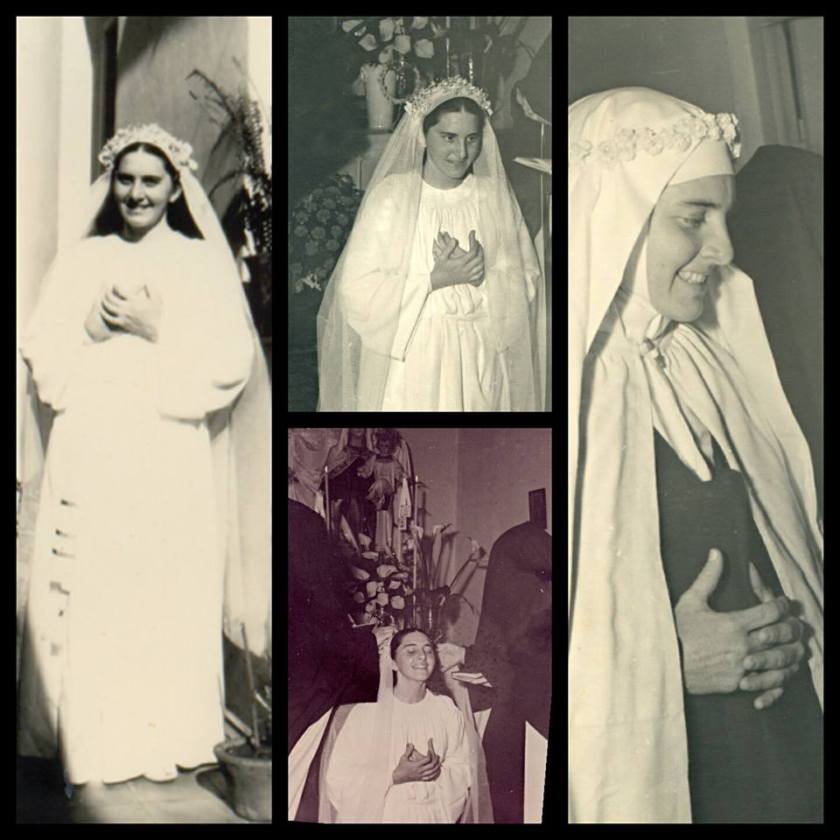
Despite the opposition of her family and almost all the Priests who saw a great loss for the pastoral care of the young and marginalised, Maria entered the Carmel of Asuncion at the age of 30 and took the Discalced Carmelite habit on 14 August 1955, the Feast of the Presentation of Jesus in the Temple.
Sister Maria Felicia, who in the last two years had written at least 48 letters to Saua, some of great length, and most of which are still preserved, ceased to write so that she could be immersed forever in a “life hidden with Christ for God.” “Goodbye to Eternity”was her last written words of farewell.
A year later, on 15 August 1956 Maria professed her temporary vows and took the name Sister Maria Felicia of Jesus in the Blessed Sacrament. She lived the next three years with fervour, in fellowship, distinguished by charity, sacrifice and joy. She sacrificed love for Saua, for the Church, her homeland and in a very special way for Priests.
In January 1959 Sr Maria took ill with infectious hepatitis and was forced to move into a sanatorium in the city. At about 4:10am on Easter Sunday, 28 March 1959, with all her family present, Sr Maria Felicia of Jesus in the Blessed Sacrament, lying on cushions, sat up with a burst of energy and spoke her last words : “Jesus, I love you! What a sweet encounter Virgin Mary!” And with her characteristic sweet smile on her face, she died at the age of 34.
Chiquitunga (pronounced Chichitunga), as she was affectionately called, had been within the walls of Carmel for a little less than four years but she left a profound impression on the Mother and sisters of her community who remember her for her great spirit of sacrifice, charity and generosity, all clothed in an outstanding gentleness and infectious happiness.
Described as their “lily’ by the Catholic Church of Paraguay, Blessed Maria Felicia of the Blessed Sacrament is the first Saint from Paraguay. Many of her writings, poems and letters still exist. Writings of spontaneity, simple yet piercing, reveal that she lived to the full her Baptismal vocation as an apostle.
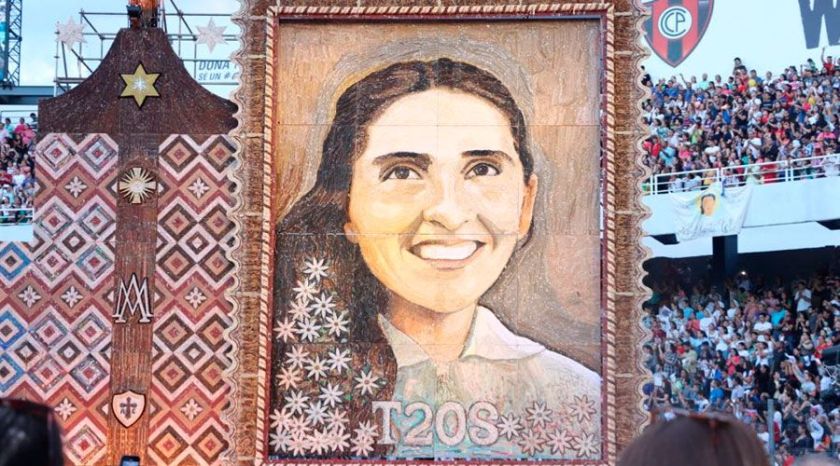
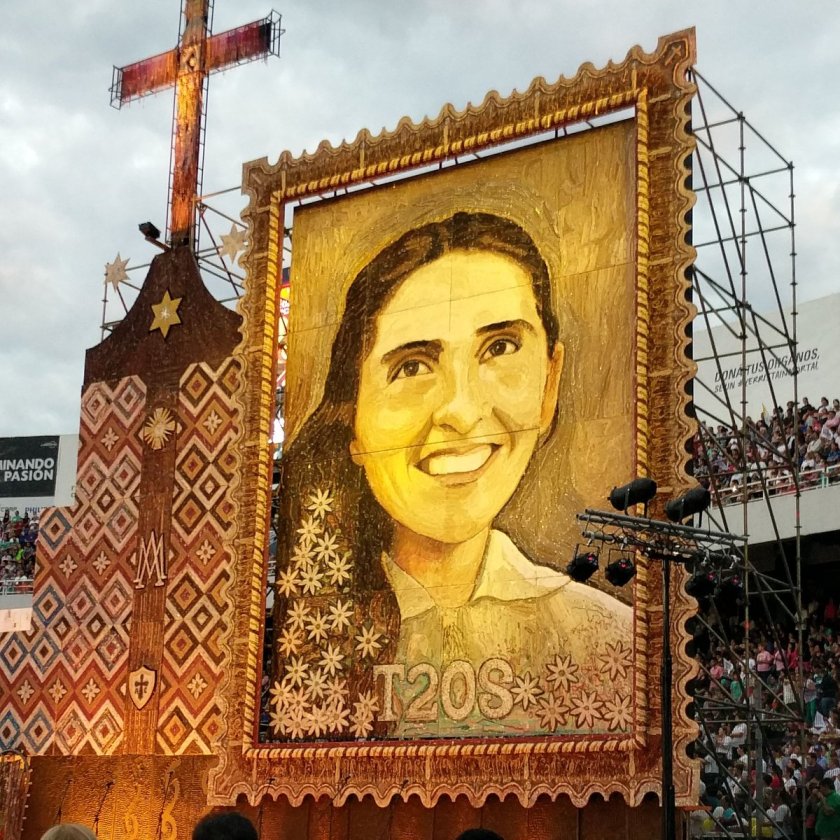
Blessed Maria Felicia’s cause for sainthood commenced under St Pope John Paul II in 1997 after she received the title Servant of God, and the confirmation of her heroic virtue led to Pope Benedict XVI conferring the title of Venerable on 27 March 2010. Pope Francis confirmed her Beatification and it was celebrated on 23 June 2018. The Beatification miracle involved the healing of a newborn, Ángel Ramón, who showed no vital signs at birth but recuperated after 20 minutes, following the prayers by the obstetrician for the intercession of María Guggiari Echeverría. The Beatification recognition celebrated at the Estadio General Pablo Rojas, Barrio Obrero, Asunción, Paraguay and was presided by Cardinal Angelo Amato presiding on the pope’s behalf.
Bl Józef Cebula
Bl Luchesius Blessed María Felicia of Jesus in the Blessed Sacrament / Guggiari Echeverría OCD (1925-1959)
St Mark of Galilee
St Pamphilus of Sulmona
St Prudentius of Tarazona
—
Martyrs of Alexandia:
Didymus
Theodora
Martyrs of Durostorum:
Dada
Maximus
Quintilian
Martyrs of Languedoc:
Agapius
Aphrodisius
Caralippus
Eusebius
Martyrs of Laon:
Germaine
Probe
Martyrs of Larino:
Alexander
Firmianus
Primianus
Tellurius
Martyrs of Nicomedia:
Caralampo
Eusebius
Martyrs of Prusa:
Acacius
Menander
Patritius
Polyenus
Martyrs of Ravenna:
Ursicinus
Valeria
Vitalis
Martyrs of Vietnam:
Gioan Baotixta Ðinh Van Thành
Phaolô Pham Khac Khoan
Phêrô Nguyen Van Hien
Pilgrims of Gallinaro:
Arduin
Bernhard
Gerard
Hugh
Quote/s of the Day – 27 April – Monday of the Third Week of Easter, Readings: Acts 6:8-15, Psalm 119:23-24, 26-27, 29-30, John 6:22-29 and the Memorial of Bl Nicolas Roland (1642-1678)
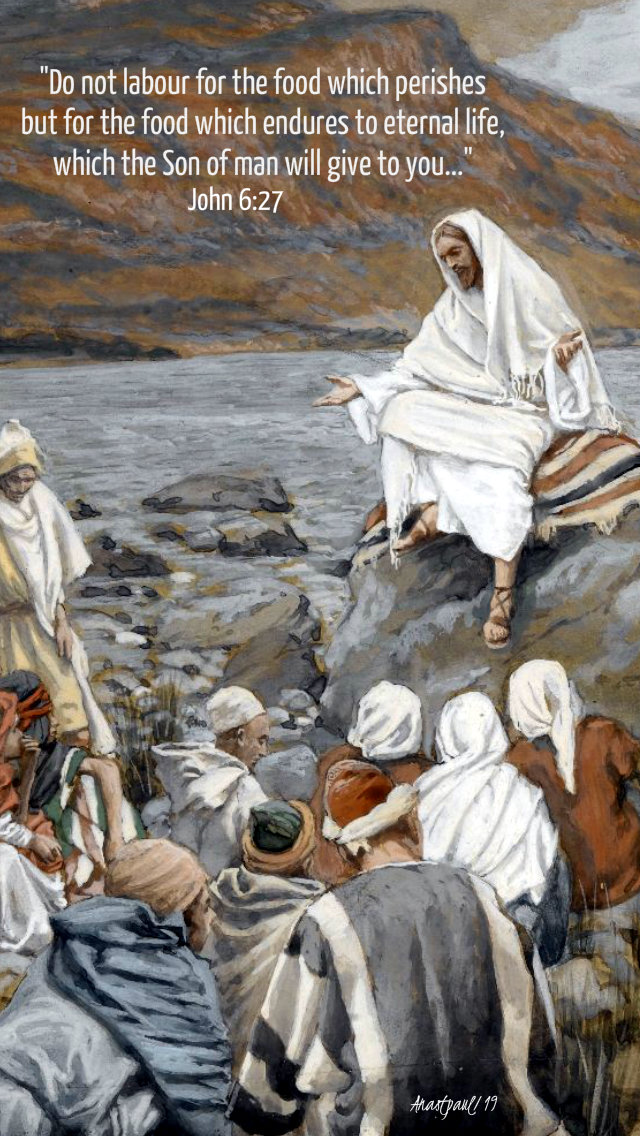
“Do not labour for the food which perishes but for the food which endures to eternal life, which the Son of man will give to you…”
John 6:27
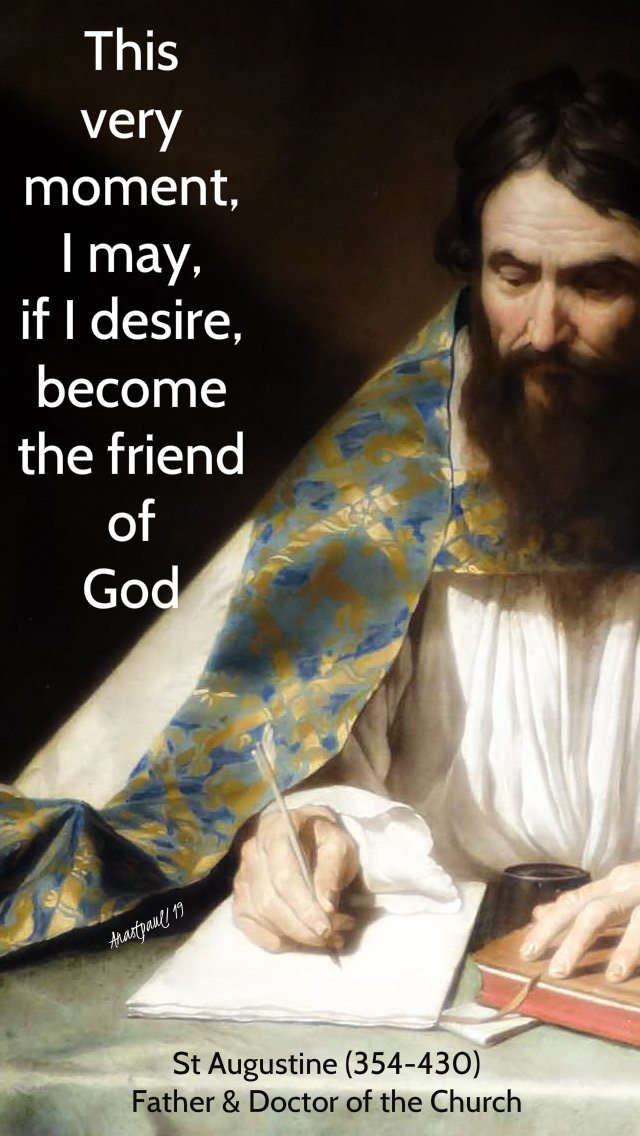
“This very moment, I may, if I desire, become the friend of God.”
Saint Augustine (354-430)
Father & Doctor of the Church
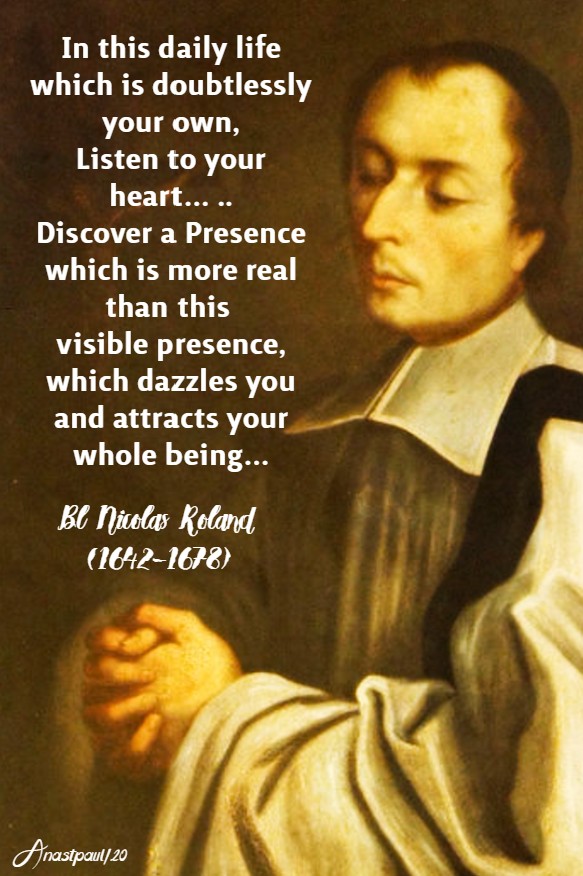
“In this daily life which is doubtlessly your own, Listen to your heart… .. Discover a Presence which is more real than this visible presence, which dazzles you and attracts your whole being…”
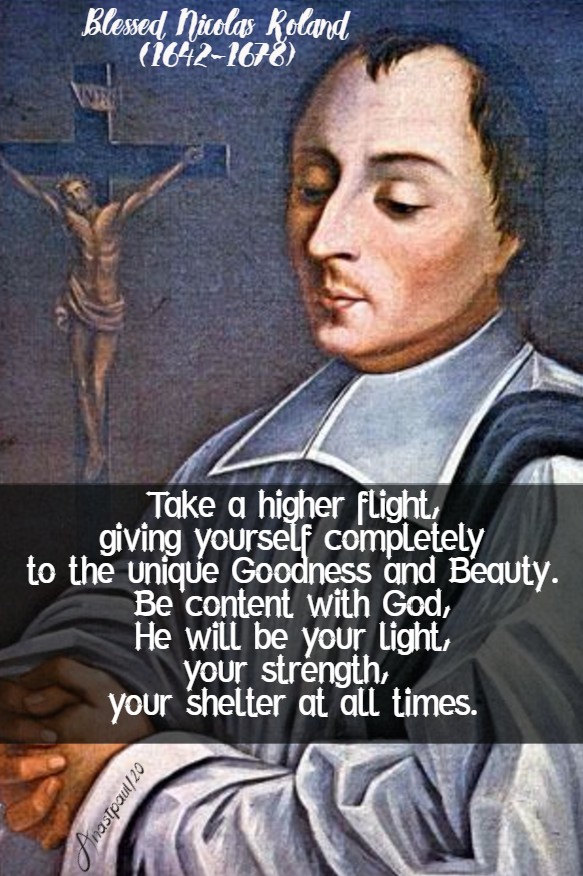
“Take a higher flight, giving yourself completely to the unique Goodness and Beauty. Be content with God, He will be your light, your strength, your shelter at all times.”
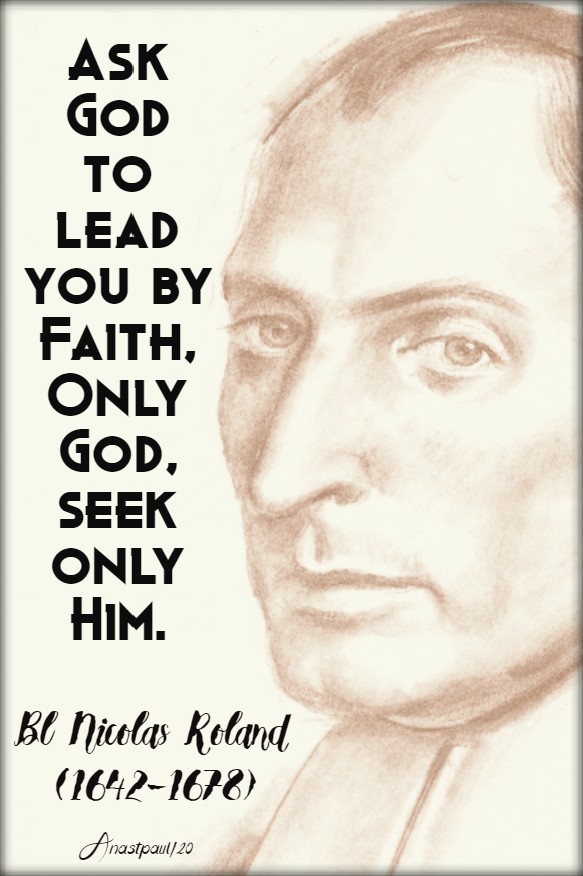
“Ask God to lead you by Faith, Only God, seek only Him.”
Bl Nicolas Roland (1642-1678)
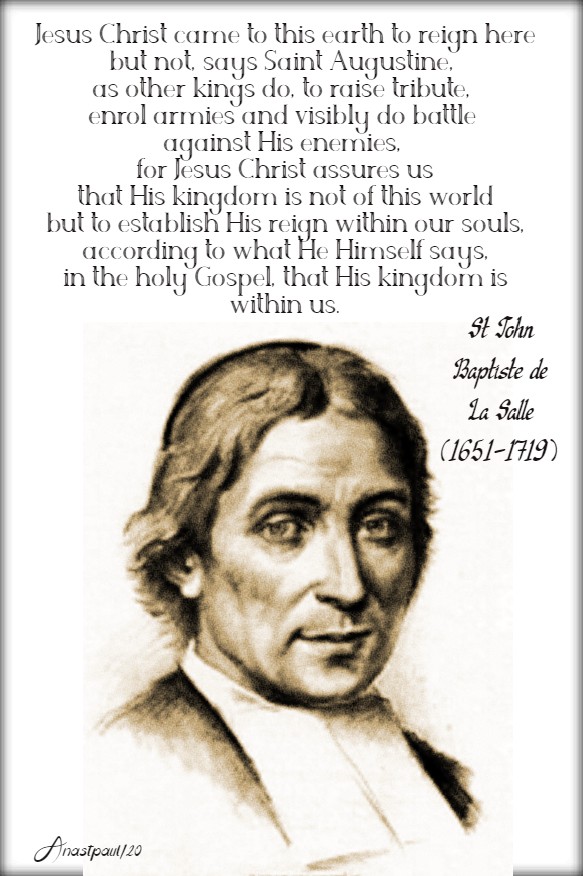
“Jesus Christ came to this earth to reign here but not, says Saint Augustine, as other kings do, to raise tribute, enrol armies and visibly do battle against His enemies, for Jesus Christ assures us that His kingdom is not of this world but to establish His reign within our souls, according to what He Himself says, in the holy Gospel, that His kingdom is within us.”
St John Baptiste de La Salle (1651-1719)
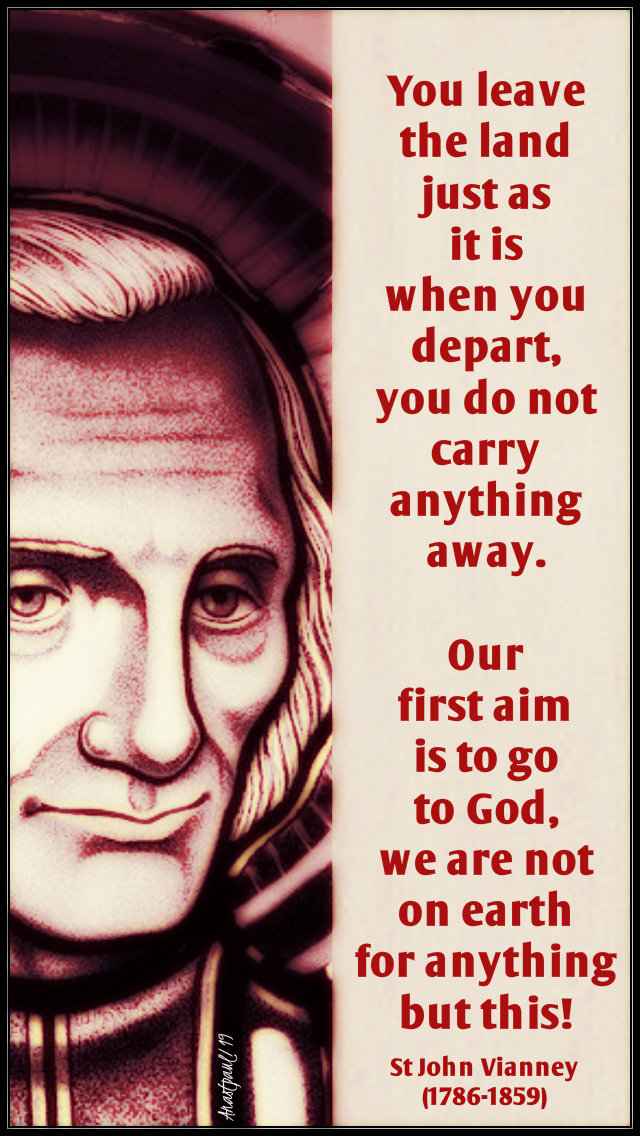
“You leave the land just as it is when you depart, you do not carry anything away. Our first aim is to go to God, we are not on earth for anything but this!”

























 AnaStpaul
You must be logged in to post a comment.