Posted in CATHOLIC-PRAYERS OF THE CHURCH, PRACTISING CATHOLIC, PRAYERS of the CHURCH, SAINT of the DAY, The MOST HOLY & BLESSED TRINITY

Thought for the Day – 17 December – The Trisagion Chaplet

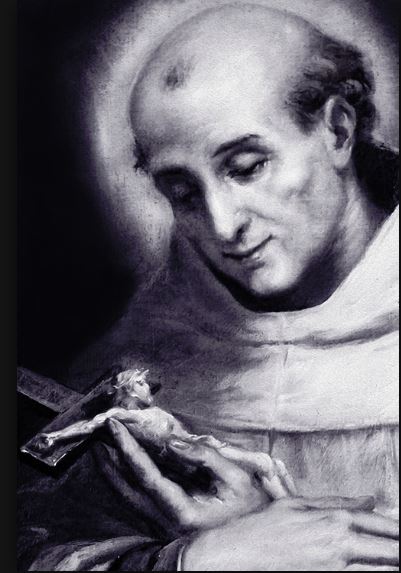
Thought for the Day – 17 December – The Memorial of St John of Matha O.SS.T (1160-1213) – Founder of the Trinitarians

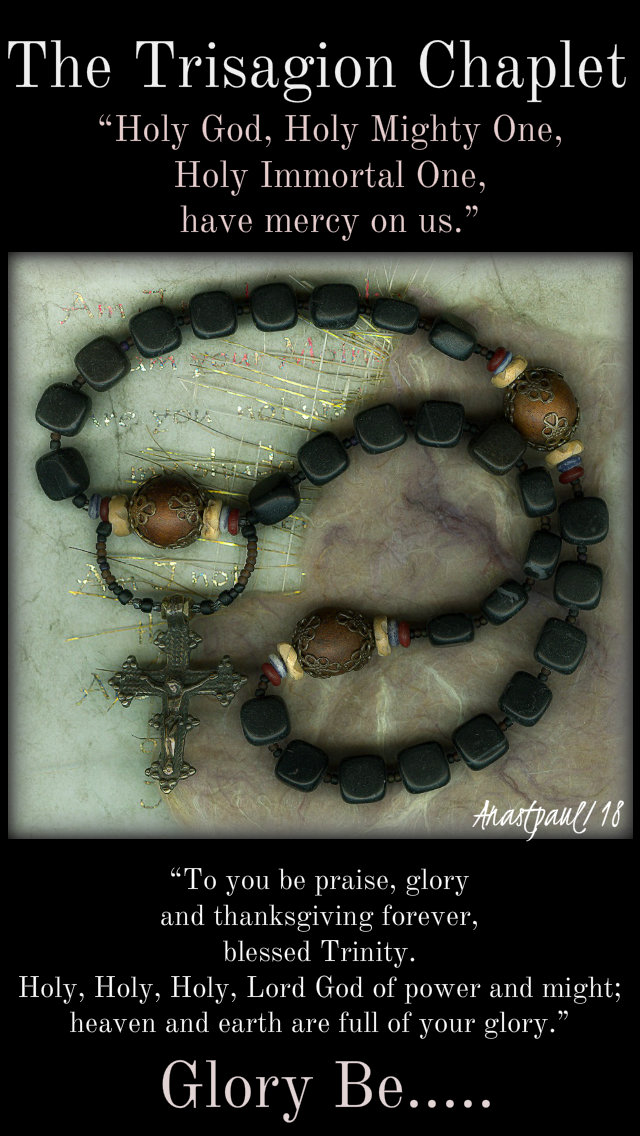
The Trisagion Chaplet

The Order of the Most Holy Trinity for the Redemption of Captives was founded in France by St John de Matha and St Felix of Valois in 1198.   From the very early stages of the of order, the Trinitarians have used a form of prayer based on the Trisagion (sometimes Trisagium or Triagion, from the Greek “three” + ”holy”).   This is a Byzantine prayer still used in the Divine Liturgy in the Eastern Orthodox, Oriental Orthodox and Eastern Catholic churches in praise of the Holy Trinity:  its simplest form is “Holy God, Holy Mighty One, Holy Immortal One, have mercy on us.”

The Trisagion Chaplet (also called a rosary) has three sets of nine beads each – of course, a rosary can be used too.   When reciting the Trisagion Chaplet, each set begins with the Trisagion:  “Holy God, Holy Mighty One, Holy Immortal One, have mercy on us.” and the Pater Noster.   An invocation is said on each of the nine beads:  “To you be praise, glory, and thanksgiving forever, blessed Trinity. Holy, Holy, Holy, Lord God of power and might; heaven and earth are full of your glory.”   Each set of nine prayers is followed by a Gloria Patri (“Glory be to the Father and the Son and the Holy Spirit…”) and the recitation of the chaplet ends with a closing prayer.

Let us Pray!The Trisagion Chaplet 17 dec 2018

Posted in CATHOLIC-PRAYERS OF THE CHURCH, MARIAN DEVOTIONS, MARIAN PRAYERS, MARIAN QUOTES, MARIAN TITLES, PRACTISING CATHOLIC, PRAYERS of the CHURCH, QUOTES of the SAINTS, SAINT of the DAY, The BLESSED VIRGIN MARY

Quote of the Day – – 17 December

Quote of the Day – 17 December – The Memorial of St John of Matha O.SS.T (1160-1213) – Founder of the Trinitarians and the Devotion to Our Lady of Good Remedy

From the Apostolic Letter “Sacred Vessel of the Holy Trinity” by St Pope John XXIII
(AAS LIII, 1961, 602-604)

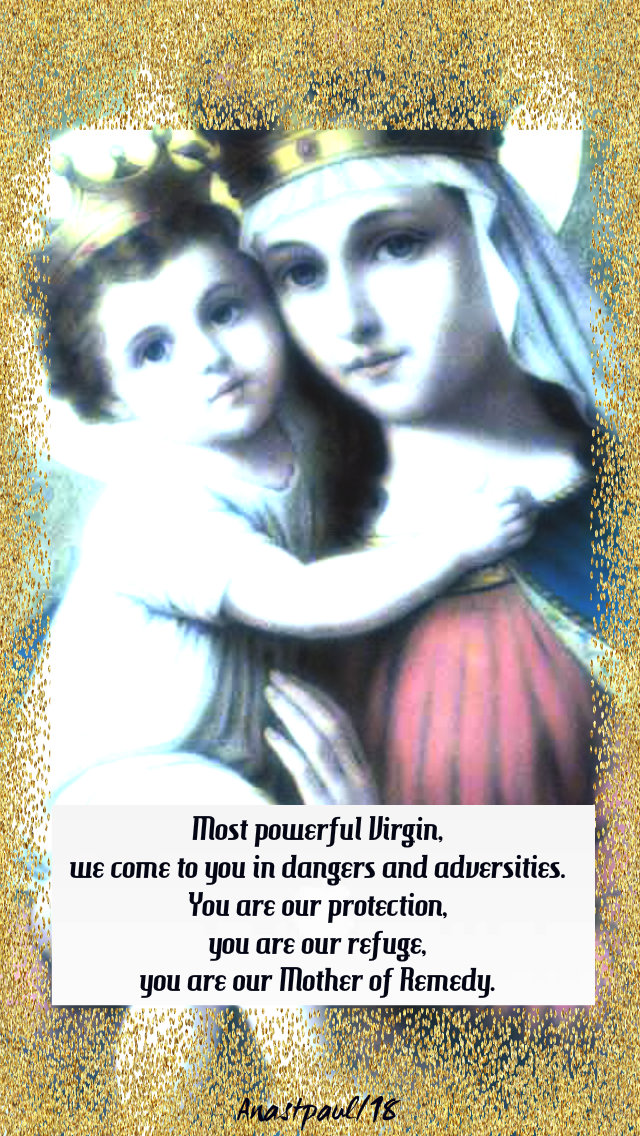
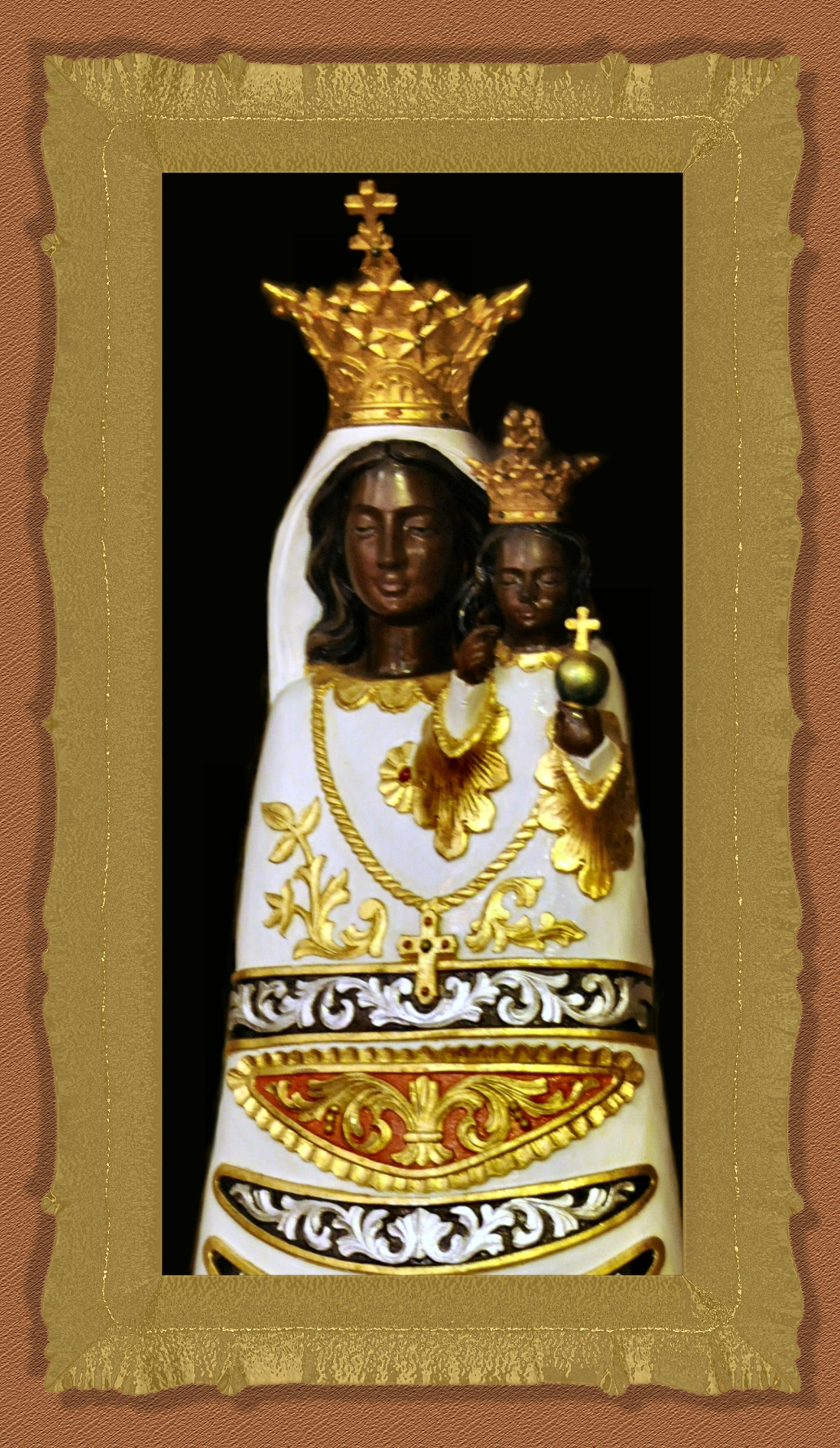
The Trinitarian religious whose primary duties are to worship the Triune God with a special devotion, to promote this devotion and to aid the needy and those who suffer by performing works of mercy, have honoured the Virgin Mary – Sacred Vessel of the Holy Trinity – under the title of “Mother of Good Remedy” from the very beginnings of their Order.

Indeed, St John de Matha, their founder and lawgiver, had a great love for the Virgin Mother of God.   He founded and spread this holy Order under her protection and bequeathed to his sons and daughters the heritage of a strong Marian devotion.   A singular love, for the Mother of God, has flourished among these religious throughout the ages, for she continually healed the sufferings of her suppliants;  indeed, it still flourishes among them up to the present day.

The General Chapter of 1959, aware that such traditional devotion had become even stronger in the Order, decided to express the desire of all religious of the Order and to petition the Apostolic See that the glorious Virgin Mary, under the title of Our Lady of Good Remedy, should be declared the principal, heavenly patroness of the Trinitarian Order.

We have willingly decided to grant this request, hoping that the friars of the Order will be inflamed to honour the Virgin Mary under this title with an even more ardent love. We also trust that they, moved by her example, will more intensely commit themselves to bring relief and remedy to the less fortunate.   Therefore, after consulting with the Sacred Congregation of Titles, with full knowledge and mature deliberation and with the fullness of our apostolic authority, by virtue of this document, we designate and declare the Blessed Virgin Mary, under the title of Good Remedy, to be forever the heavenly, principal patroness of the whole Order of the Most Holy Trinity, along with St Agnes, virgin and martyr.   The celebration of the feast of Our Lady of Good Remedy is to be given all the liturgical honours and privileges which are fittingly accorded to the patrons of religious Orders and Congregations;  moreover, we grant the added faculty of celebrating her feast each year on 8 October.

Most powerful Virgin,
we come to you in dangers and adversities.
You are our protection,
you are our refuge,
you are our Mother of Remedy.most powerful virgin - our lady of good rememdy stjohn of matha 17dec2018

Posted in BREVIARY Prayers, HYMNS, MARIAN PRAYERS, MARIAN TITLES, Our MORNING Offering, SAINT of the DAY, The BLESSED VIRGIN MARY

Our Morning Offering – 17 December – Prayer/Hymn to Our Lady of Good Remedy

Our Morning Offering – 17 December – The Memorial of St John of Matha O.SS.T (1160-1213) – Founder of the Trinitarians and the Devotion to Our Lady of Good Remedy

Prayer/Hymn to Our Lady of Good Remedy

O Mary, you accept our prayers
and lovingly grant remedy,
we ask you with humility,
remain with us continually.

Be with us if we fall in sin
and feel its cruel captivity,
break all the bonds which hold us chained,
and cleanse our hearts’ iniquity.

Help us when love is growing cold
and worldly lures lead us astray,
let heaven shine within our hearts
lest we forget salvation’s way.

Assist us in our sufferings,
when body soul or spirit fail.
Bring peace and calm into our lives
until the light of heaven prevail.

Be with your children at death’s hour,
protect them in your great pity,
that with your aid, they may enjoy
rewards throughout eternity.

With grateful hearts we sing your praise
with hymns unto the Trinity,
for giving us in all our needs
the Virgin as a remedy.
Amen.Breviary prayer hymn to our lady of good remedy - 17dec2018 stjohn of matha

From the Breviary Office of Readings for the Feast of Our Lady of Good Remedy

Posted in SAINT of the DAY

Saint of the Day – 17 December – St John of Matha O.SS.T (1160-1213)

Saint of the Day – 17 December – St John of Matha O.SS.T (1160-1213) – Priest, Founder of The Order of the Most Holy Trinity and of the Captives, also known as the Order of the Most Holy Trinity or the Trinitarians, Confessor, – born on 23 June 1160 at Faucon, Provence, France and died on 12 December 1223 at Rome, Italy of natural causes.
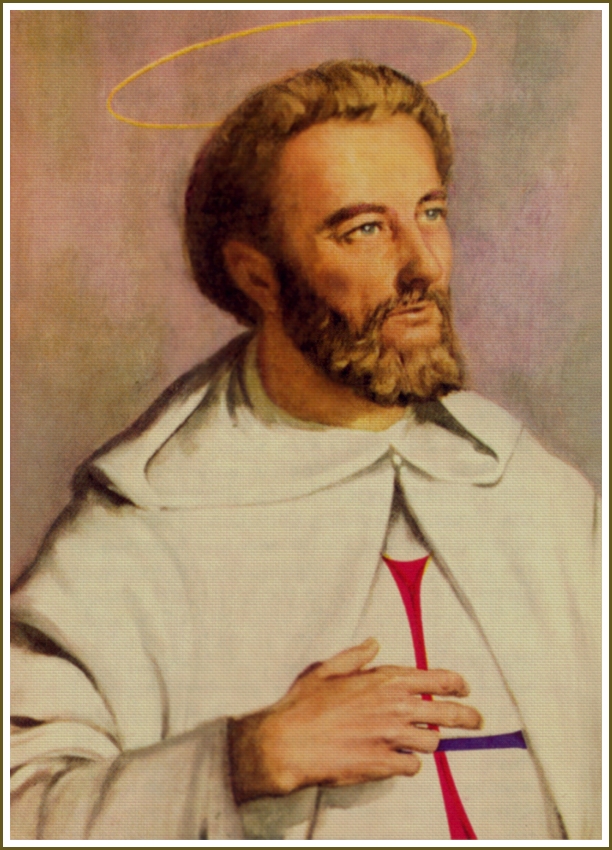
Patronage – The Trinitarians.st john of mathas header

Between the eighth and the fifteenth centuries, medieval Europe was in a state of intermittent warfare between the Christian kingdoms of southern Europe and the Muslim polities of North Africa, Southern France, Sicily and portions of Spain.   The threat of capture, whether by pirates or coastal raiders, or during one of the region’s intermittent wars, was not a new but rather a continuing threat to the residents of Catalonia, Languedoc and the other coastal provinces of medieval Christian Europe.
The redemption of captives is listed among the corporal works of mercy.   The period of the Crusades, when so many Christians were in danger of falling into the hands of Muslims, witnessed the rise of religious orders vowed exclusively to this pious work.

St John of Matha was born to noble parents on the borders of Provence on 23 June 1169. He was baptised John, in honour of St John the Baptist.   His father Euphemius sent him to Aix, where he learned grammar, fencing, riding, and other exercises fit for a young nobleman.   It is said that while there he gave the poor a considerable part of the money his parents sent him and he visited the hospital every Friday, assisting the sick poor.
He studied theology at the University of Paris and was ordained a priest at the age of 32 in December 1192. St+John+de+Matha005

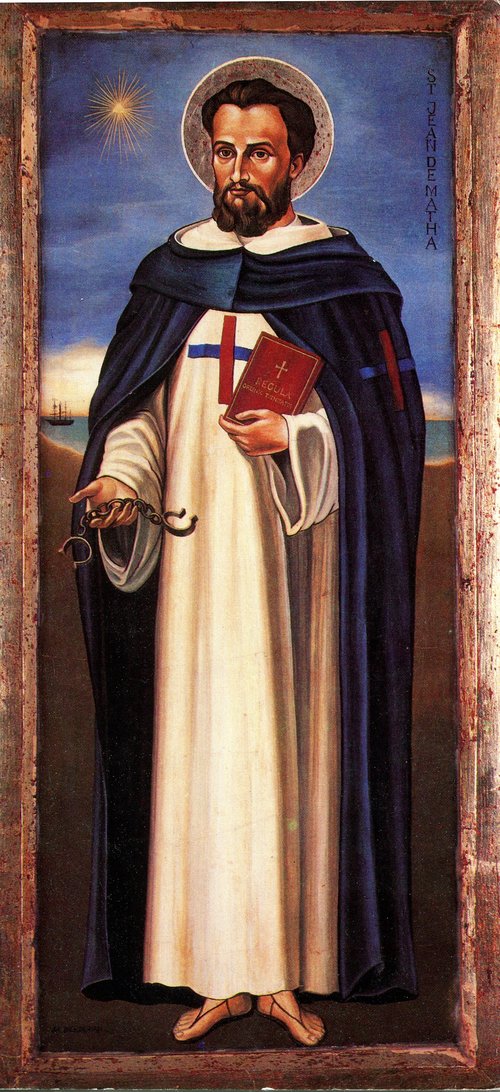
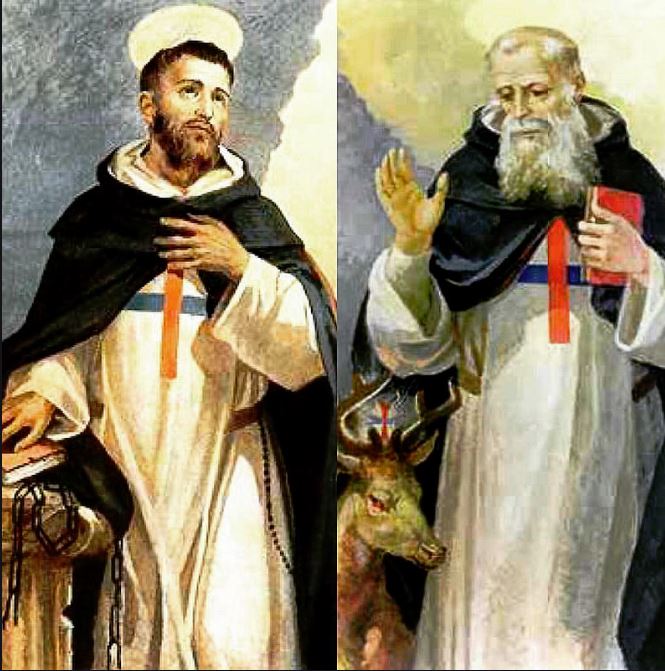
According to Trintarian tradition, on 28 January 1193, John celebrated his first Mass. During that Mass, he was struck with a vision of Christ holding by the hand two chained captives, one a Moor, the other a Christian (the Crusades were in full force at the time). The Christian captive carried a staff with a red and blue cross.   After the Mass, John decided to devote himself to the task of ransoming Christian captives from the Moors. Before entering upon this work, he thought it needful to spend some time in retirement, prayer and mortification and having heard of a holy hermit, St Felix of Valois (1127–1212), living in a great wood near Gandelu, in the diocese of Meux, he repaired to him and requested him to instruct him in the practice of perfection.


One day while walking with Felix, John had another vision–a white stag appeared at a stream with a red and blue cross between its antlers.   John disclosed to Felix the design he had conceived on the day on which he said his first mass, to succour captive Christians under slavery and Felix offered his help in carrying it out.   They set out for Rome in the midst of a severe winter, towards the end of the year 1197, to obtain the pope’s benediction.

sts john of matha and felix of valois
St John of Matha and St Felix of Valois

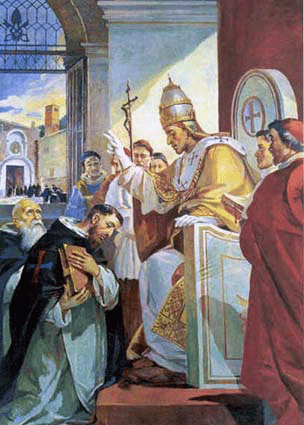
On 17 December 1198, he obtained the preliminary approval of Pope Innocent III for a new order dedicated in honour of the Blessed Trinity for the redemption of Christian captives.   This order was fully approved in 1209.   The Order of the Most Holy Trinity’s first monastery was established at Cerfroid (just north of Paris) and the second at Rome at the church of San Tommaso in Formis.   Christian slaves were first rescued by the Order in 1201.   In 1202 and 1210 John travelled to Tunisia himself and brought back countless Christian slaves.Matha

St John founded the Trinitarians to go to the slave markets, buy the Christian slaves and set them free.   To carry out this plan, the Trinitarians needed large amounts of money. So, they placed their fund-raising efforts under the patronage of Mary.   In gratitude for her assistance, St John of Matha honoured Mary with the title of “Our Lady of Good Remedy.”   Devotion to Mary under this ancient title is widely known in Europe and Latin America and the Church celebrates her feast day on 8 October.   Our Lady of Good Remedy is often depicted as the Virgin Mary handing a bag of money to St John of Matha.


Before his death, Trinitarian tradition says he met St Francis of Assisi and introduced Francis to the Frangipani family, one of the benefactors of the Franciscan order.   St John of Matha died on 17 December 1213, in Rome in the house of St Thomas In Formis on the Caelian Hill.header - st john of matha

In 1655, his relics were transferred from Rome to Madrid.   He was Canonised on 21 October 1666 by Pope Alexander VII (cultus confirmed).

Today the Trinitarian family is composed of priests, brothers, women (enclosed nuns and active sisters) as well as committed laity.   Members of the Trinitarian family include the Trinitarian religious, the Trinitarian contemplative nun,; the Trinitarian Sisters of Valence, the Trinitarian Sisters of Rome, Valencia, Madrid, Mallorca and Seville, the Oblates of the Most Holy Trinit, the Third Order Secular (tertiaries) and other Trinitarian laity.   All are distinguished by the cross of red and blue which dates from the origins of the Order.   Trinitarians are found throughout Europe and in the Americas as well as in Africa, India, Korea and the Philippines.

In 2000 the Vatican Congregation for Institutes of Consecrated Life and Societies of Apostolic Life approved “The Trinitarian Way” rule of life which would guide all the lay groups associated with the Trinitarians including the Third Order Secular, the Trinitarian Movement, Confraternities, etc.

Like the Jesuits, Trinitarians also pledge not to seek promotion within the Church hierarchy.   If promotion is offered, however, it is accepted.

The Order of the Most Holy Trinity is active on five continents and in many countries.

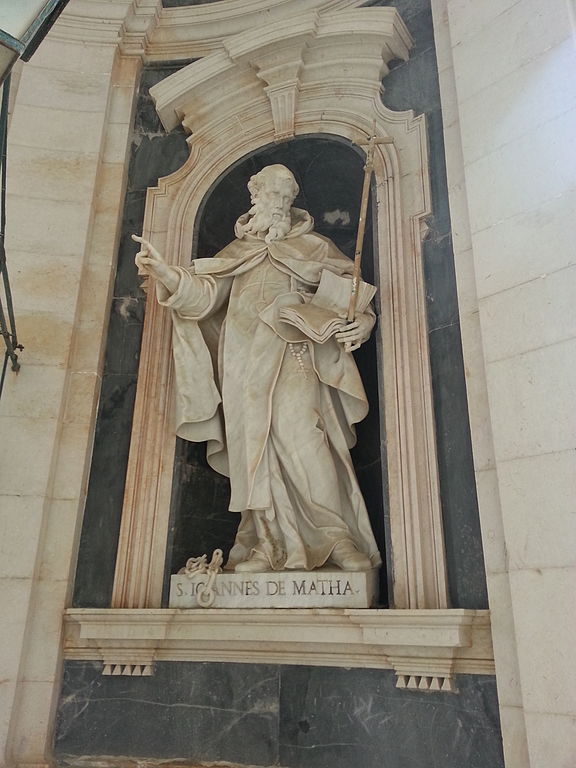
John_of_Matha_sculpture_Mafra
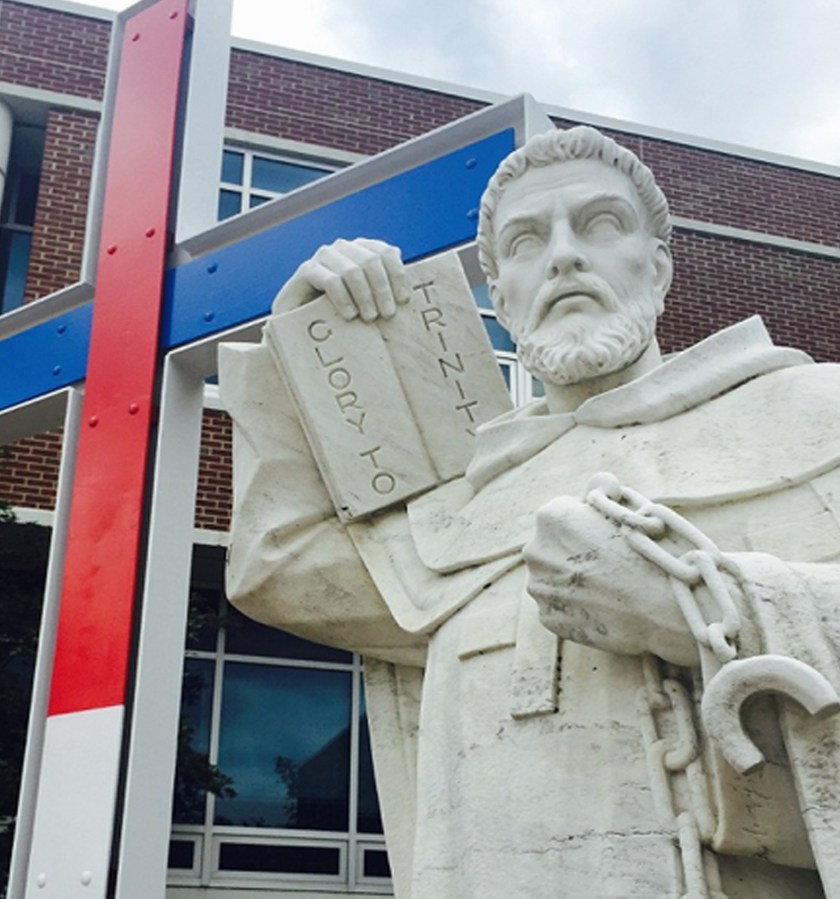
A John of Matha Saint sculpture from Mafra Palace, Portugal, main entrance
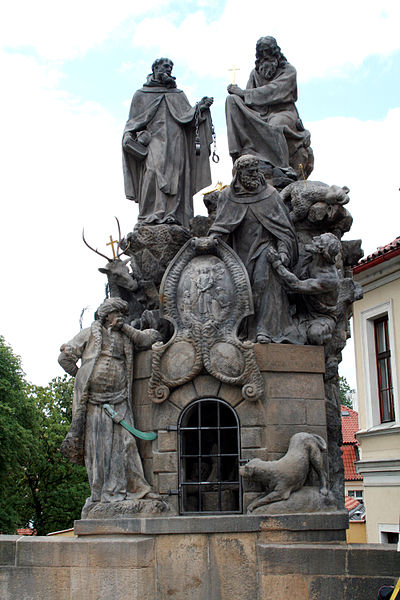
Statues of Felix of Valois and John of Matha. Charles Bridge, Prague.
Statues of Saints Felix of Valois and John of Matha. Charles Bridge, Prague.


Posted in SAINT of the DAY

Memorials of the Saints – 17 December

St Briarch of Bourbriac
St John of Matha O.SS.T (1160-1213)

St Josep/José Manyanet y Vives (1833-1901)
Biography: https://anastpaul.wordpress.com/2017/12/17/saint-of-the-day-17-december-st-josep-manyanet-y-vives-1833-1901/

St Judicaël
St Lazarus of Bethany
BL Mariano Alarcón Ruiz
Bl Mathilde Téllez Robles
St Maxentiolus
St Modestus of Jerusalem
St Olympias of Constantinople
Bl Peter of Spain
St Sturmi of Fulda
St Tydecho
St Wivina
St Yolanda

Martyrs of Eleutheropolis – (60+ Martyrs-Beati): Approximately 60 Christian soldiers in the imperial Roman army of emperor Heraclius; they were murdered as a group for their faith by invading Saracen Muslims. We know the names of two of them – Calaoicus and Florian. 638 in Eleutheropolis (Beit Jibrin), Palestine.

Posted in DOMINICAN OP, INCORRUPTIBLES, SAINT of the DAY

Saint of the Day – 16 December – Blessed Sebastian Maggi OP (1414–1496)

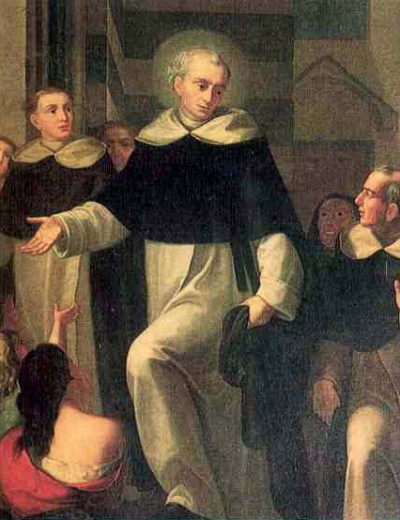
Saint of the Day – 16 December – Blessed Sebastian Maggi OP (1414–1496) Religious Priest of the Order of Preachers, Confessor – born in 1414 at Brescia, Italy and died in 1496 at Genoa, Italy of natural causes.   Blessed Sebastian also served as the confessor to both Girolamo Savonarola (1452–1498) and Saint Catherine of Genoa (1447–1510).   His body is incorrupt.

Sebastian Maggi was born in Brescia to nobles in 1414.   He is related to Bishop Berardo Maggi who was also the Duke and Count of Brescia.

Maggi began his work in 1429 when he joined the Order of Preachers.   His intelligence was noticed and he later received a master’s degree in theological studies.   He rose through the ranks and became the superior of several religious Dominican houses.   He practised corporal mortification and was strict in discipline.   He would often tell his subordinates: “When you have committed a fault, come to me, not as prior but as your father.   If you will not have me as a father, you will find me a severe judge.”bl sebastian maggi op

He appointed the monk Girolamo Savonarola to the position of novice master and set that famous Florentine friar on his own path to fame.   In his time he was regarded as one of the greatest preachers in the Italian state.

Pope Alexander VI chose Father Maggi to investigate revelations that Savonarola claimed were given to him directly from God.   Savonarola appealed the choice and believed that Sebastian – as Vicar-General of the Lombard Congregation – would be biased and try to take over his recently-emancipated “San Marco” facility in Florence.   Alexander VI, however, had already decided to give the facility back to the Congregation, making Sebastian, Savonarola’s canonical superior.

Perhaps, if Sebastian Maggi had lived, he might have saved Savonarola from the political entanglements that sent him to his death.   Sebastian was his confessor for a long time and always testified in his favour when anyone attacked the reformer’s personal life.   It is hard to say just where he stood politically in the long and complex series of events concerning the separation of Lombard province from the province of Italy.   But all that has been written of him, conveys the same impression, he was a kind and just superior, who kept the rule with rigid care but was prudent in exacting it of others.

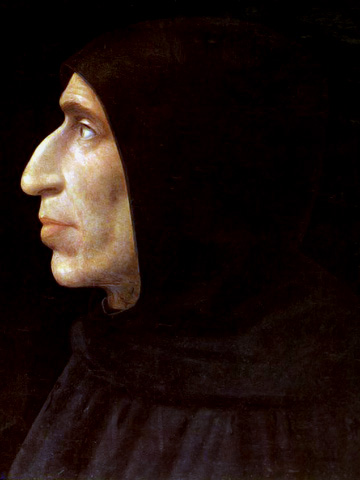
Girolamo_Savonarola
Girolamo Savonarola

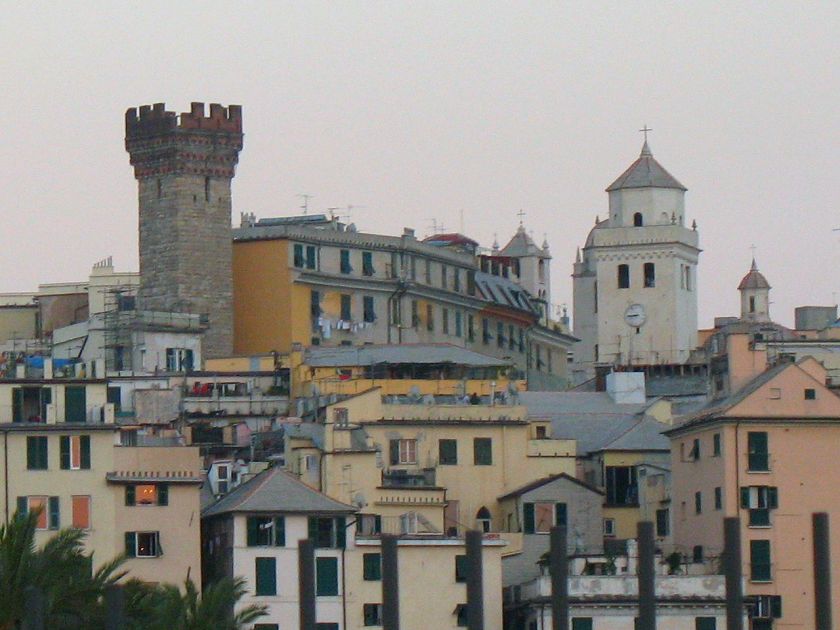
Several times Sebastian Maggi was sent on missions of reform and he died on one of these.   On his way to a convent for visitation, he became ill at Genoa and died there in 1496.   He is buried at the Dominican “Santa Maria di Castello” complex in Genoa (see below).1280px-Genova-centro_storico-IMG_1503

History has written of Blessed Sebastian that his greatest virtues were seen in his governing.   As the prior of several convents, Blessed Sebastian often loved to wait on his Dominican sisters and brothers with his own hands and to minister to them when they were ill.   It was commonly said, that when Blessed Sebastian visited the sick, he did so with as much joy as attending a wedding.

Posted in ADVENT, SAINT of the DAY

Gaudete Sunday 2018 and Memorials of the Saints – 16 December

3rd ‘Gaudete’ Sunday of Advent (2018)

St Adelaide of Burgundy (c 931-999) Holy Roman Empress
About St Adelaide: https://anastpaul.wordpress.com/2017/12/16/saint-of-the-day-16-december-st-adelaide-of-italy-burgundy-c-931-999/

St Adelard of Cysoing
St Ado of Vienne
Bl Adolphus of Tunis
Bl Arnaldo of Tunis
St Albina of Caesarea
St Ananias
St Azarias
St Bean of Lough Derg
St Beoc
Bl Clemente Marchisio
St Dominic Dosso
Bl Elizabeth of Saint Francis
Bl Filip Siphong Onphithakt
St Irenion
Bl James of Tunis
Bl Jaume Mases Boncompte
St Jean Wauthier
St Macarius of Collesano
Bl Mary Fontanella
St Misael
St Nicholas Chrysoberges
Bl Raynald de Bar
Bl Sebastian Maggi OP (1414–1496)

Martyred Women of North-West Africa: A large group of women martyred in the persecutions of Hunneric, Arian King of the Vandals. 482 in North-West Africa.

Martyrs of Ravenna – (4 saints): A group of Christians martyred together. Four names and no other information has survived – Agricola, Concordius, Navalis and Valentine. c 305 at Ravenna, Italy.

Posted in SAINT of the DAY

Saint of the Day – 15 December – Blessed Karl Steeb (1773 – 1856)

Saint of the Day – 15 December – Blessed Karl Steeb (1773 – 1856) Priest, Founder, Apostle of Charity, Lawyer, Teacher of Languages.   Blessed Karl was born on 18 December 1773 in Tübingen, Baden-Württemberg (modern Germany) and died on 15 December 1856 at Verona, Italy of natural causes.   Blessed Karl founded the Institute of the Sisters of Mercy in support of the needy and the sick of which he is the Patron.Aronne_Del_Vecchio-Carlo_Steeb_(OeaL)

His father was a highly esteemed businessman of the Lutheran faith who administered the assets of the Duke of Wurttemberg.   He sent Karl to Paris at sixteen and at eighteen to Verona, Italy to study further.   He was a mature and reserved boy, focusing his attention on his studies.   He was a fervent Lutheran but was fascinated with the lively Veronese world, with its cultural and religious vitality.   He attracted a dialogue with some well-known priests and laity and this led him in September 1792, to become Catholic.

Four years later he was ordained a priest, which caused great bitterness on the part of his father, who disinherited him.   However, upon the death of his sister Guglielmina he did inherit, all proceeds of which he donated to the poor of Verona.   It was a time of war between Napoleon and Austria – the battles of Bassano, of Bishop’s Castle, the Rivoli and then the uprising of anti-1797 (the “Pasque Veronese”).   Blessed Karl lived at this time between infirmaries, hospitals, the military sickbays and the infectious lepers, as a priest, nurse and interpreter in three languages.

He contracted typhoid through his work in the hospitals but his spiritual director, Father G B Bertolini, assured him “It’s not your time. The Lord expects something great from you.”

His Order, the Sisters of Mercy, was born in 1840, in two rooms, dedicated to all the suffering and needy.   From the two rooms, the Institute began a journey that continues still, with homes in Europe, Latin America and Africa.

Karl, who many called the “father of the sick”, died in 1856 after seeing the completion of a church as the Mother Church of the Sisters of Mercy, in Verona, where his body is buried.   Pope Paul VI Beatified him in 1975 after confirmation of a miracle.

(This biography was translated from Italian and is not comprehensive but the best I could find).Carlo_Steeb

Posted in DOCTORS of the Church, MYSTICS, QUOTES of the SAINTS, QUOTES on HUMAN DIGNITY, QUOTES on SANCTITY, SAINT of the DAY

Thought for the Day – 14 December -Traces of the Divine Beauty in Creation

Thought for the Day – 14 December – The Memorial of St John of the Cross (1542-1591) Doctor of the Church

Traces of the Divine Beauty in Creation
From The Spiritual Canticle by Saint John of the Cross

“Created things in themselves, as Saint Augustine declares, give testimony to God’s grandeur and excellence.   For God created all things with remarkable ease and brevity and in them He left some trace of who He is, not only in giving all things being from nothing but even by endowing them, with innumerable graces and qualities, making them beautiful in a wonderful order and unfailing dependence on one another.  All of this He did through His own wisdom, the Word, His only begotten Son by whom He created them.

Saint Paul says:  The Son of God is the splendour of His glory and the image of His substance.   It should be known that only with this figure, His Son, did God look at all things, that is, He communicated to them their natural being and many natural graces and gifts and made them complete and perfect, as is said in Genesis:  God looked at all things that He made, and they were very good.   To look and behold that they were very good, was to make them very good in the Word, his Son.

Not only by looking at them did He communicate natural being and graces, as we said but also with this image of His Son alone, He clothed them in beauty by imparting to them supernatural being.   This He did when He became man and elevated human nature in the beauty of God and consequently all creatures, since in human nature He was united with them all.

Accordingly, the Son of God proclaimed:  If I be lifted up from the earth, I will elevate all things to me.   And in this elevation of all things through the incarnation of His Son and through the glory of His resurrection according to the flesh, the Father did not merely beautify creatures partially but rather, we can say, clothed them wholly in beauty and dignity.”

“Lord I am not worthy but only say the word and I shall be healed.”

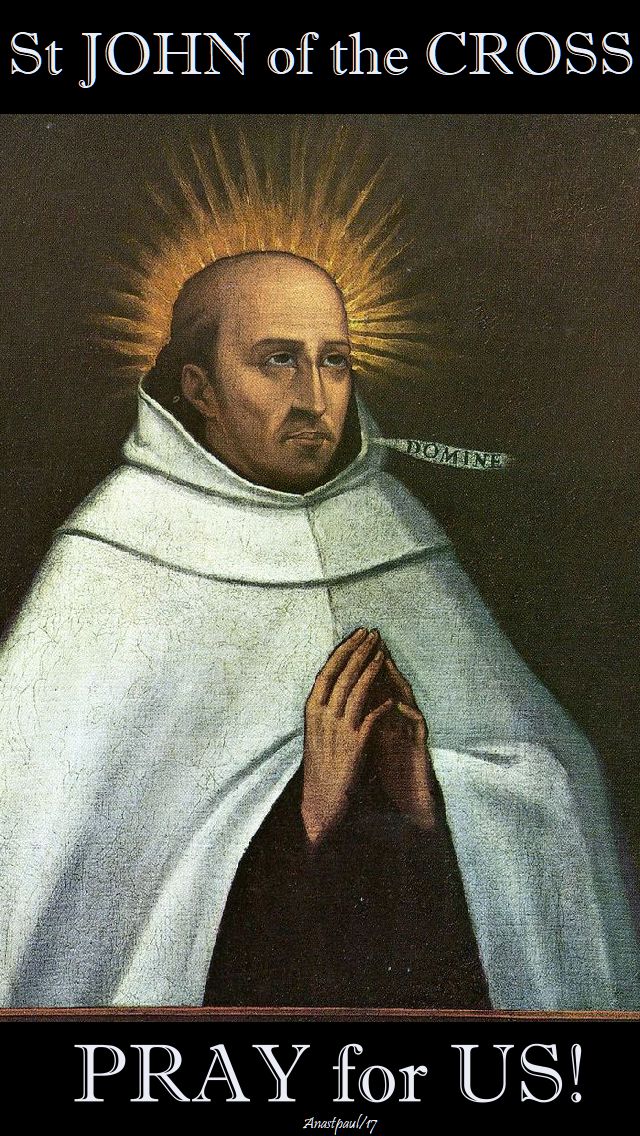
St John of the Cross, Pray for Us!st-john-of-the-cross-pray-for-us-14-dec-2017

Posted in "Follow Me", CARMELITES, CHRIST, the WAY,TRUTH,LIFE, DOCTORS of the Church, OUR Cross, QUOTES for CHRIST, QUOTES on DEATH, QUOTES on FAITH, QUOTES on HAPPINESS, QUOTES on JOY, QUOTES on LOVE, QUOTES on PEACE, QUOTES on SANCTITY, QUOTES on SUFFERING, QUOTES on the CROSS of CHRIST, SAINT of the DAY, The HEART, The LAST THINGS

Quotes of the Day – 14 December – St John of the Cross (1542-1591) Doctor of the Church

Quotes of the Day – 14 December – The Memorial of St John of the Cross (1542-1591) Doctor of the Church

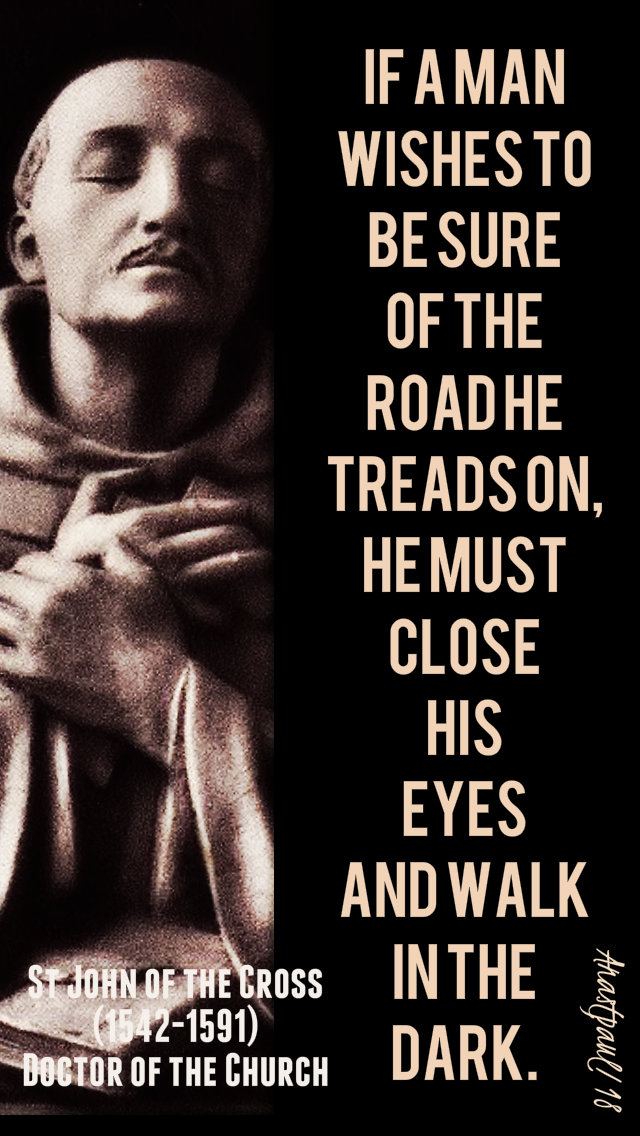
“If a man wishes to be sure of the road
he treads on, he must close his eyes
and walk in the dark.”

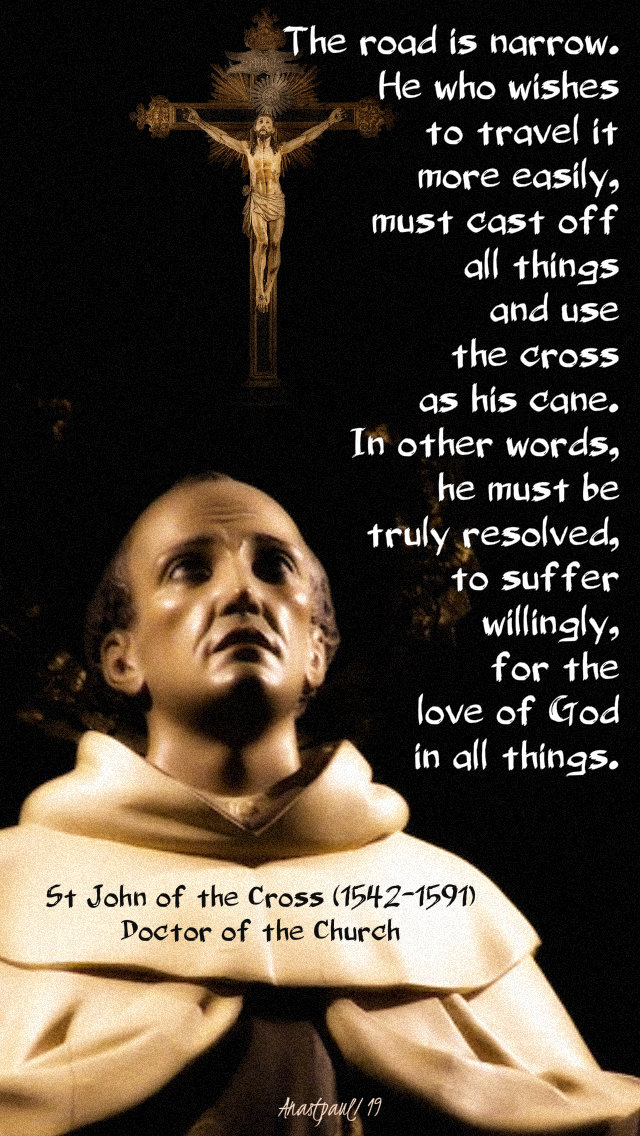
“The road is narrow. 
He who wishes to travel it more easily 
must cast off all things and use the cross as his cane. 
In other words, he must be truly resolved 
to suffer willingly for the love of God in all things.”

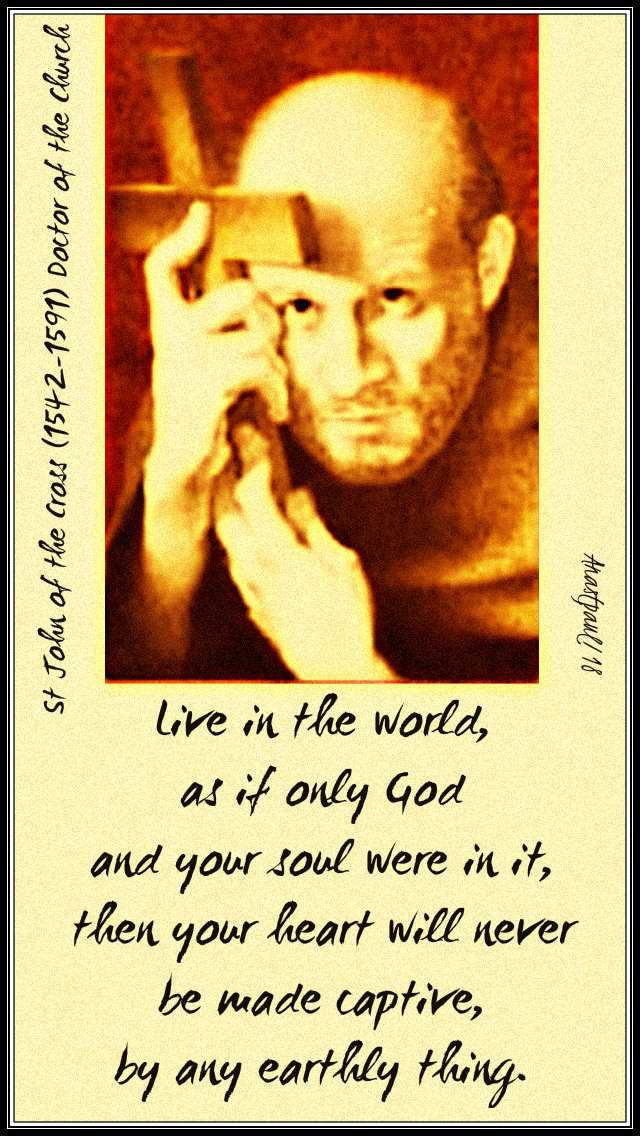
“Live in the world,
as if only God and your soul were in it,
then your heart will never be made captive,
by any earthly thing.” live in the world - st john of the cross 14dec2018

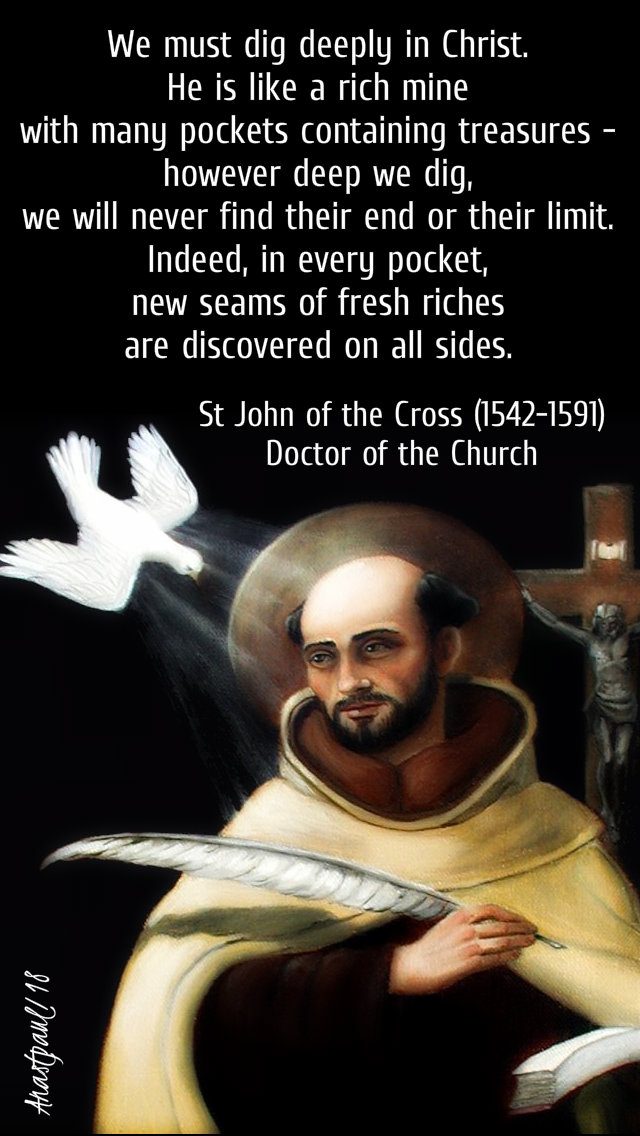
“We must dig deeply in Christ.
He is like a rich mine
with many pockets containing treasures –
however deep we dig,
we will never find their end or their limit.
Indeed, in every pocket new seams of fresh riches
are discovered on all sides.”we must dig deeply in christ - st john of the cross 14 dec 2018

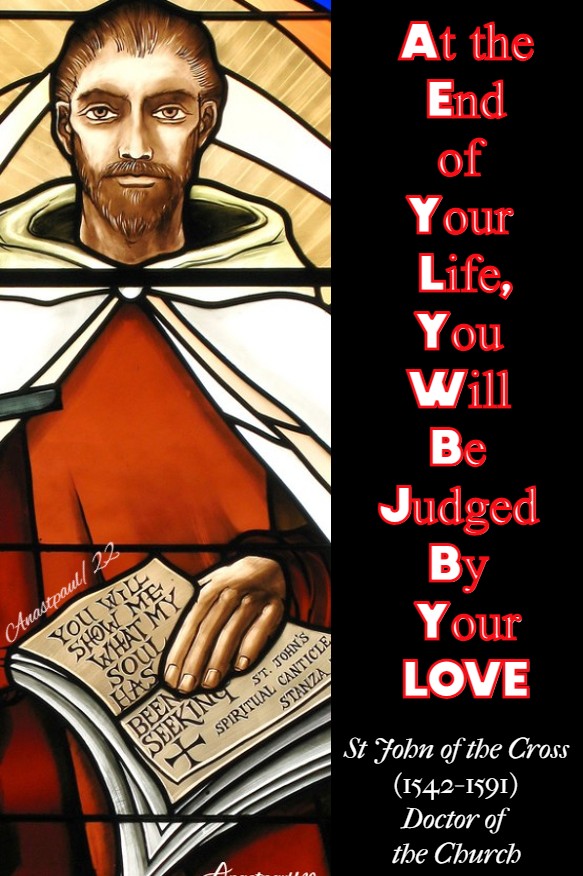
“At the end of your life,
you will be judged by your love.”

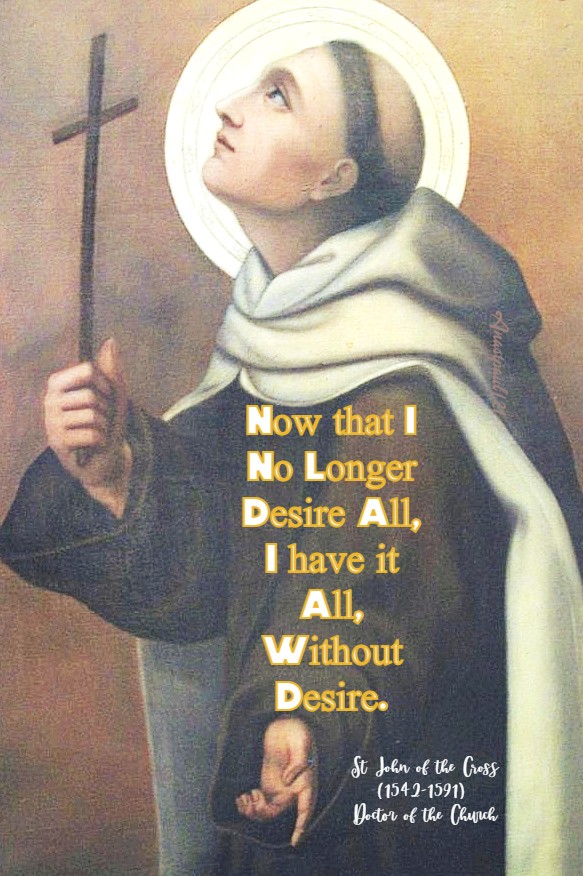
“Now that I no longer desire all,
I have it all, without desire.”

St John of the Cross (1542-1591) Doctor of the Church

Posted in CARMELITES, DOCTORS of the Church, SAINT of the DAY

Saint of the Day – 14 December – St John of the Cross OCD (1542-1591)

Saint of the Day – 14 December – St John of the Cross OCD (1542-1591) Confessor, Doctor of the Church, Priest, Reformer of the Carmelite Order, Mystic, Poet, Theologian, Writer.  Born as Juan de Yepes y Álvarez on 24 June 1542 at Fontiveros, Ávila, Crown of Castile, Spanish Monarchy and died on 14 December 1591 (age 49) at Úbeda, Crown of Castile, Spanish Monarchy.  John was mentored by and corresponded with, the older Carmelite, St Teresa of Ávila. Both his poetry and his studies on the development of the soul, are considered the summit of mystical Spanish literature and among the greatest works of all Spanish literature. He was Canonised by Pope Benedict XIII in 1726. In 1926, he was declared a Doctor of the Church by Pope Pius XI and is commonly known as the “Mystical Doctor.”  Patronages – Contemplative life, contemplatives, Mystical Theology, Mystics, Spanish poets.

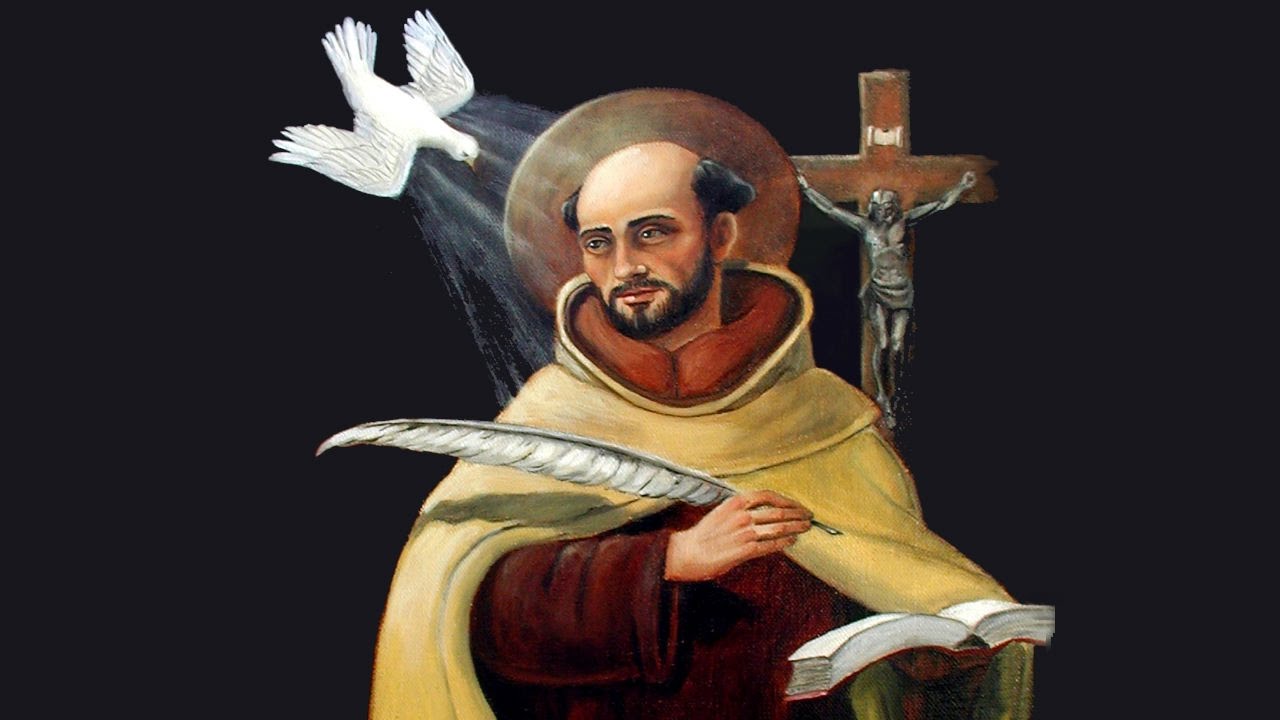
John’s  life was a heroic effort to live up to his name:  “of the Cross.” The folly of the Cross came to full realisation in time.   “Whoever wishes to come after me must deny himself, take up his cross, and follow me” (Mark 8:34b) is the story of John’s life. The Paschal Mystery—through death to life—strongly marks John as rRformer, Mystic-poet and Theologian-priest.header - st john of the cross - maxresdefault

Ordained a Carmelite Priest in 1567 at age 25, John met Teresa of Avila and like her, vowed himself to the primitive Rule of the Carmelites.   As partner with Teresa and in his own right, John engaged in the work of reform and came to experience the price of reform – increasing opposition, misunderstanding, persecution, imprisonment.   He came to know the cross acutely—to experience the dying of Jesus—as he sat month after month in his dark, damp, narrow cell with only his God.john-of-the-cross-painted-by-thereses-sister-pauline-sr-agnes

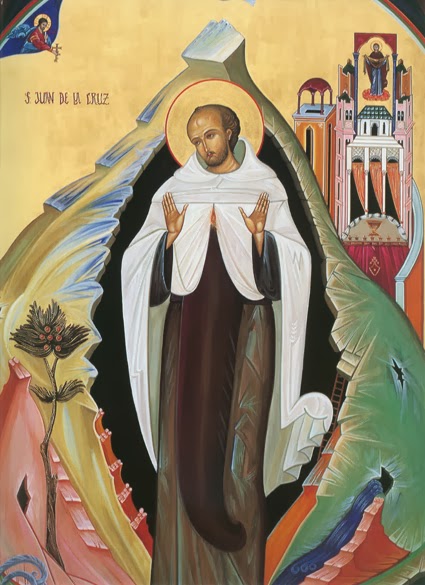
Yet, the paradox!   In this dying of imprisonment John came to life, uttering poetry.   In the darkness of the dungeon, John’s spirit came into the Light.   There are many mystics, many poets – John is unique as mystic-poet, expressing in his prison-cross the ecstasy of mystical union with God in the Spiritual Canticle.John-of-the-Cross-Icon1

But as agony leads to ecstasy, so John had his Ascent to Mount Carmel, as he named it in his prose masterpiece.   As man-Christian-Carmelite, he experienced in himself this purifying ascent;  as spiritual director, he sensed it in others; as psychologist-theologian, he described and analysed it in his prose writings.   His prose works are outstanding in underscoring the cost of discipleship, the path of union with God – rigorous discipline, abandonment, purification.   Uniquely and strongly John underlines the gospel paradox: the cross leads to resurrection, agony to ecstasy, darkness to light, abandonment to possession, denial to self to union with God.   If you want to save your life, you must lose it.   John is truly “of the Cross.”   He died at 49—a life short, but full.st john of the cross snip

Full Biography here:  https://anastpaul.wordpress.com/2017/12/14/saint-of-the-day-14-december-1542-1591-doctor-of-the-church/

Posted in SAINT of the DAY

Saints of the Day -14 November

St John of the Cross OCD (Memorial) (1542-1591) Doctor of the Church
Full Biography: https://anastpaul.wordpress.com/2017/12/14/saint-of-the-day-14-december-1542-1591-doctor-of-the-church/

St Abundius of Spain
St Agnellus of Naples
Bl Buenaventura Bonaccorsi
St Folcuino of Therouanne
Bl Joan Lambertini
St John Pan y Agua (Bread-and-Water)
Bl John Discalceat
St Justus of Spain
St Matronianus of Milan
St Pompeius of Pavia
Bl Protasi Cubells Minguell
St Venantius Fortunatus
St Viator of Bergamo
St Yusuf Jurj Kassab al-Hardini
Bl William de Rovira

Martyrs of Alexandria – 4 saints: A group of Egyptian Christians martyred together in the persecutions of Decius – Arsenius, Dioscurus, Heron and Isidore. They were burned to death in 250 at Alexandria, Egypt.

Martyrs of Apollonia – 7 saints: Martyred in the persecutions of Decius. The only surviving details are three names – Callinicus, Leucio and Tirso. Apollonia, Bithynia (in modern Turkey).

Martyrs of Ashkelon – 3 saints: Several pilgrims from Egypt to Cilicia (in modern Turkey) who planned to minister to fellow Christians suffering in the persecutions of emperor Maximinus. They were arrested, torture, mutilated and then imprisoned in Ashkelon. Some were ordered to forced labour in the mines, but we have the names of three who were martyred by order of governor Firmilian – Ares, Elijah and Promo. They were burned at the stake or beheaded at the gates of Ashkelon c 308.

Martyrs of Hayle – 2+ saints: Several Christians, including a brother and sister, who were martyred together by pagans. The only other information to survive are the names of the two siblings – Fingar and Phiala. 5th century at Hayle, Cornwall, England.

Martyrs of Syria – 3 saints: Three Christians who were martyred together. Known to Saint John Chrysostom who preached on their feast day, and left us the only details we have – their names – Drusus, Theodore and Zosimus. The date and precise location of their martyrdom is unknown, but it was in Syria, possibly in Antioch.

Posted in ON the SAINTS, QUOTES on HUMILITY, SAINT of the DAY

Thought for the Day – 13 December – The Memorial of Blessed Antonio Grassi Cong. Orat. (1592 – 1671)

Thought for the Day – 13 December – The Memorial of Blessed Antonio Grassi Cong. Orat. (1592 – 1671)

“For thirty seven of those years he was, without precedent, Provost of his Congregation. Like a lamp burning on a lampstand he shed the unfailing rays of his virtues on all sides, and “made himself all things to all men, so as to win them all for Christ”...Alfonso Cardinal Capecelatro, Cong.Orat., Rome 24 May 1900.

From the writings of Blessed John Henry Newman, Cong. Orat.,

on the Oratorian Vocation
Newman the Oratorian

Quoting Marciano’s “apposite description of Father Grassi of Fermo”:

“In respect of obedience, though, from being so long time a Superior, he appeared to have no opportunity for its exercise, yet he knew how to follow in its track.   First, he placed his private will in the hand of his Confessor, as if he were a child.   Next, though Superior, he used to render a most exact obedience to the officials of the Congregation. Called by the Porter or Sacristan, he never was heard to say, ‘I cannot’.   And whereas in the last years of his life a Brother was assigned him for his attendance, he called him his guardian-angel and recognised him as his Superior and obeyed him, in such sort, as not even to change his place without his leave.   In his journeys, he so depended upon his companion, to whom he then gave the name of governor, that his intimations were for him inviolable precepts.”

Total humility! Our lesson, our goal.

Blessed Antonio Grassi, Pray for Us!Bl antonio grassi pray for us 13dec 2018

Posted in QUOTES of the SAINTS, QUOTES on HUMILITY, SAINT of the DAY

Quote/s of the Day  – 13 December – The Memorial of Blessed Antonio Grassi Cong. Orat. (1592 – 1671)

Quote/s of the Day  – 13 December – The Memorial of Blessed Antonio Grassi Cong. Orat. (1592 – 1671)

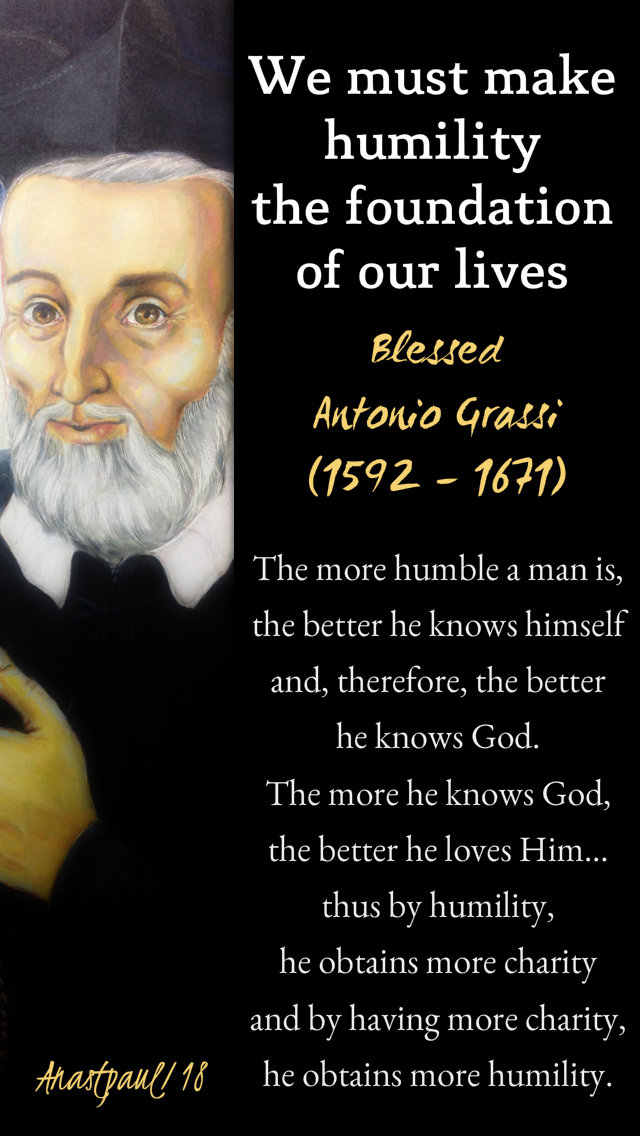
“We must make humility
the foundation of our lives.”

“The more humble a man is,
the better he knows himself
and, therefore, the better
he knows God.
The more he knows God,
the better he loves Him…
thus by humility,
he obtains more charity
and by having more charity,
he obtains more humility.”

Bl Antonio Grassi (1592 – 1671)we must make humility - the more humble - bl antonio grassi 13dec2018

Posted in SAINT of the DAY

Saint of the Day – 13 December – Blessed Antonio Grassi Cong. Orat. (1592 – 1671)

Saint of the Day – 13 December – Blessed Antonio Grassi Cong. Orat. Franciscan Tertiary (1592 – 1671) – Religious Priest of the Oratorians of St Philip Neri (1515-1595), Confessor, Spiritual advisor, Counsellor, Mediator, Miracle Worker, Apostle of Charity.   Blessed Antonio was known for his humble and pious nature with a strong devotion to the Our Lady and the Holy House of Loreto to which he made pilgrimages on an annual basis, as well as to the Rule of St Philip Neri – born Vincenzo Grassi on 13 November 1592 in Fermo, Italy and died on 13 December 1671 in Fermo, Italy of natural causes.   His Memorial is today although the Oratorians celebrate on 15 December.bl antonio anthony grassi
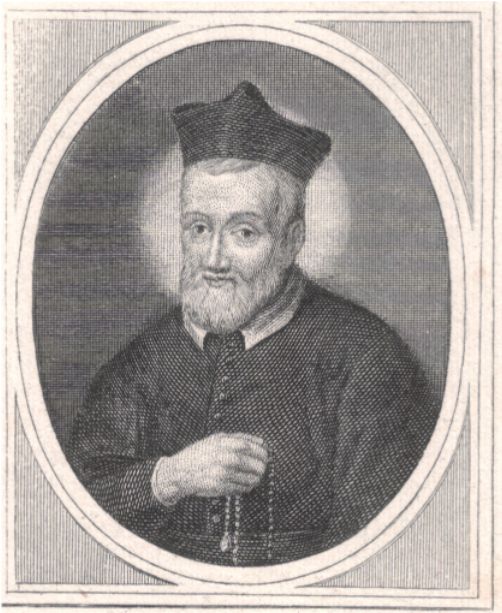
Anthony’s father died when his son was only 10 years old but the young lad inherited his father’s devotion to Our Lady of Loreto.   As a schoolboy he frequented the local church of the Oratorian Fathers, joining the religious order when he was 17.   Already a fine student, he soon gained a reputation in his religious community as a “walking dictionary” who quickly grasped Scripture and theology.   For some time he was tormented by scruples but they reportedly left him at the very hour he celebrated his first Mass.   From that day, serenity penetrated his very being.

In 1621, at age 29, Anthony was struck by lightning while praying in the church of the Holy House at Loreto.   He was carried paralysed from the church, expecting to die. When he recovered in a few days he realised that he had been cured of acute indigestion. His scorched clothes were donated to the Loreto church as an offering of thanks for his new gift of life.   More important, Anthony now felt that his life belonged entirely to God. Each year thereafter, he made a pilgrimage to Loreto to express his thanks._Bl antonio grassi 2 my edit
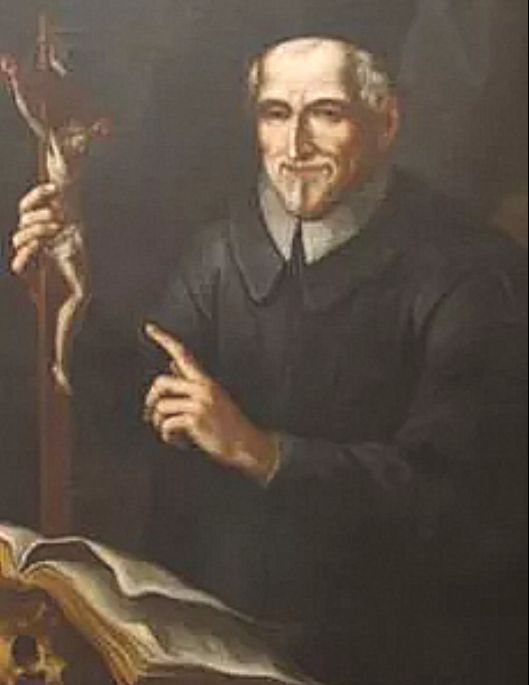
He also began hearing confessions and came to be regarded as an outstanding confessor. Simple and direct, he listened carefully to penitents, said a few words and gave a penance and absolution, frequently drawing on his gift of reading consciences.

In 1635 he was elected superior of the Fermo Oratory.   He was so well regarded that he was re-elected every three years until his death.   He was a quiet person and a gentle superior who did not know how to be severe.   At the same time, he kept the Oratorian constitutions literally, encouraging the community to do likewise.

He refused social or civic commitments and instead would go out day or night to visit the sick or dying or anyone else needing his services.   As he grew older, he had a God-given awareness of the future, a gift which he frequently used to warn or to console.

But age brought its challenges as well.   He suffered the humility of having to give up his physical faculties one by one.   First was his preaching, necessitated after he lost his teeth.   Then he could no longer hear confessions.   Finally, after a fall, he was confined to his room.   The Archbishop himself came each day to give him holy Communion.   One of Anthony’s final acts was to reconcile two fiercely quarrelling brothers.

Antonio died on 13 December 1671, as the community, gathered round him, prayed the Litany of Loreto, exclaiming “What happiness – what consolation – to be a son of Saint Philip in the passage from this life”.

He was Beatified on 30 September 1900 by Pope Leo XIII.Blessed-Antony-Grassi-port

From a Letter of Alfonso Cardinal Capecelatro, Cong.Orat., Rome 24 May 1900.

The Venerable Antonio Grassi, of the Congregation of the Oratory of St Philip, is rightly deemed to have been a most loyal friend and indefatigable servant of Christ.   For he, during a lifetime of eighty years, was so richly nourished by God with the bread of life and understanding and the cup of saving water of wisdom, that day by day he co-operated more faithfully with the gifts of God’s grace, considering his one concern to be in conformity with the image of the Son of God.   He was thus so marked with holiness, particularly in his prayer and divine worship, his forgetfulness of self and zeal for the salvation of souls, that the serious and learned men of his time thought him a real follower of Philip Neri and asked for his prayers and advice on matters divine.   He indeed showed himself in every way to be a distinguished follower of St Philip.

The known words and works of the Venerable Servant of God confirm that these praises lavished in the decrees of the Holy See were justified.   For before and soon after his birth, it was indeed prophesied by a heavenly voice, that he would be holy and a great servant of God.   He first saw the light in Fermo in 1592, while Saint Philip was still alive, and was baptised by Fr Civitella, later Provost of the Oratory in the same city.   He was so chaste that, like another Bernardine of Siena, while still a boy, it needed only his presence, the rumour “Antony is here” to deter his young playmates from any sort of unseemly talk.   This angelic virtue was proclaimed by the pleasant scent which exuded from Antony’s body both in life and after death, as well as the unbearable stench which the servant of God perceived in the presence of the unchaste and the remarkable exclamation of a two year old girl who repeatedly pointed out Antonio in the church, crying “Look an angel, look, an angel!”

He attended the Fermo Oratory from childhood and at the age of sixteen forsook the world for it, advised on the certainty of his Oratorian vocation by his spiritual director, a disciple of Saint Philip.

Keeping always before him the example of St Philip his father and tutor, he was so faithful in imitating him, observing even the least of the commandments, that he never turned away from the law of the Lord neither to right not to left for over sixty years.   For thirty seven of those years he was, without precedent, Provost of his Congregation.   Like a lamp burning on a lampstand he shed the unfailing rays of his virtues on all sides and “made himself all things to all men, so as to win them all for Christ”.

In 1625 he visited Rome to gain the plenary indulgence of the Holy Year.   There he indulged his feelings of holiness and devotion especially by visiting the places which his beloved Father and Patriarch had marked while alive.antony-grassi-large
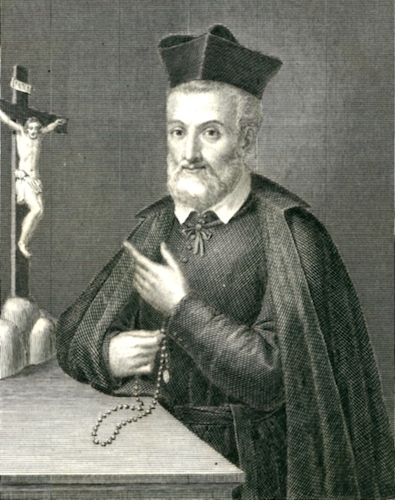
Aflame with the love of God, he looked for peace and rest in the pierced side of Christ.   In favour with God and man, he was on terms of friendship with some famous disciples of Saint Philip who still survived, including Fr Consolini who was much beloved of St Philip himself.   By his gentleness and the reputation he had for virtue, he so attracted the whole family of the Congregation that Oratorians from other regions earnestly begged a blessing of him, writing loving letters to Antonio, now worn out by age and toil.

He was marked by the depth of his love for Mary.   Every year he used to pay a devout pilgrimage to the Holy House of Loreto (shown in the painting above), in which the Word had been made Flesh.   There he enjoyed much refreshment of spirit, in great fervour.   He frequently preached in praise of the Blessed Virgin Mary and sang hymns in her honour.   He declared Saint Philip to be a faithful intermediary in obtaining the intercession of the Holy Mother of God, saying “whatever the Blessed Virgin Mary asks from her Son Jesus Christ, she obtains;  whatever Saint Philip requests of the Blessed Virgin Mary, she will ask for”.   Hence he was assiduous in praising his great Patriarch’s holiness and would say to his companions “What a great honour and privilege it is for us to be sons of Saint Philip!”

It was well established by the apostolic investigation that the Blessed Antony’s virtues were of an heroic nature.   Indeed God ratified the great holiness of His servant with heavenly charisms.   He was endowed by God with the gifts of prophecy, of healing and of miracles.   By the force of his love he took others’ sufferings on himself;  he turned copper coins into silver;  he took his recreation in the company of a much loved sparrow, enjoying its heavenly chirruping and there are other miracles which illumine him.

In his final illness he was a model of steadfast patience.   He took great consolation in meditating on the sacred stigmata of St Francis, which he used to say he would love to share and had himself enrolled in the archconfraternity of the friars of that seraphic saint.   At last he was forewarned by the Blessed Virgin Mary, via St Philip, of his approaching death and eternal salvation and cried out with great joy “What happiness – what consolation – to be a son of Saint Philip in the passage from this life”.   He died on 13th December 1671.bl antonio grassi my edit
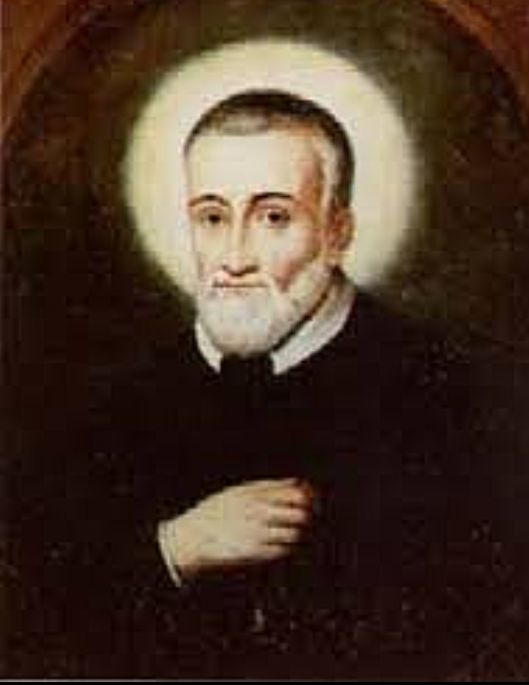
Posted in SAINT of the DAY

Memorials of the Saints – 13 December

St Lucy (of Syracuse) (Memorial) – St Lucy/Lucia of Syracuse (c 283-304) Virgin and Martyr
About St Lucy: https://anastpaul.wordpress.com/2017/12/13/saint-of-the-day-13-december-st-lucy-c-283-304/

St Antiochus of Sulci
Bl Antonio Grassi Cong. Orat. (1592 – 1671)

St Aristone
St Arsenius of Latro
St Aubert of Arras
Bl Bartholomew of Tuscany
BL Costanza Starace
St Edburgh of Lyminge
St Einhildis of Hohenburg
Bl Elizabeth Rose
St Jodocus
BL John Marinoni
St Martino de Pomar
St Odilia of Alsace
St Roswinda
St Tassio of Bavaria
St Wifred
Blessed Mercedarian Knights – (7 beati): A group of Mercedarian knights who fought the enemies of the Catholic faith in the first century of the Order.
• Blessed Bernardo de Podio
• Blessed Giacomo de Copons
• Blessed Giovanni de Bruquera
• Blessed Guglielmo de Sa
• Blessed Pietro Boguer
• Blessed Pietro Ricart
• Blessed Raimondo de Frexa

Martyrs of Jeongju – (6 saints): Six Christian laymen who were imprisoned, tortured and martyred together in the persecutions in Korea. They were beheaded on 13 December 1866 in Supjeong-i, Jeongju, Chungcheong-do, South Korea
and Canonised on 6 May 1984 by St Pope John Paul II.
• Bartholomaeus Chong Mun-Ho
• Iosephus Han Won-So
• Peter Cho Hwa-so
• Petrus Son Son-Ji
• Petrus Yi Myong-So
• Petrus Chong Won-Ji

Martyrs of Sebaste – (5 saints): A group of Christians martyred together in the persecutions of Diocletian. We know little more than their names – Auxentius, Eustratius, Eugene, Mardarius and Orestes. They were martyred in c 302 at Sebaste, Armenia (in modern Turkey) and their relics are enshrined at the church of Saint Apollinaris in Rome, Italy.

Posted in FEASTS and SOLEMNITIES, MARIAN TITLES, SAINT of the DAY, The BLESSED VIRGIN MARY

Thought for the Day – 12 December – Feast of Our Lady of Guadalupe

Thought for the Day – 12 December – Feast of Our Lady of Guadalupe

Mary’s appearance to St Juan Diego as one of his people is a powerful reminder that Mary—and the God who sent her—accept all peoples.   In the context of the sometimes rude and cruel treatment of the Indians by the Spaniards, the apparition was a rebuke to the Spaniards and an event of vast significance for the indigenous population.   While a number of them had converted before this incident, they now came in droves.  According to a contemporary chronicler, nine million Indians became Catholic in a very short time.

In these days when we hear so much about God’s preferential option for the poor, Our Lady of Guadalupe cries out to us that God’s love for and identification with the poor is an age-old truth that stems from the Gospel itself.

Our Lady of Guadalupe, Pray for Us!Our lady of guadalupe pray for us 12 dec 2018 no 3

Posted in FEASTS and SOLEMNITIES, MARIAN DEVOTIONS, MARIAN PRAYERS, MARIAN TITLES, Our MORNING Offering, PAPAL PRAYERS, PRAYERS of the SAINTS, SAINT of the DAY, The BLESSED VIRGIN MARY

Our Morning Offering – 12 December – Feast of Our Lady of Guadalupe

Our Morning Offering – 12 December – Feast of Our Lady of Guadalupe

St Pope Pius X’s Prayer to Our Lady of Guadalupe

Our Lady of Guadalupe,
Mystical Rose,
make intercession for the holy Church,
protect the Sovereign Pontiff,
help all those who invoke thee in their necessities,
and since thou art the ever Virgin Mary
and Mother of the true God,
obtain for us from thy most holy Son
the grace of keeping our faith,
sweet hope in the midst of the bitterness of life,
burning charity
and the precious gift of final perseverance.
Amen

This prayer was approved and enriched with an indulgence of five hundred days by St Pope Pius X at all audience held on August, 1908 and was included in the official edition of approved indulgenced prayers (1950).
Raccolta number 389, 500 days Indulgence, St Pope Pius X audience, 15 August 1908.Prayer to our lady of guadalupe - by st pope pius X 12 dec 2018

Posted in FEASTS and SOLEMNITIES, MARIAN TITLES, SAINT of the DAY, The BLESSED VIRGIN MARY

Feast of Our Lady of Guadalupe – 12 December

Feast of Our Lady of Guadalupe – 12 December

On 9 December 1531, a 57-year-old Aztec, Juan Diego, saw the Blessed Mother on a hill in Mexico City.   She told Juan to have a church built in her honour.   When Juan went to ask Bishop Zumarraga about this, the bishop did not understand the Indian dialect—and he did not believe in the vision Juan described.

our lady of guadalupe lg

Three days later, on 12 December Mary appeared again to Juan Dieg, and this time she gave him a sign for the bishop.   “Take these roses to the bishop,” she said, as she arranged in his cloak beautiful roses she had Juan Diego pick from the hillside although it was winter.   When he was admitted into the bishop’s room, Juan Diego opened his cloak and out dropped the roses.   On the cloak there remained an image of Mary as she had appeared to Juan Diego.

The image of Mary on the cloak is known as Our Lady of Guadalupe for an interesting reason.   On that same day, Mary appeared to Juan’s uncle and cured him, giving him a message for the bishop, saying that she would “crush the serpent’s head.”   The bishop did not understand the Indians’ language.   The Indian word for “crush the serpent” sounded to him like “Guadalupe,” the name of Mary’s shrine in Spain.   Thinking that the Virgin wanted the new shrine to have the same name, the bishop called her Our Lady of Guadalupe.
our lady of guadalupe with st juan diego

Mary appeared to Juan Diego dressed as an Aztec woman to show her love and compassion to an oppressed group of people.   Mary had heard the prayers and pain of these people and she came to give them hope.

our lady of guadalupe artwork

Mary’s visit to Guadalupe is a reminder that God will remember Hs mercy for all people. In Mary’s song of joy, the Magnificat, she praised God because he has put down the mighty, exalted the lowly, filled the hungry, and sent the rich away empty.

The clergy, secular and regular, has been remarkably faithful to the devotion towards Our Lady of Guadalupe, the bishops especially fostering it, even to the extent of making a protestation of faith in the miracle a matter of occasional obligation.   Pope Benedict XIV decreed that Our Lady of Guadalupe should be the national patron of Mexico and made 12 December a holiday of obligation with an octave and ordered a special Mass and Office.   Pope Leo XIII approved a complete historical second Nocturne, ordered the picture to be crowned in his name and composed a poetical inscription for it.   Pope Pius X permitted Mexican priests to say the Mass of Holy Mary of Guadalupe on the twelfth day of every month and granted indulgences which may be gained in any part of the world for prayer before a copy of the picture.our lady of guadalupe glass detail

The place, called Guadalupe Hidalgo since 1822, is three miles northeast of Mexico City. Pilgrimages have been made to this shrine almost without interruption since 1531-1532. A shrine at the foot of Tepeyac Hill served for ninety years and still forms part of the parochial sacristy.   In 1622 a rich shrine was erected and in 1709 a newer, even richer one.   There are also a parish church, a convent and church for Capuchin nuns, a well chapel and a hill chapel all constructed in the 18th century.   About 1750 the shrine got the title of collegiate, a canonry and choir service being established.   It was aggregated to Saint John Lateran in 1754.   In 1904 it was created a basilica, with the presiding ecclesiastic being called abbot.   The shrine has been renovated in Byzantine style which presents an illustration of Guadalupan history.

Holy Mother of Guadalupe, Pray for Us!our lady of guadalupe statue

More here:  https://anastpaul.wordpress.com/2017/12/12/saint-of-the-day-the-feast-of-our-lady-of-guadalupe-12-december/

Posted in FEASTS and SOLEMNITIES, MARIAN TITLES, SAINT of the DAY, The BLESSED VIRGIN MARY

Feast of Our Lady of Guadalupe and Memorials of the Saints – 12 December

Our Lady of Guadalupe (Feast) The First Apparition was on 12 December 1531.
All about Our Lady of Guadalupe: https://anastpaul.wordpress.com/2017/12/12/saint-of-the-day-the-feast-of-our-lady-of-guadalupe-12-december/

St Abra
St Agatha of Wimborne
Bl Bartholomew Buonpedoni
St Pope Callistus II
St Colman of Clonard
St Columba of Terryglass
St Conrad of Offida
St Corentius of Quimper
St Cormac
St Cury
St Donatus the Martyr
St Edburga of Thanet
St Finnian of Clonard
St Gregory of Terracina
St Hermogenes
Bl Ida of Nivelles
Bl James of Viterbo
Bl Ludwik Bartosik
Bl Martin Sanz
St Simon Phan Ðac Hòa
St Spyridon of Cyprus
St Synesius
St Vicelin of Oldenburg

Martyrs of Alexandria – (6 saints): A group of six Christians martyred for their faith during the persecutions of Decius. We know little more than five of their names – Alexander, Ammonaria, Dionysia, Epimachus and Mercuria. They were burned to death c 250 in Alexandria, Egypt.

Martyrs of Trier – (4 saints): A group of six Christians martyred for their faith during the persecutions of Decius. We know little more than five of their names – Alexander, Ammonaria, Dionysia, Epimachus and Mercuria. They were burned to death c 250 in Alexandria, Egypt.

Posted in SAINT of the DAY

Thought for the Day – 11 December – The Memorial of St Pope Damasus I (c 305-384)

Thought for the Day – 11 December – The Memorial of St Pope Damasus I (c 305-384)

To his secretary Saint Jerome (343-420), Damasus was “an incomparable person, learned in the Scriptures, a virgin doctor of the virgin Church, who loved chastity and heard its praises with pleasure.”   Damasus seldom heard such unrestrained praise.   Internal political struggles, doctrinal heresies, uneasy relations with his fellow bishops and those of the Eastern Church marred the peace of his pontificate.

The son of a Roman priest, possibly of Spanish extraction, Damasus started as a deacon in his father’s church and served as a priest in what later became the basilica of San Lorenzo in Rome.   He served Pope Liberius (352-366) and followed him into exile.

When Liberius died, Damasus was elected bishop of Rome but a minority elected and consecrated another deacon, Ursinus, as pope.   The controversy between Damasus and the antipope resulted in violent battles in two basilicas, scandalising the bishops of Italy. At the synod that Damasus called on the occasion of his birthday, he asked them to approve his actions.   The bishops’ reply was curt:  “We assembled for a birthday, not to condemn a man unheard.”   Supporters of the antipope even managed to get Damasus accused of a grave crime—probably sexual—as late as  378.   He had to clear himself before both a civil court and a Church synod.

As pope, his lifestyle was simple in contrast to other ecclesiastics of Rome and he was fierce in his denunciation of Arianism and other heresies.   A misunderstanding of the Trinitarian terminology used by Rome threatened amicable relations with the Eastern Church and Damasus was only moderately successful in dealing with that challenge.

During his pontificate, Christianity was declared the official religion of the Roman state, and Latin became the principal liturgical language as part of the pope’s reforms.   His encouragement of Saint Jerome’s biblical studies led to the Vulgate, the Latin translation of Scripture which 12 centuries later the Council of Trent declared to be “authentic in public readings, disputations, preaching.”

The history of the papacy and the Church is inextricably mixed with the personal biography of Damasus.   In a troubled and pivotal period of Church history, he stands forth as a zealous defender of the faith who knew when to be progressive and when to entrench.

Damasus makes us aware of two qualities of good leadership – alertness to the promptings of the Spirit and service.   His struggles are a reminder that Jesus never promised His Rock protection from hurricane winds nor His followers immunity from difficulties.   His only guarantee is final victory.   Never forget this!

St Pope Damasus, Pray for the Church, Pray for us All!st pope damasus I pray fo us 11 dec 2018

Posted in PAPAL MESSAGES, QUOTES of the SAINTS, SAINT of the DAY

Quote of the Day – 11 December

Quote of the Day – 11 December – The Memorial of St Pope Damasus I (c 305-384)

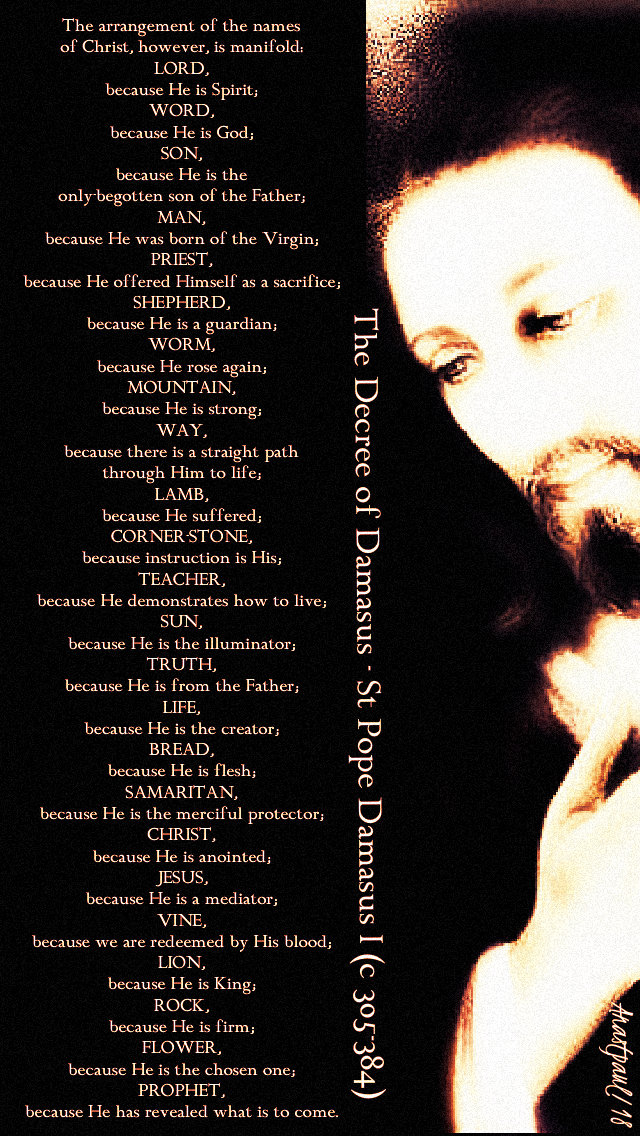
The arrangement of the names of Christ, however, is manifold:
LORD,
because He is Spirit;
WORD,
because He is God;
SON,
because He is the only-begotten son of the Father;
MAN,
because He was born of the Virgin;
PRIEST,
because He offered Himself as a sacrifice;
SHEPHERD,
because He is a guardian;
WORM,
because He rose again;
MOUNTAIN,
because He is strong;
WAY,
because there is a straight path through Him to life;
LAMB,
because He suffered;
CORNER-STONE,
because instruction is His;
TEACHER,
because He demonstrates how to live;
SUN,
because He is the illuminator;
TRUTH,
because He is from the Father;
LIFE,
because He is the creator;
BREAD,
because He is flesh;
SAMARITAN,
because He is the merciful protector;
CHRIST,
because He is anointed;
JESUS,
because He is a mediator;
VINE,
because we are redeemed by His blood;
LION,
because He is King;
ROCK,
because He is firm;
FLOWER,
because He is the chosen one;
PROPHET,
because He has revealed what is to come.

from the Decree of Damasus (attributed to St Pope Damasus I)

St Pope Damasus I (c 305-384)the decree of st pope damasus no 3 - 11dec2018

Posted in CARMELITES, SAINT of the DAY

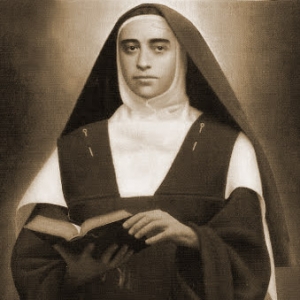
Saint of the Day – 11 December – St María Maravillas de Jesús OCD (1891-1974)

Saint of the Day – 11 December – St María Maravillas de Jesús OCD (1891-1974) Carmelite Religious, Prioress, Contemplative, Apostle of Charity, founder of several houses for her order and even set one up in India after serving a brief exile with fellow religious due to the outbreak of the Spanish Civil War – born María de las Maravillas Pidal Chico de Guzmán on 4 November 1891 in Madrid, Spain and died on 11 December 1974 in La Aldehuela monastery, Madrid province, Spain of natural causes, where her remains now lie.HEADER M.-Maravillas-y-el-Cerro.jpg

María de las Maravillas was born in Madrid, Spain, the fourth child of Luis, the second Marquis of Pidal and Cristina.   At the time her father was the Spanish Ambassador to the Holy See and she grew up in a devout Catholic family.

María made a vow of chastity at the age of five and devoted herself to charitable work. After coming into contact with the writings of St John of the Cross and St Teresa of Jesus, she felt called to become a Discalced Carmelite.

Her father, whom she had faithfully assisted when he became ill, died in 1913 and her mother was reluctant to accept her daughter’s decision to enter the Carmelite monastery. However, on 12 October 1919, María did enter the Discalced Carmelites in Madrid and made her simple vows on 7 May 1921.mariamaravillasofjesus

Before her final profession on 30 May 1924, Sr María had already received a special call from God to found the Carmel of Cerro de los Ángeles and the foundation was inaugurated in 1926 with three other Carmelites.   This was the first of many Teresian Carmelite Monasteries that she would establish, according to the Rule and Constitutions of the Discalced Carmelites.   María was not being called to found a new order or to “branch off” from the Discalced Carmelites – she herself was very careful in pointing this out; she only sought to live deeply and to transmit the spirit and ideals of her holy parents in Carmel, St Teresa and St John.

Her role as prioress would be permanent in the various monasteries she founded throughout her life, notwithstanding the natural aversion and sense of inadequacy she felt in accepting positions of responsibility.   María’s spirit of obedience and love for the Church and for her Carmelite sisters, however, gave her the strength and diligence to carry out this duty with love.madre-maravillas

The Spanish Civil War erupted in July of 1936 and the sisters at Cerro de los Angeles were arrested and lived for fourteen months in a small apartment under house arrest.   Even amid enormous deprivation, Mother Maravillas instilled courage and happiness, always being an admirable example to her daughters.

But she also remained a mystery even to the nuns closest to her, since only her spiritual directors knew the “dark night of the soul” that she lived throughout her life, which kept her in profound spiritual aridity and trials and made total faith and abandonment to the will of God her guide.Maravillas de Jesús.jpg

In the following years, foundations were established in other parts of Spain.   From what I could tell on a time line on the internet, she found 11 new communities and was involved with restoring others damaged by the Civil War.

She distinguished herself by her faithfulness in fulfilling the Rule and Constitutions of the Discalced Carmelites and supported many charitable projects for the poor in Spain. She had a great enthusiasm for the charism of Carmel.   By word and example she led a fervent contemplative life in service to the Mystical Body of Christ.

In order to unite the monasteries she had established and others associated with them, Mother Maravillas obtained approval in 1972 from the Holy See to found the Association of St Teresa.   There are a total of 10 monasteries in the US and Canada that belong to this Association.   The intro about the Assoc. reads, “The St. Teresa Association is a group of monasteries of Discalced Carmelite Nuns formed in 1975 to strengthen one another in living our contemplative vocation in the Church.   Membership is based on spiritual affinity rather than geographical boundaries and we share a common desire to bear witness in these times to the charism and spirit of the Order of Discalced Carmelite Nuns founded by St Teresa of Avila in 1562.”Maravillas de Jesús 2

On 8 December 1974, Mother Maravillas was anointed and received Holy Communion. On 11 December surrounded by her community, she died in peace at the age of 84. As she died she kept repeating “What happiness to die a Carmelite!”   A perfume of spice arose from her body.

She was Beatified by St Pope John Paul II on 10 May 1998 at St Peter’s in Rome and Canonised on 4 May 2003 in Madrid.   Today 11 December is her feast day, the anniversary of her entrance into eternity.682px-Saint_Maravillas_de_Jesús_-_Catedral_de_la_AlmudenaStMaravillasHarissa-500x500

(from http://www.meditationsfromcarmel.com/content/st-maria-maravillas-jesus)

Posted in SAINT of the DAY

Memorials of the Saints – 11 December

St Pope Damasus I (c. 305-384) (Optional Memorial)
Biography: https://anastpaul.wordpress.com/2017/12/11/saint-of-the-day-11-december-st-pope-damasus-i-c-305-384/

St Aithalas of Arbela
St Apseus of Arbela
Bl Arthur Bell
Barsabas of Persia
St Cian
St Daniel the Stylite
Bl David of Himmerod
Bl Dominic Yanez
St Eutychius the Martyr
St Fidweten
Bl Franco of Siena
Bl Hugolinus Magalotti
Bl Jean Laurens
Bl Kazimierz Tomasz Sykulski
St María Maravillas de Jesús OCD (1891-1974)

Bl Martín Lumbreras Peralta
Bl Martino de Melgar
Bl Melchor Sánchez PérezPens
Bl Pilar Villalonga Villalba
Bl Severin Ott
Martyrs of Saint Aux-Bois – (3 saints): Two Christian missionaries and one of their local defenders who faith in the persecutions of governor Rictiovarus – Fuscian, Gentian and Victoricus. They were beheaded in 287 in Saint Aux-Bois, Gaul (in modern France).

Martyrs of Rome – (3 saints): Three Christians murdered in the persecutions of Diocletian for giving aid to Christian prisoners – Pontian, Practextatus and Trason. They were imperial Roman citizens. They were martyred in c 303 in Rome, Italy.

Posted in MARIAN DEVOTIONS, MARIAN TITLES, SAINT of the DAY, The BLESSED VIRGIN MARY

Thought for the Day – 10 December – The Feast of Our Lady and the Holy House of Loreto

Thought for the Day – 10 December – The Feast of Our Lady and the Holy House of Loreto

There are some curious facts about the Holy House.

The stone on which the original walls are built and the mortar used in their construction have never been indigenous to the neighborhood of Loreto.   But both stone and mortar are alleged to be chemically identical with the materials most commonly found in Nazareth.

The Holy House does not rest and has never rested upon foundations sunk into the earth where it now stands.   The point was formally investigated in 1751 under Pope Benedict XIV.   What was then found is, therefore, fully in accord with the tradition of a building transferred whole from some more primitive site.

There are other strange facts in The House of the Virgin Mary.   So much is this the case, that when one turns the final page, the Holy House of Loreto continues to be as enigmatic as when one started reading.   In fact, it remains as puzzling, perhaps, as when it first appeared so far from the Holy Land.   It holds its secrets yet.   For those who come as pilgrims, however, it leaves its mark.   Our faith is tied to Mystery and this is one of them!

Our Lady of Loreto, Pray for Us!our lady of loreto pray for us - 10 dec 2017

Posted in MARIAN DEVOTIONS, MARIAN QUOTES, MARIAN TITLES, QUOTES of the SAINTS, QUOTES on FAITH, SAINT of the DAY

Quote of the Day – 10 December – Bl John Henry Newman on the Holy House of Loreto

Quote of the Day – 10 December –

The Feast of Our Lady and the Holy House of Loreto

“I went to Loreto with a simple faith,
believing what I still believe,
even more so after having seen.
Now I no longer have any doubts.”

Blessed Cardinal Henry John Newman (1801-1890)
Written in 1848i-went-to-loreto-bl-john-henry-newman-10-dec-2018 no 3

Posted in MARIAN DEVOTIONS, MARIAN PRAYERS, MARIAN TITLES, PAPAL PRAYERS, SAINT of the DAY, The BLESSED VIRGIN MARY

Our Morning Offering – 10 December – The Feast of Our Lady and the Holy House of Loreto

Our Morning Offering – 10 December – The Feast of Our Lady and the Holy House of Loreto

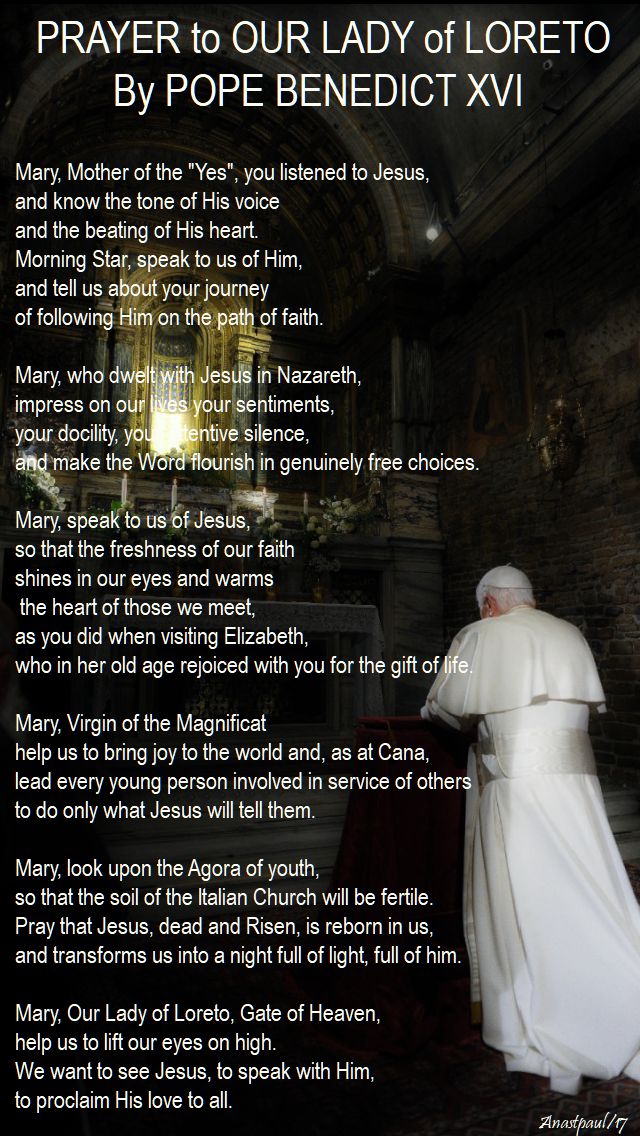
Prayer to Our Lady of Loreto
By Pope Benedict XVI

Mary, Mother of the “Yes”, you listened to Jesus,
and know the tone of His voice
and the beating of His heart.
Morning Star, speak to us of Him,
and tell us about your journey
of following Him on the path of faith.

Mary, who dwelt with Jesus in Nazareth,
impress on our lives your sentiments,
your docility, your attentive silence,
and make the Word flourish in genuinely free choices.

Mary, speak to us of Jesus,
so that the freshness of our faith
shines in our eyes and warms
the heart of those we meet,
as you did when visiting Elizabeth,
who in her old age rejoiced with you for the gift of life.

Mary, Virgin of the Magnificat
help us to bring joy to the world and, as at Cana,
lead every young person involved in service of others
to do only what Jesus will tell them.

Mary, look upon the Agora of youth,
so that the soil of the Italian Church will be fertile.
Pray that Jesus, dead and Risen, is reborn in us,
and transforms us into a night full of light, full of him.

Mary, Our Lady of Loreto, Gate of Heaven,
help us to lift our eyes on high.
We want to see Jesus, to speak with Him,
to proclaim His love to all.

BENEDICTUS PP. XVI
4 October 2012prayer-to-our-lady-of-loreto-by-pope-benedict-2012-made-10-dec-2017

Posted in SAINT of the DAY

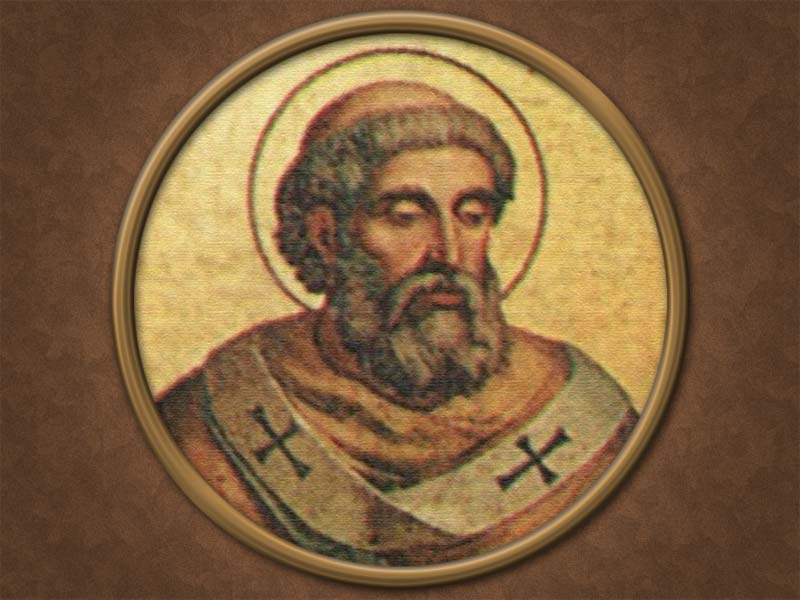
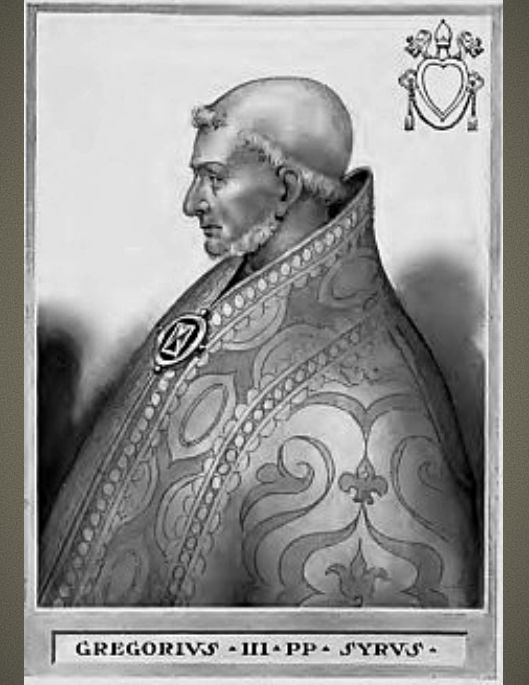
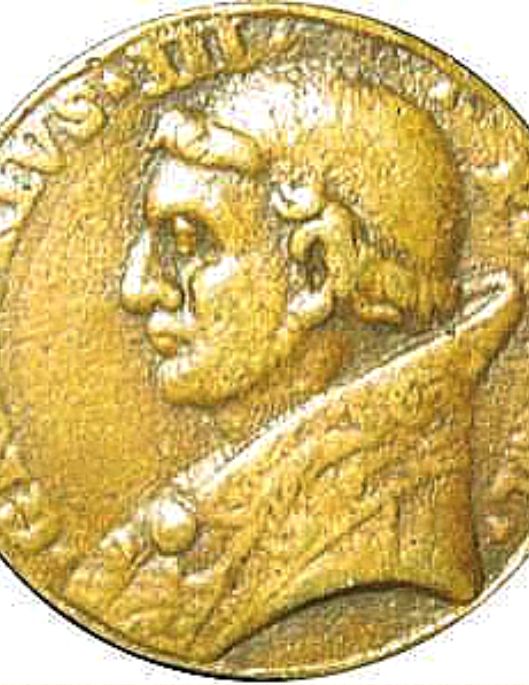
Saint of the Day – 10 December – St Pope Gregory III (Died 741)

Saint of the Day – 10 December – St Pope Gregory III (Died 741) Cardinal Deacon until his Papal Ascension on 11 February 731 – 28 November 741, on his death of natural causes.

As the funeral procession of St Gregory II moved slowly along, there was a sudden outcry.   The clergy and people shouted that Gregory, a Syrian who was walking with the Pope’s bier, should be the next pope.   And they hurried him off without further ado and elected him.   The man who could arouse such unusual and universal enthusiasm must have been a striking personality.   And indeed the biographer of Gregory paints him in glowing colours.   He was an educated man who knew both Latin and Greek, polished in style, learned in Holy Scripture, pious, zealous for the faith and a lover of the poor.SaintGregoryIII

Consecrated on 18 March 731, Gregory immediately appealed to the Byzantine Emperor Leo III to moderate his position on the iconoclastic controversy.   When Gregory’s representative was arrested on the orders of the emperor, Gregory called a synod in November 731, which condemned iconoclasm outright.   Leo responded by trying to bring the Pope under control, although the fleet he sent to enforce the imperial will was shipwrecked in the Adriatic Sea.    He then proceeded to appropriate papal territories in Sicily and Calabria and transferred ecclesiastical jurisdictions in the former praetorian prefecture of Illyricum to the Patriarch of Constantinople.   However, his attempt to force the Duke of Naples to enforce an imperial decree to confiscate papal territory in the duchy failed, as the duke was supportive of the pope’s stand.

Gregory, in the meantime, demonstrated his opposition to iconoclasm by emphasising his veneration of icons and relics.   He repaired or beautified numerous churches, which involved their decoration with icons and images of Jesus Christ, the Virgin Mary and the saints.    He ordered to be erected in the heart of St Peter’s Basilica an iconostasis, situated between six onyx and marble columns which had been sent to Gregory as a gift from the exarch Eutychius.

He built a new oratory in St Peter’s Basilica to house the relics of a number of saints, convoking a synod in 732 in order to regulate the prayers and masses to be said there.  Gregory was an enthusiastic supporter of monasticism, he established the monastery of St Chrysogonus and rebuilt the hospice of Saints Sergius and Bacchus, near St. Peter’s, endowing it for the support of the poor._st pope gregory III my edit

The Emperor also transferred the Church in Calabria, Sicily, and Illyricum from the jurisdiction of the bishop of Rome as patriarch to the jurisdiction of the patriarch of Constantinople.   This arbitrary act was a remote cause of the unhappy Eastern Schism.   It made the patriarchate of Constantinople practically coterminous with the Eastern Empire.   And in spite of the fact that it had been thus arbitrarily given to them by a heretical emperor, the patriarchs of Constantinople clung to their increased jurisdiction.

Gregory promoted the Church in northern Europe.   He supported the continuing mission of Saint Boniface (c 675-754) in Germany, elevating him to the rank of archbishop of Germany in 732 and, after a personal visit to Rome from Boniface in 737, where he was meant to attend a synod which does not appear to have been held, Gregory made Boniface a papal legate in Germany and asked him to reorganise the episcopal sees in Germany.   Gregory sent Boniface back to Bavaria with three letters. One commanded the bishops and higher ecclesiastical officers to provide Boniface with as much help as they could.   A second was addressed to the nobles and people of Germany, urging them to obey Boniface.   A third, addressed to the bishops in Alamannia and Bavaria, confirmed Boniface’s status as the papal vicarus, ordering them to assemble in a council twice a year at Augsburg under Boniface’s authority.   Gregory promoted the mission of St Willibald (c 700-c 787) in Germany.

Once more a pope was troubled by the Lombards.   Liutprand, King of the Lombards, strove to break the Lombard Dukes of Spoleto and Benevento and to overrun all Italy.  He ravaged Ravenna and marched south.   The Dukes allied themselves with Pope Gregory but nothing could stop Liutprand.   Once more the Lombards ravaged Roman territory. The Pope, at a loss, appealed to Charles Martel, the Frankish “hammer.”   Charles sent an embassy to Rome but no help.   Actually he could do little, for his health was failing.

In the middle of all this trouble, late in 741, St. Gregory III died. He was succeeded by Pope Zachary. He was buried in St Peter’s Basilica, in the oratory he had built at the start of his pontificate.st pope gregory III edit

Posted in MARIAN TITLES, SAINT of the DAY

Feast of Our Lady and the Holy House of Loreto and Memorials of the Saints – 10 December

Our Lady of Loreto 10 December – The title Our Lady of Loreto refers to the Holy House of Loreto, the house in which Mary was born and where the Annunciation occurred and to an ancient statue of Our Lady which is found there. Tradition says that a band of angels scooped up the little house from the Holy Land and transported it first to Tersato, Dalmatia in 1291, then Recanati, Italy in 1294 and finally to Loreto, Italy where it has been for centuries. It was this flight that led to her patronage of people involved in aviation and the long life of the house that has led to the patronage of builders, construction workers, etc. It is the first shrine of international renown dedicated to the Blessed Virgin, and has been known as a Marian center for centuries. Popes have always held the Shrine of Loreto in special esteem and it is under their direct authority and protection.loreto-statue3.jpg

The Holy House of Loreto – The feast is so named from the tradition that the house where the Holy Family lived in Nazareth, was transported by angels to the city of Loreto, Italy. The Holy House is now encased by a basilica. It has been one of the famous shrines of the Blessed Virgin since the 13th century.
A complete background here: https://anastpaul.wordpress.com/2017/12/10/the-feast-of-the-our-lady-of-loreto-and-the-holy-house-10-december/

St Abundius
St Albert of Sassovivo
St Angelina of Serbia
Bl Brian Lacey
BL Bruno of Rommersdorf
St Caesarius of Epidamnus
St Carpophorus
St Deusdedit of Brescia
St Edmund Gennings
St Emérico Martín Rubio
St Eulalia of Merida
St Eustace White
St Florentius of Carracedo
St Fulgentius of Afflighem
St Gemellus of Ancyra
St Gonzalo Viñes Masip
St Pope Gregory III (Died 741)
Bl Guglielmo de Carraria
St Guitmarus
St Hildemar of Beauvais
Bl Jerome Ranuzzi
Bl John Mason
St Julia of Merida
St Lucerius
Bl Marco Antonio Durando
St Maurus of Rome
St Mercury of Lentini
St Pope Miltiades
St Polydore Plasden
Bl Sebastian Montanol
Bl Sidney Hodgson
St Sindulf of Vienne
St Swithun Wells
St Thomas of Farfa
Bl Thomas Somers
St Valeria
Martyrs of Alexandria – 3 saints – A group of Christians murdered for their faith in the persecutions of Galerius Maximian – c312. The only details that have survived are three of the names – Eugraphus, Hermogenes and Mennas.

Posted in MARIAN DEVOTIONS, MARIAN PRAYERS, MARIAN QUOTES, MARIAN TITLES, MORNING Prayers, PAPAL SERMONS, QUOTES of the SAINTS, SAINT of the DAY, The BLESSED VIRGIN MARY

Thought for the Day – 9 December – The Memorial of St Juan Diego Cuauhtlatoatzin (1474-1548)

Thought for the Day – 9 December – The Memorial of St Juan Diego Cuauhtlatoatzin (1474-1548) “The eagle who speaks”.

At the dawn of Mexican evangelisation Saint Juan Diego holds a place all by himself; according to tradition, his indigenous name was Cuauhtlatohuac, “The eagle who speaks”.

His lovable figure is inseparable from the Guadalupe event, the miraculous maternal manifestation of the Virgin, Mother of God, both in iconographic and literary memorials as well as in the centuries-old devotion which the Mexican Church has shown for this Indian so loved by Mary.

Similar to ancient Biblical personages who were collective representations of all the people, we could say that Juan Diego represents all the indigenous peoples who accepted the Gospel of Jesus, thanks to the maternal aid of Mary, who is always inseparable from the manifestation of her Son and the spread of the Church, as was her presence among the Apostles on the day of Pentecost.

The information about him that has reached us praises his Christian virtues – his simple faith, nourished by catechesis and open to the mysteries, his hope and trust in God and in the Virgin, his love, his moral coherence, his unselfishness and evangelical poverty. Living the life of a hermit here near Tepeyac, he was a model of humility.

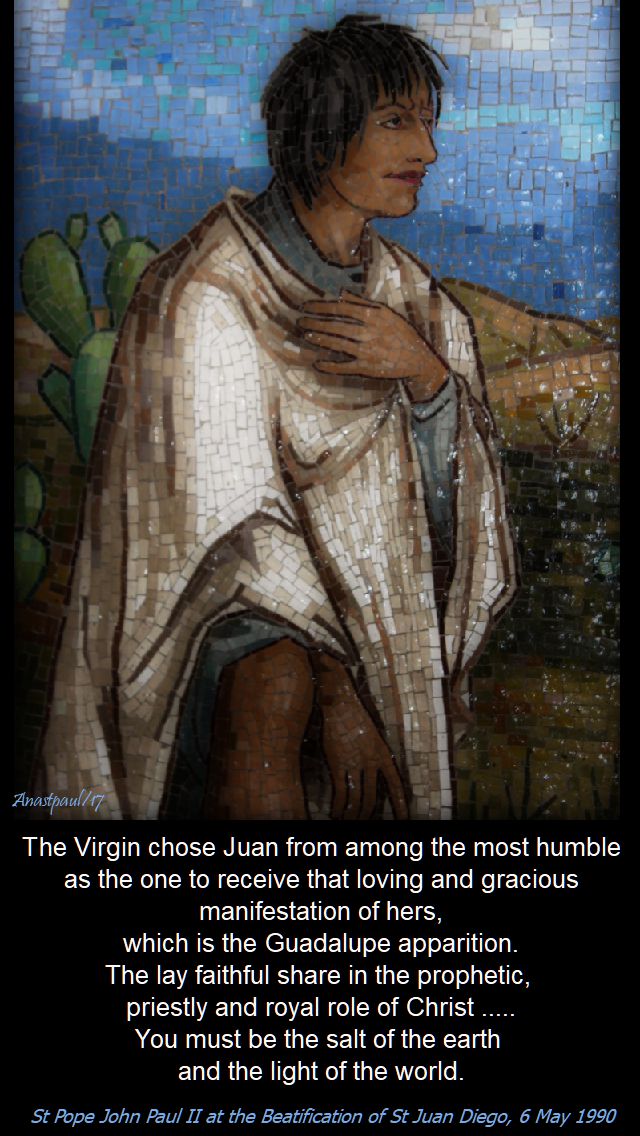
The Virgin chose him from among the most humble as the one to receive that loving and gracious manifestation of hers which is the Guadalupe apparition.   Her maternal face and her Saint image which she left us as a priceless gift is a permanent remembrance of this.   In this manner she wanted to remain among you as a sign of the communion and unity of all those who were to live together in this land.   The recognition of the cult which for centuries has been paid to the layman Juan Diego takes on a special importance.   It is a strong call to all the lay faithful of this nation to assume all their responsibilities, for passing on the Gospel message and witnessing to one faith active and working in the sphere of Mexican society.the-virgin-chose-juan-st-john-paul-9-dec-2017.jpg

From this privileged spot of Guadalupe, ever-faithful heart of Mexico, I wish to call on all the Mexican laity, to commit themselves more actively to the re-evangelisation of society. The lay faithful share in the prophetic, priestly and royal role of Christ (cf. Lumen Gentium, 31) but they carry out this vocation in the ordinary situations of daily life.   Their natural and immediate field of action extends to all the areas of human coexistence and to everything that constitutes culture in the widest and fullest sense of the term.   As I wrote in the Apostolic Exhortation Christifideles Laici: “In order to achieve their task directed to the Christian animation of the temporal order, in the sense of serving persons and society, the lay faithful are never to relinquish their participation in public life, that is, in the many different economic, social, legislative, administrative and cultural areas, which are intended to promote organically and institutionally the common good” (n. 42).

Catholic men and women of Mexico, your Christian vocation is, by its very nature, a vocation to the apostolate (cf. Apostolicam Actuositatem, 3).   Therefore, you cannot remain indifferent before the suffering of your brothers and sisters, before the poverty, corruption and outrages committed against the truth and human rights.   You must be the salt of the earth and the light of the world (cf. Matthew 5:13-14).

Thus the Lord says once more to us today: “Let your light shine before men that they may see your good works and glorify your Father who is in heaven” (Matthew 5:16).   Juan Diego too shines before you, raised by the Church to the honours of the altar, we can invoke him as the protector and the advocate of the indigenous peoples.

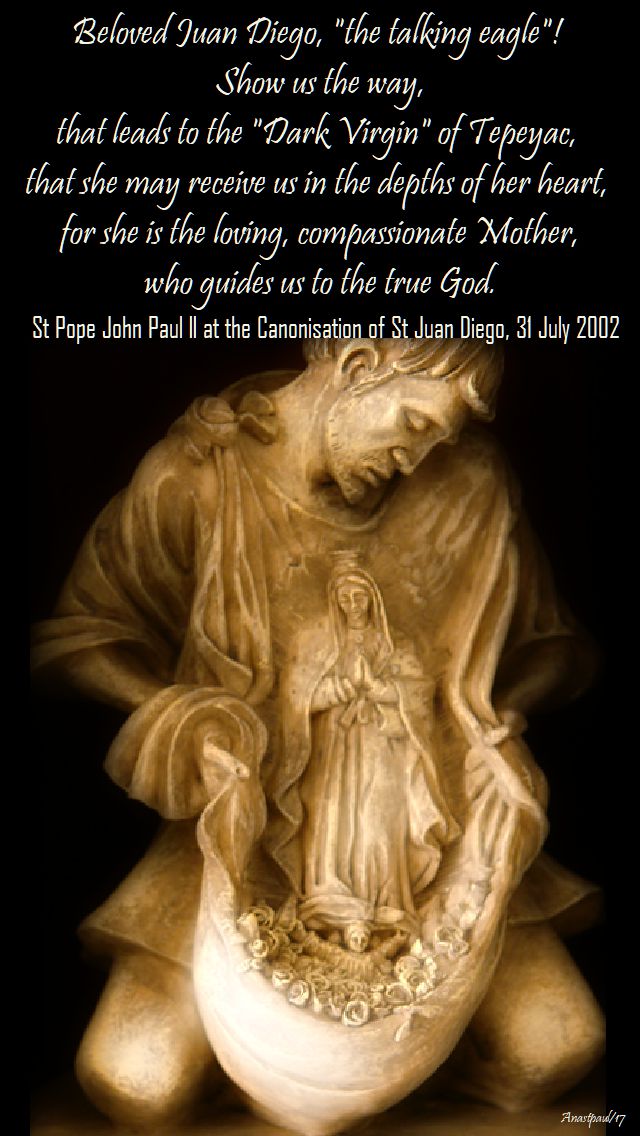
Beloved Juan Diego, “the talking eagle”! 
Show us the way,
that leads to the “Dark Virgin” of Tepeyac, 
that she may receive us in the depths of her heart, 
for she is the loving, compassionate Mother,
who guides us to the true God.

Pope John Paul II at the beatification of Saint Juan Diego, 6 May 1990beloved-st-juan-st-john-paul-9-dec-2017

“Let not your heart be disturbed. 
Do not fear that sickness, 
nor any other sickness or anguish. 
Am I not here, who is your Mother? 
Are you not under my protection? 
Am I not your health? 
Are you not happily within my fold? 
What else do you wish? 
Do not grieve nor be disturbed by anything.”

Our Lady to Juan Diego, 9 December 1531let-not-your-heart-be-disturbed-our-lady-guadalupe-9-dec-2017

St Juan Diego, Pray for us all!st-juan-diego-pray-for-us - 9 dec 2017