Posted in QUOTES on HEAVEN, QUOTES on HERESY, QUOTES on REASON/INTELLECT, Quotes on SALVATION, QUOTES on TEMPTATION, QUOTES on the CHURCH, QUOTES on THE WORLD, SAINT of the DAY

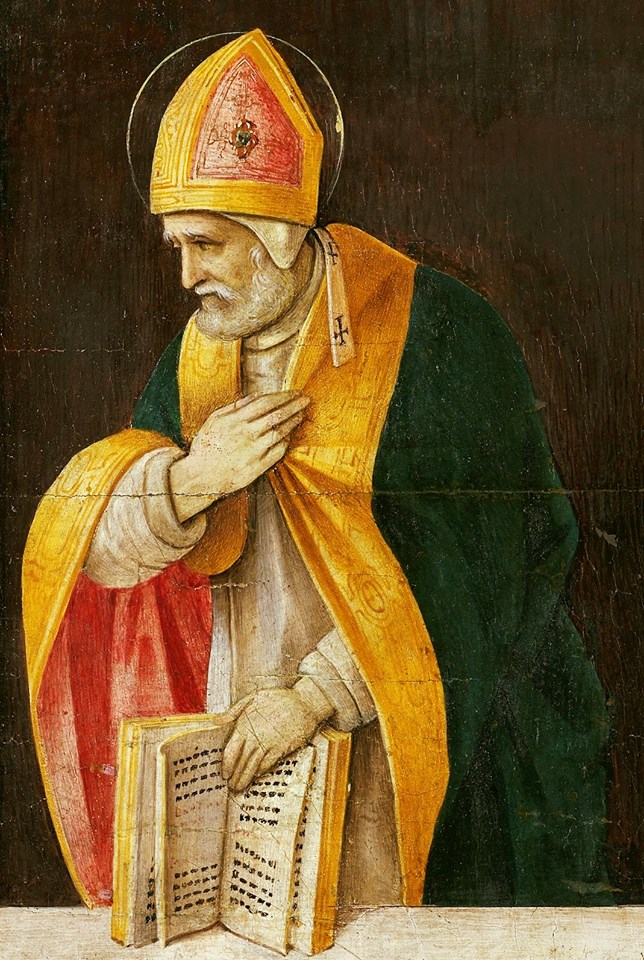
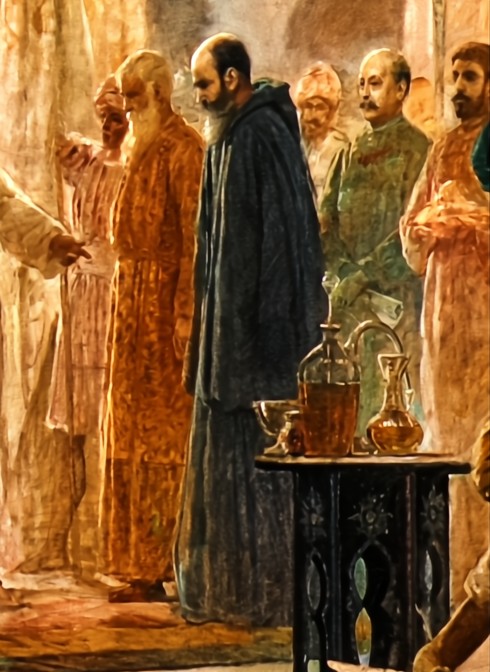
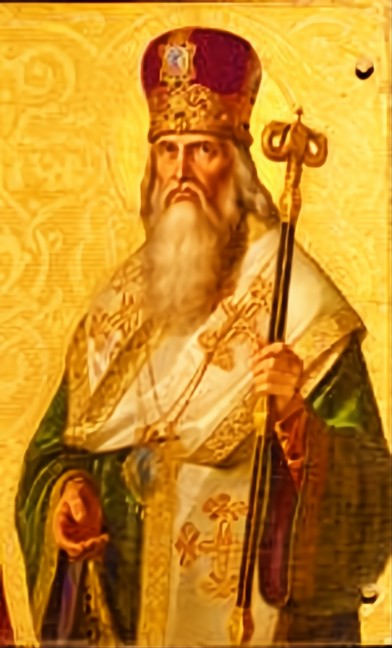
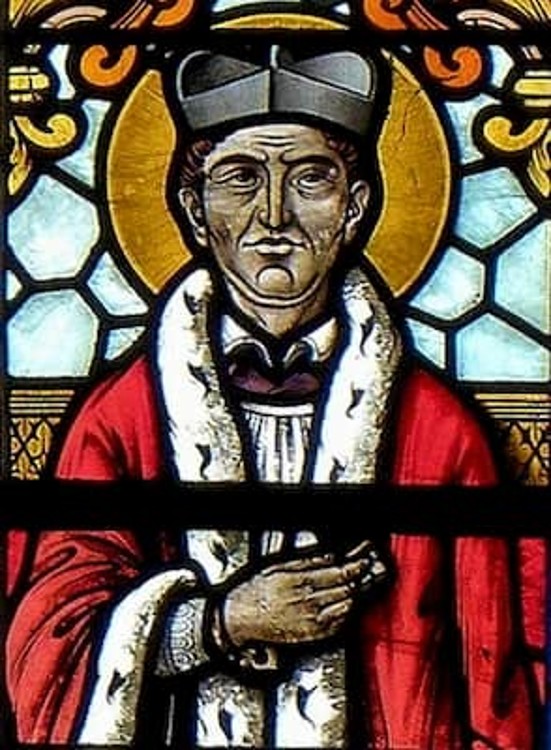
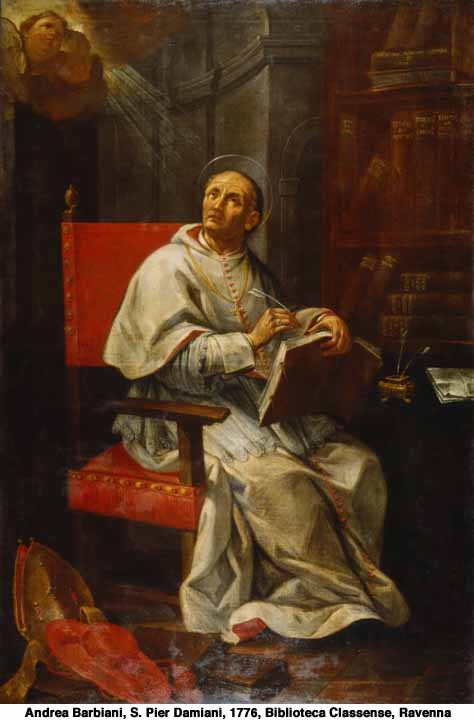
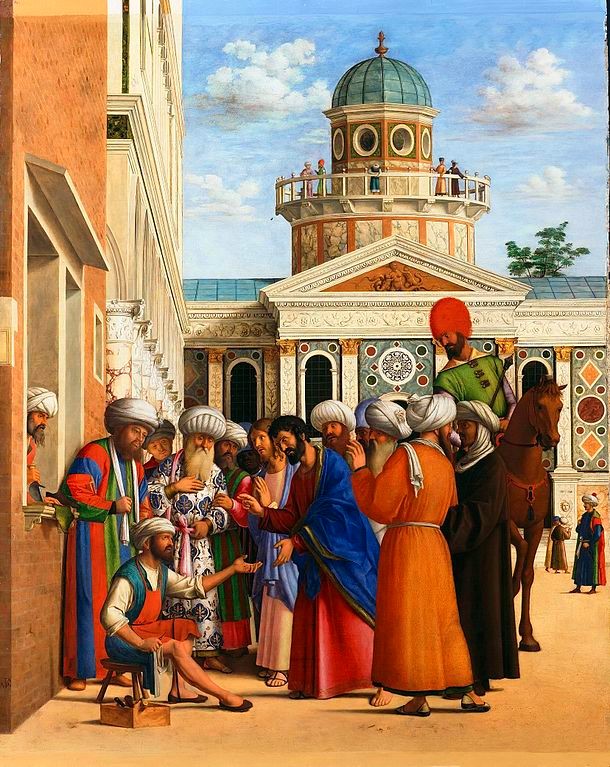
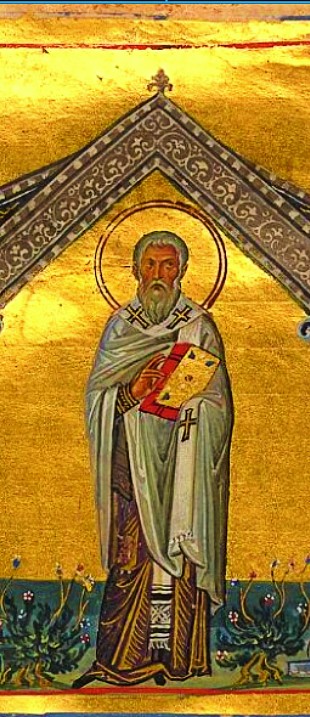
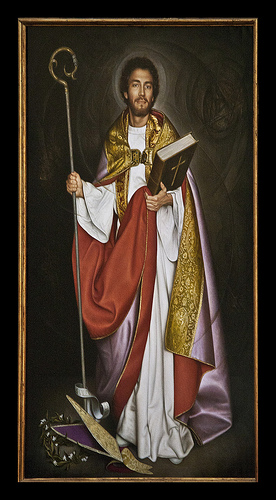
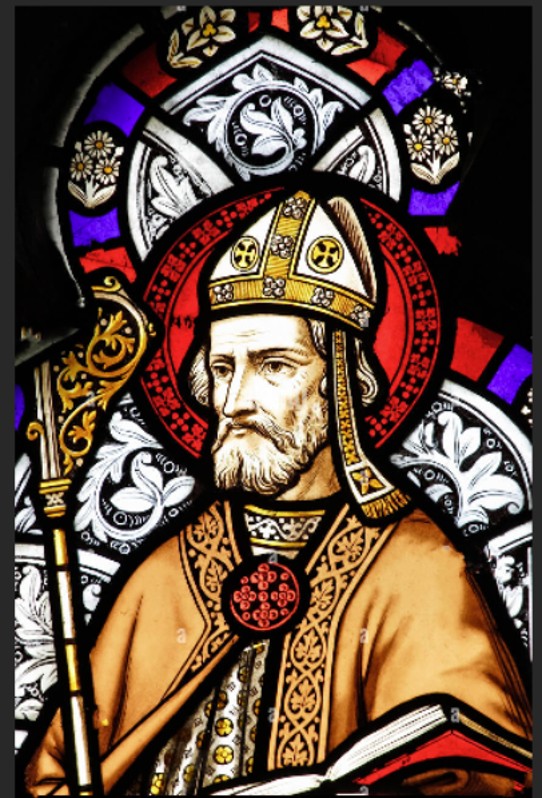
Quote/s of the Day – 17 January – St Anthony Abbot

Quote/s of the Day – 17 January – St Anthony Abbot (251-356)

Do not have a single thing to do
with schismatics and absolutely
nothing with heretics
…”

“Men are often incorrectly called intelligent.
Intelligent men are not those who are erudite
in the sayings and books of the wise men of old
but those, who have an intelligent soul
and can discriminate between good and evil.
They avoid what is sinful and harms the soul
and, with deep gratitude to God,
they resolutely adhere, by dint of practice,
to what is good and benefits the soul.
These men alone, should truly,
be called intelligent.

Whoever has not experienced temptation
cannot enter into the Kingdom of Heaven.
Without temptations, no-one can be saved
!”

MORE:
https://anastpaul.com/2024/01/17/quote-s-of-the-day-17-january-st-anthony-abbot-3/

St Anthony Abbot (251-356)

Posted in DOMINICAN OP, SAINT of the DAY

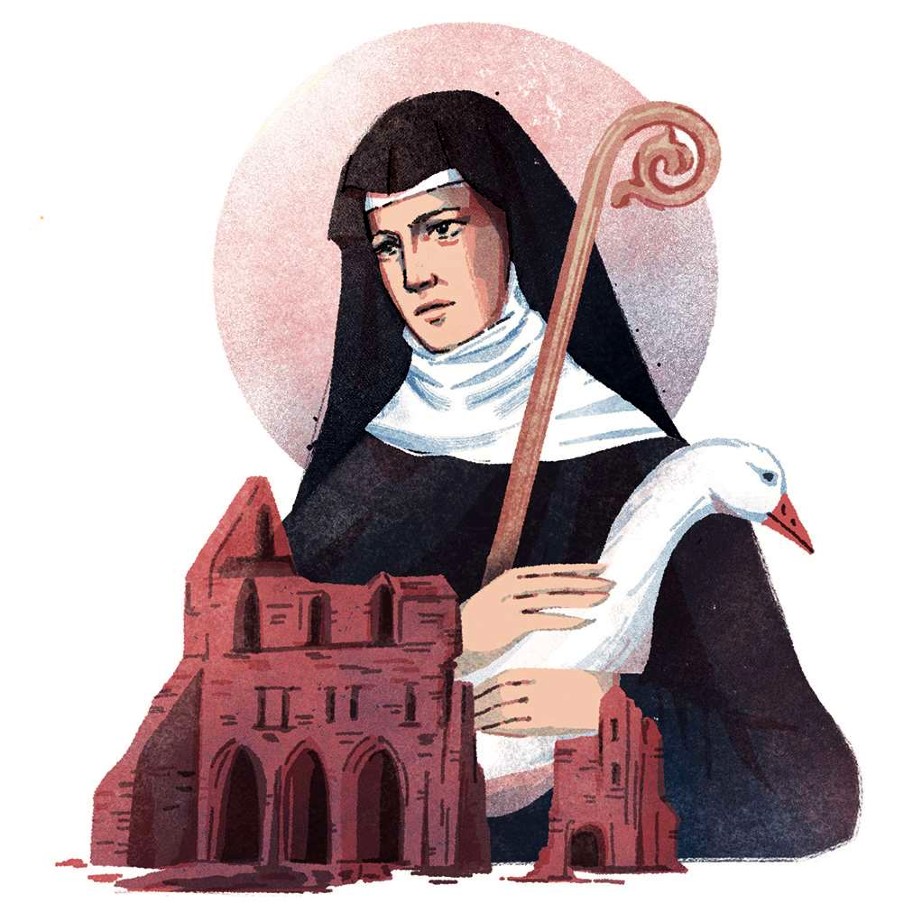
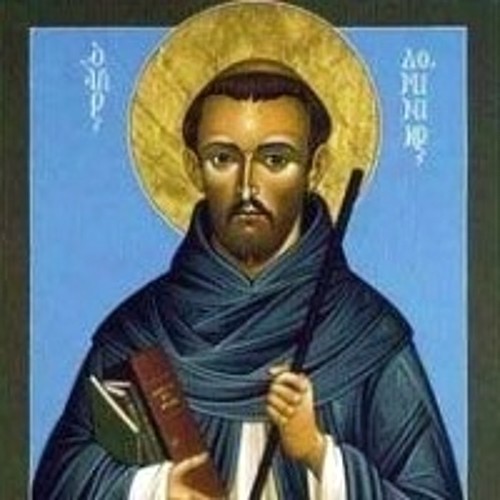
Saint of the Day – 17 January – Blessed Euphemia Domitilla OP (c1299-1359) Prioress

Saint of the Day – 17 January – Blessed Euphemia Domitilla OP (c1299-1359) Prioress and Religious of the Order of Preachers, an Ascetic and a devout Penitent. Euphemia displayed a deep devotion to the Passion, the Blessed Sacrament and the Blessed Virgin. She ruled as Prioress consistently and practised great service to the Convent and construction of a new Church. She was ever disposed to teach the young and assist the needy. Her Cause is ongoing. Born in c1299 in Silesia in modern Poland and died on 17 January 1359 in Racibórz, Poland of natural causes, Also known as – Eufemia of Racibórz, Ofka (a pet name).

In the Castle of Racibórz (a town in Silesi – modern Poland), in 1299, Euphemia was born, the 2nd daughter of Duke Przemislaus of Racibórz and his wife Anna, daughter of Konrad II Czerski. The child took the name of her paternal grandmother, with the diminutive Ofka.

Her father made a vow to God and the Virgin Mary that he would found a Dominican Convent where one of his daughters would become a Nun of that Order. In 1306, the promisebecame the truth, with the construction of the Convent of the Holy Ghost.

Ofka spent her childhood at Court, receiving a deeply religious education. She studied at the Convent of St Catherine, spending many hours of the day in prayer. She loved to meditate ,in particular, on the Passion of the Lord, even with night vigils. She had a great devotion to the Blessed Sacrament and carefully prepared herself to participate in the Divine Mass. She added penitential acts to her prayers – fasting and a hair shirt.

The first biographer narrates a miraculous event which confirmed her vocation – one night she saw the Dominican Church of Racibórz illuminated by three rays and in a glow the dove of the Holy Ghost. Thus her father’s vow was fulfilled, even though her marriage was being arranged, to take place in 1311, with the Duke of Brunswick. This event had to be cancelled and at the age of 14, Ofka donned the Religious Habit, with a solemn ceremony, becoming Sister Domitilla Euphemia.

She lived the rest of her life in seclusion, holding the position of Prioress several times, at least in the years 1341, 1344 and 1349-1359. There are thirty-one legal Decrees signed by her,. We also know that she dedicated herself to the construction of the Church and to the expansion of the Convent thanks to the generous donations she was able to obtain.
Nicholas II of Przemyśl was so benevolent towards the Convent that he entrusted his three daughters Agnieszka and Elżbieta, who later became Nuns, to the Nuns for their education, while one sister entered after being widowed.

Sister Euphemia Domitilla managed to obtain approval on 6 June 1344 by Papal Bull, for the strict observance, from Pope Clement VI. She also had a strong Marian devotion, so much so that, she was always depicted with the Rosary in her hand. She led her Nuns to live an authentically contemplative consecration, in the spirit of the Order of Preachers. She also took care of the education of girls in the Convent as boarders. Help was never lacking for the poor and needy who knocked on the door of the Convent, even in times of economic hardship, due to war or natural disasters.

Over the years, Sister Euphemia Domitilla intensified her ascetic practices, her life of self-denial was well known beyond the walls of the Convent. After about a year of illness, she died on 17 January 1359 and was buried in the crypt under the Chapel of St. Dominic, the mausoleum of the Dukes of Racibórz.

Her memory remained alive, some portraits were circulated. An increasing number of people, praying to her, obtained graces and miracles. The Beatification process was started in 1606 and a biography was published. In 1659, on the 300th Anniversary of her death, the crypt was renovated and her mortal remains were examined. In 1737, the Chapel and the Tomb of Euphemia were rebuilt. In 1734-1735 the Beatification process was resumed, interrupted by wars and in 1810 by the suppression of the Convent due to the heretics. In 1821 the Relics were transferred to the Polish Chapel of the Parish Church. In 1936 the Sarcophagus was restored, but unfortunately, in 1945, when the Red Army conquered Racibórz, it was involved in a fire.

Sister Euphemia Domitilla is venerated by the people as Blessed, a local Confraternity considers her as their Founder. In more peaceful times the Cause for Blessed Euphemia has been renewed and continues in the Congregation for the Causes of Saints.

Posted in SAINT of the DAY

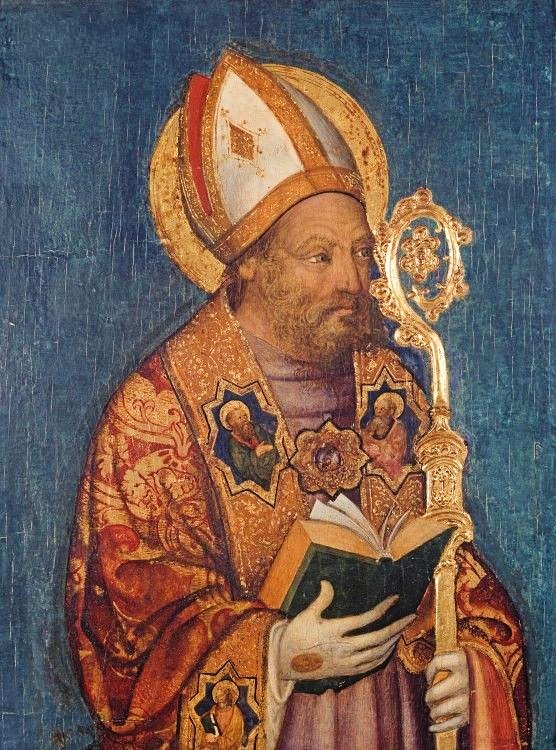
Saint of the Day – 16 January – Saint Melas (Died c385) Bishop

Saint of the Day – 16 January – Saint Melas (Died c385) Bishop of Rhinocolura, between Egypt and Palestine. Born in his Diocese and died in exile in c385 of natural causes after many sufferings for the Church of Christ. Also known as – Melantius.

The Roman Martyrology states today : “At Rhinocorura in Egypt, in the reign of the Emperor Valens, the holy Bishop, Saint Melas, who rested in peace after suffering exile and other painful trials fothe Catholic Faith.

The First Council of Ephesus

The City of Rhinocolura is known as an Episcopal Seat in Egypt (its Bishop, Ermogenes, had in fact participated in the Council of Ephesus).

Melas was a native of this City and became its Bishop in the second half of the 4th Century. We owe all that is known about his life to the Catholic Historian Sozomen, who praises his virtues.

The Emperor Valens (died 378) persecuted all the Bishops faithful to the faith of Nicaea, so Melas, having refused to adhere to the Arian doctrines, was a victim of the persecution and sent into exile. The Imperial Commissioners, arriving with an arrest warrant, found him in the Church busy cleaning the lamps. Having learned that they were looking for Bishop Melas, he introduced the Imperial envoys into his home and refreshed them before revealing his identity to them. Won over by Melas’s kindness, they gave him a chance to escape but he was too attached to the Holy and True Faith and too eager toconfess his conviction, to accept such a compromise and went into exile instead.

Sozomen speaks of Melas’ successor to the See of Rhinocolura, namely his brother Solon but the Historian does not provide any further information on Melas. Therefore, it is unknown whether, after the death of Valens, he was able to return from exile and be reinstated in his pastoral office.

Western Martyrologies have kept St Melas in their lists and St Melas is always venerated on the date of 16 January.

Posted in MARIAN TITLES, SAINT of the DAY

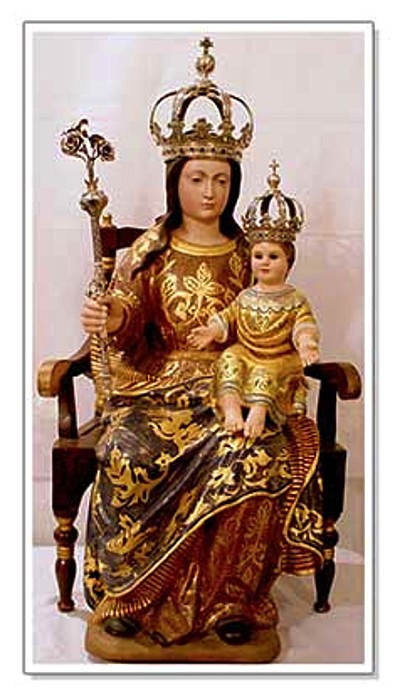
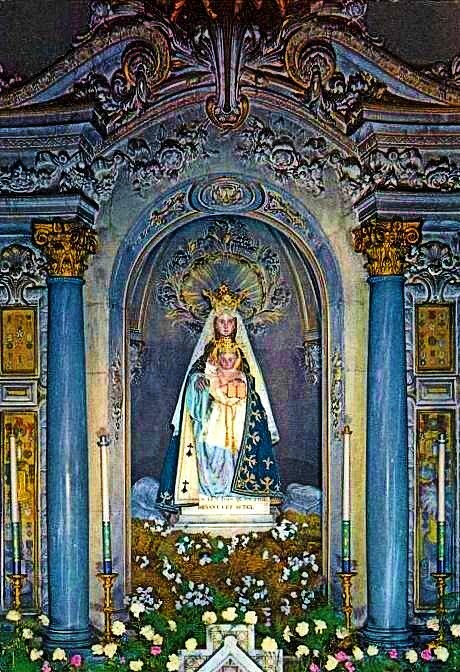
Nuestra Señora Refugio de los Pecadores / Our Lady Refuge of Sinners (Spain), St Pope Marcellus I (Died 309) Martyr and the Saints for 16 January

Nuestra Señora Refugio de los Pecadores / Our Lady Refuge of Sinners (Spain) – 16 January:
HERE:

https://anastpaul.com/2021/01/16/our-lady-refuge-of-sinners-spain-and-memorials-of-the-saints-16-january/

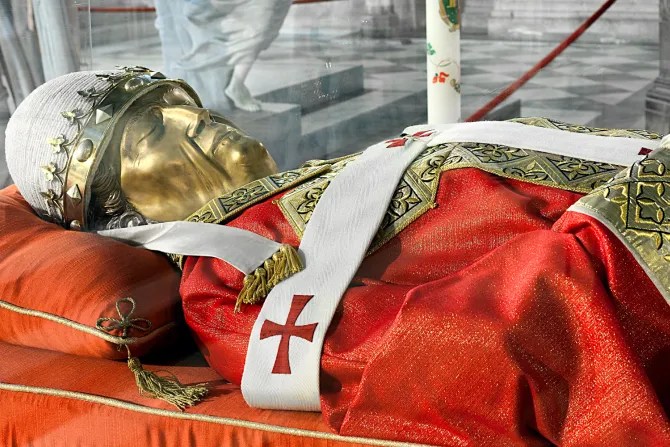
St Pope Marcellus I (Died 309) Martyr, Papal Ascension May-June 308
His Life and Death:

https://anastpaul.com/2022/01/16/saint-of-the-day-16-january-saint-pope-marcellus-i-died-309/

St Berard and Companions (Peter, Adjute, Accurs, Odo and Vitalis) OFM

St Dana of Leuca
St Dunchaid O’Braoin
St Fulgentius of Ecija

St Fursey (Died c648) Irish Missionary Monk, Abbot who did much to establish Christianity in the British Isles and in France, Mystic, whose visions played a pivotal role in the Church’s developing understanding of life after death.
His Life:

https://anastpaul.com/2021/01/16/saint-of-the-day-16-january-saint-fursey-died-c-650/

Blessed Gonzalo de Amarante OP (1187-1259) Dominican Priest, Hermit, Marian Devotee. Beatified in 1560 by Pope Pius IV.
Biography:

https://anastpaul.com/2020/01/16/saint-of-the-day-16-january-blessed-gonzalo-de-amarante-op-1187-1259/

St Henry of Coquet

St Honoratus of Arles (c350-c429) Bishop and Confessor, Monk and Abbot, Miracle-worker, Founder of the renowned Monaster at Lérins.
Holy Honoratus:

https://anastpaul.com/2024/01/16/saint-of-the-day-16-january-saint-honoratus-of-arles-c350-c429-bishop-and-confessor/

St Honoratus of Fondi Abbot
Bl James of Luino
St James of Tarentaise
Bl Joan of Bagno di Romagna
Bl Konrad II of Mondsee
St Leobazio
St Liberata of Pavia
St Melas (Died c385) Bishop of Rhinocolura and Confessor
St Otto of Morocco
St Peter of Morocco
St Priscilla of Rome
St Sigeberht of East Anglia

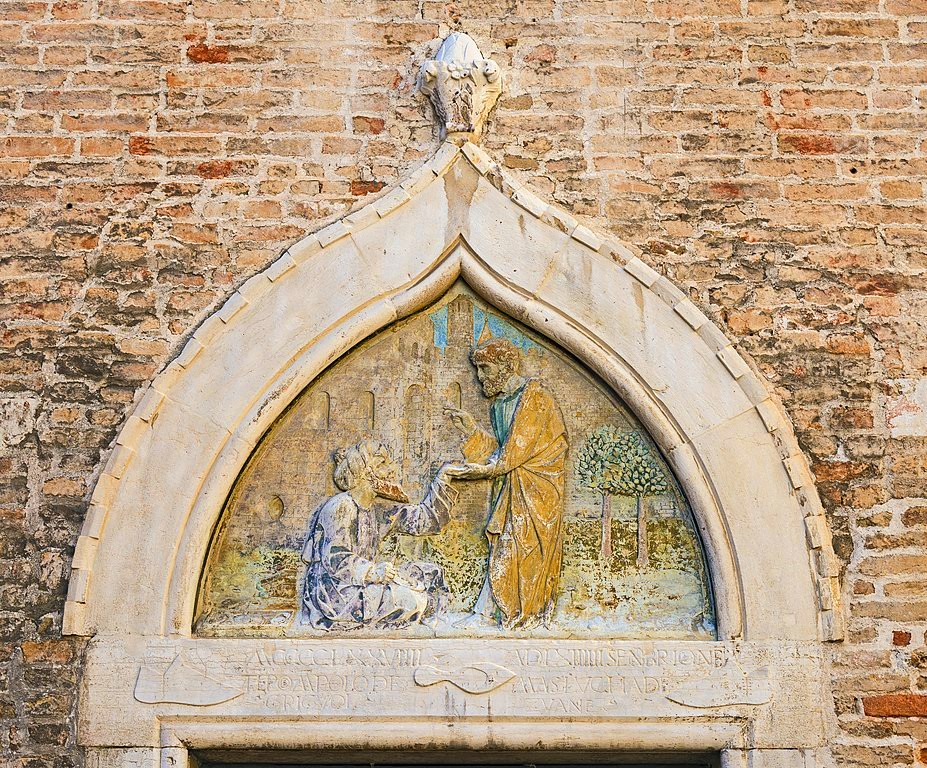
St Titian of Oderzo (Died 632) of Oderzo in Italy where he was born and Confessor, Defender of the True Faith against the heresy of the Arians, Miracle-worker.
Biography:

https://anastpaul.com/2023/01/16/saint-of-the-day-16-january-saint-titian-of-oderzo-died-632-bishop-and-confessor/

St Triverius
St Valerius of Sorrento

Posted in SAINT of the DAY

Saint of the Day – 15 January – St John Calabytes (Died c450) Beggar Hermit

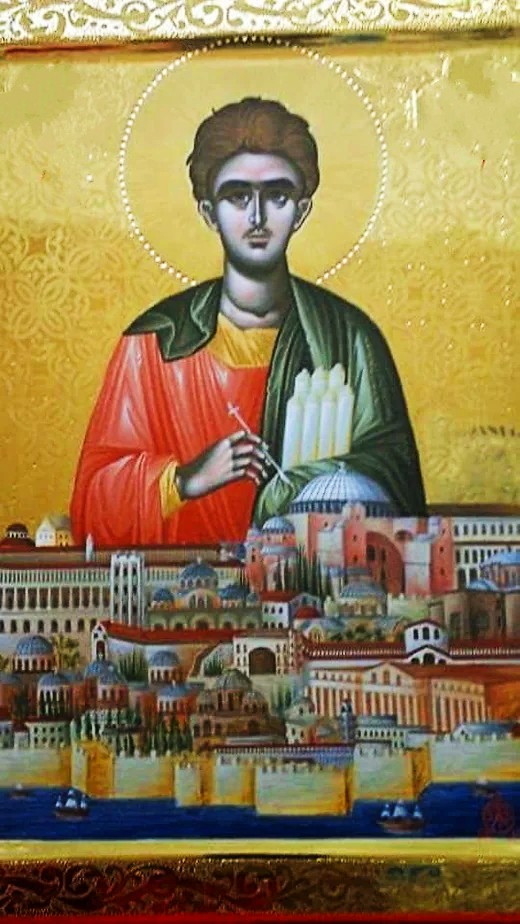
Saint of the Day – 15 January – St John Calabytes (Died c450) Beggar Hermit, Monk. Born at Constantinople (modern Istanbul, Turkey) and died in c450 in Rome of natural causes. Also known as – John Calybita, John Calabites, John Calibita, John Chalybita, John Kalabytes, John the Hut-Dweller, Giovanni… There are many versions of our Beggar Saint’s life, some more romantic than others. However extreme some versions might seem, the facts remain the same as does the approximate year of his death. He is our friend and waits to intercede in Heaven, on our behalf.

The Roman Martyrology reads today: “At Rome, St John Calybita. For some time living unknown to his parents in a corner of their house and later in a hut on an island in the Tiber, he was recognised by them only at his death. Being renowned for miracles, he was buried where he had died and, a Church was subsequently erected in his honour in the same place.

John was the 3rd son of the Senator and General Eutropius in Constantinople and lived at the beginning of the 5th Century. His mother, Theodora, was also of high birth. His parents were Christians but they sadly believed in their own greatness too. While his older brothers competed for excellent careers, John was allowed to cultivate piety above all.

After completing his studies of rhetoric, his parents allowed him to visit the Monastery of the Ecoimetes, or “sleepless ones” in our language because the Monks used the night for prayer. John chose a spiritual guide among the Monks who advised him to study Sacred Scripture and thus discover his vocation.

His parents were happy to oblige and bought him the Holy Scriptures, the most beautiful copy, decorated with gold and precious stones. As he read the Book of Books, John’s joy grew visibly. He was drawn to devote himself entirely to God in the monastic state. But his parents would not allow this. He left this Monastery in the Bosporus and asked to be accepted into another at Ireneon, today Chiboukli. After passing the test, he was accepted among them. Night prayer was a real delight to him.

But, after six years, he felt a deep sense of homesickness. He told the Abbot: “The desire to see my parents does not give me peace for a moment. I ask permission to return to them. The tempter thinks that he will thus turn me away from God but I trust in your prayer and in Christ, Who is at war beside me, that I will be victorious, even if I return to my parents.” The Abbot recommended the tried brother to the monastic family for prayer and allowed him to leave.

St John reveals his identity to his parents on his deathbed

When he arrived home, he was not recognised because of his poor clothing and ascetic appearance. They accepted him as a holy beggar and even allowed him to set up a hut in a corner of the garden and brought him modest food every day. After three years, he fell seriously ill and asked to visit his mother. Then the beggar revealed himself to his parents. They recognised him from the Gospel book he showed them. He breathed his last in their arms shortly afterwards.

He was buried next to the hut and in 468, a Church was built on his grave, to which pilgrims from near and far came and venerated John Calabytes as a Saint.

In Constantinople, Saint John the Calabytes, who, as is reported, lived for some time in a corner of his father’s house, then in a ‘kalyba’ (hut), completely devoted to contemplation and hidden from his parents, who only recognised him as he lay dying, through the golden scroll of the Gospel, which they had given gave to their son.

Posted in MARIAN TITLES, SAINT of the DAY

Our Lady of Prompt Succour, Notre-Dame de Banneux / Our Lady of Banneux, St Paul the Hermit, St Macarius of Egypt, St Maurus and all the Saints for 15 January

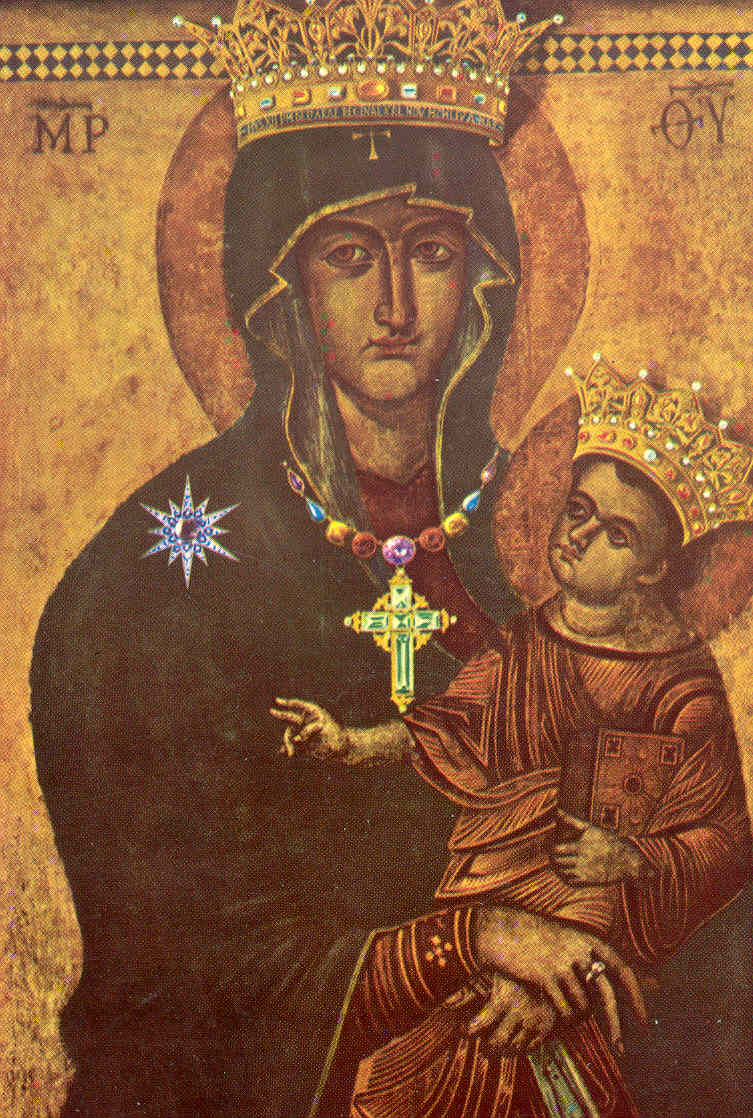
Our Lady of Prompt Succour, New Orleans, USA (1809) – 8 January and 15 January:
Such wonderful miracles – read about the Marian Patron of Louisiana here:
https://anastpaul.com/2019/01/08/memorials-of-the-saints-8-january/

Notre-Dame de Banneux / Our Lady of Banneux, Belgium (under 2 Titles – Notre Dame des Pauvres / Our Lady of the Poor and Reine des Nations / Queen of Nations) (15 January – 2 March 1933) 15 January:
Here:
https://anastpaul.com/2021/01/15/our-lady-of-banneux-belgium-and-memorials-of-the-saints-15-january/

St Paul the Hermit (c 227-c 342) The First Hermit – in the Thebaid region of Egypt, is regarded as the first Christian hermit, who lived alone in the desert from his sixteenth to the one hundred and thirteenth year of his life.
The First Holy Hermit Paul:

https://anastpaul.wordpress.com/2018/01/15/saint-of-the-day-15-january-st-paul-the-hermit-c-227-c-342/

St Macarius of Egypt (c300-390) Priest, Hermit, Spiritual student of Saint Anthony Abbot, Ascetic, Miracle-worker , known as “The Glowing Lantern.”
Another Wonderfully Wise Desert Father:

https://anastpaul.com/2023/01/15/saint-of-the-day-15-january-st-macarius-of-egypt-c-300-390-priest-abbot-hermit-desert-father-of-the-church/

St Maurus OSB (c512-584) Benedictine Monk, Abbot and Deacon, Miracle-worker. Maurus was the first disciple of Saint Benedict of Nursia (512–584). He is mentioned in Saint Gregory the Great’s biography of the latter as the first oblate, offered to the Monastery by his noble Roman parents as a young boy, to be brought up in the monastic life. The formula and blessing of St Maurus were universally adopted and approved for use in the Blessing of the Sick.
His Life and Miracles:

https://anastpaul.com/2021/01/15/saint-of-the-day-15-january-saint-maurus-osb-c-512-584/

St Blaithmaic of Iona

St Bonitus of Clermont (c623-706) Bishop, Confessor, Chancellor of the Kingdom, Governor of Provence, Diplomatic peacemaker, Protector of Slaves and active advocate for its abolition, a man of deep devotion and Asceticism, Promoter of monasticism, builder of Churches and Monasteries., Miracle-worker. Heir to a rich heritage, he used his resources not only to beautify Churches and Monasteries but also, to relieve the miseries of the poor. Bonitus is a much loved and endearing Saint in France and, in some ways, a very modern figure.
His Zealous Life of Devotion:

https://anastpaul.com/2024/01/15/saint-of-the-day-15-january-saint-bonitus-of-clermont-c623-706-bishop-confessor/

St Britta
St Ceolwulf of Northumbria
St Emebert of Cambrai
St Ephysius of Sardinia
St Eugyppius
Bl Geoffrey of Peronne
Bl Giacomo Villa
St Gwrnerth
St Habacuc the Prophet
St Isidore of Scété
St Isidore the Egyptian
St Ita of Killeedy

St John Calabytes (Died c450) Beggar Hermit

St Liewellyn
St Lleudadd of Bardsey
St Malard of Chartres
St Maximus of Nola
St Michaeas the Prophet
Bl Peter of Castelnau
St Placidus

St Probus of Rieti

St Romedio of Nonsberg (Died 4th Century or 11th Century) – Hermit, Penitent., Pilgrim.
His Life of Penance:

https://anastpaul.com/2022/01/15/saint-of-the-day-15-january-saint-romedius-of-nonsberg-died-4th-century-or-11th-century/

St Sawl
St Secondina of Anagni
St Secundina of Rome
St Tarsicia of Rodez
St Teath

Posted in SAINT of the DAY

Saint of the Day – 14 January – Saint Datius of Milan (Died 552) Bishop and Confessor

Saint of the Day – 14 January – Saint Datius of Milan (Died 552) Bishop and Confessor, Bishop of Milan from c529 until his death in 552, Defender of the Faith against heresy, protector and charitable shepherd of his flock. In Chapter 4 (Book 3) of his Dialogues, St Gregory the Great describes Datius as an Exorcist. It is not known when and where he was born but he died between February and March in 552 in Constantinople during his exile, of natural causes. Also known as – Dacius, Dasius, Dazio.

The Roman Martyrology reads today: “At Milan, St Datius, Bishop and Confessor, mentioned by Pope St Gregory.

Of Saint Datius, the 26th Bishop of Milan, we must remember his intelligent and zealous charity. When, in 535-536, a terrible famine struck the region, he obtained from the Prefect, Cassiodorus, to distribute, to the starving population, the grain reserves, kept in Pavia and Tortona.

This is a sign of how much Datius was esteemed by the ruling powers and how insistent he was in knocking, until the door of the Prefect’s heart opened.

Datius was known for his learning and his personal piety. As Bishop Datius ordered the history of the Church in Milan known as Historia Datiana, to be compiled although some deny that it was Datius who instigated the compilation.

He was imprisoned and exiled by Arian Ostrogoths for defending the true Faith. During his exile he went to Constantinople where he supported Pope Vigilius against Emperor Justinian in the Three Chapters Controversy of 545. Datius also attended the Council of Constantinople in 551 which condemned the Arian Bishop Mennas.

Datius died in Constantinople and his body was later translated from Chalcedon to Milan and buried in the Church of San Vittore al Corpo (Saint Victor Maurus) where it is still venerated today.

St Datius Sepulchre
(Saint Victor Maurus’s Church in Milan
Posted in DOCTORS of the Church, MARIAN TITLES, SAINT of the DAY

Nuestra Señora de la Palabra / Our Lady of the Word, Montserrat, Spain (1514), St Hilary (315-368) Confessor, Bishop, Father and Doctor of the Church and Memorials of the Saints – 14 January

Nuestra Señora de la Palabra / Our Lady of the Word, Montserrat, Spain (1514) – 14 January:
Here:
https://anastpaul.com/2021/01/14/our-lady-of-the-word-montserrat-spain-1514-and-memorials-of-the-saints-14-january/

St Hilary (315-368) Confessor, Bishop, Father and Doctor of the Church, Writer, Philosopher, Theologian, Preacher, Defender of the Faith. The “Hammer of the Arians” and “Athanasius of the West.”
Wibderful Hilary!:

https://anastpaul.wordpress.com/2018/01/13/saint-of-the-day-13-january-st-hilary-of-poitiers-315-368-father-doctor-of-the-church/
AND:
https://anastpaul.com/2024/01/14/saint-of-the-day-14-january-st-hilary-315-368-confessor-bishop-father-and-doctor-of-the-church-doctor-of-the-divinity-of-christ/

Bl Amadeus of Clermont
St Barbasymas
St Caldeoldus of Vienne
St Datius of Milan (Died 552) Bishop and Confessor
St Engelmaro
St Eufrasio of Clermont
St Euphrasius the Martyr

St Felix of Nola (Died c 253) Priest, Confessor, Apostle of Charity .Patronages – against eye disease, against eye trouble, against false witness, against lies, against perjury, domestic animals, of Nola, Italy.
The Roman Martyrology states of him today:
 “At Nola in Campania, the birthday of St Felix, Priest, who (as is related by Bishop, St Paulinus of Nola), after beomg subjected to torments by the persecutors, was cast into prison and extended, bound hand foot, on (snail) shells and broken earthenware. During the night, however, his bonds were loosened and he was delivered by an Angel. The persecution over, he brought many to the Faith of Christ by his exemplary life and teaching and renowned for many miracles, he rested in peace.
A Miraculous Life:
https://anastpaul.com/2019/01/14/saint-of-the-day-14-january-st-felix-of-nola-died-c-253/

St Felix of Rome
St Fermin of Mende
St Fulgentius of Ecija
St Glycerius of Antioch

St Godfrey of Cappenberg (c1097-1127) Friar of the Order of St Norbert (the Premonstratensians or Norbertines), Husband and Father, Monk and Founder of Monasteries, Apostle of the Sick and the poor.
His Life:

https://anastpaul.com/2022/01/14/saint-of-the-day-14-january-st-godfrey-of-cappenberg-c-1097-1127/

St Isaias the Martyr
St Jesaja of Sinai

St Macrina the Elder (Died c 340) Widow, Grandmother of St Basil the Great, St Gregory of Nyssa, St Peter of Sebaste and St Macrina the Younger.
The Roman Martyrology says today: “St Macrina, disciple of St Gregory Thaumaturgus and the grandmother of St Basil, whom she brought up in the Faith.”
Her Faith-filled Life:
https://anastpaul.com/2023/01/14/saint-of-the-day-14-january-st-macrina-the-elder-died-c-340-widow/

St Malachy the Prophet
St Nino of Georgia
Bl Odoric of Pordenone

St Odo of Novara O.Cart. (c 1105-1200) Priest, Carthusian Prior.
St Odo’s Life:

https://anastpaul.com/2021/01/14/saint-of-the-day-14-january-saint-odo-of-novara-o-cart-c-1105-1200/

St Paul of Africa
St Potitus
Bl Rainer of Arnsberg
St Sabas of Sinai
St Sava of Serbia
St Successus of Africa
St Theodolus of Sinai
Bl William de Sanjulia

Martyrs of Mount Sinai: A group of Monks on Mount Sinai who were Martyred by desert Bedouins. Their names and exact number have not come down to us. Martyred by Bedouins.

Martyrs of Raithu – 43 Saints: A group of 43 Monks in the Raithu Desert near Mount Sinai, Palestine, near the Red Sea. They were Martyred for their faith by desert Bedouins. Their names have not come down to us. Martyred by Bedouins.

Posted in SAINT of the DAY

Saint of the Day – 13 January – St Agritius of Trier (c260-c335) Bishop

Saint of the Day – 13 January – St Agritius of Trier (c260-c335) the 4th Bishop of Trier Born in Syria and died in 335 of natural causes in his See of Trier. Also known as – Agricius of Trier, Agrecius of Trèves, Agrizio di Treviri, Agrice, Aguy. Additional Memorials – 9 January in Trier , 29 May when the Holy Relics are venerated.

The Roman Martyrology reads today: “At Treves, St Agritius, Bishop.

In a manuscript from the Monastery of San Massimino, there is a Life of Agritius which constitutes the second part of the Life of Saint Helena. It was almost certainly written in the 11th Century and it is recorded with authority that its author, writing between 1030 and 1045, was a member of the Clergy of the Cathedral of Trier, perhaps Angibaldo, the Chancellor of the Bishop Poppo.

Furthermore, Agritius is remembered as the Bishop in various Calendars of Trier on 13 January and, by the hagiographer of San Massimino.

Of course, we know little of our Saint’s life exce[t that Agritius participated, together with the Exorcist Felix, at the Council of Arles in 314 and that he died before 336, since in the Chronicon of Saint Jerome, it is written that in 336, precisely, St Athanasius, in exile, was welcomed in Trier by Saint Maximinus, Agritius’ successor.

The Life of Agritius, however, although woven with legend, has a considerable historical-literary value, as it is one of the oldest historical documents of Trier and bears witness to the life and mentality dominant in that Church in the 10th Century.

According to this Life, therefore, Agritius, then the Bishop of Antioch, at the request of Helena, mother of Constantine, was appointed by Pope Sylvester as the Bishop of Trier, the 4th shepherd of this Diocese. Trier, two centuries after the first preaching had relapsed into full paganism and Agritius, despite many serious difficulties, undertook the work of rebuilding Christianity, aided by Helena, who gave him precious Relics of the Saviour, a Nail from the Cross and the Holy Tunic and the Relics of Lazarus and Martha. The translation of the latter is represented in an ivory from the Byzantine era depicting Agritius and Pope Sylvester on a cart while carrying the urn to Trier. Sylvester is also said to have given Agritius and his successors, the primacy over the Bishops of Gaul and Germany but this privilege, inserted in the Vita, is undoubtedly apocryphal and probably echoes that granted by Pope John XIII on 22 January 969 to Bishop Thierry.

Pilgrims view Christ’s Holy Tunioc in Trier

The date of Agritius’ death, established by some as 344, by others as 368, is almost certainly to be indicated as 335 due to the testimony of Jerome mentioned above. Agritius is celebrated on 13 January and, in the Diocese of Trier, also on 9 January. The translation of the Relics is celebrated on 29 May on the Feast Day of St Maximinus, St Agritius successor. You can read St Maximinus’ life here: Saint of the Day – 29 May – St Maximinus of Trier (Died c 346)

Posted in MARIAN TITLES, SAINT of the DAY

The Octave of the Epiphany, Panny Marie Vítězné / Our Lady of Victory, Prague (1620) and Memorials of the Saints – 13 January

The Octave of the Epiphany

Panny Marie Vítězné / Our Lady of Victory, Prague, Czech Republic (1620), Home of the Infant of Prague: 13 January:
Among shrines dedicated to Our Lady of Victory, that at Prague has become world-famous because it is also the home of the Statue of the Infant of Prague.
This Wonderful Shrine which I have been blessed to venerate:

https://anastpaul.com/2021/01/13/our-lady-of-victory-prague-and-memorials-of-the-saints-13-january/

St Agritius of Trier (c260-c335) Bishop
St Andrew of Trier
St Berno of Cluny
St Designatus of Maastricht
St Elian of Brittany
St Enogatus of Aleth
St Erbin of Cornwall
St Glaphyra
St Gumesindus of Córdoba
St Hermylus
St Hildemar of Arrouaise
Bl Ida of Argensolles
Bl Ivetta of Huy Widow, Mother, Recluse, Mystic

St Kentigern “Mungo” of Glasgow (c518-614) Founder and Archbishop of Glasgow, Missionary, Miracle-worker, known as “Saint Mungo.”
About St Mungo:

https://anastpaul.com/2020/01/13/saint-of-the-day-13-january-saint-kentigern-mungo-of-glasgow-518-614/

St Leontius of Caesarea (Died 337) Bishop of Caesarea in Cappadocia. Known as “the Angel of Peace.”
The Roman Martyrology states today: “At Caesarea, in Cappadocia, St Leontius, the Bishop, who strongly opposed the Gentiles under Licinius and the Arians, under Constantine.”
Biography:

https://anastpaul.com/2023/01/13/saint-of-the-day-13-january-saint-leontius-of-caesarea-died-337-bishop/

Bl Matteo de Lana
St Peter of Capitolíade

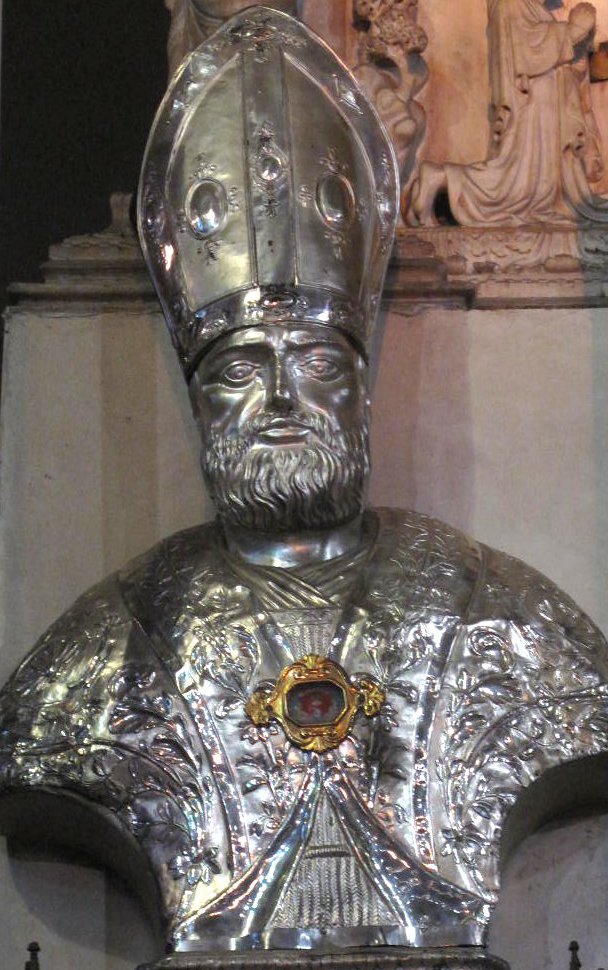
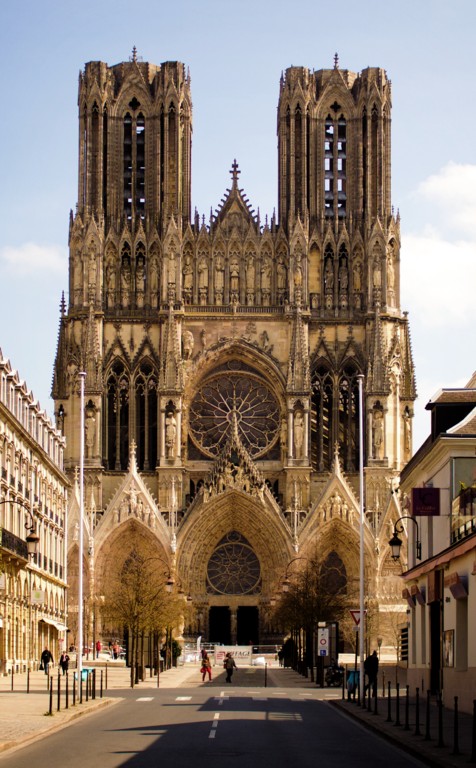
St Remigius of Rheims (c438-533) Bishop “Apostle of the Franks,” Bishop of Rheims, Lord Chancellor of France, renowned Scholar and Rhetorician, Missionary and zealous Preacher of the Gospel for the glory of the Kingdom of God, miracle-worker.
An Amazing Life:

https://anastpaul.com/2022/01/13/saint-of-the-day-13-january-saint-remigius-of-rheims-c-438-533-apostle-of-the-franks/

St Servusdei of Córdoba
St Stephen of Liège
St Stratonicus

Blessed Veronica of Binasco OSA (c1445-1497) Virgin Mystic
Her Life:

https://anastpaul.com/2021/01/13/saint-of-the-day-13-january-blessed-veronica-of-binasco-osa-c-1445-1497/

St Viventius of Verzy

St Viventius Benedicente of Blera (Died 484) Bishop of Blera, in the Province of Viterbo, Italy, during which time he also became a Hermit. Patronage – of Blera, the City and the Diocese.
A Bishop and a Hermit (in his spare time):

https://anastpaul.com/2024/01/13/saint-of-the-day-13-january-saint-viventius-benedicente-of-blera-died-484-bishop/

Forty Martyred Soldiers at Rome: Forty soldiers Martyred in the persecutions of Gallienus. They were Martyred in 262 on the Via Lavicana, Rome, Italy.

Posted in INCORRUPTIBLES, SAINT of the DAY

Saint of the Day – 12 January – Blessed Lucia (1370-1430) Consecrated Virgin

Saint of the Day – 12 January – Blessed Lucia (1370-1430) Consecrated Virgin, Founder of a Community of Nuns known as the “Poor Sisters of St Chiara” adopting the original Rule of St Clare of Assisi. Born in 1370 in Norcia, Perugia, Umbria, Italy and died on 12 January 1430 of natural causes at her Convent in Valcaldara di Norcia. Patronage – of Valcaldara. Also known as – Lucia of Norcia and Lucia of Valcaldara di Norcia. Her body is Incorrupt.

Lucia, born into a wealthy family in Norcia, consecrated herself totally to the Lord when she was only fifteen years old. With seven companions, she founded a religious Community which took up residence in her father’s house.
Their choice of life was a great example to the entire City and on 28 January 1386 the City Council decided to help them. Previously, the Patriarch of Jerusalem, Ferdinand, administrator of the Diocese of Spoleto-Norcia (1370-1390), had recognised them as a valid Community, naming the Convent after Saint Jerome.

In 1390, Lucia founded another Convent and the Church of Santa Maria in Valcaldara (a hamlet of Norcia). With her companions she submitted to the Bishop’s obedience, “they wore ash and eremitic habits, lived a community life and observed the evangelical norm, not professing for many years any Rule approved by the Church”. In 1407 the two Convents united, with the approval of Bishop Augustine, giving life to the Convent of St Chiara. They called themselves the “Poor Sisters of St Chiara” expressing their desire to follow her Rule, although they could not officially observe it as it had been replaced by the Rule of Urban IV.

Lucia died in Valcaldara on 12 January 1430 and was immediately venerated and invoked as a Saint. Her body, still incorrupt today, kept in its shrine of 1637, is exhibited in the Church of the Poor Clares of Santa Maria della Pace, the nametaken by the Convent took after the earthquake of 1703. In Valcaldara, the celebrations in honour of their Patron Saint are solemnly celebrated with great festivities.

Posted in INCORRUPTIBLES, MARIAN TITLES, SAINT of the DAY, THE HOLY FAMILY - FAMILIAE SANCTAE

Feast of the Holy Family, Within the Octave of The Epiphany, Nuestra Señora La Conquistadora / Our Lady the Conqueror, Santa Fe, New Mexico, St Benedict Biscop and the Saints for 12 January

Within the Octave of The Epiphany

Feast of the Holy Family: In 1921, Pope Benedict XV added this Feast to the General Roman Calendar and appointed it on the Sunday within the Octave of the Epiphany, that is to say, on the Sunday between 7 January through 13 January , all inclusive.
https://anastpaul.com/2017/12/31/31-december-feast-of-the-holy-family-and-the-seventh-day-of-the-octave/
AND:
https://anastpaul.com/2018/12/30/feast-of-the-holy-family-of-jesus-mary-and-joseph-30-decembe/
AND:
https://anastpaul.com/2019/12/29/feast-of-the-holy-family-of-jesus-mary-and-joseph-fifth-day-of-the-christmas-octave/

Nuestra Señora La Conquistadora / Our Lady the Conqueror, Santa Fe, New Mexico – 12 January:
https://anastpaul.com/2021/01/12/our-lady-of-conquest-santa-fe-new-mexico-and-memorials-of-the-saints-12-january/

St Benedict Biscop OSB (c 628-690) – Confessor, Bishop and Abbot of Wearmouth, who introduced Stained Glass windows to England and raised the child, the Venerable Saint Bede.
This wonderful Saint:
https://anastpaul.com/2021/01/12/saint-of-the-day-12-january-st-benedict-biscop-osb-c-628-690/

St Arcadius of Mauretania (Died c302) Martyr, Hermit.
His Life and Death:

https://anastpaul.com/2022/01/12/saint-of-the-day-12-january-saint-arcadius-of-mauretania-died-c-302-martyr/

Bl Bartholomew Alvarez
Bl Bernardo de Plano
St Biccianus


Blessed Bernard of Corleone OFM Cap (1605-1667) Lay Brother of the Order of Friars Minor Capuchin.
Blessed Bernard’s Holy Life:

https://anastpaul.com/2024/01/12/saint-of-the-day-12-january-blessed-bernard-of-corleone-ofm-cap-1605-1667/

St Caesaria of Arles
St Caroticus
Bl Emmanuel d’Abreu
St Eutropius
St Ferreolus of Grenoble Bishop Martyr
Bl John Gaspard Cratz
St John of Ravenna
Blessed Lucia (1370-1430) Virgin. Her Body is Incorrupt.
St Martinian of Belozersk
St Peter of Abessala
St Probus of Verona
St Quinctus the Soldier
St Satyrus

St Tigrius
St Victorian of Asana
Bl Vincent da Cunha

Martyrs of Africa – 44 Saints: A group of 44 Christian soldiers murdered together for their faith in Africa. The only details that survive are four of their names – Castulus, Modestus, Rogatus and Zoticus.

Martyrs of Ephesus – 42 Saints: Forty-two Monks Martyred at a Monastery in Ephesus (modern Turkey) during the persecutions of the Iconoclast Byzantine Emperor Constantine V. Their names have not come down to us. Martyred c 762.

Martyrs of Iona – 38 Saints: Thirty-eight Monks Martyred in Iona, Ireland. Their names have not come down to us. They were Martyred in 750 at Iona, Ireland.

Posted in SAINT of the DAY

Saint of the Day – 11 January – St Honorata (Died c500) Virgin

Saint of the Day – 11 January – St Honorata (Died c500) Virgin Consecrated to God and sister of Saint Epiphanius, the Bishop, in the City of Pavia in Italy. Born in Pavia and died there in c500 of natural causes. Also known as – Onorata, Honorata of Pavia..

What we know of Honorata is extracted from the Vita of Saint Epiphanius, her brother and the Bishop of Pavia, written by Saint Ennodius, who was his successor in the Episcopal See.

She was born in Pavia. It is said that she was the sister of Saints Liberata, Especiosa, Luminosa and Epiphanius. She was a Nun at the Convent of San Vicente de Pavia, where she received a good education and training from her sister Saint Liberata or Saint Luminosa. She was Consecrated by her brother Saint Epiphanius of Pavia.

Honorata lived in the Convent until the invasion of the Barbarians who captured her and later freed her through the intercession of her brother Saint Epiphanius. The image below shows Honorata being rescued by her brother.

She was always highly esteemed for her gift of prayer and her dedication to the things of God and her neighbour. She died in her Convent in Pavia. Her remains are preserved in the Convent of Santa Maria in Pavia.

Some traditions believe that Honorata was buried together with the virgins Luminosa, Liberata and Especiosa in the Basilica of San Vicente, in the Church where the remains of Bishop Saint Epiphanius were transferred. 11 January is the anniversary of this translation. Of the group of virgins mentioned, all buried in the Church of San Vicente, only Saint Honorata has been inscribed in the Roman Martyrology which simply states: “In Pavia, Honorata, Virgin.”

Posted in MARIAN TITLES, SAINT of the DAY

Within the Octave of Epiphany, St Pope Hyginus (Died 142) Martyr, Notre-Dame de Bessiere / Our Lady of Bessiere, France, Madonna della Vetrana / Our Lady of the Vetrana, Italy (1691) and all the Saints for 11 January

Within the Octave of Epiphany

Notre-Dame de Bessiere / Our Lady of Bessiere, Limousin, France – 11 January:
Here

https://anastpaul.com/2021/01/11/memorials-of-the-saints-11-january-4/

Madonna della Vetrana / Our Lady of the Vetrana (Castellana Grotte, Bari, Puglia, Italy (1691) – 11 January:
HERE:

https://anastpaul.com/2022/01/11/notre-dame-de-bessiere-our-lady-of-bessiere-limousin-france-madonna-della-vetrana-our-lady-of-the-vetrana-castellana-grotte-bari-puglia-italy-1691-and-memorials-of-the-saints-11-january/

St Pope Hyginus (Died 142) Papal Ascension c 138. It is believed he was a Martyr for Christ and suffered during the persecution of Antoninus, although our ancient sources do not confirm this. Tradition holds that during his Papacy he determined the various prerogatives of the clergy and defined the grades of the ecclesiastical hierarchy. Hyginus also instituted Godparents at Baptism to assist the baptised during their Christian life. In addition, he decreed, that all Churches be Consecrated.
His Life and Death:

https://anastpaul.com/2022/01/11/saint-of-the-day-11-january-saint-pope-hyginus-died-142/

St Alexander of Fermo

St Anastasius of Suppentonia (Died c570) Monk, Abbot of the Monastery at Suppendonia, Italy.
The Roman Martyrology reads today: “At Suppentonia, near Mount Socrates, the holy Monk Anastasius and his companions, who were called by a voice from Heaven to enter the Kingdom of God.
Biography:
https://anastpaul.com/2023/01/11/saint-of-the-day-11-january-saint-anastasius-of-suppentonia-died-c-570-abbot/

St Boadin of Ireland
St Breandan of Ireland (the name is not an error)
St Eithne
St Fedelemia
St Honorata (Died c500) Virgin
St Leucius of Alexandria (Died 5th Century) Bishop Martyr

St Leucius of Brindisi ) Died c180) Bishop, Confessor, Missionary. Born in Eastern Europe and died in c180 in Brindisi, Italy of natural causes. 
This Holy Shepherd:

https://anastpaul.com/2024/01/11/saint-of-the-day-11-january-st-leucius-of-brindisi-died-c180-bishop-confessor/

St Liberata of Pavia
St Lucius the Soldier
St Luminosa of Pavia
St Mark the Soldier
St Michael of Klopsk
St Palaemon
St Paldo
St Peter of Alexandria
St Peter of Anea
St Peter the Soldier

St Salvius of North Africa (Died 6th Century) Martyr

St Severus of Alexandria
St Speciosa of Pavia
St Taso
St Theodosius the Soldier
St Theodosius of Antioch

St Theodosius the Cenobiarch (423-529) Hermit/ AbboT/Founder of the Cenobitical Communities.
His Life:

https://anastpaul.com/2017/01/11/saint-of-the-day-11-january-st-theodosius-the-cenobiarch/

St Tipasio of Tigava

St Vitalis of Gaza (Died c 625) Monk, Hermit. “At Gaza, Vitalis was a monk for many years and earned considerable controversy for his methods in reforming the local prostitutes and scandalous women.” (Roman Martyrology).
Biography:

https://anastpaul.wordpress.com/2018/01/11/saint-of-the-day-11-january-st-vitalis-of-gaza-died-c-625/

Posted in franciscan OFM, INCORRUPTIBLES, SAINT of the DAY

Saint of the Day – 10 January – Blessed Giles of Lorenzana OFM (1443-1518) Lay Brother

Saint of the Day – 10 January – Blessed Giles of Lorenzana OFM (1443-1518) Lay Brother of the Friars Minor, Hermit, Ascetic, Mystic, Apostle of the all in need. Born in 1443 in Laurenzana, Italy as Bernardin de Bello and died on 10 January 1518 in Laurenzana, Italy of natural causes. Patronage – of the City and Diocese of Laurenzana, Italy. Also known as – Giles di Bello, Bernardi … Bernardin … Egidi … Egidius … Blessed Giles was Beatified on 27 June 1880 by Pope Leo XIII. His body is Incorrupt.

Born of pious parents at Lorenzana in Italy, Giles received the name of Bernardine in Baptism. Even as a youth he received the gift of devotion in so eminent a degree that at prayer, his countenance glowed with fervour and he was often seen raised a foot or more from the floor. This attracted general attention and people came from the surrounding places in order to witness Giles at prayer.

The devout young man, however, desired nothing more than to serve God in seclusion. In order, therefore, to withdraw from the attention of the world and also, to progress in Christian perfection, he asked for admission as a Lay Brother at the Convent of the Friars Minor. This request was granted. He was given the name Giles after the saintly Brother Giles, one of the first companions of St Francis of Assisi.

Burning with love for God, Giles knew no greater joy in the Order than to devote himself to the contemplation of heavenly things and, since his superiors were convinced that he was doing great things for the honour of God and the salvation of souls, they permitted him to live in a hermitage close to the Convent.

Here he lived only for God, to Whom he sacrificed his body by severe fasting, and his soul by constant prayer. He overcame the attacks of hell which, like many other great Saints, he had frequently to endure, without ever yielding, for an instant. When he had finished his course, God called him to the eternal union on 10 January 1518.

The Convent bells rang by themselves when Giles of Lorenzana died and a very great concourse of people flocked to venerate him. Many miracles occurred at his grave. Several years after his death his body was found still perfect and Incorrupt, although he had been buried in a very damp place which should have promoted decay. The veneration which had been accorded to him since time immemorial was approved by Pope Leo XIII.

Even today, the cult of Blessed Egidio is very much alive among the people of the central-northern area of ​​Basilicata.

Posted in franciscan OFM, INCORRUPTIBLES, MARIAN TITLES, SAINT of the DAY

Within the Octave, Madonna del Pianto / Madonna of the Lament or the Weeping Madonna, Rome, Italy (1546) and the Saints for 10 January

Within the Octave of The Epiphany

Madonna del Pianto / Madonna of the Lament or the Weeping Madonna, Rome, Italy (1546) – 10 January:
HERE:

https://anastpaul.com/2022/01/10/our-morning-offering-10-january-o-child-so-worthy-of-our-love-i-offer-you-my-heart/

St Aldo of Carbonari


St Pope Agatho (Died 681) Bishop of Rome from 27 June 678. The Roman Martyrology reads today: “At Rome, the Pope, St Agatho, who terminated a life remarkable for sanctity and learning by a holy death.”
About St Agatho:

https://anastpaul.com/2024/01/10/saint-of-the-day-10-january-st-pope-agatho-died-681/

St Arcontius of Viviers
Bl Benincasa of Cava
St Dermot of Inis Clothrann
St Domitian of Melitene

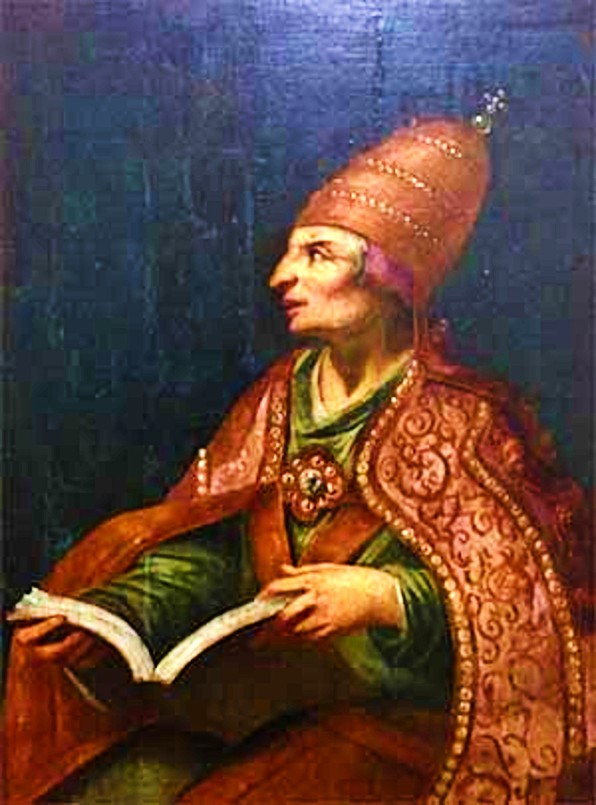
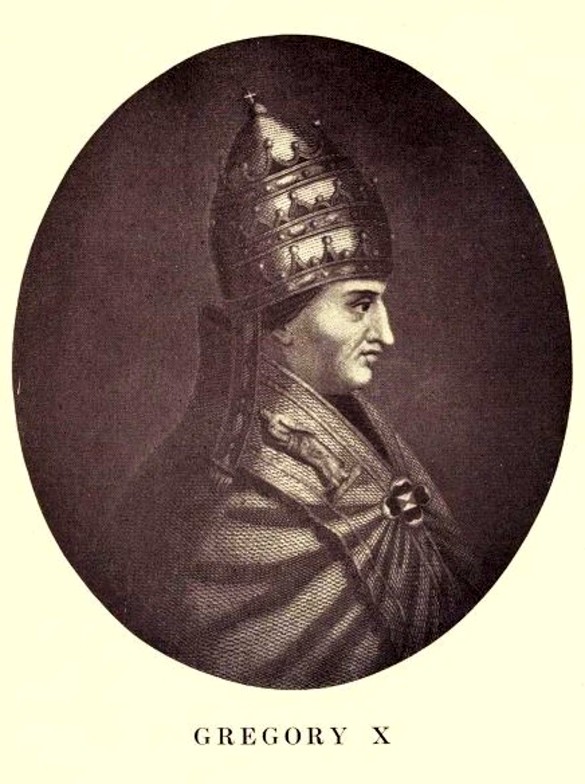
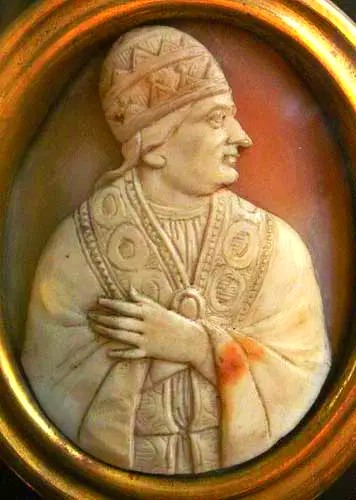
Blessed Pope Gregory X TOSF (1210-1276) Bishop of Rome 1272-1276. Beatified on 8 July 1713 by Pope Clement XI.
Biography:

https://anastpaul.com/2022/01/10/saint-of-the-day-10-january-blessed-pope-gregory-x-1210-1276/

Blessed Giles of Lorenzana OFM (1443-1518) Lay Brother of the Friars Minor. His Body is Incorrupt.

St John Camillus the Good (Died c669) Confessor, Archbishop of Milan from c. 641 until his death. Known as “the Good” for his great charity and generosity, his holiness, devotion and his many miracles.
His Holy Life:

https://anastpaul.com/2023/01/10/saint-of-the-day-10-january-st-john-the-good-died-c-669-confessor-archbishop/

St Maurilius of Cahors
St Nicanor of Cyprus

St Petronius of Die
Bl Raymond de Fosso
St Saethryth of Faremoutier
St Thecla of Lentini
St Thomian of Armagh
St Valerius of Limoges

St William of Bourges O.Cist (c1140-1209) Archbishop of Bourges from 1200 until his death, Confessor, Monk, renowned for miracles and virtue.
About St William:

https://anastpaul.com/2021/01/10/saint-of-the-day-10-january-saint-william-of-bourges-o-cist-c-1140-1209/

Posted in INCORRUPTIBLES, SAINT of the DAY

Saint of the Day – 9 January – Blessed Antony Fatati (c1410-1484) Bishop

Saint of the Day – 9 January – Blessed Antony Fatati (c1410-1484) Bishop, holding many illustrious Papal appointments for a few Popes in succession. Blessed Antony was austere to himself but generous towards the poor. As the long-serving Bishop of Teramo and then of Ancona, Antony displayed the perfect example of a zealous and loving shepherd. Born in c1410 in Ancona, in the Marches, Italy and died there on 9 January 1484 of natural causes, aged around 74 years. Additional Memorial – 2 September in Ancona. Blessed Antony was Beatified by Pope Pius VI on 9 May 1795. Also known as – Anthony of Teramo, Anthony of Ancona, Antoine… Antonio… His Body is Incorrupt.

Blessed Antony Fatati was born in Ancona to a noble family. He studied in Bologna, Italy and, after Ordination, was appointed a Canon and vicar of the Vatican Chapter of St Peter’s Basilica.

He was then appointed as a senior Chaplain and Cleric of the Apostolic Camera (Treasury) in the Roman Curia, the General Treasurer of the Marches and Vicar General of that Province.

In 1450 he was elected to the Episcopal See of Teramo and, in 1463, of Ancona. In between these elections, in 1456, the King of Naples Alfonso V of Aragon, became so impressed with Antony, the King asked him to be one of his Councilors.

In his long and fruitful pastoral activity, Blessed Antony distinguished himself for his prudence, equanimity, austerity and generosity. He was a shepherd attentive to the needs of his people, whom he guided with wisdom and firmness. He worked to promote charity and social justice and to defend the Catholic Faith.

He was also a man of great culture and profound devotion and piety, devoting himself to prayer and meditation and was an example of Christian life for all who knew him.

Blessed Antony died in his Diocese on 9 January 1484. He was interred in the Diocesan Cathedral. In 1529 his body were found incorrupt after their exhumation. In 1795 a new sarcophagus was commissioned in order to display Blessed Antony’s Incorrupt body for the veneration of the faithful.

Posted in INCORRUPTIBLES, MARIAN TITLES, MIRACLES, SAINT of the DAY

Within the Octave of Epiphany, Feast of the Black Nazarene, Marian Feasts and Memorials of the Saints including St Peter of Sebaste (c340-c391) – 9 January

Fourth Day Within the Octave of Epiphany

Our Lady of Mercy of Absam/Our Lady of Clemency (Austria) (1797) – 9 January:
https://anastpaul.com/2021/01/09/feast-of-the-black-nazarene-our-lady-of-mercy-of-absam-our-lady-of-clemency-austria-and-memorials-of-the-saints-9-january/

Madonna della Lettera / Our Lady of the Letter (Messina, Sicily, Italy) (1693) – 9 January and 3 June:
This wonderful Marian Title:
https://anastpaul.com/2021/06/03/the-solemnity-of-corpus-christi-madonna-della-lettera-our-lady-of-the-letter-messina-sicily-italy-1693-and-memorials-of-the-saints-3-june/

St Peter of Sebaste (c340-c391) Bishop of Sebaste in Lesser Armenia. Member of the glorious family of Saints – He was the younger brother of Basil the Great, Gregory of Nyssa, the famous Christian Hermit Naucratius and Macrina the Younger and a close friend of Gregory of Nazianzen, all Saints. Of course, Basil and Gregory of Nazianzen are both Doctors too.
St Pete
r’s Biography:
https://anastpaul.com/2021/01/09/saint-of-the-day-9-january-st-peter-of-sebaste-c-340-c-391-bishop/

St Adrian of Canterbury (c635-710) He was a Monk, Abbot, a brilliant Scholastic and Theologian, Teacher, Administrator and Adviser.
St Adrian’s Life:

https://anastpaul.wordpress.com/2018/01/09/saint-of-the-day-9-january-st-adrian-of-canterbury-c-635-710/

Blessed Alix le Clerc/Teresa of Jesus CND (1576-1622) Founder of the Canonesses of St Augustine of the Congregation of Our Lady, a religious Order founded to provide education to girls, especially those living in poverty. The Beatification of Mother Teresa of Jesus was celebrated by Pope Pius XII on 4 May 1947.
Biography:

https://anastpaul.com/2020/01/09/saint-of-the-day-9-january-blessed-alix-le-clerc-teresa-of-jesus-cnd-1576-1622/

Blessed Antony Fatati (c1410-1484) Bishop. His Body is Incorrupt.
St Brithwald of Canterbury
St Eustratius of Olympus
Bl Franciscus Yi Bo-Hyeon
St Honorius of Buzancais

Blessed Julia of Certaldo OSA (1319-1367) Laywoman, Third Order Augustinian, Recluse, Ascetic, Mystic living a life of prayer and penance. Beatified in 1819 by Pope Pius VII.
Her Life of Love:

https://anastpaul.com/2022/01/09/saint-of-the-day-9-january-blessed-julia-of-certaldo-1319-1367/

Sts Julian and Basilissa (died c304) Martyrs. Julian and Basilissa were husband and wife.
Life and Death:

https://anastpaul.com/2019/01/09/saints-of-the-day-sts-julian-and-basilissa-died-c-304-martyrs/

St Marcellinus of Ancona (Died c577) The 5th Bishop of Ancona, Italy. Patronages – against fire (a raging fire ceased by St Marcellinus waving his prayer book at it; the book survived the fire with only slight damage; afterwards, people who touched it, while praying, were cured of ailments), of Ancona, Italy.
The Roman Martyrology reads: “At Ancona, St Marcellinus, Bishop, who, according to St Gregory the Great, miraculously delivered that City from destruction by fire.
Holy Marcellinus:

https://anastpaul.com/2024/01/09/saint-of-the-day-9-january-saint-marcellinus-of-ancona-died-c577-bishop/

St Marciana
Bl Martinus In Eon-min
St Maurontius
St Nearchus
St Paschasia of Dijon
St Philip Berruyer
St Polyeucte

Martyrs of Africa – 21 Saints: A group of 21 Christians murdered together for their faith in the persecutions of Decius. The only details to survive are 14 of their names – Artaxes, Epictetus, Felicitas, Felix, Fortunatus, Jucundus, Pictus, Quietus, Quinctus, Rusticus, Secundus, Sillus, Vincent and Vitalis. They were Martyred in c 250.

Martyrs of Antioch – 6 Saints: A group of Christians Martyred together during the persecutions of Diocletian – Anastasius, Anthony, Basilissa, Celsus, Julian and Marcionilla.

Posted in SAINT of the DAY

Saint of the Day – 8 January – Blessed Edward Waterson (Died 1593) Priest and Martyr,

Saint of the Day – 8 January – Blessed Edward Waterson (Died 1593) Priest and Martyr, Missionary to his own beleagured English Catholic people under the horrors set in motion by Henry VIII and now being perpetuated by his daughter Elizabeth I. Edward was born in London, England and died by being hanged, drawn and quartered on 8 January 1593 at Newcastle-on-Tyne, England. The prison horses refused to drag Edward to the scaffold and when the guards finally got him there, the ladder for climbing to the scaffold platform, of its own volition jerked to and fro to keep them from climbing it, until Edward himself, made the Sign of the Cross over it and it settled into its position. Additional Memorial – 29 October as one of the Martyrs of Douai.

Hung, drawn and quartered

Little is known of the English Martyr, Blessed Edward Waterson, before 1588. In that year, this young English Protestant, apparently a man of some status, stopped off at Rome on the way back from a trip he had made to Turkey in the company of some British merchants. He had an unusual story to tell about the Turkish visit. There he had met a wealthy Turk who had taken such a liking to him that he offered him the hand of his daughter in marriage. With one proviso. If he chose the girl, he must first convert to Islam.

Whether the young lady appealed to Edward, the proviso did not. Sorry, he answered, he would not abandon his faith in Christ. Travelling home Edward stopped in Rome and there he must have told the tale of his refusal at the English College in Rome. This college was an ancient hospice for British pilgrims which, in 1579 had also been turned into a Seminary for the training of English Catholic young men for the secular Priesthood and the dangerous Apostolate of the English mission. Even though now a Seminary, the college still had accommodations for pilgrims and visitors to Rome. Edward’s name is entered in its Pilgrims’ Book from 29 November to 11 December 1588.

For the young Englishman who had refused to convert to Islam, that was a momentous fortnight. While at the College, he asked to be instructed in the Catholic beliefs. He received the instructions and converted to the Catholic faith of his English forefathers. Whether this decision was impromptu or long-maturing is not known.

One of the Martyrs of Douai

Edward was not even content to remain a layman. In December he left Rome for the English College at Reims, France, to enroll as a student for the Priesthood. On completing his training, he was Ordained a Priest on 11 March 1592. He had not shown himself to be a brilliant student but he was acknowledged to be a model of humility and self-denial.

In June 1592, the Church authorities at Reims sent the new Priest back to England to begin his work. He knew, of course, that he was courting death. Particularly over the past seven years, many English Douai Seminary Priests had been executed for treason as a result of a law enacted against Priests in 1585. But so great was Edward’s zeal that he declared that if given the choice between owning all France for a year or going to England on the mission, he would choose the latter.

Father Waterson’s Apostolate as a Missionary was very creditable. It was also very brief., around a year. In the summer of 1593 he was arrested and put in harsh confinement at Newcastle-upon-Tyne. At Newcastle, too, he was tried and condemned to death for functioning as a Priest. Execution was set for 7 January 1594.

Those who attended his execution at Newcastle reported some unusual happenings. Catholic Archdeacon Trollope said that when the young Priest was tied down to the hurdle (the wicker sledge used to drag traitors to the place of execution), the horses refused to pull it, so he had to be walked to the scaffold. At the gallows, too, the ladder by which he had to mount the platform began to jerk free and twist about on its own. Only when Father Waterson made the Sign of the Cross over it did it come to rest against the platform. According to the law of execution in treasonable cases, his body was cut down from the hangman’s rope before he was dead, disemboweled and cut into four quarters.

Edward Waterson was Beatified by Pope Pius XI in 1929. Twice tested for his Faith in the Lord Jesus Christ, he had passed the test. He is an interesting illustration of how varied in background were the men and women who were Martyred during the English Reformation. Their witness to the Faith is a many-splendoured memorial!
Martyrs of Douai
Posted in MARIAN TITLES, SAINT of the DAY

Within the Octave, Our Lady of Prompt Succour, New Orleans, USA (1809) and Memorials of the Saints – 8 January

Third Day of Octave of The Epiphany Octave

Our Lady of Prompt Succour, New Orleans, USA (1809) – 8 January and 15 January:
Such wonderful miracles – read about the Marian Patron of Louisiana here:
https://anastpaul.com/2019/01/08/memorials-of-the-saints-8-january/

St Abo of Tblisi

St Albert of Cashel (Died c600) English Bishop, Missionary.
Canonised on 19 June 1902 by Pope Leo XIII.
His Life of Grace:

https://anastpaul.com/2024/01/08/saint-of-the-day-8-january-saint-albert-of-cashel-died-c600-bishop-

St Apollinaris the Apologist (Died 2nd Century) Confessor, Defender of the True Faith against heretics, Writer, renowned Scholar. Bishop, Apologist.
The Roman Martyrology states: “In Hierapolis in Phrygia, in today’s Turkey, Saint Apollinaris, Bishop, who shone under the Emperor Marcus Aurelius for doctrine and holiness.”
A Courageous and Zealous Life:

https://anastpaul.com/2022/01/08/saint-of-the-day-8-january-saint-apollinaris-the-apologist-died-2nd-century/

St Athelm of Canterbury
St Atticus of Constantinople
St Carterius of Caesarea

Blessed Edward Waterson (Died 1593) Priest and Martyr

St Ergnad of Ulster
St Erhard of Regensburg
St Eugenian of Autun
St Garibaldus of Regensburg
St Gudule of Brussels
St Helladius
St Julian of Beauvais
St Lucian of Beauvais
St Maximian of Beauvais
St Maximus of Pavia
Bl Nathalan of Aberdeen
St Patiens of Metz
St Pega of Peakirk

St Peter Thomas OCD (1305-1366) Carmelite Priest and Friar, Archbishop of Crete, Latin Patriarch of Constantinople, noted Preacher, Papal legate, the Carmelite Order’s Procurator-General to the Papal Court, Teacher, Marian devotee, miracle-worker.
His Life:

https://anastpaul.com/2021/01/08/saint-of-the-day-6-january-st-peter-thomas-ocd-c-1305-1366/

St Severinus of Noricum (c410-482) Abbot, Hermit, Missionary, the “Apostle to Noricum” (Noricum is the Latin name for the Celtic Kingdom or Federation of Tribes which included most of modern Austria and part of Slovenia). He established Monasteries and refuge centres for those stricken by war. Severinus was graced with the gifts of prophecy and miracles.
Biography:

https://anastpaul.com/2023/01/08/saint-of-the-day-8-january-saint-severinus-of-noricum-c-410-482-the-apostle-to-noricum/

St Theophilus the Martyr
St Thorfinn
St Wulsin of Sherborne

Martyrs of Greece – 9 Saints: A group of Christians honoured in Greece as Martyrs, but we have no details about their lives or deaths – Euctus, Flix, Januarius, Lucius, Palladius, Piscus, Rusticus, Secundus and Timotheus

Martyrs of Terni – 4 Saints: A group of Christian soldiers in the imperial Roman army. Executed during the persecutions of Emperor Claudius. Martyrs. – Carbonanus, Claudius, Planus and Tibudianus. They were martyred in 270 in Terni, Italy.

Posted in SAINT of the DAY

Saint of the Day – 7 January – Blessed Albert of Siena ECMC (Died c1181) Hermit

Saint of the Day – 7 January – Blessed Albert of Siena ECMC (Died c1181) Hermit of St Romuald’s Camaldolese Hermits of Mount Corona, Pilgrim, Penitent, Ascetic, Miracle-worker. Born at Asciano, near Siena in the early 1100s and died in Montealceto not far from his birth Town in c1181 of natural causes. The name Albert means – shining through nobility (Old High German). Also known as – Alberto.

Mosaic in the Cathedral of San Marco in Venice: The Blessed Albert Enter Heaven.

From his earliest childhood, Albert gave proofs of his future holiness by taking food from his mother only at certain times, as if he wanted to fast and, when he was a little older, he set aside three days a week for fasting.

In addition, he made great and long pilgrimages – to Rome, to Apulia, to Mount Gargano, to Venice, to the Promised Land and to Compostella and lived as a Hermit after his return.

The Camaldolese Monk Anselm, often came to him, where they would scourge each other to tame the flesh. Albert then went to Poitou to St William , who had previously been a Count but had given up all worldly riches and honours and become a Monk.

Albert increased his mortification and penances. He put on hair clothes, slept on the bare ground, often stayed awake all night, ate and drank little and because, he wanted to earn his bread by manual labour, like his forefathers in the Egyptian desert, he turned to farming.

Through his intercession, many and varied miracles occurred, in particular water was often turned into wine through his prayers. But because he was held in great esteem by the people because of these miracles, Albert withdrew into solitude again and for this purpose went with his relative Grifolus to Mount Toricelli which, until there arrival had remained un inhabited due to its reputation for violent storms and high winds.

Blessed Albert’s Hermitage on Mount Toricelli

Here, he and his cousin, Grifolus, themselves little cells and Albert drove away the storms and winds by prayer which, prayer remains in force to this day, preventing the recurrence and return of sorms and high winds!

Albert refreshed the workers who came to assist the cultivation of the land, with a small vessel of wine which multiplied miraculously.

After Albert had lived a holy life on this mountain for 27 years, it happened that one day, while he was working in the fields, a hare ran up the wide sleeve of his habit. Those present wanted to kill the animal but he would not allow that and instead set it free. But the animal had hardly been outside when it jumped at him again to hide because it sensed the danger of nearby hunters. Because of this incident, Albert is depicted in paintings with a hare sitting in his sleeve.

During his holy life he had to endure many snares from the devil, who particularly attacked him in the form of a woman but he remained victorious and drove him out of his cell with blows. But, when the saint felt strong temptations, he rolled himself in nettles, following the example of St Benedict.

According to some traditions, Albert last lived in the Hermitage of Montalceto, not far from his hometown, He died there in the peace of Christ around the year 1181.

Blessed Albert’s Hermitage at Montalceto
Posted in MARIAN TITLES, SAINT of the DAY, The HOLY FACE, The HOLY FAMILY

Feast of the Holy Family, Within The Octave of The Epiphany, Our Lady of Egypt and the Return of the Child Jesus from Egypt, Madonna delle Grazie / Our Lady of Grace, Italy (1588) and the Saints for 7 January

The Second day Within The Octave of The Epiphany

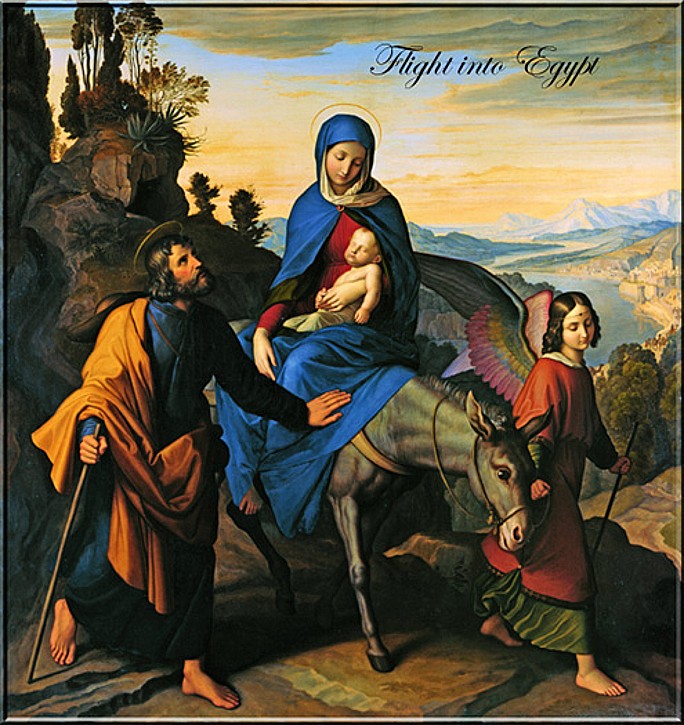
Our Lady of Egypt and the Return of the Child Jesus from Egypt — 7 January:
HERE:

https://anastpaul.com/2021/01/07/our-lady-of-egypt-and-memorials-of-the-saints-7-january/

The Flight into Egypt by Albrecht Durer

Madonna delle Grazie / Our Lady of Grace, Costa Folgaria, Italy (1588) – 7 January, 8 September:
HERE:

https://anastpaul.com/2022/01/07/our-lady-of-egypt-madonna-delle-grazie-our-lady-of-grace-costa-folgaria-italy-1588-and-memorials-of-the-saints-7-january/

Blessed Albert of Siena (Died c1181) Hermit
St Aldric of Le Mans
Bl Ambrose Fernandez
St Anastasius of Sens
St Brannock of Braunton
St Candida of Greece
St Cedd
St Clerus of Antioch
St Crispin I of Pavia
St Cronan Beg
St Emilian of Saujon
St Felix of Heraclea
St Giuliano of Gozzano (c350-c391) Deacon, Missionary
St Januarius of Heraclea
St Julian of Cagliari
St Kentigerna

St Lucian of Antioch (Died 312) Confessor, Priest, Marty, Teacher, Theologian, Writer, Founder of the renowned School of Antioch.
The Roman Martyrology reads: “The birthday of the blessed Lucian. a Priest of the Church of Antioch and Martyr, who was distinguished for his learning and eloquence. He suffered at Nicomedia for the confession of Christ, in the persecution of Galerius Maximian and was buried at Helenopolis, in Bithynia. His praises have been proclaimed by St John Chrysostom.”
His Life and Death:
https://anastpaul.com/2024/01/07/saint-of-the-day-7-january-saint-lucian-of-antioch-died-312-confessor-priest-martyr/

Blessed Matthew of Agrigento OFM (1377-1450) Bishop, “Apostle of the Holy Name of Jesus,” Franciscan Priest and Friar, Missionary Preacher often with St Bernardine of Siena, Provincial Vicar and General Commissioner of the Order, founder of many Convents. He was Beatified on 21 February 1767 by Pope Clement XII.
His Zealous Life:

https://anastpaul.com/2022/01/07/saint-of-the-day-7-january-blessed-matthew-of-agrigento-ofm-c-1377-1450-apostle-of-the-holy-name-of-jesus/

St Pallada of Greece
St Polyeuctus of Melitene
St Reinhold of Cologne
St Spolicostus of Greece
St Theodore of Egypt
St Tillo of Solignac

St Valentine of Passau (Died 475) Bishop in Passau in the Rhaetia region, Switzerland, an area in the border region of modern Italy, Austria and Switzerland, Monk, Abbot, Missionary, Hermit, Miracle-worker. Died on 7 January 475 at Mais, Tyrol, Austria of natural causes. Patronages – against convulsions, against cramps/stomach pain, against epilepsy, against gout, against plague/epidemics, against demonic possession, of cattle diseases, of pilgrims, poor people, City and Diocese of Passau.
Biography:

https://anastpaul.com/2023/01/07/saint-of-the-day-7january-st-valentine-of-passau-died-475-bishop/

St Virginia of Ste-Verge
Bl Wittikund of Westphalia

Posted in SAINT of the DAY

Saint of the Day – 6 January – Saint Nilammon of Geris (Died c404) Hermit – the Bishop-elect who died to be released.

Saint of the Day – 6 January – Saint Nilammon of Geris (Died c404) Hermit. Born in Egypt in the 4th Century and died in the early 5th, c404 in Geris of natural but miraculous causes. Also known as – Nilammone, Nilamon, Nillammon. His name means: “the son of my people from the Nile” (Hebrew)

The Roman Martyrology reads today: “At Geris in Egypt, St Nilammon, Anchoret, who, whilst he was carried to a Bishopric againsat his will, gave up his soul to God in prayer.

Nillammon lived as a recluse in a small stone-walled house near Geris (Gerrum) in Egypt. The people and the Patriarch Theophilos I of Alexandria – who was known for his passionate hostility to St John Chrysostom – wanted to Consecrate him as the Bishop of the City.

But he could not be persuaded to leave his little house near this Town which he had barricaded with stones and to accept the Episcopal dignity. He then locked himself in and would die praying, with scores of people pleading with him to reconsider his decision, standing outside. While he was still praying fevently to be released from this great honour but imposing Office, Nillammon died naturally.

The information about Nilammon comes from the Church Historian Sozomenus (c400-c450), who lived and worked shortly after Nilammon’s life.

St Nilammon is one of the 140 Colonnade saints which adorn St Peter’s Basilica and surround the Square, below St Nilammon is on the left with St Fabiola on the right – this is the North Colonnade.

Posted in INCORRUPTIBLES, MARIAN TITLES, SAINT of the DAY, THE EPIPHANY of the LORD

The Epiphany of the Lord, Nostra Signora di Cana / Our Lady of Cana and Memorials of the Saints – 6 January

The Epiphany of the Lord
Epiphany celebrates the visit of the three Kings or Magi (Wise Men) to the Christ Child, signifying the extension of salvation to the Gentiles.
The date of Epiphany, one of the oldest Christian Feasts, is 6 January, the 12th day after Christmas.
However, in some countries, the celebration of Epiphany is transferred to the Sunday which falls between 2 January and 8 January (inclusive). Greece, Ireland, Italy and Poland continue to observe Epiphany on 6 January as do traditional Catholics throughout the world.
Because Epiphany is one of the most important Feasts, it is a Holy Day of Obligation.

The Epiphany:
https://anastpaul.wordpress.com/2018/01/07/the-solemnity-of-the-epiphany-of-our-lord-jesus-christ-7-january-god-reveals-himself-to-us/
AND:
https://anastpaul.com/2019/01/06/the-solemnity-of-the-epiphany-of-the-lord-6-january/

Saint Caspar, Saint Melchior and Saint Balthasa(1st Century) otherwise known as the Three Wise Men/Kings or the Magi – they are all Martyrs.
Patronages against epilepsy/of epileptics, against thunder, furriers, motorists, pilgrims, playing card manufacturers, sawmill workers, travellers, travelling merchants, Cologne, Germany, Saxony. Additional Memorials – 23 July (translation of Relics); 24 July (Cologne, Germany where their Relics lie).
Their Lives and Deaths:
https://anastpaul.com/2024/01/06/saints-of-the-day-6-january-saint-caspar-saint-melchior-and-saint-balthasar-1st-century-martyrs/

Nostra Signora di Cana / Our Lady of Cana – 6 January:
HERE:

https://anastpaul.com/2022/01/06/the-solemnity-of-the-epiphany-of-the-lord-nostra-signora-di-cana-our-lady-of-cana-and-memorials-of-the-saints-6-january/

St Antoninus
St Basillisa of Antinoe

St Charles of Sezze OFM (1613-1670) Stigmatist, Friar, of the Friars Minor, Mystic, Writer, Advisor. His Beatification was celebrated in 1882 while Pope Pius XII approved his Canonisation in 1958 but the Pope died before he could Canonise the Friar so his successor, Pope John XXIII did so on 12 April 1959. His body is incorrupt.
About St Charles:

https://anastpaul.wordpress.com/2018/01/06/saint-of-the-day-6-january-st-charles-of-sezze-o-f-m-1613-1670/

St Demetrius of Philadelphia
St Diman Dubh of Connor
St Edeyrn
St Eigrad
St Erminold of Prüfening

Bl Frederick of Saint-Vanne
Bl Gertrud of Traunkirchen
Bl Gertrude van Oosten
St Guarinus of Sion
St Guy of Auxerre
St Honorius
St Hywyn of Aberdaron

St Julian of Antinoë
St Julius
Bl Luc of Roucy
Bl Macarius the Scot
St Macra of Rheims
St Merinus

St Peter of Canterbury (Died c614) Priest, Missionar, the First Abbot of the Monastery of Sts Peter and Paul in Canterbury (later St Augustine’s Abbey) and a companion of St Augustine of Canterbury (Died c605) in the Gregorian mission to Kent.
About St Peter:

https://anastpaul.com/2023/01/06/saint-of-the-day-6-january-saint-peter-of-canterbury-died-c-614-priest-abbot/

St Pia of Quedlinburg
St Pompejanus
Bl Raymond de Blanes
St Schotin
St Wiltrudis of Bergen

Martyrs in Africa: Unknown number of Christian men and women who were Martyred in the persecutions of Septimus Severus. They were burned to death c 210.

Martyrs of Sirmium – 8 Saints: A group of Christians Martyred together for their faith. The only surviving details are the names of eight of them – Anastasius VIII, Florianus, Florus, Jucundus, Peter, Ratites, Tatia and Tilis. They were martyred in the 4th century at Syrmium, Pannonia (modern Sremska Mitrovica, Vojvodina, Serbia).

Twelve Apostles – Saints of Ireland: Twelve 6th Century Irish Monks who studied under Saint Finian at Clonard Abbey and then spread the Faith throughout Ireland. Each has his own commemoration but on this day, they and their good works are considered and celebrated together. Although Saint Finian is sometimes included, most ancient writers list them as –

Brendan of Birr (Died c573) Monk, known as “Prophet of Ireland,” Founder of the Monastery at Birr in Central Ireland.
https://anastpaul.com/2021/11/29/saint-of-the-day-29-november-saint-brendan-of-birr-died-c-573/
Brendan the Navigator (c484–c 577) Priest, Abbot, Founder of many Monasteries.
https://anastpaul.com/2019/05/16/saint-of-the-day-16-may-st-brendan-the-navigator-c-484-c-577/
Columba of Iona (521-597) Apostle of the Picts, Apostle to Scotland, Abbot, Missionary, Evangelist, Poet, Scholar and Writer.
https://anastpaul.com/2020/06/09/saint-of-the-day-9-june-saint-columba-of-iona-521-597-apostle-of-the-picts-apostle-to-scotland/
Columba of Terryglass (Died 552) Abbot, Founder of Monasteries, Miracle-worker.
https://anastpaul.com/2023/12/12/saint-of-the-day-12-december-saint-columba-of-terryglass-died-552-abbot-one-of-the-twelve-apostles-of-ireland/
Keiran of Saighir (Died c 530) Bishop
https://anastpaul.com/2022/03/05/saint-of-the-day-5-march-saint-kieran-died-c-530/
Kieran of Clonmacnois / the Younger (c516-c550) Priest, Monk, Abbot, Teacher.
https://anastpaul.com/2021/09/09/saint-of-the-day-9-september-saint-kieran-the-younger-c-516-c-550/
Canice of Aghaboe
Lasserian of Leighlin
Mobhí of Glasnevin
Ninnidh the Saintly of Loch Erne
Ruadh´n of Lorrha
Senan of Iniscathay

Posted in SAINT of the DAY, WIDOWS and WIDOWERS

Saint of the Day – 25 December – Saint Anastasia of Sirmium (Died 304) Widow, Martyr

Saint of the Day – 25 December – Saint Anastasia of Sirmium (Died 304) Widow, Martyr. Patronages – of martyrs, weavers, widows, Borgorose, Italy, Burana in Kyrgyzstan. She is one of seven women who, along with Blessed Virgin Mary, are commemorated by name in the Roman Canon of the Mass.

From a Triptych in Zadar Cathedral

Before the liturgical reforms of the 20th Century, this Martyr enjoyed the distinction, unique in the Roman Liturgy, of having a special commemoration in the second Mass on Christmas Day. Since the time of St Gregory the Great (Papacy 590-604) and celebrated by the Pope himself, her name was also inserted into the Roman Canon.

The Roman Martyrology reads today: “The birthday of St Anastasia, who, in the time of Diocletian, first suffered a severed and harsh imprisonment on the part of her her husband, Publius, in which, however, she was much consoled and encouraged by the Confessor of Christ, St Chrysogonus.
Afterwards, she was thrown into prison again by order of Florus, Prefect of Illyria and, finally having her hands and feet stretched out, she was tied to stakes with a fire kindled about her in the midst of which, she ended her Martyrdom on the Island of Palmarola, whither she had been conveyed with two hundred men and seventy women, who have made Martyrdom a glorious thing by the various kinds of death they so courageously endured.

Anastasia, daughter of Pretestato a noble Roman, was a native of Sirmium, Pannonia, a Roman City in what is now Yugoslavia. She was the wife of Publius, a pagan, nevertheless, she was entirely devoted to assisting the Christians of Rome, who were forbidden, by an unjust law, to carry out any profession. Her husband, who was very much against her good works, cruelly punished her every disobedience but she was comforted by the advice of St Chrysogonus, who was also persecuted and imprisoned.

After her husband’s death, she was able to exercise her Christian charity more freely. Her spiritual advisor St Chrysogonus, had been arrested and sent to the Imperial Court in Aquileia, Anastasia accompanied him on the journey from Rome and witnessed the interrogation and then his beheading, the body was abandoned at the home of the three Christian sisters Agape, Chionia, Irene, who with the help of the holy priest Zoilus, gave him burial and for this they were all arrested.

Then Diocletian left for Macedonia taking with him all the imprisoned Christians and with them Anastasia; from Macedonia he moved towards Sirmium in Illyria, here the matron Theodota and her three sons were reported to him as fugitive Christians and he had them imprisoned.

The interest which Anastasia had in the fate of the four, aroused the suspicion of the pagans who reported her to the prefect Probus; these, after interrogations and vain attempts to make her renounce Christ, kept her in chains for a month and then put her on a pierced ship, together with other Christians and criminals and sent it out to sea to a certain death. But they miraculously escaped the stormy seas and landed at Palmaria, where they were again captured and offered freedom in exchange for honouring the gods. After their consistent refusal they were all massacred, while Anastasia was burned alive. Her ashes were collected by a woman named Apollonia who placed them in a small Church in her garden.

Although this ‘passio’ is probably partly enhanced and imagined, it is certain that the cult of a Martyr St Anastasia in Sirmium, is very ancient and then spread to Constantinople and Rome. In Sirmium, her Relics were venerated until about 460, when then, the Bishop Gennadius had them transferred to Constantinople to the Church that later took her name. In Rome, since the 4th Century, there was a Titular Church, already dedicated to her, right in the centre of pagan memories (Circus Maximus, on the Palatine).

She is depicted without particular attributes among the virgins in procession in the Church of St Apollinare Nuovo, also present on the bronze door of St Mark in Venice, in the Cathedral of Zadar in Sirmium (Yugoslavia) and others. In ancient times various Churches were dedicated to her, including that of Verona and the other very ancient and important for its historical and archaeological aspect, in Rome, already mentioned which, in the 7th Century, was already listed as the third most important Church after the Lateran and St Mary Major. The Cathedral of Zadar (Sirmium) is also dedicated to her.

St Anastasia’s Altar in Zadar Cathedral
Posted in SAINT of the DAY

The Nativity of Our Lord, Christmas Day! and Memorials of the Saints – 25 December

The Nativity of Our Lord, Christmas Day!
Celebration of the Anniversary of the Birth of Our Lord. In the earliest days of the Church there was no such Feast, the Saviour’s Birth was commemorated with the Epiphany by the Greek and other Eastern Churches. First mention of the Feast, then kept on 20 May, was made by Clement of Alexandria c 200. The Latin Church began in c 300 to observe it on 25 December, though there is no certainty that Our Lord was born on that day.
Today, Priests have the privilege of saying three Masses, at midnight, daybreak and morning. This was originally reserved to the Holy Father alone – beginning about the 4th century he celebrated a midnight Mass in the Lateran Basilica (in which according to tradition, the manger of Bethlehem is preserved), a second in the Church of Saint Anastasia, whose Feast comes on 25 December and a third at the Vatican Basilica.
Many peculiar customs of the day are the outcome of the pagan celebrations of the January calendar. The Christmas tree, of which the first known mention was made in 1605 at Strasbourg, was introduced into France and England in 1840.
The Feast is a Holy Day of Obligation, preceded by the preparatory season of Advent and by a special Vigil – should it fall on a Friday it abrogates the law of abstinence. Of course, Christmas attracts an Octave, when this wonderful Mystery and Miracle is celebrated for eight days.
https://anastpaul.com/2019/12/25/the-solemnity-of-the-nativity-of-our-lord-jesus-christ-25-december-2/
AND:
https://anastpaul.com/2018/12/25/the-solemnity-of-the-nativity-of-our-lord-jesus-christ-25-december/
AND:
https://anastpaul.wordpress.com/2017/12/25/25-december-the-solemnity-of-the-birth-of-our-lord-jesus-christ-2/

St Adalsindis of Hamay
St Alburga of Wilton
St Anastasia of Sirmium (Died 304) Widow, Martyr

Bl Artale
St Basilée of the Via Latina

Blessed Bentivoglio de Bonis OFM (1188-1232) Confessor, Priest and Friar of the Friars’ Minor of St Francis, Noted preachers, Miracle worker and visionary. One of Saint Francis of Assisi’s earliest disciples and one of first Franciscans.
His Holy Life:

https://anastpaul.com/2022/12/25/saint-of-the-day-25-december-blessed-bentivoglio-de-bonis-ofm-1188-1232-confessor-priest/

Bl Diego de Aro
St Eugenia of Rome

St Fulk of Toulouse (c1155-1231) Bishop of Toulouse, France, a fierce and untiring Defender of the Faith against heresies, Musician, Composer and Lyricist, Poet, Born in c1155 at Genoa, Italy and died in 1231 in Toulouse of natural causes.
A Talented and Zealous Shepherd:

https://anastpaul.com/2023/12/25/saint-of-the-day-25-december-saint-fulk-of-toulouse-c1155-1231-bishop/

Blessed Jacopone da Todi OFM (1230-1306) Priest and Friar of the Order of the Friars Minor, Author of the “Stabat Mater,” Confessor, Hymnist, Poet, Musician, Mystic, Lawyer. He is the Author of the famous Latin Hymn, The Stabat Mater among others.
Biography:

https://anastpaul.com/2020/12/25/saint-of-the-day-25-december-blessed-jacopone-da-todi-ofm-1230-1306/

St Jovin of the Via Latina
Bl Matthew of Albano
Bl Michael Nakashima Saburoemon
Bl Nera

Blessed Peter the Venerable (c1092–1156) The Eighth Abbot of Cluny, Reformer, Scholar and Writer, Poet. He was Beatified in 1862 by Pope Pius IX.
About Blessed Peter:

https://anastpaul.com/2021/12/25/saint-of-the-day-25-december-blessed-peter-the-venerable-c%e2%80%891092-1156/

St Romulus of Berry

Posted in SAINT of the DAY

Saint of the Day – 24 December – Saint Gregory of Spoleto (Died c304) Priest Martyr

Saint of the Day – 24 December – Saint Gregory of Spoleto (Died c304) Priest Martyr. Died in Spoleto, Italy after many tortures by being beheaded in c304.

The Roman Martyrology reads today: “At Spoleto, the holy Priest, Gregory. In the time of the Emperors Diocletian and Maximian, he was first beaten with rough clubs and then, after being exposed on the gridiron and improised, was struck on the knees with iron carding instrucments, burned on the sides with firebrands and finally, beheaded.

Gregory was a holy Priest of Spoleto, in Italy, who employed his time, night and day, in fasting and prayer and in teaching others the holy law of God.

It happened that Flaccus, a General of the armed forces, arrived at that City with a special order from the Emperor Maximian, to punish all the Christians. An information was laid before him, stating that Gregory seduced many and despised the gods and the Emperors. Soldiers were immediately despatched to bring him bound before his tribunal. When he appeared, Flaccus, with a stern countenance, said: “Are you Gregory of Spoleto?” The Martyr answered, “I am.” Flaccus again said, “Are you the enemy of the gods and the enemy of the princes?” St. Gregory replied, “From my infancy, I have always served the God Who formed me out of the earth.” Flaccus asked, “Who is your God?” “He,” replied the Martyr, “Who made man to His Own Image and likeness, Who is all-powerful and immortal and Who will render to all men according to their works.” Flaccus said, “Do not use many words but do what I command you.” The Martyr replied, “I know not what your command implies but I do what I am bound to do.” Flaccus urged, “If you desire to save yourself, go to the wonderful temple and sacrifice to the great gods and you shall be our friend and shall receive many favours from our most invincible Emperors.” St Gregory said, “I desire not such a friendship, nor do I sacrifice to devils but to my God, Jesus Christ.”

The Judge commanded him to be buffeted on the face, beaten with clubs and tortured on the rack and at length, ordered his head to be cut off. This happened in 304. His Relics were originally enshrined in a Church which bears his name at Spoleto. In the 10th Century, St Bruno, the Archbishop of Cologne, transferred Gregory’s Relics to his City’s Cathedral, which gave rise to an impressive local iconography and cultus. In the few figures of the Saint (the 14th Century stained glass window of the Cathedral and the frontispiece of the Cologne Missal) Gregory is depicted in priestly robes with a book in his hand, the Palm of Martyrdom and the sword with which he was beheaded.

In 1037, Baronius found a copy of these Acta of our Saint Gregory, an authentic testimony of a glorious miracle wrought by the touch of these Relics.

Posted in SAINT of the DAY

The Vigil of the Nativity of Our Lord Jesus Christ, The final day of the Christmas Novenas and Memorials of the Saints 

Christmas Novena to the Divine Infant Jesus
By St Alphonsus,
THE NINTH DAY

The Miraculous Monthly Novena to the
Infant Jesus of Prague
The Ninth Day

All the Holy Ancestors of Christ – A commemoration of all the holy ancestors of Jesus Christ.
MORE HERE:

https://anastpaul.com/2020/12/24/24-december-vigil-of-the-nativity-of-the-lord-mass-at-midnight-and-memorials-of-the-saints-24-december/

St Caran of Scotland

St Delphinus of Bordeaux (Died 403) the 2nd Bishop of Bordeaux, Defender of the True Faith, friend of St Ambrose and St Venerius of Milan. He was also instrumental in the conversion of the great St Paulinus of Nola, becoming his spiritual father and teacher.
Holy and Learned St Delphinus:

https://anastpaul.com/2023/12/24/saint-of-the-day-24-december-saint-delphinus-of-bordeaux-died-403-bishop/

St Euthymius of Nicomedia
St Gregory of Spoleto (Died c304) Priest Martyr

St Hanno of Worms OSB (Died 978) Benedictine Monk, Bishop of Worms from 950 until his death.
Biography:

https://anastpaul.com/2020/12/24/saint-of-the-day-24-december-saint-hanno-of-worms-osb-died-978/

St Irmina of Oehren (Died c716) Virgin Princess, Nun, Abbess, Founder and Co-founder of 2 Monasteries, benefactress of St Willibrord, the great Missionary Saint of Germany. The Roman Martyrology states: “In Trier in Austrasia, in Germany, Saint Irmina, Abbess of the Monastery of Öhren, who, a virgin consecrated to God, gave Saint Willibrord a small Monastery she founded in her villa in Echternach and was a generous giver of her goods.”
Her Life:

https://anastpaul.com/2021/12/24/saint-of-the-day-24-december-saint-irmina-of-oehren-died-c-716/

St Mochua of Timahoe

St Trasilla (Sixth Century) Virgin, Aunt of Saint Pope Gregory the Great (540-604)
The Roman Martyrology reads today: 
At Rome, the birthday of the holy Virgin, Trasilla, Aunt of St Gregory, Pope, who writs of her that at the hour of her death, she saw Jesus coming to her.
St Trasilla’s Life:
https://anastpaul.com/2022/12/24/saint-of-the-day-24-december-st-trasilla-sixth-century-virgin/

Blessed Mercedarian Brother:
Blessed Dionysius Roneo
Blessed Philip Claro
Blessed Giulio Pons
Blessed Peter of Valladolid

Blessed Mercedarian Sisters:
Blessed Anna Maria Prieto
Blessed Anna de Arrano
Blessed Orsola de Larisgoizia
Blessed Maguna Mary
Blessed Margaret
Blessed Mary of the Assumption Sarria

Martyred Maidens of Antioch – 40 Saints: A group of forty Virgins Martyred in the persecutions of Decius. None of their names have come down to us. They were martyred in 250 in Antioch, Syria.

Martyrs of Tripoli – 6 Saints: A group of Christians Martyred together, date unknown. The only details that have survived are six of the names – Drusus, Lucian, Metrobius, Paul, Theotimus and Zenobius. They were martyred in Tripoli, Libya.

Posted in SAINT of the DAY

Saint of the Day – 23 December – Saint Frithbert of Hexham (Died 766) Bishop

Saint of the Day – 23 December – Saint Frithbert of Hexham (Died 766) Bishop of Hexham, England serving his Diocese for 32 years and administering Lindisfarne. He died on 23 December 766 of natural causes. Also known as – Fridebert, Frithubeorht, Frideberto, Frithelbert.

The Reredos at Hexham Abbey depicting the 7 Canonised Bishops. St Firthbert is shown second from the right,

As the 7th Bishop of Hexham, Frithbert served as the Bishop for a lengthy 32 years until his death. He had been Cconsecrated on 8 September 734 by Archbishop Ecgbert. The Diocese which developed in the territory between the Rivers Aln and Tees, had its Seat in the Monastery founded by St Wilfrid of York in 674. Only thirteen Bishops of this ancient Diocese are known and 7 of them are Canonised Saints. After the devastating raids of the Danish Vikings in the 9th Century, around the year 821, the Diocese was united with that of Lindisfarne.

In 750, when Cynewul, then the Bishop of Lindisfarne – was imprisoned for political reasons during a dynastic clash, Frithbert also administered the See of Lindisfarne.

He died on 23 December 766, the same year as Archbishop Ecgbert. St Bede praised Firthbert as a “truly faithful Bishop.”

St Frithbert’s Relics were re-discovered at Hexham in 1154.

Hexham Abbey
Posted in MARIAN TITLES, SAINT of the DAY

Notre-Dame de Ardilliers / Our Lady of Ardilliers (1454), Day 8 Christmas Novenas and Memorials of the Saints – 23 December

Christmas Novena to the Divine Infant Jesus
By St Alphonsus
THE EIGHTH DAY

The Monthly Novena to the
Miraculous Infant of Prague

The Eighth Day

Notre-Dame de Ardilliers de Saumur / Our Lady of Ardilliers, Saumur, Anjou, France (1454) – 23 December:
HERE:

https://anastpaul.com/2021/12/23/notre-dame-de-ardilliers-de-saumur-our-lady-of-ardilliers-saumur-anjou-france-1454-and-memorials-of-the-saints-23-december/

St Besa of Egypt (5th Century) Abbot, a wise, compassionate and effective administrator, shepherd of the surrounding peoples Besa was the Senior Abbot of more than one double Monastery in the desert region of Thebes. 
St Besa’s Life of Grace:

https://anastpaul.com/2023/12/23/saint-of-the-day-23-december-saint-besa-of-egypt-5th-century-abbot/

St Bincema
St Dagobert II of Austrasia
St Frithbert of Hexham (Died 766) Bishop

Blessed Hartmann OSA (c 1090-1164) Bishop of Brixen, Italy and Friar of the Hermits of St Augustine, Reformer of the Clergy, Advisor and Confessor to the Holy Roman Emperor, Leopold I, Miracle-worker.
His Holy Life:

https://anastpaul.com/2022/12/23/saint-of-the-day-23-december-bl-essed-hartmann-osa-c-1090-1164-bishop/

St Ivo of Chartres (c1040-1115) Bishop of Chartres, France from 1090 until his death, Confessor, Reformer, Defender of the Faith, Lawyer, Canon Lawyer, Teacher and Theologian, Writer. The Roman Martyrology states: “In Chartres in France, Saint Ivo, Bishop, who re-established the Order of the Canons and did much work and wrote to promote harmony between the clergy and the civil powers and for the good of the Church.”
Biography:

https://anastpaul.com/2021/12/23/saint-of-the-day-23-december-saint-ivo-of-chartres-c-1040-1115/

St John Cirita
St John Stone
St Mardonius of Rome
St Mazota of Abernethy
St Migdonius of Rome

Blessed Nicolás Factor-Estaña OFM (1520-1583) Priest of the Order of Friars Minor, Painter, Preacher, Ascestic, Spiritual Director.
His Life:

https://anastpaul.com/2019/12/23/saint-of-the-day-23-december-blessed-nicolas-factor-estana-ofm-1520-1583/

St Servulus (Died c 590) Layman, Beggar, paralysed by Palsy from birth. Saint Servulus was a perfect model of submission to the divine Will; it would be difficult to offer a more consoling example to persons afflicted by poverty, illnesses and the other miseries of life. It is Saint Gregory the Great who narrates for us his edifying story.
St Servulus’ Life of devotion:

https://anastpaul.com/2020/12/23/saint-of-the-day-23-december-saint-servulus-died-c-590/

Martyrs of Crete – 10 Saints: A group of ten Christians who died in the persecutions of Decius. They were – Agathopus • Basilides • Cleomenes • Eunician • Euporus • Evaristus • Gelasius • Saturninus • Theodulus • Zeticus They were martyred in 250 on the island of Crete.