Thought for the Day – 15 September – The Memorial of Our Lady of Sorrows
The Seven Sorrows of the Blessed Virgin Mary
1. The prophecy of Simeon
2. The Flight to Egypt
3. Loss of Child Jesus for 3 days
4. Meeting Jesus carrying His Cross
5. The Crucifixion of Jesus
6. The Pieta – receiving Jesus’ Body
7. The Burial of Jesus
“The Liturgy teaches us to meditate on the sorrows of Mary. So we turn once more to a memory of sadness, an example of patient endurance, to remind ourselves, for our own good, that our whole life here below is beset with trials and difficulties. It is a life of hardships but at the end, we shall receive the reward of eternal joy.
So we must always take courage – Jesus, Mary and Joseph, give us the certainty of future triumphs. In every moment of their earthly lives, they knew sorrow, privations and suffering and yet, they always reflected the eternal splendour of heaven.
The lesson all the faithful may learn from such sublime examples, is a continual encouragement and strength, by means of which, rising again after every failure and correcting the faults of our temperaments, we may all seek to reach that shore, whee perfect peace and blessing are to be found.”…St Pope John XXIII
John’s account of Jesus’ death is highly symbolic. When Jesus gives the beloved disciple to Mary, we are invited to appreciate Mary’s role in the Church – she symbolises the Church, the beloved disciple represents all believers. As Mary mothered Jesus, she is now mother to all his followers. Furthermore, as Jesus died, he handed over His Spirit. Mary and the Spirit co-operated in begetting new children of God—almost an echo of Luke’s account of Jesus’ conception. Christians can trust that they will continue to experience the caring presence of Mary and Jesus’ Spirit throughout their lives and throughout history.
Prayer to our Lady of Sorrows By St Bonaventure (1217-1274) Doctor of the Church
O most holy Virgin, Mother of our Lord Jesus Christ, by the overwhelming grief you experienced when you witnessed the martyrdom, the crucifixion and the death, of your divine Son, look upon me with eyes of compassion and awaken in my heart a tender commiseration for those sufferings, as well as a sincere detestation of my sins, in order that, being disengaged from all undue affection for the passing joys of this earth, I may sigh after the eternal Jerusalem and that henceforward all my thoughts and all my actions may be directed towards this one most desirable object, the honour, glory and love to our divine Lord Jesus, and to the you, the Holy and Immaculate Mother of God. Amen
Quote/s of the Day – 15 September – The Memorial of Our Lady of Sorrows
“While other martyrs suffered by sacrificing their own lives, the Blessed Virgin suffered by sacrificing her Son’s life, a Life that she loved far more than her own; so that she not only suffered in her soul all that her Son endured in His Body but moreover, the sight of her Son’s torments, brought more grief to her heart, than if she had endured them all in her own person”.
St Anselm (1033-1109) Doctor of the Church
“Truly, O Blessed Mother, a sword has pierced your heart…. He died in body through a love greater than anyone had known. She died in spirit through a love unlike any other since His.”
“The Martyrdom of Mary, was not caused by the executioner’s sword but proceeded from bitter sorrow of heart.”
St Bernard of Clairvaux (1090-1153) Doctor of the Church
During the entire course of her life, the Blessed Virgin Mary, Mother of God, never deviated in the slightest from the precepts and examples of her Divine Son. This was true both in the most sweet joys Mary experienced and in the cruel sufferings she underwent, which made the the Queen of Martyr.
Venerable Pope Pius XII (1876-1958)
“If you want to assist at Mass, with devotion and with fruit, think of the sorrowful Mother at the feet of Calvary.”
One Minute Reflection – 15 September – The Memorial of Our Lady of Sorrows
Near the cross of Jesus, there stood his mother…..John 19:25
REFLECTION – “Mary “stood by”; she was simply there . Here again the young woman of Nazareth, hair now grayed with the passage of time, still struggling with a God who must only be embraced and with a life that has come to the threshold of the darkest night. Mary “stood by” in the thickest darkness but she “stood by”. She did not go away. Mary is there, faithfully present, each time a candle must be held aflame in a place of fog and haze. She does not even know the future resurrection her Son was opening at that instant for us, for all of mankind – she stands there out of faithfulness to the plan of God whose handmaid she proclaimed herself to be on the first day of her vocation but also due to her instinct as mother who simply suffers, each time there is a child who undergoes suffering. The suffering of mothers – we have all known strong women who have faced their children’s suffering!”…Pope Francis – General audience, 10 May 2017
PRAYER – Our Father, when Jesus Your Son, was raised up on the Cross, it was Your will that Mary, His Mother, should stand there and suffer with Him in her heart. Grant that in union with her, the Church may share in the passion of Christ and so be brought to the glory of His Resurrection. Be our intercessor and our consolation, Our Lady of Sorrows! We make our prayer through Christ our Lord, with the Holy Spirit, one God forever and ever, amen.
Memorial of The Seven Sorrows of the Blessed Virgin Mary
Excerpt from the Homily of His Holiness, Pope Benedict XVI, at the Esplanade in front of the Basilica of Notre-Dame du Rosaire, Lourdes Monday, 15 September 2008
“Yesterday we celebrated the Cross of Christ, the instrument of our salvation, which reveals the mercy of our God in all its fullness. The Cross is truly the place where God’s compassion for our world is perfectly manifested. Today, as we celebrate the memorial of Our Lady of Sorrows, we contemplate Mary sharing her Son’s compassion for sinners.
As Saint Bernard declares, the Mother of Christ entered into the Passion of her Son through her compassion (cf. Homily for Sunday in the Octave of the Assumption). At the foot of the Cross, the prophecy of Simeon is fulfilled: her mother’s heart is pierced through (cf. Lk 2:35) by the torment inflicted on the Innocent One born of her flesh.
Just as Jesus cried (cf. Jn 11:35), so too Mary certainly cried over the tortured body of her Son. Her self-restraint, however, prevents us from plumbing the depths of her grief; the full extent of her suffering is merely suggested by the traditional symbol of the seven swords. As in the case of her Son Jesus, one might say that she too was led to perfection through this suffering (cf. Heb 2:10), so as to make her capable of receiving the new spiritual mission that her Son entrusts to her immediately before “giving up his spirit” (cf. Jn 19:30) – that of becoming the mother of Christ in his members. In that hour, through the figure of the beloved disciple, Jesus presents each of his disciples to his Mother when he says to her – Behold your Son (cf. Jn 19:26-27).
Today Mary dwells in the joy and the glory of the Resurrection. The tears shed at the foot of the Cross have been transformed into a smile which nothing can wipe away, even as her maternal compassion towards us remains unchanged. The intervention of the Virgin Mary in offering succour throughout history testifies to this and does not cease to call forth, in the people of God, an unshakable confidence in her, the Memorare prayer expresses this sentiment very well. Mary loves each of her children, giving particular attention to those who, like her Son at the hour of his Passion, are prey to suffering, she loves them quite simply because they are her children, according to the will of Christ on the Cross.
The psalmist, seeing from afar this maternal bond which unites the Mother of Christ with the people of faith, prophesies regarding the Virgin Mary that “the richest of the people … will seek your smile” (Ps 44:13). In this way, prompted by the inspired word of Scripture, Christians have always sought the smile of Our Lady, this smile which medieval artists were able to represent with such marvellous skill and to show to advantage. This smile of Mary is for all but it is directed quite particularly to those who suffer, so that they can find comfort and solace therein. To seek Mary’s smile is not an act of devotional or outmoded sentimentality but rather the proper expression of the living and profoundly human relationship which binds us to her whom Christ gave us as our Mother.
To wish to contemplate this smile of the Virgin, does not mean letting oneself be led by an uncontrolled imagination. Scripture itself discloses it to us through the lips of Mary when she sings the Magnificat: “My soul glorifies the Lord, my spirit exults in God my Saviour” (Lk 1:46-47). When the Virgin Mary gives thanks to the Lord, she calls us to witness. Mary shares, as if by anticipation, with us, her future children, the joy that dwells in her heart, so that it can become ours. Every time we recite the Magnificat, we become witnesses of her smile.”
You, Holy Mother of Sorrows, who are the smile of God, the reflection of the light of Christ, the dwelling place of the Holy Spirit, smile upon us and pray for us!
St Aichardus
St Albinus of Lyon
Bl Anton Maria Schwartz
St Aprus of Toul
St Bond of Sens
St Catherine of Genoa
Bl Camillus Constanzo
St Emilas of Cordoba
St Eutropa of Auvergne
St Hernan
Bl Jacinto de Los Ángeles and Bl Juan Bautista
St Jeremias of Cordoba
St Joseph Abibos
St Mamillian of Palermo
St Melitina
St Mirin of Bangor
St Nicetas the Goth
St Nicomedes of Rome
St Porphyrius the Martyr
St Ribert
St Ritbert of Varennes
Bl Rolando de Medici
Bl Tommasuccio of Foligno
St Valerian of Châlon-sur-Saône
St Valerian of Noviodunum
St Vitus of Bergamo
Bl Wladyslaw Miegon
—
Martyrs of Adrianopolis – 3 saints: Three Christian men martyred together in the persecutions of Maximian – Asclepiodotus, Maximus and Theodore. They were martyred in 310 at Adrianopolis (Adrianople), a location in modern Bulgaria.
Martyrs of Noviodunum – 4 saints: Three Christian men martyred together, date unknown – Gordian, Macrinus, Stratone and Valerian.
They were martyred in Noviodunum, Lower Moesia (near modern Isaccea, Romania).
Mercedarian Martyrs of Morocco – 6 beati: A group of six Mercedarians who were captured by Moors near Valencia, Spain and taken to Morocco. Though enslaved, they refused to stop preaching Christianity. Martyrs. – Dionisio, Francis, Ildefonso, James, John and Sancho. They were crucified in 1437 in Morocco.
Martyred in the Spanish Civil War:
Bl Antonio Sierra Leyva
Bl Pascual Penades Jornet
Thought for the Day – 14 September – Feast of the Exaltation of the Holy Cross
Excerpt – Pope Benedict XVI
Angelus, 17 September 2006
“But what does exalting the Cross mean? Is it not maybe scandalous to venerate a shameful form of execution? The Apostle Paul says: “We proclaim Christ crucified, a stumbling block to Jews and folly to Gentiles” (I Cor 1: 23). Christians, however, do not exalt just any cross but the Cross which Jesus sanctified with His sacrifice, the fruit and testimony of immense love. Christ on the Cross pours out His Blood to set humanity free from the slavery of sin and death.
Therefore, from being a sign of malediction, the Cross was transformed into a sign of blessing, from a symbol of death into a symbol par excellence of the Love that overcomes hatred and violence and generates immortal life. “O Crux, ave spes unica! O Cross, our only hope!”. Thus sings the liturgy.
The Evangelist recounts – Mary was standing by the Cross (cf. Jn 19: 25-27). Her sorrow is united with that of her So n. It is a sorrow full of faith and love. The Virgin on Calvary participates in the saving power of the suffering of Christ, joining her “fiat”, her “yes”, to that of her Son.
Dear brothers and sisters, spiritually united to Our Lady of Sorrows, let us also renew our “yes” to God who chose the Way of the Cross in order to save us. This is a great mystery which continues and will continue to take place until the end of the world and which also asks for our collaboration.
May Mary help us to take up our cross every day and follow Jesus faithfully on the path of obedience, sacrifice and love.”
We adore You Christ and we bless You,
for by Your holy Cross You have redeemed the world.
Quote/s of the Day – 14 September – Feast of the Exaltation of the Holy Cross
“In the Cross is salvation; in the Cross is life; in the Cross is protection against our enemies; in the Cross is infusion of heavenly sweetness; in the Cross is strength of mind; in the Cross is joy of spirit; in the Cross is excellence of virtue; in the Cross is perfection of holiness. There is no salvation of soul, nor hope of eternal life, save in the Cross.”
Thomas à Kempis (1380-1471) The Inner Life
“The road is narrow. He who wishes to travel it more easily must cast off all things and use the cross as his cane. In other words, he must be truly resolved to suffer willingly for the love of God in all things.”
St John of the Cross (1542-1591) Doctor of the Church
The everlasting God has in His wisdom foreseen from eternity the cross He now presents to you as a gift from His inmost heart. The cross He now sends you He has considered with His all-knowing eyes, understood with His divine mind, tested with His wise justice, warmed with loving arms and weighed with His own hands to see that it is not one inch too large nor one ounce too heavy for you. He has blessed it with His holy name, anointed it with His grace, perfumed it with His consolation, taken one last glance at you and your courage and then sent it to you from heaven, a special greeting from God to you, an alms of the all-merciful love of God.
St Francis de Sales (1567-1622) Doctor of the Church
Camillus wanted to have on his habit the Sign of the Cross in order ‘to demonstrate that this is a religion of the Cross… so that those who want to follow our way of life will get ready… to follow Jesus Christ unto death’. He wanted it to be dark red ‘because more like the true wood of the most holy Cross on which the Redeemer of the World died and was appended’.
St Camillus de Lellis (1550-1614)
“Oh cherished cross! Through thee my most bitter trials are replete with graces!”
St Paul of the Cross (1694-1775)
“Everything is a reminder of the Cross. We ourselves are made in the shape of a cross.”
St John Vianney (1786-1859)
“Let us not forget, that Jesus not only suffered but also rose in glory; so, too, we go to the glory of the Resurrection, by way of suffering and the Cross.”
St Maximillian Kolbe (1894 -1941)
“There is line from the illuminator of the St John’s Bible that states: “We have to love our way out of this.” There is nothing wimpy or namby-pamby or blind about this conviction. When we love extravagantly, we are not purposely blinding ourselves to moral realities— just the contrary.
Love is not a sentiment, but “a harsh and dreadful thing,” as Dostoevsky said.
This is just what Jesus shows on His terrible cross. And this is just what we, His followers, must imitate. Taking up the cross means, not just being willing to suffer but being willing to suffer as He did, absorbing violence and hatred through our forgiveness and nonviolence.”
Saint of the Day – 14 September – St Albert of Jerusalem (1149-1214) also known as St Albert of Vercelli – Bishop, Canon Lawyer, Diplomat and Peacemaker and is regarded as a Co-Founder of the Carmelite Order. He was Bishop of Bobbio and Bishop of Vercelli and served as mediator and diplomat under Pope Clement III. Pope Innocent III appointed him Patriarch of Jerusalem in 1204 or 1205. In Jerusalem, he contributed the Carmelite Rule of St Albert to the newly-founded Carmelite Order.
Saint Albert was born towards the middle of the 12th century in Castel Gualtieri in Emilia, Italy. He entered the Canons Regular of the Holy Cross at Mortara, Pavia and became Prior there in 1180. In 1184, he was named bishop of Bobbio and the following year he was transferred to Vercelli which he governed for twenty years. During this period, he undertook diplomatic missions of national and international importance with rare prudence and firmness – in 1194, he effected a peace between Pavia and Milan and, five years later, also between Parma and Piacenza.
In 1191, he celebrated a diocesan synod which proved of great value for its disciplinary provisions which continued to serve as a model until modern times. He was also involved in a large amount of legislative work for various religious orders – he wrote the statutes for the canons of Biella and was among the advisers who drew up the Rule of the Humiliates.
In 1205, Albert was appointed Patriarch of Jerusalem and a little later nominated Papal Legate for the ecclesiastical province of Jerusalem. He arrived in Palestine early in 1206 and lived in Acre because, at that time, Jerusalem was occupied by the Saracens. In Palestine, Albert was involved in various peace initiatives, not only among Christians but also between the Christians and non-Christians and he carried out his duties with great energy.
During his stay in Acre he gathered together the hermits on Mount Carmel and gave them a Rule. On 14 September 1214, during a procession, he was stabbed to death by the Master of the Hospital of the Holy Spirit, whom Albert had reprimanded and deposed for his evil life, while taking part in a procession on the Feast of the Exaltation of the Holy Cross.
St Aelia Flaccilla
St Albert of Jerusalem (1149-1215)
St Caerealis
Bl Claude Laplace
St Cormac of Cashel
St Crescentian of Carthage
St Crescentius of Rome
St Generalis of Carthage
St Giulia Crostarosa
St Jean Gabriel Taurin du Fresse
St Maternus of Cologne
Bl Notburga
Bl Pedro Bruch Cotacáns
St Rosula of Carthage
St Sallustia
St Victor of Carthage
Thought for the Day – 13 September – 13 September – St John Chrysostom (347-407) Doctor – “John of the Golden Mouth”
“The Second Paul”
“The Ladder to God”
“It is said of John Chrysostom that when he was seated upon the throne of the New Rome, that is, Constantinople, God caused him to be seen as a second Paul, a doctor of the Universe.
Indeed, there is in Chrysostom a substantial unity of thought and action, in Antioch as in Constantinople. It is only the role and situations that change.
In his commentary on Genesis, in meditating on God’s eight acts in the sequence of six days, Chrysostom desired to restore the faithful from the creation to the Creator: “It is a great good”, he said, “to know the creature from the Creator”, He shows us the beauty of the creation and God’s transparency in His creation, which thus becomes, as it were, a “ladder” to ascend to God in order to know Him.
To this first step, however, is added a second: this God Creator is also the God of indulgence (synkatabasis). We are weak in “climbing”, our eyes grow dim. Thus, God becomes an indulgent God who sends to fallen man, foreign man, a letter, Sacred Scripture, so that the creation and Scripture may complete each another. We can decipher creation in the light of Scripture, the letter that God has given to us. God is called a “tender father” (philostorgios) (ibid.), a healer of souls (Homily on Genesis, 40, 3), a mother (ibid.) and an affectionate friend (On Providence 8, 11-12).
But in addition to this second step – first, the creation as a “ladder” to God and then, the indulgence of God through a letter which he has given to us, Sacred Scripture – there is a third step.God does not only give us a letter – ultimately, He Himself comes down to us, He takes flesh, becomes truly “God-with-us”, our brother until His death on a Cross.
And to these three steps – God is visible in creation, God gives us a letter, God descends and becomes one of us – a fourth is added at the end. In the Christian’s life and action, the vital and dynamic principle is the Holy Spirit (Pneuma) who transforms the realities of the world. God enters our very existence through the Holy Spirit and transforms us from within our hearts.”
Pope Benedict XVI – General Audience 26 September 2007
Quote/s of the Day – 13 September – the Memorial of St John Chrysostom (347-407) Father & Doctor of the Church
“Never separate yourself from the Church. No institution has the power of the Church. The Church is your hope. The Church is your salvation. The Church is your refuge.”
“When you are before the altar where Christ reposes, you ought no longer to think that you are amongst men; but believe that there are troops of Angels and Archangels standing by you and trembling with respect before the Sovereign Master of Heaven and earth. Therefore, when you are in Church, be there in silence, fear and veneration.”
“If we approach with faith, we too will see Jesus… for the Eucharistic table takes the place of the crib. Here, the Body of the Lord is present, wrapped, not in swaddling clothes but in the rays of the Holy Spirit.”
“It is simply impossible to lead, without the aid of prayer, a virtuous life.”
“Let the mouth also fast from disgraceful speeches and railings. For what does it profit if we abstain from fish and fowl and yet bite and devour our brothers and sisters? The evil speaker eats the flesh of his brother and bites the body of his neighbour!”
One Minute Reflection – 13 September – Today’s Gospel – Luke 6:27–38 – Thursday of the Twenty-third week in Ordinary Time, Year B and the Memorial of St John Chrysostom (347-407) Father & Doctor of the Church
“Judge not and you will not be judged; condemn not and you will not be condemned; forgive, and you will be forgiven; give, and it will be given to you; good measure, pressed down, shaken together, running over, will be put into your lap. For the measure you give, will be the measure you get back.”...Luke 6:37-38
REFLECTION – “O envious one, you injure yourself more than he whom you would injure and the sword with which you wound will recoil and wound yourself. What harm did Cain do to Abel? Contrary to his intention he did him the greatest good, for he caused him to pass to a better and a blessed life and he himself was plunged into an abyss of woe. In what did Esau injure Jacob? Did not his envy prevent him from being enriched in the place in which he lived and, losing the inheritance and the blessing of his father, did he not die a miserable death? What harm did the brothers of Joseph do to Joseph, whose envy went so far as to wish to shed his blood? Were they not driven to the last extremity and well-nigh perishing with hunger, whilst their brother reigned all through Egypt? It is ever thus; the more you envy your brother, the greater good you confer upon him. God, who sees all, takes the cause of the innocent in hand and, irritated by the injury you inflict, deigns to raise up him whom you wish to lower and will punish you to the full extent of your crime. If God usually punishes those who rejoice at the misfortunes of their enemies, how much more will He punish those who, excited by envy, seek to do an injury to those who have never injured them?”…Saint John Chrysostom
“It will do us good today to think of an enemy – I think we all have someone who has hurt us or who wants to hurt us or who tries to hurt us. Ah, this! The mafia prayer is: “You will pay for it”, the Christian prayer is: “Lord, bless him and teach me to love him”…Pope Francis – Santa Marta, 19 June 2018
PRAYER – Lord God, strength of those who hope in You, by Your will, St John Chrysostom became renowned in the Church, for his astounding eloquence and his forbearance in persecution. Grant that we may be enriched by his teaching and thus grow in sanctity, to follow the commandments You set forth in Your Word, Your Son who is our Saviour and Redeemer. By the prayers of St John Chrysostom, may we attain the place You have prepared for us. We make our prayer through Jesus Christ with the Holy Spirit, one God, forever amen.
Our Morning Offering – 13 September – The Memorial of St John Chrysostom (347-407) Father & Doctor of the Church
Hail, O Mother! By St John Chrysostom (347-407) Father & Doctor of the Church
Hail, O Mother!
Virgin, heaven, throne,
glory of our Church,
its foundation and ornament.
Earnestly pray for us to Jesus,
your Son and Our Lord,
that through your intercession
we may have mercy on the day of judgment.
Pray that we may receive
all those good things
which are reserved for those who love God.
Through the grace and favour of Our Lord,
Jesus Christ, to whom,
with the Father
and the Holy Spirit,
be power, honour and glory,
now and forever.
Amen
Saint of the Day – 13 September – St John Chrysostom (347-407) Father and Doctor of the Church – “Golden Mouthed” – (c 347 at Antioch, Asia Minor – 407 of natural causes) Bishop, Father and Doctor, Preacher, Orator, Writer, Theologian, Confessor.
Listening to Pope Benedict XVI’s Homily,
General Audience, 19 September 2007
“This year (2007) is the 16th centenary of St John Chrysostom’s death (407-2007). It can be said that John of Antioch, nicknamed “Chrysostom”, that is, “golden-mouthed“, because of his eloquence, is also still alive today because of his works. An anonymous copyist left in writing that “they cross the whole globe like flashes of lightening”.
Chrysostom’s writings also enable us, as they did the faithful of his time whom his frequent exiles deprived of his presence, to live with his books, despite his absence. This is what he himself suggested in a letter when he was in exile (To Olympias, Letter 8, 45).
He was born in about the year 349 in Antioch, Syria (today Antakya in Southern Turkey). He carried out his priestly ministry there for about 11 years, until 397, when, appointed Bishop of Constantinople, he exercised his episcopal ministry in the capital of the Empire prior to his two exiles, which succeeded one close upon the other – in 403 and 407. Let us limit ourselves today to examining the years Chrysostom spent in Antioch. He lost his father at a tender age and lived with Anthusa, his mother, who instilled in him exquisite human sensitivity and a deep Christian faith. After completing his elementary and advanced studies crowned by courses in philosophy and rhetoric, he had as his teacher, Libanius, a pagan and the most famous rhetorician of that time. At his school John became the greatest orator of late Greek antiquity.
He was baptised in 368 and trained for the ecclesiastical life by Bishop Meletius, who instituted him as lector in 371. This event marked Chrysostom’s official entry into the ecclesiastical cursus. From 367 to 372, he attended the Asceterius, a sort of seminary in Antioch, together with a group of young men, some of whom later became Bishops, under the guidance of the exegete Diodore of Tarsus, who initiated John into the literal and grammatical exegesis characteristic of Antiochean tradition.
He then withdrew for four years to the hermits on the neighbouring Mount Silpius. He extended his retreat for a further two years, living alone in a cave under the guidance of an “old hermit”. In that period, he dedicated himself unreservedly to meditating on “the laws of Christ”, the Gospels and especially the Letters of Paul. Having fallen ill, he found it impossible to care for himself unaided and therefore had to return to the Christian community in Antioch (cf. Palladius, Dialogue on the Life of St John Chrysostom, 5).
The Lord, his biographer explains, intervened with the illness at the right moment to enable John to follow his true vocation. In fact, he himself was later to write that were he to choose between the troubles of Church government and the tranquillity of monastic life, he would have preferred pastoral service a thousand times (cf. On the Priesthood, 6, 7): it was precisely to this that Chrysostom felt called. It was here that he reached the crucial turning point in the story of his vocation: a full-time pastor of souls! Intimacy with the Word of God, cultivated in his years at the hermitage, had developed in him an irresistible urge to preach the Gospel, to give to others what he himself had received in his years of meditation. The missionary ideal thus launched him into pastoral care, his heart on fire.
Between 378 and 379, he returned to the city. He was ordained a deacon in 381 and a priest in 386 and became a famous preacher in his city’s churches. He preached homilies against the Arians, followed by homilies commemorating the Antiochean martyrs and other important liturgical celebrations: this was an important teaching of faith in Christ and also in the light of his Saints. The year 387 was John’s “heroic year”, that of the so-called “revolt of the statues”. As a sign of protest against levied taxes, the people destroyed the Emperor’s statues. It was in those days of Lent and the fear of the Emperor’s impending reprisal that Chrysostom gave his 22 vibrant Homilies on the Statues, whose aim was to induce repentance and conversion. This was followed by a period of serene pastoral care (387-397).
Chrysostom is among the most prolific of the Fathers – 17 treatises, more than 700 authentic homilies, commentaries on Matthew and on Paul (Letters to the Romans, Corinthians, Ephesians and Hebrews) and 241 letters are extant. He was not a speculative theologian. Nevertheless, he passed on the Church’s tradition and reliable doctrine in an age of theological controversies, sparked above all by Arianism or, in other words, the denial of Christ’s divinity. He is, therefore, a trustworthy witness of the dogmatic development achieved by the Church, from the fourth to the fifth centuries.
His is a perfectly pastoral theology in which there is constant concern for consistency between thought expressed via words and existential experience. It is this in particular that forms the main theme of the splendid catecheses with which he prepared catechumens to receive Baptism.
On approaching death, he wrote that the value of the human being lies in “exact knowledge of true doctrine and in rectitude of life”(Letter from Exile). Both these things, knowledge of truth and rectitude of life, go hand in hand – knowledge has to be expressed in life. All his discourses aimed to develop in the faithful the use of intelligence, of true reason, in order to understand and to put into practice the moral and spiritual requirements of faith.
John Chrysostom was anxious to accompany his writings with the person’s integral development in his physical, intellectual and religious dimensions. The various phases of his growth are compared to as many seas in an immense ocean: “The first of these seas is childhood” (Homily, 81, 5 on Matthew’s Gospel). Indeed, “it is precisely at this early age that inclinations to vice or virtue are manifest”. Thus, God’s law must be impressed upon the soul from the outset “as on a wax tablet”(Homily 3, 1 on John’s Gospel). This is indeed the most important age. We must bear in mind how fundamentally important it is that the great orientations which give man a proper outlook on life truly enter him in this first phase of life. Chrysostom therefore recommended – “From the tenderest age, arm children with spiritual weapons and teach them to make the Sign of the Cross on their forehead with their hand”(Homily, 12, 7 on First Corinthians). Then come adolescence and yout – “Following childhood is the sea of adolescence, where violent winds blow…, for concupiscence… grows within us” (Homily 81, 5 on Matthew’s Gospel). Lastly comes engagement and marriage – “Youth is succeeded by the age of the mature person who assumes family commitments – this is the time to seek a wife” (ibid.).
He recalls the aims of marriage, enriching them – referring to virtue and temperance – with a rich fabric of personal relationships. Properly prepared spouses therefore bar the way to divorce, everything takes place with joy and children can be educated in virtue. Then when the first child is born, he is “like a bridge, the three become one flesh, because the child joins the two parts”(Homily 12, 5 on the Letter to the Colossians) and the three constitute “a family, a Church in miniature” (Homily 20, 6 on the Letter to the Ephesians).
Chrysostom’s preaching usually took place during the liturgy, the “place” where the community is built with the Word and the Eucharist. The assembly gathered here expresses the one Church (Homily 8, 7 on the Letter to the Romans), the same word is addressed everywhere to all (Homily 24, 2 on First Corinthians), and Eucharistic Communion becomes an effective sign of unity (Homily 32, 7 on Matthew’s Gospel).
His pastoral project was incorporated into the Church’s life, in which the lay faithful assume the priestly, royal and prophetic office with Baptism. To the lay faithful he said: “Baptism will also make you king, priest and prophet” (Homily 3, 5 on Second Corinthians).
From this stems the fundamental duty of the mission, because each one is to some extent responsible for the salvation of others: “This is the principle of our social life… not to be solely concerned with ourselves!”(Homily 9, 2 on Genesis). This all takes place between two poles – the great Church and the “Church in miniature”, the family, in a reciprocal relationship.
As you can see, dear brothers and sisters, Chrysostom’s lesson on the authentically Christian presence of the lay faithful in the family and in society is still more timely than ever today. Let us pray to the Lord to make us docile to the teachings of this great Master of the faith.”
“I would like to end this writing with a final word of the great Doctor, in which he invites his faithful – and also us, of course – to reflect on the eternal values:
“For how long will we be nailed to the present reality? How much longer will it be before we can meet with success? How much longer will we neglect our salvation? ”
Let us remember what Christ considered we deserved, let us thank Him, glorify Him, not only with our faith but also with our effective actions, in order to obtain future goods through the grace and loving tenderness of Our Lord Jesus Christ, for whom and with whom glory be to the Father and to the Holy Spirit, for ever and ever. Amen”
Dedication of the Basilicas of Jerusalem: Commemoration of the dedications of the basilicas built on Mount Calvary and the Church of the Holy Sepulchre in Jerusalem.
—
St Aigulf
St Amatus
St Amatus of Sion
St Barsenorius
Bl Claude Dumonet
St Columbinus of Lure
St Emiliano of Valence
St Evantius of Autun
Bl Gertrude Prosperi
St Gordian of Pontus
Bl Hedwig of Hreford
St Julian of Ankyra
St Ligorius
St Litorius of Tours
St Macrobius
St Marcellinus of Carthage
Bl María López de Rivas Martínez
St Maurilius of Angers
St Nectarius of Autun
St Philip of Rome
St Venerius of Tino
—
Martyrs of Ireland:
• Blessed Edward Stapleton
• Blessed Elizabeth Kearney
• Blessed James Saul
• Blessed Margaret of Cashel
• Blessed Richard Barry
• Blessed Richard Butler
• Blessed Theobald Stapleton
• Blessed Thomas Morrissey
• Blessed William Boyton
Martyred in the Spanish Civil War including the Martyrs of Pozo de Cantavieja – 11 beati:
• Blessed Bienvenido Villalón Acebrón
• Blessed Emilio Antequera Lupiáñez
• Blessed Florencio Arnáiz Cejudo
• Blessed Francisco Rodríguez Martínez
• Blessed Joaquín Gisbert Aguilera
• Blessed José Álvarez-Benavides de La Torre
• Blessed José Cano García
• Blessed José Román García González
• Blessed Juan Capel Segura
• Blessed Juan Ibáñez Martín
• Blessed Luis Eduardo López Gascón
• Blessed Manuel Alvarez y Alvarez
• Blessed Manuel Martínez Giménez
• Blessed Pío Navarro Moreno
• Blessed Ramiro Argüelles Hevia
• Blessed Sabino Ayastuy Errasti
• Blessed Teófilo Montes Calvo
Thought for the Day – 5 September – The Memorial of St Mother Teresa (1910-1997)
Mother Teresa, in all aspects of her life, was a generous dispenser of divine mercy, making herself available for everyone through her welcome and defence of human life, those unborn and those abandoned and discarded. She was committed to defending life, ceaselessly proclaiming that “the unborn are the weakest, the smallest, the most vulnerable”. She bowed down before those who were spent, left to die on the side of the road, seeing in them their God-given dignity, she made her voice heard before the powers of this world, so that they might recognise their guilt for the crime – the crimes! – of poverty they created. For Mother Teresa, mercy was the “salt” which gave flavour to her work, it was the “light” which shone in the darkness of the many who no longer had tears to shed for their poverty and suffering.
Her mission to the urban and existential peripheries remains for us today an eloquent witness to God’s closeness to the poorest of the poor. Today, I pass on this emblematic figure of womanhood and of consecrated life to the whole world of volunteers, may she be your model of holiness! I think, perhaps, we may have some difficult in calling her “Saint Teresa”, her holiness is so near to us, so tender and so fruitful that we continual to spontaneously call her “Mother Teresa”.
May this tireless worker of mercy help us increasingly to understand that our only criterion for action is gratuitous love, free from every ideology and all obligations, offered freely to everyone without distinction of language, culture, race or religion. Mother Teresa loved to say, “Perhaps I don’t speak their language, but I can smile”. Let us carry her smile in our hearts and give it to those whom we meet along our journey, especially those who suffer. In this way, we will open up opportunities of joy and hope for our many brothers and sisters who are discouraged and who stand in need of understanding and tenderness…… Excerpt from the Homily of His Holiness, Pope Francis on the Canonisation of St Teresa of Calcutta, Sunday, 4 September 2016 (it was also the Jubilee of Workers of Mercy and Volunteers)
Virgin Mary, Queen of all the Saints, help us to be gentle and humble of heart like this fearless messenger of Love. Help us to serve every person we meet with joy and a smile. Help us to be missionaries of Christ, our peace and our hope. Amen!…
One Minute Reflection – 5 September – Today’s Gospel: Luke 4:38-44 – Wednesday of the Twenty-second week in Ordinary Time and the Memorial of St Mother Teresa (1910-1997)
Now when the sun was setting, all those who had any that were sick with various diseases brought them to him and he laid his hands on every one of them and healed them….Luke 4:40
REFLECTION – “Having come to earth to proclaim and to realise the salvation of the whole man and of all people, Jesus shows a particular predilection for those who are wounded in body and in spirit: the poor, the sinners, the possessed, the sick, the marginalised. Thus, He reveals Himself as a doctor both of souls and of bodies, the Good Samaritan of man. He is the true Saviour: Jesus saves, Jesus cures, Jesus heals. Each one of us is called to bear the light of the Word of God and the power of grace to those who suffer and to those who assist them — family, doctors, nurses — so that the service to the sick might always be better accomplished with more humanity, with generous dedication, with evangelical love, with tenderness.”… Pope Francis – Angelus, 8 February 2015
“Not all of us can do great things. But we can do small things with great love…..God doesn’t require us to succeed, He only requires that we try…….I can do things you cannot, you can do things I cannot; together we can do great things.” ….St Mother Teresa of Calcutta
PRAYER – Heavenly Father, help us to be holy in the way that You have laid out for all of us. Let us carry out the duties of our state in life to the full and so attain the holiness proper to each one. May the prayers of St Mother Teresa assist us in using the gifts You have been given us, for the Glory of God. We make our prayer through our Lord, Jesus Christ with the Holy Spirit, one God, forever, amen.
Our Morning Offering – 5 September – The Memorial of St Mother Teresa of Calcutta M.C. (1910-1997) This is a very appropriate prayer as the Church focuses on Family Life.
Nazareth Prayer for the Family By St Mother Teresa(1910-1997)
Heavenly Father,
You have given us the model of life
in the Holy Family of Nazareth.
Help us, O Loving Father,
to make our family another Nazareth
where love, peace and joy reign.
May it be deeply contemplative,
intensely eucharistic, received with joy.
Help us to stay together in joy
and sorrow in family prayer.
Teach us to see Jesus
in the members of our families,
especially in their distressing disguise.
May the Eucharistic heart of Jesus
make our hearts humble like His
and help us to carry out our family duties
in a holy way.
May we love one another
as God loves each one of us,
more and more each day,
and forgive each others faults
as You forgive our sins.
Help us, O Loving Father,
to take whatever You give
and give whatever You take with a big smile.
Immaculate Heart of Mary,
cause of our joy, pray for us.
St Joseph, pray for us.
Holy Guardian Angels,
be always with us,
guide and protect us.
Amen.
Saint of the Day – 5 September – St Teresa of Calcutta M.C. (1910-1997) (born Agnes Gonxha Bojaxhiu) – Consecrated Religious Nun, Founder of the Order of the Missionaries of Charity, Apostle of Charity, Missionary, Nobel Peace Prize Winner 1978, Anti-Abortion Activist – (26 August 1910 in Skopje, Albania (modern Macedonia) – 5 September 1997 in Calcutta, West Bengal, India of natural causes). She was Beatified on 19 October 2003 by St John Paul and Canonised on 4 September 2016 by Pope Francis. Patronages – World Youth Day, Missionaries of Charity, co-Patron of the Archdiocese of Calcutta.
“By blood, I am Albanian. By citizenship, an Indian. By faith, I am a Catholic nun. As to my calling, I belong to the world. As to my heart, I belong entirely to the Heart of Jesus.” Small of stature, rocklike in faith, Mother Teresa of Calcutta was entrusted with the mission of proclaiming God’s thirsting love for humanity, especially for the poorest of the poor. “God still loves the world and He sends you and me to be His love and His compassion to the poor.” She was a soul filled with the light of Christ, on fire with love for Him and burning with one desire.
This luminous messenger of God’s love was born on 26 August 1910 in Skopje, a city situated at the crossroads of Balkan history. The youngest of the children born to Nikola and Drane Bojaxhiu, she was baptised Gonxha Agnes, received her First Communion at the age of five and a half and was confirmed in November 1916. From the day of her First Holy Communion, a love for souls was within her. Her father’s sudden death when Gonxha was about eight years old left in the family in financial straits. Drane raised her children firmly and lovingly, greatly influencing her daughter’s character and vocation. Gonxha’s religious formation was further assisted by the vibrant Jesuit parish of the Sacred Heart in which she was much involved.
At the age of eighteen, moved by a desire to become a missionary, Gonxha left her home in September 1928 to join the Institute of the Blessed Virgin Mary, known as the Sisters of Loreto, in Ireland. There she received the name Sister Mary Teresa after St Thérèse of Lisieux. In December, she departed for India, arriving in Calcutta on 6 January 1929. After making her First Profession of Vows in May 1931, Sister Teresa was assigned to the Loreto Entally community in Calcutta and taught at St Mary’s School for girls. On 24 May 1937, Sister Teresa made her Final Profession of Vows, becoming, as she said, the “spouse of Jesus” for “all eternity.” From that time on she was called Mother Teresa. She continued teaching at St Mary’s and in 1944 became the school’s principal. A person of profound prayer and deep love for her religious sisters and her students, Mother Teresa’s twenty years in Loreto were filled with profound happiness. Noted for her charity, unselfishness and courage, her capacity for hard work and a natural talent for organisation, she lived out her consecration to Jesus, in the midst of her companions, with fidelity and joy.
On 10 September 1946 during the train ride from Calcutta to Darjeeling for her annual retreat, Mother Teresa received her “inspiration,” her “call within a call.” On that day, in a way she would never explain, Jesus’ thirst for love and for souls took hold of her heart and the desire to satiate His thirst became the driving force of her life. Over the course of the next weeks and months, by means of interior locutions and visions, Jesus revealed to her the desire of His heart for “victims of love” who would “radiate His love on souls.”“Come be My light,” He begged her. “I cannot go alone.” He revealed His pain at the neglect of the poor, His sorrow at their ignorance of Him and His longing for their love. He asked Mother Teresa to establish a religious community, Missionaries of Charity, dedicated to the service of the poorest of the poor. Nearly two years of testing and discernment passed before Mother Teresa received permission to begin. On 17 August 1948, she dressed for the first time in a white, blue-bordered sari and passed through the gates of her beloved Loreto convent to enter the world of the poor.
After a short course with the Medical Mission Sisters in Patna, Mother Teresa returned to Calcutta and found temporary lodging with the Little Sisters of the Poor. On 21 December she went for the first time to the slums. She visited families, washed the sores of some children, cared for an old man lying sick on the road and nursed a woman dying of hunger and TB. She started each day in communion with Jesus in the Eucharist and then went out, rosary in her hand, to find and serve Him in “the unwanted, the unloved, the uncared for.”After some months, she was joined, one by one, by her former students.
On 7 October 1950 the new congregation of the Missionaries of Charity was officially established in the Archdiocese of Calcutta. By the early 1960s, Mother Teresa began to send her Sisters to other parts of India. The Decree of Praise granted to the Congregation by Pope Paul VI in February 1965 encouraged her to open a house in Venezuela. It was soon followed by foundations in Rome and Tanzania and, eventually, on every continent. Starting in 1980 and continuing through the 1990s, Mother Teresa opened houses in almost all of the communist countries, including the former Soviet Union, Albania and Cuba.
In order to respond better to both the physical and spiritual needs of the poor, Mother Teresa founded the Missionaries of Charity Brothers in 1963, in 1976 the contemplative branch of the Sisters, in 1979 the Contemplative Brothers and in 1984 the Missionaries of Charity Fathers. Yet her inspiration was not limited to those with religious vocations. She formed the Co-Workers of Mother Teresa and the Sick and Suffering Co-Workers, people of many faiths and nationalities with whom she shared her spirit of prayer, simplicity, sacrifice and her apostolate of humble works of love. This spirit later inspired the Lay Missionaries of Charity. In answer to the requests of many priests, in 1981 Mother Teresa also began the Corpus Christi Movement for Priests as a “little way of holiness” for those who desire to share in her charism and spirit.
During the years of rapid growth the world began to turn its eyes towards Mother Teresa and the work she had started. Numerous awards, beginning with the Indian Padmashri Award in 1962 and notably the Nobel Peace Prize in 1979, honoured her work, while an increasingly interested media began to follow her activities. She received both prizes and attention “for the glory of God and in the name of the poor.”
Mother Teresa, with Chairman of the Norwegian Nobel Committee, John Sanness
The whole of Mother Teresa’s life and labour bore witness to the joy of loving, the greatness and dignity of every human person, the value of little things done faithfully and with love and the surpassing worth of friendship with God. But there was another heroic side of this great woman that was revealed only after her death. Hidden from all eyes, hidden even from those closest to her, was her interior life marked by an experience of a deep, painful and abiding feeling of being separated from God, even rejected by Him, along with an ever-increasing longing for His love. She called her inner experience, “the darkness.” The “painful night” of her soul, which began around the time she started her work for the poor and continued to the end of her life, led Mother Teresa to an ever more profound union with God. Through the darkness she mystically participated in the thirst of Jesus, in His painful and burning longing for love and she shared in the interior desolation of the poor.
During the last years of her life, despite increasingly severe health problems, Mother Teresa continued to govern her Society and respond to the needs of the poor and the Church. By 1997, Mother Teresa’s Sisters numbered nearly 4,000 members and were established in 610 foundations in 123 countries of the world. In March 1997 she blessed her newly-elected successor as Superior General of the Missionaries of Charity and then made one more trip abroad. After meeting Pope John Paul II for the last time, she returned to Calcutta and spent her final weeks receiving visitors and instructing her Sisters. On 5 September Mother Teresa’s earthly life came to an end. She was given the honour of a state funeral by the Government of India and her body was buried in the Mother House of the Missionaries of Charity. Her tomb quickly became a place of pilgrimage and prayer for people of all faiths, rich and poor alike. Mother Teresa left a testament of unshakable faith, invincible hope and extraordinary charity. Her response to Jesus’ plea, “Come be My light,”made her a Missionary of Charity, a “mother to the poor,”a symbol of compassion to the world and a living witness to the thirsting love of God.
Less than two years after her death, in view of Mother Teresa’s widespread reputation of holiness and the favours being reported, Pope John Paul II permitted the opening of her Cause of Canonisation. On 20 December 2002 he approved the decrees of her heroic virtues and miracles.”…vatican.va
Mother Teresa was Beatified on Sunday, 19 October 2003 by St Pope John Paul II and Canonised by Pope Francis on 4 September 2016.
St Albert of Butrio
St Alvitus of León
Bl Anselm of Anchin
St Anseric of Soissons
St Bertin the Great
St Charbel
Bl Florent Dumontet de Cardaillac
St Genebald of Laon
Bl Gentilis
Bl Gerbrand of Dokkum
St Guise Hoang Luong Canh
Bl John the Good of Siponto
Bl Jordan of Pulsano
St Obdulia
St Phêrô Nguyen Van Tu
St Romulus of Rome
St Mother Teresa of Calcutta (1910-1997)
Full Biography here: https://anastpaul.wordpress.com/2017/09/05/saint-of-the-day-5-september-st-mother-teresa-of-calcutta-mc/
St Victorinus of Amiterme
St Victorinus of Como
Bl William Browne
—
Martyrs of Armenia – 1,000 saints: A group of up to 1,000 Christian soldiers in the 2nd century imperial Roman army of Trajan, stationed in Gaul. Ordered to sacrifice to pagan gods, they refused and were transferred to Armenia. Ordered again to sacrifice to pagan gods, they refused again. Martyrs. We know the names of three of them, but nothing else – Eudoxius, Macarius and Zeno.
Martyrs of Capua – 3 saints: Three Christians who were martyred together. Long venerated in Capua, Italy. We know their names, but little else – Arcontius, Donatus and Quintius. They were martyred in Capua, Italy.
Martyrs of Nicomedia – 80 saints: A group of 80 Christians, lay and clergy, martyred together in the persecutions of Valens. We know little more than the names of three of them – Menedemo, Teodoro and Urbano. They were locked on a boat which was then set on fire on the shore of Nicomedia, Bithynia (in modern Turkey) c 370.
Martyrs of Porto Romano – 4+ saints: A group of Christians martyred together in the persecutions of Marcus Aurelius. We know little more than their names – Aconto, Herculanus, Nonno and Taurino. c180 at Porto Romano, Italy
Thought for the Day – 4 September – The Feast of Our Lady of Consolation
The tradition of praying to the Mother of God for the gift of consolation dates back to the early centuries. The first written evidence of prayer to the Mother of God, Mary, the Theotokos, is written in Greek on a scrap of Egyptian papyrus dating from between 300-540. In that prayer, she is invoked as the compassionate one:
“Beneath the shelter of your tender compassion we fly for refuge, Mother of God. Do not overlook our supplications in adversity but deliver us out of danger”
This prayer makes clear, a vivid faith in Mary’s consoling role.
To our Lord and our God, Jesus Christ, we pray for a greater love of His Mother and to our Blessed Mother, Our Lady of Consolation, we lift our prayers for patience, for support and for comfort in our times of confusion, fear and anxiety. Pray for us, Our Lady of Consolation!
“The Church calls Mary the “Queen of Mercy” because we believe she opens the abyss of God’s mercy to whomever she wills, when she wills and as she wills. No sinner — no matter how great — who has Mary as protector, is ever lost.”
St Bernard of Clairvaux (1090-1153) – Doctor of the Church
Prayer to Our Lady of Consolation
O Mary Immaculate, our Mother and Consolation, I take refuge in your most loving heart with all the confidence of which I am capable; you shall be the dearest object of my love and veneration. To you, who are the dispenser of the treasures of Heaven, I shall always have recourse, in my sorrows to have peace, in my doubts to have light, in my dangers to be defended, in all my needs to obtain your assistance. Be therefore my refuge, my strength, my consolation, O Mary the Consoler! At the hour of my death, graciously receive the last sighs of my heart and obtain for me a place in your heavenly home, where all hearts shall praise with one accord the adorable Heart of Jesus forevermore, and your most lovable heart, O Mary. Our tender Mother, Comforter of the afflicted, pray for us who have recourse to thee. Grant also peace and holiness to the Church, through Jesus Christ, your Son, our Lord. Amen
Mary, our Consolation and our Comforter, Pray for us!
Saint of the Day – 4 September – St Rose of Viterbo (c1233 – 1251) TOSF – Virgin, Preacher – Member of the Franciscan Third Order, Recluse, Miracle-Worker.
Today the Franciscan family celebrates the memory of St Rose of Viterbo (c. 1233-1251), an audacious young Secular Franciscan woman who challenged her contemporaries as a public preacher.
Born in the City of Viterbo to a working-class family, Rose was captivated by the Franciscan Friars who had established a Church there. She began dressing in their habit and devoted herself to prayer and ascetical practices in her home. She also experienced visions and gained a reputation of being able to foretell the future.
To the consternation of her parents, people flocked to their home to hear Rose speak. In time, they allowed her to join the Brothers and Sisters of Penance (the Franciscan “Third Order”). Although still in early adolescence, Rose began preaching publicly, dressed in a Franciscan cord, leading her followers through the streets, urging people to do penance and turn their lives to God.
The leaders of Viterbo were loyal to the Emperor Frederick II at a time when he was locked in conflict with Pope Innocent IV. Rose preached loyalty to the Church and so she and her family were exiled from the City. As the political tide turned, they were allowed to return.
In her late teens, she sought admission to the local Poor Clare Monastery but the Nuns refused because of her controversial reputation and the fact that her family could not provide a dowry. She continued her life of penance in her family home, where she died on 6 March 1251. Her body remains an object of great veneration in Viterbo today. Recent examination of her remains indicate that she died of a rare enlarged heart condition. Rose was quickly acclaimed a Saint by the people of Viterbo who brought her incorrupt body to the Poor Clare Monastery which had refused her entry in life. Pope Innocent IV immediately began the process for her Canonisation but for various reasons her cause did not proceed until 1457 when she was Canonised .
Be careful folks, today is also the Memorial of St Rosalia (1130–1166). There is great confusion with the 2 biographies and artworks but I think I have sorted out whose who here.
St Rosalia was daughter of a noble family descended from Charlemagne. She was born at Palermo in Sicily and despising in her youth worldly vanities, made herself an abode in a cave on Mount Pelegrino, three miles from Palermo, where she completed the sacrifice of her heart to God by austere penance and manual labour, sanctified by assiduous prayer and the constant union of her soul with God.
She died in 1160. Her body was found buried in a cave under the mountain, in the year of the jubilee, 1625, under Pope Urban VIII and was translated into the metropolitan church of Palermo, of which she was chosen a patroness. To her patronage that island ascribes the ceasing of a grievous pestilence at the same time.
Our Lady of Consolation:
Starting in the 2nd century, Catholics venerated Mary as Our Lady of Consolation, one of her earliest titles of honour. The title of Our Lady of Consolation, or Mary, Consoler of the Afflicted, comes from the Latin Consolatrix Afflictorum. It is found in the Litany of Loreto. The feast of Our Lady of Consolation is one of the solemnities not inscribed in the General Roman Calendar but which are observed in particular places, regions, churches or religious institutes. Augustinians and many regions, observe today 4 September, the Benedictines 5 July.
More about Our Lady of Consolation here: https://anastpaul.wordpress.com/2017/09/04/4-september-feast-of-our-lady-of-consolation/
St Ammianus the Martyr
St Pope Boniface I
St Caletricus of Chartres
St Candida of Naples
St Candida the Elder
St Castus of Ancyra
Bl Catherine of Racconigi
St Fredaldo of Mende
St Hermione
St Ida of Herzfeld
St Irmgard of Süchteln
St Julian the Martyr
St Magnus of Ancyra
St Marcellus of Chalon-sur-Saône
St Marcellus of Treves
St Maximus of Ancyra
St Monessa
St Moses the Prophet
Bl Nicolò Rusca
St Oceanus the Martyr
Bl Peter of Saint James
St Rebecca of Alexandria
St Rhuddlad
St Rosalia/Rose of Viterbo T.O.S.F. (c 1233 – 1251)
St Rufinus of Ancyra
St Salvinus of Verdun
Bl Scipion-Jérôme Brigeat Lambert
St Silvanus of Ancyra
St Sulpicius of Bayeux
St Thamel
St Theodore the Martyr
St Ultan of Ardbraccan
St Victalicus
—
Martyred in the Spanish Civil War:
• Blessed Adrián Saiz y Saiz
• Blessed Baltasar Mariano Muñoz Martínez
• Facundo Fernández Rodríguez
• Blessed Francisco Sendra Ivars
• Blessed José Bleda Grau
• Blessed José Muñoz Quero
• Blessed José Pascual Carda Saporta
• Blessed Juan Moreno Juárez
• Blessed José Vicente Hormaechea Apoita
• Blessed Pedro Sánchez Barba
Thought for the Day – 3 September – The Memorial of St Pope Gregory the Great (540-604) Father & Doctor of the Church “Father of the Fathers” “Servant of the Servants”
Excerpt from Pope Benedict XVI’s Homily – General Audience – 4 June 2009
St Pope Gregory the Great “Servant of the Servants” “Servus Servorum Dei”
“Probably the most systematic text of Gregory the Great is the Pastoral Rule, written in the first years of his Pontificate. In it, Gregory proposed to treat the figure of the ideal Bishop, the teacher and guide of his flock. To this end he illustrated the seriousness of the office of Pastor of the Church and its inherent duties. Therefore, those who were not called to this office may not seek it with superficiality, instead those who assumed it without due reflection necessarily feel trepidation rise within their soul. Taking up again a favourite theme, he affirmed that the Bishop is above all the “preacher” par excellence; for this reason he must be above all an example for others, so that his behaviour may be a point of reference for all. Efficacious pastoral action requires that he know his audience and adapt his words to the situation of each person – here Gregory paused to illustrate the various categories of the faithful with acute and precise annotations, which can justify the evaluation of those who have also seen in this work a treatise on psychology. From this one understands that he really knew his flock and spoke of all things with the people of his time and his city.
Nevertheless, the great Pontiff insisted on the Pastor’s duty to recognise daily his own unworthiness in the eyes of the Supreme Judge, so that pride did not negate the good accomplished. For this the final chapter of the Rule is dedicated to humility : “When one is pleased to have achieved many virtues, it is well to reflect on one’s own inadequacies and to humble oneself, instead of considering the good accomplished, it is necessary to consider what was neglected”.All these precious indications demonstrate the lofty concept that St Gregory had for the care of souls, which he defined as the “ars artium”, the art of arts. The Rule had such great and the rather rare, good fortune to have been quickly translated into Greek and Anglo-Saxon.
He wanted to be – and this is his expression – “Servus Servorum Dei”. Coined by him, this phrase was not just a pious formula on his lips but a true manifestation of his way of living and acting. He was intimately struck by the humility of God, who in Christ made Himself our servant. He washed and washes our dirty feet. Therefore, he was convinced that a Bishop, above all, should imitate this humility of God and follow Christ in this way.
His desire was to live truly as a monk, in permanent contact with the Word of God but for love of God he knew how to make himself the servant of all in a time full of tribulation and suffering. He knew how to make himself the “servant of the servants”. Precisely because he was this, he is great and also shows us the measure of true greatness.”
St Pope Gregory the Great, “Servant of the Servants”, Pray for Us!
Quote/s of the Day – 3 September – The Memorial of St Pope Gregory the Great (540-604) – Father & Doctor of the Church “Father of the Fathers”
“If we knew at what time we were to depart from this world, we would be able to select a season for pleasure and another for repentance. But God, who has promised pardon to every repentant sinner, has not promised us tomorrow. Therefore we must always dread the final day, which we can never foresee. This VERY DAY is a day of truce, a day for conversion. And yet we refuse to cry over the evil we have done! Not only do we not weep for the sins we have committed, we even add to them…”
“Don’t be anxious about what you have, but about what you are!”
“When we attend to the needs of those in want, we give them what is theirs, not ours. More than performing works of mercy, we are paying a debt of justice.”
“The proof of love is in the works. Where love exists, it works great things. But when it ceases to act, it ceases to exist.”
“He who would climb to a lofty height must go by steps, not leaps.”
“He truly believes who puts what he believes into practice.”
There is more joy in heaven over a converted sinner than over a righteous person standing firm. A leader in battle has more love for a soldier who returns after fleeing and who valiantly pursues the enemy, than for one who never turned back but who never acted valiantly either. A farmer has greater love for land which bears fruitfully, after he has cleared it of thorns, than for land which never had thorns but which never yielded a fruitful harvest.”
“The Emperor of heaven, the Lord of men and of angels, has sent you His epistles for your life’s advantage— and yet you neglect to read them eagerly. Study them, I beg you and meditate daily on the words of your Creator. Learn the heart of God in the words of God, that you may sigh more eagerly for things eternal, that your soul may be kindled with greater longings for heavenly joy.”
“No one does more harm in the Church than he who has the title or rank of holiness and acts perversely.”
St Pope Gregory the Great (540-604)
Father & Doctor of the Church
“Father of the Fathers”
One Minute Reflection – 3 September – Today’s First Reading: 1 Corinthians 2:1–5 – Monday of the Twenty-second week in Ordinary Time, Year B & the Memorial of St Pope Gregory the Great (540-604) – Father & Doctor “Father of the Fathers”
…”my speech and my message were not in plausible words of wisdom but in demonstration of the Spirit and of power, that your faith might not rest in the wisdom of men but in the power of God.”…1 Corinthians 2:4-5
REFLECTION – “Holy Scripture presents a kind of mirror to the eyes of the mind, so that our inner face may be seen in it. There we learn our own ugliness, there our own beauty. And there too we discover the progress we are making and how far we are from perfection.”….St Pope Gregory the Great (540-604)
PRAYER – God our Father, Your rule is a rule of love, Your providence is full of mercy for Your people. Through the intercession of St Gregory, grant the spirit of wisdom and understanding in Your Word through Your Son Jesus Christ. Grant that by the light of His Resurrection we may know our eternal home and strive to attain eternal joy there with You. Through Jesus Christ our Lord, with the Holy Spirit, one God forever, amen.
Our Morning Offering – 3 September – The Memorial of St Pope Gregory the Great (540-604) – Father & Doctor “Father of the Fathers”
Prayer of Praise St Pope Gregory the Great (540-604)
It is only right,
with all the powers of our heart and mind,
to praise You Father
and Your Only-Begotten Son,
Our Lord Jesus Christ.
Dear Father,
by Your wondrous condescension
of loving-kindness toward us, Your servants,
You gave up Your Son.
Dear Jesus,
You paid the debt of Adam for us
to the Eternal Father by Your Blood
poured forth in loving-kindness.
You cleared away the darkness of sin
by Your magnificent and radiant Resurrection.
You broke the bonds of death
and rose from the grave as a Conqueror.
You reconciled heaven and earth.
Our life had no hope of eternal happiness
before You redeemed us.
Your Resurrection has washed away our sins,
restored our innocence and brought us joy.
How inestimable is the tenderness
of Your Love!
Amen
Saint of the Day – 3 September – St Pope Gregory the Great (540-604) – Father & Doctor of the Church – “Father of the Fathers” – Pope, Prefect of Rome, Monk, Abbot, Writer, Theologian, Teacher, Liturgist, Administrator, Diplomat, Political Negotiator, Apostle of Charity and Social Justice, Apostle of Pastoral Ministry, PeaceMaker. Patronages – • against gout • against plague/epidemics,• choir boys,• teachers• stone masons, stonecutters, • students, school children,• Popes, the Papacy,• musicians,• singers,• England, • West Indies,• Legazpi, Philippines, Diocese of,• Order of Knights of Saint Gregory, • Kercem, Malta,• Montone, Italy,• San Gregorio nelle Alpi, Italy.
Pier Francesco Sacchi – Dottori della Chiesa c 1516 Four doctors of the Church represented with attributes of the Four Evangelists: St Augustine with an eagle, St Gregory the Great with a bull, St Hieronymus with an angel, St Ambrosius with a winged lion.
Pope Benedict’s Catechesis on St Pope Gregory the Great
Today I would like to present the figure of one of the greatest Fathers in the history of the Church, one of four Doctors of the West, Pope St Gregory, who was Bishop of Rome from 590 to 604 and who earned the traditional title of Magnus/the Great. Gregory was truly a great Pope and a great Doctor of the Church!
He was born in Rome about 540 into a rich patrician family of the gens Anicia, who were distinguished not only for their noble blood but also for their adherence to the Christian faith and for their service to the Apostolic See. Two Popes came from this family : Felix III (483-492), the great-great grandfather of Gregory and Agapetus (535-536). The house in which Gregory grew up stood on the Clivus Scauri, surrounded by majestic buildings that attested to the greatness of ancient Rome and the spiritual strength of Christianity. The example of his parents Gordian and Sylvia, both venerated as Saints and those of his father’s sisters, Aemiliana and Tharsilla, who lived in their own home as consecrated virgins following a path of prayer and self-denial, inspired lofty Christian sentiments in him.
In the footsteps of his father, Gregory entered early into an administrative career which reached its climax in 572 when he became Prefect of the city. This office, complicated by the sorry times, allowed him to apply himself on a vast range to every type of administrative problem, drawing light for future duties from them. In particular, he retained a deep sense of order and discipline: having become Pope, he advised Bishops to take as a model for the management of ecclesial affairs the diligence and respect for the law like civil functionaries . Yet this life could not have satisfied him since shortly after, he decided to leave every civil assignment in order to withdraw to his home to begin the monastic life, transforming his family home into the monastery of St Andrew on the Coelian Hill. This period of monastic life, the life of permanent dialogue with the Lord in listening to His word, constituted a perennial nostalgia which he referred to ever anew and ever more in his homilies. In the midst of the pressure of pastoral worries, he often recalled it in his writings as a happy time of recollection in God, dedication to prayer and peaceful immersion in study. Thus, he could acquire that deep understanding of Sacred Scripture and of the Fathers of the Church that later served him in his work.
But the cloistered withdrawal of Gregory did not last long. The precious experience that he gained in civil administration during a period marked by serious problems, the relationships he had had in this post with the Byzantines and the universal respect that he acquired induced Pope Pelagius to appoint him deacon and to send him to Constantinople as his “apocrisarius” – today one would say “Apostolic Nuncio” in order to help overcome the last traces of the Monophysite controversy and above all to obtain the Emperor’s support in the effort to check the Lombard invaders. The stay at Constantinople, where he resumed monastic life with a group of monks, was very important for Gregory, since it permitted him to acquire direct experience of the Byzantine world, as well as to approach the problem of the Lombards, who would later put his ability and energy to the test during the years of his Pontificate. After some years he was recalled to Rome by the Pope, who appointed him his secretary. They were difficult years – the continual rain, flooding due to overflowing rivers, the famine that afflicted many regions of Italy as well as Rome. Finally, even the plague broke out, which claimed numerous victims, among whom was also Pope Pelagius II. The clergy, people and senate were unanimous in choosing Gregory as his successor to the See of Peter. He tried to resist, even attempting to flee but to no avail, finally, he had to yield. The year was 590.
Recognising the will of God in what had happened, the new Pontiff immediately and enthusiastically set to work. From the beginning he showed a singularly enlightened vision of realty with which he had to deal, an extraordinary capacity for work confronting both ecclesial and civil affairs, a constant and even balance in making decisions, at times with courage, imposed on him by his office.
Abundant documentation has been preserved from his governance thanks to the Register of his Letters (approximately 800), reflecting the complex questions that arrived on his desk on a daily basis. They were questions that came from Bishops, Abbots, clergy and even from civil authorities of every order and rank. Among the problems that afflicted Italy and Rome at that time was one of special importance both in the civil and ecclesial spheres – the Lombard question. The Pope dedicated every possible energy to it in view of a truly peaceful solution. Contrary to the Byzantine Emperor who assumed that the Lombards were only uncouth individuals and predators to be defeated or exterminated, St Gregory saw this people with the eyes of a good pastor and was concerned with proclaiming the word of salvation to them, establishing fraternal relationships with them in view of a future peace founded on mutual respect and peaceful coexistence between Italians, Imperials and Lombards. He was concerned with the conversion of the young people and the new civil structure of Europe – the Visigoths of Spain, the Franks, the Saxons, the immigrants in Britain and the Lombards, were the privileged recipients of his evangelising mission. Yesterday we celebrated the liturgical memorial of St Augustine of Canterbury, the leader of a group of monks Gregory assigned to go to Britain to evangelise England.
The Pope – who was a true peacemaker – deeply committed himself to establish an effective peace in Rome and in Italy by undertaking intense negotiations with Agilulf, the Lombard King. This negotiation led to a period of truce that lasted for about three years (598-601), after which, in 603, it was possible to stipulate a more stable armistice. This positive result was obtained also thanks to the parallel contacts that, meanwhile, the Pope undertook with Queen Theodolinda, a Bavarian princess who, unlike the leaders of other Germanic peoples, was Catholic deeply Catholic. A series of Letters of Pope Gregory to this Queen has been preserved in which he reveals his respect and friendship for her. Theodolinda, little by little was able to guide the King to Catholicism, thus preparing the way to peace. The Pope also was careful to send her relics for the Basilica of St John the Baptist which she had had built in Monza and did not fail to send his congratulations and precious gifts for the same Cathedral of Monza on the occasion of the birth and baptism of her son, Adaloald. The series of events concerning this Queen constitutes a beautiful testimony to the importance of women in the history of the Church. Gregory constantly focused on three basic objectives: to limit the Lombard expansion in Italy, to preserve Queen Theodolinda from the influence of schismatics and to strengthen the Catholic faith and to mediate between the Lombards and the Byzantines in view of an accord that guaranteed peace in the peninsula and at the same time permitted the evangelisation of the Lombards themselves. Therefore, in the complex situation his scope was constantly twofold: to promote understanding on the diplomatic-political level and to spread the proclamation of the true faith among the peoples.
Along with his purely spiritual and pastoral action, Pope Gregory also became an active protagonist in multifaceted social activities. With the revenues from the Roman See’s substantial patrimony in Italy, especially in Sicily, he bought and distributed grain, assisted those in need, helped priests, monks and nuns who lived in poverty, paid the ransom for citizens held captive by the Lombards and purchased armistices and truces. Moreover, whether in Rome or other parts of Italy, he carefully carried out the administrative reorganisation, giving precise instructions so that the goods of the Church, useful for her sustenance and evangelising work in the world, were managed with absolute rectitude and according to the rules of justice and mercy. He demanded that the tenants on Church territory be protected from dishonest agents and, in cases of fraud, were to be quickly compensated, so that the face of the Bride of Christ was not soiled with dishonest profits..
Gregory carried out this intense activity notwithstanding his poor health, which often forced him to remain in bed for days on end. The fasts practised during the years of monastic life had caused him serious digestive problems. Furthermore, his voice was so feeble that he was often obliged to entrust the reading of his homilies to the deacon, so that the faithful present in the Roman Basilicas could hear him. On feast days he did his best to celebrate the Missarum sollemnia, that is the solemn Mas, and then he met personally with the people of God, who were very fond of him, because they saw in him the authoritative reference from whom to draw security – not by chance was the title Consul Dei quickly attributed to him. Notwithstanding the very difficult conditions in which he had to work, he gained the faithful’s trust, thanks to his holiness of life and rich humanity, achieving truly magnificent results for his time and for the future. He was a man immersed in God – his desire for God was always alive in the depths of his soul and precisely because of this he was always close to his neighbour, to the needy people of his time. Indeed, during a desperate period of havoc, he was able to create peace and give hope. This man of God shows us the true sources of peace, from which true hope comes. Thus, he becomes a guide also for us today.
Pope Benedict XVI, General Audience, Wednesday 28 May 2008
More about Gregory here: https://anastpaul.wordpress.com/2017/09/03/saint-of-the-day-3-september-st-pope-gregory-the-great-540-604-father-doctor-of-the-church/
Prayer to Saint Gregory, Pope and Confessor for the Universal Church and for Pope Francis
O invincible defender of Holy Church’s freedom,
Saint Gregory of great renown,
by that firmness you showed
in maintaining the Church’s rights
against all her enemies,
stretch forth from heaven your mighty arm,
we beseech you, to comfort her
and defend her in the fearful battle
she must ever wage with the powers of darkness.
May you, in a special manner,
give strength in this dread conflict,
to the venerable Pontiff Francis,
who has fallen heir not only to your throne
but likewise to the fearlessness of your mighty heart.
Obtain for him the joy of beholding
his holy endeavours crowned by the triumph of the Church
and the return of the lost sheep into the right path.
Grant, finally, that all may understand,
how vain it is to strive against that faith,
which has always conquered
and is destined always to conquer –
“this is the victory which overcomes the world, our faith.”
This is the prayer that we raise to you with one accord
and we are confident, that,
after you have heard our prayers on earth,
you will one day call us to stand with you in heaven,
before the eternal High Priest,
who with the Father and the Holy Spirit
lives and reigns, world without end.
Amen

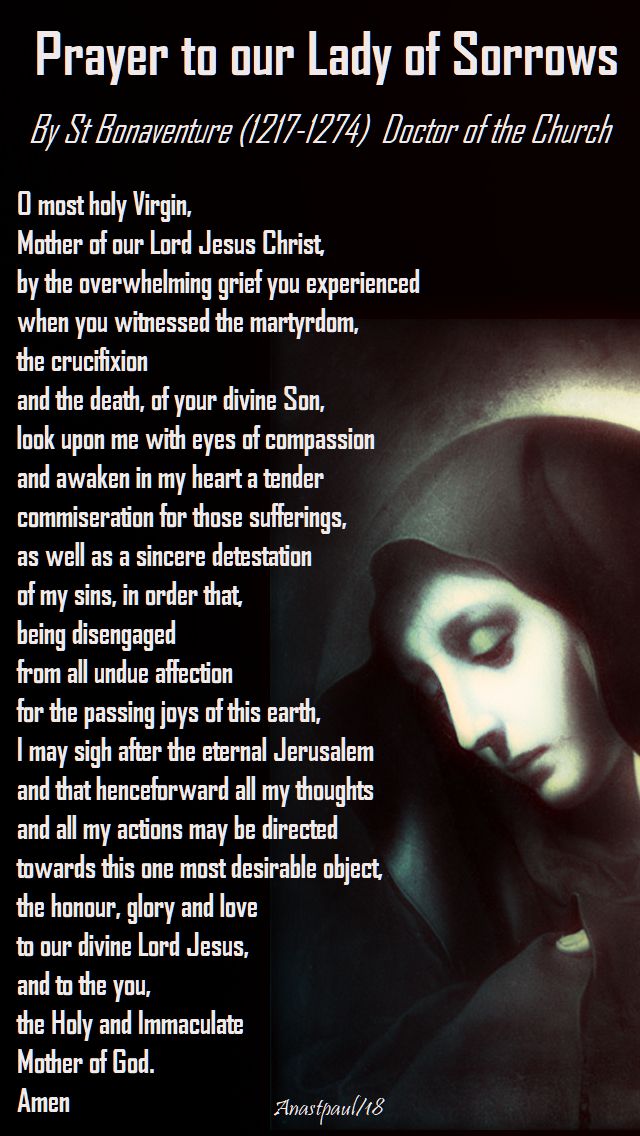



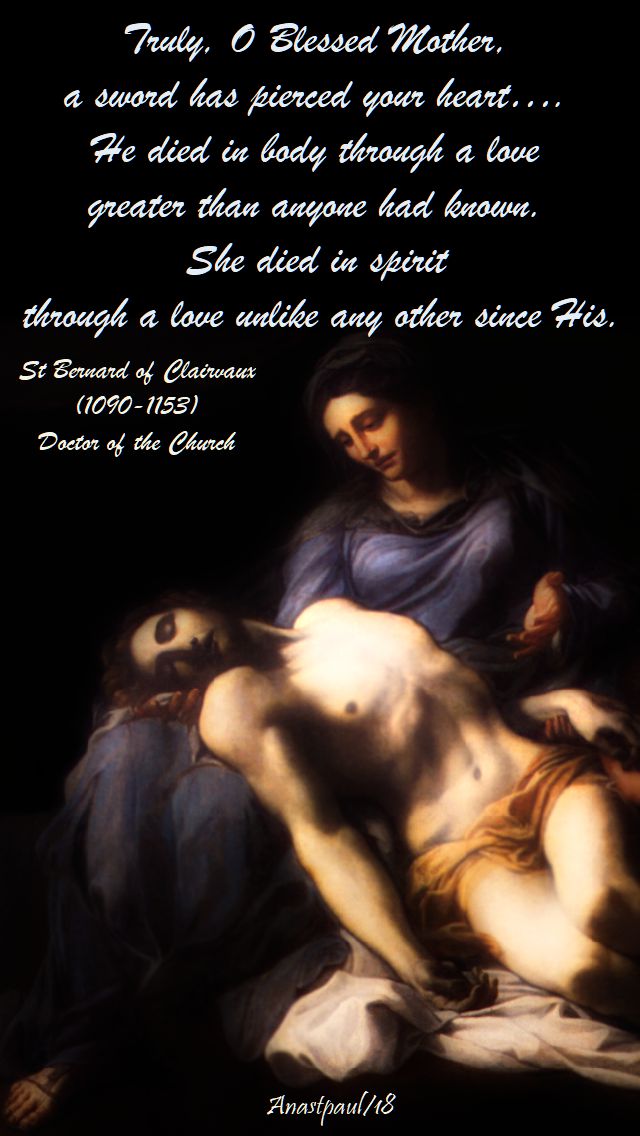
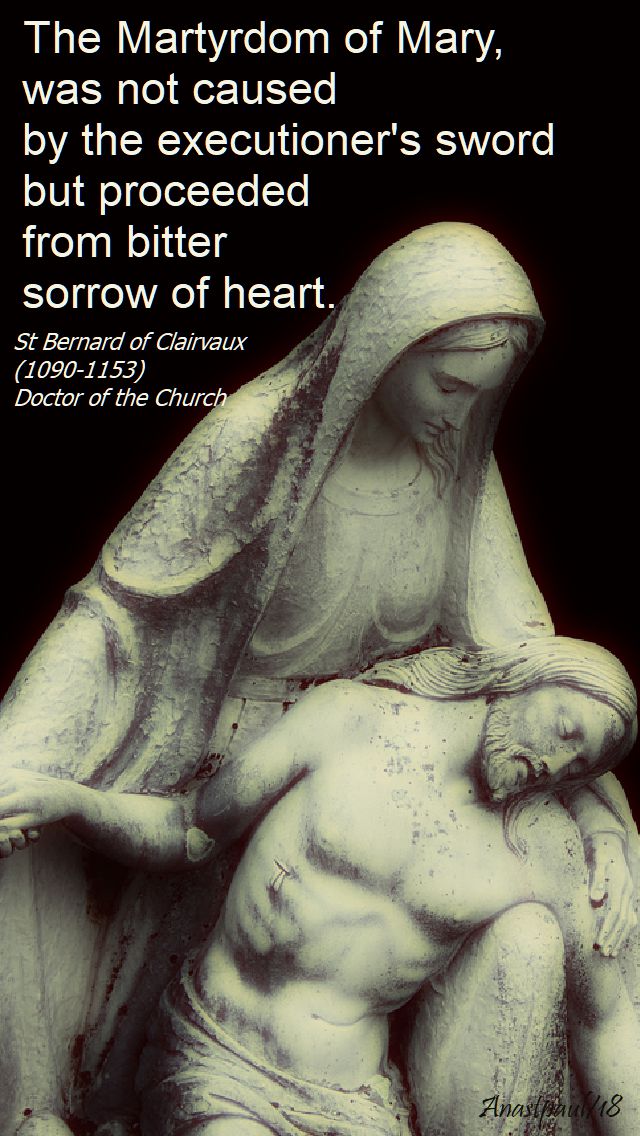
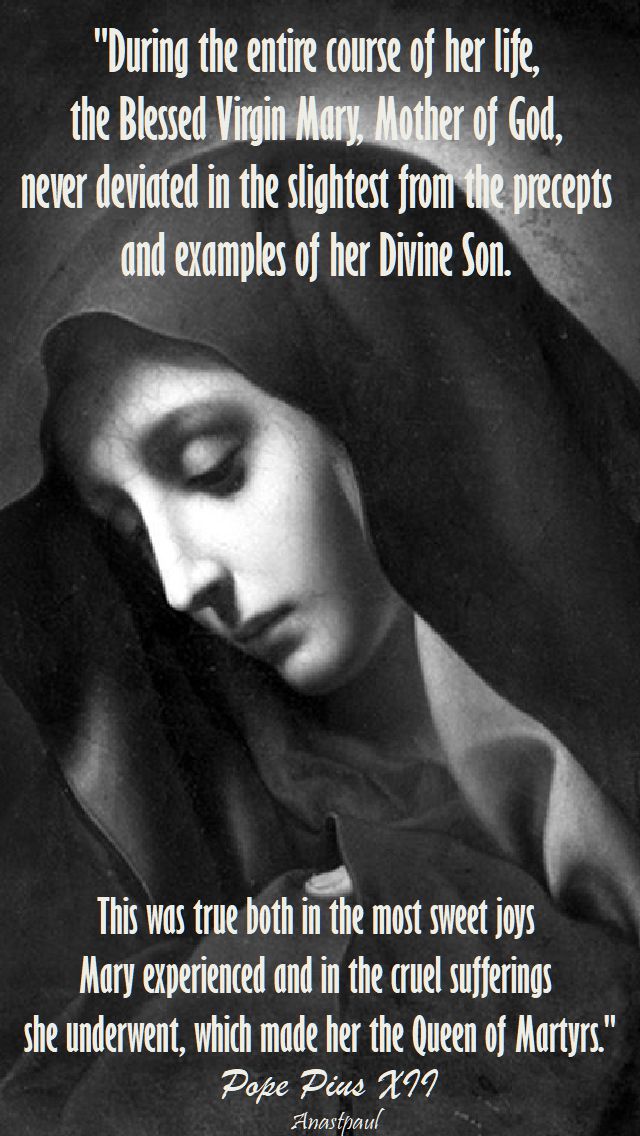
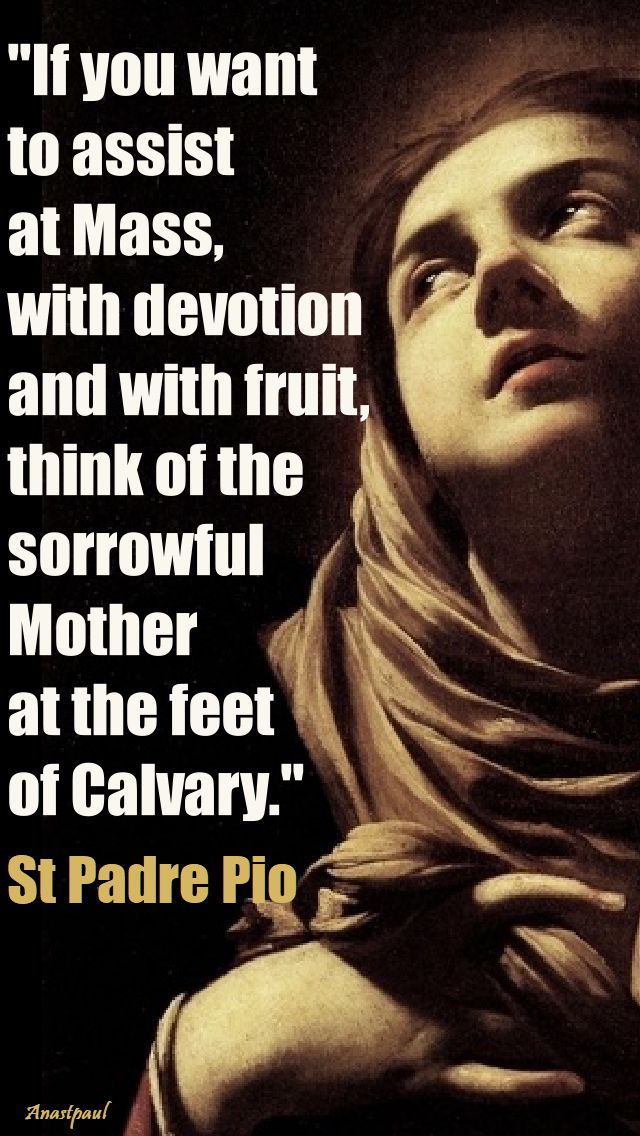
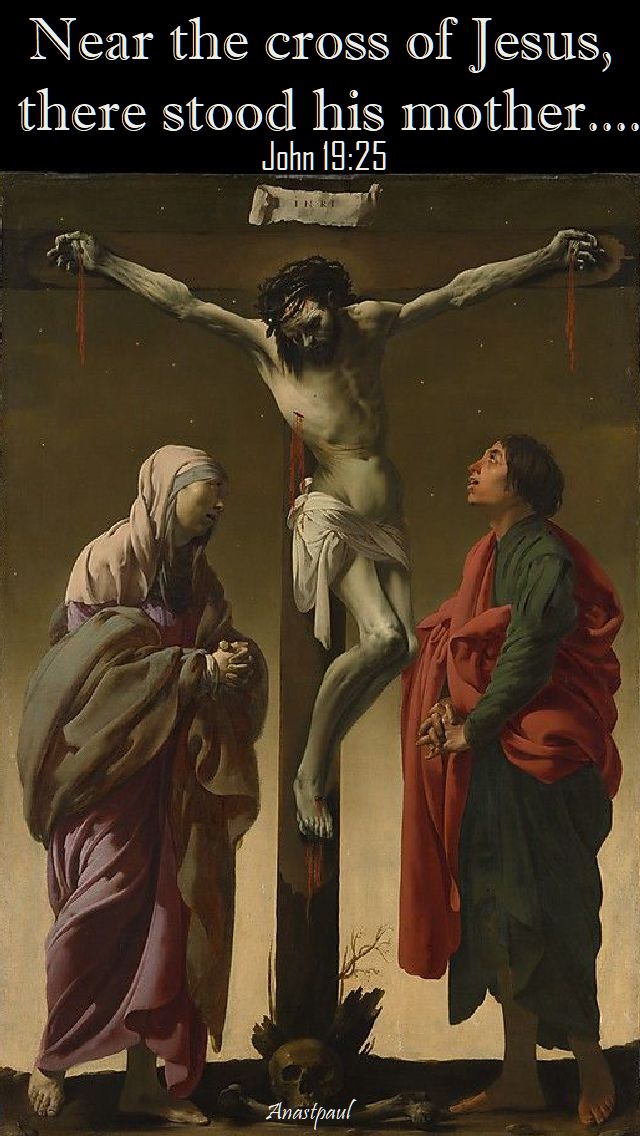
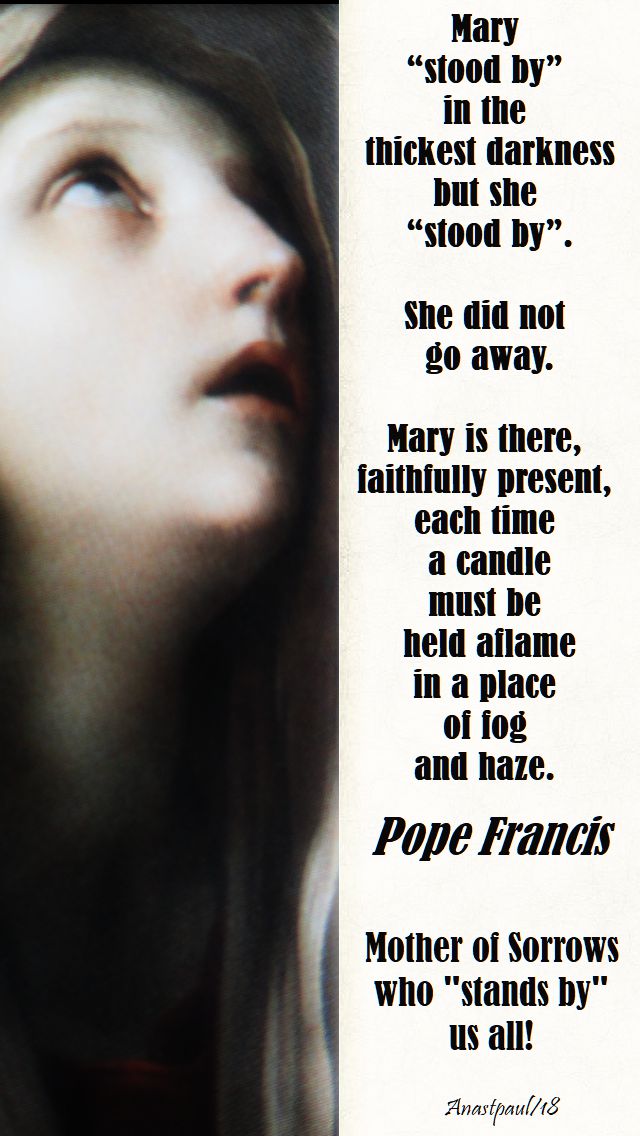
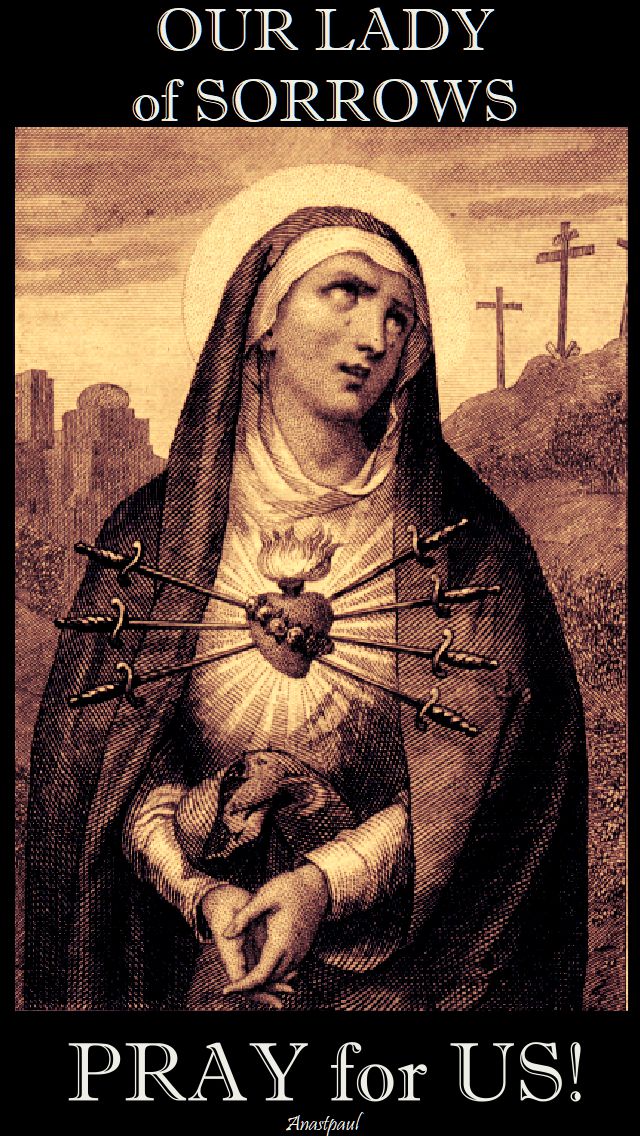
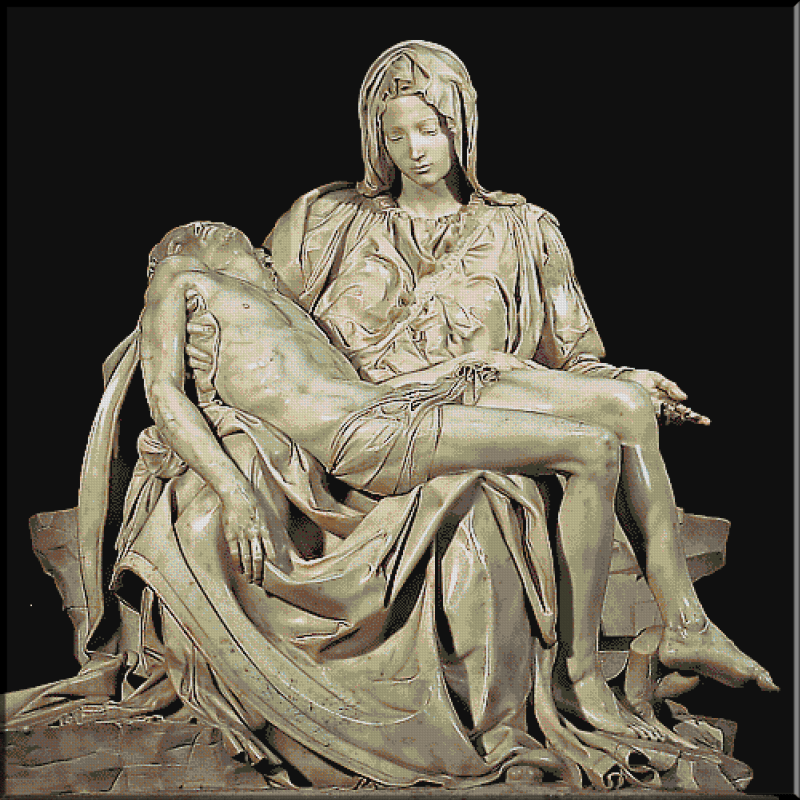
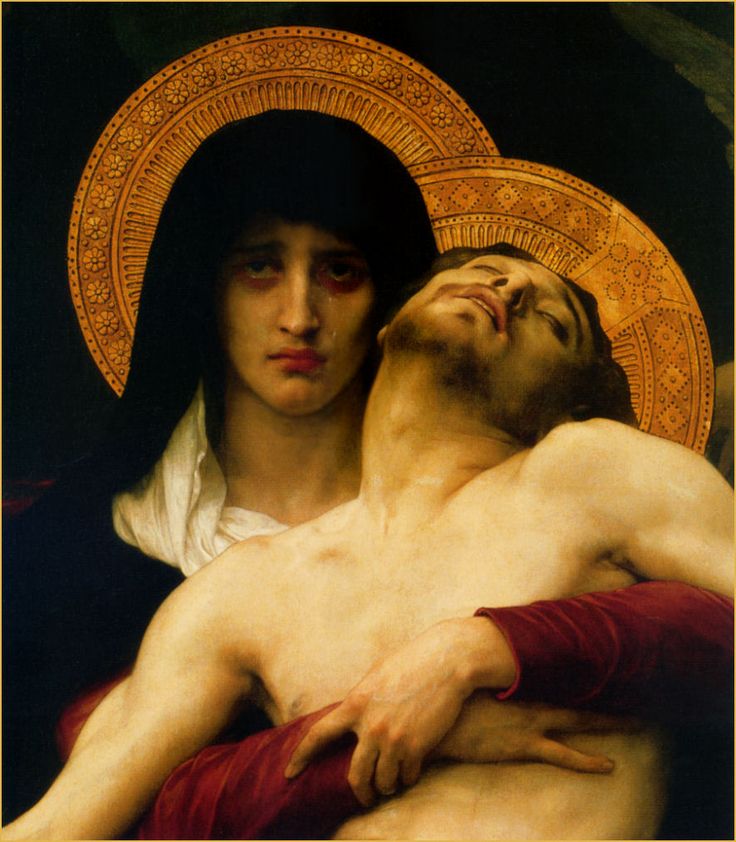
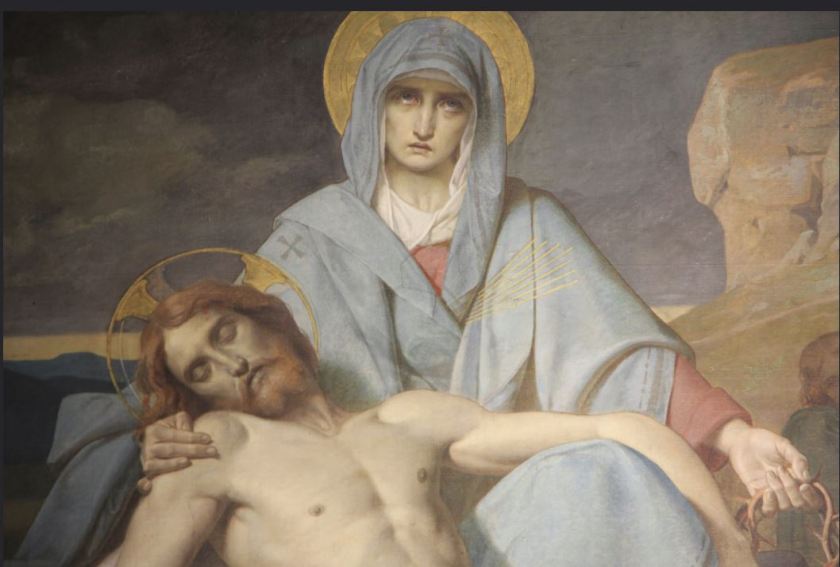
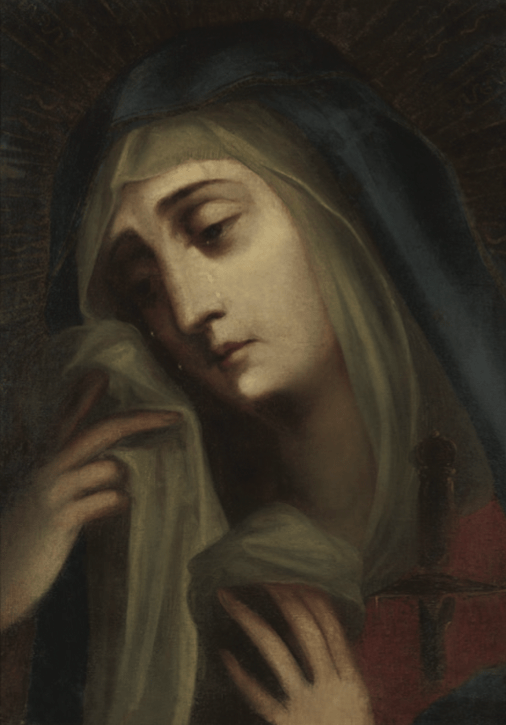
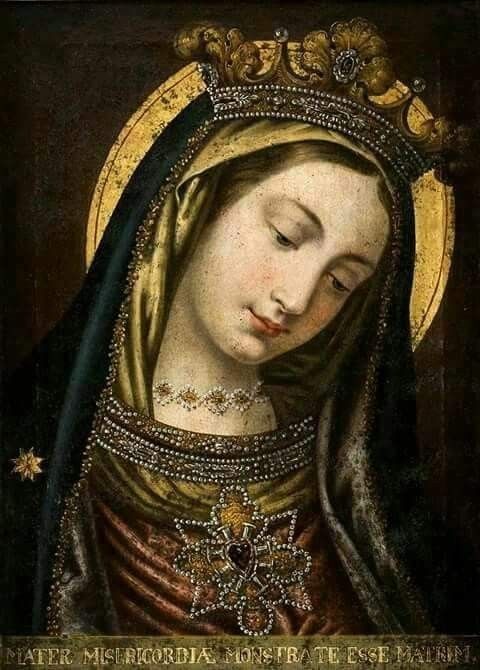
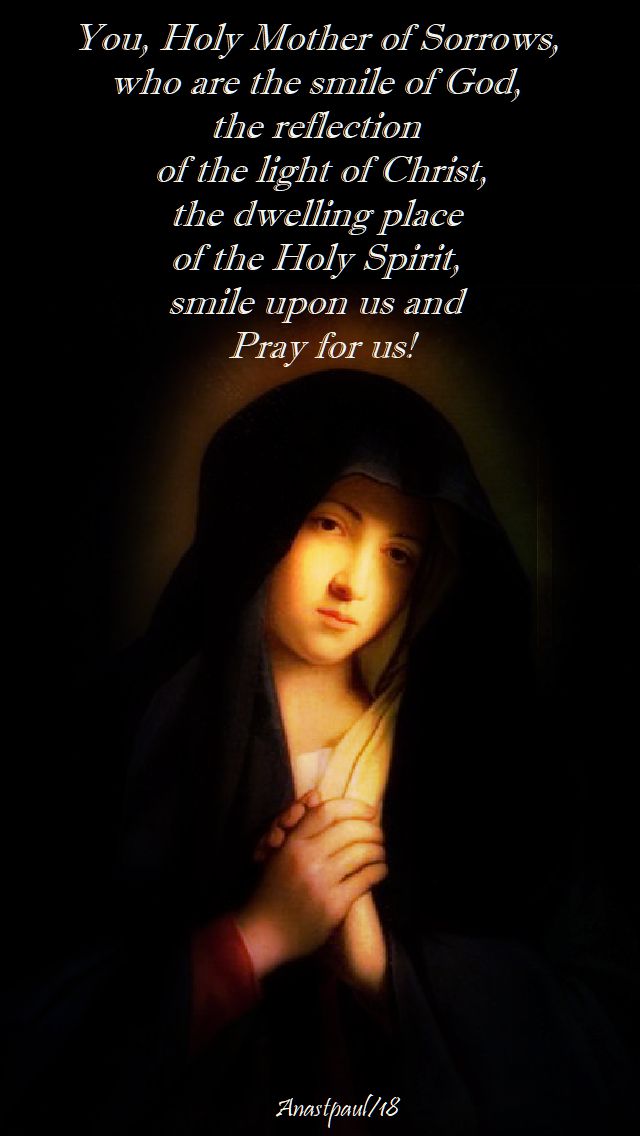

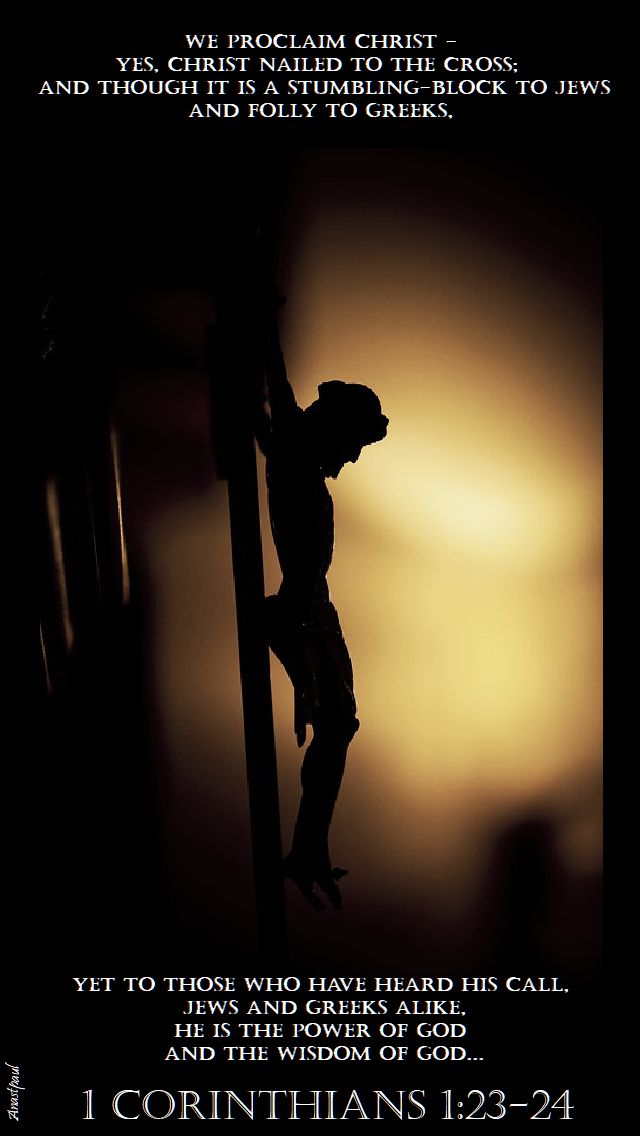
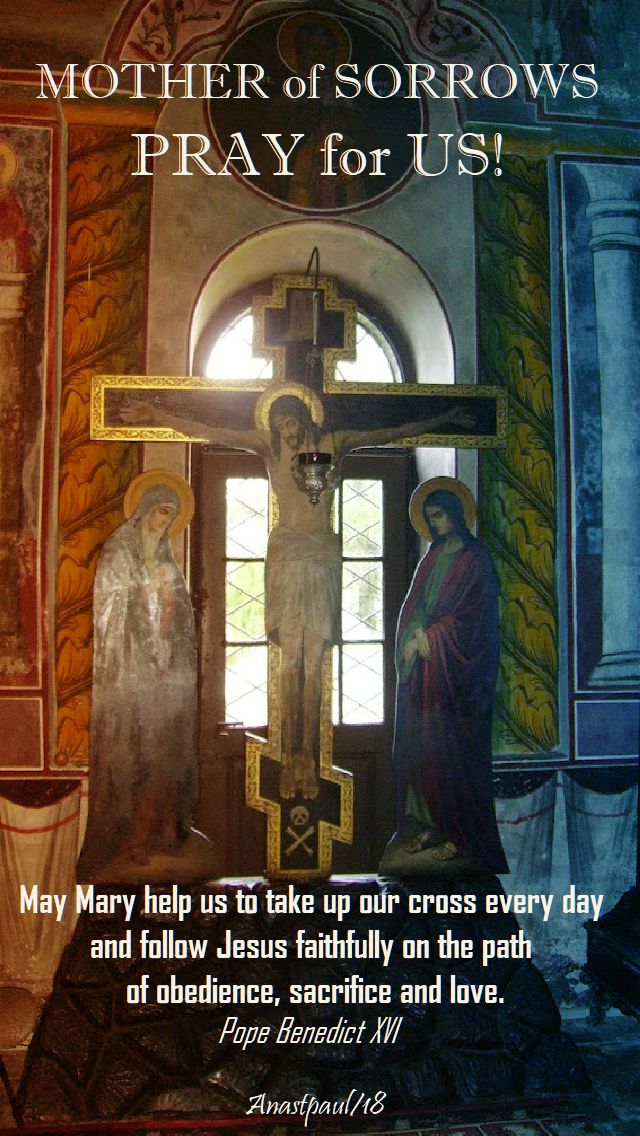
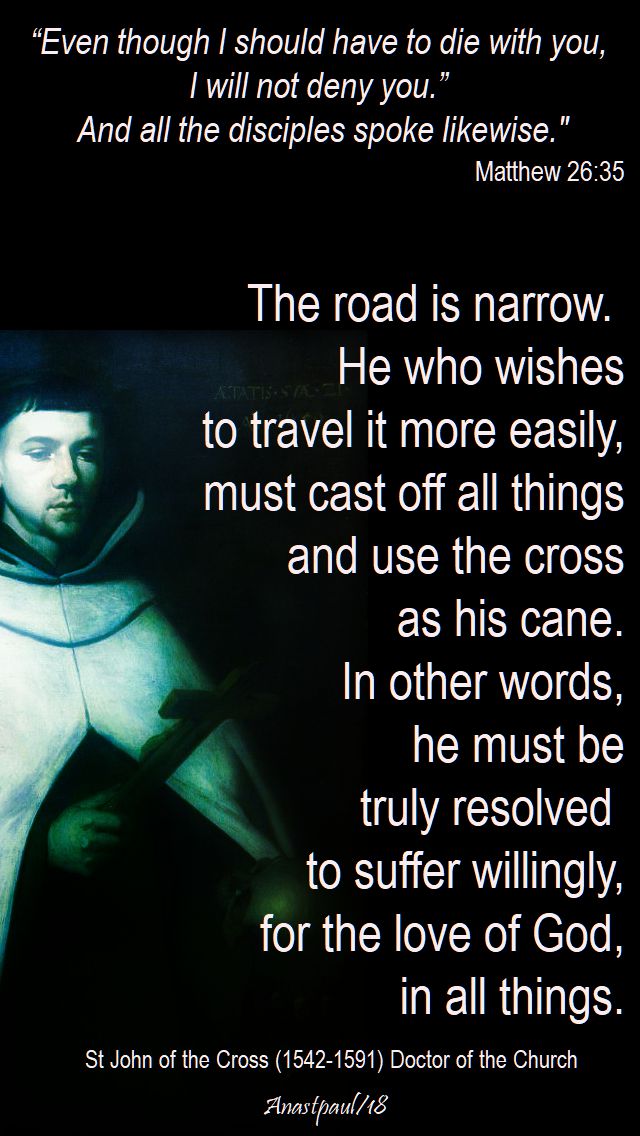
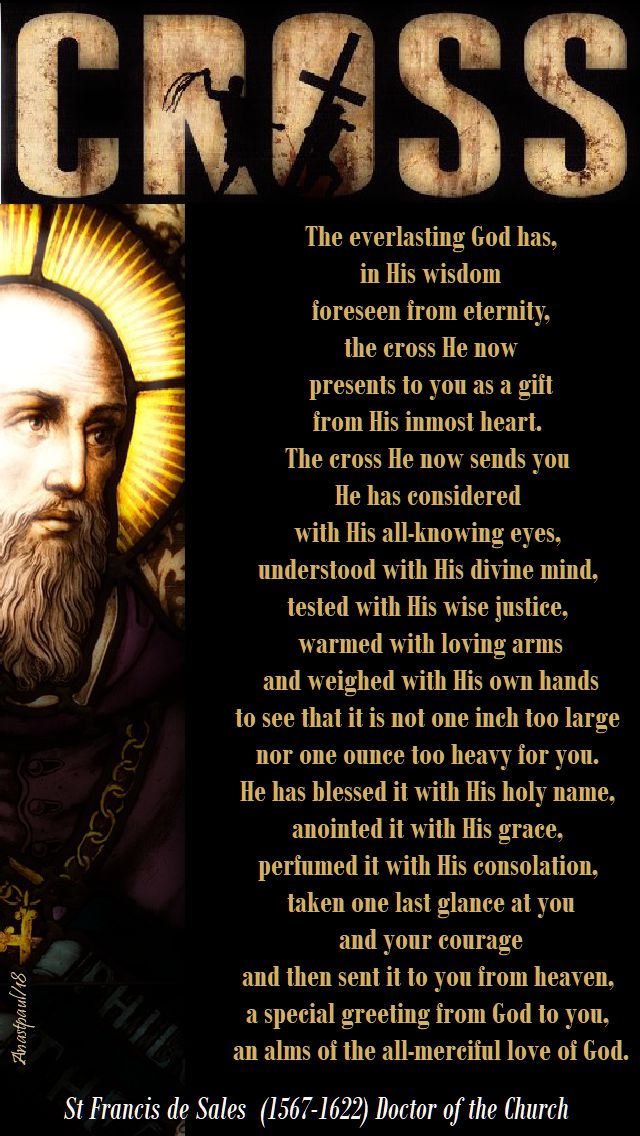
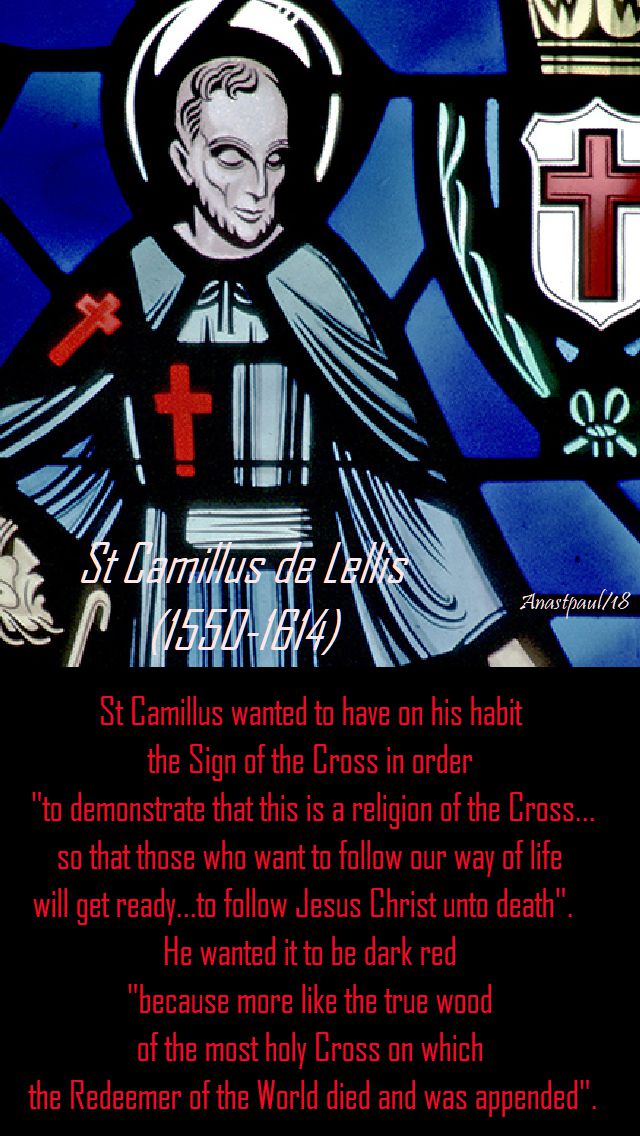
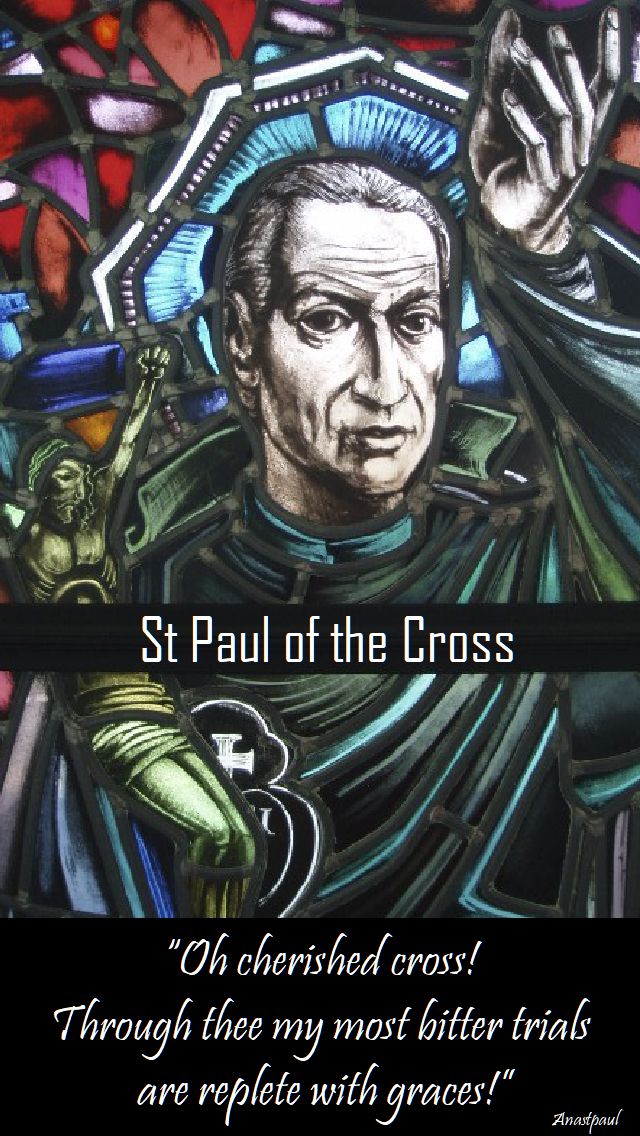
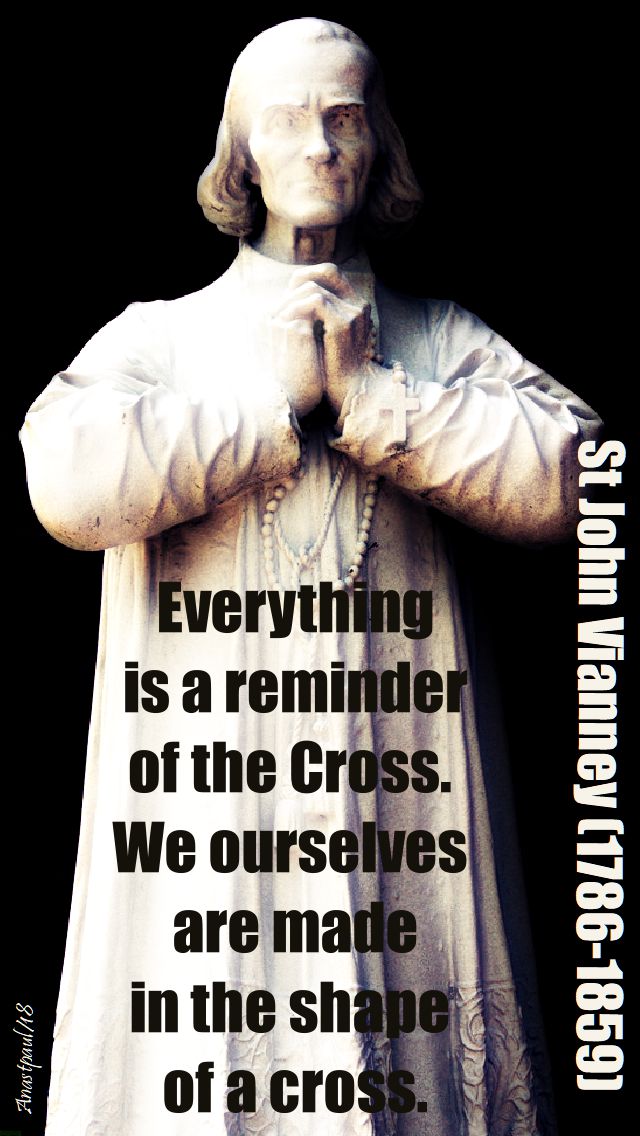
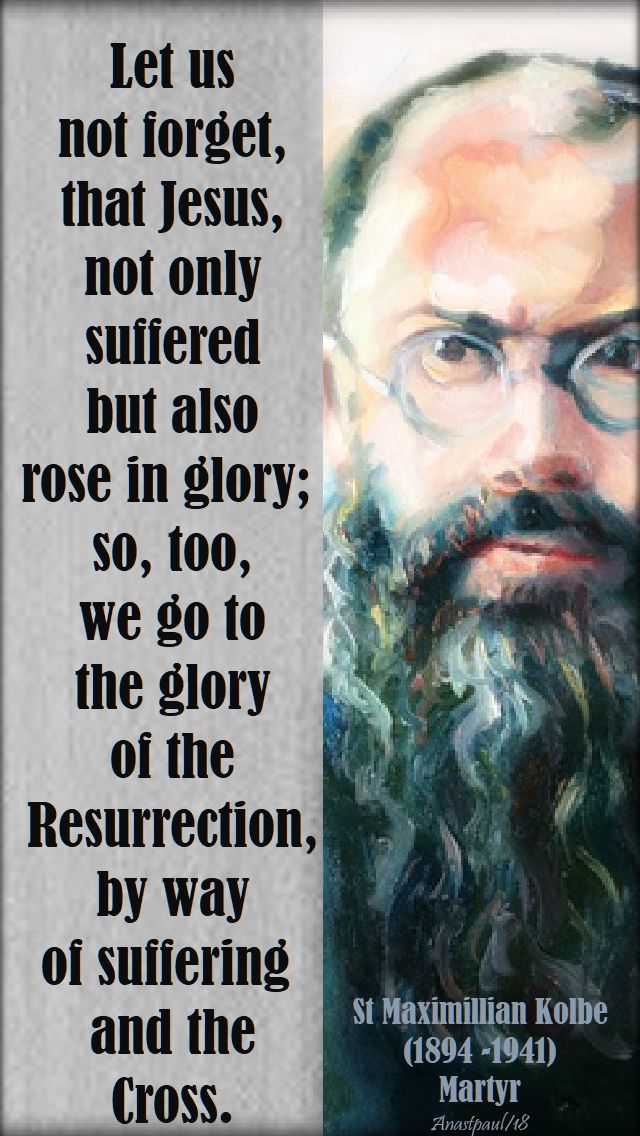
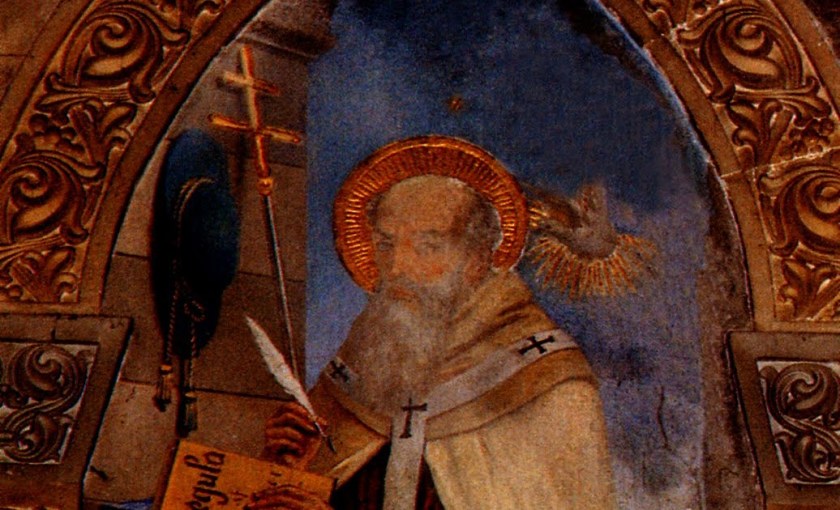
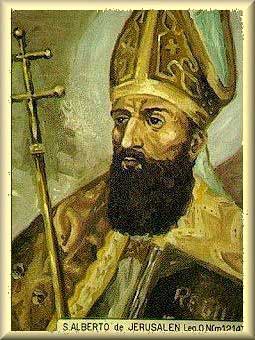
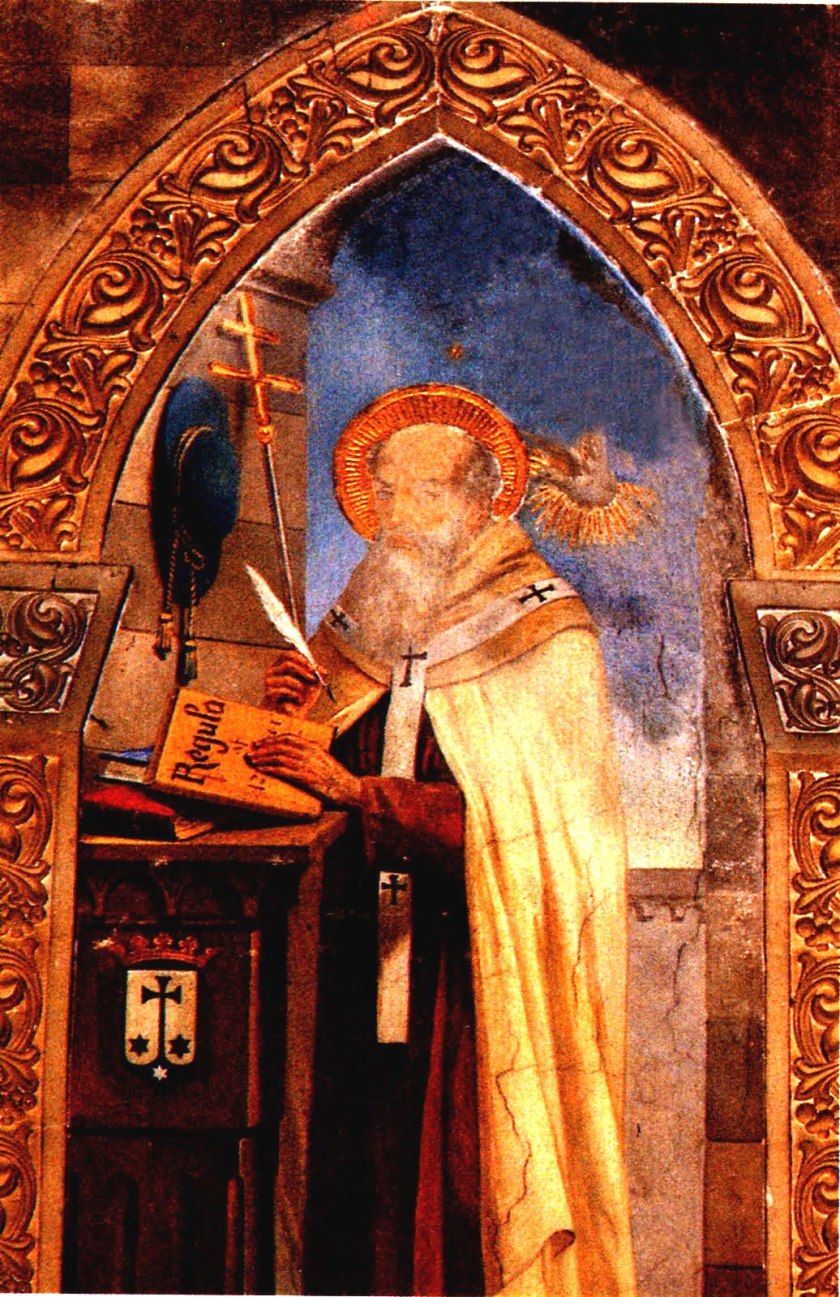
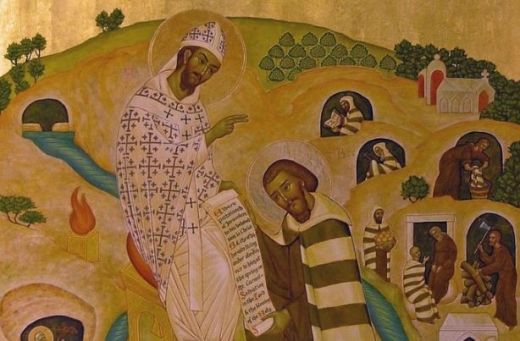
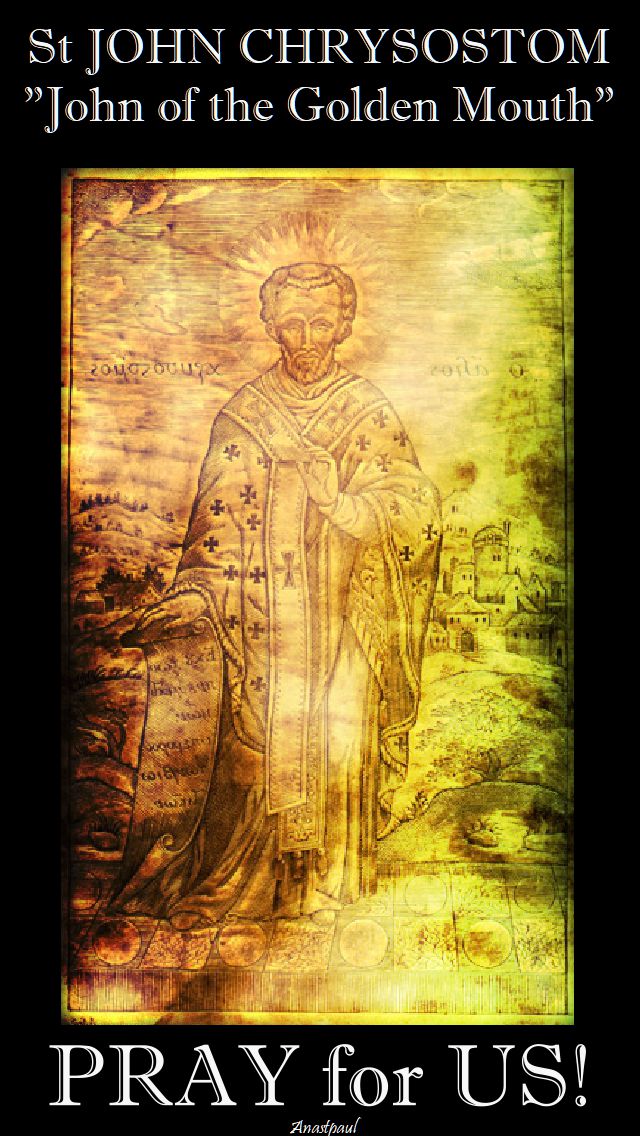
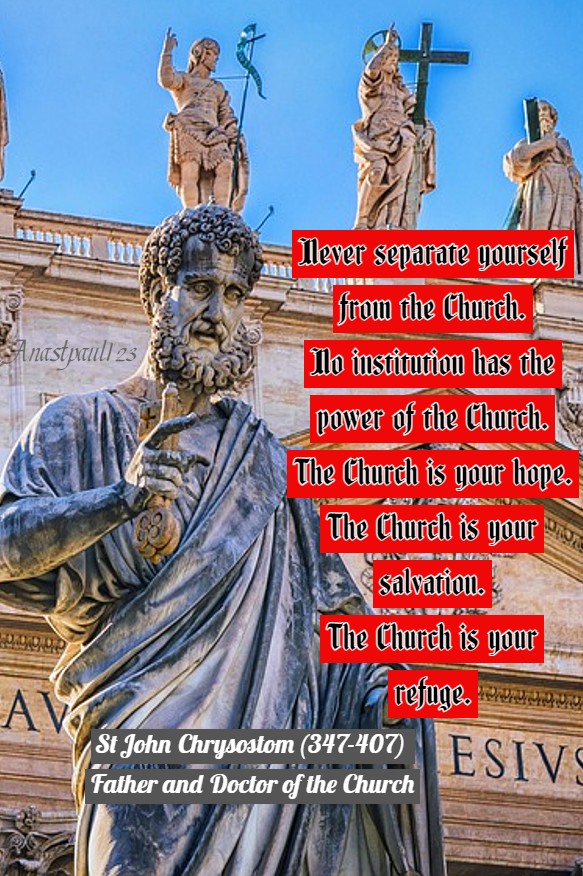
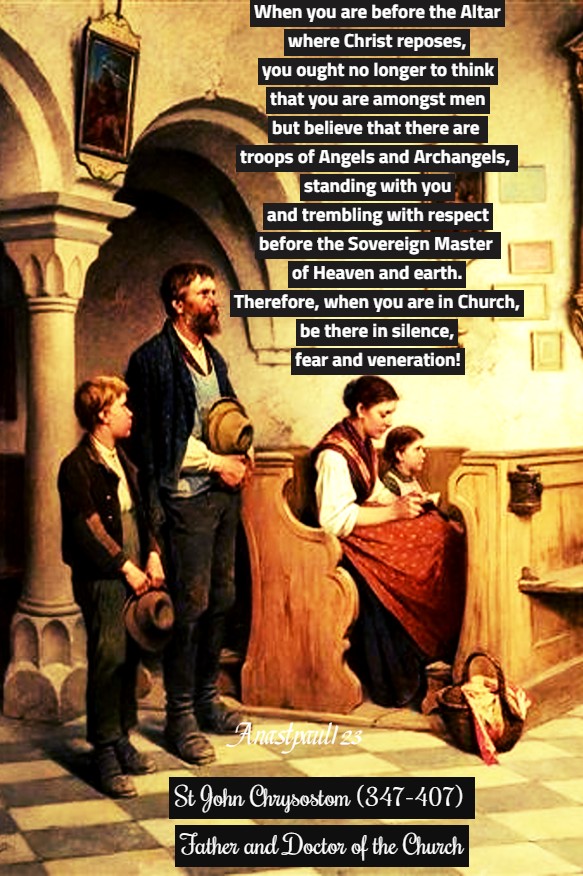
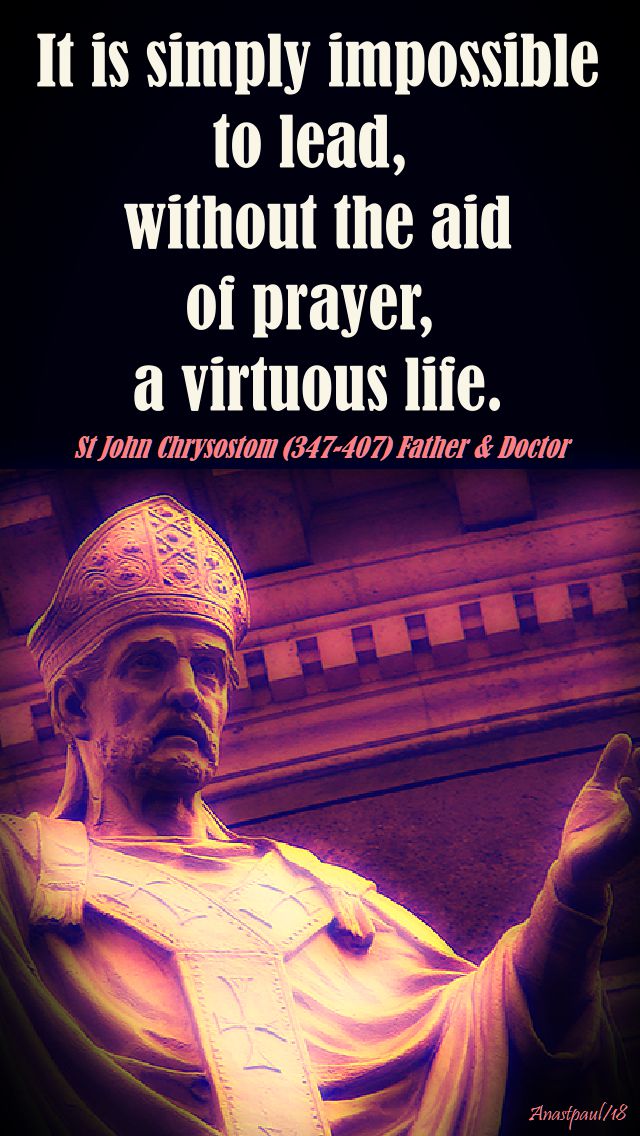
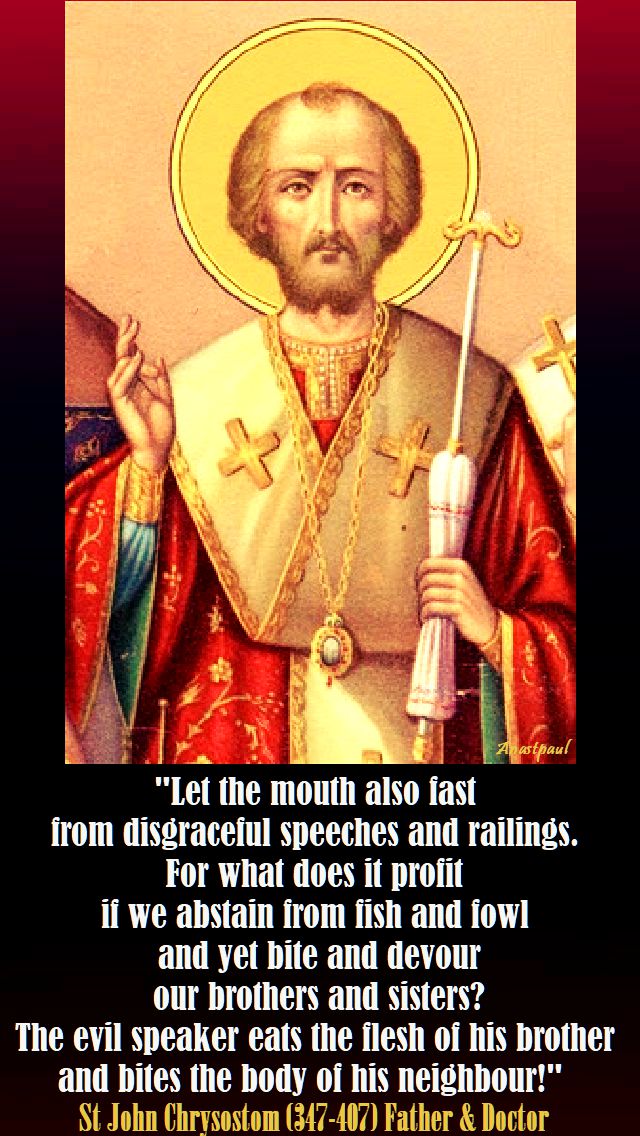
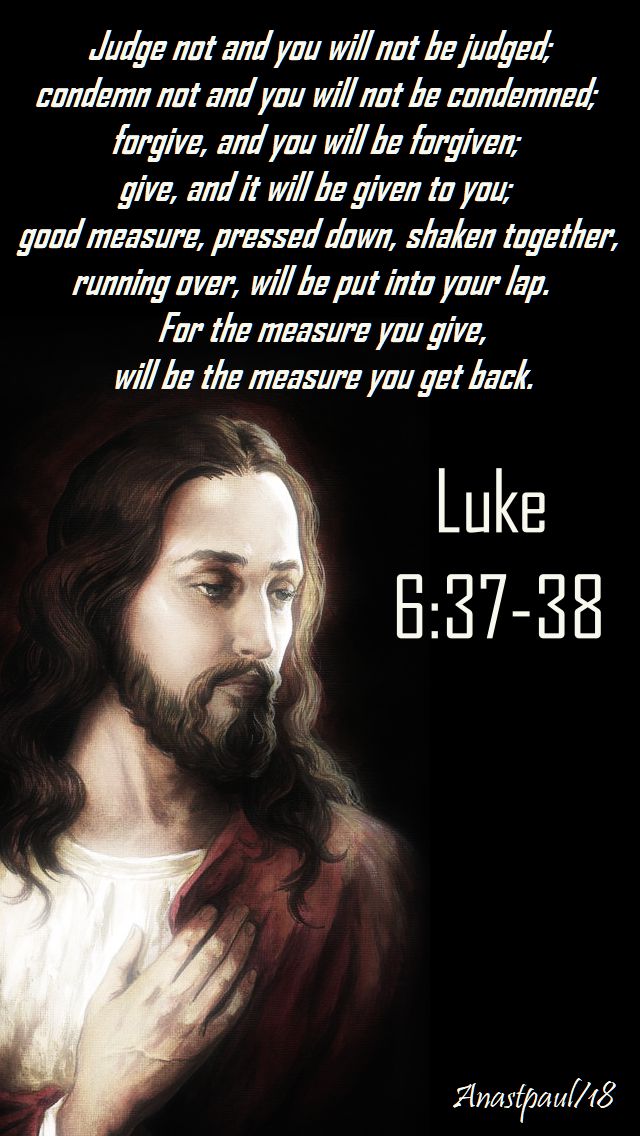
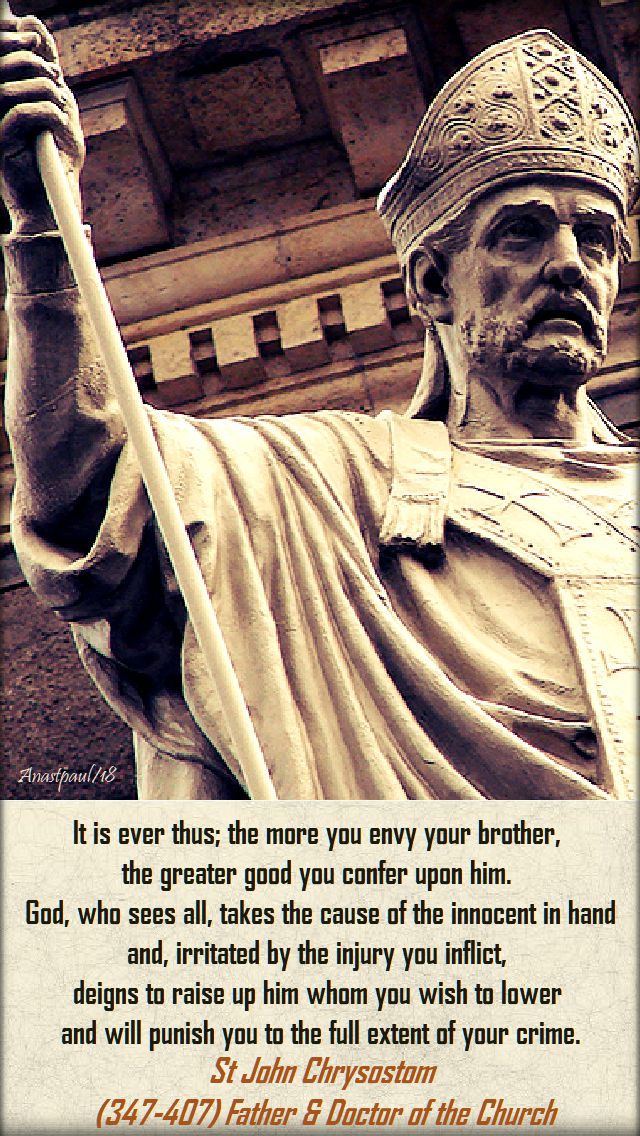
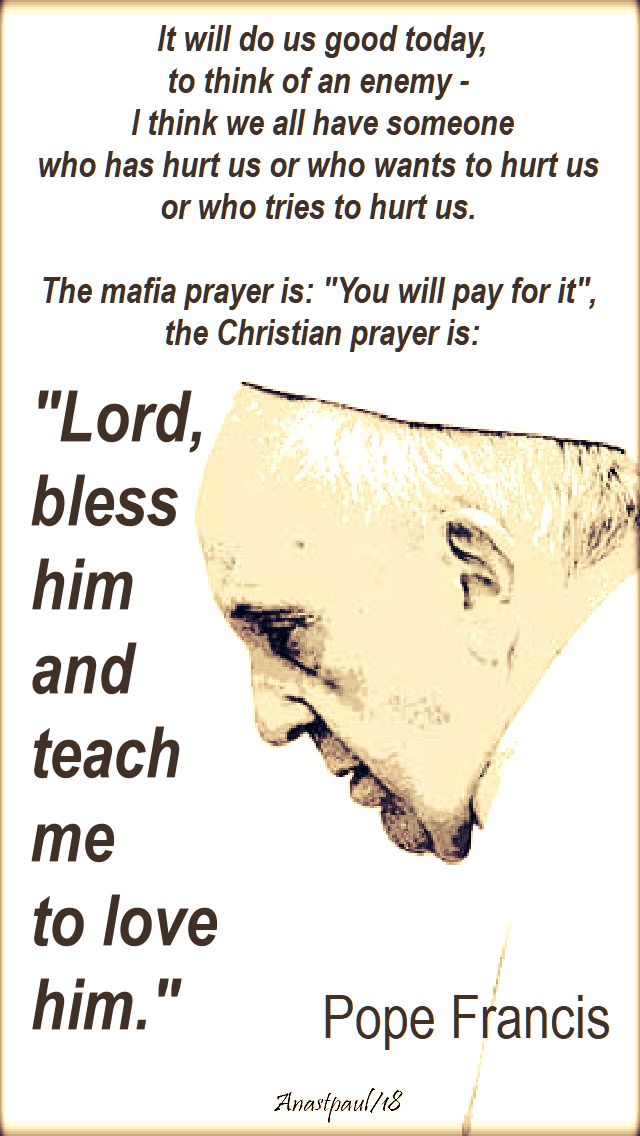
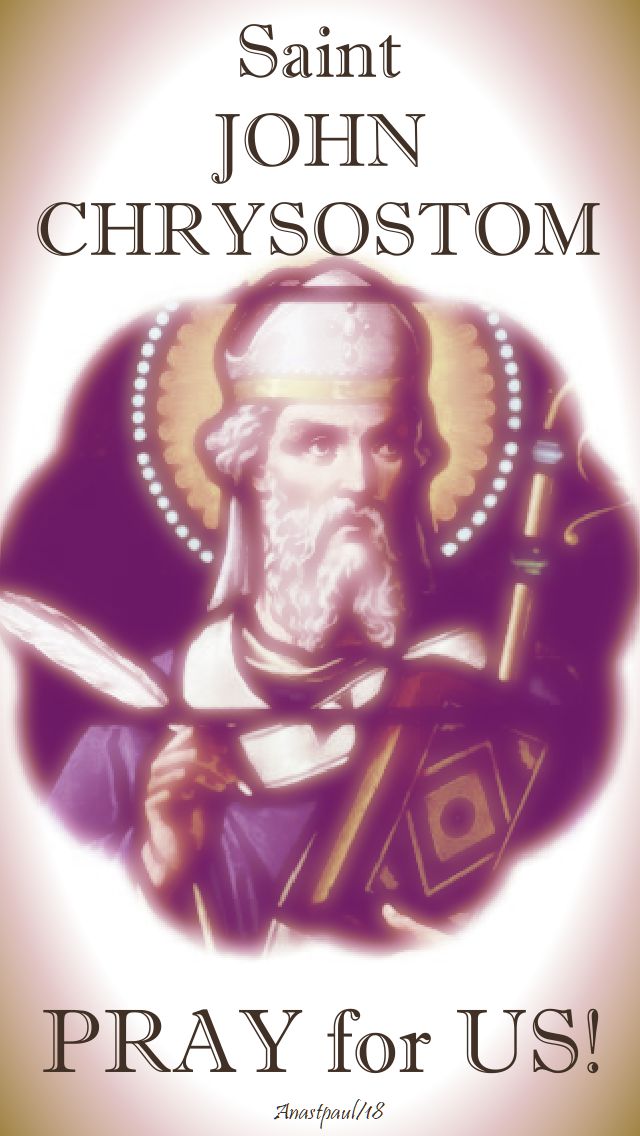
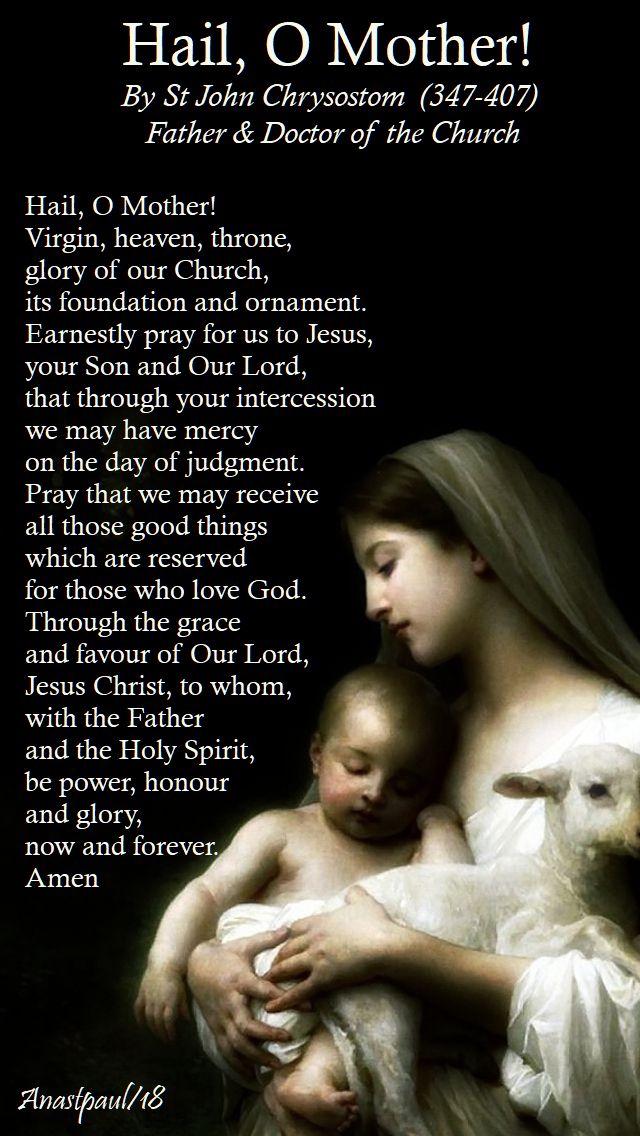
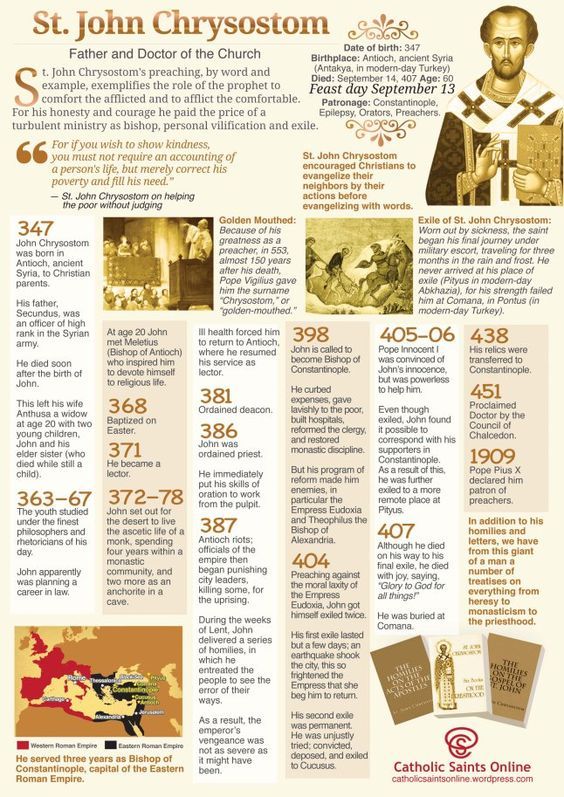
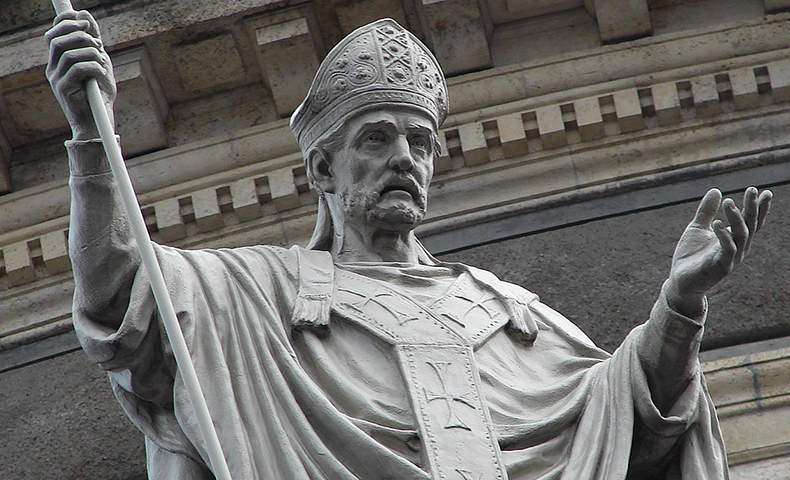


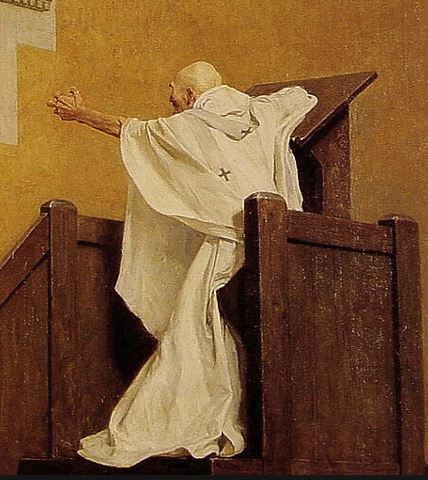
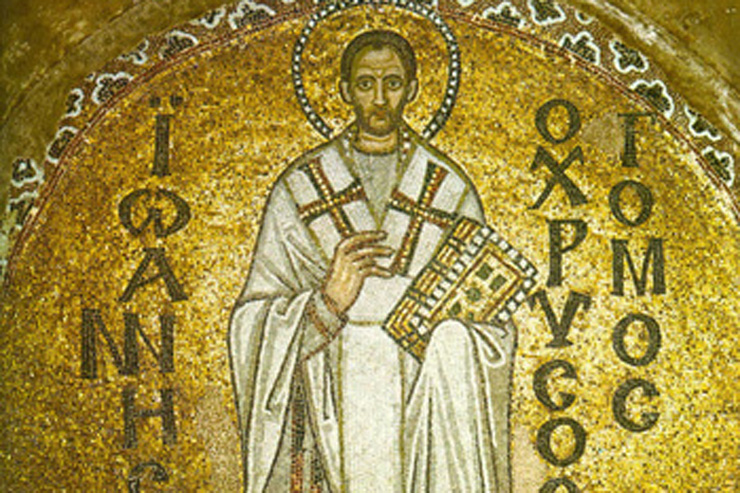
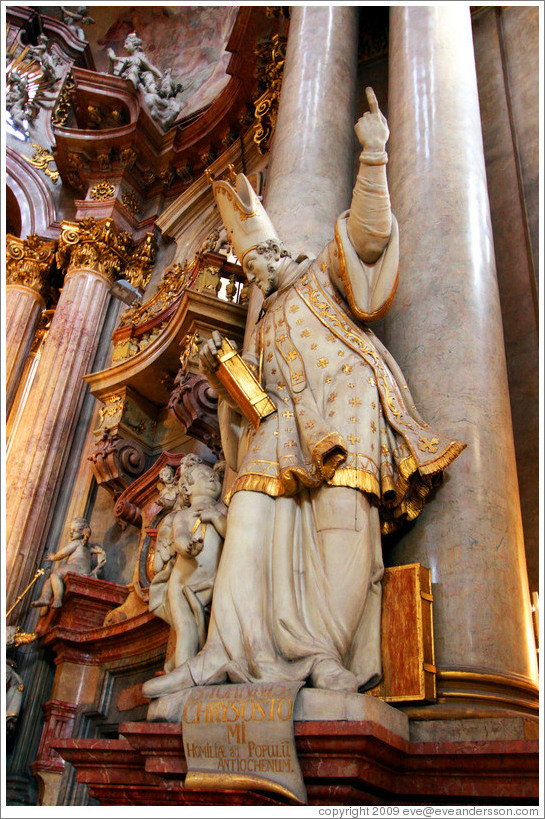
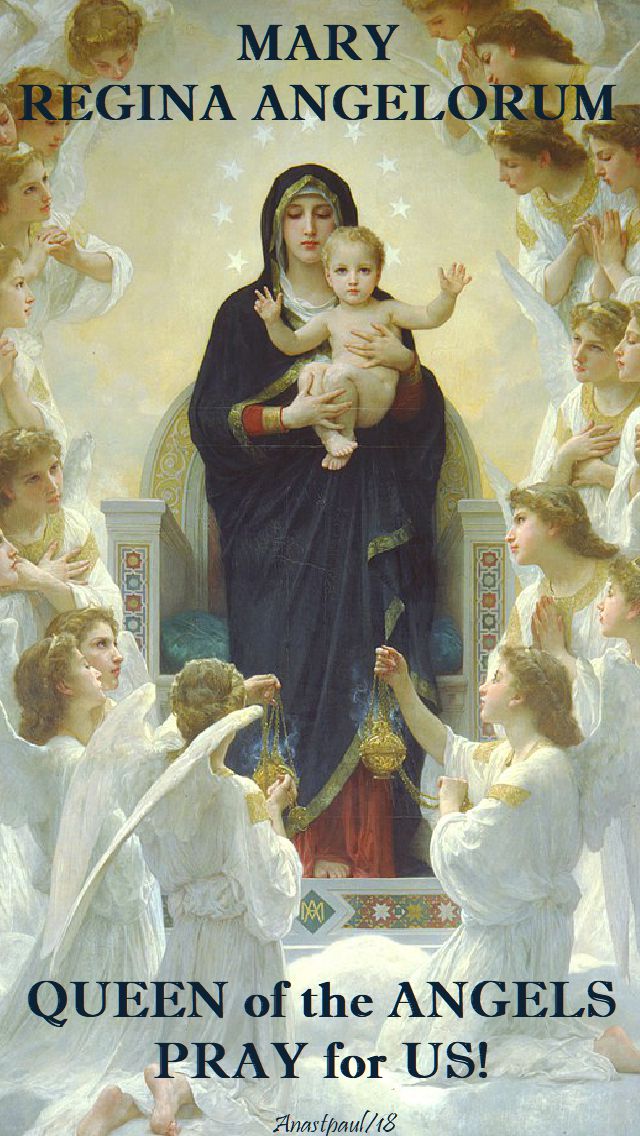
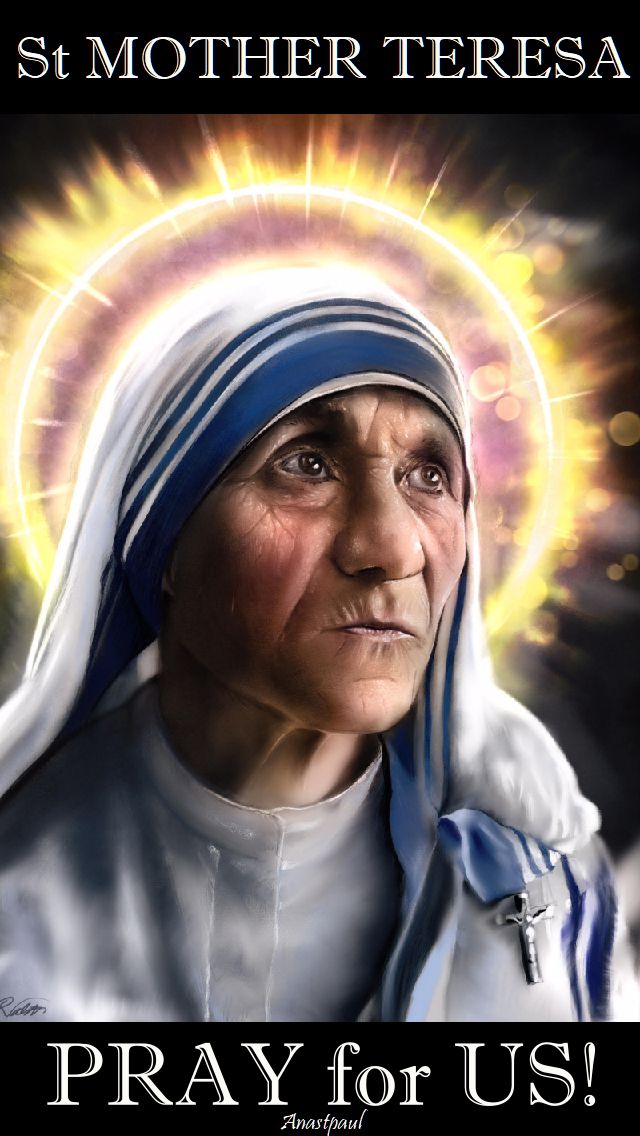

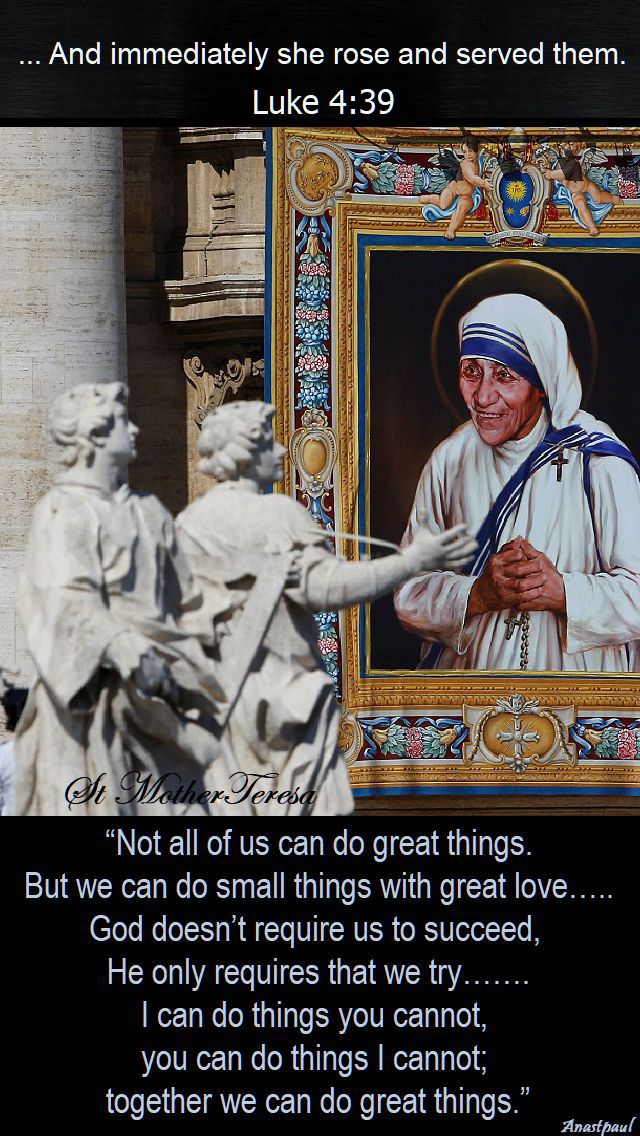
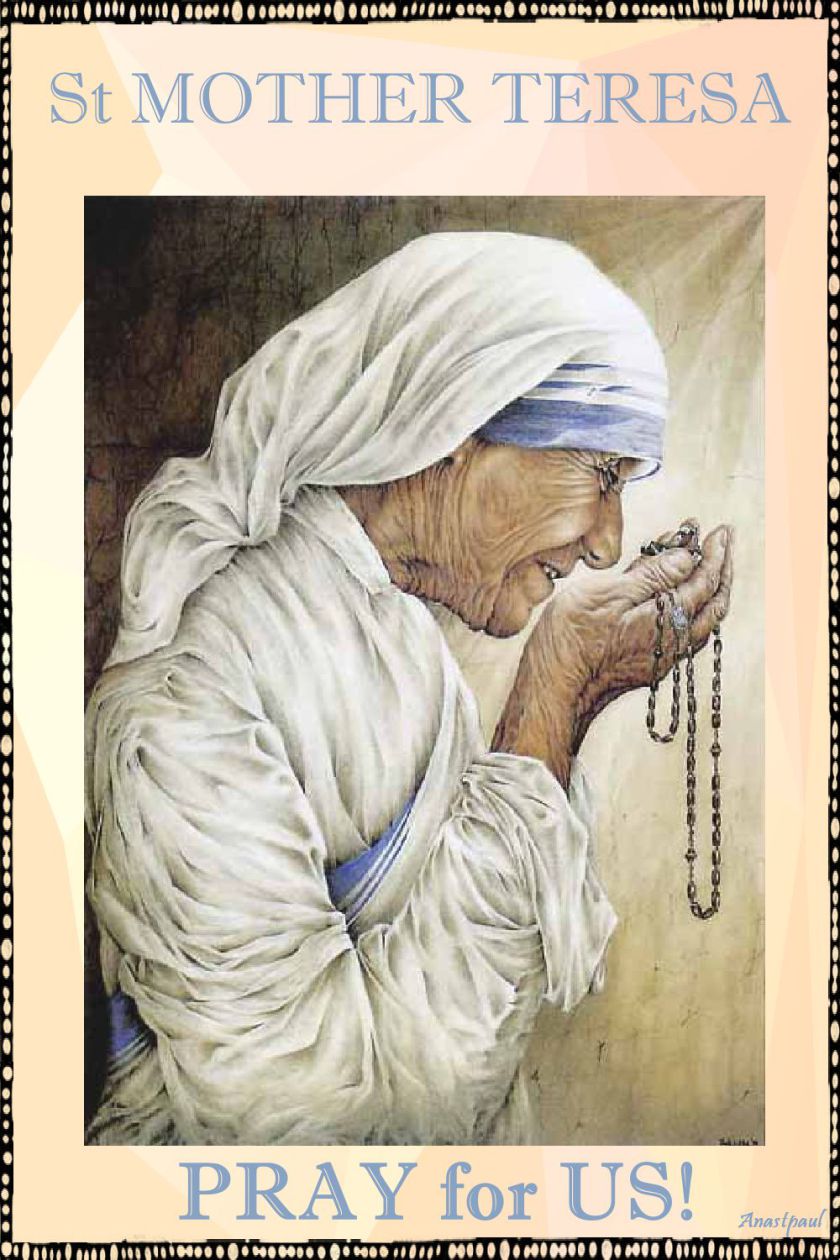

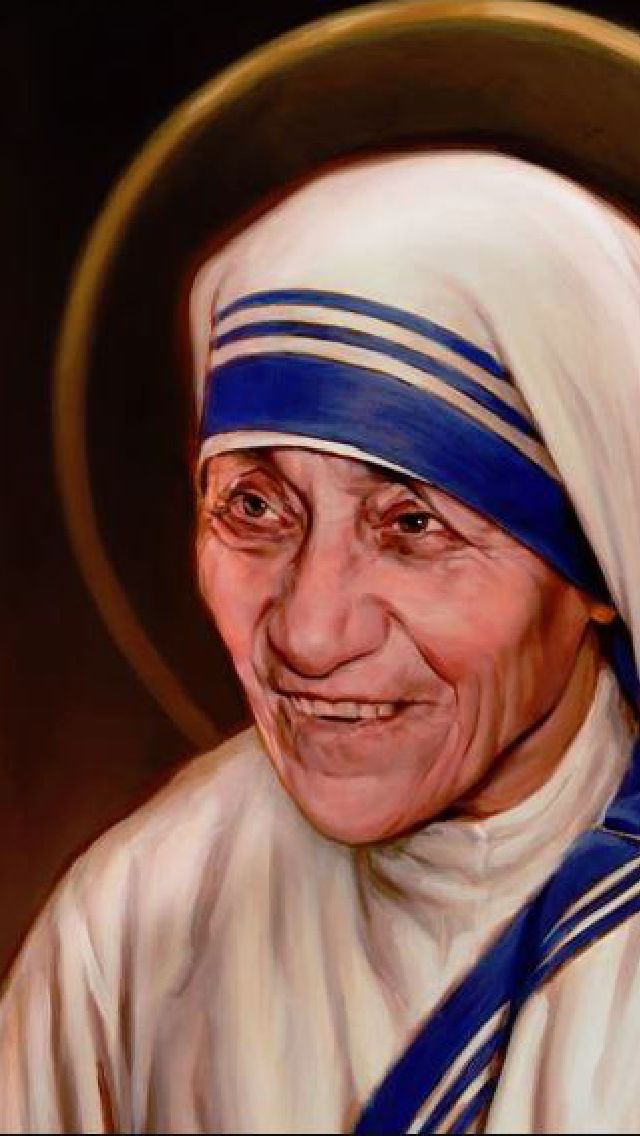

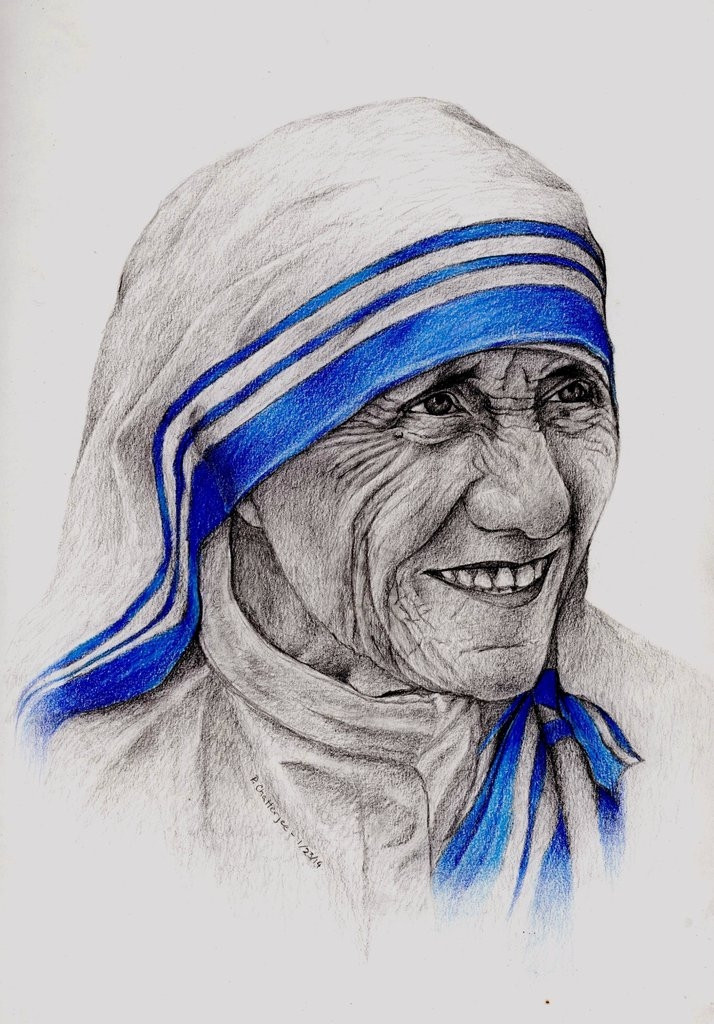
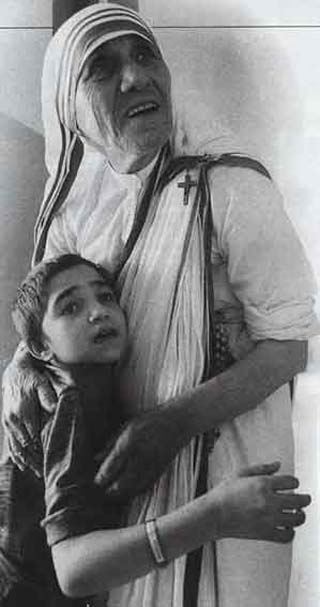
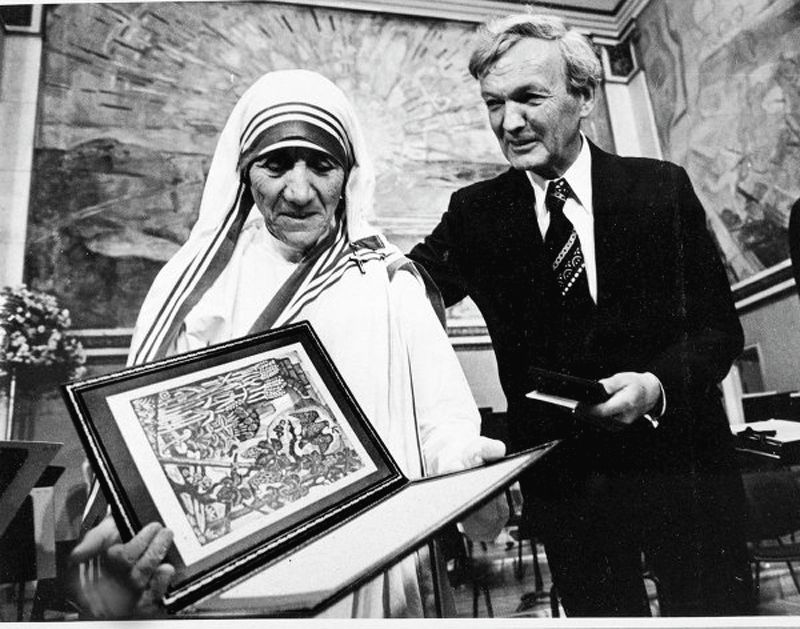
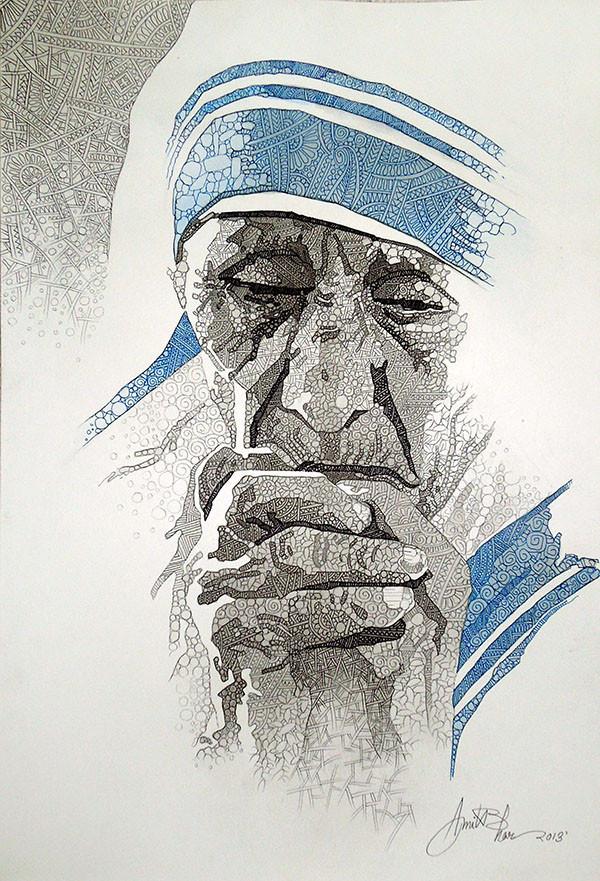
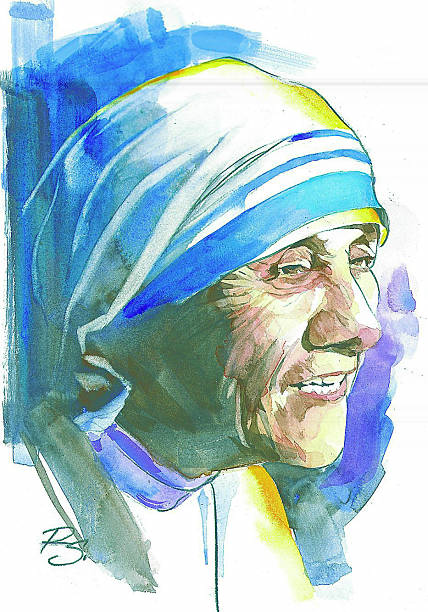


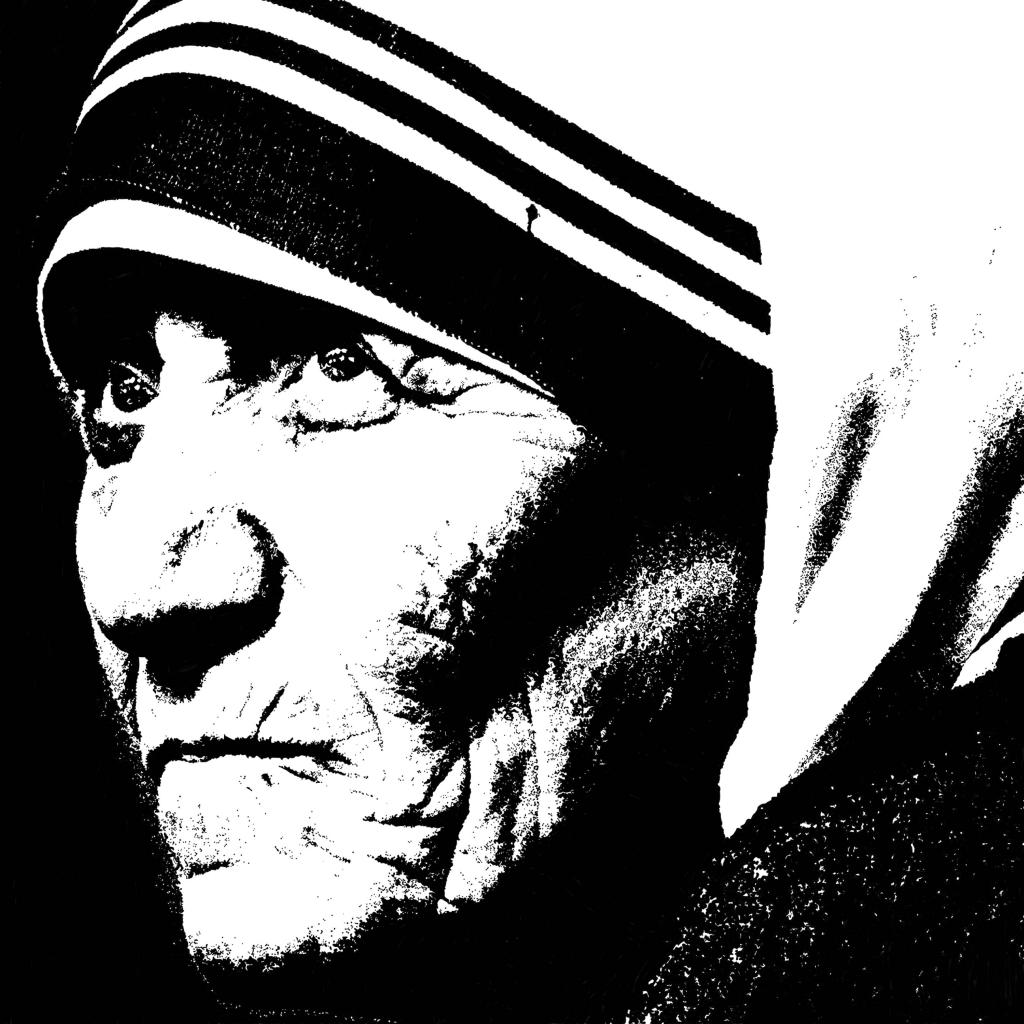

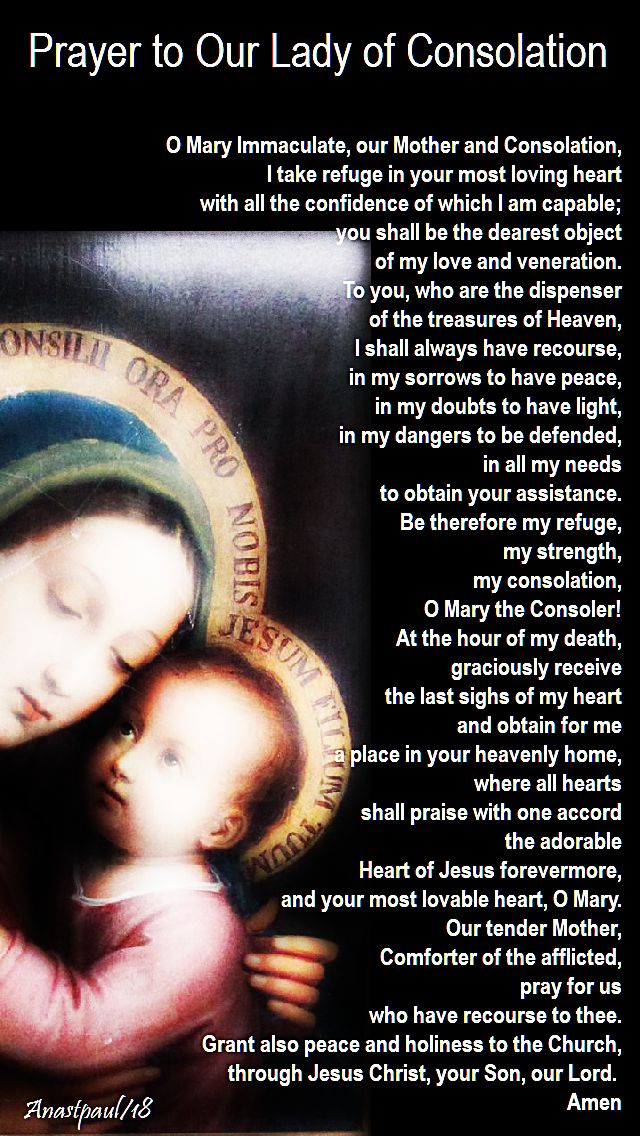


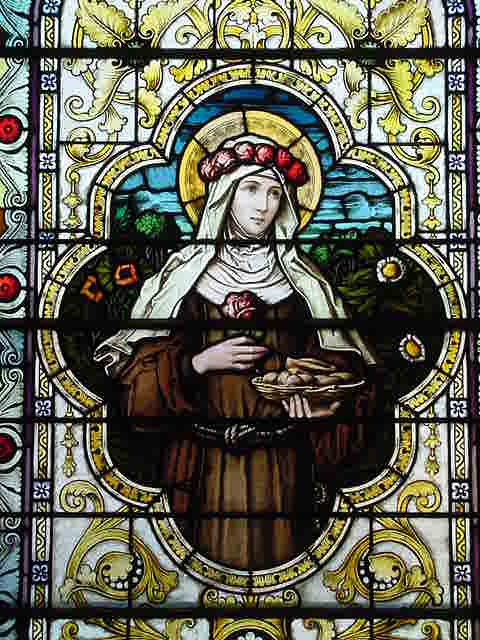
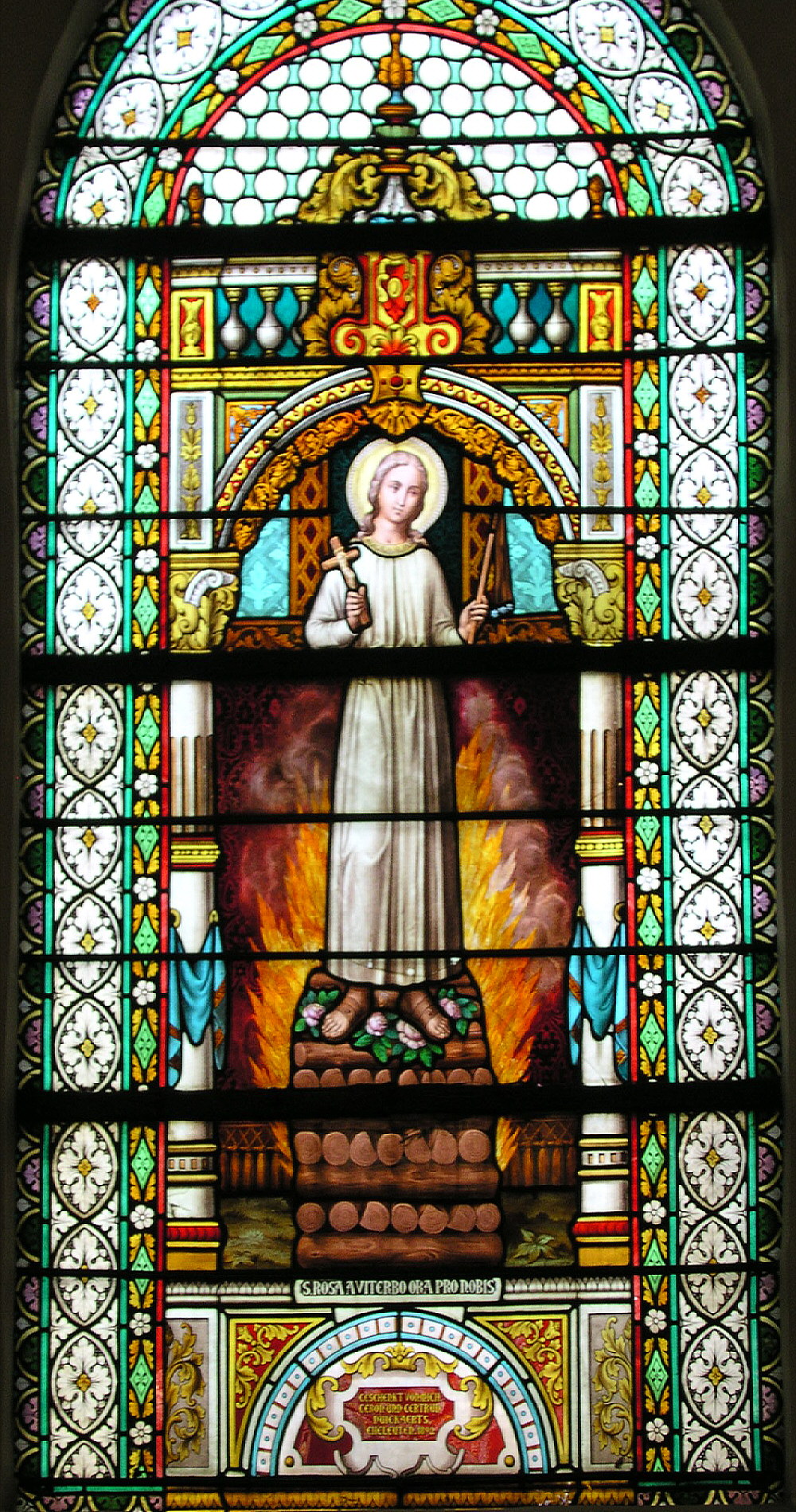
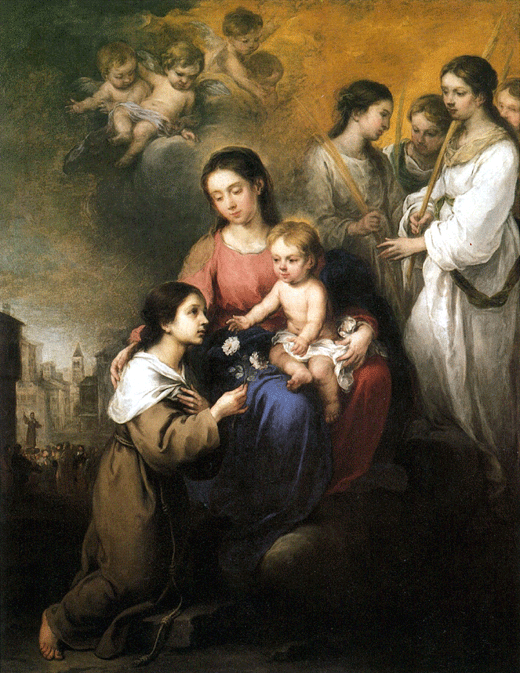
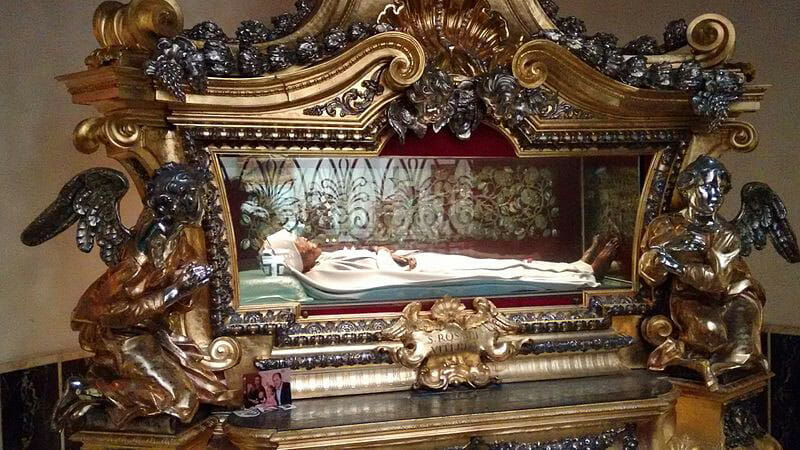
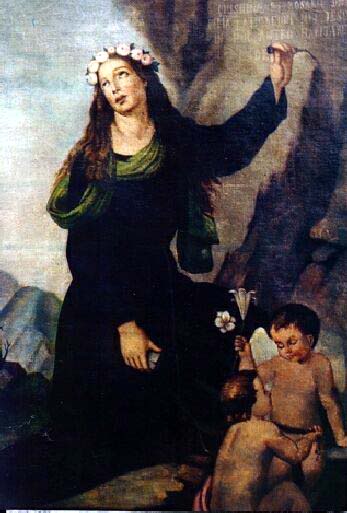

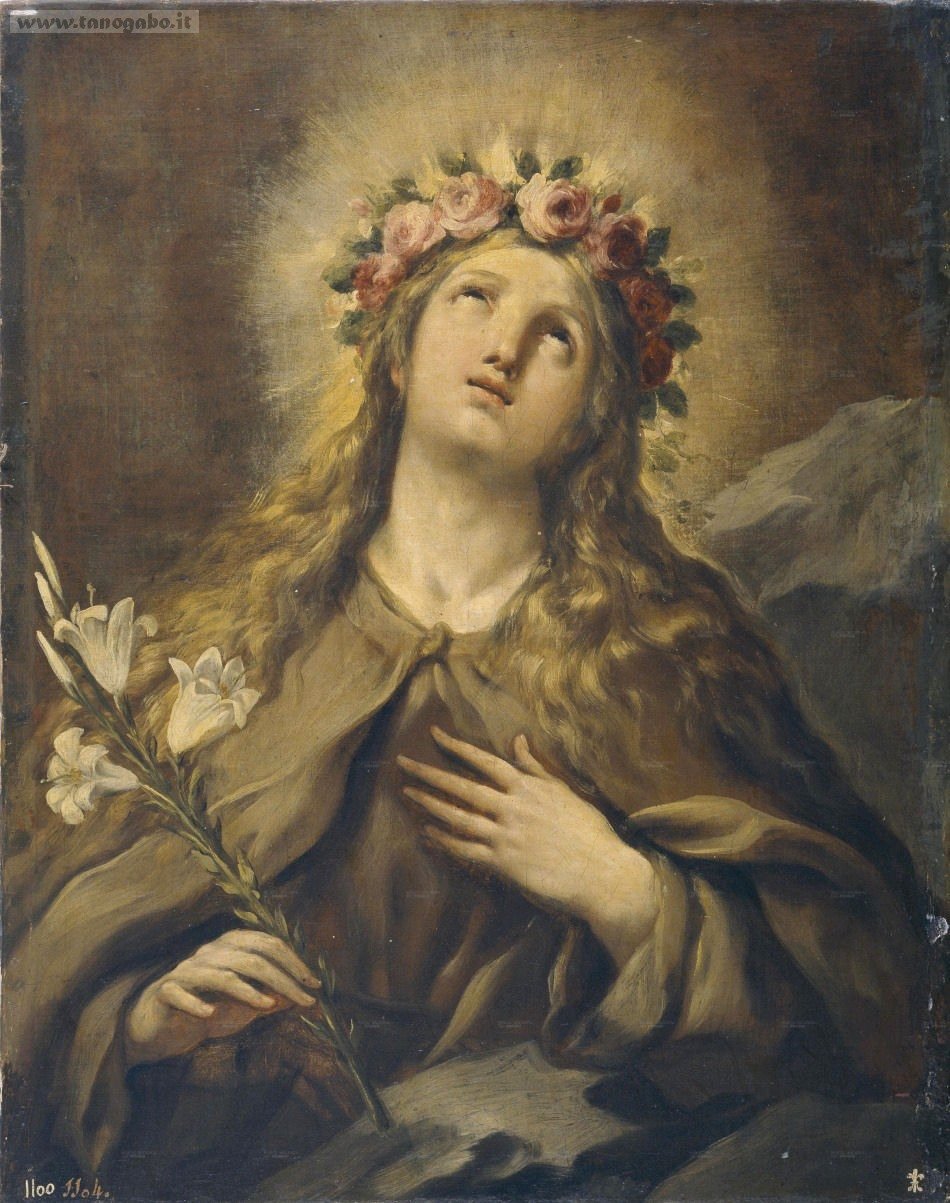
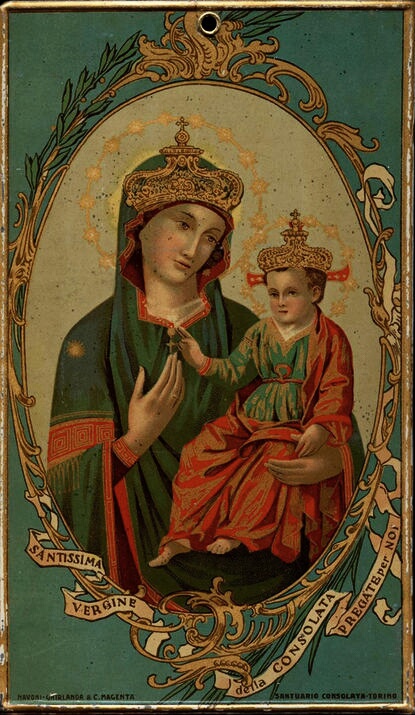
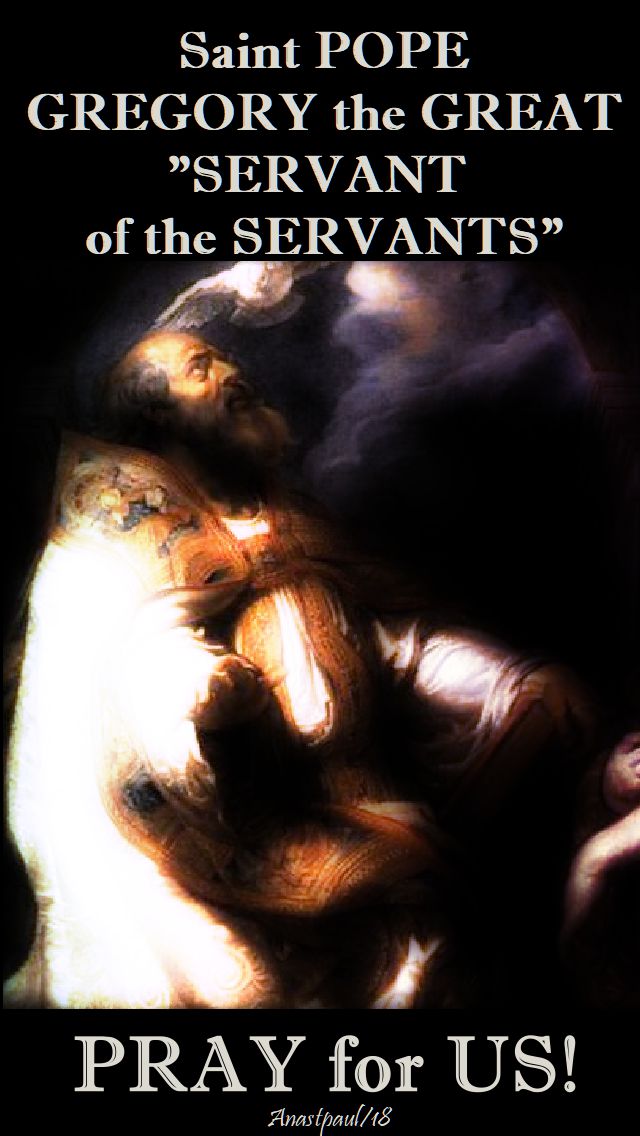

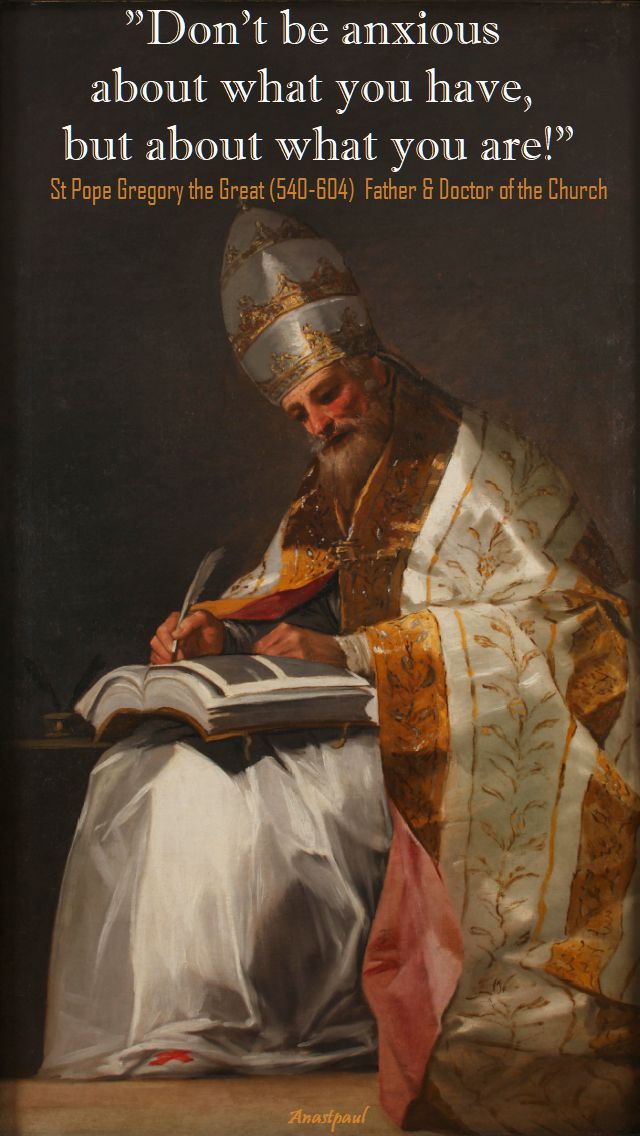

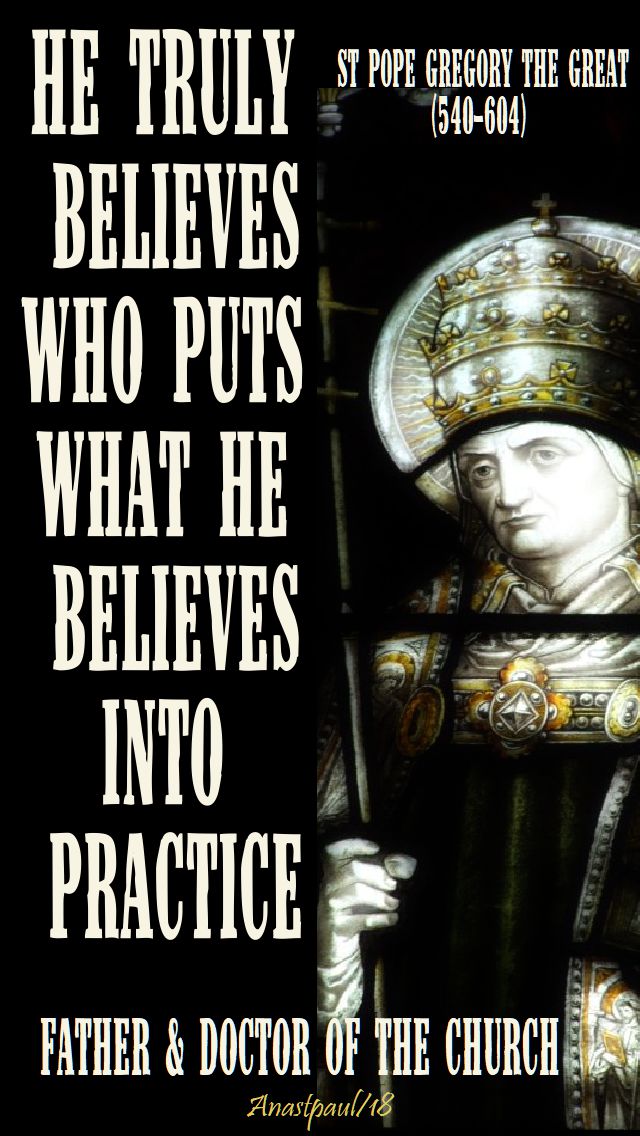
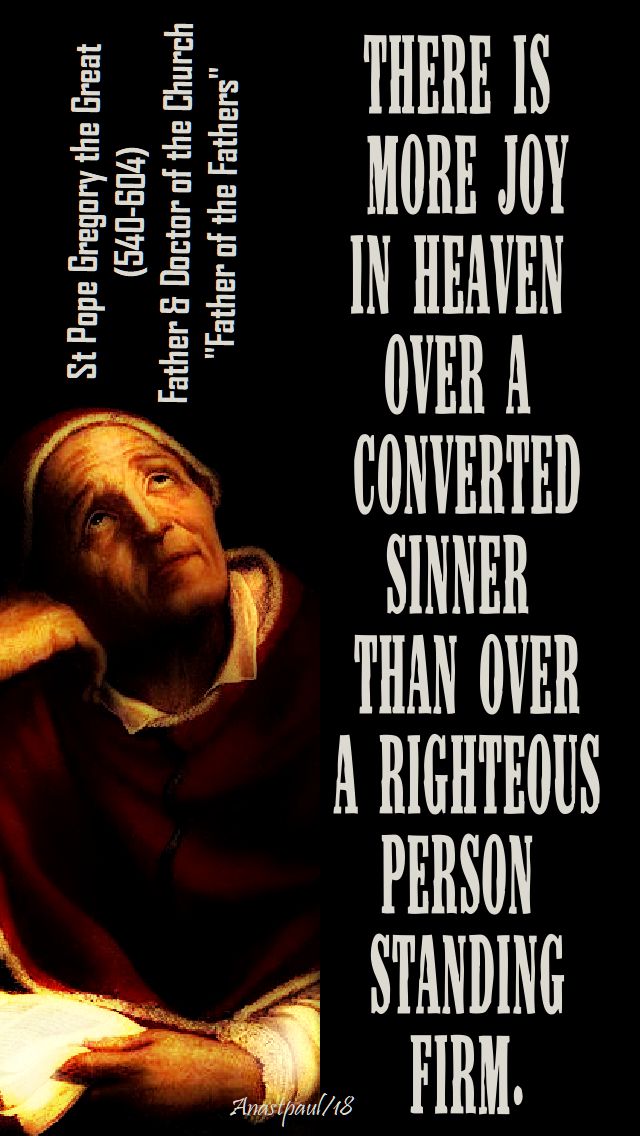
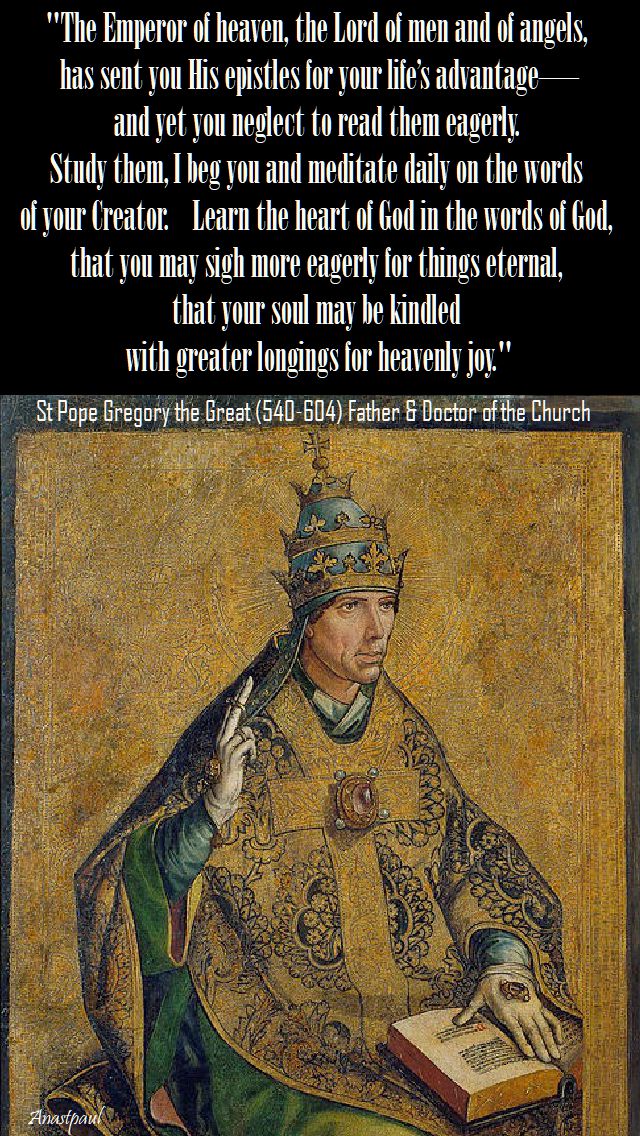

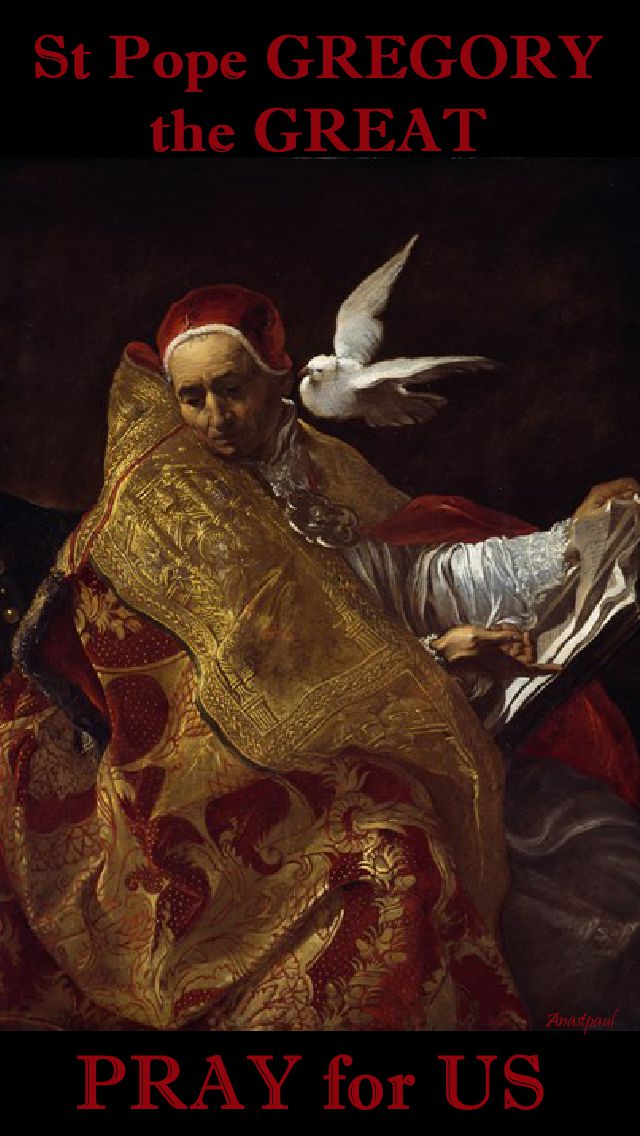

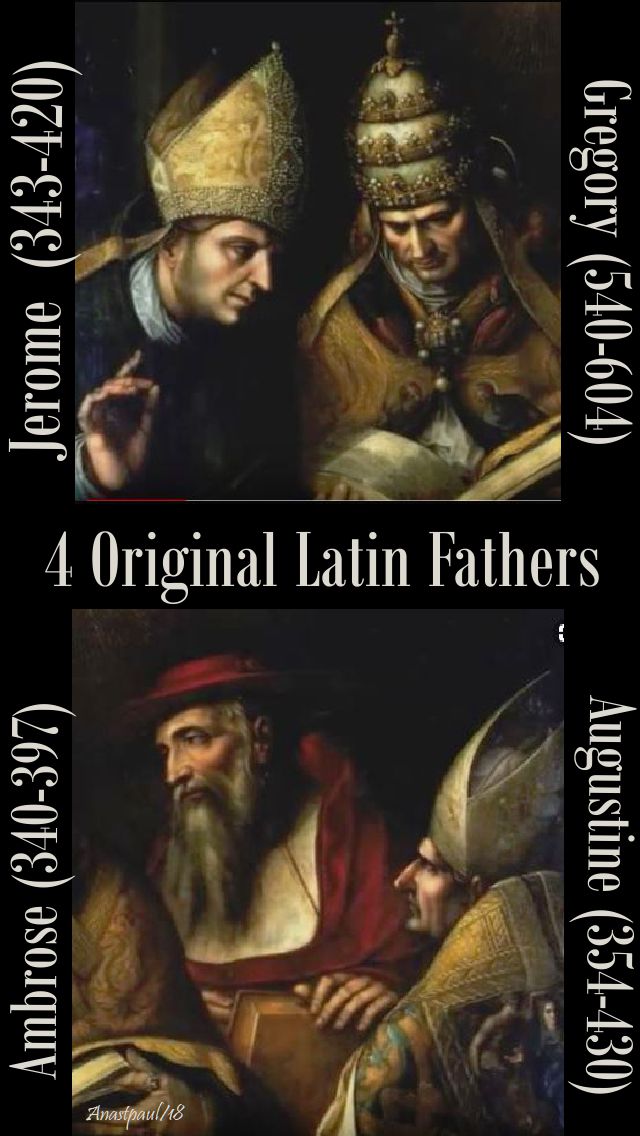
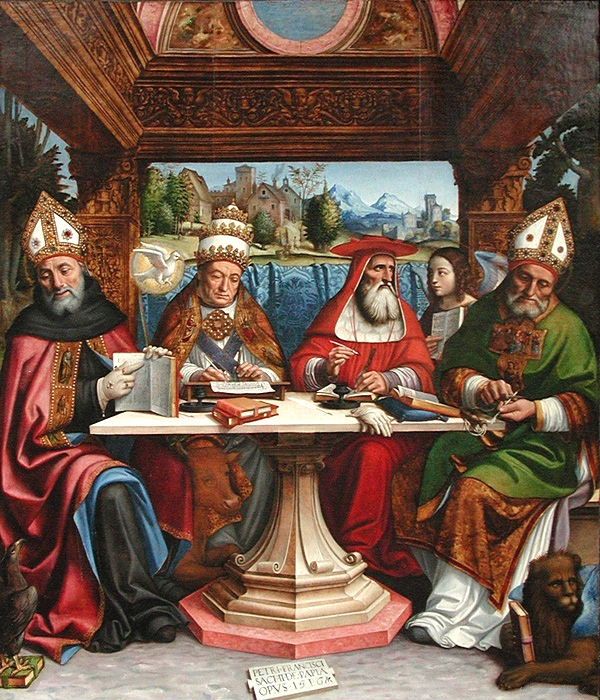
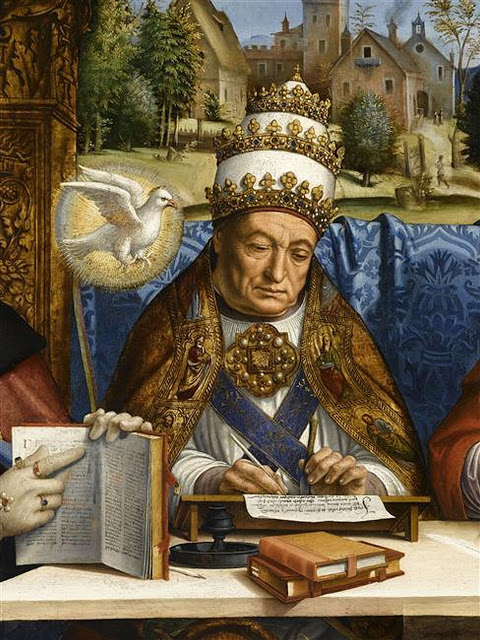
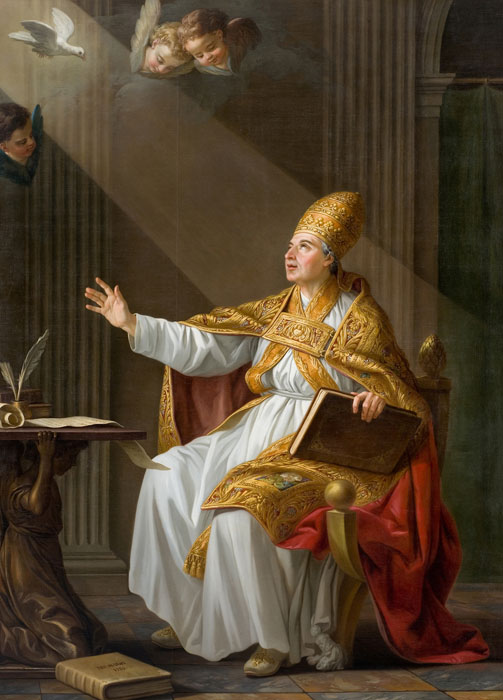
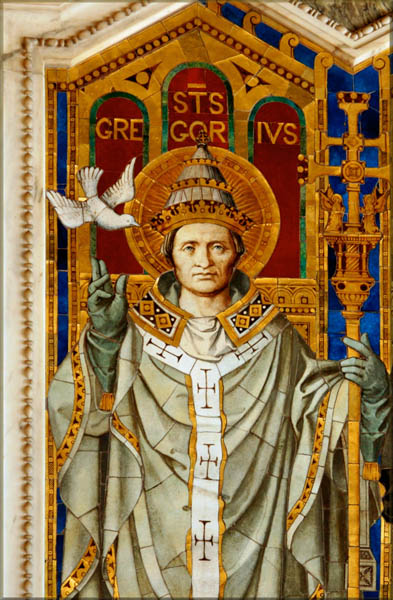
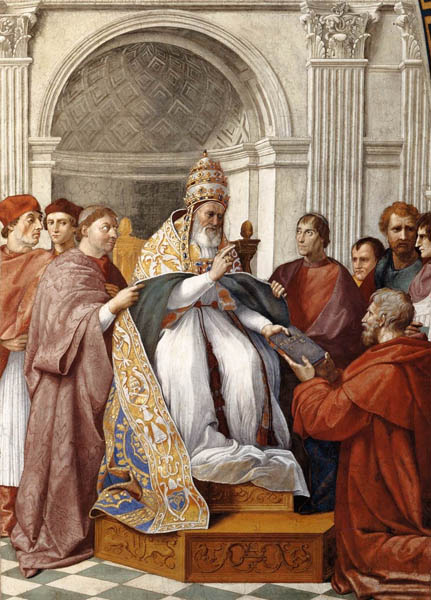
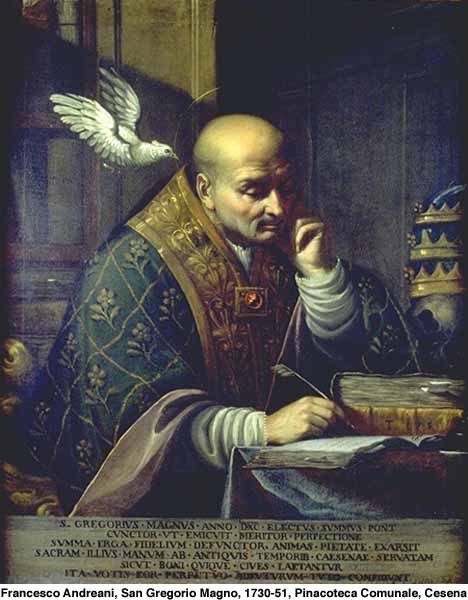
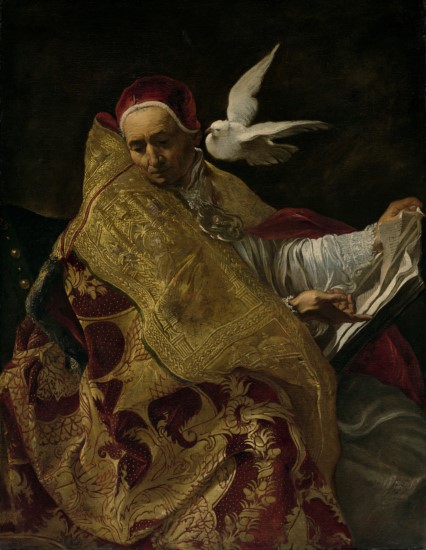
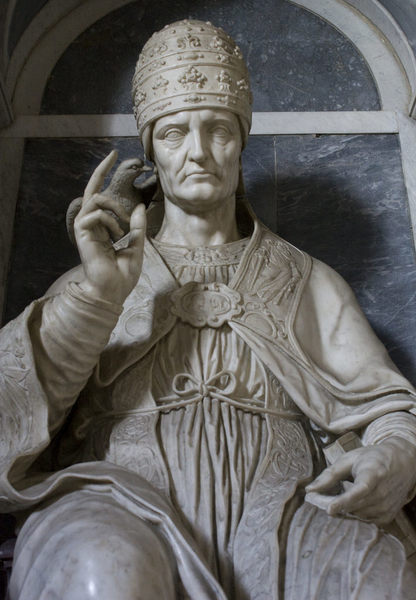
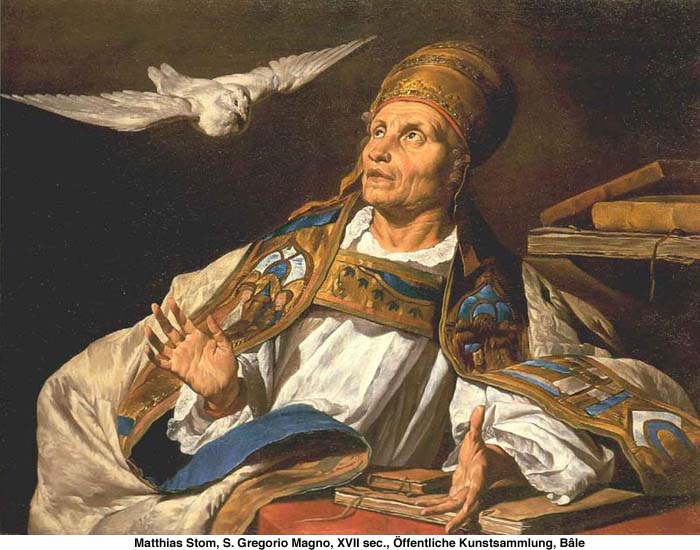
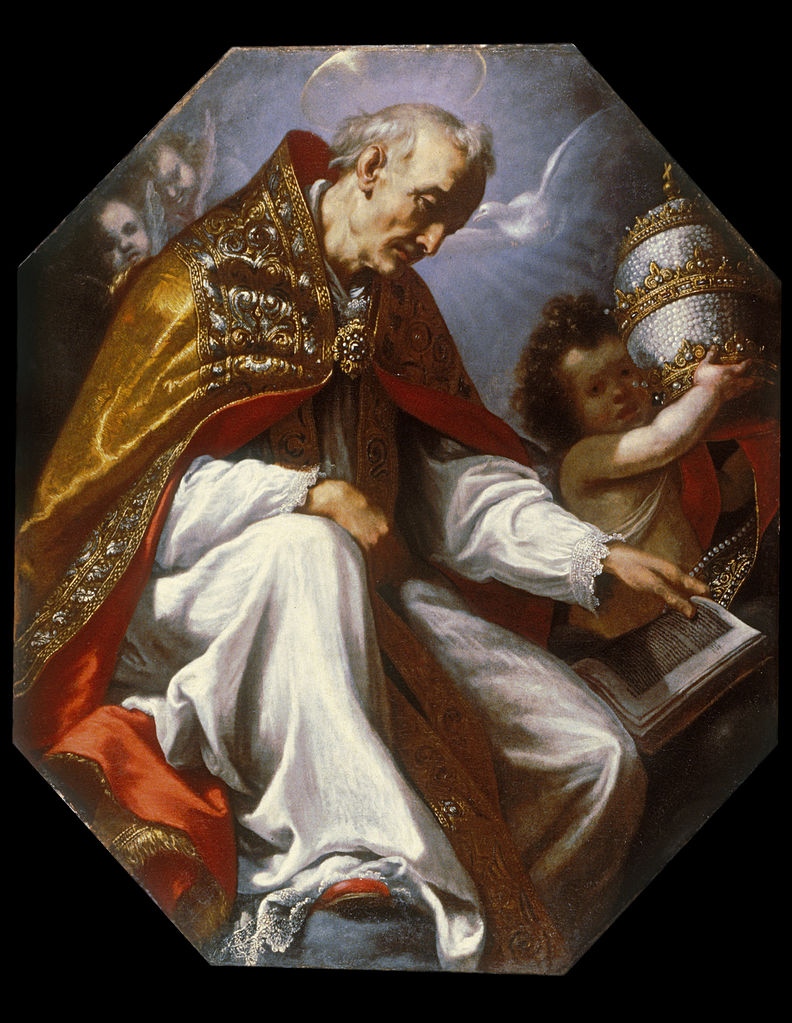


You must be logged in to post a comment.