Our Lady, Help of Christians/Auxilium Christianorum
Our Lady of China: Our Lady of China is a title for the Virgin Mary in China who is believed to have appear at the small village of Donglu in 1900. In Chinese she is called Zhōnghuá Shèngmǔ. She is also known as Our Lady of Donglu.
—
St Afra of Brescia
Bl Benedict of Cassino
St David of Scotland
Bl Diego Alonso
St Donatian of Nantes
St Gennadius of Astroga
St Hubert of Bretigny
Bl Isidore Ngei Ko Lat
St Joanna the Myrrhbearer
Bl John del Prado
Bl John of Montfort
Bl Juan of Huete
Bl Louis-Zéphirin Moreau
St Manahen
St Marciana of Galatia
Bl Mario Vergara
St Meletius the Soldier
Bl Nicetas of Pereslav
St Palladia
St Patrick of Bayeux
Bl Philip of Piacenza
St Rogatian of Nantes
St Sérvulo of Trieste
St Simeon Stylites the Younger
St Susanna
Bl Thomas Vasière
St Vincent of Lérins
St Vincent of Porto Romano
—
Martyrs of Istria: A group of early martyrs in the Istria peninsula. We know little more than some names – Diocles, Felix, Servilius, Silvanus and Zoëllus.
Martyrs of Plovdiv: 38 Christians martyred together in the persecutions of Diocletian and Maximian. We don’t even known their names. They were beheaded in Plovdiv, Bulgaria.
Martyrs of the Small West Gate: Additional Memorial – 20 September as part of the Martyrs of Korea. A group of lay catechists and catechumens who were imprisoned and executed together for the crime of being Christian.
• Saint Agatha Kim A-Gi
• Saint Agatha Yi So-Sa
• Saint Anna Pak A-Gi
• Saint Augustine Yi Kwang-Hon
• Saint Barbara Han A-Gi
• Saint Damianus Nam Myong-Hyok
• Saint Lucia Pak Hui-Sun
• Saint Magdalena Kim Ob-I
• Saint Petrus Kwon Tug-In
They were beheaded on 24 May 1839 at the Small West Gate, Seoul, South Korea and were Canonised on 6 May 1984 by Pope John Paul II.
Saint of the Day – 23 May – St John Baptist de Rossi (1698-1764) born Giovanni Battista de Rossi (22 February 1698 at Voltaggio, diocese of Genoa, Italy – 23 May 1764 at Trinita dei Pellegrini, Italy of multiple strokes) Priest, Preacher and Teacher, Apostle of Charity. Patronage – Voltaggio.
St John was born in 1698, near Genova, Italy. When he was 10, he went on a summer holiday to his relatives, a very pious couple. They noted the piety of the youth and asked permission of his parents to take him to their house in Geneva to educate him there. Capuchin priests came often to visit the house of this couple to ask for assistance for the poor. These religious recommended the youth to the Provincial Father. He made arrangements for John to study in Rome. In the Roman College he studied with great application, gaining the liking of his professors and friends. He was ordained a priest at the age of 23.
He read in some exaggerated book, that recommended doing very strong penances and he dedicated himself to mortify himself in food, drink and sleep, so intensely that a nervous depression overtook him that left him incapable of doing anything for several months. He was able to regain his strength but from then on he always had to struggle against his poor health. He learned that the best mortification is to accept the sufferings and the work of every day, doing well in each moment what one must do and to have patience with the people and the bothers of life.
From the time he was a seminarian, he felt a great predilection for the poor, the sick and the abandoned. The Supreme Pontiff had founded a shelter to receive people that did not have anywhere to spend the night and the young John Batiste went there for many years to care for the poor and the needy, to teach them catechism and to prepare them to receive the Sacraments. He took several friends with him, over whom the work had a great influence. He also agreed to go himself in the early hours of the morning to the market, when the farmers were arriving to sell their produce. There he taught the children and the adults catechism and prepared to make their confession and receive first Communion.
The first years of his priesthood he almost never dared to confess because it seemed to him that he would not be able to give the proper counsel. But one day a holy Bishop asked him to dedicate himself to hearing confessions in his Diocese for a time. There John Batiste discovered that this was the office for which God had destined him. Upon returning to Rome, he told one of his friends, “Before I was asking myself what would be the path for me to achieve heaven and to save many souls. I have discovered that the help that I can give to those that want to be saved is to confess them. The great amount of good that can be done by confession is incredible.”
He went to help a priest in a church that very few people attended. But from the time that Rossi began to confess there, the Church was frequented by hundreds and hundreds of penitents that came to be absolved of their sins. Each penitent brought other people with them to be confessed by him and the conversions that were happening were admirable.
The Supreme Pontiff entrusted to him the office of going to confess and preach to the prisoners in jail and the employees that worked at the prisons. And there he obtained many conversions. They invited from everywhere the sick, prisoners and people that desired to be converted. He went to many places to preach missions and obtained from heaven numerous conversions. In the hospitals he was an esteemed confessor and consoler of the sick. His friends were always the poor, the helpless, the sick, street children and sinners seeking conversion. He lived for them and he totally spent his life for them. He always remained humble and ready to help as many as possible. .
On May 23, 1764, he suffered a heart attack and died at the age of 66. His poverty was such that they had to use alms to pay for his burial. 260 priests, the Archbishop, many religious and an immense crowd attended his funeral. The requiem Mass was sung by the Pontifical choir of the Basilica in Rome.
On a superficial level St John Baptist de Rossi’s life was uneventful. A simple priest, for forty years he worked in the capacity of an assistant pastor in Rome. On a spiritual level, however, he touched thousands of needy people—the sick, the homeless, prostitutes, transient cattle drivers who came to market in Rome and other rough sorts. By day he devoted himself to the sick poor in Rome’s hospitals. By night he ministered to street people at a refuge.
Caregivers can look to John Baptist as a model. Before he would speak to a dying person about salvation, he did all he could to relieve their suffering. No service for the sick, no matter how repugnant, repulsed him. And his selflessness won people’s hearts.
Once, for example, a young man dying of syphilis rebuffed de Rossi’s attention until the priest emptied his bedpan. Touched by John Baptist’s humble care, the fellow finally listened to him and made a good confession before he died. Other priests and penitents were amazed by John Baptist’s persuasiveness in the confessional. With a few gentle words he turned people’s lives. Once a young man came to him who was sexually entangled with a woman who kept coming to his house under the pretence of washing and mending his clothes. A brief conversation with John Baptist broke the youth’s addiction. As a sign of his cure, the next day he brought the priest a pile of his clothes he had taken from the woman.
John Baptist exhorted others to follow his example in caring for souls. Here is an excerpt from one of his sermons to his fellow priests:
“Ignorance is the leprosy of the soul. How many such lepers exist in the church here in Rome, where many people don’t even know what’s necessary for their salvation? It must be our business to try to cure this disease. The souls of our neighbours are in our hands and yet how many are lost through our fault? The sick die without being properly prepared because we have not given time or care enough to each particular case. Yet with a little more patience, a little more perseverance, a little more love, we could have led these poor souls to heaven.”
Many of us shrink from going to the hospitals from fear of infection or from the sights and smells that await us there. Courage! We are not in the world to follow our own will and pleasure but to imitate the Lord.
John Baptist de Rossi, himself worn out by his unselfish service, suffered a stroke in 1763 and died a year later. “The poor come to church tired and distracted by their daily troubles. If you preach a long sermon they can’t follow you. Give them one idea that they can take home, not half a dozen, or one will drive out the other and they will remember none.”
St John Baptist de Rossi was Canonised on 8 December 1881 by Pope Leo XIII.
St Basileus of Braga
St Desiderius of Langres
St Epitacius of Tuy
St Euphebius of Naples
St Euphrosyne of Polotsk
St Eutychius of Valcastoria
St Florentius of Valcastoria
St Goban Gobhnena
St Guibertus of Gorze
Bl Ivo of Chartres
St Jane Antide Thouret
St John Baptist de Rossi (1698-1764)
Bl Józef Kurzawa
Bl Leontius of Rostov
St Michael of Synnada
St Onorato of Subiaco
St Spes of Campi
St Syagrius of Nice
St William of Rochester
Bl Wincenty Matuszewski
—
Martyrs of Béziers: 20 Mercedarian friars murdered by Huguenots for being Catholic. Martyrs. 1562 at the Mercedarian convent at Béziers, France.
Martyrs of Cappadocia: A group of Christians tortured and martyred in the persecutions of Diocletian and Galerius. Their names and the details of their lives have not come down to us. They were crushed to death in c.303 in Cappadocia (in modern Turkey).
Martyrs of Carthage: When a civil revolt erupted in Carthage in 259 during a period of persecution by Valerian, the procurator Solon blamed it on the Christians, and began a persecution of them. We know the names and a few details about 8 of these martyrs – Donatian, Flavian, Julian, Lucius, Montanus, Primolus, Rhenus and Victorius. They were beheaded in 259 at Carthage (modern Tunis, Tunisia).
Martyrs of Mesopotamia: A group of Christians martyred in Mesopotamia in persecutions by imperial Roman authorities. Their names and the details of their lives have not come down to us. They were suffocated over a slow fire in Mesopotamia.
Martyrs of North Africa: A group of 19 Christians martyred together in the persecutions of the Arian Vandal King Hunneric for refusing to deny the Trinity. We know little more than a few of their names – Dionysius, Julian, Lucius, Paul and Quintian. c 430.
Saint of the Day – 22 May – Bl John Forest O.F.M. (1471-1538) Martyr – Franciscan Priest and Friar and Martyr – Born in 1471 at Oxford, England – died by being hanged and burned on 22 May 1538 at Smithfield, England. Additional Memorial – 1 December as one of the Martyrs of Oxford University.
Already by the 15th century, England was upset about church and country relations. Many of the people were very proud to be English; in fact too proud. They did not want to listen to their Bishops and Priests and they did not want to obey the Pope in Rome. They felt that they knew what was best concerning the laws of the church and the laws of the country but they were wrong, very, very wrong.
During this period of time, in 1471, a very great man was born; his name was John Forest. He was born at Oxford, England of noble, well-to-do parents. In spite of their wealth, John did not become a worldly person and during his boyhood, he got a very good religious education. When he was 21 years old, he entered the Strict Franciscan Order at the Greenwich Monastery. He proved to be a very brilliant student when he was sent to study at Oxford and there he received his doctorate in Theology, when he was about 26 years old.
In time, John Forest became a Franciscan priest. As the years passed, Fr Forest became known as a very holy and learned man. And in 1520, when he was about 49 years old, the Franciscan brothers elected him as the Provincial Superior. Then five years later, Cardinal Wolsey appointed him to be a regular preacher at St Paul’s, in the capital, London.
Then there quickly followed the appointment that was to lead him down the narrow road to martyrdom. Catherine of Aragon was married to Henry VIII, the King of England. She was a very devout Third Order Franciscan and asked Fr Forest to become her Confessor and Chaplain. But before King Henry VIII got married to Catherine of Aragon, he had to get a dispensation from Pope Julius, to marry the widow of his dead brother. Catherine was actually his sister-in-law. The Pope gave the dispensation and after Henry and Catherine were married they had three sons and a daughter, Princess Mary. Little Mary lived o, but the three boys died. In time King Henry wanted to get an annulment from the Pope. Henry figured that since he had to get permission to marry his sister–in-law in the first place, the Pope could now give him an annulment. But the King was in for a big surprise when the Pope said he would not give Henry an annulment, their marriage was valid and he should stay married to his good wife Catherine.
By now, King Henry was already starting to look at another woman,her name was Anne Boleyn. And to make matters worse, Anne was also looking at King Henry. Now, both you and I know that it is wrong to desire to have another man or woman, when you are already married. Henry’s second desire, was to have a male heir to the throne, he wanted a King to rule England, not a Queen!
Covetousness and Pride; these were Henry’s faults. In 1527, Henry asked Pope Clement VII to annul the marriage, or to grant him a divorce. But when the good Pope refused to go along with the king’s stupid ideas, Henry was most angry. He got a divorce from Catherine and married Anne Boleyn, he didn’t care what the Pope told him to do. In 1533, the Pope declared that King Henry was truly married to Catherine and that he was not married to Anne Boleyn. Because of this, Henry VIII hated Catherine and all that was connected with her. Now, not only Catherine, but also young Princess Mary and Fr Forest as well, suffered from the King’s anger. Henry thought that when his wife Catherine had written to the Pope, that Fr Forest should have stopped her from doing so.
Fr Forest and the other Franciscan Friars lived at Greenwich, near King Henry’s palace. The friars discussed Henry’s affairs among themselves and they thought that they had nothing to fear from Henry because he had always admired these friars. In fact, in the past, King Henry had written to Pope Leo X, telling him: “I admire the holiness and life of the Greenwich Franciscans. I find it quite impossible to describe their merits, as they deserve. They present an ideal of Christian poverty, sincerity and charity. Their lives are devoted to fasting, watching and prayer. They are occupied in hard toil by day and night, to win sinners back to God.”
After, their discussions, the friars, especially Fr Forest, sided with Queen Catherine and not Henry VIII. They knew that Henry was in the wrong and that Catherine was right. When Henry found out that the friars were against him, he demanded that Fr Forest be replaced by another person. After a meeting, Fr Forest was moved to a convent in the North and later, in 1534, King Henry had the holy priest cast into prison at Newgate. While in this prison, Fr Forest spent his time in prayer and in writing a book, defending the Pope and the Church. His reason for writing this book was because King Henry VIII had left the Catholic Church and was now calling himself the “Supreme Head of the Church” of England. Only the Pope is the Head of the Church Henry was making a terrible mistake! When Henry found out that Fr Forest had written this book, the King was furious. He condemned the holy priest to death, because he refused to recognise the King as the Head of the Church, in England.
Henry also persecuted the Strict Franciscan Friars in England. He took away all their monasteries and cast many of them into prison, where fifty of them died. But a good friend also helped a lot of these good friars to escape to France and Scotland.
Because Fr Forest did not expect to be long in prison, he sent his rosary to Queen Catherine. In a letter he had sent with the rosary, he had written: “I presume to make you a poor present of my beads, as I have been given only three more days to live on this earth.”He was now 63 years old and had been a monk for forty-three years.
But Fr Forest’s sufferings were just beginning, he was to be in prison for four years, (1534-1538). During this long time in prison, King Henry had sent men to question and torture Fr Forest, so that he would break down and follow Henry’s new law. But the good priest chose to suffer, rather than give up his faith. Catherine died a few years before Fr Forest did and during her life she did all she could to ease the sufferings of the good priest. After two more years of imprisonment, Fr. Forest was condemned to be hanged over a fire and slowly burned to death because he would not swear that the King was the Supreme Head of the Church of England.
On 22 May 1538, Fr Forest’s hands and feet were tied to a hurdle and he was dragged to the place of execution at Smithfield, near a Franciscan Monastery. Upon arrival, the poor priest was forced to listen to an hours talk on the glories of the Supreme Headship of King Henry, given by Bishop Latimer, who had become an apostate. Then Fr Forest’s tortures began, chains were wrapped around his waist and under his armpits and then he was suspended in the air above a fire. The fire was kept low so that it would burn his feet and cause the poor priest even more suffering. And all the while a bunch of apostates scoffed and jeered at the holy priest. Throughout the two long hours that Fr Forest swayed over the fire, he prayed: “In the shadow of Thy wings I will trust, O God, until iniquity pass away.”
John Forest was the only Catholic martyr to be burned at the stake. Extra fuel for the pyre is said to have been provided by an enormous statue of St Derfel, from the pilgrimage site of Llandderfel in north Wales and of which it was prophesied, would “one day set a forest on fire.” Fr Forest, together with fifty-three other English martyrs, was Beatified by Pope Leo XIII on 9 December 1886. His relics rest near the priory gate of at Smithfield.
The tough times are returning. We are fighting to keep the Catholic Faith, so be faithful in saying your Rosary, wearing the Brown Scapular and being a good Catholic and God will help you now and in the tough times. Blessed John Forest—Pray for Us!
Bl John Forest, nave statue – St Etheldreda, Ely Place, London
St Rita of Cascia (Optional Memorial)
—
St Aigulf of Bourges
St Atto of Pistoia
St Aureliano of Pavia
St Ausonius of Angoulême
St Baoithin of Ennisboyne
St Basiliscus of Pontus
St Bobo of Provence
St Boethian of Pierrepont
St Castus the Martyr
St Conall of Inniscoel
Bl Diego de Baja
Bl Dionisio Senmartin
St Emilius the Martyr
St Faustinus the Martyr
St Francisco Salinas Sánchez
St Fulgencio of Otricoli
Bl Fulk of Castrofurli
Bl Giacomo Soler
Bl Giusto Samper
St Helen of Auxerre
St Humility of Faenza
Bl John Baptist Machado
Bl John Forest O.F.M. (1471-1538) Martyr of Oxford University
St John of Parma
St José Quintas Durán
St Julia of Corsica
St Lupo of Limoges
St Marcian of Ravenna
St Margaret of Hulme
Bl Maria Rita Lopes Pontes de Souza Brito
Bl Pedro of the Assumption
St Quiteria
St Romanus of Subiaco
St Timothy the Martyr
St Venustus the Martyr
—
Martyred in the Spanish Civil War:
• Blessed Francisco Salinas Sánchez
• Blessed José Quintas Durán
Quote/s of the Day – 21 May 2018 “Mary’s Month!” – The First Memorial of Mary, Mother of the Church and the Memorial of St Eugene de Mazenod (1782-1861)
“…She is clearly the Mother of his members; that is, of ourselves, because she cooperated by her charity, so that faithful Christians, members of the Head, might be born in the Church. As for the body, she is the Mother of its Head… Mary gave birth to our Head; the Church gave birth to you. Indeed, the Church also, is both virgin and mother, mother, because of her womb of charity, virgin, because of the integrity of her faith and piety.”
St Augustine (354-430) Doctor of Grace
“This celebration will help us to remember. that growth in the Christian life, must be anchored to the Mystery of the Cross, to the oblation of Christ in the Eucharistic Banquet and to the Mother of the Redeemer and Mother of the Redeemed, the Virgin who makes her offering to God.”
“As a caring guide to the emerging Church, Mary had already begun her mission in the Upper Room, praying with the Apostles, while awaiting the coming of the Holy Spirit.”
Cardinal Robert Sarah
Congregation of Divine Worship and the Discipline of the Sacraments, 11 February 2018, the memorial of the Blessed Virgin Mary of Lourdes. DECREE ON THE CELEBRATION OF THE BLESSED VIRGIN MARY, MOTHER OF THE CHURCHIN THE GENERAL ROMAN CALENDAR
“We glorify God in the masterpiece of His power and love… it is the Son whom we honour in the person of His Mother.”
“To love the Church is to love Jesus Christ and vice versa.”
“Practice well among yourselves: charity, charity, charity and outside, zeal for the salvation of souls”
Our Morning Offering – 21 May 2018 “Mary’s Month!” – The First Memorial of Mary, Mother of the Church
Prayer to Mary, Mother of the Church and Mother of our Faith
By our Holy Father, Pope Francis
Mother, help our faith! Open our ears to hear God’s word and to recognise His voice and call. Awaken in us a desire, to follow in His footsteps, to go forth from our own land and to receive His promise. Help us to be touched by His love, that we may touch Him in faith. Help us to entrust ourselves fully to Him and to believe in His love, especially at times of trial, beneath the shadow of the cross, when our faith is called to mature. Sow in our faith the joy of the Risen One. Remind us that those who believe are never alone. Teach us to see all things with the eyes of Jesus, that He may be light for our path. And may this light of faith, always increase in us, until the dawn of that undying day, which is Christ Himself, your Son, our Lord! Amen
Prayer to Mary at the conclusion of the Encyclical Lumen Fidei (29 June 2013) Image of Mary – Our Lady of the Column in St Peter’s Basilica
Saint of the Day – 21 May – St Eugene de Mazenod O.M.I. (1782-1861) Priest, Bishop, Founder of the Oblates of Mary Immaculate, Evangeliser, Missionary Preacher, Apostle of the poor and marginalised – born Charles-Joseph-Eugène de Mazenod on 1 August 1782 at Aix-en-Provence, southern France and died on 21 May 1861 at Marseille, France of cancer. When his body was exhumed in 1936 it was found to be incorrupt. Patronages – refugees, missionaries, families.
Eugene de Mazenod was born into an aristocratic family, on 1 August 1782 and baptised the following day in the Église de la Madeleine in Aix-en-Provence. His father, Charles Antoine de Mazenod, was one of the Presidents of the Court of Finances and his mother was Marie Rose Joannis. Eugene began his schooling at the College Bourbon but this was interrupted by the events of the French Revolution. With the approach of the French revolutionary forces, the family was forced to flee to Italy.
St Eugene aged 5
He became a boarder at the College of Nobles in Turin but a move to Venice meant the end to formal schooling. With their money running out, Eugene’s father was forced to seek various employments, none of which were successful. His mother and sister returned to France – eventually seeking a divorce so as to be able to regain their property that had been seized. Eugene was fortunate to be welcomed by the Zinelli family in Venice. This is how it happened:
One day when Eugene was playing at the window of his house, Fr Bartolo Zinelli (1766-1803) appeared on the other side of the street and asked him, “Are you not afraid of wasting your time?” “Alas, responded Eugene, it is really awful, but what can I do? I am a foreigner here without any books available to me.” “Well, then”, replied Don Bartolo, “I am right in my library at the moment and here I have many books in Latin, Italian and French.” Having said this, he took up the stick that was used to bar the shutters and put a book on it and passed it over the narrow, approximately one and one half meter street.
After having read the book, Eugene, following the advice of his father, went to Don Bartolo’s house to thank him for this kind gesture. “Well,” said Don Bartolo, “do you see this lovely library? All of these books are available to you as well.” Then, Don Bartolo showed Eugene his study where he and his brother Don Pietro used to study and told him, “You can take the place here of my younger brother who has died.” Eugene could not contain his joy. “Well, then, you can begin tomorrow already.”
Fr Bartolo Zinelli took special care of Eugene and saw to his education in the well-provided family library where the young adolescent spent many hours each day and was a major influence in the human, academic and spiritual development of Eugene.
Once again the French army chased the émigrés from Venice, forcing Eugene and his father and two uncles to seek refuge in Naples for less than a year and, finally, to flee to Palermo in Sicily. Here Eugene was invited to become part of the household of the Duke and Duchess of Cannizaro as a companion to their two sons. Being part of the high society of Sicily became the opportunity for Eugene to rediscover his noble origins and to live a lavish style of life. He took to himself the title of ‘Comte’ (“Count”) de Mazenod, did all the courtly things and dreamed of a bright future.
Spiritual journey of conversion
At the age of twenty, Eugene returned to France and lived with his mother in Aix en Provence. Initially he enjoyed all the pleasures of Aix as a rich young nobleman, intent on the pursuit of pleasure and money – and a rich girl who would bring a good dowry. Gradually he became aware of how empty his life was and began to search for meaning in more regular church involvement, reading and personal study and charitable work among prisoners. His journey came to a climax on Good Friday, 1807 when he was 25 years old. Looking at the sight of the Cross, he had a religious experience. The sight of the oblation of Jesus on the Cross, with his arms outstretched in love, led Eugene to respond in love: “What more glorious occupation than to act in everything and for everything only for God, to love Him above all else, to love Him all the more as one who has loved Him too late.”
Priest
In 1808, he expressed his desire for dedication to Jesus the Saviour by beginning his studies for the priesthood at the Saint-Sulpice Seminary in Paris and was ordained a priest at Amiens (Picardy), on 21 December 1811. Since Napoleon had expelled the Sulpician priest from the seminary, Eugene stayed on as a formator for a semester. As a member of the Seminary, notwithstanding personal risk, Eugene committed himself to serve and assist Pope Pius VII, who at this time was a prisoner of emperor Napoleon I at Fontainebleau. In this way, he experienced at firsthand, the suffering of the post-Revolutionary Church.
On his return to Aix, Father de Mazenod asked not to be assigned to a parish but to dedicate himself fully to evangelising those who were not being touched by the structures of the local church: the poor who spoke only the Provençal language, prisoners, youth, the inhabitants of poor villages who were ignorant of their faith. His constant message was, to invite people to enter into the same experience of Jesus, that he had at his conversion. Looking at everyone and every situation through the eyes of the Saviour, he showed the poor the human and spiritual dignity that was theirs and taught them how to live in relationship with the Saviour. The goal of his priestly preaching and ministry was always to lead others to develop themselves fully as humans, then as Christians and finally to become saints.
Oblates of Mary Immaculate
On 25 January 1816, “impelled by a strong impulse from outside of himself” he invited other priests to join him in his life of total oblation to God and to the most abandoned of Provence. Initially called “Missionaries of Provence,” they dedicated themselves to evangelization through preaching parish missions in the poor villages, youth and prison ministry. In 181, a second community was established, at the Marian shrine of Notre Dame du Laus. This became the occasion for the missionaries to become a religious congregation, united through vows and the evangelical counsels. Changing their name to Missionary Oblates of Mary Immaculate, the group received papal approbation on 17 February 1826.
Foreign Missions
In 1841, Bishop Bourget of Montreal invited the Oblates to Canada. At the same time there was an outreach to the British Isles. This was the beginning of an inspiring history of missionary outreach to the most abandoned peoples in Canada, United States, Mexico, England and Ireland, Algeria, Southern Africa and Ceylon during the Founder’s lifetime. In 200 years this zeal spread and took root in the establishment of the Oblates in nearly 70 countries.
From 1837 to 1861, he was the Bishop of Marseille, in Provence (south-eastern France). During his episcopacy, he commissioned Notre-Dame de la Garde, an ornate Neo-Byzantine basilica on the south side of the old port of Marseille . He inspired local priest Joseph-Marie Timon-David to found the Congregation of the Sacred Heart of Jesus in Marseille in 1852.
Notre-Dame de la Garde, Marseilles
Towards the end of his life, Eugene had become very free. Faced with the prospect of the Cardinalate which had been promised and which slipped away from him because of political considerations, he had this to say: “After all, it is all the same whether one is buried in a red cassock or a purple one; the main thing is that the bishop gets to heaven”.
Shortly before his death on May 21, 1861, in keeping with his temperament, the elderly and seriously ill bishop said to those around him: “Should I happen to doze off, or if I appear to be getting worse, please wake me up! I want to die knowing that I am dying”.
His last words to the Oblates were a testament that summed up his life: “Practice well among yourselves charity, charity, charity and outside, zeal for the salvation of souls”. Saint Eugene died on Pentecost Sunday, to the prayer of the Salve Regina. It was his final salute on earth to the one he considered as the “Mother of the Mission”.
St Eugene was Beatified on 19 October 1975 by Blessed Pope Paul VI and Canonised on 3 December 1995 by Sr Pope John Paul II.
Martyrs of the Mexican Revolution (Optional Memorial): The 1917 Mexican constitution was pointedly anti-clerical and anti-Church, and its adoption instituted years of violent religious persecution including expulsion of foreign priests, closing of parochial schools, and the murders of several priests and lay leaders who work to minister to the faithful and support religious freedom. 25 of them who died at different times and places but all as a result of this persecution were celebrated together. They each have separate memorials but are also remembered as a group.
• Saint Agustin Caloca Cortes
• Saint Atilano Cruz Alvarado
• Saint Cristobal Magallanes Jara
• Saint David Galván-Bermúdez
• Saint David Roldán-Lara
• Saint David Uribe-Velasco
• Saint Jenaro Sánchez DelGadillo
• Saint Jesús Méndez-Montoya
• Saint Jose Isabel Flores Varela
• Saint José María Robles Hurtado
• Saint Julio álvarez Mendoza
• Saint Justino Orona Madrigal
• Saint Luis Batiz Sainz
• Saint Manuel Moralez
• Saint Margarito Flores-García
• Saint Mateo Correa-Magallanes
• Saint Miguel de la Mora
• Saint Pedro de Jesús Maldonado-Lucero
• Saint Pedro Esqueda Ramírez
• Saint Rodrigo Aguilar Alemán
• Saint Roman Adame Rosales
• Saint Sabas Reyes Salazar
• Saint Salvador Lara Puente
• Saint Toribio Romo González
• Saint Tranquilino Ubiarco Robles
Canonised: 21 May 2000 by Pope John Paul II
—
St Adalric of Bèze
Bl Adilio Daronch
St Ageranus of Bèze
St Ansuinus of Bèze
St Antiochus of Caesarea Philippi
St Bairfhion of Killbarron
St Berard of Bèze
St Collen of Denbighshire
St Constantine the Great
St Donatus of Caesarea
St Eugene de Mazenod O.M.I. (1782-1861)
St Eutychius of Mauretania
Bl Franz Jägerstätter
St Genesius of Bèze
St Godric of Finchale
Bl Hemming of Åbo
St Hospitius of Cap-Saint-Hospice
Bl Hyacinth-Marie Cormier
St Isberga of Aire
Bl Jean Mopinot
Bl Lucio del Rio
St Mancio of Évora
Bl Manuel Gómez González
St Nicostratus of Caesarea Philippi
Bl Pietro Parenzo
St Polieuctus of Caesarea
St Polius of Mauretania
St Restituta of Corsica
St Rodron of Bèze
St Secundinus of Cordova
St Secundus of Alexandria
St Serapion the Sindonite
St Sifrard of Bèze
Bl Silao
St Synesius
St Theobald of Vienne
St Theopompus
St Timothy of Mauretania
St Valens of Auxerre
St Vales
St Victorius of Caesarea
—
Martyrs of Egypt: Large number of bishops, priests, deacons and lay people banished when the Arian heretics seized the diocese of Alexandria, Egypt in 357 and drove out Saint Athanasius and other orthodox Christians. Many were old, many infirm and many, many died of abuse and privations while on the road and in the wilderness. Very few survived to return to their homes in 361 when Julian the Apostate recalled all Christians and then many of those later died in the persecutions of Julian.
Martyrs of Pentecost in Alexandria: An unspecified number of Christian clerics and lay people who, on Pentecost in 338, were rounded up by order of the Arian bishop and emperor Constantius and were either killed, or exiled, for refusing to accept Arian teachings. 339 in Alexandria, Egypt.
Quote/s of the Day – 20 May – The Solemnity of Pentecost, Alleluia!
“A fiery sword, barred of old, the gates of Paradise, a fiery tongue, which brought salvation, restored the gift.”
St Cyril of Jerusalem (315-387) Doctor of the Church (Catechetical Lectures: Lecture 17 no. 15)
“O Holy Spirit, descend plentifully into my heart. Enlighten the dark corners of this neglected dwelling and scatter there, Your cheerful beams.”
St Augustine (354-430) Doctor of Grace
“A soul, that possesses the Holy Spirit, tastes such sweetness, in prayer, that it finds the time, always too short, it never loses, the holy presence of God.”
“The Holy Spirit forms thoughts and suggests words, in the hearts of the just.”
“The Holy Spirit is like a gardener, cultivating our souls.”
St John Vianney (1786-1859)
“Pentecost is the moment when a heart of stone is shattered and a heart of flesh takes its place.”
Fr Raneiro Cantalamessa (Preacher to the Papal Household)
O Lord, how manifold are thy works! In wisdom hast thou made them all; the earth is full of thy creatures…Psalm 104:24
REFLECTION – “…the Holy Spirit who came down on the Apostles is the same Spirit who fashioned the world. Pentecost should also be for us a festival of thanksgiving for creation, a cause for reflection on the creative Reason, who is is also manifested in the beauty of the world, as a creative Love.”…Joseph Cardinal Ratzinger (Pope Benedict XVI) 1985
PRAYER – Lord God, pour out the gifts of the Holy Spirit on all mankind and fulfil now, in the hearts of Your faithful, what You accomplished at the beginning of the world, every second of every day and when the Gospel was first preached on earth. Come, O Holy Spirit, come! We make our prayer through our Lord Jesus Christ, Your Son, in the unity of the Holy Spirit, one God forever, amen.
St Bernadine of Siena O.F.M. (1380-1444) (Optional Memorial)
St Abercius
Bl Albert of Bologna
St Alexander of Edessa
St Althryda
St Anastasius of Brescia
St Aquila of Egypt
St Arcangelo Tadini
Bl Arnaldo Serra and Companions
St Asterius of Edessa
St Austregisilus of Bourges
St Basilla of Rome
St Baudelius of Nîmes
St Codrato
Bl Columba of Rieti
St Ethelbert of East Anglia
Bl Guy de Gherardesca
St Helena
St Hilary of Toulouse
St José Pérez Fernández
St Lucifer of Caglieri
St Marcello
Bl Maria Angelica Perez
St Plautilla of Rome
St Protasius Chong Kuk-bo
St Rafaél García Torres
St Talaleo of Egea
St Thalalaeus of Edessa
St Theodore of Pavia
St Tomás Valera González
Saint of the Day – 19 May – St Ivo of Kermartin T.O.S.F. (1253-1303) also known Yvo or Ives – Priest, Franciscan Tertiary, known as the “Advocate of the Poor”, Civil Lawyer – born on 17 October 1253 at Kermartin near Treguier, Brittany and died on 19 May 1303 at Louannec, Brittany of natural causes following a sermon on Ascension Eve. Patronages – abandoned people, advocates, attorneys, barristers, lawyers, bailiffs, Brittany, canon lawyers, canonists, judges, jurists, notaries, orphans, children. Attributes – lawyer enthroned between rich and poor litigants, lawyer holding a book, with an angel near his head and a lion at his feet, lawyer surrounded by suppliants, holding a parchment and pointing upwards, lawyer surrounded by symbols of the Holy Spirit such as doves.
Born at Kermartin, a manor near Tréguier in Brittany, on 17 October 1253, Ivo was the son of Helori, lord of Kermartin and Azo du Kenquis. In 1267 Ivo was sent to the University of Paris, where he graduated in civil law. While other students partied, Ivo studied, prayed and visited the sick. He also refused to eat meat or drink wine. Among his fellow-students were the scholars Blessed Duns Scotus (1266-1308 – Doctor Subtilis -Subtle Doctor) and Roger Bacon OFM (1219-1292 – Doctor Mirabilis – Miraculous Doctor). He went to Orléans in 1277 to study canon law under Peter de la Chapelle, a famous jurist who later became bishop of Toulouse and a cardinal. On his return to Brittany, having received minor orders he was appointed an “official”, the title given to an ecclesiastical judge, of the archdeanery of Rennes (1280). He protected orphans and widows, defended the poor and rendered fair and impartial verdicts. It’s said that even those on the losing side, respected his decisions. Ivo also represented the helpless in other courts, paid their expenses and visited them in prison. He earned the title “Advocate of the Poor.” Although it was common to give judges “gifts,” Ivo refused bribes. He often helped disputing parties settle out of court so they could save money.
Meanwhile, he studied Scripture and there are strong reasons for believing the tradition held among Franciscans, that he joined the Third Order of St Francis sometime later at Guingamp. Ivo was ordained to the priesthood in 1284. He continued to practice law and once, when a mother and son couldn’t resolve their differences, he offered a Mass for them. They immediately reached a settlement.
The Widow of Tours
Tours was near Orleans, the bishop held his court there and Ivo, while visiting the court, lodged with a certain widow. One day he found his widow-landlady in tears. Her tale was that next day she must go to court to answer to the suit of a travelling merchant who had tricked her. It seemed that two of them, Doe and Roe, lodging with her, had left in her charge a casket of valuables, while they went off on their business but with the strict injunction, that she was to deliver it up again, only to the two of them jointly demanding it. That day, Doe had come back and called for the casket, saying that his partner Roe was detained elsewhere and she in good faith in his story, had delivered the casket to Doe. But then later came Roe demanding it, charging his partner with wronging him, and holding the widow responsible for delivering up the casket to Doe, contrary to the terms of their directions. And if she had to pay for those valuables it would ruin her. “Have no fear,” said young Ivo, “I will go to court tomorrow, for you.”
When the case was called before the Judge and the merchant Roe charged the widow with breach of faith, “Not so,” pleaded Ivo, “My client need not yet make answer to this claim. The plaintiff has not proved his case. The terms of the bailment were that the casket should be demanded by the two merchants coming together. But here is only one of them making the demand. Where is the other? Let the plaintiff produce his partner.” The judge promptly approved his plea. Whereupon the merchant, required to produce his fellow, turned pale and would have retired. But the judge, suspecting something from his plight, ordered him to be arrested and questioned; the other merchant was also traced and brought in and the casket was recovered, which, when opened, was found to contain nothing but old junk. In short, they had conspired to plant the casket with the widow and then to coerce her to pay the value of the alleged contents. Thus the young advocate saved the widow from ruin and the fame of his clever defence of the widow soon went far and wide.
Legacy
On the occasion of the 700th anniversary of the birth of St Ivo, St Pope John Paul II said, “The values proposed by St Ivo retain an astonishing timeliness. His concern to promote impartial justice and to defend the rights of the poorest persons invites the builders of Europe today to make every effort to ensure that the rights of all, especially the weakest, are recognised and defended.”
Saint Ivo is the patron of lawyers. As a result, many law schools and association of catholic lawyers have taken his names. For instance, the Society of St. Yves in Jerusalem (a Catholic Centre for Human Rights and Legal Aid, Resources and Development), the Conférence Saint Yves in Luxembourg (the Luxembourg Catholic Lawyers Association), or the Association de la Saint Yves Lyonnais.
Ivo was Canonised in June 1347 by Clement VI at the urging of Philip I, Duke of Burgundy. At the inquest into his sanctity in 1331, many of his parishioners testified as to his goodness, that he preached regularly in both chapel and field and that under him “the people of the land became twice as good as they had been before”. The connection between religion and good behaviour was especially stressed in his sermons and he is reported to have “chased immorality and sin from the village of Louannec”.
Shortly after 1362, the future saint Jeanne-Marie de Maillé reported a vision of St Ivo, during which he told her, “If you are willing to abandon the world, you will taste here on earth the joys of heaven.”
Ivo is often represented with a purse in his right hand (for all the money he gave to the poor during his life) and a rolled paper in the other hand (for his charge as a judge). Another popular representation of Ivo is between a rich man and a poor one. The churches of Sant’Ivo alla Sapienza and Sant’Ivo dei Bretoni in Rome are dedicated to him.
A 14th century engraving on St Ivo’s Shrine:
Sanctus Ivo erat Brito, Advocatus, et non latro Res miranda populo.
Saint Yvo was a Breton and a lawyer but not dishonest – An astonishing thing in people’s eyes.
St Ivo giving alms to the poor by Josse van der BarenThe relics of Saints Ivo and Tugdual in a procession at the gate of Tréguier’s cathedral in 2005. In the reliquary is the skull of Saint IvoRelic skull and reliquary of St Ivo in Tréguier, Brittany, France
St Alcuin of York
Bl Augustine Novello
St Calocerus of Rome
St Pope Celestine V
St Crispin of Viterbo
St Cyriaca of Nicomedia and Companions
St Cyril of Trèves
St Dunstan of Canterbury
St Evonio of Auvergne
St Hadulph of Saint-Vaast
Bl Humiliana de’ Cerchi
St Ivo Hélory of Kermartin (1253-1303)
Bl Jean-Baptiste-Xavier Loir
Bl Józef Czempiel
Bl Juan of Cetina
Bl Louis Rafiringa
Bl Lucinio Fontanil Medina
St Parthenius of Rome
Bl Peter de Duenas
Bl Peter Wright
St Philoterus of Nicomedia
St Pudens of Rome
St Pudentiana of Rome
St Theophilus of Corte
Bl Verena Bütler
Thought for the Day – 18 May – Friday of the Seventh Week of Eastertide and the Memorial of St Felix of Cantalice O.F.M. Cap.(1515-1587) “Brother Deo Gratias”
Saint Felix did not have what the world esteems; his education was lacking. But he knew five red letters — the wounds of the divine crucified One, Whom he worshipped daily in the Blessed Sacrament and one white one — the Virgin Mary, from whom he one day miraculously received the divine Child in his arms.
St Felix of Cantalice “Brother Deo Gratias”, Pray for us!
Quote of the Day – 18 May – Friday of the Seventh Week of Eastertide and the Memorial of St Felix of Cantalice O.F.M. Cap.(1515-1587) “Brother Deo Gratias”
“Deo Gratias” “Thank God”
St Felix of Cantalice (1515-1587)
“Brother Deo Gratias”
Saint of the Day – 18 May – St Felix of Cantalice O.F.M. Cap.(1515-1587) Capuchin Friar – (the first Capuchin to be Canonised), Confessor, Apostle of Charity, Preacher, Teacher, Writer. Born on 18 May 1515 at Cantalice, Abruzzi, Italy and died on 18 May 1587 at Rome, Italy of natural causes. Patronages – Cantalice, Italy, Spello, Italy. Attributes – Capuchin habit; holding the Baby Jesus, carrying a sack.
It was in a small village at the foot of Mount Appenine named Cantalice, that Saint Felix was born in 1513 of pious but poor parents, the third of four sons born to Santi and Santa Porri. It was not long before the little boy, when he approached the other children, was hailed by them: ‘Here comes Felix, the Saint!’ He showed a predilection for solitary prayer from his earliest youth and as a little shepherd used to retire to a quiet place to kneel there and meditate on the Passion of Jesus.
When he was a little older, he resolved to take the habit of the Capuchin Friars. The rigour of their rule could not deter him but his obligations could; he was employed as a labourer, to assist his family. When his life was spared in an accident, during which two runaway bulls and a trailing plough should have killed him, the man for whom he was working saw the hand of God in his preservation and permitted him to leave, to enter religion. He was at that time nearly thirty years old but the Superiors, observing his fervour, placed no obstacles.
In 1545 he pronounced his vows and was sent to Rome, where for forty years he begged for the community. His characteristic words to his companion were: “Let us go, my Brother, with rosary in hand, our eyes to the ground and our spirit in heaven.” He was of an exquisite politeness, extreme gentleness and great simplicity. It is said that his begging sack was as bottomless as his heart.Brother Felix blessed all benefactors and all those he met with a humble “Deo Gratias!” (thanks be to God!), causing many to refer to him as “Brother Deo Gratias”. Felix was so successful in his work that during the famine of 1580, the political leader of Rome asked the Capuchins if they would ‘lend’ Felix to them so he could collect food and provisions for the entire city. The Capuchins agreed and Felix embraced his new task with great success and love.
The sick persons he visited at night became attached to him and for his part, he sought them out everywhere in Rome, insofar as obedience permitted. He preached in the street, rebuked corrupt politicians and officials and exhorted young men to stop leading dissolute lives. He also composed simple teaching canticles and arranged for children to gather in groups to sing them as a way to teach them the catechism.
One day on the street he met two duelists with sword in hand. He begged them to repeat after him, Deo gratias! which finally they did and after taking him as arbiter of their quarrel, they separated as good friends. Saint Felix met Saint Philip Neri (1515-1595 – Memorial 26 May) in Rome and they became friends who wished one another all possible torments for the love of Jesus Christ. They sometimes remained together without speaking for considerable periods, seemingly transported with joy. He was also a friend of St Charles Borromeo (1538-1584 – Memorial 4 November).
Saint Felix had a great devotion to the most Blessed Virgin, reciting Her rosary with such tenderness that he could not continue at times. He loved the Holy Name of Jesus and invited the children he would meet, to say it with him. He slept only for about two hours, going afterwards to the church to visit the Blessed Sacrament, to be with the Lord and remaining there in prayer until the office of Prime; then he would serve the first Mass and receive Communion every day.
When he was sick and was given the last Sacraments, he saw the Blessed Virgin and a beautiful troop of Angels coming to fortify him in this last journey. He cried out in joy and gave up his soul peacefully to his Creator in 1587. So many attended his funeral that some were injured in the press to get into the church and an extra door had to be knocked through one wall so they could exit.
He was Beatified on 1 October 1625 by Pope Urban VIII and Canonised by Pope Clement XI on 22 May 1712.
His body is in the Capuchin Church of Rome – the Church of the Immaculate Conception in Rome; a plenary indulgence is granted to those who, fulfilling the ordinary conditions, visit a church of his Order on his feast day.
St Pope John I (Optional Memorial)
—
Bl Burchard of Beinwil
St Dioscorus of Kynopolis
St Elgiva of Shaftesbury
St Eric of Sweden
St Felix of Cantalice O.F.M. Cap.(1515-1587)
St Felix of Spoleto
St Feredarius of Iona
Bl Jan Oprzadek
St Merililaun
St Ortasio of Alexandria
St Potamon of Heraclea
St Serapione of Alexandria
Bl Stanislaw Kubski
St Venantius of Camerino
Bl William of Toulouse
—
Martyrs of Ancyra – 8 saints: Seven nuns martyred in the persecutions of Diocletian and the innkeeper who was executed for giving them a Christian burial: Alexandria, Claudia, Euphrasia, Julitta, Matrona, Phaina, Thecusa and Theodatus. c.304 in Ancyra, Galatia (in modern Turkey)
Thought for the Day – 17 May – Thursday of the Seventh Week of Eastertide and the Memorial of St Paschal Baylon O.F.M. (1540-1592) “Seraph of the Eucharist”.
Prayer before the Blessed Sacrament occupied much of Saint Francis of Assisi’s energy. Most of his letters were to promote devotion to the Eucharist. Paschal shared that concern.
The life of Saint Paschal Baylon is one of simple adoration of the Lord and great devotion to His Mother. Saint Paschal recognised the importance of spending time before Our Saviour, in contemplation of His passion, love and sacrifice—in the earthly presence of God. Through his devotion to the Blessed Sacrament, Saint Paschal was graced with wisdom beyond his education and obedience and charity, beyond measure. His life inspires us to greater communion with the Lord, leading us to His spiritual treasures.
An hour in prayer before our Lord in the Eucharist could teach all of us a great deal.
Go to Jesus in the Most Blessed Sacrament with bended knee and acknowledge that He is truly present Body, Blood, Soul and Divinity!
Go to Jesus in the Most Blessed Sacrament with a silent tongue and confess “Jesus in The Most Blessed Sacrament, you are Lord!”
Go to Jesus in the Most Blessed Sacrament with bowed head and say “lead me, Lord”.
Go to Jesus in The Most Blessed Sacrament with a humble heart and say “show me how to love as You love, Lord”.
Go to Jesus in The Most Blessed Sacrament with folded hands and say “take my hands, use them as Your hands Lord”
Go to Jesus in the Most Blessed Sacrament with a closed mouth and listen to Him whispering to our soul, and responding with “Yes Lord”.
Go to Jesus in the Most Blessed Sacrament with a meek spirit and say, “Not by my power and my might but by Your power and Your might Lord!”
Go to Jesus in the Most Blessed Sacrament with a fiat and say, “Not my will but Your will be done Lord!”
Quote/s of the Day – 17 May – Thursday of the Seventh Week of Eastertide and the Memorial of St Paschal Baylon O.F.M. (1540-1592)
“God is as really present in the consecrated Host as He is in the glory of Heaven”
“There is no more efficacious means than this (Eucharistic Adoration) for nourishing and increasing the piety of the people toward this admirable pledge of love which is a bond of peace and of unity.
Saint of the Day – 17 May – St Paschal Baylon OFM (1540-1592) Religious Brother of the Order of Lay Brothers Minor, Mystic, Contemplative, Apostle of the Eucharist and Mary, Apostle of the Sick and the poor, known as the “Seraph of the Eucharist,” “Saint of the Blessed Sacrament,” “Servant of the Blessed Sacrament.” St Paschal was born on 24 May 1540 (feast of Pentecost) at Torre Hermosa, Aragon, (modern Spain) and he died on 15 May 1592 (feast of Pentecost) at Villa Reale, Spain of natural causes. Patronages – cooks, shepherds, Eucharistic congresses and organisations (proclaimed by Pope Leo XIII on 28 November 1897), Shepherds, Male Children and Priesthood Vocation, Eucharistic Adoration, Diocese of Segorbe-Castellón de la Plana, Spain, Obado, Bulacan, Philippines. Like his holy father of the Franciscans, St Francis of Assisi, St Paschal is best known for his strong and deep devotion to the Eucharist, which manifested in his childhood.
In Paschal’s lifetime the Spanish empire in the New World was at the height of its power, though France and England were soon to reduce its influence. The 16th century has been called the Golden Age of the Church in Spain, for it gave birth to Ignatius of Loyola, Francis Xavier, Teresa of Avila, John of the Cross, Peter of Alcantara, Francis Solano, Salvator of Horta, St John of Avila and many others.
Paschal’s Spanish parents were poor and pious. Between the ages of seven and 24 he worked as a shepherd and began a life of mortification. He was able to pray on the job and was especially attentive to the church bell, which rang at the Elevation during Mass. Paschal had a very honest streak in him. He once offered to pay owners of crops for any damage his animals caused!
In 1564, Paschal joined the Friars Minor and gave himself wholeheartedly to a life of penance. Though he was urged to study for the priesthood, he chose to be a brother. At various times he served as porter, cook, gardener and official beggar.
Paschal was careful to observe the vow of poverty. He would never waste any food or anything given for the use of the friars. When he was porter and took care of the poor coming to the door, he developed a reputation for great generosity. The friars sometimes tried to moderate his liberality!
Paschal spent his spare moments praying before the Blessed Sacrament. In time, many people sought his wise counsel. It was Jesus in the Blessed Sacrament, that gave St Paschal great wisdom. He was hardly able to read and write but he was able to hold intelligent conversations with learned doctors in theology. Some of the theologians felt that Paschal was inspired by God. The priests of the monastery used to ask his advice about preaching. When the saint spoke about the Birth of Jesus and the Last Supper, it was as though he had been present at these events.
On Whit-Sunday, in 1592, St Paschal turned fifty-two years old. He knew that death was near and tried to put his habit on but being very weak he fell to the floor. Just then, a Brother entered. He placed the habit on Paschal and put him in bed.
During this time the monks told Paschal that Mass had started and his heart was filled with joy. As the monastery bell was ringing for the Elevation of the Host, the dying saint said, “Jesus, Jesus,” and then breathed his last. The news of his death spread like fire over the whole country.
On the day of St Paschal’s funeral Mass, a wonderful miracle took place. Paschal opened his eyes from the coffin and looked at the Host and the Chalice during the elevation of the Mass – He adored God publicly, even though he was dead.
Perhaps the most amazing thing about St Paschal, are the strange happenings known as the “Knocks of St Paschal.” At first, the knocks came from Paschal’s tomb. Later they came from relics and pictures of the saint. Sometimes the knocks have come as a kind of warning, to let people know that a terrible event was about to take place. It is also said that in Spain and Italy, those who are devoted to St Paschal, are warned about their death, days before, so that they may have a chance to receive the Last Sacraments.
People flocked to his tomb immediately after his burial; miracles were reported promptly. Paschal was Canonised in 1690 and was named patron of Eucharistic congresses and societies in 1897.
St Adrione of Alexandria
Bl Antonia Messina
Bl Bernard of Verdun
St Cathan of Bute
St Fionnchan of Druim-Eanaigh
St Giulia Salzano
St Heraclius of Noviodunum
Bl Ivan Ziatyk
St Madron of Cornwall
St Maildulf of Malmesbury
St Maw
St Paschal Baylon O.F.M. (1540-1592)
St Paul of Noviodunum
St Peter Lieou
St Rasso of Grafrath
St Restituta of Carthage
St Silaus of Lucca
St Solochanus of Chalcedon
St Thethmar
St Victor Roma
—
Martyrs of Alexandria – 3 saints: Three Christians martyred together; no details about them have survived except their names: Adrio, Basilla and Victor. 4th century Alexandria, Egypt.
Martyrs of Nyon: A group of Christians martyred together in the persecutions of Diocletian. We know little more than three of their names: Aquilinus, Heradius and Paul. 303 at Noyon, Switzerland.
Marian Thought for the Day – 16 May “Mary’s Month!” – Wednesday of the Seventh Week of Eastertide and the Memorial of St Simon Stock (1165-1265)
The brown Scapular of the Carmelite Order has gained considerable popularity and use among those devoted to the Blessed Mother. The following prayer, addressed to Our Lady of Mount Carmel, prays for her continued protection and grace for those who wear the scapular:
Prayer to Our Lady of Mount Carmel
O all-blessed, immaculate Virgin,
ornament and glory of Mount Carmel,
you who looks, with most gracious countenance,
on those who have been clothed,
with your venerable livery,
look kindly also on me
and take me under the mantle
of your maternal protection.
Strengthen my weakness with your might;
enlighten the darkness of my heart,
with your wisdom;
increase in me,
the virtues of faith, hope and charity.
So adorn my soul with graces
and virtue of our God,
by your prayers,
that it may always be dear
to your divine Son
and to you.
Assist me during life,
comfort me in death
with your most sweet presence
and present me as your child
and faithful servant,
to the most Holy Trinity,
that I may be enabled to praise
and extol you in heaven forever.
Amen
In 1322, Pope John XXII issued a document known as a Papal Bull in which he included a promise from Our Lady of Mount Carmel. In his document, the Pope revealed that he had received an apparition of Our Blessed Mother, during which she made a promise to all mankind.
Her “Sabbatine Privilege” was as follows:
“on the First Saturday after the death of one of the faithful, Our Blessed Mother would free from Purgatory her Scapular children who have fulfilled certain conditions. She stated to Pope John XXII: “I, the Mother of Graces, shall descend on the Saturday after their death, and as many as I find in Purgatory I shall free.”
The Church has since formalised the Sabbatine Privilege, based on this revelation. Containing three conditions, those who follow and practice true devotion, will be released from Purgatory by Our Lady’s intercession on the Saturday after their death. As set forth by the Church, the three conditions include:
1)Wear the brown scapular devoutly, once you’ve been enrolled in the Scapular Confraternity of the Blessed Virgin of Mount Carmel;
2) Observe chastity according to your state in life;
3) Recite daily the Little Office of the Blessed Virgin Mary. (Given the length of this beautiful prayer, with permission of a priest you can substitute five decades of the rosary, abstinence from meat on Wednesdays and Saturdays or another approved good work).
His Holiness, Pope Pius XII, wrote concerning the Sabbatine Privilege,“Certainly, this most gentle Mother will not delay to open as soon as possible, through Her intercession with God, the gates of Heaven for children expiating their faults in Purgatory.”
Once one has been enrolled in the Scapular Confraternity of the Blessed Virgin of Mount Carmel, one shares in the daily prayers and other spiritual benefits of the Carmelite Order. Our Lady of Mount Carmel’s scapular promise of salvation to Saint Simon Stock and the Carmelites applies to the enrollee as well! http://ocarm.org/en/content/ocarm/confraternities
The short form of the investiture is as follows:
Receive this Scapular, a sign of your special relationship with Mary, the Mother of Jesus, whom you pledge to imitate. May it be a reminder to you of your dignity as a Christian, in serving others and imitating Mary. Wear it as a sign of her protection and of belonging to the Family of Carmel, voluntarily doing the will of God and devoting yourself to building a world true to His plan of community, justice and peace.
Many popes and other religious figures over the centuries have extolled the virtues of the brown scapular devotion. Pope Pius XII went so far as to say: “The Scapular is a practice of piety which by its very simplicity is suited to everyone, and has spread widely among the faithful of Christ to their spiritual profit.”More recently, Pope Paul VI said: “Let the faithful hold in high esteem the practices and devotions to the Blessed Virgin … the Rosary and the Scapular of Carmel.”Still, they caution that, although our Lady of Mount Carmel promised that the scapular would protect us from eternal fire, wearing it in itself doesn’t guarantee our salvation.
The scapular is not to be worn as a substitute for leading a devout life of love and obedience to our Lord. The Most Reveren. Kilian Lynch, former prior general of the Carmelite Order, warned that the scapular was not “endowed with some kind of supernatural power which will save us no matter what we do or how much we sin.”He said, “Fidelity to the commandments is required by those seeking ‘the special love and protection of Our Lady.”
The immeasurable benefits of the Scapular result from the fact that the wearing of “the armour of Mary” is not merely an external act of devotion– it is a sign of our internal consecration to the Immaculate Virgin. The scapular recommends us to her endless grace and generosity. At Fatima in 1917, the Mother of God encouraged all people to consecrate themselves to Her Immaculate Heart. And in the final Fatima vision on 13 October, the Blessed Virgin appeared as Our Lady of Mount Carmel, wearing the robes of the Carmelite Order, holding aloft the Brown Scapular. On that occasion, Our Blessed Mother reminded us that the devoted living of the Brown Scapular consecration, paired with daily prayer of the Holy Rosary, is a necessary part of the amendment of life– the random of a sinful world– for which she so earnestly pleaded.
Pope Pius XII stressed this important truth: “May the Scapular be a sign to them (all who wear it) of their consecration to the Most Pure Heart of the Immaculate Virgin.” In wearing the brown scapular devoutly, in living in love and obedience to God, we join our hearts to Mary’s and thus, to her divine Son’s Sacred Heart as well!
Father, You called St Simon Stock to serve You in the brotherhood of Our Lady of Mount Carmel. Through his prayers, help us like him, to live in Your presence and to work for man’s salvation. Grant this through our Lord Jesus Christ, Your Son, Who lives and reigns with You and the Holy Spirit, one God, forever and ever. Amen
Our Morning Offering – 16 May “Mary’s Month!” – Wednesday of the Seventh Week of Eastertide and the memorial of St Simon Stock (1165-1265)
Carmel’s Flower By St Simon Stock (1165-1265)
Carmel’s Flower,
Vine ever blossoming,
Heaven’s splendour!
Virgin who bore a child.
No one is like thee.
Mother gentle and kind.
Yet never touched by man!
To Carmelites give thou the privilege.
Help us Star of the Sea.
Saint of the Day – 16 May – St Simon Stock (1165-1265) Religious Monk, Visionary, Mystic, Marian devotee, early prior general of the Carmelite religious order. Born c 1165 in Aylesford, County Kent, England – died on 16 May 1265 in the Carmelite monastery at Bordeaux, France of natural causes while on a visit. Patronage – Bordeaux, France.
Simon was born in Aylesford, England, to one of the most well-known and respected Christian families in the County of Kent. While still an infant, he was chosen by the Blessed Mother for her own, with his parents and others hearing him recite the Angelic Salutation of the Archangel Gabriel, long before he had learned to speak. Prodigious as a child, he learned and memorised the Little Office of the Blessed Virgin before he was able to read, reciting it on a daily basis. He was observed to read the Holy Scripture, kneeling in his room, by the age of six.
At the age of twelve, Simon left home, living as a hermit in the hollowed trunk of a large oak tree, earning him the name Simon “Stock.” There he triumphed over the demon, as he would later tell his religious, only by the assistance of the Most Holy Virgin. While living as a hermit, he drank only water and ate only herbs, roots and wild apples. Eventually, after eight years of solitude, Simon felt called back to communion with others and joined the Carmelite Order. He finished his studies at Oxford and later (in 1215) was appointed Vicar General of the Order.
Saint Simon worked tirelessly to spread the Carmelite Order throughout Europe, founding many communities in university towns such as Cambridge, Oxford, Paris and Bologna. He was responsible for the revision of the Rules of the Order, leading the community from lives as hermits to those of mendicant friars. Known for his deep devotion to Our Blessed mother, as well as for the spiritual gifts of miracles and prophecy, Simon was elected as the sixth Superior General of the Carmelites at age 82. He continued to govern the order for twenty years, demonstrating holiness, vision and prudence.
During his tenure as Superior General, Simon was graced with a visitation from the Blessed Mother, to whom he was so devoted. Radiantly surrounded by a multitude of Angels, Our Lady of Mount Carmel appeared to him as he knelt in prayer at Aylesford, England. Presenting to him the Carmelite Brown Scapular, she made Her Promise of unparalleled generosity to him, his spiritual children and to all those who wished to consecrate themselves to her by this special sign: Her words were:
“Receive, my beloved son, this scapular of your Order. It is the special sign of my favour, which I have obtained for you and for your children of Mount Carmel. He who dies clothed with this habit shall be preserved from eternal fire. It is the badge of salvation, a shield in time of danger and a pledge of special peace and protection.”
The scapular (from the Latin, scapular, meaning “shoulder blade”) consists of two pieces of cloth, one worn on the chest and the other on the back, which were connected by straps or strings passing over the shoulders. In certain Orders, monks and nuns wear scapulars that reach from the shoulders almost to the ground as outer garments. Lay persons usually wear scapulars underneath their clothing, consisting of two pieces of material only a few inches square. Although the scapular may be worn by any Catholic, even an infant, proper investiture must be done by a priest. Subsequently, the scapular must be worn in the proper manner, the individual forfeiting its holy benefits if neglectful or careless.
Saint Simon Stock died on 16 May 1265, at the age of 100 and was buried in the cathedral of Bordeaux, where he was visiting at the time of his death. The Saint’s bones are still preserved in a cathedral in Bordeaux; a tibia was brought to England in the 1860s for the Carmelite church in Kensington, a part of the skull was enshrined at Aylesford in 1950. St Simon was never formally Canonised but he has been venerated by the Carmelites since at least 1564 and the Vatican has approved the Carmelite celebration of his feast.
Pietro Novelli, Our Lady of Mount Carmel and Carmelite Saints (Simon Stock (standing), Angelus of Jerusalem (kneeling), Mary Magdalene de’Pazzi, Teresa of Avila), 1641 (Museo Diocesano, Palermo.)
Devotion to the Brown Scapular remains widespread and recommended by the Catholic Church. The Carmelites continue to find meaning in the traditional story and iconography of Saint Simon Stock receiving the scapular, particularly as reflecting their filial relationship with Mary. When St Pope John Paul II addressed the Carmelite family in 2001 on the occasion of the 750th anniversary of the bestowal of the Scapular, he said:
“Over time, this rich Marian heritage of Carmel, has become, through the spread of the Holy Scapular devotion, a treasure for the whole Church. By its simplicity, its anthropological value and its relationship to Mary’s role, in regard to the Church and humanity, this devotion was so deeply and widely accepted, by the People of God, that it came to be expressed, in the memorial of 16 July on the liturgical calendar, of the universal Church, “the Feast of Our Lady of Mount Carmel.”
St Abdas of Cascar
Bl Adam of Adami
Bl Adam of San Sabine
St Andrew Bobola
St Annobert of Séez
St Aquilinus of Isauria
St Brendan the Navigator
St Carantac
St Carantoc
St Diocletian of Osimo
St Felix of Uzalis
St Fidolus of Aumont
St Fiorenzo of Osimo
St Fort of Bordeaux
St Francoveus
St Gennadius of Uzalis
St Germerius of Toulouse
St Hilary of Pavia
St Honorius of Amiens
Bl Louis of Mercy
St Margaret Of Cortona
St Maxima of Fréjus
Bl Michal Wozniak
St Peregrinus of Auxerre
St Peregrinus of Terni
St Possidius of Calama
St Primael of Quimper
St Simon Stock (1165-1265)
St Ubaldus Baldassini
St Victorian of Isauria
Bl Valdimir Ghika
—
Martyrs of Saint Sabas: A group of monks, whose names have not come down to us, who were massacred by Moors at the monastery of Saint Sabas in Palestine.
Saint of the Day – 15 May – Blessed Andrew Abellon O.P. (1375-1450) Dominican Priest, Confessor, Preacher, Apostle of the Sick, noted Artist in his day, he was especially known for his manuscript illuminations. Blessed Andrew was born in 1375 at Saint Maximin, Provence, France and he died on 15 May 1450 at Aix-en-Provence, France of natural causes. Patronages – of Artists and against fevers.
Blessed Andrew was born near the world-famous shrine of Mary Magdalen. His entire life was centred around the shrine and it is greatly due to his efforts that devotion to the great penitential has become so well established.
Shrine of St Mary Magdalene
As a young man, Andrew may have heard the stirring sermons of Saint Vincent Ferrer, who was at that time preaching in France. Perhaps the purity and penitential zeal for which this great preacher was renowned gave the young Andrew the pattern for his own life. He soon demonstrated his choice of purity and penance by joining the Dominicans in his home town. After a happy and holy novitiate, he made his profession and was ordained. In a few years, a preacher and a guide for souls, he turned his attention to the neglected shrine of Saint Mary Magdalen.
This rugged and penitential region of France had been honored from the time of the Apostles as the chosen retreat for Mary Magdalen, who did penance there for the sins of her youth. From earliest days, it had been a place of pilgrimage but had no definite arrangements for the care of pilgrims, nor any way of supplying their spiritual needs. In Blessed Andrew’s time, Dominican fathers from Saint-Maximin had taken over the spiritual care of the pilgrims as a mission work but without financial help and in the face of great trials.
Seeing the need of a permanent foundation at the shrine, Andrew set about creating one. He interested the queen in his project and obtained enough money from her to build a monastery, which was a gem of architecture as well as a source of spiritual power. Andrew had studied art before his entry into the order and he used his talents in building, beautifully and permanently, whatever he was called upon to do.
Blessed Benedict’s Painting of St Martha and the Dragon
A lover of great beauty in the physical order, Andrew was the same in the spiritual. He was famous as a confessor and his wise government as prior, gave help to the spiritual growth of the new convent. A practical man as well as deeply spiritual, Andrew established two mills near the shrine that would provide the people with a means of earning a living while remaining there. Quite naturally, a priest who interested himself in the welfare of the people to this extent could hope for great influence with them and this he had, both at Saint Maximin and at Aix, where an altarpiece he painted may still be seen.
After his death, Blessed Andrew was buried in the Church of the Magdalene. His tomb soon became a place of pilgrimage,his help especially was sought in the cure of fevers and many miracles were reported. His beatification was approved on 19 August 1902 after Pope Leo XIII signed a decree, that recognised the late priest’s longstanding and popular “cultus” – or veneration – which acted as a prerequisite for beatification for older causes of sainthood.
St Isidore the Farmer (c 1070-1619) (Optional Memorial)
St Achilles of Larissa
St Adiutor of Campania
St Alvardo
Bl Andrew Abellon O.P. (1375-1450)
Bercthun of Beverley
Bertha of Bingen
St Caecilius of Granada
St Caesarea of Otranto
St Cassius of Clermont
Bl Clemente of Bressanone
St Colman Mc O’Laoighse
St Ctesiphon of Verga
Bl Diego of Valdieri
St Dymphna
St Euphrasius of Andujar
St Gerebernus
St Hallvard of Oslo
St Hesychius of Gibraltar
St Hilary of Galeata
St Indaletius of Urci
St Isaias
St Isidore of Chios
Bl Joan Montpeó Masip
St Maximus of Clermont
St Nicholas the Mystic
St Rupert of Bingen
St Secundus of Avila
St Simplicius of Sardinia
St Sophia of Rome
St Victorinus of Clermont
St Waldalenus of Beze
—
Martyrs of Maleville: 50 Mercedarian friars murdered for their faith by Huguenots. 1563 in the Mercedarian convent of Maleville in Rodez, France.
Martyrs of Persia: Three Christians who were tortured, mutilated, imprisoned, starved and finally executed together for refusing to worship the sun and fire during the persecutions of Shapur II. We know nothing else about them but their names: Bohtiso, Isaac and Simeon. They were beheaded or burned at the stake (records vary) in the late 3rd century somewhere in Persia
Martyrs of Lampsacus:
Andrew of Troas
Denysa of Troas
Paul of Troas
Peter of Lampsacus
Thought for the Day – 14 May – Monday of the Seventh Week of Eastertide – Feast of St Matthias, Apostle – Today’s Readings: Acts of the Apostles 1:15-17.20-26, Holy Gospel of Jesus Christ according to Saint John 15:9-17
“One of these men, then […] must become a witness with us to his resurrection” (Acts 1:20-22).
These were the words of Peter… My brothers and sisters, you need to become witnesses… to the resurrection of Jesus. In effect, if you do not become His witnesses in your daily lives, who will do so in your place? Christians are, in the Church and with the Church, missionaries of Christ sent into the world. This is the indispensable mission of every ecclesial community, to receive from God the Father and to offer to the world the Risen Christ, so that every situation of weakness and of death may be transformed, through the Holy Spirit, into an opportunity for growth and life.
We impose nothing, yet we propose ceaselessly, as Peter recommends in one of his Letters: “In your hearts, reverence Christ as Lord. Always be prepared to make a defence to anyone who calls you to account for the hope that is in you” (1 Pet 3:15). And everyone, in the end, asks this of us, even those who seem not to. From personal and communal experience, we know well that it is Jesus whom everyone awaits. In fact, the most profound expectations of the world and the great certainties of the Gospel meet in the ineluctable mission which is ours, for “without God man neither knows which way to go, nor even understands who he is.” In the face of the enormous problems surrounding the development of peoples, which almost make us yield to discouragement, we find solace in the sayings of our Lord Jesus Christ, who teaches us: ‘Apart from me you can do nothing’ (Jn 15:5) and who encourages us: ‘I am with you always, to the close of the age’ (Mt 28:20)” (cf.Caritas in Veritate, 78)…
Yes! We are called to serve the humanity of our own time, trusting in Jesus alone, letting ourselves be enlightened by His word: “You did not choose me but I chose you and appointed you that you should go and bear fruit and that your fruit should abide” (Jn 15:16). How much time we have lost, how much work has been set back, on account of our lack of attention to this point! Everything is to be defined starting with Christ, as far as the origins and effectiveness of mission is concerned, we receive mission always from Christ, who has made known to us what He has heard from His Father and we are appointed to mission, through the Spirit, in the Church. Like the Church herself, which is the work of Christ and His Spirit, it is a question of renewing the face of the earth, starting from God, God always and alone!
So we say, St Matthias, today we call on you for your intercession!
Saint of the Day – 14 May – Feast of St Matthias Apostle – Patron of alcoholics, carpenters, against smallpox, tailors, hope, perseverance, various Diocese and Cities. Attributes – lance, spear.
St Matthias was one of the first to follow our Saviour and he was an eye-witness of all His divine actions up to the very day of the Ascension. He was one of the seventy-two disciples but our Lord had not conferred upon him the dignity of an apostle. And yet, he was to have this great glory, for it was of him that David spoke, when he prophesied that another should take the bishopric, left vacant by the apostasy of Judas the traitor. In the interval between Jesus’ Ascension and the descent of the Holy Ghost, the apostolic college had to complete the mystic number fixed by our Lord Himself, so that there might be the twelve on that solemn day, when the Church, filled with the Holy Ghost, was to manifest herself to the Synagogue. The lot fell on Mathias, he shared with his brother-apostles the persecution in Jerusalem and, when the time came for the ambassadors of Christ to separate, he set out for the countries allotted to him. Tradition tells us that these were Cappadocia and the provinces bordering on the Caspian Sea.
The Election of St MatthiasThe Election of St Matthias
The virtues, labour and sufferings of St Mathias have not been handed down to us. This explains the lack of proper lessons on his life, such as we have for the feasts of the rest of the apostles. St Clement of Alexandria (150-215), records in his writings several sayings of our holy apostle. One of these is so very appropriate to the spirit of the present season, that we consider it a duty to quote it. ‘It behooves us to combat the flesh and make use of it, without pampering it by unlawful gratifications. As to the soul, we must develop her power by faith and knowledge.’ How profound is the teaching contained in these few words! Sin has deranged the order which the Creator had established. It gave the outward man, such a tendency to grovel in things which degrade him, that the only means left us, for the restoration of the image and likeness of God, unto which we were created, is the forcible subjection of the body to the spirit. But the spirit itself, that is, the soul, was also impaired by original sin and her inclinations were made prone to evil, what is to be her protection? Faith and knowledge. Faith humbles her and then exalts and rewards her and the reward is knowledge.
— Excerpted from The Liturgical Year, Abbot Gueranger O.S.B.

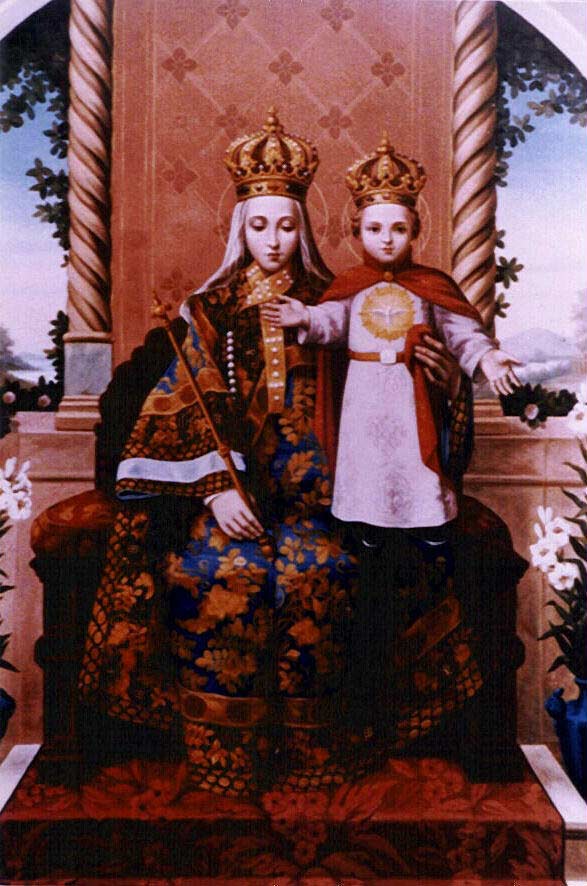
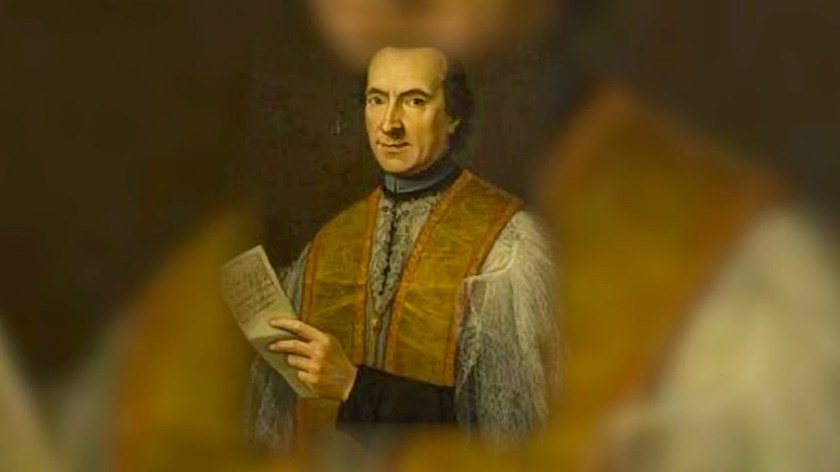


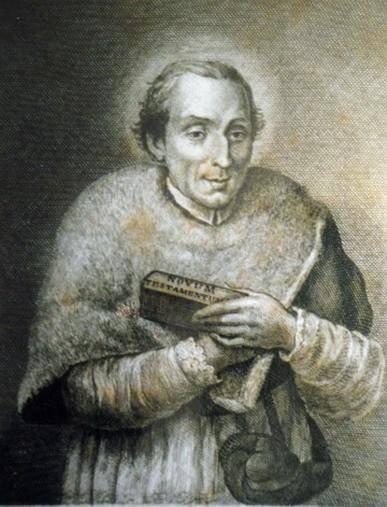
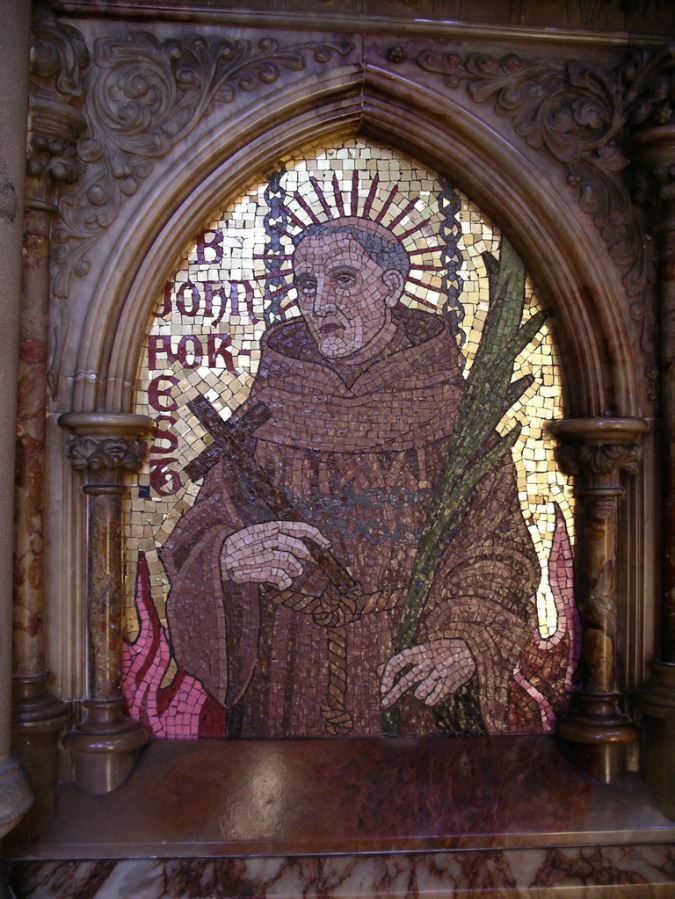


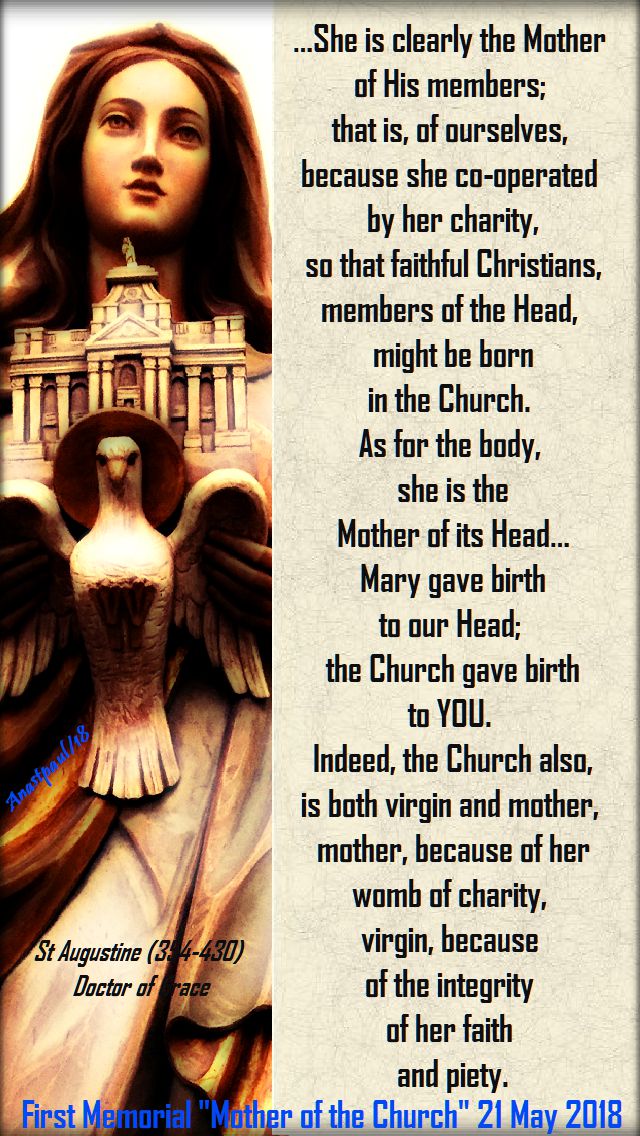
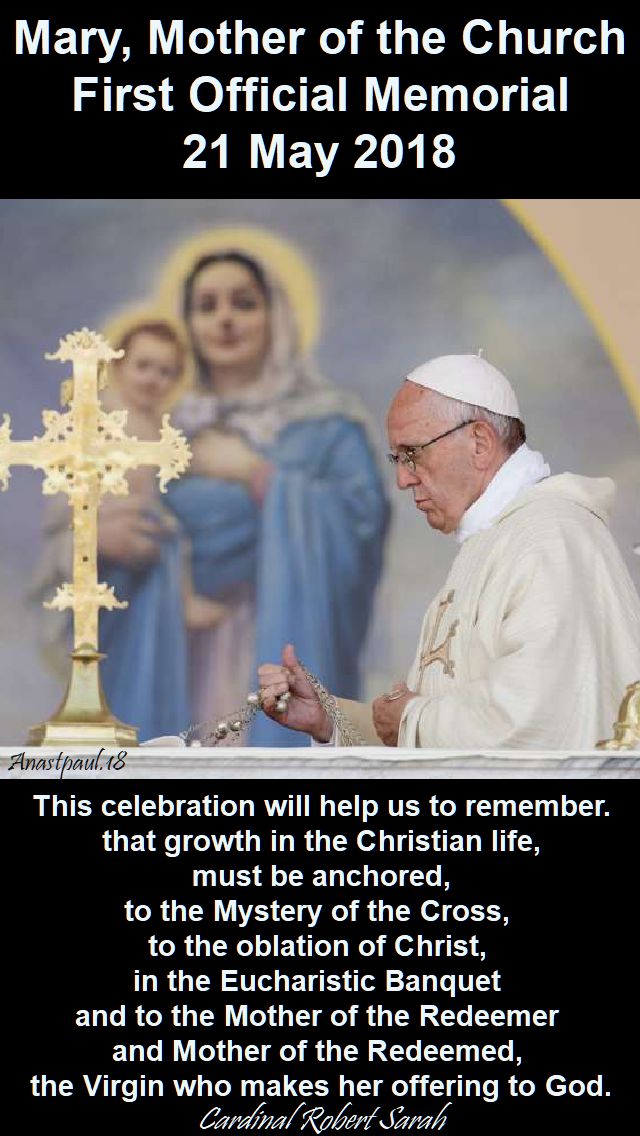
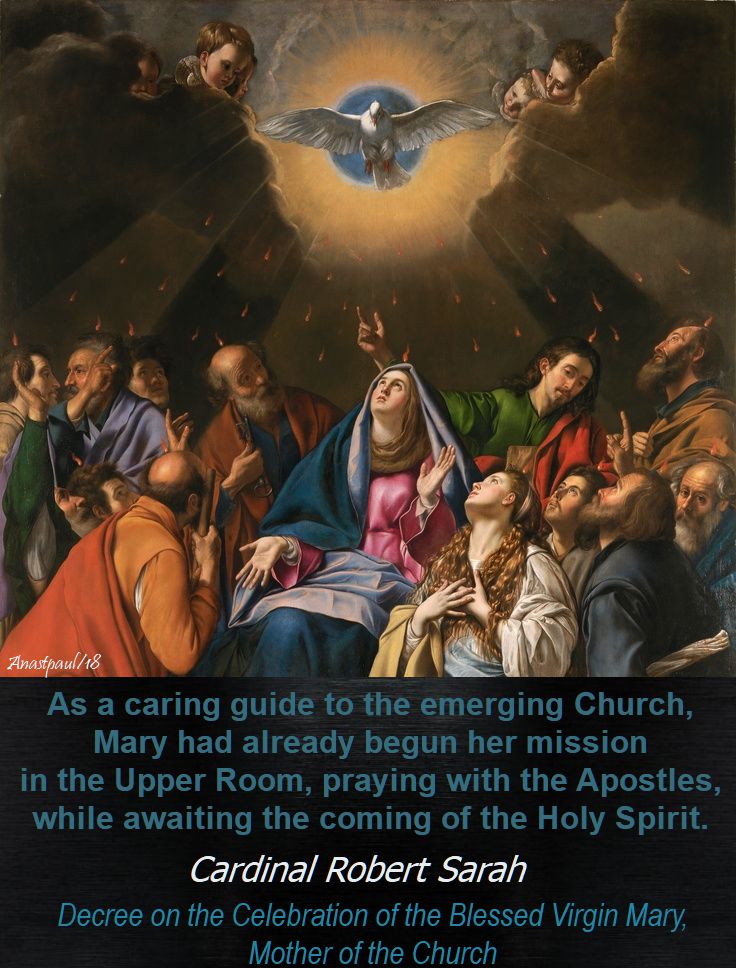

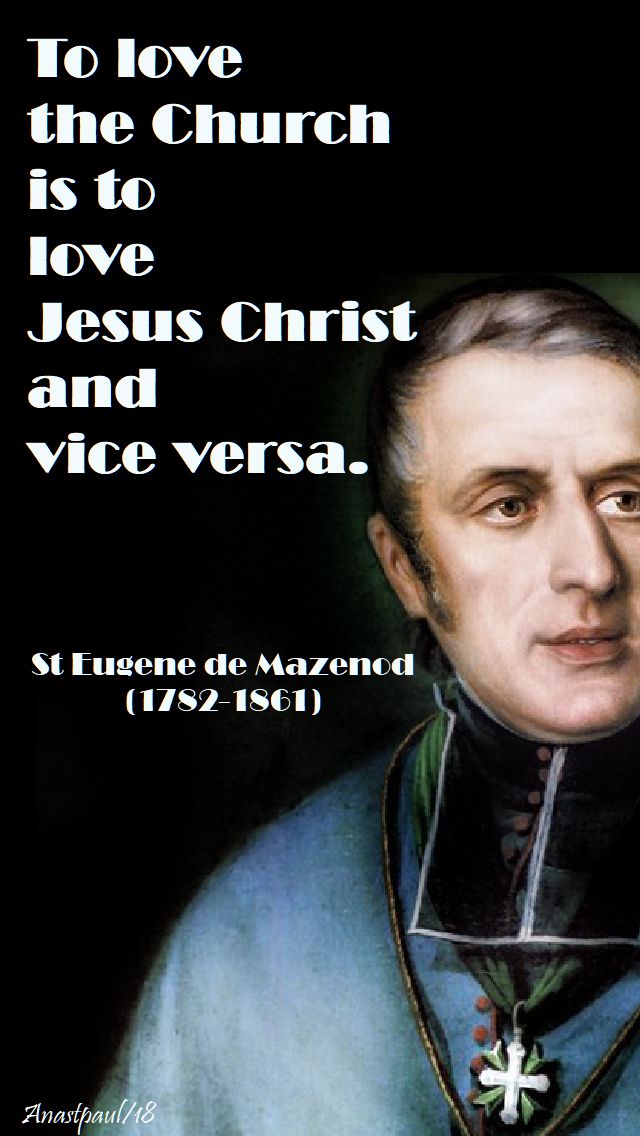
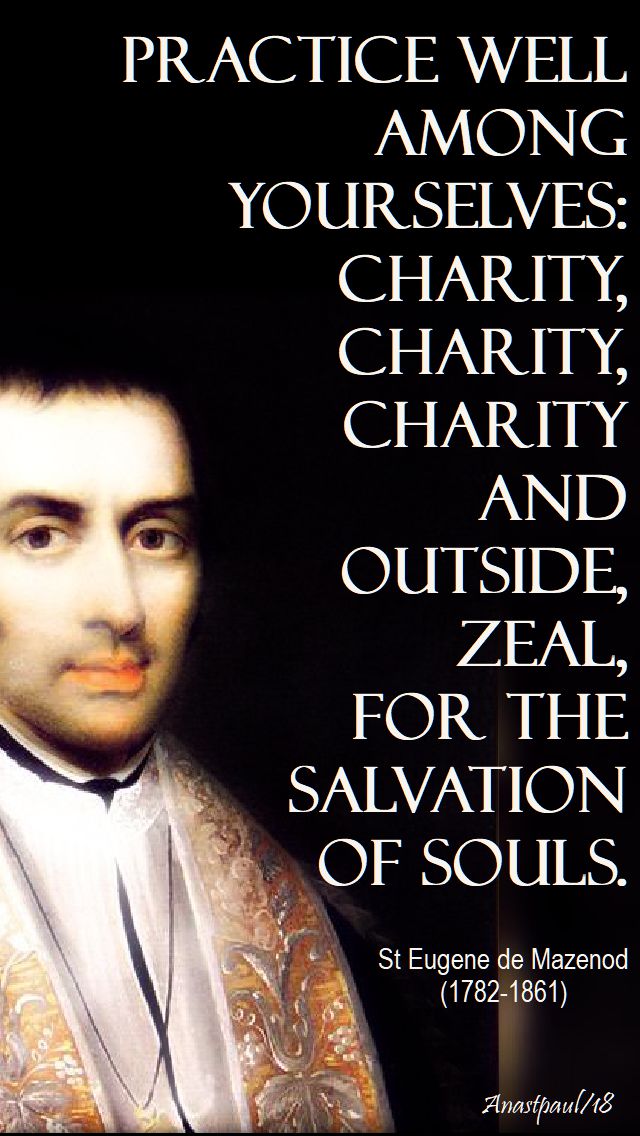


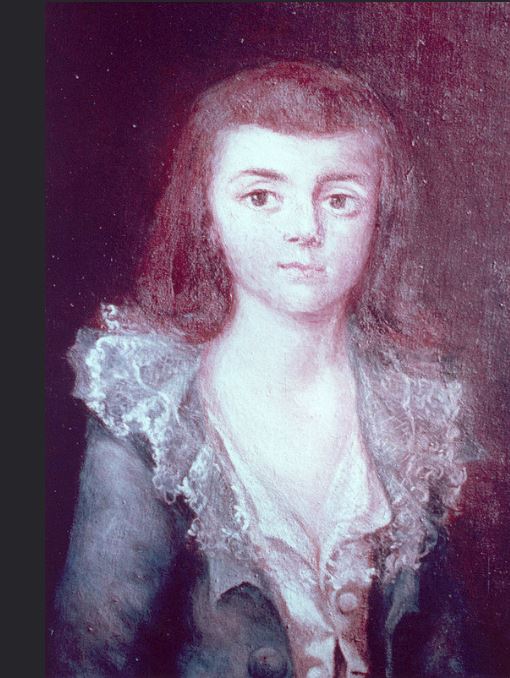
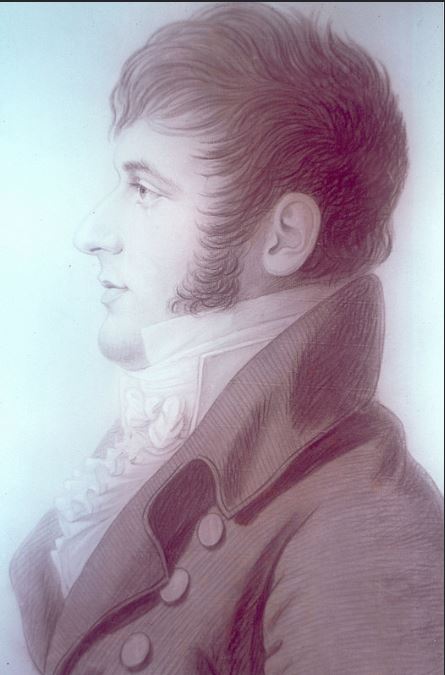
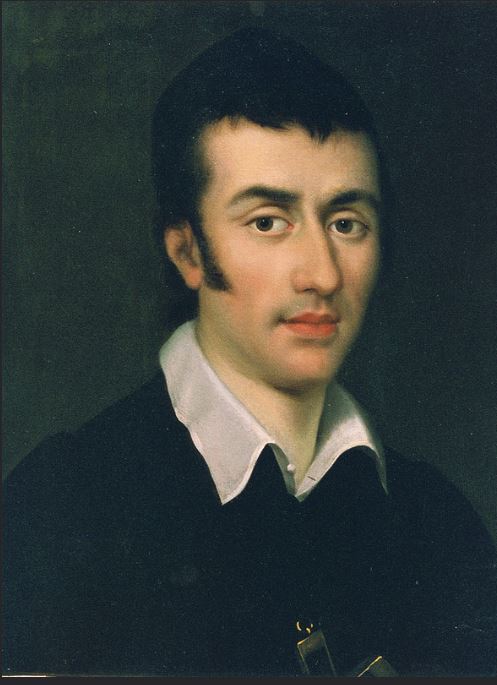


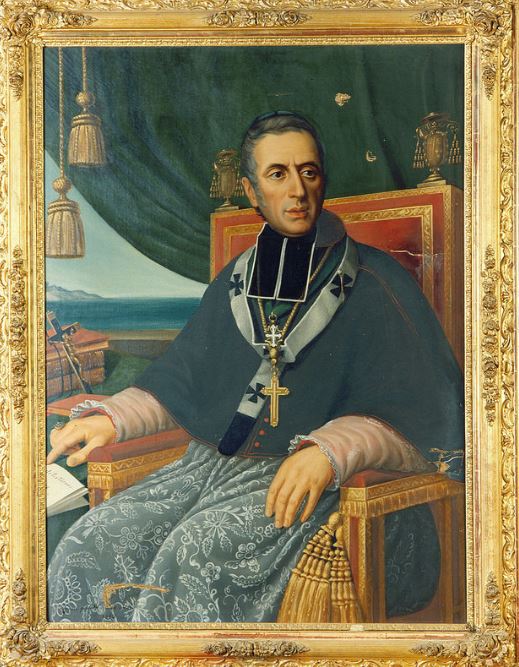


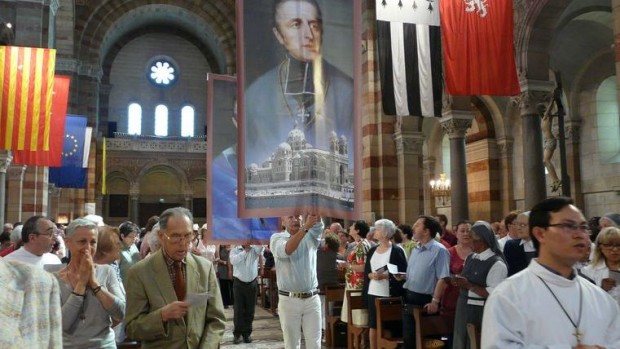
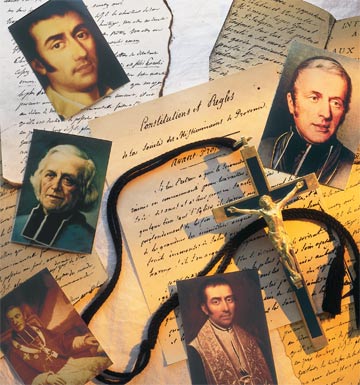
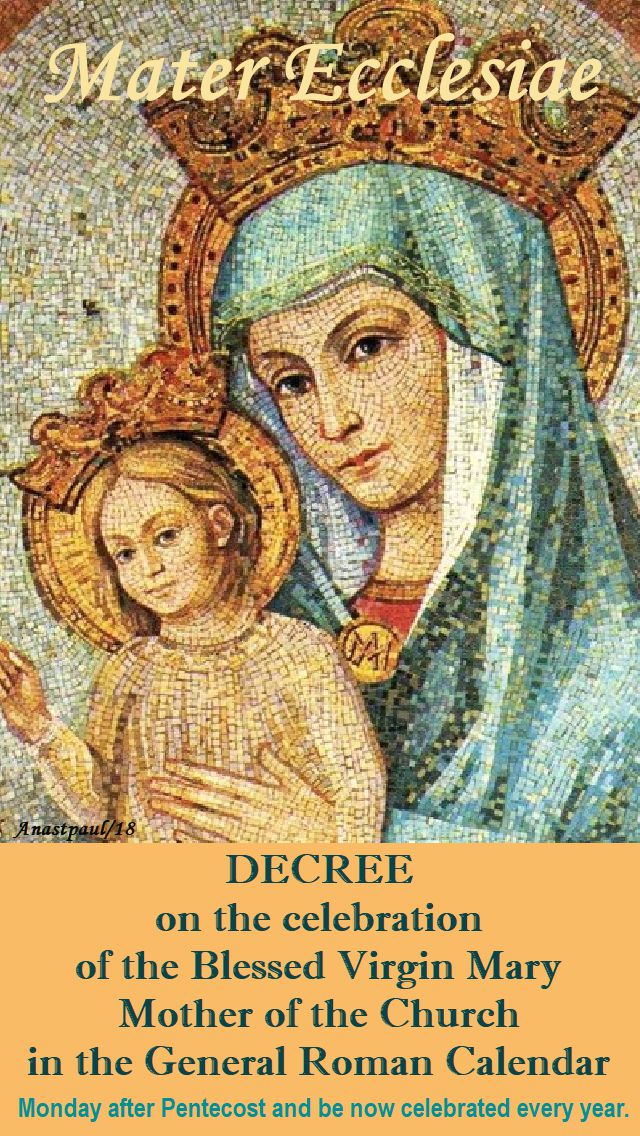
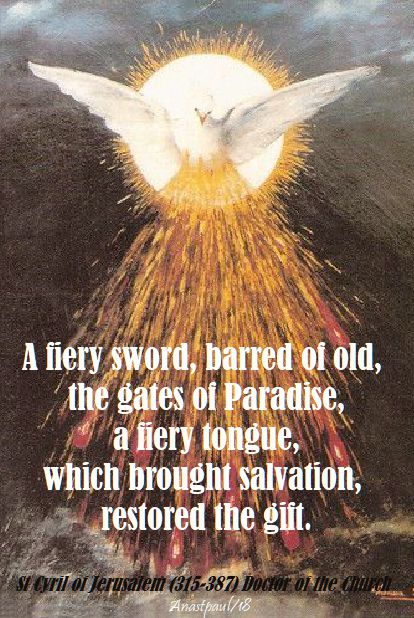
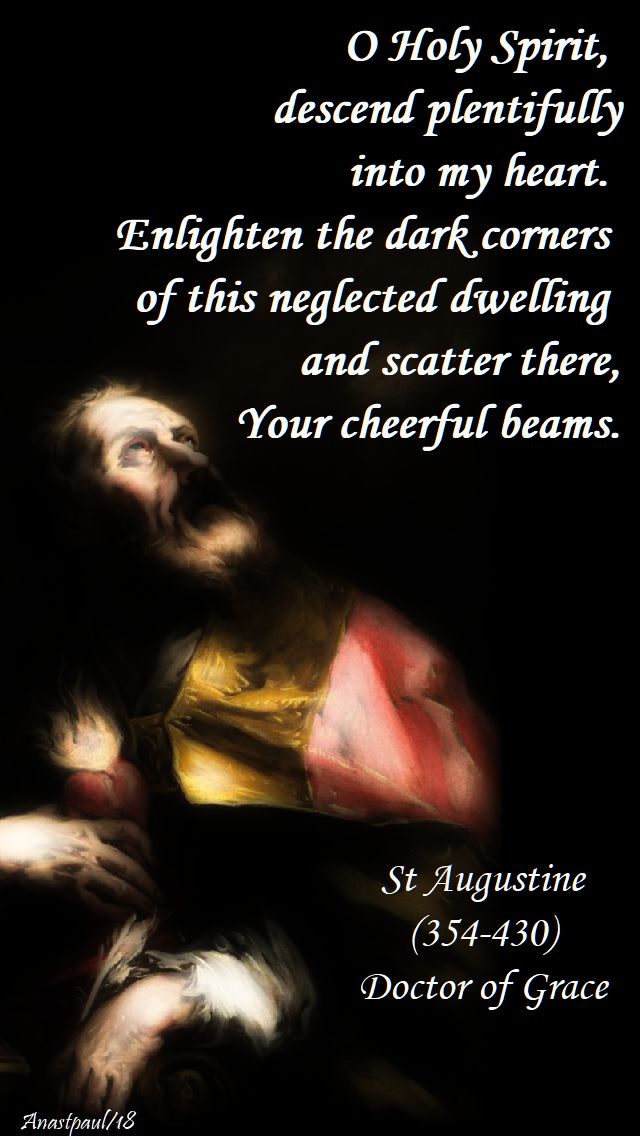
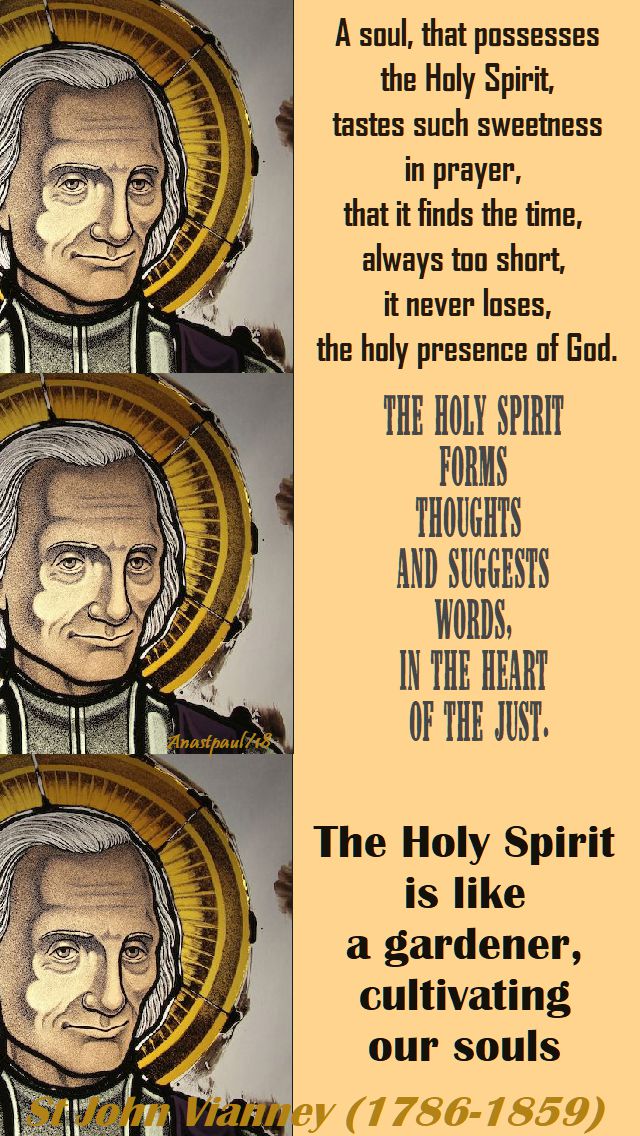
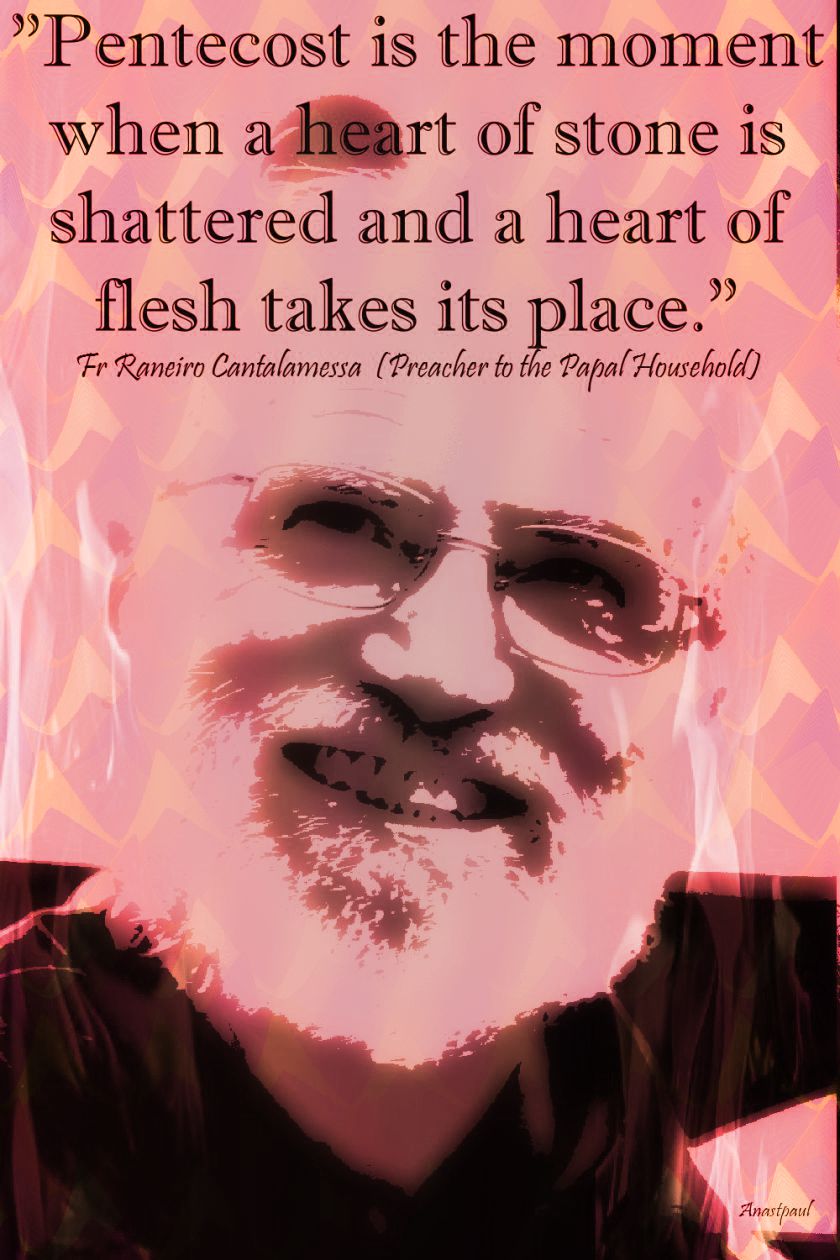
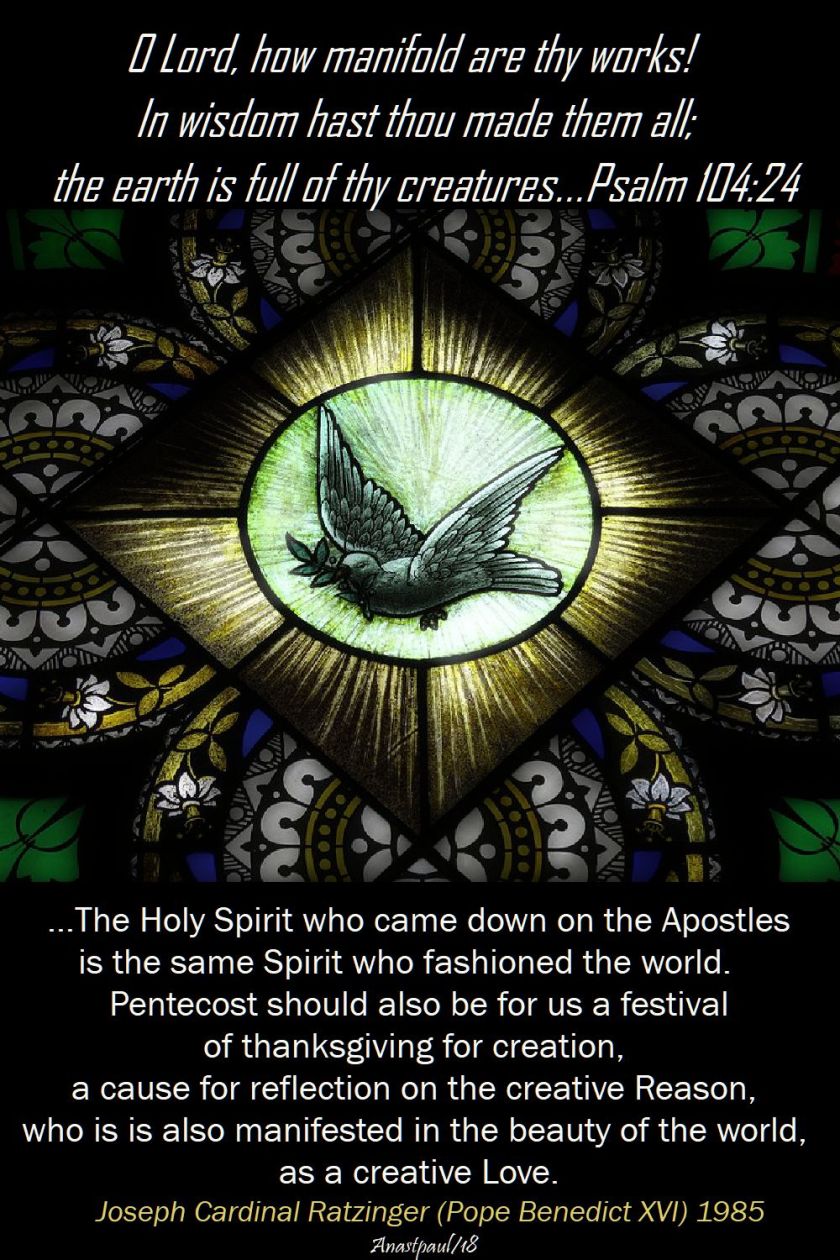
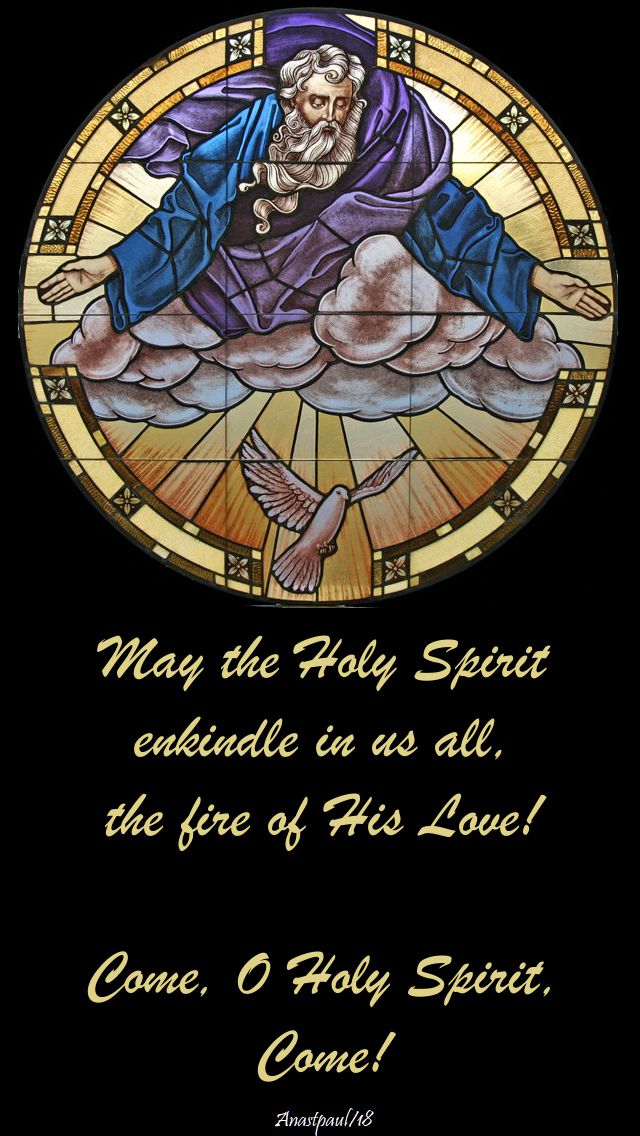
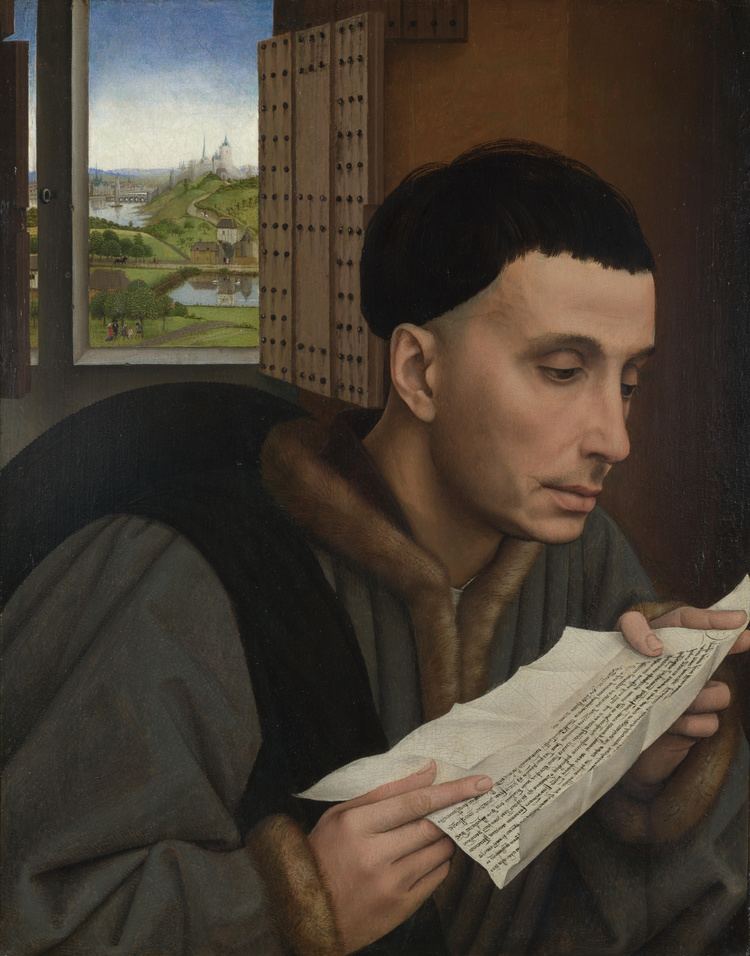
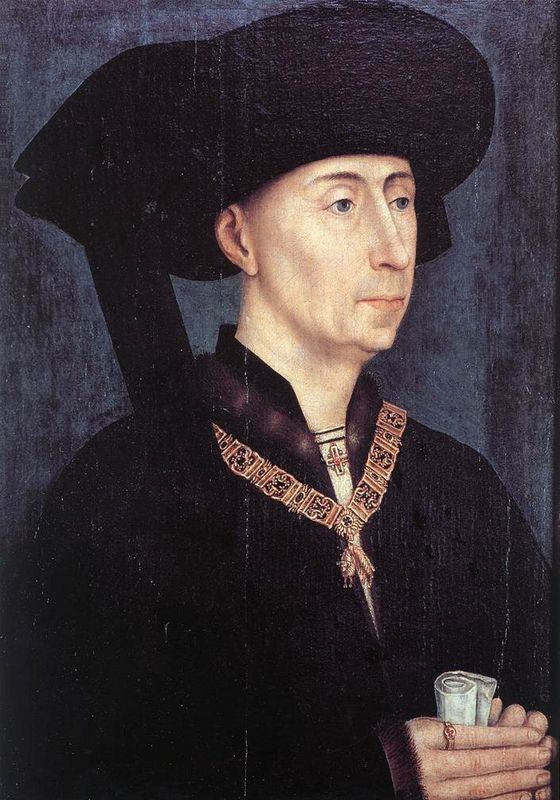
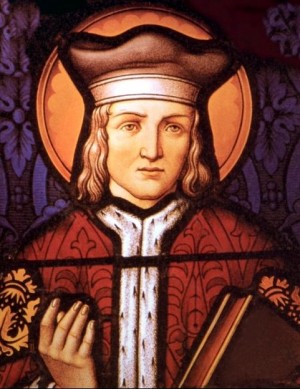
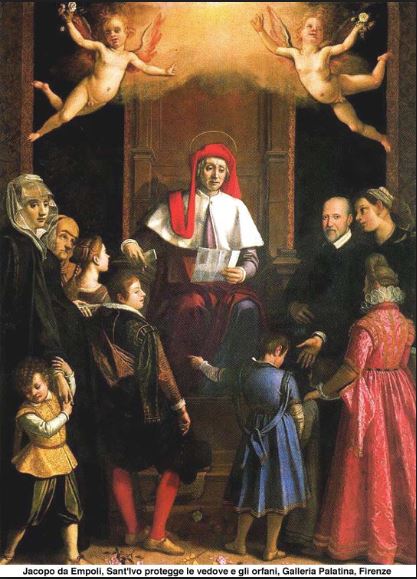


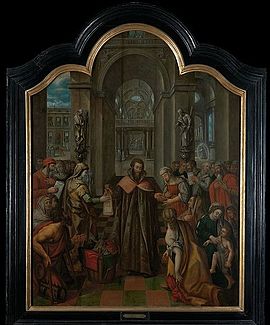
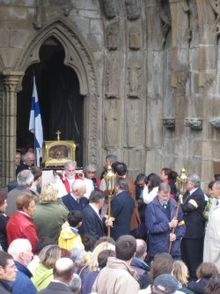
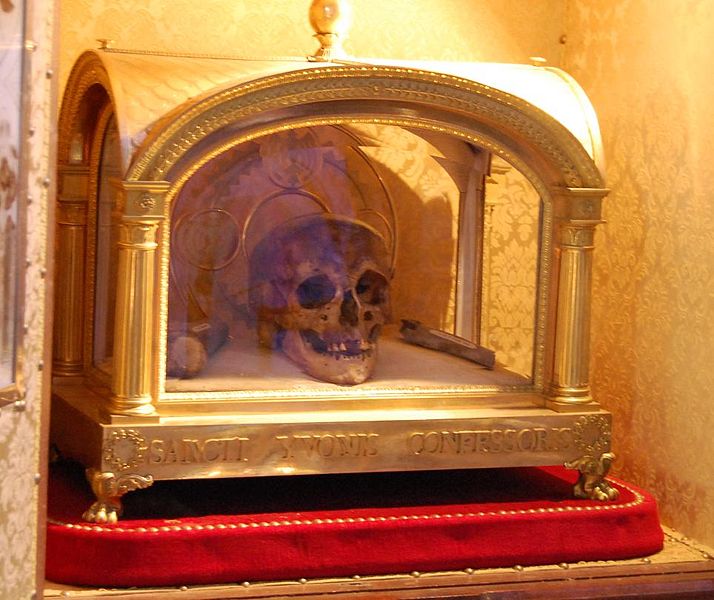
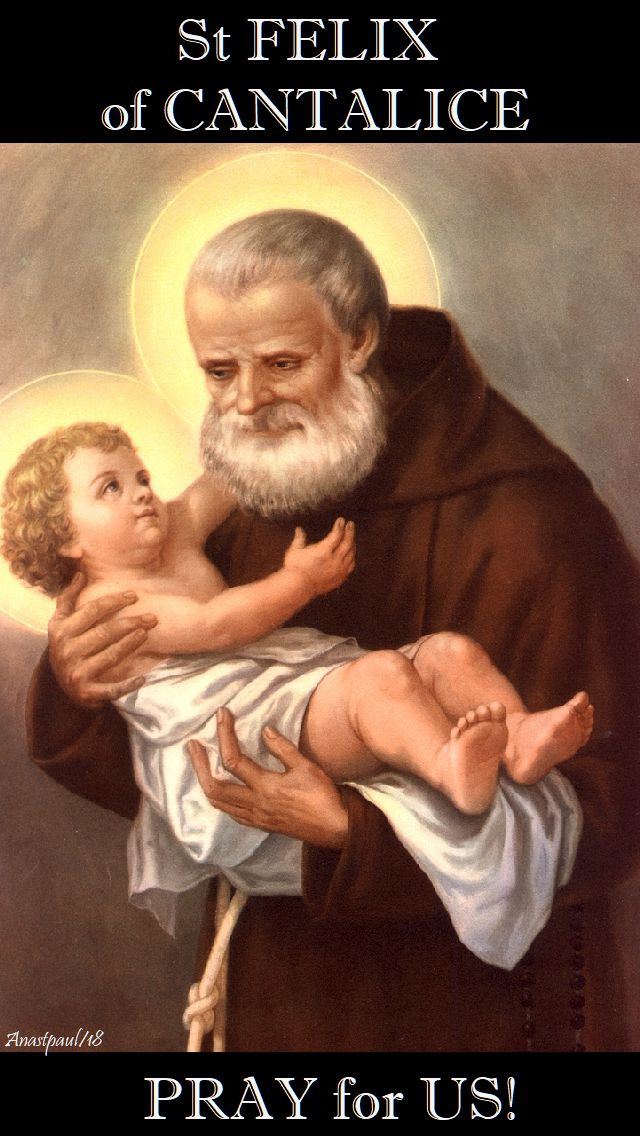
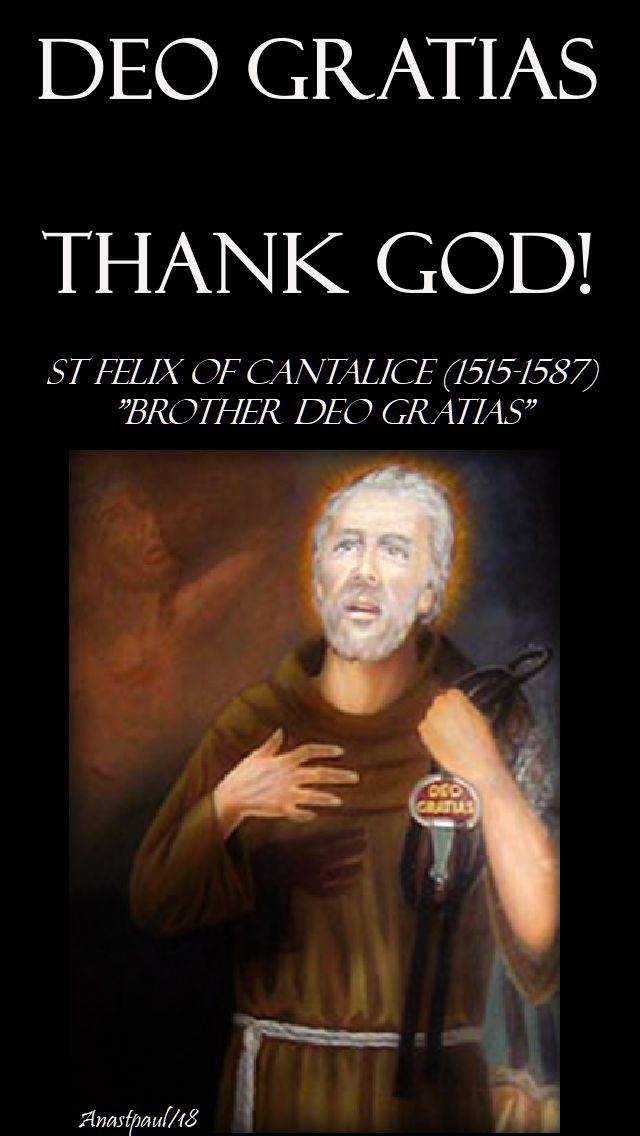
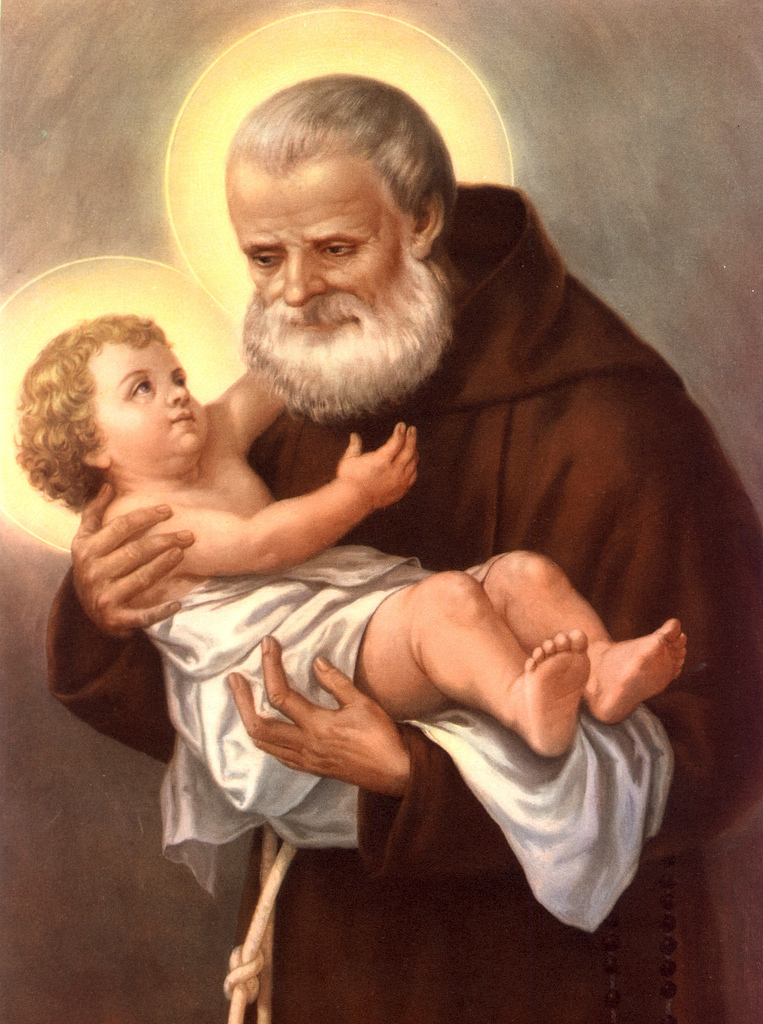
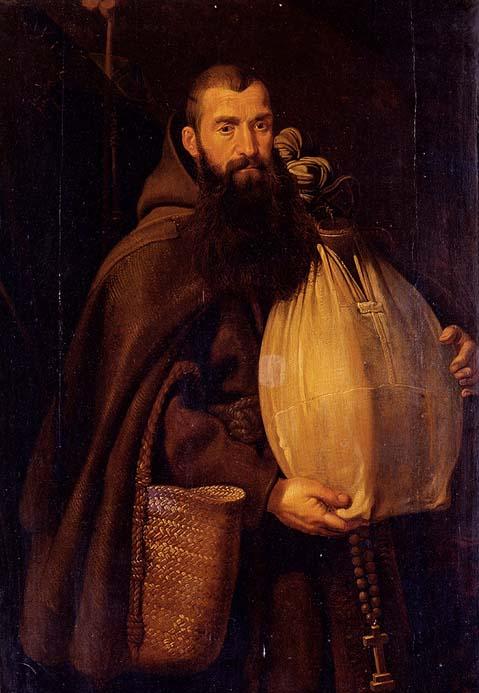 Brother Felix blessed all benefactors and all those he met with a humble “Deo Gratias!” (thanks be to God!), causing many to refer to him as “Brother Deo Gratias”. Felix was so successful in his work that during the famine of 1580, the political leader of Rome asked the Capuchins if they would ‘lend’ Felix to them so he could collect food and provisions for the entire city. The Capuchins agreed and Felix embraced his new task with great success and love.


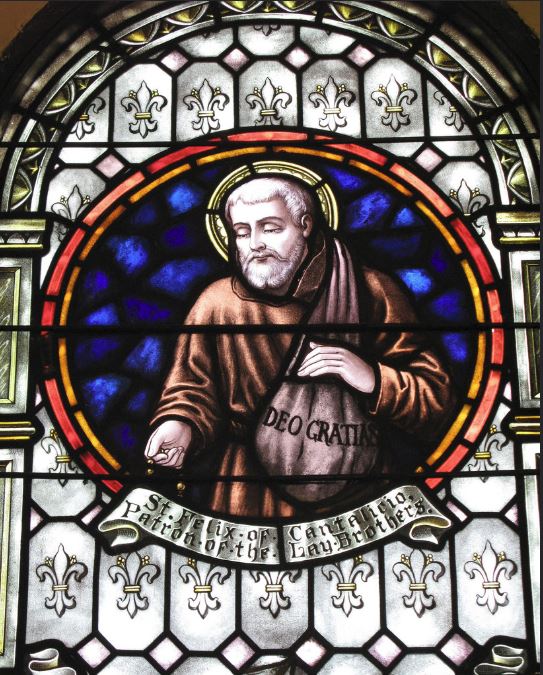
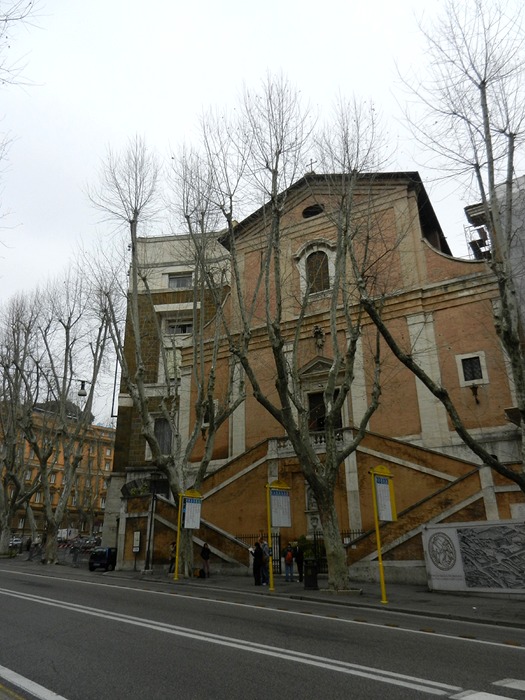
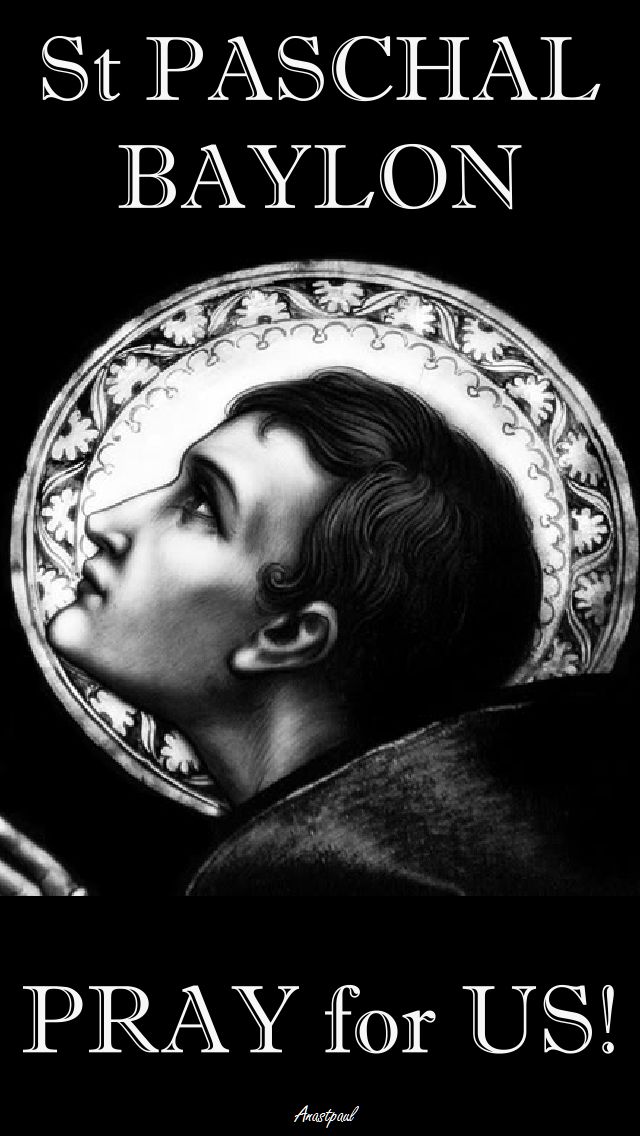
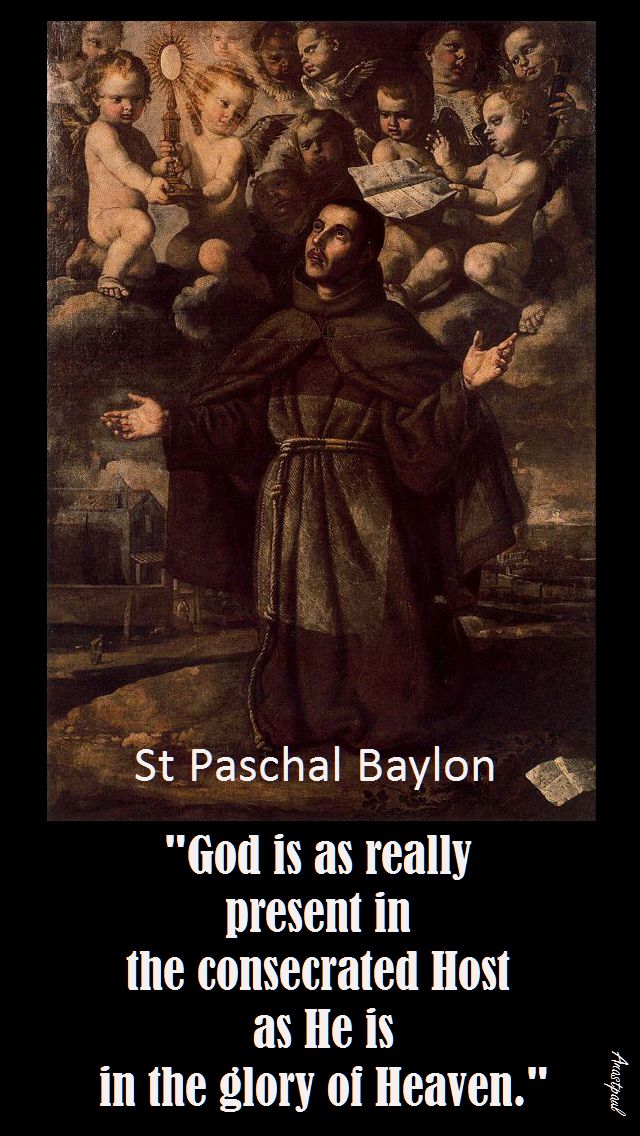
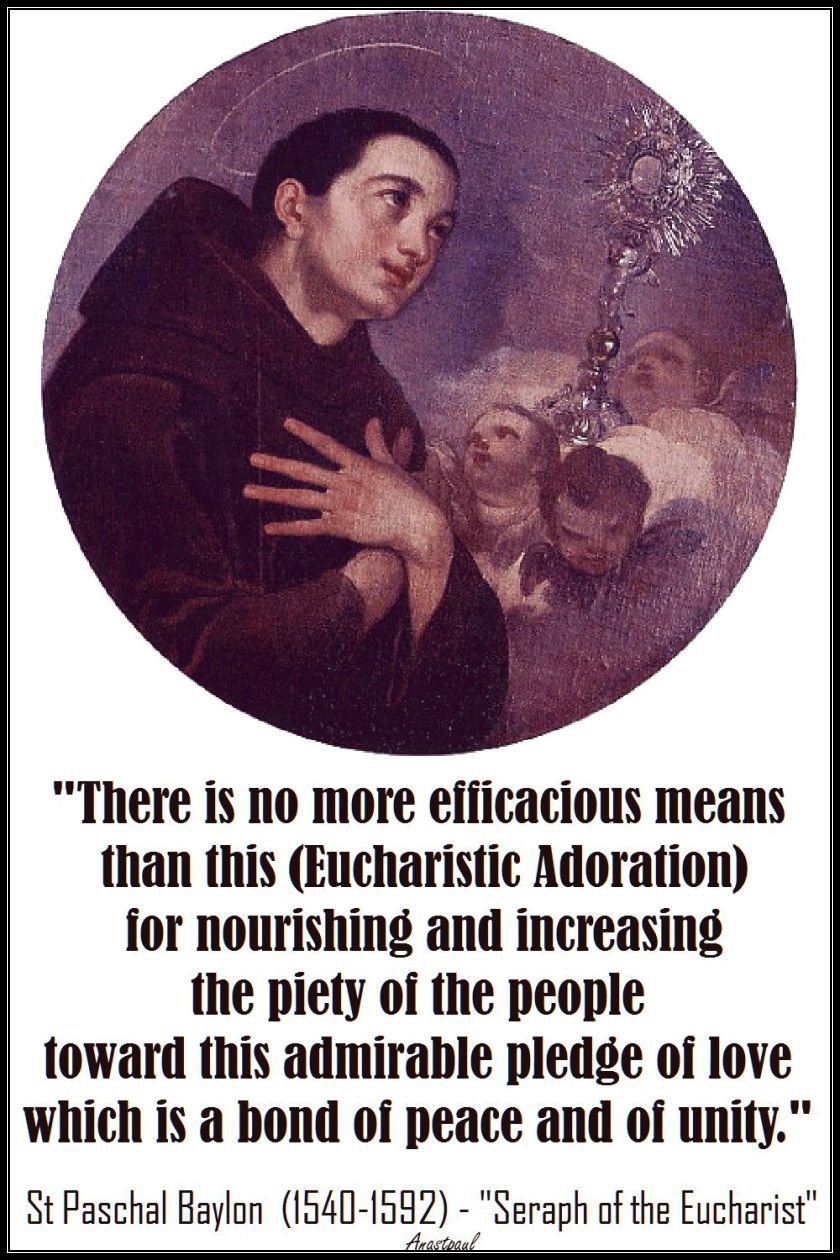
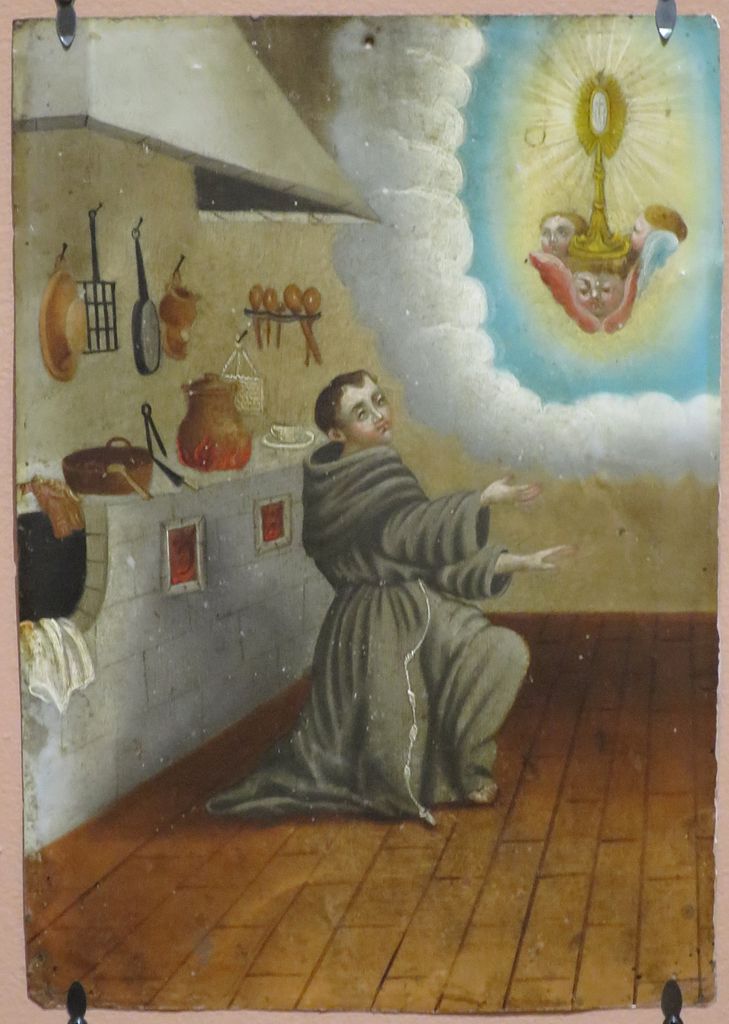


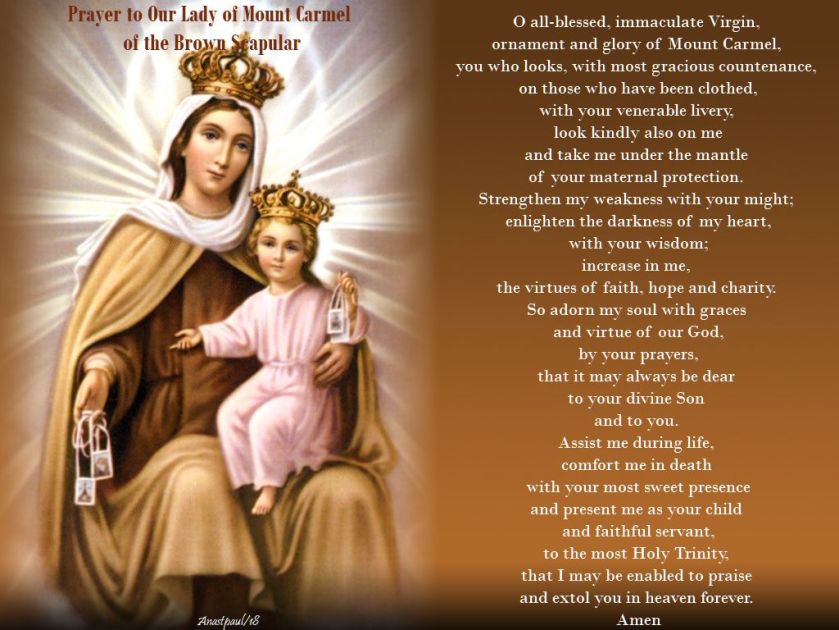
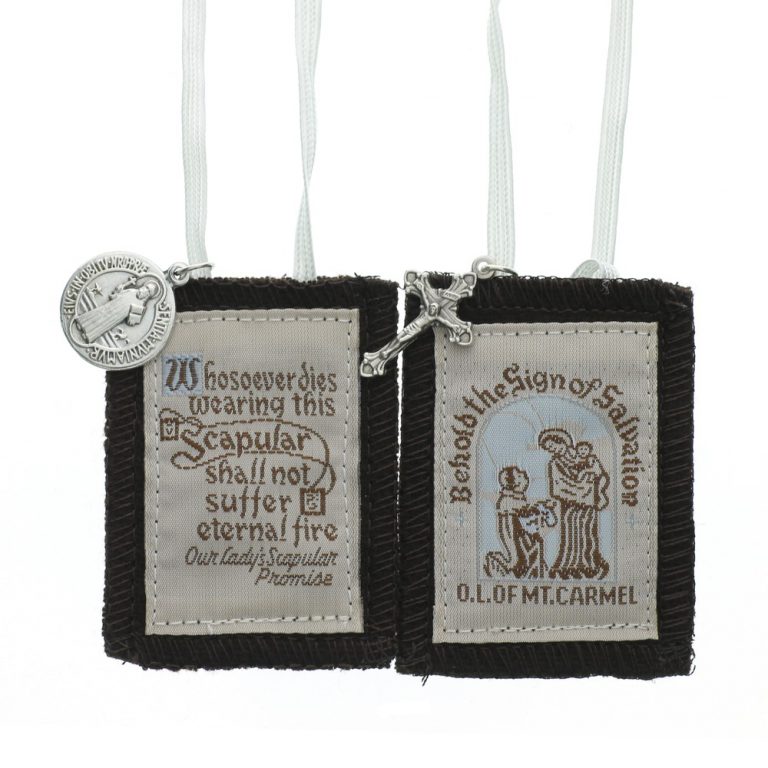


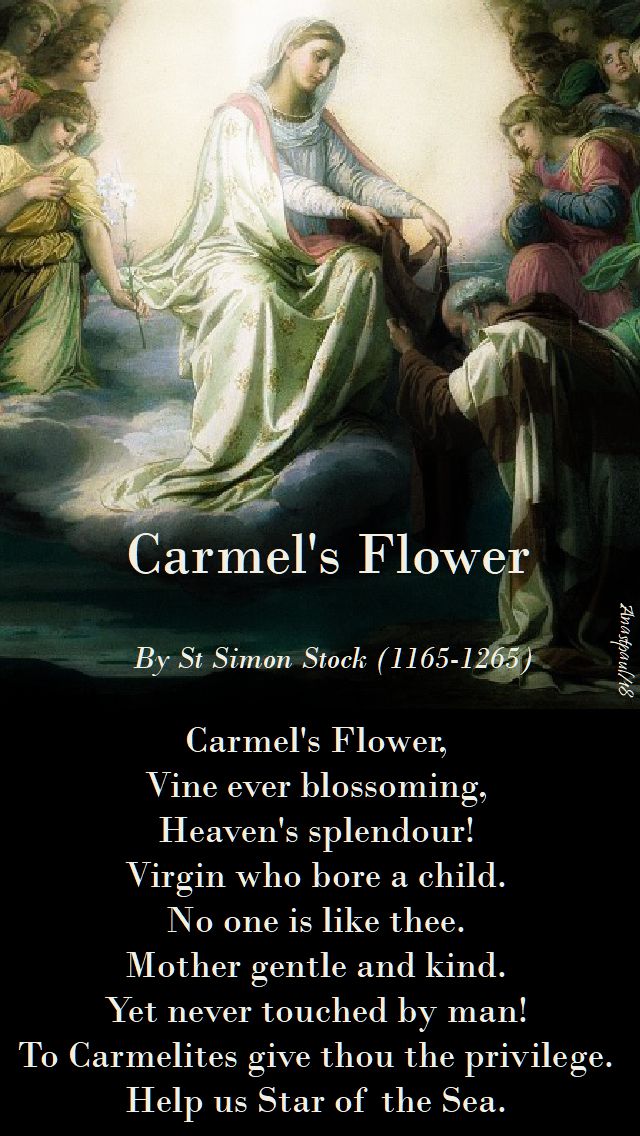


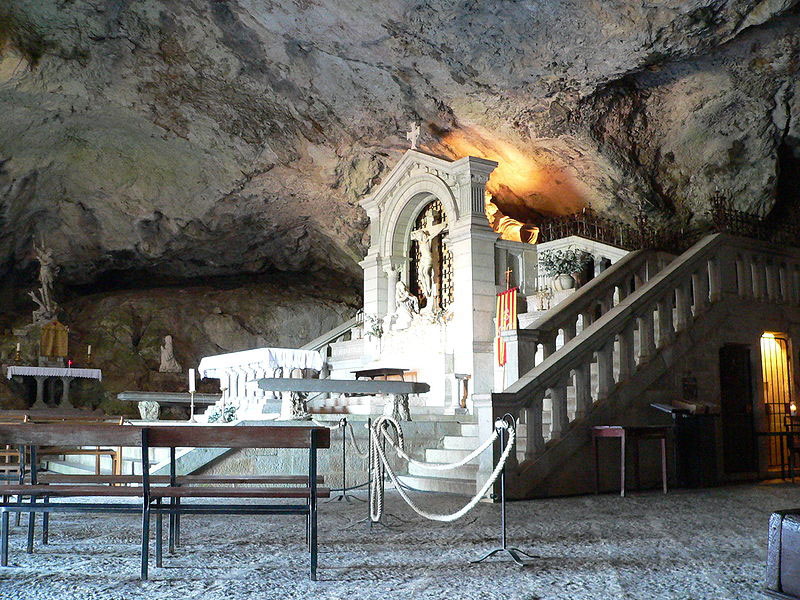

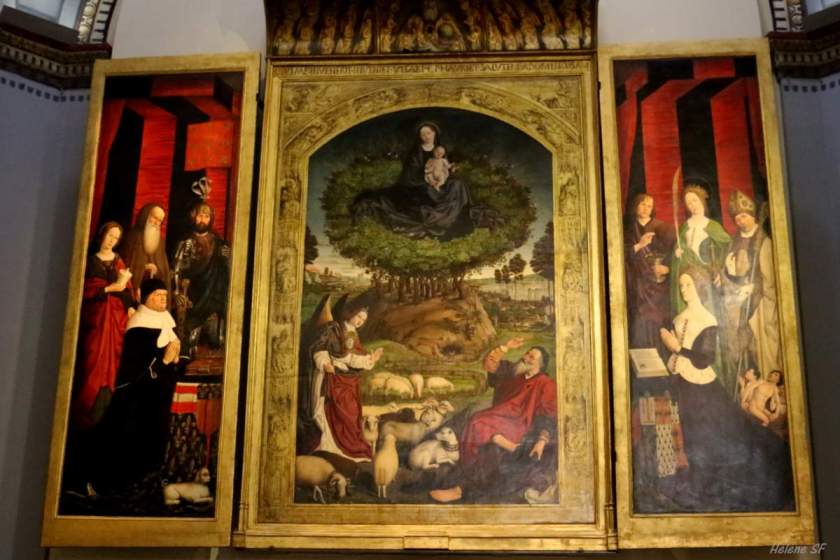
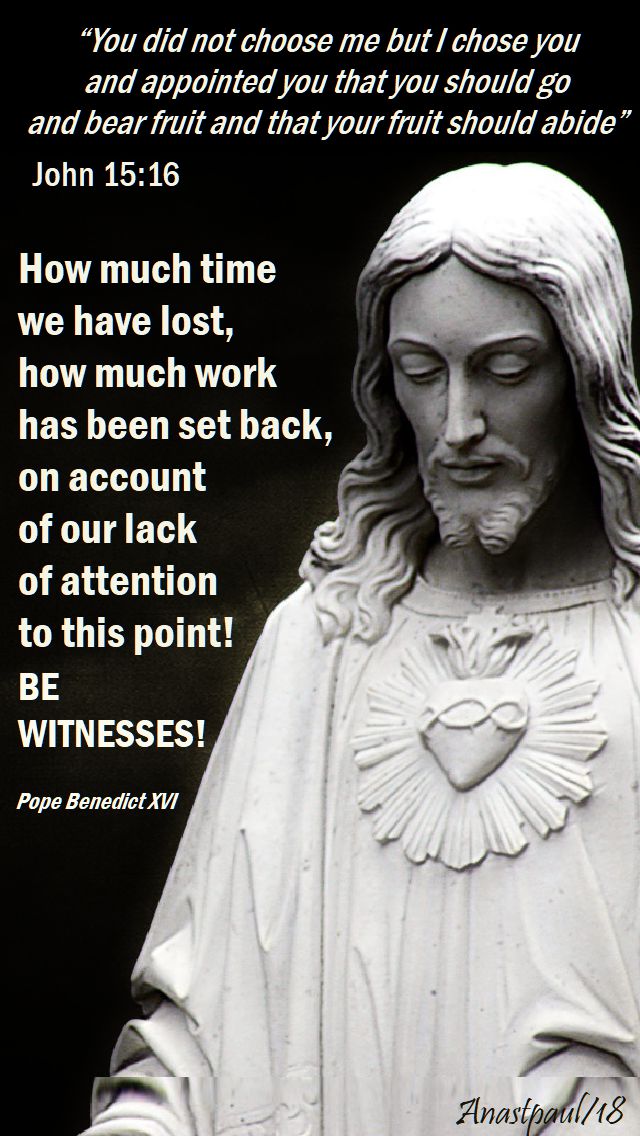
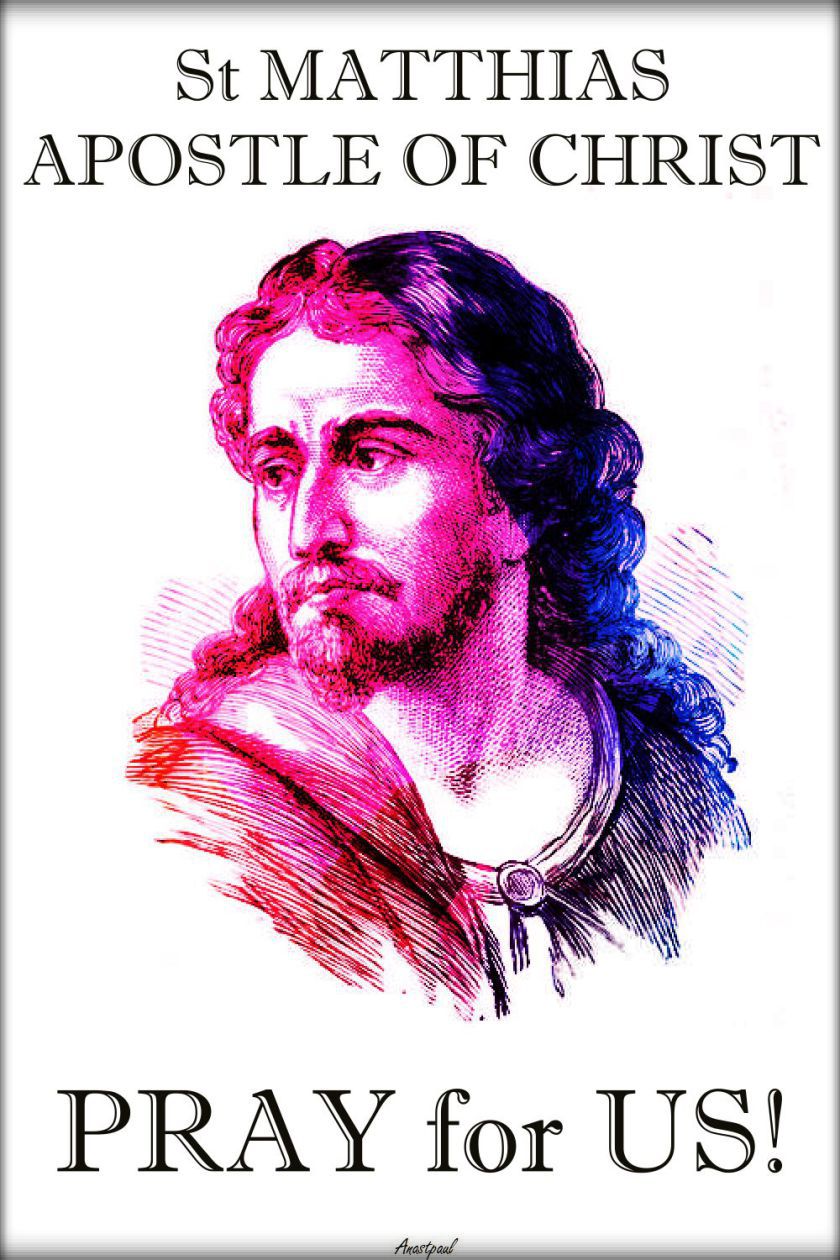
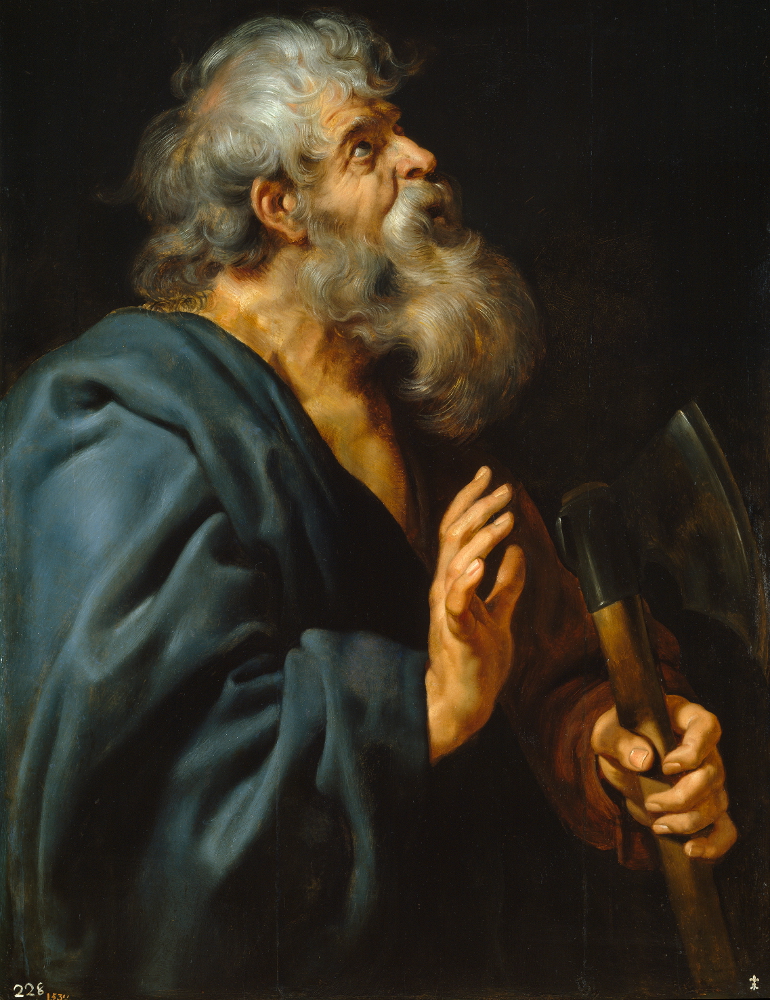
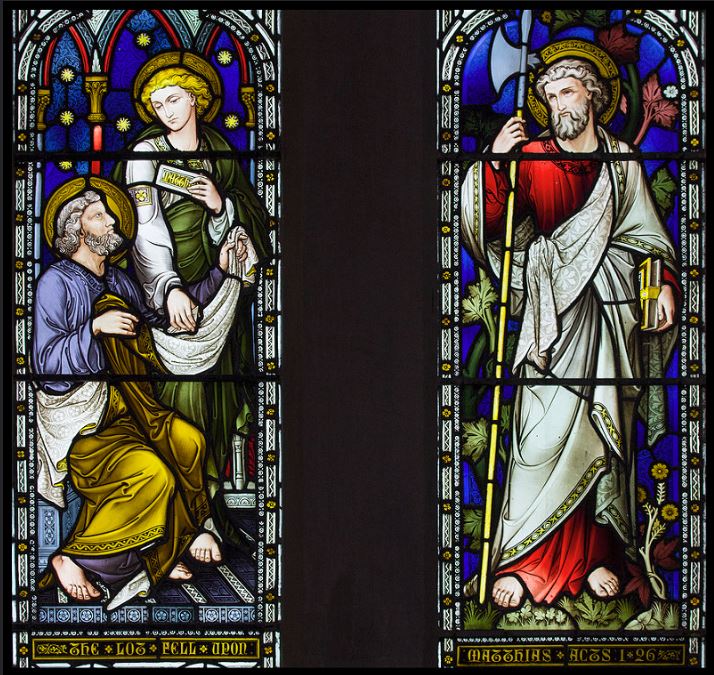
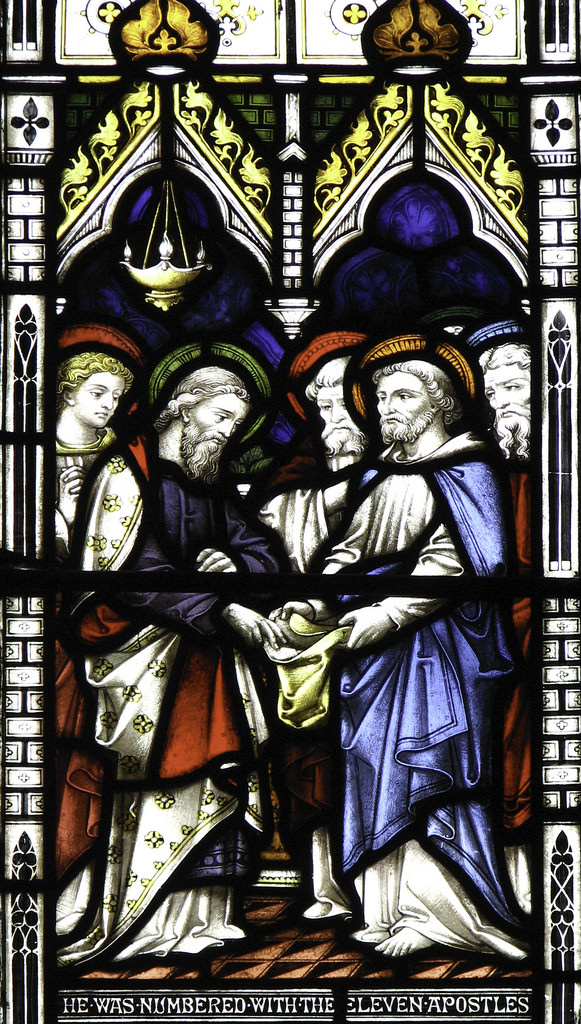
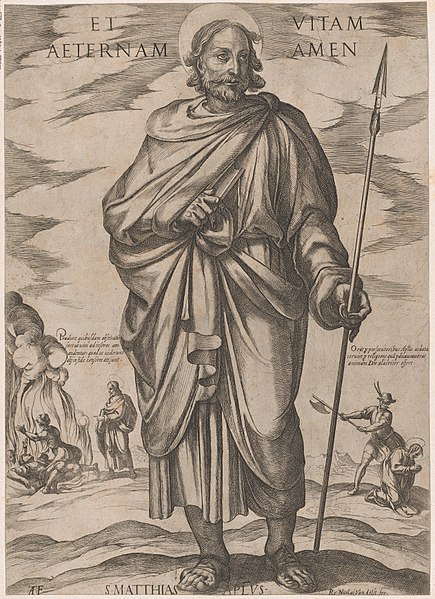


You must be logged in to post a comment.