Beata Vergine delle Grazie / Blessed Virgin of Grace, Chieri, Torino, Piedmont, Italy (1630) – Second Monday of September:
The Bubonic Plague that swept Europe in 1630 was especially deadly in northern Italy. The City of Turin lost over 70 percent of its population. The neighbouring City of Chieri appointed a commission to control the epidemic. In the absence of reliable medical solutions, the commission’s first action was to seek divine help, vowing on 26 June to build a Chapel to the Blessed Virgin of Graces in Chieri’s main Church, Santa Maria della Scala (St. Mary of the Stair). Chieri had lost 40 percent of its population. The survivors built the Chapel, where a wooden Statue of the Madonna and Child by Piedmontese sculptor, Pietro Botto, was installed in 1642. The Blessed Virgin of Graces became the Patron Saint of Chieri, which celebrates her with a Novena of special Masses and prayers and a secular program of music, dancing and food, culminating in her festa on the second Monday in September.
Dedication of the Basilicas of Jerusalem: Commemoration of the dedications of the Basilicas built on Mount Calvary and the Church of the Holy Sepulchre in Jerusalem. — St Aigulf
St Barsenorius Bl Claude Dumonet St Columbinus of Lure St Emiliano of Valence St Evantius of Autun St Gordian of Pontus Bl Hedwig of Hreford St Julian of Ankyra St Ligorius St Litorius of Tours St Macrobius St Marcellinus of Carthage Bl María López de Rivas Martínez
St Notburga (c 1265-1313) Virgin St Philip of Rome St Venerius of Tino — Martyrs of Ireland: • Blessed Edward Stapleton • Blessed Elizabeth Kearney • Blessed James Saul • Blessed Margaret of Cashel • Blessed Richard Barry • Blessed Richard Butler • Blessed Theobald Stapleton • Blessed Thomas Morrissey • Blessed William Boyton
Martyred in the Spanish Civil War including the Martyrs of Pozo de Cantavieja – 11 beati: • Blessed Bienvenido Villalón Acebrón • Blessed Emilio Antequera Lupiáñez • Blessed Florencio Arnáiz Cejudo • Blessed Francisco Rodríguez Martínez • Blessed Joaquín Gisbert Aguilera • Blessed José Álvarez-Benavides de La Torre • Blessed José Cano García • Blessed José Román García González • Blessed Juan Capel Segura • Blessed Juan Ibáñez Martín • Blessed Luis Eduardo López Gascón • Blessed Manuel Alvarez y Alvarez • Blessed Manuel Martínez Giménez • Blessed Pío Navarro Moreno • Blessed Ramiro Argüelles Hevia • Blessed Sabino Ayastuy Errasti • Blessed Teófilo Montes Calvo
Saint of the Day – 12 September – Blessed Apolinaris Franco Garcia OFM (1575-1622) Priest, Martyr, Franciscan Friar (Observant), Missionary to Japan. Additional Memorials – 10 September as one of the 205 Martyrs of Japan, 22 May as one of the Franciscan Martyrs of Japan. Also known as – Apollinar, Apolinar Garcia.
Soon after the glorious Martyrdom of St Peter Baptist and his twenty-five companions at Nagasaki in 1597, numerous missionaries were able to return to Japan and for a time their work was crowned with extraordinary success. However, in 1613 a new persecution commenced, far worse than the first and it lasted until 1638, when Japan adopted a policy of complete isolation. During this persecution some missionaries were able to hide themselves in the mountains and to continue their work in secret, at least for a time and some, including our Blessed Franciscan, even managed to enter the country. Many of them, together with a large number of their converts, won the Martyr’s Crown.
Blessed Apollinaris was born in Old Castile, Spain where he joined the Franciscan Order. In 1614, he was sent to Japan to head the Japanese Franciscan mission, the year after that the new Japanese Shogun had instituted a nationwide ban on Christianity and declared that being a Christian, would be viewed as a capital offence.
Friar Apollinaris Franco evangelised covertly until he was arrested in 1617 and thrown into prison in Nagasaki along with other Priests and laymen. There, they spent five years awaiting execution. The conditions in the prison were exceedingly harsh and inhuman – which was intentional, hoping by this means to force the prisoners to reject the Faith.
Apollinaris ministered to the other prisoners and converted some of the jailers through his example and teaching. On 12 September 1622, he was burned at the stake along with other Franciscans and Jesuits.
Blessed Apollinaris and his companions, were declared Blessed by Pope Pius IX on 27 July 1867. On the same occasion, one hundred and sixty other Japanese martyrs who died between 1617 and 1632 were Beatified.
The 16th Sunday after Pentecost Twenty-fourth Sunday in Ordinary Time
Feast of the Holy Name of Mary (1683 ) – 12 September: Feast of the entire Latin Church. It was first observed at Cuenca, Spain in 1513, then extended to the universal Church and assigned to its present place and rank by Pope Innocent XI in 1683 in thanksgiving to God and the Blessed Virgin for the liberation of Vienna, France and the signal victory over the Turks on 12 September 1683. It is the titular feast of the Society of Mary (Marianists) and of the Congregation of the Oblates of Mary Immaculate.
Bl Maria Luisa Angelica/Gertrude Prosperi (1799-1847) St Mancius of Saint Thomas St Paul of Saint Clare Bl Pierre-Sulpice-Christophe Faverge St Sacerdos of Lyon St Silvinus of Verona St Tomás de Zumárraga Lazcano — Martyrs of Alexandria – 6 saints: A group of Christians martyred in the persecutions of Diocletian. We know little more than their names – Hieronides, Leontius, Sarapion, Seleusius, Straton and Valerian. They were drowned c 300 at Alexandria, Egypt.
Martyrs of Phrygia – 3 saints: Three Christians who were martyred for destroying pagan idols. We know little more than their names – Macedonius, Tatian and Theodolus. They were burned to death in 362 in Phrygia (modern Turkey).
Martyred in the Spanish Civil War: • Blessed Fortunato Arias Sánchez • Blessed Francisco Maqueda López • Blessed Jaume Puigferrer Mora • Blessed Josep Plana Rebugent • Blessed Julián Delgado Díez
Saint of the Day – 11 September – Saint Elijah Speleota OSBM (863-960) Basilian Monk and Hermit, Spiritual adviser. Born as Elia Bozzetta in 863 in Reggio Calabria, Italy and died on 11 September 960 at the Aulon Monastery in Calabria, Italy of natural causes. Also known as – Elijah Bozzetta, Elijah Espeleota, Elia…
The Roman Martyrology states of him today “In the Monastery of Aulinas in Calabria, Saint Elia, known as the Speleota, a distinguished scholar of the hermit and cenobitic life.”
Elijah was born to the wealthy nobility, the son of Peitro Bozzetta and Leonzia de Leontini. At age 18, to avoid an arranged marriage and answer a call to religious life, Elijah left home to become a pilgrim to Rome.
He became a Basilian Monk at Grottaferrata outside Rome. He returned briefly to Reggio Calabria, whereater he and a fellow Monk named Arsenio, travelled to Patras, Greece for further study.
When Elijah returned to Italy, he withdrew from populated areas to live as a Hermit in a cave near Melicuccà, Italy with two fellow Monks, Cosma and Vitale – the word Speleota is Greek for “inhabitant of caves.”
Word of their wisdom and holiness soon spread and pilgrims regularly visited the caves for spiritual direction and advice.
On 11 September 960, when he was already 97 years old, Elijah died. He was buried in the tomb that he had dug in the cave with his own hands. There, his body remained buried until 2 August 1747 when his bones were discovered., as attested by the public deed drawn up by the notary Fantoni Carmelo. On 12 August of that year, Antonio Germanò, a seriously ill young man from Melicuccà, was instantly cured at the mere sight of the bones of Saint Elijah.
Nuestra Señora de la Leche y Buen Parto / Our Lady of La Leche, St Augustine, Florida, USA , 16th century – First Saturday after The Nativity of the Blessed Virgin Mary:
On 8 September 1565, Feast of the Nativity of Mary, Pedro Menendez de Aviles landed at St Augustine, Florida and claimed it for Spain. At the Mission of Nombre de Dios here, Spanish missionaries installed a Statue of the nursing Madonna, Nuestra Señora de la Leche y Buen Parto – Our Lady of Milk and Good Childbirth.
This first Shrine to Our Lady in what is now the United States is still an active place of devotion, as well as a tourist attraction. On the Saturday closest to 8 September, Holy Mass is celebrated at an outdoor rustic Atar to accommodate the large numbers who attend the commemoration of the Anniversary of the First Mass and the founding of the Mission.
Interior view of the National Shrine of Our Lady of La Leche, located on the grounds of Mission Nombre de Dios in St. Augustine. The shrine was established in 1609, a devotion brought to the U.S. by the Spanish explorers and missionaries.
St Adelphus of Remiremont St Almirus Bl Baldassarre Velasquez
St Deiniol of Bangor St Didymus of Laodicea St Diodorus of Laodicea Bl Dominic Dillon St Elijah Speleota OSBM (863-960) Basilian Monk and Hermit St Emilian of Vercelli St Essuperanzio of Zurich St Felix of Zurich Bl Francesco Giovanni Bonifacio Bl Franciscus Takeya Bl François Mayaudon Bl Gaspar Koteda St Gusmeo of Gravedona sul Lario St Hyacinth of Rome
Bl John Bathe St Leudinus of Toul St Matthew of Gravedona sul Lario St Paphnutius of Thebes St Patiens of Lyon Bl Peter Taaffe Bl Petrus Kawano St Protus of Rome St Regula of Zurich Bl Richard Overton St Sperandea St Theodora the Penitent Bl Thomas Bathe — Martyred in the Spanish Civil War: • Blessed José María Segura Panadés • Blessed José Piquer Arnáu • Blessed Josep Pla Arasa • Blessed Lorenzo Villanueva Larrayoz
Saint of the Day – 10 September – Saint Pulcheria (399-453) Virgin Empress, Widow, (remaining chaste during her marriage), Defender of the Faith against heresy, Apostle of the poor. Born on 19 January 399 and died in July 453 of natural causes. Patronages – against in-law problems, against the death of parents, empresses, orphans, people in exile, victims of betrayal. Also known as – Pulqueria.
The Roman Martyrology states: “At Constantinople, Pucheria, Virgin and Empress, distiniguished by her piety and zeal for the True Faith.“
The daughter of Arcadius and Aelia Eudoxia, the Emperor and Empress of the Eastern Roman Empire, Pulcheria was an exceptional woman. Her mother lived the life one would expect of Royalty — not immoral in our sense but luxurious and gaudy. She (Eudoxia) ran afoul of Saint John Chrysostom, Bishop of Constantinople, who declared that a silver statue of the Empress (and the unveiling celebration for it) dishonoured the Church. John had already been exiled and recalled once for criticising Eudoxia — his comparison of her to Herodias and himself to John the Baptist earned him exile to the Caucasus. When he was writing letters, critical of the Imperials, they further relocated him to Georgia, but he died on the way.
Eudoxia, died not long after, soon followed by her husband. Pulcheria, who was still a minor and her younger brother, who became Emperor were governed by regents who were appointed to administer the kingdom. These were veteran Palace administrators, loyal and wise but Pulcheria, even at fifteen, was a woman who knew her on mind.
One of the regents offered to arrange a marriage for her, perhaps to his grandson. But Pulcheria was determined to consecrate her virginity to God. Having come of age, she thanked the regent for his good service and appointed herself regent for her younger brother and set about training him in all ways to be emperor, instituting a monastic way of life in the Palace. Pulcheria insisted on chanting and praying and fasting for herself, her sisters and all the servants of the Palace. They gave up the jewelry and finery, preferred instead to provide food and clothing for the poor. This and the restoration of honours for St John Chrysostom, after his death, led to her being much admired by the Church.
Pulcheria arranged a marriage for her brother when he was twenty but the young wife was always jealous of her sister-in-law’s influence over Theodosius and the two quarreled. When Theodosius died on 26 July 450, Pulcheria married Marcian, allowing her to continue to rule in place of her brother, while simultaneously not violating her vow of virginity. She died three years later, in July 453.
Pulcheria influenced the Church and its theological development by being involved in the Council of Ephesus and guiding the Council of Chalcedon, in which the Church ruled on Christological issues.
Pulcheria also engaged in a fierce battle with the Nestor, the Archbishop of Constantinople, who accused her of adultery. Eventually, in the arguments over the human nature of Christ, Nestor was vanquished and exiled. There is no doubt that Pulcheria was in the thick of fight against his heresy.
Beata Vergine Maria della Vita / Our Lady of Life (1289) 10 September: Patronage – hospitals in the Diocese of Bologna, Italy.
The cult of the Madonna della Vita is connected with the hospital of the same name founded in 1289 by the Compagnia dei Battuti, present in Bologna since 1261. In the Sanctuary dedicated to her, between 1370 and 1380, Simone dei Crocefissi frescoed the image of the Blessed Virgin, which remained covered during the renovations in the years 1454-1502 and accidentally found among the exultation of the Bolognese people on 10 September 1614. It depicts Mary Mother and Queen as she rests her face to the cheek of Jesus, according to the iconography of the Mother of Tenderness. The close link between the original hospital activity and the devotion of the brothers, was also expressed by the motto inscribed under the double Cross: “Vitam dat nobis crux tua, Christe Jesu” “Your Cross gives us life, Christ Jesus.”
St Peter Martinez St Pulcheria (399-453) Empress, Widow St Salvius of Albi St Sosthenes of Chalcedon St Theodard of Maastricht St Victor of Chalcedon — Martyrs of Bithynia – 3 sister saints: Three young Christian sisters martyred in the persecutions of emperor Maximian and governor Fronto: Menodora, Metrodora, Nymphodora. They were martyred in 306 in Bithynia, Asia Minor (in modern Turkey).
Martyrs of Japan – 205 beati: A unified feast to memorialise 205 missionaries and native Japanese known to have been murdered for their faith between 1617 and 1637.
Martyrs of Sigum – 8 saints: A group of Nicomedian martyrs, condemned for their faith to be worked to death in the marble quarries of Sigum. There were priests, bishops and laity in the group but only a few names have come down to us: Dativus, Felix, Jader, Litteus, Lucius, Nemesian, Polyanus, Victor. They were worked to death c 257 in Sigum.
Martyred in the Spanish Civil War: • Blessed Félix España Ortiz • Blessed Leoncio Arce Urrutia • Blessed Tomàs Cubells Miguel
Saint of the Day – 9 September – Saint Kieran the Younger (c 516-c 550) Priest, Monk, Abbot, Teacher, one of the Twelve Apostles of Ireland, Founder of Clonmacnoise Monastery St Kieran, like so many Saints, had a supernatural affinity with animals – there are many legends related to this. Born in c 516 at Connacht, County Roscommon, Ireland as Ciarán mac an tSaeir (“son of the carpenter”) and died in c 556 of natural causes. Patronage – Diocese of Clonmacnois, Ireland. Also known as – Kieran of Clonmacnoise, Ceran, Ciaran, Kyaranus, Kyran, Kyrian, Queran, Queranus, Ciarano, Querano, Kiriano, one of the Twelve Apostles of Ireland.
Kieran was born in around 516 in County Roscommon, Connacht, in Ireland. His father was a carpenter and chariot maker. As a boy, Kieran worked as a cattle herder.
He studied under St Finian’s at Clonard and in time became a teacher, himself. Columba of Iona said of Ciarán, “He was a lamp, blazing with the light of wisdom.” In about 534, he left Clonard for Inishmore where he studied under St Enda of Aran, who Ordained him a Priest and advised him to build a Church and Monastery in the middle of Ireland.[ Later, he travelled to Senan on Scattery Island (in about 541). In 544, he finally settled in Clonmacnoise, where he founded the Monastery of Clonmacnoise with ten fellow Monks. As Abbot, he worked on the first buildings of the Monastery; however, he died about seven months later of a plague, in his early thirties.
Various miracles are connected to St Kieran. One of the most famous relates, that it was his cow – which he took with him as payment when he went to Clonard and gave milk to all at the Abbey – which supplied the parchment for the Book of the Dun Cow, one of the oldest and most important Irish literary collections, compiled by a Clonmacnoise scribe in 1106.
One story tells that he lent his copy of the Gospel of St Matthew to fellow-student St Ninnidh. When Finnian tested the class, Kieran knew only the first half of the Gospel. The other students laughed and called him “Kieran half-Matthew.” St Finnian silenced them and said, “Not Kieran half-Matthew, but Kieran half-Ireland, for he will have half the country and the rest of us will have the other half.”
During a time of famine, when it was Kieran’s turn to carry a sack of oats to the mill in order to provide a little food for the Monks, he prayed that the oats would become fine wheat. While Kieran was singing the Psalms with pure heart and mind, the single sack of oats was miraculously transformed into four sacks of the best wheat. Kieran returned home and baked bread with this wheat, which the older Monks said was the best they had ever tasted. These loaves not only satisfied their hunger, they were said to heal every sick person in the Monastery who ate them.
Another tale relates that as a student, a young fox would take his writings to his master, until it was old enough to eat his satchel. Yet another tale tells of the other Irish saints envying him, to such a degree, that everyone of them (apart from St Columba) prayed for his early death and finally, he is believed to have told his followers that upon his death, they were to leave his bones upon the hillside and to preserve his spirit rather than his relics.
The Monastery at Clonmacnoise became one of the most important centres of learning and religious life in Ireland. Unusually, the title of Abbot – which included the title “Heir of Saint Kieran ” – at the community was not hereditary, which reflected the humble origins of its Founder. It managed to survive the plunderings of the Viking raids and the Anglo-Norman wars and was only destroyed during the Dissolution of the Monasteries, in 1552. The ruins still exist and remain a centre of civic and religious activity to this day.
The treasures of Kieran’s Shrine were dispersed throughout the Medieval era; although the Clonmacnoise Crozier still exists and is stored in the National Museum of Ireland.
Santa María la Antigua / St Mary the Ancient, Panama City, Panama , 16th century, Patron of the Republic of Panama – 9 September:
In 1510 Martín Fernández de Enciso and Vasco Nuñez de Balboa founded a Town in Chief Cémaco’s territory on the west shore of the Gulf of Urabá, initially named La Guardia and a few months later renamed Santa María la Antigua, fulfilling a vow they made to the Virgin if they emerged alive from the confrontation with the natives.
Chief Cémaco’s house was converted into a Chapel in honour of St Mary the Ancient, named for the Madonna in the Cathedral in Fernández de Enciso’s home town of Seville, Spain. A Christian community developed there composed of native converts and Spaniards.
On 9 September 1513, Pope Leo X created the first mainland Diocese with the bull “Pastoralis Officii Debitum,” transforming the little Chapel of St Mary the Ancient into a Cathedral under the Archdiocese of Seville. Later the see moved to the newer City of Panama, whose Cathedral was dedicated to Santa María la Antigua on 4 April 1796. In 2001 the Vatican confirmed St. Mary the Ancient as Patron of the Republic of Panama, setting 9 September as her feast day for the country.
St Peter Claver SJ (1581-1654) (Memorial) Priest of the Society of Jesus, Missionary, Confessor, Patron of the missions to African peoples and Human Rights Defender, Apostle of Charity. Also known as “The Apostle of Cartagena” and “The Slave of the Slaves.” Biography: https://anastpaul.com/2017/09/09/saint-of-the-day-9-september-st-peter-claver-s-j/
St Alexander of Sabine
Blessed Antoine-Frédéric Ozanam (1813–1853) “Servant to the Poor” Married layman, Literary scholar, Lawyer, Journalist, Professor of Law and of Foreign Literature, Apostle of Charity, Writer and Equal Rights Advocate, Doctor of Letters. He founded, with colleagues, the Conference of Charity, later known as the Society of Saint Vincent de Paul. About: https://anastpaul.com/2019/09/09/saint-of-the-day-9-september-blessed-antoine-frederic-ozanam-1813-1853/
St Basura of Masil St Bettelin St Dorotheus of Nicomedia Bl Gaudridus Bl George Douglas St Gorgonio of Rome St Gorgonius of Nicomedia St Isaac the Great Bl Jacques Laval St Joseph of Volokolamsk St Kieran the Younger (c 516-c 550) Monk, Abbot, One of the Twelve Apostles of Ireland. Bl Maria Eutimia Uffing Bl Mary de la Cabeza St Omer St Osmanna Bl Pierre Bonhomme St Rufinian St Rufinus Bl Seraphina Sforza St Severian St Straton St Teódulo González Fernández St Tiburtius St Valentinian of Chur St Wilfrida St Wulfhilda
Saint of the Day – 8 September – Saint Pope Sergius I (c 650–701) Papal Ascension 15 December 687. Born in c 650 at Palermo, Sicily and died on 8 September 701 of natural causes in Rome, Italy.
Sergius was born about the year 650 into a Syrian family from Antioch that had moved to Palermo in Sicily. He received his education in Sicily before he moved to Rome during the Pontificate of Pope Adeodatus II in the 670s. Ordained by Pope Leo II, he was a Cardinal-Priest of the Church of St Susanna at the Baths of Diocletian in Rome.
As Pope Conon was dying in 687, two warring factions vied to elect a successor. In simultaneous elections after the death of Pope Conon the Archdeacon Pascal and the Priest Theodore were elected to the Papal throne. However, an assembled group of clergy and people ignored these elections and chose instead, the Priest Sergius, who was then consecrated on 15 December 687. Theodore, recognising the support behind the election of Sergius, quickly acknowledged Sergius I as Pope. Pascal, who had turned for help to the Exarch of Ravenna, John Platyn with offers of gold, was soon abandoned by the Exarch after the Consecration of Sergius and Pascal eventually ended up confined to a Monastery on charges of witchcraft.
During the early years of his Pontificate, Sergius had numerous contacts with England and English notables. He received King Caedwalla of the West Saxons and baptised him on 10 April 689, before his death on 20 April, apparently from battle wounds. Under Pope Sergius’ direction Caedwalla was buried in St Peter’s. He consecrated St Willibrord, an Englishman, as Bishop of the Frisians.
The cruel Emperor Justinian wanted him to sign the decrees of the so-called Quinisext or Trullan Council of 692, in which the Greeks allowed Priests and Deacons to keep the wives they had married before their Ordination and which aimed at placing the Patriarch of Constantinople on a level with the Pope of Rome. When Sergius refused to acknowledge this Synod, the Emperor sent an officer to bring him to Constantinople as a prisoner. But the people protected the Pope, and Justinian himself was soon afterwards deposed (695).
Sergius succeeded in extinguishing the last remnants of the Schism of the Three Chapters in Aquileia. He repaired and adorned many Basilicas, added the Agnus Dei to the Mass and instituted processions to various Churches.
Pope Sergius died in Rome on 8 September 701. He was succeeded by John VI.
The image below The Dream of Pope Sergius depicts an miraculous incident in the life of our Saint. A cut-away wall reveals a small bedroom where an Angel appears to Pope Sergius in his sleep. The Angel tells Sergius that the Bishop Saint Lambert has been assassinated and Sergius is to appoint a new Bishop, Saint Hubert. The Angel holds a Bishop’s mitre and crozier formerly belonging to Saint Lambert. To the right, the Pope and two Cardinals go out into a brick enclosure, meeting a lawyer or noble and a Franciscan friar, who both kneel before the Papal retinue and present petitions requesting benefits or indulgences. In the far distance, on the steps of the early Saint Peter’s Basilica, Pope Sergius presents Saint Hubert with the Bishop’s mitre and staff.
An amplified detail of St Sergius placing the Bishop’s mitre on St Hubert’s head
The artists made an imaginative effort to recreate Rome as it would have appeared at that time. The depiction of minutely detailed objects and the ability to portray space in a convincing manner were among the major achievements of Netherlandish painters in the 1400s.
Nuestra Senora de la Covadonga, also named “La Santina” / Our Lady of Covadonga (720) – 8 September:
This is a title of the Blessed Virgin Mary and the name of a Marian Shrine devoted to her at Covadonga, Asturias. The Shrine in northwestern Spain rose to prominence following the Battle of Covadonga in about 720, which was the first defeat of the Moors during their invasion of Spain. A Statue of the Virgin Mary, secretly hidden in one of the caves, was believed to have miraculously aided the Christian victory. Our Lady of Covadonga is the Patron of Asturias, and a Basilica was built to house the current Statue. Our Lady of Covadong’s east day is 8 September.
Our Lady of Health of Vailankanni (16th Century) – 8 September:
This is the title given to the Blessed Virgin Mary by people as she twice appeared in the town of Velankanni, Tamil Nadu, India, in the 16th to 17th centuries. The Feast of the Nativity of Mary, is also commemorated as the feast of Our Lady of Good Health. The celebration starts on 29 August and ends on the day of the feast. The feast day prayers are said in Tamil, Marathi, East Indian, Malayalam, Telugu, Kannada, Konkani, Hindi and English.
Nuestra Senora de la Meritxell / Our Lady of Meritxell (12th Century) – 8 September:
This is an Andorran Roman Statue depicting an apparition of the Virgin Mary. Our Lady of Meritxell is the Patron Saint of Andorra. On 6 January in the late 12th century, villagers from Meritxell, Andorra were going to Mass in Canillo. Though it was winter, they found a wild rose in bloom by the roadside. At its base was a Statue of the Virgin and Child. They placed the Statue in a Chapel in the Church in Canillo. The next day the Statue was found sitting under the wild rose again. Villagers from Encamp took the Statue to their Church but the next day the Statue had returned to the rose bush. Though it was snowing, an area the size of a Chapel was completely bare and the villagers of Meritxell took this to mean that they should build a Chapel to house the Statue and so they did. On 8-9 September 1972 the Chapel burned down and the Statue was destroyed, a copy now resides in the new Meritxell Chapel. The feast day of Our Lady of Meritxell is 8 September and the Andorran National Day.
St Adam Bargielski St Adela of Messines Bl Alanus de Rupe
St Disibod of Disenberg St Ethelburgh of Kent St Faustus of Antioch St Isaac the Great St István Pongrácz St Kingsmark St Peter of Chavanon Bl Seraphina Sforza St Pope Sergius I (c 650–701)
St Timothy of Antioch Bl Wladyslaw Bladzinski — Martyrs of Alexandria – (5 saints) A group of Christians martyred together in the persecutions of Diocletian – Ammon, Dio, Faustus, Neoterius and Theophilus. Martyred in Alexandria, Egypt.
Martyrs of Japan – (21 beati): A group of 21 missionaries and converts who were executed together for their faith. • Antonio of Saint Bonaventure • Antonio of Saint Dominic • Dominicus Nihachi • Dominicus of Saint Francis • Dominicus Tomachi • Francisco Castellet Vinale • Franciscus Nihachi • Ioannes Imamura • Ioannes Tomachi • Laurentius Yamada • Leo Aibara • Lucia Ludovica • Ludovicus Nihachi • Matthaeus Alvarez Anjin • Michaël Tomachi • Michaël Yamada Kasahashi • Paulus Aibara Sandayu • Paulus Tomachi • Romanus Aibara • Thomas of Saint Hyacinth • Thomas Tomachi Died on 8 September 1628 in Nagasaki, Japan Beatified on 7 May 1867 by Pope Pius XI
Martyred in England: Bl John Norton Bl Thomas Palaser
Martyred in the Spanish Civil War: • Blessed Adrián Saiz y Saiz • Blessed Apolonia Lizárraga Ochoa de Zabalegui • Blessed Bonifacio Rodríguez González • Blessed Dolores Puig Bonany • Blessed Eusebio Alonso Uyarra • Blessed Ismael Escrihuela Esteve • Blessed Josefa Ruano García • Blessed Josep Padrell Navarro • Blessed Mamerto Carchano y Carchano • Blessed Marino Blanes Giner • Blessed Miguel Beato Sánchez • Blessed Pascual Fortuño Almela • Blessed Segimon Sagalés Vilá • Blessed Tomàs Capdevila Miquel
Saint of the Day – 7 September – Blessed Thomas Tsuji SJ (1570-1627) Priest of the Society of Jesus, Martyr. Born in c1571 in Sonogi, Nagasaki, Japan and died by being burned at the stake on 7 September 1627 at Nagasaki, Japan. Additional Memorial – 7 May together with the Martyrs of Japan. Also known as – Thomas Tsugi, Thomas Tsughi, Thomas Tzugi.
Thomas Tsuji was born in Sonogi, near Omura of a noble family. He received his early education from the Jesuits in Arima and entered the Society in January 1589. He was Ordained a Priest in Nagasaki sometime before 1613. He was an excellent preacher and became well known throughout southern Japan. He was transferred to Hakata after he became too outspoken in his condemnation of the scandalous conduct of some Christian Japanese in the City. While exercising his priestly ministry in Hakata, the edict of 1641 which ordered the banishment of all Catholic Priests from Japan was enacted. In obedience to the order, Fr Tsuji and the other eighty Priests left for Macau and remained there for four years.
In August 1618, Fr Tsuji,disguised as a merchant, returned to Japan and secretly resumed his apostolic work. Unlike the European Jesuits who could only minister at night, Fr Tsuji worked day and night, achieving great results, disguised sometime as a prosperous Japanese gentleman and at times, as an artisan. His favourite disguise was as a humble wood seller who could knock at the doors of Christian homes without being noticed.
As the persecution against Christians intensified and his workload increased, Fr Tsuji found his energy waning as he began to doubt whether he could match the heroic example of his brother Jesuits who were being martyred. This uncertainty of himself, led him to be depressed and as he found it difficult to continue living up to the ideals that the Society demanded of its men, he was released of his religious vows in late 1619.
Within a short time of his departure from the Society, he requested to be readmitted but while immediate readmission was not possible, the Jesuit superiors allowed him to go through a period of probation. This lasted six years, during which time he demonstrated more zealously, by exposing himself to many dangers, in order to help other Christians. After his readmission in 1626, Fr Tsuji was assigned to Nagasaki where he continued his apostolic duties until his capture the same year.
Fr Tsuji had been living with a devout Christian, Louis Maki and his son John. On the morning of 21 July 1626, just after he had celebrated Mass, which the Makis attended, the house was invaded by soldiers and the three were arrested. Fr Tsuji appeared before the district judge and when asked who he was and what he was doing, he responded: “For many years the people of Nagasaki have seen Thomas Tsuji, a religious of the Society of Jesus and have heard him preach the Christian message. I am he and I am prepared to uphold. with my life and to testify with my blood. to the truths that I have faithfully taught.” He was found guilty and imprisoned at the Omura prison. The Makis were also imprisoned for collaborating with a Priest and offering him hospitality.
While in prison, Fr Tsuji had to endure the visits of his family who endlessly asked him to think of them and not to bring shame upon them. They appealed to him to renounce his Christian religion and return to live with them. His reply was: “What you ask me to do is wrong and even if you offered me a thousand Japans, or the whole world, I could not do it.” After thirteen months of incarceration the three prisoners were taken to Nagasaki to receive the death sentence
On 7 September 1627 they were led to the Martyrs’ Hill, made holy by many Martyrs and there, they were tied to stakes. Fr Tsuji comforted his two companions and urged them to think of Christ’s passion. When the stakes were on fire, he blessed his companions, raised his eyes to heaven and prayed silently. When the flames twirled and wrapped about his body, he chanted the psalm: “Praise the Lord, All You Nations.”
Many witnesses have attested that few moments before his death, his breast burst open and from it there issued a flame that rose upwards and upwards until it was lost in sight. They believed that the sacrifice offered by Fr Tsuji and his companions was found to be most pleasing to God.
Fr Tsuji, Louis and John Maki were beatified by Pope Pius IX together with other Japanese martyrs on 7 May 1867.
Vigil of the Nativity of the Nativity of the Blessed Virgin Mary, instituted by Pope Gregory II (722):
The day destined for the parturition of Saint Anne and for the birth of her, who was consecrated and sanctified to be the Mother of God, had arrived – a day most fortunate for the world. This birth happened on the eighth day of September, fully nine months having elapsed since the Conception of the soul of our most holy Queen and Lady.
Saint Anne was prepared by an interior voice of the Lord, informing Her, that the hour of her parturition had come. Full of the joy of the Holy Spirit at this information, she prostrated herself before the Lord and besought the assistance of his grace and his protection for a happy deliverance.
Presently she felt a movement in her womb similar to that which is proper to creatures being born to the light. The most blessed child Mary was at the same time, by divine providence and power, ravished into a most high ecstasy. Hence Mary was born into the world without perceiving it by her senses, for their operations and faculties were held in suspense. As She had the use of her reason, she would have perceived it by her senses, if they would have been left to operate in their natural manner at that time. However, the Almighty disposed otherwise, in order that the Princess of heaven might be spared the sensible experience, otherwise connected with birth. she was born pure and stainless, beautiful and full of grace, thereby demonstrating, that she was free from the law and the tribute of sin. Although she was born substantially like other daughters of Adam, yet her birth was accompanied by such circumstances and conditions of grace, that it was the most wonderful and miraculous birth in all creation and will eternally redound to the praise of her Maker.
At twelve o-clock in the night this divine child issued forth, dividing the night of the ancient Law and its pristine darknesses from the new day of grace, which now was about to break into dawn. She was clothed, handled and dressed like other infants, through she excelled all mortals and even all the angels in wisdom. Her mother did not allow her to be touched by other hands than her own but she, herself, wrapped her in swaddling clothes: and in this Saint Anne was not hindered by her present state of incapacity, for she was free from the toils and labours, which mothers endure in such circumstances.
So then Saint Anne received in her arms she, who was her Daughter but at the same time, the most exquisite treasure of all the universe, inferior only to God and superior to all other creatures. (The City of God, by Venerable Mary of Jesus of Agreda OIC (1602-1665) [Her body is incorrupt].
St Alcmund of Hexham Bl Alexander of Milan St Augustalus St Balin St Carissima of Albi St Chiaffredo of Saluzzo Bl Claude-Barnabé Laurent de Mascloux
St Desiderio of Benevento St Dinooth Bl Eugenia Picco St Eupsychius of Caesarea St Eustace of Beauvais St Evortius of Orleans St Faciolus St Festo of Benevento Bl François d’Oudinot de la Boissière
St Giovanni of Lodi St Goscelinus of Toul St Gratus of Aosta St Grimonia of Picardy St Hiduard Bl Ignatius Klopotowski Bl John Duckett Bl John Maki Bl John of Nicomedia Bl Ludovicus Maki Soetsu Madalberta Bl Maria of Bourbon St Marko Križevcanin St Melichar Grodecký St Memorius of Troyes St Pamphilus of Capua Bl Ralph Corby
St Sozonte Blessed Thomas Tsuji SJ (1570-1627) Priest of the Society of Jesus, Martyr.
St Tilbert of Hexham — Martyrs of Noli: Four Christians who became soldiers and were martyred together for their faith. A late legend makes them member of the Theban Legend who escaped their mass martyrdom but that’s doubtful – Paragorius, Partenopeus, Parteus and Severinus. They were born in Noli, Italy and martyred in Corsica, France. Attribute – soldiers with a banner of Noli.
Martyred in the Spanish Civil War: • Blessed Antoni Bonet Sero • Blessed Ascensión Lloret Marcos • Blessed Gregorio Sánchez Sancho • Blessed Félix Gómez-Pinto Piñero
Saint of the Day – 6 September – Saint Frontiniano of Alba (Died 311) Deacon Martyr, miracle-worker. Born in Carcassone, France and died by being beheaded on 23 October 311 on the road outside the city walls of Alba Pompeia, Piedmont, Italy near the City cemetery. Additional Memorials – 23 October (dies natalis), 27 April (translation of relics in the Diocese of Alba, Italy). Patronages – sick children, Alba, Italy, Sinio, Italy. Also known as – Frontinianus.
The events of the life of Frontiniano are not fully documented historically and are known through the contents of an ancient liturgical officiation.
According to the story reported in the readings, Frontiniano, who lived in the fourth century, was originally from the French town of Carcassonne and, after completing his studies, was Ordained a Deacon.
With a companion named Cassiano, he embarked on a journey to Rome to make a pilgrimage to the tombs of the Apostles, several miracles occurred along the way. Frontiniano gave sight to a blind man, speech to a mute, crossed the Rhone on a wreck that miraculously re-emerged from the waters and in Alba, Piedmont, on the way back, he droves the devil away from a noble girl of the City. The young woman’s parents, grateful for the miracle worked in their favour, converted to Christianity and were baptised by the Saint.
But the Prefect of the City had Frontiniano arrested and sentenced him to be beheaded, a sentence carried out outside the City walls, on 23 October 311.
On the site of the martyrdom, along the road to Roddi near a cemetery, a famous Benedictine Abbey was built. it was dedicated to the Saint. The Abbey also kept the relics of the titular saint which, during the fifteenth century, were moved to the Cathedral inside the walls by the Bishop Alerino.
In the pastoral visits of the sixteenth century, the custom is still remembered, by the women of Alba, to bring the sick children to the Church of the Saint, after having walked its perimeter nine times, they entered and placed the children on the steps of the Altar where the remains of the Saint were once kept and implored his help. This practice, looked upon with suspicion by the ecclesiastical authorities for fear that it would degenerate into superstition, was certainly of ancient origin, even if it is not possible to know why the Saint was considered a special protector of children.
St Frontiniano, besides being one of the Patron Saints of Alba, is also the Patron Saint of Sinio. 6 September is the official Memorial and is the day on which his name is reported in the Acta Sanctorum.
Notre-Dame de la Fontaine / Our Lady of the Fountain, Valenciennes, France (1008) – 6 September:
Procession du millenaire du miracle du Saint-Cordon a Valenciennes. En 1008, la Vierge est apparue et a delivre Valenciennes de la peste.
Valenciennes is a City in northern France on the Scheldt River and Our Lady of the Fountain was located half a league from the City in the year 1008. According to tradition, there was a terrible famine that preceded the Plague in that fateful year of 1008. It is recorded that the City of Valenciennes was so ravaged by the plague that nearly 8,000 people died in only a few days, so that the chronicles of the time tell us that it seemed “the dead outnumber the living.” The people grieved profoundly at the spectacle of death which constantly surrounded them,and having no other recourse, went in great crowds to their Churches to take refuge at the feet of Our Mother of Mercy and beg for her intercession. A holy hermit named Bertholin, who lived nearby Our Lady of the Fountain, was touched by the misfortune of his brothers and redoubled his austerities and prayers. He prayed for the people of Valenciennes, saying, “O Mary! Rescue these afflicted who have cried out to you! Will you let this people die who have called upon you for rescue and who confide their cares to you? Will you be invoked in vain?” The Blessed Virgin appeared to the hermit Bertholin while he was fervently praying on the night of the 5th of September. The pious hermit was suddenly dazzled by the brilliance of a light purer than the sun, while at the same time the Mother of Mercy appeared to him with an air of kindness. She commanded Bertholin to tell the inhabitants to fast on the following day and then pass the night in prayer to bring an end to the Plague. “Go to my people of Valenciennes. On the eve of my nativity they will see the guarantee of protection that I want to give them.”
The response was overwhelming. The people of Valenciennes did as they were told,and on the eve of the Nativity, the 7th of September, the people of Valenciennes stood upon the ramparts and towers of the City excitedly awaiting the fulfilment of the heavenly promise. Their confidence was not in vain, for suddenly the night seemed to turn into day and they witnessed the Queen of Heaven descending to earth in majesty, sparkling like a light of heaven, brighter than the sun. Accompanied by a host of Angels, Our Lady seemed to gird the town all round with a cord. Nothing can convey the feelings of joy and devotion with which the people of Valenciennes were seized at this sight. At one point they all bowed and asked the Blessed Virgin’s blessing. Their Heavenly Mother did indeed bless them and those who were sick recovered their health and the inhabitants of Valenciennes have been forever freed from the plague. The Blessed Virgin instructed the hermit to tell the people that they were to make a solemn procession, and then to do so every year. The people were eager to fulfill this desire of their Heavenly Mother and left the City singing praises to the Blessed Virgin Mary.
Since that time the procession of Our Lady of Saint-Cordon, or the Tour of the Holy Cordon, takes place every year, always along the same route where the holy cord had been placed. The cord of the Blessed Virgin was locked up in a Shrine at a beautiful Gothic Church, Notre-Dame-la-Grande. This cord, the Abbot Orsini related, was still preserved at Valenciennes while he was alive. That is no longer the case, as it disappeared during the Terror that was the French Revolution. The Church was sold at auction and then razed to the ground, and the reliquary sent to the mint. Of the Holy Cord nothing is now known, although no one witnessed its destruction when it disappeared in the year 1793.
Saint-Cordon bASILICA
St Arator of Verdun St Augebert of Champagne St Augustine of Sens St Beata of Sens St Bega
St Cagnoald St Consolata of Reggio Emilia St Cottidus of Cappadocia
St Eleutherius the Abbot (Died c 585) Monk and Abbot. A wonderful simplicity and spirit of compunction were the distinguishing virtues of this holy sixth century Abbot. His Lifestory: ttps://anastpaul.com/2020/09/06/saint-of-the-day-saint-eleutherius-the-abbot-at-spoleto-died-c-585/
St Eugene of Cappadocia St Eve of Dreux St Faustus of Alexandria St Faustus of Syracuse St Felix of Champagne St Frontiniano of Alba (Died 311) Deacon Martyr St Gondulphus of Metz St Imperia St Liberato of Loro Piceno St Macarius of Alexandria St Maccallin of Lusk
St Mansuetus of Toul St Onesiphorus St Petronius of Verona St Sanctian of Sens St Zacharius the Prophet — Martyrs of Africa – 6 saints: There were thousands of Christians exiled, tortured and martyred in the late 5th century by the Arian King Hunneric. Six of them, all bishops, are remembered today; however, we really know nothing about them except their names and their deaths for the faith – Donatian, Fusculus, Germanus, Laetus, Mansuetus and Praesidius.
Martyred in the Spanish Civil War: • Blessed Diego Llorca Llopis • Blessed Felipe Llamas Barrero • Blessed Pascual Torres Lloret • Blessed Vidal Ruiz Vallejo
One Minute Reflection – 5 September – “Month of the Seven Sorrows of the Blessed Virgin Mary” – Readings: Isaiah 35: 4-7a; Psalm 146: 7-10 (1b); James 2: 1-5; Mark 7: 31-37 and the Memorial of St Lawrence Justinian (1381-1455) Bishop
“And taking him aside from the crowd privately, he put his fingers into his ears and, after spitting. touched his tongue.” – Mark 7:33
REFLECTION – “Divine Strength came down, which we humans cannot touch; it covered itself with a palpable body so that the poor might touch it and, in touching Christ’s Humanity, might perceive His Divinity. The deaf-mute sensed that his ears and his tongue were being touched with fingers of flesh. Through those palpable Fingers, he perceived the intangible Divinity when the bonds of his tongue were broken and the closed doors of his ears opened. For the body’s Architect and Artisan came to him and with a gentle word, without pain, He created openings in deaf ears. Then, too, the mouth, that had been closed and until then, incapable of giving birth to a word, brought forth, into the world, the praise of Him who thus caused its sterility to bear fruit.
In the same way, the Lord made paste with His saliva and spread it over the eyes of the man born blind (Jn 9:6), so we might understand that, like the deaf-mute, He was lacking something. An inborn imperfection in our human dough was removed thanks to the leaven that comes from His perfect body …. To complete what was missing in these human bodies of ours, He gave something of Himself, just as He gives Himself to be eaten [in the Eucharist]. By this means, He causes our deficiencies to disappear and raises the dead, so that we might recognise that, thanks to His body in which “the fullness of deity resides” (Col 2:9), the deficiencies in our humanity are brought to completion and true life is given to mortals by this Body in which true life resides.” – St Ephrem (c306-373) Deacon in Syria, Father and Doctor of the Church – Sermon “On our Lord,” 10
PRAYER – Almighty and merciful God, open the ears and eyes of our hearts and fill us with Your grace. May we follow You in holiness all the days of our lives. Grant we pray, that as You brought Your Saints and Martyrs to overcome fearlessly, the persecutions of Your people, that we too may remain invincible under Your protection and by their prayers, be strengthened against the snares of the enemy. St Lawrence Justinian, pray for us in these times of evil! Through our Lord Jesus Christ, your Son, who lives and reigns with you in the unity of the Holy Spirit, one God, forever and ever. Amen.
Saint of the Day – 5 September – Saint Lawrence Justinian (1381-1455) Bishop of Venice, Confessor, Reformer, Spiritual writer. Born on 1 September 1381 at Venice, Italy and died on 8 January 1455 at Venice of natural causes. Also known as – Lorenzo Giustiniani, Laurence…Laurentius…Patriarch of Venice.Patronage – Venice, Italy. Additional Memorial – 8 Jamuary.
The Roman Martyrology states of him today: “The Feast of St Lawrence Justinian, first Patriarch of Venice, who, by glorious miracles and virtues, illustrated the Episcopal dignity which he received against his will on this day. His birthday into Heaven is 8 January.”
Lawrence Justinian was a member of the well-known Giustiniani family, which includes several Saints. The piety of his mother seems to have served as an inspiration for his own piety and he chose a life of prayer and service. In 1404, after he had been Ordained a Deacon, at the suggestion of an uncle who was a Priest, he joined a community of Canons regular following a monastic form of life on the island of San Giorgio in Alga. He was admired by his fellows for his poverty, mortification and fervency of prayer. Two years after his Ordination to the Priesthood in 1407, the community accepted the Rule of St. Augustine. He was chosen to be the first Prior of the community.
Lawrence promoted the Constitutions which had been established for the Canons Regular of St George’S Monastery, which was embraced by other communities of Canons in the region and shortly thereafter, he became the Prior General of his Congregation. He was so zealous in spreading the merits of his community, that he was looked upon as if he were the actual Founder of the Order.
His great humility was a lesson to all his fellow Canons – when he went out begging, even to his own family home where the servants were embarrassed and as quickly as they could, gave him the bread he sought and then hrried him away, before the family were aware that their ‘child‘ was the beggar at the door.
Lawrence, although he had no great oratory skills preached very effectively, on the one hand, continuing to go around with his habit and saddlebag begging and, on the other hand, writing tirelessly. He wrote for the learned and the ignorant, theological treatises and popular pamphlets, offering everyone a guide to personal reform in faith and practicing that faith. He urged the faithful to recover a sense of communion with the whole Church, he encouraged trust in God’s mercy rather than fear of His justice.
In 1433, Pope Eugene IV, one of the Founders of the Monastery of San Giorgio, named Lawrence as the Bishop of Castello. Although he resisted this elevation to the Episcopal dignity supported by his brother Canons in protest, Pope Eugene, who knew him very well, did not heed his protesting pretexts – his tiredness, the task too difficult, etc … He found a Diocese in disarray and his administration was marked by considerable growth and reform. In 1451, Pope Nicholas V united the Diocese of Castello with the Patriarchate of Grado, and the seat of the Patriarchate was moved to Venice, making Lawrence the first Patriarch of Venice, a post that he held for over four years.
It was during Lawrence’s rule that Constantinople fell to Muslim forces. Due to their centuries of close trading partnerships with the Byzantine Empire, the people of Venice were in distress as to their future. He took a leading role in helping the Republic to deal with the crisis, working with the Senate to help chart its future, as well as with the clergy and people.
He died on 8 January 1455 and was Canonised by Pope Alexander VIII (1689–1691) on 16 October 1690. His works, consisting of sermons, letters and ascetic treatises, have been frequently reprinted.
Pope Innocent XII (1691–1700) inserted his Feast day into the General Roman Calendar for celebration on 5 September, the Anniversary of his elevation to the Episcopate.
Duomo (Padua) – cappella di San Lorenzo Giustiniani – Statua di Lorenzo Giustiniani
The Fifteenth Sunday after Pentecost +2021 Twenty third Sunday in Ordinary Time
Notre-Dame, Folgoët / Our Lady of Folgoët Finistère, Brittany, France (1650) – First Sunday or the First Week of September:
Known as the “the fool of the woods,” St Salaün (Died1358 – Memorial on1 November) lived in a forest clearing near a spring, over which he enjoyed hanging from an oak branch, immersed to his shoulders, singing “O Maria.” He lived by begging: “Ave Maria! Salaün could eat some bread!” After he died in 1358, aged 48, in the woods near the spring, people found a white lily with “Ave Maria” in gold lettering on its petals — growing from the mouth of the dead fool buried beneath.
The Basilica of Notre-Dame du Folgoët was begun on the spot in 1365, completed in 1419 and consecrated in 1423. Its main Altar is over the spring, channeled into a basin behind the Church. In 1888, a dark stone Virgin was crowned Our Lady of Folgoët, replacing a polychrome wooden Statue which was moved to a side Altar. The Black Virgin is standing, holding the Child with her left arm; both wear large crowns. Her back is flat; the statue may have been on the exterior of the Church before the Revolution, when some Statues were damaged and removed for safekeeping from the marauding mobs of the French Revolution.
Basilica ceiling
In the late 1500s, the big pilgrimage date was 15 August Feast of the Assumption. Three hundred years later, the celebration moved to 8 September, Nativity of the Virgin. Since 1970 the Grand Pardon has been held the first weekend in September, with a succession of processions and Masses in the Breton language.
St Charbel Bl Florent Dumontet de Cardaillac St Genebald of Laon Bl Gendtilis Bl Gerbrand of Dokkum St Guise Hoang Luong Canh Blessed John the Good OSA (c 1168-1249) Bishop Bl Jordan of Pulsano St Lawrence Justinian (1381-1455) Bishop St Obdulia St Phêrô Nguyen Van Tu St Romulus of Rome
St Victorinus of Amiterme St Victorinus of Como Bl William Browne — Martyrs of Armenia – 1,000 saints: A group of up to 1,000 Christian soldiers in the 2nd century imperial Roman army of Trajan, stationed in Gaul. Ordered to sacrifice to pagan gods, they refused and were transferred to Armenia. Ordered again to sacrifice to pagan gods, they refused again. Martyrs. We know the names of three of them, but nothing else – Eudoxius, Macarius and Zeno.
Martyrs of Capua – 3 saints: Three Christians who were martyred together. Long venerated in Capua, Italy. We know their names, but little else – Arcontius, Donatus and Quintius. They were martyred in Capua, Italy.
Martyrs of Nicomedia – 80 saints: A group of 80 Christians, lay and clergy, martyred together in the persecutions of Valens. We know little more than the names of three of them – Menedemo, Teodoro and Urbano. They were locked on a boat which was then set on fire on the shore of Nicomedia, Bithynia (in modern Turkey) c 370.
Martyrs of Porto Romano – 4+ saints: A group of Christians martyred together in the persecutions of Marcus Aurelius. We know little more than their names – Aconto, Herculanus, Nonno and Taurino. c180 at Porto Romano, Italy.
Saint of the Day – 4 September – Saint Rosalia (c 1130-c 1160) Virgin, Recluse, known as “La Santuzza” – “The Little Saint.” Born in c1130 at Palermo, Sicily and died in c 1160 at Mount Pellegrino, Italy, of natural causes. Patronages – Vocations in Italy, Italian fishermen of Monterey, Baucina, Benetutti, Bivona, Campofelice di Roccella, Delia, Isola delle Femine, Lentiscosa, Palermo, Pegli, Racalmuto, San Mango Cilento, Santo Stefano Quisquina, Sicily, Vicari – all in Italy and of California. Additional Memorial – 14 July (Festino).
Saint Rosalia Crowned by Angels is a c 1625 oil on canvas painting by Sir Anthony van Dyck, one of five surviving works showing the Saint which he produced whilst he was quarantined in Palermo, Sicily due to a plague
The Roman Martyrology states of her today: “At Palermo. the birthday of St Rosalia, Virgin, a native of that City, issued from the Royal blood of Charlemagne. For the love of Christ, she forsook the princely Court of her father and led a heavenly life alone in the mountains and caverns.“
Saint Rosalie Interceding for the Plague–Stricken of Palermo
Not much is known about the life of Santa Rosalia. She was born to a noble family, which claimed descent from Charlemagne She rejected that life, being devoutly religious, instead pursuing one as a recluse in a cave on Mount Pellegrino. Tradition says that she was led to the cave by two Angels. On the cave wall she wrote “I, Rosalia, daughter of Sinibald, Lord of [Monte] delle Rose and Quisquina, have taken the resolution to live in this cave for the love of my Lord, Jesus Christ.” She died there alone in 1166.
In 1624 a plague struck Palermo. During this hardship, Rosalia appeared, firstly to a sick woman, then to a hunter, to whom she indicated where her remains were to be found. She ordered him to bring her bones to Palermo and have them carried in procession through the City. The hunter climbed the mountain and found her bones in the cave as described. He did what she had asked in the apparition. After her remains were carried around the City three times, the plague ceased. Rosalia was immediately venerated as the Patron Saint of Palermo and a Sanctuary was built in the cave where her remains were discovered.
Statue of St Rosalia in the cave Sanctuary
After she saved the City of Palermo from the plague, St Rosalia became known as a fierce protectress. She was credited with defending the people from earthquakes and storms and was appealed to in prayers for a safe and successful harvest.
In Palermo, the Festino di St Rosalia is held each year on 14 July and continues into the next day. It is a major social and religious event in the City.
Interestingly the devotion to St Rosalia is widespread among the large and mainly Hindu Tamil community of Sri Lankan origin settled in Palermo.
On 4 September, a tradition of walking barefoot from Palermo up to Mount Pellegrino is observed in honour of Rosalia.
Saint Rosalia was an important subject in Italian Renaissance and Baroque painting, particularly in sacre conversazioni (group pictures of saints flanking the Virgin Mary) by artists such as Riccardo Quartararo, Mario di Laurito, Vincenzo La Barbara and possibly Antonello da Messina.
This painting by Sir Anthony van Dyck, depicts the crowing of St Rosalia by the Divine Baby Jesus in the arms of the Madonna
But it was Flemish master Anthony van Dyck (1599–1637), who was caught in Palermo during the 1624 plague, who produced the most paintings of her (see also above). She is depicted as a young woman with flowing hair, wearing a Franciscan cowl and reaching down toward the City of Palermo in its peril – became the standard iconography of Rosalia from that time onward. Van Dyck’s series of St. Rosalia paintings have been studied by Gauvin Alexander Bailey and Xavier F Salomon, both of whom curated or co-curated exhibitions devoted to the theme of Italian art and the plague. In March 2020, The New York Times published an article about the Metropolitan Museum of Art’s painting of Saint Rosalia by Van Dyck in the context of COVID-19.
Madonna della Consolazione / Our Lady of Consolation, or Mary, Consoler of the Afflicted, (from the Latin Consolatrix Afflictorum):(1436) – 4 September
It is found in the Litany of Loreto. The feast of Our Lady of Consolation is one of the solemnities not inscribed in the General Roman Calendar but which are observed in particular places, regions, churches or religious institutes. Augustinians and many regions, observe today 4 September, the Benedictines 5 July.
St Irmgard of Süchteln St Julian the Martyr St Magnus of Ancyra St Marcellus of Chalon-sur-Saône St Marcellus of Treves St Maximus of Ancyra St Monessa St Moses the Prophet Bl Nicolò Rusca St Oceanus the Martyr Bl Peter of Saint James St Rebecca of Alexandria St Rhuddlad St Rosalia (c 1130-c 1160) Virgin, Recluse, known as “La Santuzza” – “The Little Saint.“
St Rufinus of Ancyra St Salvinus of Verdun Bl Scipion-Jérôme Brigeat Lambert St Silvanus of Ancyra St Sulpicius of Bayeux St Thamel St Theodore the Martyr St Ultan of Ardbraccan St Victalicus — Blessed Martyrs of Nowogródek: The Eleven Nuns of Nowogródek or Blessed Mary Stella and her Ten Companions were a group of members of the Sisters of the Holy Family of Nazareth, a Polish Roman Catholic religious congregation, executed by the Gestapo in August 1943 in occupied Poland (present-day Navahrudak, Belarus).
Quote/s of the Day – 3 September – “Month of the Seven Sorrows of Mary”
“Truly we are passing through disastrous times, when we may well make our own, the lamentation of the Prophet: “There is no truth,and there is no mercy and there is no knowledge of God in the land” (Hosea 4:1). Yet in the midst of this tide of evil, the Virgin Most Merciful rises before our eyes like a rainbow, as the arbiter of peace between God and man.”
“…The great movement of apostasy being organised in every country for the establishment of a One-World Church which shall have neither dogmas, nor hierarchy, neither discipline for the mind, nor curb for the passions and which, under the pretext of freedom and human dignity, would bring back to the world (if such a Church could overcome) the reign of legalised cunning and force and the oppression of the weak and of all those who toil and suffer. […] Indeed, the true friends of the people are neither revolutionaries, nor innovators – they are traditionalists.”
“I accept with sincere belief, the doctrine of faith as handed down to us from the Apostles, by the orthodox Fathers, always in the same sense and with the same interpretation.”
Saint of the Day – 3 September – Saint Vitalian of Capua (Died 699) Bishop of Capua, Hermit, miracle-worker. Died in 699 in Montevergine, Avellino, Italy of natural causes. Patronages – Catanzaro, Italy, San Vitaliano, Italy, Sparanise, Italy. Also known as – Vitalian of Caudium, Vitalian of Montesarchio, Vitaliano of… Additional Memorial 16 July in Catanzaro.
The ‘Roman Martyrology’ reports for 3 September: “In Campania, Saint Vitalian, Bishop.” This record taken from the ‘Geronymian Martyrology‘ suggests that Vitalian was an inhabitant of Sannio, in the Caudina Valley; the ancient “Caudium” today corresponds to the City of Montesarchio on the Via Appia, located between Capua and Benevento.
These two Cities in the past contended for the Saint as their Bishop, in fact, Capua counts him in 25th place on its Episcopal list but nothing detracts from the fact that he was also Bishop of nearby Benevento for some time.
A legendary ‘Life’ was written at the end of the 12th century, perhaps by a cleric from Benevento, with the intention of affirming the consecration of Mount Partenio, later also called Montevergine, even before the arrival of Saint William of Vercelli in 1142, Founder of the venerated Sanctuary of the Madonna and of the Benedictine Congregation there.
Vitalian was acclaimed Bishop by the people of Capua, against his will. When chosen Bishop by the people of the region, which was the custom in those days, he was roundly abused by his enemies, including Priests who had wanted the seat. He was accused of preaching chastity without practising it and being involved in debauchery. Vitalian denounced their lies, then packed up and left the city, intending to go to Rome, Italy and present himself for audience with the Pope. His enemies followed him, captured him, tied him in a leather bag, and threw him into the Garigliano River to drown.
Divine protection saved him from death and caused him land unscathed on the coast at Ostia, after the river had carried him to the sea. Furthermore, the City of Capua was punished with drought, famine and plague.
Then the Capuans went to the holy Bishop, begging him to return home. Their misery ended only when Vitalian returned to them – his entry to the City caused the first rain in months. He became widely known as a miracle worker during the time he remained there.
But Vitalian, desiring a life of prayer and penance, retired to Mount Partenio, where he erected a sacred oratory dedicated to the Virgin and where he died in 699 and was buried in the Chapel he had built.
Before 716, his body was moved from Montevergine to Benevento by the Bishop Giovanni, some scholars say in 914 due to the raids of the Saracens. In 1122 Pope Callixtus II, transferring the bishopric of Capua to Catanzaro and donated the Saint’s relics to the City. In 1311 Pietro Ruffo, Count of Catanzaro, built a special Chapel in that Cathedral to store the relics of St Vitalian. In 1583, when the Chapel had fallen into a state of ruin, Bishop Nicolò Orazio had the relics re-enshrined in a velvet lined cask under the Altar in the Church of Our Lady of Catanzaro. This Sepulcher of St Vitalian exuded a pure water with miraculous properties.
Catanzaro, venerates St Vitalian as its main Patron on 16 July which is perhaps, the date of the translation of his mortal remains from Montevergine to Benevento and then to Catanzaro.
The City of Catabzaro experienced the protection of St Vitalian several times during earthquakes and in 1922 the City solemnly celebrated the seventh centenary of the arrival of the relics.
The cult of St Vitalian Bishop, spread over the centuries in Campania – the famous “Marble Calendar” of Naples, sculpted in the 9th century, remembers him on 3 September. It is believed that his cult in Naples came with the Capuans, who took refuge there in 595. Churches in his honour were built in various Campania municipalities and the Municipality of St Vitaliano, in the Province of Naples, Diocese of Nola, bears his name.
Notre Dame de Brebières / Mother of the Divine Shepherd, France (also known as Le Divine Bergère – The Divine Shepherdess) – 3 September:
The original Statue
Our Lady, Mother of the Divine Shepherd, or Notre Dame de Brebières, is located in the small town of Albert in the Diocese of Amiens, France. At one time, probably sometime in the 12th century and according to local tradition, a shepherd was grazing his sheep at Brebières when he observed that many of the animals were staying in the same area to eat, ripping the grass out by the roots. It must have seemed very odd to the shepherd, who decided that the sheep were trying to uncover something, so he started to dig in the very spot himself. In a short time he uncovered a Statue of the Blessed Virgin sculpted from a single piece of solid stone.
The Statue was fairly large, nearly 1,22 metres tall and represented the Blessed Mother holding the Divine Child in her arm. There was a sheep depicted quietly reclining at Mary’s feet. As has happened so often throughout history, the finding of the Statue increased the enthusiasm and affection of the local populace toward the Mother of God. A small Chapel was built at the site to honour the Statue and receive the pilgrims who had already begun coming to Albert to visit the Holy Mother. Saint Colette can be credited for helping to spread the fame of Our Lady, Mother of the Divine Shepherd. At age fourteen, she was somewhat short and had a delicate constitution. Seeking a remedy through the favour of the Blessed Virgin, Saint Colette prayed to Our Lady of Brebières She not only obtained vigour and good health, she also found that several inches were miraculously added to her height!
In 1637 the Sanctuary was partially burned and IN 1727 the miraculous image was moved to the Parish Church of Albert. During the French Revolution the Church was made into a pagan temple to the goddess of Reason, while the image of the Mother of God was hidden until 1802 when the horrors of the Terror during this supposed time of reason subsided.
This feast is celebrated in a number of places and by certain religious communities and congregations: Capuchins, Marists and others, on widely different dates. It is a special festival of the Shrine of Our Lady of Brebières a very old Sanctuary near Albert in France, formerly much resorted to by the shepherds.
The pilgrimage here was revived after 1870 and a beautiful Basilica was completed in 1887. The Statue was crowned in 1901 and miraculously survived the devastation of both world wars. The Basilica has again been rebuilt. The collect of the Mass prays that by following the Good Shepherd on earth, we may reach the pastures of eternal life with Mary in heaven.
St Chariton St Chrodegang of Séez St Frugentius the Martyr Bl Guala of Brescia St Hereswitha Bl Herman of Heidelberg St Macanisius St Mansuetus of Toul St Marinus (Died c 366) St Martiniano of Como St Natalis of Casale
St Regulus of Rheims St Remaclus St Sandila of Cordoba St Vitalian of Capua (Died 699) Bishop — Martyrs of Aquileia – 4 saints: Four young women, variously sisters and cousins, who were born to the nobility, the daughters of the pagans Valentinianus of Aquileia and Valentius of Aquileia. Each woman converted and made private vows, dedicating themselves to God. They were arrested, tortured and martyred by order of Valentius for becoming a Christian. We know little else but their names – Dorothy, Erasma, Euphemia and Thecla. They were martyred by beheaded in the 1st century in Aquileia, Italy and their bodies were thrown into a nearby river.
Martyrs of Nagasaki – 6 beati: A group of priests and clerics, native and foreign, murdered together in the anti-Christian persecutions in Japan. They were scalded in boiling water and then burned alive on 3 September 1632 in Nishizaka, Nagasaki, Japan and Beatified on 7 May 1867 by Pope Pius IX.
• Anthony Ishida • Bartolomé Gutiérrez Rodríguez • Francisco Terrero de Ortega Pérez • Gabriel Tarazona Rodríguez • Jerome of the Cross de Torres • Vicente Simões de Carvalho
Martyrs of Seoul – 6 saints: A group of Christian lay people martyred together in the persecutions in Korea. They were beheaded on 3 September 1839 at the Small West Gate, Seoul, South Korea and Canonised on 6 May 1984 by Pope John Paul II. • Agnes Kim Hyo-Ch’u • Barbara Kwon Hui • Barbara Yi Chong-hui • Ioannes Pak Hu-jae • Maria Pak K’Un-agi • Maria Yi Yon-hui
Martyred in the Spanish Civil War: • Blessed Andrea Calle González • Blessed Concepción Pérez Giral • Blessed Dolores Úrsula Caro Martín • Blessed Joaquim Balcells Bosch • Blessed Pius Salvans Corominas
Saint/s of the Day – 2 September – The September Martyrs of the French Revolution, Blessed John du Lau and Companions. They were massacred by a mob on 2 September and 3 September 1792 and Beatified on 17 October 1926 by Pope Pius XI.
A group of 191 Martyrs who died in the French Revolution. They were imprisoned in the Abbey of St-Germain-des-Prés, Hôtel des Carmes in the Rue de Rennes, Prison de la Force and Seminaire de Saint-Firmin in Paris, France by the Legislative Assembly for refusing to take the oath to support the civil constitution of the clergy. This act placed Priests under the control of the state, and had been condemned by the Vatican.
In 1790, the revolutionary government of France enacted a law denying Papal authority over the Church in France. The French clergy were required to swear an oath to uphold this law and submit to the Republic. Many priests and religious took the oath but a sizable minority opposed it. The revolutionary leaders’ primary target was the aristocracy but by 1792, their attention turned to the Church, especially the non-jurors within it.
In August, in the name of Liberty, Equality and Fraternity, those who had refused the oath were rounded up and imprisoned in Parisian monasteries, emptied for that purpose.
Blessed John du Lau, Archbishop of Arles, was born on 30 October 1738 at the Château de la Côte at Biras in the Dordogne, in the Diocese of Périgueux, of an aristocratic family which had fed many members into the higher ranks of the clergy. His father was Armand du Lau, seigneur de La Coste and his mother Françoise de Salleton. Refusing to take the oath to the civil constitution, he had been brought to Paris and cast into the prison of the Cannes, formerly a Carmelite Monastery.
Bl Jean-Marie du Lau d’Alleman, Archbishop of Arles
Blessed Pierre-Louis de la Rochefoucauld, Bishop of Saintes and a vigorous antagonist of Jansenism, and his brother, Francois-Joseph de la Rochefoucauld, Bishop of Beauvais, were sons of Jean de La Rochefoucauld, Lord of Maumont, Magnac and other places, Knight of the military orders of Notre-Dame du Mont-Carmel and St-Lazarre de Jérusalem and Marguerite des Escots. Both brothers were imprisoned.
Bl Pierre-Louis de la Rochefoucauld-Bayers, Bishop of Saintes
In September “Vigilance Committees” were set up and mobs sent to the make-shift prisons. On 2 September, a season of bloodshed and slaughter began. The inmates were cut-down in cold blood. All of the prisoners, even the old and disabled, were put to the sword. The executions at the old Carmelite monastery in Paris were recorded.
The Massacre at the Abbaye Prison near St Germain des Pres, engraved by Reinier Vinkeles and Daniel Vrydag
Among the Martyrs was Blessed Alexander Lenfant, a Jesuit. Just a few minutes before he died, he had been hearing the confession of a fellow priest. Both were killed moments later. The rioters then went to the Carmelite church which was also being used as a prison.
The mob called out, “Archbishop of Arles!” Archbishop John du Lau of Arles (Jean-Marie du Lau d’Alleman) was praying in the Chapel. When summoned, he came out and he said, “I am he whom you seek.” Thereupon, they cracked his skull, stabbed him and trampled him underfoot. Then the leader set up a “tribunal” before which the imprisoned were herded and commanded to take the oath. All refused; so, as they passed down the stairway, they were hacked to pieces by the murderers.
tThe Martyrs’ Stairway
The Bishop of Beauvais had earlier been wounded in the leg. When summoned, he answered, “I do not refuse to die with the others but I cannot walk. I beg you to have the kindness to carry me where you wish me to go.” For a moment, his courtesy silenced the assassins. But, when he, too, refused the oath, he was killed like the rest.
On 3 September the same mob went to the Lazarist Seminary. It was also a temporary prison, with ninety Priests and religious. Only four escaped death.
According to Nicolas-Edme Restif de la Bretonne, “The number of active killers who took part in the September massacres was only about one hundred and fifty. The rest of Paris looked on in fear or approval, or stayed behind closed shutters.”
Earl Gower, a British diplomat, wrote in his dispatches: “These unfortunate people fell victims to the fury of the enraged populace and were massacred with circumstances of barbarity too shocking to describe. The mob went afterwards to the prison of the Abbaye and having demanded of the jailors a list of the prisoners, they put aside such as were confined only for debt and pulled to pieces most of the others. The same cruelties were committed during the night and continue this morning in all the other prisons of the Town. When they have satiated their vengeance, which is principally directed against the refractory Priests,… it is to be hoped the tumult will subside but as the multitude are perfectly masters, everything is to be dreaded.”
THE 191 COURAGEOUS and BLESSED MARTYRS ARE: • Ambroise-Augustin Chevreux • Andé Angar • André Grasset de Saint-Sauveur • André-Abel Alricy • Anne-Alexandre-Charles-Marie Lanfant • Antoine-Charles-Octavien du Bouzet • Antoine-Mathieu-Augustin Nogier • Apollinaris of Posat • Armand de Foucauld de Pontbriand • Armand-Anne-Auguste-Antonin-Sicaire Chapt de Rastignac • August-Dénis Nezel • Bernard-François de Cucsac • Bertrand-Antoine de Caupenne • Charles Carnus • Charles-François le Gué • Charles-Jéremie Bérauld du Pérou • Charles-Louis Hurtrel • Charles-Regis-Mathieu de la Calmette de Valfons • Charles-Victor Véret • Claude Bochot • Claude Cayx-Dumas • Claude Chaudet • Claude Colin • Claude Fontaine • Claude Ponse • Claude Rousseau • Claude-Antoine-Raoul Laporte • Claude-François Gagnières des Granges • Claude-Louis Marmotant de Savigny • Claude-Silvain-Raphaël Mayneaud de Bizefranc • Daniel-Louis André Des Pommerayes • Denis-Claude Duval • Éloy Herque du Roule • Étienne-François-Dieudonné de Ravinel • Étienne-Michel Gillet • Eustache Félix • François Balmain • François Dardan • François Dumasrambaud de Calandelle • François Lefranc • François Varheilhe-Duteil • François-César Londiveau • François-Hyacinthe lé Livec de Trésurin • François-Joseph de la Rochefoucald-Maumont • François-Joseph Monnier • François-Joseph Pey • François-Louis Hébert • François-Louis Méallet de Fargues • François-Urbain Salins de Niart • Gabriel Desprez de Roche • Gaspard-Claude Maignien • Georges Girault • Georges-Jérôme Giroust • Gilbert-Jean Fautrel • Gilles-Louis-Symphorien Lanchon • Guillaume-Antoine Delfaut • Henri-August Luzeau de la Mulonnière • Henri-Hippolyte Ermès • Henri-Jean Milet • Jacques de la Lande • Jacques Dufour • Jacques Friteyre-Durvé • Jacques-Alexandre Menuret • Jacques-Augustin Robert de Lézardières • Jacques-étienne-Philippe Hourrier • Jacques-François de Lubersac • Jacques-Gabriel Galais • Jacques-Jean Lemeunier • Jacques-Joseph Le jardinier desLandes • Jacques-Jules Bonnaud • Jacques-Léonor Rabé • Jacques-Louis Schmid • Jean Charton de Millou • Jean Goizet • Jean Lacan • Jean Lemaître • Jean-André Capeau • Jean-Antoine Guilleminet • Jean-Antoine Savine • Jean-Antoine Seconds • Jean-Antoine-Barnabé Séguin • Jean-Antoine-Hyacinthe Boucharenc de Chaumeils • Jean-Antoine-Joseph de Villette • Jean-Baptiste Bottex • Jean-Baptiste Jannin • Jean-Baptiste Nativelle • Jean-Baptiste-Claude Aubert • Jean-Baptiste-Marie Tessier • Jean-Baptiste-Michel Pontus • Jean-Charles Caron • Jean-Charles Legrand • Jean-Charles-Marie Bernard du Cornillet • Jean-François Bonnel de Pradal • Jean-François Bousquet • Jean-François Burté • Jean-François-Marie Benoît-Vourlat • Jean-Henri Gruyer • Jean-Henri-Louis-Michel Samson • Jean-Joseph de Lavèze-Bellay • Jean-Joseph Rateau • Jean-Louis Guyard de Saint-Clair • Jean-Marie du Lau d’Alleman • Jean-Michel Philippot • Jean-Philippe Marchand • Jean-Pierre Bangue • Jean-Pierre Duval • Jean-Pierre Le Laisant • Jean-Pierre Simon • Jean-Robert Quéneau • Jean-Thomas Leroy • Joseph Bécavin • Joseph Falcoz • Joseph-Louis Oviefre • Joseph-Marie Gros • Joseph-Thomas Pazery de Thorame • Jules-Honoré-Cyprien Pazery de Thorame • Julien le Laisant • Julien Poulain Delaunay • Julien-François Hédouin • Laurent • Louis Barreau de La Touche • Louis le Danois • Louis Longuet • Louis Mauduit • Louis-Alexis-Mathias Boubert • Louis-Benjamin Hurtrel • Louis-François Rigot • Louis-François-André Barret • Louis-Jean-Mathieu Lanier • Louis-Joseph François • Louis-Laurent Gaultier • Louis-Remi Benoist • Louis-Remi-Nicolas Benoist • Loup Thomas-Bonnotte • Marc-Louis Royer • Marie-François Mouffle • Martin-François-Alexis Loublier • Mathurin-Nicolas de la Ville Crohain le Bous de Villeneuve • Mathurin-Victoir Deruelle • Michel Leber • Michel-André-Sylvestre Binard • Michel-François de la Gardette • Nicolas Bize • Nicolas Clairet • Nicolas Colin • Nicolas Gaudreau • Nicolas-Claude Roussel • Nicolas-Marie Verron • Olivier Lefebvre • Philibert Fougères • Pierre Bonzé • Pierre Brisquet • Pierre Brisse • Pierre Gauguin • Pierre Landry • Pierre Ploquin • Pierre Saint-James • Pierre-Claude Pottier • Pierre-Florent Leclercq • Pierre-François Hénocq • Pierre-François Pazery de Thorames • Pierre-Jacques de Turmenyes • Pierre-Jacques-Marie Vitalis • Pierre-Jean Garrigues • Pierre-Louis de la Rochefoucauld-Bayers • Pierre-Louis Gervais • Pierre-Louis Joret • Pierre-Louis-Joseph Verrier • Pierre-Michel Guérin • Pierre-Michel Guérin du Rocher • Pierre-Nicolas Psalmon • Pierre-Paul Balzac • Pierre-Robert Regnet • René Nativelle • René-Joseph Urvoy • René-Julien Massey • René-Marie Andrieux • René-Nicolas Poret • Robert le Bis • Robert-François Guérin du Rocher • Saintin Huré • Sébastien Desbrielles • Solomon Leclerq • Thomas-Jean Montsaint • Thomas-Nicolas Dubray • Thomas-René Dubuisson • Urbain Lefebvre • Vincent Abraham • Vincent-Joseph le Rousseau de Rosencoat • Yves-André Guillon de Keranrun • Yves-Jean-Pierre Rey de Kervisic.
Madonna della Montagna / Our Lady of the Mountain, Polsi di San Luca, Reggio Calabria, Calabria, Italy (1144) – 2 September :
The stone Statue found in the Chest
in 1144, a boy found his calf kneeling before an unusual iron Cross, apparently just unearthed. The Madonna appeared, asking for the young herder to spread the news and for a Church to be built on the spot, half a mile high in the mountains.
In 1560, a chest was found floating in the sea. It was taken ashore and found to contain a stone Statue of the Madonna. When the chest was placed in a cart, the oxen suddenly took off for the mountain pass and nothing more was heard of the Statue until it turned up in the heart of Aspromonte, at the place where a calf had found a Cross and the Madonna had requested a Church. The Sanctuary there became a place of pilgrimage.
This is the replica Statue which is used for the Processions
Every year, people from all over Calabria and Sicily would make the 24-hour walk, enlivened by hymns and ballads, along the rugged path to Polsi, where they would greet the Madonna with gunshots on their arrival on 2 September As pilgrims still do — though now they can travel by road or train as well — they would spend the night in one of the hostels near the Shrine. On 3 September, a wooden Madonna is carried in procession. The stone Statue is only taken from its place on the main Altar every 25 years or in special circumstances. Also known as the Mother of the Good Shepherd, the Madonna of the Mountain was crowned in 1881, 1931 and on 2 September 1981.
The stone Statue above the Altar
Bl Albert of Pontida St Antoninus of Pamiers St Antoninus of Syria
St Theodota of Bithynia St Valentine of Strasbourg St William of Roeskilde — Marytrs of Nicomedia – 3 saints: Three Christians who were martyred together in the persecutions of Diocletian. No details about them but their names have survived – Concordius, Theodore and Zenone. They were martyrd in Nicomedia, Bithynia (in modern Turkey).
The Holy Martyrs of September (Died 1792) – 191 beati:Also known as – • Martyrs of Paris,• Martyrs of Carmes.
Martyrs of 2 September – 10 saints: A group of ten Christian martyrs; their names are on old martyrologies but we have lost all record of their lives and deaths. They were canonised. • Antoninus • Diomedes • Eutychian • Hesychius • Julian • Leonides • Menalippus • Pantagapes • Philadelphus • Philip
Holy Bishops of Rennes: Honors all the bishops of the Diocese of Rennes, France who have been recognized as saints and beati. They include : Saint Maximinus of Rennes Saint Modéran of Rennes Saint Rambert of Rennes Saint Riotisme of Rennes Saint Servius of Rennes Saint Synchronius of Rennes
Martyred in the Spanish Civil War: • Blessed Baldomer Margenat Puigmitja • Blessed Fortunato Barrón Nanclares • Blessed Joan Franquesa Costa • Blessed José María Laguía Puerto • Blessed Lorenzo Insa Celma
Saint of the Day – 1 September – Blessed Giuliana of Collalto (1186-1262) Benedictine Nun, Abbess, Thaumaturgist, Apostle of the poor. Born in 1186 in Collalto, Susegana, Treviso, Italy and died on 1 September 1262 at Venice, Italy of natural causes. Also known as – Juliana. Patronages – against headaches, against migraines; of migraine sufferers. Her body is incorrupt.
The Roman Martyrology states of her today: “In Venice, Blessed Giuliana da Collalto, Abbess of the Order of Saint Benedict.”
Giuliana was born in Collalto (today a fraction of the Municipality of Susegana in the Province of Treviso, Italy) in 1186. Her parents were Count Rambaldo VI and Countess Giovanna di Sant’Angelo di Mantova.
She was educated in a Christian manner and very young, at the age of twelve, she wore the Benedictine habit in St Margherita di Salarola, on the Euganean Hills. Here she lived the first years of religious life in an exemplary way. In 1220 the Blessed Beatrice I d’Este entered the same Monastery and a deep friendship was born between the two chosen souls.
In the powerful and rich Venetian Republic, Monasteries also had their importance because young people from the most important and noble families were welcomed within their walls.
On the island of Spinalonga (now Giudecca) stood the ruined Church of St Cataldo. Giuliana, whose illustrious name in terms of wealth was by now also known for her excellent virtues, was entrusted with the foundation, next door, of a Monastery. Thus was born, in that abandoned place, a cloistered community that for centuries devoted itself to prayer. The Church was also dedicated to St Biagio. Giuliana, nominated Abbess, in addition to respecting the Rule for her own sanctification and that of her Sisters, always had particular regard for the poor. Her charity was known throughout the City and she performed many wonders while still alive. Following the laws of suppression of religious orders at the end of the eighteenth century, the building was then transformed into the Villa Albarea, being located right along the Riviera del Brenta.
During the last years of her life the blessed suffered from severe headaches, which earned her the Patronage of those who suffer from the same ailment. She died on 1 September 1262, at the age of seventy-six, of which sixty-four had been dedicated to the Lord. She was buried in the Church cemetery. Her memory remained alive and above all her fame as a thaumaturgist against migraines. Her biographers were several.
Around 1290 the body, found incorrupt, was placed in an artistic wooden sarcophagus. In 1733 the relics were placed in an Altar of the Church while exactly twenty years later (on 30 May) Pope Benedict XI confirmed the cult “ab immemorabili,” with her Memorial y on 1 September . In 1810 the body was moved to the Church of the Redentore and twelve years later to the parish of St Eufemia where it is still venerated in the Chapel of St Anna. In the Church of her birthplace there is a relic of the phalanx, a crown on which she rested her head, a pillow and part of the dress worn at the time of death. The ancient wooden sarcophagus is now kept at the Correr Museum in Venice. Her paintings are an ancient example of how Venetian painting was influenced, at that time, by the Byzantine style.
St Eufemia Church in Venice where the incorrupt body of Blessed Giuliana is enshrined
Collection of all the Feasts of Our Lady, celebrated at Louvain – 1 September:
The Abbot Orsini writes that “A feast is kept in honour of the Blessed Virgin, called the Collection of all the Feasts of Our Lady.”
Louvain refers to Leuven, the capital of the Province of Flemish Brabant in the Flemish Region of Belgium. There was once a Chapel called Our Lady of Louvain, which had stood near the Church tower of a separate Church dedicated to Saint Peter. The Chapel owed its origin to an image of the Blessed Virgin Mary that was given by a group of Monks from Abbey Park as a sign of brotherhood in 1132. According to tradition, the wooden statue, which depicted the Blessed Virgin seated with the Divine Child in her lap, was a gift from heaven deposited on the earth by heavenly Angels. The image excited a lively religious fervour upon its reception and there are numerous miracles credited to pious devotion to the image of Our Lady of Louvain.
Over 350 years later, as the Chapel of Our Lady of Louvain was built on land that was needed for the construction of the new and larger Church of Saint Peter, it was necessary to demolish the Chapel. In a letter dated 28 March 1496, Bishop John Horne of Liege, authorised the transfer of materials from the Chapel of Our Lady of Louvain to the new Basilica of Saint Peter The old Chapel was demolished two years later in 1498 and the Statue of the Virgin was placed on a special Altar in the collegiate Church of Saint Peter. Every year, on the eve of the first Sunday in September, the miraculous image of Our Lady of Louvain had been carried in procession by the canons and members of the local council while bells tolled and musicians accompanied the image singing the Salve Regina. Sometime later, the Statue became known by the title of Notre-Dame-sous-la-Tour. The original Church of Saint Peter was made entirely of wood and completed in about 986. It burned to the ground in 1176. It was rebuilt in Romanesque style with two west towers, and that image is still used as the ancient seal for the City. The Church was then enlarged in 1425 in the Brabantine Gothic style. The Church of Saint Peter was heavily damaged in both world wars but most importantly, the original Statue of Our Lady of Louvain was completely destroyed in 1944 by allied bombing during World War II and it is now only a replica that is on display at the Church.
Abigail the Matriarch St Aegidius St Agia St Anea St Arcanus St Arealdo of Brescia Bl Colomba of Mount Brancastello St Constantius the Bishop St Donatus of Sentianum St Felix of Sentianum
Blessed Giuliana of Collalto OSB (1186-1262) Benedictine Nun Bl Giustino of Paris Bl Giovanna Soderini St Jane Soderini St Joshua the Patriarch Bl Juliana of Collalto St Laetus of Dax
St Lythan St Nivard of Rheims St Priscus St Regulus St Sixtus of Rheims St Terentian St Verena St Victorious St Vincent of Xaintes — Exiles of Campania Twelve Holy Brothers: Martyrs of the South – A group of Martyrs who died c 303 at various places in southern Italy. In 760 their relics were brought together and enshrined in Benevento, Italy as a group. • Saint Arontius of Potenza • Saint Donatus of Sentianum • Saint Felix of Sentianum • Saint Felix of Venosa • Saint Fortunatus of Potenza • Saint Honoratus of Potenza • Saint Januarius of Venosa • Saint Repositus of Velleianum • Saint Sabinian of Potenza • Saint Sator of Velleianum • Saint Septiminus of Venosa • Saint Vitalis of Velleianum One tradition describes Saint Boniface of Hadrumetum and Saint Thecla of Hadrumetum as their parents.
Martyred in the Spanish Civil War: Martyred Hospitallers of Saint John of God – (12 beati) • Blessed Alejandro Cobos Celada • Blessed Alfonso Sebastiá Viñals • Blessed Amparo Carbonell Muñoz • Blessed Antonio Villanueva Igual • Blessed Carmen Moreno Benítez • Blessed Crescencio Lasheras Aizcorbe • Blessed Enrique López y López • Blessed Francesc Trullen Gilisbarts • Blessed Guillermo Rubio Alonso • Blessed Isidro Gil Arano • Blessed Joaquim Pallerola Feu • Blessed Joaquín Ruiz Cascales • Blessed José Franco Gómez • Blessed José Prats Sanjuán • Blessed Josep Samsó y Elias • Blessed Manuel Mateo Calvo • Blessed Mariano Niño Pérez • Blessed Maximiano Fierro Pérez • Blessed Miquel Roca Huguet • Blessed Nicolás Aramendía García • Blessed Pedro Rivera • Blessed Pio Ruiz De La Torre
Saint of the Day – 31 August – Saint Joseph of Arimathea (Died 1st Century) “The Secret Disciple of Jesus” Born in Arimathea, Palestine and died in the 1st century. Patronages – of pallbearers, funeral directors, morticians, undertakers, tin miners, tin smiths, Catholic Cemeteries of the Archdiocese of Vancouver, Glastonbury Cathedral. Additional Memorial – 16 October (translation of Relics to Jerusalem).
St Joseph of Arimathea by Pietro Perugino, a detail from his Lamentation over the Dead Christ.
The only definitive information we have concerning Joseph of Arimathea comes to us from the four Gospel accounts of Jesus’ Passion, Death and Resurrection. Many other legends exist that detail what happened to him after these events took place and, although they make interesting reading, none of them can be verified as the truth.
What we do know is that Joseph of Arimathea was a wealthy member of the Sanhedrin and a follower of Jesus, although a secret one “for fear of the Jews” (Jn 19:38). Described as a “good and just man” in the Gospel of Luke (23:50), he was one of the Jewish leaders who did not take part in the condemnation of Jesus on the night we call Maundy or Holy Thursday. Instead, after Jesus’ death, Joseph boldly asked Pontius Pilate for His Body so that it could receive a proper burial before the Sabbath, which began at sundown. This was a more courageous act on Joseph’s part than we might imagine, as Jesus had died a condemned criminal, publicly executed for sedition.
Remarkably, Pilate agreed and Joseph, along with another of Jesus’ secret followers, Nicodemus, arranged to have the body prepared for burial according to Jewish custom – Jesus was then laid in Joseph’s own tomb, which was as yet unused and newly hewn out of rock. Finally, a large stone was rolled in front of the tomb’s entrance, the same stone that would later be found rolled away on Easter Sunday morning.
At this point, the biblical story of Joseph comes to a close and the legendary stories begin. During the Middle Ages, Joseph’s narrative somehow became connected with the lore surrounding King Arthur; he is featured in a 12th-century tale by Robert de Boron as the Keeper of the Holy Grail, which was the cup used by Jesus at the Last Supper. An earlier version of the story has Joseph receiving the cup from an apparition of Jesus, which later finds its way to Great Britain by way of some of Joseph’s followers. A revised version has Joseph himself coming to the British Isles with the Grail, which he subsequently buried in a secret place. It was this Holy Grail which was at the centre of so many Arthurian quests.
Glastonbury Abbey also lays claim to part of Joseph’s legend. It is said that when Joseph arrived in Great Britain with the Grail around the year 63, he landed on the island of Avalon and climbed the hill there. Weary from his journey, he thrust his staff into the ground and rested, by morning, the staff had taken root and produced a thorn tree, which reportedly bloomed every Christmas. It was also upon this land that Joseph and 12 of his followers are said to have built Glastonbury Abbey, although it was actually constructed around the seventh century. Today it is maintained as an important archeological site.
Legends aside, it is Joseph’s service to Jesus our Saviour and Redeemer, that Christians remember today.
Merciful God, Whose servant, Joseph of Arimathaea with reverence and godly fear, prepared the Body of our Lord and Saviour for burial and laid it in his own tomb – Grant to us, Your faithful people, grace and courage to love and serve Jesus with sincere devotion all the days of our life. Through Jesus Christ our Lord, Who lives and reigns with You and the Holy Spirit, one God, forever and ever. Amen
Our Lady of the Founders – The Relic of the Girdle of Our Lady, Constantinople (5th Century) – 31 August:
The Abbot Giovanni Battista Orsini tells us the Empress Saint Pulcheria had this Church built, and gave to it the Girdle of Our Lady. A feast of this relic is kept at Constantinople, under the title of the Deposition of Our Lady’s Girdle. The French having taken this City, this precious treasure was carried off by Nivellon, Bishop of Soissons and placed in the celebrated Abbey of Our Lady, with a portion of the veil of that Queen of Heaven.
The Empress Saint Pulcheria lived in Constantinople in the 5th century, and she built many Churches, hospitals and public houses for the destitute. She is responsible for at least three Churches in Constantinople that were dedicated to the Blessed Virgin – the Blachemae, the Chalkoprateia and the Hodegetria. The Church of the Virgin of Blachernae, now known as the Church of Panagia of Blachernae, is located in Istanbul. It was once the most celebrated Shrine in Constantinople and lies inside the high walls of the City, only a short distance from the Golden Horn. The Church was begun by the Empress Pulcheria, and completed by her husband, the Emperor Marcian. It was built upon the site of what was thought to be a sacred spring, the waters of which are still thought to have therapeutic value. The Emperor Leo I made several additions, including the Hagai Soros, which was actually a small Chapel next to the Church where the Holy Robe and Girdle of the Blessed Virgin Mary were kept in a silver and gold reliquary. The relics had been brought from Palestine in 458.
In the year 911 it was reported that there was a Marian apparition at this Church. The City was under siege by a large Muslim army, so the citizens of Constantinople had recourse to Mary, praying for relief at the Blachernae Church. Very early one morning the Blessed Virgin, preceded by a host of Angels, was seen to enter through the Church doors, escorted by Saint John the Baptist and Saint John the Apostle. She advanced to the centre of the Church and knelt there to pray fervently with tears in her eyes. After a time she moved to the Altar and continued praying before she removed her veil and held it out over the faithful as she ascended back into Heaven. This was seen as a sign that she was taking the City under her protection and so it happened that the Christian’s won a striking victory over their enemies, who were driven off. The City of Constantinople came under siege during the Fourth Crusade in the year 1203 and was captured in April of 1204. The Bishop Nivelon de Cherisy was one of the first men to scale the walls of mighty Constantinople when it was finally opened to the Crusaders. Despite the fact that there was a stern prohibition against plundering relics from Churches and monasteries, many holy relics were obtained and brought back to the West. Bishop Conrad of Halberstadt, Abbot Martin of Pairis, and Nivelon of Soiccons were known to have taken relics. Nivelon of Soiccons enriched his Cathedral at Soissons with several important relics. Robert of Clari later includes in a list of relics he viewed at the Church of the Blessed Virgin of the Pharos (Lighthouse) the Crown of Thorns, the Virgin’s Robe, the Head of St John the Baptist and two large pieces of the True Cross. The robe was a large portion of the sleeveless shirt worn by the Virgin Mary, as well as her Girdle.
St Ammi of Caesarea St Aristides the Philosopher St Barbolenus of Bobbio St Caesidius St Cuthburgh of Wimborne St Cwenburgh of Wimborne St Joseph of Arimathea (Died 1st Century) “The Secret Disciple of Jesus” St Mark of Milan St Optatus of Auxerre


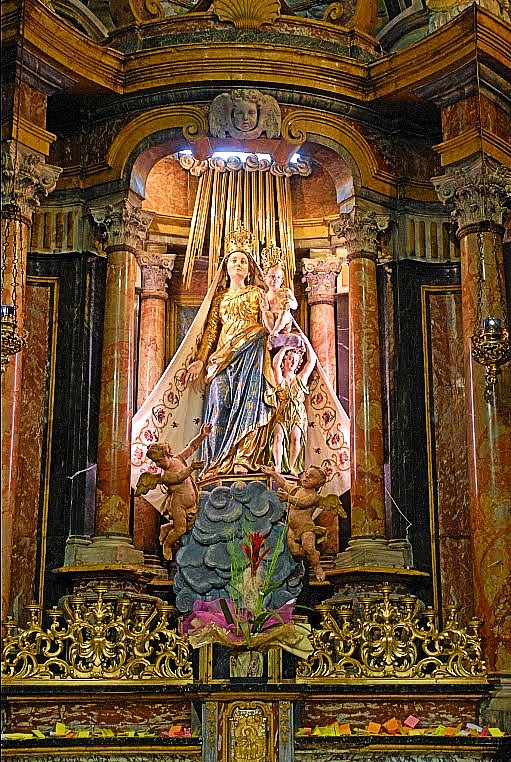

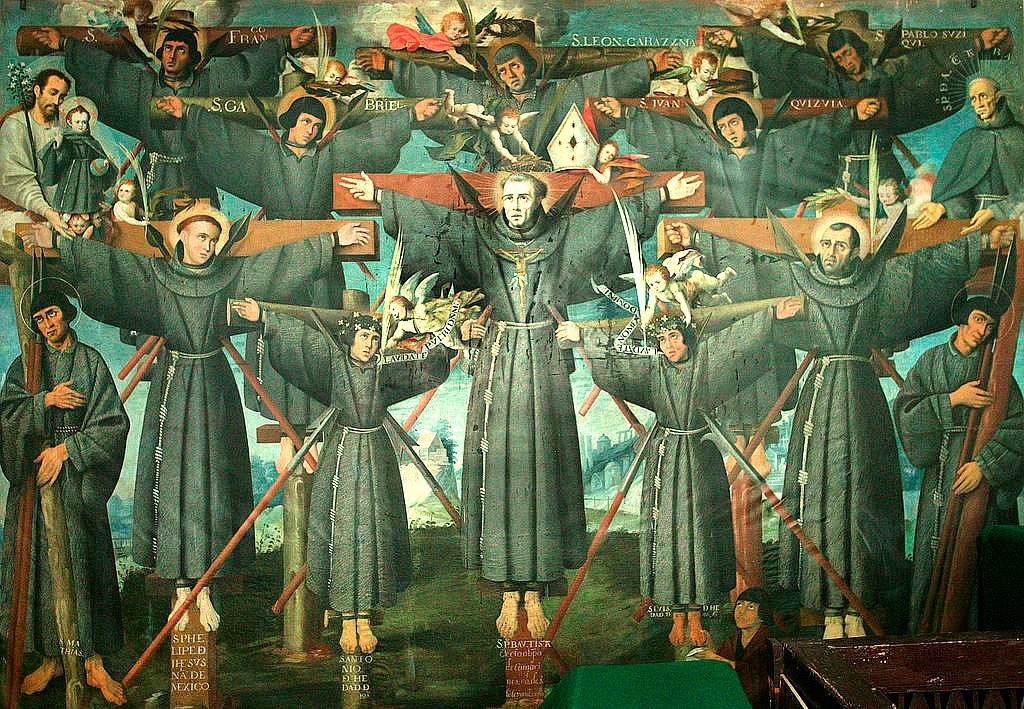
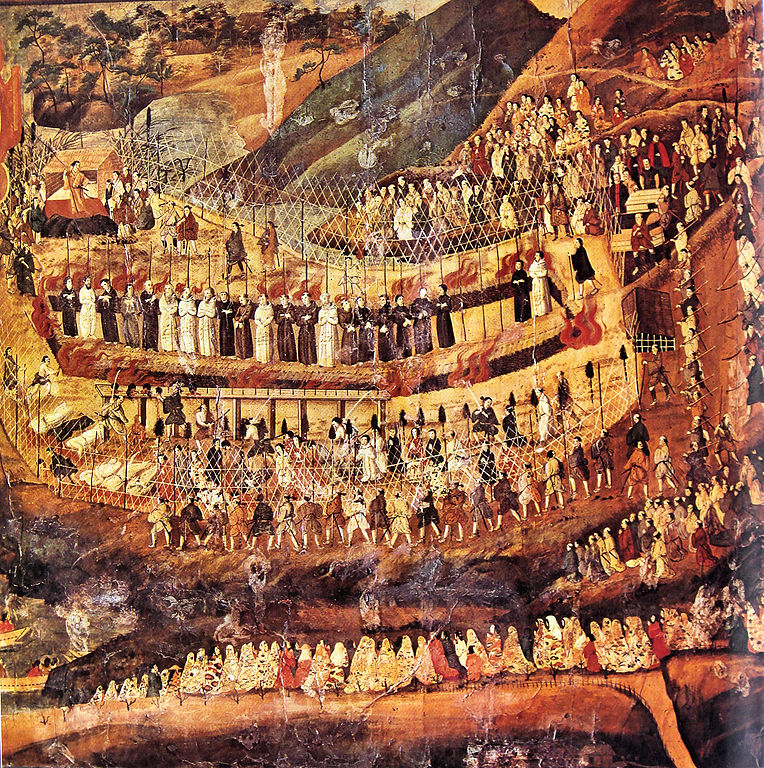


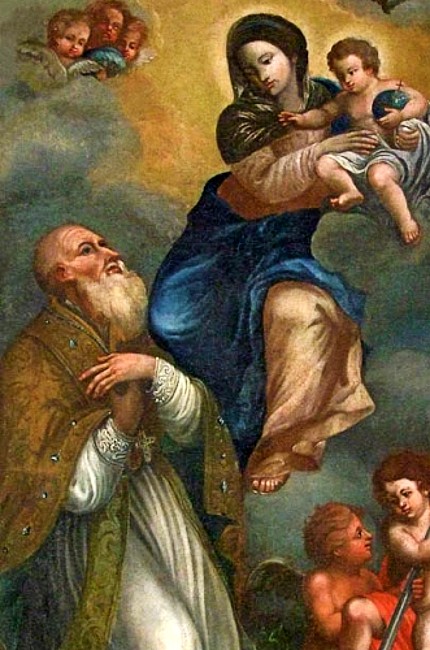
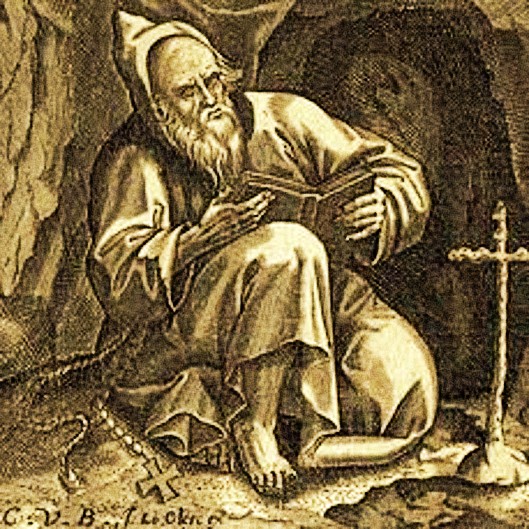
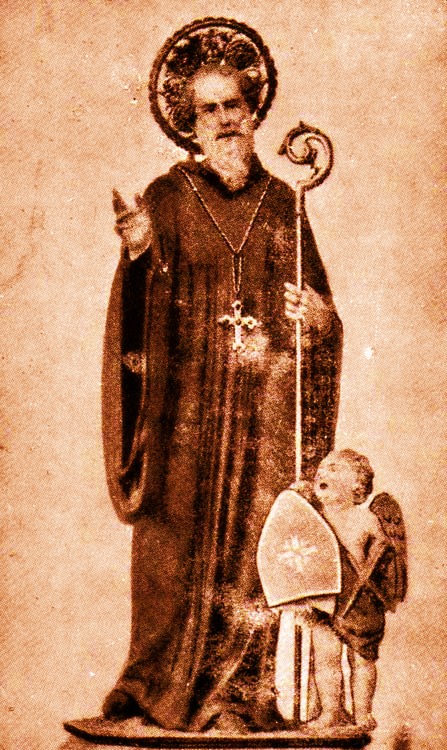
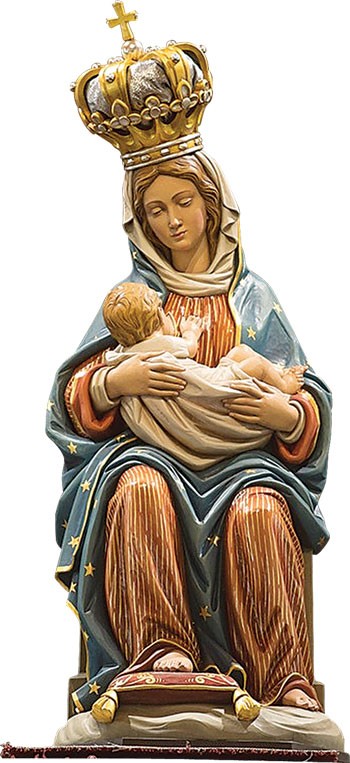

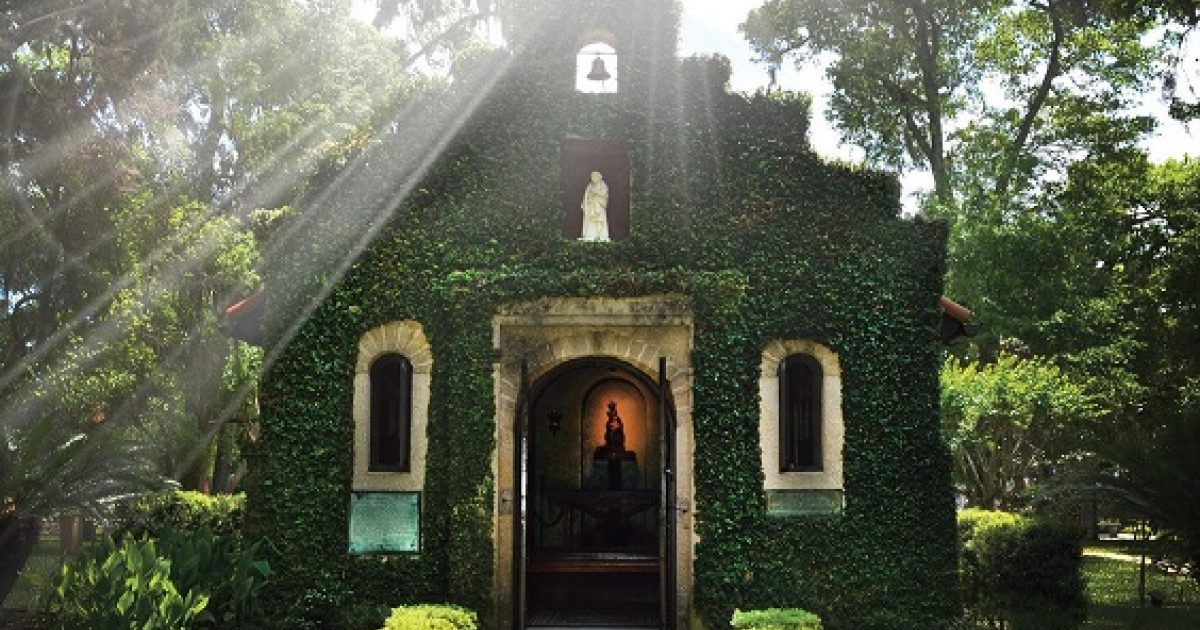
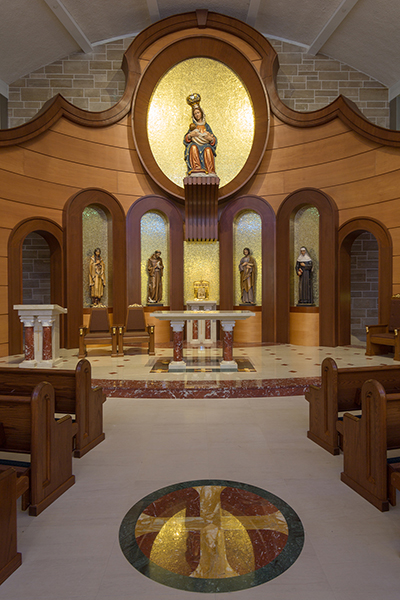

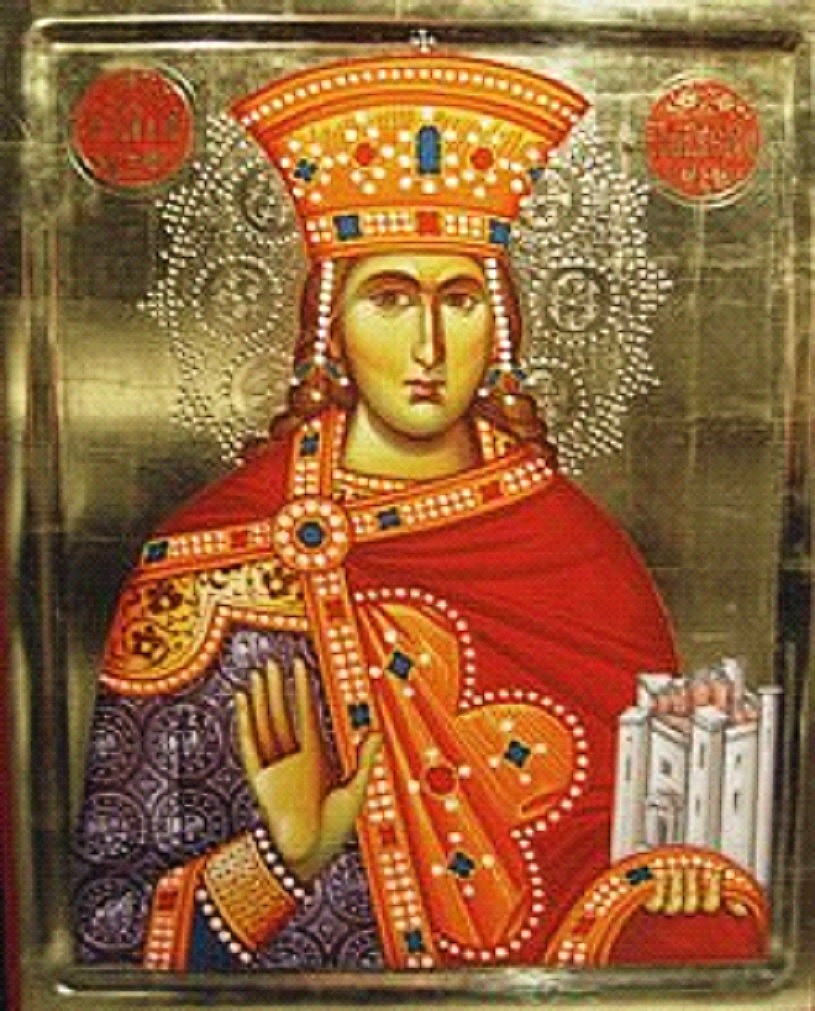
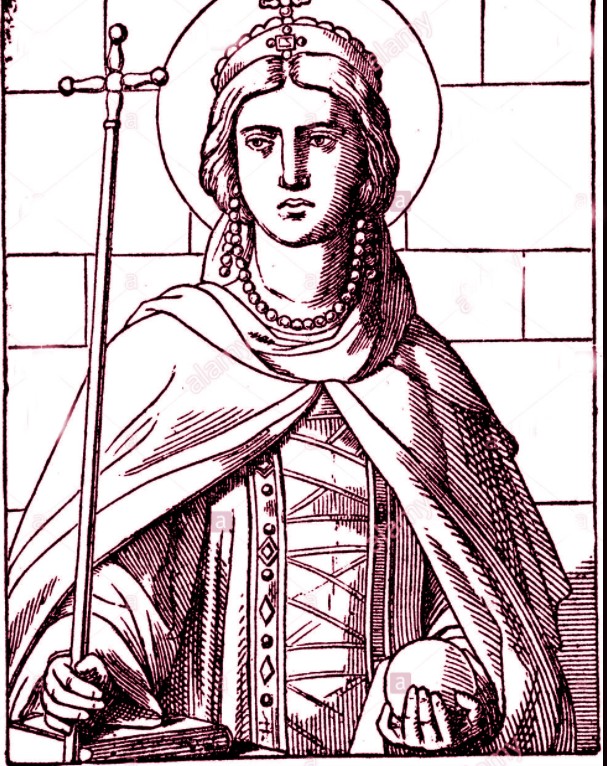
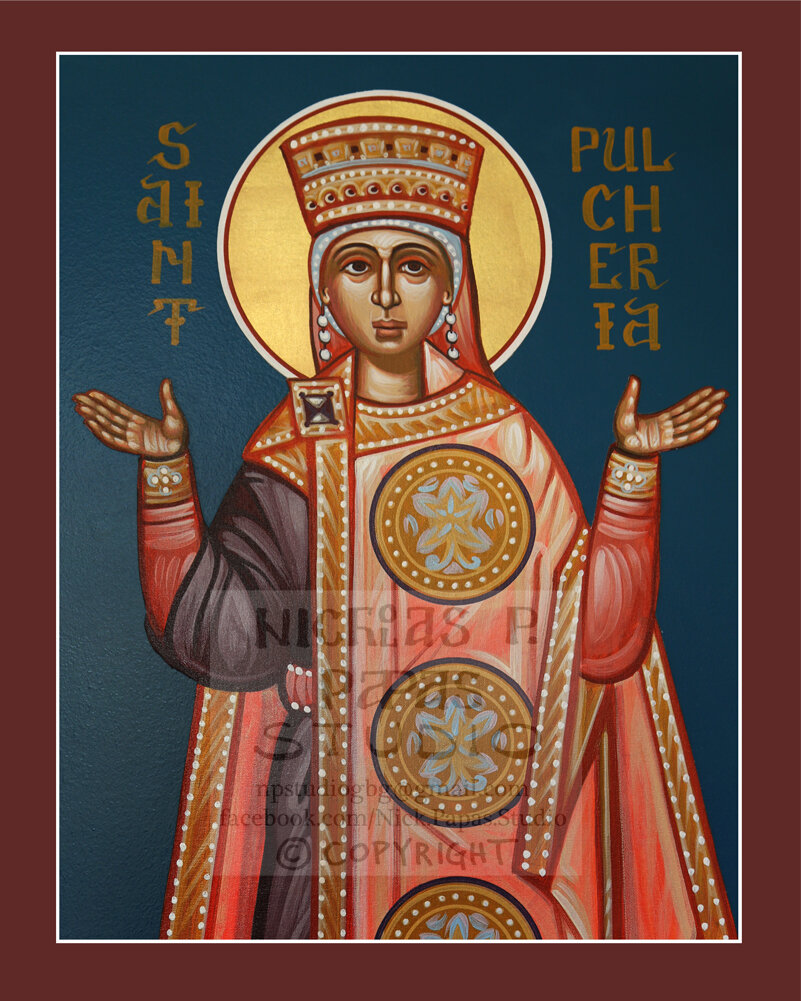
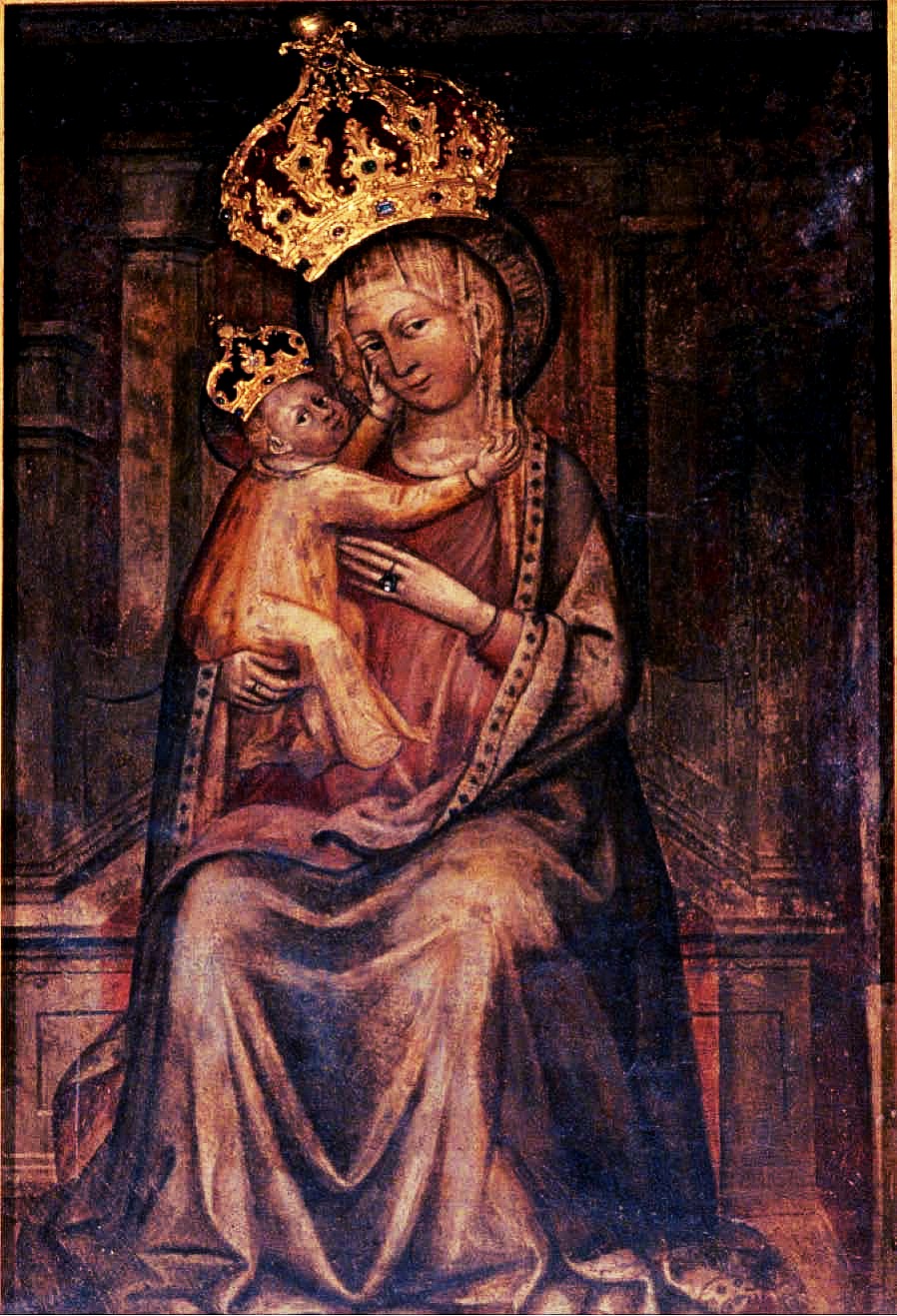


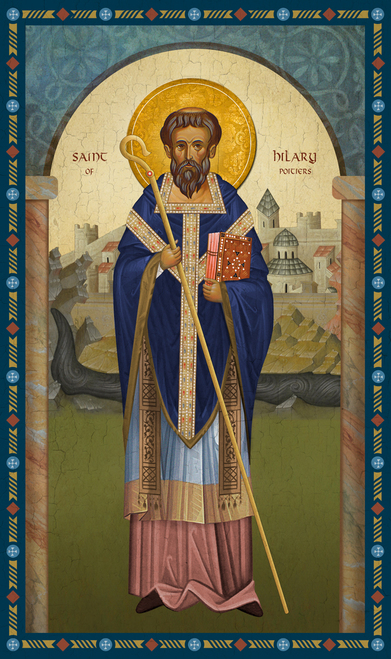
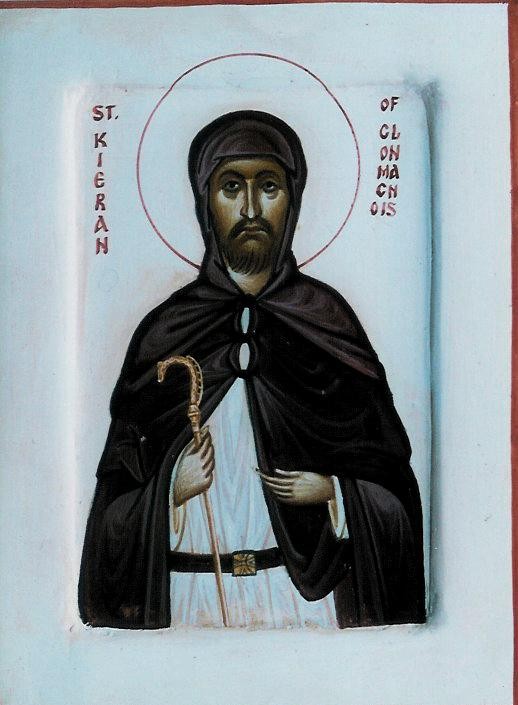
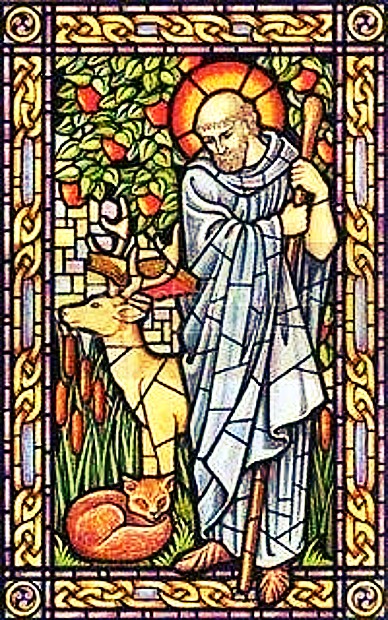
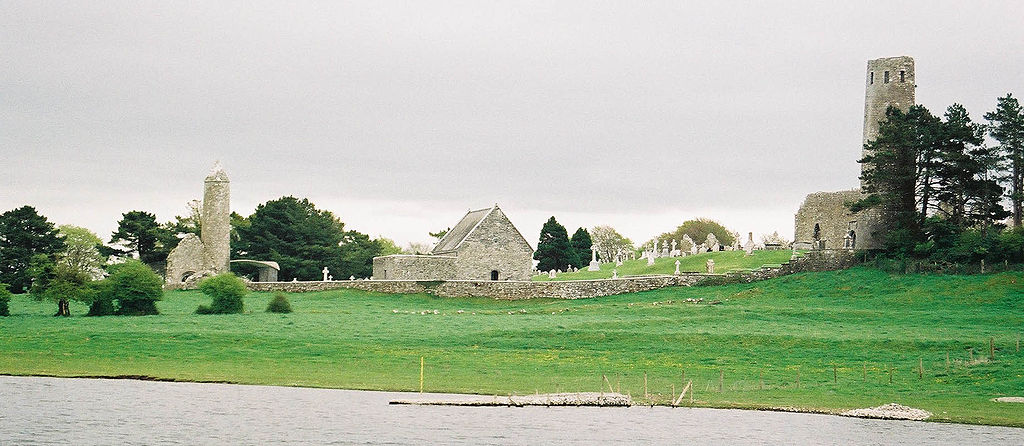
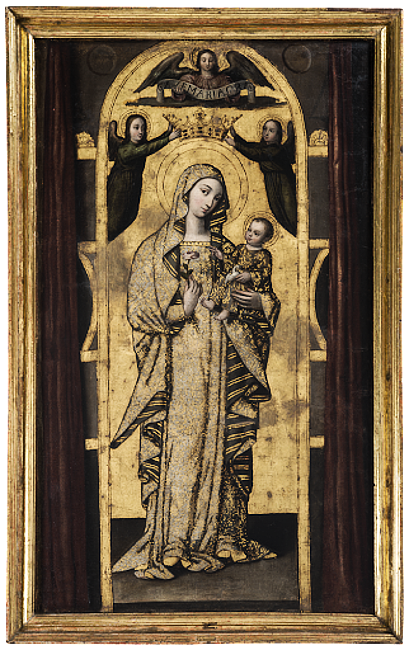
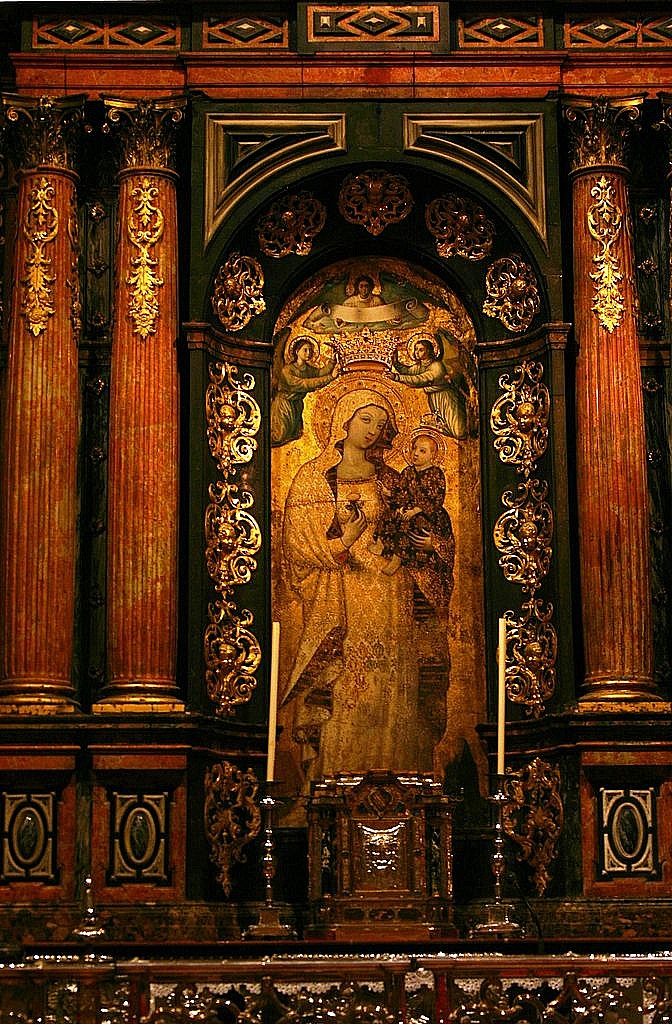
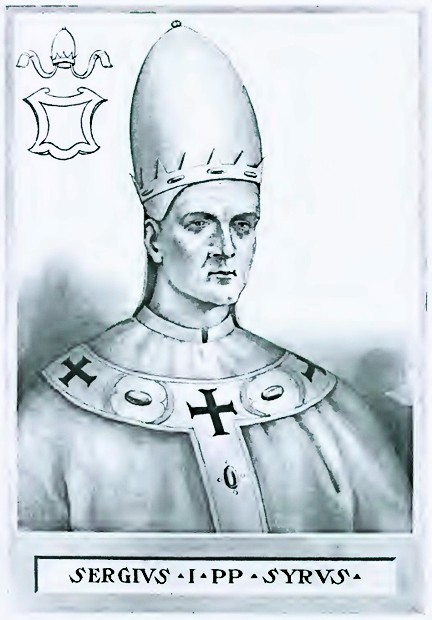

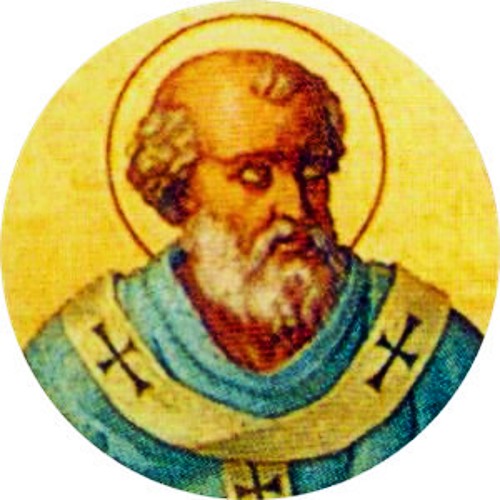

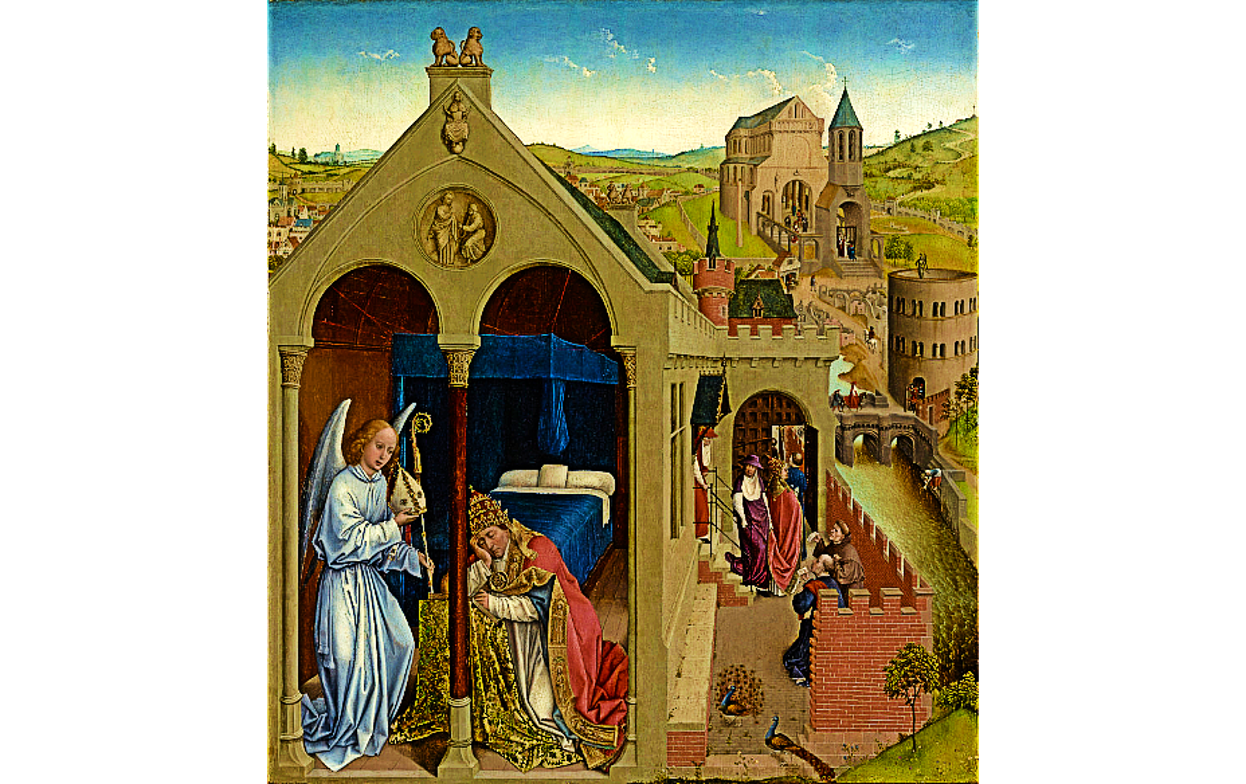

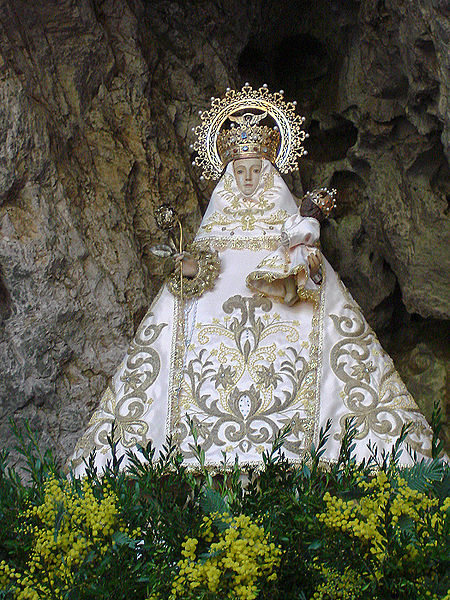
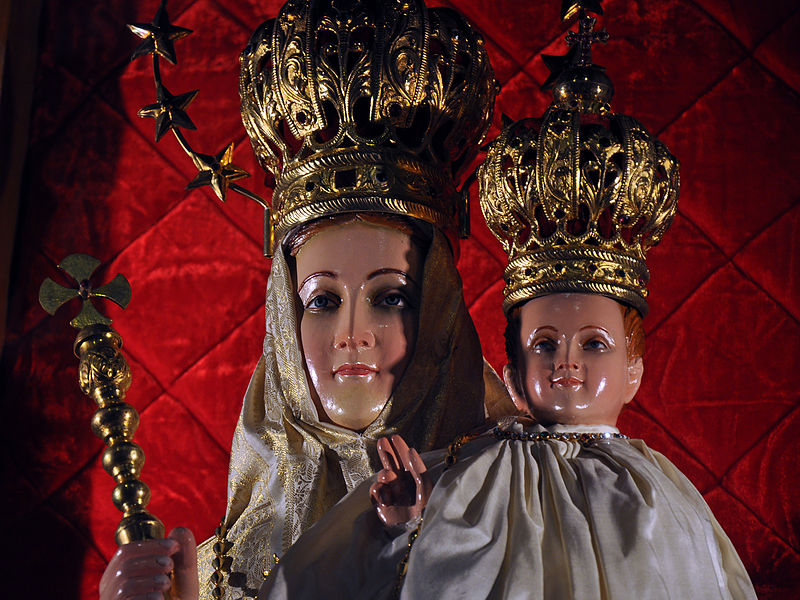
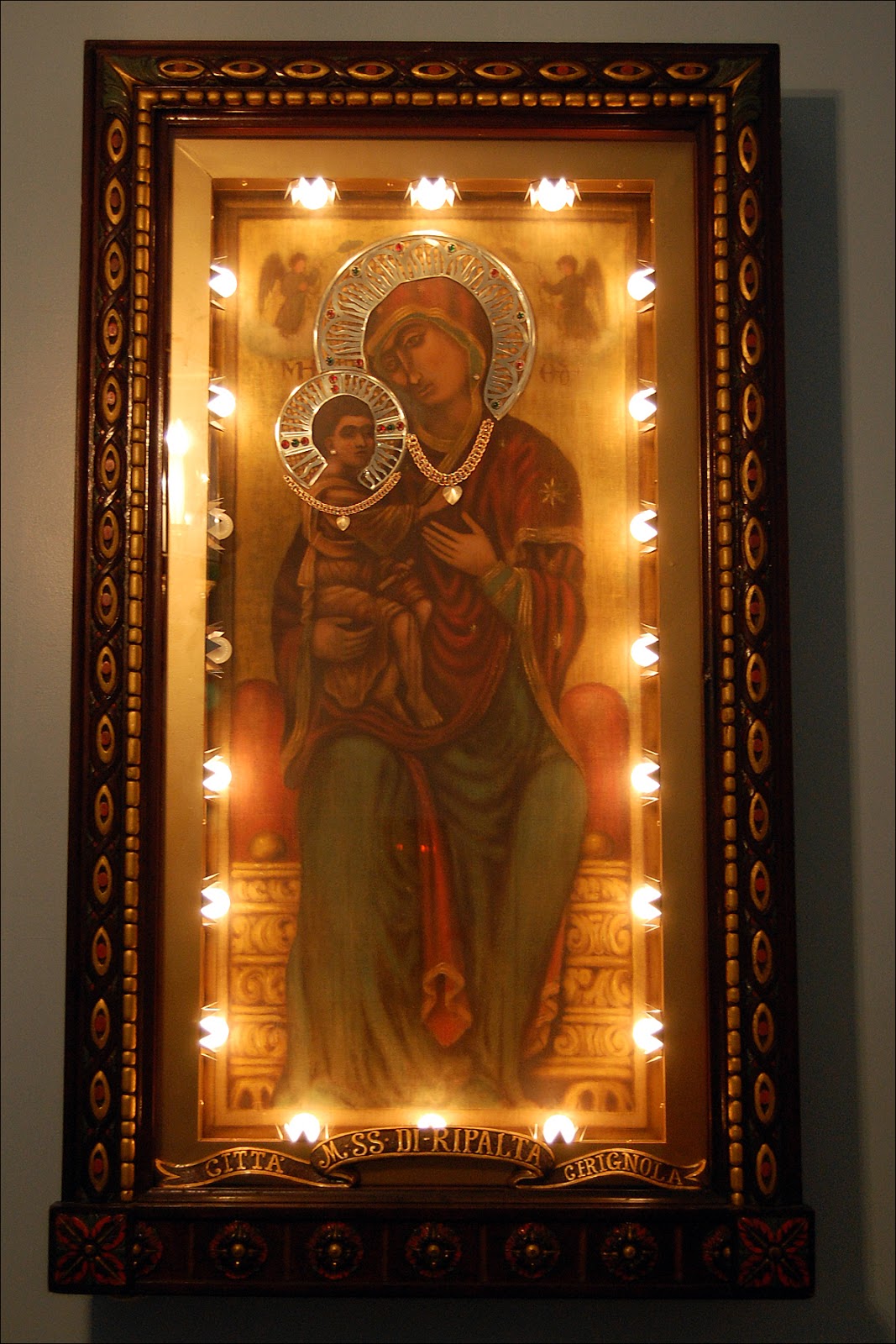

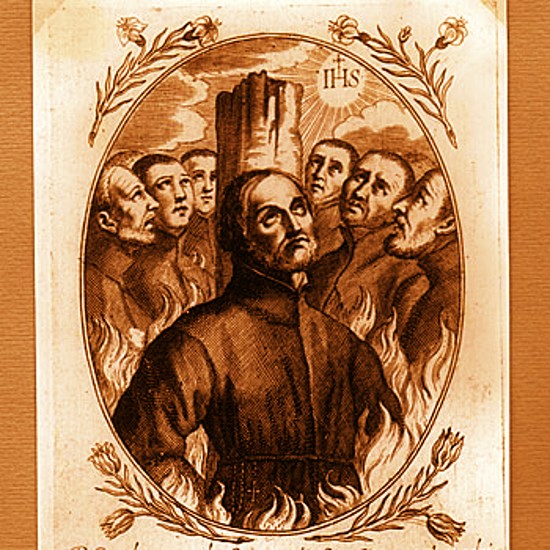
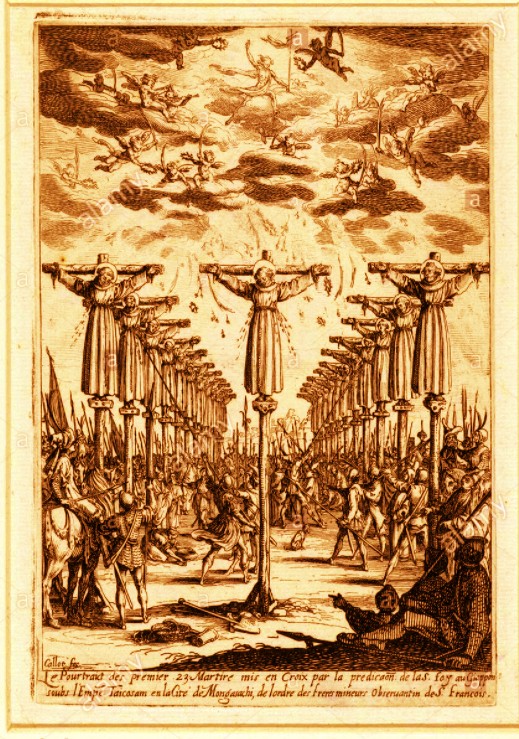
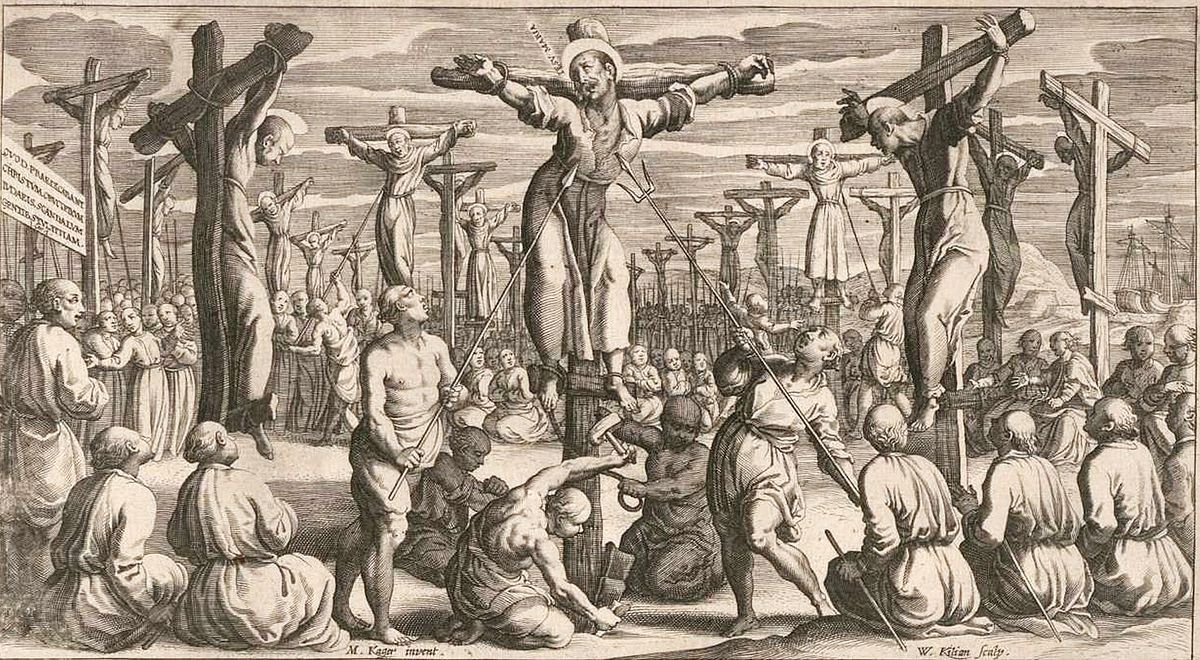

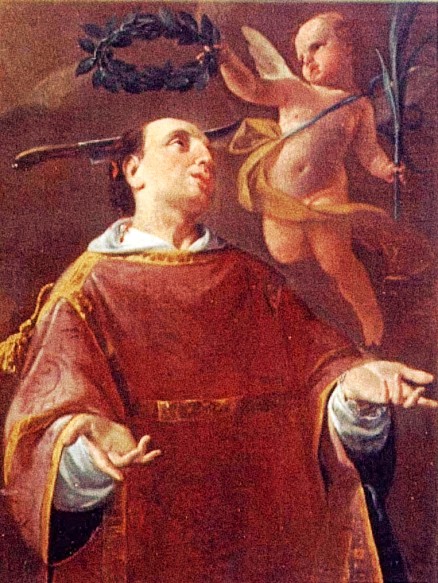

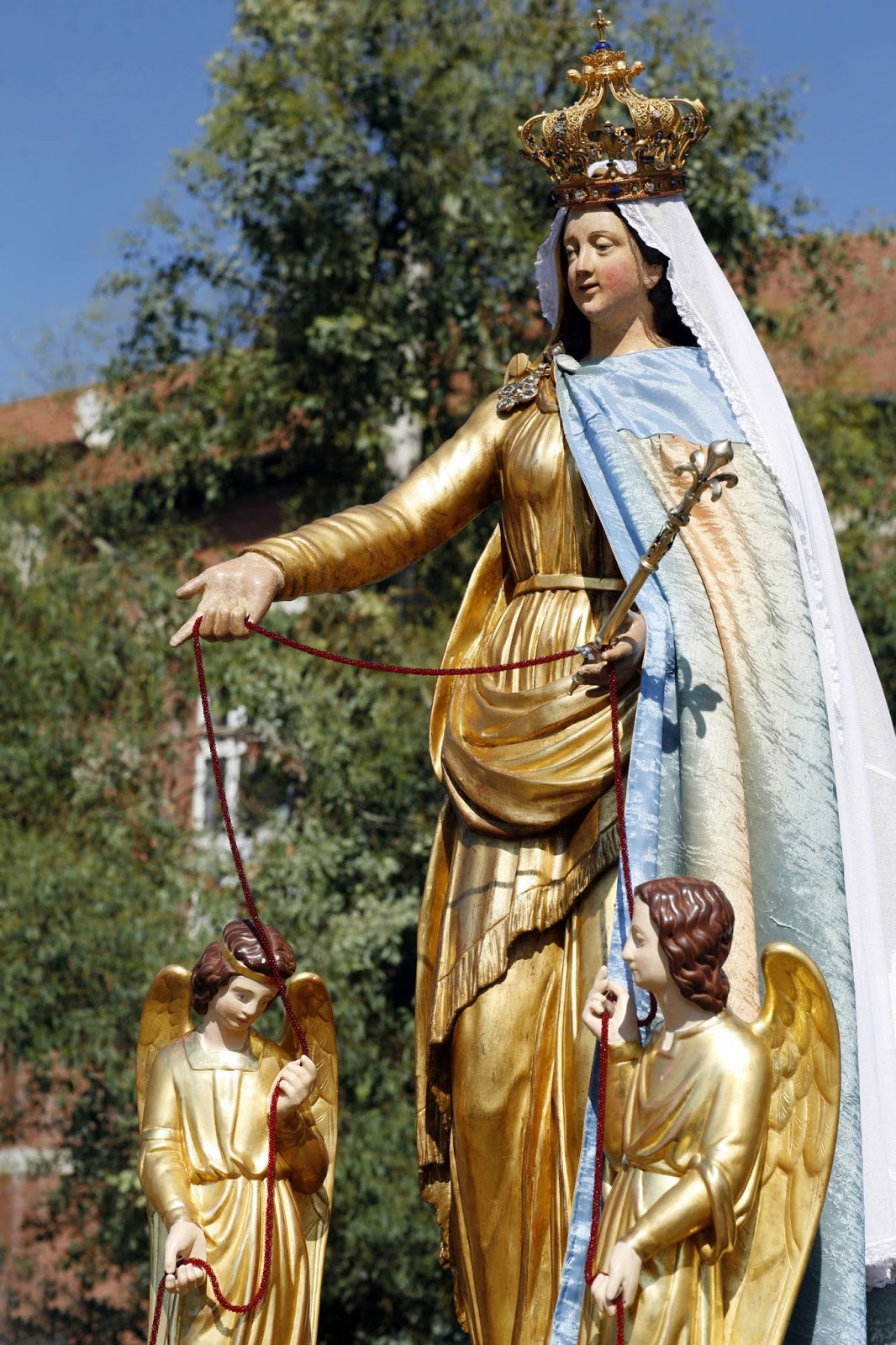
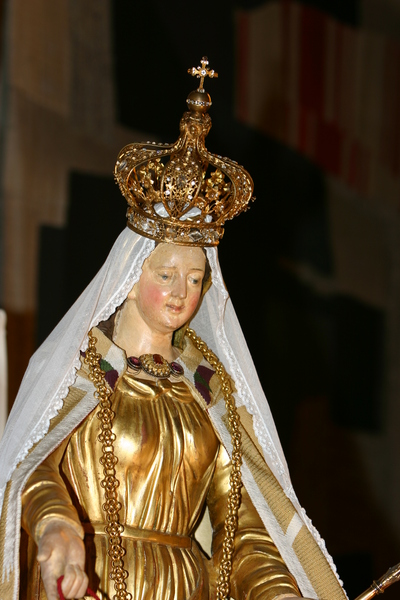
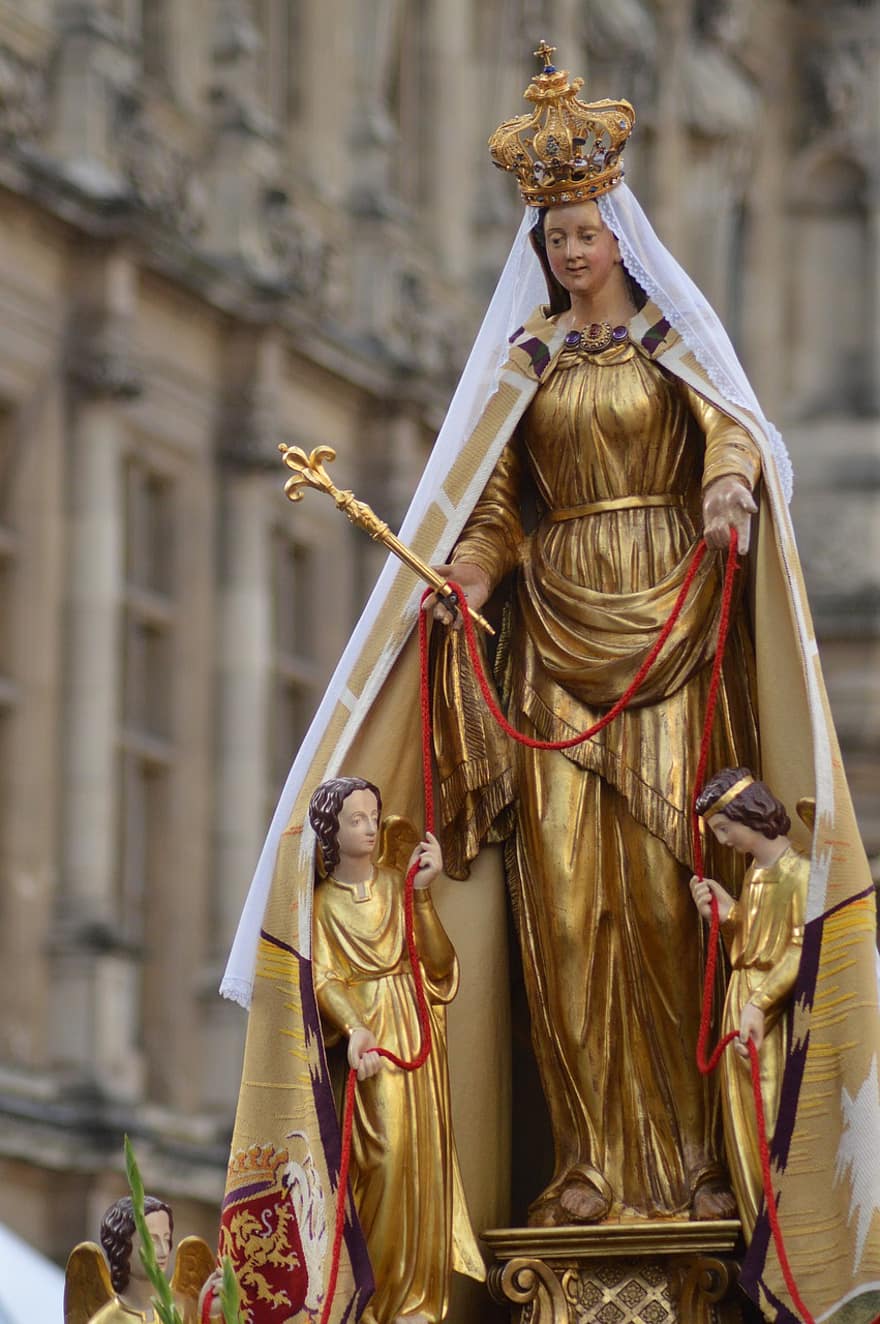

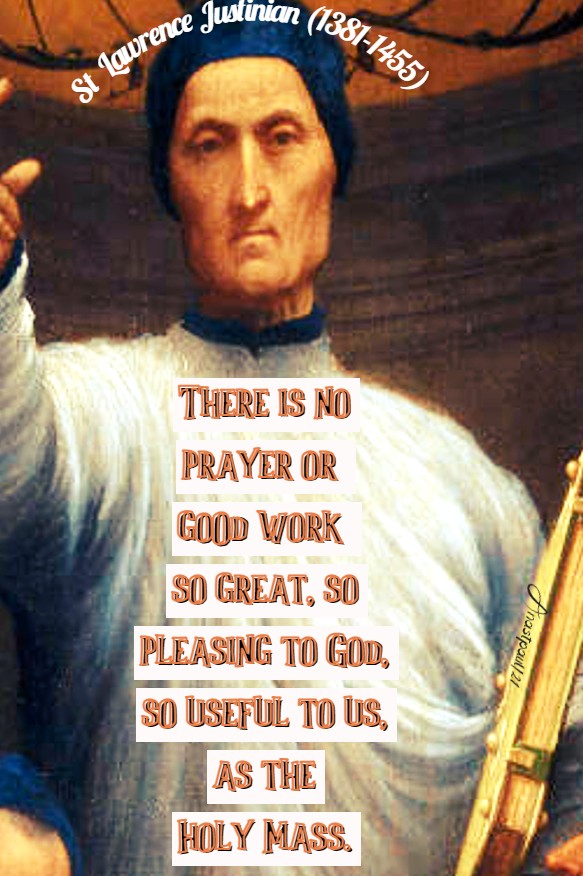
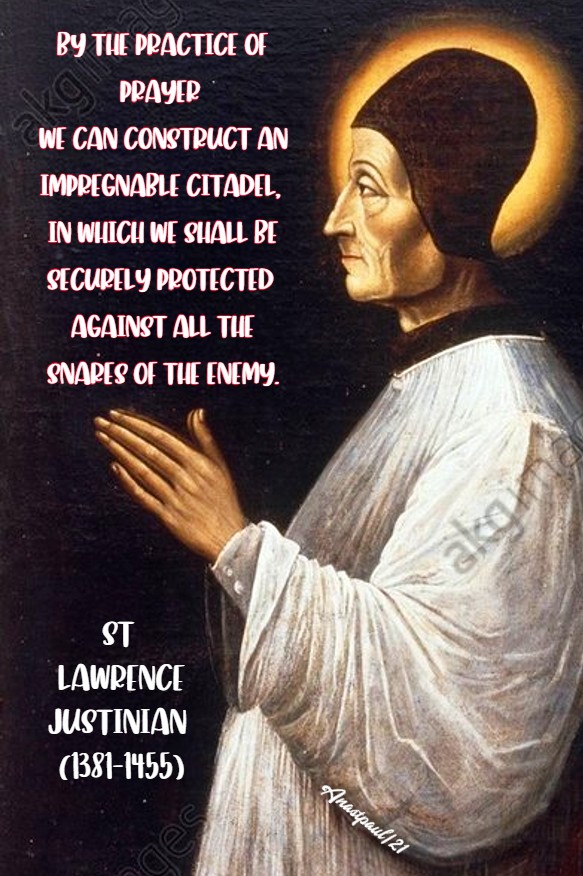
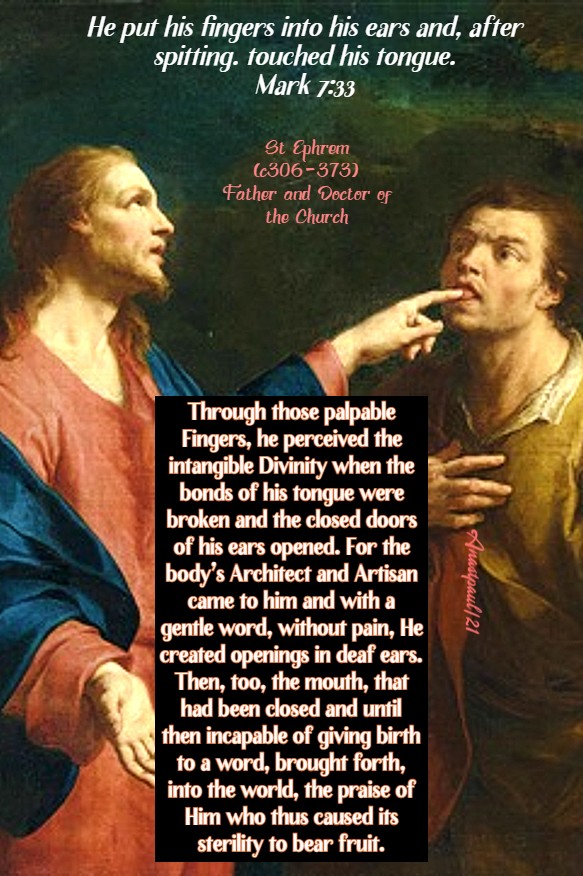

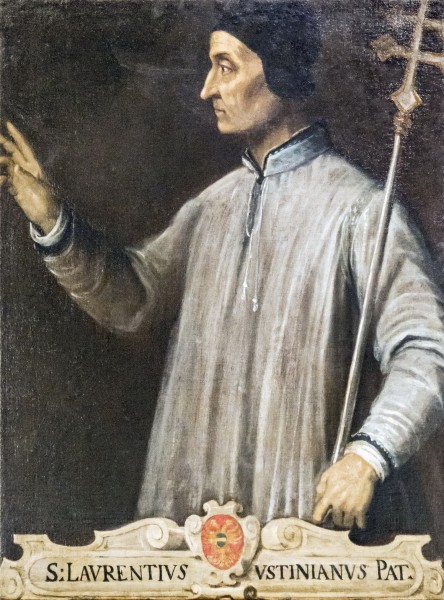
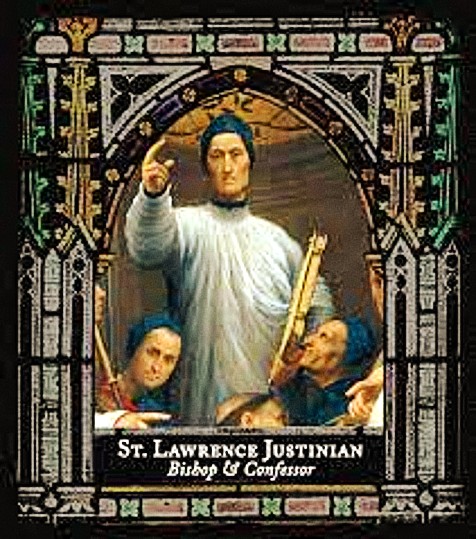
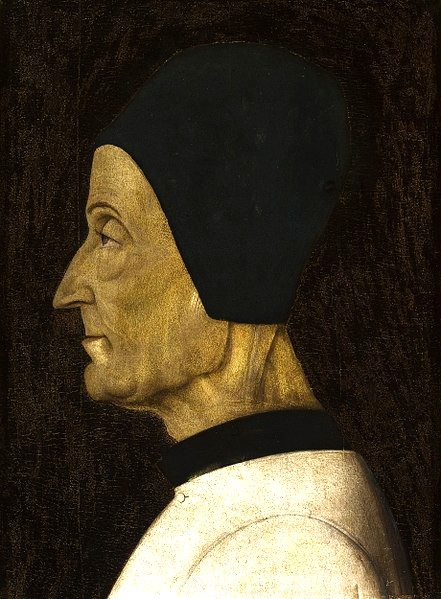
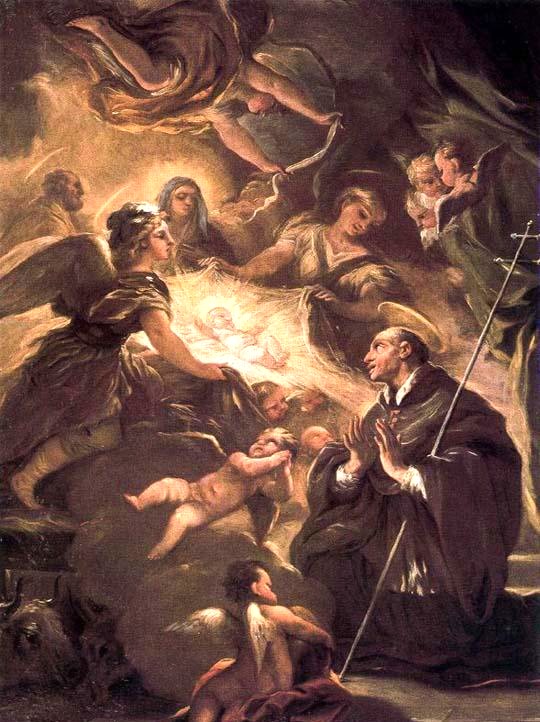
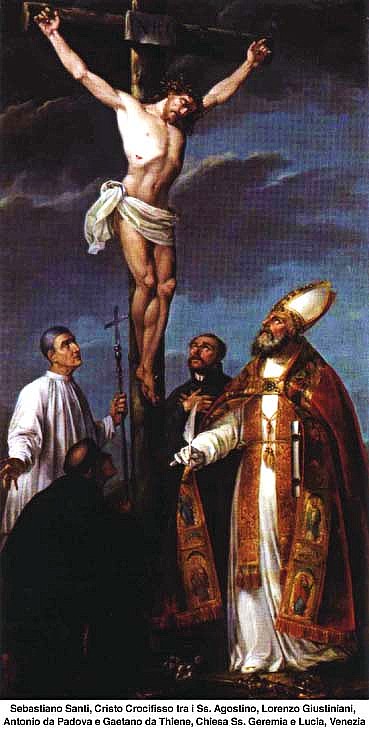


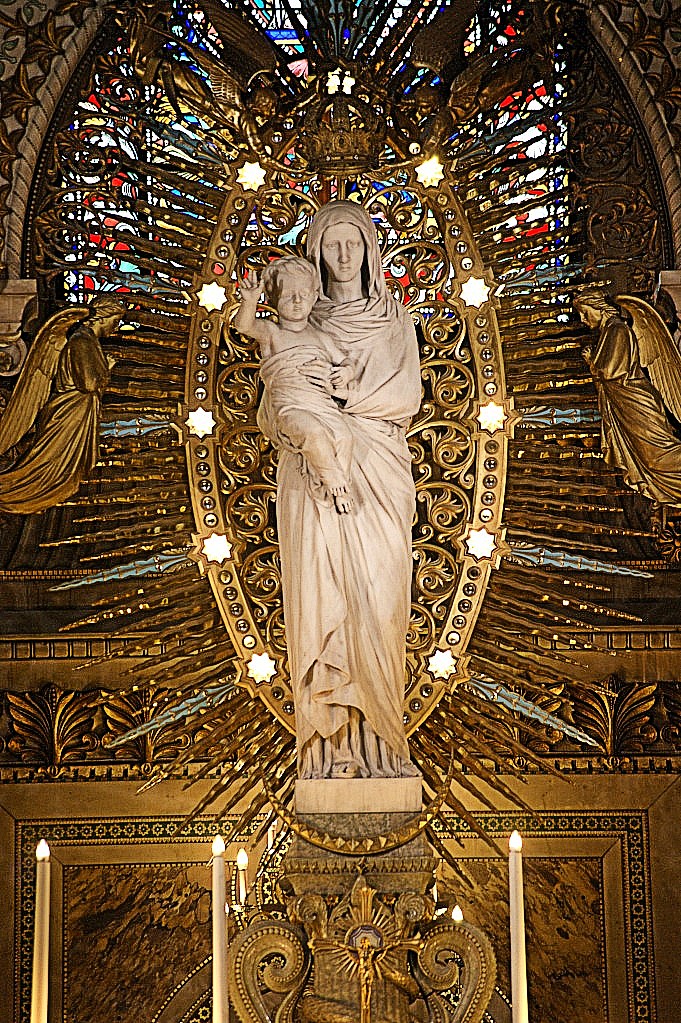
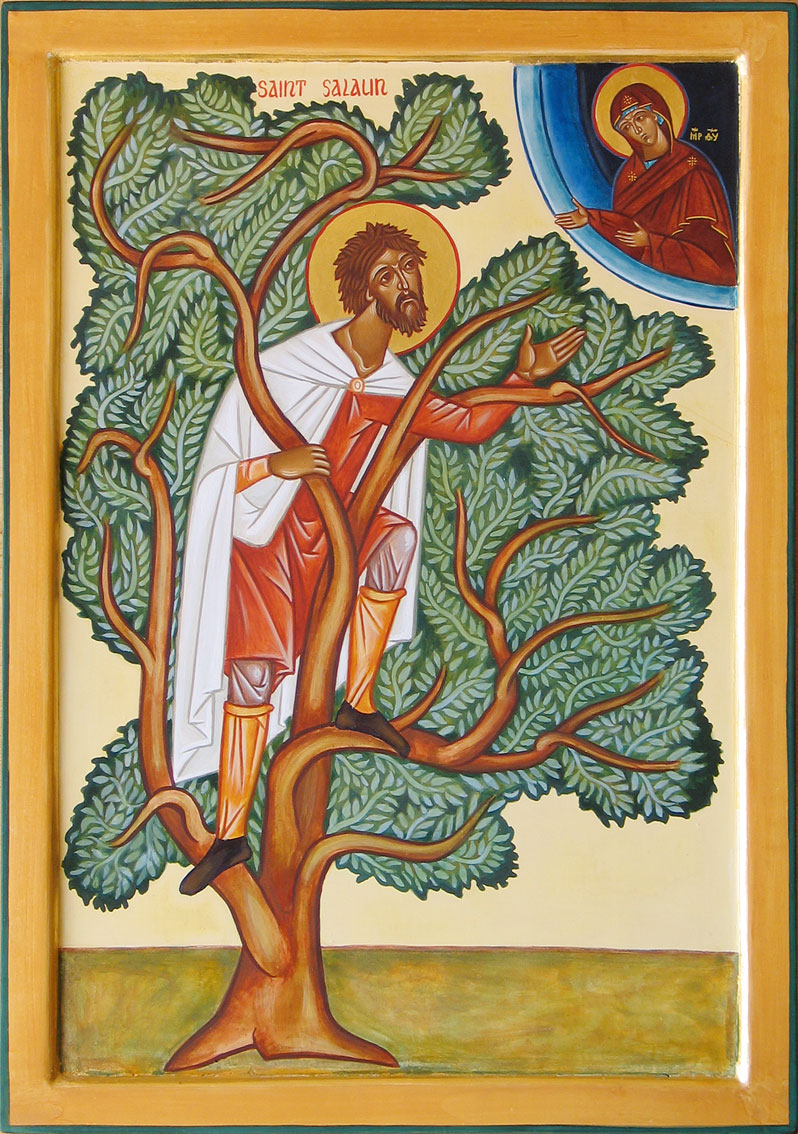
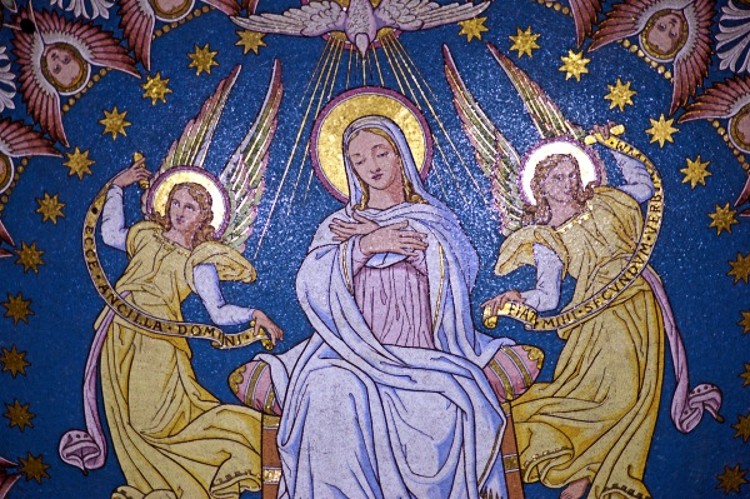
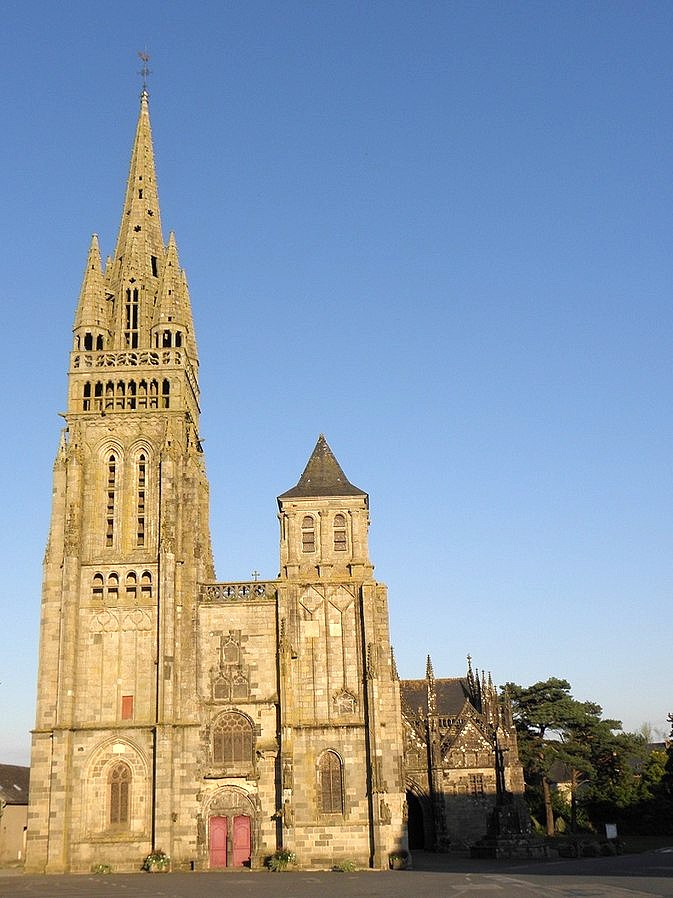
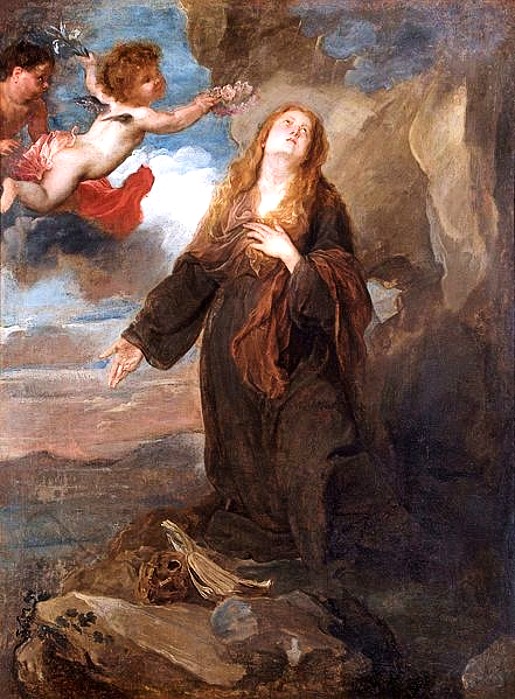

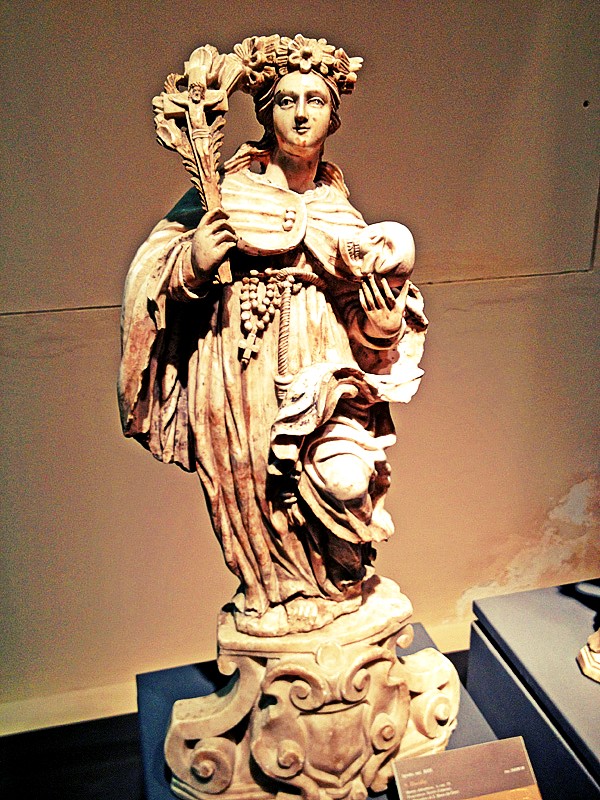
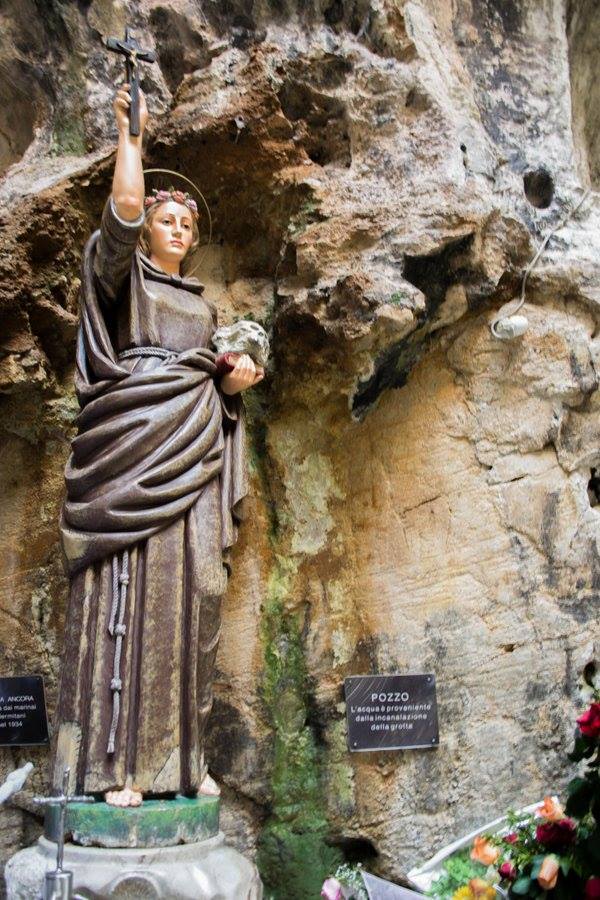
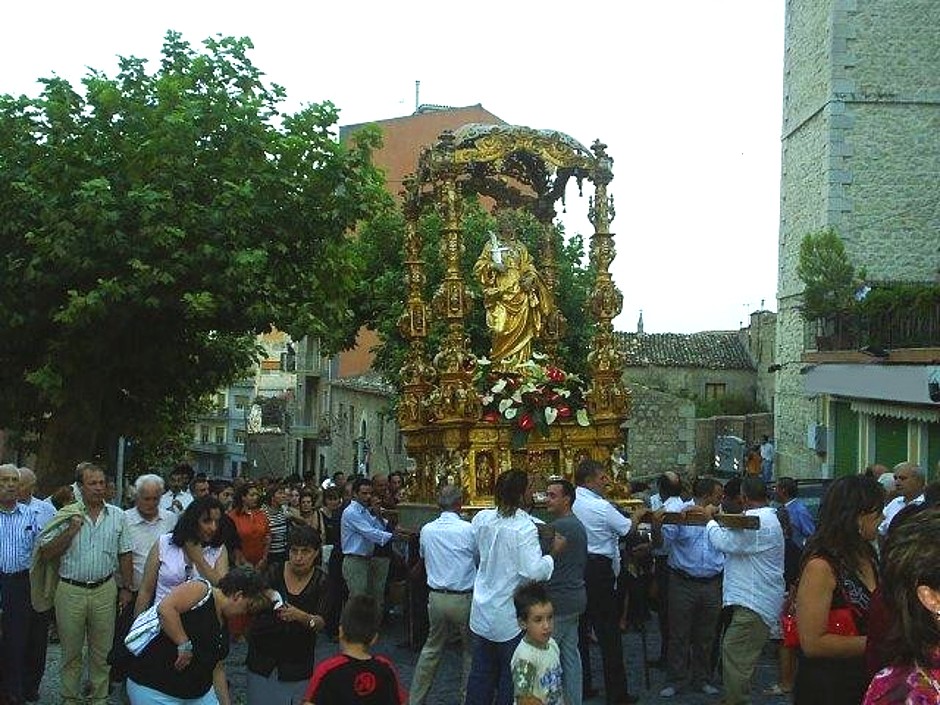
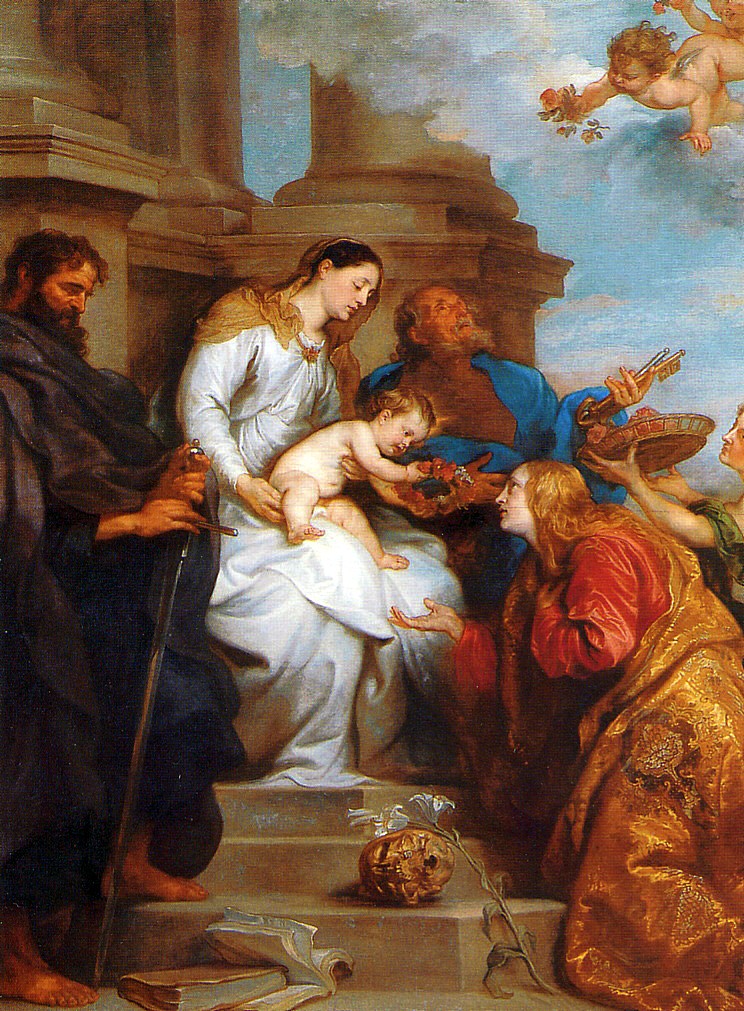

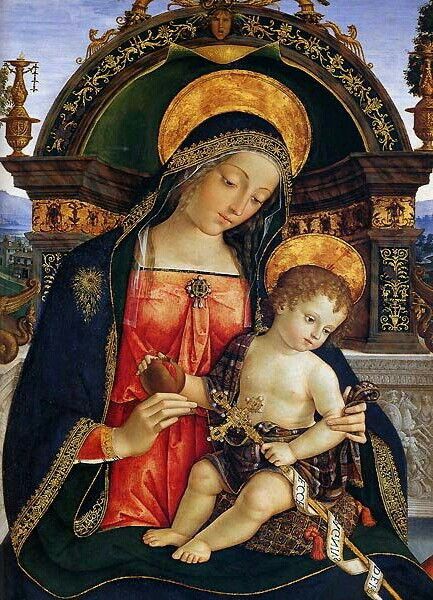
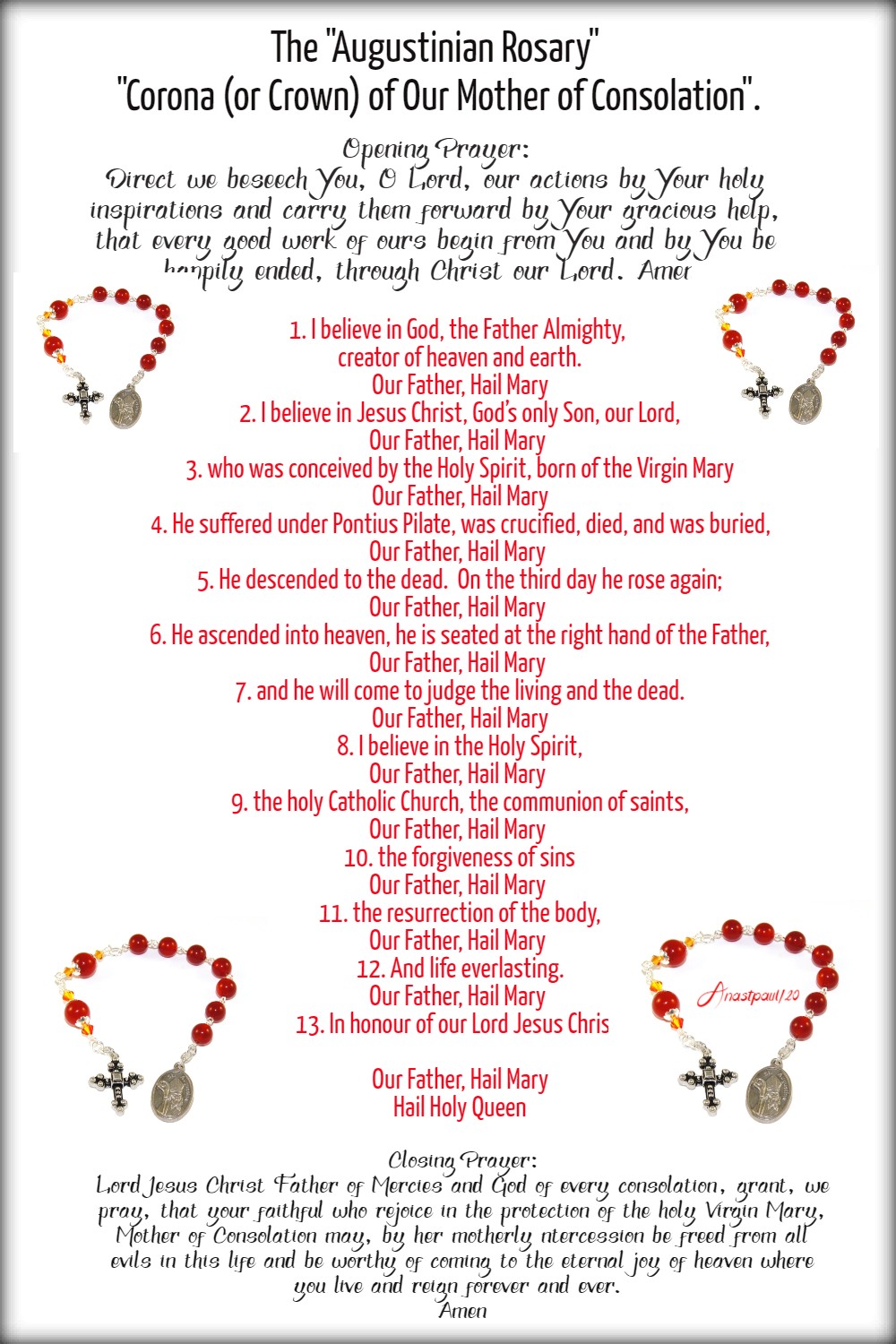

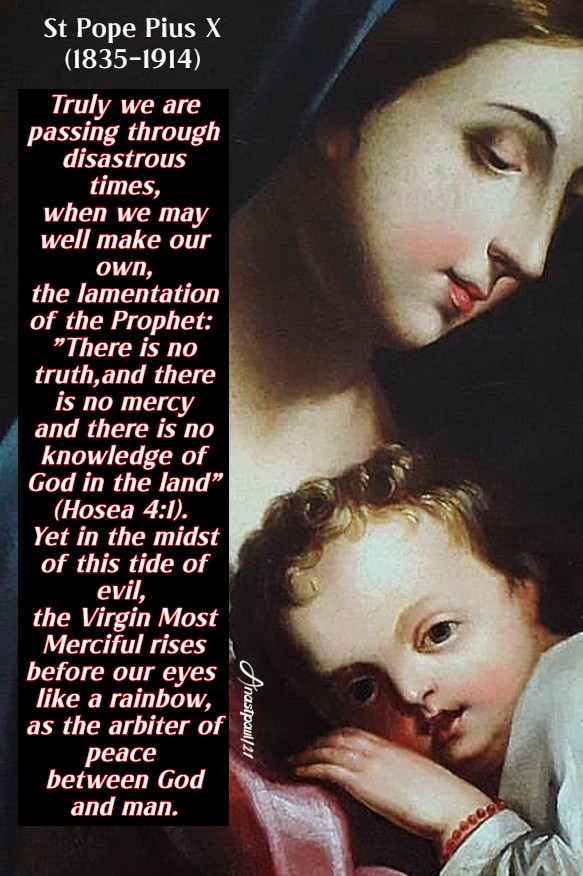
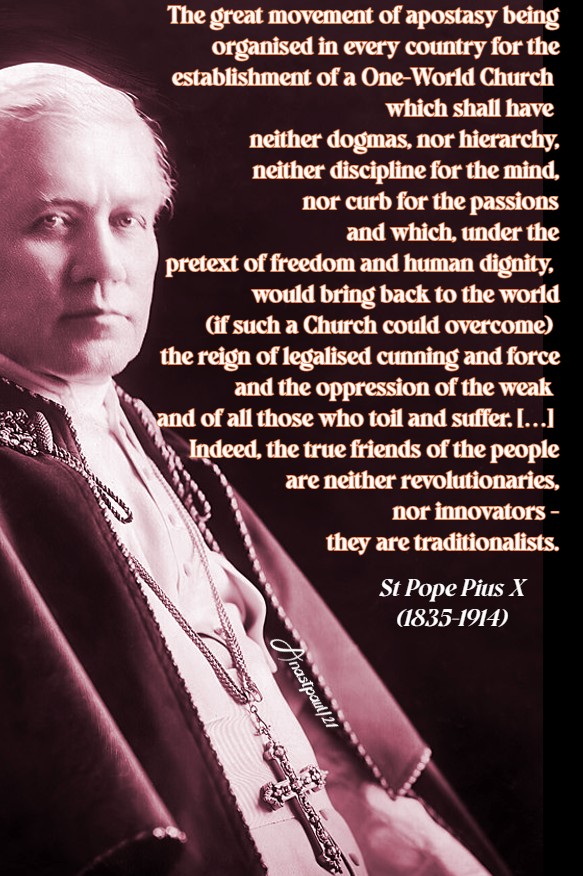
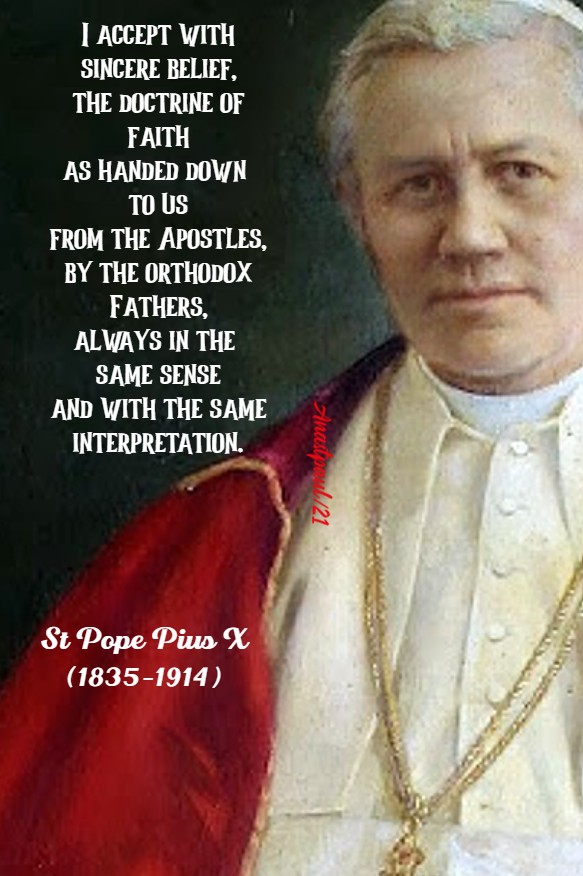
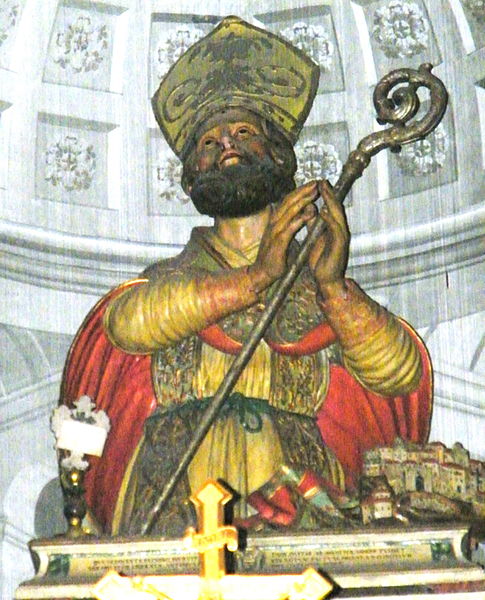
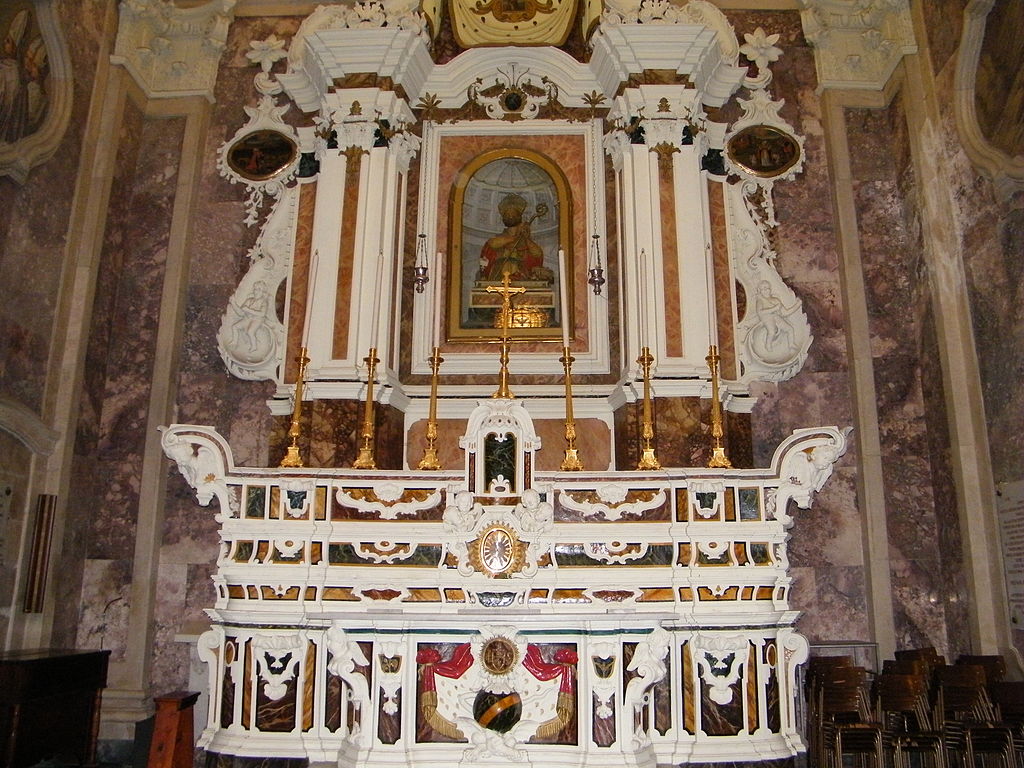
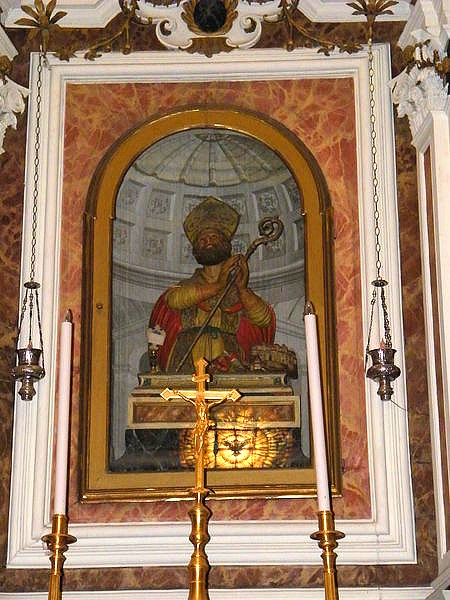
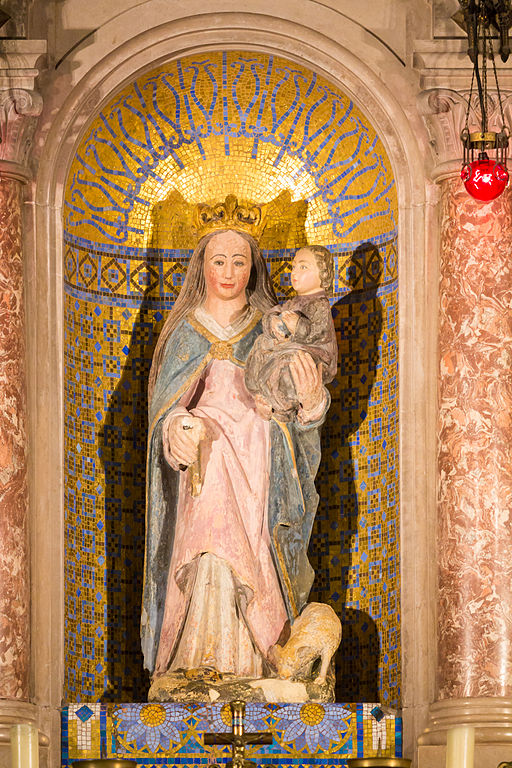
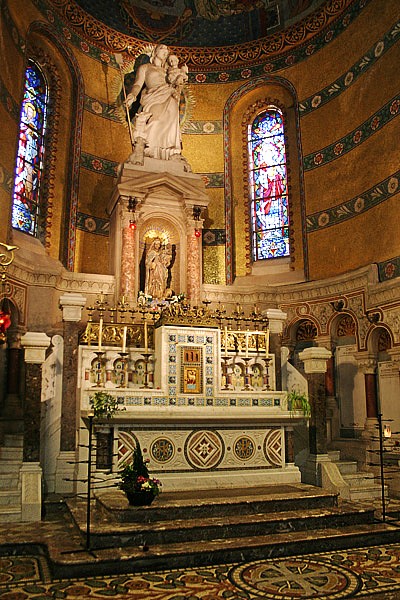
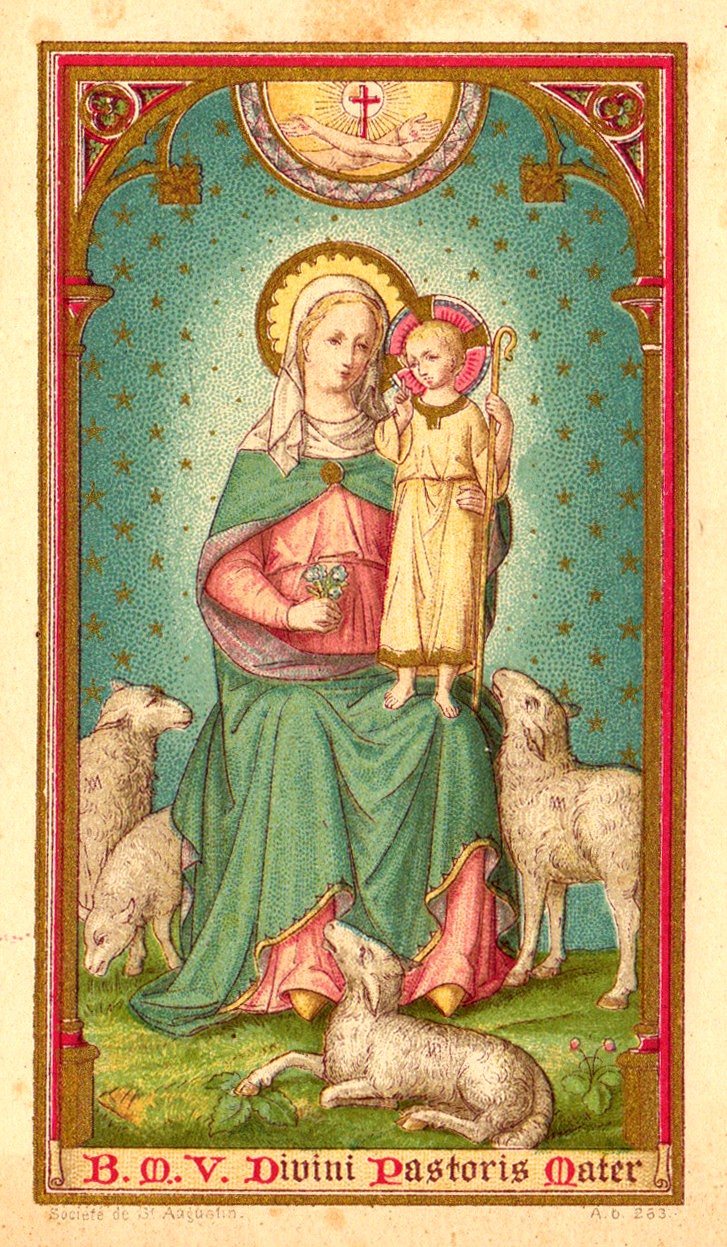

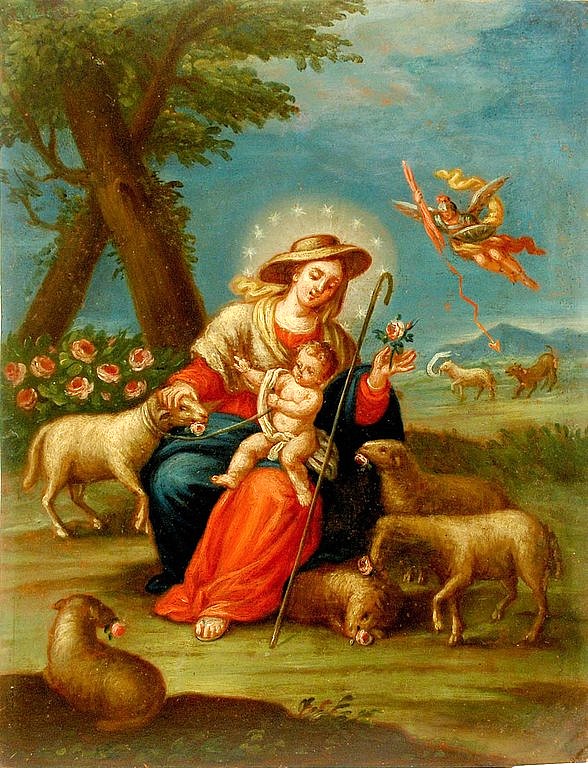
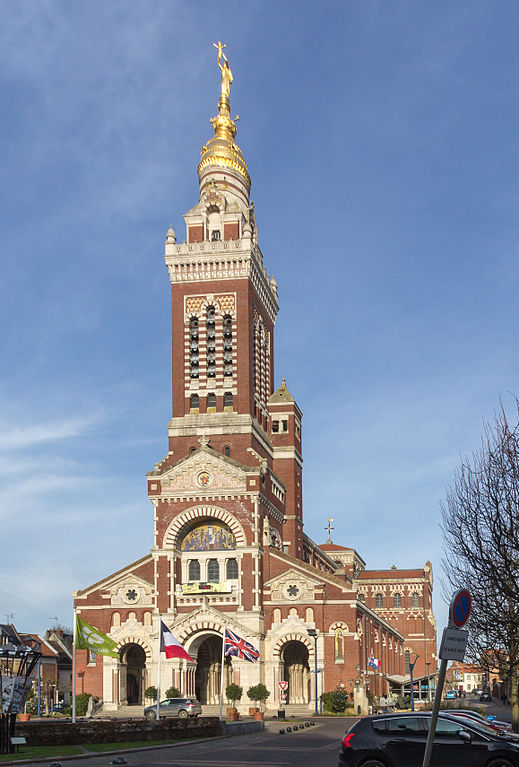

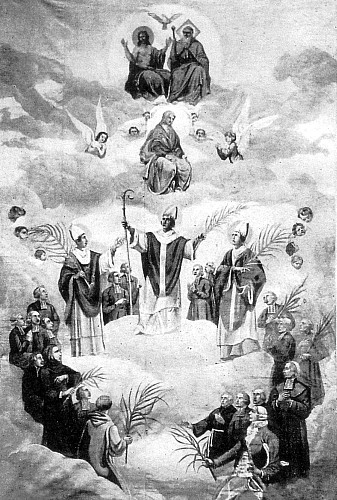
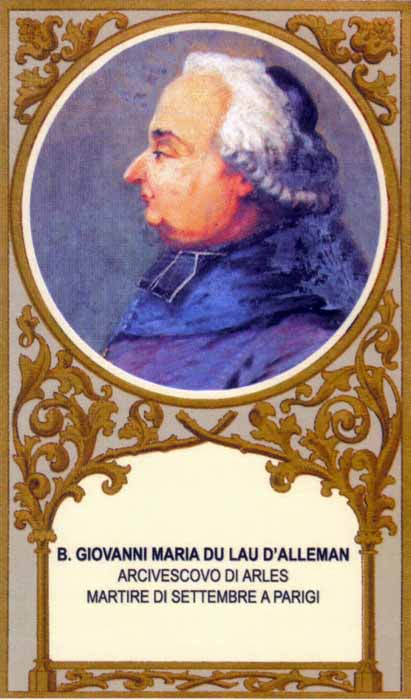
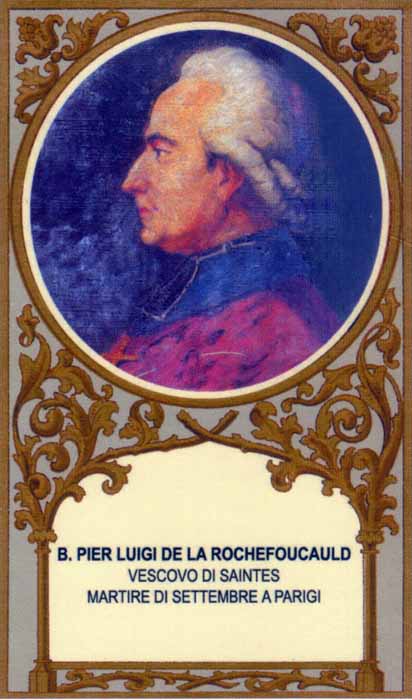
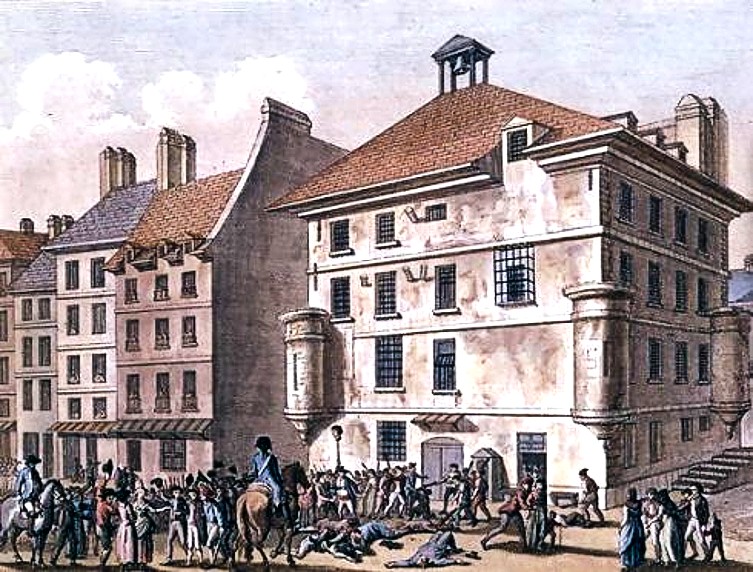
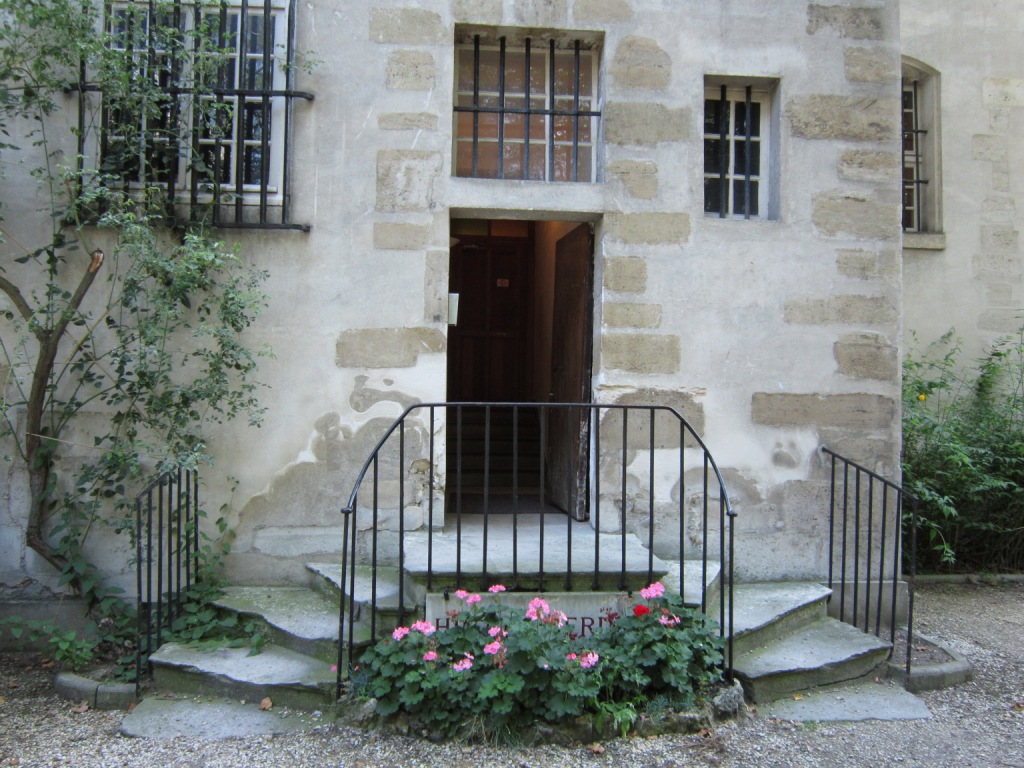
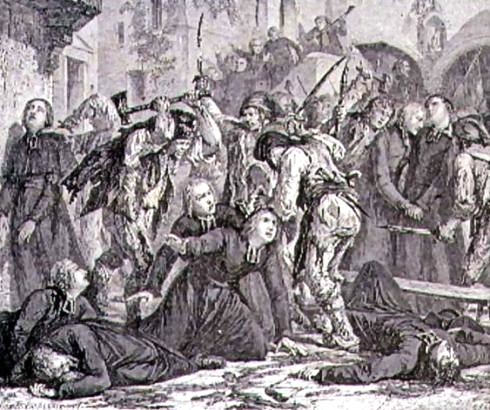
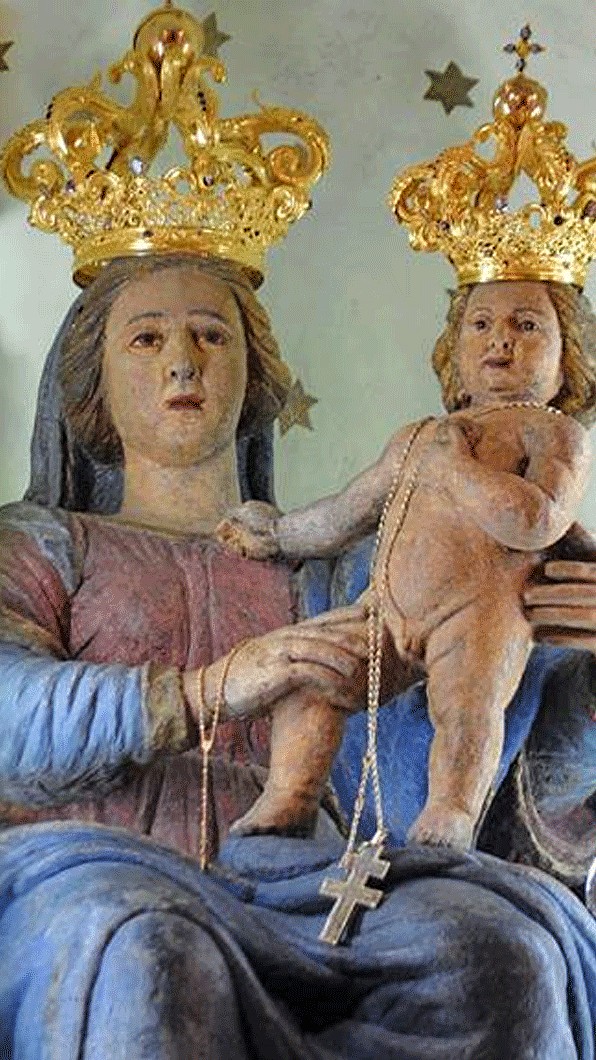
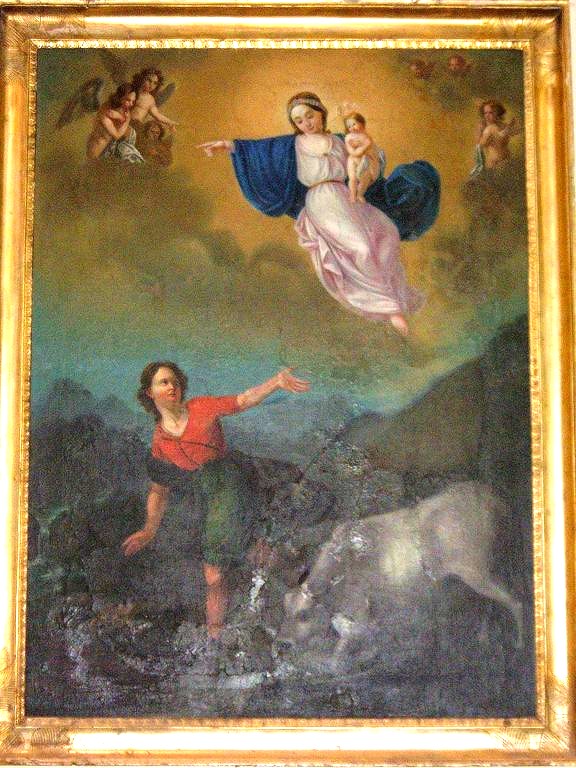
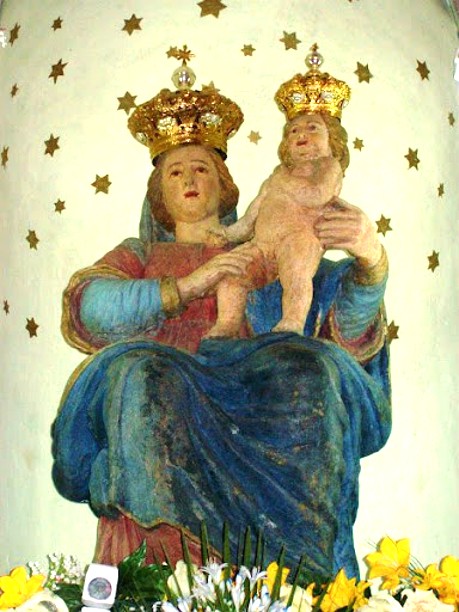
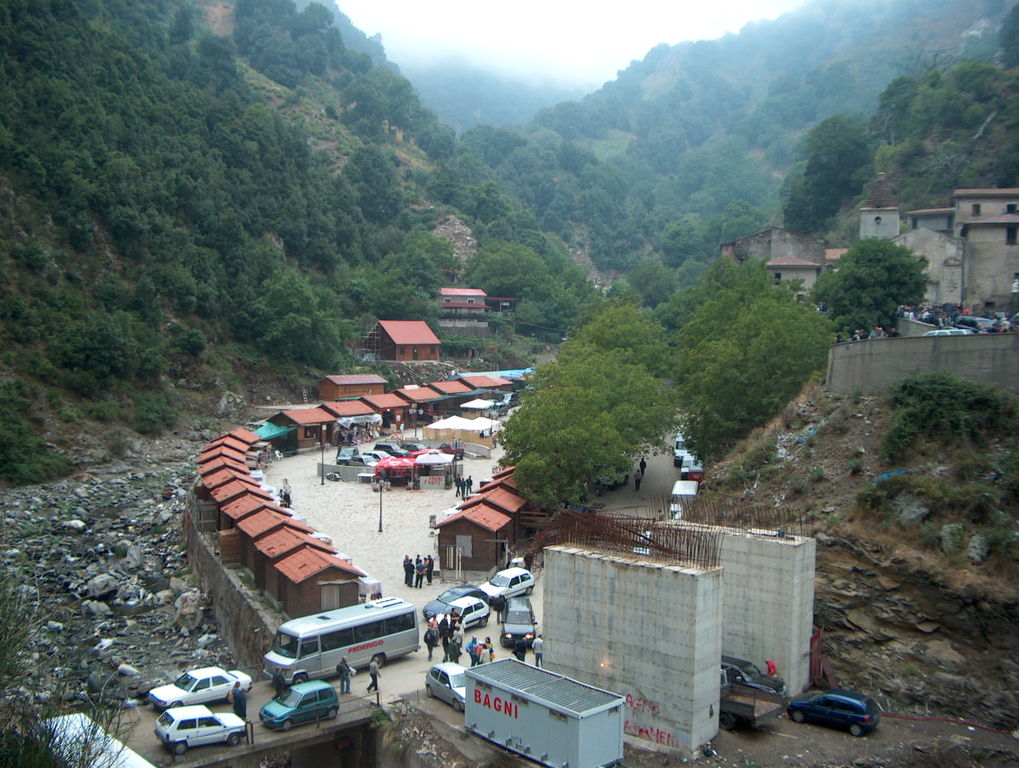
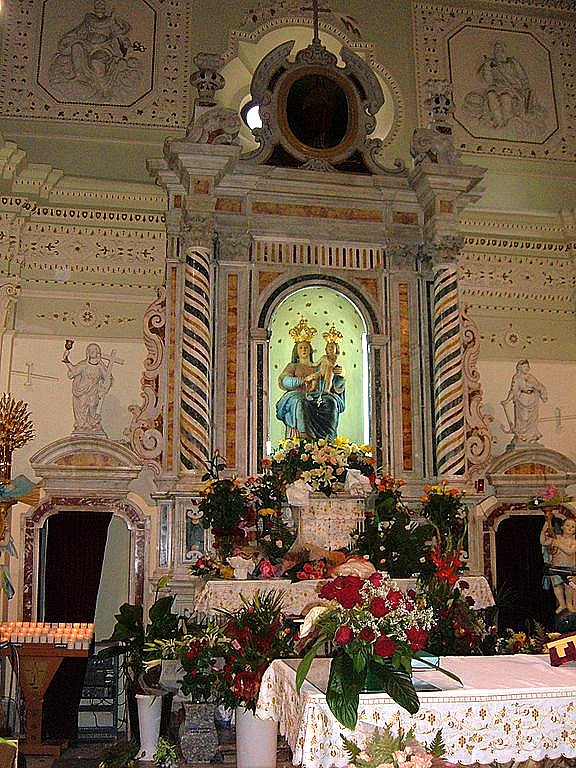
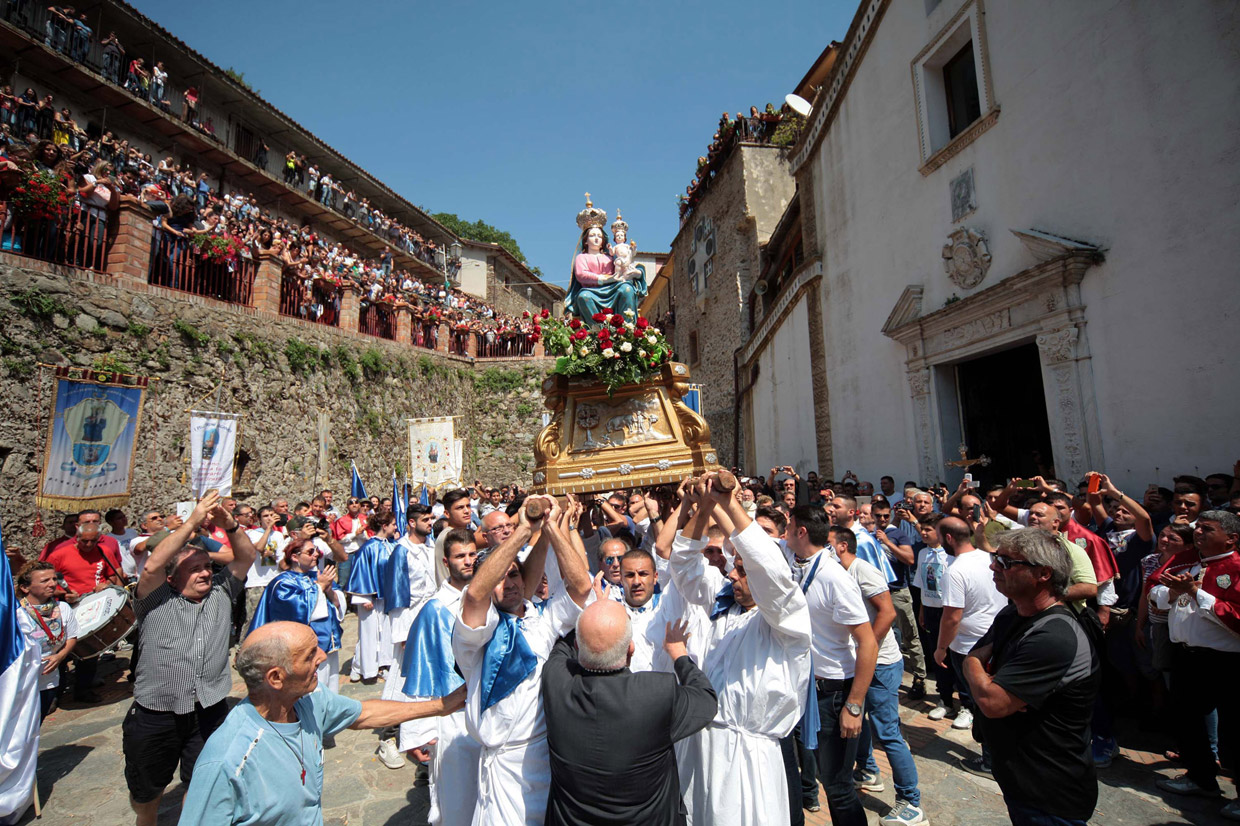
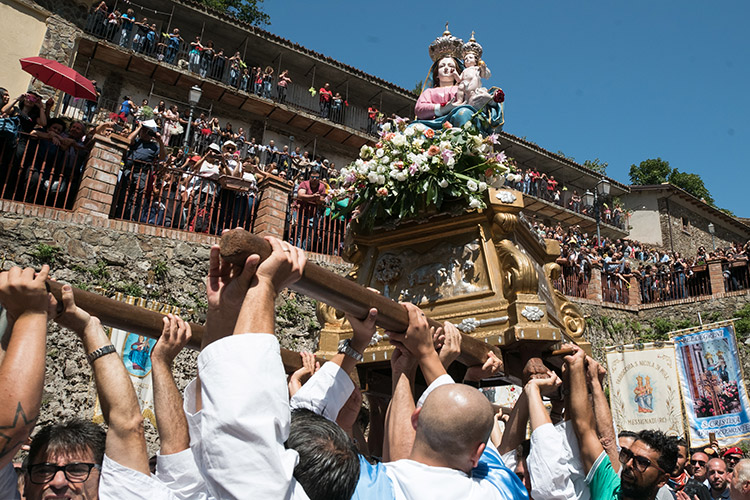

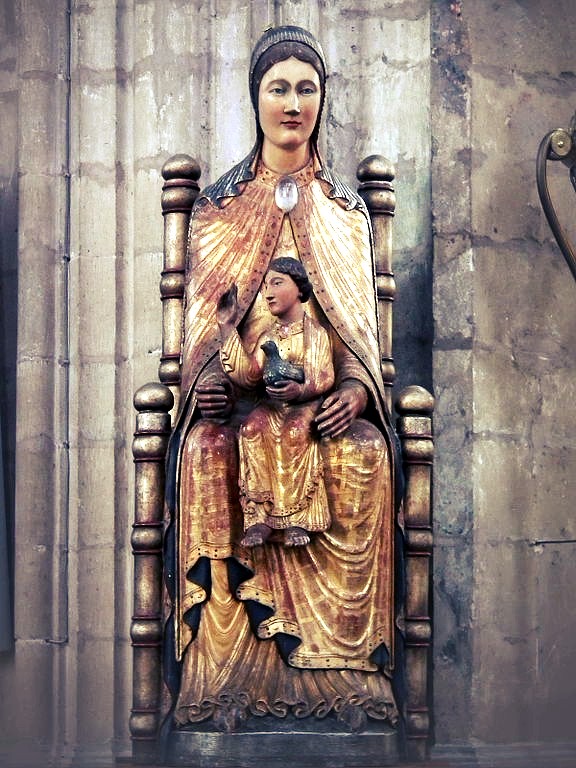


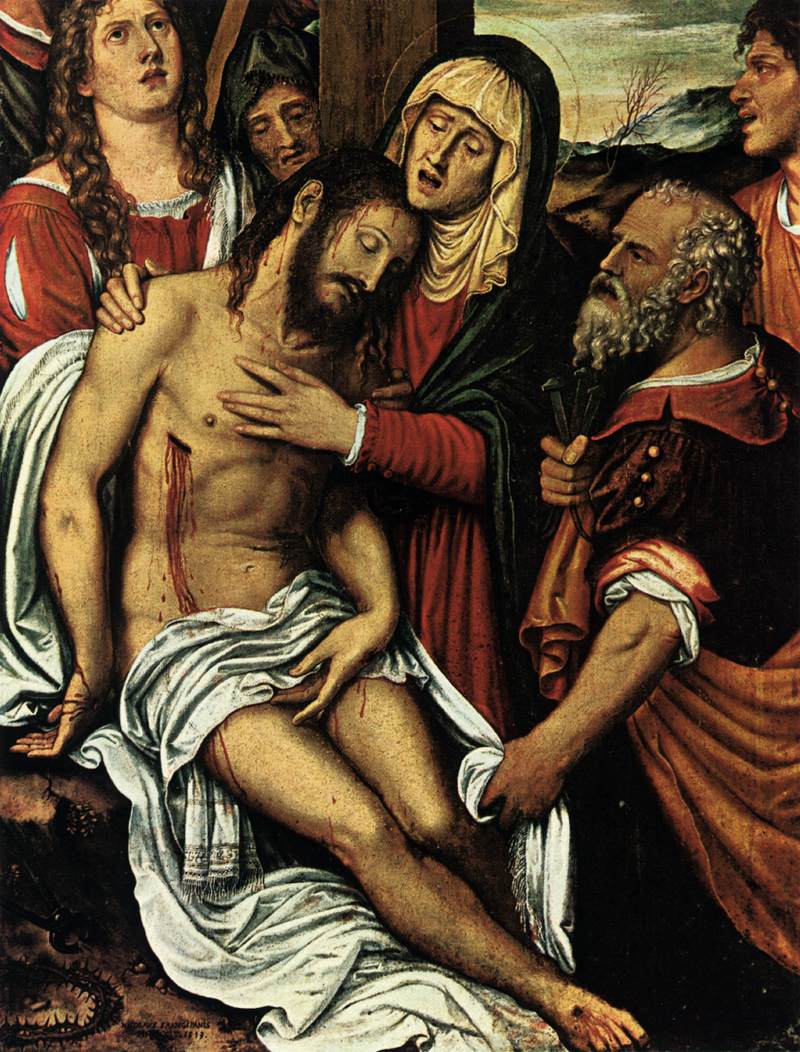
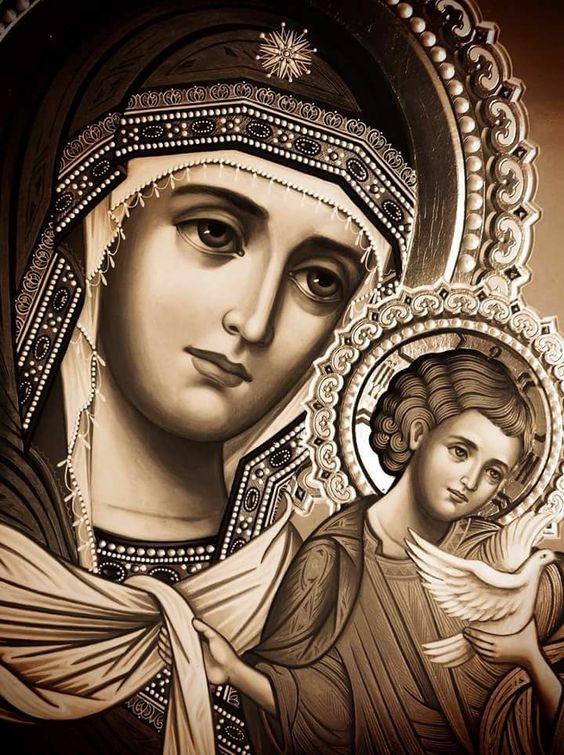
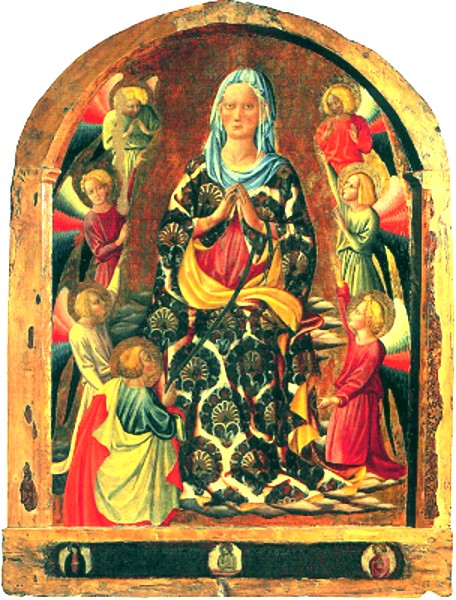
 AnaStpaul
You must be logged in to post a comment.