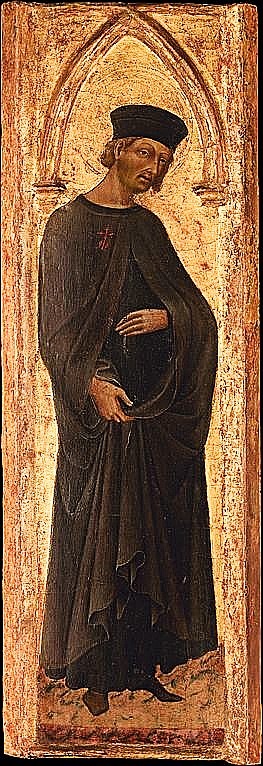
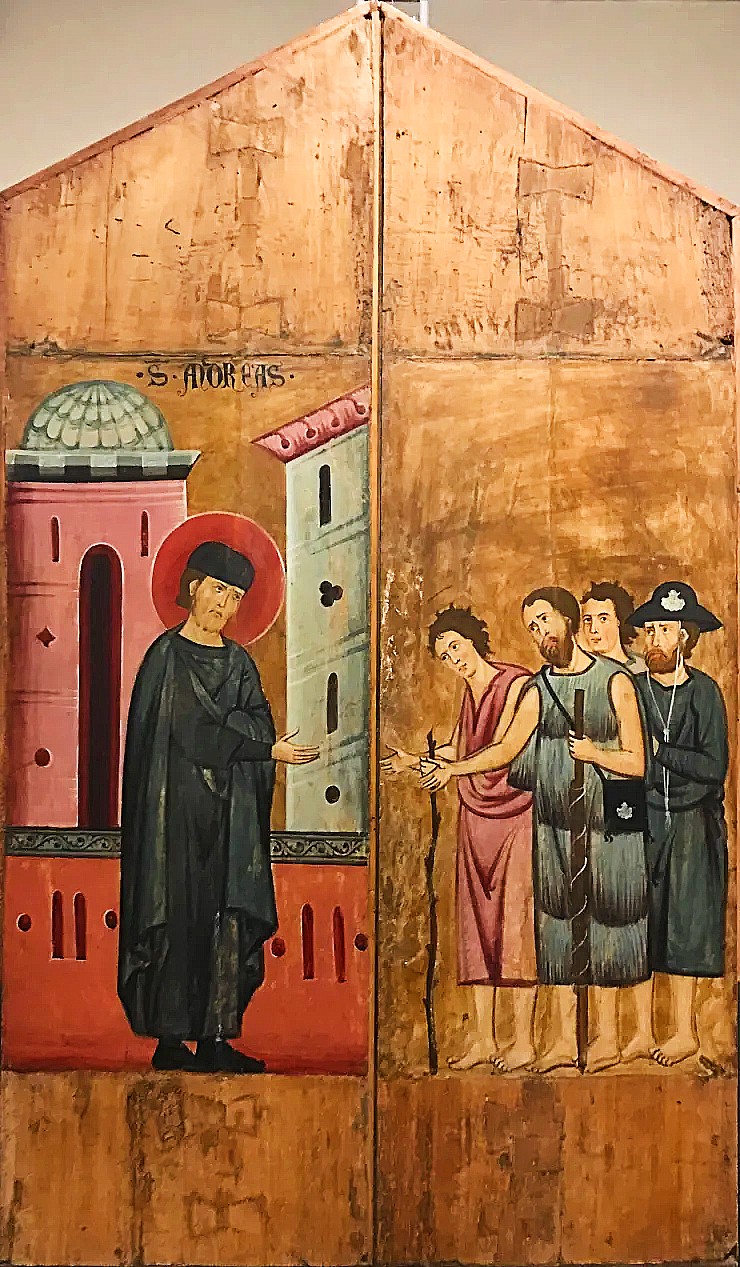
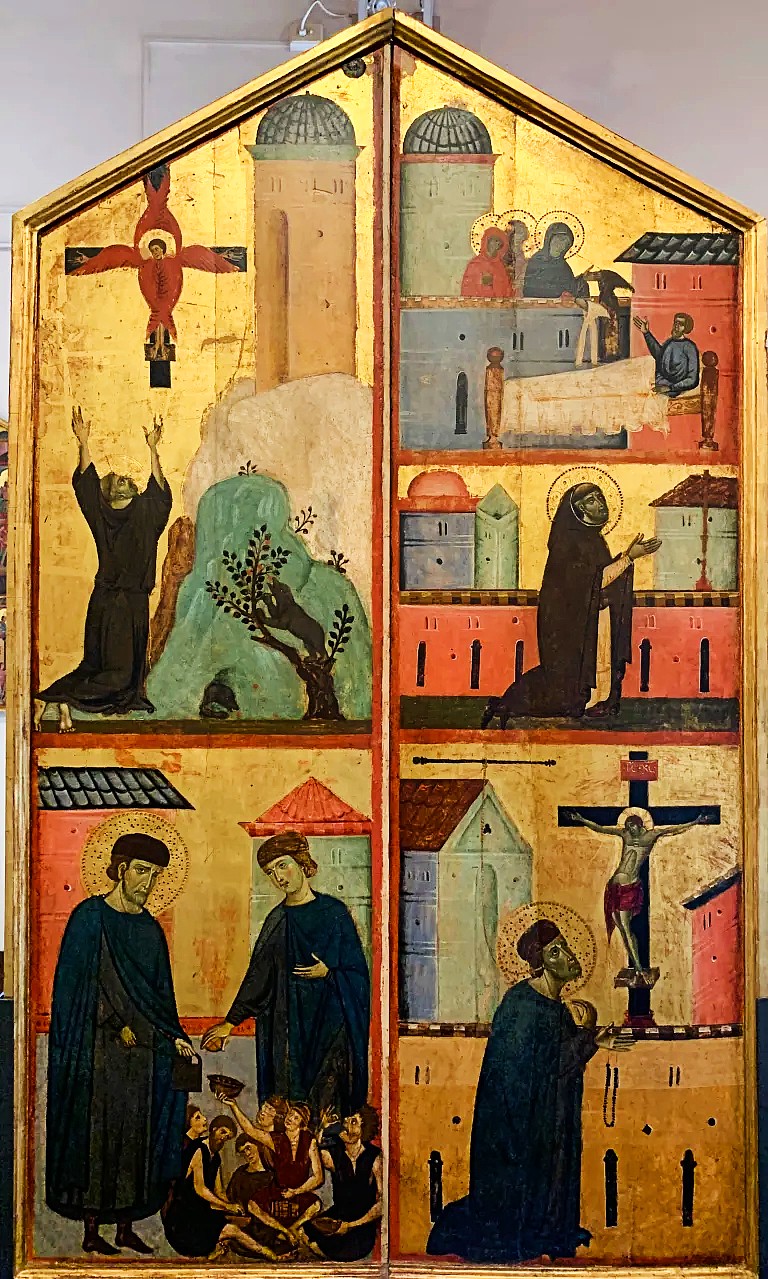
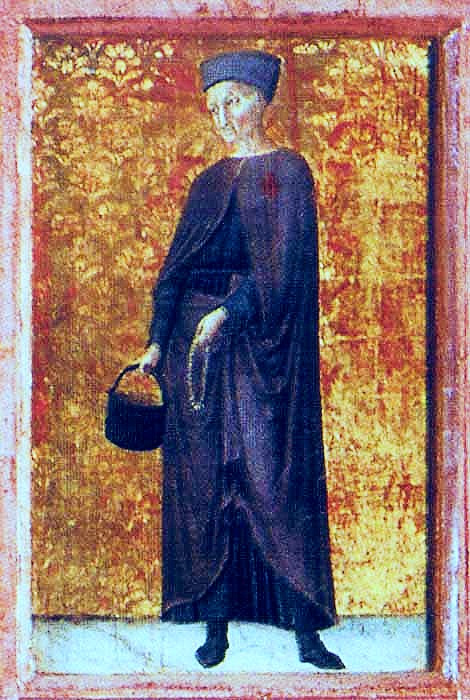
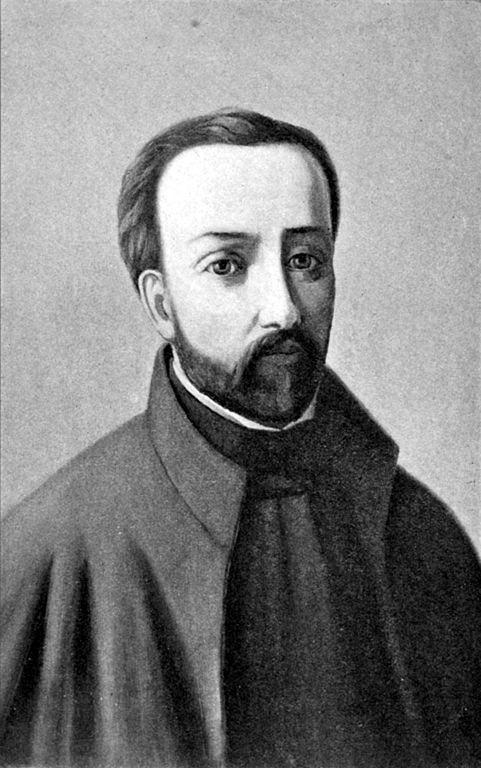
Saint of the Day – 19 March – Blessed Andrea Gallerani (Died 1251) Layman, Penitent, Founder of a Lay Apostolate known as “The Friars of Mercy” (Frati della Misericordia). Born in the 13th century in Siena, Italy and died on 19 March 1251 in Siena of natural causes. Patronage – Parma, Italy, Also known as – Andrew Gallerani, Andrew de’Gallerani, Andre d’Gallerani. Additional Memorial – 20 June (Siena, Italy).
The Roman Martyrology states: “In Siena, Blessed Andrea Gallerani, who visited and consoled the sick and afflicted with care and gathered the Brothers of Mercy, so that, as lay people without vows, they would serve the poor and the sick.”
Andrea of the noble Sienese Gallerani family, was born in Siena in the 13th century and as a young man, as a Soldier, for unknown reasons, killed a man; the justice of the Ghibelline Municipality of Siena condemned him to exile from the City. It is not known when but as soon as he was able to return to Siena, regretting his perhaps impulsive crime, he devoted himself completely to the service of the sick and the needy.
Having possessions and precious goods, he destined them to the foundation, or he refinanced a public hospital, called della Misericordia, gathering around him a group of fellow citizens, who, following his example, dedicated themselves to charitable and assistance works and ,at the same time, conducted a life of poverty. They were called “Friars of Mercy”, which, however, was not a true religious order but only a charitable apostolate whose individual members followed a standard of spiritual life, according to their own wishes.
It was the characteristic of the Franciscan or Dominican Tertiaries. After the death of the blessed Andrea, the Friars, partially transformed into a religious Order in 1201 and was suppressed in 1571 and thereafter, took on a precedence in Siena over the lay apostolate, so it was claimed that Gallerani belonged to this Order, which he had not.
Already in life he enjoyed the fame of holiness, a fame that increased considerably after his death, which took place in Siena on 19 March 1251, so much so, that in 1274, the Bishop of the City, granted a special indulgence to those who visited his tomb on Holy Monday which was placed in the Church of the Order of Preachers.
Later, by order of Pope St Pius V (1504-1572), this indulgence was postponed to the Monday after Easter, as it is still in force today. A special Association named after him also arose in Siena, which united the nobles of the City as members.
The cult of Andrea was confirmed on 13 May 1798 by Pope Pius VI.
St Adrian of Maastricht St Alkmund of Northumbria St Amantius of Wintershoven Blessed Andrea Gallerani (Died 1251) Layman, Penitent. St Apollonius of Braga St Auxilius of Ireland Bl Clement of Dunblane St Colocer of Saint-Brieuc St Corbasius of Quimperlé St Cuthbert of Brittany St Gemus
Martyrs of Sorrento: A group of three sisters and a brother who were Martyred together. We have little more than their names – Mark, Quartilla, Quintilla and Quintius. They were martyred in Sorrento, Italy, date unknown. Mark Quartilla Quintilla Quintius
Martyred in the Spanish Civil War: • Blessed Alberto Linares de La Pinta • Blessed Jaume Trilla Lastra
Look down on us, Saint Joseph, Protector of Our Lord, Who followed you through deserts And gave you blessed reward; Our foes are yet about us, Be our strength now at our side, Be light against the darkness. Saint Joseph, be our guide and protector! We venerate your justice, The gospels praise your name, You are the Saint all humble, Who gained eternal fame. In your devoted family Our souls in trust confide, Direct our way to heaven. Saint Joseph, be our guide. We implore your powerful intercession, to obtain from the gentle heart of Jesus all the help and graces necessary for our spiritual and temporal welfare, particularly protection from the powers of evil and the special grace I now implore: …………….. (Mention your request) O guardian of the Word Incarnate we feel animated with confidence, that your prayers on our behalf, will be graciously heard, before the throne of God. St Joseph, Terror of Demons, Pray for us! Amen
Glory be to the Father and to the Son and to the Holy Spirit, as it was in the beginning, is now and ever shall be, world without end. Amen
Thought for the Day – 18 March – Meditations with Antonio Cardinal Bacci (1881-1971)
Privation
“Not only did the Saints accept necessary privation with loving submission to God’s will but they imposed voluntary mortifications on themselves. Some of them were rich and gave everything they had to the poor. Some were in positions of esteem and honour and went away to look for humiliation and obscurity. Many scourged themselves, slept on hard boards or upon the bare ground, wore chains or hairshirts upon their bodies and did without food, in order to give it to the poor.
They imitated Jesus in these things. He also chose to be poor and fasted for forty days in the desert. He was mocked, scourged, crowned with thorns and burdened with a heavy cross. When He was dying for us upon that cross, He asked for a drop of water to slake His thirst and was given vinegar and gall instead. We have great lessons to learn from the privations and sufferings of Jesus and of the Saints.
If,we are not heroic enough to go in search of voluntary want and suffering, we should at least accept fully, the necessary privations and sorrows of this life.”
Friday of the Second Week of Lent – 18 March – Our Lenten Journey with the Great Fathers – Genesis 37:6-22, Matthew 21:33-46
“In my distress I called to the Lord and He answered me.” – Psalm 119:1
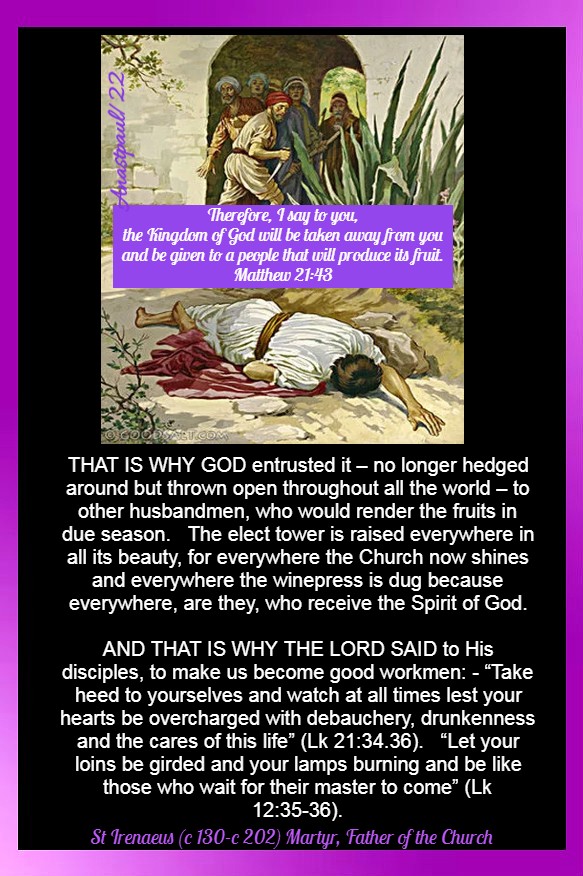
“Therefore, I say to you, the Kingdom of God will be taken away from you and be given to a people that will produce its fruit.”
Matthew 21:43
“GOD PLANTED THE VINEYARD of the human race when, at the first, He formed Adam (Gn 2:7) and chose the fathers. Then He let it out to husbandmen, through the gift of the Law, passed onto Moses. He hedged it round about, that is, He marked out the land they were to cultivate; He built a tower, that is, He chose Jerusalem; He dug a winepress, that is, He prepared those who were to receive the prophetic Spirit. And, He sent them prophets prior to the Babylonian exile and then, after the exile, others again, in even greater number, to seek the fruits, saying to them :- “Cleanse your ways and your doings” (Jer 7:3); “Execute just judgement ” and “Each one act with pity and compassion towards his brother. Do not oppress the widow, the orphan, the stranger or the poor, and let none of you treasure up evil against his brother in your hearts” (Zac 7:9-10) “Wash, make yourselves clean, put away evil from your hearts; learn to do good, seek judgement, protect the oppressed” (Is 1:16-17).
SEE BY WHAT PREACHINGS the prophets sought the fruits of righteousness. But last of all, He sent to those unbelievers, His own Son, Our Lord Jesus Christ, Whom those wicked husbandmen slew and cast out of the vineyard.
THAT IS WHY GODentrusted it – no longer hedged around but thrown open throughout all the world – to other husbandmen, who would render the fruits in due season. The elect tower is raised everywhere in all its beauty, for everywhere the Church now shines and everywhere the winepress is dug because everywhere, are they, who receive the Spirit of God.
AND THAT IS WHY THE LORD SAID to His disciples, to make us become good workmen: – “Take heed to yourselves and watch at all times lest your hearts be overcharged with debauchery, drunkenness and the cares of this life” (Lk 21:34.36). “Let your loins be girded and your lamps burning and be like those who wait for their master to come” (Lk 12:35-36).” … St Irenaeus (c 130-c 202) Bishop, Martyr , Father of the Church (Against the heresies, IV 36, 2-3).
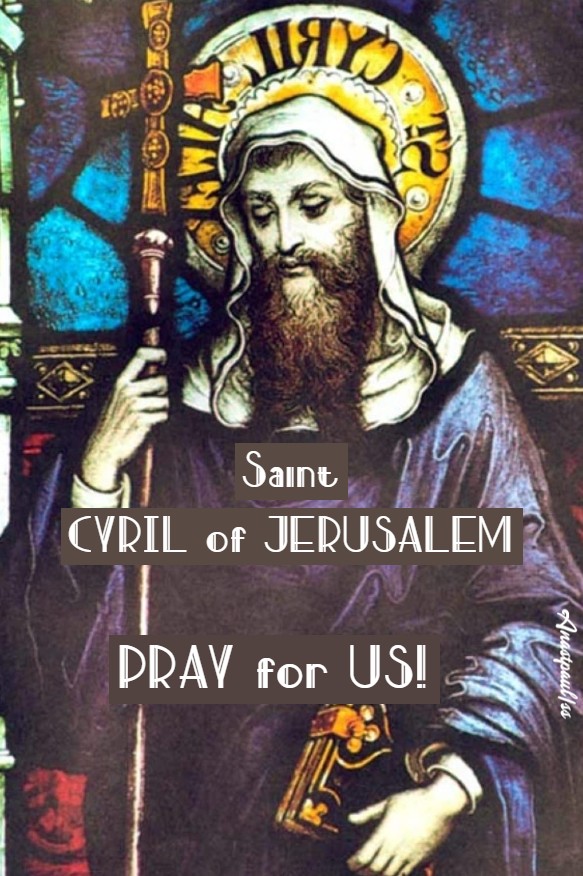
Quote/s of the Day – 18 March – The Memorial of St Cyril of Jerusalem (c 313-386) Bishop of Jerusalem, Confessor and Father & Doctor of the Church
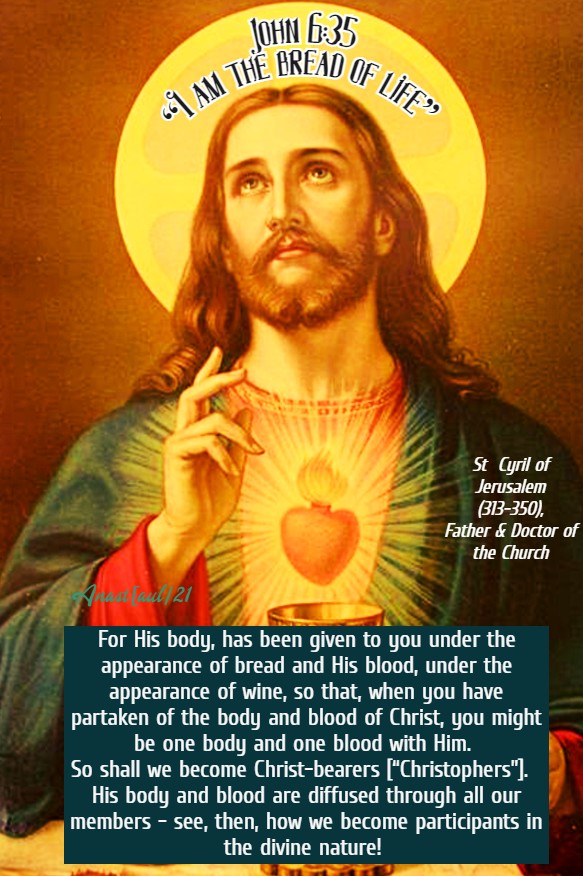
“For His body, has been given to you under the appearance of bread and His blood, under the appearance of wine, so that, when you have partaken of the body and blood of Christ, you might be one body and one blood with Him. So shall we become Christ-bearers [“Christophers”]. His body and blood are diffused through all our members – see, then, how we become participants in the divine nature!”
“Do not rejoice in the Cross only in times of peace, preserve the same faith in times of persecution. Do not be a friend to Jesus in times of peace alone, only to become His enemy in times of war. You are now receiving forgiveness for your sins and the spiritual gifts lavishly bestowed by your King so, when war breaks out, fight valiantly for your King.”
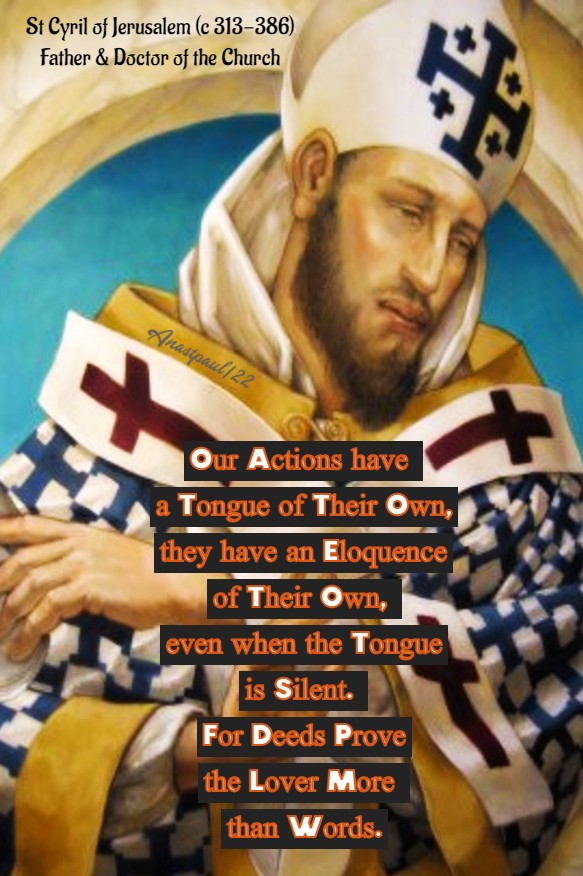
“Our actions have a tongue of their own, they have an eloquence of their own, even when the tongue is silent. For deeds prove the lover more than words.”
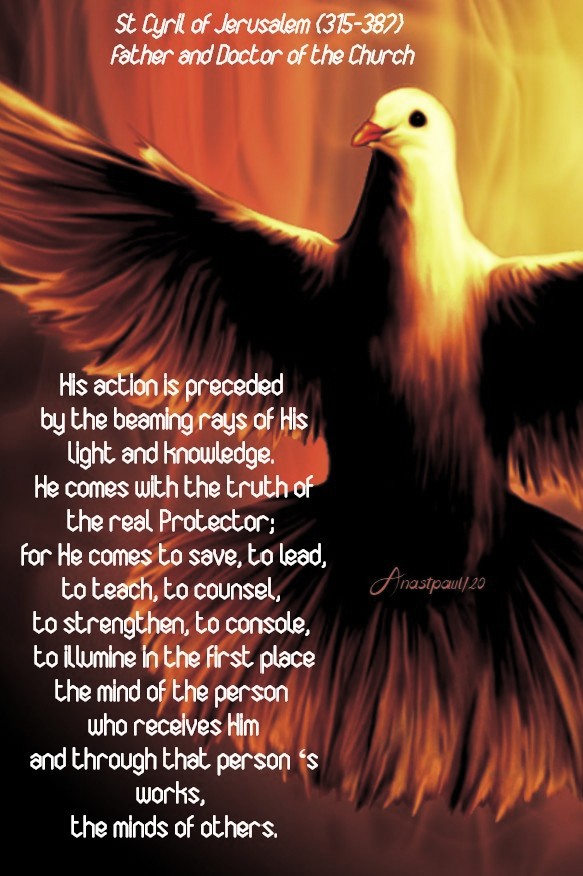
“His action is preceded by the beaming rays of His light and knowledge. He comes with the truth of the real Protector; for He comes to save, to lead, to teach, to counsel, to strengthen, to console, to illumine in the first place the mind of the person who receives Him and through that person‘s works, the minds of others.”
One Minute Reflection – 18 March – Friday of the Second Week of Lent – Genesis 37:6-22Matthew 21:33-46 and the Memorial of St Cyril of Jerusalem (c 313-386) Bishop of Jerusalem, Confessor and Father & Doctor of the Church
“They seized him, threw him out of the vineyard and killed him.”– Matthew 21:39
REFLECTION – “I am the true vine,” Jesus says (Jn 15,1)… People dig trenches around this Vine, that is to say, cunningly dig traps. When they plot to make someone fall into a snare, it is as if they dug a pit in front of him. That is why He mourns about it, saying: “They have dug a pit before me” (Ps 56[57],7)… Here is one example of these snares: “They brought a woman who had been caught in adultery” to our Lord Jesus, “saying: ‘Moses commanded us to stone such women. So what do you say?’ ” (Jn 8,3f.)… And here is another: “Is it lawful to pay the census tax to the Emperor or not?” (cf. Mt 22,17)…
However, they discovered, that these traps caused no harm to the Vine. To the contrary, in digging these pits, they themselves fell into them (Ps 56[57],7)… Then they kept on digging, not just His Hands and His Feet (Ps 21[22],17) but they pierced His Side with a lance (Jn 19,34) and uncovered the interior of that Sacred Heart, which had already been wounded by the spear of love. The Bridegroom says in the song of His love that: “You have wounded my heart, my sister, my spouse” (Sg 4,9 Vg.). O Lord Jesus, Your Heart has been wounded with love by Your spouse, Your friend, Your sister. Why, then, was it necessary for Your enemies to wound You again? O you enemies, what are you doing?… Do you not know that this Heart of Our Lord Jesus,’,already pierced, is already dead, already open and cannot be touched by any other suffering? The Heart of the Bridegroom, Our Lord Jesus, has already received the wound of love, the death of love. What other death could touch Him?… The Martyrs also laugh when they are threatened, rejoice when they are struck, triumph when they are killed. Why? Because they have already died through love in their hearts, “dead to sin” (Rm 6,2) and to the world…
Thus Jesus’ Heart has been wounded and put to death for our sake… Physical death triumphed for a moment but only to be conquered forever. It was blotted out when Christ rose from the dead because “death has no power over him any more” (Rm 6,9). –St Bonaventure (1221-1274), Franciscan, Doctor of the Church (The Mystical Vine, ch. 3, § 5-10)
PRAYER – Grant us, we beseech You, Almighty God, through the intercession of the blessed Bishop Cyril, so to acknowledge You, the only true God,and Jesus Christ Whom You have sent, that we may be found worthy to be forever numbered among the sheep who hear His Voice. Through the same Jesus Christ, Thy Son, Our Lord, Who lives and reigns with Thee in the unity of the Holy Ghost, God, world without end. Amen (Collect).
Our Morning Offering – 18 March – Friday of the Second week of Lent
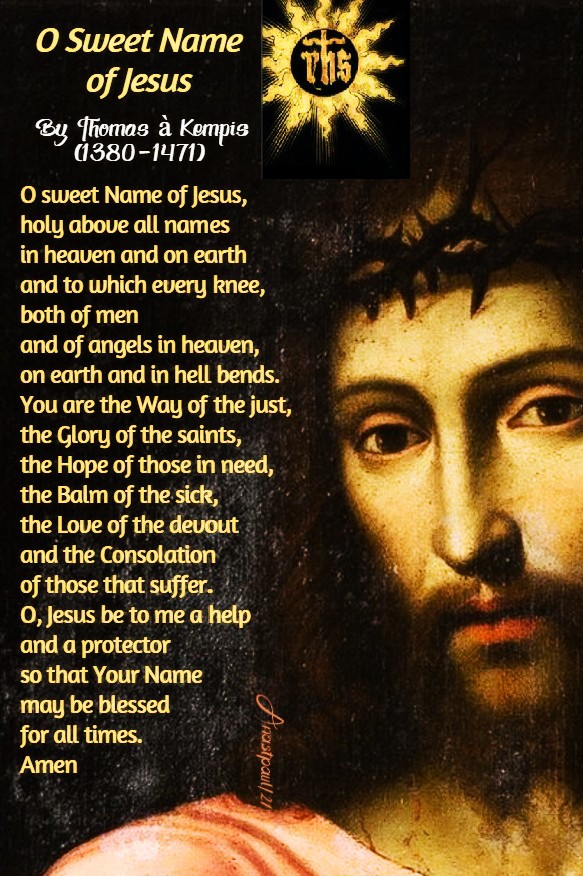
O Sweet Name of Jesus By Thomas à Kempis (1380-1471)
O sweet Name of Jesus, holy above all names in Heaven and on earth and to which every knee, both of men and of Angels in Heaven, on earth and in hell bends. You are the Way of the just, the Glory of the Saints, the Hope of those in need, the Balm of the sick, the Love of the devout and the Consolation of those that suffer. O, Jesus, be to me a help and a protector so that Your Name may be blessed for all times. Amen.
Saint of the Day – 18 March – Saint Edward the Martyr (c 962-978) Child King of England. Born in c 962 and died by stabbing to death in the evening of 18 March 978 at Corfe Castle, Dorsetshire, England. Patronage – against glandular diseases. Additional Memorial – 20 June (translation of relics). Not to be confused with Edmund the Martyr or Edward the Confessor.
The Roman Martyrology states today: “In England, the holy King Edward, who was assasinated by order of his treacherous stepmother and became celebrated for many miralces.”
Edward’s date of birth is unsure but he was the eldest son of King Edgar the Peaceful but was not his father’s acknowledged heir. On Edgar’s death, the leadership of England was contested, with some supporting Edward’s claim to be king and others supporting his younger half-brother Æthelred Edward was chosen as King and was crowned by his main clerical supporters, the Archbishops Dunstan of Canterbury and Oswald of York.
THE CORONATION OF ST EDWARD THE MARTYR – St Dunstan anointing Edward the Martyr at Kingston, 975.
In 978 Edward was murdered, after less than three years as King and Ælfthryth came to be blamed for his death. The extent of her involvement cannot be known for sure but the most lurid stories circulated about her guilt in later centuries . This is how William of Malmesbury (the foremost English historian of the 12th century. He has been ranked among the most talented English historians since St Bede), tells the story, writing in the twelfth century:
“King Edward treated his brother [Æthelred], who was still a boy, and his stepmother with proper warmth of feeling, keeping the royal title for himself alone but allowing them all other privileges. He followed in the footsteps of his father’s religious activity; he listened to good advice and took it to heart. The woman, however, with a stepmother’s hatred and a viper’s guile, in her anxiety that her son should also enjoy the title of King, laid plots against her stepson’s life, which she carried out as follows. He was coming back tired from hunting, breathless and thirsty from his exertions; his companions were following the hounds where chance had led each one; and hearing that they were quartered in a neighbouring village, the young man spurred his horse and hastened to join them, all by himself, too innocent to have fears and no doubt judging other people by himself.
On his arrival, his stepmother, with a woman’s wiles, distracted his attention and with a kiss of welcome offered him a drink. As he greedily drank it, she had him pierced with a dagger by one of her servants. Wounded mortally by the blow, he summoned up what breath he had left and spurred his horse to join the rest of the party but one foot slipped,and he was dragged through byways by the other, leaving streams of blood as a clear indication of his death to those who looked for him. At the time they ordered him to be buried without honour at Wareham,grudging him consecrated ground,when he was dead, as they had grudged him the royal title while he was alive. So they enjoyed a public festival of rejoicing, as though they had buried his memory along with his corpse.
But the Divine Serenity acknowledged him and did honour to the innocent victim with the glory of miracles : so far do Heaven’s judgements outweigh those of men. Therefore at his grave, lights shone in the sky, there a lame man walked, there a dumb man regained the use of his tongue, there every kind of sickness gave way to health. The story spread through all England and made the Martyr’s merits well known.
Aroused by this, the murderess planned a journey to the place; she had already mounted her horse and was spurring him on, when she felt the manifest anger of God. Her familiar palfrey on which she had been used to ride and which had before been swift as air and could outstrip the very winds, then by the will of God stood motionless. The grooms set about it with whips and shouting, to make it carry its powerful mistress with its wonted eagerness; their labour was spent in vain. She changed her mount but with the same result. At length, though slowly, her unfeeling heart understood the purport of the portent and what she did not deserve to do herself she agreed to get done by another hand.”
After its first burial at Wareham, Edward’s body was taken to Shaftesbury Abbey and there pilgrims continued to seek out the tomb of the young Martyred King. Ælfthryth retired to a nunnery at Wherwell, which she had founded (supposedly) in penance for the murder of Edward. William of Malmesbury goes on:
“And since an unruly spirit is its own tormen and an anxious mind, suffers its own evil geniu,s even in this present world, Ælfthryth fell from her pride of royalty into a dire repentance, such that for many years at Wherwell she clad her delicately-nurtured limbs in haircloth and at night slept stretched on the ground without her pillow, besides inventing all the tortures she could for her body, a beautiful woman and finely faithful to her husband but worthy of punishment for the great crime she committed. It is believed, and is a widely popular view, that it was through her cruelty to Edward, that the whole country, for a long time after, groaned under the barbarian yoke.”
Commemorative sign for Saint Edward the Martyr at Corfe Castle, Dorset. Uunder the Painting of St Edward is written “Edward the Martyr King of Wessex treacherously stabbed at Corves gate in 978 by his stepmother Elfrida.
St Braulio of Saragossa Bl Celestine of the Mother of God Bl Christian O’Conarchy St Edward the Martyr (962-978) Child King of England St Egbert of Ripon St Eucarpius of Nicomedia St Felix of Gerona St Finan of Aberdeen St Frigidian of Lucca Bl John Thules St Leobard of Tours St Narcissus of Gerona Bl Roger Wrenno St Salvator of Horta St Trophimus of Nicomedia
Martyrs of Nicomedia – Commemorates the Christians who were Martyred anonymously, either singly and in small groups, by local pagans in the area of Nicomedia prior to the year 300 and who may have been over-looked in the waves of Diocletian persecutions that resulted in the deaths of thousands.
O glorious Saint Joseph, faithful follower of Jesus Christ, to you we raise our hearts and hands, to implore your powerful intercession, to obtain from the gentle heart of Jesus all the help and graces necessary for our spiritual and temporal welfare, particularly the grace of a holy death and the special grace I now implore: …………….. (Mention your request) O guardian of the Word Incarnate we feel animated with confidence, that your prayers on our behalf, will be graciously heard, before the throne of God. St Joseph, Patron of the Dying, Pray for us! Amen
Glory be to the Father and to the Son and to the Holy Spirit, as it was in the beginning, is now and ever shall be, world without end. Amen
Thought for the Day – 17 March – Meditations with Antonio Cardinal Bacci (1881-1971)
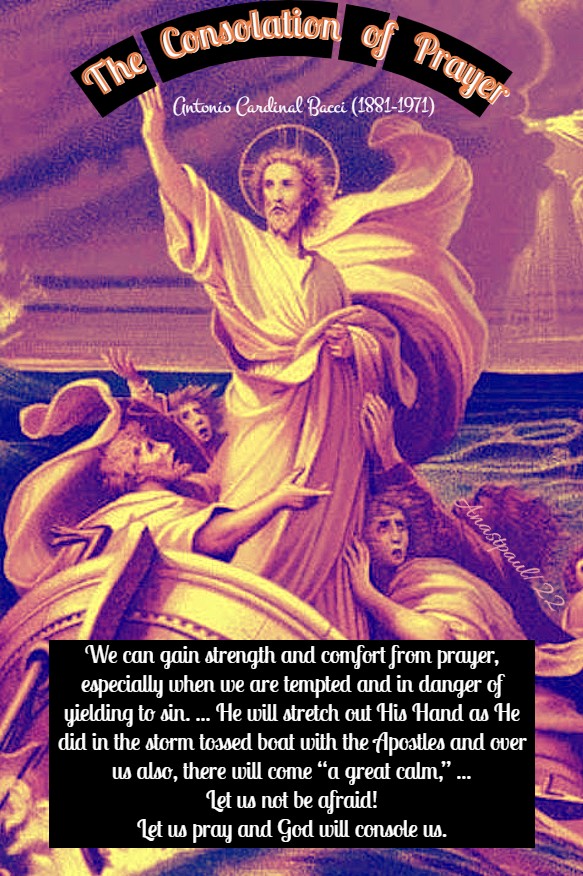
The Consolation of Prayer
“We can gain strength and comfort from prayer, especially when we are tempted and in danger of yielding to sin. God may not answer us immediately because He may wish to try our faith and love. But, if we persist and tell Jesus that we would die rather than offend Him, He will take pity on us. He will stretch out His Hand as He did in the storm tossed boat with the Apostles and over us also, there will come “a great calm” (Mt 8:26, Mk 4:39, Lk 8:24). Any sacrifice on our part is amply repaid by the peace which follows victory over temptation.
Let us not be afraid! Let us pray and God will console us.”
Thursday of the Second week of Lent – 17 March – Our Lenten Journey with the Great Fathers – Jeremias 17:5-10, Luke 16:19-31
“Deign, O God, to rescue me; O Lord, make haste to help me … ” – Psalm 69:2
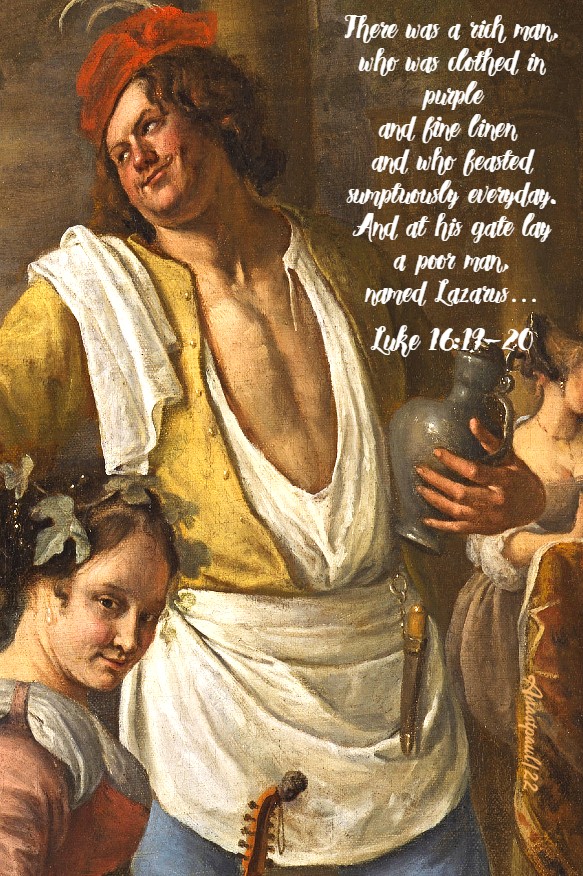
“There was a rich man, who was clothed in purple and fine linen and who feasted sumptuously everyday. And at his gate lay a poor man, named Lazarus…”
Luke 16:19–20
“… A CERTAIN MAN, it is said, living in great wickedness, was rich and he experienced no ill fortune but all good things flowed to him as from a perennial fountain. For that nothing undesirable happened to him – no cause of trouble – none of the ills of human lif, is implied when it is said, that “he feasted sumptuously everyday.”
AND THAT HE LIVED wickedly is clear from the end allotted to him and even before his end, from the neglect which he displayed in the case of the poor man – for, that he felt pity neither for the poor man at his gate, nor for any other, he himself showed. …
BUT HE HAD NO FEELINGS, he was more severe and harsh than that judge who neither feared God nor regarded man. For the judge, although so cruel and stern, was moved by the perseverance of the widow to be gracious and listen to her petition but this man, could not even thus be induced to give aid to the poor man, notwithstanding that his petition was not like that of the widow but much easier and fairer. …
WHEN WE ARE URGED, we frequently feel annoyed but when we see those who need our help remaining in perfect silence and saying not a word and although always failing to gain their object, not bearing it hardly but. only appearing before us in silence, even though we are more unfeeling than the very stones, we are shamed and moved by such exceeding humility.
THERE IS ALSO another circumstance of not less weight, namely, that the very appearance of the poor man was pitiable, since he was emaciated by hunger and long sickness. Yet none of these things influenced that cruel man. …
STILL IT CAME TO PASS that a man living in wickedness and inhumanity enjoyed every kind of good fortune and a just and virtuous man lingered in the greatest ills. For that Lazarus was a just man is made plain, as in the other case, by his end and even before his end, by his patience and poverty. Do you not, indeed, seem to see these things present before our eyes?” – St John Chrysostom (347-407) Archbishop of Constantinople, Father and Doctor of the Church (Excerpt First Discourse on Luke 16:19-31)
Quote/s of the Day –17 March – Thursday of the Second week of Lent – Jeremias 17:5-10, Luke 16:19-31
“There was a rich man, who was clothed in purple and fine linen and who feasted sumptuously everyday. And at his gate lay a poor man, named Lazarus…”
Luke 16:19–20
“… So then, you rich who have wisdom, apply yourselves to this business… Why let yourselves be transfixed by diamonds and emeralds, by houses that fire devours, time destroys, or earthquakes throw down? Aspire for nothing other than to dwell in the heavens and reign with God. A mere man, a beggar will gain you this kingdom!”
St Clement of Alexandria (150- 215) Father of the Church
“Give of your earthly goods and receive eternal ones; give earth and receive heaven!”
St Augustine (354-430)\ Father and Doctor of the Church
“Earthly riches are like the reed. Its roots are sunk in the swamp and its exterior, is fair to behold but inside, it is hollow. If a man leans on such a reed, it will snap off and pierce his soul.”
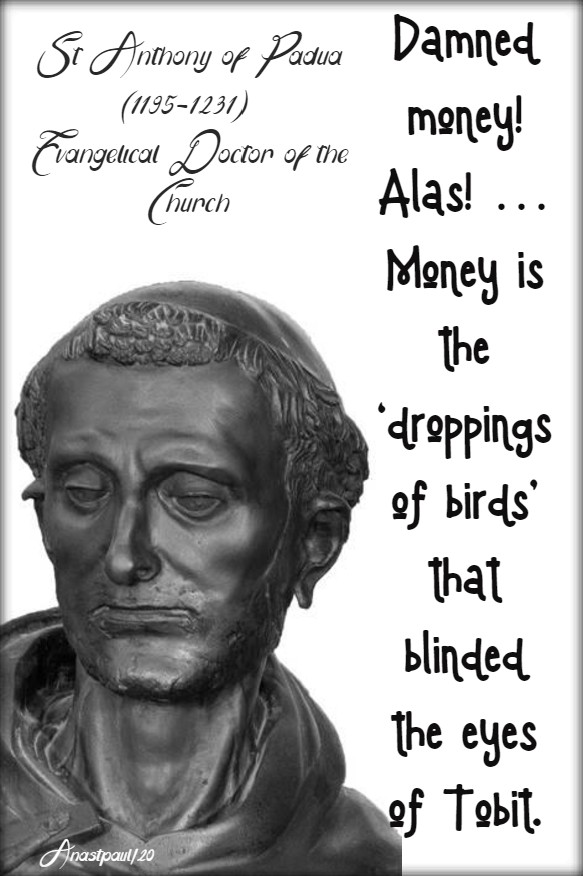
“Damned money! Alas! … Money is the ‘droppings of birds’ that blinded the eyes of Tobit.”
St Anthony of Padua (1195-1231) Evangelical Doctor
One Minute Reflection –17 March – Thursday of the Second week of Lent – Jeremias 17:5-10, Luke 16:19-31
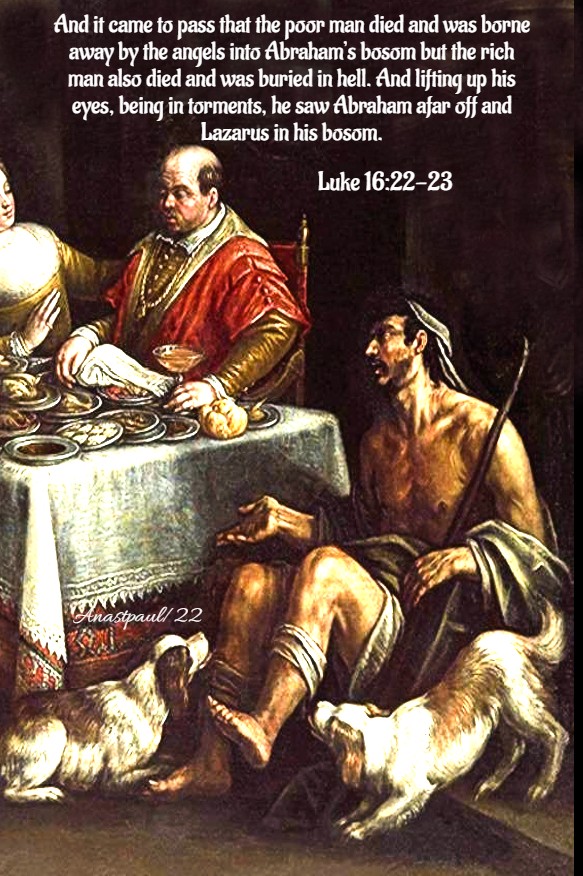
“And it came to pass that the poor man died and was borne away by the angels into Abraham’s bosom but the rich man also died and was buried in hell. And lifting up his eyes, being in torments, he saw Abraham afar off and Lazarus in his bosom.” – Luke 16:22-23
REFLECTION – “Was that poor man welcomed by the Angels solely on account of his poverty? And the rich man, was he delivered up to torment by fault of his wealth alone? No. Let us clearly understand that it was humility that was honoured in the poor man and pride condemned in the rich.
This is the proof, briefly, that it was not his wealth but his pride for which the rich man deserved his punishment. So then, the poor man was carried into the bosom of Abraham, yet Scripture says of Abraham that he had much gold and silver and was rich on earth (Gn 13:2). If every rich man is sent into torment, how is it that Abraham could precede the poor man so as to welcome him into his bosom? It was because, in the midst of his wealth, Abraham was poor, humble, respectful and obedient to all God’s commands. He held his riches in so little esteem that, when God asked it of him, he consented to offer in sacrifice the son for whom these riches were destined (Gn 22:4).
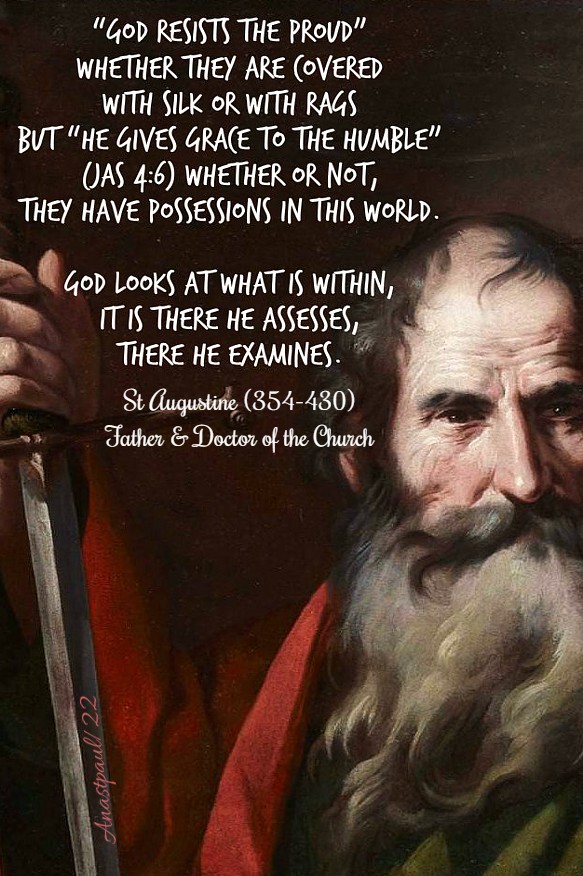
Learn to be poor and needy, then, whether you possess something in this world or whether you do not possess anything. Because we find beggars full of pride and rich people who confess their sins. “God resists the proud” whether they are covered with silk or with rags but “he gives grace to the humble” (Jas 4:6) whether or not, they have possessions in this world. God looks at what is within, it is there He assesses, there He examines.” … Saint Augustine (354-430) Father & Doctor of the Church (Discourses on the psalms, Ps 85 [86]; CCL 39, 1178)
PRAYER – Dear and Holy God, let us offer You all our daily struggles against sin and evil. Grant us the strength to resist all forms of idolatry, to seek only You and never to allow the material goods of this world to seduce us. Sustain us ever more with Your word and help us to find in it, the source of life. Grant that by the intercession of our Blessed Mother, the Virgin Mary, may defend us during our life on earth and protect us from evil. Grant this, through our Lord Jesus Christ, Your Son, in union with the Holy Spirit, one God forever and ever. Amen
Our Morning Offering – 17 March – Thursday of the Second Week of Lent and the Memorial of St Patrick (c 385-461) “The Apostle of Ireland”
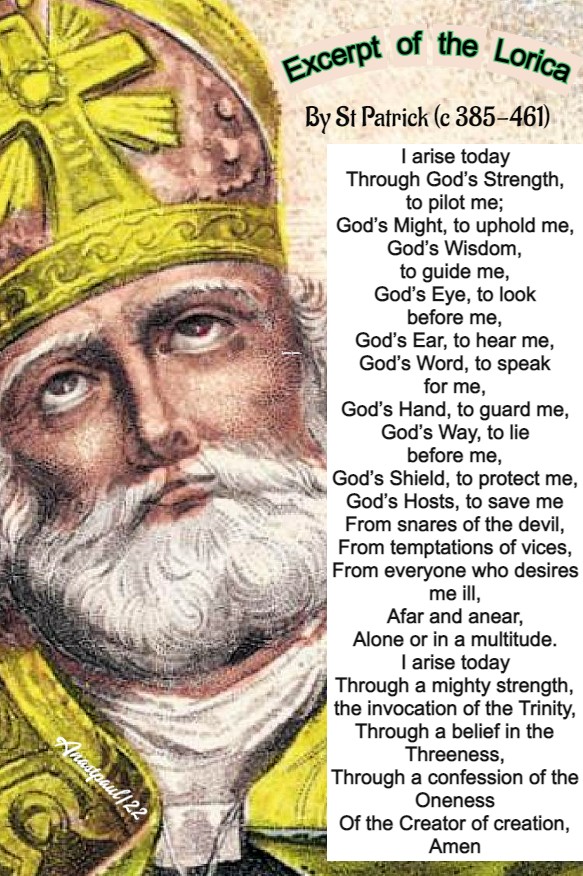
Excerpt of the Lorica By St Patrick (c 385-461)
I arise today Through God’s Strength, to pilot me; God’s Might, to uphold me, God’s Wisdom, to guide me, God’s Eye, to look before me, God’s Ear, to hear me, God’s Word, to speak for me, God’s Hand, to guard me, God’s Way, to lie before me, God’s Shield, to protect me, God’s Hosts, to save me From snares of the devil, From temptations of vices, From everyone who desires me ill, Afar and anear, Alone or in a multitude. I arise today Through a mighty strength, the invocation of the Trinity, Through a belief in the Threeness, Through a confession of the Oneness Of the Creator of creation, Amen
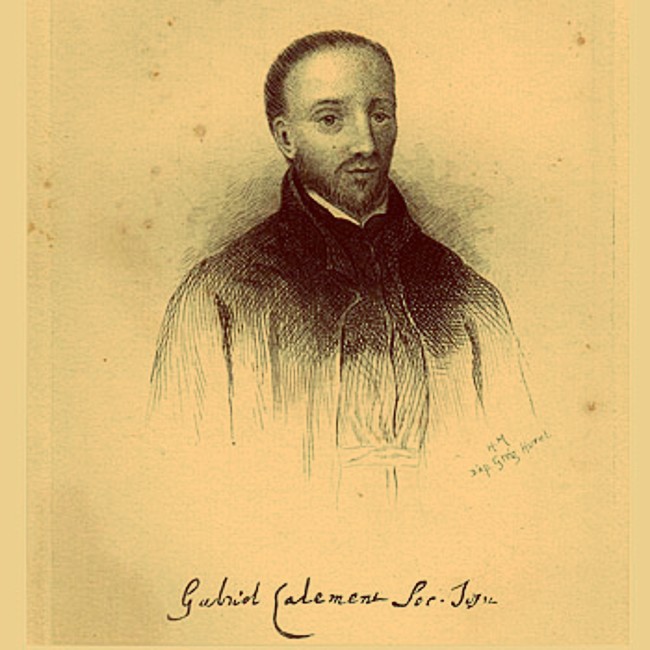
Saint of the Day – 17 March – St Gabriel Lalemant SJ (1610-1649) Martyr, French Priest of the Society of Jesus, Missionary, Professor. Born on 3 October 1610 at Paris, France and died by being tortured to death over the course of three hours on 17 March 1649 at the Saint Ignatius mission in the Huron country, Canada. Additional Memorial – 26 September (Canada) and 19 October as one of the Martyrs of North America.
Gabriel was born in Paris, on 3 October 1610, the son of a French lawyer and his wife. He was the third of six children, five of whom entered religious life. Two of Gabriel’s uncles served the Jesuits in New France – Father Charles Lalemant as the first Superior of the Jesuit missions in Canada, and Jérôme Lalemant as the Vicar-General of Quebec.
In 1630 Gabriel joined the Jesuits and in 1632 he took the vow to devote himself to foreign missions. He taught at the Collège in Moulins from 1632 to 1635. He was at Bourges from 1635 to 1639 studying theology and was Ordained there in 1638. He taught at three different schools, being Professor of Philosophy at Moulins. His repeated requests to go to New France were declined by his Superiors, partly because of his poor health. Eventually, his Uncle Jérôme, head of the Canadian mission, intervened on his behalf.
In September 1646 Gabriel arrived in Quebec, where he spent the first few months studying the Huron language and customs. Father François-Joseph Bressani, a fellow missionary in New France, referred to him as a man of extremely frail constitution. For the first two years Gabriel worked in and around Quebec and the trading centre of Trois Rivières (Three Rivers). In September 1648 he was sent to Wendake, the land of the Wyandot (Huron), as an assistant to St Jean de Brébeuf and posted to the mission at Sainte-Marie among the Hurons. In February 1649 he replaced Noël Chabanel at the mission of Saint Louis.
Only six months after he came to Sainte-Marie, he set out with St Jean de Brébeuf for the village of Saint-Louis. During the night the Iroquois attacked another village not far away and the two Jesuits knew that Saint-Louis would probably be next. On the morning of 16 March, the Iroquois attacked the Huron village and easily overcame the defences. The two Jesuits were taken prisoner because they had refused to flee into the forest before the attack. Attackers pulled out the finger nails of the two Priests and chewed their fingers before forcing them to run naked through the snow to a another village, where other Iroquois warriors waited. The captives had to run the gauntlet and then the two Jesuits were led to two posts where they were to be killed. Apparently Gabriel had to watch the torments that Brébeuf suffered, before the time came for his own torture at six in the evening. His tormentors set a fire around his feet, then burned him with heated metal hatchets and poured scalding water over his head. After they cut off his hands and gouged out his eyes, they placed hot coals in the sockets. Then they stopped for the night so that their victim could endure another day of torture. The next day they shoved burning wood into his mouth and sliced off his tongue but Father Gabriel proved as courageous as his Jesuit companion, St Jean and refused to scry out for mercy. Finally, they tore his heart out and ate it to gain his courage. The young Jesuit, only 36 years-old, died after 15 hours of unbelievable torment
After the withdrawal of the Iroquois war party from the area on 19 March, seven Frenchmen went to St Ignace to retrieve the bodies of the Jesuits and Huron. They returned them to Sainte-Marie where they were buried. Their relics are now housed at the Martyrs’ Shrine in Midland, Ontario.
Gabriel was Canonised by Pope Pius XI on 29 June 1930
St Jan Sarkander (1576-1620) Priest and Martyr of the seal of confession, Confessor – born on 20 December 1576 at Skotschau (Skoczow), Austrian Silesia (in modern Poland) and died by being covered in flammable material and set on fire on 17 March 1620 at Olomouc, Moravia (in the modern Czech Republic). Patronages – the Seal of Confession, Confessors, Moravia, Persecuted Christians. This amazing Saint’s Life and Death: https://anastpaul.com/2020/03/17/saint-of-the-day-17-march-saint-jan-sarkander-1576-1620-priest-and-martyr-of-the-seal-of-confession/
St Llinio of Llandinam Bl Maria Bárbara Maix St Paul of Cyprus St Stephen of Palestrina St Theodore of Rome St Thomasello St Withburga of Dereham
Martyrs of Alexandria – Also known as Martyrs of Serapis: An unknown number of Christians who were Martyred together by a mob of worshippers of the Graeco-Egyptian sun god Serapis. They were Martyred in c 392 in Alexandria, Egypt.
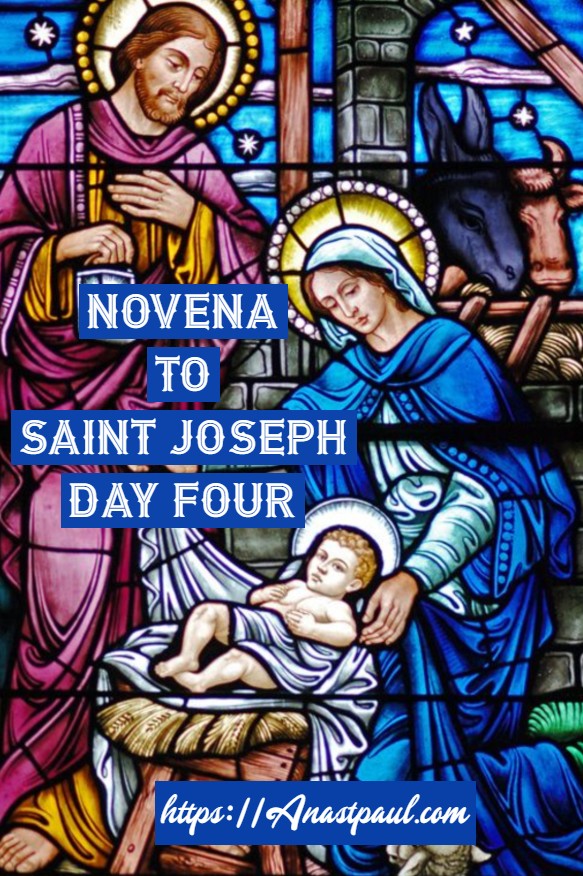
Dear Saint Joseph, you were yourself once faced with the responsibility of providing the necessities of life, for Jesus and Mary. Look down with fatherly compassion upon us in my anxiety over my present inability to support my family. Please help us to find gainful employment very soon, so that this heavy burden of concern, will be lifted from my heart and that I am soon able to provide for those whom God has entrusted to my care. Help us to guard against bitterness and discouragement, so that we may emerge from this trial, spiritually enriched with virtue and with even greater blessings from God. We raise our hearts to you to implore your powerful intercession in obtaining from the Divine Heart of Jesus all the graces necessary for our spiritual and temporal welfare, particularly the grace of a happy death, and the special grace I now implore: …………….. (Mention your request) Guardian of the Word Incarnate, We feel confident, that your prayers on our behalf, will be graciously heard before the throne of God St Joseph Most Holy Patron of Workers, Pray for us! Amen
Glory be to the Father and to the Son and to the Holy Spirit, as it was in the beginning, is now and ever shall be, world without end. Amen
Thought for the Day – 16 March – Meditations with Antonio Cardinal Bacci (1881-1971)
The Spirit of Prayer
“The spirit of prayer is the spirit of the love of God and this should inspire all our vocal prayers. Flowery petitions are no use if our minds and hearts are turned away from God. God wants our hearts. This is why He complained that “this people honours Me with their lips but their heart is far from Me” (Nt 15:8, Mk 7:6).
Remember the apt expression of St Augustine: “To pray is to love. Whoever loves God well, prays a great deal. A man who is lacking in love, prays very little. A man who does not love God at all, never prays, or if he does, he recites coldly, the usual formulae and disregards Christ’s warning: “Thou shalt not tempt the Lord thy God! (Mt 4:7).”
Let us pray often but let our prayers be sincere acts of the love of God, coming from the heart.”
Wednesday of the Second Week of Lent – 16 March – Our Lenten Journey with the Great Fathers – Esther 13:8-11; 15-17, Matthew 20:17-28
“Forsake me not, O Lord, my God, be not far from me! Hasten to help me, O Lord, my salvation!” – Psalm 37:22-23
“Then the mother of the sons of Zebedee came to Him with her sons …”
Matthew 20:29
“THE SONS OF ZEBEDEE press Christ: ‘Promise that one may sit at Your right side and the other at Your left.’ What does He do? He wants to show them that it is not a spiritual gift for which they are asking and that, if they knew what their request involved, they would never dare make it. So He says: ‘You do not know what you are asking,’ that is, what a great and splendid thing it is and how much beyond the reach even of the heavenly powers. Then He continues: ‘Can you drink the cup which I must drink and be baptised with the baptism which I must undergo?’ He is saying: “You talk of sharing honours and rewards with me but I must talk of struggle and toil.Now is not the time for rewards or the time for my glory to be revealed. Earthly life is the time for bloodshed, war and danger.”
CONSIDER HOW by His manner of questioning He exhorts and draws them. He does not say: “Can you face being slaughtered? Can you shed your blood?” How does He put His question? Can you drink the cup? Then He makes it attractive by adding: which I must drink, so that the prospect of sharing it with Him may make them more eager. He also calls His suffering, a baptism, to show that it will effect a great cleansing of the entire world. The disciples answer him: We can! Fervour makes them answer promptly, though they really do not know what they are saying but still think they will receive what they ask for.
HOW DOES CHRIST REPLY? You will indeed drink My cup and be baptised with My baptism. He is really prophesying a great blessing for them, since He is telling them: You will be found worthy of Martyrdom; you will suffer what I suffer and end your life with a violent death, thus sharing all with Me. But seats at My right and left are not Mine to give; they belong to those for whom the Father has prepared them. Thus, after lifting their minds to higher goals and preparing them to meet and overcome all that will make them desolate, He sets them straight on their request.
THEN THE OTHER TEN became angry at the two brothers. See how imperfect they all are: the two who tried to get ahead of the other ten and the ten, who were jealous of the two! But, as I said before, show them to me at a later date in their lives and you will see,that all these impulses and feelings have disappeared. Read how John, the very man who here asks for the first place, will always yield to Peter when it comes to preaching and performing miracles in the Acts of the Apostles. James, for his part, was not to live very much longer; for from the beginning, he was inspired by great fervour and, setting aside all purely human goals, rose to such splendid heights that he straightway suffered Martyrdom.” – St John Chrysostom (347-407) Archbishop of Constantinople, Great Father and Doctor of the Church – An excerpt from Sermon 65 (On Matthew)
Quote/s of the Day – 16 March – Wednesday of the Second week of Lent – Esther 13:8-11; 15-17, Matthew 20:17-28
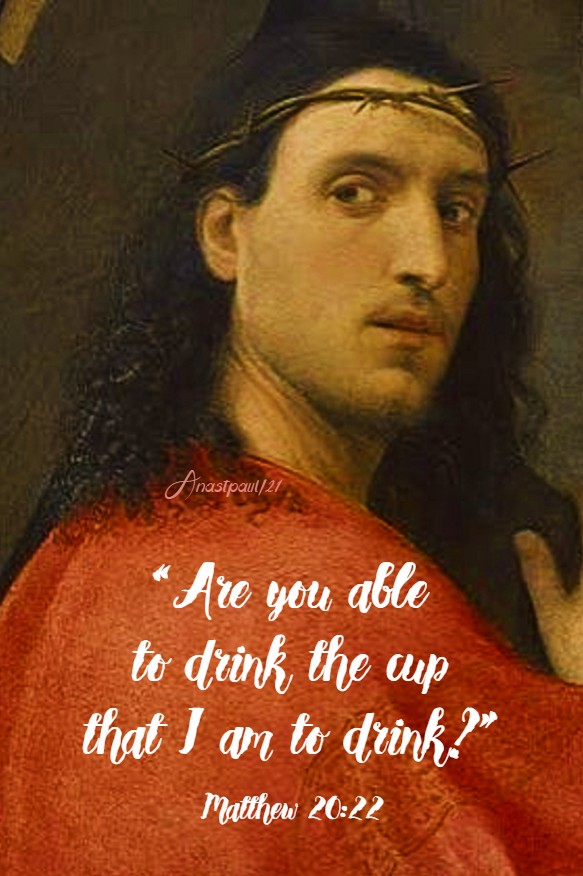
“Are you able to drink the cup that I am to drink?”
Matthew 20:22
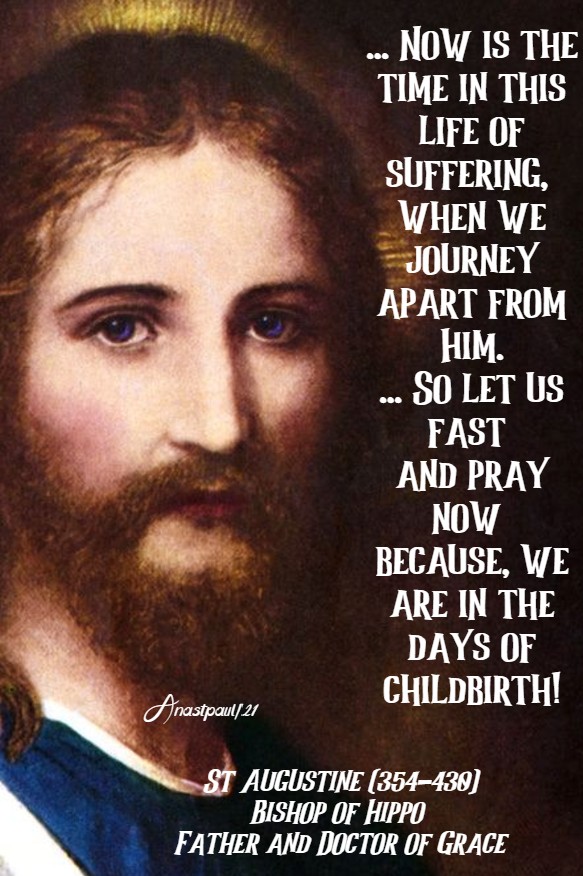
“… Now is the time in this life of suffering, when we journey apart from Him. … So let us fast and pray now because, we are in the days of childbirth!”
St Augustine (354-430) Bishop of Hippo Father and Doctor of Grace
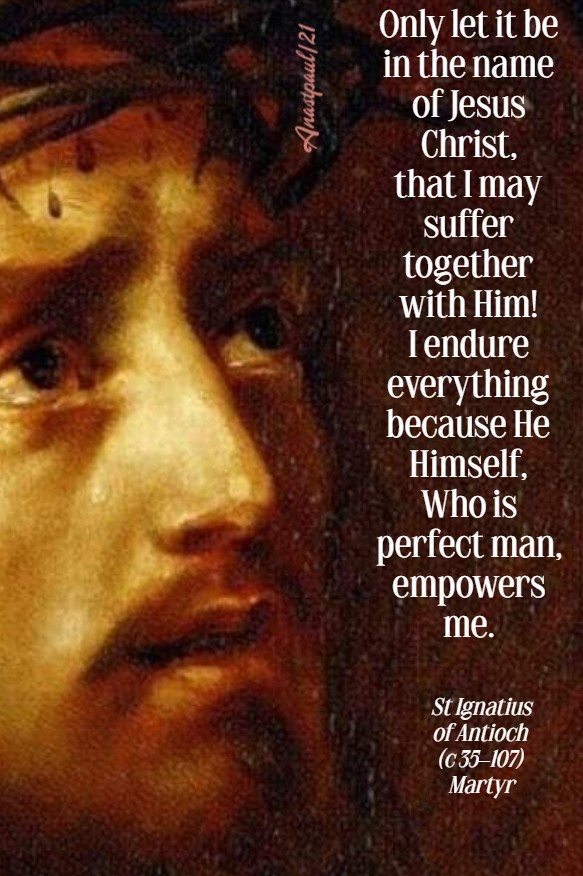
“Only let it be in the name of Jesus Christ, that I may suffer together with Him! I endure everything because He Himself, Who is perfect man, empowers me.”
St Ignatius of Antioch (c 35–107) Martyr
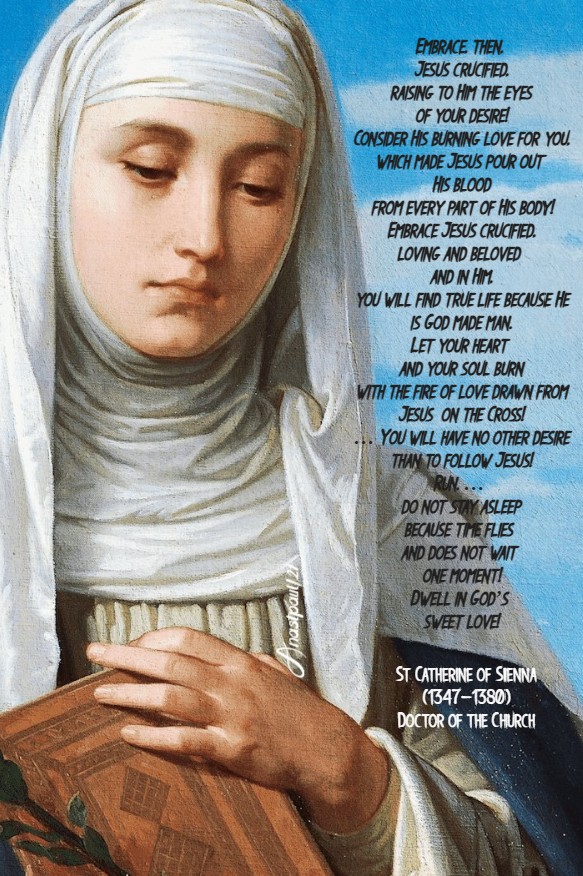
“Embrace, then, Jesus Crucified, raising to Him the eyes of your desire! Consider His burning love for you, which made Jesus pour out His Blood from every part of His body! Embrace Jesus crucified, loving and beloved and in Him, you will find true life because He is God made Man. Let your heart and your soul burn with the fire of love drawn from Jesus on the Cross! … You will have no other desire than to follow Jesus! Run, … do not stay asleep because time flies and does not wait one moment! Dwell in God’s sweet love!”
St Catherine of Sienna (1347-1380) Doctor of the Church
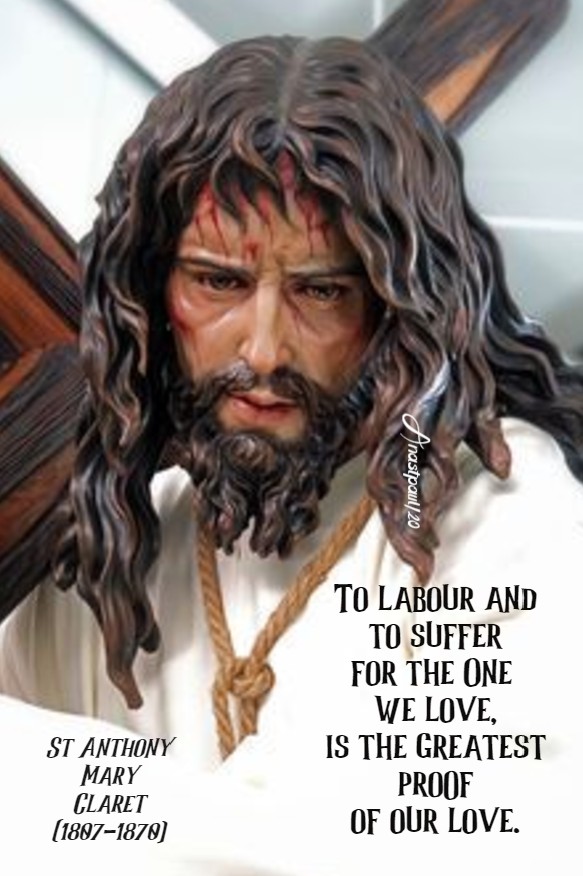
“To labour and to suffer for the One we love, is the greatest proof of our love.”
One Minute Reflection – 16 March – Wednesday of the Second Week of Lent – Esther 13:8-11; 15-17, Matthew 20:17-28
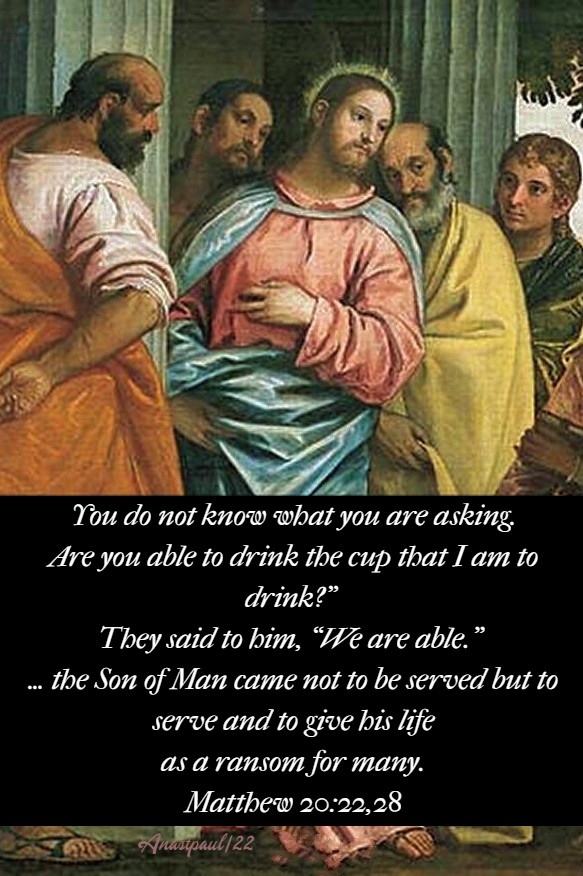
“You do not know what you are asking. Are you able to drink the cup that I am to drink?” They said to him, “We are able.” … the Son of Man came not to be served but to serve and to give his life as a ransom for many.” … Matthew 20:22,28
REFLECTION – “It is our task and, in our case, an obligation, to make of you the object of all our care, our zeal, our ministrations, by word and deed, by warnings, encouragement, admonitions and incitement, (…) so that, in this way, we might insert you into the rhythm of the divine will and face you towards the goal set before us – to give pleasure to God. …
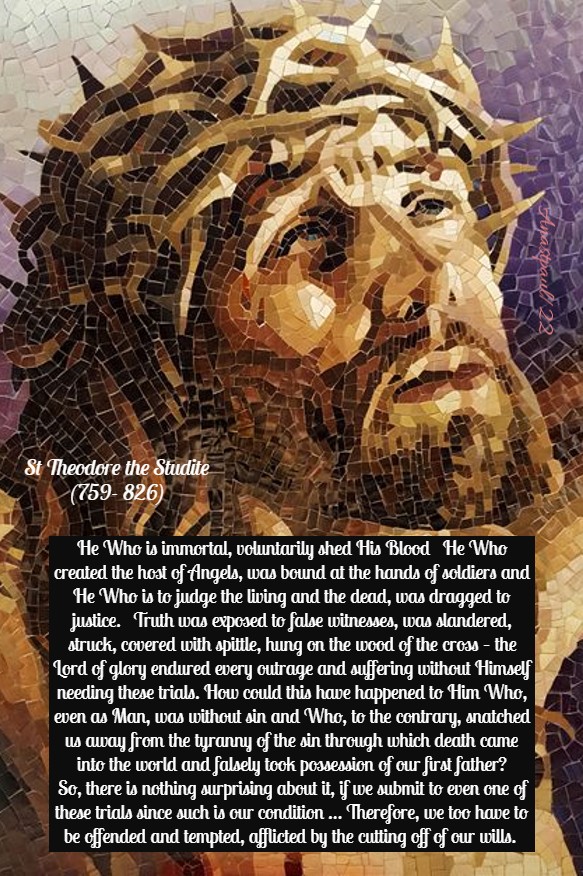
He Who is immortal, voluntarily shed His Blood He Who created the host of Angels, was bound at the hands of soldiers and He Who is to judge the living and the dead, was dragged to justice (cf. Acts 10:42; 2 Tm 4:1). Truth was exposed to false witnesses, was slandered, struck, covered with spittle, hung on the wood of the cross – the Lord of glory (cf. 1 Cor 2:8) endured every outrage and suffering without Himself needing these trials. How could this have happened to Him Who, even as Man, was without sin and Who, to the contrary, snatched us away from the tyranny of the sin through which death came into the world and falsely took possession of our first father?
So, there is nothing surprising about it, if we submit to even one of these trials since such is our condition … Therefore, we too have to be offended and tempted, afflicted by the cutting off of our wills. According to the interpretation of our Fathers, there is in this, a shedding of blood for this is what it means to be a monk. And we must gain the Kingdom of Heaven in that way, by spending our lives in imitation of the Lord. … Apply yourselves zealously to your duties, in the thought that by means of them, far from being slaves of men, you are serving God.” … St Theodore the Studite (759- 826) Monk at Constantinople (Catecheses 1).
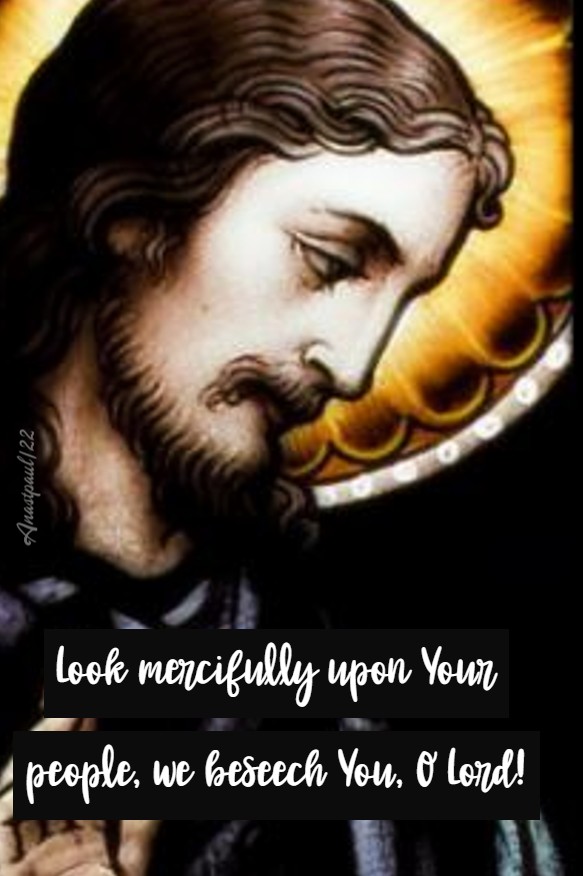
PRAYER – Look mercifully upon Your people, we beseech You, O Lord and grant that they whom You command to abstain from food, may also refrain from harmful vices. Through Jesus Christ, Thy Son our Lord, Who lives and reigns with Thee, in the unity of the Holy Ghost, God, world without end. Amen (Collect).
Our Morning Offering – 16 March – Wednesday of the Second Week of Lent
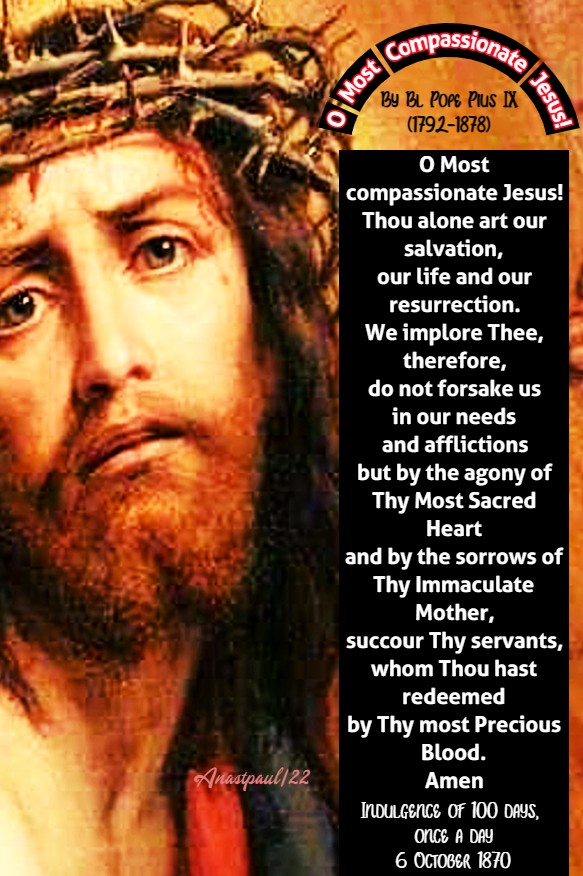
O Most Compassionate Jesus! By Blessed Pope Pius IX (1792-1878) Indulgence of 100 days, once a day 6 October 1870
O Most compassionate Jesus! Thou alone art our salvation, our life and our resurrection. We implore Thee, therefore, do not forsake us in our needs and afflictions but by the agony of Thy Most Sacred Heart and by the sorrows of Thy Immaculate Mother, succour Thy servants, whom Thou hast redeemed by Thy most Precious Blood. Amen
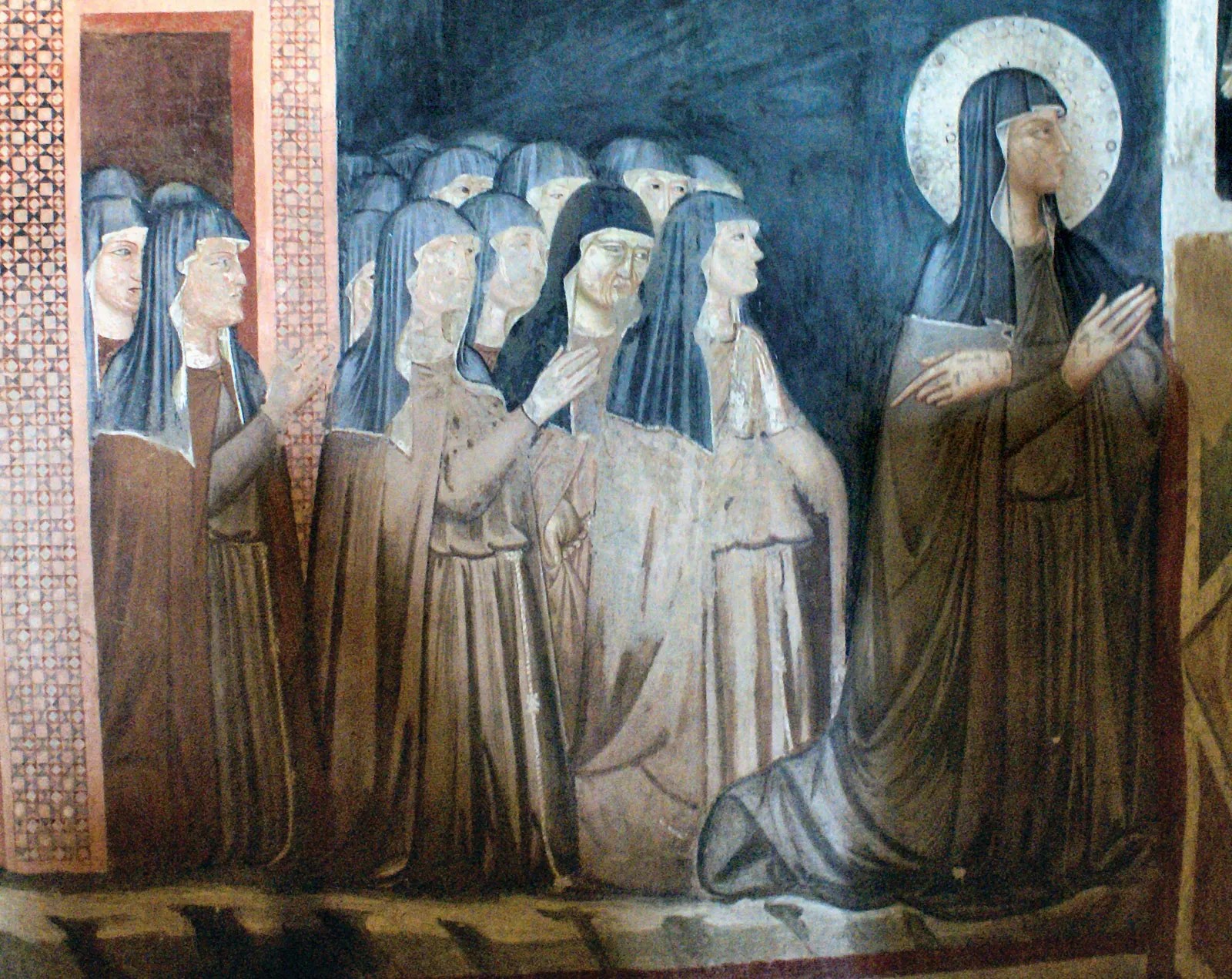
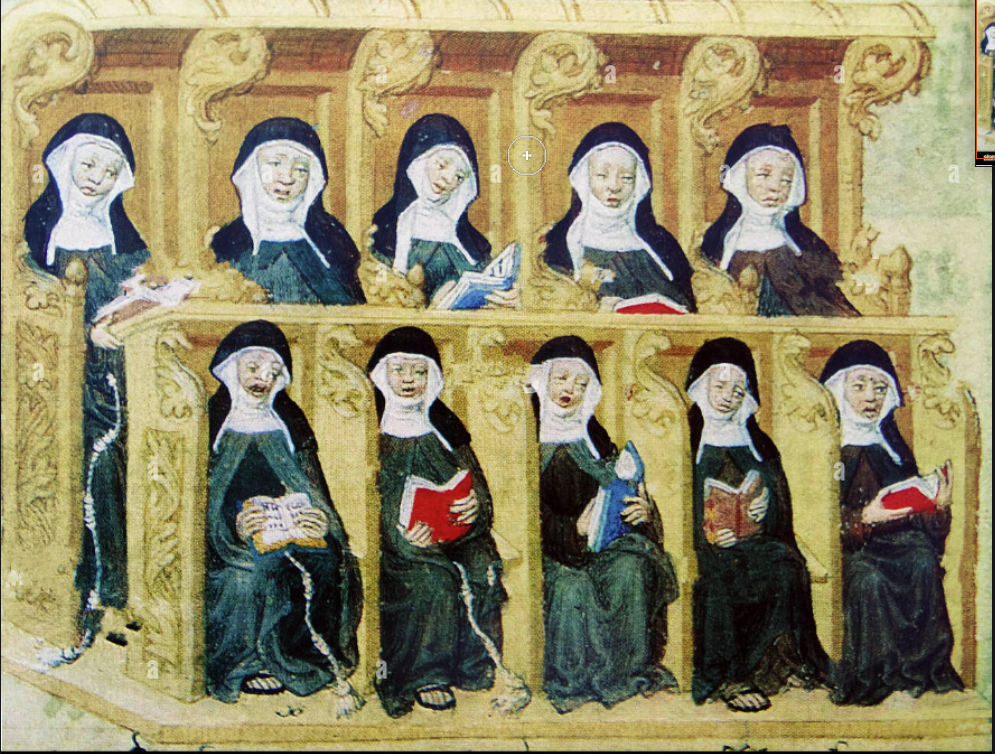
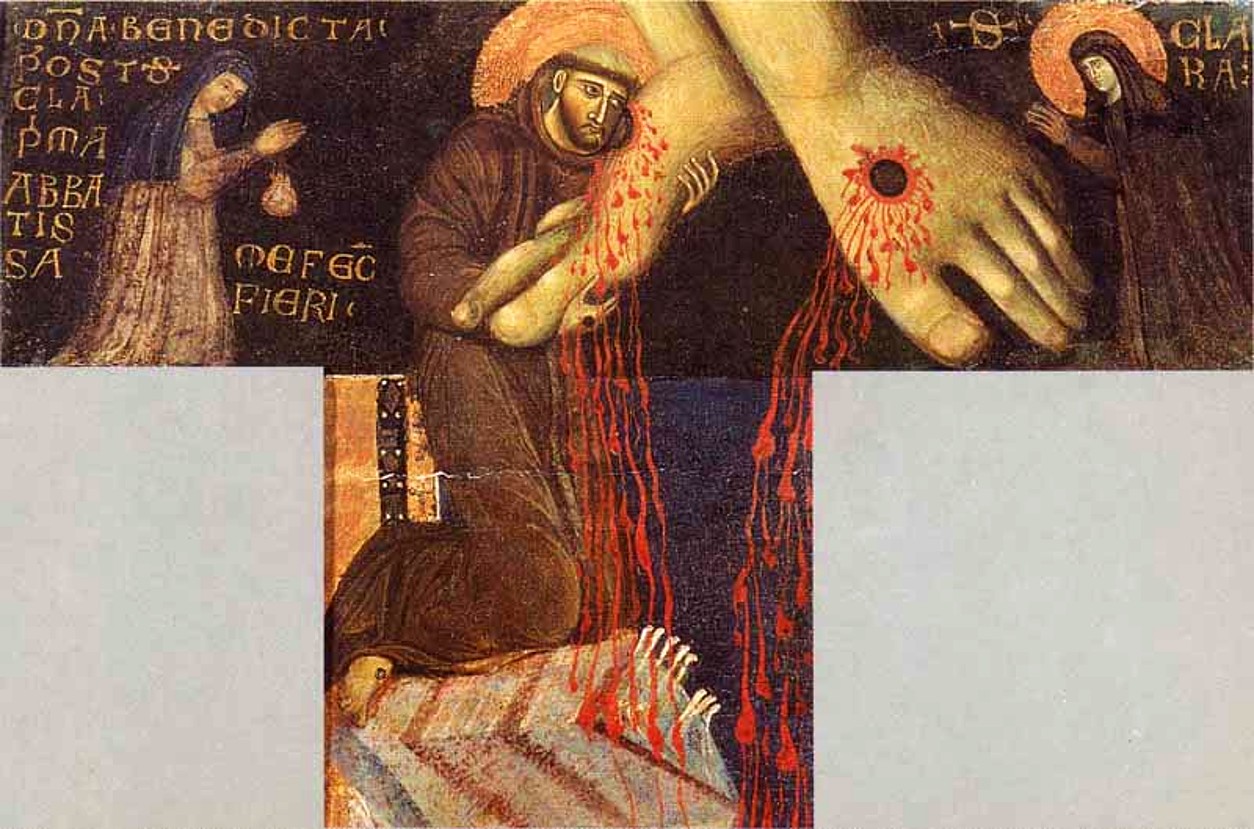
Saint of the Day – 16 March – St Benedicta of Assisi OSC i (Died 1260) Poor Clare Nun, Abbess Died 1260 of natural causes. The Franciscan Martyrology affirms, that her life shone out in singular prudence and a great reputation for virtues and miracles.
Benedicta entered the Poor Clares of Assisi in 1214, she succeeded St Clare in the government of the Monastery of St Damiano, remaining in that office until 1260.
She almost certainly is the same one we find Abbess in 1227 in Siena and from 1240 to 1248 in Vallegloria near Spello.
Benedicta was present at the process and Canonisations of St. Clare in November 1253. After Clare’s death, Brother Leone and Brother Angelo entrusted the Breviary used by St Francis to Benedicta.
She witnessed the beginning of the construction of the Basilica in honour of St Clare (1257), the transfer of the Poor Clares from St Damiano to the abuilding annexed to the old Church of St George and perhaps also, the transfer of the body of St Clare from the Church: of St George to the new Basilica, if one accepts, with the Bollandists, as the date of death on 19 October instead of 16 March. 1260.
She was buried in the Church of St George. In 1602 the Bishop of Assisi, Crescenzi, had her relics placed with those of the blessed Amata and of St Agnes of Assisi in the Chapel dedicated to the latter, in the Basilica of St Clare. In it, above the main Altar, a large shaped cross is venerated, with St Clare and the blessed Benedetta and with the following legend in Gothic characters: “Domina Benedicta post Sanctam Claram before Abbatissa me fecit fieri,” – “Blessed Woman, first Abbess after St Clare.”
St Abban of Kill-Abban St Abraham Kidunaia St Agapitus of Ravenna St Aninus of Syria St Benedicta of Assisi OSC (Died 1260) Poor Clare Nun St Dionysius of Aquileia St Dentlin of Hainault Bl Eriberto of Namur St Eusebia of Hamage St Felix of Aquileia
St Hilary of Aquileia Bl Joan Torrents Figueras Bl John Amias St Julian of Anazarbus St Largus of Aquileia St Malcoldia of Asti St Megingaud of Wurzburg
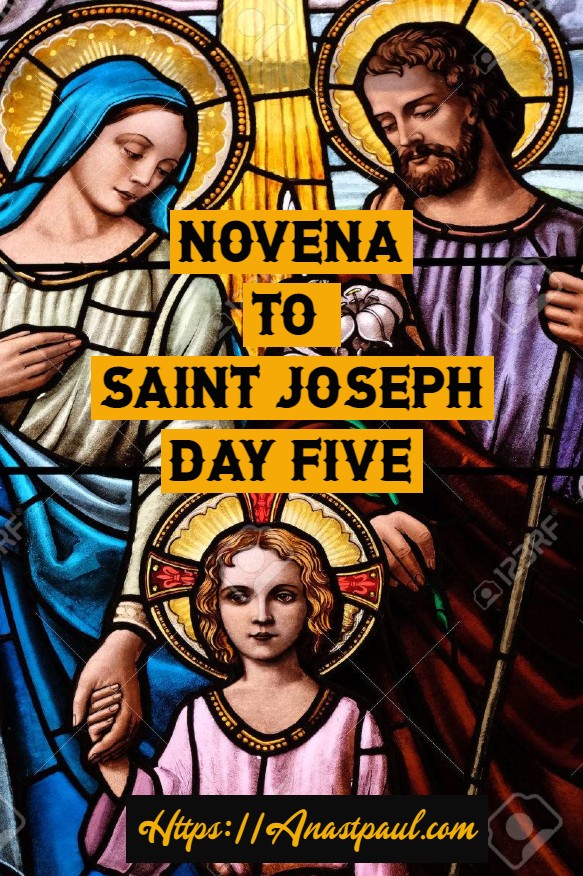
O most powerful Patriarch, Saint Joseph, Patron of the Universal Church, which has always invoked you in anxieties and tribulations. From the lofty seat of your glory, lovingly regard the Catholic Church. Let it move your paternal heart to see the mystical Spouse of Christ weakened by sorrow and persecuted by powerful enemies. We beseech you, by the merits of the most bitter sufferings of Christ, to wipe away the tears of His pilgrim people, to defend and liberate them and to intercede with the Giver of peace and charity, that every hostile power be overcome and every error be destroyed, so that the whole Church may serve the God of all blessings in perfect liberty and peace. We too raise our hearts to you to implore your powerful intercession in obtaining from the Divine Heart of Jesus all the graces necessary for our spiritual and temporal welfare, particularly the grace of a happy death, and the special grace I now implore: …………….. (Mention your request) Guardian of the Word Incarnate, We feel confident, that your prayers on our behalf, will be graciously heard before the throne of God St Joseph Most Holy Patron of the One Holy Catholic Church, Pray for us! Amen
Glory be to the Father and to the Son and to the Holy Spirit, as it was in the beginning, is now and ever shall be, world without end. Amen
For the past week our Electricity supplier has cut our power for up to 10 hours per day. This made it very difficult to do the posts but I managed. Then, on Sunday morning, at 08.00, without prior warning, our electricity went off and is still off. We managed to get our phones charged elsewhere and so I am able to let you know. So sorry!We need to save up to buy a generator.
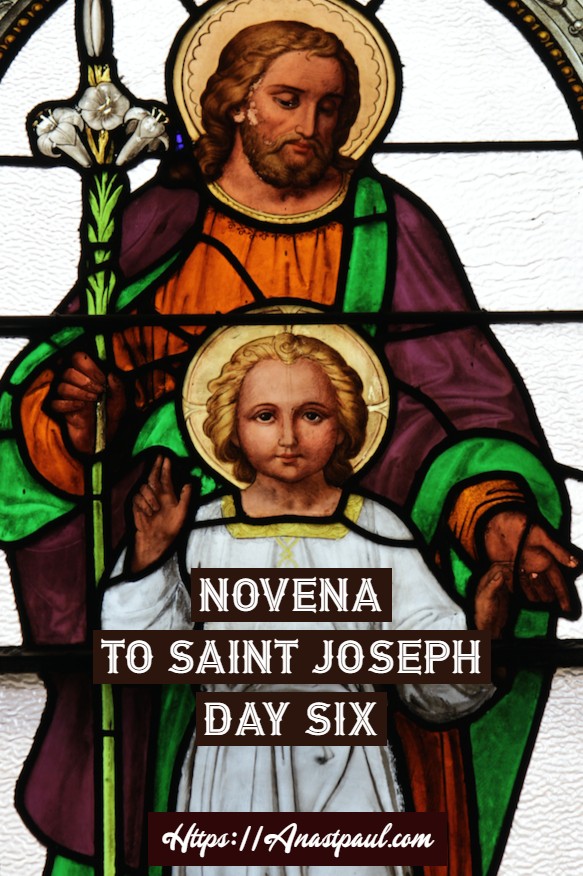
Saint Joseph, you lived for one purpose — to be the personal servant of Jesus Christ, the Word made flesh. Your noble birth and ancestry, the graces and gifts, so generously poured out on you by God — all this was yours, to serve our Lord. Your every thought, word and action, was a homage to the love and glory of the Incarnate Word. You fulfilled most faithfully the role of a good and faithful servant who cared for the House of God. Glorious Saint Joseph, Spouse of the Immaculate Virgin, pray for me to have a pure, humble, faithful heart and perfect resignation to the divine Will. Be my guide, my father and my model throughout life, that I may die as you did, in the arms of Jesus and Mary. Loving Saint Joseph, faithful follower of Jesus Christ, I raise my heart to you to implore your powerful intercession in obtaining from the Divine Heart of Jesus all the graces necessary for my spiritual and temporal welfare, particularly the grace of a happy death, and the special grace I now implore: …………….. (Mention your request) Guardian of the Word Incarnate, I feel confident that your prayers on my behalf will be graciously heard before the throne of God St Joseph Most Faithful, Pray for us! Amen.
Glory be to the Father and to the Son and to the Holy Spirit, as it was in the beginning, is now and ever shall be, world without end. Amen
Most Chaste Spouse the Immaculate Virgin Mother of God
Saint Joseph, Foster Father and Guardian of Jesus and Protector of the Blessed Virgin, to whose faithful keeping , Christ Jesus, Purity and Innocence itself and Mary, the Virgin of virgins, were entrusted, we pray and beseech you by that twofold and most precious charge, by Jesus and Mary, to save us from all uncleanness, to keep our minds untainted, our hearts pure and our bodies chaste. Help us always, to serve Jesus and Mary in perfect chastity. And for this special grace we now implore you, ……………. (Mention your request) We humbly beg you to look graciously upon the beloved inheritance which Jesus Christ purchased by His Blood and to aid us in our necessities with your power and strength. May the wholesome fear of God, strengthen us, that virtue may adorn our lives and lead us to Heaven. St Joseph, Most Chaste, Pray for us! Amen.
Glory be to the Father and to the Son and to the Holy Spirit, as it was in the beginning, is now and ever shall be, world without end. Amen











































 AnaStpaul
You must be logged in to post a comment.