
Saint/s of the Day – 13 August – Saints Hippolytus and Cassian (Died c235) Martyrs. St Hippolytus is the Patron Saint of – horses, prison guards, officers and workers’ In Austria: Sankt Pölten, Zell am See. In Italy: Bardonecchia, Bibbiena, Cassano Valcuvia, Fogliano di Cascia, Laterina, Rogeno.
St Cassian is the Patron Saint of – parish clerks and secretaries, of stenographers (proclaimed on 23 December 1952 by Pope Pius XII), students, teachers, typists. In Italy – Bibbiena, Cassano Valcuvia, Comacchio, Imola, La Salle, Laterina, Macherio, Rogeno, San Casciano dei Bagni, San Casciano in Val di Pesa, San Cassiano a Vico, San Cassiano di Controne, San Cassiano di Moriano, Trecate, the Diocese of Bolzano-Bressanone, the Diocese of Brixenand Imola. Of Mexico City, Mexico, Of Las Galletas, Tenerife, Spain.
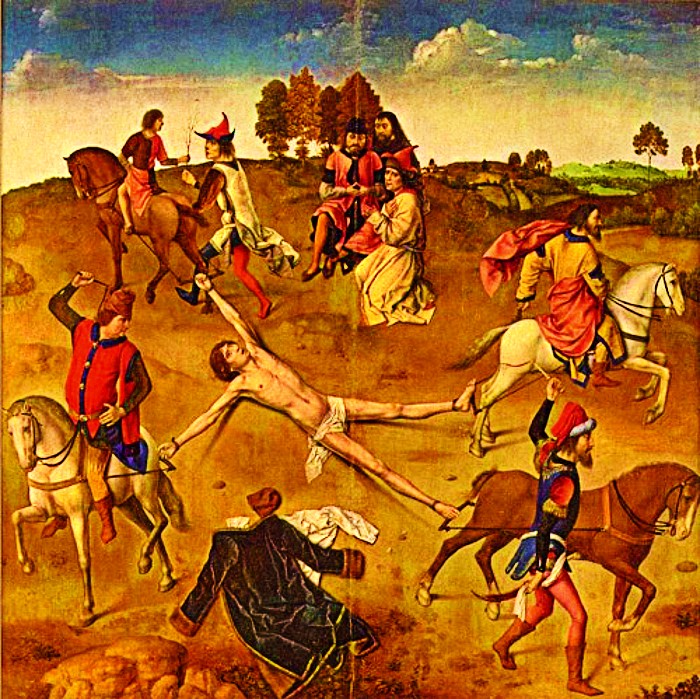
The Roman Martyrology reads today: “At Rome, blessed Hippolytus, Martyr, who gloriously confessed the Faith, under the Emperor Decius {mpt Valerian}. After enduring other torments, he was tied by the feet to the necks of wild horses and being cruelly dragged through briars and brambles and having all his body lacerated, he yielded his spirit.”
AND:
“At Imola, the birthday of St Cassian, Martyr. As he refused to worship idols, the persecutor called the boys whom the Saint taught and who hated him, giving them leave to kill him. The torment suffered by the Martyr was the more grievious, as the hand which inflicted it by reason of its weakness, rendered death more tardy.”
St Hippolytus and St Cassian, (Died c235) Martyrs
By Fr Francis Xavier Weninger SJ (1805-1888)
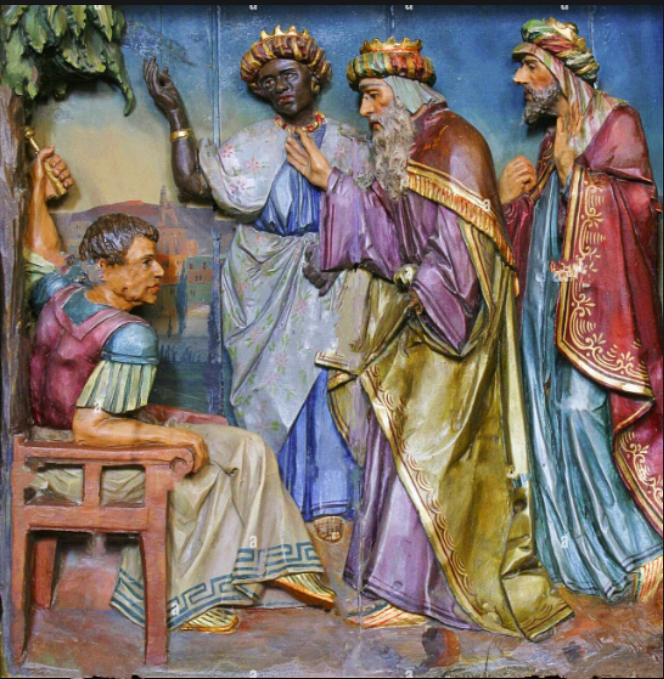
St Hippolytus, an Officer of the body-guard of the Emperor Decius, had been born in the darkness of idolatry but he had become a Christian, with all his household, in consequence of witnessing the many miracles which St Lawrence performedwhile in the prison under his charge.
He had also been present when the Saint, lying on the red-hot gridiron, endured the most terrible tortures. At the sight of the heroism of St Lawrence, he was filled with the desire to announce himself a Christian but he was prevented by St Lawrence. But when this Martyr had gloriously ended his combat, Hippolytus, with the assistance of a Priest, named Justinus, buried the sacred remains with great devotion and veneration. The Emperor on being informed of it, had Hippolytus seized and brought before him. He asked him if it was true that he had become a Christian? Hippolytus answered firmly: “Yes, I am a Christian and, moreover, resolved to die such.” The emperor, who had always highly esteemed him, endeavoured, first by promises and then by menaces, to induce him to forsake Christ. As, however, all was unavailing, he caused him to be tortured.
He was accordingly stretched on the ground, whipped with scourges and beaten with clubs so fearfully that it was believed he could not survive. But God, by a visible miracle, prolonged his life. Keeping his eyes fixed upon Heaven, he frequently repeated: “I am a Christian, I suffer for Christ’s sake.”
After having been tormented for a long time, he was cast into prison and the Prefect received the order to behead him. Before executing this order, however, he went to the house of Hippolytus to secure his property. Finding the entire household had become Christians, he took them beyond the gates of the City and had them beheaded. Concordia, an old and holy matron, who had been Hippolytus’ nurse, was scourged until she expired because she encouraged the others to remain firm in their faith.
At last, Hippolytus was taken out of prison and fastened to the necks of two horses and dragged by them until he was torn to pieces and his heroic soul was received into the Presence of Him Whom he had so fearlessly confessed.
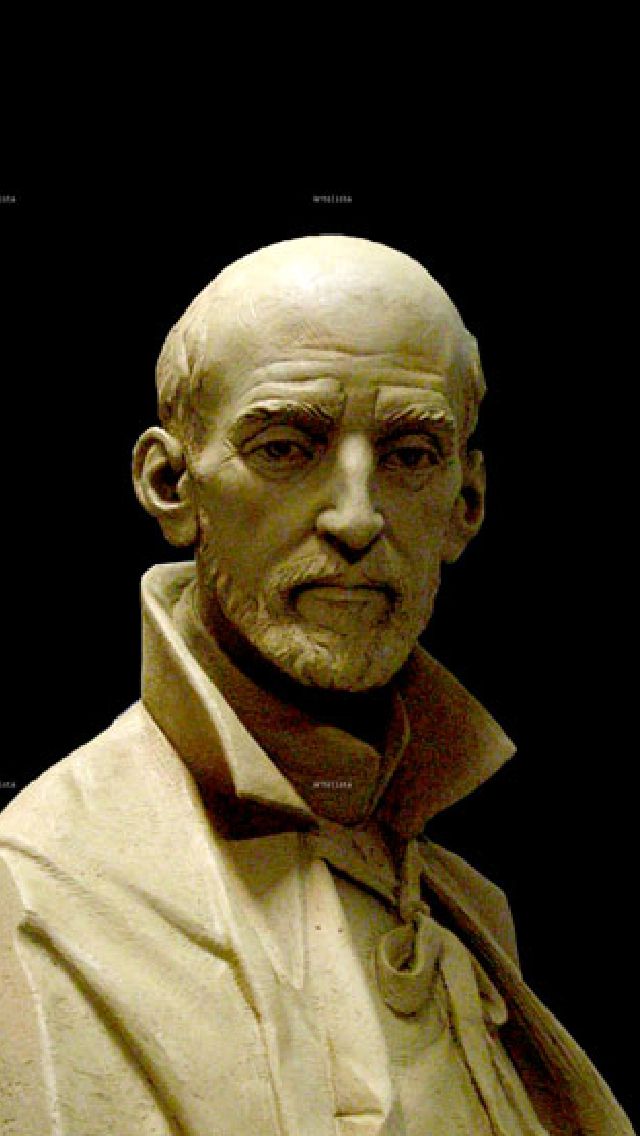
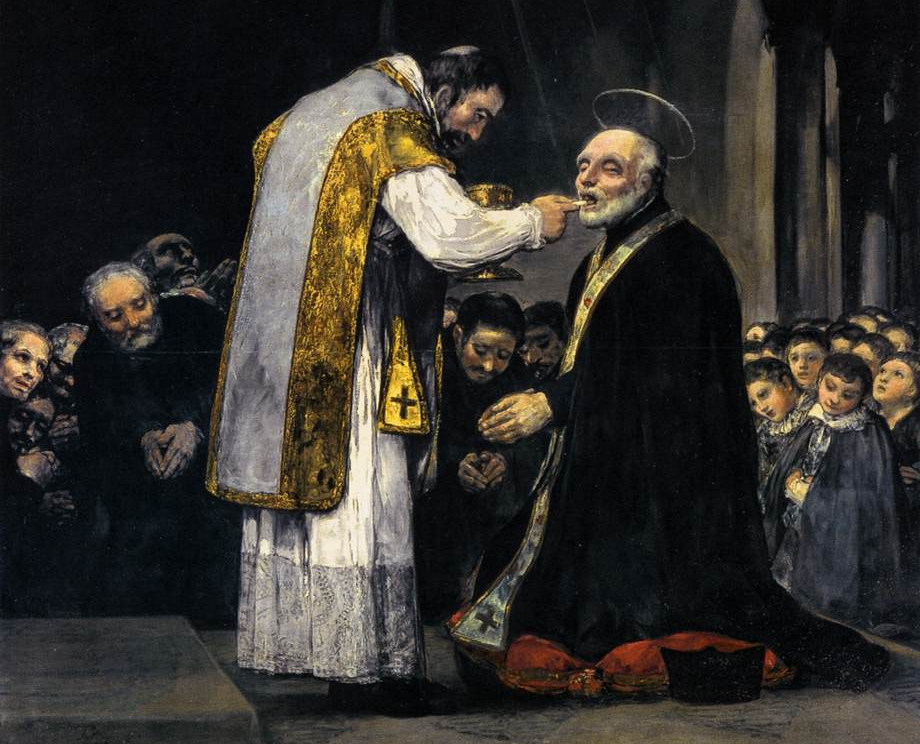
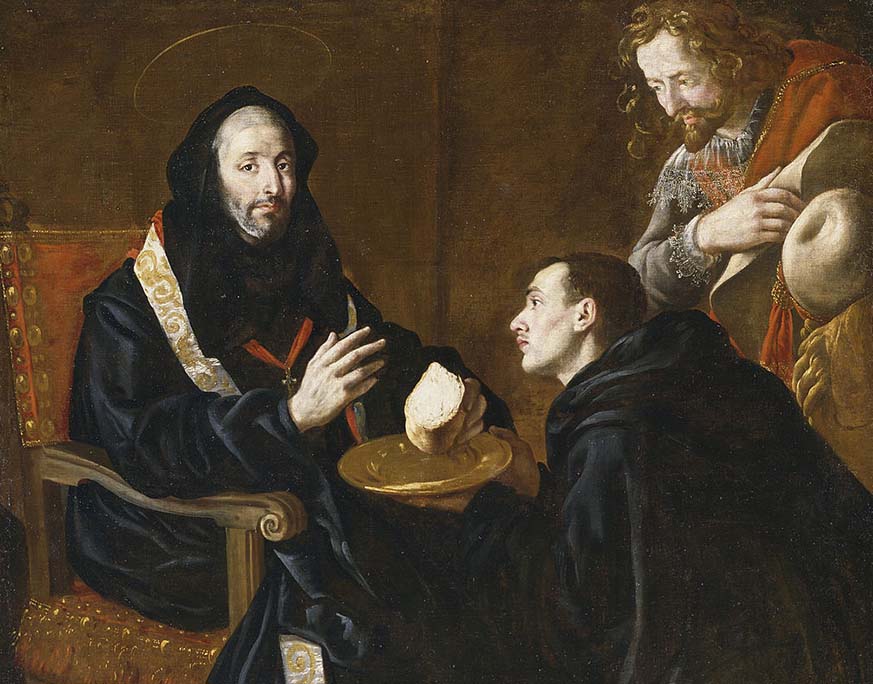
On the same day, although at another place, St Cassian suffered a Martyrdom of unprecedented cruelty. This Saint, was the Bishop of Brescia but had been banished from his See on account of his faith.
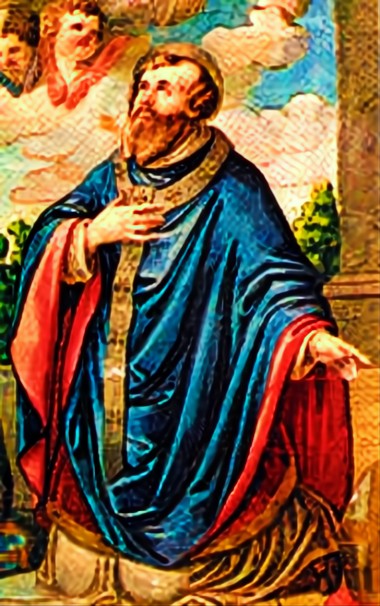
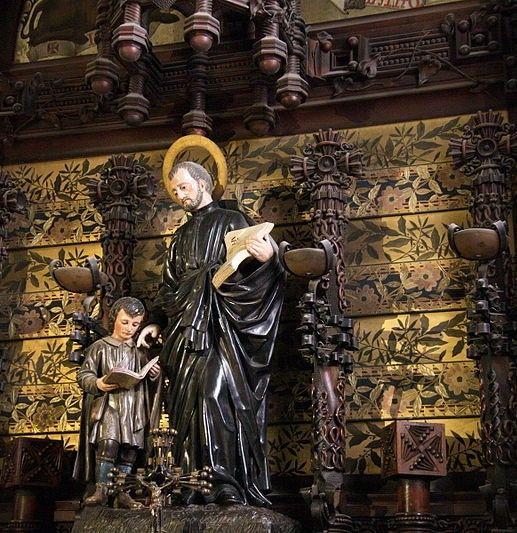
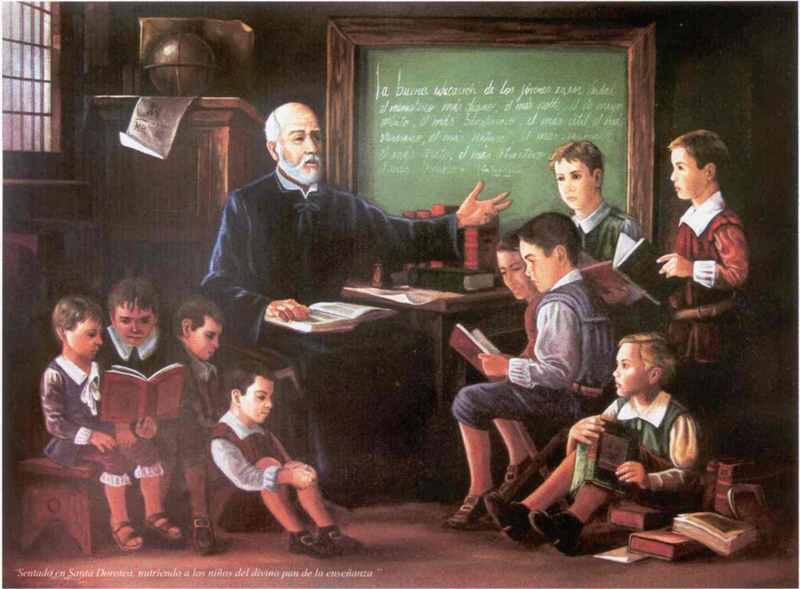
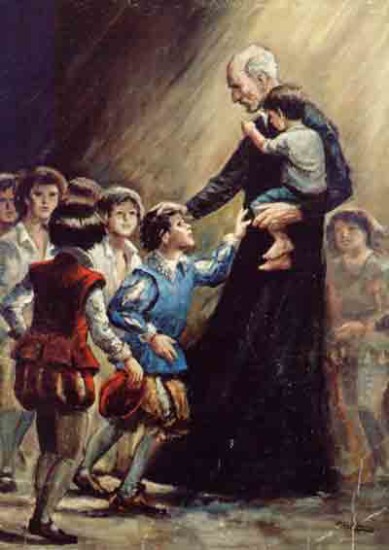
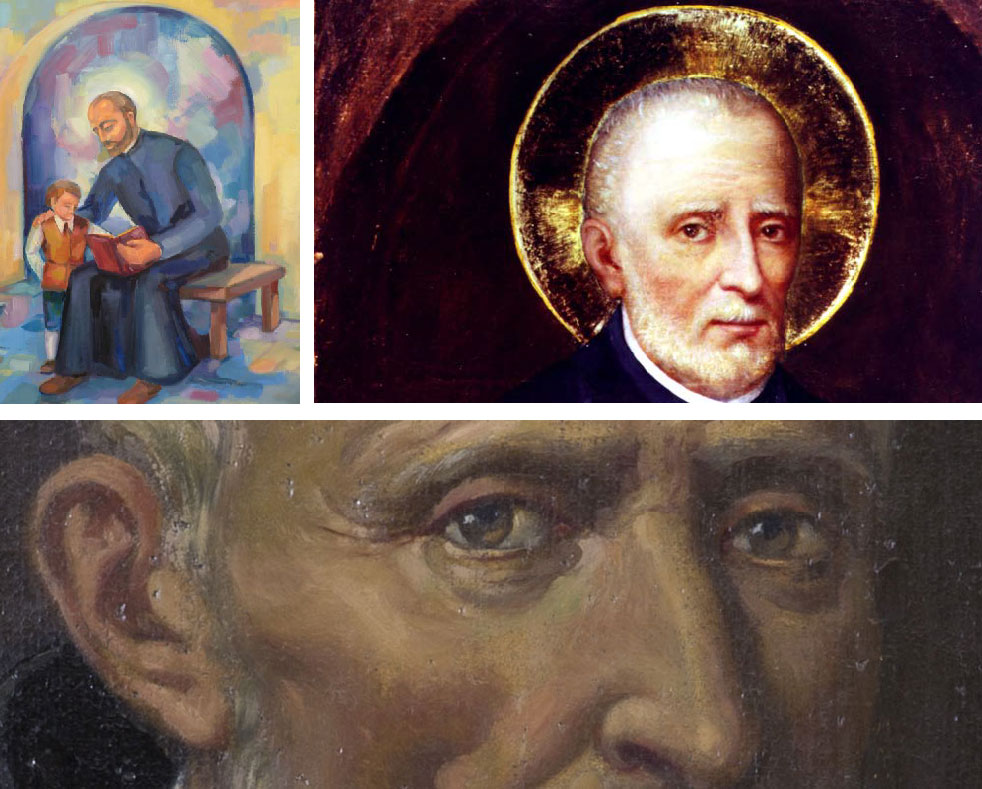
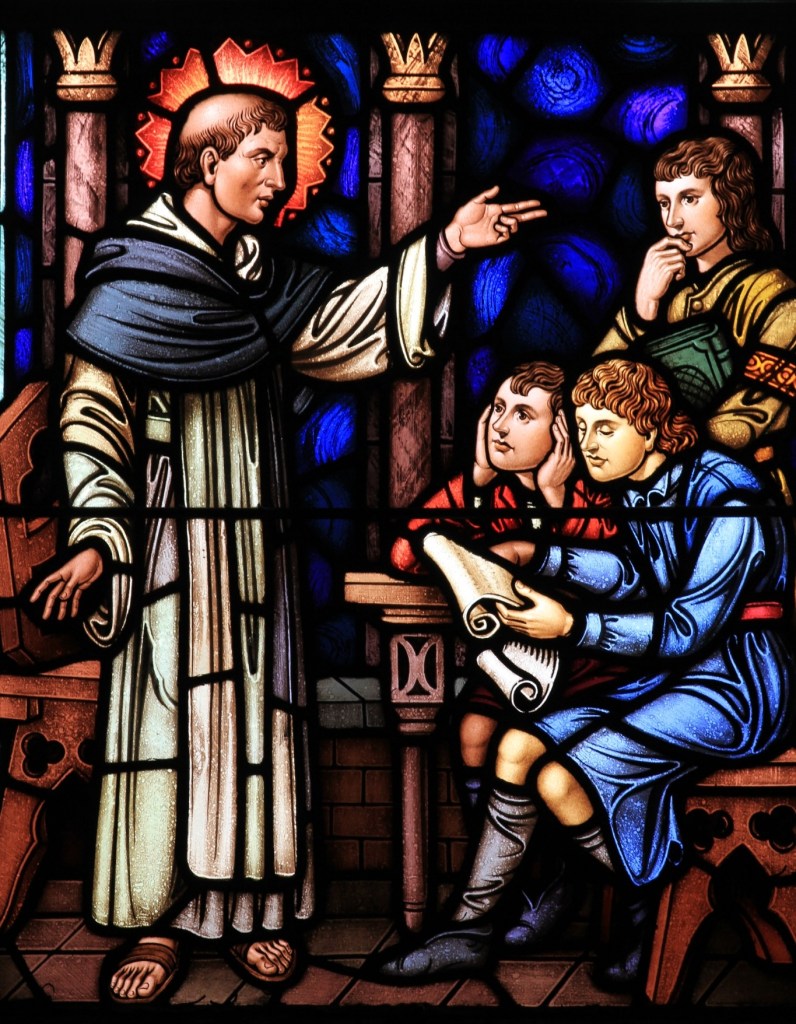
He intended to go to Rome and offer the Pope his services for the salvation of souls in some other place. On his way, he changed his mind and taking up his residence at Imola, a Town in Italy, he resolved to teach children to read and write, hoping that occasion would not be wanting to do good. In this apparently humble position, he was no less zealous than he had been in the administration of his Diocese. He taught the children with love and gentleness and endeavoured to inspire them with respect for the Christian faith, fear and horror of sin and love of virtue and piety.
He continued in this occupation with great zeal for some years, to the great benefit of young and old. Suddenly a terrible persecution of the Christians arose. Cassian was one of the first who were taken prisoners. The tyrant commanded him to sacrifice to the gods. The holy Bishop and teacher refused, as might have been expected and tried to convince the Judge of his fearful blindness in worshipping dumb idols or making gods of godless men.
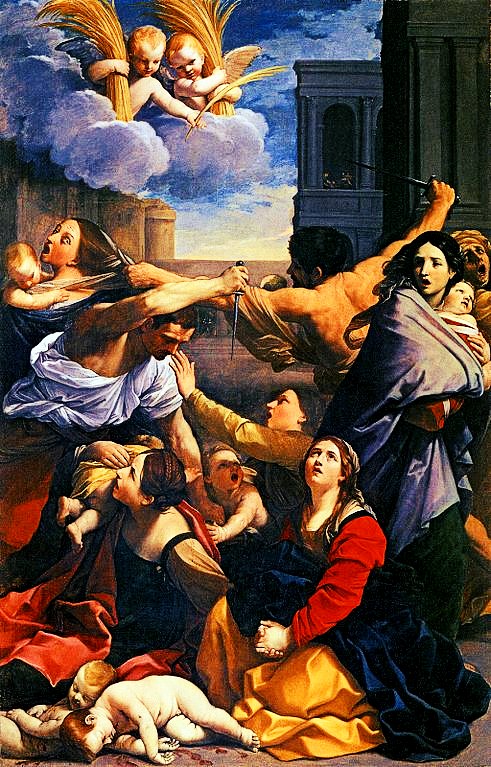
The tyrant, furious at his arguments, ordered the executioners to strip him of his clothes and tie his hands behind his back and leave him exposed to the mercy of the children whom he had taken such pains to teach. The children, who had been taught that Cassian was a magician and consequently must die, a most painful death, took their sharp iron pencils with which, in those days, they wrote upon their wax tablets and pierced him with them till the blood ran profusely from his veins. This torture lasted long and was extremely painful. The Saint, however, never complained of the ingratitude of his pupils, nor gave a sign of impatience but praised and thanked the Lord until his soul went to Heaven to receive the Crown of Martyrdom.









































 AnaStpaul
You must be logged in to post a comment.