Saint of the Day – 21 January – St Agnes (c 291- c 304) Child Virgin Martyr – Patronages – Betrothed couples; chastity; Children of Mary; Colegio Capranica of Rome; crops; gardeners; Girl Guides; girls; rape victims; virgins; the Diocese of Rockville Centre, New York; the City of Fresno. She is one of seven women who, along with the Blessed Virgin, are commemorated by name in the Canon of the Mass. Agnes is depicted in art with a lamb, from the Latin word for “lamb”, agnus. However, the name “Agnes” is actually derived from the feminine Greek adjective hagnē meaning “chaste, pure, sacred”.
Saint Agnes of Rome was a member of the Roman nobility born in c 291 and raised in an holy Catholic family. She suffered Martyrdom at the age of twelve or thirteen during the reign of the Roman Emperor Diocletian, on 21 January 304. She was a beautiful young girl of wealthy family and, therefore, had many suitors of high rank. Legend holds that the young men, slighted by her resolute devotion to religious purity, submitted her name to the authorities as a follower of Christianity.
The Prefect Sempronius condemned Agnes to be dragged naked through the streets to a brothel. In one account, as she prayed, her hair grew and covered her body. It was also said that all of the men that attempted to rape her were immediately struck blind. The son of the prefect is struck dead but revived after she prayed for him, causing her release. There is then a trial from which Sempronius recuses himself and another figure presides, sentencing her to death. She was led out and bound to a stake but the bundle of wood would not burn, or the flames parted away from her, whereupon the officer in charge of the troops drew his sword and beheaded her, or, in some other texts, stabbed her in the throat. It is also said that her blood poured to the stadium floor where other Christians soaked it up with cloths.
Agnes was buried beside the Via Nomentana in Rome. A few days after her death, her foster-sister, Saint Emerentiana, was found praying by her tomb; she claimed to be the daughter of Agnes’ wet nurse, and was stoned to death after refusing to leave the place and reprimanding the pagans for killing her foster sister. Emerentiana was also later canonised. The daughter of Constantine I, Saint Constance, was said to have been cured of leprosy after praying at Agnes’ tomb. She and Emerentiana appear in the scenes from the life of Agnes on the 14th-century Royal Gold Cup in the British Museum.
An early account of Agnes’ death, stressing her young age, steadfastness and virginity, but not the legendary features of the tradition, is given by Saint Ambrose.
Agnes was venerated as a saint at least as early as the time of St Ambrose, based on an existing homily. She is commemorated in the Depositio Martyrum of Filocalus (354) and in the early Roman Sacramentaries.
Agnes’s bones are conserved beneath the high altar in the church of Sant’Agnese fuori le mura in Rome, built over the catacomb that housed her tomb. Her skull is preserved in a separate chapel in the church of Sant’Agnese in Agone in Rome’s Piazza Navona.
Because of the legend around her martyrdom, she is patron saint of those seeking chastity and purity. Agnes is also the patron saint of young girls. Folk custom called for them to practise rituals on Saint Agnes’ Eve (20–21 January) with a view to discovering their future husbands. This superstition has been immortalised in John Keats’s poem, The Eve of Saint Agnes.
Saint of the Day – 20 January – St Sebastian Martyr, Roman Soldier. He was born in Milan and was Martyred in c 288. Patronages – against cattle disease, against plague/epidemics and the victims, dying people, against enemies of religion, archers, armourers,arrowsmiths, athletes, bookbinders, fletchers, gardeners, gunsmiths, hardware stores,ironmongers, lace makers, lace workers, lead workers, masons, police officers, racquet makers, soldiers, stone masons, stonecutters, Pontifical Swiss Guards, Bacolod, Philippines, Diocese of, Tarlac, Philippines, Diocese of, 22 Cities. St Sebastian was Martyred during the Roman Emperor Diocletian’s persecution of Christians. He is commonly depicted in art and literature tied to a post or tree and shot through with arrows. Despite this being the most common artistic depiction of Sebastian, he was rescued and healed by St Irene of Rome. Shortly afterwards he went to Diocletian to warn him about his sins and as a result, was clubbed to death. The details of Saint Sebastian’s Martyrdom were first spoken of by the 4th Century Bishop, the beloved and revered Doctor of the Church St Ambrose in his sermon (number 22) on Psalm 118. St Ambrose stated that Sebastian came from Milan and that he was already venerated there at that time.
Although there is no doubt that there was a Roman martyr named Sebastian and that devotion to him dates back to the fourth century, the earliest surviving life of the saint was written a century or more after his death. According to this story Sebastian was a Praetorian, a member of an elite troop of soldiers who served as the emperor’s bodyguard. When Emperor Diocletian began his persecution of the Church, Sebastian used his status to visit Christians in prison. This was dangerous business and it was not long before he was denounced to the emperor.
Enraged that one of his own bodyguards was a Christian, Diocletian ordered the Praetorians to take Sebastian back to their camp and shoot him to death with arrows. After performing this deadly evil on their former comrade, the Praetorians assumed that Sebastian was dead. So did everyone else who heard of his martyrdom.
After sunset a Christian woman named Irene crept into the Praetorians’ camp to retrieve the body and give it a Christian burial. As Irene and her serving woman cut Sebastian down, they heard him groan. Incredibly, he was still alive.
Instead of carrying him to the catacombs for burial, Irene brought Sebastian back to her house where she and her servant nursed him. As soon as his strength returned, Sebastian went off to confront Diocletian. He found the emperor on the steps of the imperial palace. Furious that his former bodyguard was still alive, Diocletian demanded of his entourage, “Did I not sentence this man to be shot to death with arrows?” But Sebastian answered for the emperor’s courtiers. He had been made a target for archers, “But the Lord kept me alive so I could return and rebuke you for treating the servants of Christ so cruelly.”
This time the emperor took no chances, he ordered his guard to beat Sebastian to death there on the palace steps, while he watched.
Once he was certain that Sebastian truly was dead, Diocletian had the martyr’s body dumped into the Cloaca Maxima, Rome’s main sewer. Nonetheless, Christians recovered it and buried Sebastian in a catacomb known ever since as San Sebastiano.
Saint of the Day – 17 January – St Anthony Abbot (c 251-358) Also known as: • Abba Antonius • Anthony of Egypt• Anthony of the Desert• Anthony the Anchorite• Anthony the Great• Anthony the Hermit• Antonio Abate• Father of Cenobites• Father of All Monks• Father of Western Monasticism. PATRONAGES – against eczema/skin diseases/skin rashes, epileptics; against ergotism, against pestilence, , of amputees, anchorites, animals, basket makers and weavers, brushmakers, butchers, cemetery workers, domestic animals, farmers, gravediggers, graveyards, hermits, pigs, monks, relief from pestilence, swineherds, Hospitallers, Tempio-Ampurias, Italy, Diocese of 9 Cities.
The biography of Anthony’s life by Athanasius of Alexandria helped to spread the concept of Christian monasticism, particularly in Western Europe via its Latin translations. He is often erroneously considered the first Christian monk but as his biography and other sources make clear, there were many ascetics before him. Anthony was, however, the first to go into the wilderness (about ad 270), which seems to have contributed to his renown. Accounts of Anthony enduring supernatural temptation during his sojourn in the Eastern Desert of Egypt inspired the often-repeated subject of the temptation of St Anthony in Western art and literature. St Anthony is appealed to against infectious diseases, particularly skin diseases. In the past, many such afflictions, including ergotism, erysipelas, and shingles, were referred to as St Anthony’s fire.
Anthony was born in Egypt in 250. At age 20, when his parents died, Anthony made sure his younger sister’s education could be completed in a community of holy women. He then sold all his possessions and left for a life of solitude in the desert. There an elderly hermit taught him about prayer and penance. For 20 years, he lived in isolation. Anthony wanted to know God deeply. He did penance by taking only bread and water once a day at sunset. The devil appeared to him in terrible shapes to tempt him. But Anthony had great confidence in God. Anthony’s unusual life did not make him harsh but radiant with God’s love and compassion.
The Temptation of St Anthony (detail) – Carracci
Stories of Anthony’s holiness spread and people came to learn from him how to become holy. Some admirers wanted to stay, so Anthony—at age 54—founded a type of monastery consisting of hermitages near one another. Anthony wrote a rule that guided the monks. Later when Anthony heard of the persecutions of the Christians, he wanted to die a martyr. At 60, he left the desert to minister to the Christians in prisons, fearlessly exposing himself to danger. He came to realise that a person can die daily for Christ by serving him in ordinary ways with great love.
So he returned to the desert to his life of prayer and penance. His life of solitude was again interrupted, however, when at age 88 he had a vision in which he saw the harm Arian followers were doing to the Church by denying the divinity of Christ. Anthony left for Alexandria to preach against this heresy. At age 90, another vision sent Anthony searching the desert for Saint Paul, the first hermit. These two holy men met and spoke of the wonders of God. Anthony is said to have died peacefully in a cave at age 105.
The life of Anthony will remind many people of St Francis of Assisi. At 20, Anthony was so moved by the Gospel message, “Go, sell what you have, and give to [the] poor” (Mark 10:21b), that he actually did just that with his large inheritance. He is different from Francis in that most of Anthony’s life was spent in solitude. At 54, he responded to many requests and founded a sort of monastery of scattered cells. Again like Francis, he had great fear of “stately buildings and well-laden tables.” Like Francis and of course, many saints, Anthony too desired martyrdom. Anthony is associated in art with a T-shaped cross (which St Francis adopted), a pig and a book. The pig and the cross are symbols of his valiant warfare with the devil—the cross his constant means of power over evil spirits, the pig a symbol of the devil himself. The book recalls his preference for “the book of nature” over the printed word.
Saint of the Day – 13 January – St Hilary of Poitiers (315-368) Father & Doctor of the Church, Bishop, Confessor, Writer, Philosopher, Theologian, Preacher, Defender of the Faith. He was sometimes referred to as the “Hammer of the Arians” and the “Athanasius of the West.” His name comes from the Latin word for happy or cheerful. St Hilary was born in 315 at Poitiers, France and he died in 368 of natural causes. Patronages – against rheumatism, against snakes, against snake bites, backward children, children learning to walk, mothers, the sick/the infirm, 4 Cities.
Hilary was born to pagan parents of Poitiers, France, in 315. After training in the classics and philosophy, Hilary married. He and his wife had one daughter, Afra. All who knew Hilary said he was a friendly, charitable, gentle man. Hilary’s studies led him to read Scripture. He became convinced that there was only one God, whose Son became man and died and rose to save all people. This led him to be baptised along with his wife and daughter.
This gentle and courteous man, became a staunch defender of the divinity of Christ. He was devoted to writing some of the greatest theology on the Trinity and was, like his Master, in being labeled a “disturber of the peace.” In a very troubled period in the Church, his holiness was lived out in both scholarship and controversy.
The people of Poitiers chose Hilary to be their bishop in 353. As Bishop, he was soon taken up with battling what became the scourge of the fourth century, Arianism, which denied the divinity of Christ.
The heresy spread rapidly. Saint Jerome said “The world groaned and marvelled to find that it was Arian.” When Emperor Constantius ordered all the bishops of the West to sign a condemnation of Athanasius, the great defender of the faith in the East, Hilary refused and was banished from France to far off Phrygia. There, too, his pastoral solicitude led him to work tirelessly for the re-establishment of the Church’s unity, based on the correct faith, as formulated by the Council of Nicea. To this end, he began writing his most important and most famous dogmatic work: “De Trinitatae” (On the Trinity). Eventually he was called the “Athanasius of the West” and the “Hammer of the Arians.”
Fearing Hilary’s arguments, Arian’s followers begged the emperor to send Hilary home. The emperor, believing Hilary was also undermining his authority, recalled him. Hilary’s writings show that he could be fierce in defending the faith but in dealing with the bishops who had given in to the Arian heresy, he was charitable. He showed them their errors and helped them to defend their faith. Though the emperor called Hilary “disturber of the peace,” Saints Jerome and Augustine praised him as “teacher of the churches.”
During the last years of his life, he wrote “Treatises on the Psalms,” a commentary on 58 psalms, interpreted according to the principle highlighted in the introduction to the work: “There is no doubt that all the things said in the Psalms must be understood according to the Gospel proclamation, so that, independently of the voice with which the prophetic spirit has spoken, everything refers to the knowledge of the coming of our Lord Jesus Christ, incarnation, passion and kingdom and the glory and power of our resurrection”(“Instructio Psalmorum” 5).
In all of the Psalms, he sees this transparency of Christ’s mystery and of His body, which is the Church. On various occasions, Hilary met with St Martin, the future bishop of Tours who founded a monastery near Poitiers, which still exists today.
St Hilary confers minor Orders on St Martin of Tours
Hilary died in 367. His feast day is celebrated today throughout the universal Church. In 1851, Blessed Pius IX proclaimed him a doctor of the Church.
Saint of the Day – 4 January – St Elizabeth Ann Seton (1774-1821) (also known as Mother Seton) Widow and Mother, Religious, Foundress, Teacher, first native-born citizen of the United States to be Canonised on 14 September 1975 by Pope Paul VI. She was born on 28 August 1774 in New York City, New York, USA as Elizabeth Ann Bayley – 4 January 1821 in Emmitsburg, Maryland of natural causes. Patronages – • against in-law problems• against the death of children• against the death of parents• Apostleship of the Sea (two of her sons worked on the sea)• opposition of Church authorities• people ridiculed for their piety• Shreveport, Louisiana, Diocese of• widows. She established the first Catholic girls’ school in the nation in Emmitsburg, Maryland, where she also founded the first American congregation of religious sisters, the Sisters of Charity.
Mother Seton is one of the keystones of the American Catholic Church. She founded the first American religious community for women, the Sisters of Charity. She opened the first American parish school and established the first American Catholic orphanage. All this she did in the span of 46 years while raising her five children.
Elizabeth Ann Bayley Seton is a true daughter of the American Revolution, born August 28, 1774, just two years before the Declaration of Independence. By birth and marriage, she was linked to the first families of New York and enjoyed the fruits of high society. Reared a staunch Episcopalian, she learned the value of prayer, Scripture and a nightly examination of conscience. Her father, Dr Richard Bayley, did not have much use for churches but was a great humanitarian, teaching his daughter to love and serve others.
The early deaths of her mother in 1777 and her baby sister in 1778 gave Elizabeth a feel for eternity and the temporariness of the pilgrim life on earth . Far from being brooding and sullen, she faced each new “holocaust,” as she put it, with hopeful cheerfulness. At 19, Elizabeth was the belle of New York and married a handsome, wealthy businessman, William Magee Seton. They had five children before his business failed and he died of tuberculosis. At 30, Elizabeth was widowed, penniless, with five small children to support.
While in Italy with her dying husband, Elizabeth witnessed Catholicity in action through family friends. Three basic points led her to become a Catholic: belief in the Real Presence, devotion to the Blessed Mother and conviction that the Catholic Church led back to the apostles and to Christ. Many of her family and friends rejected her when she became a Catholic in March 1805.
To support her children, she opened a school in Baltimore. From the beginning, her group followed the lines of a religious community, which was officially founded in 1809.
The thousand or more letters of Mother Seton reveal the development of her spiritual life from ordinary goodness to heroic sanctity. She suffered great trials of sickness, misunderstanding, the death of loved ones (her husband and two young daughters) and the heartache of a wayward son. She died 4 January 1821 and became the first American-born citizen to be beatified (1963) and then canonised (1975). She is buried in Emmitsburg, Maryland.
Saint of the Day – 29 December – St Thomas à Becket (1118-1170) – Born on 21 December 1118 at London, England and was murdered on 29 December 1170 in the Cathedral at Canterbury, England. Patronages – • clergy• Exeter College, Oxford, England•Portsmouth, England• secular clergy. Attributes – Sword, Martyrdom, episcopal vestments. St Thomas was Archbishop of Canterbury from 1162 until his murder in 1170. He engaged in conflict with Henry II, King of England, over the rights and privileges of the Church and was murdered by followers of the King in Canterbury Cathedral. Soon after his death, he was Canonised by Pope Alexander III. Someof his relics are enshrined at the Ladyewell Shrine in Lancaster, England.
Thomas was appointed Chancellor of England in 1155 and was a close associate of King Henry II. However, shortly after Thomas was named Archbishop of Canterbury, their relationship soured, eventually resulting in Thomas’ six-year exile in France. Not long after his return to England, Thomas was murdered by four of the King’s knights inside Canterbury Cathedral, making him an instant martyr. Miracles began to occur soon after his death and Canterbury became one of the most popular pilgrimage destinations in Europe.
Excerpt from The Golden Legend
And forthwith four knights took their counsel together and thought they would do to the king a pleasure and [devised] to slay St Thomas and suddenly departed and took their shipping towards England. And when the king knew of their departing he was sorry and sent after them but they were on the sea and departed [before] the messengers came, wherefore the king was heavy and sorry … And these four knights aforesaid came to Canterbury on the Tuesday in Christmas week about Evensong time and came to St Thomas and said that the king commanded him to make amends for the wrongs that he had done and also that he should assoil all them that he had accursed anon, or else they should slay him … And then smote each at him, that they smote off a great piece of the skull of his head, that his brain fell on the pavement. And so they slew and martyred him and were so cruel that one of them [broke] the point of his sword against the pavement.
And thus this holy and blessed Archbishop St Thomas suffered death in his own church for the right of all holy church…And anon it was known all about, how that he was martyred and anon after took this holy body and unclothed him and found bishop’s clothing above and the habit of a monk under. And next his flesh he wore hard hair, full of knots, which was his shirt. And his breech was of the same and the knots slicked fast within the skin and all his body full of worms; he suffered great pain. And he was thus martyred the year of our Lord one thousand one hundred and seventy-one and was fifty-three years old. And soon after tidings came to the king how he was slain, wherefore the king took great sorrow and sent to Rome for his absolution.
Below is the Reliquary Chasse with Scenes of the Martyrdom of Thomas Becket.
Saints of the Day – Feast of the Holy Innocents – 28 December – 4th Day of the Christmas Octave – Patronages – • against ambition•against jealousy• altar servers•babies•children• children’s choir• choir boys• foundlings• students. The Massacre of the Innocents is the biblical account of infanticide by Herod the Great, the Roman-appointed King of the Jews. According to the Gospel of Matthew, Herod ordered the execution of all young male children in the vicinity of Bethlehem, so as to avoid the loss of his throne to a newborn King of the Jews whose birth had been announced to him by the Magi. In typical Matthean style, it is understood as the fulfilment of an Old Testament prophecy:
Then was fulfilled that which was spoken through Jeremiah the prophet, saying, A voice is heard in Ramah, mourning and great weeping, Rachel weeping for her children and refusing to be comforted because her children are no more.’
The number of infants killed is not stated. The Holy Innocents, although Jewish, have been claimed as martyrs for Christianity and the Feast of the Holy Innocents has long been celebrated.
Taken from THE LITURGICAL YEAR, Christmas II, by Abbot Dom Guéranger. 1 A.D.
THE feast of the beloved Disciple, St John is followed by that of the Holy Innocents. The Crib of Jesus, where we have already met and venerated the Prince of Martyrs and the Eagle of Patmos, has today standing round it a lovely choir of little Children, clad in snow-white robes and holding green branches in their hands. The Divine Babe smiles upon them: He is their King and these Innocents are smiling upon the Church of God. Courage and Fidelity first led us to the Crib; Innocence now comes and bids us tarry there.
Herod intended to include the Son of God amongst the murdered Babes of Bethlehem. The Daughters of Rachel wept over their little ones and the land streamed with blood but the Tyrant’s policy can do no more, it cannot reach Jesus and its whole plot ends in recruiting an immense army of Martyrs for Heaven. These Children were not capable of knowing what an honour it was for them to be made victims for the sake of the Saviour of the world but the very first instant after their immolation, all was revealed to them, they had gone through this world without knowing it and now that they know it, they possess an infinitely better. God showed here the riches of His mercy, He asks of them but a momentary suffering and that over, they wake up in Abraham’s Bosom, no further trial awaits them, they are in spotless innocence and the glory due to a soldier who died to save the life of his Prince belongs eternally to them.
They died for Jesus’ sake, therefore, their death was a real Martyrdom and the Church calls them by the beautiful name of the Flowers of the Martyrs because of their tender age and their innocence. Justly then does the ecclesiastical Cycle bring them before us today, immediately after the two valiant Champions of Christ, Stephen and John. The connection of these three Feasts is thus admirably explained by St Bernard- “In St Stephen, we have both the act and the desire of Martyrdom; in St John, we have but the desire; in the Holy Innocents, we have but the act. . . . Will anyone doubt whether a crown was given to these Innocents?. . . If you ask me what merit could they have that God should crown them? Let me ask you what was the fault for which Herod slew them? What! is the mercy of Jesus less than the cruelty of Herod and whilst Herod could put these Babes to death, who had done him no injury, Jesus may not crown them for dying for Him?”
Stephen, therefore, is a Martyr by a Martyrdom of which men can judge, for he gave this evident proof of his sufferings being felt and accepted, that, at the very moment of his death, his solicitude both for his own soul and for those of his persecutors increased; the pangs of his bodily passion were less intense than the affection of his soul’s compassion, which made him weep more for their sins than for his own wounds. John was a Martyr, by a Martyrdom which only Angels could see, for the proofs of his sacrifice being spiritual, only spiritual creatures could ken them. But the Innocents were Martyrs, to none other eye save Thine, O God! Man could find no merit, Angel could find no merit, the extraordinary prerogative of Thy grace is the more boldly brought out. From the mouth of the Infants and the Sucklings Thou hast perfected praise. The praise the Angels give Thee is- Glory be to God in the highest and peace on earth to men of good will it is a magnificent praise, but I make bold to say that it is not perfect till He cometh Who will say: “Suffer little Children to come unto me, for of such is the kingdom of Heaven.”
Saint of the Day – 27 December – St John the Apostle and Evangelist – “The Disciple whom Jesus Loved” – (died c 101) Also known as • The Apostle of Charity • The Beloved Apostle • Giovanni Evangelista • John the Divine • John the Evangelist • John the Theologian. Patronages – • against burns; burn victims• against epilepsy• against foot problems• against hailstorms• against poisoning• art dealers• authors, writers• basket makers• bookbinders• booksellers• butchers• compositors• editors• engravers• friendships• glaziers• government officials• harvests• lithographers• notaries• painters• papermakers• publishers• saddle makers• scholars• sculptors• tanners• theologians• typesetters• vintners• Asia Minor (proclaimed on 26 October 1914 by Pope Benedict XV)• 6 Diocese• 7 Cities, Attributes – • book• cauldron• chalice• chalice with a serpent in allusion to the cup of sorrow foretold by Jesus• eagle, representing his role as the evangelist who most concentrated on Jesus’s divine nature• serpent. The author of five books of the Bible (the Gospel of John, the First, Second, and Third Letters of John and Revelation), Saint John the Apostle was one of earliest disciples of Christ. Commonly called Saint John the Evangelist because of his authorship of the fourth and final gospel, he is one of the most frequently mentioned disciples in the New Testament, rivaling Saint Peter for his prominence in the Gospels and the Acts of the Apostles. Yet outside of the Book of Revelation, John preferred to refer to himself, not by name but as “the disciple whom Jesus loved.” He was the only one of the Apostles to die, not of martyrdom but of old age, around the year 101.
St John the Evangelist was a Galilean and the son, along with Saint James the Greater, of Zebedee and Salome. Because he is usually placed after St James in the lists of the apostles (see Matthew 10:3, Mark 3:17 and Luke 6:14), John is generally considered the younger brother, perhaps as young as 17-18 at the time of Christ’s death.
With St James, he is always listed among the first four apostles (see Acts 1:13), reflecting not only his early calling (he is the other disciple of St John the Baptist, along with St Andrew, who follows Christ in John 1:34-40) but his honoured place among the disciples. (In Matthew 4:18-22 and Mark 1:16-20, James and John are called immediately after the fellow fishermen Peter and Andrew.)
Like Peter and James the Greater, John was a witness to the Transfiguration (Matthew 17:1 ) and the Agony in the Garden (Matthew 26:37). His closeness to Christ is apparent in the accounts of the Last Supper (John 13:23), at which he leaned on Christ’s breast while eating and the Crucifixion (John 19:25-27), where he was the only one of Christ’s disciples present. Christ, seeing St John at the foot of the Cross with His mother, entrusted Mary to his care. He was the first of the disciples to arrive at the tomb of Christ on Easter, having outraced Saint Peter (John 20:4) and while he waited for Peter to enter the tomb first, St John was the first to believe that Christ had risen from the dead (John 20:8).
As one of the two initial witnesses to the Resurrection, St John naturally took a place of prominence in the early Church, as the Acts of the Apostles attest (see Acts 3:1, Acts 4:3, and Acts 8:14, in which he appears alongside St Peter himself.) When the apostles dispersed following the persecution of Herod Agrippa (Acts 12), during which John’s brother James became the first of the apostles to win the crown of martyrdom (Acts 12:2), tradition holds that John went to Asia Minor, where he likely played a role in founding the Church at Ephesus.
Exiled to Patmos during the persecution of Domitian, he returned to Ephesus during Trajan’s reign and died there.
While on Patmos, John received the great revelation that forms the Book of Revelation and likely completed his gospel (which may, however, have existed in an earlier form a few decades before).
Traditional iconography has represented St John as an eagle, symbolising “the heights to which he rises in the first chapter of his Gospel.” Like the other Evangelists, he is sometimes symbolised by a book and a later tradition used the chalice as a symbol of St John, recalling Christ’s words to John and James the Greater, in Matthew 20:23, “My chalice indeed you shall drink.”
A MARTYR WHO DIED A NATURAL DEATH Christ’s reference to the chalice inevitably calls to mind His own Agony in the Garden, where He prays, “My Father, if this chalice may not pass away but I must drink it, thy will be done” (Matthew 26;42). It thus seems a symbol of martyrdom and yet John, alone among the apostles, died a natural death. Still, he has been honoured as a martyr from the earliest days after his death, because of an incident related by Tertullian, in which John, while in Rome, was placed in a pot of boiling oil but emerged unharmed.
Saint of the Day – St Stephen, The First Martyr (c 05-c 34) – 26 December – Deacon, Preacher. the name “Stephen” – Stéphanos, meaning “wreath, crown” and by extension “reward, honour,” often given as a title rather than as a name. Patronages – against headaches, of brick layers, casket makers, coffin makers, deacons, altar servers, horses, masons, stone masons, Metz, France, Diocese of• Owensboro, Kentucky, Archdiocese of Toulouse, France, 92 cities. Attributes – stones, dalmatic, censer, miniature church, Gospel Book, martyr’s palm frond.
St Stephen – Fra Angelico
St Stephen was according to the Acts of the Apostles a deacon in the early church at Jerusalem who aroused the enmity of members of various synagogues by his teachings. Accused of blasphemy, at his trial he made a long speech denouncing the Jewish authorities who were sitting in judgement against him and was then stoned to death. His martyrdom was witnessed by Saul of Tarsus, a Pharisee who would later himself become a follower of Jesus and known as Paul the Apostle.
The only primary source for information about Stephen is the New Testament book of the Acts of the Apostles. Stephen is mentioned in Acts 6 as one of the Greek-speaking Hellenistic Jews selected to participate as a deacon in the early Church by the eleven – before the twelfth was elected.
“Good King Wenceslaus went out, on the Feast of Stephen”. This is the Feast of St Stephen, the day after Christmas, when we commemorate the first disciple to die for Jesus.
Carlo Crivelli
In the Acts of the Apostles, St Luke praises St Stephen as “a man full of faith and the Holy Spirit,” who “did great wonders and signs among the people” during the earliest days of the Church. Luke’s history of the period also includes the moving scene of Stephen’s death – witnessed by St Paul before his conversion – at the hands of those who refused to accept Jesus as the Jewish Messiah. Stephen himself was a Jew who most likely came to believe in Jesus during the Lord’s ministry on earth. He may have been among the 70 disciples whom Christ sent out as missionaries, who preached the coming of God’s kingdom while travelling with almost no possessions. This spirit of detachment from material things continued in the early Church, in which St Luke says believers “had all things in common” and “would sell their possessions and goods and distribute the proceeds to all, as any had need.” But such radical charity ran up against the cultural conflict between Jews and Gentiles, when a group of Greek widows felt neglected in their needs as compared to those of a Jewish background.
Stephen’s reputation for holiness led the Apostles to choose him, along with six other men, to assist them in an official and unique way as this dispute arose. Through the sacramental power given to them by Christ, the Apostles ordained the seven men as deacons and set them to work helping the widows.
Jean Fouquet Etienne Chevalier with St Stephen (detail of Stephen)
As a deacon, Stephen also preached about Christ as the fulfillment of the Old Testament law and prophets. Unable to refute his message, some members of local synagogues brought him before their religious authorities, charging him with seeking to destroy their traditions. Stephen responded with a discourse recorded in the seventh chapter of the Acts of the Apostles. He described Israel’s resistance to God’s grace in the past and accused the present religious authorities of “opposing the Holy Spirit” and rejecting the Messiah.
Before he was put to death, Stephen had a vision of Christ in glory. “Look,” he told the court, “I see the heavens opened and the Son of Man standing at the right hand of God!”
St Stephen – Domenico Ghirlandaio
The council, however, dragged the deacon away and stoned him to death. “While they were stoning Stephen, he prayed, ‘Lord Jesus, receive my spirit,’ records St. Luke in Acts 7. “Then he knelt down and cried out in a loud voice, ‘Lord, do not hold this sin against them.’ When he had said this, he fell asleep.”
Bernardo Cavillino
Stoning of Saint Stephen, altarpiece of San Giorgio Maggiore, Venice, by Jacopo & Domenico Tintoretto
Saint of the Day – 22 December – St Frances Xavier Cabrini M.S.C. RELIGIOUS AND FOUNDRESS – Born Francesca Saverio Cabrini on 15 July 1850 – 22 December 1917), also called Mother Cabrini, was an Italian-American religious sister, who founded the Missionary Sisters of the Sacred Heart of Jesus, that was a major support to the Italian immigrants to the United States. She was the first naturalised citizen of the United States to be canonised on 7 July 1946. Additional Memorial – 13 November (in the United States). Patronages – • against malaria • emigrants, immigrants (given on 8 September 1950 by Pope Pius XII) • hospital administrators • orphans.
This saint, the first United States citizen to be canonised, was born in Italy of parents who were farmers. She was the thirteenth child, born when her mother was fifty-two years old. The missionary spirit was awakened in her as a little girl when her father read stories of the missions to his children. She received a good education and at eighteen was awarded the normal school certificate.
For a while she helped the pastor teach catechism and visited the sick and the poor. She also taught school in a nearby town and for six years supervised an orphanage assisted by a group of young women. The bishop of Lodi heard of this group and asked Frances to establish a missionary institute to work in his diocese. Frances did so, calling the community the Missionary Sisters of the Sacred Heart. An academy for girls was opened and new houses quickly sprang up.
One day Bishop Scalabrini, founder of the Missionaries of Emigration, described to Mother Cabrini the wretched economical and spiritual conditions of the many Italian immigrants in the United States and she was deeply moved. An audience with Pope Leo XIII changed her plans to go to the missions of the East. “Not to the East, but to the West,” the Pope said to her. “Go to the United States.” Mother Cabrini no longer hesitated. She landed in New York in 1889, established an orphanage and then set out on a lifework that comprised the alleviation of every human need. For the children she erected schools, kindergartens, clinics, orphanages and foundling homes and numbers of hospitals for the needy sick. At her death over five thousand children were receiving care in her charitable institutions and at the same time her community had grown to five hundred members in seventy houses in North and South America, France, Spain and England.
St Frances, frail and diminutive of stature, showed such energy and enterprise that everyone marvelled. She crossed the Atlantic twenty-five times to visit the various houses and institutions. In 1909 she adopted the United States as her country and became a citizen. After thirty-seven years of unflagging labour and heroic charity she died alone in a chair in Columbus Hospital at Chicago, Illinois, while making dolls for orphans in preparation for a Christmas party. Cardinal Mundelein of Chicago officiated at her funeral and in 1938 also presided at her beatification by Pius XI. She was canonised by Pius XII in 1946. She lies buried under the altar of the chapel of Mother Cabrini High School in New York City.
Saint of the Day – 21 December – St Peter Canisius SJ (1521-1597) – Confessor, Priest, Religious, Doctor of the Church, Reformer, Teacher, Writer, Apostle of Charity – (Born as Pieter Kanis on 8 May 1521 at Niemguen, Netherlands – 21 December 1597 at Fribourg, Switzerland of natural causes). Patronages – Catholic Press, Germany, Catechists. Known as the Hammer of Protestantismand the Second Apostle of Germany. St Peter became known for his strong support for the Catholic faith during the Protestant Reformation in Germany, Austria, Bohemia, Moravia and Switzerland. The restoration of the Catholic Church in Germany after the Protestant Reformation is largely attributed to the work there of the Society of Jesus, which he led. “Peter Canisius was the first publisher, the first author, the first editor of the Society of Jesus. By now, Jesuits have followed in his footsteps to the tune of having published in 400 years, thousands of books. From the time of Canisius, and his name is first in the bibliography of Jesuit writers, from Peter Canisius to the end of the l9th century, that is to 1900, there are about twenty volumes of bibliography, each volume about two inches thick, stands about eighteen inches high, filled just with authors and titles, thousands and thousands and thousands, no other religious institute in the Church publishes as much as members of the Society. It was all started by Peter Canisius.” (Ven Servan of God Fr John A Hardon S.J.)
St Peter Canisius was born in 1521 in what is now the Netherlands. His father was the local mayor and his mother died shortly of his birth. Peter studied at the University of Cologne and earned a Master’s degree in 1540 at the age of 19. While there, he met St Peter Faber, one of the first Jesuits. Through him, Canisius became the first Dutchman to join the Society of Jesus in 1543. St Peter Canisius’ preaching and writings, led him to become one of the most influential Catholics of his time. He supervised the founding and maintenance of the first German-speaking Jesuit colleges and was known as the Second Apostle of Germany.
If you have too much to do, with God’s help you will find time to do it all – StPeter Canisius
For a half-century he led the Catholic Reformation in Austria, Bavaria and Bohemia. For that reason he is reckoned an apostle to Germany, second only to St. Boniface. With stupendous energy he preached and taught in parishes, reformed and founded universities, wrote many books including popular catechisms, restored lapsed Catholics, converted Protestants, preached retreats and found time to care for the sick. In his last 30 years travelling more than 20,000 miles on foot or horseback, St Peter Canisius spearheaded the renewal of the Catholic faith in southern Germany.
Peter Canisius revitalised Catholic life and teaching at universities in Ingolstadt and Augsburg. He founded new ones at Prague and Fribourg. In all four cities his preaching and catechising won the hearts of Catholics and attracted nominal Protestants to the church. In Vienna his personal care for plague victims made him a most popular figure. Thus, when appointed diocesan administrator, he was in a position to revive the city’s long decadent Catholic community.
After 1555, Peter Canisius published his famous Summary of Christian Doctrine and two smaller catechisms. These books generated the Catholic Reformation as Luther’s catechism had spread Protestantism. Canisius’s catechisms also helped launch the Catholic press. The Three Catechisms he compiled between 1555 and 1558. The first Catechism was addressed to students who could grasp the elementary notions of theology; the second, to young people of the populace for an initial religious instruction; the third, to youth with a scholastic formation of middle and high school levels. He explained Catholic doctrine with questions and answers, concisely, in biblical terms, with great clarity and with no polemical overtones. “There were at least 200 editions of this Catechism in his lifetime alone, translated into 15 languages! And hundreds of editions succeeded one another until the 20th century. So it was that still in my father’s generation people in Germany were calling the Catechism simply “the Canisius”. He really was the Catechist of Germany for centuries, he formed people’s faith for centuries.” (Pope Benedict XVI).
He was offered the post of Bishop of Vienna in 1554 but declined in to continue his travelling and teachings.
In the late 16th century, when open hostility typified relations between Catholics and Protestants, Peter Canisius advised charity and moderation. He opposed theological debates with Protestant leaders and in general, discouraged discussion of Catholic distinctives such as indulgences, purgatory and monastic vows with Protestants. He believed such efforts only heightened division and embittered relations. He articulated his views in this letter to his Jesuit superior:
“It is plainly wrong to meet non-Catholics with bitterness or to treat them with discourtesy. For this is nothing else than the reverse of Christ’s example because it breaks the bruised reed and quenches the smoking flax. We ought to instruct with meekness those whom heresy has made bitter and suspicious and has estranged from orthodox Catholics, especially from our fellow Jesuits. Thus, by whole-hearted charity and good will we may win them over to us in the Lord.
Again, it is a mistaken policy to behave in a contentious fashion and to start disputes about matters of belief with argumentative people who are disposed by their very natures to wrangling. Indeed, the fact of their being so constituted is a reason the more why such people should be attracted and won to the simplicity of the faith as much by example as by argument.”
In 1591, Peter Canisius suffered a stroke that nearly killed him. But he recovered and devoted himself to writing for six more years until his death in 1597. His body was interred before the high altar of the Church of Saint Nicholas in Fribourg and his relics were translated to the Church of Saint Michael at the Jesuit College in Fribourg in 1625. He was Canonised 21 May 1925 by Pope Pius XI and was added to the now 36 Doctors of the Church, by Pope Pius XI in 1925.
Saint of the Day – 16 December – St Adelaide of Italy/Burgundy – Holy Roman Empress, widow, Foundress of monasteries and Apostle of Charity (c 931-999) (c 931 at Burgundy, France – 999 at the monastery of Selta (Seltz), Alsace of natural causes). Patronages – • abuse victims• against in-law problems• brides• empresses• exiles• parenthood• parents of large families• princesses• prisoners• second marriages• step-parents• widows. Attributes – • empress dispensing alms and food to the poor, often beside a ship• escaping from prison in a boat• holding a church• veil. St Adelaide was a Holy Roman Empress by marriage to Holy Roman Emperor Otto the Great; she was crowned as the Holy Roman Empress with him by Pope John XII in Rome on 2 February 962. She was regent of the Holy Roman Empire as the guardian of her grandson in 991-995.
St Adelaide was possibly the most prominent European woman of the tenth century through her second marriage to Otto the Great of Germany, the Holy Roman Emperor, Adelaide was regent for some time and later became the foundress of many monasteries of monks and nuns.
The daughter of Rudulph II of Upper Burgundy, Adelaide was married at the age of sixteen to Lothair, who was then king of Italy. A daughter, Emma, was born of this marriage. Lothair was probably poisoned by his successor to the throne, Berengar. As part of Berengar’s attempt to keep his grip on power, he ordered Adelaide to marry his son; she refused, and he imprisoned her in a castle. But soon after the German king, Otto the Great, defeated Berengar and freed Adelaide and proposed marriage, which she accepted. On Christmas Day 951 she married Otto at Pavia. The marriage consolidated his authority in northern Italy and in 962 they were crowned emperor and empress by Pope John XII in Rome. Otto died in 973 and for twenty years Adelaide’s life was a turmoil of family and political troubles. Her daughter-in-law, the Byzantine princess Theophano turned her son Otto II against her. Adelaide had to leave the court and live for a time with her brother in Burgundy. A reconciliation was effected and in 983 just before he died Otto appointed her his viceroy in Italy.
Otto II died the same year and the new emperor, her grandson Otto III, still a minor, was entrusted to the joint regency of his mother and grandmother. Theophano was able once again to oust Adelaide from power and the court. When Theophano died in 991 the regency reverted to Adelaide alone. The bishop of Mainz, St. Willigis, came to her aid.
After Otto came of age in 995, Adelaide was able to devote herself to works of generosity to the poor, to help in evangelising the Slavs and in founding and restoring monasteries and convents. She was especially friendly with the monastery of Cluny, then the centre of a movement for reform and with its abbots St Majolus and St Odilo. The latter wrote a memoir of her, calling her ‘a marvel of beauty and goodness’. When Otto III was old enough, Adelaide retired to the convent of Seltz near Cologne, a house she had built. She never became a nun but she spent the rest of her days there in prayer. Her feast is kept especially in many German dioceses.
The Feast of the Our Lady of Loreto and the Holy House – 10 December – Patronages – Aeroplane Pilots and workers, Aviators, Construction workers, Builders.
Eighteen miles south of Ancona, and about three miles from the Adriatic coast of Italy, stands the city of Loreto (also spelled Loretto) on the summit of a hill. A vast basilica with a great dome forms the most treasured of all the Pope’s “extraterritorial” Vatican State properties, enshrining, as it does, one of the most sacred and important of all Our Lady’s Shrines — the Home of the Holy Family, “the Holy House of Loreto.” Written at the door of the Basilica are these words: “The whole world has no place more sacred… For here was the Word made Flesh and here was born the Virgin Mother…” On entering the basilica, one finds beneath the central dome and just behind the high altar, a rectangular edifice of white marble, richly adorned with statues. The white marble, however, forms only a protective crust. The contrast between the exterior richness and the poverty of the interior is startling. Inside are the plain, rough walls of a cottage of great antiquity, thirty feet long by fifteen feet wide and about fifteen feet high. In the centre of the House of Our Lady, there is a replica of a wooden statue of the Madonna. The original one, made of cedar of Lebanon, arrived at Loreto together with the house but has since been destroyed.
How this Shrine came to be is a fascinating story. This is the House of Nazareth, the home of the Holy Family, which had been brought by angels from Nazareth to the Dalmatian coast and later, by the same angels, transported to Loreto where it stands today enclosed in the huge Basilica just described. The history of Loreto is based upon a wealth of sound tradition and reliably recorded historical facts. We know from the visits of reliable witnesses to the Holy Land, whose journeys were carefully recorded in documents, that the Holy House of Nazareth was intact in Palestine at a relatively late date. St Louis, King of France, heard Mass in Nazareth in 1253 in the same chamber where the Angel announced the coming of Christ to the Blessed Virgin Mary.
Exterior of the Holy House of Loreto
The Holy Land had seen its last and unsuccessful Crusade in 1291. The last of the Christian soldiers withdrew from Nazareth the same year, leaving behind the holiest of houses unprotected. It was to be dealt with according to the Muslim tradition of pillaging and destruction. It may seem far-fetched to think that a tiny clay house venerated by a handful of Christians could merit such vindictive rage. But this was a unique house — visibly an edifice of mud and straw, but preserving within its framework living memories of its Royal Household — Jesus, Mary, and Joseph.
The first assault was that of the Seljukian Turks in 1090. They rampaged through the Holy Land, looting the treasures left in the churches of the Holy Places by devout Christian pilgrims. They turned basilicas and churches into mosques and destroyed what was deemed useless for their unholy purposes. Among the last class fell the fate of Santa Casa, home of the Holy Family. Fortunately, when Constantine had the first Basilica built over the holy spot in 312, the house, along with the grotto that was attached, was interred within a subterranean crypt. And so it survived the initial desecrations of Islam.
In the years that followed, a trickle of Christian pilgrims kept alive the devotion and veneration of the Holy House where the Word was made Flesh. Then, when the first Crusaders arrived victorious in 1100 under Tancred, they built a new Basilica.
During the relative peace that ensued, pilgrims once again freely visited the sanctified ground. But because of the mixed motives that drew some of the Crusaders to the Holy Land, God did not bless all of their attempts to secure a lasting peace for the new Latin Kingdom of Jerusalem. In all there were eight crusades, marked by some glorious victories but punctuated also with terrible defeats. In 1219, Saint Francis of Assisi, whose spiritual sons were later to be given charge of the Holy House, visited this “holiest spot on earth” in Nazareth. It was during the last crusade that St. Louis IX knelt on the ground that had once been frequented by Our Lord and received Him into his heart in Holy Communion. The saintly king deemed this to be a far greater privilege than his earthly royalty.
The year 1263 saw the second destruction of the Basilica, but again the Holy House miraculously survived the assaults of the Infidels. But the defeated Christians eventually withdrew in 1291. Total destruction finally loomed over the former home of the Holy Family, as free reign was given in the Holy Land to its unholy inhabitants. Eternal Wisdom, however, had other plans!
Our Lady of Loretto On the night of May 10th, 1291 the shepherds of Tersatto, now Croatia, parted company to tend to their flocks. The lonely fields in Dalmatia and the shepherds who treaded them daily were well acquainted with each other. So the sudden appearance of a house that wasn’t there the night before caused quite a stir; the evening before, there had been no building, nor any building materials. Little did they realise it once had housed the Morning Star.
The poor, baffled, little shepherds, not suspecting the workings of Divine grace in that little hut, inspected it curiously. The walls did not all evenly touch the ground; half of them hovered over the road and the rest rested in the field. The tiny structure resembled a church more than a domestic abode. The house had an ancient altar, a Greek cross and a strange statue of a lady. As they entered it, the air seemed filled with a heavenly incense. Indeed it was. For in this very house, from the root of Jesse, blossomed the Mystical Rose.
Realising it was no ordinary incident, the shepherds ran off to the local church of St George to awaken Father Alexander Georgevich. The puzzled priest, after investigating the clay “church” himself, could offer little explanation to the humble crowd that gathered. That night the weary old priest, although severely crippled with arthritis, spent hours in prayer beseeching enlightenment from the Virgin Most Powerful. In his sleep the Mother of Good Counsel rewarded his humility by answering his request in a dream. “Know that this house,” She said, “is the same in which I was born and brought up. Here, at the Annunciation, I
conceived the Creator of all things. Here, the Word of the Eternal Father became Man. The altar which was brought with the house was consecrated by Peter, the Prince of the Apostles. This house has now come to your shores by the power of God. And now, in order that you may bear testimony of all these things, be healed. Your unexpected and sudden recovery shall confirm the truth of what I have declared to you.”
The sudden disappearance of Father Georgevich’s familiar malady the next day quite convinced him. He then announced that it was She, who is called Health of the Sick, who had cured him and related the vision of the night before. The peasants of Tersatto now knew for sure that this was the sacred little home of their Saviour. They venerated it accordingly.
Hearing of the miraculous appearance, the Governor of Dalmatia immediately dispatched his emissaries to Nazareth, and they reported that the Holy House had indeed disappeared from there. The length and breadth of the walls of the dwelling found at Tersatto corresponded exactly with the foundations beneath the Basilica of the Annunciation in Nazareth. This basilica had been built over the original Holy Home in Nazareth. Tradition says that the investigation disclosed another bit of valuable evidence: the house found at Tersatto was built of limestone, mortar and cedar wood. These materials were commonplace in Nazareth but almost unobtainable in Dalmatia.
Then suddenly on 10 December 1294, three years later, the little house disappeared as mysteriously as it had come. This time, however, the angels were not so successful in bearing it away without notice! The alert shepherds of Tersatto reported the departure. And across the Adriatic Sea, the happy victims of insomnia, who happened to be out that night, rushed home with reports of a mysterious passage overhead of a little house, borne aloft by angels. The awesomeness of the spectacle gave hint that it was the work of the Son of the Queen of Angels.
To this very day the people of Tersatto in Dalmatia (Croatia), as well as people in the Italian Marche region, on the night of December ninth and tenth, rise at 3:00 a.m. to the sound of a joyful pealing of their bells and light their customary bonfires, as they sing litanies of praise to the Cause of Our Joy.
Across the sea in Italy, on the shores of the Adriatic, a little plain called Banderuolo, four miles from the city of Recanati welcomed the Holy House when the angels lowered its uneven walls onto the wooded area. It took almost no time for people to hear of the arrival of this mysterious, airborne house. Thousands of people began to make pilgrimages to it and it rapidly gained a reputation as a place of cures. But unfortunately, as the pilgrims increased, so did the bandits that lurked in the surrounding forest. Slowly the house of prayer became surrounded by a den of thieves. Feeling the same justified anger that once compelled Him to cast the buyers and sellers from His Father’s House, Our Lord withdrew the House itself!
Once again the soft flutter of angels’ wings stirred the night air as they relocated the home of the House of Gold. This time its foundation-less walls settled down in an open meadow on the Antici property in Recanati. Tradition tells us that, not long after this, the brothers who owned the property, two hot-tempered Italian rustics, took to fighting. The cause of the discord was allegedly over the Holy House itself, each claiming to own the plot it occupied, or perhaps taking credit for its having chosen the land because of their personal holiness! Tradition calls it a mere quarrel but it was sufficient to cause the Refuge of Sinners to abandon the site. Happily, as soon as the Santa Casa moved, the brothers repented and were reconciled.
The Holy House now reached its final destination; final, that is, at least to this present date, on Loreto hill, a few miles away from its previous location, close to the village of Recanati. Although they weren’t quite sure just what was the story behind it, people began to come in droves to venerate it. In 1295 a strong wall was built around it, either for protection, or to keep it from escaping their humble grasp and making another nightly excursion! Identification of Her sweet little home was clearly unfolded by the Virgin of Virgins Herself in 1296 to a saintly hermit who lived nearby. Immediately the government of Recanati sent sixteen of its most reputable citizens to the Holy Land to investigate the situation. After an absence of months, the retinue of homespun scientists returned with the obvious facts. All they found in Nazareth was the spot, still venerated, where the house once stood. The foundation measured up exactly to that of the House of Loreto: thirteen feet by thirty-one. The bricks of the local Nazareth habitation were of the same substance as the Holy House, whereas the other Recanati abodes were completely dissimilar. The Recanati representatives were convinced; this was the House of the Holy Family, miraculously brought to the shores of Italy through the Will of God and for His Glory.
Most of the evidence about the translation of the Holy House came to light through a commission of inquiry set up by Pope Boniface VIII, who sent his investigators to Tersatto and Nazareth, as well as to Loreto. He himself, as well as other popes, declared that the history and traditions of Loreto are “most worthy of belief.” Later the Sacred Congregation of Rites appointed 10 December as the Feast of the “Translation of the Holy House.”
Since 1294, it has become one of the greatest shrines to Our Lady, with pilgrims from all over the world crowding the roads to Loreto. Over 2,000 canonided, beatified and venerable children of the Church have paid homage to the Singular Vessel of Devotion by visiting the home in which she was born and in which she raised the only-begotten Son of God. These include: St Ignatius Loyola, St Francis Xavier, St John Berchmans, St Philip Neri, St Francis de Sales, St John Capistrano, St Clement Mary Hofbauer, St Alphonsus Maria de Liguori, St Louis Marie de Montfort, St Benedict Joseph Labre, St Therese and St Frances Xavier Cabrini, Blessed John Henry Newman, just to mention a few. Forty-seven popes have knelt there during their pontificates and many others came to pray before they were elevated to the Holy See. More than fifty Popes have issued Bulls and Papal Briefs testifying to its authenticity. Hundreds of Papal documents have granted it privileges, exemptions, and authorisations to receive benefits. In 1669, it was given a Mass of its own in the Missal. The Litany of Our Lady, that most beautiful and poetic expression of her virtues and her sublime role for both Heaven and Earth, is named after this Shrine, the Litany of Loreto.
It is a place of many miracles. Those who have come throughout the ages, beseeching aid from the Comforter of the Afflicted, usually return home spiritually aided or physically cured. Three successors to the chair of Peter have physically experienced the benevolence of the Virgin Most Merciful and were restored to health. They were Pope Pius II, Pope Paul II and Pope Pius IX. Even today Her graces continue to flow, for Our Lady still exercises Her Queenship by interceding for Her subjects who implore Her aid under the title of Our Lady of Loreto.
Italy has, perhaps more than any other European country, been the scene of civil strife, wars and revolutions from the thirteenth to the eighteenth centuries. The country was divided with city fighting city, faction pitted against faction, and man against man. Those six centuries of Italian history are the most dramatic in the formation of Europe. But as numerous armies marched from North to South and South to North, no harm was ever done to the House of Loreto and to its mystical image.
It was again one of the many sacrileges of the Freemasonic French Revolution to desecrate this most sacred image of Our Lady. The French Revolutionary Directory seized all the treasures of Loreto, including the image, took them to Paris and exposed them to profane curiosity. Napoleon III finally gave the statue back to Pope Pius VII, who enthroned it first in the Papal Palace at the Quirinal and then, with great solemnity restored it to Loreto in 1802. Tragically, however, an accident in 1921 destroyed the original statue and a new figure, about three feet high, was then carved from the wood of a cedar grown in the Vatican gardens.
Pope Pius XI enthroned this new statue in September of 1924 in the Sistine Chapel. Then, with his own hands, he crowned the Holy Child and His Mother, whereupon the figure was exposed for a day in the Basi1ica of St Mary Major in Rome. Finally, with great solemnity, it was carried to Loreto. On feast days, the figure of Our Lady and the Holy Child were accustomed to be dressed in robes of gold and silk. The jewels on the robe are the marriage jewels of the Catholic Empress, Maria Theresa of Austria and are of inestimable value.
There are, of course, the inevitable skeptics who obstinately reject the fact of the “translation” of the Holy House from Nazareth to Tersatto and thence to its present location. But their objections are refuted by the very fact that no house could stand for as long a time as this one has — certainly not for centuries — resting on the surface of the ground only, without even having a foundation. Yet the fact remains that the house is not artificially sustained in any way and it has no foundation at all. This can be verified by anyone who visits the shrine. During World War II, the shock of airwaves destroyed many more solidly built houses, ancient and modern, as well as fortified castles. The vicinity of Loreto and the city itself were bombed by the Allies (Americans) several times during the conflict but the House of Nazareth, where the Angel announced that the Word would be made Flesh, still stands erect and unshattered, as if proclaiming to mankind that it need only depend upon the unshakable Rock of Peter, the foundation-stone of Christ’s One, True Church.
Sweet were the days the Blessed Virgin Mary spent with Saint Joseph and the Holy Child in their modest little home. Their life within the clay walls was affluent with poverty, resonant with silence and illustrious in humility. “Her actual life, both at Nazareth and later, must have been a very ordinary one…” said Saint Thèrése, the Little Flower of Jesus, who once visited the Holy House.“She should be shown to us as someone who can be imitated, someone who lived a life of hidden virtue and who lived by faith as we must.” This beautiful and much needed lesson of extraordinary sanctity in very ordinary circumstances, is precisely what the humble and Holy House of Loreto bespeaks to us.
More on today’s Saint – St Ambrose (c 340-397)Confessor, Bishop, Father and Doctor of the Church – Theologian, Apostle of Charity, Writer, Musician, Preacher, Reformer and protector – all-in-all a brilliant, charismatic, vibrant man. Patronages – • bee keepers• bees• Bishops• candle makers• chandlers• domestic animals• French Commissariat• geese• honey cake bakers• learning• livestock• police officers • students, school-children• security personnel• starlings• wax melters• wax refiners• Archdiocese of Milan, Italy• 8 Cities.
Traditionally, Ambrose is credited with promoting “antiphonal chant”, a style of chanting in which one side of the choir responds alternately to the other, as well as with composing Veni redemptor gentium, an Advent hymn. Ambrose is one of the four original Doctors of the Church and is the Patron saint of Milan. He is notable for his influence on St Augustine, whom he Baptised.
This politician-turned churchman was profoundly aware of his lack of preparation for this great responsibility as Bishop and so set himself immediately to prayer and the study of Scripture. His deep spirituality and love of God’s Word married together with the oratorical skill acquired in law and politics made St Ambrose one of the greatest preachers of the early church.
His feast day in the Roman calendar is 7 December, the day he was Ordained Bishop. From the Roman liturgy for the Feast of St. Ambrose: “Lord, you made Saint Ambrose an outstanding teacher of the Catholic faith and gave him the courage of an apostle. Raise up in your Church more leaders after your own heart, to guide us with courage and wisdom. We ask this through our Lord Jesus Christ, Your Son, who lives and reigns with you and the Holy Spirit, one God forever and ever. Amen.”
Early mosaic of Ambrose that might be an actual portrait.
Here is Jimmy Akin’s article “St Ambrose: Strangest Life Story Ever?”
1) Who was St Ambrose?
St Ambrose of Milan was born around A.D. 338 and died in 397.
He was the bishop of Milan, Italy.
2) What makes is his life story so strange?
Originally, he was a government official, he became bishop in a most extraordinary way.
After the death of the local bishop, the Catholics and Arians got into a vehement conflict about who should be the new bishop.
Ambrose was trying to keep the peace and settle the two groups down when someone—allegedly a small boy—began chanting “Ambrose, bishop!”
Soon the two groups began chanting together that Ambrose should be the new bishop.
(The Arians, apparently, felt that although Ambrose was Catholic in belief he would be a kinder bishop than they otherwise would likely get.)
This set of circumstances is extraordinary enough, but what’s even more extraordinary is that Ambrose wasn’t even a Christian yet. He was an unbaptised catechumen!
3) Can it get any stranger?
Ambrose did not want to be bishop and so he went into hiding.
The Emperor Valentinian then got word of all this and declared severe penalties on anyone who would give Ambrose shelter.
He was thus forced to come out of hiding and accept his ordination as bishop.
They quickly ran him through the preliminary grades of orders and he was consecrated a bishop about a week later.
4) How did he do as bishop?
He was great! That’s part of why he ended up as a doctor of the Church.
He left many wonderful writings. He helped convert St Augustine. And he combated heresy.
He also introduced a practice into the West that has remained with us to this day.
5) What practice was that?
Lectio Divina. Pope Benedict XVI explained: Culturally well-educated but at the same time ignorant of the Scriptures, the new Bishop briskly began to study them. From the works of Origen, the indisputable master of the “Alexandrian School”, he learned to know and to comment on the Bible. Thus, Ambrose transferred to the Latin environment the meditation on the Scriptures which Origen had begun, introducing in the West the practice of lectio divina. The method of lectio served to guide all of Ambrose’s preaching and writings, which stemmed precisely from prayerful listening to the Word of God.
6) How did Ambrose help with Augustine’s conversion?
That also involved a rather dramatic story, in which Ambrose stood up to the emperor at the risk of his own life.
Pope Benedict explained: A passage from St Augustine’s Confessions is relevant. He had come to Milan as a teacher of rhetoric; he was a sceptic and not Christian. He was seeking the Christian truth but was not capable of truly finding it. What moved the heart of the young African rhetorician, sceptic and downhearted and what impelled him to definitive conversion was not above all Ambrose’s splendid homilies (although he deeply appreciated them). It was rather the testimony of the Bishop and his Milanese Church that prayed and sang as one intact body. It was a Church that could resist the tyrannical ploys of the Emperor and his mother, who in early 386 again demanded a church building for the Arians’ celebrations. In the building that was to be requisitioned, Augustine relates, “the devout people watched, ready to die with their Bishop”. This testimony of the Confessions is precious because it points out that something was moving in Augustine, who continues: “We too, although spiritually tepid, shared in the excitement of the whole people” (Confessions 9, 7).
7) Was Ambrose remarkable in other ways?
He was remarkable in many ways, one of them we today would find quite surprising.
Pope Benedict explained: [Augustine] writes in his text that whenever he went to see the Bishop of Milan, he would regularly find him taken up with catervae [Latin, “crowd”]of people full of problems for whose needs he did his utmost. There was always a long queue waiting to talk to Ambrose, seeking in him consolation and hope. When Ambrose was not with them, with the people (and this happened for the space of the briefest of moments), he was either restoring his body with the necessary food or nourishing his spirit with reading. Here Augustine marvels because Ambrose read the Scriptures with his mouth shut, only with his eyes (cf. Confessions, 6, 3). Indeed, in the early Christian centuries reading was conceived of strictly for proclamation and reading aloud also facilitated the reader’s understanding. That Ambrose could scan the pages with his eyes alone suggested to the admiring Augustine a rare ability for reading and familiarity with the Scriptures.
Got that?
Ambrose was known for the ability to read with his mouth shut, not using his voice or moving his lips.
We’re all taught to do this today, but it was rare in the ancient world! Back then, if you even could read, you usually had to at least move your lips.
Ambrose also passed on to Augustine a very famous piece of advice, that many people quote today without even knowing where it comes from.
8) What advice was that?
Augustine noted that the liturgical customs in Rome were different than those used in other places and Ambrose told him something we still quote today.
We paraphrase it in English, but it’s the same thought: “When in Rome, do as the Romans do.”
Saint of the Day – 6 December – St Nicholas (270-343) Confessor, Bishop, Miracle-Worker, Apostle of Charity. Also known as – • Nicholas of Bari• Nicholas of Lpnenskij • Nicholas of Lipno • Nicholas of Sarajskij • Nicholas the Miracle Worker • Klaus, Mikulas, Nikolai, Nicolaas, Nicolas, Niklaas, Niklas. Nikolaus, Santa Claus.
Patronages -• against fire • against imprisonment • against robberies • against robbers • against storms at sea • against sterility • against thefts • altar servers • archers • boys • brides • captives • children • choir boys • happy marriages • lawsuits lost unjustly • lovers • maidens • penitent murderers • newlyweds • paupers • pilgrims • poor people • prisoners • scholars • schoolchildren, students • penitent thieves • travellers • unmarried girls • apothecaries • bakers • bankers • barrel makers • boatmen • boot blacks • brewers • butchers • button makers • candle makers • chair makers • cloth shearers • coopers • dock workers • educators • farm workers, farmers • firefighters • fish mongers • fishermen • grain merchants • grocers • grooms • hoteliers • innkeepers • judges • lace merchants • lawyers • linen merchants • longshoremen • mariners • merchants • millers • notaries • parish clerks • pawnbrokers • perfumeries • perfumers • poets • ribbon weavers • sailors • ship owners • shoe shiners • soldiers • spice merchants • spinners • stone masons • tape weavers • toy makers • vintners • watermen • weavers • Greek Catholic Church in America • Greek Catholic Union • Varangian Guard • Germany • Greece • Russia • 3 Diocese • 78 Cities.
Attributes – • anchor • bishop calming a storm • bishop holding three bags of gold • bishop holding three balls • bishop with three children • bishop with three children in a tub at his feet • purse • ship • three bags of gold • three balls • three golden balls on a book • boy in a boat. Saint Nicholas’ reputation evolved among the faithful, as was common for early Christian saints and his legendary habit of secret gift-giving gave rise to the traditional model of Santa Claus through Sinterklaas. St Nicholas was generous to the poor and special protector of the innocent and wronged. Many stories grew up around him prior to his becoming associated with Santa Claus.
Some examples of the Miracles of St Nicholas and the reasons for various Patronages:
• Upon hearing that a local man had fallen on such hard times that he was planning to sell his daughters into prostitution, Nicholas went by night to the house and threw three bags of gold in through the window, saving the girls from an evil life. These three bags, gold generously given in time of trouble, became the three golden balls that indicate a pawn broker’s shop.
• He raised to life three young boys who had been murdered and pickled in a barrel of brine to hide the crime. These stories led to his patronage of children in general and of barrel-makers besides.
• Induced some thieves to return their plunder. This explains his protection against theft and robbery and his patronage of them – he’s not helping them steal but to repent and change. In the past, thieves have been known as Saint Nicholas’ clerks or Knights of Saint Nicholas.
• During a voyage to the Holy Lands, a fierce storm blew up, threatening the ship. He prayed about it and the storm calmed – hence the patronage of sailors and those like dockworkers who work on the sea.
St Nicholas died in 346 at Myra, Lycia (in modern Turkey) of natural causes and his relics are believed to be at Bari, Italy.
Here is the story of St Nicholas by Prosper Dom Gueranger:
Nicholas was born in the celebrated city of Patara, in the province of Lycia. His birth was the fruit of his parents’ prayers. Evidences of his great future holiness were given from his very cradle. For when he was an infant, he would only take his food once on Wednesdays and Fridays and then not till evening but on all other days he frequently took the breast: he kept up this custom of fasting during the rest of his life.
Having lost his parents when he was a boy, he gave all his goods to the poor. Of his Christian kindheartedness there is the following noble example. One of his fellow-citizens had three daughters but being too poor to obtain them an honourable marriage, he was minded to abandon them to a life of prostitution. Nicholas having learned of the case, went to the house during the night and threw in by the window a sum of money sufficient for the dower of one of the daughters; he did the same a second and a third time and thus the three were married to respectable men.
Having given himself wholly to the service of God, he set out for Palestine, that he might visit and venerate the holy places. During this pilgrimage, which he made by sea, he foretold to the mariners, on embarking, though the heavens were then serene and the sea tranquil, that they would be overtaken by a frightful storm. In a very short time, the storm arose. All were in the most imminent danger, when he quelled it by his prayers.
His pilgrimage ended, he returned home, giving to all men example of the greatest sanctity. He went, by an inspiration from God, to Myra, the Metropolis of Lycia,which had just lost its Bishop by death and the Bishops of the province had come together for the purpose of electing a successor. Whilst they were holding council for the election, they were told by a revelation from heaven, that they should choose him who, on the morrow, should be the first to enter the church, his name being Nicholas. Accordingly, the requisite observations were made, when they found Nicholas to be waiting at the church door: they took him and, to the incredible delight of all, made him the Bishop of Myra.
During his episcopate, he never flagged in the virtues looked for in a bishop; chastity, which indeed he had always preserved, gravity, assiduity in prayer, watchings, abstinence, generosity and hospitality, meekness in exhortation, severity in reproving. He befriended widows and orphans by money, by advice and by every service in his power. So zealous a defender was he of all who suffered oppression, that, on one occasion, three Tribunes having been condemned by the Emperor Constantine, who had been deceived by calumny and having heard of the miracles wrought by Nicholas, they recommended themselves to his prayers, though he was living at a very great distance from that place: the saint appeared to Constantine and angrily looking upon him, obtained from the terrified Emperor their deliverance.
Having, contrary to the edict of Dioclesian and Maximian, preached in Myra the truth of the Christian faith, he was taken up by the servants of the two Emperors. He was taken off to a great distance and thrown into prison, where he remained until Constantine, having become Emperor, ordered his rescue and the Saint returned to Myra. Shortly afterwards, he repaired to the Council which was being held at Nicaea: there he took part with the three hundred and eighteen Fathers in condemning the Arian heresy (Tradition has it that he became so angry with the heretic Arius during the Council that he struck him in the face).
Scarcely had he returned to his See than he was taken with the sickness of which he soon died. Looking up to heaven and seeing Angels coming to meet him, he began the Psalm, In thee, O Lord, have I hoped and having come to those words, Into your hands I commend my spirit, his soul took its flight to the heavenly country. His body, having been translated to Bari in Apulia, is the object of universal veneration.
For St Nicholas traditional biscuits see here: https://anastpaul.wordpress.com/2016/12/06/st-nicholas-6-december/
Saint of the Day – 17 November – St Elizabeth of Hungary TOSF (1207-1231) Princess, Widow member of the Third Order of the Franciscans, Mother, Apostle of the poor, the sick, the needy.. Also known as St Elizabeth of Thuringia. Born in 1207 at Presburg, Hungary – 1231 at Marburg, Germany of natural causes. Her relics, including her skull wearing a gold crown she had worn in life, are preserved at the convent of Saint Elizabeth in Vienna, Austria. Patronages – hospitals, nurses, bakers, brides, countesses, dying children, exiles, homeless people, lace-makers, widows. all Catholic charities and the Third Order of Saint Francis. She was Canonised on 27 May 1235 by Pope Gregory IX at Perugia, Italy.
Elizabeth was born in 1207. Her father was Alexander II, the King of Hungary. Her marriage was arranged when she was just a child and at age four, she was sent to Thuringia for education and eventual marriage. When she was 14, she married Louis of Thuringia. They loved each other deeply.
Elizabeth went out with loaves of bread to feed those who were poor. Her husband saw her and took hold of her cape to see what she was carrying. What he saw was roses rather than bread! Because of this, she is also known as the patroness of bakers. Louis supported her in all she did to relieve the sufferings of those who were poor or sick. But Louis’s mother, Sophia, his brother and other members of court resented Elizabeth’s generosity. She was taunted and mocked by the royal family but deeply loved by the common people. Louis loved her and defended her. They had three children.
In 1227, after six years of marriage, Louis went to fight in the Crusades. He died on the way. Elizabeth was grief stricken. Her in-laws accused her of mismanaging the finances of the kingdom, forcing her and her children out of the palace. For a while, they found refuge only in barns. Finally, they were taken in by her uncle, the bishop of Bamberg. When her husband’s friends returned from the Crusades, they helped restore her to her rightful place in the palace. Elizabeth increased her service to others. She was 24 when she died.
She was canonised only four years later. Elizabeth is symbolized by a triple crown—for roles as a member of royalty, as a mother, and as a saint, crowned in heaven.
Saint of the Day – 16 November – St Gertrude the Great (1256-1302) Virgin, Benedictine Religious, Mystic, Theologian, Writer. Born – on 6 January 1256 at Eisleben, Thuringia (part of modern Germany) – she died on a Wednesday of Easter season, 17 November 1302 at the convent of Saint Mary’s of Helfta, Saxony (part of modern Germany) of natural causes. Her relics reside in the old Monastery of Helfta. Patronages – nuns, Magdeburg, Germany, Diocese of, Naples, Italy, West Indies. St Gertrude received Equipotent Canonisation and a universal Feast day was declared in 1677 by Pope Clement XII.
St Gertrude the Great, of whom I would like to talk to you today, brings us once again this week to the Monastery of Helfta, where several of the Latin-German masterpieces of religious literature were written by women. Gertrude belonged to this world. She is one of the most famous mystics, the only German woman to be called “Great”, because of her cultural and evangelical stature: her life and her thought had a unique impact on Christian spirituality. She was an exceptional woman, endowed with special natural talents and extraordinary gifts of grace, the most profound humility and ardent zeal for her neighbour’s salvation. She was in close communion with God both in contemplation and in her readiness to go to the help of those in need.
At Helfta, she measured herself systematically, so to speak, with her teacher, Matilda of Hackeborn, of whom I spoke at last Wednesday’s Audience. Gertrude came into contact with Matilda of Magdeburg, another medieval mystic and grew up under the wing of Abbess Gertrude, motherly, gentle and demanding. From these three sisters she drew precious experience and wisdom; she worked them into a synthesis of her own, continuing on her religious journey with boundless trust in the Lord. Gertrude expressed the riches of her spirituality not only in her monastic world but also and above all in the biblical, liturgical, Patristic and Benedictine contexts, with a highly personal hallmark and great skill in communicating.
Gertrude was born on 6 January 1256, on the Feast of the Epiphany but nothing is known of her parents nor of the place of her birth. Gertrude wrote that the Lord himself revealed to her the meaning of this first uprooting: “I have chosen you for my abode because I am pleased that all that is lovable in you is my work…. For this very reason I have distanced you from all your relatives, so that no one may love you for reasons of kinship and that I may be the sole cause of the affection you receive” (The Revelations, I, 16, Siena 1994, pp. 76-77).
When she was five years old, in 1261, she entered the monastery for formation and education, a common practice in that period. Here she spent her whole life, the most important stages of which she herself points out. In her memoirs she recalls that the Lord equipped her in advance with forbearing patience and infinite mercy, forgetting the years of her childhood, adolescence and youth, which she spent, she wrote, “in such mental blindness that I would have been capable… of thinking, saying or doing without remorse everything I liked and wherever I could, had you not armed me in advance, with an inherent horror of evil and a natural inclination for good and with the external vigilance of others. “I would have behaved like a pagan… in spite of desiring you since childhood, that is since my fifth year of age, when I went to live in the Benedictine shrine of religion to be educated among your most devout friends”(ibid., II, 23, p. 140f.).
Gertrude was an extraordinary student, she learned everything that can be learned of the sciences of the trivium and quadrivium, the education of that time; she was fascinated by knowledge and threw herself into profane studies with zeal and tenacity, achieving scholastic successes beyond every expectation. If we know nothing of her origins, she herself tells us about her youthful passions: literature, music and song and the art of miniature painting captivated her. She had a strong, determined, ready and impulsive temperament. She often says that she was negligent; he recognises her shortcomings and humbly asks forgiveness for them. She also humbly asks for advice and prayers for her conversion. Some features of her temperament and faults were to accompany her to the end of her life, so as to amaze certain people who wondered why the Lord had favoured her with such a special love.
From being a student she moved on to dedicate herself totally to God in monastic life, and for 20 years nothing exceptional occurred: study and prayer were her main activities. Because of her gifts she shone out among the sisters; she was tenacious in consolidating her culture in various fields.
Nevertheless during Advent of 1280 she began to feel disgusted with all this and realised the vanity of it all. On 27 January 1281, a few days before the Feast of the Purification of the Virgin, towards the hour of Compline in the evening, the Lord with his illumination dispelled her deep anxiety. With gentle sweetness He calmed the distress that anguished her, a torment that Gertrude saw even as a gift of God, “to pull down that tower of vanity and curiosity which, although I had both the name and habit of a nun alas I had continued to build with my pride, so that at least in this manner I might find the way for you to show me your salvation” (ibid., II, p. 87). She had a vision of a young man who, in order to guide her through the tangle of thorns that surrounded her soul, took her by the hand. In that hand Gertrude recognised “the precious traces of the wounds that abrogated all the acts of accusation of our enemies” (ibid., II, 1, p. 89), and thus recognised the One who saved us with His Blood on the Cross: Jesus.
From that moment her life of intimate communion with the Lord was intensified, especially in the most important liturgical seasons Advent-Christmas, Lent-Easter, the feasts of Our Lady even when illness prevented her from going to the choir. This was the same liturgical humus as that of Matilda, her teacher; but Gertrude describes it with simpler, more linear images, symbols and terms that are more realistic and her references to the Bible, to the Fathers and to the Benedictine world are more direct.
Her biographer points out two directions of what we might describe as her own particular “conversion”: in study, with the radical passage from profane, humanistic studies to the study of theology, and in monastic observance, with the passage from a life that she describes as negligent, to the life of intense, mystical prayer, with exceptional missionary zeal. The Lord who had chosen her from her mother’s womb and who since her childhood had made her partake of the banquet of monastic life, called her again with his grace “from external things to inner life and from earthly occupations to love for spiritual things”. Gertrude understood that she was remote from him, in the region of unlikeness, as she said with Augustine; that she had dedicated herself with excessive greed to liberal studies, to human wisdom, overlooking spiritual knowledge, depriving herself of the taste for true wisdom; she was then led to the mountain of contemplation where she cast off her former self to be reclothed in the new. “From a grammarian she became a theologian, with the unflagging and attentive reading of all the sacred books that she could lay her hands on or contrive to obtain. She filled her heart with the most useful and sweet sayings of Sacred Scripture. Thus she was always ready with some inspired and edifying word to satisfy those who came to consult her while having at her fingertips the most suitable scriptural texts to refute any erroneous opinion and silence her opponents” (ibid., I, 1, p. 25).
Gertrude transformed all this into an apostolate: she devoted herself to writing and popularising the truth of faith with clarity and simplicity, with grace and persuasion, serving the Church faithfully and lovingly so as to be helpful to and appreciated by theologians and devout people.
Little of her intense activity has come down to us, partly because of the events that led to the destruction of the Monastery of Helfta. In addition to The Herald of Divine Love and The Revelations, we still have her Spiritual Exercises, a rare jewel of mystical spiritual literature.
In religious observance our Saint was “a firm pillar… a very powerful champion of justice and truth” (ibid., I, 1, p. 26), her biographer says. By her words and example she kindled great fervour in other people. She added to the prayers and penances of the monastic rule others with such devotion and such trusting abandonment in God that she inspired in those who met her an awareness of being in the Lord’s presence. In fact, God made her understand that he had called her to be an instrument of his grace. Gertrude herself felt unworthy of this immense divine treasure, and confesses that she had not safeguarded it or made enough of it. She exclaimed: “Alas! If You had given me to remember You, unworthy as I am, by even only a straw, I would have viewed it with greater respect and reverence that I have had for all Your gifts!” (ibid., II, 5, p. 100). Yet, in recognising her poverty and worthlessness she adhered to God’s will, “because”, she said, “I have so little profited from your graces that I cannot resolve to believe that they were lavished upon me solely for my own use, since no one can thwart your eternal wisdom. Therefore, O Giver of every good thing who has freely lavished upon me gifts so undeserved, in order that, in reading this, the heart of at least one of Your friends may be moved at the thought that zeal for souls has induced you to leave such a priceless gem for so long in the abominable mud of my heart” (ibid., II, 5, p. 100f.).
Two favours in particular were dearer to her than any other, as Gertrude herself writes: “The stigmata of Your salvation-bearing wounds which you impressed upon me, as it were, like a valuable necklaces, in my heart and the profound and salutary wound of love with which you marked it. “You flooded me with your gifts, of such beatitude that even were I to live for 1,000 years with no consolation neither interior nor exterior the memory of them would suffice to comfort me, to enlighten me, to fill me with gratitude. Further, You wished to introduce me into the inestimable intimacy of your friendship by opening to me in various ways that most noble sacrarium of Your Divine Being which is Your Divine Heart…. To this accumulation of benefits you added that of giving me as Advocate the Most Holy Virgin Mary, your Mother and often recommended me to her affection, just as the most faithful of bridegrooms would recommend His beloved bride to His own mother” (ibid., II, 23, p. 145).
Looking forward to never-ending communion, she ended her earthly life on 17 November 1301 or 1302, at the age of about 46. In the seventh Exercise, that of preparation for death, St Gertrude wrote: “O Jesus, you who are immensely dear to me, be with me always, so that my heart may stay with You and that Your love may endure with me with no possibility of division; and bless my passing, so that my spirit, freed from the bonds of the flesh, may immediately find rest in you. Amen”(Spiritual Exercises, Milan 2006, p. 148).
It seems obvious to me that these are not only things of the past, of history; rather St Gertrude’s life lives on as a lesson of Christian life, of an upright path and shows us that the heart of a happy life, of a true life, is friendship with the Lord Jesus. And this friendship is learned in love for Sacred Scripture, in love for the Liturgy, in profound faith, in love for Mary, so as to be ever more truly acquainted with God himself and hence with true happiness, which is the goal of our life. Many thanks. …..POPE BENEDICT XVI Saint Peter’s Square, Wednesday, 6 October 2010
Saint of the Day – 15 November – St ALBERTUS MAGNUS/Albert the Great OP (1200-1280) Bishop, Confessor, Doctor of the Church – Doctor universalis (Universal Doctor) – Priest and Friar of the Order of Preachers,Theologian, Scientist, Philosopher, Teacher, Writer. Born in c 1200 at Lauingen an der Donau, Swabia (part of modern Germany) – 15 November 1280 at Cologne, Prussia (part of modern Germany) of natural causes. Patronages – • Medical Technicians• Natural Sciences• Philosophers• schoolchildren• Scientists (proclaimed on 13 August 1948 by Pope Pius XII) Theology students. Scholars have referred to him as the greatest German philosopher and theologian of the Middle Ages.
Born around 1206 in Launingen, Germany, Albert was educated as a young man at the University of Padua, and joined the Dominican Order in 1223. He spent the following years engaged in various studies and teaching assignments in several German cities, most prominently Cologne. He left Cologne for the University of Paris in 1245.
It was there that one of his students, a brilliant if quiet and heavy-set young man was so impressed by him that he later accompanied him back to Cologne and later became his most famous pupil! Albert said of his student, St Thomas Aquinas, after St. Thomas’ remarkable explanation of a difficult treatise, “We call this young man a dumb ox but one day his bellowing in his teaching will be heard throughout the world.”
Not that St Albert wasn’t an intellectual heavyweight in his own right. He was known as Albertus Magnus (Albert the Great). St Albert can truly be called a Renaissance man, a century before the Renaissance actually began! This Dominican friar and bishop was also known for his scholarly contributions to the sciences and philosophy as well as theology. The publication of his complete writings in Paris in 1899 came to 38 volumes and covered his extensive knowledge of such diverse subjects as theology, botany, astronomy, mineralogy, alchemy (the forerunner of chemistry), justice and law among others! He was the first to comment on virtually all of the writings of Aristotle, thus making them accessible to wider academic debate. The study of Aristotle brought him to study and comment on the teachings of Muslim academics, notably Avicenna and Averroes and this would bring him into the heart of academic debate.
In 1254 Albert was made provincial of the Dominican Order and fulfilled the duties of the office with great care and efficiency. During his tenure he publicly defended the Dominicans against attacks by the secular and regular faculty of the University of Paris, commented on John the Evangelist and answered what he perceived as errors of the Islamic philosopher Averroes.
In 1259 he took part in the General Chapter of the Dominicans at Valenciennes together with Thomas Aquinas, masters Bonushomo Britto, Florentius, and Peter (later Pope Innocent V) establishing a ratio studiorum or program of studies for the Dominicans that featured the study of philosophy as an innovation for those not sufficiently trained to study theology. This innovation initiated the tradition of Dominican scholastic philosophy put into practice, for example, in 1265 at the Order’s studium provinciale at the convent of Santa Sabina in Rome, out of which would develop the Pontifical University of Saint Thomas Aquinas, the “Angelicum”
In 1260 Pope Alexander IV made him bishop of Regensburg, an office from which he resigned after three years. During the exercise of his duties he enhanced his reputation for humility by refusing to ride a horse, in accord with the dictates of the Order, instead traversing his huge diocese on foot. This earned him the affectionate sobriquet “boots the Bishop” from his parishioners. In 1263 Pope Urban IV relieved him of the duties of bishop and asked him to preach the eighth Crusade in German-speaking countries. After this, he was especially known for acting as a mediator between conflicting parties. In Cologne he is not only known for being the founder of Germany’s oldest university there but also for “the big verdict” (der Große Schied) of 1258, which brought an end to the conflict between the citizens of Cologne and the archbishop. Among the last of his labours was the defense of the orthodoxy of his former pupil, Thomas Aquinas, whose death in 1274 grieved Albert (the story that he travelled to Paris in person to defend the teachings of Aquinas can not be confirmed).
After suffering a collapse of health in 1278, he died on 15 November 1280, in the Dominican convent in Cologne, Germany. Since then 15 November 1954, his relics are in a Roman sarcophagus in the crypt of the Dominican St Andreas Church in Cologne. Although his body was discovered to be incorrupt at the first exhumation three years after his death, at the exhumation in 1483 only a skeleton remained.
Pope Pius XI, when he canonised him in 1931, said he had “that rare and divine gift, scientific instinct, in the highest degree.” Like St Thomas, he was very much influenced by Aristotle in seeing the compatibility of natural sciences and philosophy with theology. Also like his star pupil, he rightly saw God’s hand behind all creation!
Saint of the Day – 11 November – St Martin of Tours (c 316-397) Bishop, Confessor, Miracle-Worker, Apostle of Charity (c 316 at Upper Pannonia (in modern Hungary) – 8 November 397 at Candes, Tours, France of natural causes). By his request, he was buried in the Cemetery of the Poor on 11 November 397. Patronages – • against alcoholism• against impoverishment• against poverty• beggars• cavalry• equestrians• geese• horse men• horses• hotel-keepers• Pontifical Swiss Guards• quartermasters• s• • soldiers• tailors• vintners• wine growers• wine makers• France• 5 Diocese• 31 Cities. His relics rested in the basilica of Tours, a scene of pilgrimages and miracles, until 1562 when the cathedral and relics were destroyed by militant Protestants. Some small fragments on his tomb were found during construction excavation in 1860. His shrine in France became a famous stopping-point for pilgrims on the road to Santiago de Compostela in Spain. He has become one of the most familiar and recognisable Christian saints, sometimes venerated as a military saint. As he was born in what is now Szombathely, Hungary, spent much of his childhood in Pavia, Italy, and lived most of his adult life in France, he is considered a spiritual bridge across Europe.
His life was recorded by a contemporary, the hagiographer Sulpicius Severus. He is best known for the account of his using his military sword to cut his cloak in two, to give half to a beggar clad only in rags in the depth of winter. Conscripted as a soldier into the Roman army, he found the duty incompatible with the Christian faith he had adopted and became an early conscientious objector.
A conscientious objector who wanted to be a monk; a monk who was manoeuvred into being a bishop; a bishop who fought paganism as well as pleaded for mercy to heretics—such was Martin of Tours, one of the most popular of saints and one of the first not to be a martyr.
Born of pagan parents in what is now Hungary and raised in Italy, this son of a veteran was forced at the age of 15 to serve in the army. Martin became a Christian catechumen and was baptised when he was 18. It was said that he lived more like a monk than a soldier. At 23, he refused a war bonus and told his commander: “I have served you as a soldier; now let me serve Christ. Give the bounty to those who are going to fight. But I am a soldier of Christ and it is not lawful for me to fight.” After great difficulties, he was discharged and went to be a disciple of Hilary of Poitiers.
St Martin receives his discharge from the army – Simone Martini
He was ordained an exorcist and worked with great zeal against the Arians. Martin became a monk, living first at Milan and later on a small island. When Hilary was restored to his see following his exile, Martin returned to France and established what may have been the first French monastery near Poitiers. He lived there for 10 years, forming his disciples and preaching throughout the countryside.
The people of Tours demanded that he become their bishop. Martin was drawn to that city by a ruse—the need of a sick person—and was brought to the church, where he reluctantly allowed himself to be consecrated bishop. Some of the consecrating bishops thought his rumpled appearance and unkempt hair indicated that he was not dignified enough for the office.
One of the most famous stories about Martin of Tours occurred when he was still a soldier. One day, it is said, he met a beggar wearing rags. He took his sword and cut his military cloak in half and gave half to the poor man for his warmth. That night, Martin dreamed that Jesus was wearing the half of a cloak he had given away. During the Middle Ages, Martin’s cloak (cappa) became a relic that French kings would take into battle. The person whose job it was to care for the cloak was often a priest and he was called a cappellani. It is from this that the word “chaplain” evolved.
As death approached, Martin’s followers begged him not to leave them. He prayed, “Lord, if your people still need me, I do not refuse the work. Your will be done.”
Saint of the Day – 4 November – St Charles Borromeo (1538-1584) Archbishop of Milan, Cardinal, Doctor of Theology, Civil and Canon Law, Reformer, Founder of Seminaries. He is known as the “Father of the Clergy” Born Count Carlo Borromeoon the morning of Wednesday 2 October 1538 in the Castle at Aron, Diocese of Novara, Italy and he died at 8:30pm on 3 November 1584 of a fever at Milan, Italy. His will named the Hospital Maggiore of Milan as his heir. He is buried in the Metropolitan Cathedral of Milan – the famous and breath-taking “Duomo Milan.” His Relics were transferred to a Chapel built by Count Renato Borromeo in piazza San Maria Podone, Milan on 21 September 1751. St Charles was Beatified in 1602 by Pope Clement VIII and Canonised on 1 November 1610 by Pope Paul V. Patronages – • against abdominal pain • against intestinal disorders • against ulcers• apple orchards• Bishops, Priests, Seminarians • Catechists• Catechumens• spiritual directors• spiritual leaders• starch makers• 3 Dioceses• 3 Italian Cities. Attributes – • cardinal wearing a cord around his neck; it symbolises the cord or halter worn around his neck during the plague of Milan, Italy in 1575 • bishop wearing a cord around his neck • cleric curing the sick • Holy Communion • one hand raised in blessing, thus recalling his work during the plague • coat of arms bearing the word Humilitas (Humility) his emblem.
Count Carlo/Charles was born into the highest echelons of Renaissance life. The nephew of Pius IV, he was destined for great things in the Church. His successful career demonstrates the positive possibilities of Renaissance political life. Given every chance at success by his lineage and connections, he seized each opportunity and turned it to the service of God, the Church and his people. While many with similar chances squandered their advantages, Charles showed that such assets should not be guiltily eschewed or be a cause of embarrassment, so long as they are put to the service of the Good, the True and the Beautiful.
Charles was prepared for his later career by his aristocratic responsibilities, becoming a skilled administrator and diplomat at a very young age. At the same time he tirelessly pursued his studies, becoming a Doctor utriusque Iuris (a Doctor of both Civil and Canon Law) at 21 years old. With the accession of his uncle to the throne of Peter, he was called to Rome and immediately was created a cardinal-deacon. Such a position was advantageous because he became one of the closest associates of the pope, with all the dignity of a cardinal but without the responsibility for care of souls. He reformed the city of Rome and the Papal States thoroughly and was given increasing responsibilities. The papal curia was purified by his example of holiness and sobriety. He cultivated the friendship of other saints, such as Philip Neri and together they provided the pattern for a renewed curia. He gathered a circle of learned friends around him and sponsored literary, academic and musical activity, being in particular a patron of Palestrina.
For his handling of the delicate negotiations needed for keeping the Council of Trent from falling apart, Charles was awarded with the see of Milan. He began to shift his focus as well, for he had experienced a deep spiritual conversion as the result of the untimely death of his elder brother and dedicated the rest of his life entirely to the good of his people and his Church. Being one of the most famous and largest sees in Christendom, Milan was a microcosm that displayed both the grandeur and the corruption of Renaissance Catholicism.
Charles set about immediately implementing the reforming decrees of Trent. Had other bishops swiftly implemented the decrees, as Charles had, the damage from the Reformation may have been mightily checked. In any case, he found a diocese filled to the brim with time-servers, beneficed layabouts and outright corrupt and vile clergy. He set out for a purification. He set the tone with his mighty motto Humilitas and he began to demonstrate one of the most powerful roles in all of Church history: that of a holy bishop. Charles knew that the mission of the Church to convert the nations and to win back the Protestants must begin at home. The Church must be reformed from within, before she could bear effective testimony without.
He was convinced that the heart of the problem was the abuses caused, intentionally or not, by ignorant clergy. Corruption was comparatively easy to root up but the wholesale re-education of the clergy was a project for generations. To this end he set up the massive seminary of San Pietro Martire on the site of that saint’s murder in Seveso. It was to be the prototype of the professionalisation of the clergy that would set a pattern for the rest of the Catholic world, one of the most significant developments in the last 500 years of Catholicism. He knew that care of priests was essential before the laity could be properly educated and cultivated. Here is a link to Pope Francis’s visit to the St Charles Borromeo Seminary – https://www.youtube.com/watch?v=495XzwybBS0
Doctrine was at the heart of his pastoral ministry. Trent had codified dogma and made it the basis of its reforming decrees. Charles carried this message that the truth itself was the best foundation of pastoral ministry. He reformed recalcitrant monks and nuns, calling them back to fidelity to their oaths and vows, rather than tolerating their laxity. Indeed one decadent member of the order of the Humiliati even tried to assassinate him at prayer, firing a point blank shot that miraculously left him nearly unharmed. He himself was one of the saints in charge of the Roman Catechism and the founder of the concept of Sunday school for lay children, educating them in the rudiments of the Catholic faith. He brought to the streets of Milan, Truth incarnated as a person, both in the Blessed Sacrament and in his life of imitating Christ. There was no divorce between his pastoral and doctrinal responsibilities, such a novel idea would have been treated by him as the worst form of heresy. For Charles, Christ the Merciful was Incarnate Truth itself.
He retained a simple devotion to Our Lady of Loreto and ministered personally to the plague victims of the city, spending his personal fortune for their relief and walking barefoot in sackcloth and ashes in penance for them before God. Yet at the same time he never forgot his office as a prince of the Church and the Successor of the Apostles. He repeatedly challenged the secular authorities who sought to circumscribe the liberties of the Church. He personally went to Santa Maria della Scala, to receive their obedience after they had appealed to the secular authority over him. He came in full pontifical regalia, bearing the crucifix, and pronounced a public excommunication at their door. A supporter of the disobedient church fired a shot at him, which was blocked only by the Cross of Christ he bore. He tirelessly traveled to the rural areas of his diocese, especially the Alpine valleys that suffered under heresy. To the peripheries he went—areas ignored by his noble predecessors—but Charles did not go there to confirm the people in their error, he came to bring the freedom of Truth. He took his duty of visitation seriously, removing the corrupt, correcting the erring and ensuring the proper celebration of his beloved Ambrosian rite.
He was a friend and confrere to many of the saints of the Catholic Reform, St Francis Borgia, St Philip Neri, Bl Bartholomew of Braga and many others, having a special predilection for the English priests who would later be martyred. His solicitude for the liturgy was exceptional, knowing it to be the key to the spirituality and doctrinal fidelity of the laity. Indeed, once he wanted to bless a cemetery but abandoned the idea when he discovered he did not have the requisite pontifical vestments. The service of God demanded the very best at all times. On his deathbed, he forbade the saying of Holy Mass in his room, considering it unfit for the sacrifice of the Mass and insisted on being vested in Rochet and Stole for the reception of his Viaticum. This was no violation of Humilitasbut rather its highest expression: utter, complete and humble service to his position as the successor of St Ambrose. He lived simply, devoutly and penitently but when he executed his office he bore the weight of tradition, history and doctrine.
Charles was beloved by his people of Milan and was respected by all throughout Europe, being rapidly canonised in the year 1610. His life demonstrates the fallacy implied by the words of a contemporary cardinal, who declared that mercy and doctrine were equal parts of revelation. Charles would have known that such a statement was nonsensical and opposed to the definitions of Trent (and Vatican II for that matter). He would gently correct his colleague. Mercy is part of the doctrine of the Church but, more to the point, the whole and complete doctrine of the Church is mercy for a fallen humanity. Truth is mercy; error is slavery. St Charles demonstrates for us that the Church needs reform in every age but it must be a reform that results in a re-conformation to the Face of her Founder. May the example of the holy bishop of the Counter Reform (who kept an image of Sts Thomas More and John Fisher on his person) animate those who would make novel arguments contrary to the faith of Christ.
St Charles Borromeo, Father of the Clergy, pray for us all!
Saint of the Day – 3 November – St Martin de Porres O.P. “Saint of the Broom” Dominican lay Brother, Miracle Worker, Apostle of Charity, Mystic – Also known as:• Martín de Porres Velázquez, • Martin of Charity, • Martin the Charitable, • Saint of the Broom (for his devotion to his work, no matter how menial). (9 December 1579 at Lima, Peru – 3 November 1639 in Lima, Peru of fever). Beatified in 1837 by Pope Gregory XVI and Canonised on 6 May 1962, by Pope John XXIII. Patronages – • African-Americans, • against rats, • barbers, • mixed-race people, • black people, • for inter-racial justice, • for social justice, • hair stylists, hairdressers, • hotel-keepers, innkeepers, • paupers, poor people, • public education, public schools, state schools, • public health, • race relations, racial harmony, • television, • Peru, • Archdiocese of Accra, Ghana, • Diocese of Biloxi, Mississippi. Attributes: a dog, a cat, a bird and a mouse eating together from a same dish; broom, crucifix, rosary, a heart. St Martin was noted for work on behalf of the poor, establishing an orphanage and a children’s hospital. He maintained an austere lifestyle, which included fasting and abstaining from meat. Among the many miracles attributed to him were those of levitation, bilocation, miraculous knowledge, instantaneous cures and an ability to communicate with animals.
Portrait of St Martin de Porres, c. 17th century, Monastery of Rosa of Santa Maria in Lima. This portrait was painted during his lifetime or very soon after his death, hence it is probably the most true to his appearance.
“Father unknown” is the cold legal phrase sometimes used on baptismal records. “Half-breed” or “war souvenir” is the cruel name inflicted by those of “pure” blood. Like many others, Martin might have grown to be a bitter man but he did not. It was said that even as a child he gave his heart and his goods to the poor and despised.
He was the son of a freed woman of Panama, probably black but also possibly of indigenous stock and a Spanish grandee of Lima, Peru. His parents never married each other. Martin inherited the features and dark complexion of his mother. That irked his father, who finally acknowledged his son after eight years. After the birth of a sister, the father abandoned the family. Martin was reared in poverty, locked into a low level of Lima’s society.
When he was 12, his mother apprenticed him to a barber-surgeon. Martin learned how to cut hair and also how to draw blood–a standard medical treatment then–care for wounds and prepare and administer medicines.
After a few years in this medical apostolate, Martin applied to the Dominicans to be a “lay helper,” not feeling himself worthy to be a religious brother. After nine years, the example of his prayer and penance, charity and humility, led the community to request him to make full religious profession. Many of his nights were spent in prayer and penitential practices; his days were filled with nursing the sick and caring for the poor. It was particularly impressive that he treated all people regardless of their colour, race, or status. He was instrumental in founding an orphanage, took care of slaves brought from Africa and managed the daily alms of the priory with practicality, as well as generosity. He became the procurator for both priory and city, whether it was a matter of “blankets, shirts, candles, candy, miracles or prayers!” When his priory was in debt, he said, “I am only a poor mulatto. Sell me. I am the property of the order. Sell me.”
Side by side with his daily work in the kitchen, laundry, and infirmary, Martin’s life reflected God’s extraordinary gifts: ecstasies that lifted him into the air, light filling the room where he prayed, bi-location, miraculous knowledge, instantaneous cures and a remarkable rapport with animals. His charity extended to beasts of the field and even to the vermin of the kitchen. He would excuse the raids of mice and rats on the grounds that they were underfed; he kept stray cats and dogs at his sister’s house.
Martin became a formidable fundraiser, obtaining thousands of dollars for dowries for poor girls so that they could marry or enter a convent.
Many of his fellow religious took Martin as their spiritual director, but he continued to call himself a “poor slave.” He was a good friend of another Dominican saint of Peru, Rose of Lima.
Saint Martin experienced the exclusion, derision and discrimination of racism. Instead of growing bitter, he used his experience to reach out and comfort others. Martin’s unwavering love of God and devotion to the Passion sustained him in his charitable works that often went unacknowledged.
“Compassion, my dear Brother, is preferable to cleanliness. Reflect that with a little soap I can easily clean my bed covers but even with a torrent of tears I would never wash from my soul the stain that my harshness toward the unfortunate would create.”
Saint of the Day – 23 October – St John Capistrano OFM (1386-1456) Priest and Friar of the Friars Minor, Confessor and Preacher. Famous as a Preacher, Theologian and Inquisitor, trained Lawyer, he earned himself the nickname ‘the Soldier Saint’ when, in 1456 at age 70 he led a Crusade against the invading Ottoman Empire at the Siege of Belgrade with the Hungarian Military Commander, John Hunyadi, called theAthleta Christi (“Christ’s Champion”) by Pope Pius II. Born in 1386 at Capistrano, Italy – 23 October 1456 at Villach, Hungary of natural causes. He was Beatified on 19 December 1650 by Pope Innocent X and Canonised on 16 October 1690 by Pope Alexander VIII. Patronages – judges, jurists • lawyers • military chaplains • military ordinariate of the Philippines • Hungary and Belgrade, Serbia. He was buried in Ilok, Croatia.
St John of Capistrano Church in Ilok, Croatia
As was the custom of this time, John is denoted by the village of Capestrano, in the Diocese of Sulmona, in the Abruzzi region, Kingdom of Naples. He studied law at the University of Perugia. In 1412, King Ladislaus of Naples appointed him Governor of Perugia. When war broke out between Perugia and the Malatestas in 1416, John was sent as ambassador to broker a peace but Malatesta threw him in prison. It was during this imprisonment that he began to think more seriously about his soul. He decided eventually to give up the world and become a Franciscan Friar, owing to a dream he had in which he saw St Francis and was warned by the saint to enter the Franciscan Order. Having never consummated the marriage, he asked and received permission from his wife to annul the marriage and started studying theology with St Bernardine of Siena.
Together with St James of the Marches, John entered the Order of Friars Minor at Perugia on 4 October 1416. At once he gave himself up to the most rigorous asceticism, violently defending the ideal of strict observance and orthodoxy, following the example set by Bernardine. From 1420 onwards, he preached with great effect in numerous cities and eventually became well known.
Unlike most Italian preachers of repentance in the 15th century, John was effective in northern and central Europe – in German states of Holy Roman Empire, Bohemia, Moravia, Austria, Hungary, Croatia and Kingdom of Poland. The largest churches could not hold the crowds, so he preached in the public squares—at Brescia in Italy, he preached to a crowd of 126,000.
When he was not preaching, John was writing tracts against heresy of every kind. This facet of his life is covered in great detail by his early biographers, Nicholas of Fara, Christopher of Varese and Girlamo of Udine. While he was thus evangelising, he was actively engaged in assisting Bernardine of Siena in the reform of the Franciscan Order, largely in the interests of a more rigorous discipline in the Franciscan communities. Like Bernardine, he strongly emphasised devotion to the Holy Name of Jesus and, together with that saint, was accused of heresy on this account. In 1429, these Observant friars were called to Rome to answer charges of heresy and John was chosen by his companions to speak for them. They were both acquitted by the Commission of Cardinals appointed to judge the accusations.
John, in spite of this restless life, found time to work—both during the lifetime of his mentor, Bernardine and afterwards—on the reform of the Order of Friars Minor. He also upheld, in his writings, speeches and sermons, theories of papal supremacy rather than the theological wranglings of councils (see Conciliar Movement). John, together with his teacher, Bernardine, his colleague, James of the Marche, and Blessed Albert Berdini of Sarteano, are considered the four great pillars of the Observant reform among the Friars Minor.
After the Fall of Constantinople in 1453, the Ottoman Empire, under Sultan Mehmed II, threatened Christian Europe. That following year Pope Callixtus III sent John, who was already aged seventy, to preach a Crusade against the invading Turks at the Imperial Diet of Frankfurt. Gaining little response in Bavaria and Austria, he decided to concentrate his efforts in Hungary. John succeeded in gathering together enough troops to march onto Belgrade, which at that time was under siege by Turkish forces. In the summer of 1456, these troops, together with John Hunyadi, managed to raise the siege of Belgrade; the old and frail friar actually led his own contingent into battle. This feat earned him the moniker of ‘the Soldier Priest’.
Although he survived the battle, John fell victim to the bubonic plague, which flourished in the unsanitary conditions prevailing among armies of the day. He died on 23 October 1456 at the nearby town of Ilok, Kingdom of Croatia in personal union with Hungary (now a Croatian border town on the Danube).
Saint of the Day – St Luke the Evangelist – 18 October – Physician,Ddisciple of St Paul, Evangelist, Author of the Gospel according to Luke and the Acts of the Apostles. Tradition says he was an Artist too. He was born at Antioch and Died in c 74 in Greece. Some say he was Martyred, others that he died of natural causes. His relics reside at Padua, Italy. Patronages – artists, bachelors, bookbinders, brewers, butchers, doctors, glass makers, glassworkers, glaziers, gold workers, goldsmiths, lacemakers, lace workers, notaries, painters, physicians, sculptors, stained glass workers, surgeons, 2 cities. Attributes – Evangelist, Physician, a Bishop, a book or a pen, a man accompanied by a winged ox/winged calf/ox, a man painting an icon of the Blessed Virgin Mary, a brush or a palette (referring to the tradition that he was a painter). St Luke is one of the Four Evangelists—the four traditionally ascribed authors of the canonical Gospels. The early Church Fathers ascribed to him authorship of both the Gospel according to Luke and the book of Acts of the Apostles, which would mean Luke contributed over a quarter of the text of the New Testament, more than any other author. Prominent figures in early Christianity such as Jerome and Eusebius later reaffirmed his authorship. The New Testament mentions Luke briefly a few times and the Pauline epistle to the Colossians refers to him as a physician (from Greek for ‘one who heals’); thus he is thought to have been both a physician and a disciple of Paul. Christians since the faith’s early years have regarded him as a saint. He is believed to have been a martyr, reportedly as having been hanged from an olive tree, though some believe otherwise.
Luke came from the large metropolitan city of Antioch, a part of modern-day Turkey. In Luke’s lifetime, his native city emerged as an important center of early Christianity. During the future saint’s early years, the city’s port had already become a cultural center, renowned for arts and sciences. Historians do not know whether Luke came to Christianity from Judaism or paganism, although there are strong suggestions that Luke was a gentile convert.
Educated as a physician in the Greek-speaking city, Luke was among the most cultured and cosmopolitan members of the early Church. Scholars of archeology and ancient literature have ranked him among the top historians of his time period, besides noting the outstanding Greek prose style and technical accuracy of his accounts of Christ’s life and the apostles’ missionary journeys.
Other students of biblical history adduce from Luke’s writings that he was the only evangelist to incorporate the personal testimony of the Blessed Virgin Mary, whose role in Christ’s life emerges most clearly in his gospel. Tradition credits him with painting several icons of Christ’s mother and one of the sacred portraits ascribed to him – known by the title “Salus Populi Romano – Salvation of the Roman People”– survives to this day in the Basilica of St Mary Major.
Some traditions hold that Luke became a direct disciple of Jesus before His ascension, while others hold that he became a believer only afterward. After St Paul’s conversion, Luke accompanied him as his personal physician– and, in effect, as a kind of biographer, since the journeys of Paul on which Luke accompanied him occupy a large portion of the Acts of the Apostles. Luke probably wrote this text, the final narrative portion of the New Testament, in the city of Rome where the account ends.
Luke appears in Acts during Paul’s second journey, remains at Philippi for several years until Paul returns from his third journey, accompanies Paul to Jerusalem and remains near him when he is imprisoned in Caesarea. During these two years, Luke had time to seek information and interview persons who had known Jesus. He accompanied Paul on the dangerous journey to Rome where he was a faithful companion After the martyrdom of St Paul in the year 67, St Luke is said to have preached elsewhere throughout the Mediterranean and possibly died as a martyr. However, even tradition is unclear on this point. Fittingly, the evangelist whose travels and erudition could have filled volumes, wrote just enough to proclaim the gospel and apostolic preaching to the world.
Luke’s unique character may best be seen by the emphases of his Gospel, which has been given a number of subtitles:
1) The Gospel of Mercy
2) The Gospel of Universal Salvation
3) The Gospel of the Poor
4) The Gospel of Absolute Renunciation
5) The Gospel of Prayer and the Holy Spirit
6) The Gospel of Joy
Saint of the Day – 17 October – St Ignatius of Antioch (c 35 – c 108) Bishop, Martyr, Apostolic Father of the Church – Bishop of Antioch, Theologian, Teacher, Writer. He was Martyred by being thrown to wild animals c 108 at Rome, Italy. His Relics are at Saint Peter’s Basilica, Rome with his major Shrine being at the Basilica of San Clemente in Rome. Patronages -• against throat diseases• the Church in eastern Mediterranean• the Church in North Africa. Canonised pre-congregation by John The Apostle (mentioned in later writings of the Church.) En route to Rome, where he met his Martyrdom, Ignatius wrote a series of letters. (Read them here: https://www.catholicculture.org/culture/library/view.cfm?id=3836).
This correspondence now forms a central part of the later collection known as the Apostolic Fathers. His letters also serve as an example of early Christian theology. Important topics they address include ecclesiology, the sacraments and the role of bishops. In speaking of the authority of the church, he was the first to use the phrase “catholic church” in writing. He wrote in this regard: See that you all follow the bishop, even as Jesus Christ does the Father, and the presbytery as you would the apostles; and reverence the deacons, as being the institution of God. Let no man do anything connected with the Church without the bishop. Let that be deemed a proper Eucharist, which is administered either by the bishop, or by one to whom he has entrusted it. Wherever the bishop shall appear, there let the multitude of the people also be; even as wherever Jesus Christ is, there is the Catholic Church. —Letter to the Smyrnaeans, Ch 8
His sentiments before his approaching martyrdom are summed in his word in the Communion antiphon, “I am the wheat of Christ, ground by the teeth of beasts to become pure bread.”
The sixth letter was to Polycarp, bishop of Smyrna, who was later martyred for the faith. The final letter begs the Christians in Rome not to try to stop his martyrdom. “The only thing I ask of you is to allow me to offer the libation of my blood to God. I am the wheat of the Lord; may I be ground by the teeth of the beasts to become the immaculate bread of Christ.”
Detail | Saint Ignatius with Madonna and Child | Lorenzo Lotto
Ignatius bravely met the lions in the Circus Maximus.
In the Martyrology we read: “At Rome, the holy bishop and martyr Ignatius. He was the second successor to the apostle Peter in the see of Antioch. In the persecution of Trajan he was condemned to the wild beasts and sent in chains to Rome. There, by the emperor’s order, he was subjected to most cruel tortures in the presence of the Senate and then thrown to the lions. Torn to pieces by their teeth, he became a victim for Christ.”
The bishop and martyr Ignatius occupies a foremost place among the heroes of Christian antiquity. His final journey from Antioch to Rome was like a nuptial procession and a Way of the Cross.For the letters he wrote along the way resemble seven stations of the Cross; they may also be called seven nuptial hymns overflowing with the saint’s intense love for Christ Jesus and his longing to be united with Him. These letters are seven most precious jewels in the heirloom bequeathed to us by the Church of sub-apostolic times.
The year of St Ignatius’ death is unknown but scholars place it at c 108; perhaps it occurred during the victory festivities in which the Emperor Trajan sacrificed the lives of 10,000 gladiators and 11,000 wild beasts for the amusement of the bloodthirsty populace. The scene of his glorious triumph and martyrdom was most likely the Circus Maximus; that mammoth structure, glittering with gold and marble, had then been just completed.
“From Syria to Rome I must do battle with beasts on land and sea. For day and night I am chained to ten leopards, that is, the soldiers who guard me and grow more ferocious the better they are treated. Their mistreatment is good instruction for me, yet am I still far from justified. Oh, that I may meet the wild beasts now kept in readiness for me. I shall implore them to give me death promptly and to hasten my departure. I shall invite them to devour me so that they will not leave my body unharmed as already has happened to other witnesses. If they refuse to pounce upon me, I shall impel them to eat me. My little children, forgive me these words. Surely I know what is good for me. From things visible I no longer desire anything; I want to find Jesus. Fire and cross, wild beasts, broken bones, lacerated members, a body wholly crushed, and Satan’s every torment, let them all overwhelm me, if only I reach Christ.”
The saint, now condemned to fight the wild beasts, burned with desire for martyrdom. On hearing the roar of the lions he cried out: “I am a kernel of wheat for Christ. I must be ground by the teeth of beasts to be found bread (of Christ) wholly pure”.
St Ignatius is also the first Father of the Church who wrote about Mary. He defended the veracity of the humanity of Christ against the docetists by affirming that Jesus pertained to the line of David because he was born of Mary. Jesus was conceived by Mary – He came from her – and this conception was virginal and pertains to the most hidden mysteries in the silence of God.
The Final Prayer of St Ignatius of Antioch
I am the wheat of God,
and am ground by the teeth of the wild beasts,
that I may be found the pure bread of God.
I long after the Lord,
the Son of the true God and Father, Jesus Christ.
Him I seek, who died for us and rose again.
I am eager to die for the sake of Christ.
My love has been crucified,
and there is no fire in me that loves anything.
But there is living water springing up in me,
and it says to me inwardly:
“Come to the Father.”
Saint of the Day – 15 October – St Teresa of Jesus/of Avila (1515-1582) Virgin, Mystic, Ecstatic, Reformer, Apostle of Prayer, Writer, Doctor of the Church. Born as Teresa Sanchez Cepeda Davila y Ahumada at Avila, Old Castile, on 28 March 1515 – died at Alba de Tormes, 4 October 1582 of natural causes in the arms of her secretary and close friend Blessed Anne of Saint Bartholomew. Her relics are preserved at Alba – her heart shows signs of Transverberation (piercing of the heart), and is displayed, too. Her Body is incorrupt. Patronages: • sick people; against bodily ills or sickness • against headaches • against the death of parents • lace makers or lace workers • people in need of grace • people in religious orders • people ridiculed for their piety • World Youth Day 2011 • Amos, Canada, diocese of • Avellaneda-Lanús, Argentina, diocese of • Berzano di Tortona, Italy • Pozega, Croatia • Spain. Attributes – Habit of the Discalced Carmelites, Book and Quill, arrow-pierced heart. St Teresa was Beatified on 24 April 1614 by Pope Paul V and Canonised on 12 March 1622, only forty years after her death, by Pope Gregory XV. Tradition associate Saint Teresa with the Infant Jesus of Prague with claims of former ownership and devotion. On 27 September 1970 St Teresa, was named a Doctor of the Church by Pope Paul VI. Her books, which include her autobiography (The Life of Teresa of Jesus) and her seminal work El Castillo Interior (trans.: The Interior Castle), are an integral part of Spanish Renaissance literature as well as Christian mysticism and Christian meditation practices. She also wrote Camino de Perfección (trans.: The Way of Perfection).
Original Portrait by Frei Jual de la Miseria in 1576
The third child of Don Alonso Sanchez de Cepeda by his second wife, Doña Beatriz Davila y Ahumada, who died when the Teresa was in her fourteenth year, Teresa was brought up by her saintly father, a lover of serious books and a tender and pious mother. After her death and the marriage of her eldest sister, Teresa was sent for her to the Augustinian nuns at Avila but owing to illness she left at the end of eighteen months and for some years remained with her father and occasionally with other relatives, notably an uncle who made her acquainted with the Letters of St Jerome, which determined her to adopt the religious life, not so much through any attraction towards it, as through a desire of choosing the safest course. Unable to obtain her father’s consent she left his house unknown to him to enter the Carmelite Convent of the Incarnation at Avila, which then counted 140 nuns. The wrench from her family caused her a pain which she ever afterwards compared to that of death. However, her father at once yielded and Teresa took the habit.
Teresa lived in an age of exploration as well as political, social and religious upheaval. It was the 16th century, a time of turmoil and reform. She was born before the Protestant Reformation and died almost 20 years after the closing of the Council of Trent.
The gift of God to Teresa in and through which she became holy and left her mark on the Church and the world is threefold: she was a woman; she was a contemplative; she was an active reformer.
As a woman, Teresa stood on her own two feet, even in the man’s world of her time. She was “her own woman,” entering the Carmelites despite strong opposition from her father. She is a person wrapped not so much in silence as in mystery. Beautiful, talented, outgoing, adaptable, affectionate, courageous, enthusiastic, she was totally human. Like Jesus, she was a mystery of paradoxes: wise, yet practical; intelligent, yet much in tune with her experience; a mystic, yet an energetic reformer; a holy woman, a womanly woman.
On St Peter’s Day in 1559, Teresa became firmly convinced that Jesus Christ presented Himself to her in bodily form, though invisible. These visions lasted almost uninterrupted for more than two years. In another vision, a seraph drove the fiery point of a golden lance repeatedly through her heart, causing an ineffable spiritual-bodily pain.
I saw in his hand a long spear of gold and at the point there seemed to be a little fire. He appeared to me to be thrusting it at times into my heart and to pierce my very entrails; when he drew it out, he seemed to draw them out also and to leave me all on fire with a great love of God. The pain was so great, that it made me moan; and yet so surpassing was the sweetness of this excessive pain, that I could not wish to be rid of it…
This vision was the inspiration for one of Bernini’s most famous works, the Ecstasy of Saint Teresa at Santa Maria della Vittoria in Rome.
The memory of this episode served as an inspiration throughout the rest of her life and motivated her lifelong imitation of the life and suffering of Jesus, epitomised in the motto usually associated with her: Lord, either let me suffer or let me die.
Teresa was a woman “for God,” a woman of prayer, discipline and compassion. Her heart belonged to God. Her ongoing conversion was an arduous lifelong struggle, involving ongoing purification and suffering. She was misunderstood, misjudged and opposed in her efforts at reform. Yet she struggled on, courageous and faithful; she struggled with her own mediocrity, her illness, her opposition. And in the midst of all this she clung to God in life and in prayer. Her writings on prayer and contemplation are drawn from her experience: powerful, practical and graceful. She was a woman of prayer; a woman for God.
Teresa was a woman “for others.” Though a contemplative, she spent much of her time and energy seeking to reform herself and the Carmelites, to lead them back to the full observance of the primitive Rule. She founded over a half-dozen new monasteries. She traveled, wrote, fought—always to renew, to reform. In her self, in her prayer, in her life, in her efforts to reform, in all the people she touched, she was a woman for others, a woman who inspired and gave life.
Her final illness overtook her on one of her journeys from Burgos to Alba de Tormes. She died in 1582, just as Catholic nations were making the switch from the Julian to the Gregorian calendar, which required the removal of 5–14 October from the calendar. She died either before midnight of 4 October or early in the morning of 15 October which is celebrated as her feast day. Her last words were: “My Lord, it is time to move on. Well then, may your will be done. O my Lord and my Spouse, the hour that I have longed for has come. It is time to meet one another.”
Her writings, especially the Way of Perfection and The Interior Castle, have helped generations of believers. She and St Catherine of Siena were the first women so honoured as Doctors of the Church.
Interesting fact – her Spiritual Director was St Francis Borgia whose Feast Day we celebrated on 10 October.
Saint of the Day – 10 October – St Francis Borgia S.J. (1510-1572) Priest, Advisor, Missionary, Evangelist, Administrator par excelleance. Born – Francisco de Borja y Aragon was the 4th Duke of Gandía, was a Grandee of Spain, a Spanish Jesuit and third Superior General of the Society of Jesus – (28 October 1510 at Gandia, Valencia, Spain – 30 September 1572 at Ferrara, Italy). His relics were translated to the Jesuit church in Madrid, Spain in 1901. He was Beatified on 23 November 1624 at Madrid by Pope Urban VIII and Canonised on 20 June 1670 by Pope Clement X in Rome, Italy. Patronages – against earthquakes, Portugal, Rota, Marianas. Attributes – Skull crowned with an emperor’s diadem.
St Francis was born in Duchy of Gandía, Valencia, on 28 October 1510. His father was Juan Borgia, 3rd Duke of Gandía, the son of Giovanni Borgia, the son of Pope Alexander VI (Rodrigo Borgia). His mother was Juana, daughter of Alonso de Aragón, Archbishop of Zaragoza, who, in turn, was the illegitimate son of King Ferdinand II of Aragon. His brother, Tomás de Borja y Castro, also became a clergyman, becoming the Bishop of Málaga and later the Archbishop of Zaragoza.
As a relative of Pope Alexander VI, King Ferdinand of Aragon and Emperor Charles V, joined Spain’s imperial court at age eighteen, although as a child he was very pious and wished to become a monk, his family sent him instead to court. He distinguished himself there, accompanying the Emperor on several campaigns. The next year he married Eleanor de Castro, who bore him eight children. In 1539, shortly after experiencing a religious conversion, Francis left the court but continued in public life as viceroy of Catalonia. At this time under the influence of St Peter of Alcántara O.F.M. and St Peter Favre S.J, he progressed in prayer and the spiritual life.
In 1543, Francis succeeded his father as duke of Gandia. He was much opposed to gaming and did not allow his servants to indulge in it. He used to say: “Gaming is accompanied by great losses; loss of money, loss of time, loss of devotion and loss of conscience.” The same aversion he had for the reading of frivolous books, even if they were not immoral. He found his greatest delight in reading devout books and said: “The reading of devout books is the first step towards a better life.” At the period in which he lived the principal enjoyments of the higher classes were music and hawking; and, as he could not abstain from them entirely, he took care, at such times, to raise his thoughts to the Almighty and to mortify himself. Thus, when he went hawking, he closed his eyes at the very moment when the hawk swooped; the sight of which, they say, was the chief pleasure of this kind of hunting.
The Almighty, to draw His servant entirely away from the world, sent him several severe maladies, which made him recognise the instability of all that is earthly. He became more fully aware of this after the death of the Empress, whose wondrous beauty was everywhere extolled. By the order of the Emperor, it became the duty of Francis to escort the remains to the royal vault at Granada. There the coffin was opened before the burial took place, and the sight that greeted the beholders was most awful. Nothing was left of the beautiful Empress but a corpse, so disfigured, that all averted their eyes, whilst the odour it exhaled was so offensive that most of the spectators were driven away.
St Francis was most deeply touched, and when, after the burial, he went into his room, prostrated himself before the crucifix and having given vent to his feelings, he exclaimed: “No, no, my God! in future I will have no master whom death can take from me.” He then made a vow that he would enter a religious order, should he survive his consort. He often used to say afterwards: “The death of the Empress awakened me to life.” When Francis returned from Granada the Emperor created him Viceroy of Catalonia and in this new dignity the holy Duke continued to lead rather a religious than a worldly life. He had a fatherly care for his subjects and every one had at all hours admittance to him. Towards the poor he manifested great kindness. He daily gave four or five hours to prayer. He fasted almost daily and scourged himself to blood. He assisted at Mass and received Holy Communion every day. When he heard that disputes had arisen among the theologians at the universities, in regard to the frequent use of Holy Communion, he wrote to St. Ignatius, at Rome and asked his opinion on the subject. St. Ignatius wrote back to him, approving of the frequent use of Holy Communion and strengthening him in his thoughts about it.
Meanwhile, the death of his father brought upon him the administration of his vast estates, without, however, in the least changing his pious manner of living. Soon after his pious consort, who was his equal in virtue, became sick. Francis prayed most fervently to God for her recovery. One day, while he was thus praying, he heard an interior voice, which said these words: “If thou desirest that thy consort should recover, thy wish shall be fulfilled but it will not benefit thee.” Frightened at these words, he immediately conformed his own will in all things to the Divine will. From that moment the condition of the Duchess grew worse and she died, as she had lived, piously and peacefully. St Francis, remembering his vow, determined to execute it without delay. Taking counsel of God and of his confessor, he chose the Society of Jesus, which had recently been instituted. Writing to St. Ignatius, he asked for admittance, which was cheerfully granted. But, to settle his affairs satisfactorily, he was obliged to remain four years longer in his offices. Having at length, by the permission of the Emperor, resigned his possessions to his eldest son, he took the religious habit and proceeded to Rome. Scarcely four months had elapsed since his arrival, when he was informed that the Pope wished to make him a cardinal; and, to avoid this dignity, he returned to Spain. Being ordained priest, he said his first Mass in the chapel of the Castle of Loyola, where St Ignatius had been born; and then spent a few years in preaching and instructing the people. It would take more space than is allowed to us to relate how many sinners he converted, and how much he laboured for the honour of God and the salvation of souls.
Saying goodbye to his family
While he preferred a quiet life of solitude, the Jesuits felt differently and promoted him so that he could use his great administrative talents for the church. In 1554, St Ignatius appointed Francis commissary for Spain, where he founded twelve colleges and a novitiate. The Jesuits chose Francis as their general in 1565. His consolidation of the society and expansion of its ministry has caused him to be recognised as the second founder of the order. He established disciplined novitiates in every Jesuit province, writing regulations and books of spiritual instruction for them.
Francis created a new Jesuit base in Poland and strengthened the community’s work in Germany and France. Between 1566 and 1572 he launched the Jesuit mission to Spanish colonies in Florida, Mexico and Peru. He maintained contact with the missioners by letter, advising them about their own spiritual lives and counseling them on strategy. Following is an excerpt from his correspondence:
“We must perform all our works in God and refer them to His glory so that they will be permanent and stable. Everyone—whether kings, nobles, tradesmen or peasants—must do all things for the glory of God and under the inspiration of Christ’s example. . . . When you pray, hear Mass, sit at table, engage in business and when at bedtime you remove your clothes—at all times crave that by the pain which He felt when He was stripped just before His crucifixion, He may strip us of our evil habits of mind. Thus, naked of earthly things, we may also embrace the cross.
Wherever our brethren may be, let their first care be for those already converted. Their first aim must be to strengthen these in the faith and to help them save their souls. After this they may convert others not yet baptised. But let them proceed prudently and not undertake more than they can carry through. It is not desirable for them to hurry here and there to convert heathen with whom they cannot afterwards keep in touch. It is better to advance step by step and consolidate conquests already made. . . . They are not to risk their lives unnecessarily in excursions among unconquered people. The swift loss of life in God’s service may be advantageous for them. However, it is not for the greater good of the many for there are only a few labourers for the vineyard and it is difficult to replace them.”
His successes during the period 1565-1572 have caused historians to describe Francis as the greatest General after Saint Ignatius. He founded the Collegium Romanum, which was to become the Gregorian University in Rome, advised kings and popes and closely supervised all the affairs of the rapidly expanding order. Yet, despite the great power of his office, Francis led a humble life and was widely regarded in his own lifetime as a saint.
In 1571 the pope sent Francis to Spain and Portugal to help build an alliance against the Turks. He grew increasingly ill on this ambassadorial trip and died after returning to Rome in 1572.
Saint of the Day – 9 October – St John Leonardi (1541-1609) – Priest, Founder, Confessor, Reformer, Apostle of the Holy Eucharist and Eucharistic Adoration, Marian devotee. Born Giovanni Leonardi in 1541 at Diecimo, Lucca, Italy – 8 October 1609 at Rome, Italy of natural causes). He was buried in Santa Maria in Portico and was Beatified in 1861 and Canonised on 17 April 1938 by Pope Pius XI. St John founded the Clerks Regular of the Mother of God of Lucca, wherein he assumed the name of “Giovanni of the Mother of God” as his religious name. Patronages – Pharmacists and the Clerks Regular of the Mother of God of Lucca. Attributes – Cassock.
John Leonardi was born in 1541 in Diecimo, in the province of Lucca. The last of seven siblings, his adolescence was sprinkled with rhythms of faith lived in a healthy and industrious family group, as well as the assiduous frequenting of a shop of herbs and medicines in his native town. At age 17 his father enrolled him in a regular course in pharmacy in Lucca, with the aim of making him a future pharmacist, that is, an apothecary, as they were called then. For close to a decade young John Leonardi was vigilant and diligent in following this, but when, according to the norms established by the former Republic of Lucca, he acquired the official recognition that would have allowed him to open his own shop, he began to think if perhaps the moment had not arrived to fulfill a plan that he had always had in his heart.
After mature reflection he decided to direct himself toward the priesthood. And thus, having left the apothecary’s pharmacy, and acquired an appropriate theological formation, he was ordained a priest and celebrated his first Mass on the feast of Epiphany of 1572. However, he did not abandon his passion for pharmaceutics because he felt that professional mediation as a pharmacist would allow him to realize fully his vocation of transmitting to men, through a holy life, “the medicine of God,” which is Jesus Christ crucified and risen, “measure of all things.”
Animated by the conviction that, more than any other thing, all human beings need such medicine, St John Leonardi tried to make the personal encounter with Jesus Christ the fundamental reason of his existence. It is necessary to “start anew from Christ,” he liked to repeat very often.
The primacy of Christ over everything became for him the concrete criterion of judgment and action and the generating principle of his priestly activity, which he exercised while a vast and widespread movement of spiritual renewal was under way in the Church, thanks to the flowering of new religious institutes and the luminous witness of saints such as Charles Borromeo, Philip Neri, Ignatius of Loyola, Joseph Calasanzius, Camillus of Lellis and Aloysius Gonzaga.
He dedicated himself with enthusiasm to the apostolate among youth through the Company of Christian Doctrine, gathering around himself a group of young men with whom, on Sept. 1, 1574, he founded the Congregation of Reformed Priests of the Blessed Virgin, subsequently called the Order of Clerks Regular of the Mother of God. He recommended to his disciples to have “before the mind’s eye only the honour, service and glory of Christ Jesus Crucified,” and, like a good pharmacist, accustomed to giving out potions according to careful measurements, he would add: “Raise your hearts to God a bit more and measure things with him.”
Moved by apostolic zeal, in May 1605 he sent newly elected Pope Paul V a report in which he suggested the criteria for a genuine renewal of the Church. Observing how it is “necessary that those who aspire to the reform of men’s practices must seek especially and firstly, the glory of God,” he added that they should stand out “for their integrity of life and excellence of customs thus, rather than constraining, they gently draw one to reform.” Moreover, he observed that “whoever wishes to carry out a serious moral and religious reform must make first of all, like a good doctor, a careful diagnosis of the evils that beset the Church so as to be able to prescribe for each of them the most appropriate remedy.” And he noted that “the renewal of the Church must be confirmed as much in leaders as in followers, high and low. It must begin from those who command and be extended to the subjects.”
It was because of this that, while soliciting the Pope to promote a “universal reform of the Church,” he was concerned with the Christian formation of the people, especially of the young, educating them “from their early years … in the purity of the Christian faith and in holy practices.”
He chose the Blessed Mother to be the patroness of his order because he had a strong devotion to her. He always kept his gaze on our Lady and she was his teacher, sister and mother who protected him and led him closer to Jesus Christ.
Dear brothers and sisters, the luminous figure of this saint invites priests, in the first place and all Christians, to tend constantly to the “high measure of the Christian life,” which is sanctity — each, of course, according to his own state. In fact, only from fidelity to Christ can genuine ecclesial renewal spring.
In those years, in the cultural and social passage between the 16th and 17th century, the premises of the future contemporary culture began to be delineated, characterised by an undue separation of faith and reason. This has produced among its negative effects the marginalization of God, with the illusion of a possible and total autonomy of man who chooses to live “as if God did not exist.” This is the crisis of modern thought, which many times I have had the opportunity to point out and which often leads to a form of relativism.
John Leonardi intuited what the real medicine was for these spiritual evils and he synthesized it in the expression: “Christ first of all,”Christ in the centre of the heart, in the centre of history and of the cosmos. And humanity — he affirmed forcefully — needs Christ intensely, because he is our “measure.” There is no realm that cannot be touched by his strength; there is no evil that cannot find remedy in him, there is no problem that cannot be solved in him. “Either Christ or nothing!” Here is his prescription for every type of spiritual and social reform.
There is another aspect of the spirituality of St John Leonardi that I would like to highlight. In many circumstances he had to confirm that a living encounter with Christ is realised in his Church: holy but fragile, rooted in history and in a sometimes dark future, where wheat and weeds grow together (cf. Matthew 13:30), but, nevertheless, always the sacrament of salvation. Having a clear awareness that the Church is the field of God (cf. Matthew 13:24), he was not scandalised by her human weaknesses. To oppose the weeds he chose to be good wheat: He decided, that is, to love Christ in the Church and to contribute to render her an ever more transparent sign of Him.
He saw the Church with great realism, her human frailty, but also her being “God’s field,” the instrument of God for the salvation of humanity. And not only this. For love of Christ he worked with alacrity to purify the Church, to render her more beautiful and holy. He understood that every reform is made within the Church and never against the Church.
In this, St John Leonardi was truly extraordinary and his example is always timely. Every reform certainly involves structures but in the first place it must be engraved in the hearts of believers. Only the saints, men and women who allow themselves to be guided by the divine Spirit, ready to carry out radical and courageous choices in the light of the Gospel, renew the Church and contribute, in a decisive way, to building a better world.
Together with Monsignor Juan Bautista Vives and Jesuit Martin de Funes, he planned and contributed to the establishment of a specific Congregation of the Holy See for the missions, that of Propoganda Fide, and to the future birth of the Pontifical Urbanian Athenaeum “De Propoganda Fide,” which in the course of centuries has forged thousands of priests, many of them martyrs, to evangelise peoples. We are speaking, therefore, of a luminous priestly figure, which I am pleased to point out as an example to all presbyters in this Year for Priests. He died in 1609 from influenza contracted while he was giving himself to the care of all those who had been stricken by the epidemic in the Roman quarter of Campitelli. He was venerated for his miracles and religious fervour and was canonised in 1938 by Pope Pius XI. He was chosen as the patron of pharmacistss.
General Audience On St John Leonardi “To Oppose the Weeds He Chose to be Good Wheat” H.H. Benedict XVI 7 October 2009
Saint of the Day – 4 October – St Francis of Assisi OFM Confessor, Religious, Deacon, Stigmatist and ounder, Apostle of the Holy Eucharist, the Blessed Virgin and of Charity, Preacher, Missionary, Mystic, Miracle-Worker, Co-patron of Italy, Founder of the Seraphic Order – the men’s Order of Friars Minor, the women’s Order of Saint Clare, the Third Order of Saint Francis and the Custody of the Holy Land, as well as being the Founder of the Nativity Crib and Manger as we know it today.
The oldest surviving depiction of Saint Francis is a fresco near the entrance of the Benedictine abbey of Subiaco, painted between March 1228 and March 1229. He is depicted without the stigmata but the image is a religious image and not a portrait.
Born Giovanni di Pietro di Bernardone ( informally called Francesco by his Mother) – (1181 at Assisi, Umbria, Italy – 4 October 1226 at Portiuncula, Italy of natural causes). His relics are enshrined in the Basilica built and named for him in Assisi, Italy. St Francis was Canonised on 16 July 1228 by Pope Gregory IX. Patronages – • against dying alone• against fire• animal welfare societies• animals• birds• ecologists, ecology• environment, environmentalism, environmentalists• families• lace makers, lace workers• merchants• needle workers• peace• tapestry workers• zoos• Italy• Colorado• Catholic Action• Franciscan Order• 10 dioceses• 10 cities. Attributes – • apparition of Jesus• Christ child• birds• deer• fish• lamb• skull• stigmata• wolf. In 1224 he received the stigmata during the apparition of Seraphic angels in a religious ecstasy making him the first recorded person in Christian history to bear the wounds of Christ’s Passion. He died during the evening hours of 3 October 1226, while listening to a reading he had requested of Psalm 142 (141). Francis is one of the most venerated religious figures in history.
Francis was born in Assisi in 1182, the son of a wealthy cloth merchant, Pietro Bernardone, and his wife, Pica. He was baptised Giovanni (John) but soon gained the nickname Francesco because of his father’s close trading links with France.
Francis’ early years were not especially religious. He was a leader among the young men of Assisi, enjoying a good social life, singing and partying. His first biographer, Thomas of Celano, describes him as quite short, with black eyes, hair and beard; he had a long face, with a straight nose and small, upright ears. His arms were short but his hands and fingers slender and long. He had a strong, clear, sweet voice. Francis didn’t want to follow his father into the cloth trade; he wanted to be a knight. So at the age of twenty he joined the forces of Assisi in a minor skirmish with the neighbouring city of Perugia. He was captured and spent a year in a Perugian jail, until his father ransomed him. This became the first of a series of experiences through which God called Francis to the life which he finally embraced.
One of these experiences, at San Damiano, led to a rift with his father. Francis, in response to a voice from the crucifix in this tiny ruined Church, began to rebuild churches; when he ran out of money he took cloth from his father’s shop and sold it. His father disowned him before the bishop of Assisi and Francis in his turn stripped off his clothes, returning to his father everything he had received from him and promising that in future he would call only God his Father.
And thus, Francis of Assisi, this poor little man began a journey to astound and inspire the Church by taking the gospel literally—not in a narrow fundamentalist sense but by actually following all that Jesus said and did, joyfully, without limit and without a mite of self-importance.
Serious illness brought the young Francis to see the emptiness of his frolicking life as leader of Assisi’s youth. Prayer—lengthy and difficult—led him to a self-emptying like that of Christ, climaxed by embracing a leper he met on the road. It symbolised his complete obedience to what he had heard in prayer: “Francis! Everything you have loved and desired in the flesh it is your duty to despise and hate, if you wish to know my will. And when you have begun this, all that now seems sweet and lovely to you will become intolerable and bitter but all that you used to avoid will turn itself to great sweetness and exceeding joy.”
From the Cross in the neglected Chapel of San Damiano, Christ told him, “Francis, go out and build up my house, for it is nearly falling down.” Francis became the totally poor and humble workman.
He must have suspected a deeper meaning to “build up my house.” But he would have been content to be for the rest of his life the poor “nothing” man actually putting brick on brick in abandoned chapels. He gave up every material thing he had, piling even his clothes before his earthly father (who was demanding restitution for Francis’ “gifts” to the poor) so that he would be totally free to say, “Our Father in heaven.”
He was, for a time, considered to be a religious “nut,” begging from door to door when he could not get money for his work, bringing sadness or disgust to the hearts of his former friends, ridicule from the unthinking.
But genuineness will tell. A few people began to realise that this man was actually trying to be Christian. He really believed what Jesus said: “Announce the kingdom! Possess no gold or silver or copper in your purses, no traveling bag, no sandals, no staff” (see Lk 9:1-3).
Francis’ first rule for his followers was a collection of texts from the Gospels. He had no idea of founding an order but once it began he protected it and accepted all the legal structures needed to support it. His devotion and loyalty to the Church were absolute and highly exemplary at a time when various movements of reform tended to break the Church’s unity.
He was torn between a life devoted entirely to prayer and a life of active preaching of the Good News. He decerned in favour of the latter but always returned to solitude when he could. He wanted to be a missionary in Syria or in Africa but was prevented by shipwreck and illness in both cases. He did try to convert the sultan of Egypt during the Fifth Crusade.
During the last years of his relatively short life (he died at 44) he was half blind and seriously ill. Two years before his death, he received the stigmata, the real and painful wounds of Christ in his hands, feet and side.
On his deathbed, he said over and over again the last addition to his Canticle of the Sun, “Be praised, O Lord, for our Sister Death.” He sang Psalm 141 and at the end asked his superior to have his clothes removed when the last hour came and for permission to expire lying naked on the earth, in imitation of his Lord.
On 13 March 2013, upon his election as Pope, Archbishop and Cardinal Jorge Mario Bergoglio of Argentina chose Francis as his papal name in honour of Saint Francis of Assisi, becoming Pope Francis I. At his first audience on 16 March 2013, Pope Francis told journalists that he had chosen the name in honour of Saint Francis of Assisi and had done so because he was especially concerned for the well-being of the poor. He explained that, as it was becoming clear during the conclave voting that he would be elected the new bishop of Rome, the Brazilian Cardinal Cláudio Hummes had embraced him and whispered, “Don’t forget the poor”, which had made Bergoglio think of the saint. Bergoglio had previously expressed his admiration for St Francis, explaining that “He brought to Christianity an idea of poverty against the luxury, pride, vanity of the civil and ecclesiastical powers of the time. He changed history.” Bergoglio’s selection of his papal name is the first time that a pope has been named Francis.
Saint of the Day – 30 September – St Jerome (347-419) Father and Doctor of the Church – Priest, Confessor, Theologian, Historian, Hermit, Mystic – born Eusebius Hieronymus Sophronius also known as Girolamo, Hieronymus, Jerom and the Man of the Bible – (347 at Strido, Dalmatia – 419 of natural causes). His body was interred in Bethlehem and his relics are now enshrined at the Basilica of Saint Mary Major in Rome, Italy. Patronages – Archeologist, archivists, Scripture scholars, librarians and libraries, schoolchildren; students, translators, Saint-Jérôme, Québec, City of, Saint-Jérôme, Québec, Diocese of, Taos Indian Pueblo. Attributes – • cardinal’s hat, often on the ground or behind him, indicating that he turned his back on the pomp of ecclesiastical life• lion, referring to the lion who befriended him after he pulled a thorn from the creature’s paw• man beating himself in the chest with a stone• aged monk in desert• aged monk with Bible• aged monk writing • old man with a lion• skull• hourglass.
St Jerome was a man of extremes. He lived to age 91 even though he undertook extreme penances. Jerome had a fierce temper but an equally intense love of Christ. This brilliant saint was born in Eastern Europe around 345. His Christian family sent him to Rome at age 12 for a good education. He studied there until he was 20. Then he and his friends lived in a small monastery for three years, until the group dissolved. Jerome set out for Palestine but when he reached Antioch, he fell seriously ill. He dreamed one night that he was taken before the judgment seat of God and condemned for being a heretic. This dream made a deep impression on him.
He is best known for his translation of the Bible into Latin mainly from the Hebrew (the translation that became known as the Vulgate) and his commentaries on the Gospels. His list of writings is extensive. Jerome was strong willed. His writings, especially those opposing what he considered heresy, were sometimes explosive. His temperament helped him do difficult tasks but it also made him enemies. Jerome was named a Doctor of the Church for the Vulgate, his commentaries on Scripture, his writings on monastic life and his belief that during a controversy on theological opinions, the See of Rome was where the matter should be settled.
In order to be able to do such work, Jerome prepared himself well. He was a master of Latin, Greek, Hebrew and Chaldaic. He began his studies at his birthplace, Stridon in Dalmatia. After his preliminary education, he went to Rome, the center of learning at that time and thence to Trier, Germany, where the scholar was very much in evidence. He spent several years in each place, always trying to find the very best teachers. He once served as private secretary to Pope Damasus.
Skilled in the study of languages and exegesis, he laboured for more than 20 years to translate most of the Bible into the Latin language. Jerome’s edition, the Vulgate, is arguably the most influential translation of the Bible. During the Council of Trent (1545–1563), the Vulgate was affirmed as the official text of the Church. He is still considered the Church’s greatest Doctor of Scriptures.
He conferred this praise upon St. Augustine: “As I have done, you applied all your energy to make the enemies of the Church your personal enemies.” This eulogy is consistent with the counsel of St. Augustine: “You must hate the evil, but love the one who errs.”
Regarding St. Jerome the Roman Breviary says: “He pummeled the heretics with his most harsh writings.”
St Jerome was orthodox in his theology and was a defender of historic Christianity. However, his greatest contributions to the faith came in terms of biblical studies and translation.
Jerome insisted that Bible translations should come from the languages Scripture was originally written in. For example, instead of relying on the popular Greek translation of the Hebrew Scriptures of the time (the Septuagint), Jerome utilized ancient Hebrew copies that he considered more reliable.
Jerome believed that Christians should be well grounded in and possess a good knowledge of Scripture. In his commentary on Isaiah, Jerome stated: “Ignorance of Scripture is ignorance of Christ.”
Jerome modeled and advocated the Christian ascetic and scholarly life. The life of a monk seems well suited for a Bible translator.
After these preparatory studies, he traveled extensively in Palestine, marking each spot of Christ’s life with an outpouring of devotion. Mystic that he was, he spent five years in the desert of Chalcis so that he might give himself up to prayer, penance and study. Finally, he settled in Bethlehem, where he lived in the cave believed to have been the birthplace of Christ. Jerome died in Bethlehem and the remains of his body now lie buried in the Basilica of St Mary Major in Rome.
“When the Latin Fathers are represented in a group, Saint Jerome is sometimes in a cardinal’s dress and hat,
although cardinals were not known until three centuries later than his time but as the other Fathers held exalted positions in the Church
and were represented in ecclesiastical costumes and as Saint Jerome held a dignified office in the court of Pope Dalmasius,
it seemed fitting to picture him as a cardinal.
The Venetian painters frequently represented him in a full scarlet robe, with a hood thrown over the head. When thus habited, his symbol was a church in his hand, emblematic of his importance to the universal Church.
Saint Jerome is also seen as a penitent, or again, with a book and pen, attended by a lion.
As a penitent, he is a wretched old man, scantily clothed, with a bald head and neglected beard, a most unattractive figure.
When he is represented as translating the Scriptures, he is in a cell or a cave, clothed in a sombre coloured robe and is writing, or gazing upward for inspiration. In a few instances, an angel is dictating to him. – from Saints in Art, by Clara Irskine Clement
Saint of the Day – 28 September – St Wenceslaus (907-935) King of Bohemia, Martyr – also known as Vaceslav, Vaclav, Wenzel, Wenceslas, Václav. (Born 907 at Prague, Bohemia (in Czech Republic) -and died on 28 September 935 by assassination). Patronages- brewers, Bohemia, Czech Republic, Czechoslovakia, Moravia, Prague, Czech Republic, Archdiocese and the city. Attributes – banner, crown, eagle, staff, soldier, horse, armour.
St Wenceslaus Altar, at St Peter’s Basilica, Vatican
St Wenceslaus was born around the year 907. His father Duke Wratislaw was a Catholic but his mother Princess Dragomir practiced the native pagan religion. She would later arrange the murders of both Wenceslaus and his grandmother Ludmilla, who is also a canonised saint. During his youth, Wenceslaus received a strong religious education from Ludmilla, in addition to the good example of his father. He maintained a virtuous manner of living while attending college near Prague, making significant progress both academically and spiritually. But with the death of his father Wratislaw, the devout young nobleman faced a spiritual and political crisis.
His mother Dragomir, who had never accepted the Catholic faith, turned against it entirely. She seized her husband’s death as a chance to destroy the religion his parents had received from Sts Cyril and Methodius, through methods that included purging Catholics from public office, closing churches and preventing all teaching of the faith. Dragomir’s Catholic mother-in-law Ludmilla urged Wenceslaus to seize power from his mother and defend their faith. His attempt to do so resulted in the division of the country into two halves: one ruled by Wenceslaus, advised by Ludmilla; the other ruled by Wenceslaus’ younger brother Boleslaus, who had absorbed his mother’s hatred of the Church.
Wenceslaus, who would have preferred to become a monk and not a duke, fortified himself in this struggle through fervent prayer, extreme asceticism, charitable service and a vow of chastity. Meanwhile, his mother carried out a plot to kill Ludmilla, having her strangled in her private chapel. St Ludmilla’s liturgical feast day is 16 September.
The Bohemian duke also faced the threat of invasion from abroad, when Prince Radislaus of Gurima demanded that Bohemia submit to his rule. When Wenceslaus sought to avoid a war by challenging him in single combat, two angels are said to have appeared, deflecting the javelin thrown at Wenceslaus and immediately inspiring Radislaus to drop to his knees in surrender.
During his period of rule, Wenceslaus received the relics of several saints from the Holy Roman Emperor Otto I, who also conferred on him the title of “King Wenceslaus.” But some noblemen of his own country resented the saintly king’s strict morals and allied themselves with Dragomir and Boleslaus. Wenceslaus’ brother sought to appear as a peacemaker, inviting the king to his realm for a celebration. When Wenceslaus was praying in a chapel during the visit, Boleslaus’ henchmen attacked and wounded him. Boleslaus himself delivered the final blow, killing his brother by running him through with a lance. St Wenceslaus died on 28 September 935.
Emperor Otto responded to St Wenceslaus’ death by invading Bohemia and making war against Boleslaus for several years. He succeeded in conquering the region and forced Boleslaus to reverse the anti-Catholic measures he and his mother had taken. There is no evidence that Dragomir, who died soon after the murder of St.Wenceslaus, ever repented of killing her family members. Boleslaus, however, came to regret his sin when he learned of the miracles that were taking place at his brother’s tomb. He moved St Wenceslaus’ body to a cathedral for veneration by the faithful.
St Wenceslas was considered a martyr and a saint immediately after his death, when a cult of Wenceslas grew up in Bohemia and in England. Within a few decades of Wenceslas’ death, four biographies of him were in circulation. These hagiographies had a powerful influence on the High Middle Ages conceptualisation of the rex justus, or “righteous king”, that is, a monarch whose power stems mainly from his great piety, as well as from his princely vigour.
Referring approvingly to these hagiographies, the chronicler Cosmas of Prague, writing in about the year 1119, states:
But his deeds I think you know better than I could tell you; for, as is read in his Passion, no one doubts that, rising every night from his noble bed, with bare feet and only one chamberlain, he went around to God’s churches and gave alms generously to widows, orphans, those in prison and afflicted by every difficulty, so much so that he was considered, not a prince, but the father of all the wretched.
Several centuries later the legend was claimed as fact by Pope Pius II.
Burial of St Wenceslaus
The hymn “Svatý Václave” (Saint Wenceslas) or “Saint Wenceslas Chorale” is one of the oldest known Czech hymns in history. Its roots can be found in the 12th century and it still belongs to the most popular religious songs to this day. In 1918, in the beginning of the Czechoslovak state, the song was discussed as one of the possible choices for the national anthem. His feast day is celebrated today while the translation of his relics, which took place in 938, is commemorated on 4 March.
St Wenceslaus on the Wenceslaus Square, Prague
Wenceslaus Square, Prague
St Wenceslaus Chapel at St Vitus Cathedral, Prague
Since 2000, the feast day of Saint Wenceslas is a public holiday in the Czech Republic, celebrated as the Czech Statehood Day.
Good King Wenceslaus
Good King Wenceslas looked out, on the Feast of Stephen,
When the snow lay round about, deep and crisp and even;
Brightly shone the moon that night, tho’ the frost was cruel,
When a poor man came in sight, gath’ring winter fuel.
“Hither, page, and stand by me, if thou know’st it, telling,
Yonder peasant, who is he? Where and what his dwelling?”
“Sire, he lives a good league hence, underneath the mountain;
Right against the forest fence, by Saint Agnes’ fountain.”
“Bring me flesh, and bring me wine, bring me pine logs hither:
Thou and I will see him dine, when we bear them thither.”
Page and monarch, forth they went, forth they went together;
Through the rude wind’s wild lament and the bitter weather.
“Sire, the night is darker now and the wind blow stronger;
Fails my heart, I know not how; I can go no longer.”
“Mark my footsteps, my good page. Tread thou in them boldly
Thou shalt find the winter’s rage freeze thy blood less coldly.”
In his master’s steps he trod, where the snow lay dinted;
Heat was in the very sod which the saint had printed.
Therefore, Christian men, be sure, wealth or rank possessing,
Ye who now will bless the poor, shall yourselves find blessing.

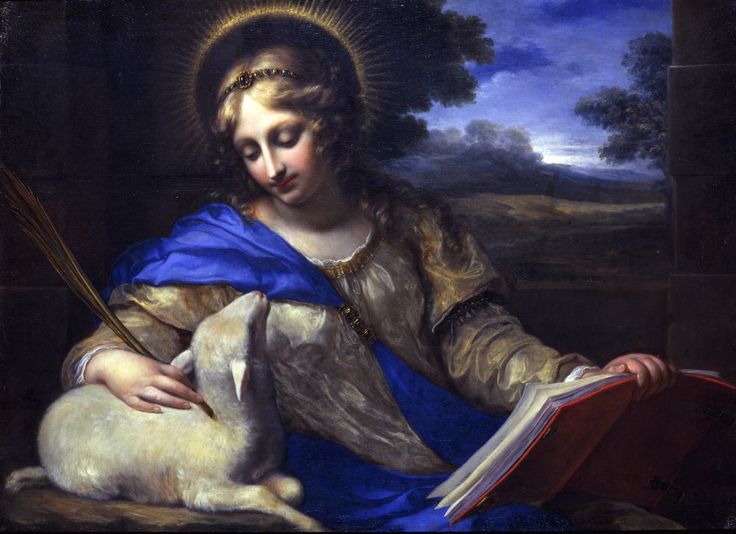
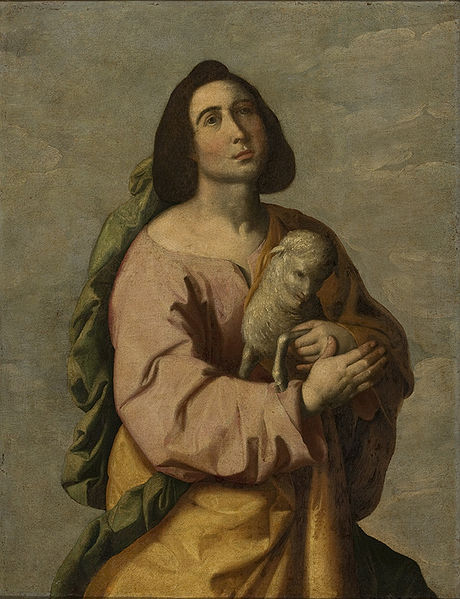


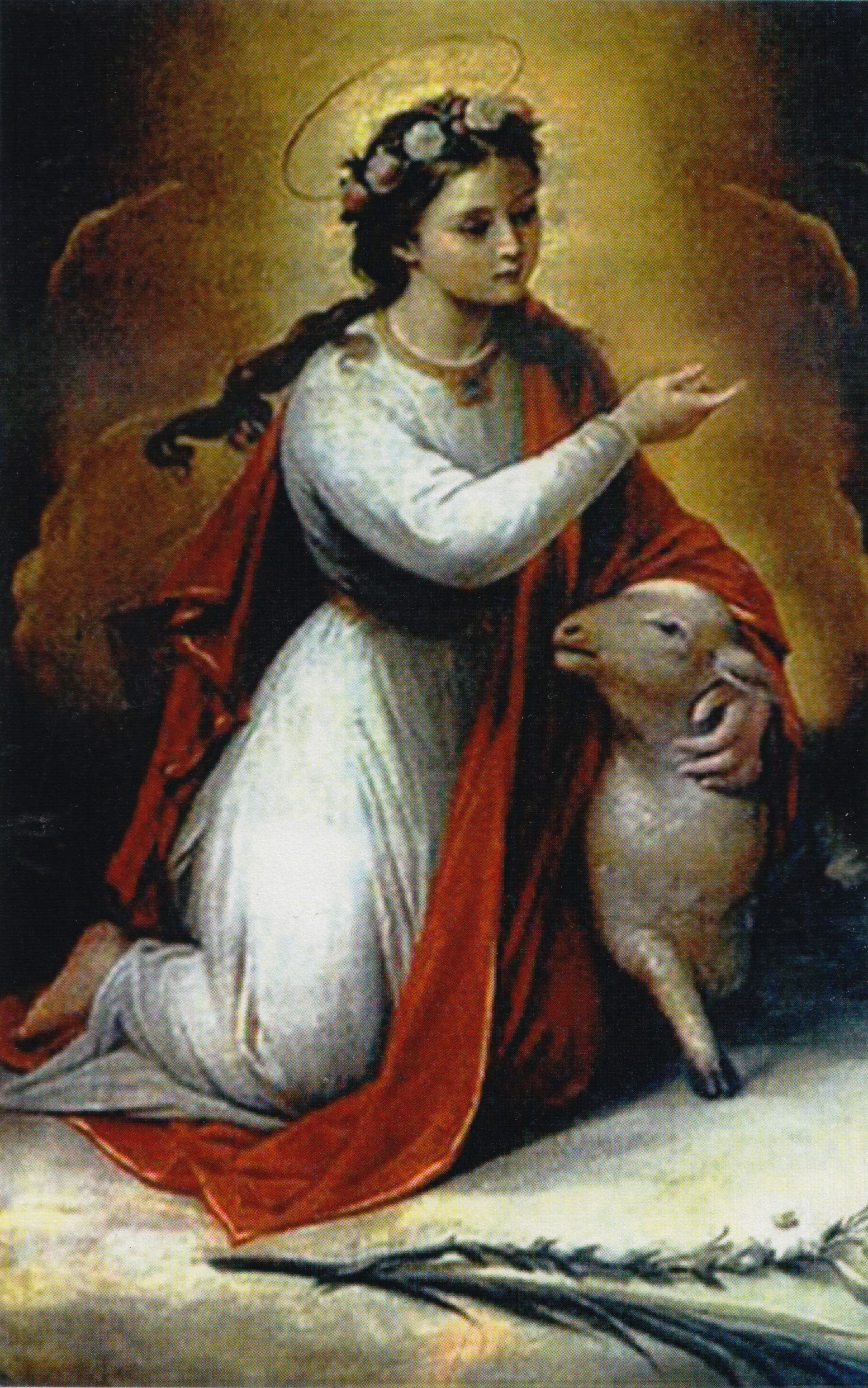
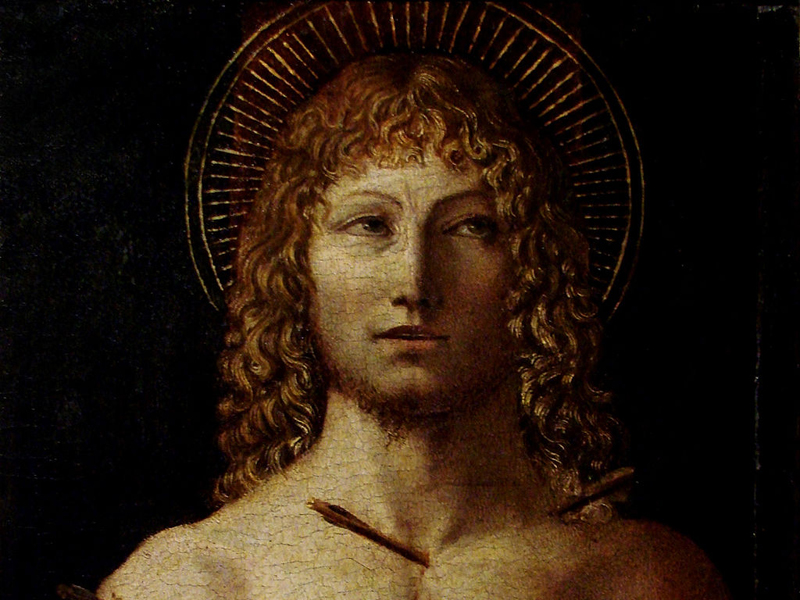
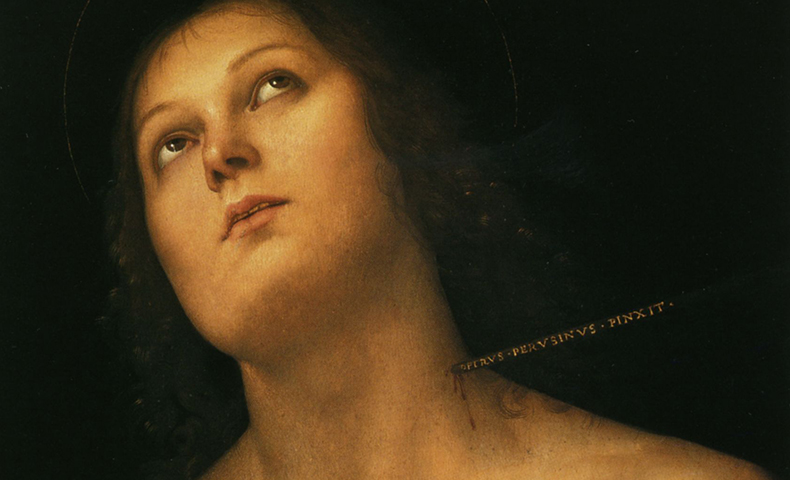
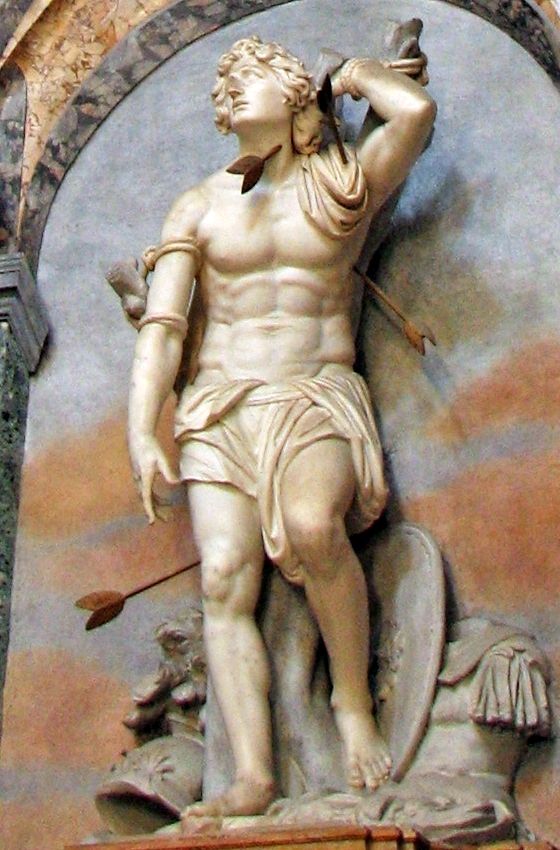
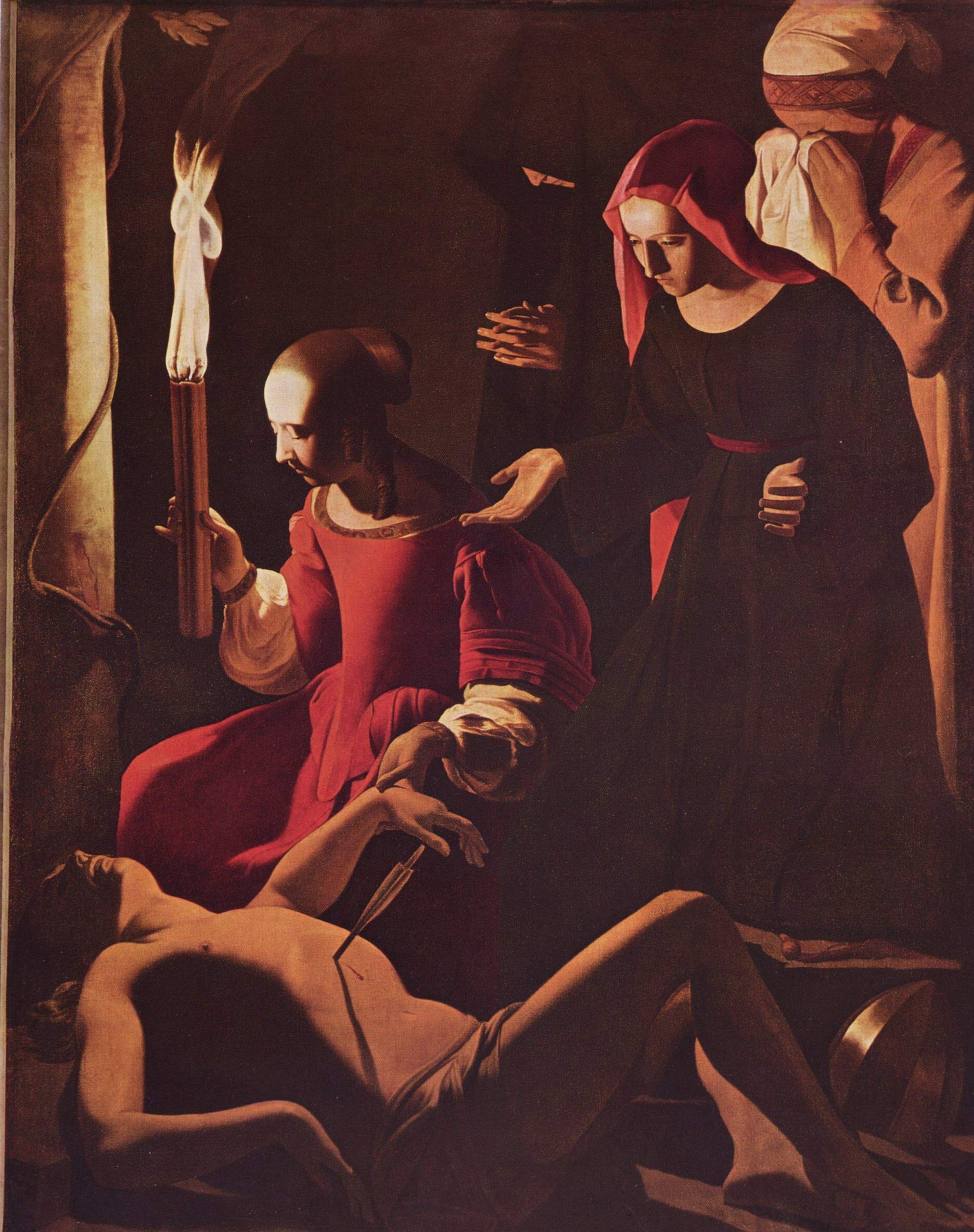
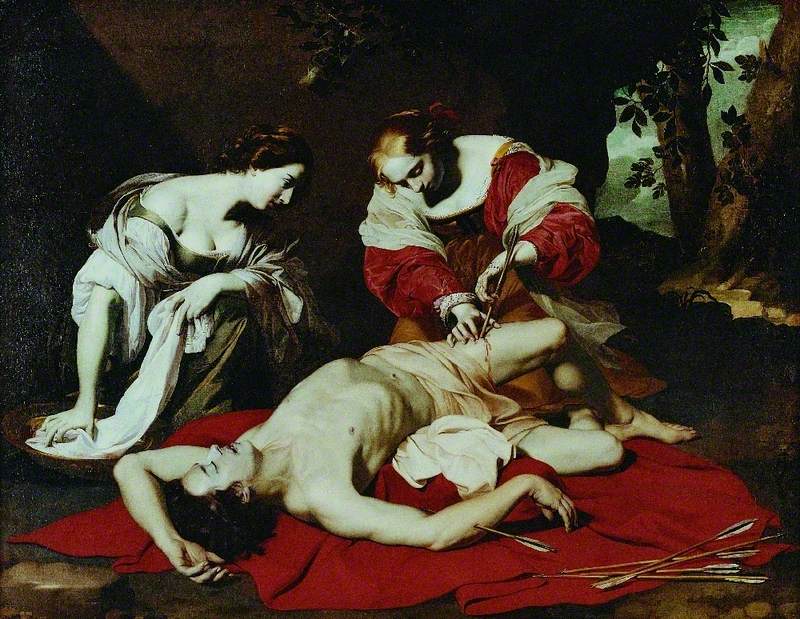
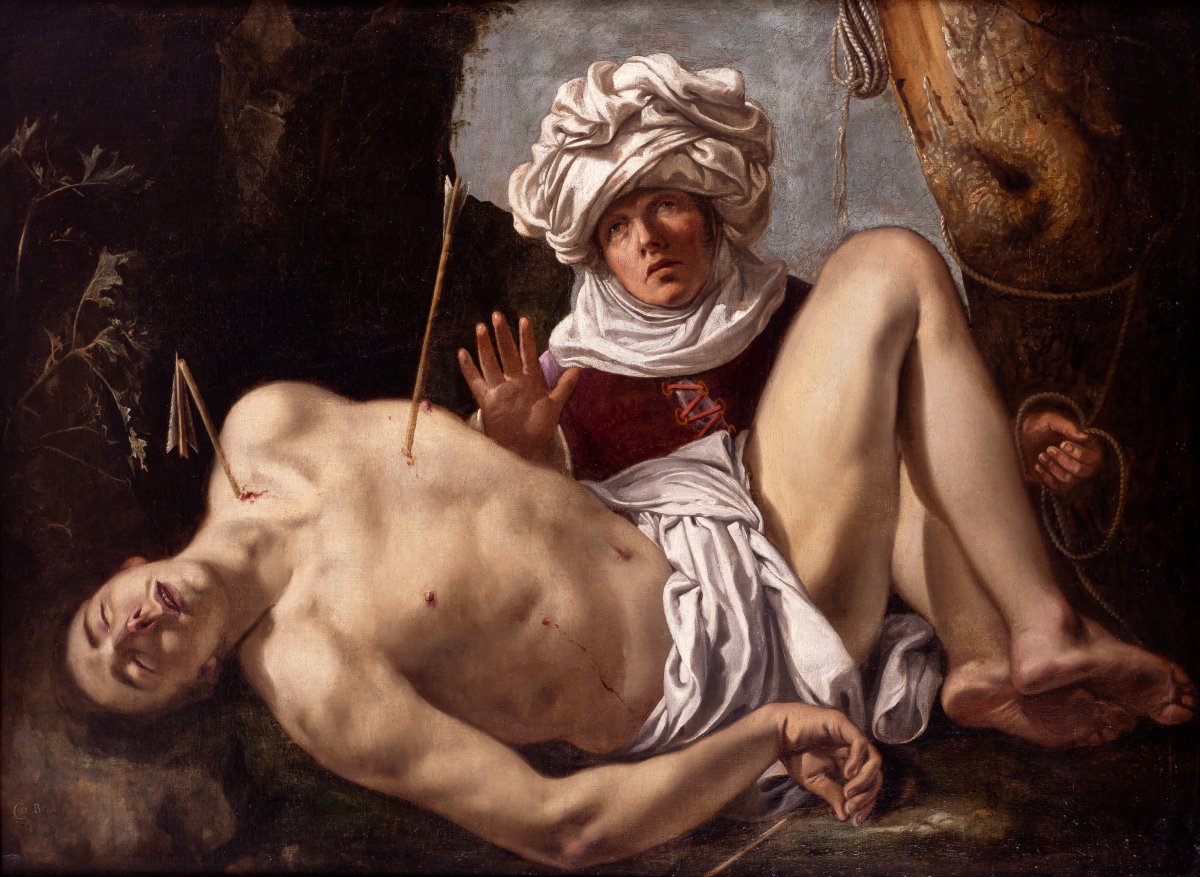
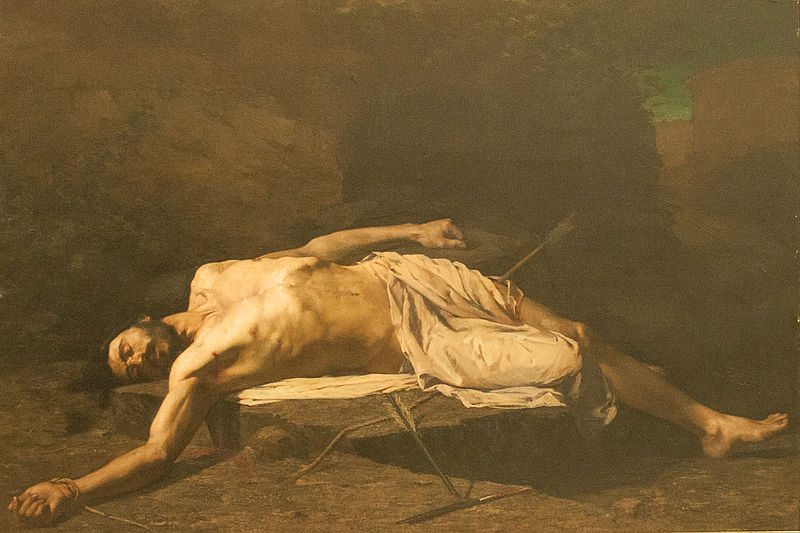
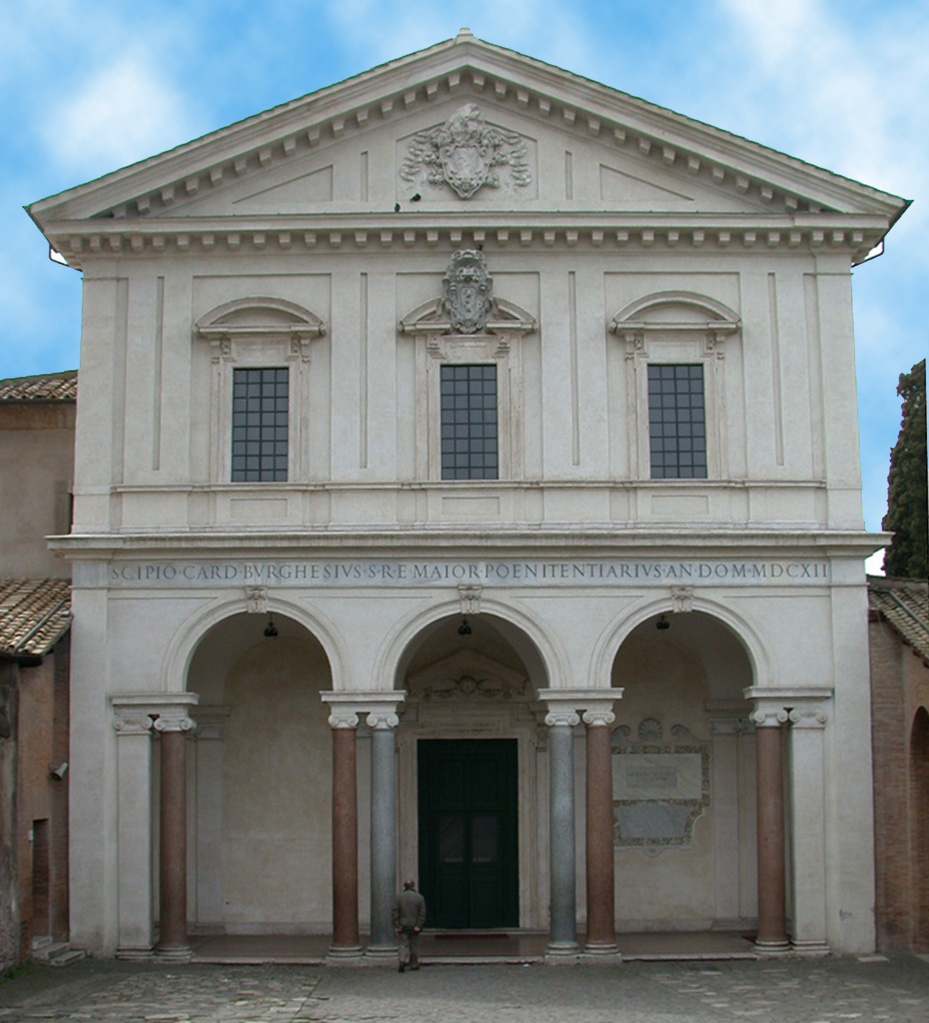
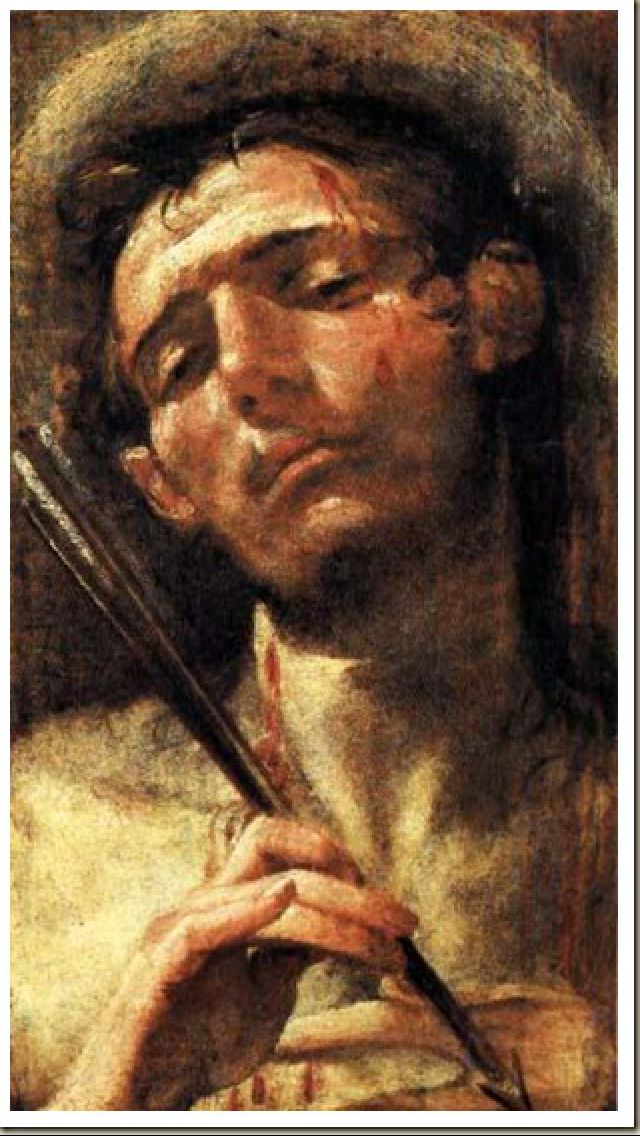
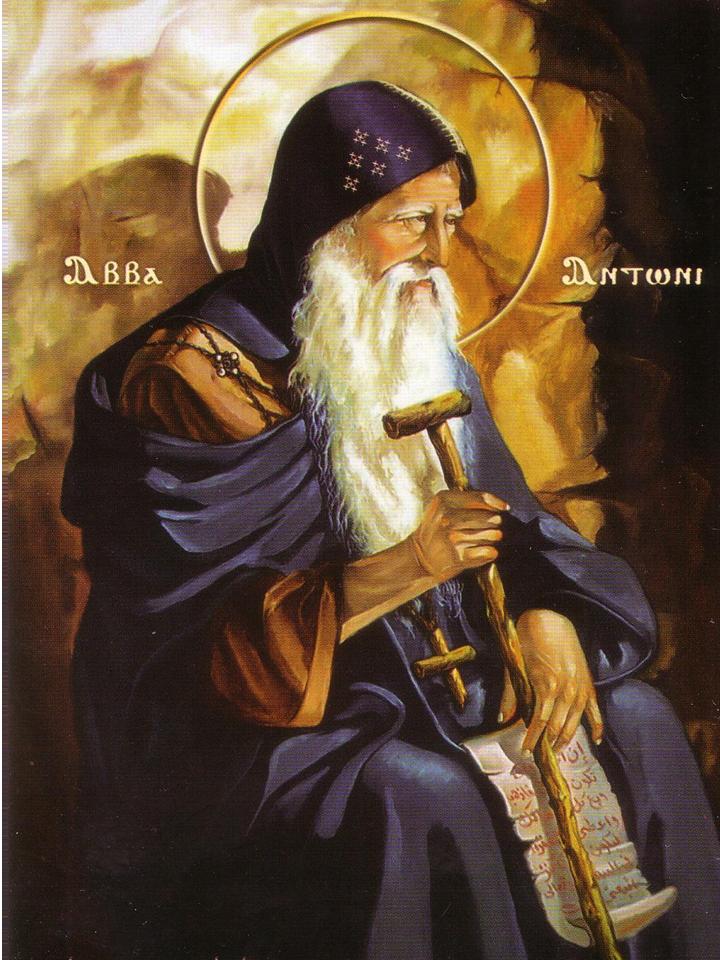

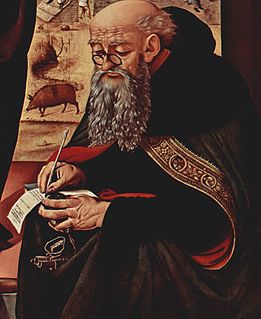
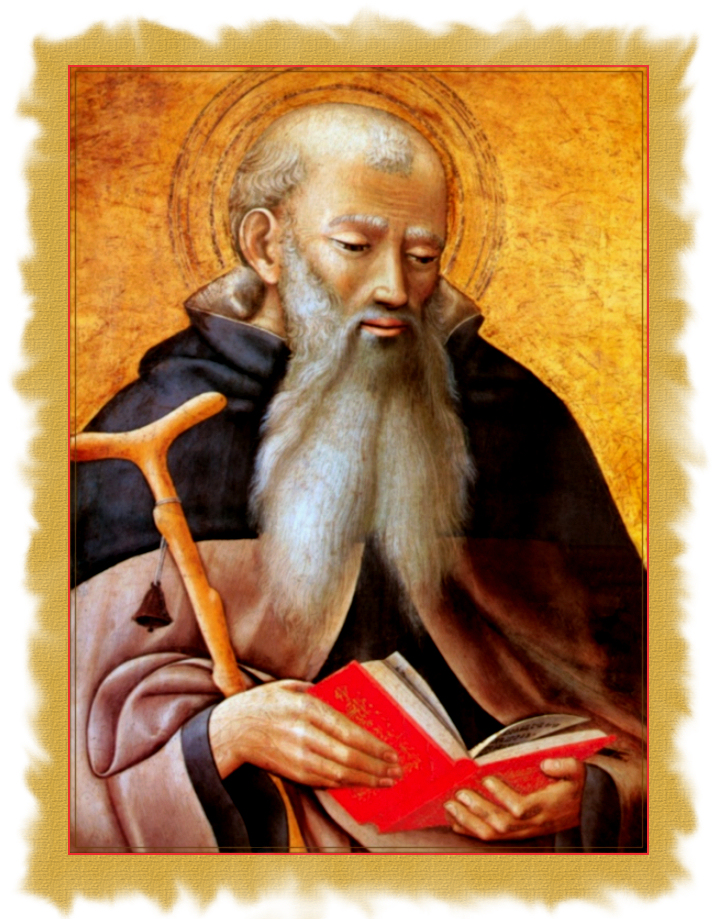

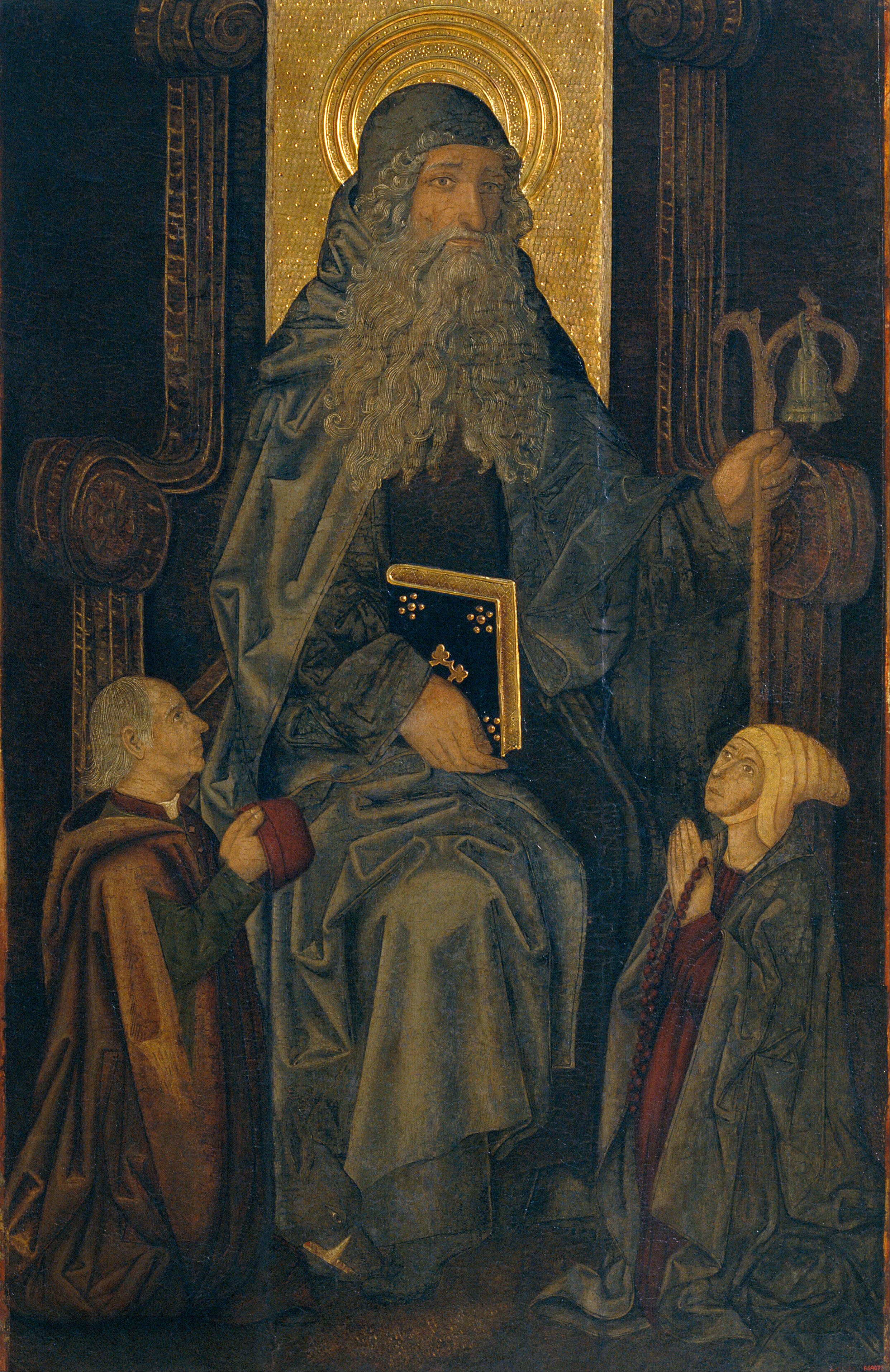
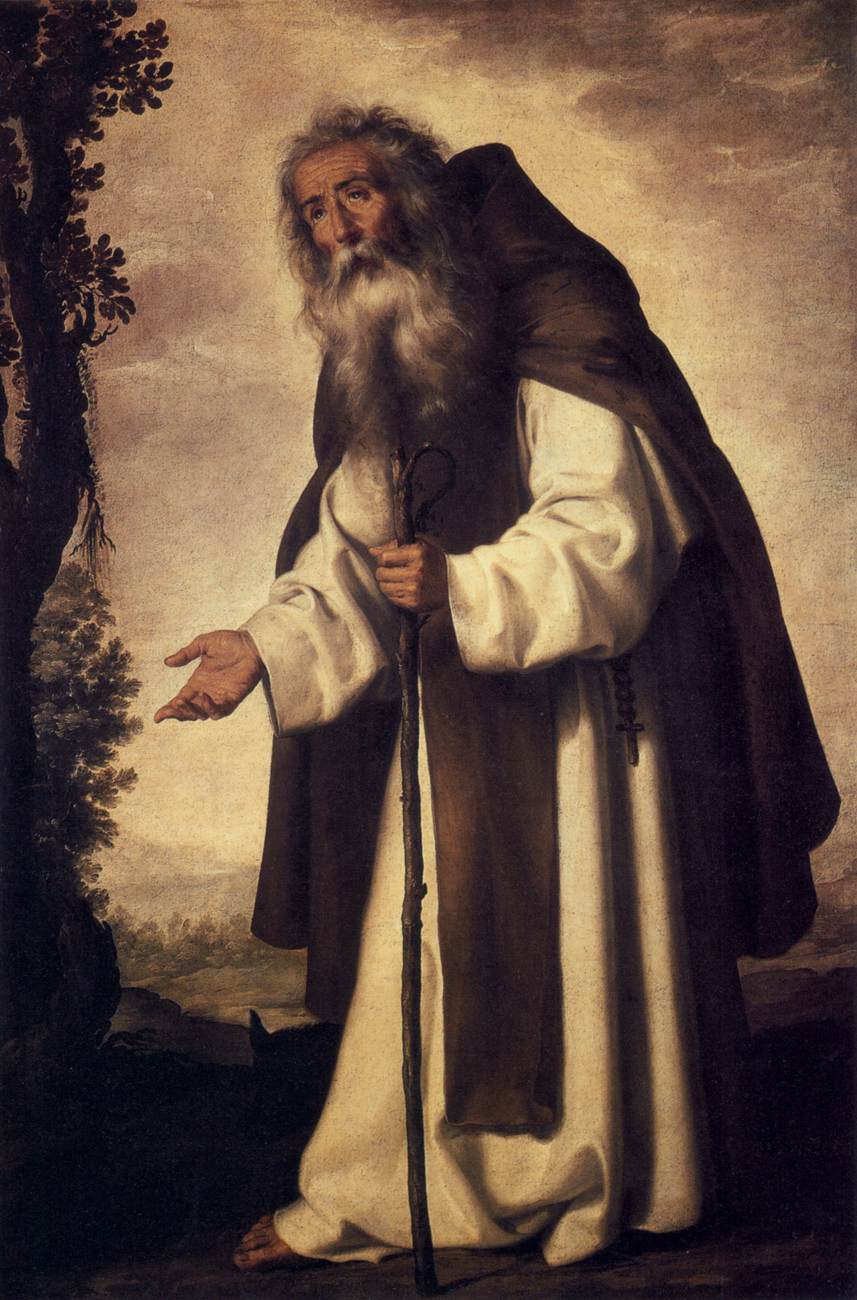
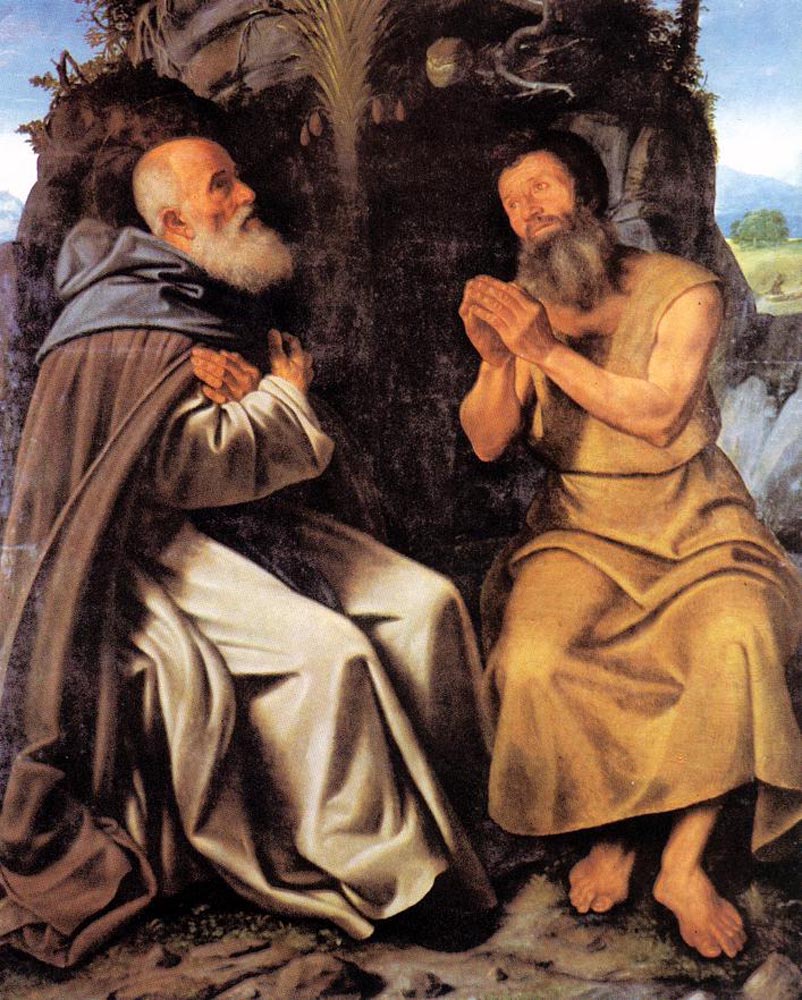


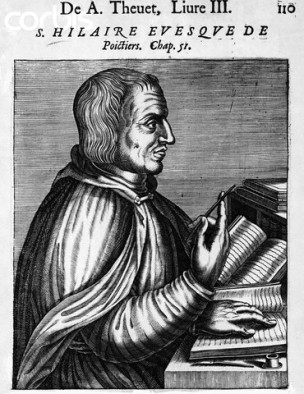


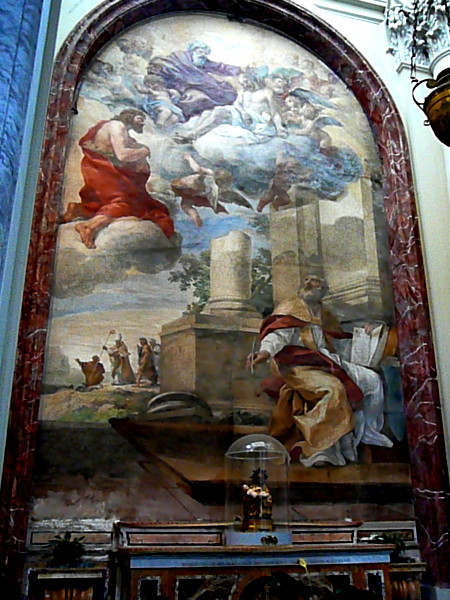
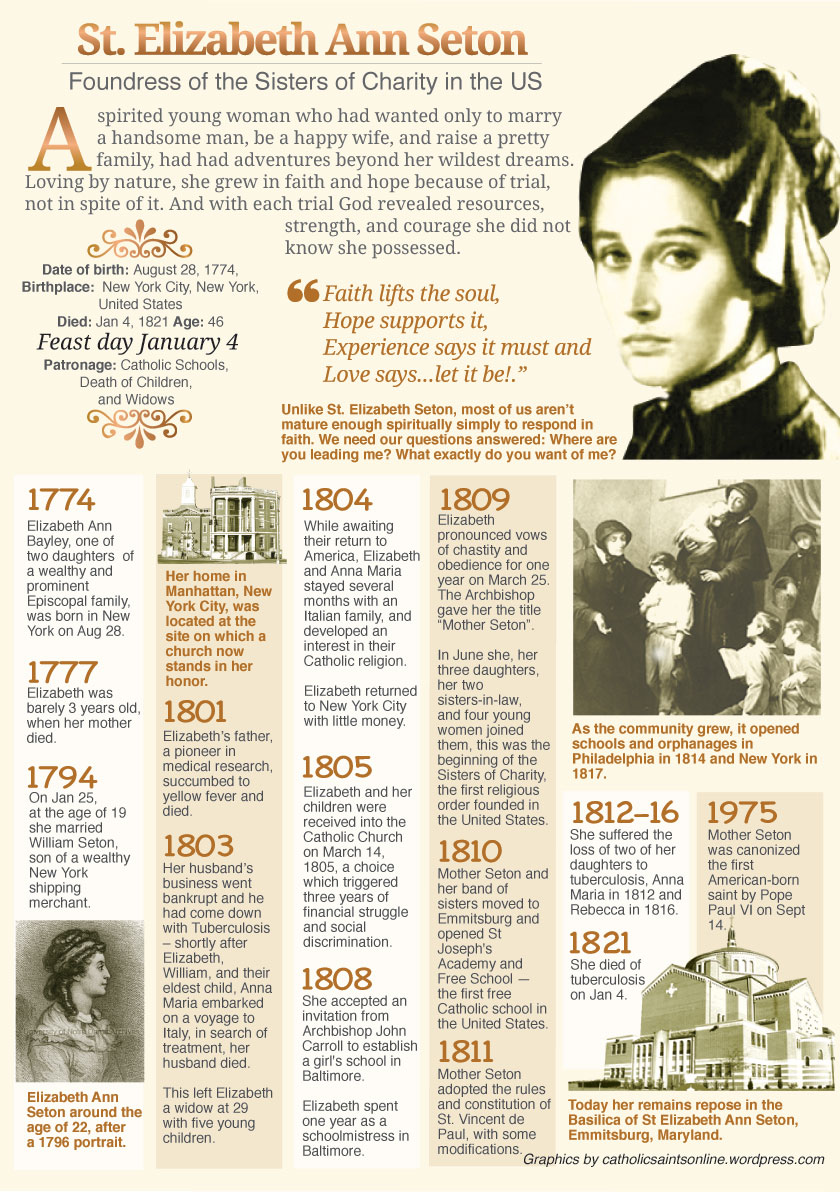
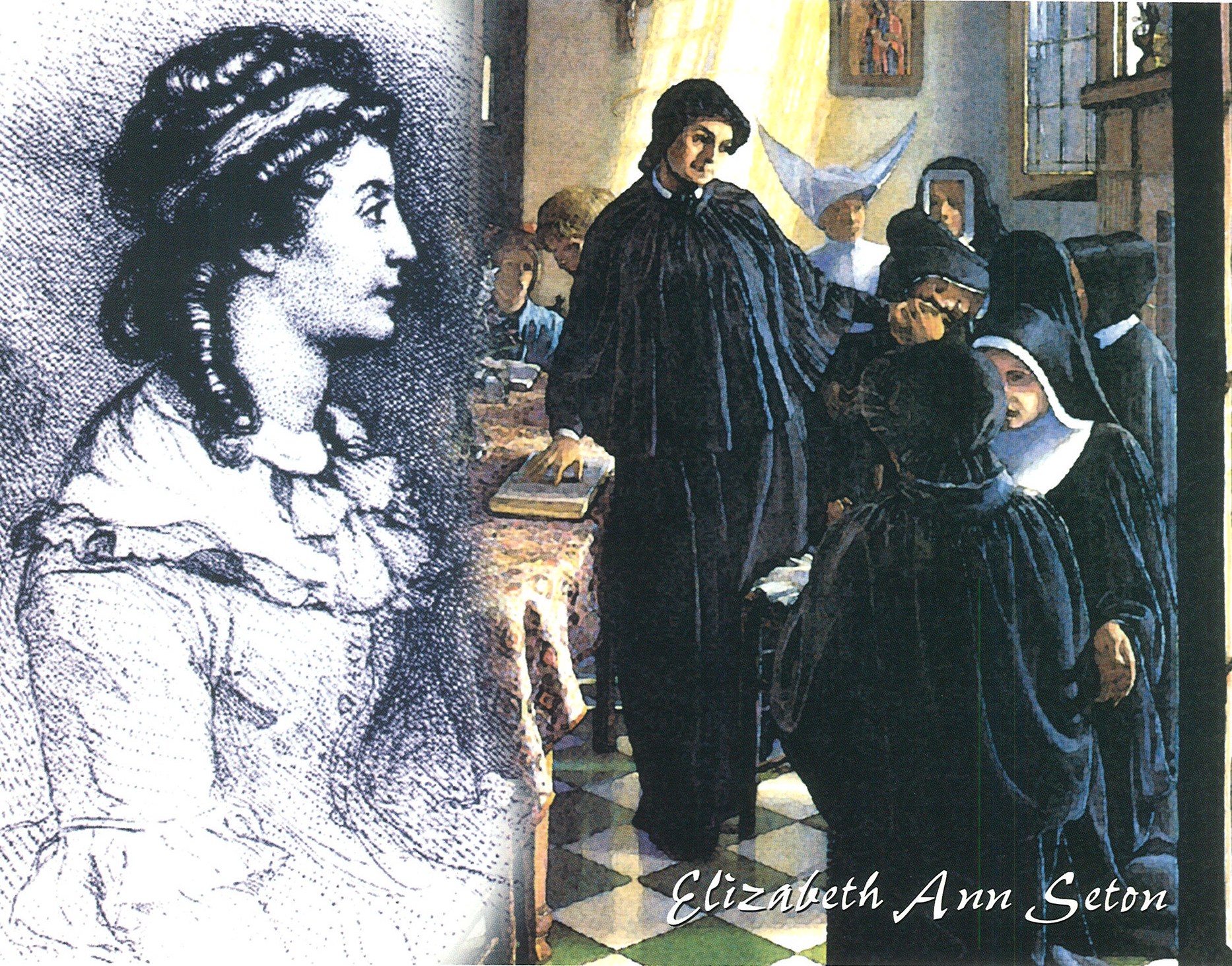
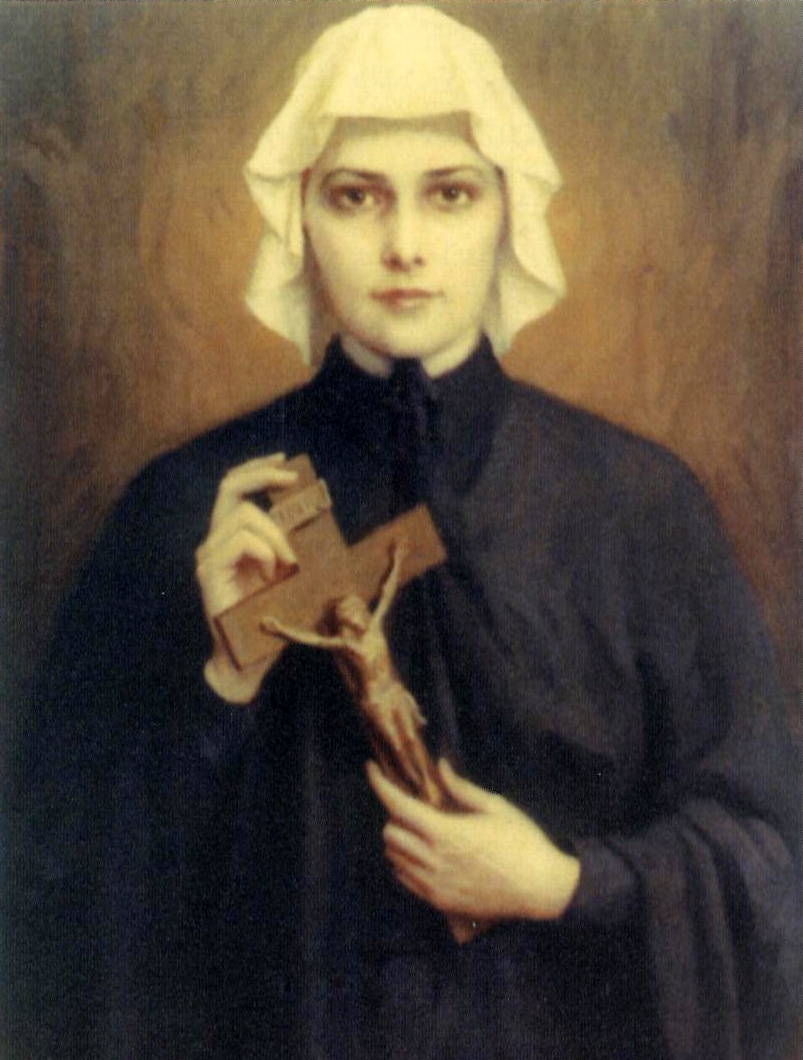
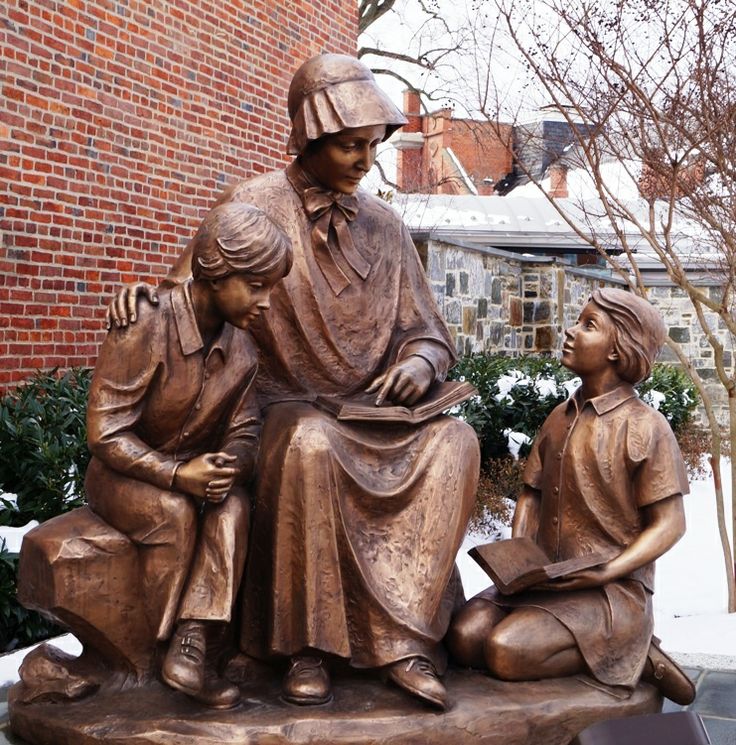
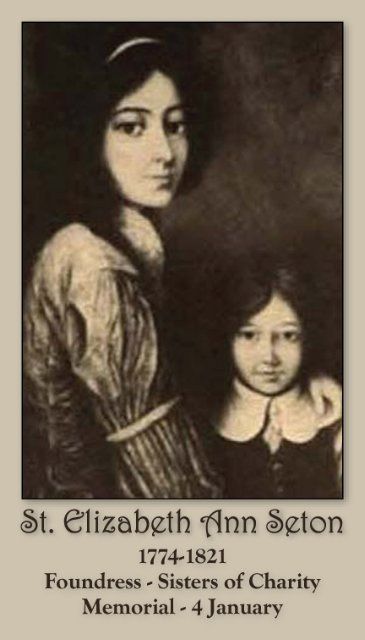
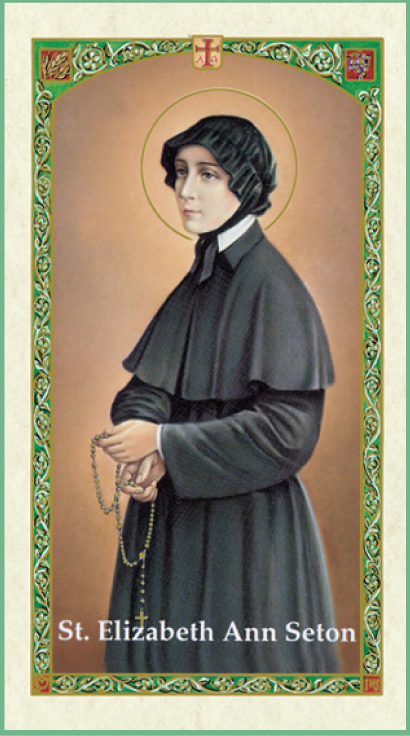
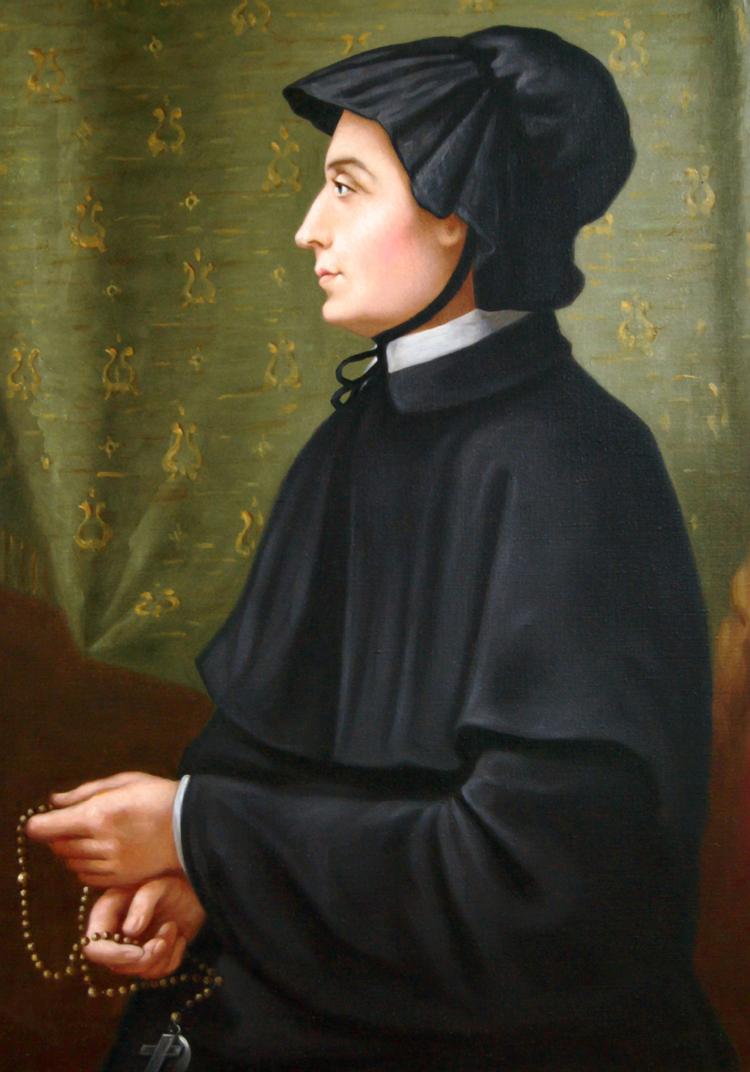
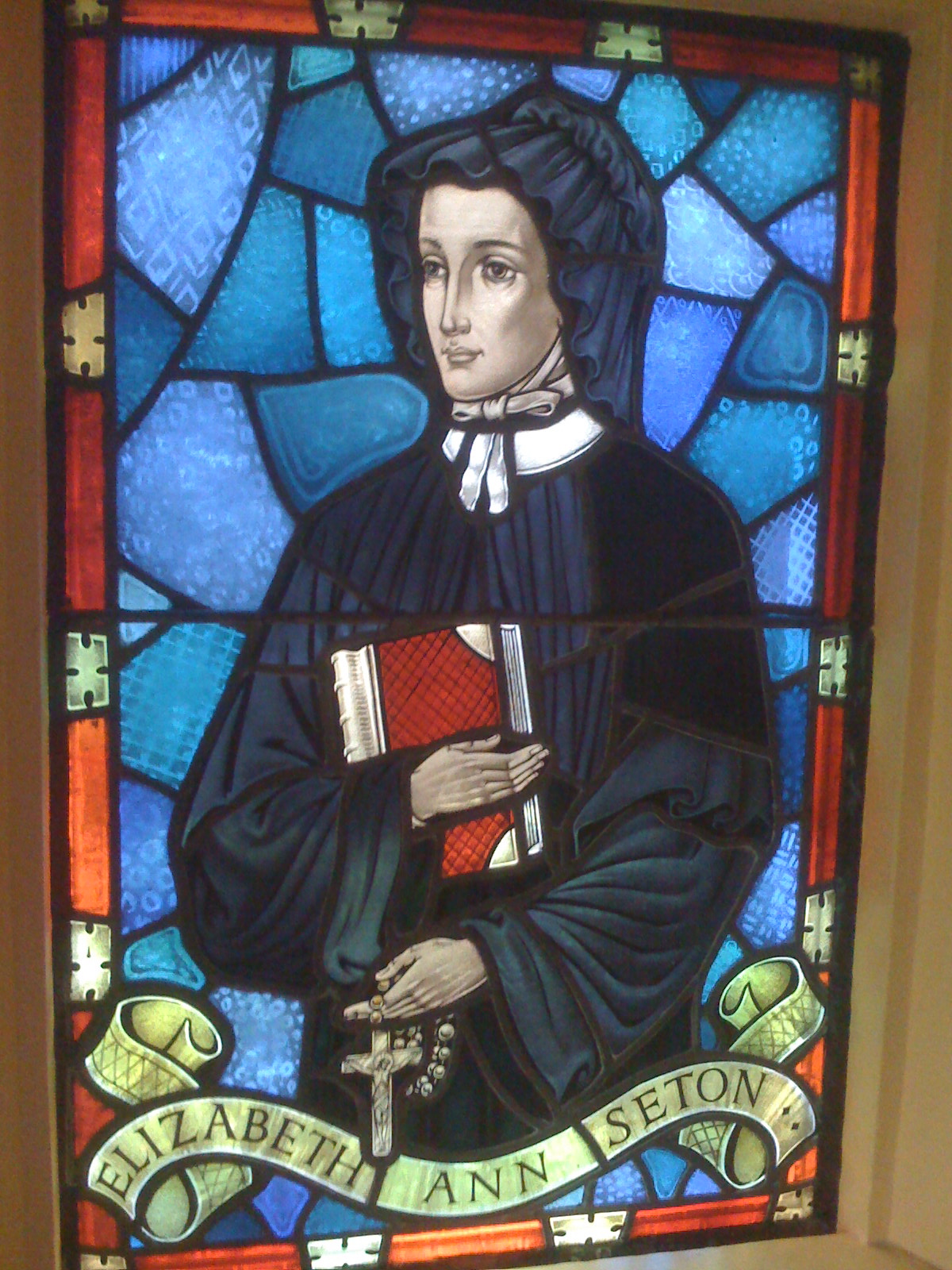
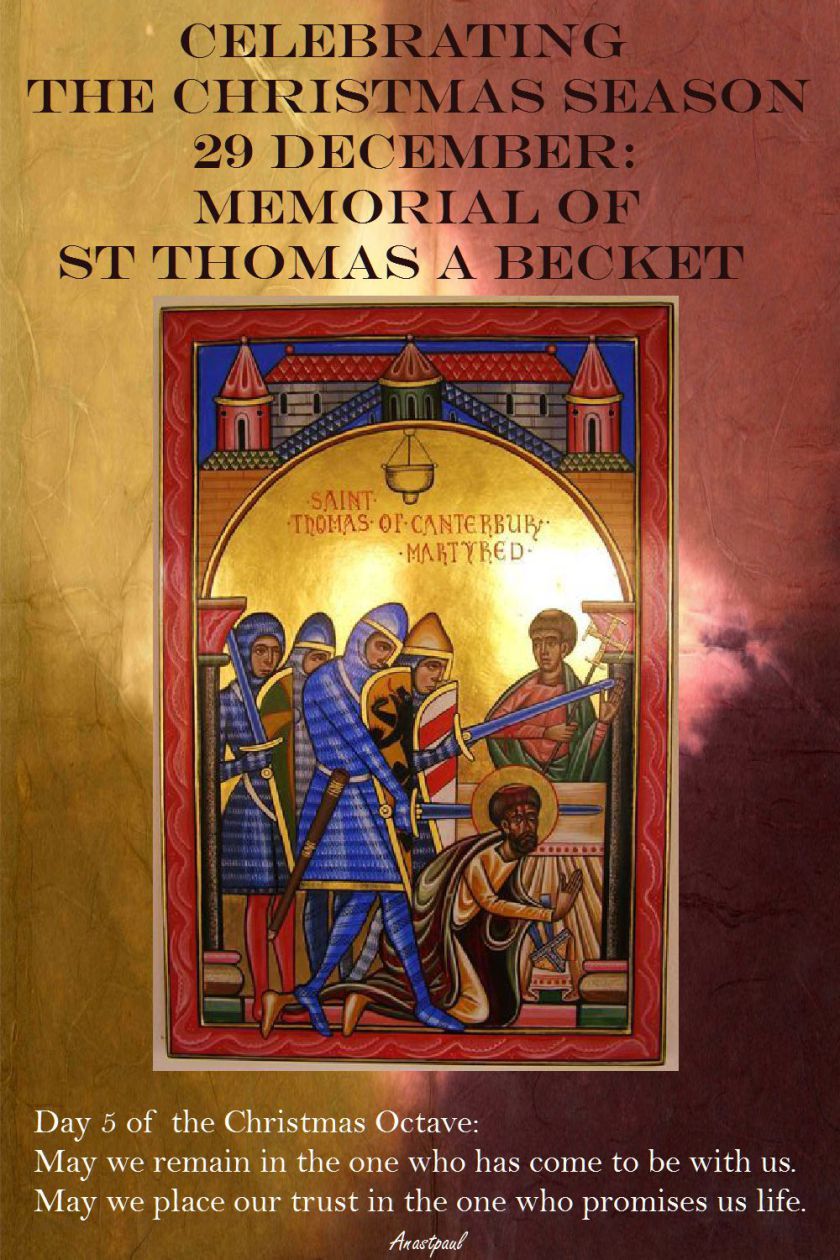
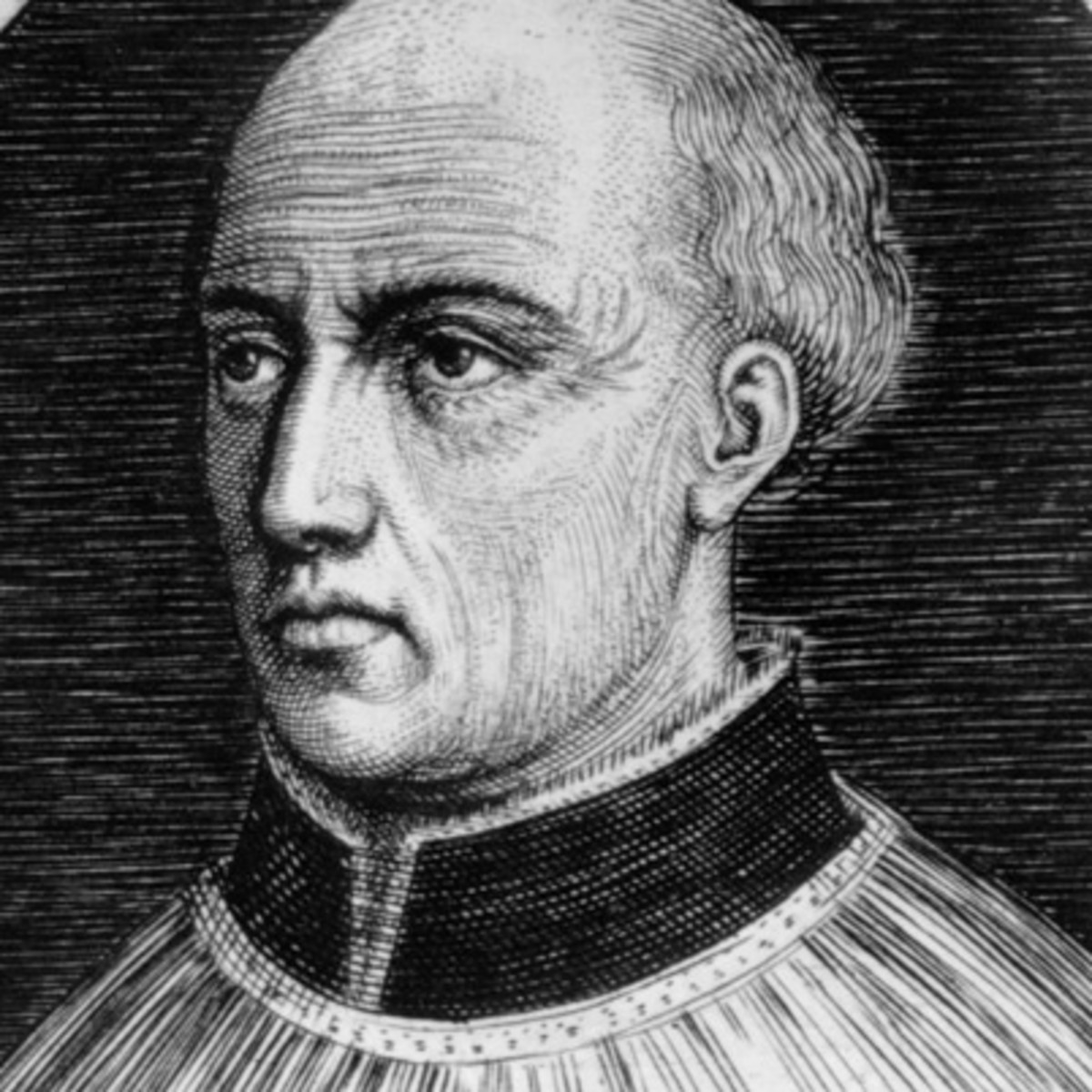
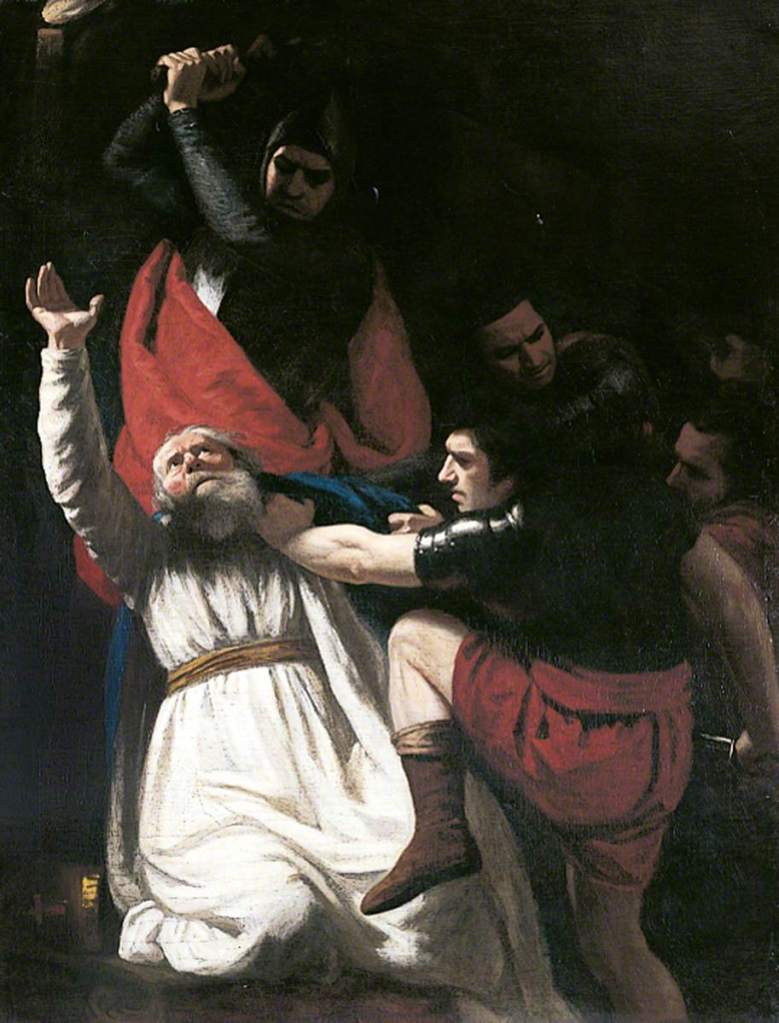
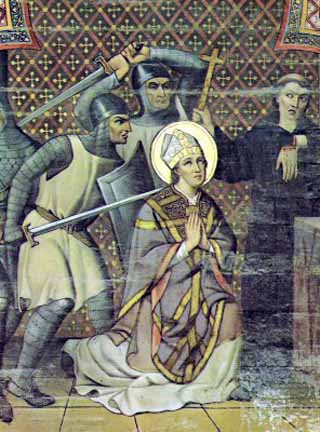
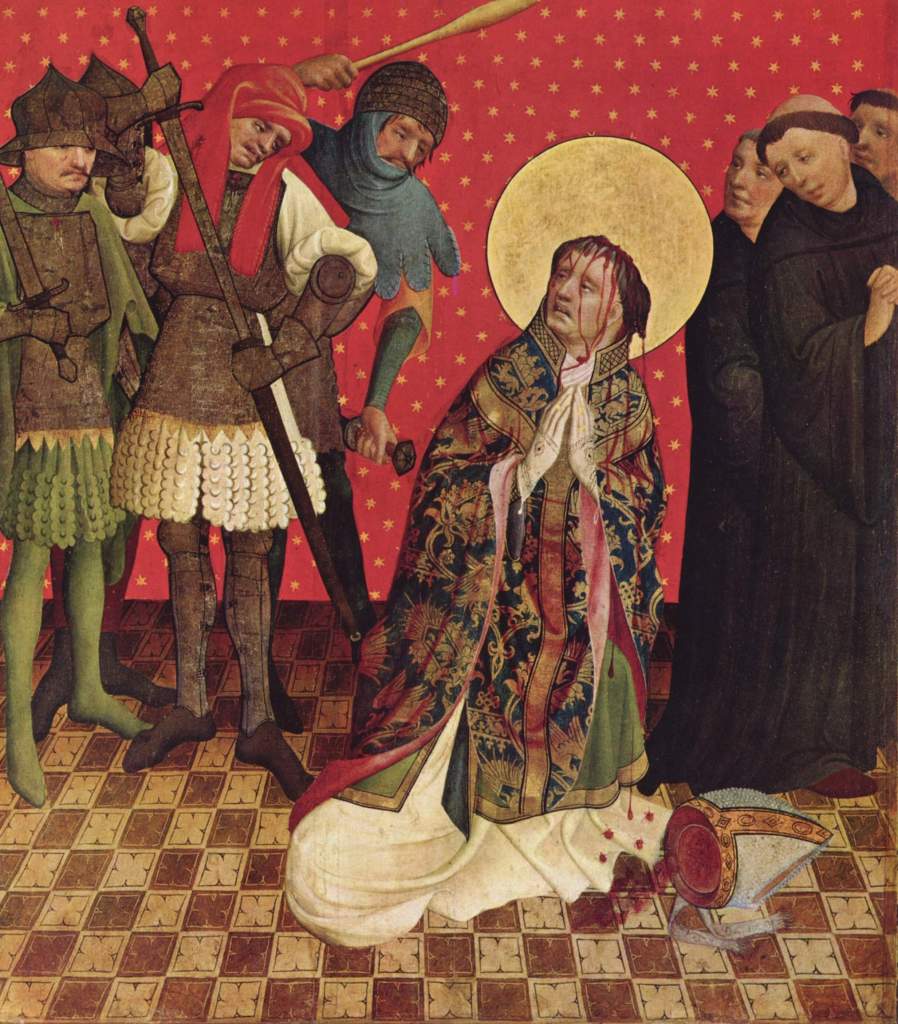
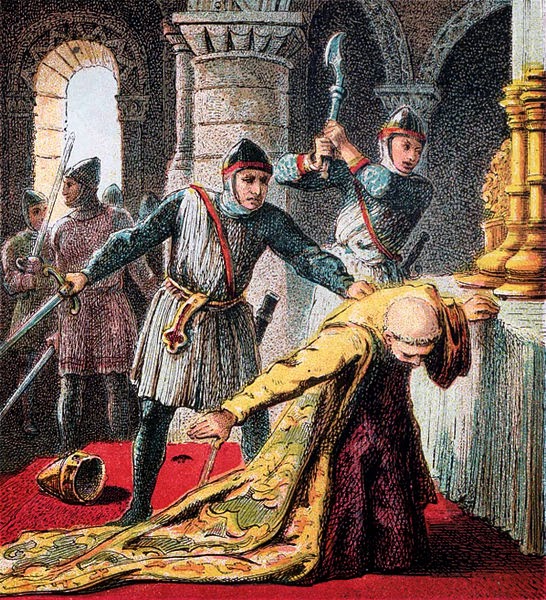
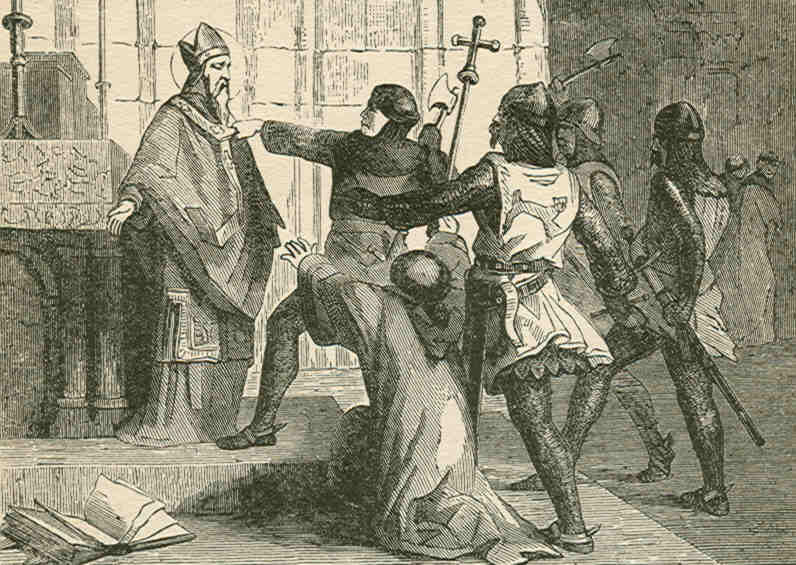
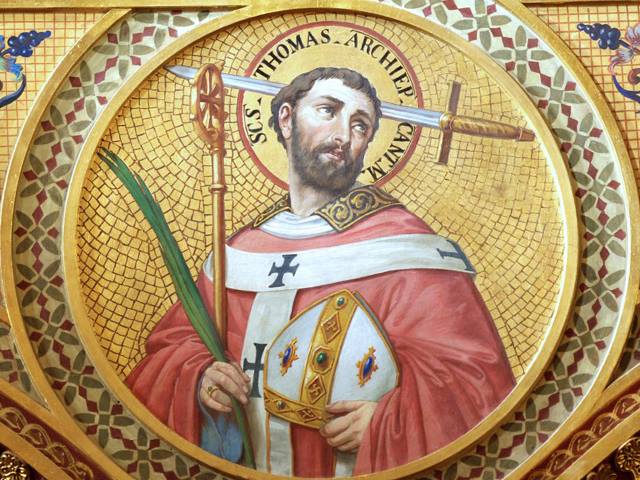
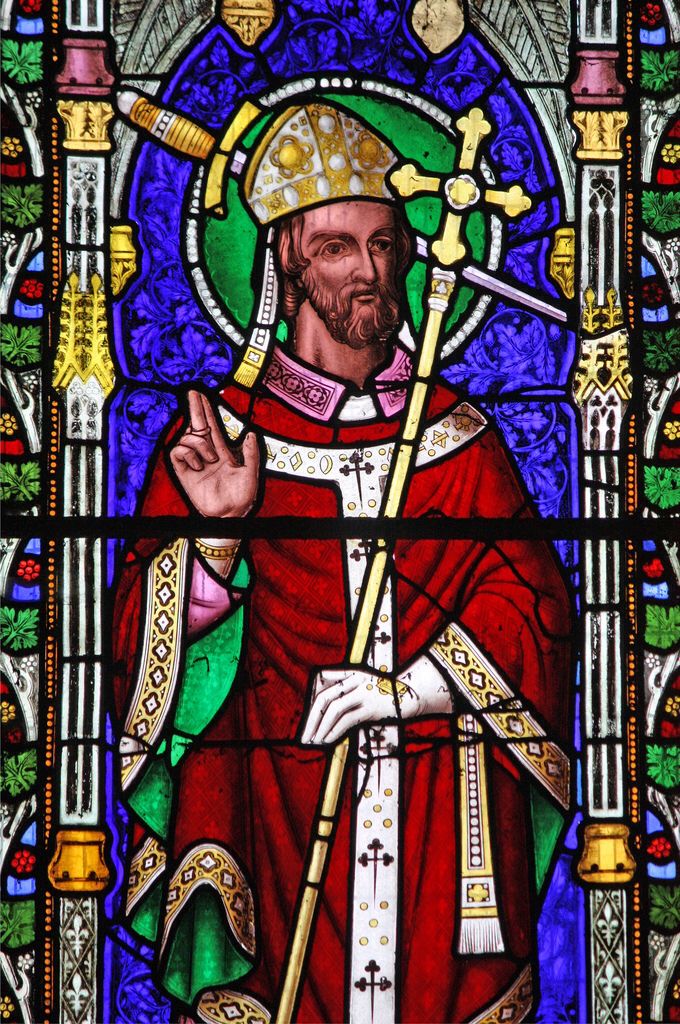
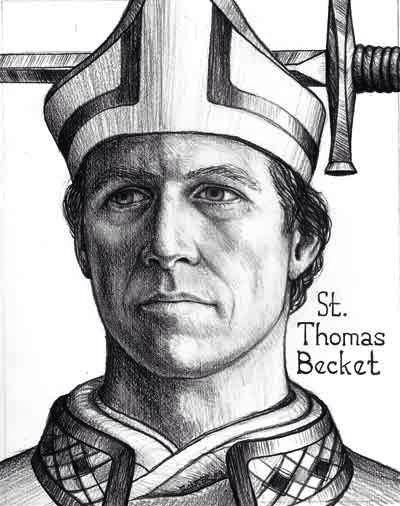
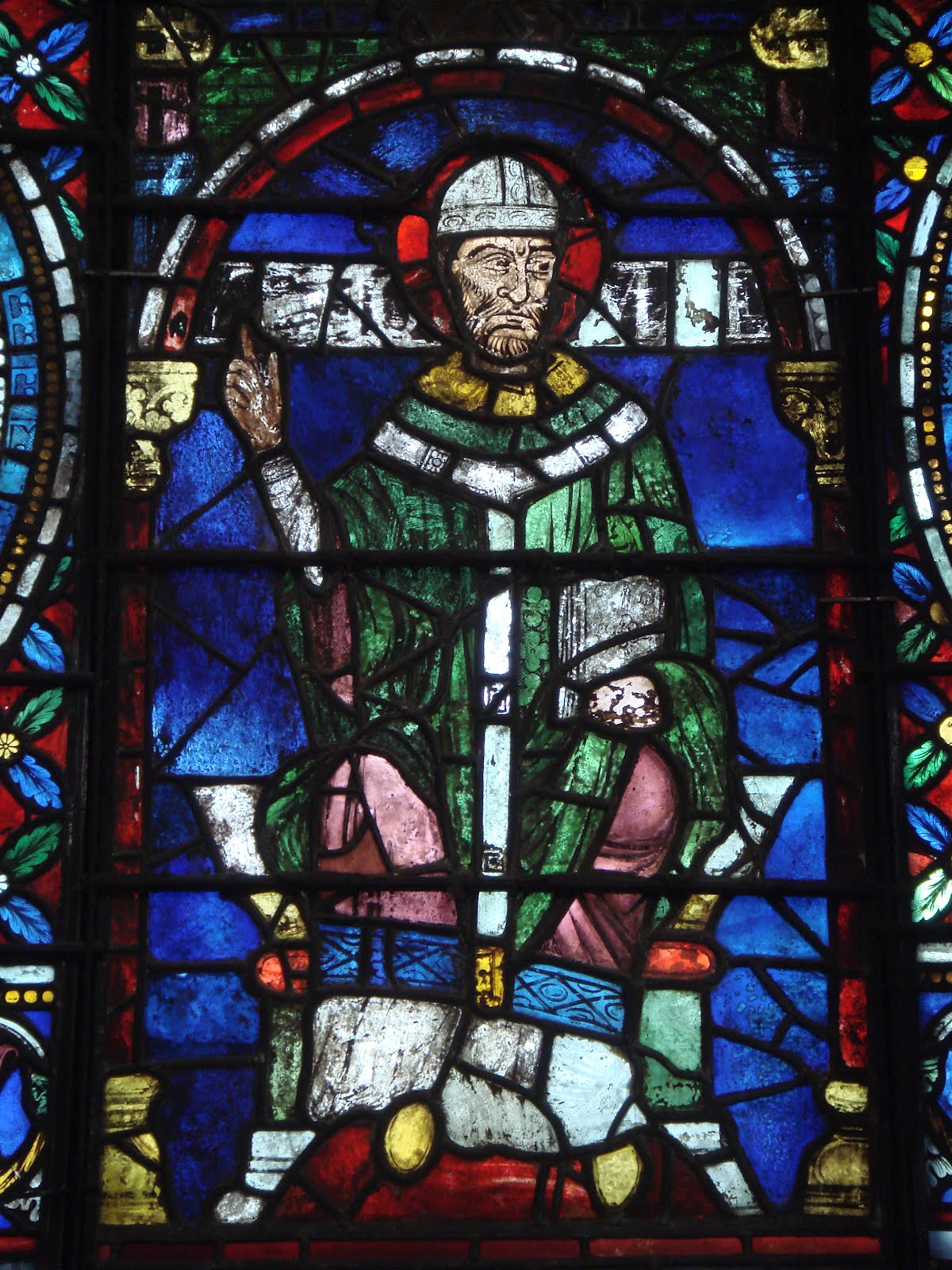
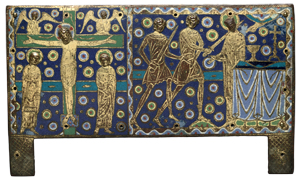
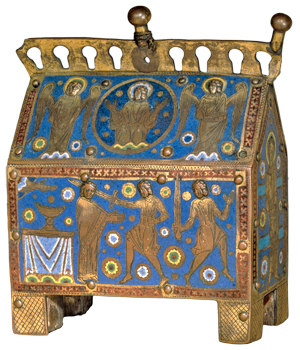
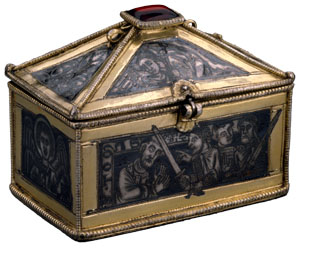
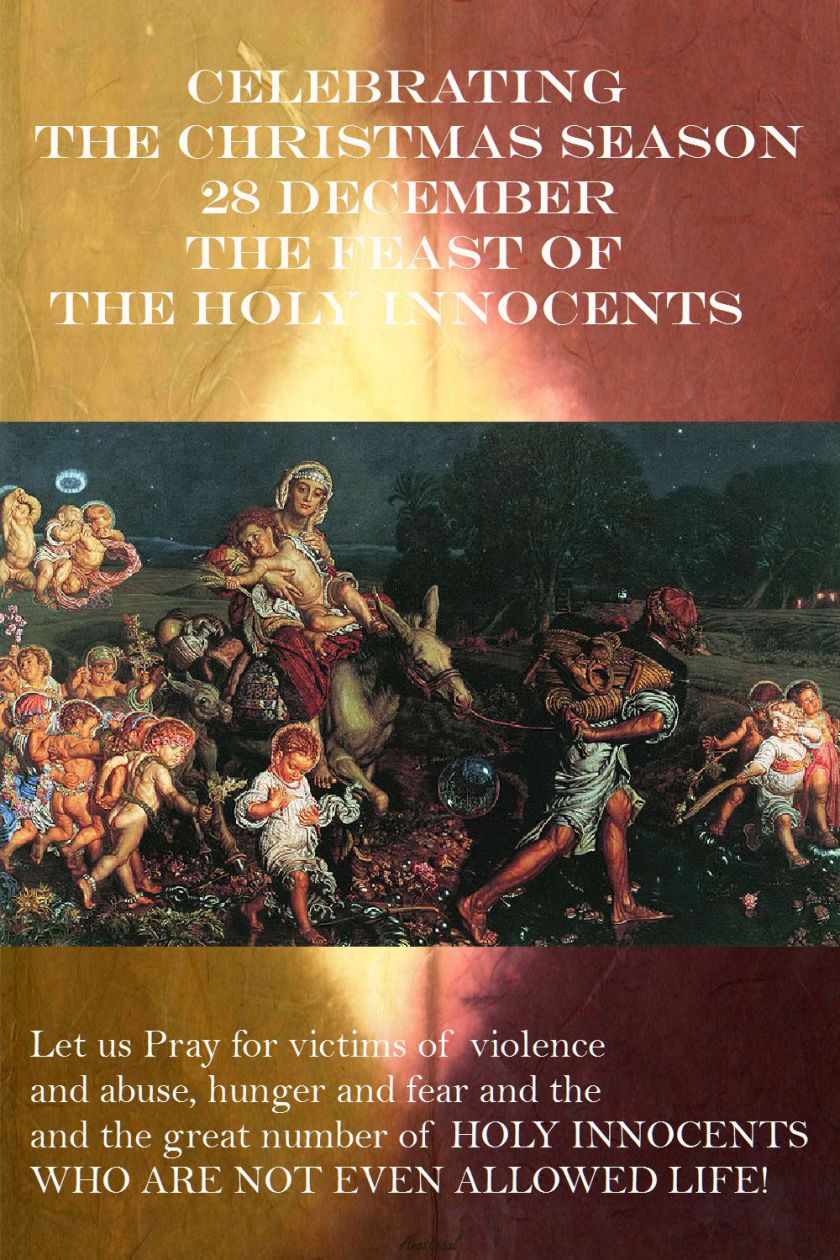
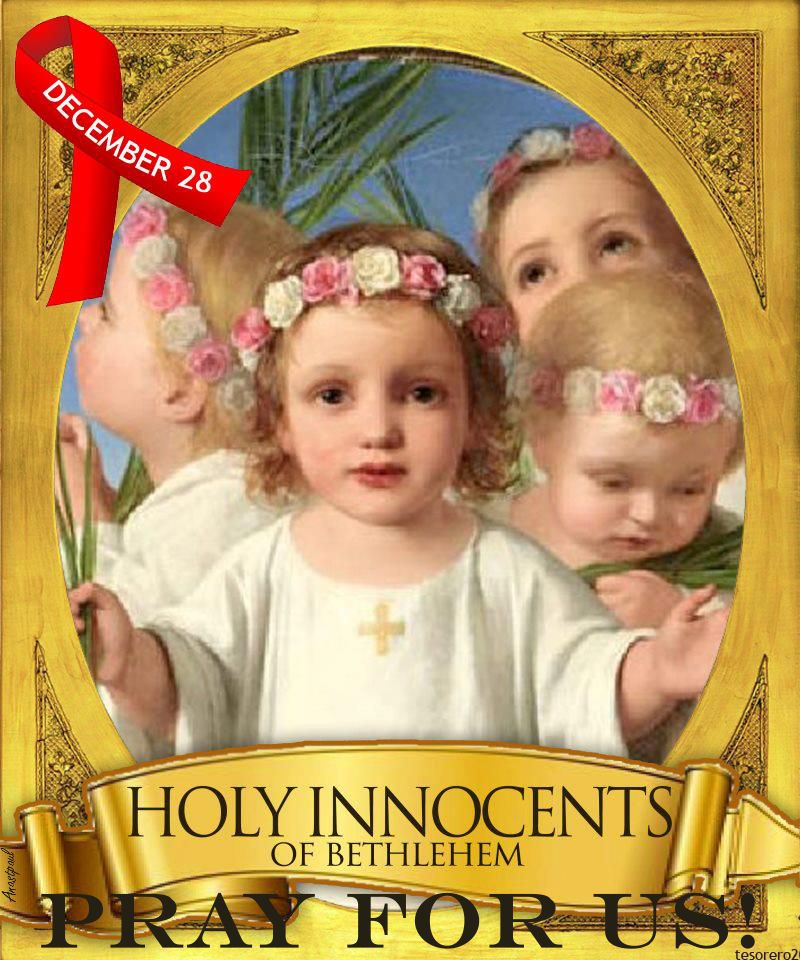
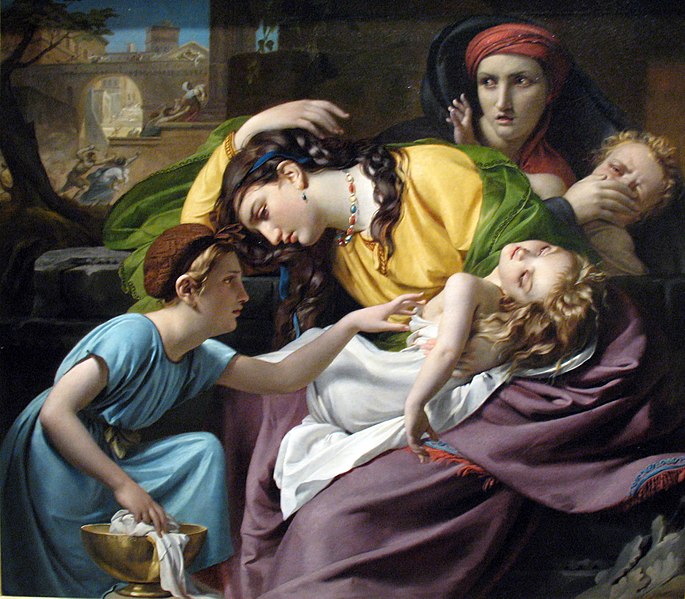
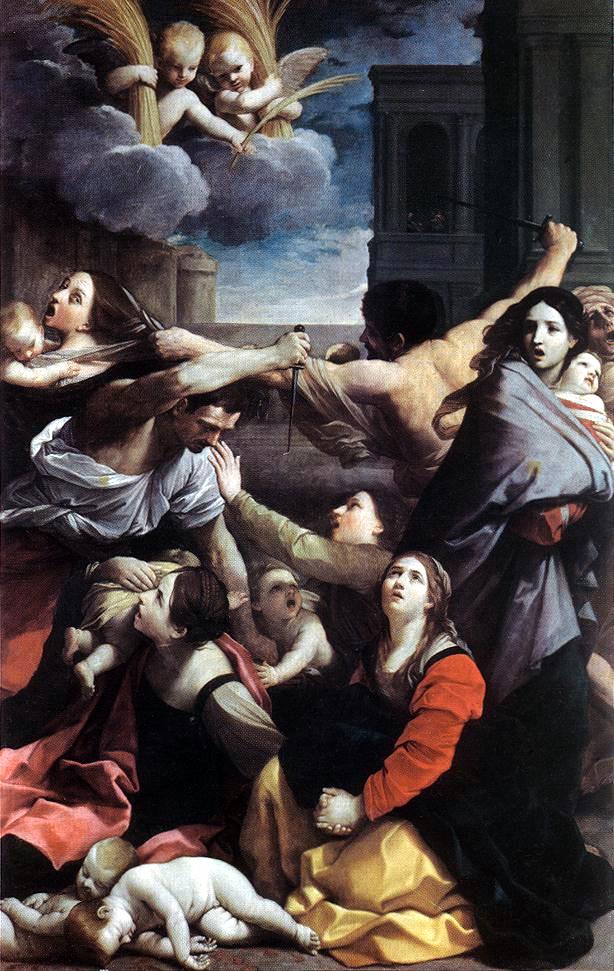
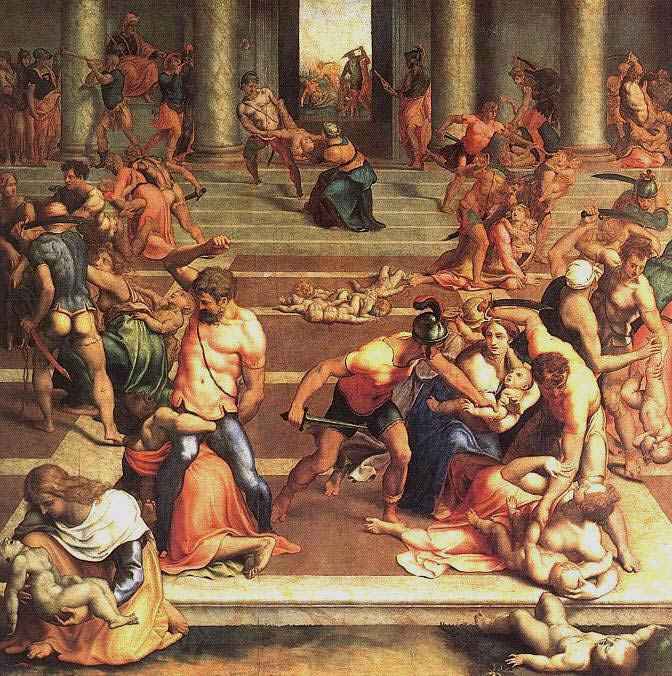
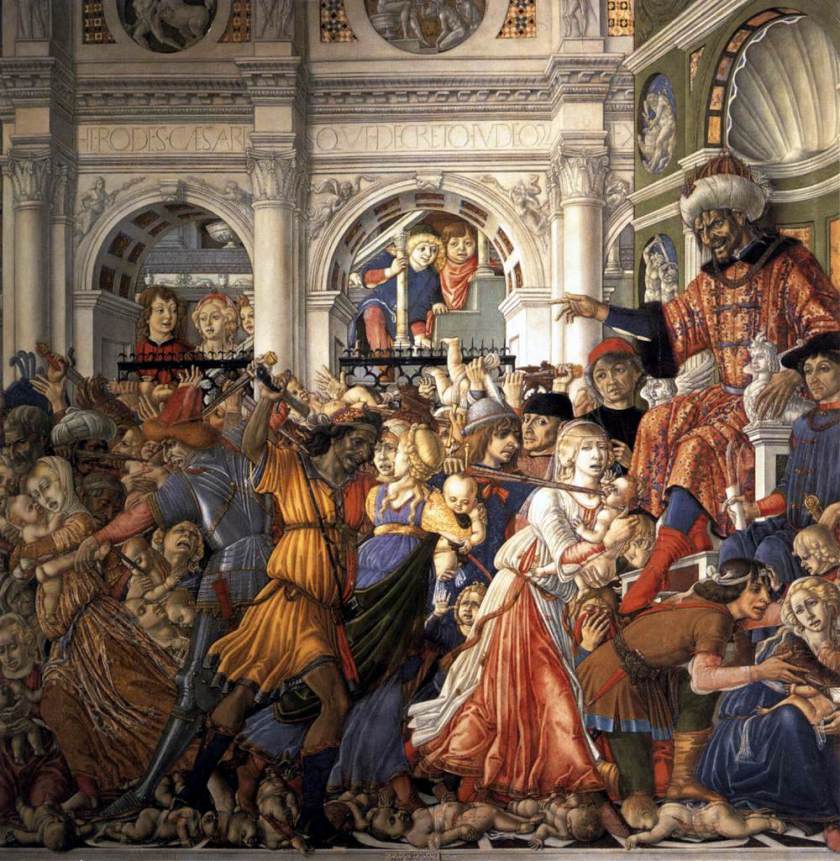
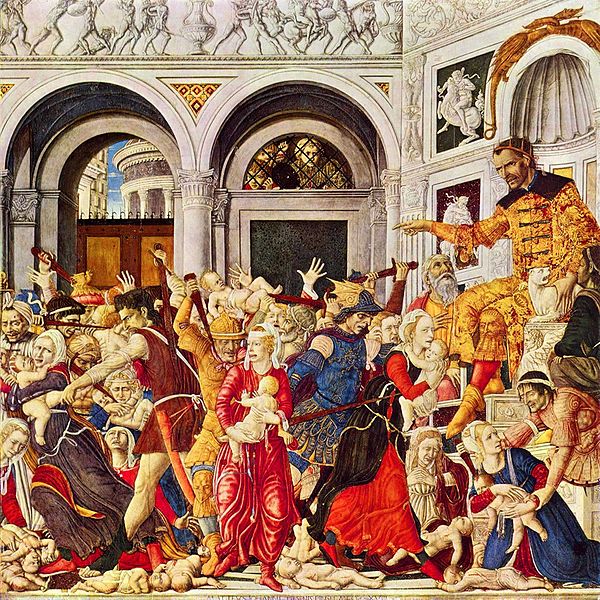
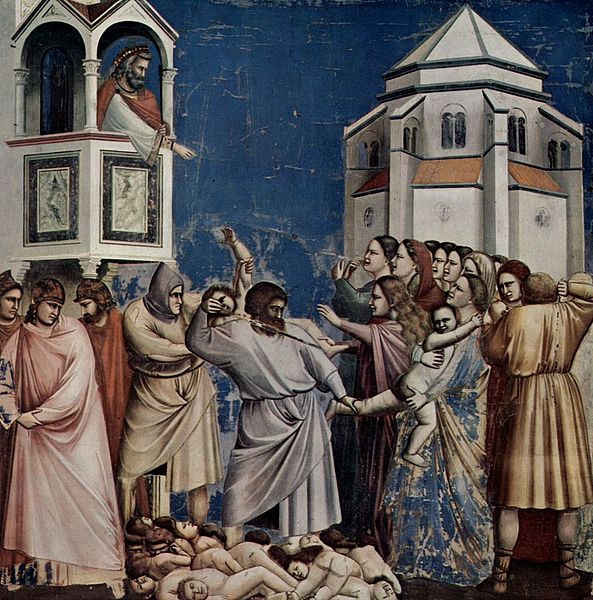
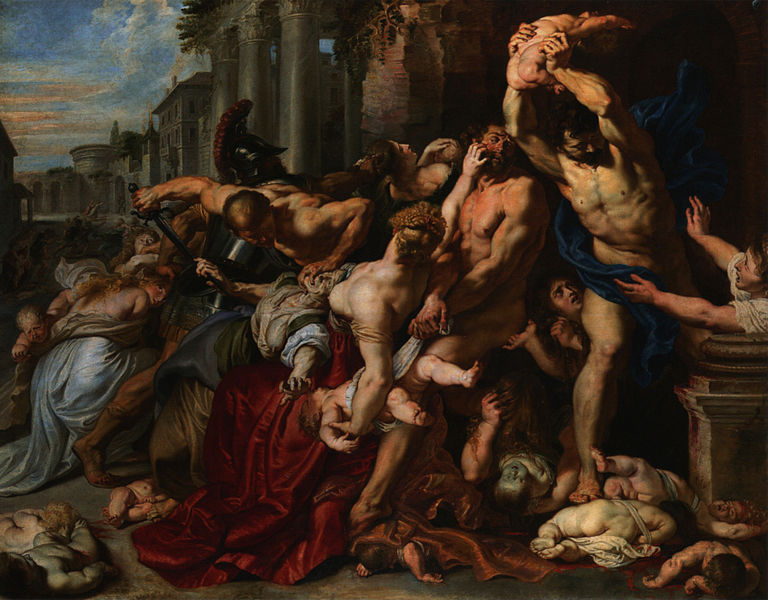
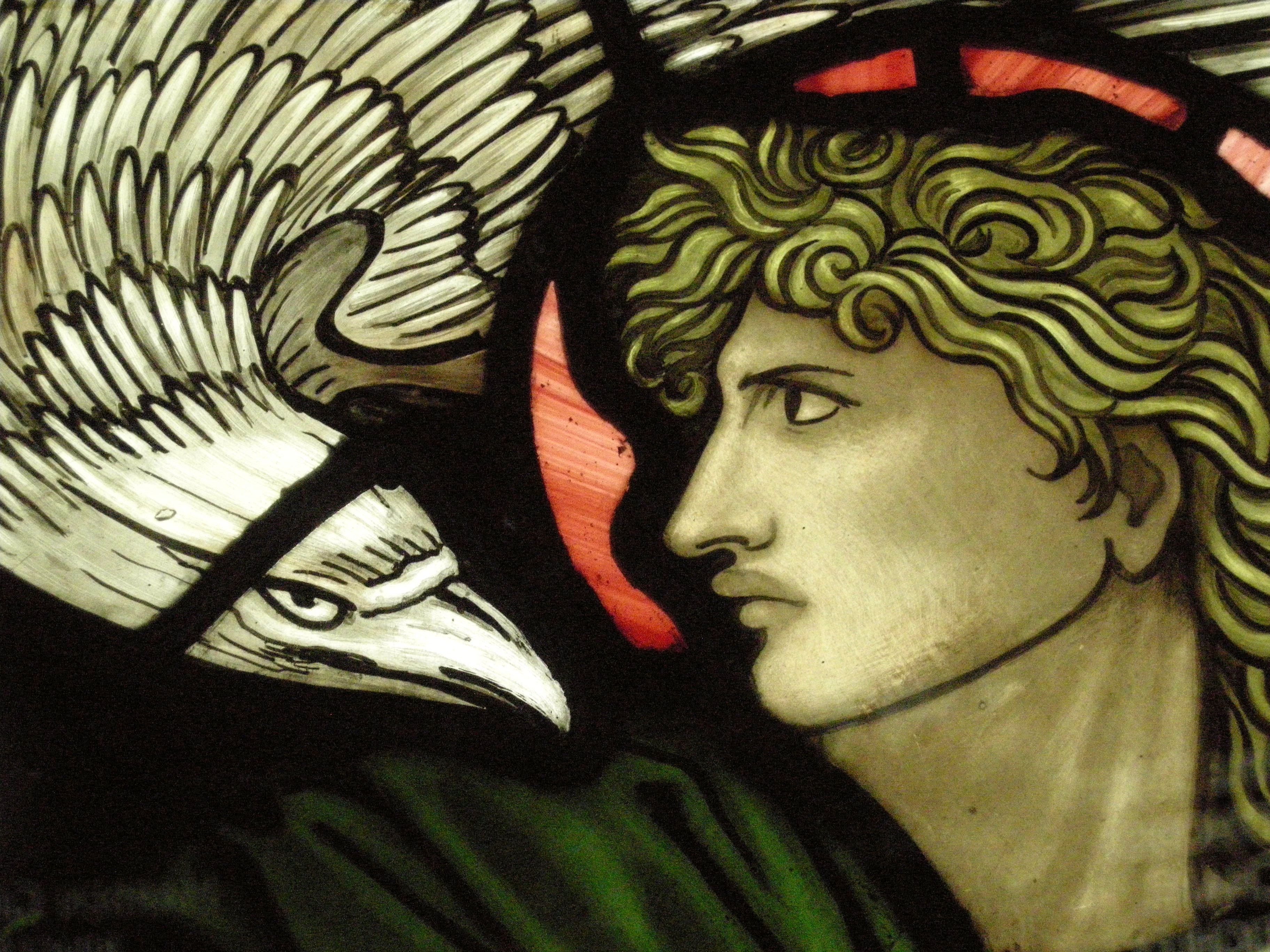
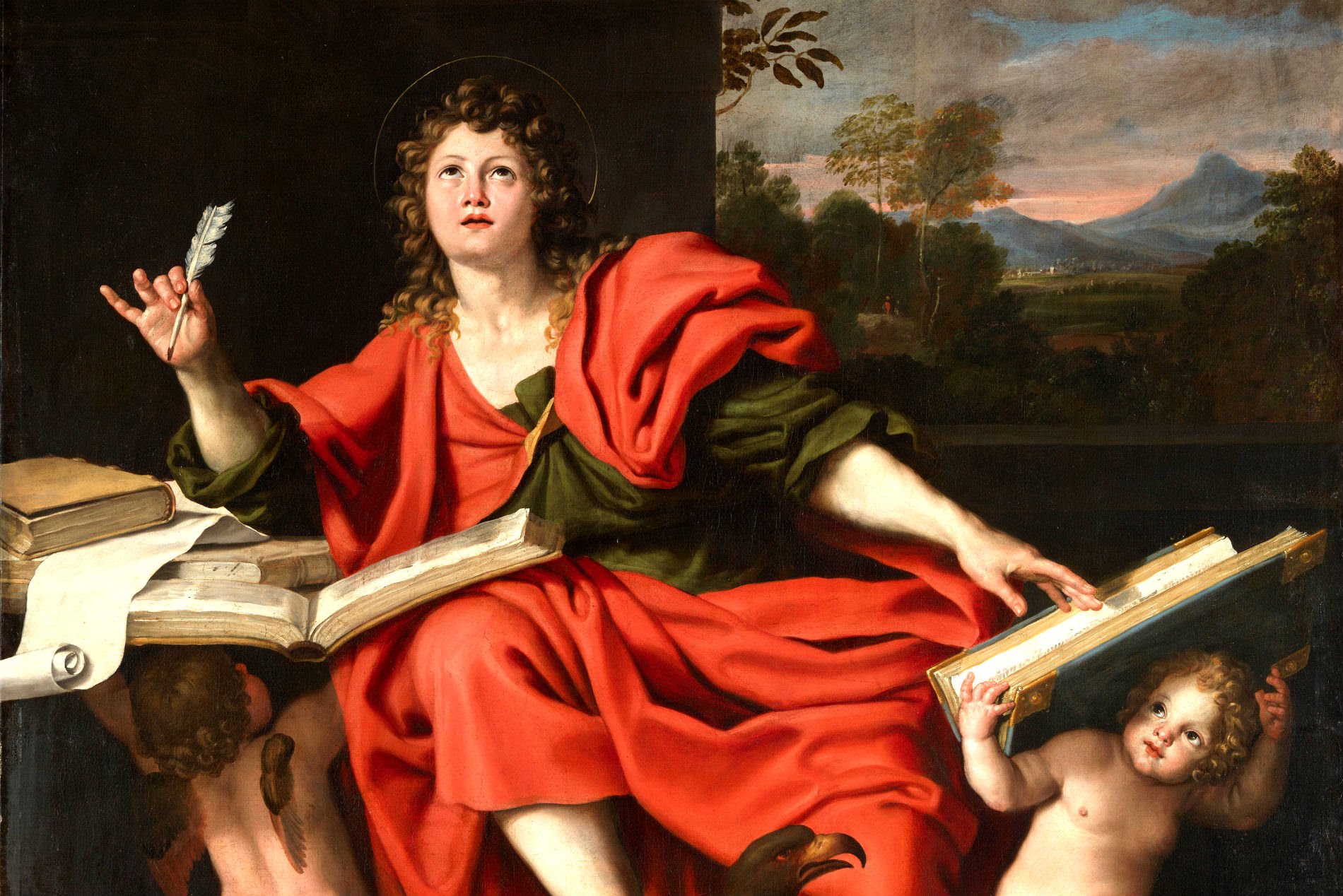
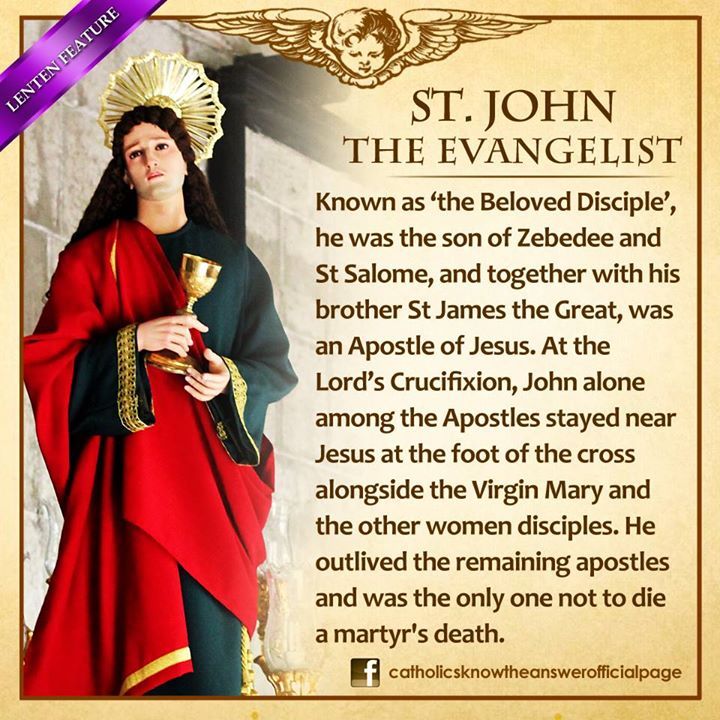
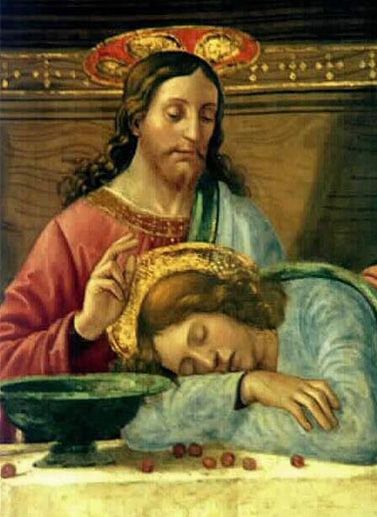
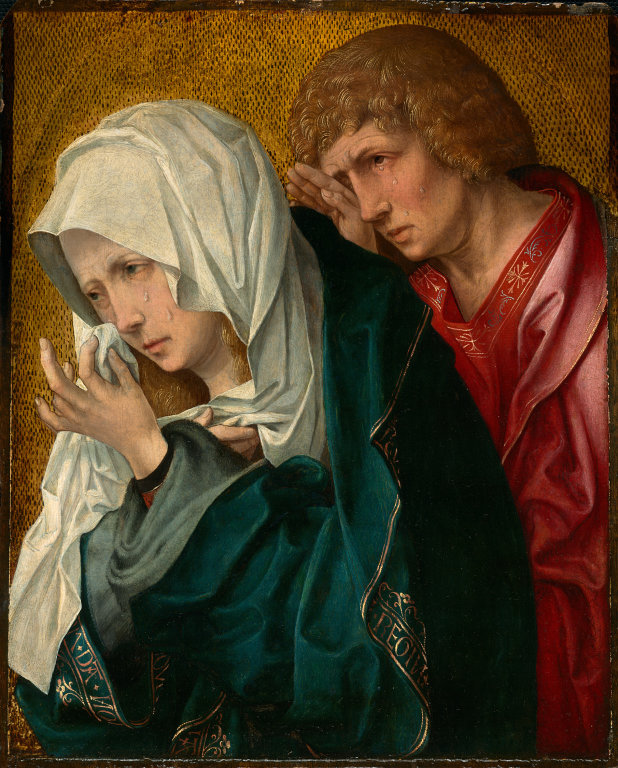
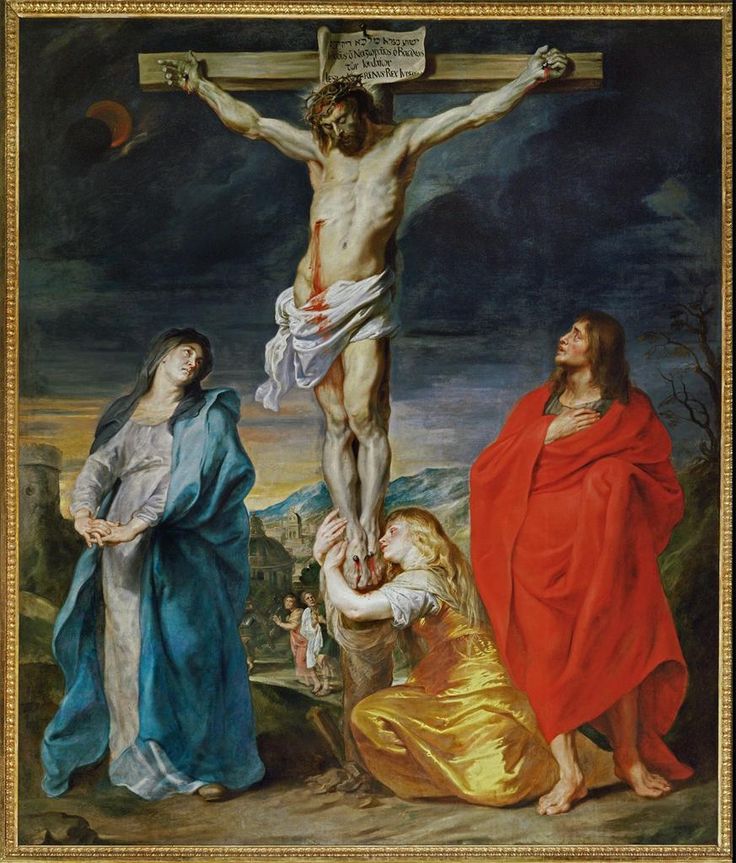
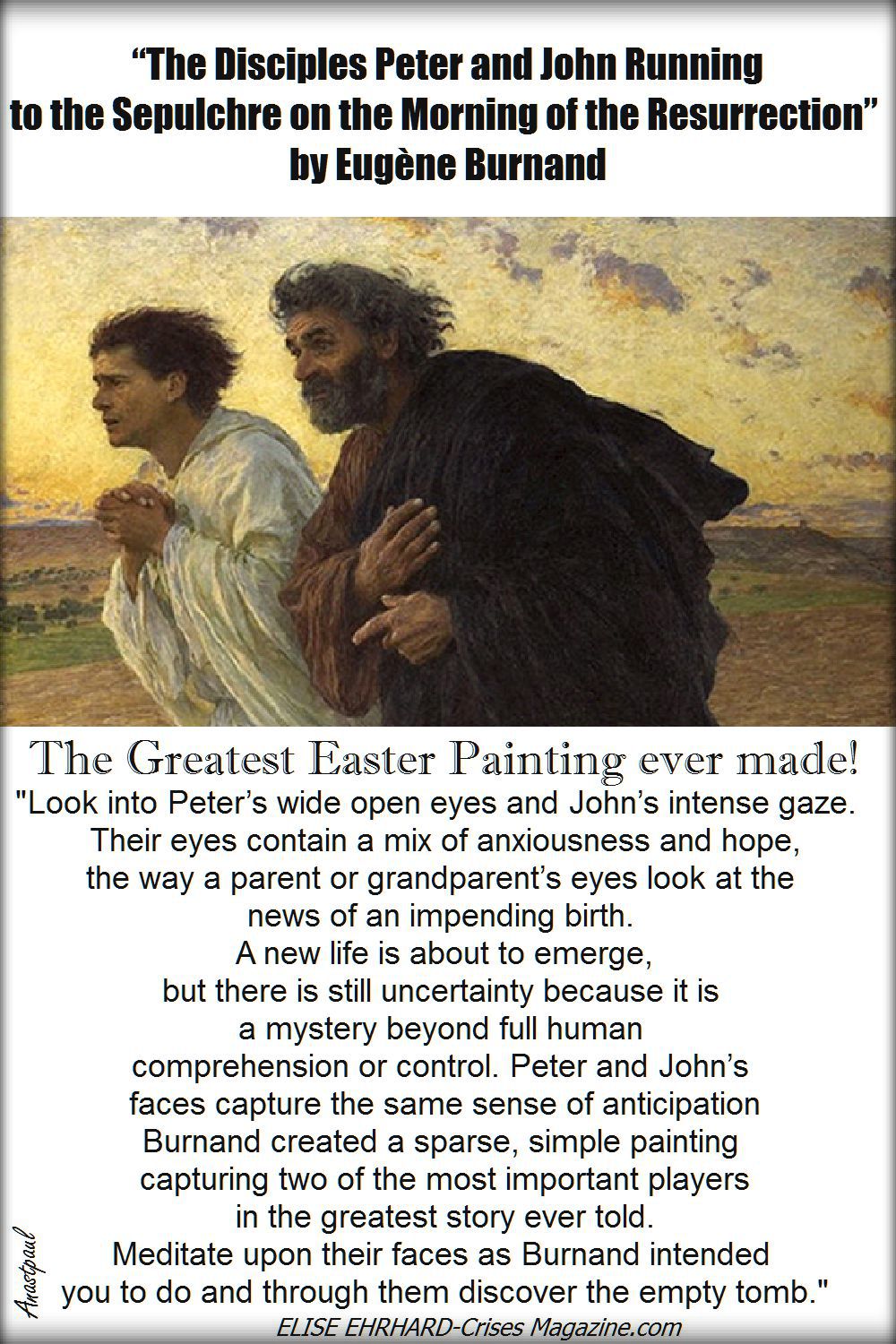
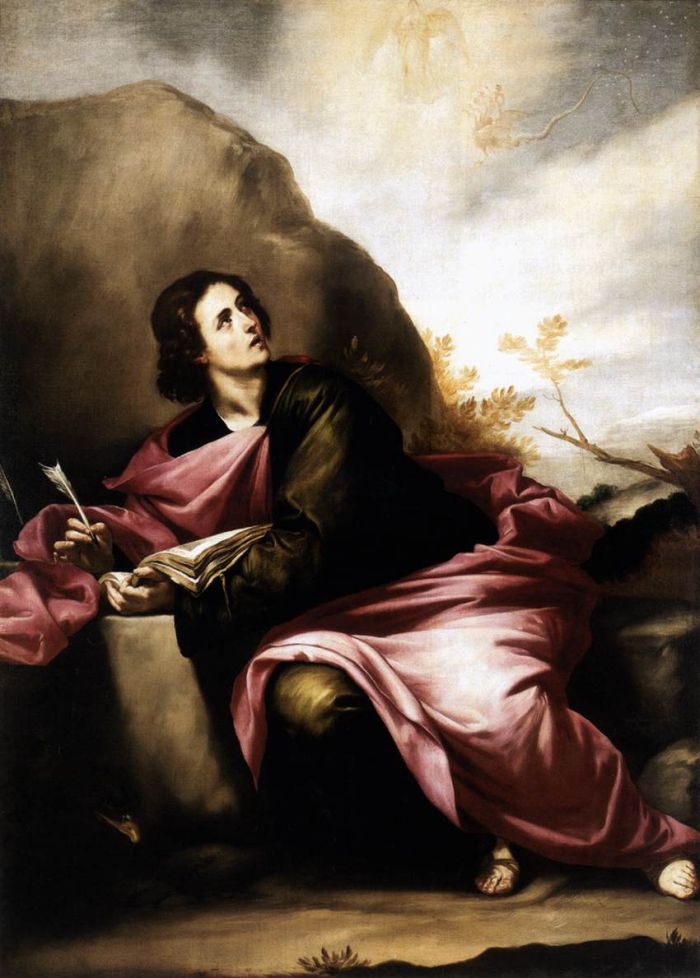
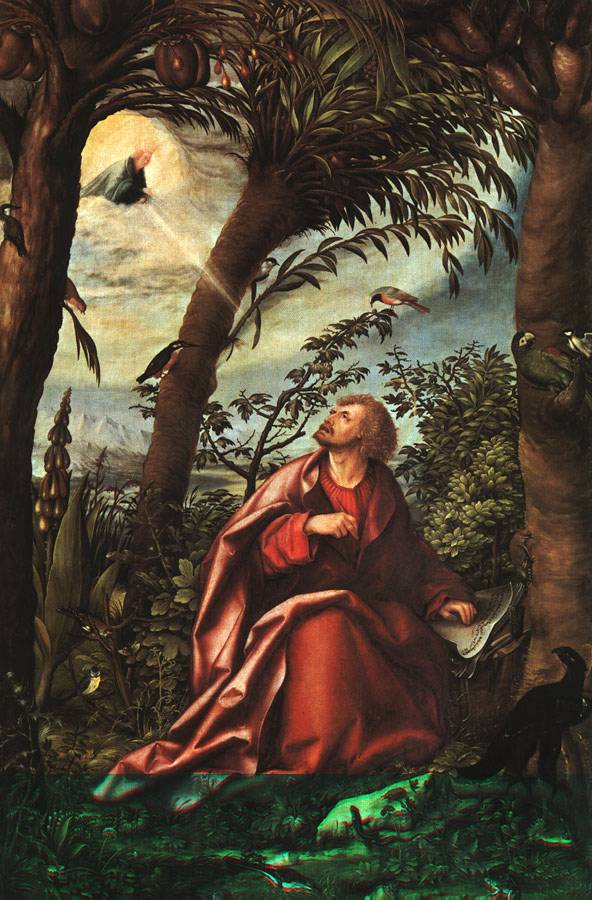
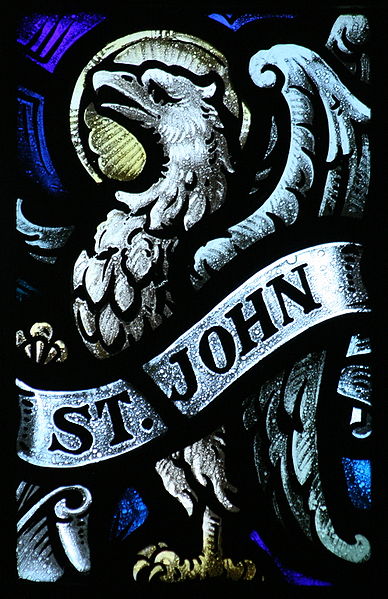
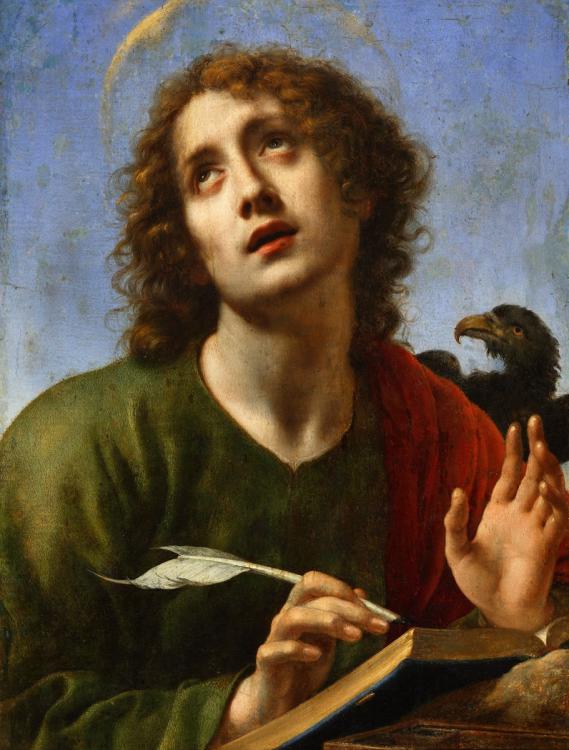
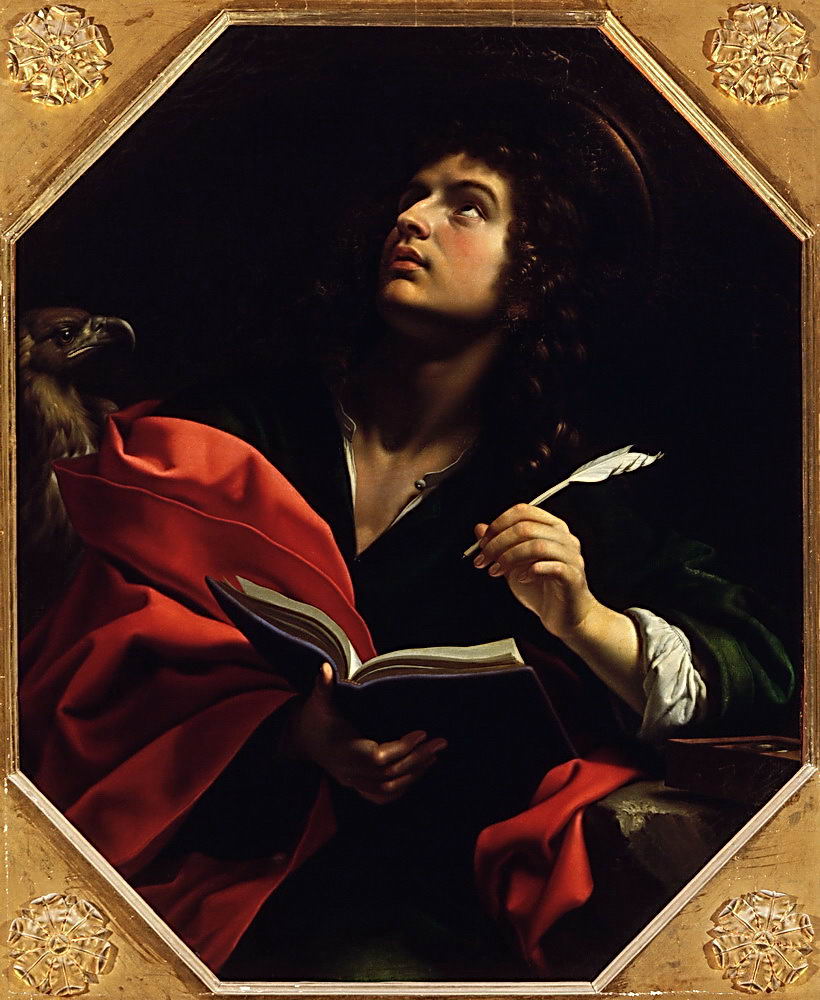
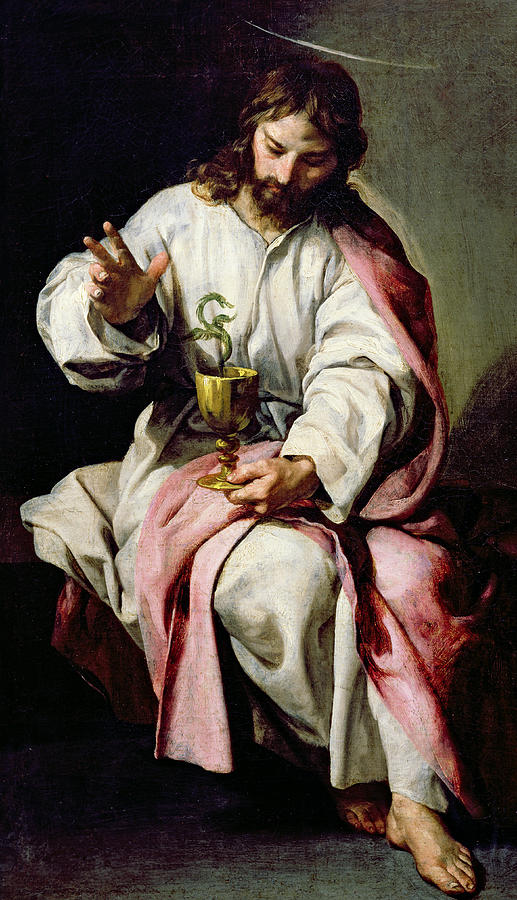
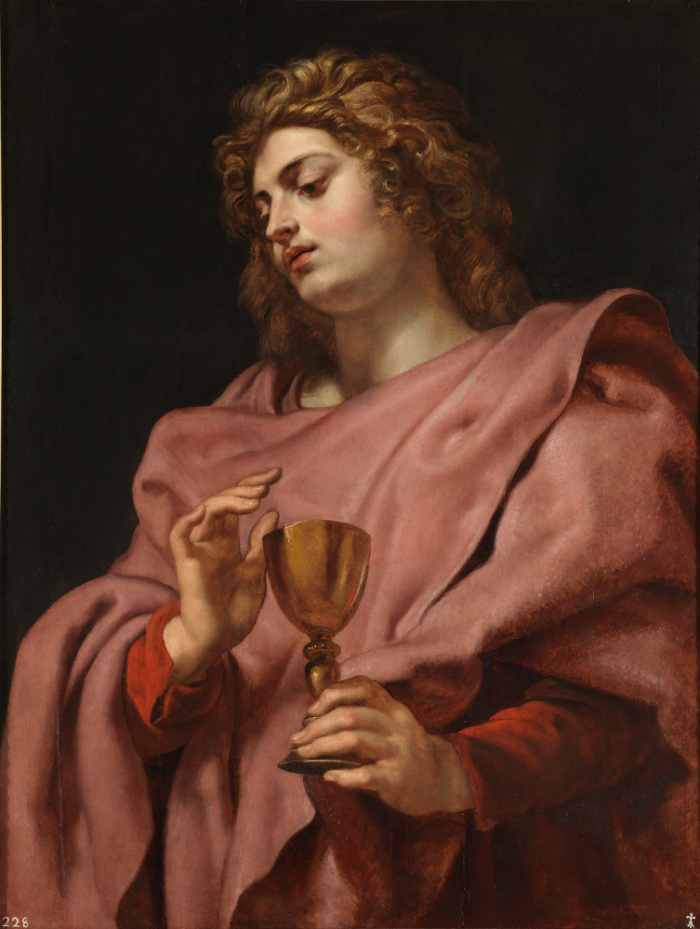
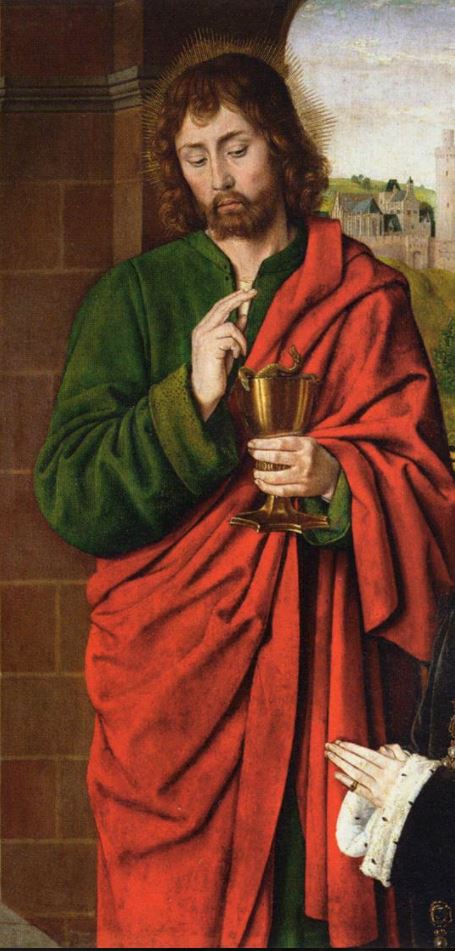
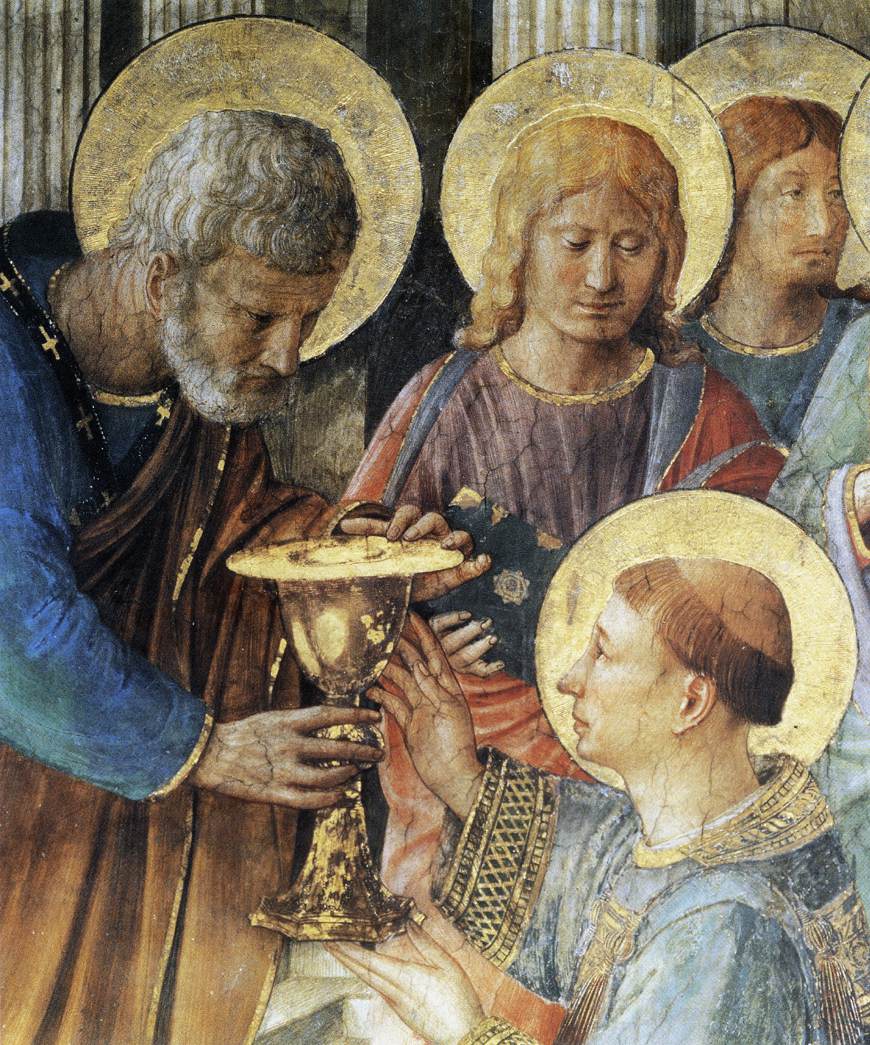
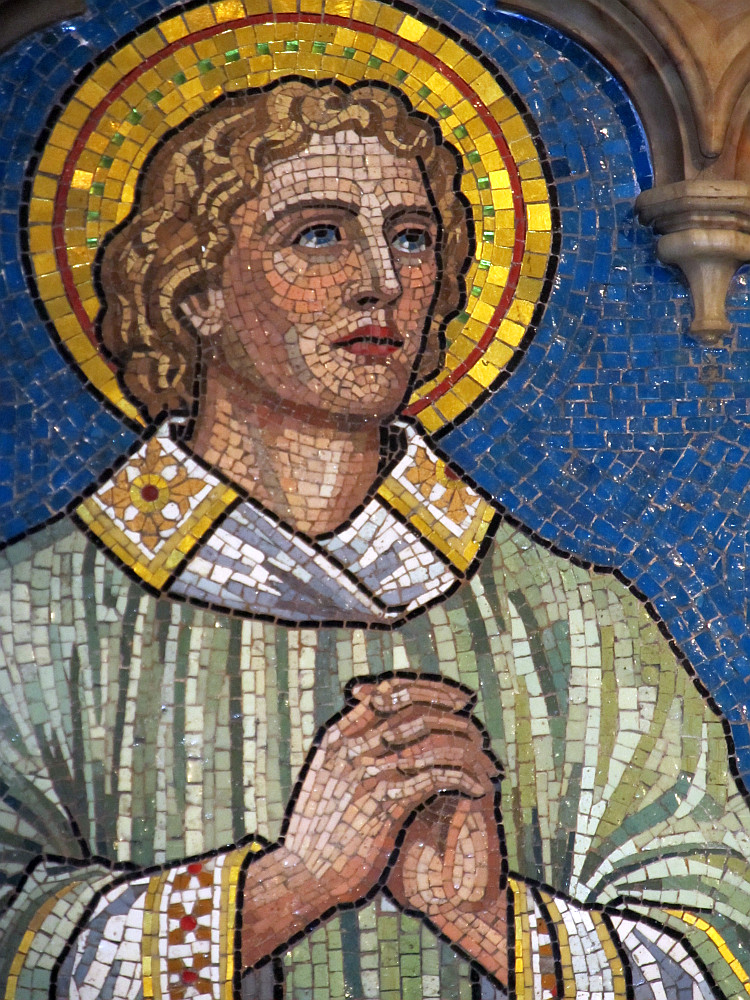
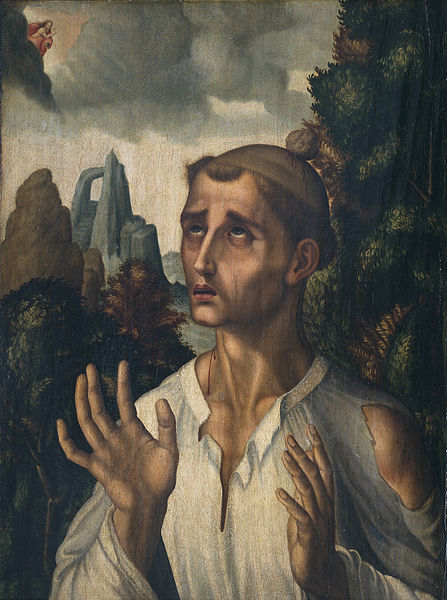
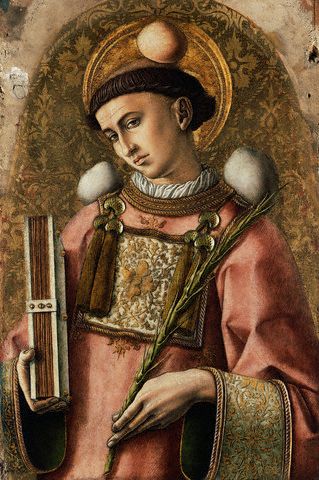
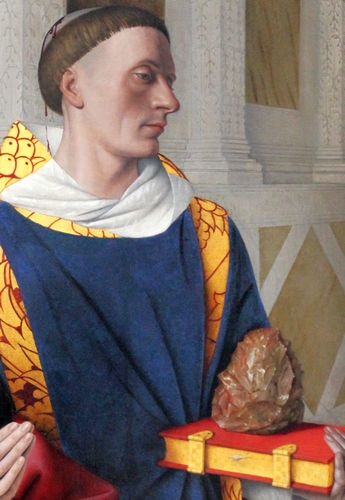
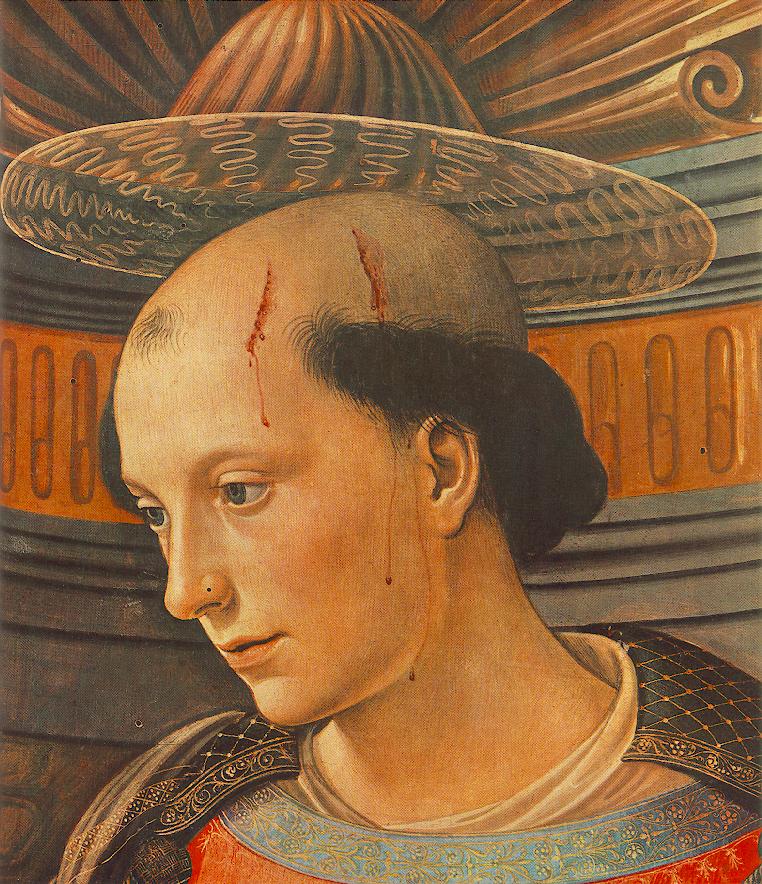
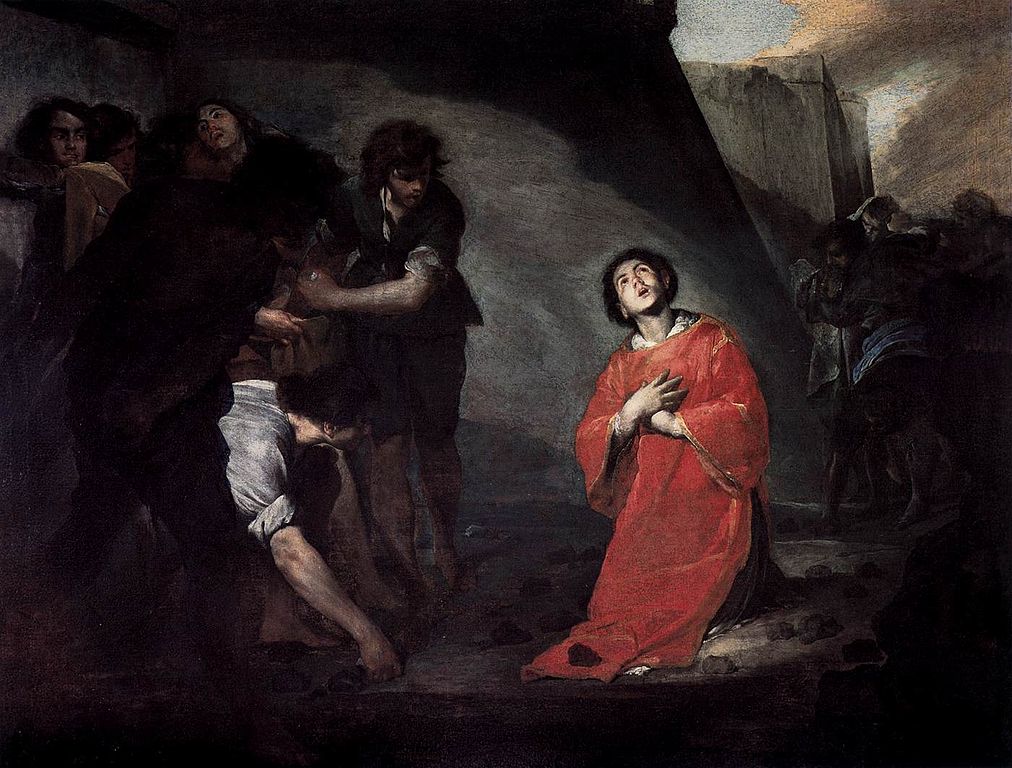
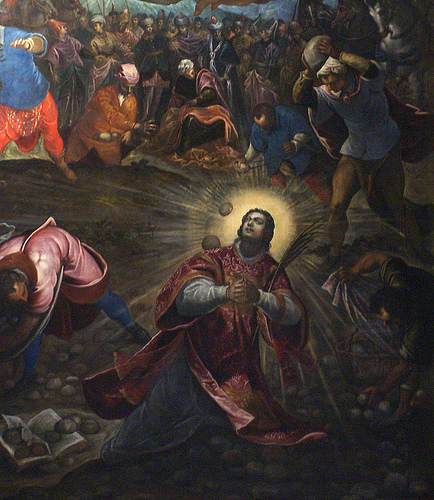

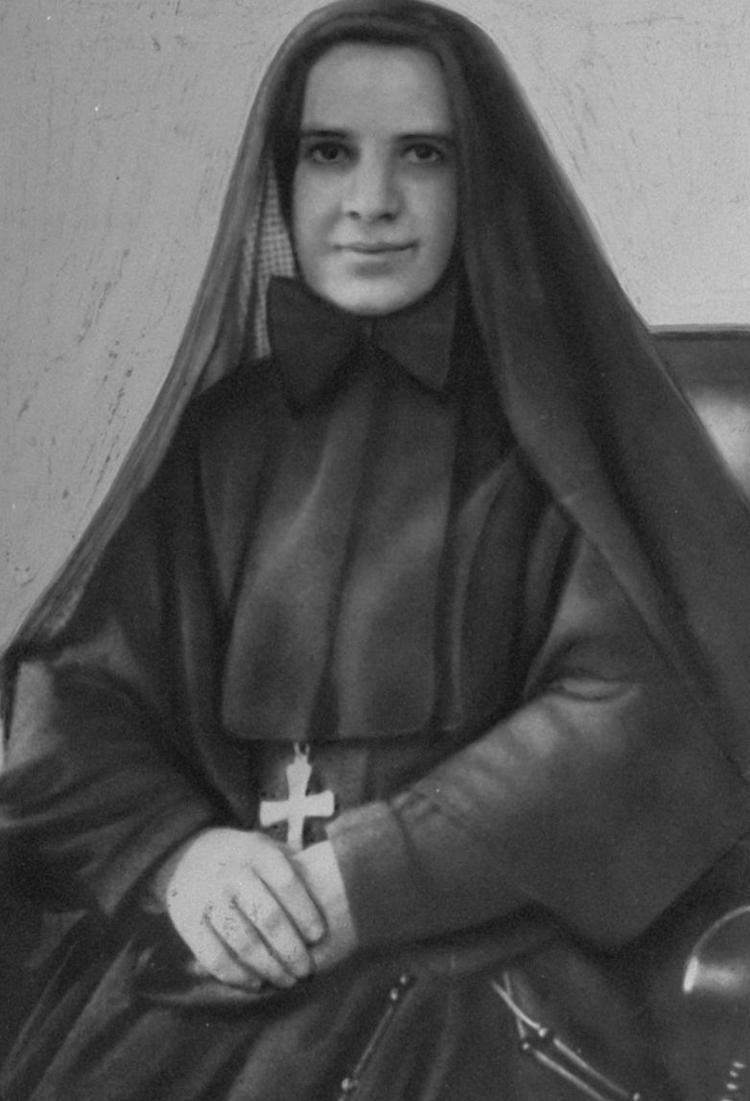


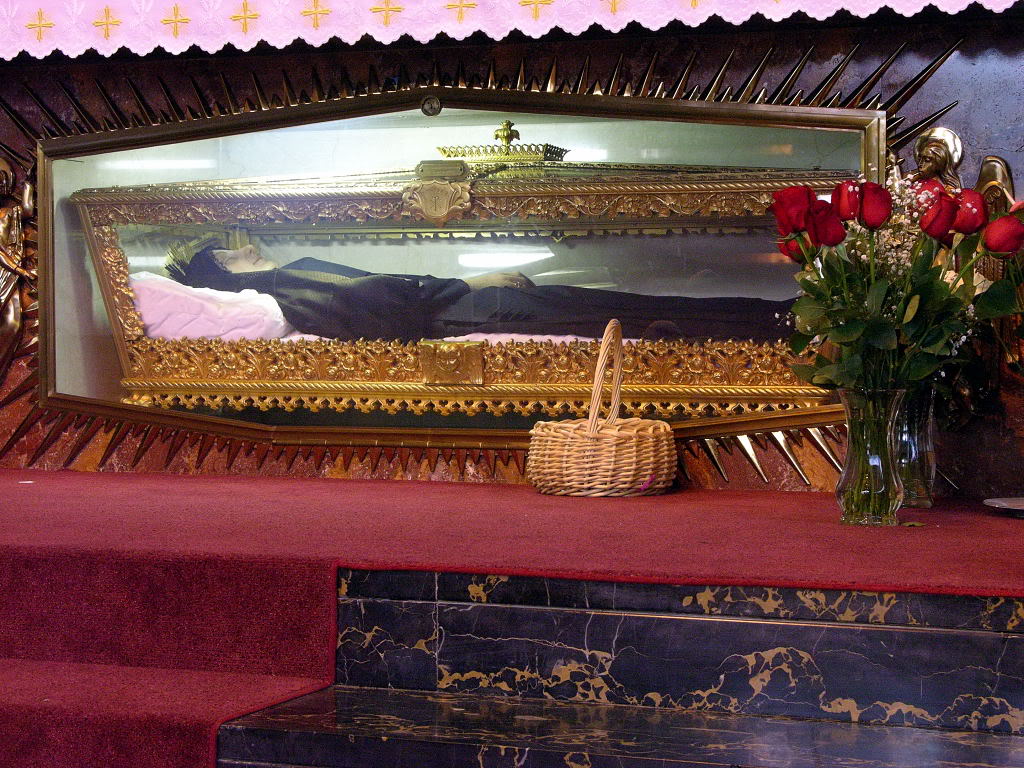
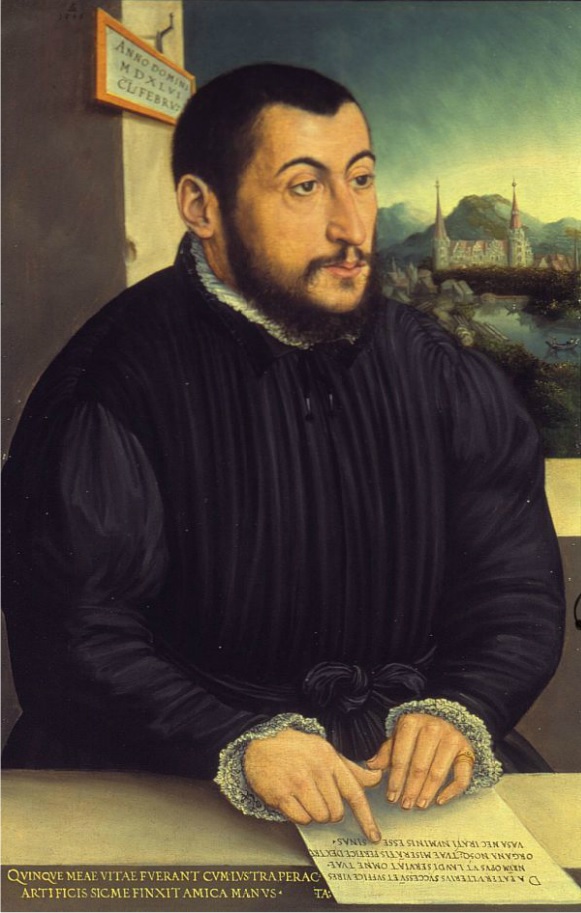

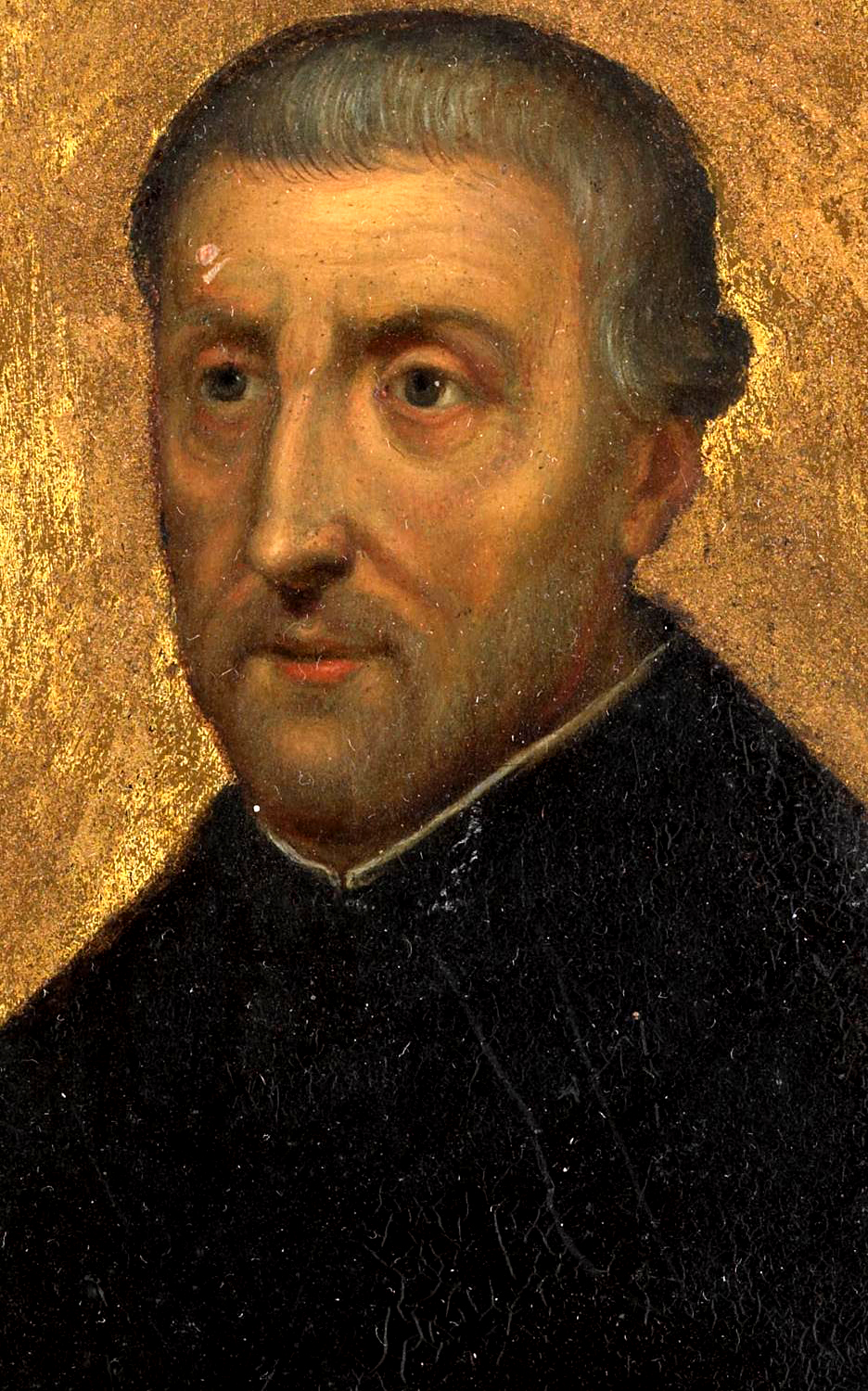
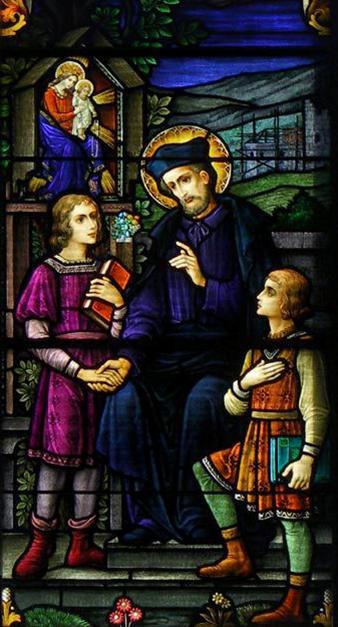
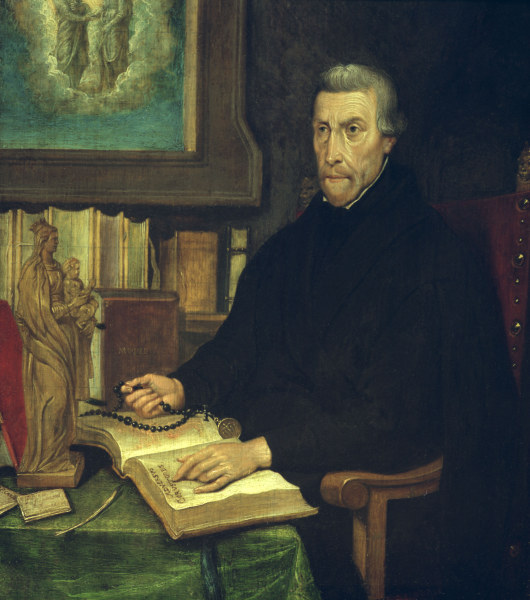
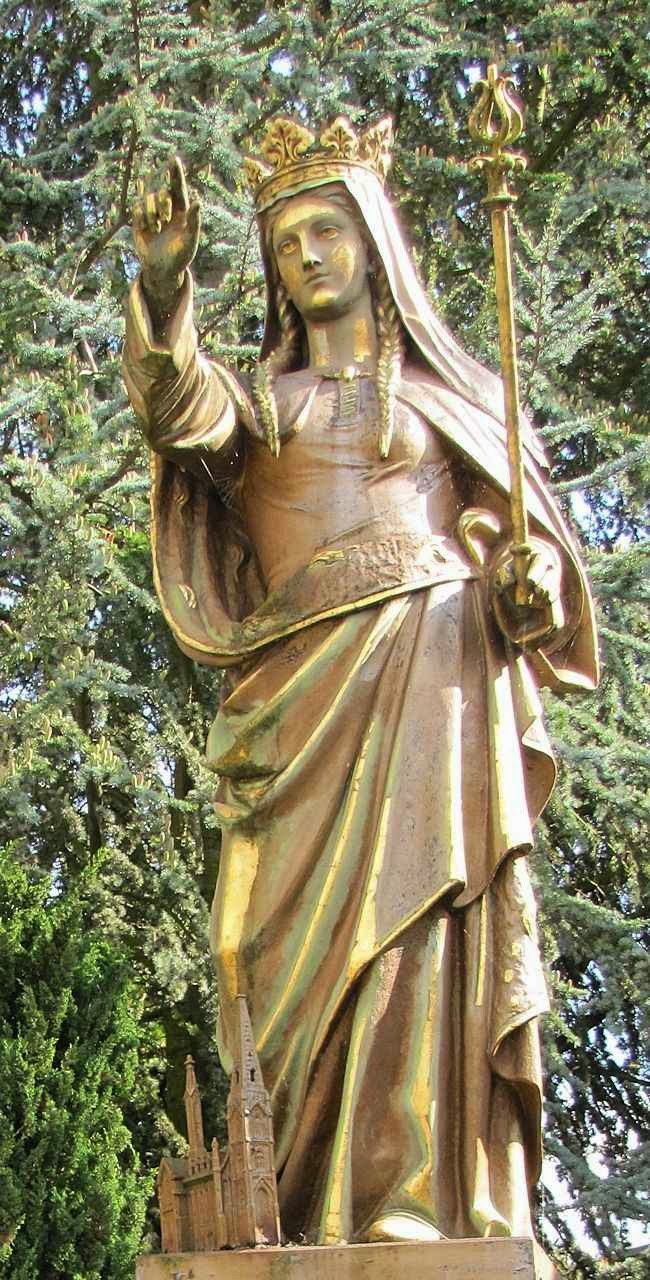


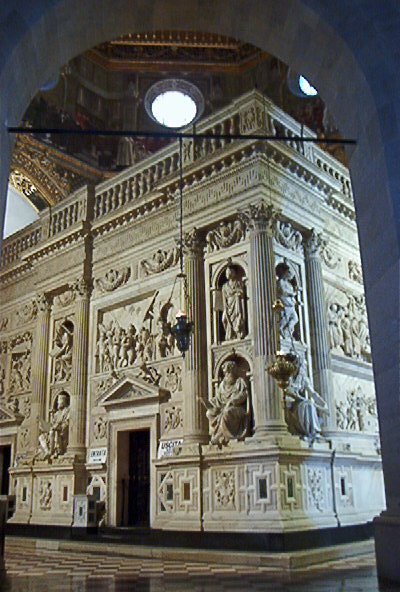
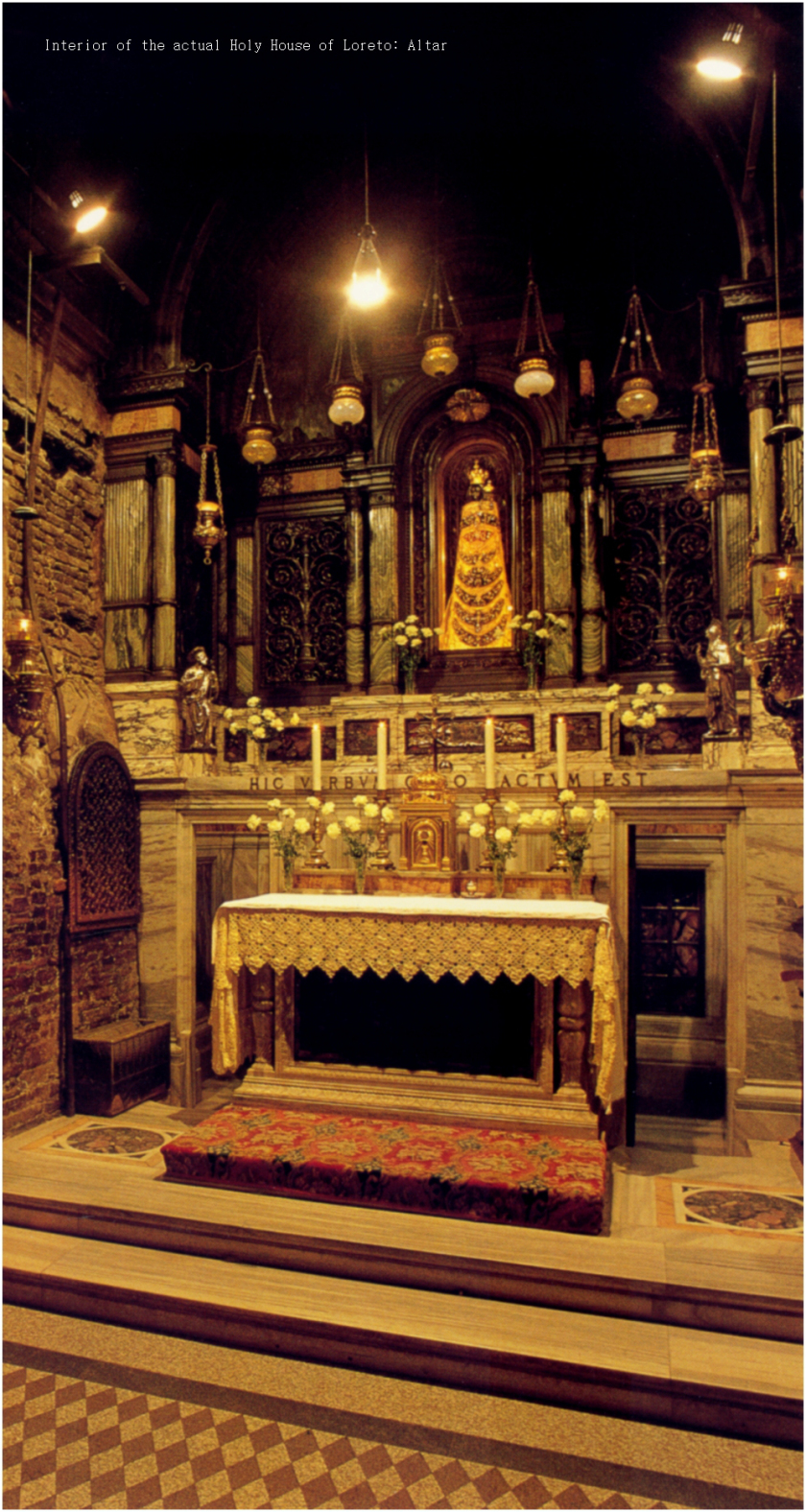
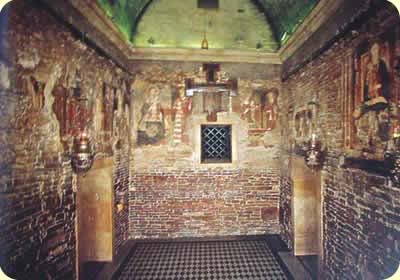
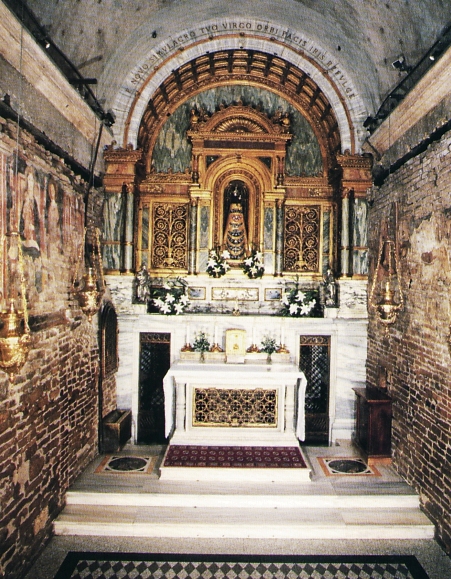


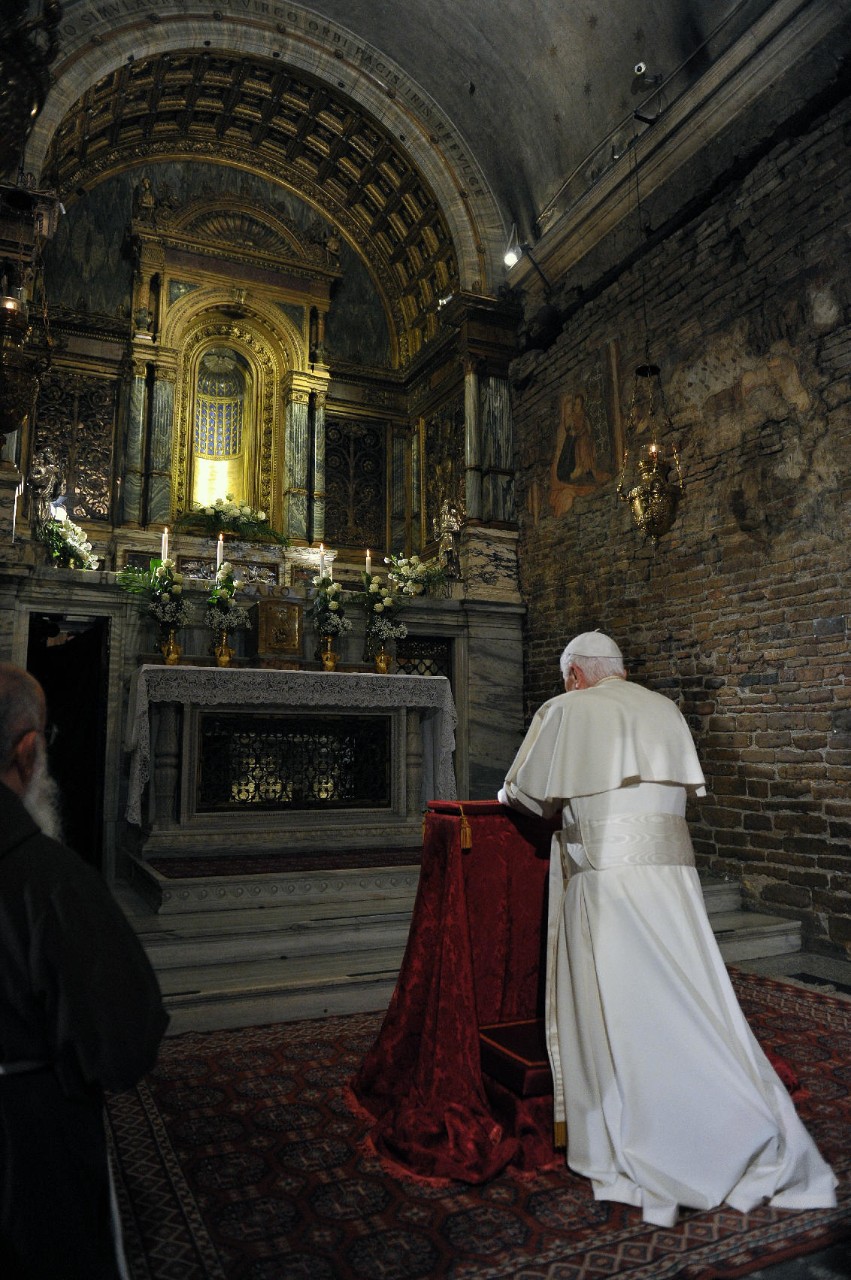


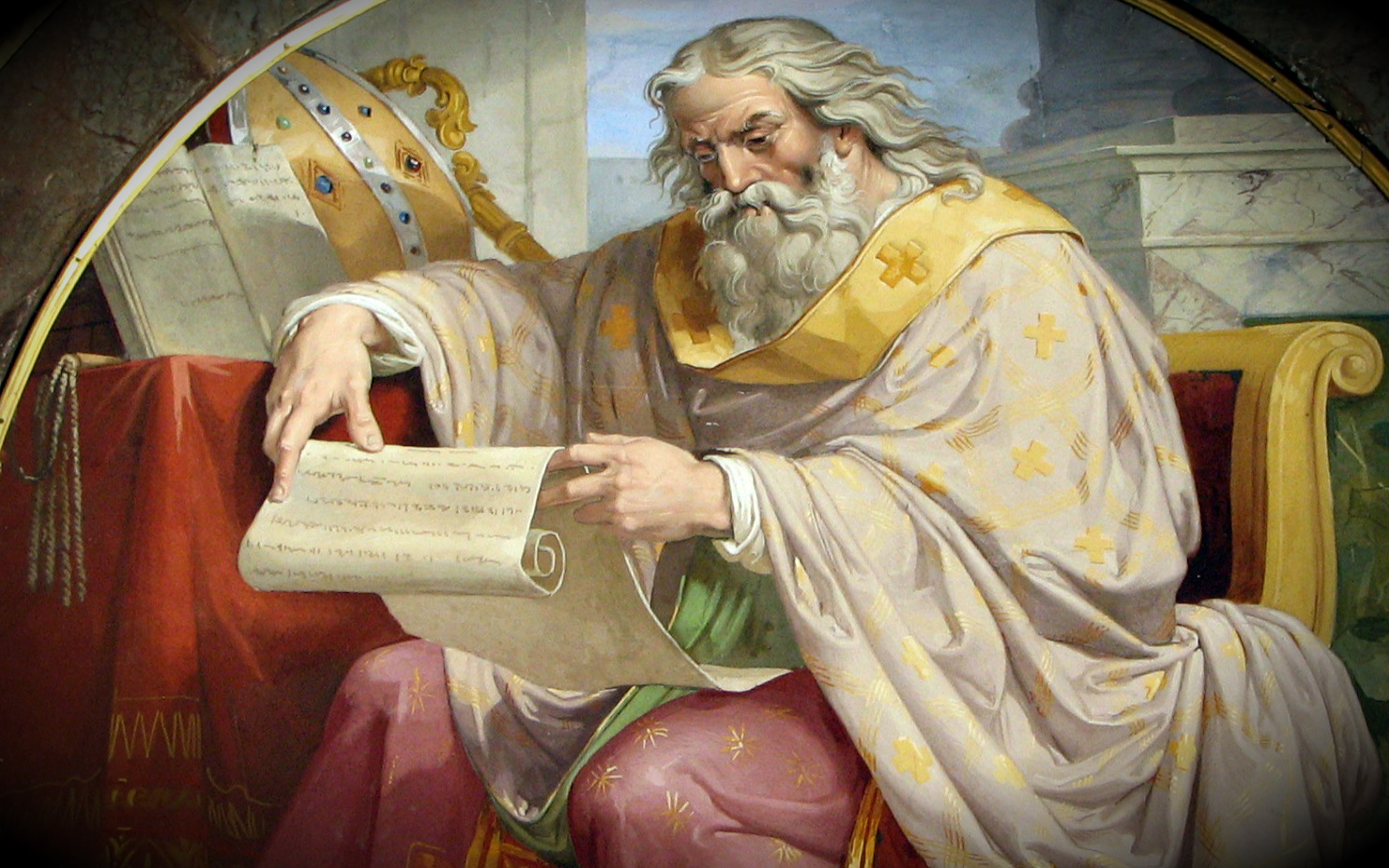
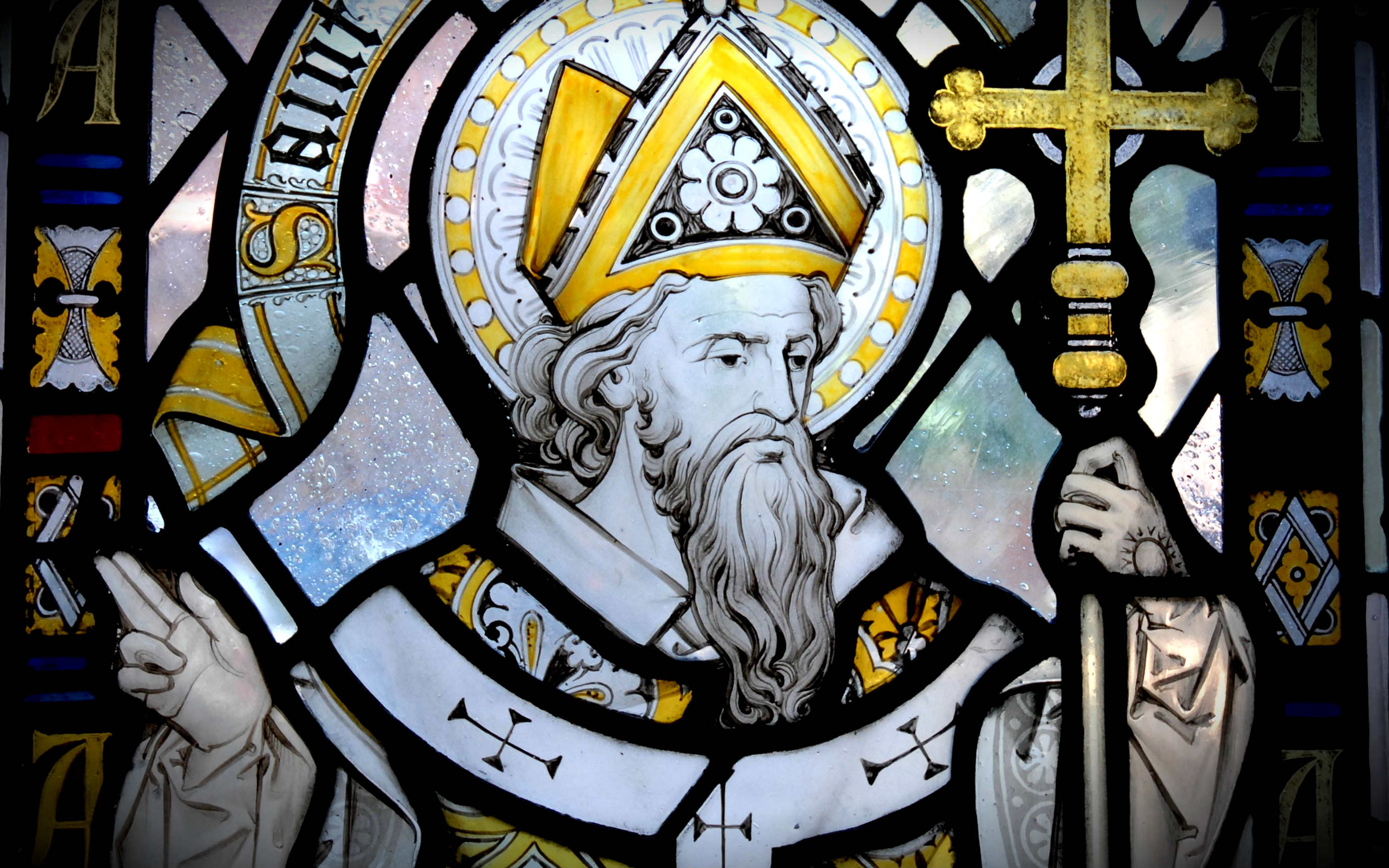
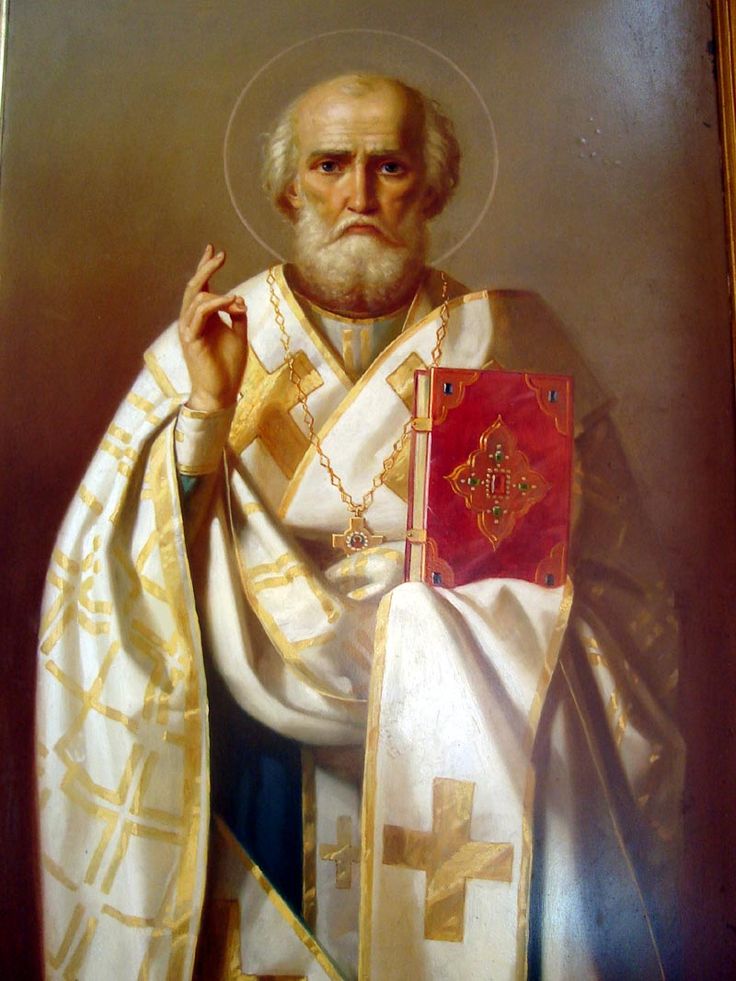


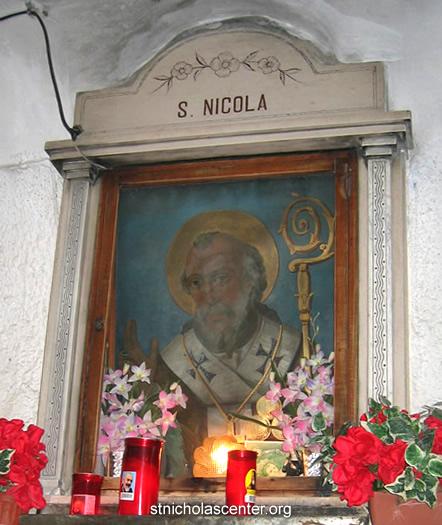


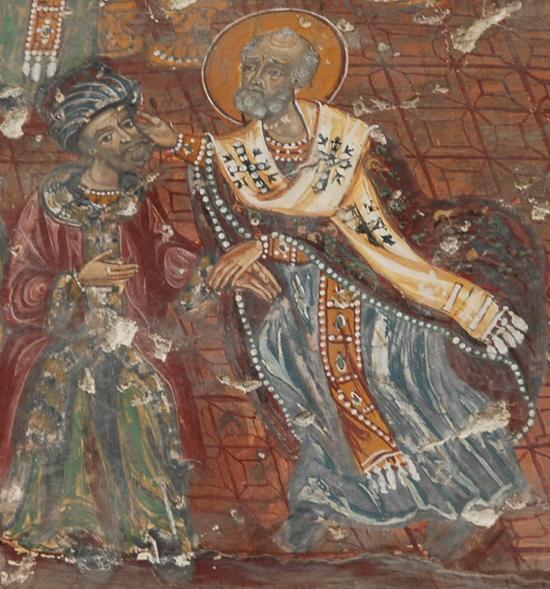
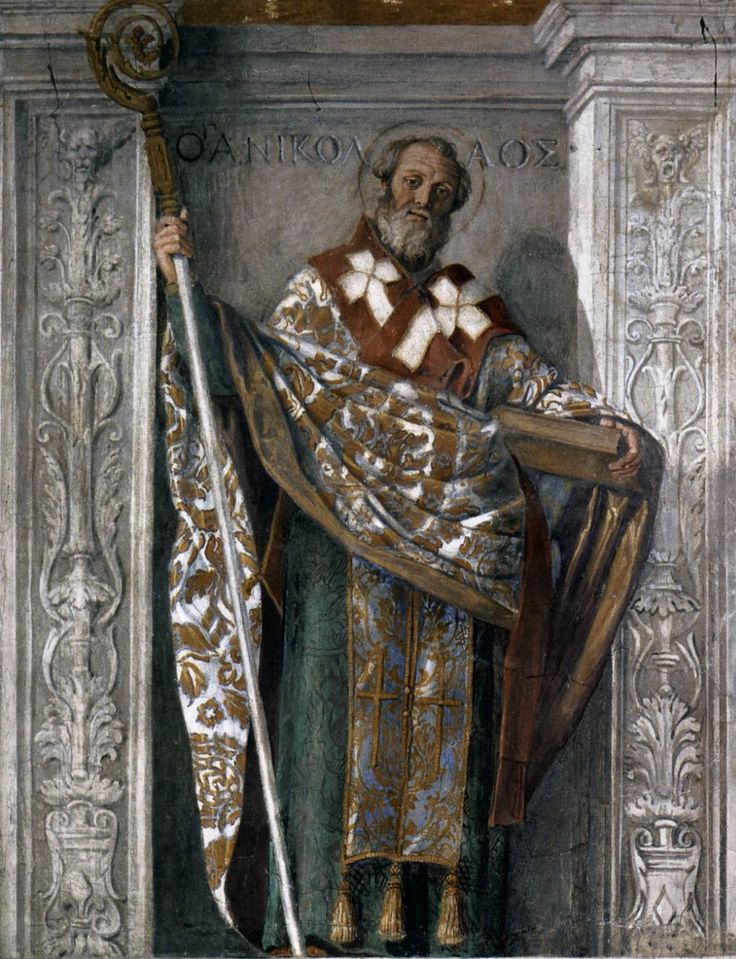
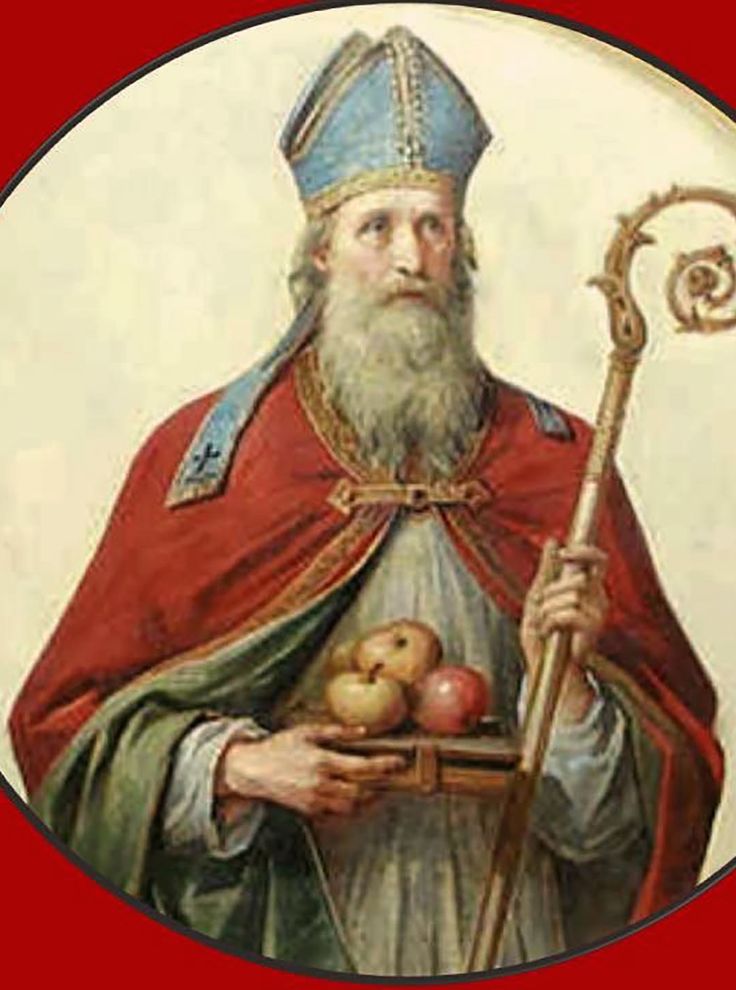
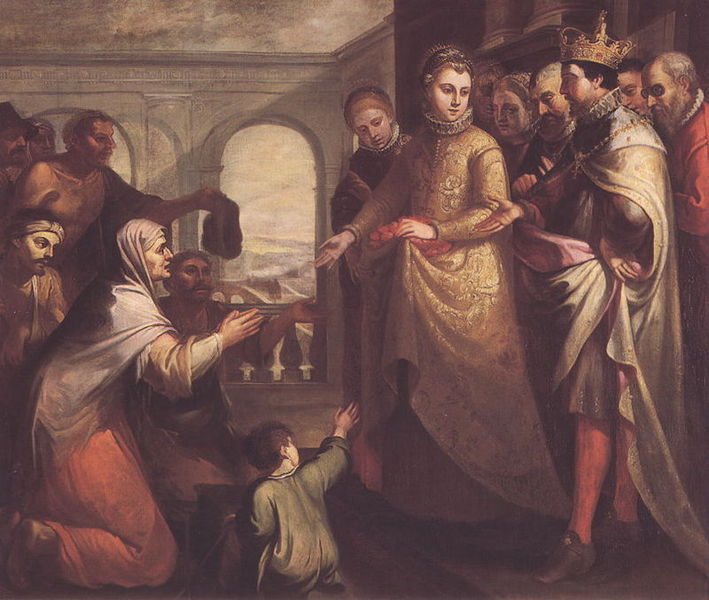
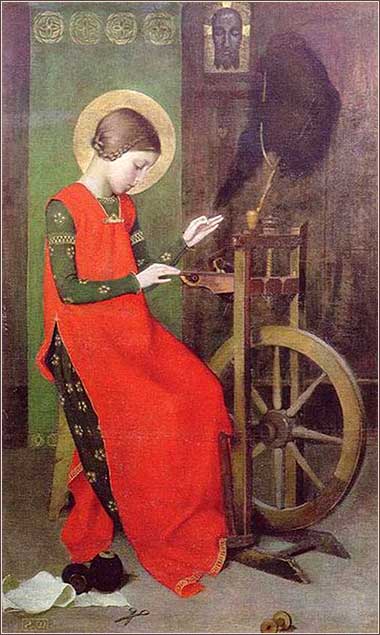


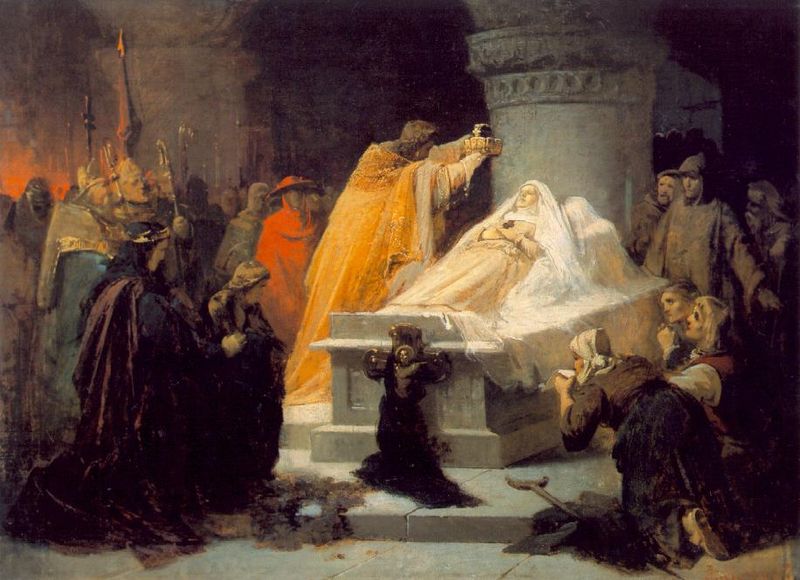
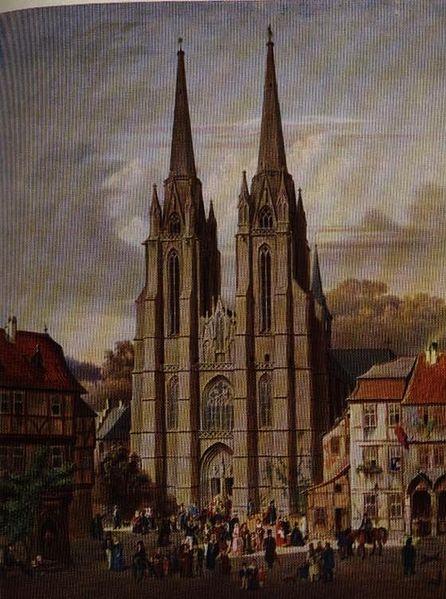


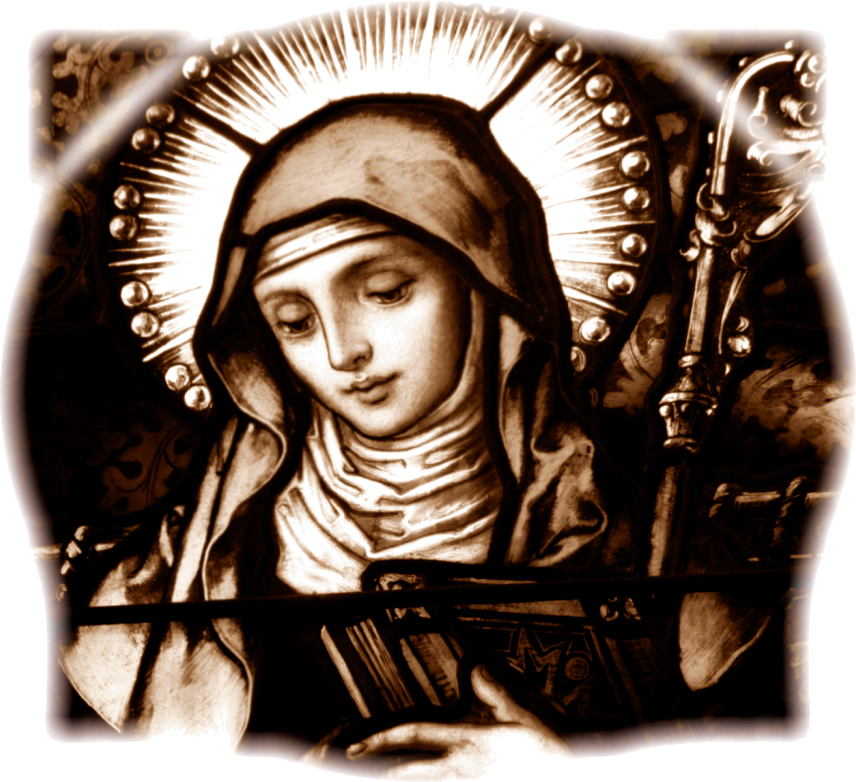
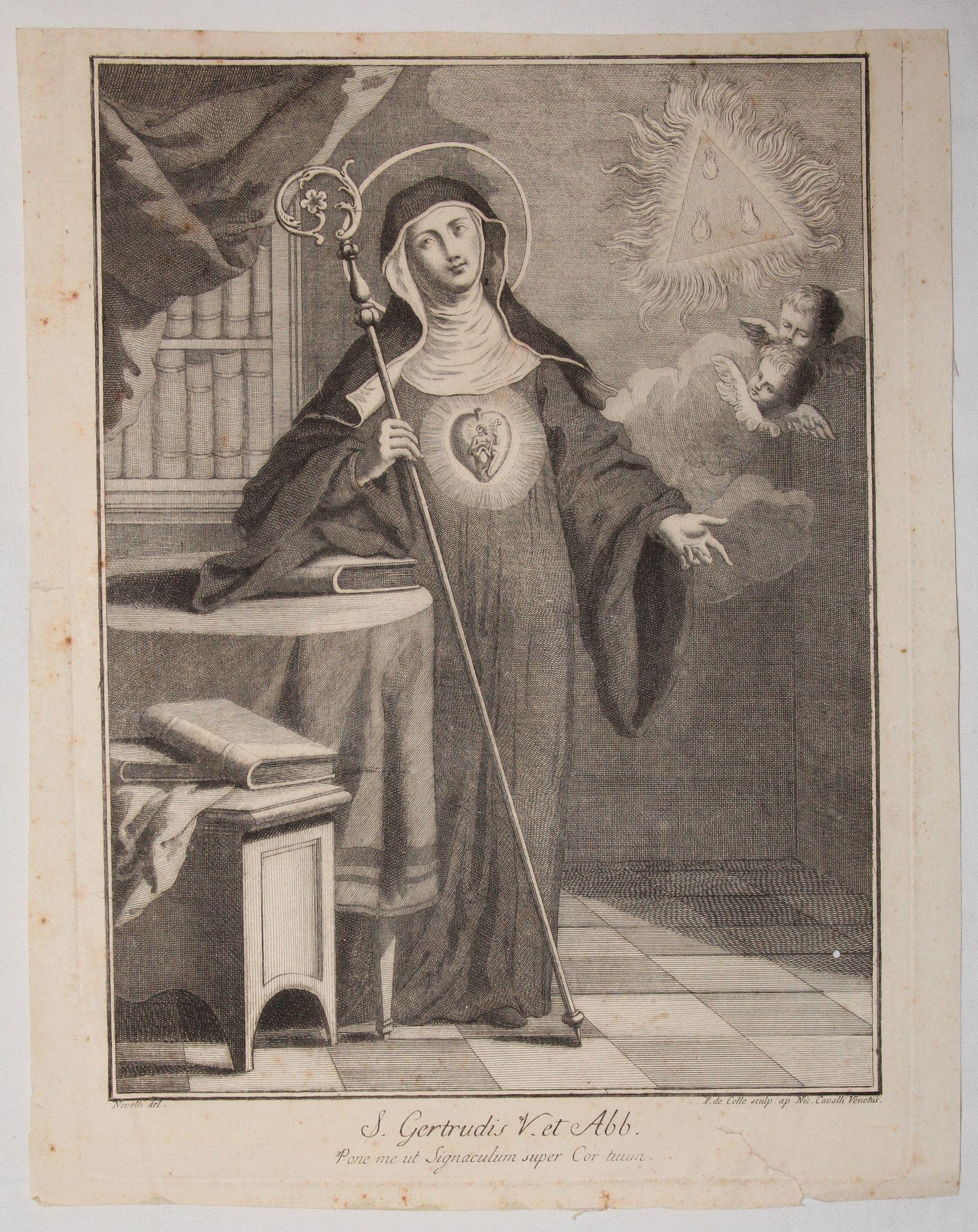
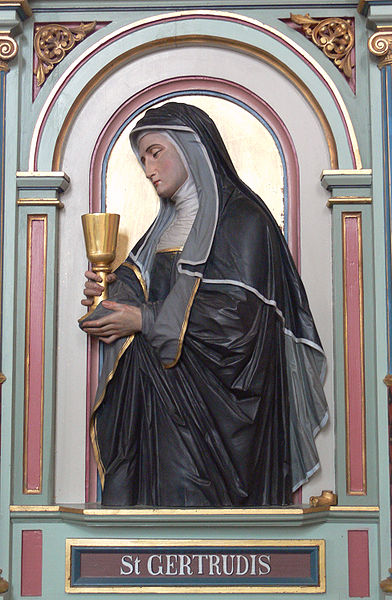


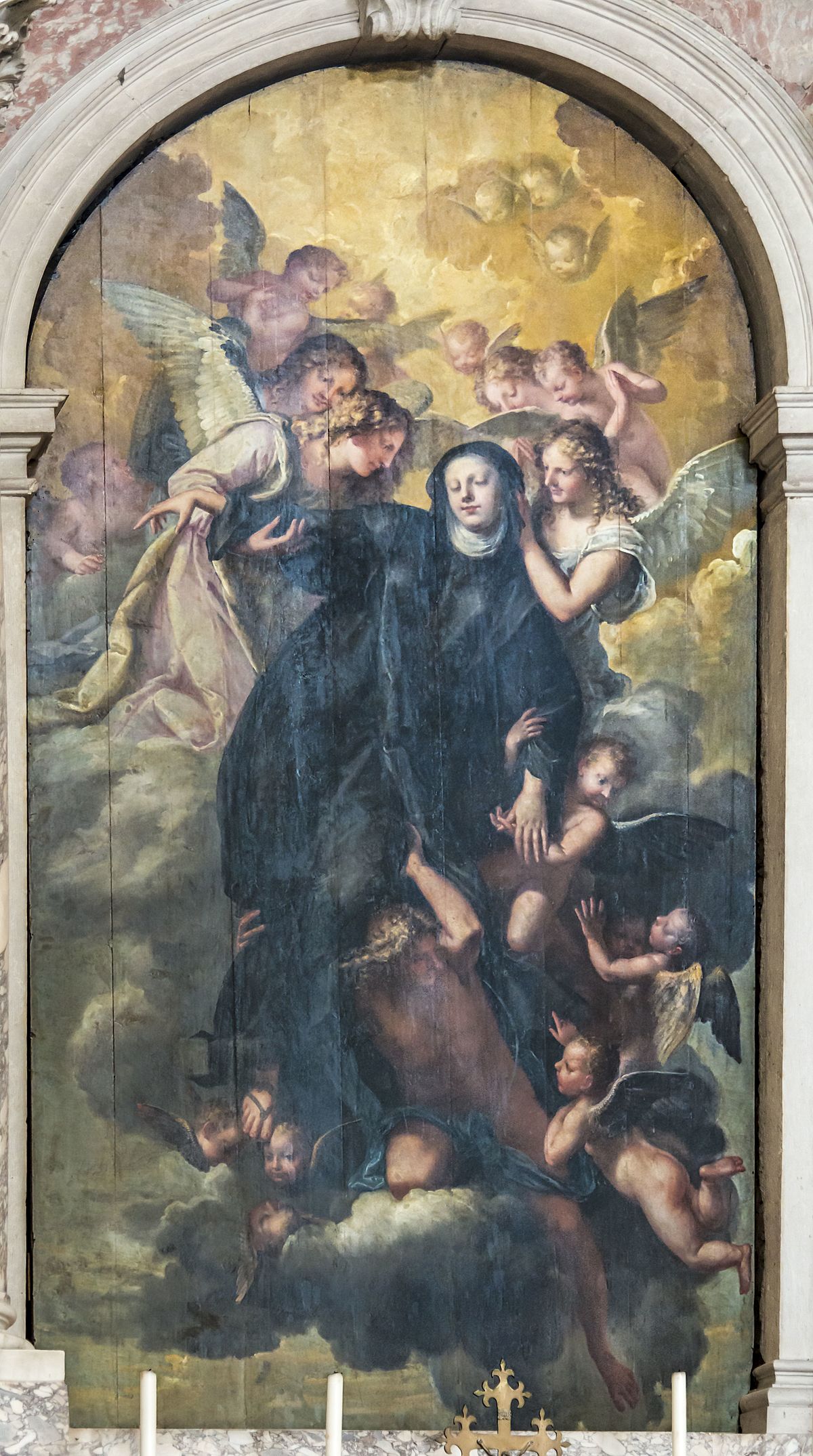
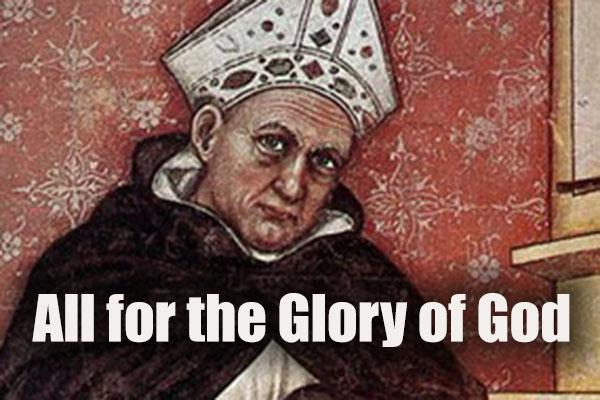
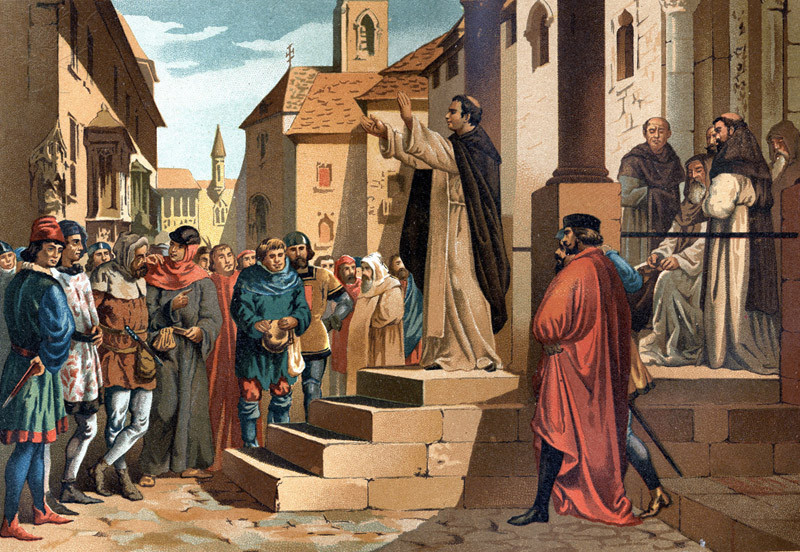
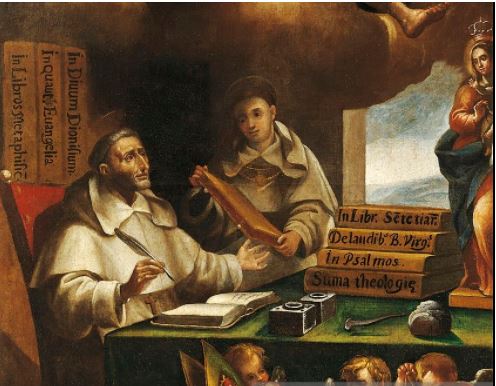
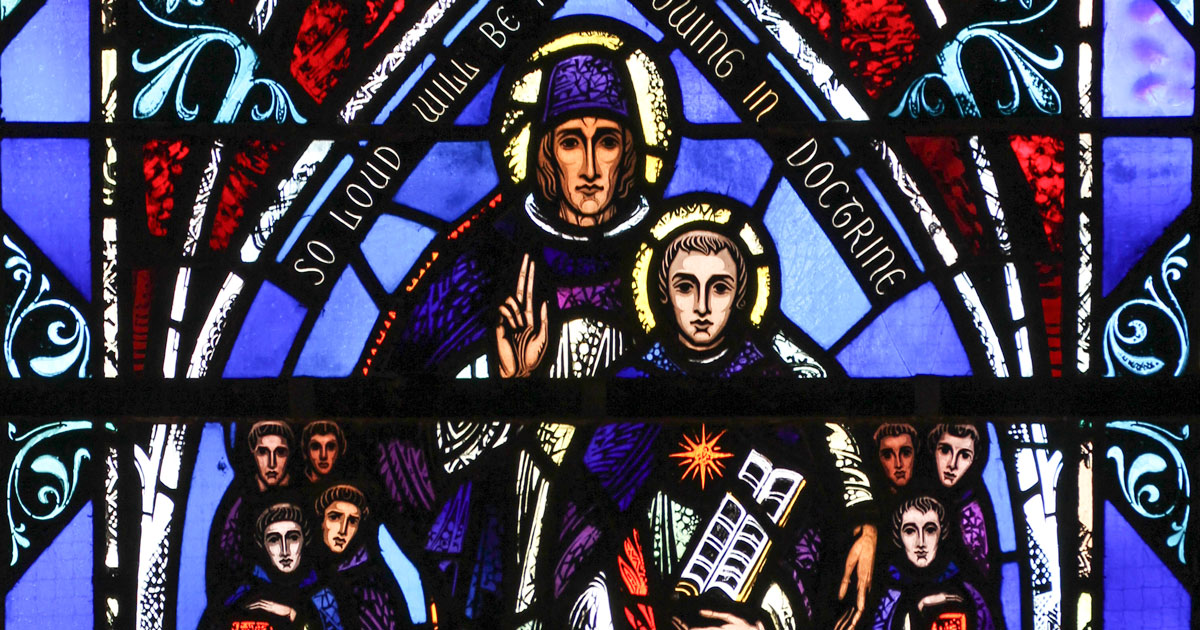
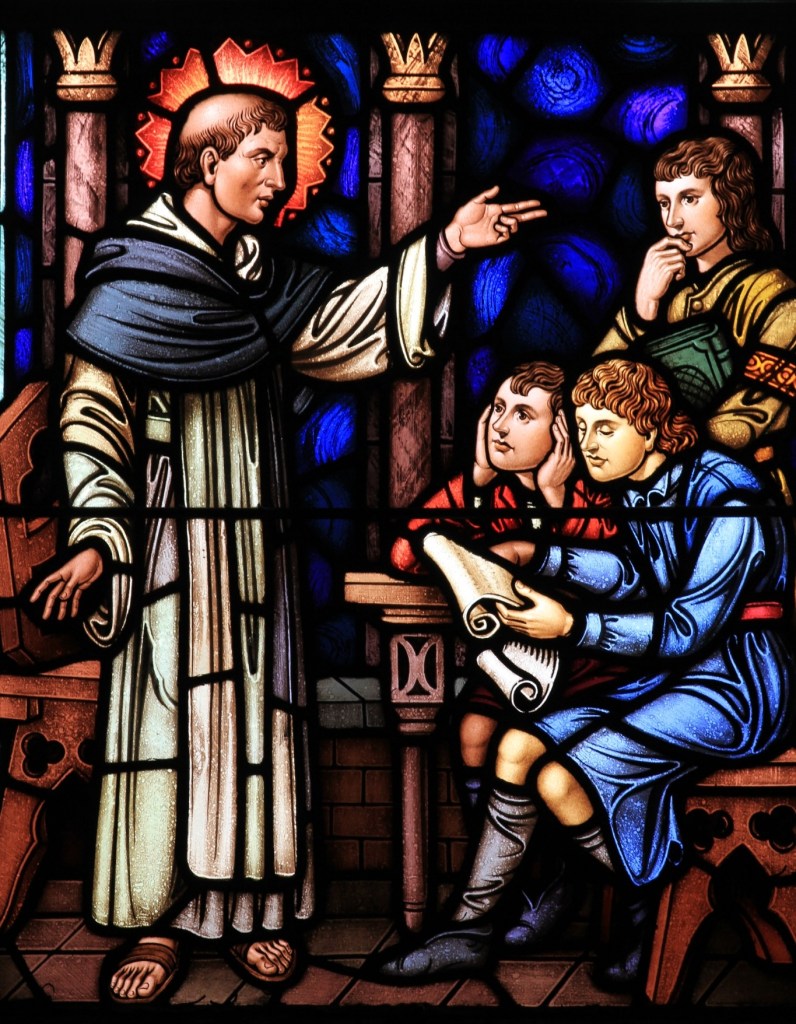
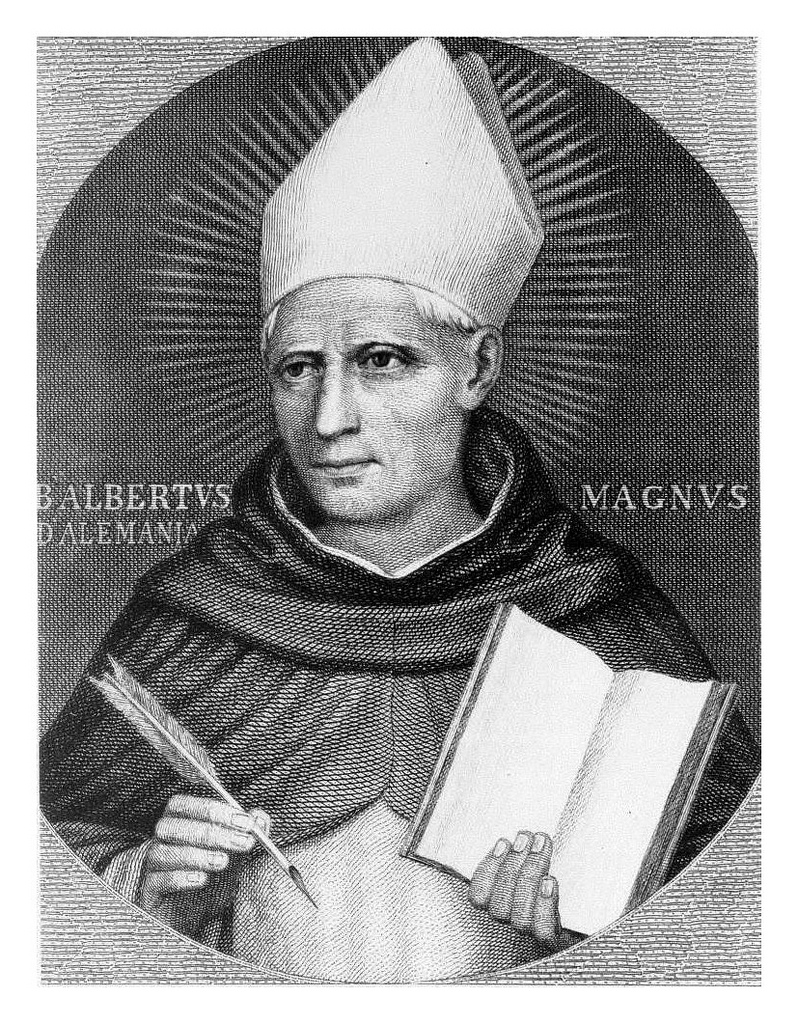
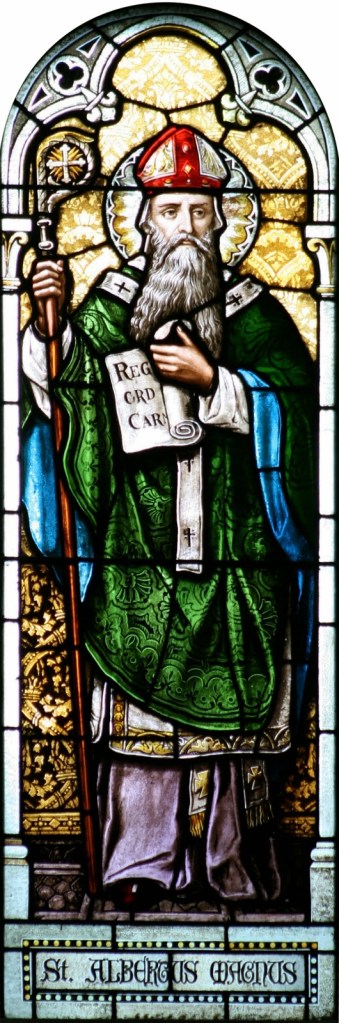
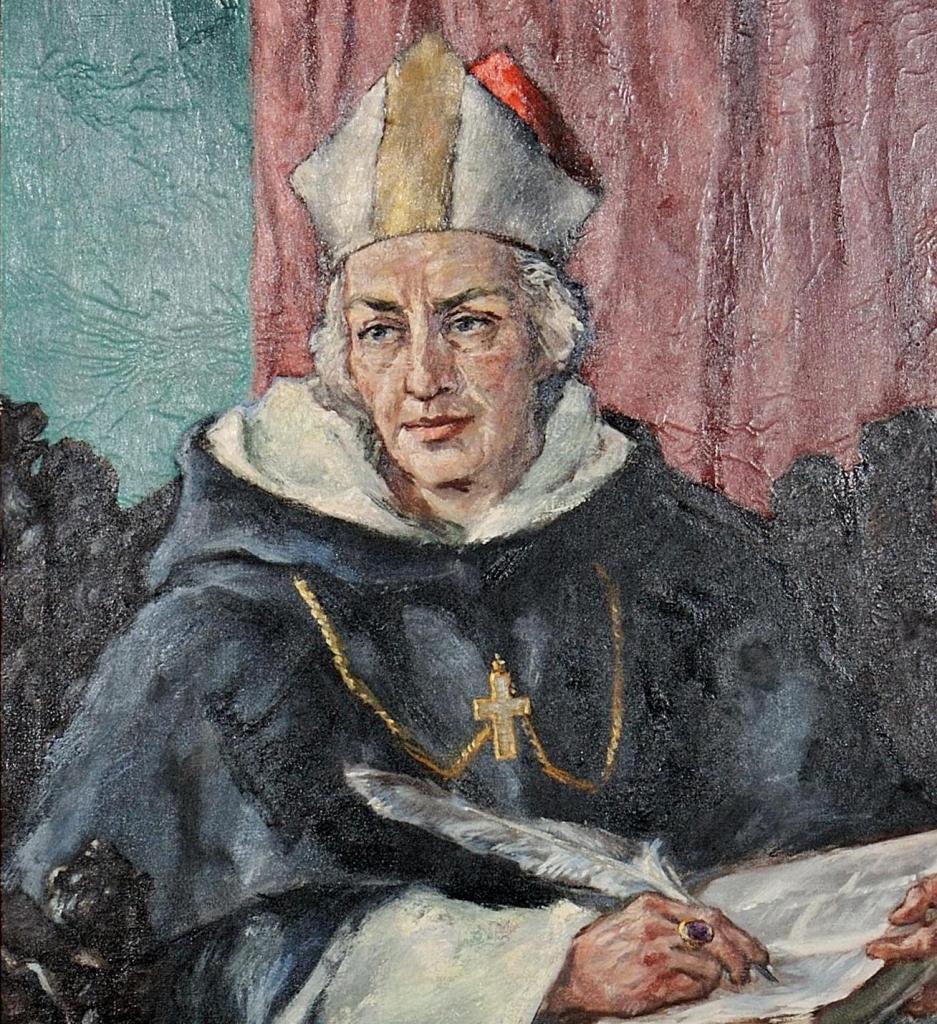
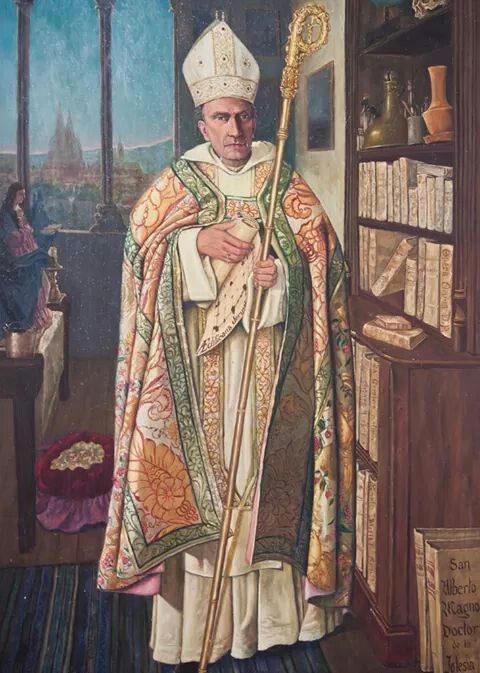
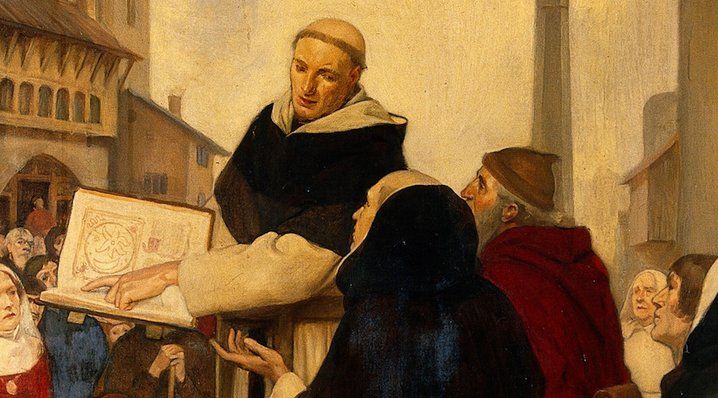
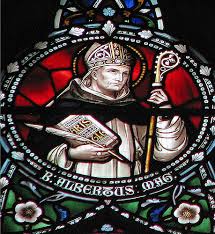
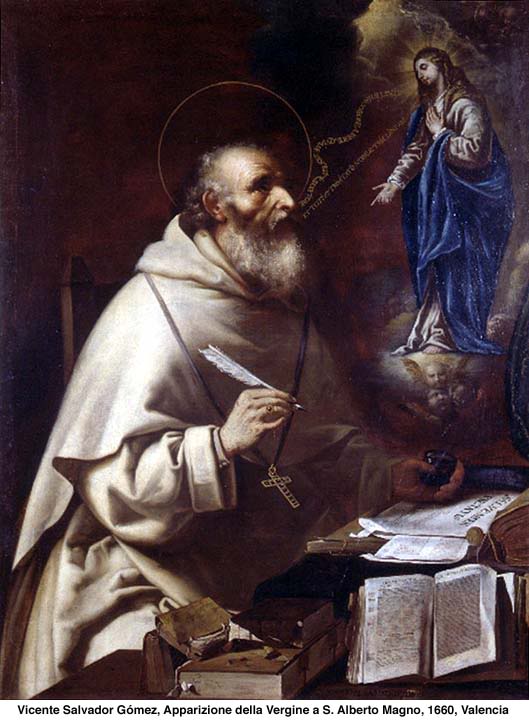

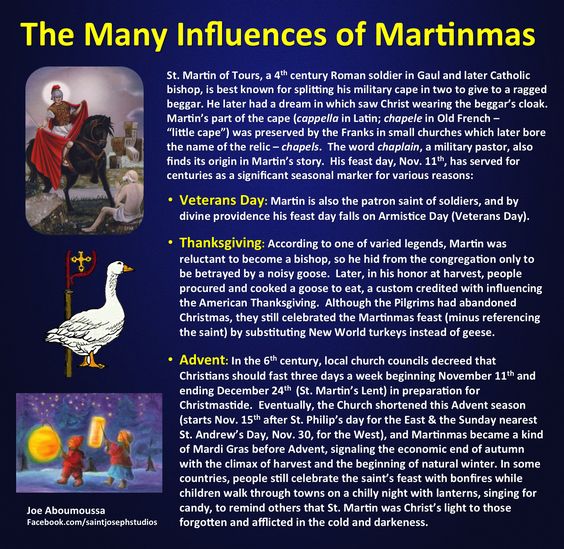


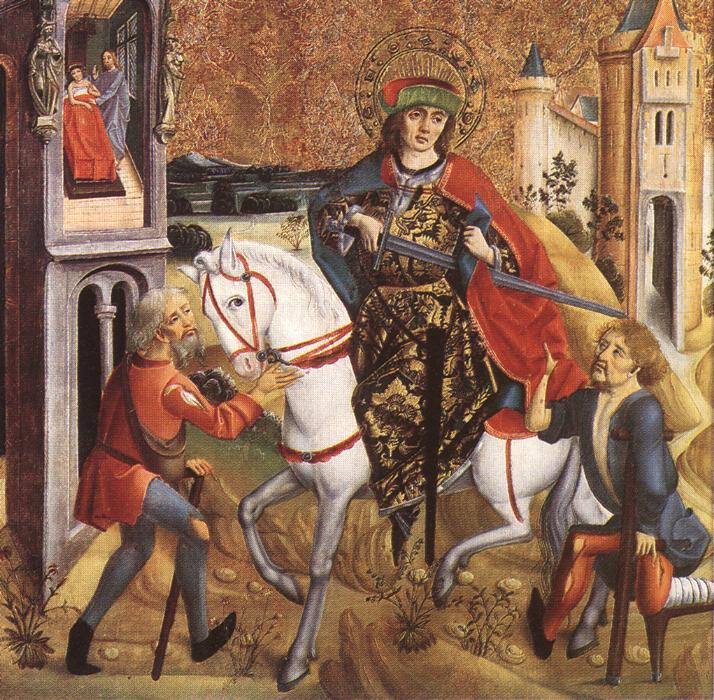

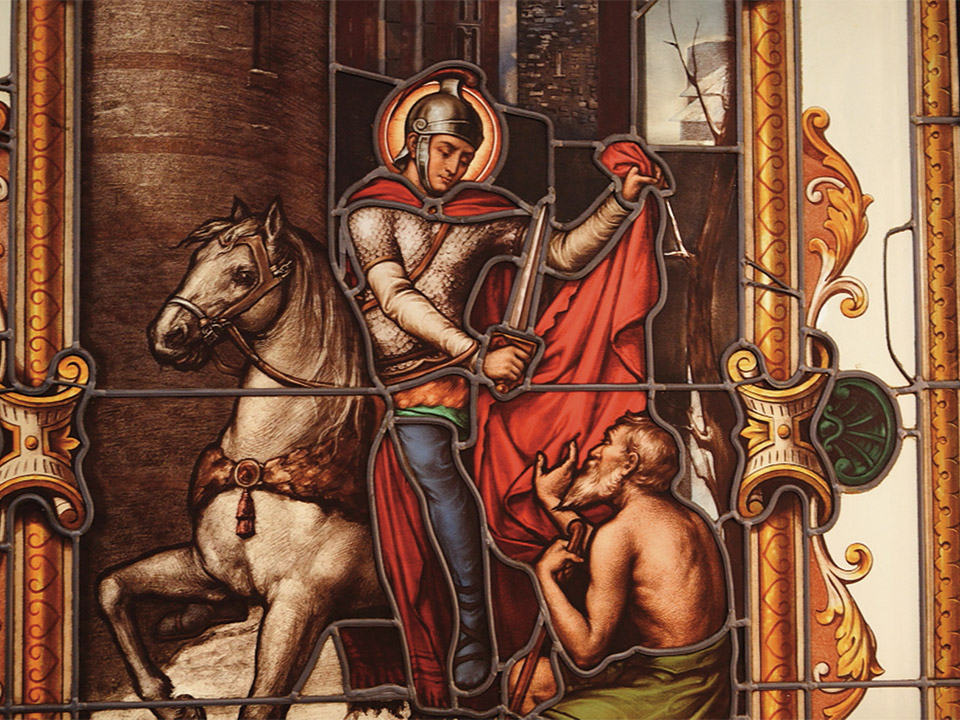
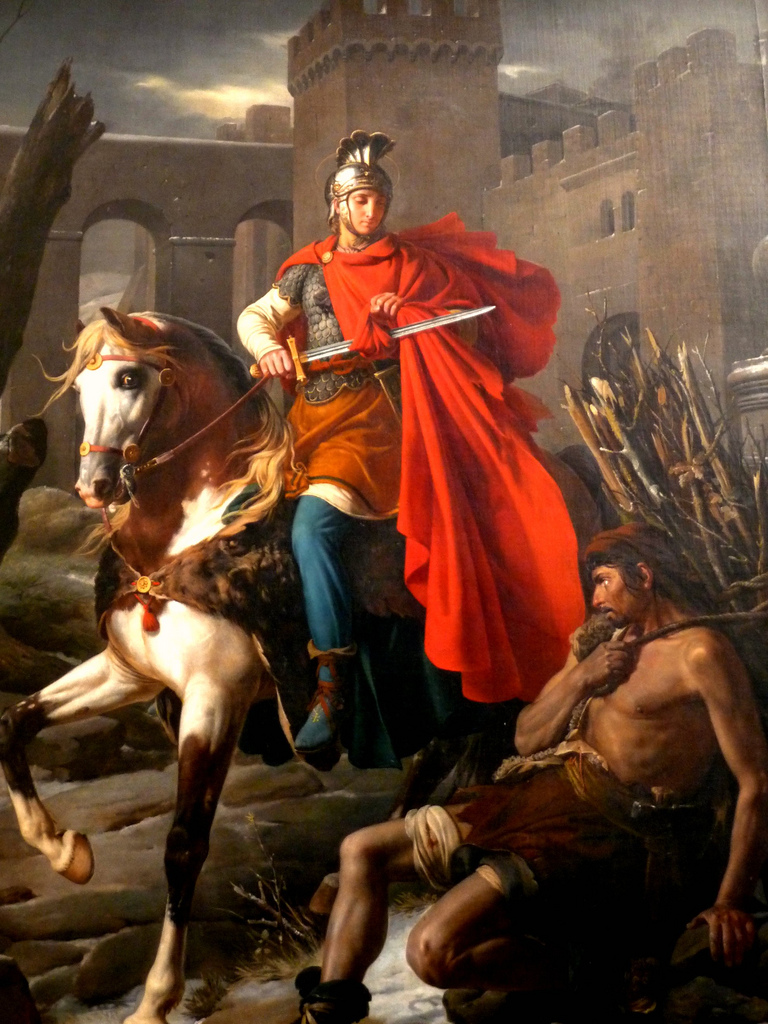


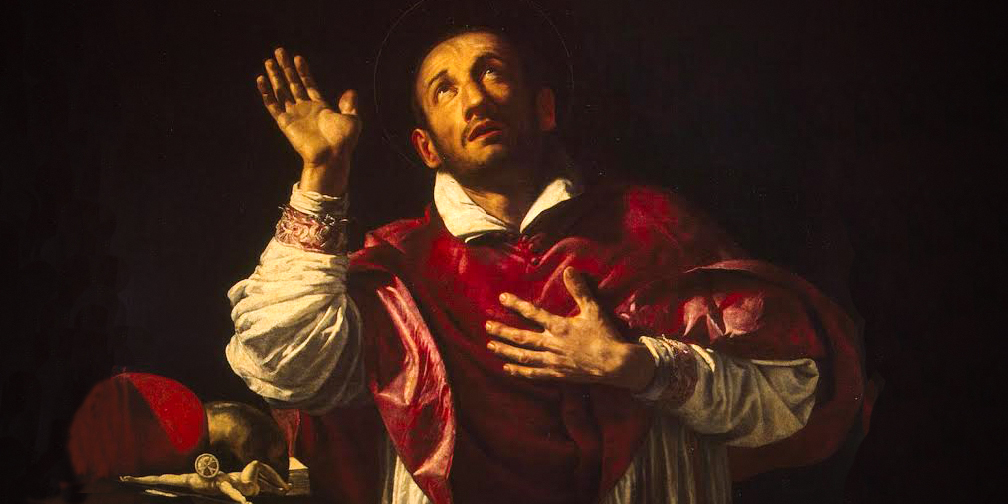
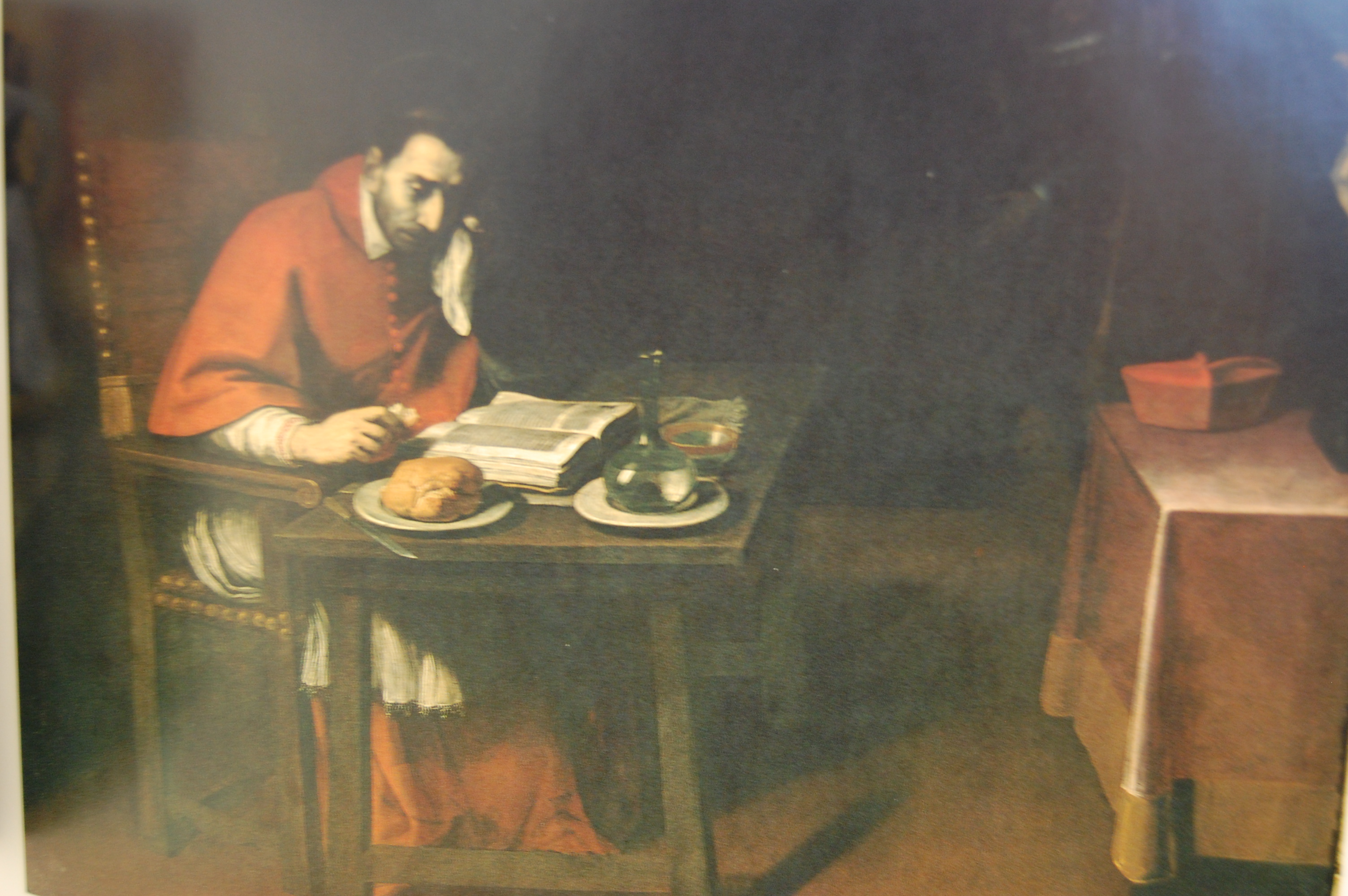
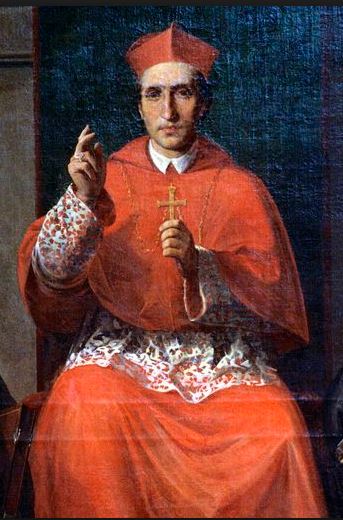


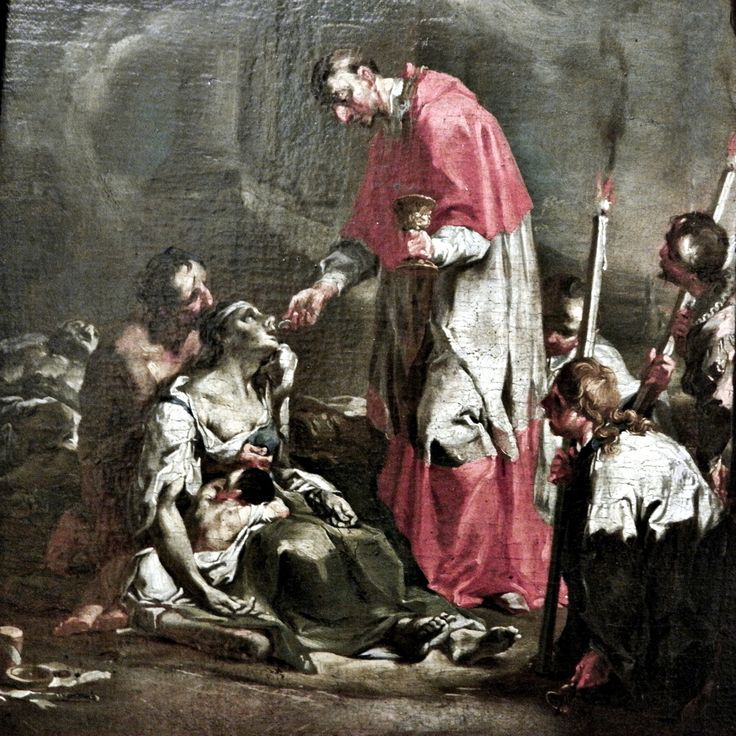
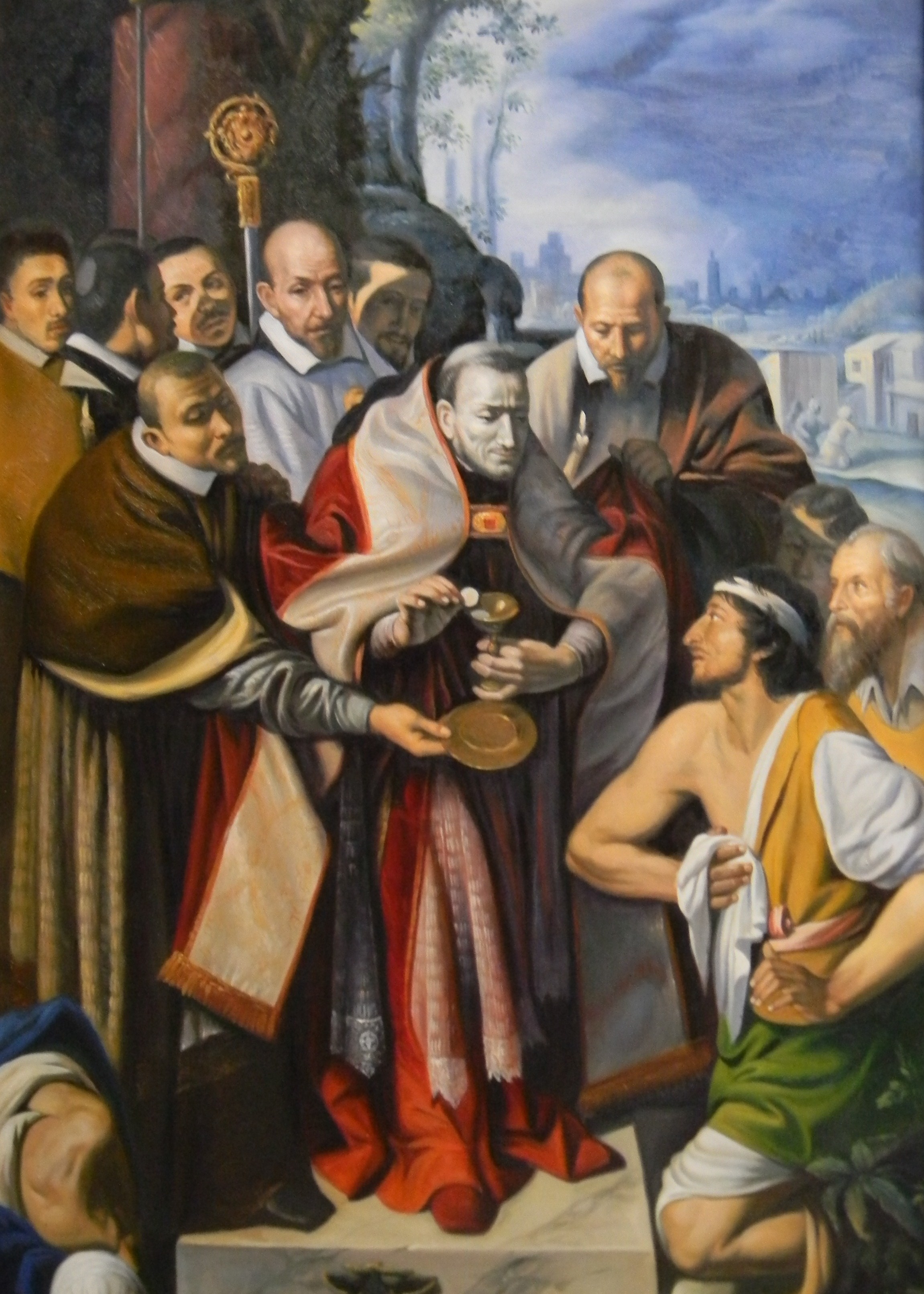
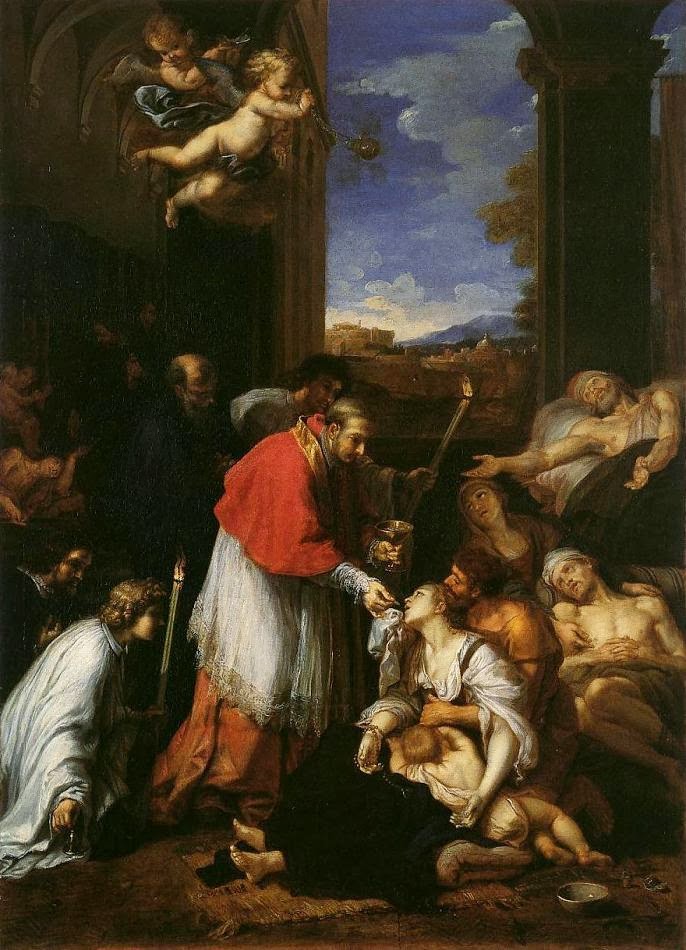
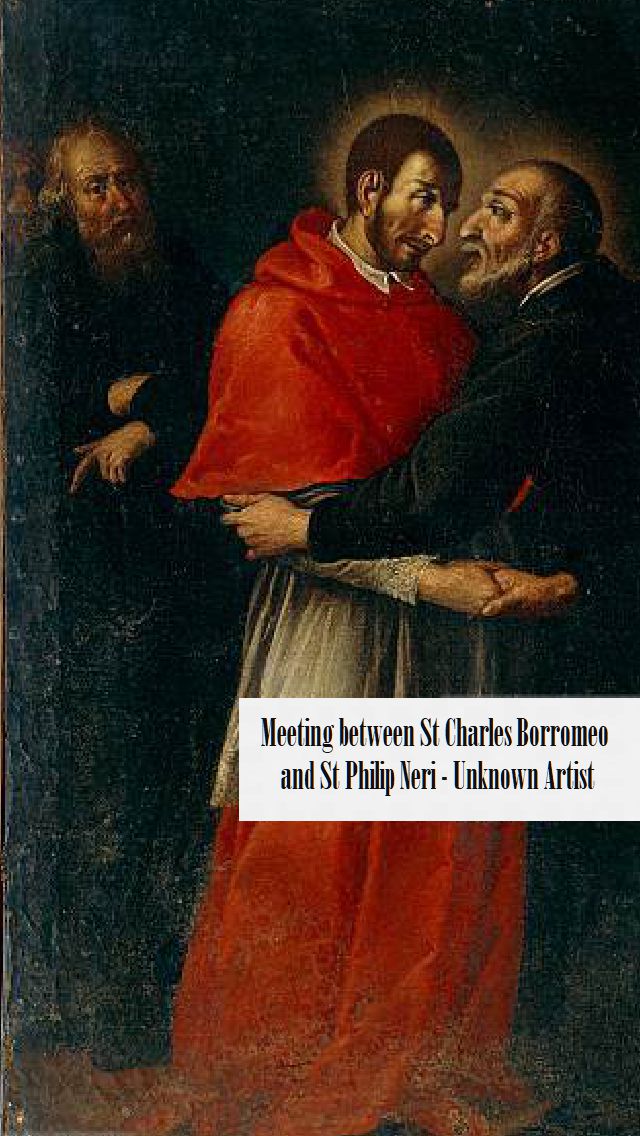


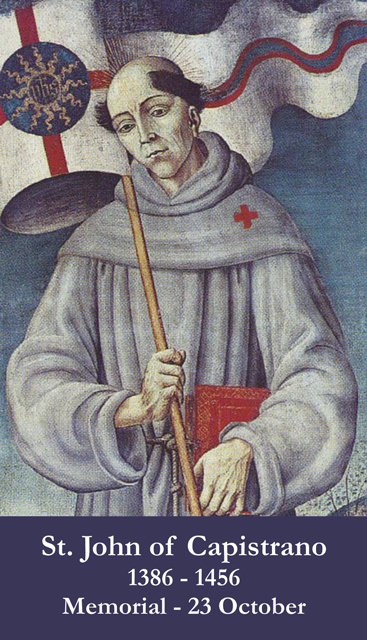
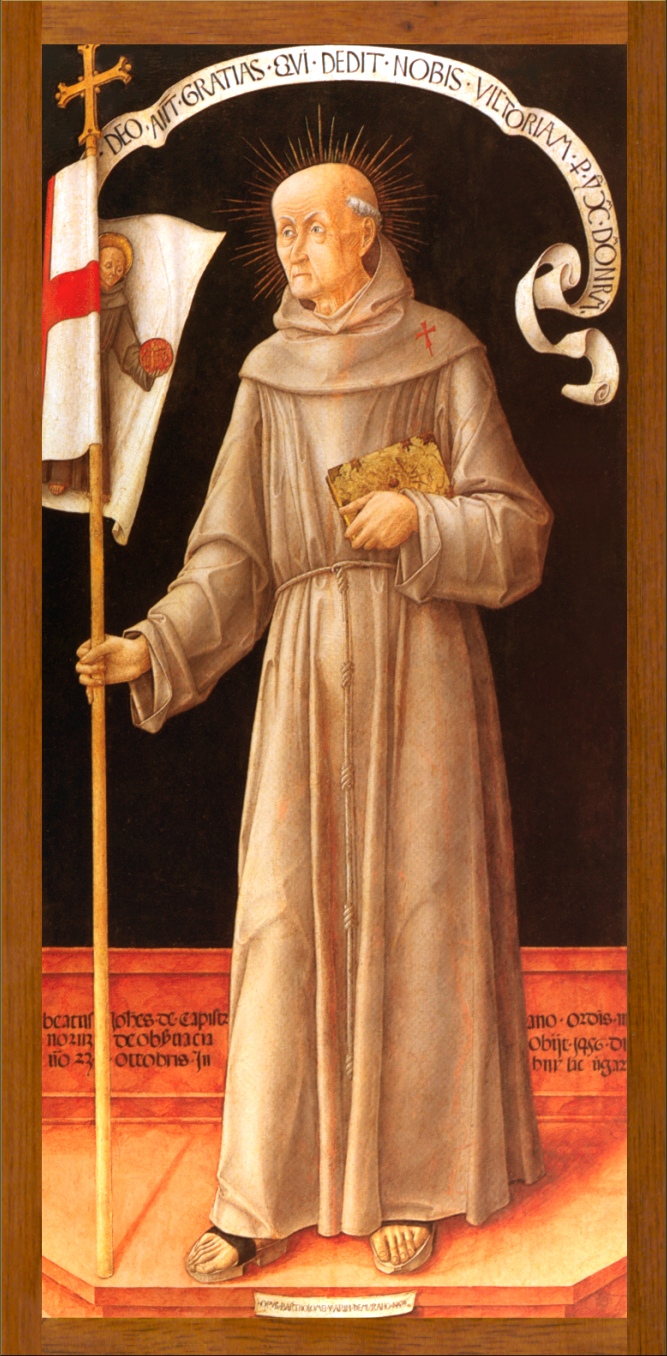
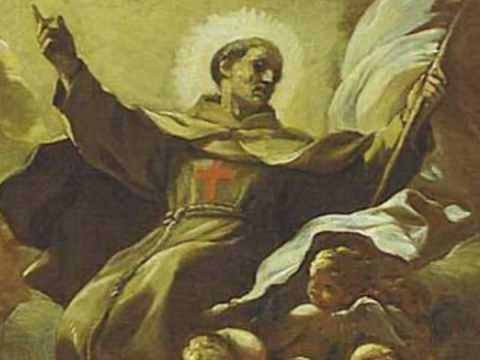
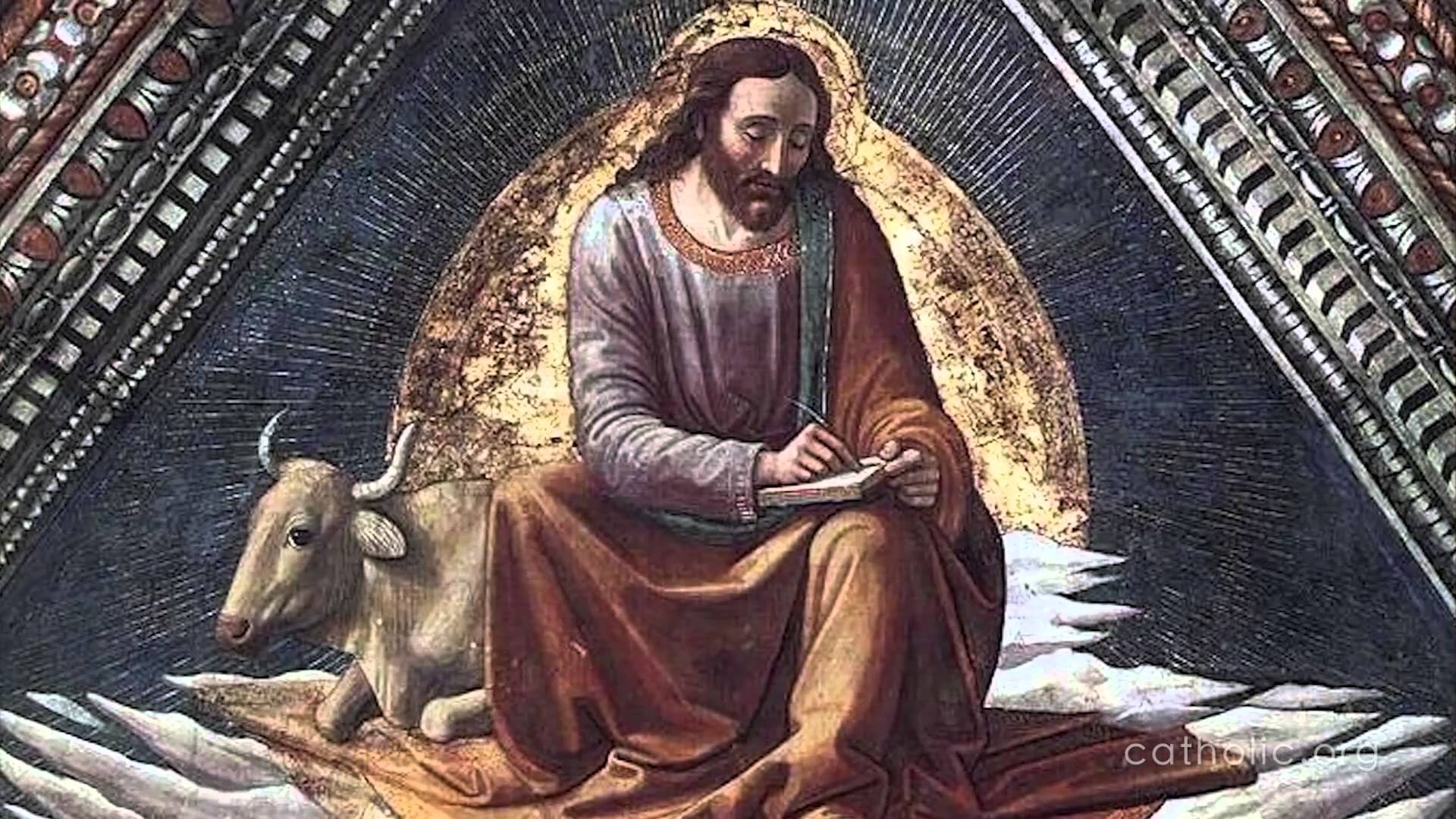
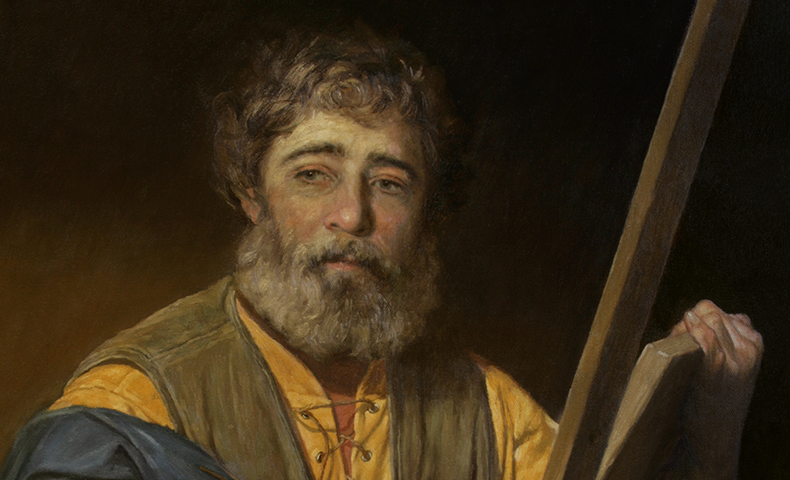
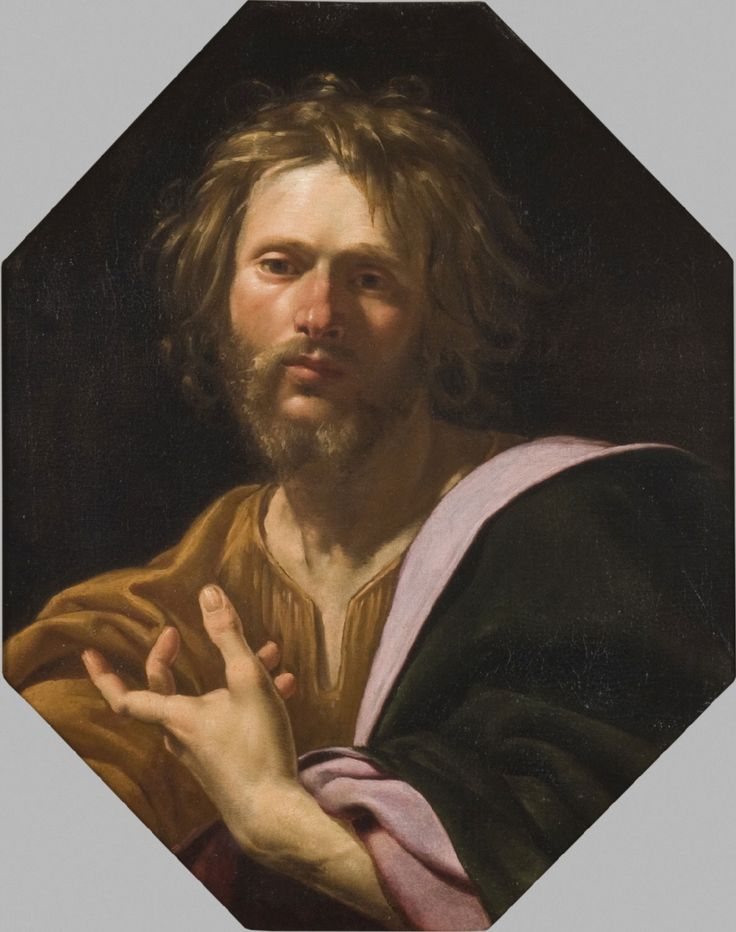
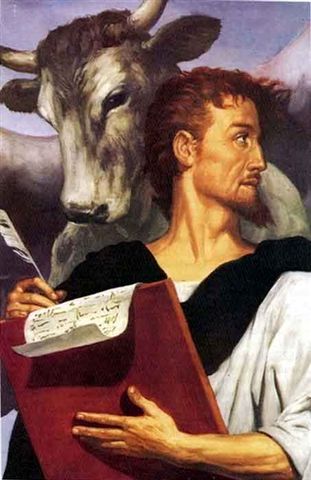


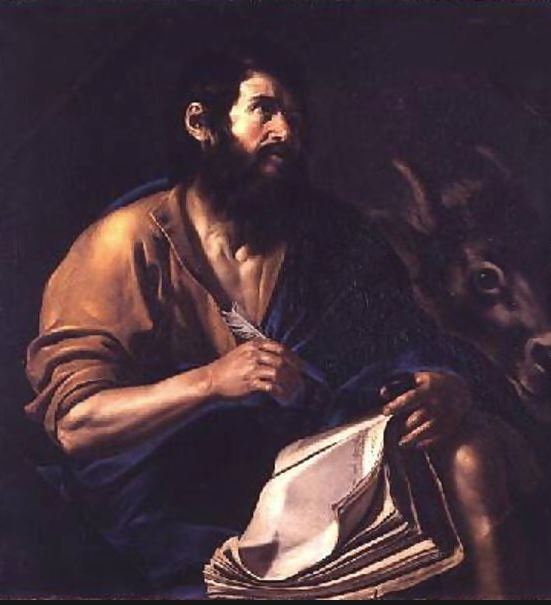
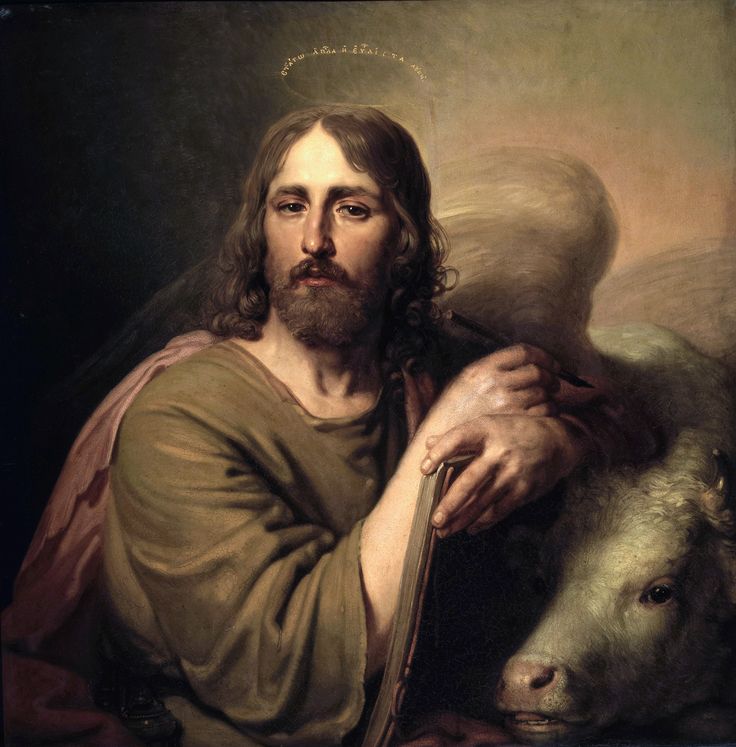
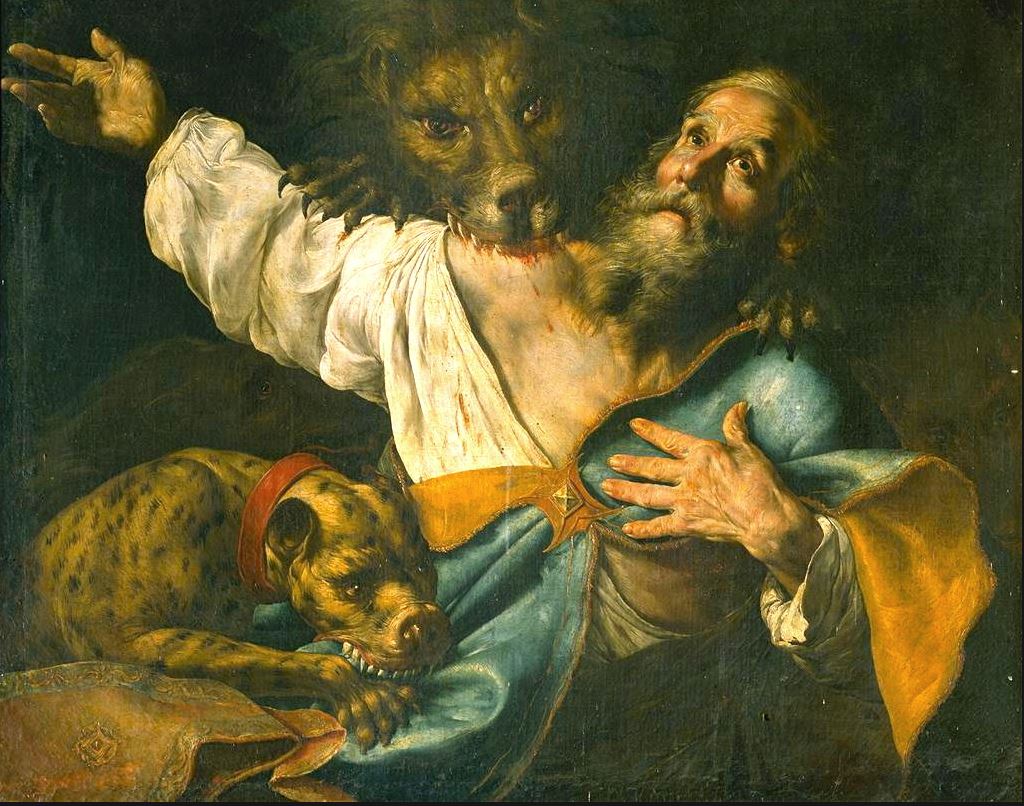
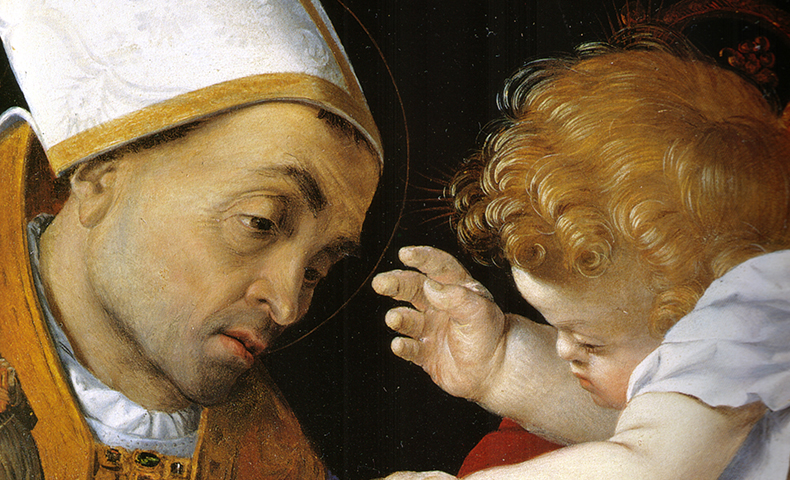
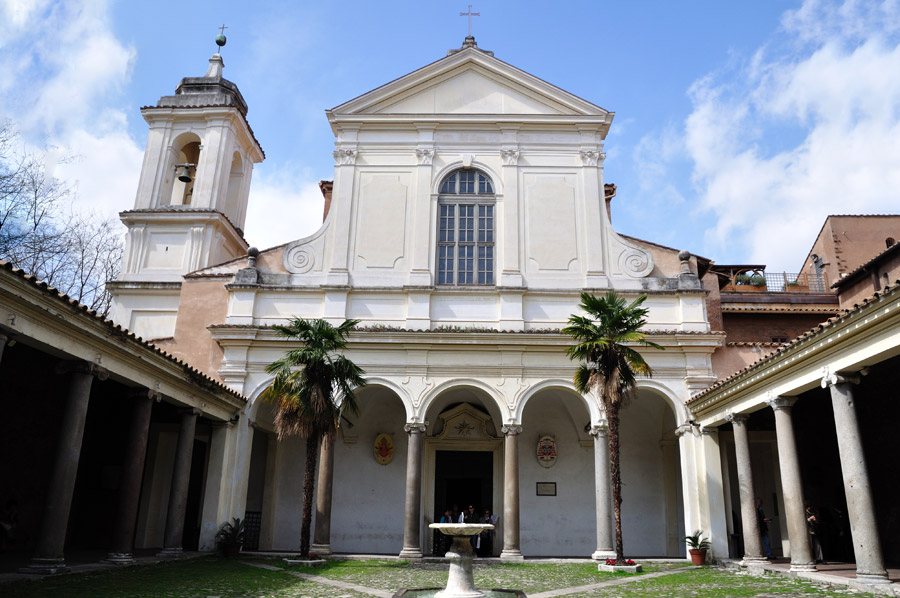
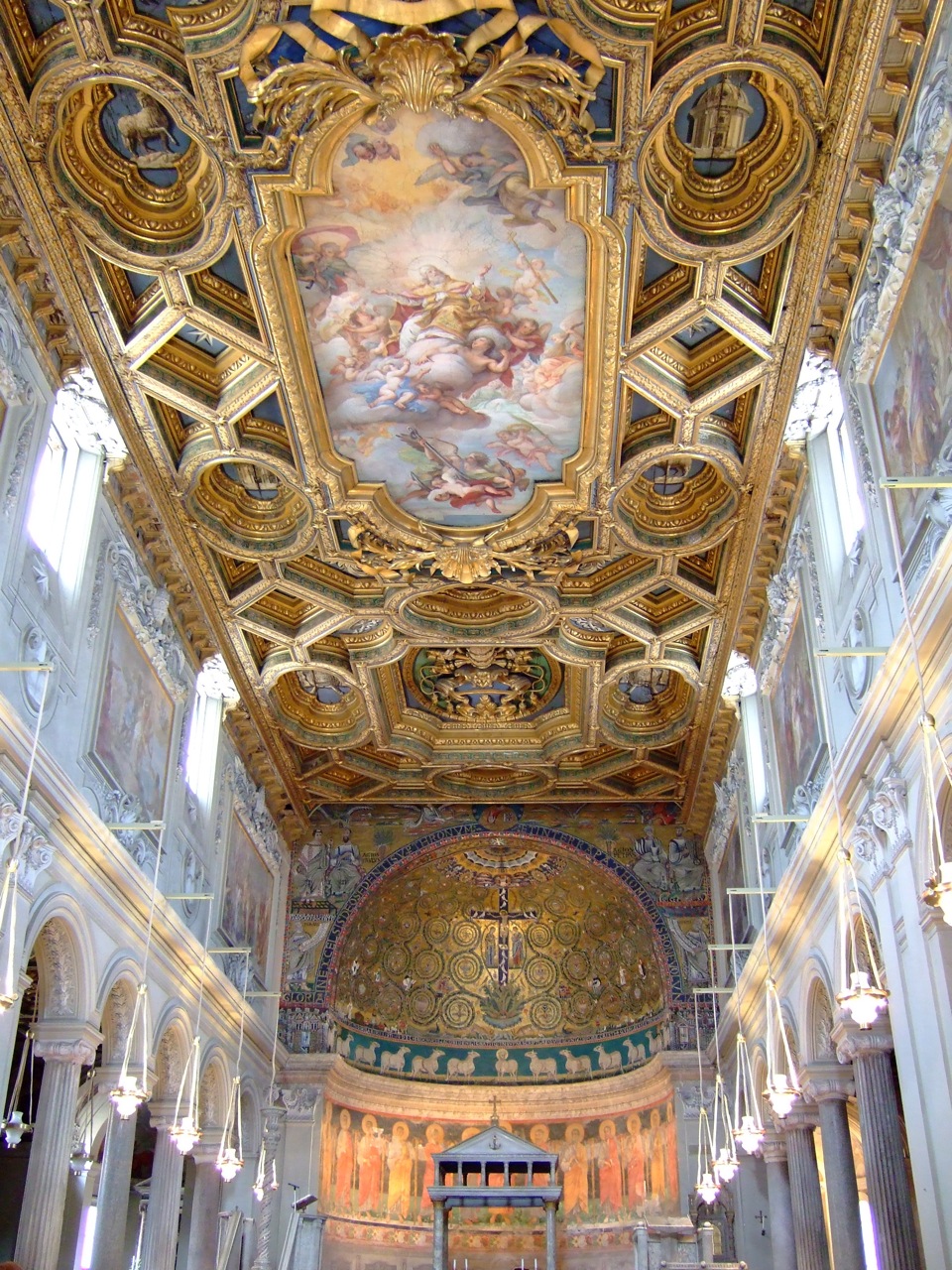
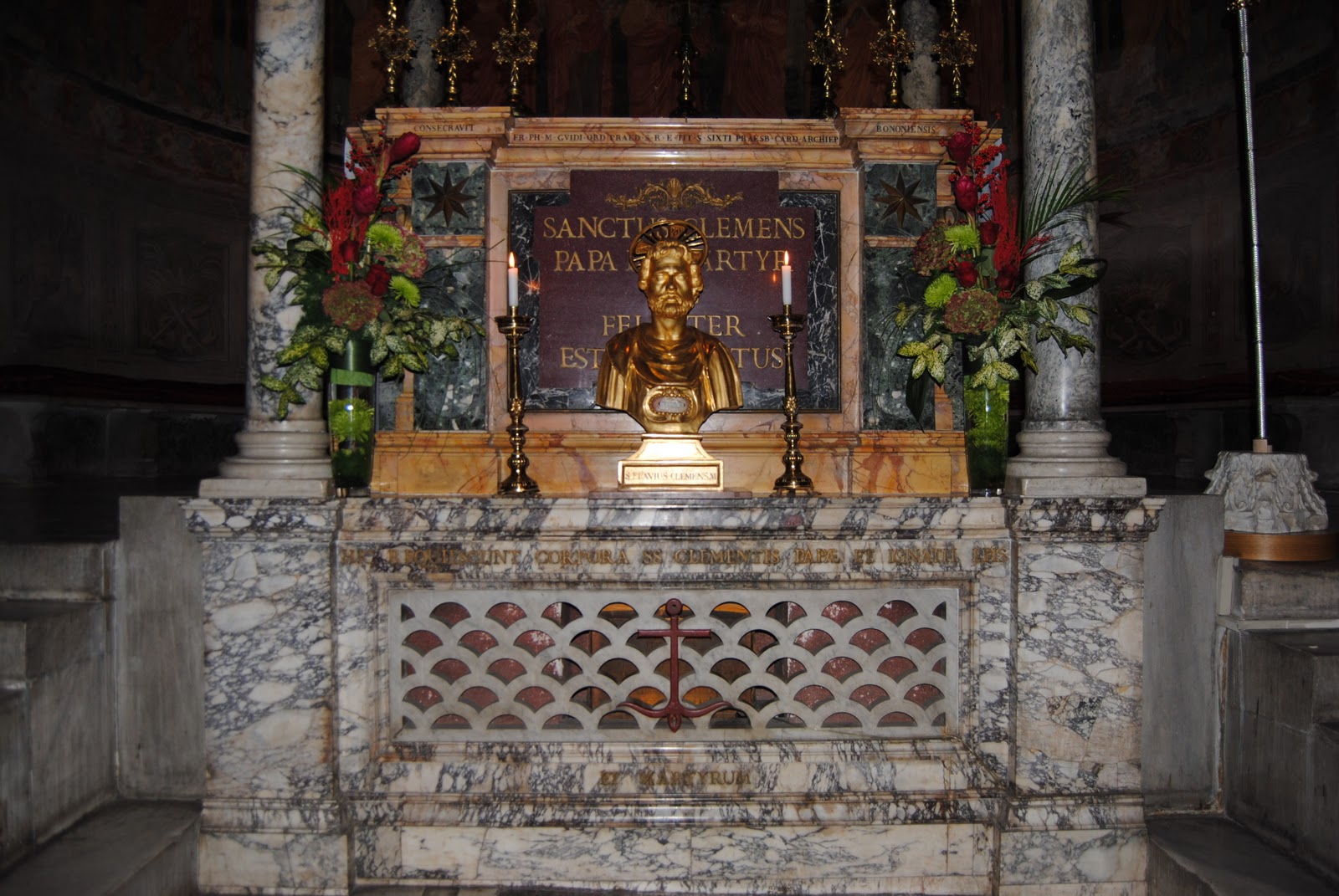
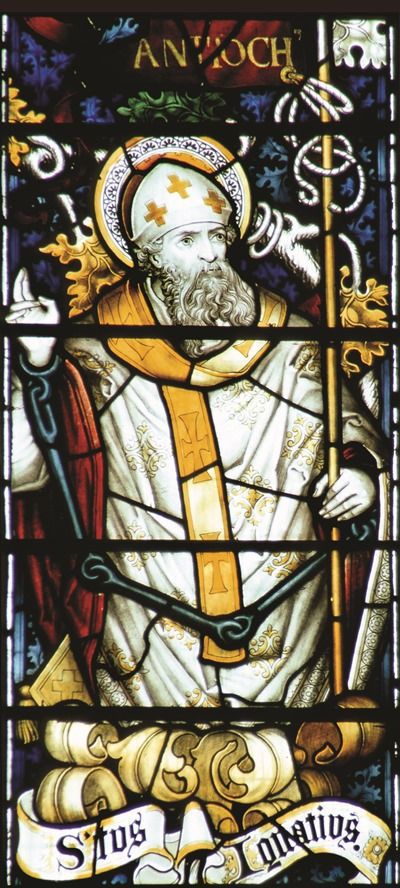


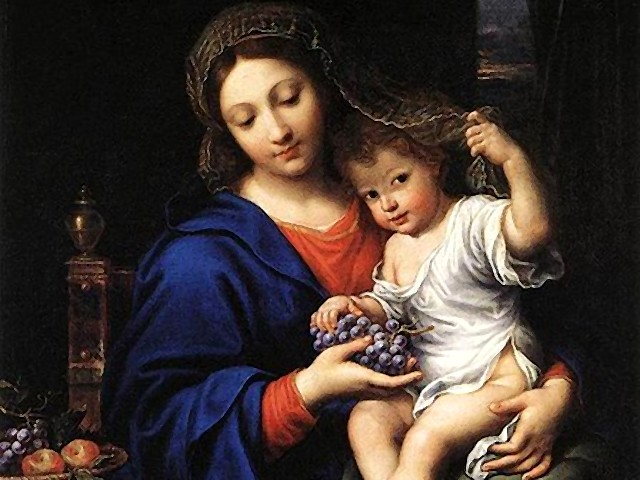
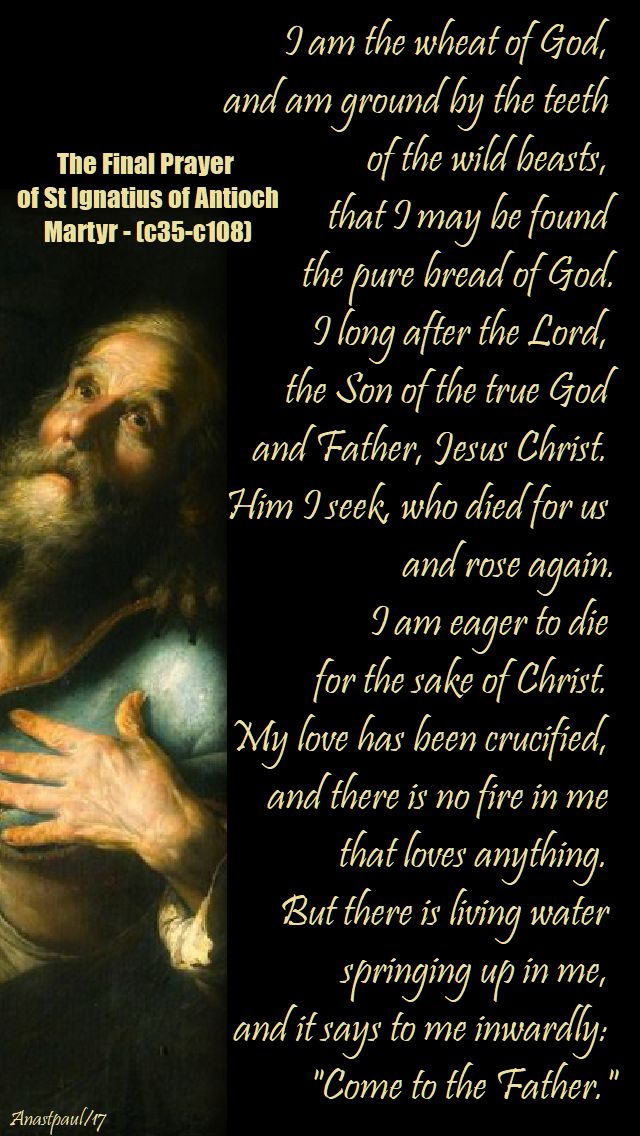
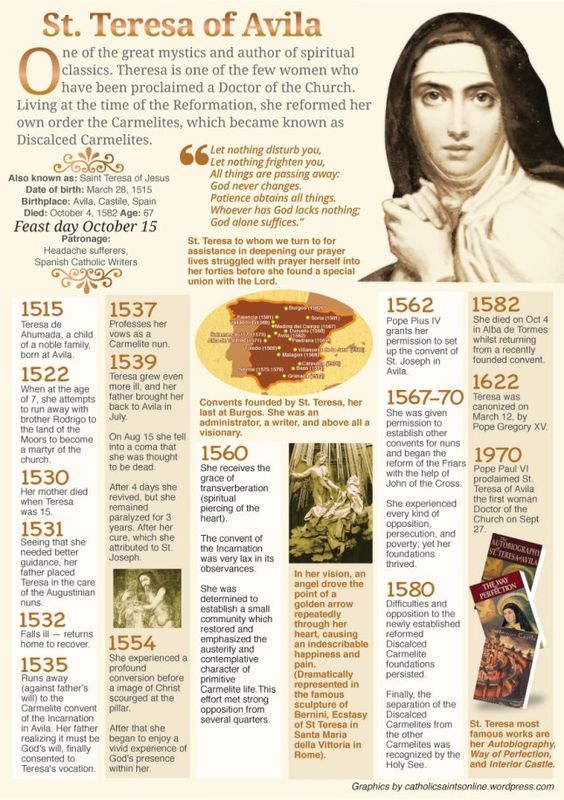
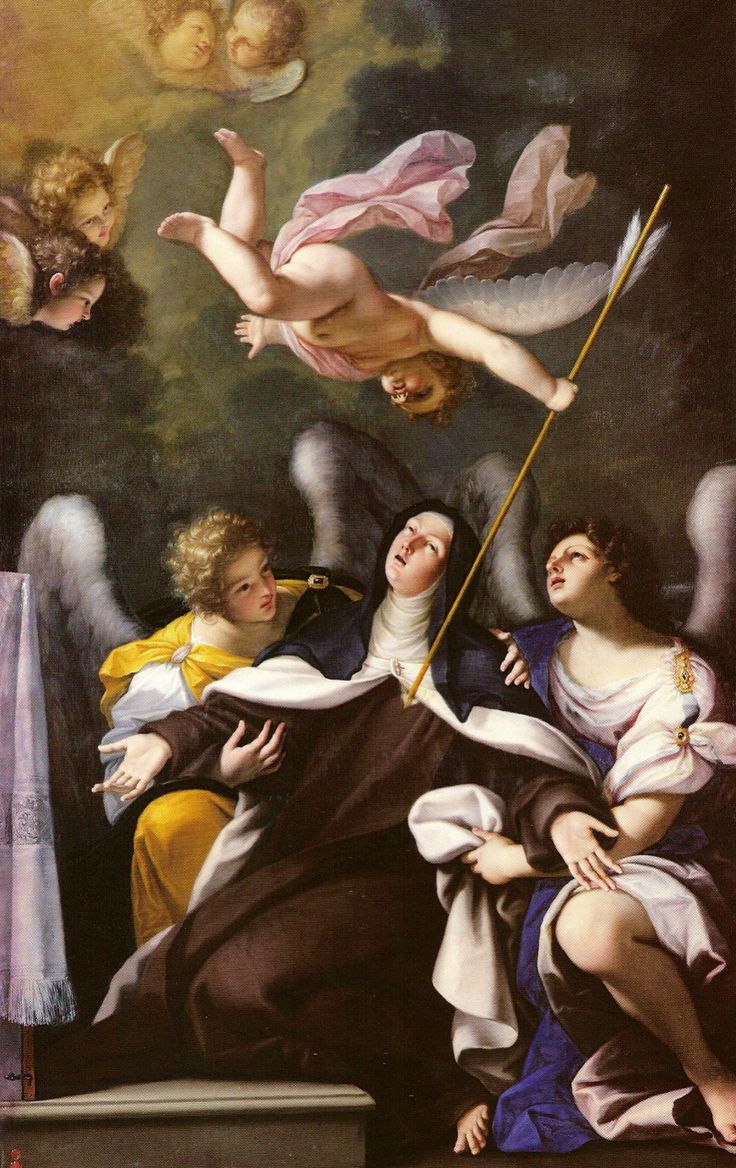
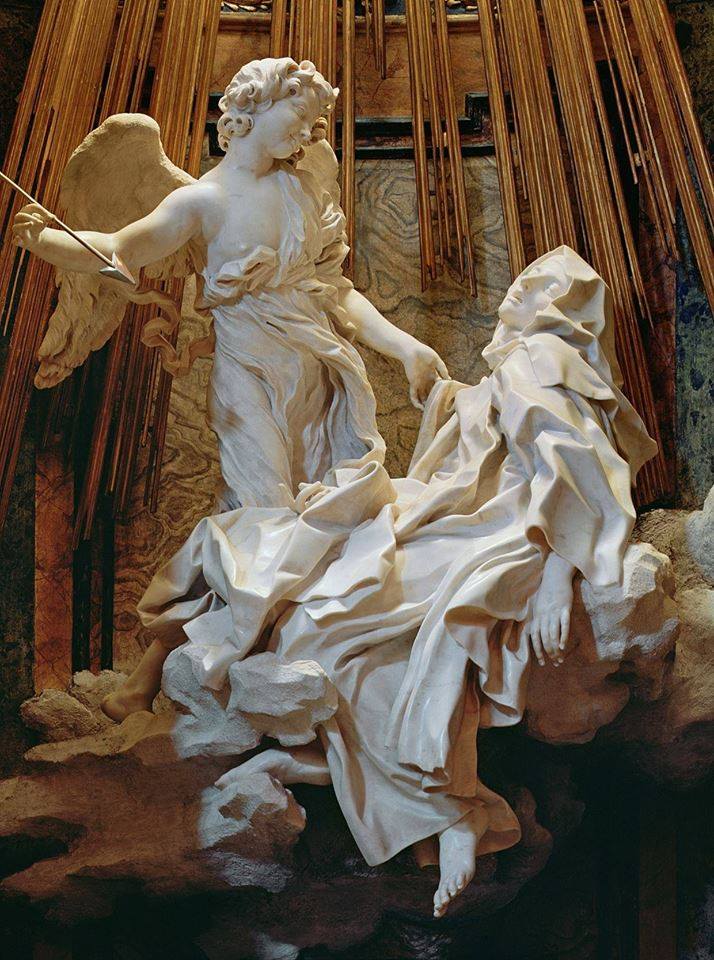
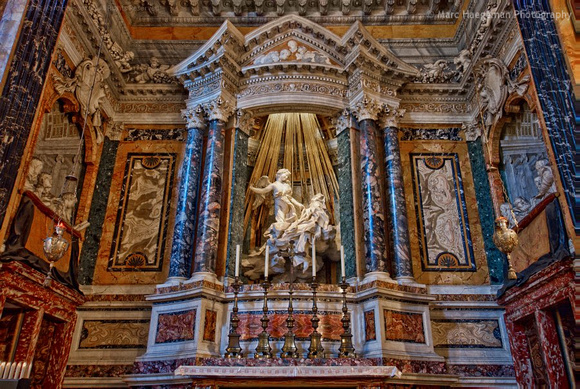
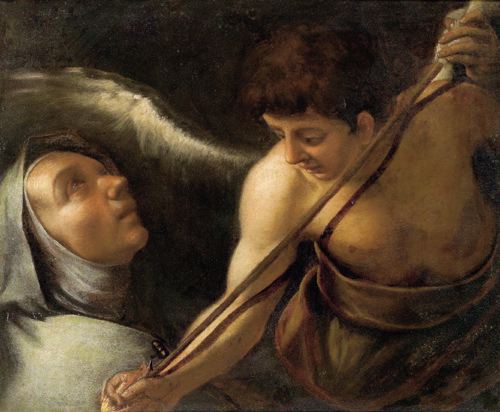
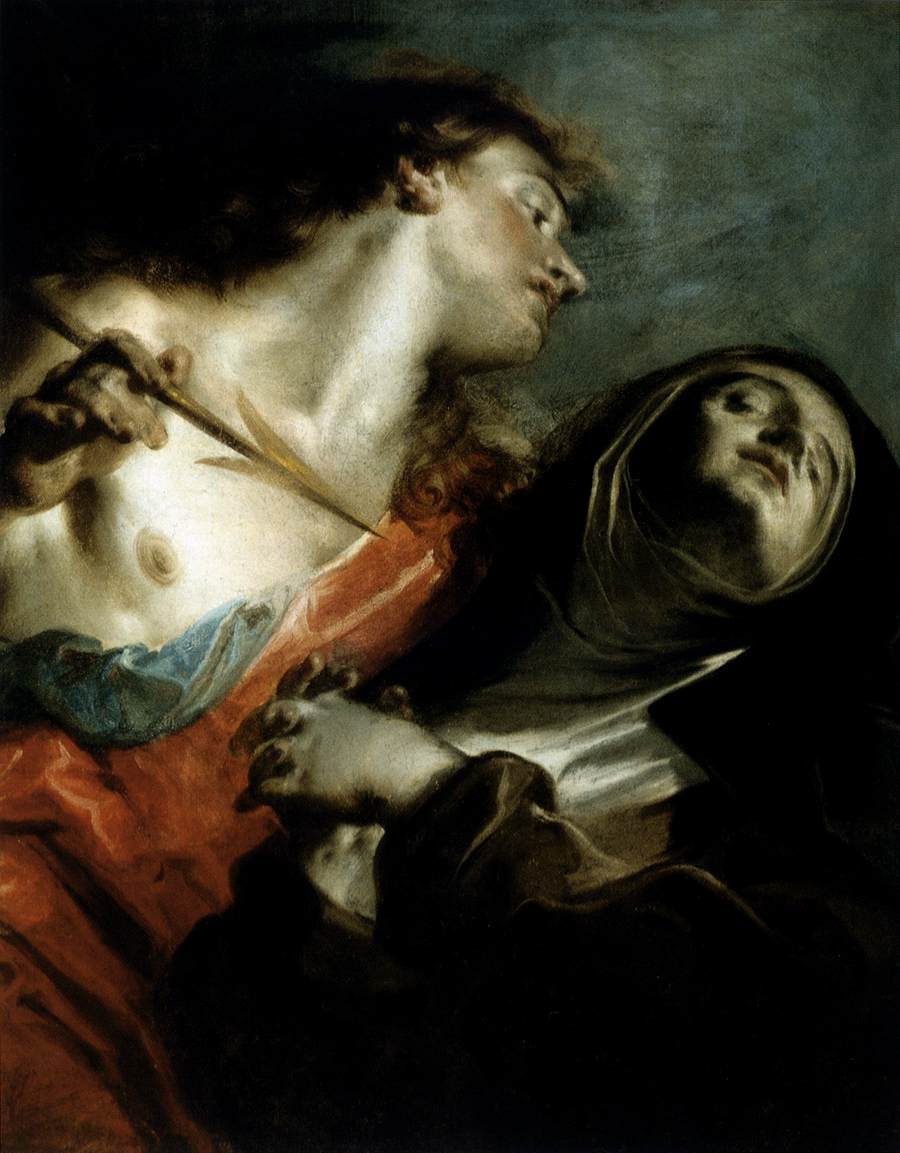


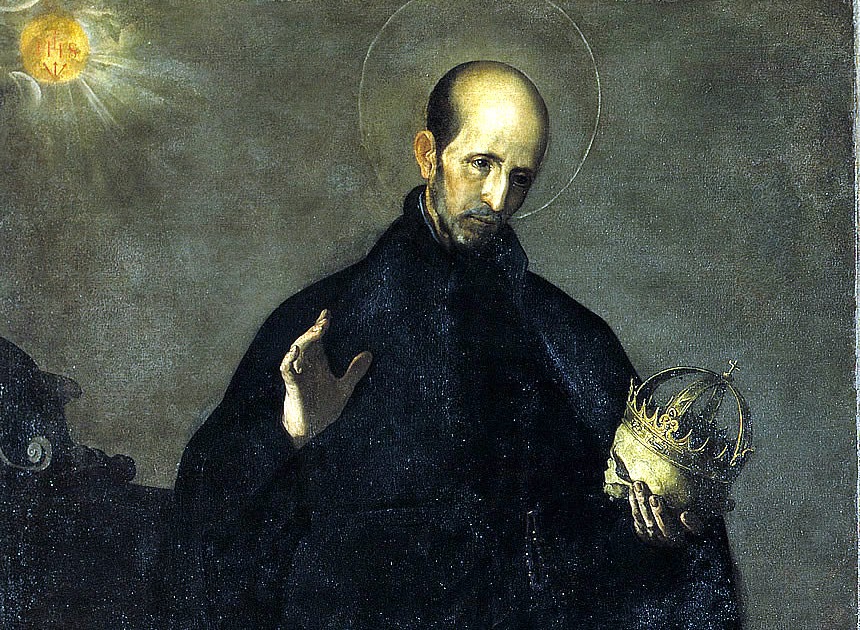
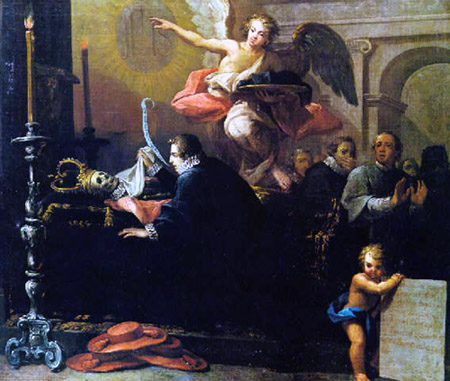
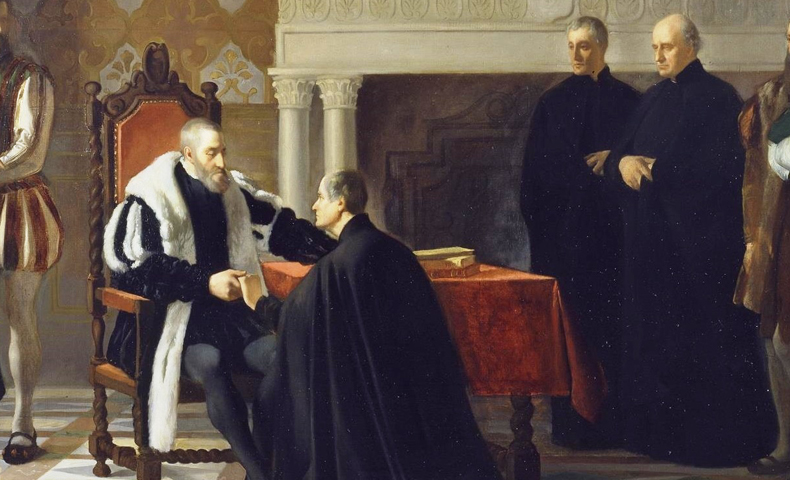
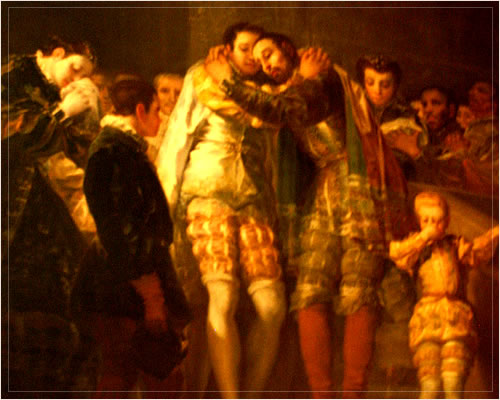


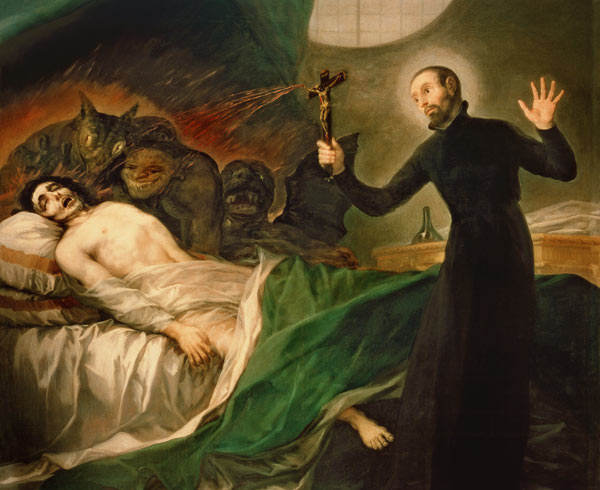
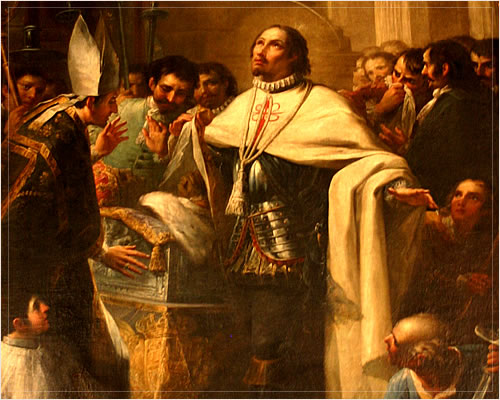
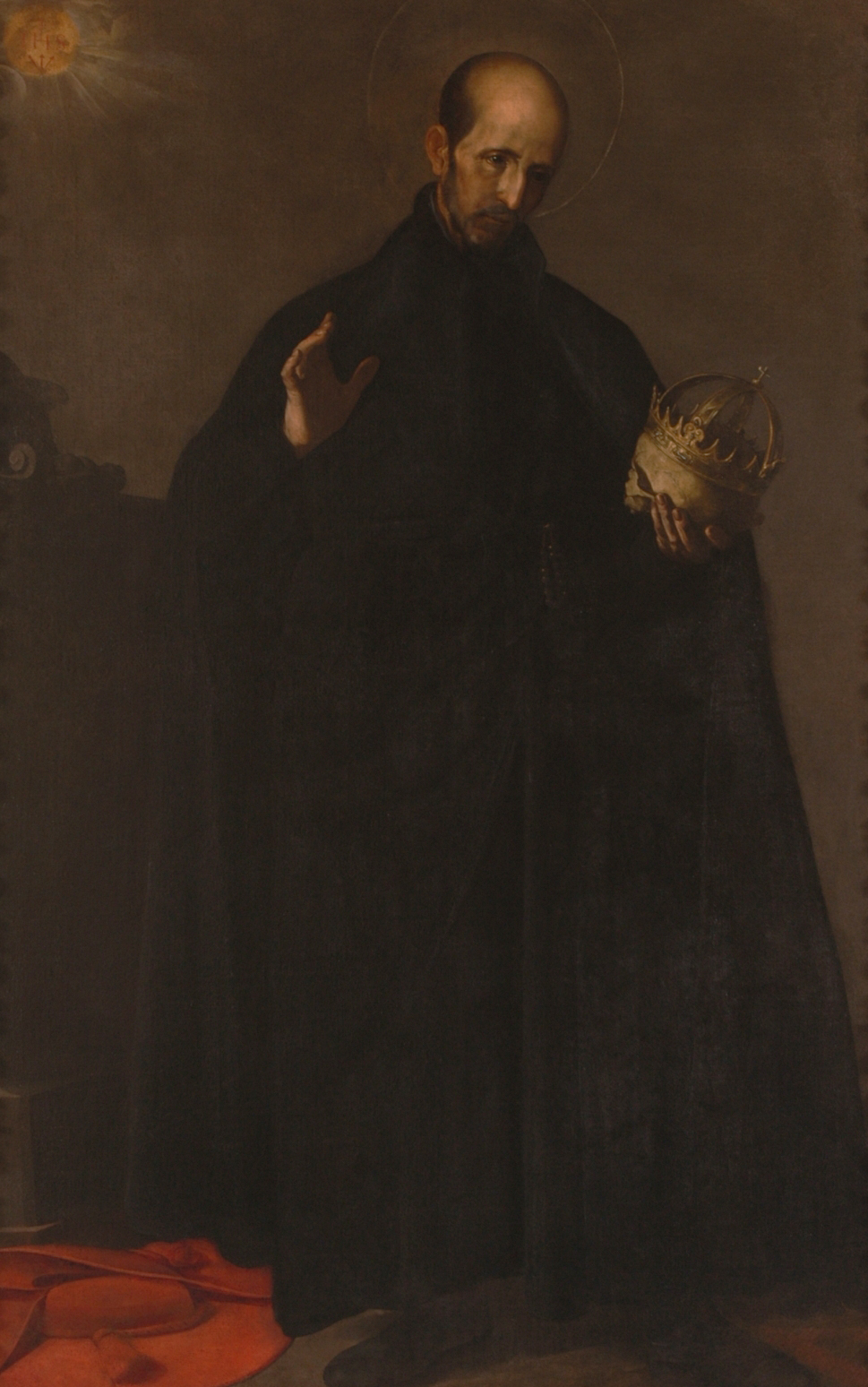
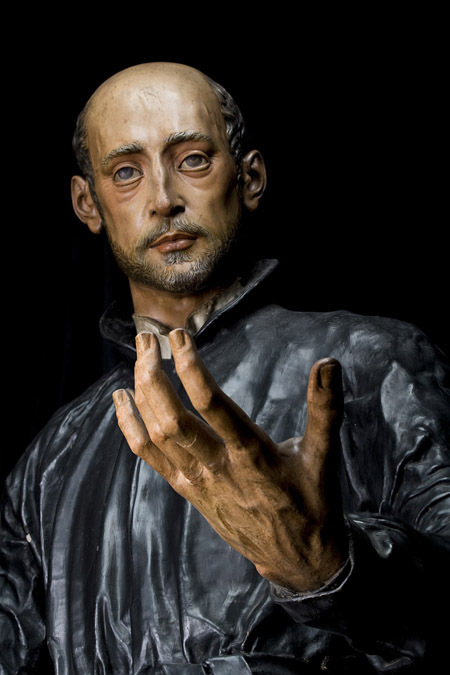




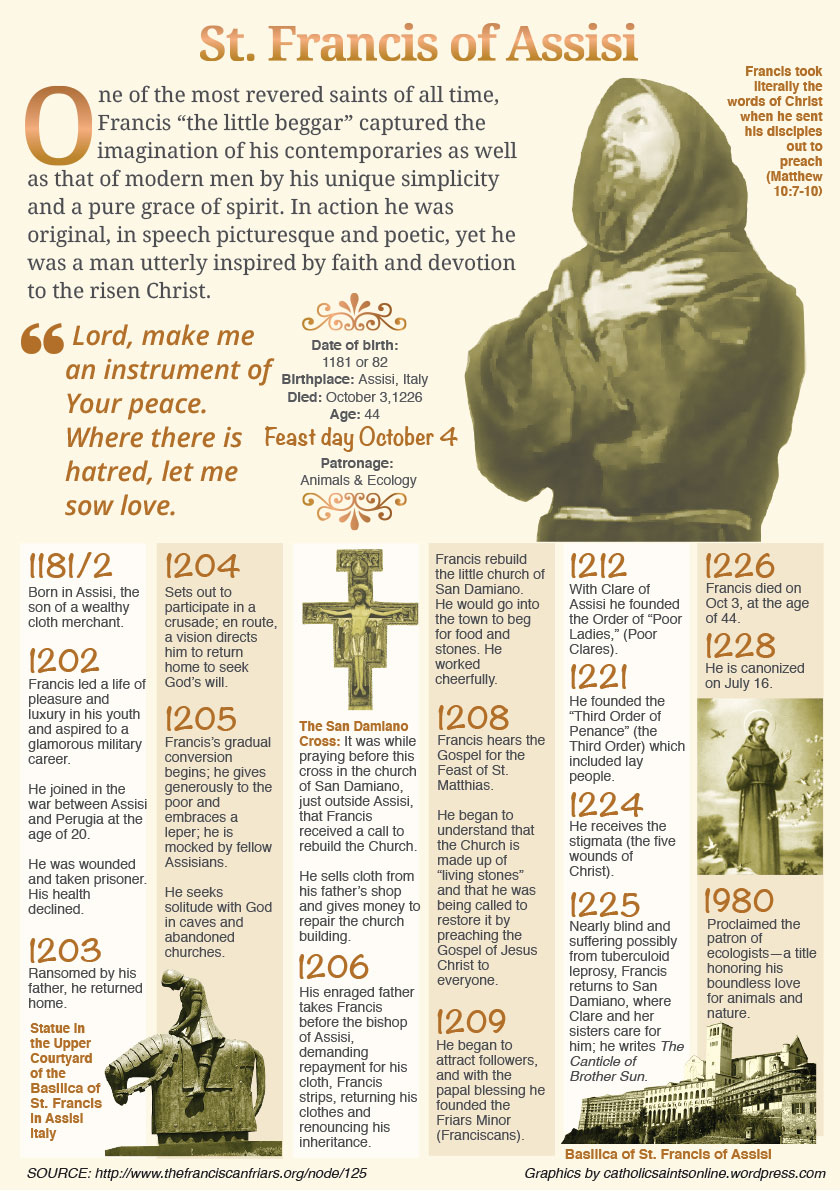


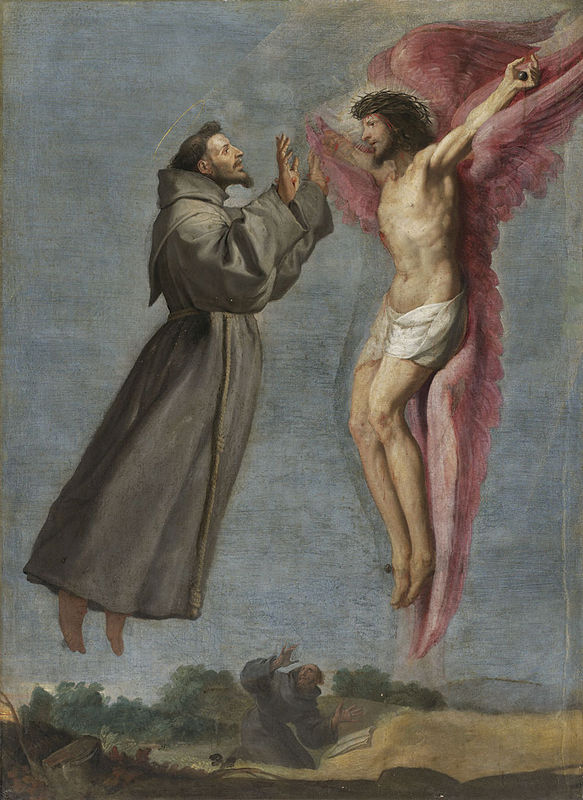
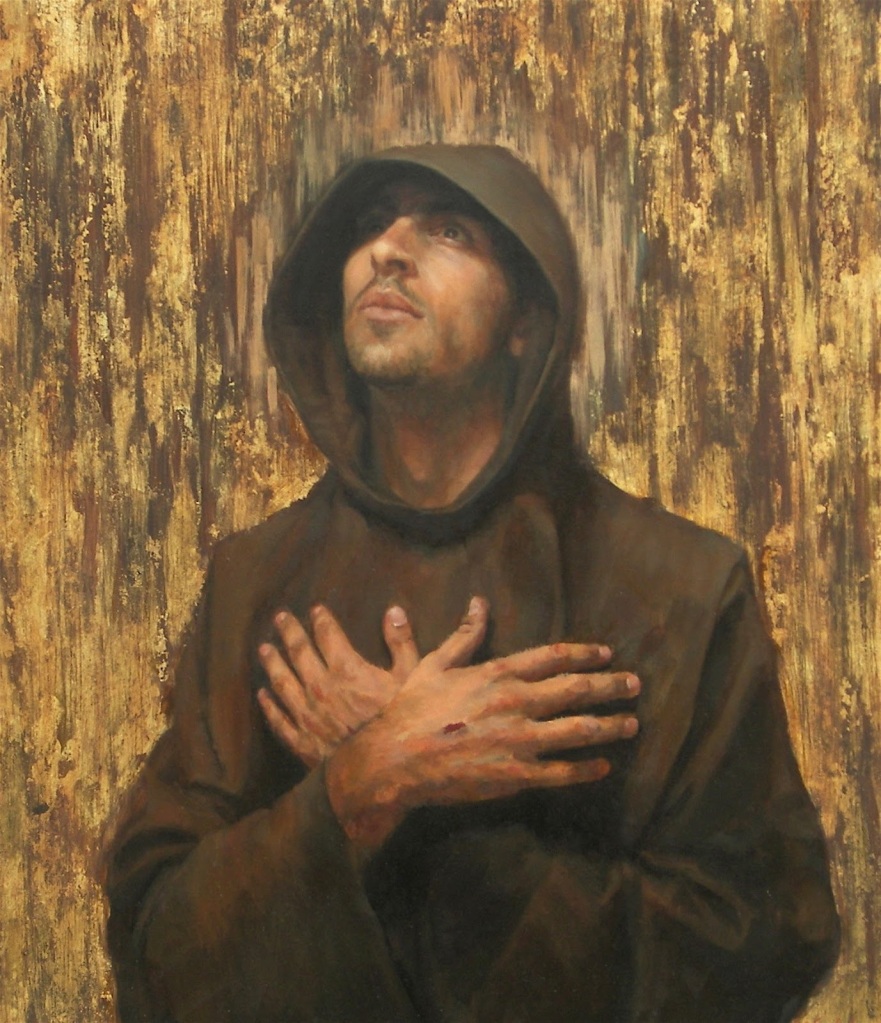
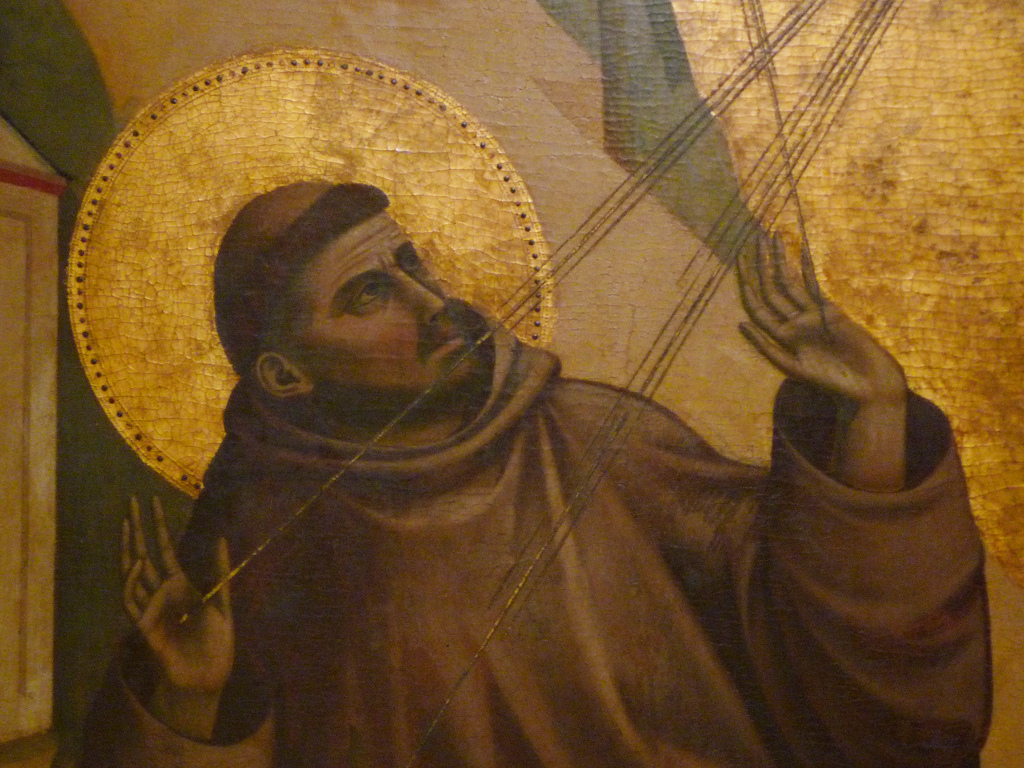
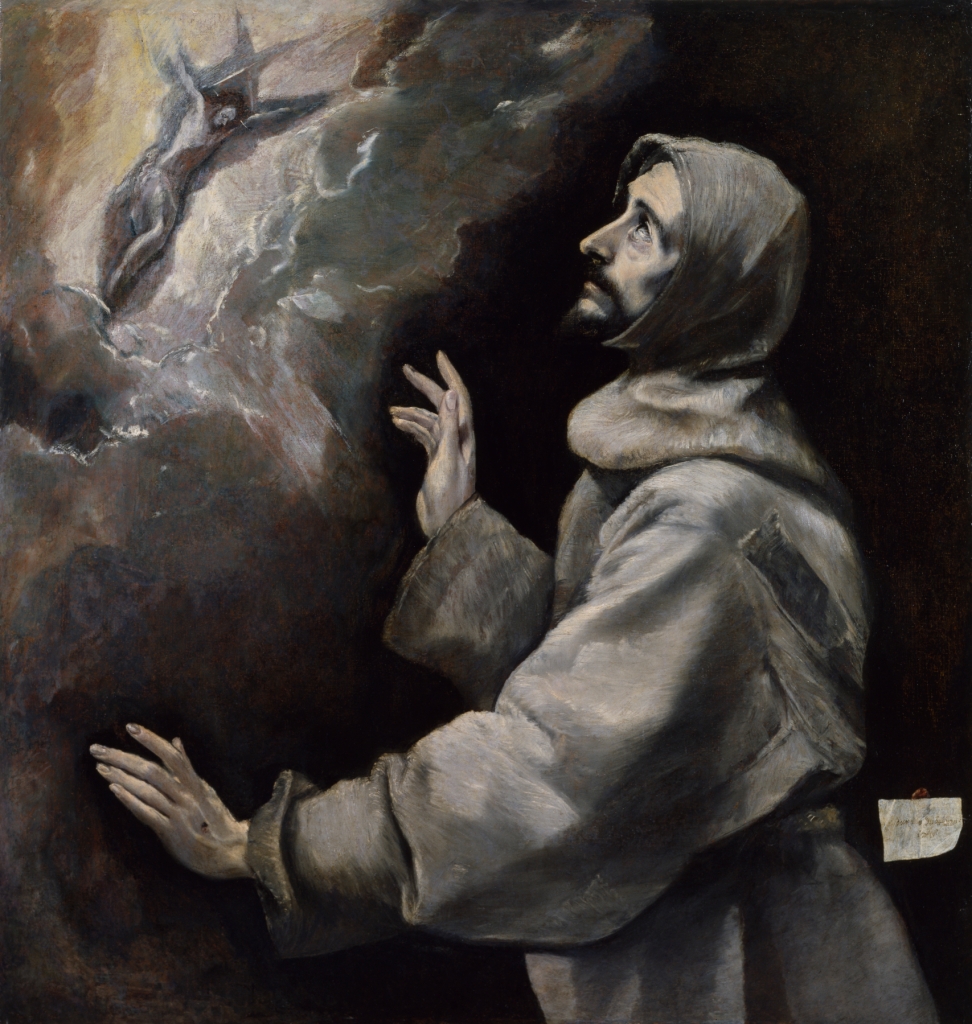
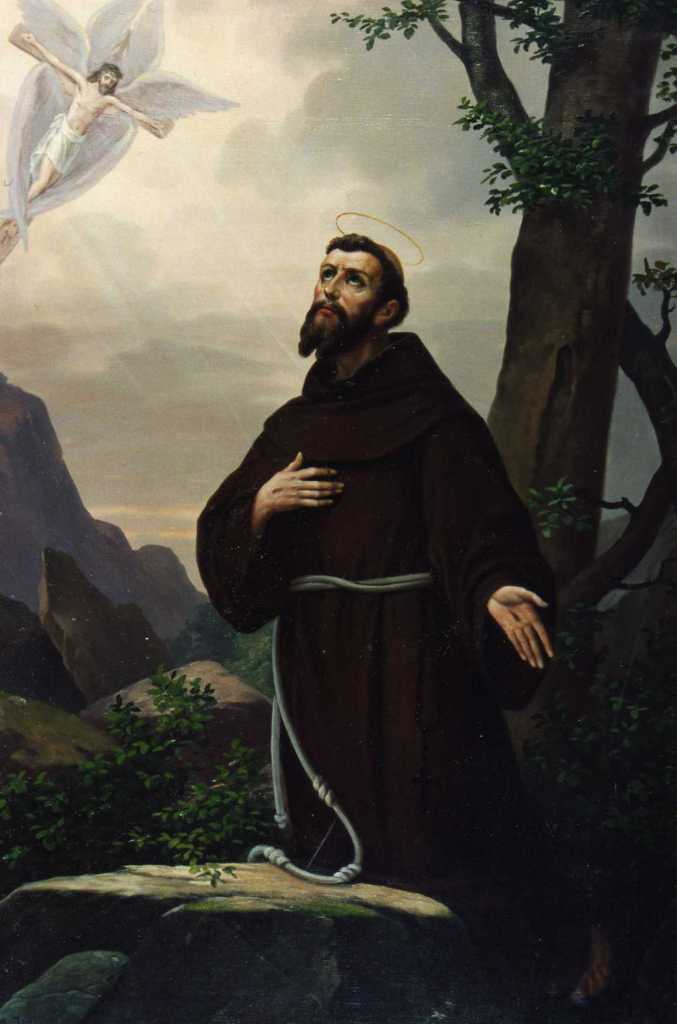
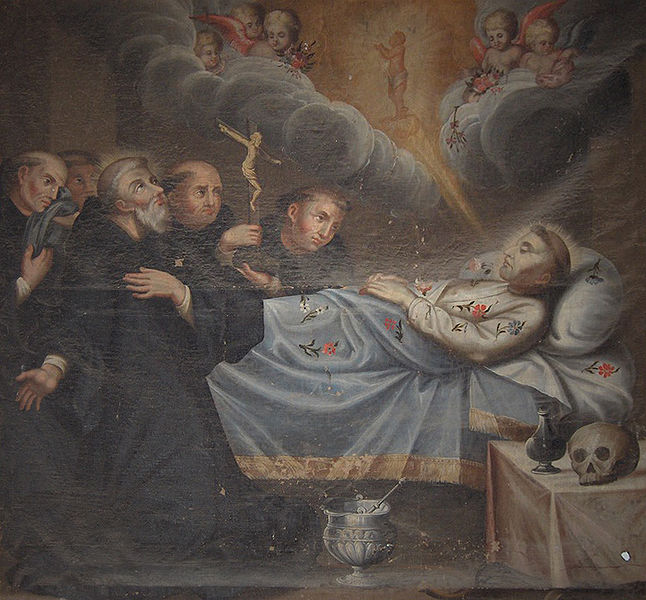


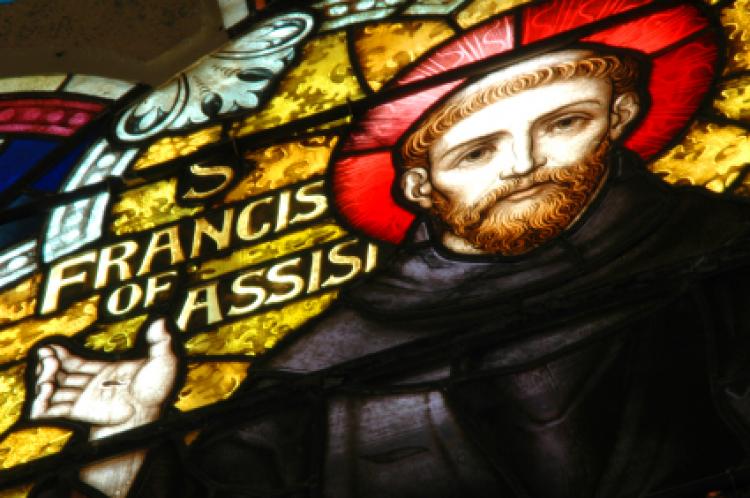
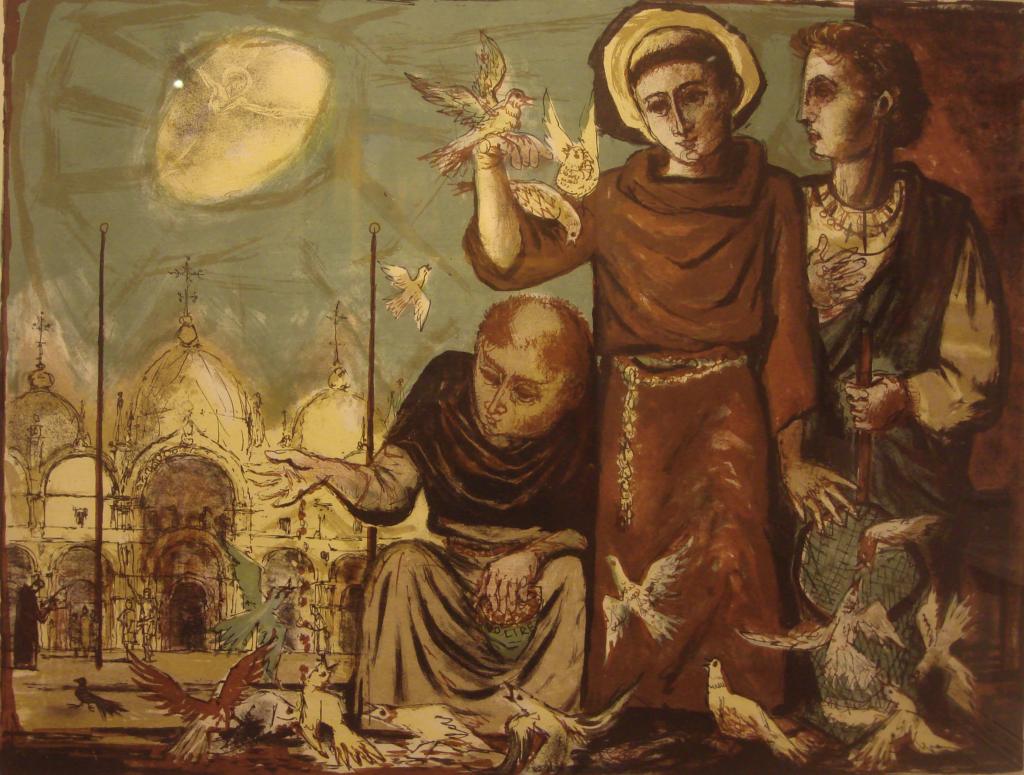




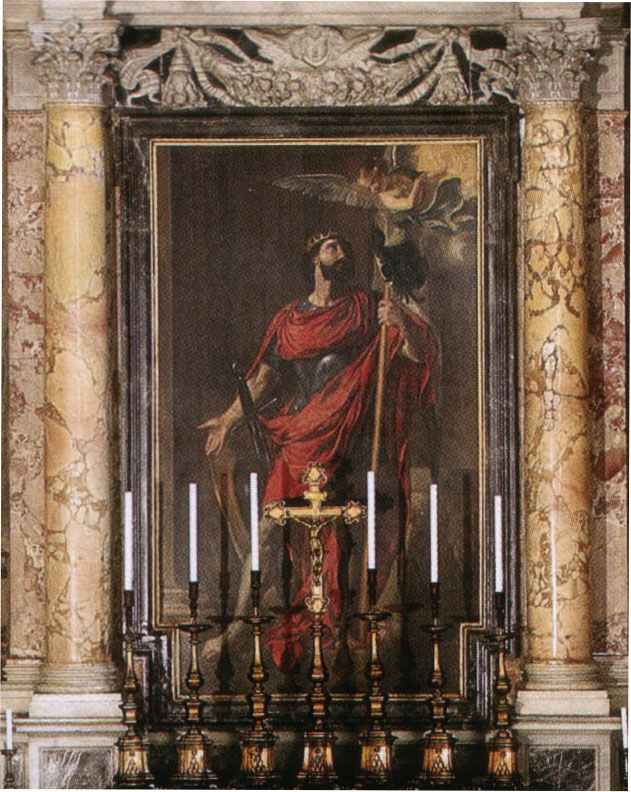


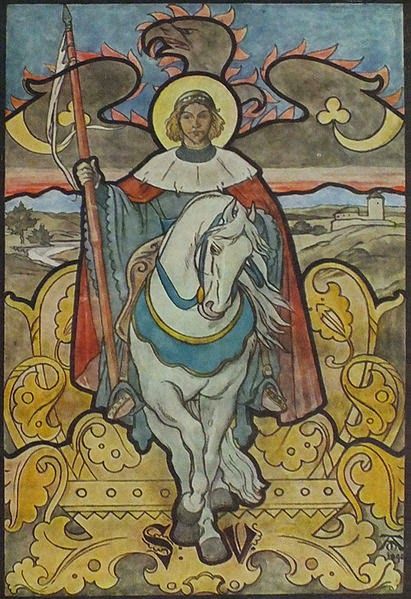
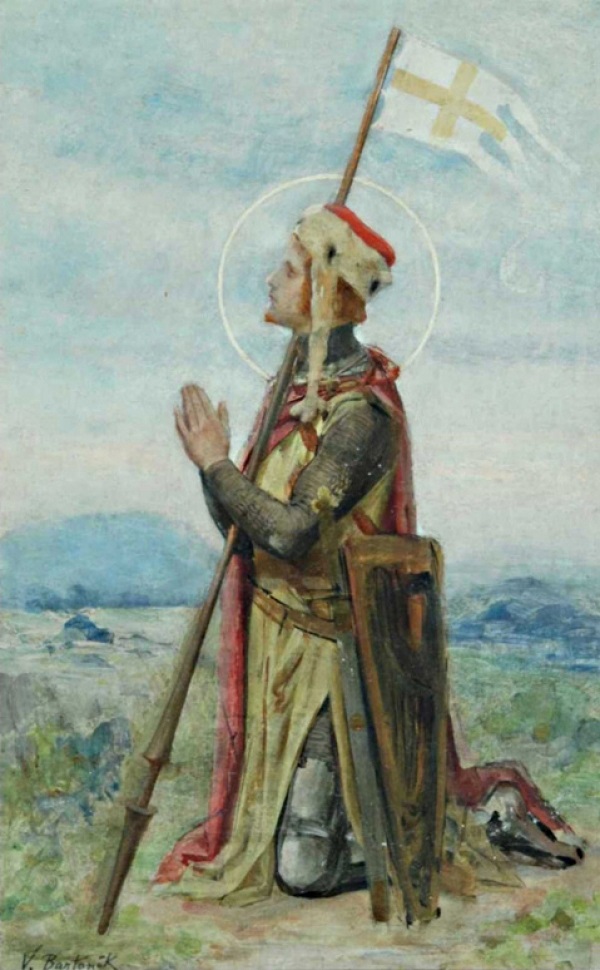
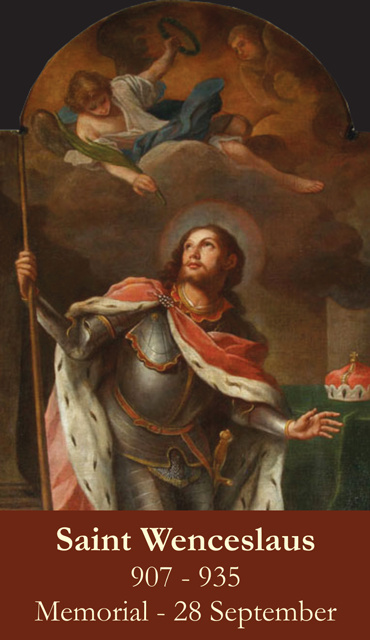
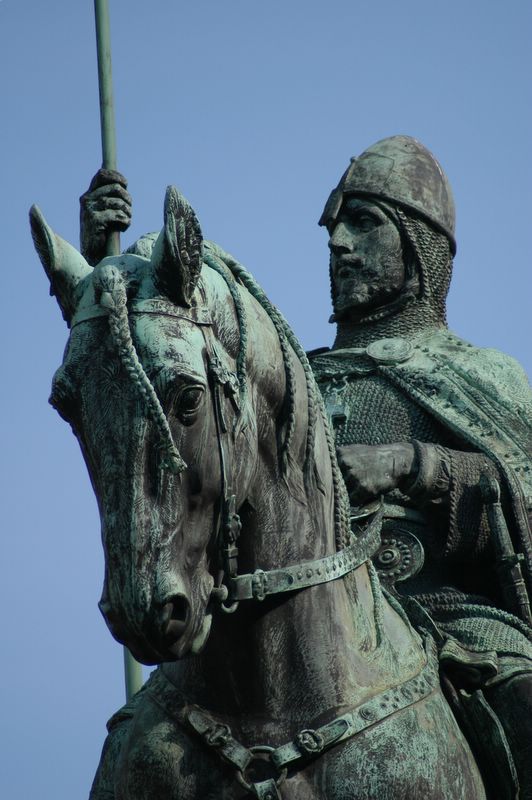
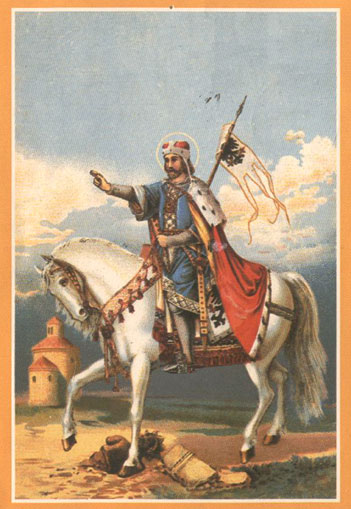
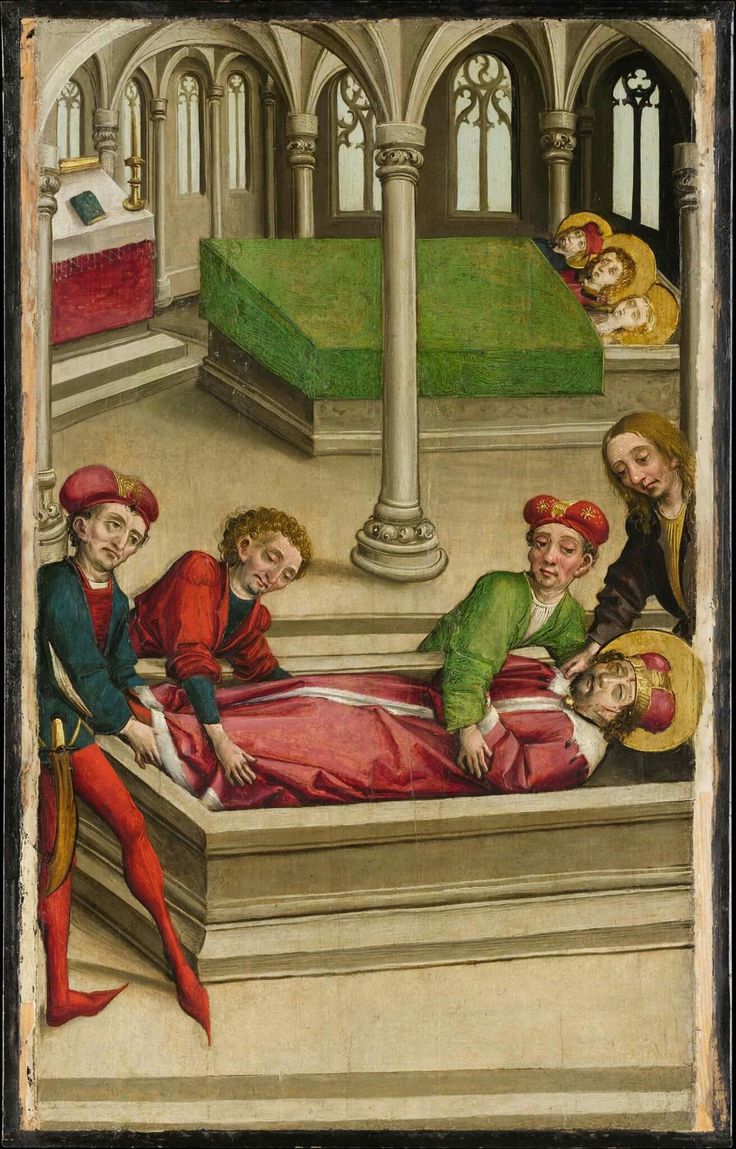
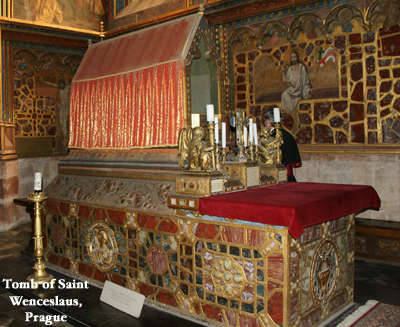
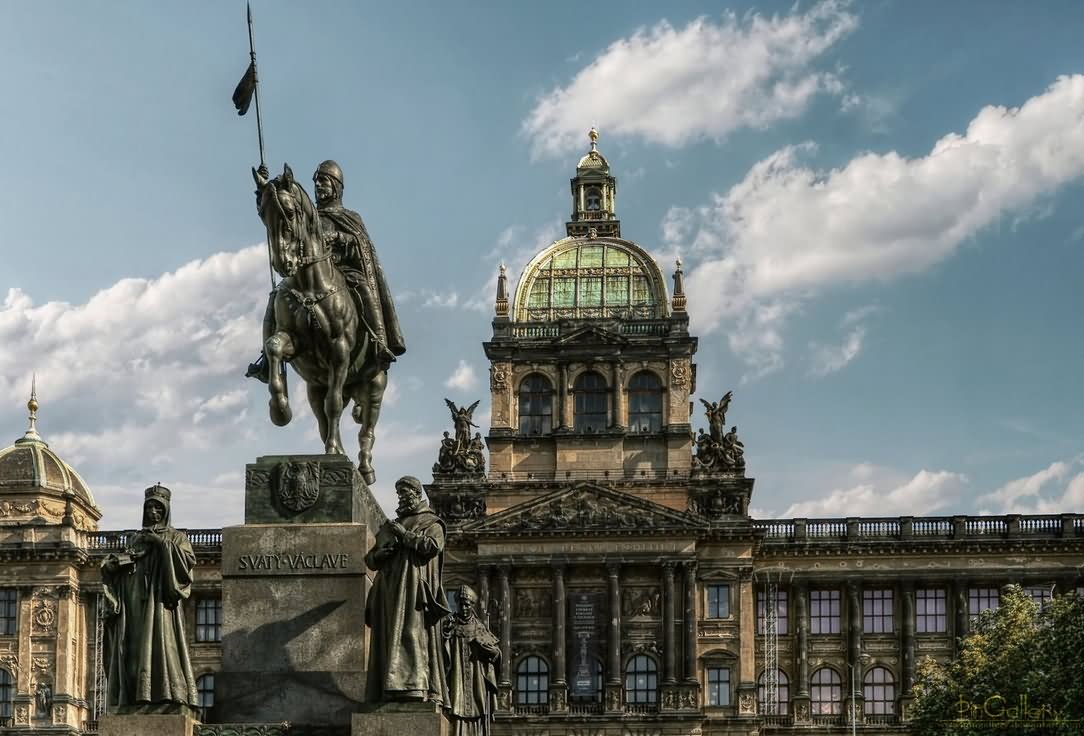
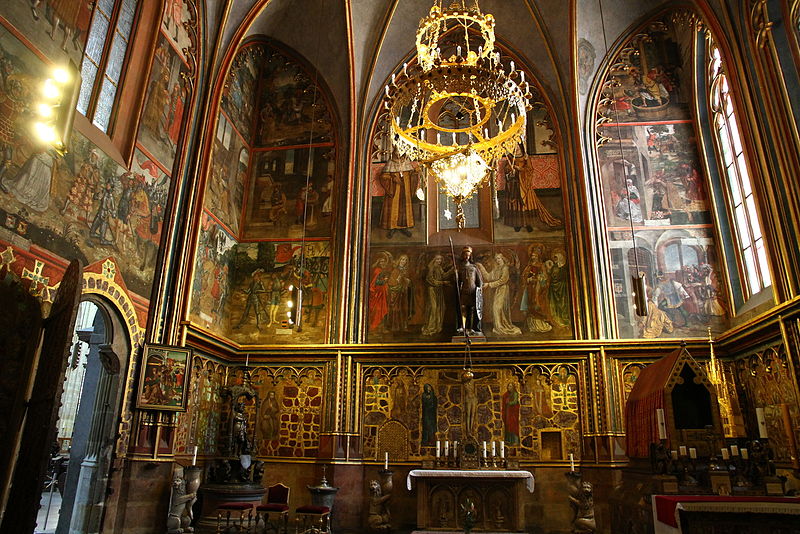
 AnaStpaul
You must be logged in to post a comment.