St Abel of Rheims St Addai St Aggai of Edessa Bl Arnaldo Pons St Cantidianus St Cantidius St Cassian of Autun St Casto of Teano Bl Corrado of Laodicea St Emygdius (Died c 303) Bishop Martyr St Eusignius St Gormeal of Ardoilen Bl James Gerius St Margaret the Barefooted St Mari St Memmius of Châlons-sur-Marne St Nonna
St Sobel St Theodoric of Cambrai-Arras St Venantius of Viviers St Viator — Martyrs of Fuente la Higuera: A group of Augustinian priests and clerics who were martyred together in the Spanish Civil War. 5 August 1936 in Fuente la Higuera, Valencia, Spain. They were Beatified on 28 October 2007 by Pope Benedict XVI. 10 Beati: • Anastasio Díez García • Ángel Pérez Santos • Cipriano Polo García • Emilio Camino Noval • Felipe Barba Chamorro • Gabino Olaso Zabala • Luciano Ramos Villafruela • Luis Blanco Álvarez • Ubaldo Revilla Rodríguez • Victor Gaitero González
Martyrs of the Salarian Way: Twenty-three Christians who were martyred together in the persecutions of Diocletian. 303 on the Salarian Way in Rome, Italy.
Martyred in the Spanish Civil War: Bl Eduardo González Santo Domingo Bl Jaume Codina Casellas Bl José Trallero Lou Bl Lluís Domingo Mariné Bl Manuel Moreno Martínez Bl Maximino Fernández Marinas Bl Victor García Ceballos
One Minute Reflection – 4 August – “Month of the Immaculate Heart of Mary” – Readings: Numbers 13:1-2.25-33.14,1.26-29.34-35.; Psalms 106: 6-7ab, 13-14, 21-23; Matthew 15: 21-28 and the Memorial of St Dominic de Guzman OP(1170-1221)
“ My daughter is tormented by a demon” – Matthew 15:22
REFLECTION – “This Gentile Canaanite woman no longer needs healing herself, since she confesses Christ as Lord and Son of David. But, she begs for help for her daughter, that is to say, for the crowd of Gentiles held captive under the domination of unclean spirits. Our Lord is silent, preserving for Israel with His silence, the honour of salvation. … Bearing in Himself the mystery of the Father’s Will, He answers that He was sent to the lost sheep of Israel so that it might be clearly seen, that the daughter of the Canaanite woman, is a symbol of the Church. … This does not mean that salvation was not to be given to the gentiles but that our Lord had come “to His own and His own people” (Jn 1:11) and was waiting for the first fruits of faith from the people from whom he had come forth; the rest would be saved later through the preaching of the Apostles. …
And so that we might understand that the Lord’s silence was due to consideration of the times and not to any obstacle placed by His own will, He added: “Woman, your faith is great!” What He meant was, that this woman, who was already sure of her salvation, had – what is better still – faith in the gathering together of the Gentiles at the approaching time, when, through their faith, they would be set free like this young girl from all domination by unclean spirits. Indeed, confirmation of this came about: following the prefiguration of the Gentiles in the Canaanite woman’s daughter, people who were prisoner to all kinds of different illnesses, were brought to the Lord by the crowds on the mountain (Mt 15:30). These were unbelievers, that is to say sick, who were led by believers to adoration and worship and to whom, salvation was given, that they might comprehend, study, praise and follow God.” – St Hilary (315-368) Bishop of Poitiers, Doctor of the Divinity of Christ – Commentary on Saint Matthew’s Gospel, 15 ; SC 258
PRAYER – Lord God, You gave St Dominic to the Church as a great preacher of the Truth. We pray that he will help us in these times, our times of lies, ruled by the evil one, by his merits, his teachings and his unfailing prayer. Through Jesus the Christ, Our Lord in the unity of the Holy Spirit, God now and for all eternity, amen.
Our Morning Offering – 4 August – The Memorial of St Dominic de Guzman OP (1170-1221)
St Dominic’s Blessing By St Dominic de Guzman (1170-1221)
May God the Father, who made us, bless us. May God the Son, send His healing among us. May God the Holy Spirit, move within us and give us eyes to see with, ears to hear with, and hands, that Your work, might be done. May we walk and preach the word of God to all. May the angel of peace watch over us and lead us at last, by God’s grace, to the Kingdom. Amen
Saint of the Day – 4 August – Saint Euphronius of Tours (c 530=573) the 8th Bishop of Tours, France who served from 555 to 573 and was a near relative of St Gregory of Tours. Also known as Eufronio. He is mentioned in the Roman Martyrology for today.
When, upon the death of Bishop Gunthar, King Chlothar’s nominee declined appointment to the See, it remained vacant for ten months until the people and clergy elected Eufronius. He was a Priest at Tours, from a family of senatorial rank. a grandson of St Gregory of Autun and a friend of St Venantius Fortunatus. When Clothar learned of the election, he confirmed their choice.
This image is one of the Saintly Bishop of Tours but which one?
In 552, the Abbey de Sainte-Marie was founded near Poitiers by Frankish Queen, sT Radegund. It was the first Monastery for women in the Frankish Empire. Radegund subsequently retired to the Monastery, where she helped to care for the infirm. Upon her request, Byzantine Emperor Justin II sent the Abbey a relic of the True Cross. When Bishop of Poitiers, Maroveus refused to preside over its installation in the Abbey, at Radegund’s request, King Sigebert sent Eufronius to Poitiers to perform the ceremony. Sigebert also returned Church lands that had been seized by King Charibert
In 561 much of Tours was razed during the warfare that raged at that time. Eufronius rebuilt two of the Churches at his own expense. According to St Gregory, Eufronius predicted the death of Charibert.
Eufronius took part in the Council of Paris in 557 and presided over the Council of Tours in 567. The Bishops of Brittany declined to attend, as Eufronius claimed authority over the Breton Church. The council dealt mostly with Church discipline. The Bishops noted that some Gallo-Roman customs of ancestor worship were still being observed. Canon XXII decreed that anyone known to be participating in these practices was barred from receiving Communion and not allowed to enter a Church. The Bishops of the Kingdom of Paris were particularly concerned about the Merovingian practice of seizing ecclesiastical properties in outlying areas, in order to fund their internecine wars.
Eufronius was Bishop of Tours for eighteen years and died at the age of seventy. He was succeeded by St Gregory of Tours. Eufronius was either a cousin of Gregory’s mother’s or her brother.
Madonna dell’Apparizione / Our Lady of the Apparition, Pellestrina, Italy (1716) – 4 August:
The Sanctuary of Madonna dell’Apparizione in Pellestrina was built in July 1717, a year after the appearance of the Madonna on the island. The event of 4 August 1716, the Feast day of St Dominic, was in fact confirmed true by canonical process: – a young boy from Pellestrina met a woman who advised him to tell the Parish Priest to celebrate Mass and to pray for the salvation of Venice, which, at that time, was besieged by the Turks. The following day, at the same hour of the Apparition, the Venetians won the Battle of Petrovaradin against the Turks.
Throughout the entire year the Sanctuary is a destination for many pilgrims and devotees in search of grace and even today, on 4 August in Pellestrina, the Madonna dell’Apparizione and the victory of Venice is celebrated over three days.
St Dominic de Guzman OP (1170-1221) (Memorial) Founder of the Dominican Order of Preachers – Priest, Founder, Confessor, Teacher, Preacher, Mystic, Miracle-Worker, Apostle of the Holy Rosary. At Dominic’s baptism, Blessed Joan, his Mother, saw a star shining from his chest, which became another of his symbols in art, and led to his patronage of astronomy. The Roman Martyrology states today: “At Bologna, St Dominic, Confessor, Founder of the Order of Friars Preachers, most renowned for sanctity and learning. He preserved his chastity unsullied to the end of his life and by his great merits, raised three persons from the dead. After having repressed heresies by his preaching and instructed many in the religious and Godly life, he rested in peace on the 6th of this month. His Feast, however, is celebrated on thsi day by decree of Pope Paul IV.” https://anastpaul.wordpress.com/2017/08/08/saint-of-the-day-8-august-st-dominic-de-guzman-founder-of-the-dominican-order-of-preachers/
St Agabius of Verona St Aristarchus of Thessalonica (1st Century) St Crescentio of Rome St Eleutherius of Bithynia St Epiphanes of Besançon St Euphronius of Tours (c 530-573) Bishop St Francesc Mercader Rendé
St Hyacinth of Rome St Ia of Persia St Isidore of Besançon St Lua of Limerick St Onofrio of Panaia St Perpetua of Rome St Protasius of Cologne St Rainerio of Split St Sithney (Died c 529) St Tertullinus of Rome Bl William Horne
Saint of the Day – 3 August – St Aspren (1st Century) the first Bishop of Naples, Consecrated by St Peter as Bishop. Patronages – Archdiocese of Naples, Italy, against migraine. Also known as – Asprenato, Aspronas, Aspremo.
The Roman Martyrology states of him today: “At Naples, in Campania, St Aspren, Bishop, who was cured of a sickness by the Apostle St Peter and after being Baptised, was Consecrated as Bishop of that City.”
Luca Giordano, The Patron Saints of Naples (Baculus, Januarius, Francis Borgia, Aspren (kneeling), and Candida the Elder) adoring the Crucifix, 17th century. Palazzo Reale, Naples.
Naples boasts the Basilica of Saint Peter in Aram, which, according to tradition, was founded on the place where St.Peter baptised St Aspren,, the first Bishop of Naples. It also houses the Ara Petri, the Altar on which the Prince of the Apostles prayed and celebrated the Eucharist before going to Rome. The famous Basilica, which, over the centuries, has undergone various renovations, is so antique that Pope Clement VII (1523-1534) granted it the privilege of celebrating and hosting the Jubilee one year after that of Rome: this custom was maintained throughout the 16th century (1526, 1551, 1576). Inside, there is also a Chapel dedicated to Aspren, considered the founder of the primitive place of worship from which the present Basilica originated.
St Peter’s BasilicaAra Petri
But under what circumstances did the Saint celebrated today become a Christian? Hagiography links his name to that of Candida la Vecchia, a Jewish woman who, during Saint Peter’s stay in Naples, begged him to cure her of a serious illness, promising to convert to Christianity. The Apostle healed her. And Candida, venerated as a Saint, decided to bring him a sick friend, our Aspren, who was in turn cured and converted. It is handed down that Peter himself Consecrated him Bishop and that among the acts of his episcopate there was the foundation of another paleo-Christian place of worship, dedicated to Santa Maria del Principio, later incorporated in today’s Basilica of Saint Restituta.
St Peter Consecrates St Asdpren with St Candida la Vecchia on the left
Among the documents of the first millennium that attest to his episcopal ministry is the Marmoreal Calendar of Naples, engraved in the 9th century. Aspren is invoked against migraine and venerated as the second Patron Saint of the capital of Campania, after Saint Januarius (and remembering that Santa Maria Assunta, Our Lady of the Assumption, to whom the Cathedral is dedicated, is officially the first Patroness of the City). Two historic Neapolitan Churches are named after him, namely Sant’Aspreno ai Crociferi (begun in 1633) and the older Sant’Aspreno al Porto, built where, according to tradition, the Saint’s dwelling was located: in a cave.
s ant’Aspreno ai Crociferi
After Aspren’s death, numerous miracles were attributed to him and his sepulcher rested in the oratory of Santa Maria del Principio. John IV, Bishop of Naples translated Aspren’s relics to the Basilica of Santa Restituta, in the Chapel dedicated to Aspren . A silver bust of Aspren is found in Naples Cathedral.
Maria Santissima Scala del Paradiso / Holy Mary, Ladder to Paradise, Noto, Siracusa, Sicily, Italy (1498) – 3 August:
Local tradition holds that Angels frescoed the image of the Madonna, Ladder to Paradise, on a rock wall in the countryside before St. Corrado di Fuori’s arrival in 1340 and, that it was discovered there on 3 August 1498. However, the Diocese of Noto, of which the Madonna della Scala is the Patron, suggests that an unknown artist created the fresco in the late 1500s or early 1600s, a period more in keeping with its style.
In any case, by the time of the earthquake that destroyed the City of Noto on 11 January 1693, popular devotion had grown around the image, surrounding it with votive lamps, ex votos left in thanksgiving for answered prayers, and eventually, an Oratory. The earthquake demolished the Chapel but the image remained intact.
In 1708, a group of Carmelite Hermits took over the site and undertook the building of another Church, which was blessed the following year. In 1712, Ven. Girolamo Terzo, recently appointed the group’s Superior, hired an expert to detach the fresco from its rock and arranged its spectacular transfer to the church, pulled by a team of untamed oxen. Ven. Girolamo promoted devotion to the Madonna of the Ladder by distributing copies of the image on evangelical visits throughout the region.
With a reputation for cures and other miracles, the Hermitage became a place of pilgrimage, particularly on the Feast of the Nativity of Mary, 8 September. The Sanctuary suffered damage during World War I. Afterwards it was restored and in 1919 the Catholic Church gave the Madonna, Ladder to Paradise, her own liturgical feast day, 3 August. An annual festa on this date draws the people of Noto to the Shrine seven miles distant, where after Mass in the Carmelite Chapel a statuary version of the image goes in procession through all the neighbouring districts.
The image of the “Ladder to Paradise” echoes the story of Jacob (Genesis 28:12) and St John Climacus’s Ladder of Ascent, a guide to the spiritual life written in Greek in the 600s, which became popular among Western religious after its translation into Latin in the 1500s (Scala Paradisi). Here, the Virgin is identified with the way to heaven because of her role in bringing Christ to humanity and her ongoing help to all who follow Him.
St Abibas St Aspren (1st Century) Bishop of Naples
Blessed Augustine Gazotich OP (1262-1323) Bishop of Lucera, Croatia, Of the Order of Preachers. He was also noted for being the guide for Dante Alighieri as the poet travelled through Croatia. His reputation for personal holiness remained noted long after his death; this resulted in Pope Innocent XII confirming the late Bishop’s beatification in 1700. Biography: https://anastpaul.com/2018/08/03/saint-of-the-day-3-august-blessed-augustine-gazotich-o-p-1262-1323/
St Dalmatius St Euphronius of Autun St Gamaliel St Gaudentia Bl Godfrey of Le Mans Bl Gregory of Nonantula St Hermellus St Nicodemus St Senach of Clonard (Died 6th Century) One of the Twelve Apostles of Ireland St Trea of Ardtree
Our Morning Offering – 2 August – The Memorial of St Alphonsus Maria de Liguori (1696-1787) Most Zealous Doctor of the Church and a Catholic Monday of the Holy Ghost
Inflame our Hearts with Your Love Prayer To the Holy Ghost By St Alphonsus Maria de Liguori (1696-1787) Most Zealous Doctor of the Church
You made Mary full of grace and enflamed the hearts of the Apostles with a holy zeal. Inflame our hearts with Your love. You are the Spirit of Goodness, Give us the courage to confront evil You are Fire, set us ablaze with Your love You are Light, enlighten our minds, that we may see what is truly important. You are the Dove, give us gentleness. You are a soothing Breeze, bring calm to the storms that rage within us. You are the Tongue, may our lips ever sing God’s praises You are the Cloud, shelter us under the shadow of Your protection O Holy Ghost, melt the frozen, warm the chilled and enkindle in us an earnest desire to please You. We ask this through Christ our Lord. Amen
Saint of the Day – 2 August – Saint Serenus of Marseilles (Died c 606) the 10th Bishop of Marseilles. Died in c 606 near Biandrate, Piedmont, Italy of natural causes. Also known as – Sereno, Clear (translation of his name). Patronages – for good weather, for good harvests, of Biandrate, Italy.
Serenus is known through an exchange of letters with Pope Gregory the Great (540-604). The correspondence between the Pope and the Bishop of Marseilles concerned the position of the Church in regard to the images in the Churches and the journey undertaken by Saint Augustine, the future Archbishop of Canterbury and the Monks who accompanied him to the England.
He would have died near Biandrate in the Diocese of Vercelli on his return from Rome where he had been to discuss his iconoclastic positions regarding the veneration of images. We know little else but this Saint except that he was a zealous and holy Bishop sincerely aiming to foster the faith of his flock and adherence to Holy Mother Church.
He was buried in a field near the Benedictine Abbey of San Nazzaro. His body,was found in the Middle Ages, by a farmer working the field, and his relics were then reenshrined in the St Columba of Biandrate.
The Bishop had destroyed the holy images by strictly applying the commandment given by God to Moses. In 599, the Pope sent Father Cyriaque to Gaul. Having to go through Marseilles, he had given Cyriaque a letter he had written to the Bishop :
“I learned a long time ago that seeing a few people worshiping the pictures of the Church you broke them and threw them out. I praise your zeal to prevent man-made things from being worshiped but I believe you should not shatter these images. Because we put paintings in Churches so that those who cannot read can see, on the walls, what they cannot learn from books. So you had to keep them and divert the people from sinning by worshiping paintings . Serenus replied to the Pope, doubting that this letter was from him. The Pope replied to him the following year:
You must have had no suspicion of Father Cyriaque, who was the bearer of my letters . Then talking about pictures:
Tell me, my brother, what Bishop have you ever heard of who did the same? Should not this consideration only hold you back so as not to appear alone pious and wise, in contempt of your brothers? … It is said that by shattering these images you scandalised your people so much, that most of them broke away from your community. We must remind them of them and show them, that through the Holy Scriptures, that it is not allowed to worship what is made by hand. Then add, that seeing the legitimate use of the images, turned into worship, you were outraged and made them break. You will add – if you want to have images in the Church, for your instruction, for which they were made in the past, I will gladly allow you. So you will soften them and bring them back to union. If someone wants to make images, do not prevent him: only forbid worshiping them. The sight of the stories must excite in them compunction but they must prostrate themselves only to adore the Holy Trinity. I tell you all this only out of my love for the Church, not to weaken your zeal but to encourage you in your duty.“ Saint Gregory the Great, after Basil the Great (329-379), Gregory of Nazianze (330-390), Gregory of Nyssa (335-394) and PaulinE of Nola (353-431), resumes in his letters that the images are useful for those who cannot read books. Gregory the Great sets three roles for images in his two letters to Serenus
1. educate the illiterate, 2. to fix the memory of holy history, 3. arouse a feeling of compunction among the faithful.“ But the Bishop must teach, that pictures cannot be worshiped.
Santa Maria degli Angelis / Our Lady of Angels, Assisi, Italy (13th Century) Feast Day and Portiuncula Indulgence: 2 August
Our Lady of Angels, or of the Portiuncula, is located on the outskirts of the City of Assisi, in Italy. It was a desolate locality and apparently an unsettled one where robbers and the lawlessness flourished, for the Benedictines who had lived at the Monastery felt it was too hazardous to remain there. They abandoned the Monastery, relocating to Mount Subasio, which was a fortified Monastery. The original Chapel is thought to date from the 4th Century and was built by holy hermits who had come from the Valley of Josaphat. It is said that they brought relics of the Blessed Virgin with them to the region when they constructed the Chapel. The history of the feast is inspiring. St Francis of Assisi, in the early days of his conversion, while he was still uncertain as to what path to pursue, was praying earnestly for enlightenment before the Crucifix at the Church of San Damiano, when he heard within himself the command of the Crucified: “Build up my house, for it is nearly falling down.” Taking the words literally, Francis began to restore San Damiano and other dilapidated Churches in and near Assisi. The most famous of these was the Church of Our Lady of the Angels. Some time after the restoration of this little Chapel, an Angel told St Francis to come to the Church of Our Lady of Angels, or Portiuncula. There he found Our Lord, His Blessed Mother and the Angels waiting for him. Our Lord commended Francis because of his zeal for the salvation of souls and promised to grant him whatever he should ask on behalf of sinners. St Francis asked for this great favour – that all those who came to this Church to pray and, truly sorry for their sins, confessed them, should “Obtain in perpetuity a Plenary Indulgence” so that they would have nothing to account for when God called them. This was the great favour he asked, but Our Lord granted it to him through Mary. When Saint Francis came upon the little, run down and abandoned Chapel of Our Lady of Angels, or Santa Maria degli Angelis, in the year 1208, it was almost completely hidden in shrubs and bush. Saint Francis entered the hidden Church, which measured only (7 x 4 metres) twenty-two feet by thirteen feet and saw the ancient fresco that had been placed above the main Altar. It was an image of the Assumption of the Blessed Virgin surrounded by Angels. Some say that this is why the Chapel was named Our Lady of Angels, although there are also legends that Angels could often be heard singing there.
The place took its name, the Little Portion, or Portiuncula in the native Italian, from the small section of fertile land that was gifted to the Monks to work for their support. It is said that this was the place where Saint Francis first understood his vocation, received visions and was also where the saint desired to live. The Benedictines had lived at that location for hundreds of years but the Benedictine Monks gave this Chapel to Saint Francis upon his request. It was certainly here that the Franciscan Order was founded. At first Saint Francis wished the convent which he built there to be the principal one of his Order. He assembled the first General Chapter there, where there were five thousand religious. It was also where he yielded up his spirit on 3 October 1226, the twentieth of his conversion and the forty-fourth of his age. The cell in which the poor man of Assisi died can still be seen where it rests against one of the columns of the cupola under the choir bay.
St Auspicius of Apt St Betharius of Chartres St Centolla of Burgos St Etheldritha of Croyland Bl Frederic Campisani Bl Giustino Maria Russolillo Bl Gundekar of Eichstätt Bl Joanna of Aza Bl John of Rieti St Maximus of Padua St Pedro de Osma
St Plegmund St Rutilius St Serenus of Marseilles (Died c 606) Bishop of Marseilles St Sidwell St Pope Stephen I — Martyred in the Spanish Civil War: Bl Fernando Olmedo Reguera Bl Miguel Amaro Rodríguez
Saint of the Day – 1 August – Saint Ethelwold of Winchester (c 912-984) Bishop of Winchester, Monk, Abbot, Reformer, Founder and restorer of many Monasteries and Convents. Born in c 912 at Winchester, England and died on 1 August 984 of natural causes. Also known as – Adeluoldus, Aethelwald, Aethelwold, Etelvoldo, Etelwold, Ethelwald, “Father of Monks.”
Ethelwold was nobly born and a native of Winchester. Being moved in his youth with an ardent desire totally to devote himself to the divine service, he for some time made it his most earnest request to the Father of lights, that he might find an experienced guide in the paths of salvation. He met with this director in the great St Dunstan, then Abbot of Glastonbury, to whom he addressed himself and received, from his hands, the monastic habit. Knowing that heavenly wisdom is an inestimable treasure, to purchase which we must sell all things and exert our whole strength, he bid adieu to all other thoughts and pursuits and never ceased to sigh, to pray, to weep and to labour, with all the ardour of his soul. At the same time, his zeal for knowledge made him embrace every branch of the sacred sciences that these studies were to become his essential duty. St Dunstan, after some time, made him Dean of his Monks.
In 947, King Edred rebuilt and richly endowed the Abbey of Abingdon in Berkshire, which had been founded by King Cissa, in 675. Ethelwold was appointed Abbot of this great Monastery, where he rendered a perfect model of regular discipline and which became a nursery of other like establishments. He procured from Corbie, a master of church music and sent Osgar to Fleury, a Monastery which at that time, surpassed all others in the reputation of strict observance of the most perfect monastic discipline.
The fury of the Danes had made such havoc of religious houses, that no Monks were then left in all England except in the two Monasteries of Glastonbury and Abingdon, as the historian of this latter place testifies and the education of youth and every other support of learning and virtue, was almost banished by the ravages of those barbarians. These deplorable circumstances awaked the zeal of the virtuous, especially of St Dunstan, St Ethelwold and St. Oswald. These three also set themselves, with great industry, to restore learning.
Ethelwold was Consecrated Bishop of Winchester by St Dunstan. The disorders and ignorance which reigned among some of the clergy of England occasioned by the Danish devastations, produced a scandalous violation of some of the canons. Ethelwold found these evils obstinate and past recovery among the disorderly secular Canons of the Cathedral of Winchester. He expelled them, allotting to each of them a part of their prebends for their annual subsistence and placing Monks from Abingdon in their place with whom he kept choir as their Bishop and Abbot.† Three of the former Canons took the monastic habit, and continued to serve God in that Church. The year following, St Ethelwold expelled the seculars out of the new monastery of Winchester, and placed there Monks with an Abbot.
He repaired the nunnery dedicated to the Virgin Mary and bought of the King the lands and ruins of the great nunnery of St Audry in the isle of Ely, which had been burnt by the Danes a hundred years before and he erected, on the same spot, a sumptuous Abbey of Monks, which King Edgar exceedingly enriched, as is related by Thomas of Ely. He likewise purchased the ruins of Thorney in Cambridgeshire, which he restored in like manner about the year 970. He assisted and directed Adulph to buy the ruins of Peterborough Abbey and rebuilt the same in a most sumptuous manner.
He rested from his labours on the 1st of August, 984 and was buried in the Cathedral of Winchester, on the south side of the High Altar. Authentic proofs of miracles wrought through his intercession having been made, his body was taken up and solemnly deposited under the Altar by St Elphege, his immediate successor, afterward Archbishop of Canterbury and Martyr.
Portiuncula Indulgence: An Indulgence which may be gained in any Church so designated by the Bishop, by all the faithful who, after Confession and Holy Communion, visit such Churches between noon of 1 August and midnight of 2 August, or on the Sunday following. The Indulgence is toties quoties and is applicable to the souls in Purgatory.
Nuestra Señora de las Mercedes / Our Lady of Mercy, Barcelona, Spain (1218,) Founding of the Mercedarian Order – 1 August, 24 September :
Original image from the Mercedarian website
On 1 August of 1218, St Peter Nolasco, St Raymund of Penafort and James, King of Aragon, each had a vision of the Virgin Mary asking them to found a religious Order devoted to freeing Christian captives from the Muslims, who still held much of Spain. The Order of the Blessed Virgin Mary of Mercy grew quickly, collecting alms for ransom and sometimes offering themselves in exchange for prisoners. The Statue of the Mother of God of Mercy in Barcelona (below) dates from the 1300s. She became the City’s Patron after saving it from a plague of locusts in 1687. Before the counter-reformation, the Mercedarian Order celebrated the Feast of Our Lady of Ransom on 1 August, the date when she showed St. Peter Nolasco their white habit. The Vatican changed the date to 24 September when it extended the feast to entire Church in 1696. Since Vatican II, Catholic observance of Our Lady of Mercy’s day is limited to places and organisations that claim her as Patron. Meanwhile, the Mercedarians have changed their mission to teaching and chaplaincy and the Barcelona soccer team visits the Basilica of La Mercè after victories in thanksgiving for her help. Her fiesta in Barcelona is a spectacular sequence of processions, dances, music, games and fireworks.
St Adela Mardosewicz Bl Aleksy Sobaszek St Alexander of Perga St Almedha St Arcadius St Attius of Perga St Buono St Brogan St Charity St Ethelwold of Winchester (c 912-984) Bishop St Exuperius of Bayeux St Faith St Faustus St Felix of Gerona St Friard Bl Giovanni Bufalari St Hope St Jadwiga Karolina Zak St Jonatus St Justin of Paris St Kenneth of Wales St Leontius of Perga St Maur St Nemesius of Lisieux Bl Orlando of Vallombrosa St Peregrinus of Modena St Rioch Bl Rudolph St Secundel St Secundus of Palestrina St Sophia St Verus of Vienne
Holy Maccabees: Jewish dynasty which began with the rebellion of Mathathias and his five sons against the Syrian king, Antiochus IV (168 BC) and ruled the fortunes of Israel until the advent of Herod the Great. Syrian attempts to force Greek paganism on the Jews, the profanation of the Temple at Jerusalem and the massacre which followed, brought the nation to arms under Mathathias, a priest of the sons of Joarib. At the death of Mathathias, Judas Machabeus, his third son, drove the Syrians and Hellenists out of Jerusalem, rededicated the Temple and began an offensive and defensive alliance with the Romans. Before the treaty was concluded, however, Judas, with 800 men, risked battle at Laisa with an overwhelming army of Syrians under Bacchides, and was slain. He was succeeded in command by his youngest brother, Jonathan (161 BC). Jonathan defeated Bacchides, revenged the death of his brother and made peace with Alexander who had usurped the throne of Demetrius, the successor to Antiochus. A period of peace followed in which Jonathan ruled as high priest in Jerusalem but Tryphon, who was plotting for the throne of Asia, treacherously captured him at ptolemais and later put him to death. The captaincy of the armies of Israel then fell to Simon, the second son of Mathathias. Under him the land of Juda flourished exceedingly. He obtained the complete independence of the country and a grateful people bestowed upon him the hereditary kingship of the nation. His rule marked five years of uninterrupted peace. He was treacherously slain by his son-in-law, Ptolemy, about the year 135 BC After Simon the race of the Machabees quickly degenerated. In 63 BC the Romans thought it necessary to interfere in the fratricidal war between Hyrcanus II and Aristobulus II. With this interference and the advent of Herod the Great the sceptre passed forever from the land of Juda. The story of the Machabees is written in the two books of the Old Testament which bear that name.
Saints Faith, Hope and Charity: The daughters of Saint Sophia. While still children, they were tortured and martyred for their faith in the persecutions of Hadrian. They were scourged, thrown into a fire, and then beheaded.
Martyrs of Nowogrodek – 11 beati: A group of eleven Holy Family of Nazareth nuns who were murdered by the Nazi Gestapo in exchange for 120 condemned citizens of Nowogrodek, Belarus who were scheduled for revenge killings. They are – • Adela Mardosewicz • Anna Kukolowicz • Eleonora Aniela Józwik • Eugenia Mackiewicz • Helena Cierpka • Jadwiga Karolina Zak • Józefa Chrobot • Julia Rapiej • Leokadia Matuszewska • Paulina Borowik • Weronika Narmontowicz They were machine-gunned by firing squad on 1 August 1943 by the Gestapo about three miles outside Novogrudok (Nowogródek), Hrodzyenskaya voblasts’, in Nazi occupied Belarus and buried on the site of the execution in a common grave. One of their surviving sisters, Maria Malgorzata Banas, located the grave on 19 March 1945 and tended to it until her death in 1966. Their relics have since been re-interred in a common sarcophagus in the chapel of the Novograd Farny Church (the Church of the Transfiguration, also known as Biala Fara or the White Church).
One Minute Reflection 31 July – “Month of the Precious Blood” and the Memorial of Saint Ignatius Loyola (1491-1556) – Readings: Leviticus 25: 1, 8-17; Psalm 67: 2-3, 5, 7-8; Matthew 14: 1-12
“This man is John the Baptist. He has been raised from the dead; that is why mighty powers are at work in him.” – Matthew 14:2
REFLECTION – “This was John’s greatness, in virtue of which, he reached such heights of greatness among the great, that he crowned his great and countless virtues… with the greatest of all the virtues – humility. Reckoned as he was the highest of all, he freely and with the greatest devotion, preferred to himself the Most Lowly One—and, he put Him before himself to such an extent, as to declare himself unworthy to take off his shoes (Mt 3,11).
Let others wonder that he was foretold by prophets, that he was promised by an angel and … that he came of so holy and noble parents, even though aged and sterile… that he preceded the coming of the Redeemer… and prepared His way in the desert, that he converted the hearts of fathers to their sons and of sons to their fathers, (Lk 1,17) that he merited to baptise the Son, to hear the Father and to see the Holy Spirit (Lk 3,22) and finally,, that he strove for the truth even to death and, so that he might go before Christ also to the lower regions, was Christ’s Martyr before Christ’s Passion. Let others, I say, wonder at these things…
What is set before us, brethren, not only to be wondered at but also to be imitated, is the virtue of his humility, by which he refused to be regarded as greater than he was, although he could have been… For as a faithful “friend of the Bridegroom”, (Jn 3,29) a lover more of the Lord than of himself, he wished that he himself might “diminish” in order that Christ might “grow” (v.30) and made it his business to increase Christ’s glory by means of his own diminution. Before St Paul, he made his own in act and in truth, those words of the Apostle: “We do not preach ourselves but the Lord Jesus Christ” (2Cor 4,5).” – Blessed Guerric of Igny (c 1080-1157) Cistercian Abbot of Igny – 3rd Sermon for the Nativity of John the Baptist
PRAYER – Almighty God, grant that the example of Your saints may spur us on to perfection, so that we, who are celebrating the feast of St Ignatius, may follow him step-by-step in his way of life to reach You in heaven. Grant us the grace, by his intercession, to find our treasure in Your divine Son, through Christ our Lord, with the Holy Spirit, God for always and forever, amen.
Saint of the Day – 31 July – Blessed Giovanni Colombini (1300-1367) Layman, Founder of the Apostolic Clerics of Saint Jerome (the Jesuati), Confessor, Apostle of the poor and the sick, Penitent, Missionary, miracle-worker. Born in c 1300 at Siena, Italy and died on 31 July 1367 of natural causes while on the road to Acquapendente, Italy. Also known as – John Columbini. (I find it fascinating that Blessed Giovanni, the Founder of the Jesuati, died on the same day, 31 July, as St Ignatius Loyola, the Founder of the Jesuits – nearly 200 years later!)
The Roman Martyrology states of him today: “At Siena in Tuscany, the birthday of Blessed Giovanni Colombini, Founder of the Order of the Jesuati, renowned for sanctity and miracles.”
There was nothing in Giovanni’s early life to indicate the presence in his character of any unusual seeds of holiness. Belonging to an old patrician family, he devoted himself, like thousands of his class in Italy, to commerce, swelled his already substantial fortune and rose to a position of great prominence and influence among his fellow-citizens, who on several occasions, elected him Gonfalonier (a highly prestigious office as representative of the people). Fortunate in his marriage, of which two children — Peter and Angela — were the fruit, his private life was marred by his avarice, his ambition and his propensity to anger.
One day, while still suffering under a sense of mortification after one of his passionate outbursts occasioned by a petty domestic disappointment, he chanced to take up a biography of St Mary of Egypt, whose later life had been as conspicuous for penance as her earlier had been for sin. The perusal of this narrative brought a new light into his fife – henceforth, ambition and anger gave way to an almost incredible humility and meekness. The great transformation of his life extended to his business affairs and excited in the purely mercenary-minded a ridicule easy to understand.
Heedless, however, of raillery, he did not rest content with selling cheaper than any other merchant but persisted in paying more for his purchases than the sum demanded. With the consent of his wife, he soon abandoned his former patrician associates, visited hospitals, tended the sick and made large donations to the poor. Then casting aside the clothes usual to his station, he assumed the garments of the most indigent and, having fallen ill and believing himself treated with too much delicacy at home, deserted his luxurious house for the ordinary ward of a poor hospital. His relatives urged him to return and finally elicited his consent, on the condition that, thenceforth he would be given only the coarser forms of nourishment. Nursed back to health, he insisted on making his house the refuge of the needy and the suffering, washing their feet with his own hands, dispensing to them bodily and spiritual comfort, leaving nothing undone that the spirit of charity could suggest. Among the wonders recorded to have taken in this abode of Christian mercy, was the miraculous disappearance of a leper, leaving the room permeated with an indescribable fragrance.
It required eight years to render his wife reconciled to the extraordinary philanthropy of her husband. His son having meanwhile died and his daughter taken the veil,Giovanni, Colombini with the approval of his wife, on whom he first settled a life-annuity, divided his fortune into three parts – the first went to endow a hospital, the second and third to two cloisters. Then together with his friend, Francisco Mini, who had been associated with him in all charitable labours, Giovanni lived, henceforward, a life of apostolic poverty, begged for his daily bread and esteemed it a favour to be allowed to wait on the sick poor, while in public and in their dwellings, he stimulated the people to penance.
He was soon joined by three of the Piccolomini and by members of other patrician families, who likewise distributed all their goods among the poor. Alarmed at these occurrences, many of the Sienese now raised an outcry, complaining that Colombini was inciting all the most promising young men of the City to “folly” and succeeded in procuring his banishment.
Accompanied by twenty-five companions, Giovannii left his native City without a protest and visited ,in succession, Arezzo, Città di Castello, Pisa and many other Tuscan Cities, making numerous conversions, reconciling sundered friends and effecting the return of much property to its rightful owners. An epidemic, which broke out at Siena shortly after his departure, was generally regarded as a heavenly chastisement for his banishment and there was a universal clamour for his recall. Regardless alike of derision and insults, he resumed, on his return, his former charitable occupations, in his humility rejoicing to perform the most menial services at houses where he had once been an honoured guest.
On the return of Pope Urban V from Avignon to Rome (1367), Giovanni and his followers, hastened to meet him and begged him to sanction the foundation of their Institution. A commission appointed by Urban and presided over by Cardinal William Sudre, Bishop of Marseilles, having attested their freedom from every taint of the error of the Fraticelli, whose views some evil-intentioned people had accused them of holding, the Pope gave his consent to the foundation of their congregation. The name Jesuati (Jesuites) had already been given them by the populace of Viterbo because of their constant use of the ejaculation “Praise be to Jesus Christ.” From the very beginning, they had a special veneration for St Jerome and, to this fact and to the apostolic life they led, they are indebted for their longer title, Clerici apostolici s. Hieronymi (Apostolic Clerics of St Jerome).
the Jesuati Emblem
Pope Urban appointed as their habit, a white soutan, a white four-cornered hood hanging round the neck and falling in folds over the shoulders and a mantle of a dun colour; the soutan was encircled by a leather girdle and sandals were worn on the feet. Their occupations was to be the care of the sick, particularly the poor and the plague-stricken, the burial of the dead, prayer and strict mortification (including daily scourging). Their statutes were at first based on the Rule of St Benedict, modified to suit the aims of the Congregation but the Rule of St Augustine was later adopted.
Giovanni died a week after the foundation of his institute, having appointed Mini his successor. After many miracles had occurred at his tomb, Pope Gregory XIII inserted Giovanni Colombini’s name in the Roman Martyrology, fixing 31 July for the celebration of his feast, which was of obligation at Siena. Under Mini and his successor, Blessed Jerome Dasciano, the Jesuati spread rapidly over Italy and in 1606 the Holy See allowed. the reception of Priests into the Congregation. Abuses, however, crept in subsequently and the Congregation was suppressed by Pope Clement IX in 1668 as of little advantage to the interests of the Church.
The Jesuatesses or Sisters of the Visitation of Mary, founded about 1367 at the suggestion to Giovanni by his cousin, Blessed Catharine Colombini of Siena (died 20 October, 1387). They also spread very rapidly and survived in Italy until 1872.
St Helen of Skofde Bl Jean-François Jarrige de La Morelie de Breuil St Marcel Denis St Neot — Matyrs of Syria – 350 saints: 350 monks massacred by heretics for their adherence to orthodox Christianity and the decrees of the Council of Chalcedon. 517 in Syria.
Martyrs of Synnada: 3 Saints Democritus Dionysius the Martyr Secundus
Martyred in the Spanish Civil War: Thousands of people were murdered in the anti-Catholic persecutions of the Spanish Civil War from 1934 to 1939. • Blessed Ciriaco Olarte Pérez de Mendiguren • Blessed Dionisio Vicente Ramos • Blessed Francisco Remón Játiva • Blessed Miguel Goñi Ariz • Blessed Miguel Francisco González-Díez González-Núñez • Blessed Agapito Alcalde Garrido • Blessed Ciriaco Olarte Pérez de Mendiguren • Blessed Dionisio Vicente Ramos • Blessed Francisco Remón Játiva • Blessed Jaume Buch Canals • Blessed Maria Roqueta Serra • Blessed Miguel Goñi Ariz • Blessed Miguel Francisco González-Díez González-Núñez • Blessed Prudencio Gueréquiz y Guezuraga • Blessed Segundo de Santa Teresa • Blessed Teresa Subirà Sanjaume • Blessed Vicenta Achurra Gogenola • Blessed Francisca Pons Sardá
Quote/s of the Day – 30 July – “Month of the Most Precious Blood”– The Memorial of St Peter Chrysologus (c 400-450) “Golden Words,” Father & Doctor of the Church
“The Magi are filled with awe by what they see – heaven on earth and earth in heaven; man in God and God in man; they see enclosed in a tiny body the One Whom the entire world cannot contain.”
“He is The Bread sown in the virgin, leavened in the Flesh, moulded in His Passion, baked in the furnace of the Sepulchre, placed in the Churches and set upon the Altars, which daily supplies Heavenly Food to the faithful.”
“For he who touches the Body of Christ unworthily, receives his damnation.”
“The poor stretch out the hand but God receives what is offered.”
St Peter Chrysologus (c 400-450) “Golden Words” Father & Doctor of the Church
One Minute Reflection – 30 July – “Month of the Most Precious Blood”– Readings: Leviticus 23: 1, 4-11, 15-16, 27, 34b-37; Psalms 81: 3-4, 5-6, 10-11ab; Matthew 13: 54-58 and the Memorial of St Peter Chrysologus (c 400-450) Father & Doctor of the Church
“Is not this the carpenter’s son? ”– Matthew 13:55
REFLECTION – “For if I do not understand the nature placed at my service, I discern Your goodness from the mere fact that it is there to serve me. I perceive that I do not even understand myself but I wonder at You all the more… You have given me intellect, life and human feeling, the source of so many joys, yet I do not begin to understand how I began to be… So it is through failing to understand what surrounds me, that I grasp what You are and, it is through perceiving what You are, that I come to adore You. That is why, in what concerns Your mysteries, my incomprehension lessens not a bit my faith in Your omnipotence… Your eternal Son’s birth exceeds even the idea of eternity – it is prior to the times everlasting. Before any other thing that exists, He was Son proceeding from You, O God and Father. He is true God… You have never existed without Him… Before ever time was, You are the eternal Father of Your Sole Begotten One.”… St Hilary (315-368) Bishop of Poitiers, Father and Doctor of the Divinity of Christ of the Church
PRAYER – “So long as I enjoy that breath of life granted to me by You, Holy Father, Almighty God, I will proclaim You as God eternal but also as Father eternal. Never will I set myself up as judge of Your almighty power and mysteries; never will I set my limited understanding before the true appreciation of Your infinity; never will I claim You to have existed beforehand without Your Wisdom, Power and Word, God the Only-Begotten, my Lord Jesus Christ. For even though human language is weak and imperfect when it speaks of You, this will not inhibit my mind to the point of reducing my faith to silence, for lack of words able to express the mystery of Your being…” (St Hilary) Lord God, You hold out the light of Your Word to those who do not know You. Strengthen in our hearts the faith You have given us, so that no trials may quench the fire Your Spirit kindled within us. Grant that the prayers of Your faithful St Peter Chrysologus, may assist us to grow in love. Through Jesus Christ, our Lord, with the Holy Spirit, one God forever, amen.
Saint of the Day – 30 July – Blessed Manés de Guzmán OP (c 1168-1235) Dominican Priest and Frair, older Brother of Saint Dominic (1170-1221- born as Manés de Guzmán y Aza in c 1168 at Caleruega, Castile (in modern Burgos, Spain) and died in 1234 in the Monastery of San Pedro de Gumeil, Izan, Castile (in modern Burgos, Spain) of natural causes. Also known as – Mamerto, Mamés, Manez, Mannus. According to an early source he was “a contemplative and holy man, meek and humble, joyful and kind and a zealous preacher.”
Blessed Manés on the left and Saint Dominic on the right
Manés was the second son of Félix Núñez de Guzmán and Juana de Aza . His younger brother was Dominic de Guzmán , Founder of the Order of Preachers and whom Manés helped in his reforming goals throughout his life. His older brother was Antonio de Guzmán, who became a Diocesan Priest in a hospice and devoted himself unreservedly, to works of mercy in the service of the poor. He received the first teachings from his Parents and his Uncle, Archpriest Gonzalo de Aza in Gumiel de Izán. Initially, in 1183, he joined the Cistercians in the San Pedro Monastery in Gumiel de Izan.
In 1215, Dominic established himself, with six followers, in a house given by Peter Seila, a rich resident of Toulouse. Dominic saw the need for a new type of Order to address the spiritual needs of the growing Cities of the era, one that would combine dedication and systematic education, with more flexibility than either Monastic Orders or the secular Clergy. He subjected himself and his companions to the Monastic Rules of prayer and penance; -Bishop Foulques gave them written authority to preach throughout the territory of Toulouse. Pope Honorius II approved the the Ordo Praedicatorum (“Order of Preachers”) in the same year.
On 15 August 1217, Manés, having left the Cistercian Monastery, joined his brother as one of the first 15 Dominican. He placed himself under his brother’s guidance from the foundation of the Dominican Order.
In the same year, he helped establish the Priory of St Jacques in Paris and his brother arranged ,that, accompanied by Friar Miguel de Fabra, he make a trip to Spain in order to consolidate and strengthen the new houses of the Order in their Country of origin. In 1219 , he was entrusted, by his brother, with the care of the Dominican nuns of the Madrid Convent. .
After the Canonisation of his brother ( 3 July 1234 ), he marched to Caleruega to propose the construction of a Church in the place where St Dominic and himself were born in honour of the new Saint. Just a couple of weeks later, he died in the Monastery of San Pedro de Gumiel de Izán and was buried there, where some members of his family were lying, including his mother, Juana de Aza. Having a reputation for holiness, he was buried with all kinds of honours. When they began to venerate and pray at his tomb, his relics were transferred from his family’s crypt to the main Altar, there they were exposed for public veneration.
In the personality of Manés we can guess at common traits with Dominic: austerity, sobriety and the manners of the Castilian male. His spirit of service and attachment to the founding principals of his brother’s Order, shows that he had a gregarious spirit and the humility of obedience in service.
Likewise, Manés reveals a community spirit, obedient and based on the mission that was presented to him. His way of being and his way of doing shows a Dominican spark: – “making oneself while making the community” and vice versa, “making the community while making oneself.”
Blessed Manés’ in a Stained glass window from St Dominic’s Church in Washington, D.C. Photo by Fr Lawrence Lew, O.P.
Being Dominic’s brother does not hide Manés’ importance as Dominic’s partner, not only in his childhood in Caleruega but also throughout their time together in the new Order. Over time, Manésy showed himself as a brother by blood but also as a brother in faith and in the hope of saving souls. Domingo felt him by his side and trusted him. The results of the orders carried out by Manés, speak for themselves.
Blessed Mané is one of the most beloved figures in the Dominican family, as the blood brother of St Dominc and his companion in the founding of the Order. His contemporary Friars said of him:
“He was a contemplative and holy man” – Friar Gerardo de Frachet “Gentle, humble, jovial and benign and ardent preacher” – Friar Rodrigo Cerrato ….. Ana OP
Notre-Dame-de-Gray / Our Lady de Gray, France (1602) – 30 July:
The Shrine of Notre-Dame-de-Gray, or Our Lady of Gray, is located near Besancon in Northern France near Franche-Comte. The Statue of Our Lady of Gray is made of an oak tree from Montaigu, has a dark wooden colour and is only 14.5 centimeters tall. It is much honoured in the country and there are many miracles and graces granted to petitioners that are attributed to Our Lady’s intercession at this Shrine.
It is believed that about five centuries ago, on a hill near Montaigu, a pious person placed a small Statue of the Blessed Virgin Mary upon an old oak tree. The tree itself is believed to date from the time of the Druids and crested one of the hills in the Diocese of Malines. Soon the faithful began to come in crowds from throughout the region, for there were miraculous cures and various miracles granted to the pilgrims who invoked Mary under the name of Our Lady of the Oak. In the year 1602 a small wooden Chapel was built on the hill of Montaigu. The oak upon which the Statue of Our Lady had once been displayed was now cut up into small pieces and carved by a local craftsman into statuettes of the same image. These Statues were presented as a mark of respect to patrons of the Shrine. Even the wood of the oak was considered almost a precious relic, for it had once touched the miraculous Statue of the Blessed Virgin. Wherever they went these figures were enshrined with honour and it seemed as if Our Lady of Montaigu sent her favour, for her miraculous power went with them.
In the year 1613, a poor, seventy year old widow named Jeanne Bonnet de Salins made a pilgrimage to the Shrine. She obtained a piece of the venerable old oak and took it to a sculptor named Jean Brange to carve into a statue similar to that of the original. On 4 April 1613, the Archbishop of Besancon blessed the Statue and allowed it to be exhibited for public veneration. It is reported, that Jeanne Bonnet was rewarded by signal graces she obtained through Our Lady’s intercession. She intended to give the Statue to a local Church but, in 1616, yielded to the repeated entreaties of Father Gabriel Appremont, who wanted to have the image for the Capuchins of Gray. A special Chapel was richly decorated to receive it. The news soon spread in the region of Gray and the faithful flocked to pay their respects to the new Madonna, Our Lady of Gray.
Window inthe Basilica of Our Lady of Gray
Our Lady of Gray holds in her right hand a gleaming sceptre of gold that a parishioner donated in the year 1807. It was at this time that the Chapel – now a Basilica (see below), was undergoing reconstruction after the ravages of the French Revolution. There are also three semi-precious stones set in the front of the base of the statue that were given by grateful petitioners to the Blessed Virgin. Finally, the two gold crowns were created in 1909 on the occasion of the celebration of the coronation of the Statue of Our Lady of Gray.
St Abdon Bl Antonio di San Pietro Bl Edward Powell St Ermengyth St Hatebrand St Julitta of Caesarea St Leopold Bogdan Mandic Blessed Manés de Guzmán OP (c 1168-1235) Dominican Priest and Friar, Brother of Saint Dominic
Bl Richard Featherstone St Rufinus of Assisi St Senen St Tatwine of Canterbury St Terenzio of Imola Bl Thomas Abel St Ursus of Auxerre Bl Vicenta Chavez-Orozco — Martyrs of Castelseras: Three Dominicans, two of them priests, one a novice, who were martyred together in the Spanish Civil War for refusing to renounce Christianity. • Joaquín Prats Baltueña • José María Muro-Sanmiguel • Zosimo Izquierdo Gil They were shot on 30 July 1936 at a farm house outside Castelserás, Teruel, Spain and Beatified on 11 March 2001 by Pope John Paul II.
Martyrs of Tebourba – 3 saints: Three girls martyred together in the persecutions of Diocletian. We know little else about them but the names – Donatilla, Maxima and Secunda. 304 at Tebourba in North Africa.
Martyred in the Spanish Civil War: Thousands of people were murdered in the anti-Catholic persecutions of the Spanish Civil War from 1934 to 1939. Today’s list includes the following:
The Martyred Hospitallers of Spain and Bl Alejandro González Blanco Bl Eugenio García Tribaldos Bl Guillermo Álvarez Quemada Bl Juan Lanz Palanca Bl Luis Herrero Arnillas Bl Miguel Solas del Val Bl Pablo Díaz de Zárate y Ortiz de Zárate Bl Racardo Pla Espí Bl Sergio Cid Paz
One Minute Reflection – 29 July – “Month of the Most Precious Blood” – Memorial of St Martha – Readings: Exodus 40: 16-21, 34-38; Psalms 84: 3, 4, 5-6a and 8a, 11; John 11: 19-27
“Jesus loved Martha and her sister and Lazarus” – John 11:5
REFLECTION – “Love everyone with a great, charitable love but have no friendship except for those that communicate with you in the things of virtue. … If this communication be in the sciences, the friendship is certainly very commendable but still more so, if it be in virtues, in prudence, discretion, fortitude and justice. Should your mutual and reciprocal communications relate to charity, devotion and Christian perfection, O God, how precious will this friendship be! It will be excellent because it comes from God; excellent, because it tends to God; excellent because its very bond is God; excellent, because it shall last eternally in God. Oh, how good it is to love on earth as they love in heaven;and to learn to cherish one another in this world, as we shall do eternally in the next!
I speak not here of that simple love of charity which we must have for all but, of that spiritual friendship, by which two, three or more souls communicate one to another their devotion and spiritual affections and make themselves have but one spirit. (Cf. Acts 4:32) Such happy souls may justly sing: “Behold how good and pleasant it is for brethren to dwell together in unity!” (Ps 132[133]:1). … I consider all other friendships as but so many shadows in comparison with this one … For Christians who live in the world and desire to embrace true virtue, it is necessary to unite themselves together by a holy and sacred friendship. By this means, they encourage, assist and conduct one another to good deeds … Surely no-one can deny, that our Lord loved Saint John, Lazarus, Martha and Magdalen with a more sweet and most special friendship, for Scripture tells us so.” – St Francis de Sales (1567-1622) Bishop of Geneva and Doctor of Charity the Church – Introduction to the Devout Life, III, 19 (trans. John Ryan)
PRAYER – Almighty ever-living God, Your Son graciously came as a guest to the home of St Martha and was the friend of her family. Martha in her sorrow was moved to declare her total faith in Him, grant we pray, that in our trials and sorrows, we too may prove our love for You. By her prayers give us grace to serve Christ faithfully in our brethren and bring us to Your home in heaven. We make our prayer through Christ our Lord, in union with the Holy Spirit, amen.
Saint of the Day – 29 July – St William Pinchon of Saint Brieuc (1180-1234) Bishop of Saint Brieuc, Confessor Born as Guillaume Pinchon on 11 October 1180 in Saint-Alban, San-Brieuc, Brittany (in France) and died on 29 July 1234 of natural causes. William was a champion for the poor and defended the rights and privileges of the Church against secular intervention. This was a cause of his exile from his Diocese but he returned not long after his exile and set himself on the construction of a new Cathedral which was still in construction at the time of his death. Patronage – Diocese of Saint-Brieuc, France. Also known as – William Pinchon, William of San Brieuc, Guillaume Pinchon.His body is incorrupt.
William was born in 1175 in Saint-Alban to the peasants Oliver Pinchon and Jane Fortin. He was, from a young age,, by the innocence of his manners, his admirable meekness, humility, chastity, mortification, charity and devotion, an accomplished model of all virtues. He received the tonsure and some years later, the Holy Orders of Deacon and Priest, at the hands of Josselin, Bishop of Saint-Brieuc.
He served that Church and Diocese, under his two predecessors, Bishops Peter and Sylvester and succeeded the latter in the episcopal dignity about the year 1220.
The poor were his treasurers and not content to exhaust on them whatever he possessed, he often borrowed great stores of corn and other necessary provisions for their relief. The bare boards were usually his bed – for his domestic servants discovered that he never made use of the soft bed which they prepared for him. In 1225 he sold all his possessions in a famine to aid the poor and homeless.
The Duke Peter I forced him into a brief exile in 1228 and he spent that time living for a while in Poitiers before he returned to his Diocese in 1230 after the Duke reconciled with Pope Gregory IX. It was during his exile in Poitiers that he assisted the ill Bishop there and helped him in his ecclesial duties.
He died in 1234 and his body was deposited in his Cathedral and taken up incorrupt in 1284 . Pope Innocent IV Canonised Pinchon on 24 March 1247 a mere 13 years after his death.
Saint Guillaume Pinchon and Saint Maurice Duault – Saints of the Diocèse of Saint-Brieuc by Pierre de Rennes
Madonna dei Miracoli / Holy Mary of Miracles, Morbio Inferiore, Ticino, Switzerland (1594) – 29 July:
Where the Sanctuary of Morbio now stands, a castle stood centuries ago, attested in 1198 and destroyed in the first half of the sixteenth century. Only the ruins of a Chapel, dedicated to St Bernardino of Siena, transformed over time into a pile of rubble, buried by weeds, brambles and thorns., remained. Surrounded by ivy and fortunately well preserved, remained the Fresco in the Chapel, depicting the Virgin with the Child. The history of the Sanctuary of Holy Mary of Miracles began on 29 July 1594. It was a Friday when the two mothers with their daughters, Catherine and Angela , respectively ten and seven years old, travelled to Morbio to entreat the assistance of Fr Gaspare Basbetrini. They were sick girls, tormented by the devil and had travelledp to Morbio, to ask for the blessing of Don Gaspare Barberini, the assistant Priest at Morbio, who was well-known as an Exorcist. However, sadly for the pilgrims, Fr Basbetrini was absent. To the tiredness of the journey and the sadness of illness, the bitterness of disappointment was added. Among the ruins of the ancient castle the little group of supplicants waited and discovered on the crumbling and crumbling walls, the faded remains of a fresco depicting the Virgin in a deeply maternal position nursing Baby Jesus. The two mothers knelt before the Virgin with their daughters and prayed in deep sadness and devotion for the intercession of the Holy Mother to come to the aid of the sick children. And then the miracle happened. Those two poor simple and innocent creatures were cured. This is Morbio’s miracle – the Madonna appeared to the two little girls and cureds them of all their illnesses, dispelling any demonic presence within them. Our Lady spoke to the elder girl, Catherine and instructed her to tell the Bishop that the Church should be rebuilt and that the Holy Rosary must be said everyday. Eight days after the event, on 5 August 1594, the episcopal curia of Como, whose ecclesiastical jurisdiction also extended to the southern regions of Ticino, instructed the regular canonical process, which recognized , upon the sworn deposition of the main eyewitnesses, the truth of what happened and their prodigious and supernatural nature. A stained-glass window, located at the top of the apse and placed at the beginning of this century, illustrates and reminds those who enter the Sanctuary of this miracle. Catherine is depicted on a ladder, with her arms outstretched, listening in front of the image of the Madonna dei Miracoli. At the foot of the ladder, Angela, the other sick girl, is lying asleep.
In a short while an Oratory was built on the site to recite the Rosary and celebrate Mass there, as the Madonna had said to Catherine, while on 29 July 1595, the Anniversary of the apparition and the miracle, the first stone was blessed and laid for the construction of the Sanctuary, Consecrated on 16 May 1631 by the Bishop of Como, Msgr Filippo Archinti.
St Antony St Beatrix of Rome Bl Beatrix of Valfleury St Callinicus of Paphlagonia Bl Charles-Antoine-Nicolas Ancel St Faustinus of Rome St Faustinus of Spello St Felix of Rome St John Baptist Luo Tingyin St John the Soldier Bl José Calasanz Marqués St Joseph Zhang St Kilian of Inishcaltra St Lek Sirdani Bl Luis Bertran St Lupus of Troyes Bl Mancius of the Cross St Martha Wang St Olaf II St Olaus of Sweden St Paulus Chen Changpin Bl Petrus of Saint Mary St Pjetër Çuni St Prosper of Orleans St Rufo of Rome St Seraphina St Serapia of Syria St Simplicius of Rome St Sulian
St William Pinchon of Saint Brieuc (1180-1234) Bishop of Saint Brieuc, Confessor — Four Anonymous Martyrs
Martyrs of Calanda – 8 beati: A group of Dominican priests and friars who were martyred over the course of a day in the same town by the same group of anti-Christian forces in the Spanish Civil War. • Antonio Manuel López Couceiro • Felicísimo Díez González • Gumersindo Soto Barros • Lamberto María de Navascués de Juan • Lucio Martínez Mancebo • Matías Manuel Albert Ginés • Saturio Rey Robles • Tirso Manrique Melero They were martyred on 29 July 1936 in Calanda, Teruel, Spain I.
Martyrs of Lleida – 12 beati: Carmelites of the Ancient Observance novices, friars and priests who were all martyred together in the Spanish Civil War. • Àngel Prat Hostench • Eliseo Maneus Besalduch • Gabriel Escoto Ruiz • Ginés Garre Egea • Joan Maria Puigmitjà Rubió • Joan Prat Colldecarrera • Josep Solé Rovira • Lluis Fontdecava Quiroga • Manuel Serrano Buj • Miquel Soler Sala • Pere Dorca Coromina • Pere Ferrer Marín They were martyred on 29 July 1936 in Clot dels Aubens, Cervera, Lleida, Spain and Martyred in the Spanish Civil War: Thousands of people were murdered in the anti-Catholic persecutions of the Spanish Civil War from 1934 to 1939. • Blessed Bartolomé Rodríguez Soria
Martyrs of Rome – 23 saints Eugene Flora the Martyr Lucilla Theodore
Saint of the Day – 28 July – Saint Pope Innocent I (Died 417) Papal Ascension 402 until his death on 12 March 417, Confessor. He defended the exiled Saint John Chrysostom and consulted with the Bishops of Africa concerning the Pelagian controversy, confirming the decisions of the African synods. The Catholic priest-scholar Johann Peter Kirsch, 1500 years later, described Innocent as “a very energetic and highly gifted individual …who fulfilled admirably the duties of his office.”
Before his elevation to the Chair of Peter, very little is known concerning the life of this energetic pope, so zealous for the welfare of the whole Church. According to the “Liber Pontificalis” he was a native of Albano – his father was called Innocentiu but his contemporary St Jerome, referred to him as the son of the previous pope, Anastasius I, probably a unique case of a son succeeding his father in the Papacy. He grew up among the Roman clergy and in the service of the Roman Church. After the death of Anastasius (December 401) he was unanimously chosen Bishop of Rome by the clergy and people. Not much has come down to us concerning his ecclesiastical activities in Rome. Nevertheless, one or two instances of his zeal for the purity of the Catholic Faith and for Church discipline are well attested.
Innocent I lost no opportunity in maintaining and extending the authority of the Roman apostolic See, which was seen as the ultimate resort for the settlement of all ecclesiastical disputes. His communications with St Victricius of Rouen, St Exuperius of Toulouse, St Alexander of Antioch and others, as well as his actions on the appeal made to him by St John Chrysostom against Theophilus of Alexandria, show that opportunities of this kind were numerous and varied. He took a decided view on the Pelagian controversy, confirming the decisions of the Synod of the Province of proconsular Africa, held in Carthage in 416, confirming the condemnation which had been pronounced in 411 against Cælestius, who shared the views of Pelagius. He also wrote in the same year, in a similar sense, to the fathers of the Numidian Synod of Mileve who had addressed him. Soon after this, five African Bishops, among them St Augustine, wrote a personal letter to Innocent regarding their own position in the matter of Pelagianism. In addition, he acted as metropolitan over the Bishops of Italia Suburbicaria.
The historian Zosimus in his Historia Nova suggests that during the sack of Rome in 410 by Alaric I, Innocent I was willing to permit private pagan practices as a temporary measure. However, Zosimus also suggests that this attempt by pagans to restore public worship failed due to lack of public interest, suggesting that Rome had been successfully ChristianiSed in the last century.
Among Innocent I’s letters is one to St Jerome and another to John II, Bishop of Jerusalem, regarding annoyances to which the former had been subjected by the Pelagians at Bethlehem.
He died on 12 March 417, although from the thirteenth to the twentieth century, he has beens commemorated on 28 July. His successor was Pope Zosimus.
In 846, Pope Sergius II gave approval for the relics of St. Innocent to be moved by Duke Liudolf of Saxony, along with those of his father and predecessor Anastasius, to the Crypt of the former collegiate Church of Gandersheim, now Gandersheim Abbey, where most of them rest until this day. Some Relics were also brought to The Church of Our Lady St Mary of Glastonbury upon its consecration.
The Siege of Rhodes. Victory over the Turks by the Knights Hospitaller at Rhodes in 1480 through the intercession of Our Lady, final battle 27 July 1480 – commemorated on 28 July:
Constantinople, the capital of the Byzantine Empire, the last remnant of the Holy Roman Empire, fell to the “Scourge of Europe,” the Sultan Mehmet II, in the year 1453. This dire news was almost impossible to believe in the rest of Christendom but, it was sadly true and Constantinople was made into the new seat of the Ottoman Empire. A few short years later, Pierre D’Aubusson was Grand Master of the Hospitallers, the Knights of Saint John, living on the island of Rhodes. He and his Knights were untiring opponents of Islam, sworn to do everything in their power to fight against them. Having made the island of Rhodes their home, the Knights harassed Ottoman shipping lanes and assisted with attacks against the Ottoman Empire. In the year 1479, D’Aubusson refused to pay tribute to Mehmet in exchange for peace and furthermore, had the audacity to continue harassing the sultan’s shipping lanes. The Grand Master continued to work on the massive fortifications on Rhodes as he awaited the siege of Rhodes that he knew would soon come. His walls were strong but the Grand Master had only a few hundred Knights and about 2,000 natives to defend them. Mehmet was not intimidated by the Christian defenses on Rhodes, for he had huge cannons and basilisks which had blasted holes in the stout walls of Constantinople. He also had over 70,000 men in his army, and he was determined to wipe out “that abode of the sons of Satan,” as he referred to the Catholic Knights of Rhodes. The Siege of Rhodes began with a tremendous bombardment on the Tower of Saint Nicholas. Grand Master Pierre D’Aubusson was not intimidated as he asked: “What is more sacred than to defend the Faith? What is happier than to fight for Christ?” Breaches were eventually made in the walls and the Muslim’s unremittingly attempted to rush through the breaches. Many of the Turks had to be forced to attack the defenses, as their commanders lashed them forward with whips and chains. The Janissaries, however, did not have to be urged, for they were the sultan’s finest troops. They were warriors to the core and advanced over the fallen bodies of their comrades, anxious to cross swords with the Catholic Knights. Finally, the Tower of Italy began to crumble from the terrific assault, and large breaches opened in the wall. The Bashi-Bazouks and Janissaries rushed into the breach, placing the standard of Islam above the Tower. On witnessing this act, the Grandmaster rushed into the breach together with a few of his excellent Knights. Howling and raging like madmen, the Janissaries pressed the assault, for the Knights seemed too few to stand against their wave after wave of thousands of elite warriors. Yet, the Grandmaster stood, insensible of any wounds he received in return for the carnage he wreaked among the fanatical Muslim warriors. Fighting with broken blades and notched axes, the Knights of Saint John continued to hold the breach, cutting down any who approached them, until a huge Janissary rose up and hurled a spear with all his might directly at the Grand Master. Propelled at incredible speed, the sharp steel tip easily pierced D’Aubusson’s breastplate, puncturing a lung. The Grand Master went down beneath a torrent of hacking blades as the Knights struggled to drag his body from the fray.
The 1480 Siege of Rhodes. Neapolitan ships in the forefront and Turkish camp in the background.
By his courageous stand D’Aubusson had proven he was at least the equal of any Grand Master in history, but now, he was wounded unto death and could do no more. The siege of Rhodes appeared to be lost as D’Aubusson’s Knights struggled to haul him to safety. Thousands of Jannisaries were rushing into the breach with no-one to stop them and at this point the Knights knew, it would take a miracle to keep Rhodes from being overrun. A miracle is exactly what they got. Suddenly there appeared in the sky “a refulgent cross of gold, by the side of which stood a beautiful woman clothed in garments of dazzling white, a lance in her hand and a shield on her arm, accompanied by a man dressed in goatskins and followed by a band of heavenly warriors armed with flaming swords.” It was the glorious figures of Saint John the Baptist, the Patron Saint of the Order of Saint John, Saint Michael the Archangel brandishing his unsheathed sword and the Queen of Heaven, the Blessed Virgin Mary herself, dressed in battle array! The Turks turned at the sight and ran in panic-stricken flight. Thousands fell as they fled, cut down and pursued through the breaches by the Knights of Rhodes and their heavenly allies. Chased all the way back to their camp, it was now the defeated Muslims who suffered the insult of having their sultan’s own standard captured.
The siege of Rhodes had ended, and Grandmaster D’Aubusson later recovered of his wounds. He had lost 231 of his Knights but that was nothing compared to the thousands upon thousands of Muslim warriors who lay dead upon his shores. It was in the year of Our Lord 1480 that the Knights of Rhodes had gained this signal victory over the Turks, by the help of the Blessed Virgin, whom the Knights regarded ever after as Our Lady of Victory. They renewed their dedication to her who had appeared on the walls during the siege of Rhodes holding a lance in her hand to defend them, bringing with her Saint Michael the Archangel and a heavenly army. She, the Patroness of the Sovereign and Military Order of Hospitallers, had turned the formerly obstinate enemy, who retired in disorder, to lose the greater part of their army. Thanks BE to Our Lady of Victory, the all-conquering sword of Mehmet II had shattered upon the walls of Rhodes!
St Arduinus of Trepino St Botwid of Sudermannland St Camelian of Troyes St Celsus of Rome Bl Christodoulos Bl Davíd Carlos-Marañon St Eustathius of Galatia St Pope Innocent I (Died 417) St Irene of Cappadocia Bl John Soreth St José Caselles-Moncho Bl José Melchór García-Sampedro Suárez Bl Josep Castell-Camps St Longinus of Satala St Lucidius of Aquara St Lyutius Bl Manuel Segura-López St Nazarius of Rome
Blessed Stanley Francis Rother (1935-1981) Priest, Martyr, Missionary. He is the first US-born Priest and Martyr to be Beatified (on 23 September 2017) and the second person to be Beatified on US soil following the 2014 Beatification of New Jersey-born nun, Blessed Miriam Teresa Demjanovich S.C. (1901-1927). Biography: https://anastpaul.com/2018/07/28/saint-of-the-day-28-july-blessed-stanley-francis-rother-1935-1981-martyr/
Martyred in the Spanish Civil War – Thousands of people were murdered in the anti-Catholic persecutions of the Spanish Civil War from 1934 to 1939. Martyrs of Fernán Caballero – 14 beati: Fourteen Claretian clerics who were martyred together in the Spanish Civil War. – 28 July 1936 in Fernán Caballero, Ciudad Real, Spain. Bl Antolín Astorga Díez Bl Enrique Serra Chorro Bl Gregorio Charlez Ribera Bl Joan Ayats Plantalech Bl Joan Bover Teixidor Bl Joan Costa Canal Bl José Aurelio Calleja de Hierro Bl José Gutiérrez Arranz Bl Josep Camí y Camí Bl Josep Martí Coll Bl Lluis Casanovas Vila Bl Lorenzo Arribas Palacio Bl Manuel Collellmir Sentíes Bl Miguel Léibar Garay Bl Narcís Felíu Costa Bl Pedro Alonso Fernández Bl Pelagi Ayats Vergés Bl Pere Vilar Espona Bl Primitivo Sandín Miñambres Bl Ramon Gros Ballbé Bl Vicente Toledano Valenciano
Saint of the Day – 27 July – Blessed Maria Magdalena Martinengo OSC Cap (1687-1737) Nun of the Order of the Capuchin Poor Clares, Mystic with a great devotion to the Passion of Christ, Mother Superior. Maria Magdalena devoted her life as a professed religious to the performance of small but humble chores in her time as a Poor Clare nun and was noted for her life of spiritual discernment and devotion to God above all else. She had a great horror of sin and devoted much time to contemplating death, and the Divine Judgement . Born Margherita Martinengo da Barco on 5 October 1687 in Brescia, Milan, Italy and died on 27 July 1737 (aged 49) also in Brescia,, Patronage – against tuberculosis. Also known as – Margarita Martinengo, Maria Maddalena.
Margherita was born on 5 October 1687 in Brescia into a noble household in the Martinengo Ducal Palace to Francesco Leopoldo Martinengo and Margherita Secchi d’Aragona. Her brothers were Nestore and Gianfrancesco. Her mother died five months after her birth in 1688. She was Baptised straight after her birth since there was fear that she might die. The Baptism was formally celebrated on 21 August 1691 at the Baptism of her half-sister Cecilia, born to the second marriage of her father to Elena Palazzi.
As a child she was perceived to be an intelligent girl and received a structured and comprehensive education based on the civic and religious studies. At the age of six she was entrusted to the Ursulines for additional education. Her teacher, Isabella Marazzi, instructed her in proper devotional practices to God and Marazzi played a formative role in Margherita’s religious education. Margherita was an avid reader and made full use of the Latin literature that her father owned.
On one occasion during her childhood, she was in a six horse carriage and she fell out. She would have been crushed had there not been, what she described as, an invisible touch that seemed to save her life.
On 11 October 1689 she entered the Convent boarding school of the Augustinian nuns of Santa Maria degli Angeli – two nuns there were her maternal aunts.
She made her First Communion towards the end of her childhood during which – in the nervous tension and emotion of the moment – she dropped the Host which forced her to pick it up from the floor with her tongue.
In August 1699 she asked her father for permission to go to the Spirito Santo boarding school of the Benedictines. Before she left the family went on a holiday with her father and siblings, in the mountains around Lago d’Iseo where she realised what her true calling was.
Around this time, at the age of thirteen, she took a vow to God in which she promised to remain a virgin. But at the age of sixteen several suitors approached her and her father had even promised her to the son of a prominent Venetian Senator. It even grew to the point where her two brothers Nestore and Gianfrancesco, pressured her to accept one of the offers. Her suitors bought her books and love stories and she did in fact like them – but she brooded over the fact that such stories which were given to her were “books from Hell.”
Margherita returned from the Spirito Santo Convent after the conclusion of her studies in 1704 and on 21 December 1704, announced to her father and brothers, her intention of becoming a Capuchin Poor Clare nun. Her Confessor and house servants, as well as her father and siblings, opposed this decision. Despite this opposition, on Christmas 1704 she went to the Capuchin Poor Clare Convent of Santa Maria della Neve and presented herself to them with the words: “I want to become holy.”. However, she was required to undergo a period of probation, which was conducted in the Ursuline-run Maggi College.
Once she entered the Convent at the age of eighteen, she was described to be “like wax” for her delicate appearance. On 8 September 1705 she was clothed in the habit and assumed the religious name of “Maria Magdalena” and parted from her family. Maria Magdalena was later deemed to be unfit for the Capuchin life but with a change in mistress she received unanimous support. She made her solemn profession on 8 September 1706.
Her Confessor instructed her to compile notes of her life and experiences which she did in the spirit of obedience. She was appointed as the Mistress of Novices at the age of 36 and made Abbess in 1732; – she was re-elected in that post on 12 July 1736.
Maria Magdalena died of tuberculosis in 1737 and when news of her death spread across Brescia people across the entire area mourned her passing. Her remains are located in the Church of the Convent of the Capuchin Poor Clare nuns in Brescia.
The recognition of two miracles attributed to her direct intercession allowed for Pope Leo XIII to preside over her Beatification on 3 June 1900. The miracles in question concerned the healings of Isabella Groppelli Gromi and of the future priest Giuseppe Tosi.
Notre-Dame-de-Foy / Our Lady of Faith,Gravelines, Liege, France (1616) – 27 July:
Not far from the small town of Dinant, in Liege near a home belonging to the Lord of Celles, two magnificent oaks once grew. One of the two venerable old trees was felled in the year 1609 by a man named Gilles, a lumberjack. The worker who inspected the tree found a small terracotta statue of the Mother of God, enthroned, as it were, with three iron bars that served as a trellis. The old oak stood on the edge of a path taken by pilgrims travelling to St Hubert. Apparently, at some time in the distant past, some pious Christian soul had placed the holy image in a hollow of the oak, as if in a niche. Then, over a period of time, the opening the tree had made while it was still young gradually closed and as it grew, the tree hid in its womb, the precious figure. Over the years the bark of the tree closed upon it and, as the road became less frequented, the existence of the Statue was completely forgotten.
To honour the Virgin, the Statue was subsequently displayed on the other oak, once again behind an iron grating, by order of the Baron of Celles. In this new Sanctuary, the Mother of God was honoured with the title of Our Lady of Faith. Those passing by did not fail to venerate the Statue;and there were many unexpected miracles. Graces of all kinds multiplied,and soon pilgrims began to flock to the area because of the dazzling miracles and very quickly a spontaneous cult grew. The Statue was first placed in another oak but it was almost thrown away by servants who thought it had no value. The local Baron placed it near the door to his oratory at the Castle of Veves as pilgrims began to flock there. In this new Sanctuary, the image of Our Lady was honoured under the title of Our Lady of Faith, which was the name of the farm. The first miracle occurred in 1616. As a result of the intercession of the Blessed Virgin Mary an old man was healed from a painful and debilitating hernia. The canonical investigation prescribed by the Bishop of Liege, was positive in its conclusion. A Priest of the Society of Jesus had recently been sent to Gravelines. He worked diligently to cultivate souls, as if upon a fruitful vine and by his sermons excited the people of the region to a greater love for the Mother of God. Seeing that this devotion had taken root, he met with the local Magistrate to discuss how to maintain and increase the piety of the people. It was decided that they should make replicas of the Statue of Our Lady of Faith, made from the wood of the first oak. When the first was completed, the image was observed to have a great resemblance to the original. Received with great joy, it was placed in a large reliquary above the high Altar in the Parish Church.
St Aetherius of Auxerre St Anthusa of Constantinople St Arethas St Aurelius of Cordoba St Benno of Osnabruck (c 1020-1088) Bishop Bl Berthold of Garsten
St Ecclesius of Ravenna Bl Felipe Hernández Martínez St Felix of Cordoba St Galactorio of Lescar St George of Cordoba St Hermippus St Hermocrates St Hermolaus Bl Jaime Ortiz Alzueta Bl Joaquín Vilanova Camallonga Bl José María Ruiz Cano St Juliana of Mataró St Lillian of Cordoba Bl Lucy Bufalari St Luican
Bl Maria Klemensa Staszewska Blessed Maria Magdalena Martinengo OSC Cap (1687-1737) Nun St Maurus of Bisceglia Bl Modesto Vegas y Vegas St Natalia of Cordoba Bl Nevolone of Tavenisa St Pantaleimon
Bl Rudolf Aquaviva S.J. Bl Robert Sutton St Semproniana of Mataró St Sergius of Bisceglia Bl William Davies Bl Zacarías Abadía Buesa
Martyrs of Nicomedia – 3 saints: Three Christians martyred together. The only other information to survive are their names – Felix, Jucunda and Julia. Nicomedia, Asia Minor.
Seven Sleepers of Ephesus: A group of seven young Christian men who hid in a cave in hopes of avoiding the persecution of Decius in the year 250. Found and arrested, they were ordered by the pro-consul in Ephesus to renounce their faith; they refused and were sentenced to die. Legend says that they were walled up in their hiding cave, guarded by the dog Al Rakim; when the cave wall was breached in 479 – they all woke up! It is likely that the youths were tortured to death in various ways and buried in the cave. The resurrection story confusion came from the phrase “went to sleep in the Lord” which was used to describe the death of Christians and 479 is when their relics were discovered. Their names were Constantinus, Dionysius, Joannes, Malchus, Martinianus, Maximianus and Serapion. They were martyred in 250 in Ephesus (in modern Turkey); tradition says that they were walled up in a cave to suffocate but other records indicate that they were tortured to death in various ways. Their relics discovered in 479 and translated to Marseilles, France and enshrined in a large stone coffin.
One Minute Reflection – 26 July – “Month of the Most Precious Blood” – Readings: Exodus 32: 15-24, 30-34; Psalms 106: 19-20, 21-22, 23; Matthew 13: 31-35 and the Memorial of Saints Anne and Joachim – Parents of the Blessed Virgin Mary, Grandparents of Jesus
“Until the whole was leavened” – Matthew 13:33
REFLECTION – “If someone kneads bread without mixing leaven into it, they may well apply themselves to the task, knead and work at it, the dough will not rise and cannot be used as food. But when leaven has been mixed in, it draws all the dough to itself and makes it all rise, as in the parable the Lord applied to the Kingdom… It is the same with meat – no matter how much care you take, if you neglect to put in salt to preserve it,… it will smell badly and become inedible In the same sort of way, imagine the whole of humanity as meat or dough and that the divine nature of the Holy Spirit is salt and leaven from another world. If the heavenly leaven of the Spirit and good salt of the divine nature… are not added to our lowly human nature and mixed into it, the soul will never lose its bad odour of sin and will not rise by losing the heaviness and impurities of the “leaven of wickedness” (1Cor 5,7)…
If a soul only relies on its own strength and thinks itself able to achieve complete success of itself, without the help of the Holy Spirit, it is greatly deceived. It is not made for the dwelling places of Heaven nor made for the Kingdom… If sinful man does not draw near to God, does not renounce the world, does not await in hope and patience a good that is foreign to its own nature, namely, the strength of the Holy Spirit; if the Lord does not instil His own divine life from on high into that soul, that person will never taste the true life… On the other hand, if he has received the Spirit’s grace, if he does not turn away from it, if he does not offend Him by his negligence and wrongdoing, if, after persevering a long time like this in the fight, he does not “grieve the Spirit” (Eph 4,30), he will have the happiness of winning eternal life.” – Attri to St Macarius of Egypt (c 300-390) Monk
PRAYER – True light of the world, Lord Jesus Christ, as You enlighten all men for their salvation, give us grace, we pray, to herald Your coming by preparing the ways of justice and of peace. Help us Lord, that we may sprout and bear fruit, fitting to grow and be a home of comfort to our neighbour. By the prayers of Sts Anne and Joachim, may we too be beacons of Your Light and of the glory of Your Kingdom. Through Jesus our Lord, Who lives and reigns with the Father and the Holy Spirit, God forever, amen.
Saint of the Day – 26 July – St Parasceva of Rome (Died c 180) Virgin Martyr, Confessor. Born near Rome in the 2nd Century and died by beheading in c 180. Patronage – invoked against blindness, healer of the blind.
Parasceva was born in a village near Rome, likely during the reign of the Roman Emperor Hadrian (117-138). Her parents, Agathon and Politia, were Christians of Greek origin and had prayed for many years to have a child. When Politia finally bore a child, she was born on a Friday, the day of Our Lord’s suffering. They, therefore, named the baby girl Parasceva, meaning “Friday” in Greek (literally “preparation (day)” for the sabbath – cf. Mark 15:42). Parasceva grew up to be a devout and well-read woman, who rejected many suitors.
After the death of her parents, she gave away all of her possession and became the head of a Christian community of young virgins and widows. She also began to preach the Christian faith and at the age of 30, left Rome and ministered in many Towns and Villages.
In the Village of Therapia, Constantinople, she was arrested by soldiers of the Emperor Antoninus Pius and brought to trial. The charge was blasphemy and they charged her with inciting resistance to authorities. Antoninus Pius attempted to convince her to denounce her faith and even offered to marry her. Parasceva refused and was beaten and tortured by having a steel helmet lined with nails placed on her head and tightened with a vice. No pain seemed to affect her and her endurance caused many to convert to Christianity. Eventually, at his wit’s end, Antoninus Pius demanded that Parasceva be immersed into a large kettle of oil and tar. However, she emerged from even this unscathed. When she was accused of using magic, she responded by throwing the liquid into the Emperor’s face. He was blinded, and desperately asked for her help. Antoninus Pius regained his sight. This miracle moved him to convert to Christianity and set Parasceva free. Neither die he persecute Christians thereafter.
The Martyrdom of St Parasceva
However, after the death of Antoninus Pius, the laws changed once again under the Emperor Marcus Aurelius. A plague struck the Roman people and many, including Marcus Aurelius, considered Christians responsible for angering the gods. Parasceva was again arrested amongst many other Christians in a City governed by a man named Asclepius, who threw her into a pit with a large snake. She, however, made a Sign of the Cross and the snake fell asleep or dead. Just as with Antoninus Pius, Parasceva ‘s miracle converted Asclepius to Christianity and he released her. She continued to travel from Town to Town, preaching the Faith.
Finally, Parasceva was arrested for the last time by a Roman official named Tarasius and taken to the Temple of Apollo. Upon entering the Temple, Parasceva made a Sign of the Cross and all the idols in the Temple were instantly destroyed. Instead of converting the onlookers to Christianity, however, they became enraged, and beat her. Taracius then had her beheaded.
Her remains were eventually taken to Constantinople. Although it is not certain when or how her relics reached Constantinople, it seems that they were exhibited there in around 1200 to pilgrims.

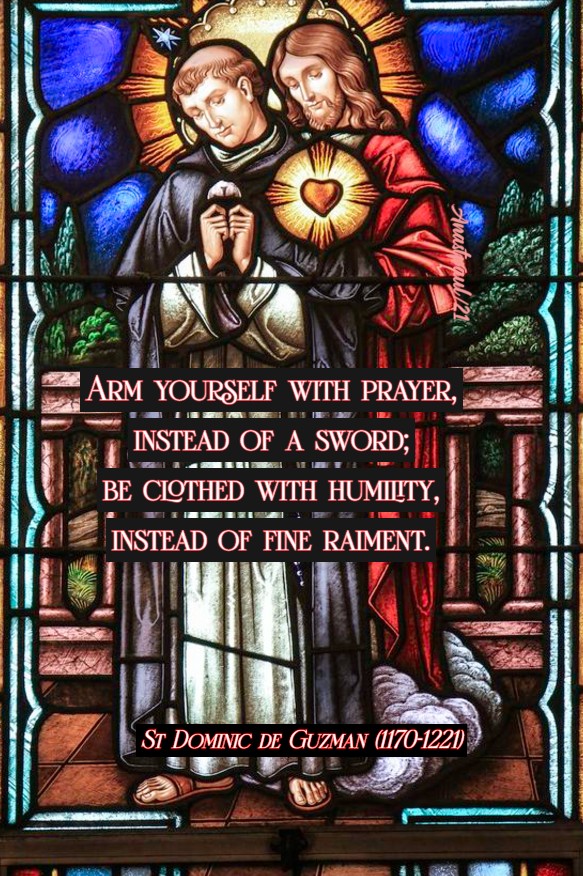
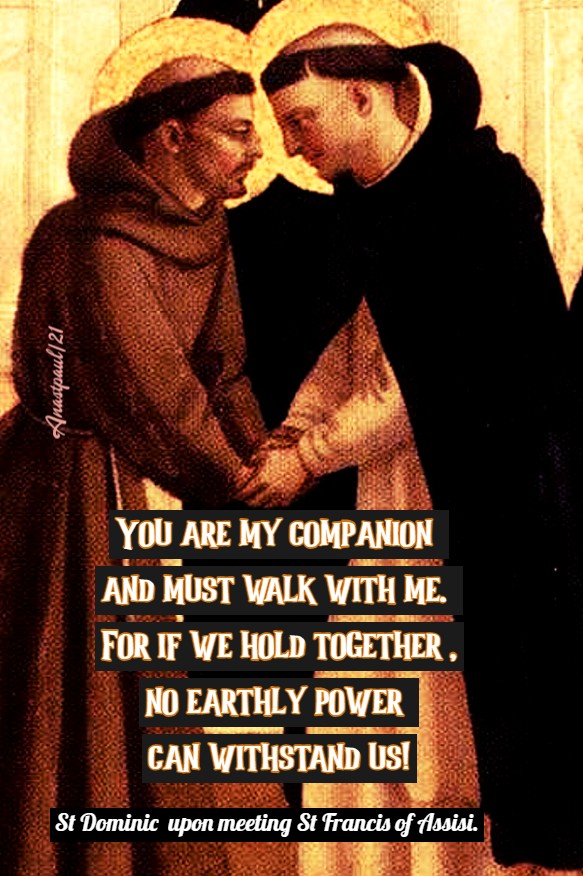
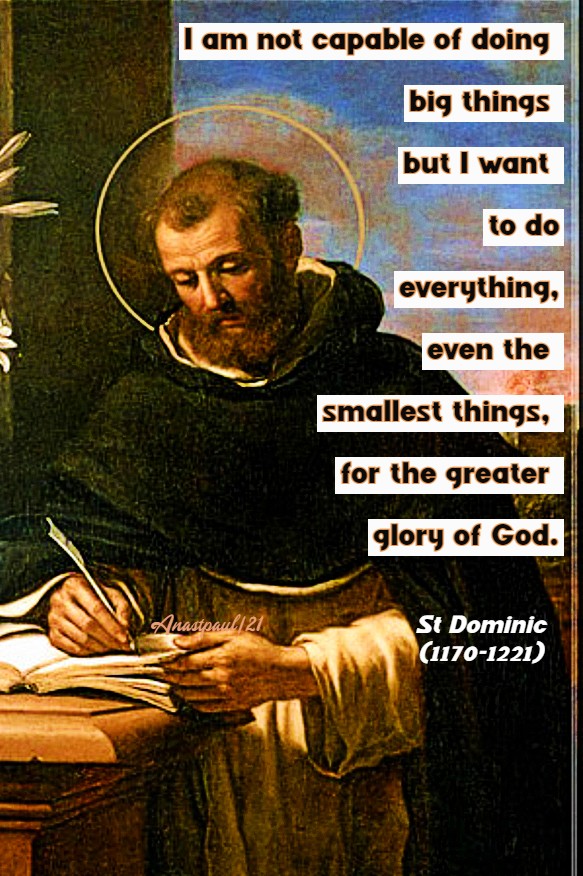
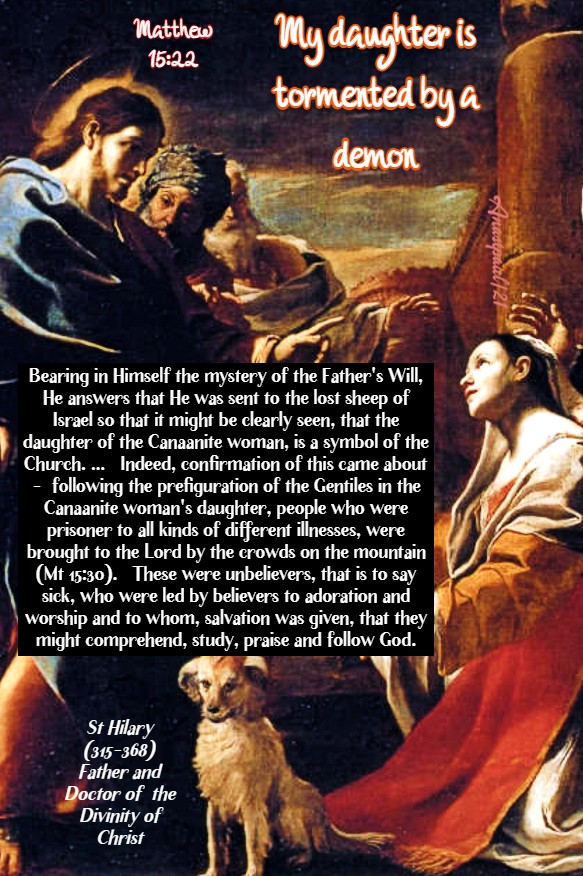
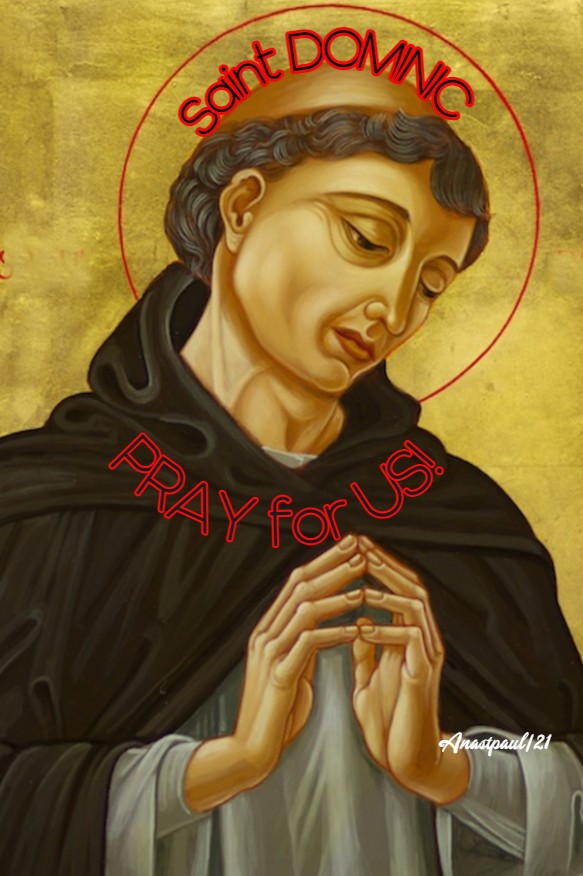
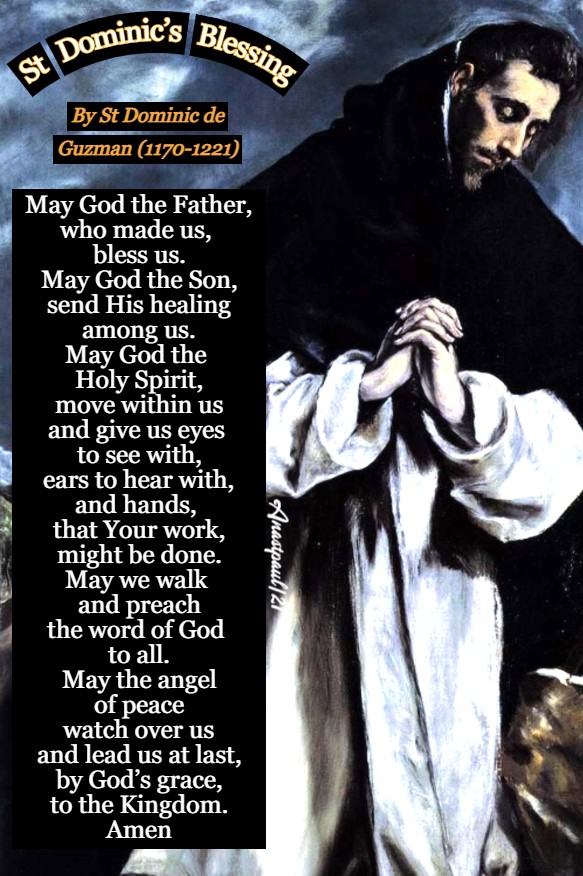

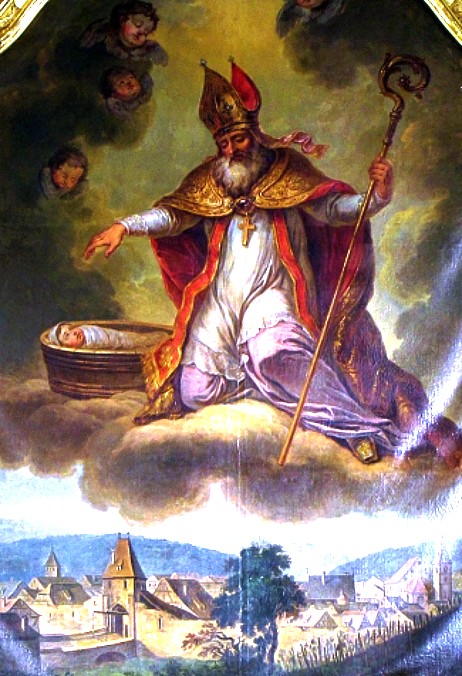


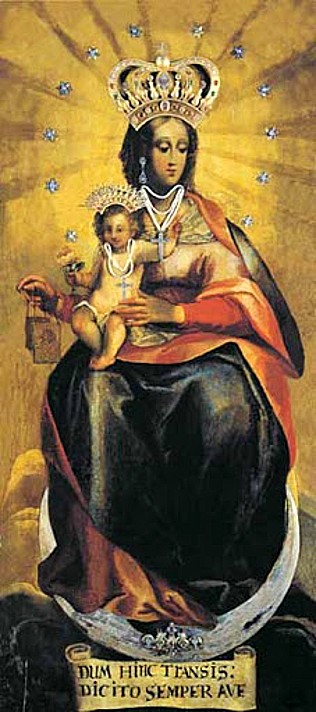
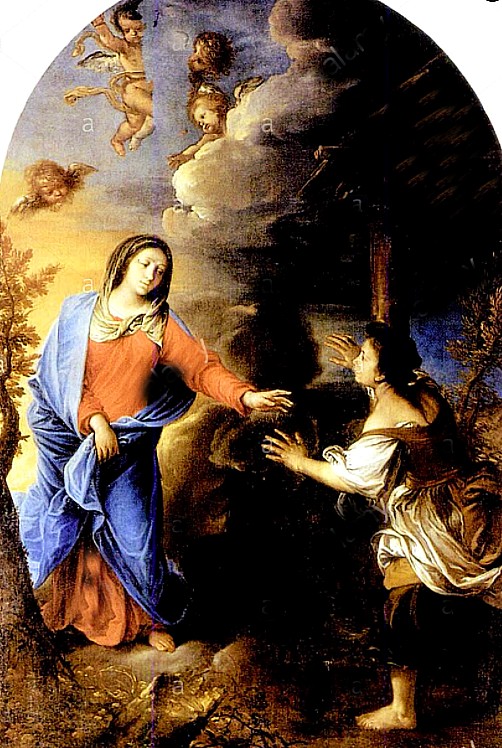
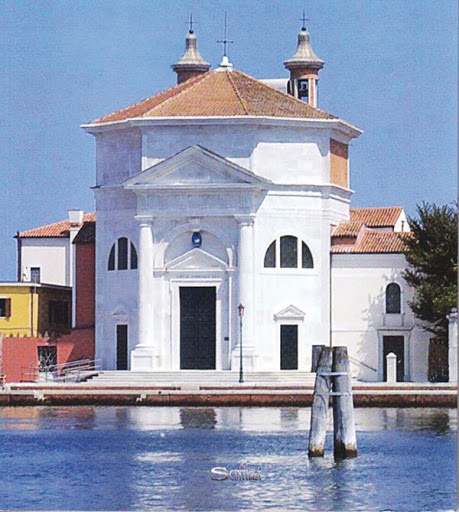
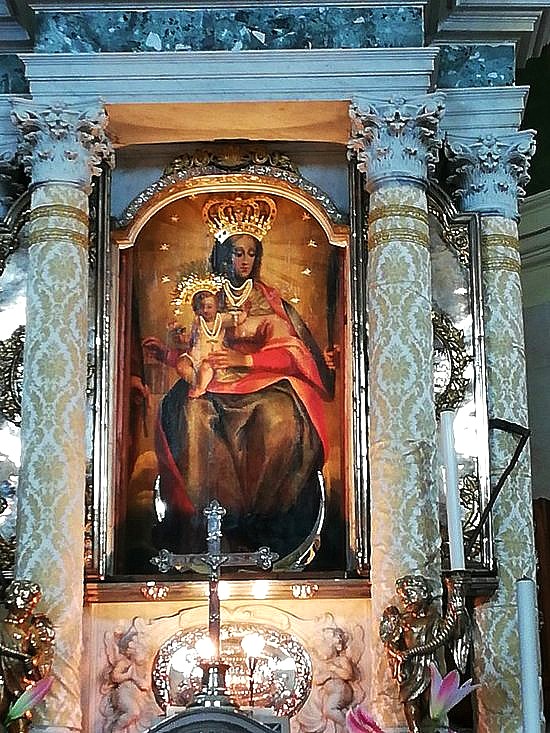
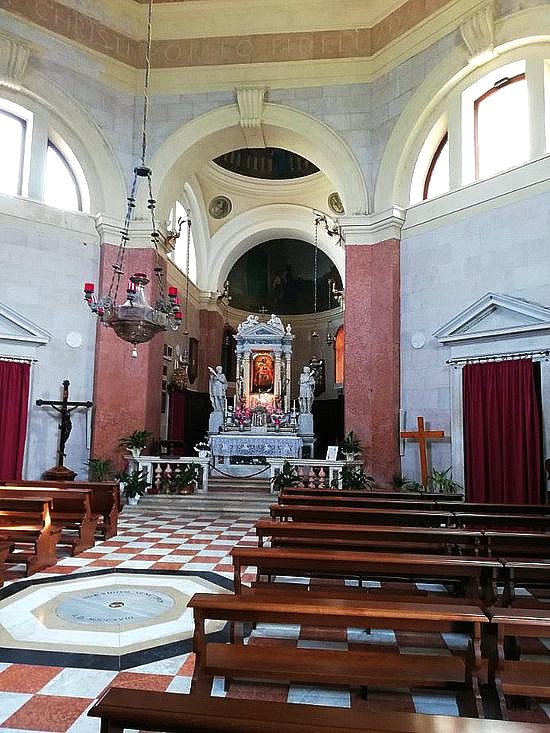
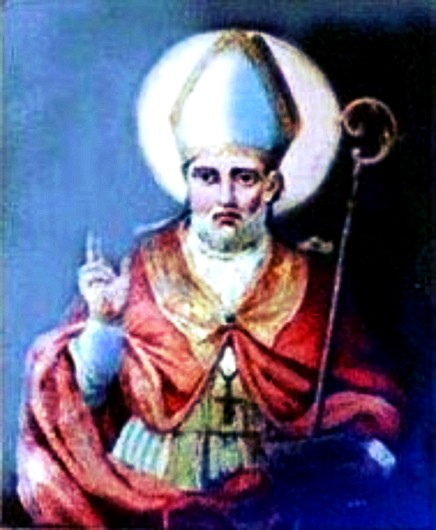
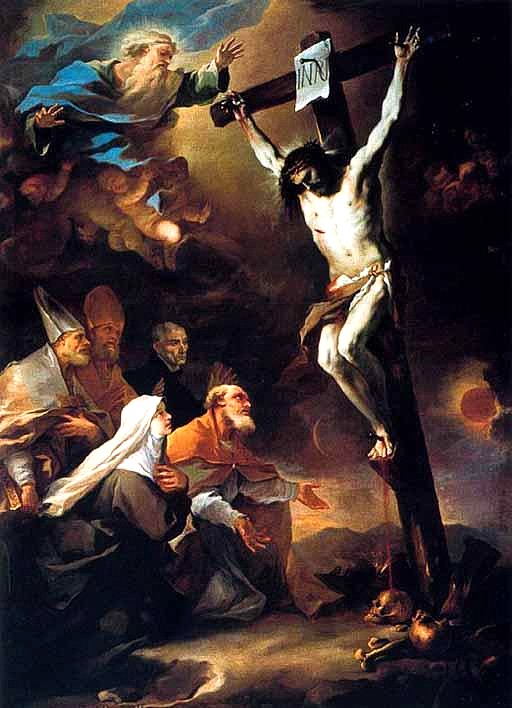
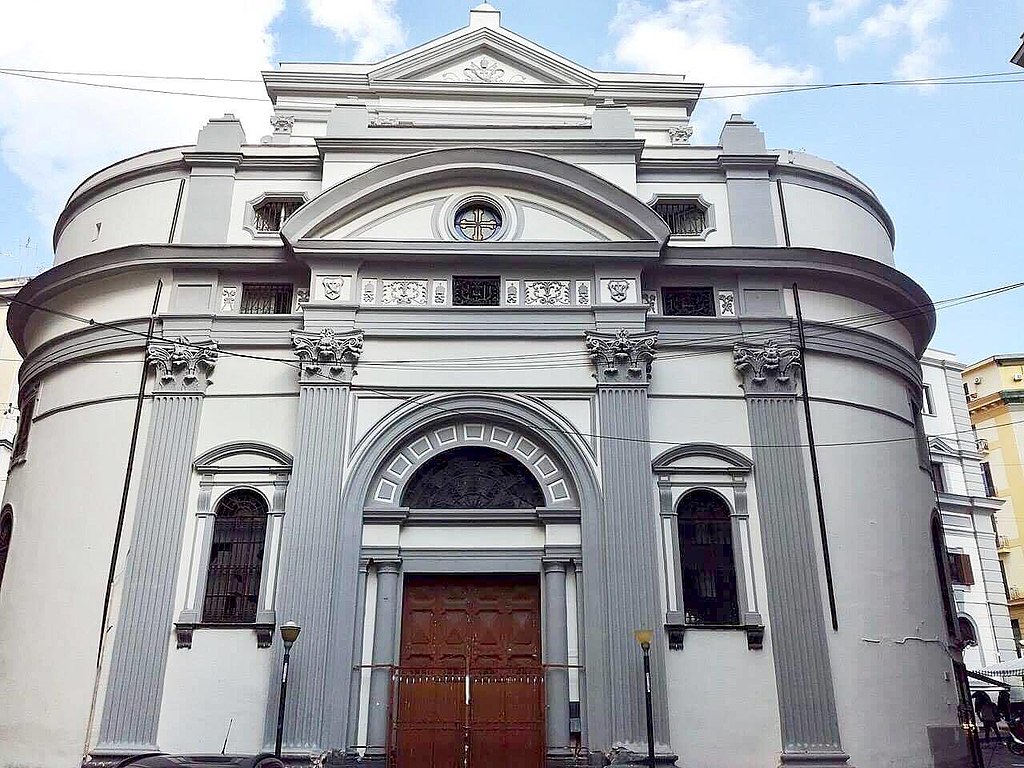
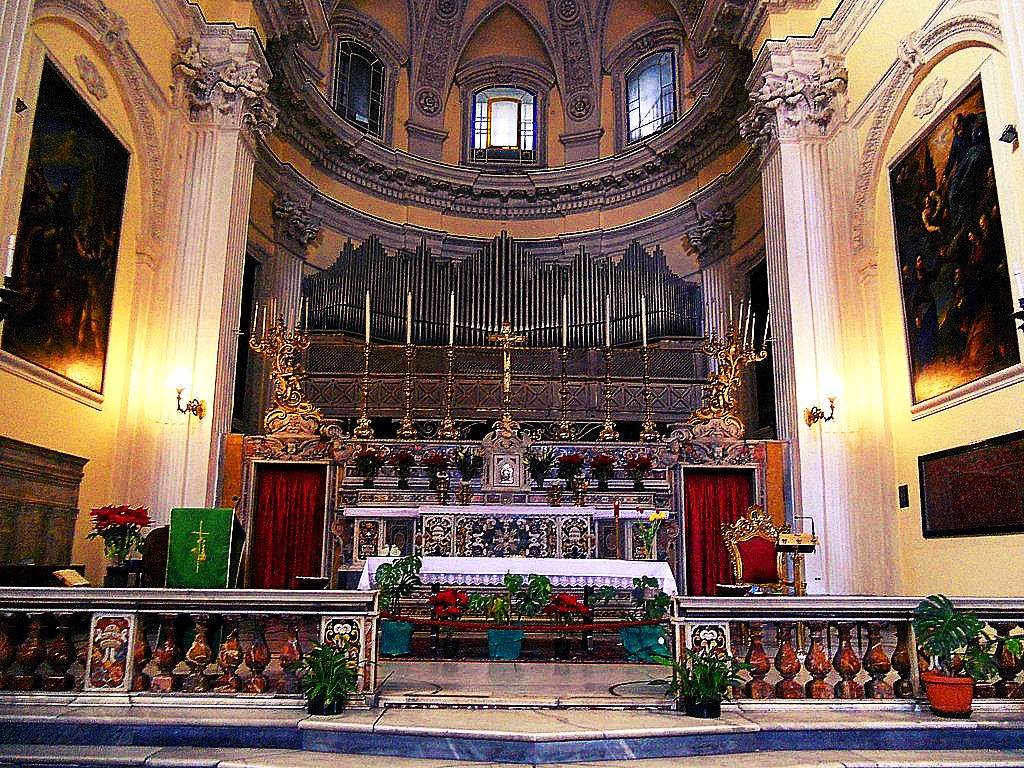
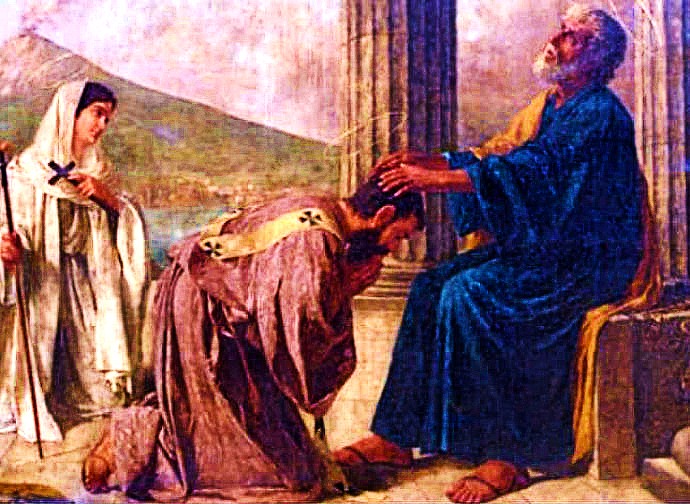
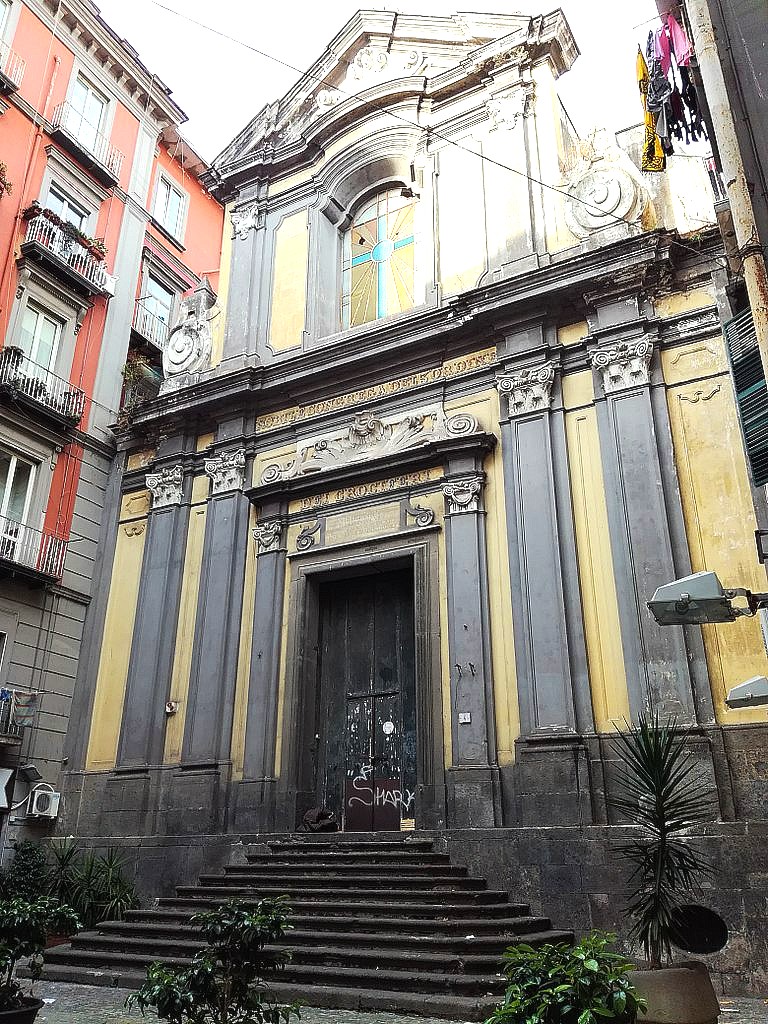
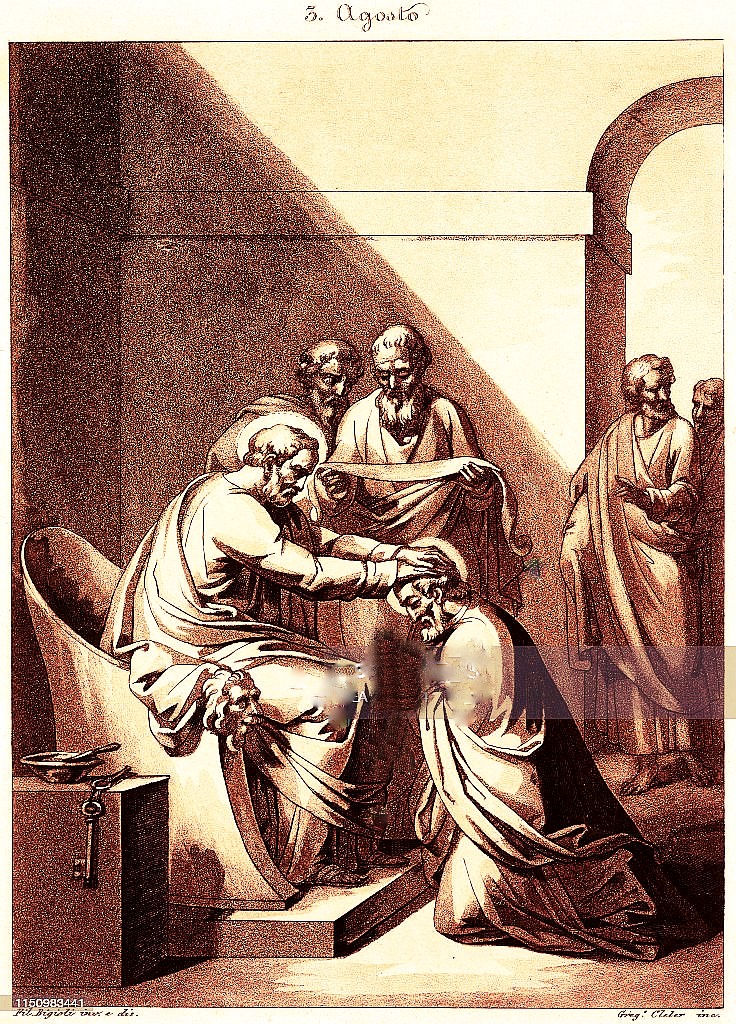
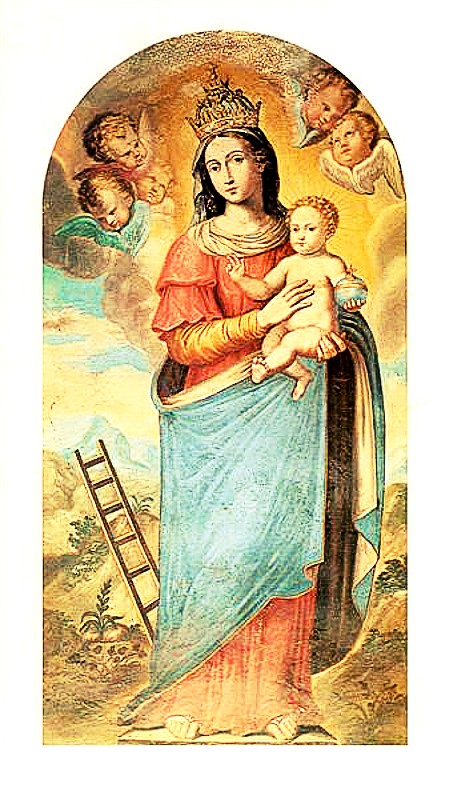
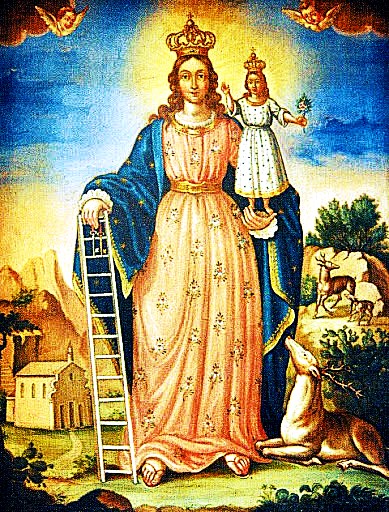
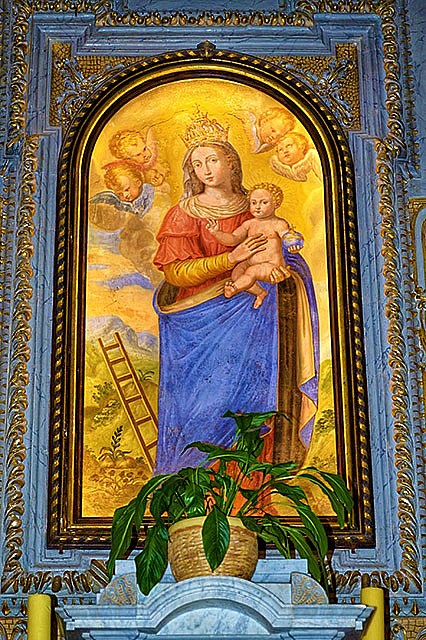
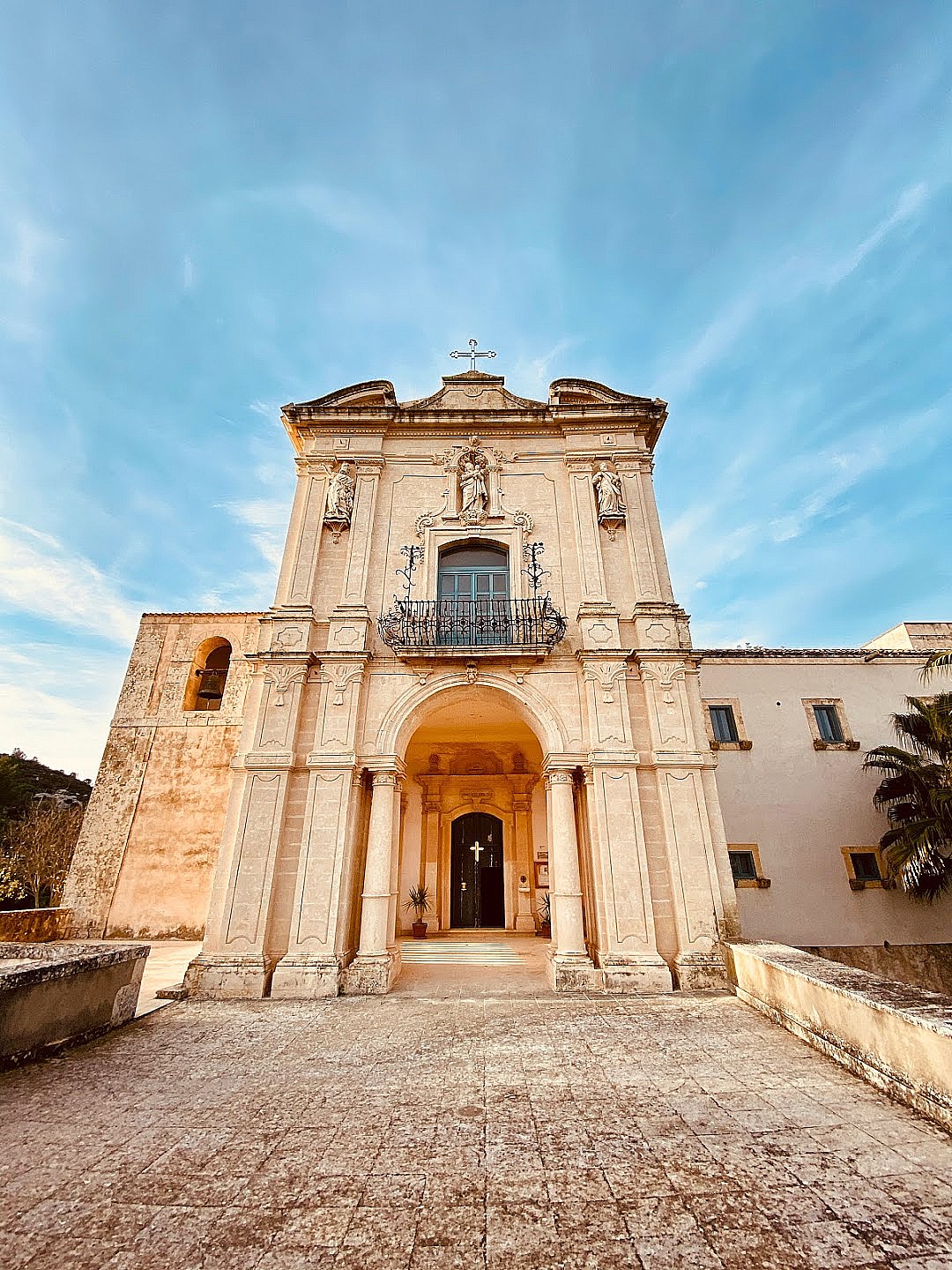
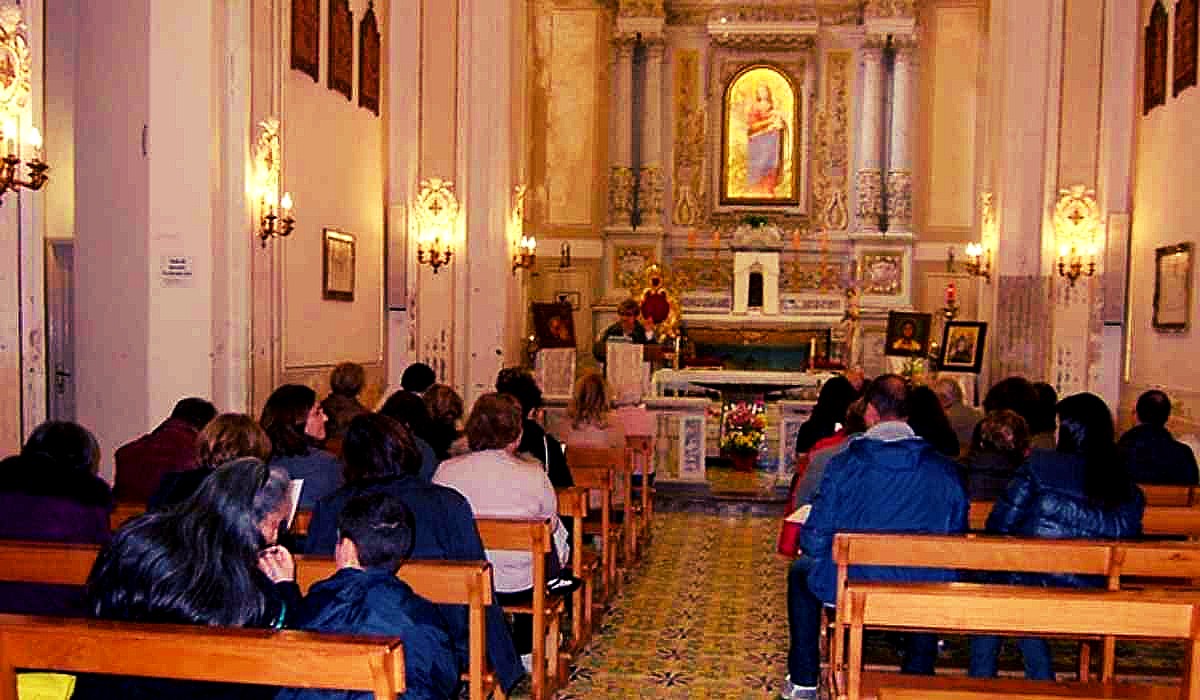
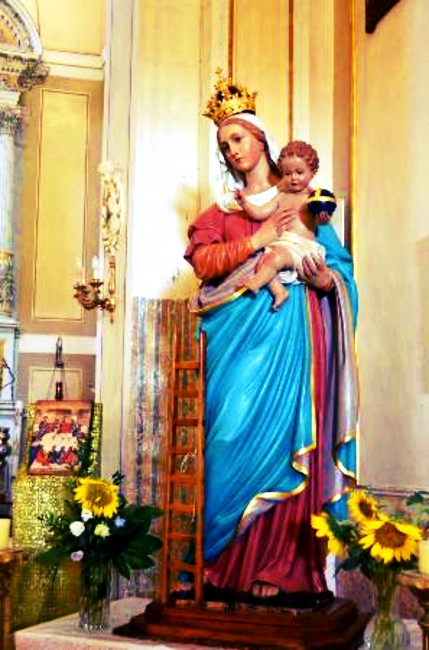

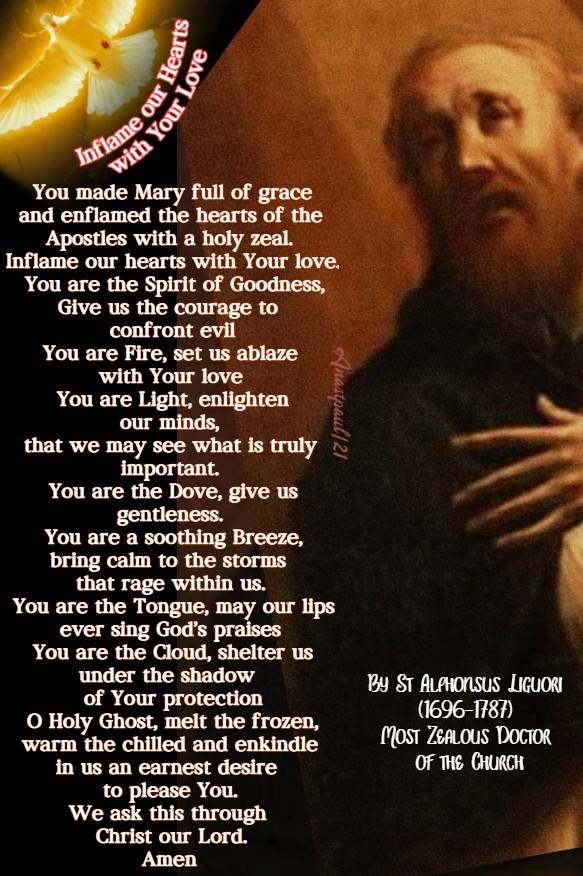
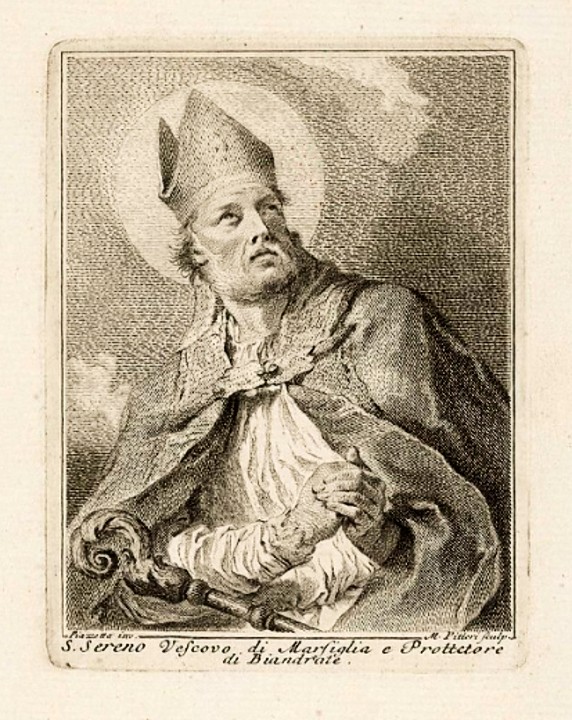
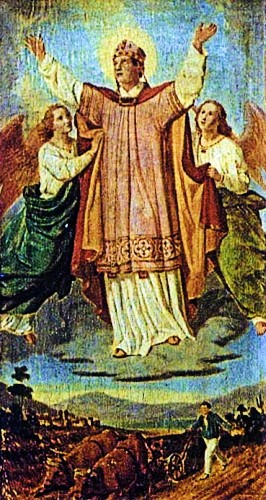
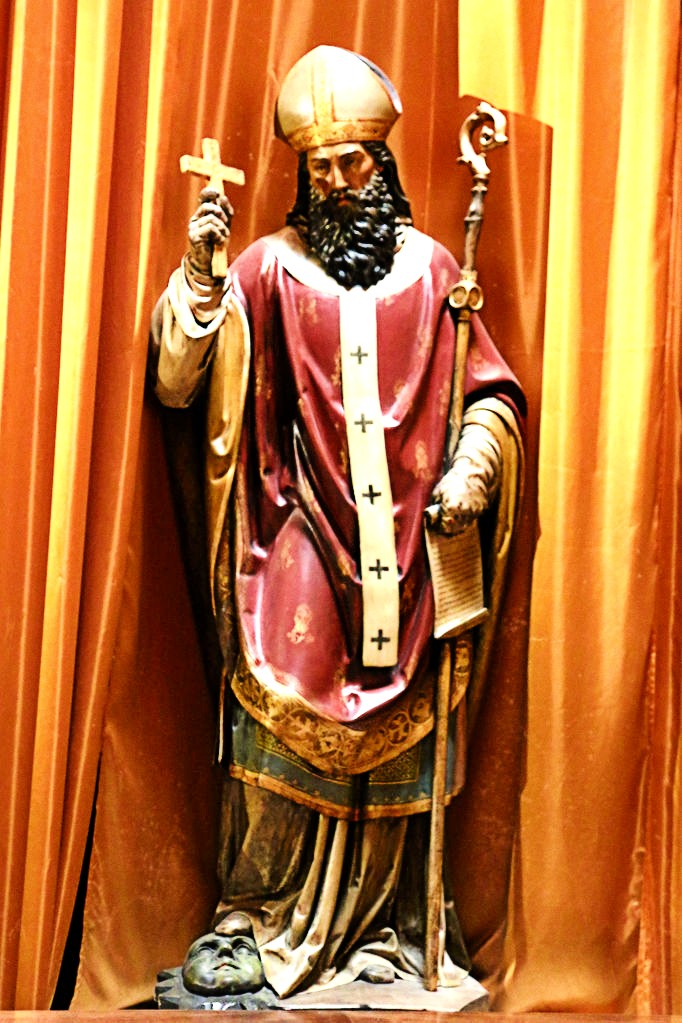


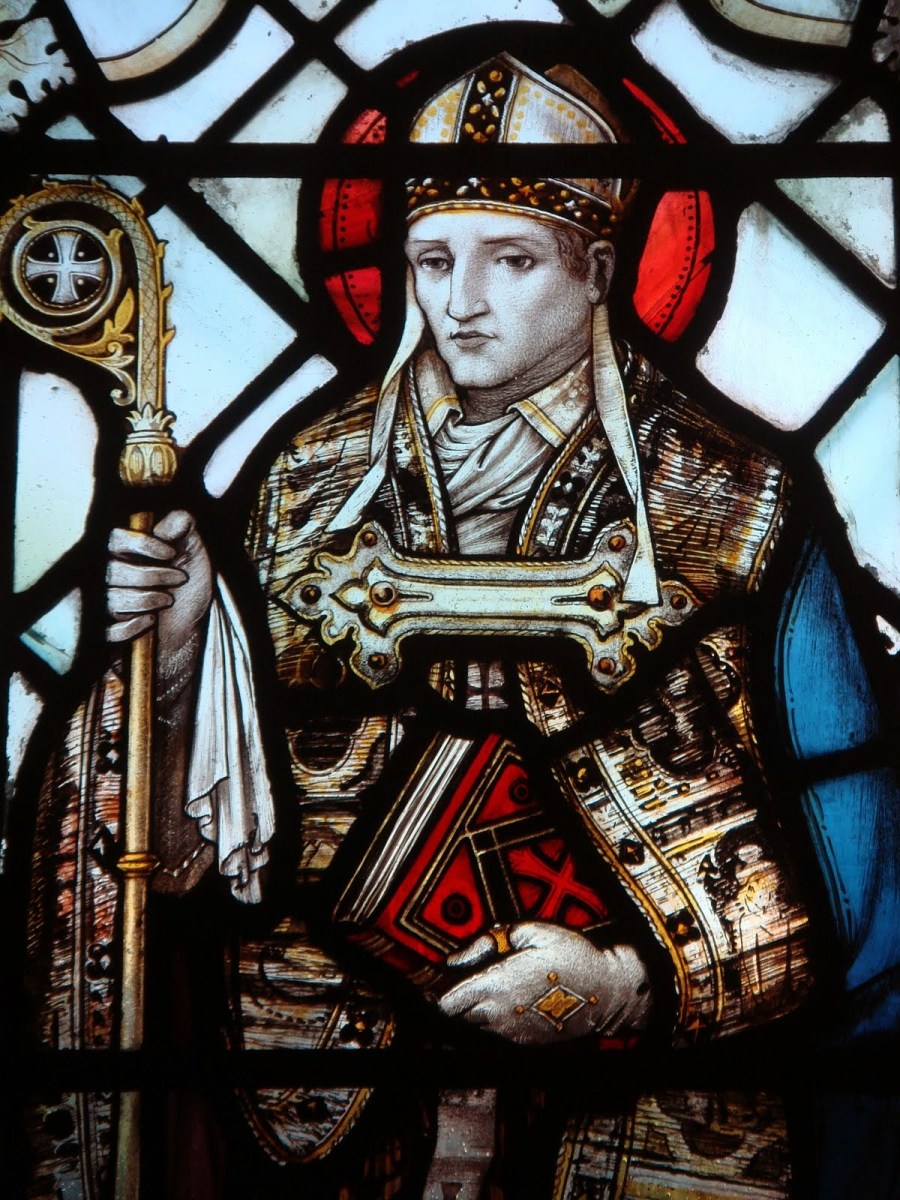

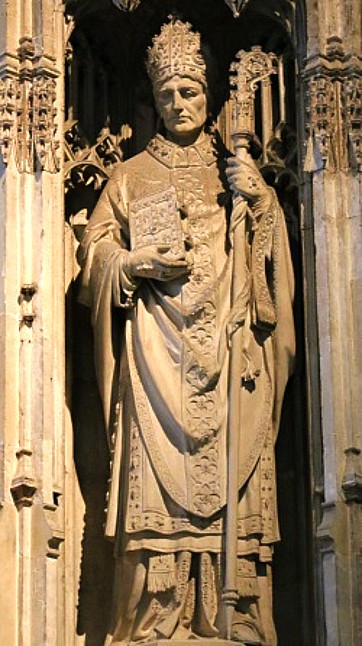
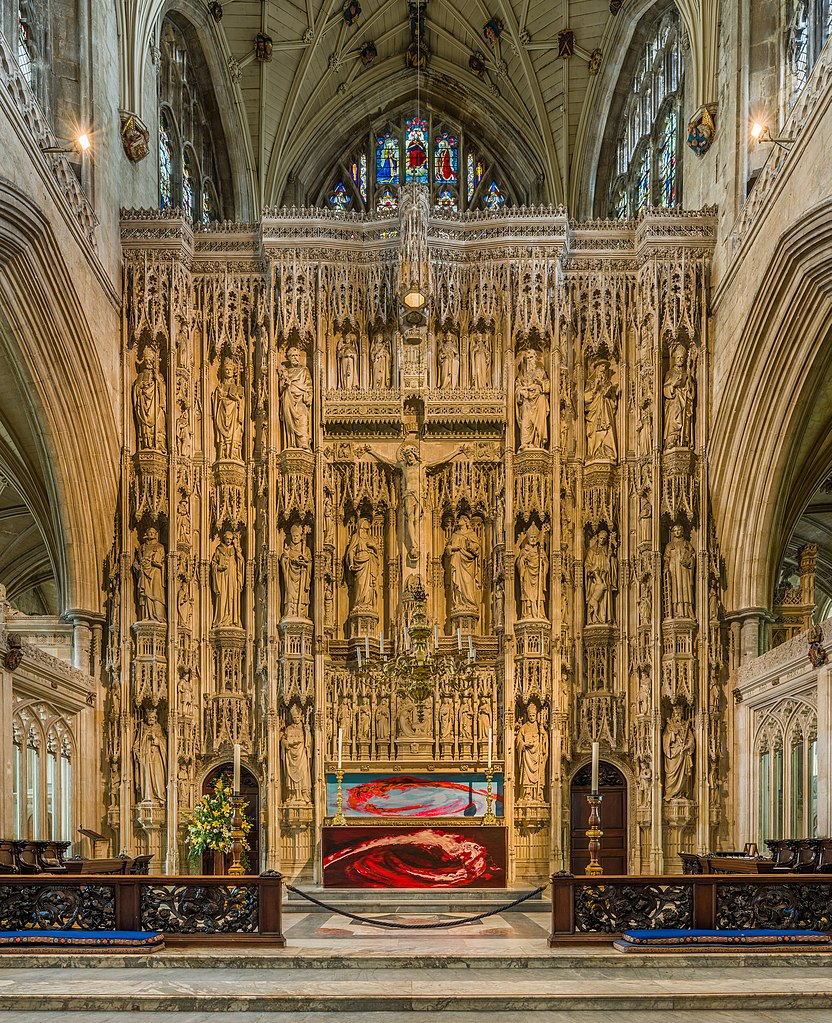
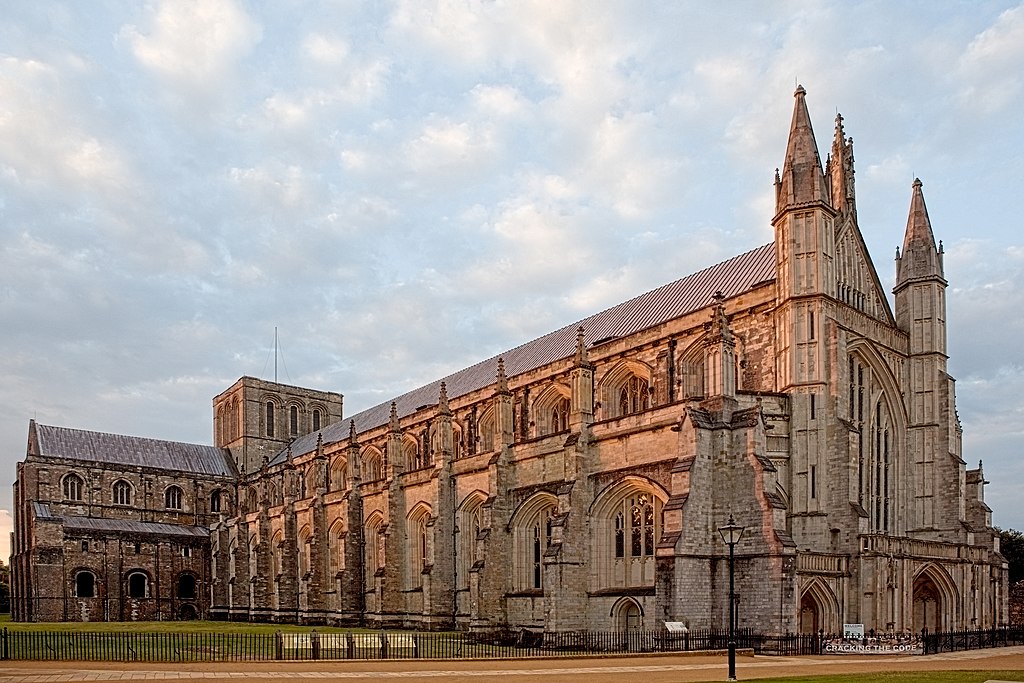

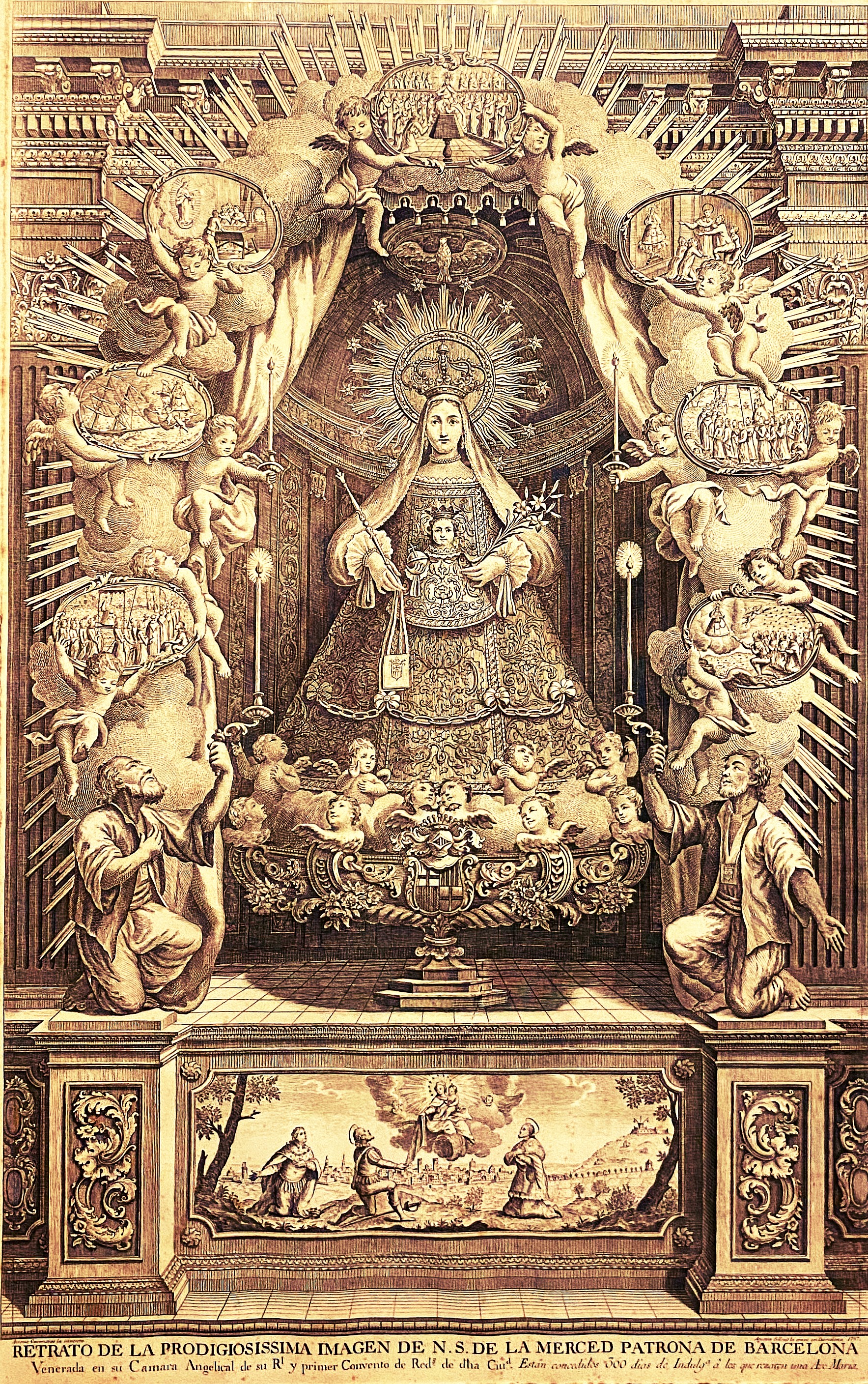
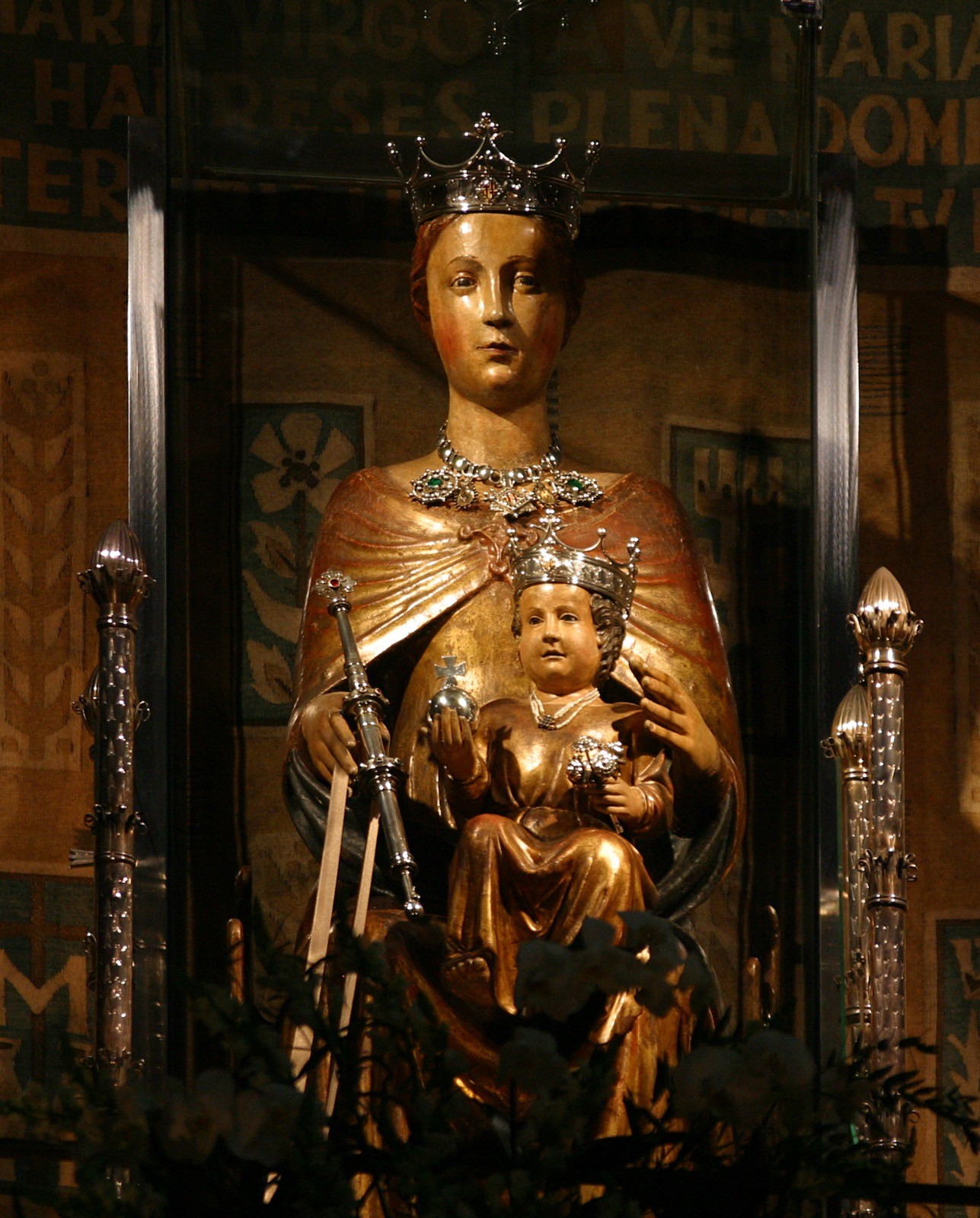

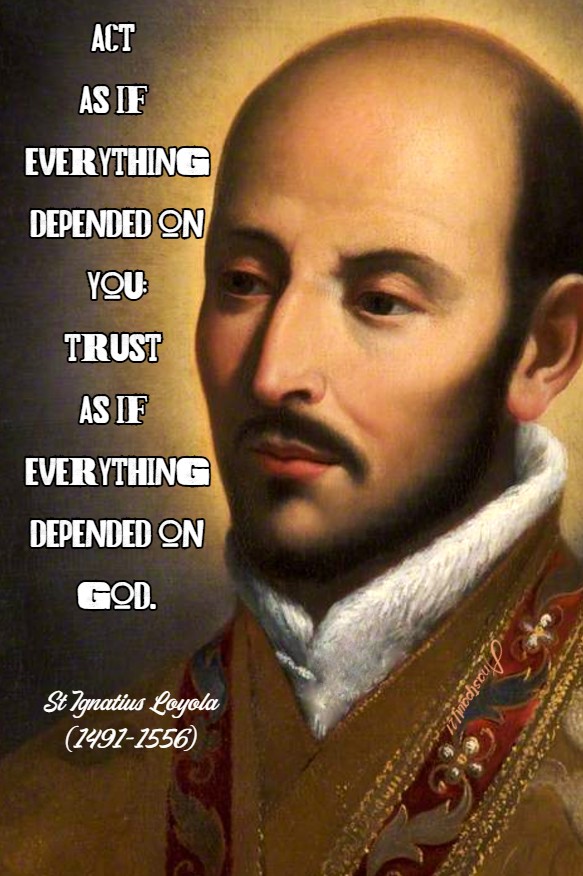
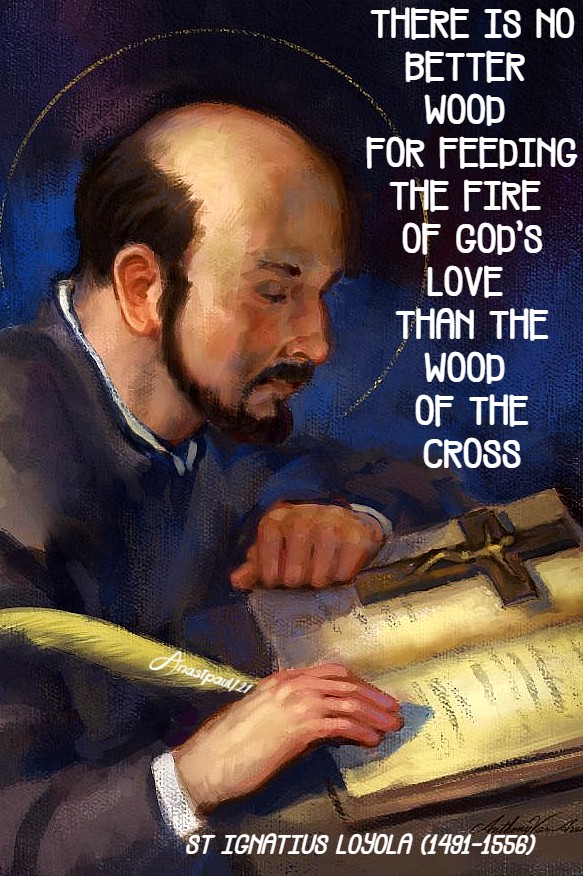


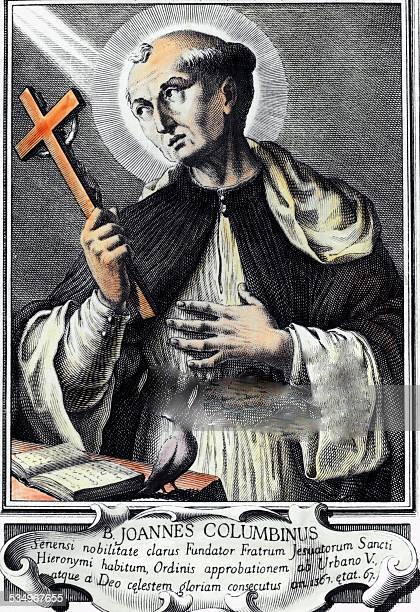

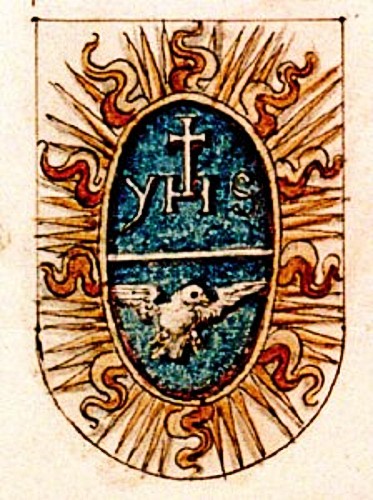
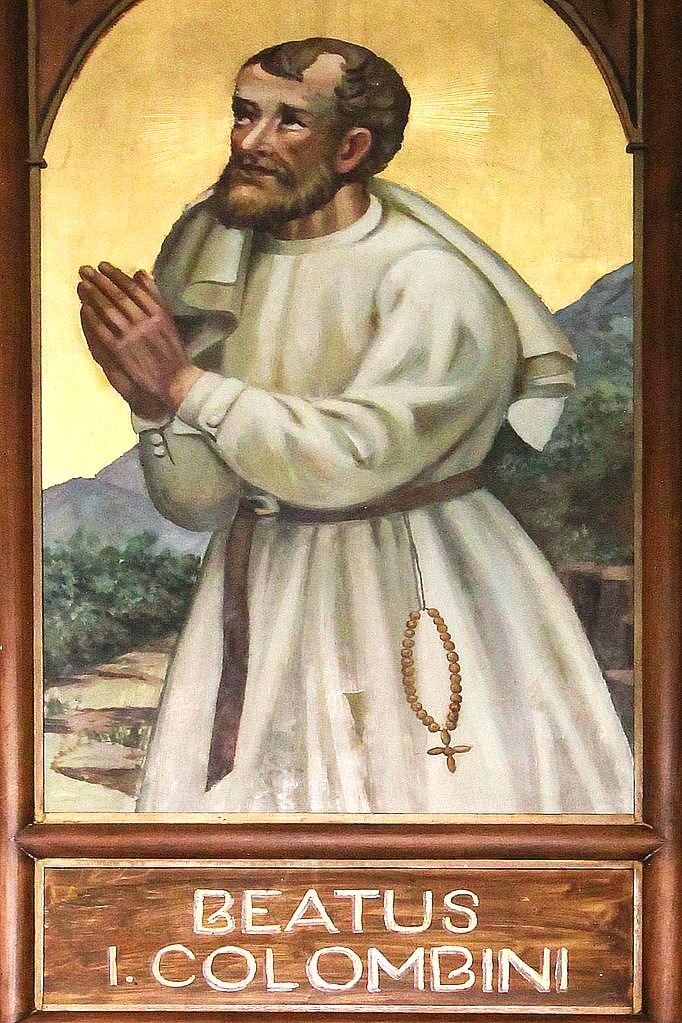


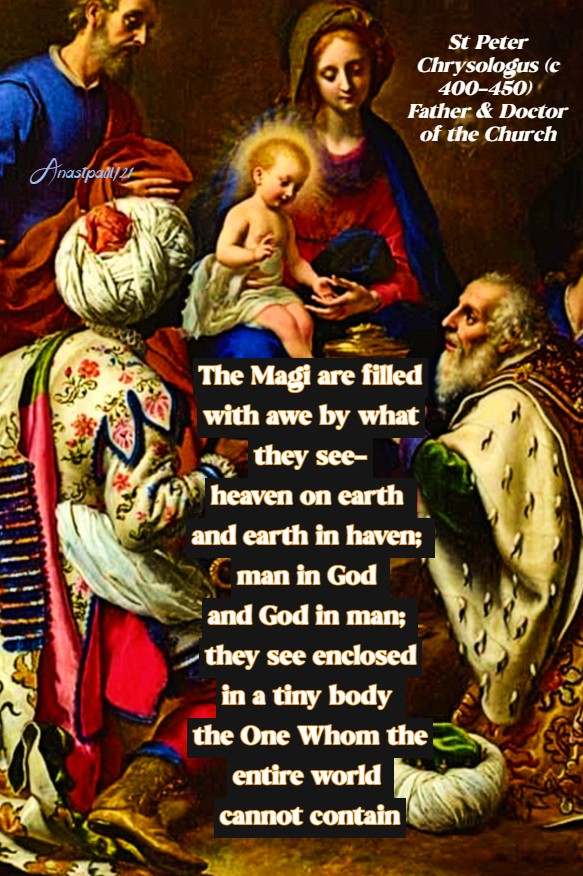
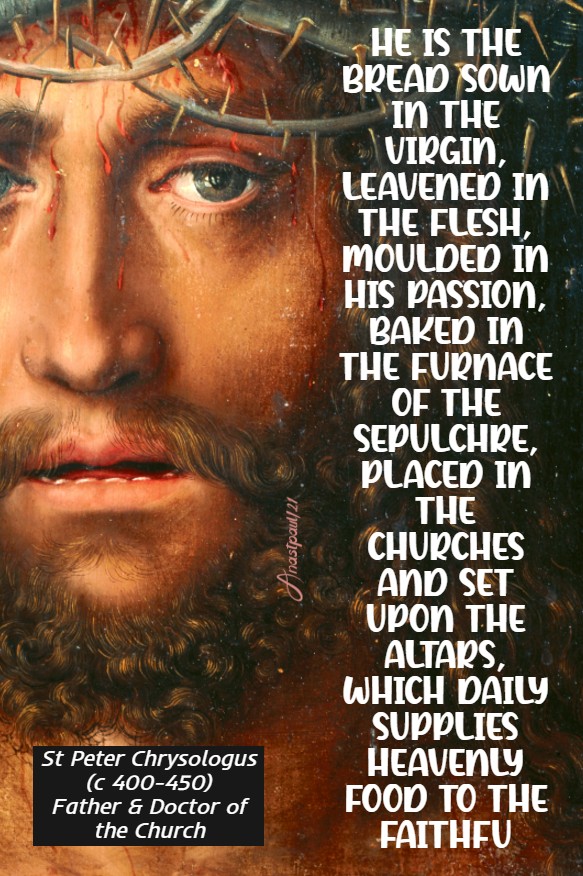
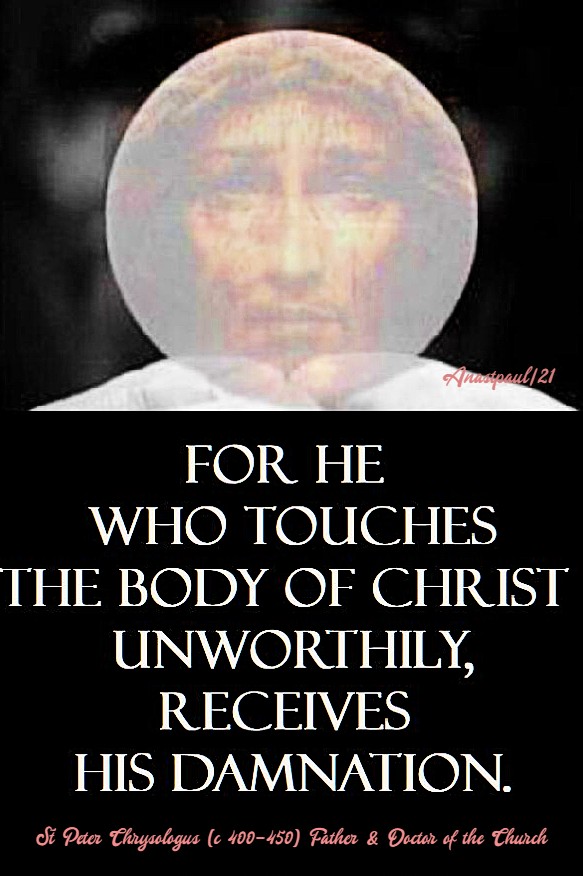

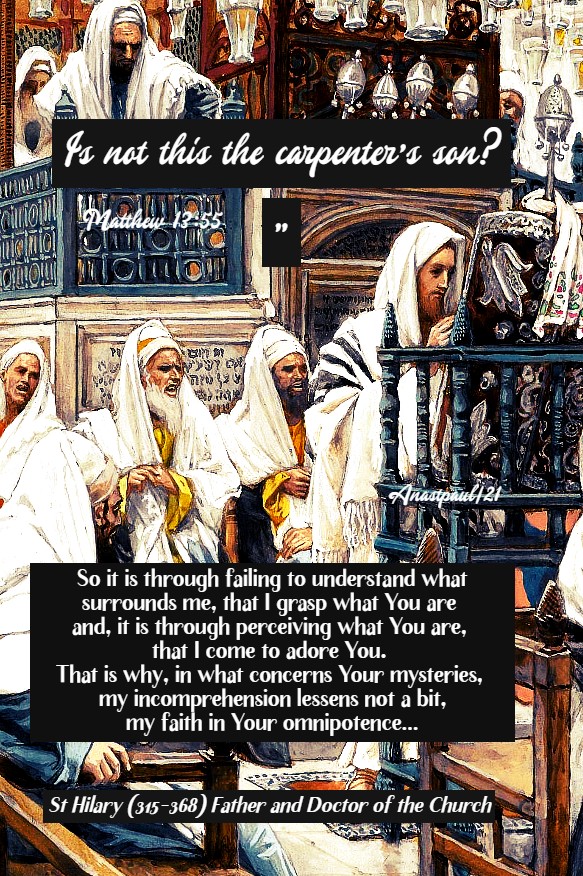
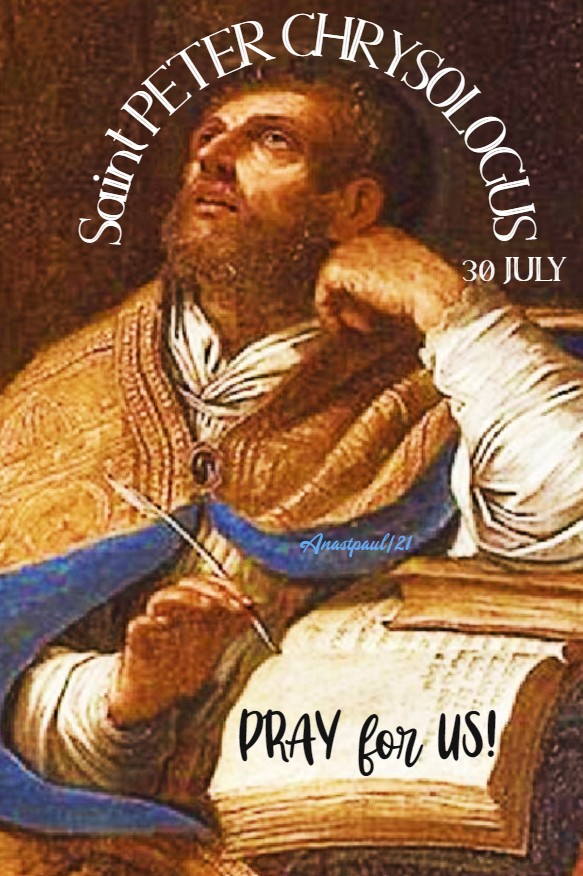

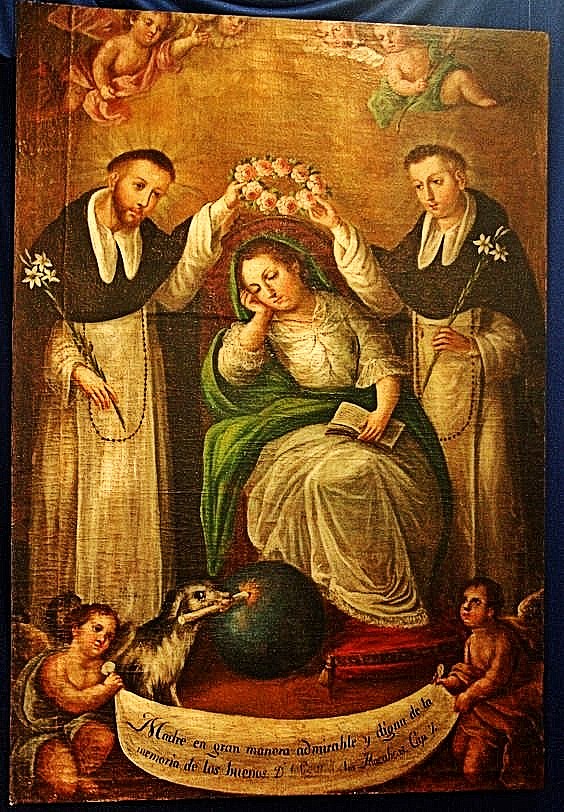
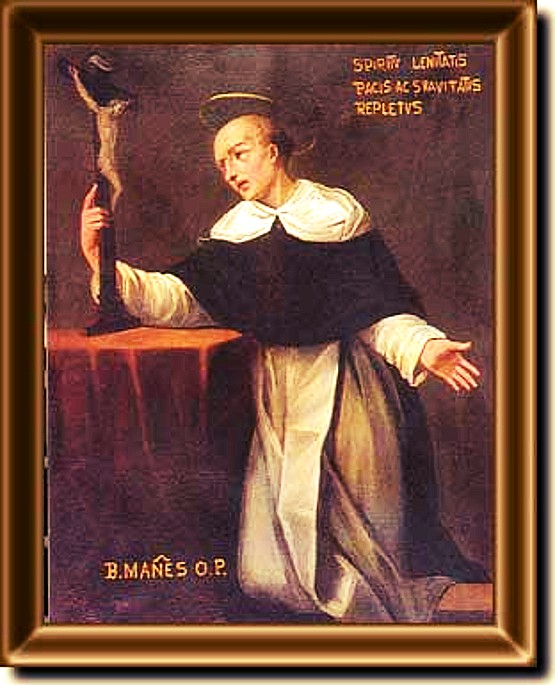
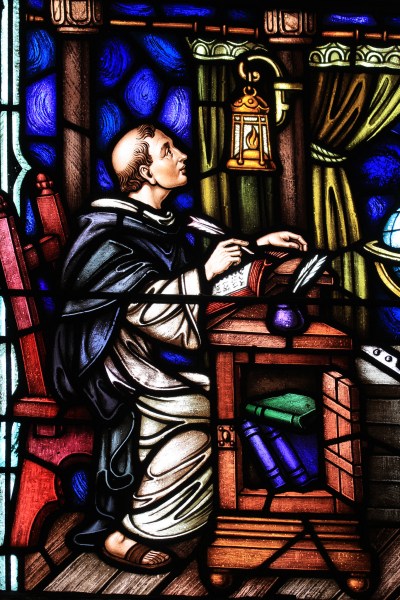
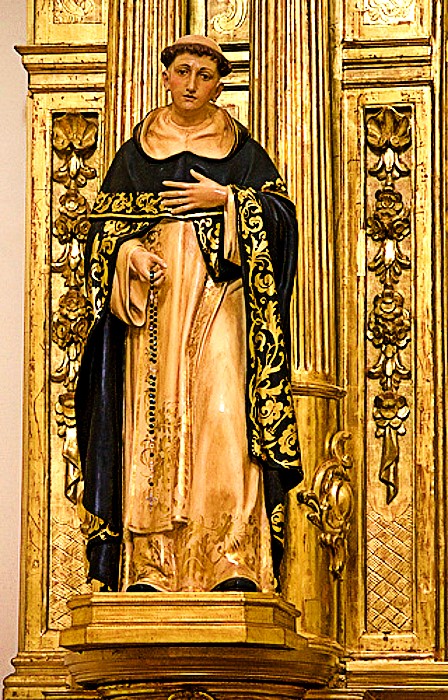
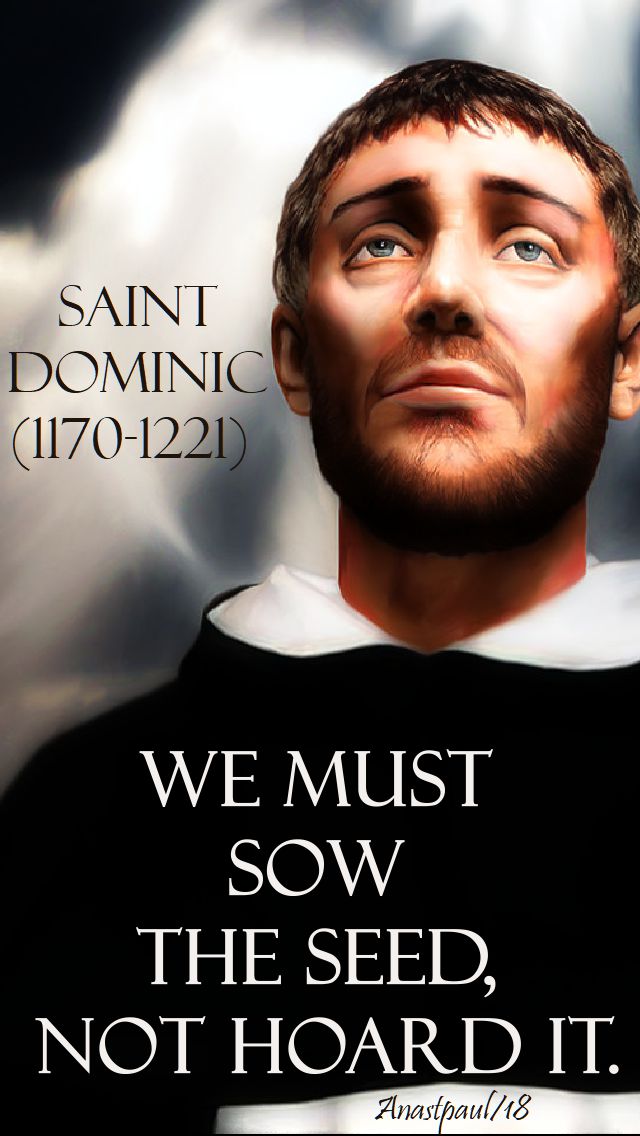
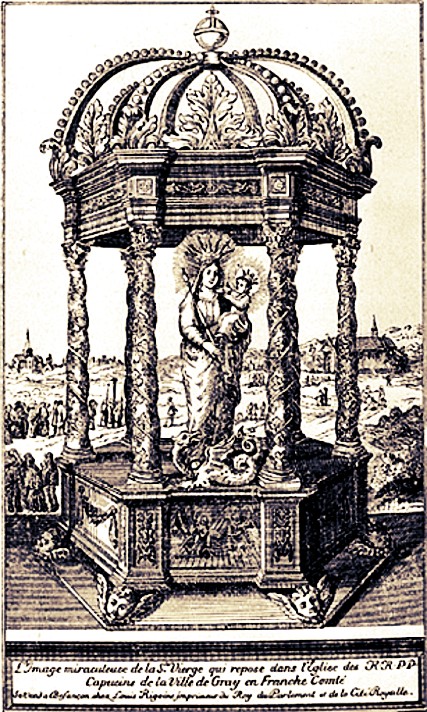
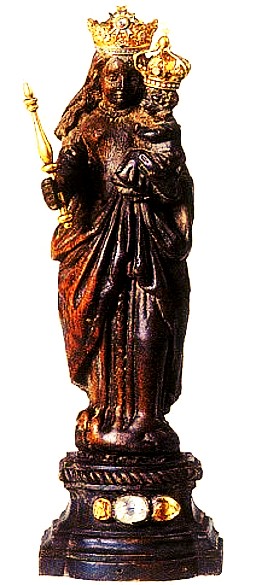
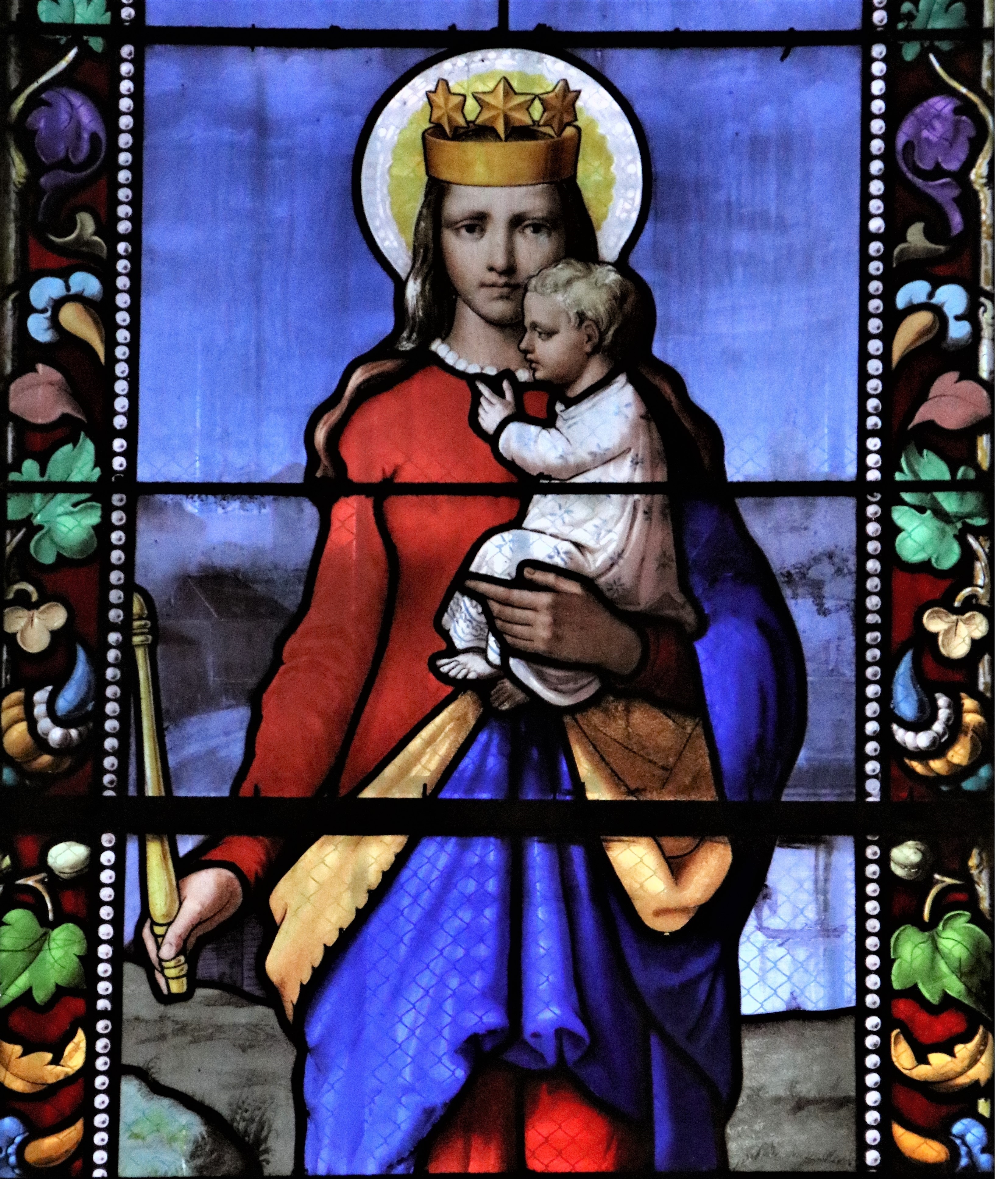
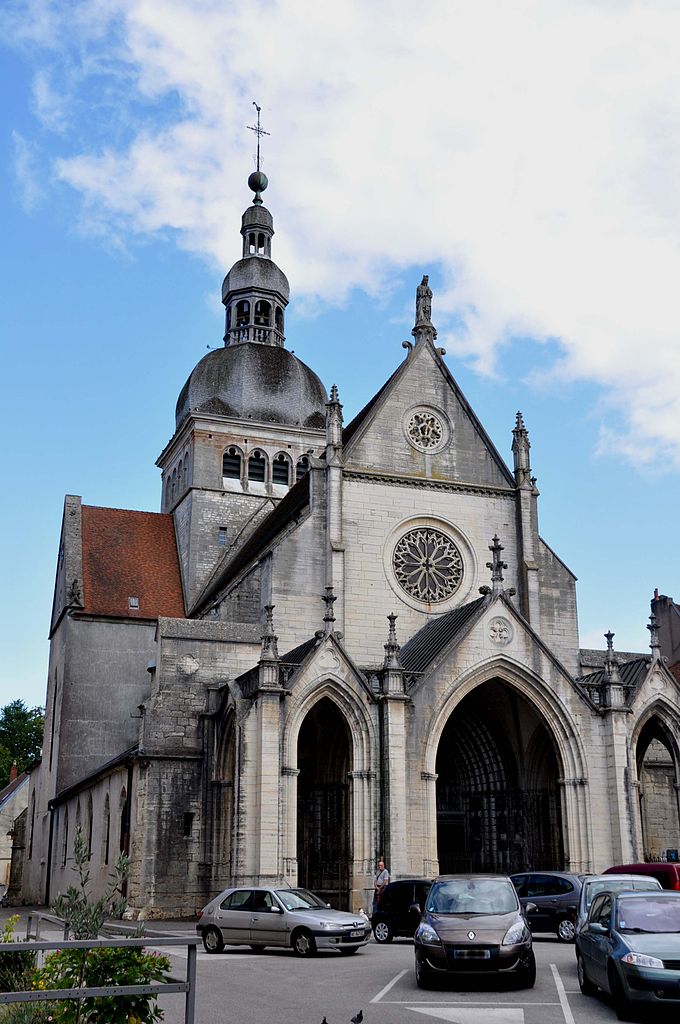
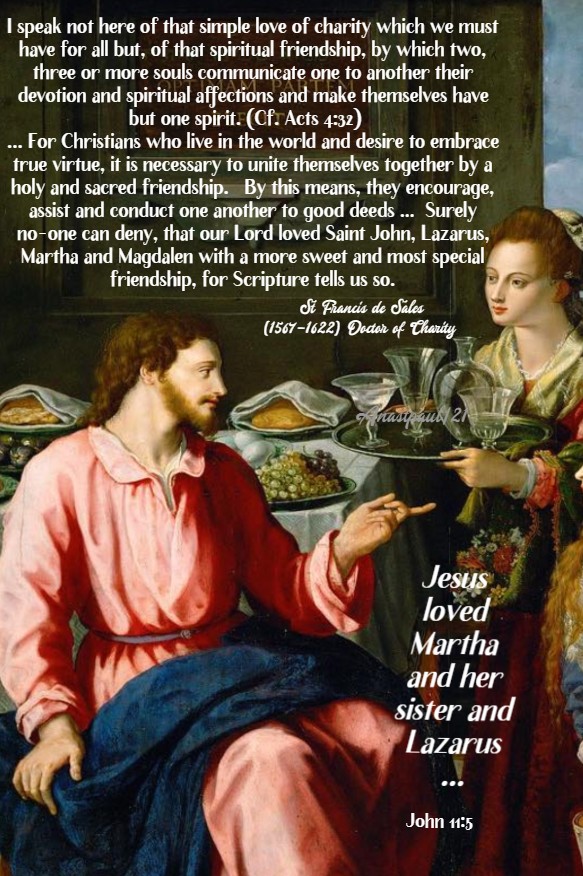
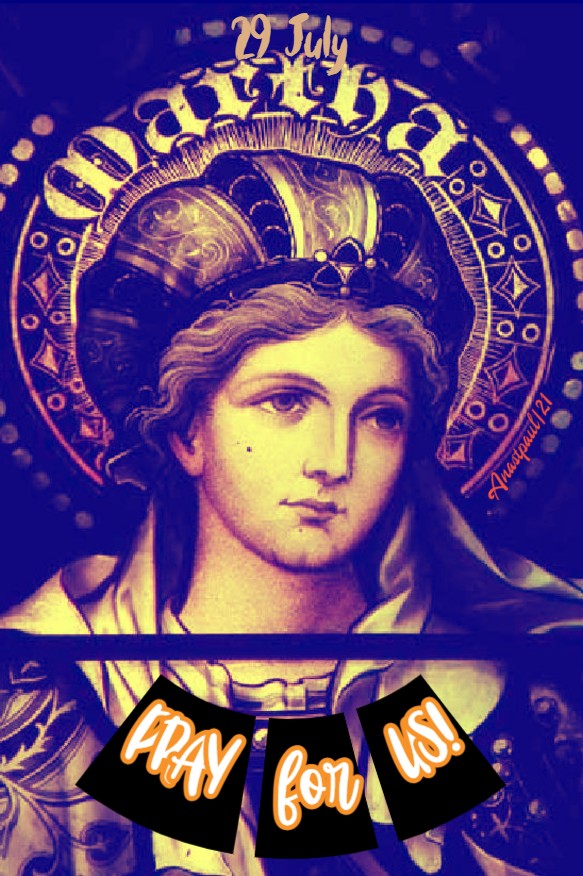
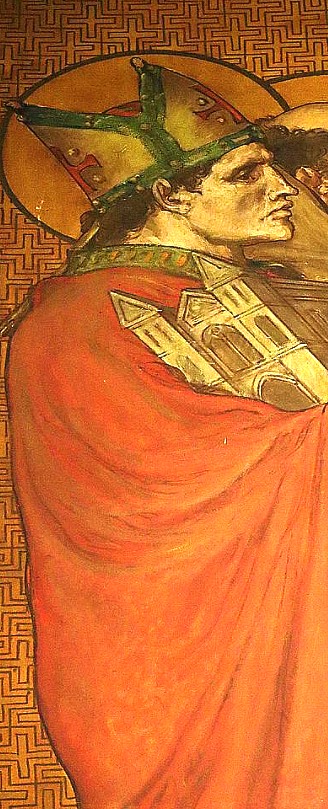
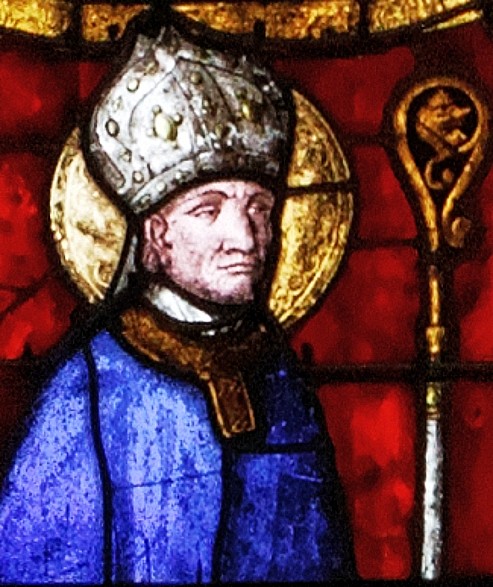
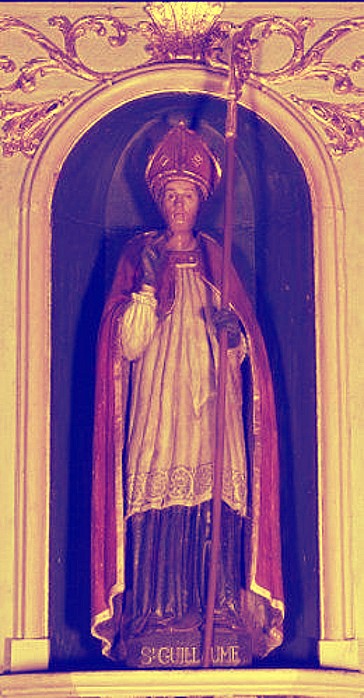
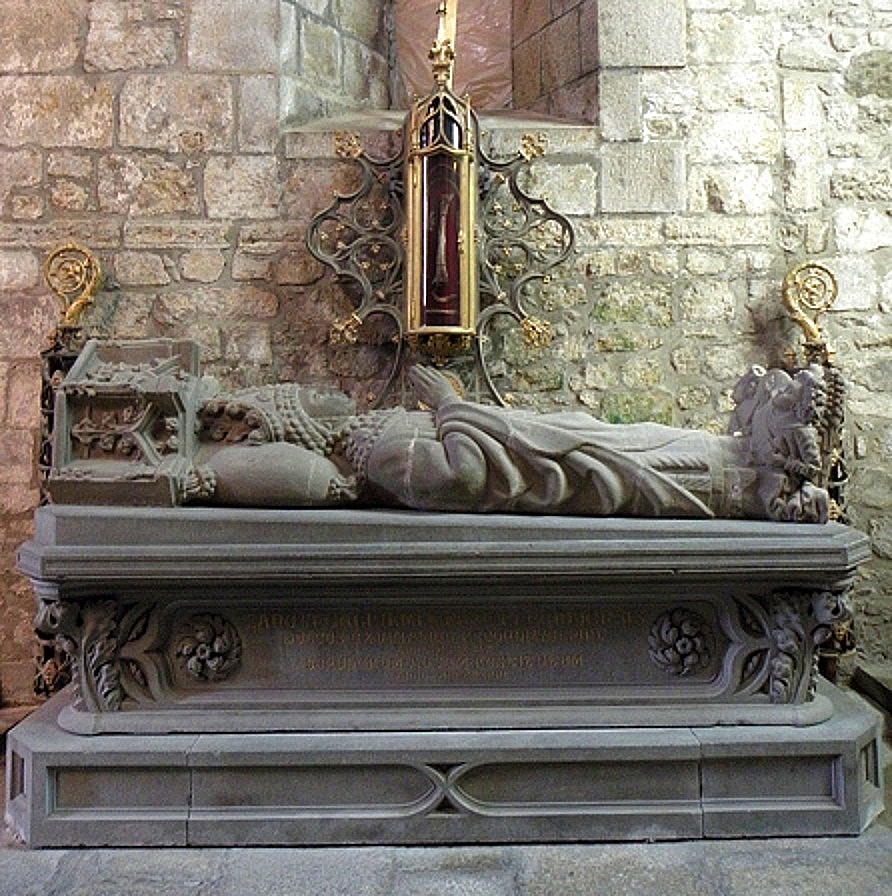


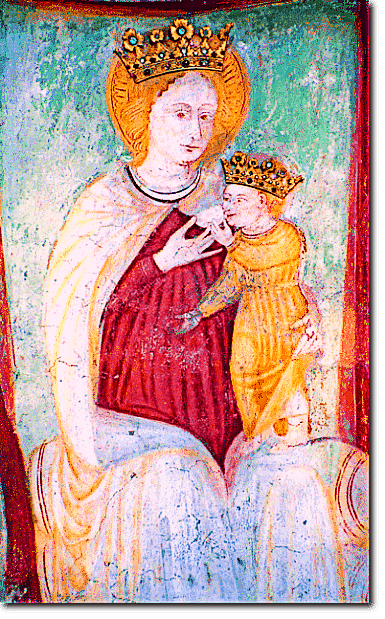
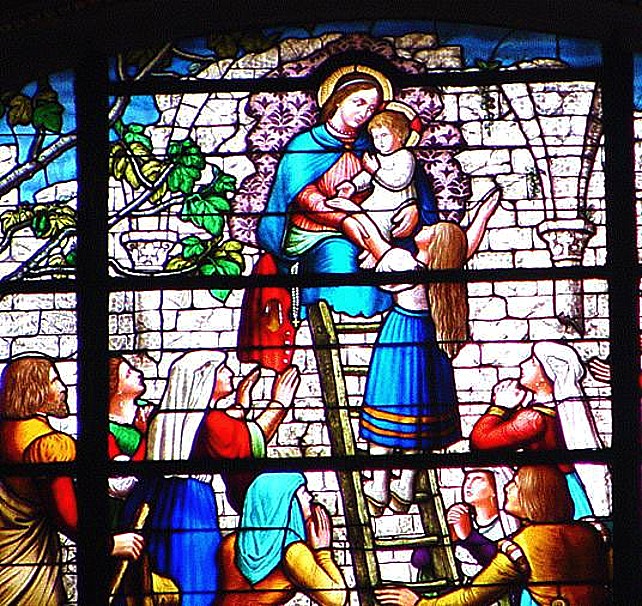
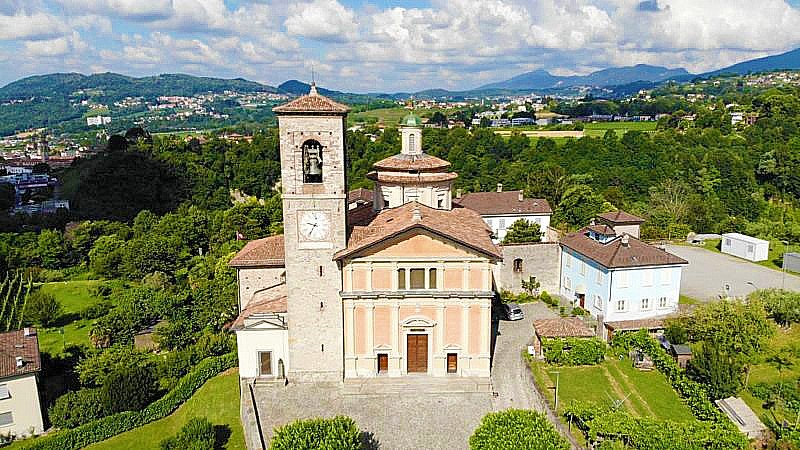


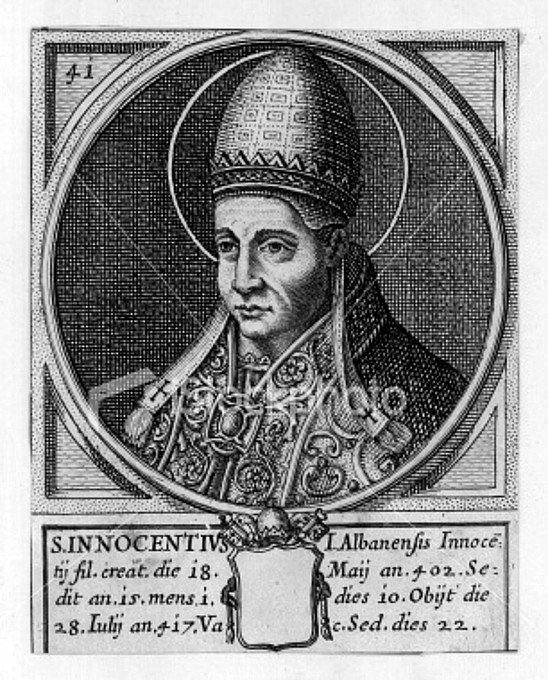
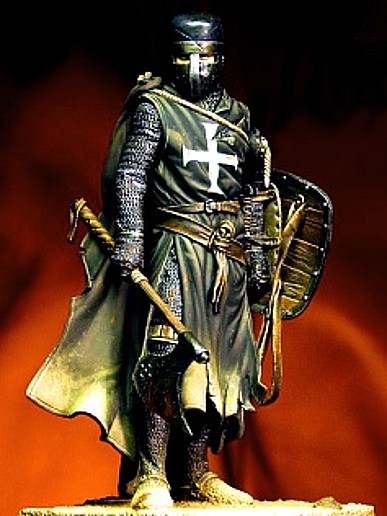
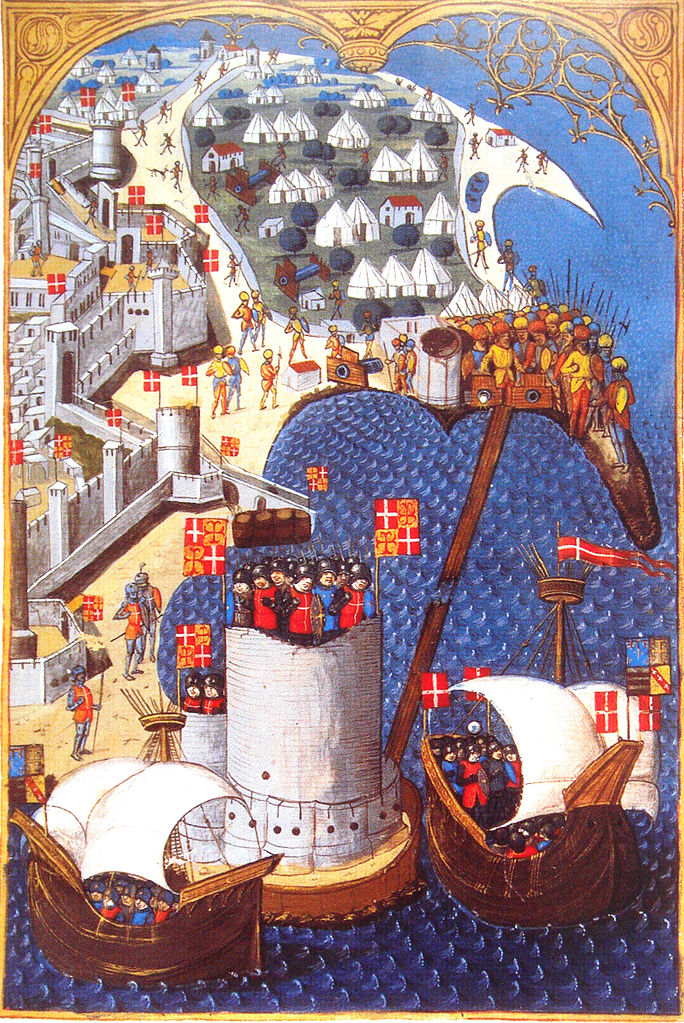
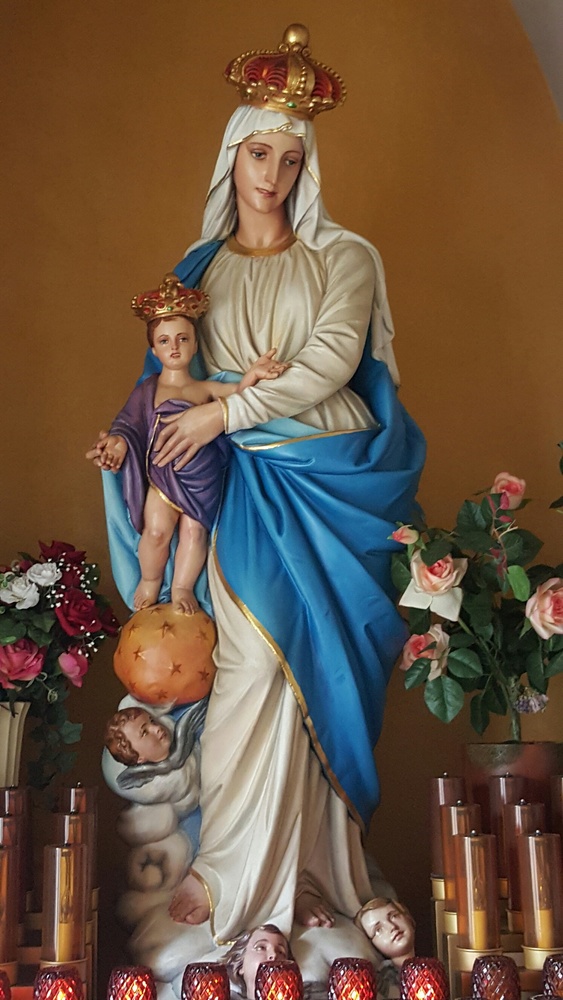
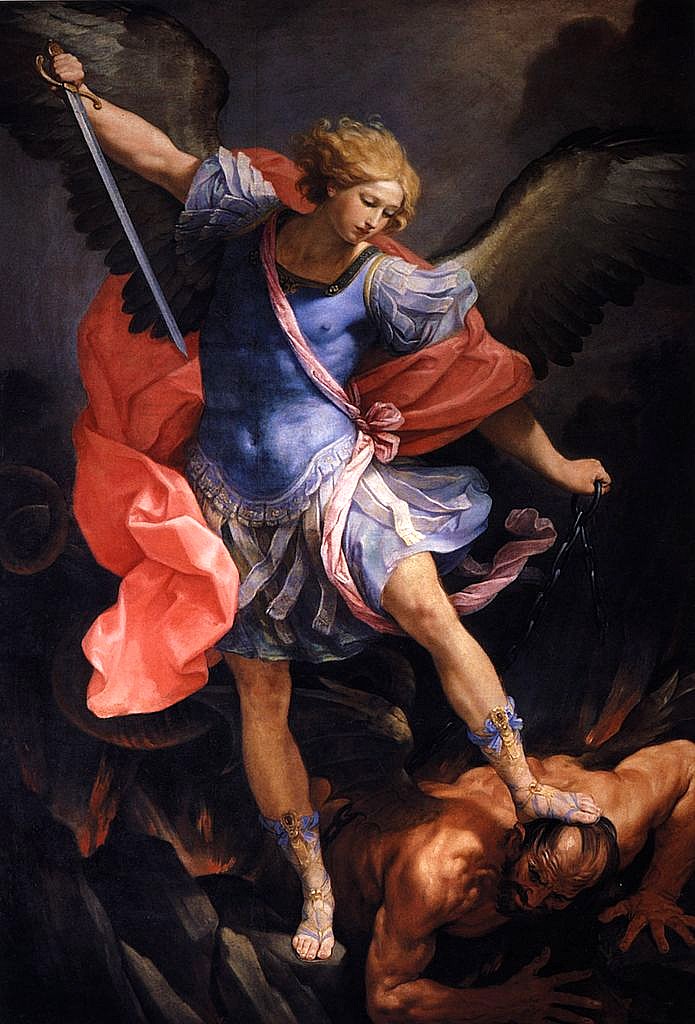

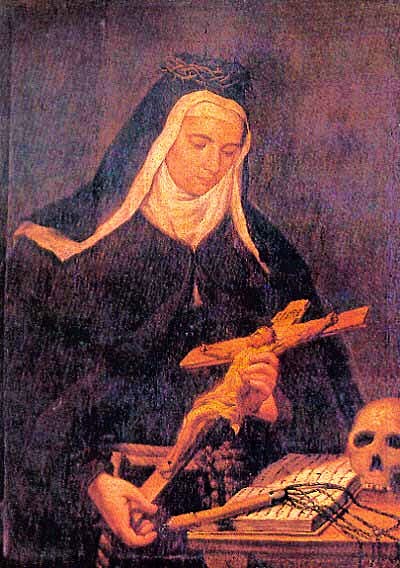


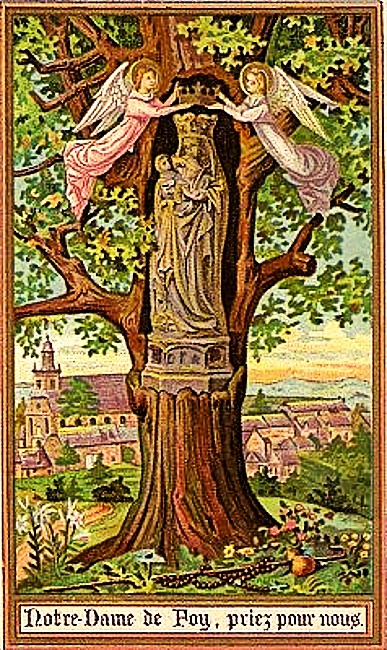



 AnaStpaul
You must be logged in to post a comment.