Martyrs of Africa: A group of Christians murdered for their faith in northern Africa. Little information has survived but their names. The ones we know are – Catulinus, Chorus, Faustinus, Felicis, Felix, Nabors, Plenus, Salunus, Saturninus, Silvius, Solutus, Theodora, Theodorus, Theon, Ursus, Valerius, Venustus, Victorinus, Victurus, Vitalis.
Saint of the Day – 22 April – Saint Leonides Adamantius of Alexandria (Died 202) Martyr – Layman – Father of Origen (Adamantius), Husband and Father, Philosopher, Rhetorician, a great scholar. Died by beheading in 202 at Alexandria, Egypt. Patronage – large families. Also known as Leonidas.
The Emperor Severus, in the year 202, during the tenth of his reign, raised a bloody persecution, which filled the whole empire with martyrs but especially in Egypt. One renowned Martyr, whose triumph ennobled and edified the City of Alexandria, was Leonides, father of the great Origen who sadly later fell into heresy..
Leonides was a Christian philosopher learned in both the profane and sacred sciences. He had seven sons whom he raised with abundant care. The eldest son, Origen, took after his father with a love for learning and piety. Leonides loved his children with paternal affection, seeing each as a temple of the Holy Spirit.
When the persecution raged at Alexandria under Lætus, the Governor of Egypt, Leonides was cast into prison. Origen, who was then only seventeen, burned with fearless zeal for the Gospel but was spared martyrdom for some divine design which he could discern at the time.
Cautioned and impelled by his mother toward temperance and courage, rather than recklessness, Origen cared for his family and his mother’s well-being. He then wrote to his father in very moving terms, strongly exhorting him to look on the crown that was offered him with courage and joy, adding this clause, “Take heed, sir, that for our sakes you do not change your mind.”
Leonides was accordingly beheaded for the faith in 202. His estates and goods were confiscated and his widow was left with seven children to maintain in the poorest condition imaginable. Divine Providence was both her comfort and support andthe Lord worked great signs through her family and children. The extant works of Origen inspired Christian Science and formed Christian thought and doctrine ever since and still does.
The Roman Martyrology for oday states: ” At Alexandria, the birthday of the holy and learned Martyr, Saint Leonides, who suffered under Severus.”
Notre-Dames de Betharam / Our Lady of Betharam, France (1503) – 22 April:
The Abbot Orsini wrote: “Our Lady of Betharam, in the Diocese of Lescar, in the Province of Bearn. This image was found, in the year 1503, by some shepherds, who, seeing an extraordinary light on the spot where the High Altar of the Chapel now stands, came up to it and found there, an image of Our Lady, for which they had a Chapel built immediately.”
More commonly known as the Sanctuary of Betharram, it is located only 15 kilometers from the more famous Marian Shrine at Lourdes. It used to be a very popular pilgrimage destination, as according to Saint Vincent de Paul, Betharram was once the second most popular place of pilgrimage in France. The river Gave, beside which the Shrine is located, is the same river whose waters flow past Lourdes.
The Shrine of Our Lady of Betharam is famous for may miracles but three have reached international fame. According to tradition, one day in 1503 there were some shepherds leading their flocks along the bank of the river Gave when they suddenly observed an extremely bright light coming from the rocks. When they drew nearer, they found a beautiful Statue of the Blessed Virgin. Learning of the incident, the people in the nearby village of Lestelle, decided to construct a Chapel to house the Statue. Due to space limitations, the Chapel was initially planned for the opposite bank from where the Statue had been found. Once the Statue was placed there, however, they found that it would always return on its own, to the other side of the river ,where it had originally been found. The faithful then understood that the Blessed Virgin desired that the Chapel should be built where the Statue had been found and so it happened. The next miracles occurred in the year 1616 when some peasants from the village of Montaut were returning home from the fields at the end of the day. A storm suddenly developed, with fierce winds that threatened Betharram. In fact, the labourers saw that there was a cyclone in the storm that beat against the great wooden Cross that had been erected on the top of the hill. The Cross fell but then was encircled by a radiant aura of dazzling light before raising itself to its former position. The third miracle is the one after which the Shrine is named. Apparently a young girl fell head first into the Gave when trying to pluck a flower along the bank. The water runs fast and deep in this area and the girl was on the verge of drowning, when she cried aloud to Our Lady of Betharam of the nearby Shrine. The Blessed Virgin appeared standing on the bank holding the Divine Infant, who held a branch which He extended to rescue the girl. She offered a golden branch to the Shrine as an ex-voto offering. A beautiful branch is ‘Betharram’ in the local dialect and has became the name of the Shrine.
There were many other miracles, as at one point between the years 1620 and 1642, there were 82 documented miracles involving the blind who received their sight, the paralysed who regained the use of the limbs and those instantly cured of cancer, among other miracles.
The Chapel of Our Lady at Betharam
Saint Bernadette Soubirous frequently visited the Shrine of Betharram. In fact, the rosary beads that Bernadette used when praying with the Blessed Virgin during the first apparition at Lourdes had come from the Betharram Shrine and the priest to whom she was sent after the apparitions, was Saint Michel Garicoïts (1797-1863) the Priest of Betharram. He it was who alone believed Bernadette’s accounts of the apparitions at Lourdes. He was Canonised in 1947. About St Michel Garicoits here: https://anastpaul.com/2019/05/14/saint-of-the-day-14-may-saint-michel-garicoits-1797-1863/
St Michel Garicoits
The Cross that the winds could not destroy was finally destroyed by the folly of man during the French Revolution. The property was unlawfully confiscated and the Chaplains expelled. Saint Pope Pius X was known to be devoted to Our Lady of Betharam. He offered her two magnificent golden crowns made up of branches woven together. The prayer accompanying the inscription stated: “May the Son and His Mother accept our gifts and by appeasing our hopes and desires, may they keep for us, one day, the crown of glory which none can tarnish.”
Martyrs of Persia: Bishops, priests, deacons and laity who were martyred in Persia and celebrated together. Several of them have their stories related in the Acta of Saints Abdon and Sennen. • Abdiesus the Deacon • Abrosimus • Aceptismas of Hnaita • Aithilahas of Persia • Azadanes the Deacon • Azades the Eunuch • Bicor • Chrysotelus of Persia • Helimenas of Persia • James of Persia • Joseph of Persia • Lucas of Persia • Mareas • Milles of Persia • Mucius of Persia • Parmenius of Persia • Tarbula of Persia
Quote/s of the Day – 21 April – Wednesday of the Third Week of Easter, Readings: Acts 8:1-8, Psalm 66:1-7, John 6:35-40 and the Memorial of St Conrad of Parzham OFM Cap. (1818-1894)
“I am the bread of life; he who comes to me, shall not hunger and he who believes in me, shall never thirst.”
John 6:35
“May Jesus be known, loved and adored by all and be, in every moment, the receiver of thanksgiving, in the most holy and most divine Sacrament.”
Bl Mary Magdalene of the Incarnation (1770-1824)
Prayer of Adoration and Repentance/Night Prayer By St Conrad of Parzham (1818-1894)
I have come to spend a few moments with You, O Jesus and in spirit I prostrate myself in the dust before Your Holy Tabernacle to adore You, my Lord and God, in deepest humility. Once more, a day has come to its close, dear Jesus, another day which brings me nearer to the grave and my beloved heavenly home. Once more, O Jesus, my heart longs for You, the true Bread of Life, which contains all sweetness and relish. O my Jesus, mercifully grant me pardon for the faults and ingratitude of this day and come to me, to refresh my poor heart which longs for You. As the heart pants for the waters, as the parched earth longs for the dew of heaven, even so does my poor heart long for You, You Fount of Life. I love You, O Jesus, I hope in You, I love You and out of love for You, I regret sincerely all my sins. May Your peace and Your benediction be mine, now and always and for all eternity. Amen
One Minute Reflection – 21 April – Wednesday of the Third Week of Easter, Readings: Acts 8:1-8, Psalm 66:1-7, John 6:35-40 and the Memorial of St Anselm (1033-1109) Doctor of the Church
“I am the bread of life” John 6:35
REFLECTION – “When Christ Himself has said of the bread: “This is my body” who could waver? And when He asserts that “This is my blood” who could be in doubt? Once, in Cana of Galilee, Jesus changed water into wine – which is akin to blood. So who could now refuse to believe it, if He transforms wine into blood? He wrought this amazing miracle when invited to an earthly marriage, so how could anyone refuse to acknowledge that He might grant the happiness of His own Body and Blood, to “the friends of the Bridegroom,” (Mt 9,15)?
For His body, has been given to you under the appearance of bread and His blood, under the appearance of wine, so that, when you have partaken of the body and blood of Christ, you might be one body and one blood with Him. So shall we become Christ-bearers [“Christophers”]. His body and blood are diffused through all our members – see, then, how we become participants in the divine nature! Formerly, when He was talking to the Jews, Christ said: “Unless you eat my flesh and drink my blood, you do not have life in you” (Jn 6,53. If the bread and wine only seem to be purely natural substances to you, don’t stop at that… If your senses lead you astray, let your faith reassure you.
So when you draw near to receive him do not do so without respect, holding out the palms of your hands with your fingers spread apart. But since the King is about to rest in your right hand, make a Throne for Him with your left. Receive the Body of Christ in the hollow of your hand and answer: Amen!” – St Cyril of Jerusalem (313-350) Bishop of Jerusalem, Father & Doctor of the Church – Catechetical Lectures to the Newly Baptised, 22
PRAYER – Holy almighty God, in Your wisdom You created us and by Your providence You rule and feed us with the bread of life, Your Divine Son Penetrate our inmost being with Your holy light, so that our way of life may always be one of faithful service, as we follow Your Son, who leads us to eternal life. May the prayers of Mary our Mother and St AAnselm, help us to shine Your light on our neighbour. Through Christ our Lord, with the Holy Spirit, God forever, amen.
Acts 8: 1b-8 1 There was raised a great persecution against the church which was at Jerusalem and they were all dispersed through the countries of Jude, and Samaria, except the apostles. 2 And devout men took order for Stephen’s funeral, and made great mourning over him. 3 But Saul made havock of the church, entering in from house to house and dragging away men and women, committed them to prison. 4 They. therefore. that were dispersed, went about preaching the word of God. 5 And Philip going down to the City of Samaria, preached Christ unto them. 6 And the people with one accord were attentive to those things which were said by Philip, hearing and seeingthe miracles which he did. 7 For many of them who had unclean spirits, crying with a loud voice, went out. 8 And many, taken with the palsy and that were lame, were healed.
Gospel: John 6: 35-40 35 And Jesus said to them: I am the bread of life,-he that comes to me, shall not hunger and he that believeth in me, shall never thirst. 36 But I said unto you, that you also have seen me and you believe not. 37 All that the Father gives to me, shall come to me; and him that comes to me, I will not cast out. 38 Because I came down from heaven, not to do my own will but the will of him that sent me. 39 Now this is the will of the Father who sent me, that of all that he hath given me, I should lose nothing but should raise it up agaiin, the last day. 40 And this is the will of my Father that sent me, that everyone who sees the Son and believes in him, may have life everlasting and I will raise him up on the last day.
Saint of the Day – 21 April – Saint Beuno Gasulsych (c 545-c 640) Monk, Abbpt, miracle-worker Born in c 545 at Powis-land, Wales and died in c 640 at Clynnog Fawr, Wales of natural causes, Also known as – Beunor Gasulsych, Benno Gasulsych, Bennow Gasulsych. Patronages – diseased cattle, sick animals, sick children.
Beuno is said to have been born in the kingdom of Powys and educated at Bangor. As a Monk, he worked in North Wales – the many dedications to him in Gwynedd, Clwyd and the island of Anglesey reflect either Monasteries founded by him, or by his disciples.
He had a reputation of being relentless with hardened sinners but compassionate to those in distress.
He is especially associated with the township of Clynnog Fawr in the Llyn peninsula, where he Beunos Church died and was buried and where many miracles took place at his Tomb.
Beuno was credited with raising seven people from the dead, including his niece, the virgin St Winefride and his disciple and cousin, St Aelhaiarn. He was said to have had a “wondrous vision” prior to his death.
Eleven Churches bear Saint Beuno’s name, including one in his Monastery at Clynnog Fawr and one in Culbone on the Somerset coast. Although his establishment at Clynnog is destroyed, his Grave and Chapel survive.
St Beuno’s Church (left) and Chapel (right) at Clynnog
At Tremeirchion near St Asaph in Clwyd is the Jesuit retreat house of St Beuno’s which specialises in Ignatian spirituality and thirty day retreats. Formerly a theological College, the Poet Gerard Manley Hopkins spent three years (1874-7) here as a theology student and it was here, that he wrote some of his best poetry: God’s Grandeur and The Wreck of the Deutschland.
Institution of the Confraternity of the Immaculate conception, Toledo, Spain (1484) – The Conceptionists (1506) – 21 April:
St Beatrice da Silva
The Order of the Immaculate Conception, also known as the Conceptionists, was founded in 1484 at Toledo, Spain, by Saint Beatrice da Silva. OIC (c 1424-1492) A contemplative religious order of Nuns, for some years they followed the Poor Clare’s Rule but in 1511, were recognised as a separate religious order, taking a new Rule and the name of the Order of Immaculate Conception. Saint Beatrice da Silva was a Portuguese noblewoman and sister of the Franciscan Friar, Blessed Amadeus of Portugal. Her great beauty aroused the jealousy of the Queen, her cousin, for which she was cast into prison. It was while she was in prison that the Blessed Virgin Mary appeared to her, telling her that she wanted her to found a new Order of Nuns in her honour. In 1484, Beatrice, with twelve companions, established themselves in a Monastery in Toledo (now the Monastery of the Order of the Immaculate Conception) set apart for them by Queen Isabel. A few years earlier the Blessed Virgin had shown, in a vision, Saint Beatrice da Silva that she should wear a habit consisting of a white tunic and scapular with a light blue mantle. This was the origin of the Order of the Immaculate Conception, also known as the Conceptionist Poor Clare’s. In 1489, by permission of Pope Innocent VIII, the Nuns adopted the Cistercian Rule, bound themselves to the daily recitation of the Divine Office of the Immaculate Conception and were placed under obedience to the Ordinary of the Diocese. In 1501, Pope Alexander VI united this community with the Benedictine community of San Pedro de las Duenas, under the Rule of St Clare, but in 1511 Pope Julius II gave it a Rule of its own and put them under the protection of General Minister of Friars Minor and for this reason. the Nuns are called Franciscan Conceptionists. Special constitutions were drawn up for the Order in 1516 by Cardinal Francis Quiñones. It was the foundress, Beatrice da Silva, who chose the habit: white, with a white scapular and blue mantle. A second Monastery was founded in 1507 at Torrigo, from which, in turn, were established seven others. The congregation soon spread through Portugal, Spain, Italy, France; Spain’s colony of New Spain (Mexico), starting in 1540 and as well as in Portugal’s colony of Brazil.
St Crotates of Nicomedia St Cyprian of Brescia St Felix of Alexandria St Fortunatus of Alexandria St Frodulphus St Isacius of Nicomedia Bl John Saziari St Maelrubba of Applecross St Román Adame Rosales (1859-1927) Priest and Martyr of the Cristero War His Life and Death: https://anastpaul.com/2020/04/21/saint-of-the-day-21-april-saint-roman-adame-rosales-1859-1927-priest-and-martyr/ St Silvius of Alexandria St Simeon of Ctesiphon St Vitalis of Alexandria Bl Vitaliy Bayrak Bl Wolbodó of Liège
Saint of the Day – Blessed Simon Rinalducci OSA (Died 1322) Priest and Friar of the Order of the Hermits of St Augustine, noted for his theological studies, Prior of several houses, renowned Preader, Miracle-worker. Blessed Simon was a model of humility and obedience, even in the face of great trials and obvious injustices. Born in the latter 13th Century in Todi, Italy and died on 20 April 1322 at the Monastery of Saint James the Greater in Bologna, Italy of natural causes. Also known as Simon Rinalducci of Todi and Simon of Todi.
Simon Rinalducci was born in Todi (Perugia), Italy, in the second half of the thirteenth century and joined the Augustinian Order about 1280. He devoted himself particularly to the study of theology and was engaged in the ministry of preaching with great success. He was also Prior Provincial of the Province of Umbria, as well as, Prior of several Monasteries. At the General Chapter held at Rimini in 1318, he was the object of serious but unjust charges by some of his fellow religious, due to jealousy. The great historian and recorder of events, Blessed Jordan of Saxony, recalls this episode in his book “Life of the Brethren’:
“There was a man in our Order of great holiness and greatly revered, Brother Simon of Todi. He was a lector and was Prior of many houses, as well as Prior Provincial. At a chapter meeting at which I was present, though he himself was not, some serious accusations were made against him by certain rivals of his, before the Prior General.
The accusations were accepted at face value and as a result he had to suffer many troubles and some very insulting reproaches. Nonetheless, he knew that by your endurance you will save your soul and so, he patiently endured all the heavy charges brought against him, for the sake of Him who suffered insult and terrors for us.
At length he was appointed as preacher in Bologna on account of his very pleasant manner of speaking and there, he provided the people with abundant instruction by his teaching and with very beneficial guidance, by the example of his life. In the course of a public sermon he predicted his death before it occurred and had a happy departure from this life.”
He also was distinguished in the Diocese by many miracles. In May 1311, the Bishop of Terni gave the Augustinians of his See a Church in the Diocese chiefly at the request of and in appreciation for, Simon, whom he held as his very dear friend.
Simon died at Bologna in the Monastery of Saint James the Greater on 20 April 1322 and here his remains are venerated. The memory of Simon is celebrated by the Augustinian Family on 20 April.
Simon was Beatified on 19 March 1833 by Pope Gregory XVI (cultus confirmed).
The Abbot Orsini wrote: “This Church was built on the spot where the castle stood, which those of the house of Scheir voluntarily ceded to Our Lady, except Arnaud, who, in punishment of his obstinacy, was accidentally drowned in a neighbouring lake.”
Arnaud Schier is remembered as being the odd son of the Bavarian House of Schier. Sullen and disgruntled, he angrily left the dining hall before the meal was finished. It would prove to be his last meal. His parents had decided to give up their castle, which Arnaud had hoped would be his heritage, for the honour of the Blessed Virgin Mary. He did not favour the idea of giving the castle to the Virgin and no-one had even thought to ask him his opinion. Slamming the door, he wandered into the darkness of night alone, caring little if anyone should overhear his repeated objections. The more he thought about it, the angrier he became. Why did the family wish to give up the ancestral home? And for a Shrine to Our Lady at that! Arnaud wanted no more of this continued discussion on the subject. On he walked, oblivious of where, nursing his grievance against the Mother of God. He was last seen by a servant waiving his hands in the air and bemoaning his loss, wondering what he should do. Arnaud had forgotten that his chief concern should have been to seek after perfection. Children will usually imitate their parents after initially watching them and then conversing with them. Parents who are a fine Christian example, such as Arnaud’s parents, should have had children who would also seek to imitate their Divine Master. The surest route is with the help of God’s grace but also, through the intercession of His Most Holy Mother.
I could find no other information about Our Lady of Schier, Germany. If you have any knowledge of this Church, please forward it to me to have it added to this website. Thank you!
One Minute Reflection – 19 April – Monday of the Third Week of Easter, Readings: First: Acts 6: 8-15, Psalm: Psalms 119: 23-24, 26-27, 29-30, Gospel: John 6: 22-29 and the Memorial of Bl Conrad of Ascoli OFM (1234-1289)
“This is the work of God, that you believe in him, whom he hath sent.” – John 6:29
REFLECTION – “The senses are full of curiosity – faith is content to know nothing, it… longs to pass its life motionless before the Tabernacle. The senses love riches and honour – faith holds them in horror… “Blessed are the poor” (Mt 5,3). She adores the poverty and lowliness with which Jesus covered His life, as though with a garment, that He never cast off… The senses take fright at that which they call danger, at all that might mean pain or death – but faith is afraid of nothing, it knows nothing can happen to it but what is the will of God: “I have counted every hair of your head” (Mt 10,30) and whatever God wishes, will always be for its good. “All that happens is for the good of my elect” (Rm 8,28). Thus in everything that may happen, sorrow or joy, health or sickness, life or death, it is content and fears nothing. The senses are anxious about the future and ask how we shall live tomorrow but faith feels no anxiety…
Thus faith illumines everything with a new light, different to the life of the senses, more brilliant, of another kind. Whoever lives by faith, has a soul full of new thoughts, new tastes, new impressions; new horizons open up, marvellous horizons, lit with a new light and with a divine beauty, surrounded with new truths of which the world is not aware. Thus, whoever believes, begins a new life opposed to that of the world, whose acts seem like madness. The world is in the darkness of night, the person of faith is in full light – this light-filled path on which we walk, is not manifest to others. It seems to them, that we want to walk like a madman, in emptiness.” – Blessed Charles de Foucauld (1858-1916) Hermit and Missionary in the Sahara – Retreat Notes, Nazareth, Nov. 1897
PRAYER – King of heaven and earth, Lord God, rule over our hearts and bodies this day. Sanctify us and guide our every thought, word and deed, according to the commandments of Your law, so that now and forever, Your grace may free and save us. Let us walk in Your ways and be your lights and thus, by our lives, help others to follow You. Grant that the prayers of our blessed Mother, the Mother of Jesus Your Son and Blessed Conrad of Ascoli, who always lived for You alone, may help us, as we work through each day to reach our heavenly home. Through Jesus the Lord, with the Holy Spirit, God now and forever, amen.
Acts 6: 8-15 8 And Stephen, full of grace and fortitude, did great wonders and signs among the people. 9 Now there arosesome of that which is called the synagogue of the Libertines, and of the Cyrenians and of the Alexandrians and of them that were of Cilicia and Asia, disputing with Stephen. 0 And they were not able to resist the wisdom and the spirit that spoke. 11 Then they suborned men to say, they had heard him speak words of blasphemy against Moses and against God. 12 And they stirred up the people, and the ancients and the scribes and running together, they took him and brought him to the council. 13 And they set up false witnesses, who said: This man ceaseth not to speak words against the holy place and the law. 14 For we have heard him say, that this Jesus of Nazareth shall destroy this place and shall change the traditions which Moses delivered unto us. 15 And all that sat in the council, looking on him, saw his face as if it had been the face of an angel.
Gospel: John 6: 22-29 22 The next day, the multitude that stood on the other side of the sea, saw that there was no other ship there but one and that Jesus had not entered into the ship with his disciples but, that his disciples were gone away alone. 23 But other ships came in from Tiberias, nigh unto the place where they had eaten the bread, the Lord giving thanks. 24 When herefore he multitude saw that Jesus was not there, nor his disciples, they took shipping and came to Capharnaum, seeking for Jesus. 25 And when they had found him, on the other side of the sea, they said to him: Rabbi, when camest thou hither? 26 Jesus answered them and said: Amen, amen I say to you, you seek me, not because you have seen miracles but because you did eat of the loaves and were filled. 27 Labour not for the meat which perisheth but for that which endures unto life everlasting, which the Son of man will give you. For him hath God, the Father, sealed. 28 They said, therefore, unto him: What shall we do, that we may work the works of God? 29 Jesus answered and said to them: This is the work of God, that you believe in him whom he hath sent.
Saint of the Day – 19 April – Blessed Conrad of Ascoli OFM (1234-1289) Franciscan Friar Missionary, Evangeliser, Penitent, zealous Preacher, Cardinal-elect. Blessed Conrad had a great devotion to the Most Holy Trinity and the Blessed Virgin Mary. Born in 1234 in Ascoli, Italy and died on 19 April 1289 as in Ascoli of natural causes aged 55.
At Ascoli in the district of Ancona, Conrad was born of the noble Migliano family in the year 1234. It was marvellous how the small child practised mortifications and self-denial in all things as saints would do. It is recorded, that even as an infant he took his mother’s milk only once on fast days. It was discovered that even as a small boy he possessed the gift of prophecy. Sometimes, for instance, he would go on his knees before a companion named Jerome and he always tendered him great respect. When he was asked for the reason, he said: “I have seen the keys of heaven in his hands.” Jerome later became a Pope, known to us as Nicholas IV.
The two companions formed an intimate friendship. They vied with each other in their application to study but still more, in the practice of virtue. Together with Girolamo (Jerome) Masci, he became a Franciscan Friar in the Convent of Ascoli. United by a close friendship, Corrado and Girolamo devoted themselves with ardour to the piety and austerity of the Franciscan life, following the narrow path of Christian perfection.
From Ascoli they were both sent to Assisi and then to Perugia to complete their studies. They earned the title of “readers” of sacred knowledge and then from Perugia to Rome, where they taught theology and fruitfully preached the Word of God to the people.
Wisdom and humility, austerity of life and zeal for the salvation of souls are the personality traits of the young Corrado. A very humble man, he shunned any reason for personal prestige by living as a true friar minor.
From his friend Girolamo, who became General of the Franciscan Order, he obtained permission to leave for Africa to announce the Word of salvation. At the cost of great efforts and pilgrimages he evangelised Libya and Cyrenaica. In preaching, he always adapted, with due discernment, his speeches to the intelligence of his listeners. God blessed the simplicity of the religious scholar. His word went straight to the hearts of the listeners.
The privileged object of his proclamation was the adorable mystery of the Most Holy Trinity: it drew everyone to worship God. He accompanied the proclamation of the Word with a harsh and penitent lifestyle. He was strict with himself and indulgent with others. He tenderly loved the Mother of the Lord and the memory and meditation of the Lord Jesus, Crucified love, never fell from his mind.
Pope Nicholas III sent Fra Girolamo Masci as legate to the King of France to induce him to more peaceful sentiments, he wanted Brother Corrado as his companion who, reluctantly, had to leave Africa. When Fra Girolamo saw this close friend arrive in Paris covered in a very poor dress and barefoot, moved by compassion and veneration, he exclaimed “This man is more than Jonah!”.
Once the peace between France and Spain was restored, the two friars returned to Rome, where, in 1278, Fra Girolamo was awarded the dignity of Cardinal. Conrad, after two years of preaching and residing in Rome, was sent to Paris to teach theology, proving himself to be an eminent teacher.
In 1288 Girolamo Masci ascended the Papal throne with the name of Nicholas IV; he called Brother Conrad to him to avail himself of his enlightened advice. To the rumours of his imminent Cardinalate that spread in the Parisian environment, he replied, in his farewell address, exhorting everyone to love above all the Christian virtue of humility and concealment.
Exhausted by the long and uncomfortable journey, he died in Ascoli on 19 April 1289. Nicholas IV deeply mourned and, confirming the intention he had had, to make him a Cardinal, ordered a solemn mausoleum to be erected on his tomb. His remains, buried in the primitive convent, were then transferred in May 1371 to the Church of San Francesco.
Among the Christian virtues practised by Blessed Corrado, a characteristic was that of penance. He wore a very crude habit, walked barefoot, rested for only a few hours on a hard table, fasted on bread and water four days a week.
He had placed the Holy Trinity at the soul of his apostolate, thanks to which, he obtained miracles of all kinds.
Credited legends had flourished, while he was still alive, around his holiness. The popular cult, attributed to him from time immemorial in the Marche and in the various Families of the Minoritic Order, was approved by Pope Pius VI on 30 August 1783.
Notre-Dame de Fourvière Basilica / Our Lady of Lyons, France (1643) – 19 April:
In about the year 150 Saint Pothinus, the Apostle of Gaul and first Bishop of Lyon, is said to have enshrined a picture of Our Lady in an underground chapel which is now beneath the Church of Saint Nazaire, or Nizier, in Lyons where many Christians suffered death in the Old Forum on the Hill of Blood. According to tradition, there was once a temple to Attis on the site, whose followers precipitated a persecution against the Christians in about the year 177. Later, in the 5th century, a Basilica was built on the site and the remains of many Christian martyrs from that persecution were buried there, as well as the Bishops of Lyon. The Church takes its name from Nicetius of Lyon, who was the 28th Bishop there in the 6th century, due to the numerous miracles that occurred there after his burial. In 1168 the Canons of the Cathedral started building a larger Church over the Shrine. In thanksgiving for the cure of his son by this Saint, King Louis VII of France made a pilgrimage to Lyons, where he had an ex-veto tablet set up before the Shrine of Our Lady. In 1466 King Louis XI founded a daily Mass in perpetuity, to be followed always by the Salve Regina, solemnly sung. In the year 1638, King Louis XIII consecrated France to the Blessed Virgin Mary. Already, vast pilgrimages came to seek Mary’s aid, especially in time of famine and plague.
In 1643, the bubonic plague swept across Europe. The people of Lyon dedicated their city to Our Lady and consecrated themselves to Our Lady of Fourviere, pledging to make a solemn procession on 8 September of each year in thanksgiving for the end of the epidemic. Instantly, all traces of the plague vanished and, until 1792, twenty-five Masses were said daily in thanksgiving. The annual procession continues even to this day, with the participation of the Mayor of Lyons or one of his representatives. On that day, the people make a present to the Virgin of a seven-pound candle and a gold coin.
During the years of the French Revolution the Sanctuary was profaned and the Church used as a warehouse. Sometimes pilgrims would still come to visit the Shrine at night under peril of their lives. In 1805, Pope Pius VII himself presided at the opening or re-opening of the Shrine. Shortly before the battle of Waterloo, the Shrine was threatened with destruction when Napoleon wanted the hillside fortified. The Marshall was given the order to demolish the Shrine but he refused to do so. Because the City was spared many vicissitudes during the revolutions of 1830 and 1848, the people of Lyons decided to show their gratitude by adding a tall Tower to the Church surmounted by a great bronze figure of Our Lady. The inauguration of the renovated Church and Tower was scheduled for 8 September 1852 but the date was moved to 8 December because of heavy flooding. Even then, the festivities and fireworks planned for the celebration had to be cancelled due to heavy rains. The citizens of Lyons, undismayed, put lanterns on their windowsills as a sign of their devotion. This episode is the origin of the street illuminations now observed on 8 December and has become part of the annual tradition. On this day, the faithful put candles or lanterns in their windows and make the pilgrimage up the hill to the Basilica by candlelight or flashlight, called the Fête des Lumieres, or the “festival of lights.” The Virgin is also credited with saving the City from a Cholera epidemic in 1832 and from Prussian invasion in 1870. During the Franco-Prussian War, Prussian forces, having taken Paris, were progressing south toward Lyon. Their pause and inexplicable retreat were attributed by the Church to the intercession of the Virgin Mary. After the Franco-Prussian war of 1870, a vast Basilica to Our Lady was built next to the old Shrine, which remained almost untouched. The crypt of Saint Pothinus, under the choir of the Church of St. Nazaire, was completely destroyed in 1884.
St Alphege of Winchester (c 953–1012) ArchBishop and Martyr
St Martha of Persia Bl Ramon Llach-Candell St Rufus of Melitene St Vincent of Collioure — Martyrs of Carthage – 17 saints: A group of Christians martyred in the persecutions of Decius. We know little more than the names – Aristo, Basso, Credula, Donato, Ereda, Eremio, Fermo, Fortunata, Fortunio, Frutto, Julia, Mappalicus, Martial, Paul, Venusto, Victorinus and Victor. Died in the year 250 in prison in Carthage, North Africa (modern Tunis, Tunisia).
Saint of the Day – 18 April – Blessed Idesbald of Our Lady of the Dunes O.Cist (c 1095-1167) Cistercian Priest and Abbot of Ten Duinen Abbey, Our Lady of the Dunes from 1155 until his death, Widower. Born in c 1095 in Flanders, Belgium and died in 1167 of natural causes. Patronages – against fever, against rheumatism, against gout, sailors, shrimp fishers, polder farmers, Flemnish nobility, Sint-Idesbald, Belgium.
The Roman Martyrology states: “In Bruges in Flanders, in today’s Belgium, Blessed Idesbaldo, Abbot, who, soon became a widower and exercised for another thirty years, duties in the palace of the Counts, entered the Monastery of Dune at a mature age, which he held holy, as the third Abbot for twelve years.”
As a youth Idesbald was a Courtier and Page to the Count of Flanders. It is believed that he proceeded from the noble family of Van der Gracht, lords of Moorsel.
He had married but was widowed shortly thereafter. In 1135 he was Ordained a Priest and Canon at Veurne, Belgium. In 1150, after 15 years of pastoral service, Idesbald became a Cistercian Monk at the Abbey of Our Lady of the Dunes serving as Abbot with a great reputation for holinessm from 1155 to his death in 1167.
The veneration of the Incorrupt Body of Bl Idesbald
Idesbald was buried in the Abbey in a lead coffin. In 1577, a confederacy of Dutch protestants, plundered the Abbey, and the Monks transported Idesbald’s relics to an outlying Monastic property at Bogaerde.On 13 November 1623, his coffin was opened in the presence of several witnesses so that the relics could be inspected and authenticated – Idesbald’s body was found to be incorrupt. For many days, his body was exposed for the veneration of the faithful, who came en masse, including well known Spanish ecclesiatics as well as the Papal Nuncio many miracles took place on that occasion and his cult was extended more and more.
Again, in 1796, Idesbald’s body was transported to safety from Bruges where he was, to save him from the French Revolutionary troops and finally, in 1830 he was placed in the Chapel associated with the Abbey of Our Lady of the Potteries at the Abbey, where he still is today.
His cult was approved in 1894 by decree of the Diocese of Bruges. On 23 June 1894, Pope Leo XIII confirmed his cultus by an official Beatification.
Basilica della Santa Casa / The Basilica of Our Lady of Loreto erected (1586) – 18 April:
The Basilica of Loreto, one of the finest in Italy, has been adorned, according to their taste, by the Popes, who have often come there on a pilgrimage like the faithful. Three gates of chased bronze give entrance into the holy temple, in the centre of which, arises the Santa Casa in its clothing of white marble, adorned with magnificent bas-reliefs, designed by Bramante and executed by Sansovino, Sangallo and Bandinelli.
Santa Casa – The Holu House
La Sala Del Tesoro no longer displays enough riches to pay the ransom of all Italy but it has still received, in our days, very magnificent gifts of princes and Popes. Among these pious gifts we observe a gold Monstrance, enriched with diamonds, a Chalice and a Thurible, offered by the Emperor Napoleon to the Madonna; an enameled Chalice, set with rubies and aqua marinas, offered, in 1819, by Prince Eugene Beauharnais; another Chalice, adorned with brilliants, by the Princess of Bavaria, his spouse; a large Crucifix of gold and diamonds and a Crown of amethysts, rubies and diamonds, offered in 1816, by the King and Queen of Spain, at the time of their pilgrimage to Loreto; a nosegay of diamonds, offered, in 1815, by Maria Louisa, sister of the King of Spain, Queen of Etruria and Duchess of Lucca; an immense heart of very fine gold, with a precious stone in the centre, suspended from a chain of emeralds and amethysts, the gift of the Emperor of Austria to the Madonna. It would be impossible to enumerate the precious stones and rich offerings of all kinds given by Princes and Kings, under the simple title of dono de una pia persona, in the register containing the names of benefactors to the Santa Casa. Cathedral of Loreto. The miraculous statue of the Madonna is nearly 85 centimetres high; it is carved in cedar wood, covered with magnificent drapery and placed on an Altar glittering with precious stones. We are assured that the niche which it occupies is covered with plates of gold. A number of lamps, of massive silver, burn before it.
The beautiful litany of Our Lady of Loreto was the votive offering with which a celebrated Florentine composer, of the early years of the eighteenth century, repaid a miracle of the Blessed Virgin. This composer, whose name was Barroni, all at once lost his hearing, like Beethoven; after having exhausted the succour of art without success, he invoked that of Mary and set out on a pilgrimage to Our Lady of Loreto. There, he was cured, after praying with faith and, in his gratitude to the Holy Madonna, he composed, by inspiration, in her praise, a chorus, which, under the title of Litanie della Santa Casa, was performed for the first time on 15 August 1737. This litany was repeated every year afterwards for the Feast of the Madonna; Rossini, happening to pass by Our Lady of Loreto, was struck with the charm of this composition and is said to have introduced it into his Tancredi (Gazette Musicale). The front area of the Church was constructed during the pontificate of Pope Sixtus V in 1586 and it was he, who founded the Order of Knights of Loreto, who were a company of Knights especially devoted to defend the shores of the Italian Mediterranean against the incursions of barbarians. The Popes have delighted to testify their respect for Mary, by making her miraculous Sanctuary of Loreto the object of their devout solicitude. Pope Pius V offered to the Santa Casa, two silver Statues of Saints Peter and Paul; he did still better, by diverting from its natural channel, a river, the waters of which, sluggish and in great measure stagnant, sent up the most unwholesome exhalations to the top of the hill, where a small Town has been formed, under the shadow of the magnificent Church of Mary. Pope Benedict XIV, embellished this Sanctuary with truly persevering generosity, where Pius VII, having recovered his liberty, came to kneel, before his entrance into Rome and where he left, as a memorial of his visit, a superb gold Chalice, with this inscription: “Pius VII, Sovereign Pontiff, restored to liberty on the day of the Annunciation of the Blessed Virgin Mary and coming from France to Rome, left at Loretto, this monument of his devotion and gratitude.” His holiness Gregory XVI also made a pilgrimage to Loreto.
One Minute Reflection – 17 April – “Saturday of the Second Week of Easter, Readings: First: Acts 6: 1-7, Psalm: Psalms 33: 1-2, 4-5, 18-19, Gospel: John 6: 16-21 and the meorial of St Pope Anicetus I (Died 168)
“It is I, be not afraid.”…John 6:20
REFLECTION – “Enlighten me, good Jesus, with the brightness of internal light and take away all darkness from the habitation of my heart. Restrain my wandering thoughts and suppress the temptations which attack me so violently. Fight strongly for me, and vanquish these evil beasts — the alluring desires of the flesh — so that peace may come through Your power and the fullness of Your praise resound in the holy courts, which is a pure conscience. Command the winds and the tempests, say to the sea: “Be still” and to the north wind, “Do not blow” and there will be a great calm.
Send forth Your light and Your truth to shine on the earth, for I am as earth, empty and formless until You illumine me. Pour out Your grace from above. Shower my heart with heavenly dew. Open the springs of devotion to water the earth, that it may produce the best of good fruits. Lift up my heart pressed down by the weight of sins and direct all my desires to heavenly things, that having tasted the sweetness of supernal happiness, I may find no pleasure in thinking of earthly things.
Snatch me up and deliver me from all the passing comfort of creatures, for no created thing can fully quiet and satisfy my desires. Join me to Yourself in an inseparable bond of love because You alone can satisfy him who loves You and without You, all things are worthless.” – Thomas à Kempis CRSA (1380-1471) – The Imitation of Christ – Book 3 Ch 23
PRAYER – Let us praise You Lord, with voice and mind and deed and since life itself is Your gift, may all we have and are, be Yours! May our Mother be with us and pray for us and listen, we pray, to the prayers of St Pope Anicetus as we ask his intercession. Through Christ our Lord, with the Holy Spirit, in union with You, one God for all eternity, amen.
Acts 6: 1-7 1 And in those days, the number of the disciples increasing, there arose a murmuring of the Greeks against the Hebrews, for that their widows were neglected in the daily ministration. 2 Then the twelve calling together the multitude of the disciples, said: It is not reason that we should leave the word of God and serve tables. 3 Wherefore, brethren, look out among you seven men of good reputation, full of the Holy Ghost and wisdom, whom we may appoint over this business. 4 But we will give ourselves continually to prayer and to the ministry of the word. 5 And the saying was liked by all the multitude. And they chose Stephen, a man full of faith and of the Holy Ghost and Philip and Prochorus and Nicanor and Timon, and Parmenas and Nicolas a proselyte of Antioch. 6 These they set before the apostles; and they praying, imposed hands upon them. 7 And the word of the Lord increased; and the number of the disciples was multiplied in Jerusalem exceedingly, a great multitude also of the priests obeyed the faith.
Gospel: John 6: 16-21 16 And when evening was come, his disciples went down to the sea. 17 And when they had gone up into a ship, they went over the sea to Capharnaum; and it was now dark and Jesus was not come unto them. 18 And the sea arose, by reason of a great wind that blew. 19 When they had rowed, therefore ,about five and twenty or thirty furlongs, they saw Jesus, walking upon the sea and drawing nigh to the ship and they were afraid. 20 But he saith to them: It is I; be not afraid. 21 They were willing, therefore, to take him into the ship and presently the ship was at the land to which they were going.
Saint of the Day – 17 April – Saint Pope Anicetus I (Died 168) the 12th Pope and Martyr Papacy 157-168. Anicetus actively opposed Gnosticism and Marcionism. (Some sources record St Anicetus as the 11th and others as the 12th Pope?). He welcomed St Polycarp of Smyrna to Rome to discuss the Easter controversy.
The Roman Martyrology states for today: “At Rome, St Anicetus, Pope and Martyr, who obtained the palm of martyrdom in the persecution of Marcus.”
St Anicetus, the twelfth Pope after St Peter, first saw the light of day in Syria, toward the end of the first century. He was carefully educated by his parents, and was gifted by God with great natural abilities, especially with a clear, penetrating mind. He made, by his untiring perseverance, such progress in all sciences that he was counted among the best scholars of his time. In addition to this, the life he led was so blameless, that he was a model of Christian perfection, to everyone.
The most shining of all his virtues, was his truly apostolic zeal in protecting and disseminating the true faith. Therefore, when Pius I. had ended his life by a glorious martyrdom, Anicetus was unanimously elected his successor amid great rejoicing. And in truth, the Church needed, at that period, a Pope as learned, zealous and holy as himself, as she was assailed and persecuted in all possible ways by divers heretics.
Valentinus and Marcion, two Heresiarchs, had already commenced to sow the poison of their corruption in Rome and even a wicked woman named Marcellina, who had adopted the teachings of Carpocrates, had already many followers. The saddest fact of all, however, was that the Catholics, themselves, became very indolent in the practice of their faith, and their conduct was not such as their religion required. This inspired the heretics with hope of being able to instill their spurious doctrines into their minds, as we know by experience that the surest road to apostasy from the true faith, is indifference and debased morals. (My note – this all sounds very familiar!)
St Anicetus, although he perceived all this with great pain, did not become disheartened. Calling on God for aid, he began earnestly to work. By daily sermons, by teaching and exhortation, he endeavoured to move the Catholics to more fervency in their religion, as well as to a reformation of their lives. The example of his own holy life gave the greatest force to his words. He lived like a Saint, and all his thoughts were directed to lead his flock to salvation. He was an enemy to even the most innocent amusement and found his only pleasure in prayer and in working for the honour of God and the salvation of souls. He employed the greater part of the night in devotional exercises and during the day, he was only found in Church, in the dwellings of the sick, or poor, or at home, occupied in study or prayer. He chastised his body by fasting and other penances. To his enemies he was kind and charitable; to the poor, liberal; while in danger and persecution he was fearless and strong.
This beautiful example of their Shepherd, was soon followed by the Catholics residing in Rome with such zeal, that, according to the testimony of Hegesippus, the historian, the whole City became a habitation of sanctity. This change in the morals of the people was the most efficacious means of preserving them in the true faith, as the best safeguard of faith is a pious and blameless life. As far as the heretics were concerned, who endeavoured to implant in the hearts of the Romans, the seeds of their false doctrines, the Holy Father had the greatest compassion on them on account of their lost souls. He left nothing untried to bring them to the knowledge of their error but he thought it prudent ,to banish those who remained inflexible from the City. st Polycarp, a disciple of St John, came to Rome at the time of Anicetus, to discuss several points with him, which were to be settled for the welfare of the faithful. All was happily concluded and Polycarp paid the greatest honours to the holy Pope, everywhere praising his saintly conduct.
For eight years had Anicetus governed the Church with wonderful wisdom and power, when during the persecution of Marcus Aurelius he was seized, and being inflexible in the confession of his faith, he was decapitated.
The Martyrdom of St Anicetus
During his time as Pope, St Anicetus had to combat, in particular, the dangerous errors of gnosticism, Christ’s ancient enemy, already rampant in the days when Saint John the Apostle wrote his letters to the Churches of Asia. Saint Anicetus was visited in Rome by Saint Polycarp, Bishop of Smyrna, who desired to consult with him and, whom he in turn asked ,to celebrate the feast of Easter in the Church of Rome, as Saint Ireneus, Polycarp’s disciple, relates. They had not been able to find a solution to the question of a difference in the date of Easter in the Orient and the Occident, which Pope Saint Victor would later settle but remained close friends. Saint Anicetus’ vigilance protected his flock from the wiles of the false preachers Valentine and Marcion, who were attempting to corrupt the faith in the capital of the empire. – By Fr Francis Xavier Weninger, 1876.
The Liber Pontificalis states that St Anicetus was buried in the cemetery of Callistus.
Nossa Senhora da Arrábida / Our Lady of Arrábida, Portugal (16th Century) – 17 April:
The Shrine of Our Lady of Arrábida is popular with sailors and with all those who travel by water. It owes its beginnings to a miraculous occurrence during the 16th century. At some time during this century, an English merchant named Hildebrand, was standing off the entrance to the Tague River when a great storm caught his ship and immediately plunged him into the dangerous waters at the mouth of the river. The ship was in great danger and the merchant, being a pious Catholic, knelt before a picture of Our Lady which he always kept on board his ship. Soon after, he began praying a bright light was seen shining through the darkness and the ship came to rest in calm waters. When daylight came, it could be seen, that the vessel was safely anchored at the foot of a very steep wooded mountain. Hildebrand went back below decks to kneel before the illustration of Our Lady in thanksgiving, when he found that the picture was no longer there. Since it had been from that direction of the mountain that he had seen the light, the night before, Hildebrand went on land and climbed the steep trail to the top. There, on the very top of the mountain, amid the dense woods, was his picture of Our Lady, before which he had prayed in his hour of need. Greatly moved, Hildebrand finished his business as soon as possible, in England and returned to Portugal. He gave away his goods to the poor and settled down in a small hermitage at the top of the mountain, where the picture had indicated that Our Lady wished a Shrine to be. The Shrine is there today and still popular with the local peoples and all sailors, fisherman and those who travel by water. Numerous votive tablets surround the picture, testifying to miracles worked by Our Lady of Arrábida for those who come to her in need. Sailors going on a long voyage usually go for a farewell visit on departure and return to give thanks when they come home.
The Chapel and Shrine of Our Lady of Arrábida
The Convent of Our Lady of Arrábida
The Ancient Statue of Nossa Senhora da Arrábida is in the Chapel of the Convent.
The original ancient Statue of Our Lady of Arrábida
It is a replica that is taken in procession and like the original, has a natural head of hair and a silver crown, a blue mantle over an embroidered dress bedecked with silver sequins. In one hand the Blessed Virgin carries the Baby Jesus who wears a similar crown to that of His Mother. In the other hand, Our Lady holds a silver scepter. Only half a meter tall, she has a profound physical and spiritual presence. The procession winds through several City streets, accompanied by a band, banners, and flags. A great crowd processes each year to pay homage to Senhora da Arrábida, or in thanksgiving for answered prayers and many climb the mountain barefoot.
There are fishermen who are going to fulfil vows made in moments when they feared that their vessels were sinking and women, accompanied by their children, who go in thanksgiving for their husbands and fathers, who came back safely through heavy storms. Still others speak of cures from serious illnesses or severe accidents and several miracles which are attributed to Our Lady of Arabida. Ave Maria!
Saint of the Day – 16 April – Blessed Joachim Piccolomini of Siena OSM (1258–1305) Lay brother Friar of the Tertiaries of the Order of the Servants of Mary (the Servites), Apostle of charity of the sick, devotee of the Sorrows of the Blessed Virgin. Born in 1258 at Siena, Italy and died on Good Friday, 16 April 1306 at Siena, Italy of natural causes. Patronage – against epilepsy. Additional Memorial – 4 February (Servites). Also known as – Gioacchino Piccolomini, Joachim of Siena.
Blessed Joachim and the epileptic
Joachim Piccolomini was born into a ancient and noble family of Siena, Italy. A pious youth, he was especially noted for his devotion to the Blessed Virgin Mary. His greatest childhood pleasure was to pray the Ave Maria before an image of the Blessed Lady of Sorrows. He was also known from an early age to exhibit extreme sensitivity to the plight of the poor. He gave them his own clothes and spent his pocket money on almsgiving. One day when Joachim urged his father to increase his aid to the distressed, his father argued that prudence ought to moderate his liberality. Otherwise, he would reduce his whole family to poverty. Joachim is said to have replied, “You have taught me that an alms is given to Jesus Christ, in the persons of the poor. Can we refuse Him anything? And what is the advantage of riches but that they be employed in purchasing treasures in heaven?” Hearing these sentiments, his father wept for joy.
Joachim joined the Servites as a lay-brother at the age of fourteen, becoming a spiritual student of Saint Philip Benizi, one of the seven Holy Founders. By all reports, he was a perfect model of virtue; it was not unusual to find him at midnight, praying, while the rest of the house slept and on Saturdays, Joachim abstained from all food in honour of the Seven Dolours of the Virgin. His fervour grew, yet instilled in him an extraordinary humility. Joachim was urged by his brothers to study and be ordained a Priest but he felt he was unworthy, and wanted nothing grander than to be an Altar Server. It would appear that his whole life was an attempt to hide himself from the eyes of others and live in obscurity. In fact, he had become so well-respected and widely known for his sanctity that he requested that he be transferred to Arezzo. The move aroused such a stir of complaints in Siena that he was ordered to return.
According to the legend Joachim reportedly died when he was unable to console an epileptic with words, so he begged God that he might take the illness upon himself. He died of epilepsy in 1305.
Blessed Joachim and the epileptic
One account of Joachim’s hagiography has the Blessed Virgin appearing to him at important times in his life, such as in his adolescence, when she urged him to join the Servites. The second time, she appeared with two crowns in her hands; one of rubies to reward him for his compassion in her sorrows and the other of pearls, in recompense for his virginity, which he had vowed in her honour.
Shortly before his death, the account continues, she once more appeared. Joachim begged her that he would die on the same day on which Jesus Christ had died. The Virgin immediately gratified him, saying, “It is well, prepare thyself; for tomorrow, Good Friday, thou shalt die suddenly as thou desirest—tomorrow thou shalt be with me in heaven.” So, during the singing of the Passion according to Saint John, at the words “Now there stood by the cross of Jesus, His Mother” (John 19:25), Joachim fell into his last struggles of death and at the words “He bowed down his head and expired” (John 19:30), Joachim died. The whole Church was filled with an extraordinary light and a sweet-smelling perfume.
Blessed Joachim Piccolomini was Beatified by Pope Paul V on 21 March 1609. He is commonly depicted as a Servite holding a book and a flower and is venerated especially in Arezzo and Siena.
A little note of interest concerning the family of our saint – the Church has elected 2 Piccolomini Popes Pius II and Pius III and another relative of Siena, is also a Blessed – Ascanio Piccolomini (1628-1671).
Nostra Signora delle Vittorie / Our Lady of Victories in the Church of St Mark, Vienna (1683) – 16 April:
In the year 1683 a formidable army of well over 100,000 Turks invaded Austria and laid siege to Vienna for the second time. The City was strategically located in Europe and the Ottoman Turks had been pressing further and further into Christendom over the preceding centuries. If they could take Vienna, it would open up all of Europe to them. Unfortunately, all of Europe was not united against the invader. The differing Protestant sects hated their Catholic neighbours more than they feared the Turk, and stood by, doing nothing as the Catholics fought alone to save Europe. In fact, the Ottoman Empire had been supporting the Protestants, and encouraged them to revolt and rebel against their lawful government, which weakened Christendom and obviously played into the hands of the Turks. It went so far that they actually promised their Protestant dupes that they would be given the “Kingdom of Vienna” if they should help defeat them. Suffering under an intense siege, Vienna was on the point of surrendering to the enemy. The people were filled with fear and anxiety, for had this happened, the Turks would easily have invaded the rest of Europe,and filled it with blood and strife. From all parts of the Catholic world prayers were offered to the Queen of Heaven, that she intercede and avert this disaster. Our Lady, Consoler of the Afflicted, did not fail her people. The pious and valiant Catholic King of Poland, John Sobieski, with an army seemingly inadequate to the need, bravely marched against the enemy anyway. Even though his army was tiny in comparison to the multitudes that awaited him, there was no-one else who could come to the aid of Vienna. When John Sobieski came in sight of the Turkish camp, before beginning battle, he ordered Holy Mass to be celebrated, at which he himself served, then he begged the celebrant to bless the whole army.
King John Sobieski leads his army at the Battle of Vienna
Full of confidence in the help of Mary Most Holy, Our Lady of Victories, King John Sobieski manfully threw his forces into the conflict. Initiating what would be the largest cavalry charge in history, King John led his now legendary Winged Hussars into the face of the enemy like a host of avenging angels, disrupting the enemy formations and breaking their lines. The enemy, though far more numerous, turned and fled, while the King’s army were masters of the field. The rejoicing of Christians was great at this news and from all Christendom ,fervent prayers were offered to the Blessed Mother, Our Lady of Victories, in thanksgiving for her protection.
The Battle of Vienna
Pope Innocent XI, reigning at the time, placed all his trust in the Blessed Virgin Mary. He had vowed to institute a feast in her honour, if she would liberate the Church from this terrible danger. In fulfilment of this vow, he extended to the whole Catholic world, the Solemnity of the Holy Name of Mary, which had up to that time, only been observed in particular countries. The famous image of Our Lady of Victories is the one which Emperor John Zimiarnes and John Commenus, carried in a triumphal procession after having besieged the enemy. The image is now borne in procession at Vienna to beg Our Lady’s intercession for various needs.
St Herveus of Tours Blessed Joachim Piccolomini of Siena OSM (1258–1305)Tertiary Servite Lay Friar St Lambert of Saragossa St Lambert of Saragossa St Magnus of Orkney St Turibius of Astorga St Vaise St William Gnoffi — Martyrs of Avrillé – 26 beati: – A group of lay people who were executed together for their faith during the anti-Christian persecutions of the French Revolution. They were martyred on 16 April 1794 at Avrillé, Maine-et-Loire, France. • Blessed Anne Maugrain • Blessed François Micheneau veuve Gillot • Blessed François Suhard veuve Ménard • Blessed Jean Ménard • Blessed Jeanne Gourdon veuve Moreau • Blessed Jeanne Leduc épouse Paquier • Blessed Jeanne Onillon veuve Onillon • Blessed Jeanne Thomas veuve Delaunay • Blessed Madeleine Cady épouse Desvignes • Blessed Madeleine Sallé épouse Havard • Blessed Marguerite Robin • Blessed Marie Forestier • Blessed Marie Gingueneau veuve Coiffard • Blessed Marie Lardeux • Blessed Marie Piou épouse Supiot • Blessed Marie Rechard • Blessed Marie Roger veuve Chartier • Blessed Marie-Genevieve Poulain de la Forestrie • Blessed Marthe Poulain de la Forestrie • Blessed Perrine Bourigault • Blessed Perrine Laurent • Blessed Perrine Pottier épouse Turpault • Blessed Pierre Delépine • Blessed Renée Bourgeais veuve Juret • Blessed Renée Rigault épouse Papin • Blessed Renée Sechet veuve Davy 16 April 1794 at Avrillé, Maine-et-Loire, France – Beatified: 19 February 1984 by Pope John Paul II at Rome, Italy
Martyrs of Corinth – 9 saints: A group of nine Christians who were tortured and martyred together in the persecutions of Decius. We know little more than three of their names – Callistus, Charisius and Leonide. They were thrown into the sea at Corinth, Greece c250.
Martyrs of Saragossa: Group of eighteen martyrs murdered in 304 in Saragossa, Spain in the persecutions of Diocletian and the prefect Dacean. We know little more than the names – Apodemus, Caecilian, Caius, Crementius, Engratia, Eventius, Felix, Fronto, Gaius, Julia, Lambert, Lupercus, Martial, Optatus, Primitivus, Publius, Quintilian, Saturnius (4 men of this name), Succesus and Urban. Their graves re-discovered in 1389 in the crypt under the church of San Encrazia in Saragossa.
Saint of the Day – 15 April – Saint Abbondio of Como (Died c 564) the Fourth Bishop of Como, Italy, Confessor, Theologian, Papal Legate. Patronage – The City ad the Diocese of Como. He is also known as – Abundius, Acoitius, Agontius, Habundius. Additional memorial – the Diocese of Como celebrates it on 31 August. Abbondio is one of those to whom the authorship of the Te Deum is attributed.
The Roman Martyrology states: “In Como, Saint Abbondio, Bishop, who was sent to Constantinople by Pope Saint Leo the Great and zealously defended the right faith.”
St Abbondio in the Basilica dedicated to him in Como
Abbondio, Bishop of Como, a City that still preserves his remains in the Basilica dedicated to him and honours him as their Patron.
A tradition says that Abbondio was Greek, from Thessalonica (now Thessaloniki) but his name is so frankly Latin, which makes it doubtful. Instead, it appears that Abbondio knew the Greek language well, a rare case in the Western Church at the time. The time and place of his birth are, therefore, uncertain and the first certain date of his biography is 17 November 440 – on that day, Abbondio, former assistant of Bishop St Amanzio in Como, received Episcopal Consecration, as his successor.
But he could not immediately dedicate himself to the Diocese, for St Pope Leo I the Great (the one of the meeting with Attila) needed him for a task that was anything but peaceful. St Leo wanted him to go to Constantinople, as Papal Legate, to the Emperor Theodosius II.
There Abbondio’s mission was to re-establish unity in the faith in a lasting way, after the long doctrinal conflict aroused by the Bishop Nestorius and the Superior General Eutiche. These were two eminent figures of Eastern Christianity, both however, in opposition to the Doctrines of the Church of Rome and of the Councils, on the theme of the two natures – human and divine – in the person of Christ.
Emperor Theodosius II also died in 440 and Abbondio found his successor, Marcian in Constantinople. To him, as to the Bishops, clergy, Monks and faithful, Abbondio, forcefully reaffirms the Catholic Doctrine on the two natures in Christ, as it was explained by Pope Leo in a letter which Abbondio carried and which was addressed to the Emperor.
He completed the mission by having the Papal document accepted by all the Bishops of the East. Abbondio was happifully welcomed home in Rome by Pope Leo in 451, after the peaceful and complete success of his mission.
After a similar mission at the Council of Milan in 452, he was finally able to occupy his See and be the full-time Bishop of Como. For Appondio, this meant becoming a missionary, proclaiming the Gospel in the mountain regions, in the Lugano area and in other country areas not yet fully Christianised. The Diplomat and theologian became an itinerant preacher in his great pastoral zeal to reach all the people of his Diocese.
Appondio died on an Easter Sunday, says a text of the time, immediately after having offered Holy Mass and preached. But the year of death is not known with certainty, indicated by some in 469, by others in 488 or 499.
The Romanesque Basilica of Sant’Abbondio at Como, consecrated in 1095 by Pope Urban II, is dedicated to him and his relics are conserved beneath its principal Altar, see below.
The Sant’Abbondio Basilica is found outside Como’s ancient City walls near via Regina, the ancient road along the hillside that traces Lake Como’s western shore. Built between 1050 and 1085, on the site where a paleo-Christian dedicated to Saints Peter and Paul had stood. The Basilica was consecrated in 1095 by Pope Urban II, travelling through Como on his way to the Council of Clermond Ferrand, where he announced the beginning of the First Crusade.
The Sant’Abbondio Basilica unwinds across five naves, which are spaced out by grand pilasters and granite columns. In the central aisle there are gravestones of the Bishops of Como. Next to the main Altar we find a Statue of Sant’Abbondio, attributed to Tommaso Rodari at the end of the 15th century – see the first image above. The pictorial cycle in the basilica’s choir loft is noteworthy and the frescoes of the Birth and the Passion of Jesus were realised in the 14th century by an unknown Lombardy painter. To the sides of the entrance portal, we can admire two splendid 17th century canvases one which is Giovan Battista Recchi’s St. Abbondio with a Child, see below.
Kieff on the banks of the Dneiper River was the first resting place of this famous image of Mary. Here, according to legend, the Apostle Saint Andrew had once stopped on his way from Constantinople to Rome. Waking in the morning to the sights of the heights of Kieff, he was moved to prophecy:
“See those hills? On those hills shall shine hereafter, the grace of God.”
However, it was nearly 1,000 years, 1010, to be exact, before the Russian Prince Vladimir was baptised at Kieff with all his people and the teachings of the Gospel began to go out from the heights, which had so impressed the Apostle. The Prince sent to Kherson for a picture of Our Lady which was, according to legend, painted by Constantine and according to another, commissioned by him, which seems more likely. The Prince endowed the Monastery in Petchersk to house the famous painting and here it remained until the fifteenth century. In 1467 Ivan III, Grand Duke of Moscow, built the Church of the Assumption in the Kremlin as a memorial of his marriage. As a crowning jewel of his new Church, he asked for the famous image of Kieff. This aged City was both grieved and frightened at the demand. The people rose in protest; they did not want to lose their dearest treasure. Then the Blessed Virgin appeared in sleep to the Prince and told him to give up the painting because, she would personally ensure, that it was replaced. He gave it to the agents of the Duke of Moscow on the following morning and returned to his Church to find that another painting, exactly like it, had mysteriously appeared in the place of the one he had returned. Kieff and Moscow were still disputing vigorously up to fifty years ago, the 400-year old customary disagreement over which City had the original picture of Our Lady of Kieff and which City had the one placed there by the Blessed Mother. There are thousands of copies now spread all over the world.
Mercedarian Martyrs of Africa: A group of Mercedarian monks sailing to Africa as on a mission to redeem capture Christians. Captured by Moors, they were tortured and executed for their faith. Martyrs. 1393
Saint of the Day – 14 April – Saint John of Montemarano OSB (Died 1095) First Bishop of Montenarano, Italy in 1074, Benedictine Monk, thaumaturge. Died on 14 April 1095 of natural causes. Patronage – Montemarano, Italy. Additional Memorial – 21 August in Motemarano.
Montemarano, Italy may be a sleepy little vineyard Town now but from 1059 to 1818, it was the seat of a Diocese. The Town’s first Bishop is appropriately its Patron Saint.
I can find no information online about his early life and path to the Priesthood. His career begins with Pope Gregory VII, who had been exiled by Emperor Henry IV; during that exile, he agreed with the good folks of Montemarano that they should have their own Bishop. John was appointed and duly consecrated.
When John took over his seat, the building was in a state of decay. John then led the congregation in prayer for the means to restore the building. As they prayed, it was revealed to John, that the local Priest had been living a sinful life and actually using the Church as a rendezvous for evil friends. Once this Priest had repented and performed suitable penance, the Church was miraculously restored to its former glory.
Another miracle involved, wine. Some workers were clearing land so that more vineyards could be planted. One source suggests that John was the inspiration for this land-clearing project and he was involved in the labour as well. The work was hard and they demanded more wine before they continued. But there wasn’t enough wine, so they needed more vineyards. They couldn’t expand the vineyards until they gave the workers more wine. Bishop John, drew a quantity of water from the nearby river and blessed it. The Lord, recalling the second chapter of the Gospel of John, changed the water into wine!
Santa Maria de Camarino / Our Lady of Guam, Mariana Islands (1825), Patron of Guam – 14 April:
Our Lady of Guam, the miraculous Statue to which the natives have such deep devotion, is three feet high, all ivory from the delicate classical face of Our Lady to the hem of her exquisite gown. She has a head of long brown hair, adorned with a beautiful crown and golden rings hang from her tiny ears. According to the Jesuit history of the island, Our Lady’s coming was miraculous. A Spanish soldier, in the year 1825, was fishing a distance from the shore between the villages of Mirizo and Umatac, when he saw a strange object floating upon the waves. He moved closer and saw that it was a Statue, supported by giant golden crabs, holding lighted candles in their claws. The soldiers claiming the Statue as their own, installed it as Patroness in their barracks. They made a Shrine for her, a wall recess with doors like a cupboard or camarino, from which Our Lady of the Cupboard takes her name. She is called Santa Maria de Camarino.
She made her home for many years in the barracks but the atmosphere did not always please her. She would be found missing, only to return with the edge of her mantle full of burs. When the soldiers were drunk with coconut brew, she would slam the doors of her cupboard shut against them. No-one remembers how she came to leave the barracks for the Cathedral of Agana but on 14 April, a great earthquake occurred, terrorising the natives and destroying their homes. It is believed that on that day, she deserted the uncouth soldiers and showed herself to be the Patroness of the people and of Guam in particular. Many miracles of protection are attributed to Our Lady of Guam on this day.
The Cathedral of Agana
On the eve of this day, the people place a lighted candle outside their tight-closed shutters, they do this in memory of their Fathers who made the promise to Santa Maria de Camarino. In 1825 and again in 1834, they vowed to celebrate yearly a special feast for her protection from Linao, the earthquake and Pagyo, the typhoon.
On its part the miraculous Statue has seen to it ,that no devout life has since that time been lost. Earthquakes and typhoons have come and left destruction, yet they have never taken one life or harmed the children of Santa Maria de Camarino, Our Lady of Guam. Such is the story of Our Lady of the Cupboard, the miraculous Virgin of Guam; to the eyes of fact simply a beautiful Statue, some three feet height, executed with all the refinement of eighteenth century art, yet to the eye of faith, she is power incarnate. She is all ivory, but where that ivory came from, or what artist fashioned those exquisite hands, she alone can tell, just as she is the only one who knows the truth of her coming to Guam. The Statue has real human hair and two crowns are used to dress the Statue. One of the crowns is made from gold pieces given to the Church by the late Ana Martinez Underwood, who donated the gold pieces (given to her by her husband as a wedding gift) in thanksgiving for the safe return of her husband from prison camp following World War II.
One of the more famous miraclesis that of a great earthquake in 1902, when the Dulce Nombre de Maria Church was severely damaged. Many of the Statues were broken but not that of Our Lady of Camarin, which the Priest, Father José Palomo, found standing intact on the ground.
The Statue also survived fire, when on 8 December 1945, it was rescued from a burning float by Jose D Leon Guerrero.
Because the Statue has suffered discolourations, nicks and other minor defects in the course of time, minor repairs have been made. According to one story, during one occasion when repairs were being made, the scraping of her face was too rough and the face began to bleed.
Other miracles attributed to her include, belief in her powers of intercession, cures of dreadful diseases and safe removal from great danger. She has long been considered, the protectress of the island and its people. Flags of various nations have flown over the royal coconut trees of Agana, admirals and governors have come and gone and each, in his proper time, has departed. Spanish architecture has had its day and the Seabee buildings mushroomed all over the island. Yet, Santa Maria de Camarino abides through all changes to cherish her strangely chosen people. She reigns affectionately in the hearts of the people, the natives, as their Queen and Patroness.
When American Marines and Soldiers during the latter part of July, 1944, captured the island of Guam, the native population was, for the most part, Catholic. The Faith was brought there, no doubt, by Spanish Priests who accompanied Magellan when he sailed around the world. And Mary, Our Lady of Guam, Our Lady of the Cupboard, loves them and protects them.
Saint of the Day – 13 April – Saint Caradoc of Wales (Died 1124) Priest, Monk, Hermit , miracle-worker, Harpist. Born in the 11th century in Brycheiniog, Wales and died on 13 April 1124, which was Low Sunday that year, at Saint Isells, Wales of natural causes. His body is incorrupt. Also known as Caradog, Caractacus, Caradocus, Caradoco.
Caradoc was a Welsh nobleman, native of Brecknockshire, who after he had received a liberal education, enjoyed the confidence of Rees, or Resus, Prince of South-Wales and held an honourable place in his Court, as a harp player.
The Prince one day, on account of two greyhounds ,which were lost, fell into such a fury against Caradoc as to threaten his life. Caradoc, from this disgrace learned the inconstancy and uncertainty, of worldly honours and the best founded hopes and resolved to dedicate himself altogether to the service of the King of kings, whose promises can never fail and whose rewards are eternal.
Upon the spot he broke the tip of his spear to turn it into a walking stick and he made the sacrifice of himself to God, by a vow of perpetual chastity and of embracing a religious life. Repairing to Landaff to become a Monk, he received from the Bishop the clerical tonsure and for some time served God in the Church of St Theliau.
Being desirous of finding a closer union with God in solitude, he spent some years in a little hut, which he built himself, near the abandoned Church of St Kined.
The reputation of his sanctity filled the whole country and the Archbishop of Menevia, or St David’s, calling him to that town, promoted him to the Priestly orders. The saint hence retired, with certain devout companions, to the isle of Ary.
Certain pirates from Norway, who often infested these coasts, carried them off as prisoners,but, fearing the judgements of God, safely set them on shore again the next day. However, the Archbishop of Menevia assigned the saint another habitation in the Monastery of St Hismael, commonly called Ysam, in the country of Ross, or Pembroke-shire.
Henry I., King of England, having subdued the southern Welsh, sent a colony of Flemings into the country of Ross, who drove the old Britons out of their possessions. The saint and his Monastery suffered much from the oppressions of these new inhabitants, especially of Richard Tankard, a powerful Englishman among them. This nobleman was, after some time, struck by God with a dangerous illness and having recourse to St Caradoc, was, by his prayers, restored to his health. From this time the saint and his Monastery found a benefactor and protector.
St Caradoc died on Low-Sunday, the 13th of April, in the year 1124 and was buried with great honour in the Church of St David. We are assured that his tomb was illustrated by miracles and his body was found whole and incorrupt several years after, when it was translated with great solemnity. The historian, William of Malmesbury, tried to cut off a finger to take as a relic but St Caradoc’s hand jerked away!
A letter from Pope Innocent III ordering an enquiry into his life and miracles still survives. The Church at Lawrenny in Wales, is dedicated to him.
Santa Maria dei Voti / Our Lady of Mantua, Italy (1640) – 13 April:
This present Shrine to Our Lady of Mantua was built by the Gonzaga family in the year 1460. There is seen a miraculous painting of the Blessed Virgin Mary holding the Baby Jesus, that is known to have been venerated since about the year 1000. Originally known as Saint Mary of the Vows, the painting is crowned today.
According to tradition, the history of the site dates back to Saint Anselm. At that time, the Blessed Virgin had promised her protection to the City. Starting in 1477, word spread that before the image numerous miracles had occurred, so that by then substantial offerings began to pour into the Church (hence the name of Santa Maria dei Voti). After the plague of 1630, which had overwhelmed the City and its territory, the Princess Maria Gonzaga, regent of the duchy, wanted to entrust herself, her dynasty and the region, to the protection of the Blessed Virgin. The Princess was determined to place herself, her son Charles II and the City of Mantua and of Monferrato, under the special protection of Mary. She ordered that the image of Mary should be carried in procession through the streets and desired that the image be solemnly crowned in the Basilica of Saint Andrea, as the Queen of Mantua. The solemn crowning of Our Lady commonly called Santa Maria dei Voti, was strongly urged by the pious Princess Maria Gonzaga in the year 1640, when the dam of the Po River in Italy broke. The coronation took place with great solemnity on 28 November 1640. Since then, the Church and the picture painted of Santa Maria dei Voti were named dell’Incoronata, or ‘Saint Mary the Crowned,’ and the annual festival was fixed on the first Sunday after the Feast of Saint Martin, 11 November. On this occasion but also during the month of May, which is traditionally dedicated to Marian devotion, the dell’Incoronata is exposed in the Cathedral, covered in sumptuous dresses dating from the seventeenth century. The three following centenary years, in particular, saw an unanimous and grateful expression of love on the part of the Mantuans, who still venerate the Madonna “Incoronata,” the Madonna who said, “Mantua is mine and as mine I will always defend it.”
St Agathonica of Pergamus St Agathodorus of Pergamus St Caradoc of Wales (Died 1124) Priest, Hermit St Carpus of Pergamus Bl Edward Catherick Bl Francis Dickenson St Guinoc St Hermengild St Ida of Boulogne Bl Ida of Louvain Bl Isabel Calduch Rovira Bl James of Certaldo Bl John Lockwood Blessed Margaret of Castello OP (1287-1320) About Blessed Margaret: https://anastpaul.wordpress.com/2018/04/13/saint-of-the-day-13-april-blessed-margaret-of-castello-o-p-1287-1320/
St Ursus of Ravenna — Martyrs of Dorostorum – 3 saints: A lector and two students martyred together in the persecutions of Diocletian – Dadas, Maximus and Quinctillianus. Beheaded c303 in Dorostorum, Lower Mysia (modern Sillistria, Bulgaria.
One Minute Reflection – 12 April – Monday of the Second week of Easter, Readings: First: Acts 4: 23-31, Psalm: Psalms 2: 1-3, 4-7a, 7b-9, Gospel: John 3: 1-8 * readings below and the Memorial of St Alferius of La Cava (930–1050) Priest, Abbot, Founder
“Truly, truly, I say to you, unless one is born again, he cannot see the kingdom of God.” – John 3:3
REFLECTION – “We read in Saint John – No-one can enter the Kingdom of God without being born of water and Spirit. To be reborn in the Holy Spirit during this life, is to become most like God in purity, without any mixture of imperfection. Accordingly, pure transformation can be effected – although not essentially – through the participation of union.
Here is an example that will provide a better understanding of this explanation. A ray of sunlight shining on a smudgy window, is unable to illumine that window completely and transform it into its own light. It could do this, if the window were cleaned and polished… The extent of illumination is not dependent on the ray of sunlight but, on the window. If the window is totally clean and pure, the sunlight will so transform and illumine it, that to all appearances, the window will be identical with the ray of sunlight and shine just as the sun’s ray. Although, obviously, the nature of the window is distinct from that of the sun’s ray, even if the two seem identical, we can assert, that the window is the ray or light of the sun by participation.
The soul on which the divine light of God’s being is ever shining, or better, in which it is ever dwelling by nature, is like this window. A soul makes room for God by wiping away all the smudges and smears of creatures, by uniting its will perfectly to God’s, for to love is to labour, to divest and deprive oneself for God, of all that is not God . When this is done, the soul will be illumined by and transformed in God.” – St John of the Cross (1542-1591) – Mystical Doctor of the Church
PRAYER – Almighty God and Father, grant that Your faithful people who were buried with Your Son in baptism, may by His Resurrection and intercession, at Your right hand, obtain for us eternal life. Send Your Spirit upon Your adopted children and lead us in Your way. Grant that by the intercession of Your Angels and Saints and holding on always, to our Blessed Virgin Mother, our path may be straightened and glow with Your light. Through Christ our Lord, with the Holy Spirit, God forever, amen.
Acts 4: 23-31 23 And being let go, they came to their own company and related all that the chief priests and ancients had said to them. 24 Who having heard it, with one accord lifted up their voice to God and said: Lord, thou art he that didst make heaven and earth, the sea,and all things that are in them. 25 Who, by the Holy Ghost, by the mouth of our father David, thy servant, hast said: Why did the Gentiles rage and the people meditate vain things? 26 The kings of the earth stood up and the princes assembled together against the Lord and his Christ. 27 For of a truth, there assembled together in this city against thy holy child Jesus, whom thou hast anointed, Herod and Pontius Pilate, with the Gentiles and the people of Israel, 28 To do what thy hand and thy counsel decreed to be done. 29 And now, Lord, behold their threatenings and grant unto thy servants, that with all confidence they may speak thy word, 30 by stretching forth thy hand to cures,and signs and wonders to be done, by the name of thy holy Son Jesus. 31 And when they had prayed, the place was moved wherein they were assembled and they were all filled with the Holy Ghost and they spoke the word of God with confidence.
Gospel: John 3: 1-8 1 And there was a man of the Pharisees, named Nicodemus, a ruler of the Jews. 2 This man came to Jesus by night,and said to him: Rabbi, we know that thou art come, a teacher from God, for no man can do these signs which thou dost, unless God be with him. 3 Jesus answered, and said to him: Amen, amen I say to thee, unless a man be born again, he cannot see the kingdom of God. 4 Nicodemus saith to him: How can a man be born when he is old? can he enter a second time into his mother’s womb and be born again? 5 Jesus answered: Amen, amen I say to thee, unless a man be born again of water and the Holy Ghost, he cannot enter into the kingdom of God. 6 That which is born of the flesh, is flesh; and that which is born of the Spirit, is spirit. 7 Wonder not, that I said to thee, you must be born again. 8 The Spirit breatheth where he will and thou hearest his voice but thou knowest not ,whence he cometh and whither he goeth, so is everyone that is born of the Spirit.
Saint of the Day – 12 April – Saint Alferius of La Cava (930–1050) Cluniac Priest, Founder and Abbot of Arsicia (La Trinità della Cava) which follows the Benedictine Rule, nobleman, Diplomat to Prince Waimar III of Salerno, Cluniac reformer, cave Hermit, Mystic and Ecstatic, Miracle-worker. Born in 930 in Salerno, Italy and died on Holy Thursday 1050, of natural causes. Also known as – Alferius Abbate, Alferius the Abbot, Adalfere, Adalfericus, Adalferius, Alfere, Alferio, Allerius, Alpherius.
The Roman Martyrology states: “In the Monastery of Cava de ‘Tirreni in Campania, Saint Alferius, Founder and first Abbot, who, after having been adviser to Guaimario, Duke of Salerno, who became a disciple of Saint Odilone in Cluny, learned in an excellent way, the discipline of monastic life.”
Alferius was born into a noble Lombard family in the second half of the 10th century. It is uncertain whether he actually did belong to the noble Lombard Pappacarbone family, related to the Princes of Salerno. From his youth, he had placed himself at the service of the Princes of his City. who had dominated the region since the seventh century.
In the year 1002 , Alferius, was sent as Ambassador of his Prince to the Emperor Henry II, to solicit military aid against the Byzantines who threatened the borders of the Principality of Salerno . On reaching the Alps he fell seriously ill and asked for hospitality in the Monastery of Chiusa di San Michele. There, he vowed ,that if he recovered, he would give up his Diplomatic career and become a Benedictine Monk. He did recover and fulfilled his vow by wearing the habit of St Benedict of Nursia , in the great Abbey of Cluny in France .
Alferius, having obtained the cure, had asked the Abbot of Cluny Sant’Odilone , who was passing through San Michele, to welcome him among his Monks. There he studied and grew in piety and was eventually Ordained to the Priesthood.
After a few years, however, Prince Guaimario III of Salerno, called him back to Salerno to reform the many Monasteries of that City. Alferius began the work but after a while, feeling attracted by a life of solitude, he secretly abandoned Salerno and took refuge in the Arsicia cave, at the foot of Monte Finestra, today in the Municipality of Cava de ‘Tirreni . Here, with two companions, he devoted himself totally to prayer, penance and manual work.
Soon the fame of his holiness spread to the surrounding countries and disciples eager to follow his example wished to join his community. People from all walks of life, sought hisspiritual assistance and began to flock to hs Cave.
It was then necessary to build a Monastery sufficient for a dozen religious. Following the famous vision of the three rays, handed down by oral tradition, the construction of the Monastery and the Church began in the narrow space between the Selano river and the Arsicia cave. Thus was born the Abbey of Cava, which Alferius dedicated to the Holy Trinity, La Trinità della Cava. It was around the year 1011.
The Building begins according to a divine plan
However, in the Cavense Archive, the Princes of Salerno, Guaimario III and Guaimario IV, granted full ownership to the Monastery, all the land sorrounding it, including the Arsicia Cave and the large area above, on which the current Church of Cava was built.
Among his disciples we remember, in particular, St Leo, who would succeed him in the government of the Monastery and Desiderio di Benevento who later became Abbot of the Monastery of Montecassino and then the 158th Pope with the name of Victor III. His successor, Pope Urban II, endowed this Monastery with many privileges, making it immediately subject to the Holy See, with jurisdiction over the surrounding territory.
Alferius died on Holy Thursday, 12 April 1050 at the age of 120 after having celebrated Holy Mass, comforted by a vision of the Redeemer , Who summoned his home.
He was buried in the same cave, see below, which since then, has become the heart of the Abbey.
The first four Abbots were Canonised on 21 December 1893, by Pope Leo XIII. Pope Pius XI, in 1927, Beatified the next 8 Abbots, being the Blesseds: Simeone, Falcone, Marino, Benincasa, Pietro II, Balsamo, Leonardo and Leo II.
Nuestra Senora de la Caridad / Our Lady of Charity, Cobre, CubaOR Our Lady of Cobre – 12 Apri;:
In the mountains outside Santiago in Cuba, is an old pilgrimage Church, “Nuestra Senora de la Caridad,” which means, “Our Lady of Charity,” also known as “Our Lady of Cobre.” It is the National Shrine of Cuba. Early in the 17th century, three sailors left the Bay of Nipe to collect salt. Their vessel was small, so that when a storm arose, they were drifting and rocked violently on the roaring ocean. One of the men wore a medal stamped with an image of the Blessed Virgin, and the three began to pray for her protection. The storm suddenly cleared and the men saw something they could not immediately identify, coming toward them across the water. We still have the testimony of one of the men, Juan Moreno, regarding this incident. It was taken in 1687: “Having camped in the French Key, which is in the middle of the Bay of Nipe, waiting for a good time to leave for the salt mines, being a morning of calm seas, they left the French Keys, before daybreak. The aforementioned Juan y Rodrigo de Hoyos and myself, embarked in a canoe, headed for the salt mines and far from the French Key, we saw something white above the foam of the water, which we couldn’t distinguish. As we got closer, birds and dry branches appeared. The aforementioned Indians said, “It looks like a girl.” While they were discussing this among themselves, they saw an image of Our Lady, the Holy Virgin, on top of a small wooden plank, holding the baby Jesus in her arms. On this small tablet, was written in large letters, which read, “I am the Virgin of Charity.” Looking at her clothes, they realised that they were not wet.”
Upon returning home, the men revealed what they had seen and told the story of what had happened to them. A government official, Don Francisco Sanchez de Moya, had a small Chapel built in her honor. The Village of Cobre, where the Shrine is, is surrounded by high hills that roll back to the Sierra Maestra Mountains. The village is named Cobre because of the rich deposit of copper. A lamp of copper is kept burning before the Statue of Our Lady. Twice the Statue mysteriously disappeared from the locked Church and then returned, just as unaccountably. In each case ,Our Lady indicated where richer deposits f copper could be found. In 1936 after the completion of a beautiful Church, now a minor Basilica, in honour of Our Lady of Charity, the Statue was solemnly crowned amid great rejoicing and religious festivity.
The Shrine has much of old-time charm and literally hundreds of lights burn before the Shrine’s Statue. Our Lady is dressed richly in silken garments; she is dark like a Cuban girl with a sun-tanned Infant on her arm, smiling down on her Cuban children, who come to her in great numbers and with great confidence. The prayers of centuries seem to hang down from the walls in heavy folds. It is a place where prayer comes easily and its answer, seems to be a matter of course.
Saint of the Day – 11 April – St Antipas of Pergamon (Died c 92) Bishop of Pergamon (then in Greece) in during the persecutions of Emperor Domitian and Martyr, spiritual student of Saint John the Apostle and Evangelist. Unknown place of birth but died in c 92 by being roasted to death in a bronze bull at Pergamum, Greece (an area in modern Turkey). Patronages – against toothaches and diseases of the teeth and gums.
“I know where thou dwellest, where the seat of Satan is and thou holdest fast my name and hast not denied my faith. Even in those days when Antipas was my faithful witness, who was slain among you, where Satan dwelleth.”
The Apocalypse of St John (Revelation) Chapter 2:13
When St John the Apostle, wrote the Book of the Apocalypse, he made an interesting reference to a person named Antipas, calling the man a “faithful witness” and one “who was slain.” This reference can be found fairly early on in the Apocalypse, within the section containing special messages to the seven Christian communities in Asia Minor (present-day Turkey). Antipas’s name is found in the third of the seven letters―the letter to the Church in the City of Pergamum.
Pergamum was a City not far from the Aegean Sea. It was considered to be a beautiful and cultural City. Impressively, parchment was invented in Pergamum about 150 years before the birth of Christ.
The modern City of Bergama, Turkey, overlaps some of the ruins of ancient Pergamum. Interestingly, St John, the author of the Apocalypse referred to Pergamum as the location of Satan’s throne! It has been suggested that this distressing label could be due to the multitude of pagan practices that abounded in the City, including, the worshipping of the Roman Emperor as a God.
St Antipas’ tomb became a site of miracles with a miraculous oil being secreted from his relics.
The Roman Martyrology states of St Antipas: “St Antipas, a faith witness, of whom St John speaks in the Apocalypse, under the Emperor Domitian, he was shut up n a red-hot brazen ox and thus, consummated his martyrdom.”
Low Sunday +2021The Octave Day of Easter, also known as the Sunday in White
Notre-Dame de Fourviere / Our Lady of Fourviere, France – 11 April:
This is a copy of the original Statue, which was destroyed by the protestants. It was placed above the main Altar in 1751 and crowned on 8 September 1900 by the Order of Pope Leo XIII, at the same time as the Statue of Our Lady in the Basilica.
According to the traditions of Lyons, supported by a Bull of Pope Innocent IV, Saint Pothinus erected the first Oratory where Mary was invoked in Gaul. It is asserted that he brought, from the interior of Asia, a small Statue of the Blessed Virgin, which he deposited in a solitary and shaded crypt on the banks of the Saone, in front of the hill of Fourviere. He set up in this wild and secluded spot an Altar to the true God and placed there, the image, which was transferred later to a Church built on the hill itself, whence it took the name of Our Lady of Fourviere. The veneration of the people, in the middle ages, surrounded this Church and it was a pilgrimage of great renown throughout the Lyonnais but the Calvinists, who destroyed and pillaged so many rich Sanctuaries, showed no favour to that of Lyons, the Church of Fourviere, where, from the birth of Christianity, each generation had marked its passage by gifts to Our Lady of Fourviere. After the desecration, the Church retained nothing but its four bare walls, which could not be melted down in the crucible, where so many master productions disappeared, which had the misfortune to be made of gold or silver. The chapter of Saint John could not attend to the renovation of the Church of Fourviere, until long after the ravages of the Protestants. They worked at it after they had restored the Cathedral and the cloister. The Altar of Mary, Our Lady of Fourviere, was at last consecrated on 21 August 1586. From that moment, the confidence of the inhabitants turned towards that beacon of salvation. “The source of prodigies seemed dried up there,” says an ancient historian; “they began again at the end of the sixteenth century and all Lyons felt great joy on the occasion.”
During the revolution of 1793, the Church of Fourviere was sold but when calm was restored, the zealous prelate who governed the ancient Church of Pothinus and Irenaeus, procured the Sanctuary of Mary, to be restored to the veneration of her as Our Lady of Fourviere. The inauguration of the Sanctuary was performed on 19 April 1805, by the Sovereign Pontiff Pius VII. In 1832 and 1835, Lyons being threatened with cholera, lifted up her eyes to the holy mountain and the Blessed Virgin said to the scourge, “Thou shalt go no farther.” The capital of the Lyonnese, changed its cries of alarm into canticles of joy and the prayers of thanksgiving were solemnly and justly offered to Mary. Ever since the happy period when that Sanctuary was restored to religious worship, piety seems to have redoubled its ardour for Our Blessed Lady and, it is at Fourviere, that it is sharpened and revived. The inhabitants of Lyons and those of the county adjacent, throng the paths of the hill of Mary; at whatever hour you repair there, you will always find yourself in the midst of a crowd of pious persons ,of all ranks, ages and conditions.
Our Lady on the Facade
One day, in the year 1815, a pilgrim of an unusual kind, who had begun by observing Lyons from the summit of the hill, like a man who wanted to study both its strength and its weakness, presented himself in the Church of Notre Dame and the faithful, lifting up for a moment their eyes, which had been cast down in prayer, said to themselves, “Marshal Suchet!” It was indeed he – the Marshal of the empire, the child of Lyons, to whom was confided the defence of his native city – who passed along the nave of the Church of Mary with a slow step, with a respectful countenance, in which was mingled something mild and softened, something like a distant remembrance of joy, which awakens and soothes the soul with an invisible music. He went into the Sacristy and directed one of the Chaplains to come to him there;. The vice-president hastened to him: “Monsieur l’Abbe,” said the marshal, stepping forward towards the ecclesiastic, “when I was quite a child, my pious and good mother often brought me here, to the feet of Our Lady and this I still remember…I will say more, this recollection is dear to me and I have never lost it. Be pleased to have some Masses said for my intentions.” And putting down three Napoleons on the table where the offerings are registered, the brilliant hero of the gigantic epoch went to kneel, before the Altar of Mary, where he prayed for some time with edifying devotion. Moreover, Marshal Suchet terminated his noble and loyal career by a Christian end, for which he was praised upon his tomb.
Bl George Gervase St Godeberta of Noyon St Guthlac of Crowland (674–715) Biography: https://anastpaul.com/2019/04/11/saint-of-the-day-11-april-st-guthlac-674-715/ St Hildebrand of Saint-Gilles St Isaac of Monteluco Bl James of Africa Bl John of Cupramontana Bl Lanunio St Machai St Maedhog of Clonmore Bl Mechthild of Lappion Bl Paul of Africa St Philip of Gortyna St Raynerius Inclusus St Sancha of Portugal St Stephen of Saint-Gilles Bl Symforian Ducki


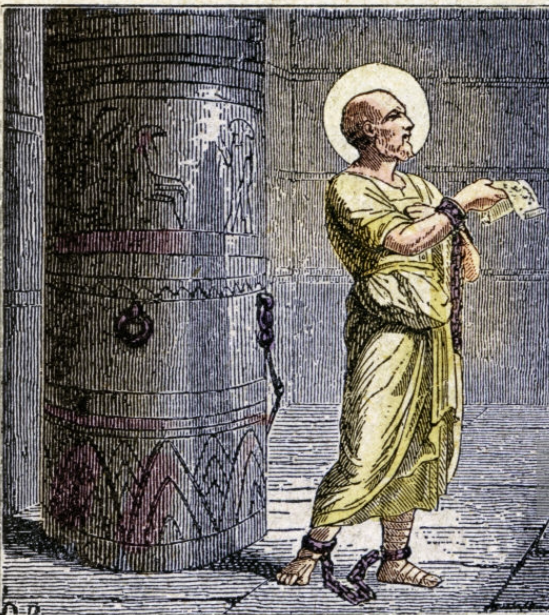
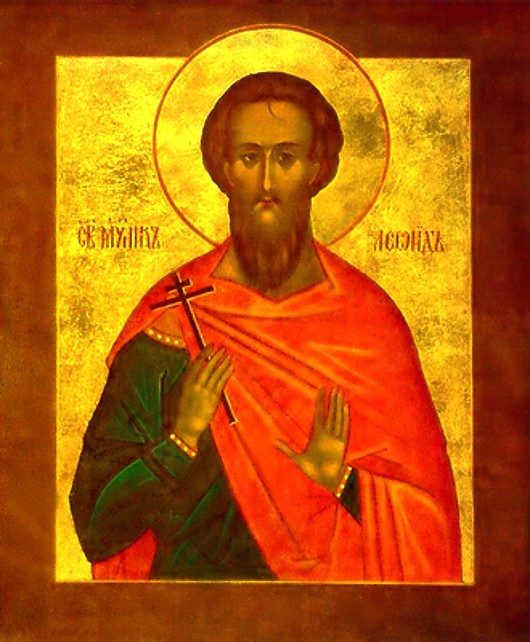
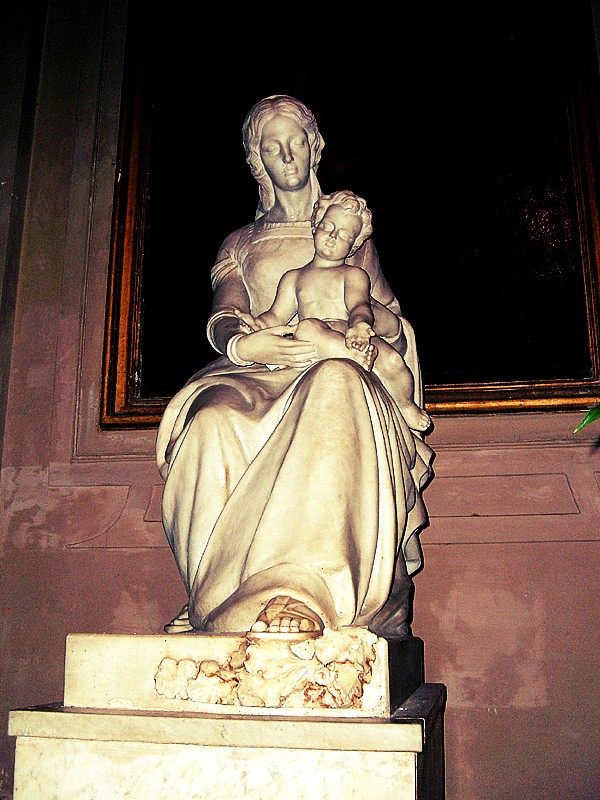

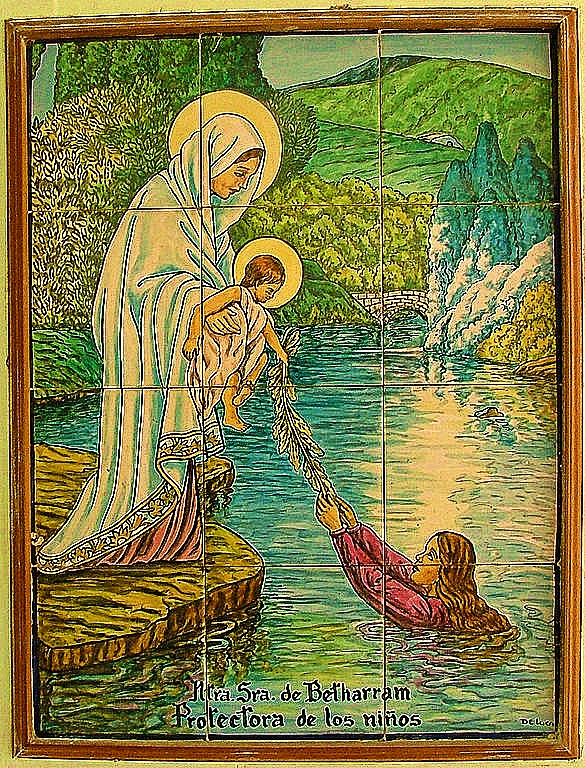

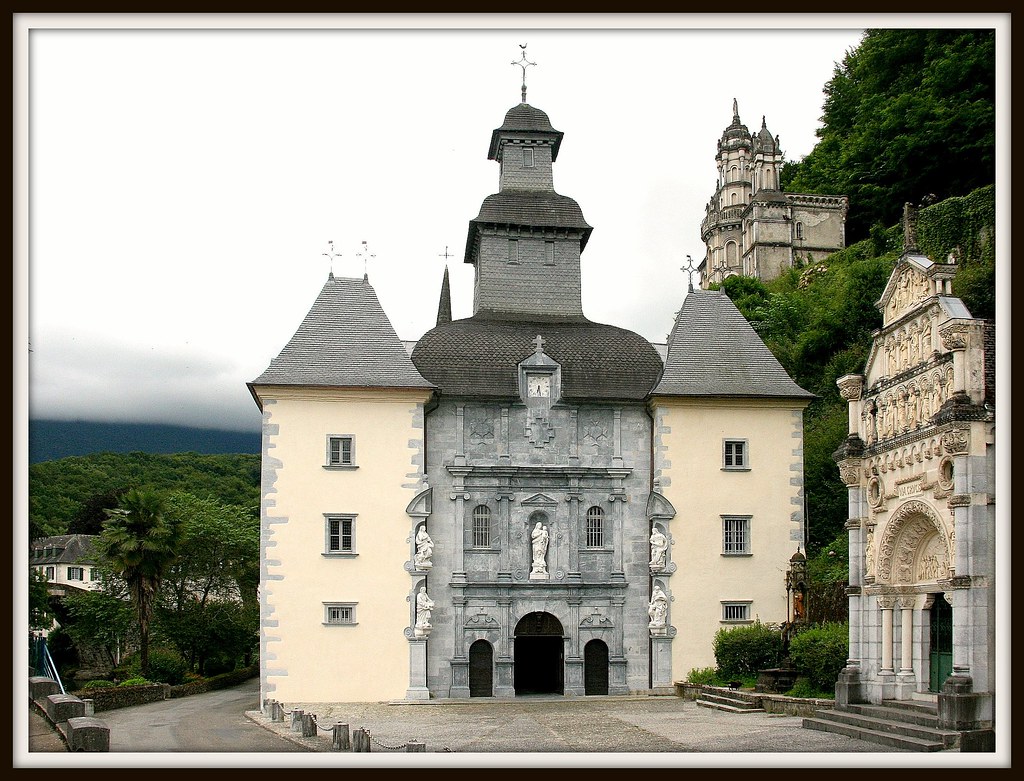
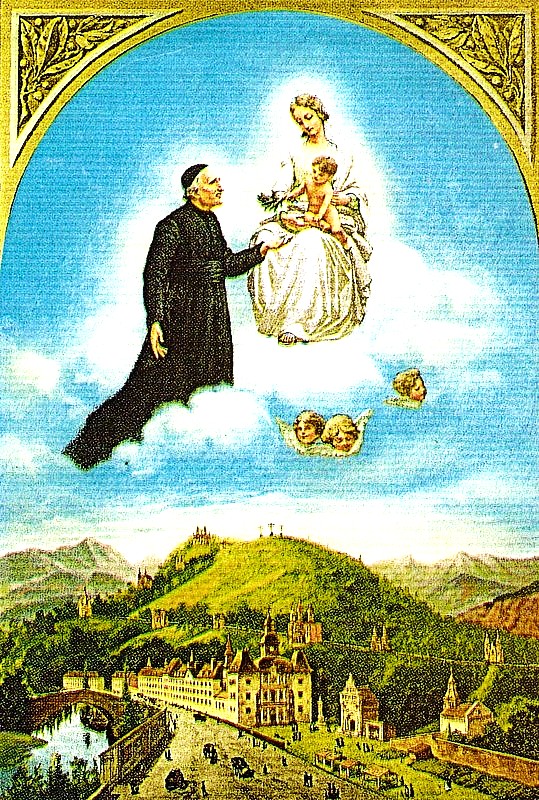
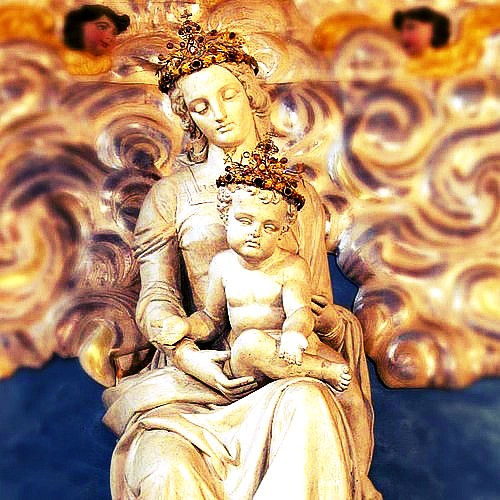
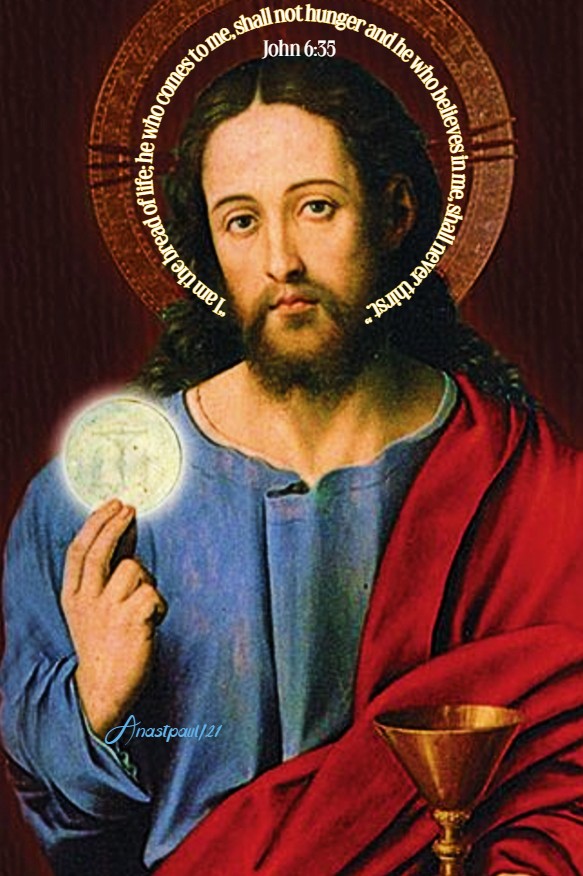
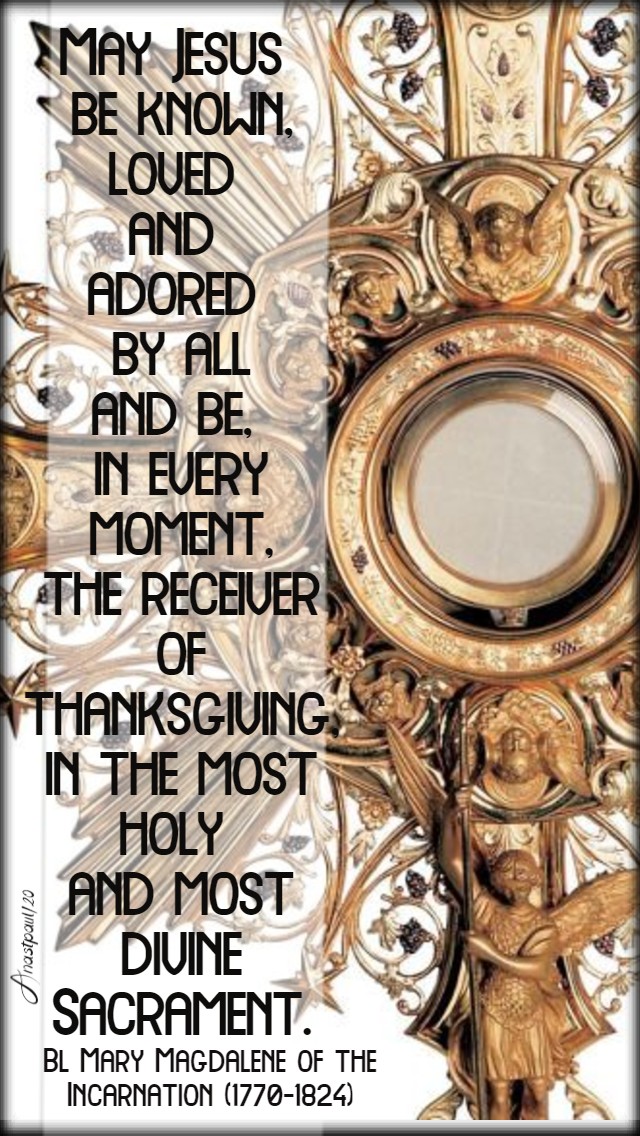
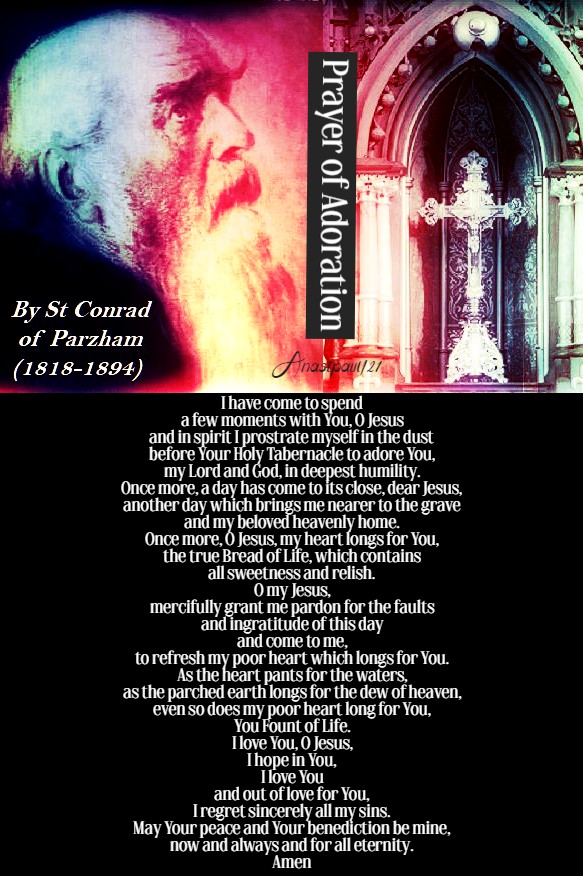
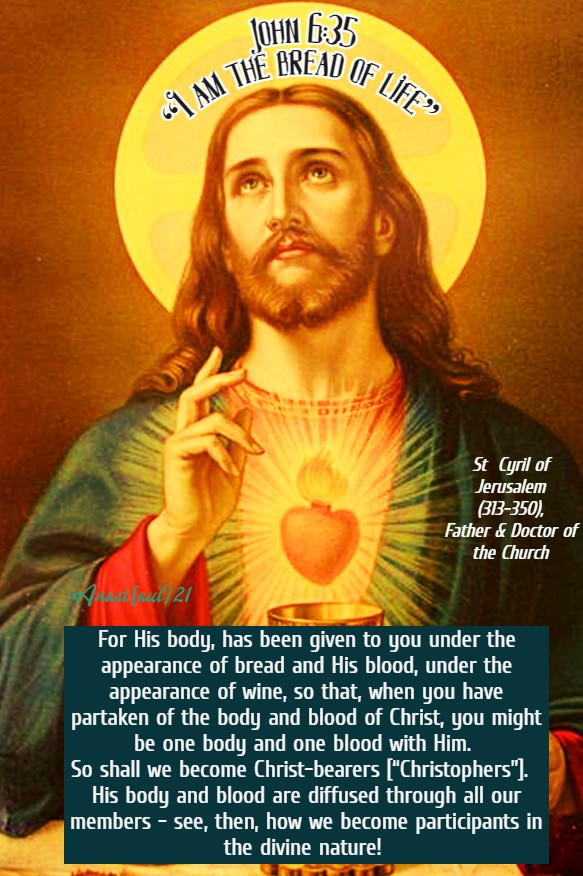
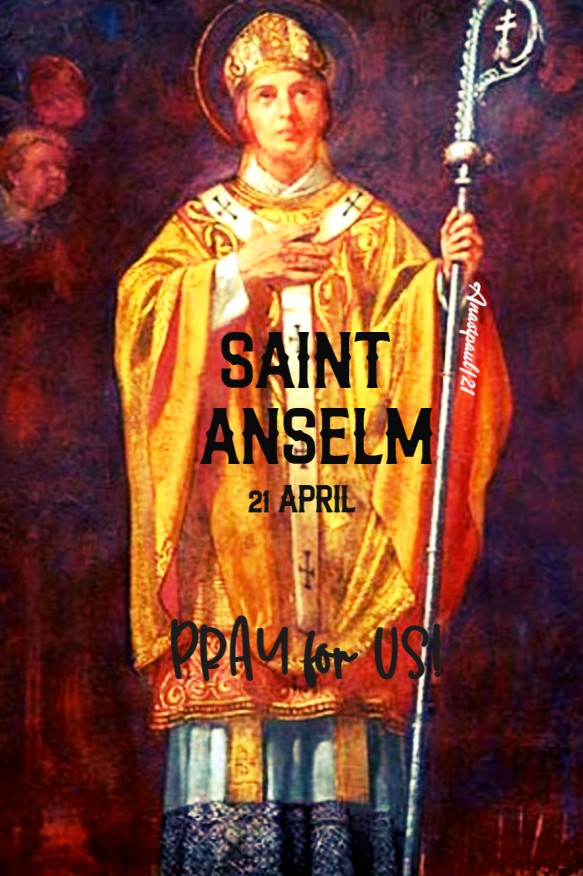
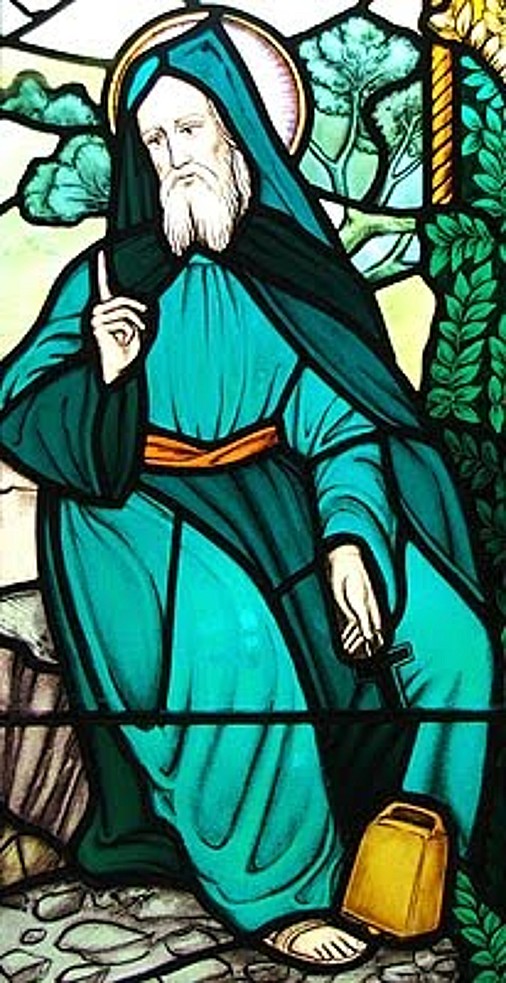
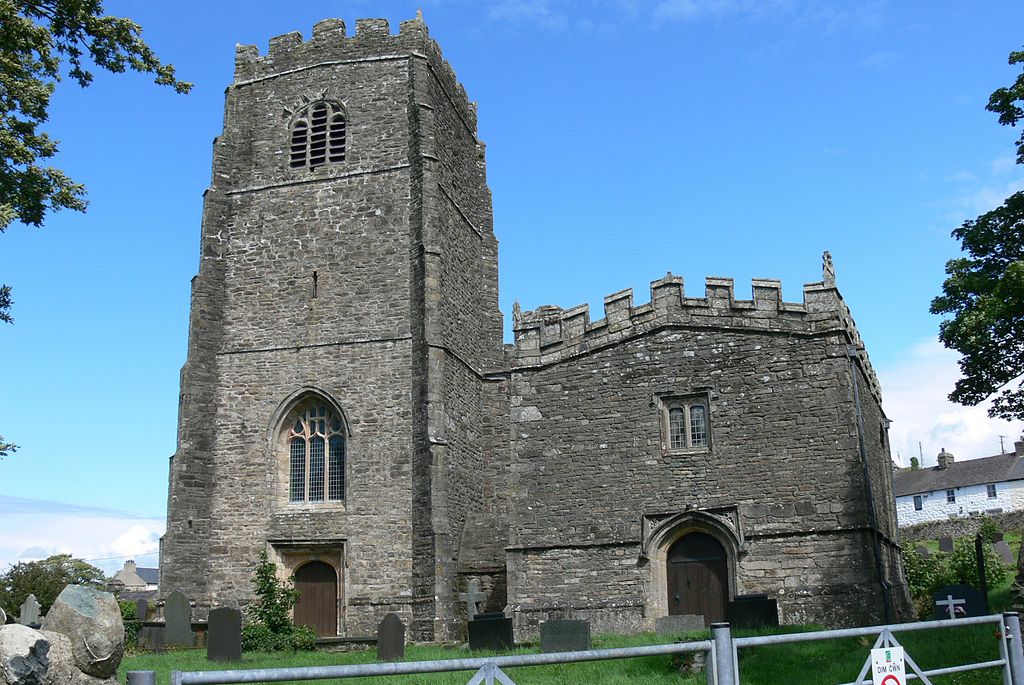
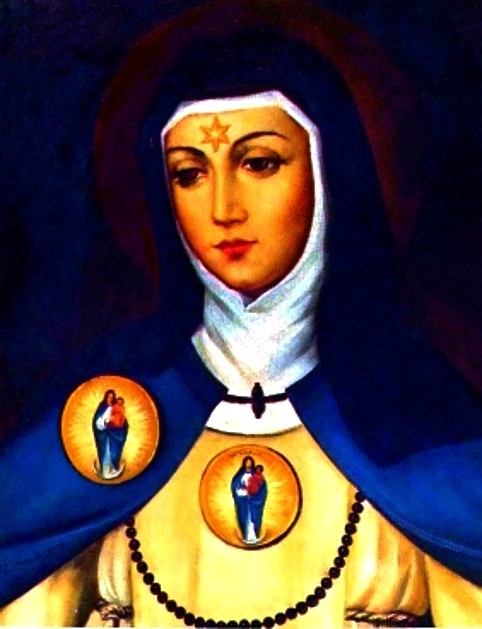
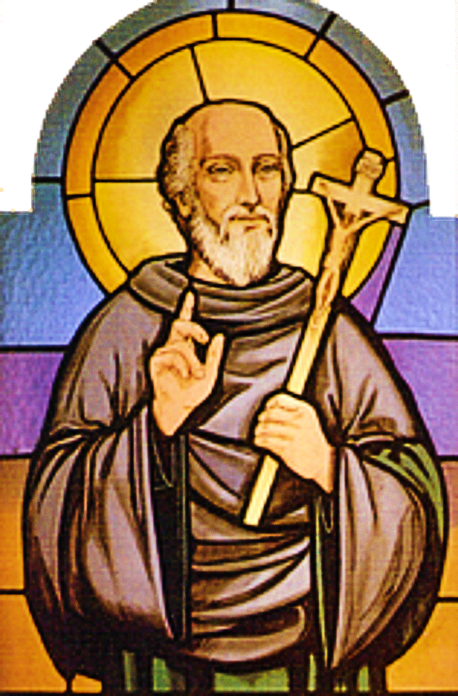
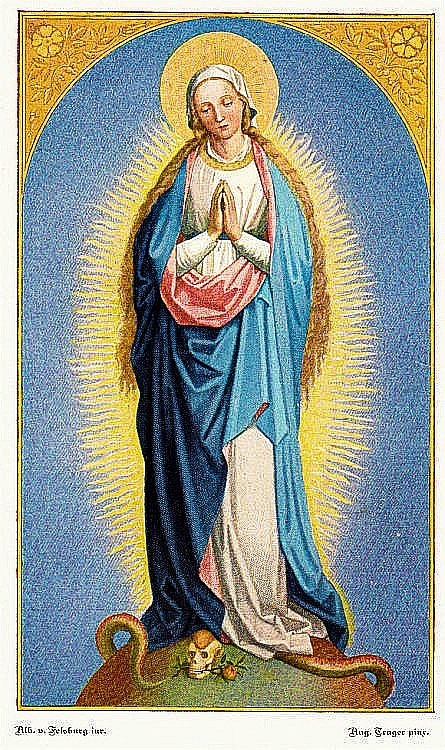
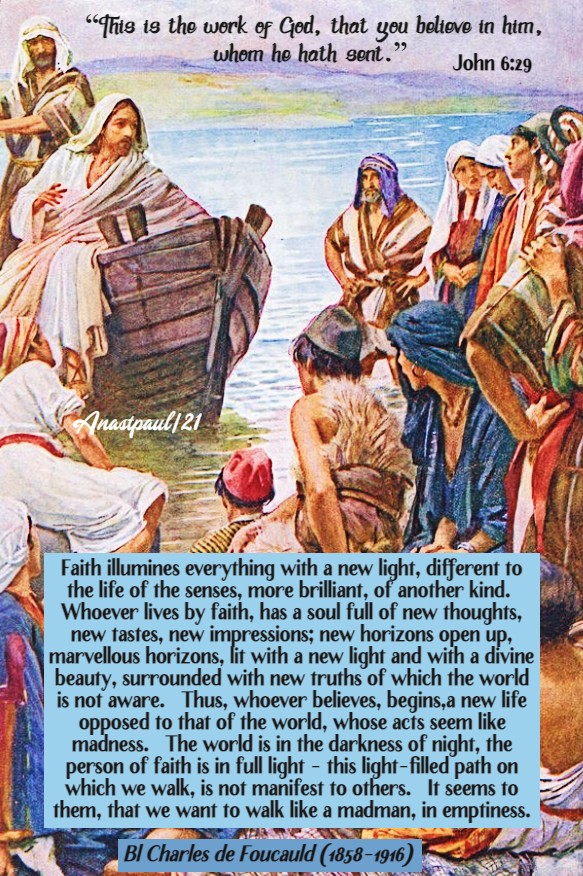
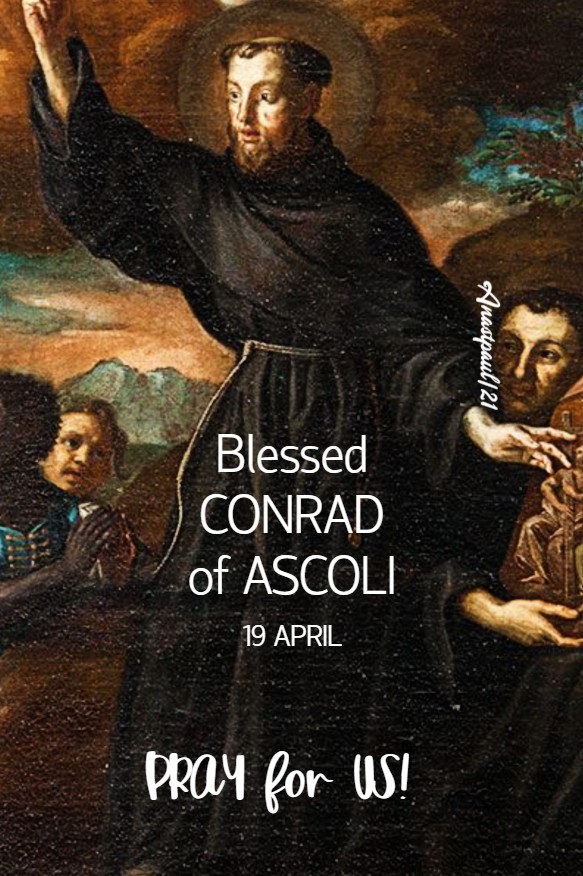


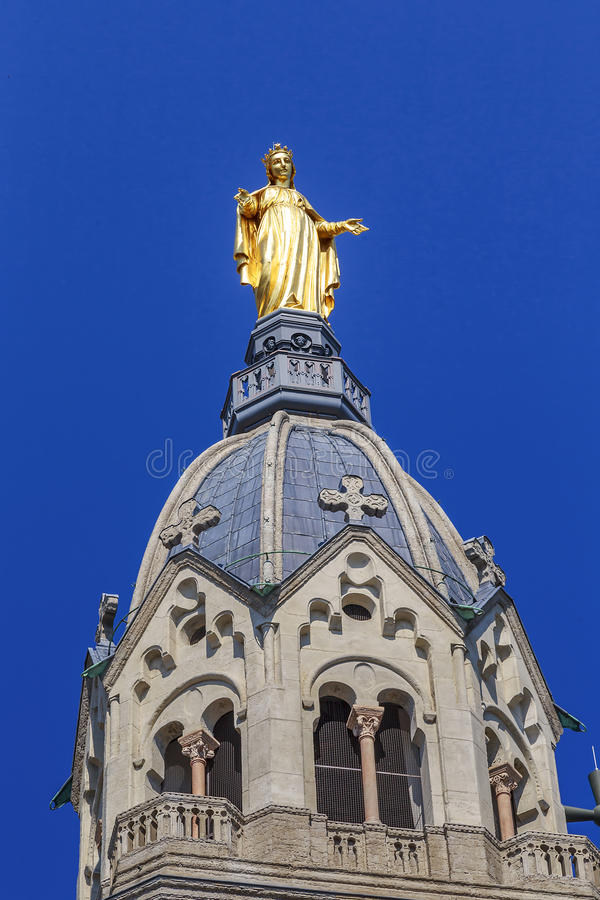
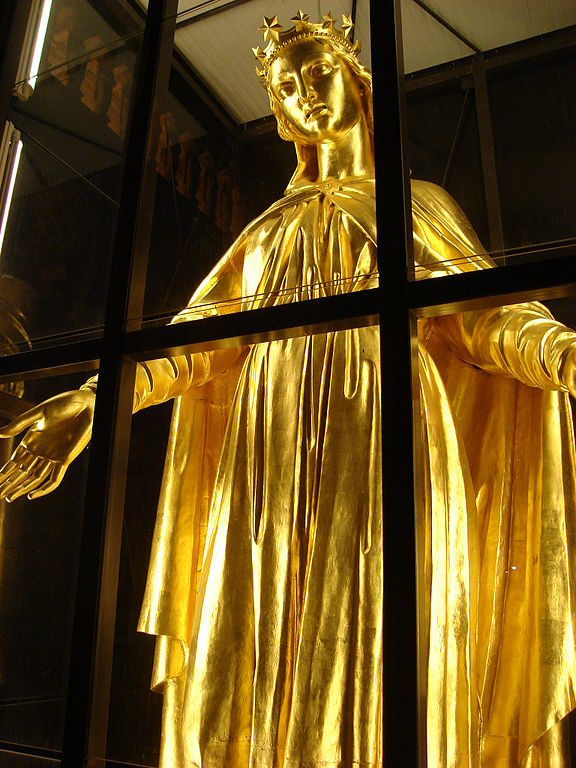
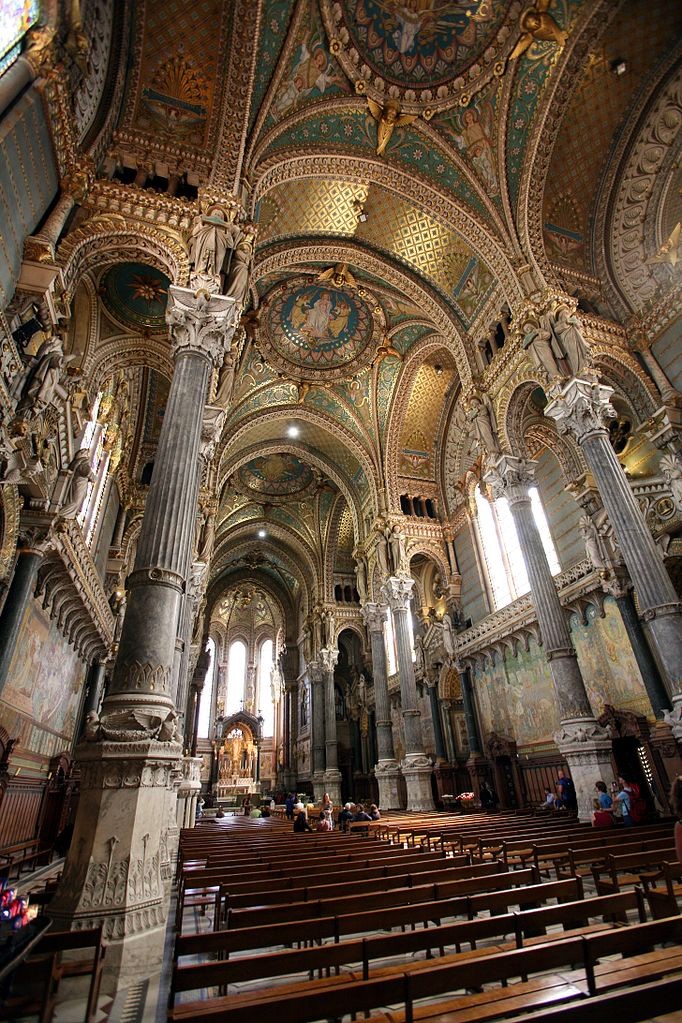
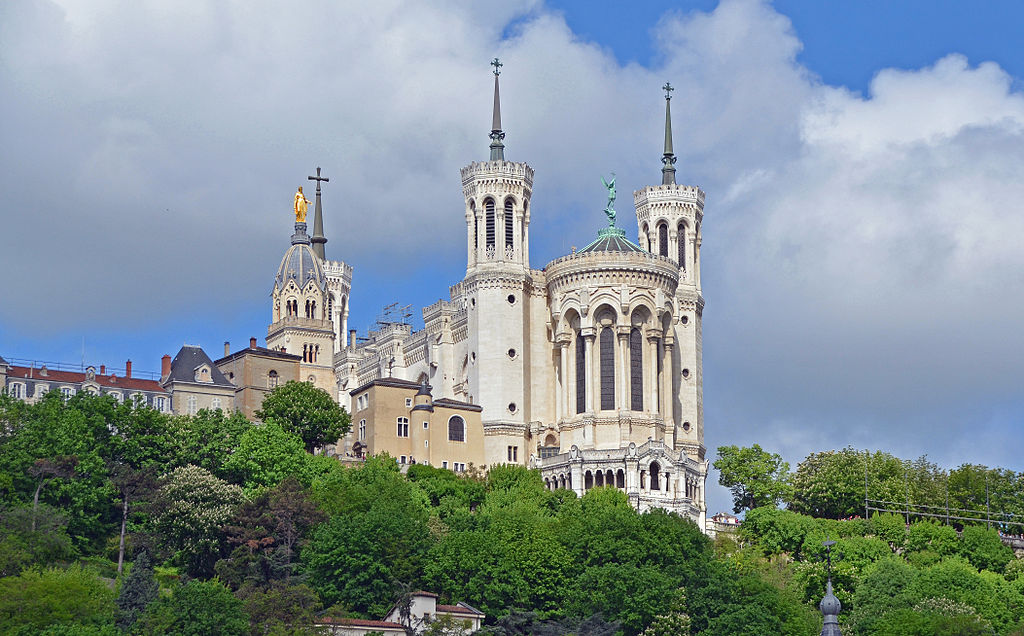
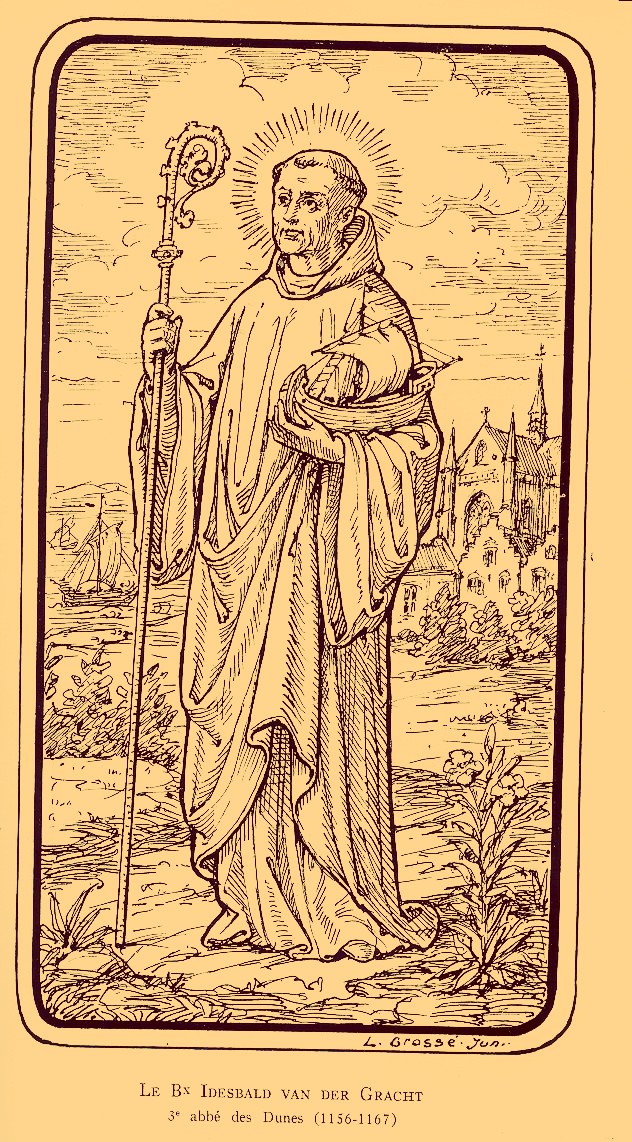
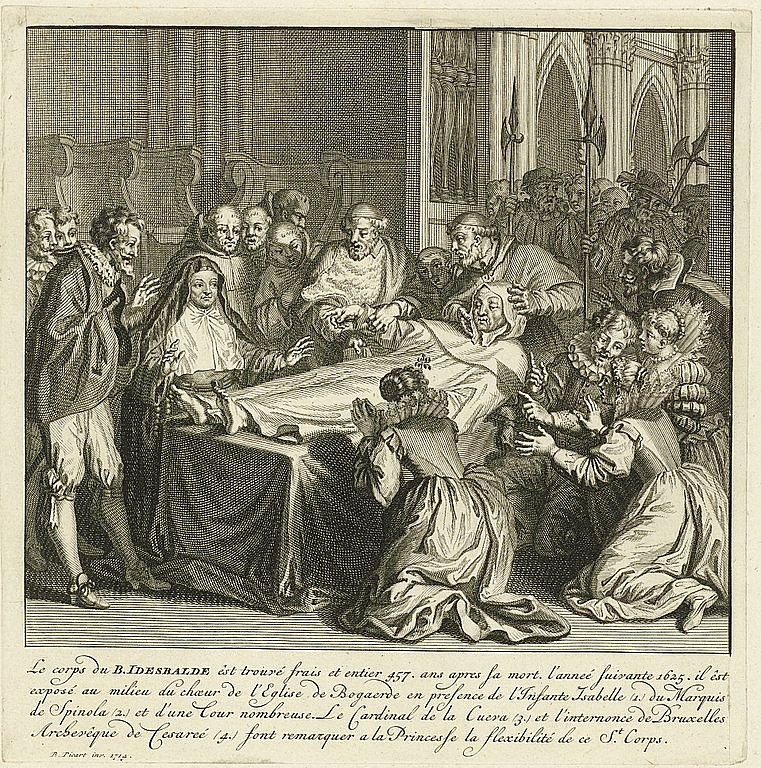


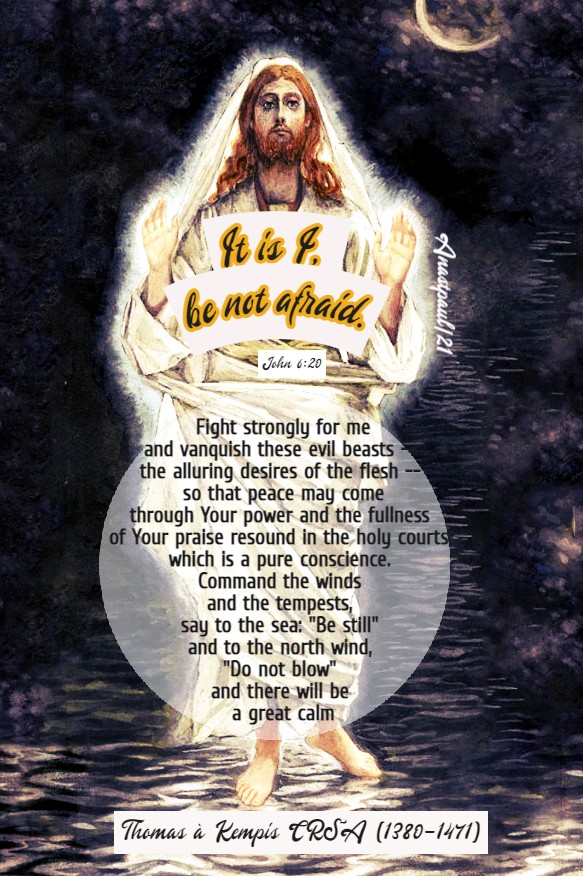
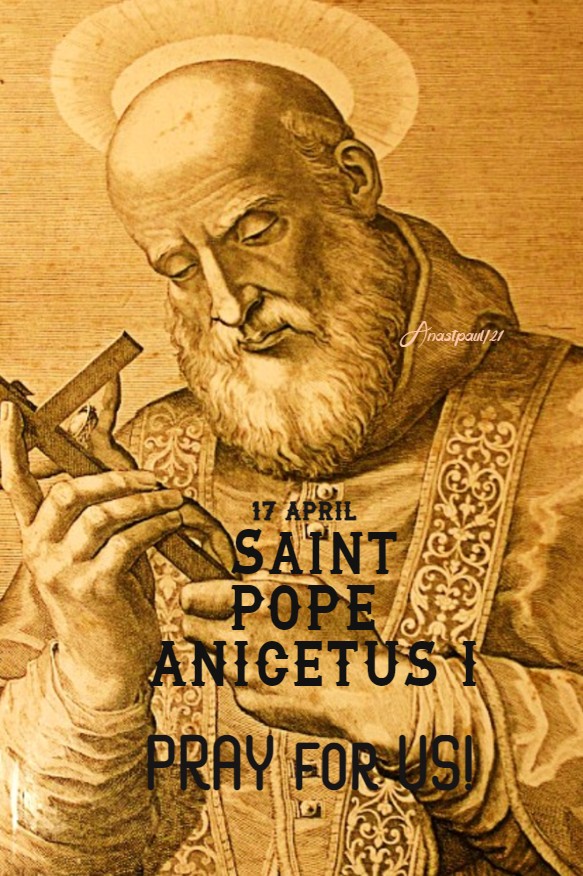


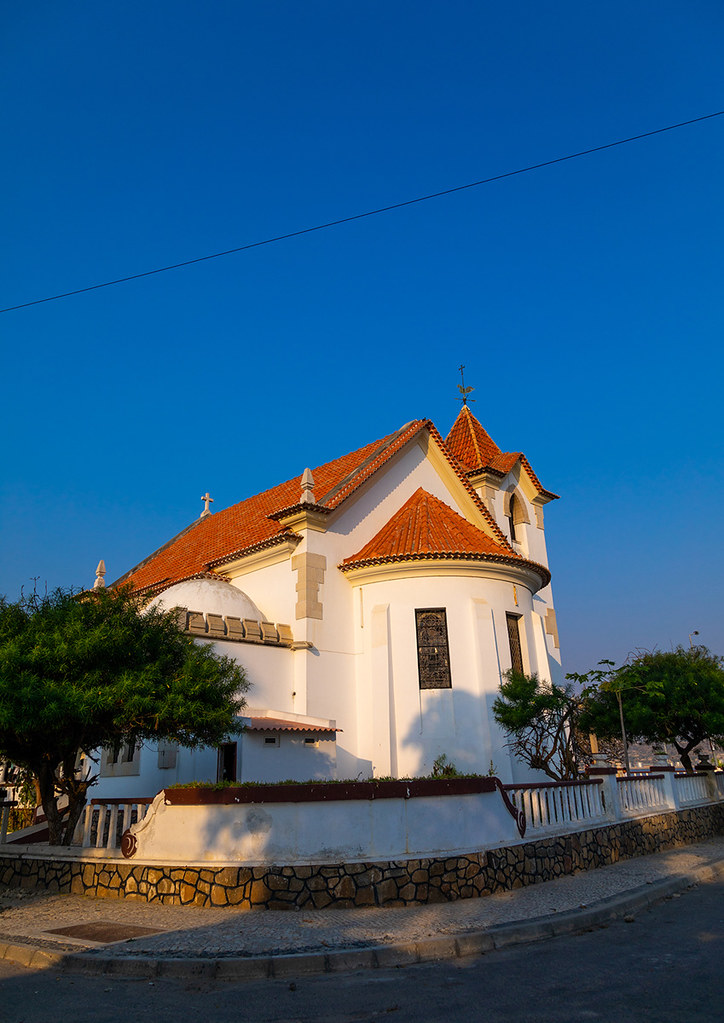
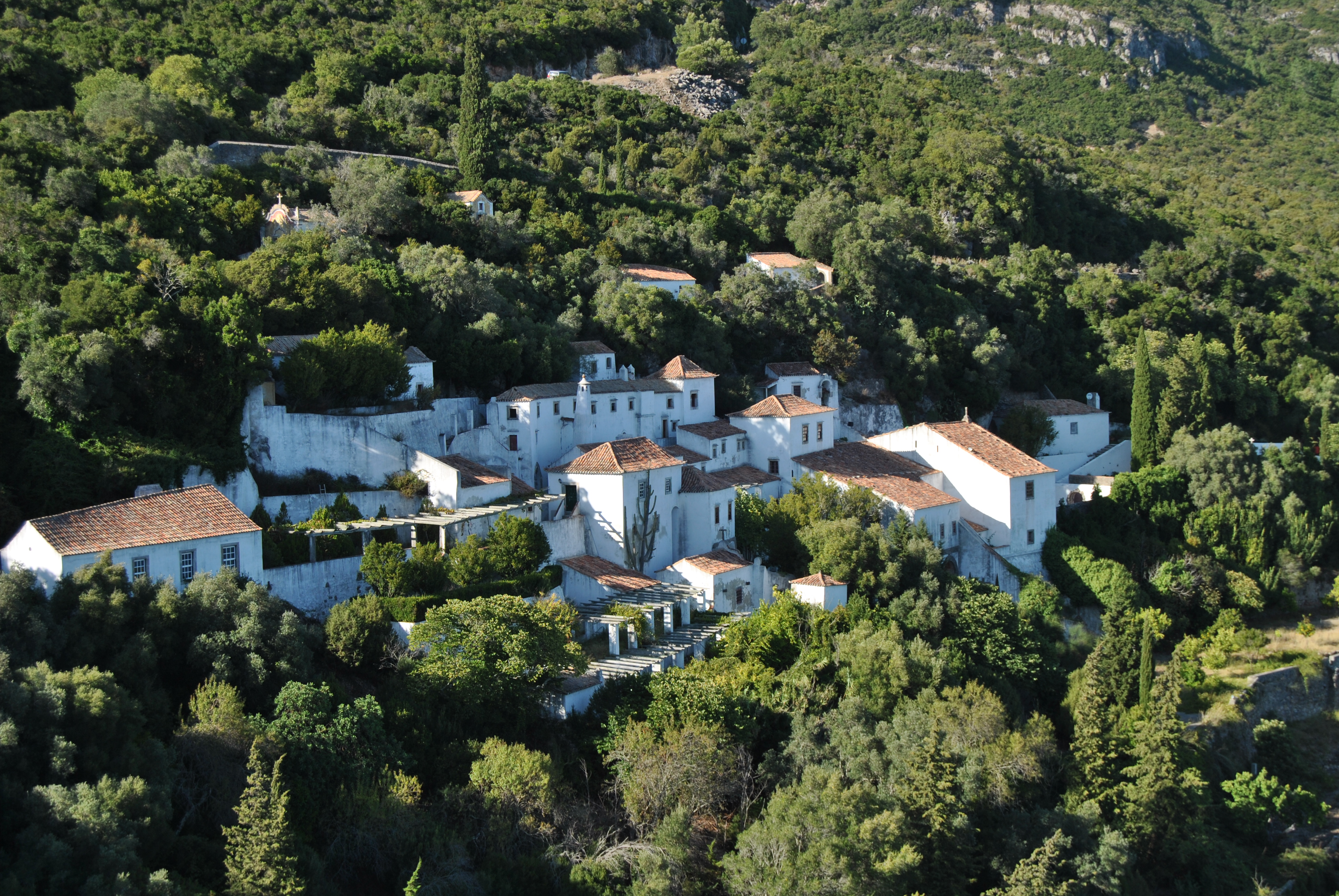
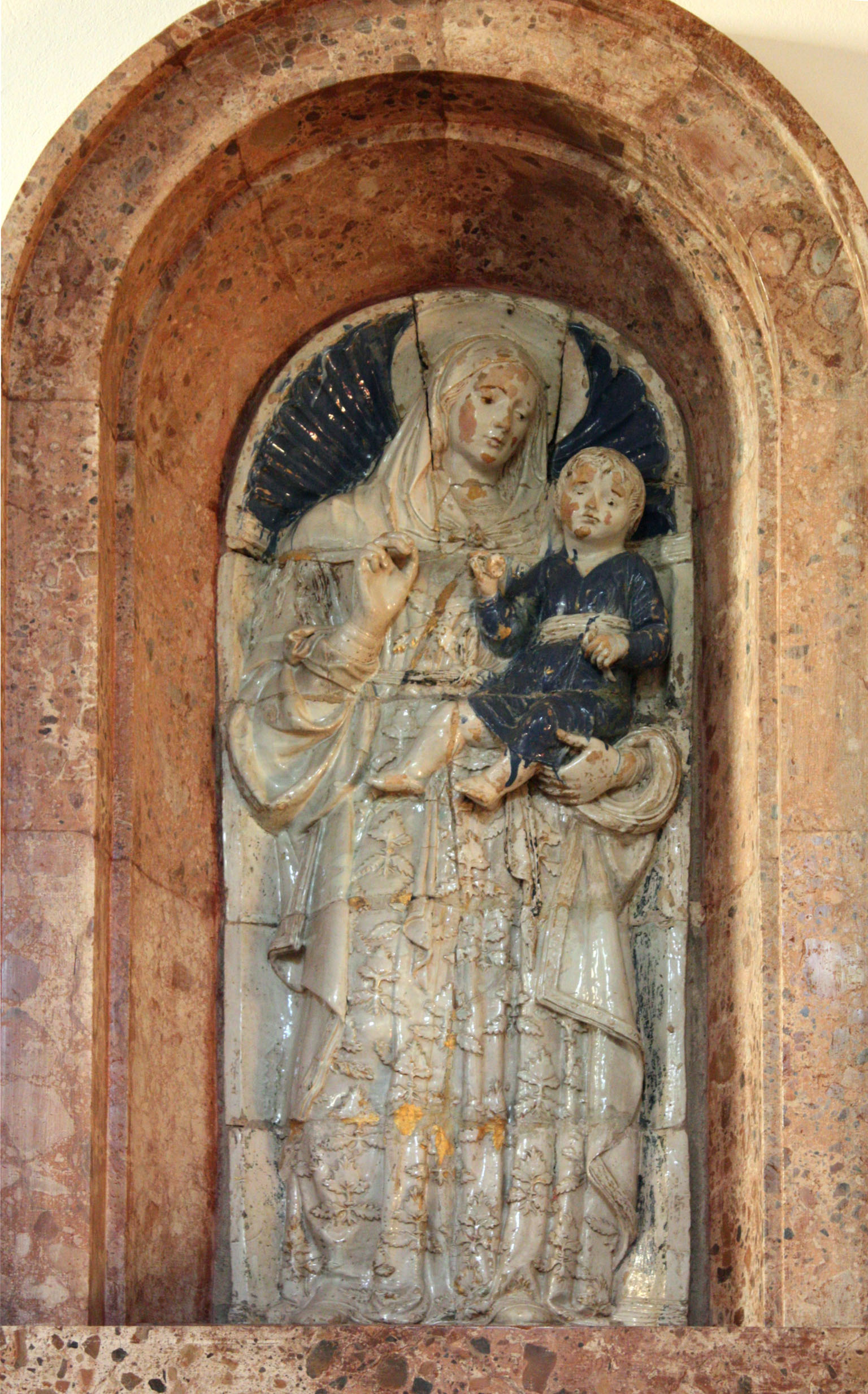
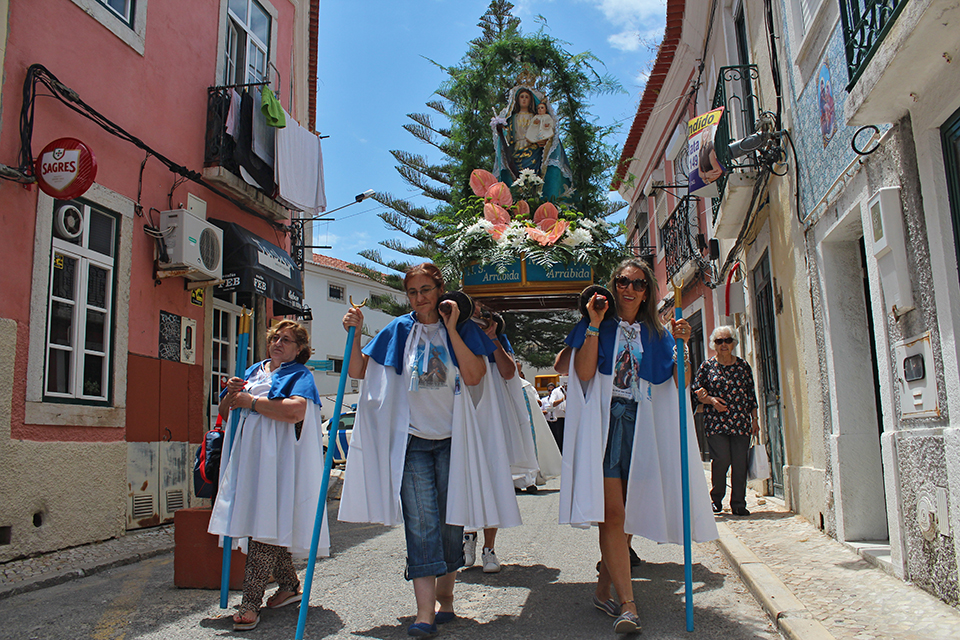
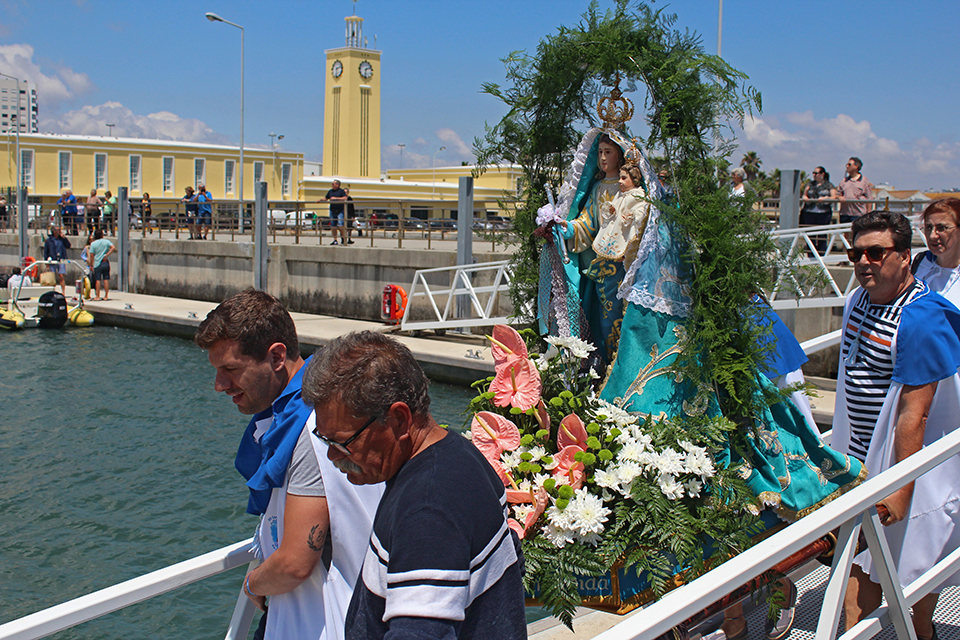
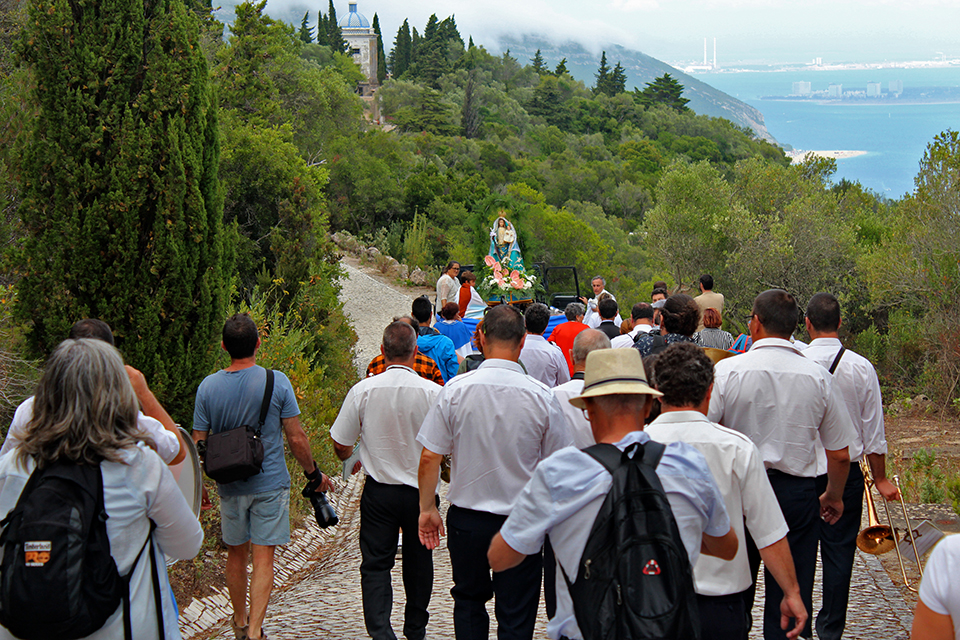
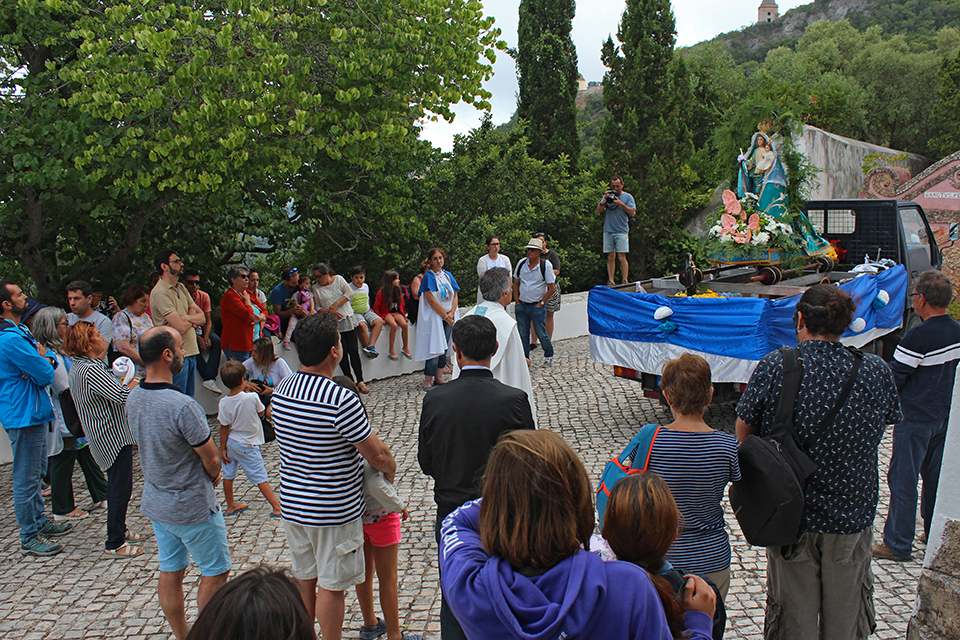
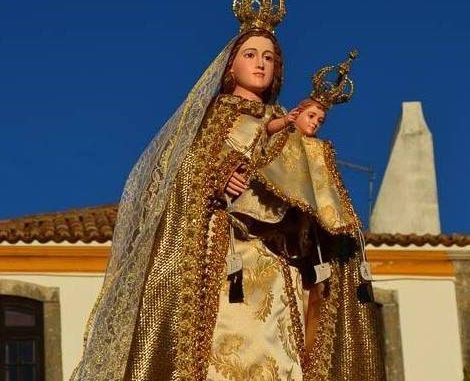
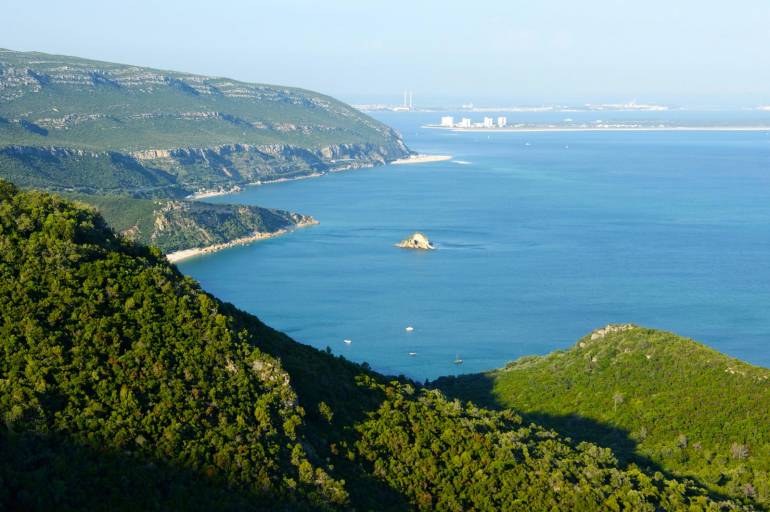


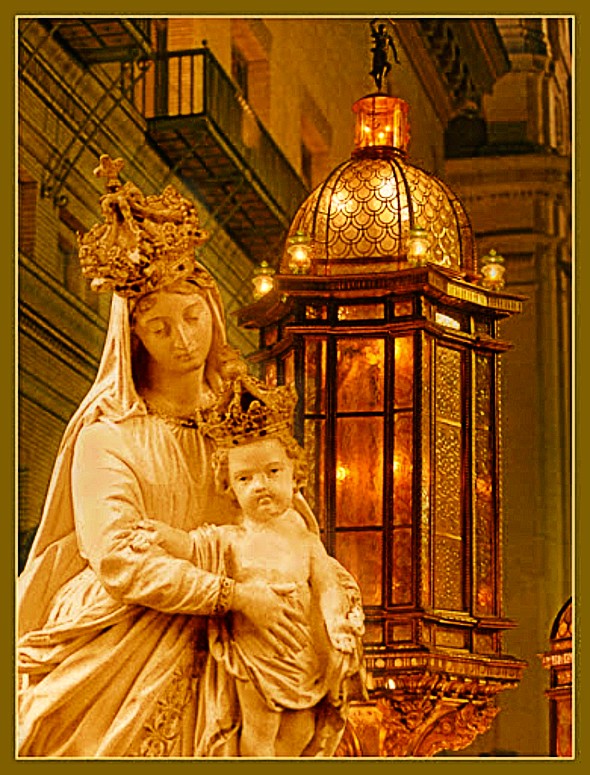
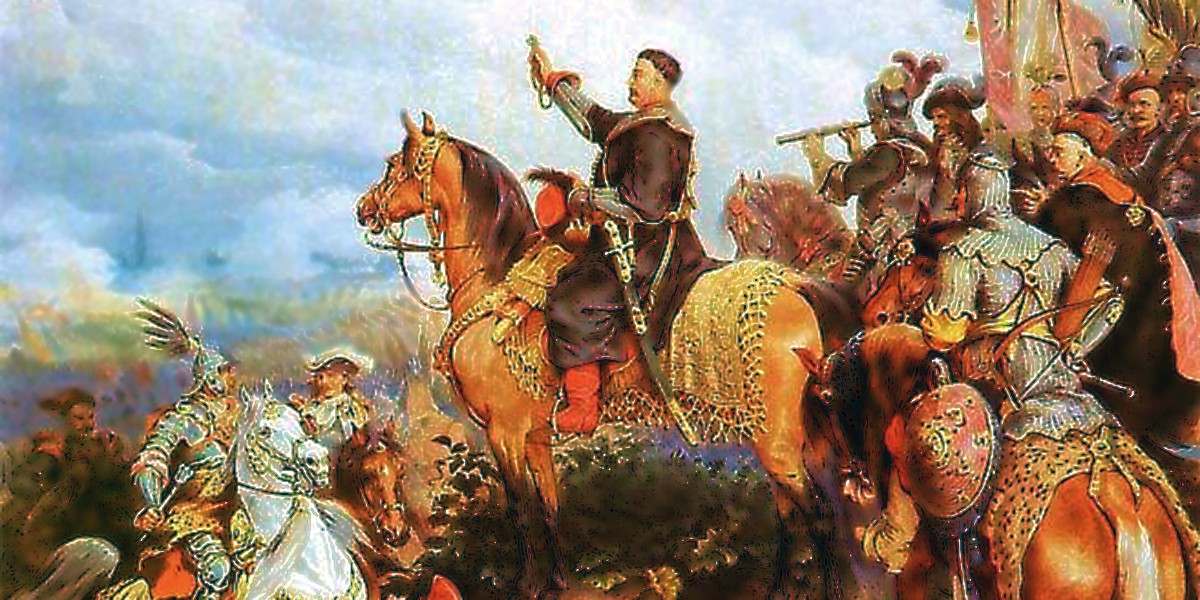
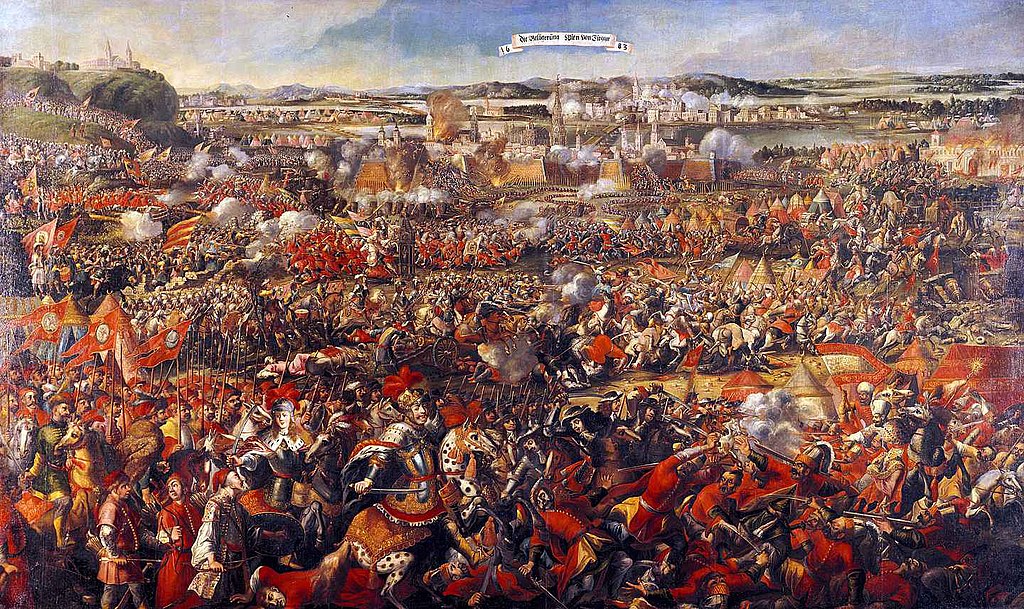


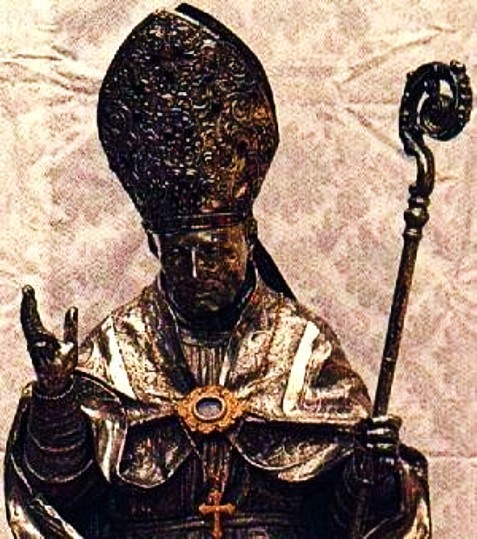

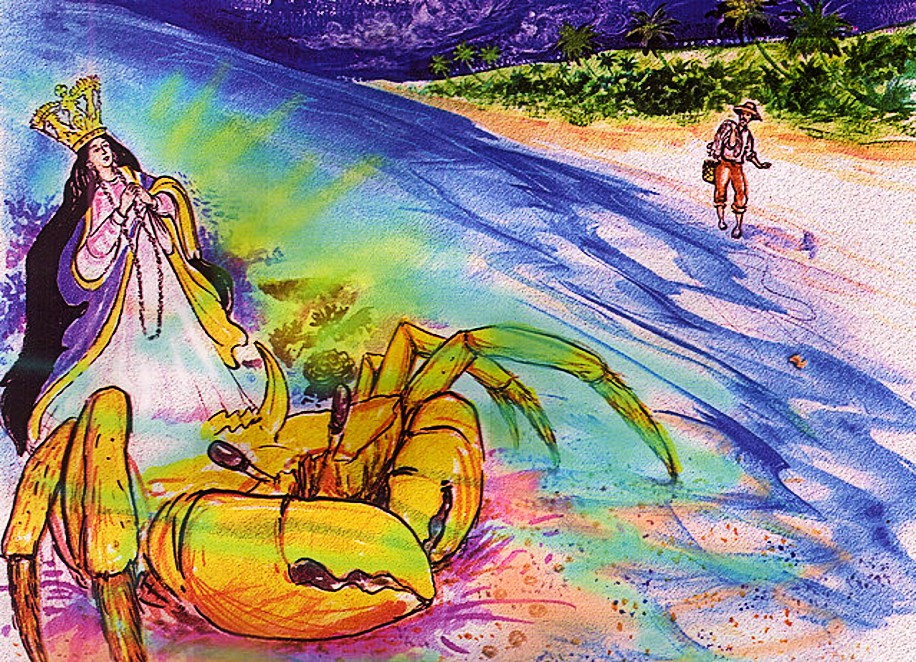
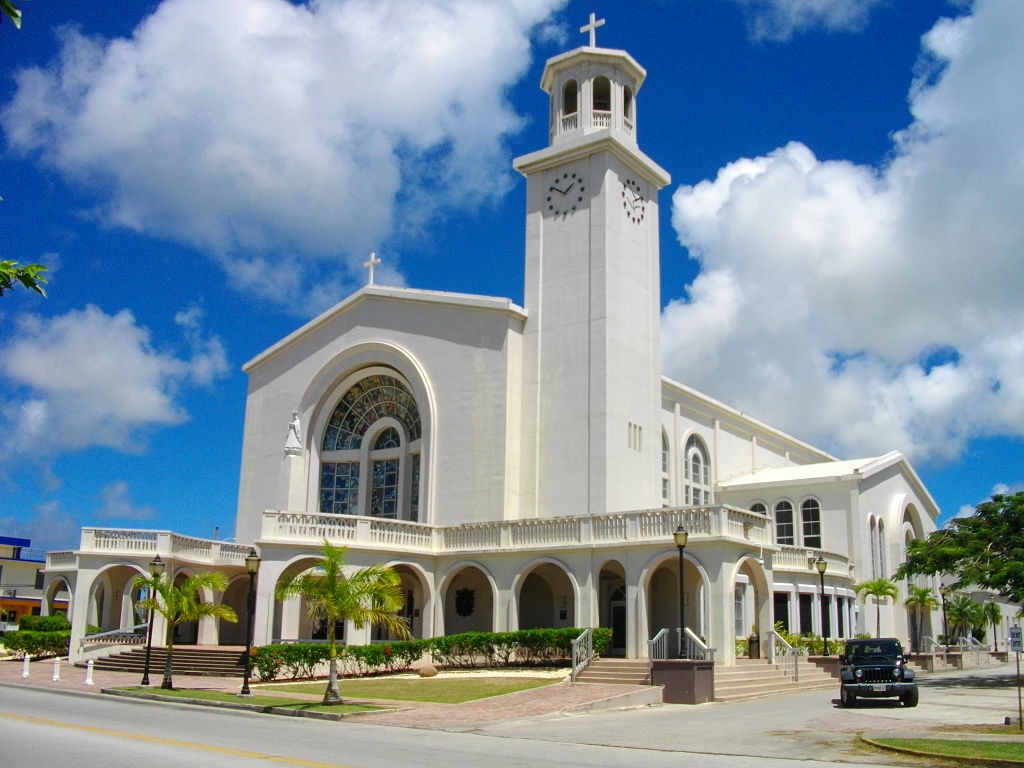
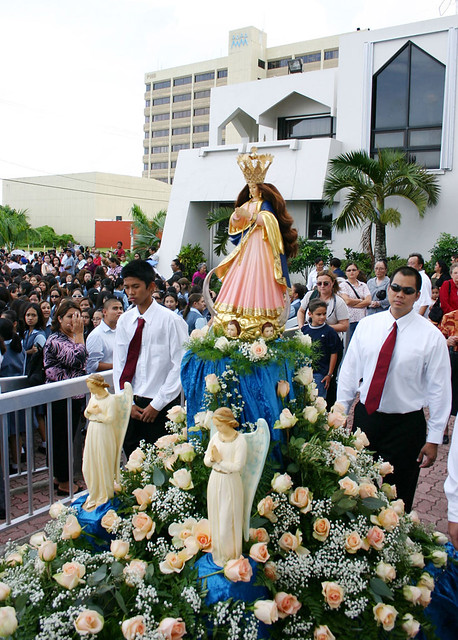
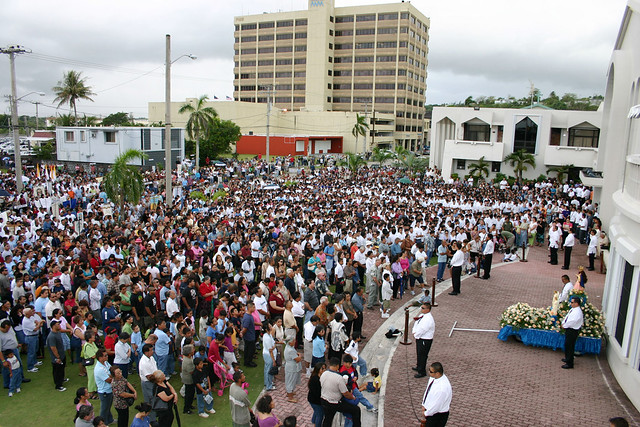
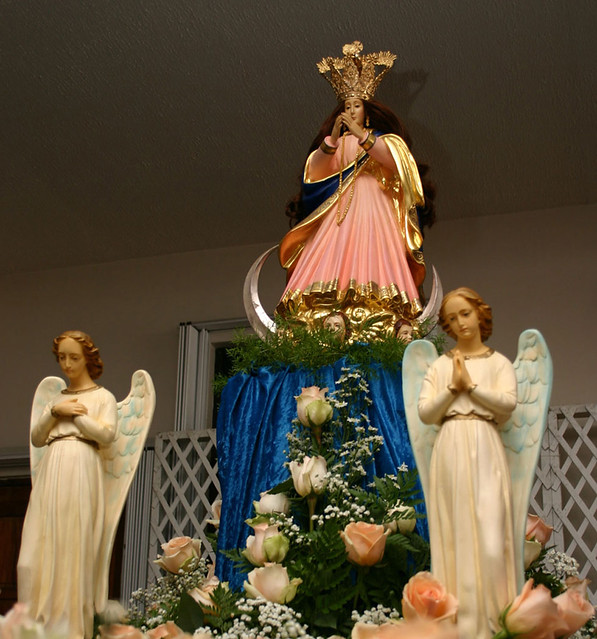
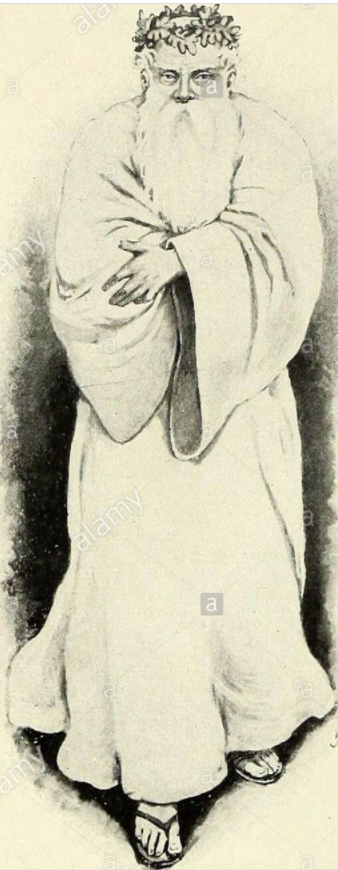
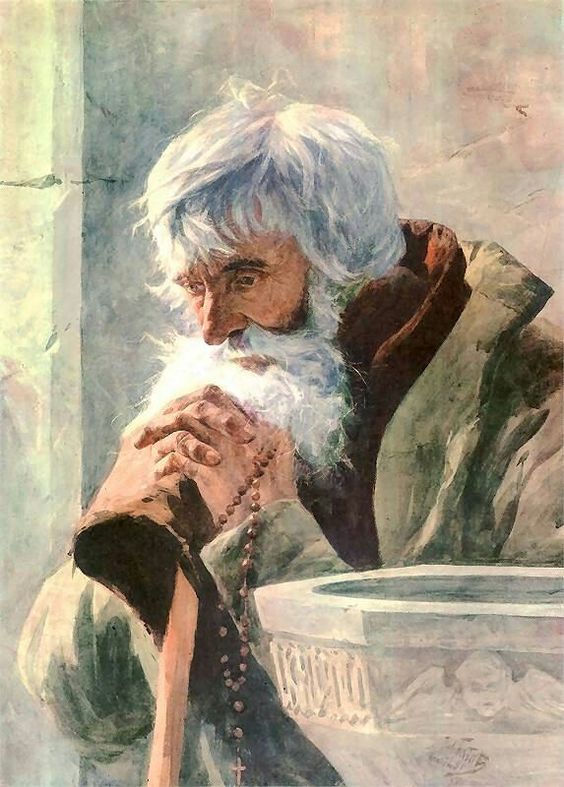
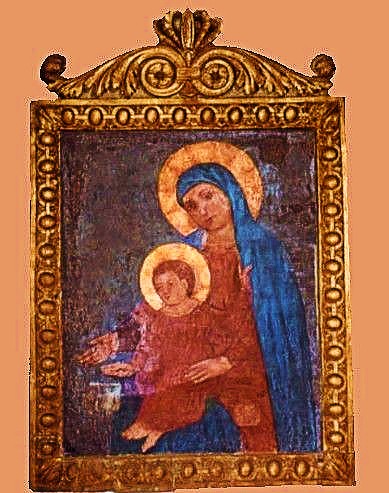
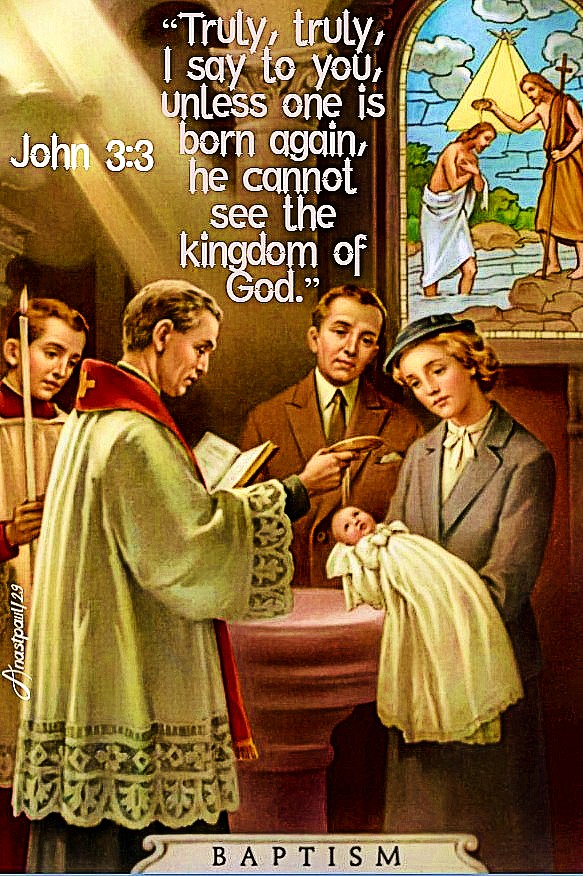
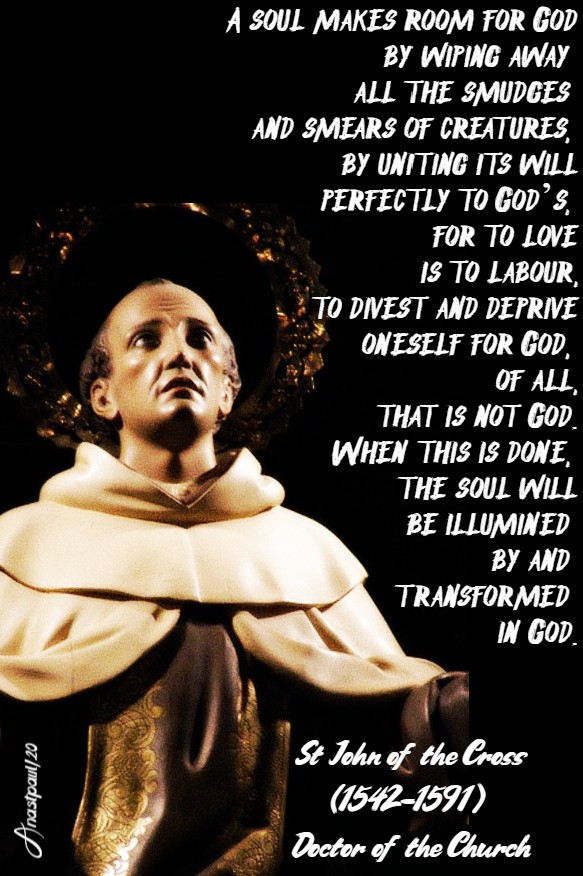
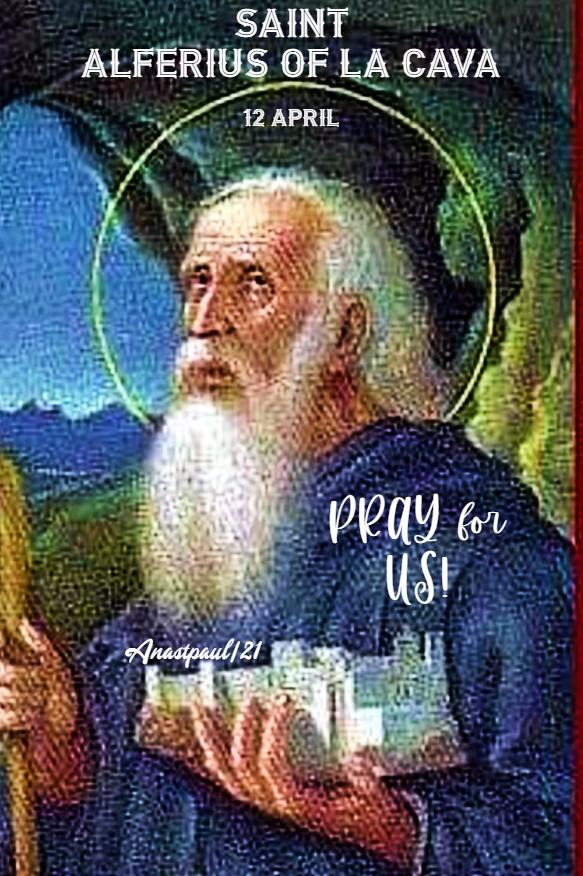




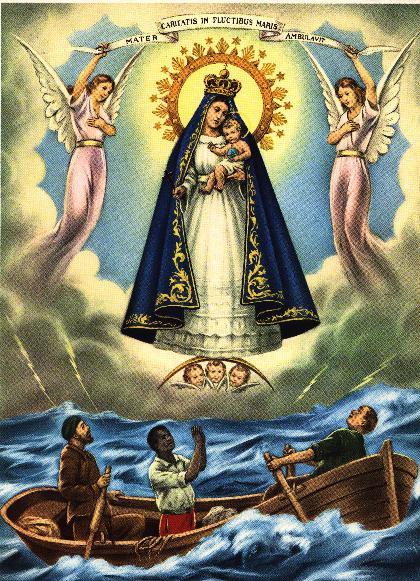
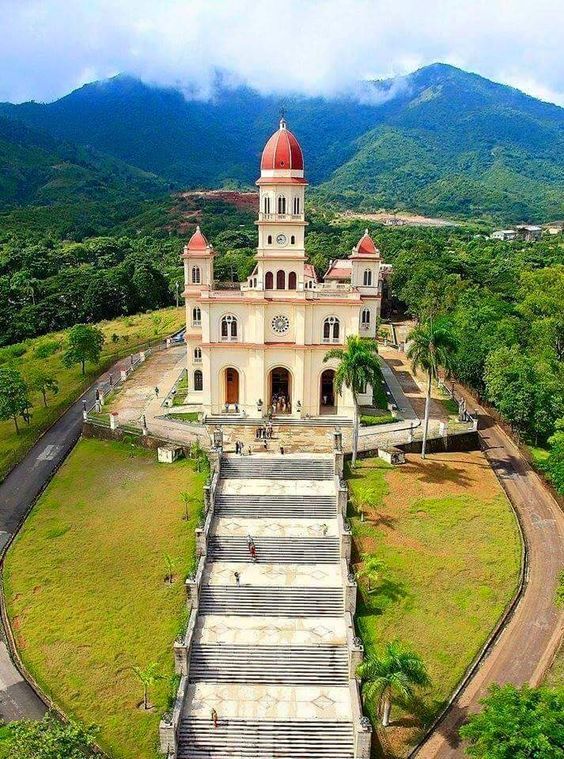

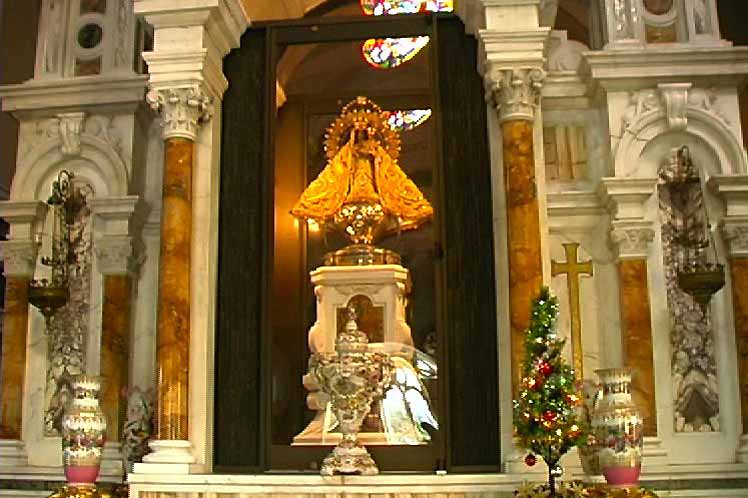


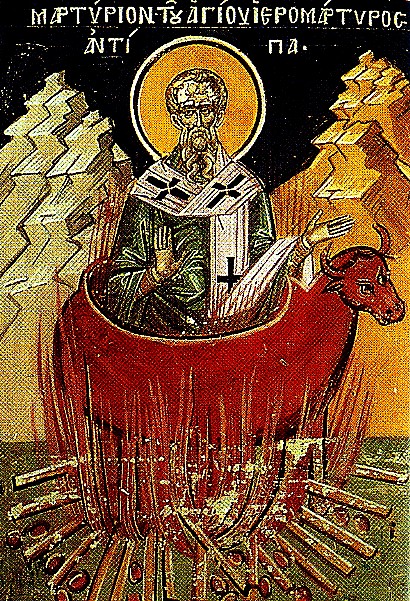
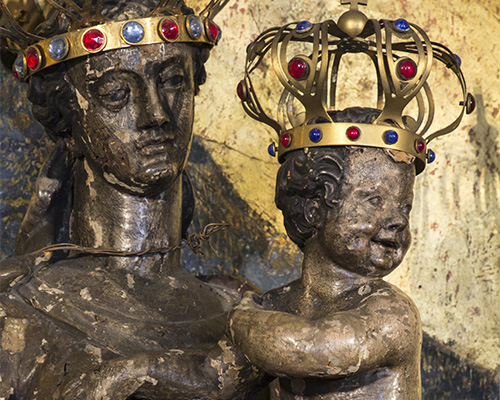
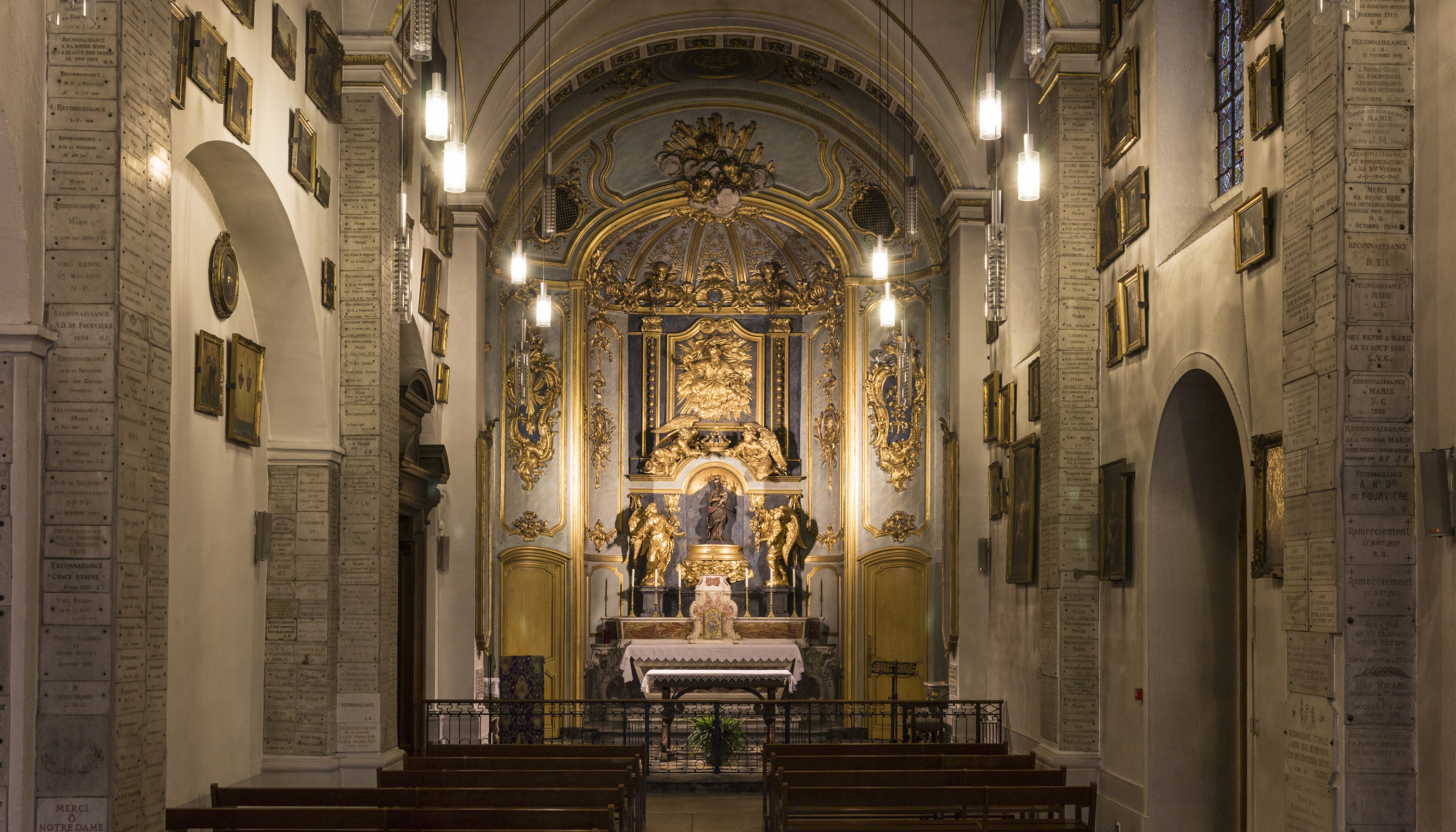
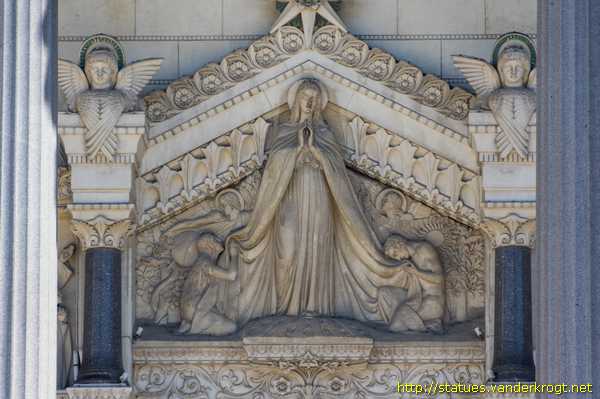

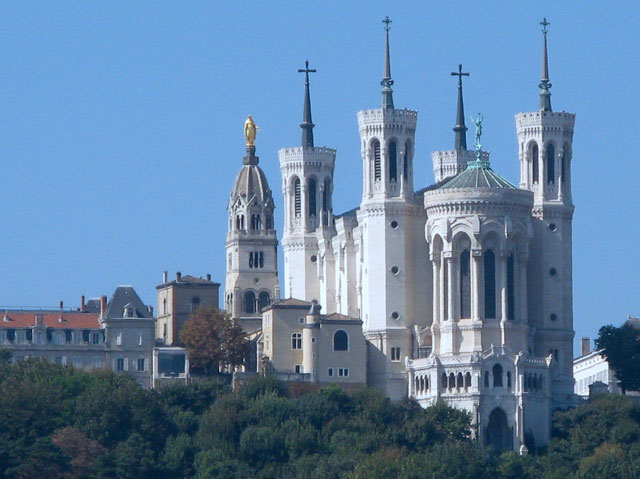
 AnaStpaul
You must be logged in to post a comment.