Saint of the Day – 9 April – Blessed Ubaldo Adimari OSM (c 1245-1315) Priest and Servite Friar, Soldier, Politician, Penitent, miracle-worker, spiritul student and later assistant of St Philip Benezi (1233-1285) (one of the Seven Holy Founders of the Order of the Servants of Mary – the Servites). Ubaldo is, therefore, of the second generation of the Servites. Born in c 1245 in Florence, Italy and died on 9 April 1315 on Mount Senario, Tuscany, Italy of natural causes. He is also known as Ubaldo da Borgo San Sepolcro. The Order of the Servants of Mary celebrates his feast day on 4 July
This image shows Blessed Ubaldo carrying the water in his mantle
Ubaldo of the noble Florentine Adimari family, was born around 1245 in Florence and spent his youth amidst the turmoil of that time, which saw the Guelphs in favour of the Papacy and the Ghibellines, in favour of the Emperor of Germany, opposing each other.
He was first a supporter and then head of the Ghibelline faction in Florence, operating abuses and disorders of all kinds; until the Prior General sent St Philip Benezi, who had come to restore peace, accompanied by Blessed Bonaventura of Pistoia and the retinue of the Papal Legate, Latino Orsini.
It was in the early months of 1280, when Ubaldo Adimari met St Philip Benizi, who succeeded in converting him. Ubaldo took on the habit of the Servants of Mary and with the grace of God regained, he retired to a very harsh penance and prayer on Monte Senario (Florence), cradle since 1240, of the Foundation of the Order, located in about 18 km from Florence.
With the wise spiritual guidance of his holy Prior, Ubaldo became a meek and humble soul, so as to work wonders, such as carrying water from the well to the Convent, within his mantel having broken the jug on the way.
He was Ordained a Priest and from 1282 to 1285, assisted St Philip in his duties and travels around the various Houses of the Order and on 22 April 1285, he witnessed the passing away of his General, in the Convent of Todi, giving him comfort by his presence.
Returning to the Convent of Monte Senario, he continued his edifying life as a penitent and religious, gladdened by so many miracles, until he died on 9 April 1315. He was buried in the Church of the same Convent, next to the tombs of the Saints , the Seven Founders.
From a survey of the relics in 1717, his remains turned out to be those of a person of great stature. His cult as Blessed was confirmed by Pope Pius VII on 3 April 1821.
Statue in the choir of the St Annunziata in Florence , by Giovanni Angelo Montorsoli
Easter Friday – Day Six in the Easter Octave +2021
Notre-Dames de Myans, Savoie / Our Lady of Myans, Savoy, France (1249) – 9 April:
The Abbot Orsini wrote: “It is believed that this image, in the year 1249, prevented the thunder, which had already consumed the Town of Saint Andre with sixteen villages, from going farther and was the cause of its stopping at Myans.”
Our Lady of Myans in Savoy, is located on a little hill between Modane and Chambery near the Mont Cenis tunnel. It can be easily recognised, as there is a huge statue of the Blessed Virgin standing atop the Shrine’s belfry. The Shrine has been a pilgrimage site since at least the thirteenth century, and its small ‘Black Virgin’ was an object of the devotion of Saint Francis de Sales. The foundation of the Shrine is no longer remembered but the Church became famous for a miracle that occurred there in 1248.
On the evening of 24 November of that year, a tremendous earthquake shook the region causing Mont Granier, the tallest mountain of the Chartreuse Massif, to disintegrate into huge boulders, which came crashing down into the valley. Some of these boulders, were the size of a house, and 16 villages were crushed and 5,000 lives lost. The Shurch of Myans, however, was spared, though gigantic boulders were stopped abruptly at the very door of the Church. Some of these boulders can still be seen around the church grounds.
Unfortunately, we can’t see the boulders in this image of the Church
A marvellous answer to prayer occurred in 1534, in favour of Jean Grandis of Savoy, who was on a vessel bound from Genoa to Leghorn. When the ship was threatened during a tempest and seemed likely to sink, Jean Grandis called upon Our Lady of Myans, Queen of Savoy. Battered by the waves, the ship foundered and sank. Jean Grandis was the only survivor. As a gesture of thanksgiving, he travelled barefoot to the Shrine and there placed his ex-voto. It is said to be one of the oldest to survive.
Another miracle attributed to Our Lady of Myans was in favour of the brother of Saint Francis de Sales, Count Louis de Sales, who in 1603 was travelling to the Chateau of Cusy to marry Claudine Philiberte de Pingon. Since there was no bridge in sight, the Count attempted to cross the River Cheran at a place that he thought was shallow and safe. However, the Count was swept away by flood water. Invoking the name of Our Lady of Myans and promising to make a pilgrimage, he was suddenly thrust onto an obstruction that saved his life. The wedding ceremony was conducted on 2 April. The next day, Saint Francis de Sales offered a Mass of thanksgiving in the little Crypt Chapel before the miraculous image of Our Lady of Myans.
The Black Madonna of Myans, venerated in the Crypt (lower church), is a 70cm high wooden statue, representing the seated Virgin. It dates to around the 12 th century . With her left arm, she presents the Child Jesus seated on her knees. Under the stiff folds of the mantle, the detail of the attitudes fades and the Virgin appears to be standing. She is a virgin of majesty . The mantle of the Statue is in fine moiré gold cloth, revealing a dress in silver cloth. The whole forms a royal adornment. The Virgin was crowned on 17 August 1905 by decision of Pope Pius X who delegated, for this purpose, Cardinal Couillé, Prelate of Gauls, Archbishop of Lyon, surrounded by 5 Bishops and more than 20,000 faithful.
The Church was half destroyed during the French Revolution but the Statue was saved and later enshrined again in the restored building, where it was crowned in 1905. The Sanctuary is particularly resorted to by pilgrimages of men and the image was taken to Rome by a Savoyard pilgrimage for the definition of the Dogma of the Assumption in the year 1950. At the entrance to the choir is evoked the disaster of the landslide of Granier. In the vault of the nave of the lower Church are painted ten unforgettable figures of the Saints and blessed of Savoy and Dauphiné, including St Francis de Sales (1567-1622) and St Louis of Savoy (1462-1508).
In 1855, the steeple, half demolished during the revolution, was raised in its current form to serve as a pedestal for a monumental Statue which crowns its summit. This Statue, executed in Paris by the sculptor Louis Rochet, was inaugurated on 17 October 1855. It is in gilded bronze, measures 5.25m and weighs 3 tons . The Virgin holds the Child Jesus on her left arm, her right arm is extended as if to bless. She wears the ducal crown, emblem of her sovereignty over Savoy. It is draped in the costume of the 13th century, the time of the Granier disaster.
Martyrs of Masyla: Massylitan Martyrs Group of Christians martyred in Masyla in northwest Africa.
Martyrs of Pannonia: Seven virgin-martyrs in Sirmium, Pannonia (modern Sremska Mitrovica, Serbia).
Martyrs of Thorney Abbey – 3+ saints: A group of Hermits, hermitesses and monks who lived in or around Thorney Abbey who were martyred together during raids by pagan Danes. We know little more than the names of three – Tancred, Torthred and Tova. 869 by raiders at Thorney Abbey, Cambridgeshire, England.
Saint of the Day – 8 April – Saint Dionysius of Alexandria “The Great” (c 190-265) Archbishop of Alexandria from 248 until his death in 265, Confessor, outstanding Administrator, Writer, Theologian. Born on c 190 in Alexandria, Egypt and died in 265 of natural causes. Called “the Great” by St Eusebius, St.Basil and others, was undoubtedly, after St Cyprian, the most eminent Bishop of the third century. Like St Cyprian, he was less a great theologian, than a great administrator. Like St Cyprian, his writings usually took the form of letters. Both saints were converts from paganism, both were engaged in the controversies as to the restoration of those who had lapsed in the Decian persecution, about Novatian and with regard to the iteration of heretical baptism, both corresponded with the Popes of their day. Yet, it is curious, that neither mentions the name of the other. A single letter of Dionysius has been preserved in Greek Canon law. For the rest, we are dependent on the many citations by Eusebius and, to the works of his great successor St Athanasius.
He is said to have been of distinguished parentage. He became a Christian when still young and discussed his conversion experience with Philemon, a Priest of Pope Sixtus II. Dionysius converted to Christianity when he received a vision sent from God; in it he was commanded to vigorously study the heresies facing the Christian Church, so that he could refute them through doctrinal study. After his conversion, he joined the Catechetical School of Alexandria and was a student of Origen and St Heraclas. He eventually became leader of the School and a Priest. He became Archbishop of Alexandria in 248, succeeding st Heraclas.
Dionysius favoured readmitting penitent apostates to the Church in opposition to those, who wanted to exclude them permanently. Engaged in the bitter controversy over baptism performed by heretics, Dionysius did not insist on rebaptising converts who had received heretical baptism but he recognised the right ,of communities, to rebaptise if they preferred.
Dionysius was especially noted for his attacks on the Sabellians, who accused him of separating the persons of the Trinity (tritheism) and other heresies.
He also wrote a treatise on nature against the atomism of the Greek philosopher, Epicurus. Though highly esteemed and often cited by the leading Byzantine theologians, his works are known only from quotations, many of them extensive, preserved mainly by Bishop St Eusebius of Caesarea.
In 252 an outbreak of plague ravaged Alexandria and Dionysius, along with other Priests and Deacons, took it upon themselves, to assist the sick and dying.
Dionysius was imprisoned and then exiled. during the persecutions but when Gallienus, took over the empire he released all the believers who were in prison and brought back those in exile. Gallienus wrote to Dionysius and the Bishops, a letter to assure their safety in opening the Churches.
Dionysius died in 265 and his relics were buried in the Church of the Cave, Alexandria.
Easter Thursday – The Fifth Day in the Easter Octave +2021
Madonna di Valverde di Rezzato / Our Lady of the Green Valley of Valverde, Sicily (1040) – 8 April and 1 October:
The Sicilian Shrine to Our Lady of the Green Valley (Our Lady of Valverde) is said to have originated about the year 1040.
According to tradition, a soldier named Dionysius remained behind on the island of Sicily to engage in banditry, having been enticed by the wealth on the island and his greed for the money he felt he could easily steal from others. Assault, theft and murder meant nothing to him. Dionysius found a cave in which to hide and then lurked in the shadows of the thick woods, along the path that led from Catania to Aci. Dionysius was so active that this region near Mount Etna, soon became infamous as the scene of robberies, violence and even murder. At that time, there was a certain man named Giles who lived in the City of Catania. In the course of business, it became necessary for him to make the dangerous trip to Aci. Now, while Giles was aware of the danger, he was a pious man who was greatly devoted to the Blessed Virgin Mary and he was absolutely convinced that she would watch over him on his journey. As Giles passed through the wood beneath the dormant but still volcanic Mount Etna, a bandit barred his way and threatened his life with a dagger. Suddenly the earth shook violently and a globe of blinding light appeared nearby. From within the light a woman’s voice could be heard:
“Dionysisus, Dionysius, do not touch my devotee.”
The assassin’s arm was frozen by the command. He turned and looked around at the light.
“Lay down that weapon – and cease this life of banditry.”
At these words ,Dionysius saw the monstrosity of what had been his life passing before his eyes. Throwing away his knife, he humbly acknowledged the errors of his life and prostrated himself at the feet of his intended victim, begging his forgiveness. Dionysus retreated alone to his cave to weep over his sins. Knowing his sincerity, the Blessed Virgin Mary appeared to him to comfort him. She urged him to trust in the goodness and mercy of God and go at once to Confession. She also requested that a Church be built on the hill of Valverde with the wealth Dionysius had obtained through his life of crime. Within a few days word got out about what had happened and the faithful from Aci processed to the hill of Valverde. Once on the hill, they observed a noisy flock of cranes hovering in the sky before landing on a particular clearing nearby. Taking it as a sign, the bandit turned hermit, began the work of constructing the Chapel on that very spot. Although he began working immediately and with impressive fervour, progress soon came to a halt due to the lack of a water supply. Dionysius turned in prayer to the Virgin Mary, who once again appeared to order, that a pickaxe be used, to strike at the base of the rock forming the entrance to the bandit’s cave. The result of the blow was a trickle of water that formed a pool sufficient, not only for the continuation of the work but also proved to be miraculous, as it soon became a source of cures for many of the sick who came and drank there. So many people came to assist the building work, that the work that had begun in the year 1038 was finished only two years later.
Dionysius kept the faith and continued to live on Valverde as a hermit. One night, he was rapt in prayer, when he was struck by an intense beam of light and saw a cloud in which the Madonna appeared surrounded by heavenly angels. The light dispersed as the cloud rose toward heaven, revealing a magnificent image of the Blessed Virgin and her Divine Son imprinted on the rough wall of a pillar of the Church.
The image, now known as Our Lady of the Green Valley, depicts the Virgin Mary seated and wearing a robe with gold accents. Her head is covered with a veil, although Mary’s hair can be seen framing her face. With her right hand she holds the Divine Child, who is seated upon a red and gold cushion. He has curly hair and is dressed in a white tunic. His right hand is raised in blessing, while the other rests upon a small crane that seems to hide behind the Virgin’s left hand.
This lighter coloured image shows the details more clearly – the cushion, the crane and colours of Our Lady’s robes.
In the year 1565 a group of Christian soldiers stopped here to invoke the aid of Our Lady of the Green Valley while on their way to the island of Malta. Suleiman the Magnificent was about to lay siege to the island fortress with countless thousands of his finest warriors, while only 600 Knights of St. John ,would stand against them, to defend the stronghold. These Christian soldiers were the same who would later operate the cannon, which fired the round that mortally wounded the infamous pirate commander Dragut Rais. A votive offering of two iron cannon balls now hang to the left of the Altar, as testimony and thanksgiving for the assistance of the Mother of God during that siege.
The feast of Our Lady of the Green Valley is kept, with great devotion, throughout three Dioceses of Sicily.
Bl Julian of Saint Augustine Bl Libania of Busano St Phlegon of Hyrcania St Redemptus of Ferentini — Martyrs of Africa – 3 saints: A group of African martyrs whose name appears on ancient lists, but about whom nothing is known but their names – Januarius, Macaria and Maxima.
Martyrs of Antioch – 4 saints: A group of Christians martyred together for their faith. We know little more than their names – Diogene, Macario, Massimo and Timothy. They died in Antioch, Syria.
Martyrs of Seoul – 5 saints: A group laymen who were martyred together in the apostolic vicariate of Korea. • Augustinus Jeong Yak-jong • Franciscus Xaverius Hong Gyo-man • Ioannes Choe Chang-hyeon • Lucas Hong Nak-min • Thomas Choe Pil-gong They died on 8 April 1801 at the Small West Gate, Seoul, South Korea Beatified on 15 August 2014 by Pope Francis
Quote/s of the Day – 7 April – Easter Wednesday and The Memorial of St John Baptiste de La Salle (1651-1719), Priest, Founder of La Salle Schools and of the Brothers of the Christian Schools or FSC
“Let your chief study be the Sacred Scriptures, that it may be the guiding rule of your life.”
“Throw yourself into God’s arms. He will carry you when the road is rough.”
“Learning without piety, produces a proud device; piety without learning, produces a useless one.”
Our Morning Offering – Easter Wednesday and the Memorial of St John Baptiste de La Salle (1651-1719)
The Saving Word By St John Baptiste de La Salle (1651-1719)
No father on earth loves his children as much as You love the beings You created. Lord. Not content with just giving them existence, You inspire them with the means for happiness in this life and someday, having a place in Your House. First through the prophets and then through Your holy Apostles. You have given us the Word of Life. But it was through Jesus. Your beloved Son. that You gave the definitive Word to the world: the “Good News’ that saves us. Strengthen us. Lord, against our weakness; guide our steps along the road You have pointed out – Christ our brother, Who is the Way, He, the Truth and He, the Life. Amen
Saint of the Day – 7 April – Blessed Edward Oldcorne SJ (1561-1607) Priest Martyr. Born in 1561 at York, North Yorkshire, England and died by being hanged, drawn and quartered on 7 April 1607 at Worcester, Worcestershire, England.
Edward Oldcorne (1561-1606) had a long and fruitful pastoral apostolate in England operating out of the same residence for 16 years. Ralph Ashley (birthday unknown, 1606) entered the Jesuits in Valladolid, Spain, as a brother and was urged to return to his native England to recover his good health, a prescription that worked well until he was arrested with Father Oldcorne whom he assisted for eight years.
Blessed Edward Oldcore Unknown artist, line engraving, 1608
Oldcorne was born in York of a non-Catholic father and a Catholic mother, whose courage when she was imprisoned for her faith ,set an example for her son who dropped medical studies to travel to Rheims, France in August 1581 in order to study for the priesthood. In 1583 he moved on to Rome where he finished his studies and was Ordained a Priest. Soon afterwards, he asked to enter the Society of Jesus, was accepted and was allowed to complete his novitiate in a very short time because of the difficult conditions he would face, upon his return to England. He landed on a remote beach near Norfolk in November 1588 and joined a group of sailors travelling to London where he stayed with Father Henry Garnet, the Superior of the Jesuits in England. After a few months there, he was assigned to Hinlip Hall just outside Worcester ,where he would enjoy one of the longest periods of any Jesuit ministering in England during the many years of the persecution of the heretical Elizabeth.
The master of Hinlip Hall, was an ardent Catholic who was in prison and had left the property in the care of his sister, Dorothy, a Protestant, who had been at Elizabeth’s court and merely tolerated the presence of the Priest guests in her brother’s residence. Several Priests had tried, unsuccessfully, to convert her back to her family’s Catholicism but she resisted all efforts. Finally Oldcorne began fasting for her conversion; when she learned of his fast, she yielded to God’s grace and became an encouragement for many others in the shire to return to the Catholic religion. The Hall became the Jesuit’s base of operations where many people came to seek the Sacraments and hear Fr Edward’s preaching. His success was accompanied by poor health ever since he returned to England. He had a throat cancer that left him with a hoarse and painful voice but this did not keep him from preaching. He made a pilgrimage around 1591 to St. Winifred’s Shrine seeking a cure. He returned with the cancer healed.
Catholics looked forward to the end of persecution when Queen Elizabeth died and James I became King on 24 March 1603. He had promised he would be more tolerant but ,in fact, the persecution increased. Some angry Catholic laymen plotted to blow up the Houses of Parliament during the King’s visit there on 5 November 1605. Discovery of the plot intensified hatred of Catholics; the government was determined to implicate Jesuits in the so-called “Gunpowder Plot,” despite the fact, that the men behind it had already been captured. The Jesuit Superior, Father Garnet, decided to leave London and seek shelter at Hinlip Hall, which had more hiding places than any other mansion in England. Brother Nicholas Owen, (Saint), who had constructed those places, accompanied him. The two Jesuits joined Oldcorne and Ashley.
On 20 January 1606, the Sheriff of Worcestershire and over 100 men, arrived at the Hall and spent several days fruitlessly searching for the Priests. A man arrested for being involved in the plot against Parliament, tried to curry favour by telling authorities he could lead them to Father Oldcorne. Finally, on the fourth day, hunger forced Brother Ashley and his companion, St Owen, to leave their hiding place. Four more days later, the two Priests emerged weak and ill, from their hiding place. All four were imprisoned in the Tower of London.
When efforts to spy on the conversation between the prisoners failed to yield any damning evidence, Fr Edward was tortured on the rack five hours a day for five consecutive days. He refused to say anything. When he and Ashley were put on trial, the Jesuit Priest denied the charge of being involved in the Gunpowder Plot so well, that the charge against him was changed to simply being a Jesuit Priest. He was found guilty of high treason and ordered to be executed. Just before he was hung, his betrayer asked for pardon, which Fr Edward readily granted. Fr Edward also prayed for the King and royal family, for his accusers, the judge and the jury who had condemned him. He was pushed from the ladder but was cut down before he was dead; he was then beheaded and quartered. Brother Ashley followed him to the gallows as did St Owen.
The Martyrdom of Blessed Edward Oldcorne, Brothr Ashley and Saint Nichola Owe
It is said, that, as Oldcorne waited on the ladder to die, Ashley kissed his feet and said, “What a happy man am I to follow in the steps of my sweet father”. Oldcorne died with the name of St Winifred on his lips. When Ashley came to die, he prayed and asked for forgiveness and noted that like Edward, he was dying for his faith and not as a traitor.
Blessed Edward’s portrait was painted after his death for the Church of the Gesù. A number of his relics survived including one of his eyes which he lost, when the executioner decapitated him:. The force of the blow was so great, that his eye flew out of its socket. A secondary school, Blessed Edward Oldcorne Catholic College, named in his honour, is in Worcester. His right eye and the rope that bound him ,are kept as relics at Stonyhurst College. They believe, that the eye was taken by a Catholic sympathiser while his body was being parboiled after he was quartered.
Reliquary of Blessed Edward’s Right eye
Edward Oldcorne was Beatified on 15 December 1929 by Pope Pius XI.
Easter Wednesday – The Fourth Day in the Easter Octave +2021
Santa Maria El Puig /Our Lady of Puig, Valencia, Spain, Patron of Valencia and the Spanish Army – 7 April:
The fortress and the Church of Our Lady of Puig are a short distance out of Valencia, both date from Roman times, when a temple of Venus stood on the hill overlooking the pleasant valley. At the coming of Christians, it was turned into a Monastery. Early in history they acquired the image of Our Lady of Puig, in bas-relief, carved on a slab of marble, which was said to have formed part of the tomb of the Blessed Virgin Mary. How it got to Spain is not known with certainty, though the pious insist, that it was brought there by angels. It was the principal object of devotion at the Shrine, which thrived and grew beautiful until the ancient kingdom of the Visigoths fell to the Muslim invaders in the 8th Century. In the year 712 the Monks sadly buried their treasure to hide it from desecration, along with the Church bell, under the floor of the Monastery, and fled for their lives. After five centuries the Moors were expelled from Valencia and the Plaque of Our Lady of Puig played a part in its liberation.
King James I of Aragon, victorious in other parts of Spain, moved on Valencia with his armies. The Moors, in an effort to trick the Christians into sending their troops to the wrong place, moved to attack the ancient fortress of Puig. This was done with great secrecy but Our Lady warned the Christians and helped them, to win the desperate battle. Saint Peter Nolasco, who helped to found the Society for the Redemption of Captives under Our Lady’s guidance, was in Puig when the battle took place. One of the soldiers came to him and reported that when he had been on night guard, he had seen strange lights over the old ruined Church of Our Lady of Puig; sometimes the stars seemed to come down from the sky and circle around the building. Especially on Saturday nights there were bright lights around the mount of the Church.
The Battle of Puig
Saint Peter suggested to the King, that all the soldiers should receive the Sacraments and pray, to know what God was trying to tell them. After this had been done, he led them to the top of the hill and directed them to dig under the floor of the old Monastery. Here they found the Plaque and the bell, buried for 500 years, but unharmed. The Plaque was first carried to the Chapel of the castle fortress. As soon as possible, a new Church was built on the mountain and given into the charge of the Mercedarians under Saint Peter Nolasco. The ancient bell which was dated as being cast in 660 and was placed in the tower of the Church. This bell was said to be powerful against storms and always rung of its own accord in time of trouble. In 1550 the bell broke and a new one was cast from the fragments of the old one.
The Church built by Saint Peter Nolasco was called “the angelic chamber” because angels were often heard singing there in the night, especially on Saturdays. Our Lady of Puig has been the Patroness of Valencia for hundreds of years and not longer ago than 1935, was honoured by the Spanish Armies who have carried her image in so many successful battles. She was at this time named as a General in the Army and invoked as Patroness in the Christian War against Communism.
St Albert of Tournai Bl Alexander Rawlins St Brenach of Carn-Engyle St Calliopus of Pompeiopolis Bl Cristoforo Amerio St Cyriaca of Nicomedia St Donatus of North Africa Blessed Edward Oldcorne SJ (1561-1607) Priest Martyr St Epiphanius the Martyr St Finian of Kinnitty St George the Younger St Gibardus of Luxeuil St Goran St Guainerth St Hegesippus of Jerusalem St Henry Walpole Blessed Maria Assunta Pallotta (1878-1905) About Bl Maria Assunta: https://anastpaul.com/2019/04/07/saint-of-the-day-7-april-blessed-maria-assunta-pallotta-1878-1905/ St Peleusius of Alexandria St Peter Nguyen Van Luu Bl Ralph Ashley St Rufinus the Martyr St Saturninus of Verona Bl Ursuline of Parma — Martyrs of Pentapolis – 4 saints: A bishop, deacon and two lectors at Pentapolis, Lybia who for their faith were tortured, had their tongues cut out, and were left for dead. They survived and each died years later of natural causes; however, because they were willing to die and because there were attempts to kill them, they are considered martyrs. We know little else except their names – Ammonius, Irenaeus, Serapion and Theodore c 310 at Pentapolis, Lybia.
Martyrs of Sinope – 200 saints: 200 Christian soldiers martyred together for their faith. We don’t even have their names. They were martyred in Sinope, Pontus, Asia Minor (in modern Turkey).
Saint of the Day – 6 April – Saint Juliana of Cornillon (c 1192-1258) Nun, Mystic “Apostle of the Blessed Sacrament.” Born in c 1192 or 1103 at Retinnes, Flanders, Belgium and died on 5 April 1258 of natural causes. Patronage– Devotion to the Blessed Sacrament. St Juliana is little known but the Church is deeply indebted to her, not only because of the holiness of her life but also because, with her great fervour, she contributed to the institution of one of the most important solemn Liturgies of the year, namely the Solemnity of Corpus Christi. She is also known as Juliana of Mount Cornillon, Julliana, Juliana of Liège.
We know several facts about her life, mainly from a Biography that was probably written by a contemporary cleric; it is a collection of various testimonies of people who were directly acquainted with the Saint.
Juliana was born near Liège, Belgium between 1191 and 1192. It is important to emphasise this place because at that time, the Diocese of Liège was, so to speak, a true “Eucharistic Upper Room.” Before Juliana, eminent theologians had illustrated the supreme value of the Sacrament of the Eucharist and, again in Liège, there were groups of women generously dedicated to Eucharistic worship and to fervent communion. Guided by exemplary Priests, they lived together, devoting themselves to prayer and to charitable works.
Orphaned at the age of five, Juliana, together with her sister Agnes, was entrusted to the care of the Augustinian nuns at the Convent and leprosarium of Mont-Cornillon. She was taught mainly by a Sister called “Sapienza” [wisdom], who was in charge of her spiritual development to the time Juliana received the religious habit and thus became an Augustinian Nun.
She became so learned that she could read the words of the Church Fathers, of St Augustine and St Bernard in particular, in Latin. In addition to a keen intelligence, Juliana showed a special propensity for contemplation from the outset. She had a profound sense of Christ’s presence, which she experienced by living the Sacrament of the Eucharist especially intensely and by pausing frequently to meditate upon Jesus’ words: “And lo, I am with you always, to the close of the age” (Mt 28:20).
When Juliana was 16 she had her first vision, which recurred subsequently several times during her Eucharistic adoration. Her vision presented the moon in its full splendour, crossed diametrically by a dark stripe. The Lord made her understand the meaning of what had appeared to her. The moon symbolized the life of the Church on earth, the opaque line, on the other hand, represented the absence of a liturgical feast for whose institution Juliana was asked to plead effectively, namely, a feast in which believers would be able to adore the Eucharist so as to increase in faith, to advance in the practice of the virtues and to make reparation for offences, to the Most Holy Sacrament.
The vision of St Juliana
Juliana, who in the meantime had become Prioress of the convent, kept this revelation that had filled her heart with joy a secret for about 20 years. She then confided it to two other fervent adorers of the Eucharist, Blessed Eva, who lived as a hermit, and Isabella, who had joined her at the Monastery of Mont-Cornillon. The three women established a sort of “spiritual alliance” for the purpose of glorifying the Most Holy Sacrament. They also chose to involve a highly regarded Priest, John of Lausanne, who was a Canon of the Church of St Martin in Liège. They asked him to consult theologians and clerics on what was important to them. Their affirmative response was encouraging.
What happened to Juliana of Cornillon occurs frequently in the lives of Saints. To have confirmation that an inspiration comes from God, it is always necessary to be immersed in prayer to wait patiently, to seek friendship and exchanges with other good souls and to submit all things to the judgement of the Shepherds of the Church. It was in fact Bishop Robert Torote, Liège who, after initial hesitation, accepted the proposal of Juliana and her companions and first introduced the Solemnity of Corpus Christi in his Diocese. Later other Bishops following his example and instituted this Feast in the territories entrusted to their pastoral care.
However, to increase their faith the Lord often asks Saints to sustain trials. This also happened to Juliana who had to bear the harsh opposition of certain members of the clergy and even of the Superior on whom her Monastery depended. Of her own free will, therefore, Juliana left the Convent of Mont-Cornillon with several companions. For 10 years — from 1248 to 1258 — she stayed as a guest at various Monasteries of Cistercian sisters. She edified all with her humility, she had no words of criticism or reproach for her adversaries and continued zealously to spread Eucharistic worship.
She died at Fosses-La-Ville, Belgium, in 1258. In the cell where she lay, the Blessed Sacrament was exposed and, according to her biographer’s account, Juliana died contemplating with a last effusion of love Jesus in the Eucharist, Whom she had always loved, honoured and adored.
Jacques Pantaléon of Troyes was also won over to the good cause of the Feast of Corpus Christi during his ministry as Archdeacon in Lièges. It was he, who, having become Pope with the name of Urban IV in 1264, instituted the Solemnity of Corpus Christi on the Thursday after Pentecost as a Feast of precept for the universal Church.
In the Bull of its institution, entitled Transiturus de hoc mundo, (11 Aug. 1264), Pope Urban even referred discreetly to Juliana’s mystical experiences, corroborating their authenticity. He wrote: “Although the Eucharist is celebrated solemnly everyday, we deem it fitting, that at least once a year. it be celebrated with greater honour and a solemn commemoration.
Indeed we grasp the other things we commemorate with our spirit and our mind but this does not mean, that we obtain their real presence. On the contrary, in this sacramental commemoration of Christ, even though in a different form, Jesus Christ is present with us in His own substance. While He was about to ascend into Heaven, He said ‘And lo, I am with you always, to the close of the age’ (Matthew 28:20)”.
The Pontiff made a point of setting an example by celebrating the solemnity of Corpus Christi in Orvieto, the town where he was then residing. Indeed, he ordered that the famous Corporal with the traces of the Eucharistic miracle which had occurred in Bolsena the previous year, 1263, be kept in Orvieto Cathedral — where it still is today.
While a Priest was consecrating the bread and the wine, he was overcome by strong doubts about the Real Presence of the Body and Blood of Christ in the Sacrament of the Eucharist. A few drops of blood began miraculously to ooze from the consecrated Host, thereby confirming what our faith professes.
Urban iv asked one of the greatest theologians of history, St Thomas Aquinas — who at that time was accompanying the Pope and was in Orvieto — to compose the texts of the Liturgical Office for this great Feast. They are masterpieces, still in use in the Church today, in which theology and poetry are fused into glorious prayers. These texts pluck at the heartstrings in an expression of praise and gratitude to the Most Holy Sacrament, while the mind, penetrating the mystery with wonder, recogniSes in the Eucharist, the Living and Real Presence of Jesus, of His Sacrifice of Love, that reconciles us with the Father and gives us salvation.
Although, after the death of Urban iv the celebration of the Feast of Corpus Christi was limited to certain regions of France, Germany, Hungary and Northern Italy, it was another Pontiff, John XXII who in 1317, re-established it for the universal Church. Since then, the Feast experienced a wonderful development and is still deeply appreciated by the Catholic faithful.
In remembering St Juliana of Cornillon, let us also renew our faith in the Real Presence of Christ in the Eucharist. As we are taught “Jesus Christ is present in the Eucharist in a unique and incomparable way. He is present in a true, real and substantial way, with His Body and His Blood, with His Soul and His Divinity. In the Eucharist, therefore, there is present in a sacramental way, that is, under the Eucharistic Species of bread and wine, Christ whole and entire, God and Man” (n. 282). (Excerpt – Pope Benedict XVI)
St Juliana was Canonised in 1869 by Blessed Pope Pius IX.
The Saints never failed to find strength, consolation and joy in the Eucharistic encounter. Let us repeat before the Lord present in the Most Blessed Sacrament ,the words of the Eucharistic hymn “Adoro te devote”: [Devoutly I adore Thee]: Make me believe ever more in you, “Draw me deeply into faith, / Into Your hope, into Your love.”
Easter Tuesday – The Third Day in the Easter Octave
Notre-Dame de la Conception /Our Lady of the Conception, Flanders (1553) – 6 April:
The Abbot Orsini wrote: “Our Lady of the Conception, at the Capuchin Convent of Donay, in Flanders, where is seen a picture of the Immaculate Conception, which was miraculously preserved from fire, in the year 1553.”
Donay, now known as Douai in France, was once considered a thriving and populous region of Flanders during the Middle Ages, markedly famous, for its textile market. It is now a commune in northern France located on the Scarpe River 25 kilometers from Arras. The town of Douai is also known as Douay or Doway in the English language. The County of Flanders became part of the domain of the Duke of Burgundy in the year 1384 and then in 1477, became a possession of the Habsburg’s. The Town was taken by the French army and became a permanent part of France in the year 1668. During successive sieges in 1710 and 1712, the City was almost completely razed to the ground by the British Army. The University of Douai was founded in 1562. There was a Benedictine Priory founded at Douai in 1605. In the year 1609, a translation of the Old Te,stament was published there and combined with the recently published New Testament from Rheims, to create the famous Douay-Rheims Bible that is still considered to be the standard for the complete Catholic Bible. It is certain that the French Revolution played a great deal of havoc in the region and the Town was heavily damaged during both World Wars. In Butler’s lives of the Saints, there is a reference to a John Woodcock OFM, born in 1603. According to this history, he joined the English Franciscans at Douai and was clothed there in 1631. For some time he lived as a Chaplain and confessor and became a zealous worker on the English mission for many years but suffered from continual sickness and eventually retired to the Convent at Douai. This is the only reference I could find to the existence of a Capuchin Convent at Donay at the time. There is also mention of a Capuchin Monastery in the list of historical monuments of Douai but other than the above, I can find no other information about this feast.
__ St Agrarius the Martyr St Amand of Grisalba St Berthanc of Kirkwall St Brychan of Brycheiniog Bl Catherine of Pallanza St Diogenes of Philippi St Elstan of Abingdon St Galla of Rome St Gennard St Irenaeus of Sirmium Bl Jan Franciszek Czartoryski St Juliana of Cornillon (c 1192-1258) Nun, Mystic “Apostle of the Blessed Sacrament”
St Phaolô Lê Bao Tinh St Philaret of Calabria Bl Pierina Morosini St Platonides of Ashkelon St Prudentius of Troyes St Pope Sixtus I St Timothy of Philippi St Ulched St Urban of Peñalba St William of Eskilsoe St Winebald Blessed Zefirino Agostini (1813-1896) His Life: https://anastpaul.com/2019/04/06/saint-of-the-day-6-april-blessed-zefirino-agostini-1813-1896/ — Martyrs of Sirmium : 7 saints – A group of fourth century martyrs at Sirmium, Pannonia (modern Sremska Mitrovica, Serbia). We know little more than seven of their names – Florentius, Geminianus, Moderata, Romana, Rufina, Saturus and Secundus.
Martyred in the Spanish Civil War: Bl Enric Gispert Domenech Bl Josep Gomis Martorell
Our Morning Offering – 5 April – Easter Monday and the Memorial of St Vincent Ferrer OP (1350-1419)
Grant me, O my God By St Vincent Ferrer (1350-1419)
Good Jesus, let me be penetrated with love to the very marrow of my bones, with fear and respect toward You. Let me burn with zeal for Your honour, so that I may resent all the outrages committed against You, especially those of which I myself have been guilty. Grant further, O my God, that I may adore and acknowledge You humbly, as my Creator and that, penetrated with gratitude for all Your benefits, I may never cease to render You thanks. Grant that I may bless You in all things, praise and glorify You, with a heart full of joy and gladness and that, obeying You with docility in every respect, I may one day, despite my ingratitude and unworthiness, be seated at Your table together with Your Holy Angels and Apostles to enjoy ineffable delights. Amen
Saint of the Day – 5 April – Saint Catherine of Palma OSA (1533–1574) Nun of the Order of the Canonesses of St Augustine, Mystic, gifted with the charism of prophecy, visions and ecstasy. Born on 1 May 1533 at Valldemossa, Mallorca, Spain and died on 5 April 1574 at Saint Mary Magdalen convent, Palma, Mallorca, Spain of natural causes, at the aged of 41. She is also known as Catalina Thomás, Caterina Tomàs i Gallard, and Catherine or Catalina Thomas or Tomas. Patronage – Mallorca. Her Body is incorrupt.
Catherine was born 1 May 1533 at Valldemossa, Mallorca, Spain, in a peasant family. Catherine was the youngest of 7 children. Her parents died when she was 7, leaving her without an inheritance or a dowry. She spent her remaining formative years in the home of her paternal uncle. Even though she was very young, she was made to do the worst tasks. The servants were even encouraged to overwork and ignore her. Even so, she remained ever sweet and patient.
At age 15, she began having visions of St Anthony and St Catherine, her patroness. It was then that she began to feel a calling to the Religious life. She confided these desires to a holy hermit Priest, Father Antony Castagneda. Believing that Catherine needed time to discern if this was really her vocation, he told her that she would receive a reply in time, if she continued to pray about it, as he would also do. She agreed without question or argument.
She had to wait a long time. The wait was made even more frustrating by the treatment she endured at the hands of her relations, who increased their mistreatment of her, because they feared losing her services. Father Antony hadn’t forgotten her though. He was finding it very hard to find a Convent that could afford to take a girl with no dowry. As a preliminary step to entering a Convent, he sent Catherine to serve a family in Palma, where nothing could stand in the way of her spiritual life. One of the daughters in the household taught her reading and writing. This girl soon became Catherine’s disciple in religious matters, since Catherine had already come very far on the road to holiness.
Soon, several Convents offered to take her. She decided to enter the Canonesses of St Augustine, at their Convent of St Mary Magdalen in Palma, Mallorca. She was 20 years old at that time. From the moment she was admitted, she was admired by the other sisters, because of her sanctity and loved because of her humility and her willingness to serve others.
The life of Catherine, in the Convent, was ordinary at first and there was nothing to distinguish her. Then, strange things began to happen to her. Every year, between 13 and 15 days before the Feast of St Catherine of Alexandria, she would lie in a profound trance. Also, after communion, she would always remain in ecstasy, which would last most of the day, or sometimes a whole week. There were times when she appeared to be in a coma, with no signs of life, for days but at other times, she would move around the Convent with her feet together and her eyes closed, sometimes conversing with Angels and other heavenly beings and oblivious to everything and everyone around her.
At other times she would intelligently answer questions, while in one of these “Comas.” She also had the gift of prophesy. In between these events, she would be severely attacked and tempted by demons. she not only suffered evil suggestions and hallucinations, and physical manifestations of demons but, she also suffered physical assaults at their hands. When this happened, frightening screams and sounds could be heard coming from Catherine’s cell. The other nuns could never see what was attacking her but they could see what the attacks left in their wake and they would try to relieve her suffering. She tried very hard not to let these experiences get in the way of the timely discharge of her work. She foretold her own death, and died at age 41 on 5 April 1574.
Anonymous 18th-century altarpiece showing St Catherine, in a Chapel at Valldemossa, Mallorca
Santuario Madonna della Divina Provvidenza / Our Lady of Divine Providence, Cussanio, Italy (1521) – 5 April:
In the locality where the Sanctuary now stands, a poor deaf-mute of vulgar appearance and short stature, dressed in a rough habit, used to lead the animals to pasture. Nobody cared about him but on 8 May 1521 Bartholomew Coppa saw a Lady dressed in white coming to meet him, who approached him with maternal affection and blessed him with the word. He then told him to go to Fossano to announce the justice of God and to warn, that there would be great scourges without doing penance.
Having said this, the Lady disappeared and Bartolomeo ran to tell the story. His acquaintances hearing him speak were shocked and the kindest pushed him to carry out the mission that had been entrusted to him. So Bartholomew went through the streets of the City to become a proclaimer of penance and to send Christians to leave the way of sin, threatening the punishments of God. But he was not listened to and he was disheartened, tired and hungry after three days, he returned to the place. of the prodigy and here he fell asleep on the ground. And it is here that a new miracle took place. The Lady, who does not abandon her faithful, appeared to him a second time, no longer dressed in white but dressed in blue, gave him bread, repeated the command of the first time and disappeared. Bartholomew waking up, found food and gave thanks to the divine benefactress. He brought some of the bread to his master and those in the neighbourhood and reminded them of the Lord’s threats. But again it was not believed. After just six months, in October of the same year, a horrendous plague broke out in Fossano and its surroundings. Thousands of victims and desolation, death and sadness reminded the people of Fossano the words of poor Bartolomeo, who had foretold these punishments. They then decided to follow his words and the plague subsided. Then in memory of the prodigious event they had a small Chapel built on the site of the Apparition of the Madonna, dedicating it to the Queen of Heaven.
In 1600 the Augustinian Brothers of the Congregation of Genoa came to Cussanio and the friars built the great Monastery complex next to the Sanctuary. During the French Revolution the Convent and Church were suppressed and the buildings forcibly abandoned.
Then, in the year 1872, the Bishop, Emiliano Manacorda, a personal friend of Saint Don Bosco, arrived at the Diocese and claimed ownership of the Monastery which had been wrongfully confiscated by the state and proceeded upon the complete renovation of the Sanctuary. Work began shortly after 1875 and continued for about twenty years and included the elevation of the majestic dome and the reconstruction of the entire façade. The nave was extended, two aisles built and the interior was adorned with Altars, sculptures and paintings. Two of the paintings, attributed to the painter Giuseppe Barotto, depict the two scenes mentioned above and are now preserved in the Church.
St Albert of Montecorvino Bl Antonius Fuster St Becan Bl Blasius of Auvergne St Catherine of Palma OSA (1533–1574) Nun St Claudius of Mesopotamia St Derferl Gadarn St Gerald of Sauve-Majeure St Irene of Thessalonica St Maria Crescentia Hoss
Martyrs of North-West Africa: Large group of Christians murdered while celebrating Easter Mass during the persecutions of Genseric, the Arian king of the Vandals. They were martyred in 459 at Arbal (in modern Algeria).
Martyrs of Seleucia: 120 saints – One-hundred and eleven (111) men and nine (9) women who, because they were Christians, were dragged to Seleucia and martyred for refusing to worship the sun or fire or other pagan idols during the persecutions of King Shapur II. They were burned alive in 344 in Seleucia, Persia.
Saint of the Day – 4 April – Saint Plato (c 734-813) Monk, Confessor, Defender of sacred images and of the Sacraments of Marriage and Holy Orders. Born in c 734 in Greece and died on 19 March 813 of natural causes in Constantinople.
Plato was born into a wealthy but pious Christian family of the parents, Sergius and Euphemia but was orphaned when he was only around 13 years of age. He was taken to be raised by relatives, who gave him a fine education. When he grew up, he occupied himself, in the first years, in the management of the property which his parents had left him upon their death. He was very temperate and hard-working and acquired great wealth by his own toil. However, the future Monk’s heart blazed with love for Christ. He gave away all his property, set his servants free and withdrew into a Monastery named Symbolon near Mount Olympos.
His prayerful zeal, love of work and geniality won him the love of hif fellow brethren. When he was not praying, he worked at menial labour and copyied manuscripts. He also compiled anthologies, from the works of the holy Fathers.
When the Abbot, Theoctistus died in 770, the Monks chose Plato as Abbot, even though he was still a very young man. After the death of the Emperor Constantine Kopronymos (775), Plato went to Constantinople. The Archbishop wanted to make him Bishop of Nicomedia, or theAbbot of one of the Monasteries in Constantinople but such was the saint’s humility, that he hastened back to the Symbolon Monastery, to escape such honour. In 782, he withdrew to the desolate place of Studion with his nephews Theodore and Joseph. On the mount they built a Church in honour of the holy Apostle John and founded a Monastery, whose Superior was Plato.
When Saint Tarasius and the Empress Irene convened the Seventh Ecumenical Council in Nicea in 787, Plato took an active part in its work. Being learned in Holy Scripture, he successfully unmasked the error in the Iconoclast heresy and defended the veneration of holy icons. When Plato approached old age, he transferred the administration of the monastery to Theodore.
In 795 the emperor Constantine VI (78-797) repudiated his Rmpress, Mary and he married one of his relatives, Theodota. Even though the holy Bishop Tarasius, condemned this marriage, Joseph, a prominent Priest of Constantinople, violated the Bishops’s prohibition and celebrated the marriage of the Emperor.
When they learned of this, Plato and Theodore excommunicated the Emperor from the Church and sent a letter about this to all the Monks. The enraged Rmperor gave orders to lock Plato in prison and to banish Theodore to Thessalonica. Only after the death of the Emperor in 797 did they receive their freedom. Theodore settled in Constantinople and became iAbbot of the Studion Monastery. Plato lived as a simple Monk at this Monastery under obedience to his nephew.
In 807, Joseph, the Priest who had presided at the wedding of Constantine and Theodoat, was restored to his position and made treasurer of the Church by order of Emperor Nicephorus. Plato considered this scandalous and loudly condemned it. The Emperor had him guarded for a year by a troop of insolent soldiers and false Monks. After which, Plato was unjustly condemned by a Council of Court Bishops, then banished for four years to be to the isles of Bosphorus, until he was freed in 811 by the new Emperor Michael I. Plato. Plato then returned to his cell and his life of prayer.
In 813, Plato saw that his end was near and directed his grave be dug. He then had himself carried to it and lived laying in it, spending his last days in prayer and receiving guests from his grave, including his former enemy, the Priest Joseph, who came to ask for Plato’s prayers and forgiveness.
The Roman Martyrology states of him on 4 April: “At Constantinople, Plato, a Monk, who for many years combatted with invincible courage, the heretics who were breaking sacred images.”
EASTER SUNDAY +2021 The Resurrection of the Lord – Solemnity of Solemnities! __ Notre-Dame de Grace, Honfleur, Normandie / Our Lady of Grace, Normandy, France – 4 April:
Our Lady of Grace is one of the most ancient maritime Chapels of Normandy. This Sanctuary was built in consequence of a vow made by a Norman Duke, who was very devout to the Blessed Virgin. That Duke, Robert the Magnificent, was once caught in a terrible storm off the coast of Normandy and knew, that a shipwreck would surely cost him his life. He swore, in the midst of that tempest, that was even then overwhelming him, that if he could somehow survive, he would build a Shrine on the hill, which he could still see, through the rain and surf from his sinking ship ,in thanksgiving to God for his rescue. Robert was saved and so his harrowing experience ended, not in tragedy but instead, the duke kept his promise, which gave birth to a monument that millions of pilgrims STILL visit each year. The original Chapel he constructed was finished early in the 11th century, at a height 90 meters above sea level. That Chapel stood through the centuries until it was swept away by landslide in the 16th century. The present Chapel, the Chapel of Notre-Dame-de-Grace, replaces the original.
The site of this handsome Chapel of Our Lady of Grace, surrounded by large trees, in the midst of turf replete with flowers, is beautiful and calm, like the rich and fresh landscapes of the magnificent province of which it forms a part. Our Lady of Grace appears like the fortress of Honfleur; from the little mountain which it crowns, the mouth of the Seine is visible, and farther on, the ocean, with its long waves of dark green, which receives in its bosom, the river of blue waters. Two roads lead to the Chapel – the one rough and rocky, the other smooth and even. In other times the inhabitants of Honfleur took delight in pointing out Our Lady of Grace, in reducing its steepness, in covering it with small, fine sand, so that a gracious princess, who had made herself beloved in these parts by her generous bounty, might be able to ascend it without fatigue, when she went to offer her prayers and vows to the Blessed Virgin.
Saint of the Day – 3 April – Blessed John of Penna OFM (c 1193-1271) Priest, Friar of the First Order of St Francis and became a Franciscan during St Francis’ lifetime. Founder of the Order in France, Mystic and gifted with the charism of prophecy. Born in c1193 at Penna San Giovanni, Diocese of Fermo, Italy as Giovanni da Parma and died on 3 April 1271 at Recanati, Italy. Also known as Juan de Pina, Juan da Penna San Giovanni, Giovanni, Johannes. Additional Memorial – 31 October (Franciscans).
Blessed John joined the Franciscans at Recanati about 1213, after hearing Fra Filippo preach. He listened in astonishment to this sermon and afterwards, begged to be received into the order and to be vested in its habit.
The now Ordained Priest attended the Provincial Chapter of the Franciscans in Recanati . Thereafter, in 1217, he was sent to Languedoc in France, along with other Friar companions, to spread the work of the Order. It was there, that he desired his life would soon come to a close, so that he could return to God and so he sat under a tree in prayer and reflection, beseeching the Lord to take him home – but a voice responded that he still had much work to do on Earth. He felt re-ignited with apostolic zeal and founded several houses for the Order in Provence. His apostolate in France, spanned over two decades.
He returned to the Italian peninsula in 1242 after a messenger from the Father Provincial came to summon him back and he returned to live the bulk of three decades in cloistered retirement. In 1248 he settled civil unrest in his hometown after writing a pact that was used during negotiations.
He spent one full night until the next dawn in spiritual reflection until an Angel appeared and foretold, that the Priest would soon die. He offered the Priest a choice – to spend a day in Purgatory or to expiate his remaining sins through one full week of suffering – he chose the latter.
John fell ill at once with a high fever and racking pain including gout in his hands and feet. The devil also came to him in a vision with a list of all the sins he committed and said to him: “Because of these sins which thou hast committed in thought, word and deed, thou art condemned to the depths of Hell.” This depressed him to the point where he told this to his fellow Friars, who at once summoned the aged Matteo da Monte Robbiano – John’s Confessor and a close friend – who arrived not long before his death. Robbiano encouraged John and comforted him and said it was a mere trick of Satan.
John died on 3 April 1271 after his week of suffering. He had won all hearts by his exemplary life as well as by his kindly and courteous manners. Aridity and a painful illness; spiritual consolations, however, assured him that he had accomplished his purgatory on earth and when he entered his true home, his cell was illuminated with a celestial light.
He was Beatified on 20 December 1806 by Pope Pius VII (cultus confirmed).
Our Glorious Most Sorrowful Mother – By St Alphonsus Maria de Liguori (1696-1787) Most Zealous Doctor
Mary is our Mother — not by the flesh but by love. That is, she is our Mother by love alone. So someone observes that she glories in being the mother of love. She is all love for us, her adopted children. The first reason for Mary’s great love for human beings, is that she loves God so much. She loved Him more in the first moment of her existence, than all the Saints and Angels every loved Him or will love him.
Just as there is not one, among all the blessed ,who loves God as Mary does, so there is no one, after God, who loves us as much as this most loving Mother does. Furthermore, if we heaped together all the love that mothers have for their children, all the love of husbands and wives, all the love of all the Angels and Saints for their clients, it could never equal Mary’s love for even a single soul. Mary, to obtain the life of grace for us … offered her beloved Jesus to an ignominious death, and watched him die before her eyes, in cruel and unexampled torments. It is written of the Eternal Father, that God so loved the world as to give His only-begotten Son (Jn 3:16), so also, we can say of Mary, that she so loved the world, as to give her only-begotten Son. So with St Anselm I will cry:
“Let my heart languish and my soul melt away and be consumed with love of you, my beloved Saviour Jesus and my dear Mother Mary! But because I cannot love you unless You give me grace, then give me grace, O Jesus and Mary — by Your merits, not mine — to love You as You deserve to be loved. O God, lover of humankind, You loved sinful human beings to the point of death. Will You deny Your love and Your Mother’s to anyone who begs for it?”
__ Bl Alexandrina di Letto St Attala of Taormina St Benatius of Kilcooley St Benignus of Tomi St Burgundofara St Chrestus St Comman St Evagrius of Tomi Bl Francisco Solís Pedrajas Saint or Blessed (conflicting reports?) Gandulphus of Binasco OFM (c 1200-1260) https://youtu.be/MH42oExIiEI?list=PL5_ax08Z6UX-Mp6eiMLvUNsbqM5V47Q9q
Saint of the Day – 2 April – Saint Urban of Langres (c 327-c 390) Bishop, the sixth Bishop of Autun and Langres, in Burgundy, France from 374 until his death, Confessor. Saint Leodegaria was his sister. Patronages – Langres, Dijon, vine-growers, vine-dressers, gardeners, vintners, invoked against blight (mildew or fungus infestation in plants), frost, storms, alcoholism and faintness. Additional Memorial – 23 January in Langres, France.
Urban was Bishop of the See of Autun and Langres during a time of political upheaval. At one point, he fell foul of the local Duke, an unpleasant man by the name of Junius Medellius. Urban found support from a patron of his, named Maceratius, who owned a vineyard and he was able to hide among the vines. The vine-dressers in the area concealed him and he took the opportunity to convert them to Christianity. Those same vine-dressers then helped him in his covert ministry, as he moved from one town to another via their vineyards.
There is a legend told that, on one sunny morning, some soldiers had been tracking the movements of Urban’s followers and they narrowed his position down to a specific row of vines. By the time they had decided to apprehend him, a wind picked up and would not subside. The soldiers took a few steps but heavy rain began falling and they could not get close to Urban for a massive hailstorm descended upon them, denting their armour and sending them iscurrying into retreat and back to their camp. So it was, that Urban survived his own storm, coming out of hiding and eventually becoming the Patron saint of wine amd against storms.
Due to St Urban’s work and to his devotion to the Holy Blood, he developed a great affection for all the people in the wine industry and they for him. Urban is thus the Patron saint of all those who work in the wine industry and is invoked against blight and alcoholism.
The cult of St Urban of Langres spread rapidly, especially among in wine growing areas. The German vineyard owners seemed to have adopted him as their own. His cult was closely associated with the weather too. Several old German sayings reflect this:
“The weather on St Urban’s Day, will indicate what the autumn weather will be.“
“If there is sunshine on St Urban’s Day,the wine thrives afterwards, they say.“
“O holy Urban, bring us comfort! Give us this year much noble must.“
“ What the weather is like on St Urban’s day, orders the same for 20 days.“
Nuestra Señora de la Altagracia / Our Lady of the Highest Grace, Higuey, Dominican Republic (1506) Patron of Dominicans- 2 April:
Before the Spaniards began their conquest of America, pilgrimages were already being made to the Shrine of Our Lady of the Highest Grace of Altagracia, in the town of Higuey in the Dominican Republic. Juan Ponce de Leon relates that he and his crew were saved from shipwreck through their prayers to this Virgin. Mary’s miracles have continued down to the present. A multimillion dollar ultra-modern Basilica erected at Higuey in Mary’s honour, where the image is still displayed, gives testimony of this.
Juan Ponce de Leon’s daughter, La Nina, also had a great devotion to the Mother of God. Our Lady appeared to Nina while she prayed before the Statue in their home Chapel and told her to request from her father a gift, a painting of Our Lady of Highest Grace. Juan Ponce de Leon was struck with amazement at the request, for he had never heard of Our Lady under that title. Juan Ponce de Leon, told his host of his daughter’s wish and added that the Bishop of Domingo had told him no such painting existed.
He asked Nina, “How could I identify this image?”
“By the white scapular over her robe,” Nina replied.
Juan Ponce de Leon searched and inquired everywhere, in order to fulfill his daughter’s request but without success. One day, while returning from a three-day trip, he asked for lodging at a small hut; his host granted this at the same time to an old man with a long white beard; the latter crouched against the walls, carefully guarding an apparent treasure in his saddle-bags.
Juan Ponce de Leon, forgetting the old man, told his host of his daughter’s wish and added that the Bishop of Domingo had told him no such painting existed. The old man hearing this, exclaimed, “The Virgin of Highest Grace does not exist? I have brought the painting with me.”
He then took from his saddle-bags a parchment, unrolled it and displayed a beautiful painting of Our Lady in simple tones of blue, white and red. Mary was depicted adoring the Christ Child, while Saint Joseph holding a lighted taper hovered in the background. Over the Virgin’s starred blue robe hung a white scapular. Juan Ponce de Leon offered all he possessed in exchange for the painting but the stranger waved aside the offer, saying, “Take it to La Nina.” The two men fell on their knees to give homage to the holy image. When they again looked up, the old bearded stranger had vanished. When Ponce de Leon arrived home, his daughter awaited him under an orange tree in the plaza, stretching out her hands she begged: “The painting, Papacito! Please, let me see it!” When it had been unwrapped, La Nina fell on her knees, covering Our Lady’s face with kisses. Then she cried: “This is exactly how our Mother of Highest Graces appeared to me!”
The painting of Our Lady of Highest Grace was placed in the Chapel where the townspeople came to venerate it. Not long afterward, La Nina died and was buried beneath the orange tree, which she loved, for it was there she had received the image. Later the painting of Our Lady of Highest Grace disappeared from the Chapel and was found in the branches of the orange tree. After this had happened three times, the people were convinced that Our Lady wished a Shrine erected on the spot. Countless miracles began to occur there.
Juan Ponce de León’s residence continues to stand in the southeastern town of San Rafael de Yuma, close to Higüey, where he lived before heading out into the seas. Today, it is a much visited Museum.
St Abundius of Como St Agnofleda of Maine St Appian of Caesarea St Bronach of Glen-Seichis St Constantine of Scotland St Ðaminh Tuoc Bl Diego Luis de San Vitores-Alonso St Ebbe the Younger St Eustace of Luxeuil St Gregory of Nicomedia St John Payne Bl Leopold of Gaiche St Lonochilus of Maine St Musa of Rome Bl Mykolai Charnetsky St Nicetius of Lyon St Pedro Calungsod (1654–1672) Martyr His Life and Death: https://anastpaul.com/2019/04/02/saint-of-the-day-2-april-st-pedro-calungsod-1654-1672-martyr/
Saint of the Day – 1 April – Saint Mary of Egypt (c 344-c 421) Desert Mother, Penitent, Recluse, Born in c 344 in Egypt am died in c 421 in the desert near the River Jordan of natural causes. Also known as Maria Aegyptica, Maria Egiziaca. Patronages – Penitents, Chastity (warfare against the flesh; deliverance from carnal passions), demons (deliverance from), fever, skin diseases, reformed fallen women.
The primary source of information on Saint Mary of Egypt is the Vita written of her, around 100 years after her death, by St Sophronius, the Bishop of Jerusalem (634–638). Most of the information in this section is taken from this source. The complete Vita is available to read here (from an Orthodox Church source): https://stmaryofegypt.org/files/library/life.htm
Saint Mary, was born somewhere in the Province of Egypt. At the age of twelve she ran away from her parents to the City of Alexandria. Here she lived an extremely dissolute life. In her Vita, it states that she often refused the money offered for her sexual favours, as she was driven “by an insatiable and an irrepressible passion” and that she mainly lived by begging, supplemented by spinning flax.
Ico depicting St Mary’s life
After seventeen years of this lifestyle, she travelled to Jerusalem for the Feast of the Exaltation of the Holy Cross. She undertook the journey as a sort of “anti-pilgrimage,” stating, that she hoped to find, in the pilgrim crowds at Jerusalem, even more partners in her lust. She paid for her passage by offering sexual favours to other pilgrims and she continued her habitual lifestyle for a short time in Jerusalem.
Her Vita relates that when she tried to enter the Church of the Holy Sepulchre for the celebration, she was barred from doing so by an unseen force. Realising that this was because of her impurity, she was struck with remorse and upon seeing an icon of the Mother of God Blessed Virgin. outside the Church, she prayed for forgiveness and promised to give up the world. Then, she attempted again to enter the Church and this time, was permitted in.
After venerating the relic of the True Cross, she returned to the Icon to give thanks and heard a voice telling her, “If you cross the Jordan, you will find glorious rest.” She immediately went to the Monastery of Saint John the Baptist on the bank of the River Jordan, where she received absolution and afterwards, Holy Communion. The next morning, she crossed the Jordan and retired to the desert to live the rest of her life as a hermit in penitence. She took with her only three loaves of bread and once they were gone, lived only on what she could find in the wilderness.
Approximately one year before her death, she recounted her life to Saint Zosimas of Palestine (c 460-c 560), who encountered her in the desert. When he unexpectedly met her in the desert, she was completely naked and almost unrecognisable as human. She asked St Zosimas to give her his mantle to cover her nakedness and then she narrated her life’s story to him.
St Zosimas gies St Mary his mantle
She then asked him to meet her at the banks of the Jordan, on Holy Thursday of the following year and bring her Holy Communion. When he fulfilled her wish, she crossed the river to get to him by walking on the surface of the water and received Holy Communion, asking him to meet her again in the desert the following Lent.
St Mary’s last Holy Communion
The next year, St Zosimas travelled to the same spot where he first met her, some twenty days’ journey from his Monastery and found her lying there dead. According to an inscription written in the sand next to her head, she had died on the very night he had given her the Blessed Sacrament and had been somehow miraculously transported to the place he found her. Her body was preserved incorrupt.
He buried her body with the assistance of a passing lion. On returning to the Monastery, he related her life story to the brethren and it was preserved among them, as oral tradition, until it was written down by St Sophronius.
There is disagreement among various sources regarding the dates of Saint Mary’s life. The dates given above correspond to those in the Catholic Encyclopedia. The Bollandists place her death in 421, or 530. The only clue given in her Vita, is the fact that the day of her repose was 1 April which was stated to be Holy Thursday, meaning ,that Easter fell on 4 April that year, 421.
St Mary’s relics lie in various Cathlic Churhes, the Italian Churches are named below- Rome, Naples, and Cremona in Italy and in Antwerp, Belgium. In Italy, Mary became associated with the Patronage of fallen women much like Mary Magdalene, to whom similar traits were associated. There are a number of Churches or Chapels dedicated to Saint Mary of Egypt, among which are:
Temple of Portunus (Santa Maria Egiziaca, Rome) Church of Santa Maria Egiziaca a Forcella, Naples Church of Santa Maria Egiziaca a Pizzofalcone, Naples Chapel in Church of the Holy Sepulchre in Jerusalem, commemorating the site of her conversion
Many literary works commemorate her within various formats, both fictional, stage and music.
Nostra Signora delle Lacrime / Our Lady of Tears, Sicily (1953) – 1 April:
Also known as the Weeping Madonna of Syracuse, this plaster hanging wall plaque depicts the Immaculate Heart of Mary in the style of the 1950’s. Like many others just like it, it was mass-produced in a factory in Tuscany and shipped to various locations throughout the world.
This particular plaque of Our Lady of Tears was purchased for a wedding gift for a couple who wed on 21 March 1953. The couple, Angelo and Antonian Iannuso, would later admit, that they were not devout but they liked the plaque and placed it on the wall over their bed. Antonian soon became pregnant but the happy couple learned, that the pregnancy caused Antonian to suffer from toxemia that resulted frequent convulsions and even temporary blindness.adly On the morning of 29 August, 1953, Antonian awoke to find that her sight had been restored. “I opened my eyes and stared at the image of the Madonna above the bedhead. To my great amazement, I saw that the effigy was weeping. I called my sister-in-law, Grazie and my aunt, Antonian Sgarlata, who came to my side, showing them the tears. At first they thought it was an hallucination due to my illness but when I insisted, they went close to the plaque and could esily see ,that tears were really falling from the eyes of the Madonna and, that some tears ran down her cheeks onto the bedhead. Taken by fright, they took it out the front door, calling the neighbours and they too confirmed the phenomenon…” The plaque of Our Lady of Tears was publicly displayed, convincing even the skeptics of the prodigy as many of the sick were miraculously healed of their ailments. Some of the tears were collected for scientific examination and the findings were as follows:
“…the liquid examined is shown to be made up of a watery solution of sodium chloride in which traces of protein and nuclei of a silver composition of excretiary, substances of the quanternary type, the same as found in the human secretions, used as a comparison during the analysis. “The appearance, the alkalinity and the composition, induce one to consider the liquid examined analogous to human tears.”
The tears stopped four days later at 11:40 am. On 17 October 1954, Pope Pius XII stated the following during a radio broadcast: “…we acknowledge the unanimous declaration of the Episcopal Conference held in Sicily, on the reality of that event. Will men understand the mysterious language of those tears?”
A vintage postcard of the miraculous Weeping Madonna of Syracuse, Sicily.
Blessed Abraham of Bulgaria Blessed Alexander of Sicily Saint Anastasio Blessed Antonius of Noto Saint Berhard of Amiens Blessed Bernhardin of Noto Saint Celsus of Armagh Saint Dodolinus of Vienne Blessed Gerard of Sassoferrato Saint Gilbert de Moray Blessed Giuseppe Girotti Blessed Hugh of Bonnevaux Saint Hugh of Grenoble Saint Jacoba of Rome Blessed John Bretton Saint Leucone of Troyes Saint Lodovico Pavoni FMI (1784-1849) His Lifestory: https://anastpaul.com/2020/04/01/saint-of-the-day-1-april-saint-lodovico-pavoni-fmi-1784-1849/
Blessed Marcelle Saint Mary of Egypt (c 344-c 421) Desert Mother, Penitent Saint Melito Bishop of Sardis (Died c 180) Early Church Father Biography: https://anastpaul.com/2019/04/01/saint-of-the-day-1-april-st-melito-died-c-180/ Blessed Nicolò of Noto Saint Prudentius of Atina Saint Tewdrig ap Teithfallt Saint Theodora of Rome Saint Valery of Leucone Saint Venantius of Spalato Blessed Vinebault Blessed Zofia Czeska-Maciejowska — Apostles of Picardy: Saint Caidoc Saint Fricor
Martyrs of Dalmatia and Istria – 9 saints: A group of Christians martyrs who died at various locations in Dalamtia and Istria (in modern Croatia, whose relics were later taken to Rome, Italy, and who are remembered together. We know the names Anastasio, Antiochiano, Asterius, Gaiano, Mauro, Paoliniano, Septimius, Telio and Venantius. Died • on the Adriatic coast of modern Croatia • relics translated to Rome, Italy
Martyrs of Thessalonica – 6 saints: A group of Christians martyred. We know nothing about them but the names Alexander, Dionysius, Ingenianus, Panterus, Parthenius and Saturninus. Died Thessalonica, Greece, date unknown
Martyred Sisters of Thessalonica: Saint Agape Saint Chionia
Martyred in Alexandria: Saint Stephen Saint Victor
Martyred in Armenia: Saint Irenaeus Saint Quintian
Martyred in Heraclea: Saint Castus Saint Victor
Martyred in the Mexican Revolution Blessed Anacleto González Flores Blessed Jorge Vargas González Blessed Luis Padilla Gómez Blessed Ramón Vargas González
Saint of the Day – 31 March – St Benjamin the Deacon (Died c 424) Deaco and Martyr. Benjamin was executed during a period of persecution of Christians that lasted forty years and through the reign of two Persian kings: Isdegerd I, who died in 421 and his son and successor, Varanes V. King Varanes carried on the persecution with such great fury, that Christians were submitted to the most cruel tortures.
Benjamin was imprisoned for a year for his Christian faith and later released under the condition, that he abandon preaching or speaking of his religion. His release was obtained by the Eastern Roman Emperor Theodosius II through an Ambassador. However, Benjamin declared that it was his duty to preach about Christ and that he could not be silent. As a consequence, Benjamin was tortured mercilessly, until his death in the year 424, specifically, “sharpened reeds [were] stuck under the nails of his fingers and toes.”
According to his hagiography, when the Emperor was apprised of the fact, that Benjamin refused to stop preaching, he “… caused reeds to be run in between the nails and the flesh, both of his hands and feet, and to be thrust into other most tender parts and drawn out again and this, to be frequently repeated with violence. Lastly, a knotty stake was thrust into his bowels, to rend and tear them, in which torment he expired….”
He is mentioned also in the Roman Martyrology on 31 March.
Our Lady of the Holy Cross, Basilica di Santa Croce in Gerusalemme, Rome – 31 March:
The Abbot Orsini wrote: “Our Lady of the Holy Cross, at Jerusalem, where is kept a part of Our Lady’s veil, given by Saint Helena.”
The Roman Basilica of the Holy Cross in Jerusalem, or Basilica de Santa Croce in Gerusalemme in Italian, is one of the seven Pilgrim Churches of Rome. The Church dates to about the year 320, when Saint Helena, the mother of the Emperor Constantine, modified one of her rooms in the imperial palace to house the relics of the Passion of Christ which she had brought back to Rome from the Holy Land. Even though the Church is located in Rome, it is said to be “at Jerusalem” due to the fact that the floor was covered with earth that had also been brought back from Jerusalem, meaning, that the Church was built upon the soil of Jerusalem. Saint Helena travelled to the Holy Land in the year 326, founding Churches at the places where Christ was born in Bethlehem and from where He ascended into heaven. It shouldn’t seem so remarkable that Helena was able to find the holy places such as the Cenacle, for many of the buildings still stood. Then, as now, the buildings were constructed of stone and so they could not burn, as wood would only be found in furniture, doors and windows. It was also under Helena’s direction that the Cenacle was purified, consecrated, and Mass said there once again. The Cenacle became the seat of the Archbishop until the year 636 when the Arabs came with fire and sword.
Saint Helena’s Chapel is partly underground, and here soil from Calvary was spread on the floor. The Chapel was soon made into a Basilica, which was then later restored by Pope Gregory II and again by Pope Lucius II. There are many significant relics kept at the Church, including pieces of the Cross upon which Jesus suffered His Passion and death, two thorns from the Crown of Thorns, a piece of one of the nails that held Our Lord to the Cross. Other relics include a piece of the cross of the Good Thief, a bone from the finger of Saint Thomas that he had placed into the wound of Christ after His Resurrection and fragments of the Pillar , to which Christ was tied, the Crib Jesus had used as a Baby and, of course, a fragment of the Blessed Virgin’s veil and other fragments from the grotto where He had been born in Bethlehem. These relics can still be seen today. The image below shows some of these relics, unfortunately, I don’t know which is which, besides the first – a relic of the True Cross and the middle image, which shows 2 thorns from the Crown.
__ St Abda St Acacius Agathangelos of Melitene St Agigulf St Aldo of Hasnon St Balbina of Rome St Benjamin the Deacon (Died c 424) Deaco and Martyr
Quote/s of the Day – 30 March – The Memorial of St John Climacus (c 525-606) Father of the Church
“A servant of the Lord stands bodily before men but mentally, he is knocking at the gates of heaven. with prayer.”
“Confession is like a bridle that keeps the soul, which reflects on it, from committing sin but anything left unconfessed, we continue to do without fear, as if in the dark.”
Saint of the Day – 30 March – Blessed Amadeus of Savoy (1435-1472) IXth Duke of Savoy, nicknamed “the Happy,” was the Duke of Savoy, from 1465 to 1472, apostle of the poor and ill, a pious, humble and gentle ruler. Born on 1 February 1435 in Thonon-les-Bains, France and died on 30 March 1472 at Vercelli, Italy of natural causes, aged 37. Amadeus was a particular protector of Franciscan Friars and endowed other religious houses, as well as homes for the care of the poor and suffering. Patronage – the Royal House of Piedmont.
Amadeus was the son of Duke Louis I of Savoy. He was born in 1435 in Thonon, Savoy and betrothed as an infant to Princess Yolanda, the daughter of Charles VII of France. They were married in 1451 and Amadeus succeeded his father as Duke of Savoy. They had 10 children, one whom, Blessed Louise of Savoy (1461-1503) , the 5th child, became a nun of the Franciscan Second Order, the Poor Clares, after being widowed at a young age, when her husband, the Prince of Chalon, died when she was 27 years of age. As she had no children, the young widow then determined to follow her calling as a nun, refusing many offers of marriage. She used her vast wealth to meet many needs of the poor and entered the Monastery of the Poor Clare nuns in Orbe, now part of modern Switzerland. In the cloister, she showed herself to be a model of humility and obedience, preserving nothing of her royal origins. Louise died at the age of forty-two. She was Beatified by Pope Gregory XVI in 1839. Her Feast is observed on the date of her death, 24 July.
Duke Amadeus proved to be a wise and fair ruler who strived for peace and was known for his compassion and generosity to the poor. On one occasion when a visiting Ambassador proudly honoured himself to Amadeus by speaking of all the fine hunting dogs that his Monarch possessed, the Duke replied by pointing to a terrace filled with tables, at which the hungry were being fed. “These,” he said, “are my packs and my hunting dogs. It is with the help of these poor people that I chase after virtue and hunt for the kingdom of heaven.”
Duke Amadeus was a lifelong victim of epilepsy. Around 1471, his seizures became so incapacitating, that he entrusted the rule of his Duchy to his wife Yolanda. His subjects became discontented and started a revolution, imprisoning the Duke. Only the intervention of King Louis XI of France, his brother-in-law, secured his release.
Amadeus was also an avid collector of manuscripts, adding over sixty items to the Ducal library started by his great-grandfather, Amadeus VIII.
Duke Amadeus IX of Savoy died on 30 March 1472 at the age of 37.
A painting of Amadeus, (see below) created in 1474, was housed in the Dominican Church in Turin and acquired a miraculous reputation. In 1612 a brief text was published in the same City, by Girolamo Cordieri, Canon of the Cathedral chapter of Mondovi, extolling the holy Amadeus. Cordieri was later appointed theologian to Charles Emmanuel I, Duke of Savoy. Also that year, a Canon from Vercelli published a compendium of miracles attributed to the intercession of Amadeus IX. The cultus and cause of Amadeus, was actively promoted by Charles Emanuel’s son, Prince Maurice of Savoy, Cardinal of VercelLI.
Portrait of Amadeus IX. Fresco in San Domenico, Turin
In 1613, a Vita of Amadeus was composed by Fr Pietro-Francisco Malletta. Six years later, the Duke of Savoy issued nine-florin coins depicting Amadeus IX on one side. These appear to have been used as religious medals, particularly in the Chablais, where they were distributed by St Francis de Sales.
Amadeus IX was Beatified on 3 March 1677 by Pope Innocent XI.
Re-establishment of Chapel of Our Lady, Boulogne-sur-mer, by Bishop Dormy – Basilica of Notre-Dame de Boulogne-sur-mer: – 30 March:
The Basilica of Our Lady of Boulogne, also known as the Basilica of Our Lady of the Immaculate Conception, is a minor Basilica in Boulogne-Sur-Mer in northern France. The Basilica is a prominent landmark of the city and was built upon the medieval Cathedral of the same name.
It was in the year 633 that an unmanned boat was seen carrying a luminous Statue of the Blessed Virgin Mary into the estuary at Boulogne. Saint Omer, (also known as Audomare) was the Bishop and the Statue was carried to the Church where miracles soon began to occur. This Statue, known as Notre-Dame de la Mer (Our Lady of the Sea) became a popular object of pilgrimage between the 13th and 16th centuries. In about 1100 a new Church was constructed at the site that underwent many changes over the centuries, including the addition of a choir. It was in this Church that King Edward II was married to Isabella of France. The Church flourished until the advent of the French Revolution, with its liberal principles that overthrew the Catholic Nonarchy, instigated violence, turmoil and anarchy, destroyed the men who set it in motion and, eventually, culminated not in liberty, fraternity and equality among Frenchmen but instead in a cruel dictatorship under Napoleon. The Church of Notre-Dame of Boulogne was seized and worship was prohibited. The structure was used as a military warehouse until it was sold to traders from outside the City, who began demolishing the Church in stages. Finally, in 1793, the miraculous Statue of Our Lady of the Sea was burned, leaving only a small portion of the hand. Only the Crypt of the medieval structure survived and this is the longest Crypt in France. (There is a wonderful article regarding the Basilica and especially, the Crypt here: https://thegoodlifefrance.com/the-crypt-of-notre-dame-cathedral-boulogne-sur-mer/ )
A local Priest, Benoit Haffreingue, vowed to rebuild the Cathedral. He was a self-taught architect, with a strong desire to restore the honour of Our Lady of the Sea and return the Bishop to their City. He led a campaign to garner the support he would need for the work and by his enthusiasm, the public rallied to support the project. Once work was begun, Fr Haffreingue discovered a huge Crypt about 128 meters long. It had been there unknown for centuries, perhaps having been filled in during the time of the siege of Boulogne in 1544 by King Henry VIII of England. The Romanesque style columns were crafted in the 11th century. There were also the foundations of a Roman temple dedicated to Mars and cannonballs used during the 1544 siege. See the Crypt below. The fact that Fr Haffreingue was self-taught, may be the reason that the nave’s slender arches collapsed in the year 1921. During the time the repairs were being made, the whole structure was reinforced with concrete, which many feel made it possible to survive the bombing the City received, during World War II.
__ Blessed Amadeus of Savoy (1435-1472) IXth Duke of Savoy St Clinius of Pontecorvo St Cronan Mochua St Damiano St Domnino of Thessalonica St Fergus of Downpatrick St Irene of Rome Bl Joachim of Fiore St John Climacus (c 525-606) Biography: https://anastpaul.com/2019/03/30/saint-of-the-day-st-john-climacus-c-525-606/
St Julio Álvarez Mendoza St Leonard Murialdo St Ludovico of Casoria St Mamertinus of Auxerre St Marie-Nicolas-Antoine Daveluy MEP (1818-1866) Bishop Martyr His Life and Death: https://anastpaul.com/2020/03/30/saint-of-the-day-30-march-saint-marie-nicolas-antoine-daveluy-mep-1818-1866-bishop-martyr/ Bl Maria Restituta Kafka St Osburga of Coventry St Pastor of Orléans St Patto of Werden St Quirinus the Jailer St Regulus of Scotland St Regulus of Senlis St Secundus of Asti St Tola St Zozimus of Syracuse — Martyrs of Constantinople: ourth-century Christians who were exiled, branded on the forehead, imprisoned, tortured, impoverished and murdered during the multi-year persecutions of the Arian Emperor Constantius. They were martyred between 351 and 359 in Constantinople.
Martyrs of Korea: Marie-Nicolas-Antoine Daveluy Iosephus Chang Chu-gi Lucas Hwang Sok-tu Martin-Luc Huin Pierre Aumaître
Saint of the Day – 29 March – Saint Gladys (Sixth Century) Queen and Hermit, Mother and widow. Patronages – Newport and Gelligaer in Wales. Also known as Gwladys, Gwaladys, Gladusa, Gwladus, Claudia.
Princess Gladys was the eldest – and best attested – daughter of the saintly Irish immigrant, King St Brychan of Brechnock, Wales. With her countless brothers and sisters, she was raised at the Royal & Christian Court at Talgarth, where she grew into a beautiful young woman. Before long, she came to the notice of some of the most eligible bachelors around, particularly Brechnock’s menacing neighbour, King Gwynllyw Farfog (the Bearded).
Gwynllyw sent envoys to King Brychan requesting the hand of his daughter in marriage, but the holy man sent them away. Gwynllyw was a rough pagan warrior King, quite unsuitable for his delicate offspring. The King of Gwynllwg, however, was not so easily put off and decided he would take his prize by force. With three hundred men to help him, he made a daring raid on Brycheiniog and made off with Princess Gladys. Her father, King Brychan pursued him but the two were accosted by their High-King, Arthur. Struck by the lady’s beauty, Arthur was, at first, tempted to take her for himself but his fellows persuaded him to support Gwynllyw’s cause and Brychan was eventually brought round.
Gladys reigned with her husband as a pious and wise monarch, tempering his, often rash, behaviour and slowly converting him. They became the parents of Saint Cadog known as “the Wise” as well as, Eigion, Cyfyw, Cynidr, Maches & Glywys. Cadog – if not all the children – was raised as a Christian by St Tathyw, probably at his mother’s insistence and later helped to convert his father to Christianity.
Saints Cadog, Gwynllyw and Gladys
Gwynllwg desired to abandon his life of violence and seek forgiveness for his sins. A vision led him to found a hermitage on what is now Stow Hill in Newport, South Wales. Gladys accompanied Gwynllyw into an austere life of a hermit and for a while they lived together there, fasting or on a vegetarian diet and bathing in the cold waters of the river but moved apart to avoid temptation. Gladys then founded a separate hermitage at Pencarn, where, upon her husband’s death, she lived and late, at the Capel Wladus in Gelligaer. Here, she was buried and a Celtic cross slab found there is thought to be her memorial. It can now be seen in Gelligaer parish Church.
Since her death, she has been revered as a Saint. Her feast day is the same as her husband’S, 29th March.
Apparition of Our Lady to St Bonitus (7th Century) – 29 March:
The Abbot Orsini wrote: “Apparition of Our Lady to Saint Bonet, Bishop of Clermont, in Auvergne, whom she ordered to say Mass one night when he had remained in the Church to pray. The Saint, leaning against a pillar as if to hide himself, the stone became soft and made the place for him, which is seen to this day. But the Blessed Virgin, having obliged him to officiate, the ceremony being finished, she left him the Chasuble which had been brought him by angels to celebrate in. The heavenly present is still to be seen at Clermont, where it is preserved with great care.”
Saint Bonitus, or Saint Bonet, was the Bishop of Clermont in Auvergne, serving for ten years. He was known to be greatly devoted to the Blessed Virgin Mary. According to tradition, he actually saw the Blessed Virgin Mary while he was praying by himself in Church. On that day he was interrupted from his prayers when he heard angelic voices singing in heavenly harmonies. He lifted his head to see a multitude of Angels entering the Church, their light filling the entire area. With them were many of the Saints, who processed along behind the angels. They were followed by the Queen of Heaven, who was seated upon a magnificent throne that was held aloft by the Seraphim. When the heavenly procession stopped before the main Altar, Saint Bonitus heard some of the Saints ask who was to say Mass. The Blessed Virgin herself turn to Saint Bonitus and said:
“Here is Bonitus, my faithful servant and excellent Bishop. He is worthy of fulfilling this holy function.”
Some of the blessed Saints then detached themselves from the others and approached the holy Bishop, who was startled and trembling as they raised him to his feet. Taking him by the hand, they accompanied him to the choir where they clothed him in a Chasuble of marvellous workmanship, which the Blessed Virgin had brought for him. The Saints and Angels assisted the Bishop as Acolytes. When the Mass was ended, the Blessed Virgin, the Saints and Angels left the Bishop alone again. Two years later, Saint Bonitus retired and went to the Abbey of Manlieu, where he remained until he died in the year 710. The Chasub,e that was the gift of the Blessed Virgin, was kept at Clermont until the year 1793, when it was burned with many other sacred relics by the broad minded insurrectionists of the French Revolution. __ St Acacia of Antioch St Archmimus of Africa St Armogastes of Africa St Barachasius Blessed Bertold of Mount Carmel (Died 1195) His Life: https://anastpaul.com/2020/03/29/saint-of-the-day-29-march-blessed-bertold-of-mount-carmel-died-1195/ St Constantine of Monte Cassino St Eustachio of Naples St Firminus of Viviers St Gladys (Sixth Century) Queen and Hermit St Gwynllyw Bl Hugh of Vaucelles Bl John Hambley St Jonas of Hubaham St Lasar St Ludolf of Ratzeburg O.Praem. (Died 1250) Martyr Biography: https://anastpaul.com/2019/03/29/saint-of-the-day-29-march-st-ludolf-of-ratzeburg-o-praem-died-1250-martyr/ St Mark of Arethusa St Masculas of Africa St Pastor of Nicomedia St Saturus of Africa St Simplicius of Monte Cassino St Victorinus of Nicomedia St William Tempier
Saint of the Day – 28 March – Blessed Antonio Patrizi OSA (c 1280-1311) Priest, Friar of the Order of St Augustine, Prior, Hermit. Born in c 1280 in Siena, Italy and died in c 1311 in Monticiano, Italy. His body is incorrupt.
Anthonio Patrizi was born in Siena sometime in the thirteenth century, although the exact date and year are not known. He was the son of Pietro and Ginerva Patrizi of the prominent house of Patrizi with its origins from Rome.
In 1287 he was entrusted to the Order of Preachers for his studies. On one particular Christmas Eve night, in the Basilica di San Domenico, he was inspired to visit the hospital of Santa Maria della Scala on Christmas day, where he met Pietro de’ Piccolomini who suggested that the two both go to enroll in the Order of Saint Augustine at Leccet. They accordingly proceeded to Leccet, leaving the following day, 26 December and were immediately admitted into the novitiate.
Antonio joined the Order of St Augustine in Lecceto and lived as a Hermit in the Monastery of Lecceto, renowned for its emphasis on contemplative life and the holiness of many of its members. It was here that other well known Friars such as Clement of Osimo, Agostino Novello and William Flete also lived at various times. He was appointed at one point as the Prior of his Lecceto Convent.
Anonio died sometime just after midnight on 23 April 1311 at the Convent of Monticiano, where he was spending the night, while on a visit to his Florentine friend Pietro da Collegonzi.
In the book A Brief Life of Some Hermit Friars by the Anonymous Florentine, the story of Anthonio’s death is recounted. It tells of how, on the night on which he died, assistants of an elderly and gravely ill couple who lived nearby, were looking out a window of the sick couple’s house, which faced the Monastery. They saw coming from the Monastery a brilliant light that appeared to touch the sky. At first they thought that the Monastery was burning but as they watched, they saw that it was not a fire but that there must be, in the Monastery, someone whose holiness touched the heavens. The sick couple also came to the window, saw the light and began to pray, asking that this unknown holy person would heal them of their illness. Immediately they were restored to health. They went to the Monastery, told the Friars what had happened and asked to see the holy man. The Friars went to the room of their guest and discovered that Anthonio had died.
Antonio’s remains were interred in a grave where it was said to have caused lilies to grow during the wintertime. His incorrupt remains were later transferred to the local church of Santi Pietro e Paolo – later renamed in his honour – and were transferred on two more occasions in 1616 and 1700.
Antonio received formal Beatification from Pope Pius VII on 1 March 1804 after the latter ratified the Antonio’s local ‘cultus’ – or popular devotion – that had endured from his death.
Nuestra Senora de Castelbruedo / Our Lady of Castelbruedo, Catalonia, Spain – 28 March:
The Abbot Orsini wrote of this feast day: “It is related, that every year, on the day of the Annunciation, three lights were seen of a blue colour, which shone through the glass windows of this Church at Olion in Catalonia, lighted the lamps and wax candles and immediately disappeared.”
There is a legend that at Olion, in Catalonia, Spain, Our Lady was once venerated under the title of Our Lady of Castelbruedo, or Nuestra Senora de Castelbruedo. The lamps and the wax candles of the Church were likewise lit by invisible hands on the Solemniy of the Annunciation and all disappeared three days after the feast, on the twenty-eighth of March. Despite all subsequent investigations, the lights and their extinguishing, could not be accounted for but it was universally believed, that all this was all to honour Our Lady and the great feast of the announcement of Our Lord’s incarnation. The Church at Olion referred to by the good Abbot, must be one that was once located in Oliana, Spain and not Olion, as it appears. For there is no longer any such City in Spain. Oliana is in Catalonia and is a very small municipality of a few hundred inhabitants in the Sergre valley just below the Oliana reservoir. There is no Catholic Church there any longer, however and the only Church anywhere nearby, is the Church of St Clement near Coll de Nargo, which appears to be about 6 miles away. It dates from the 11th century but looks as if it is little more than an abandoned structure in our day. The region is popular now with those involved in rock-climbing. I can find no further information about this site. If anyone has any information on this Marian title, please forward it to me for inclusion on this website and for the edification of all Catholics. __ St Alkelda of Middleham Blessed Antonio Patrizi OSA (c 1280-1311) Priest St Castor of Tarsus Bl Christopher Wharton Blessed Conon of Naso (1139-1236) His Life: https://anastpaul.com/2020/03/28/saint-of-the-day-28-march-blessed-conon-of-naso-1139-1236/ St Cyril the Deacon Bl Dedë Maçaj St Donal O’NeylaC St Dorotheus of Tarsus St Gundelindis of Niedermünster St Guntramnus St Hesychius of Jerusalem St Hilarion of Pelecete Bl Jean-Baptiste Malo Bl Jeanne Marie de Maille St Proterius of Alexandria Bl Renée-Marie Feillatreau épouse Dumont St Rogatus the Martyr St Successus the Martyr St Tutilo of Saint-Gall Blessed Venturino of Bergamo OP (1304-1346) Biography: https://anastpaul.com/2019/03/28/saint-of-the-day-28-march-blessed-venturino-of-bergamo-op-1304-1346/

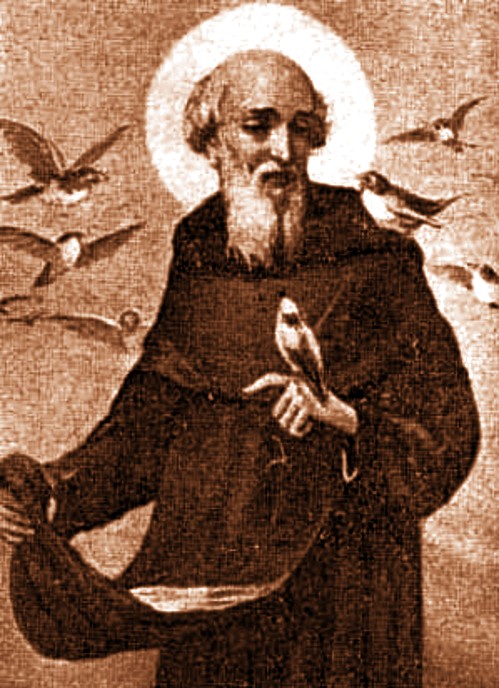
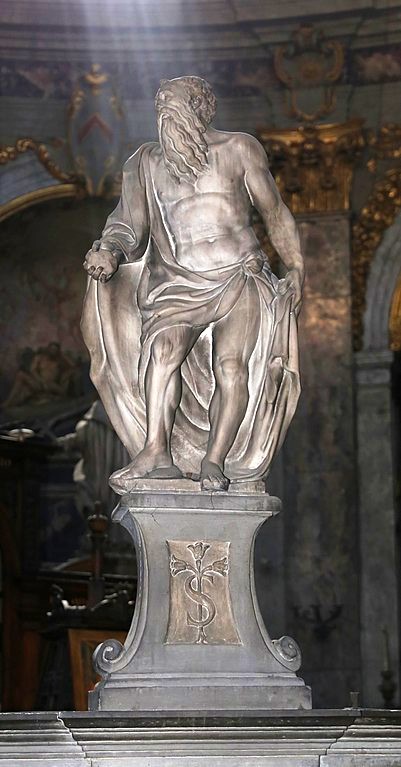
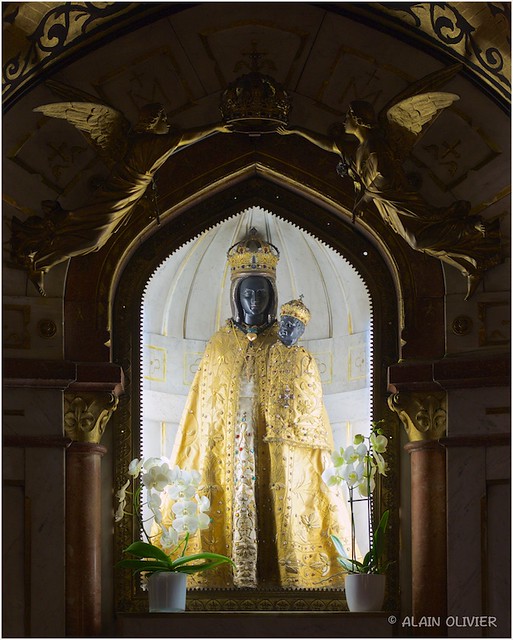
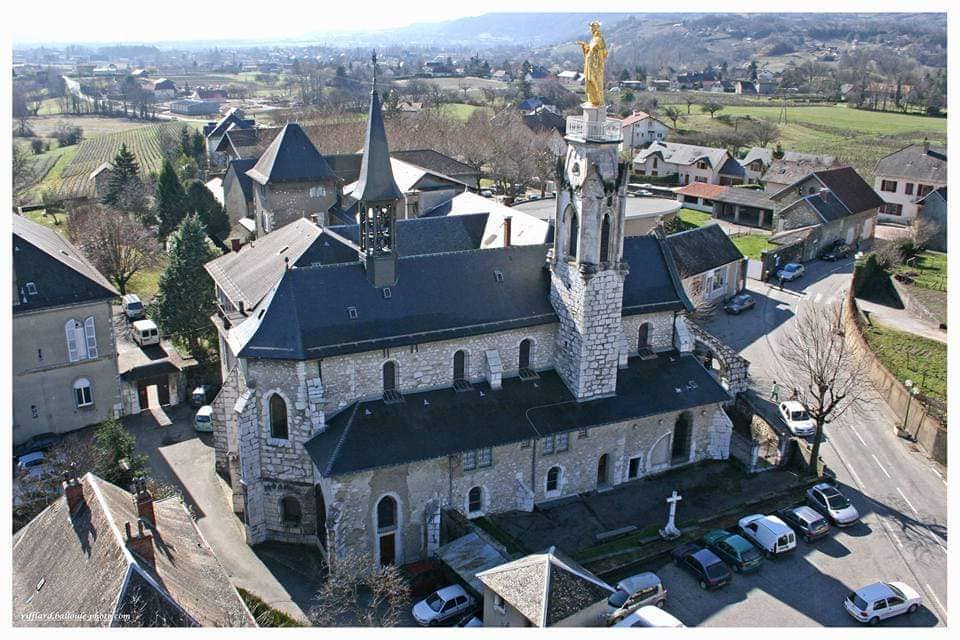

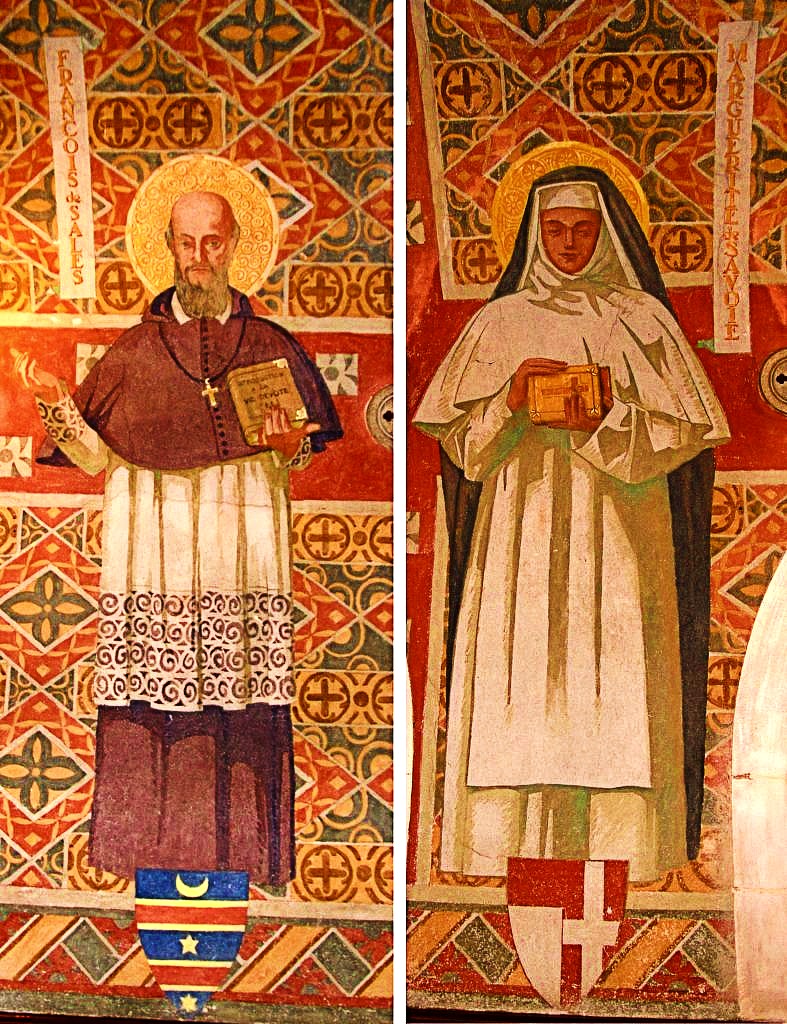
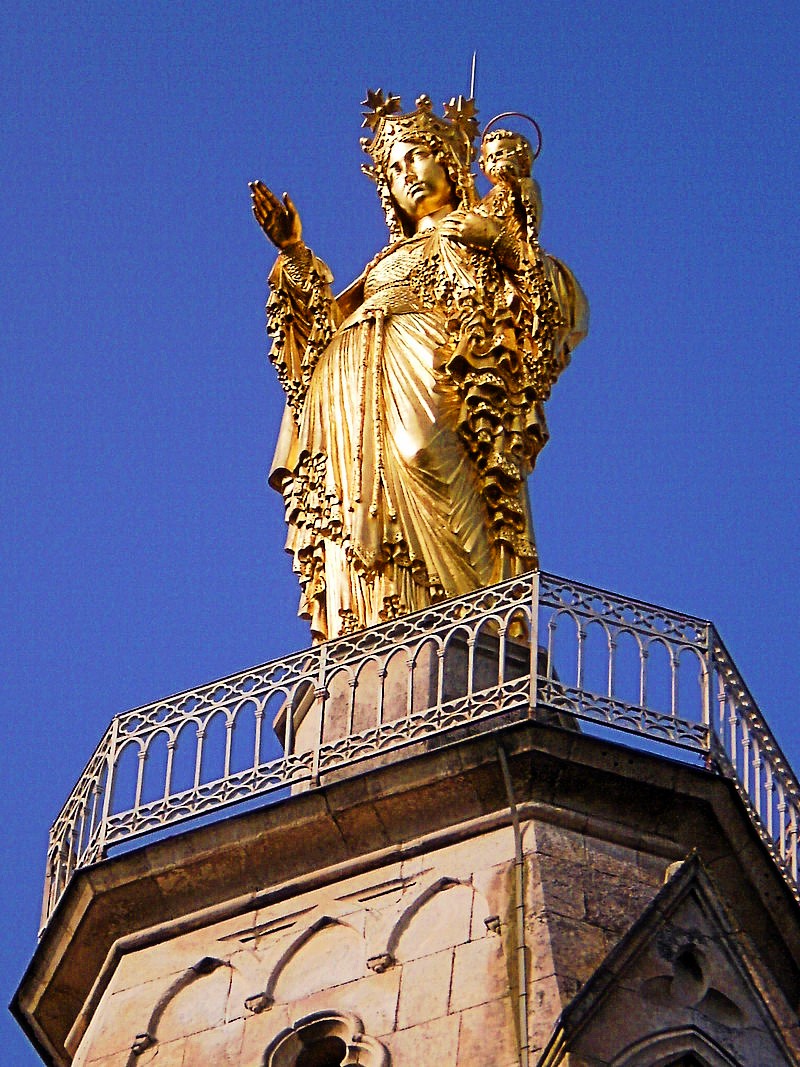
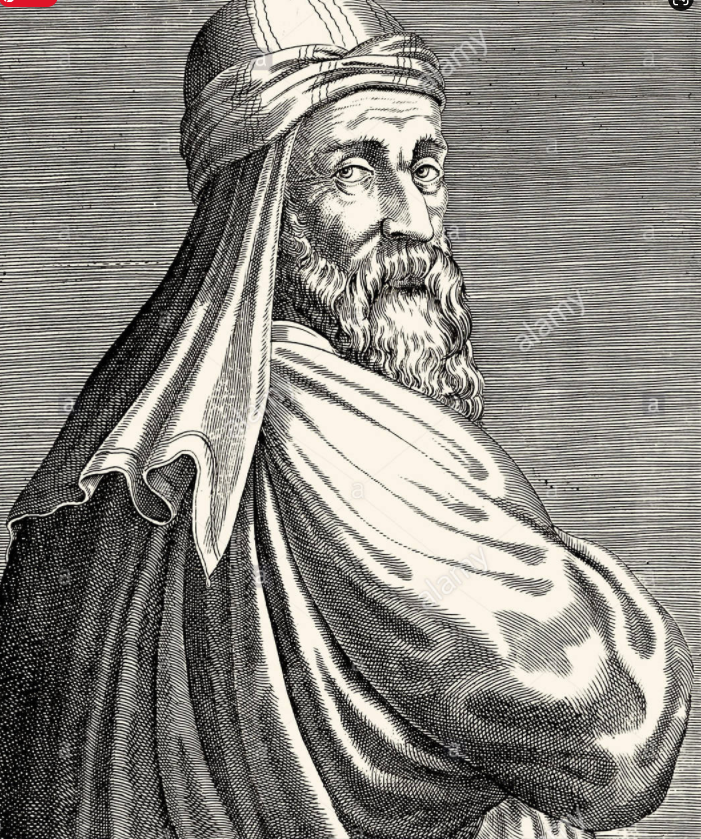
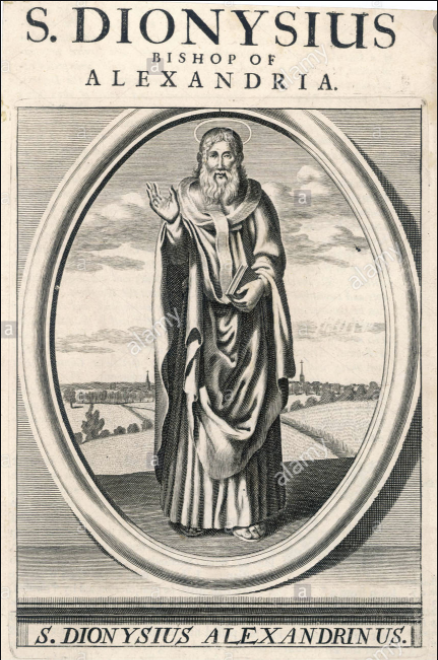
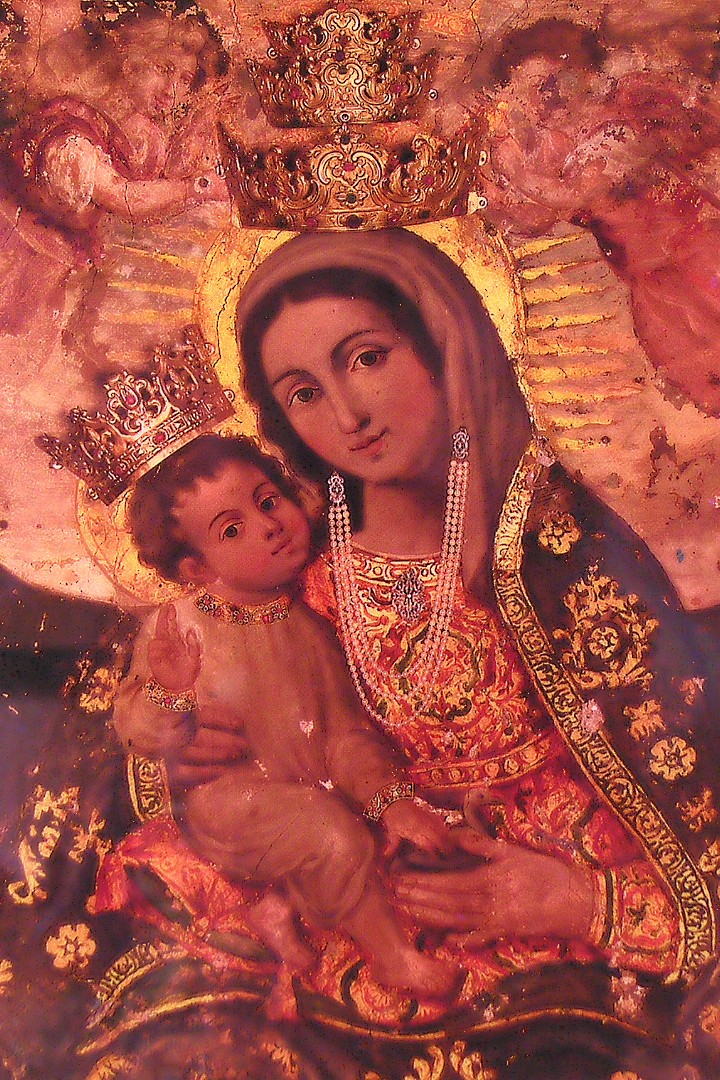
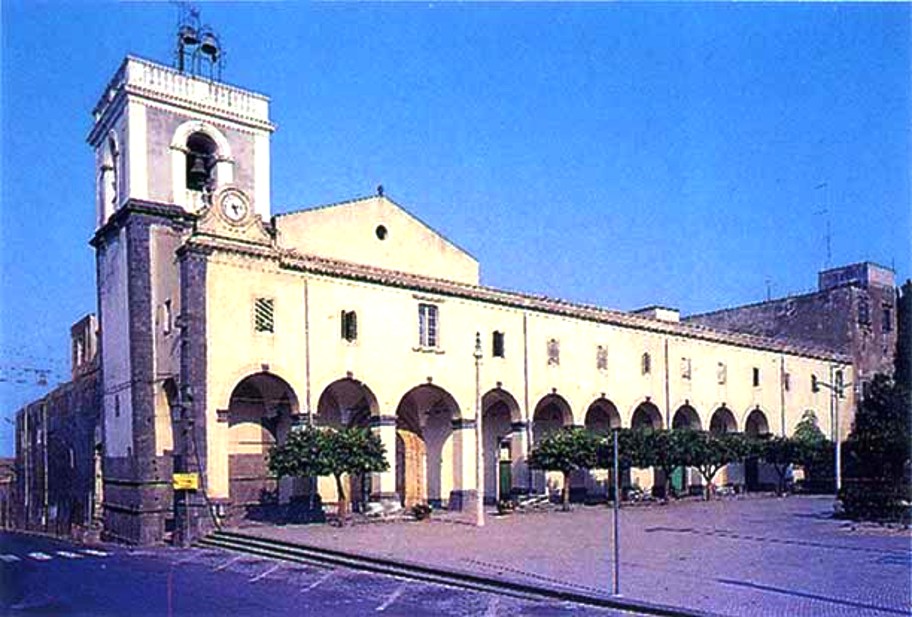
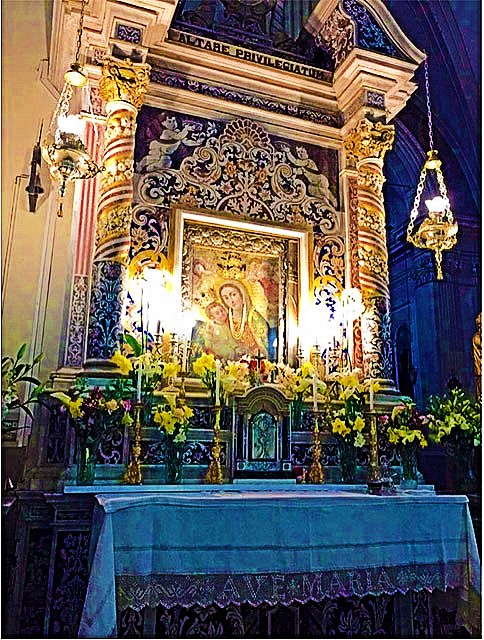

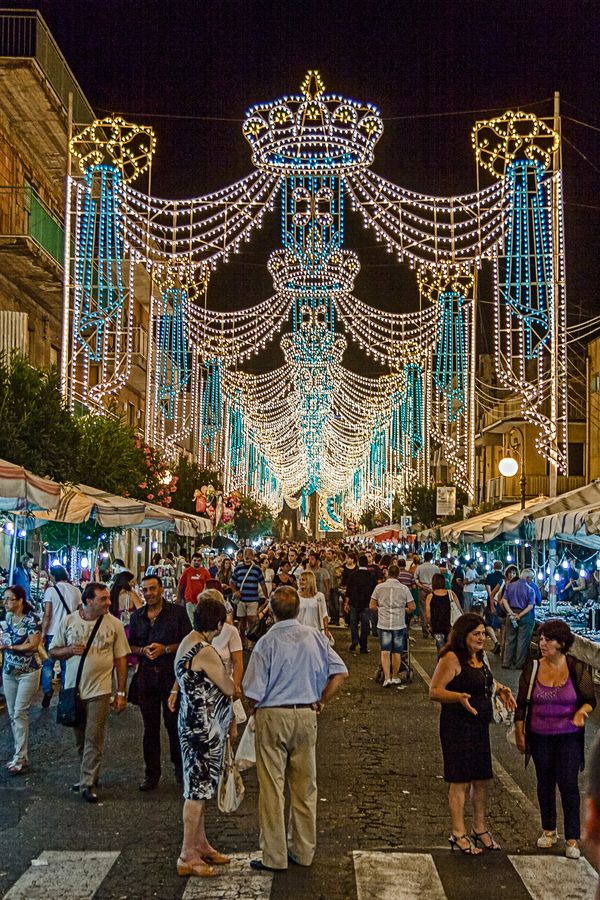


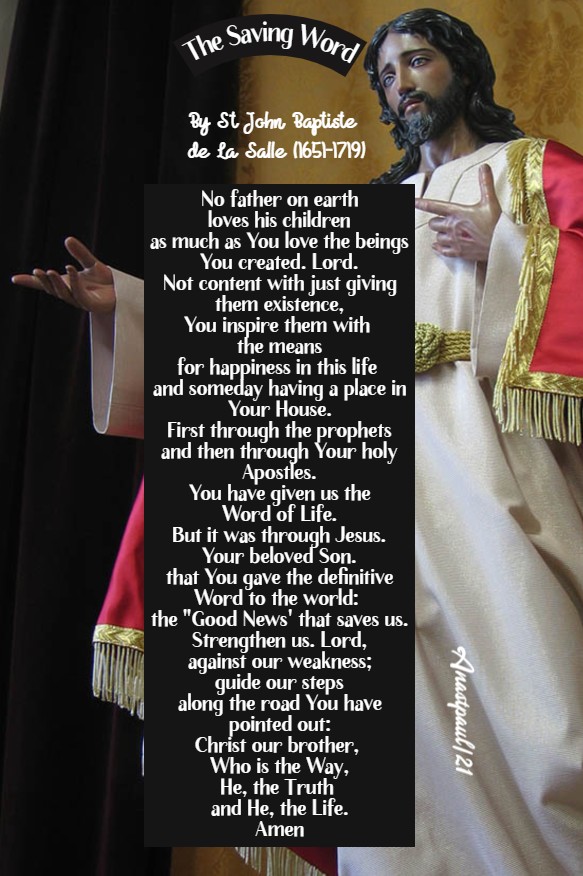
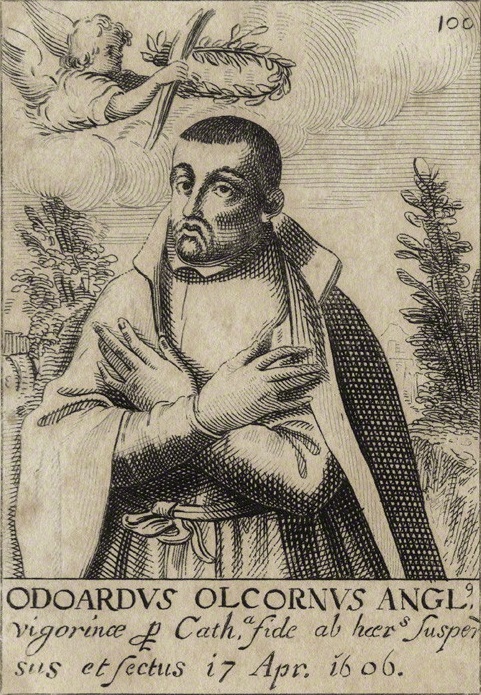
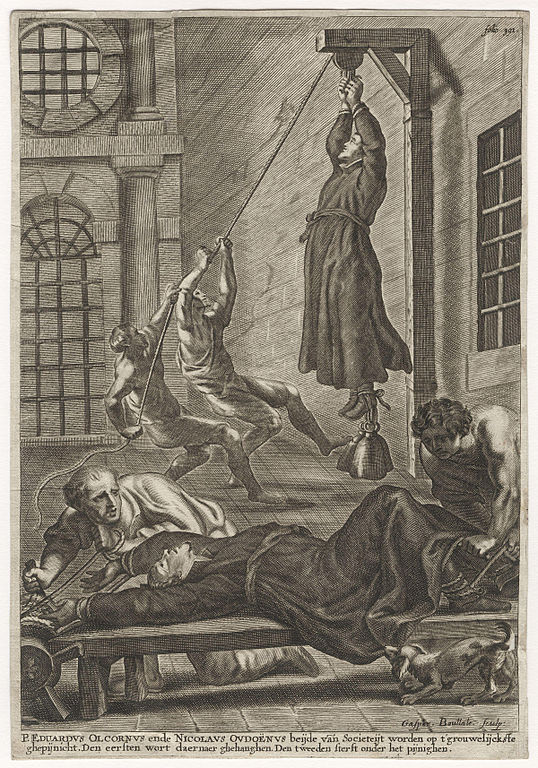
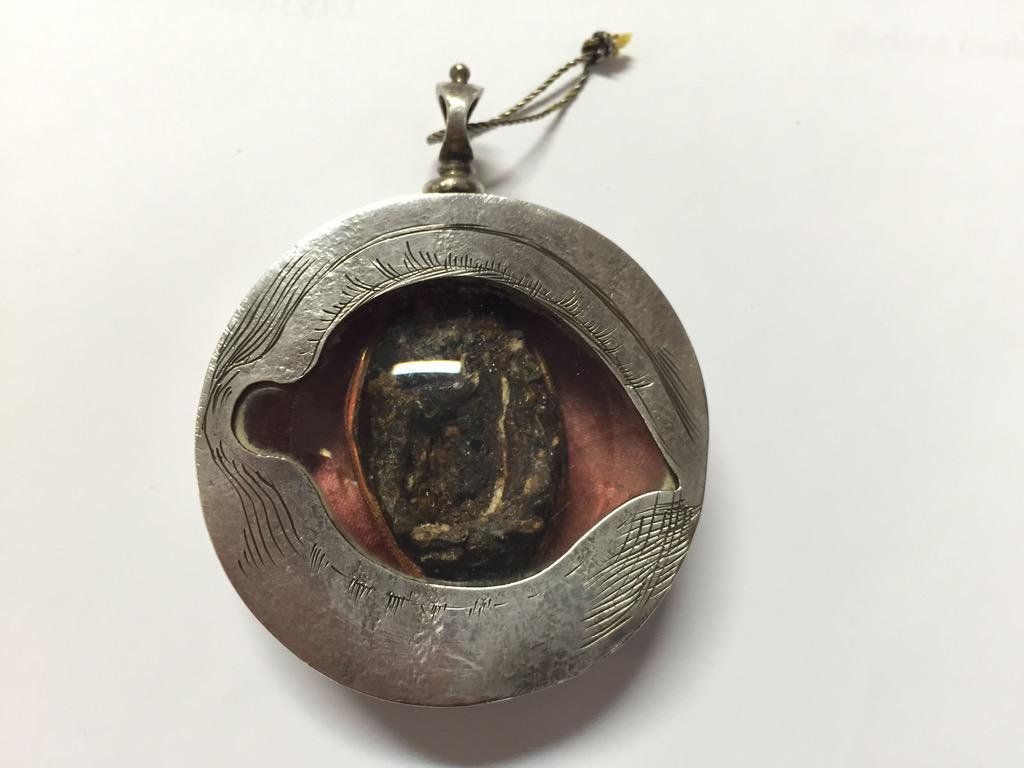
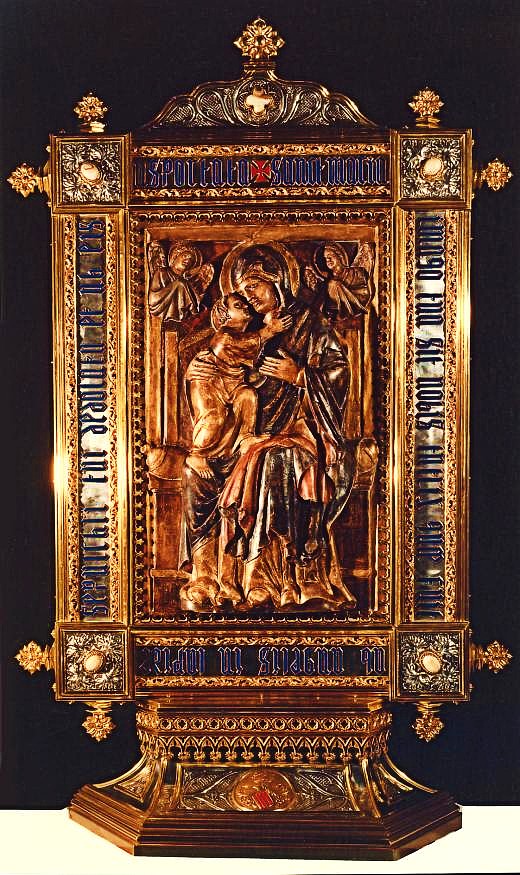

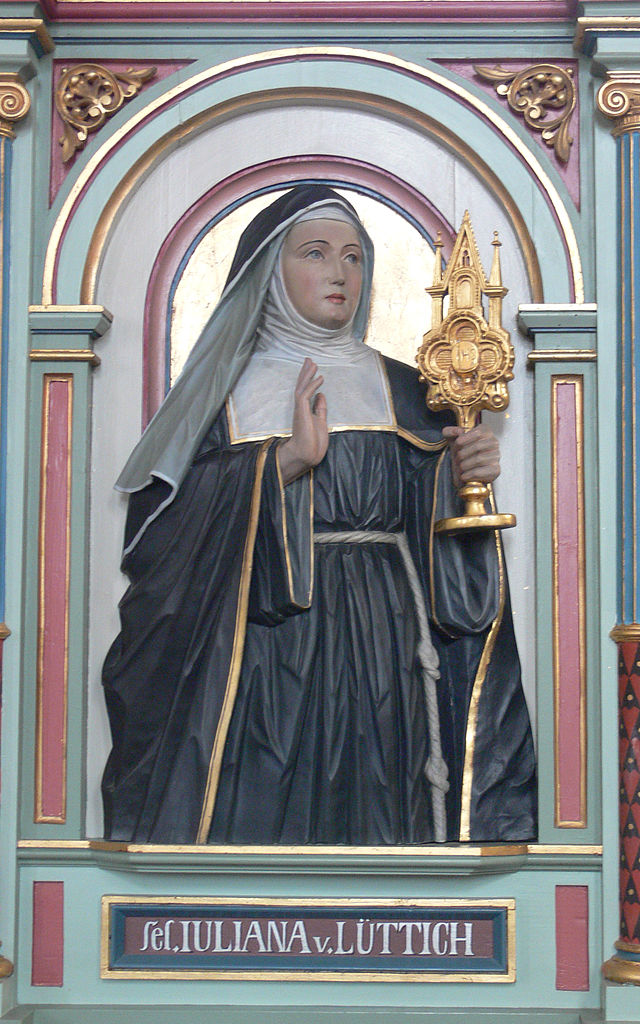


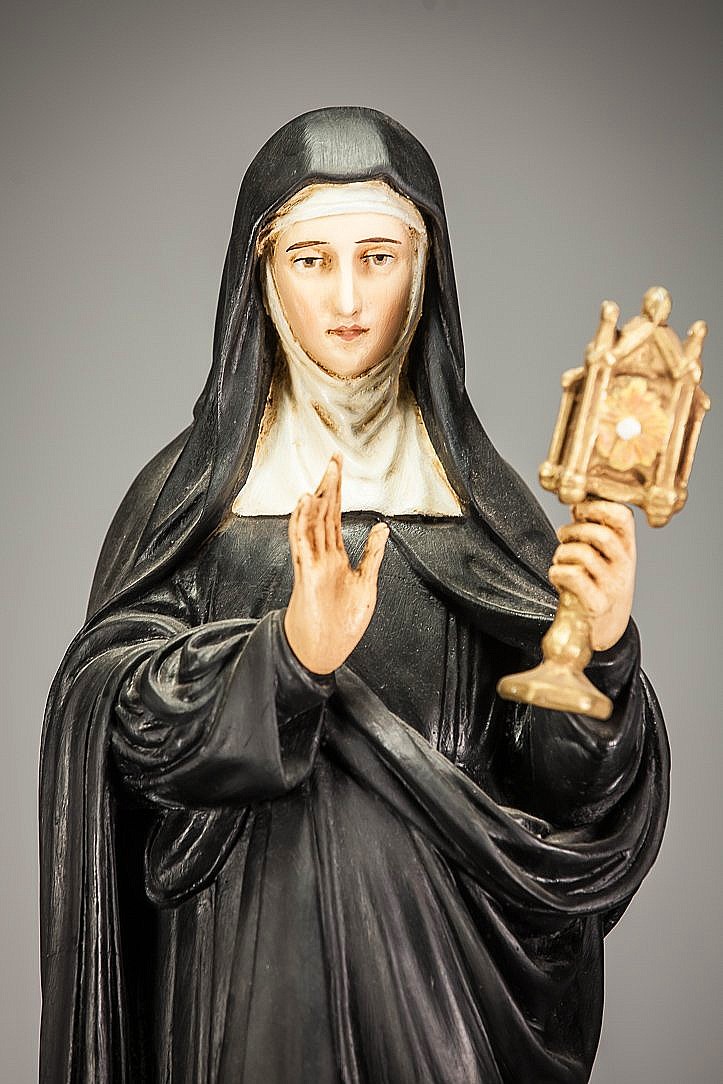



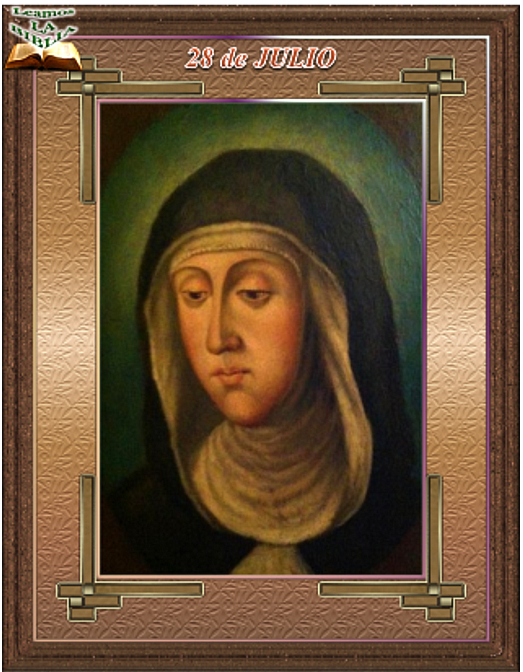


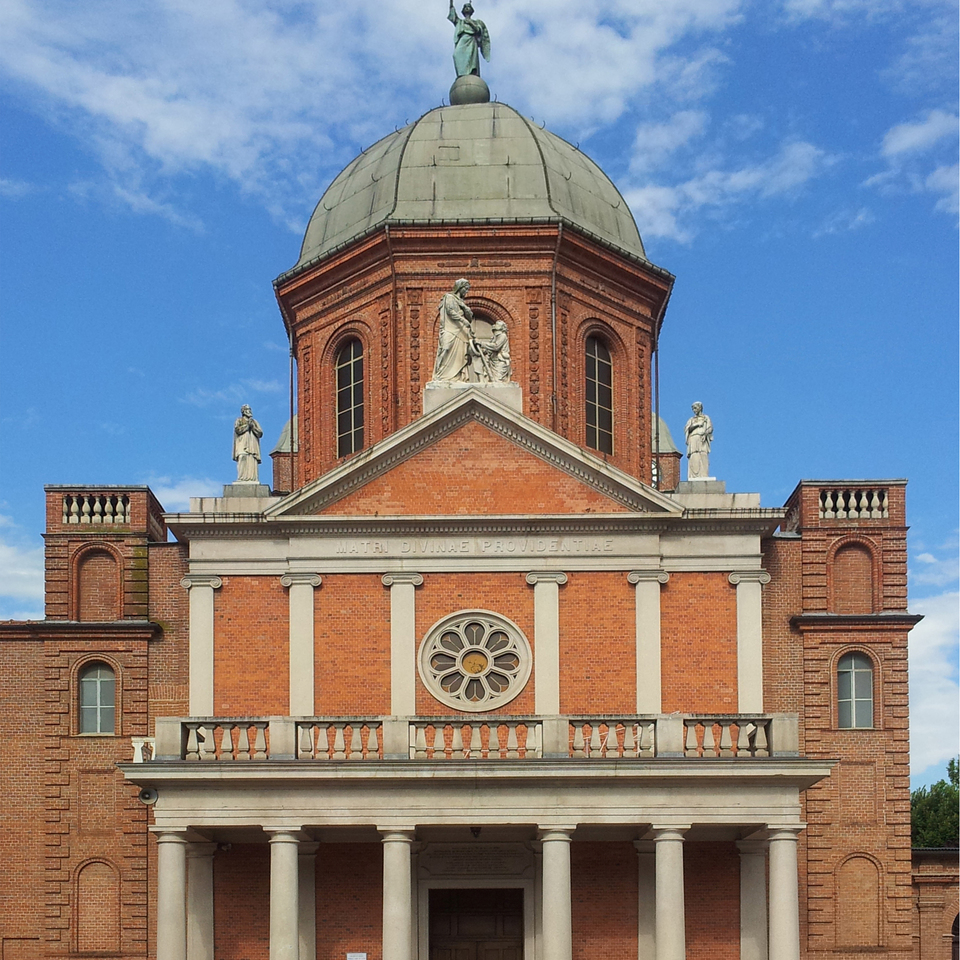
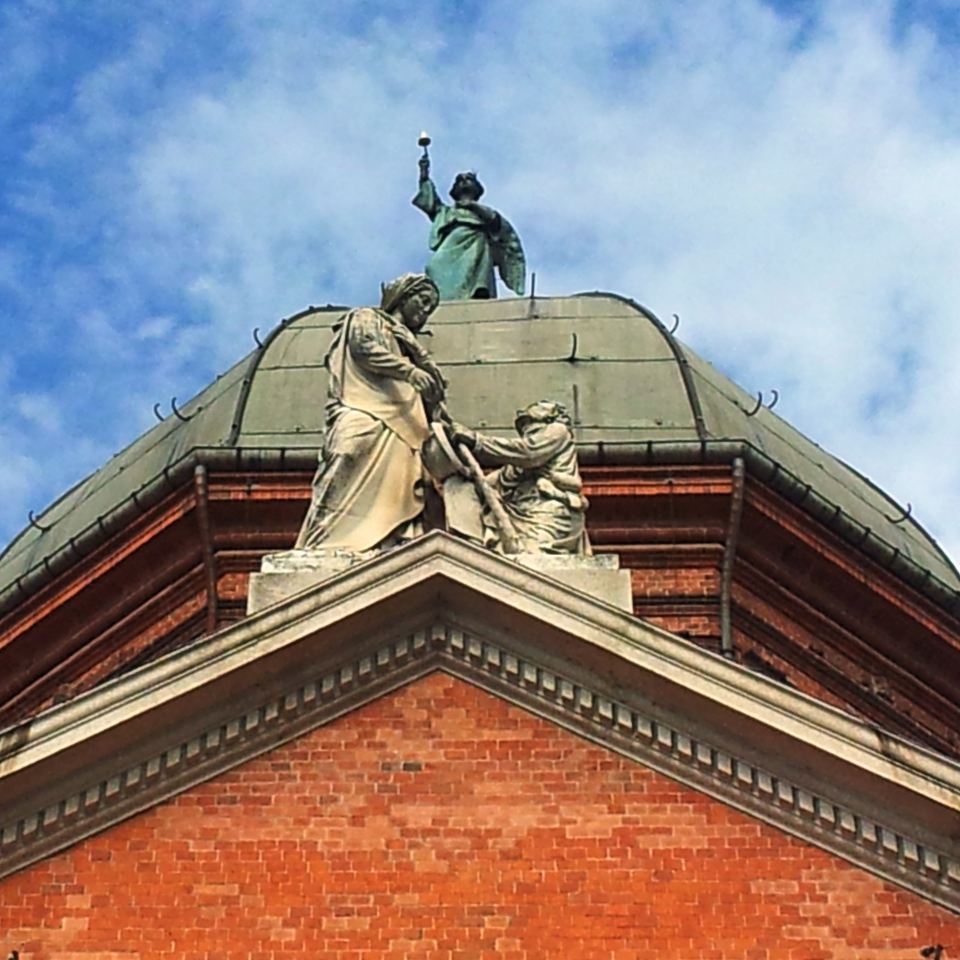
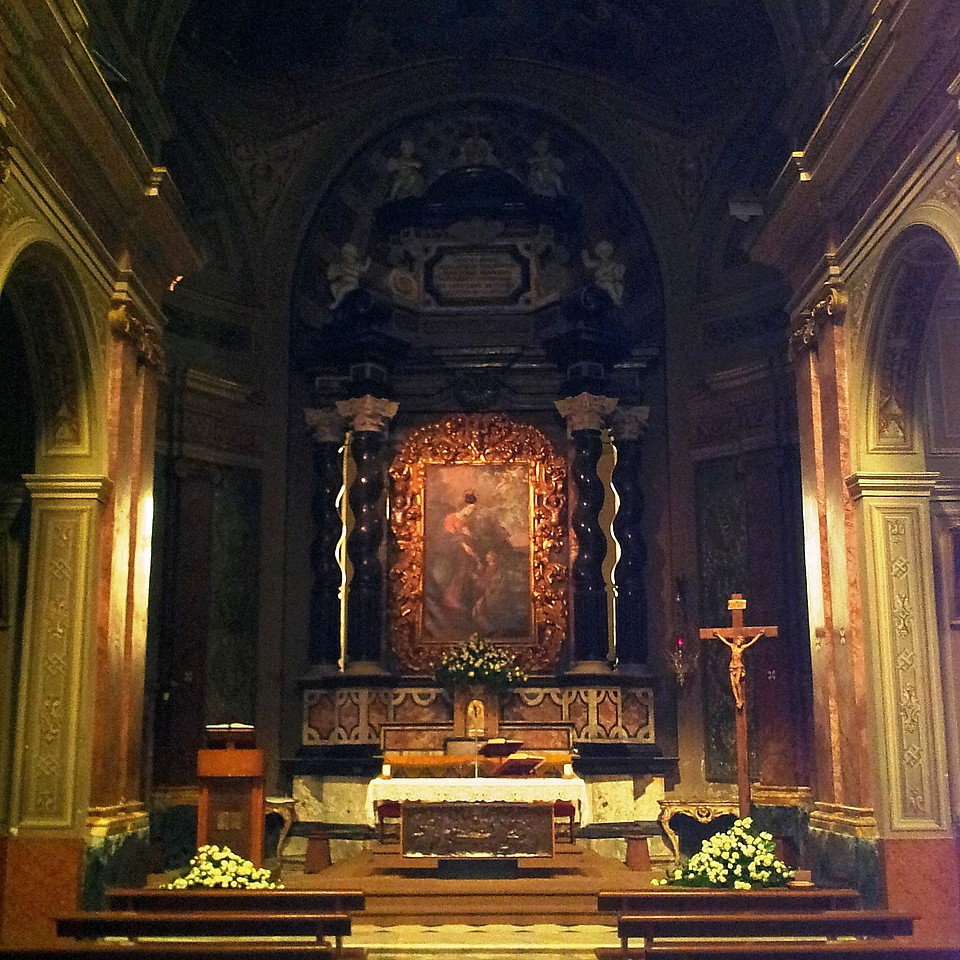
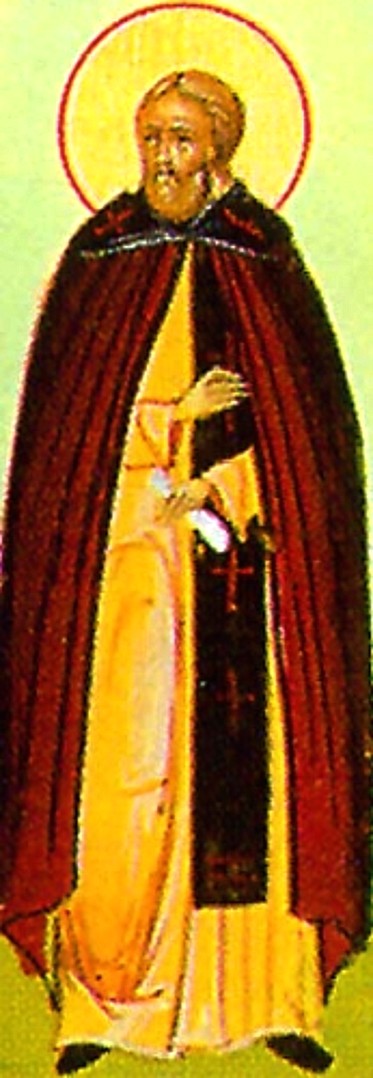
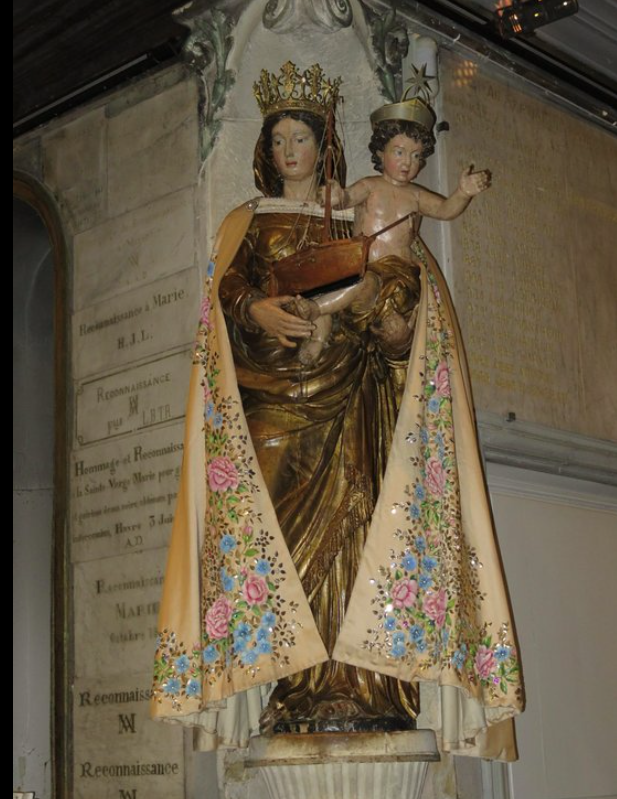
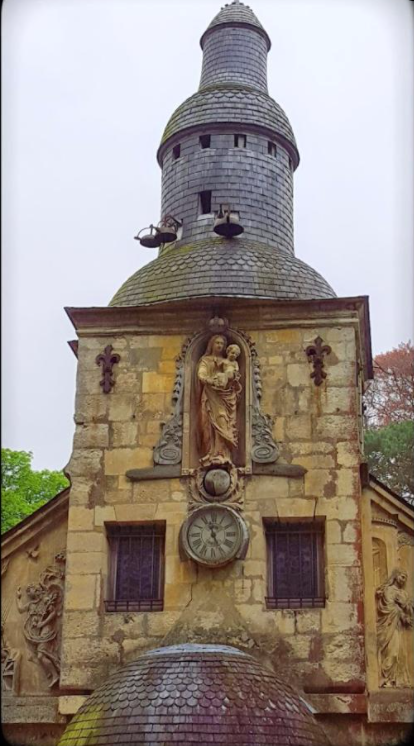
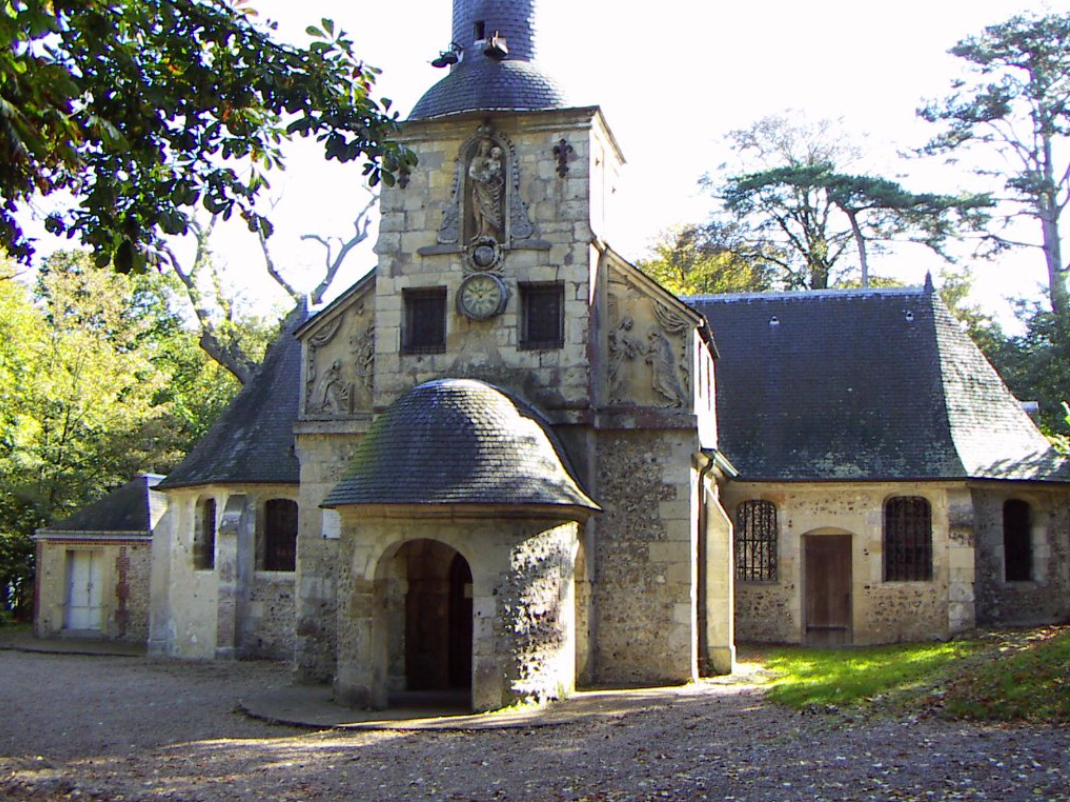
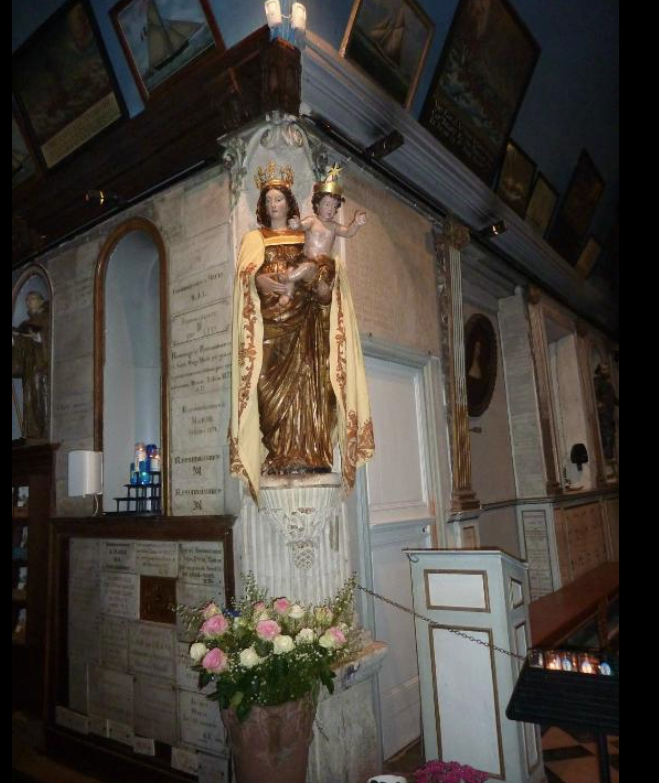
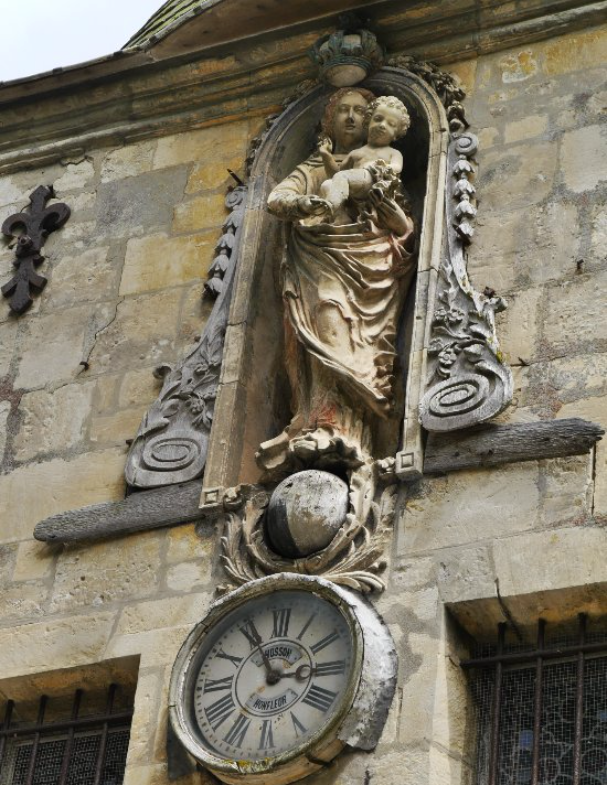
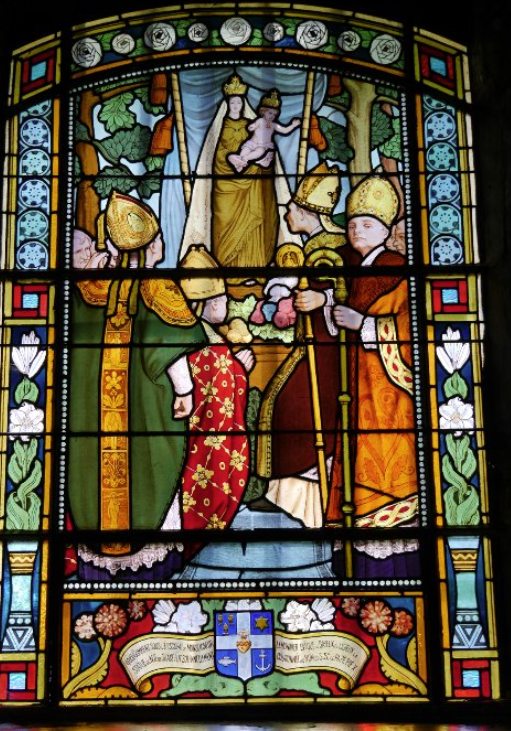
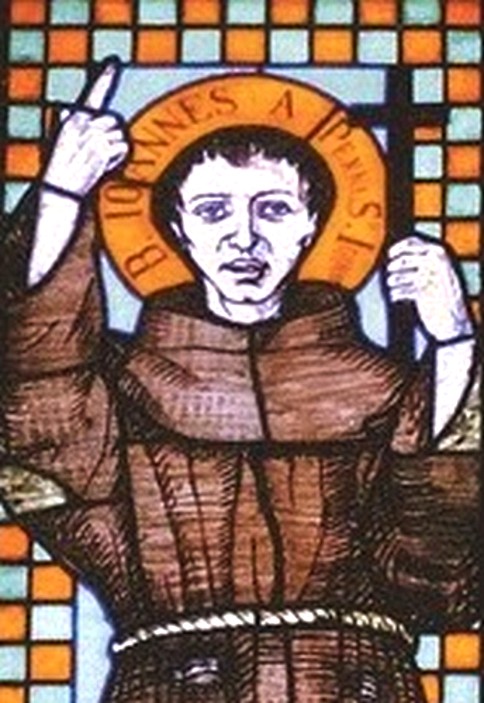

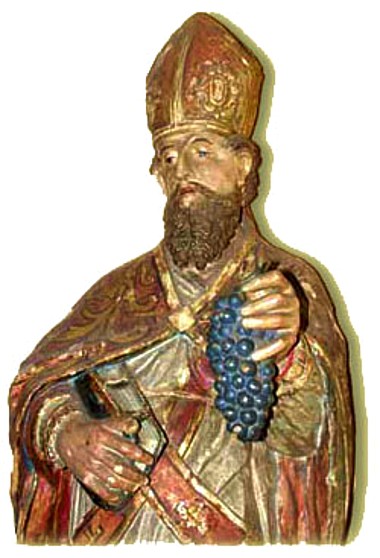
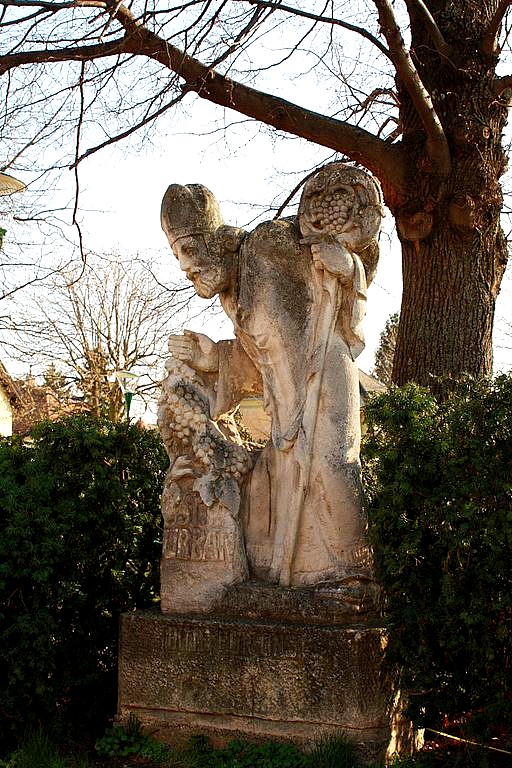

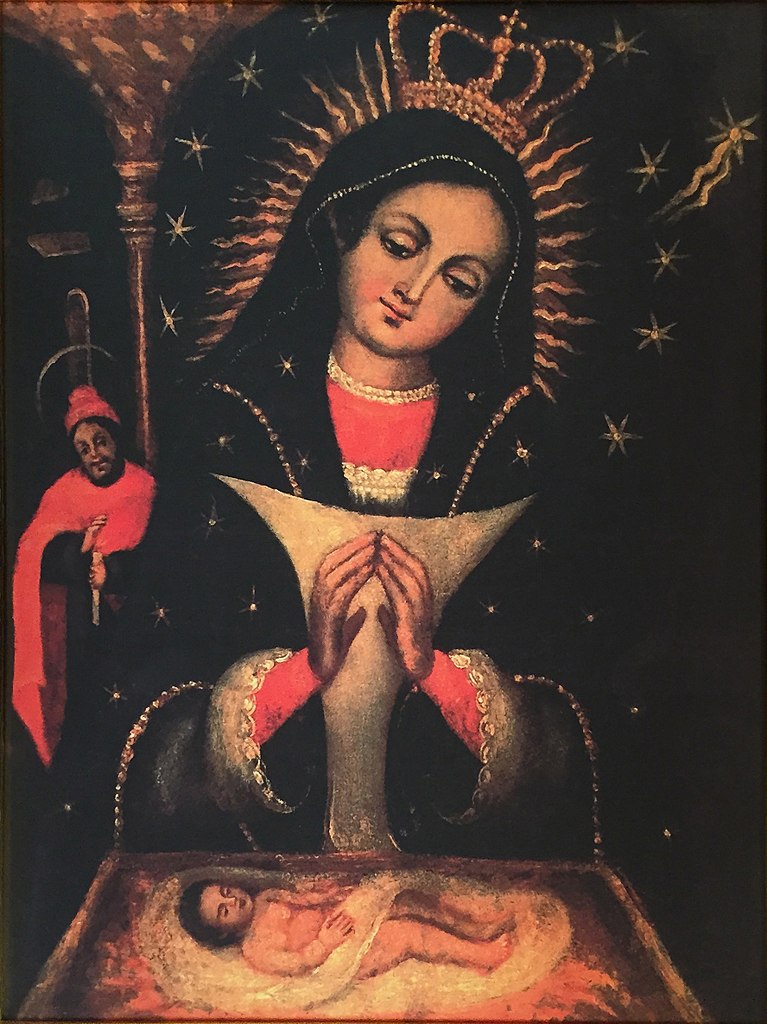
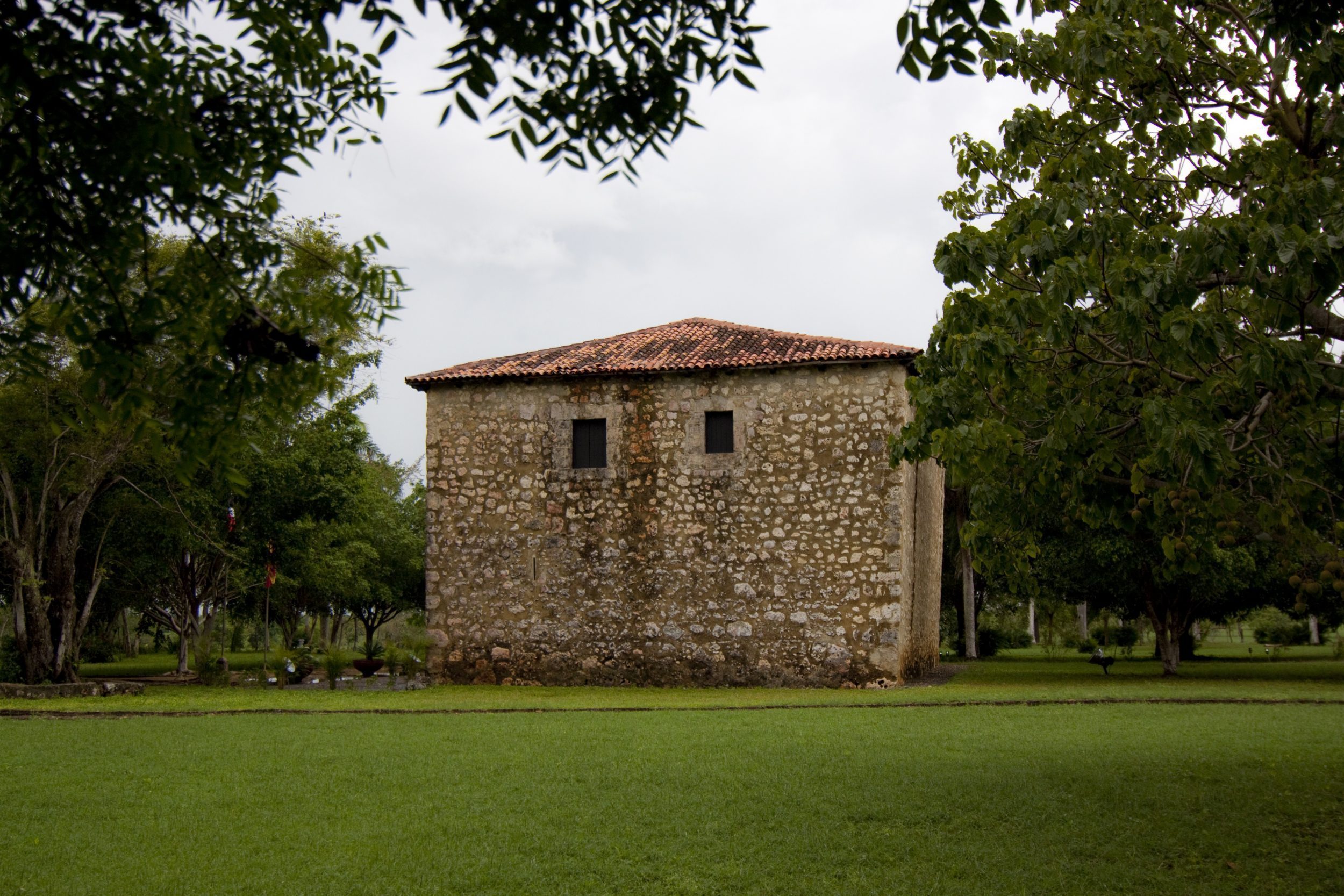

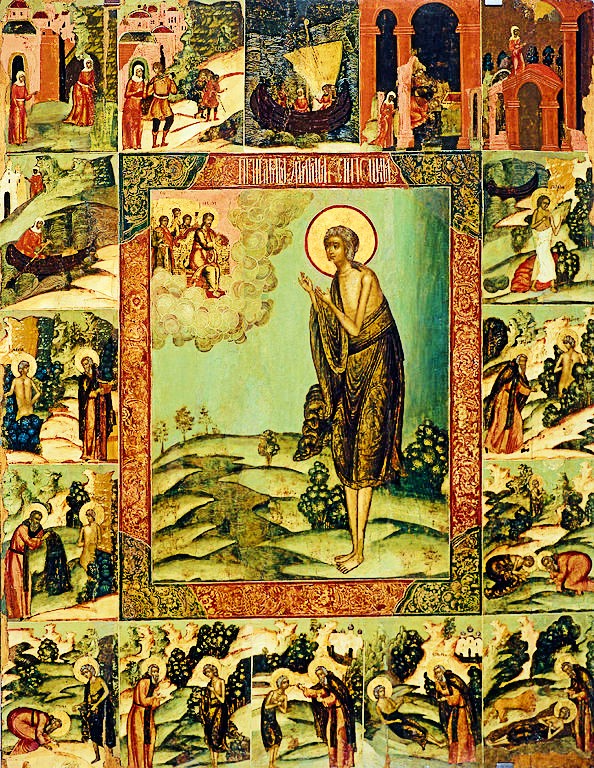
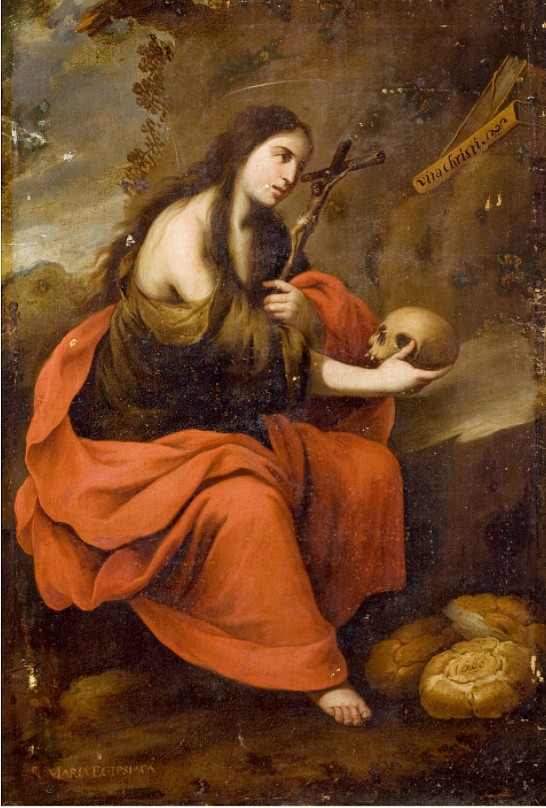
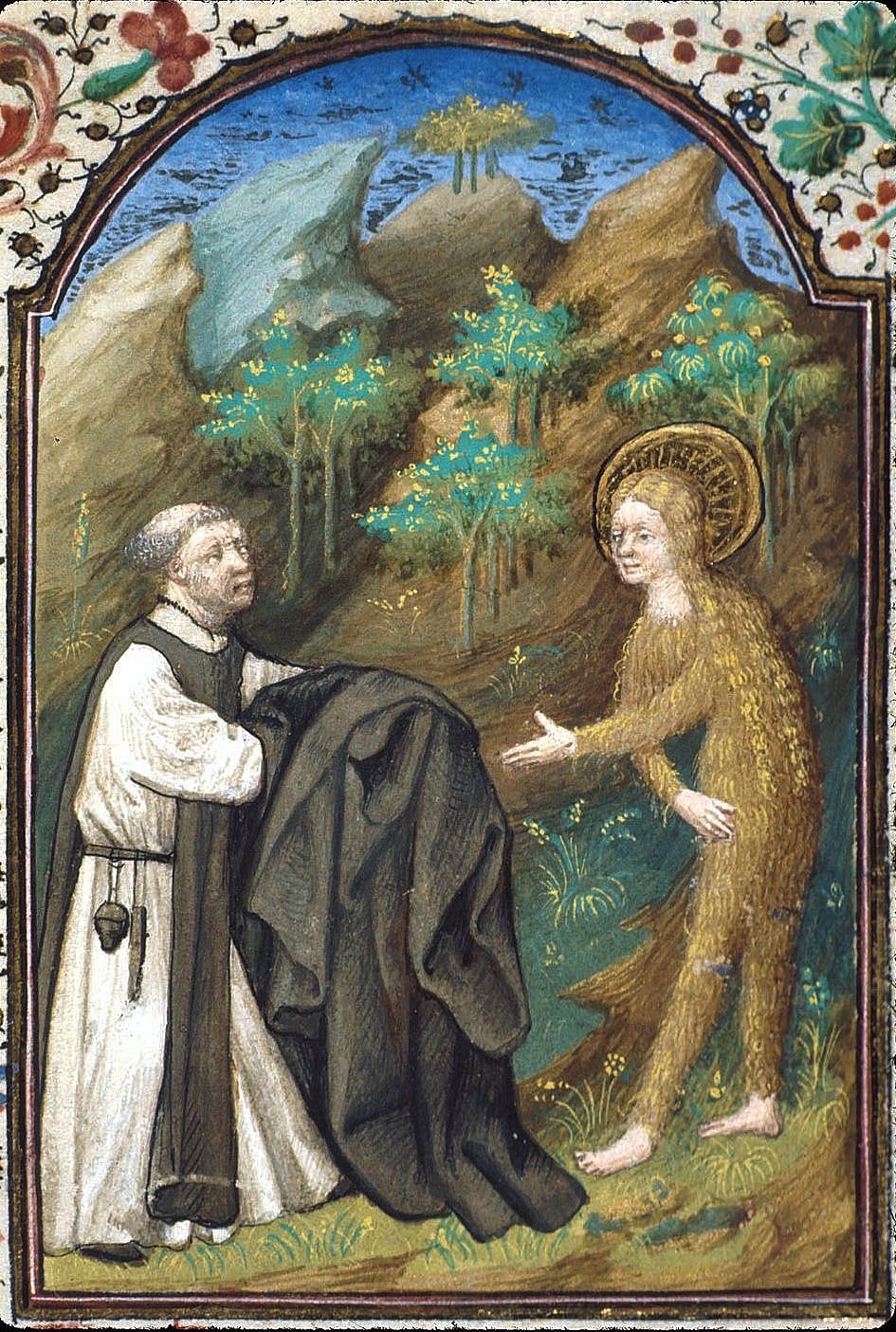

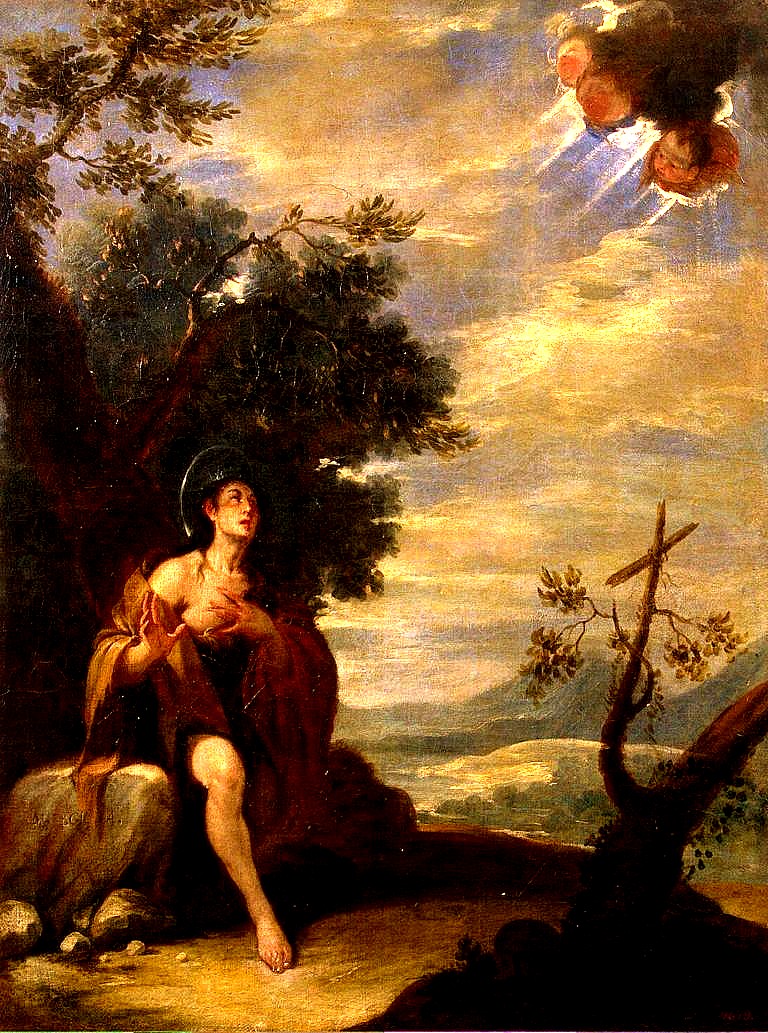

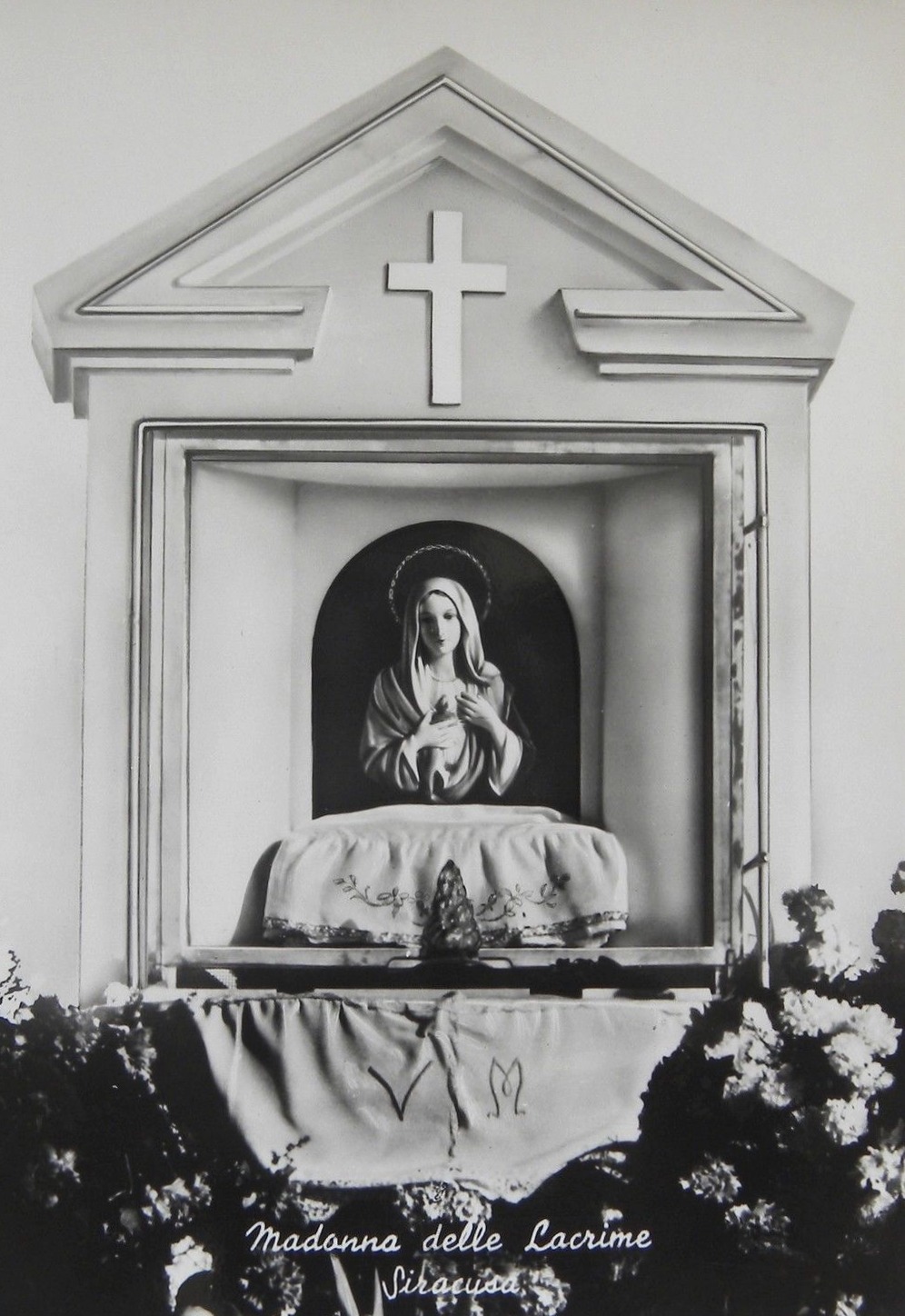


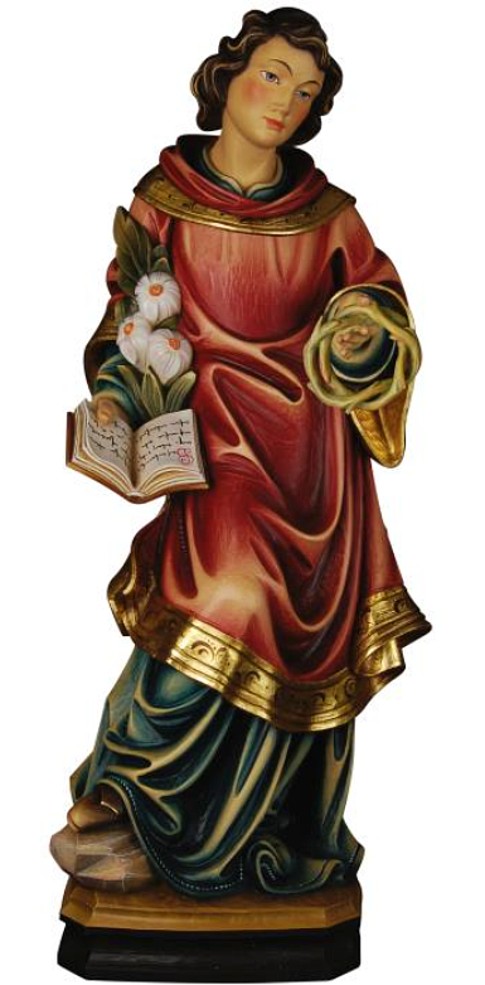
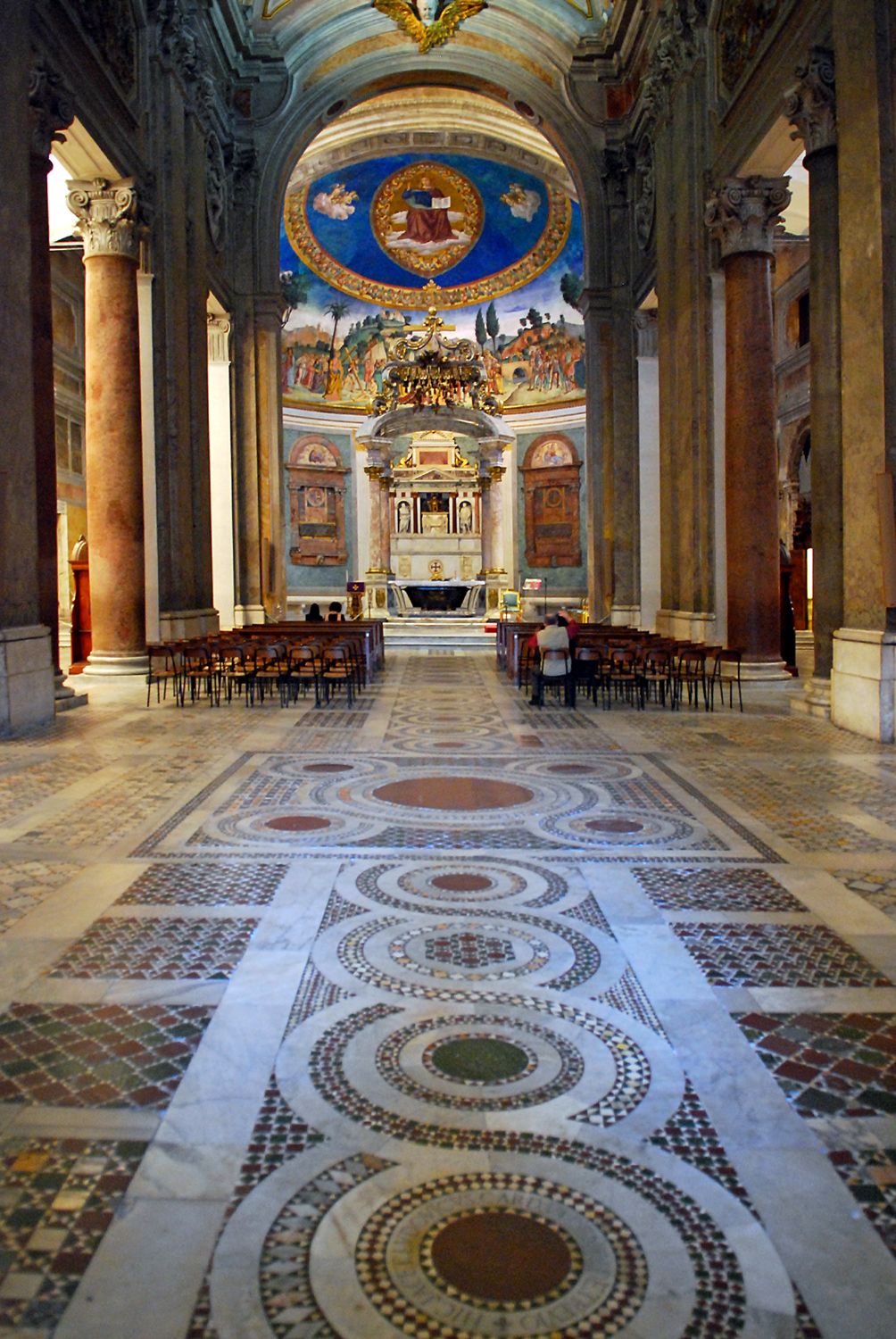




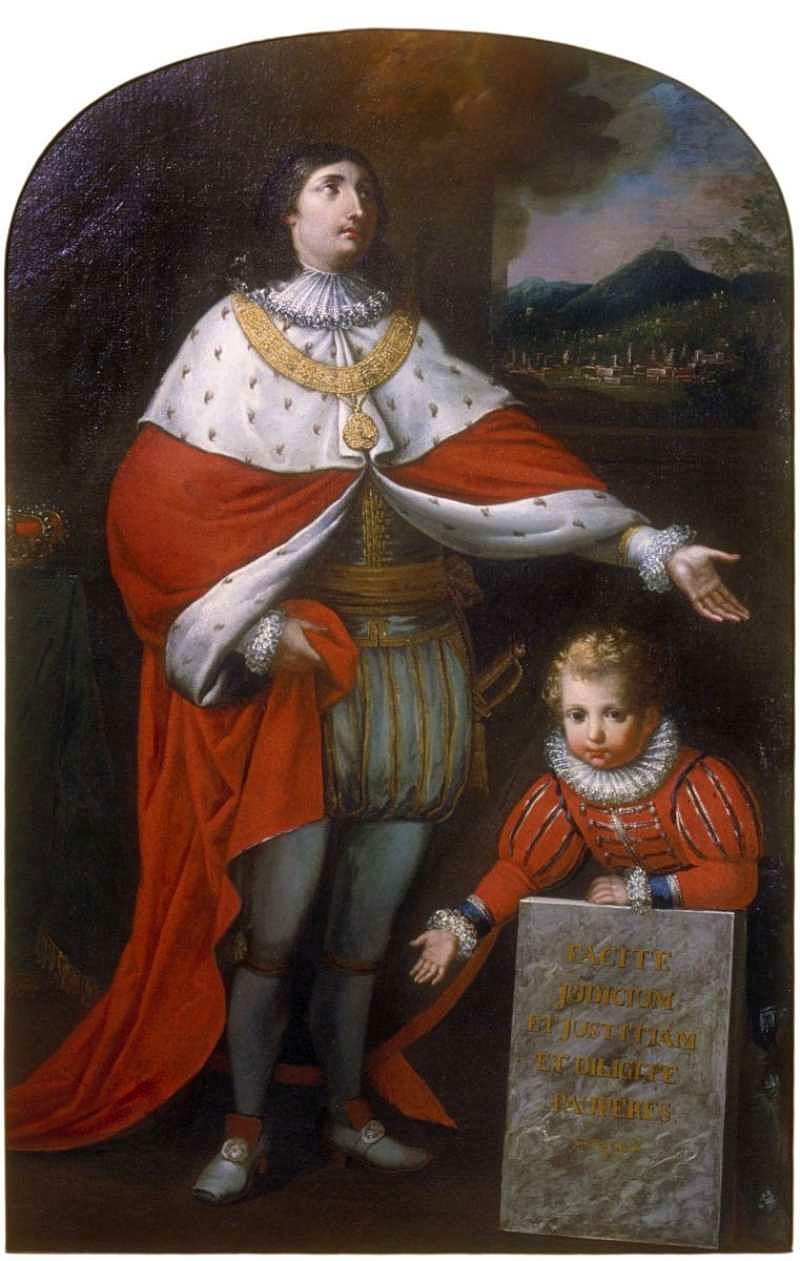

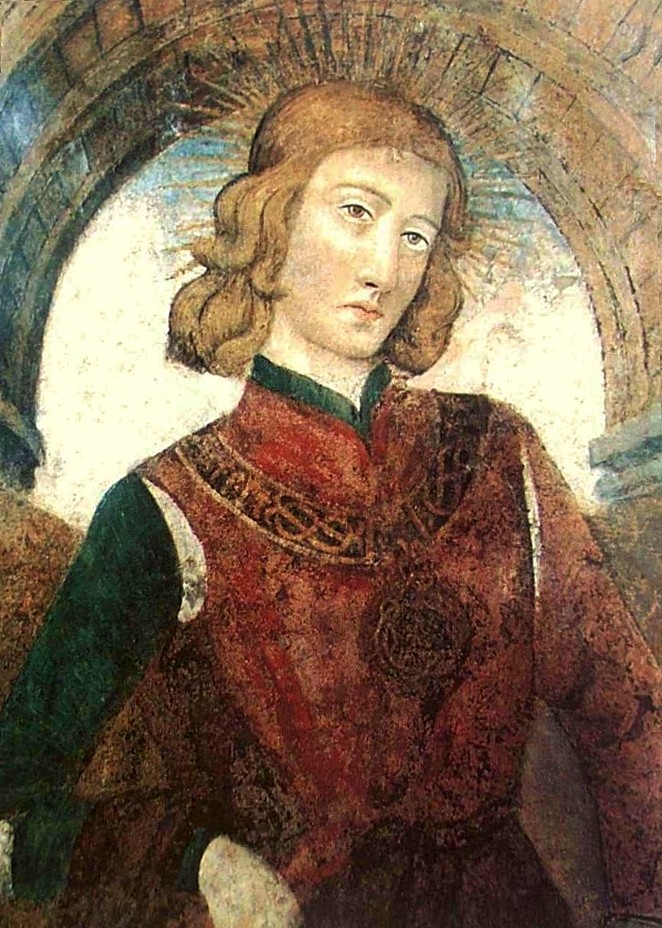

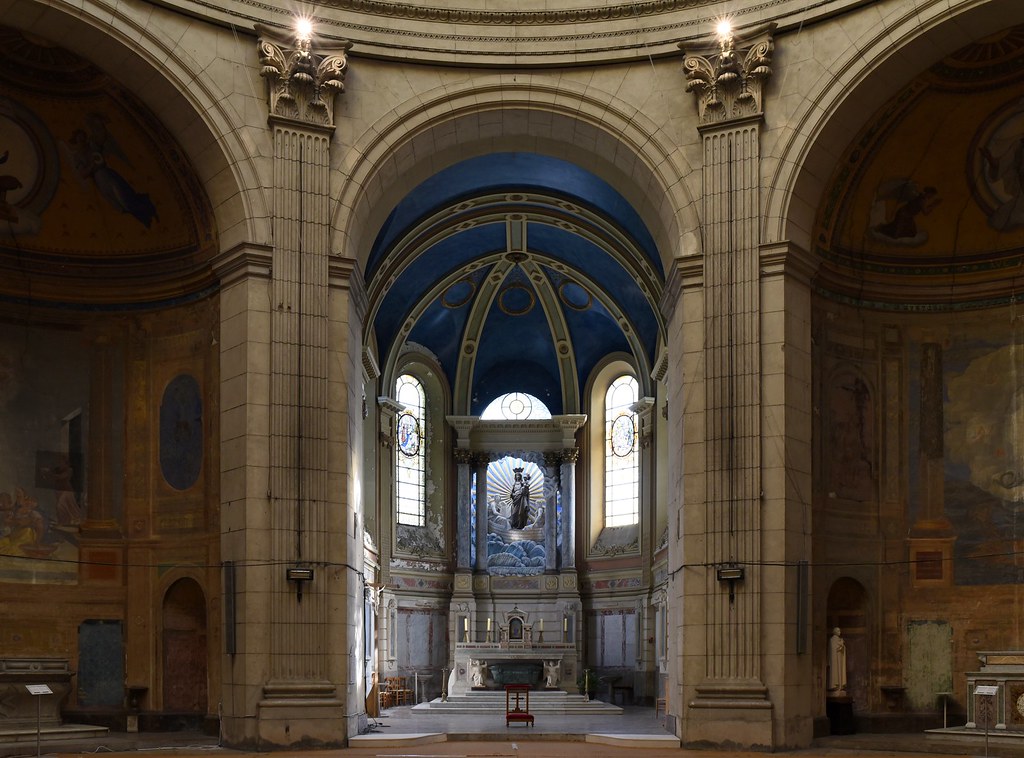

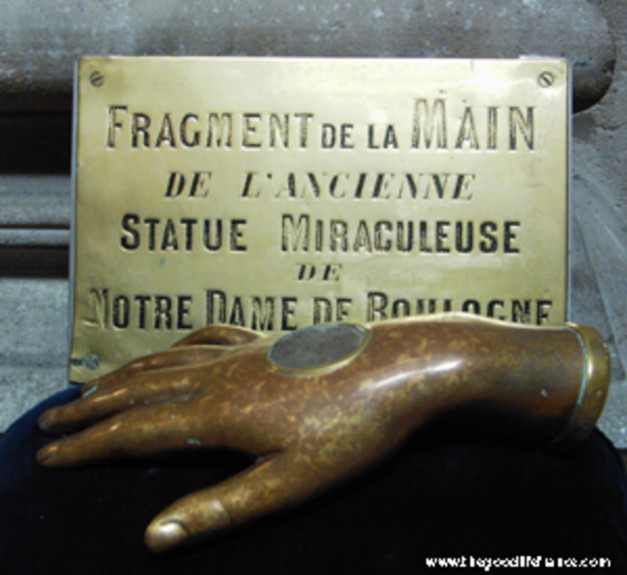

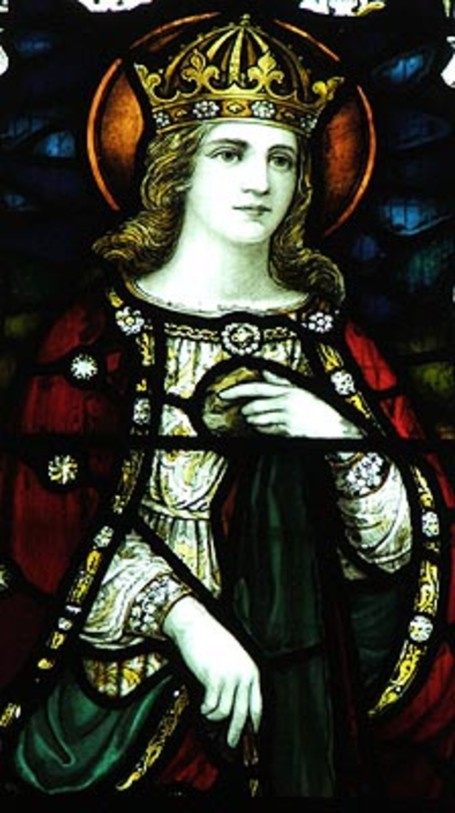


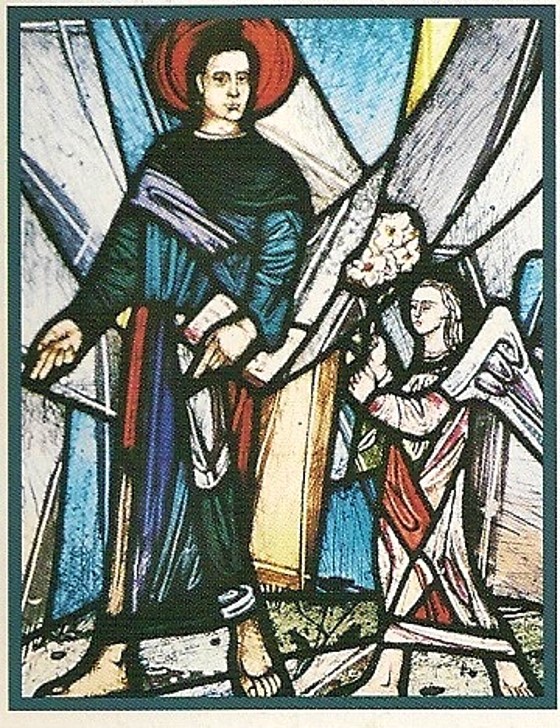
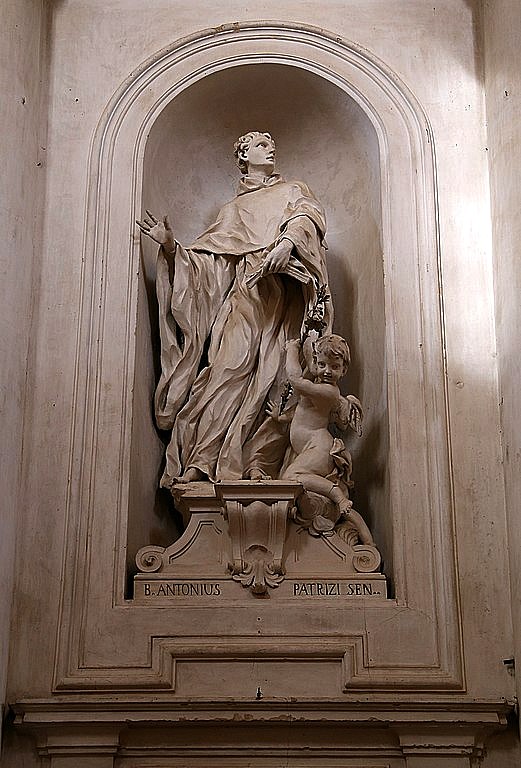
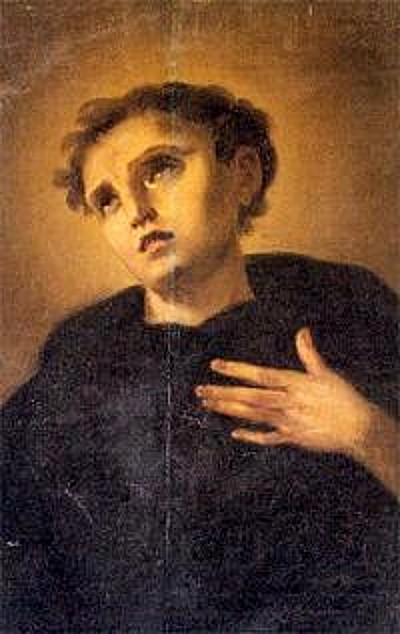

 AnaStpaul
You must be logged in to post a comment.