Our Morning Offering – 27 August – Thursday of the Twenty First week in Ordinary Time and the Memorial of Blessed Dominic Barberi of the Mother of God CP (1792-1849)
One of Blessed Dominic’s major Conversions, St John Henry Newman, will do the honours today.
Raise My Heart St John Henry Newman (1801-1890)
O my God, whatever is nearer to me than You, things of this earth and things more naturally pleasing to me, will be sure to interrupt the sight of You, unless Your grace interfere. Keep You my eyes, my ears, my heart, from any such miserable tyranny. Keep my whole being fixed on You. Let me never lose sight of You and while I gaze on You, let my love of You grow more and more everyday. Amen
Saint of the Day – 27 August – Blessed Amadeus of Lausanne O Cist (1110—1159) Bishop of Lausanne, Cistercian Monk and Abbot of Hautecombe Abbey, where he governed with great piety and administrative skills, he had an extremely deep devotion to the Blessed Virgin Mary, writer – born on 21 Janury 1110 in the castle of Chatte, Dauphine, France and died on 27 August 1159 of natural causes, aged 49.
Amadeus was the son of Count Amadeus of Clermont the Elder of Clermont in Savoy. After his mother’s early death, he was sent to the Cistercian Abbey of Bonnevaux at the early age of 10 to be educated there. His father entered the same Monastery as a Monk. In order to take advantage of even better educational opportunities, father and son moved to Cluny Abbey in 1121. The son soon moved on to the Court of Emperor Henry V in order to learn life as a Knight and prepare for an aristocratic career. But dissatisfied with this way of life, he chose to enter a Cistercian Monastery in 1125, this time choosing the famous Clairvaux Abbey, then led by Saint Bernard of Clairvaux.
In 1139 he was selected by St Bernard to serve as the Abbot of Hautecombe Abbey in Savoy where 200 monks came under his responsibility. One of his most momentous decisions was to move the community from it’s location to a new site on the shores of the Lac du Bourget, see blow. It was said that Amadeus’ administrative skills, high ideals, piety and education, led Hautecombe to new heights as a religious community and also ensured it’s economic security. It seems that his father went with him as a Monk.
After his father’s death in 1140 he founded the Cistercian Monastery, Laval-Bénite in Saint-Pierre-de-Bressieux.
Pope Lucius II elevated Amadeus to the Bishopric of Lausanne in 1144. The Abbot was reluctant to accept but was Consecrated on 21 January 1145. His service as a Bishop led to a period of spiritual and administrative stability for the region, although he was initially, often met with opposition, once having to flee the City because of violent residents. He was able to put the City under the protection of Berthold IV, Duke of Zähringen. Amadeus was particularly devoted to improving the education of the clergy and leading them to deeper religious observance.
This image of Blessed Amadeus resides in the Bishop’s House in Lausanne
He was often in contact with the Ecclesiastical and secular authorities of his day. Letters and charters attest to his contacts with King Conrad III, with Emperor Frederick I Barbarossa and the Cistercian Pope Eugene III, whom Amadeus knew from his days in Clairvaux. For a time, he served as the legal Guardian for Blessed Humbert III, Count of Savoy, when Humbert’s father Amadeus III died in the Second Crusade.
As Bishop, Amadeus often went on retreat at Haut-Crêt Abbey, located 15 km east of Lausanne. His Marian devotions are famous but he also venerated St Agnes a great deal because her Memorial day (21 January) was the day Amadeus was born, began school, entered the novitiate, took his monastic vows, was made Abbot and Consecrated a Bishop.
According to tradition, Amadeus consecrated his Cathedral in Lausanne to Mary after his sister had miraculously given him a glove of the Virgin, which was kept for a long time in the Cathedral.
The Cathedral of NotreDame in Lausanne
Amadeus often visited his parishes and consecrated – probably in 1148 – the then wooden church in the mountain village of Grindelwald to Mary, see below. His Homilies attest to his extremely strong devotion to Mary and are a source of knowledge about the Marian piety of the time. Pope Pius XII quoted St Amadeus in 1950, in the proclamation of the Dogma of the Assumption of Mary into heaven, Apostolic Constitution Munificentissimus Deus.
Towards the end of his tenure Amadeus defended his Diocese and the City of Lausanne against the Count of Geneva. He was forced to flee temporarily to Moudon, which had belonged to the Bishop of Lausanne since 1101 but, there too, he was harassed by the Count’s soldiers.
After he was able to return to Lausanne, he was plagued by various illnesses and died in Lausanne on 27 August 1159. He was interred in the Cathedral of Lausanne before the Altar of the Holy Cross. Veneration was officially approved in 1710 by Pope Pope Clement XI and confirmed in 1903 by St Pius X. A shrine with his relics now resides in the Bishop’s house.
Blessed Amadeus’ extant Marian sermons are his most famous writings. As a result, he is often quoted as a classic proponent of Marian piety in the 12th century. The seventh homily is particularly well-known, as it was the one from which Pope Pius XII quoted.
Statue of Bishop Amadeus of Lausanne in the church of Eschenbach Abbey
St Ebbo of Sens St Etherius of Lyons St Euthalia of Leontini St Fortunatus of Potenza Bl Gabriel Mary St Gebhard of Constance St Giovanni of Pavia St Honoratus of Potenza Bl Jean Baptiste Guillaume Bl Jean-Baptiste Souzy St John of Pavia St Licerius of Couserans St Malrubius of Merns Bl Maria del Pilar Izquierdo Albero St Narnus of Bergamo St Phanurius St Poemen Bl Roger Cadwallador St Rufus of Capua St Sabinian of Potenza St Syagrius of Autun — Martyrs of Tomi – 5 saints: A group of 17 Christians imprisoned and excuted for their faith during the persecutions of Diocletian. They miraculously were unburned by fire and untouched by wild animals. We know the names and a few details on five of them – John, Mannea, Marcellinus, Peter and Serapion. They were tied to stakes and burned alive; they emerged unharmed – thrown to wild animals in the amphitheatre; t he animals ignored them; they were beheaded in 304 in Tomi, Mesia (modern Costanza, Romania).
Martyred in the Spanish Civil War: • Blessed Buenaventura Gabika-Etxebarria Gerrikabeitia • Blessed Esteban Barrenechea Arriaga • Blessed Fernando González Añon • Blessed Francisco Euba Gorroño • Blessed Hermenegildo Iza Aregita • Blessed José María López Carrillo • Blessed Juan Antonio Salútregui Iribarren • Blessed Pedro Ibáñez Alonso • Blessed Pelayo José Granado Prieto • Blessed Plácido Camino Fernández • Blessed Quirino Díez del Blanco • Blessed Ramón Martí Soriano
Quote/s of the Day – 26 August – The Memorial of Saint Jeanne Elisabeth des Bichier des Anges FC (1773-1838) and St Mary of Jesus Crucified OCD (1846-1878)
“Virginity, is nothing in the eyes of God, without the humility of spirit, which is virginity, itself.”
“What! She would say, as if exasperated, can we offer in the Holy Sacrifice the death and humiliations of God-made-Man and be unwilling to be humble! To want to be esteemed while He is being humiliated! To want to be something in the eyes of the world, where as He remains hidden under the Eucharistic veils! To love one’s independence, whereas His love for us keeps Him a Prisoner in the Tabernacle! Oh! How such differences should cover us with shame, fill us with self-loathing, with a hatred of our pride and our folly!”
St Elisabeth Bichier (1773-1838)
“Where there is charity, there is God. If you are attentive about doing good to your brother, God will be attentive about you. If you dig a hole for your brother, you will be digging it for yourself; it is you, yourself who will fall into it. But if you make heaven for your brother, you will be making it for yourself. Remember it …”
“It is pleasant to hear about Jesus; more pleasant to listen to Jesus Himself speaking … It is pleasant to think about Jesus; more pleasant to possess Him … It is pleasant to hear Jesus’ words; more pleasant to do His will …”
Our Morning Offering – 26 August – Wednesday of the Twenty First week in Ordinary Time and the Memorial of St Mary of Jesus Crucified OCD (1846-1878)
Holy Spirit, Inspire Me By St Mary of Jesus Crucified OCD (1846-1878)
Holy Spirit, inspire me. Love of God, consume me. Along the true road lead me. Mary, my mother, look upon me. With Jesus bless me. From all evil, from all illusion, from all danger, preserve me. Amen
Saint of the Day – 26 August – Saint Jeanne Elisabeth des Bichier des Anges FC (1773-1838) (commonly referred to as St Elisabeth Bichier) and known as “the Good Sister” – Religious and co-Founder with Saint André Hubert Fournet (whom we celebrate on 13 May – https://anastpaul.com/2020/05/13/saint-of-the-day-13-may-saint-andre-hubert-fournet-1752-1834-the-good-father/) of the Sisters of the Cross, Sisters of St Andrew, a religious congregation which was established for the care of the poor and the instruction of rural children in the Diocese of Poitiers in 1807. She also helped to inspire the founding of a community of Priests dedicated to Missionary service, the Congregation of the Sacred Heart of Jesus of Betharram.
Saint Jeanne Elisabeth des Bichier des Anges was born in 1773, in the Chateau des Anges near LeBlanc, France, home of her aristocratic family. She was one of the four children of the couple and later was commonly called Elisabeth by her family. Her mother was a very devout Catholic and ensured that her children were taught how to pray and the teachings of the Catholic faith. Elisabeth proved a ready student, already feeling drawn to prayer from her childhood. Her father, the lord of Anges, sent her to the convent at Poiters to be educated, at approximately age 10. She did not return home until the death of her father (to prevent the family’s property from being confiscated by the state), when she was nineteen years old. On his deathbed, she met Saint André Fournet, who would play an important role in her future.
Following her father’s death, Elisabeth found herself embroiled in a court battle to save her family’s property and possessions. Having studied law, she argued the case in court and won. Expected to marry and make the property her home, Elisabeth had no intention of marriage, instead looking only to the Lord. On the back of a picture of Our Lady, she had written: “I dedicate and consecrate myself to Jesus and Mary forever.”
With her mother, she moved to La Guimetiere, a town still suffering greatly from the after-effects of the French Revolution. With no priest living there, the town had little in the way of religious guidance or celebration. While living there, Elisabeth began to feel the loss of the Eucharist in her life, as the local church was being served by a juring priest, for which it was rejected by the local people. From her childhood, she had been attracted to contemplation and she had consecrated herself to the Virgin Mary. Her wish was to consecrate her life to God in an enclosed religious order but she did not tell her mother. During this period she used to gather people and pray with them. Over time, the number of participants grew prolifically.
After her mother’s death, Elisabeth lived for some time in a Carmelite community to experience the rigours and benefits of committing to the Lord. Certain of her call, together with Saint Andrew Fournet (who had begun a similar group of laity in a nearby city), she founded the Daughters of the Cross of Saint Andrew—an order to care for the sick and the poor. Among their other goals was the education of the poor rural citizens of France.
Known for her honesty and charity, she was well respected in the community. Following the death of a poor, sick man she had taken in to help, the police appeared at the convent to question her. They informed her that the man was an escaped criminal and she had harboured a fugitive. But Elisabeth was unafraid, replying calmly to the officer: “I only did what you yourself would have done, sir,” she said. “I found this poor sick man and took care of him until he died. I am ready to tell the judge just what happened.”
Appointed the first Superior of the Order, Elisabeth worked tirelessly to spread the Gospel and establish new houses. In 1816 the community received Ecclesiastical approval. By 1820 they had expanded again and a former Monastery of the Order of Fontevrault was obtained in La Puye, where their Motherhouse was established. It still serves as the congregation’s headquarters By 1830, shortly before her death—she had personally established over 60 houses throughout France. They currently serve or have served around the globe in France, Spain, Italy, Hungary, Belgium, Argentina, Brazil, Uruguay, the Belgian Congo, Burkina Faso, the Ivory Coast, China and Thailand.
In Igon, in the Basque country, she met Father Michael Garicoits (1797-1863) (his life here:https://anastpaul.com/2019/05/14/saint-of-the-day-14-may-saint-michel-garicoits-1797-1863/), who served as the Spiritual Adviser of the house there. With her encouragement, he founded a men’s congregation of the order, named the Priests of the Sacred Heart of Betharram.
St Elisabeth died in 1838, at which time there were about 600 Daughters of the Cross serving in some 100 communities. She was Beatified by Pope Pius XI in 1934 and Canonised by Pope Pius XII in 1947. Her remains are enshrined at the Motherhouse in La Puye.
The life of Saint Elisabeth — demonstrates to us that there is much we can each accomplish in the world—serving the Lord through service to one another. Saint Elisabeth saw poor uneducated rural communities in need of spiritual guidance. Through the grace of God and the courage of this woman, she created the change that was needed. How often to do see what needs to be done and chose not to do it? How often do we ignore the call of the Lord to help those in need, those in our own communities? How might we better the lives of our fellow man in service to Christ?
The Roman Martyrology states of her: “Glorify God and make Him Glorified by the little ones and the poor’ was what animated Sister Elisabeth and her sisters.”
St Abundius the Martyr St Alexander of Bergamo St Anastasius the Fuller St Bregwin of Canterbury St Elias of Syracuse St Eleutherius of Auxerre St Felix of Pistoia Bl Herluin Bl Ioachim Watanabe Jirozaemon St Irenaeus of Rome Bl Jacques Retouret St Jeanne Elisabeth des Bichier des Anges FC (1773-1838) Bl Jean Bassano Bl Jean of Caramola Bl Juan Urgel Bl Levkadia Herasymiv Bl Margaret of Faenza St Mary of Jesus Crucified/Mariam Baouardy OCD (1846-1878) Her Story: https://anastpaul.com/2019/08/26/saint-of-the-day-26-august-st-mary-of-jesus-crucified-ocd-1846-1878/
St Maximilian of Rome St Melchizedek the Patriarch St Orontius of Lecce St Pandwyna St Rufinus of Capua St Secundus the Theban Bl Stanislaus Han Jeong-Heum St Teresa de Gesu, Jornet y Ibars St Victor of Caesarea St Victor the Martyr St Vyevain of York St Pope Zephyrinus (died 217) Martyr Biography: https://anastpaul.com/2018/08/26/saint-of-the-day-25-august-st-pope-zephyrinus-died-217/ — Martyrs of Celano – 3 saints: Three Christians, Constantius, Simplicius and Victorinus, martyred in the same area at roughly the same time. That’s really all we know, though it didn’t stop writers in later centuries from inventing colourful histories, making them a father and sons, adding saintly family members, earthquakes, close escapes, etc. They were martyred in c 159 in the Marsica region of Italy. At some point their relics were interred under the main altar of the San Giovanni Vecchio church in the Collegiata di Celano and were authenticated in 1057 by Pope Stephen IX. The city was depopulated in 1222; when it was re-built, the relics were re-enshrined in the church of San Vittorino on 10 June 1406. Patronage – Celano, Italy.
Martyred in the Spanish Civil War: • Blessed Emilio Serrano Lizarralde • Blessed Francesc Casademunt Ribas • Blessed Josep Maria Tolaguera Oliva • Blessed Luis Valls Matamales • Blessed María de Los Ángeles Ginard Martí • Blessed Pere Sisterna Torrent
Quote/s of the Day – 25 August – The Memorials of St Louis IX (1214-1270) King of France and St Joseph Calasanz (1557-1648) Founder
“Dear son, have a tender pitiful heart for the poor and for all those whom you believe to be in misery of heart or body and, according to your ability, comfort and aid them with some alms.”
“In order to avoid discord, never contradict anyone except in case of sin or some danger to a neighbour and, when necessary to contradict others, do it with tact and not with temper.”
“In prosperity, give thanks to God with humility and fear, lest by pride, you abuse God’s benefits and so offend him.”
St Louis IX King of France (1214-1270)
“All who undertake to teach must be endowed with deep love, the greatest patience and, most of all, profound humility. They must perform their work with earnest zeal. Then, through their humble prayers, the Lord will find them worthy to become fellow workers with Him in the cause of truth.”
“As Scripture says, “Those who instruct many in justice will shine as stars for all eternity.” They will attain this more easily, if they make a covenant of perpetual obedience and strive to cling to Christ and please Him alone because, in His words, “What you did to one of the least of my brethren, you did to me.”
“For if from childhood, a child is diligently imbued with piety and literacy, a happy course of life can be foreseen.”
St Joseph Calasanz (1557-1648) Patron of children and of Catholic schools, Pray for Us!
One Minute Reflection – 25 August – Tuesday of the Twenty First week in Ordinary Time, Readings: 2 Thessalonians 2: 1-3a, 14-17, Psalms 96: 10, 11-12,13, Matthew 23: 23-26 – The Memorials of Sts Louis IX, (1214-1270) King of France, St Thomas de Cantelupe of Hereford (c 1218–1282) and St Joseph Calasanz (1557-1648) Founder
“Woe to you, scribes and Pharisees, you hypocrites. You pay tithes of mint and dill and cumin and have neglected the weightier things of the law – judgement and mercy and fidelity. [But] these you should have done, without neglecting the others…” … Matthew 23:23
REFLECTION – “Not only among the Jews but among ourselves as well, we find people sinning in these ways. They are swallowing camels. People of this type frequently show off their religion even in the smallest of things. They are rightly called hypocrites for wanting to exploit their religiosity before men but being unwilling to undertake that very faith, which God Himself has justified. Therefore, the imitators of the scribes and Pharisees must be dislodged and sent away from us, lest a woe, touches us, in the same way it touches them. The scribes could be described as those who valued nothing found in the Scriptures, except its plain sense interpreted legalistically. Meanwhile, they condemn those who look into the very depths of God Himself. Mint and dill and cumin are only spices for food but are not themselves, substantial food. What substantive food would mean in conversion, would be that which is necessary for the justification of our souls—faith and love—unlike these legalisms, which are more like condiments and flavourings. It is as if, a meal might be thought to consist, more of condiments and flavourings than the food itself. The seriousness of judgement is neglected, while great attention is given to minor matters. Spiritual exercises which in and of themselves are hardly justice, are spoken of as justice and compassion and faith. It is lacking in justice to treat these small parts as the whole. When we do not offer to God the observance of all that is necessary for worship, we fail altogether.” … Origen (c 185-253) – Priest, Theologian, Father – Commentary on Matthew, 19
PRAYER – Dear Lord, help me to teach others about You by my example as well as my words. Grant that I may spread Your truth and Your light wherever I go. St Louis and St Joseph of Calasanz, you are examples of the way to true faith and love, assist us by your prayers, in living the true way of life in this world to attain our true home in heaven. We make our prayer through our Lord Jesus Christ with the Holy Spirit, one God forever and ever, amen.
Our Morning Offering – 25 August – Tuesday of the Twenty First week in Ordinary Time and The Memorial of St Louis IX (1214-1270) King of France
O God, We Love You
Prayer inspired by St Louis’ Last Instructions to his Eldest Son, Philip (Perhaps Philip prayed thus)
O God, we love You. We want to do nothing to displease You. If we have troubles, let us thank You. If we don’t, we also humbly thank You. Let us look for ways to grow closer to You, whether in Confession, prayer, or at Mass. Let us open our hearts to afflicted people and do what we can to comfort them. Let us look for ways to improve our society. Thank You for friends who help us bear our burdens and help us grow in holiness. Let us turn away from gossip or swearing. Let us always do what is right for those we serve and promote peace among our neighbours. Let us be quick to defend our Faith. O Holy Trinity, all You holy saints, please defend us from all evils. Please give us grace to do Your will always, so that You are honoured and so we may be with You forever. Amen
Saint of the Day – 25 August – Saint Thomas de Cantelupe of Hereford (c 1218–1282) Bishop of Hereford, Lord Chancellor of England, a gentle but firm Administrator, Apostle of the poor, the needy and the humble – born in c 1218 in Hambledon, Buckinghamshire, England and died on 25 August 1282 in Ferento, Montefiascone, Italy of natural causes (aged 63–64). This year on 17 April 2020, the 700th Anniversary celebrations were held in Hereford Cathedral for the Canonisation of Saint Thomas which took place on 17 April 1320 by Pope John XXII. His personal austerity (Thomas habitually wore a hair shirt), his zeal as a reforming Bishop and an intrepid defender of the rights of his Church, together with over 400 claimed miracles reported at his tomb, were causes for his Canonisation. He is also known as de Cantelow, de Cantelou, de Canteloupe, de Cantilupo. Patronages – Hereford, Hereford Cathedral, Diocese of Herefore, Hambledon.
St Thomas de Cantelupe was the penultimate figure of English history to have achieved official, papal, Canonisation before the Reformation (the last medieval recipient of this honour was Osmund, bishop of Salisbury, Canonised in 1456).. He was of noble Anglo-Norman descent, the son of William, 2nd Baron Cantelupe and Seneschal to King John and his wife Millicent de Gournay, widow of Amaury de Montfort, Count of Evreux. His father’s brother, Walter, was Bishop of Worcester and, by him, young Thomas was educated. The future Bishop and Saint also studied in Oxford and Paris and, before he had passed middle age, he was known, everywhere, as one of the most remarkable band of Scholar-Ecclesiastics who did so much to redeem the name of the Church in the 13th century. He was Ordained by his uncle in 1245.
Thomas became Chancellor of Oxford University in 1262 and earned golden opinions by the firm, yet tactful, control which he succeeded in establishing over the horde of unruly students. In 1265, Earl Simon de Montfort appointed him Chancellor of the Realm but this position he naturally lost at the fall of the ‘Righteous Earl.’ The best testimony to the remarkable moral ascendancy which he had achieved, is furnished by the fact that even King Henry III seems to have felt no enmity towards him.
He thought, however, to travel abroad for a time, during which he lectured on theology. With the accession of Edward I, the evil days were past and, during the last ten years of his life, Thomas was counted among the most trusted advisers of the great King. When, in 1275, the Chapter of Hereford Cathedral elected him Bishop of their Diocese, he, at first, declined the honour and was, only with the utmost difficulty, induced to accept it.
As this appointment took him far from London and the Royal Court, Thomas requested that Edward I “commit to him, until the heirs of Henry d’Earley, tenant in chief, come of age, the manor of Earley [Whiteknights] near Reading” and it was here that he resided whenever attending the King.
It may well be, that the kindly gentle scholar hated the prospect of life at Hereford among the rough and despotic barons of the Welsh Marches, the chief of whom, was the hot-tempered, grasping and unstable Gilbert de Clare, the ‘Red’ Earl of Gloucester. But, in point of fact, Thomas proved a very firm opponent of feudal arrogance and Gilbert the Red, found himself thoroughly worsted in an attempt to filch the Bishop’s hunting rights in the Malvern Forest. Lord Clifford, an amiable person who amused himself with cattle rustling, fire raising and maltreating the Bishop’s tenants, was even forced to do penance barefoot through the streets of Hereford to the high altar of the Cathedral, where Bishop Cantelupe himself castigated him with a rod. It is no wonder that a man who thus stood up for the helpless, was beloved by his flock and their affection was not diminished by his hospitality and boundless charity.
In one respect, it might seem that this really Christian man fell short of his ideals, for he was an ecclesiastical pluralist of the first order – being, at once, Canon and Cantor of York, Archdeacon and Canon of Lichfield & Coventry, Canon of London, Canon of Hereford, Archdeacon of Stafford and Rector of various rural parishes, including Sherborne St John in Hampshire. However, it is likely that, as in the case of Bishop Walter de Merton who held the great seal immediately before Cantelupe, the King found such preferments to be an expedient means of paying him. And, despite the usual practice being to take each salary and ignore one’s parochial responsibilities, Thomas is notable for having made sure that good curates always took his place, while still making visits himself whenever he could.
At the close of his life, Bishop Cantelupe in defending the rights of his church against lay aggressors, Thomas successfully challenged the authority of Archbishop Pecham of Canterbury over metropolitan jurisdiction within the Diocese of Hereford. At the height of his anger, Pecham solemnly excommunicated the refractory Bishop of Hereford who, at once, proceeded to Rome to lay his case before Pope Martin IV. There is reason to believe, however, that, as an excommunicated person, he could obtain from the Pope nothing more than “the promise of a quick despatch and removal of delays” and that this broken man only received absolution in the hour of his death, which occurred near Orvieto on 25 August 1282, – while travelling to the Papal Court at Orvieto to hear judgement on his case.
St Thomas de Cantelupe Appeals to Pope Martin IV
Richard Swinfield, his successor in the see of Hereford, who had accompanied Bishop Cantelupe to Italy as his chaplain, proceeded, probably at the prelate’s own request, to separate the flesh of his body from the bones by boiling. The flesh was interred in the Church of Santo Severo, near Orvieto; the heart was conveyed to the Monastic Church of Ashridge in Buckinghamshire, founded by Edmund, Earl of Cornwall and the bones were brought to his own Cathedral at Hereford. As they were being conveyed into the church, says the compiler of the Bishop’s ‘Life and Miracles,’ Gilbert Earl of Gloucester approached and touched the casket which contained them, whereupon they ‘bled-a-fresh.’ The Earl was struck with compunction and made full restitution to the Church of all the lands which Bishop Cantelupe had rightly claimed from him.
St Thomas’ Death with King Edward I
Swinfield, who had been the constant companion of Bishop Thomas and many of the contemporary chroniclers, bear witness to the purity and excellence of the Bishop’s life and his tomb soon became distinguished by miracles. The first of these, according to the annalist of Worcester, occurred in April 1287. At the time, apparently, of the removal of his remains from the tomb in the Lady Chapel, to the shrine which had been provided for them in the north transept. The number of miracles increased daily and, in 1289, Bishop Swinfield, who had brought Thomas’ bones from Italy, wrote to the Pope requesting his Canonisation.
At the Reformation all the Shrines in Hereford Cathedral were swept away. St Thomas’ Shrine was wholly demolished but the faithful managed to rescue some of his relics, including his head. These bones were preserved until the seventeenth century by local Catholics but were dispersed thereafter, some of St Thomas’ relics are still honoured in England at Belmont Abbey in Herefordshire, Stonyhurst College in Lancashire and since 1881, St Thomas’ skull has be preserved at Downside Abbey.
Many difficulties, however, were interposed and in spite of numerous letters from King Edward I and his son, Edward II, it was not until May 1320 that the bull of Canonisation was issued by Pope John XXII. It is possible that the excommunication of Cantelupe and his connection with the Knights Templars, of which Order he was Provincial Grand Master in England, were among the causes of the delay. The Templars were arrested throughout England in 1307; condemned in 1310 and, in 1312, the Order was finally dissolved in the Council of Vienne.
A book entitled ‘The Life and Miracles of Saint Thomas Cantelupe,‘ said to be compiled from evidences at Rome, collected before his Canonisation, was published at Ghent in 1674. “No fewer than four hundred and twenty-five miracles are registered, reported to be wrought at his tomb. . . . Yea, it is recorded in his legend, that by his prayers were raised from death to life, three-score several persons, one-and-twenty lepers healed and three-and-twenty blind and dumb men to have received their sight and speech.”
In the 2004 edition of the Roman Martyrology, St Thomas Cantelupe is listed under 25 August with the Latin name Thomae Cantelupe. He is mentioned as follows: ‘At Mount Faliscorum in Tuscany passed Saint Thomas Cantelupe, Bishop of Hereford in England, famous for his learning, who, though severe in his treatment of himself, was generous to the poor.’
The arms of Cantelupe-Gules, three leopards’ heads, with a fleur-de-lis-or issuing from the mouth, – have since his Canonisation been assumed as those of the see of Hereford.
Prayer to St Thomas
Hail Thomas, good shepherd, patron of the flock of Christ and teacher of the Church, lend your help to the sick, I beg you, and confer on devout minds by your intercession, the light of grace, through Christ our Lord. Amen
Hereford CathedralSt Thomas’ Shrine at Hereford Cathedral
St Alessandro Dordi Bl Andrea Bordino St Andreas Gim Gwang-Ok St Aredius of Limoges St Ebbe the Elder Bl Eduard Cabanach Majem St Eusbius of Rome Bl Fermí Martorell Vies Bl Francesc Llach Candell St Genesius of Arles St Genesius of Brescello St Genesius of Rome St Gennadius of Constantinople St Geruntius of Italica St Gregory of Utrecht St Gurloes of Sainte Croix St Hermes of Eretum St Hunegund of Homblieres St Julian of Syria St Julius of Eretum Bl Ludovicus Baba Bl Ludovicus Sasada Bl Luis Cabrera Sotelo St Maginus St Marcian of Saignon St Maria Micaela of the Blessed Sacrament (1809-1865) Her Life: https://anastpaul.com/2019/08/25/saint-of-the-day-25-august-saint-maria-micaela-of-the-blessed-sacrament-1809-1865/ Bl María del Tránsito de Jesús Sacramentado Bl Maria Troncatti St Menas of Constantinople Bl Miguel Carvalho St Nemesius of Rome St Patricia of Naples Bl Paul-Jean Charles Bl Pedro de Calidis St Peregrinus of Rome St Petrus Gim Jeong-Duk St Pontian of Rome St Severus of Agde St Thomas de Cantelupe of Hereford (c 1218–1282) Bishop, Lord Chancellor of England
St Vincent of Rome — Martyred in the Spanish Civil War: • Blessed Antoni Prenafeta Soler • Blessed Antoni Vilamassana Carulla • Blessed Enric Salvá Ministral • Blessed Florencio Alonso Ruiz • Blessed Fortunato Merino Vegas • Blessed Josep Maria Panadés Terré • Blessed Juan Pérez Rodríguez • Blessed Luis Gutiérrez Calvo • Blessed Luis Urbano Lanaspa • Blessed Manuel Fernández Ferro • Blessed Miguel Grau Antolí • Blessed Pere Farrés Valls • Blessed Ramon Cabanach Majem • Blessed Salvi Tolosa Alsina • Blessed Vicente álvarez Cienfuegos
Quote/s of the Day – 24 August – The Feast of St Bartholomew, Apostle of Christ
“Here is a true child of Israel. There is no guile in him.”
John 1:47
Nathanael answered him, “Rabbi, you are the Son of God! You are the King of Israel!”
John 1:49
“The saints must be honoured as friends of Christ and children and heirs of God. Let us carefully observe the manner of life of all the Apostles, Martyrs, ascetics and just men who announced the coming of the Lord. And let us emulate their faith, charity, hope, zeal, life, patience under suffering and perseverance unto death, so that we may also share their crowns of glory.”
St John Damascene (675-749) Father and Doctor of the Church
“The Apostles’ glory is so indistinguishable and so bonded together by the cement of so many graces, that in celebrating the feast of one of them, the common greatness of all, is called to our interior attention. For they share together the same authority of supreme judge, the same honourable rank and they hold the same power to bind and loose (Mt 19:28; 18:18). They are those precious pearls that Saint John tells us he beheld in the Book of Revelation out of which are constructed the gates of the heavenly Jerusalem (Rv 21:21.14)…”
St Peter Damian (1007-1072) Bishop, Doctor of the Church
(Sermon 42, 2nd for Saint Bartholomew, PL 144, 726)
“Nathanael said to him, “How do you know me?” Jesus answered and said to him, “Before Philip called you, I saw you under the fig tree.” … John 1:48
REFLECTION – “Now Jacob had been called in Scripture a man without guile. Jacob himself, as you know, was surnamed Israel. That is why in the Gospel, when the Lord saw Nathanael, he said, “Behold, an Israelite indeed in whom there is no guile.” And that Israelite, not yet knowing who was speaking to him, replied, “How do you know me?” And the Lord said to him, “While you were under the fig tree I saw you,” as though to say, “While you were under the shadow of sin, I predestined you.” And Nathanael, remembering he had been under the fig tree where the Lord had not been, recognised the divinity in Him and answered, “You are the Son of God, you are the king of Israel.” Though he was under the fig tree, he did not become a withered fig tree – he acknowledged Christ. And the Lord said to him, “Because I said, While you were under the fig tree I saw you, is that why you believe? You shall see greater things than that.”
What are these greater things? “Amen, I tell you.” Because that man is an Israelite in whom there is no guile, look back to Jacob, in whom there is no guile and recollect, when Jesus tells you, the stone at his head, the vision in his sleep, the stairs from earth to heaven, the beings coming down and going up and then see, what the Lord says to the Israelite without guile: “You shall see heaven opened”—listen, guileless Nathanael, to what guileless Jacob saw—“and angels going up and coming down”—to whom?—“to the Son of man.”” … St Augustine (354-430) Father and Doctor of Grace – Sermon 89
PRAYER – Collect: Strengthen in us, O Lord, the faith, by which the blessed Apostle Bartholomew clung wholeheartedly to Your Son, and grant that through the help of his prayers Your Church may become for all the nations, the sacrament of salvation. Through our Lord Jesus Christ, your Son, Who lives and reigns with You in the unity of the Holy Spirit, one God, for ever and ever. Amen
Our Morning Offering – 24 August – Feast of St Bartholomew, Apostle of Christ
Great Saint of God, Bartholomew Breviary Hymn for the Feast of St Bartholomew
Great Saint of God, Bartholomew, Apostle now enthroned above, Our lowly supplications hear, Accept our hymn of praise and love.
With tender eyes Christ welcomed you. Among His Twelve you would have part. You wondered as He greatly praised Your deep sincerity of heart.
He whom the prophets had foretold, Foreshadowed too in many ways, The great Messiah, come at last, Smiled back to greet your joyous gaze.
Heart spoke to heart and from that day, Your faith and love in strength would gain, For you would follow Him in death And then for ever with Him reign.
Apostle and close friend of Christ Who rules beyond the chain of time, You share in joy your Master’s life, And help us from that fount sublime.
To Him be glory and all praise Who by your help and loving prayer, Will grant that we in heaven’s home Your everlasting joy may share. Amen
Saint of the Day – 24 August – Saint Audoin/Ouen of Rouen (c 605-684) Bishop, Confessor, Evangeliser and Missionary, French official and adviser, writer, peace-makers and diplomat. Audoin was both Lord Chancellor of France and Officer of the Palace or Administrator. St Audoin was known for his personal austerities and support of many charities, he founded several Monasteries in his Diocese and sent Missionaries to the pagans in his see. Born in c 605 at Sancy, Soissons, France and died on 24 August 684 at Clichy, France of natural causes. Patronages – deaf people, invoked against deafness. Also known as Aldwin, Audaenus, Audeon, Audoeno, Audoen, Audoenus, Dado, Dadon, Owen.
Audoin came from a wealthy aristocratic Frankish family who held lands in the upper Seine and Oise valleys. His father was Saint Authaire (Audecharius). Audoin was a first cousin of Agilbert, Bishop of the West Saxons. He spent his childhood at Ussy-sur-Marne and was then sent to be educated at the Abbey of Saint-Médard de Soissons. From there, he went to the Court of Chlothar II (d.629), where training both military and literary was given to young noblemen. He served Dagobert I as one of his administrators.
He was part of a group of young Courtiers like Saint Wandrille and Saint Didier of Cahors and was a close friend of Saint Eligius, whose vita he wrote. He and Eligius served as royal envoys to persuade Amadus to baptise Dagobert’s son. According to Ian Wood, “…Audoin and Eligius were arguably the most influential churchmen in Francia during the seventh century.”
In 634 Audoin was Ordained a Priest by Dieudonne, Bishop of Mâcon. The following year, he and his brother, Ado and Rado founded Rebais Abbey, on land donated by King Dagobert. Audoin appointed his relative, Agilus, as first Abbot. He also took part in the founding of Saint-Wandrille Monastery in Rouen and a Nunnery at Fécamp. Fredegar reports that even as Court Administrator, Audoin had a reputation of being a religious man. He spent some time as a Missionary in Spain, during which a drought was ended through his prayers.
In 641 he succeeded Romanus as Bishop of Rouen. Through his influence, Erchinoald donated to Wandregisel the land for Fontenelle Abbey in Normandy. He developed theological studies and participated in the fusion of the rule of Saint Colomban and that of Saint Benedict.
During the regency of Queen Bathilde, Audoin became one of the first Counsellors of the queen. He was an adviser of Theuderic III and upheld the policy of Ebroin, the mayor of the palace. The Bishop’s position was strengthened, when Theuuderic confirmed to him the right to elect and approve the Count of Rouen.
Around 675 Audoin made a pilgrimage to Rome. There, he visited the sanctuaries, distributed alms to the poor of Rome and collected relics to bring back to Rouen. After Ebroin’s death in 681, he went to Cologne and succeeded in restoring peace between Neustria and Austrasia but died shortly thereafter, at the royal villa at Clichy on 24 August 684. He was buried in the Church of Saint Peter which he himself, had built. The former Abbot of Fontenelle, Ansbert, succeeded Audoin as Bishop and had his predecessor reburied behind the high altar, the equivalent of a Canonisation in those days. The Church in later rebuildings was named after St Audion/Ouen and is now one of the great artifacts of Architecture and is regarded as little less than the Notre Dame de Paris.
Audoin wrote a vita of his friend, St Eloi. This biography, which is one of the most authentic historical monuments of the seventh century, contains a store of valuable information regarding the moral and religious education of that time.
A poem on Audoin’s life was written in the 10th century by Frithegod but it is now sadly lost. The author of the Liber Historiae Francorum, thoroughly hostile to the memory of Ebroin, invariably referred to Audoin as “blessed” or “sainted” and in describing his death said, he “migravit ad Dominum” (migrated to the Lord), a phrase he otherwise reserved in the original part of his history, for the death of the “glorious lord of good memory, Childebert III, the just king.”
Statue of St Audoin (left) and St Waninge (right), in Fécamp, France.
Bl Miroslav Bulesic St Patrick the Elder St Ptolemy of Nepi St Romanus of Nepi St Sandratus St Taziano of Claudiopolis — Martyred in the Spanish Civil War: • Blessed Fortunato Velasco Tobar • Blessed Isidre Torres Balsells • Blessed Rigoberto Aquilino de Anta Barrio
Martyred in World War II: 6 Beati Czeslaw Jozwiak Edward Kazmierski Edward Klinik Franciszek Kesy Jarogniew Wojciechowski Luis Almécija Lázaro
Quote/s of the Day – 23 August – Twenty First Sunday in Ordinary Time and the Memorial of St Rose of Lima (1586-1617)
“My grace is sufficient for thee, for my strength is made perfect in weakness. Therefore, I will boast all the more gladly about my weaknesses, so that Christ’s power may rest on me.”
2 Corinthians 12:7-9
“The thief on the cross certainly did not receive the Kingdom of Heaven as a reward for his virtues but as a grace and a mercy from God. He can serve as an authentic witness that our salvation is given to us only by God’s mercy and grace. All the holy masters knew this and unanimously taught that perfection in holiness can be achieved only through humility.”
St John Cassian (c 360- c 435)
“Christ shall minister to us and show us His radiant Face and His glorious Body with all the marks of faithfulness and love therein impressed. And we shall see all the glorious bodies clothed with all the many tokens of love won in the service of God since the beginning of the world… And our living hearts shall flame with burning love for God and all His saints…”
Bl Jan van Ruusbroec (1293-1381) Canon Regular, “Doctor Divinus Ecstaticus,” Mystic, Spiritual Writer – The seven steps of the ladder of spiritual love
“There is no sinner in the world, however much at enmity with God, who cannot recover God’s grace, by recourse to Mary and by asking her assistance.”
St Bridget of Sweden (c 1303 – 1373)
Prayer of Blessed Paolo Giustiniani
“Lord, I dare not say to You: “Show me the light that I may believe in Your Light” but it is enough for me, that You make me see my darkness … Bring me back to myself. In my misery I have distanced myself not only from You but from myself, becoming a stranger to myself. Make me know my darkness, that then I may look at the light. Yes, I tell You and repeat to You incessantly, Show me to myself, so that I may know my sins.”
Blessed Paolo Giustiniani (1476-1528)
“Give me grace to amend my life and to have an eye to mine end, without grudge of death, which to them that die in You, good Lord, is the gate of a wealthy life.”
St Thomas More (1478-1535) Martyr
“Our Lord and Saviour lifted up His voice and said with incomparable majesty: “Let all men know that grace comes after tribulation. Let them know that without the burden of afflictions, it is impossible to reach the height of grace. Let them know, that the gifts of grace increase, as the struggles increase. Let men take care not to stray and be deceived. This is the only true stairway to paradise and without the cross, they can find no road to climb to heaven.”
One Minute Reflection – 23 August – Twenty First Sunday in Ordinary Time, Readings: Isaiah 22: 19-23, Psalms 138: 1-2, 2-3,6, 8 (8bc), Romans 11:33-36, Matthew 16:13-20 and the Memorial of St Tydfil (Died c 480) Martyr of Wales
“Blessed are you, Simon Bar-Jonah! For flesh and blood has not revealed this to you but my Father who is in heaven. And I tell you, you are Peter and on this rock I will build my church and the gates of hell shall not prevail against it. ” … Matthew 16:17-18
REFLECTION – “We feel Ourself perfectly safe on the rock of Holy Church. … Supernatural force has never … been found wanting in the Church, nor have Christ’s promises failed; … nay, they are endowed with even greater force for Us after having stood the test of centuries and so many changes of circumstances and events.
Kingdoms and empires have passed away; peoples once renowned for their history and civilisation have disappeared; time and again the nations, as though overwhelmed by the weight of years, have fallen asunder; while the Church, indefectible in her essence, united by ties indissoluble with her heavenly Spouse, is here today radiant with eternal youth, strong with the same primitive vigour with which she came from the Heart of Christ dead upon the Cross. Men powerful in the world have risen up against her. They have disappeared and she remains! Philosophical systems without number, of every form and every kind, rose up against her, arrogantly vaunting themselves her masters, as though they had at last destroyed the doctrine of the Church, refuted the dogmas of her faith, proved the absurdity of her teachings. But those systems, one after another, have passed into books of history, forgotten, bankrupt; while from the Rock of Peter the light of truth shines forth as brilliantly as on the day when Jesus first kindled it on His appearance in the world and fed it with His Divine words: “Heaven and earth shall pass, but my words shall not pass” (Mt 24:35). (…)
Wherefore, … turn your steps towards this unshaken rock upon which Our Saviour founded the Universal Church, so that the path of him, who is sincere of heart, may not be lost in devious windings.” … St Pope Pius X (1835-1914) (Papal reign: 1903 to 1914 – Encyclical “Iuncunda sane”
PRAYER – God our Father, for love of You, St Tydfil the Martyr, left the world and gave herself to a life of penitence, austerity and charity, loving You and Your Church with the greatest of all loves. Help us by her prayers, so to follow the path of life on earth, in complete love of You and thus of Your children, that we may obtain the fullness of joy in Your presence in heaven and be clothed fit for the wedding feast. We make our prayer through Christ our Lord, in the unity of the Holy Spirit, one God forever, amen.
Saint of the Day – 23 August – Saint Tydfil (Died c 480) Martyr of Wales, Princess daughter of King Brychan, Confessor, Evangeliser and Apostle of Mercy to the sick and the needy – born in the 5th century as a Princess in Wales and died by being Martyred in c 480 in Wales. She was murdered with her brother Rhun in Merthyr Tydfil, by either Welsh or Saxon pagans, and buried in the town. Also known as Tudful.
Tydfil gave her name to Merthyr Tydfil (Merthyr meaning Martyr in the Welsh language). Her Martyrdom took place during a pitched battle between her family and a band of marauding Picts during the fifth century. Although much of what is known about her comes from monks writing long after she lived, evidence shows that she did exist and that she did meet with a violent end for her faith in Jesus Christ.
Tydfil was the daughter of King Brychan, the half-Irish, half-Welsh ruler of Garth Madry (Brecon today). Brychan had four wives had 11 sons and 25 daughters. Tydfil was his 23rd daughter by his fourth wife. Most of Brychan’s children were well educated, girls and boys, at a school in Gwenddwr on the Wye and went on to live deeply holy lives folowing our Saviour. They founded Churches all over Wales, Cornwall and Brittany and were known as the “Wandering Saints.”
Tydfil chose as her home, the Taff River valley, sparsely populated by Celt farmers and their families. She became known for her compassion and skills as she nursed both sick humans and animals. She established an early Celtic Monastic community, leading a small band of men and women. She built a hermitage or enclosure around a small wattle and daub Church, much as other saints of the time. Her home included a hospice, outhouses and a scriptorium. There she lived quietly, bringing hope and support to the people of the Taff valley.
In his old age, King Brychan decided to visit his children one last time. He took with him his son Rhun Dremrudd, his grandson Nefydd and Nefydd’s own son, along with servants and warriors. They visited his third daughter, Tanglwstl, at her religious community at Hafod Tanglwstl, what is now known as the village of Aberfan, south of Merthyr Tydfil. Brychan wanted to stay with his daughters a little longer, so he sent most of his warriors and Nefydd on ahead, along the homeward journey. The King went on to Tydfil’s home while Rhun and Nefydd’s son were still at Hafod Tanglwstl.
So the party was spread out along the Taff Valley; a distance of about seven miles and all uphill. Wales at this time was suffering from raids from Scottish Picts free to roam around now that the Romans had long gone. Some had even settled at South Radnorshire, near Brychan’s kingdom. Perhaps the news of the King’s absence had reached the Pict settlement and they decided to take advantage of the King’s vulnerability. In retrospect, Brychan would appear to have made a very foolish decision in allowing his party to split up.
Rhun Dremrudd was attacked by a raiding party, a mile from Hafod Tanglwstl and he died defending a bridge over the river at what is now the village of Troedyrhiw. The bridge gave the Picts free access to the King’s party and Rhun Dremrudd put up a good fight. The Picts then split into two groups – one devastated the Hafod Tanglwstl community and the other pursued the King.
The King and his followers were robbed of their jewellery, money and clothes. Servants and family were all cut down. While the others ran and fought and panicked, Tydfil knelt and calmly prayed, before she too was brutally slain. Then the Picts retreated over the Aberdare mountain. By then, Nefydd and his warriors caught up with them and avenged the deaths of his family at “Irishman’s Hill” before returning to bury their dead.
Tydfil was buried within the Church she founded, amongst the people she had cared for. A Celtic Cross was put up in a clearing near the Taff which became a meeting place for the people of the valley. In the 13th century the Cross and wattle and daub Church were replaced by a stone Church dedicated to Saint Tydfil the Martyr. This was in turn replaced in 1807, and rebuilt again in 1894. The church still stands at its place by the River Taff (below) and is one of the first things the tourist sees as he or she enters the town centre from the south side.
When the Norman Church was demolished, a stone coffin was found, forming part of the foundations. Also, there were two stone pillars, one of which was dedicated to Brychan’s son Arthen, who also died in the battle. The site was probably still being kept sacred to the memory of Tydfil and her murdered family.
What contributed to the veneration of Tydfil as a Saint?
First of all, her quiet witness to her beloved Lord. Tydfil was not an Abbess although she did lead a community of Christian men and women who were probably living under some kind of semi-monastic Rule. But it was never a big community just a small group of people comprised of farming families with a few Monks and Nuns serving the local people in whatever way they could through works of mercy. Jesus called his disciples to be lights in a dark world (Matthew 5:14-16) but He didn’t say how big those lights should be, just that they should shine. Tydfil certainly lived in dark times but her ‘good deeds’ (verse 16) and those of her community, attracted people like moths to a flame. And although her individual ‘light’ was extinguished by death, she lit a fire that burnt on throughout those dark and difficult times, showing others the way to God.
Secondly, her great faith and dignity in the face of death. She did not resist or run but ‘turning the other cheek’ she awaited her death with quiet courage and a sincere belief that she would go to be with Jesus in the place prepared for her (John 14:1-7).
In the Letter to the Romans Paul, himself awaiting Martyrdom, writes that “neither death, nor life, nor angels, nor principalities, nor things present, nor things to come, nor powers. nor height, nor depth, nor anything else in all creation, will be able to separate us from the love of God in Christ Jesus our Lord.” (Romans 8:37-39) Beautiful words, which we all believe in the comfort and safety of our peaceful, ordered and affluent society. But it is in the heat of battle and in the face of suffering or death, when that belief is truly tested. Tydfil faced that test head on and passed. She is rightly remembered both here and in heaven as a consequence of her great fidelity to Christ and His Church.
Thirdly, her love and compassion towards others – human and animal. For those of us living in a ‘Christianised’ society we very much take those qualities for granted as they are built into the very fabric of our society after centuries saturated in the teachings of Christ. And so, they can often appear to us as necessary and hardly regarded attributes. We take as read, the fairness of our laws, the peace we enjoy and the great benefits of a health services, which provides us with such wonderful care. We forget that no such things existed in Tydfil’s day. Christianity was still trying to win the Celts, never mind the Saxons, Jutes, Picts and others. There was very little law in Tydfil’s time other than the survival of the fittest. Love and compassion no doubt were seen as a sign of weakness in a disordered and fragmented society where the power went to the strongest In such a time Christians inevitably stood out and the teachings of Christ must have seemed counter-cultural with it’s insistence on love, meekness and humility. Tydfil lived those qualities out in a society starved of love and compassion and her example is needed, as much as ever today, as more and more people are distancing themselves from their Christian past. And in that sense – as well as the fact, that she continues to live with the Saints – Tydfil will always be our contemporary and of her we request her intercession for ourselves and for our world. Amen.
St Abbondius of Rome St Altigianus St Apollinaris of Rheims St Archelaus of Ostia St Asterius of Aegea St Claudius of Aegea St Domnina of Aegea St Eleazar of Lyons St Eonagh St Flavian of Autun Bl Franciszek Dachtera Bl Giacomo Bianconi of Mevania St Hilarinus St Ireneus of Rome Bl Jean Bourdon Blessed Ladislaus Findysz (1907-1964) Martyr His Life and Death: https://anastpaul.com/2019/08/23/saint-of-the-day-23-august-blessed-ladislaus-findysz-1907-1964-martyr/ St Lupo of Novi St Luppus St Maximus of Ostia St Minervius of Lyons St Neon of Aegea
St Quiriacus of Ostia St Theonilla of Aegea St Timothy of Rheims St Tydfil (Died c 480) Martyr of Wales St Victor of Vita St Zaccheus of Jerusalem — Martyrs of Agea – 4 saints: A group of Christian brothers, Asterius, Claudius and Neon, denounced by their step-mother who were then tortured and martyred in the persecutions of Pro-consul Lysias. They were crucified in 285 outside the walls of Aegea, Cilicia (in Asia Minor) and their bodies left for scavengers.
Martyred in the Spanish Civl War: • Blessed Constantino Carbonell Sempere • Blessed Estanislau Sans Hortoneda • Blessed Florentín Pérez Romero • Blessed José Polo Benito • Blessed Lorenzo Ilarregui Goñi • Blessed Manuela Justa Fernández Ibero • Blessed Mariano García Méndez • Blessed Nicolás Alberich Lluch • Blessed Pere Gelabert Amer • Blessed Petra María Victoria Quintana Argos • Blessed Ramón Grimaltos Monllor • Blessed Urbano Gil Sáez • Blessed Vicente Alberich Lluch
Saint of the Day – 22 August – Blessed Timoteo da Monticchio OFM (1444-1503) Priest and Friar of the Franciscan Order,he ws endowed with mystical gifts, especially of the Blessed Virgin and of St Francis of Assisi – born in 1444 in Monticchio, L’Aquila and died on 22 August 1504 in the San Angelo convent in Ocra, L’Aquila, Abruzzo, Italy of natural causes. He was distinguished for his austerity of life, his visions and his fervour of prayer. His body is incorrupt.
Blessed Timoteo was born in 1444 in Monticchio, therefore, in a period of great affirmation of the Franciscan Order, so much so, that in the same L’Aquila, not far away, the reformer St Bernardine of Siena, the great Franciscan preacher, preached and lived.
He was born into a peasant family and while growing up poor, he was completely absorbed by the spirit of prayer. As a young man he entered the Franciscan Order of Friars Minor, where he studied and was Ordained a Priest.
After his Ordination he was sent to Campli in the province of Teramo as the Master of Novices. His life was a succession of mystical phenomena – he had frequent visions of the Blessed Virgin and the holy founder Francis of Assisi. It was said that Timoteo’s life was more celestial than earthly.
He faithfully adhered to the spirit of those Franciscan saints, who restored observance in the Order, such as the aforementioned St Bernardine of Siena, St Giacomo della Marca, St John da Capestrano and the Blessed Bernardino da Fossa.
From Campli, he was transferred to the small Convent of St Angelo d’Ocre, here too, he led a life interwoven with prayer and contemplation, becoming for his brothers an example of the active and contemplative Priesthood and of heroic fidelity to the Franciscan Rule.
He died holy in the latter convent on 22 August 1504. For his reputation for holiness, already known in life and continued after his death, in the lands of Abruzzo, especially in the Aquila and Teramo area, he was given a cult of blessed, which continued uninterruptedly over the centuries, until on 10 March 1870, his Beatification was confirmed by Pope Pius IX. His feast is celebrated today, 22 August.
Queenship of Mary (Memorial): On 22 August, the Roman Catholic Church celebrates a memorial in honour of the Queenship of Mary. This memorial is placed an octave, that is, eight days after celebrating Mary’s Assumption into Heaven. The Queenship can be considered a prolongation of the celebration of the Assumption. The Memorial of the Queenship of Mary – 22 August – A Marian feast day decreed by Pope Pius XII on 11 October 1954, in his encyclical Ad caeli reginam to recognise and celebrate the Blessed Virgin Mary as Queen of the world, of the universe, of the angels, of heaven, Prophets, Apostles, Martyrs, Confessors, Virgins, all Saints,of Families, Queen conceived without original sin Queen assumed into Heaven, Queen of the Most Holy Rosary, Queen of Mercy, Queen of Peace. Amen, Holy Queen and Mother!
St Andrew of Fiesole St Anthusa of Seleucia St Antoninus of Rome St Arnulf of Eynesbury St Athanasius of Tarsus Bl Bernard Perani St Dalmau Llebaría Torné Bl Élie Leymarie de Laroche St Epictetus of Ostia St Ethelgitha of Northumbria St Fabrician of Toledo St Felix of Ostia Bl Giacomo/James Bianconi OP (1220–1301) Biography: https://anastpaul.com/2019/08/22/saint-of-the-day-22-august-blessed-giacomo-bianconi-op-1220-1301/ St Gunifort St Joan Farriol Sabaté St John Kemble (1599 – 1679) Martyr Biography: https://anastpaul.com/2018/08/22/saint-of-the-day-22-august-st-john-kemble-1599-1679-martyr/ St John Wall St Josep Roselló Sans St Julio Melgar Salgado St Maprilis of Ostia St Martial of Ostia St Maurus of Rheims St Narciso de Esténaga y Echevarría St Philibert of Toledo Bl Richard Kirkman St Saturninus of Ostia Bl Simeon Lukach St Sigfrid of Wearmouth St Symphorian of Autun Blessed Timoteo da Monticchio OFM (1444-1503) Priest St Thomas Percy St Timothy of Rome Bl William Lacey _ Martyred in the Spanish Civil War: • Blessed Dalmau Llebaría Torné • Blessed Joan Farriol Sabaté • Blessed Josep Roselló Sans • Blessed Julio Melgar Salgado • Blessed Narciso de Esténaga y Echevarría
Quote/s of the Day – 21 August – The Memorial of St Pope Pius X (1835-1914) (Pontiff 1903-1914)
“Is it permitted for Catholics to be present at, or to take part in, conventions, gatherings, meetings, or societies of non-Catholics which aim to associate together under a single agreement everyone who, in any way, lays claim to the name of Christian? IN THE NEGATIVE! … It is clear, therefore, why this Apostolic See has never allowed its subjects, to take part in the assemblies of non-Catholics.”
“The Church alone, being the Bride of Christ and having all things in common with her Divine Spouse, is the depository of the truth.”
“There is one way in which the unity of Christians may be fostered and that is, by furthering the return to the one true Church of Christ for those who are separated from Her.”
“The daily Adoration or visit to the Blessed Sacrament, is the practice which is the fountainhead of all devotional works.”
“The ROSARY is the most beautiful and the most rich in graces of all prayer. It is the prayer that touches most, the Heart of the Mother of God… and if you wish peace to reign in your homes, recite the FAMILY ROSARY.”
“If there were one million families praying the Rosary every day, the entire world would be saved.”
“I was born poor, I have lived poor, I wish to die poor.”
One Minute Reflection – 21 August – “Month of the Immaculate Heart of Mary” – Friday of the Twentieth week in Ordinary Time, Readings: Ezekiel 37: 1-14, Psalms 107:2-3, 4-5, 6-7, 8-9, Matthew 22:34-40 and the Memorial of St Pope Pius X (1835-1914) (Pontiff 1903-1914)
“On these two commandments depend all the Law and the Prophets.” … Matthew 22:40
REFLECTION – “When our Master was asked which was the greatest of the commandments, He replied: “You shall love the Lord your God with all your heart and with all your strength. There is no other commandment greater than this” (Mk 12:30-31). I think so, too, since it concerns primary and essential Being, God our Father, through whom all things were made, all things remain in being and to whom all who are saved will return. He it is who loved us the first, who gave birth to us. It would be sacrilege to think there exists any being more ancient or more wise. Our thanksgiving may be insignificant compared to his great gifts, yet we cannot offer him any other recognition, he who is perfection itself and has no need of anything. Let us love our Father with all our strength and ardor of soul and we shall win immortality. The more we love God, the more is our nature incorporated and mingled with his own.
The second commandment, Jesus says, yields in nothing to the first: “You shall love your neighbour as yourself” (…) When the scholar of the Law asks Jesus: “And who is my neighbour?” (Lk 10:29), he does not reply by giving the Jewish definition of neighbour – family, fellow Jews, proselytes, those who live according to the same Law – but tells the story of a traveller who was going down from Jerusalem to Jericho. Wounded by robbers (…), the man was cared for by a Samaritan who “showed himself a neighbour” (v. 36).
And who is even more of a neighbour to me than our Saviour? Who showed more compassion to us when the powers of darkness had left us battered by blows? (…) Jesus alone knew how to heal our wounds and root out the evils planted in our hearts (…). That is why we should love Him just as much as we love God our Father. And loving Christ Jesus, is to carry out His will and keep His commandments.” … St Clement of Alexandria (150-215) Theologian and Father of the Church – Homily “Can the rich be saved?”
PRAYER – Lord God, You filled the saints with strength and courage and gave them the knowledge of unity with You. Grant, we pray, that in imitation of St Pope Pius X, we may defend the Catholic faith and renew all things in Christ, Your Son. Help us Holy Father, to follow the example of St Pius and finally inherit eternal life, with You and all the saints. We make our prayer through Christ, our Lord with the Holy Spirit, one God forever, amen.
Our Morning Offering – 21 August – “Month of the Immaculate Heart of Mary” – Friday of the Twentieth week in Ordinary Time and the Memorial of St Pope Pius X (1835-1914) (Pontiff 1903-1914)
O Most Holy Virgin By St Pope Pius X (1835-1914)
Most holy Virgin, who pleased our Lord and became His Mother, Virgin Immaculate in your body and soul, in your faith and love, at this solemn jubilee of the promulgation of the dogma which proclaimed you to the entire world as conceived without sin, look kindly on us, unfortunate ones, who implore your powerful protection. The infernal serpent, upon whom the primeval curse was laid, continues, alas, to attack and tempt the hapless children of Eve. Ah! Do you, our blessed Mother, our Queen and Advocate, who at the first moment of your conception did crush the enemy’s head, do you gather together our prayers and we beseech you (our hearts one with yours), present them before God’s throne, that we may never allow ourselves to be caught in the snares laid for us but that we may reach the portal of salvation and that the Church and Christian society may once more chant the hymn of deliverance, of victory and of peace. Amen
Composed for the fiftieth anniversary of the definition of the Immaculate Conception, 8 September 1903.
Saint of the Day – 21 August – Saint Sidonius Apollinaris (c 430 – 489) Bishop, Copnfessor, Poet, Diplomat, Writer, Scholar, Apostle of the poor and of exiles – Sidonius is “the single most important surviving author of 5th Century Gaul.” Also known as Caius Sollius Apollinaris Sidonius – Born in c 420 in Lugdunum, Gaul (modern Lyon, France) and died in 489 at Clermont, France. He is one of four Gallo-Roman aristocrats of the fifth- to sixth-century whose letters survive in quantity. The others are St Ruricius, Bishop of Limoges (died 507),St Alcimus Ecdicius Avitus, Bishop of Vienne (died 518) and St Magnus Felix Ennodius of Arles, Bishop of Ticinum (died 534). All of them were linked in the tightly bound aristocratic Gallo-Roman network that provided the Bishops of Catholic Gaul.
Sidonius Apollinaris was born at Lyons about the year 431, and was of one of the most noble families in Gaul, where his father and grandfather, both named Apollinaris, had commanded successively in quality of prefects of the prætorium.
He was educated in arts and learning under the best master, and was one of the most celebrated orators and poets of the age in which he lived. From his epistles, it is manifest that he was always religious, pious, humble, affable, extremely affectionate, beneficent and compassionate and no lover of the world, even whilst he lived in it.
For some time he had a command in the imperial army and he married Papianilla, by whom he had a son called Apollinaris and two daughters. Papianilla was daughter of Avitus, who after having been thrice prefect of the prætorium in Gaul, was raised to the imperial throne at Rome in 455 but being obliged to quit the purple after a reign of ten months, died on the road to Auvergne. Majorian, his successor, prosecuted his relations, and coming to Lyons, caused Sidonius to be apprehended but, admiring the constancy with which he bore his disgrace and becoming acquainted with his extraordinary qualifications and virtue, restored his estates to him and created him Count. Majorian was a good soldier and began to curb the barbarians who laid waste the fairest provinces of the empire, but was slain in 461, by Ricimer the Goth, his own general, who placed the diadem upon the head of Severus. Upon this revolution Sidonius left the court, and led a retired life in Auvergne, where he protected his Province from the Goths and divided his time between studies and the exercises of piety. Severus was poisoned by Ricimer after a reign of four years, and Anthemius chosen Emperor in 467, who immediately called Sidonius again to Rome and created him prince of the Senate, Patrician and Prefect of the City. His piety and devotion suffered no prejudice in his elevation and amidst the distraction of his secular employments, in which he made use of his authority only to promote the divine honour and to render himself the servant of others in studying to advance every one’s happiness and comfort.
God soon called him from these secular dignities to the government of His Church. The Bishopric of Arvernum, since called Clermont, in Auvergne, falling vacant in 471, the people of that extensive Dioces, and the Bishops of the whole country, who had long regretted his absence whilst he was detained in the capital of the world, unanimously demanded that he should be restored to them in order to fill the episcopal chair.
Sidonius was then a layman, and his wife was yet living he, therefore, urged the authority of Canons against such an election and opposed it with all his might, till, fearing at length to resist the will of heaven, he acquiesced; it having been customary on extraordinary occasions to dispense with the canons which forbid laymen to be chosen Bishops. He, therefore and his wife, agreed to a perpetual separation and from that moment, he renounced poetry, which till then had been his delight, to apply himself only to those studies which were most agreeable to his ministry. He was no stranger to them whilst a layman and he soon became an oracle whom other Bishops consulted in their difficulties; though he was always reserved and unwilling to decide for them and usually referred them to others, alleging that he was not capable of acting the part of a doctor among his brethren, whose direction and science he stood himself infinitely in need of.
St Lupus, Bishop of Troyes, who had loved and honoured him whilst he was yet wandering in the dry deserts of the world, found his affection for him redoubled when he beheld him become a guide of souls in the paths of religion and virtue. Upon his promotion to the Episcopal dignity, he wrote him an excellent letter of congratulation and advice, in which, among other things, he told him: “It is no longer by pomp and an equipage that you are to keep up your rank but by the most profound humility of heart. You are placed above others but must consider yourself as below the meanest and last in your flock. Be ready to kiss the feet of those whom formerly you would not have thought worthy to sit under your feet. You must render yourself the servant of all.” This Sidonius made the rule of his conduct. He kept always a very frugal table, fasted every second day, prayed much and though of a tender constitution, often seemed to carry his penitential austerities to excess. He was frequently in want of necessaries, because he had given all away to the poor. His love and compassion for them, even whilst he lived in the world, was such, that he sometimes had sold all his plate for their relief.
After he was Bishop, he looked upon it as his principal duty to provide for the instruction, comfort and assistance of the poor. In the time of a great famine he maintained, at his own charge, with the charitable succours which Ecdicius, his wife’s brother, put into his hands, more than four thousand Burgundians and other strangers, who had been driven from their own country by misery and necessity and, when the scarcity was over, he furnished them with carriages and sent them to their respective homes. St Sidonius made frequent visitations of his Diocese, and performed every office of his ministry with all the care and prudence possible.
The city of Clermont being besieged, in 475, by Alaric, king of the Visigoths, who then reigned in the southern provinces of France, the zealous Bishop encouraged the people to stand upon their defence, by which he exposed himself to the rage of the conquerers after they were masters of the place. He entreated the Arian king to grant several articles in favour of the Catholics, which the barbarian was so far from allowing, that he sent the holy prelate prisoner to Liviane, a castle near Carcassone, where he suffered much. However, Alaric some time after, restored him to his Se, and he continued to be the comfort and support of the distressed Catholics in that country.
He was again expelled by two factious wicked priests, but some time after recovered the government of his Church and died in peace in the year 482, on the 21 August. His festival was kept soon after his death with solemnity at Clermont, where his memory is in great veneration. His body lay first in the old church of St Saturninus, but was afterwards translated into that of St Genesius.
St Gregory of Tours speaks of Sidonius as a man who could celebrate Mass from memory (without a sacramentary) and give unprepared speeches without any hesitation.
Our Lady of Knock: Our Lady, Saint Joseph and Saint John the Evangelist appeared in a blaze of light at the south gable of Saint John the Baptist Church, Knock, County Mayo, Ireland, on 21 August 1879. They appeared to float about two feet above the ground and each would occasionally move toward the visionaries and then away from them. The Blessed Virgin Mary was clothed in white robes with a brilliant crown on her head. Where the crown fitted to her brow, she wore a beautiful full-bloom golden rose. She was praying with her eyes and hands raised towards Heaven. Saint Joseph wore white robes, stood on Our Lady’s right and was turned towards her in an attitude of respect. Saint John was dressed in white vestment, stood was on Mary’s left and resembled a Bishop, with a small mitre. He appeared to be preaching and he held an open book in his left hand. Behind them and a little to the left of Saint John was a plain altar on which was a cross and a lamb with adoring angels. The apparition was witnessed by fifteen people. Miraculous cures were reported soon after in the area and it is now a major pilgrimage destination. Patronage – Ireland.
St Abraham of Smolensk (Died c 1222) His Life: https://anastpaul.com/2019/08/21/saint-of-the-day-21-august-saint-abraham-of-smolensk-died-c-1222/ St Agapius of Edessa St Agathonicus of Constantinople St Anastasius Cornicularius St Aria of Rome St Avitus I of Clermont St Bassa of Edessa Bl Beatrice de Roelas St Bernhard of Lérida St Bernard de Alziva St Bonosus Bl Bruno Zembol St Camerinus of Sardinia St Cameron St Cisellus of Sardinia St Cyriaca St Euprepius of Verona St Fidelis of Edessa Bl Gilbert of Valenciennes St Gracia of Lérida St Hardulph St Joseph Nien Vien Bl Ladislaus Findysz St Leontius the Elder St Luxorius of Sardinia St Maria of Lérida St Maximianus the Soldier St Maximilian of Antioch St Natale of Casale Monferrato St Paternus of Fondi St Privatus of Mende St Quadratus of Utica St Sidonius Apollinaris (c 430 – 489) Bishop St Theogonius of Edessa Bl Victoire Rasoamanarivo St Zoticus the Philosopher
Martyred in the Spanish Civil War: • Blessed Joan Cuscó Oliver • Blessed Joan Vernet Masip • Blessed Pedro Mesonero Rodríguez • Blessed Pere Sadurní Raventós • Blessed Ramon Peiró Victori • Blessed Salvador Estrugo Salves
Quote/s of the Day – 20 August – The Memorial of St Bernard of Clairvaux (1090-1153) Mellifluous Docotr, “Doctor of Light”
“In every lodging, at every corner, have reverence for thy Angel. Do not dare to do in his presence what you would not dare to do, if I were there. Or do you doubt that he is present whom you do not behold? What if you should hear him? What if you should touch him? What if you should scent him? Remember, that the presence of something is not proved only by the sight of things.”
” It is true that the creature loves less because she is less. But if she loves with her whole being, nothing is lacking, where everything is given.”
“There are those who seek knowledge for the sake of knowledge; that is Curiosity. There are those who seek knowledge to be known by others; that is Vanity. There are those who seek knowledge in order to serve; that is Love.”
“The road to hell is paved with good intentions.”
“A saint is not someone, who never sins, but one who sins less and less frequently and gets up more and more quickly.”
“Just as Mary surpassed in grace all others on earth, so also in heaven is her glory unique. If eye has not seen or ear heard or the human heart conceived what God has prepared for those who love Him (1 Corinthians 2:9), who can express what He has prepared for the woman who gave Him birth and who loved Him, as everyone knows, more than anyone else?”
“Rest is in Him alone. Man knows no peace in the world but he has no disturbance when he is with God.”
Jesu Dulcis Memori
Jesus, the very thought of Thee with sweetness fills my breast, But sweeter far Thy face to see and in Thy presence rest.
Nor voice can sing nor heart can frame, Nor can the memory find a sweeter sound than Jesus’ name, O Saviour of mankind.
O hope of every contrite heart, O joy of all the meek to those who fall, how kind Thou art, how good to those who seek!
But what to those who find? Ah this nor tongue nor pen can show, the love of Jesus, what it is none but His loved ones know.
Jesus our only joy be Thou as Thou our prize wilt be. Jesus, be Thou our glory now and through eternity. Amen
One Minute Reflection – 20 August – “Month of the Immaculate Heart of Mary” – Thursday of the Twentieth week in Ordinary Time, Readings: Ezekiel 36: 23-28, Psalms 51:12-13, 14-15, 18-19, Matthew 22:1-14 and the Memorial of St Bernard of Clairvaux (1090-1153) “Doctor of Light”
“The kingdom of heaven may be likened to a king who gave a wedding feast for his son.” – Matthew 22:2
REFLECTION – “There are three kinds of marriage – the one that concerns union, the one that is about justification and the one that is about glorification. The first kind were celebrated within the temple of the Virgin Mary; the second kind are celebrated daily within the temple of faithful souls and the third, will be celebrated in the temple of heavenly glory. The purpose of a wedding is to unite two people, the bridegroom and the bride. If two families are against each other, marriage usually unites them, when a man from one side marries a woman from the other. Between ourselves and God, there used to be a great division – to wipe it out and establish peace, the Son of God had to take His bride from someone of our lineage. To realise this marriage, numerous intermediaries and peacemakers intervened who, through their insistent prayers, were able to win it, at great cost. Finally, the Father Himself gave His consent and sent His Son, who joined Himself to our nature in the marriage chamber of the Virgin Mary’s womb. Thus the Father “gave a marriage feast for his Son.” In the same way, the second kind of marriage is celebrated when the grace of the Holy Spirit intervenes and the soul is converted (…) The grace of the Holy Spirit is the bridegroom of the soul. When He calls it to repentance with His interior inspiration, all appeal from the vices is without effect. Finally, the third kind of marriage will be celebrated at the coming of the bridegroom, Jesus Christ, on the Day of Judgement. Of Him it is written: “Behold, the bridegroom is coming! Go out to meet him” (Mt 25:6). He will take the Church itself as bride, as John says in the Book of Revelation: “Come here. I will show you the Bride, Jerusalem, coming down out of heaven from God, gleaming with the splendour of God” (cf. Rv 21:9-11). The Church of the Faithful comes down from heaven, from beside God, for it has obtained from God that it’s dwelling should be in the heavens. And so, at present, it lives by faith and hope but very soon it will celebrate it’s espousals with it’s bridegroom: “Blessed,” says the Book of Revelation, “are those who have been called to the wedding feast of the Lamb!” (Rv 19:9).” … St Anthony of Padua OFM (1195-1231) Doctor of the Church
PRAYER – All-knowing God, let me be able to stand in Your presence with a good conscience. Send Your Holy Spirit to fill my soul with the enlightenment of repentance and then to guide my steps towards the wedding feast You have prepared for Your Son. You made St Bernard burn with zeal for Your house and gave him the grace to enkindle and enlighten others in Your Church. Grant that by his prayer, we may be filled with the same spirit and always live as children of the Light. Through Christ our Lord, in the unity of the Holy Spirit, God forever, amen.

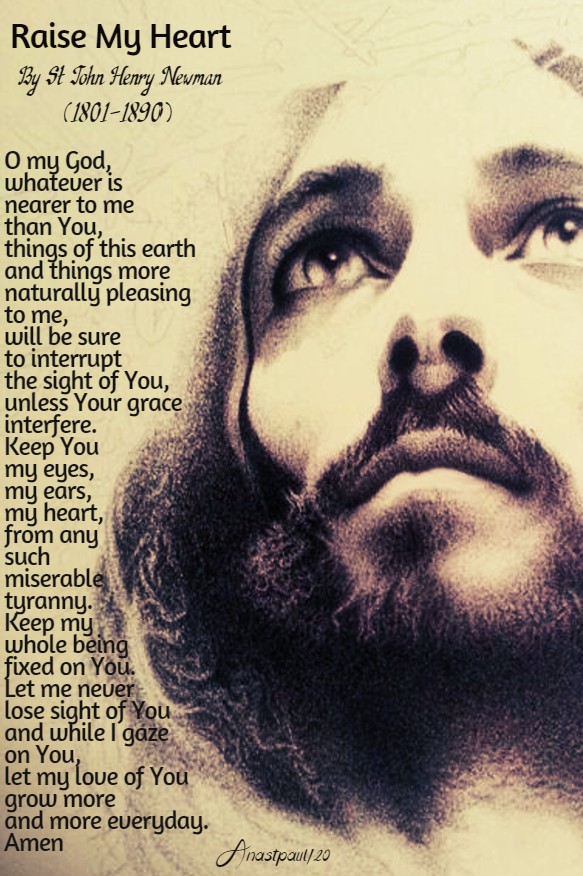


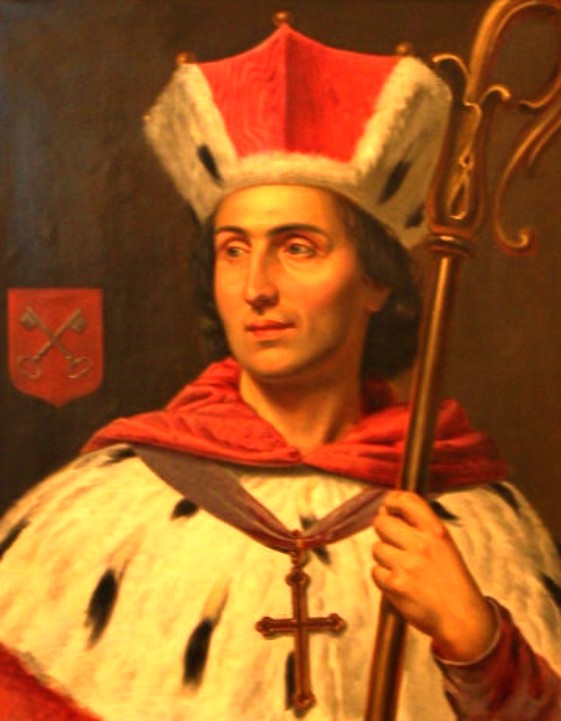
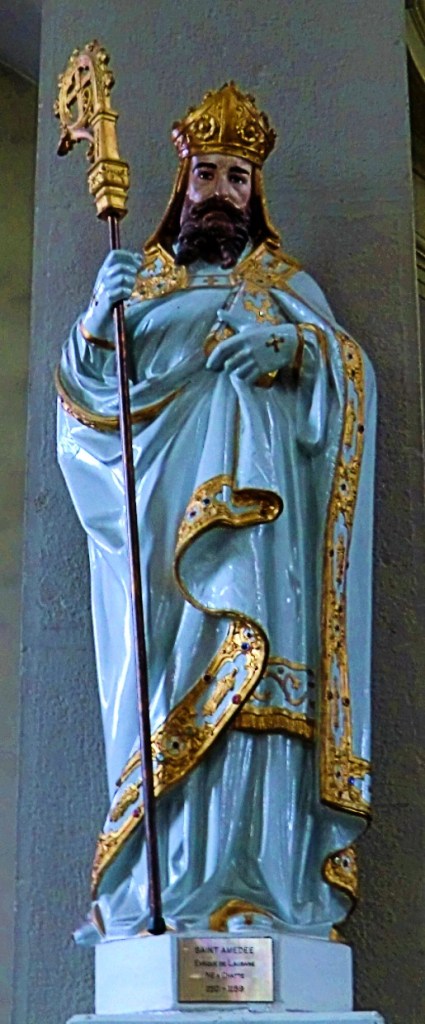

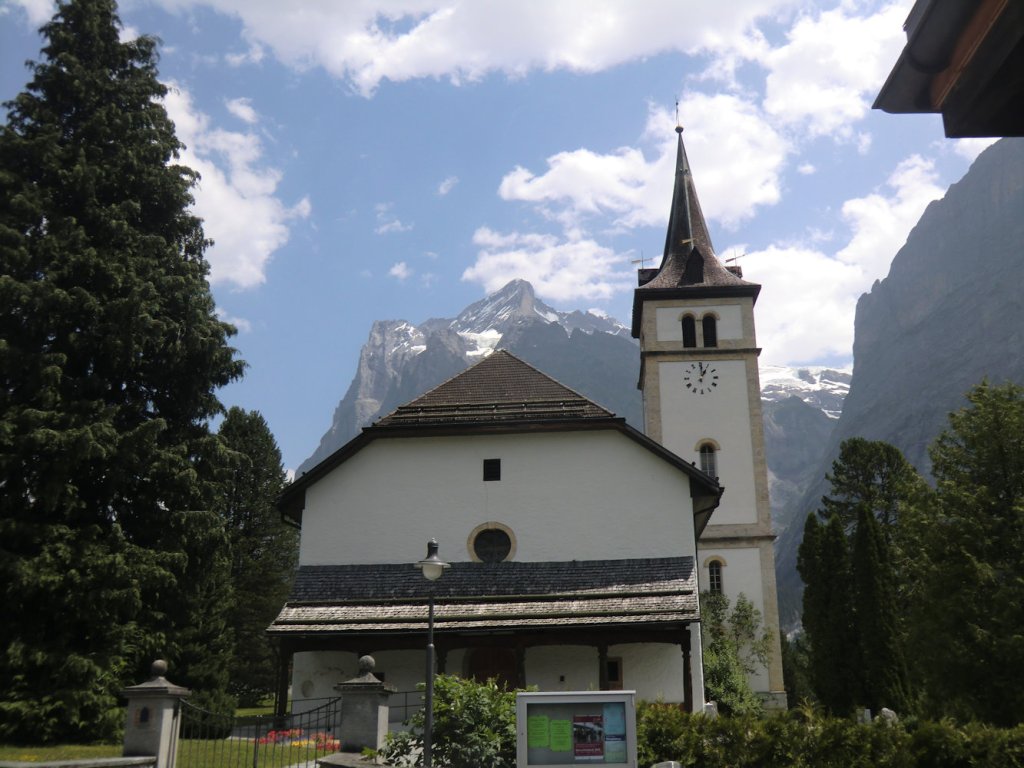
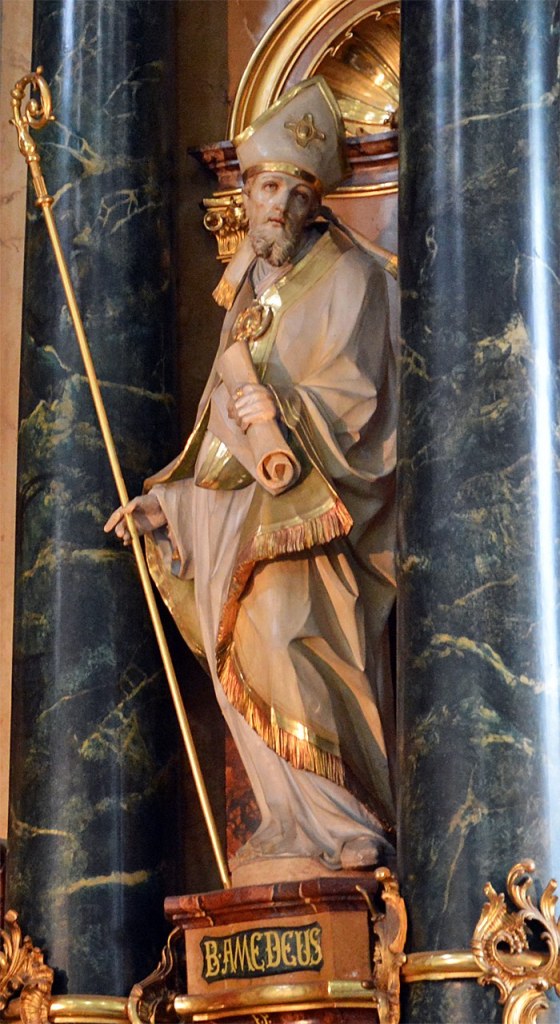
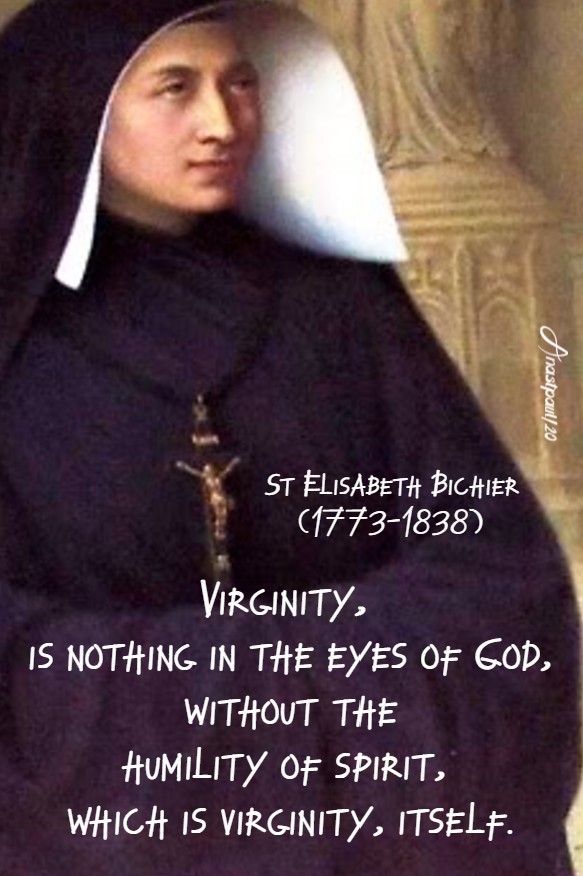
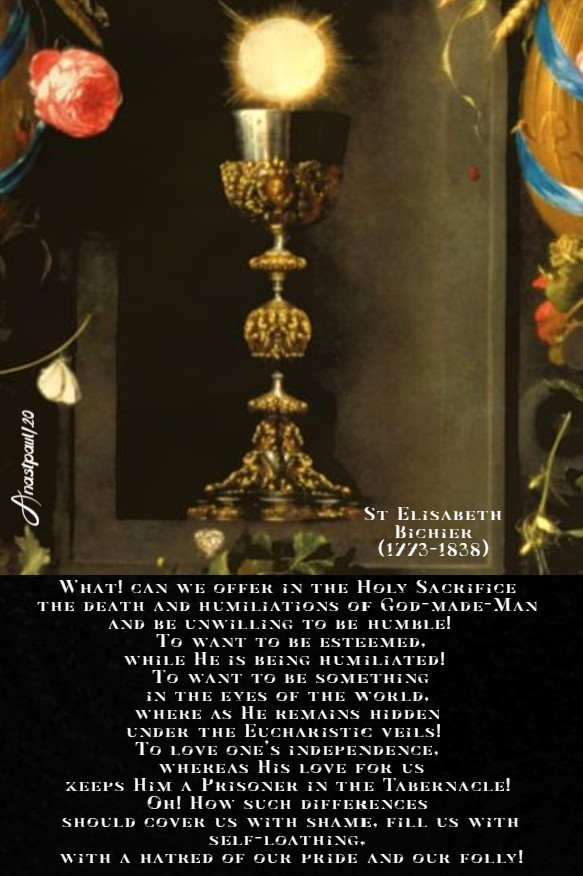
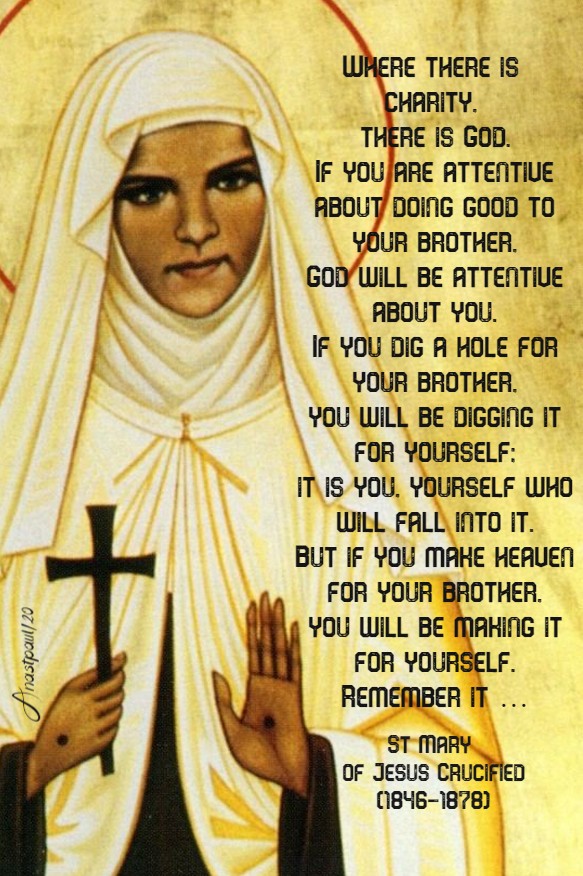
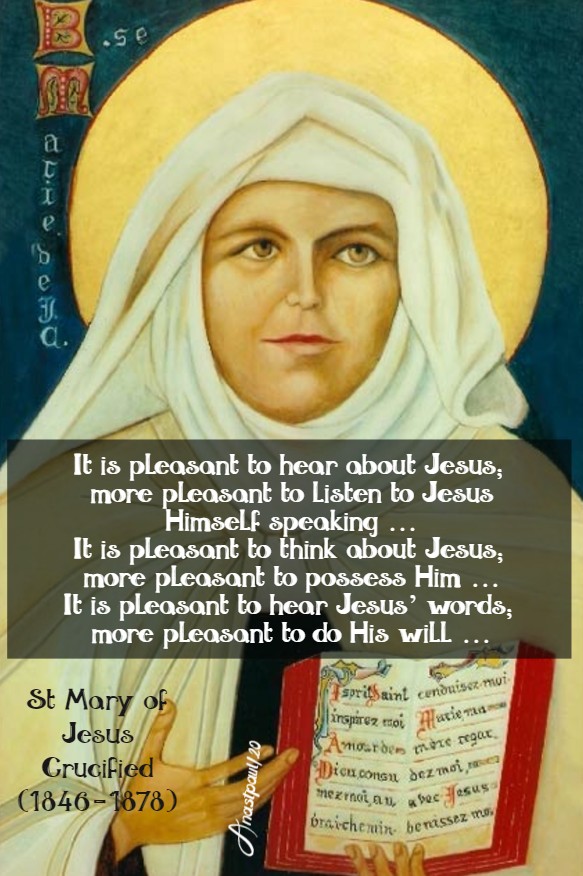


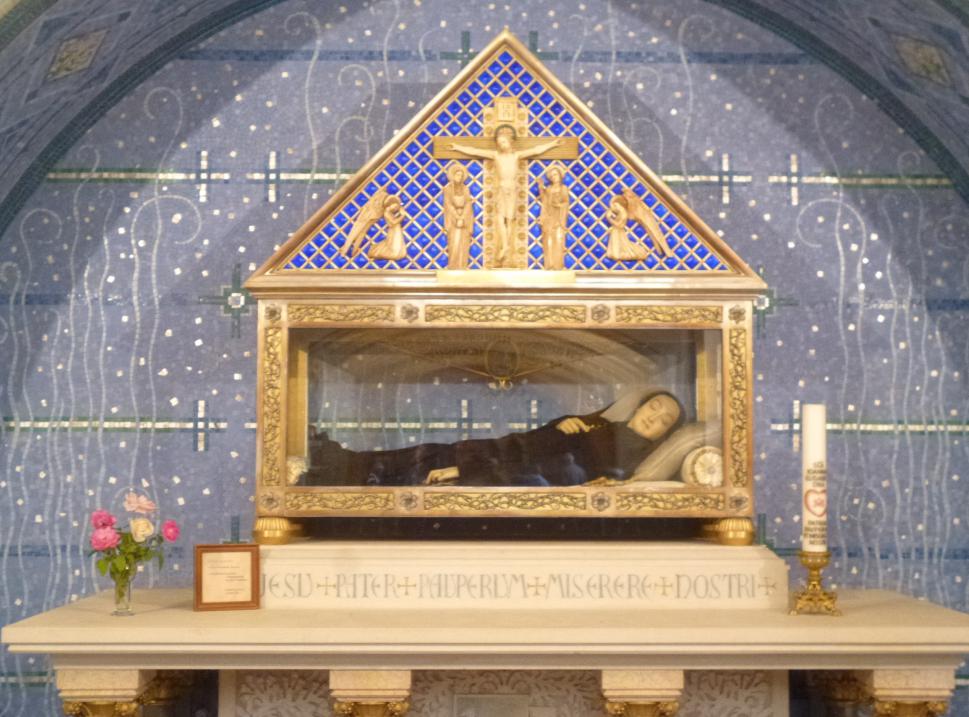


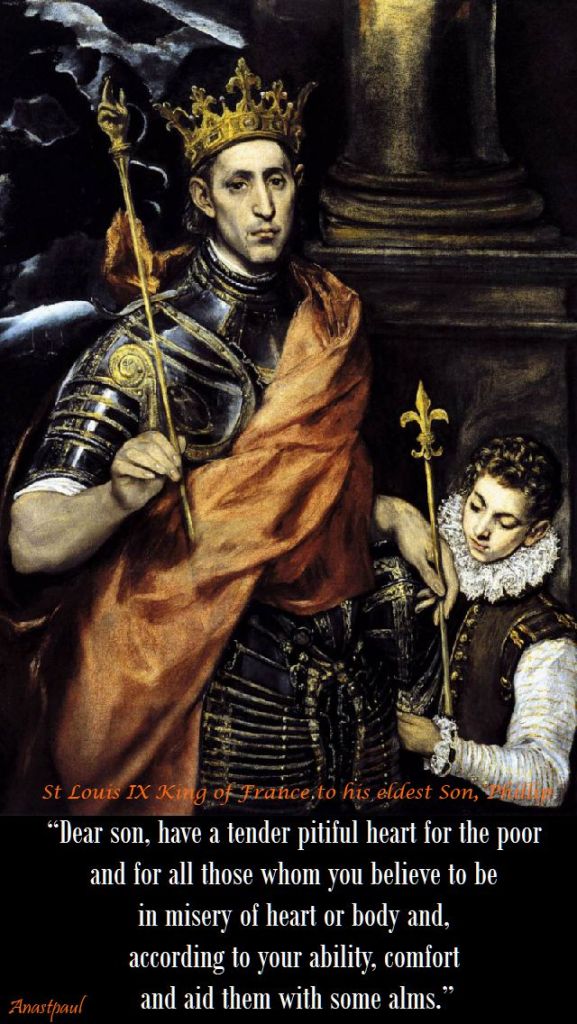
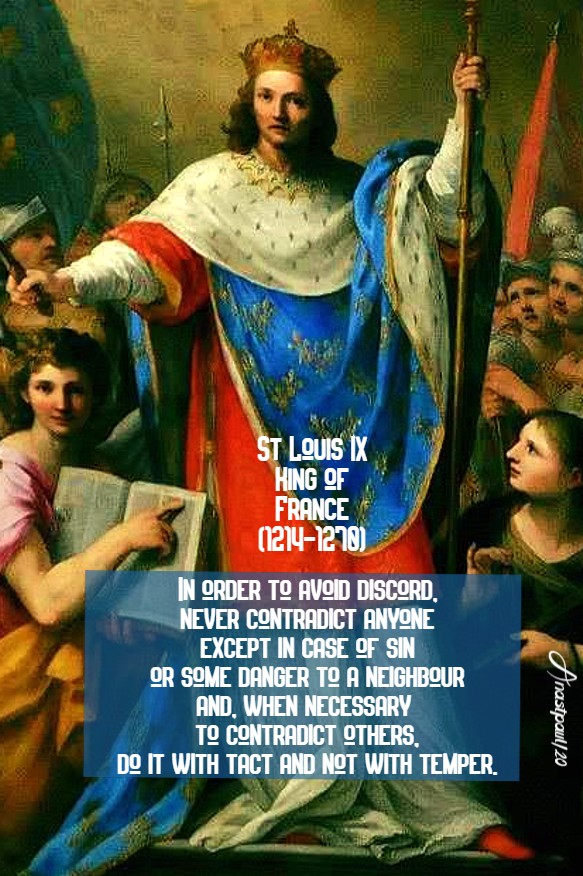
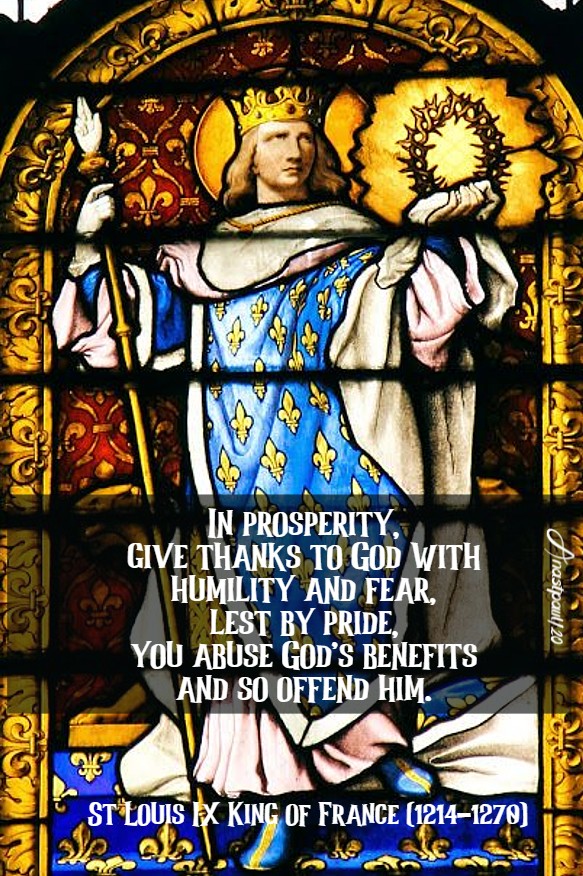

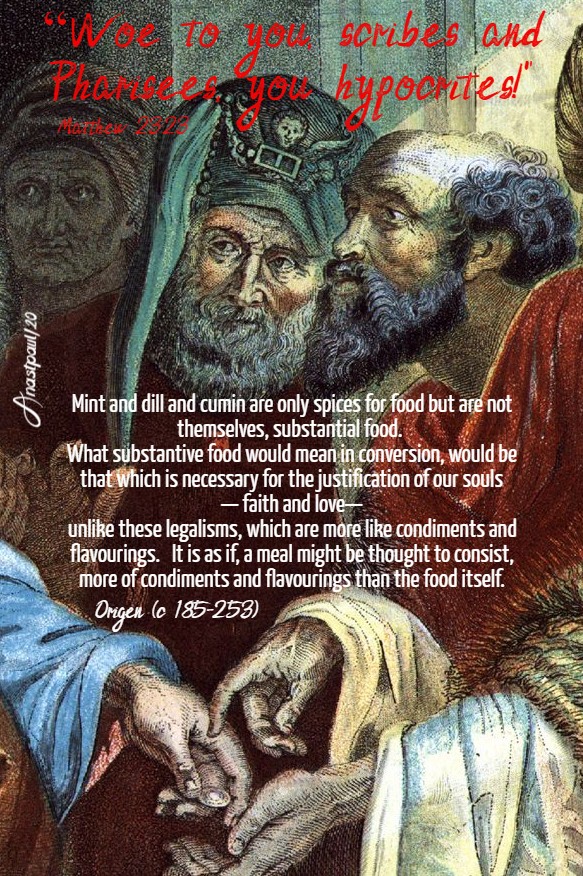
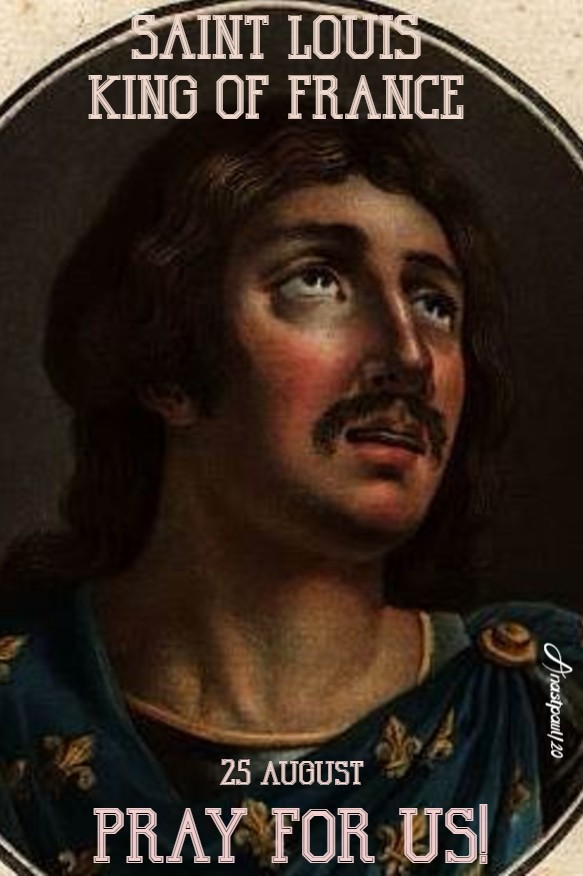
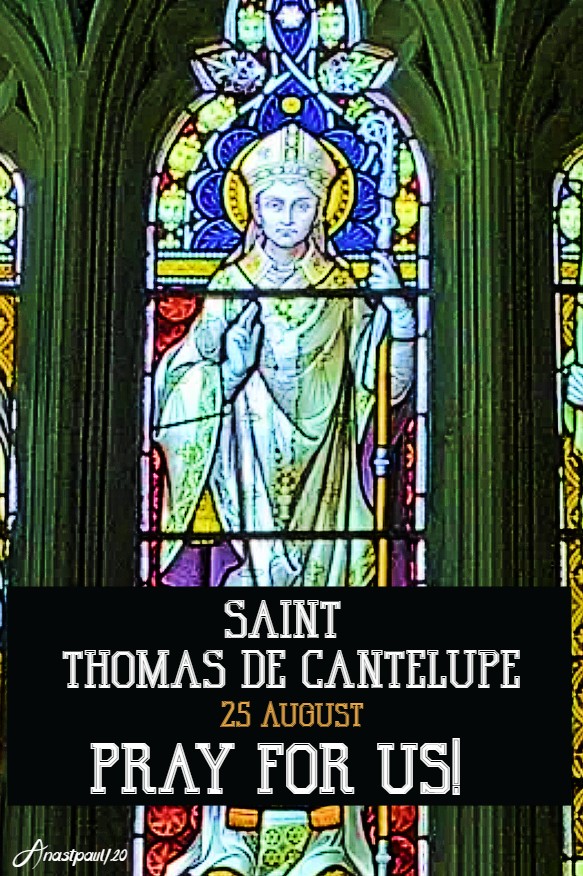
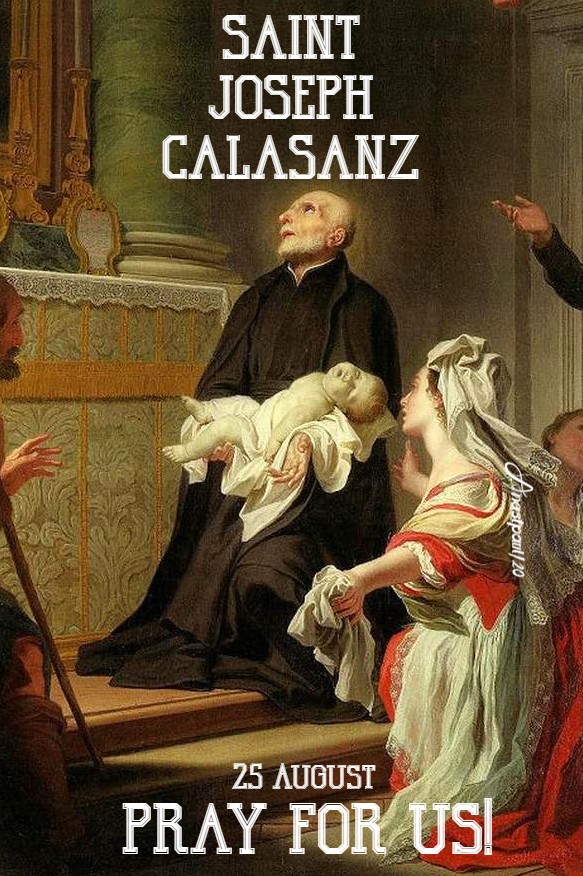
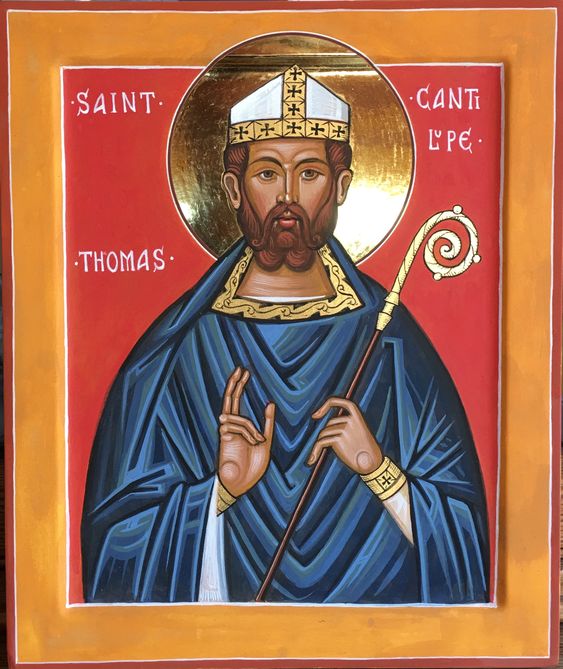
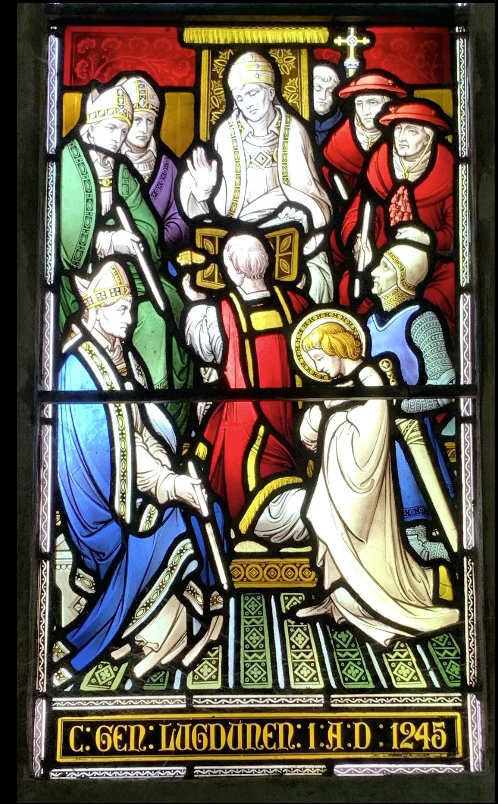
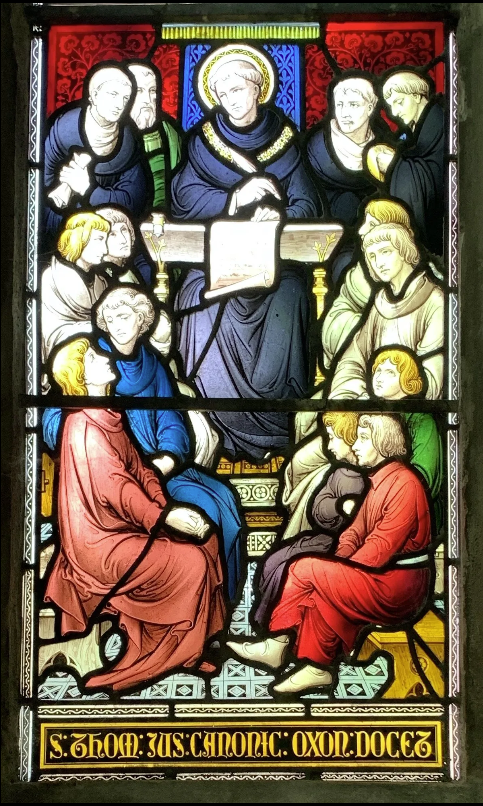
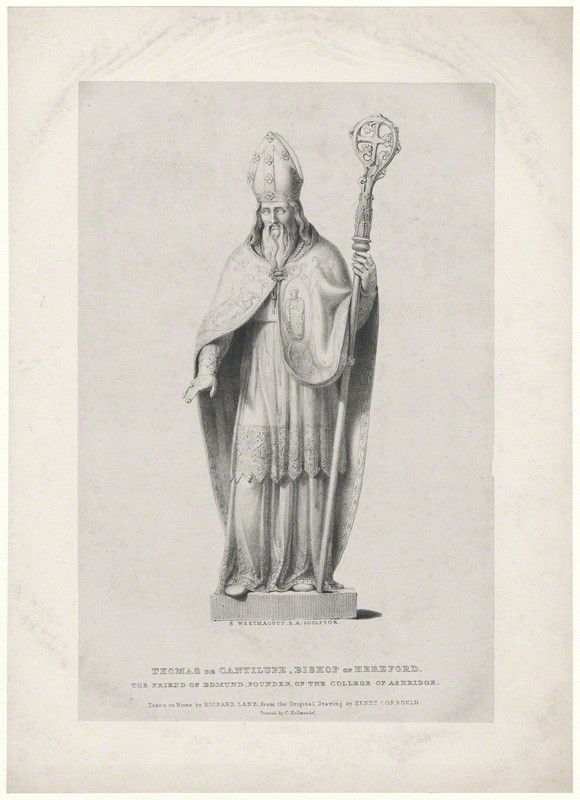
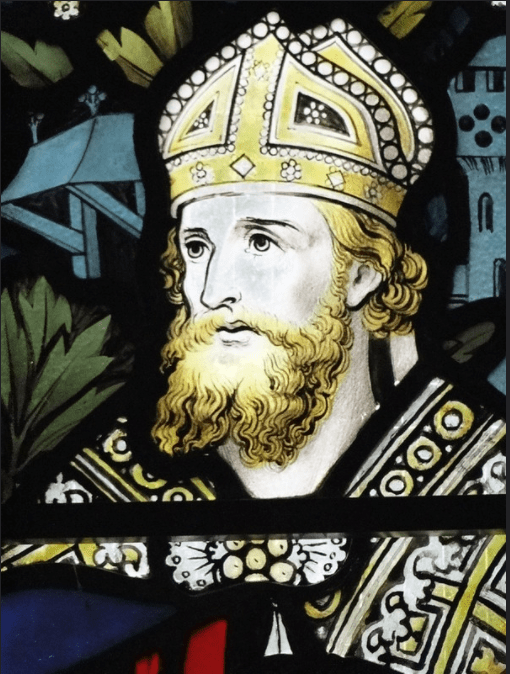

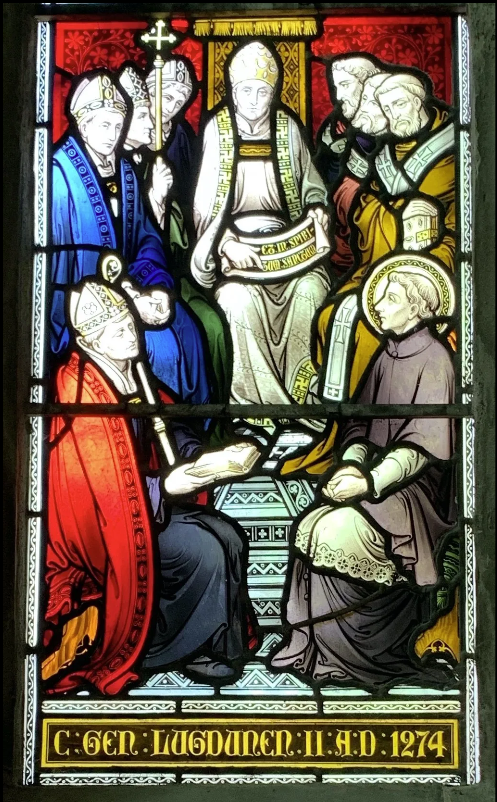
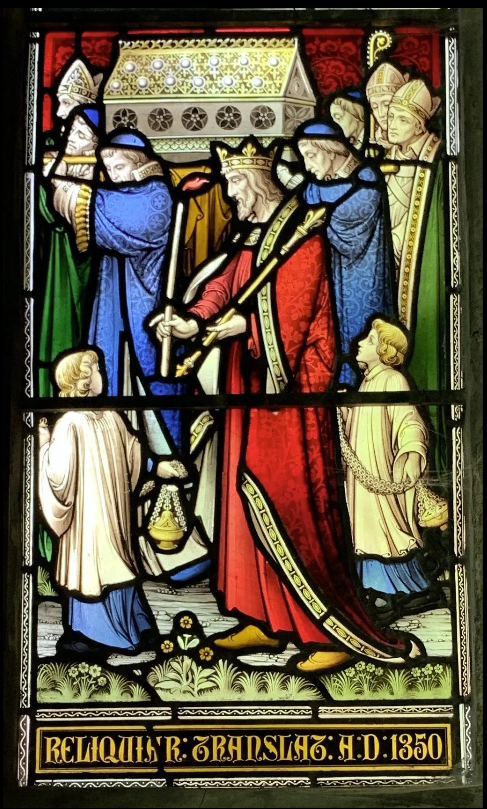
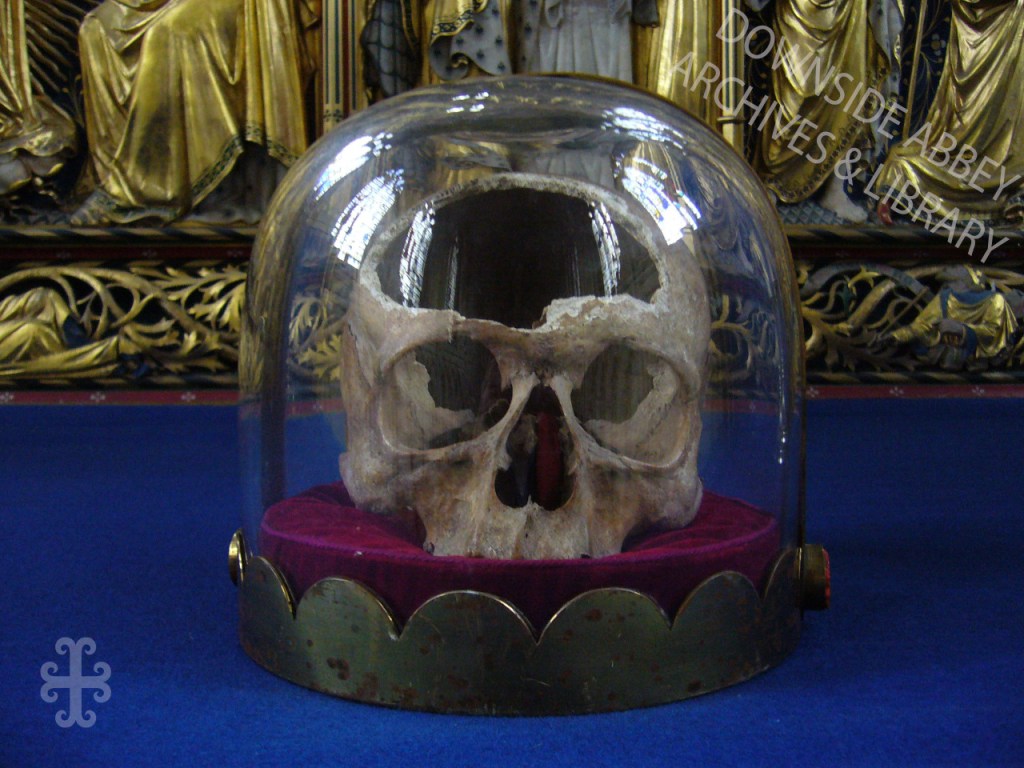
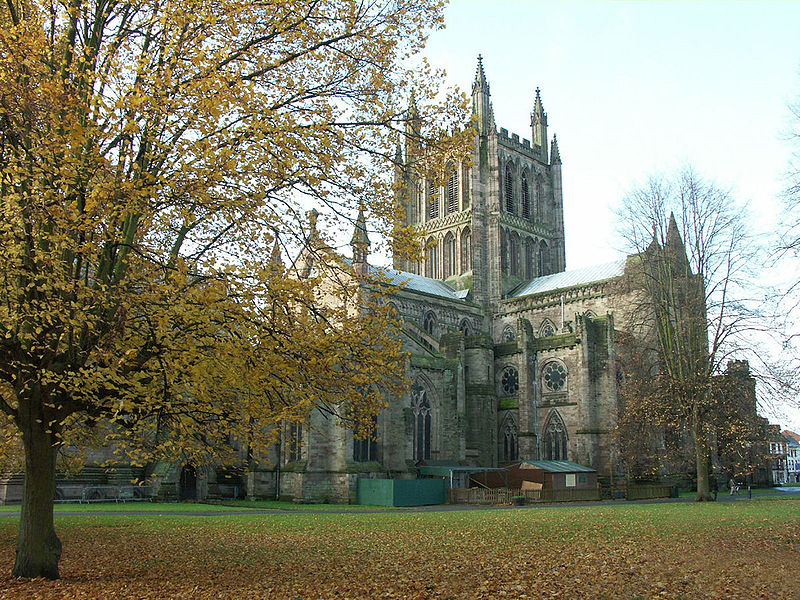
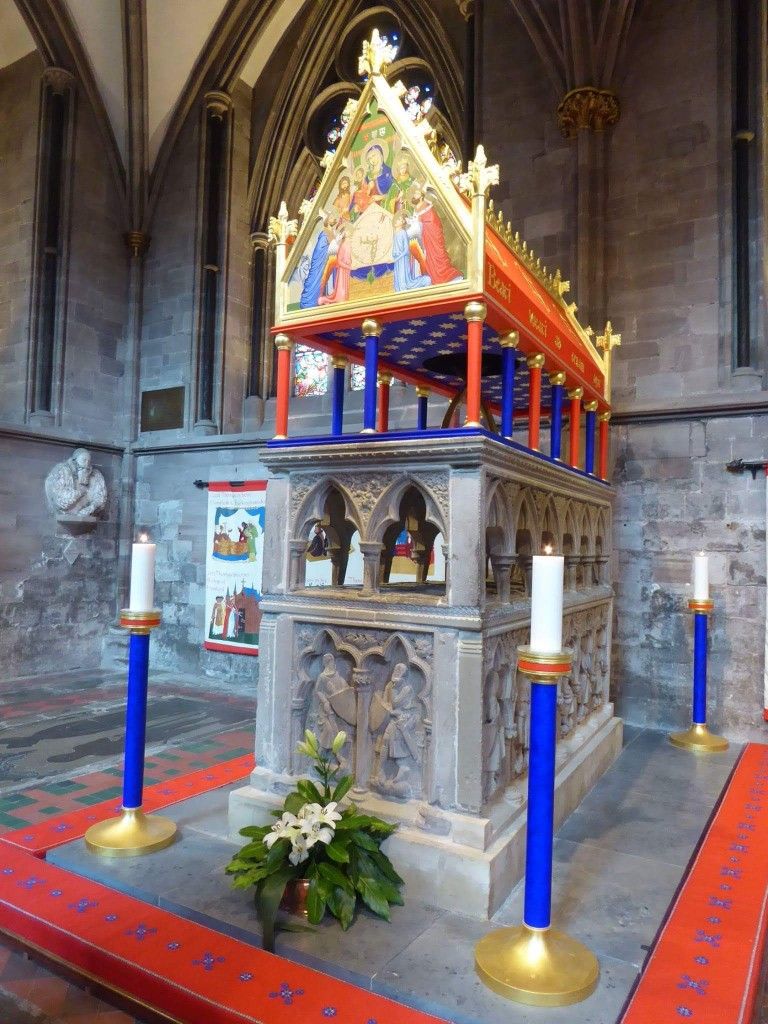

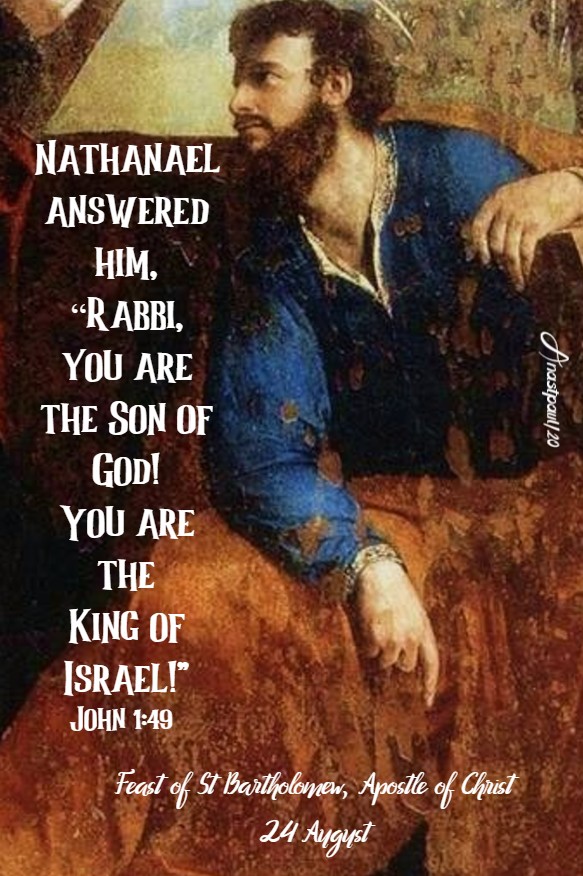


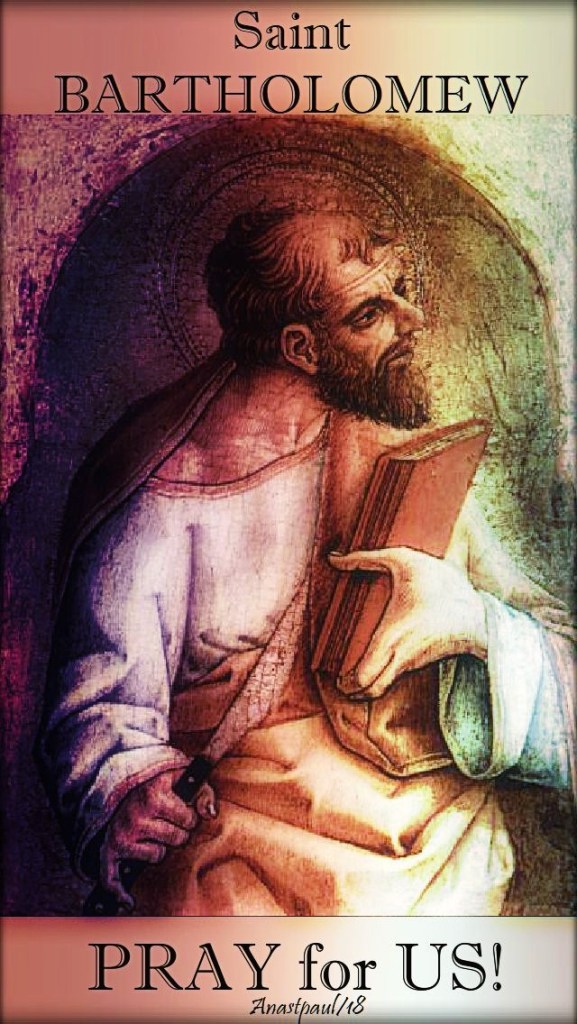
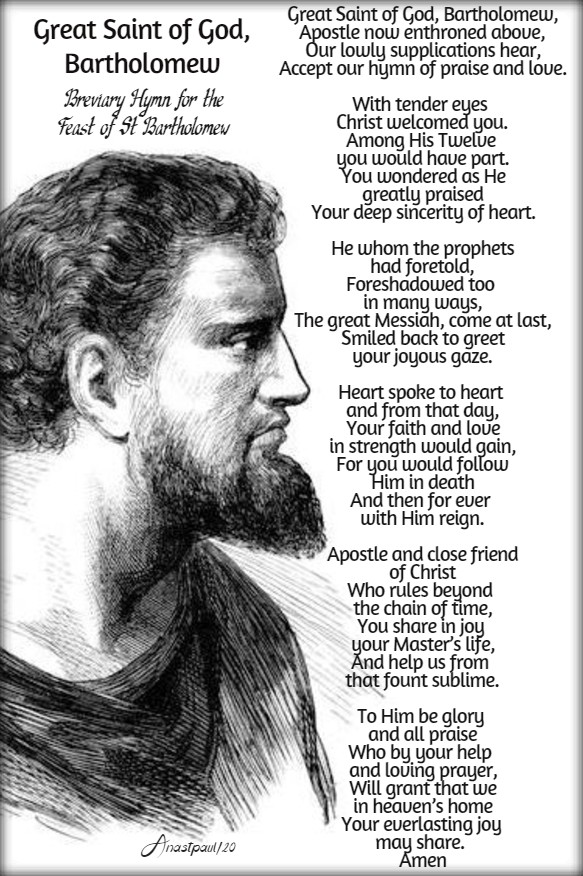

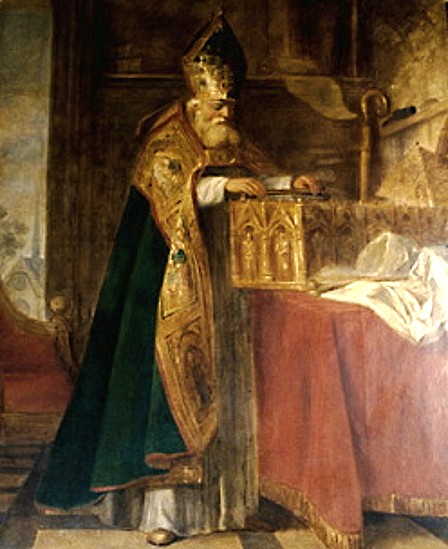


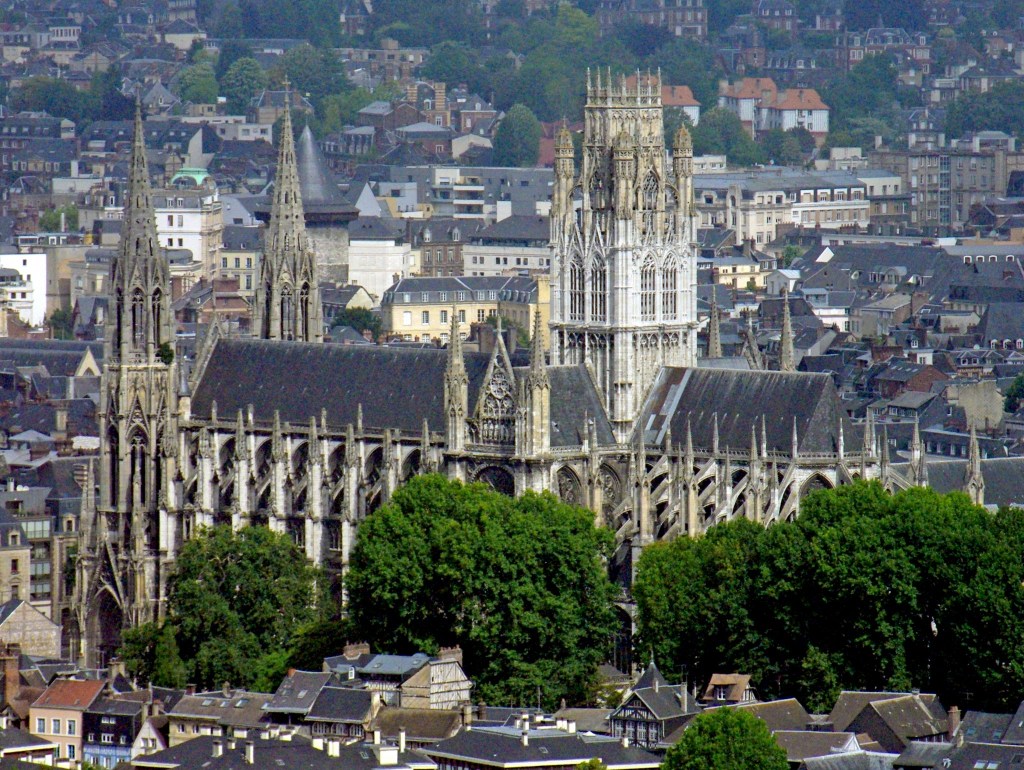

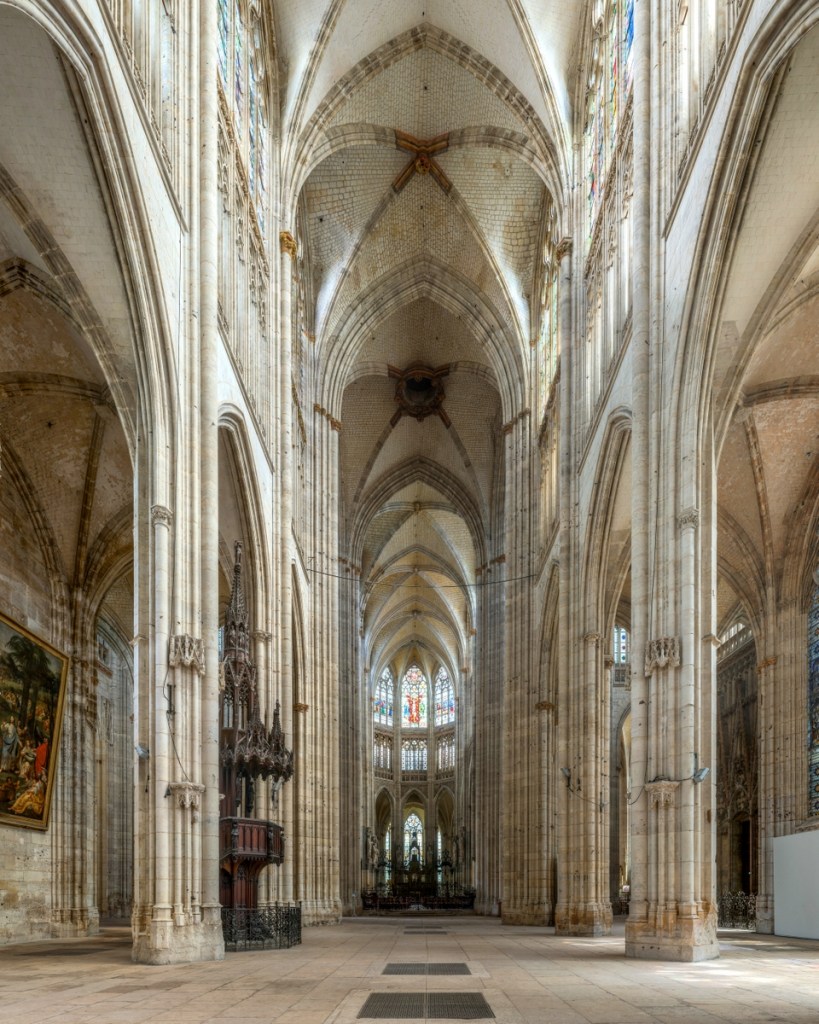


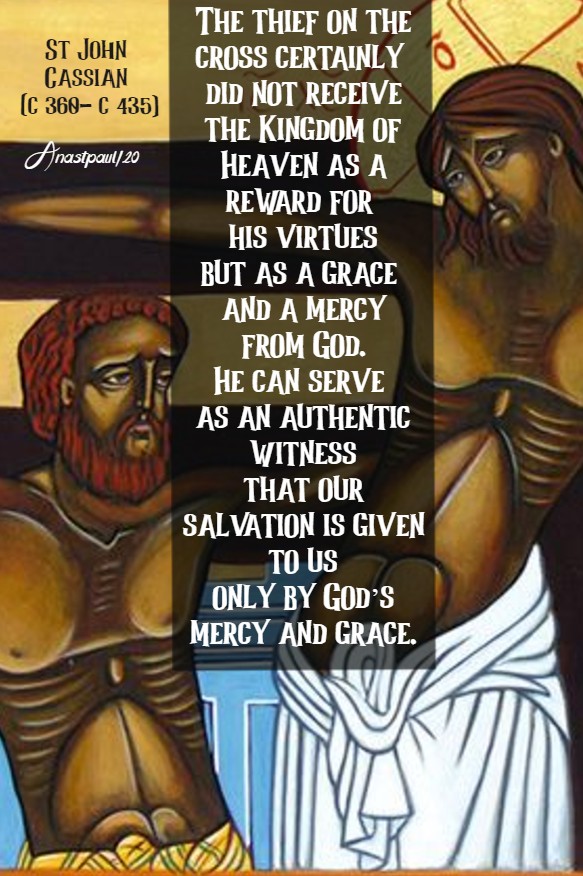
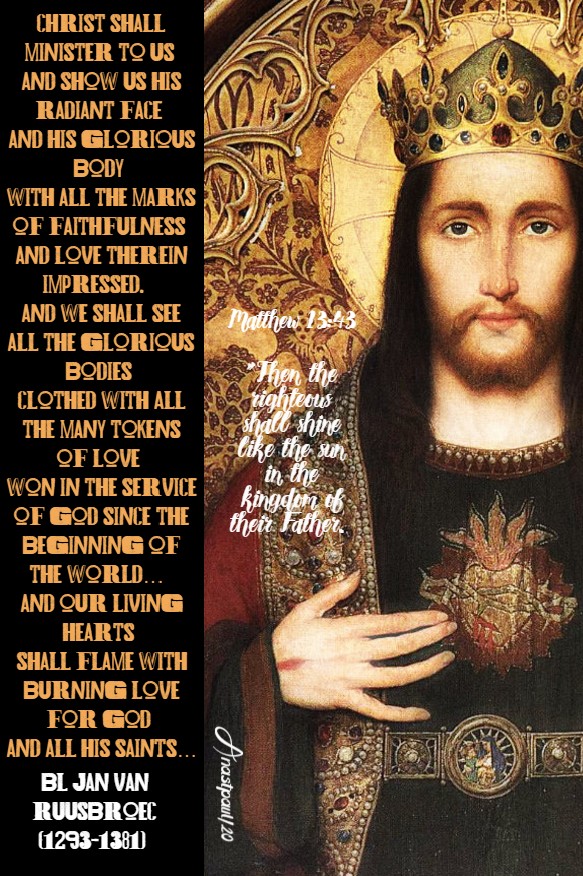
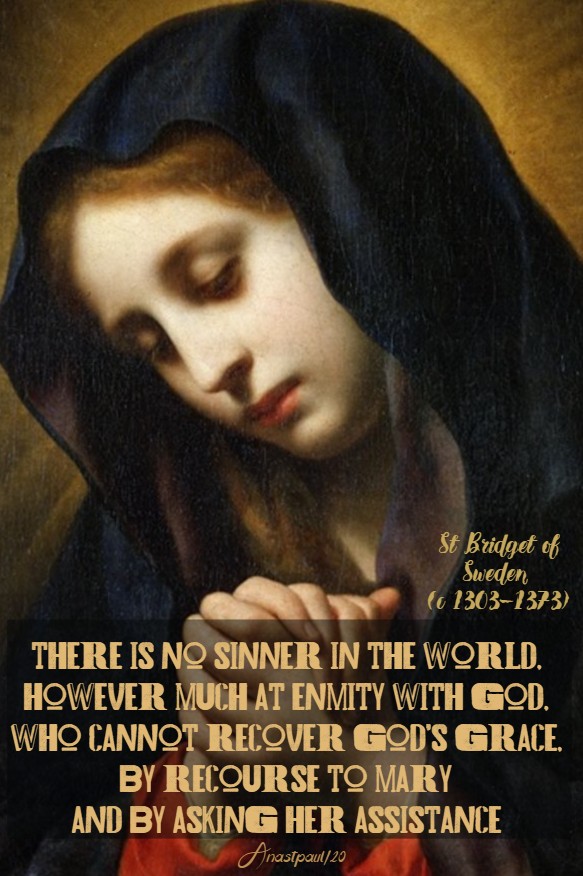

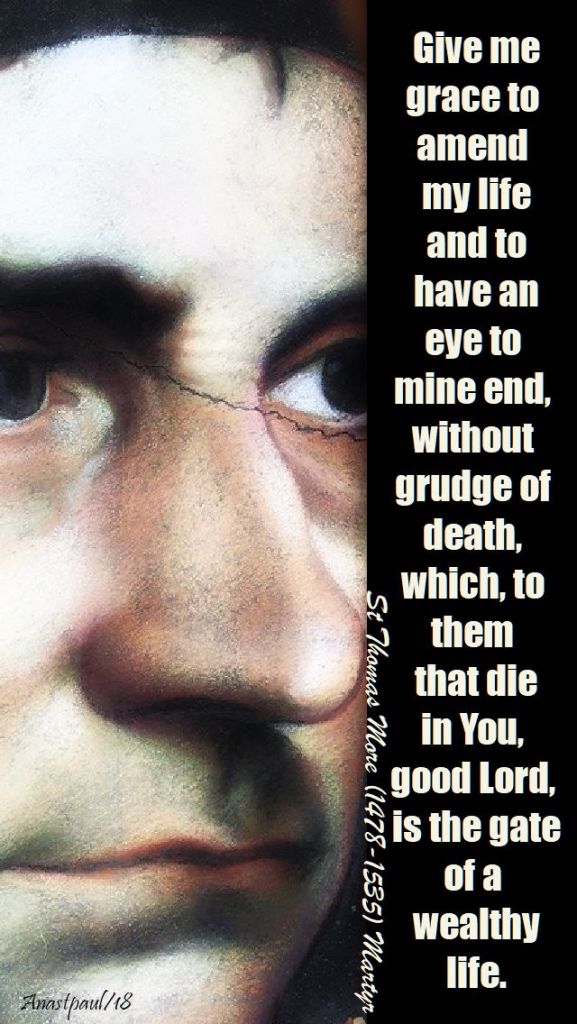


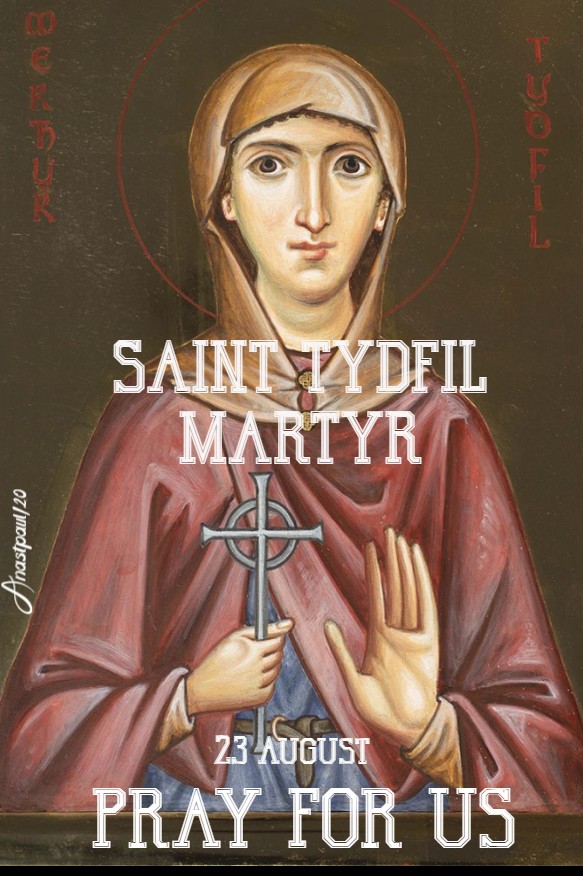
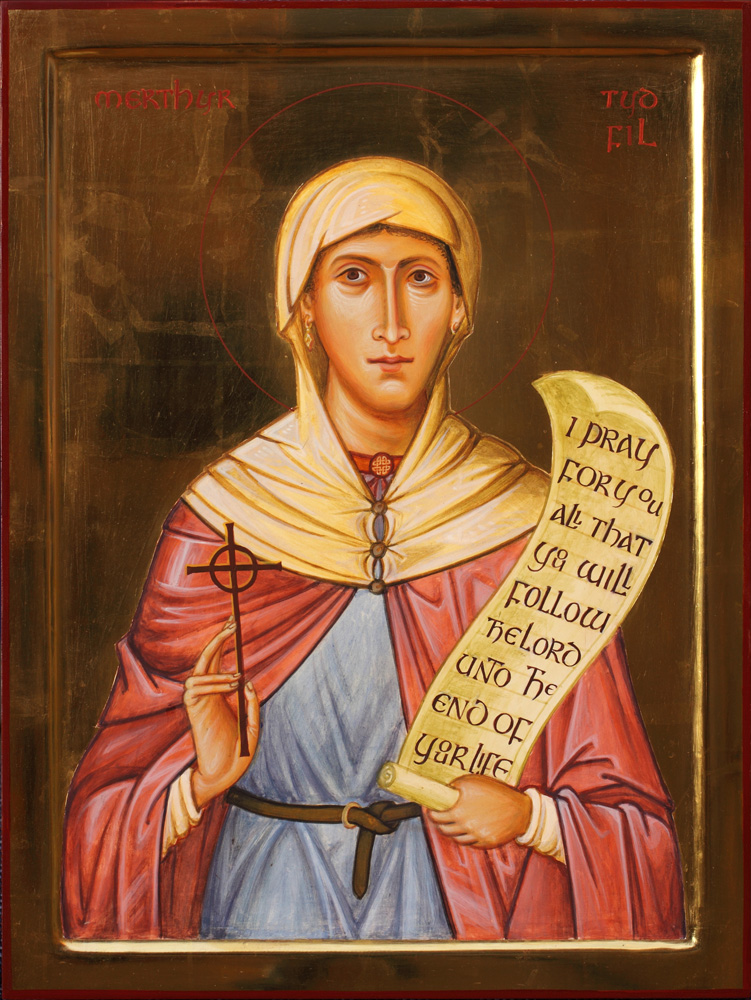



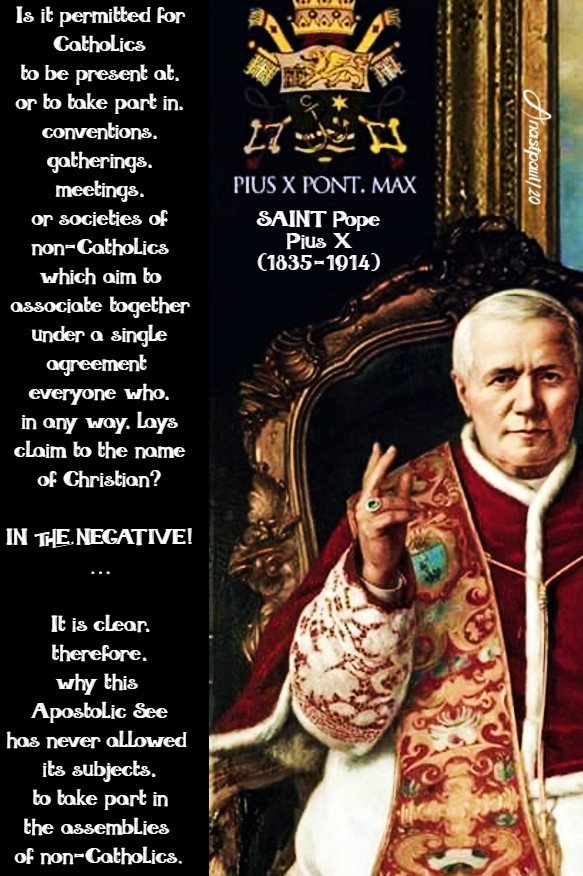
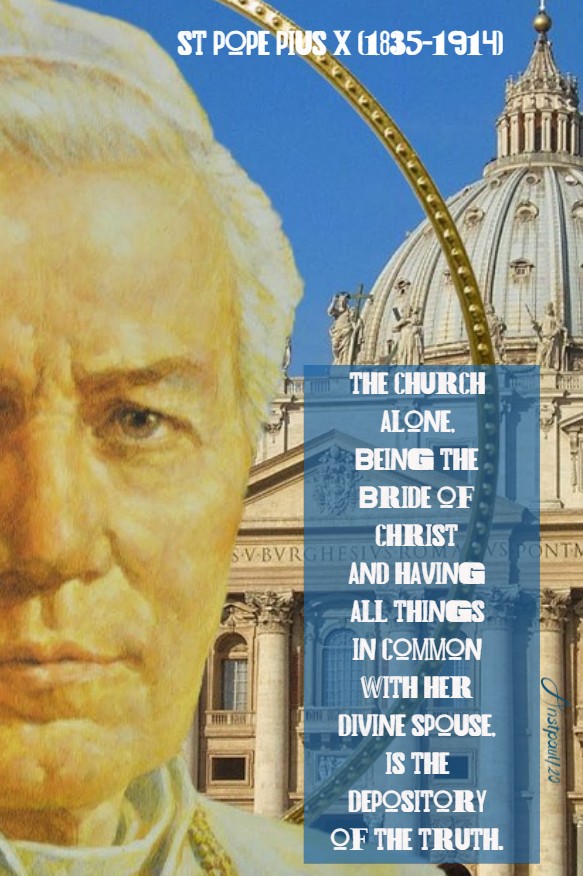
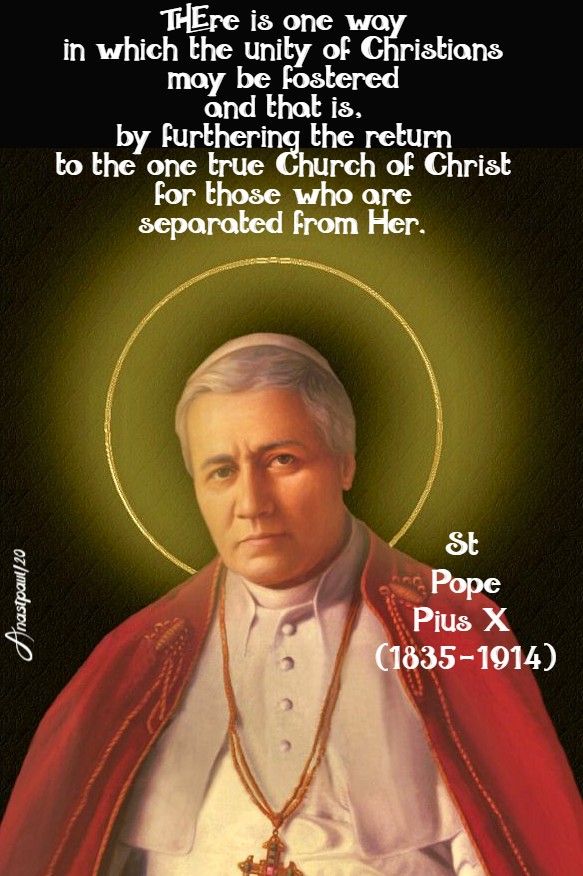


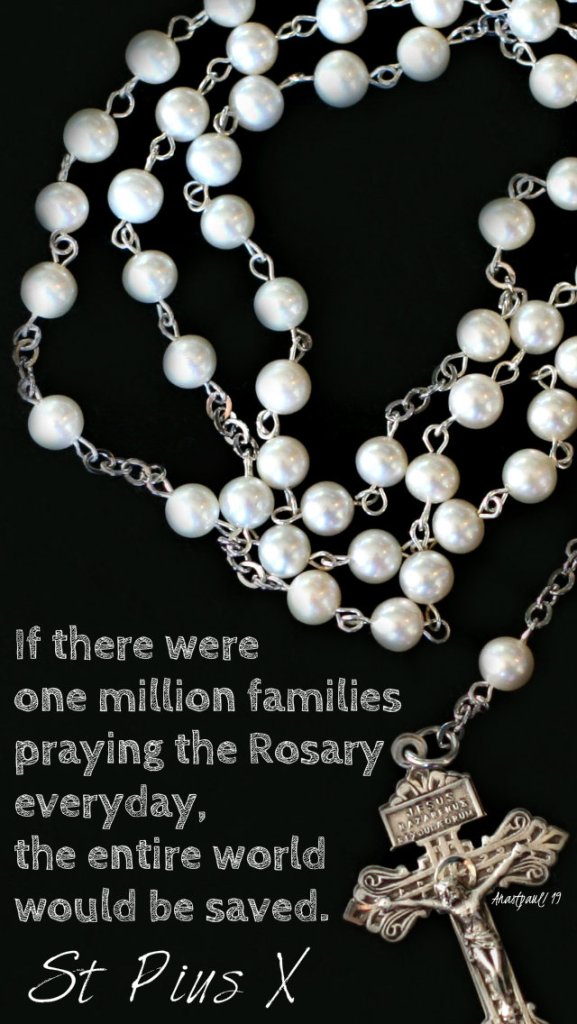
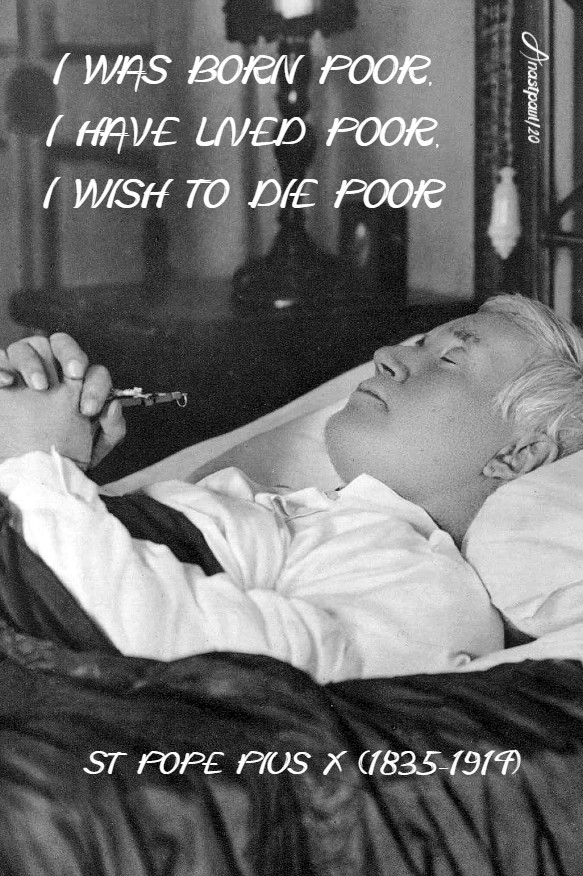

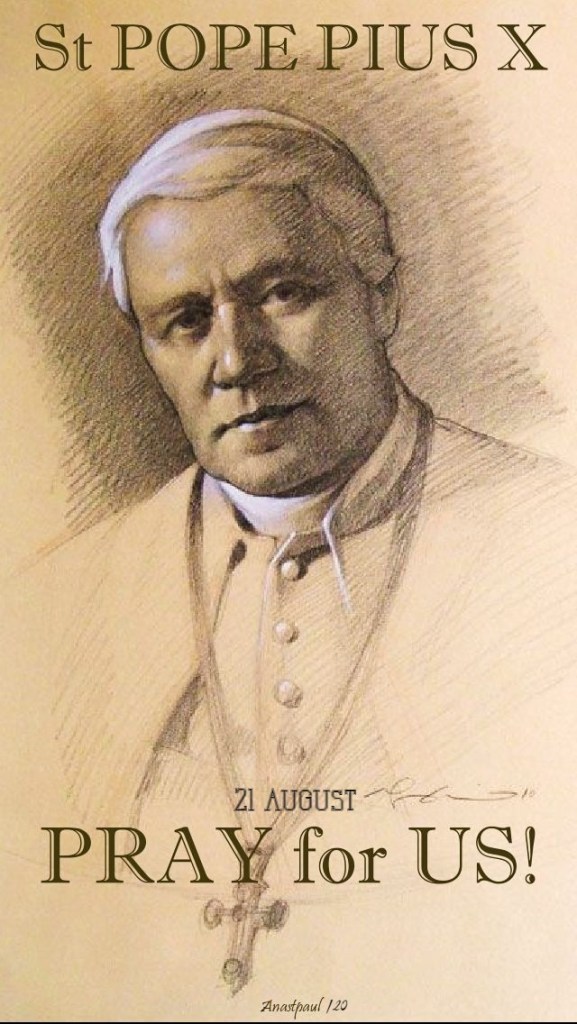

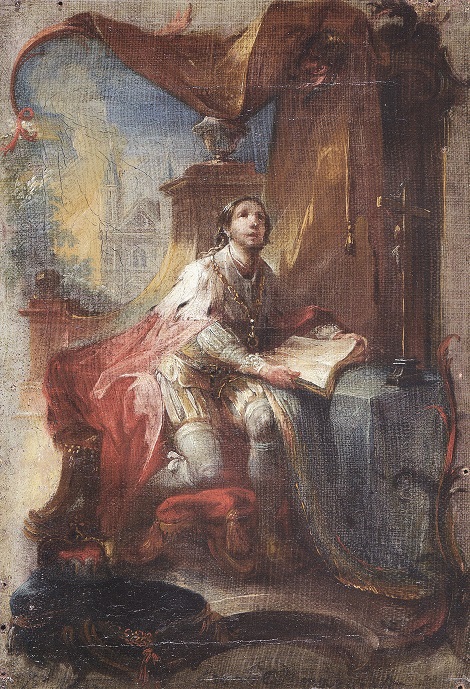
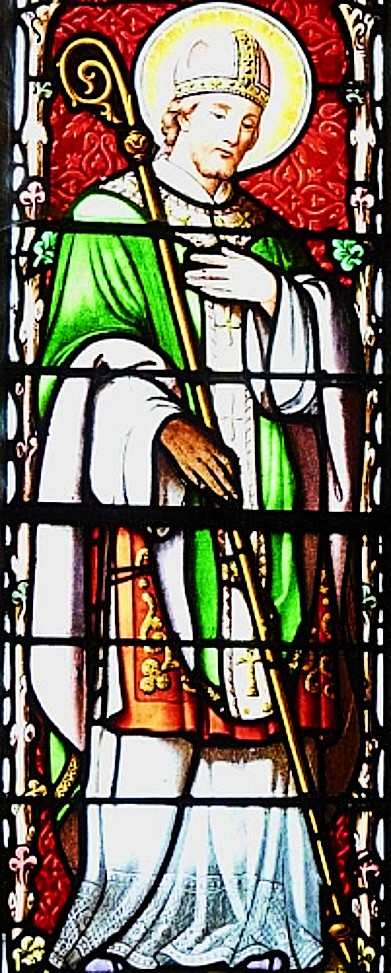
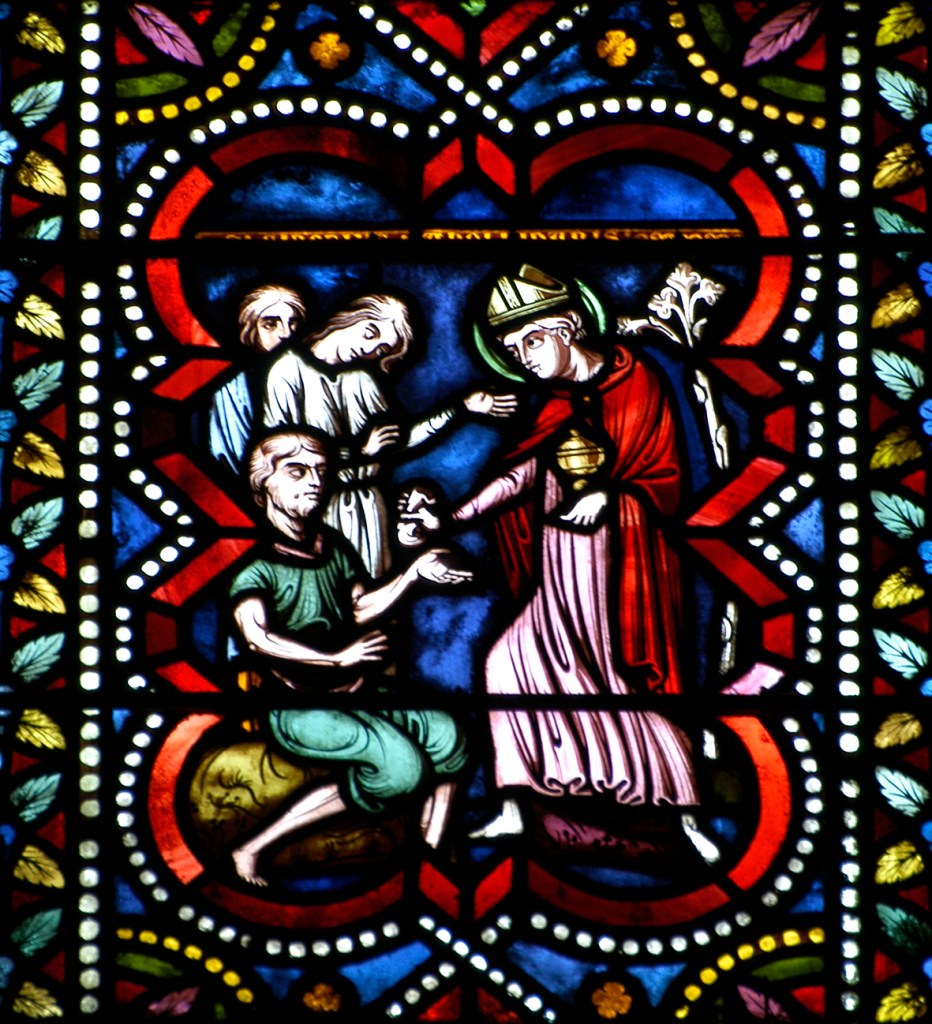
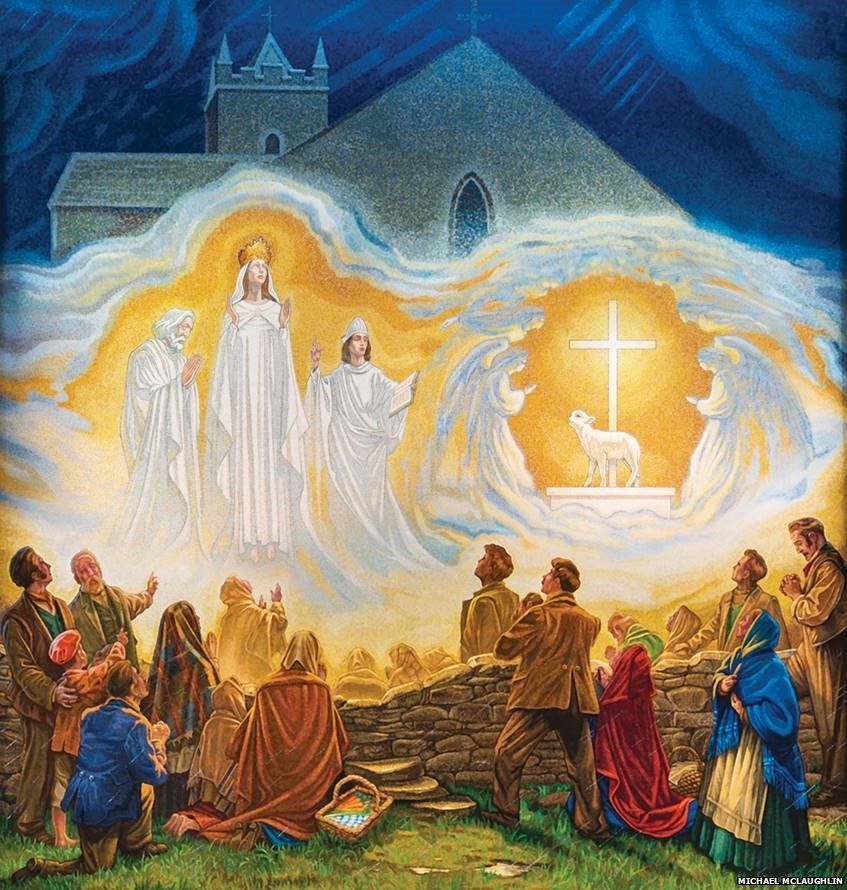
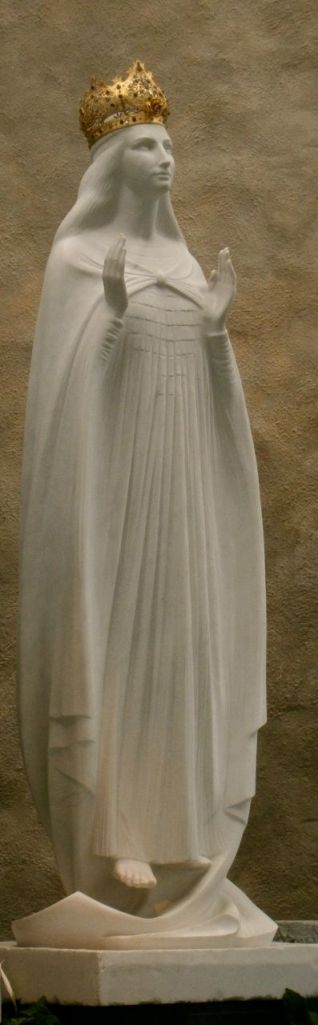
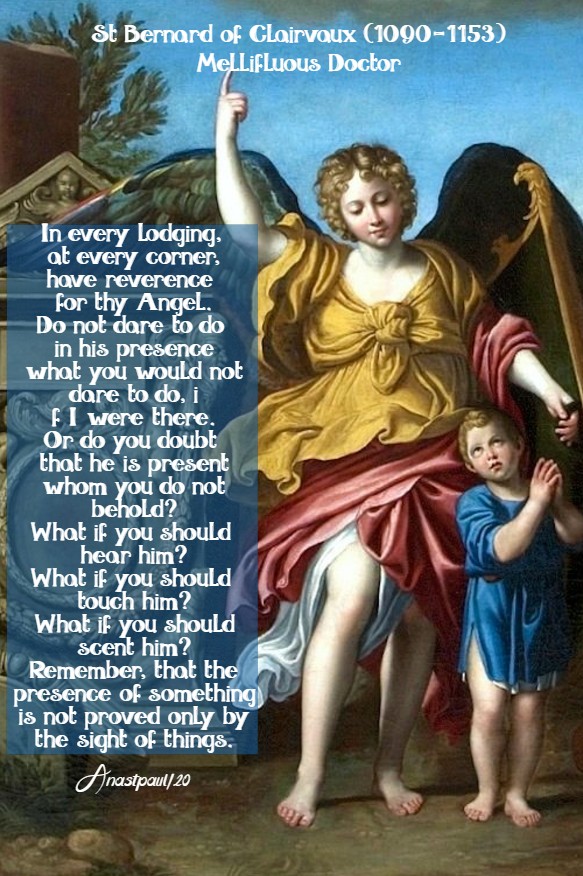
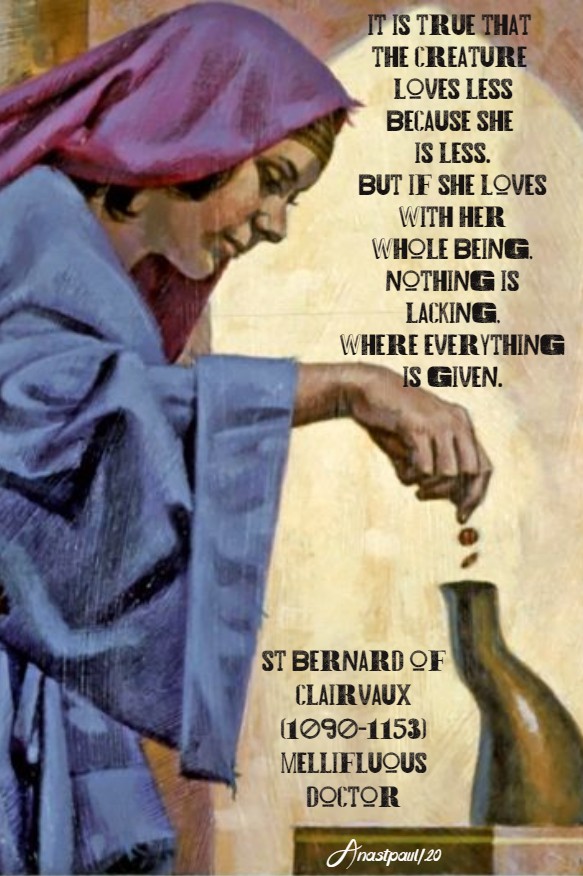
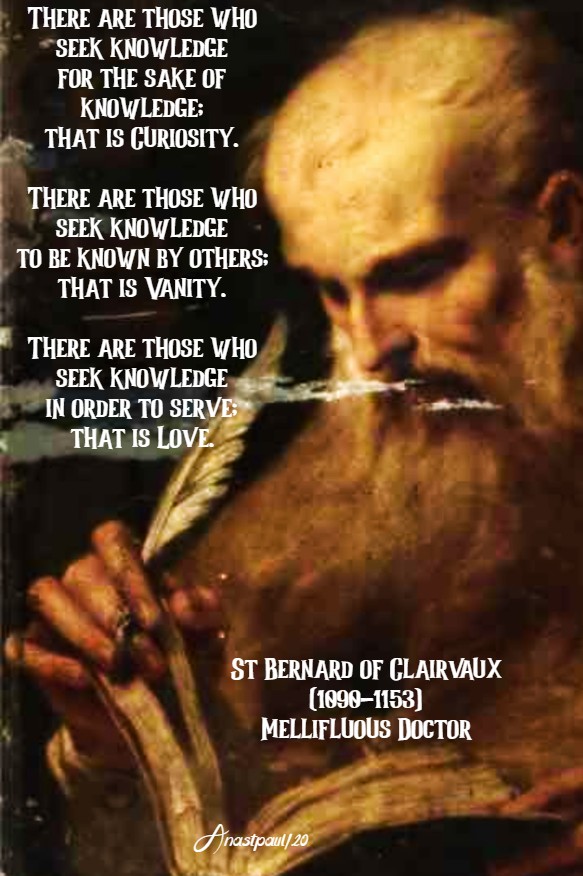

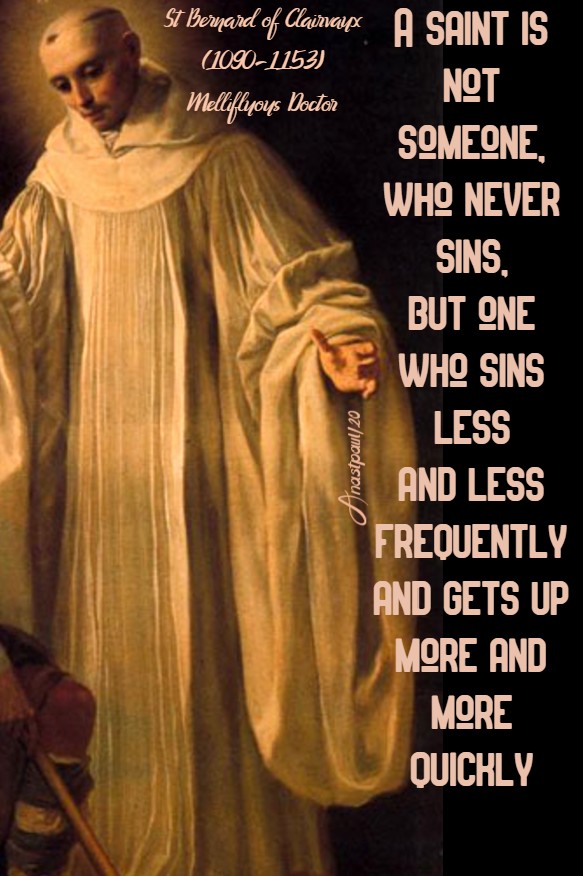
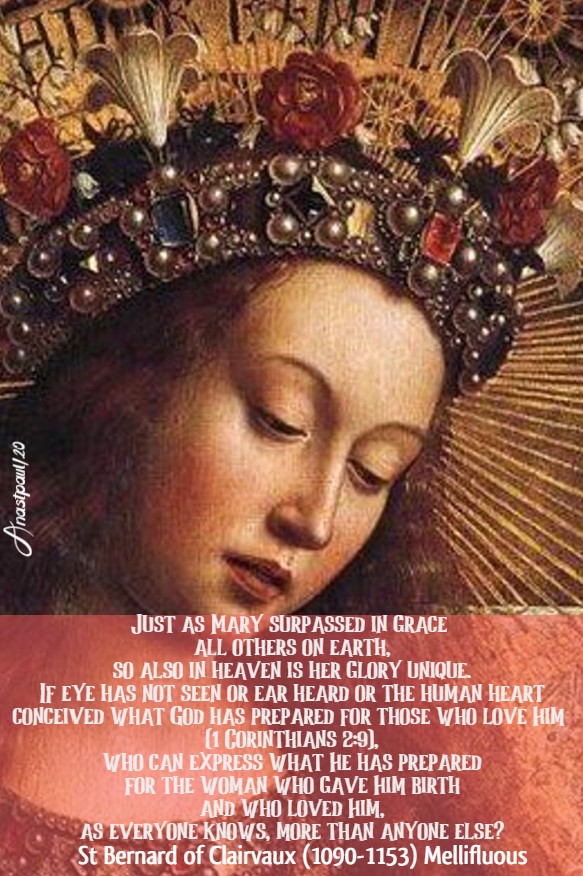
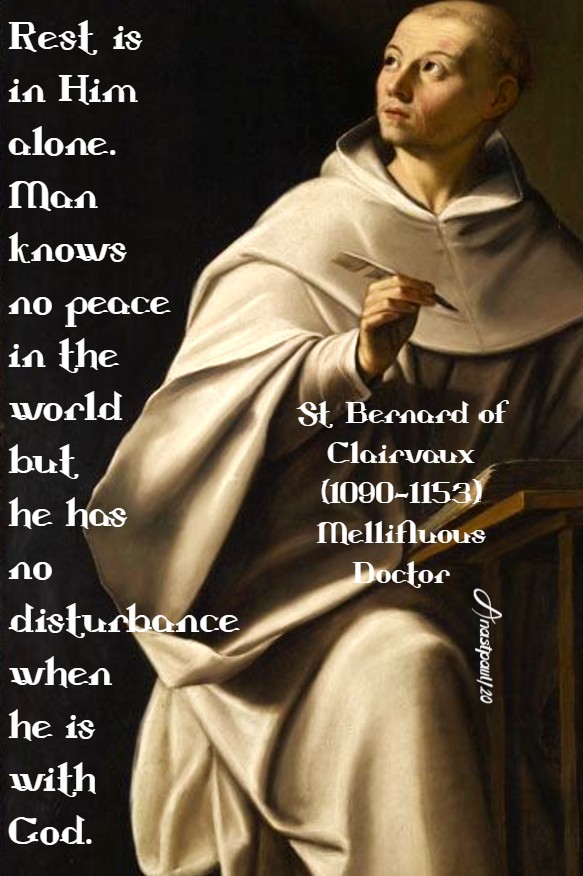
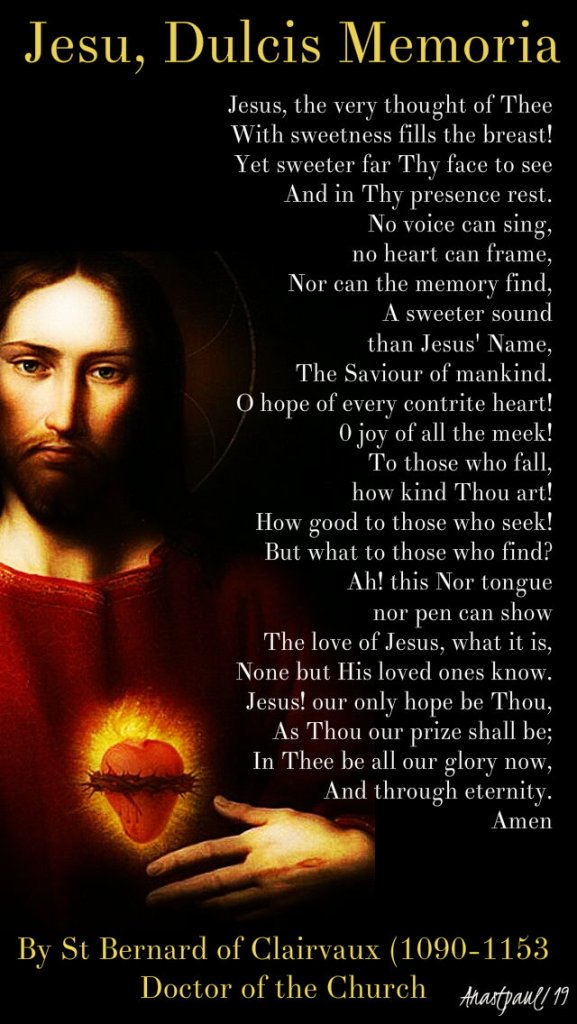
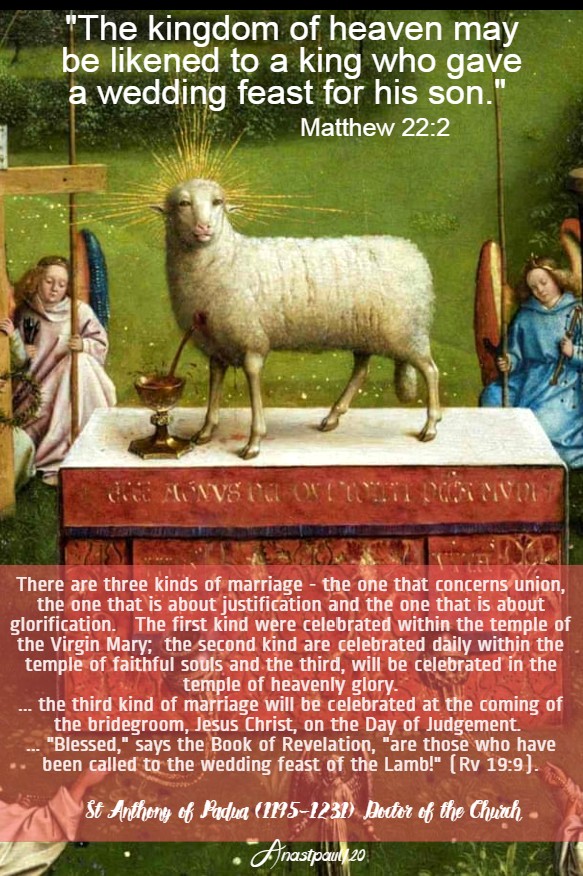
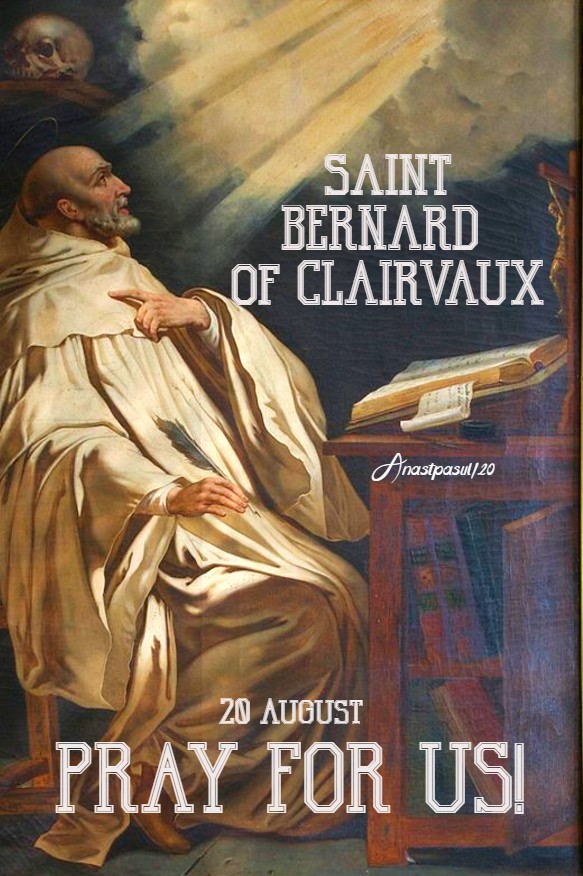
 AnaStpaul
You must be logged in to post a comment.