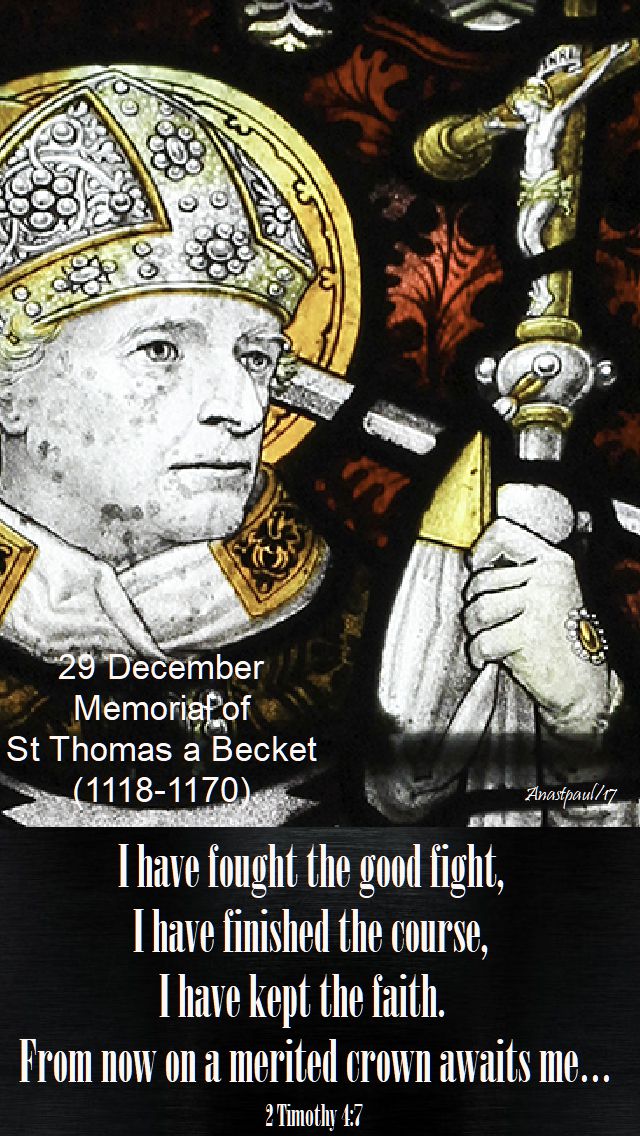
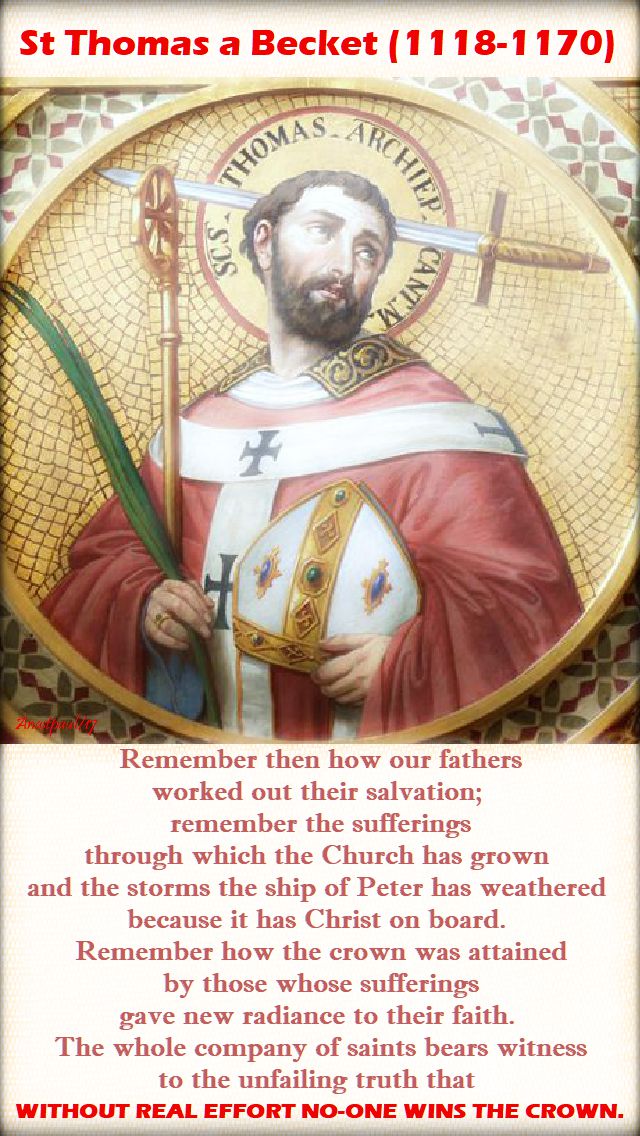
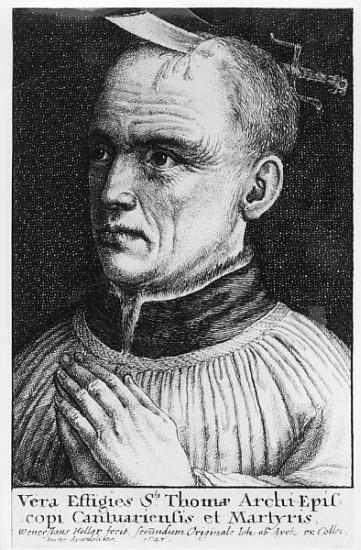
Quote/s of the Day – 29 December – St Thomas a Becket (1118-1170) Martyr, Archbishop of Canterbury
I have fought the good fight, I have finished the course, I have kept the faith. From now on a merited crown awaits me
2 Timothy 4:7
“Remember then how our fathers worked out their salvation; remember the sufferings through which the Church has grown and the storms the ship of Peter has weathered because it has Christ on board. Remember how the crown was attained, by those whose sufferings gave new radiance to their faith. The whole company of saints bears witness to the unfailing truth, that without real effort no-one wins the crown.”
“I am ready to die for my Lord, that in my blood, the Church may obtain liberty and peace.”
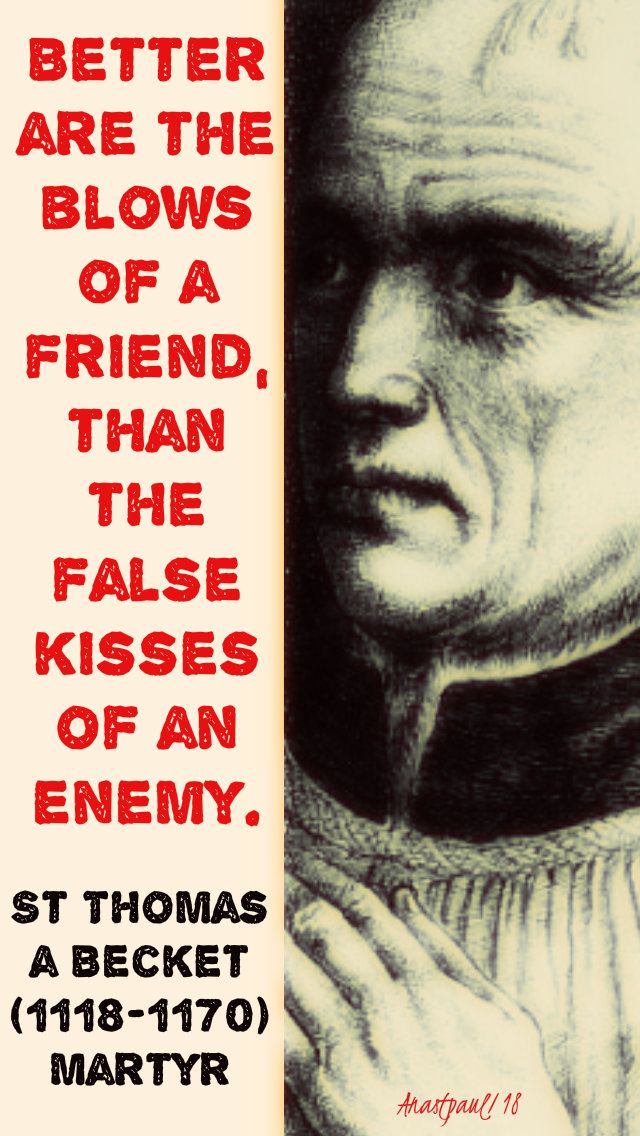
“Better are the blows of a friend, than the false kisses of an enemy.”
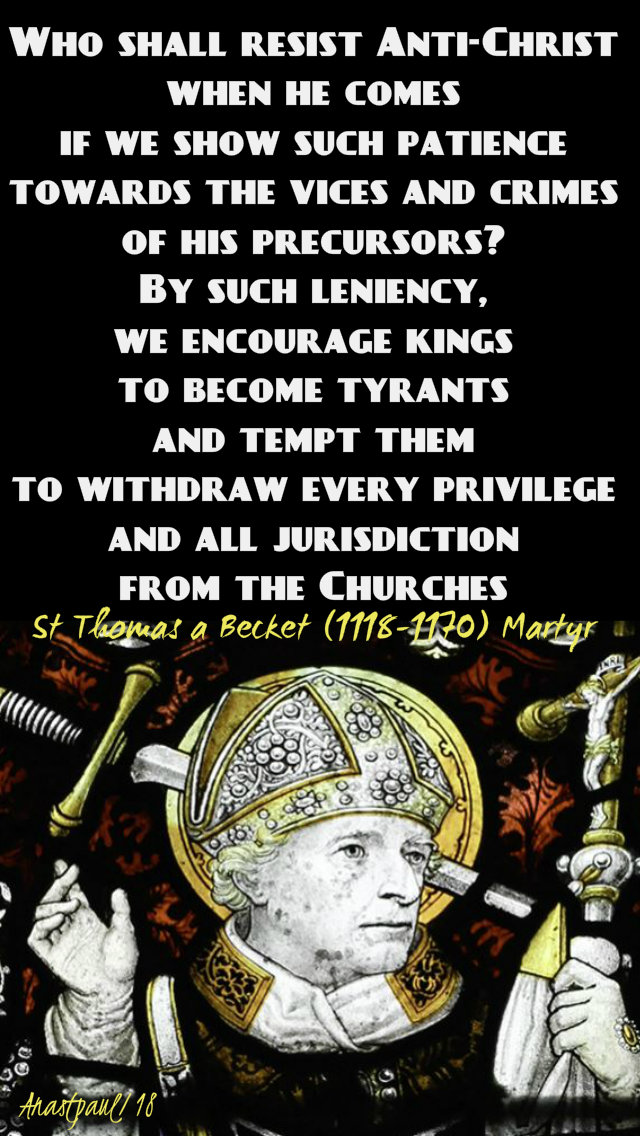
“Who shall resist Anti-Christ when he comes if we show such patience towards the vices and crimes of his precursors? By such leniency, we encourage kings to become tyrants and tempt them to withdraw every privilege and all jurisdiction from the Churches.”
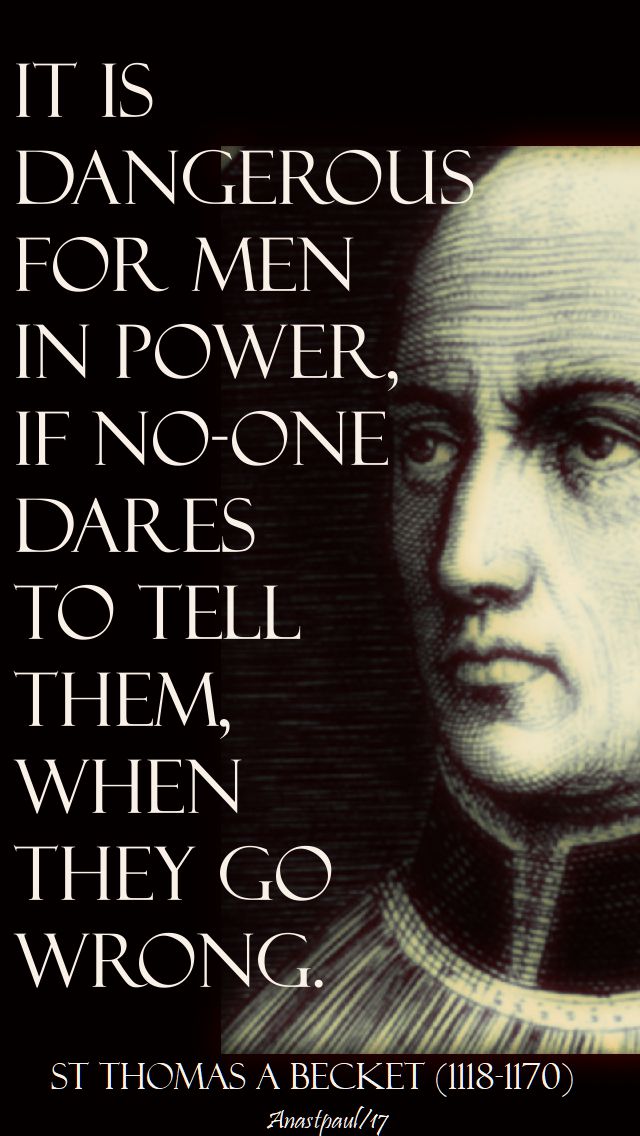
It is dangerous for men in power, if no-one dares to tell them, when they go wrong.” (St Thomas to a friend on his ordination)
Our Morning Offering – 29 December – St Thomas a Becket (1118-1170) Martyr, Archbishop of Canterbury
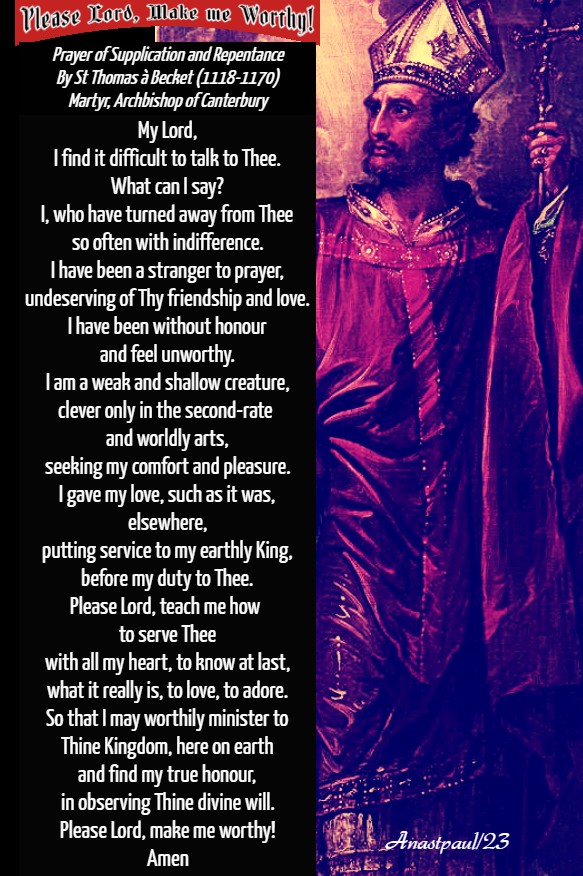
Please Lord, Make me Worthy! Prayer of Suppplication and Repentance By St Thomas à Becket (1118-1170) Martyr, Archbishop of Canterbury
My Lord, I find it difficult to talk to Thee. What can I say? I, who have turned away from Thee so often with indifference. I have been a stranger to prayer, undeserving of Thy friendship and love. I have been without honour and feel unworthy. I am a weak and shallow creature, clever only in the second-rate and worldly arts, seeking my comfort and pleasure. I gave my love, such as it was, elsewhere, putting service to my earthly King, before my duty to Thee. Please Lord, teach me how to serve Thee with all my heart, to know at last, what it really is, to love, to adore. So that I may worthily minister to Thine Kingdom, here on earth and find my true honour, in observing Thine divine will. Please Lord, make me worthy! Amen
Saint of the Day – 29 December – St Thomas à Becket (1118-1170) Martyr, Archbishop of Canterbury. Patronages – • clergy• Exeter College, Oxford, England•Portsmouth, England• secular clergy.
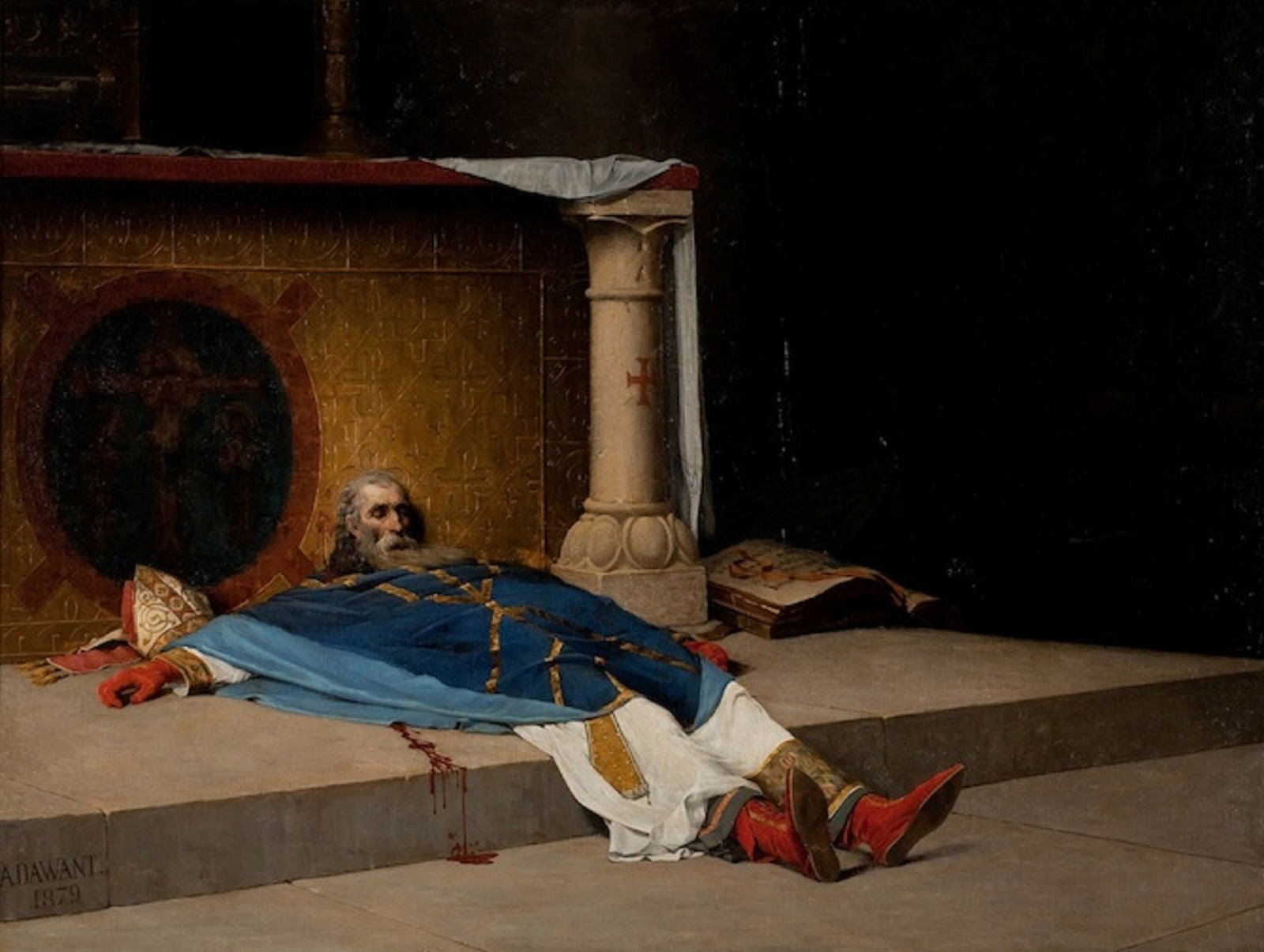
A strong man who wavered for a moment but then learned one cannot come to terms with evil and so became a strong churchman, a martyr and a saint—that was Thomas Becket, archbishop of Canterbury, murdered in his cathedral on 29 December 1170.
His career had been a stormy one. While archdeacon of Canterbury, he was made chancellor of England at the age of 36 by his friend King Henry II. When Henry felt it advantageous to make his chancellor the archbishop of Canterbury, Thomas gave him fair warning – he might not accept all of Henry’s intrusions into Church affairs. Nevertheless, in 1162 he was made archbishop, resigned his chancellorship and reformed his whole way of life!
Troubles began. Henry insisted upon usurping Church rights. At one time, supposing some conciliatory action possible, Thomas came close to compromise. He momentarily approved the Constitutions of Clarendon, which would have denied the clergy the right of trial by a Church court and prevented them from making direct appeal to Rome. But Thomas rejected the Constitutions, fled to France for safety and remained in exile for seven years. When he returned to England he suspected it would mean certain death.
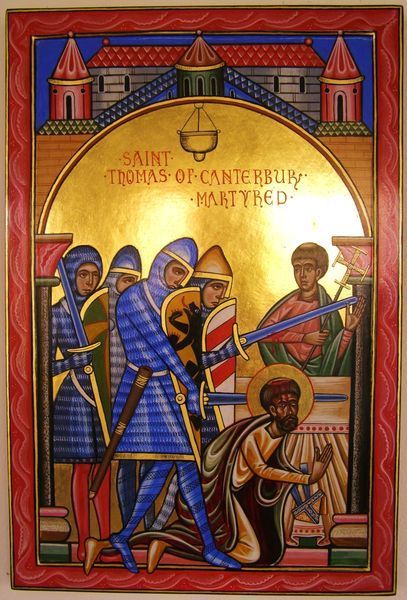
Because Thomas refused to remit censures he had placed upon bishops favoured by the king, Henry cried out in a rage, “Will no one rid me of this troublesome priest!” Four knights, taking his words as his wish, slew Thomas in the Canterbury cathedral.
Henry did penance at the grave of Thomas, seeking forgiveness for the actions of his knights and the tomb soon became a place of pilgrimage for the faithful.
Thomas Becket remains a hero-saint down to our own times.
Richard Burton played St Thomas in the film “Becket” with Peter O”Toole as King Henry II – here is a snip from “the Best Scenes”
St Aileran of Clonard
St Albert of Gambron
St Aproniano de Felipe González
St David the King
St Ebrulf of Ouche
St Enrique Juan Requena
St Florent of Bourges
Bl Francis Ruiz
St Girald of Fontenelle
St Jacinto Gutiérrez Terciado
Bl José Aparicio Sanz
Bl José Perpiñá Nácher
St Juan Bautista Ferreres Boluda
St Libosus of Vaga
St Marcellus the Righteous
St Martinian of Milan
Bl Paul Mary
Bl Peter the Venerable
St Quartillosa of Carthage
St Thaddeus of Scythia
St Trophimus of Arles
St Trophimus of Ephesus
Bl William Howard (1614–1680) Martyr
—
Martyrs of North Africa – (8 saints): A group of Christians executed together for their faith. The only details to survive are eight names – Crescentius, Dominic, Honoratus, Lybosus, Primian, Saturninus, Secundus and Victor.
Martyrs of Rome – (3 saints): A group of Christians executed together for their faith. The only details to survive are three names – Boniface, Callistus and Felix.
Martyrs of Seoul – (7 saints): Additional Memorial – 20 September as part of the Martyrs of Korea.
A group of seven lay woman in the apostolic vicariate of Korea who were martyred together.
• Barbara Cho Chung-I
• Barbara Ko Sun-I
• Benedicta Hyong Kyong-Nyon
• Elisabeth Chong Chong-Hye
• Magdalena Han Yong-I
• Magdalena Yi Yong-Dok
• Petrus Ch’oe Ch’ang-Hub
They were born in South Korea and were martyred by beheading on 29 December 1839 at the Small West Gate, Seoul, South Korea. They were Canonised on 6 May 1984 by St Pope John Paul II.
Martyred in the Spanish Civil War:
Thousands of people were murdered in the anti-Catholic persecutions of the Spanish Civil War from 1934 to 1939.
• Blessed Aproniano de Felipe González
• Blessed Enrique Juan Requena
• Blessed Jacinto Gutiérrez Terciado
• Blessed Juan Bautista Ferreres Boluda
Thought for the Day – 28 December – Feast of the Holy Innocents – 4th Day of the Christmas Octave
A tiny child is born, who is a great king. Wise men are led to him from afar. They come to adore one who lies in a manger and yet reigns in heaven and on earth. When they tell of one who is born a king, Herod is disturbed. To save his kingdom he resolves to kill him, though if he would have faith in the child, he himself would reign in peace in this life and for ever in the life to come.
Why are you afraid, Herod, when you hear of the birth of a king? He does not come to drive you out but to conquer the devil. But because you do not understand this you are disturbed and in a rage and to destroy one child whom you seek, you show your cruelty in the death of so many children.
You are not restrained by the love of weeping mothers or fathers mourning the deaths of their sons, nor by the cries and sobs of the children. You destroy those who are tiny in body because fear is destroying your heart. You imagine that if you accomplish your desire you can prolong your own life, though you are seeking to kill Life Himself.
Yet your throne is threatened by the source of grace—so small, yet so great—who is lying in the manger. He is using you, all unaware of it, to work out His own purposes freeing souls from captivity to the devil. He has taken up the sons of the enemy into the ranks of God’s adopted children.
The children die for Christ, though they do not know it. The parents mourn for the death of martyrs. The child makes of those, as yet unable to speak, fit witnesses to Himself. See the kind of kingdom that is His, coming as He did in order to be this kind of King. See how the deliverer is already working deliverance, the saviour already working salvation.
But you, Herod, do not know this and are disturbed and furious. While you vent your fury against the child, you are already paying Him homage and do not know it.
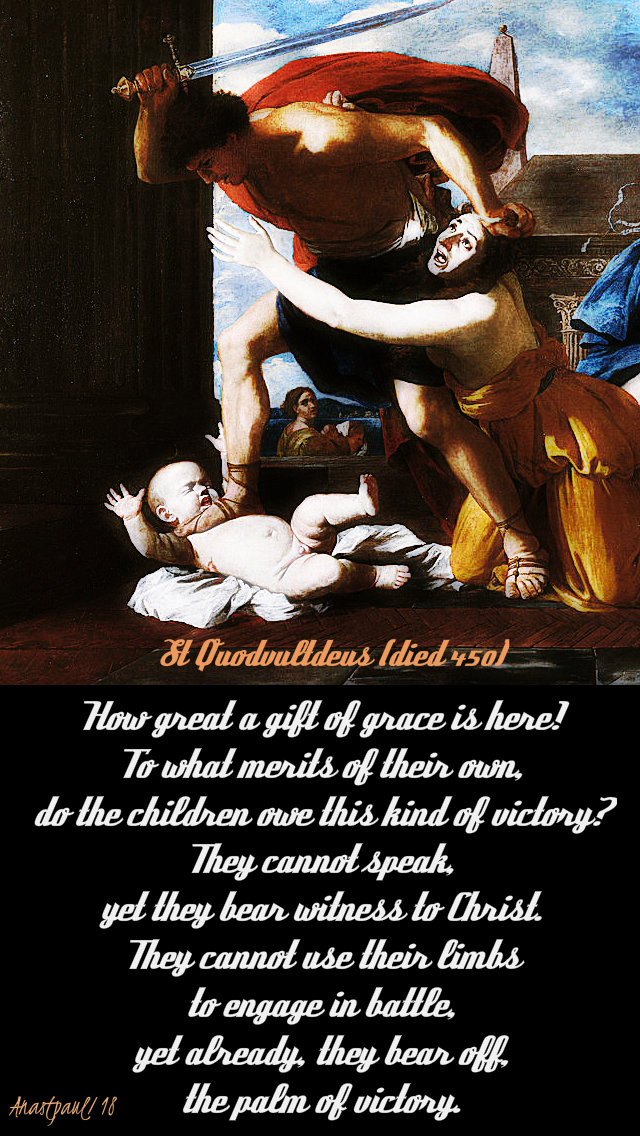
How great a gift of grace is here! To what merits of their own, do the children owe this kind of victory? They cannot speak, yet they bear witness to Christ. They cannot use their limbs to engage in battle, yet already they bear off the palm of victory.
St Quodvultdeus (died 450) Bishop, Father of the Church, Spiritual child of St Augustine
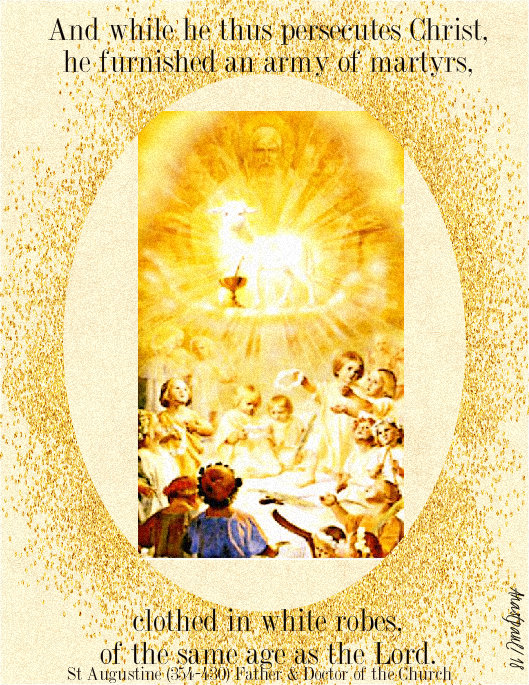
“And while he thus persecutes Christ, he furnished an army of martyrs, clothed in white robes, of the same age as the Lord.”
St Augustine (354-430) Father & Doctor of the Church
Quote/s of the Day – 28 December – Feast of the Holy Innocents – 4th Day of the Christmas Octave
“We praise you, O God, we acclaim you as Lord; the white-robed army of martyrs praise you.”
From the Te Deum
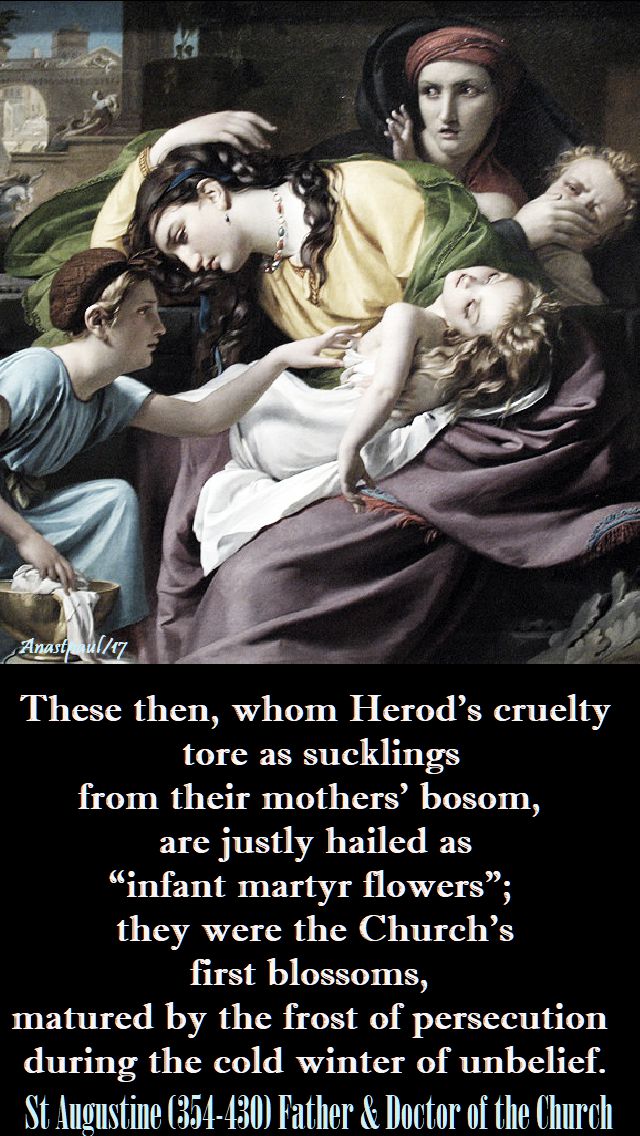
“These then, whom Herod’s cruelty tore as sucklings from their mothers’ bosom, are justly hailed as “infant martyr flowers”; they were the Church’s first blossoms, matured by the frost of persecution during the cold winter of unbelief.”
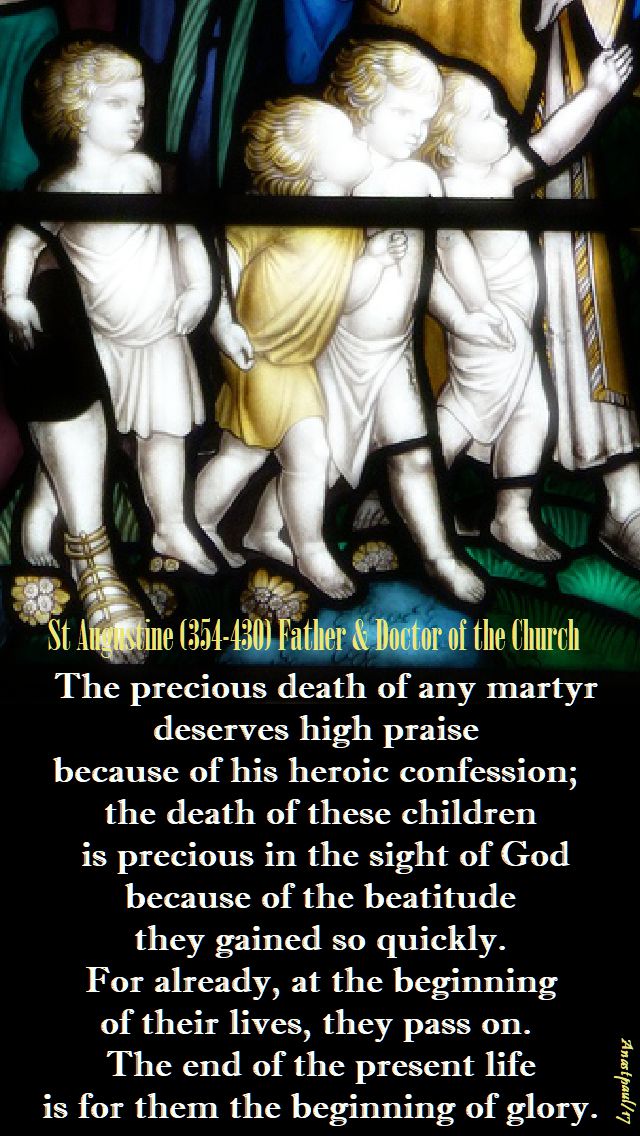
”The precious death of any martyr deserves high praise because of his heroic confession; the death of these children is precious in the sight of God because of the beatitude they gained so quickly. For already, at the beginning of their lives, they pass on. The end of the present life is for them the beginning of glory.”
St Augustine (354-430) Father & Doctor of the Church
“The star of Bethlehem shines forth in the dark night of sin. Upon the radiance that goes forth from the manger, there falls the shadow of the cross. In the dark of Good Friday, the light is extinguished but it rises more brightly, as the sun of grace. on the morning of the resurrection. The road of the incarnate Son of God, is through the cross and suffering. to the splendour of the resurrection. To arrive with the Son of Man, through suffering and death, at this splendour of the resurrection, is the road for each one of us, for all mankind.”
Our Morning Offering – 28 December – Feast of the Holy Innocents – 4th Day of the Christmas Octave
Prayer for the Unborn Pope Benedict XVI
Lord Jesus,
You who faithfully visit and fulfil with Your Presence
the Church and the history of men;
You who in the miraculous Sacrament of your Body and Blood
render us participants in divine Life
and allow us a foretaste of the joy of eternal Life;
We adore and bless You.
Prostrated before You, source and lover of Life,
truly present and alive among us, we beg You.
Reawaken in us respect for every unborn life,
make us capable of seeing in the fruit of the maternal womb
the miraculous work of the Creator,
open our hearts to generously welcoming every child
that comes into life.
Bless all families,
sanctify the union of spouses,
render fruitful their love.
Accompany the choices of legislative assemblies
with the light of Your Spirit,
so that peoples and nations may recognise and respect
the sacred nature of life, of every human life.
Guide the work of scientists and doctors,
so that all progress contributes
to the integral well-being of the person,
and no one endures suppression or injustice.
Give creative charity to administrators and economists,
so they may realise and promote sufficient conditions,
so that young families can serenely embrace
the birth of new children.
Console the married couples who suffer,
because they are unable to have children
and in Your goodness provide for them.
Teach us all to care for orphaned or abandoned children,
so they may experience the warmth of Your Charity,
the consolation of Your divine Heart.
Together with Mary, Your Mother, the great believer,
in whose womb You took on our human nature,
we wait to receive from You, our Only True Good and Saviour,
the strength to love and serve life,
in anticipation of living forever in You,
in communion with the Blessed Trinity.
Amen
Composed by Pope Benedict at the Prayer Vigil for the Unborn on 27 November 2010
Saints of the Day – Feast of the Holy Innocents: Martyrs – 28 December – 4th Day of the Christmas Octave. Patronages – • against ambition•against jealousy• altar servers•babies•children• children’s choir• choir boys• foundlings• students.
“A voice is heard in Ramah, weeping and great mourning, Rachel weeping for her children and refusing to be comforted, because they are no more.”
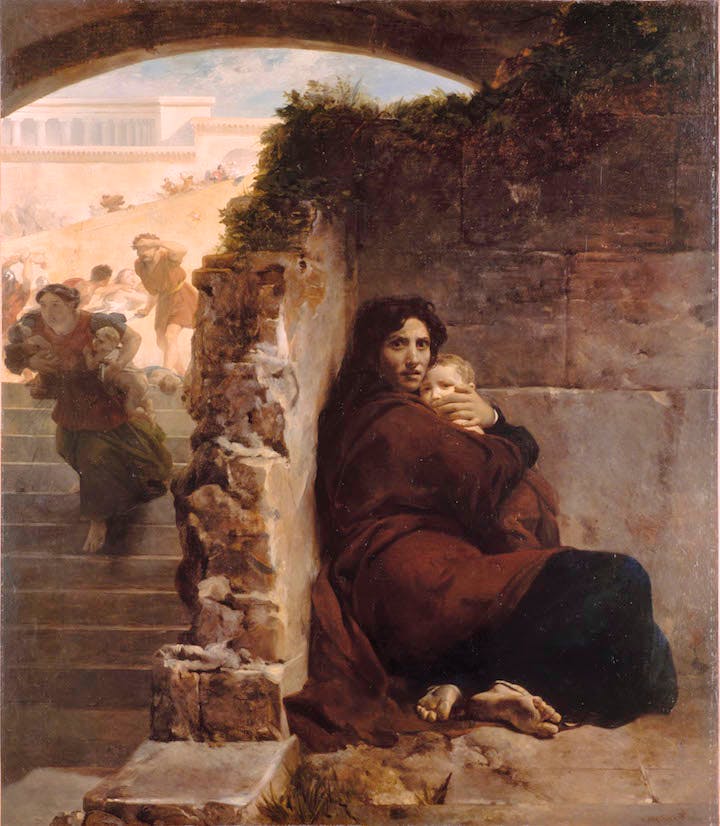
Nicolas Poussin – The Massacre of the Innocents
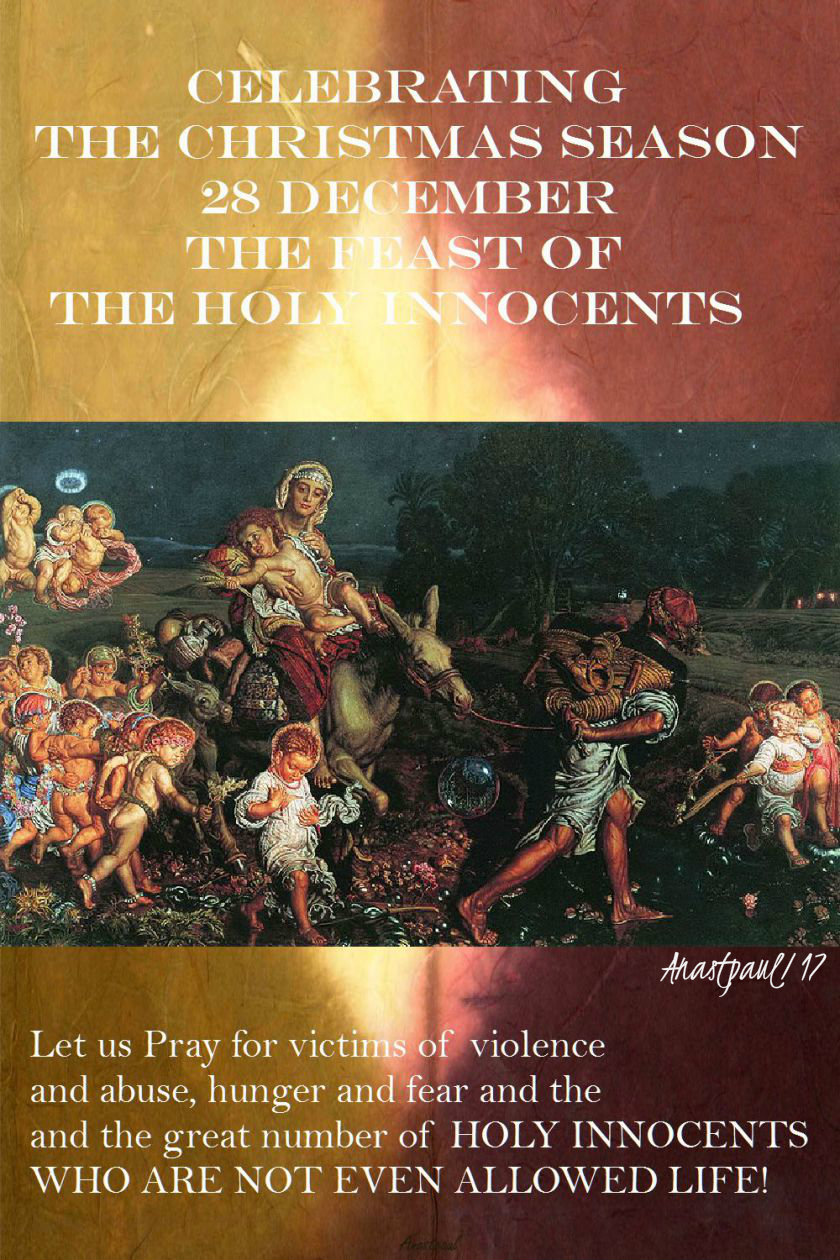
During this octave of Christmas the Church celebrates the memory of the small children of the neighbourhood of Bethlehem put to death by Herod.
Sacrificed by a wicked monarch, these innocent lives bear witness to Christ who was persecuted from the time of His birth by a world which would not receive Him. It is Christ Himself who is at stake in this mass-murder of the children, already the choice, for or against Him, is put clearly before men. But the persecutors are powerless, for Christ came to perform a work of salvation that nothing can prevent, when He fell into the hands of His enemies at the time chosen by God, it was to redeem the world by His own Blood.
Our Christmas joy is tempered today by a feeling of sadness. But the Church looks principally to the glory of the children, of these innocent victims, whom she shows us in heaven following the Lamb wherever He goes.
Nicholas Poussin – The Holy Innocents
One of the most cherished carols of the Christmas season is often presented as a melody without lyrics. For this reason, the tune is familiar but the words of the carol are not. The carol of which I am referring to is known as the Coventry Carol, which originates in a 16th century “mystery play” called the Pageant of the Shearman and Tailors. The play and the song concern the massacre of the young children of Bethlehem at the command of King Herod, a story that is recorded in the Gospel of Matthew. The Coventry Carol is a lament that is imagined in the play to have been sung by the mothers whose children have been murdered by Herod’s cruelty, it combines the sound of their weeping with the gentle cadences of a lullaby:
Lullay thou little tiny child, Bye, bye lully lullay.
O sisters, too how may we do, For to preserve this day; This poor youngling for whom we sing, Bye bye lully lullay.
Herod the King, in his raging Charged he hath this day; His men of might in his own sight All young children to slay.
Then woe is me, poor child for thee And ever mourn and say; For thy parting, no say nor sing Bye bye lully lullay
The Holy Innocents saved the Child Jesus from death by King Herod, by the shedding of their own blood. The Holy Innocents are the special patrons of small children, who can please the Christ Child by being obedient and helpful to parents and by sharing their toys and loving their siblings and playmates.
The feast of the Holy Innocents is an excellent time for parents to inaugurate the custom of blessing their children. From the Ritual comes the form which we use on solemn occasions, such as First Communion. But parents can simply sign a cross on the child’s forehead with the right thumb dipped in holy water and say: “May God bless you and may He be the Guardian of your heart and mind—the Father, + Son and Holy Spirit. Amen.”
St Anthony of Lérins
St Caesarius of Armenia
BL Claudia Weinhardt
St Conindrus
St Domitian the Deacon
St Domnio of Rome
St Eutychius
St Gowan of Wales
Bl Gregory of Cahors
Bl Hryhorii Khomyshyn
St Iolande of Rome
Bl Johannes Riedgasser
Bl Nicolas Mello
Bl Otto of Heidelberg
St Romulus
St Simon the Myroblite
St Theonas of Alexandria
St Theodore of Tabenna
St Troadius of Pontus
—
20,000 Martyrs of Nicomedia: 20,000 Christians who were murdered during in 303 in Nicomedia, Bithynia (modern Izmit, Turkey) during the persecutions of Diocletian. Many of them were killed en masse when they were ordered, during Christmas Mass, to sacrifice to idols; when they refused, they were locked in the churches and the buildings burned around them. We know some details of a few of them, but most are known only to God. The names we have are – Agape, Anthimos, Domna, Domna, Dorotheus, Esmaragdus, Eugene, Euthymius, Glykerios, Gorgonius, Hilary, Indes, Mardonius, Mardonius, Maximus, Migdonius, Migdonus, Peter, Peter, Theophila, Theophilus and Zeno. 303 in Nicomedia, Bithynia (modern Izmit, Turkey).
Martyrs of Africa – (3 saints): Three Christians murdered together in Africa for their faith. The only details to survive are their names – Castor, Rogatian and Victor.
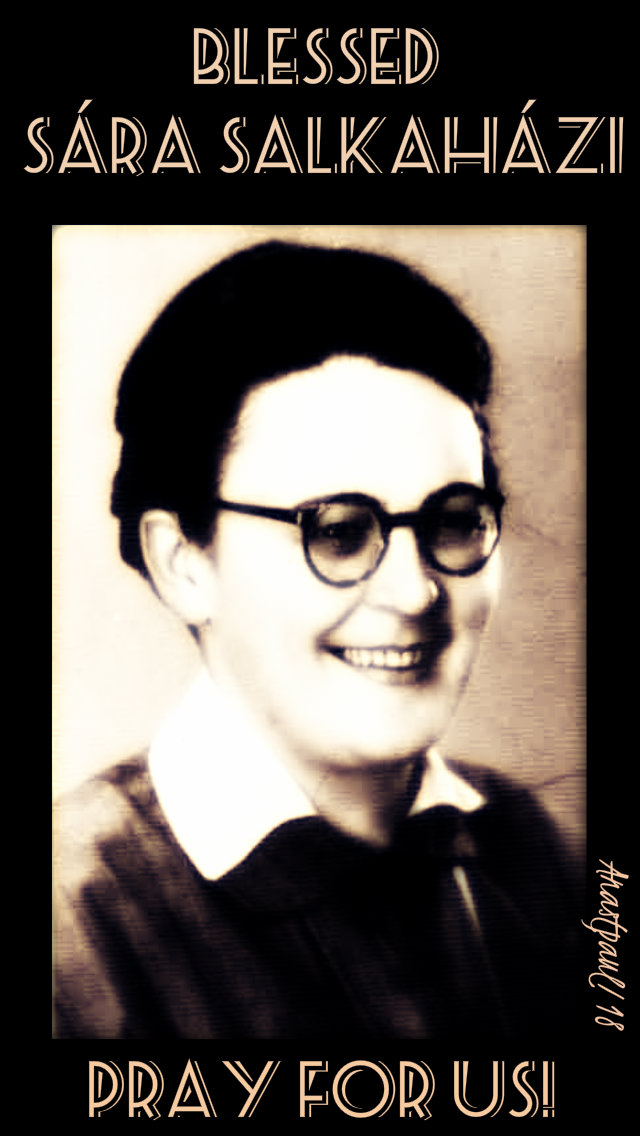
Second Thoughts for the Day – 27 December – The Memorial of Blessed Sára Salkaházi S.S.S. (1899–1944) Martyr
From the Homily of Bishop László Biró Preached in Kosice, Slovakia, at the Mass of Thanksgiving for the beatification of Sr Sára, 24 November 2006.
“A saint, – according to a wisdom saying – is an ordinary person. But her ordinary life is formed by much harder reality than the ordinary. Thus became Sára Salkaházi , a native of Kosice, a saint; on such a path can we, ordinary persons, also become saints.
In conclusion I quote from the homily of Cardinal Erdő, preached at the beatification Mass. “We need the example of Sister Sára in a particular way during this year of jubilee. We are praying for the renewal of our nation with atonement and reconciliation. We pray for a renewal which is possible only in the light of truth, of justice and love. We pray for a spirituality which recognises in the weakest and in the poorest the human being, who, after all is the greatest treasure in all societies and at all times. There is a burning need for such renewal and reconciliation within our society; among the nations in the Carpathian basin and in the whole world.” Amen.
Prayer for the Intercession of Blessed Sára Salkaházi
All powerful God, my loving Father,
You created me out of Your everlasting love
and in Your mercy You adopted me as Your child;
Lord Jesus Christ,
You saved me by Your precious blood
and You called me to be Your disciple;
O Holy Spirit, You showered
an abundance of grace upon me.
Glory be to You forever!
O Most Holy Trinity,
You accepted
the life-offering of Blessed Sára Salkaházi ,
virgin and martyr, for her sisters;
through her intercession grant me
the grace of …………….,
and help me to join her in crying out
from the depth of my heart:
“O God of Love, enkindle love in me!
Come, my Christ and make my heart
Your own that You may love,
and love,
and love
within me!
Amen.
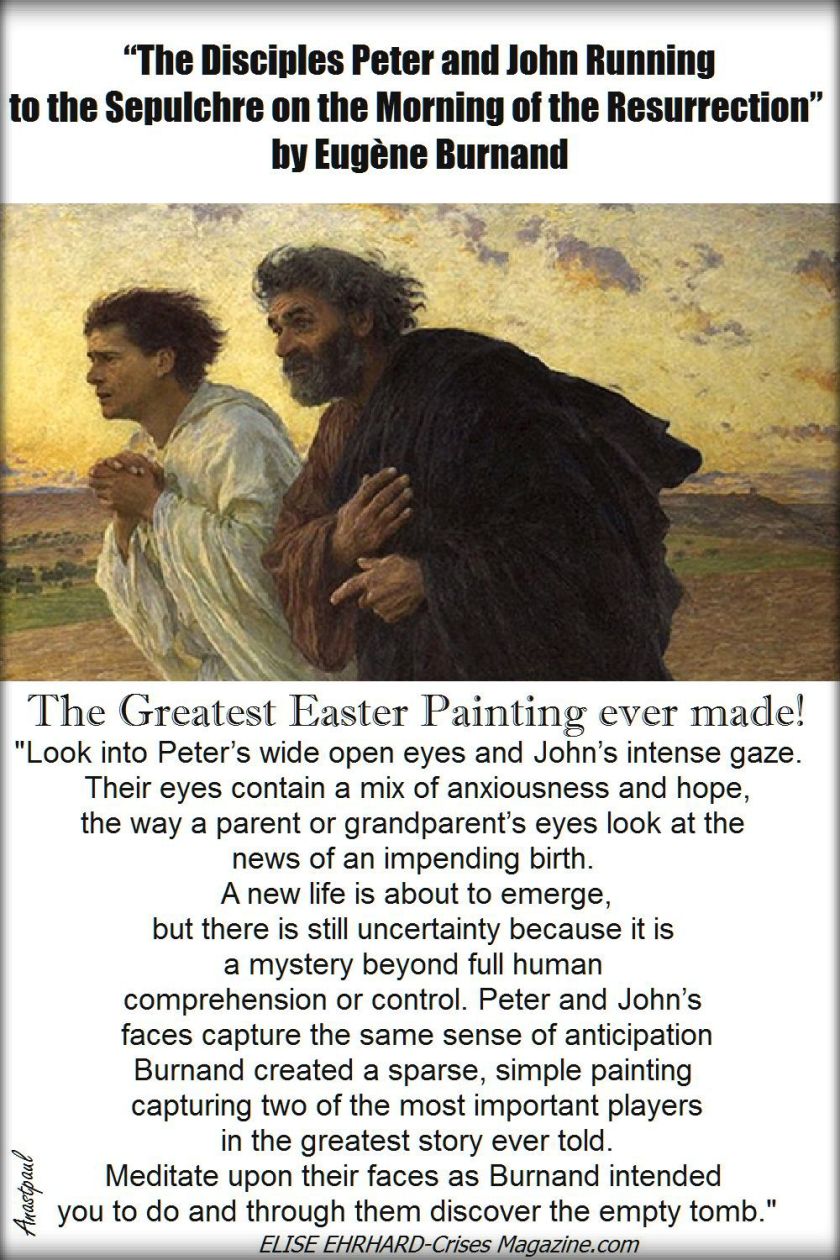
Thought for the Day – 27 December – the Feast of St John the Apostle and Evangelist “The Disciple whom Jesus Loved” and the 3rd Octave Day – “The Greatest Easter Painting Ever Made”
So she ran and went to Simon Peter and the other disciple, the one whom Jesus loved and said to them, “They have taken the Lord out of the tomb and we do not know where they have laid him.” Peter then came out, with the other disciple and they went toward the tomb. They both ran but the other disciple outran Peter and reached the tomb first and stooping to look in, he saw the linen cloths lying there but he did not go in. Then Simon Peter came, following him and went into the tomb, he saw the linen cloths lying and the napkin, which had been on his head, not lying with the linen cloths but rolled up in a place by itself. Then the other disciple, who reached the tomb first, also went in and he saw and believed...John 20:2–8
Tucked away in a central Parisian museum that was once a railway station, there hangs an Easter painting quite unlike any Gospel masterpiece created before or after it. It is not painted by a Rembrandt or a Rubens or the patron saint of artists, Fra Angelico. The painting is the work of a little-known Swiss painter. For those who make a trip to see it, viewing the canvas is a special spiritual experience in their lives.
The work does not even show the risen Jesus. It merely portrays two witnesses, Jesus’ oldest and youngest apostle. The youngest who was the only man brave enough to stay by Jesus’ cross and the only one who did not die a martyr’s death as a result of it. The oldest apostle, who first denied Jesus in fear, yet ultimately chose to be crucified upside down by the Roman authorities, rather than deny Christ’s resurrection.
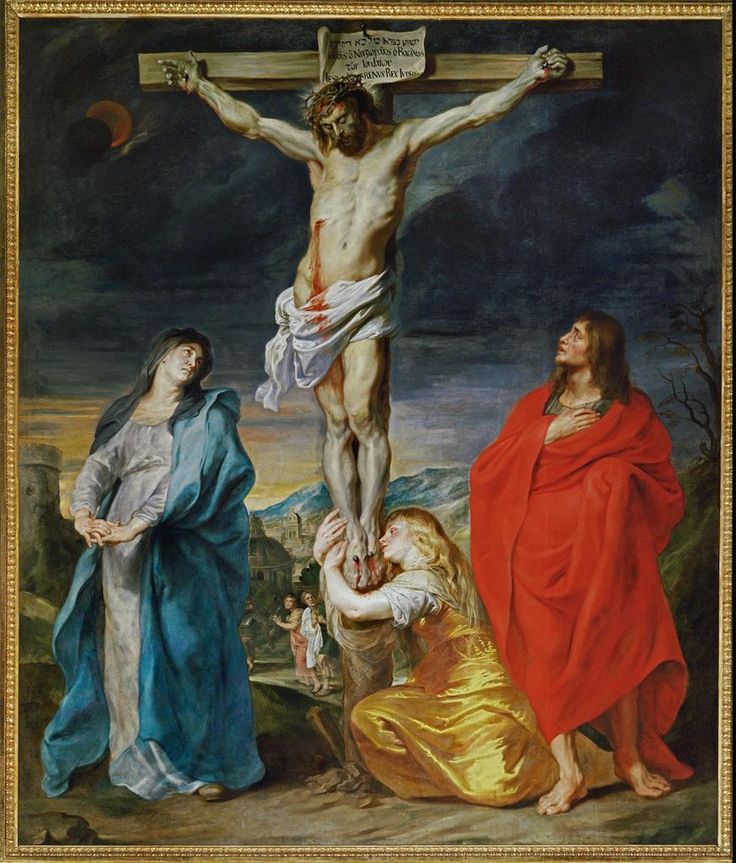
Anton van Dyck
In “The Disciples Peter and John Running to the Sepulchre on the Morning of the Resurrection” by Eugène Burnand, John clasps his hand in prayer while Peter holds his hand over his heart. The viewer feels the rush as their hair and cloaks fly back with the wind. They are sprinting towards discovery of the moment that forever altered heaven and earth. As you look at it, engage for a moment in what the Catholic blogger Bill Donaghy calls “the visual equivalent of Lectio Divina.” As Donaghy notes, “This Resurrection scene does not put us before still figures near a stagnant stone, or figures standing with stony faces in a contrived, plastic posture, pointing to an empty tomb. This scene is dynamic; we are in motion.”
During his time, Burnand was fascinated by the possibilities of the emerging art of photography. Ironically, he would later be dismissed in the twentieth century as too “bourgeois” and anti-modernist when in fact he was merging his love of tradition with his interest in new technological ways of capturing the human person. His painting feels cinematic long before cinema existed as a major art form.
Through the movement and immediacy of the scene, the preceding minutes with Mary Magdalene are palpable. In a sense, she is in the painting too. “You can almost hear her voice in the background, can you not, a few minutes earlier, as she burst into their house…” writes the Episcopal Bishop Dorsey McConnell in an Easter sermon meditating on the painting.
Apart from Jesus’ mother, no other three participants capture the closeness of Jesus’ encounter with humankind quite like John, Peter and Mary of Magdala. Their interactions with Christ embody a relationship to God previously unimaginable to mankind. Jesus turning to Peter as they sit by the fire and asking three times, “Do you love me?”, thereby washing away the sin of the three denials past; Christ turning to John in the midst of his suffering and saying, “Behold, your mother,” giving her to the Church entire. And, of course, the beautiful moment about to transpire in which Jesus’ merely says Mary’s name and she recognises Him with a cry of “Rabbouni!” They are the moments which cause one to wonder, how those who truly hate Christianity (not merely disbelief it) can remain so hostile to its narrative beauty.
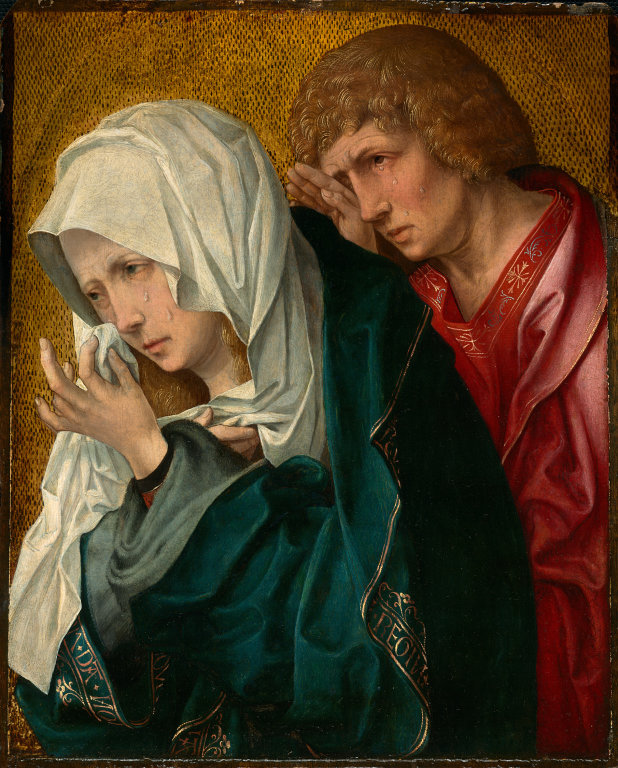
By Rogier van Weyden (1400-1464)
By William Dyce (1806-1864)
Look into Peter’s wide open eyes and John’s intense gaze. Their eyes contain a mix of anxiousness and hope, the way a parent or grandparent’s eyes look at the news of an impending birth. A new life is about to emerge but there is still uncertainty because it is a mystery beyond full human comprehension or control. Peter and John’s faces capture the same sense of anticipation.
Burnand created a sparse, simple painting capturing two of the most important players in the greatest story ever told. Meditate upon their faces, as Burnand intended you to do and through them, discover the empty tomb.
Quote/s of the Day – 27 December – the Feast of St John the Apostle and Evangelist “The Disciple whom Jesus Loved” and the 3rd Octave Day and the Memorial of Blessed Sára Salkaházi (1899–1944) Martyr
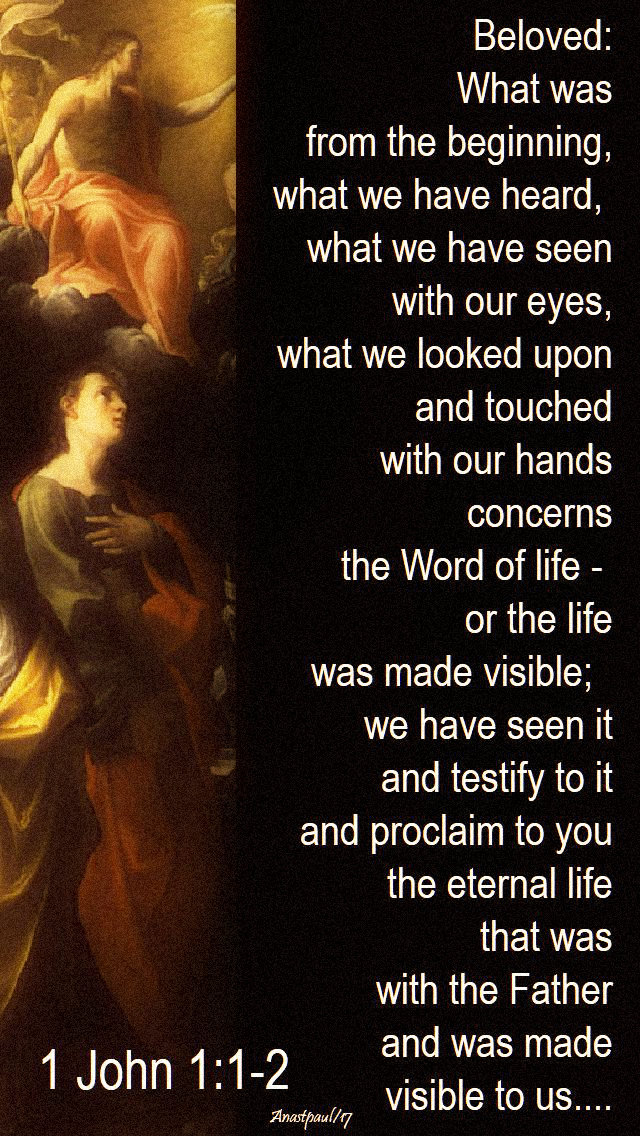
Beloved:
What was from the beginning, what we have heard, what we have seen with our eyes, what we looked upon and touched with our hands concerns the Word of life (for the life was made visible;
we have seen it and testify to it and proclaim to you the eternal life that was with the Father and was made visible to us.…
1 John 1:1-2
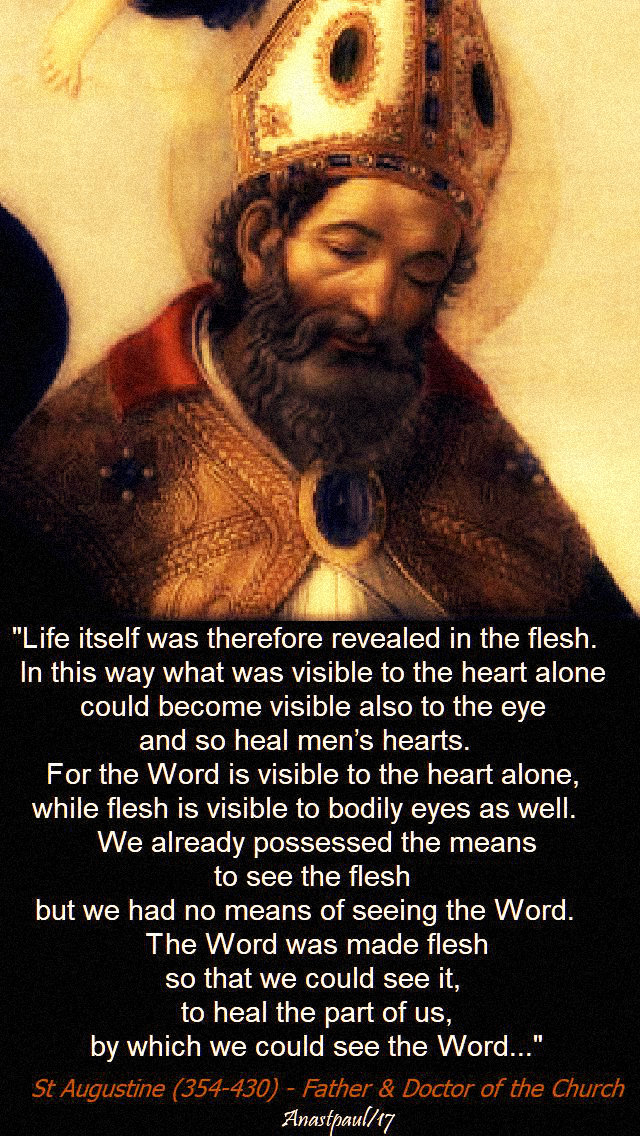
“Life itself was therefore revealed in the flesh. In this way what was visible to the heart alone, could become visible also to the eye and so heal men’s hearts. For the Word is visible to the heart alone, while flesh is visible to bodily eyes as well. We already possessed the means to see the flesh but we had no means of seeing the Word. The Word was made flesh so that we could see it, to heal the part of us, by which we could see the Word…”
St Augustine (354-430) – Father & Doctor of the Church
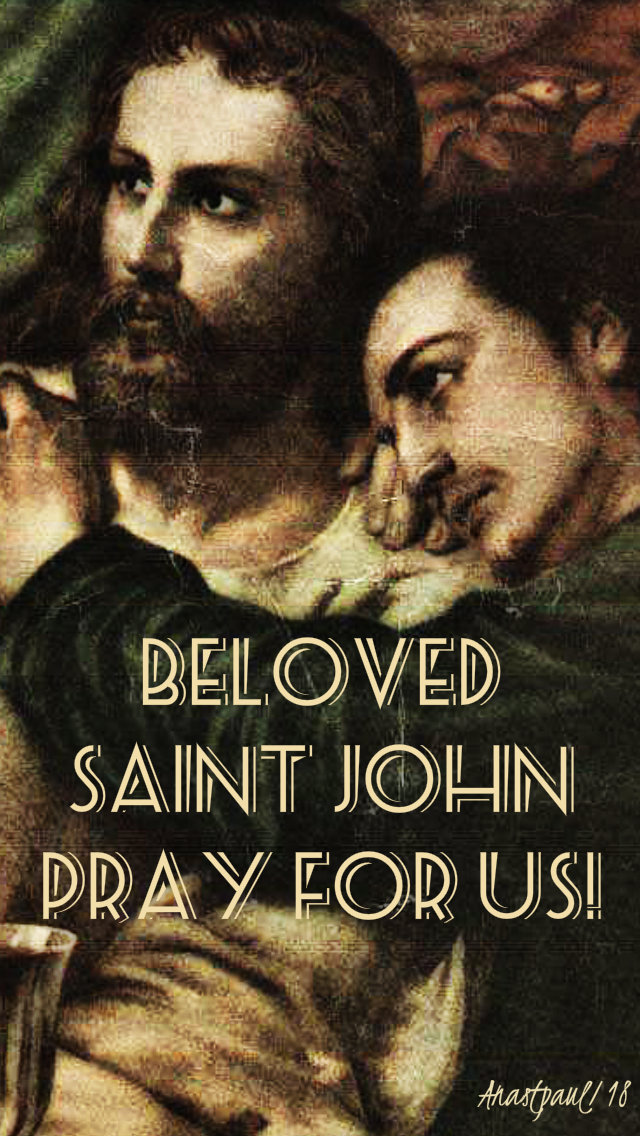
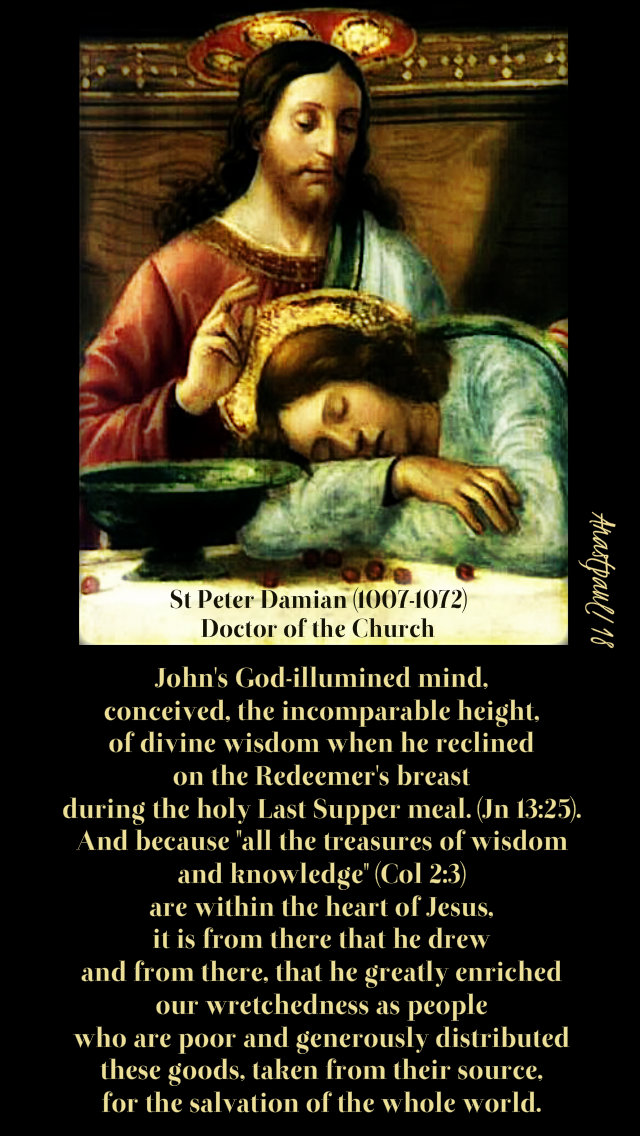
“It is right and just, that someone, who was loved by Christ more than any other, should be the object of a very special love, by Christ’s friends, all the more so, since John has shown such love for us that… he has shared with us, the riches of eternal life, that he himself received. Indeed, God gave him, the keys to wisdom and knowledge (cf Lk 11:52)…
John’s God-illumined mind, conceived the incomparable height of divine wisdom, when he reclined on the Redeemer’s breast, during the holy Last Supper meal (Jn 13:25). And because “all the treasures of wisdom and knowledge” (Col 2:3) are within the heart of Jesus, it is from there, that he drew and from there, that he greatly enriched our wretchedness, as people who are poor and generously distributed these goods, taken from their source, for the salvation of the whole world. And because this blessed John speaks about God in a marvellous way, that cannot be compared to that of anyone else, it is only right that the Greeks as well as the Latins have given him the name of “Theologian”. Mary is “Theotokos” because she has truly given birth to God; John is “Theologos” because he saw in an indescribable way, that the Word of God, was with the Father before the beginning of time and was God (Jn 1:1) and because, too, he spoke about this, with extraordinary depth.”
St Peter Damian (1007-1072) Doctor of the Church
“To love, even when it is difficult, even when my heart has complaints, when, I feel rejected! Yes, this is what God wants! I will try; I want to start – even if I would fail – until I will be able to love. The Lord God gives me grace and I have to work with that grace!”
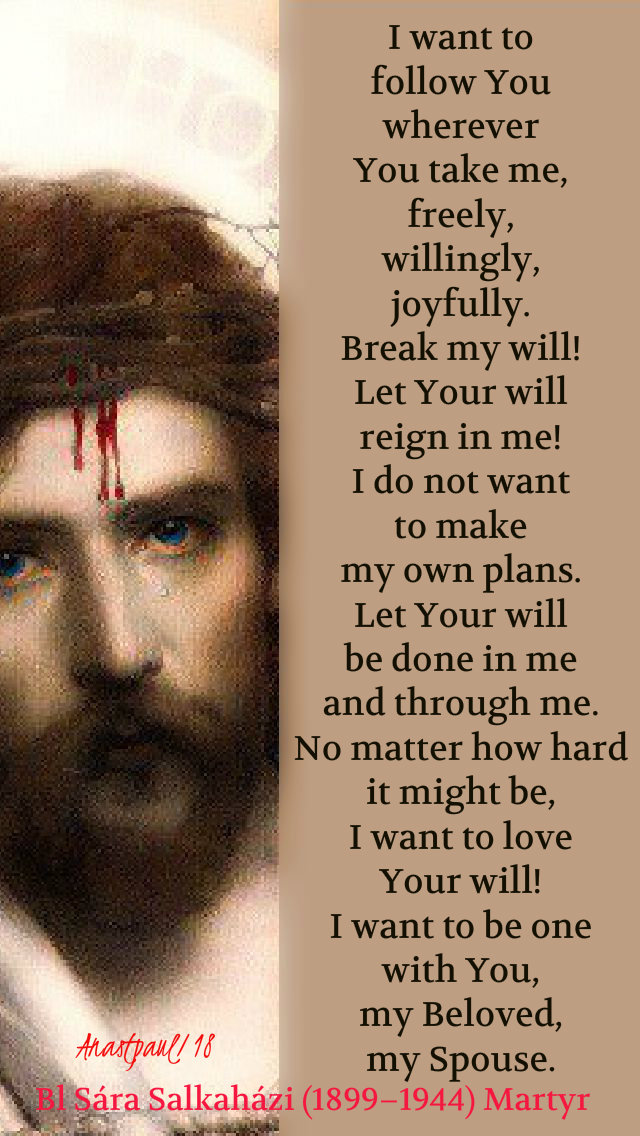
“I want to follow You wherever You take me, freely, willingly, joyfully. Break my will! Let Your will reign in me! I do not want to make my own plans. Let Your will be done in me and through me. No matter how hard it might be, I want to love Your will! I want to be one with You, my Beloved, my Spouse.”
Our Morning Offering – 27 December – the Feast of St John the Apostle and Evangelist “The Disciple whom Jesus Loved” and the 3rd Octave Day and the Memorial of Blessed Sára Salkaházi (1899–1944) Martyr
If I Love You By Bl Sára Salkaházi (1899–1944) Martyr
I am grateful to You
for the love You have given me.
My dear Jesus,
I place this love into Your hands:
keep it chaste
and bless it,
so that it may always
be rooted in You.
And increase in me my love for You.
I know that if I love You,
I can never get lost.
If I want to be Yours
with all my heart,
You will never let me
stray from You.
Amen
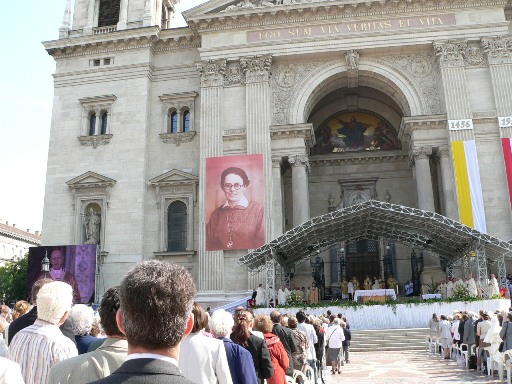
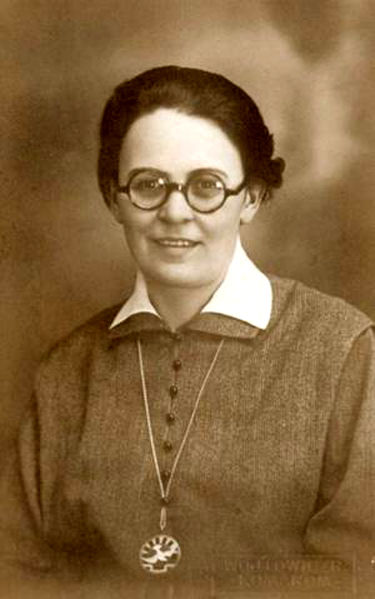
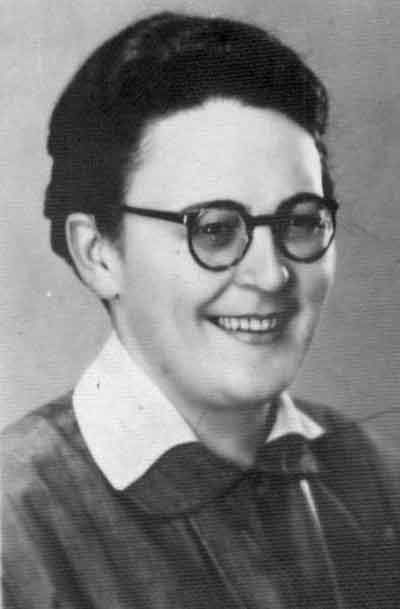
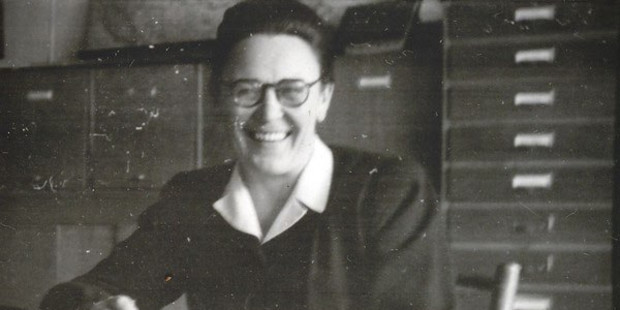
Saint of the Day – 27 December – Blessed Sára Salkaházi S.S.S. (1899–1944) Martyr, Religious Sister of The Sisters of Social Service, Teacher, bookbinder, milliner, journalist – born as Schalkház Sarolta Klotild on 11 May 1899 in Kassa, Hungary (modern Košice, Slovakia) and died by being shot on 27 December 1944. Sára was a Hungarian Catholic religious sister who saved the lives of Jews during World War II. Denounced and summarily executed by the pro-Nazi Arrow Cross Party, Blessed Sara was Beatified on 17 September 2006 by Pope Benedict XVI. Recognition of the Beatification was celebrated at Budapest, Hungary by Cardinal Peter Erdo. Blessed Sára was the first non-aristocrat Hungarian to be beatified.
Teacher, bookbinder, milliner, journalist – this was the resume of Sára Salkaházi when she applied to join the Sisters of Social Service, a Hungarian religious society that today is also active in the United States, Canada, Mexico, Taiwan and the Philippines. The Sisters of that new congregation, founded in 1923 by Margit Slachta and devoted to charitable, social and women’s causes, were reluctant to accept this chain-smoking, successful woman journalist and she was at first turned away from their Motherhouse in Budapest. But 16 years later, she became the Society’s first Martyr, at the hands of the Nazis.
Fun-loving and intelligent, Sára was born into a well-to-do family at Kassa-Kosice, Upper Hungary, now Slovak territory, on 11 May 1899. She studied to become a teacher. In the classroom, she learned through her students about the social problems of the poor, which she publicised via newspaper articles. To widen her horizon and experience first-hand what discrimination meant, Sára became a bookbinder’s apprentice, where she was given the hardest and dirtiest work. She learned that trade, then went to work in a millinery shop, all the while continuing to write articles for newspapers. She became a member of the Christian Socialist Party and then worked as editor of that party’s newspaper, focusing on women’s social problems.
After she had come into contact with the Sisters of Social Service, Sára felt a strong call to join them. Following her initial rebuff, she quit smoking – with great difficulty – and was admitted to the Society at age 30, in 1929. She chose as her motto Isaiah’s “Here I am! Send me!”(Is 6: 8b). Her first assignment was to her native Kassa (which at the end of World War I had been incorporated into Czechoslovakia) to organise the work of Catholic Charities; subsequently, she was sent to Komarom, for the same task . In addition, she wrote, edited and published a Catholic women’s journal, managed a religious bookstore, supervised a shelter for the poor and taught. The Bishops of Slovakia then entrusted her with the organization of the National Girls’ Movement. She thus began giving leadership courses and publishing manuals.
In one year alone, she received 15 different assignments, from cooking to teaching at the Social Training Centre, all of which exhausted her physically and spiritually. When several novices left the Society, Sára also considered leaving, especially since her superiors would not allow her to renew her temporary vows (she was deemed “unworthy”), nor permit her to wear the habit for a year. These decisions hurt her deeply. But Sára accepted these hardships and made up her mind to remain faithful to her calling for the sake of the One who called her. Her faithfulness paid off as she received permission to renew her vows some time later.
She wanted to go to the missions, to China or Brazil but the outbreak of World War II made it impossible to leave the country. She worked instead as a social lecturer and administrator in Upper Hungary and Sub-Carpathia (which had also been part of Hungary until the end of World War l) and took her final vows in 1940.
As national director of the Catholic Working Girls’ Movement, Sister Sára built the first Hungarian college for working women, near Lake Balaton. In Budapest, she opened Homes for working girls and organised training courses. To protest the rising Nazi ideology Sister Sára changed her last name to the more Hungarian-sounding “Salkaházi”. As the Hungarian Nazi Party gained strength and also began to persecute the Jews, the Sisters of Social Service provided safe havens. Sister Sára opened the Working Girls’ Homes to them where, even in the most stressful situations, she managed to cheer up the anxious and discouraged.
As if her days were not busy enough, she managed to write a play on the life of St Margaret of Hungary, canonised on 19 November 1943. The first performance, in March 1944, was also the last, since German troops occupied Hungary that very day and immediately suppressed this religious production.
The life of St Margaret may have provided the inspiration for Sister Sára to offer herself as a victim-soul for the safety and protection of her fellow-Sisters of Social Service. For this, she needed the permission of her superiors, which was eventually granted. At the time, they alone knew about her self-offering.
Meanwhile, she kept hiding additional groups of refugees in the various Girls’ Homes, under increasingly dangerous circumstances. Providing them with food and supplies became more and more complicated every day, given the system of ration cards and the frequent air raids. Nevertheless, Sister Sára herself is credited with the saving of 100 Jewish lives and her Community, with saving 1,000.
The Russian siege of Budapest began on Christmas 1944. On the morning of 27 December, Sister Sára still delivered a meditation to her fellow-Sisters. Her topic? Martyrdom! For her, it would become a reality that very day. Before noon, Sister Sára and another Sister were returning on foot from a visit to another Girls’ Home. They could already see in the distance, armed Nazis standing in front of the house. Sister Sára had time to get away but she decided that, being the director, her place was at this Home. Upon entering the house, she too was accompanied down into the air raid shelter where the Nazis were already checking the papers of the 150 residents. About 10 of them were refugees with false papers. Some were declared suspicious and were to be taken to the ghetto, while those in charge would have to “give statements at Nazi headquarters before being released”. As she was led out, Sister Sára managed to step into the chapel and quickly genuflected before the altar but her captors dragged her away. One of the Nazis suggested, “Why don’t we finish them off here in the yard?”. But another gestured, “No”.
That night, a group of people was driven by agents of the pro-Nazi Arrow Cross regime to the Danube Embankment. Sister Sára was among them. As they were lined up, she knelt and made the Sign of the Cross before a bullet mowed her down. Her stripped corpse and those of her companions were thrown into the river.
The other Sisters anxiously awaited Sister Sára’s return. A youngster from the neighbourhood brought them news of the shooting the following day. It seems that the Lord had accepted Sister Sára’s sacrifice, because none of the other Sisters of her Community was harmed.
Every year, on 27 December, the anniversary of her martyrdom, the Sisters of Social Service hold a candlelight memorial service on the Danube Embankment for Sister Sára Salkaházi. The voluntary offering of their first martyr saved not only many persecuted Jews but also her Religious Community….Vatican.va
Speaking at the Beatification Mass, Rabbi József Schweitzer said of Sister Sára, “I know from personal experience … how dangerous and heroic it was in those times to help Jews and save them from death. Originating in her faith, she kept the commandment of love until death.”
Peter Cardinal Erdo, the Archbishop of Budapest, read a proclamation from Pope Benedict XVI beatifying Sister Sara.
The proclamation said, “She was willing to assume risks for the persecuted…in days of great fear. Her martyrdom is still topical… and presents the foundations for our humanity.”
For the Lord, all things are possible. Trust Him to the end!
Bl Adelheidis of Tennenbach
Bl Alejo Pan López
Bl Alfredo Parte-Saiz
Bl Christina Ebner
St Fabiola of Rome
Bl Francesco Spoto
Bl Hesso of Beinwil
St José María Corbin-Ferrer
St Maximus of Alexandria
St Nicarete of Constantinople
Bl Odoardo Focherini
Bl Raymond de Barellis
Bl Roger of Verdun
Bl Sára Schalkház S.S.S. (1899–1944) Martyr
St Theodore of Apamea
St Theophanes of Nicaea
Bl Walto of Wessobrünn
Our Morning Offering – 26 December – The Memorial of St Stephen the First Martyr and the Second Day in the Octave of Christmas
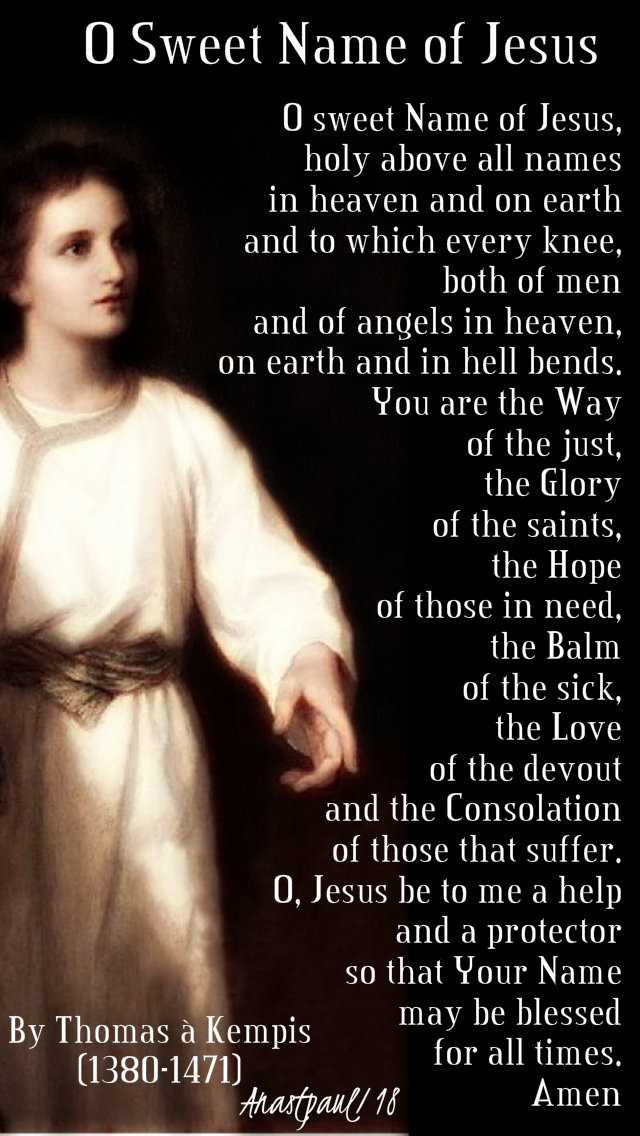
O Sweet Name of Jesus By Thomas à Kempis (1380-1471)
O sweet Name of Jesus,
holy above all names
in heaven and on earth
and to which every knee,
both of men
and of angels in heaven,
on earth and in hell bends.
You are the the Way of the just,
the Glory of the saints,
the Hope of those in need,
the Balm of the sick,
the Love of the devout
and the Consolation
of those that suffer.
O, Jesus be to me a help
and a protector
so that Your Name
may be blessed for all times.
Amen
Thomas à Kempis (1380-1471) CRSA …(Manualis Parvulorum XIII)
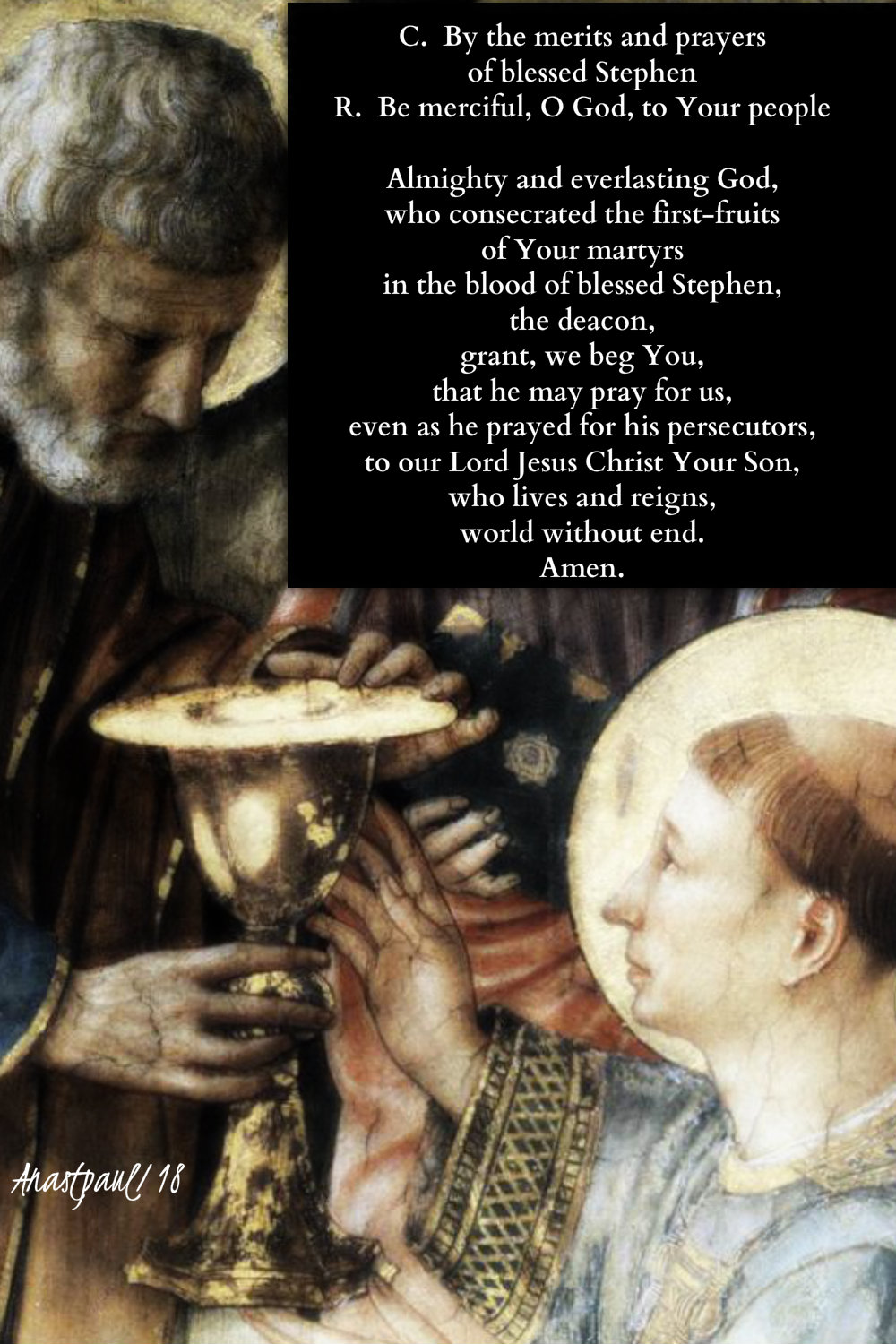
The Apostles chose Stephen the Deacon, a man full of faith and the Holy Spirit, who was stoned while he prayed, saying “Lord Jesus, receive my spirit and lay not this sin upon them.”
C. By the merits and prayers of blessed Stephen
R. Be merciful, O God, to Your people
Almighty and everlasting God,
who consecrated the first-fruits of Your martyrs
in the blood of blessed Stephen the deacon,
grant, we beg You,
that he may pray for us,
even as he prayed for his persecutors,
to our Lord Jesus Christ Your Son,
who lives and reigns,
world without end.
Amen.
St Abadiu of Antinoë
Bl Agata Phutta Bi
Bl Agnès Phila
St Amaethlu of Anglesey
St Archelaus of Mesopotamia
Bl Bibiana Khamphai
Bl Cecilia Butsi
Bl Daniel of Villiers
St Dionysius, Pope
St Euthymius of Sardis
St Evaristo of Constantinople
Bl Giovanni Orsini
Bl Jean of Hainaut
Bl Lucie Khambang
St Margaret of Hohenfels
Bl Maria Phon
Bl Marinus of Rome
Bl Paganus of Lecco
Bl Pierre Boffet
St Tathai of Wales
St Theodore the Sacristan
St Vincentia Lopez y Vicuña
St Zeno of Gaza
St Pope Zosimus
Saint of the Day – 26 December – St Stephen, the ProtoMartyr (c 05-c 34) – 26 December the Second Day in the Octave of Christmas
“As the number of disciples continued to grow, the Greek-speaking Christians complained about the Hebrew-speaking Christians, saying that their widows were being neglected in the daily distribution. So the Twelve called together the community of the disciples and said, ‘It is not right for us to neglect the word of God to serve at table. Brothers, select from among you seven reputable men, filled with the Spirit and wisdom, whom we shall appoint to this task, whereas we shall devote ourselves to prayer and to the ministry of the word.’ The proposal was acceptable to the whole community, so they chose Stephen, a man filled with faith and the Holy Spirit…” (Acts 6:1-5).
Acts of the Apostles says that Stephen was a man filled with grace and power, who worked great wonders among the people. Certain Jews, members of the Synagogue of Roman Freedmen, debated with Stephen but proved no match for the wisdom and spirit with which he spoke. They persuaded others to make the charge of blasphemy against him. He was seized and carried before the Sanhedrin.
In his speech, Stephen recalled God’s guidance through Israel’s history, as well as Israel’s idolatry and disobedience. He then claimed that his persecutors were showing this same spirit. “…you always oppose the holy Spirit; you are just like your ancestors” (Acts 7:51b).
Stephen’s speech brought anger from the crowd. “But he, filled with the holy Spirit, looked up intently to heaven and saw the glory of God and Jesus standing at the right hand of God, and he said, ‘Behold, I see the heavens opened and the Son of Man standing at the right hand of God.’ …They threw him out of the city and began to stone him. …As they were stoning Stephen, he called out, ‘Lord Jesus, receive my spirit.’ …’Lord, do not hold this sin against them’” (Acts 7:55-56, 58a, 59, 60b).
The Nativity of the Lord, Jesus Christ (Solemnity)
Celebration of the anniversary of the birth of Our Lord. In the earliest days of the Church there was no such feast; the Saviour’s birth was commemorated with the Epiphany by the Greek and other Eastern Churches. First mention of the feast, then kept on 20 May, was made by Clement of Alexandria c 200. The Latin Church began c 300 to observe it on 25 December, though there is no certainty that Our Lord was born on that day. Priests have the privilege of saying three Masses, at midnight, daybreak and morning. This was originally reserved to the Holy Father alone – beginning about the 4th century he celebrated a midnight Mass in the Lateran Basilica (in which according to tradition, the manger of Bethlehem is preserved), a second in the church of Saint Anastasia, whose feast comes on 25 December and a third at the Vatican Basilica. Many peculiar customs of the day are the outcome of the pagan celebrations of the January calender. The Christmas tree, of which the first known mention was made in 1605 at Strasbourg, was introduced into France and England in 1840. The feast is a holy day of obligation, preceded by the preparatory season of Advent and by a special vigil – should it fall on a Friday it abrogates the law of abstinence. Today’s Gospel is the prologue of John (2018 Year C).
My post last year: https://anastpaul.wordpress.com/2017/12/25/25-december-the-solemnity-of-the-birth-of-our-lord-jesus-christ-2/
St Adalsindis of Hamay
St Alburga of Wilton
St Anastasia of Sirmium
Bl Artale
St Basilée of the Via Latina
Bl Bentivoglio de Bonis
Bl Diego de Aro
St Eugenia of Rome
St Fulk of Toulouse
Bl Jacopone da Todi
St Jovin of the Via Latina
Bl Maria Therese von Wüllenweber
Bl Matthew of Albano
Bl Michael Nakashima Saburoemon
Bl Nera
St Peter Nolasco
St Romulus of Berry
—
Martyrs of Nicomedia: 20,000 Christians martyred by order of Diocletian. They were reported to have all been in the single basilica to celebrate Christmas. While there unquestionably was an endless series of martyrs under Diocletian, it’s likely the ancient sources exaggerated the numbers of this incident. And as the Christmas holy day was not celebrated in the East in 303, they were probably gathered for another feast. They were burned alive in 303 in the basilica of Nicomedia.
Saints of the Day – 24 December – Saints Tarsilla and Emiliana (died sixth century) Virgins
Today we celebrate the feast day of Saints Emiliana and Tarsilla, Virgins of the Church and aunts of Saint Pope Gregory the Great (540-604). What we know of their lives was recorded by the holy pope, who was deeply moved by their model of Christian life and virtue.
Born in Rome, Emiliana and Tarsilla were the daughters of senator Gordian and Saint Silvia. Nieces of Pope Saint Felix III, the young women were destined for lives of holiness and together, while quite young, renounced the world. As young women, they together consecrated themselves to the Lord, desiring to stay pure. Their house was as a convent and the two spent so much time kneeling in prayer that their knees and elbows arthritically locked in the position of prayer. Living as hermits, they encouraged one another in the ways of the faith, drawing deeper and deeper into the spiritual life.
Tarsilla and Emiliana had a third sister, Gordiana, who had initially made the same vows and consecrated herself to the Lord. Gradually, however, she withdrew from her sisters, returning to the world. Their reproaches fell on deaf ears and caused them significant sadness and grief.
Saint Tarsilla died prior to Saint Emiliana but not before she received a vision of her uncle, Pope Saint Felix. In her vision, the pope appeared to her, showing her a place of great beauty. He said, “Come, I will receive you into this habitation of light.” Immediately, she fell ill with fever. Her sister ministered to her but to no avail. By the following day, her illness had grown worse. Saint Tarsilla, in agonising pain, called out to those around her; “Make way! Jesus is coming!” With her eyes fixed firmly on heaven, she died soon thereafter and a heavenly fragrance filled the room, confirming her visions.
Saint Emiliana was deeply saddened, made more difficult by missing her sister on Christmas. Emiliana received consolation in the form of a vision of her sister, however. In this vision, Tarsilla encouraged, “My sister, come! I did not celebrate with you the birth of the Lord but together we will celebrate the feast of the Epiphany.”“If you call only me,” Emiliana replied, “what will become of our sister, Gordiana?” “Come,” Tarsilla sadly answered. “Our sister has decided to remain with the world.” Soon thereafter, Saint Emiliana fell ill and promptly joined her sister in heaven. Their relics are kept at the Oratory of Saint Andrew on the Celian Hill in Rome.
Pope Saint Gregory the Great recounted the tale of his aunts throughout his lifetime. He used it to illustrate the point that we must work constantly to save our souls, repenting for our actions. To Saint Gregory, there is no point in beginning the work of salvation, if we do not plan to see it through to the end. As we prepare for the birth of Our Lord, we look to our own commitments. Are we ready to greet the infant Christ, come to redeem and save us?
Tonight, we echo the sentiment of Saint Tarsilla: “Make way! Jesus is coming!” How might we use this dark night—lit by the choirs of angels—to prepare for the coming of the Lord?
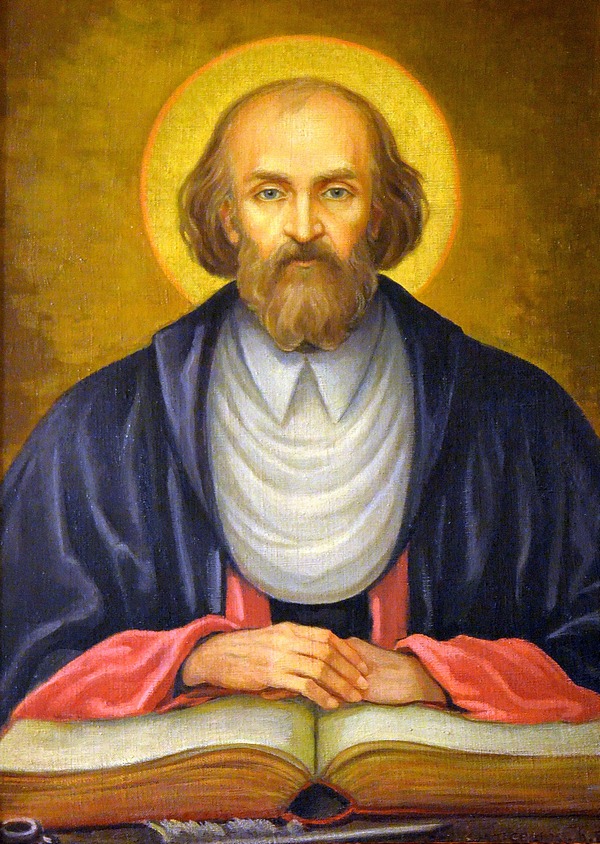
Saint of the Day – 23 December – St John of Kanty (1390-1473) Patron of Poland and Lithuania
To most Catholics, St John of Kanty—otherwise known as John Kanty or John Cantius—is an obscure saint but even in Europe, probably few people know of Pope John Paul II’s deep and lifelong devotion to this professor saint. Only 13 miles from the Holy Father’s own birthplace, John was born in the small southern Polish town of Kanty on June 24, 1390. At the age of 23, he registered for studies at the Jagiellonian University, located in the not too distant city of Krakow—then, the capital of the Polish Kingdom. Founded 1364 by royal decree, it was the same university at which astronomer, Nicolas Copernicus, would study almost 80 years later. Enrolled in the Department of Liberal Arts, John became a doctor of philosophy in 1418. During the following three years, he undertook further studies in preparation for the priesthood, while supporting himself by conducting philosophy classes at the university.
Immediately following ordination, he accepted a position as rector at the prestigious school of the Canons Regular of the Most Holy Sepulchre in Miechow. That such a school would offer him this position at his relatively young age was evidence of John’s exceptional intellect and talents. It was there in conducting formation classes for the young novices that he became firmly grounded in the writings and spirituality of St Augustine.
In 1429, a position became vacant in the Philosophy Department at the Jagiellonian University. John quickly returned to Krakow for the Job, taking up residence at the university where he remained until his death. He also began studies in theology and after 13 long years of study intertwined with teaching and administrative duties as head of the Philosophy Department, he finally received his doctorate. Later, after the death of his mentor, the eminent theologian Benedykt Hesse, John assumed directorship of the university’s Theology Department.
As most learned men of his day, John spent many of his free hours hand copying manuscripts of the Holy Scriptures, theological tracts and other scholarly works. Although only 26 volumes have survived to our time, their total of over 18,000 pages is a testament to his exceptional industriousness.
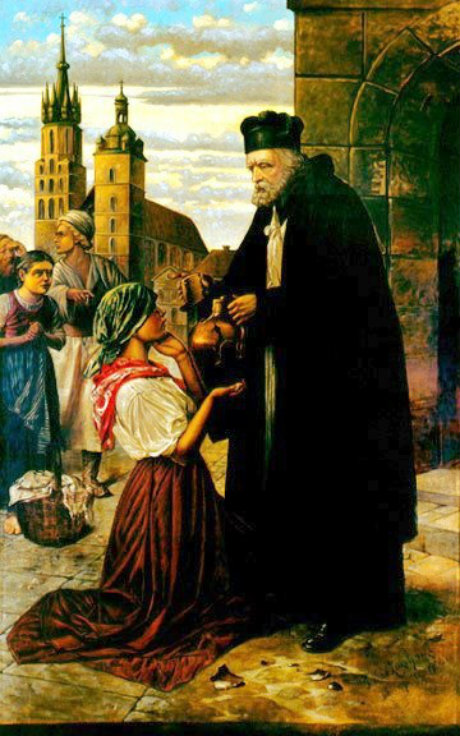
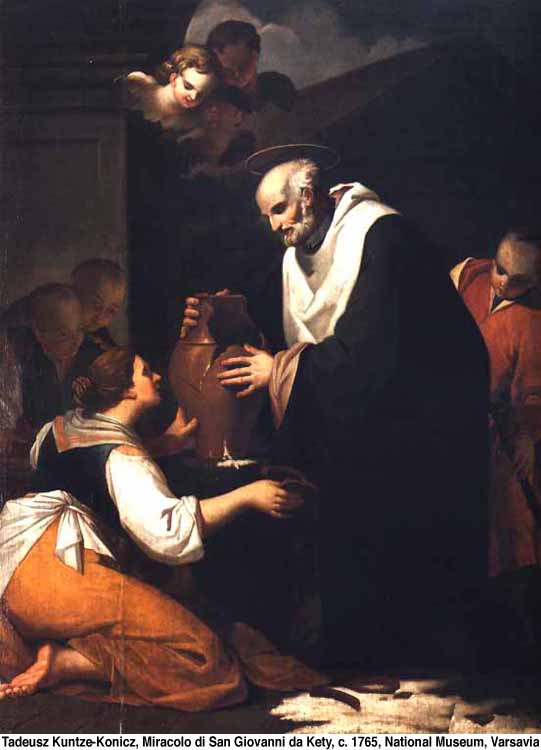
During the course of his life in Krakow, John became well known among the city’s residents for his generosity and compassion toward the poor, always sacrificing his own needs in order to help those less fortunate. He felt a special affinity toward needy students at the university, helping to care for their spiritual, physica, and academic needs. Whether it was in the classroom or in the pulpit, everyone knew him as a staunch defender of the faith and enemy of heretics.
By the time the Master from Kanty died on 24 December 1473, the people of Krakow already considered him a very holy man. That his opinion was wholly justified can be evidenced by the numerous favours and miracles attributed to John’s intercession beginning immediately following his death. Before long, John from Kanty became known widely throughout Europe, drawing pilgrims from many countries to his tomb in the university’s Collegiate Church of St Anne. Despite this, the process for his beatification did not begin until 150 years later. Finally, in 1676, Pope Clement XIII declared him a saint of the Roman Catholic Church, proclaiming 20 October as his feast day.
Throughout his many years in Krakow, our philosopher Pontiff drew much inspiration at the grave of his patron saint of learning. It was no surprise, therefore, that during his 1997 pilgrimage to Poland, he once more prayed at the Saint’s tomb. There, during a special gathering with professors from the Jagiellonian -both his and S. John’s alma mater— he alluded to the Master from Kanty when he stated: “Knowledge and wisdom seek a covenant with holiness.”
Saint John Kanty’s feast day was moved in 1969 it was to 23 December the day before the anniversary of his death, which occurred on Christmas Eve, 1473.
St Besa of Egypt
Bl Bincema
St Dagobert II of Austrasia
Bl Epifanio Gómez Alvaro
St Frithbert of Hexham
Bl Hartmann of Brixen
Bl Herman of Scheda
Bl James Aymerich
St John Cirita
St John Stone
St Joseph Cho Yun-ho
St Mardonius of Rome
St Mazota of Abernethy
St Migdonius of Rome
St Nicolás Factor-Estaña
St Servulus of Rome
St Thorlac Thorhallsson
St Victoria
St Vintila of Orensee
—
Martyred Dominicans of Santander – (9 beati) – Martyred in the Spanish Civil War:
• Blessed Bernardino Irurzun Otermín
• Blessed Eleuterio Marne Mansilla
• Blessed Eliseo Miguel Lagro
• Blessed Enrique Cañal Gómez
• Blessed Enrique Izquierdo Palacios
• Blessed Epifanio Gómez Alvaro
• Blessed José María García Tabar
• Blessed Manuel Gutiérrez Ceballos
• Blessed Miguel Rodríguez González
• Blessed Pedro Luís y Luís
Martyrs of Crete – (10 saints): A group of ten Christians who died in the persecutions of Decius. They were –
• Agathopus
• Basilides
• Cleomenes
• Eunician
• Euporus
• Evaristus
• Gelasius
• Saturninus
• Theodulus
• Zeticus
They were martyred in 250 on the island of Crete.
Saint of the Day – 22 December – Blessed Jutta of Disibodenberg OSB (c 1084-1136) – Religious Nun of the Benedictine Order, Foundress and Abbess, Spiritual Director (most notably of St Hildegard of Bingen), Mystic, miracle worker – born c 1084 in Spanheim, Rhineland-Palatinate (in modern Germany) and died on 22 December 1136 at Disibodenberg Abbey, Germany of natural causes.
“Jutta was like a river with many tributaries, overflowing with the grace of God.”– St Hildegard of Bingen OSB (1098-1179) Doctor of the Church.
Jutta, anchoress and foundress of the women’s cloister at Disibodenberg and spiritual mother to Hildegard, was born to Count Stephan II of Sponheim and his wife Sophia of Formbach in 1092.
Her father died when she was three and she was “nurtured with great care by her widowed mother”. At the age of twelve when “she was laid low by a severe illness, . . . she vowed to God that if she survived she would undertake a holy way of life”. After recovering, the beautiful girl had many suitors. “Many nobles and wealthy landowners were coming to her, even from far-off places, panting to be joined to her in the marriage union.”
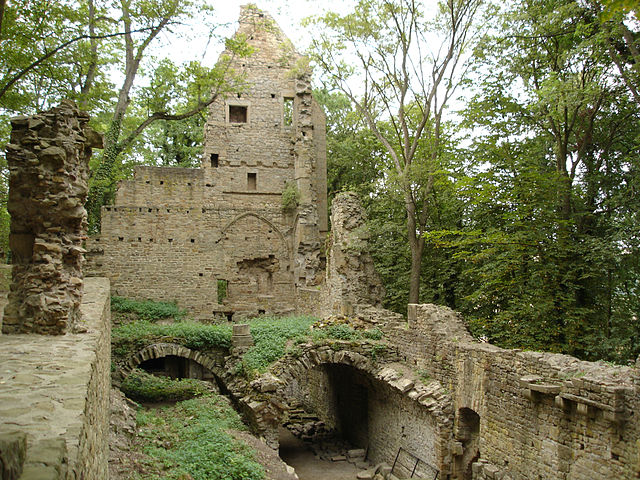
Disibodenberg ruins
Jutta kept her vow and at the age of twenty, with two companions, she was enclosed as an anchoress attached to the monastery at Disibodenberg. Jutta, instead of entering the convent at an early age, became an “anchoress,” a symbolic “anchor” for the world to God and thus she closed herself for life in a one-room shelter, with only a small window through which food was passed in, and refused to be taken out. This hut was next to the Benedictine monastery on Disibodenberg, where she was abbess. She tutored several female pupils from wealthy families and they lived with her in her hermitage. She taught and raised them all, but most notably the child Hildegard of Bingen. On the Day of All Saints, 1 November 1112, Hildegard was given over as an oblate into the care of Jutta of Sponheim, who was only six years Hildegard’s elder.
Jutta taught Hildegard to write, to read the collection of psalms used in the liturgy and to chant the Opus Dei (‘work of God’), the weekly sequential recitation of the Canonical hours. She probably also taught Hildegard to play the zither-like string instrument called the psaltery.
Eight-year-old Hildegard von Bingen is brought to Jutta
Throughout her religious life, Jutta practised extraordinary penance and became known as a healer. “Through her consoling words, many were restored from all kinds of wretched conditions.” She was so renowned for her wisdom that “all those from round about of whatever rank, nobles or common people, rich or poor, pilgrims or tenants, were asking only after the anchoress, the lady Jutta; they waited on her alone as on a heavenly oracle”.
On 2 December 1136, Jutta had a vision of a saint beloved by the Germans. “Do not be afraid, for I am Oswald, once king of the English people and I have now come to you, that I might let you know the day of your departure, which you have obtained today from the Lord by your daily prayers.”
For the next twenty days, suffering with fever, Jutta comforted her ten disciples. She received Viaticum almost every day and on 22 December she died. Hildegard and two other disciples prepared her body for burial.
Hildegard succeeded Jutta as abbess and when she left Disibodenberg to found her own convent at Rupertsberg, it was with the financial assistance of Jutta’s brother, Count Meinhard.
St Abban of New Ross
Bl Adam of Saxony
St Amaswinthus of Málaga
St Athernaise of Fife
St Bertheid of Münster
St Chaeremon of Nilopolis
St Flavian of Acquapendente
St Honoratus of Toulouse
St Hunger of Utrecht
St Ischirione of Alexandria
Bl Jutta of Disibodenberg OSB (c 1084-1136)
Bl Ottone of Toulouse
Bl Thomas Holland
St Zeno of Nicomedia
Martyrs of Ostia – (3 saints): A group of Christians martyred together. The only details about them to survive are three names – Demetrius, Florus and Honoratus. They were martyred at Ostia, Italy.
Martyrs of Rhaitu – (43 saints): 43 monks martyred by Blemmyes, in Raíthu, Egypt, date unknown.
Martyrs of Via Lavicana – (30 saints): A group of 30 Christians martyred together in the persecutions of Diocletian.
c 303 in Rome, Italy and were buried between two bay trees on the Via Lavicana outside Rome.
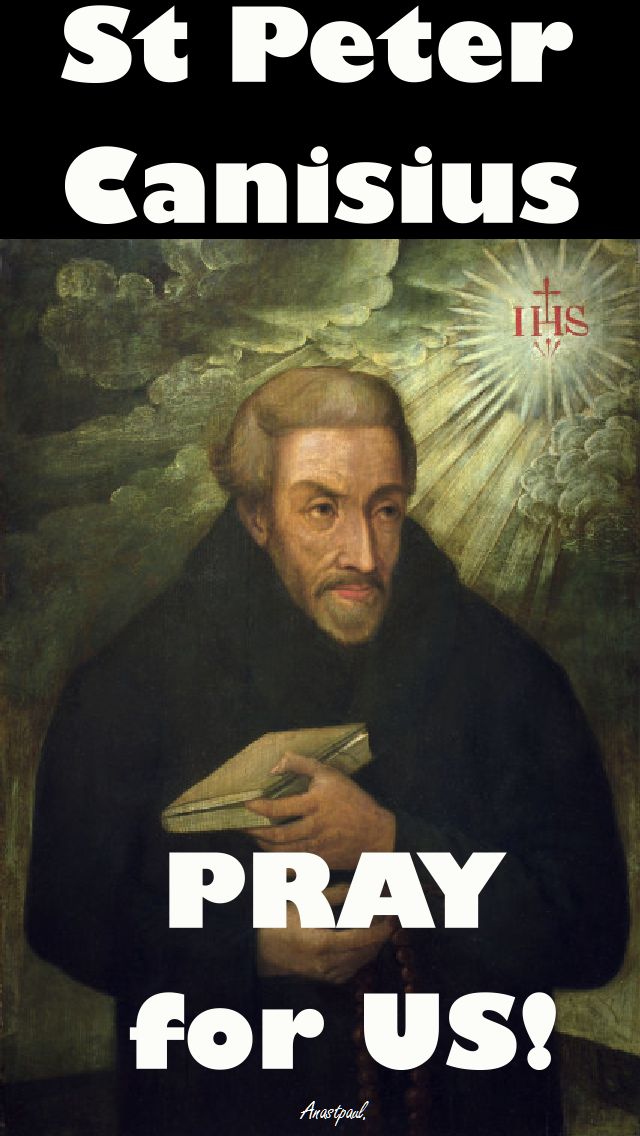
Thought for the day – 21 December – The Memorial of St Peter Canisius S.J. (1521-1597) Doctor of the Church
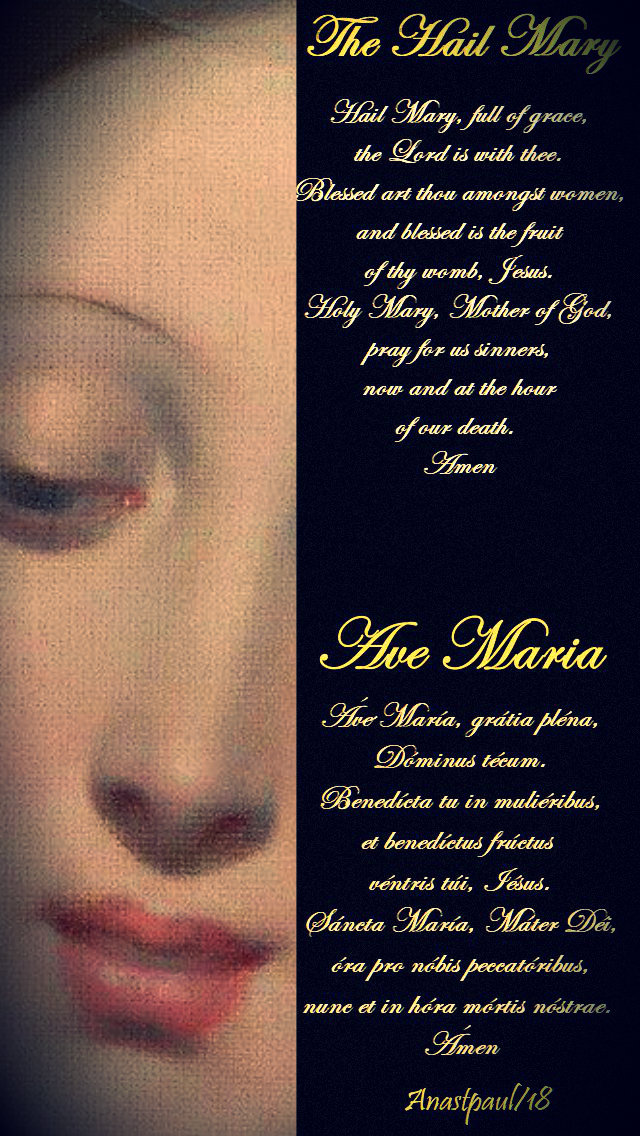
St Peter Canisius and the Hail Mary
“Holy Mary Mother of God pray for us sinners now and at the hour of our death”
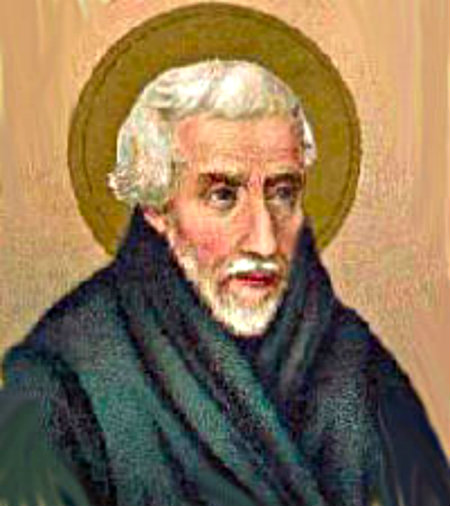
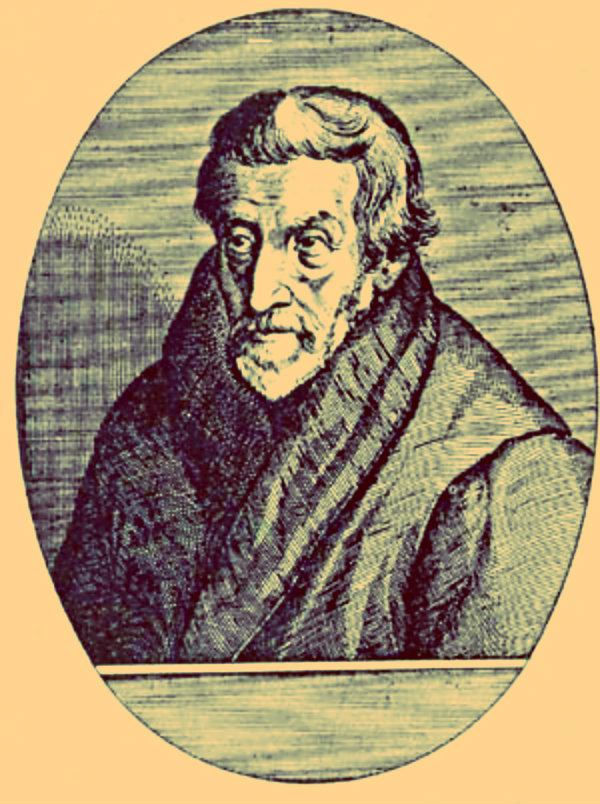
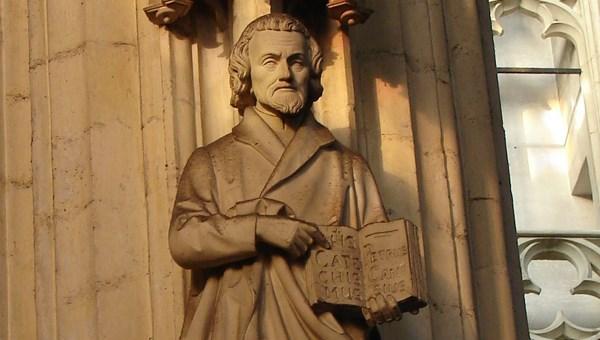
On today’s feast of St Peter Canisius S. J., Catholics may wish to thank this Doctor of the Church for giving us the second half of the Hail Mary prayer.
This 16th-century saint, known as the second Apostle of Germany, followed in the giant footsteps of St Boniface, who evangelised Germany a thousand years earlier. He was also quite active at the Council of Trent and wrote much on the Blessed Virgin Mary.
The first half of the Hail Mary, of course, comes from Scripture. What many Catholics don’t know is that the second half of this Catholic prayer is due to the intervention of St Peter Canisius at the Council of Trent. St Peter began adding on to the scriptural part of the Hail Mary the second half of this familiar prayer, “Holy Mary Mother of God pray for us sinners, now, and at the hour of our death.” It was Trent that officially accepted the prayer and included it in their famous Catechism of the Council of Trent in 1566.
This learned saint was declared a Doctor of the Church by Pope Pius XI in 1925. He was a holy and learned Jesuit, who wrote catechisms based on Trent’s Roman Catechism, which he helped generate. He also wrote a breviary and many works on Mary.
Saint Peter’s main mission was to counter the Protestant revolt in Germany. He was providentially born just four years after Martin Luther penned his 95 theses. To withstand the errors of the Protestant deformers, St Peter wrote his catechism in 1555, which was called a Summary of Christian Doctrine. This catechism basically enshrined what came to be known as the Counter-Reformation.
Quote/s of the Day – 21 December – The Memorial of St Peter Canisius (1521-1597) Doctor of the Church
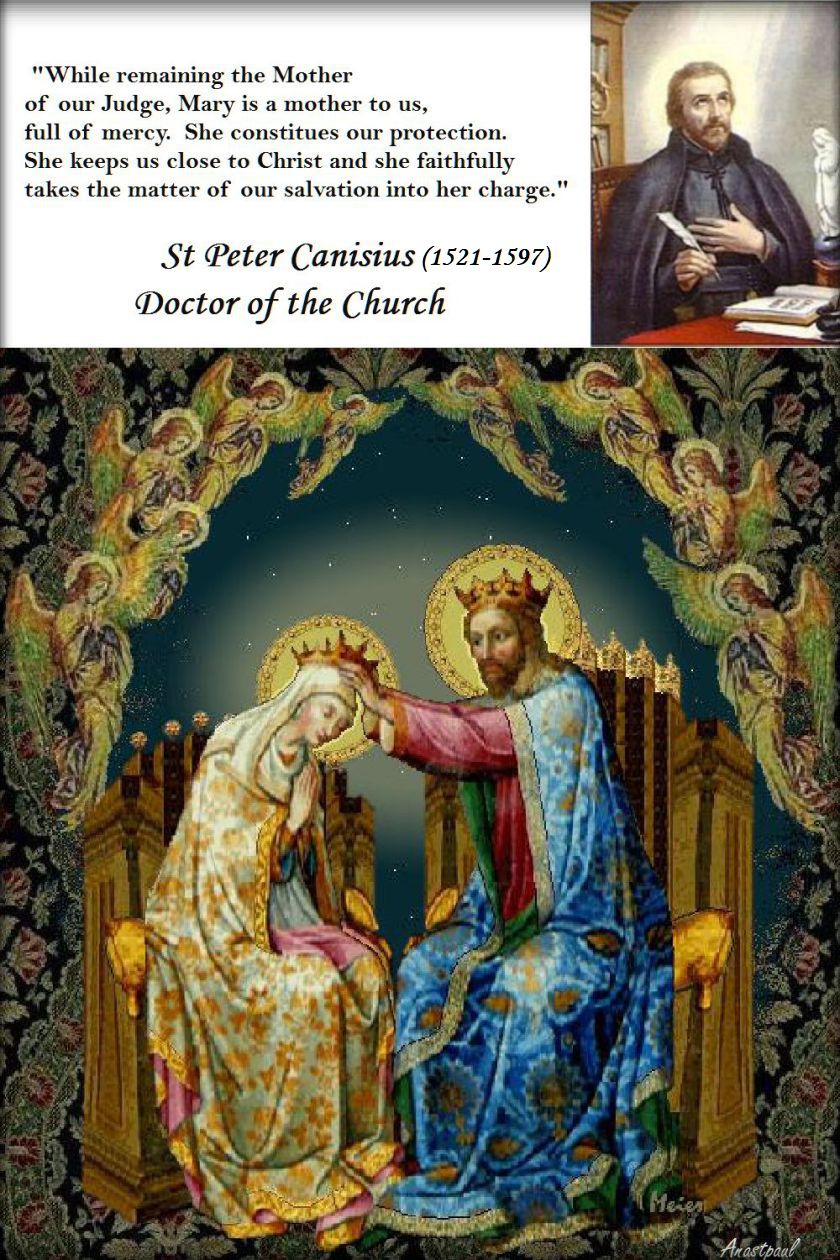
“While remaining the Mother of our Judge, Mary is a mother to us, full of mercy. She constitutes our protection. She keeps us close to Christ and she faithfully takes the matter of our salvation into her charge.”
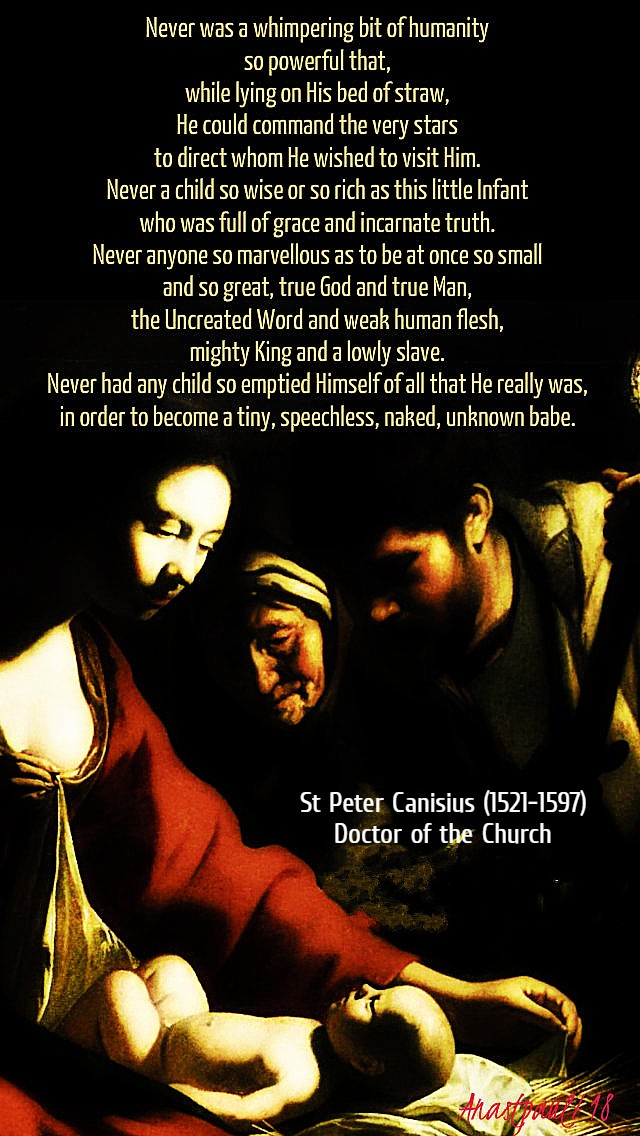
“Never was a whimpering bit of humanity so powerful that, while lying on His bed of straw, He could command the very stars to direct whom He wished to visit Him. Never a child so wise or so rich as this little Infant who was full of grace and incarnate truth. Never anyone so marvellous as to be at once so small and so great, true God and true Man, the Uncreated Word and weak human flesh, mighty King and a lowly slave. Never had any child so emptied Himself of all that He really was, in order to become a tiny, speechless, naked, unknown babe.”
St Peter Canisius (1521-1397) Doctor of the Church
Our Morning Offering – 21 December – Pope Benedict’s Favourite Prayer – The Memorial of St Peter Canisius (1521-1397) Doctor of the Church
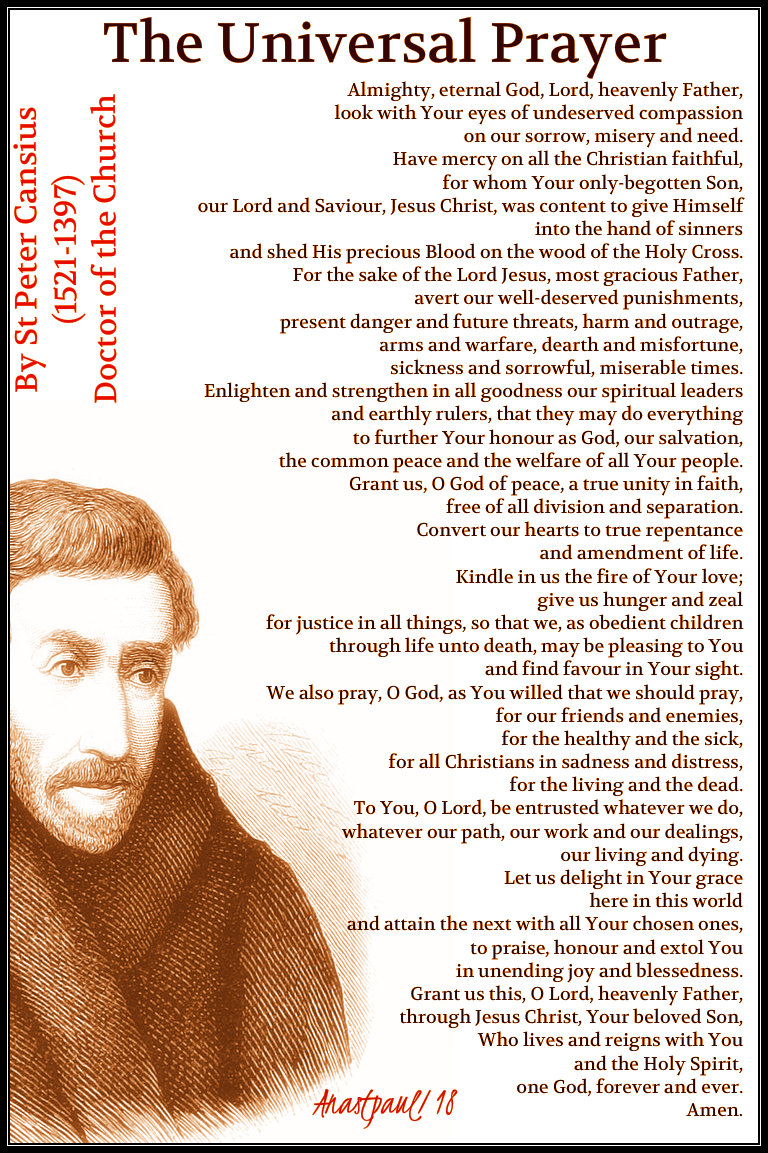
The Universal Prayer By Saint Peter Canisius
Almighty, eternal God, Lord, heavenly Father,
look with Your eyes of undeserved compassion
on our sorrow, misery and need.
Have mercy on all the Christian faithful,
for whom Your only-begotten Son,
our Lord and Saviour, Jesus Christ, was content to give Himself
into the hand of sinners
and shed His precious Blood on the wood of the Holy Cross.
For the sake of the Lord Jesus, most gracious Father,
avert our well-deserved punishments,
present danger and future threats, harm and outrage,
arms and warfare, dearth and misfortune,
sickness and sorrowful, miserable times.
Enlighten and strengthen in all goodness our spiritual leaders
and earthly rulers, that they may do everything
to further Your honour as God, our salvation,
the common peace and the welfare of all Your people.
Grant us, O God of peace, a true unity in faith,
free of all division and separation.
Convert our hearts to true repentance and amendment of life.
Kindle in us the fire of Your love; give us hunger and zeal
for justice in all things, so that we, as obedient children
through life unto death, may be pleasing to You
and find favour in Your sight.
We also pray, O God, as You willed that we should pray,
for our friends and enemies, for the healthy and the sick,
for all Christians in sadness and distress,
for the living and the dead.
To You, O Lord, be entrusted whatever we do,
whatever our path, our work and our dealings,
our living and dying.
Let us delight in Your grace here in this world
and attain the next with all Your chosen ones,
to praise, honour and extol You in unending joy and blessedness.
Grant us this, O Lord, heavenly Father,
through Jesus Christ, Your beloved Son,
Who lives and reigns with You and the Holy Spirit,
one God, forever and ever.
Amen.
“The [prayer] I like most…the ‘General Prayer’ by Peter Canisius from the sixteenth century. It remains unchangingly pertinent and beautiful.” From Pope Benedict, Last Testament, New York, Bloomsbury, 2016, 8.
Saint of the Day – 21 December – St Peter Canisius SJ. (1521-1597) The “Second Apostle of Germany” – Doctor of the Church
Catechesis of Pope Benedict XVI – 9 February 2011
He was born on 8 May 1521 in Wijmegen, Holland. His father was Burgomaster of the town. While he was a student at the University of Cologne he regularly visited the Carthusian monks of St Barbara, a driving force of Catholic life and other devout men who cultivated the spirituality of the so-called devotio moderna [modern devotion].
He entered the Society of Jesus on 8 May 1543 in Mainz (Rhineland — Palatinate), after taking a course of spiritual exercises under the guidance of Bl (now Saint) Pierre Favre, Petrus [Peter] Faber, one of St Ignatius of Loyola’s first companions. He was ordained a priest in Cologne. Already the following year, in June 1546, he attended the Council of Trent, as the theologian of Cardinal Otto Truchsess von Waldburg, Bishop of Augsberg, where he worked with two confreres, Diego Laínez and Alfonso Salmerón. In 1548, St Ignatius had him complete his spiritual formation in Rome and then sent him to the College of Messina to carry out humble domestic duties.
He earned a doctorate in theology at Bologna on 4 October 1549 and St Ignatius assigned him to carry out the apostolate in Germany. On 2 September of that same year he visited Pope Paul III at Castel Gandolfo and then went to St Peter’s Basilica to pray. Here he implored the great Holy Apostles Peter and Paul for help to make the Apostolic Blessing permanently effective for the future of his important new mission. He noted several words of this prayer in his spiritual journal.
He said: “There I felt that a great consolation and the presence of grace had been granted to me through these intercessors [Peter and Paul]. They confirmed my mission in Germany and seemed to transmit to me, as an apostle of Germany, the support of their benevolence. You know, Lord, in how many ways and how often on that same day you entrusted Germany to me, which I was later to continue to be concerned about and for which I would have liked to live and die”.
We must bear in mind that we are dealing with the time of the Lutheran Reformation, at the moment when the Catholic faith in the German-speaking countries seemed to be dying out in the face of the fascination of the Reformation. The task of Canisius — charged with revitalising or renewing the Catholic faith in the Germanic countries — was almost impossible. It was possible only by virtue of prayer. It was possible only from the centre, namely, a profound personal friendship with Jesus Christ, a friendship with Christ in His Body, the Church, which must be nourished by the Eucharist, His Real Presence.
In obedience to the mission received from Ignatius and from Pope Paul III, Canisius left for Germany. He went first to the Duchy of Bavaria, which for several years was the place where he exercised his ministry. As dean, rector and vice chancellor of the University of Ingolstadt, he supervised the academic life of the Institute and the religious and moral reform of the people. In Vienna, where for a brief time he was diocesan administrator, he carried out his pastoral ministry in hospitals and prisons, both in the city and in the countryside and prepared the publication of his Catechism. In 1556 he founded the College of Prague and, until 1569, was the first superior of the Jesuit Province of Upper Germany. In this office he established a dense network of communities of his Order in the Germanic countries, especially colleges, that were starting points for the Catholic Reformation, for the renewal of the Catholic faith.
At that time he also took part in the Colloquy of Worms with Protestant divines, including Philip Melanchthon (1557); He served as Papal Nuncio in Poland (1558); he took part in the two Diets of Augsberg (1559 and 1565); he accompanied Cardinal Stanislaw Hozjusz, Legate of Pope Pius IV, to Emperor Ferdinand (1560); and he took part in the last session of the Council of Trent where he spoke on the issue of Communion under both Species and on the Index of Prohibited Books (1562).
In 1580 he withdrew to Fribourg, Switzerland, where he devoted himself entirely to preaching and writing. He died there on 21 December 1597. Bl Pius IX Beatified him in 1864 and in 1897 Pope Leo XIII proclaimed him the “Second Apostle of Germany”. Pope Pius XI Canonised him and proclaimed him a Doctor of the Church in 1925.
St Peter Canisius spent a large part of his life in touch with the most important people of his time and exercised a special influence with his writings. He edited the complete works of Cyril of Alexandria and of St Leo the Great, the Letters of St Jerome and the Orations of St Nicholas of Flüe. He published devotional books in various languages, biographies of several Swiss Saints and numerous homiletic texts.
However, his most widely disseminated writings were the three Catechisms he compiled between 1555 and 1558. The first Catechism was addressed to students who could grasp the elementary notions of theology; the second, to young people of the populace for an initial religious instruction; the third, to youth with a scholastic formation of middle and high school levels. He explained Catholic doctrine with questions and answers, concisely, in biblical terms, with great clarity and with no polemical overtones.
There were at least 200 editions of this Catechism in his lifetime alone! And hundreds of editions succeeded one another until the 20th century. So it was, that still in my father’s generation people in Germany were calling the Catechism simply “the Canisius”. He really was the Catechist of Germany for centuries, he formed people’s faith for centuries. This was a characteristic of St Peter Canisius – his ability to combine harmoniously fidelity to dogmatic principles with the respect that is due to every person. St Canisius distinguished between a conscious, blameworthy apostosy from faith and a blameless loss of faith through circumstances.
Moreover, he declared to Rome that the majority of Germans who switched to Protestantism were blameless. In a historical period of strong confessional differences, Canisius avoided — and this is something quite extraordinary — the harshness and rhetoric of anger — something rare, as I said, in the discussions between Christians in those times — and aimed only at presenting the spiritual roots and at reviving the faith in the Church. His vast and penetrating knowledge of Sacred Scripture and of the Fathers of the Church served this cause, the same knowledge that supported his personal relationship with God and the austere spirituality that he derived from the Devotio Moderna and Rhenish mysticism.
Characteristic of St Canisius’ spirituality was his profound personal friendship with Jesus. For example, on 4 September 1549 he wrote in his journal, speaking with the Lord: “In the end, as if You were opening to me the heart of the Most Sacred Body, which it seemed to me I saw before me, You commanded me to drink from that source, inviting me, as it were, to draw the waters of my salvation from Your founts, O my Saviour”.
Then he saw that the Saviour was giving him a garment with three pieces that were called peace, love and perseverance. And with this garment, made up of peace, love and perseverance, Canisius carried out his work of renewing Catholicism. His friendship with Jesus — which was the core of his personality — nourished by love of the Bible, by love of the Blessed Sacrament and by love of the Fathers, this friendship was clearly united with the awareness of being a perpetuator of the Apostles’ mission in the Church. And this reminds us that every genuine evangeliser is always an instrument united with Jesus and with His Church and is fruitful for this very reason.
Friendship with Jesus had been inculcated in St Peter Canisius in the spiritual environment of the Charterhouse of Cologne, in which he had been in close contact with two Carthusian mystics – Johannes Lansperger, whose name has been Latinized as “Lanspergius” and Nikolaus van Esche, Latinized as “Eschius”.
He subsequently deepened the experience of this friendship, familiaritas stupenda nimis, through contemplation of the mysteries of Jesus’ life, which form a large part of St Ignatius’ Spiritual Exercises. This is the foundation of his intense devotion to the Heart of the Lord, which culminated in his consecration to the apostolic ministry in the Vatican Basilica.
The Christocentric spirituality of St Peter Canisius is rooted in a profound conviction – no soul anxious for perfection fails to practice prayer daily, mental prayer, an ordinary means that enables the disciple of Jesus to live in intimacy with the divine Teacher.
For this reason in his writings for the spiritual education of the people, our Saint insists on the importance of the Liturgy with his comments on the Gospels, on Feasts, on the Rite of Holy Mass and on the sacraments; yet, at the same time, he is careful to show the faithful the need for and beauty of personal daily prayer, which should accompany and permeate participation in the public worship of the Church. This exhortation and method have kept their value intact, especially after being authoritatively proposed anew by the Second Vatican Council in the Constitution Sacrosanctum Concilium, Christian life does not develop unless it is nourished by participation in the Liturgy — particularly at Sunday Mass — and by personal daily prayer, by personal contact with God.
Among the thousands of activities and multiple distractions that surround us, we must find moments for recollection before the Lord every day, in order to listen to Him and speak with Him.
At the same time, the example that St Peter Canisius has bequeathed to us, not only in his works but especially with his life, is ever timely and of lasting value. He teaches clearly that the apostolic ministry is effective and produces fruits of salvation in hearts only if the preacher is a personal witness of Jesus and an instrument at His disposal, bound to Him closely by faith in His Gospel and in His Church, by a morally consistent life and by prayer as ceaseless as love. And this is true for every Christian who wishes to live his adherence to Christ with commitment and fidelity.
Bl Adrian of Dalmatia
St Anastasius II of Antioch
St Anrê Tran An Dung
St Baudacarius of Bobbio
St Beornwald of Bampton
Bl Bezela of Göda
Bl Daniel of the Annunciation
St Dioscorus
St Festus of Tuscany
St Glycerius of Nicomedia
St James of Valencia
St John of Tuscany
St John Vincent
St Micah the Prophet
St Phêrô Truong Van Thi
St Severinus of Trèves
Bl Sibrand of Marigård
St Themistocles of Lycia
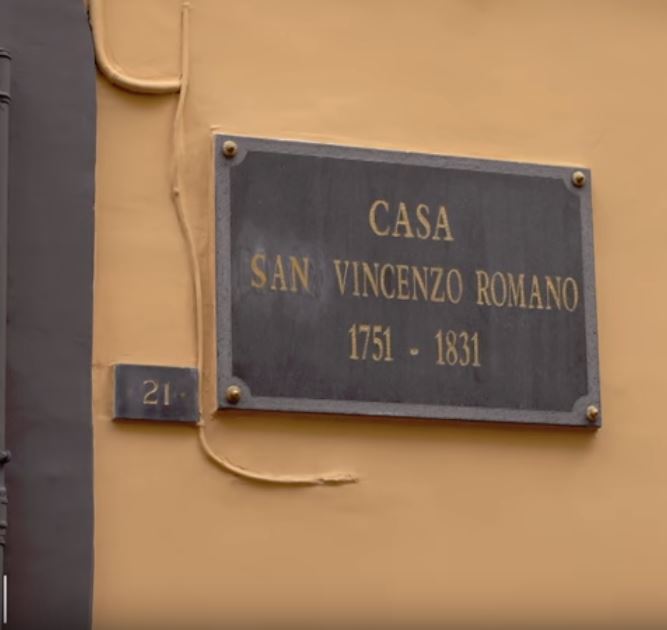
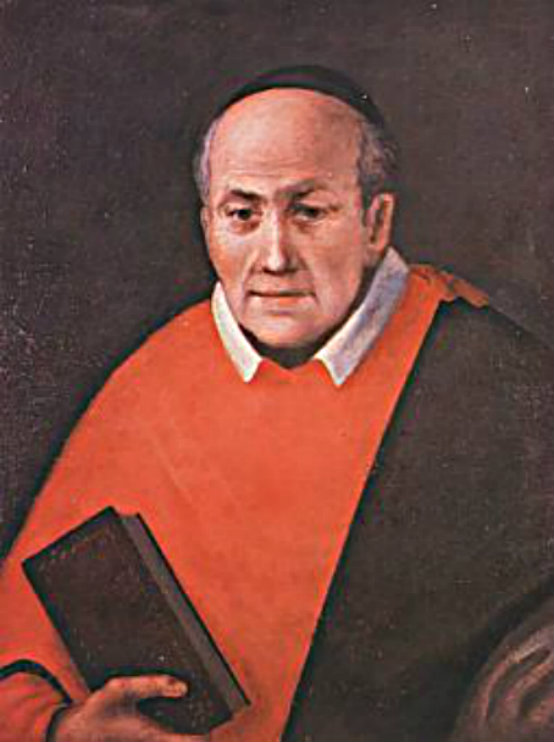
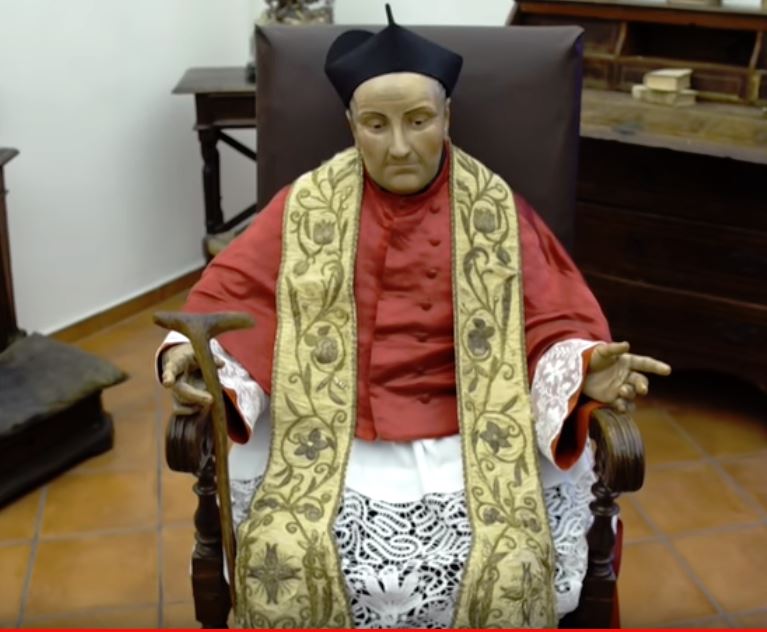
Saint of the Day – 20 December – The First Feast Day of St Vincenzo Romano (1751-1831) since his Canonisation on 14 October this year (2018) together with St Pope Paul VU and St Oscar Romero, amongst others – Priest, Shepherd and Apostle of Charity, Carer of Orphans, Eucharist Adorer, Evangelist and Catechist, Love of his flock – born on 3 June 1751 at Torre del Greco, Naples, Italy and died on 20 December 1831 at Torre del Greco, Naples, Italy of pneumonia. Patronages – Torre del Greco, Orphans, Sailors, Against throat tumours, Neapolitan priests.
Vincenzo Romano was born in Torre del Greco, Italy, on 3 June 1751, to a poor but pious family. He was baptised Domenico Vincenzo Michele Romano, being given the name “Vincenzo” in honour of the Romano family’s favourite saint, Vincent Ferrer. Romano spent the first years of his life in a very religious family atmosphere, studying the writings of Saint Alphonsus Liguori and developing a strong devotion to the Blessed Sacrament.
Though his father initially hoped he would become a goldsmith, he supported his son’s decision to enter the priesthood. Initially, Vincenzo had a difficult time being accepted due to the high number of seminarians and local clergy but he was admitted to the diocesan seminary of Naples at the age of 14.
Ordained in 1775 at the age of 24, Fr Romano worked at Santa Croce Parish, which at the time included the entire city of Torre del Greco, the most populated city in the territory of Naples. He was noted by many for his simple ways, his care of orphans and his work with other candidates for the priesthood.
After the terrible eruption of nearby Mount Vesuvius on 15 June 1794, which almost completely destroyed the city and the parish church, he immediately dedicated himself to the difficult work of material and spiritual reconstruction of the city and the church. He devoted many hours to organising the rebuilding efforts of the city and was even willing to work with his own hands, cleaning up and clearing rubble.
Though often oppressed by political groups and those around him, Romano stayed resilient throughout his time at Santa Croce and made sure always to pay careful attention to the education of children and to evangelisation of the people. He was said to have been a preacher who proclaimed the message of the Gospel in a way that was simple and aimed at educating the faithful.
Sadly, on 1 January 1825, he fell and fractured his left femur, which began a steady decline in his health. He died of pneumonia in Torre del Greco on 20 December 1831, after this long and painful illness but left behind a legacy of committed fraternal charity and care. Recognised for his holiness and the dedication he had to his people, Fr Romano was Beatified by St Pope Paul VI on 17 November 1963, in Rome. His body having been interred in the Basilica of Santa Croce, it was in that place that John Paul II went to venerate him on 11 November 1990, during his pastoral visit to the Church of Naples.
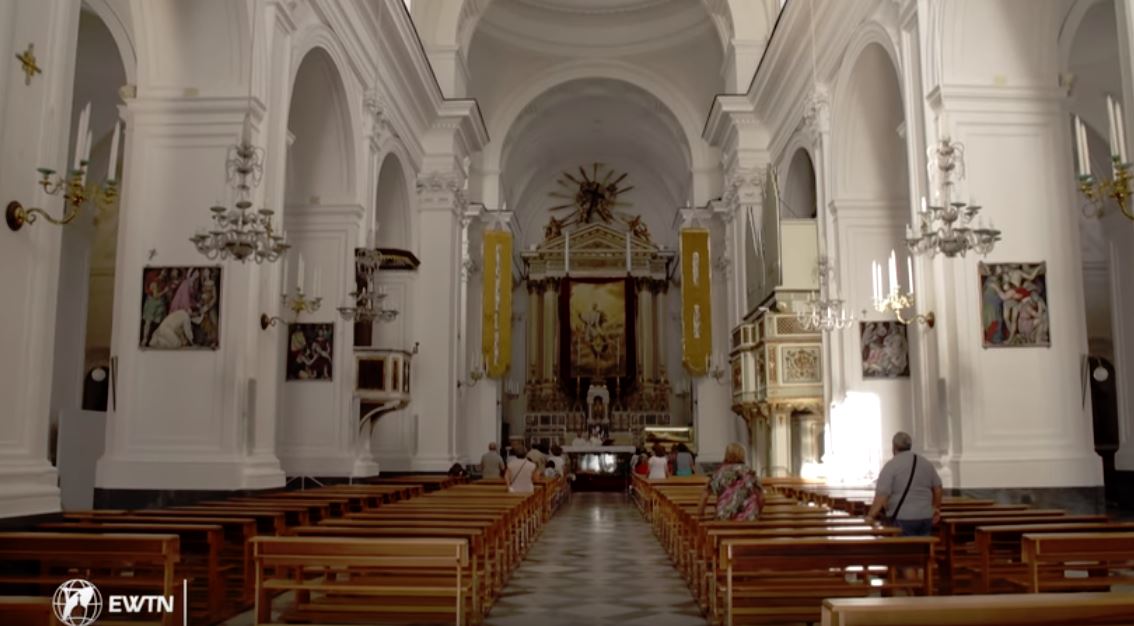
Basilica of Santa Croce
Following the example of the Good Shepherd, Fr Vincenzo Romano was a simple but powerful figure for those in Torre del Greco. He spent a lifetime guiding the community under his care, confirming it in the faith and elevating it through his love.
St Vincenzo was Canonised on 14 October 2018, Saint Peter’s Square, Vatican City by Pope Francis.






















You must be logged in to post a comment.