With knowledge and understanding he filled them……….Sirach 17:7
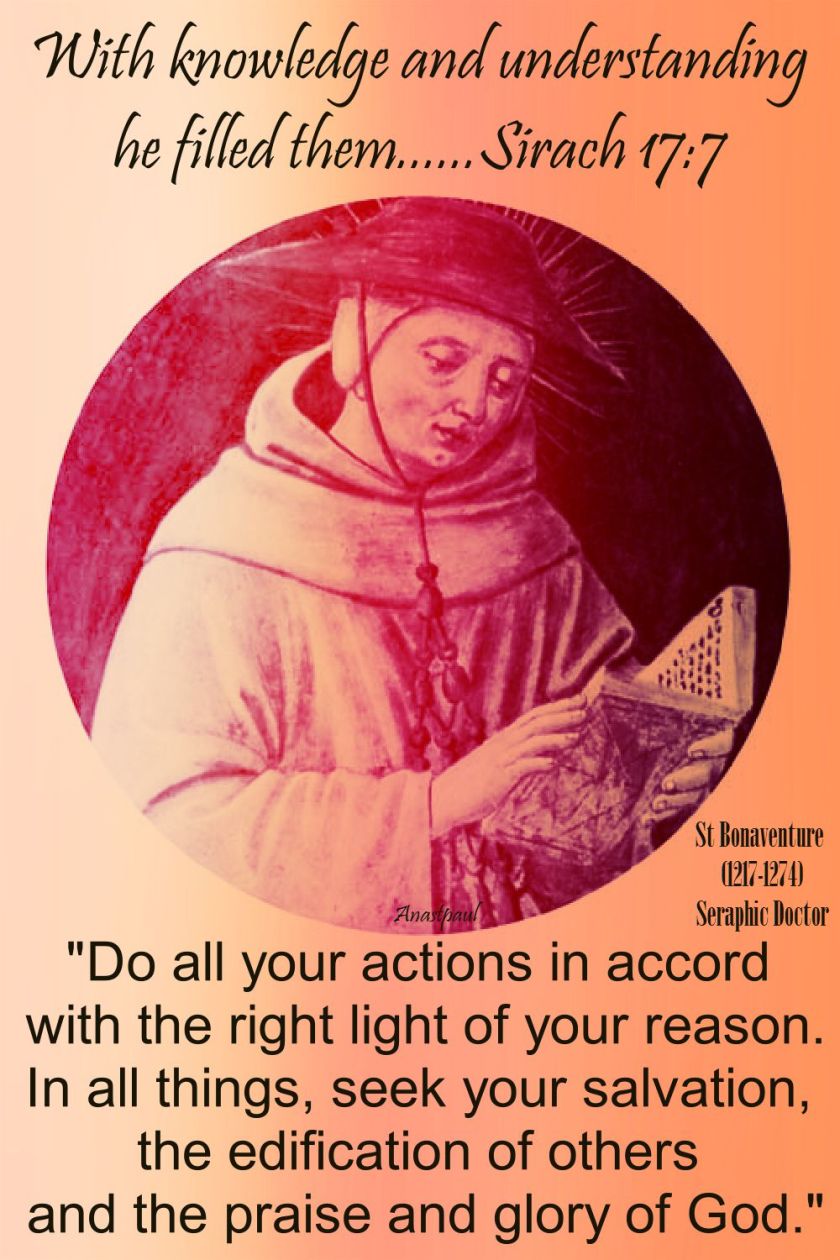
REFLECTION – “Do all your actions in accord with the right light of your reason.
In all things, seek your salvation, the edification of others and the praise and glory of God.”…..St Bonaventure
PRAYER – God of goodness and reason, grant me the gift of right reasoning and Christian understanding. Let me act always in accord with the dictates of that reason and so be pleasing to You. St Bonaventure , pray for us that we may always be graced with the gifts of Holy Spirit, amen.
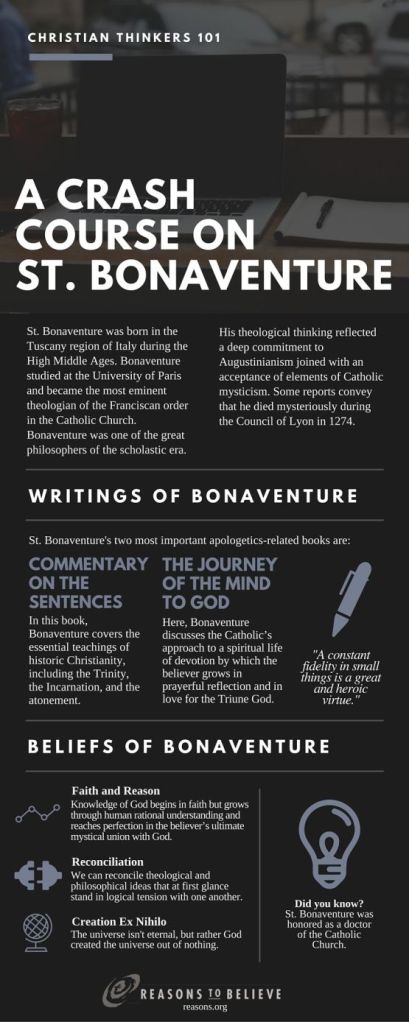
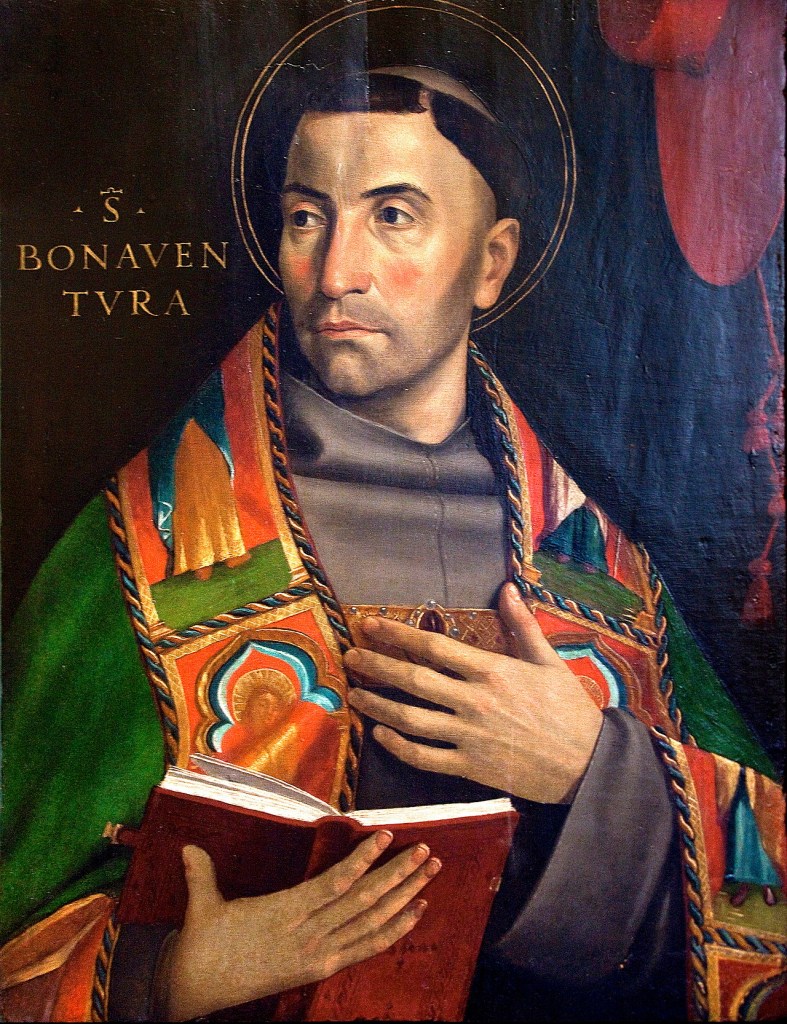
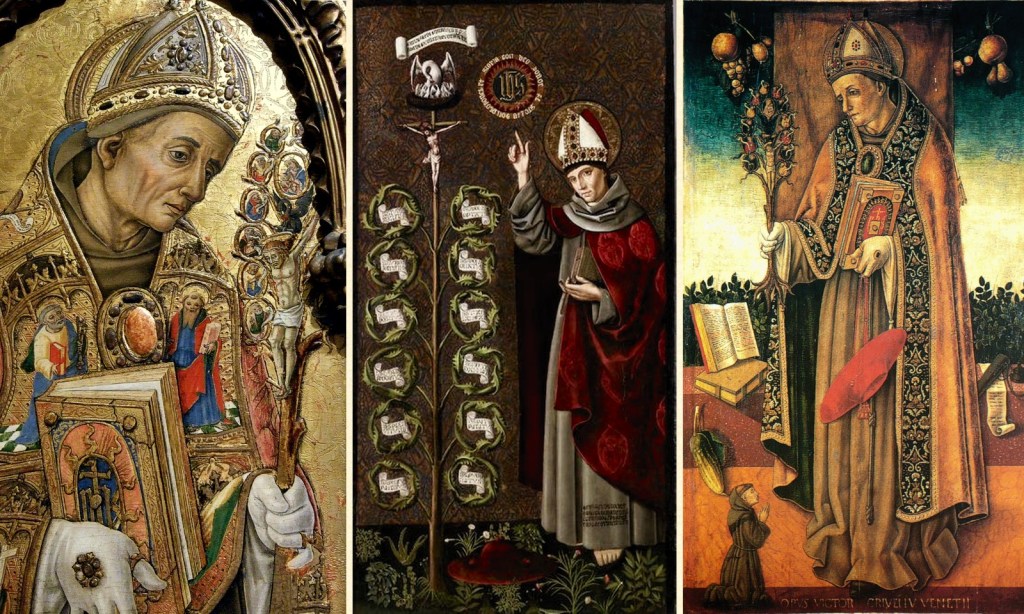
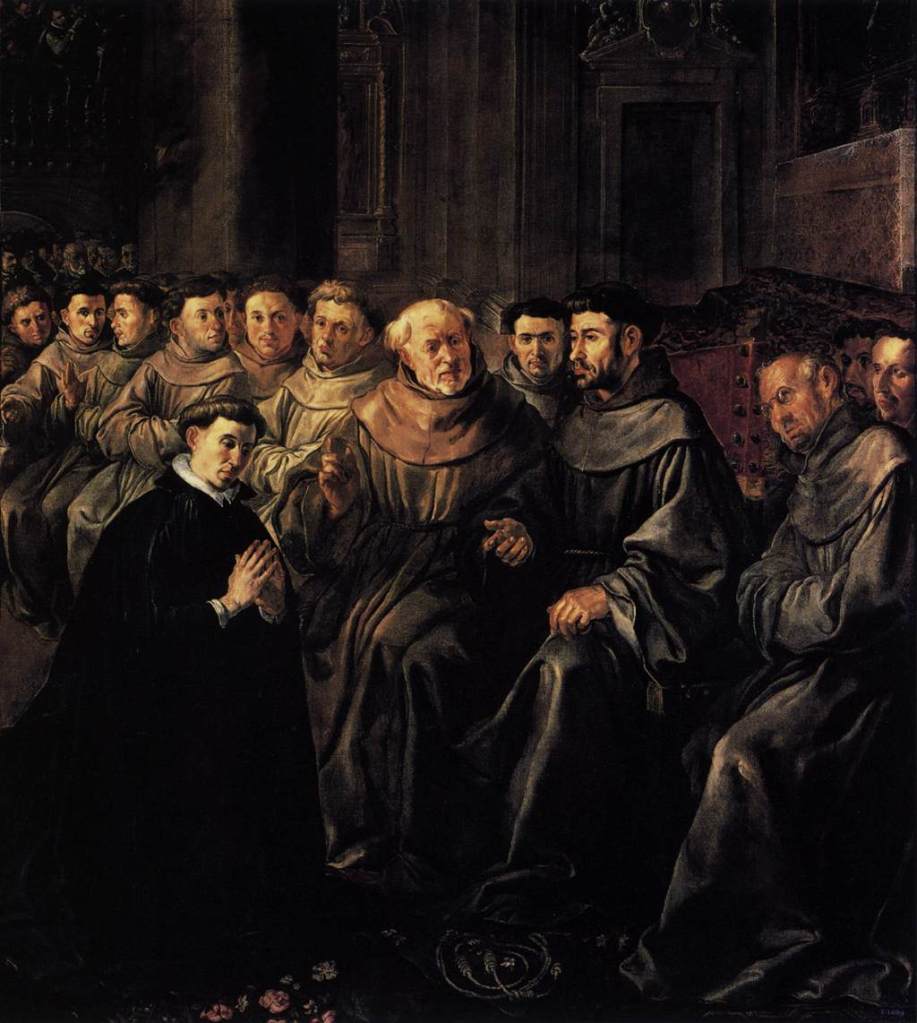
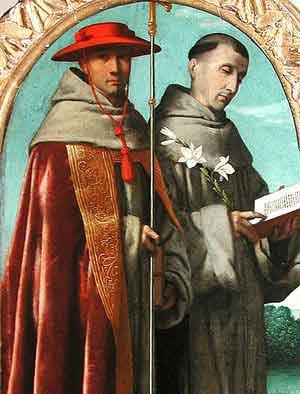
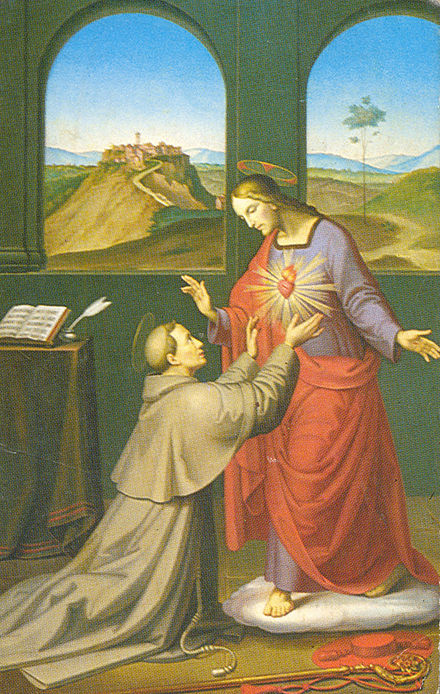
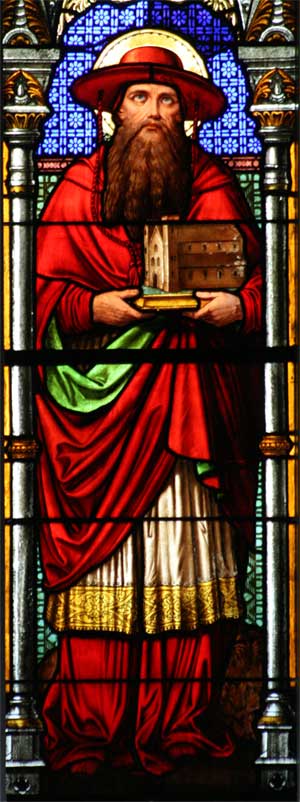
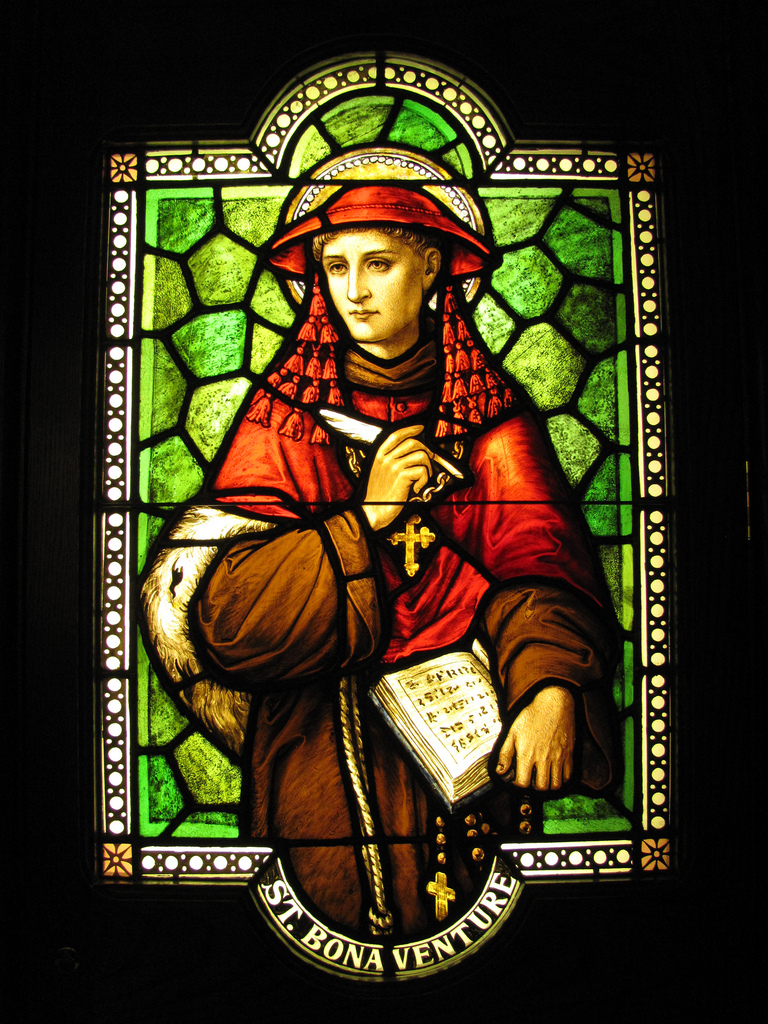
Saint of the Day – 15 July – St Bonaventure – Confessor, Bishop, Doctor of the Church – Friar, Theologian, Philosopher, Writer, Mystic, Preacher, Teacher – born in (1221 at Bagnoregio, Tuscany, Italy and died on 15 July 1274 at Lyon, France of natural causes). He was born Giovanni di Fidanza and was the seventh Minister General of the Order of Friars Minor, he was also Cardinal Bishop of Albano. Bonaventure was Canonised on 14 April 1482 by Pope Sixtus IV and declared a Doctor of the Church in the year 1588 by Pope Sixtus V. He is known as the “Seraphic Doctor” (Latin: Doctor Seraphicus). PATRONAGES – against intestinal problems, stomach diseases, of – Bagnoregio, Italy, Banja Luka, Bosnia and Herzegovina, Cochiti Indian Pueblo, Saint Bonaventure University, New York.
St Bonaventure was born at Bagnorea in Umbria, not far from Viterbo, then part of the Papal States. Almost nothing is known of his childhood, other than the names of his parents, Giovanni di Fidanza and Maria Ritella.
He entered the Franciscan Order in 1243 and studied at the University of Paris, possibly under Alexander of Hales and certainly under Alexander’s successor, John of Rochelle. In 1253 he held the Franciscan chair at Paris. A dispute between seculars and mendicants delayed his reception as Master until 1257, where his degree was taken in company with Thomas Aquinas. Three years earlier his fame had earned him the position of lecturer on The Four Books of Sentences—a book of theology written by Peter Lombard in the twelfth century—and in 1255 he received the degree of master, the medieval equivalent of doctor.
After having successfully defended his order against the reproaches of the anti-mendicant party, he was elected Minister General of the Franciscan Order. On 24 November 1265, he was selected for the post of Archbishop of York; however, he was never consecrated and resigned the appointment in October 1266.[6]
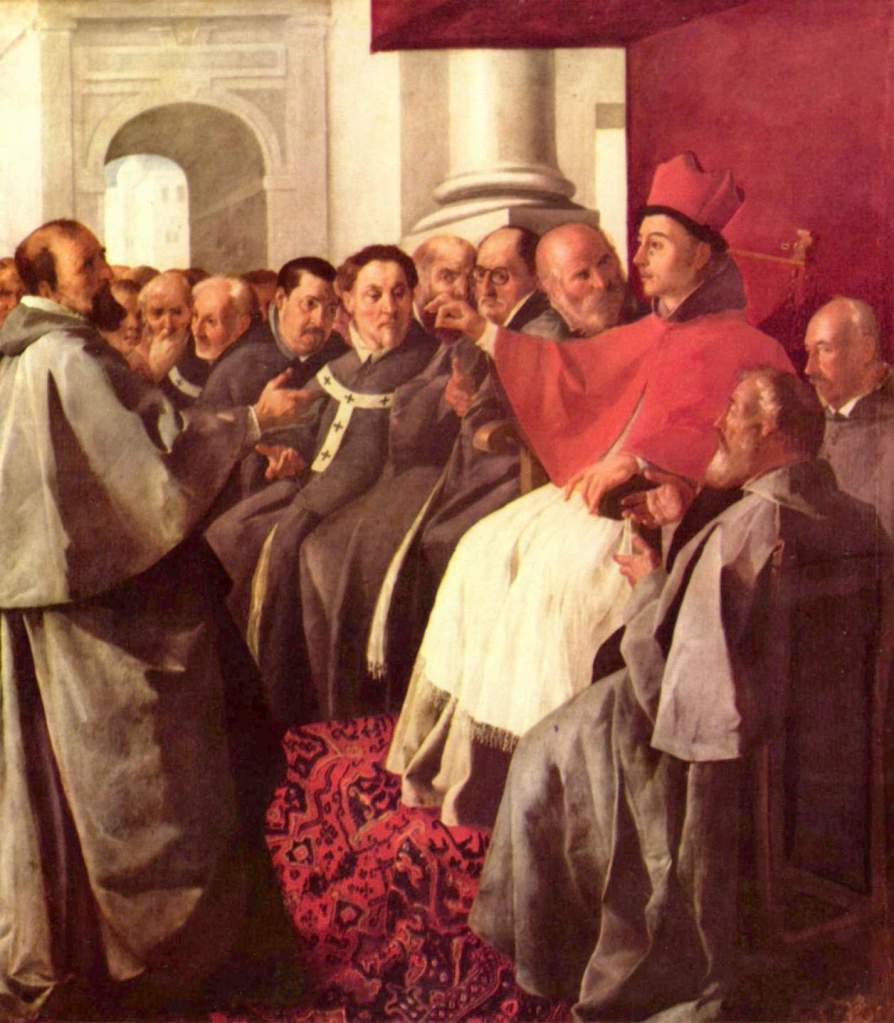
Bonaventure was instrumental in procuring the election of Pope Gregory X, who rewarded him with the title of Cardinal Bishop of Albano and insisted on his presence at the great Second Council of Lyon in 1274. There, after his significant contributions led to a union of the Greek and Latin churches, Bonaventure died suddenly and in suspicious circumstances. The 1913 edition of the Catholic Encyclopedia has citations that suggest he was poisoned but no mention is made of this in the 2003 second edition of the New Catholic Encyclopedia. The only extant relic of the saint is the arm and hand with which he wrote his Commentary on the Sentences, which is now conserved at Bagnoregio, in the parish church of St. Nicholas.
He steered the Franciscans on a moderate and intellectual course that made them the most prominent order in the Catholic Church until the coming of the Jesuits. His theology was marked by an attempt completely to integrate faith and reason. He thought of Christ as the “one true master” who offers humans knowledge that begins in faith, is developed through rational understanding and is perfected by mystical union with God.
Bonaventure’s feast day was included in the General Roman Calendar immediately upon his canonisation in 1482. In 1969 it was classified as an obligatory memorial and assigned to the date of his death, 15 July.
St Bonaventure of Bagnoregio – Seraphic Doctor -(Memorial)
Dispersion of the Apostles: Commemorates the missionary work of the Twelve Apostles. It was first mentioned in the 11th century and was celebrated in the northern countries of Europe during the Middle Ages. It is now observed in Germany, Poland and some dioceses of England, France and the United States.—
Abundantia of Spoleto
Abudemius of Bozcaada
Adalard the Younger
Anrê Nguyen Kim Thông
Bl Anne Mary Javhouhey
Bl Antoni Beszta-Borowski
Apronia
Athanasius of Naples
Antiochus of Sebaste
Benedict of Angers
Bl Bernard of Baden
Bl Ceslas Odrowaz
David of Sweden
Donivald
Eberhard of Luzy
Edith of Tamworth
Eternus
Felix of Pavia
Gumbert of Ansbach
Haruch of Werden
Jacob of Nisibis
Joseph Studita of Thessalonica
Bl Michel-Bernard Marchand
Bl Peter Aymillo
Phêrô Nguyen Bá Tuan
Plechelm of Guelderland
Bl Roland of Chézery
Valentina of Nevers
Vladimir I of Kiev
—
Martyred Jesuit Missionaries of Brazil – 40 beati: A band of forty Spanish, Portugese and French Jesuit missionaries martyred by the Huguenot pirate Jacques Sourie while en route to Brazil. They are –
• Aleixo Delgado • Alonso de Baena • álvaro Borralho Mendes • Amaro Vaz • André Gonçalves • António Correia • Antônio Fernandes • António Soares • Bento de Castro • Brás Ribeiro • Diogo de Andrade • Diogo Pires Mimoso • Domingos Fernandes • Esteban Zuraire • Fernando Sánchez • Francisco Alvares • Francisco de Magalhães • Francisco Pérez Godoy • Gaspar Alvares • Gonçalo Henriques • Gregorio Escribano • Ignatius de Azevedo • Iõao • João Fernandes • João Fernandes • Juan de Mayorga • Juan de San Martín • Juan de Zafra • Luís Correia • Luís Rodrigues • Manuel Alvares • Manuel Fernandes • Manuel Pacheco • Manuel Rodrigues • Marcos Caldeira • Nicolau Dinis • Pedro de Fontoura • Pedro Nunes • Simão da Costa • Simão Lopes •
They were martyed on 15 and 16 July 1570 on the ship Santiago near Palma, Canary Islands. They were beatified on 11 May 1854 by Pope Pius IX.
Martyrs of Alexandria – 13 saints: Thirteen Christians who were martyred together. We know the names of three, no details about them and the other ten were all children. – Narseus, Philip and Zeno. Martyred in the early 4th-century in Alexandria, Egypt.
Martyrs of Carthage – 9 saints: A group of nine Christians who were martyred together. We know nothing else but their names – Adautto, Catulinus, Felice, Florentius, Fortunanziano, Januarius, Julia, Justa and Settimino. They were martyred in Carthaginian and their relics at the basilica of Fausta at Carthage.
Martyrs of Pannonia – 5 saints: Five 4th-century martyrs killed together. No information about them has survived except the names – Agrippinus, Fortunatus, Martialis, Maximus and Secundinus.
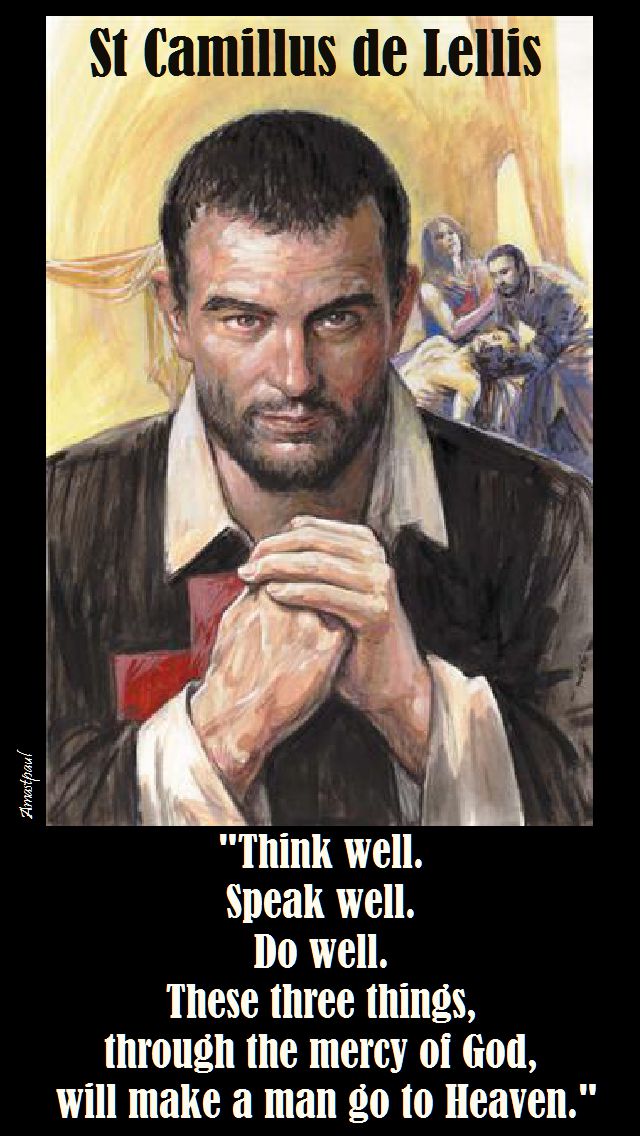
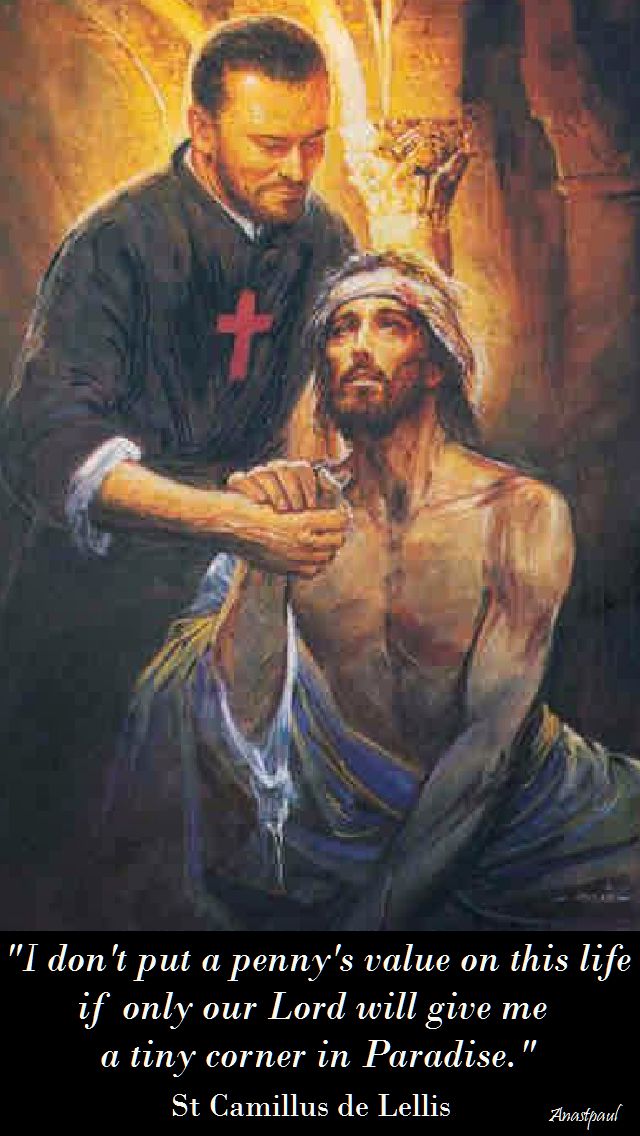
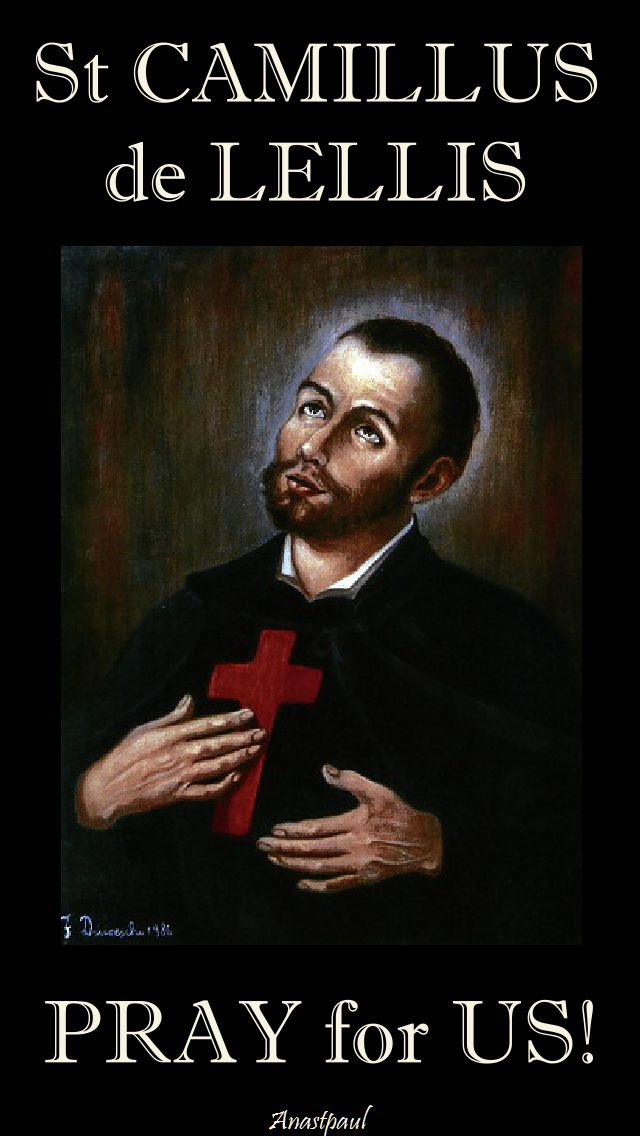
It never ceases to amaze me how many saints we have, (all waiting to hear from us, by the way), who initially led lives totally against the precepts of natural moral order, Christ and Holy Scripture. But God is never far off – the ‘Hound of Heaven’ goes before and behind us. And God creates saints. Seemingly random meetings, words, in the case of St Camillus – a sermon by a Capachin and a meeting with St Philip Neri, alters everything, for we know that nothing is random – God has penetrated our selfishness, He becomes visible to our souls and once that happens we can only do our very best, try our hardest to do all for Him and as if everything depended on us. All human effort is the dispensing of God’s divine power and only God’s grace can make us like Himself.
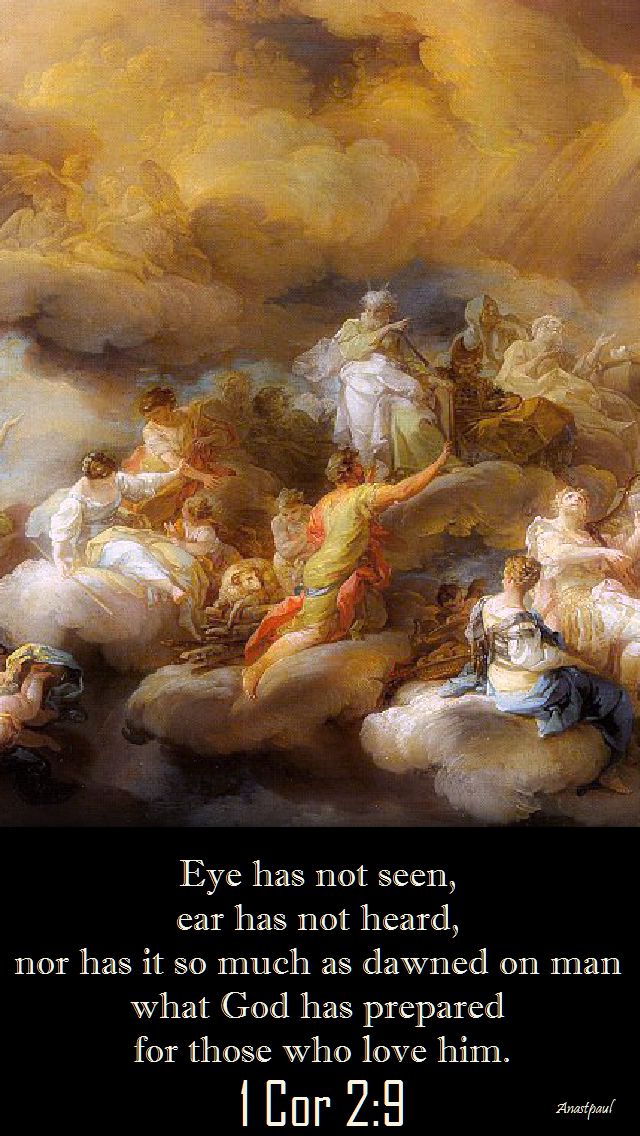
Eye has not seen, ear has not heard, nor has it so much as dawned on man what God has prepared for those who love him………1 Cor 2:9
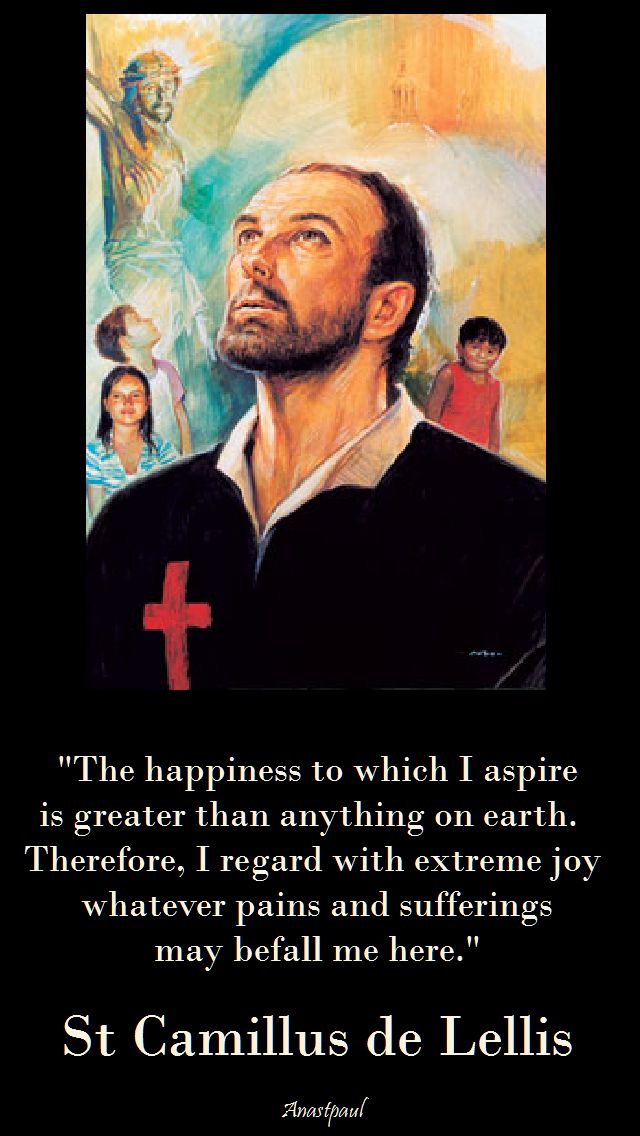
REFLECTION – “The happiness to which I aspire is greater than anything on earth. Therefore, I regard with extreme joy whatever pains and sufferings may befall me here.”………St Camillus de Lellis
PRAYER – Heavenly Father. keep my mind fixed on the surpassing joys stored up for me in heaven. And let me be willing to put up with all sufferings and pains that may come upon me. St Camillus de Lellis, pray for us, amen.
Our Lady of Dromon: Saint-Geniez, Alpes de Haute-Provence, Provence-Alpes-Côte d’Azur, France
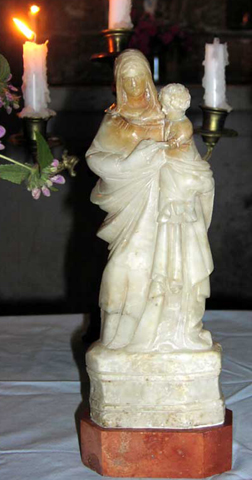
In 1656, about 2.5 miles from the alpine village of Saint-Geniez, as 12-year-old herder Honoré was praying before a wooden cross on a stone mound, he heard the voice of the Blessed Virgin asking him to dig there to uncover chapels dedicated to her long ago. Excavations on the mountain located a crypt chapel dating back to around 1000, on the site of the ancient city of Theopolis. The upper chapel holds an alabaster statue of the Virgin and Child from the 1600s. The annual pilgrimage takes place on Bastille Day, July 14.
—
Bl Angelina di Marsciano
Bl Boniface of Canterbury
St Colman of Killeroran
St Cyrus of Carthage
St Deusdedit of Canterbury
St Donatus of Africa
Bl Dorotea Llamanzares Fernández
St Francis Solano
Bl Giorgio of Lauria
Bl Hroznata of Bohemia
Bl Humbert of Romans
St Idus of Ath Fadha
St Ioannes Wang Kuixin
St Just
St Justus of Rome
St Kateri Tekakwitha (Optional Memorial USA)
St Liebert
St Marchelm
Bl Michael Ghebre
St Optatian of Brescia
St Papias of Africa
Bl Toscana of Verona
St Ulric of Zell
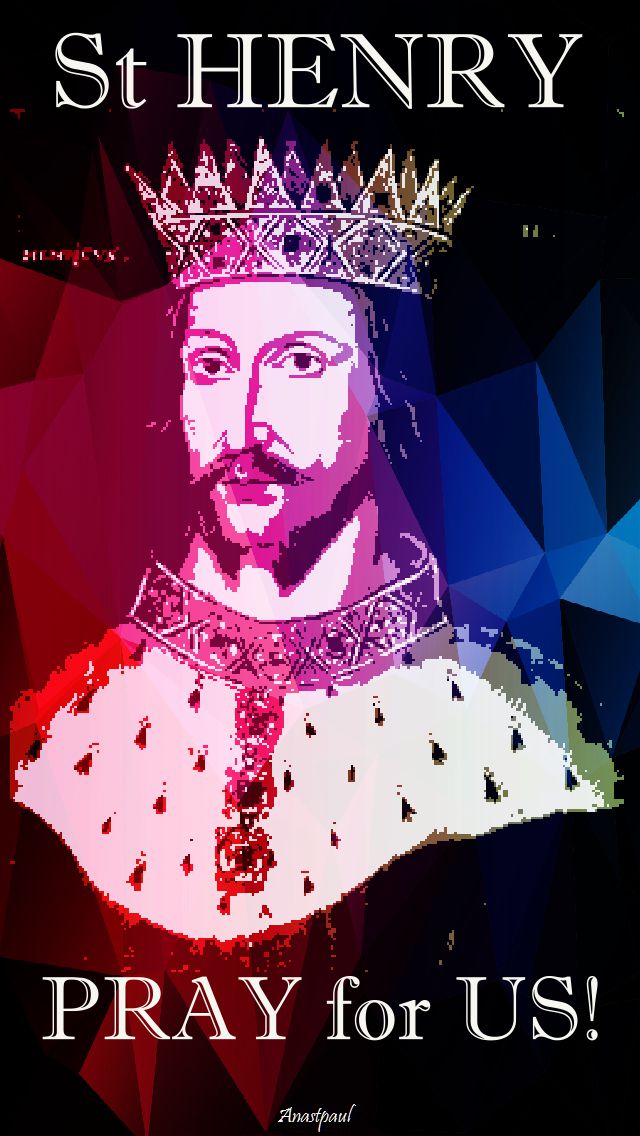
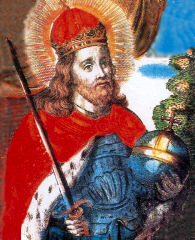
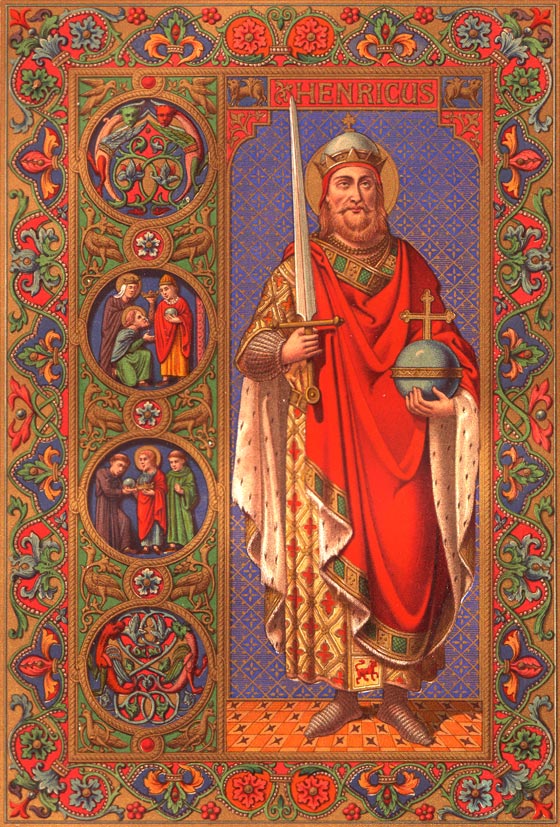
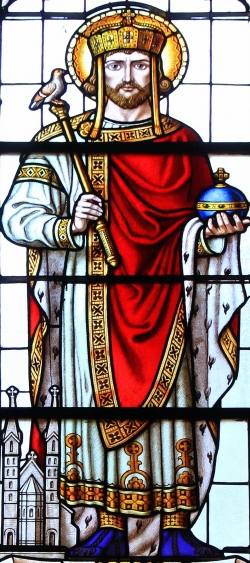
As German king and Holy Roman Emperor, Henry was a practical man of affairs. He was energetic in consolidating his rule. He crushed rebellions and feuds. On all sides he had to deal with drawn-out disputes so as to protect his frontiers. This involved him in a number of battles, especially in the south in Italy; he also helped Pope Benedict VIII quell disturbances in Rome. Always his ultimate purpose was to establish a stable peace in Europe.
According to eleventh-century custom, Henry took advantage of his position and appointed as bishops men loyal to him. In his case, however, he avoided the pitfalls of this practice and actually fostered the reform of ecclesiastical and monastic life.
All in all, this saint was a man of his times. From our standpoint, he may have been too quick to do battle and too ready to use power to accomplish reforms. But granted such limitations, he shows that holiness is possible in a busy secular life. It is in doing our job that we become saints…………..Fr Don Miller, OFM
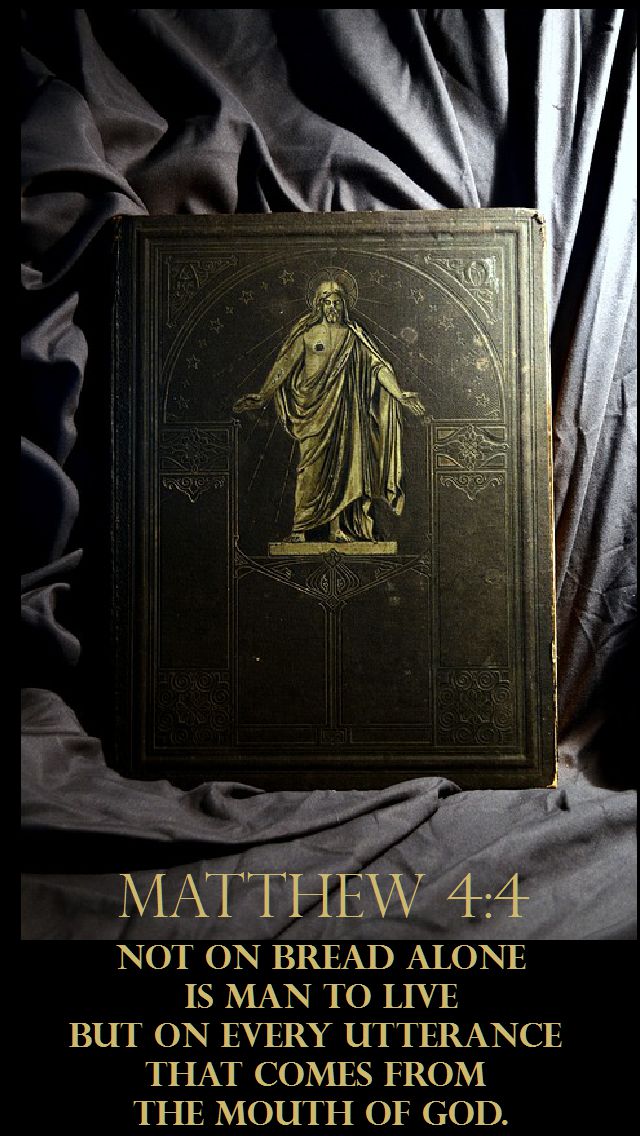
Not on bread alone is man to live but on every utterance that comes from the mouth of God………….Matthew 4:4
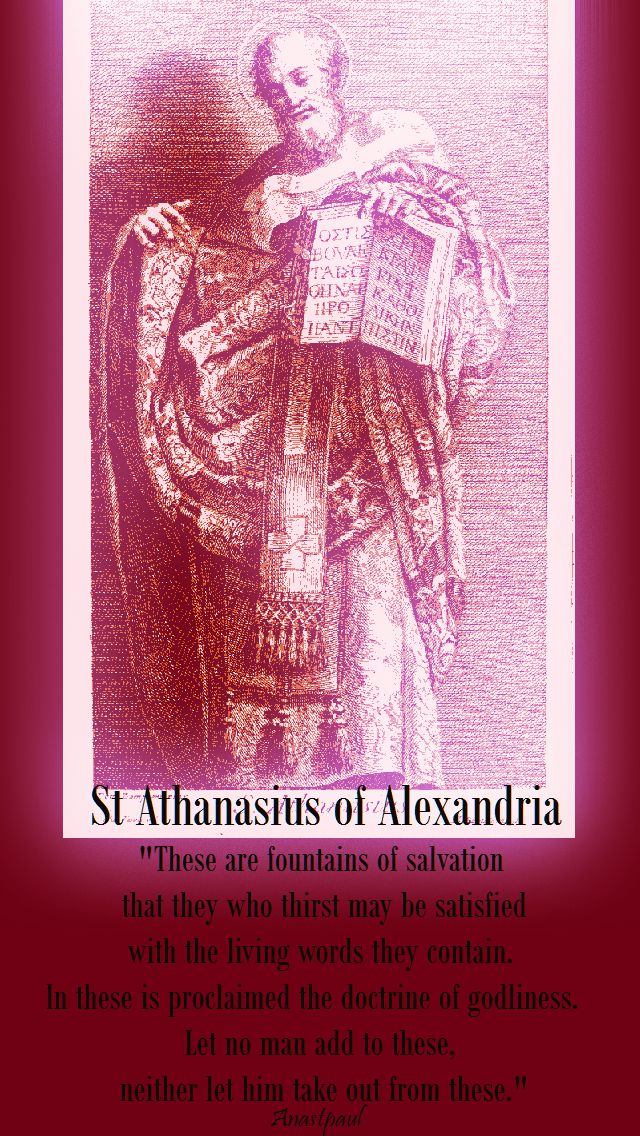
REFLECTION – “These are fountains of salvation that they who thirst may be satisfied with the living words they contain. In these is proclaimed the doctrine of godliness. Let no man add to these, neither let him take out from these.”…….St Athanasius of Alexandria
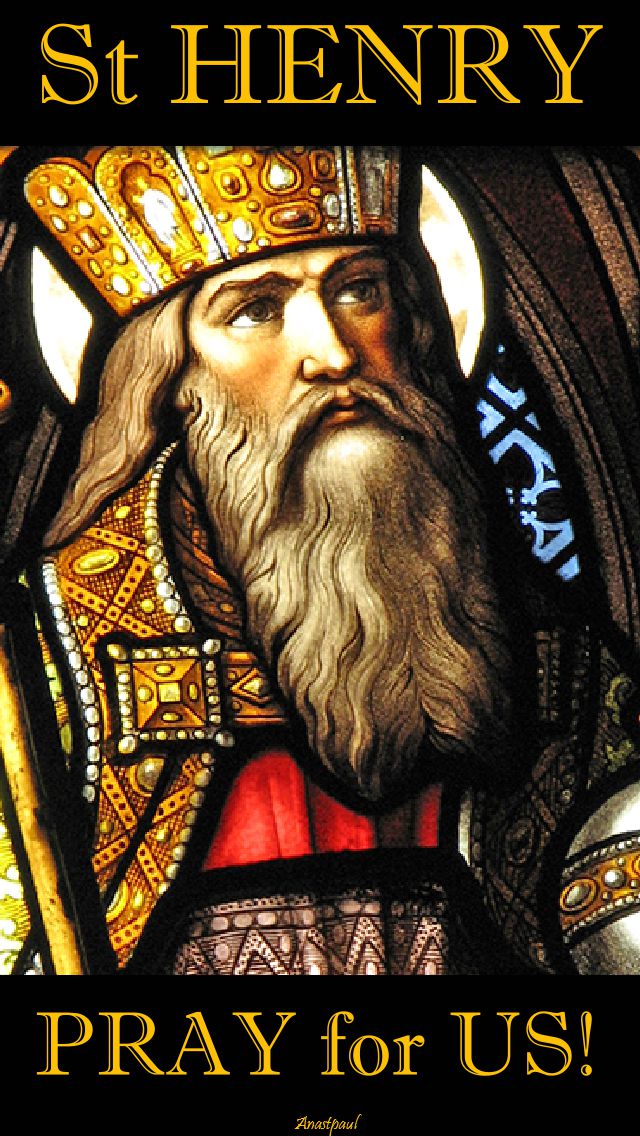
PRAYER – Heavenly Father, inspire me to meditate on Your holy words every day and fill me with Your Holy Spirit that I might not only understand them but be filled with the desire to follow and live their instructions. May they be a consolation, a strength and an assistance on my journey to You. St Henry – you were inspired and strove to live by the Holy Scriptures, please pray for us all, amen.
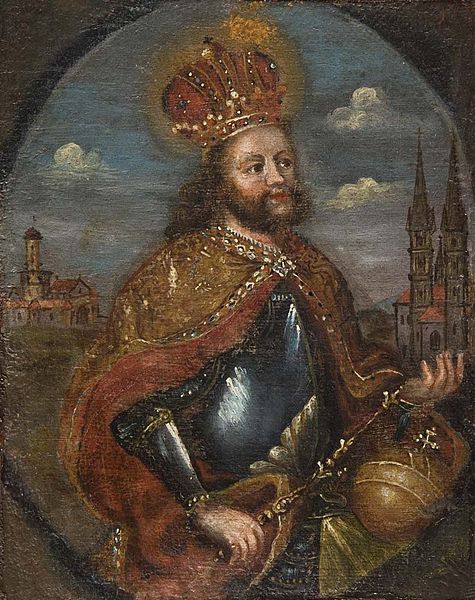
Saint of the Day – 13 July – St Henry II – Holy Roman Emperor – Also known as Good King Henry (6 May 972 at Albach, Hildesheim, Bavaria, Germany – 13 July 1024 at Pfalz Grona, near Göttingen, Saxony (in modern Germany) of natural causes. Canonised in 1146 by Pope Blessed Eugene III. Patronages – against sterility, childless people, disabled, handicapped or physically challenged people, dukes, kings, people rejected by religious orders, diocese of Bamberg, Germany, Basel, Switzerland, Benedictine Oblates.
In the 10th century, leaders were not elected and so they did not have to worry about pleasing their subjects in order to stay in power. Because of this, many emperors and kings took advantage of the power, luxury and honour of their position without responsibly working for the good of their people. Kings often chose to ignore or to squelch conflict rather than to resolve it justly. In the midst of these circumstances, Henry, the son of the Duke of Bavaria, set the example of a Christlike leader. Jesus said that a leader is one who serves. And that is what Henry did.
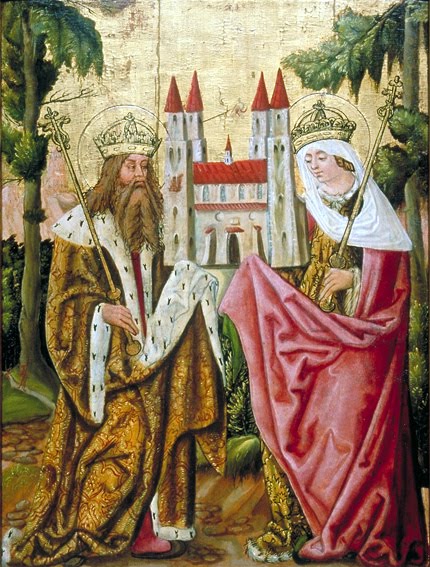
Henry was married to Cunegunda of Luxembourg but they had no children. When he was 34 years old, Henry became king of Germany. As a ruler, Henry concentrated on the good of his people. He built monasteries, helped the poor, fought against unjust seizure of power and relieved all kinds of oppression.
Once his brother-in-law and some other relatives complained that Henry was wasting the family fortune on the poor. They actually got an army together to challenge Henry’s rule. Henry met them on the battlefield and put down the uprising, then pardoned them out of Christian charity.
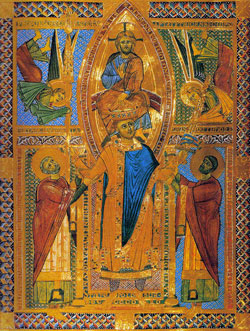
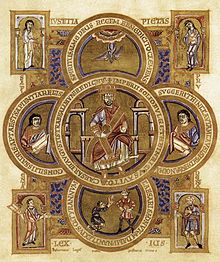
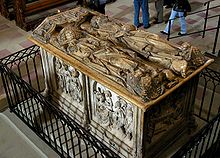
In 1014 Henry was crowned emperor of the Holy Roman Empire. That title made him ruler of Germany, Austria, Switzerland, Belgium, Holland and northern Italy, as we know these countries today. Henry was well known for his missionary spirit and for his protection of the Pope in times of trouble. Henry ruled with a spirit of great humility and always sought to give the glory to God. He used his position to promote the work of the Church and the peace and happiness of the people. Henry is buried in the Cathedral of Bamberg beside his wife Cunegunda; he was canonised in 1146, and she was canonised in 1200. The images below are Emperor Henry II’s Gospel and he and Empress Cunigunde’s tomb.
St Henry II (Optional Memorial)
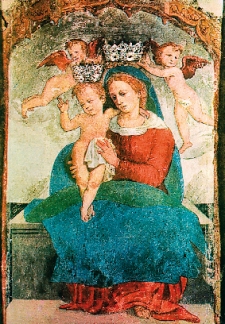
Our Lady of Grace of Valsorda: – Read about Our Lady of Valsorda here: http://mariancalendar.org/madonna-delle-grazie-di-valsorda-/-our-lady-of-grace-of-valsorda-garessio-valsorda-italy/
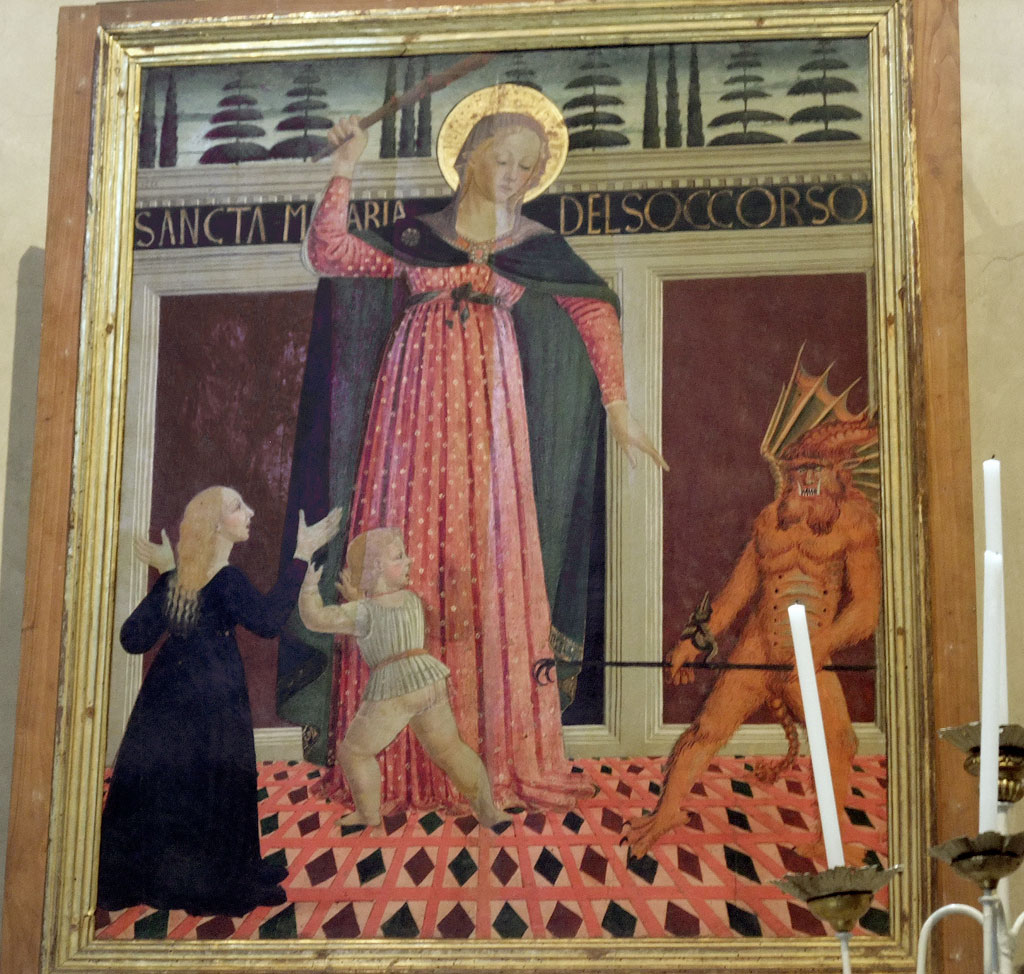
Our Lady of Soccorso/Our Lady of Help: Read here: http://wdtprs.com/blog/2012/03/beating-the-devil-the-madonna-del-soccorso/
—
Bl Anne-Andrée Minutte
St Arno of Würzburg
Bl Barthélemy Jarrige de la Morelie de Biars
Bl Berthold of Scheide
St Clelia Barbieri
St Dogfan
Bl Élisabeth Verchière
St Emanuele Lê Van Phung
St Esdras the Prophet
St Eugene of Carthage
Bl Ferdinand Mary Baccilleri
St Iosephus Wang Kuiju
Bl James of Voragine
Bl Jean of France
St Joel the Prophet
Bl Louis-Armand-Joseph Adam
Bl Mariano de Jesus Euse Hoyos
Bl Marie-Anastasie de Roquard
Bl Marie-Anne Depeyre
Bl Marie-Anne Lambert
St Mildred of Thanet
St Muritta of Carthage
St Myrope
St Paulus Liu Jinde
St Salutaris of Carthage
St Sarra of Egypt
St Serapion of Alexandria
Serapion of Macedonia
Bl Thérèse-Henriette Faurie
Bl Thomas Tunstal
St Turiaf
—
Martyrs of Cyprus – 300 saints: 300 Christians who retired to Cyprus to live as cave hermits, devoting themselves to prayer and an ascetic life devoted to God. Tortured and martyred for their faith and their bodies dumped in the various caves in which they had lived. We know the names of five of them but no other details even about them – Ammon, Choulélaios, Epaphroditus, Eusthénios and Héliophotos. They were beheaded in the 12th century on Cyprus and their bodies dumped in the cave where they had lived and only rediscovered long afterwards.
Martyrs of Philomelio – 31 saints: 31 soldiers martyred for their faith in the persecutions of prefect Magno, date unknown. The only name that has come down to us is Alexander. In Philomelio, Phrygia (in modern Turkey).
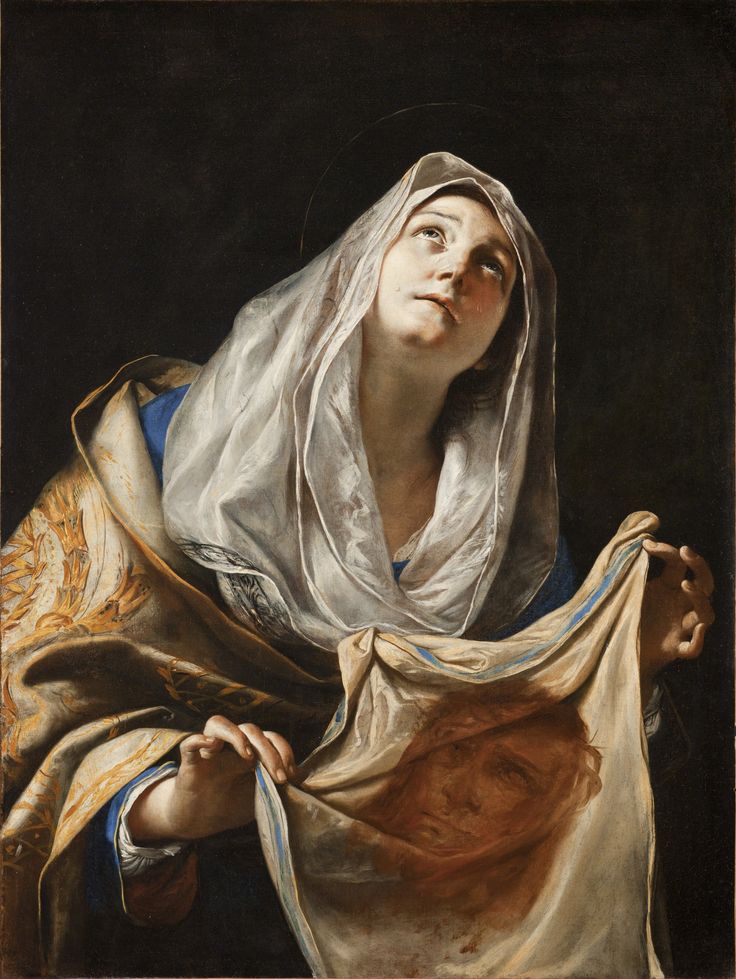
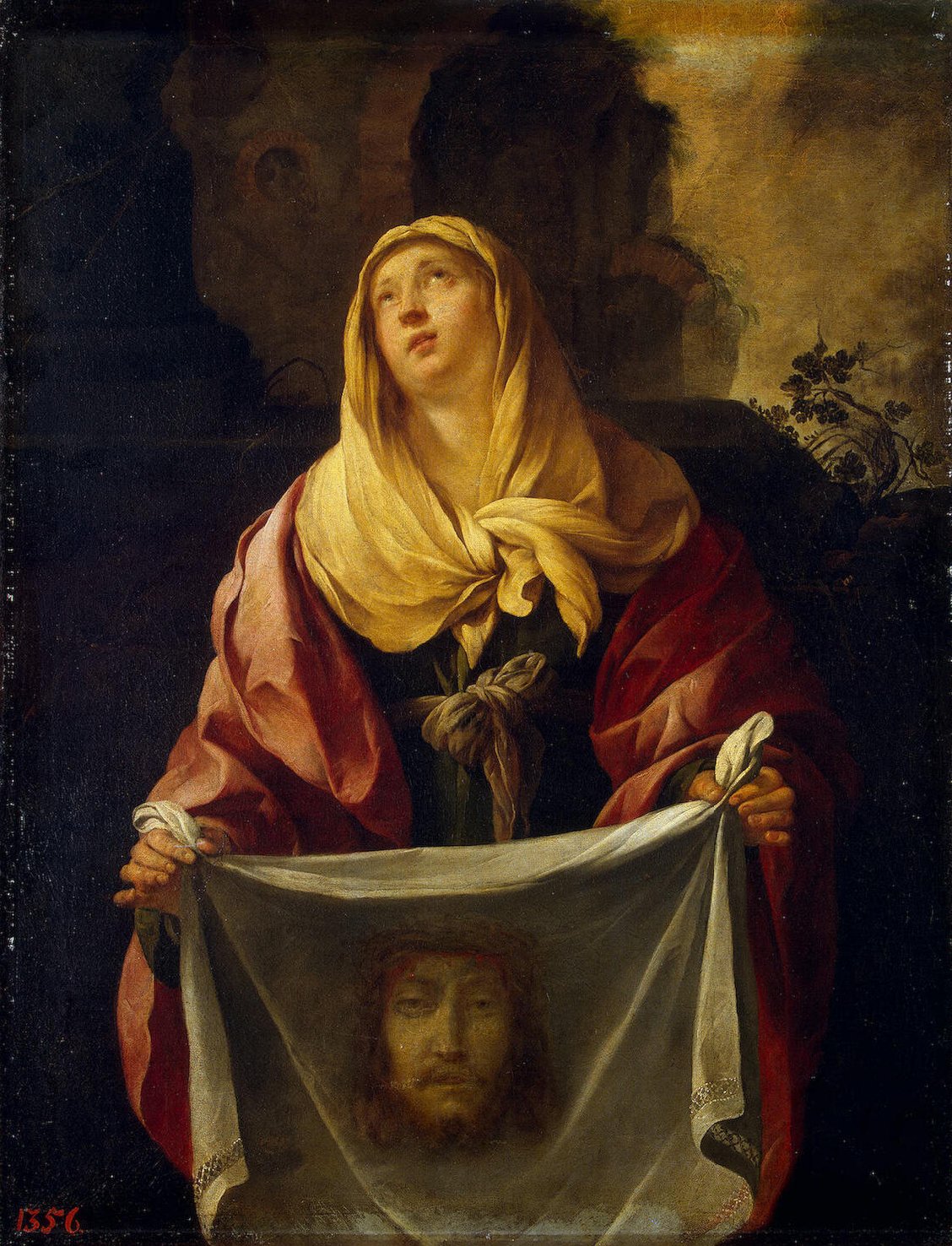
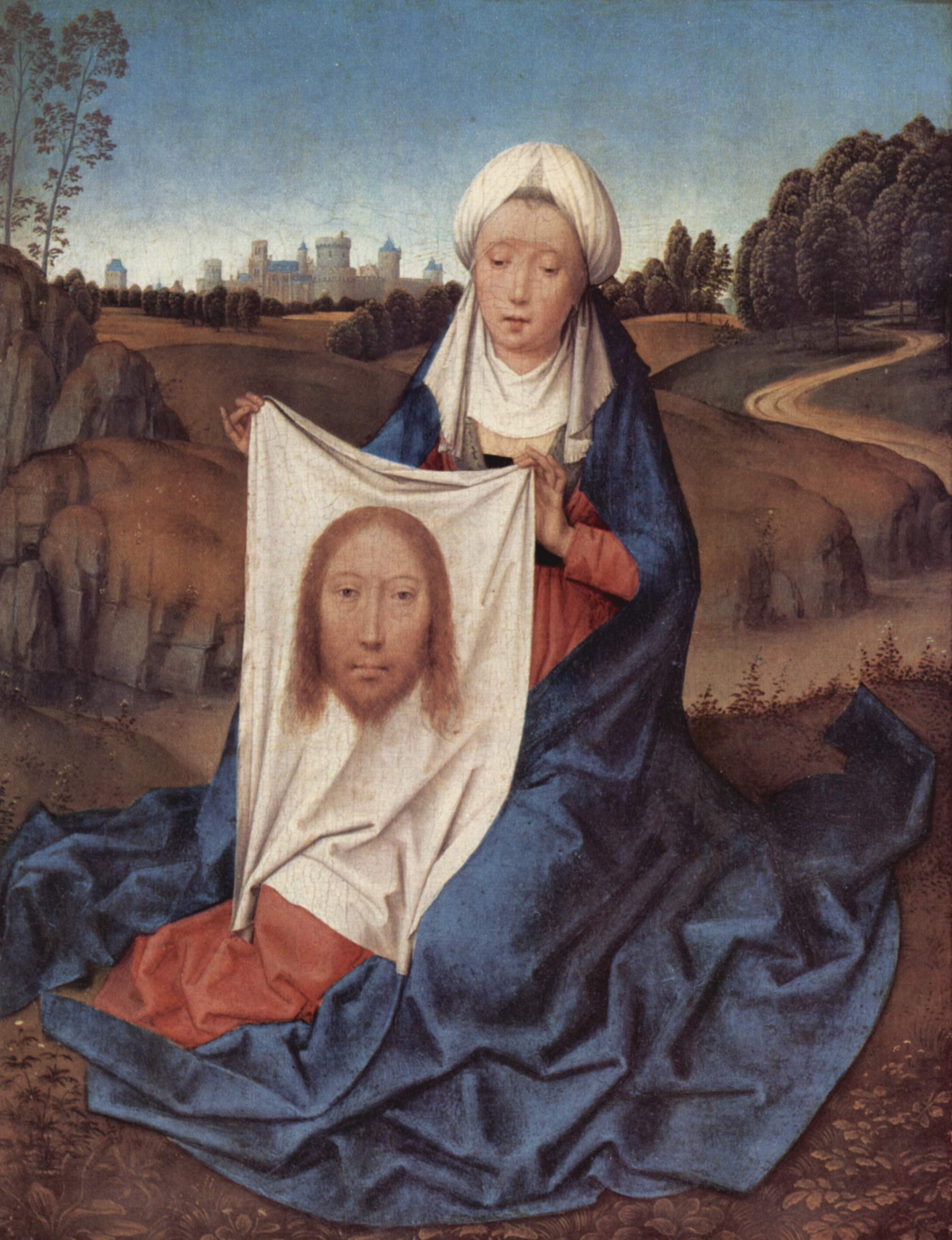
“Bernice Veronica” – both names referring to the Woman who wiped the Face of Jesus, commonly depicted in every Catholic church, at the Sixth Station of the Cross.
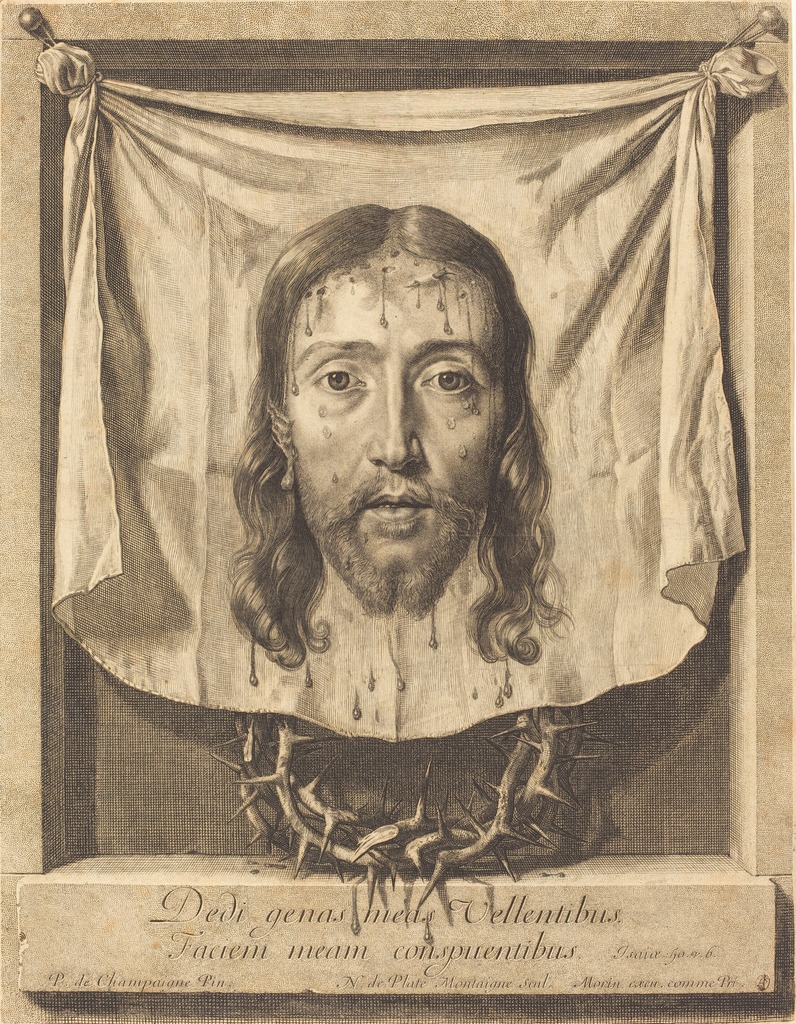
Did she exist? And what does it mean to be “a Veronica?” The Catholic Church tells us that a veil bearing a miraculous image of the Face of Jesus has existed since the earliest centuries, recorded in history and in art. About the time this miraculous veil first appeared in Rome, in the Middle Ages, the name “Veronica” referred to the veil itself–“Veronica” meaning “vera” or true, and “icon” meaning image, or even more precisely, “to be present.” Those who gazed upon the veil bearing the true Face of Jesus stood in God’s presence. They were turned toward His Face.
Legends sprang up sometime later about a woman named “Veronica,” who was sometimes associated with the woman “Berenice” or “Bernice,” the bleeding woman who touches the hem of Jesus’s garment in the Gospel. “These pious traditions cannot be documented, but there is no reason why the belief that such an act of compassion did occur should not find expression in the veneration paid to one called Veronica.” —The Catholic Encyclopedia.
Pope St. John Paul II expressed the answer to the question of Veronica most beautifully in his poem,
“Name”
In the crowd walking towards the place
[of the Agony]–
did you open up a gap at some point or were you
[opening it] from the beginning?
And since when? You tell me, Veronica.
Your name was born in the very instant
in which your heart
became an effigy: the effigy of truth.
Your name was born from what you gazed upon.
–Karol Wojtyla
When a soul performs an “act of compassion,” Jesus leaves His image on the “veil” of the soul. In other words, while contemplating the Face of Jesus in an image, in the Word of God in the Scriptures, in a person made in the image and likeness of God, or above all, in the Eucharist, the soul places itself in the Presence of God. When we are turned completely toward the Face of God, through a daily face-to-face encounter in prayer–by the power of the Holy Spirit–God gradually transforms the soul into the “True Image” of His Son, Jesus Christ. As Pope St. John Paul II says, our hearts must become an “effigy of truth,” a “true icon.” Then our name too will be born from what we gaze upon. It will be “Veronica.”
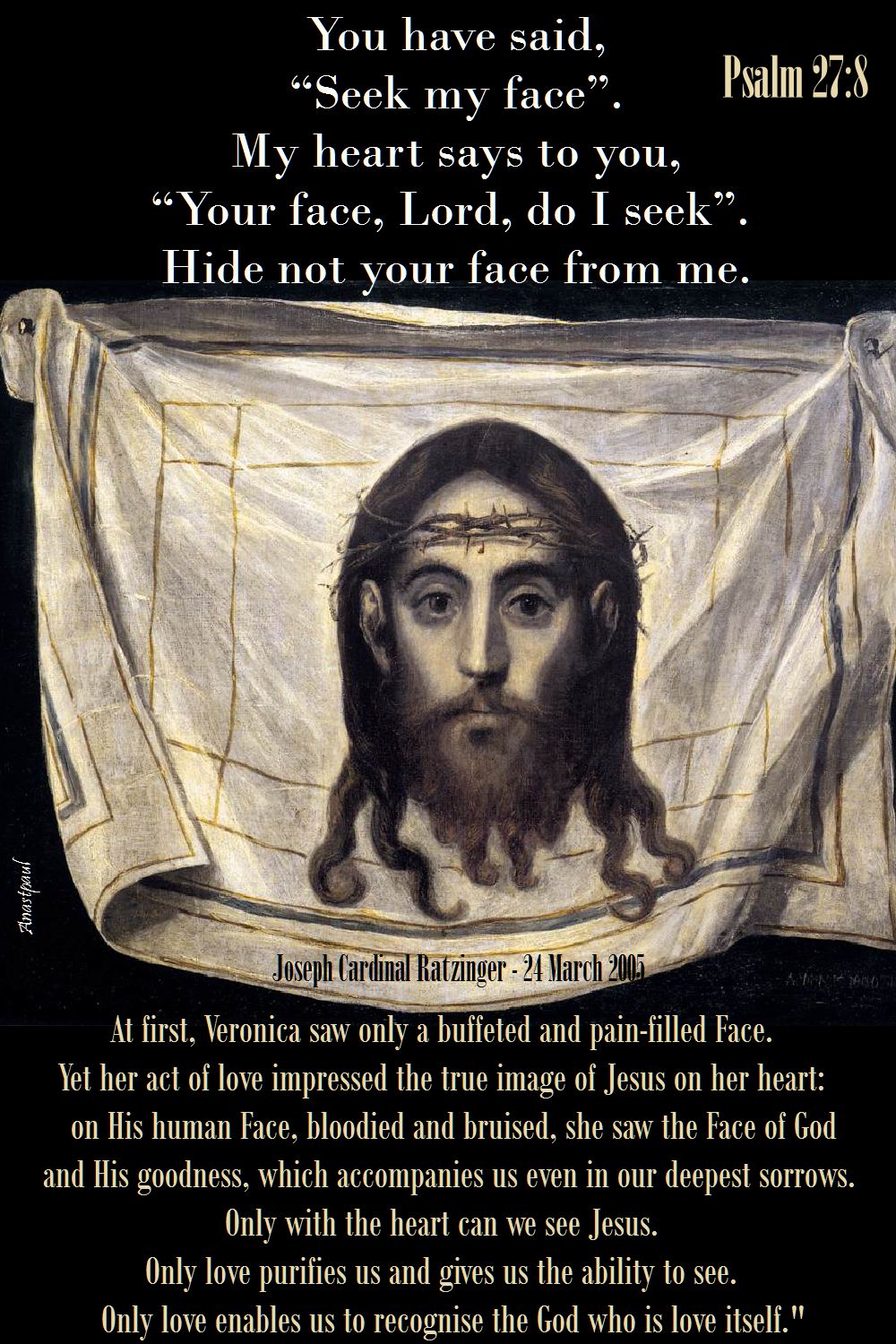
You have said, “Seek my face”. My heart says to you, “Your face, Lord, do I seek”. Hide not your face from me. Turn not your servant away in anger, you who have been my help. Cast me not off, forsake me not, O God of my salvation………Psalm 27:8-9
REFLECTION – “Veronica- ‘Bernice’ in the Greek tradition, embodies the universal yearning of the devout men and women of the Old Testament, the yearning of all believers to see the Face of God. On Jesus’ Way of the Cross, though, she at first did nothing more than perform an act of womanly kindness: she held out a facecloth to Jesus. She did not let herself be deterred by the brutality of the soldiers or the fear which gripped the disciples. She is the image of that good woman, who, amid turmoil and dismay, shows the courage born of goodness and does not allow her heart to be bewildered. “Blessed are the pure in heart”, the Lord had said in his Sermon on the Mount, “for they shall see God” (Mt 5:8). At first, Veronica saw only a buffeted and pain-filled Face. Yet her act of love impressed the true image of Jesus on her heart: on His human Face, bloodied and bruised, she saw the Face of God and His goodness, which accompanies us even in our deepest sorrows. Only with the heart can we see Jesus. Only love purifies us and gives us the ability to see. Only love enables us to recognize the God who is love itself.”…………..Joseph Cardinal Ratzinger (24 March 2005)
PRAYER – Lord God, grant us restless hearts, hearts which seek Your Face. Keep us from the blindness of heart which sees only the surface of things. Give us the simplicity and purity which allow us to recognise Your presence in the world. When we are not able to accomplish great things, grant us the courage which is born of humility and goodness. Impress Your Face on our hearts. May we encounter You along the way and show Your image to the world. St Veronica, Pray for us! Amen.
Saint of the Day – 12 July – St Veronica (1st Century) – Patronages: against bleeding or haemorrhages, domestic workers, dying people, laundry workers, linen weavers, maids, parsonage or rectory housekeepers, photographers, seamstresses, washerwomen.
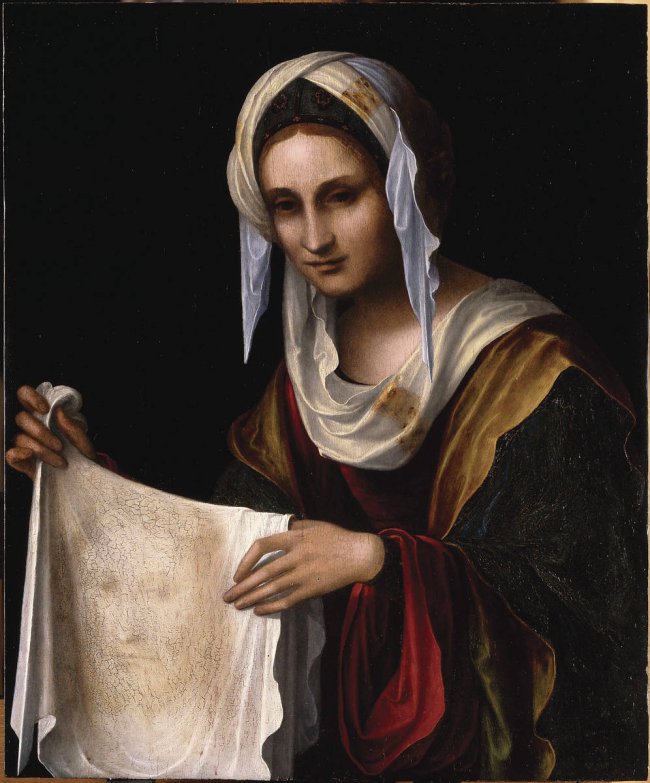
Saint Veronica is known as the woman who offered a cloth to Jesus so He could wipe His face on the way to His crucifixion. The cloth is believed to exist today in the Vatican and is considered one of the most treasured relics of the Church.
Costa Lorenzo
Saint Veronica is not mentioned in the Bible but is known to us by Catholic tradition and in the Sixth Station of the Cross, “Veronica Wipes the Face of Jesus.”
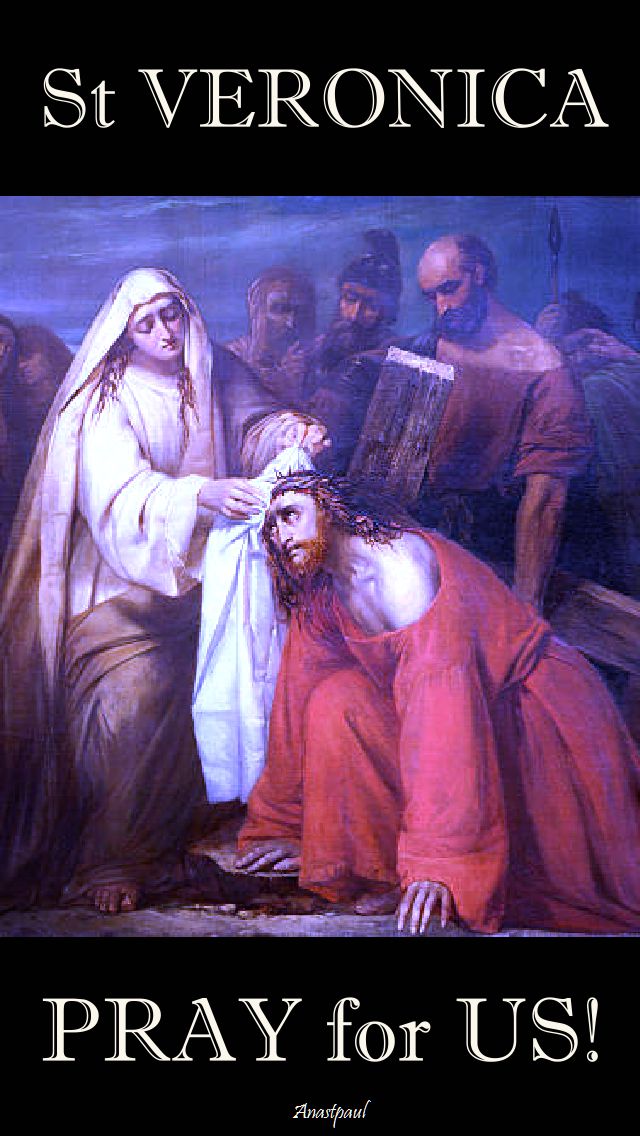
Christ was carrying the cross to Calvary, His face dripping with sweat and blood, Saint Veronica, a bystander, was moved with compassion. She approached Jesus and offered Him a cloth, likely her veil, which He accepted and used to wipe His face.
The image of his face was miraculously imprinted on the cloth.
There are no legends from the period which speak of Veronica either before or after her act of compassion. We do not know when she was born or when she died. She is literally lost to history. However, the cloth may still exist today, kept safe at St. Peter’s in Rome. This particular cloth bearing the likeness of Christ’s face, although ancient and difficult to distinguish, is considered one of the most treasured relics in the Vatican. According to legend, it is the original relic, although throughout the ages many copies were created and some were passed along as genuine.
Most of what we know about the veil was recorded in the medieval period, although it was first mentioned as being in the hands of Pope John VII in the early eighth century. The veil and the legend surrounding it became very popular in the thirteenth though fifteenth centuries when the veil was on public display. Indulgences were granted for people who performed devotions before it.
The fate of the veil was obscured by violence in 1527 by the Sack of Rome in which it may have been destroyed. Many reproductions were created at this time and it is unfortunately unclear if the veil still kept by the Vatican is the original or a reproduction. In 1616, Pope Paul V banned the production of all copies of the veil, which has become popular. In 1629, Pope Urban VIII went a step further and ordered the destruction of all copies, or that existing copies should be delivered to the Vatican. Anyone who disobeyed this order was to be excommunicated.
The Veil of Veronica has since been kept at St Peter’s Basilica and is shown to the public, on the fifth Sunday of Lent each year.
St Agnes De
St Andreas the Soldier
St Ansbald of Prum
St Balay
St Clement Ignatius Delgado Cebrian
Bl David Gonson
St Epiphana
St Faustus the Soldier
St Felix of Milan
St Fortunatus of Aquileia
St Hermagorus of Aquileia
St Hilarion of Ancyra
St Jason of Tarsus
Bl Jeanne-Marie de Romillon
St John Gualbert
St John Jones
St John the Georgian
Bl Lambert of Cîteaux
St Louis Martin
Bl Madeleine-Thérèse Talieu
Bl Marguerite-Eléonore de Justamond
St Marie-Azélie Guérin / ZELIE Martin
Bl Marie Cluse
St Menas the Soldier
St Menulphus of Quimper
St Nabor of Milan
St Paternian of Bologna
St Paulinus of Antioch
St Phêrô Khan
St Proclus of Ancyra
St Proculus of Bologna
St Uguzo of Carvagna
St Veronica- https://www.youtube.com/watch?v=-V4SMR4kkqM&list=PL58g24NgWPIzvBk2IQVES_xC4WTm6-CDI#action=share
St Viventiolus of Lyons
—
Martyrs of Nagasaki – 8 beati: Additional Memorial – 10 September as one of the 205 Martyrs of Japan
Eight lay people, many them related to each other, who were martyred together:
• Catharina Tanaka
• Ioannes Onizuka Naizen
• Ioannes Tanaka
• Ludovicus Onizuka
• Matthias Araki Hyozaemon
• Monica Onizuka
• Petrus Araki Chobyoe
• Susanna Chobyoe
12 July 1626 in Nagasaki, Japan
Beatified on 7 May 1867 by Pope Blessed Pius IX
Seeking God is not the activity only of monks and nuns in monasteries. Rather, it is the task given to all of the baptised. And while most of us will not enter monastic life, there is an “inner monk” within us that compels us to seek God in our individual vocations and lives, whether as a diocesan priest, as principal of a high school, as members of families, married or single. Seeking God takes place in the here and now, in this situation, with these people, in this family, this workplace, this school and in this time. It is not only for those holy monks; it is for me! In his Rule, St. Benedict gives the world the roadmap to seeking God. Prayer, work, obedience, simplicity of life and stability help monks seek God; adapted, they can help the rest of us, too.
The monastic day is bookmarked by prayer early in the morning and in the evening, along with several moments of communal prayer throughout the day. For anyone seeking God, prayer has to become the primary activity of the day. It cannot be put aside for “more pressing” matters. Prayer is the first priority of one’s day and all other activities of work, home and family work around it. Monks pray the Liturgy of the Hours seven times a day, which lay people can also pray if they so desire. However one prays, time with the Lord is a necessary component in seeking Him. The Eucharist is the heart of prayer and anyone seriously seeking God ought to consider it a daily practice, if possible. It is in those moments of spending time with the Lord that the person will detect His presence in his heart and soul.
Prayer, work, obedience, stability and simplicity of life marks the life of monks. In developing the “inner monk” within you, take what you can from the monastic lifestyle to find God in your life…………Msgr. Bernard Bourgeois
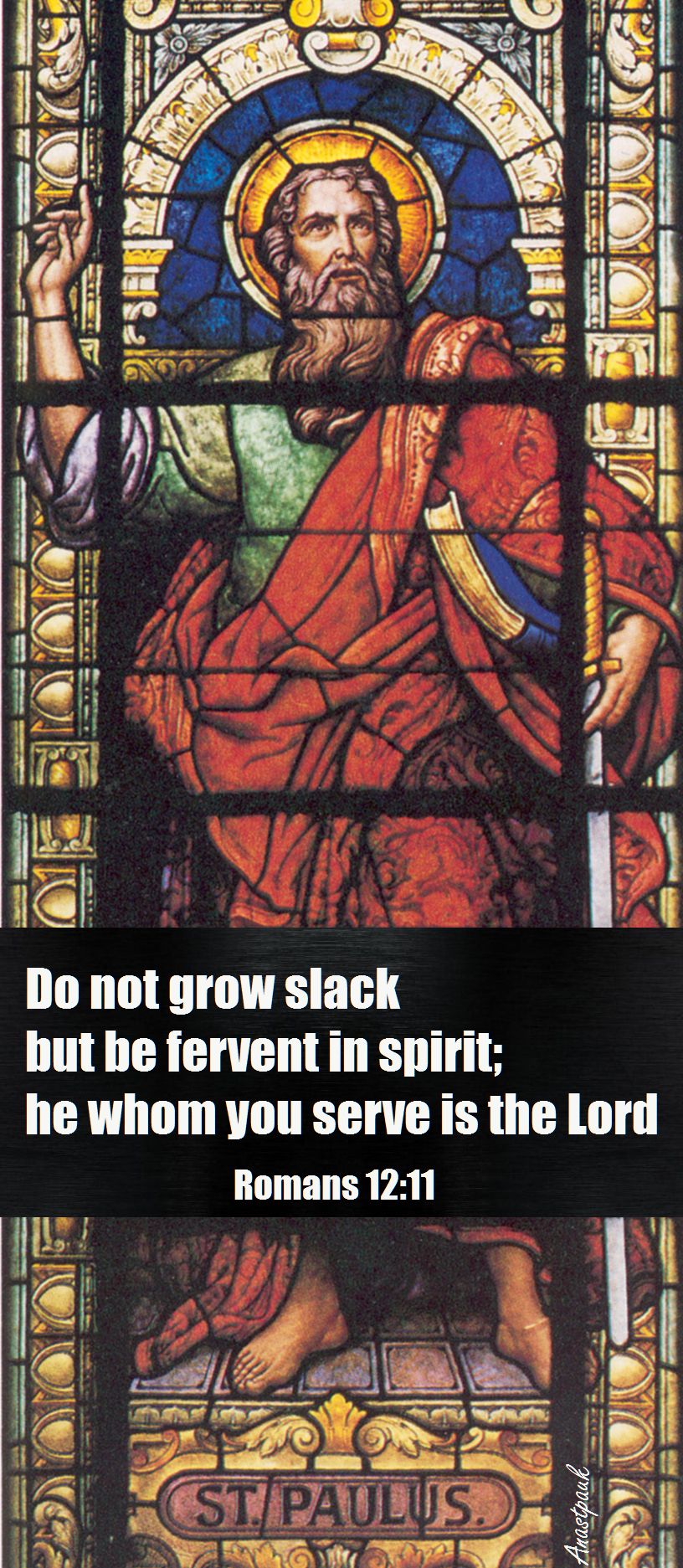
Do not grow slack but be fervent in spirit; he whom you serve is the Lord…….Romans 12:11
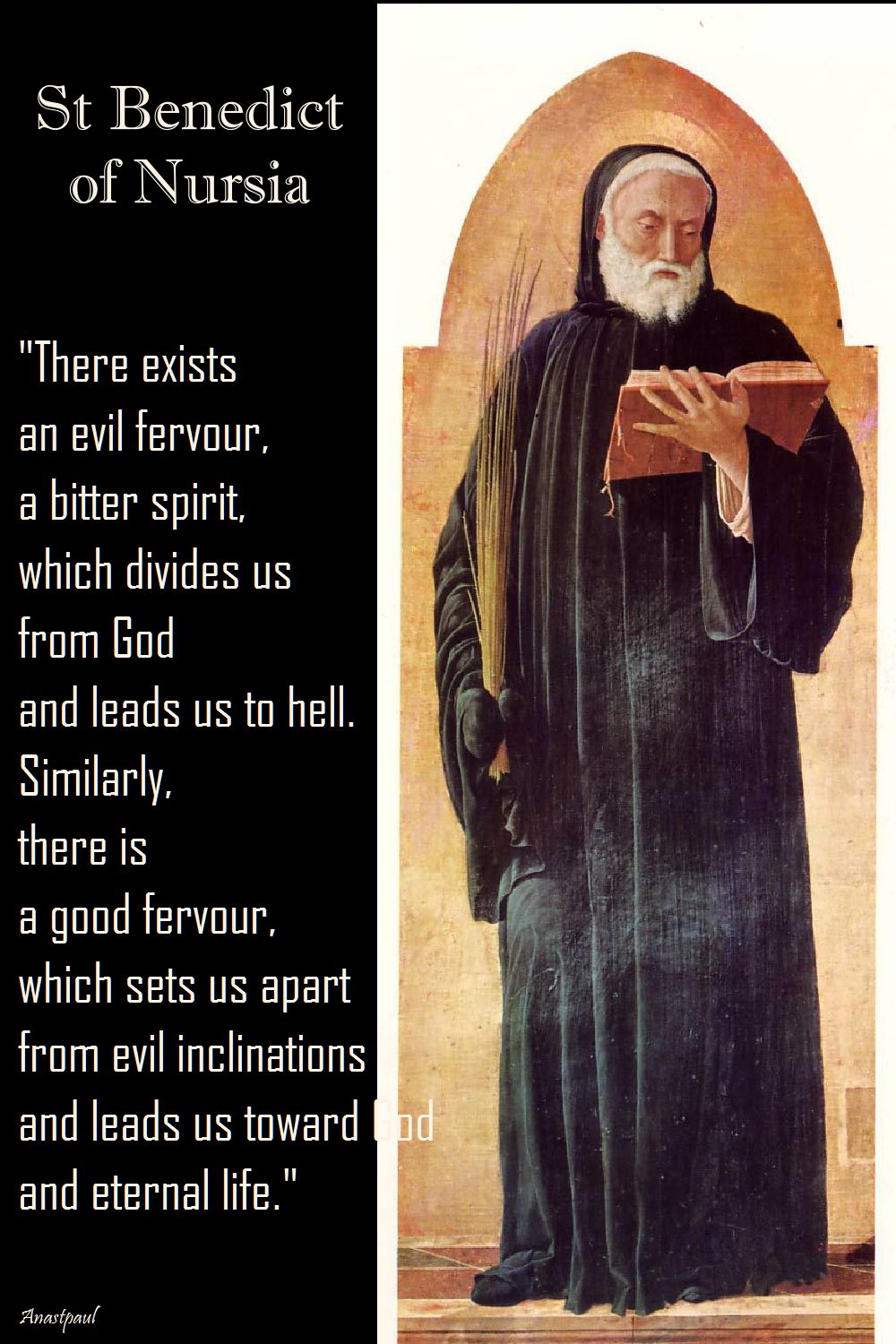
REFLECTION – “There exists an evil fervour, a bitter spirit, which divides us from God and leads us to hell.
Similarly, there is a good fervour, which sets us apart from evil inclinations and leads us toward God and eternal life.”
PRAYER – Loving Father, grant me to have a true fervour in Your service. Let me never tire of following Your Son’s example and avoiding evil. St Benedict, pray for us! Amen
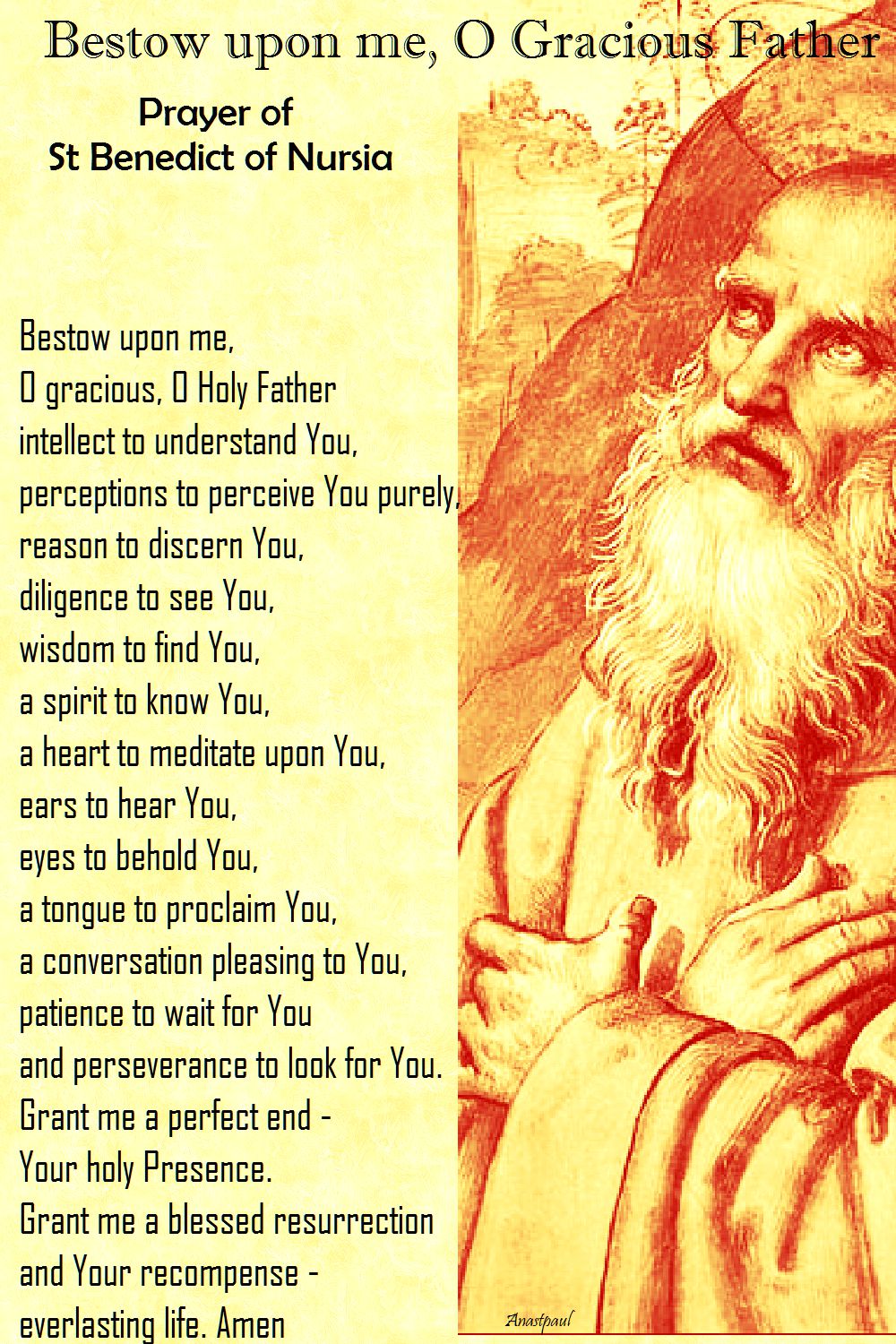
Bestow upon me, O Gracious Father Prayer of St Benedict of Nursia
Bestow upon me,
O gracious, O Holy Father
intellect to understand You,
perceptions to perceive You purely,
reason to discern You,
diligence to see You,
wisdom to find You,
a spirit to know You,
a heart to meditate upon You,
ears to hear You,
eyes to behold You,
a tongue to proclaim You,
a conversation pleasing to You,
patience to wait for You
and perseverance to look for You.
Grant me a perfect end –
Your holy Presence.
Grant me a blessed resurrection
and Your recompense –
everlasting life. Amen
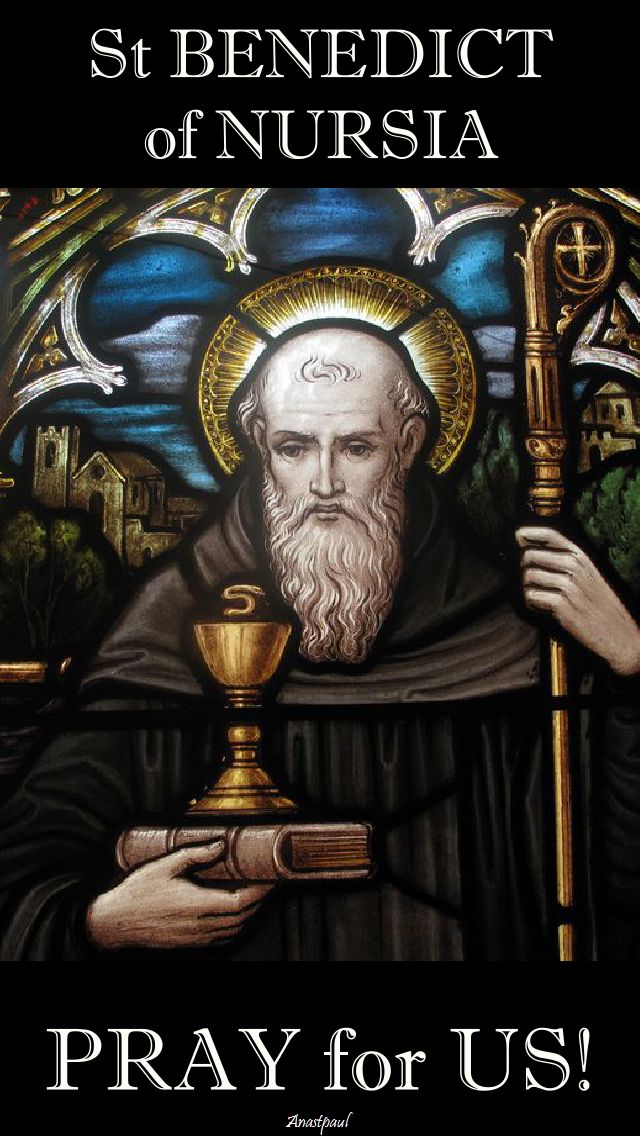
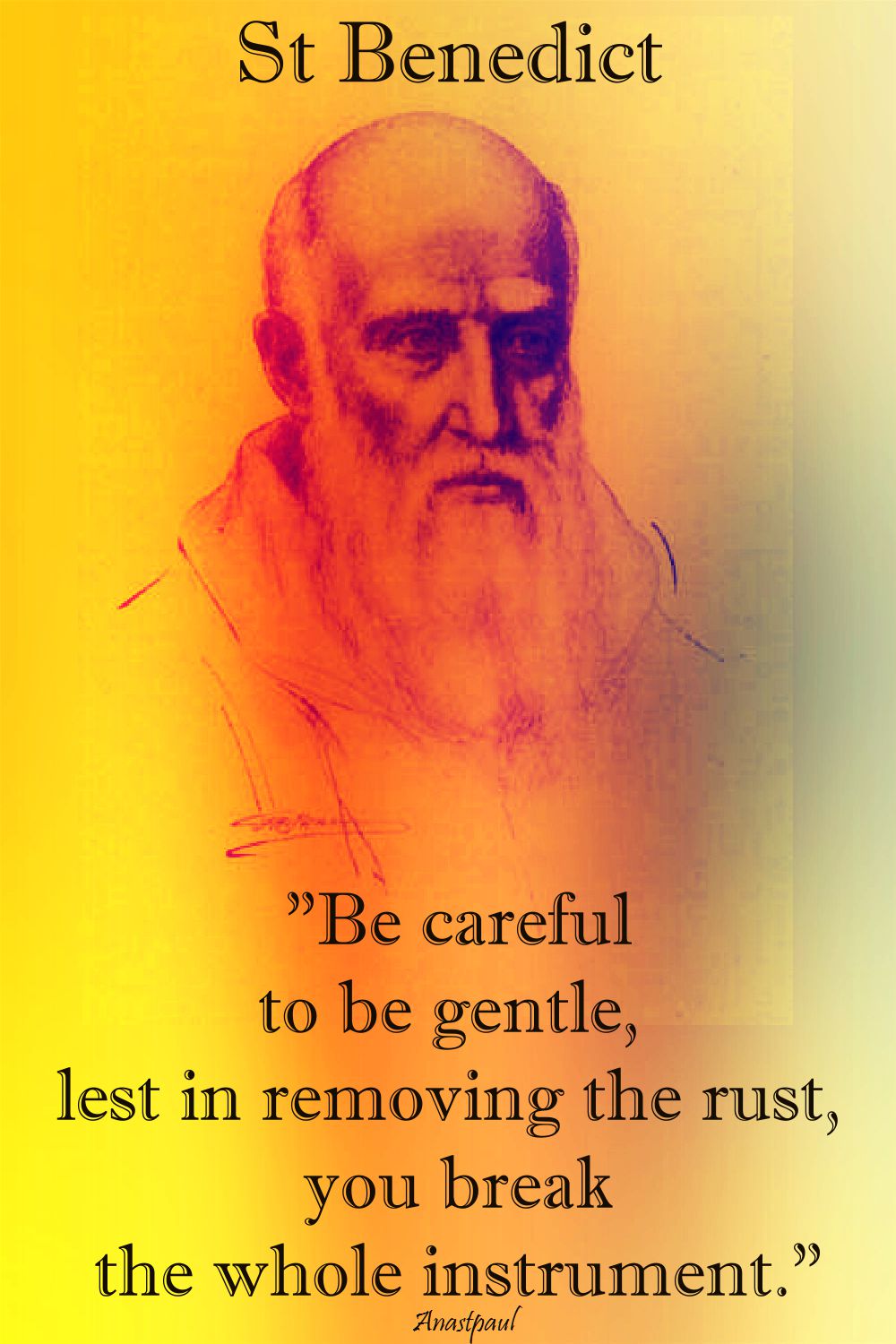
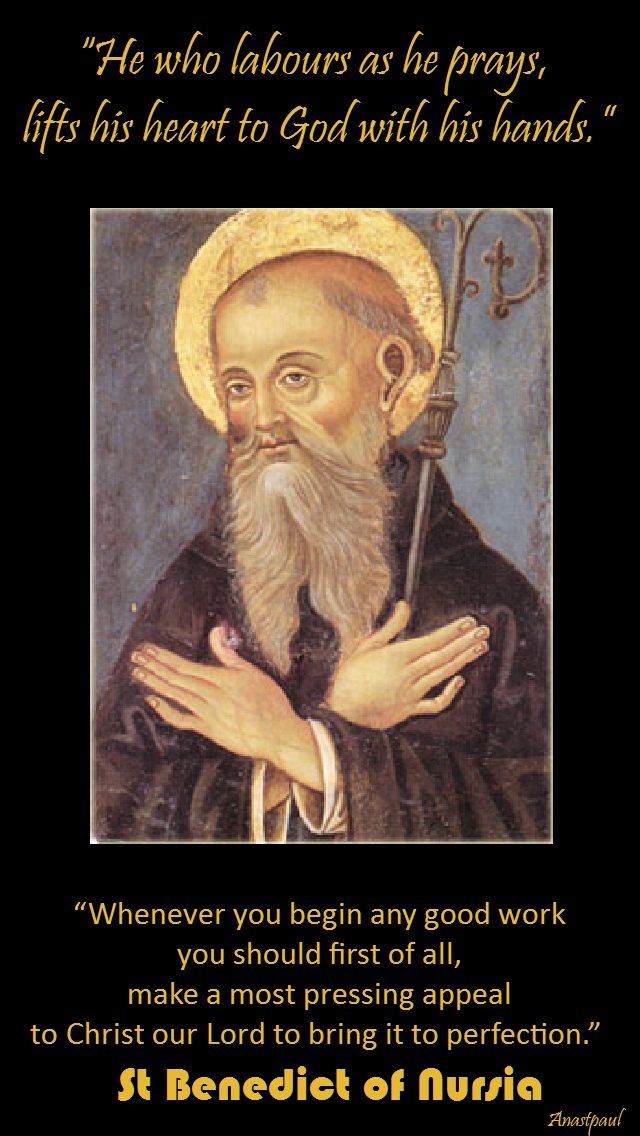
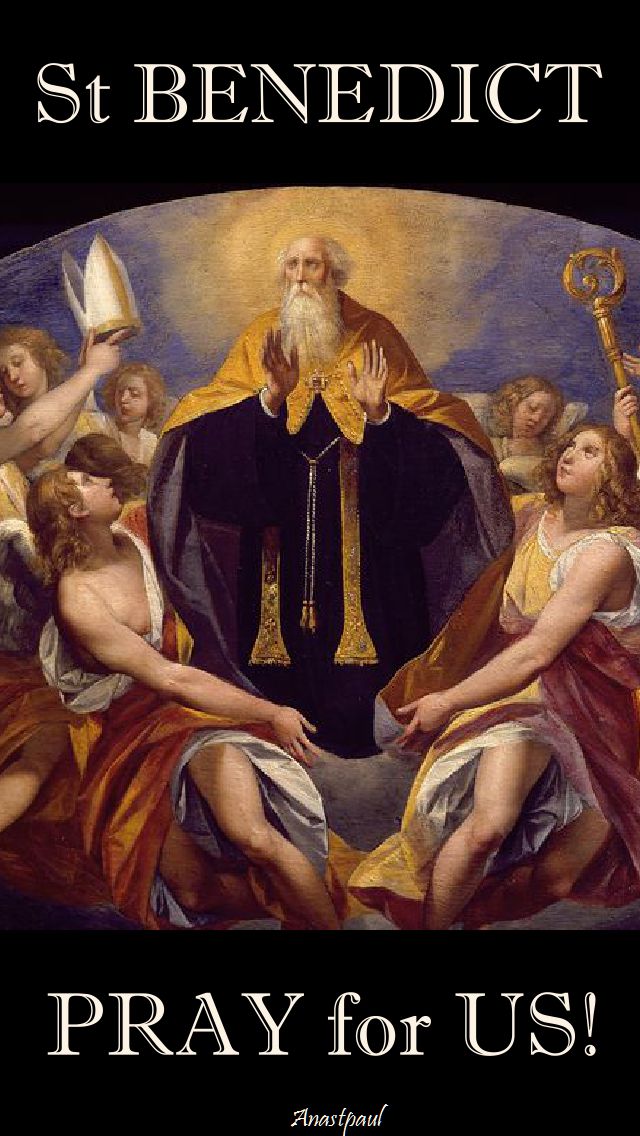
Saint of the Day – 11 July – St Benedict of Nursia O.S.B. – Abbot Patron of Europe (Patronus Europae) – Also known as: Benedict of Narsia, Benedict of Norsia, Benedetto da Norcia, Founder of Western Monasticism – (c 480, Narsia, Umbria, Italy – 21 March 547 of a fever while in prayer at Monte Cassino, Italy). He buried beneath the high altar there in the same tomb as Saint Scholastica. He was Canonised in 1220 by Pope Honorius III. Patronages: Co-Patron of Europe, Against poison, Against witchcraft, Agricultural workers, Cavers, Civil engineers, Coppersmiths, Dying people, Erysipelas, Europe, Farmers, Fever, Gall stones, Heerdt (Germany), Heraldry and Officers of arms, the Institute of Christ the King Sovereign Priest, Inflammatory diseases, Italian architects, Kidney disease, Monks, Nettle rash, Norcia, (Italy), People in religious orders, Schoolchildren and students, Servants who have broken their master’s belongings, Temptations.
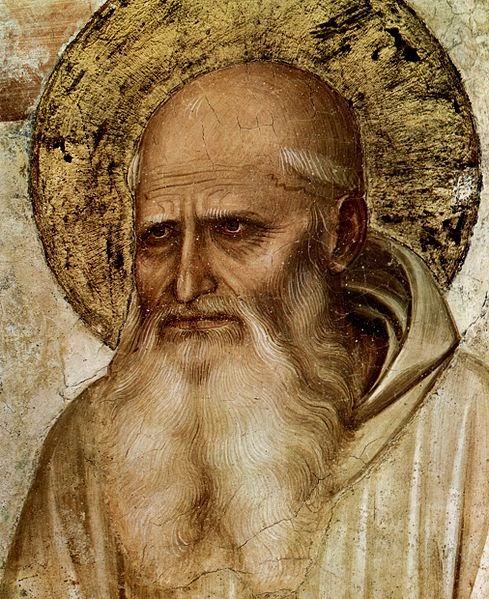
Fra Angelico
Benedict was born into a distinguished family in central Italy, studied at Rome and early in life was drawn to monasticism. At first he became a hermit, leaving a depressing world—pagan armies on the march, the Church torn by schism, people suffering from war, morality at a low ebb.
He soon realised that he could not live a hidden life in a small town any better than in a large city, so he withdrew to a cave high in the mountains for three years. Some monks chose Benedict as their leader for a while, but found his strictness not to their taste. Still the shift from hermit to community life had begun for him. He had an idea of gathering various families of monks into one “Grand Monastery” to give them the benefit of unity, fraternity and permanent worship in one house. Finally he began to build what was to become one of the most famous monasteries in the world—Monte Cassino, commanding three narrow valleys running toward the mountains north of Naples.
The Rule that gradually developed prescribed a life of liturgical prayer, study, manual labor, and living together in community under a common abbot. Benedictine asceticism is known for its moderation, and Benedictine charity has always shown concern for the people in the surrounding countryside. In the course of the Middle Ages, all monasticism in the West was gradually brought under the Rule of St. Benedict.
Today the Benedictine family is represented by two branches: the Benedictine Federation encompassing the men and women of the Order of St. Benedict and the Cistercians, men and women of the Order of Cistercians of the Strict Observance.
St Benedict died at Monte Cassino not long after his sister, Saint Scholastica. Benedict died of a high fever on the day God had told him he was to die and was buried in the same place as his sister. According to tradition, this occurred on 21 March 543 or 547. He was named patron protector of Europe by Pope Paul VI in 1964. In 1980, Pope John Paul II declared him co-patron of Europe, together with Saints Cyril and Methodius.
Rule of Saint Benedict
Seventy-three short chapters comprise the Rule. Its wisdom is of two kinds: spiritual (how to live a Christocentric life on earth) and administrative (how to run a monastery efficiently). More than half the chapters describe how to be obedient and humble and what to do when a member of the community is not. About one-fourth regulate the work of God (the Opus Dei). One-tenth outline how and by whom, the monastery should be managed.
Following the golden rule of Ora et Labora – pray and work, the monks each day devoted eight hours to prayer, eight hours to sleep and eight hours to manual work, sacred reading, or works of charity
Saint Benedict Medal, front.
On the front of the medal is Saint Benedict holding a cross in his right hand, the object of his devotion and in the left his rule for monasteries. In the back is a poisoned cup, in reference to the legend of Benedict, which explains that hostile monks attempted to poison him: the cup containing poisoned wine shattered when the saint made the sign of the cross over it (and a raven carried away a poisoned loaf of bread). Above the cup are the words Crux sancti patris Benedicti (“The Cross of [our] Holy Father Benedict”). Surrounding the figure of Saint Benedict are the words Eius in obitu nostro praesentia muniamur! (“May we be strengthened by his presence in the hour of our death”), since he was always regarded by the Benedictines as the patron of a happy death.
On the back is a cross, containing the letters C S S M L – N D S M D, initials of the words Crux sacra sit mihi lux! Non [Nunquam?] draco sit mihi dux! (“May the holy cross be my light! May the dragon never be my overlord!”). The large C S P B stand for Crux Sancti Patris Benedicti (“The Cross of [our] Holy Father Benedict”). Surrounding the back of the medal are the letters V R S N S M V – S M Q L I V B, in reference to Vade retro satana: Vade retro Satana! Nunquam suade mihi vana! Sunt mala quae libas. Ipse venena bibas! (“Begone Satan! Never tempt me with your vanities! What you offer me is evil. Drink the poison yourself!”) and finally, located at the top is the word PAX which means “peace”
Use of the Medal
There is no special way prescribed for carrying or wearing the Medal of St. Benedict. It can be worn on a chain around the neck, attached to one’s rosary, kept in one’s pocket or purse, or placed in one’s car or home. The medal is often put into the foundations of houses and building, on the walls of barns and sheds, or in one’s place of business.
The purpose of using the medal in any of the above ways is to call down God’s blessing and protection upon us, wherever we are and upon our homes and possessions, especially through the intercession of St. Benedict. By the conscious and devout use of the medal, it becomes, as it were, a constant silent prayer and reminder to us of our dignity as followers of Christ.
The medal is a prayer of exorcism against Satan, a prayer for strength in time of temptation, a prayer for peace among ourselves and among the nations of the world, a prayer that the Cross of Christ be our light and guide, a prayer of firm rejection of all that is evil, a prayer of petition that we may with Christian courage “walk in God’s ways, with the Gospel as our guide,” as St. Benedict urges us.
A profitable spiritual experience can be ours if we but take the time to study the array of inscriptions and representations found on the two sides of the medal. The lessons found there can be pondered over and over to bring true peace of mind and heart into our lives as we struggle to overcome the weaknesses of our human nature and realize that our human condition is not perfect, but that with the help of God and the intercession of the saints our condition can become better.
The Medal of St. Benedict can serve as a constant reminder of the need for us to take up our cross daily and “follow the true King, Christ our Lord,” and thus learn “to share in his heavenly kingdom,” as St. Benedict urges us in the Prologue of his Rule.
—
St Abundius of Ananelos
St Amabilis of Rouen
St Anna An Jiaoshi
St Anna An Xingshi
Bl Antonio Muller
St Berthevin of Lisieux
St Cindeus
St Cowair
St Cyprian of Brescia
St Cyriacus the Executioner
St Drostan
St Hidulf of Moyenmoutier
St Januarius
St John of Bergamo
Bl Kjeld of Viborg
St Leontius the Younger
St Marcian of Lycaonia
St Marciana of Caesarea
Maria An Guoshi
Maria An Linghua
Bl Marie-Clotilde Blanc
Bl Marie-Elisabeth Pélissier
Bl Marie-Marguerite de Barbégie d’Albrède
St Olga of Kiev
St Pelagia
St Pius I, Pope
St Placid of Dissentis
Bl Rosalie-Clotilde Bes
St Sabinus of Brescia
St Sabinus of Poitiers
St Sidronius
St Sigisbert of Dissentis
Bl Thomas Hunt
Bl Thomas Sprott
St Thurketyl
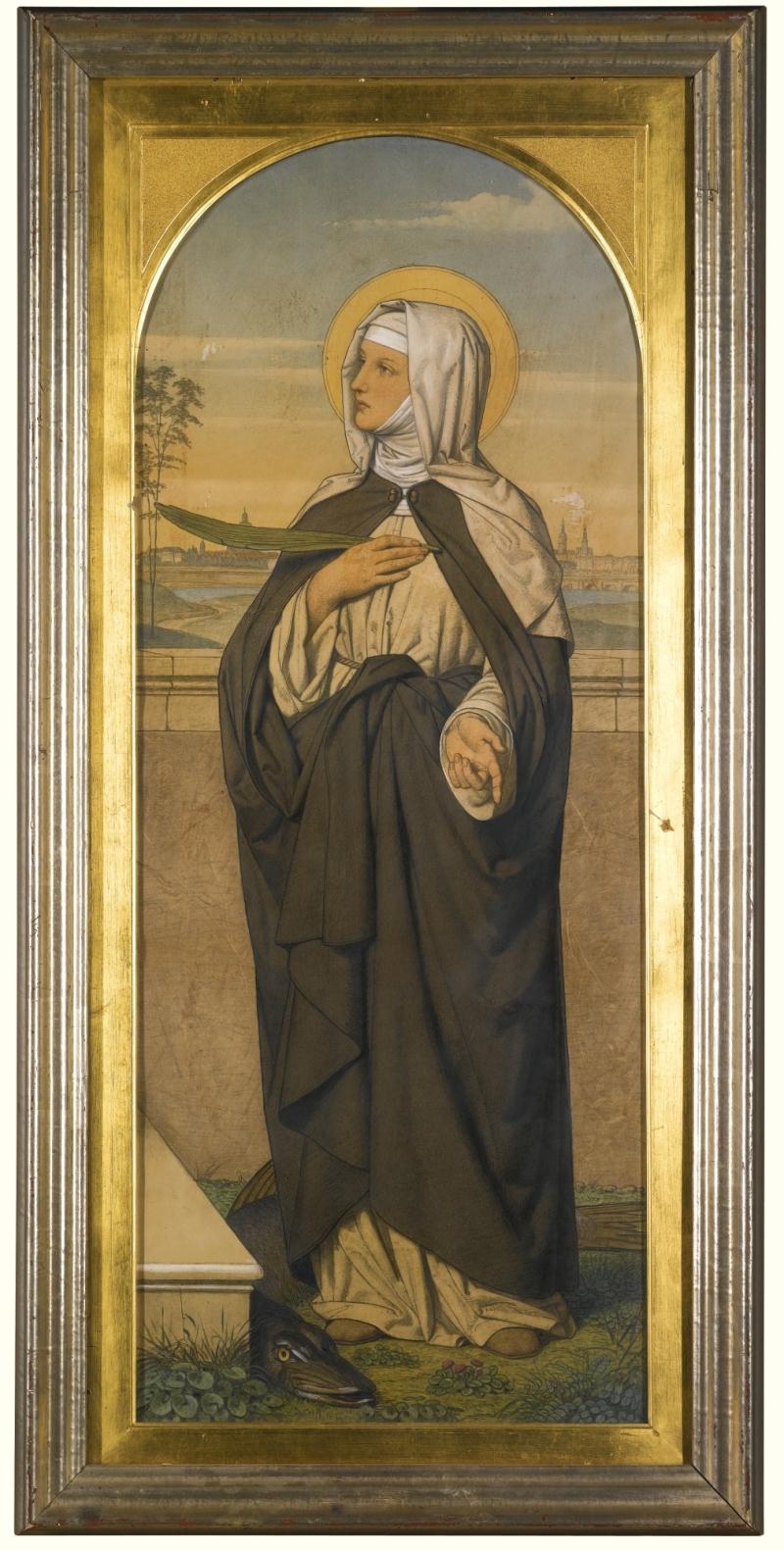
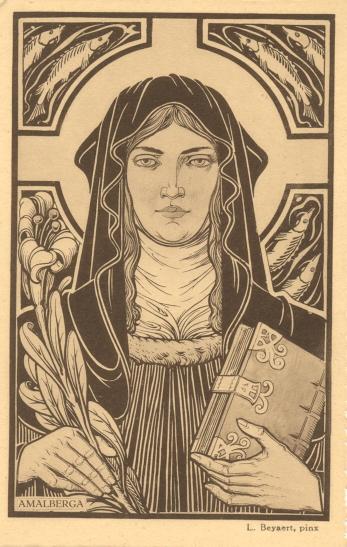
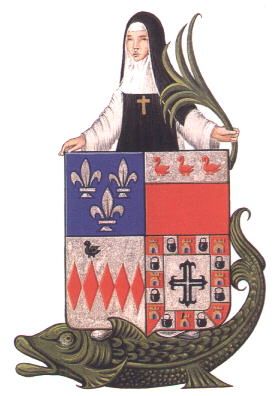
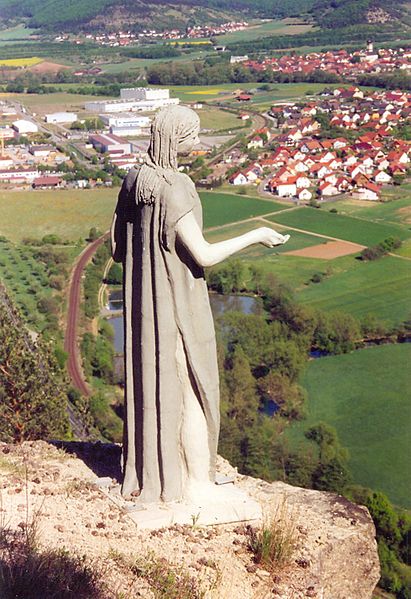
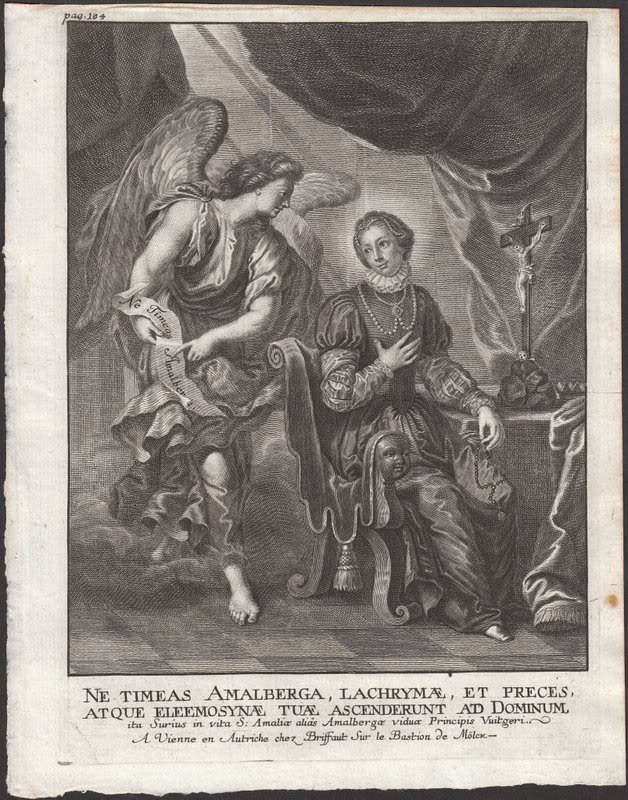
Saint of the Day – 10 July – St Amalberge of Mauberg – also known as: Amalburga of Temse, Amalberga, Amalia, Amelberg, Amelia – (Born in the seventh century in Brabant, Belgium – Died in 690). She is buried beside her husband at the monastery at Lobbes, Belgium and her relics have been in Saint Peter’s abbey church in Ghent, Belgium since 1073. Patronage – against arm pain, against bruises, against fever, of farmers, fever victims, Ghent, Belgium. Attributes – crown, fish, geese, sieve, woman holding a palm and open book, woman standing on a giant sturgeon or other fish, woman with a crown at her feet.
St Amalberga, otherwise Amelia, was born at Brabant and was related to Pepin of Landen. Whether she was a sister or niece, the Bollandists are not sure. She was married to Witger and became the mother of three saints: Gudila, Reinelda, and Emembertus.
The Norman chroniclers speak of her as having been married twice, which seems to be erroneous. She and her husband ultimately withdrew from the world; he becoming a monk and she a nun. There is very great confusion in the records of this saint and of a virgin who came a century after. To add to the difficulty a third St. Amalberga, also a virgin, appears in the twelfth century.
She died in 690 and is buried beside her husband at the Lobbes monastery. Her relics have been in Saint Peter’s abbey church in Ghent, Belgium since 1073. She is known to protect people against arm pain, bruises, and fever.
It is said that she once crossed a lake by riding on the back of a giant sturgeon, which led to her representation on or with a fish.
St Amalberga
St Anatolia of Thora
St Antôn Nguyen Huu Quynh
St Apollonius of Sardis
Bl Arnold of Camerino
St Bianor of Pisidia
St Cuán of Airbhre
St Elilantus
St Etto
Bl Euménios
St Knud of Denmark
St Lantfrid
Bl Marie-Gertrude de Ripert d’Alauzier
Bl Parthenios
St Pascharius of Nantes
St Peter Vincioli
St Phêrô Nguyen Khac Tu
St Rufina of Rome
St Secunda of Rome
St Sylvanus of Pisidia
Bl Sylvie-Agnès de Romillon
St Victoria
St Waltram
—
Martyrs of Africa – 4 saints: A group of Christians martyred together in Africa. The only information that has survived are four of their names – Felix, Januarius, Marinus and Nabor.
Martyrs of Antioch – 10 saints: A group of ten Christians martyred together. We have no details about them but the names – Diogenes, Domnina, Esicius, Macarius, Maxima, Maximus, Rodigus, Timoteus, Veronia and Zacheus. They were martyred in Antioch, date unknown.
Martyrs of Damascus – 11 beati: A group of Franciscans and laymen ordered by Druz Muslims to convert to Islam. They refused and were hacked to pieces.
• ‘Abd Al-Mu’ti Masabki
• Carmelo Bolta Bañuls
• Engelbert Kolland
• Francisco Pinazo Peñalver
• Fransis Masabki
• Juan Jacobo Fernández y Fernández
• Manuel Ruiz López
• Nicanor Ascanio de Soria
• Nicolás María Alberca Torres
• Pedro Soler Méndez
• Rufayil Masabki
They were cut to pieces on 9-10 July 1860 in Damascus, Syria.
Beatified on 10 October 1926 by Pope Pius XI.
Martyrs of Nicopolis – 45 saints: A group of 45 Christians tortured and martyred together in the persecutions of emperor Licinius. We know nothing else but six of their names – Anicetus, Anthony, Daniel, Leontius, Mauritius and Sisinno. c 329 in Nicopolis, Armenia (modern Koyulhisar, Turkey).
Martyrs of Nitria – 5 saints: Fathers of Nitria – Four monks and the bishop of Alexandria, Egypt who were martyred by heretics. Saint John Chrysostom wrote about them but their names have not come down to us. They were martyred in the 4th century in Nitria, Egypt.
Martyrs of Tomis – 45 saints: A group of 45 Christians martyred together. No details about them have survived but seven of their names – Aurelian, Diomedes, Domus, Emilian, John, Marcian and Sisimmus. They were martyred in Tomis, Scythia Minor (modern Constanta, Romania), date unknown.
Seven Holy Brothers – 7 martyrs: A group of seven brothers, the sons of Saint Felicitas, all Christians and all martyred in Rome, Italy in 165 in the persecutions of Emperor Antoninus – Alexander, Felix, Januarius, Martialis, Philip, Silvanus and Vitalis. Patronage – Abbey of Badia di Cava, Italy.
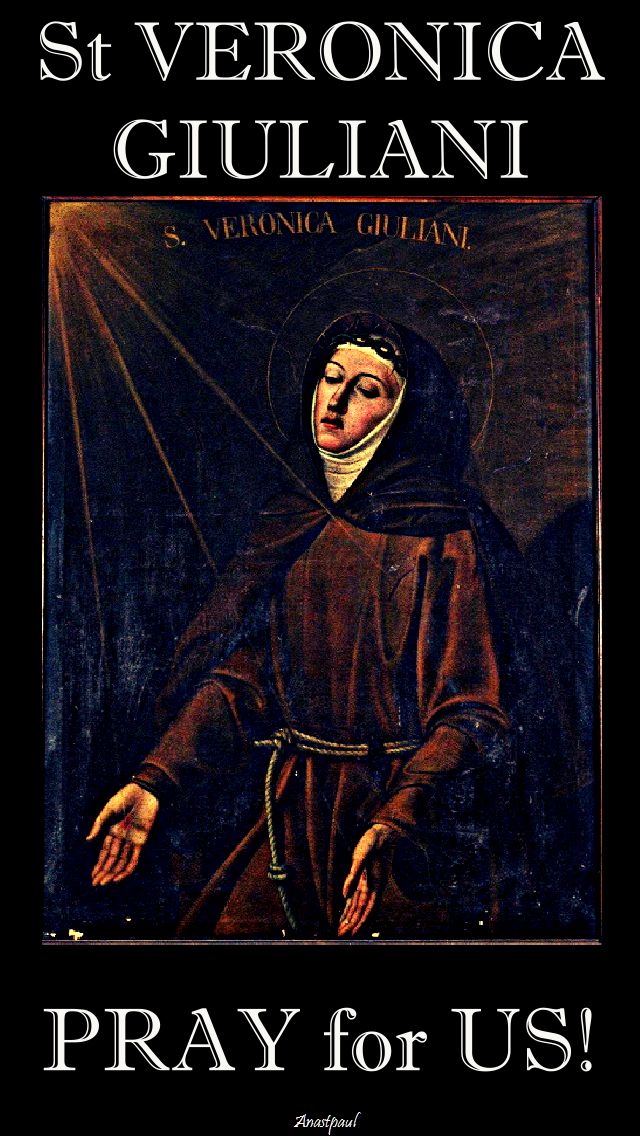
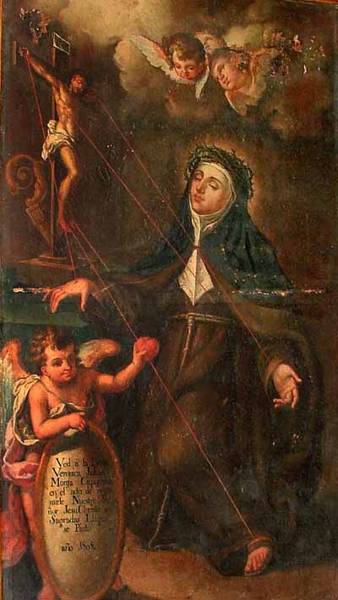
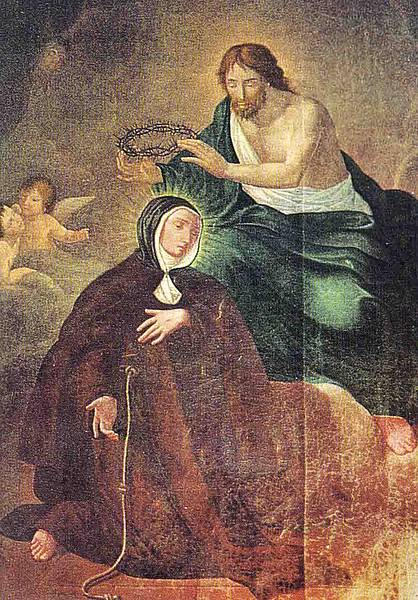
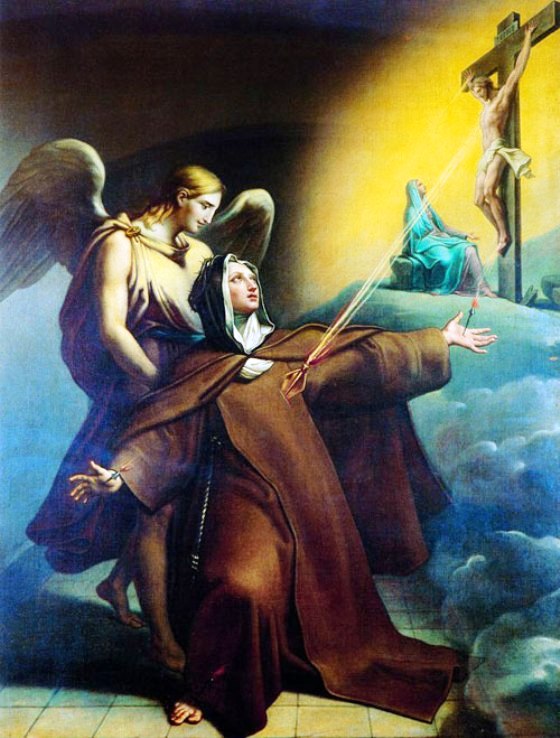
“Saint Veronica, true to the name she took in religion, became a “true image” of Christ crucified; her configuration to the Lord was accompanied by profound mystical experiences such as her crowning with thorns and the stigmata. Veronica’s spirituality, as revealed above all in her Diary, is Christ-centred and spousal: she saw all things in the light of Christ’s love, manifested in His Passion and she united herself to His self-oblation to the Father for the salvation of souls. Her love of the Scriptures was deeply linked to her love of the Church and her strong sense of the communion of the saints.
St. Veronica Giuliani invites us to make our Christian life grow, our union with the Lord in being for others, abandoning ourselves to His will with complete and total trust and to union with the Church, Bride of Christ; she invites us to participate in the suffering love of Jesus Crucified for the salvation of all sinners; she invites us to fix our gaze on Paradise, the goal of our earthly journey, where we will live together with so many brothers and sisters the joy of full communion with God; she invites us to nourish ourselves daily from the Word of God to warm our hearts and give direction to our life. The last words of the saint can be considered the synthesis of her passionate mystical experience: “I have found Love, Love has let Himself be seen!”…. May the life and teaching of Saint Veronica Giuliani inspire us to grow in union with the Lord and His Church and to share in Christ’s loving concern for the salvation of sinners.”
Pope Benedict XVI 15 December 2010
“VERONICA” – Latin alteration of BERENICE, the spelling influenced by the ecclesiastical Latin phrase vera icon meaning “true image”. This was the name of a legendary saint who wiped Jesus’ face with a cloth and miraculously found His image imprinted upon it. It was borne by the 17th-century Italian saint and mystic Veronica Giuliani.
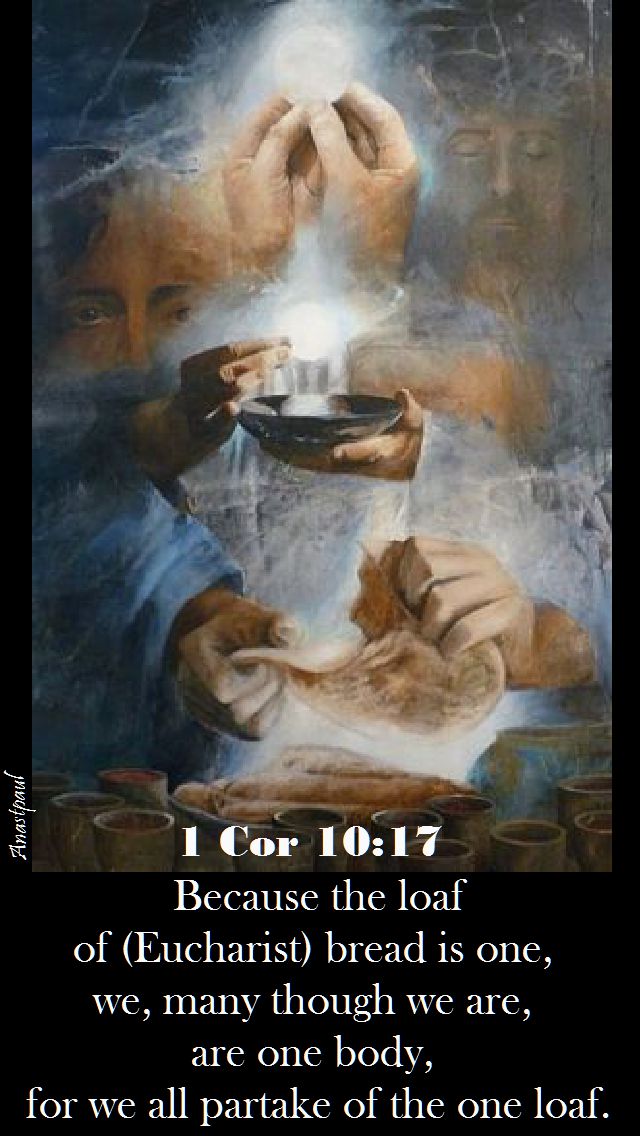
Because the loaf of (Eucharist) bread is one,
we, many though we are,
are one body,
for we all partake of the one loaf…………1 Cor 10:17
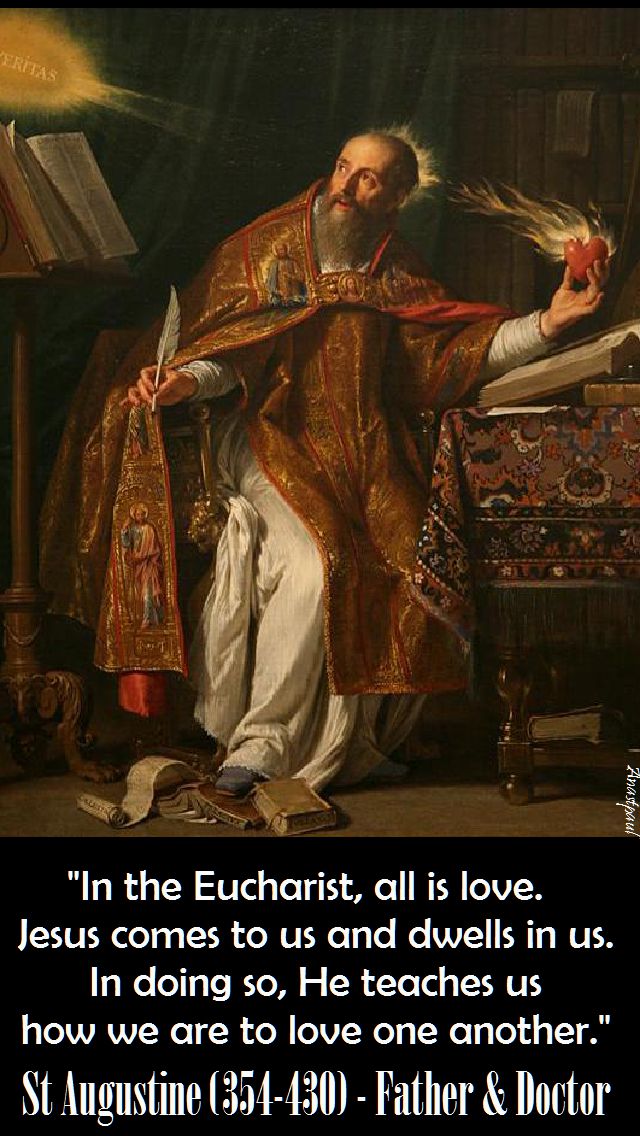
REFLECTION – “In the Eucharist, all is love. Jesus comes to us and dwells in us.
In doing so, He teaches us how we are to love one another.”………….St Augustine (354-430)
PRAYER – Most loving Father, grant that every Eucharistic Celebration may unit me more closely to Your Divine Son. May it also unite me to all Christians and help me to show greater love for them every day. St Veronica Giuliani, you truly experienced total and supreme love in Holy Communion, pray for us that we might come to understand this immense and ineffable love of our Saviour for us all, as He becomes our food of life, amen.
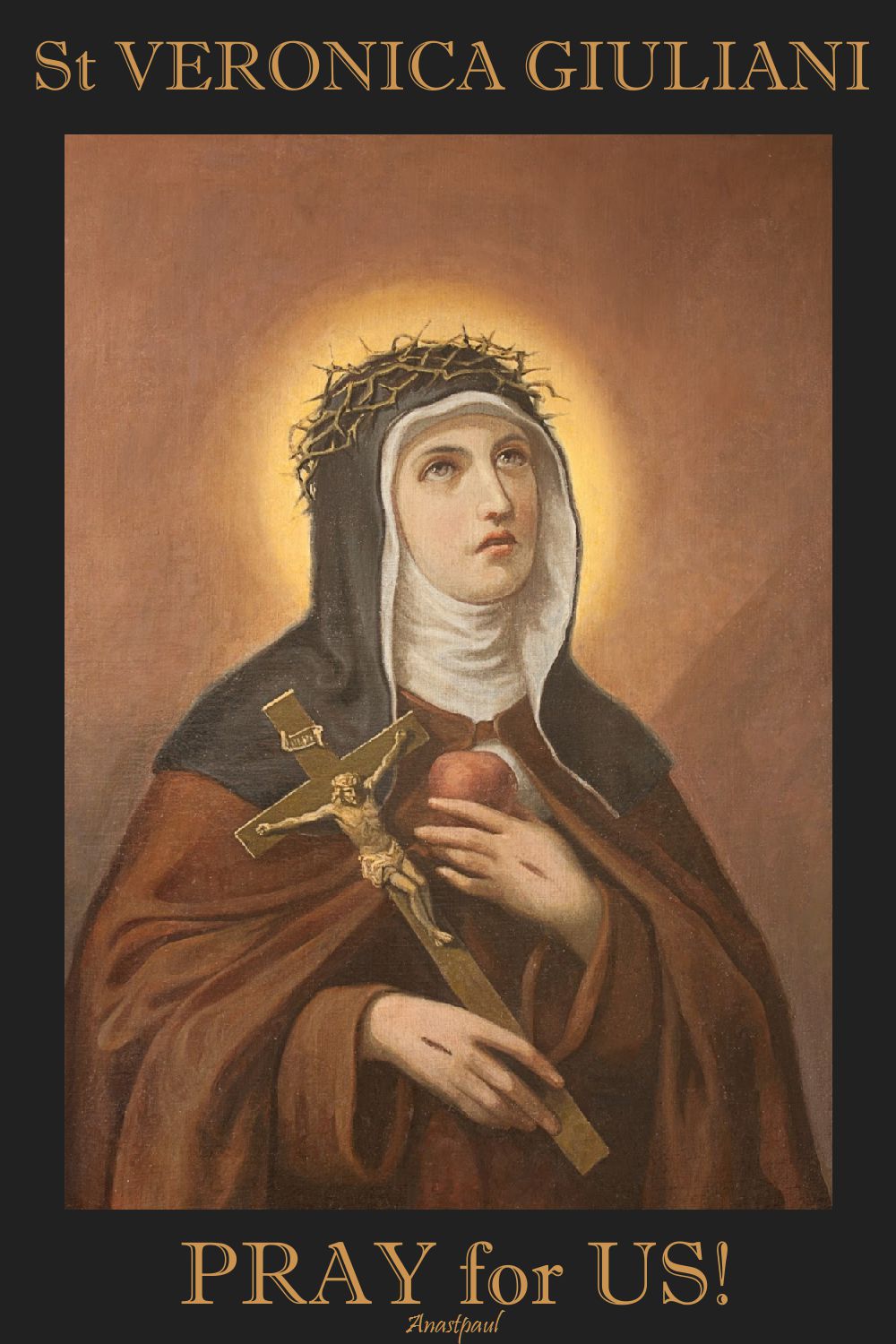
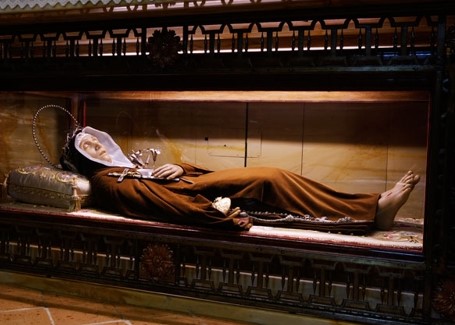
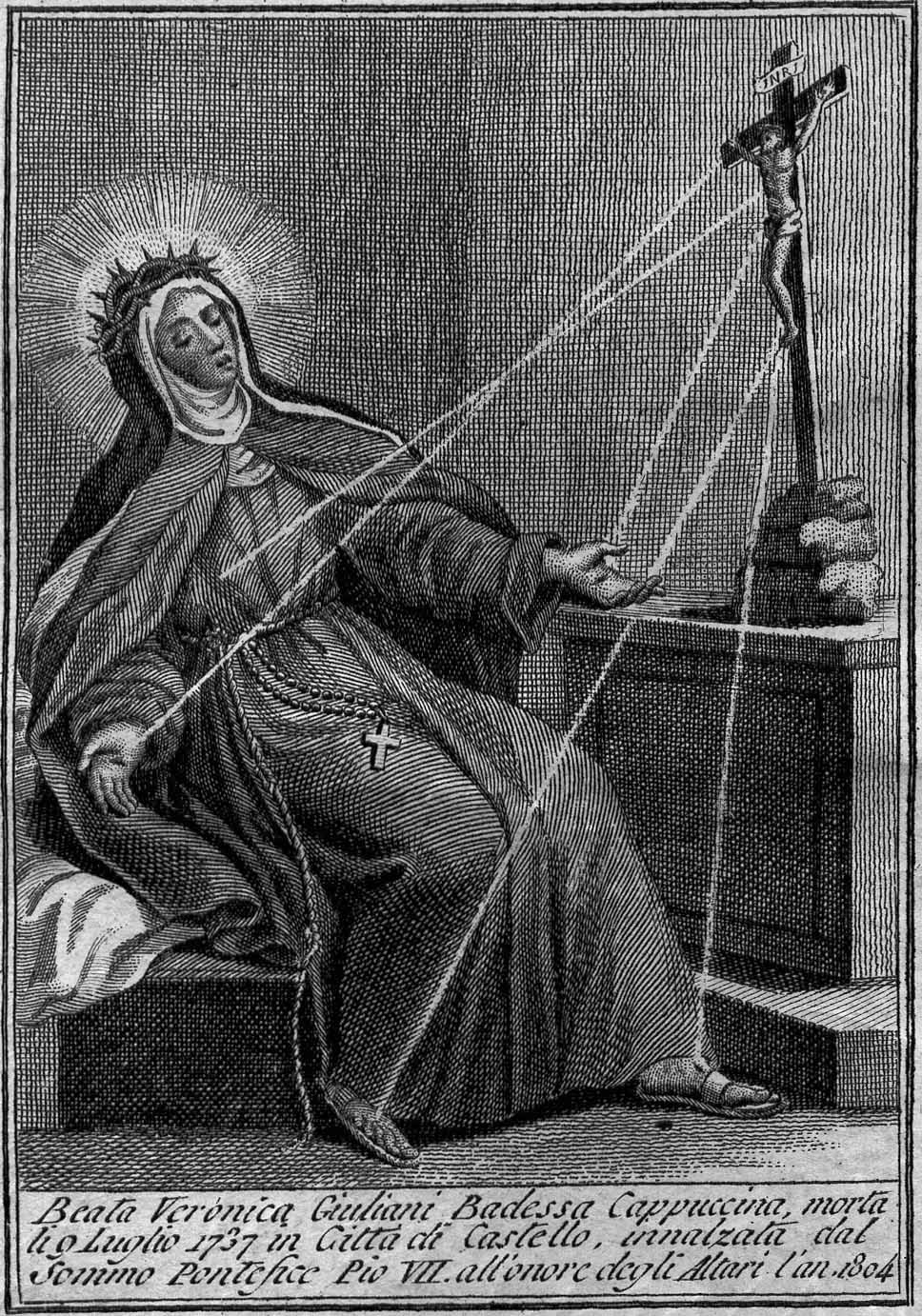
Saint of the Day – 9 July – St Veronica Giuliani – Italian Capuchin Poor Clares nun, Abbot, Mystic, Stigmatist. (1660 at Mercatello, Duchy of Urbino (part of modern Italy) as Ursula Giuliani – 9 July 1727 at Città di Castello, Italy of natural causes). The figure of the cross was found impressed upon her heart. Her body is incorrupt. She was beatified on 17 June 1804 by Pope Pius VII and canonised on 26 May 1839 by Pope Gregory XVI. Attributes – crowned with thorns and embracing the Cross, holding a heart marked with a cross, embracing a Crucifix.
She was born Orsola [Ursula] Giuliani at Mercatello in the Duchy of Urbino on December 27, 1660. Her parents were Francesco and Benedetta Mancini Giuliani. She was the youngest of seven sisters, three of whom embraced the monastic life.
It is told that at the age of three years Ursula supposedly began to show great compassion for the poor. She would set apart a portion of her food for them and even part with her clothes when she met a poor child scantily clad. Her mother died when Ursula was seven years of age.
When others did not readily join in her religious practices she was inclined to be dictatorial. At the age of 16, she experienced a vision which corrected this imperfection of character: she saw her own heart as a “heart of steel”. In her writings she confesses that she took a certain pleasure in the more stately circumstances which her family adopted when her father was appointed superintendent of finance at Piacenza. When Veronica came of age, her father believed she should marry and so he desired her to take part in the social activities of the young people. But she pleaded so earnestly with her father that, after much resistance, he finally permitted her to choose her own state in life.
For fifty years Ursula Giuliani lived as Sister Veronica in the Capuchin convent of Città di Castello in Umbria, Italy. With gritty determination tempered by humility, she led her sisters as novice mistress for thirty-four years and as abbess for eleven. St. Veronica governed the convent with obvious common sense. For example, so that her young novices would not get puffed up with pride, she forbade them to read the elevated works of the great spiritual masters. Instead she required them to study books on Christian basics. And as a most practical woman, she improved her sisters’ comfort by enlarging the convent rooms and having water piped inside.
Like Teresa of Ávila, another very down-to-earth saint, Veronica enjoyed an unusually profound communion with God. In the following excerpt from her Diary, she struggled to put into words her experience of the divine presence:
“While I was about to go to Holy Communion, I seemed to be thrown wide open like a door flung open to welcome a close friend and then shut tight after his entry. So my heart was alone with Him—alone with God. It seems impossible to relate all the effects, feelings, leaping delight and festivity my soul experienced. If I were to speak, for example, of all the happy and pleasant times shared with dear friends . . . , I would be saying nothing comparable to this joy. And if I were to add up all the occasions of rejoicing in the universe, I would be saying that all this amounts to little or nothing beside what, in an instant, my heart experiences in the presence of God. Or rather what God does to my heart, because all these other things flow from Him and are His works.
Love makes the heart leap and dance. Love makes it exult and be festive. Love makes it sing and be silent as it pleases. Love grants it rest and enables it to act. Love possesses it and gives it everything. Loves takes it over completely and dwells in it. But I am unable to say more because if I wished to relate all the effects that my heart experiences in the act of going to Holy Communion and also at other times, I would never finish saying everything. It is sufficient to say that communion is a . . . mansion of love itself.”
Veronica had a lifelong devotion to Christ crucified that eventually became manifested in physical signs. The marks of the crown of thorns appeared on her forehead in 1694 and the five wounds on her body in 1697. Veronica was humiliated by the stigmata itself and by her bishop’s rigorous testing of her experience. He removed the saint from ordinary community life and put her under constant observation. When he decided that the phenomena were authentic, he allowed her to return to normal convent life and continue her service to her sisters. In 1727, Veronica died of apoplexy at the age of sixty- seven.
Martyrs of China (Optional Memorial; 76 saints): 25 priests, friars, nuns, seminarians and lay people, all members of the Franciscan and all murdered together for their faith in the Boxer Rebellion:
• André Bauer • Elia; Facchini • Francesco; Fogolla • Franciscus; Zhang; Rong • Gregorio; Grassi • Iacobus; Yan; Guodong • Iacobus; Zhao; Quanxin • Ioannes; Wang; Rui • Ioannes; Zhang; Huan • Ioannes; Zhang; Jingguang • Jeanne-Marie; Kerguin • Maria; Chaira • Marianna; Giuliani • Marie; Adolphine; Dierks • Marie; Amandine • Marie; de; Saint; Just • Mary; Hermina; Grivot • Matthias; Feng; De • Patricius; Dong • Petrus; Wang; Erman • Petrus; Wu; Anbang • Petrus; Zhang; Banniu • Philippus; Zhang; Zhihe • Simon; Chen • Thomas; Shen; Jihe •
They were beheaded on 9 July 1900 at Taiyuanfu, Shanxi, China and Canonized on 1 October 2000 by Pope John Paul II in Rome.
Our Lady of Chiquinquira
Our Lady of Itatí
Our Lady of Peace
Our Lady of Victories
—
Bl Adrian Fortescue
St Agrippinus of Autun
St Alexander of Egypt
St Audax of Thora
St Brictius of Martola
St Copra of Egypt
St Cyril of Gortyna
Bl Dionysius the Rhetorician
St Everild of Everingham
St Faustina of Rome
St Felician of Sicily
Bl Fidelis Chojnacki
St Floriana of Rome
St Hérombert of Minden
Bl Jane Scopelli
St Joachim Ho
Bl Luigi Caburlotto
Bl Marguerite-Marie-Anne de Rocher
Bl Marie-Anne-Madeleine de Guilhermier
Bl Marija Petkovic
St Patermutius of Egypt
St Paulina do Coração Agonizante de Jesus
St Ursula/Veronica Giuliani
—
Four Holy Polish Brothers – 4 saints: Four brothers who became hermits, Benedictine monks and saints – Andrew, Barnabas, Benedict and Justus. They were born in Poland and died in 1008 of natural causes.
Martyrs of Gorkum – 19 saints: Nineteen martyrs killed by Calvinists for loyalty to the Pope and for their belief in the Real Presence in the Eucharist. They are –
• Adrianus van Hilvarenbeek • Andreas Wouters • Antonius van Hoornaar • Antonius van Weert • Cornelius van Wijk • Francisus de Roye • Godfried van Duynen • Godfried van Melveren • Hieronymus van Weert • Jacobus Lacops • Joannes Lenaerts • John of Cologne • Leonardus van Veghel • Nicasius Janssen van Heeze • Nicolaas Pieck • Nicolaas Poppel • Petrus van Assche • Theodorus van der Eem • Willehad van Deem •
They werehanged on 9 July 1572 in Brielle, Zuid-Holland, Netherlands.
Beatified on 24 November 1675 by Pope Clement X and Canonised on 29 June 1867 by Pope Pius IX.
Martyrs of Orange – 32 beati: 32 nuns from several orders who spent up to 18 months in prison and were finally executed for refusing to renounce Christianity during the persecutions of the French Revolution.
• Anne Cartier • Anne-Andrée Minutte • Dorothée-Madeleine-Julie de Justamond • élisabeth Verchière • élisabeth-Thérèse de Consolin • Jeanne-Marie de Romillon • Madeleine-Françoise de Justamond • Madeleine-Thérèse Talieu • Marguerite-Eléonore de Justamond • Marguerite-Marie-Anne de Rocher • Marguerite-Rose de Gordon • Marguerite-Thérèse Charensol • Marie Cluse • Marie-Anastasie de Roquard • Marie-Anne Béguin-Royal • Marie-Anne Depeyre • Marie-Anne Doux • Marie-Anne Lambert • Marie-Anne-Madeleine de Guilhermier • Marie-Claire du Bac • Marie-Clotilde Blanc • Marie-Elisabeth Pélissier • Marie-Gabrielle-Françoise-Suzanne de Gaillard de Lavaldène • Marie-Gertrude de Ripert d’Alauzier • Marie-Marguerite Bonnet • Marie-Marguerite de Barbégie d’Albrède • Marie-Rose Laye • Rosalie-Clotilde Bes • Suzanne-Agathe Deloye • Sylvie-Agnès de Romillon • Thérèse-Henriette Faurie
They were guillotined between 6 July and 26 July 1794 at Orange, Vaucluse, France.
Beatified on 10 May 1925 by Pope Pius XI.
Martyrs of the Baths – 10,204 saints: A group of Christians enslaved by Diocletian to build the gigantic baths in imperial Rome, Italy. The end of their labours coincided with the beginning of the great persecutions of Diocletian and they were all executed. Ancient records indicated there were 10,204 of them; Zeno of Rome is the only one whose name has come down to us and we know nothing else about any of their individual lives.
c 304.
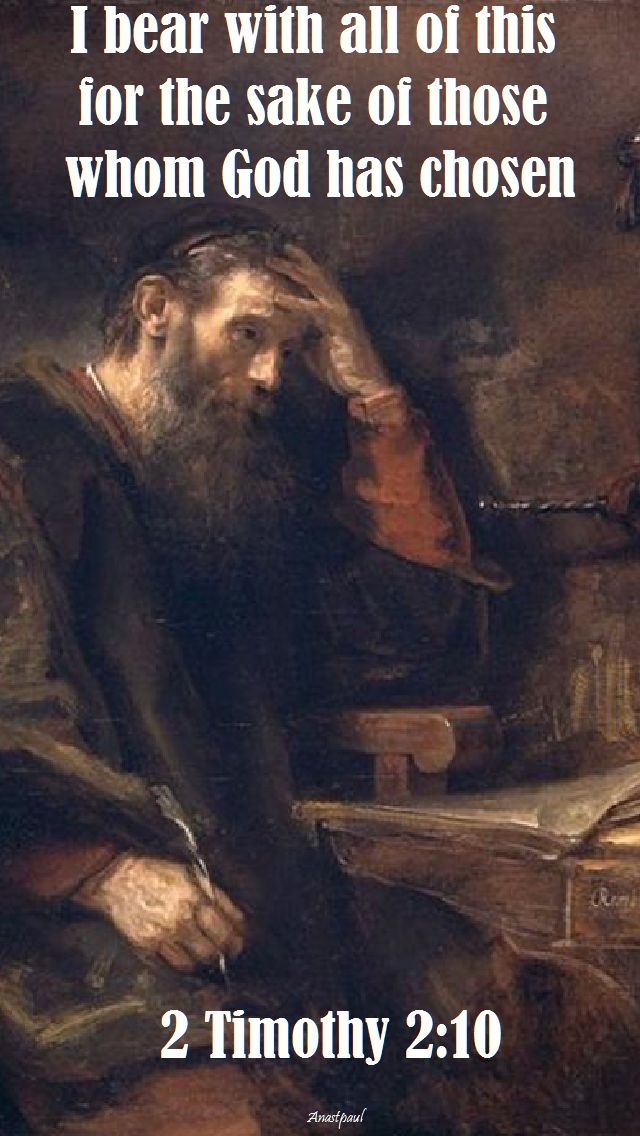
I bear with all of this for the sake of those whom God has chosen..2 Timothy 2:10
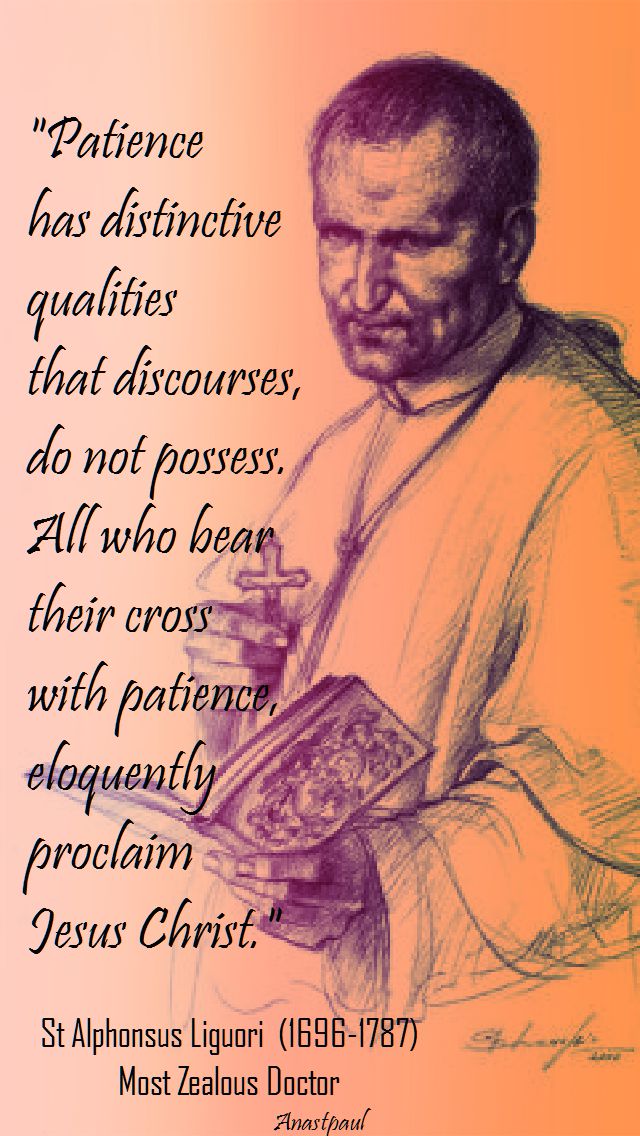
REFLECTION – “Patience has distinctive qualities that discourses do not possess. All who bear their cross with patience, eloquently proclaim Jesus Christ.”………….St Alphonsus Liguori
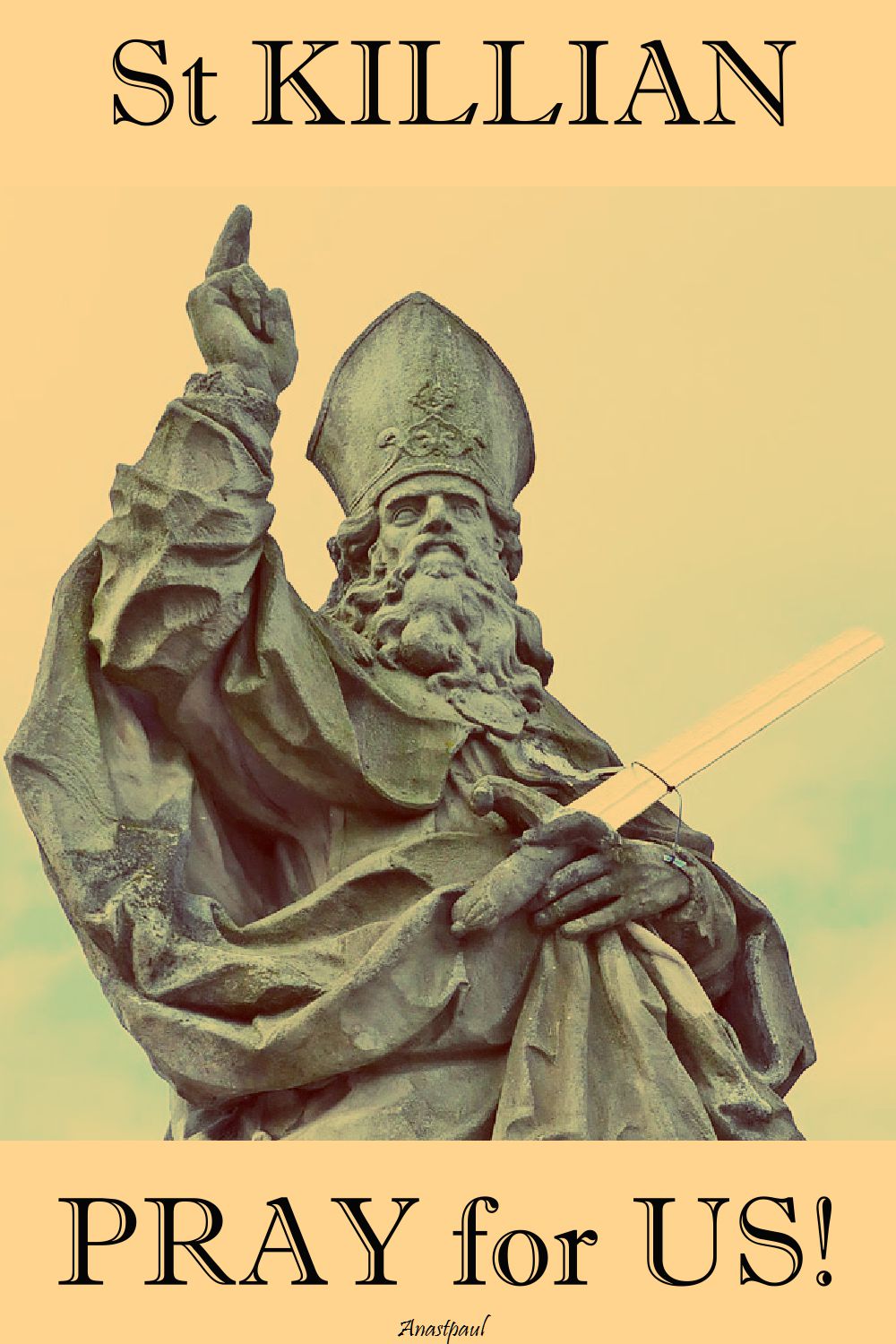
PRAYER – Heavenly Father, teach me to be patient under the crosses that come my way. Let my silent example speak vlumes to others and lead them to faith in Your Son, our Lord Jesus Christ. St Killian, you worked tirelessly and patiently for the glory of the Kingdom, please intercede for us all, amen.
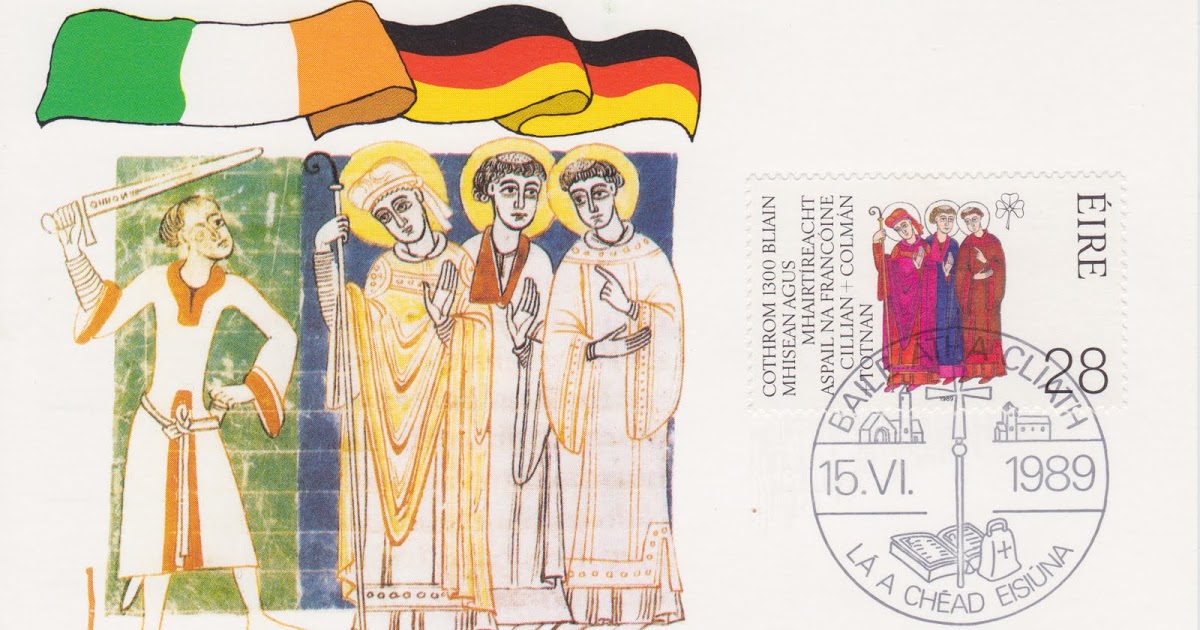
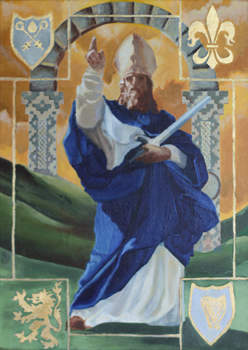
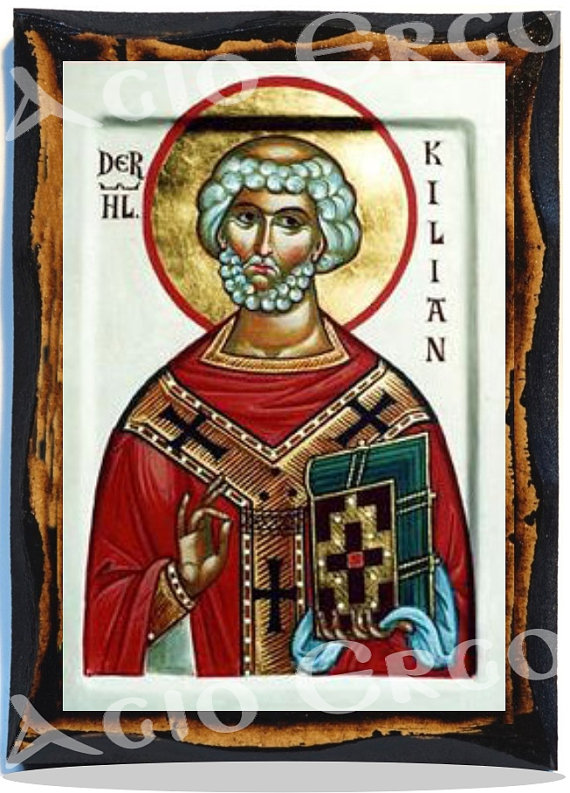
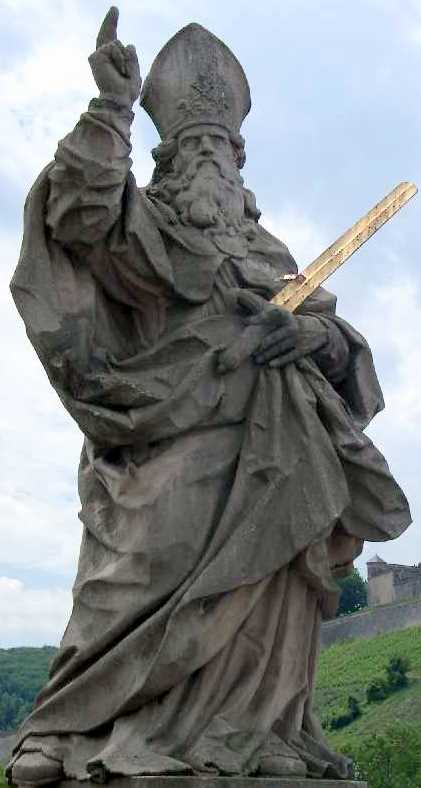
Saint of the Day – 8 July – St Killian (c640-689) Bishop, Martyr, Missionary, “Apostle of Franconia”(nowadays the northern part of Bavaria) – Born in c640 in Mullagh, County Cavan, Ireland – Martyred on 8 July 689 in Wurzburg. Patronages – against rheumatism and gout, against deception, Bavaria, Germany Archdiocese of Paderborn, Germany, Diocese of Würzburg, Germany, Tuosist, County Kerry, Ireland (the City from which his mission to mainland Europe began). Attributes – bishop being murdered with two priests, bishop holding a crozier and sword, bishop holding a large sword and standing between two priests, with Saint Colman and and Saint Totnan.
The Roman Martyrology reads today: “At Wirzburg in Germany, St Killan, a Bishop, who was commissioned by the Roman Pontiff to preach the Gospel. After having converted many to Christ, he was put to death with his companions, Colman, a Priest and Totnan, a Deacon.”
St Killian was born to the Irish nobility. He became a Monk at the monastery of Hy and is thought to have become the abbot. He was appointed as Bishop and travelled throughout Ireland. With eleven companions, he became a missionary through Gaul to Würzburg, Germany whose people he found to be pagan and whom he resolved to convert. On a pilgraimage to Rome, Italy in 686 he received papal authority for his mission; Pope Conon ordained him as a missionary bishop. Kilian then returned to Würzburg in 687 with Saint Colman and Saint Totnan. With them, he evangelised East Franconia and East Thuringia, areas in modern Bavaria, Germany, converted Duke Gozbert and a large part of Gozbert’s subjects.
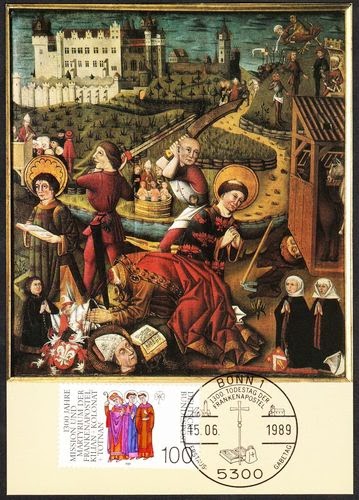
After Duke Gozbert converted, Killian explained that the duke’s marriage with Geilana, his brother’s widow, was unlawful. He secured the duke’s promise to leave her, which made an enemy of pagan Geilana. She plotted against the saint and caused the murder of him, Colman and Totnan, and the burial of their corpses, sacred vessels, vestments and holy writings at the crime scene. When the duke returned to her, Geilana denied knowing the location of the missionaries. The actual murderer went mad, confessed his crime and died miserably. Geilana herself eventually died insane.
1989 German Stamp honouring St Killian, St Colman and St Totnan
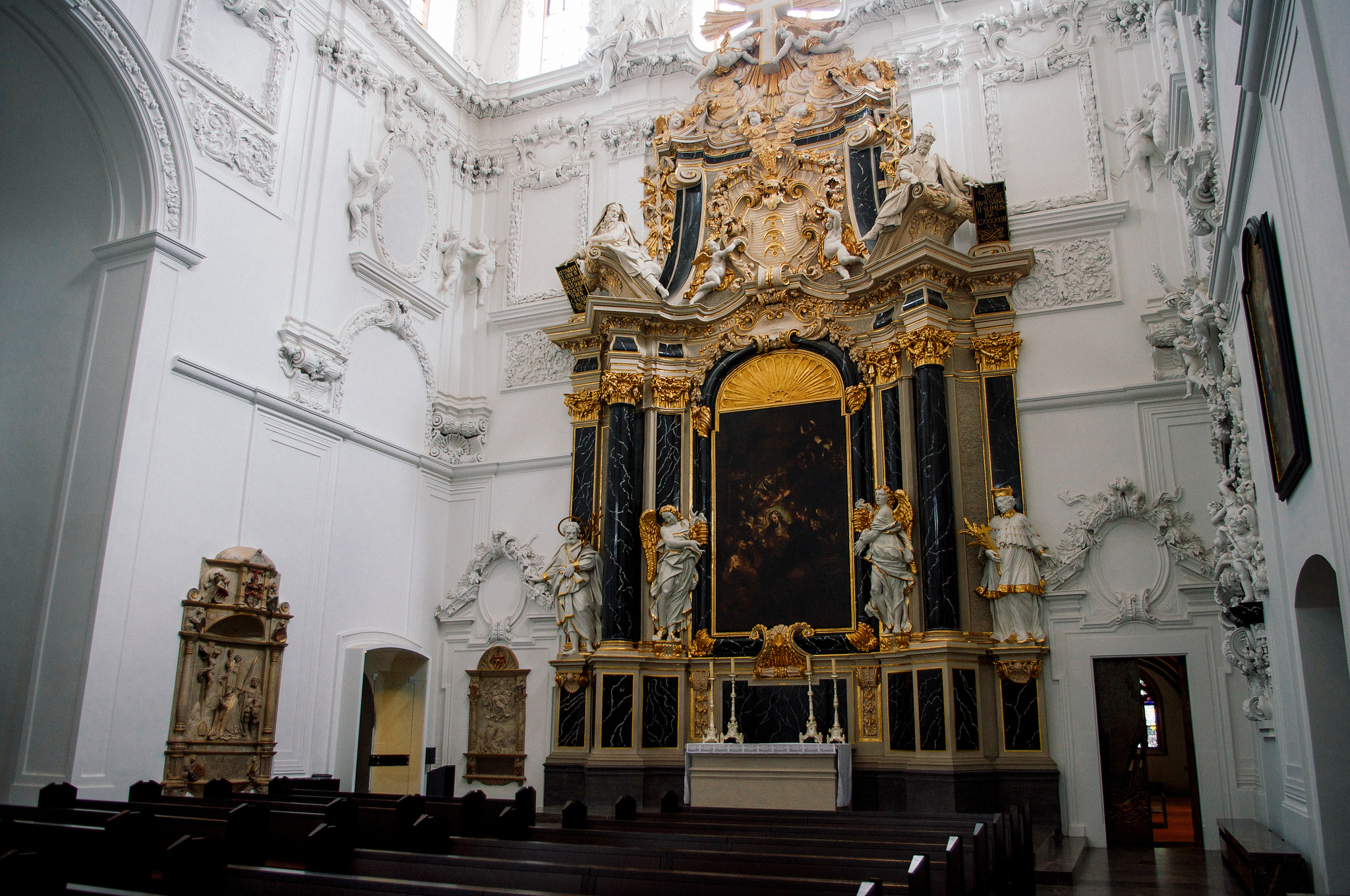
Kilian’s good work did not long survive him. When Saint Boniface arrived in Thuringia, he found evidence of his predecessor’s influence. The relics of the martyrs, after cures had brought fame to their burial place, were transferred to the Church of Our Lady in 743 by Saint Burchard, first Bishop of Würzburg. After Burchard obtained Pope Zachary’s permission for their public veneration, they were solemnly transferred, probably on 8 July 752, to the newly finished Cathedral of the Saviour. Later they were buried in Saint Kilian’s vault in the new cathedral erected on the spot where tradition says they were martyred. His skull is still preserved, is bejewelled and is processed on his feast day. Killian’s copy of the New Testament was preserved in Würzburg Cathedral until 1803, and since then has been in the university library.
St Abraham the Martyr
Bl Adolf IV of Schauenburg
St Adrian III, Pope
St Ampelius of Milan
St Apollonius of Benevento
St Aquila the Tent Maker
St Arnold
St Auspicius of Toul
St Auspicius of Trier
Brogan of Mothil
St Colman of Thuringia
St Doucelin
St Edgar the Peaceful
Bl Pope Eugene III
St Glyceria of Heraclea
St Grimbald
St Ioannes Wu Wenyin
St Ithier of Nevers
St Killian
St Landrada
Bl Mancius Araki Kyuzaburo
St Morwenna
St Pancras of Taormina
Bl Peter the Hermit
St Priscilla the Tent Maker
St Procopius of Ceasarea
St Sunniva of Bergen
St Thibaud de Marly
St Totnan of Thuringia
—
Abrahamite Monks/Martyrs of Constantinople: A group of monks in a monstery founded by Saint Abraham of Ephesus. Martyred in the iconoclast persecutions of emperor Theophilus. They were martyred in c 835 in Constantinople.
Martyrs of Shanxi – 7 saints: In 1898 seven sisters of the Franciscan Missionaries of Mary were sent to the Shanxi diocese in China to serve the poor in hospitals, and care for the unwanted or other destitutes in orphanages. They were –
• Anne-Catherine Dierks
• Anne-Francoise Moreau
• Clelia Nanetti
• Irma Grivot
• Jeanne-Marie Kuergin
• Marianna Giuliani
• Pauline Jeuris
There they all died in one of the periodic crackdowns against foreign missionaries.
They were beheaded on 9 July 1900 at Taiyuanfu, China- Beatified on 24 November 1946 by Pope Pius XII and Canonised on 1 October 2000 by Pope John Paul II.
Martyrs of Syrmium – 5 saints: Five Christians martyred together for their faith. We know nothing else about them but the names – Cecilia, Eperentius, Eraclius, Sostratus and Spirus. They were martyred in the 4th century in Syrmium, Pannonia (modern Serbia).






















You must be logged in to post a comment.